

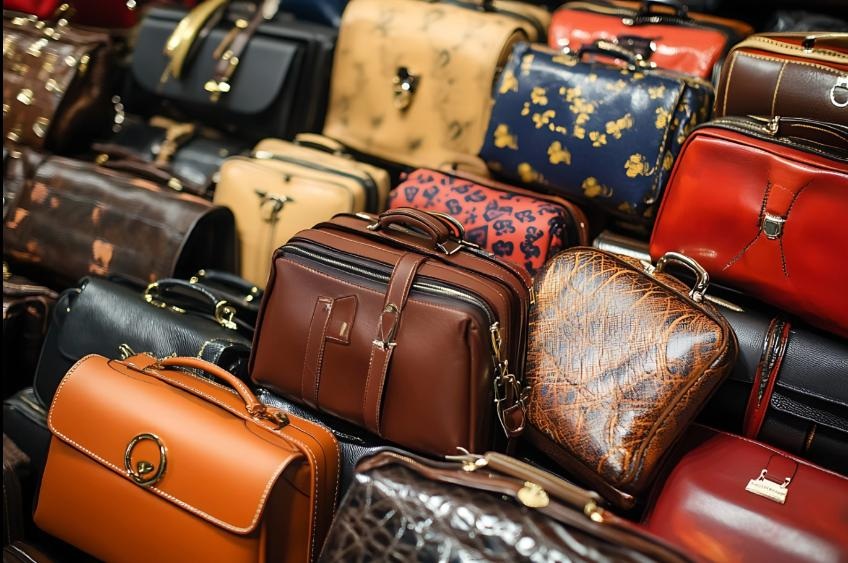
The Consequences of Counterfeiting: Millions in Losses and 1,429 Arrests Last Year For some time now, it has not been unusual to find counterfeit products for sale at some stalls in the street markets held periodically in many of our country’s municipalities, in stores located in tourist areas, or at makeshift street vendors’ stalls inside the crowded metro stations of Spain’s major cities. Lately, one can even see influencers promoting these types of products on various social media platforms. However, despite the prevalence of this behavior and its apparent normalization, far from being a harmless act or merely a cheaper alternative to the original product, the sale of counterfeit goods constitutes a criminal activity that carries serious consequences. Last year, law enforcement agencies seized more than 7 million counterfeit products with an estimated market value of 694 million euros. These operations resulted in a total of 1,429 people being arrested or investigated for crimes against industrial property rights, as revealed recently by the Ministry of the Interior. The figures, available on the Crime Statistics Portal, reveal that the highest percentage of counterfeit products seized by the various police forces in our country comes from the food and beverage sector, at 26.5%. This is a very concerning statistic, since the consumption of counterfeit products—which have not been subject to the necessary quality controls or manufacturing standards that ensure food safety—poses a serious health risk. The fashion industry, which is key to the Spanish economy, is also severely harmed by counterfeiting, accounting for nearly one-fifth of all seizures in the textile, leather goods, and accessories sectors. The European Union Intellectual Property Office (EUIPO) estimates annual losses in Spain alone exceeding 1.2 billion euros due to this issue, according to data released by the organization last month. The Valencian Community, Castile-La Mancha, Andalusia, and the Balearic Islands are the autonomous communities where the largest number of products were seized. As for the locations where the goods were seized, the largest quantity of counterfeit products was found in industrial facilities, factories, and warehouses (77.2%), followed by retail establishments (5.3%) and private residences (1.2%). Infringements of industrial property rights have very negative consequences for the economy and society, as they destroy countless jobs and significantly reduce sales of legitimate products. Furthermore, the smuggling and sale of counterfeit goods are largely controlled by criminal organizations that link this activity to other serious crimes, such as labor exploitation and money laundering. The Spanish Patent and Trademark Office (SPTO) has once again expressed its gratitude and congratulations to the State Law Enforcement Agencies for their commendable work and the successful results achieved. In addition to the essential work of law enforcement, the SPTO has made it a strategic priority to raise awareness among the general public about the harmful consequences of counterfeiting.
|