Si deseas distinguir tus productos, servicios o ambos de los de otra empresa, es posible que necesites una marca o nombre comercial. Descubre qué son, en qué consiste su procedimiento de registro y qué implica.

Información sobre los plazos de presentación de solicitudes de transformación de marcas de la Unión Europea en marca nacional española. Más información


Si tienes un nuevo dispositivo, producto o procedimiento que resuelva un problema técnico o tenga una ventaja práctica, existen distintas formas de protegerlo en España y en otros países. Descubre cómo hacerlo.

¿Tu innovación reside en la estética, la ornamentación o la apariencia de tu producto? Protégela mediante un diseño industrial. Descubre qué derechos confiere el registro y cómo realizar la tramitación.

Las indicaciones geográficas protegen el nombre de un producto originario de una zona geográfica, a la cual le debe una determinada calidad, reputación u otra característica. Descubre qué son, en qué consiste su procedimiento de registro y qué beneficios conceden.

Las patentes publicadas en todo el mundo son una valiosa fuente de información científica, técnica y comercial.

Si eres emprendedor/a o una empresa y quieres potenciar y mejorar la rentabilidad de tu negocio protegiendo de forma adecuada los activos intangibles de tu organización, en este espacio encontrarás lo necesario.


 634
resultados
634
resultados
 Última actualización
01/04/2026 [08:11:00]
Última actualización
01/04/2026 [08:11:00]


 Resultados 550 a 575 de 634

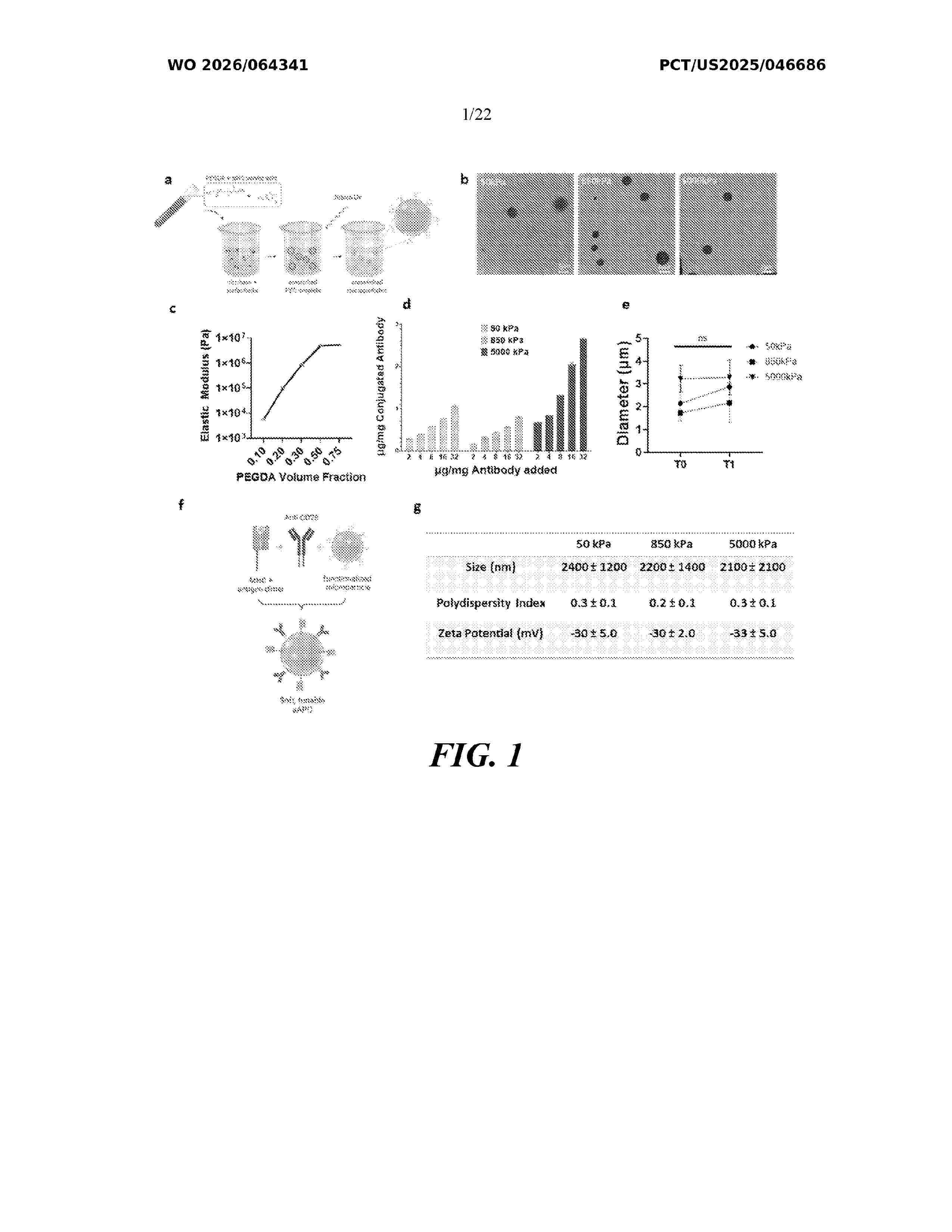
Resumen de: WO2026064341A2
Disclosed are polymeric nanoparticles and microparticles having a tunable elastic modulus and having one or more biological proteins conjugated to a surface thereof and their use in immunotherapies for treating diseases, such as cancer or infectious diseases.

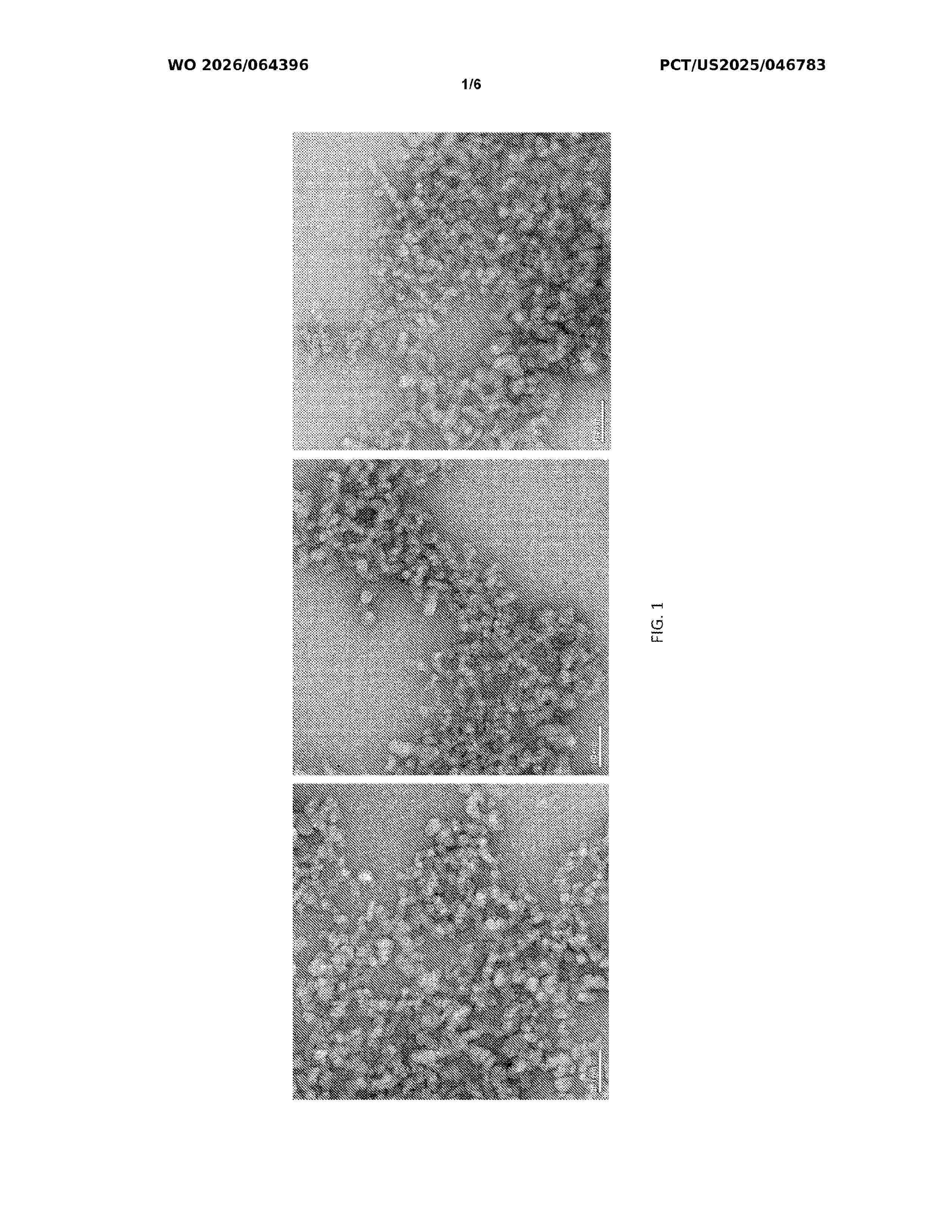
Resumen de: WO2026064396A1
Orally administrable nanoparticle complexes of biological molecules and biopolymers are described herein, and include formulations for the oral administration of peptides, proteins, nucleic acids, and antibodies.
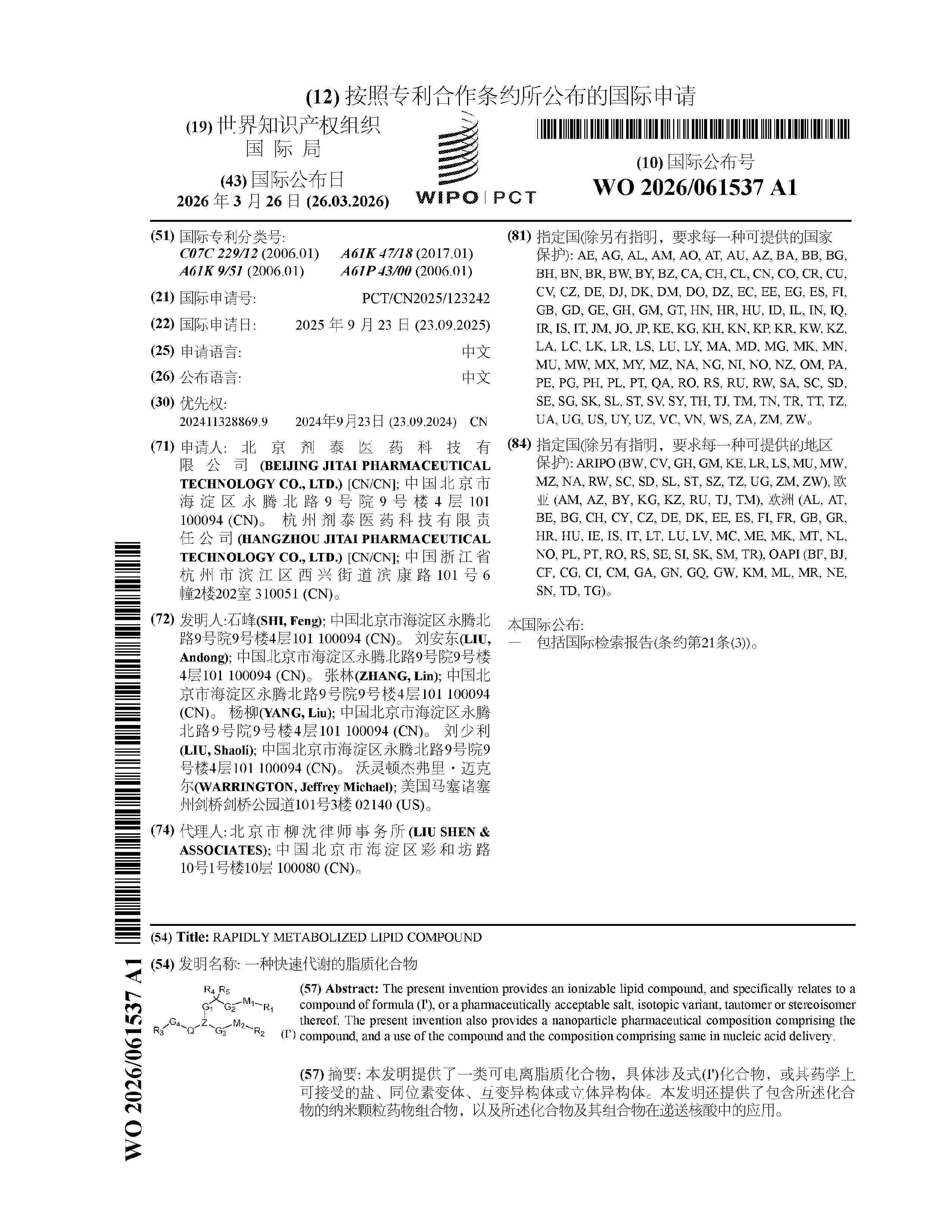
Resumen de: WO2026061537A1
The present invention provides an ionizable lipid compound, and specifically relates to a compound of formula (I'), or a pharmaceutically acceptable salt, isotopic variant, tautomer or stereoisomer thereof. The present invention also provides a nanoparticle pharmaceutical composition comprising the compound, and a use of the compound and the composition comprising same in nucleic acid delivery.
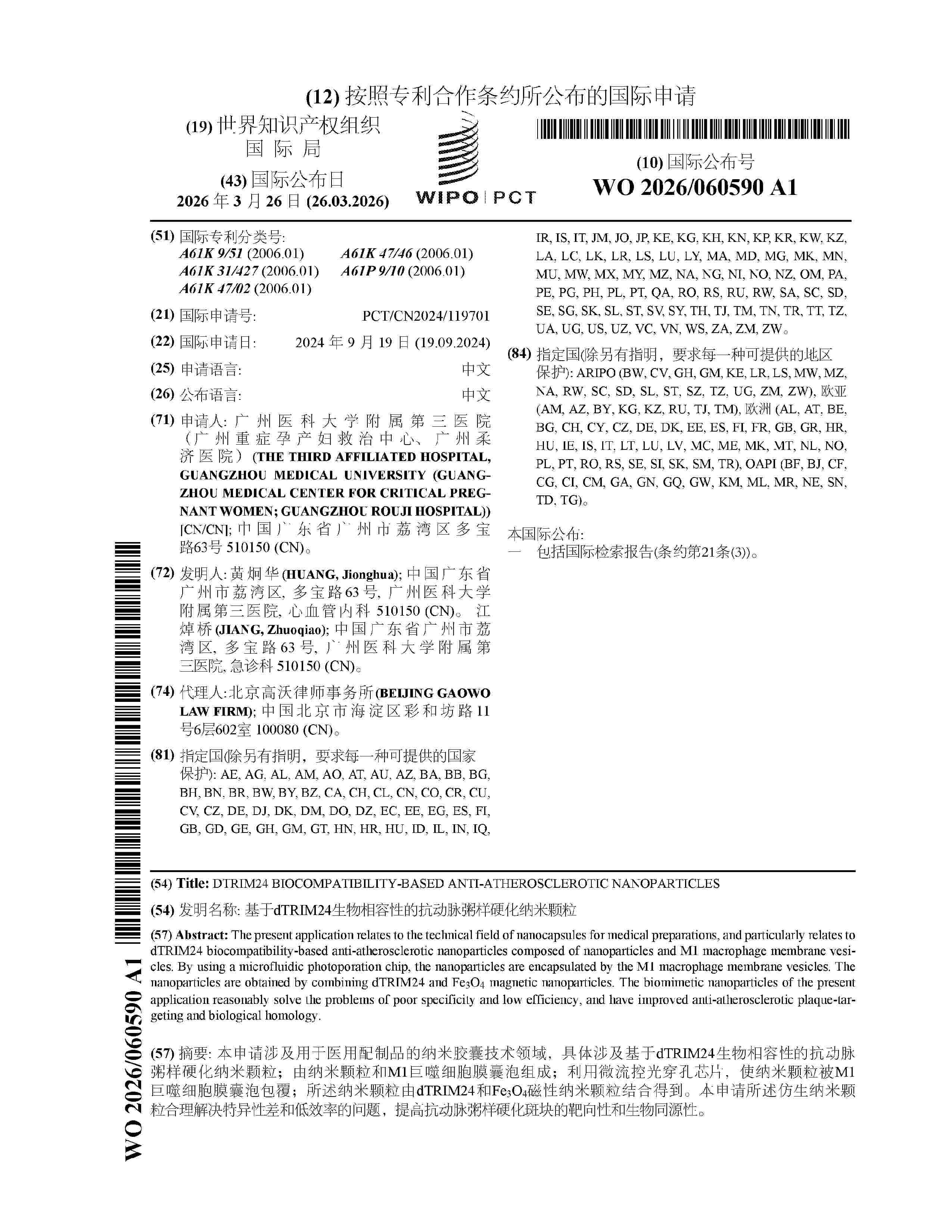
Resumen de: WO2026060590A1
The present application relates to the technical field of nanocapsules for medical preparations, and particularly relates to dTRIM24 biocompatibility-based anti-atherosclerotic nanoparticles composed of nanoparticles and M1 macrophage membrane vesicles. By using a microfluidic photoporation chip, the nanoparticles are encapsulated by the M1 macrophage membrane vesicles. The nanoparticles are obtained by combining dTRIM24 and Fe3O4 magnetic nanoparticles. The biomimetic nanoparticles of the present application reasonably solve the problems of poor specificity and low efficiency, and have improved anti-atherosclerotic plaque-targeting and biological homology.
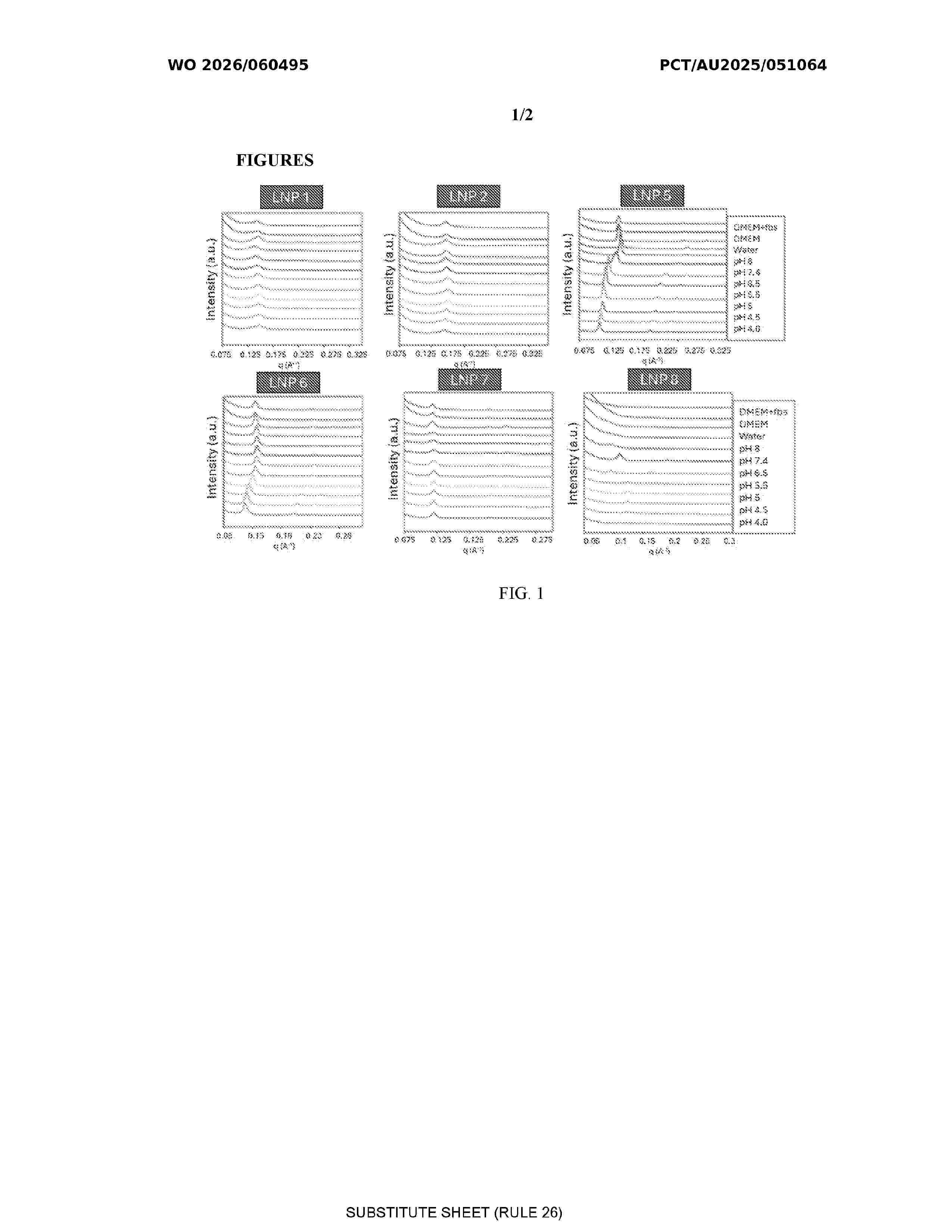
Resumen de: WO2026060495A1
The present disclosure relates to ionisable lipids of Formula I and related structures that comprise a headgroup, core, and hydrophobic substituents. The lipids are capable of forming lipid particles, including lipid nanoparticles (LNPs), in combination with additional lipids such as neutral lipids, charged lipids, structural lipids, or PEGylated lipids. The lipid particles are suitable for delivery of therapeutic agents, including polynucleotides, peptides, antibodies, and small molecules. Compositions comprising the ionisable lipids and methods of forming and using the lipid particles are also provided.
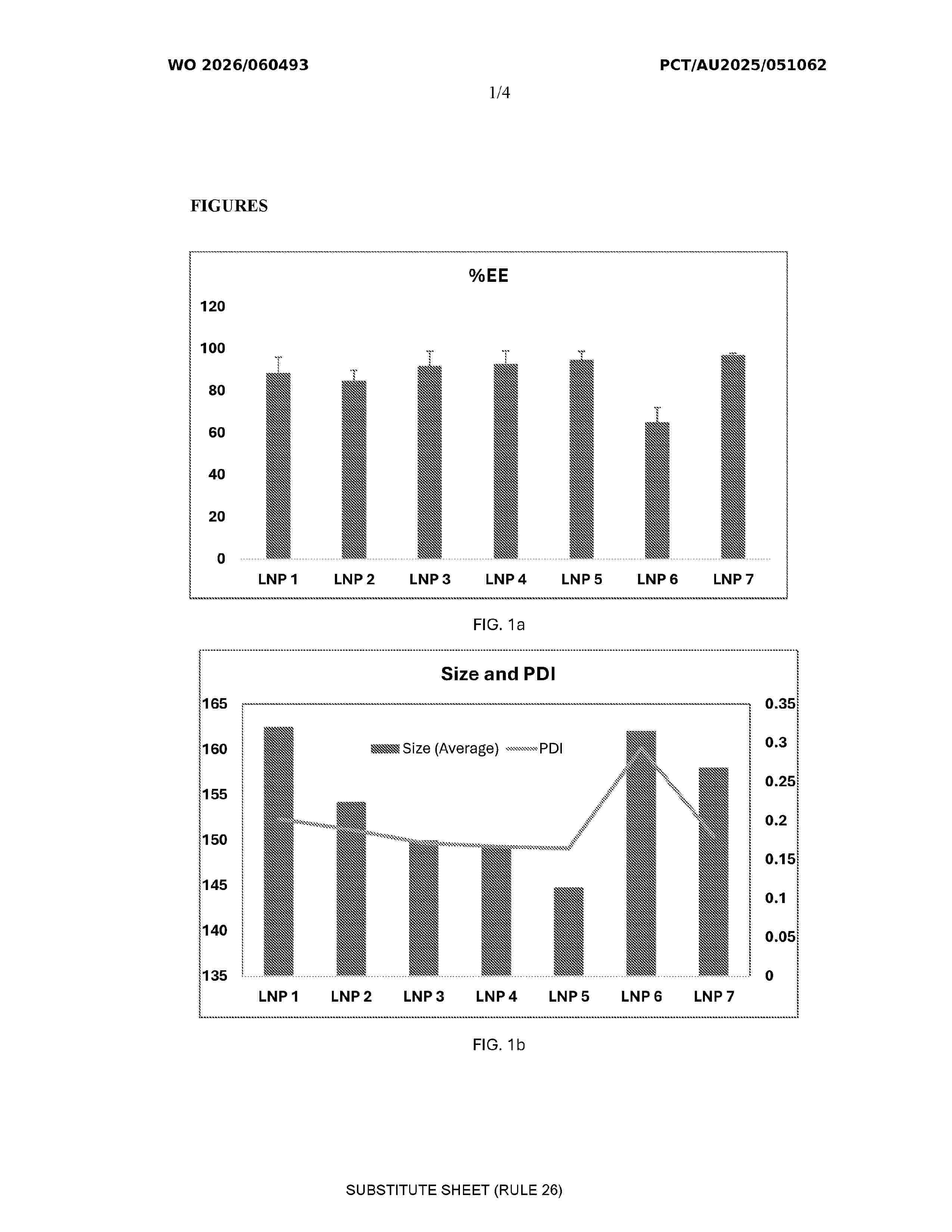
Resumen de: WO2026060493A1
The present disclosure relates to ionisable lipids of Formula I and related structures that comprise a headgroup, core, and hydrophobic substituents. The lipids are capable of forming lipid particles, including lipid nanoparticles (LNPs), in combination with additional lipids such as neutral lipids, charged lipids, structural lipids, or PEGylated lipids. The lipid particles are suitable for delivery of therapeutic agents, including polynucleotides, peptides, antibodies, and small molecules. Compositions comprising the ionisable lipids and methods of forming and using the lipid particles are also provided.
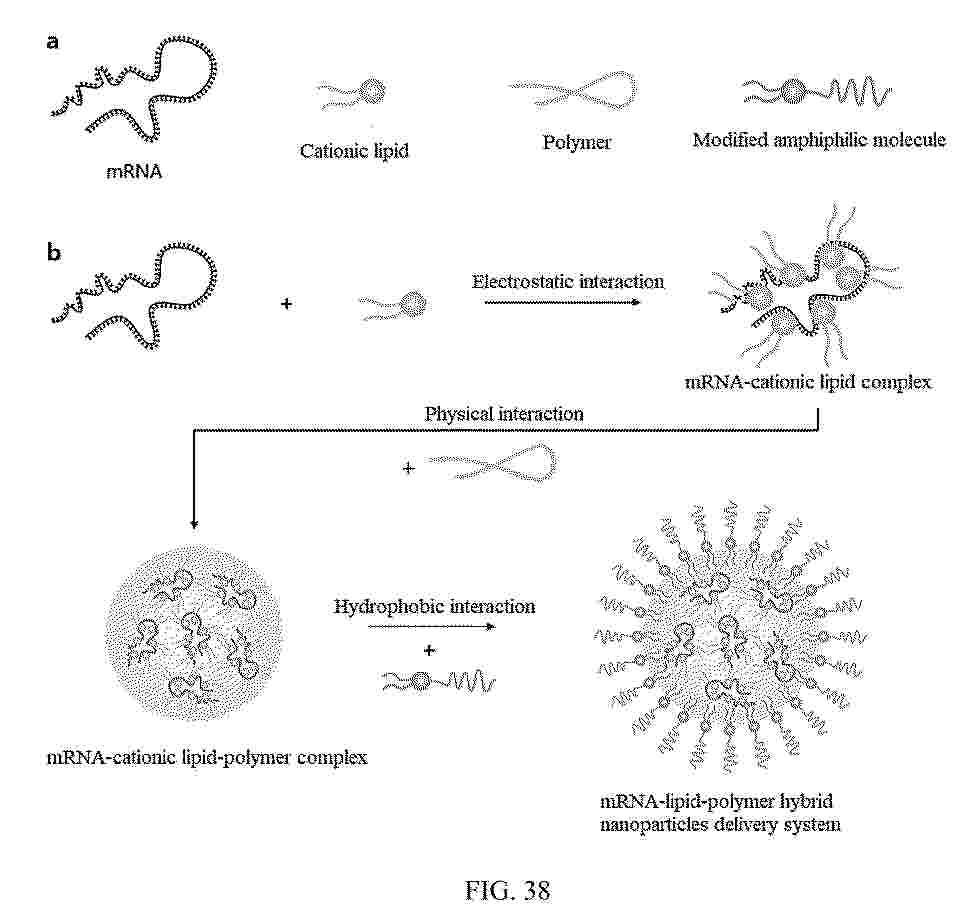
Resumen de: EP4714436A1
An mRNA/lipid-polymer hybrid nanoparticle delivery system, and a preparation method therefor and the use thereof. The delivery system comprises mRNA, cationic molecules, a polymer and modified amphiphilic molecules, wherein the cationic molecules and the negatively charged mRNA form a compound by means of electrostatic interaction, the polymer is used for accommodating the cationic molecule-mRNA compound, and the three form a stable core structure; and the modified amphiphilic molecules are anchored on the surface of the core structure by means of hydrophobic interaction, thereby forming a sphere-like core-shell structure.
Resumen de: EP4520321A2
A composition for treating abnormal or excessive angiogenesis, such as pyogenic granuloma comprising an anti-vascular endothelial growth factor (anti-VEGF) agent (e.g., an antibody or small molecule inhibitor of VEGF signaling) and a carrier comprising nanoparticles. Methods of treating abnormal or excessive angiogenesis by administering a composition comprising an anti-VEGF agent and nanoparticles, alone or in combination with administering an anti-inflammatory steroid, and administering a non-steroidal anti-inflammatory drug (NSAID) to a subject. Devices for administering the composition for treating pyogenic granuloma are also disclosed.
Resumen de: CN121419989A
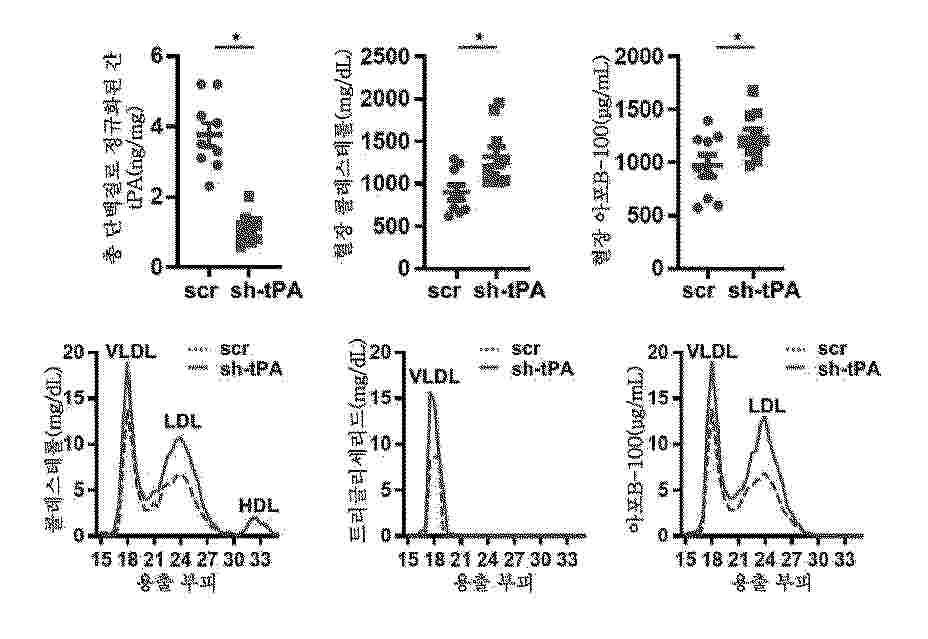
The present technology relates to recombinant polypeptides comprising tissue-type plasminogen activator (tPA) fragments or nucleotides encoding said recombinant polypeptides and their use for the treatment of cardiovascular diseases. In some embodiments, the tPA fragment comprises a kringle 2 domain of the tPA.
Resumen de: CN121152631A
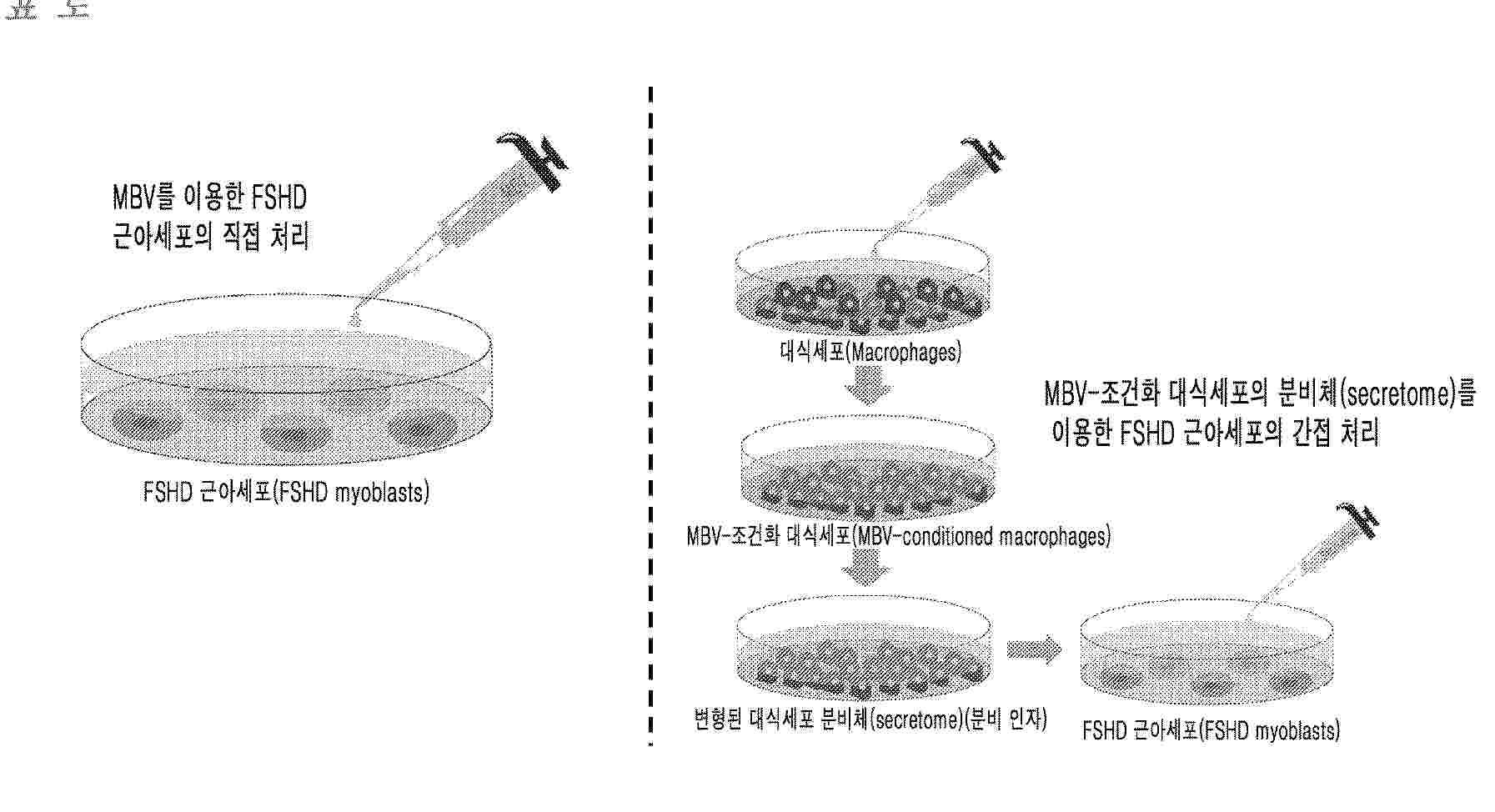
Disclosed are methods of treating muscular atrophy diseases, such as spinal muscular dystrophy or muscular dystrophy, using matrix-bound vesicles (MBV). Compositions for the treatment of muscular atrophic diseases are also disclosed.
Resumen de: AU2024274301A1
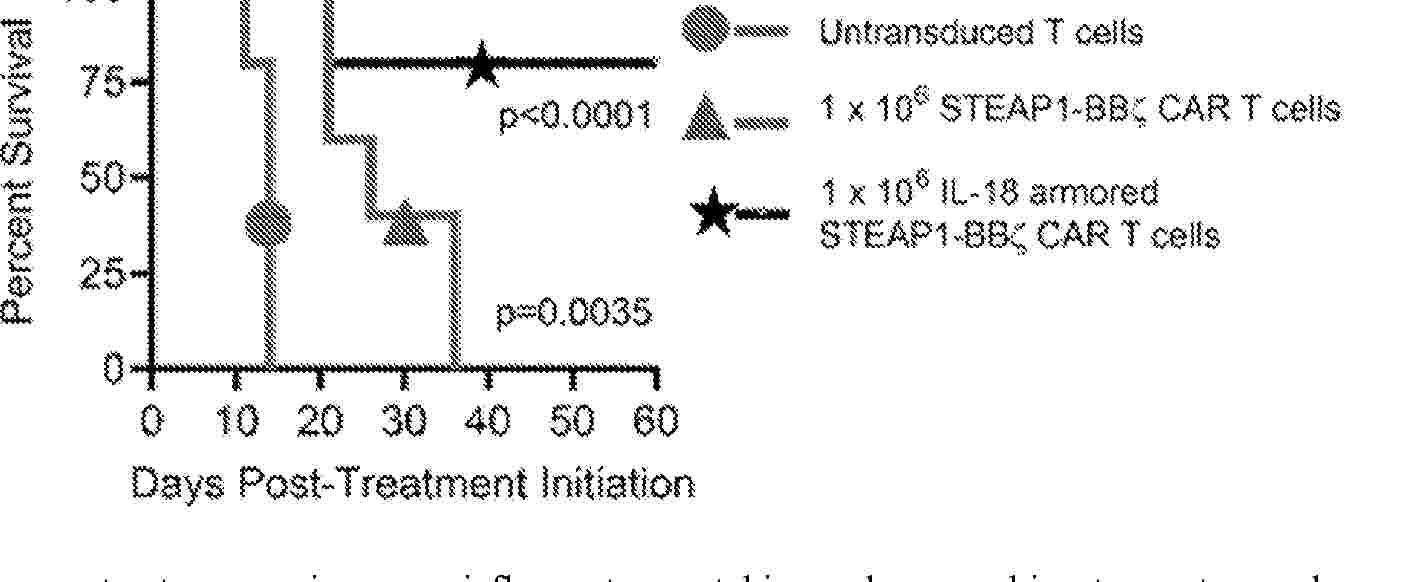
Genetic constructs expressing a pro-inflammatory cytokine and a recombinant receptor, such as a chimeric antigen receptor (CAR), with a binding domain that binds STEAP1 are disclosed. The genetic constructs disclosed herein can be used in the treatment of prostate cancer, the Ewing family of tumors (EFT), bladder cancer, ovarian cancer, and rhabdomyosarcoma. The genetic constructs disclosed herein provide enhanced recombinant receptor cytotoxicity, the ability to bind and elicit cytotoxic effects even in low antigen density conditions, and enhanced interferon-gamma signaling which remodels the tumor microenvironment, further improving endogenous antitumor immunity.
Resumen de: AU2024272060A1
The present disclosure describes improved LNP-based nucleobase editing systems and therapeutics for use in treating hemoglobinopathies, including sickle cell disease and beta-thalassemia. In particular, the disclosure describes improved LNPs, including novel and improved ionizable lipids for making LNPs, that enhance the targeted delivery of LNP-based nucleobase editing systems and therapeutics to red blood cell progenitor cells, enabling treatment of hemoglobinopathies, in vivo.
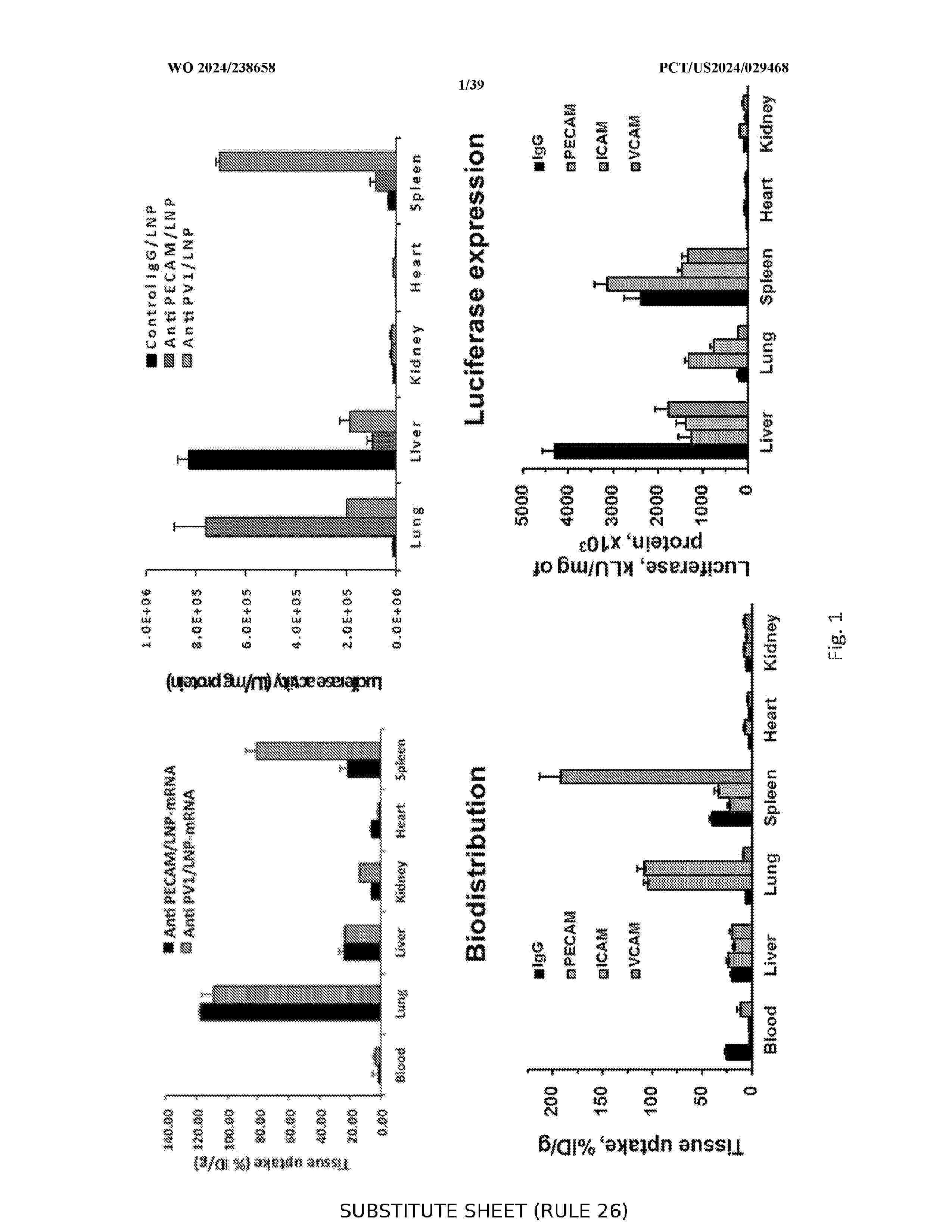
Resumen de: WO2024238658A2
The present invention relates to compositions and methods for effective delivery of a therapeutic agent to a cardiomyocyte. The invention also relates to methods of use of the delivery methods of the invention for the treatment of diseases and disorders, including the treatment of cardiac diseases and disorders.
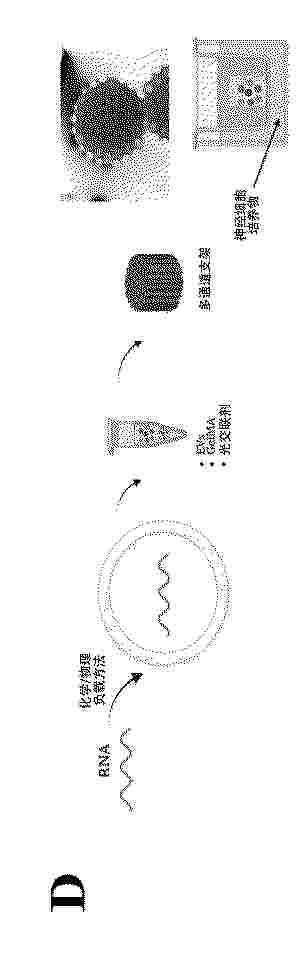
Resumen de: CN121240894A
The present disclosure relates to a hydrogel ink comprising a lipid particle, a polynucleotide supported within the lipid particle, and a bio-ink. In one embodiment, the lipid particles comprise extracellular vesicles. The disclosure also relates to hydrogels thereof and their use in treating neurological diseases or conditions or regenerating soft tissue.
Resumen de: CN121443726A
The present disclosure relates to microRNAs (miRs) and extracellular vesicles comprising the microRNAs and therapeutic uses thereof, e.g., in modulating angiogenesis.
Resumen de: AU2024271802A1
The present disclosure relates generally to lipid nanoparticles (LNPs) and compositions comprising the same, and their use in delivery of agents, such as nucleic acid-based therapeutics, in particular to transfection recalcitrant cells and/or to lung tissue.
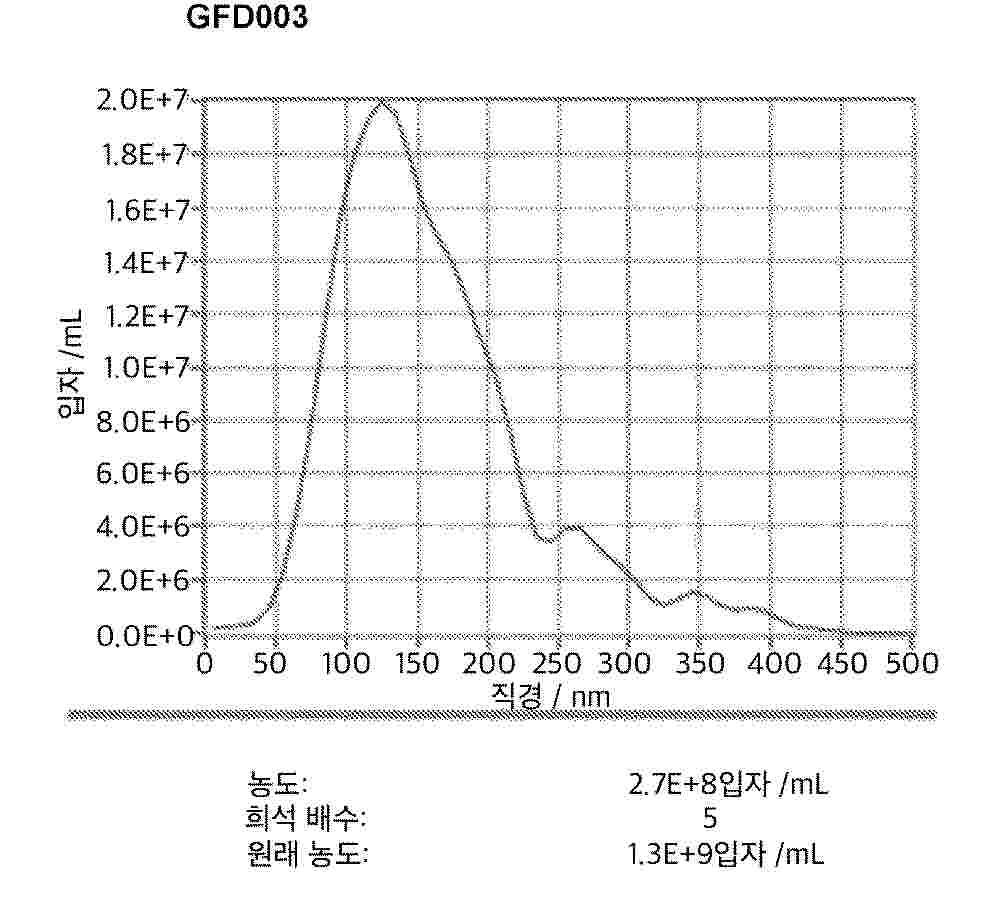
Resumen de: AU2024272799A1
The present invention provides a method of producing extracellular vesicles (EVs) comprising incubating or culturing EV producing cells in media. The present invention also provides a population of EVs and compositions comprising the vesicles and methods and uses thereof.
Resumen de: AU2024275548A1
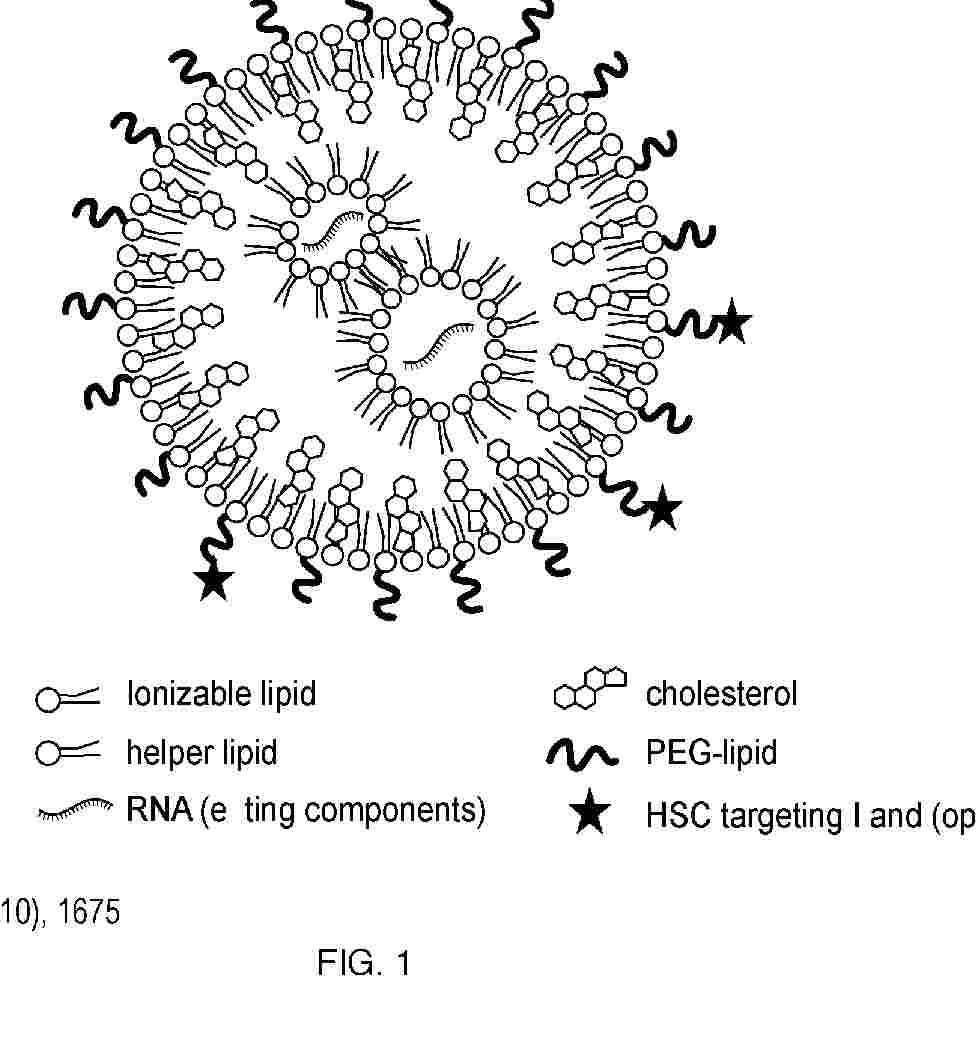
The disclosure provides ionizable lipids and lipid nanoparticle (LNP) compositions comprising ionizable lipids, helper lipids, neutral lipids, and PEG lipids useful for the delivery of biologically active agents, for example delivering biologically active agents to cells to prepare engineered cells. The LNP compositions disclosed herein are useful in methods of gene editing and methods of delivering a biologically active agent and methods of modifying or cleaving DNA.
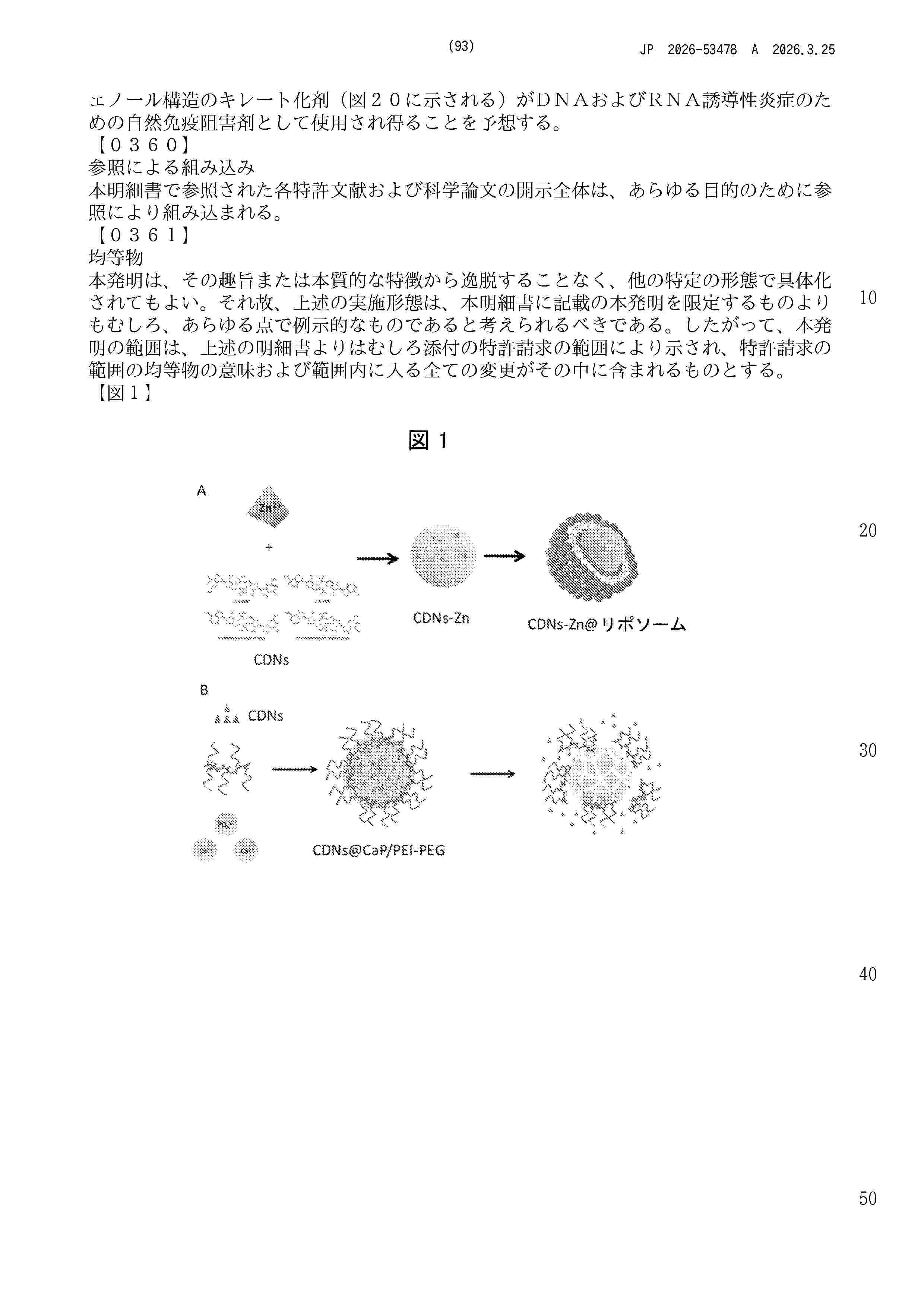
Resumen de: JP2024028876A
To provide compositions capable of stimulating the innate immune response.SOLUTION: A composition comprises nanoparticles comprising: one or more DAMPs or PAMPs; and one or more cations selected from the group consisting of Zn2+, Mn2+, Ca2+, Fe2+, Fe3+, Cu2+, Ni2+, Co2+, Pb2+, Sn2+, Ru2+, Au2+, Mg2+, VO2+, Al3+, Co3+, Cr3+, Ga3+, Tl3+, Ln3+, MoO3+, Cu+, Au+, Tl+, Ag+, Hg2+, Pt2+, Pb2+, Hg2+, Cd2+, Pd2+, Pt4+, Na+ and K+.SELECTED DRAWING: None
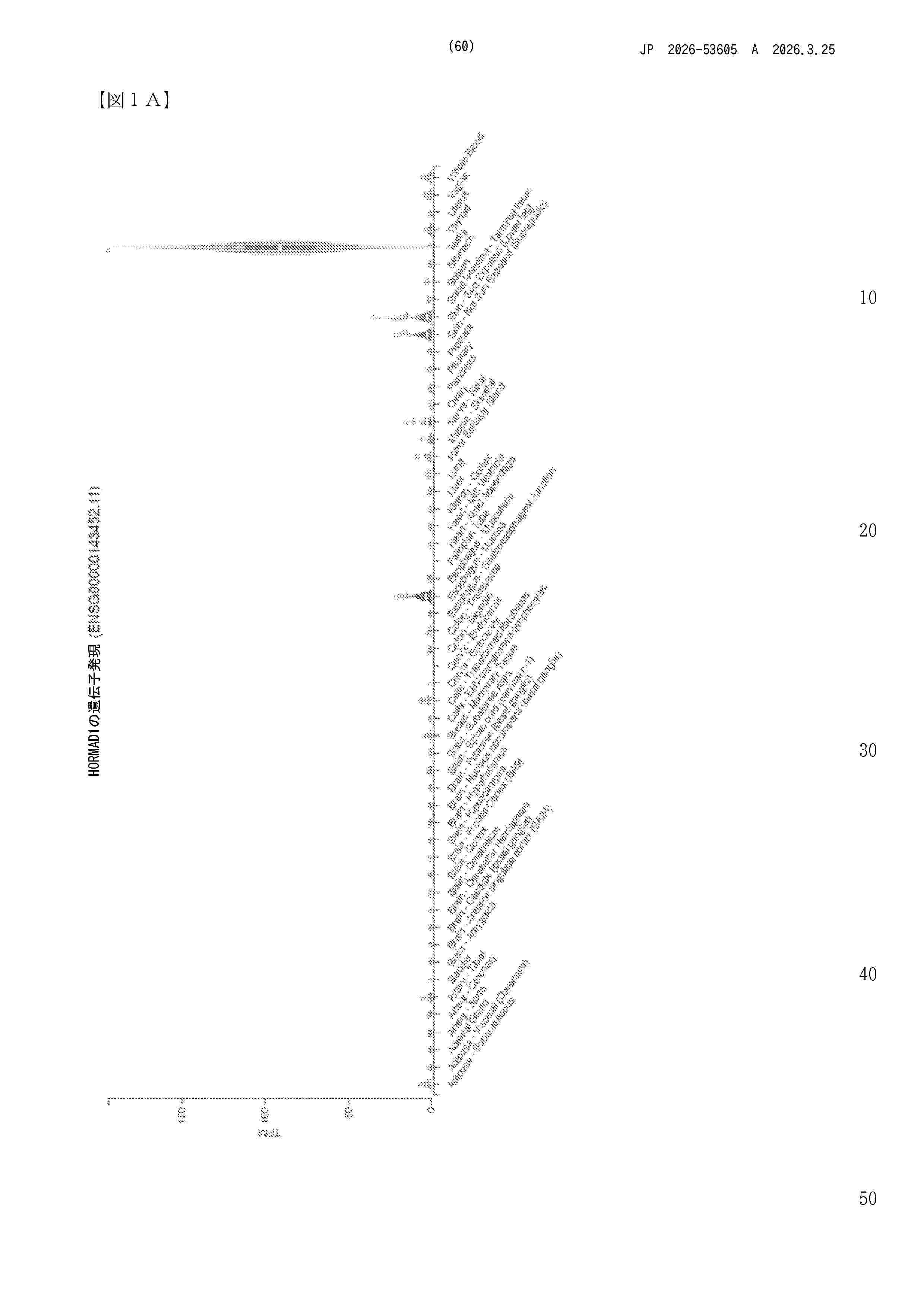
Resumen de: US2022409711A1
Provided are T cell receptors (TCR) and TCR variable regions that can selectively bind a Hormad1 peptide/MHC complex. The TCR may be utilized in various therapies, such as autologous Hormad1-TCR adoptive T cell therapy to treat a cancer, such as a solid tumor expressing Hormad1. Methods for expanding related populations of T cells are provided.
Resumen de: AU2024276494A1
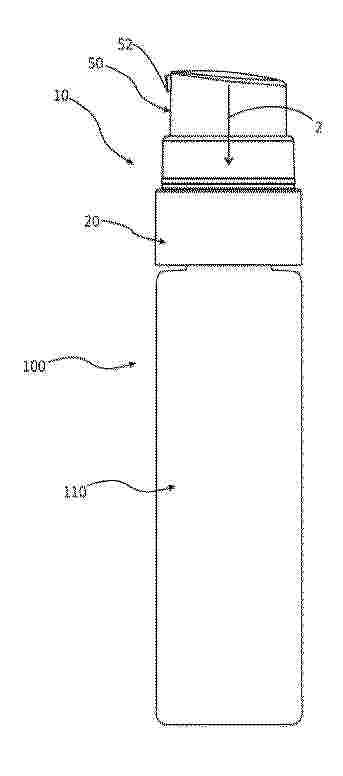
This invention relates to a process of preparing an oil-in-water emulsion comprising testosterone for use in a pump-action dispensing device. It further relates to the oil-in-water emulsion produced by the process of the invention, and the combination of the emulsion with a pump-action dispensing device.
Resumen de: CN121714532A
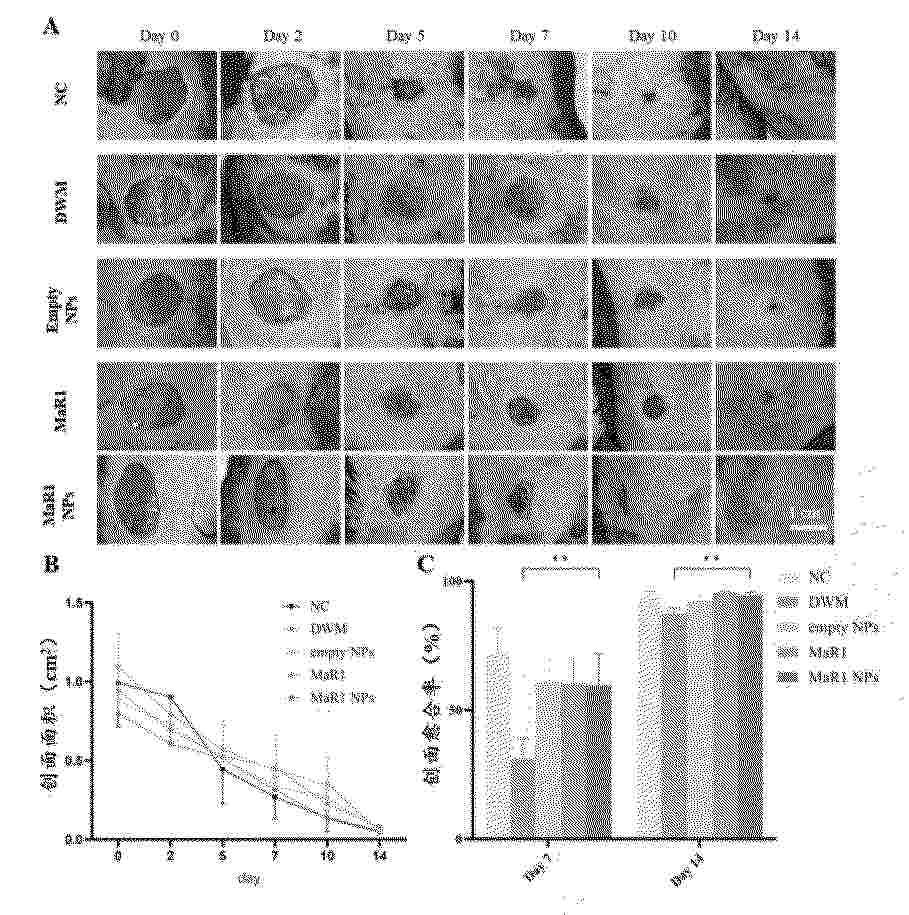
本发明涉及生物医药技术领域,具体公开了一种MaR1纳米颗粒及其制备方法和应用,所述MaR1纳米颗粒是将Maresin‑1负载到聚乳酸纳米载体中获得。MaR1纳米颗粒为球形结构,粒径为195nm~215nm。本发明提供的MaR1纳米颗粒有利于促进糖尿病创面愈合,抑制病理性瘢痕形成,加速表皮结构的再生重建,从而治疗糖尿病足溃疡。
Resumen de: CN121714533A
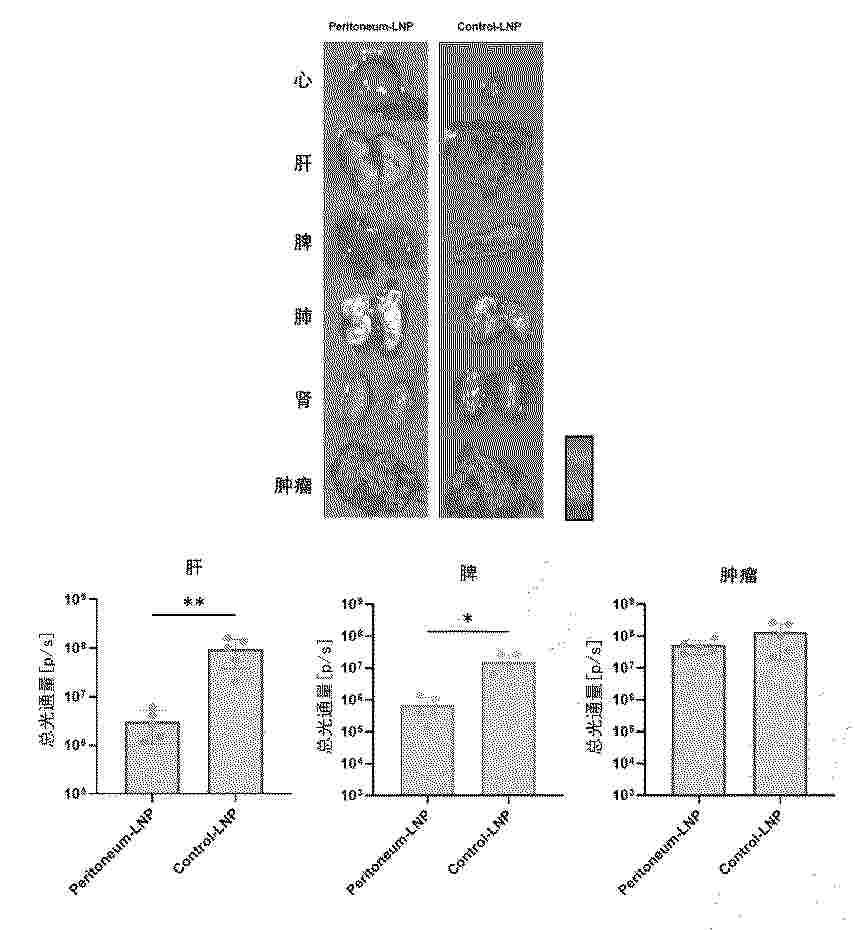
本发明公开了一种用于向腹膜及腹膜肿瘤靶向递送核酸的脂质纳米颗粒。本发明提供了一种脂质纳米颗粒,其包含:可电离脂质、含有三甲铵头部的阳离子辅助脂质、甾醇和PEG脂质。本发明的脂质纳米颗粒能够实现向腹膜组织高效递送核酸,同时有效减少核酸及递送载体在全身其他组织器官分布,显著降低纳米颗粒非特异性蓄积导致的副作用风险。
Resumen de: CN121718550A
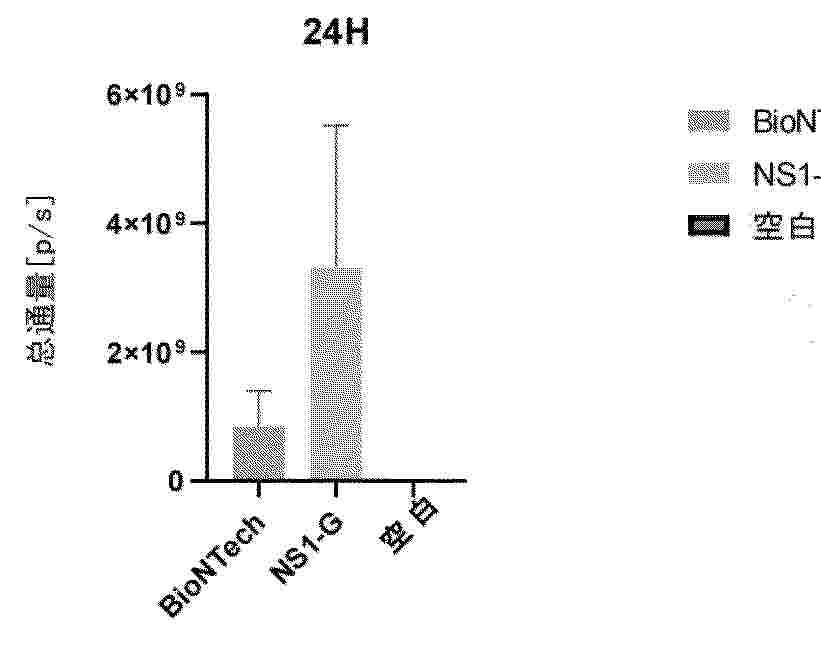
本发明提供一种UTR元件NS1‑G及其构建方法和应用,涉及mRNA技术领域。本发明通过PaddleHelix平台对Pongo abelii influenza virus NS1A binding protein 的5'UTR(NCBI编号:XM_063716772.1)的5'UTR进行核糖体载量预测和二级结构优化,获得的优化序列避免了抑制性发夹结构,使荧光素酶表达量较天然UTR明显提升。在优化序列基础上引入无二级结构的ncRNA序列,进一步解除5'cap区域的翻译抑制,构建的NS1‑G突变体(NS1‑G的DNA序列如SEQ NO. 1所示,RNA序列如SEQ NO. 2所示)使蛋白表达量进一步提升。
Nº publicación: CN121714536A 24/03/2026
Solicitante:
中南大学湘雅医院
Resumen de: CN121714536A
本发明公开了一种靶向视网膜载药细胞外囊泡及其制备方法与应用,其包括乳酸杆菌来源的细胞外囊泡和装载于细胞外囊泡内的视网膜缺血再灌注损伤相关疾病治疗药物;所述视网膜缺血再灌注损伤相关疾病治疗药物为吲哚丙酸;所述靶向视网膜载药细胞外囊泡对吲哚丙酸的负载能力为6~8×10‑8微克/颗粒。所述载药细胞外囊泡具有较高的载药率以及良好的生物相容性、良好的胃肠道稳定性,具有生物利用率高、安全性佳的优点。此外,所述负载吲哚丙酸的细胞外囊泡可通过膜融合技术携载视网膜神经元相关标志物蛋白,通过外周静脉给药,可更高效到达眼部视网膜区域。
 BOPI
BOPI
 Sede Electrónica