Si deseas distinguir tus productos, servicios o ambos de los de otra empresa, es posible que necesites una marca o nombre comercial. Descubre qué son, en qué consiste su procedimiento de registro y qué implica.

Información sobre los plazos de presentación de solicitudes de transformación de marcas de la Unión Europea en marca nacional española. Más información


Si tienes un nuevo dispositivo, producto o procedimiento que resuelva un problema técnico o tenga una ventaja práctica, existen distintas formas de protegerlo en España y en otros países. Descubre cómo hacerlo.

¿Tu innovación reside en la estética, la ornamentación o la apariencia de tu producto? Protégela mediante un diseño industrial. Descubre qué derechos confiere el registro y cómo realizar la tramitación.

Las indicaciones geográficas protegen el nombre de un producto originario de una zona geográfica, a la cual le debe una determinada calidad, reputación u otra característica. Descubre qué son, en qué consiste su procedimiento de registro y qué beneficios conceden.

Las patentes publicadas en todo el mundo son una valiosa fuente de información científica, técnica y comercial.

Si eres emprendedor/a o una empresa y quieres potenciar y mejorar la rentabilidad de tu negocio protegiendo de forma adecuada los activos intangibles de tu organización, en este espacio encontrarás lo necesario.


 143
resultados
143
resultados
 Última actualización
14/07/2026 [08:30:00]
Última actualización
14/07/2026 [08:30:00]


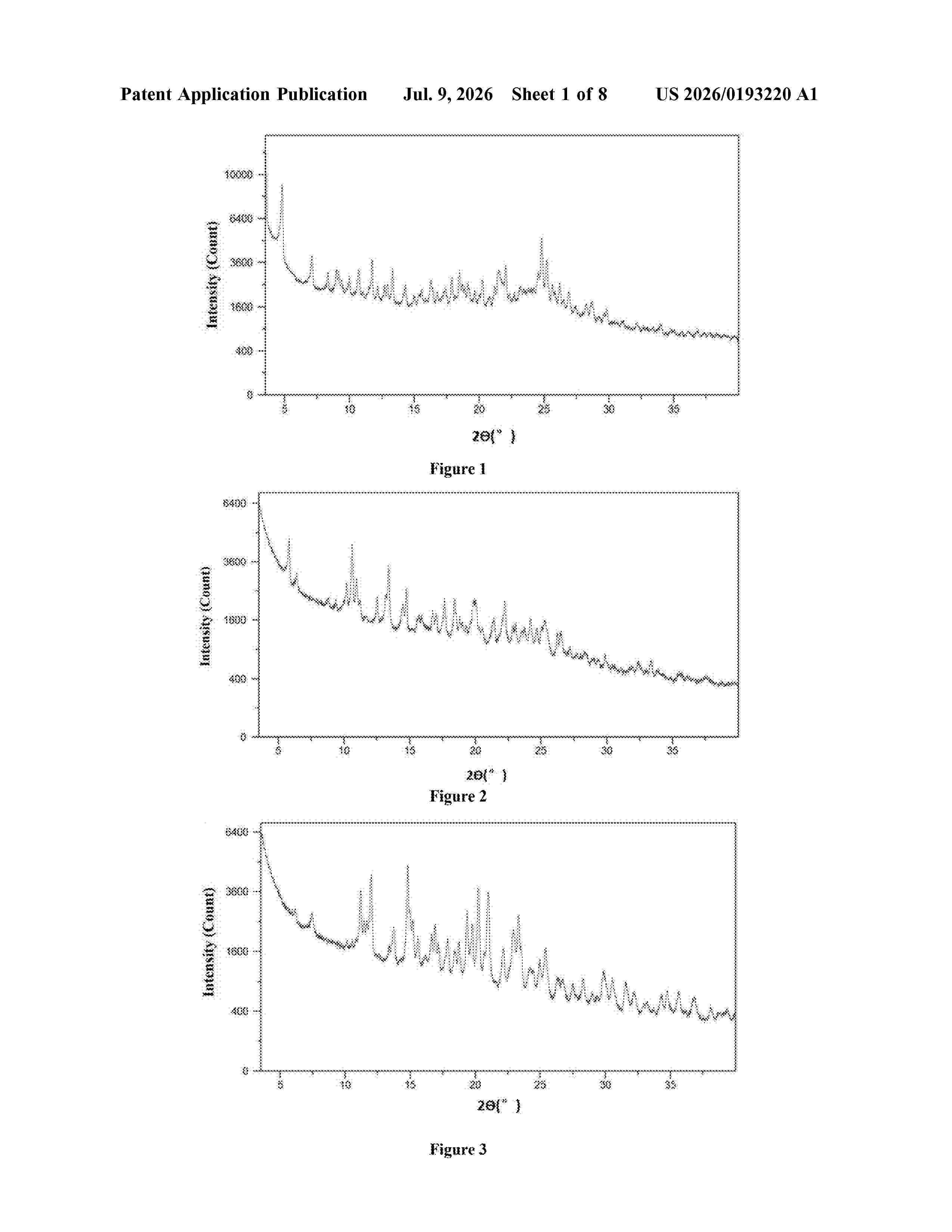
Resumen de: US20260193220A1
Provided in the present invention are a salt of a benzothiazole compound as represented by formula I and a crystal form and the use thereof. The salt is selected from pamoate and palmitate. Further provided is the use of the salt of the compound of formula I and the crystal form thereof in the preparation of a drug for treating Parkinson's disease and restless leg syndrome.

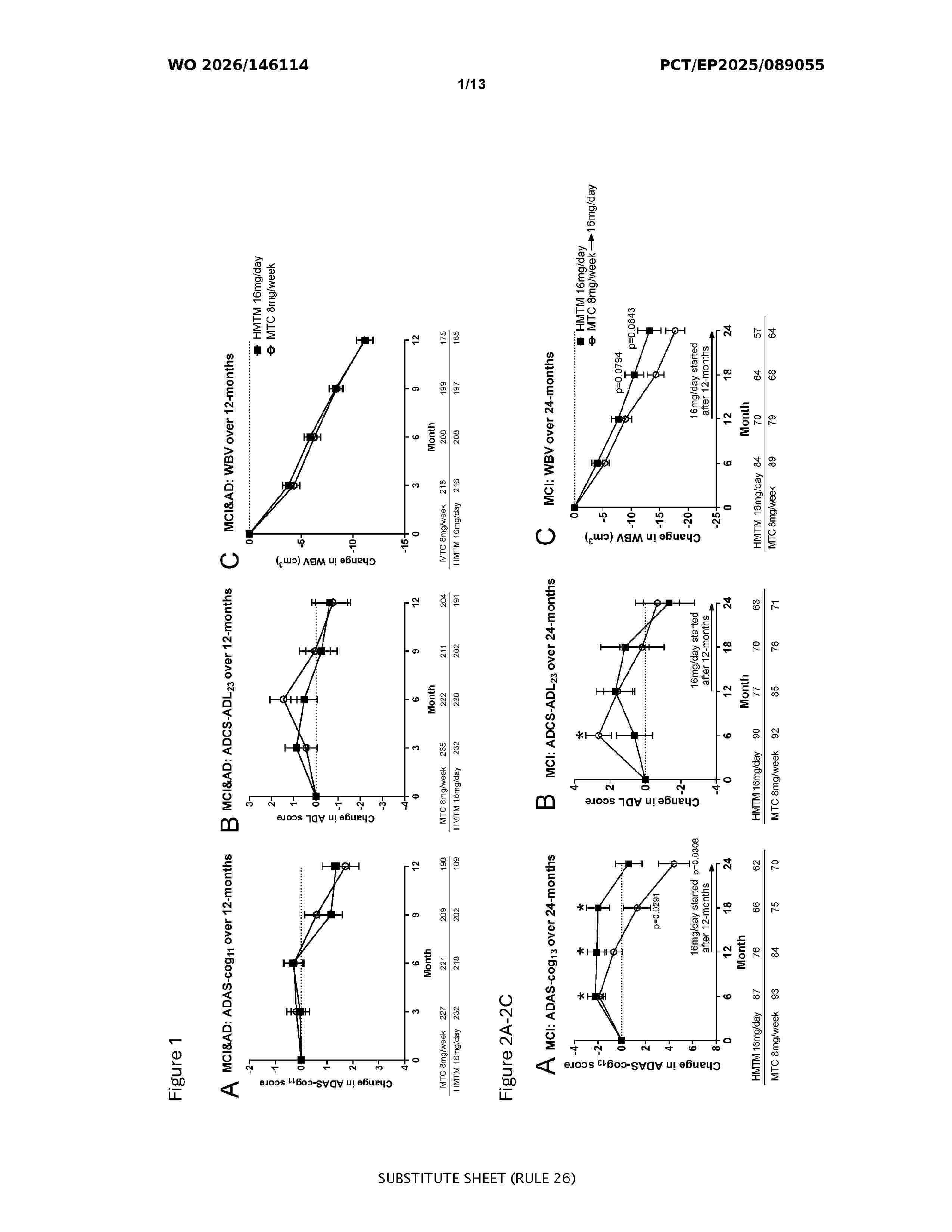
Resumen de: WO2026146114A1
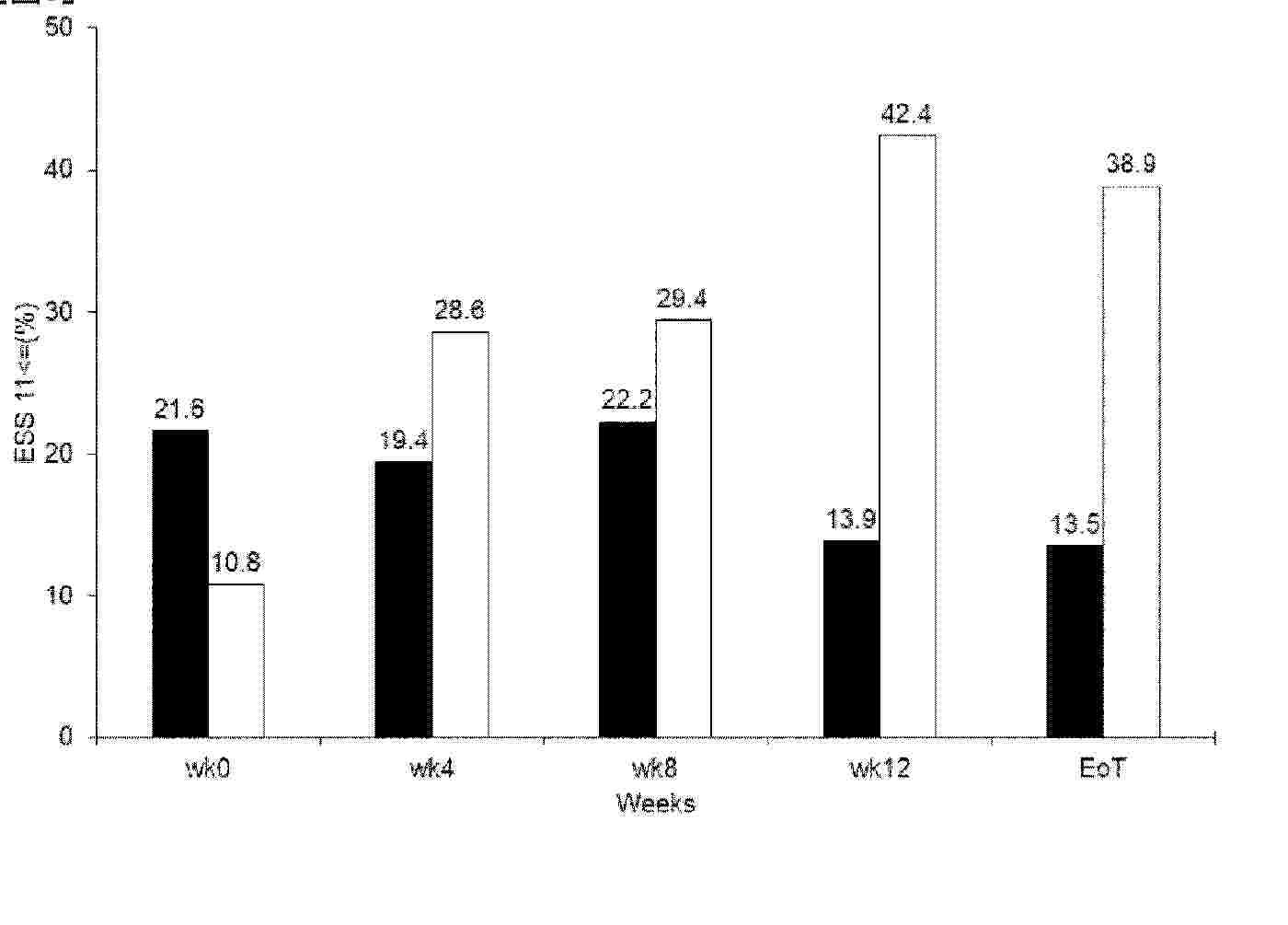
The present invention is provides a method of treatment of a neurodegenerative disease mild cognitive impairment due to AD, as in a subject, which method comprises orally administering to said subject a methylthioninium (MT) compound, at a first dosage level for a first dosage period and then at a second dosage level for a second dosage period wherein the second dosage level is higher than the first dosage level, and wherein the first dosage period is between 6 and 18 months, and wherein the second dosage period is at least 12 months, and wherein the first dosage level of MT is 12mg/day or more, and wherein the second dosage level of MT is 16mg/day or more. The invention is based on analysis of long term dosing of subjects suffering from AD and MCI-AD with MT-containing compounds.
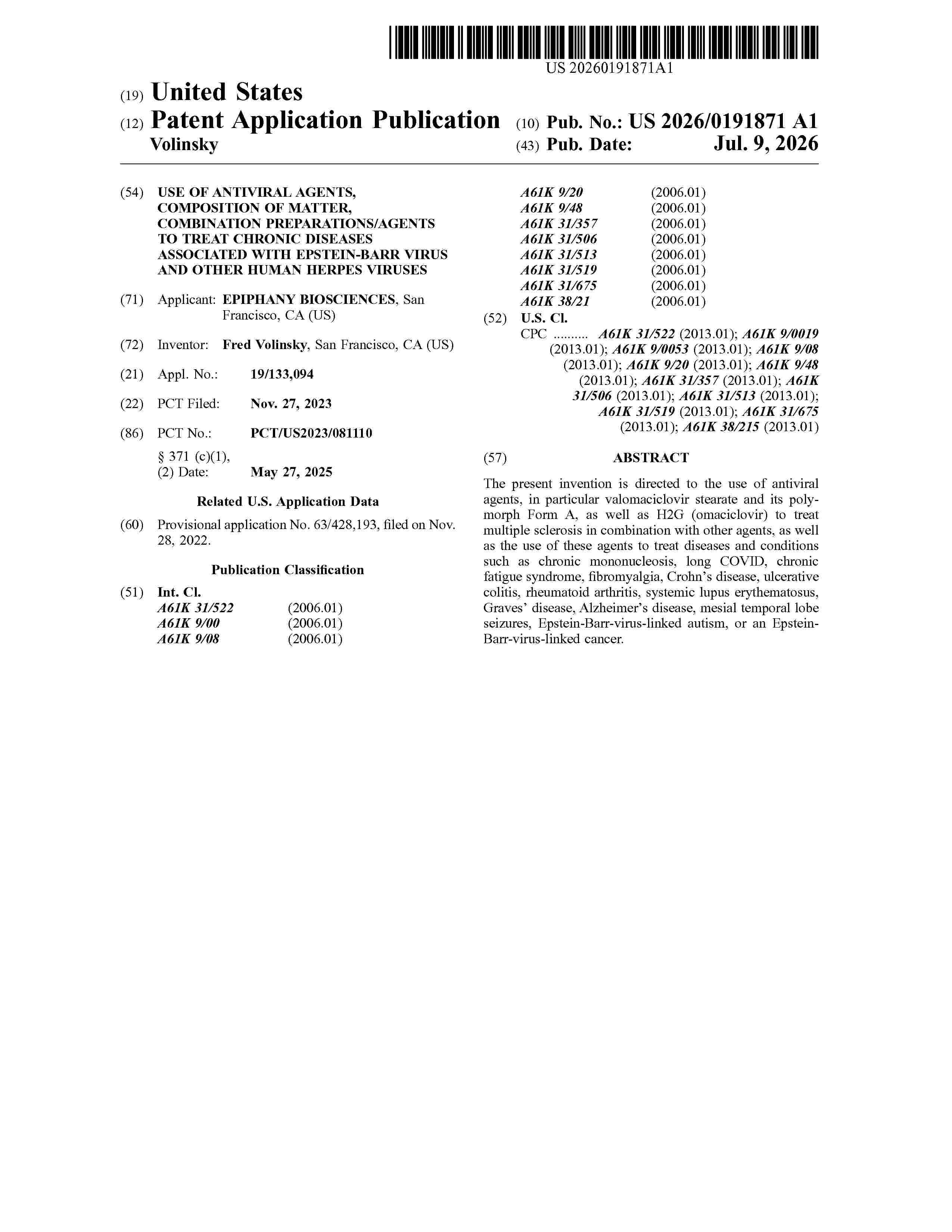
Resumen de: US20260191871A1
0000 The present invention is directed to the use of antiviral agents, in particular valomaciclovir stearate and its polymorph Form A, as well as H2G (omaciclovir) to treat multiple sclerosis in combination with other agents, as well as the use of these agents to treat diseases and conditions such as chronic mononucleosis, long COVID, chronic fatigue syndrome, fibromyalgia, Crohn's disease, ulcerative colitis, rheumatoid arthritis, systemic lupus erythematosus, Graves' disease, Alzheimer's disease, mesial temporal lobe seizures, Epstein-Barr-virus-linked autism, or an Epstein-Barr-virus-linked cancer.
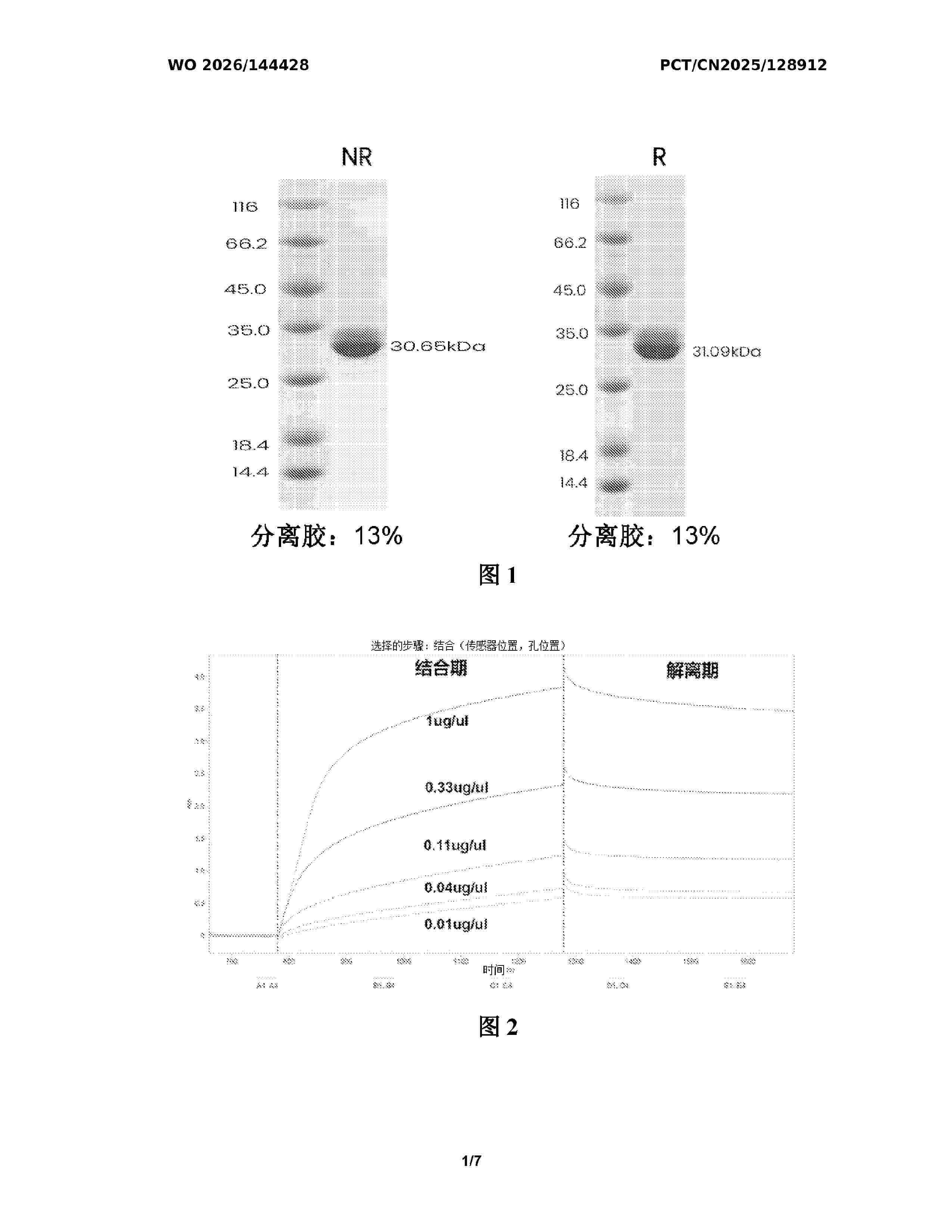
Resumen de: WO2026144428A1
Provided are an scFv antibody that specifically binds Aβ, an isolated nucleic acid encoding the antibody, a vector comprising the nucleic acid, a cell comprising the isolated nucleic acid or the vector, a method for preparing the scFv antibody that specifically binds Aβ, and a use of the scFv antibody that specifically binds Aβ in the preparation of a medicament for treating Alzheimer's disease.
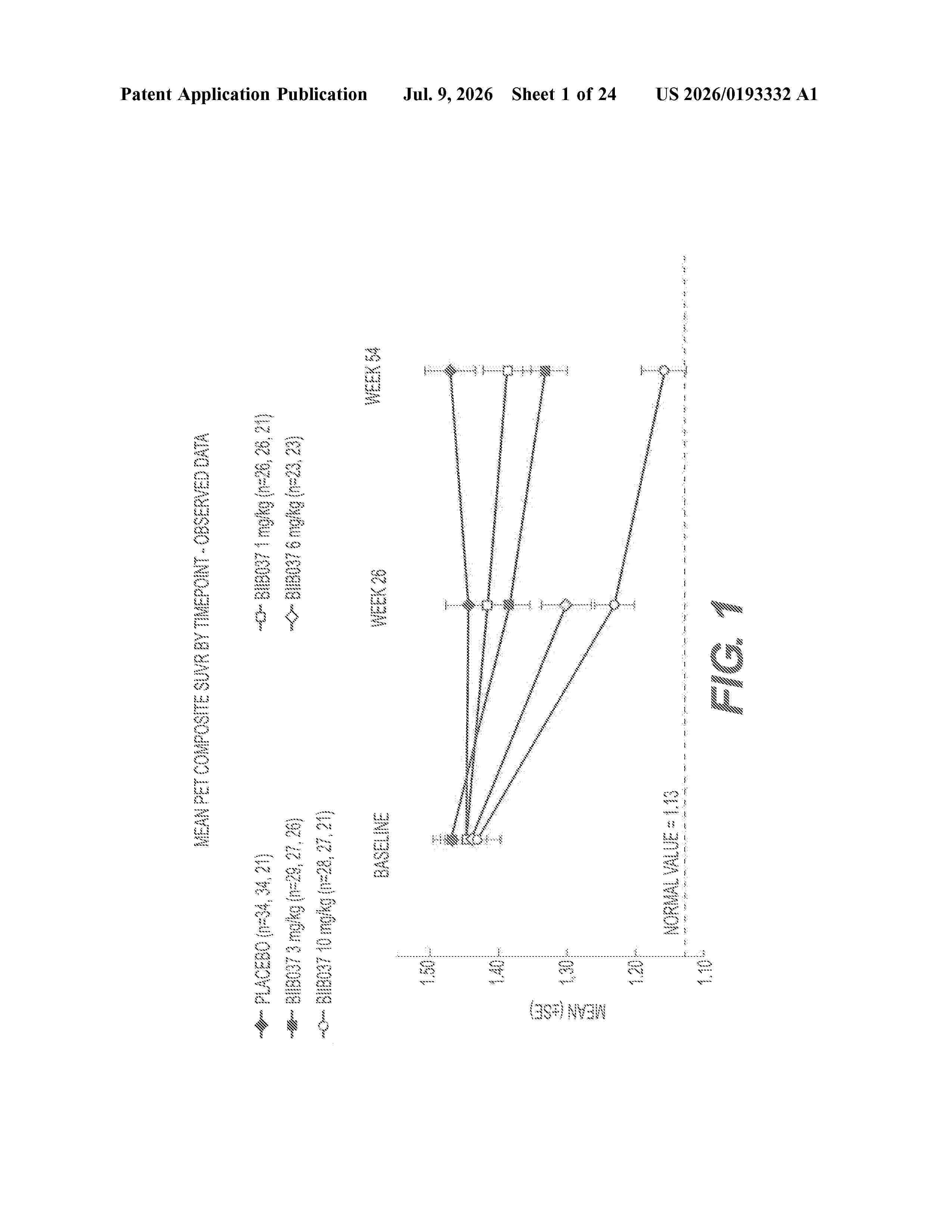
Resumen de: US20260193332A1
0000 Provided are methods for treating Alzheimer's disease in a human subject in need thereof when the subject develops an Amyloid Related Imaging Abnormality (ARIA) during a treatment regimen comprising administration of multiple doses of an anti-beta-amyloid antibody (e.g., BIIB037) to the subject.
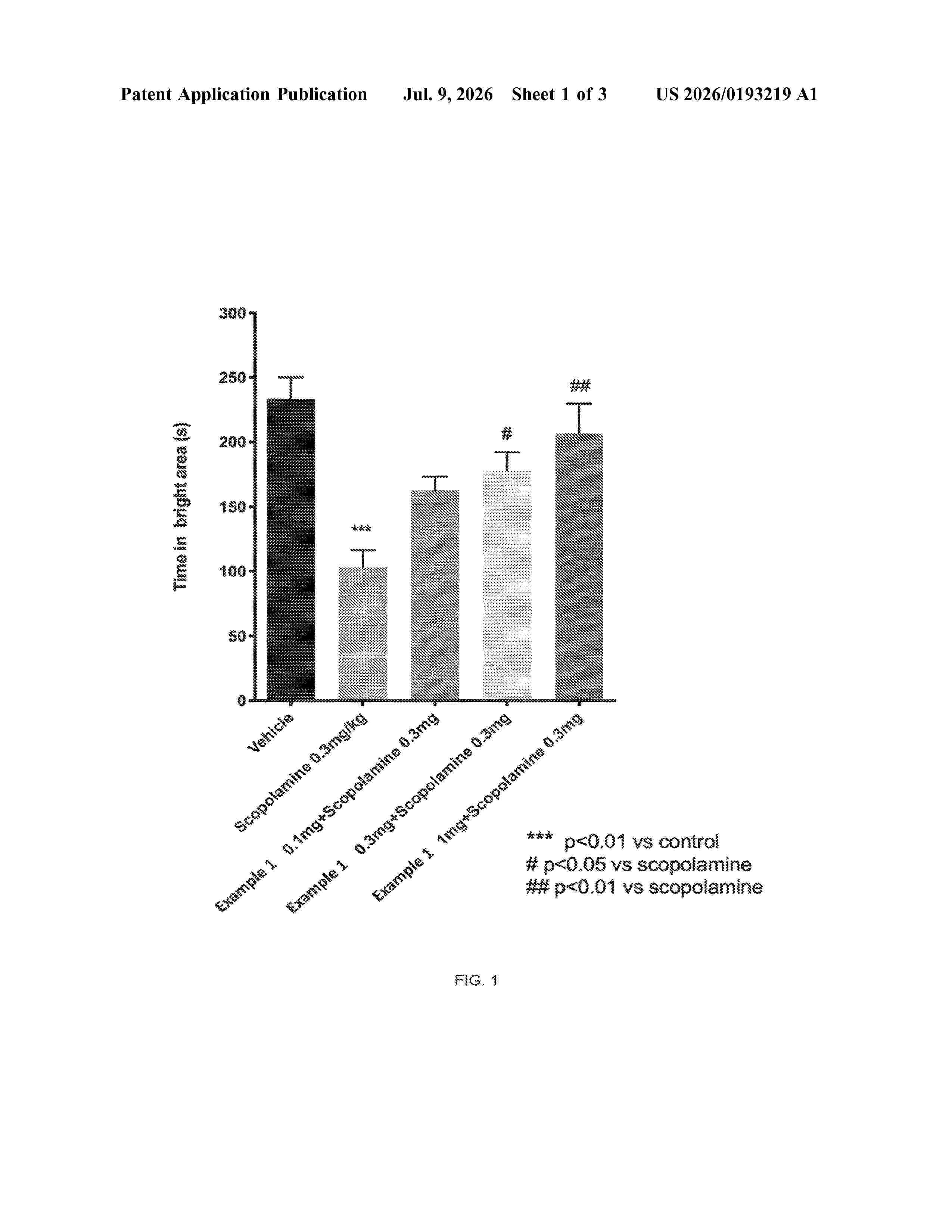
Resumen de: US20260193219A1
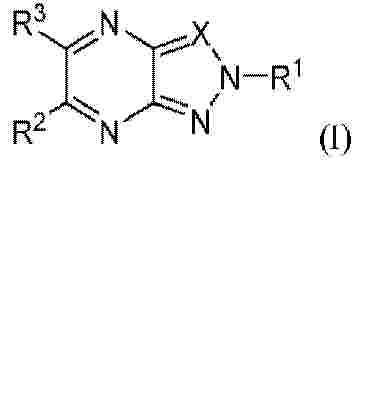
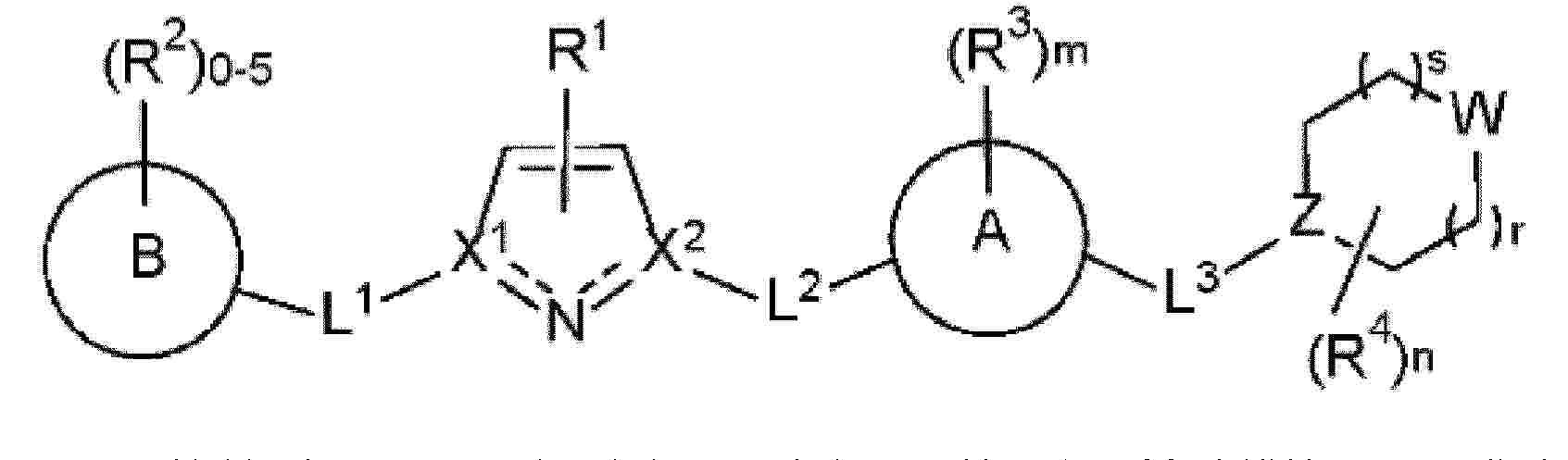
0000 There is provided a compound of formula I,
0000
0000 wherein R<1 >and R<2 >are as defined herein, which compounds are useful in the treatment of diseases characterised by impaired signalling of neurotrophins and/or other trophic factors, such as Alzheimer's disease and the like.
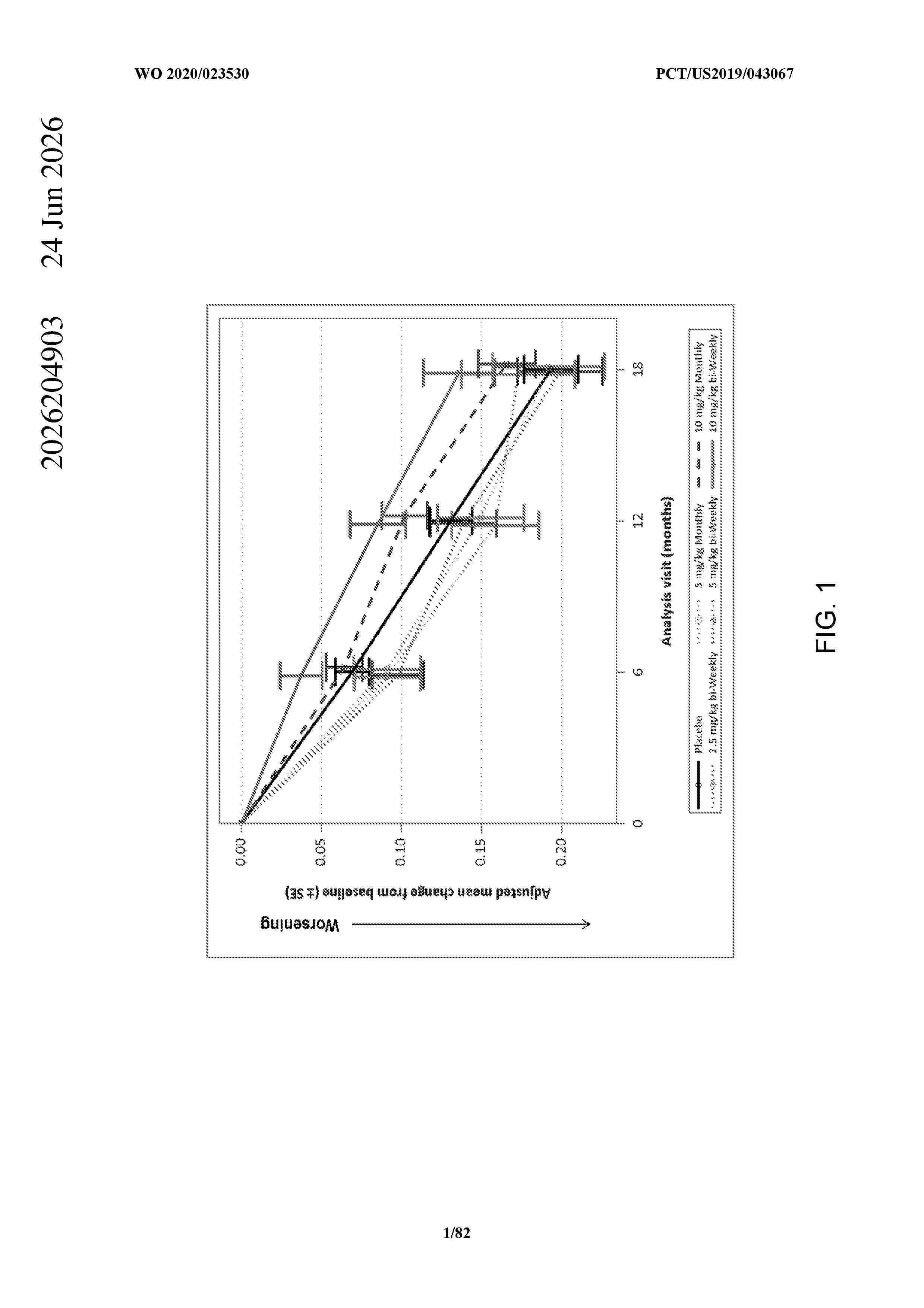
Resumen de: AU2026204903A1
Provided herein are methods of reducing clinical decline in a subject having early Alzheimer’s disease, methods of converting an amyloid positive subject having early Alzheimer’s disease to amyloid negative, methods of reducing brain amyloid level in a subject, and methods of preventing Alzheimer’s disease, the methods comprising administering a composition comprising a therapeutically effective amount of at least one anti-Aβ protofibril antibody. In some embodiments, the subject is ApoE4-positive. In some embodiments, the at least one anti- Aβ protofibril antibody is BAN2401. un u n
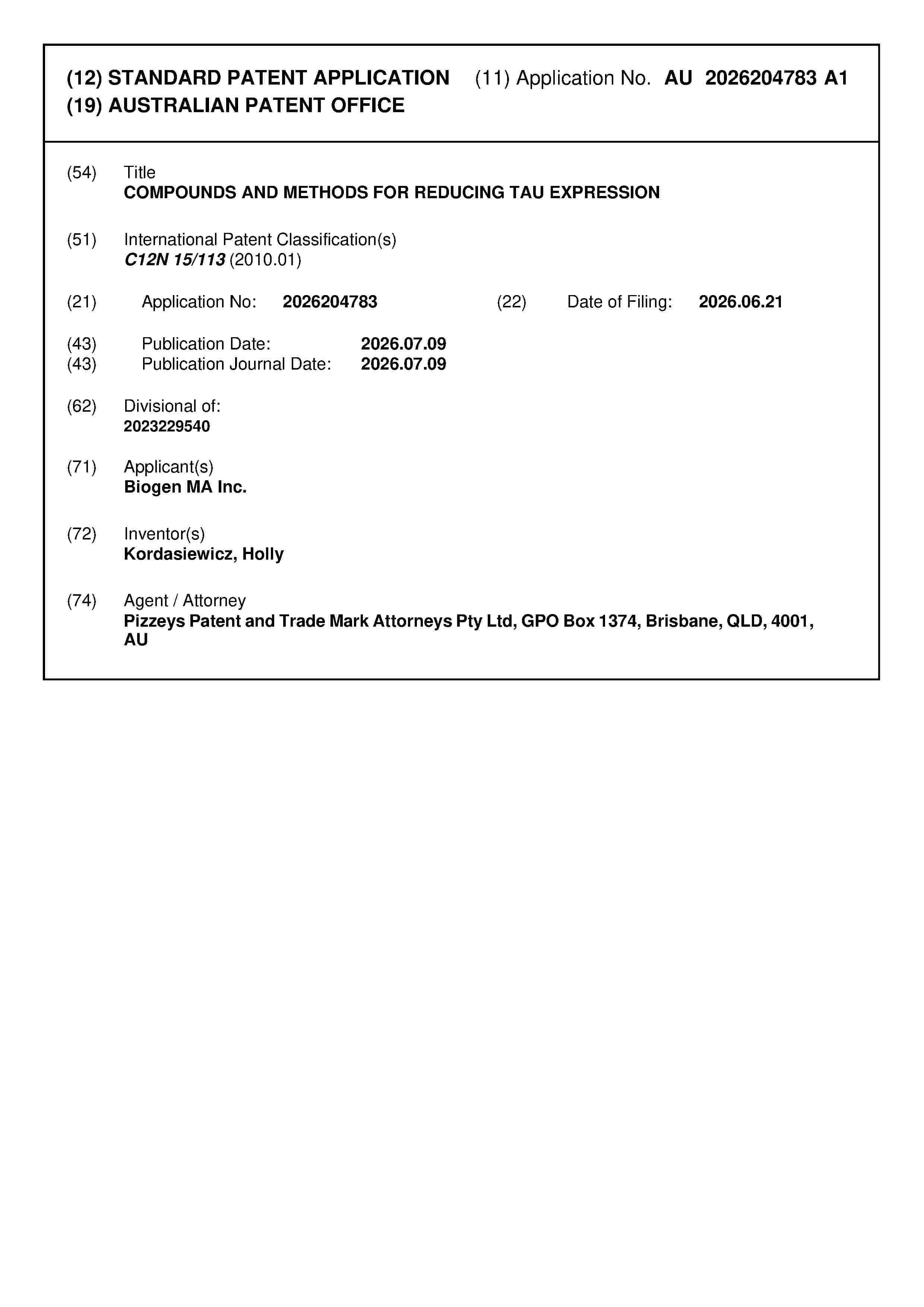
Resumen de: AU2026204783A1
Provided are compounds, methods, and pharmaceutical compositions for reducing the amount or activity of Tau mRNA in a cell or animal, and in certain instances reducing the amount of Tau protein in a cell or animal. Such compounds, methods, and pharmaceutical compositions are useful to ameliorate at least one symptom of a neurodegenerative disease. Such symptoms include loss of memory, loss of motor function, and increase in the number and/or volume of neurofibrillary inclusions. Such neurodegenerative diseases include tauopathies, Alzheimer's Disease, Fronto-temporal Dementia (FTD), FTDP-17, Progressive Supranuclear Palsy (PSP), Chronic Traumatic Encephalopathy (CTE), Corticobasal Ganglionic Degeneration (CBD), Epilepsy, and Dravet's Syndrome. This data, for application number 2023229540, is current as of 2026-06-21 07:39 AEST 2023229540 14 2023 Sep un
Resumen de: WO2026144375A1
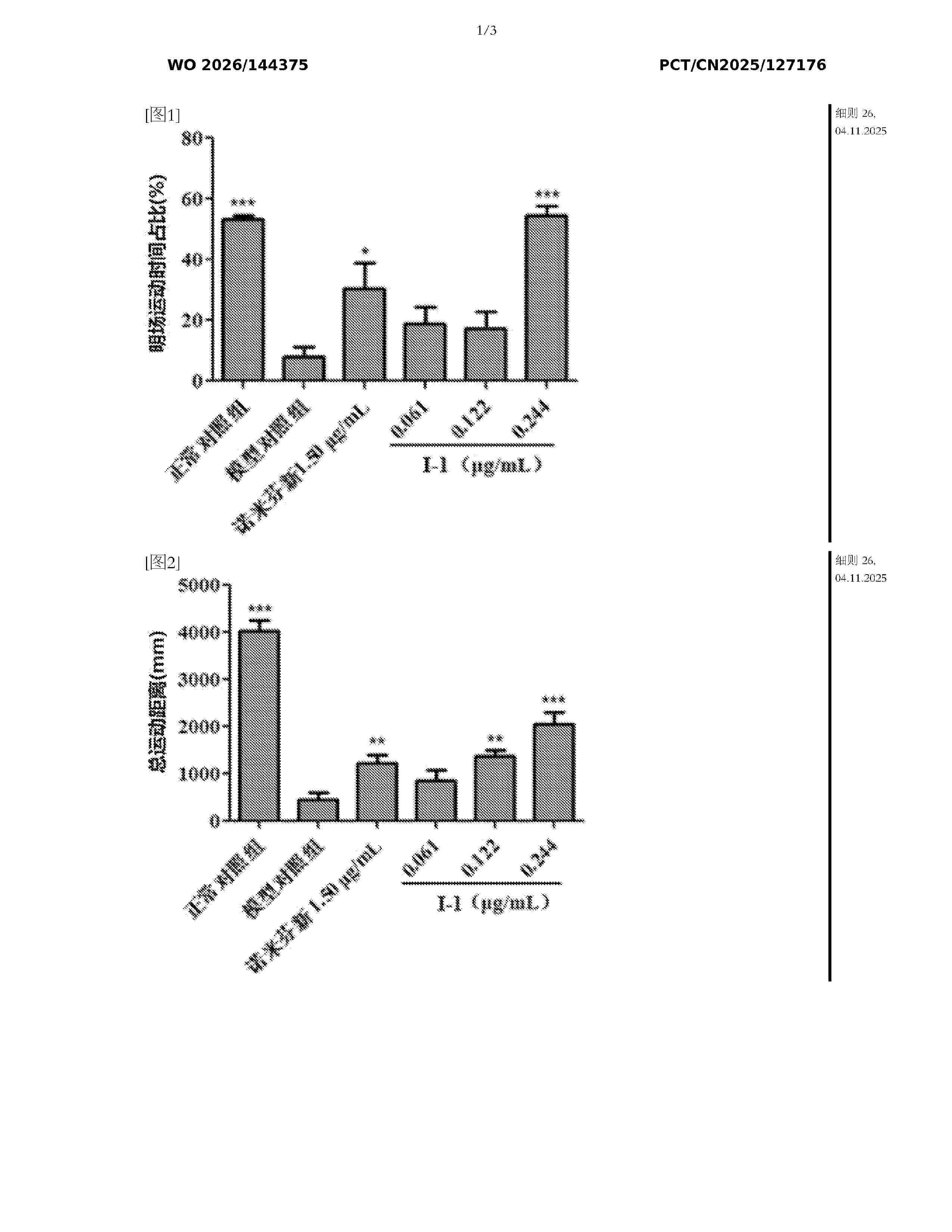
Disclosed in the present invention is a 1-thienyl-β-carboline-based IDO1 and TDO dual inhibitor, selected from a 1-thienyl-β-carboline derivative having a structure as represented by formula I or a pharmaceutically acceptable salt thereof. R1 is hydrogen, fluorine, chlorine or bromine, R2 is hydrogen, methyl or trifluoromethyl, R3 is methyl, and R4 is C1-C4 linear or branched alkyl. Disclosed in the present invention is a use of the 1-thienyl-β-carboline derivative or the pharmaceutically acceptable salt thereof in the preparation of a IDO1 and TDO dual inhibitor. Disclosed in the present invention is a use of the 1-thienyl-β-carboline derivative or the pharmaceutically acceptable salt thereof in the preparation of a medicament for treating IDO1- and TDO-mediated diseases. The IDO1- and TDO-mediated diseases are central nervous system diseases associated with IDO1- and TDO-mediated tryptophan-kynurenine metabolic pathway abnormalities, specifically including depression, anxiety, Parkinson's disease and Alzheimer's disease.
Resumen de: AU2025222816A1
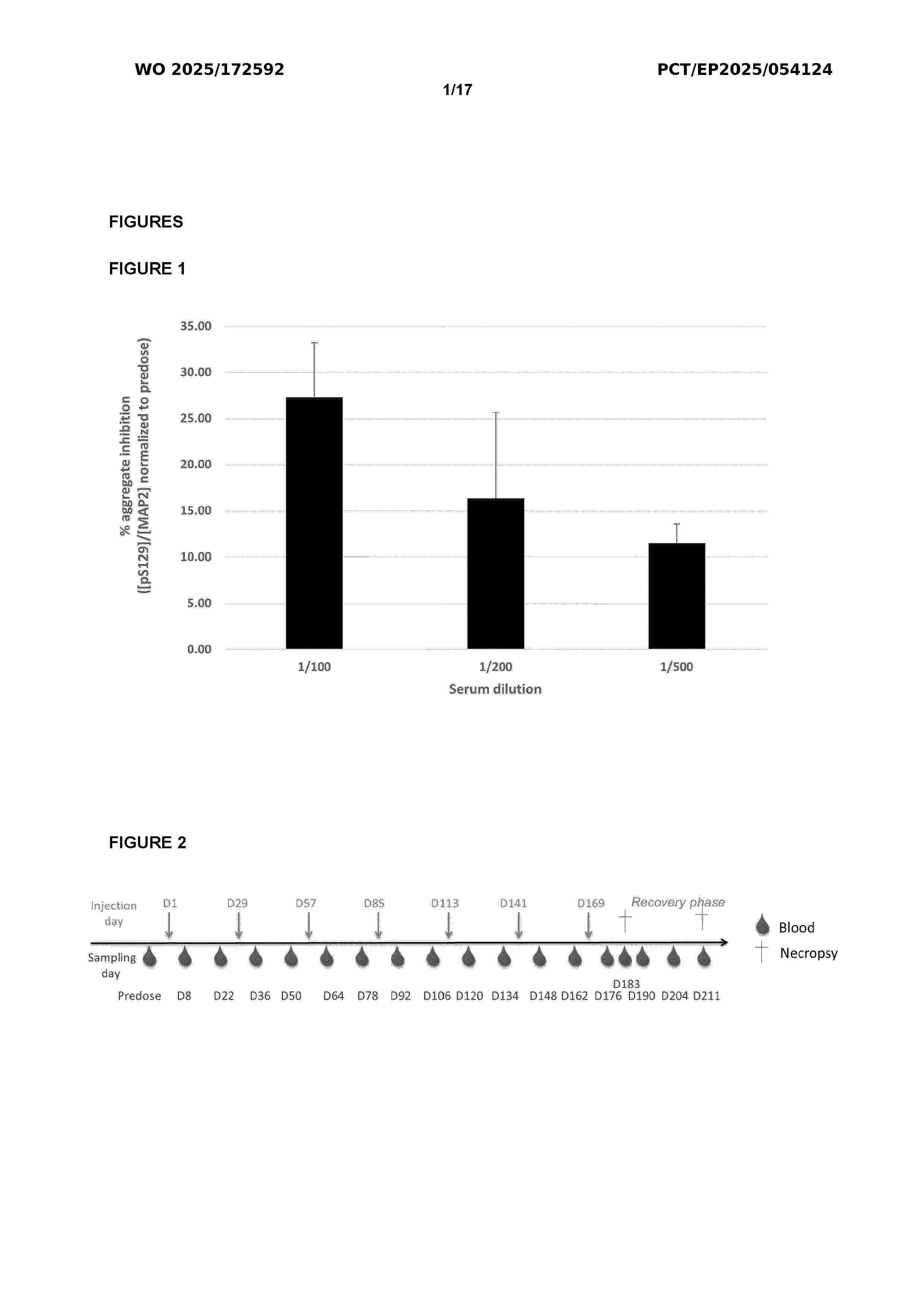
The present invention relates to immunogenic compositions that can be employed for the prevention, alleviation or treatment of a condition associated with diseases, disorders and abnormalities associated with alpha synuclein (alpha synuclein, α-synuclein, A-synuclein, aSynuclein, A-syn, α-syn, aSyn, a-syn) aggregates including, but not limited to, Lewy bodies and/or Lewy neurites, such as Parkinson's disease, Multiple System Atrophy, Lewy Body dementia (LBD; dementia with Lewy bodies (DLB) ("pure" Lewy body dementia), Parkinson's disease dementia (PDD)), or Diffuse Lewy Body Disease.
Resumen de: AU2024401413A1
Novel compounds of Formula (I), and the pharmaceutically acceptable salts thereof, are inhibitors of NLRP3 and may be useful in the treatment, prevention, management, amelioration, control, and suppression of diseases mediated by NLPR3. The compounds of the present invention may be useful in the treatment, prevention or management of diseases, disorders and conditions mediated by NLRP3 such as, but not limited to, obesity, gout, pseudogout, CAPS, NASH, MASH, fibrosis, osteoarthritis, atherosclerosis, heart failure, idiopathic pericarditis, myocarditis, atopic dermatitis, hidradenitis suppurativa, inflammatory bowel disease, cancer, Alzheimer's Disease, Parkinson's Disease, dementia with Lewy bodies (DLB), and traumatic brain injury.
Resumen de: AU2024411771A1
The present invention addresses the problem of providing a medicine that, despite of being a non-ergot dopamine agonist (DA), reduces the risk of the drowsiness side effect, and exhibits an excellent therapeutic effect on neurodegenerative disorders such as Parkinson's disease (PD). The present invention relates to a pharmaceutical composition for treating neurodegenerative diseases such as Parkinson's disease, the pharmaceutical composition comprising 1-{(4aR,6R,8aR)-2-amino-3-cyano-8-methyl-4,4a,5,6,7,8,8a,9-octahydrothieno3,2-gquinolin-6-ylcarbonyl}-3-2-(dimethylamino)ethyl-1-propylurea or a pharmacologically acceptable salt thereof. The pharmaceutical composition is characterized by being orally administered at a daily dose of 0.25 mg to 2 mg in terms of free form.
Resumen de: US20260191889A1
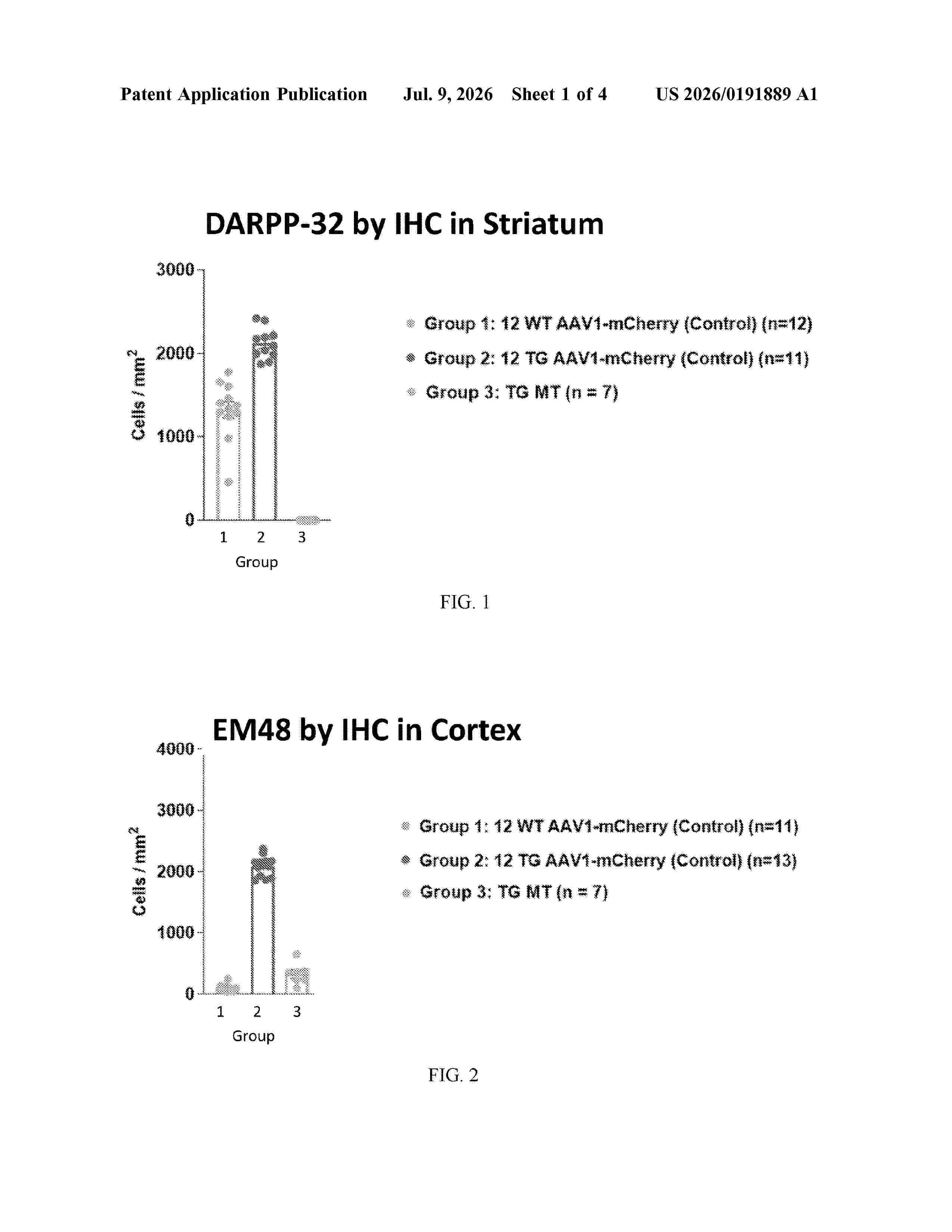
The present disclosure relates to compositions comprising trehalose and methods of using same for the treatment of Huntington's disease.
Resumen de: EP4772617A1
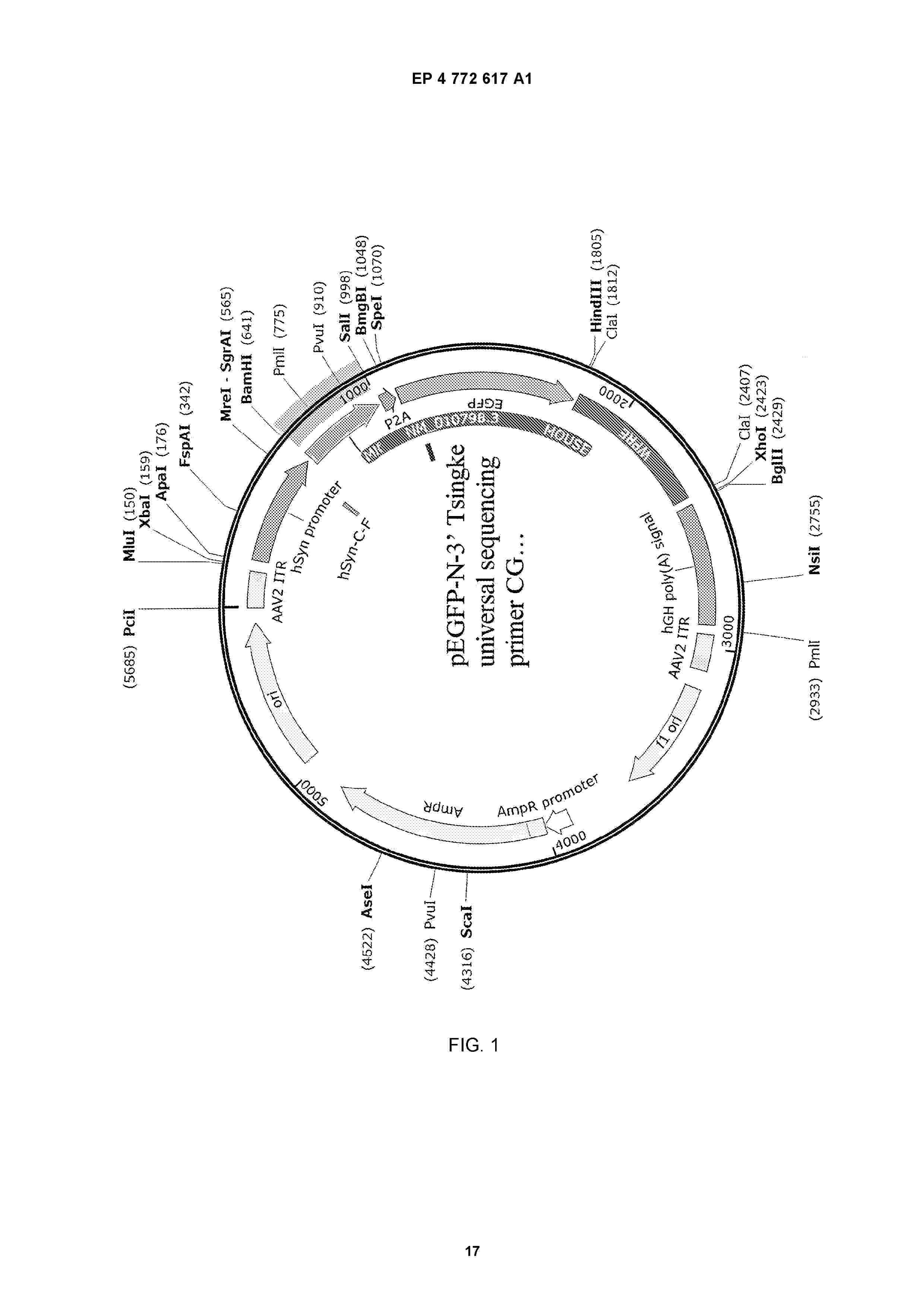
The present invention belongs to the technical field of biomedicines, and relates to intravenous injection of an adeno-associated virus with overexpression of thiamine pyrophosphokinase-1 (TPK). The adeno-associated virus with overexpression of thiamine pyrophosphokinase-1 is a recombinant adeno-associated virus, and the genome of the adeno-associated virus with overexpression of thiamine pyrophosphokinase-1 comprises a neuron-specific promoter, a nucleotide sequence encoding a TPK gene, and a WPRE element. The present invention also provides a method for constructing AAV-TPK and its application in the preparation of a medicament for preventing or treating Alzheimer's disease. In the present invention, the serotype of AAV-TPK is AAV.CAP-B10, which can specifically and efficiently cross the blood-brain barrier and widely act on all brain regions. By means of peripheral administration, specifically brain targeting and high activity of exogenous TPK overexpressing, the present invention ensures convenience of administration while avoiding potential side effects caused by peripheral TPK overexpression. In clinical applications, the AAV-TPK of the present invention can be administered by direct peripheral intravenous injection to across the blood-brain barrier effectively, thereby treating or preventing Alzheimer's disease.
Resumen de: WO2025049671A1
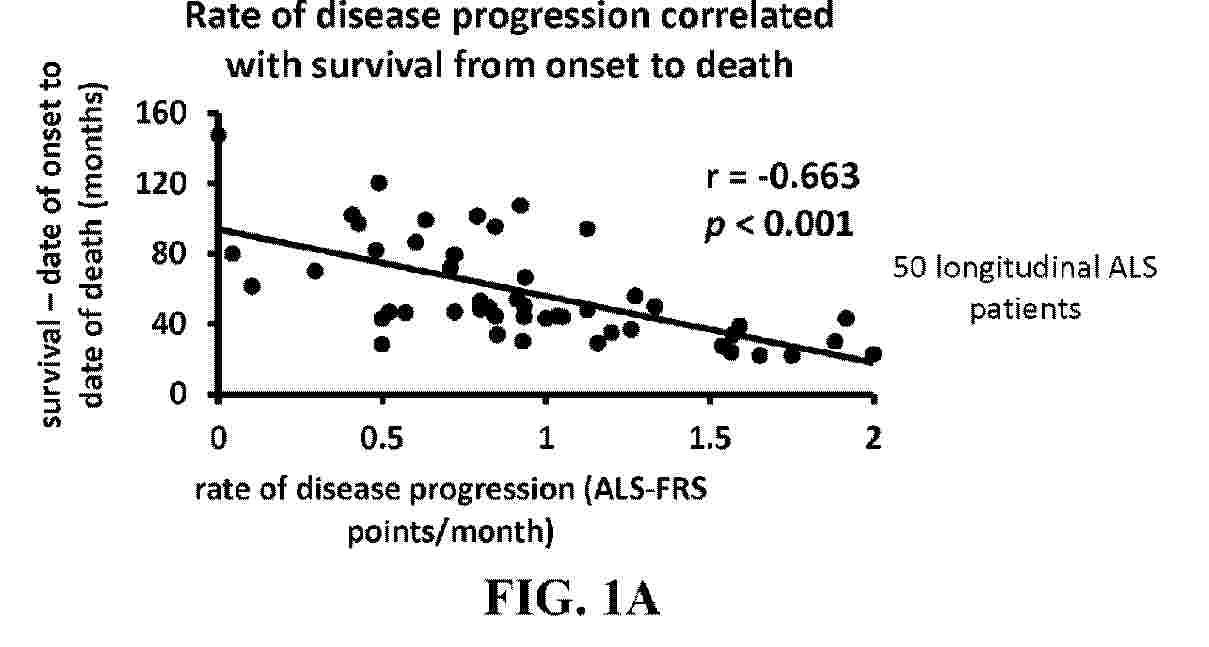
Provided herein are markers and uses thereof for predicting survival in amyotrophic lateral sclerosis (ALS) patients, determining impact of an ALS therapy on survival of an ALS patient, and predicting the rate of ALS progression.
Resumen de: EP4772512A1
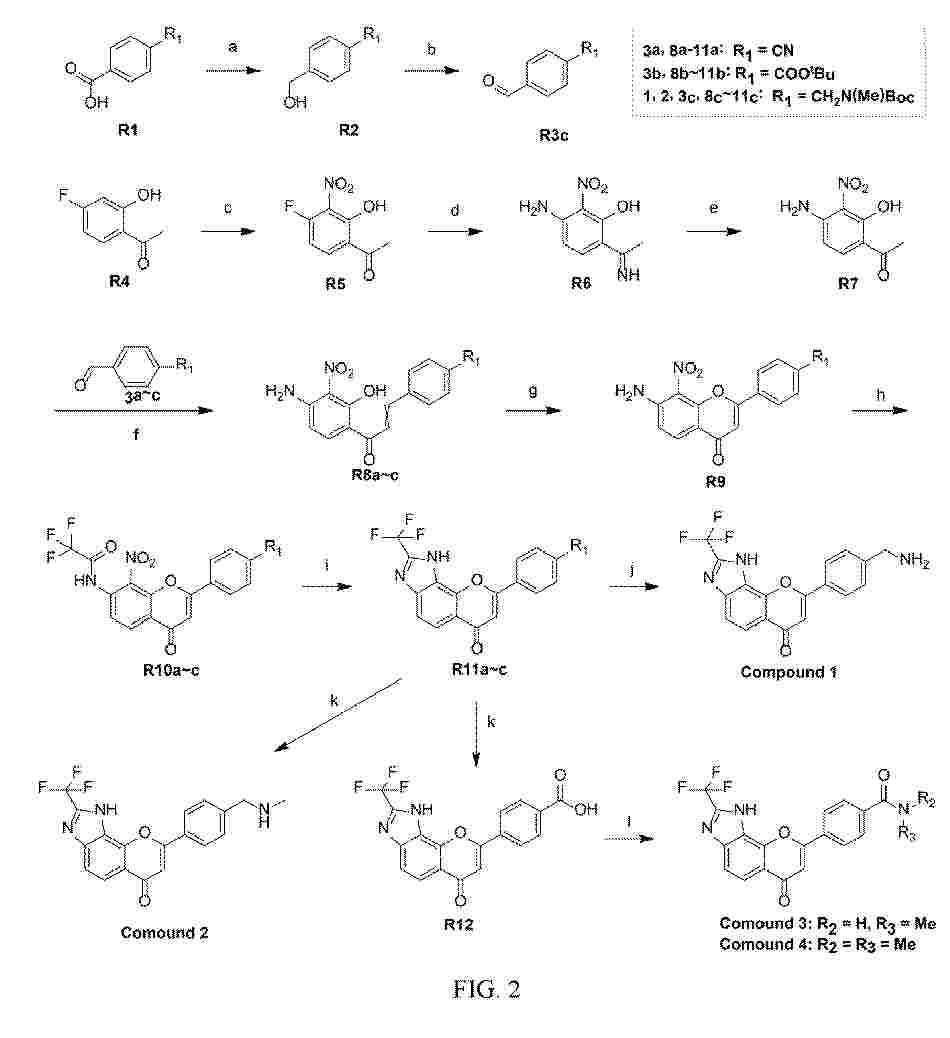
The present disclosure discloses drugs for preventing and/or treating Alzheimer's disease (AD). A CF3CN derivative provided by present disclosure has any one of structural formulas 1-4 shown below. All four CF3CN derivatives have TrkB agonist activities; and specifically, the CF3CN derivative shown in formula 2 serves as an optimal derivative. In vivo PK studies reveal that the CF3CN derivative shown in the formula 2 is capable of improving a B/P Ratio of CF3CN, and overcoming the limitations of CF3CN. Nanoparticles are prepared by encapsulating the CF3CN derivatives with zein and lactoferrin, which may further enhance an oral bioavailability and a brain drug concentration, thereby improving AD treatment effects. By further improving the formulation and administration route, a liposome is employed to encapsulate the CF3CN derivative for both oral and intranasal administration, which effectively solves the problems of low bioavailability and low brain drug concentration of the derivative.
Resumen de: AU2024332695A1
Provided herein are compounds and pharmaceutical compositions thereof for inhibiting Emopamil Binding Protein (EBP) and their use in the treatment of demyelinating diseases such as multiple sclerosis.
Resumen de: WO2026142675A1
The invention relates to the development of an active agent increasing the activity of α-carbonic anhydrase (hCA) enzymes, having the potential to be used in the treatment of Alzheimer's and certain neurodegenerative disorders.
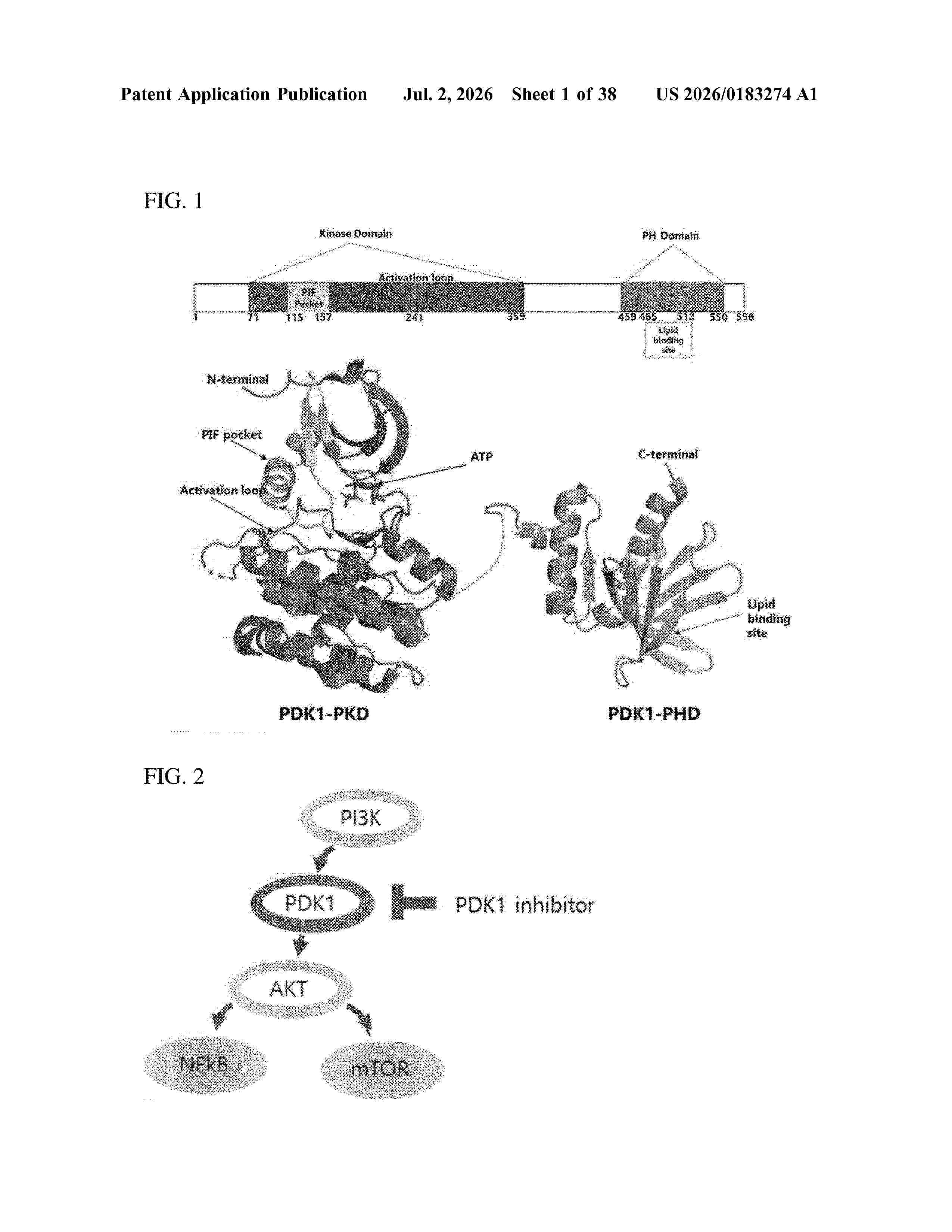
Resumen de: US20260183274A1
0000 Provided is a 3-phosphoinositide-dependent protein kinase 1 (PDK1) modulator compound. The PDK1 modulator compound is provided as a compound represented by chemical formula 1, or a solvate, hydrate, prodrug, stereoisomer or pharmaceutically acceptable salt thereof, and regulates, inhibits or antagonizes the activity of PDK1, and thus can be used for anticancer, antifibrosis, anti-aging and reverse aging, or treatment or prevention of Alzheimer's disease or autoimmune disease. In addition, the present invention provides a composition for anticancer, antifibrosis, anti-aging and reverse aging, or treatment, prevention or alleviation of Alzheimer's disease or autoimmune disease, containing the PDK1 modulator compound and a salt thereof as active ingredients, and provides a method, in which the compound and a salt thereof are administered to a subject, for anticancer, antifibrosis, anti-aging and reverse aging, or treatment, prevention or alleviation of Alzheimer's disease or autoimmune disease.
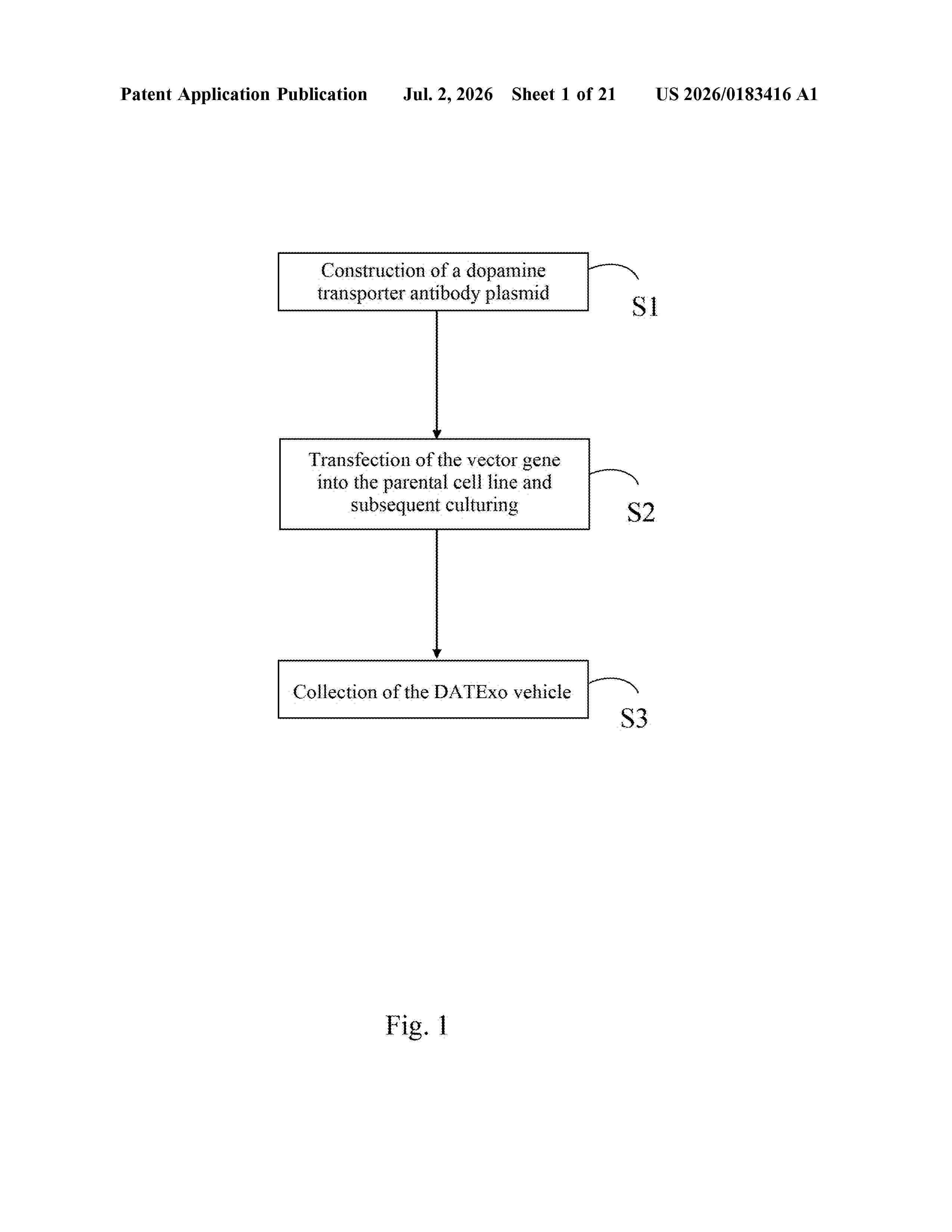
Resumen de: US20260183416A1
0000 A targeting vehicles comprises an extracellular vesicle with a dopamine transporter antibody on a transmembrane protein of the extracellular vesicle, the extracellular vesicle is secreted by a cell transfected with a vector gene, and at least a portion of the vector gene comprises SEQ ID No: 1. The targeting vehicles provided in the present invention can be loaded with drugs and cross the blood-brain barrier to achieve specific binding to dopamine neuron, and regulate the secretion of Parkinson's disease marker proteins and delay the course of Parkinson's disease.
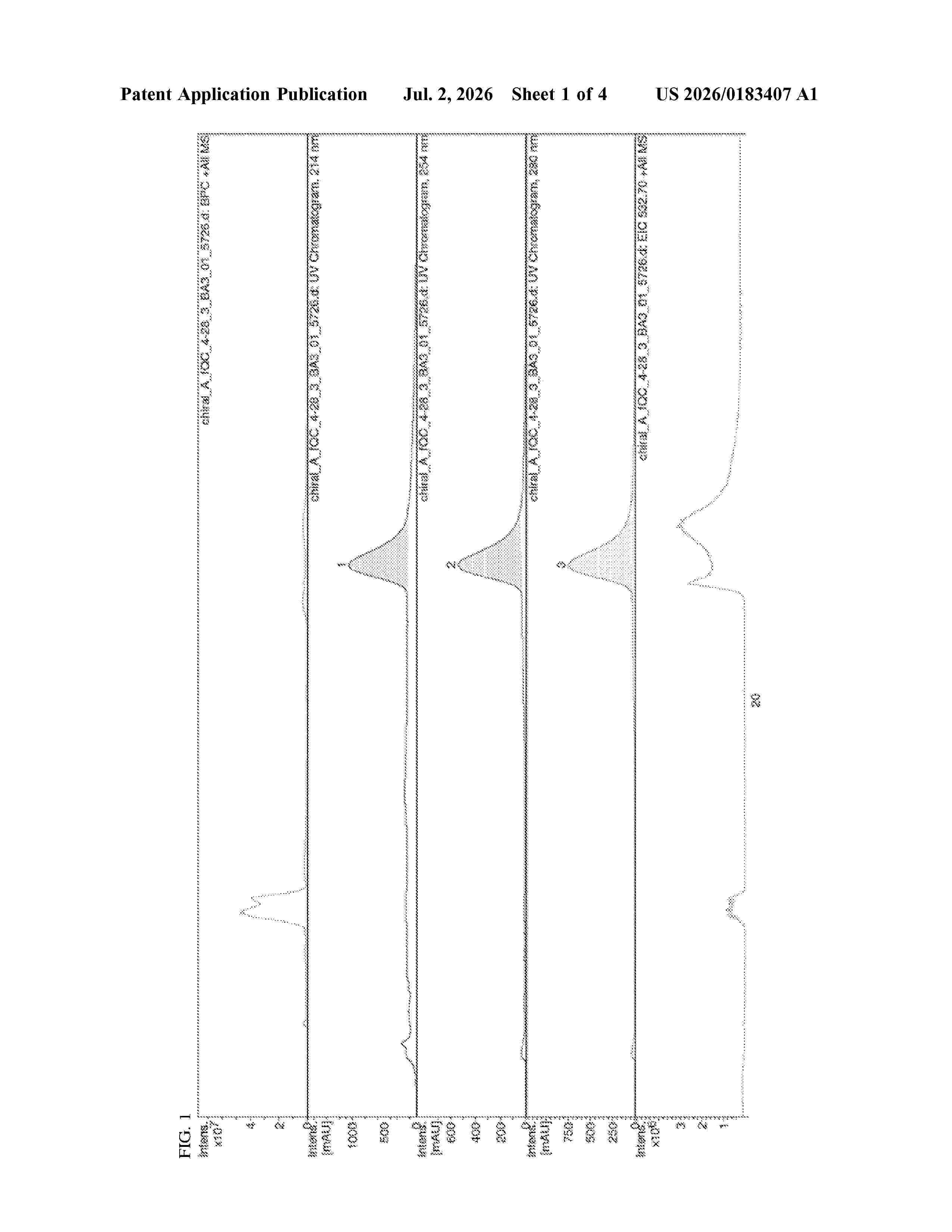
Resumen de: US20260183407A1
0000 The present invention relates to bifunctional compounds, which find utility to degrade and (inhibit) one or more of the following kinases: DYRK1A, DYRK1B, DYRK2, DYRK3, CLKI, CLK2, CLK3, CLK4, and HASPIN. In particular, the present invention is directed to compounds, which contain on one end an E3 ubiquitin ligase binding moiety which binds to an E3 ubiquitin ligase and on the other end a moiety which binds one or more of the following kinases: DYRK1A, DYRK1B, DYRK2, DYRK3, CLK1, CLK2, CLK3, CLK4, and HASPIN, such that the one or more kinases is placed in proximity to the ubiquitin ligase to effect degradation (and inhibition) of the one or more kinases. The bifunctional compounds serve as therapeutics for the treatment of Alzheimer's disease, down syndrome, diabetes, an autoimmune disease, an inflammatory disorder (e.g., airway inflammation, osteoarthritis (e.g., knee related osteoarthritis)), cancer (e.g., glioblastoma, prostate cancer, metastatic breast cancer, metastatic lung cancer, multiple myeloma, secondary metastatic tumors of the brain, colorectal cancer), a viral infection (e.g., SARS-COV-2 infection (e.g., COVID-19)), and other diseases.
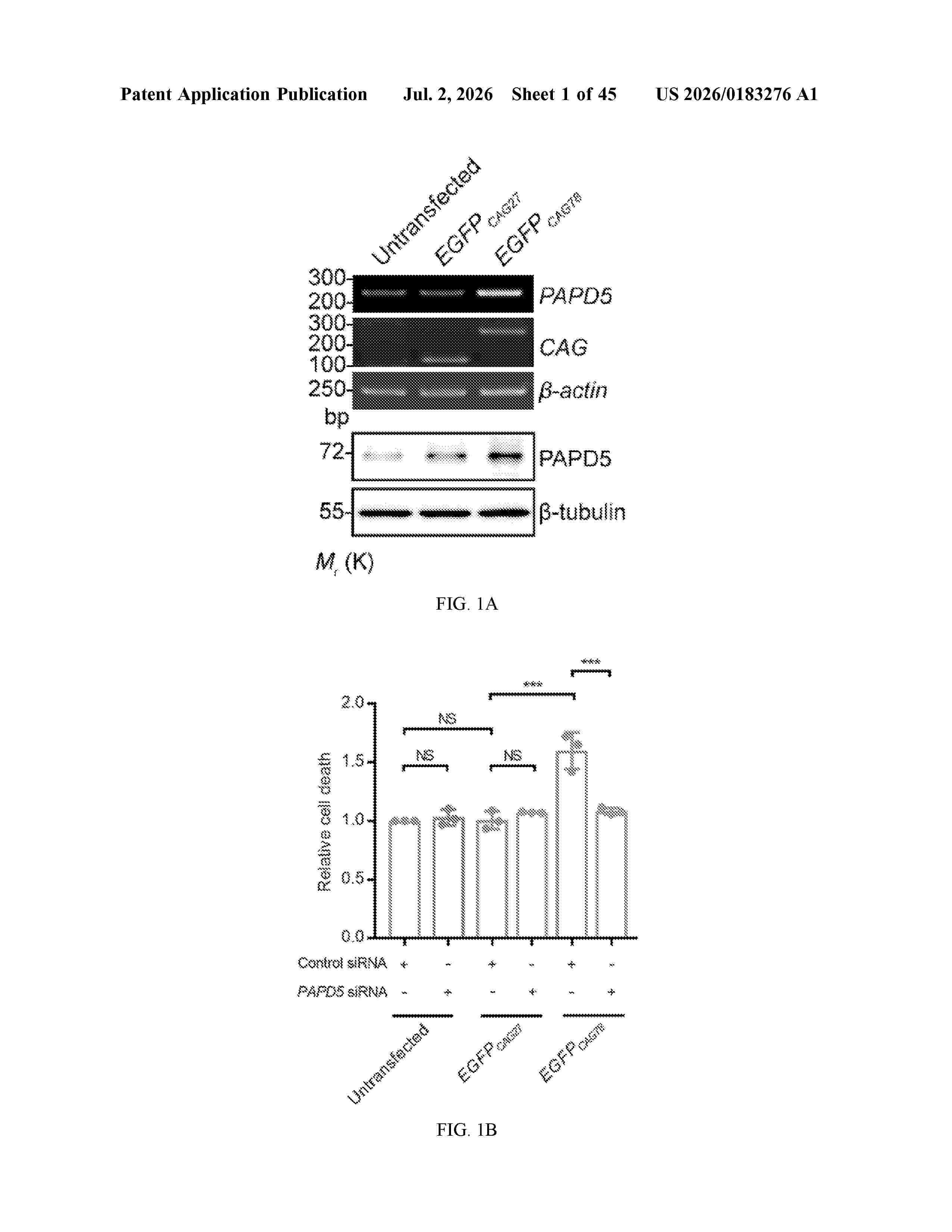
Resumen de: US20260183276A1
0000 The subject invention pertains to compositions comprising Poly(A) RNA polymerase D5 (PAPD5) small molecule inhibitors and methods of using said compositions to treat Huntington's Disease (HD). The PAPD5 small molecule inhibitor is, for example, BCH001 and RG7834. The PAPD5 small molecule inhibitor can mitigate the neuronal defects and cell death in HD.
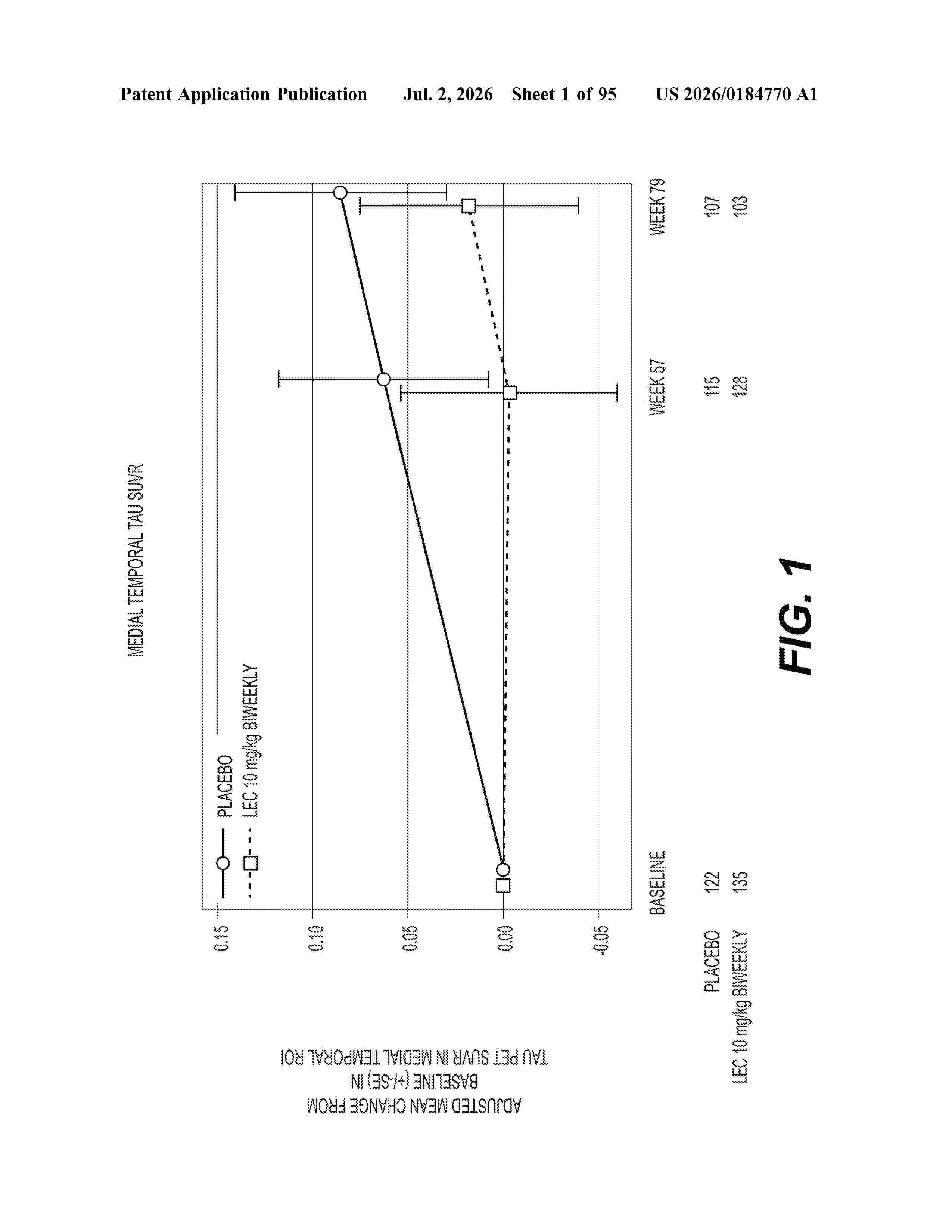
Resumen de: US20260184770A1
Disclosed herein are methods of diagnosing, selecting, monitoring, and treating subjects with Alzheimer's disease (AD) or suspected of having AD or another disorder associated with amyloid accumulation in the brain using a tau PET level.
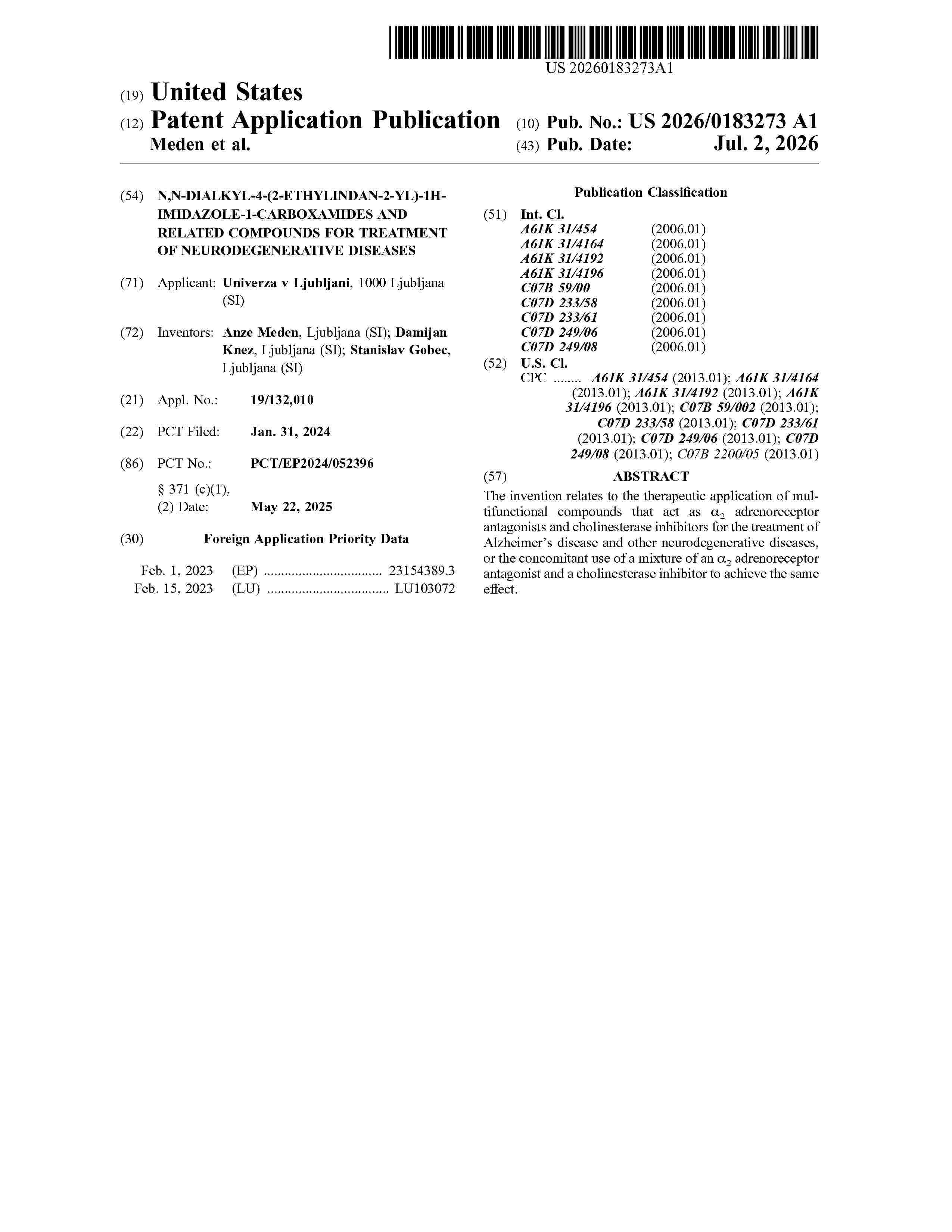
Resumen de: US20260183273A1
The invention relates to the therapeutic application of multifunctional compounds that act as α2 adrenoreceptor antagonists and cholinesterase inhibitors for the treatment of Alzheimer's disease and other neurodegenerative diseases, or the concomitant use of a mixture of an α2 adrenoreceptor antagonist and a cholinesterase inhibitor to achieve the same effect.
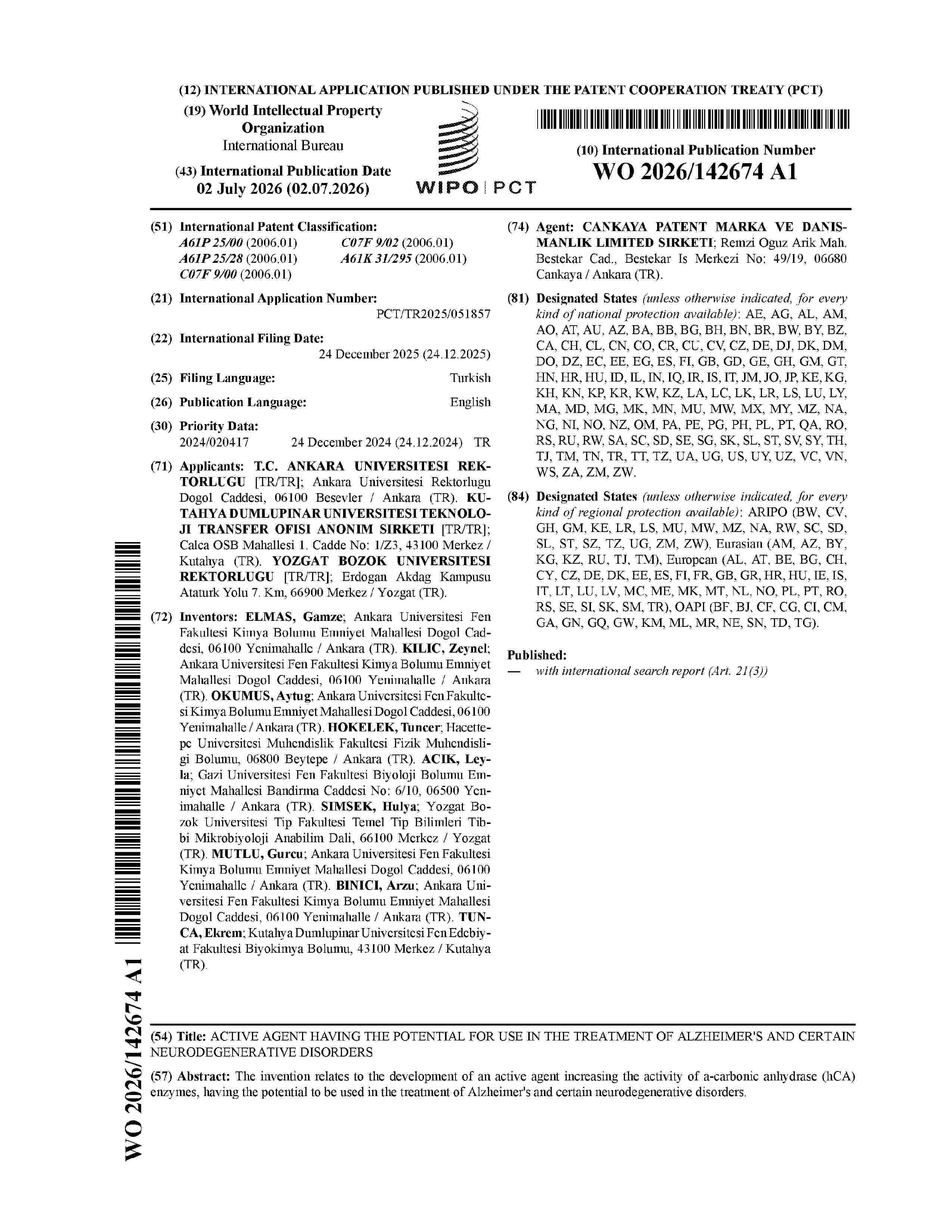
Nº publicación: WO2026142674A1 02/07/2026
Solicitante:
T C ANKARA UNIV REKTORLUGU [TR]
YOZGAT BOZOK UNIV REKTORLUGU [TR]
KUTAHYA DUMLUPINAR UNIV TEKNOLOJI TRANSFER OFISI ANONIM SIRKETI [TR]
T.C. ANKARA UNIVERSITESI REKTORLUGU
KUTAHYA DUMLUPINAR UNIVERSITESI TEKNOLOJI TRANSFER OFISI ANONIM SIRKETI
YOZGAT BOZOK UNIVERSITESI REKTORLUGU
Resumen de: WO2026142674A1
The invention relates to the development of an active agent increasing the activity of a-carbonic anhydrase (hCA) enzymes, having the potential to be used in the treatment of Alzheimer's and certain neurodegenerative disorders.
 BOPI
BOPI
 Sede Electrónica