Si deseas distinguir tus productos, servicios o ambos de los de otra empresa, es posible que necesites una marca o nombre comercial. Descubre qué son, en qué consiste su procedimiento de registro y qué implica.

Información sobre los plazos de presentación de solicitudes de transformación de marcas de la Unión Europea en marca nacional española. Más información


Si tienes un nuevo dispositivo, producto o procedimiento que resuelva un problema técnico o tenga una ventaja práctica, existen distintas formas de protegerlo en España y en otros países. Descubre cómo hacerlo.

¿Tu innovación reside en la estética, la ornamentación o la apariencia de tu producto? Protégela mediante un diseño industrial. Descubre qué derechos confiere el registro y cómo realizar la tramitación.

Las indicaciones geográficas protegen el nombre de un producto originario de una zona geográfica, a la cual le debe una determinada calidad, reputación u otra característica. Descubre qué son, en qué consiste su procedimiento de registro y qué beneficios conceden.

Las patentes publicadas en todo el mundo son una valiosa fuente de información científica, técnica y comercial.

Si eres emprendedor/a o una empresa y quieres potenciar y mejorar la rentabilidad de tu negocio protegiendo de forma adecuada los activos intangibles de tu organización, en este espacio encontrarás lo necesario.


 143
resultados
143
resultados
 Última actualización
14/07/2026 [08:30:00]
Última actualización
14/07/2026 [08:30:00]


 Resultados 50 a 75 de 143

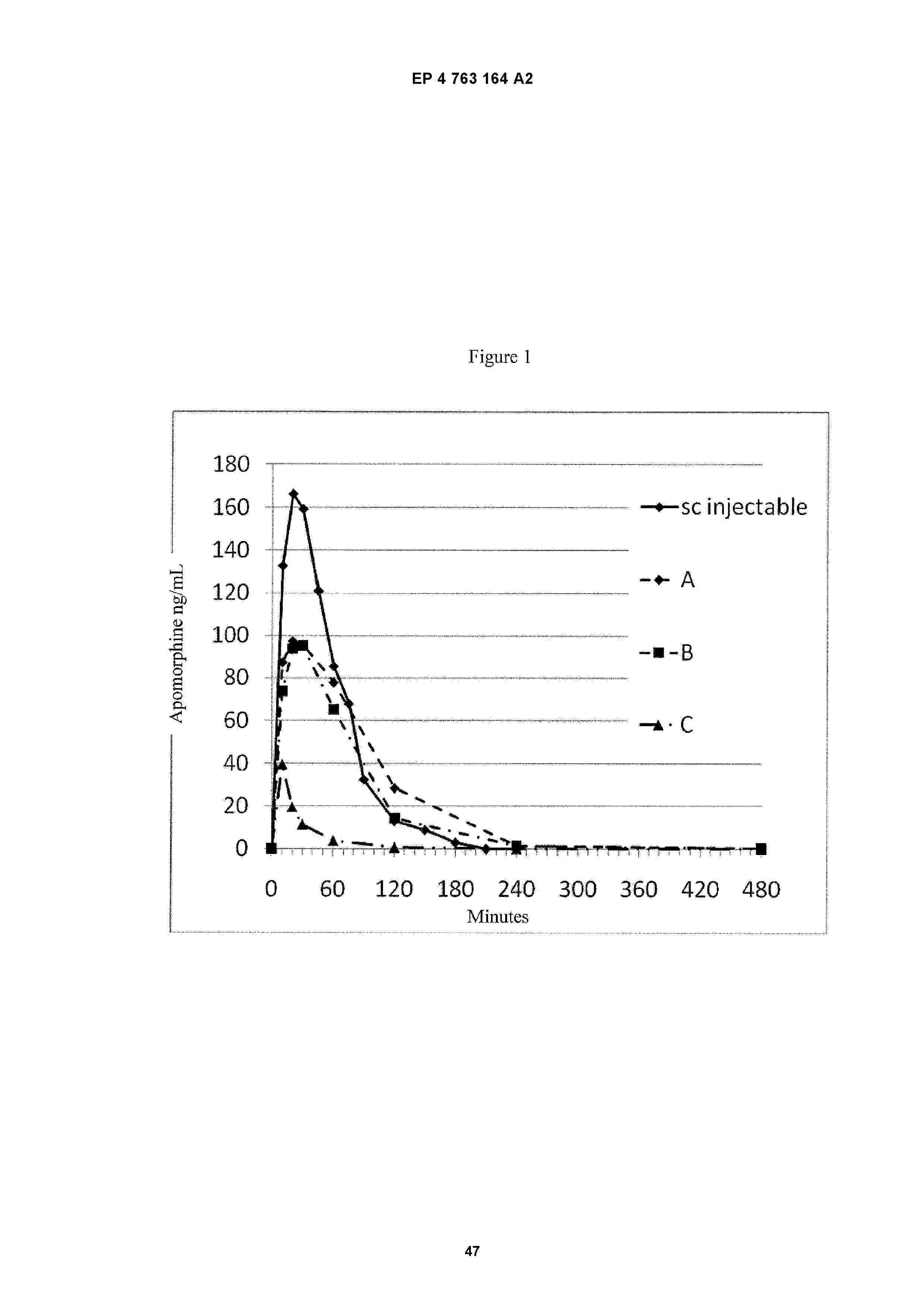
Resumen de: EP4763164A2
0001 The invention features sublingual film formulations of dopamine agonists and methods of treating Parkinson's disease, tremors, restless leg syndrome, sexual dysfunction, and depressive disorders therewith.

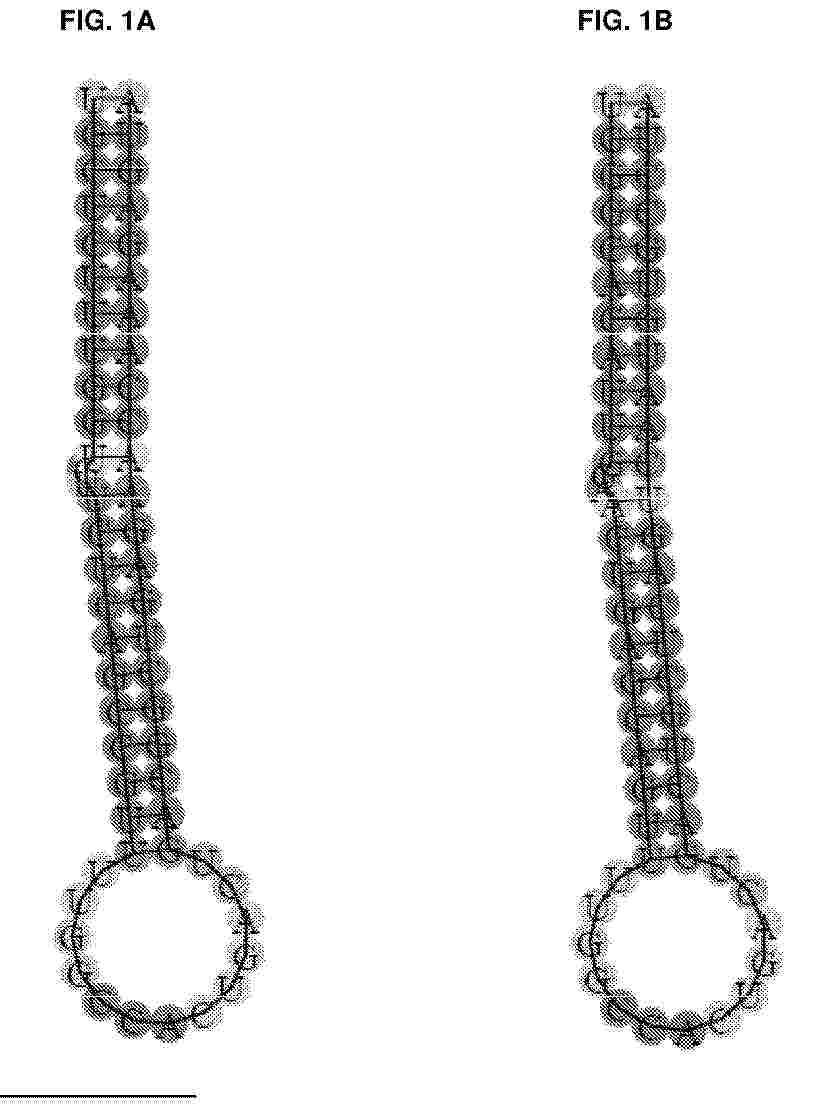
Resumen de: EP4763987A2
Provided herein are RNAi molecules for treating neurodegenerative synucleinopathies. In some embodiments, the RNAi molecules target expression of alpha-synuclein (SNCA). Further provided herein are expression constructs, vectors (e.g., rAAV), cells, viral particles, and pharmaceutical compositions containing the RNAi. Yet further provided herein are methods and kits related to the use of the RNAi, for example, to treat neurodegenerative synucleinopathies including Parkinson's disease, multiple system atrophy, and dementia with Lewy bodies.
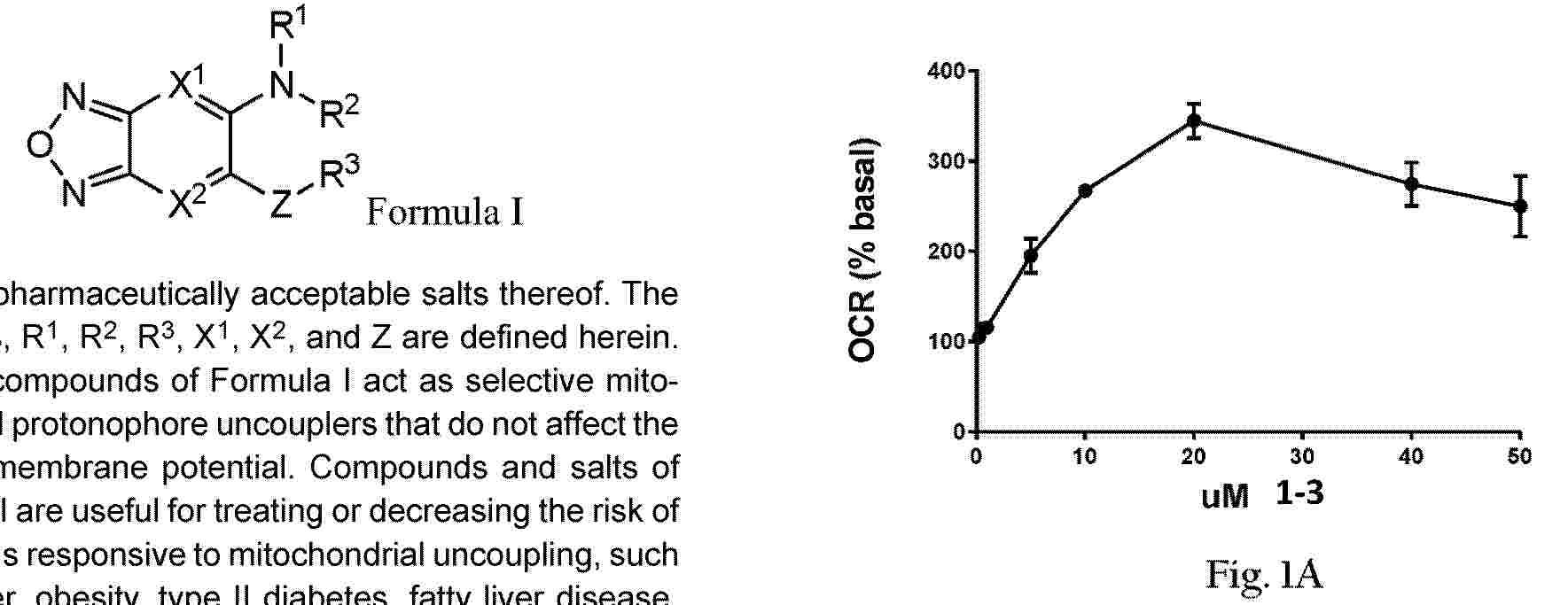
Resumen de: EP4763834A2
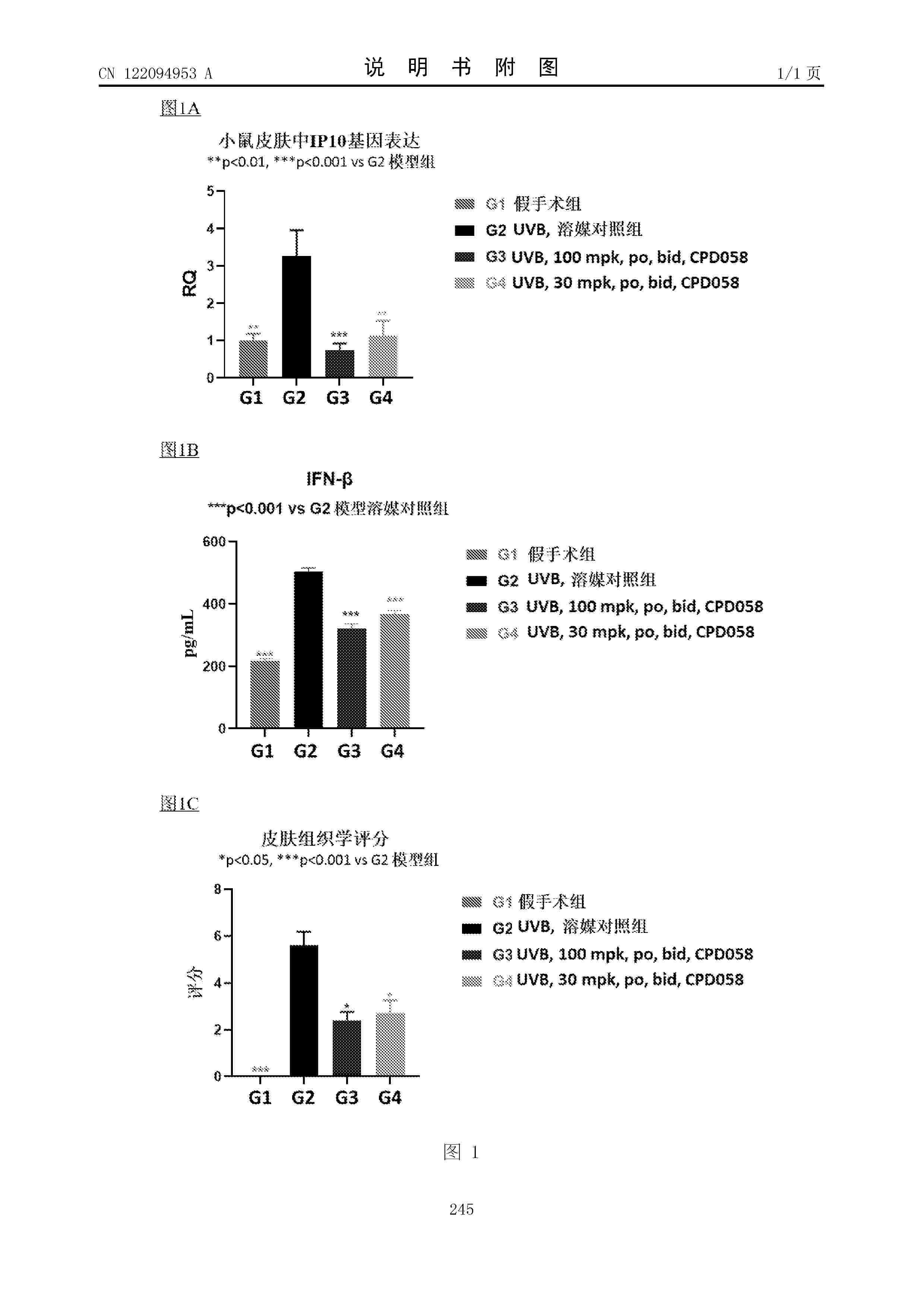
The disclosure provide compounds of Formula Iand the pharmaceutically acceptable salts thereof. The variables, R1, R2, R3, X1, X2, and Z are defined herein. Certain compounds of Formula I act as selective mitochondrial protonophore uncouplers that do not affect the plasma membrane potential. Compounds and salts of Formula I are useful for treating or decreasing the risk of conditions responsive to mitochondrial uncoupling, such as cancer, obesity, type II diabetes, fatty liver disease, insulin resistance, Parkinson's disease, ischemia reperfusion injury, heart failure, non-alcoholic fatty liver disease (NALFD), and non-alcoholic steatohepatitis (NASH). Because mitochondrial uncouplers decrease the production of reactive oxygen species (ROS), which are known to contribute to age-related cell damage, compounds of Formula I are useful for increasing lifespan. Compounds and salts of Formula I are also useful for regulating glucose homeostasis or insulin action in a patient.
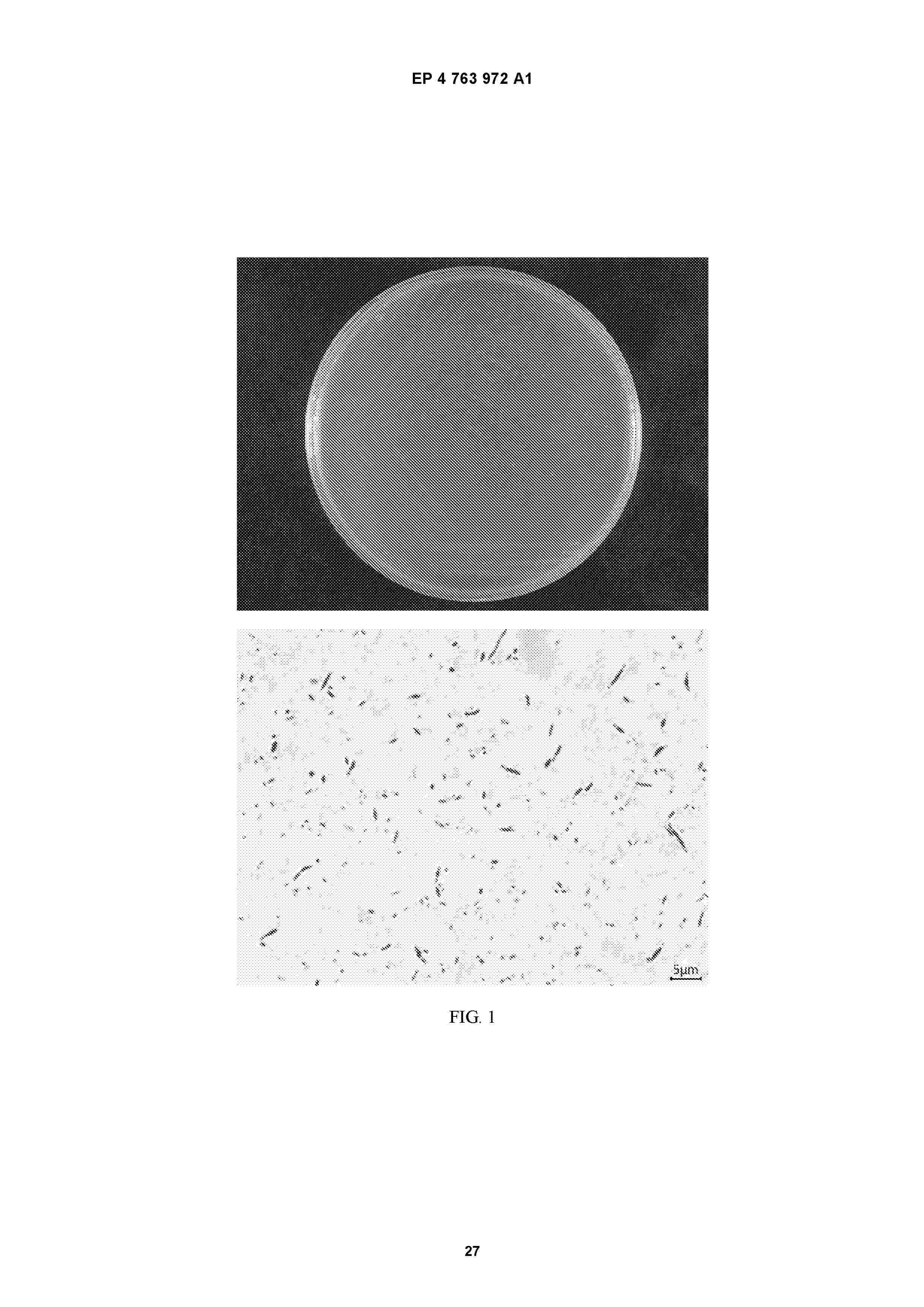
Resumen de: EP4763972A1
0001 Provided are an Akkermansia muciniphila strain, and a product and a use thereof. The Akkermansia muciniphila strain is AKK PROBlO, and the preservation number thereof is CGMCC No. 20955, The AKK PROBIO has good tolerance, high safety, a wide range of indications and a good treatment effect, and can prevent and treat diseases such as colitis. colorectal cancer. Alzheimer's disease, and gouty arthritis.
Resumen de: MX2026001933A
The present invention relates to novel compounds, to said compounds for use as a medicine, more in particular for the prevention or treatment of diseases mediated by activity of cGAS, yet more in particular for the prevention or treatment of inflammation conditions or cancer. The present invention also relates to a method for the prevention or treatment of said diseases comprising the use of the novel compounds. The present invention furthermore relates to pharmaceutical compositions or combination preparations of the novel compounds as well as to said compositions or preparations for use as a medicine, more preferably for the prevention or treatment of diseases mediated by activity of cGAS, yet more in particular for the prevention or treatment of inflammation conditions or cancer. The present invention also relates to processes for the preparation of said compounds.
Resumen de: WO2025038979A1
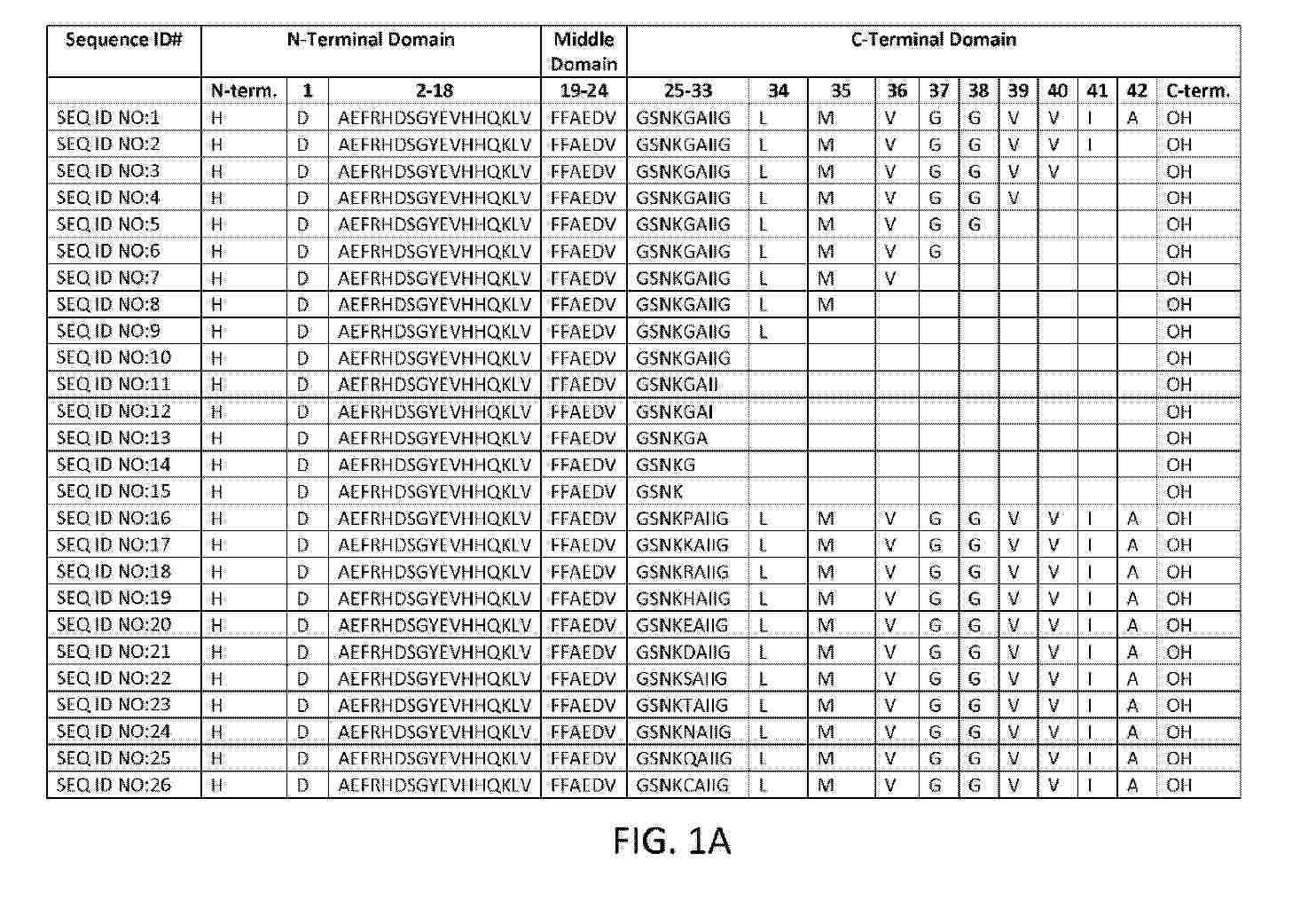
Material compositions and/or methods useful for the prophylaxis and/or treatment of protein depletion (proteinopenia) are provided, including material compositions that retains native function of a peptide/protein while limiting and/or preventing amyloid formation and/or aggregation of said peptide/protein. Material compositions and formulations for enhancing peptide/protein solubility, stability, circulation time, receptor interaction, brain penetrance, CSF half-life, facilitating peptide/protein synthesis and purification are also provided.
Resumen de: WO2025038863A1
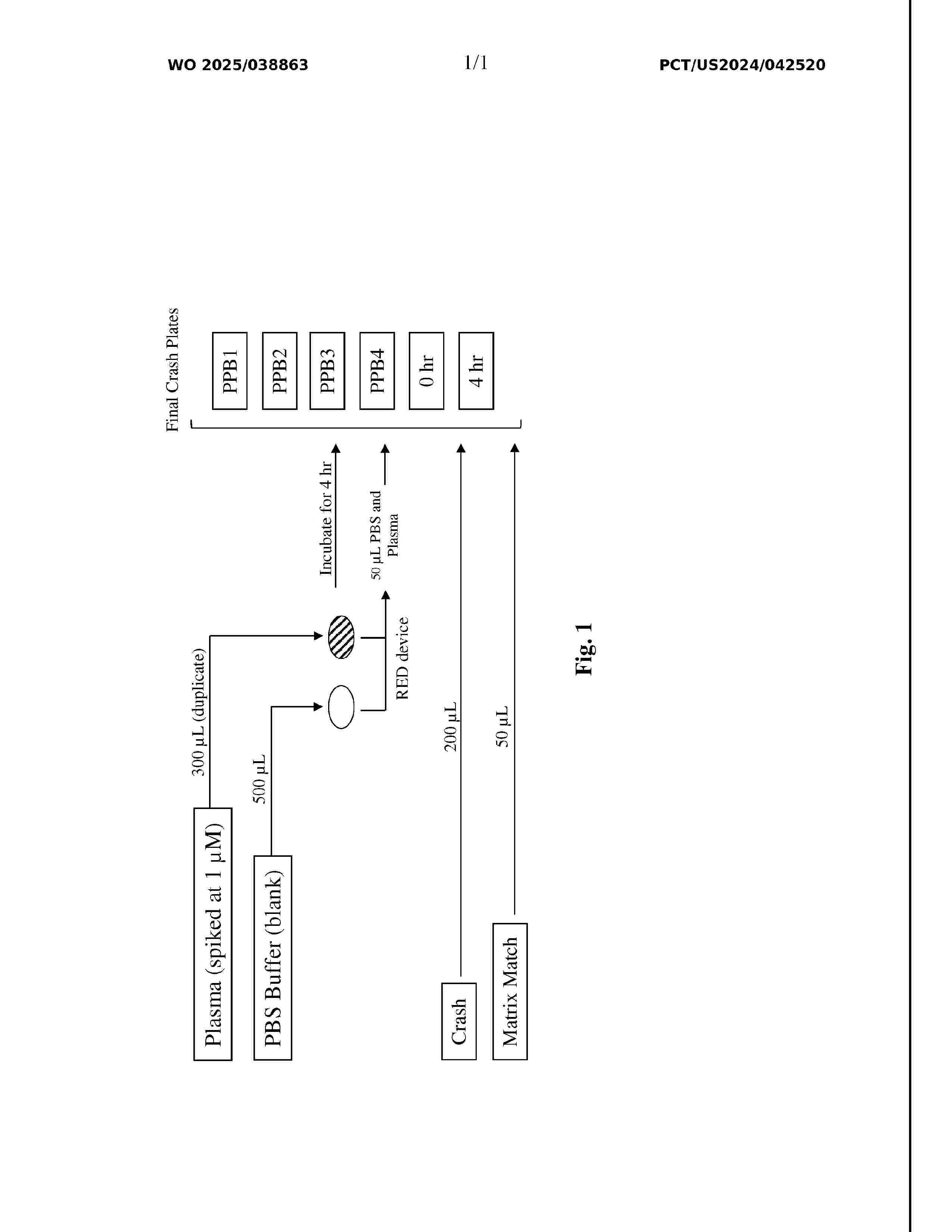
Disclosed is a compound represented by Formula (I) or a pharmaceutically acceptable salt thereof. The variables in Formula (I) are defined herein. Compounds of Formula (I) are useful for regulating GPR17 activity and for treating disorders and diseases mediated by GPR17 in humans or non-humans.
Resumen de: WO2021011673A2
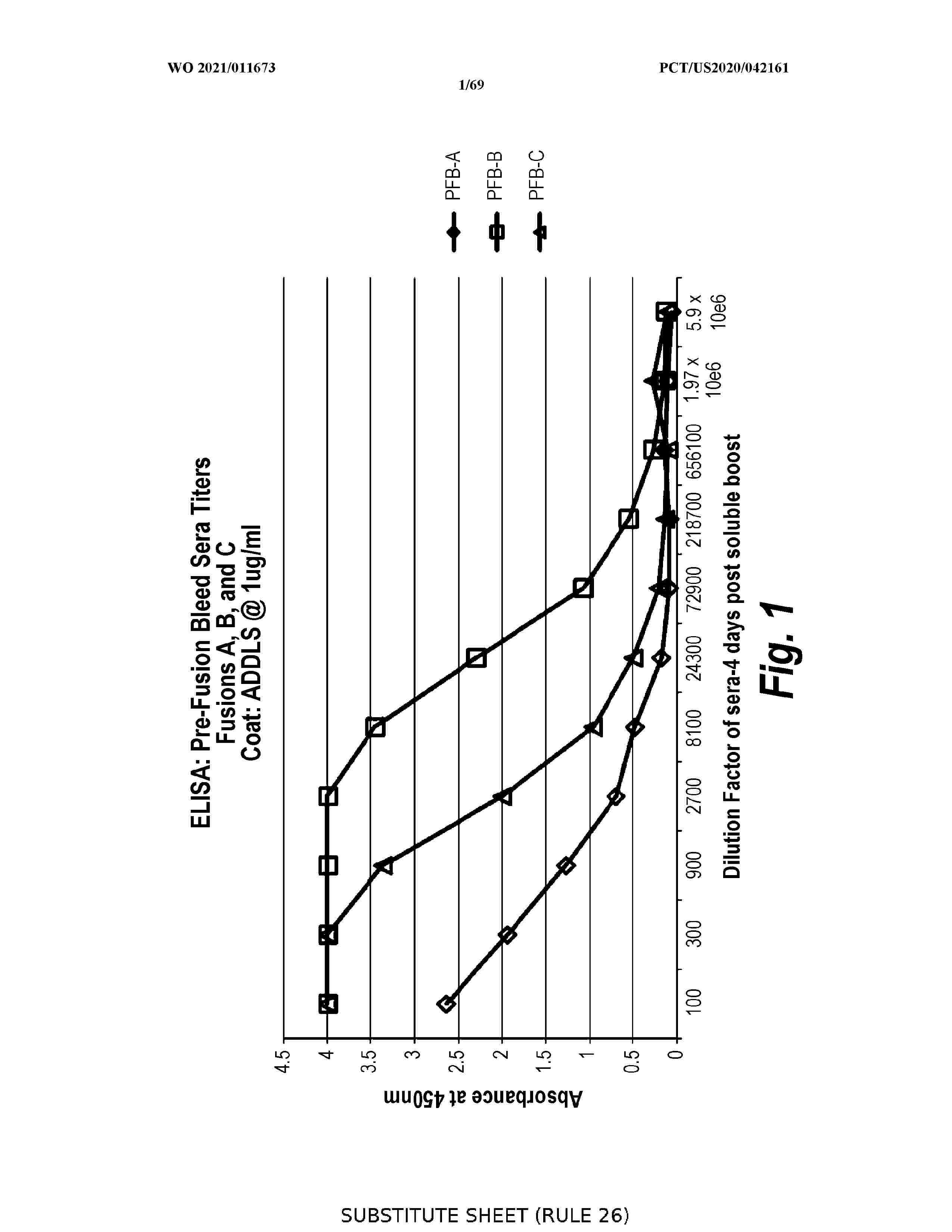
Novel binding polypeptides (e.g., antibodies and antigen-binding fragments thereof) that specifically bind one or more species of soluble, AD brain-derived synaptotoxic amyloid beta (Aβ) without binding to classical monomeric, protofibrillar or fibrillar Aβ, are provided. Pharmaceutical compositions comprising binding polypeptides that specifically bind one or more species of soluble, synaptotoxic Aβ are provided. Methods of making binding polypeptides that specifically bind one or more species of soluble, synaptotoxic Aβ are provided. Methods of treating Alzheimer's disease using binding polypeptides that specifically bind one or more species of soluble, synaptotoxic Aβ are provided. Methods of reducing one or more symptoms of Alzheimer's disease using binding polypeptides that specifically bind one or more species of soluble, synaptotoxic Aβ are provided.
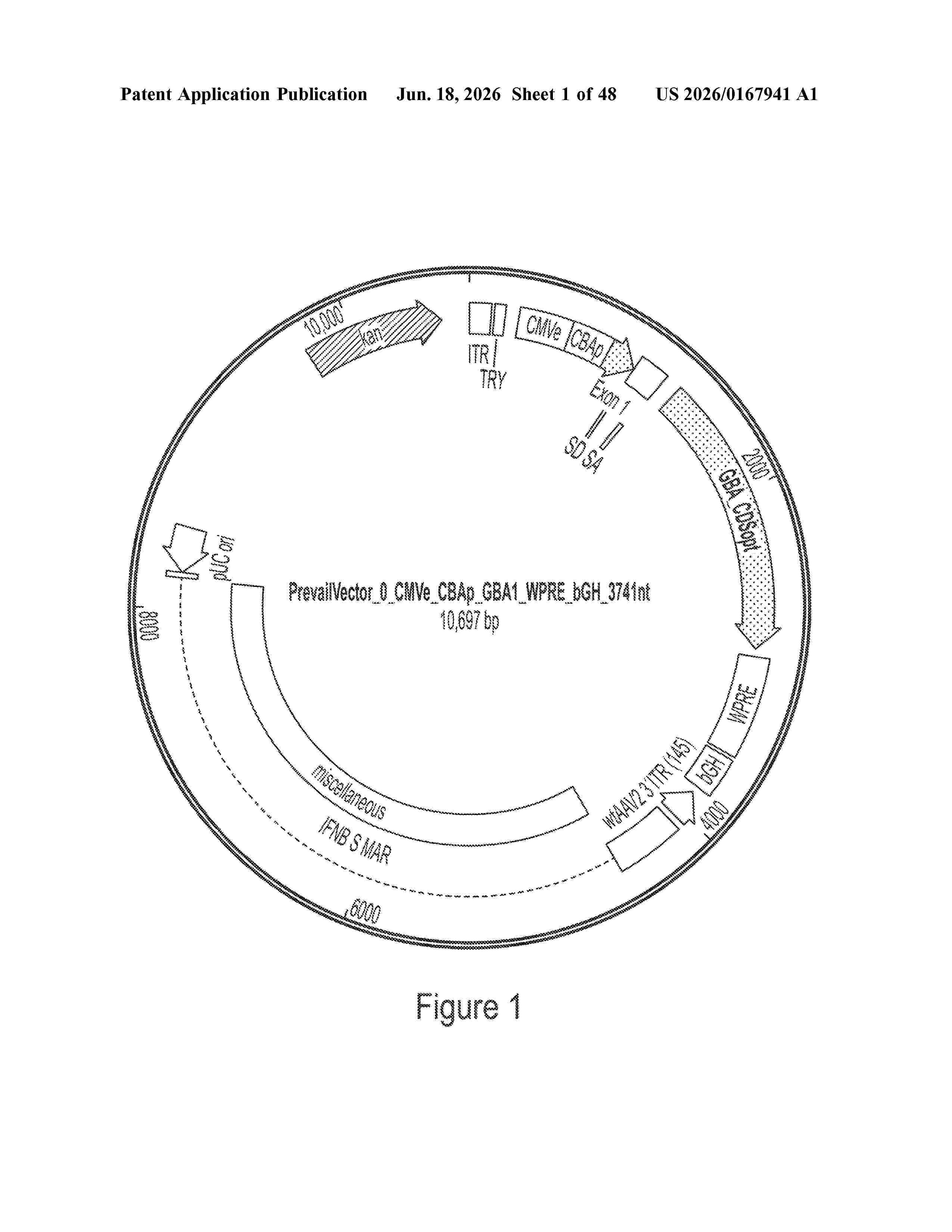
Resumen de: US20260167941A1
The disclosure relates, in some aspects, to compositions and methods for treatment of diseases associated with aberrant lysosomal function, for example Parkinson's disease (PD) and Gaucher disease. In some embodiments, the disclosure provides expression constructs comprising a transgene encoding beta-Glucocerebrosidase (GBA) or a portion thereof alone or in combination with one or more PD-associated genes. In some embodiments, the disclosure provides methods of Parkinson's disease by administering such expression constructs to a subject in need thereof.
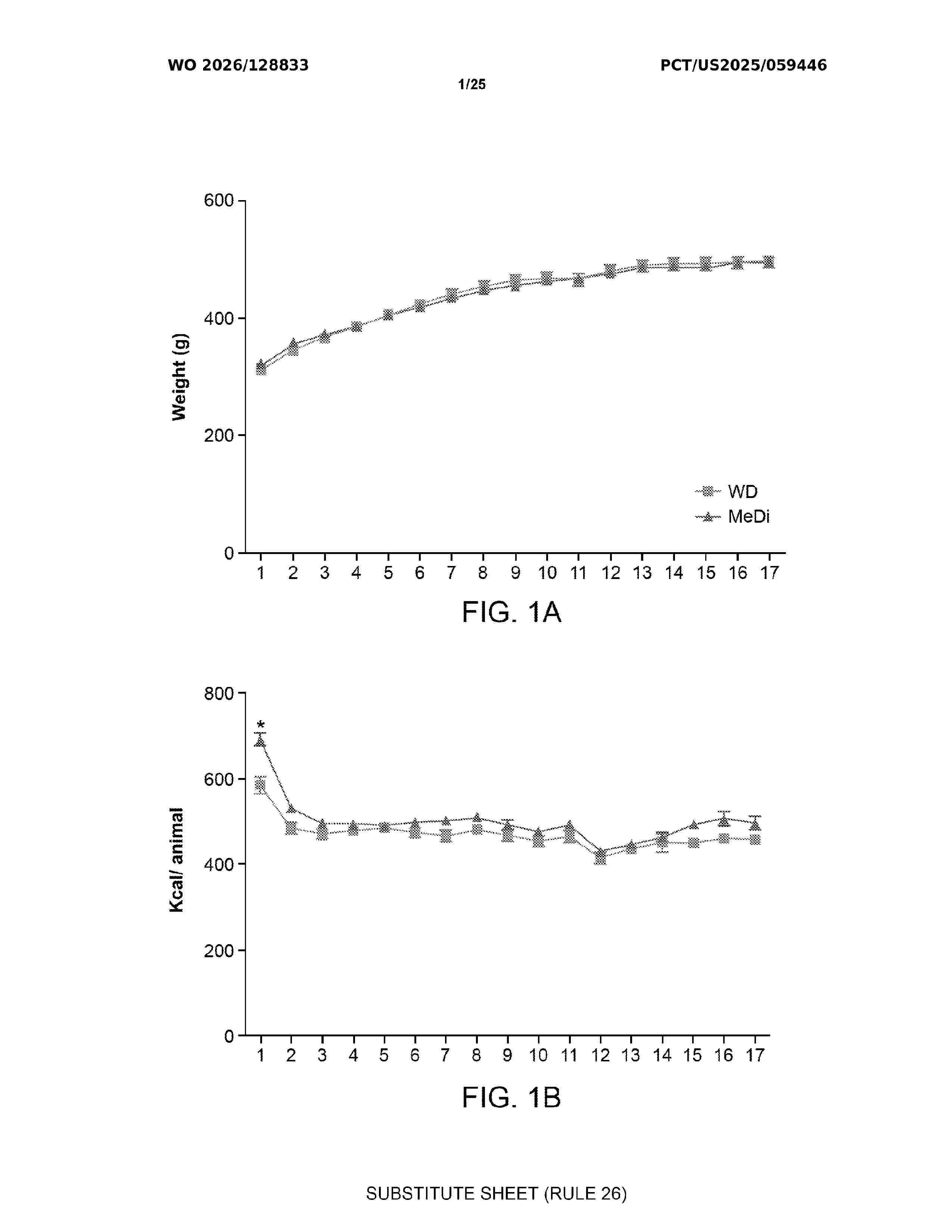
Resumen de: WO2026128833A1
In one aspect the present disclosure provides probiotic compositions having at least one gut bacterial species belonging to one or more genera selected from among Patescibacteria, Saccharimonadia, Saccharimonadales, Muribaculaceae, Saccharimonadaceae, Candidatus Saccharimonas, Lachnoclostridium, and Ruminococcus and methods for treating or preventing cognitive decline and Alzheimer's disease or improving cognitive performance in a subject in need thereof by administering said composition. In another aspect, the present disclosure provides method for treating or preventing Alzheimer's Disease or cognitive decline or improving cognitive function in a subject in need thereof comprising performing a fecal microbiota transplant (FMT) to the subject, wherein the FMT comprises at least one gut bacterial species belonging to one or more genera selected from among Patescibacteria, Saccharimonadia, Saccharimonadales, Muribaculaceae, Saccharimonadaceae, Candidatus Saccharimonas, Lachnoclostridium, and Ruminococcus.
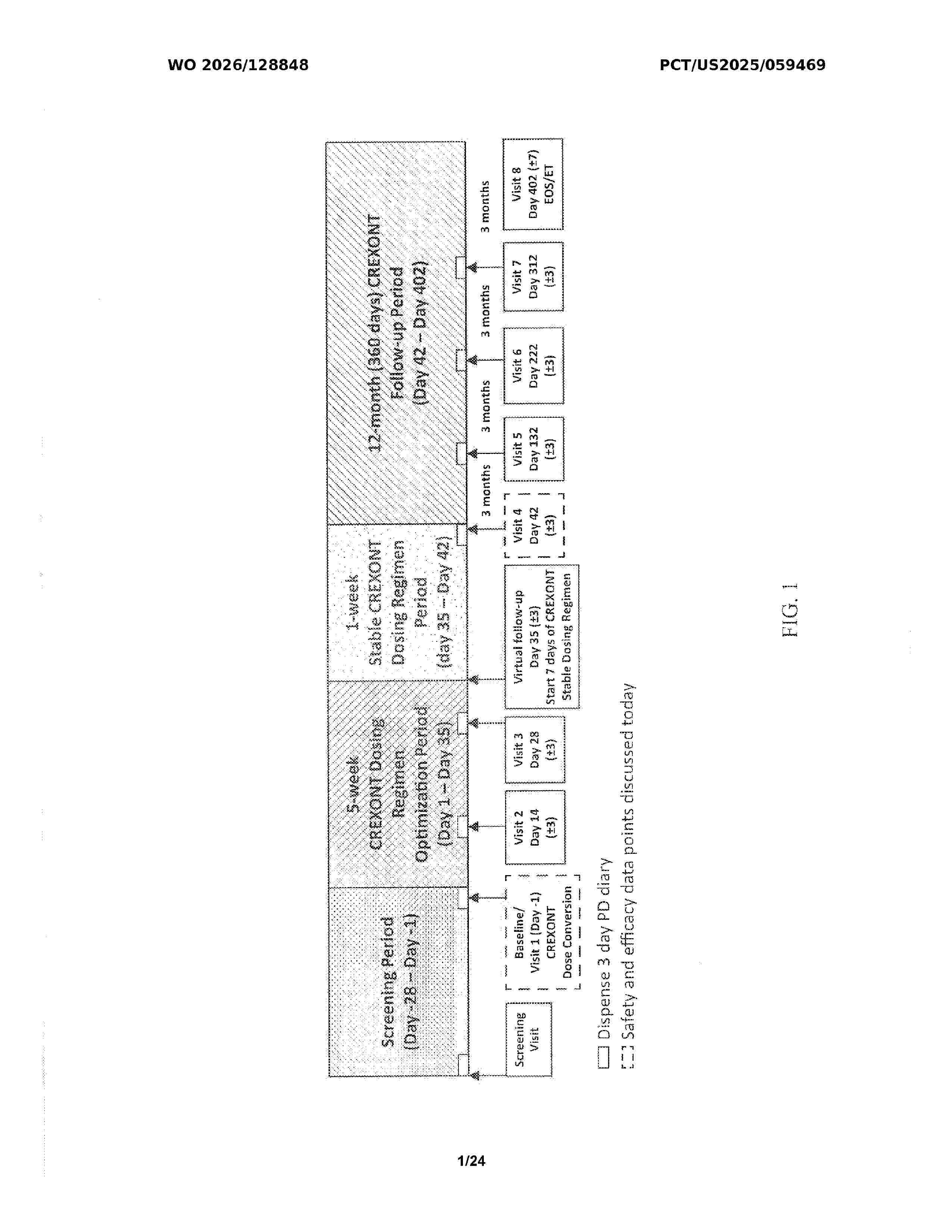
Resumen de: WO2026128848A1
The invention is a method for treating patients diagnosed with Parkinson's disease (PD), including post-encephalitic parkinsonism, parkinsonism that may follow carbon monoxide intoxication in adults, or parkinsonism that may follow manganese intoxication in adults by orally administering a controlled release muco-adhesive levodopa formulation and the method provides an improvement of a patient's total post-dose "Off" time compared to post-dose of treatment regimens with oral immediate release levodopa tablets administered with one or more COMT inhibitors, and/or FDA approved controlled release CD-LD product.
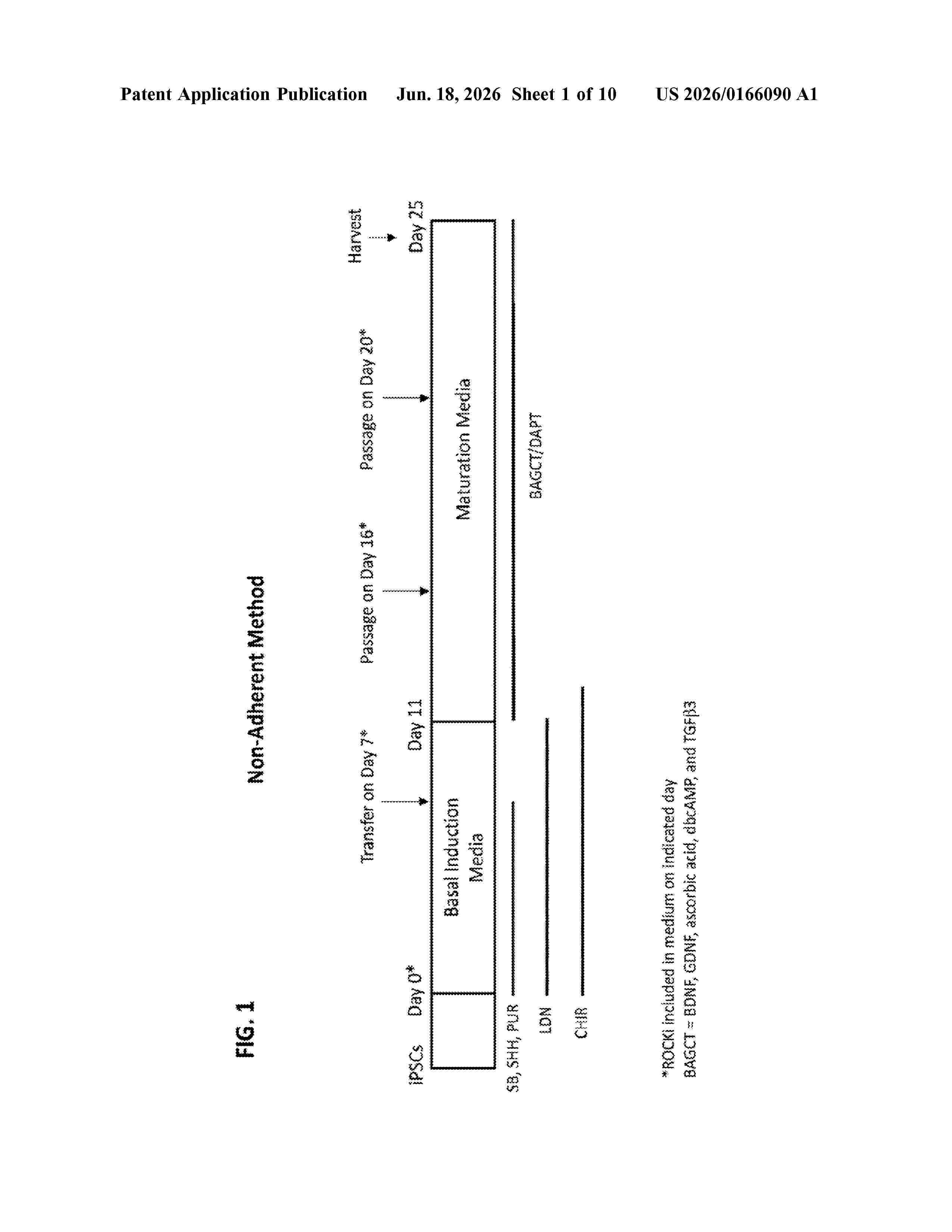
Resumen de: US20260166090A1
0000 The present disclosure provides methods of lineage specific differentiation of pluripotent stem cells, including induced pluripotent stem cells, into floor plate midbrain progenitor cells, determined dopamine (DA) neuron progenitor cells, and/or DA neurons. Also provided are compositions and uses thereof, such as for treating neurodegenerative diseases and conditions, including Parkinson's disease.
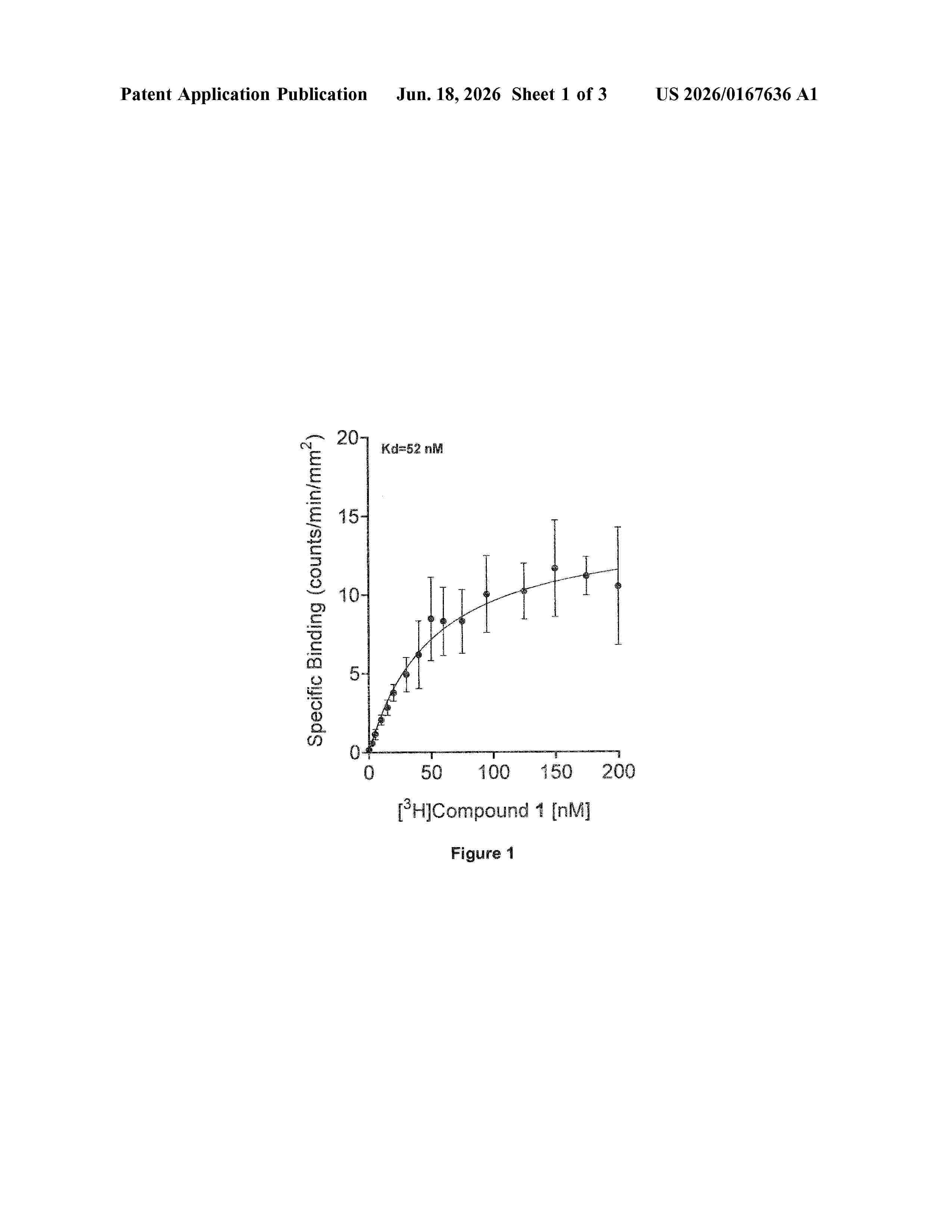
Resumen de: US20260167636A1
The present invention relates to compounds which are suitable for imaging TDP-43 (Transactive response (TAR) DNA binding protein 43 kDa) aggregates. The compounds can be used, for example, for diagnosing a disease, disorder or abnormality associated with TDP-43 aggregates or a TDP-43 proteinopathy, such as amyotrophic lateral sclerosis (ALS), Alzheimer's disease (AD), Frontotemporal dementia (FTD) and limbic-predominant age-related TDP-43 encephalopathy (LATE).
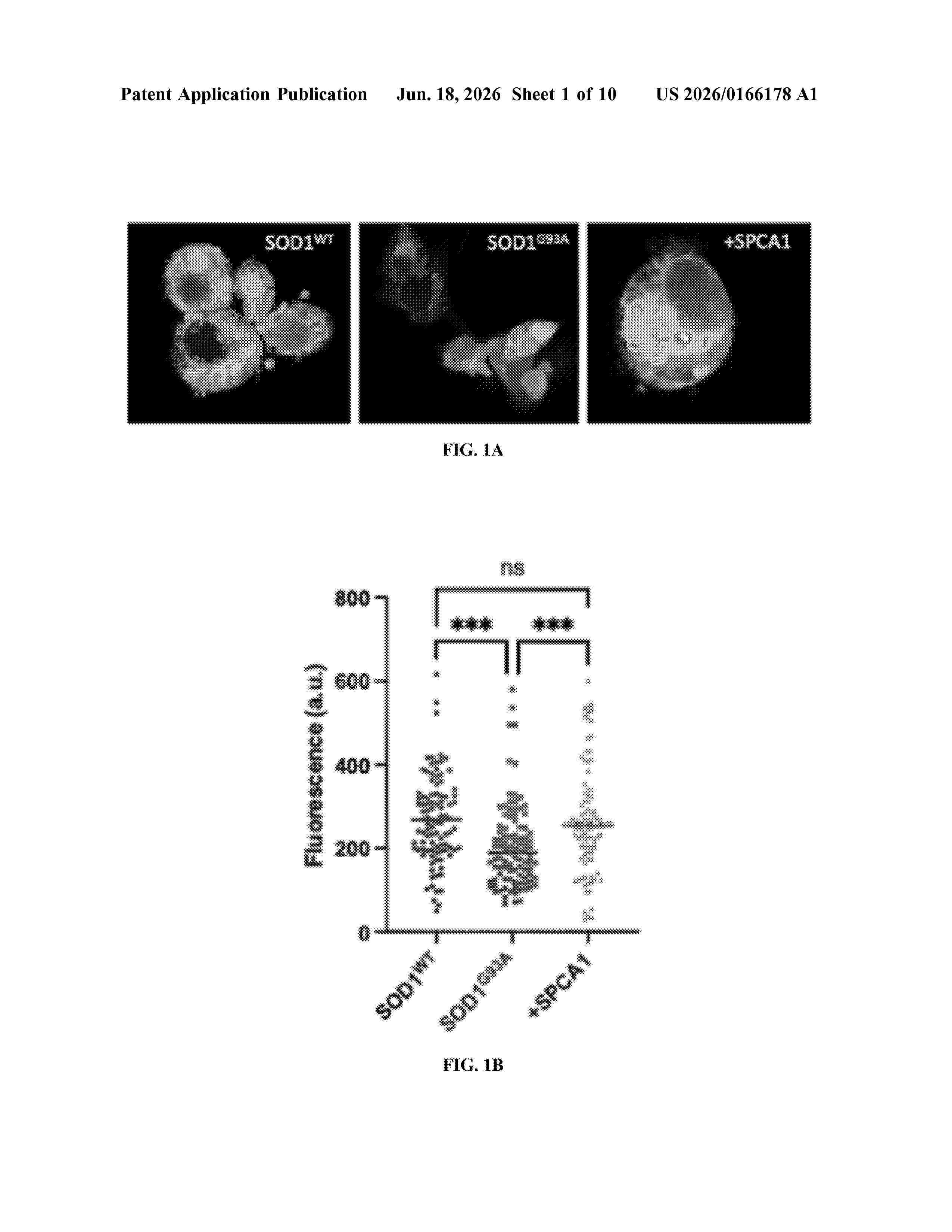
Resumen de: US20260166178A1
0000 The invention provides that the expression and/or activity of metal ion transporter, such as a Ca<2+>/Mn<2+> transporter and secretory pathway calcium ATPase 1 (SPCA1) or SPCA2 is associated with the restoration and conservation of Golgi integrity in cells, as well as with the restoration of Golgi ion concentrations. Provided herein are methods of restoring or maintaining Golgi integrity in a cell and methods of modulating Golgi ion concentration is a cell including increasing the expression and/or activity of a metal ion transporter such as SPCA1 or SPCA2 protein in the cell. The invention further provides methods of treating neurodegenerative disease, such as amyotrophic lateral sclerosis (ALS). The methods of treatment include increasing the expression and/or activity of a metal ion transporter such as SPCA1 or SPCA2 protein in cells to restore or maintain Golgi integrity and Golgi ion concentration in the cell.
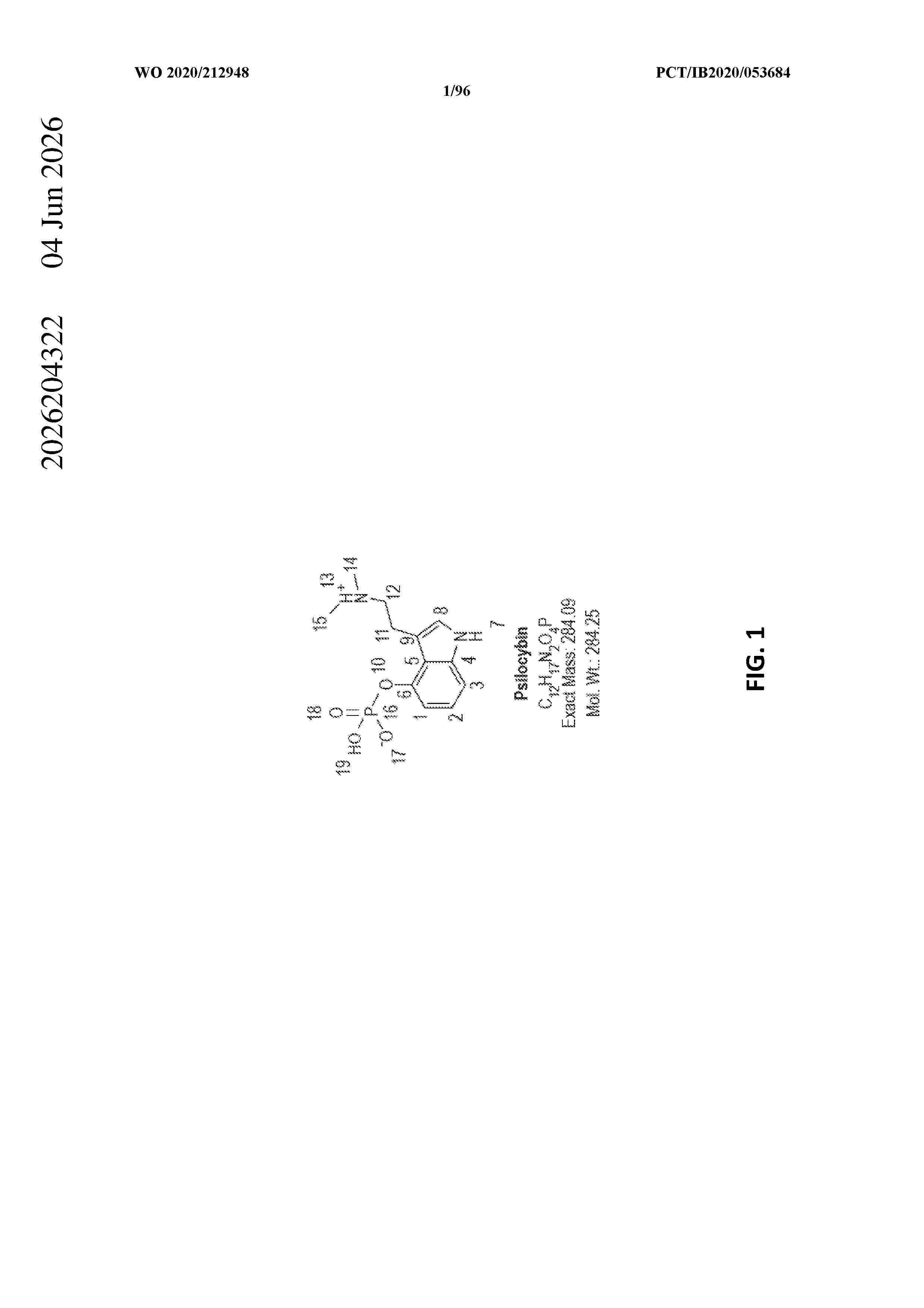
Resumen de: AU2026204322A1
The disclosure provides methods for treating a subject in need thereof comprising administering to the subject a therapeutically-effective dose of psilocybin. The methods described herein may be used to treat a variety of diseases, disorders, and conditions. For example, the methods may 5 be used to treat neurocognitive disorders (e.g., Alzheimer's disease, Parkinson's disease), ADHD, Epilepsy, Autism, Sleep-wake disorders, Chronic pain, Inflammatory Disorders, IBD, Stroke, ALS, and/or Multiple Sclerosis. un u n
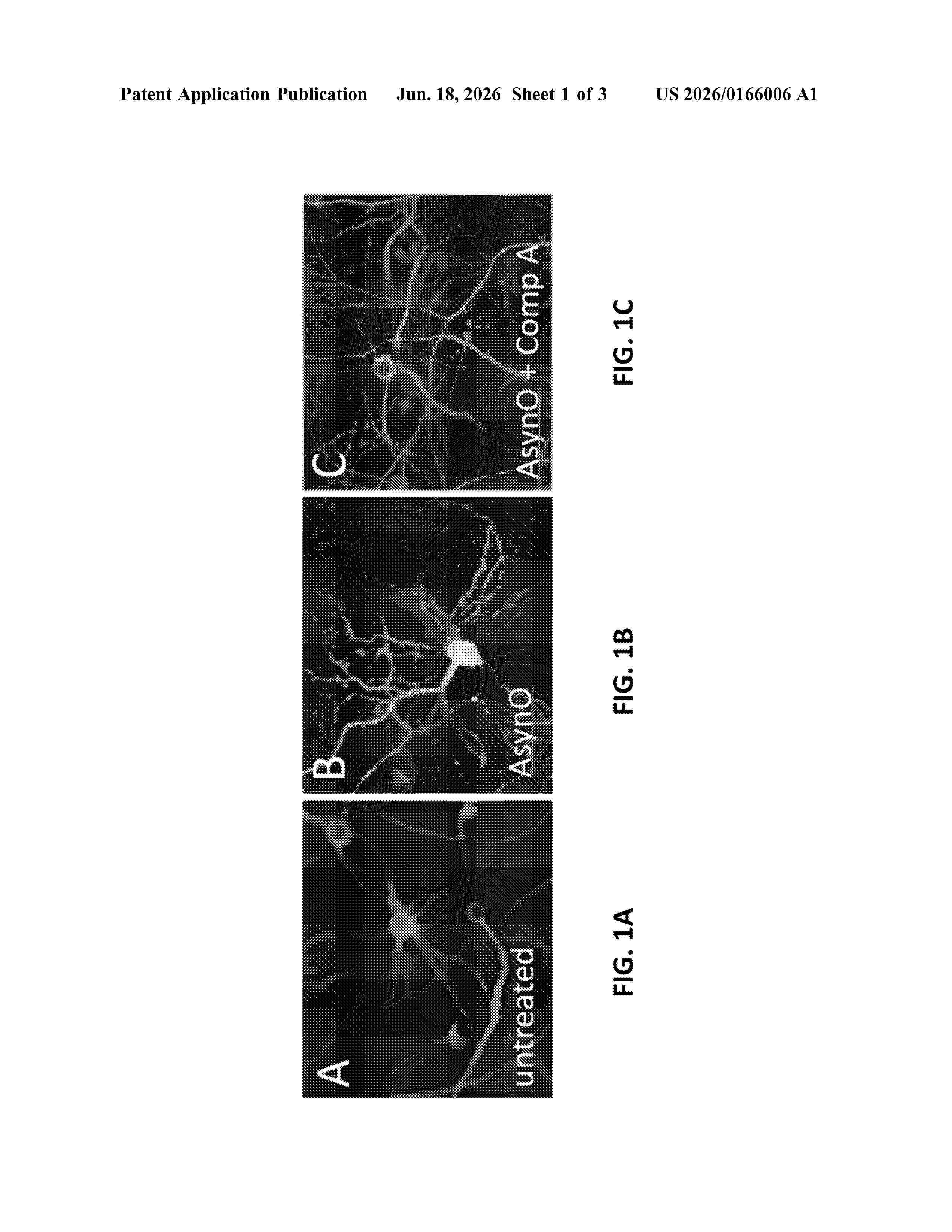
Resumen de: US20260166006A1
0000 The present disclosure relates to methods of treating neurological diseases, comprising administering to a subject in need thereof, a therapeutically effective amount of a compound or pharmaceutical composition according to any embodiment described herein. The present disclosure relates to the methods of treating Parkinson's disease and Dementia with Lewy Bodies, comprising administering to a subject in need thereof, a therapeutically effective amount of a compound or pharmaceutical composition according to any embodiment described herein.
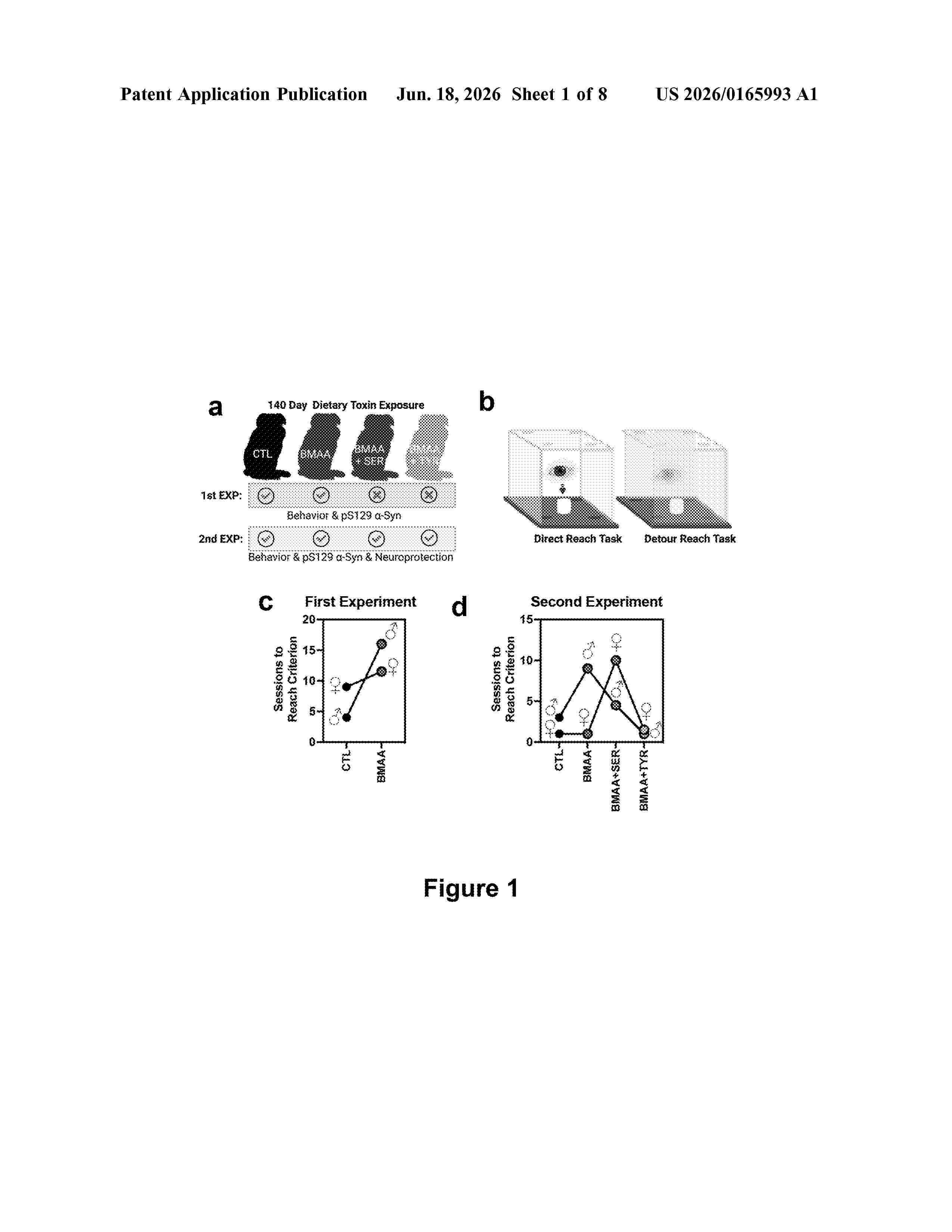
Resumen de: US20260165993A1
Disclosed herein are methods of reducing α-synuclein (α-syn) misfolds or aggregates in the brain, and specifically, to methods of treating neurodegenerative disorders caused by α-synuclein (α-syn) in the brain, also referred to as α-synucleinopathies, and to methods of hindering or preventing α-synucleinopathy misfolds, and/or or to methods of proactively treating individuals at risk of α-synucleinopathy misfolds and associated disease. These α-synucleinopathies refer primarily to Parkinson's disease (PD), dementia with Lewy Bodies (DLB), and/or Multiple system atrophy (MSA). One embodiment includes a method of administering an L-tyrosine compound or derivative thereof to a subject in need thereof, (optionally in combination with an L-serine compound), and reducing the density and/or amount of α-synuclein aggregates in the brain of a mammal, thereby treating a mammal diagnosed with or suffering from or at risk of suffering from one or more α-synucleinopathies.
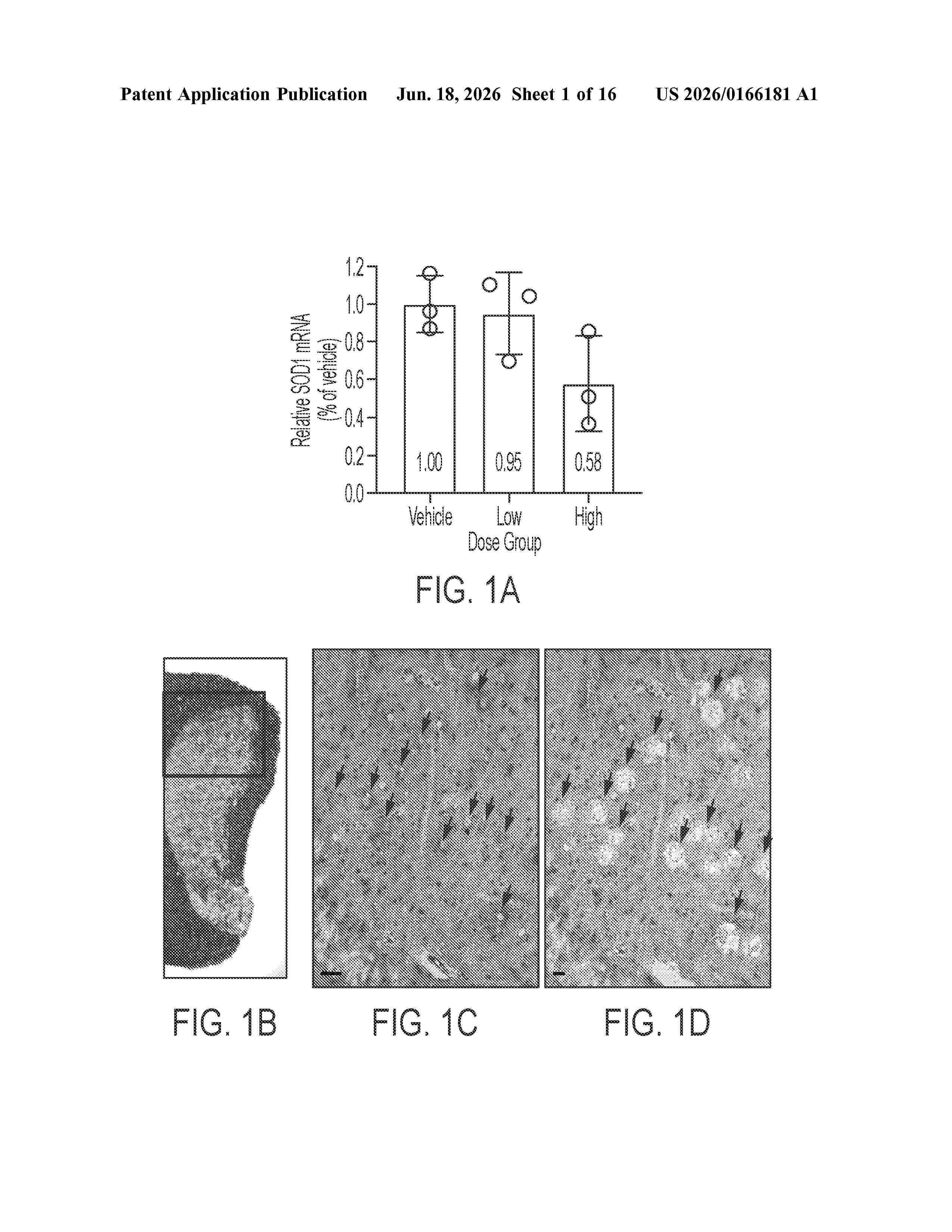
Resumen de: US20260166181A1
0000 The present disclosure relates to AAVs encoding a SOD1 targeting polynucleotide which may be used to treat amyotrophic lateral sclerosis (ALS) and delivery methods for the treatment of spinal cord related disorders including ALS.
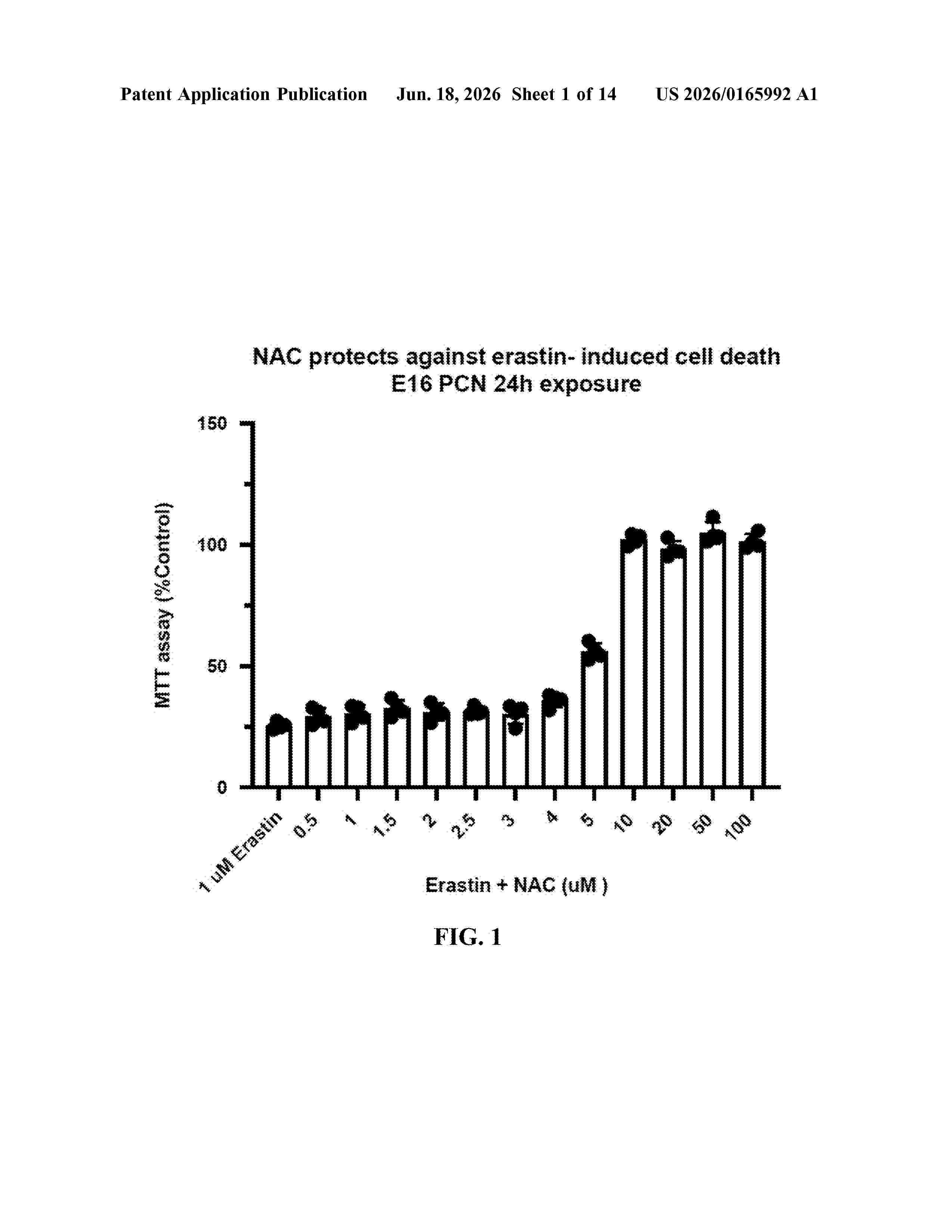
Resumen de: US20260165992A1
0000 Methods of treating central nervous system diseases with a combination of N-acetylcysteine and glucagon-like peptide-1 receptor agonist are disclosed. The methods include treatment of Parkinson's disease.
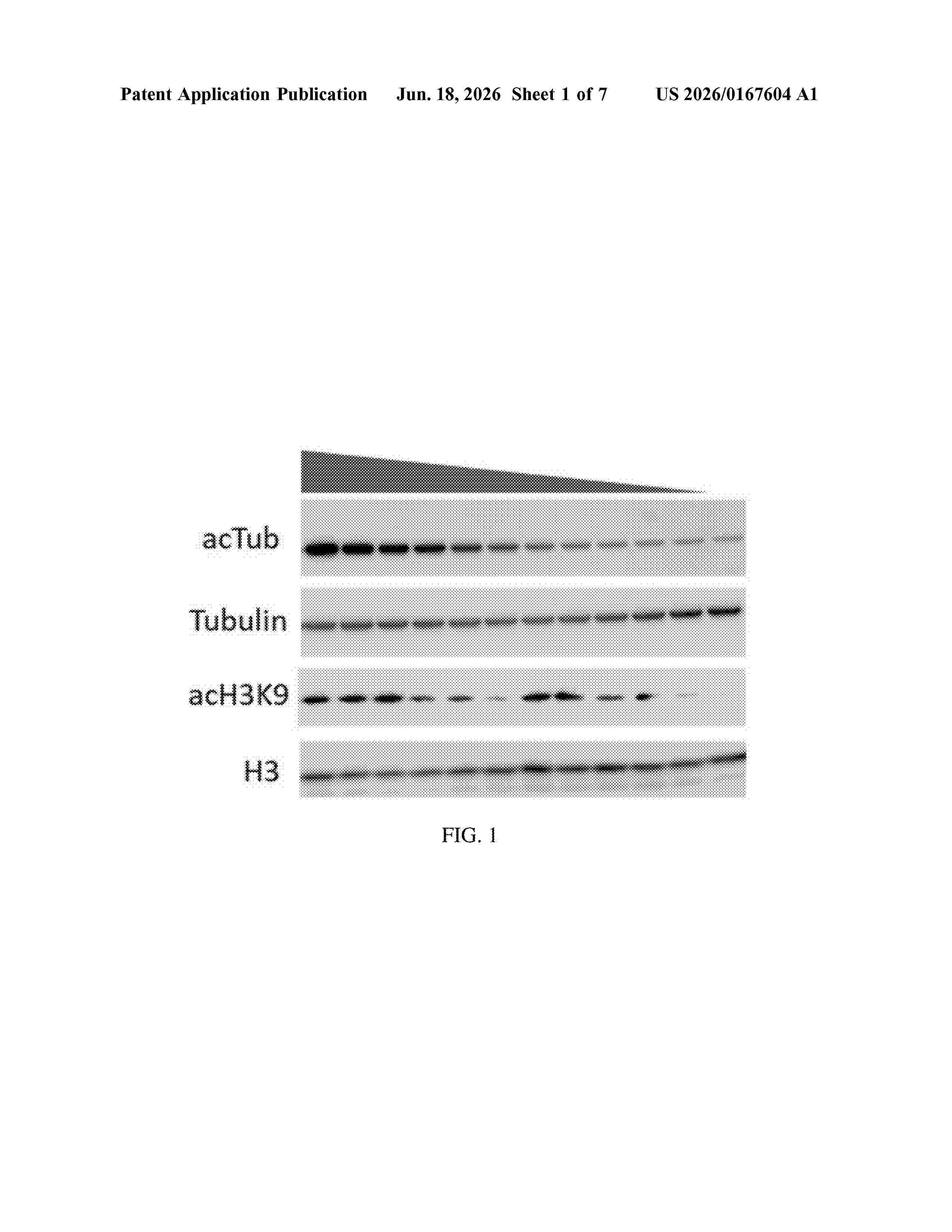
Resumen de: US20260167604A1
0000 Provided herein are compounds that inhibit HDAC6, a protein whose activity is associated with a variety of diseases (e.g., cancer, neurological disorders). Also provided are pharmaceutical compositions and kits comprising the compounds, and methods of treating HDAC6-related diseases and disorders (e.g., Alzheimer's disease, cancer) with the compounds in a subject, by administering the compounds and/or compositions described herein.
Resumen de: US20260166145A1
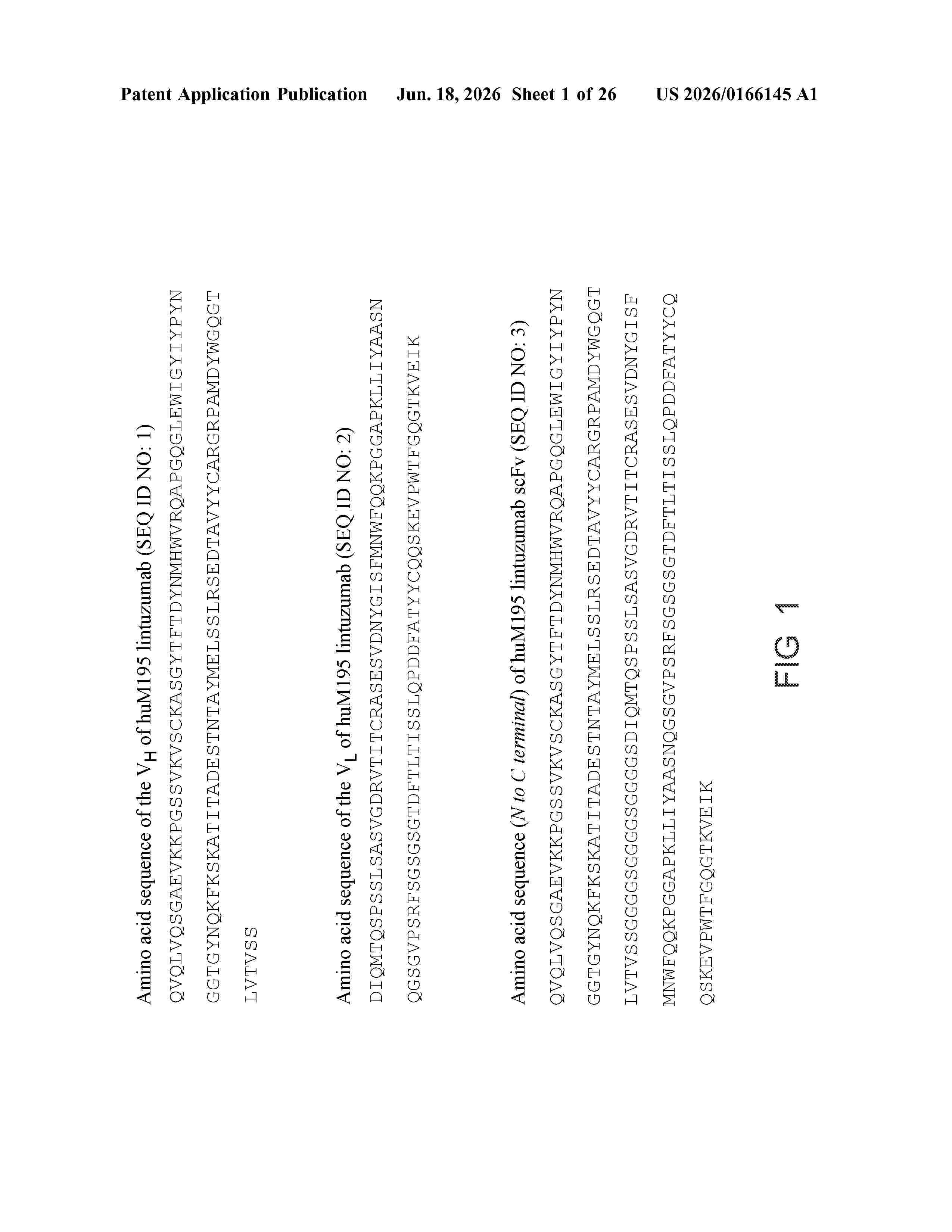
The present disclosure provides methods for preventing or treating Alzheimer's disease in a subject, and/or reducing the likelihood or severity of Alzheimer's disease comprising administering to the subject an effective amount of an anti-CD33 antibody or an antigen binding fragment thereof. Alternatively, the methods comprise administering to the subject an effective amount of engineered immune cells expressing a neuronal antigen specific CAR and an anti-CD33 antibody or an antigen binding fragment thereof.
Resumen de: KR20260090995A
본 발명은 스리랑카산 계피로부터 알츠하이머성 치매 치료에 유효한 유효 물질(유제놀, 신남알데하이드)을 추출할 수 있어, 저비용으로 독성 성분인 쿠마린이 적은 알츠하이머성 치매 치료에 유효한 스리랑카산 계피 유래 유효 물질을 획득할 수 있는 효과를 제공하는 발명으로, 추출 단계(S100), 용매 분획 단계(S200), 정제 단계(S300)를 포함하여 구성되는 것을 특징으로 한다.
Resumen de: WO2025038406A1
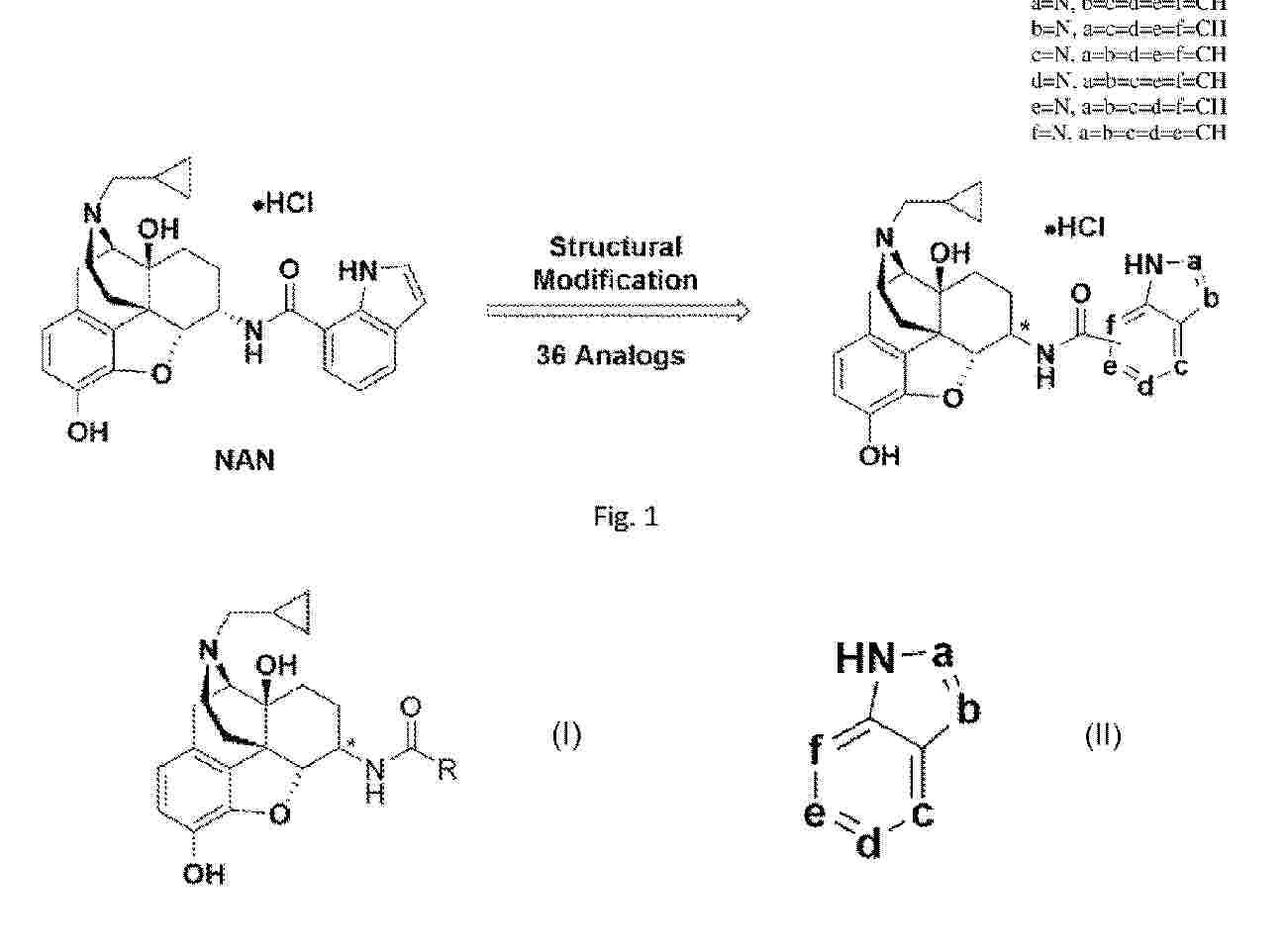
A series of non-peptide mu opioid receptor (MOR) selective modulators is provided. The compounds have the general formula (I) where R is (II) and where one of a, b, c, d, e or f is the point of attachment of indole ring R to the epoxymorphinan skeleton; at least one of the atoms at positions a, b, c, d, e and f is N; the remaining atoms at positions at a, b, c, d, e and f are CH; and * is a chiral carbon. The compounds are generally MOR antagonists and are used to treat disorders related to opioid receptor functions such as opioid addiction and opioid overdose, for the treatment of neurological diseases and for the treatment of pain, without causing constipation.
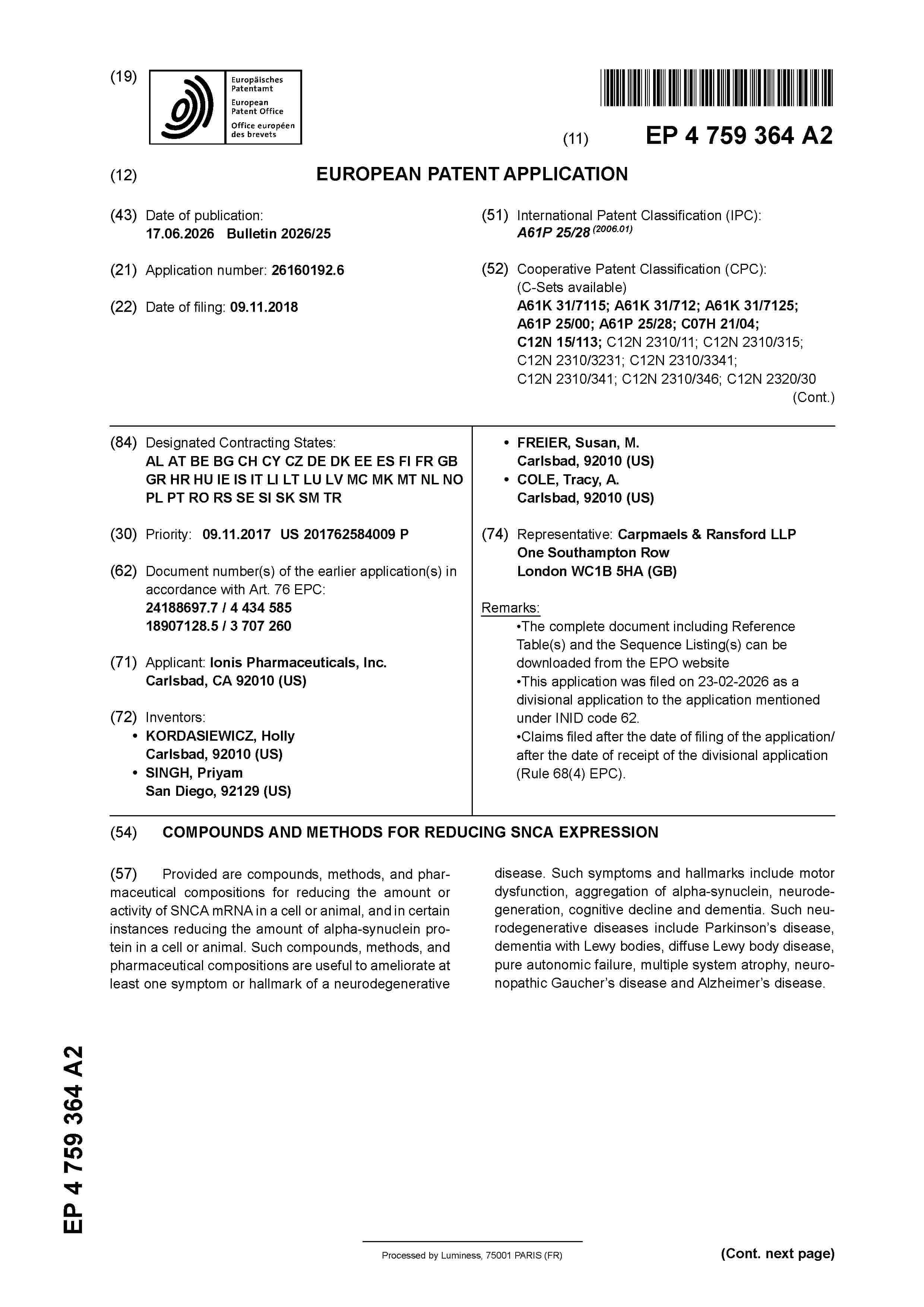
Nº publicación: EP4759364A2 17/06/2026
Solicitante:
IONIS PHARMACEUTICALS INC [US]
Ionis Pharmaceuticals, Inc.
Resumen de: EP4759364A2
Provided are compounds, methods, and pharmaceutical compositions for reducing the amount or activity of SNCA mRNA in a cell or animal, and in certain instances reducing the amount of alpha-synuclein protein in a cell or animal. Such compounds, methods, and pharmaceutical compositions are useful to ameliorate at least one symptom or hallmark of a neurodegenerative disease. Such symptoms and hallmarks include motor dysfunction, aggregation of alpha-synuclein, neurodegeneration, cognitive decline and dementia. Such neurodegenerative diseases include Parkinson's disease, dementia with Lewy bodies, diffuse Lewy body disease, pure autonomic failure, multiple system atrophy, neuronopathic Gaucher's disease and Alzheimer's disease.
 BOPI
BOPI
 Sede Electrónica