Si deseas distinguir tus productos, servicios o ambos de los de otra empresa, es posible que necesites una marca o nombre comercial. Descubre qué son, en qué consiste su procedimiento de registro y qué implica.

Información sobre los plazos de presentación de solicitudes de transformación de marcas de la Unión Europea en marca nacional española. Más información


Si tienes un nuevo dispositivo, producto o procedimiento que resuelva un problema técnico o tenga una ventaja práctica, existen distintas formas de protegerlo en España y en otros países. Descubre cómo hacerlo.

¿Tu innovación reside en la estética, la ornamentación o la apariencia de tu producto? Protégela mediante un diseño industrial. Descubre qué derechos confiere el registro y cómo realizar la tramitación.

Las indicaciones geográficas protegen el nombre de un producto originario de una zona geográfica, a la cual le debe una determinada calidad, reputación u otra característica. Descubre qué son, en qué consiste su procedimiento de registro y qué beneficios conceden.

Las patentes publicadas en todo el mundo son una valiosa fuente de información científica, técnica y comercial.

Si eres emprendedor/a o una empresa y quieres potenciar y mejorar la rentabilidad de tu negocio protegiendo de forma adecuada los activos intangibles de tu organización, en este espacio encontrarás lo necesario.


 84
resultados
 Última actualización
19/10/2026 [09:38:00]


 Resultados 25 a 50 de 84

Resumen de: CN122542672A
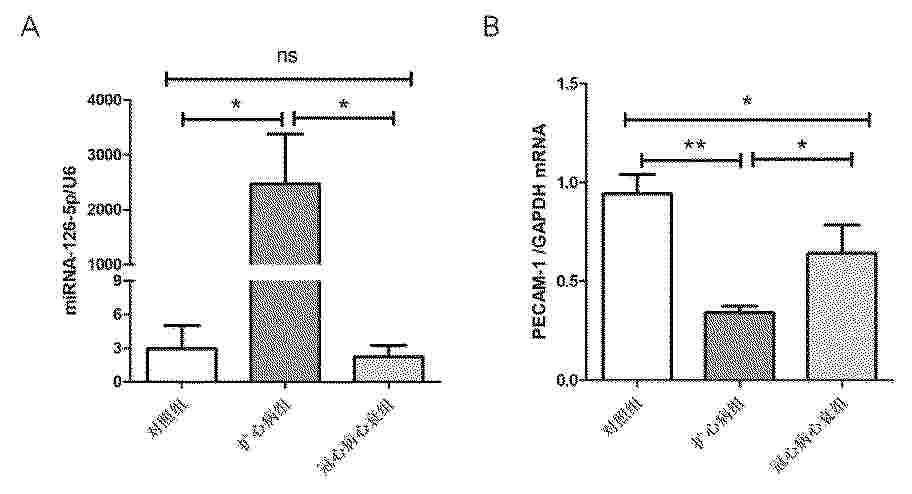
The invention relates to the technical field of biological detection, in particular to a biomarker combination for detecting dilated cardiomyopathy, application of the biomarker combination and a dilated cardiomyopathy detection kit.The biomarker combination comprises the tyrosine phosphorylation level of miR-126-5p and PECAM-1 protein, the expression quantity of miR-126-5p is up-regulated in dilated cardiomyopathy patients, the expression quantity of PECAM-1 is up-regulated in the dilated cardiomyopathy patients, and the expression quantity of PECAM-1 is up-regulated in the dilated cardiomyopathy patients. And the tyrosine phosphorylation level of the PECAM-1 protein is increased in dilated cardiomyopathy patients. The detection kit developed on the basis of the marker can be used for detecting dilated cardiomyopathy and is high in detection sensitivity and specificity.

Resumen de: CN122542673A
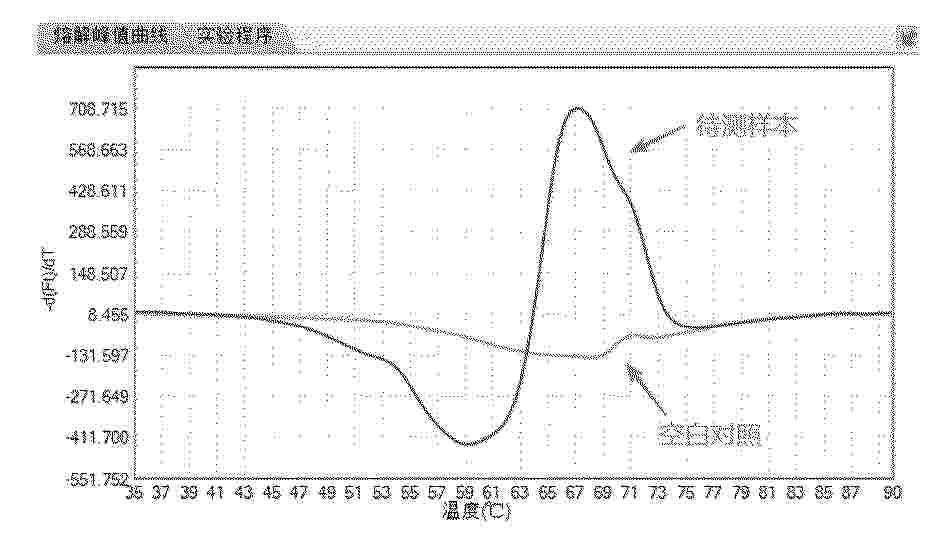
The invention discloses a Han population venous thromboembolism genetic risk detection primer group, probe group and kit, and belongs to the technical field of gene detection.The primer group is designed for seven key SNP sites related to Han population VTE and covers anticoagulation, fibrinolysis and metabolic systems; and the probe group is matched with the primer group and is labeled by adopting multicolor fluorescence. The kit comprises the primer group, the probe group, a PCR (Polymerase Chain Reaction) buffer solution and other core reagents, and adopts a fluorescent multiplex PCR technology to accurately distinguish genotypes through melting curve differences. The kit fits genetic characteristics of Han people, is excellent in detection accuracy and specificity, simple, convenient and rapid to operate, free of complex equipment, controllable in cost, capable of rapidly evaluating genetic risks and assisting in early screening and early prevention of VTE, and suitable for large-scale application and popularization of medical institutions at all levels.
Resumen de: CN122542677A
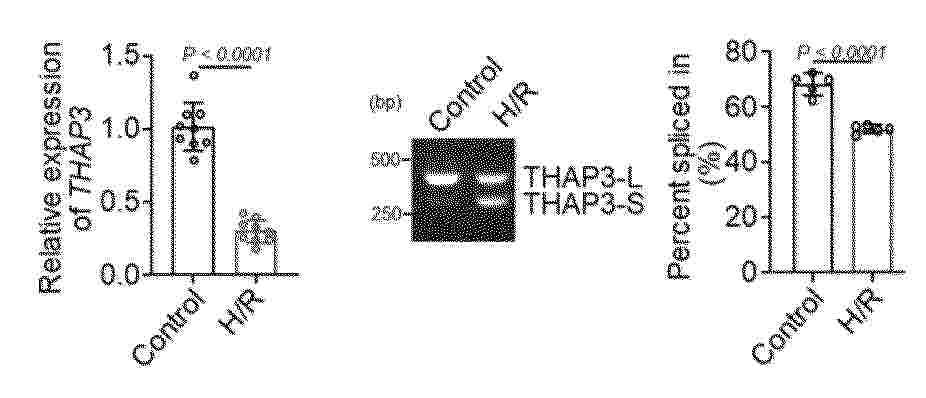
The invention belongs to the field of gene drugs, and particularly relates to a THAP3 gene and application of the THAP3 gene in overexpression of adenovirus. The nucleotide sequence of the THAP3 gene is as shown in SEQ ID NO. 1. In a primary myocardial cell hypoxia/reoxygenation model, THAP3 is subjected to shearing processing, and the expression levels of mRNA and protein in a full-length form of THAP3 are obviously reduced; the THAP3 expression change is related to myocardial cell ferroptosis. The THAP3 overexpression can improve the survival rate of myocardial cells, reduce the malondialdehyde level in the cells and regulate and control the expression of ferroptosis related proteins such as GPX4 and the like; in an adult mouse ischemia reperfusion injury model, THAP3 overexpression adenovirus can reduce the level of iron ions in heart tissues, improve myocardial tissue injury and fibrosis and reduce the myocardial infarction area. The invention provides an application of a THAP3 related biomarker in preparation of a product for detecting a myocardial cell ferroptosis related state, and an application of a THAP3 gene overexpression virus in preparation of a medicine for preventing and/or treating heart diseases.
Resumen de: CN122516362A
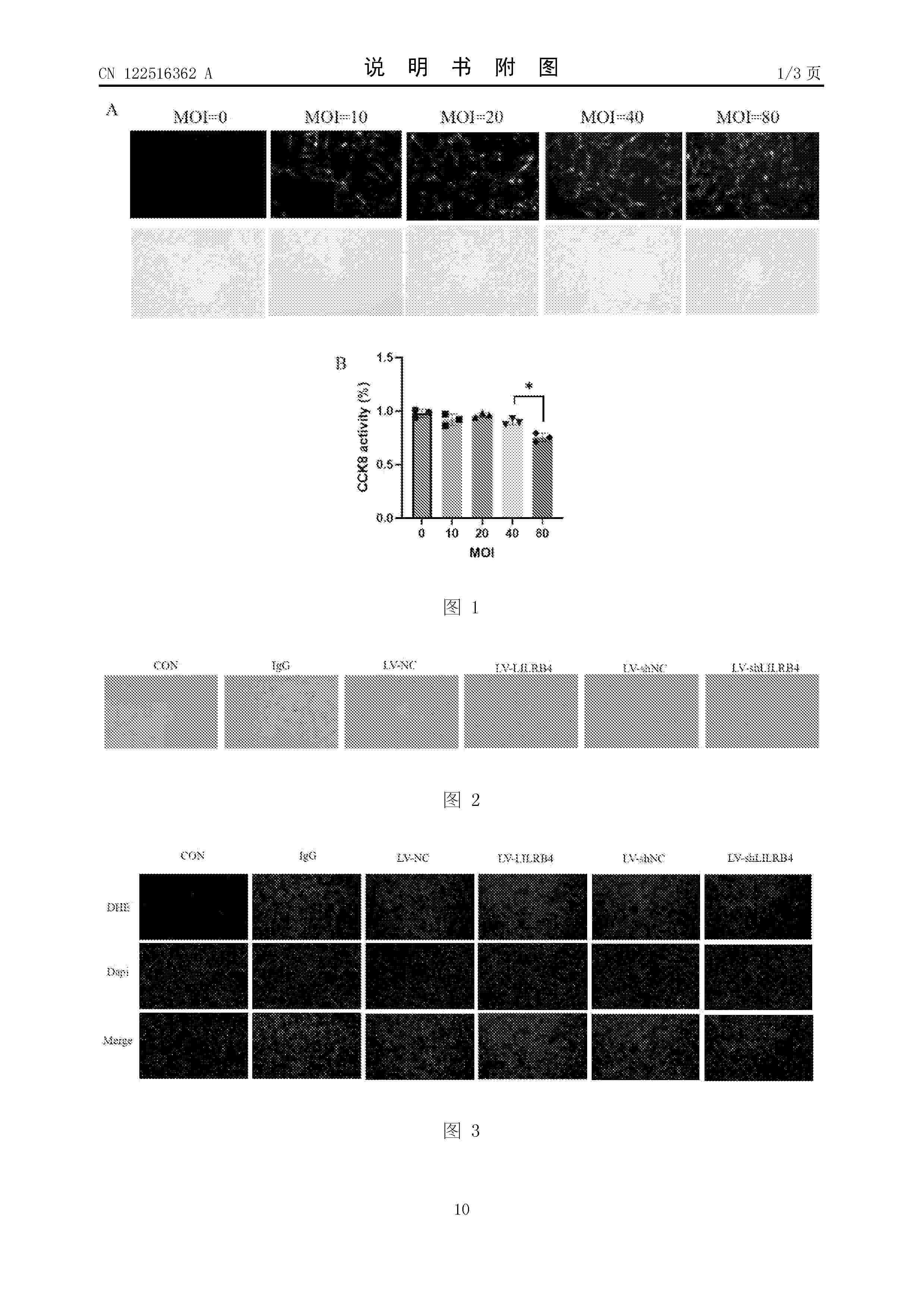
The invention discloses an application of an LILRB4 gene as a target spot for preventing or treating vascular senescence, and experiments prove that by inhibiting expression of the LILRB4 gene, a remarkable vascular senescence resisting effect is shown in the cell level and the animal level. In a cell experiment, down-regulation of the LILRB4 can obviously relieve mitochondrial damage of human aortic vascular smooth muscle cells (HAVSMCs), reduce the level of reactive oxygen species (ROS) and improve mitochondrial membrane potential (JC-1 staining), so that the functional integrity of mitochondria is protected; beta-galactosidase staining results prove that down-regulation of LILRB4 can significantly inhibit the aging process of HAVSMCs, and cell aging can still be effectively delayed even under the aging induction condition (1.2 mg/ml stimulation for 24 hours). In animal experiments, down-regulation of the LILRB4 shows various treatment effects in vascular aging model mice.
Resumen de: CN122521848A
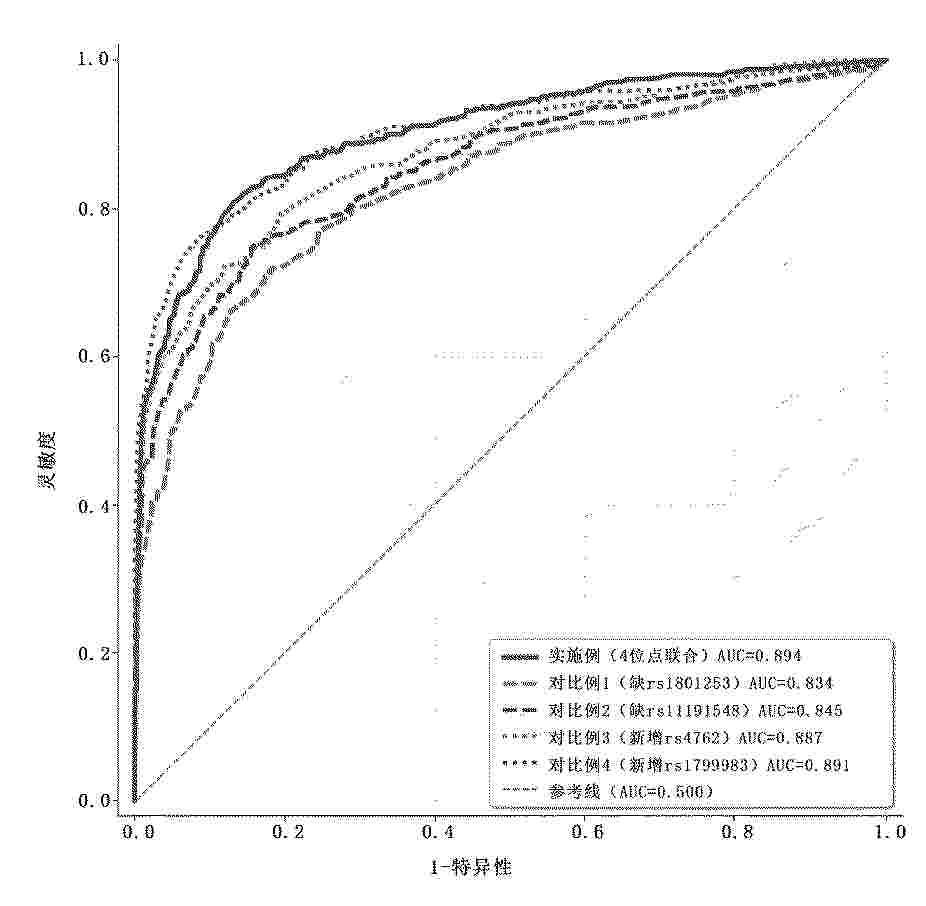
The invention belongs to the technical field of biology, and particularly relates to a marker combination, a reagent, a method, a product and application for hypertension risk assessment. The marker combination is composed of four SNP (Single Nucleotide Polymorphism) loci, namely, rs1801253, rs7305099, rs11191548 and rs699. The detection method comprises the following steps: acquiring a to-be-detected sample, extracting DNA, detecting the genotype of the marker combination, calculating a weighted genetic risk score based on the effect quantity of each SNP site, and determining a risk grade according to the score. The four SNP sites covering sympathetic nerve regulation, drug metabolism, steroid hormone synthesis and a renin-angiotensin system are combined, the weighted genetic risk scoring model is combined, the hypertension risk of an individual can be simply and efficiently evaluated, and the method has the advantages of being low in cost, easy and convenient to operate and high in prediction accuracy; the method can be used for early screening and risk stratification of hypertension high-risk groups.
Resumen de: AU2025213424A1
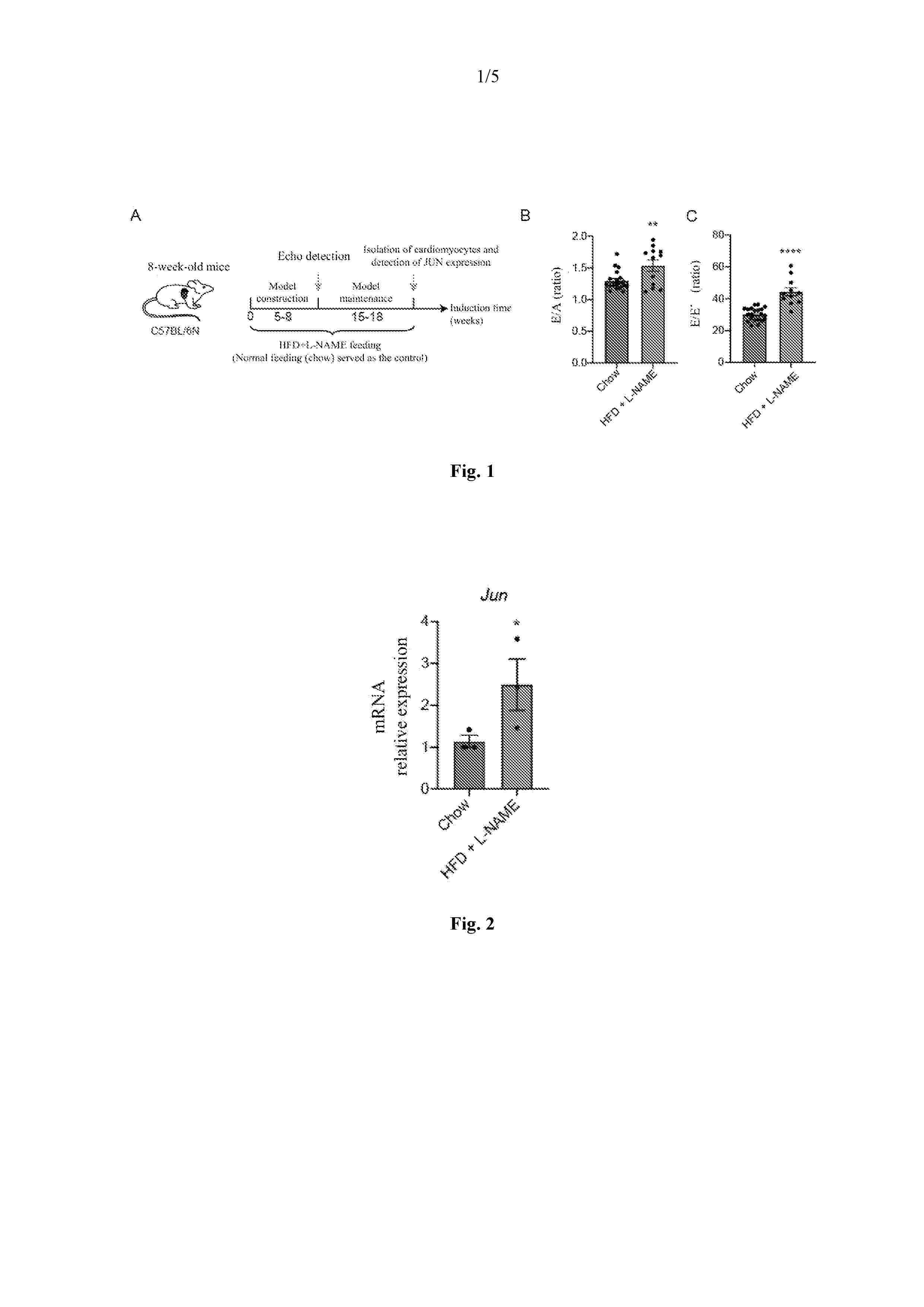
The present invention relates to the field of disease treatment, and particularly to use of a reagent capable of inhibiting or knocking out Jun gene expression in the treatment of heart failure with preserved ejection fraction (HFpEF) and a method for drug screening.
Resumen de: WO2026164500A1
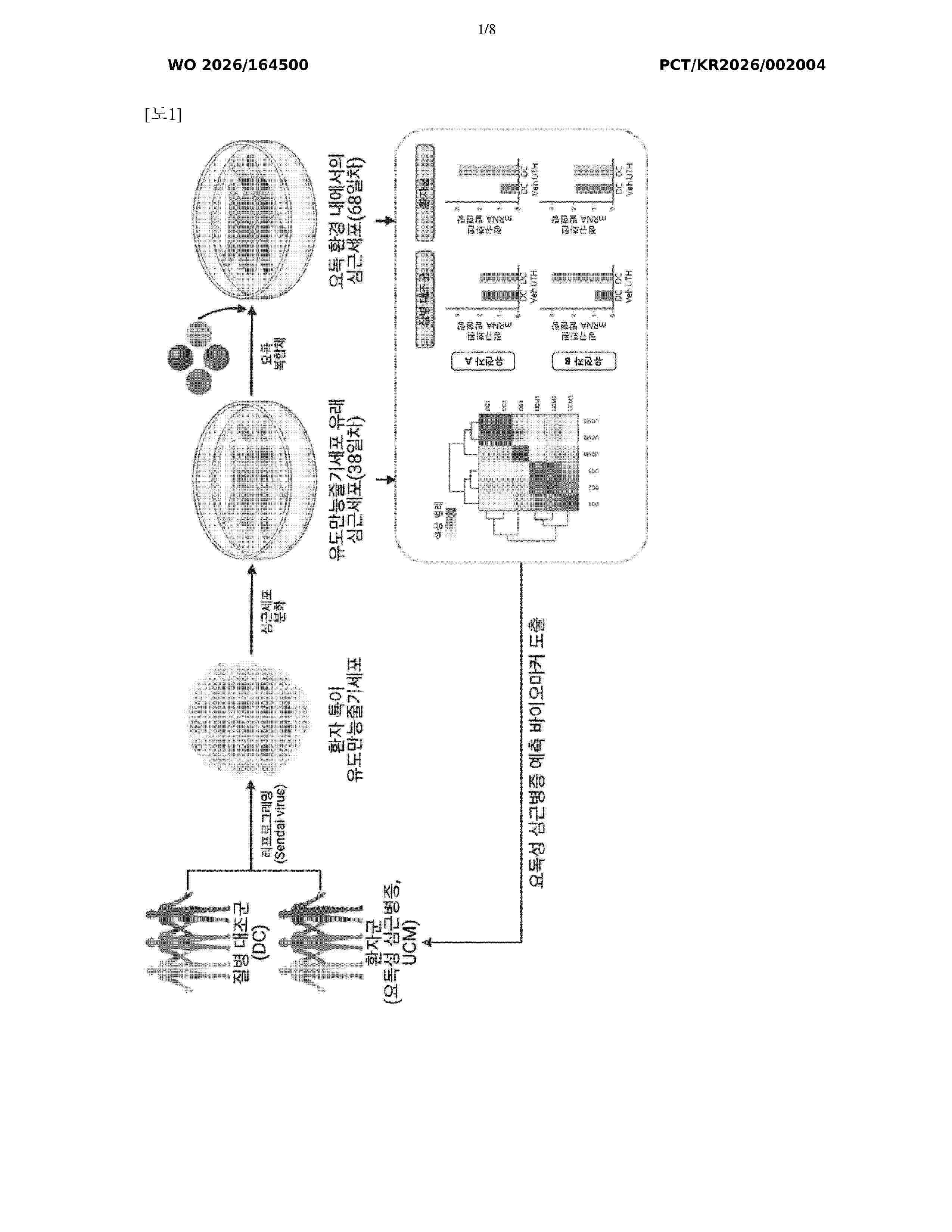
The present invention relates to a novel biomarker for the diagnosis of uremic cardiomyopathy and use thereof. By discovering the novel biomarker for the diagnosis of uremic cardiomyopathy, uremic cardiomyopathy can be diagnosed early and an appropriate treatment method can be provided, which may contribute to improving patient prognosis, reducing medical costs, and the like.
Resumen de: WO2026163010A2
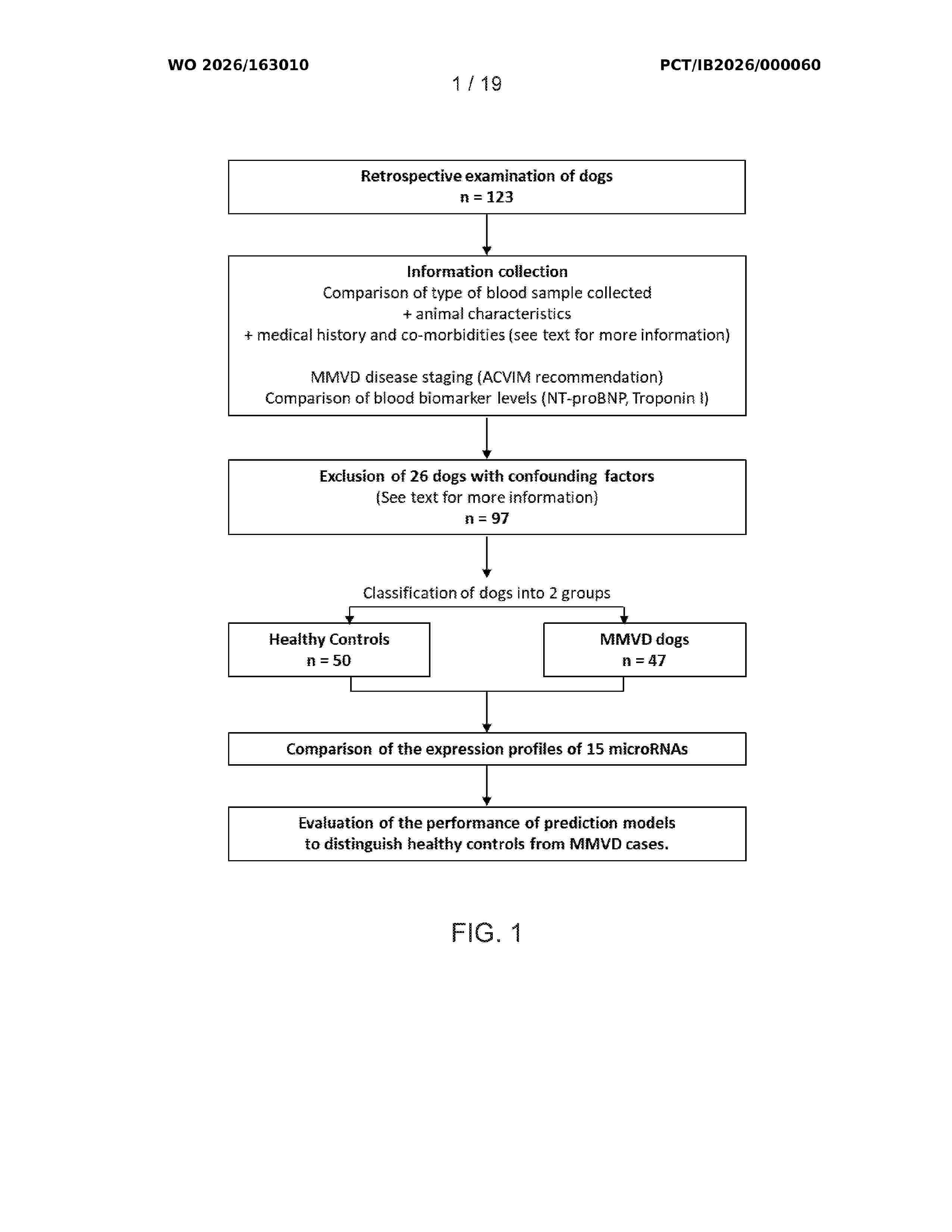
A method of assessing expression profiles of miRNA markers using predictive classification models to distinguish between non-diseased and diseased mitral valve disease, non-diseased and diseased DCM, non-diseased and diseased HCM. Additionally, an assessment of the same method is provided to discriminate pre-clinical from clinical MMVD or DCM patients. Also provided is a method of differentially diagnosing MMVD patients from DCM patients or from healthy controls.
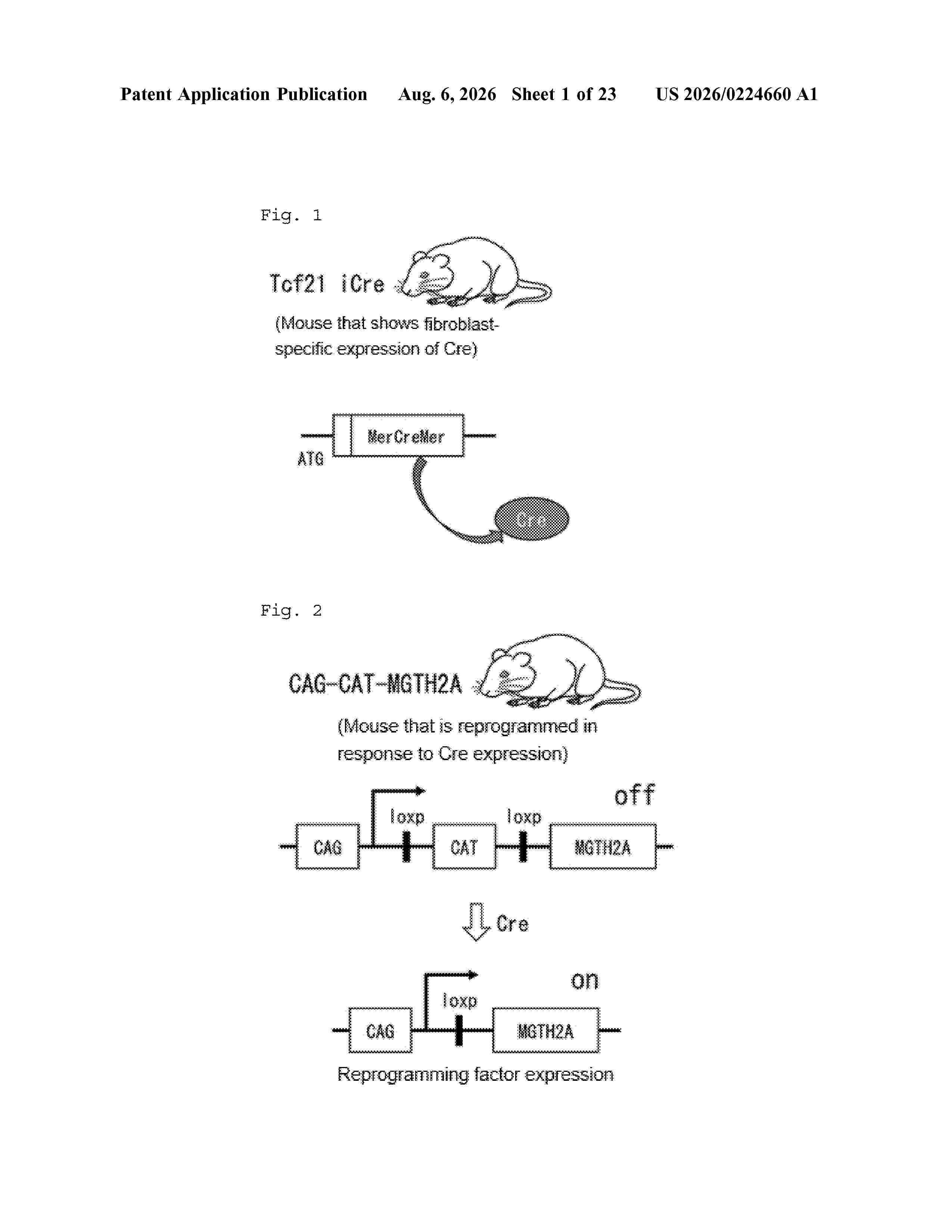
Resumen de: US20260224660A1
The cardiac diastolic function-improving agent according to an embodiment of the present invention comprises a polynucleotide encoding a reprogramming factor polypeptide Gata4.
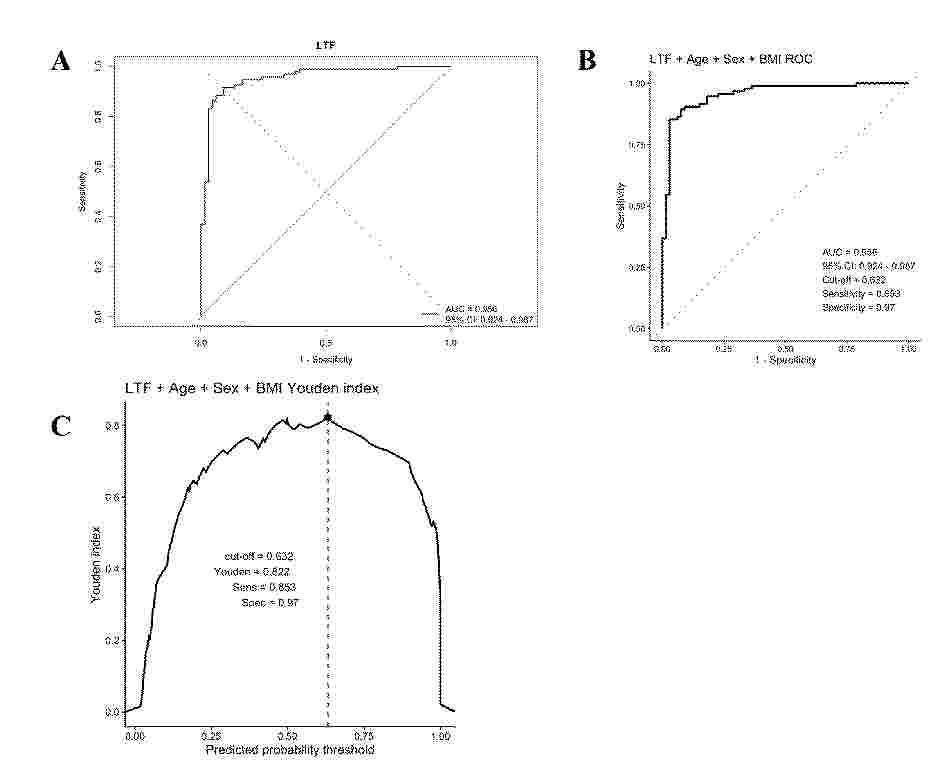
Resumen de: CN122503499A
The invention relates to the technical field of biological medicine, in particular to application of risk assessment of PASC related cardiovascular system symptoms based on LTF. The invention provides a risk assessment system taking LTF as a core molecular marker, and the system can provide objective and quantifiable molecular-level reference basis for risk assessment of PASC-related cardiovascular system symptoms under the condition that sufficient interpretation is difficult to provide by a conventional detection means.
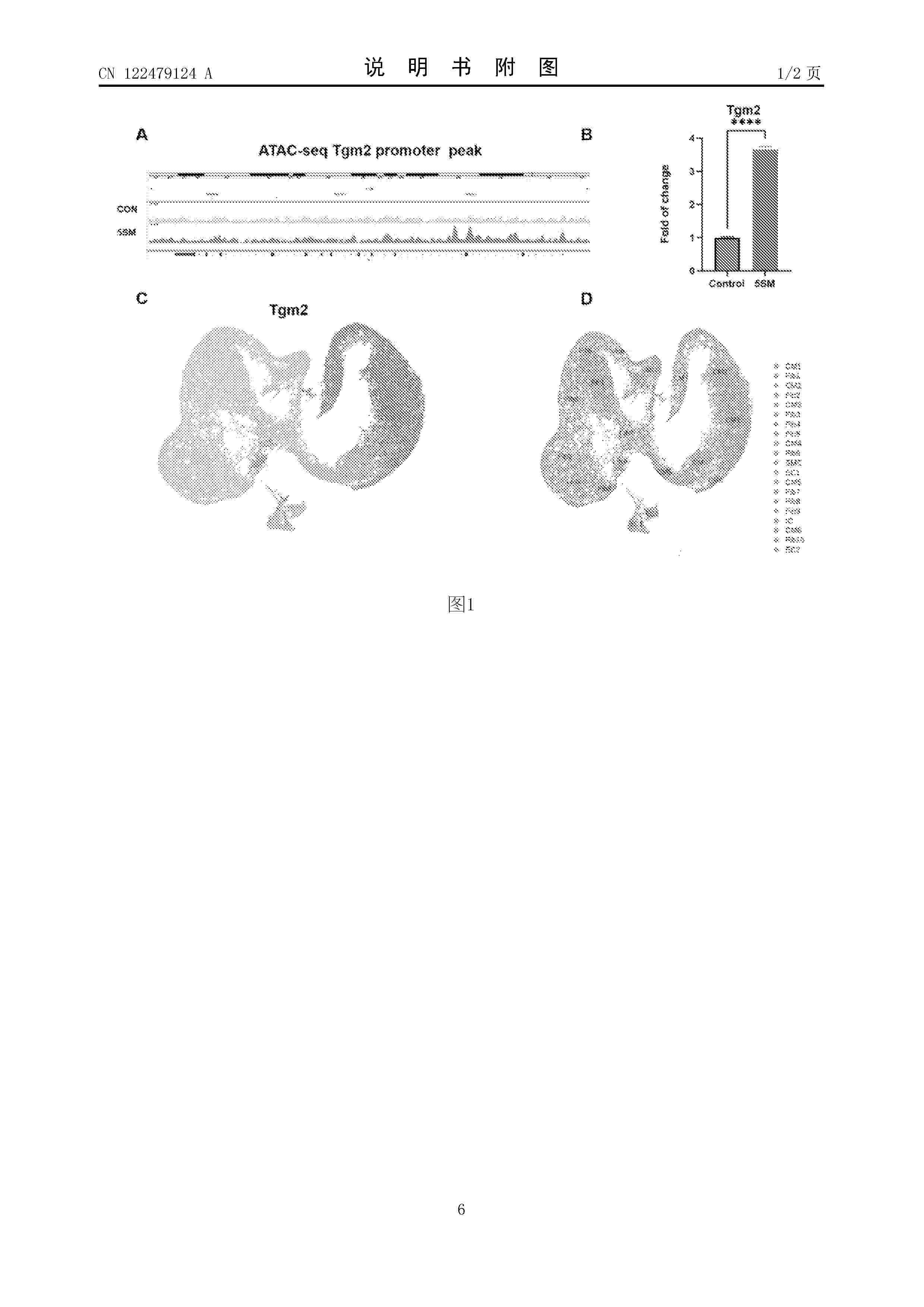
Resumen de: CN122479124A
The invention discloses an application of glutamine transferase 2 as a therapeutic target in screening ischemic heart disease drugs. The invention claims to protect application of a substance for promoting Tgm2 gene expression in myocardial cells in preparation of a medicine for preventing and/or treating ischemic heart disease. The invention also protects the application of the substance for promoting the expression of the Tgm2 gene in the myocardial cells in preparation of a product for protecting myocardium in ischemic heart disease and the application of the substance for promoting the proliferation of the myocardial cells and/or inhibiting the apoptosis of the myocardial cells in the ischemic heart disease. The transglutaminase 2 (Tgm2) is a multifunctional enzyme, and plays an important role in the regulation and control of the proliferation and apoptosis of cardiac muscle cells. The regulation effect of the Tgm2 in cardiac injury repair provides new candidate drugs and intervention targets for treatment of ischemic heart diseases.
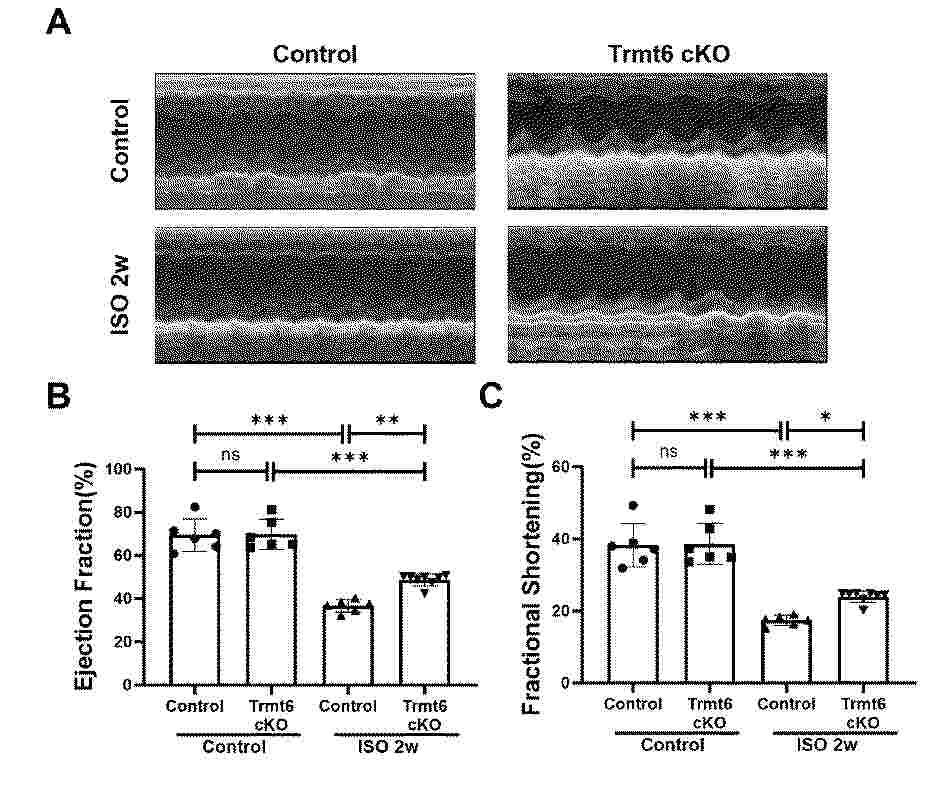
Resumen de: CN122479127A
The invention provides application of a reagent for inhibiting Trmt6 gene expression in preparation of a medicine for preventing and/or treating pathological cardiac hypertrophy, and particularly relates to the technical field of biological medicine. The invention discloses a new application of the Trmt6 gene as a drug target in treatment of pathological cardiac hypertrophy for the first time. Animal experiment results show that in an isoproterenol-induced pathological cardiac hypertrophy mouse model, the Trmt6 gene is specifically knocked out from cardiac muscle, so that the systolic function of the heart can be remarkably improved, cardiac muscle cell hypertrophy can be relieved, and the cardiac fibrosis degree can be reduced. The invention provides a brand new drug target and a treatment strategy for pathological cardiac hypertrophy, and has important clinical application value.
Resumen de: CN122478968A
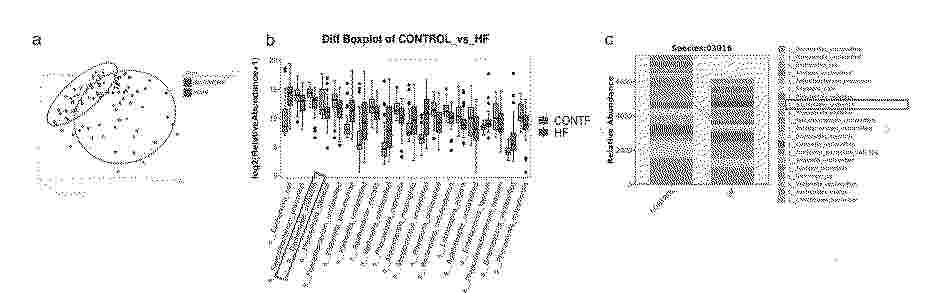
The invention discloses an application of Bacteroides homologoides as a chronic heart failure diagnosis marker and a treatment target spot, and through heart failure patient excrement metagenome sequencing, sterile pig model verification and aortic arch constriction (TAC) heart failure mouse intervention experiments, it is found that B, uniformises are significantly reduced in the heart failure state, and B, uniformises are significantly reduced in the heart failure state. And the decline degree of the traditional Chinese medicine composition is closely related to core clinical indexes such as EF%, LVIDd, LVPW, IVS and NYHA heart function grading. A further research shows that after colonization of the B. uniforms, synthesis of 3-indolebutyric acid (3-IBA) in the intestinal tract can be promoted, and expression of an aromatic hydrocarbon receptor (AhR) and a downstream target gene CYP1A1 thereof can be activated, so that myocardial fibrosis is relieved, and the cardiac systolic function is improved. In a TAC heart failure mouse model, after the intervention of B. uniforms, the cardiac ejection fraction (EF%) and the short axis shortening rate (FS%) are obviously improved, the heart weight/tibia length ratio (HW/TL) and the lung weight/tibia length ratio (LW/TL) are obviously reduced, the myocardial fibrosis degree is relieved, and the intestinal mucous layer is repaired.
Resumen de: CN122468980A
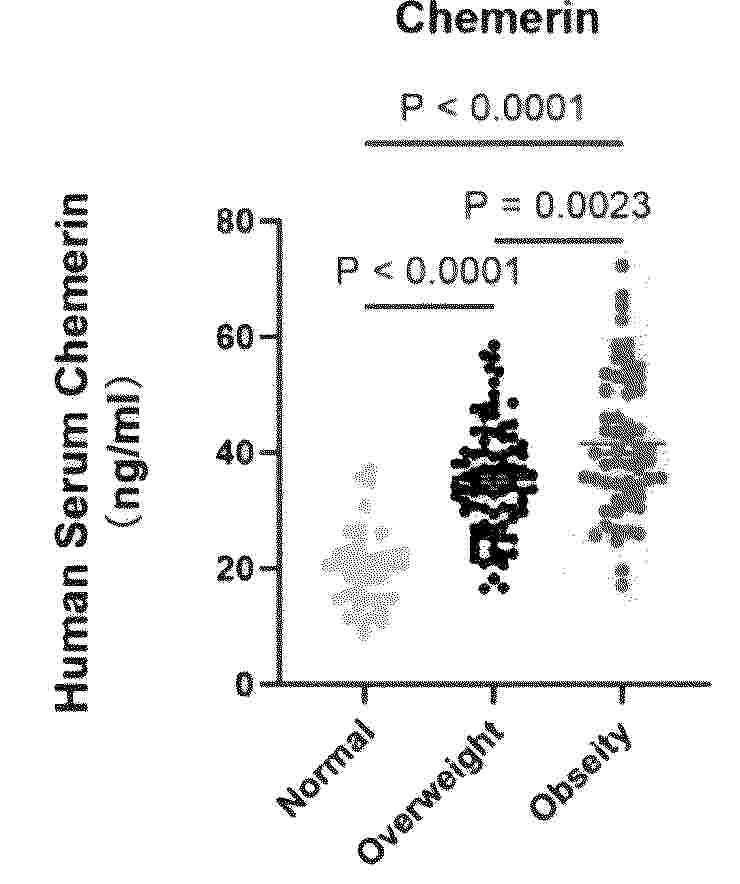
The invention discloses a method for relieving fat toxicity of obesity cardiomyopathy by Chemerin, and belongs to the technical field of pharmacological research. The method comprises the following steps: selecting mice to establish an obese mouse model, and equally dividing the obese mouse model into a control group, a high fat diet group, an AAV CMKLR1 virus group and a high fat + AAV CMKLR1 virus group; sequentially carrying out mouse cardiac ultrasound, TSE system detection, glucose tolerance test and insulin tolerance test, and measuring mouse blood glucose at intervals; extracting tissue protein for western blot, extracting tissue RNA for reverse transcription, and then detecting related gene expression conditions through qPCR (quantitative polymerase chain reaction); carrying out paraffin embedding and slicing on mouse tissues, and then carrying out primary pathological staining such as HE, WGA and immunofluorescence; carrying out lipid extraction by using an MTBE method, and detecting the lipid content; serum Chemerin is measured through an ELISA method, protein palmitoylation is detected through an Acyl-RAC method, and finally an experimental result is analyzed to obtain a conclusion. Clinical data and a mouse model prove that in the obesity process, the compensatory of Chemerin is increased, heart lipotoxicity caused by obesity can be relieved, and the heart function is protected.
Resumen de: CN122465936A
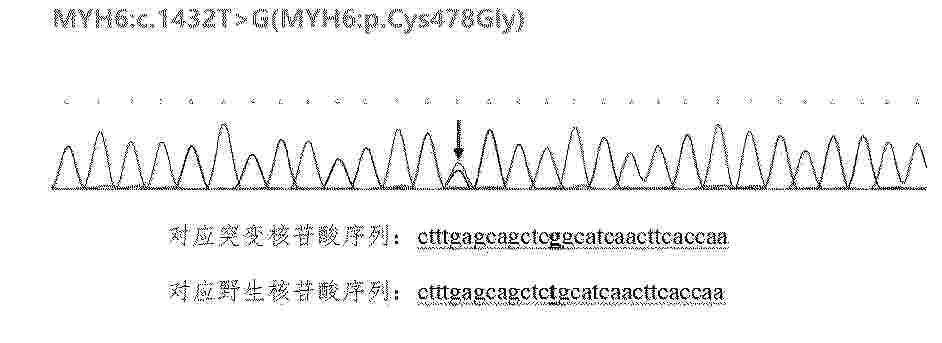
The embodiment of the invention discloses an MYH6 gene variant and application thereof, and belongs to the technical field of biology. Compared with a wild type MYH6 gene, the MYH6 gene variant has c.1432Tgt in a No.14 exon region, c.1432Tgt in a No.6 exon region, and c.1432Tgt in a No.6 exon region. G, heterozygous missense variation. According to the invention, the c.1432Tgt of the MYH6 gene is found for the first time; according to the present invention, the G heterozygous missense variation is the possible pathogenic variation of the hypertrophic cardiomyopathy, the discovery enriches the pathogenic variation spectrum of the hypertrophic cardiomyopathy, the brand new biomarker is provided for the early diagnosis of the hypertrophic cardiomyopathy, and the biomarker can effectively assist the clinical development of the related diagnosis work of the hypertrophic cardiomyopathy, and can provide the clinical application of the hypertrophic cardiomyopathy in the clinical treatment of the hypertrophic cardiomyopathy. The invention has important clinical application value and social significance.
Resumen de: CN122466087A
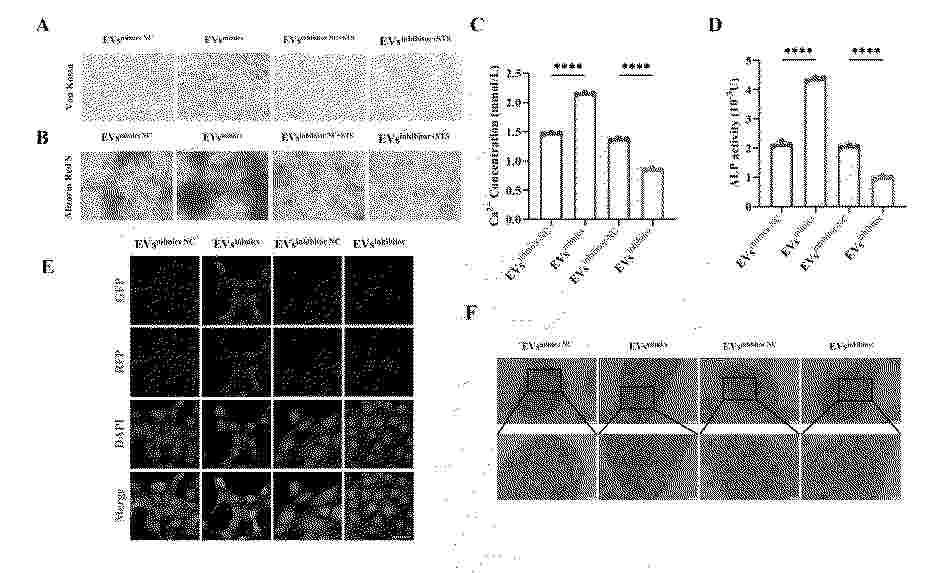
The invention discloses an application of miR-122b-3p (micro Ribonucleic Acid-122b-3p) in cardiovascular calcification. It is found for the first time that inhibition of miR-122b-3p can reduce calcium deposition and calcium content of cardiovascular smooth muscle cells, and it is found that sodium thiosulfate can treat coronary artery calcification of MHD patients by reducing the miR-122b-3p level. On the basis, the invention provides application of a reagent for detecting the miR-122b-3p level in preparation of a product for evaluating the curative effect of sodium thiosulfate on cardiovascular calcification of an MHD patient and application of a miR-122b-3p inhibitor in preparation of a medicine for treating cardiovascular calcification. Meanwhile, the invention also provides an extracellular vesicle generated by the cell transfected with the miR-122b-3p inhibitor, the extracellular vesicle can also significantly reduce calcium deposition and calcium content of cardiovascular smooth muscle cells, and these results show that miR-122b-3p plays an important role in coronary artery calcification and has a wide clinical application prospect.
Resumen de: CN122465915A
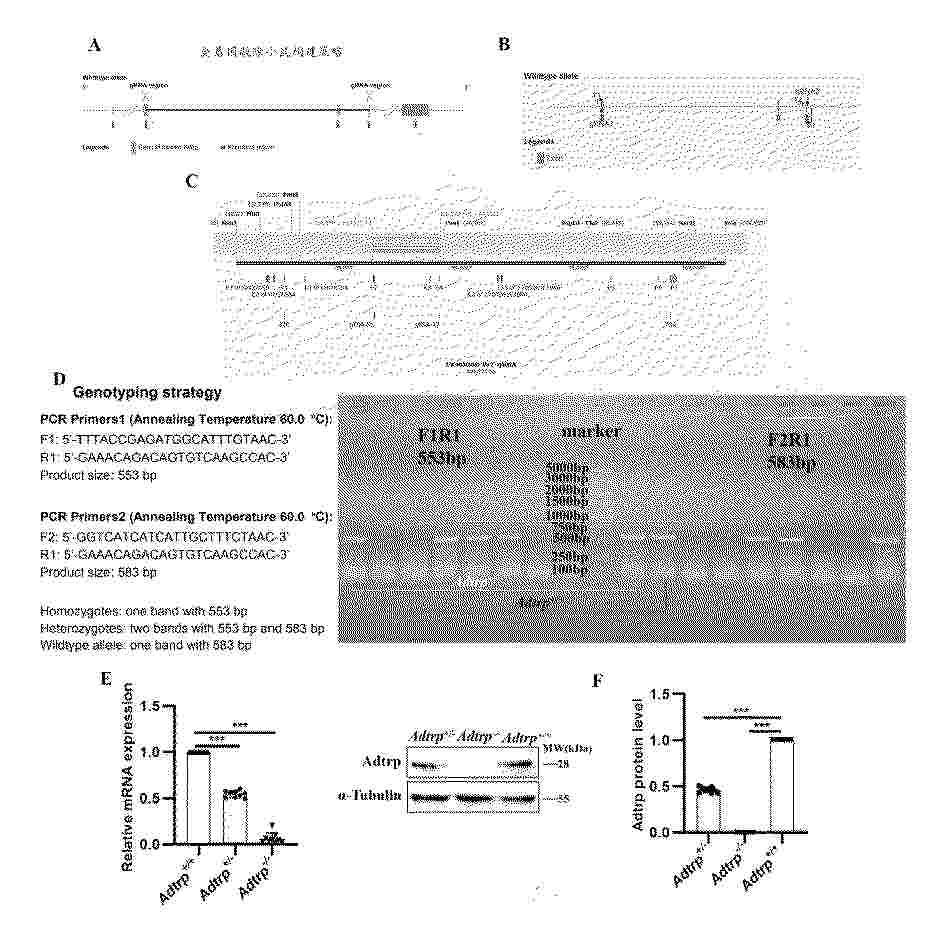
The invention relates to an application of shLepr-based adeno-associated virus in preparation of a medicine for treating heart failure. The invention discloses a gene therapy for treating heart failure based on an AAV-shLepr adeno-associated virus vector. According to the present invention, the deficiency of the whole genome Adtrp results in heart dysfunction and heart failure, the deficiency of the Adtrp further aggravates the heart dysfunction and the heart failure, the results show that the deficiency of the Adtrp results in the heart failure, the AAV-shLepr gene therapy can effectively block the heart failure development of CAD and TAC models, the expression levels of Lepr, Apob, Col7a1, adhesion molecules Icam-1, Vcam-1, E-selectin, P-selectin and p65 are changed, and the AAV-shLepr gene therapy can reverse the effect; lepR plays an important role in the pathogenesis of heart failure, and by using AAV-shLepr gene therapy, heart dysfunction and heart failure of CAD and TAC model heart failure can be remarkably relieved. The research provides a new treatment strategy for the treatment of heart failure.
Resumen de: CN122445787A
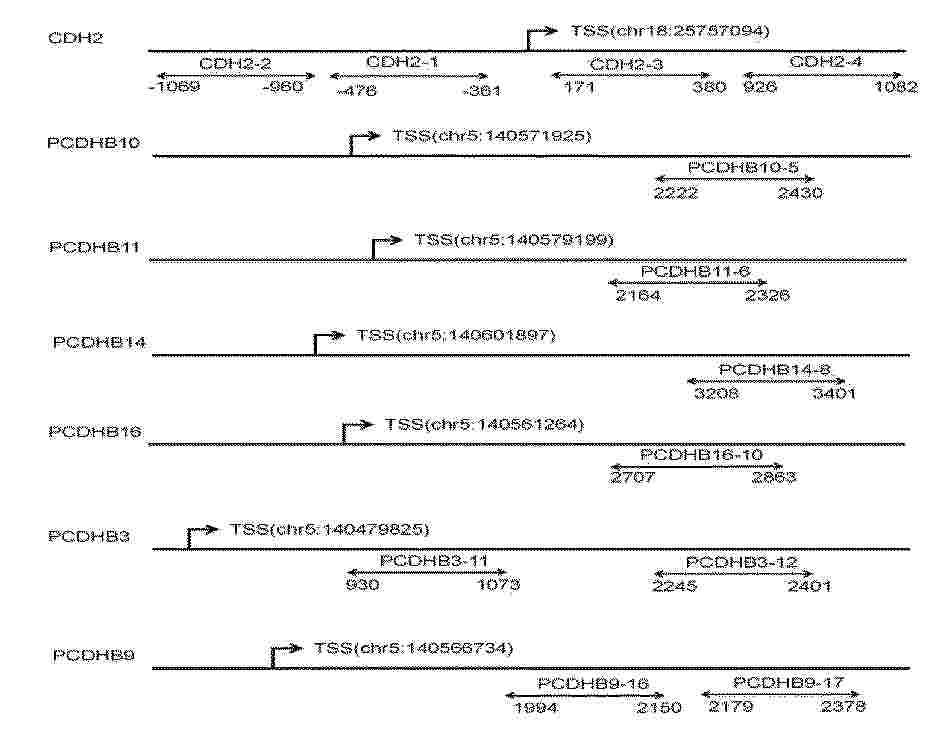
The invention relates to the technical field of molecular biology, and discloses a DNA methylation marker and application thereof in an acute ischemic stroke diagnostic kit, and the DNA methylation marker comprises methylation regions of genes of CDH2, PCDHB10, PCDHB11, PCDHB14, PCDHB16, PCDHB3 and PCDHB9. According to the invention, 12 methylation region combinations of 7 marker genes with high specificity and high sensitivity, which are highly related to the early attack risk of acute ischemic stroke, are screened and obtained, and when the combination of methylation regions is used as a marker for early detection of acute ischemic stroke, the result accuracy is high; and auxiliary diagnosis reference can be provided for clinicians.
Resumen de: CN122440657A
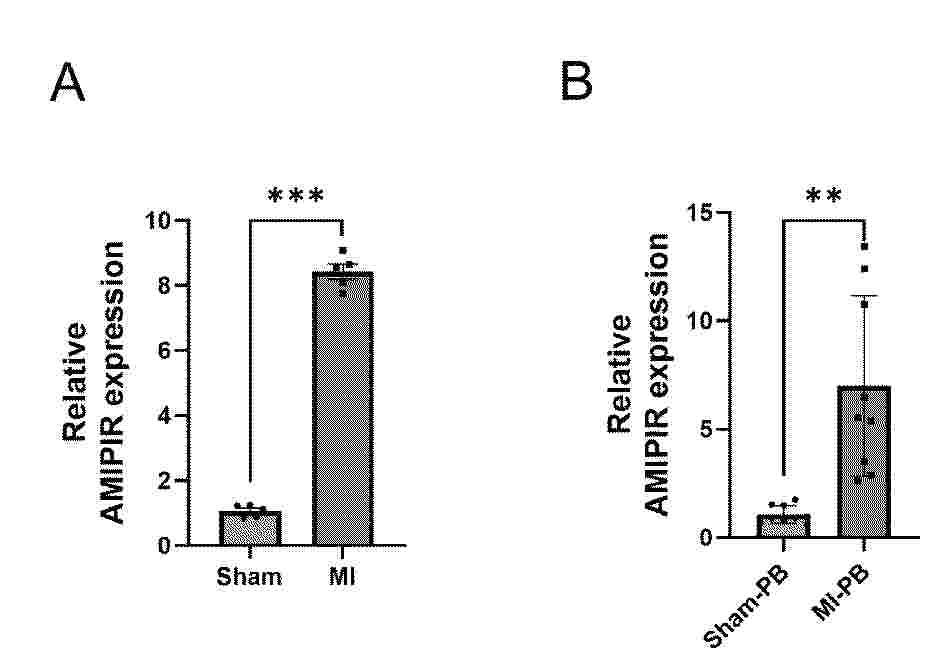
The invention discloses an application of piRNA-AMIPIR (piRNA-AMIPIR) in preparation of a medicine for improving heart injury after acute myocardial infarction. According to the invention, high expression of piRNA-AMIPIR in myocardial tissue after acute myocardial infarction (MI) is found for the first time, and the expression level of piRNA-AMIPIR is in positive correlation with myocardial injury degree. After the antisense nucleotide Antagomir-AMIPIR designed on the basis of the piRNA-AMIPIR is administered in a mouse acute myocardial infarction model, inflammatory cell infiltration can be inhibited by reducing myocardial cell apoptosis and reactive oxygen species (ROS) accumulation, the systolic function of the heart can be remarkably improved, and ischemia-induced heart injury can be relieved. According to the application, the potential value of piRNA-AMIPIR serving as a cardiac injury treatment target spot after acute myocardial infarction is defined, the antisense nucleotide of piRNA-AMIPIR provides a new candidate drug and a treatment strategy for clinical treatment of acute myocardial infarction, and important scientific research significance and clinical application prospects are achieved.
Resumen de: US20260210975A1
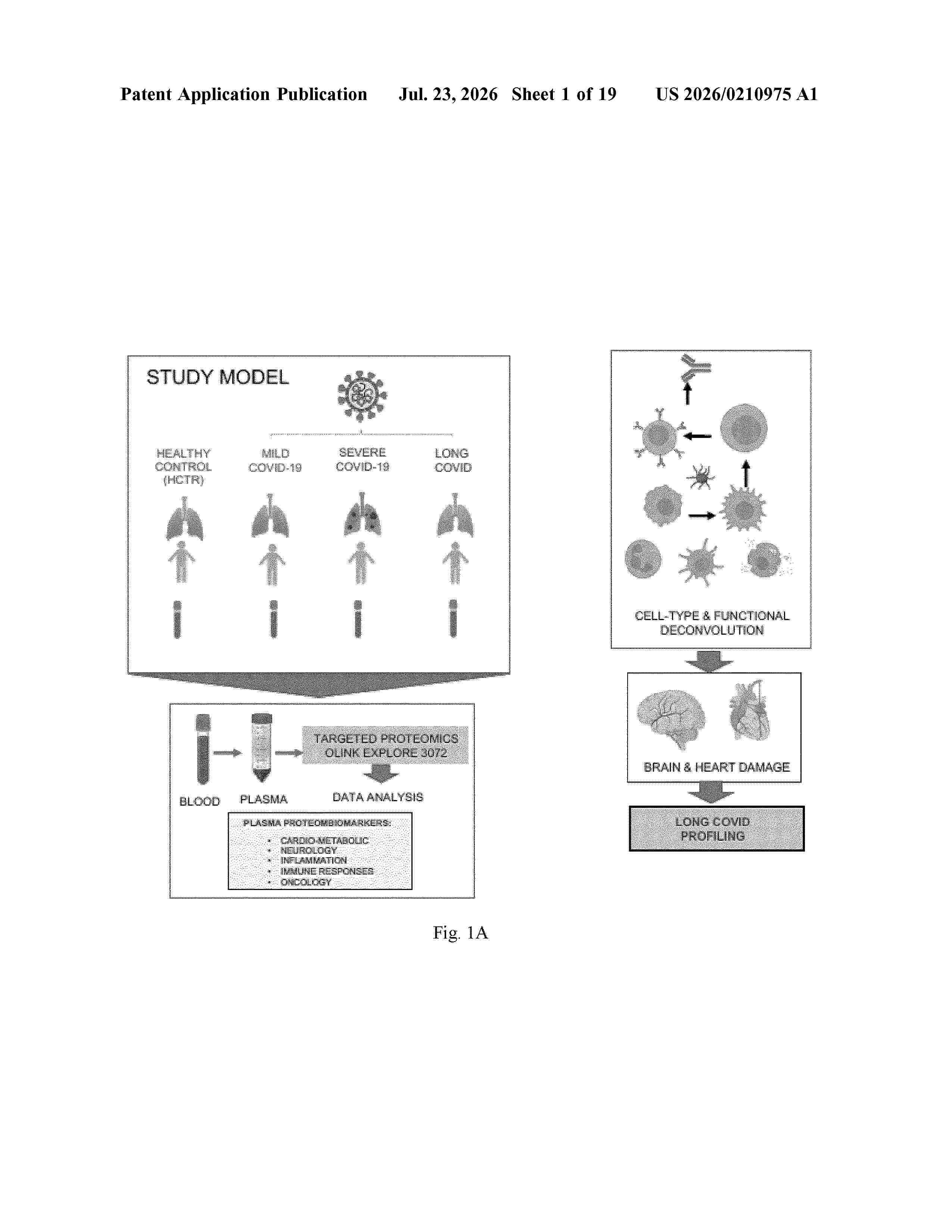
0000 A method of determining a risk of developing a neurological disorder in a Long-COVID patient comprising: (a) testing levels of at least one marker associated with a neurologic disorder in a sample taken from the Long-COVID patient, and (b) making a determination that the Long-COVID patient is at risk of developing said neurological disorder when the levels of said at least one marker is increased in the Long-COVID patient compared to healthy control reference levels of said marker. Also a method of determining a risk of developing a cardiometabolic injury in a Long-COVID patient when the levels of expression of a marker associated to a cardiometabolic injury is different in the Long-COVID patient than the levels of said marker in a healthy control. Also methods of treating Long-COVID with a drug effective to mediate the HIF signaling pathway.
Resumen de: US20260207775A1
The invention relates to the field of diseases caused by high levels of LDL-C and/or fibrinogen, such as cardiovascular disease. The invention involves oligonucleotides for RNA editing technology in deaminating target adenosine nucleotides, such as the adenosine at position 1055, in transcripts of the human B4GALT1 gene.
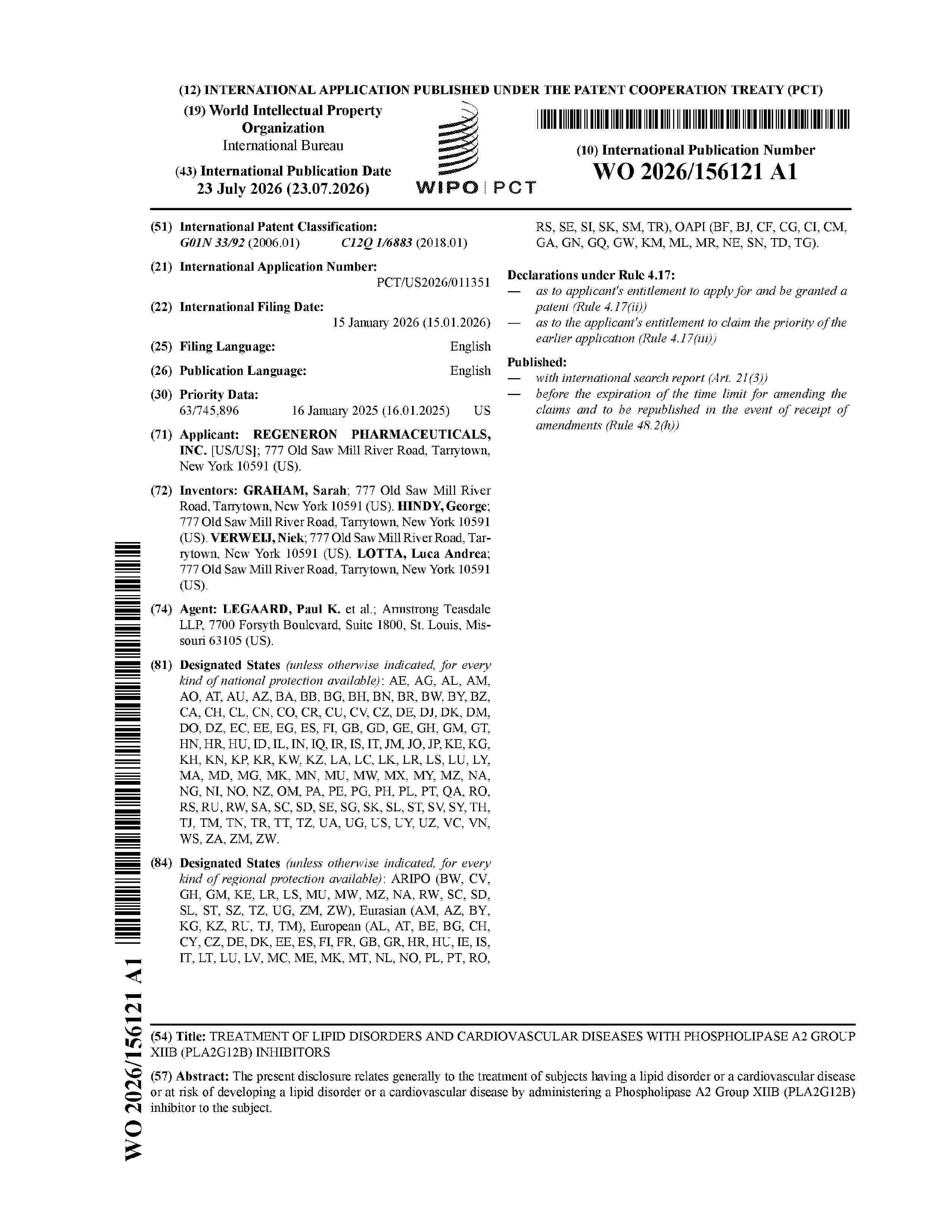
Resumen de: WO2026156121A1
The present disclosure relates generally to the treatment of subjects having a lipid disorder or a cardiovascular disease or at risk of developing a lipid disorder or a cardiovascular disease by administering a Phospholipase A2 Group XIIB (PLA2G12B) inhibitor to the subject.
Resumen de: US20260209290A1
Disclosed is a method, a pharmaceutical composition, and a pharmaceutical preparation for prevention and/or treatment of pulmonary arterial hypertension (PAH). The method includes administering to a subject at least one of a first agent that inhibits binding of Hic-5 to SMAD7 or a second agent that inhibits Hic-5.
Resumen de: WO2025059367A1
Provided herein are methods of treating a condition associated with aging, atrophy, fibrosis, tissue senescence, inflammation, a heart condition, and/or a muscle disorder by administering to a subject an agent that enhances expression of a Trex1 gene product, where the agent is not an isolated RNA comprising a nucleotide sequence at least 95% identical to CGUCCGAUGGUAGUGGGUUAUCAG (SEQ ID NO:3). Also provided herein are compositions for treating a condition associated with aging, atrophy, inflammation and/or fibrosis comprising a nucleic acid that anneals to the Trex1 5' UTR and enhances Trex1 expression, a nucleic acid encoding Trex1 that enhances Trex1 expression, a population of macrophages having enhanced expression of the Trex1 gene product or a combination thereof.
Nº publicación: CN122424338A 21/07/2026
Solicitante:
CHINESE PEOPLES LIBERATION ARMY ARMY SPECIALIZED MEDICAL CENTER
\u4E2D\u56FD\u4EBA\u6C11\u89E3\u653E\u519B\u9646\u519B\u7279\u8272\u533B\u5B66\u4E2D\u5FC3
Resumen de: CN122424338A
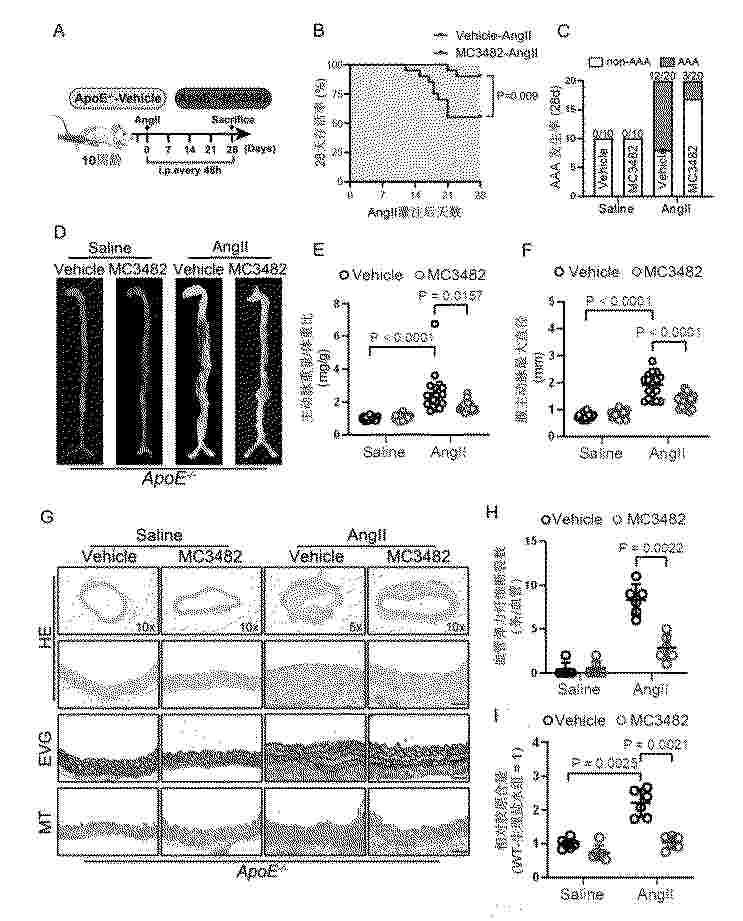
The invention relates to application of SIRT5 as an abdominal aortic aneurysm treatment target, and relates to the technical field of biological medicine. It is confirmed for the first time that expression of SIRT5 in human abdominal aortic aneurysm tissues, animal models and pathological stimulated vascular smooth muscle cells is significantly up-regulated and is closely related to phenotypic transformation of the vascular smooth muscle cells, occurrence and development of AAA can be significantly inhibited by specifically knocking out SIRT5 from the vascular smooth muscle cells, and the pathological process of AAA is aggravated by overexpression of SIRT5, so that the AAA can be effectively inhibited. The SIRT5 can be used as an intervention target of AAA, and in an animal model, it is proved that MC3482 can significantly inhibit formation of abdominal aortic aneurysm, a brand-new drug intervention target and a candidate compound are provided for abdominal aortic aneurysm, and a solid foundation is laid for treatment of abdominal aortic aneurysm and subsequent drug development.
 BOPI
 Sede Electrónica