Si deseas distinguir tus productos, servicios o ambos de los de otra empresa, es posible que necesites una marca o nombre comercial. Descubre qué son, en qué consiste su procedimiento de registro y qué implica.

Información sobre los plazos de presentación de solicitudes de transformación de marcas de la Unión Europea en marca nacional española. Más información


Si tienes un nuevo dispositivo, producto o procedimiento que resuelva un problema técnico o tenga una ventaja práctica, existen distintas formas de protegerlo en España y en otros países. Descubre cómo hacerlo.

¿Tu innovación reside en la estética, la ornamentación o la apariencia de tu producto? Protégela mediante un diseño industrial. Descubre qué derechos confiere el registro y cómo realizar la tramitación.

Las indicaciones geográficas protegen el nombre de un producto originario de una zona geográfica, a la cual le debe una determinada calidad, reputación u otra característica. Descubre qué son, en qué consiste su procedimiento de registro y qué beneficios conceden.

Las patentes publicadas en todo el mundo son una valiosa fuente de información científica, técnica y comercial.

Si eres emprendedor/a o una empresa y quieres potenciar y mejorar la rentabilidad de tu negocio protegiendo de forma adecuada los activos intangibles de tu organización, en este espacio encontrarás lo necesario.


 292
resultados
292
resultados
 Última actualización
24/10/2026 [09:06:00]
Última actualización
24/10/2026 [09:06:00]


 Resultados 125 a 150 de 292

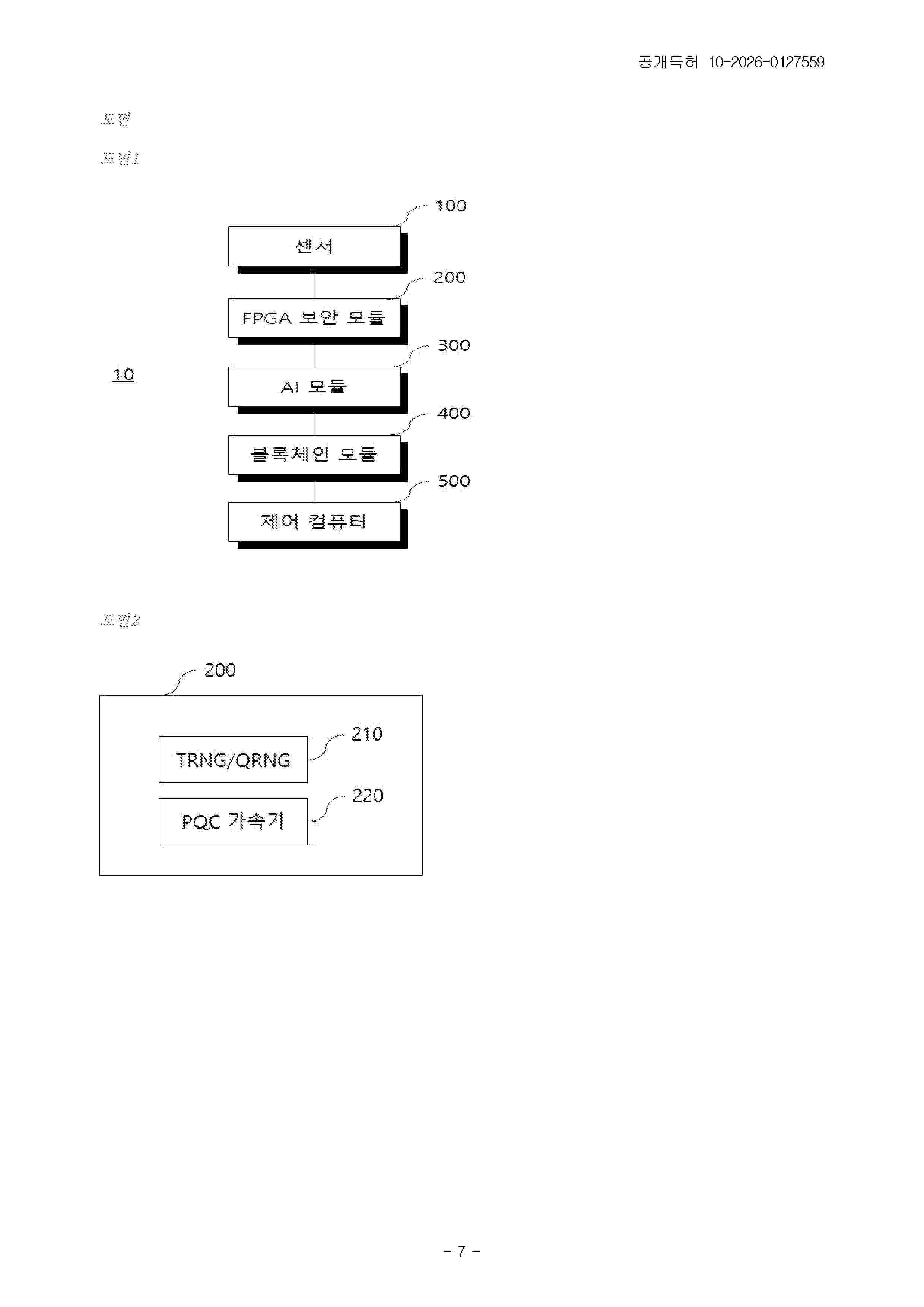
Resumen de: KR20260127559A
본 발명은 무인이동체의 센서 데이터 보호 및 신뢰성 향상을 위한 기술로, FPGA 기반 양자 내성 암호화(PQC), AI 기반 센서 데이터 보정, 블록체인을 이용한 데이터 무결성 보장 기술을 결합한 시스템 및 방법을 제공한다. FPGA 보안 모듈은 TRNG/QRNG를 활용해 난수를 생성하고, PQC 가속기를 통해 보안 키를 생성하여 센서 데이터를 양자 컴퓨터 기반 해킹으로부터 보호한다. AI 모듈은 센서 데이터의 실시간 오차 보정과 이상 감지를 수행하며, 블록체인 모듈은 데이터 위변조 방지 및 무결성 검증을 담당한다. 본 발명은 무인이동체뿐만 아니라 자율주행, 항공우주, 스마트 공장, 의료 데이터 보호 등 다양한 분야에 적용될 수 있다.

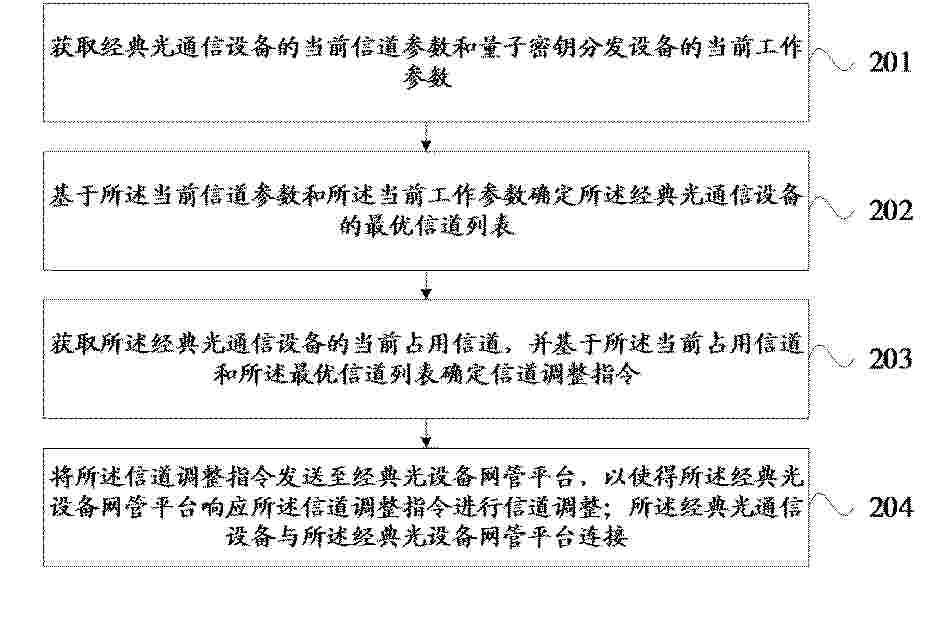
Resumen de: CN122621250A
本申请公开了一种经典光信道的分配方法、装置、电子设备和可读存储介质,属于量子通信技术领域。包括:获取经典光通信设备的当前信道参数和量子密钥分发设备的当前工作参数;基于所述当前信道参数和所述当前工作参数确定所述经典光通信设备的最优信道列表;获取所述经典光通信设备的当前占用信道,并基于所述当前占用信道和所述最优信道列表确定信道调整指令;将所述信道调整指令发送至经典光设备网管平台,以使得所述经典光设备网管平台响应所述信道调整指令进行信道调整;所述经典光通信设备与所述经典光设备网管平台连接。本申请实现了在不降低经典光光功率的前提下,降低拉曼散射噪声,提高QKD成码率。
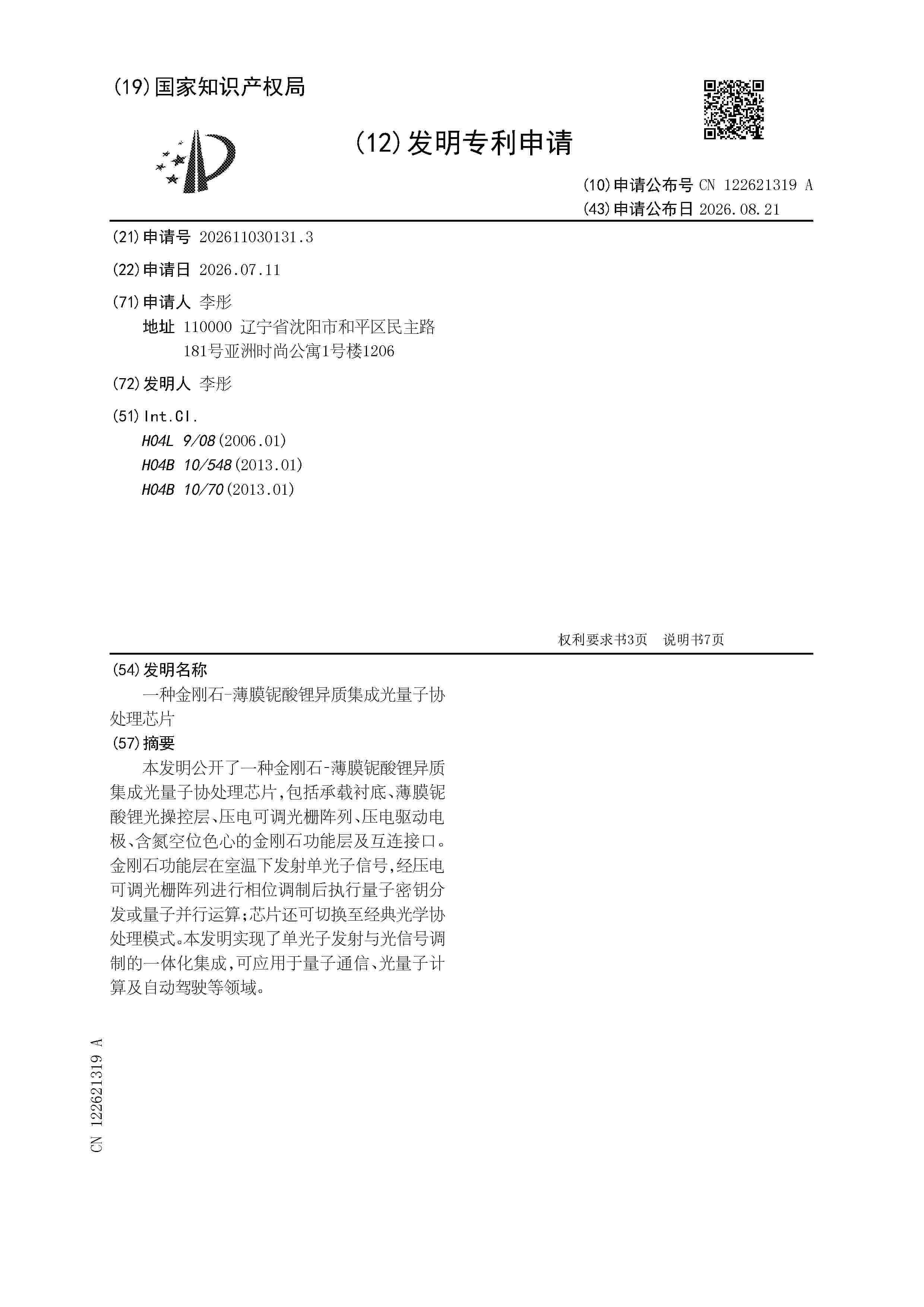
Resumen de: CN122621319A
0001 本发明公开了一种金刚石‑薄膜铌酸锂异质集成光量子协处理芯片,包括承载衬底、薄膜铌酸锂光操控层、压电可调光栅阵列、压电驱动电极、含氮空位色心的金刚石功能层及互连接口。金刚石功能层在室温下发射单光子信号,经压电可调光栅阵列进行相位调制后执行量子密钥分发或量子并行运算;芯片还可切换至经典光学协处理模式。本发明实现了单光子发射与光信号调制的一体化集成,可应用于量子通信、光量子计算及自动驾驶等领域。
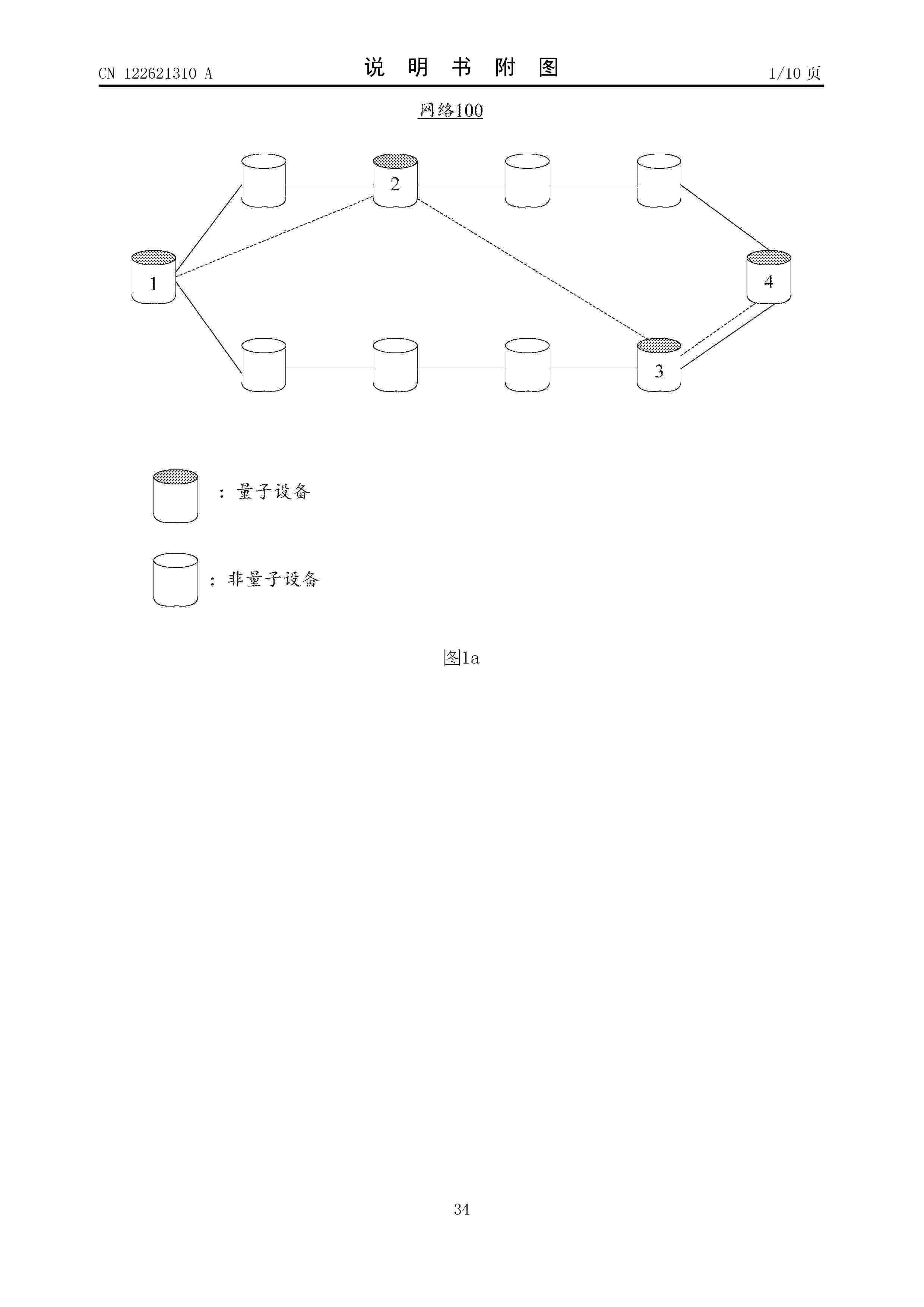
Resumen de: CN122621310A
0001 本申请提供了一种通信方法,应用于第一设备。第一设备获取业务密钥分发诉求,业务密钥分发诉求至少包括业务密钥分发的源设备的地址和业务密钥分发的目的设备的地址。根据业务密钥分发诉求和目标网络的QKD拓扑,确定由源设备到达目的设备的目标路径。目标网络的QKD拓扑包括:所述目标网络中包括的量子设备之间的连接关系、以及所述目标网络中包括的量子设备的QKD能力。目标路径上的设备均量子设备,目标路径用于分发业务密钥,业务密钥用于对源设备和目的设备之间的业务数据进行安全保护。利用本方案,利用目标路径来分发业务密钥,能够利用量子密钥来保障业务密钥的安全性,从而实现量子密钥和业务密钥之间的灵活结合。
Resumen de: CN122621312A
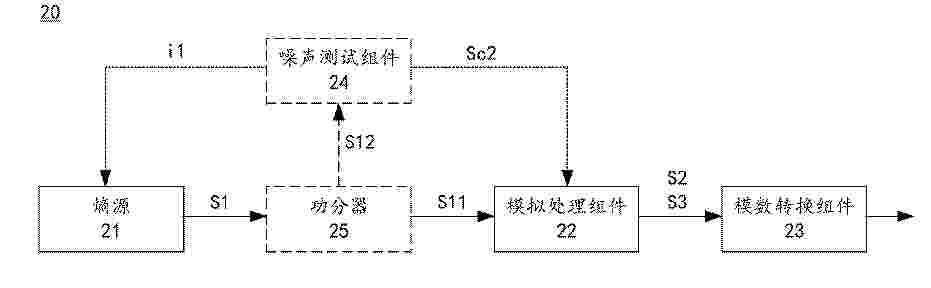
本申请的实施例提供了一种随机数生成装置以及随机数生成方法,涉及通信安全技术领域,该随机数生成装置是使用激光器的散粒噪声生成随机数的,该随机数生成装置为基于量子噪声的随机数生成装置,该随机数生成装置的安全性较高。该随机数生成装置包括:熵源、模拟处理组件以及模数转换组件。其中,熵源中包括激光器,熵源通过模拟处理组件与模数转换组件连接。熵源用于输出量子噪声信号,量子噪声信号包括激光器的散粒噪声分量;模拟处理组件用于将接收到的量子噪声信号移频,输出至少两路噪声信号,至少两路噪声信号的相位不同,或至少两路噪声信号的频率不同;模数转换组件,用于将至少两路噪声信号做比较,输出随机数。
Resumen de: CN122621320A
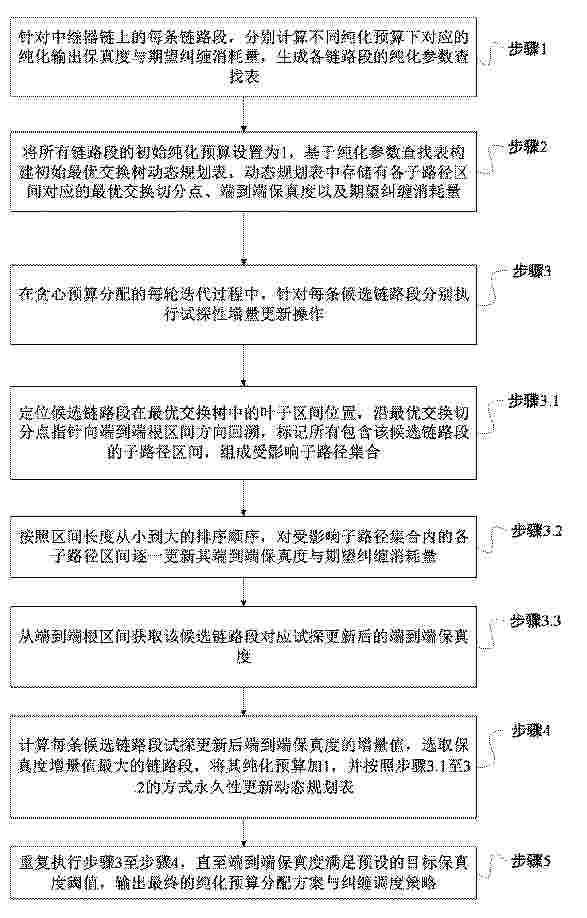
本申请涉及一种基于增量式动态规划的量子中继器链纠缠调度优化方法。所述方法包括:预计算各链路段在不同纯化预算下的纯化表;初始化每条链路的预算为1,构建初始最优交换树动态规划表;当某条链路的纯化预算改变时,定位该链路在最优交换树中的叶子位置并沿祖先回溯,标记受影响子路径集合;按区间长度从小到大对受影响子路径逐一更新保真度和成本;将增量更新嵌入贪心预算分配循环中,每轮对每条候选链路试探性更新并选择保真度增益最大的链路分配预算,直至端到端保真度达标。采用本方法能够显著降低量子中继器链纠缠调度优化的计算开销。
Resumen de: CN122621316A
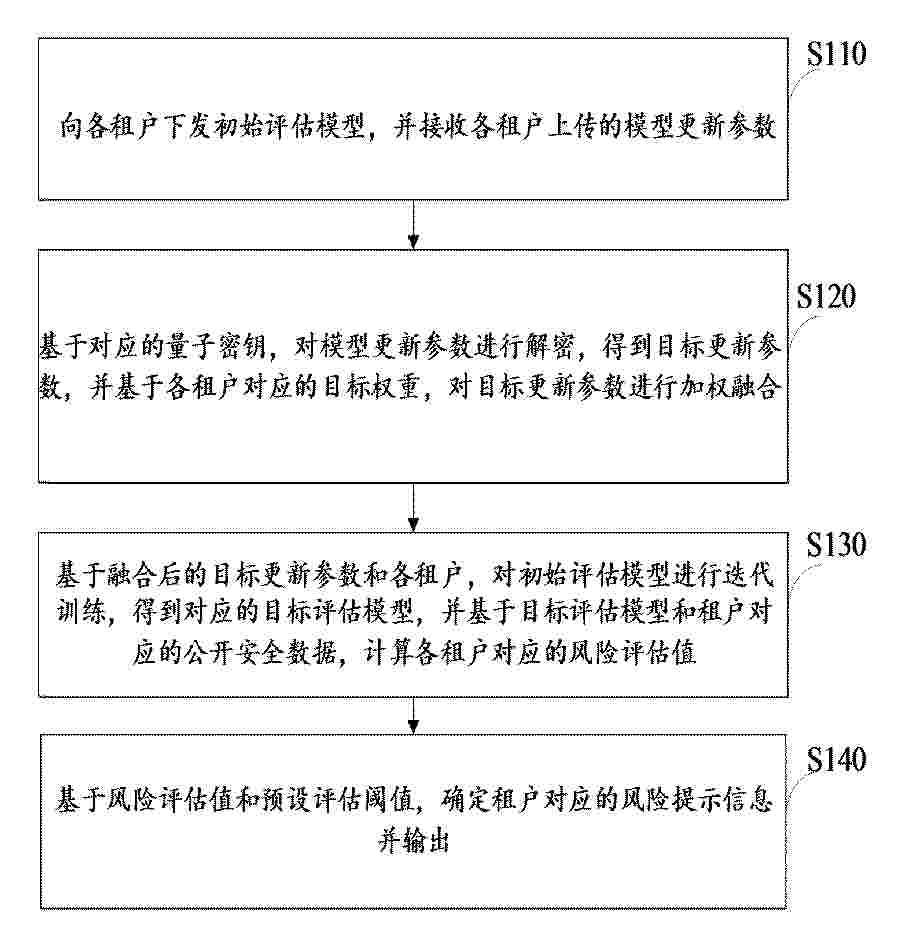
本申请提供一种基于量子密钥的数据安全评估方法、装置、设备及介质,用于云计算安全技术领域,包括:向各租户下发初始评估模型,并接收各租户上传的模型更新参数;基于对应的量子密钥,对模型更新参数进行解密,得到目标更新参数,并基于各租户对应的目标权重,对目标更新参数进行加权融合;基于融合后的目标更新参数和各租户,对初始评估模型进行迭代训练,得到对应的目标评估模型,并基于目标评估模型和租户对应的公开安全数据,计算各租户对应的风险评估值;基于风险评估值和预设评估阈值,确定租户对应的风险提示信息并输出;如此,降低了数据加密的资源消耗率,增强了加密的效率和安全性。
Resumen de: US20260246624A1
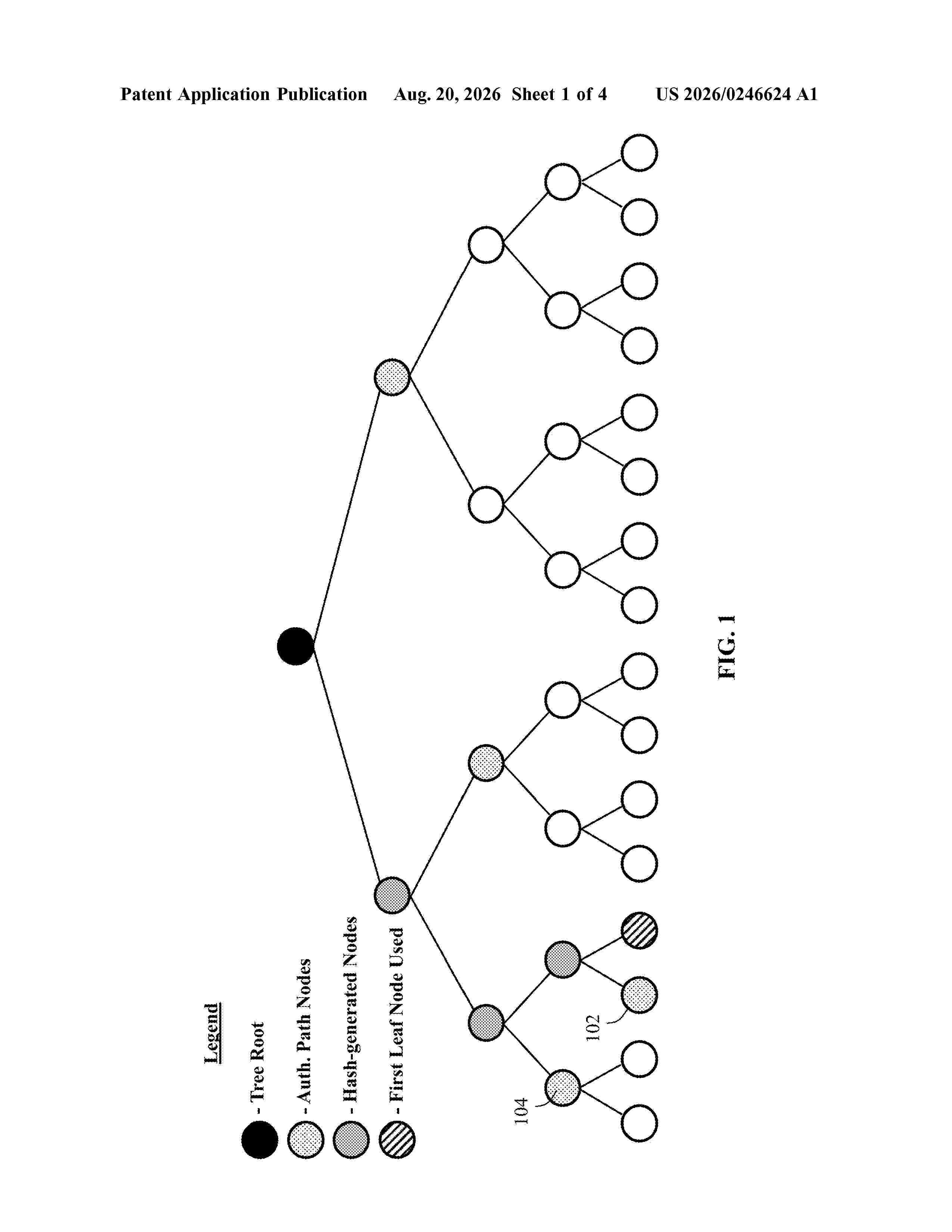
0000 A computer-implemented method utilizing an algorithmic-based approach to find a memory-efficient left-node authentication path in XMSS and LMS post-quantum cryptography algorithms that includes providing a computer with at least one processor operably configured to carry out a post-quantum cryptographic authentication session having an authentication path and operably configured to execute computer readable instructions having an algorithm with three subroutines, a first subroutine that includes generating an index value integer of authentication path nodes within the authentication path needing updating, a second subroutine that includes initializing a left node variable and initializing a right node variable based on a generated leaf position, and a third subroutine that includes iterating the left and right node variables with a merging operation until reaching the index value integer and swapping the left node variable with an index
Resumen de: US20260246625A1
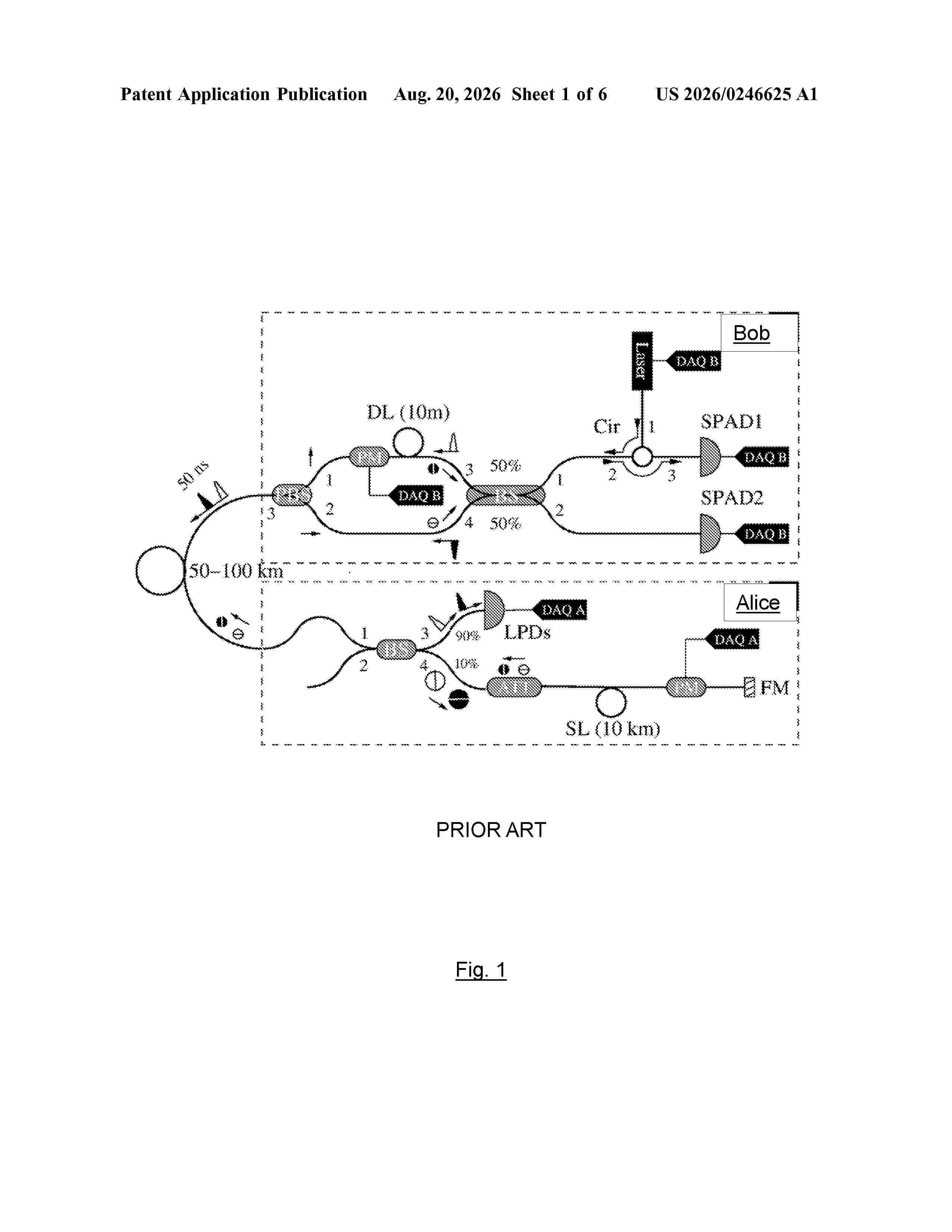
An auto-compensating QKD system. The system includes a QKD transmitter and a QKD receiver. The QKD receiver is configured to send an initial optical pulse train to the QKD transmitter and to receive a reference optical pulse train followed by a signal optical pulse train from the QKD transmitter. The QKD transmitter is configured to receive the initial optical pulse train from the QKD receiver and to send the reference optical pulse train and the signal optical pulse train to the QKD receiver.
Resumen de: US20260246621A1
0000 A key provision system according to the present disclosure includes a first terminal on a master side of key sharing, a first key server capable of providing a shared key to the first terminal, a second terminal on a slave side of the key sharing, and a second key server capable of providing a shared key to the second terminal, wherein the first key server includes: a first key generation unit configured to, when receiving a key request from the first terminal, generate the shared key and second identification information for identifying the shared key by using one or more keys shared with the second key server by one or more key sharing methods and first identification information for identifying each of the one or more keys; a key notification unit configured to transmit a key notification including the shared key and the second identification information to the first terminal; and a first transmission unit configured to transmit the second identification information to the second key server when receiving the second identification information from the first terminal, and the second key server includes: a second key generation unit configured to generate the shared key and the second identification information by using the one or more keys shared with the first key server by the one or more key sharing methods and first identification information for identifying each of the one or more keys; a second transmission unit configured to transmit the second identification
Resumen de: US20260244773A1
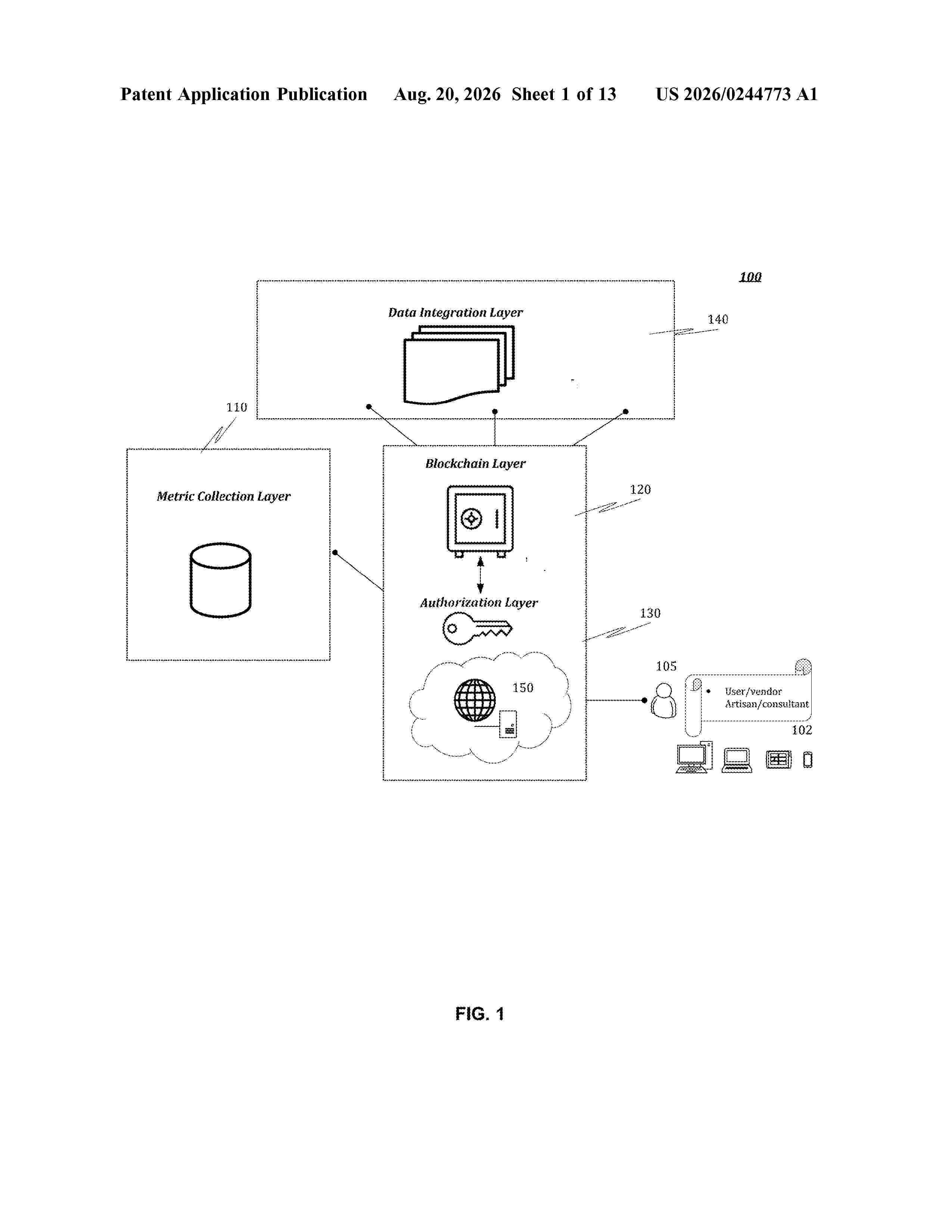
A system for adaptive access control and asset management comprises a metric collection layer configured to capture real-time user metrics from integrated systems. A blockchain layer provides an immutable, quantum-resistant ledger for storing access events, asset records, and compliance data. An authorization layer manages adaptive access control based on effort scores, access thresholds, and effort decay mechanisms. A data integration layer interfaces with external applications for data access, analytics, and reporting. The metric collection layer captures task completion, accuracy, and engagement metrics. The blockchain layer employs a hybrid model combining on-block and off-block storage. The authorization layer includes a BlockCipher Module for making access decisions based on calculated effort scores and predefined thresholds. The data integration layer facilitates integration of AI algorithms for behavior analysis and predictive insights. The system enables secure, adaptive access control and asset tracking across industries like finance, healthcare, supply chain, and government sectors.
Resumen de: KR20260126587A
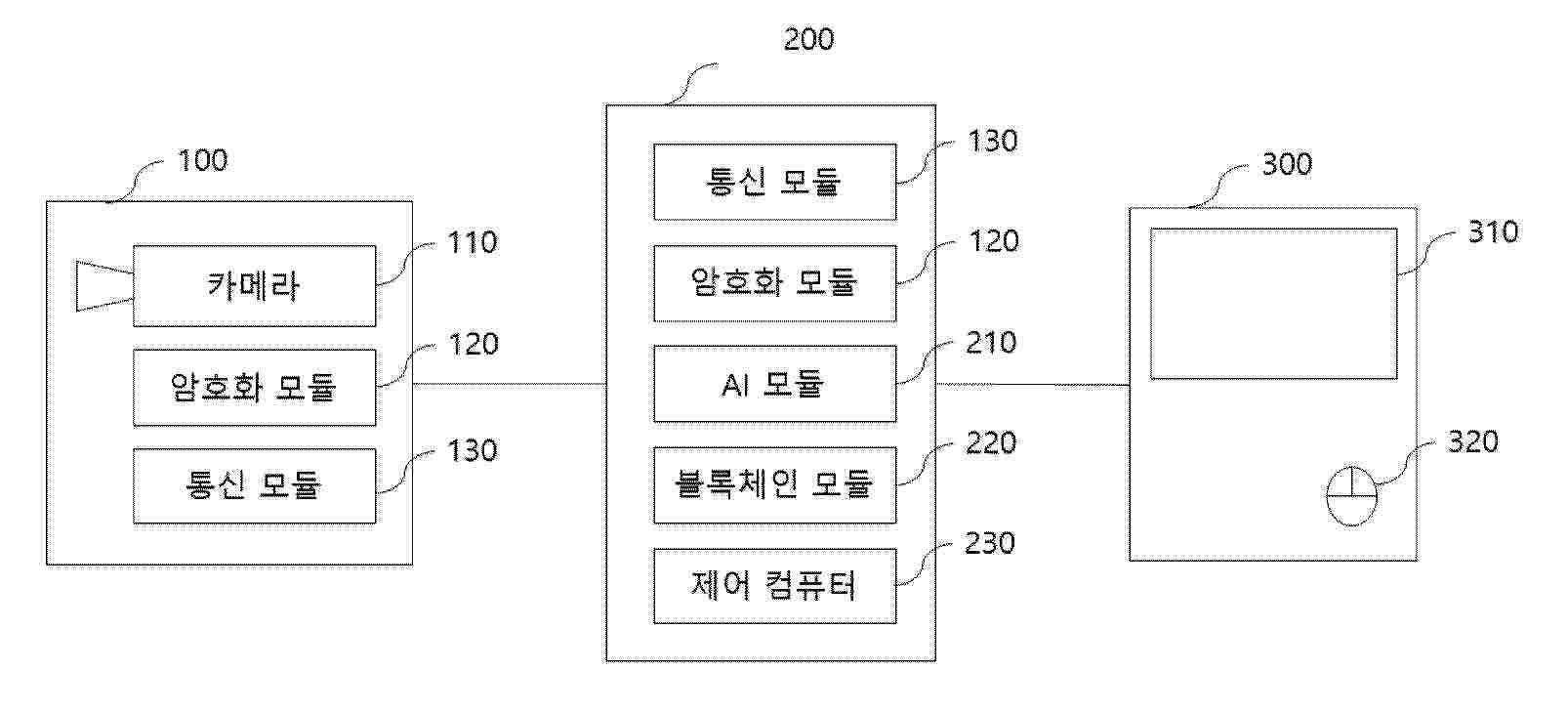
본 발명은 FPGA 기반 보안 통신 시스템을 활용한 원격 영상 감지 장비 조작 방법에 관한 것이다. 영상 감지 장비에서 촬영한 영상은 FPGA 및 TRNG 기반의 PQC 암호화 모듈을 통해 보호된 후 전송되며, 사용자는 제어 컴퓨터에서 영상을 수신하여 PTZ 기능을 원격 조작할 수 있다. 조작 명령은 블록체인 스마트 컨트랙트를 통해 검증되어 변조 없이 안전하게 실행된다. AI 모듈을 이용하여 이상 행위를 탐지하고 자동 보안 조치를 수행할 수 있도록 하며, 이를 통해 원격 조작의 신뢰성과 보안성을 향상시킨다. 또한, 양자 컴퓨터 공격에 대응하기 위해 PQC 및 대칭키 암호화를 적용하여 보안성을 극대화하였다.
Resumen de: WO2026173143A1
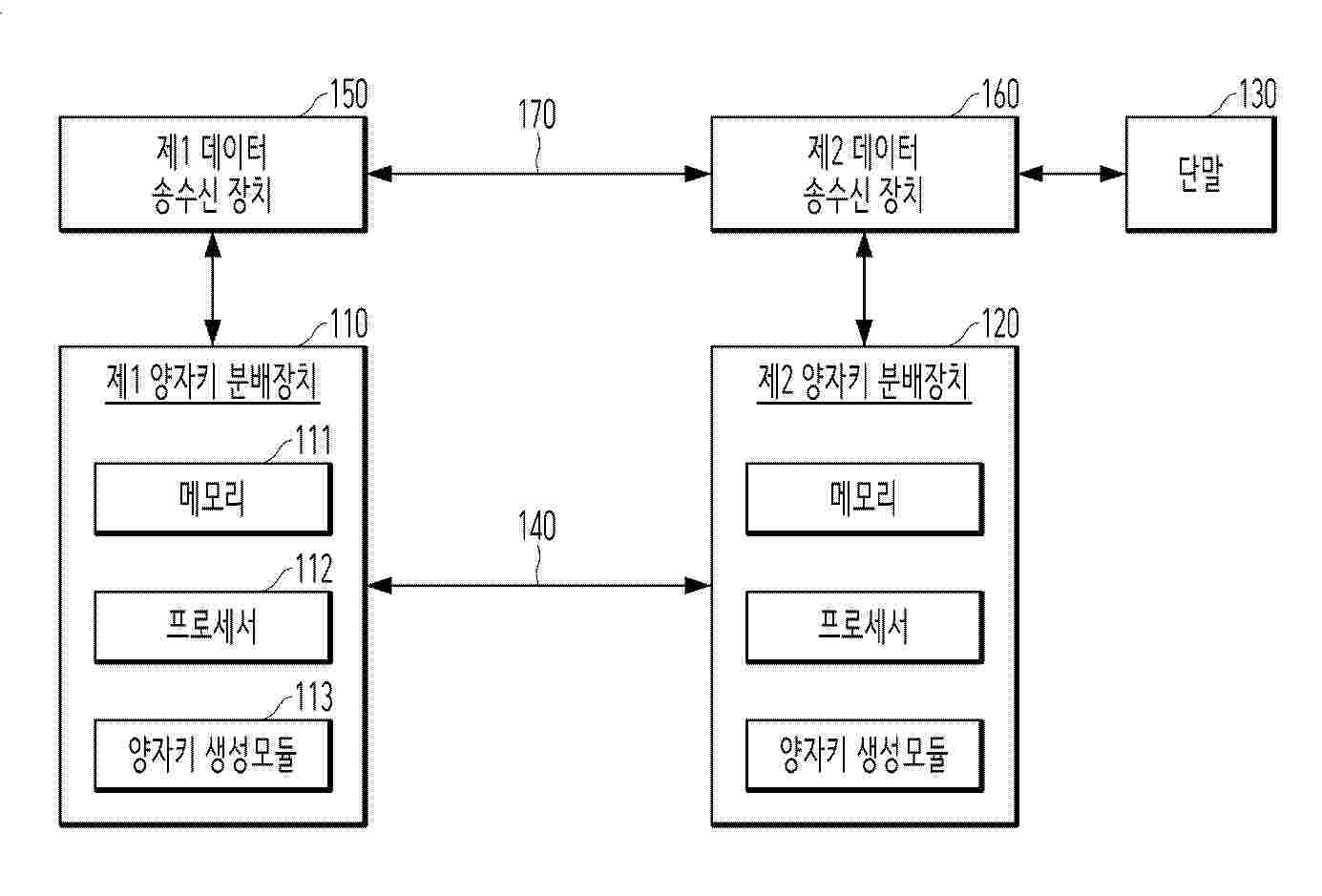
Disclosed are a quantum key distribution method and apparatus capable of being used in an Internet of things system and the like. The disclosed quantum key distribution method comprises the steps of: selecting one from among a plurality of quantum key distribution protocols; generating a quantum key by using the selected quantum key distribution protocol; and transmitting the quantum key through a quantum channel.
Resumen de: KR20260125218A
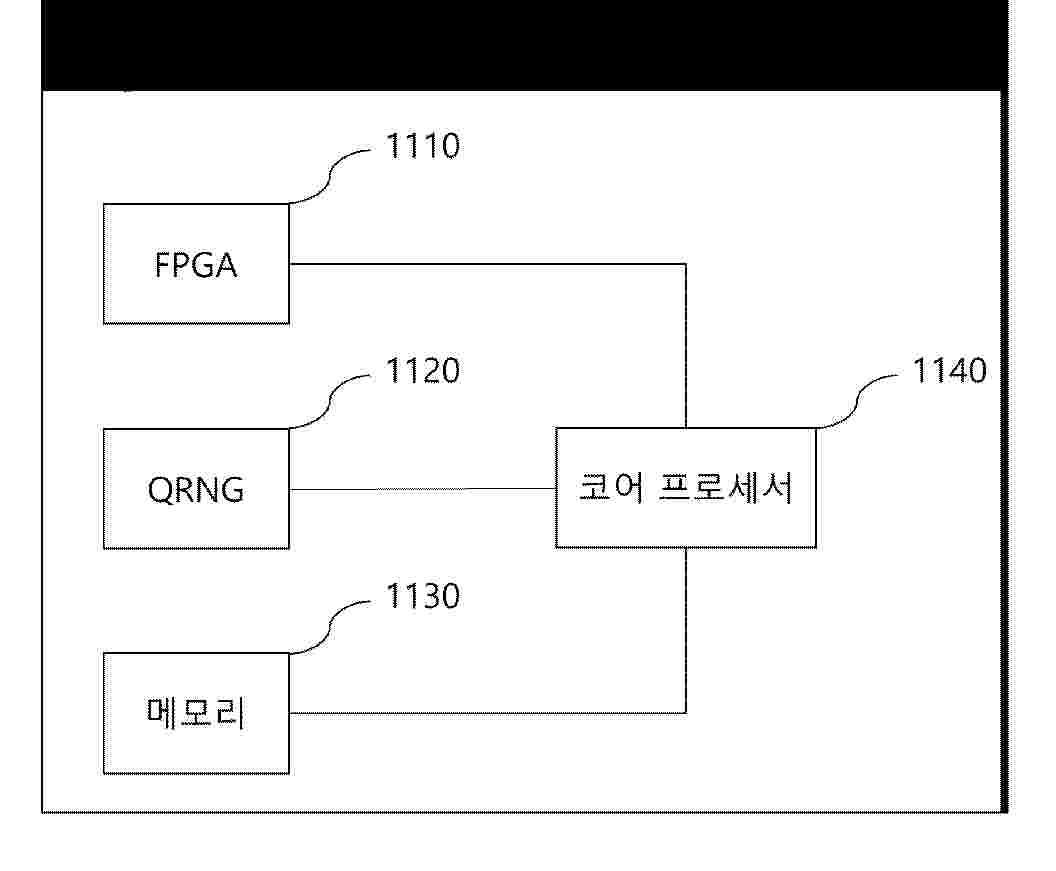
0001a 본 발명은 무인이동체(UAV, UGV, USV, 드론, 로봇 등)의 보안 강화를 위한 암호화 모듈 및 보안 통신 시스템에 관한 것이다. 특히, 본 발명의 암호화 모듈은 FPGA 및 코어 프로세서를 포함하며, QRNG(양자 난수 발생기), TRNG(하드웨어 난수 발생기), PRNG(소프트웨어 난수 발생기) 를 선택적으로 활용하여 보안 키를 생성할 수 있다.본 발명의 암호화 모듈은 양자내성암호(PQC) 및 대칭키 암호(AES-256, ARIA-256, HMAC 등)를 수행하며, FPGA를 활용한 하드웨어 가속을 통해 암호 연산 성능을 향상시킨다.본 발명의 암호화 모듈은 무인이동체 내부 네트워크 인터페이스와 연결되며, PQC 기반 키 검증 프로토콜을 이용하여 외부와의 안전한 보안 통신을 수행할 수 있다.
Resumen de: KR20260126063A
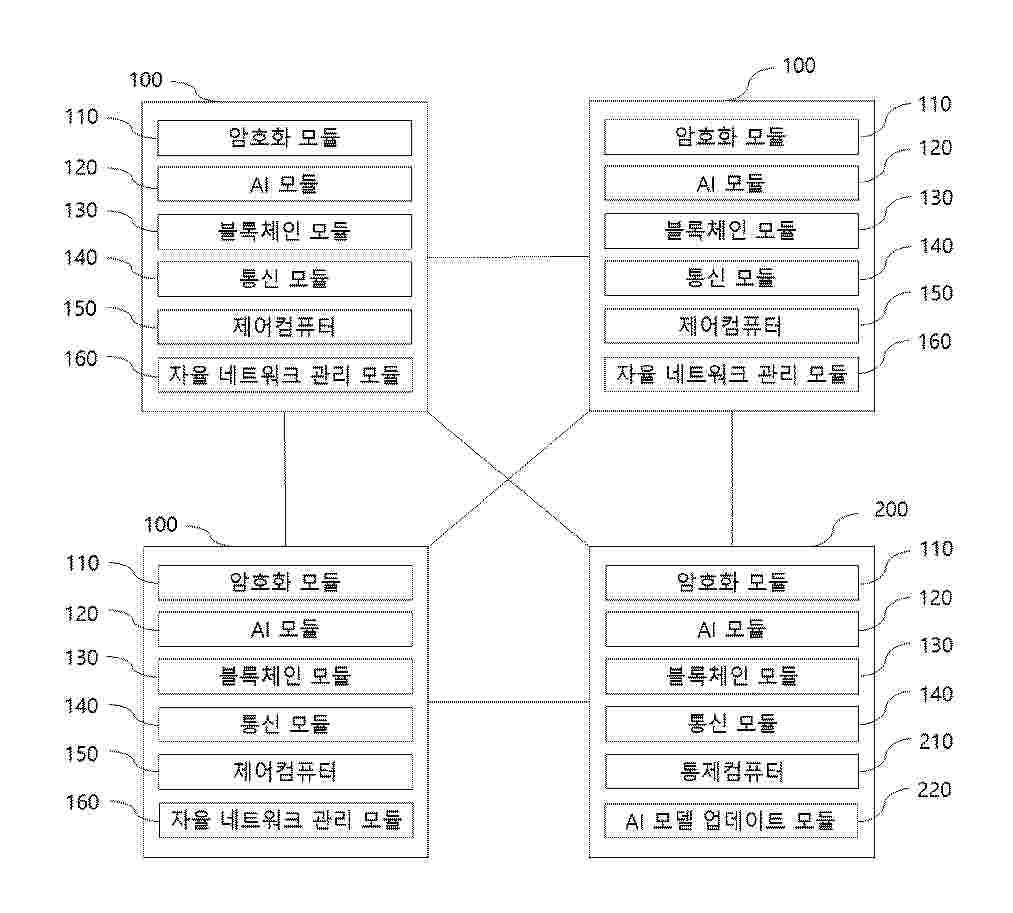
본 발명은 무인이동체 간 보안성이 요구되는 환경에서 AI 기반 위협 탐지 및 블록체인 스마트 컨트랙트를 활용한 보안 통신 시스템을 제공한다. FPGA 기반 암호 연산 모듈과 TRNG(True Random Number Generator) 및 QRNG(Quantum Random Number Generator)를 이용하여 양자내성암호(PQC) 기반의 보안 키를 생성하고, 이를 블록체인을 통해 안전하게 관리한다. 또한, AI 기반 위협 탐지 기능을 활용하여 실시간 네트워크 이상 징후를 감지하고, 블록체인 기술을 적용하여 데이터 무결성과 인증을 보장한다. 본 발명은 다중 네트워크(5G, 위성통신, LoRa) 환경에서 안정적인 통신을 지원하며, AI 모델 업데이트 모듈을 통해 지속적으로 보안성을 강화할 수 있도록 한다. 이를 통해 기존 중앙집중형 보안 방식의 한계를 극복하고, 자율 네트워크 관리 및 보안성이 강화된 무인이동체 시스템을 구현할 수 있다.
Resumen de: CN122601197A
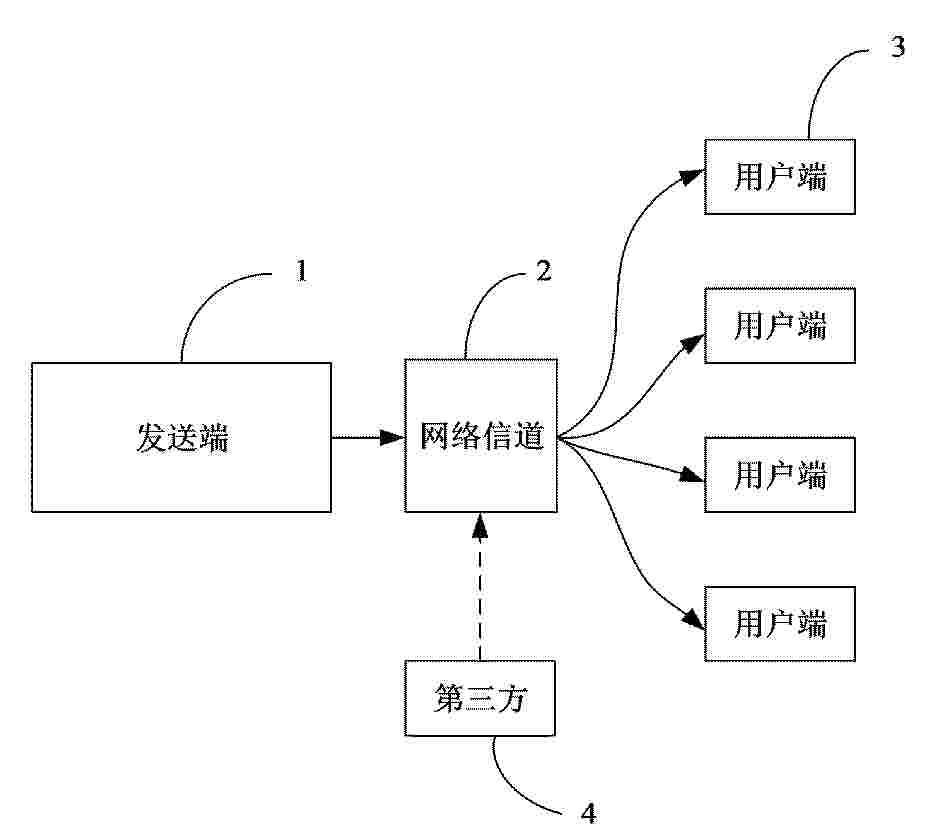
本申请提供了一种量子密钥分发系统,可以应用于量子信息技术领域。该系统包括发送端、网络信道和N个用户端;发送端被配置为:信号光经由网络信道广播至N个用户端;基于N个用户端上报的数据,确定每个用户端的压缩函数,并把每个用户端的压缩函数发送至对应的用户端;根据每个用户端对应的网络信道被第三方窃取的信息量的上限和每个用户端与N个用户端中的其他用户端之间的互信息量的总和中的最大值,以及每个用户端的压缩函数,对每个用户端与发送端之间的互信息量进行压缩,基于每个用户端与发送端之间的安全互信息量,与每个用户端进行协商,确定每个用户端与发送端之间的量子密钥,以完成每个用户端量子接入网。
Resumen de: CN122601391A
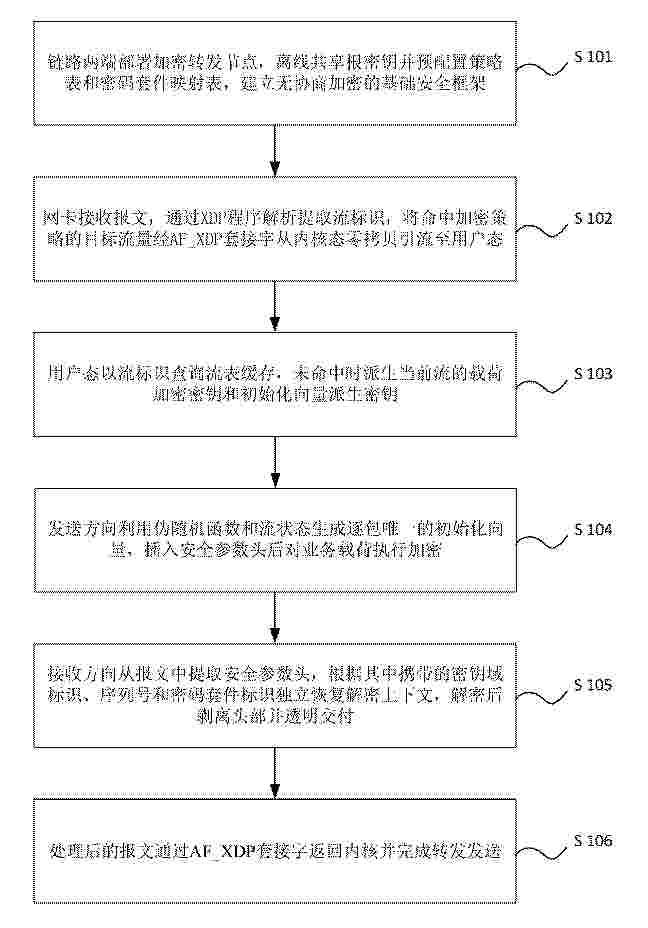
0001 本发明提供一种无协商透明加密转发方法及系统,包括:在链路两端部署前置加密转发节点,离线共享根密钥并预配置策略表和密码套件映射表;报文到达网卡后,通过XDP程序提取流标识,将命中策略的目标流量经AF_XDP套接字引流至用户态;基于流标识查询流表缓存,未命中时派生载荷加密密钥和初始化向量派生密钥;对于发送方向报文,生成初始化向量,插入安全参数头并对业务载荷加密;对于接收方向报文,从安全参数头中提取信息恢复解密上下文,完成解密并剥离安全参数头后透明交付;处理后的报文通过AF_XDP套接字返回内核并转发。本发明无需在线协商且不修改原有设备协议,可实现低侵入透明加密,满足高频小包场景下的高性能转发需求。
Resumen de: CN122601237A
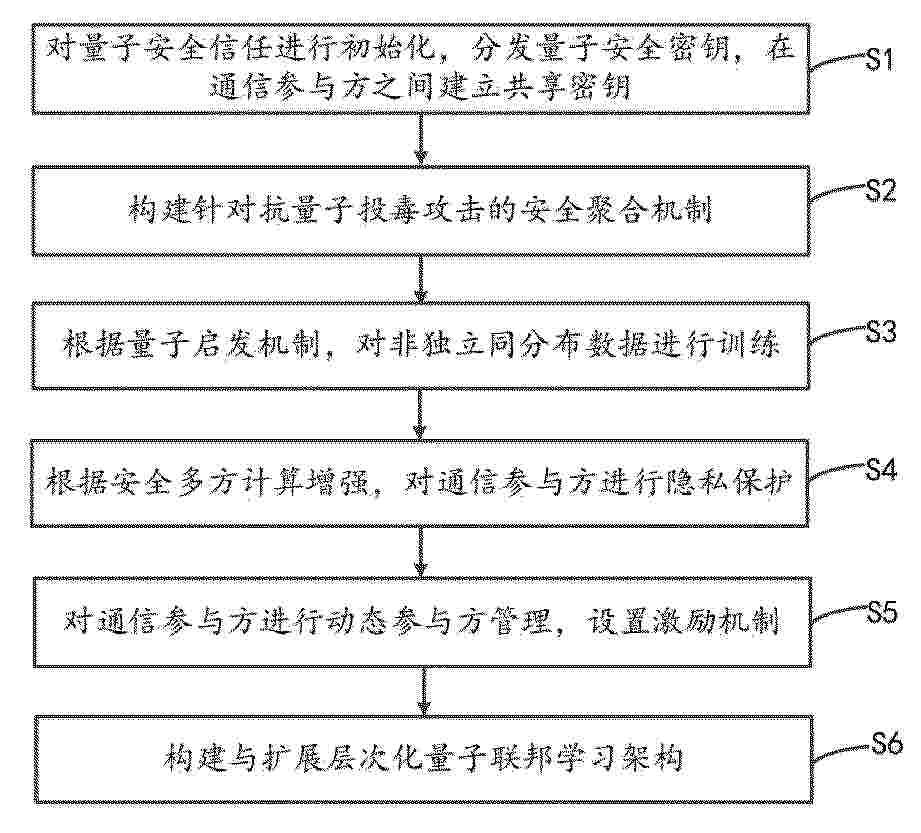
0001 本发明属于量子通信领域,涉及基于量子安全多方计算的联邦学习方法、装置及电子设备,方法包括:对量子安全信任进行初始化,分发量子安全密钥,在通信参与方之间建立共享密钥;构建针对抗量子投毒攻击的安全聚合机制;根据量子启发机制,对非独立同分布数据进行训练;根据安全多方计算增强,对通信参与方进行隐私保护;对通信参与方进行动态参与方管理,设置激励机制;构建与扩展层次化量子联邦学习架构。有效抵御Shor算法等量子计算威胁,可支持金融、医疗等高敏感场景的实时加密需求;可防止通过逆向工程推断原始数据,确保联邦学习在跨机构协作中的安全性;通过同态加密确保数据在密文状态下完成聚合运算,避免中间过程泄露风险。
Resumen de: CN122601324A
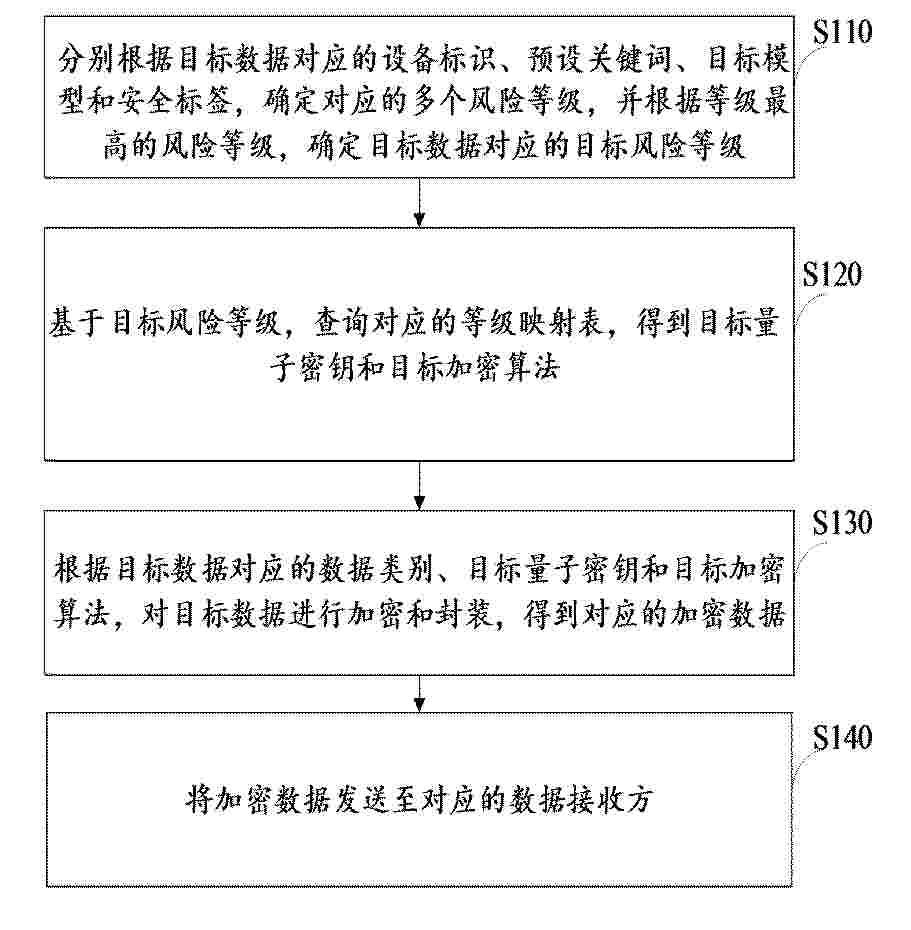
本申请提供一种物联网数据的加密传输方法、装置、设备及介质,用于物联网数据安全技术领域,包括:分别根据目标数据对应的设备标识、预设关键词、目标模型和安全标签,确定对应的多个风险等级,并根据等级最高的风险等级,确定目标数据对应的目标风险等级;基于目标风险等级,查询对应的等级映射表,得到目标量子密钥和目标加密算法;根据目标数据对应的数据类别、目标量子密钥和目标加密算法,对目标数据进行加密和封装,得到对应的加密数据;将加密数据发送至对应的数据接收方;如此,提高了物联网数据传输的安全性,提升了对数据安全风险的实施评估效果,降低了加密资源的消耗。
Resumen de: CN122601172A
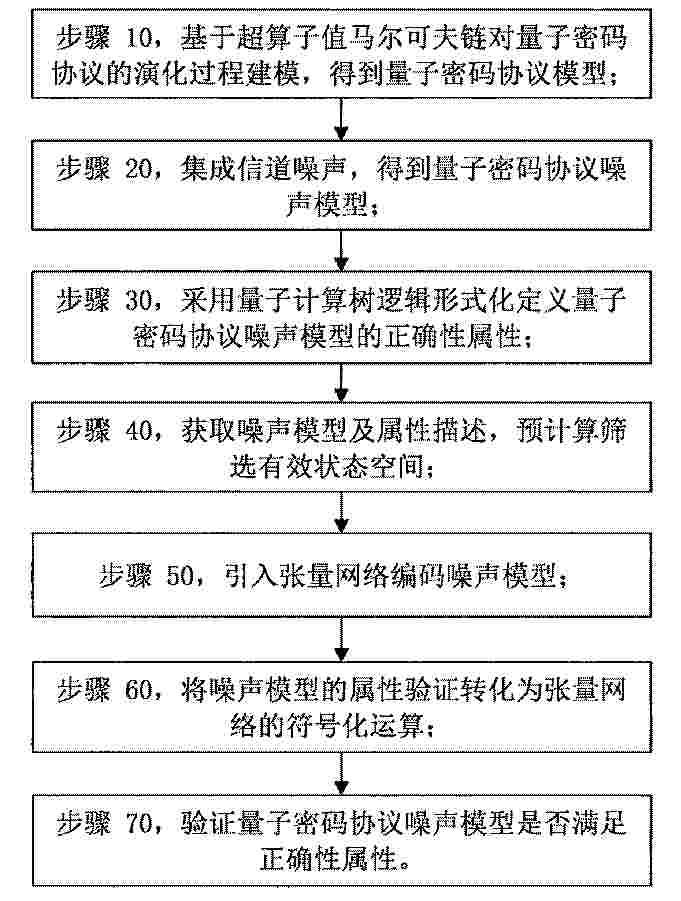
本发明提供一种基于张量网络的量子马尔可夫链高效验证方法,包括:步骤10,基于超算子值马尔可夫链对量子密码协议的演化过程建模,得到量子密码协议模型;步骤20,集成信道噪声,得到量子密码协议噪声模型;步骤30,采用量子计算树逻辑形式化定义量子密码协议噪声模型的正确性属性;步骤40,获取噪声模型及属性描述,预计算筛选有效状态空间;步骤50,引入张量网络编码噪声模型;步骤60,将噪声模型的属性验证转化为张量网络的符号化运算;步骤70,验证量子密码协议噪声模型是否满足正确性属性。本发明提供的一种基于张量网络的量子马尔可夫链高效验证方法,在协议建模过程中考虑噪声,于底层运算利用张量网络进行适配压缩,提高模型检测的效率。
Resumen de: CN122601236A
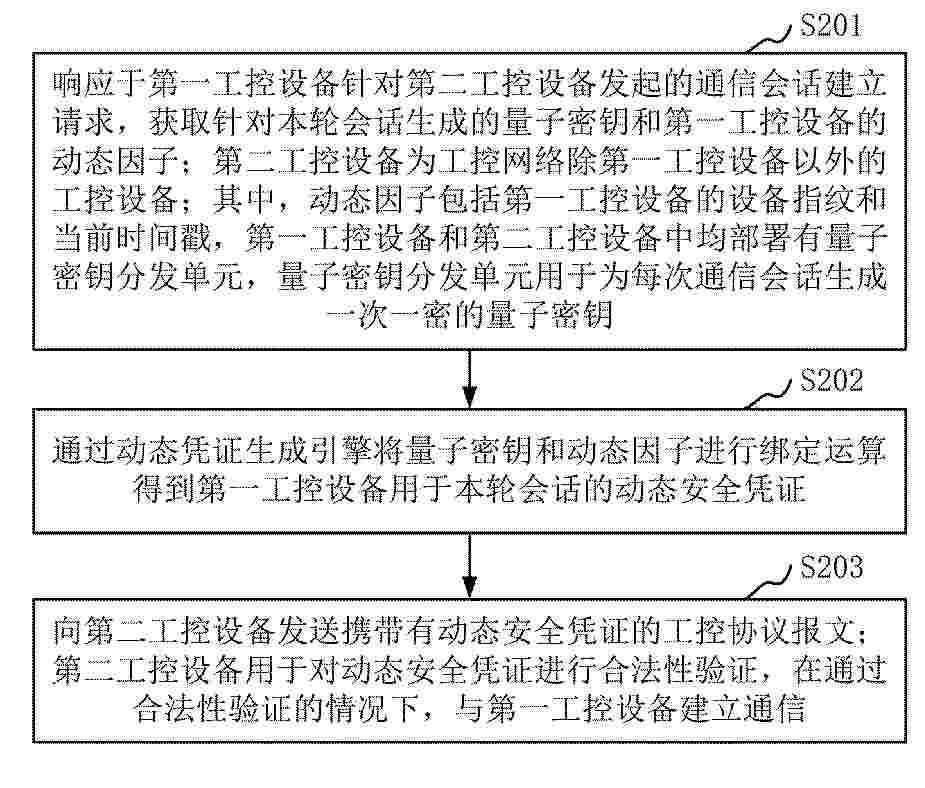
本申请涉及一种工控协议安全防护方法、装置、计算机设备和存储介质。所述方法包括:响应于第一工控设备针对第二工控设备发起的通信会话建立请求,获取针对本轮会话生成的量子密钥和第一工控设备的动态因子,第一工控设备和第一工控设备中均部署有量子密钥分发单元,量子密钥分发单元用于为每次通信会话生成一次一密的量子密钥,通过动态凭证生成引擎将量子密钥和动态因子进行绑定运算,得到第一工控设备用于本轮会话的动态安全凭证,向第二工控设备发送携带有动态安全凭证的工控协议报文,第二工控设备对动态安全凭证进行合法性验证,在通过合法性验证的情况下,与第一工控设备建立通信。采用本方法提高了工控协议防护的安全性。
Resumen de: CN122601202A
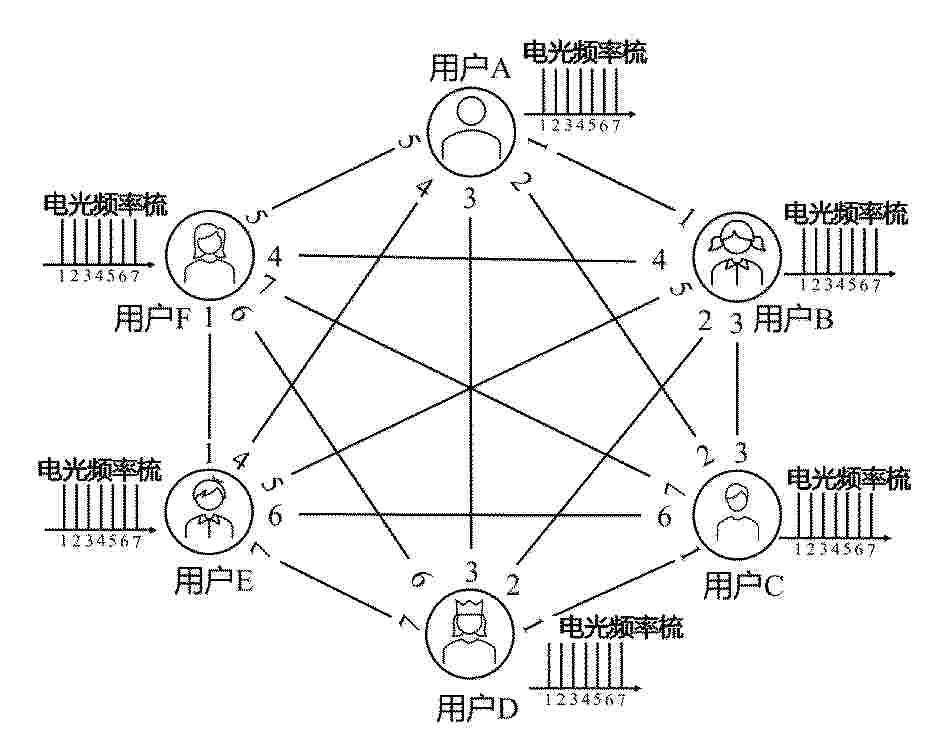
本申请公开了一种基于中心泵浦分发频率梳的量子安全组网装置及方法,涉及量子信息技术领域,通过中心泵浦激光分发单元将泵浦激光同时分发至各用户节点,使每个用户节点能够独立产生电光频率梳;通过电光频率梳产生单元结合薄膜铌酸锂级联调制器及电容加载慢波电极结构,有效降低了半波电压并提升了调制带宽;通过双光子干涉与量子密钥分发单元对编码后的梳齿进行偏振控制和光子探测,基于双光子干涉效应实现量子密钥分发。上述各功能模块依次衔接、协同工作,使泵浦光分发、电光梳产生、滤波编码、偏振控制及双光子干涉探测形成完整闭环,实现多用户全连接场景下高安全、高效率的量子密钥分发,满足大规模量子安全组网的实际应用需求。
Resumen de: CN122601383A
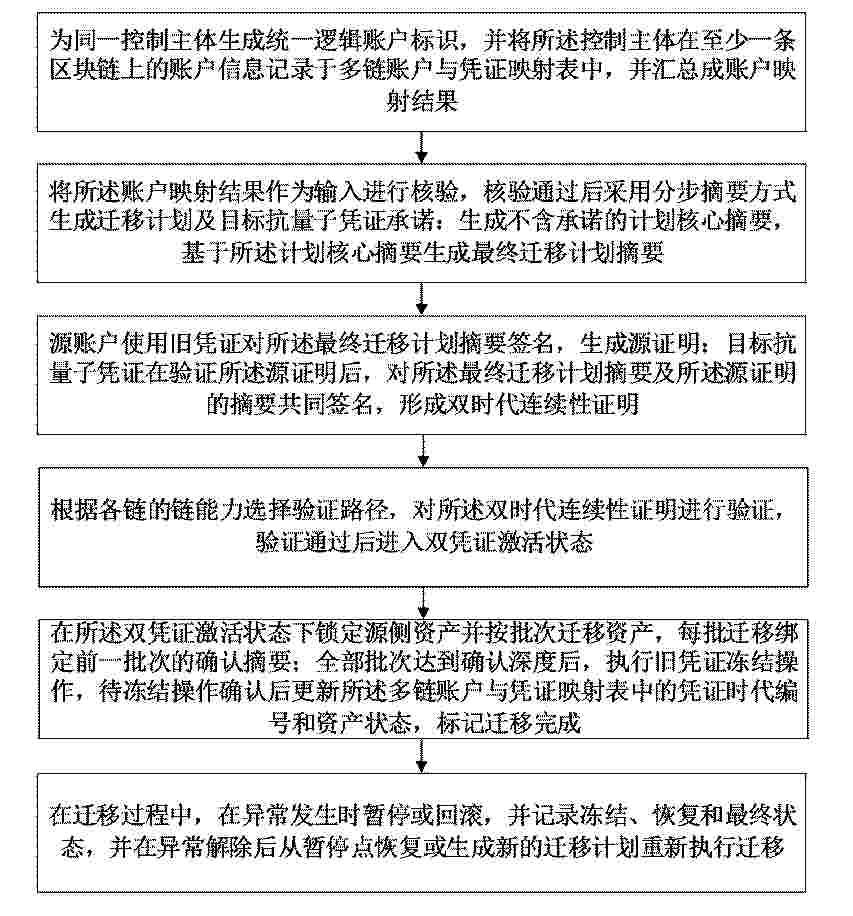
0001 本发明公开了一种支持多链的抗量子账户凭证融合迁移与连续验证方法及系统,属于抗量子密码与区块链技术领域,该方法包括:生成账户标识,记录多链账户映射并汇总为账户映射结果;生成迁移计划及目标抗量子凭证承诺。源账户旧凭证签署生成源证明,目标凭证验证后签署生成双时代连续性证明。按链能力选择验证路径,验证通过后进入双凭证激活,锁定源资产并按批次迁移,每批绑定前批确认摘要;全部完成后冻结旧凭证,更新映射表标记完成。异常时触发暂停或回滚。本发明实现了多链环境下传统账户向抗量子账户的安全可控迁移,兼容原生链、合约链和存量链,支持异常恢复与审计溯源,保障了量子计算时代数字资产的控制权连续性和跨链操作可靠性。
Resumen de: CN122601177A
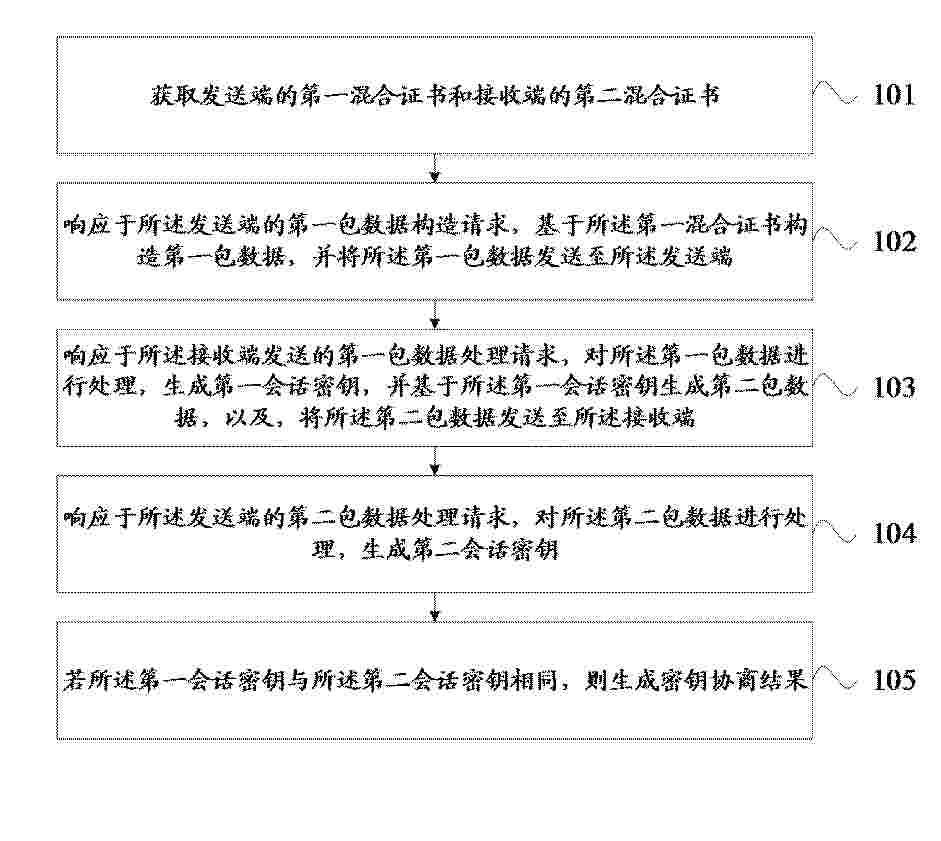
本申请公开了一种抗量子密钥协商方法、装置、电子设备和可读存储介质,属于量子网络安全技术领域。包括:抗量子密钥协商系统获取发送端的第一混合证书和接收端的第二混合证书;响应于发送端的第一包数据构造请求,基于第一混合证书构造第一包数据,并将第一包数据发送至发送端;响应于接收端发送的第一包数据处理请求,对第一包数据进行处理,生成第一会话密钥,并基于第一会话密钥生成第二包数据,以及,将第二包数据发送至接收端;响应于发送端的第二包数据处理请求,对第二包数据进行处理,生成第二会话密钥;若第一会话密钥与第二会话密钥相同,则生成密钥协商结果。本申请确保了通信的前向安全性。
Nº publicación: CN122601184A 18/08/2026
Solicitante:
利安人寿保险股份有限公司
Resumen de: CN122601184A
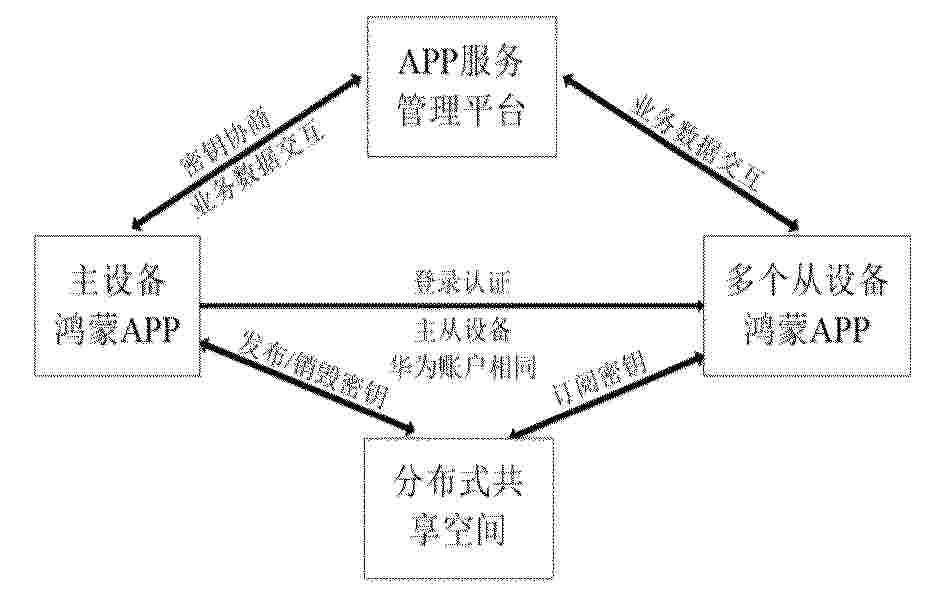
0001 本发明涉及一种鸿蒙分布式多终端抗量子密钥协同及数据防护方法,调用鸿蒙系统原生API生成SM4对称加密密钥,采用NTRU抗量子密钥算法对所生成的SM4密钥进行加密保护,通过SM2非对称加密算法对SM4密钥明文进行数字签名,依托安全通信通道完成多端密钥协商流程,生成与主设备的账号登录状态进行绑定的动态SM4密钥;将协商完成的动态SM4密钥存入分布式键值数据库中进行安全存储与多端同步,从设备在完成对主设备的合法性双向认证后,从该分布式键值数据库中读取对应的密钥资源,供从设备后续与服务端进行业务数据交互过程中的加解密使用。本发明兼顾安全性与传输效率,有效抵御量子攻击、数据篡改等威胁,保障分布式场景下数据交互的安全合规。
 BOPI
BOPI
 Sede Electrónica