Si deseas distinguir tus productos, servicios o ambos de los de otra empresa, es posible que necesites una marca o nombre comercial. Descubre qué son, en qué consiste su procedimiento de registro y qué implica.

Información sobre los plazos de presentación de solicitudes de transformación de marcas de la Unión Europea en marca nacional española. Más información


Si tienes un nuevo dispositivo, producto o procedimiento que resuelva un problema técnico o tenga una ventaja práctica, existen distintas formas de protegerlo en España y en otros países. Descubre cómo hacerlo.

¿Tu innovación reside en la estética, la ornamentación o la apariencia de tu producto? Protégela mediante un diseño industrial. Descubre qué derechos confiere el registro y cómo realizar la tramitación.

Las indicaciones geográficas protegen el nombre de un producto originario de una zona geográfica, a la cual le debe una determinada calidad, reputación u otra característica. Descubre qué son, en qué consiste su procedimiento de registro y qué beneficios conceden.

Las patentes publicadas en todo el mundo son una valiosa fuente de información científica, técnica y comercial.

Si eres emprendedor/a o una empresa y quieres potenciar y mejorar la rentabilidad de tu negocio protegiendo de forma adecuada los activos intangibles de tu organización, en este espacio encontrarás lo necesario.


 292
resultados
292
resultados
 Última actualización
24/10/2026 [09:06:00]
Última actualización
24/10/2026 [09:06:00]


 Resultados 175 a 200 de 292

Resumen de: CN122578180A
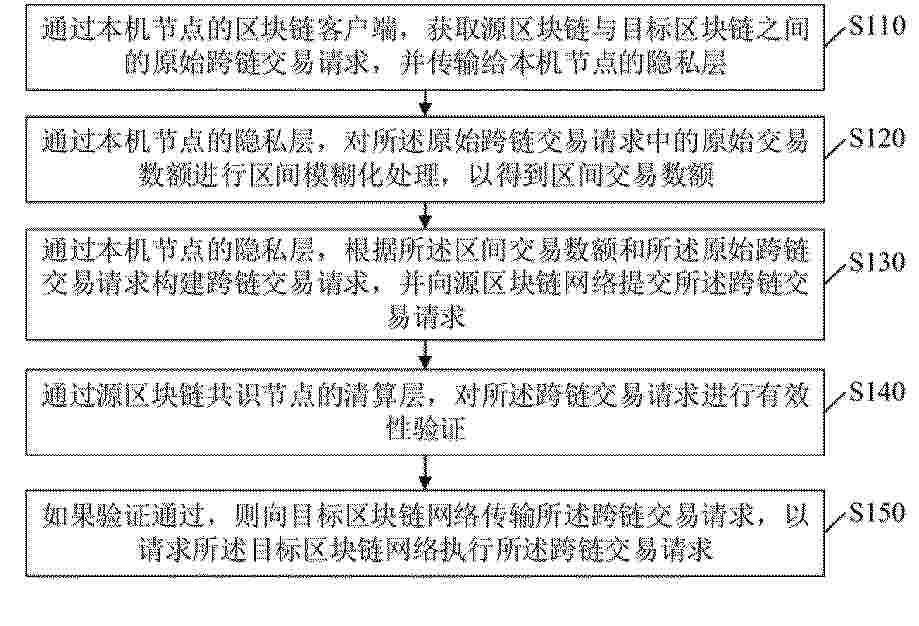
本发明公开了一种资源交易的跨链处理方法、装置、设备及介质,涉及区块链技术领域。该方法包括:通过本机节点的区块链客户端获取源区块链与目标区块链之间的原始跨链交易请求并传输给本机节点的隐私层;通过本机节点的隐私层区间模糊化处理原始跨链交易请求中的原始交易数额得到区间交易数额,并结合原始跨链交易请求构建向源区块链网络提交的跨链交易请求;通过源区块链共识节点的清算层对跨链交易请求进行有效性验证,如果验证通过,则向目标区块链网络传输跨链交易请求,以请求目标区块链网络执行跨链交易请求。通过本发明的技术方案,能够在跨链交易过程中实现隐私保护与监管合规的平衡,提高了跨链清算在量子计算时代的安全性及效率。

Resumen de: CN122579108A
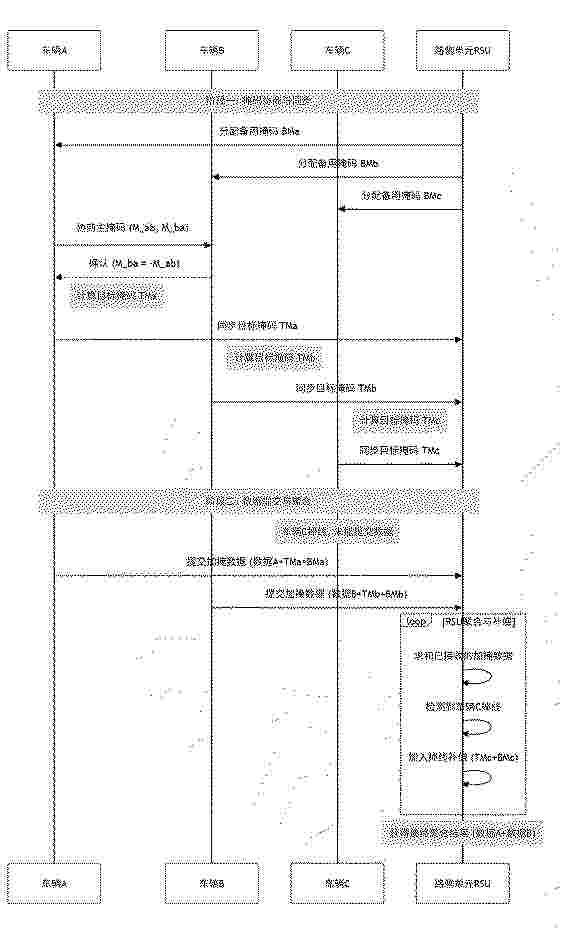
本发明公开了一种用于车联网的轻量级隐私保护数据共享方法,涉及车联网技术领域。该方法旨在解决现有隐私保护方案计算开销大且在动态网络中鲁棒性差的问题。方法包括:车辆间生成互为相反数的主掩码;每辆车计算其主掩码之和得到目标掩码,并同步给路侧单元;数据共享时,车辆提交叠加有待共享数据和目标掩码的加掩数据;路侧单元对收到的加掩数据求和;当有车辆掉线时,路侧单元将该掉线车辆的目标掩码加入求和结果中进行补偿,以获得准确的聚合数据。本发明仅依赖加减法运算,计算开销低,且能有效应对车辆掉线,保证了数据聚合的鲁棒性和隐私性。
Resumen de: CN122578136A
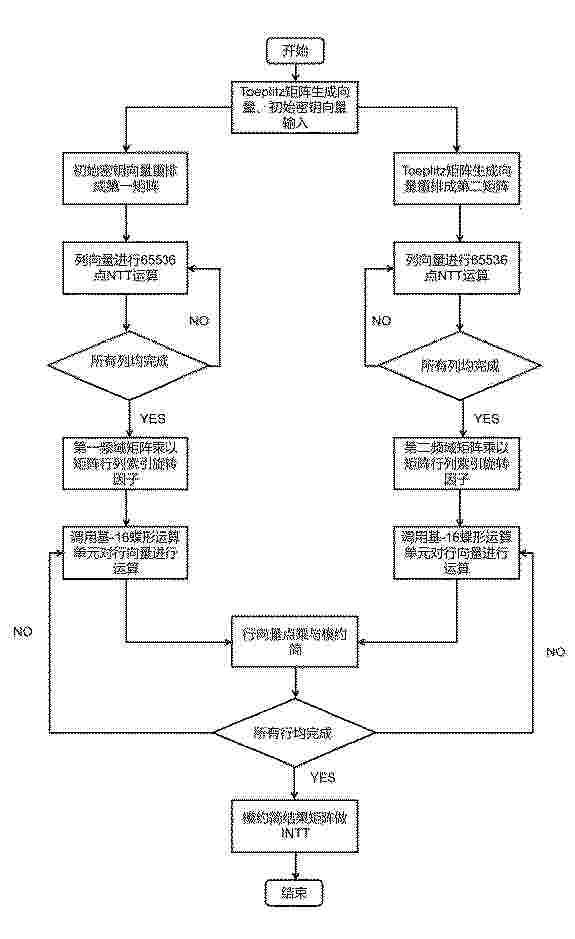
本发明公开了一种基于数论变换的QKD快速隐私放大方法,其将初始密钥向量与Toeplitz矩阵生成向量均基于行列分解思想,重塑为相同行数和列数的第一矩阵和第二矩阵;对两矩阵的相应列向量分别执行NTT运算;对每个数据乘以对应的行列旋转因子;遍历相应行向量调用基‑r蝶形运算单元执行一次蝶形运算后进行点乘与模约简;对模约简结果矩阵中的行向量调用基‑r蝶形运算单元执行一次蝶形运算,再对蝶形运算结果矩阵中的每列向量执行INTT运算;重组得到最终密钥。本发明采用有限域整数NTT运算避免浮点误差,通过基‑r蝶形单元复用及矩阵化并行架构,在保证运算绝对精度的前提下,以低硬件资源消耗实现高吞吐率隐私放大,能够满足高速QKD系统的实时处理需求。
Resumen de: CN122578127A
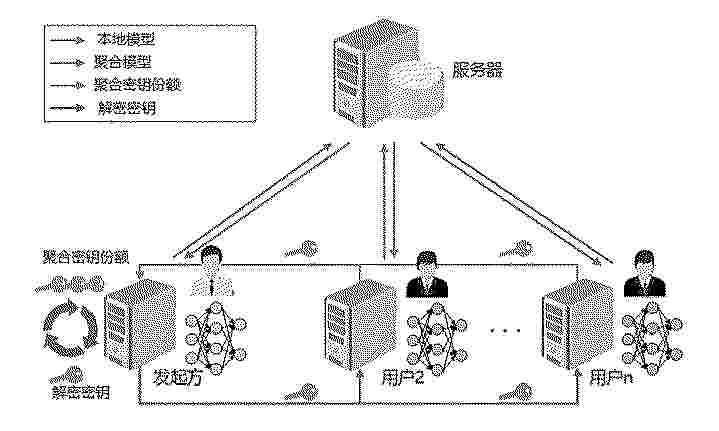
本发明公开了一种基于线性同态加密的后量子联邦学习聚合方法,涉及数据安全技术领域,将基于格基构造、满足选择明文攻击安全性的对称线性同态加密应用于联邦学习参数加密,利用对称线性同态加密的线性同态特性在加密状态下完成参数聚合,包括:协议初始化、密钥收集与协商、本地训练与参数加密、解密密钥重构和加密态参数聚合、解密与模型更新六个环节;针对现有联邦学习同态加密聚合协议的多项短板开展优化:提升加密参数聚合效率,降低计算、加解密与通信开销;搭建全后量子安全架构,抵御量子攻击、保障参数隐私;支持差异化权重分配与用户掉线容错,贴合真实训练场景;最终构建出兼顾隐私安全、运行高效、实用性强的新型聚合协议。
Resumen de: CN122578326A
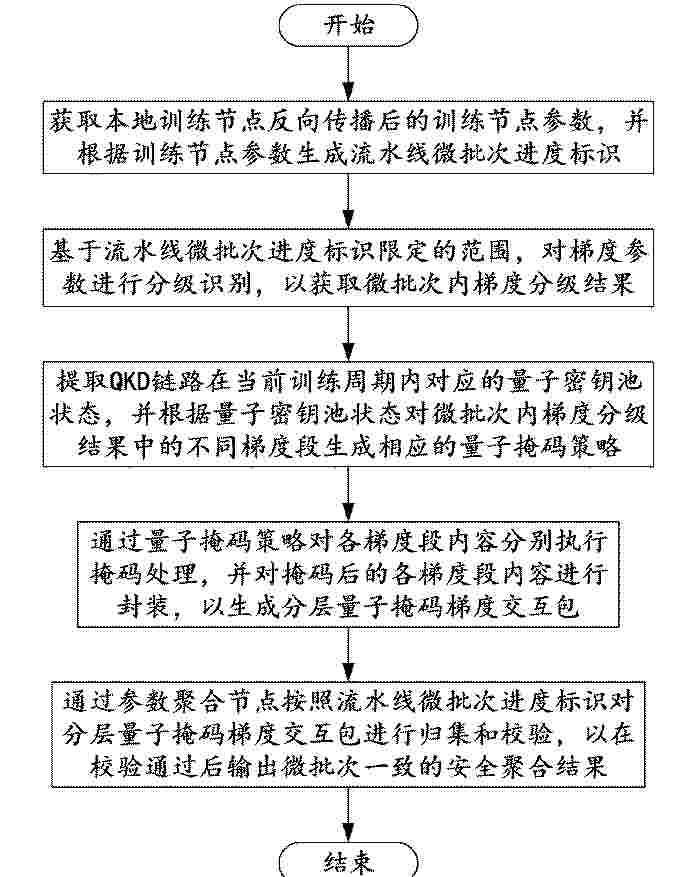
0001 本公开提供一种基于量子加密的大模型跨节点参数安全交互方法,包括:获取本地训练节点反向传播后的训练节点参数,根据训练节点参数生成流水线微批次进度标识。基于流水线微批次进度标识限定的范围,对梯度参数进行分级识别,以获取微批次内梯度分级结果。提取QKD链路在当前训练周期内对应的量子密钥池状态,根据量子密钥池状态对微批次内梯度分级结果中的不同梯度段生成相应的量子掩码策略。通过量子掩码策略对各梯度段内容分别执行掩码处理,对掩码后的各梯度段内容进行封装,以生成分层量子掩码梯度交互包。通过参数聚合节点按照流水线微批次进度标识对分层量子掩码梯度交互包进行归集和校验,在校验通过后输出微批次一致的安全聚合结果。
Resumen de: CN122578318A
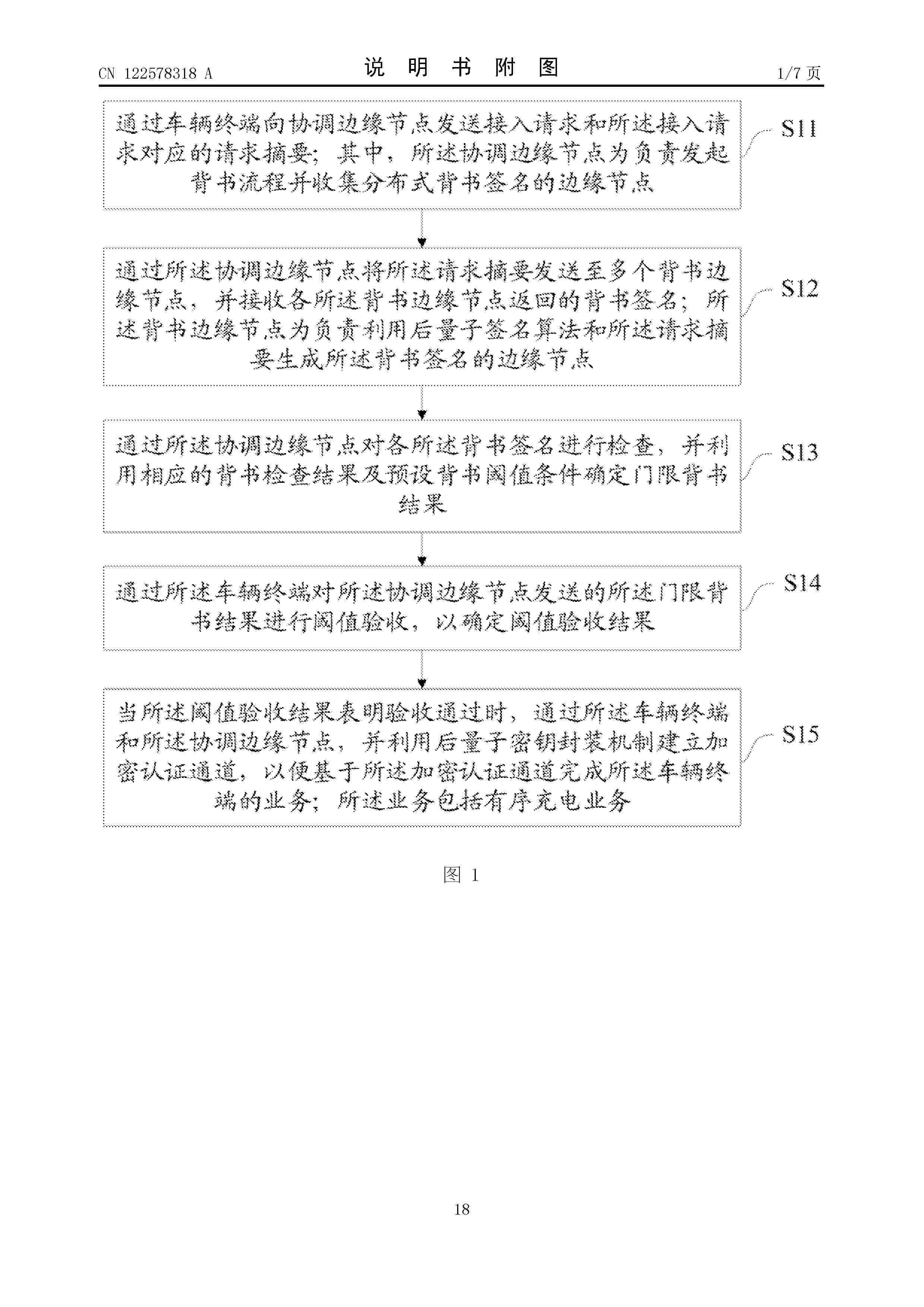
本申请公开了一种车辆分布式安全接入方法、装置、设备及存储介质,涉及车辆充电信息安全技术领域,应用于预设分布式安全接入系统,包括:通过车辆终端向协调边缘节点发送接入请求和请求摘要;通过协调边缘节点将请求摘要发送至多个背书边缘节点,接收背书边缘节点返回的背书签名;通过协调边缘节点检查背书签名,利用背书检查结果及预设背书阈值条件确定门限背书结果;通过车辆终端对门限背书结果进行阈值验收,当阈值验收结果表明验收通过时,通过车辆终端和协调边缘节点,并利用后量子密钥封装机制建立加密认证通道,以便基于加密认证通道完成车辆终端的业务;业务包括有序充电业务。本申请实现了兼顾安全性、实时性及可用性的车辆分布式接入。
Resumen de: CN122573461A
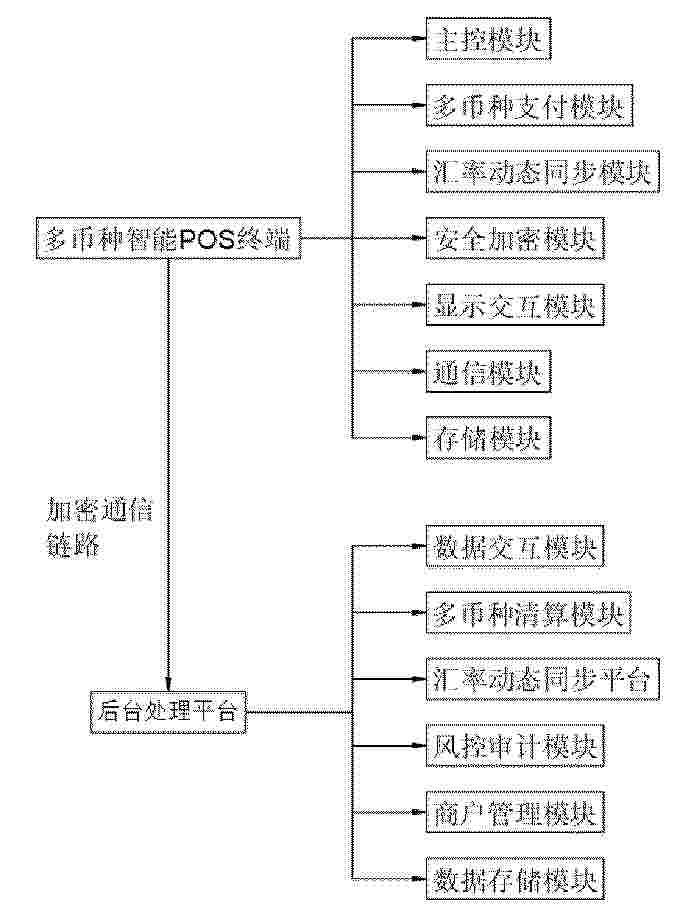
本发明涉及支付终端技术领域,且公开了多币种智能POS终端及处理系统,其中,多币种智能POS处理系统,包括多币种智能POS终端和后台处理平台,所述多币种智能POS终端与后台处理平台通过加密通信链路建立双向数据交互,所述多币种智能POS终端用于采集支付信息、执行支付操作并反馈交易结果,所述后台处理平台用于完成多币种清算、汇率同步、风控审计及数据管理;本发明实现多币种汇率实时同步,通过对接权威汇率供应商,按预设周期同步汇率数据,结合汇率校验与缓存机制,确保汇率数据的准确性、时效性,避免因汇率更新滞后导致的商户或消费者损失,同时在网络中断时保障交易正常进行,提升系统稳定性。
Resumen de: US20260238465A1
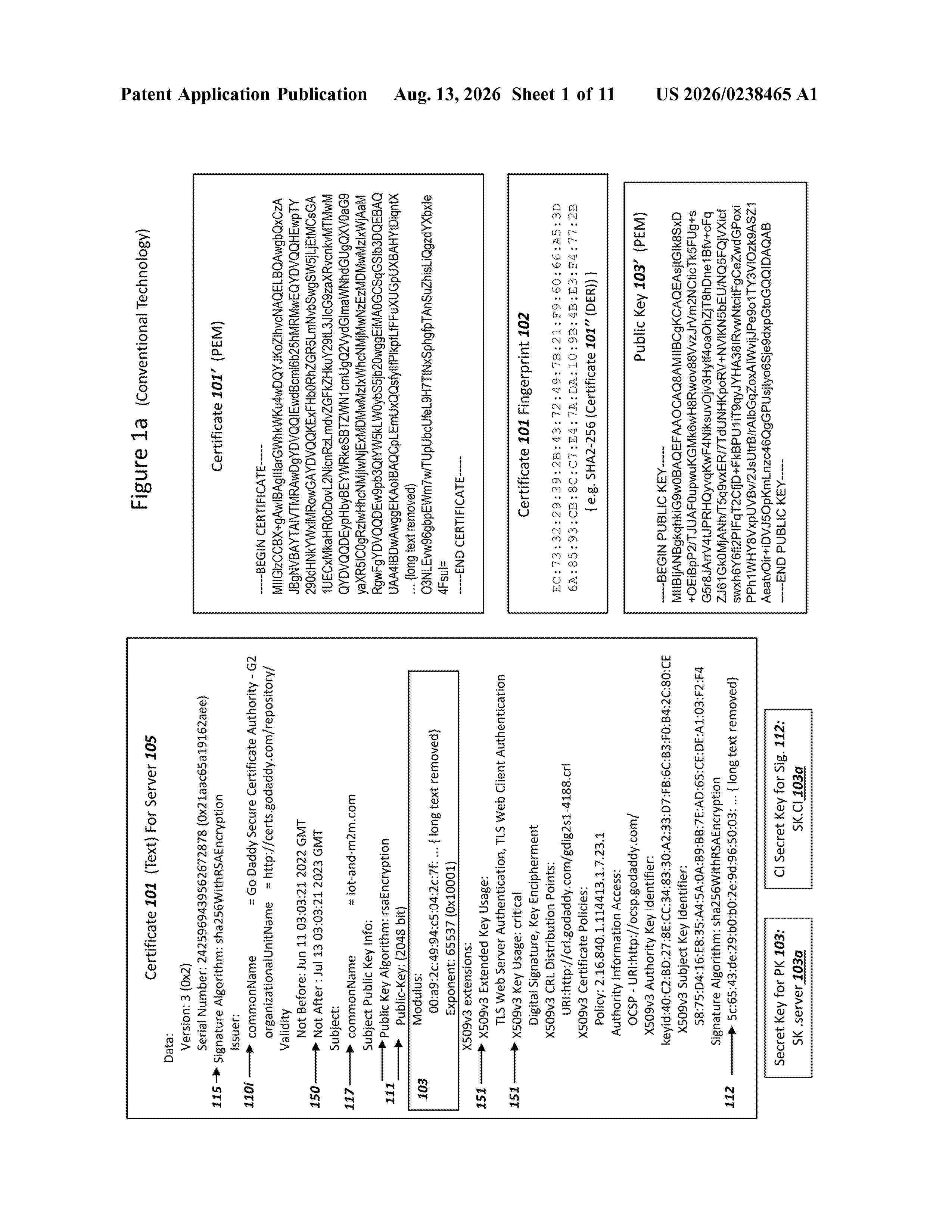
0000 A quantum safe blockchain system can operate with quantum safe blockchain nodes (QSBN) and validators. A QSBN can generate a pending register certificate transaction comprising a public key, a fingerprint for a certificate, a URL for the certificate, a first registration number for a parent certificate of the certificate, and a digital signature. The QSBN can transmit the pending register certificate transaction to the quantum safe blockchain system. A validator can receive the pending transaction, validate the digital signature using the public key and include a confirmed register certificate transaction in a block. The confirmed transaction can include a second registration number for the certificate. The QSBN can receive the confirmed transaction and store in a database the fingerprint, the first registration number, and the second registration number. The QSBN can generate a pending certificate revocation transaction for the certificate, and transmit the pending transaction to the blockchain system.
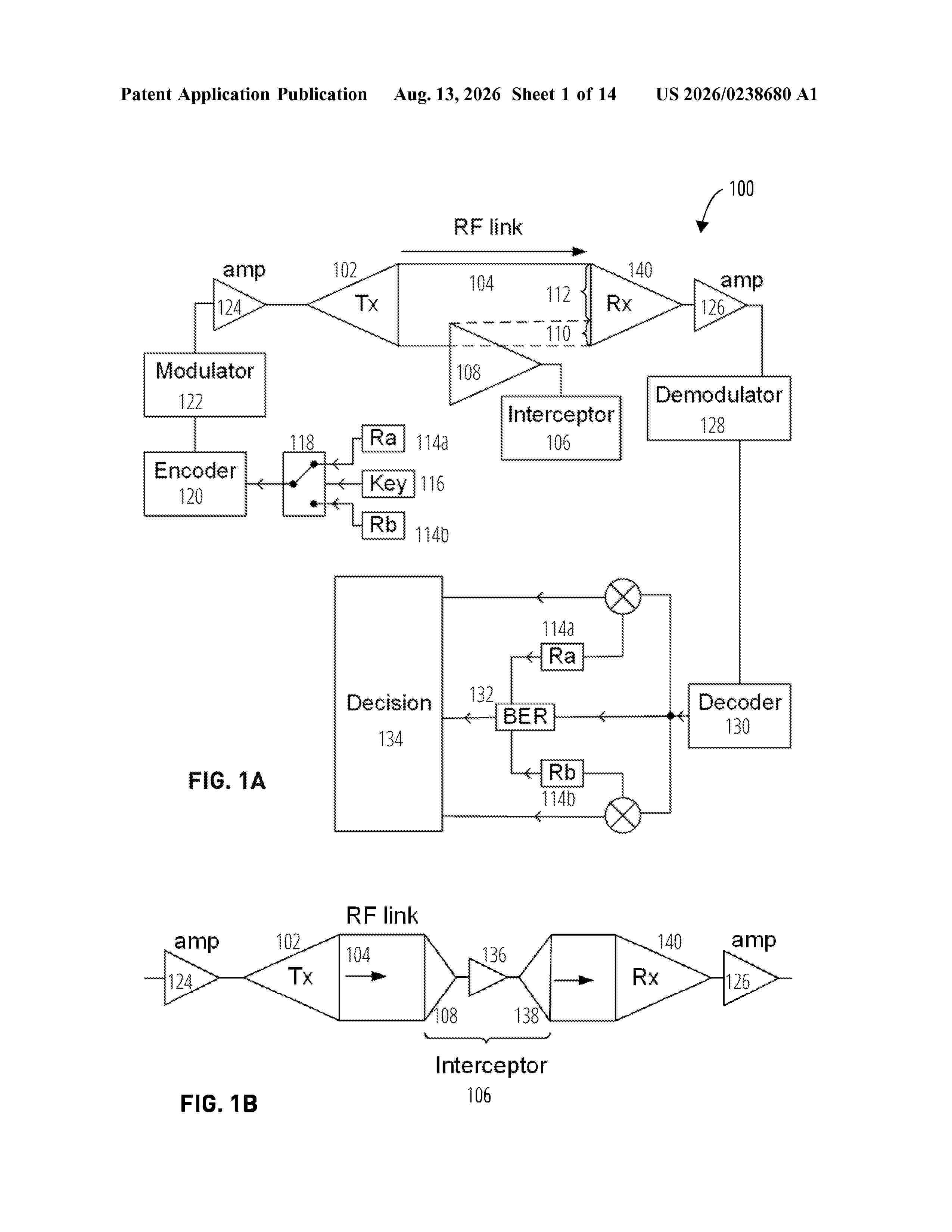
Resumen de: US20260238680A1
A method of monitoring a transmission includes obtaining one or more values of bit error rate (BER) of the transmission received at a receiver; and determining that the transmission has been intercepted based on a deviation of the obtained bit error rate value from an expected bit error rate value.
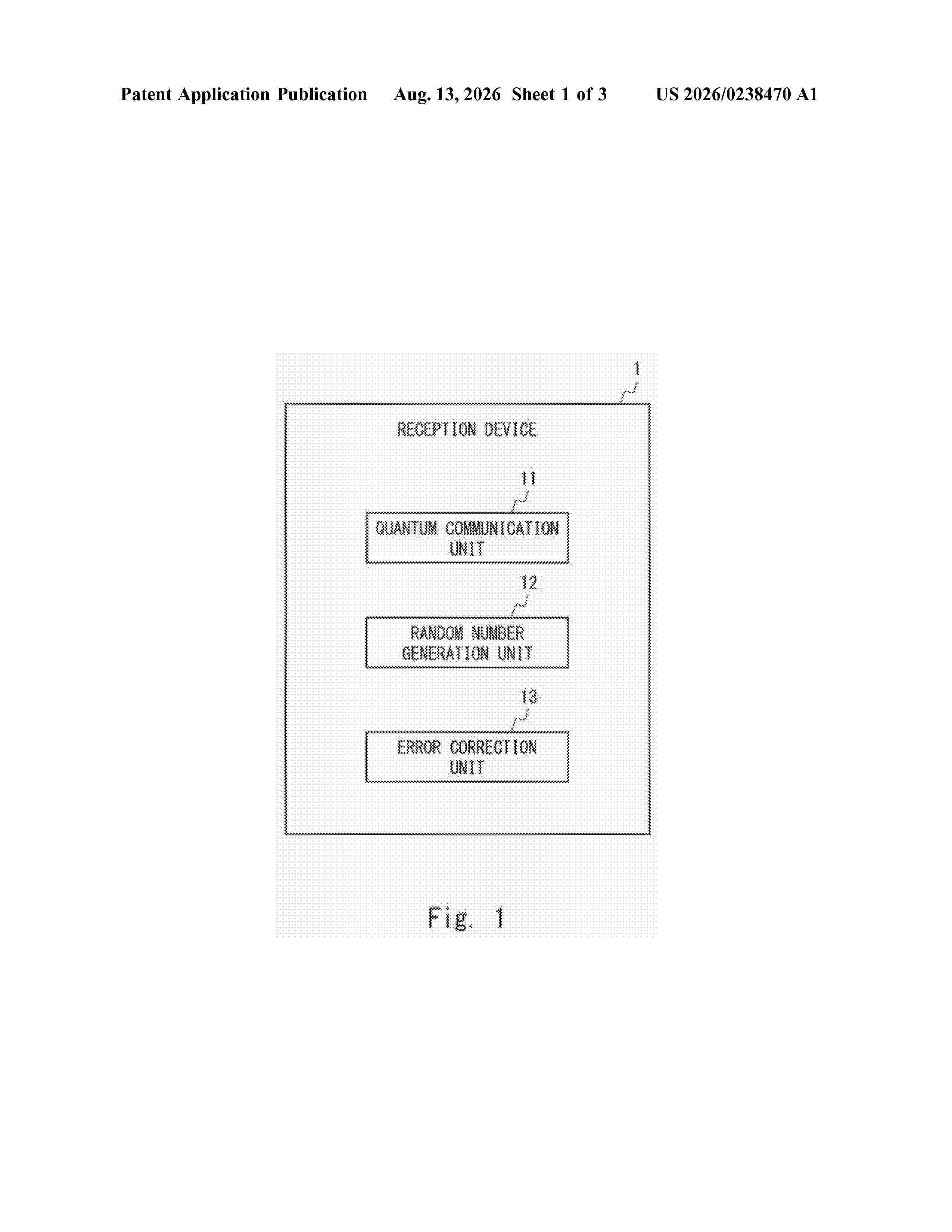
Resumen de: US20260238470A1
0000 A reception device comprises: a quantum communication unit that receives key information, including information from which a shift key is derived; a random number generation unit that generates a random number in which a portion of the key information is compressed on the basis of a characteristic value of noise in the reception of the key information; and an error correction unit that performs information reconciliation on the basis of the random number.
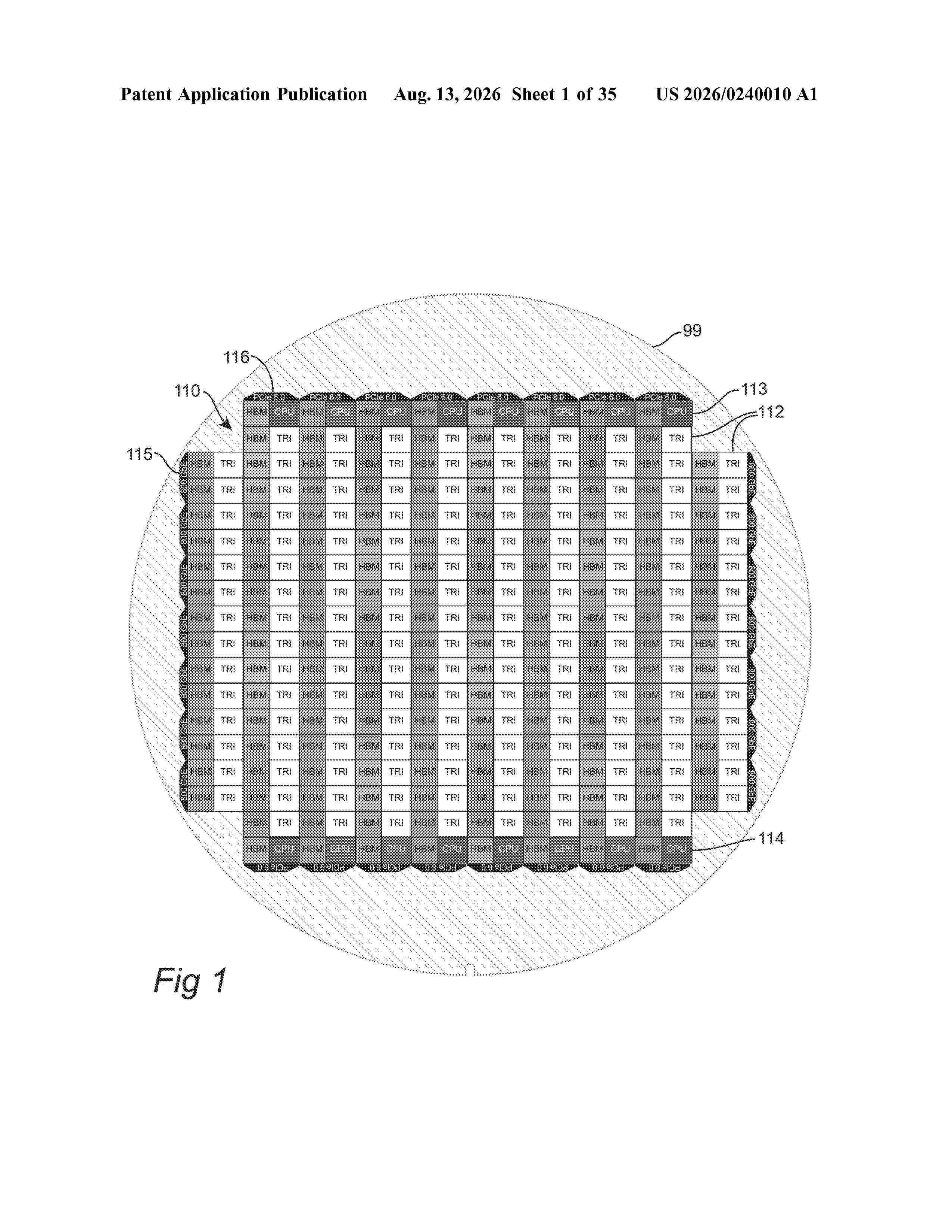
Resumen de: US20260240010A1
0000 A column grid array for low-voltage, high-current delivery uses pillars formed from bundles of parallel conductive filaments consolidated into metallic plugs at each end with an unconstrained compliant span between the plugs. The pillars are joined in a two-dimensional grid between opposing substrates to deliver aggregate current with controlled impedance while accommodating differential displacement without plastic deformation. Interleaving power and return pillars reduces loop inductance and transient droop. Optional sleeves or elastomer collars manage lateral stability; spare pillars and test features enable in-situ continuity verification and activation of redundancy. Methods include preparing filament bundles, consolidating ends by metallurgical bonding, joining plugs to substrate pads, and arranging pillars at grid pitch suitable for wafer-scale or module-scale power distribution.
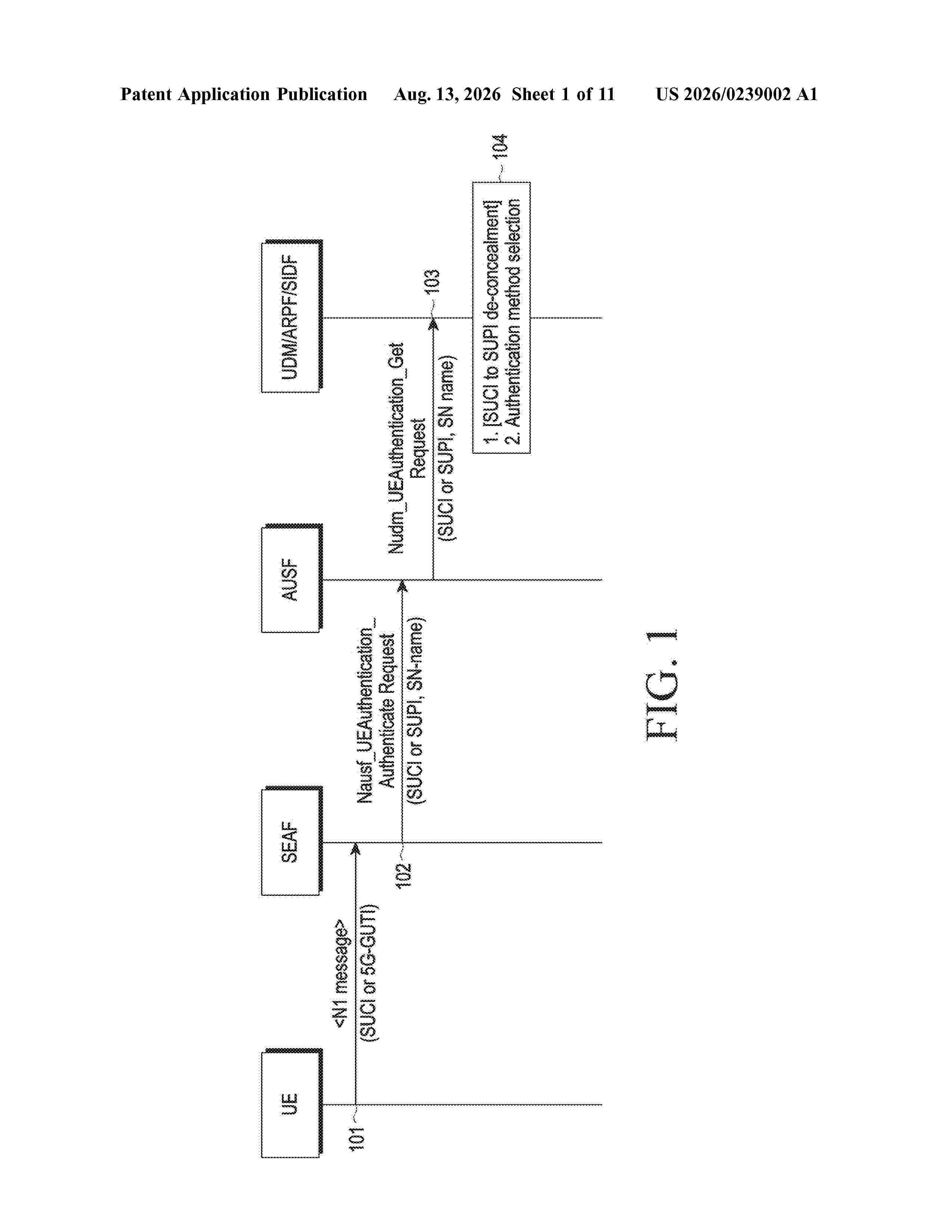
Resumen de: US20260239002A1
0000 The present disclosure relates to a 5G communication system or a 6G communication system for supporting higher data rates beyond a 4G communication system such as long term evolution (LTE). The present disclosure relates to a method and system for facilitating post quantum secure primary authentication of a subscriber. The method by an UE discloses applying a quantum safe cryptographic technique on a quantum based public key associated with a home network, generating an encrypted quantum safe shared key based on the applied quantum safe cryptographic technique, transmitting the encrypted quantum safe shared key along with cipher-text value and MAC-tag value associated with the subscriber to a network entity for authenticating the subscriber.
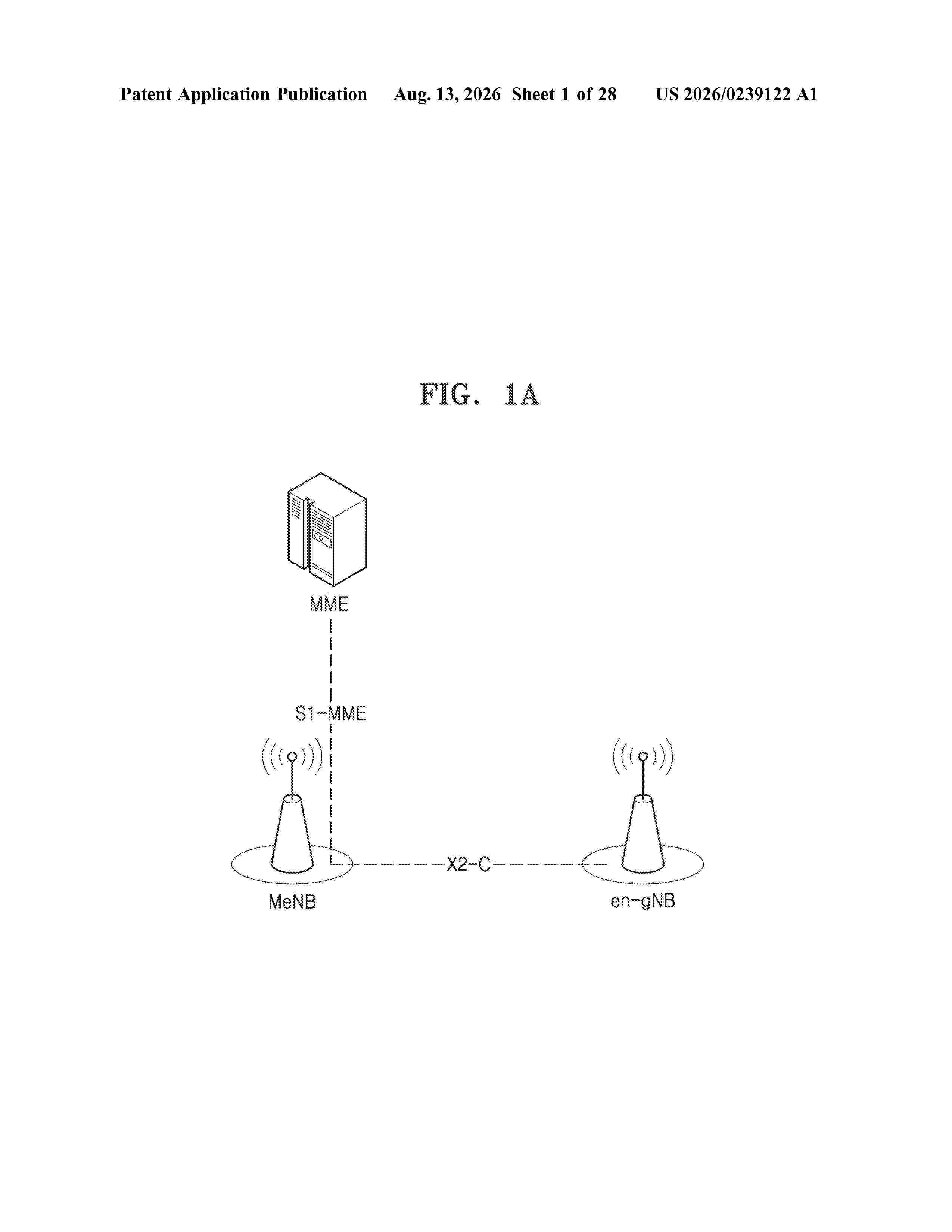
Resumen de: US20260239122A1
The present disclosure relates to a 5G communication system or a 6G communication system for supporting higher data rates beyond a 4G communication system such as long term evolution (LTE). The method includes receiving at least one User Equipment (UE) capability information from at least one UE, wherein the at least one UE capability information comprises a Post Quantum Cryptography (PQC) information, transmitting an SN addition request message to at least one SN with the PQC information, based on the at least one UE capability information, receiving an SN addition request acknowledge message from the at least one SN, if PQC is supported between the at least one UE and the at least one SN, and receiving an SN addition request reject message from the at least one SN, if PQC is not supported between the at least one UE and the at least one SN.
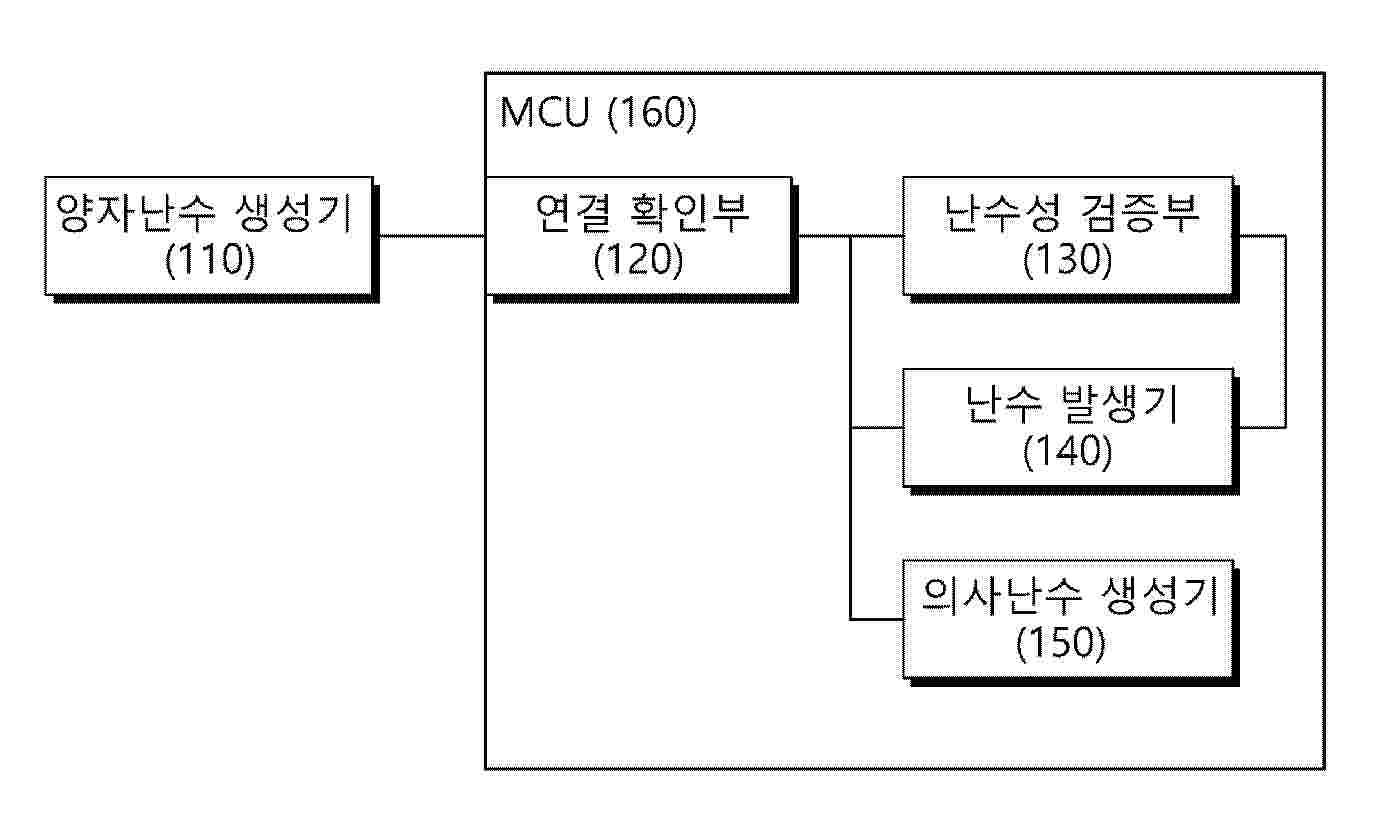
Resumen de: KR20260123177A
0001a 본 발명에 따른 디지털 무전기의 송수신 데이터 암복호화를 위한 난수 생성 방법은, 양자난수생성기로 양자난수를 생성하는 단계; 상기 양자난수의 난수성을 검증하는 단계; 및 상기 양자난수의 난수성이 검증되면, 난수발생기로, 상기 양자난수를 잡음원으로 사용하여 난수를 생성하는 단계를 포함하는 것을 특징으로 한다.
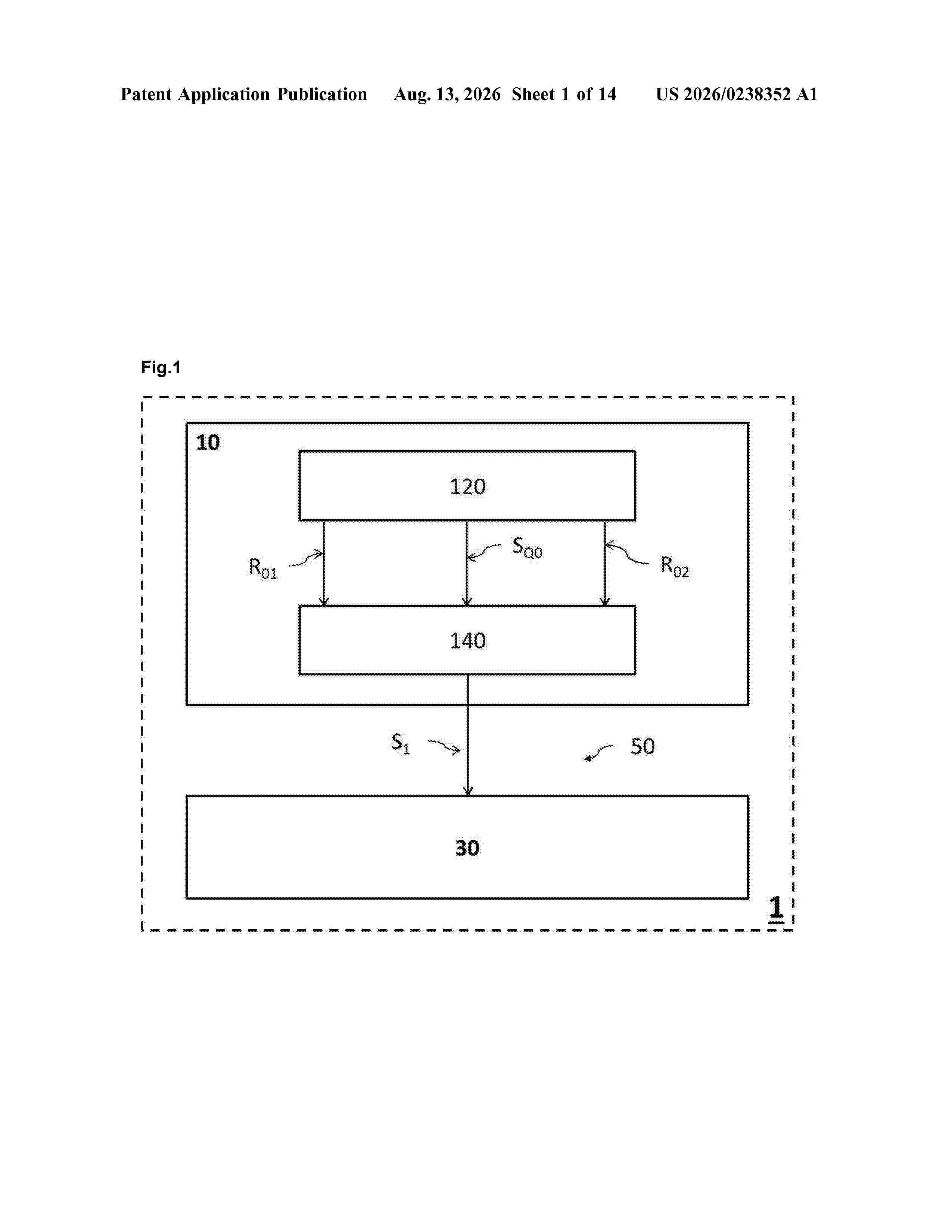
Resumen de: US20260238352A1
0000 A transmitter of a multiplexed signal through a transmission channel includes a generator of an initial quantum signal, of a first reference signal and of a second reference signal, an encoder having N optical channels including a selector for passing the initial signal to one of the channels, and a recombiner for generating the multiplexed signal, the multiplexed signal including first and second signals (R<11>, R<12>) for controlling first and second polarization-encoding values (P<1>, P<2>), respectively, and a quantum signal, determined based on the initial signal, encoded with an encoding value. The optical channels include two channels each including a unit for integrating a reference signal into the channel, each control signal being determined based on one of the reference signals delivered by the channel in question to the recombiner.
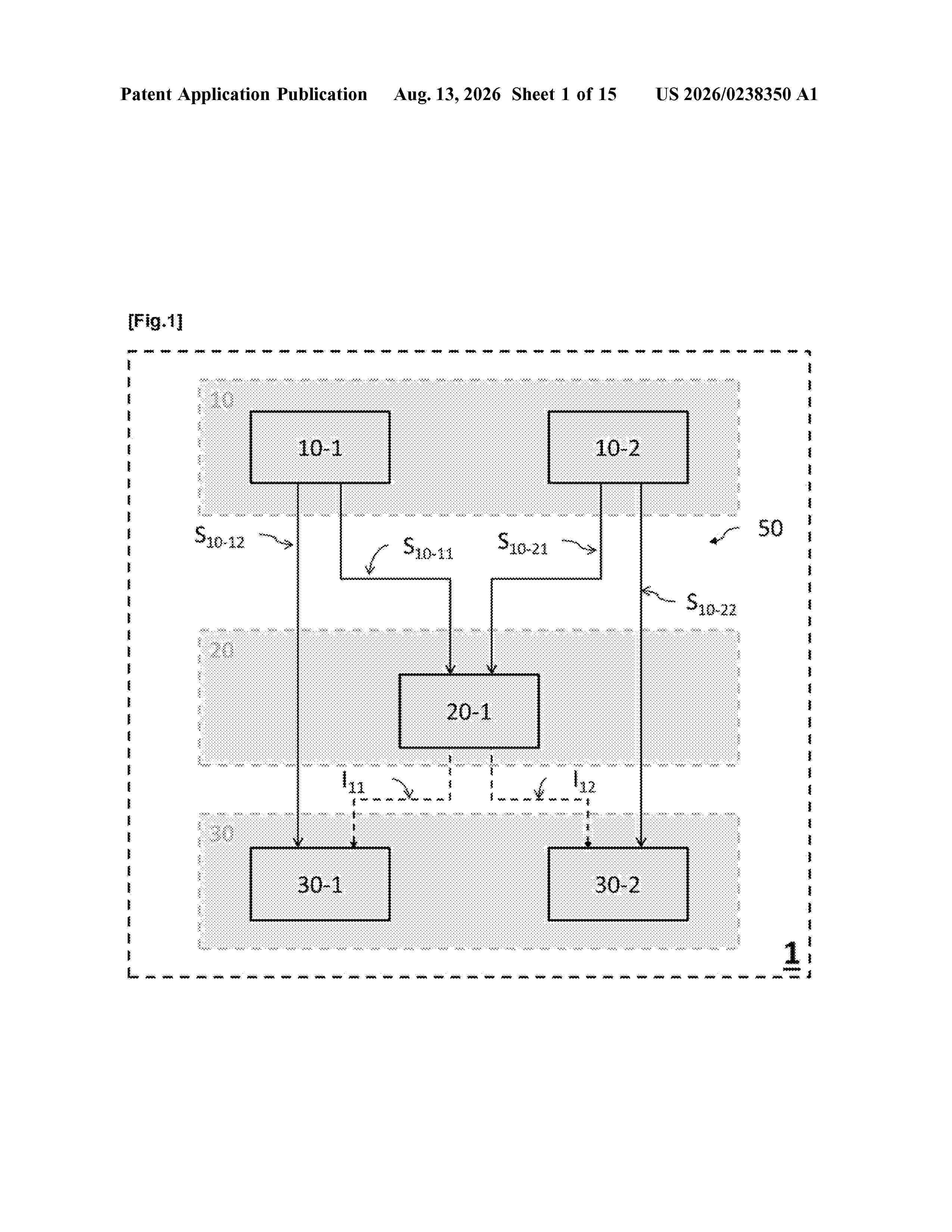
Resumen de: US20260238350A1
0000 A receiver is provided for receiving a multiplexed signal and an optical signal that are transmitted independently through a transmission channel, the multiplexed signal including a first quantum signal (Q
Resumen de: US20260238466A1
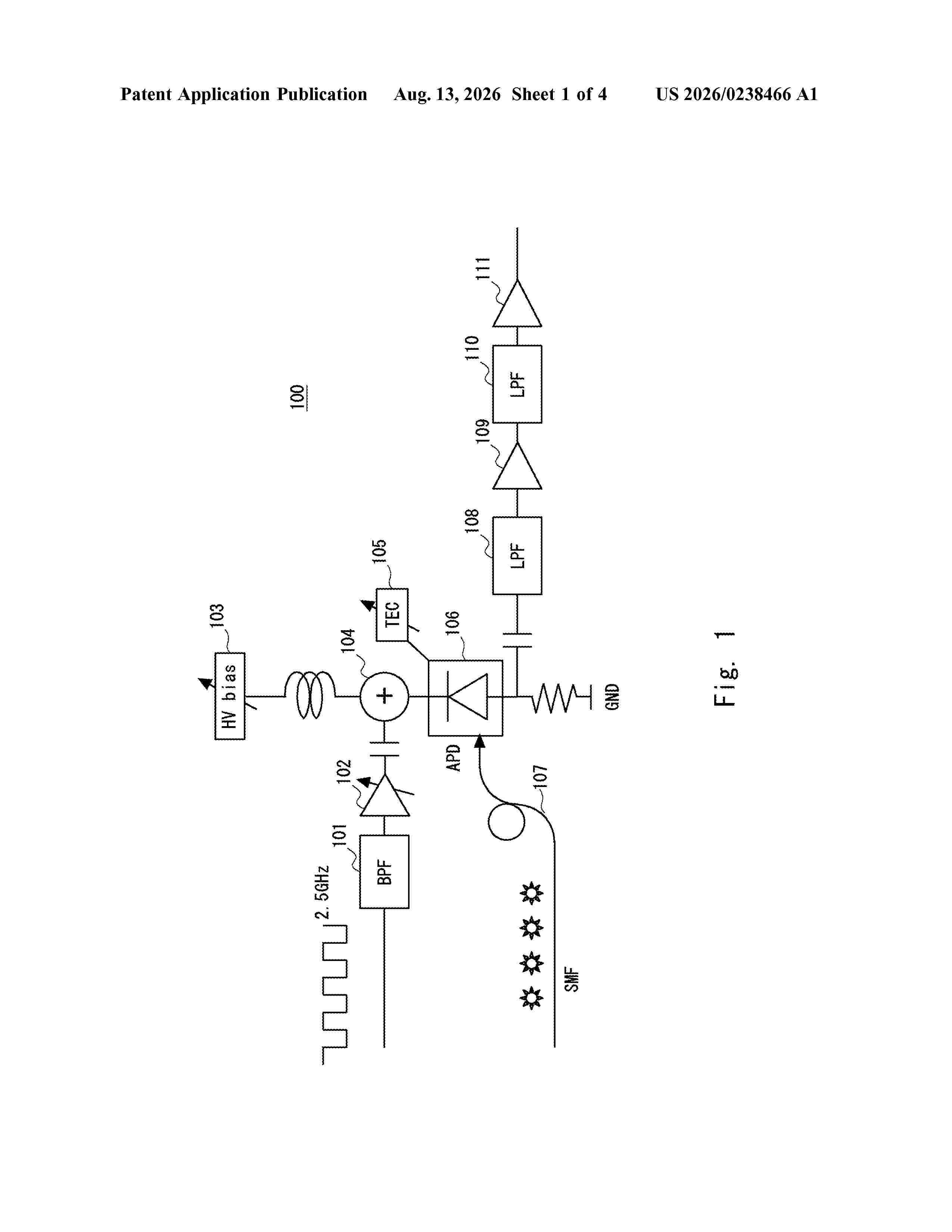
There is provided a photon detector including an avalanche photodiode, a bias voltage application circuit that applies a bias voltage to an input of the avalanche photodiode, a gate voltage application circuit that applies a gate voltage for superimposing an alternating-current component on the bias voltage, a filter disposed on an output side of the avalanche photodiode, and an impedance adjustment circuit disposed between the avalanche photodiode and the filter.
Resumen de: US20260238459A1
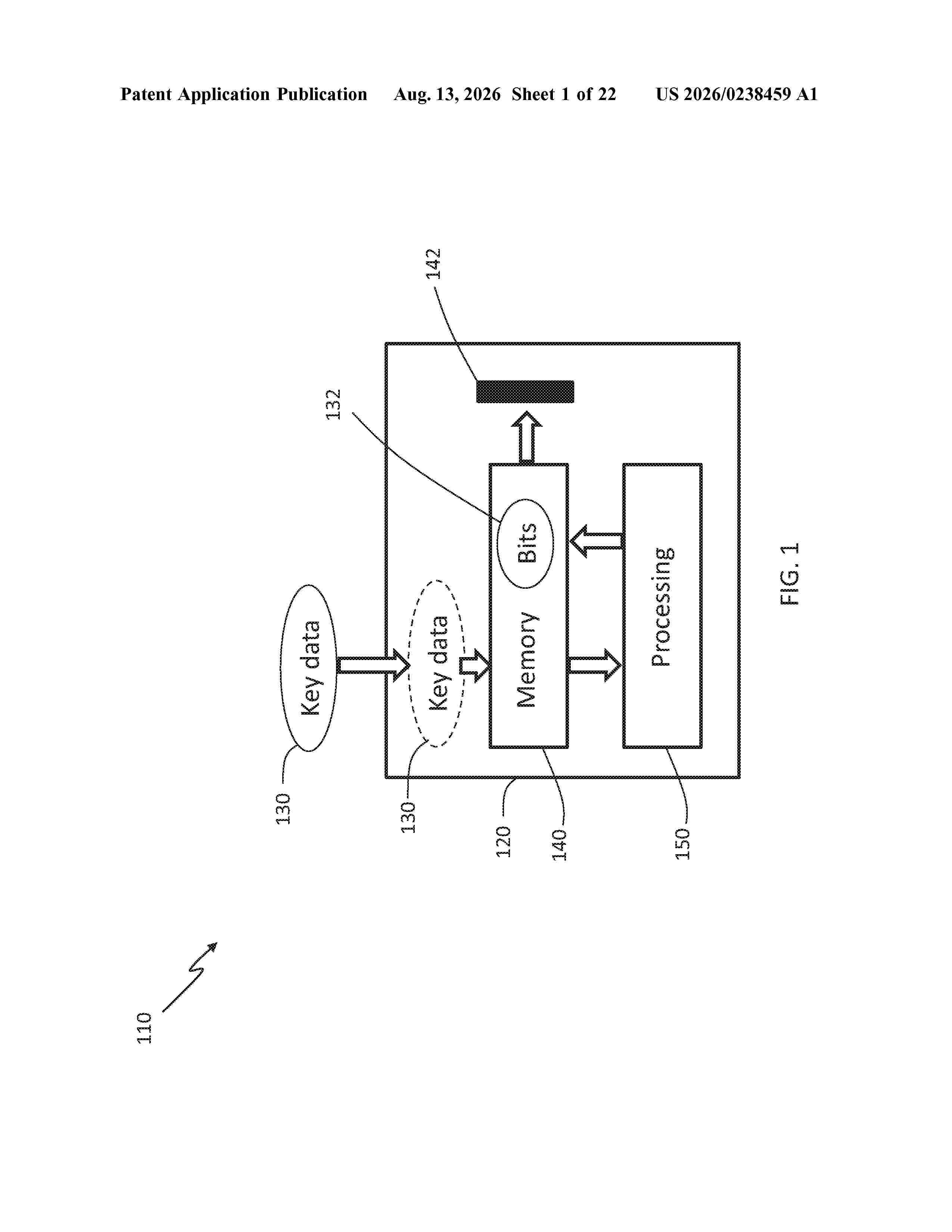
A method of native-speed encrypted data processing with graceful cryptographic degradation architecture for use in cryptography includes the following steps: in a first cryptographic mode, storing key bits from key data on a memory, the memory positioned on a chip substrate of a chip, wherein the chip is free from physical infrastructure to access the key bits externally from the chip, thereby preventing unauthorized access of the key bits; processing the key data with at least one processing device positioned on the chip substrate; and when a quantity of unused key bits from the key bits is below at least one threshold, using a second cryptographic mode to prevent unauthorized access of the key bits.
Resumen de: WO2026167080A1
Methods and systems for efficient sampling from probability distributions using flexible transformation approaches. The invention encompasses multiple transformation techniques, including but not limited to reparametrization methods and various distribution families, implemented through configurable hardware and software architectures, providing robust solutions for sampling challenges across different computational environments. The method is particularly suitable for hardware-accelerated implementations, allowing scalable and low- latency sampling. Applications span from stochastic process simulation to optimization in machine learning algorithms, inference tasks, and quantum communication systems including Quantum Key Distribution protocols requiring entropy-efficient, cryptographically secure sampling operations.
Resumen de: US20260238621A1
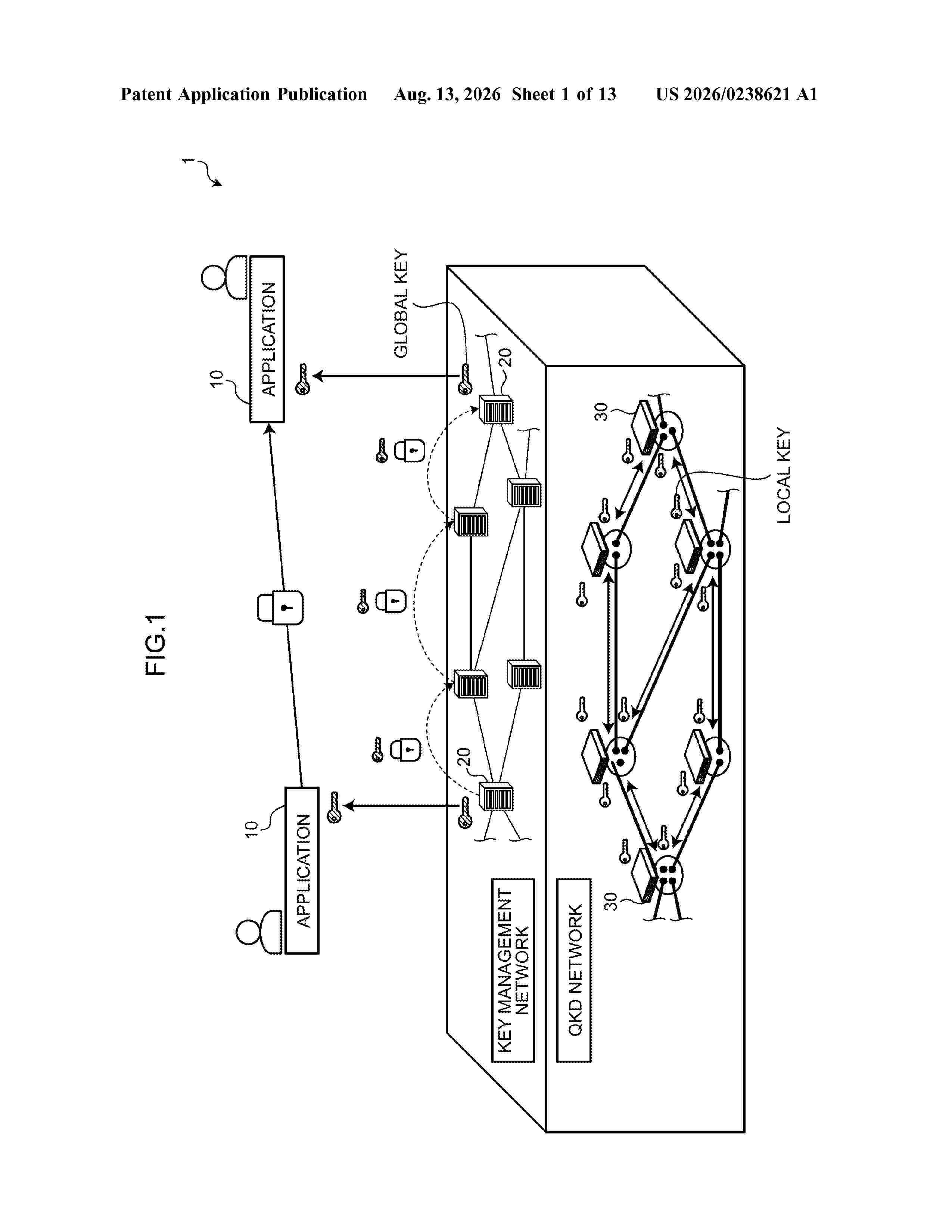
According to an embodiment, a key management device includes one or more hardware processors configured to: generate a first global key based on a first random number; add, to a first packet including the first global key, first path information indicating a relay path for the first packet; and encrypt the first packet with a local key shared with a different node and transmit the encrypted first packet to the different node.
Resumen de: EP4790945A1
0001 Es wird ein Verfahren zur Verifizierung eines ersten privaten Schlüssels angegeben, der mittels Quantenschlüsselverteilung erzeugt ist, umfassend ein Bereitstellen des ersten privaten Schlüssels an eine Endbenutzerapplikation (2) von einer Benutzerapplikation (4) einer ersten Vorrichtung (5) über eine lokale Verbindung (8), ein Senden einer ersten Identifikationsinformation von der Endbenutzerapplikation (2) oder der Benutzerapplikation (4) an eine Zwischeninstanz (6), wobei die erste Identifikationsinformation charakteristisch für den ersten privaten Schlüssel ist, ein Empfangen einer Verifizierungsantwort von der Endbenutzerapplikation (2) oder der Benutzerapplikation (4) von der Zwischeninstanz (6), wobei die Verifizierungsantwort charakteristisch ist für einen Abgleich der ersten Identifikationsinformation und einer zweiten Identifikationsinformation, wobei die zweite Identifikationsinformation charakteristisch ist für den zweiten privaten Schlüssel, der auf einer zweiten Vorrichtung (7) hinterlegt ist, und ein Verifizieren des ersten privaten Schlüssels von der Endbenutzerapplikation (2) oder der Benutzerapplikation (4) in Abhängigkeit der Verifizierungsantwort. 0002 Des Weiteren werden eine Endvorrichtung, ein System, ein Computerprogramm und ein computerlesbares Speichermedium angegeben.
Resumen de: EP4790952A2
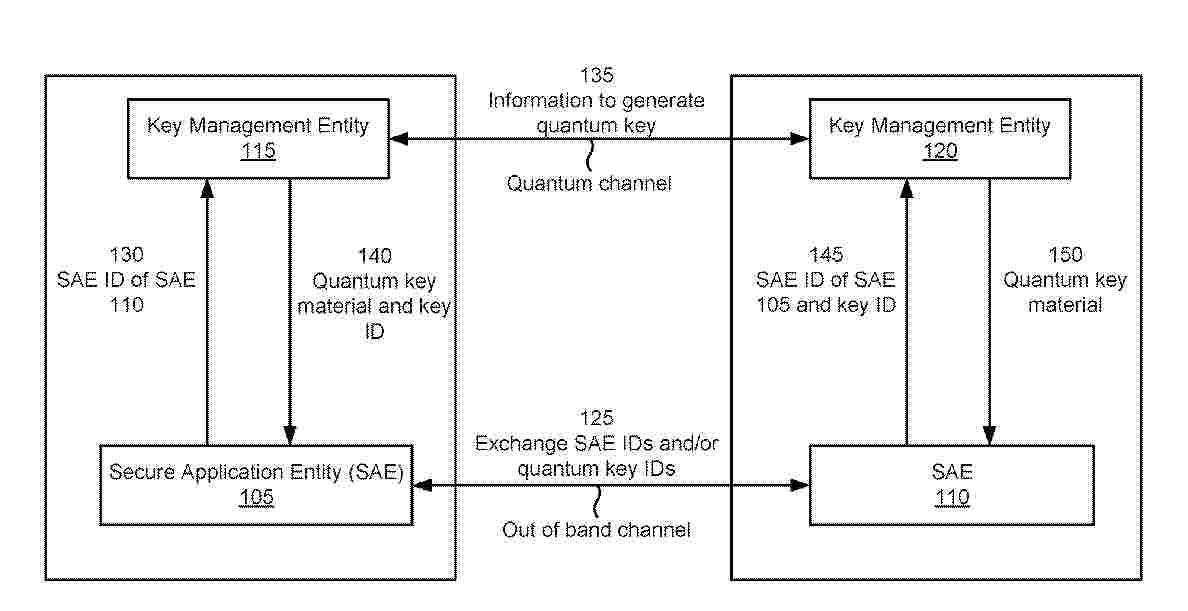
In some implementations, a first network device may communicate, with a second network device, one or more internet key exchange (IKE) messages to exchange a first identifier associated with the first network device and a second identifier associated with the second network device, and to indicate that a post-quantum preshared key (PPK) is to be used as a shared key for an IKE security association (SA) between the first network device and the second network device. The first network device may obtain, from a key management entity (KME), a quantum key based on providing the second identifier to the KME, wherein the PPK is based on the quantum key. The first network device may communicate, with the second network device, one or more IKE authentication messages to exchange a third identifier associated with the quantum key and to confirm that the second network device successfully obtained the PPK.
Resumen de: CN122553999A
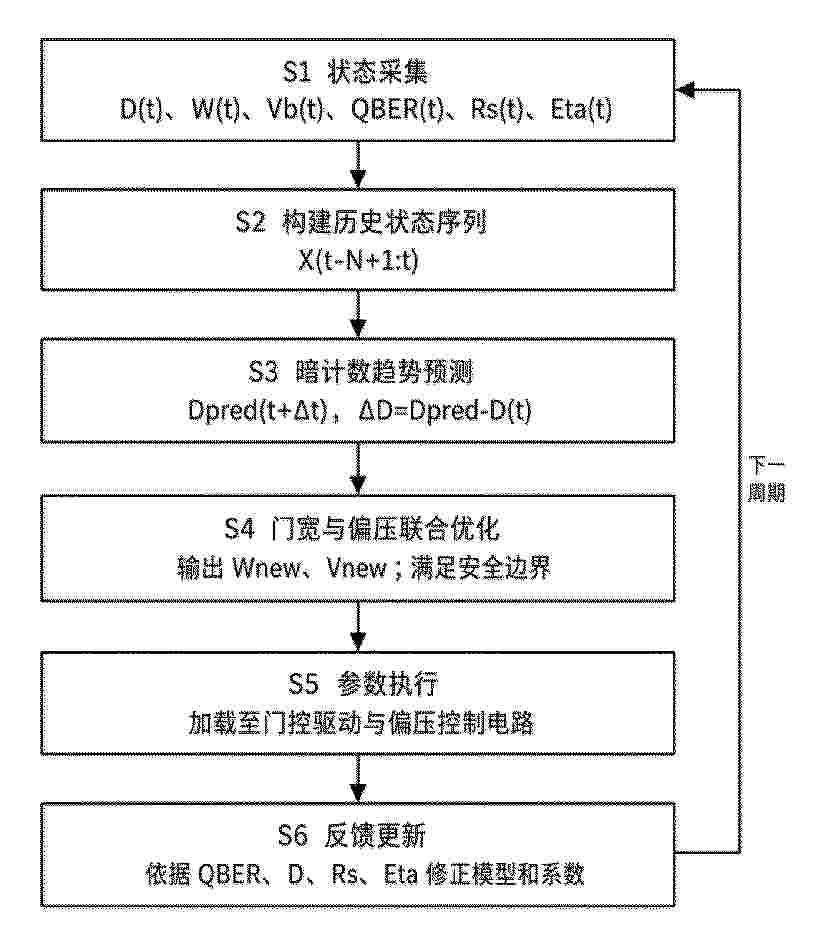
本发明涉及光电探测和量子通信技术领域,公开了一种基于暗计数预测的单光子探测门控与偏压协同优化方法,包括单光子探测的状态采集、构建历史状态序列、暗计数趋势预测、门宽与偏压联合优化、参数执行以及反馈更新等步骤,由此形成“预测—优化—执行—反馈”的闭环控制过程。与现有技术相比,本发明通过暗计数趋势预测和门控窗口、偏压协同调节,可在一定程度上缓解固定参数方案响应滞后的问题。系统在暗计数出现升高趋势时提前生成控制量,有助于减少暗计数进入有效探测窗口的概率,并降低雪崩误触发对QBER的影响,同时,本发明有助于减少有效探测事件被过度牺牲的情况,使探测器在不同噪声状态下保持相对稳定的工作状态。
Resumen de: CN122554092A
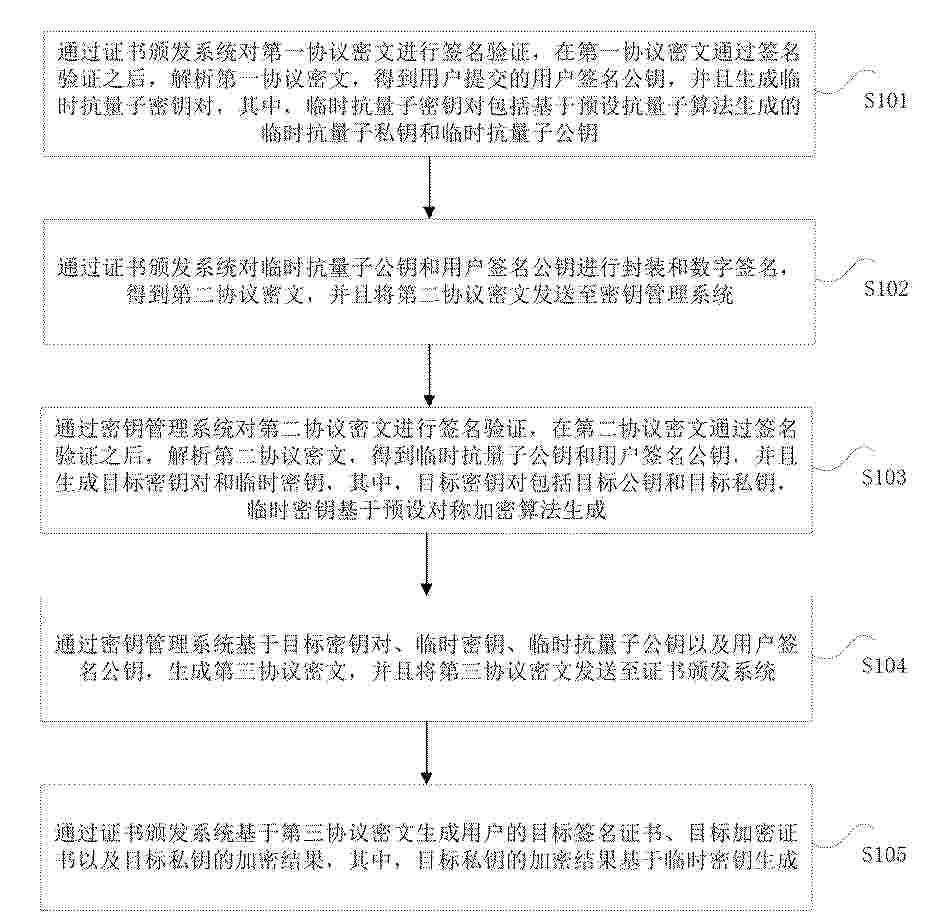
0001 本申请公开了一种抗量子计算攻击的密钥获取方法、装置以及电子设备,涉及信息安全技术领域,该方法包括:通过证书颁发系统对从第一协议密文中解析得到的用户签名公钥和系统生成的临时抗量子公钥进行封装和数字签名,得到第二协议密文,将第二协议密文发送至密钥管理系统;通过密钥管理系统基于从第二协议密文中解析得到的临时抗量子公钥、用户签名公钥,以及系统生成的目标密钥对、临时密钥,共同生成第三协议密文,将第三协议密文发送至证书颁发系统;通过证书颁发系统基于第三协议密文生成用户的目标签名证书、目标加密证书以及目标私钥的加密结果。本申请解决了在证书颁发系统向密钥管理系统申请密钥的过程中,密钥传输安全度低的技术问题。
Nº publicación: CN122554093A 11/08/2026
Solicitante:
北京启源问天量子科技有限公司
Resumen de: CN122554093A
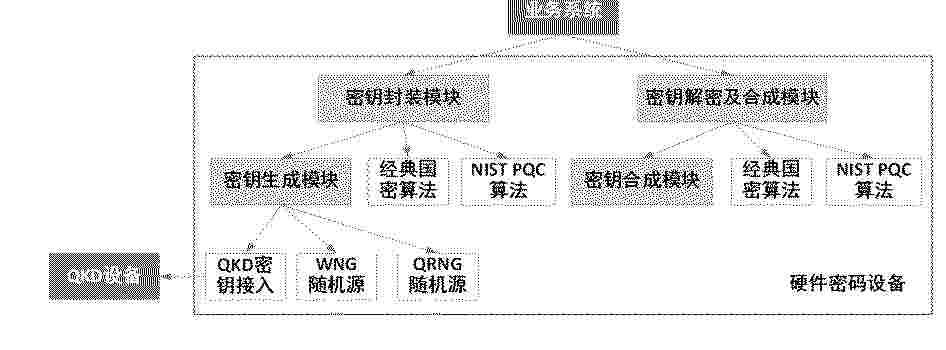
0001 本发明涉及网络安全与密码技术,具体涉及一种可配置的多模式混合密钥协商系统及方法,包括本地端、对端、QKD网络及通信链路,硬件密码设备集成经典随机数发生器、量子随机数发生器和QKD接口,支持生成三类密钥;业务系统可通过手动输入或场景自动映射选择工作模式参数,参数通过位域控制密钥使能状态,对应纯经典、纯量子随机数、全融合、经典+QKD、量子随机数+QKD五种模式;启用密钥采用经典国密算法/NIST PQC算法差异化封装,禁用密钥填充零值密文,对端解密后通过异或运算生成最终业务密钥;本发明实现了安全强度、合规要求、性能成本的灵活权衡,支持业务系统根据场景需求动态选择密钥组合策略,适配多行业、多场景,兼顾兼容性与前瞻性。
 BOPI
BOPI
 Sede Electrónica