Si deseas distinguir tus productos, servicios o ambos de los de otra empresa, es posible que necesites una marca o nombre comercial. Descubre qué son, en qué consiste su procedimiento de registro y qué implica.

Información sobre los plazos de presentación de solicitudes de transformación de marcas de la Unión Europea en marca nacional española. Más información


Si tienes un nuevo dispositivo, producto o procedimiento que resuelva un problema técnico o tenga una ventaja práctica, existen distintas formas de protegerlo en España y en otros países. Descubre cómo hacerlo.

¿Tu innovación reside en la estética, la ornamentación o la apariencia de tu producto? Protégela mediante un diseño industrial. Descubre qué derechos confiere el registro y cómo realizar la tramitación.

Las indicaciones geográficas protegen el nombre de un producto originario de una zona geográfica, a la cual le debe una determinada calidad, reputación u otra característica. Descubre qué son, en qué consiste su procedimiento de registro y qué beneficios conceden.

Las patentes publicadas en todo el mundo son una valiosa fuente de información científica, técnica y comercial.

Si eres emprendedor/a o una empresa y quieres potenciar y mejorar la rentabilidad de tu negocio protegiendo de forma adecuada los activos intangibles de tu organización, en este espacio encontrarás lo necesario.


 188
resultados
188
resultados
 Última actualización
25/08/2026 [08:00:00]
Última actualización
25/08/2026 [08:00:00]


 Resultados 125 a 150 de 188

Resumen de: CN122080111A
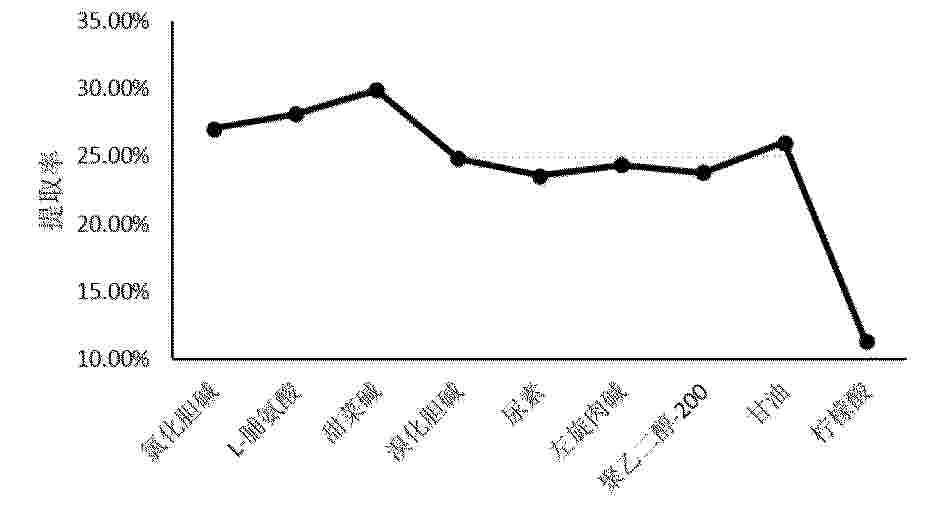
The invention belongs to the technical field of microalgae protein extraction, and relates to an efficient chlorella protein extraction and preparation method based on a deep eutectic solvent DES, which comprises the following steps: (1) mixing chlorella powder, a DES hydrogen bond acceptor and water, and carrying out ultrasonic-assisted extraction, centrifugation and filtration to obtain an extracting solution; (2) adding a precipitant into the extracting solution for precipitation; and (3) purifying and freeze-drying the precipitate to obtain the chlorella protein. According to the method, the cell walls of the chlorella are efficiently destroyed based on a DES system in combination with ultrasonic energy, protein dissolution is promoted, the extraction rate of the chlorella protein is increased, and the extraction rate of the chlorella protein is further increased by selecting a DES hydrogen bond receptor and optimizing the ratio of DES to chlorella powder, the material-liquid ratio, the ultrasonic intensity and the time; the method is mild in process, simple to operate, recyclable in solvent, environment-friendly and suitable for large-scale production; the extracted protein keeps natural conformation and activity, and is suitable for development of high value-added products.

Resumen de: CN122074668A
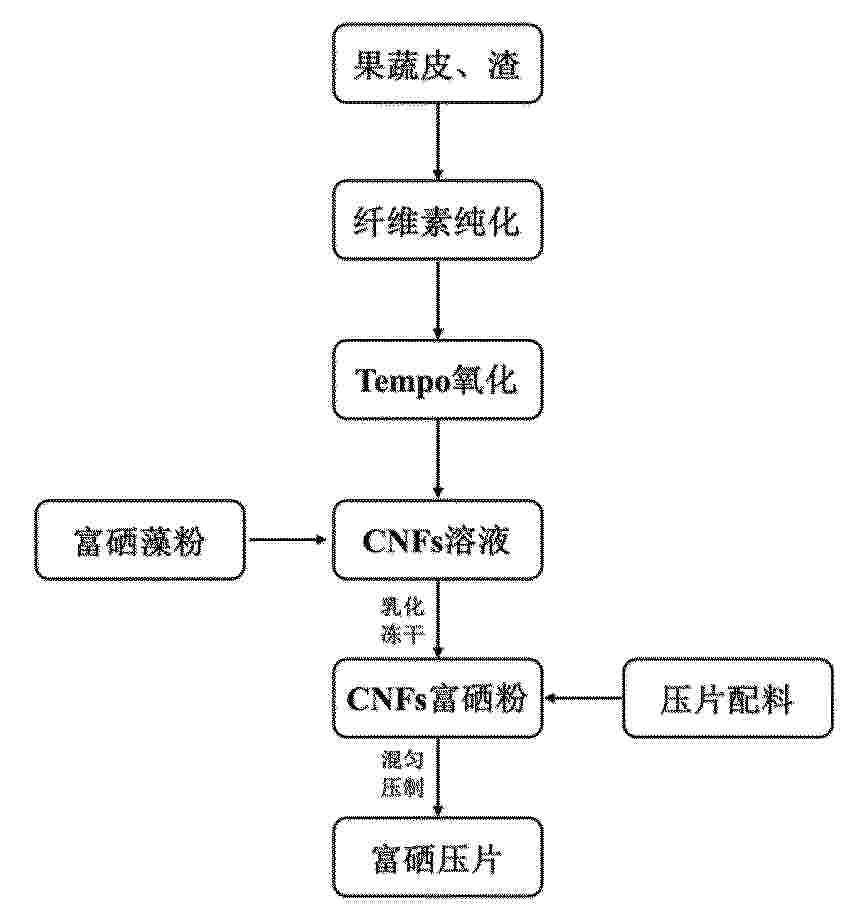
The invention relates to a preparation method of nanocellulose selenium-protecting tablets, and belongs to the technical field of health-care foods and pharmaceutical preparations. Aiming at the problems of poor selenium element stability, non-uniform bioavailability, poor taste and the like of the existing selenium-rich supplement, the invention provides a solution which takes natural nano cellulose as an embedding material and a skeleton. According to the technical scheme, the method comprises the following steps: preparing a nanocellulose dispersion liquid; mixing with selenium-enriched pellet microalgae to form an embedding mixed solution; performing vacuum freeze drying and low-temperature crushing to obtain composite powder; mixing the composite powder with konjac powder, a filling agent, a disintegrating agent, a flavoring agent and a lubricating agent; and finally pressing into tablets. The method is mainly used for preparing a selenium-rich tablet product which is high in stability, high in bioavailability, good in taste and easy to take.
Resumen de: CN122081076A
The invention discloses a biological stimulant prepared by utilizing aerial microalgae Pilidiococcus sp. FDA-4 and application of the biological stimulant, and belongs to the technical field of agricultural biotechnology and environmental microorganism application. The biological stimulant is prepared by culturing aerial microalgae under a specific stress condition, crushing and extracting active ingredients. Experiments show that the salt stress resistance of crops can be remarkably improved by applying the salt stress resistant agent to crop seeds in a vernalization stage: in a 0.5% NaCl salt stress environment, the germination potential of arabidopsis seeds is improved to 65.74%, and the length of main roots of seedlings is doubled compared with that of a salt stress group. The preparation technology is green and efficient, inhibition of soil salinization on crop growth can be effectively relieved, a novel solution is provided for saline-alkali soil improvement and crop yield increase, and good application prospects are achieved.
Resumen de: CN122079703A
The invention discloses a liquid microalgae fertilizer capable of reducing the cadmium content of rice. The liquid microalgae fertilizer capable of reducing the cadmium content of the rice is prepared from the following components in percentage by mass: 50 to 75 percent of concentrated algae liquid, 5 to 12 percent of humic acid, 2 to 8 percent of potassium fulvate, 0.1 to 0.5 percent of xanthan gum, 0.1 to 0.5 percent of sodium alginate and the balance of water.
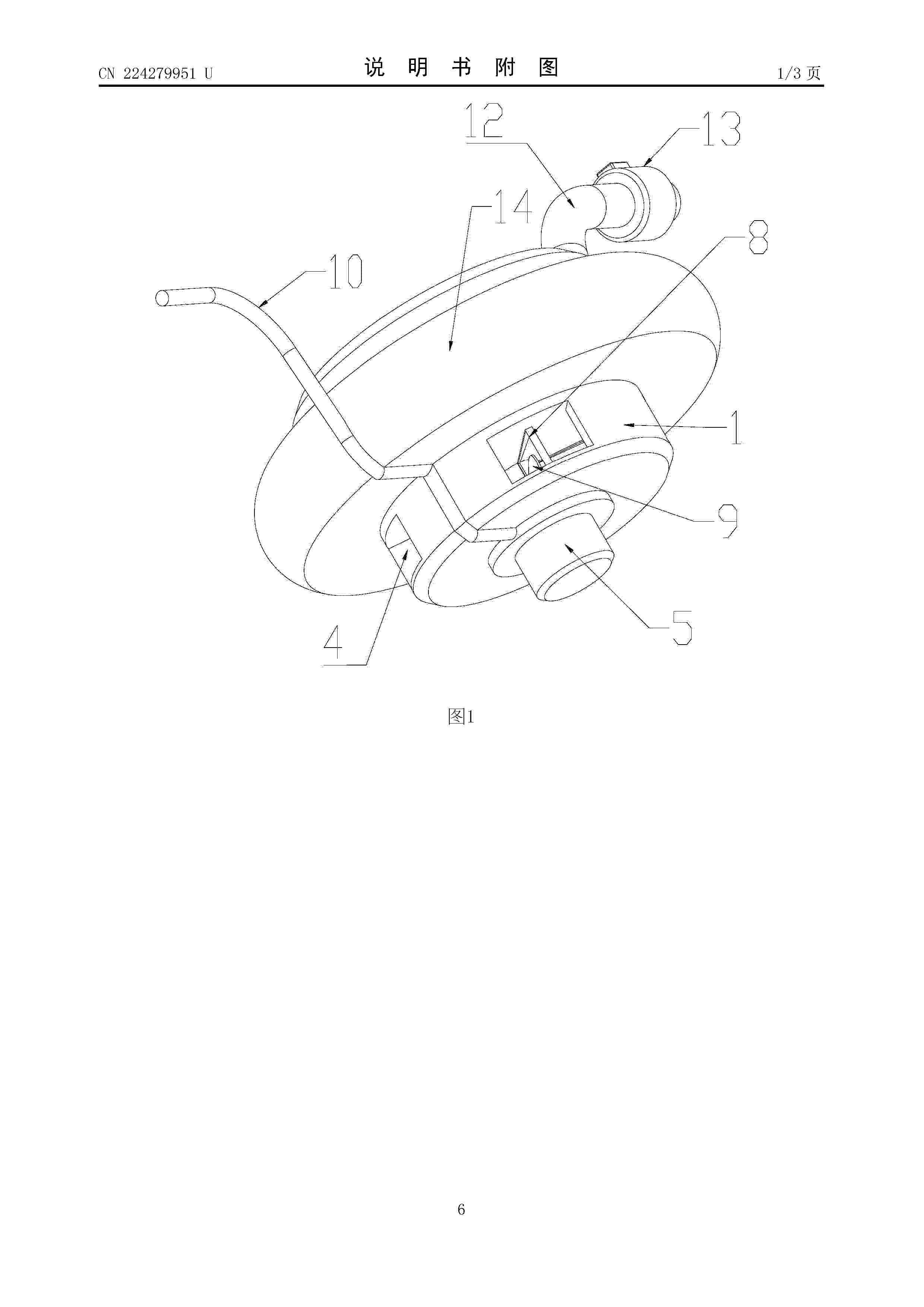
Resumen de: CN224279951U
The utility model relates to the technical field of wastewater purification, in particular to an immobilized beneficial microorganism and algal-bacterial symbiont wastewater purification device which comprises a floating box, a floating mechanism is arranged on the floating box, a mounting groove is formed in the top end of the floating box, a net-shaped frame is arranged on the mounting groove, a microorganism immobilization carrier is filled in the net-shaped frame, and the microorganism immobilization carrier is arranged in the mounting groove. A woven nylon net is arranged at the top end of the net-shaped frame, microalgae are loaded in the woven nylon net, and a through groove is formed in the bottom end of the floating box. According to the structure, through the synergistic effect of bacteria and algae, organic matter can be effectively removed, eutrophication factors such as nitrogen and phosphorus can be synchronously removed, and certain adsorption and enrichment effects on heavy metal are achieved; the comprehensive wastewater treatment effect is improved, the pressure of a subsequent deep treatment link is reduced, and the overall treatment cost is reduced.
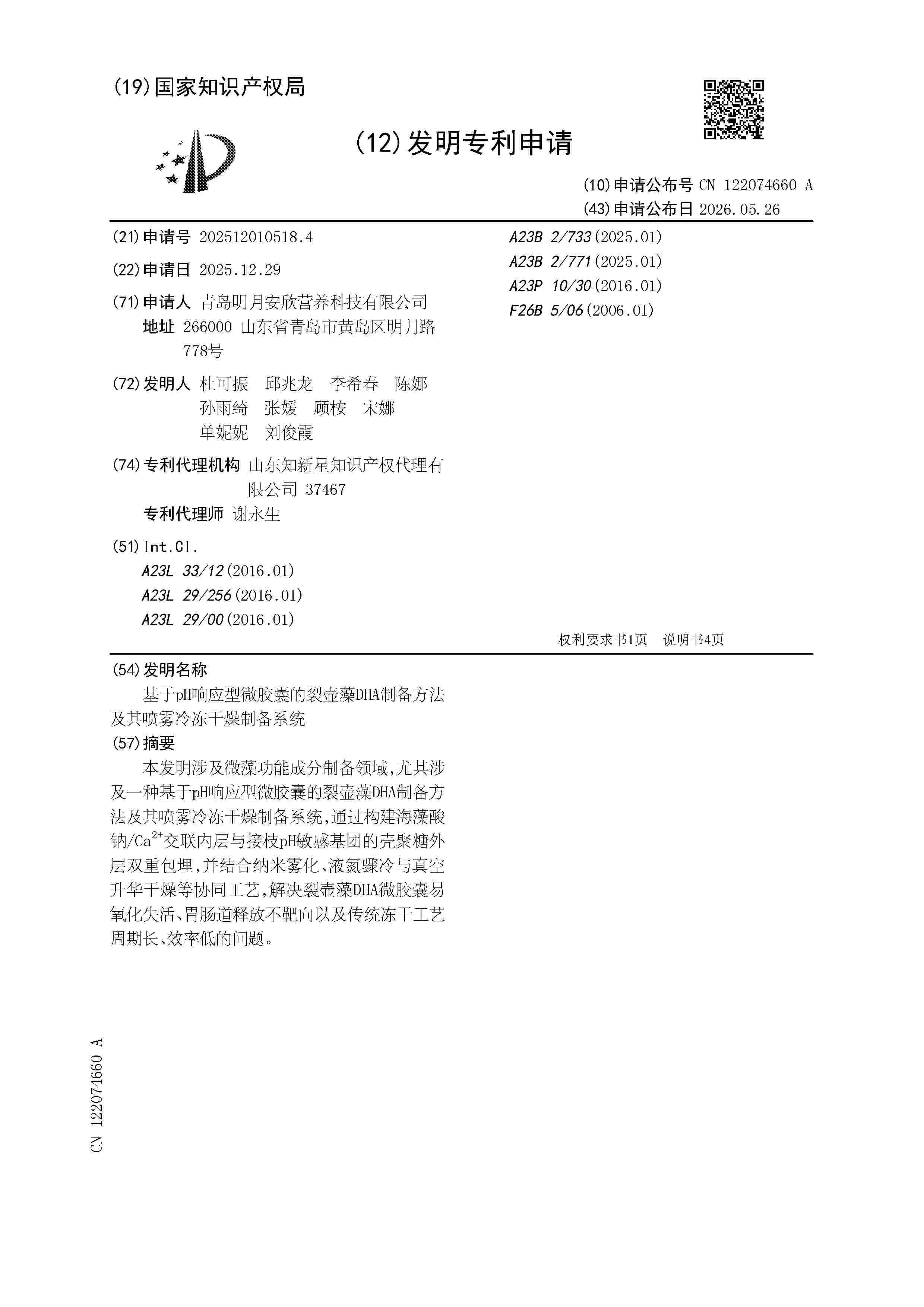
Resumen de: CN122074660A
The invention relates to the field of microalgae functional component preparation, in particular to a schizochytrium limacinum DHA (docosahexaenoic acid) preparation method based on a pH response type microcapsule and a spray freeze drying preparation system of the schizochytrium limacinum DHA. By combining a synergistic process of nano atomization, liquid nitrogen shock cooling, vacuum sublimation drying and the like, the problems that the schizochytrium limacinum DHA microcapsule is easy to oxidize and inactivate, gastrointestinal tract release is not targeted, and a traditional freeze-drying process is long in period and low in efficiency are solved.
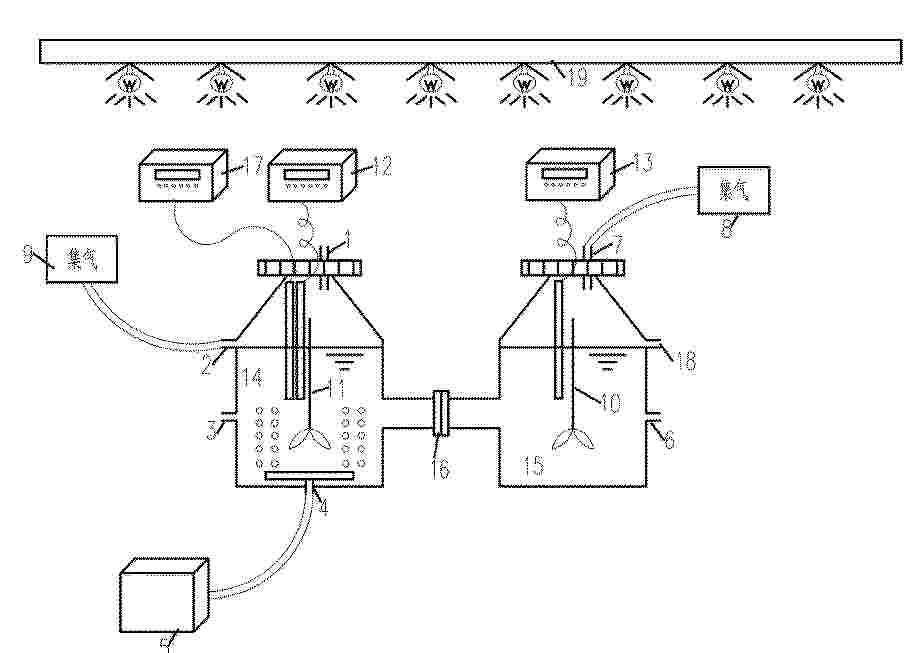
Resumen de: CN122079378A
The invention provides a device and a method for recovering nitrous oxide from high-ammonia-nitrogen wastewater by utilizing a phycomycete symbiosis technology. The device provided by the invention comprises an aerobic reaction unit and an anoxic reaction unit, a first water outlet of the aerobic reaction unit is communicated with a water inlet of the anoxic reaction unit, and a univalent anion exchange membrane is arranged at the communication part; the aerobic reaction unit is communicated with the first gas collection unit through a first gas output port, and the anoxic reaction unit is communicated with the second gas collection unit through a second gas output port and is used for recycling nitrous oxide generated by the aerobic reaction unit and the anoxic reaction unit. The aerobic reaction unit is inoculated with the algal-bacterial symbiotic sludge for realizing short-cut nitrification, the aeration energy consumption of short-cut nitrification is effectively reduced through microalgae photosynthesis, nitrous oxide in the aerobic reaction unit is recovered, the denitrification load of the anoxic reaction unit is reduced, the denitrification conversion rate is increased, and the operation cost is reduced; and the design concept of high efficiency, low carbon and environmental protection is embodied.
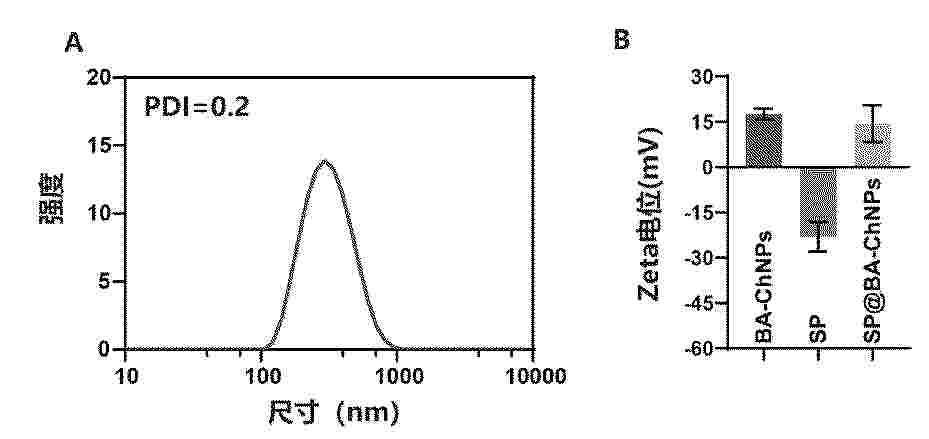
Resumen de: CN122070937A
The invention relates to the technical field of biological medicine, in particular to microalgae adsorbing bornyl acetate chitosan nanoparticles and a preparation method and application thereof. The microalgae capable of adsorbing the bornyl acetate chitosan nanoparticles disclosed by the invention comprises the following components: bornyl acetate, chitosan and spirulina platensis, the bornyl acetate is wrapped in the chitosan, and the bornyl acetate and the chitosan jointly form composite nanoparticles; the composite nanoparticles are adsorbed on the surface of the spirulina platensis through electrostatic interaction. Compared with single bornyl acetate, the microalgae adsorbing the bornyl acetate chitosan nanoparticles has a better anti-inflammatory effect and an intestinal retention effect.
Resumen de: KR20260071903A
본 발명은 폴리-3-하이드록시부티레이트(Poly-3-hydroxybutyrate, PHB) 및 이를 단량체로 하는 폴리하이드록시알칸산(Polyhydroxyalkanoate, PHA) 생산에 이용되는 신규 클로렐라 속 KGP1-12 미세조류에 관한 것으로, 보다 상세하게는 신규 클로렐라(Chlorella sp.) KGP1-12 미세조류; 상기 미세조류를 포함하는 폴리-3-하이드록시부티레이트 및/또는 폴리하이드록시알칸산 생산용 조성물; 상기 미세조류를 배양하여 폴리-3-하이드록시부티레이트 및/또는 폴리하이드록시알칸산을 생산하는 방법을 제공한다.
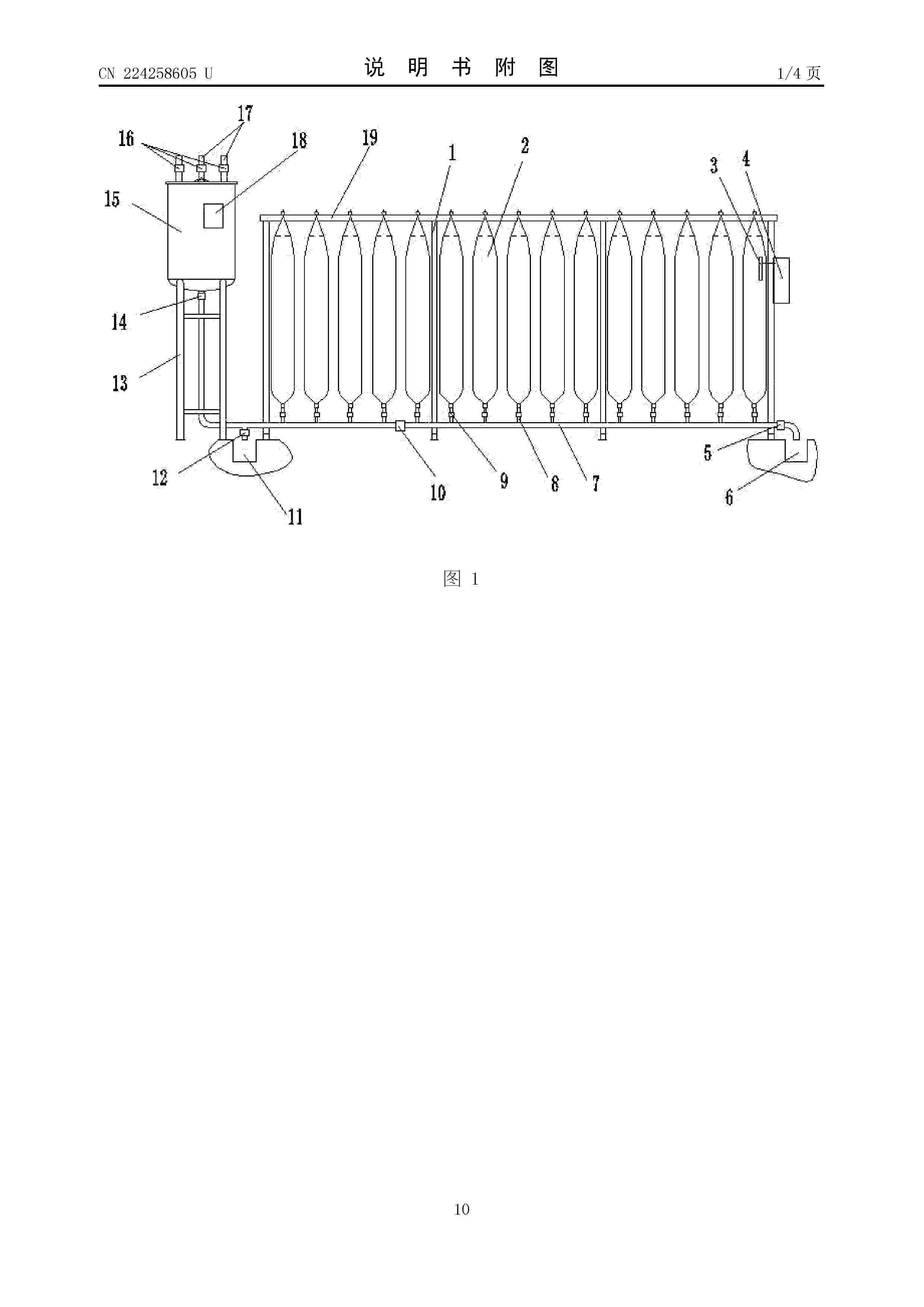
Resumen de: CN224258605U
The utility model provides a device for continuously culturing fresh water microalgae indoors at constant temperature. According to the device, a cross beam and a hanging frame are installed at the top of each main frame, breeding bags are correspondingly hung on the two sides of each hanging frame, a pH value detector and an air inlet pipe are arranged in each breeding bag, a monitoring alarm box is installed on the main frame at the end, and an upper light bar and a lower light bar are installed on the two sides of each main frame and correspond to each breeding bag. Sewage discharge grooves are formed in the ground at the two outer ends of the main frame, the bottom of each culture bag is communicated with a liquid conveying mechanism, and an algae liquid conveying mechanism is arranged on the ground at the inner end of the main frame. The buffer tank is provided with a non-contact liquid level monitor, a material pipe, a material pipe electromagnetic valve and a buffer tank electromagnetic valve; and the main conveying pipe is provided with a segmented electromagnetic valve, a connecting straight pipe and a branch pipe electromagnetic valve. According to the device, the culture bags are connected in series to culture the freshwater microalgae, the liquid conveying mechanism is used for unified conveying, the structure is simple and practical, the automation degree is high, the equipment investment cost is low, and the yield of the freshwater microalgae is high.
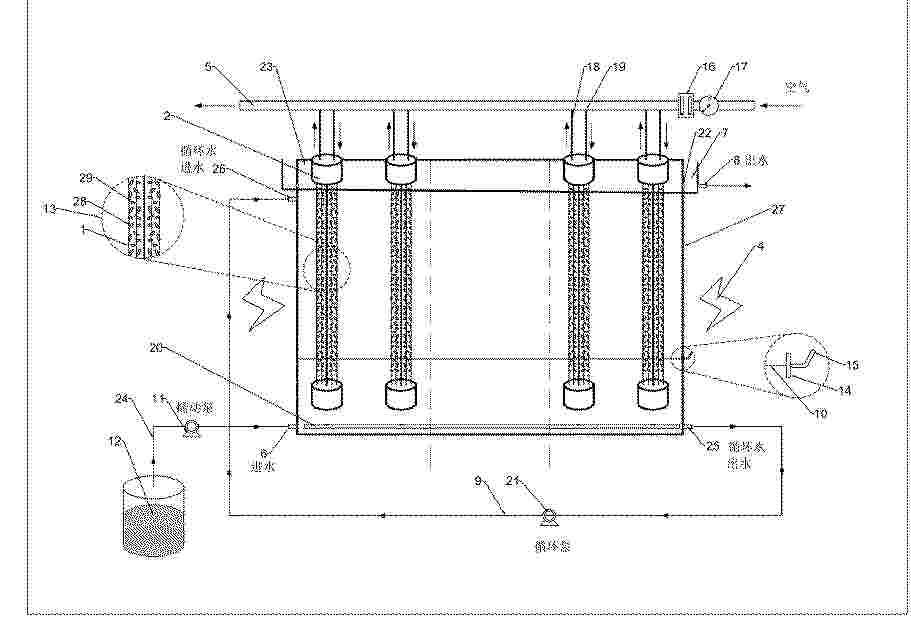
Resumen de: CN122059539A
The invention provides a biomass recoverable bacteria-algae membrane aeration biological membrane sewage treatment device and application thereof. The system comprises an internal and external bidirectional lighting device, a ferromagnetic microalgae collection scraper, a pool wall cleaning device, and an annular membrane aeration biological membrane, a micro-aeration device and a water circulation device which are arranged in a cylindrical reactor. The two-way lighting devices are arranged on the inner side and the outer side of the ring layer, microalgae grow on the ring layer annular biological membrane assembly in an attached mode, a strong magnetic microalgae collecting scraper blade is specially arranged, and the micro-aeration device and the water circulation device are arranged below the device and are in a ring-shaped uniform water distribution mode. The system is used for treating high-ammonia-nitrogen organic wastewater and also can be used for treating wastewater containing novel pollutants such as antibiotics, compared with the prior art, the system has the advantages of uniform water distribution, good light transmission, high space utilization rate, convenience in installation and the like, and the whole system is stable and efficient in operation and good in sewage treatment effect and has a very good development and application prospect.
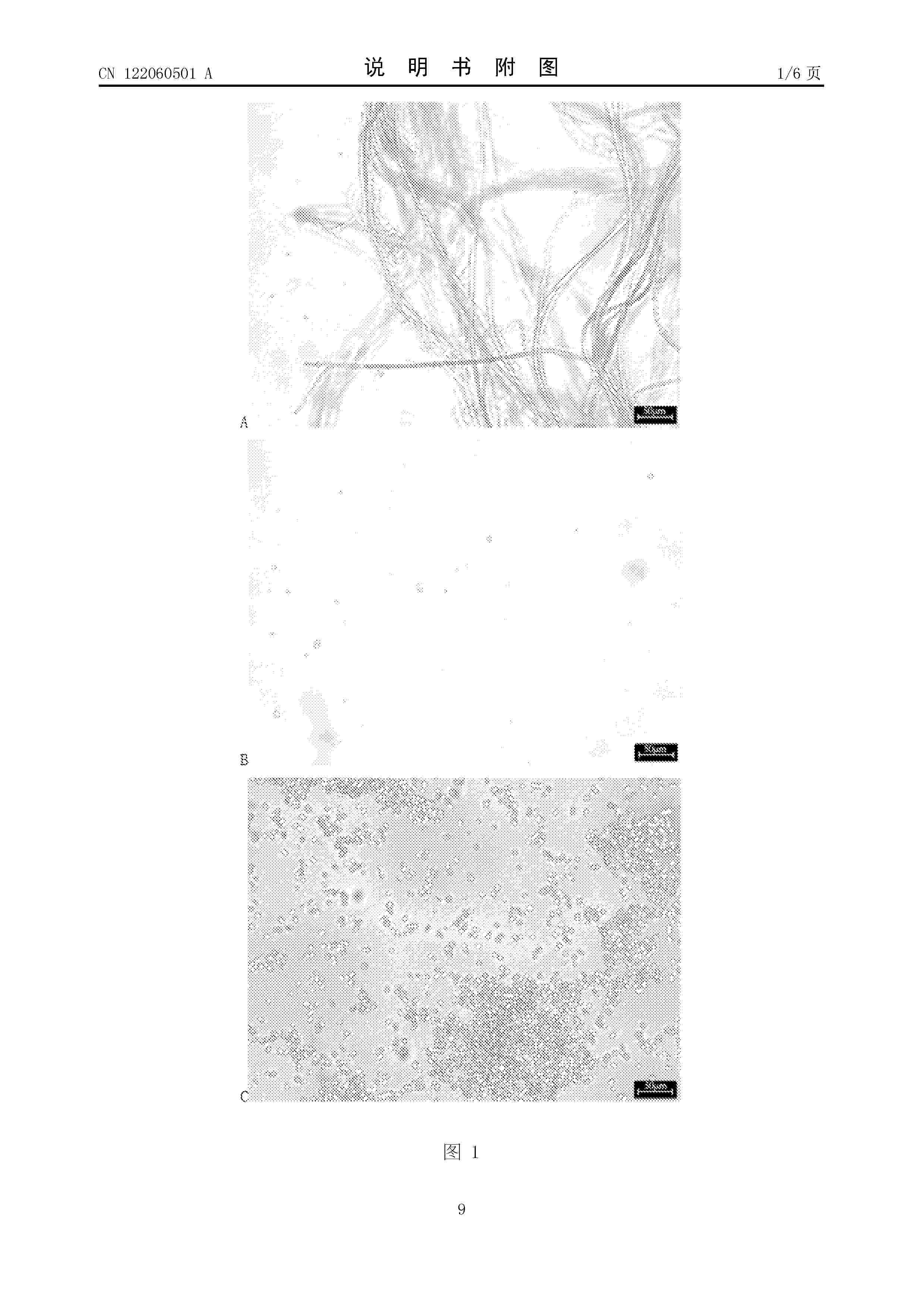
Resumen de: CN122060501A
The invention discloses a fungal inoculant and application thereof in algae crust, and belongs to the field of microorganisms. The technical problem to be solved by the invention is how to construct the algae crust. The application of the fungal inoculant in the algal crust comprises the following steps: inoculating deep-color endophytic fungi and microalgae to the surface layer of soil to be remediated, and culturing to realize the construction of the algal crust; the deep-color endophytic fungi are bacterial strains with the preservation number of CGMCC (China General Microbiological Culture Collection Center) No.17463 in the China General Microbiological Culture Collection Center; the microalgae is composed of Microcoleus sp., Scenedesmus sp. And Chlorella sp., and the microcoleus sp., the Scenedesmus sp. And the Chlorella sp. Are used in the method. According to the method, rapid formation of algae crust and improvement of soil carbon accumulation are successfully realized, the key technical problems of long crust period, poor adaptability and the like are solved, and the purpose of ecological restoration of degraded soil in an arid and semi-arid mining area is favorably realized.
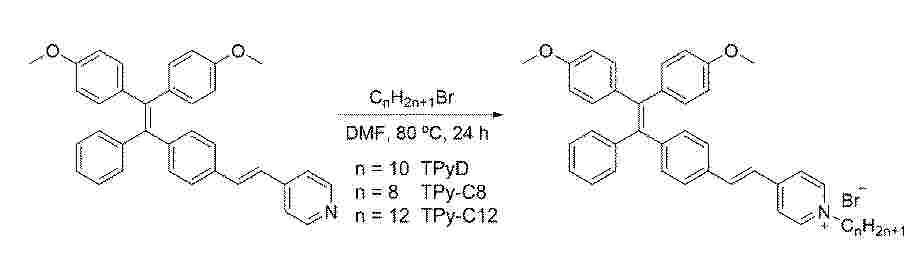
Resumen de: CN122059871A
The invention discloses a method integrating microalgae lipid accumulation promotion, algae cell flocculation and lipid extraction, and belongs to the field of bioengineering and energy. An AIE group is used as a main body structure, positive charges and hydrophobic chains are modified through quaternization, so that AIE molecules can be combined with algae cells through electrostatic interaction and hydrophobic interaction, and lipid accumulation of the algae cells is promoted by improving the light energy utilization rate of the algae cells. Furthermore, integration from lipid synthesis to extraction is realized based on the positive charge and active oxygen generation performance of molecules.
Resumen de: KR20260070008A
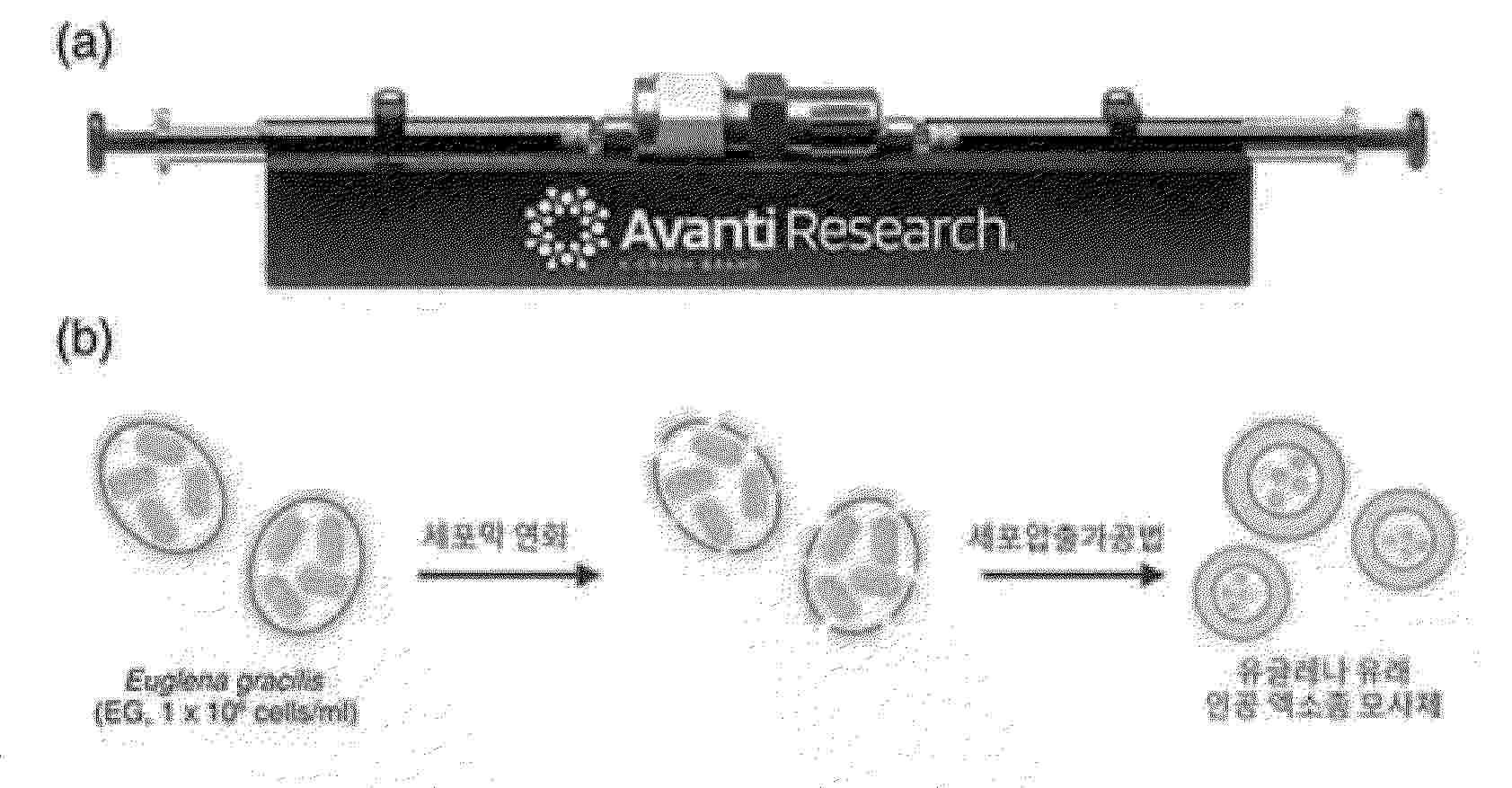
본 발명은 미세조류 유래 엑소좀 유사체 제조방법, 이로부터 제조된 엑소좀 유사체 및 이를 포함하는 면역 증강용 조성물에 관한 것으로, 본 발명의 방법은 미세조류 유래 엑소좀 유사체를 효율적으로 생산할 수 있으며, 본 발명의 미세조류 유래 엑소좀 유사체는 베타글루칸을 포함하고 있는 바, 베타글루칸의 낮은 용해도 문제를 해결할 수 있으며 면역 증강 효과가 우수하여 의약품, 건강기능식품 또는 화장료 조성물로 활용될 수 있다.
Resumen de: CN122038167A
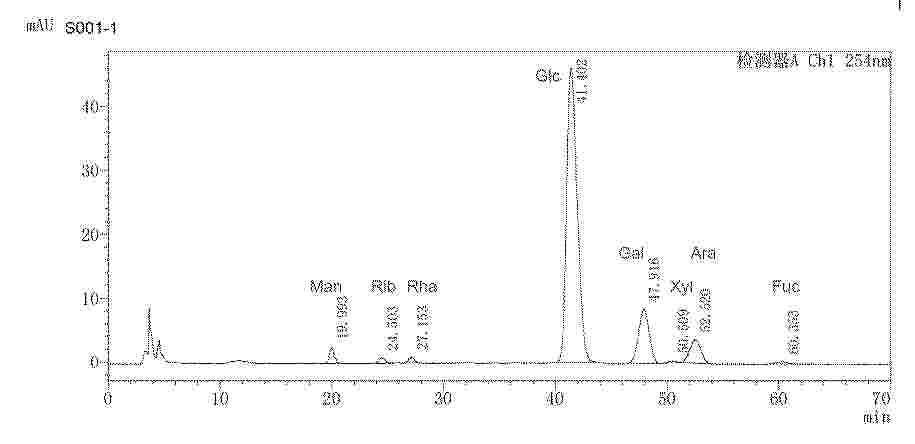
The invention relates to a separation and extraction method and application of algicidal active ingredients of a saccharothrix fermentation product, and belongs to the field of separation and extraction of microbial fermentation products. The preparation method comprises the following steps: preparing a seed solution, carrying out fermentation culture, carrying out 90% absolute ethyl alcohol precipitation, redissolving and the like, and separating an algae-lysing active component from a fermentation product of saccharothrix violaracirubra NBAL-S001 of which the preservation number is CCTCC (China Center for Type Culture Collection) NO: M20241734, so as to obtain the algae-lysing active component, wherein the algae-lysing active component is prepared from the fermentation product of the saccharothrix violaracirubra NBAL-S001; the mass percent of total polysaccharides of the component is at least 78%, monosaccharides comprise mannose, ribose, rhamnose, glucose, galactose and arabinose, the mass percent of the glucose is larger than 80%, and the glucose is a water-soluble non-protein substance and has a remarkable inhibiting effect on microcystis aeruginosa. The extraction method provided by the invention is simple and convenient in steps, low in cost, high in extraction efficiency and capable of realizing large-scale production; the active ingredients are good in algae-lysing effect, environment-friendly and free of secondary pollution, and an efficient technical scheme is prov
Resumen de: CN122038128A
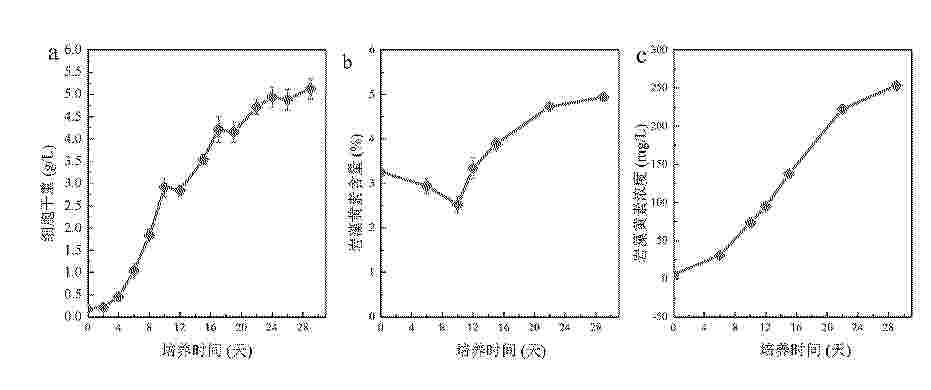
The invention relates to a high-fucoxanthine algae cell culture method, which realizes rapid accumulation of fucoxanthine by adjusting the nitrogen-carbon ratio and starvation culture transition in the microalgae growth process and the fucoxanthine accumulation process, and finally obtains microalgae cells with high fucoxanthine content.
Resumen de: CN122038129A
The invention relates to the technical field of microalgae biology, in particular to a high-biomass and high-photosynthetic-efficiency chlorella pyrenoidosa mutant strain J-1 which is obtained by mutagenizing wild type chlorella pyrenoidosa through an atmospheric pressure room temperature plasma (ARTP) mutagenesis technology and combining an efficient screening strategy. When the strain is cultured for 4 days under a standard autotrophic condition, the biomass reaches 1.23 mg/mL, the OD750 reaches 6.27, and when the strain is cultured for 5 days under a high light stress condition, the OD750 reaches 16.70; according to the invention, the growth performance is obviously enhanced: the biomass of J-1 is higher than that of WT under autotrophic, mixotrophic or heterotrophic conditions, and the biomass of a J-1 mutant strain reaches 1.23 mg/mL and is increased by 53.8% compared with that of a wild type (0.80 mg/mL) after the J-1 mutant strain is cultured for 4 days under a standard autotrophic condition (50 mu mol * m <-2 > * s <-1 >); the OD750 reaches 6.27 and is higher than 5.75 of a wild type, the OD750 reaches 2.18 mg/mL (WT is 1.75 mg/mL) on the fourth day of mixotrophic culture, the OD750 reaches 1.39 mg/mL (WT is 1.05 mg/mL) on the fourth day of heterotrophic culture, and it is indicated that biomass can be efficiently accumulated in different nutritional modes.
Resumen de: CN122038096A
The invention discloses a device for light guide optimization of a photobioreactor, and relates to the field of microbiological devices. The device comprises a water-light lamp main body and a circulating water pump device, the water-light lamp main body is a transparent tubular container, a point light source incident port, a water outlet and a water inlet are formed in the water-light lamp main body, and nano silicon dioxide water suspension is contained in the water-light lamp main body; the circulating water pump device is connected with the water lamp body through a water pipe to achieve circulating flowing of turbid liquid. A point light source is converted into an area light source through turbid liquid scattering, the problems that an existing light guide device is low in side wall light emitting intensity and uneven in light distribution are solved, scattering stability is guaranteed, the microalgae and photosynthetic bacterium culture efficiency is improved, and the light guide device is simple in structure, high in adaptability and easy to popularize on a large scale.
Resumen de: CN122038374A
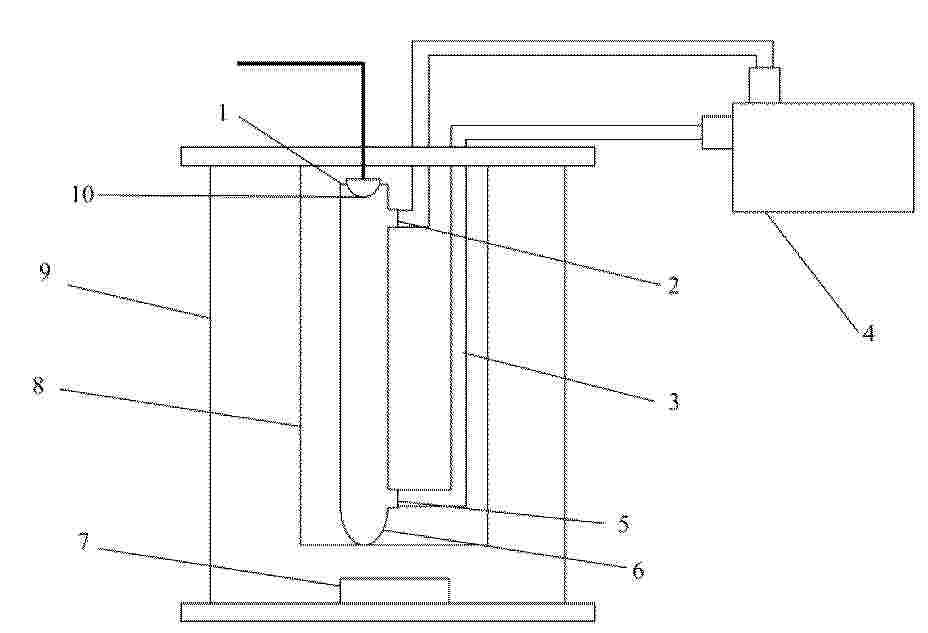
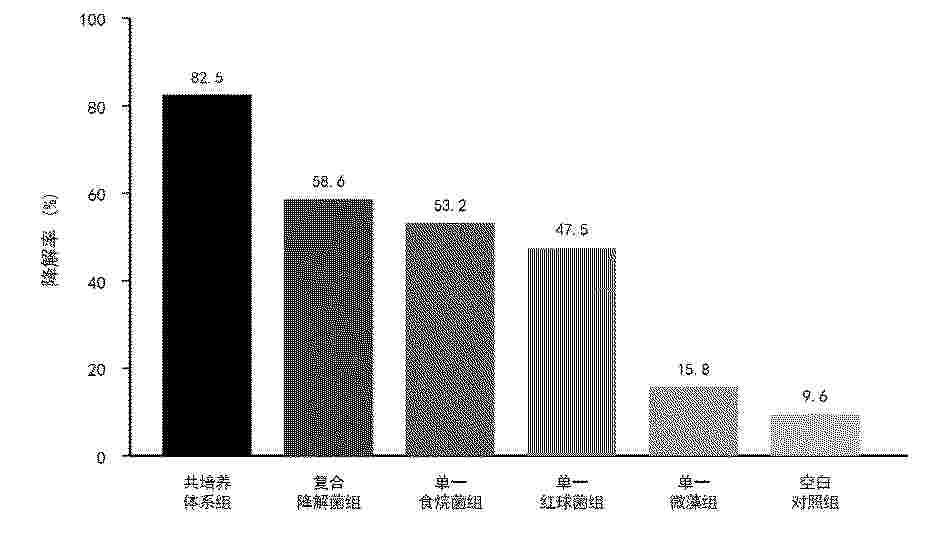
The invention discloses a petroleum hydrocarbon degrading bacterium and microalgae co-culture system, a construction method and application, and belongs to the technical field of marine environment bioremediation, the system is formed by mixing and embedding alcanivorans, rhodococcus, dunaliella salina and chlorella in a dry weight ratio of 3: 1 in sodium alginate gel microspheres, photosynthetic oxygen supply of microalgae meets the aerobic degradation requirement, and the photosynthetic oxygen supply of microalgae meets the aerobic degradation requirement. COs generated by metabolism of degrading bacteria are used for carbon sequestration of microalgae, self-sufficiency metabolic circulation is formed, bacteria and algae space layering and day and night metabolism complementation are achieved through gel microspheres, the 21-day degradation rate of the co-culture system to diesel oil reaches 82% or above and is increased by 35% compared with single bacteria treatment, exogenous nutritive salt and aeration are not needed, and the co-culture system is suitable for in-situ remediation of marine oil spill.
Resumen de: CN122038372A
The invention relates to the field of microalgae efficient culture and wastewater recycling treatment, in particular to a microalgae biofilm carrier with a conductive coating and a preparation method of the microalgae biofilm carrier. The preparation method comprises the following steps: adding carbon quantum dots into poly (3, 4-ethylenedioxythiophene)-poly (styrenesulfonic acid), adding a reagent for promoting material adhesion, and uniformly mixing to obtain a suspension; soaking the substrate in a surface tension adjusting reagent, and then drying to obtain a modified substrate; and spin-coating the suspension on the surface of a modified substrate, and then sequentially cleaning and freeze-drying to obtain the microalgae biofilm carrier. Compared with a traditional microalgae biofilm carrier, the microalgae biofilm carrier has higher electron conduction efficiency, is more beneficial to attachment of microalgae organisms, can improve the extracellular electron transfer efficiency of the microalgae and the photosynthesis rate of the microalgae, and promotes rapid formation of a microalgae biofilm.
Resumen de: CN122030033A
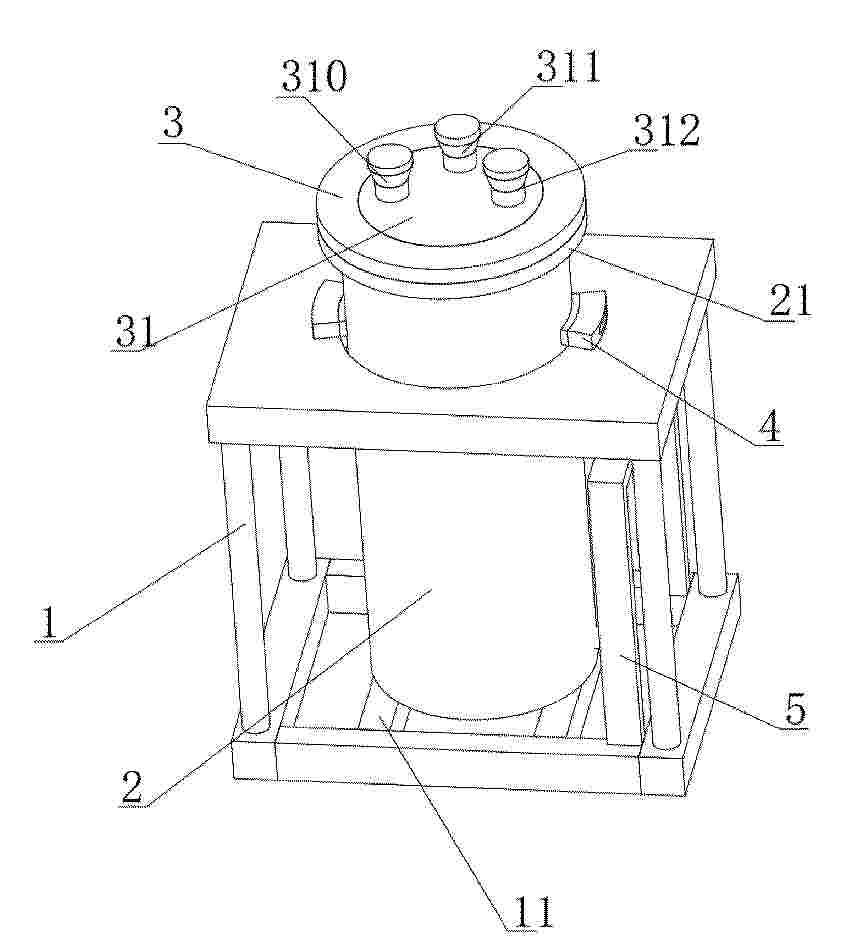
The invention discloses a method and device for improving acidified soil by using nitrogen-fixing cyanobacteria, the device comprises a culture tank, the outer wall of the culture tank is provided with an extension part, the top of the extension part is fixedly provided with a fixed cover, the inner bottom of the culture tank is fixedly provided with a waterproof motor, and the output end of the waterproof motor is fixedly provided with a stirring rod; a flexible silica gel paddle is arranged on the outer wall of the end part of the stirring rod, an aeration assembly is arranged on the culture tank, and the aeration assembly comprises an annular microbubble aeration pipe fixedly mounted on the inner wall of the culture tank; the device has the beneficial effects that the flexible silica gel paddle is matched with the low-speed waterproof motor and the annular micro-bubble aeration assembly, so that the dual effects of mechanical stirring and air-lift uniform mixing are realized, algae clusters can be thoroughly scattered, the algae liquid is uniform, the damage of high-speed hard stirring to algae cells is completely avoided, the activity of nitrogen-fixing blue-green algae is retained to the maximum extent, and the nitrogen-fixing effect of the nitrogen-fixing blue-green algae is improved. The survival rate of the algae is greatly improved.
Resumen de: KR20260069186A
본 발명은 미세조류 추출물을 함유하는 청각 기능 보충제에 대한 것으로서, Limnothrix종 KNUA002 균주를 통해 추출된 미세조류 추출물인 스피루리나를 함유하여, LDL-C 수치, HDL-C 수치 등 다양한 대사 지표를 개선하고, IL-6 수치와 대사증후군 개별 위험 요인이 개선되도록 하며, 특히 복용자의 청각 기능이 개선되도록 한다.
Resumen de: CN122030302A
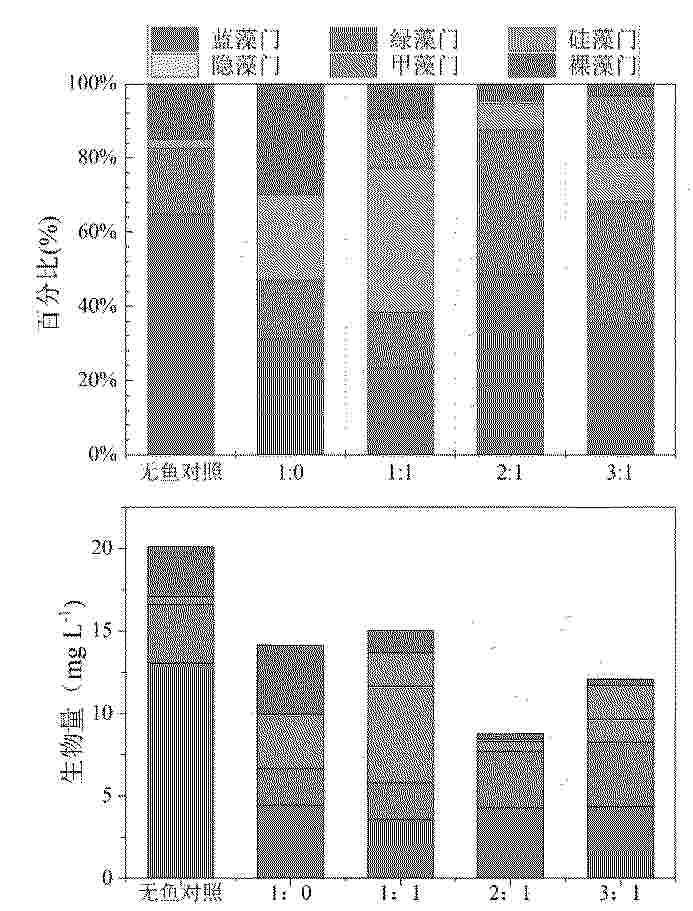
The invention provides a method for controlling algae by using young silver carps and bighead carps, and relates to the technical field of ecological restoration of water bodies. The method provided by the invention comprises the following step: the weights of fry of the young silver carp and the bighead carp are both 5-9g. According to the method, the young silver carps and the bighead carps are adopted for controlling algae, the growth speed of the young silver carps and the bighead carps is high, the fry source is wide, the cost is relatively low, and a large amount of food is needed in the growth process to meet the energy requirement. The algae control capability of the young silver carps and bighead carps is evaluated through a system, it is determined that the content of chlorophyll a in water can be remarkably reduced through the method, and the control effect of the young silver carps and bighead carps on cyanobacterial bloom is clear.
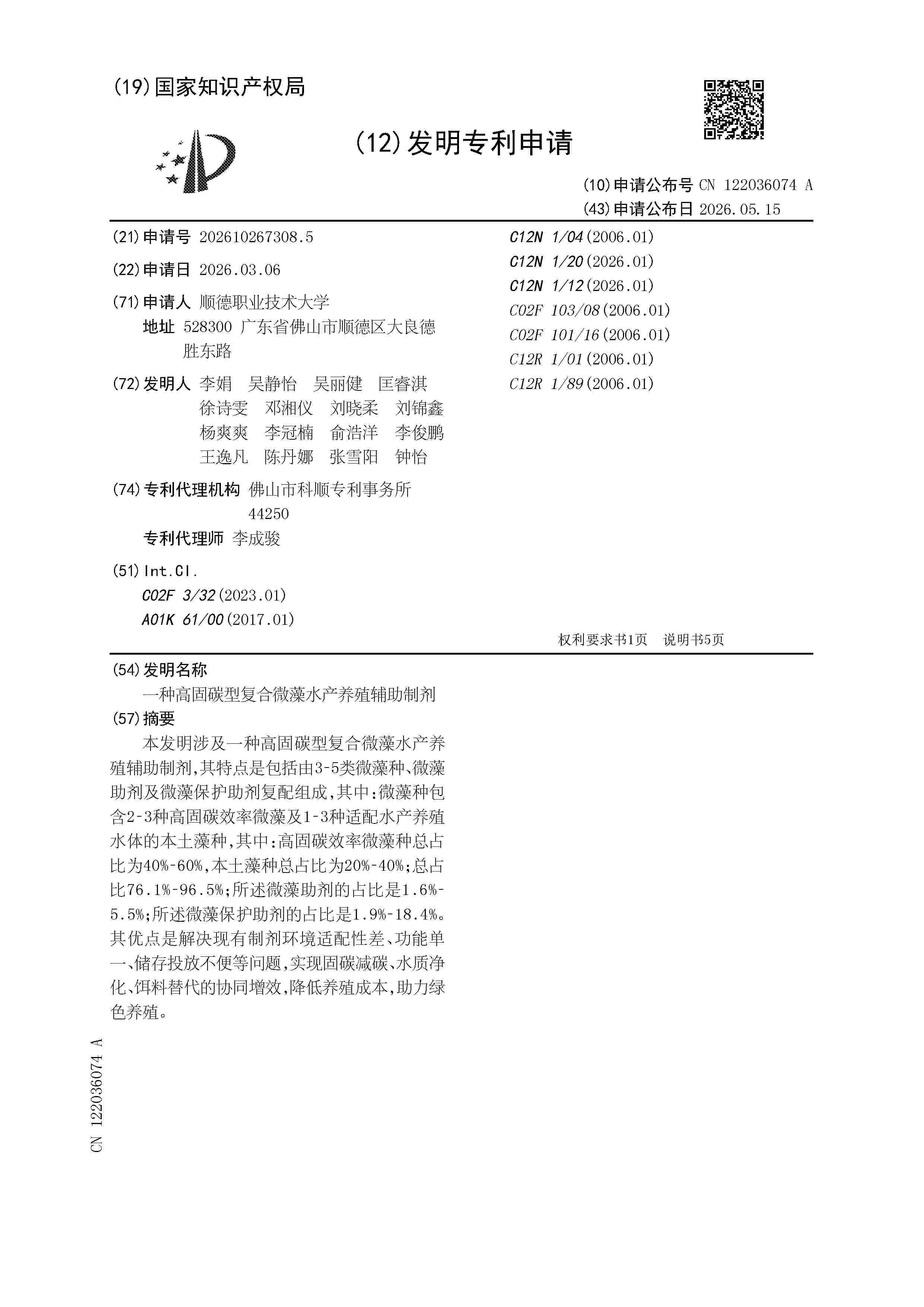
Resumen de: CN122036074A
The invention relates to a high carbon sequestration type composite microalgae aquaculture auxiliary preparation which is characterized in that the high carbon sequestration type composite microalgae aquaculture auxiliary preparation is formed by compounding 3-5 types of microalgae species, a microalgae auxiliary agent and a microalgae protection auxiliary agent, the microalgae species comprise 2-3 microalgae species with high carbon sequestration efficiency and 1-3 local algae species adapted to an aquaculture water body, the total proportion of the microalgae species with high carbon sequestration efficiency is 40-60%, and the total proportion of the microalgae species with high carbon sequestration efficiency is 1-3%. The total proportion of the local algae species is 20%-40%; the total ratio of the raw materials is 76.1%-96.5%; the ratio of the microalgae auxiliary agent is 1.6%-5.5%; and the ratio of the microalgae protection auxiliary agent is 1.9%-18.4%. The preparation has the advantages of solving the problems of poor environment adaptability, single function, inconvenience in storage and throwing and the like of the existing preparation, realizing the synergistic interaction of carbon sequestration and carbon reduction, water purification and bait replacement, reducing the breeding cost and assisting green breeding.
Nº publicación: CN224226847U 12/05/2026
Solicitante:
GUANGODNG YIKANGSHENG ENVIRONMENTAL PROTECTION TECH CO LTD
\u5E7F\u4E1C\u76CA\u5EB7\u751F\u73AF\u4FDD\u79D1\u6280\u6709\u9650\u516C\u53F8
Resumen de: CN224226847U
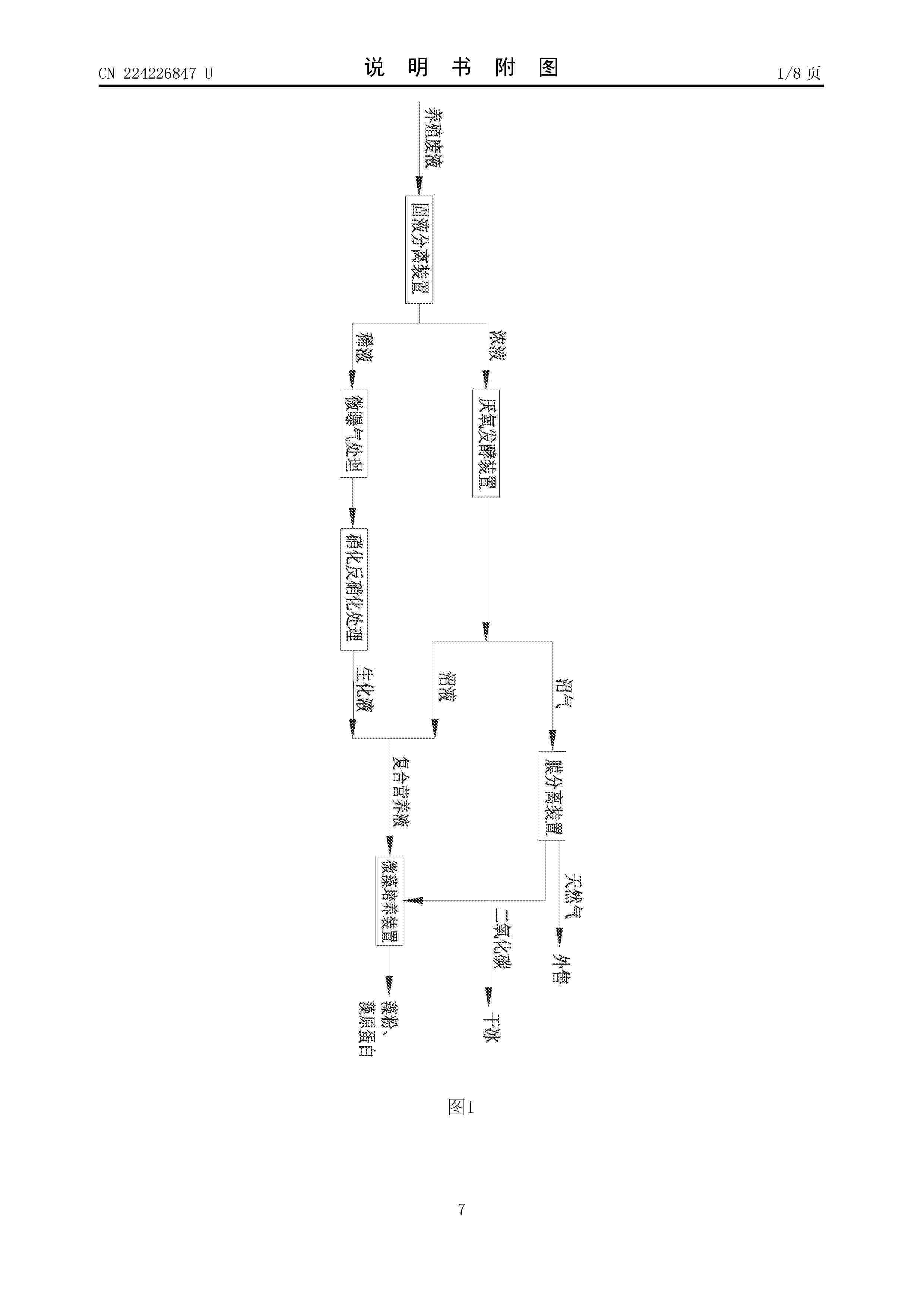
The utility model relates to a microalgae culture wastewater treatment system based on thick and thin flow division, which comprises a solid-liquid separation device and an anaerobic fermentation device, the solid-liquid separation device comprises a thick liquid sedimentation tank and a thin liquid sedimentation tank, and the thick liquid sedimentation tank and the thin liquid sedimentation tank are separated by a partition plate; the upper side of the concentrated liquid sedimentation tank is provided with an impurity removal filtering device, the impurity removal filtering device is provided with a shell, the inner wall of the shell is provided with two chains, a plurality of screen pieces are connected between the two chains, the inner wall of the shell is provided with a waste discharge hopper, the chains are arranged in an inclined mode, and the waste discharge hopper is provided with a water outlet. The upper chain section of the chain conveys from bottom to top, the waste discharging hopper is located below the discharging end of the upper chain section, the shell is provided with a feeding port above the feeding end of the upper chain section, and the bottom wall of the shell is provided with a liquid outlet. The whole process flow is simple, the energy consumption is low, the recycling and high-value utilization of the livestock and poultry breeding wastewater can be realized to the greatest extent, and the sewage treatment cost is reduced.
 BOPI
BOPI
 Sede Electrónica