Si deseas distinguir tus productos, servicios o ambos de los de otra empresa, es posible que necesites una marca o nombre comercial. Descubre qué son, en qué consiste su procedimiento de registro y qué implica.

Información sobre los plazos de presentación de solicitudes de transformación de marcas de la Unión Europea en marca nacional española. Más información


Si tienes un nuevo dispositivo, producto o procedimiento que resuelva un problema técnico o tenga una ventaja práctica, existen distintas formas de protegerlo en España y en otros países. Descubre cómo hacerlo.

¿Tu innovación reside en la estética, la ornamentación o la apariencia de tu producto? Protégela mediante un diseño industrial. Descubre qué derechos confiere el registro y cómo realizar la tramitación.

Las indicaciones geográficas protegen el nombre de un producto originario de una zona geográfica, a la cual le debe una determinada calidad, reputación u otra característica. Descubre qué son, en qué consiste su procedimiento de registro y qué beneficios conceden.

Las patentes publicadas en todo el mundo son una valiosa fuente de información científica, técnica y comercial.

Si eres emprendedor/a o una empresa y quieres potenciar y mejorar la rentabilidad de tu negocio protegiendo de forma adecuada los activos intangibles de tu organización, en este espacio encontrarás lo necesario.


 131
resultados
131
resultados
 Última actualización
23/10/2026 [07:36:00]
Última actualización
23/10/2026 [07:36:00]


 Resultados 125 a 131 de 131
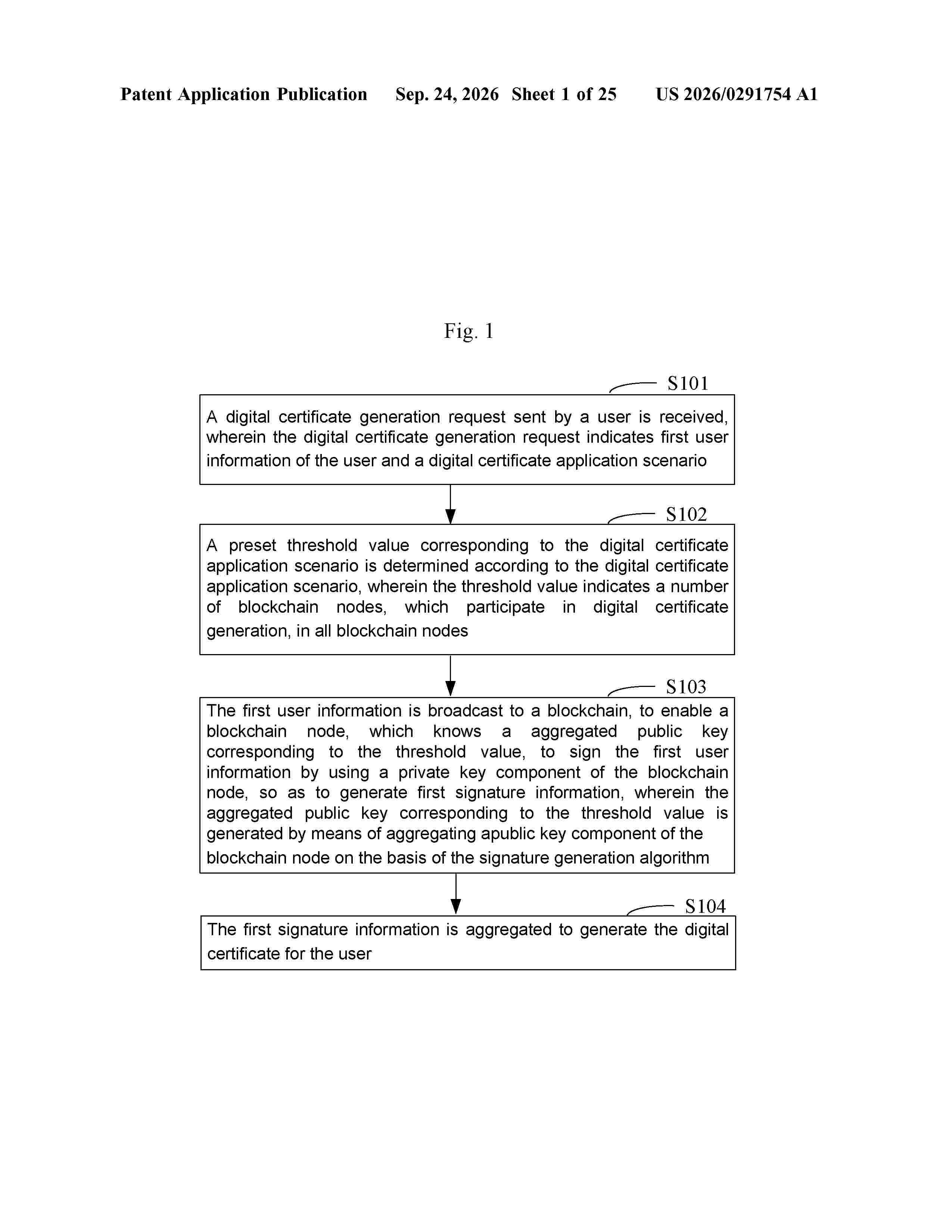
Resumen de: US20260291754A1
Provided are a method and apparatus for managing a digital certificate. A specific implementation of the method includes: receiving a digital certificate generation request sent by a user; according to a digital certificate application scenario, determining a preset threshold value corresponding to the digital certificate application scenario; broadcasting first user information to a blockchain, to enable a blockchain node, which knows an aggregated public key corresponding to the threshold value, to sign the first user information by using a private key component of the blockchain node, so as to generate first signature information, where the aggregated public key corresponding to the threshold value is generated by means of aggregating public key components of the blockchain node on the basis of a signature generation algorithm; and aggregating the first signature information to generate a digital certificate for the user.

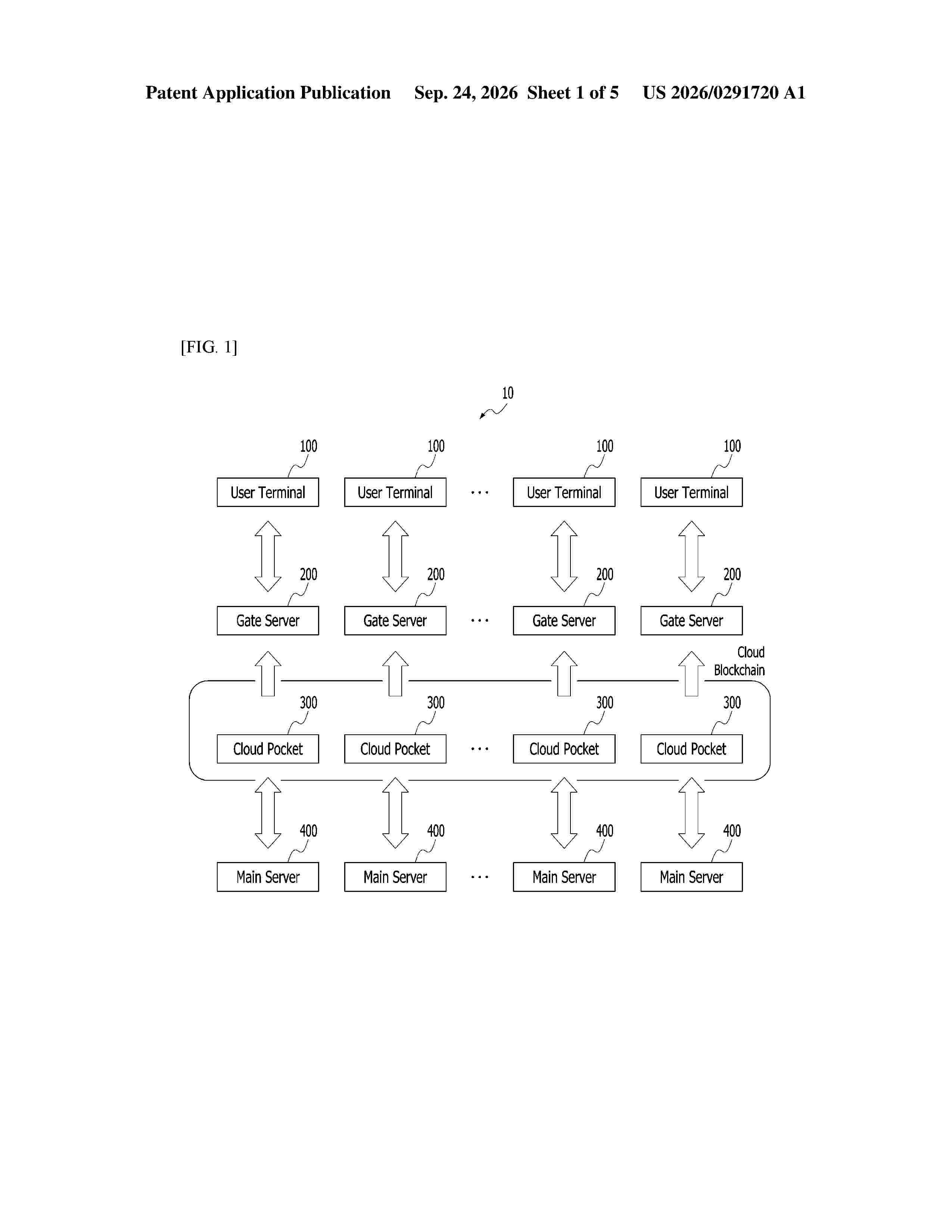
Resumen de: US20260291720A1
The present disclosure discloses a cloud blockchain system and a method for controlling the same. A user terminal encrypts original data using an authentication key to generate an encrypted block, and registers request information including the encrypted block and a timestamp on a gate server. A cloud pocket accesses the gate server to verify the request information, restores the original data by decrypting the encrypted block, and stores the restored data as a new block in a blockchain or modifies existing data. By configuring the blockchain in a network-connected cloud pocket rather than on a local device, no information is stored on the personal device, and only an encrypted block protocol exists between the user and the cloud pocket. A plurality of cloud pockets are interconnected via a P2P network to enable currency functions through real-time processing.
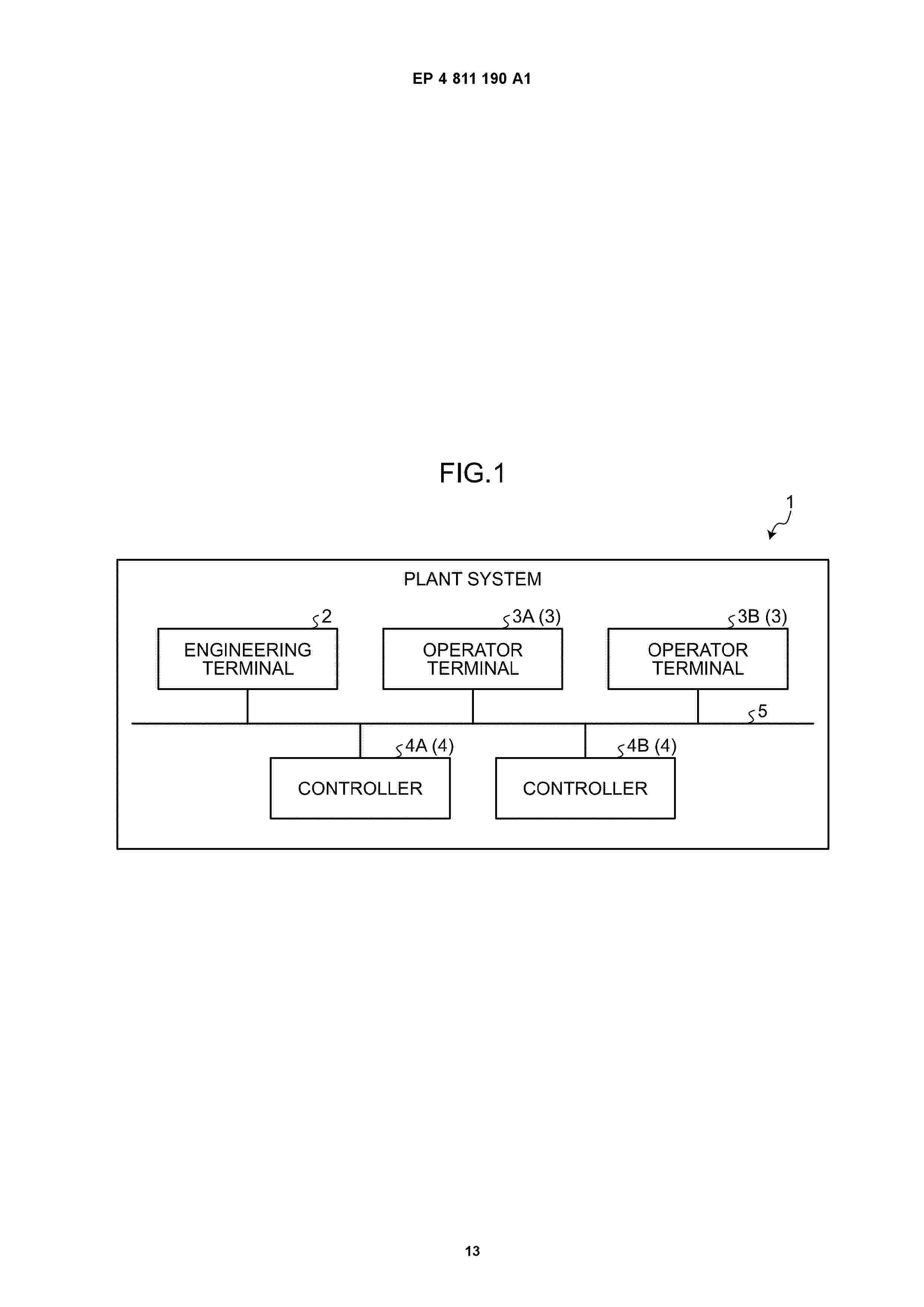
Resumen de: EP4811190A1
An information processing apparatus (2,3,4) includes a processor (17,46). The processor (17,46) is configured to detect an incident that has occurred, generate history information on the incident, and record the generated history information in a blockchain (50).
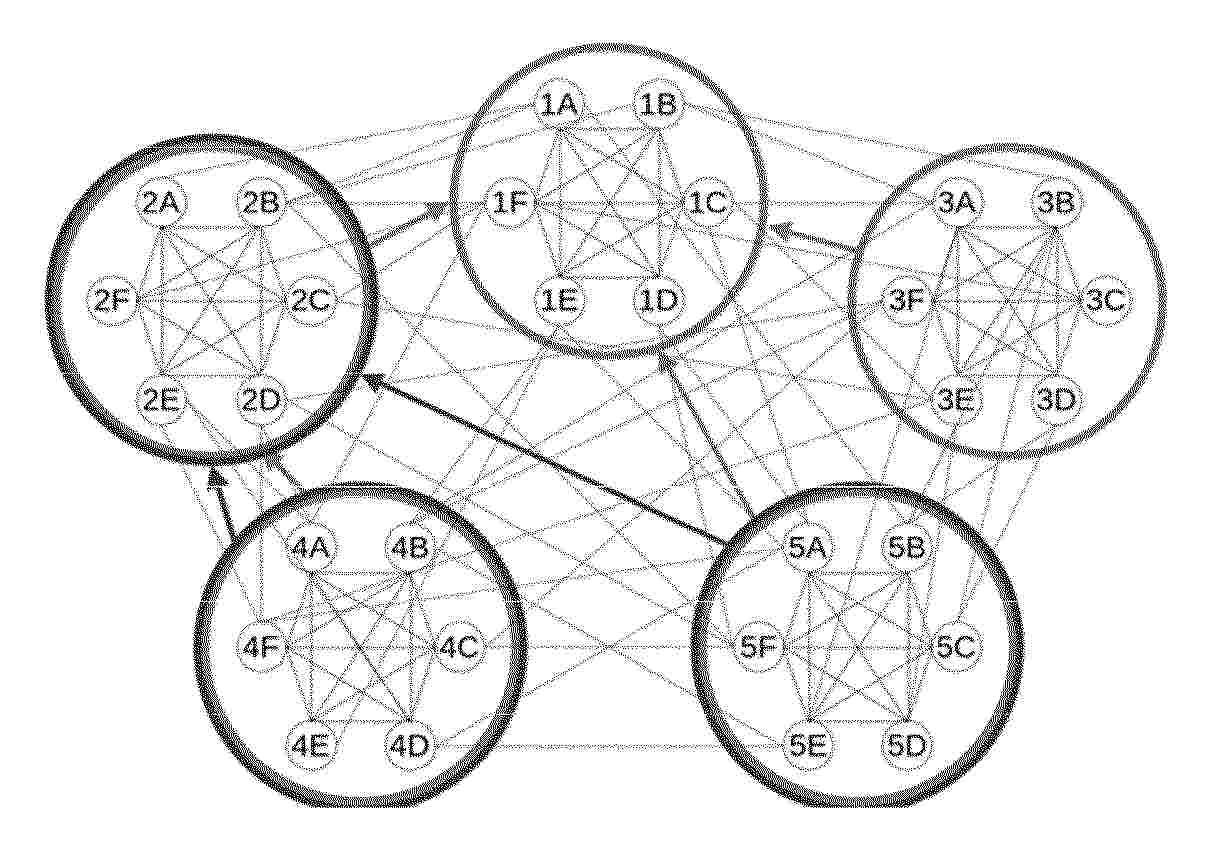
Resumen de: EP4811201A1
A system and computer-implemented method for facilitating communication and interoperation between heterogenous networks in an ecosystem of networks is described. Distributed ledger technology is used to provide a first network among the ecosystem of networks with a permissionless core, such as a blockchain. At least a subset of the networks are blockchain networks. The ecosystem comprises regulated and/or unregulated networks that are linked through their engagement with the permissionless core of the first network. Transactions spanning independent networks in the ecosystem benefit from a combination of regulatory oversight and decentralized, algorithmically safe permissionlessness. Transactions between distinct unregulated networks (such as different blockchain networks) and transactions between regulated and unregulated networks (such as between central currency markets and cryptocurrency) are each facilitated with no trusted intermediary.
Resumen de: EP4811714A1
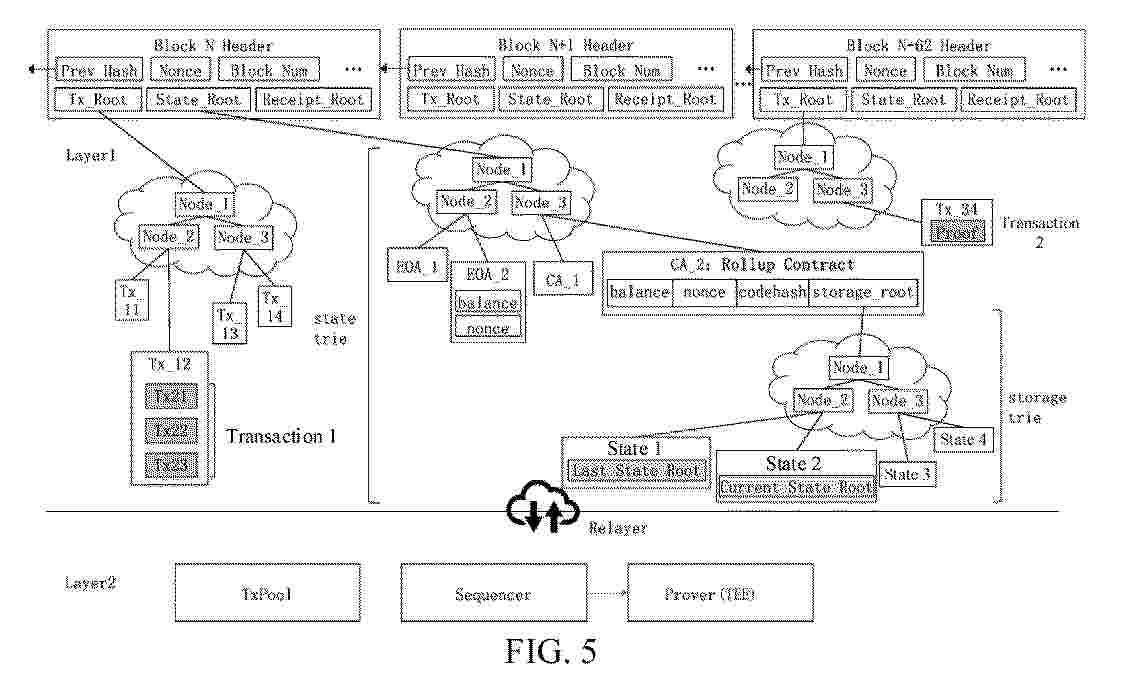
0001 This disclosure provides a method for implementing rollup of a layer 2 network, including: pulling, transactions from a transaction pool, sorting and packaging the pulled transactions, generating a first transaction root of the packaged transactions, executing the packaged transactions sequentially based on initial states , and generating a first post-state root; sending to a prover of the layer 2 network, the packaged transactions, the first transaction root, the initial states, and a first pre-state root and the first post-state root that correspond to the initial states; and verifying the first transaction root and the first pre-state root; and executing the packaged transactions, generating a second post-state root, putting a signature to information of the packaged transactions by using a secret key in the trusted execution environment, using the signature as a proof, and sending the proof to a blockchain ledger of a mainnet by using a second mainnet transaction.
Nº publicación: EP4811151A1 23/09/2026
Solicitante:
TENCENT TECHNOLOGY SHENZHEN CO LIMITED [CN]
Tencent Technology (Shenzhen) Company Limited
Resumen de: EP4811151A1
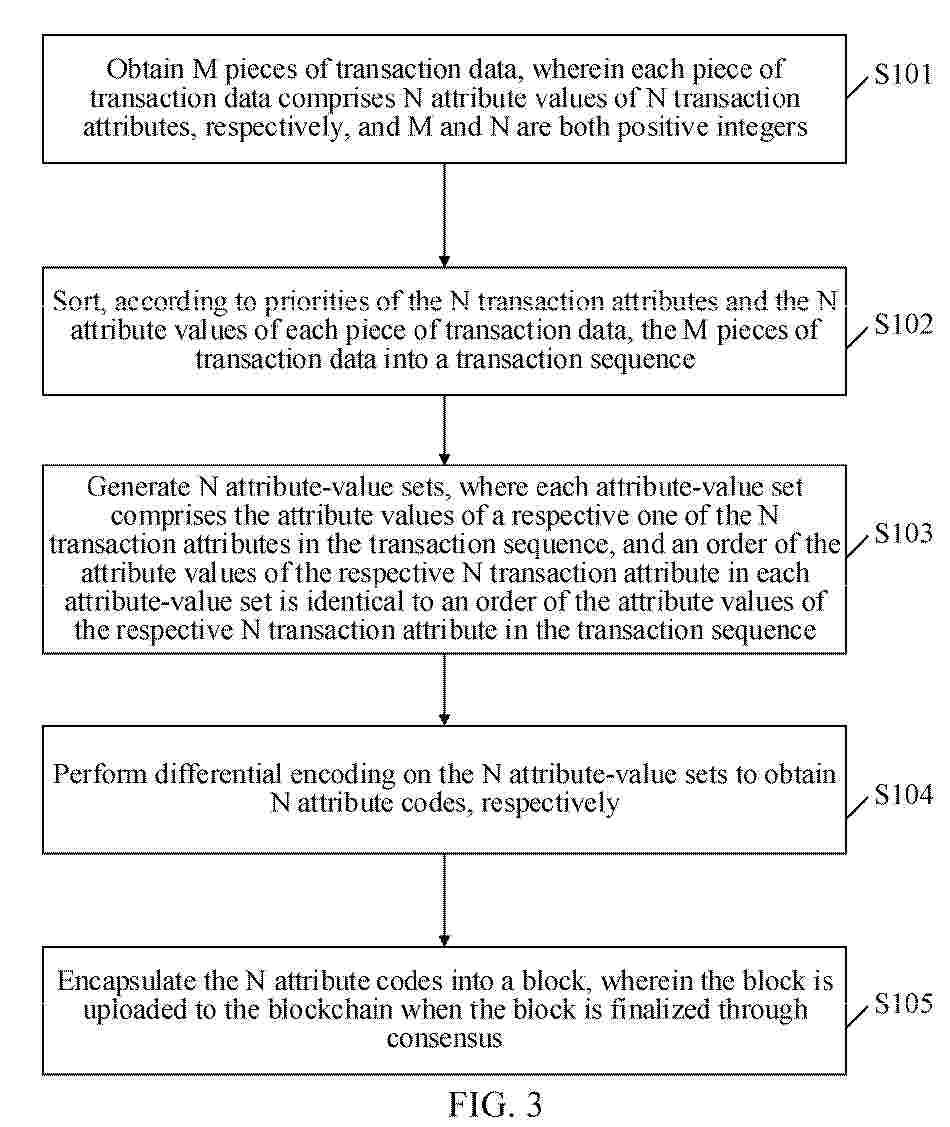
Provided are a blockchain-based block compression method and apparatus, a device, and a readable storage medium. The method comprises: acquiring M transaction data packets, each of the transaction data packets comprising transaction attribute values of N transaction attribute types; on the basis of the transaction attribute values and type priorities respectively corresponding to the N transaction attribute types, determining a positional order of the M transaction data packets, so as to obtain a transaction data packet sequence; for the N transaction attribute types, on the basis of the transaction attribute values corresponding to the same transaction attribute types in the transaction data packet sequence, respectively generating attribute value sets according to the positional order, so as to obtain N attribute value sets; respectively performing delta encoding processing on the N attribute value sets to obtain N attribute value delta encodings; and performing block encapsulation processing on the N attribute value delta encodings to obtain a block pending for blockchain uploading.
 BOPI
BOPI
 Sede Electrónica