Si deseas distinguir tus productos, servicios o ambos de los de otra empresa, es posible que necesites una marca o nombre comercial. Descubre qué son, en qué consiste su procedimiento de registro y qué implica.

Información sobre los plazos de presentación de solicitudes de transformación de marcas de la Unión Europea en marca nacional española. Más información


Si tienes un nuevo dispositivo, producto o procedimiento que resuelva un problema técnico o tenga una ventaja práctica, existen distintas formas de protegerlo en España y en otros países. Descubre cómo hacerlo.

¿Tu innovación reside en la estética, la ornamentación o la apariencia de tu producto? Protégela mediante un diseño industrial. Descubre qué derechos confiere el registro y cómo realizar la tramitación.

Las indicaciones geográficas protegen el nombre de un producto originario de una zona geográfica, a la cual le debe una determinada calidad, reputación u otra característica. Descubre qué son, en qué consiste su procedimiento de registro y qué beneficios conceden.

Las patentes publicadas en todo el mundo son una valiosa fuente de información científica, técnica y comercial.

Si eres emprendedor/a o una empresa y quieres potenciar y mejorar la rentabilidad de tu negocio protegiendo de forma adecuada los activos intangibles de tu organización, en este espacio encontrarás lo necesario.


 402
resultados
402
resultados
 Última actualización
27/08/2026 [09:07:00]
Última actualización
27/08/2026 [09:07:00]


 Resultados 375 a 400 de 402

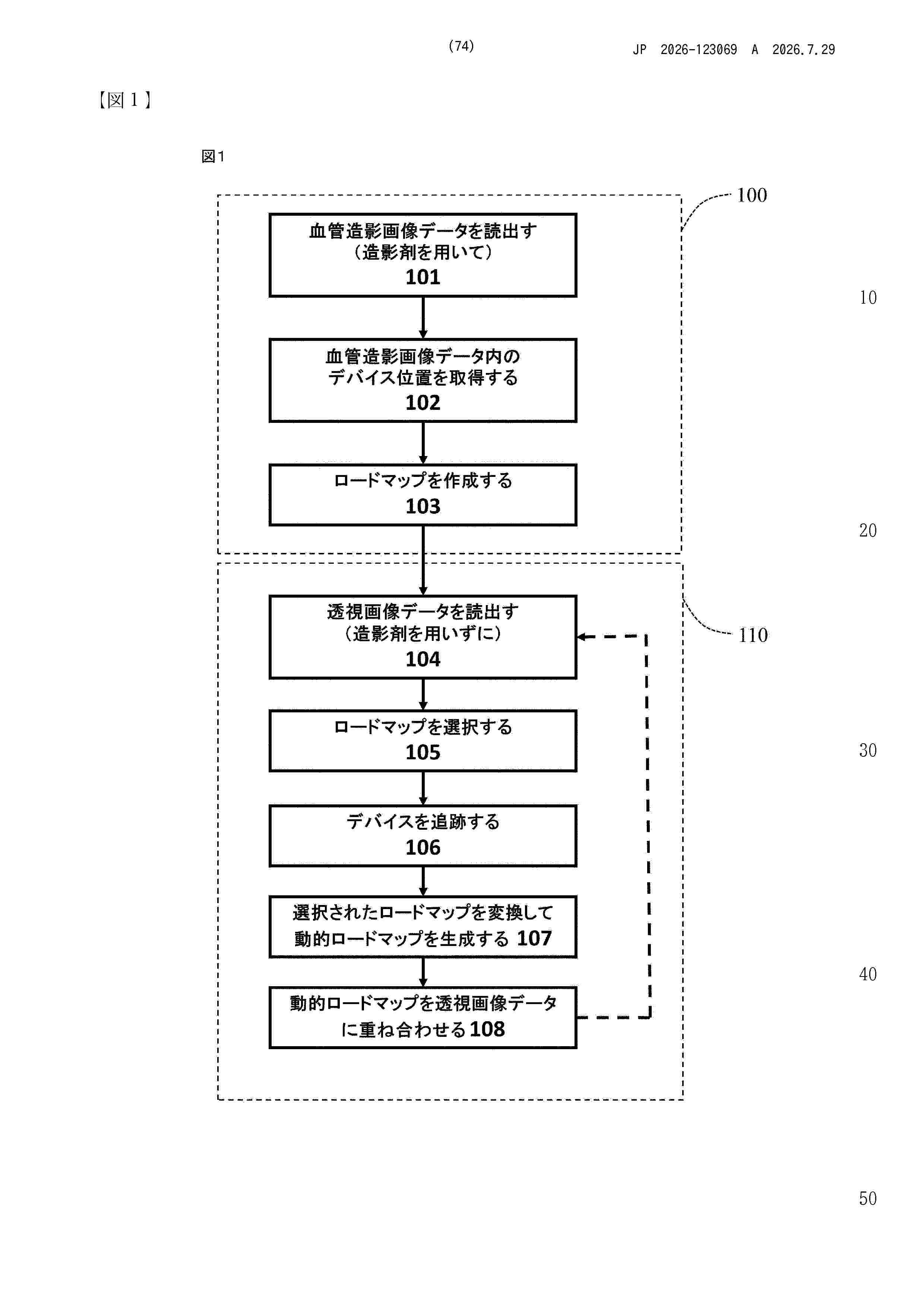
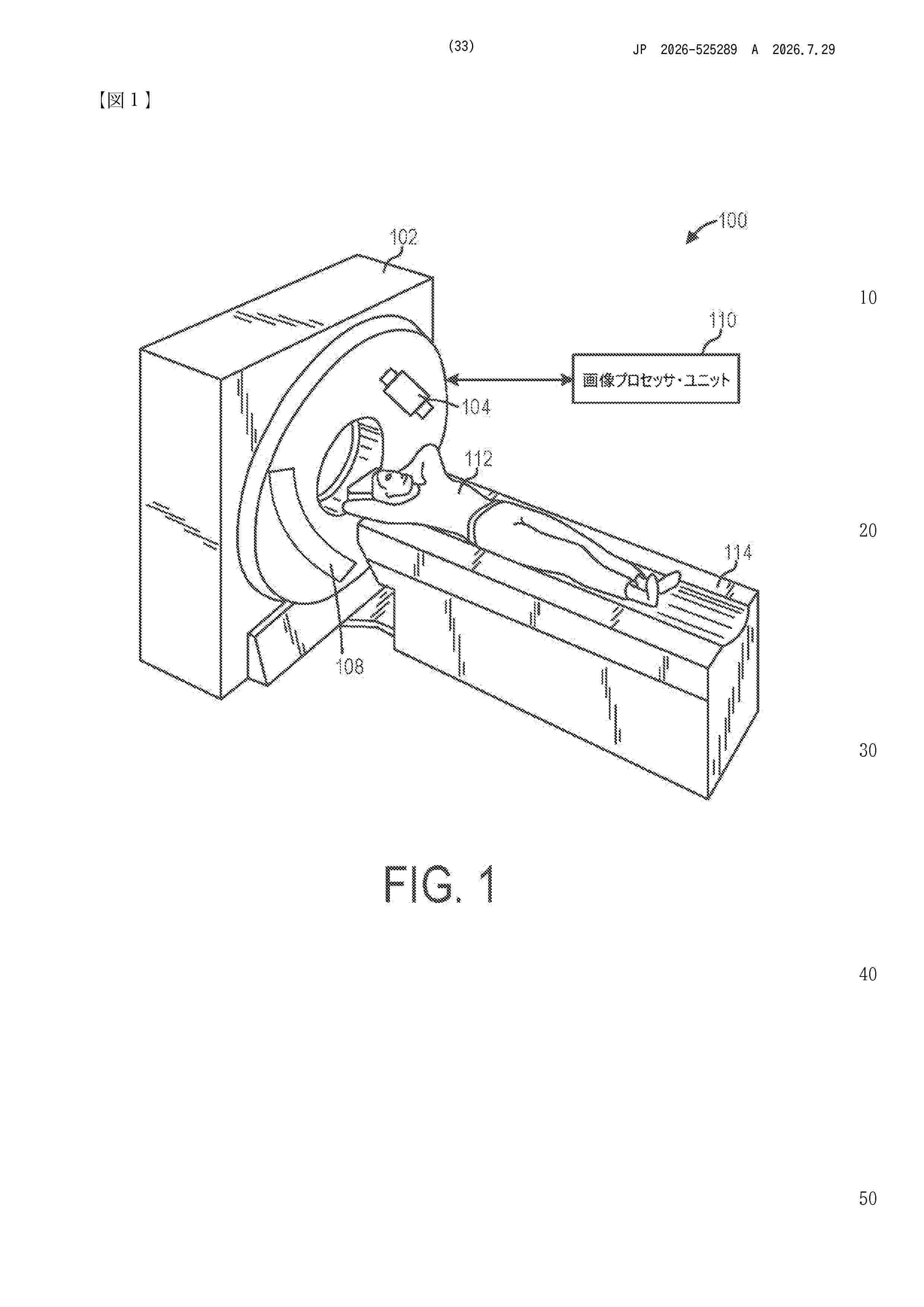
Resumen de: JP2024161465A
To provide methods for dynamically visualizing information in image data of an object of interest of a patient, which include an offline phase and an online phase.SOLUTION: In an offline phase, first image data of an object of interest are acquired by an intervention device using a contrast agent. A plurality of roadmaps covering different phases of a cardiac cycle is generated, and a plurality of reference locations of the corresponding device is determined. In an online phase, live image data collected without using the contrast agent are acquired by using the device present in a live image, and a roadmap matched to a phase of the cardiac cycle is selected from the plurality of roadmaps different in the cardiac cycle. A location of the device in the live image data is determined, the roadmap is transformed to generate a dynamic roadmap, and a visual representation of the dynamic roadmap is overlaid on the live image data.SELECTED DRAWING: Figure 1

Resumen de: EP4781953A1
The invention provides the medical device which is intended for use in the physical rehabilitation in the case of temporomandibular disorders that limit normal and pain-free mouth opening, impaired chewing associated with dysfunction of the masticatory muscles, temporomandibular joints (TMJ) and related musculoskeletal structures. The medical device functions by simulating the natural movements of the temporomandibular joint through controlled pneumatic inflation. The device is designed to provide gentle, safe and precisely controlled movement of the TMJ and mandible. The medical device is a pneumatically adjustable rehabilitation device for temporomandibular disorder treatment, leveraging advanced bioengineering and 3D printing technology. The device is designed to support precise, controlled jaw movement, simulating natural temporomandibular joint (TMJ) kinematics, and aiding in physical rehabilitation through pneumatic expansion and contraction.
Resumen de: KR102996468B1
본 발명은 3차원 바이오프린팅 기술을 이용한 약물 전달체에 관한 것으로서, 보다 상세하게는 다중 구획 구조를 갖는 코어-쉘-멀티레이어 형태의 전달체를 통해 수면 유도 성분, 수면 유지 성분, 항노화 활성 성분 및 수명 연장 활성 성분을 인간의 생체 리듬과 동기화하여 시차 방출할 수 있는 서방형 전달체 및 이의 제조방법에 관한 것이다. 본 발명은 또한 텔로미어 보호, 세포 노화 억제, 미토콘드리아 기능 개선 및 단백질 항상성 유지를 통한 세포 수준의 수명 연장 효과를 제공하는 전달체에 관한 것이다.
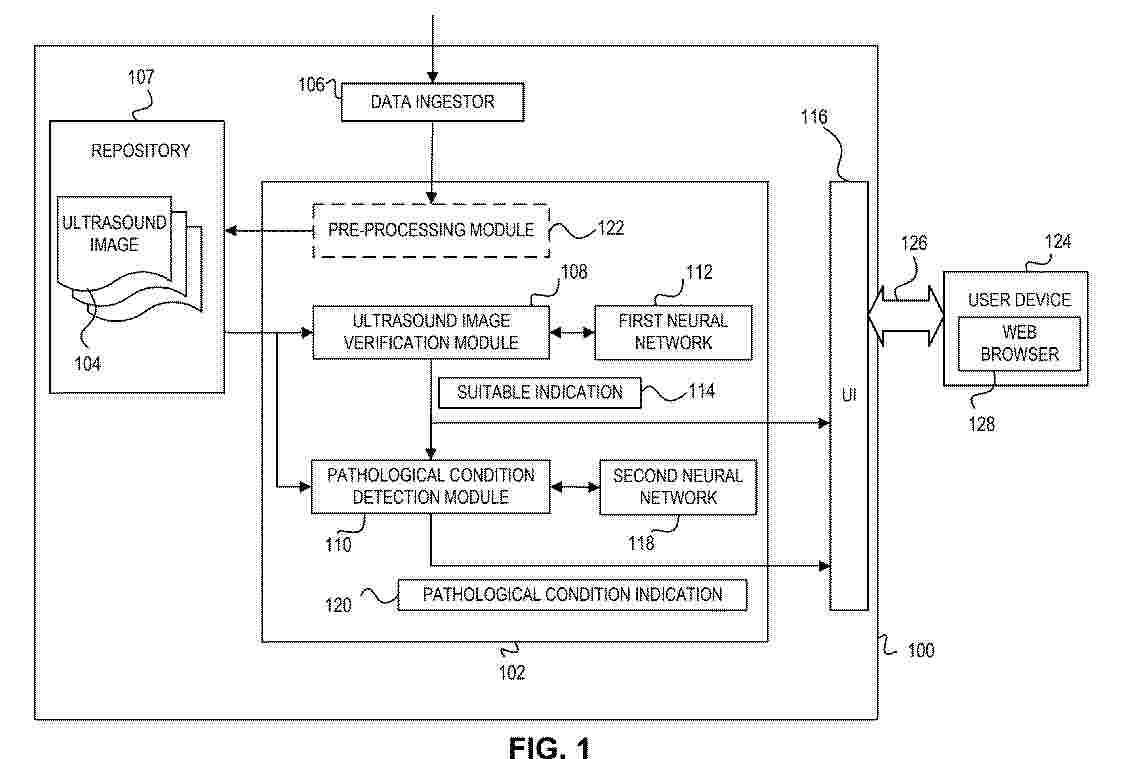
Resumen de: EP4783193A1
Computing systems and methods for detecting a pathological condition based on a set of one or more ultrasound image of a torso. The method includes: processing the set of one or more ultrasound image of the torso using one or more neural networks to generate: a prediction of a presence and/or position of each of a plurality of anatomical structures in the set of one or more ultrasound image of the torso, and a prediction of a presence of the pathological condition and/or a quantitative indication of a severity of the pathological condition; and in response to determining, based on the prediction of the presence and/or position of the plurality of anatomical structures, that the set of one or more ultrasound image is suitable for detecting the pathological condition, outputting the prediction of the presence of the pathological condition and/or the quantitative indication of the severity of the pathological condition.
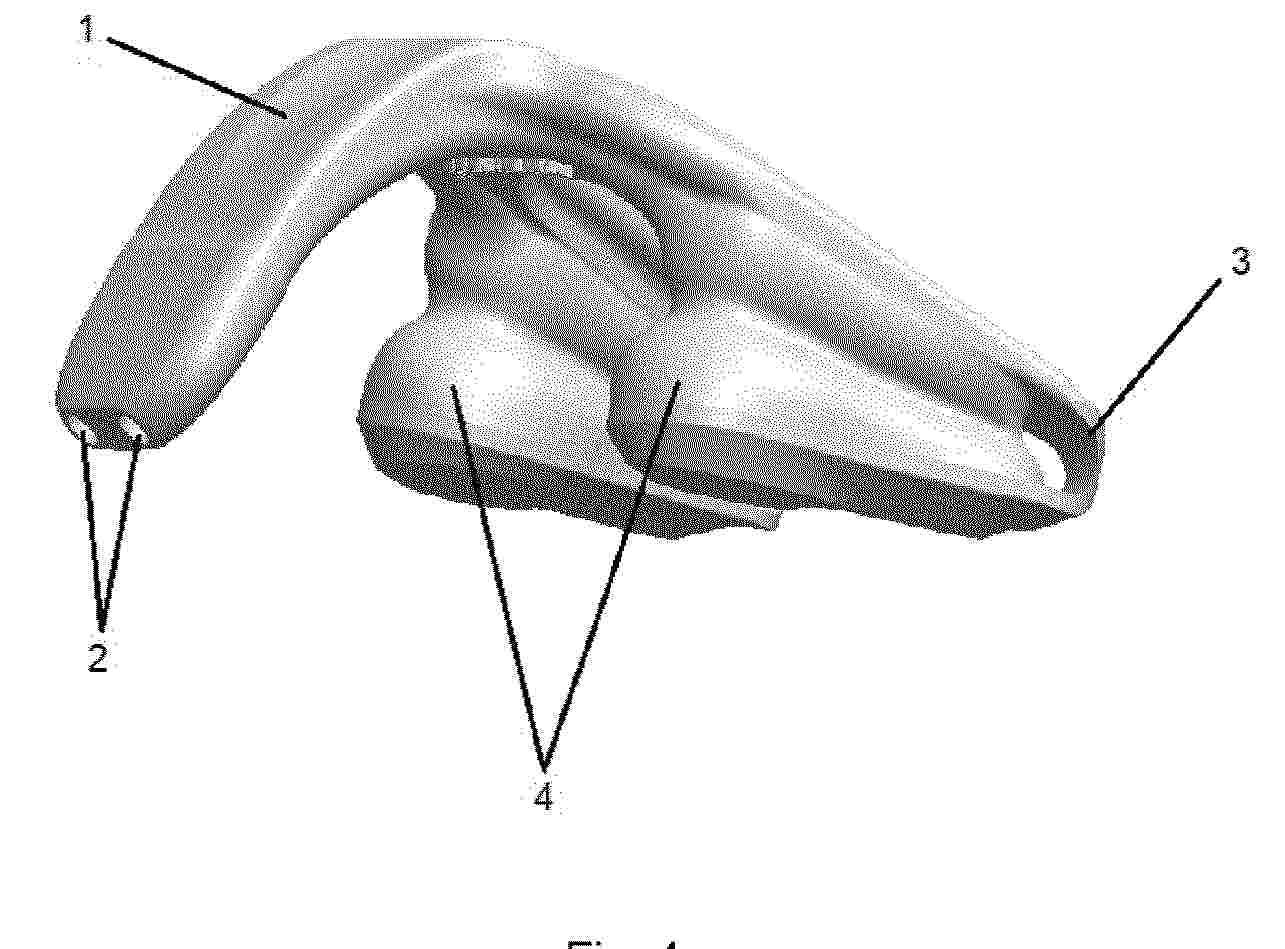
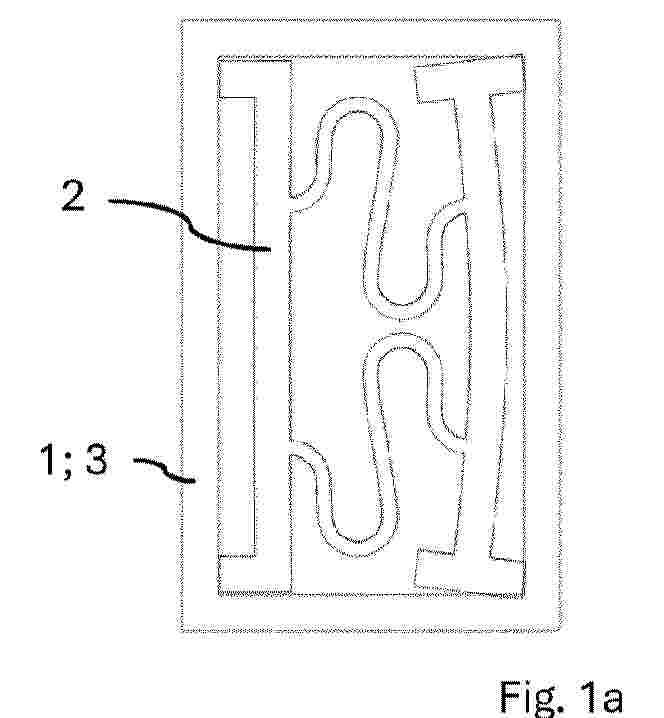
Resumen de: EP4782019A1
0001 A structure comprising a first part (1) made at least partially from a rapidly degradable material and a second part (2) made at least partially from a slowly or non-degradable material, whereas the second part (2) has an elastically deformed form, which is secured by the first part (1) such that an at least partial degradation of the first part (1) will release an elastic shape change of the second part (2).
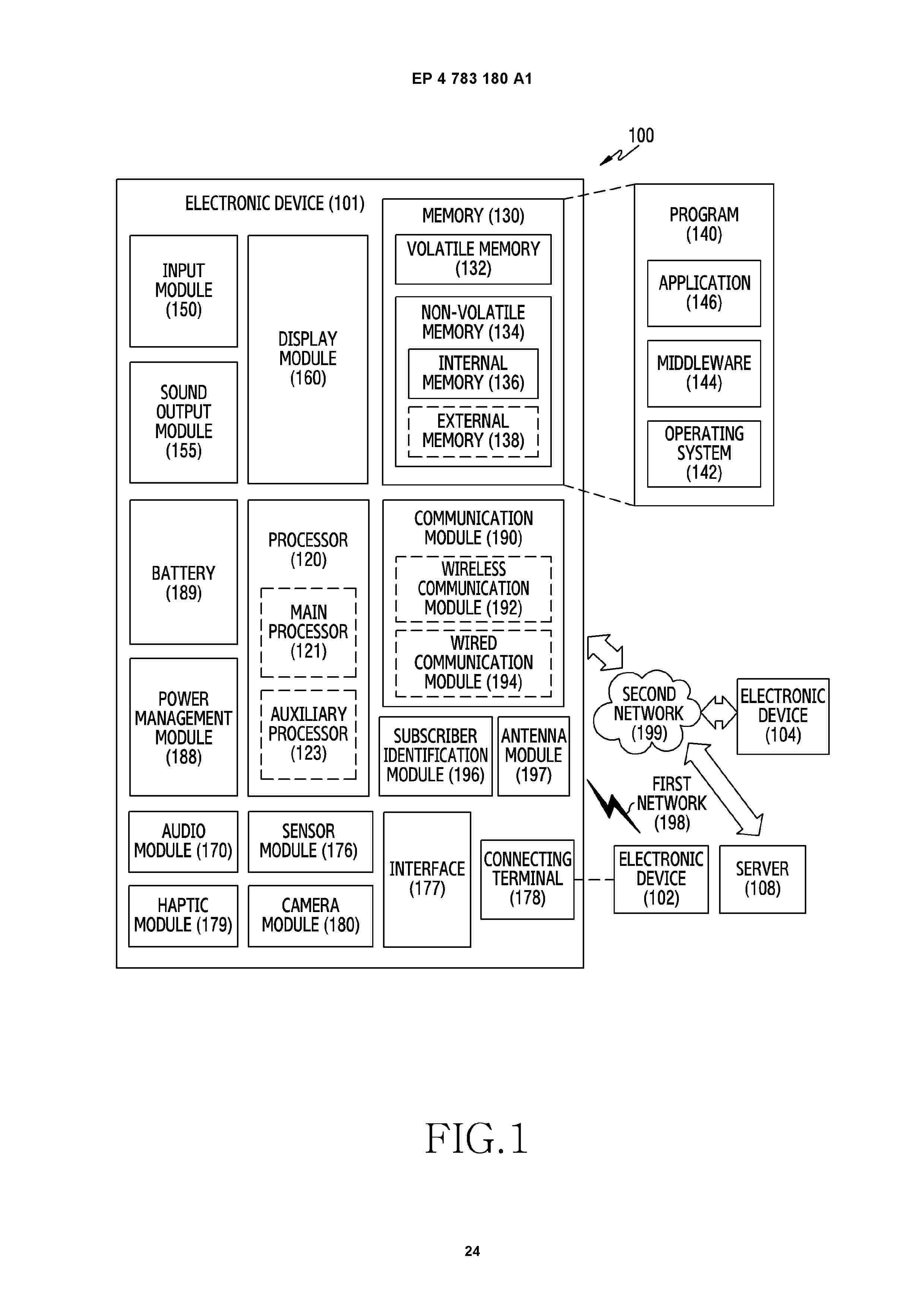
Resumen de: EP4783180A1
Disclosed are an electronic device for user-customized healthcare and an operation method thereof. The electronic device may receive an access request from an external electronic device, and receive a user input for the access request. The electronic device may transmit personal information to the external electronic device based on the user input. The personal information may include personal device information for at least one device. The electronic device may receive device configuration information generated based on the personal information and a digital prescription from the external electronic device, and generate healthcare guide information related to the at least one device based on the device configuration information. The electronic device may display a user interface for guiding a health activity based on the healthcare guide information, and transmit a device control command for the at least one device to support the health activity. Besides, various embodiments understood through this document are also possible.
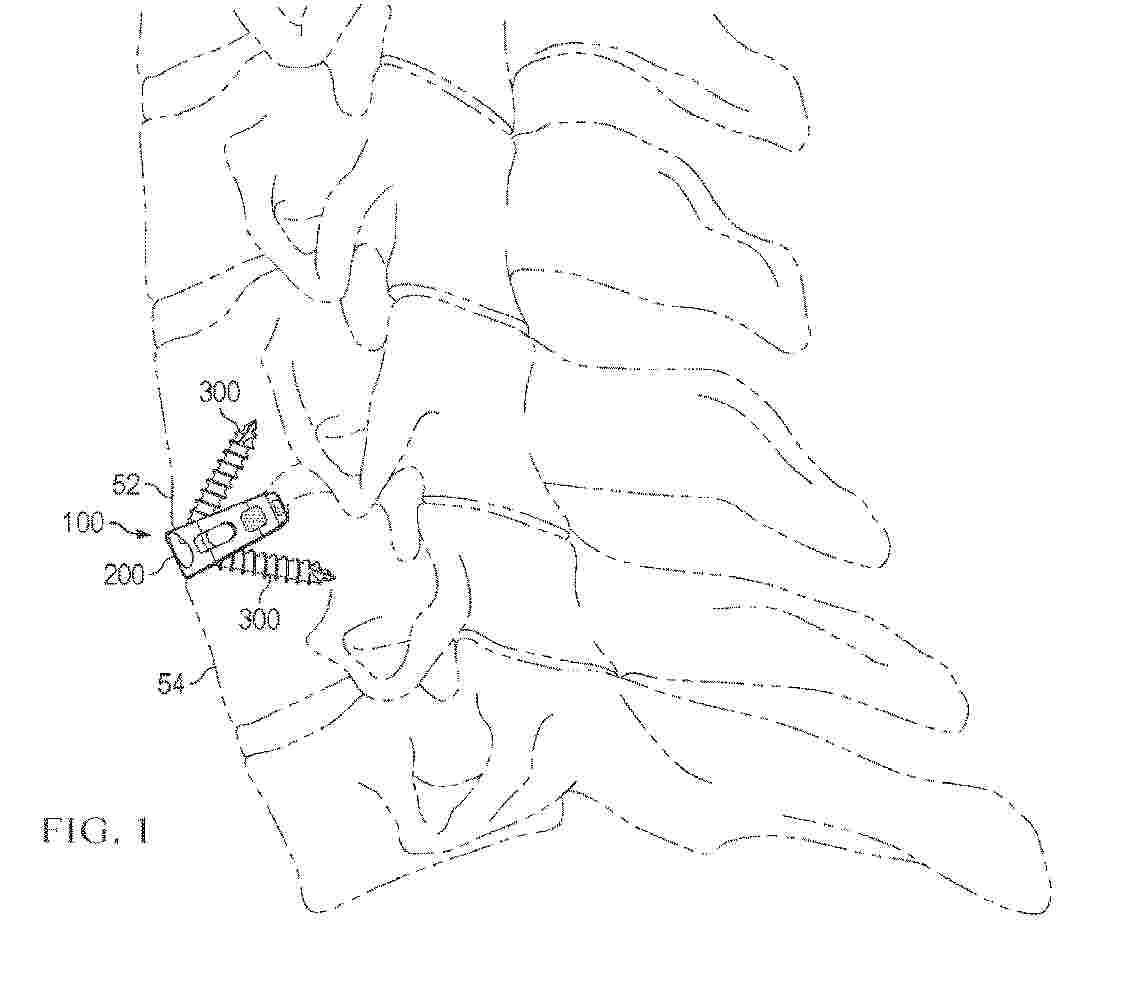
Resumen de: WO2025064398A1
The present disclosure may include intervertebral implantation systems and devices for spinal fusion treatment. An intervertebral implant may have a top surface configured to contact a first vertebrae, a bottom surface opposite the top surface configured to contact a second vertebrae, a distal surface extending between the top surface and the bottom surface, and a proximal surface opposite the distal surface extending between the top surface and the bottom surface. There may be a channel extending from the proximal surface to one of the top surface or the bottom surface, where the channel may be configured to receive a bone screw. The implant may further include a resilient locking tab extending along a length of the channel. The resilient locking tab may include a serpentine-shaped base extending along the length of the channel and a head projecting from a first end of the serpentine-shaped base into the channel.
Resumen de: EP4782472A1
0001 Provided are a curable composition for three-dimensional photofabrication and a method for producing the same, the curable composition for three-dimensional photofabrication comprising: 100 parts by mass of a radically-polymerizable monomer (A) that is liquid at 25°C; 50 to 250 parts by mass of an inorganic filler (B); 0.05 to 5.0 parts by mass of a photopolymerization initiator (C) that absorbs activating light and generates radicals; 0.01 to 2.5 parts by mass of an activating light absorbent (D) that absorbs the activating light; 0.01 to 5.0 parts by mass of a polymerization inhibitor (E); and 0.3-10 parts by mass of a hyperbranched polymer (F) that is soluble in the radically-polymerizable monomer (A). Moreover, provided is a method for producing a three-dimensional photofabricated product using said for three-dimensional photofabrication curable composition for three-dimensional photofabrication.
Resumen de: US2025022124A1
The current disclosure provides methods and systems to provide a magnification capability to a software application for reviewing medical images, where a selected portion of a medical image displayed by the software application can be viewed within a magnification window at a higher resolution than other portions of the medical image. A higher-resolution medical image of the selected portion can be generated from the medical image using a trained convolutional neural network (CNN). In a first embodiment, the selected portion of the medical image is cropped and inputted into the trained CNN to generate a higher-resolution medical image corresponding to the selected portion. In a second embodiment, the medical image is inputted into the trained CNN to generate a higher-resolution medical image when the medical image is displayed, and the selected portion of the higher-resolution medical image is cropped and displayed at a time of selection.
Resumen de: WO2025008825A1
Modeling material formulations usable in additive manufacturing of a denture structure, and additive manufacturing of denture structures employing same are provided. The modeling material formulations and the additive manufacturing parameters provide denture structures that exhibit mechanical, physical and biocompatibility properties that meet the requirements of the acceptable standards.
Resumen de: WO2025117798A1
The computer-implemented system includes a computer having a processor and memory with executable instructions that run a platform for creating and displaying medical information. The system may receive medical data relating to a patient in FHIR/LPR format, including patient records and vital statistics. The system may perform temporal analysis and feature extraction on the medical data. Using an artificial intelligence model trained on historical patient data, the system may analyze the data to generate a knowledge graph by identifying nodes, determining relationships using semantic analysis and natural language processing, generating edges, and applying graph database algorithms. The system may create a visual output including a health snapshot with generated prose ranked using page rank algorithms, an interactive body map identifying health issues, and an enhanced timeline format health history with drill-down capabilities.
Resumen de: AU2024417570A1
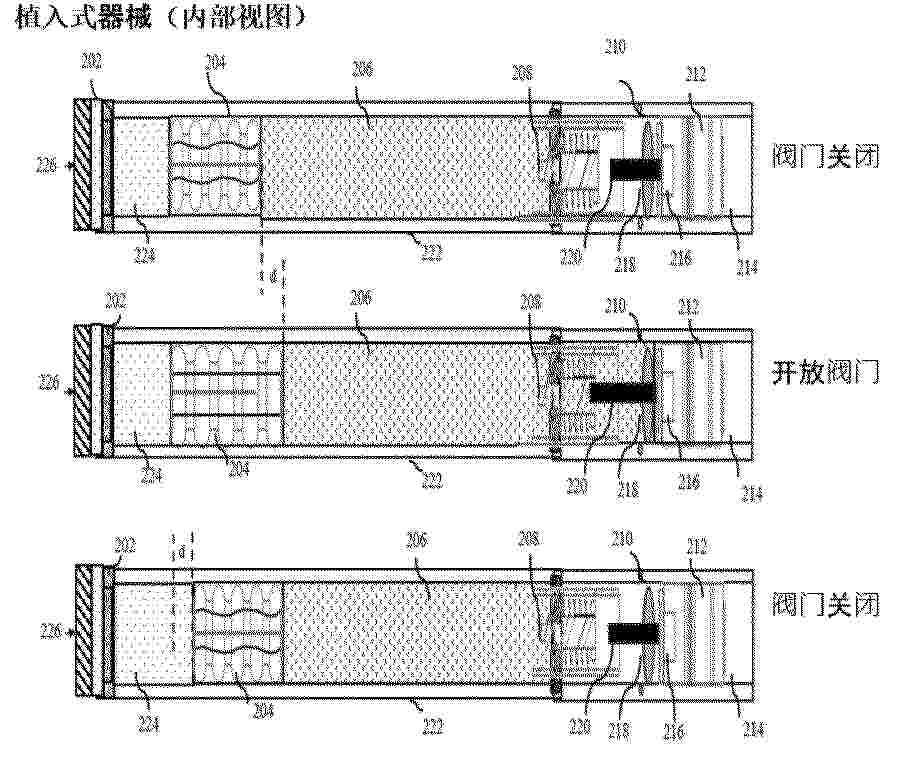
An embodiment relates to an active implantable medical device (AIMD) comprising: a permeability module to allow ingress of a fluid into an osmotic agent chamber of the AIMD, a compressible piston, a drug chamber comprising a drug or being provided to receive a drug and a valve module to allow flow of the drug from the drug chamber to outside the AIMD through one or more drug outlets present in the AIMD, wherein the AIMD has dimensions that allow the AIMD to be implanted, subcutaneously, in a human body.
Resumen de: US20260204403A1
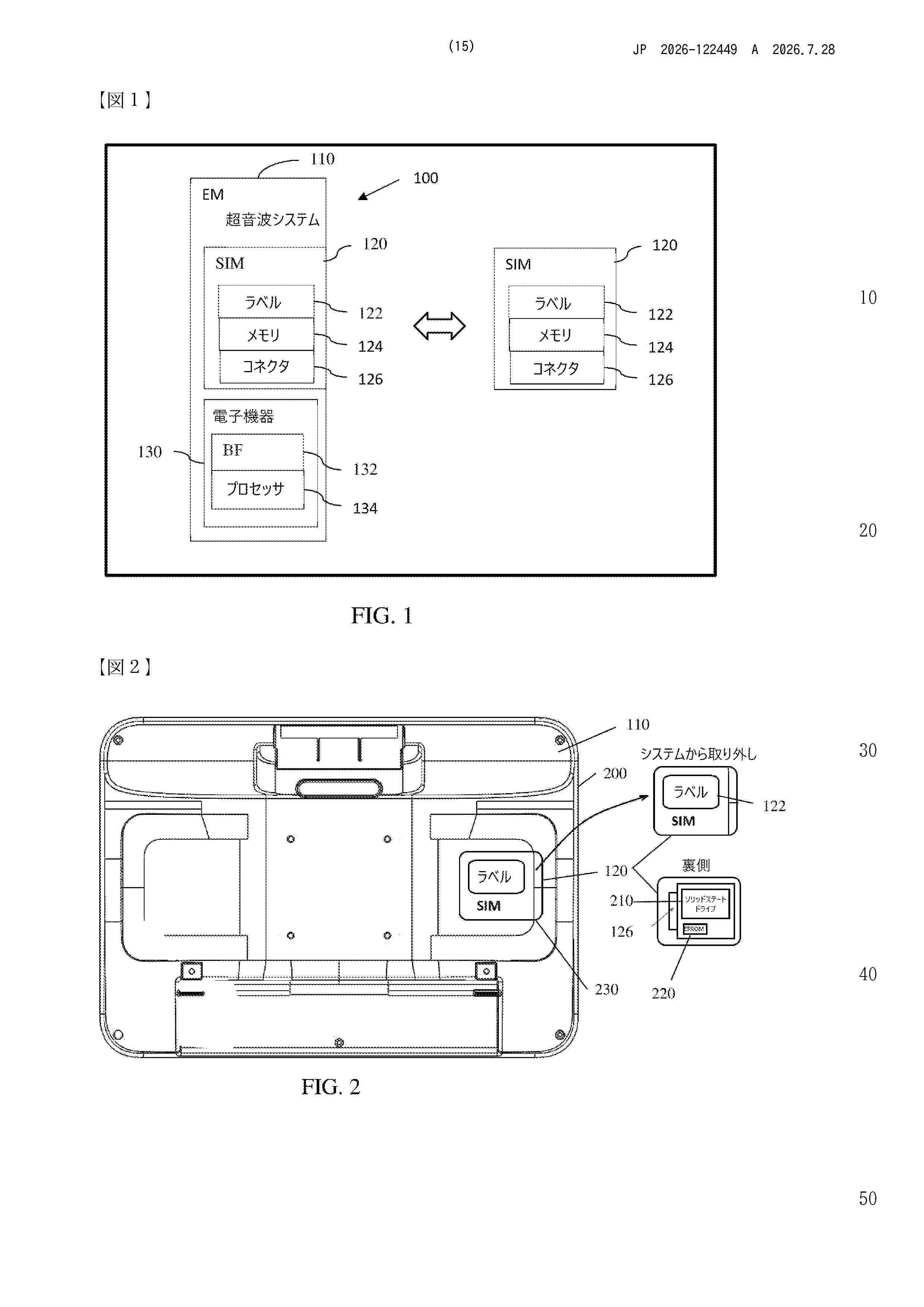
0000 For identification for medical devices, the medical device is formed by a generic electronics module and a removable identification module. By using an identifier on a removable module, the identifier may be associated with different electronics modules to form the medical device at different times. The removable module may include electronic paper, label, and/or memory for storing and/or displaying information about the medical device. The removable module may allow for settings to be provided for any connected electronics module, avoiding reconfiguring by the user. A service organization does not need to re-ship back repaired components, instead providing a replacement electronics module to form the complete medical device with the user kept identification module.
Resumen de: WO2025094034A1
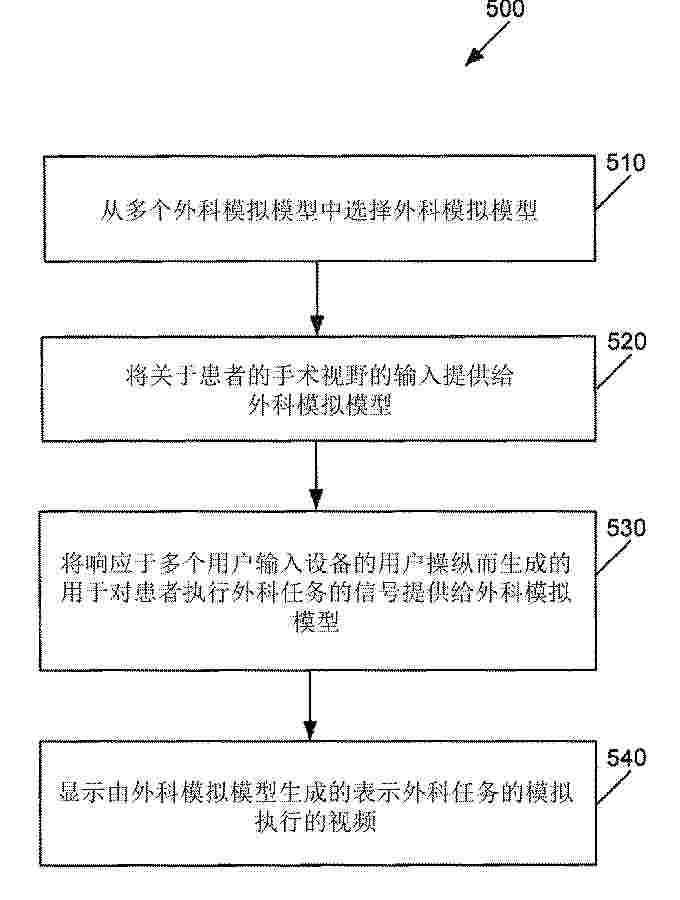
A robotic surgical system and method for using artificial intelligence to generate simulation and decision support for teleoperation are provided. In one embodiment, the robotic surgical system provides a surgical simulation model with input about a surgical field of a patient and signals generated in response to user-manipulation of the plurality of user input devices to perform a surgical task on the patient. The surgical simulation model generates and displays a video that represents a simulated performance of the surgical task. Other embodiments are provided.
Resumen de: US2010191345A1
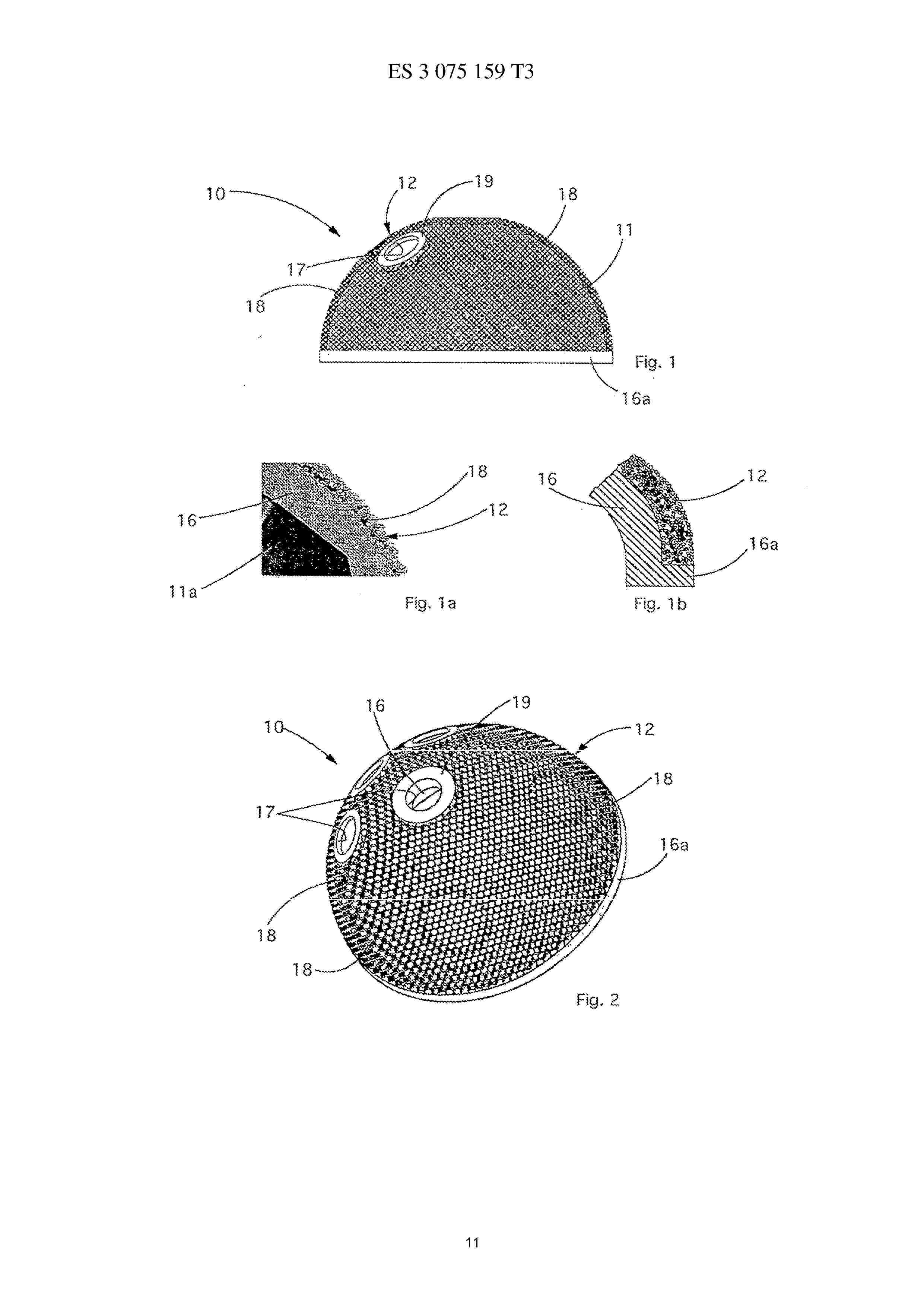
A prosthetic element including a cap made of metal material. At least part of the cap is a lattice that makes a plurality of open and intercommunicating cavities.
Resumen de: CN122461063A
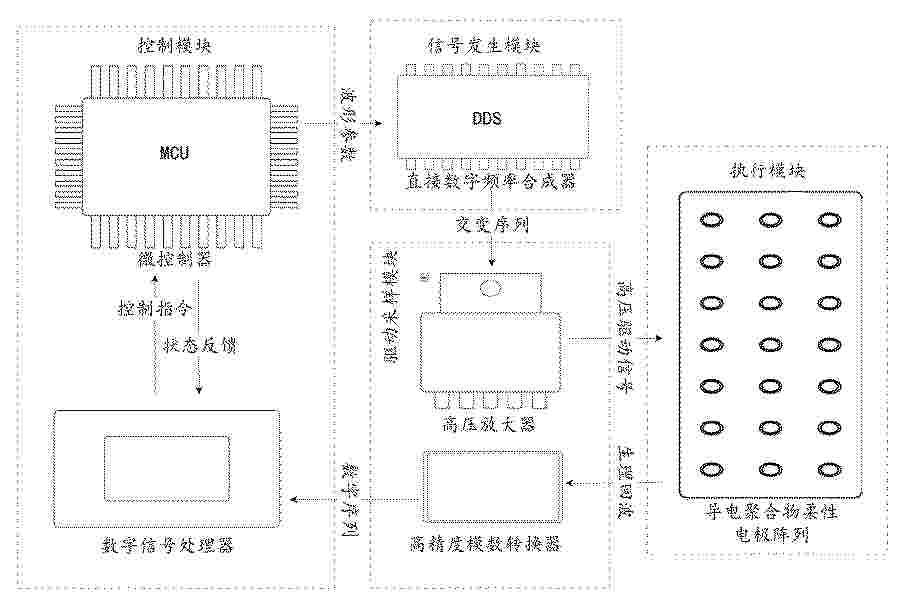
0001 本发明涉及宠物医疗器械技术领域,公开了基于生物电场诱导药物分子隧穿的宠物智能给药系统,包括执行模块、信号发生模块、驱动采样模块及控制模块。驱动采样模块放大交变波形序列形成高压供电链路以驱动执行模块,并采集生理回波。控制模块构建系统本底非线性谐波畸变矩阵,将控制周期划分为激励相、死区相与探测相以执行非对称时分复用;提取包括谐波幅值等的特征变量,计算净介电非线性谐波畸变率以执行闭环寻优;当底层并行状态监测获取模拟信号突变超出安全阈值时,物理切断高压供电链路。本发明提供了细胞膜极化开孔的电学反馈量,并通过闭环补偿与硬件硬阻断机制,实现了给药过程的热稳态与电气安全。
Resumen de: CN122460929A
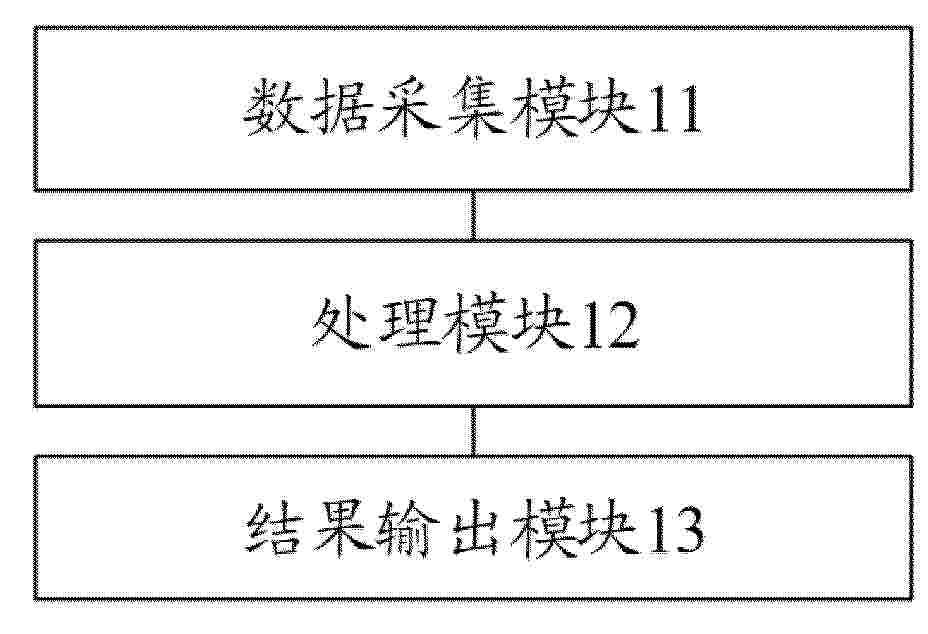
本申请公开了基于多传感器与机器学习的运动障碍评估装置、方法,涉及医疗辅助诊断与评估技术领域,包括:数据采集模块,用于通过可穿戴惯性测量单元采集目标对象在预设运动测试模式下的运动数据,并将运动数据传输至处理模块;处理模块,用于从运动数据中提取与运动障碍相关的步态特征和姿势特征,以得到多维待评估特征,并将多维待评估特征输入至预设运动障碍评估模型,以基于多个决策树的集成投票机制或基于预设分类边界的隶属度计算对多维待评估特征进行评估,得到运动障碍评估结果;结果输出模块,用于输出目标对象的所述运动障碍评估结果。以基于多部位的运动数据获取准确的运动障碍评估结果。
Resumen de: CN122461048A
本发明涉及口腔种植手术引导辅助器械技术领域,具体涉及本发明涉及带水冷散热精准通道的树脂3D打印种植导板及其制备方法,该导板将贴合体与套筒作为整体由树脂3D打印一体成型,两者内部一体成型冷却通道网络,网络包括进液端口、分流腔以及沿引导孔轴向分布的浅位、中位、深位出液口,三出液口分别指向钻针下行不同深度骨壁;分流腔通过第一、第二、第三限流段连通三出液口,三限流段最小过流截面积沿浅位至深位方向依次递增,形成被动流量自平衡机构,制备方法含CBCT重建、几何建模、光固化打印、流动式光化学抛光、灭菌六步,本发明使冷却液分布跟随钻针时空耦合,深部骨壁温度控制在安全范围。
Resumen de: CN224560018U
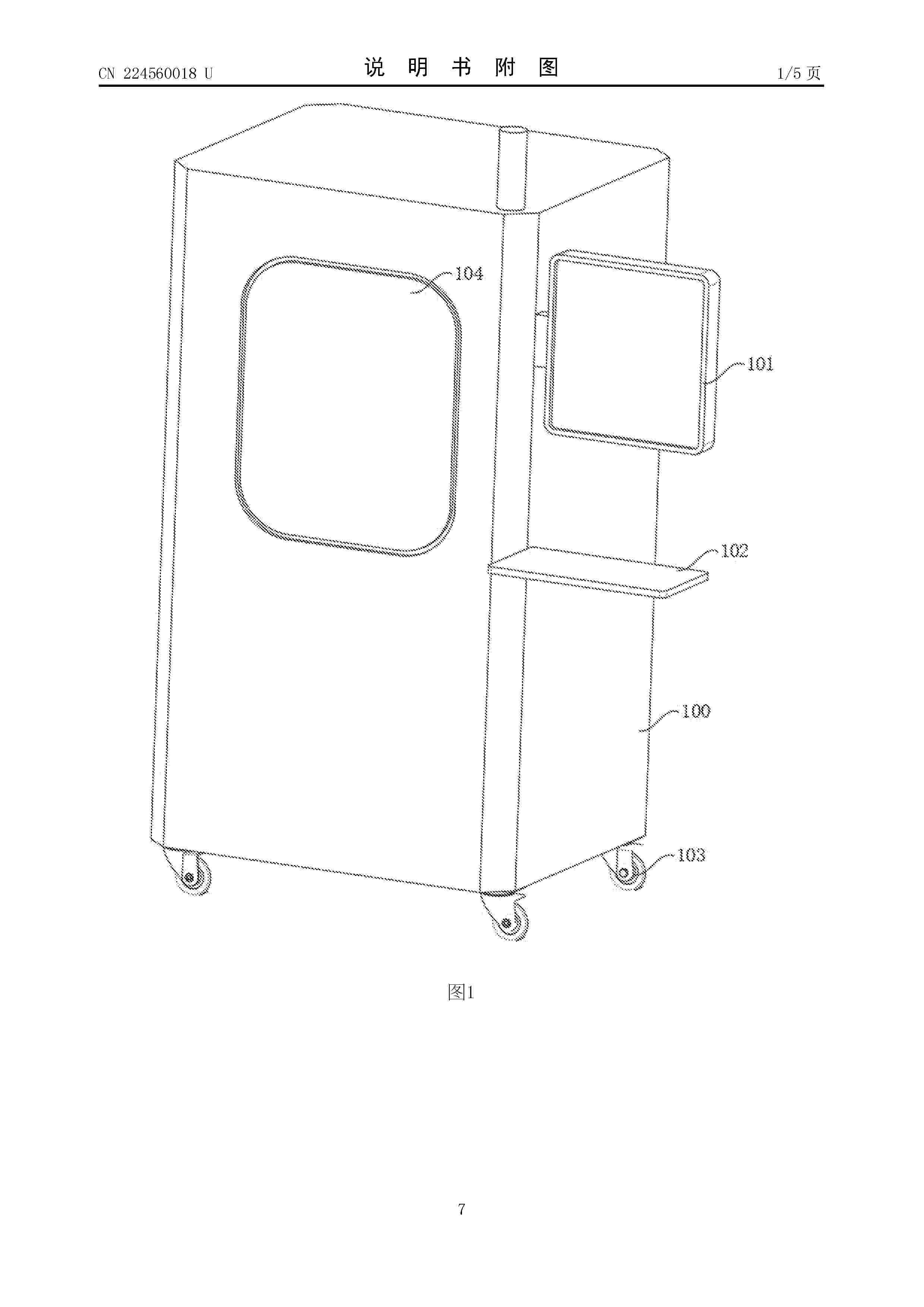
本实用新型公开了一种高温金属义齿成型3D打印机,属于金属打印技术领域,该3D打印机包括铺粉组件、延伸部以及升降侧板,设备通过多重结构设计规避刮料板与其他部件的无效摩擦:一是加工槽两侧设置延伸部,使刮板铺粉时仅需停在靠近收集槽的连接横板上方,无需接触收集槽上端,避免刮板边缘与收集槽的长期摩擦损耗;二是加工槽靠近出粉槽一侧设置可升降侧板,当刮板向出粉槽方向移动时,升降侧板同步下降,避免粉末卡在刮板与出粉槽顶部之间,粉末卡滞不仅会导致铺粉故障,还会加剧刮板边缘的磨损,该设计从根源上解决此问题,显著延长刮料板使用寿命,降低设备维护成本。
Resumen de: CN122461154A
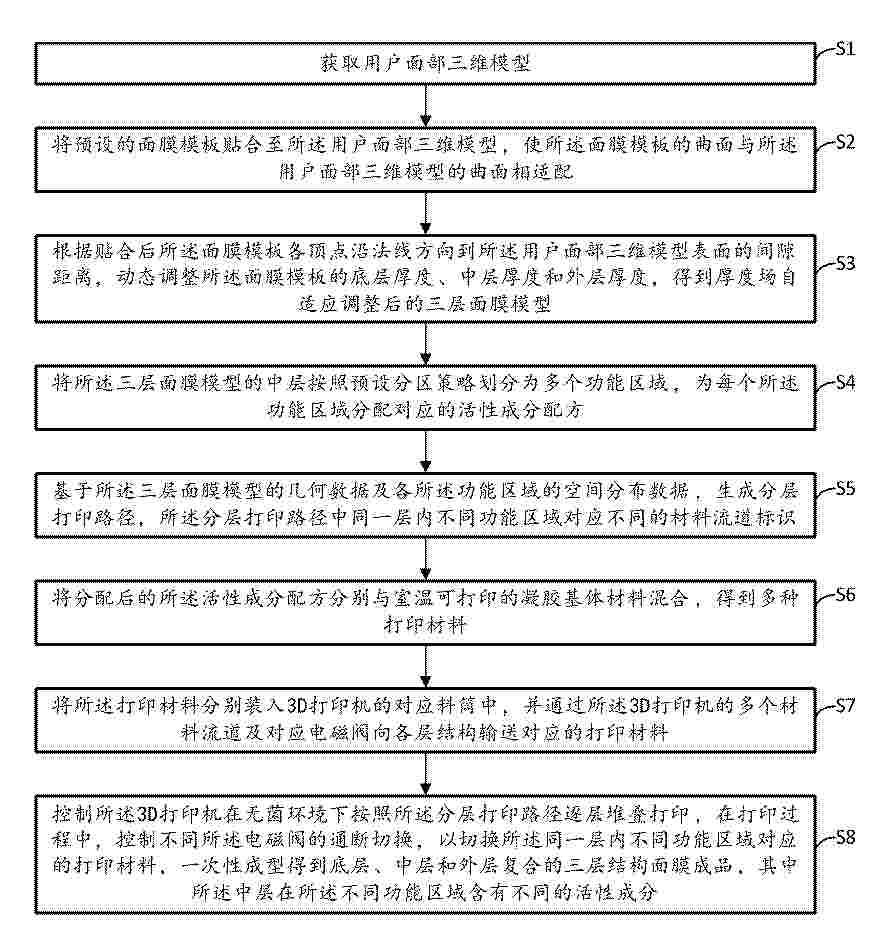
本申请涉及一种基于面部三维数据的分层3D打印面膜制备方法、装置、计算机设备、存储介质和计算机程序产品。所述方法包括:获取用户面部三维模型;将面膜模板贴合至用户面部三维模型;根据贴合后间隙距离动态调整底层、中层和外层厚度,得到三层面膜模型;将中层划分为多个功能区域并分配活性成分配方;生成分层打印路径;将活性成分配方与凝胶基体材料混合得到打印材料;通过多个材料流道及电磁阀输送打印材料;控制3D打印机在无菌环境下逐层堆叠打印,通过控制电磁阀通断切换同一层内不同功能区域对应的打印材料,一次性成型得到三层结构面膜成品。采用本方法能够实现面膜与面部的精准贴合及分区护理的统一成型。
Resumen de: CN122462558A
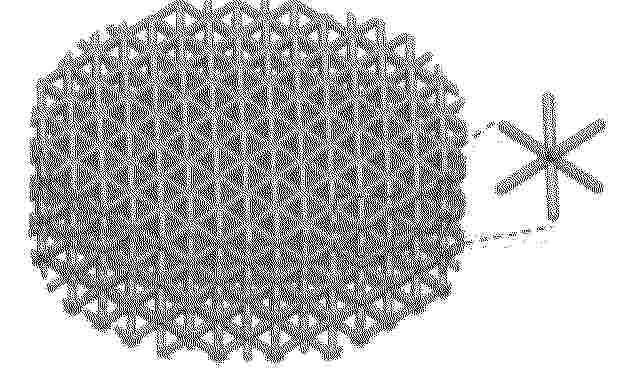
本发明公开了一种以体心立方多孔结构为骨架的医用可降解WE43/Zn互穿相复合材料及其制备方法,该复合材料由WE43镁合金骨架和锌基体组成;WE43骨架为采用激光选区熔化技术制备的体心立方拓扑结构,孔隙率为80%,设计不同支杆厚度为0.6mm、0.8mm、1.0mm的拓扑结构,在350℃低温快速致密化复合。本发明的复合材料利用细小支杆网络产生的强烈“空间约束效应”,不仅避免了高温下连续脆性金属间化合物的生成,还实现了优异的冶金结合与应力传递。该材料极限抗压强度最高可达276MPa,且降解平稳、生物相容性好,有效解决了纯锌强度不足与镁合金降解过快的难题,在医用承重骨植入物领域具有广阔的应用前景。
Resumen de: CN122461558A
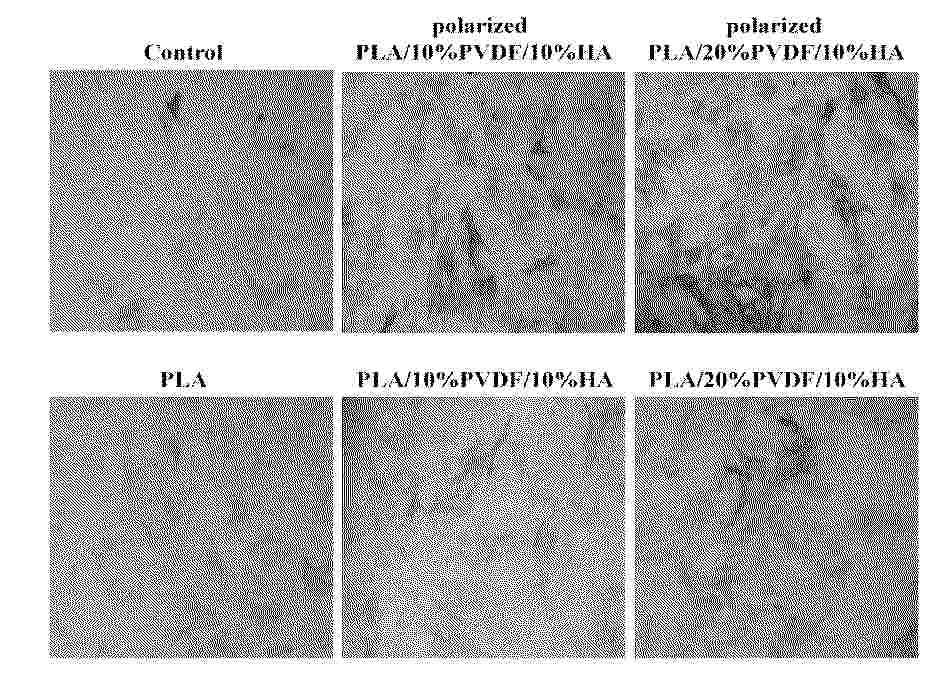
本发明涉及一种3D打印的双功能性骨修复材料及其制备方法和应用,将聚乳酸、聚偏氟乙烯、羟基磷灰石制成生物打印墨水,通过3D打印制成骨修复支架材料。本发明中的骨修复材料3D兼具形状记忆性能和压电性能,且为多孔结构,具有生物相容性好、力学性能适配,降解可控等优点,可促进细胞增殖和干细胞的成骨分化,能有效促进骨组织再生并减少术后并发症。
Resumen de: CN122461560A
本发明提供一种骨修复材料及其制备方法和应用,所述骨修复材料的制备原料包括聚柠檬酸酯‑己内酯共聚物和β‑磷酸三钙;所述聚柠檬酸酯‑己内酯共聚物的制备原料包括柠檬酸酯预聚物和ε‑己内酯;所述柠檬酸酯预聚物与ε‑己内酯的质量比为1:(3‑5)。本发明提供的骨修复材料可以实现3D打印加工以及完全可降解吸收,材料的降解行为与骨再生进程高度匹配,并且具有微环境pH自缓冲与生物活性维持能力,还具有可逆塑形能力,同时力学性能和抗溃散性也十分优异。
Resumen de: CN122462035A
本发明提供一种具有三维拓扑流道结构的整体式吸附剂及其制备方法与应用。本发明的具有三维拓扑流道结构的整体式吸附剂的制备方法能够灵活、精确地定制吸附剂,具有精确设计的三维拓扑流道结构的整体式吸附剂完全避免了传统颗粒填料的死腔和沟流,血液流动路径可控,优化的流道设计可诱导适度湍流,增大血液与吸附剂表面的接触面积和接触时间,显著提升传质效率和吸附容量,同时有效降低流体阻力与剪切力,减少溶血风险。另外,本发明的整体式吸附剂的整体式结构从根本上杜绝了因颗粒摩擦导致的微粒脱落和包埋风险,极大地提高了血液相容性和使用安全性。
Nº publicación: KR20260117035A 28/07/2026
Solicitante:
DONGWOO FINE CHEM CO LTD [KR]
\uB3D9\uC6B0 \uD654\uC778\uCF10 \uC8FC\uC2DD\uD68C\uC0AC
Resumen de: KR20260117035A
0001a 본 발명은, 비침습적 젖산 농도 예측 시스템 및 젖산 농도 예측 방법에 관한 것으로, 사용자의 체액 내 젖산 변수 요인에 관한 정보와 더불어 사용자의 신체정보를 이용하여 혈중 젖산 농도 예측 값을 계산함으로써 높은 정확도로 혈중 젖산 농도 예측이 가능한 젖산 농도 예측 시스템 및 젖산 농도 예측 방법을 제공할 수 있다.
 BOPI
BOPI
 Sede Electrónica