Si deseas distinguir tus productos, servicios o ambos de los de otra empresa, es posible que necesites una marca o nombre comercial. Descubre qué son, en qué consiste su procedimiento de registro y qué implica.

Información sobre los plazos de presentación de solicitudes de transformación de marcas de la Unión Europea en marca nacional española. Más información


Si tienes un nuevo dispositivo, producto o procedimiento que resuelva un problema técnico o tenga una ventaja práctica, existen distintas formas de protegerlo en España y en otros países. Descubre cómo hacerlo.

¿Tu innovación reside en la estética, la ornamentación o la apariencia de tu producto? Protégela mediante un diseño industrial. Descubre qué derechos confiere el registro y cómo realizar la tramitación.

Las indicaciones geográficas protegen el nombre de un producto originario de una zona geográfica, a la cual le debe una determinada calidad, reputación u otra característica. Descubre qué son, en qué consiste su procedimiento de registro y qué beneficios conceden.

Las patentes publicadas en todo el mundo son una valiosa fuente de información científica, técnica y comercial.

Si eres emprendedor/a o una empresa y quieres potenciar y mejorar la rentabilidad de tu negocio protegiendo de forma adecuada los activos intangibles de tu organización, en este espacio encontrarás lo necesario.


 96
resultados
96
resultados
 Última actualización
24/08/2026 [07:17:00]
Última actualización
24/08/2026 [07:17:00]


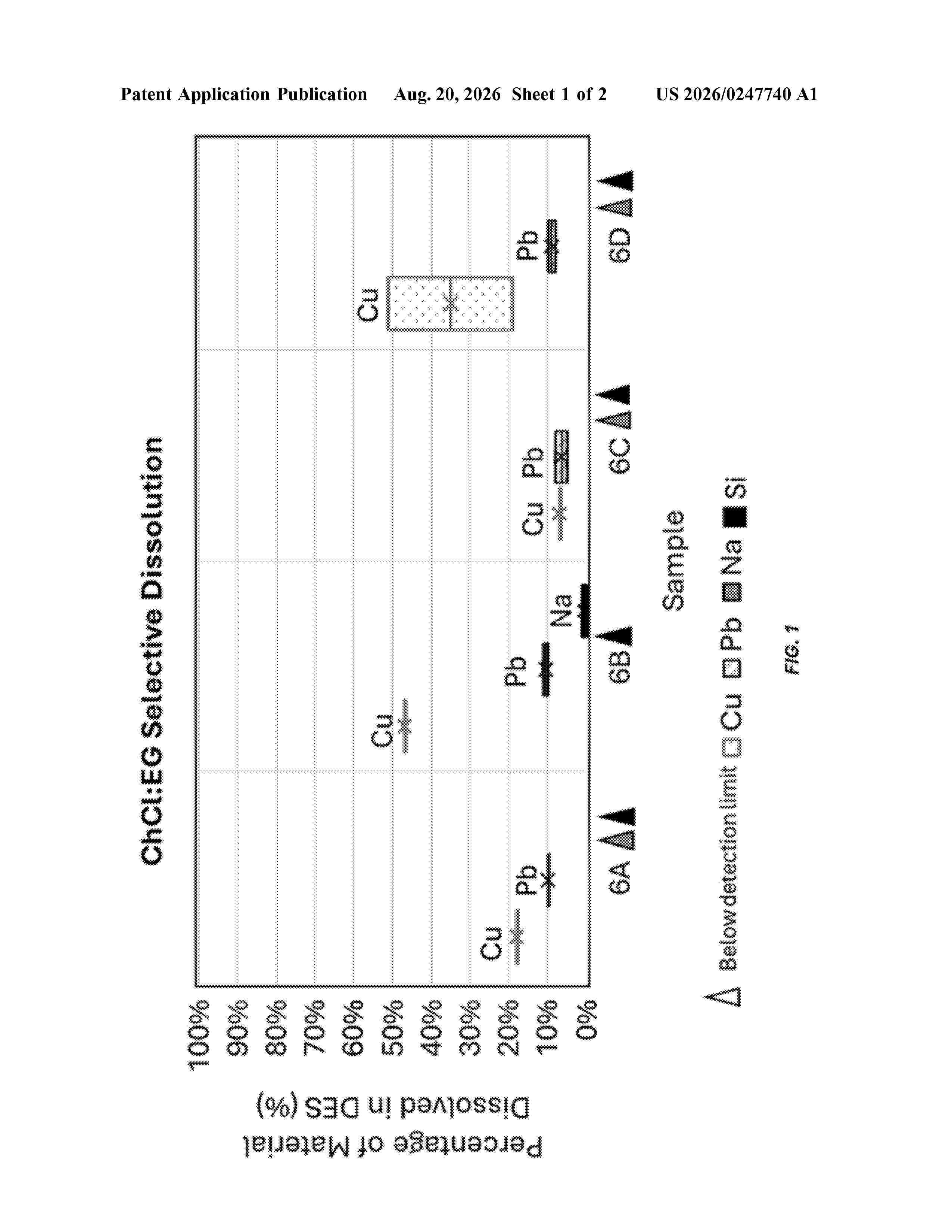
Resumen de: US20260247740A1
The present disclosure is directed at solar panel recycling utilizing deep eutectic solvents. More specifically, solar panels selected from various stages of a solar panel recycling pathway may now be exposed to deep eutectic solvents to selectively recover one or more metal elements employed in solar panel construction.

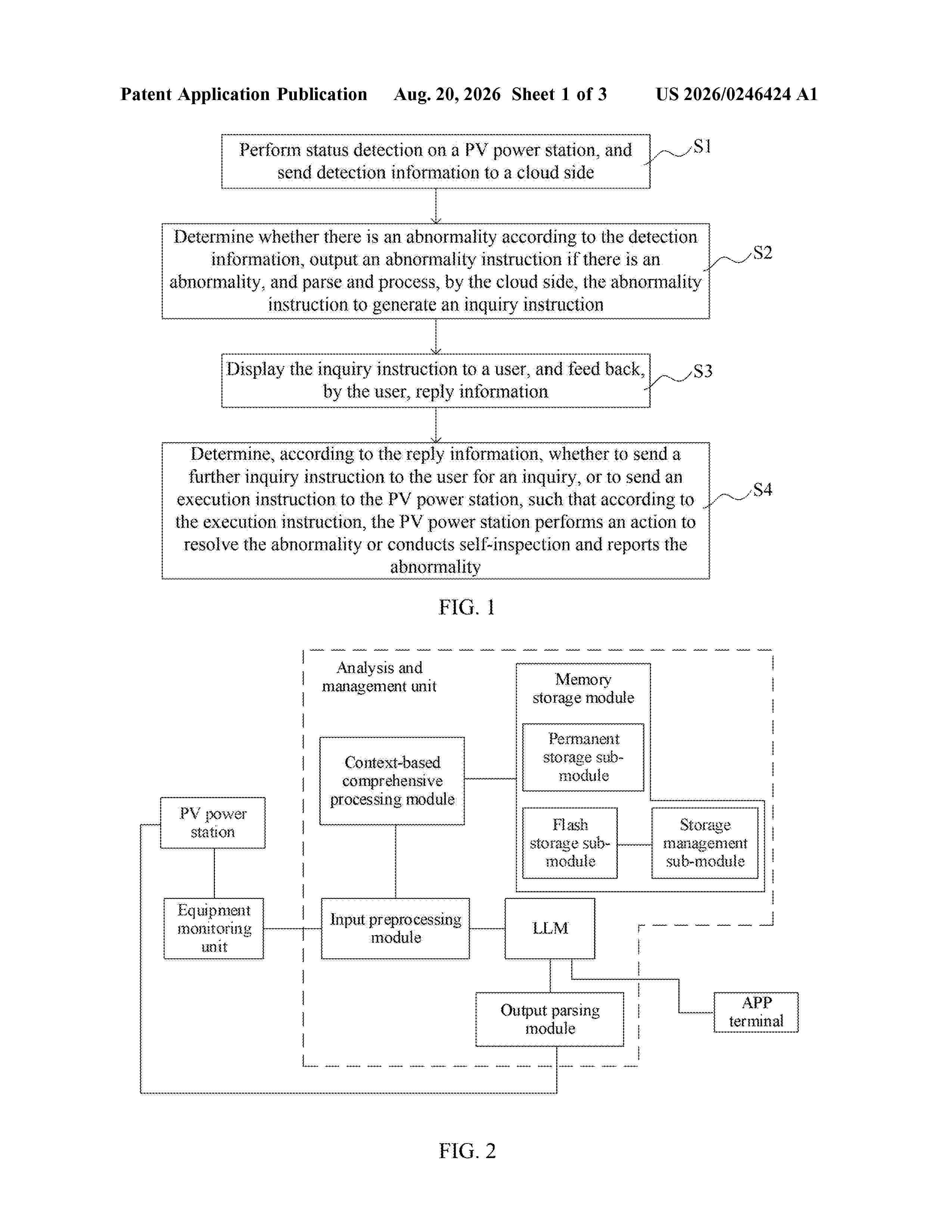
Resumen de: US20260246424A1
The provided is an interactive automated management method and system for a photovoltaic (PV) power station, which operate based on the abnormality detection of the PV power station. When an abnormality occurs, a natural language-based inquiry instruction is generated and sent to a user to determine a condition related to the abnormality, such as an environmental condition, a manual adjustment made to electricity consumption, and external equipment damage. Through effective iterative interactions with the user, a false alarm caused by the environmental condition is avoided, thereby improving the abnormality handling efficiency, saving human and material resources, reducing operation and maintenance costs, and effectively enhancing user experience.
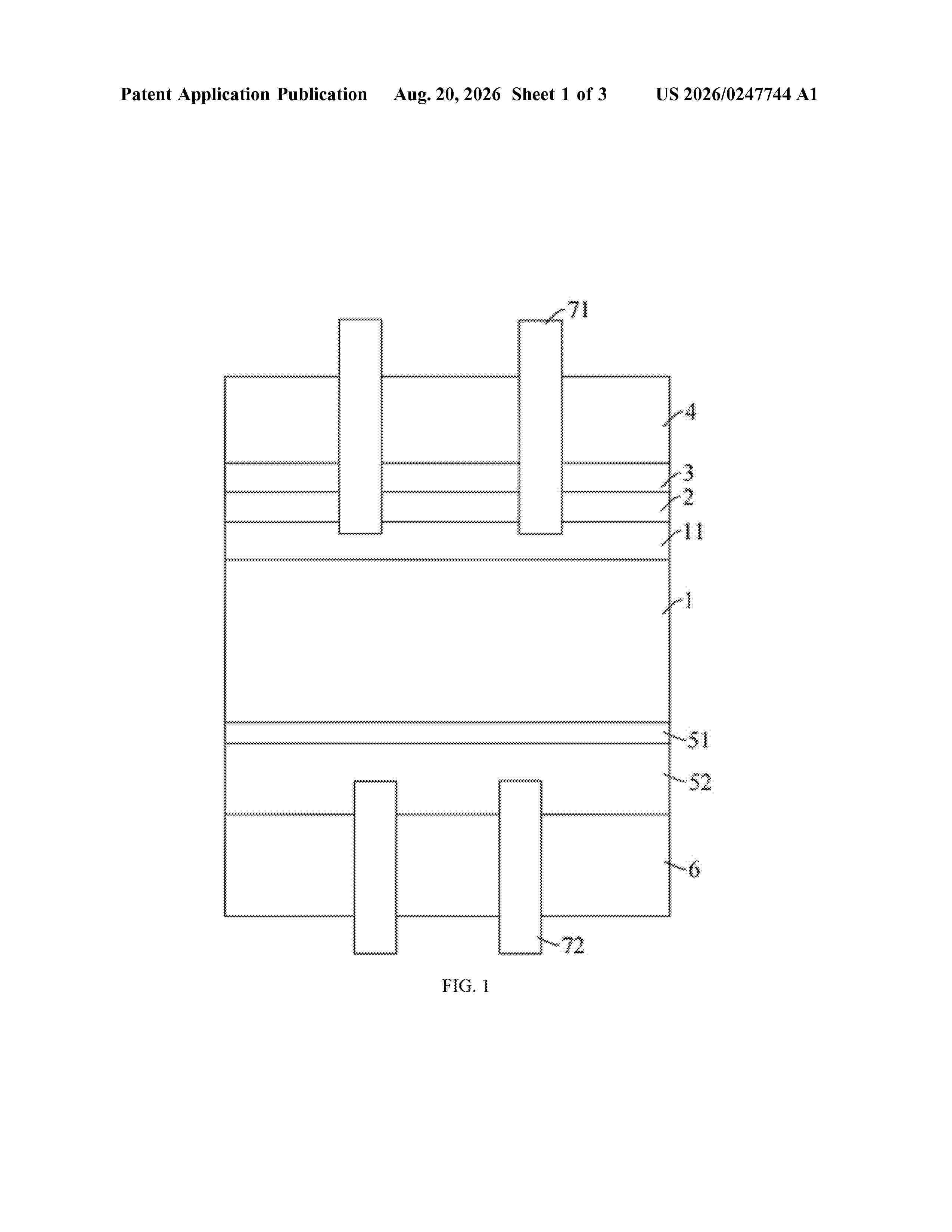
Resumen de: US20260247744A1
The present application relates to a solar cell, a preparation method thereof, and a photovoltaic module. The solar cell includes a silicon substrate, and an emitter, a first silicon oxide layer, and an aluminum oxide layer are sequentially stacked on a light-receiving surface of the silicon substrate. The thickness of the first silicon oxide layer is in a range from 0.2 nm to 1.2 nm.
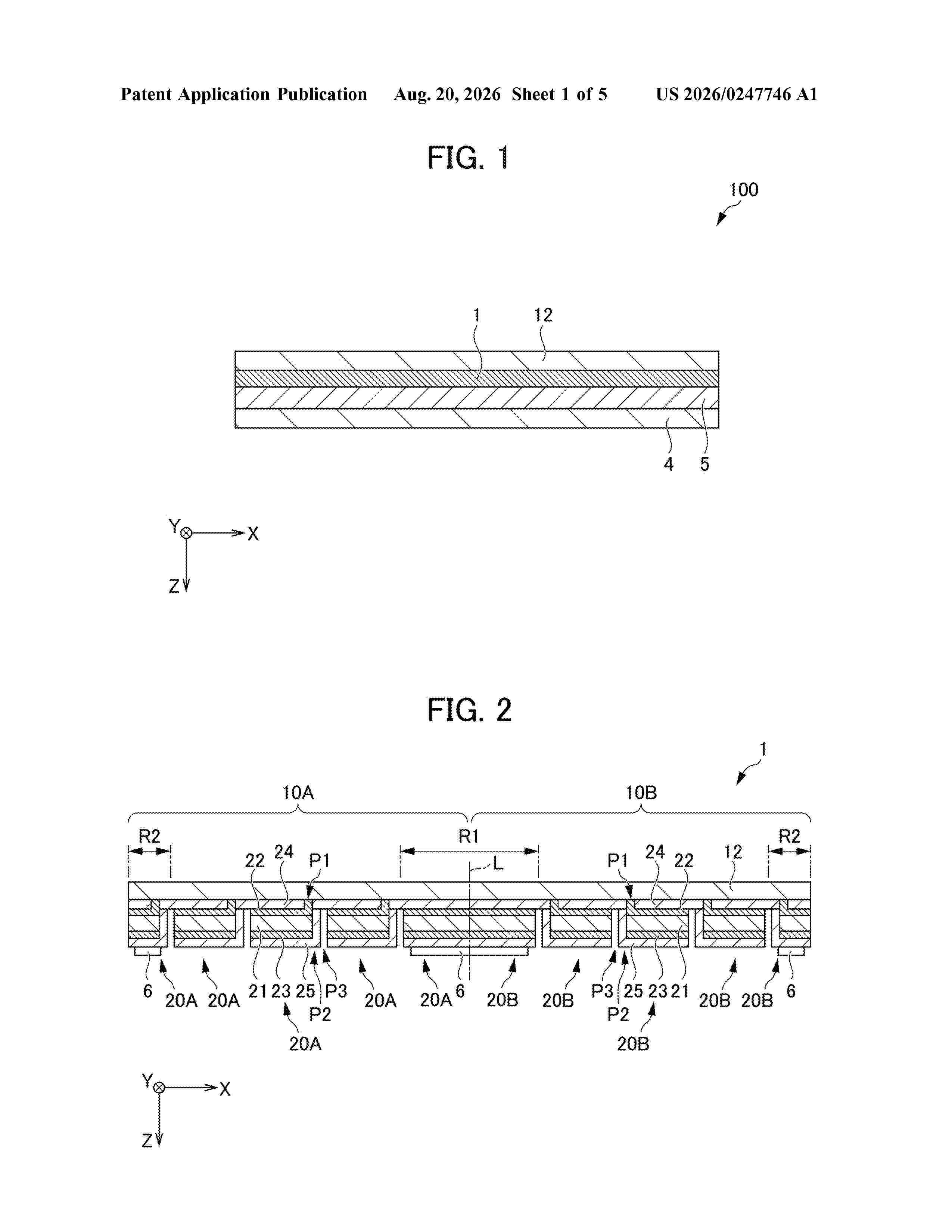
Resumen de: US20260247746A1
A solar cell module in which a non-power generation region is not formed at the center comprises first and second thin-film solar cell submodules having first and second integrated structures, respectively, and which are adjacent to each other in a first direction on a transparent substrate. The first and second integrated structures each has a first separation groove separating a first transparent electrode layer in the first direction; a second separation groove separating a second conductivity-type charge transport layer, a photoelectric conversion layer, and a first conductivity-type charge transport layer in the first direction; and a third separation groove separating a second electrode layer in the first direction. The first and second integrated structures are line-symmetric structures and thus, the third, second and first separation grooves are arranged in this order in the first direction from the center between the first and second integrated structures toward both ends.
Resumen de: WO2026170974A1
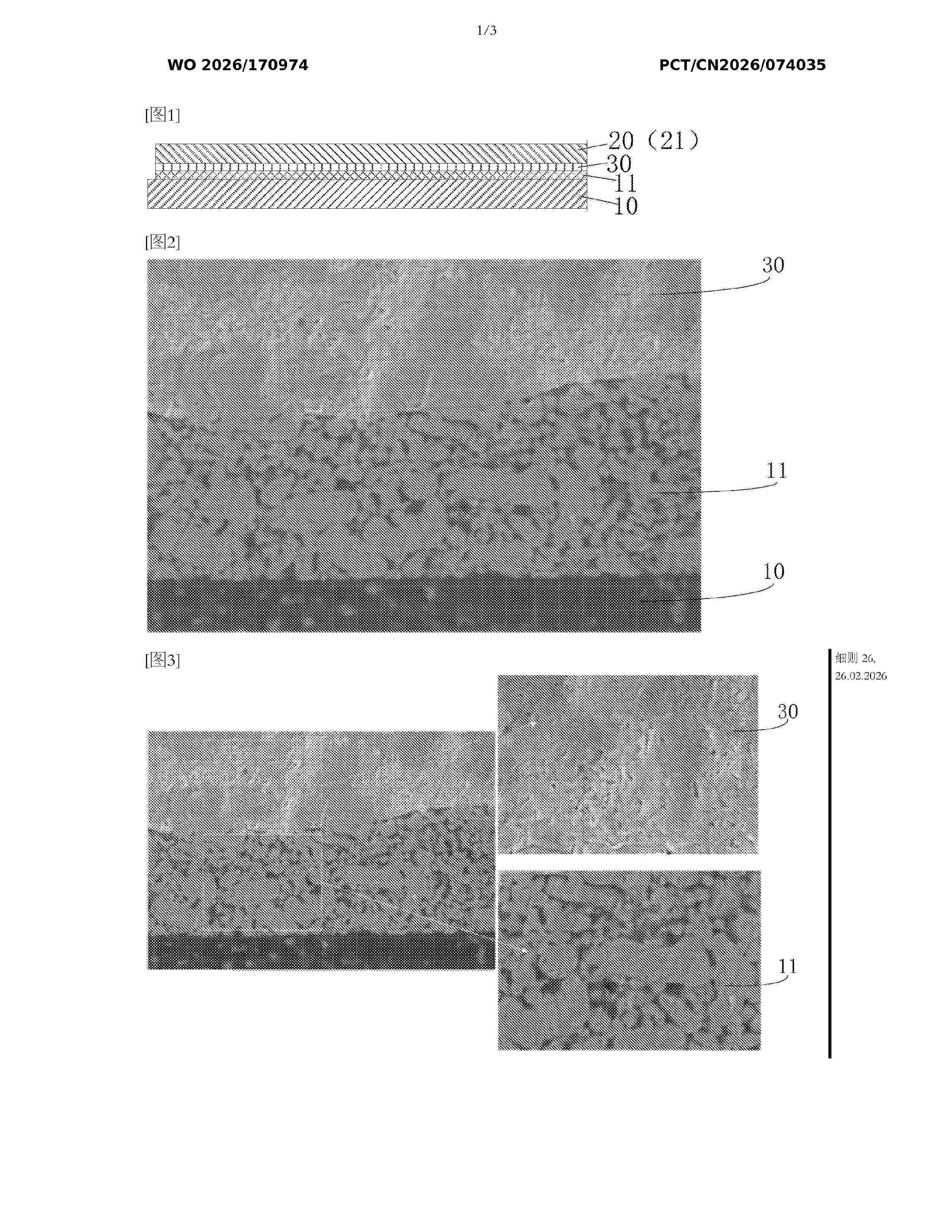
A photovoltaic module and a photovoltaic system. The photovoltaic module comprises cells, bonding layers and electrical connecting pieces; the surface of each cell is provided with an electrode, and a corresponding electrical connecting piece is fixed to and conductively connected to the electrode by means of a corresponding bonding layer, wherein the electrode comprises at least an X element, the bonding layer comprises at least a Y element, the X element is a metal element in the bonding layer, and the Y element is a metal element in the electrode. By enabling the X element in the bonding layer to be at least partially diffused into the electrode, and the Y element in the electrode to be at least partially diffused into the bonding layer, an intermetallic compound can be formed at the bonding interface between the electrical connecting piece and the electrode, thereby ensuring that there is a certain bonding force between the bonding layer and the electrode. In this way, the connecting performance and conductivity between the electrical connecting piece and the electrode can be improved, thereby improving use performance of the photovoltaic module.
Resumen de: WO2026171159A1
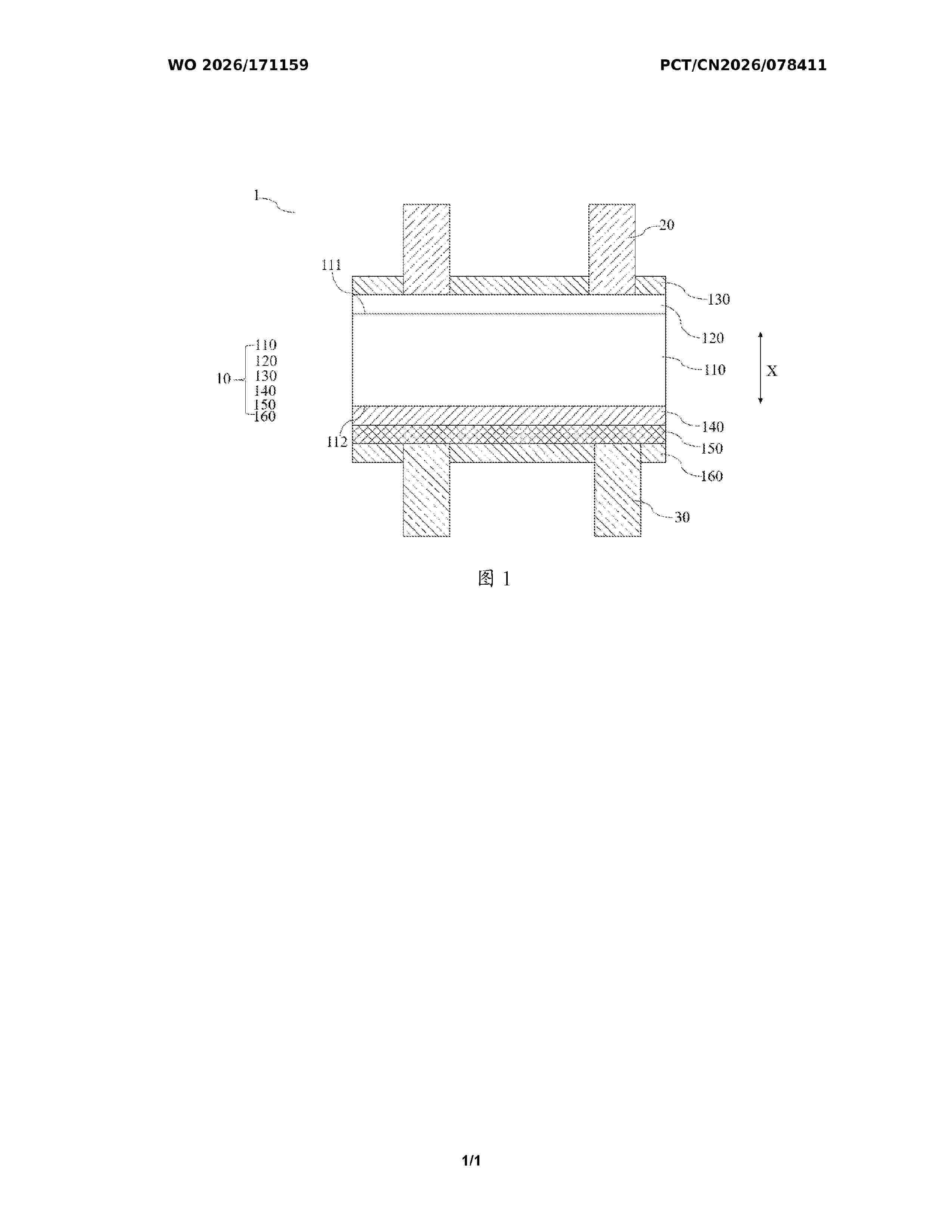
A conductive paste, a conductive electrode and a preparation method therefor, and a crystalline silicon solar cell. The conductive paste comprises a glass powder, silver, nickel and an organic carrier, wherein the glass powder accounts for 1-4 wt% of the total weight of the conductive paste; silver accounts for 57-89 wt% of the total weight of the conductive paste; nickel accounts for 1-30 wt% of the total weight of the conductive paste; and the organic carrier accounts for 9-15 wt% of the total weight of the conductive paste. On the basis of the molar percentage of the glass powder, the glass powder comprises 24-50 mol% of B2O3, 24-44 mol% of a corrosive oxide, and 13-46 mol% of a non-corrosive oxide, wherein the molar ratio range of the corrosive oxide to the non-corrosive oxide satisfies: 0.7-2.6.
Resumen de: WO2026170761A1
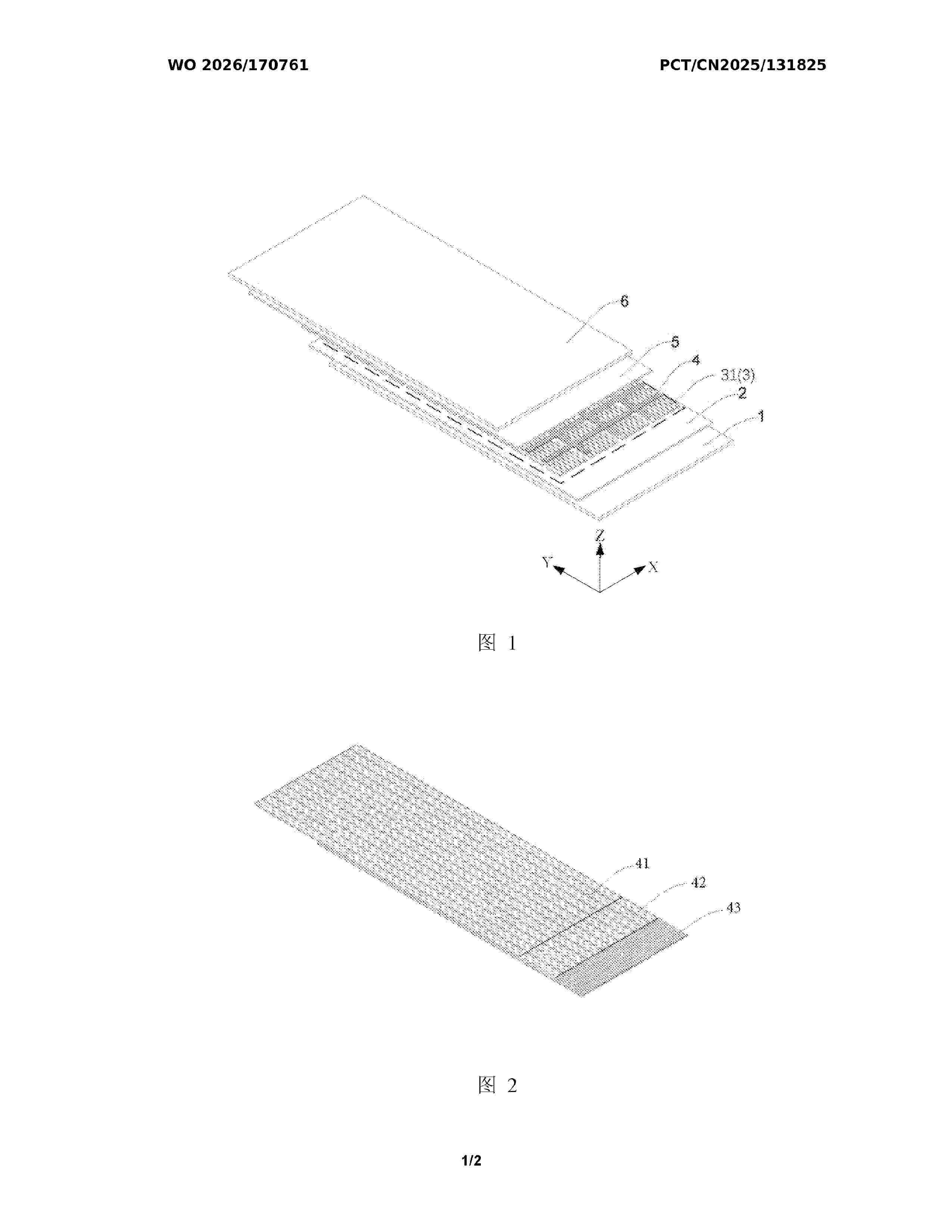
A photovoltaic module and a manufacturing method therefor. The photovoltaic module comprises: a panel (1), a first encapsulant film (2), a plurality of cell strings (3) arranged at intervals in a first direction, a reflective film tape (4), a second encapsulant film (5) and a backsheet (6), which are stacked together. Each cell string (3) comprises a plurality of cells connected in series sequentially in a second direction, the first direction intersecting the second direction. The reflective film tape (4) is at least located at gaps between adjacent cells and extends in the first direction and the second direction. The reflective film tape (4) comprises an adhesive layer (41), a reflective film layer (42) and an anti-diffusion layer (43).
Resumen de: WO2026170609A1
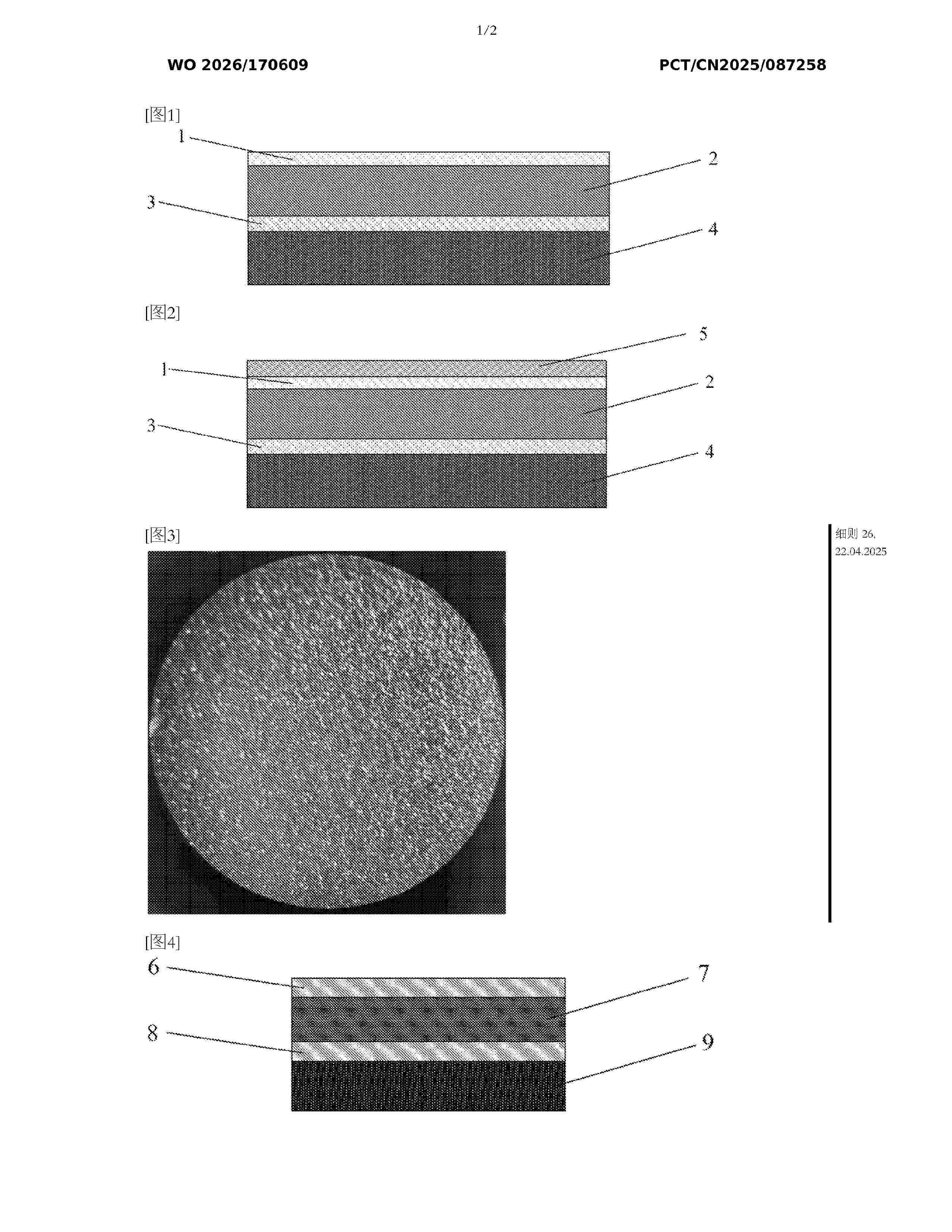
Disclosed in the present invention is a preparation method for a photovoltaic efficiency enhancement film containing a matte metal layer. The method comprises the following steps: S1: attaching the matte metal layer to the front surface of a substrate layer; S2: coating the back surface of the substrate layer with a UV shielding layer; S3: heating adhesive layer particles at 80-100ºC to melt same to obtain an adhesive layer, and curtain-coating the UV shielding layer with the adhesive layer; and S4: by means of an embossing roller and a cooling roller, cooling to room temperature to obtain the photovoltaic efficiency enhancement film. The present invention has relatively high reflectivity, which is much higher than that of a glass glaze and of a white adhesive strip and is close to that of a light-redirection aluminized film, and the preparation process of the present application is simpler. In addition, the double-sided aluminizing process of the present invention is simple and has a good protection effect on the back side of PET.
Resumen de: WO2026170681A1
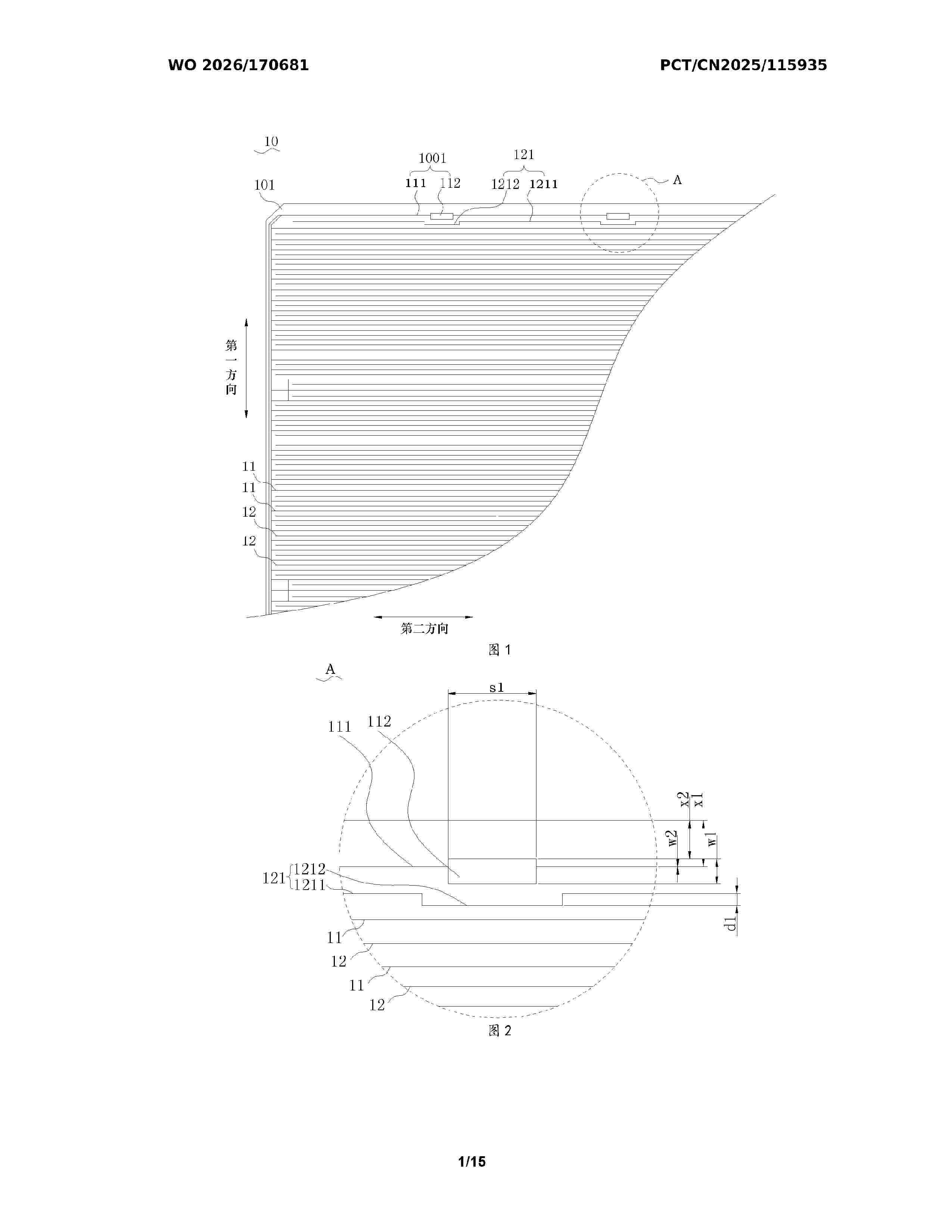
The present disclosure is applicable to the technical field of solar cells, and provides a back contact cell and a system. The back contact cell comprises first sub-fingers and second sub-fingers; each first doped region comprises an overlapping portion, and each second doped region comprises a protruding portion, the protruding portion overlapping with the overlapping portion; a spacing between each second sub-finger and an adjacent second polarity fine finger is greater than a spacing between each first sub-finger and an adjacent second polarity fine finger.
Resumen de: US20260246416A1
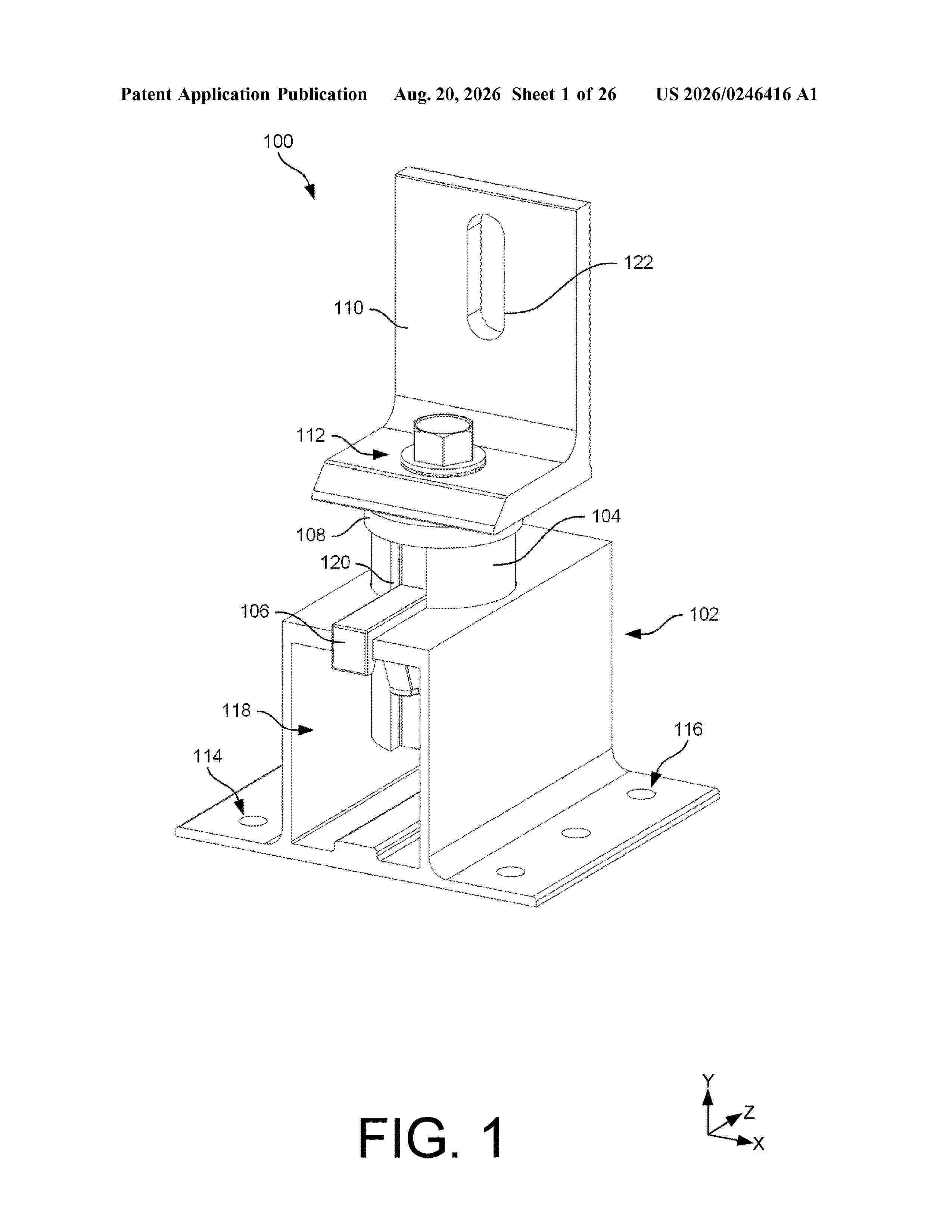
A mounting system includes a base, a post coupled to the base, a stanchion having a passageway that rotatably couples about the post, a locking mechanism removably coupled to the base and configured to engage with the stanchion to prevent rotation of the stanchion, a cap having an opening, and a fastener disposed through the opening and into the passageway.
Resumen de: WO2026171717A1
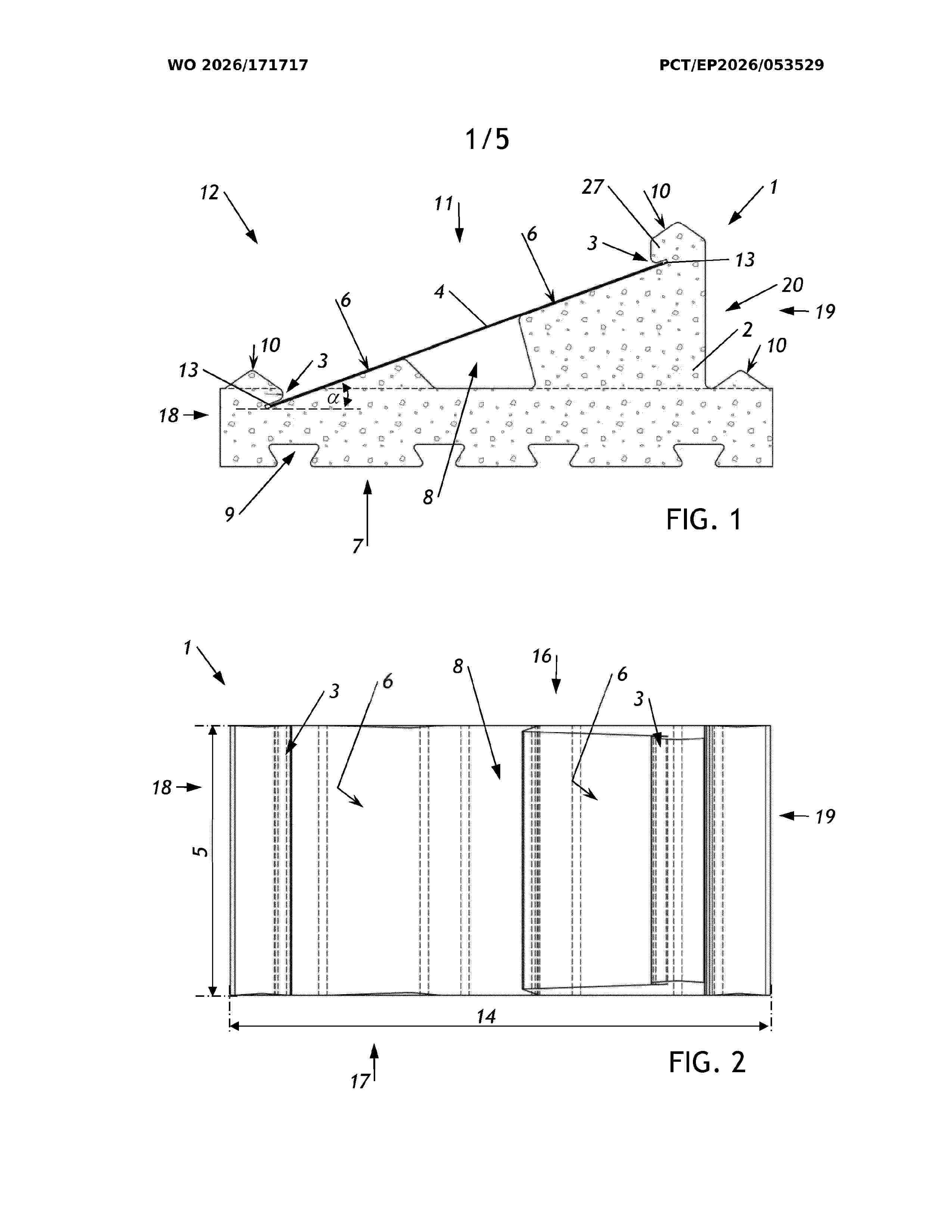
The invention relates to a sound absorber (1) comprising a porous absorber (2) for a noise barrier wall (21), wherein the porous absorber (2) has at least one support surface (6) on which at least one part of a photovoltaic module (4) is to rest, wherein the at least one support surface (6) is inclined relative to a rear side (7) of the sound absorber (1). According to the invention, a projection (27) of the porous absorber (2) is arranged on a protruding edge of the at least one support surface (6), and the projection (27) extends away from the rear side (7) with a predefined extent (29) relative to a plane (28) spanned by the at least one support surface (6).
Resumen de: US20260246420A1
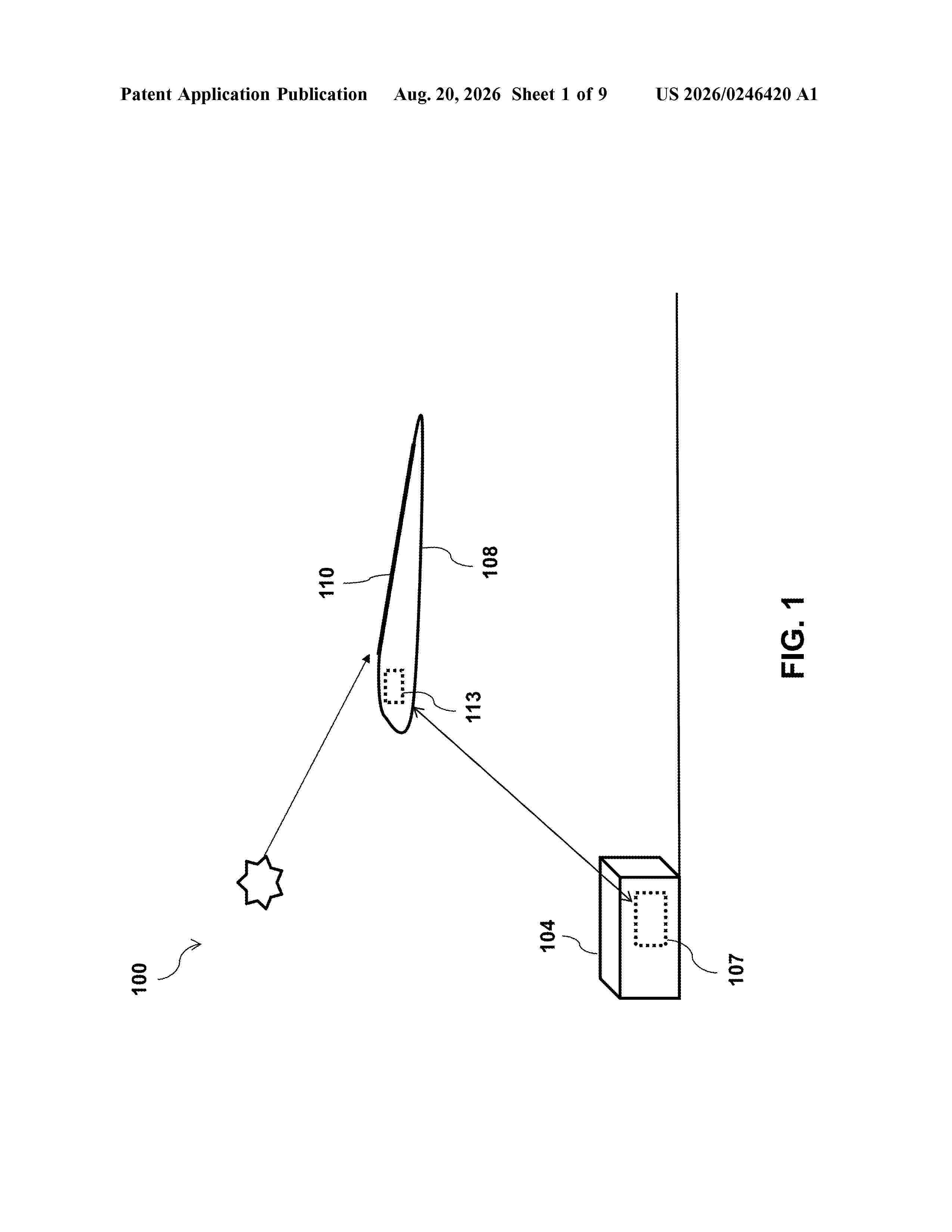
Systems, devices, and methods including at least one flight control computer (FCC) associated with at least one UAV, where the at least one FCC is configured to: determine a direction of travel of the at least one UAV relative to the Sun; adjust a UAV airspeed to a first airspeed if the determined direction of travel is towards the Sun; and adjust the UAV airspeed to a second airspeed if the determined direction of travel is away the Sun; where the first airspeed is greater than the second airspeed to maximize solar capture of a solar array covering at least a portion of the UAV.
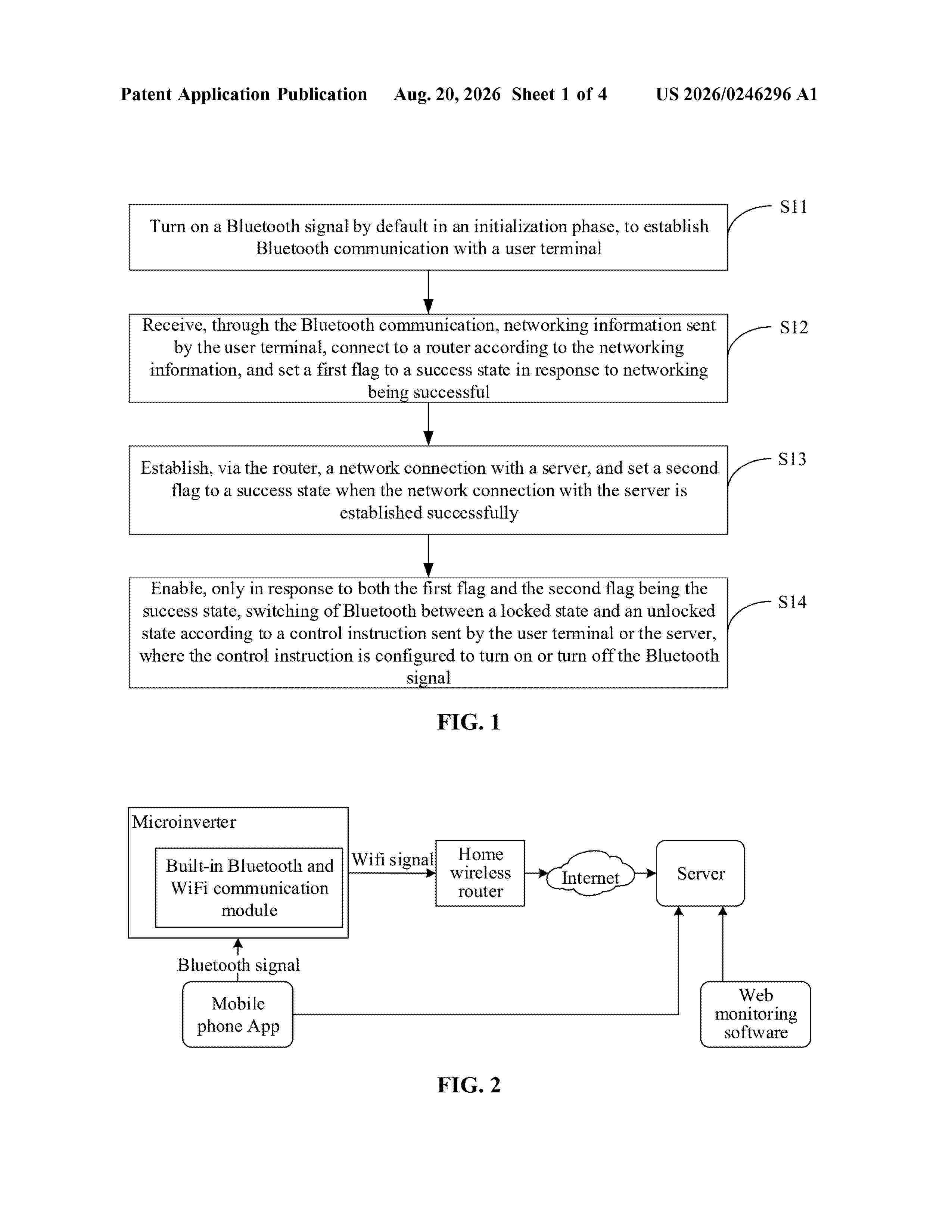
Resumen de: US20260246296A1
A microinverter Bluetooth locking method and device, and a medium therefor, relating to the technical field of distributed power generation systems, for use in achieving the locking control of a Bluetooth signal from a microinverter. Regarding the existing problem that flexible turning-on/turning-off of Bluetooth is not supported, the microinverter Bluetooth locking method is provided. Firstly, networking information uploaded by a user is received by means of a Bluetooth signal, such that a microinverter is connected to a local area network, then connected to the Internet by means of a router, and thus connected to a remote server, to achieve remote network control of the microinverter. Subsequently, the user can control the locking of the Bluetooth signal from the microinverter without using an external switch. Additionally, a Bluetooth signal can be activated in a locked state by disconnecting the microinverter from the network.
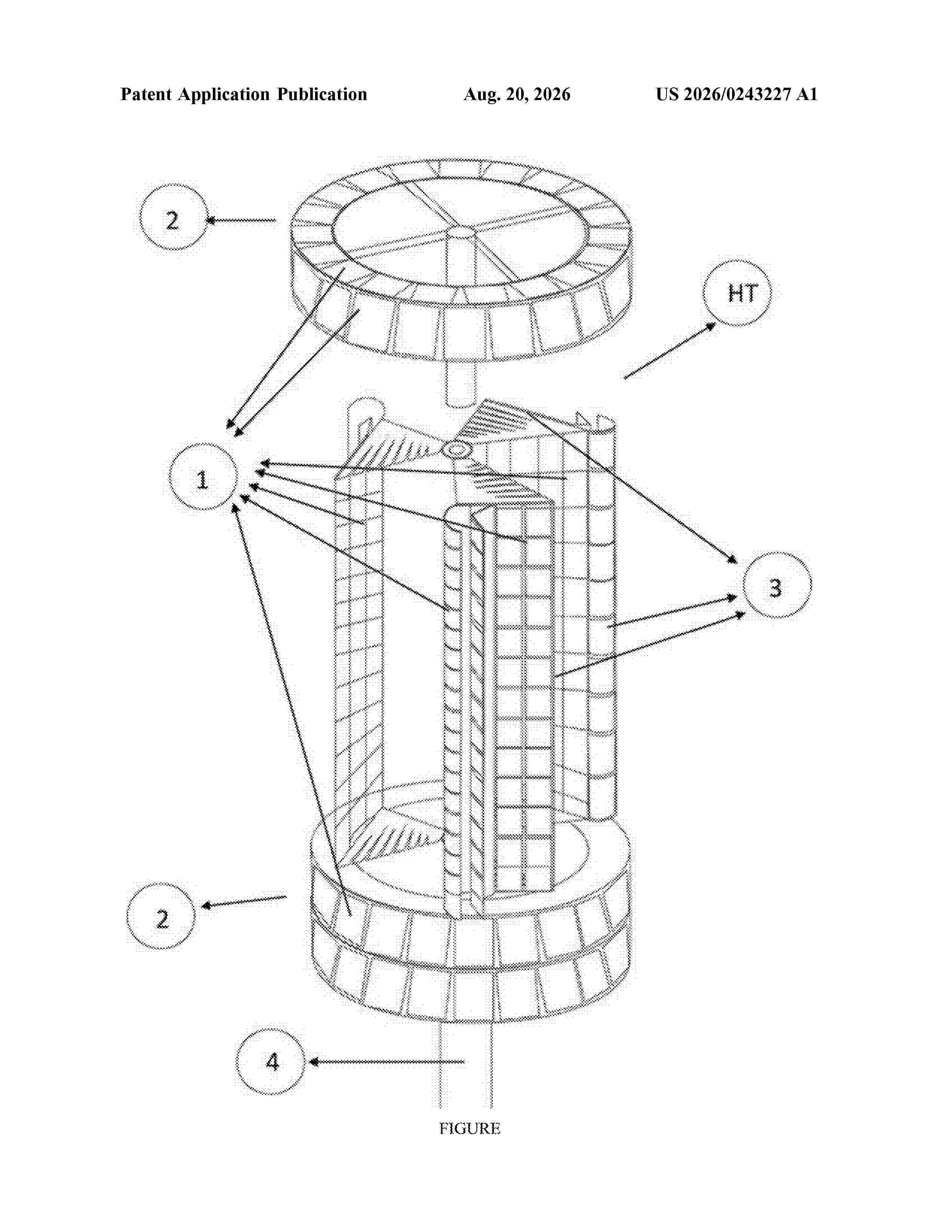
Resumen de: US20260243227A1
A hybrid turbine is provided, which is manufactured in different sizes and dimensions as vertical and circular shapes and to a turbine which converts wind and solar energy into electricity simultaneously by cladding the blades, nacelle and frame parts of these turbines with panels made of solar cells. The turbine blades, nacelle and frame parts, briefly all the surfaces exposed to the outdoors, are cladded with solar cells, and its ability to convert the wind power and solar energy. The turbine is vertical and circular turbines manufactured in different sizes and dimensions, wherein the blade, nacelle and frame parts of these turbines are cladded with panels of solar cells, thereby allowing them to convert wind and solar energy into electricity simultaneously. All these structures are installed either on a mast or on a platform to create a working environment.
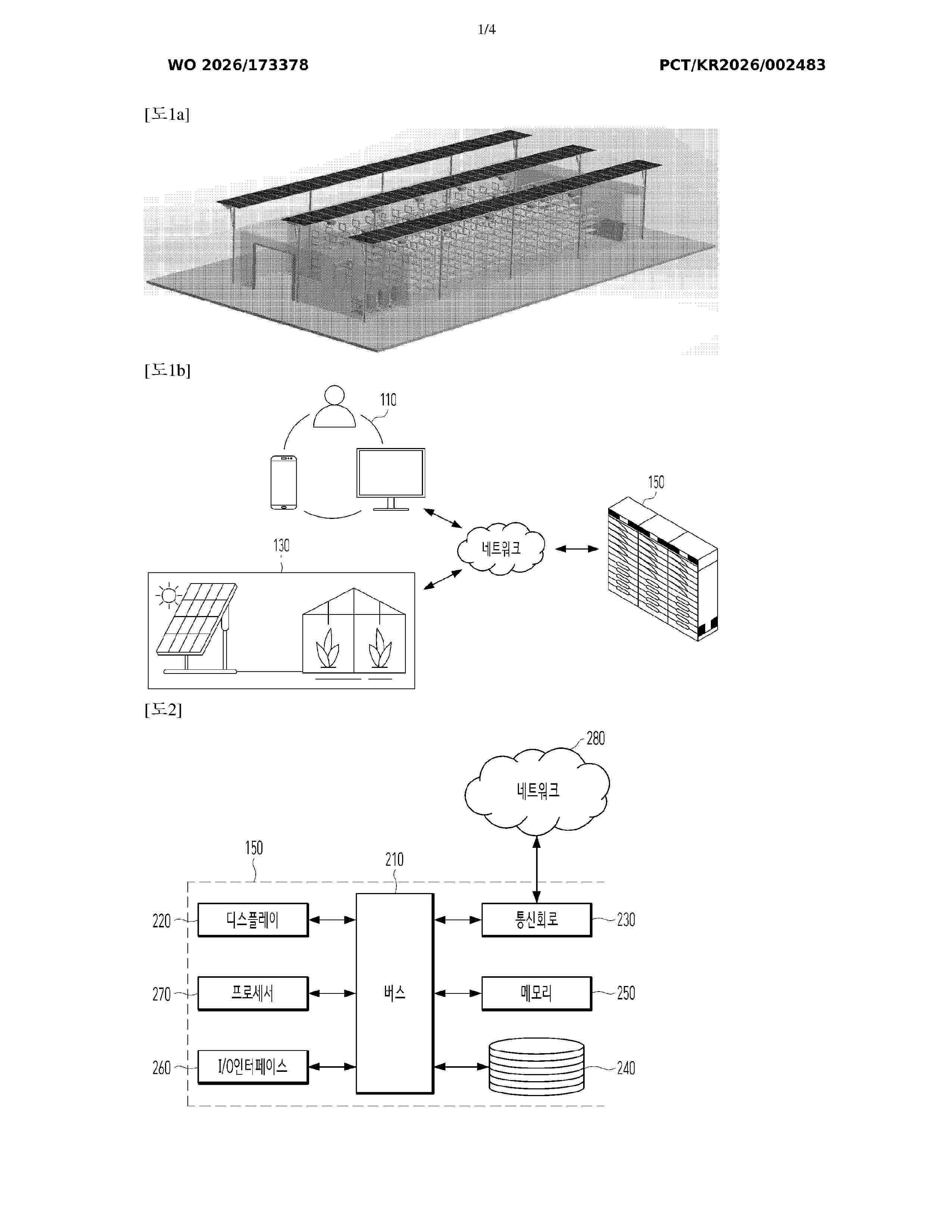
Resumen de: WO2026173378A1
According to an embodiment of the present invention, a smart farm operating system using solar energy may comprise: a house system that generates electrical power on the basis of solar energy and stores same; and a server that controls the house system to supply components included in the house system with the generated electrical power. The present invention efficiently utilizes solar energy to generate electrical power, can effectively use the generated electrical power for smart farm operations while providing an environment suitable for crop growth, and uses solar energy to independently generate the electrical power required for smart farm operations, and thus can lower external power dependence and increase energy independence.
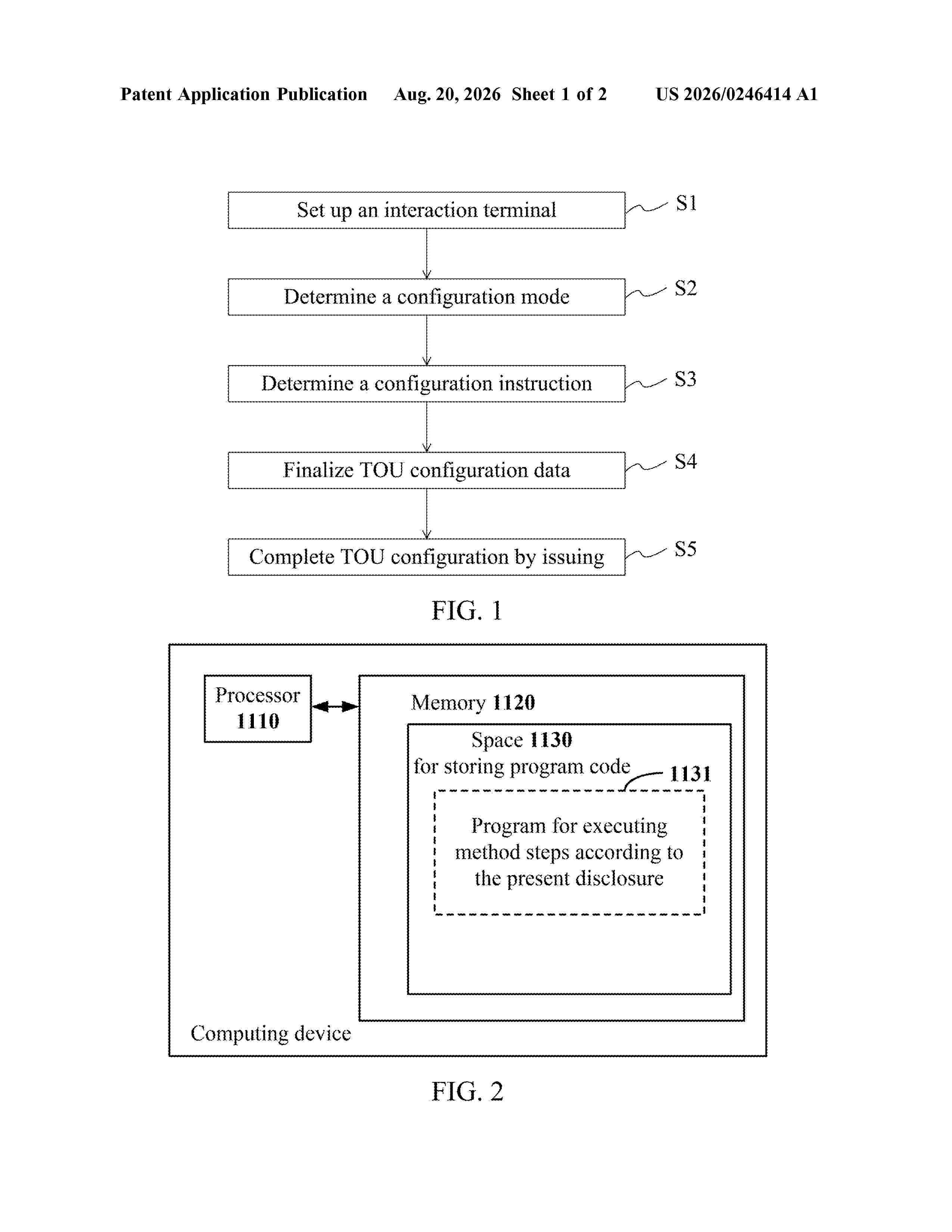
Resumen de: US20260246414A1
0000 Provided are an autonomous management method for a photovoltaic (PV) Time-of-Use (TOU) mode, a computing device, and a readable storage medium. The method includes the following processing steps: presetting a TOU data template and a plurality of configuration modes in an interaction terminal; inputting a mode selection instruction at the interaction terminal, and selecting a specific configuration mode according to the mode selection instruction; inputting a parameter configuration instruction that meets requirements of the selected configuration mode at the interaction terminal, analyzing and processing the parameter configuration instruction, and performing feature extraction on keywords in the parameter configuration instruction to form valid feature data; filling or modifying the TOU data template according to the valid feature data to form TOU configuration information data; and completing TOU configuration by issuing: sending the TOU configuration information data to a PV power station for TOU control.
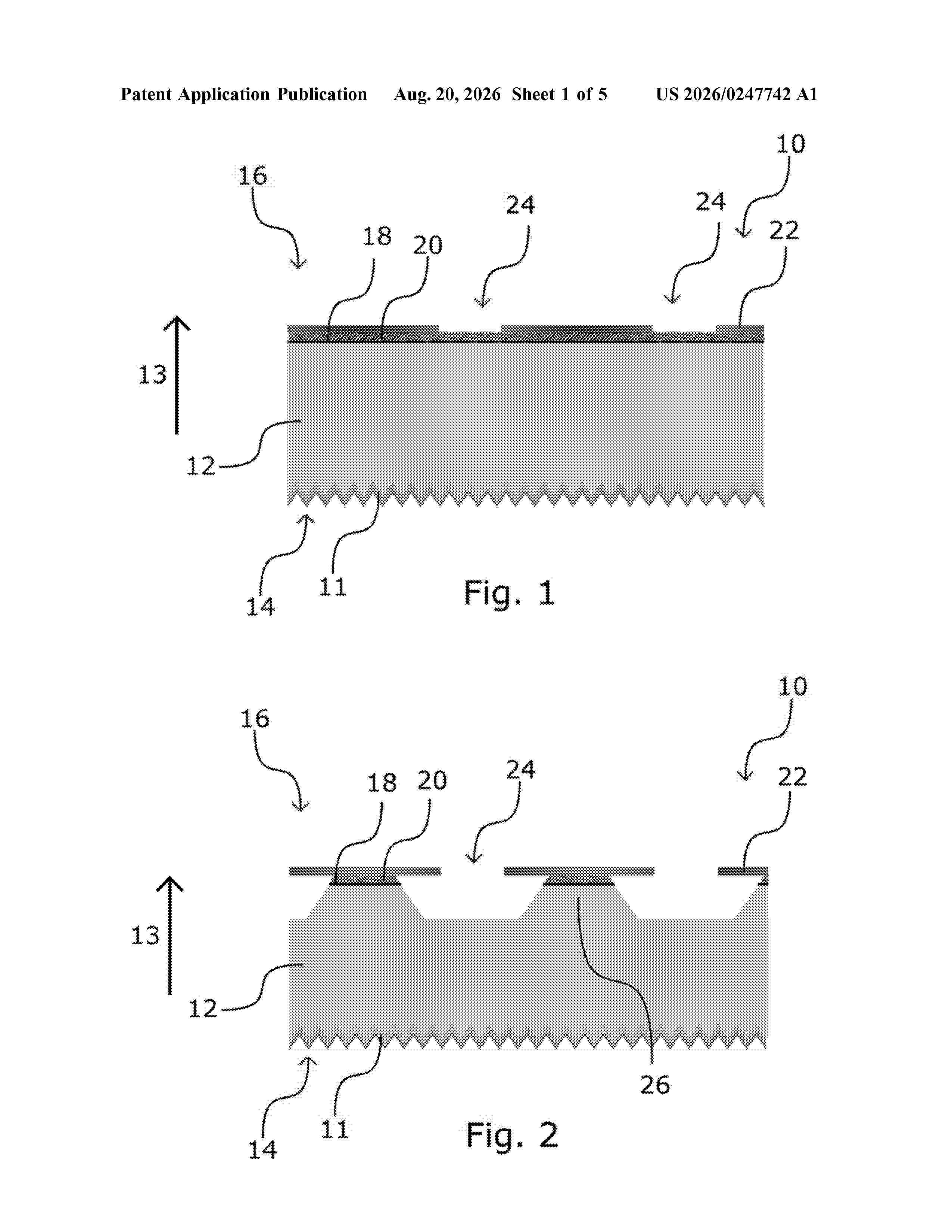
Resumen de: US20260247742A1
0000 A back-contact solar cell and a method for manufacturing a back-contact solar cell are disclosed. The method includes forming a first tunneling layer on a back side of a semiconductor substrate, forming a first conductive layer on the first tunneling layer, forming an etch-resistant barrier layer on the first conductive layer with interruptions, openings or gaps in etching areas, etching in the etching areas to produce a plurality of pedestal-like elevations and to undercut the etch-resistant barrier layer, forming a second tunneling layer in the etching areas, between the plurality of pedestal-like elevations, forming a second conductive layer in the etching areas, between the plurality of pedestal-like elevations, and on the etch-resistant barrier layer by directed deposition, and completely removing the etch-resistant barrier layer and the second conductive layer on the etch-resistant barrier layer. The first and second conductive layers have different doping types.
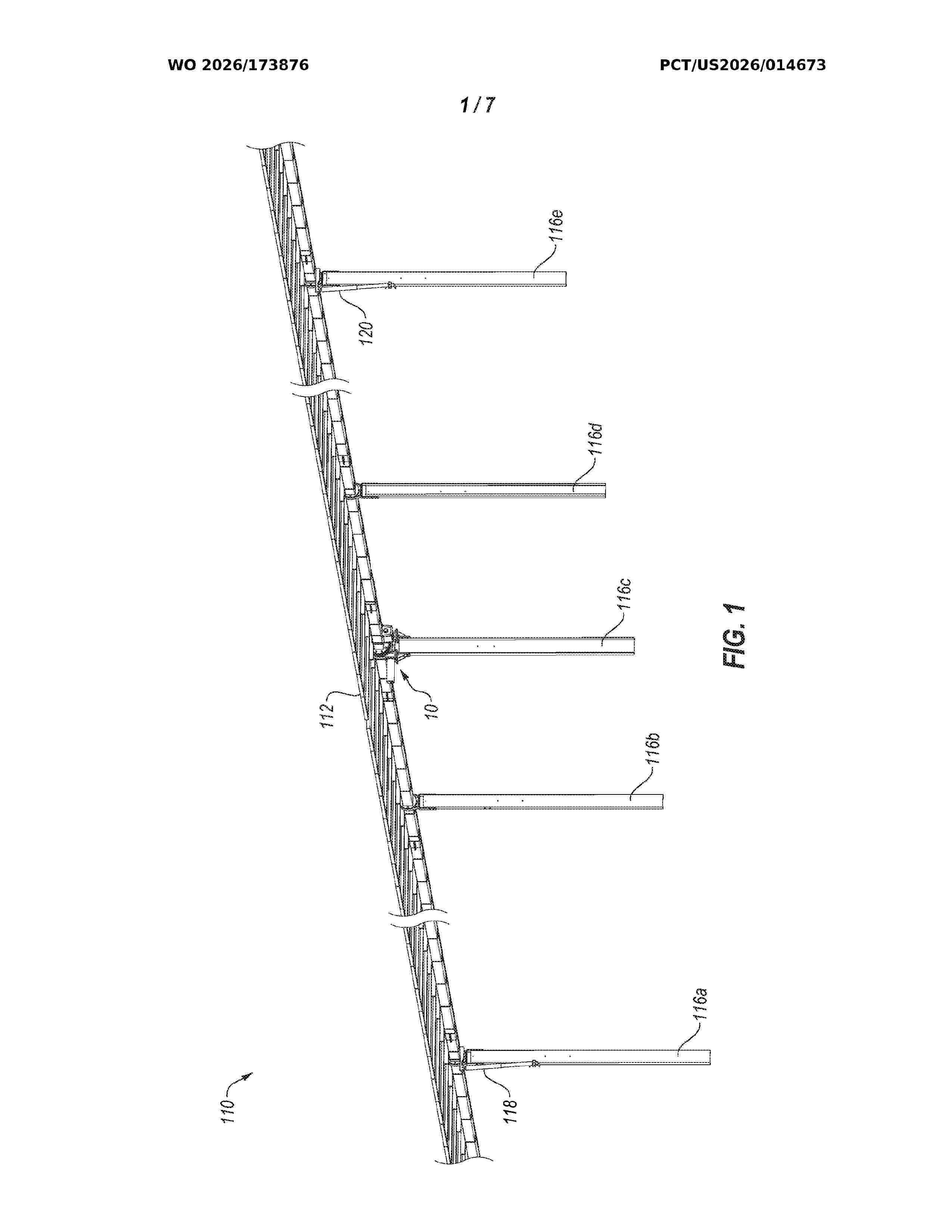
Resumen de: WO2026173876A2
A system for controlling rotation of torque tube in a solar energy system is provided. In one form, the system includes an electric motor, a back-drivable gear assembly configured for coupling the electric motor to the torque tube, and a control module configured to control various operational aspects of the electric motor.
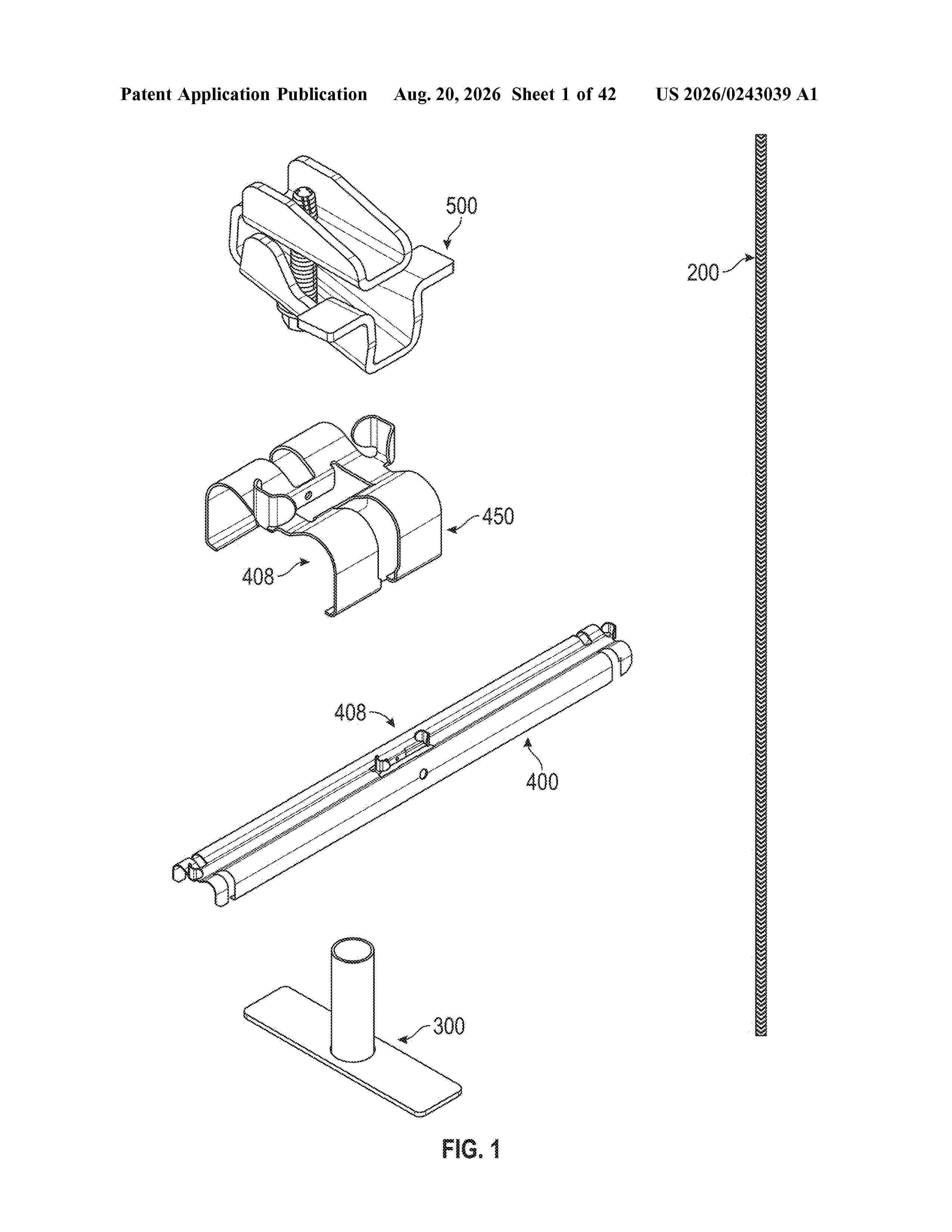
Resumen de: US20260243039A1
Embodiments of the present invention may include a swivel bracket assembly for mounting to a micropile. The assembly may include a swivel bracket. The assembly may further include a crimp tube shaped to fit over a distal segment of the micropile as a sleeve, the crimp tube crimpable to seize the micropile. The assembly may further include a leveling screw that threadably engages the swivel bracket at an upper end of the distal segment of the micropile and extends into the crimp tube, wherein the leveling screw is rotated to change a position of the swivel bracket relative to the micropile.
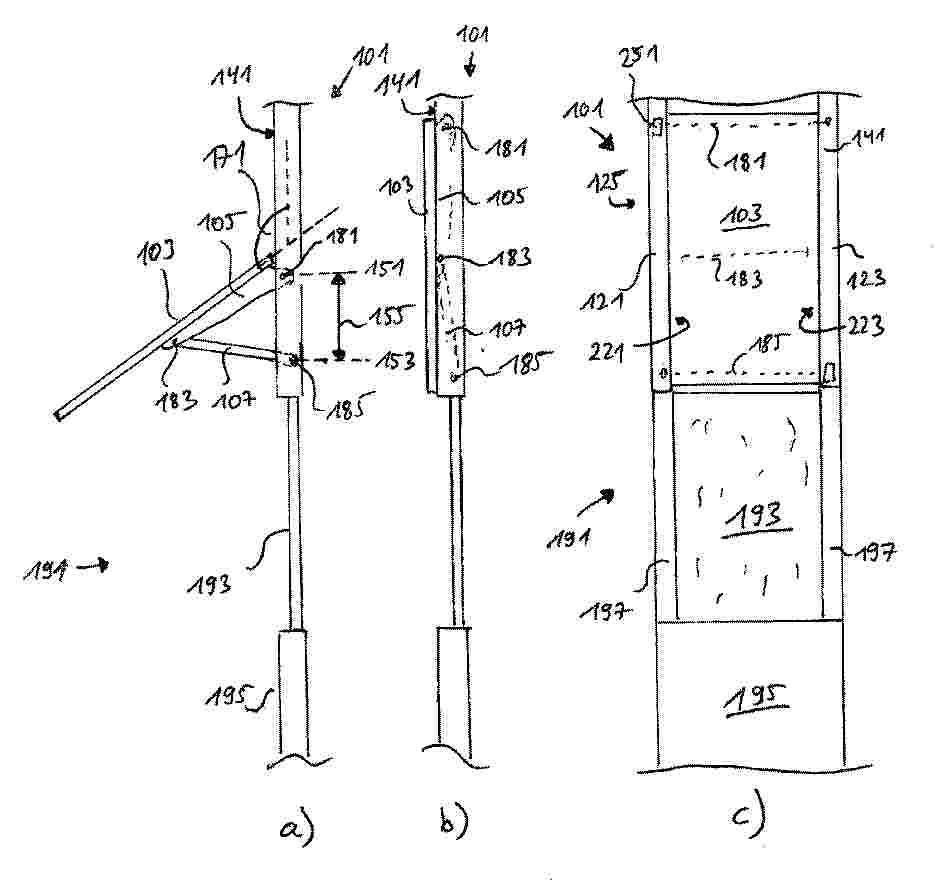
Resumen de: DE102025105758A1
Die Erfindung betrifft eine Abschattungsvorrichtung mit einer Positioniereinrichtung zum Einstellen einer Position und eines Anordnungswinkels eines Abschattungselementes mittels der Positioniereinrichtung in Bezug zu einer Aufnahmefläche, wobei entlang der Aufnahmefläche eine Linearaufnahme mit einer ersten Linearführung und eine zur ersten Linearführung im Wesentlichen parallele zweite Linearführung angeordnet sind, wobei eine erste Halteachse und ein Antriebsanschluss eines Hebels längsbeweglich in zumindest einer der Linearführungen an der Aufnahmefläche aufgenommen sind, womit mittels eines gleichsinnigen Verschiebens der ersten Halteachse und des Antriebsanschlusses entlang der Linearführungen die Position des Abschattungselementes gegenüber der Aufnahmefläche und mittels eines gegensinnigen Bewegens der ersten Halteachse und des Antriebsanschlusses zum Verändern eines Abstandes zwischen der ersten Halteachse und dem Antriebsanschluss der Anordnungswinkel des Abschattungselementes gegenüber der Aufnahmefläche einstellbar ist. Des Weiteren betrifft die Erfindung die Verwendung einer solchen Abschattungsvorrichtung.
Resumen de: US20260246418A1
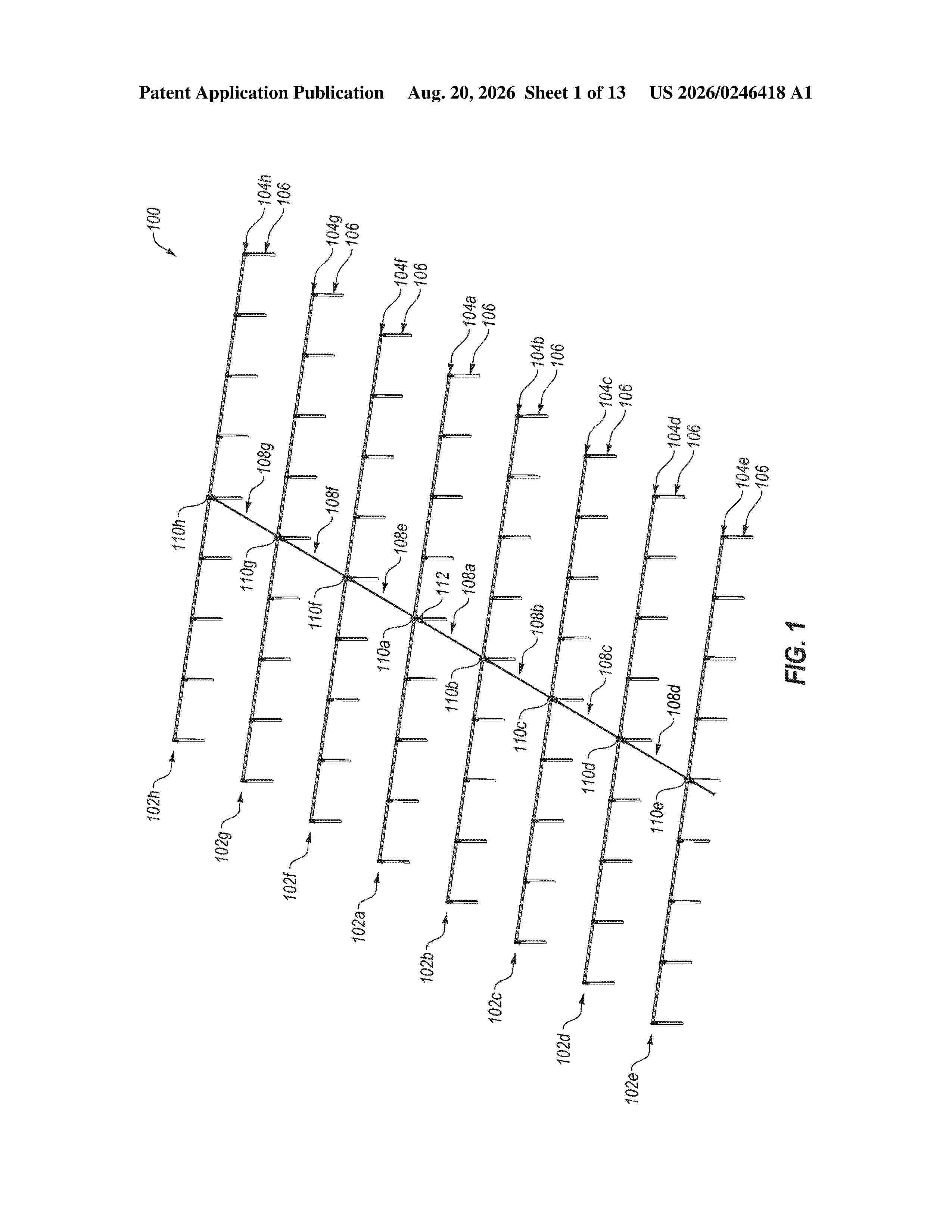
A driveline configured to transmit a rotational force to a torque tube in a solar tracker system may include an inner surface and outer surface defining a thickness of the driveline. Portions of the inner and outer surfaces may define four lobes arranged symmetrically about a central axis centered in and extending through the driveline and portions of the inner and outer surfaces may define four recesses arranged symmetrically about the central axis. Each recess may separate a lobe of the four lobes from another lobe of the four lobes.
Resumen de: US20260246423A1
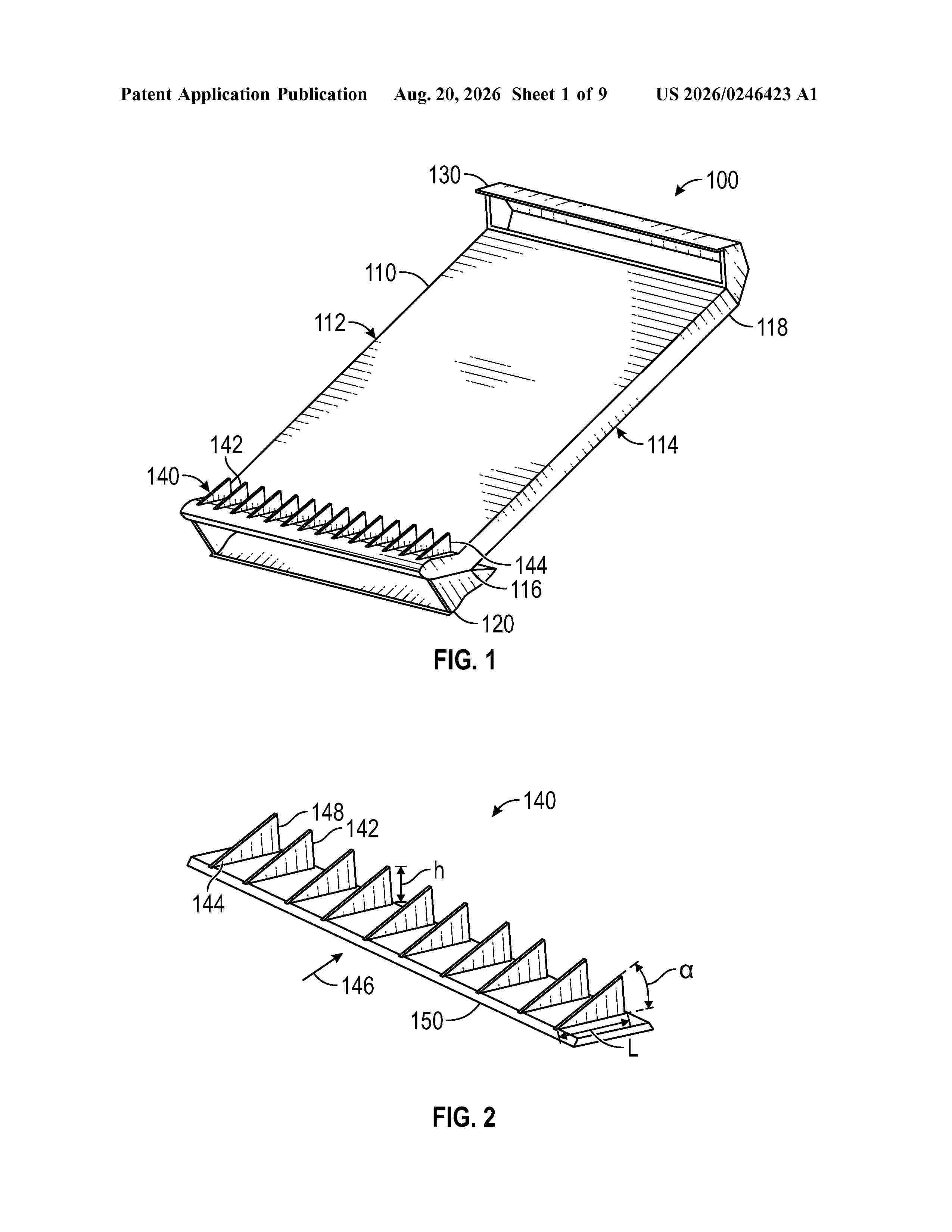
0000 A PV module cooling assembly can include vortex generators and upper and lower flow deflectors to improve surface convective cooling for a PV module. The vortex generators can include one or more winglets attached along an upstream edge portion of the PV module, locally modifying airflow at a front PV module surface by inducing turbulence from the oncoming flow and increasing local convective heat transfer. The upper and lower flow deflectors can capture and re-direct high-velocity flow to otherwise blocked regions known to recirculate heated air. The PV module cooling assembly is capable of improving surface cooling more than 50% compared to PV modules without flow alteration.
Resumen de: US20260243040A1
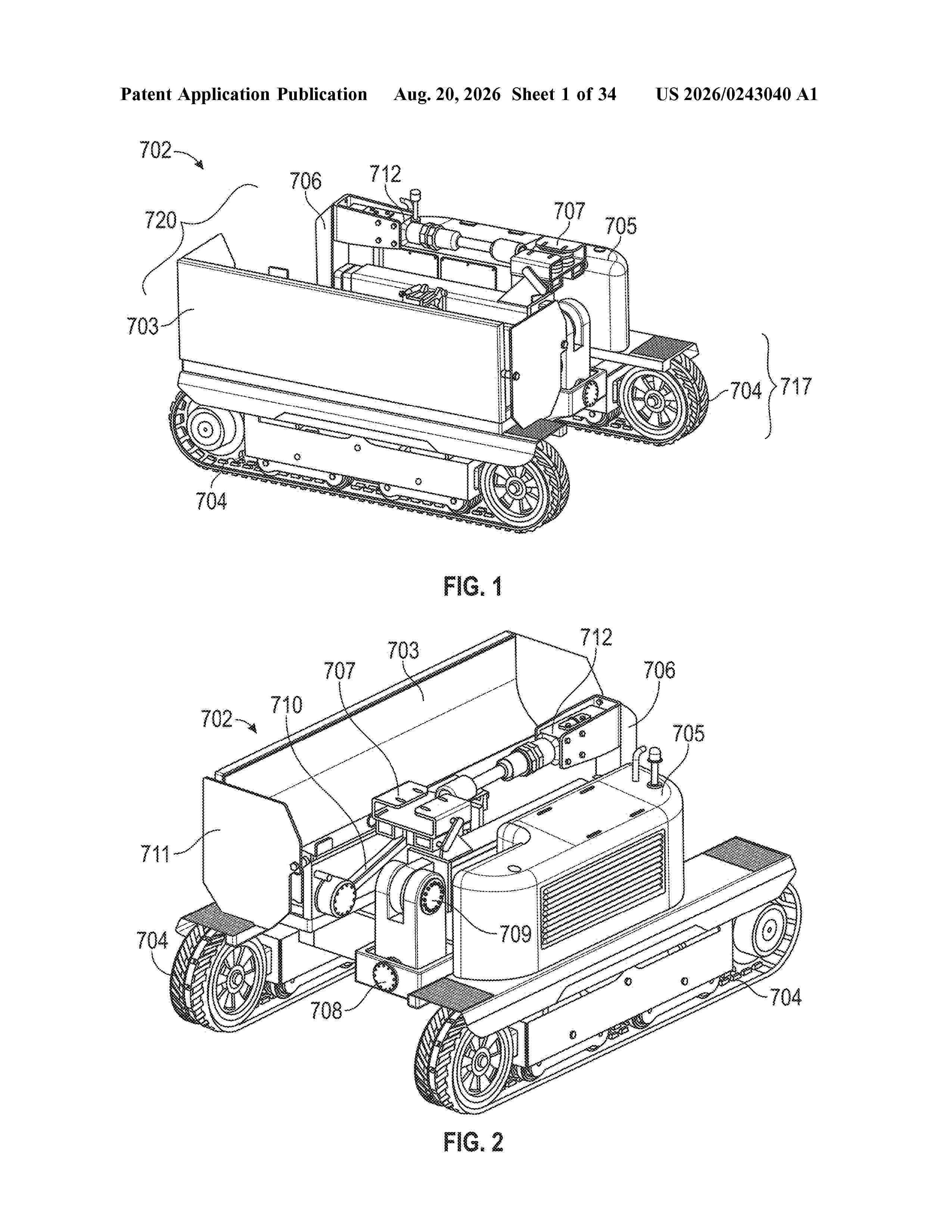
0000 A robotic system for driving micropiles into a terrain is disclosed. The system may include a chassis, a micropile hoper mounted to the chassis, and a retractable driving arm. The retractable driving arm may be of an extendable length and mounted to the chassis by at least one articulating connection. The system may further include a drive unit mounted to the driving arm, in which the drive unit drives a micropile into the terrain. The system may further include a micropile feeder that feeds the micropile from the micropile hopper to a position under the drive unit. The system may further include a power unit that powers the drive unit and the driving arm.
Resumen de: US20260243469A1
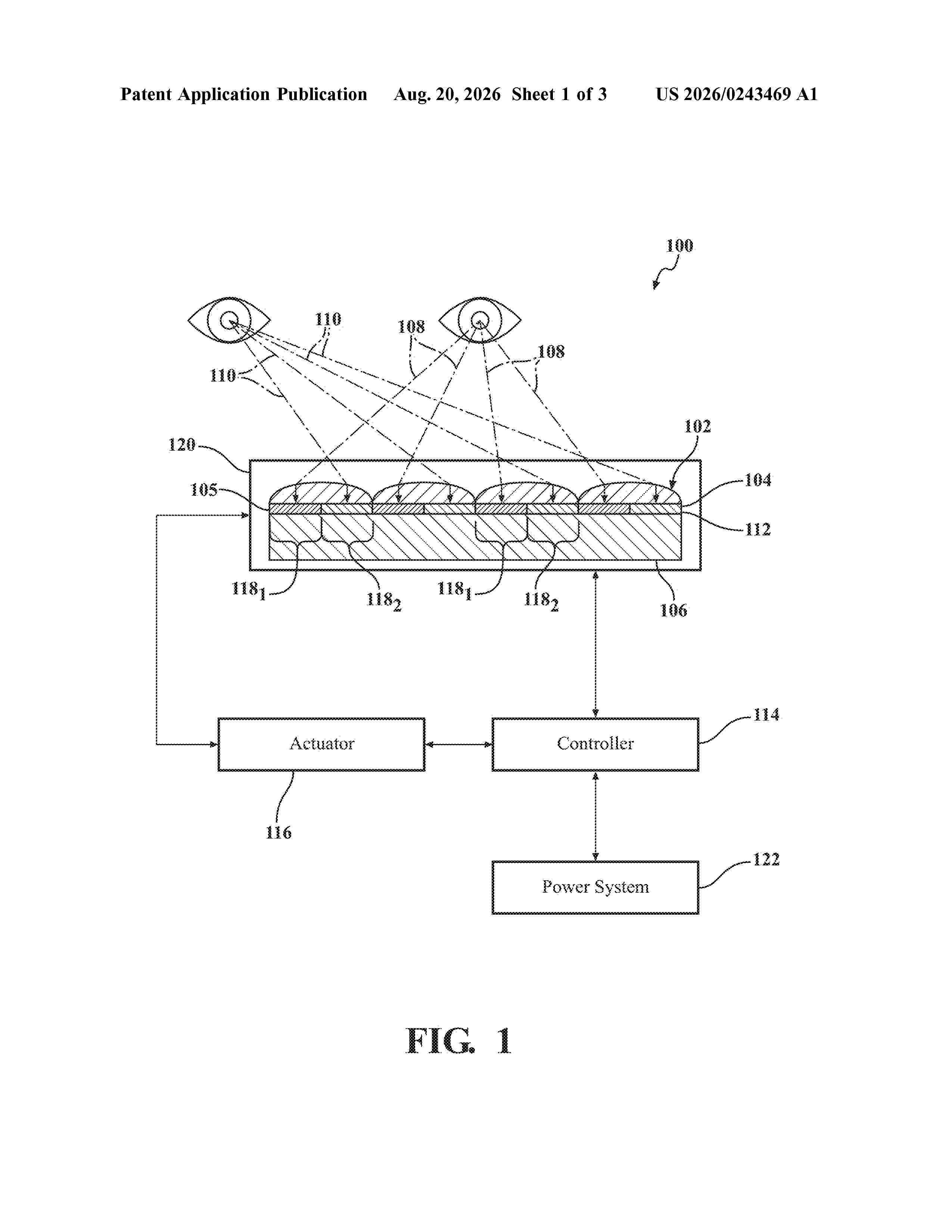
Systems and other embodiments described herein relate to improving the aesthetics of absorption components that harvest solar energy by displaying an image formed with structural ink and a lens that selectively displays the image while directing light for energy capture. In one embodiment, the system includes a lens that directs incident light within a first angular range towards absorption components and a second angular range towards viewing material. The system also includes the viewing material applied to the lens within predetermined areas, the viewing material forms an image. The system also includes the viewing material being a color pigment having a reflector core that reflects the incident light at the second angular range within the predetermined areas. The system also includes the absorption components being located within and outside the predetermined areas, the absorption components capturing energy from the incident light within the first angular range.
Nº publicación: US20260246417A1 20/08/2026
Solicitante:
PEGASUS SOLAR INC [US]
Pegasus Solar Inc
Resumen de: US20260246417A1
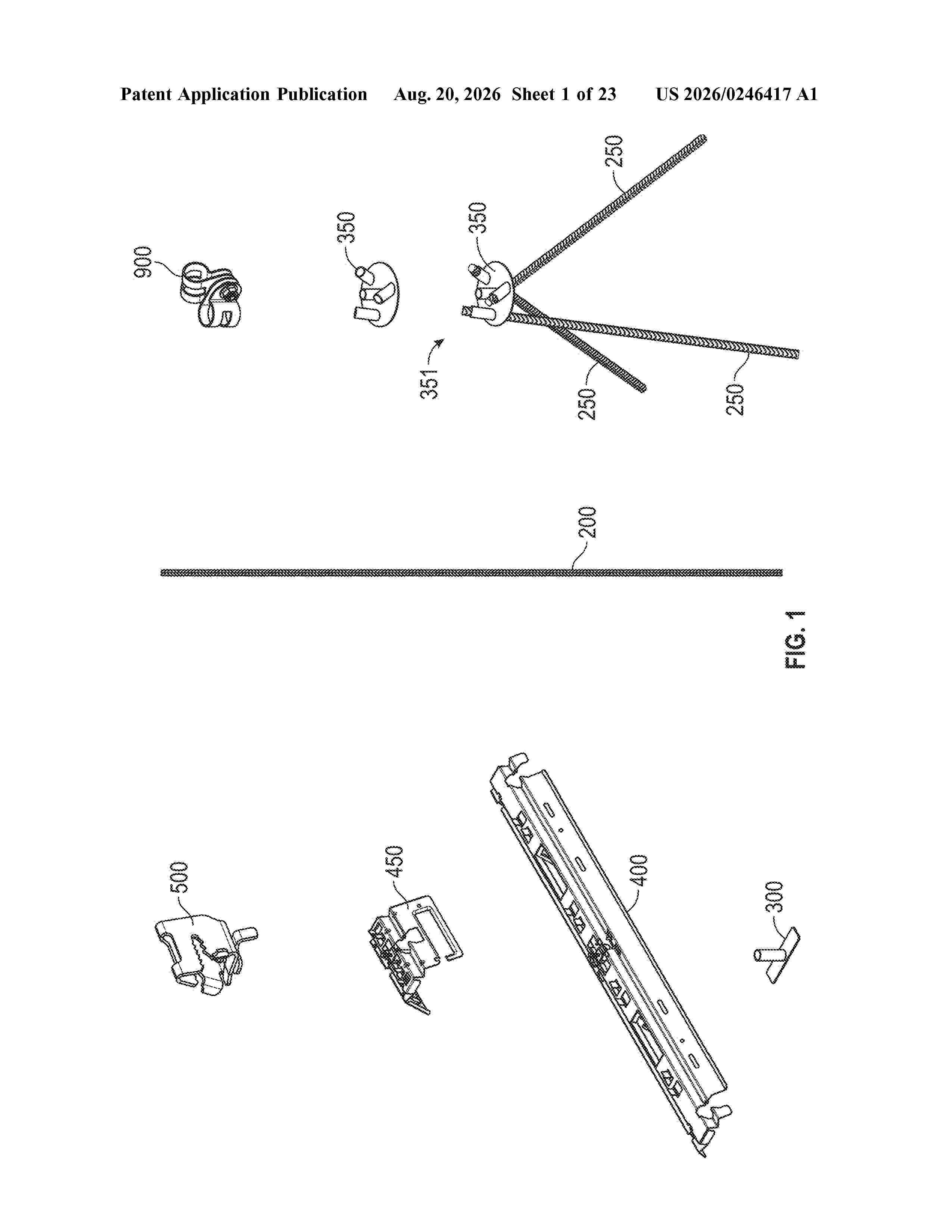
0000 Embodiments of an apparatus for securing solar modules at variable angles relative to a terrain comprising a module clip and a swivel bracket are described herein. The module clip may include a first side wall and a second side wall that includes one or more solar module flange apertures each configured to receive a solar module flange, a hem that joins the first side wall and the second side wall at an angle, and one or more tabs. The swivel bracket is configured to support a solar module. The swivel bracket may include bracket walls through which an aperture extends, the aperture configured to receive the module clip when the module clip is in the compressed state and to retain the module clip when the module clip is in the uncompressed state, wherein the module clip is secured to an underside of the swivel bracket by the tabs.
 BOPI
BOPI
 Sede Electrónica