Si deseas distinguir tus productos, servicios o ambos de los de otra empresa, es posible que necesites una marca o nombre comercial. Descubre qué son, en qué consiste su procedimiento de registro y qué implica.

Información sobre los plazos de presentación de solicitudes de transformación de marcas de la Unión Europea en marca nacional española. Más información


Si tienes un nuevo dispositivo, producto o procedimiento que resuelva un problema técnico o tenga una ventaja práctica, existen distintas formas de protegerlo en España y en otros países. Descubre cómo hacerlo.

¿Tu innovación reside en la estética, la ornamentación o la apariencia de tu producto? Protégela mediante un diseño industrial. Descubre qué derechos confiere el registro y cómo realizar la tramitación.

Las indicaciones geográficas protegen el nombre de un producto originario de una zona geográfica, a la cual le debe una determinada calidad, reputación u otra característica. Descubre qué son, en qué consiste su procedimiento de registro y qué beneficios conceden.

Las patentes publicadas en todo el mundo son una valiosa fuente de información científica, técnica y comercial.

Si eres emprendedor/a o una empresa y quieres potenciar y mejorar la rentabilidad de tu negocio protegiendo de forma adecuada los activos intangibles de tu organización, en este espacio encontrarás lo necesario.


 93
resultados
93
resultados
 Última actualización
26/08/2026 [07:03:00]
Última actualización
26/08/2026 [07:03:00]


 Resultados 75 a 93 de 93
Resumen de: NL2039648B1
0001 The present invention pertains to a method of producing an article comprising a biomass based filler present in a matrix material, the method comprising homogenous mixing of macroscopic biomass particles with one or more reactive components, optionally in the presence of a solvent, and after removal of the optional solvent, reacting the one or more reactive components to form the matrix material, wherein the amount of biomass particles in the article is 25 m% or more. The invention also pertains to a filled matrix article obtainable by this method and its use, in particular in or as part of a self-supporting item.

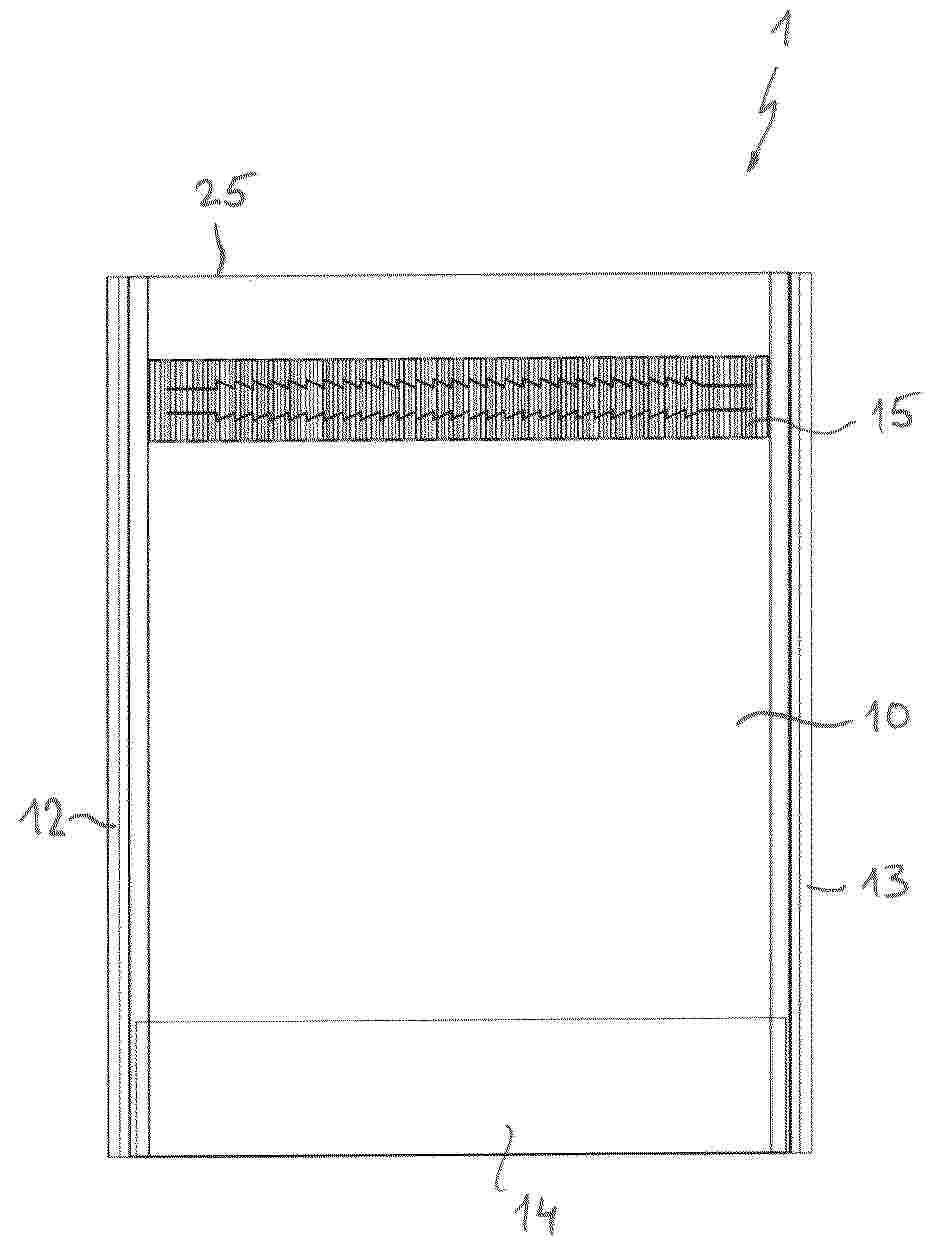
Resumen de: DE102025102671A1
Die Erfindung betrifft eine flexible Verpackung (1) mit einem Innenraum zur Aufnahme eines Produkts, mit einer Wand (10) und einer Gegenwand (11), die den Innenraum begrenzen, und mit einem Verschluss, der zum Verschließen des Innenraums dient und sich mehrmalig öffnen und schließen lässt, wobei der Verschluss in einem geschlossenen Zustand die Wand (10) und die Gegenwand (11) in einem Verschlussbereich zusammenhält. Die Erfindung zeichnet sich dadurch aus, dass der Verschluss als ein Verschlussstreifen (15) aus Wellpappe ausgebildet ist, der einen ersten Außenstreifen (16), einen Mittelstreifen (17) und einen zweiten Außenstreifen (18) aufweist, wobei zwischen dem ersten Außenstreifen (16) und dem Mittelstreifen (17) eine erste Trennlinie (19) und zwischen dem Mittelstreifen (17) und dem zweiten Außenstreifen (18) eine zweite Trennlinie (20) verlaufen, wobei der Mittelstreifen (17) mit der Wand (10) und der erste Außenstreifen (16) und der zweite Außenstreifen (18) mit der Gegenwand (11) verbunden sind.
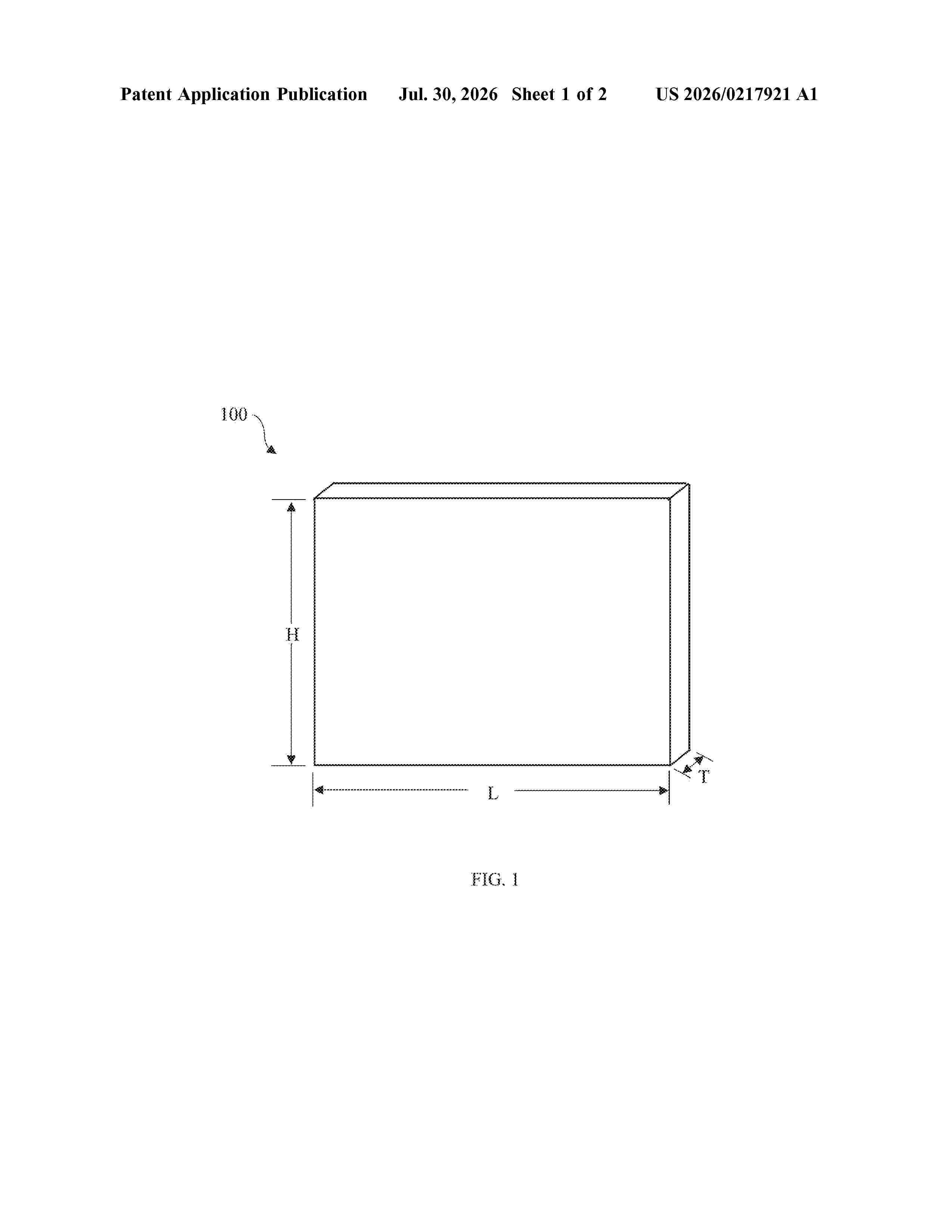
Resumen de: US20260217921A1
0000 Embodiments of the present disclosure are directed to liquid plastisol compositions and articles made therefrom. The liquid plastisol composition includes, based on a total weight of the liquid plastisol composition, 3 wt. % to 60 wt. % water soluble polymer particles and 40 wt. % to 97 wt. % plasticizer. The water soluble polymer particles have an average particle size from 1 micron to 500 microns.
Resumen de: WO2026158000A1
The present invention relates to a biodegradable film material, and a preparation method and the use thereof. The biodegradable film material of the present invention comprises the following components in parts by weight: 39-85.6 parts of a PBAT resin, 2-10 parts of a PLA resin, 10-40 parts of calcium carbonate, 2-10 parts of an inorganic opening additive, and 0.2-1 part of an organic opening additive, wherein the molar content of D-lactic acid in the PLA resin is less than or equal to 6%; the particle size D50 of the calcium carbonate is 1.5-2.5 μm; and the particle size D50 of the inorganic opening additive is 1-5 μm. The biodegradable film material can not only be used for high-speed film blowing, but also has good opening performance, a high dyne value and a good dart impact strength.
Resumen de: KR102997475B1
물티슈 캡 조성물, 물티슈 캡 및 물티슈 용기가 개시된다. 개시된 물티슈 캡 조성물은 폴리프로필렌 및 전분을 포함한다.
Resumen de: EP4353808A1
0001 The present invention relates to a water-soluble, multicompartment unit dose article comprising at least two superposed compartments, wherein the compartments are formed by sealing water soluble film to contain liquid detergent composition. The water-soluble film comprises polyvinyl alcohol polymer comprising polyvinyl alcohol resin and wherein the polyvinyl alcohol resin comprises an homopolymer. The total volume of the liquid detergent composition is from 10ml to 20ml.
Resumen de: WO2025064876A1
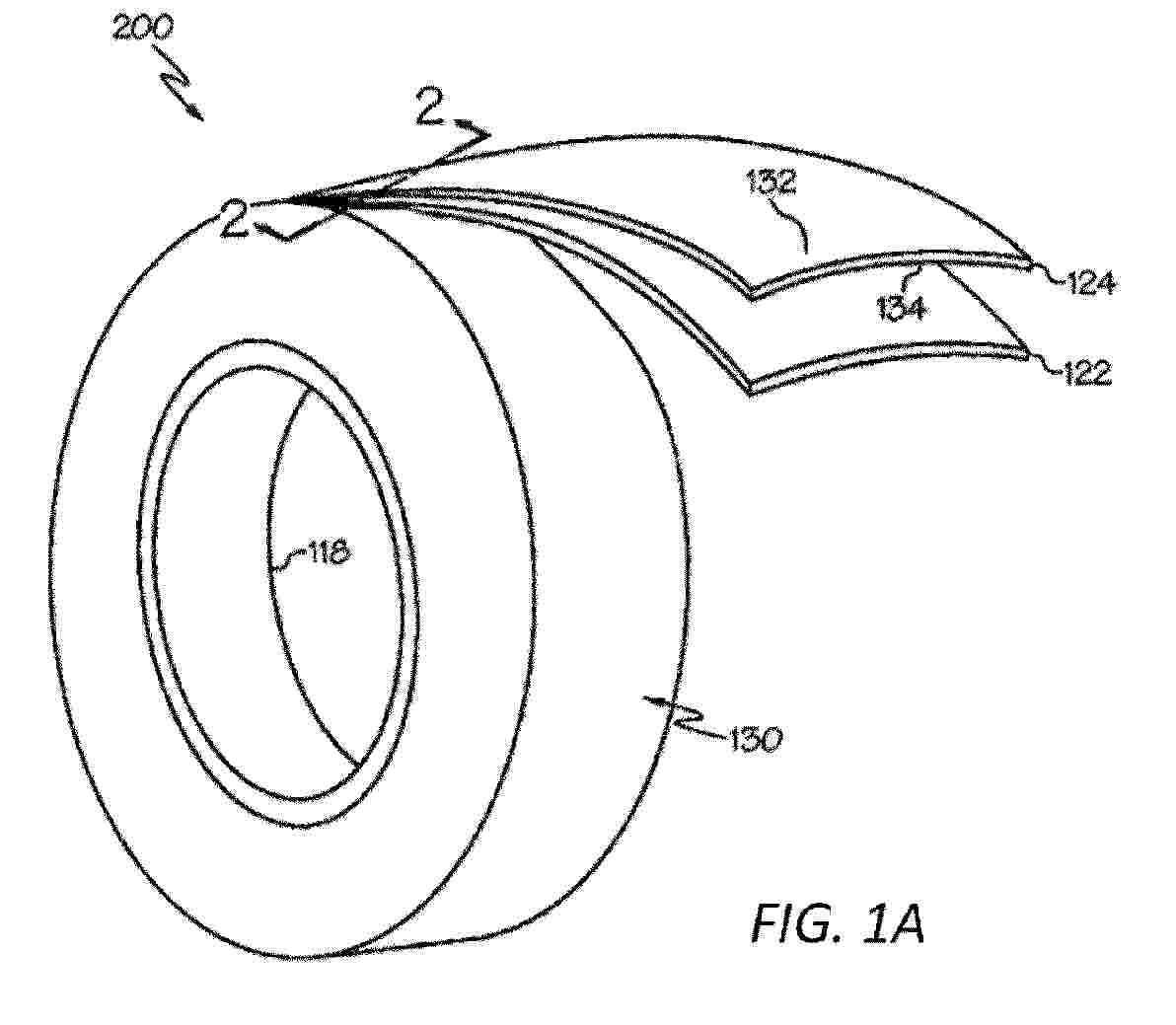
This disclosure is directed to a retrogradation resistant starch film and a continuous, process for the compounding and extruding of the starch film and/or preparing laminates. In one aspect of the disclosure, the starch may be applied directly as a web, film, or layer as a reinforcement, for example, in a tape product, air pillow, or mailer.
Resumen de: WO2025064395A1
Biodegradable coated paper articles comprising a paper substrate and a layer provided on said paper substrate, wherein the layer is formed from a biodegradable coating composition comprising: a. a cellulose ester which is a cellulose acetate propionate (CAP) in an amount of 5.5 to 15 weight %, based on the total weight of (a), (b), and (c); b. a biodegradable polymer which is a polyester in amount of 45 to 75 weight %, based on the total weight of (a), (b), and (c); and c. an inorganic filler in an amount of 12 to 40 weight %, based on the total weight of (a), (b), and (c); wherein the polyester is selected from the group consisting of poly(butylene succinate) (PBS), poly(butylene succinate adipate) (PBSA), polycaprolactone (PCL), poly(butylene adipate terephthalate) (PBAT), polylactic acid (PLA), and combinations thereof.
Resumen de: EP4782205A1
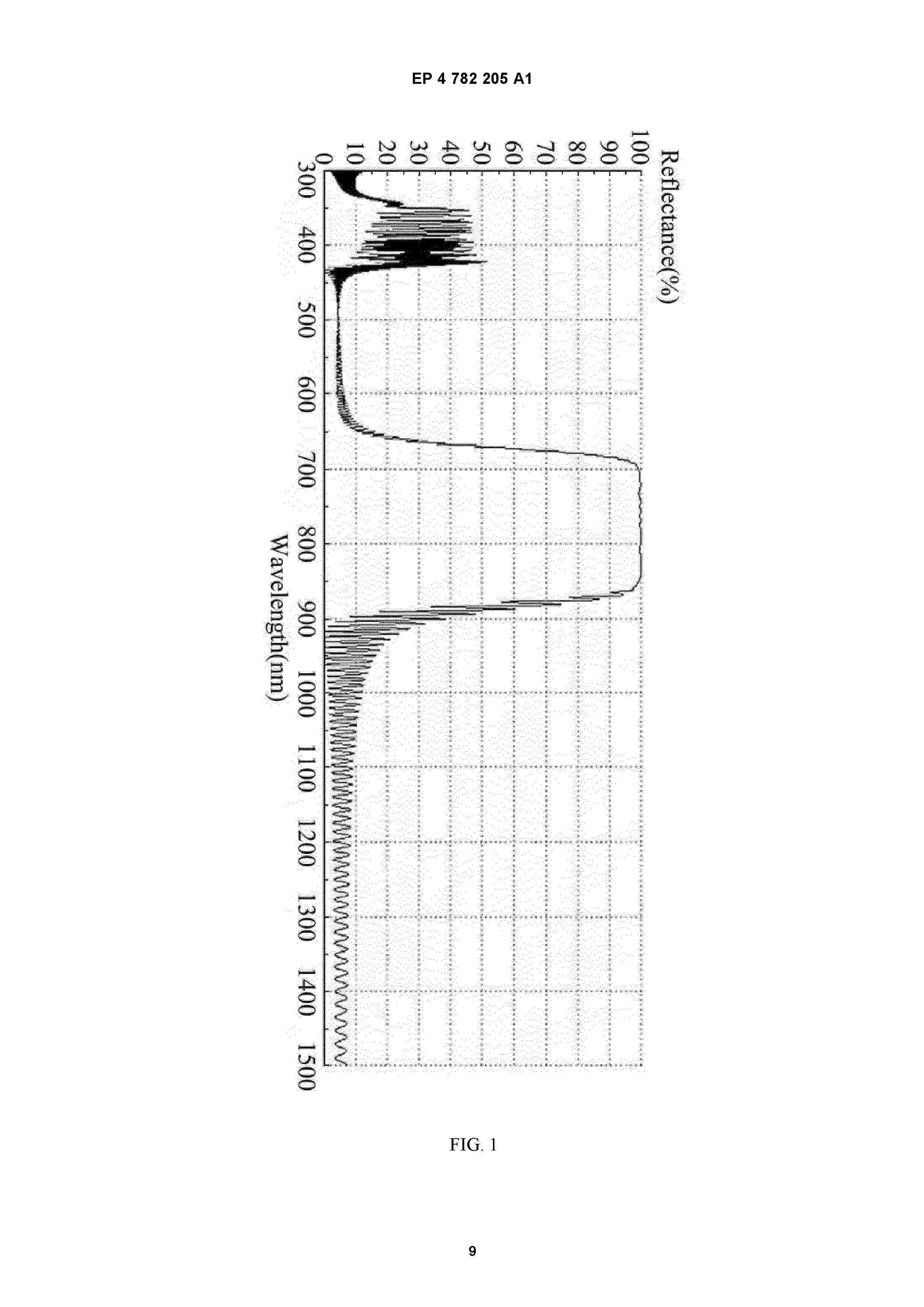
The present application relates to the technical field of optical films, and particularly discloses a bio-based laminated film and a preparation method thereof. The laminated film is obtained by alternately laminating two resins with different refractive indices, one of which is a bio-based polyester resin, the difference in refractive index between the two resins is larger than or equal to 0.05, and the laminated film reflects light with a wavelength ranging from 300 nm to 1200 nm; the bio-based polyester resin is polyethylene 2,5-furandicarboxylate or polyhydroxyalkanoate; the laminated film is biodegradable in property and achieves the improvements on the mechanical property and the optical property.
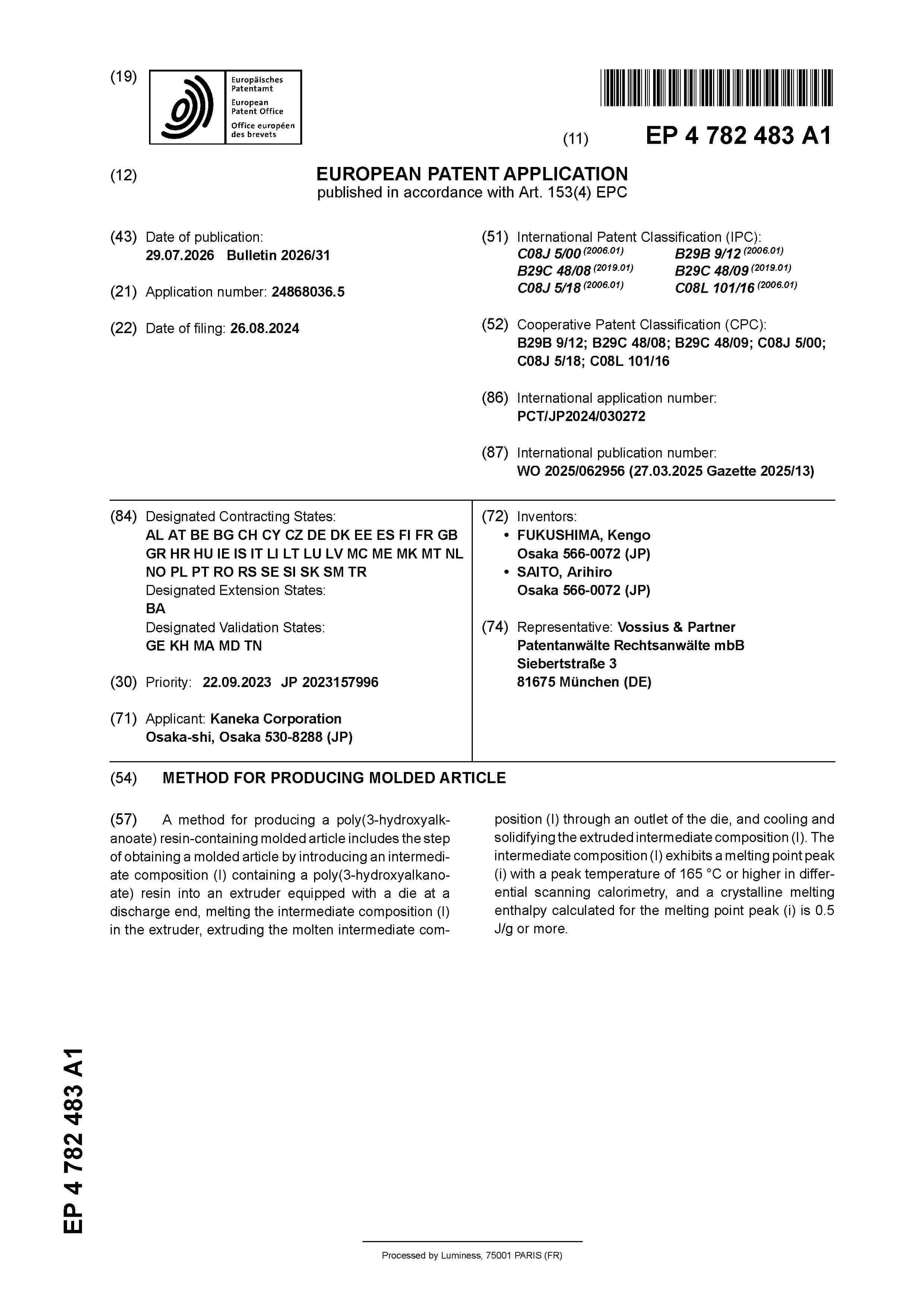
Resumen de: EP4782483A1
A method for producing a poly(3-hydroxyalkanoate) resin-containing molded article includes the step of obtaining a molded article by introducing an intermediate composition (I) containing a poly(3-hydroxyalkanoate) resin into an extruder equipped with a die at a discharge end, melting the intermediate composition (I) in the extruder, extruding the molten intermediate composition (I) through an outlet of the die, and cooling and solidifying the extruded intermediate composition (I). The intermediate composition (I) exhibits a melting point peak (i) with a peak temperature of 165 °C or higher in differential scanning calorimetry, and a crystalline melting enthalpy calculated for the melting point peak (i) is 0.5 J/g or more.
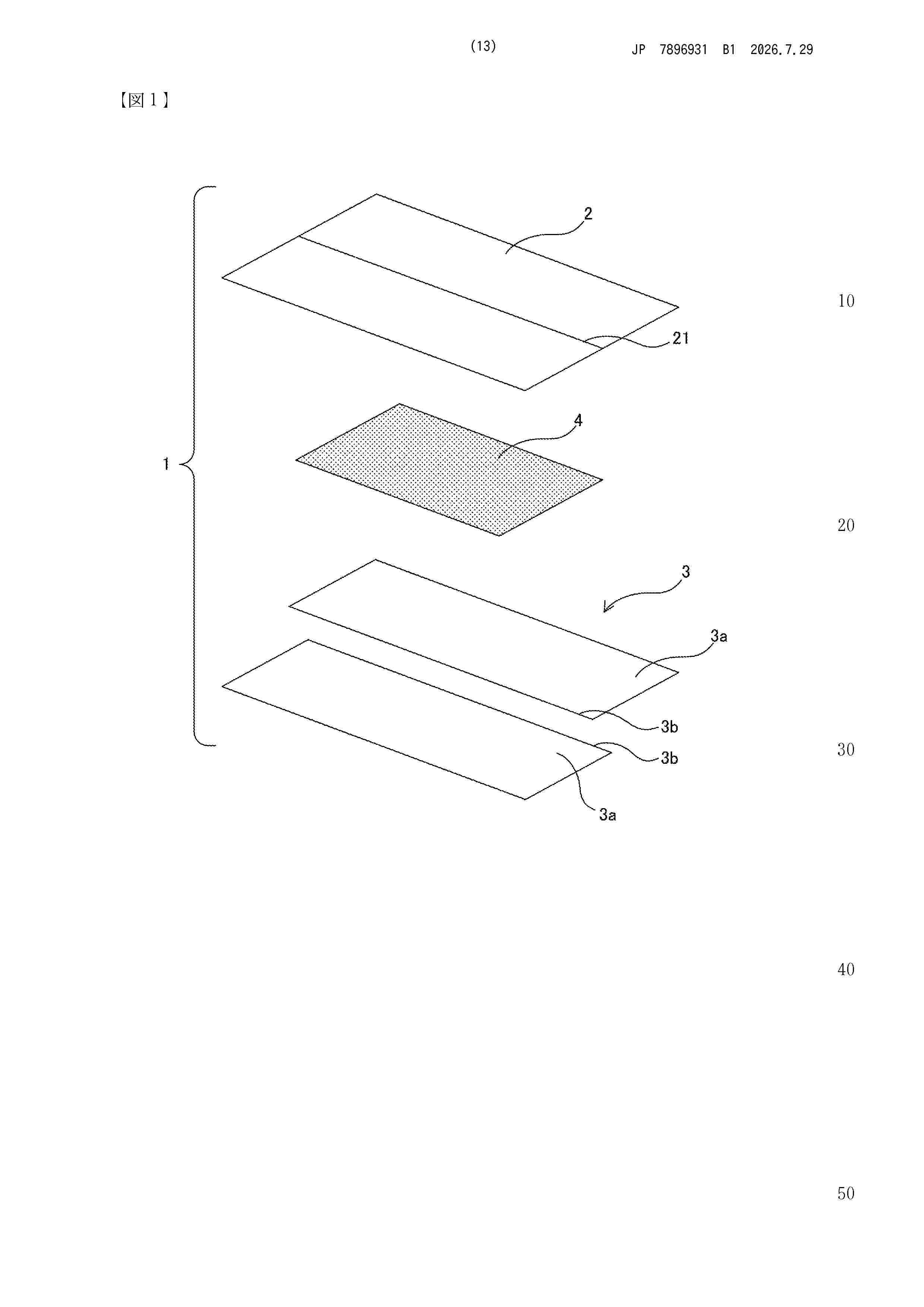
Resumen de: JP7896931B1
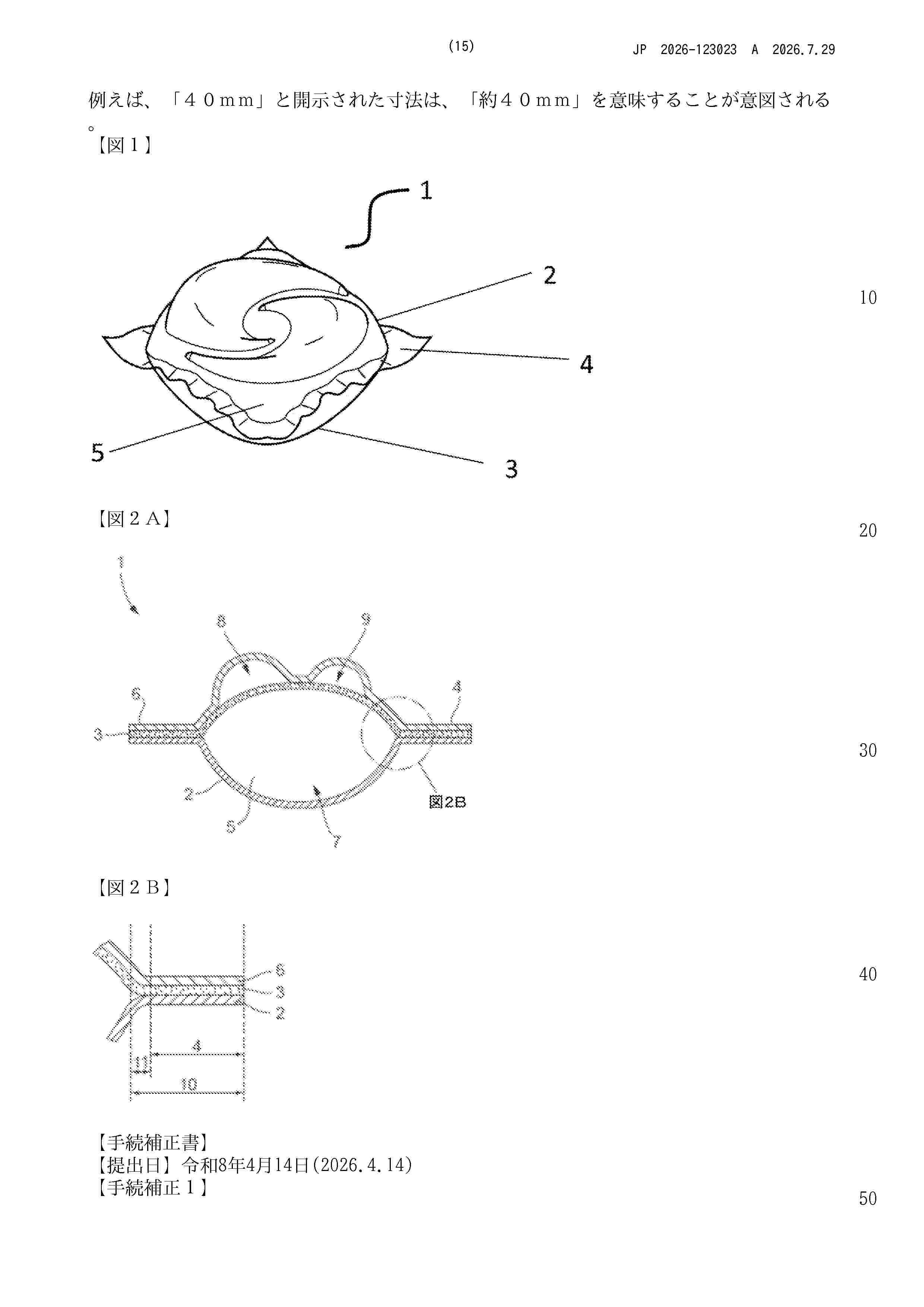
【課題】本発明は、容易に包装を解くことのできるおにぎり包装シートを提供する。【解決手段】本発明のおにぎり食品包装シート1は、外フィルム2と、前記外フィルムに重ねて配備され、左右に分断可能な内フィルム3と、前記外フィルムと前記内フィルムとの間に挟まれたシート状食品4と、を含み、前記外フィルムと前記内フィルムとを前記シート状食品の外周で熱溶着してなるおにぎり包装シートであって、前記外フィルムは、前記外フィルムの表面よりも凹んだ、レーザー加工によって形成された外溝21を有しており、前記外溝の両側には、前記外フィルムの表面よりも盛り上がった外土手部22が形成されている。【選択図】図5
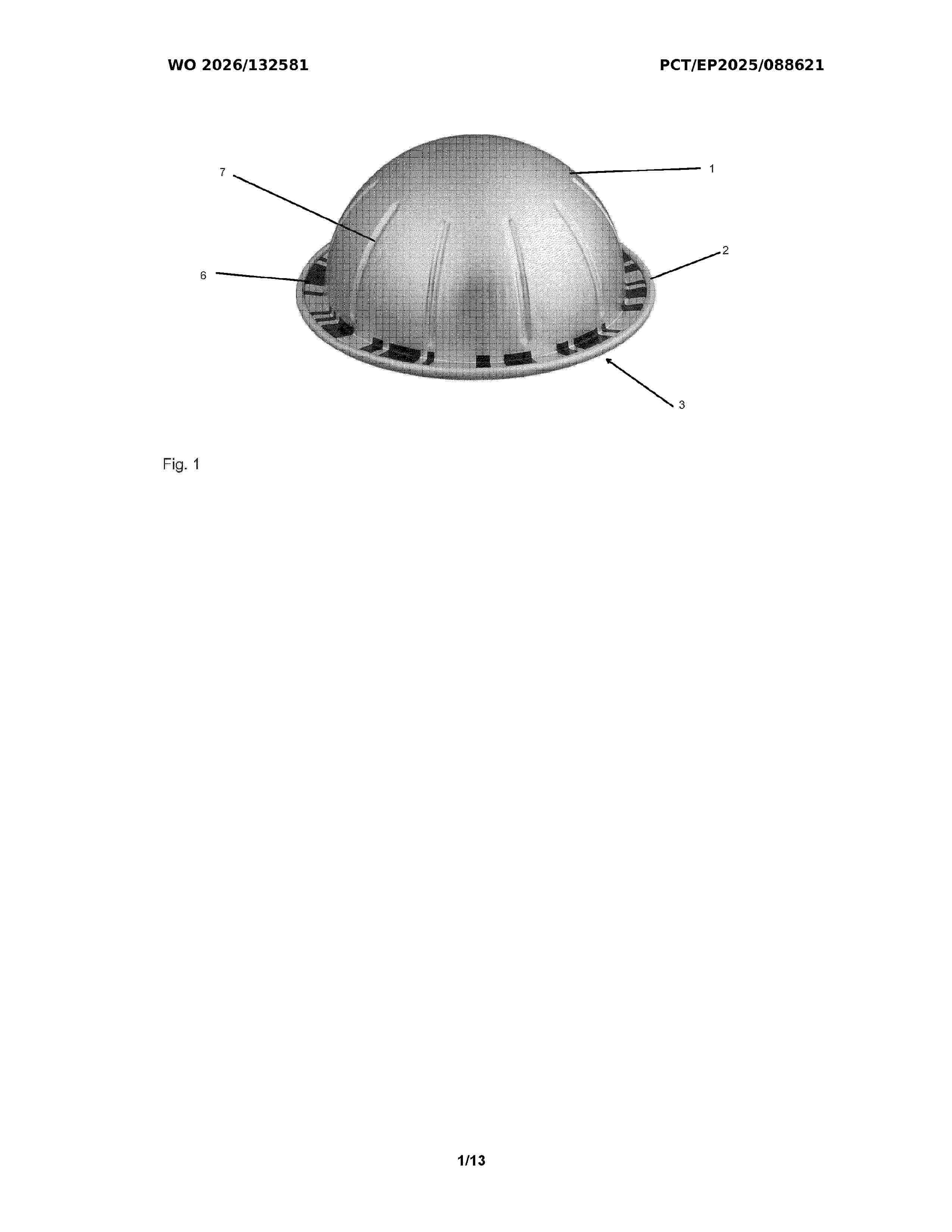
Resumen de: GB2703492A
A capsule for use in a coded capsule beverage system. The beverage system has a centrifugal unit adapted to rotate the coded capsule, the coded capsule has a body with an inner profile comprising a plurality of ribs and an opening. The capsule has a body with an opening, the body comprising a capsule wall having an outer profile, with a plurality of ribs and/or recesses. The diameter of the capsule body is less than the diameter of the coded capsule body, and the plurality of ribs and/or recesses are arranged on the surface of the capsule body so that the distance between the outer profile of the capsule body and the inner profile of the coded capsule is less than the difference between the respective diameters of the coded capsule body and the capsule body. Fig 1
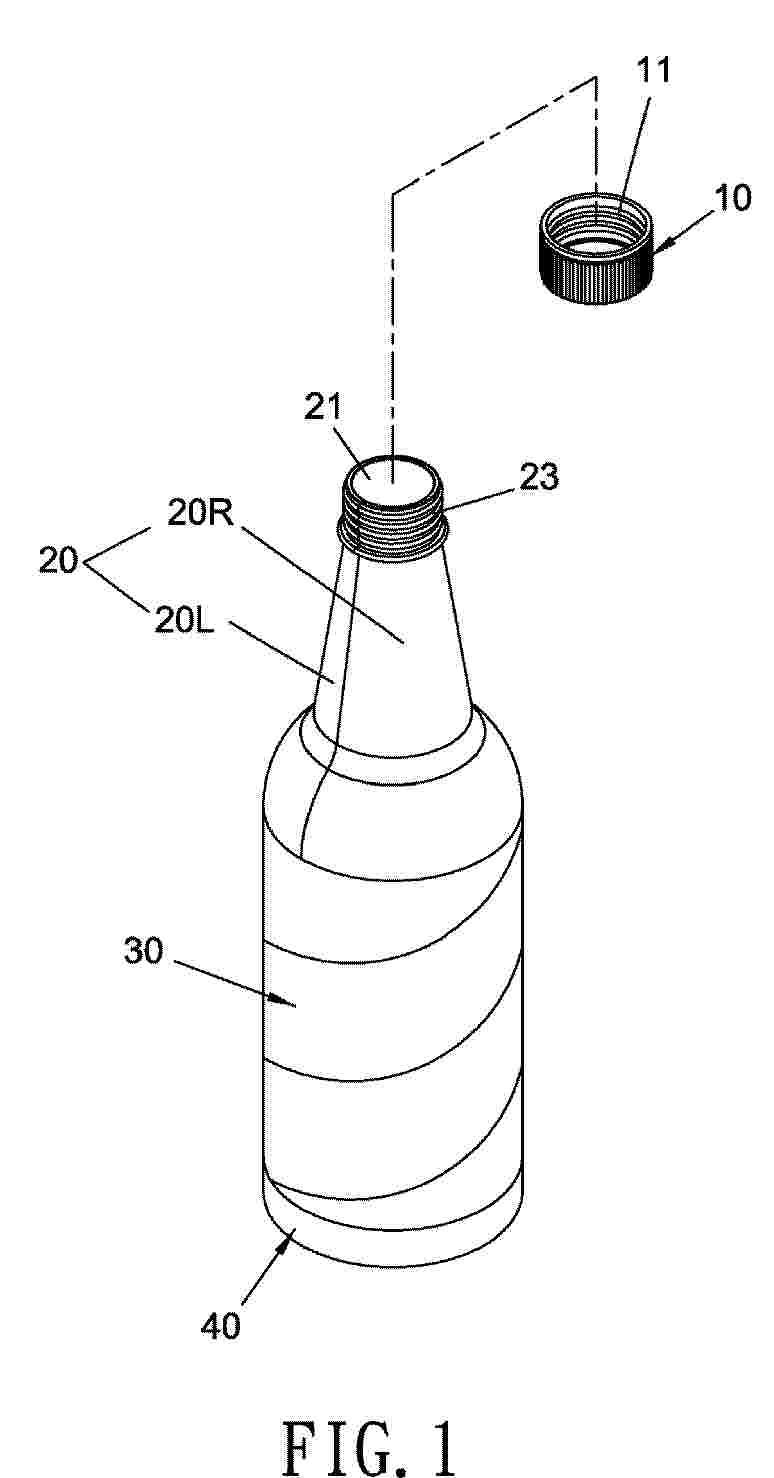
Resumen de: EP4596435A1
0001 A fully recyclable container and a method of manufacturing the same is provided. The container includes a cap 10, a shoulder 20, a body 30, a base 40, and a liner 50. The cap 10, the shoulder 20, and the base 40 are made of biodegradable plastic by injection molding while the body 30 is made of waterproof paper. The cap 10, the shoulder 20, and the base 40 are detachably connected to form a housing of the container. The liner 50 is formed inside the housing by blow molding of biodegradable plastic. The respective components of the container are completely made of biodegradable or bio-decomposable material and able to be disassembled for sorting and recycling. Thereby the fully recyclable container completely meets requirements of environmental protection and recycling.
Resumen de: US12692389B1
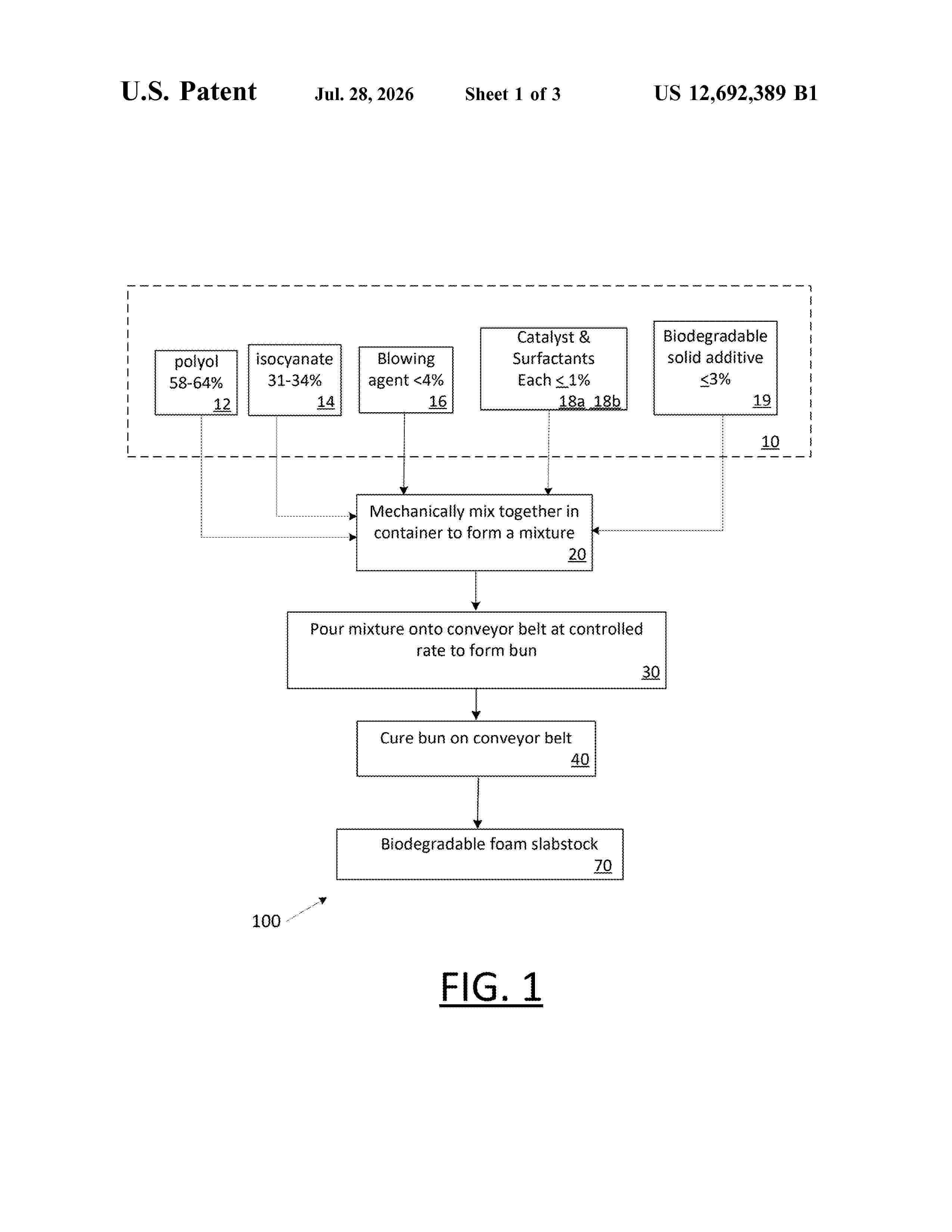
0000 A biodegradable polyurethane foam comprised of components polyol, isocyanate, blowing agent, catalyst, surfactant, and a non-starch, polycaprolactone-based biodegradable solid additive equal to or no greater than 3% of the foam by weight has a same function and performance characteristic profile as a standard polyurethane foam made with the same components and percentages by weight but without the biodegradable solid additive and made using a continuous line pouring method. The biodegradable polyurethane foam has a same durability as the standard polyurethane foam but degrades into inert humus, carbon dioxide, and methane only when subject to landfill conditions.
Resumen de: US12691061B1
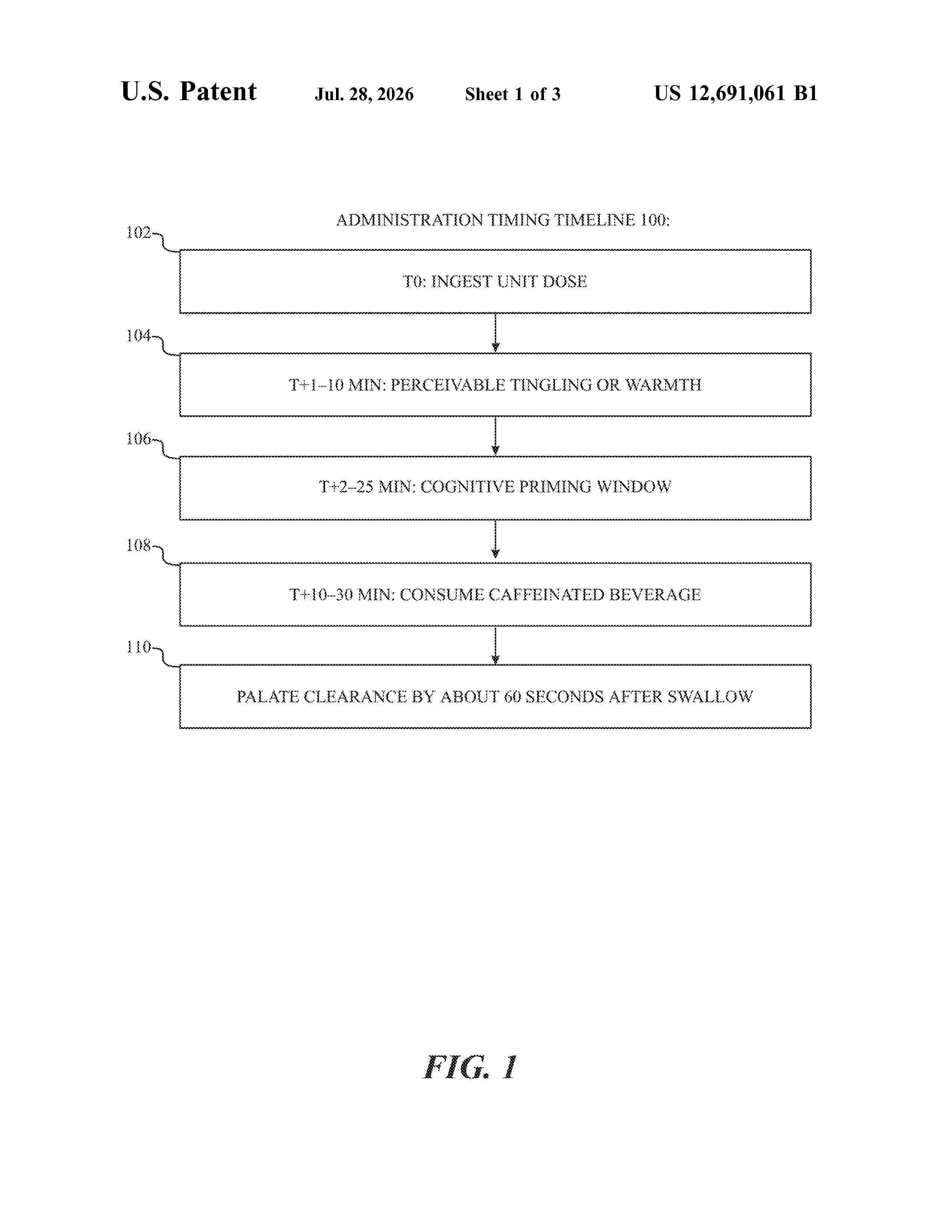
A caffeine-free, ready-to-drink liquid composition is provided for pre-caffeine cognitive priming. A unit dose of about 2.0 to 3.0 ounces at pH about 3.0 to 3.5 comprises N-acetyl L-tyrosine, citicoline, phosphatidylserine, one or more adaptogenic botanicals, L-citrulline, piperine, vitamins B6 and B12, a magnesium source, and an acidulant system including malic acid with limited citric acid. A sensory agent, such as ginger CO2 extract, yields perceivable warming or tingling within minutes, with palate clearance in about sixty seconds. Methods include administering the composition about 2 to 45 minutes before consuming a caffeinated beverage to provide rapid, predictable onset while maintaining beverage flavor compatibility. Packaged systems may use nitrogen-flushed PET or glass, cold-fill, and high-pressure processing or low-temperature pasteurization, with optional low-level carbonation and microencapsulation to manage bitterness, dissolution, and stability.
Resumen de: WO2025026609A1
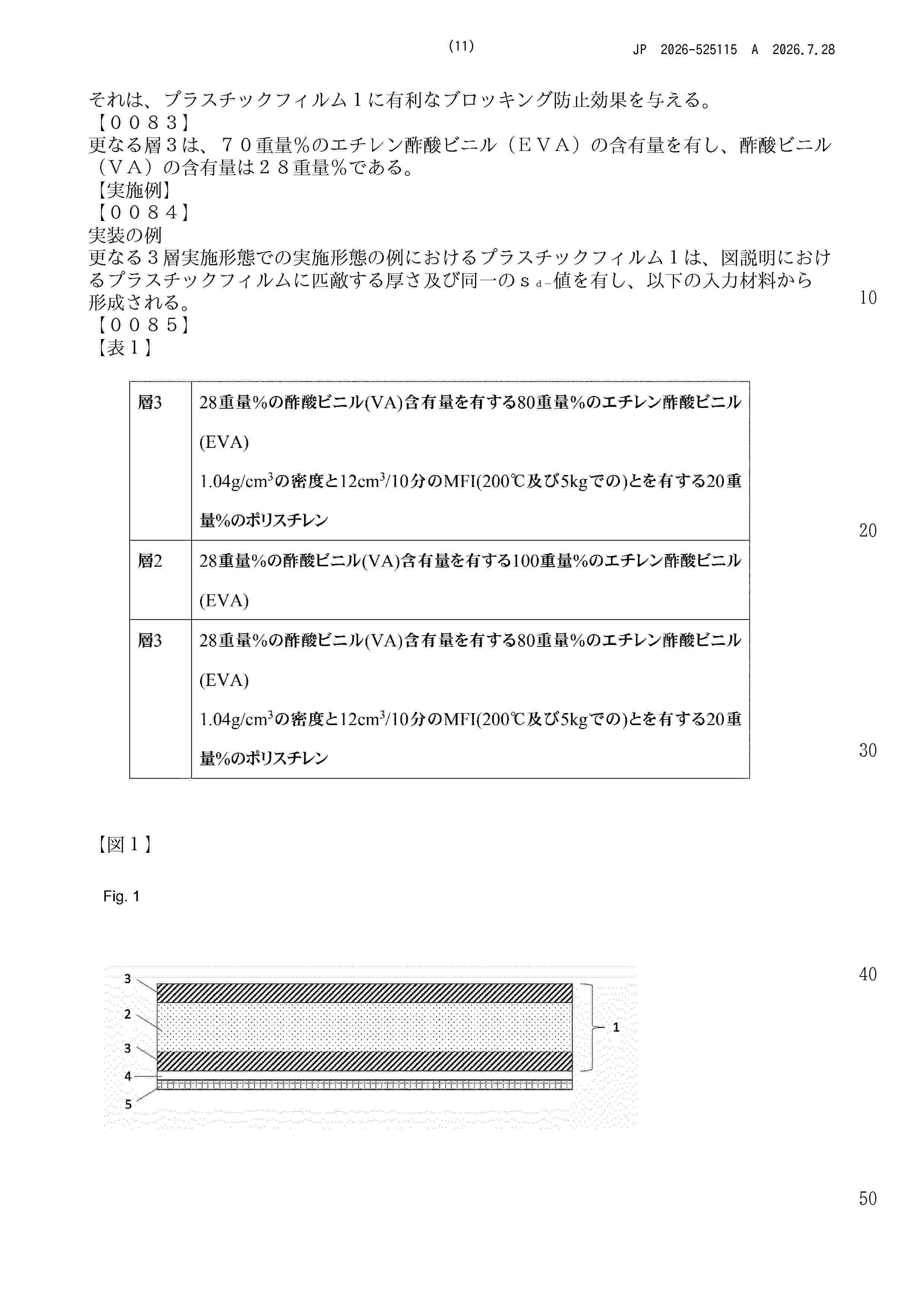
The invention relates to a plastic film (10) composed of at least one layer (2, 3). The at least one layer (2) is essentially composed of ethylene vinyl acetate (EVA), the ethylene vinyl acetate (EVA) having a proportion of vinyl acetate (VA) of at least 15 wt.%, to ensure a water vapor diffusion-equivalent air layer thickness (sd value) of less than 15 m. The at least one layer (2, 3) has a proportion of at least 5 wt.% of a functional thermoplastic.
Resumen de: WO2024056537A1
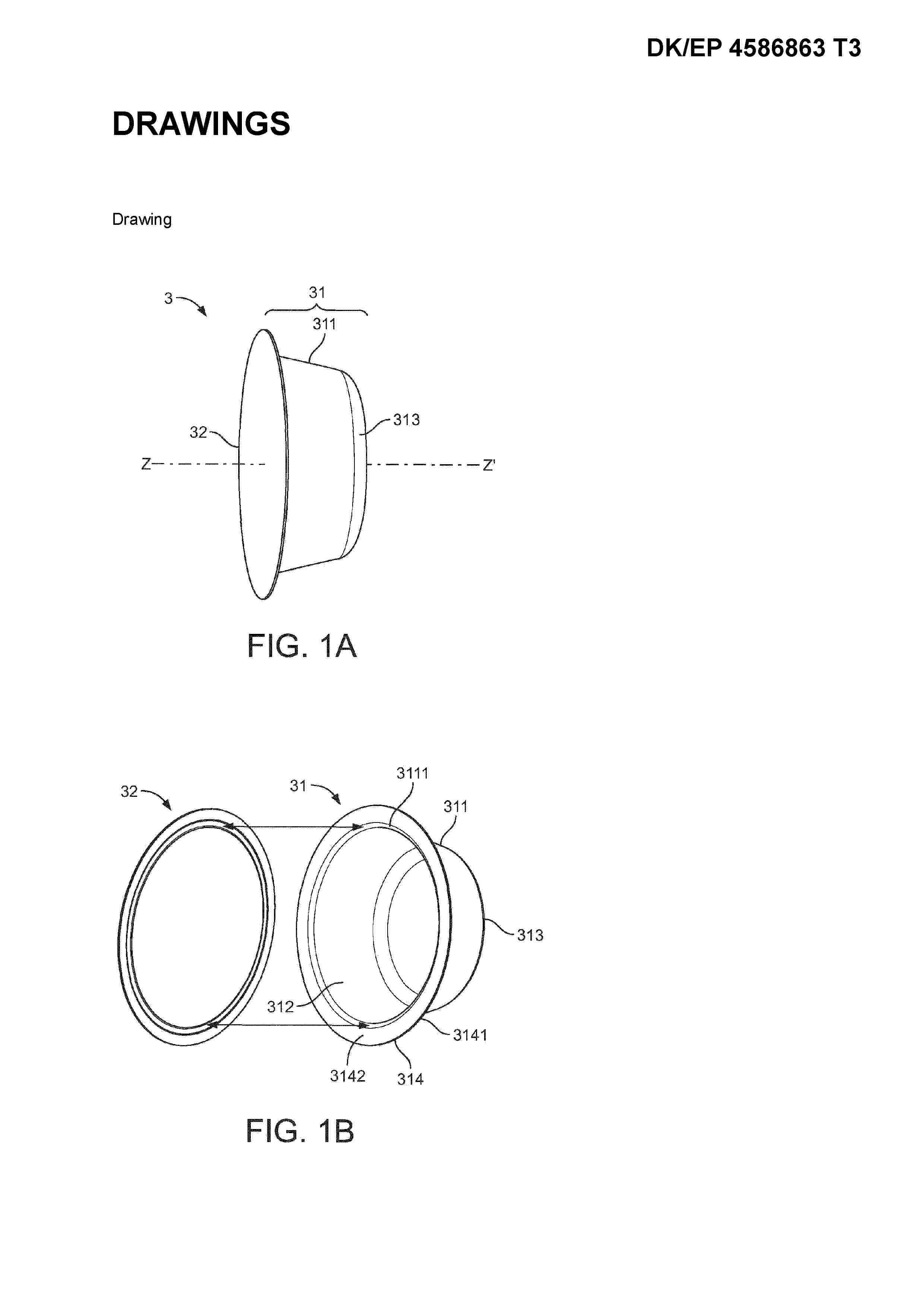
The invention concerns a system comprising an extraction device of a beverage preparation machine and a pod, wherein - the pod comprises a pod body and a top lid, and - the extraction device comprises : - upstream and downstream pod enclosing parts relatively translatable between an open position for inserting and/or ejecting the pod and a closed position for forming an extraction chamber enclosing the pod during extraction, the downstream part comprising a downstream plane piercing arrangement for opening the lid of the pod, and wherein the body and the lid of the pod are made of a multilayer paper material comprising a layer of paper coated with at least a layer of plastic, and wherein the downstream piercing arrangement and the multilayer material of the second enclosing wall (32) of the pod are designed to enable a progressive piercing of the top lid.
Nº publicación: PL451032A1 27/07/2026
Solicitante:
SOKOLOW SPOLKA AKCYJNA [PL]
SOKO\u0141\u00D3W SP\u00D3\u0141KA AKCYJNA
Resumen de: PL451032A1
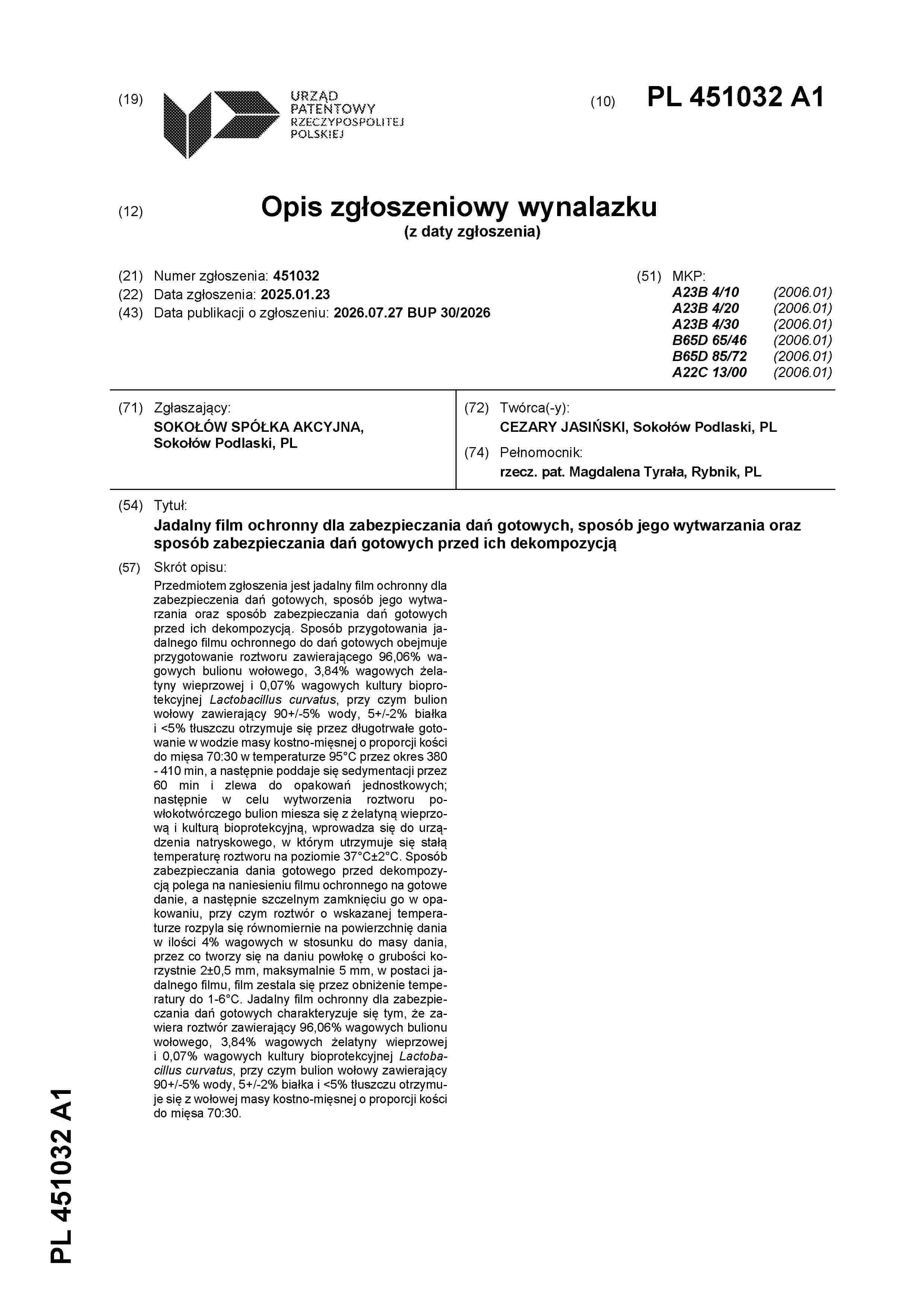
Przedmiotem zgłoszenia jest jadalny film ochronny dla zabezpieczenia dań gotowych, sposób jego wytwarzania oraz sposób zabezpieczania dań gotowych przed ich dekompozycją. Sposób przygotowania jadalnego filmu ochronnego do dań gotowych obejmuje przygotowanie roztworu zawierającego 96,06% wagowych bulionu wołowego, 3,84% wagowych żelatyny wieprzowej i 0,07% wagowych kultury bioprotekcyjnej Lactobacillus curvatus, przy czym bulion wołowy zawierający 90+/-5% wody, 5+/-2% białka i <5% tłuszczu otrzymuje się przez długotrwałe gotowanie w wodzie masy kostno — mięsnej o proporcji kości do mięsa 70:30 w temperaturze 95°C przez okres 380 — 410 min, a następnie poddaje się sedymentacji przez 60 min i zlewa do opakowań jednostkowych; następnie w celu wytworzenia roztworu powłokotwórczego bulion miesza się z żelatyną wieprzową i kulturą bioprotekcyjną, wprowadza się do urządzenia natryskowego, w którym utrzymuje się stałą temperaturę roztworu na poziomie 37°C±2°C. Sposób zabezpieczania dania gotowego przed dekompozycją polega na naniesieniu filmu ochronnego na gotowe danie, a następnie szczelnym zamknięciu go w opakowaniu, przy czym roztwór o wskazanej temperaturze rozpyla się równomiernie na powierzchnię dania w ilości 4% wagowych w stosunku do masy dania, przez co tworzy się na daniu powłokę o grubości korzystnie 2±0,5 mm, maksymalnie 5 mm, w postaci jadalnego filmu, film zestala się przez obniżenie temperatury do 1-6°C. J
 BOPI
BOPI
 Sede Electrónica