Si deseas distinguir tus productos, servicios o ambos de los de otra empresa, es posible que necesites una marca o nombre comercial. Descubre qué son, en qué consiste su procedimiento de registro y qué implica.

Información sobre los plazos de presentación de solicitudes de transformación de marcas de la Unión Europea en marca nacional española. Más información


Si tienes un nuevo dispositivo, producto o procedimiento que resuelva un problema técnico o tenga una ventaja práctica, existen distintas formas de protegerlo en España y en otros países. Descubre cómo hacerlo.

¿Tu innovación reside en la estética, la ornamentación o la apariencia de tu producto? Protégela mediante un diseño industrial. Descubre qué derechos confiere el registro y cómo realizar la tramitación.

Las indicaciones geográficas protegen el nombre de un producto originario de una zona geográfica, a la cual le debe una determinada calidad, reputación u otra característica. Descubre qué son, en qué consiste su procedimiento de registro y qué beneficios conceden.

Las patentes publicadas en todo el mundo son una valiosa fuente de información científica, técnica y comercial.

Si eres emprendedor/a o una empresa y quieres potenciar y mejorar la rentabilidad de tu negocio protegiendo de forma adecuada los activos intangibles de tu organización, en este espacio encontrarás lo necesario.


 22
resultados
22
resultados
 Última actualización
14/10/2026 [07:08:00]
Última actualización
14/10/2026 [07:08:00]


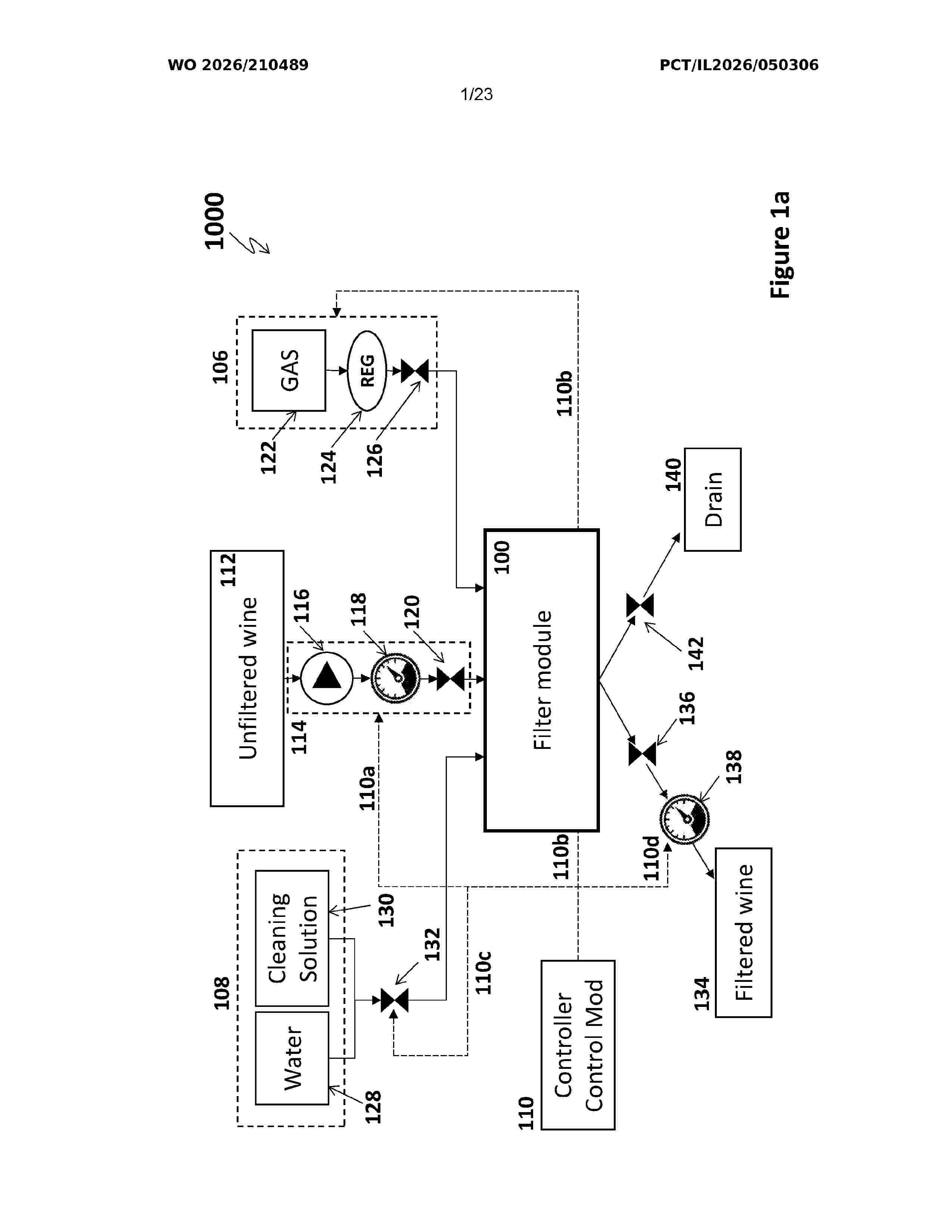
Resumen de: WO2026210489A1
According to an aspect of some embodiments the invention relates to system and methods for filtrating and concomitantly enriching a liquid, for example wine, the system comprising a plurality of filter units interconnected with each other, each filter unit from the plurality of filter units comprising a plurality of wood fragments having a determined fragment size.

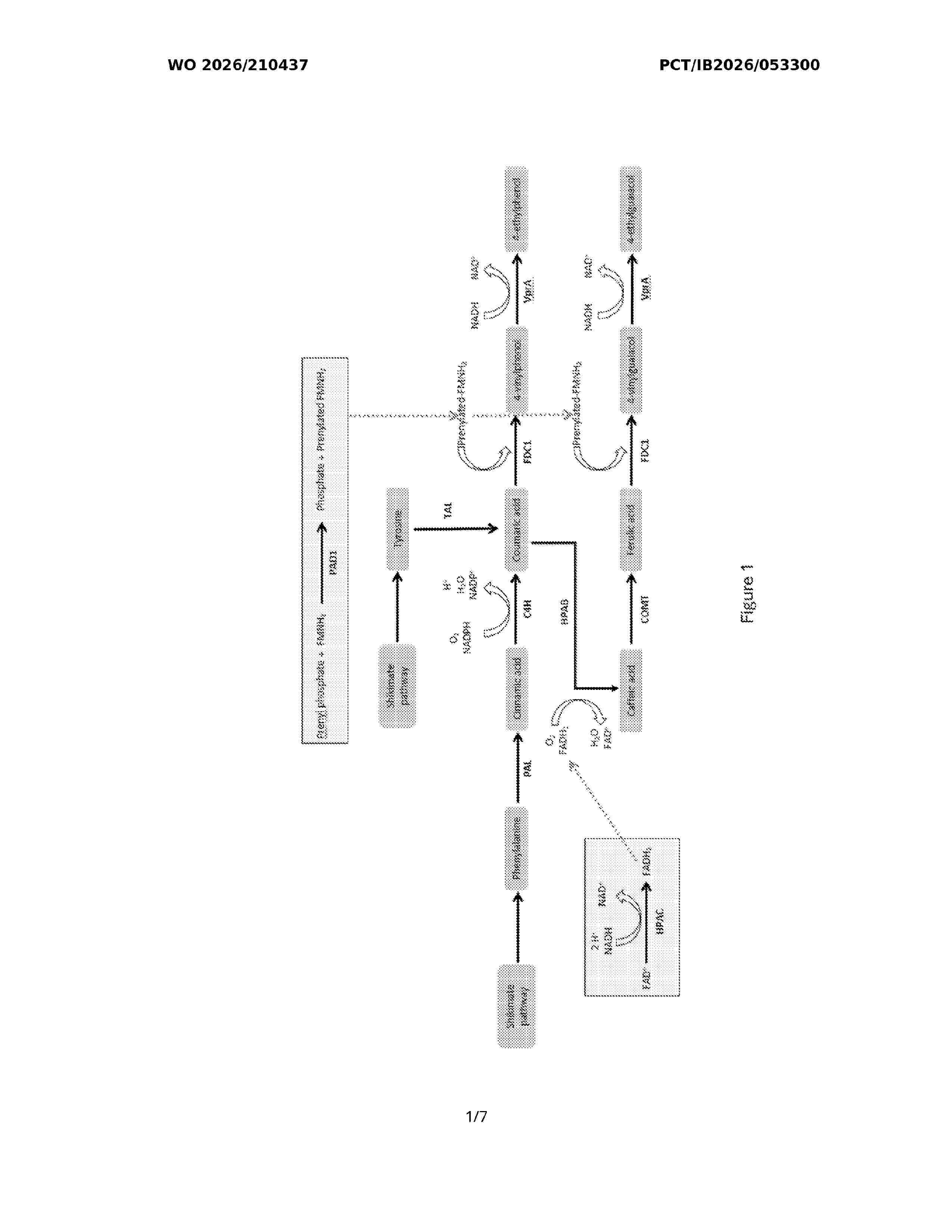
Resumen de: WO2026210437A1
The present disclosure concerns a recombinant yeast host cell for production of 4- ethyl guaiacol (4-EG) and/or 4-ethyl phenol (4-EP). The recombinant yeast host cell comprises a genetic modification for upregulating ferulic acid decarboxylase (FDC) activity and a heterologous polypeptide having vinyl phenol reductase activity (VPR). The present disclosure also concerns process for making a flavored solution which could be used to generate new flavored beverages such as beer, distilled spirits, and wines.
Resumen de: WO2026210434A1
The present invention falls within the field of virtual reality experiences, more specifically within virtual reality (VR) or augmented reality (AR) experiences in the field of oenology and winery visits. In general, techniques are known that allow virtual visits of various types of locations, whether outdoor or indoor (buildings). In the present case, the system provides specific features designed to make a virtual winery visit immersive and, in certain aspects, objectively realistic, while also being useful for teaching users relevant aspects of life in the winery and information related to wine.
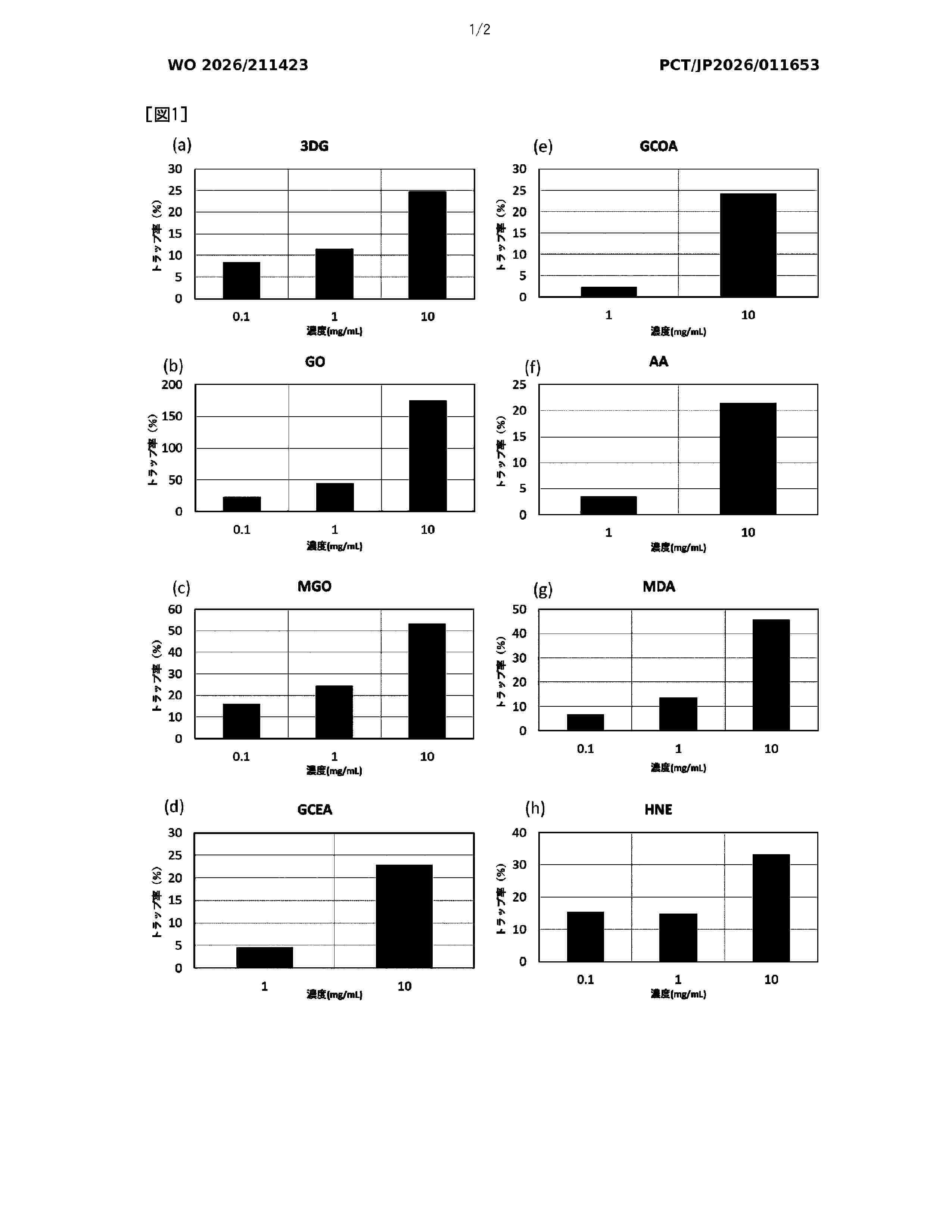
Resumen de: WO2026211423A1
The present invention provides, in one embodiment, a novel aldehyde scavenger that uses a plant as a starting material and is capable of capturing the aldehyde in a living body. The present disclosure, in one aspect, relates to an aldehyde scavenger containing, as an active ingredient, an extract of at least one plant selected from the group consisting of plants belonging to the genus Houttuynia of the family Saururaceae, plants belonging to the genus Crataegus of the family Rosaceae, plants belonging to the genus Chamaemelum of the family Asteraceae, plants belonging to the genus Vitis of the family Vitaceae, plants belonging to the genus Trigonella of the family Fabaceae, plants belonging to the genus Foeniculum of the family Apiaceae, and plants belonging to the genus Hibiscus of the family Malvaceae.
Resumen de: NL4002501A
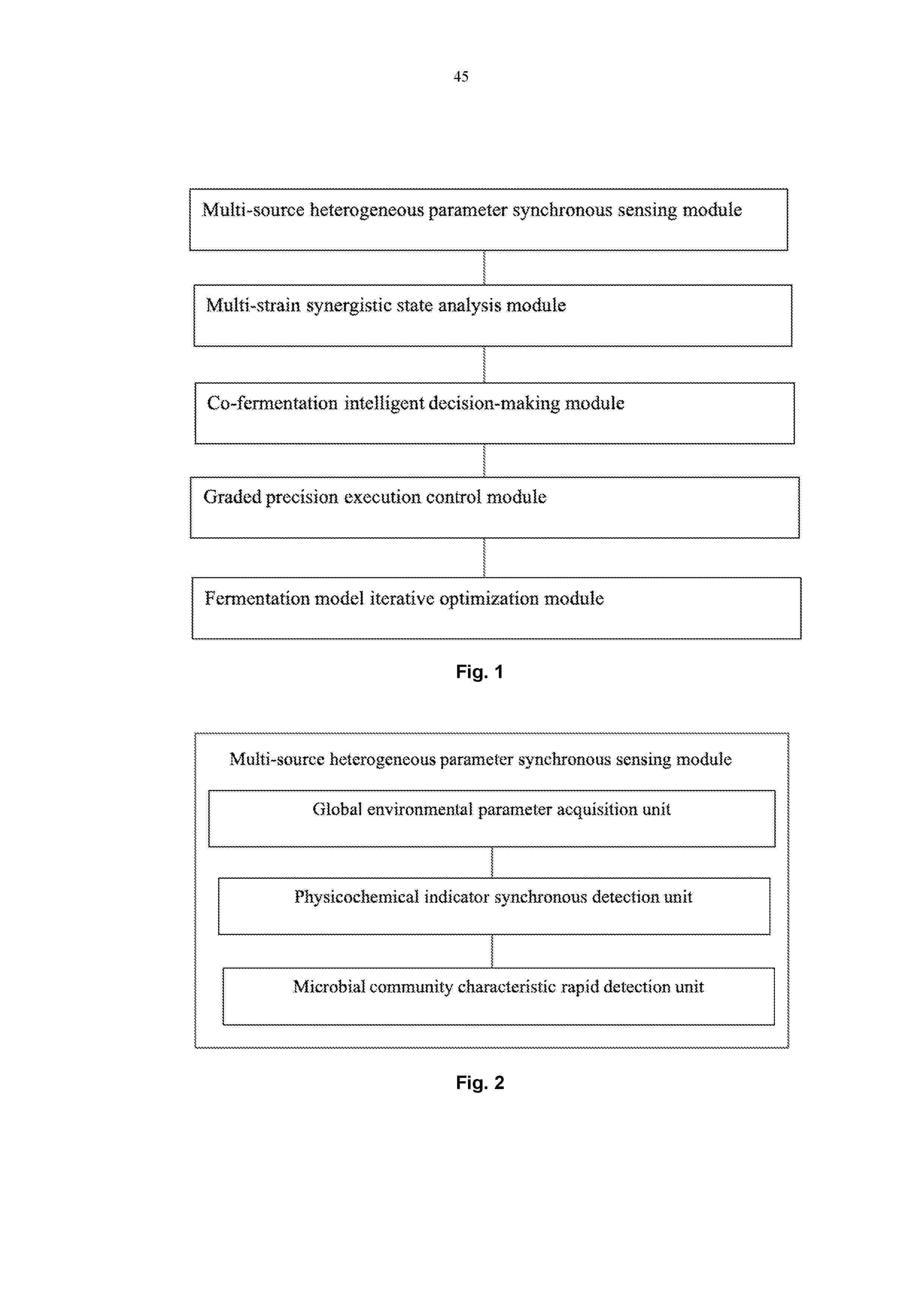
0001 50 ABSTRACT The present invention discloses an intelligent monitoring and control system for multi-strain synergistic fermentation of Hakka rice wine, belonging to the 5 technical field of Hakka rice wine, wherein environmental parameter data, physicochemical indicator data, and microbial community characteristic data in a fermentation tank are first collected, and a microbial community characteristic dataset corresponding to the physicochemical indicators is output; subsequently, multi-strain abundance is identified, metabolic activity is evaluated, interspecies 10 interaction intensity is quantified, and a fermentation synergistic stage is determined, and a fermentation synergistic stage label and a strain synergy score are output; thereafter, synergistic deviation is identified, flavor target weights are matched, multi-parameter regulation quantities are calculated, and a regulation timing sequence is planned, and a hierarchical regulation execution 15 scheme with timing nodes is output; based on this, the present invention realizes online quantitative identification of a multi-strain synergistic state.
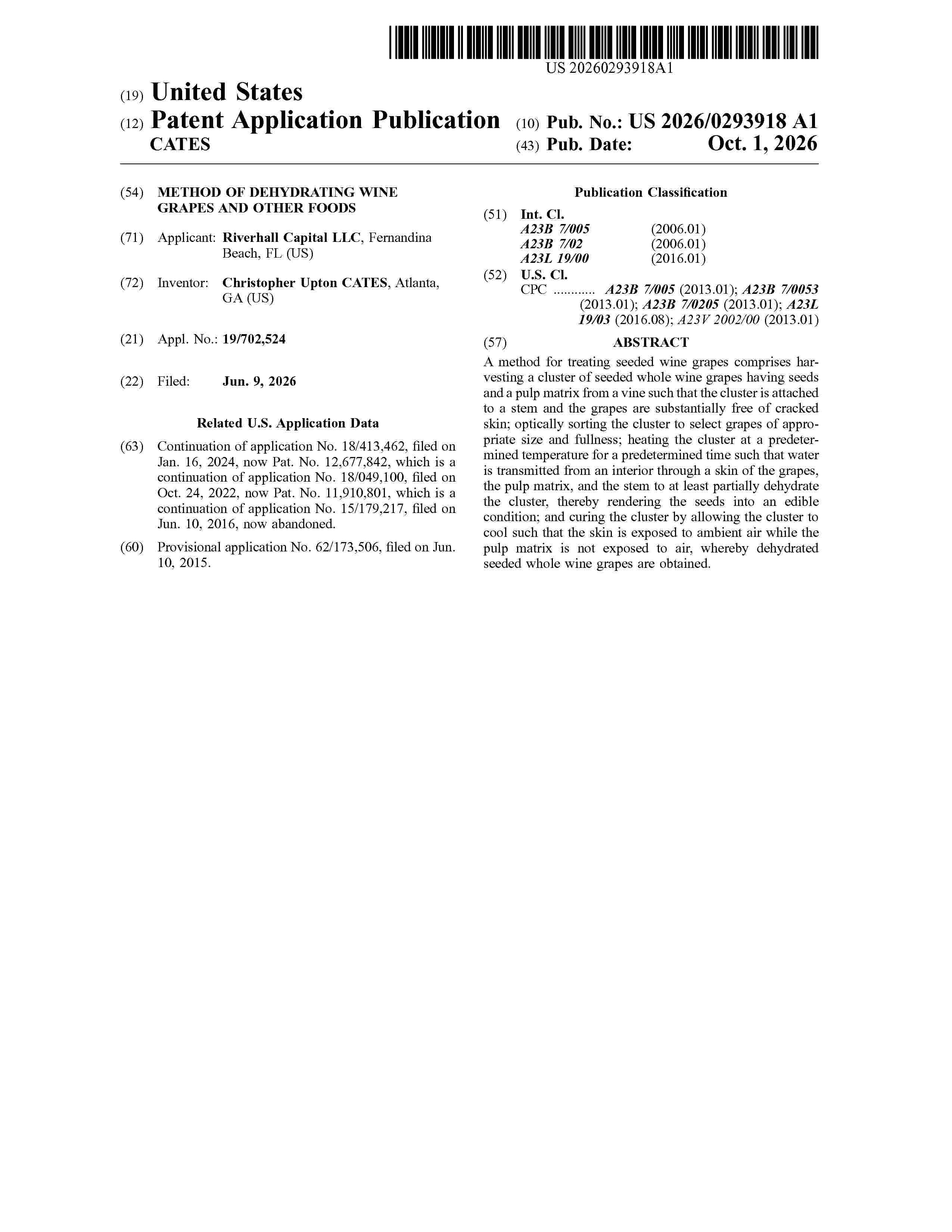
Resumen de: US20260293918A1
A method for treating seeded wine grapes comprises harvesting a cluster of seeded whole wine grapes having seeds and a pulp matrix from a vine such that the cluster is attached to a stem and the grapes are substantially free of cracked skin; optically sorting the cluster to select grapes of appropriate size and fullness; heating the cluster at a predetermined temperature for a predetermined time such that water is transmitted from an interior through a skin of the grapes, the pulp matrix, and the stem to at least partially dehydrate the cluster, thereby rendering the seeds into an edible condition; and curing the cluster by allowing the cluster to cool such that the skin is exposed to ambient air while the pulp matrix is not exposed to air, whereby dehydrated seeded whole wine grapes are obtained.
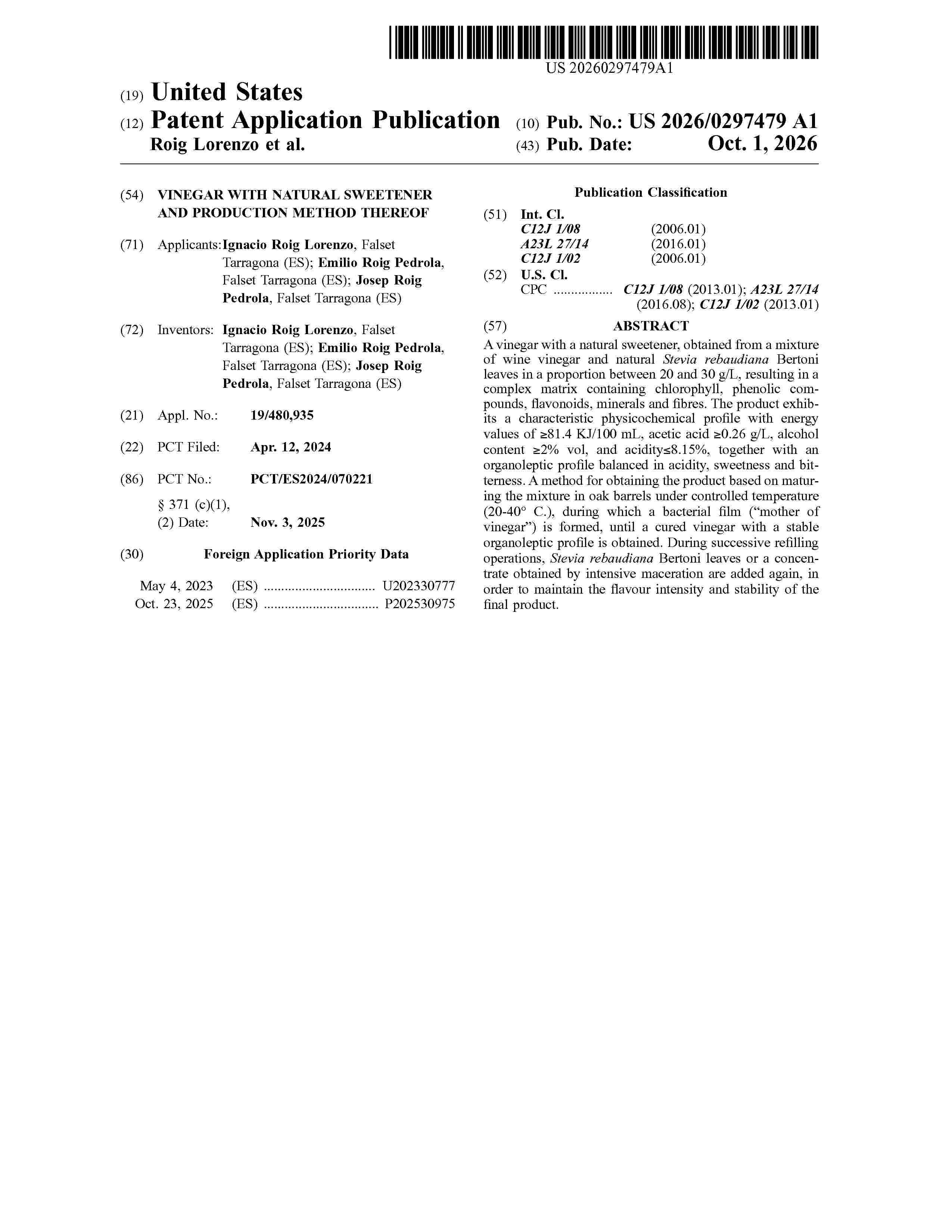
Resumen de: US20260297479A1
A vinegar with a natural sweetener, obtained from a mixture of wine vinegar and natural Stevia rebaudiana Bertoni leaves in a proportion between 20 and 30 g/L, resulting in a complex matrix containing chlorophyll, phenolic compounds, flavonoids, minerals and fibres. The product exhibits a characteristic physicochemical profile with energy values of ≥81.4 KJ/100 mL, acetic acid ≥0.26 g/L, alcohol content ≥2% vol, and acidity≤8.15%, together with an organoleptic profile balanced in acidity, sweetness and bitterness. A method for obtaining the product based on maturing the mixture in oak barrels under controlled temperature (20-40° C.), during which a bacterial film (“mother of vinegar”) is formed, until a cured vinegar with a stable organoleptic profile is obtained. During successive refilling operations, Stevia rebaudiana Bertoni leaves or a concentrate obtained by intensive maceration are added again, in order to maintain the flavour intensity and stability of the final product.
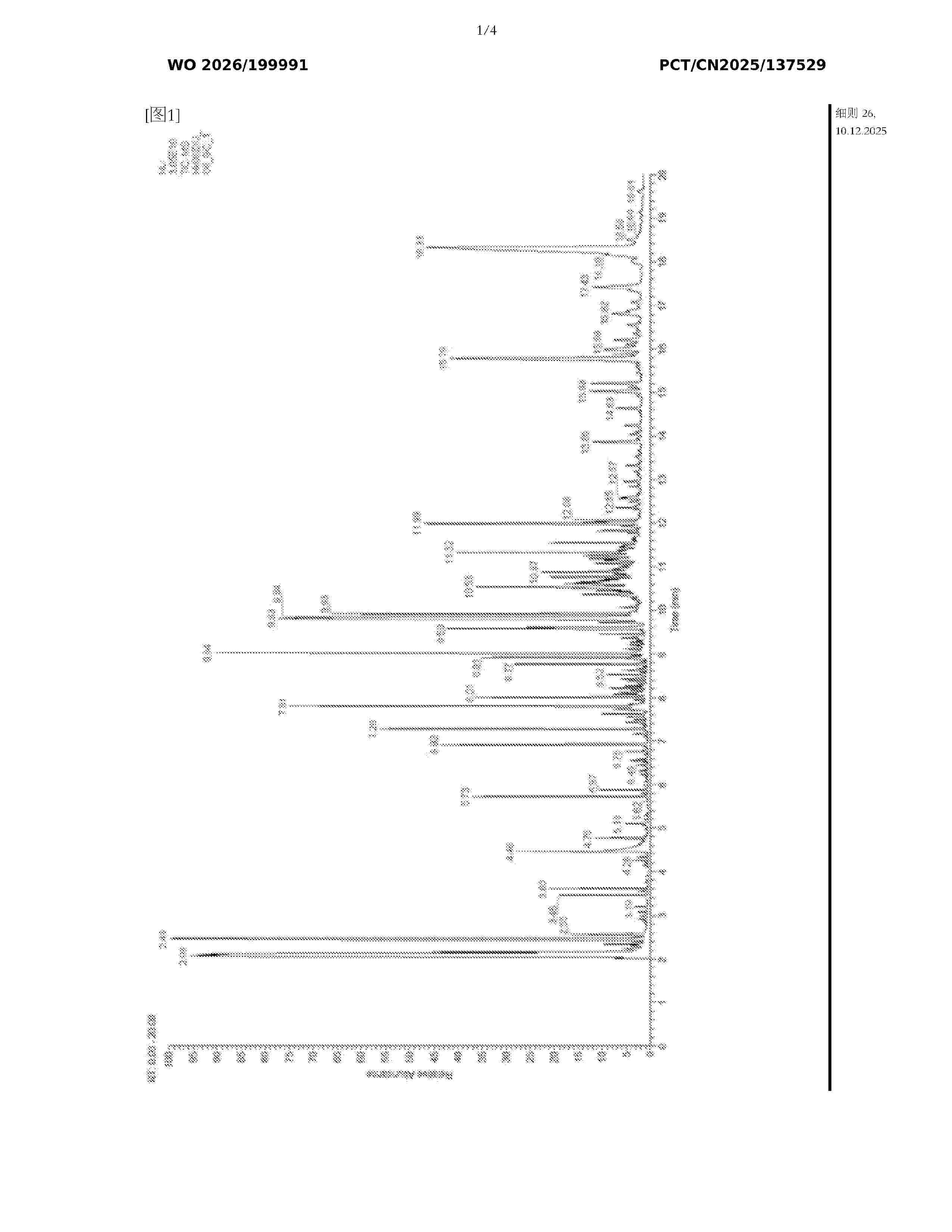
Resumen de: WO2026199991A1
Disclosed are an anti-aging cosmetic, a grape wine pomace oil, and a preparation method therefor. The anti-aging cosmetic comprises grape wine pomace oil. The characteristic components of the grape wine pomace oil comprise: oleanolic acid, α-guaiene, β-tocotrienol, β-sitosterol, campesterol, soyasapogenol E, ganoderic acid F, ganoderiol I, and D-erythro-dihydrosphingosine. The grape wine pomace oil has a total phenol content of ≥ 1 mg/g, a total sterol content of ≥ 26 mg/g, and a total flavonoid content of ≥ 1 mg/g. The grape wine pomace oil is obtained by extraction from grape wine pomace. The grape wine pomace is composed of grape skins, grape stems, and grape seeds.
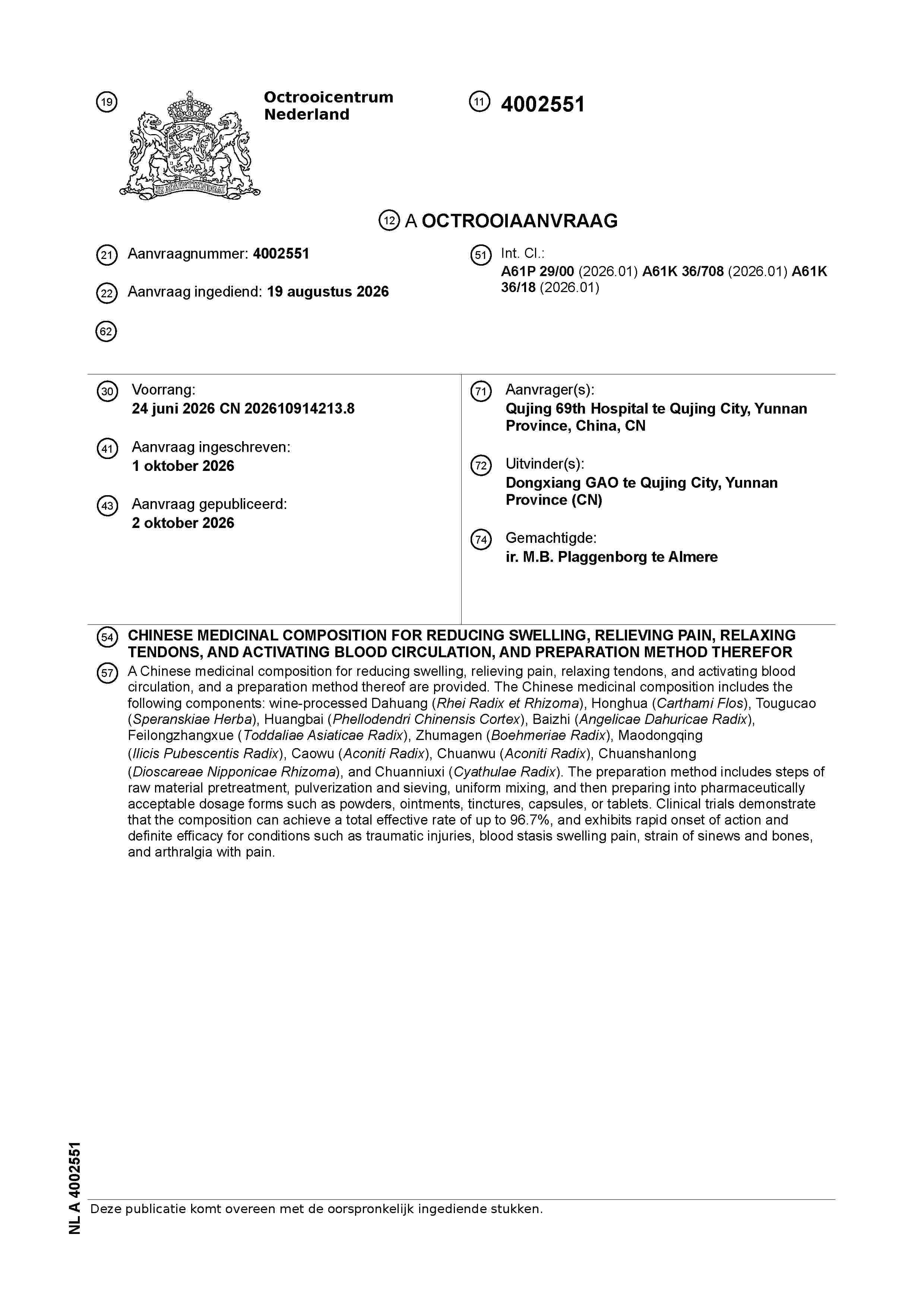
Resumen de: NL4002551A
A Chinese medicinal composition for reducing swelling, relieving pain, relaxing tendons, and activating blood circulation, and a preparation method thereof are provided. The Chinese medicinal composition includes the following components: wine-processed Dahuang (Rhei Radix et Rhizama), Honghua (Carthami Flos), Tougucao (Speranskiae Herba), Huangbai (Phellodendri Chinensis Cortex), Baizhi (Angelicae Dahuricae Radix), Feilongzhangxue (Taddaliae Asiaticae Radix), Zhumagen (Boehmeriae Radix), Maodongqing (Ilicis Pubescentis Radix), Caowu (Aconiti Radix), Chuanwu (Acaniti Radix), Chuanshanlong (Diascareae Nipponicae Rhizoma), and Chuanniuxi (Cyathulae Radix). The preparation method includes steps of raw material pretreatment, pulverization and sieving, uniform mixing, and then preparing into pharmaceutically acceptable dosage forms such as powders, ointments, tinctures, capsules, or tablets. Clinical trials demonstrate that the composition can achieve a total effective rate of up to 96.7%, and exhibits rapid onset of action and definite efficacy for conditions such as traumatic injuries, blood stasis swelling pain, strain of sinews and bones, and arthralgia with pain.
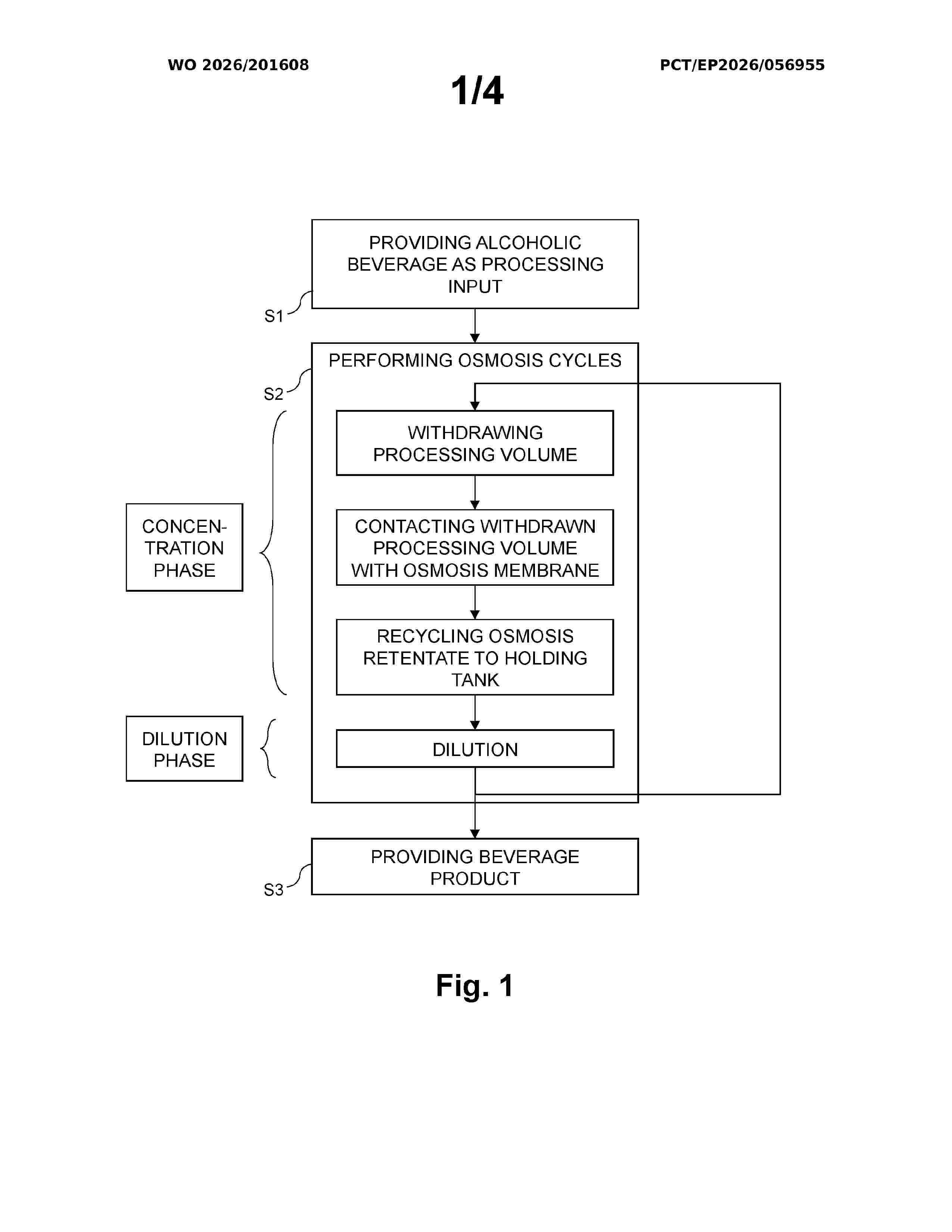
Resumen de: WO2026201608A1
Disclosed herein is a method of reducing the ethanol content of an alcoholic beverage (2), preferably wine. The method allows reducing the ethanol content without negatively affecting the organoleptic properties of the beverages (including in particular flavor). The method comprises providing the alcoholic beverage (2) or a fraction thereof as processing input (3) and supplying the processing input (3) to a holding tank (4). The method further comprises performing one or more osmosis cycles. The method further comprises providing a beverage product (10) from a beverage intermediate. Further disclosed herein are a beverage product produced by the method described herein, an assembly for reducing the ethanol content of an alcoholic beverage, and a use of the assembly (1) for reducing the ethanol content of an alcoholic beverage (2). Further disclosed are a computer program product and a non-transitory memory.
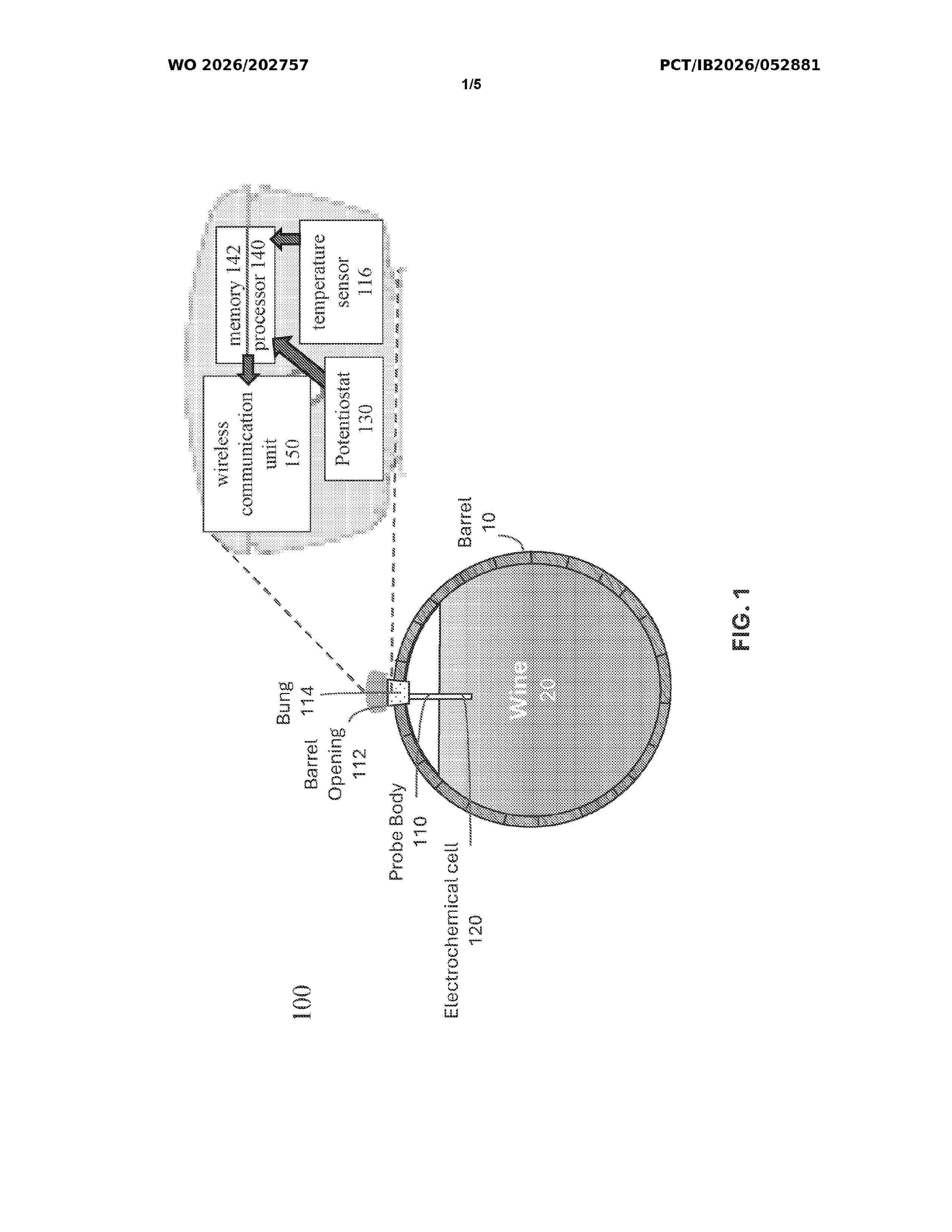
Resumen de: WO2026202757A1
This disclosure relates to electrochemical monitoring of sulfite concentration within a vessel, such as a wine barrel, using a barrel-insertable probe that performs sequential cyclic voltammetry and detects sulfite dosing events according to a derivative of a difference between voltammograms acquired at different times. The disclosed sulfite monitoring system integrates sequential cyclic voltammetry, differential processing, derivative -based dynamic oxidation region detection, and binary classification to detect sulfite concentration variation events. Upon detection of a sulfite variation event, a calibration parameter is adaptively updated in a closed-loop configuration to improve robustness against matrix drift and peak shifting.
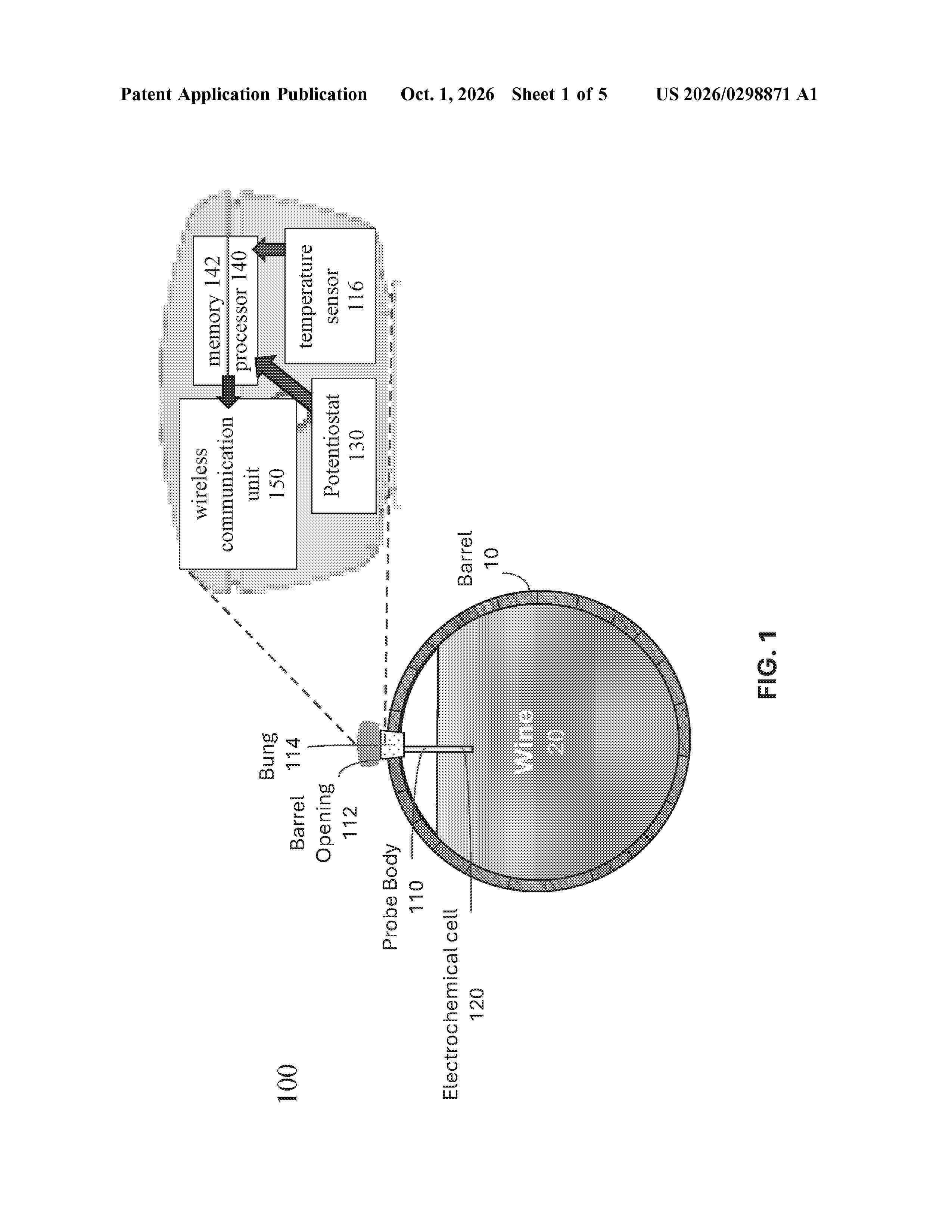
Resumen de: US20260298871A1
This disclosure relates to electrochemical monitoring of sulfite concentration within a vessel, such as a wine barrel, using a barrel-insertable probe that performs sequential cyclic voltammetry and detects sulfite dosing events according to a derivative of a difference between voltammograms acquired at different times. The disclosed sulfite monitoring system integrates sequential cyclic voltammetry, differential processing, derivative-based dynamic oxidation region detection, and binary classification to detect sulfite concentration variation events. Upon detection of a sulfite variation event, a calibration parameter is adaptively updated in a closed-loop configuration to improve robustness against matrix drift and peak shifting.
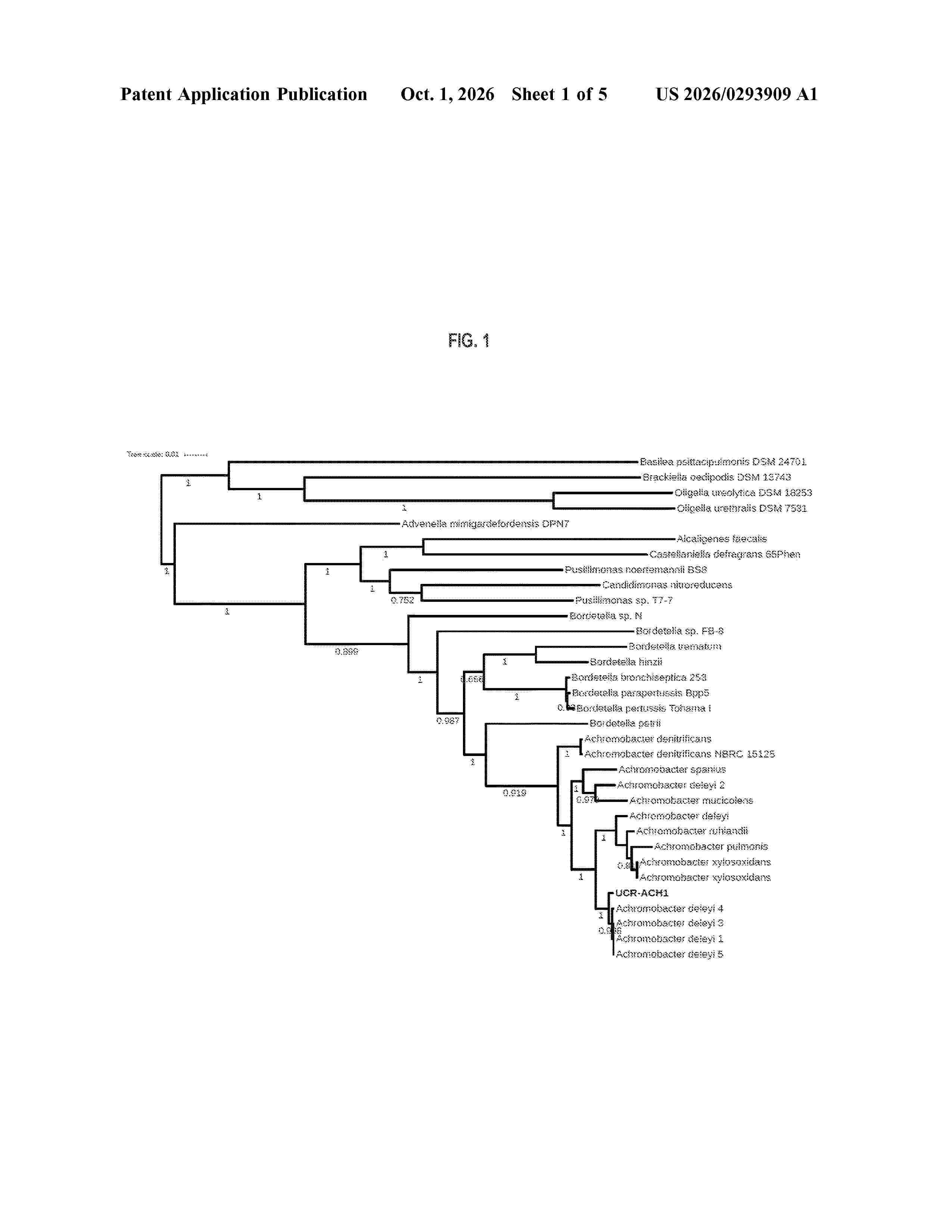
Resumen de: US20260293909A1
The invention provides compositions comprising Achromobacter vitis and methods of using such compositions for preventing and/or treating infections of a plant with a Xylella sp, e.g., Xylella fastidiosa.
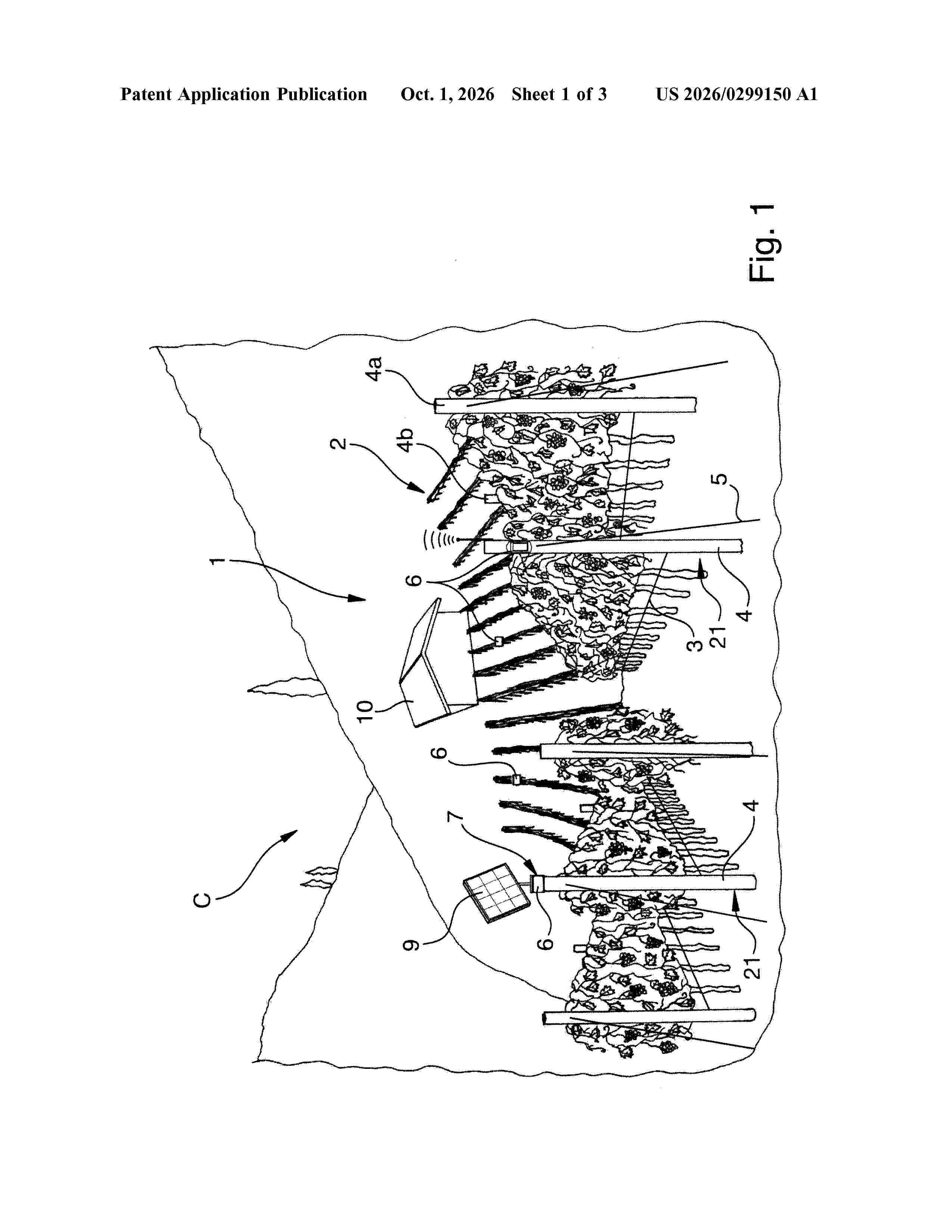
Resumen de: US20260299150A1
0000 A sensorized vineyard pole for supporting a row in an espalier type vineyard, in particular on a slope, is configured to detect surface landslide phenomena. The pole has a structural body which supports a detection device with an electronic assembly. The electronic assembly includes at least one inclination and/or movement sensor suitable for detecting the inclination and/or movement of the pole, an electronic controller which is programmed to emit an event signal which indicates a signal which is sent to the electronic controller from the inclination and/or movement sensor and a transmitter which is connected to the electronic controller and provided to transmit the event signal which is emitted by the electronic controller.
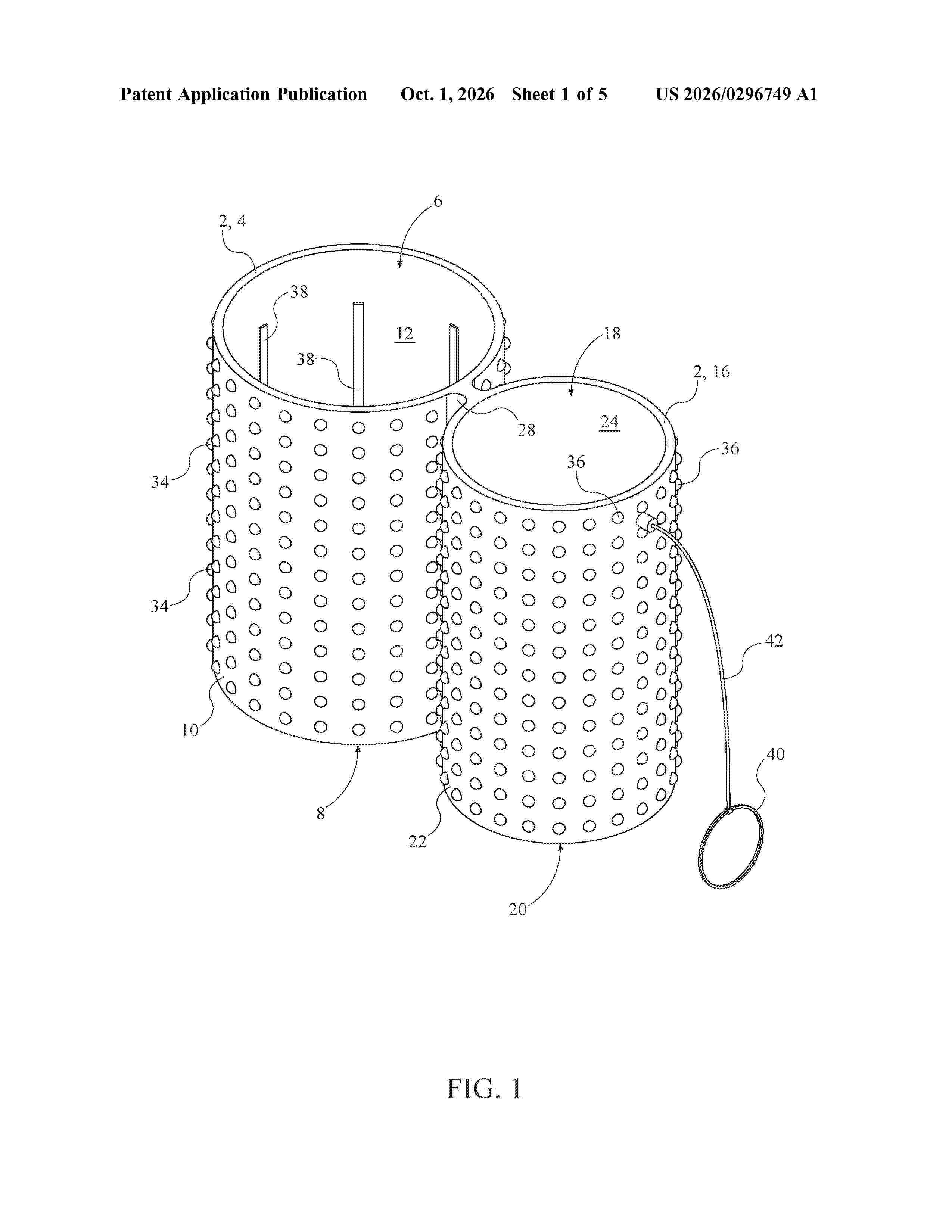
Resumen de: US20260296749A1
0000 A wine-bottle accessory holder is used to hold an accessory adjacent to the neck of a wine bottle, wherein the accessory is preferably a bottle cork. The wine-bottle accessory includes a holder body, which is the structural body of the wine-bottle accessory holder. The holder body includes a neck sleeve and an accessory pocket. The neck sleeve is fitted around the neck of a wine bottle. The accessory pocket receives and stores the cork for a wine bottle, which prevents losing the cork.
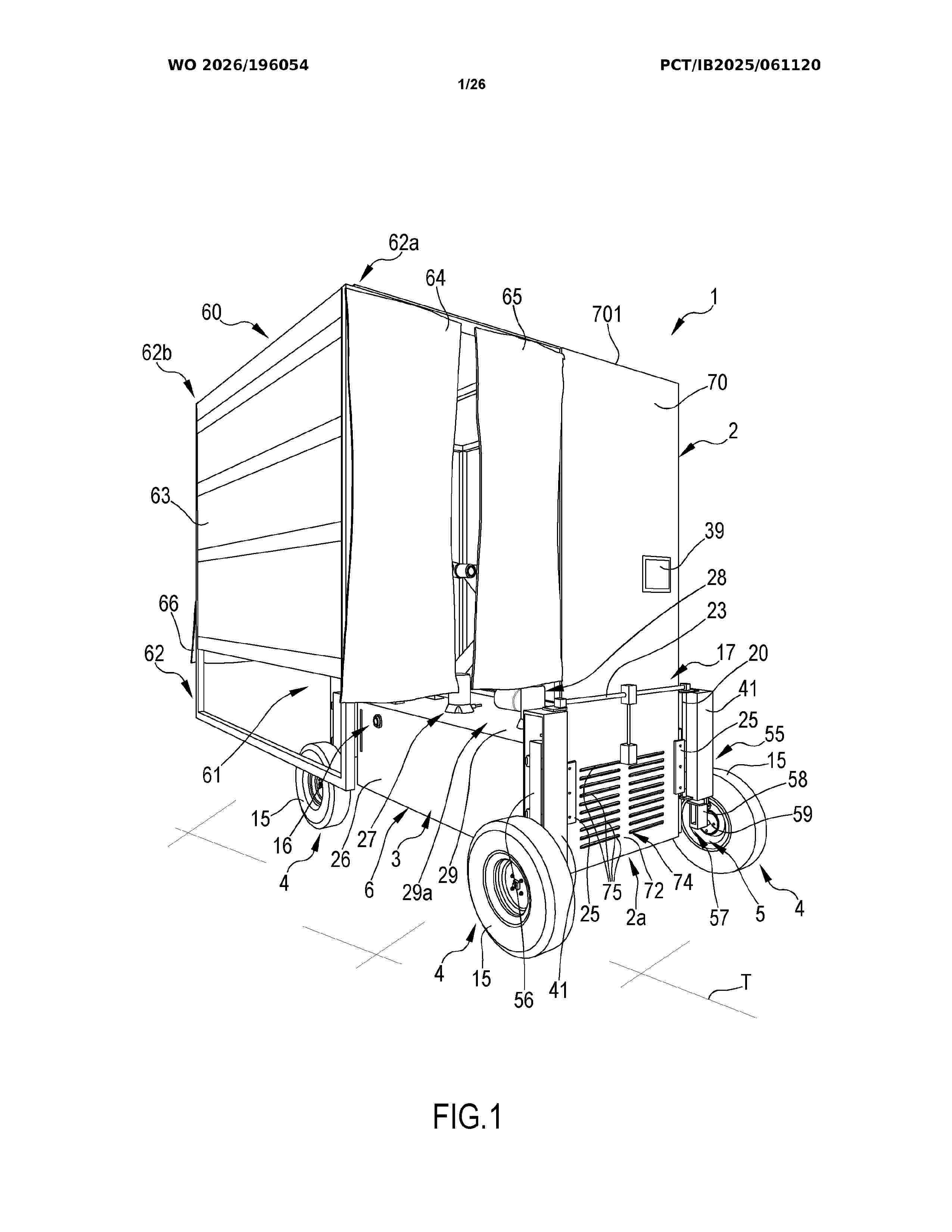
Resumen de: WO2026196054A1
A drive equipment (1) for agile pruning of plants, in particular orchard and/or vineyard plants, comprising a load-bearing frame (2) suitable to be positioned laterally to one or more rows (F) of plants to be worked present in a cultivation ground (T), a plurality of kinematic elements (4) protruding from a lower portion (3) of the load-bearing frame (2) to which they're coupled through transmission means (5) and suitable to rest in a mobile manner on the cultivation ground (T) when the drive equipment (1) is operative, first actuation means (6), temporarily or permanently integral with the load-bearing frame (2) and cooperating with the kinematic elements (4), suitable to intervene to move the kinematic elements (4) and thus make the lad-bearing frame (2) mobile on the cultivation ground (T), and cutting means (7) coupled to the load-bearing frame (2) and suitable to at least cut, following a prefixed cultivation system of the plants, one or more superfluous or renewable shoots of a plurality of plants, leaving on the plants one or more renewal spurs and one or more selected production shoots. In particular, the drive equipment (1) of the invention comprises binding means (9), coupled to the load¬ bearing frame (2) and suitable at least to bind to a supporting body through a binding wire (L), following the prefixed cultivation system, each of the selected production shoots of the plants that have excluded from the cutting carried out by the cutting means (7), and bending me
Resumen de: WO2026198339A1
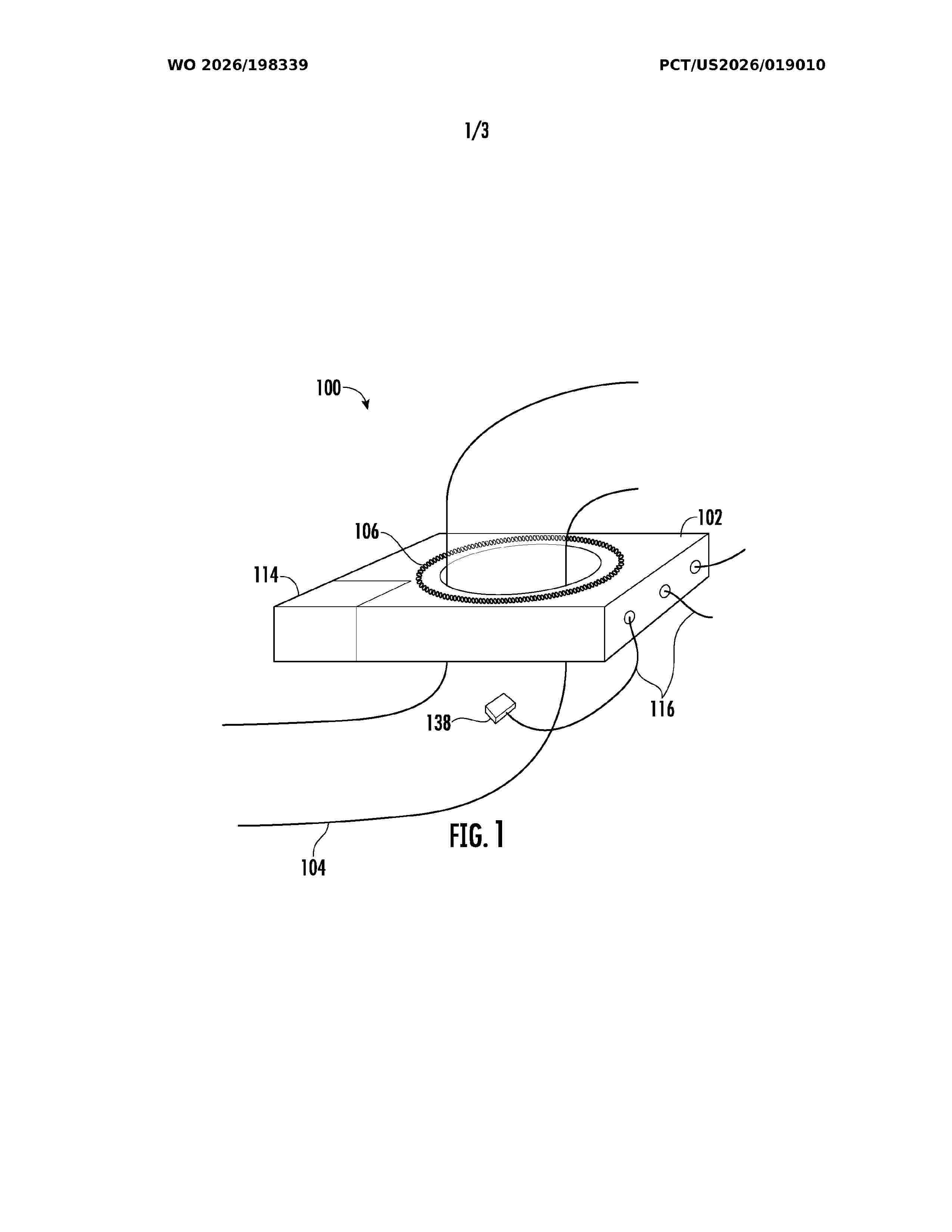
This disclosure relates to methods and systems for treating wines and spirits using electromagnetic induction. A method includes energizing a conduction ring to generate electromagnetic signals between about 50 kHz and 300 kHz and applying the signals such that the wine, spirit, or its vessel forms at least part of a secondary coil. The treatment improves organoleptic properties and/or inhibits microbial proliferation and may enhance heat treatment and aging acceleration. The electromagnetic signals may induce electric fields of about 1-5,000 V/cm and power levels of about 1-2,000 W, applied for about 1 second to 24 hours at various production stages from pre-fermentation to bottling. A corresponding system includes a conduction ring, an electrical signal source configured to energize the ring, and a secondary coil at least partially defined by the wine, spirit, or its vessel, and may include conductors, flexible magnetic transducers, and wireless drive circuitry.
Resumen de: US20260290211A1
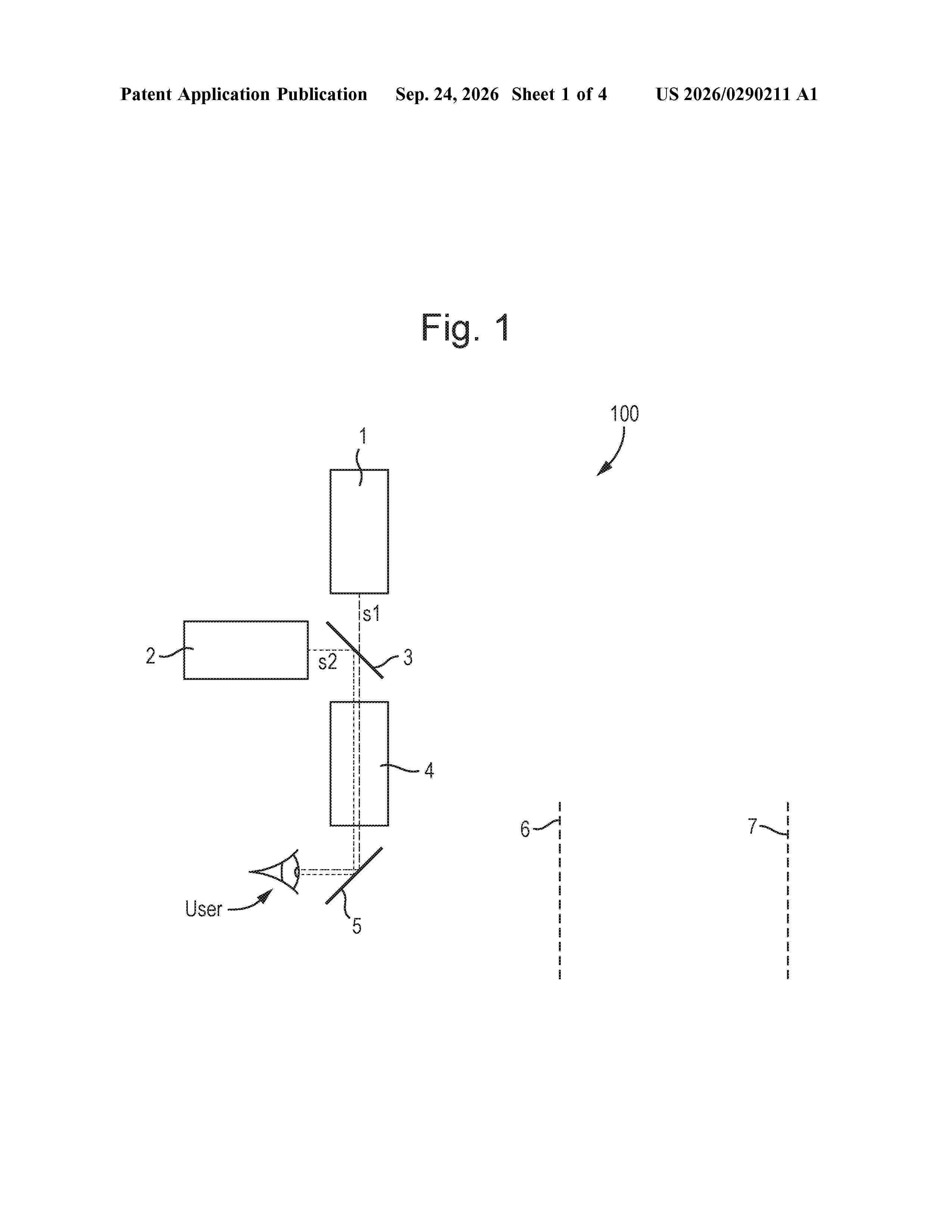
There is disclosed a user-mountable display system (200) comprising: a display device (100) for displaying imagery at a first fixed depth and a second fixed depth, the display device having a display field of view (FOV); a range device (10, 22, 24) for generating ambient image data (AID, CD1, CD2) over a range field of view; a processing unit (50) configured to: receive ambient image data; generate range data using the ambient image data; use the range data to determine a first zone (302) of the ambient scene for display of imagery at the first depth, and a second zone (304) of the ambient scene for display of imagery at the second depth; receive virtual image data (VID) representative of at least two images (43a, 43b) for display as virtual images; and process the virtual image data (VID) to: determine from the virtual image data (VID), a virtual image associated with the first zone (302) or associated with the first depth (6), and distribute such first depth imagery (43a) to the display device (100) for display at the first depth (6), and determine from the virtual image data (VID), a virtual image associated with the second zone (304) or associated with the second depth (7), and distribute such second depth imagery (43b) to the display device (100) for display at the second depth (7).
Resumen de: US20260285532A1
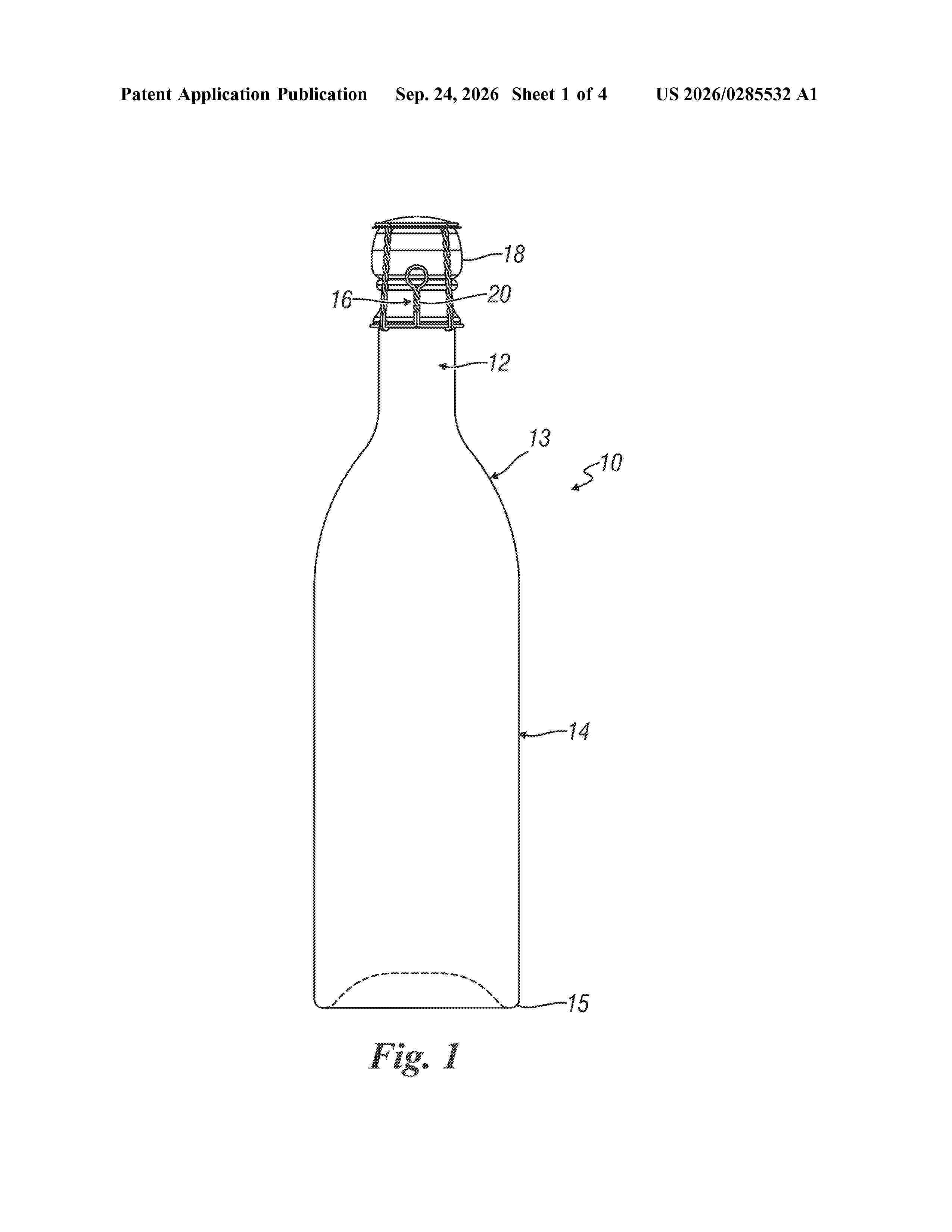
0000 An aluminum bottle for holding sparkling wines, prosecco, champagne and similar fizzy drinks. The aluminum bottle includes a neck which is joined in continuity to a bottle body through a shoulder. The bottle body extends downward from the shoulder to a bottom. The neck extends upward from the shoulder to a mouth made in a seamless single body with the bottle and through which the liquid/drink may be introduced into the bottle body. The mouth defines a seat for the insertion of a stopper and has an externally projecting protuberance configured to lock a cage over the stopper.
Resumen de: WO2026190847A1
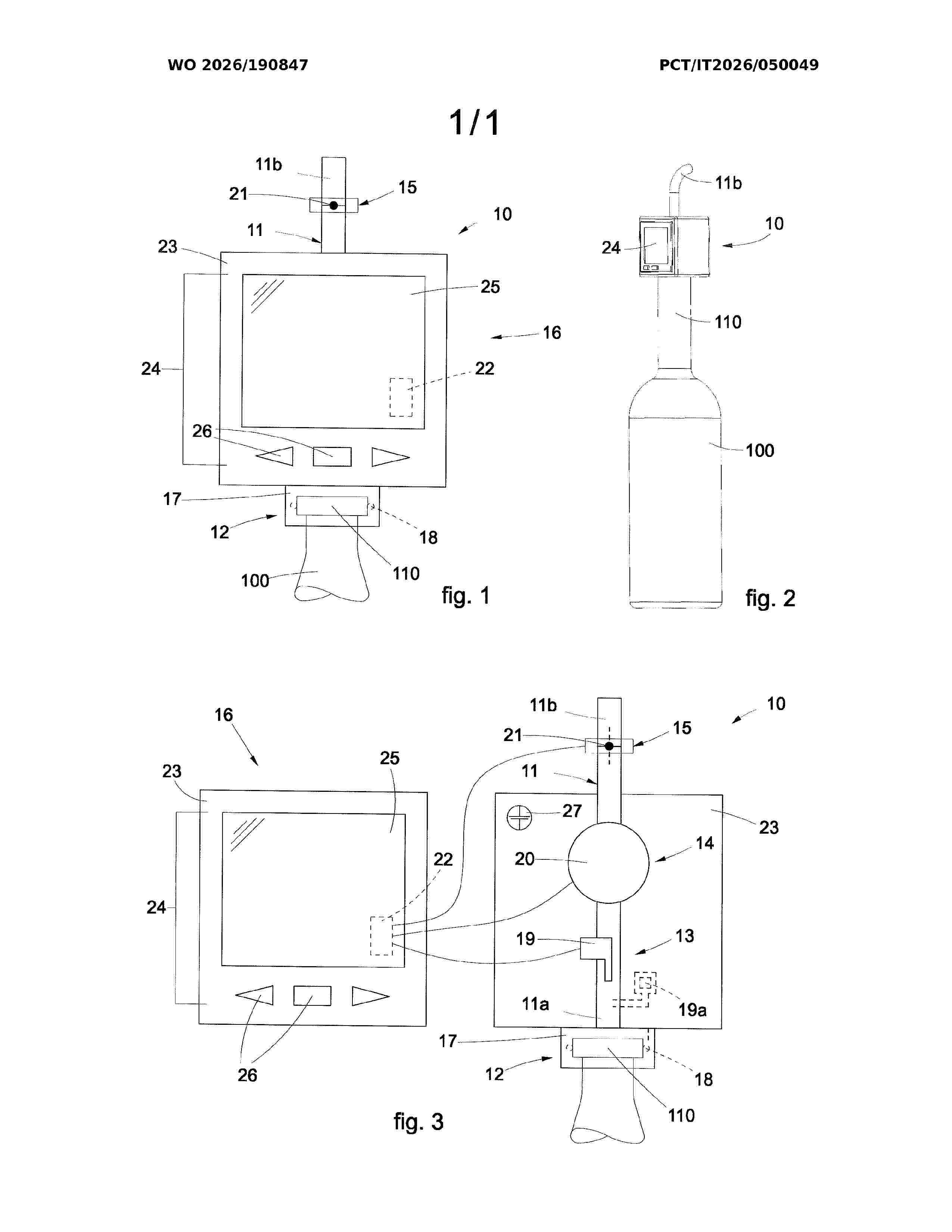
Device (10) and method for dosing an alcoholic beverage, in particular wine, comprising a passage duct (11) for the alcoholic beverage, wherein coupling means (12) are disposed at an inlet end (1 la) of the duct (11), which are configured to be selectively coupled sealed to an outlet segment (110) of a retail dispensing receptacle (100), measuring means (14) are disposed inside the duct (11) configured to measure the flow rate of the alcoholic beverage, plugging means (15) configured to selectively plug the passage duct (11) are disposed at an outlet end (l ib) of the duct (11), and wherein the device (10) comprises detection means (13) configured to detect the alcoholic strength of the alcoholic beverage and a processing unit (16) which is operatively connected at least to the detection (13), measuring (14), and plugging (15) means, and is configured to process the data received from the detection (13) and measuring (14) means so as to selectively command the plugging means (15).
Resumen de: US20260274522A1
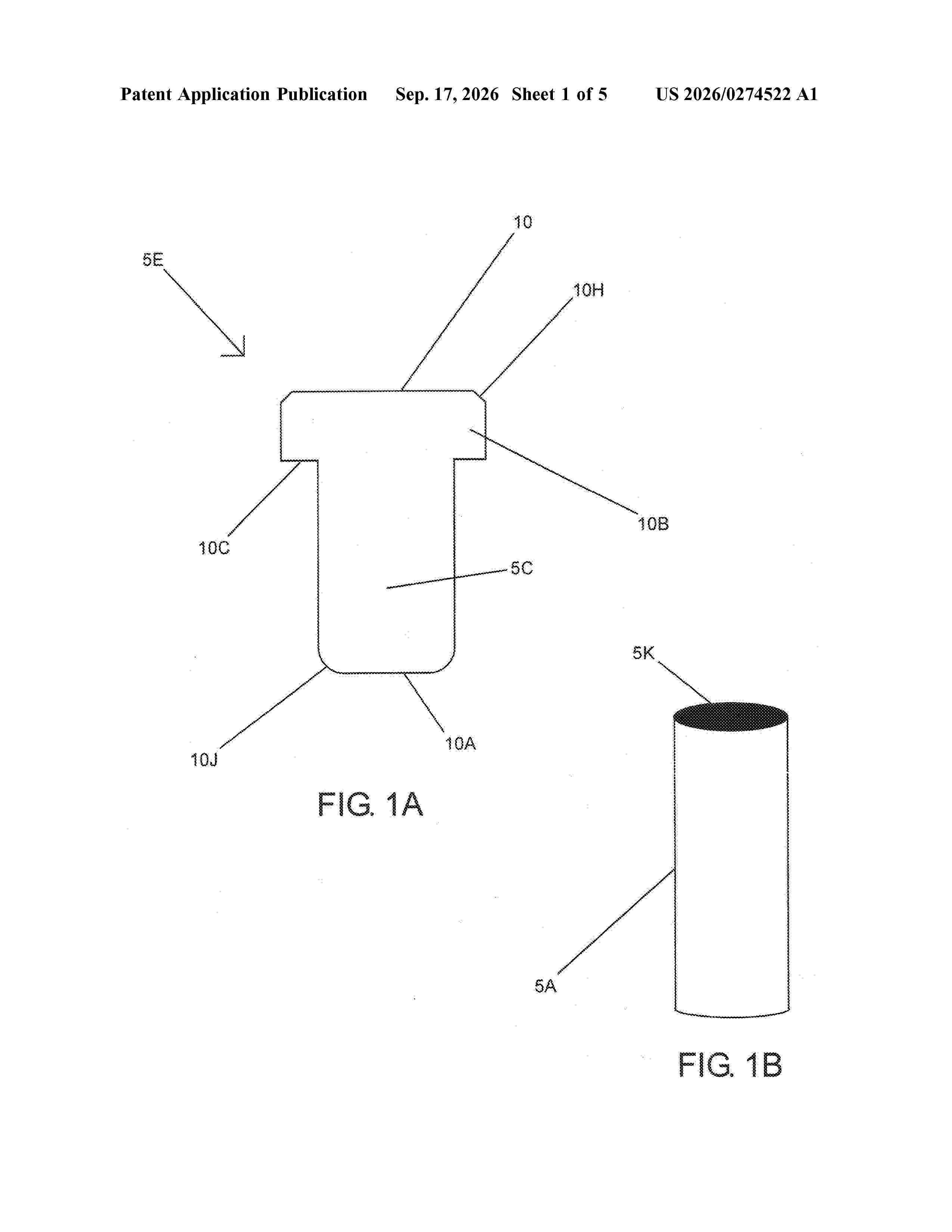
The Unitary Coupling Apparatus is a novel device designed to streamline the production of Unitary Coupling Assembly Closures. The Unitary Coupling Apparatus efficiently couples specially designed corks and specially designed cylindrical cap bodies, resulting in the production of the Unitary Coupling Assembly Closure, thus, offering a more efficient and sustainable alternative to traditional closure methods. The Unitary Coupling Apparatus incorporates safety features, minimizes environmental impact, and provides a user-friendly experience, making it a valuable asset for the wine, spirits, and any other industry that utilizes corks and screw caps to seal and protect bottled or container contents.
Nº publicación: US12733734B1 15/09/2026
Solicitante:
KESSICK LLC [US]
Kessick, LLC
Resumen de: US12733734B1
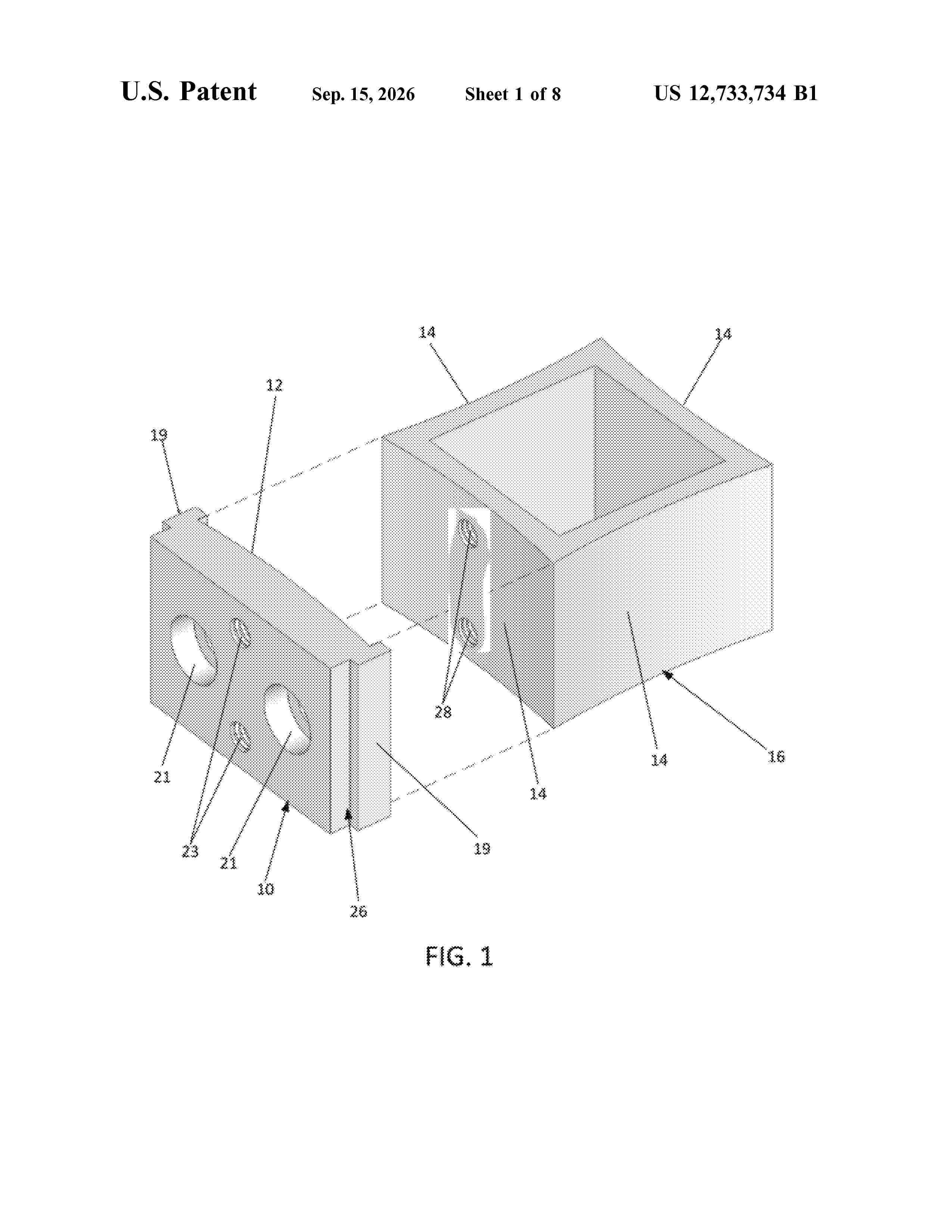
The present disclosure provides a wine rack system comprising a plurality of vertically oriented posts, each post having a concave surface. A plurality of mounting brackets are included, each having a first side with a convex surface configured to engage with the concave surface of a post, a second side opposite the first side with a flat surface, and flanges extending from each side configured to extend along opposite sides of a post. The system further includes a plurality of bracket arms configured to be secured to the flat surface of a mounting bracket, and a plurality of support rods extending between opposing bracket arms to form shelves for holding wine bottles. The mounting brackets, bracket arms, and support rods combine to create a modular and adjustable wine storage system that securely attaches to the vertical posts.
 BOPI
BOPI
 Sede Electrónica