Si deseas distinguir tus productos, servicios o ambos de los de otra empresa, es posible que necesites una marca o nombre comercial. Descubre qué son, en qué consiste su procedimiento de registro y qué implica.

Información sobre los plazos de presentación de solicitudes de transformación de marcas de la Unión Europea en marca nacional española. Más información


Si tienes un nuevo dispositivo, producto o procedimiento que resuelva un problema técnico o tenga una ventaja práctica, existen distintas formas de protegerlo en España y en otros países. Descubre cómo hacerlo.

¿Tu innovación reside en la estética, la ornamentación o la apariencia de tu producto? Protégela mediante un diseño industrial. Descubre qué derechos confiere el registro y cómo realizar la tramitación.

Las indicaciones geográficas protegen el nombre de un producto originario de una zona geográfica, a la cual le debe una determinada calidad, reputación u otra característica. Descubre qué son, en qué consiste su procedimiento de registro y qué beneficios conceden.

Las patentes publicadas en todo el mundo son una valiosa fuente de información científica, técnica y comercial.

Si eres emprendedor/a o una empresa y quieres potenciar y mejorar la rentabilidad de tu negocio protegiendo de forma adecuada los activos intangibles de tu organización, en este espacio encontrarás lo necesario.


 35
resultados
35
resultados
 Última actualización
04/10/2026 [07:34:00]
Última actualización
04/10/2026 [07:34:00]


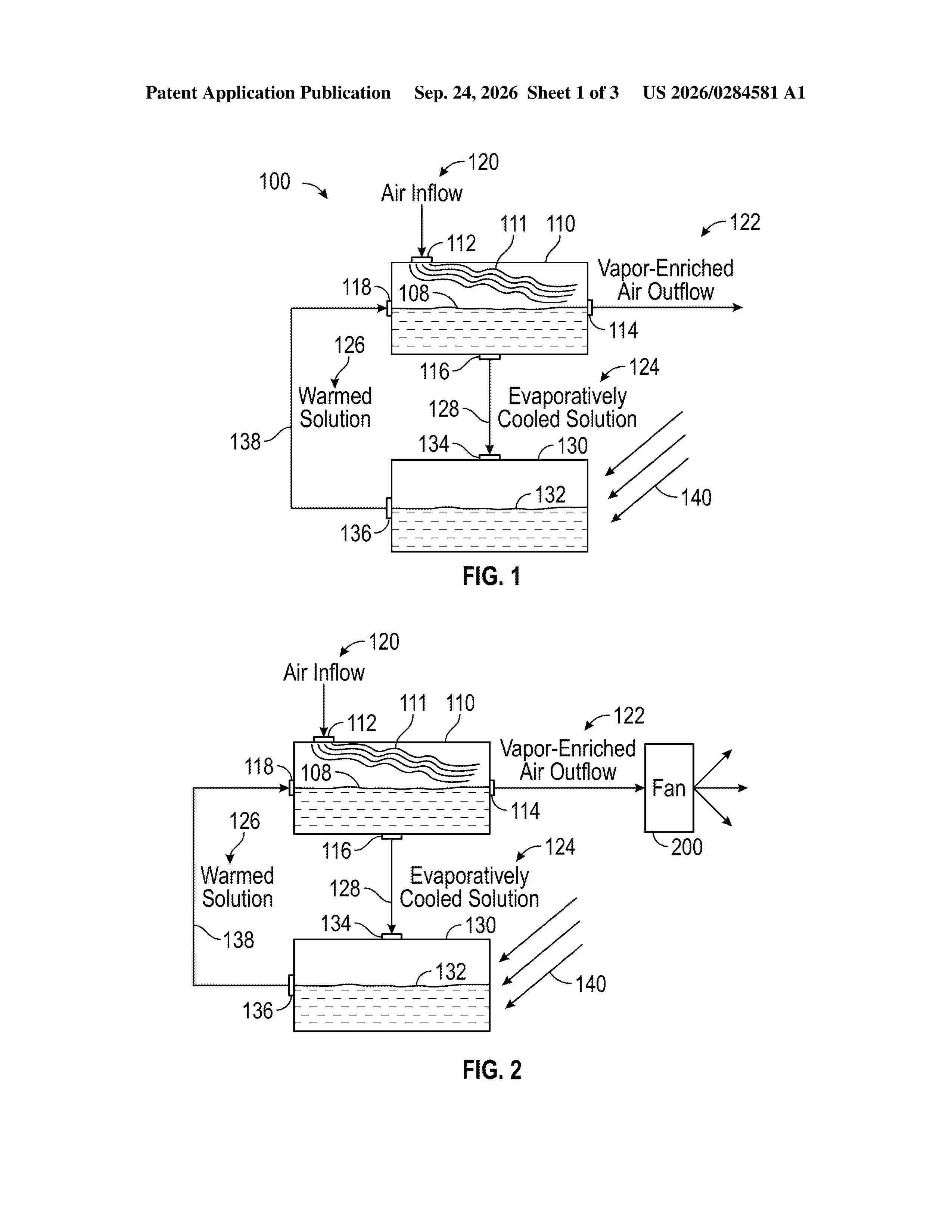
Resumen de: US20260284581A1
Provided are regenerator devices capable of removing liquid from a solution. Air enters the regenerator through a desiccation chamber which enables air to entrain and remove vapor from liquid evaporation, also cooling the liquid in the process. The liquid is removed to a heat exchanger which restores heat to the liquid from environmental heat. The liquid is then moved back into the desiccation chamber. In some embodiments, the air leaving the desiccator travels through a solar collector where it is warmed and then travels out a chimney. The air flow is driven by the relative buoyancy of the warmed air compared to the surrounding air, which results in the initiation of new air from the surroundings into the regenerator.

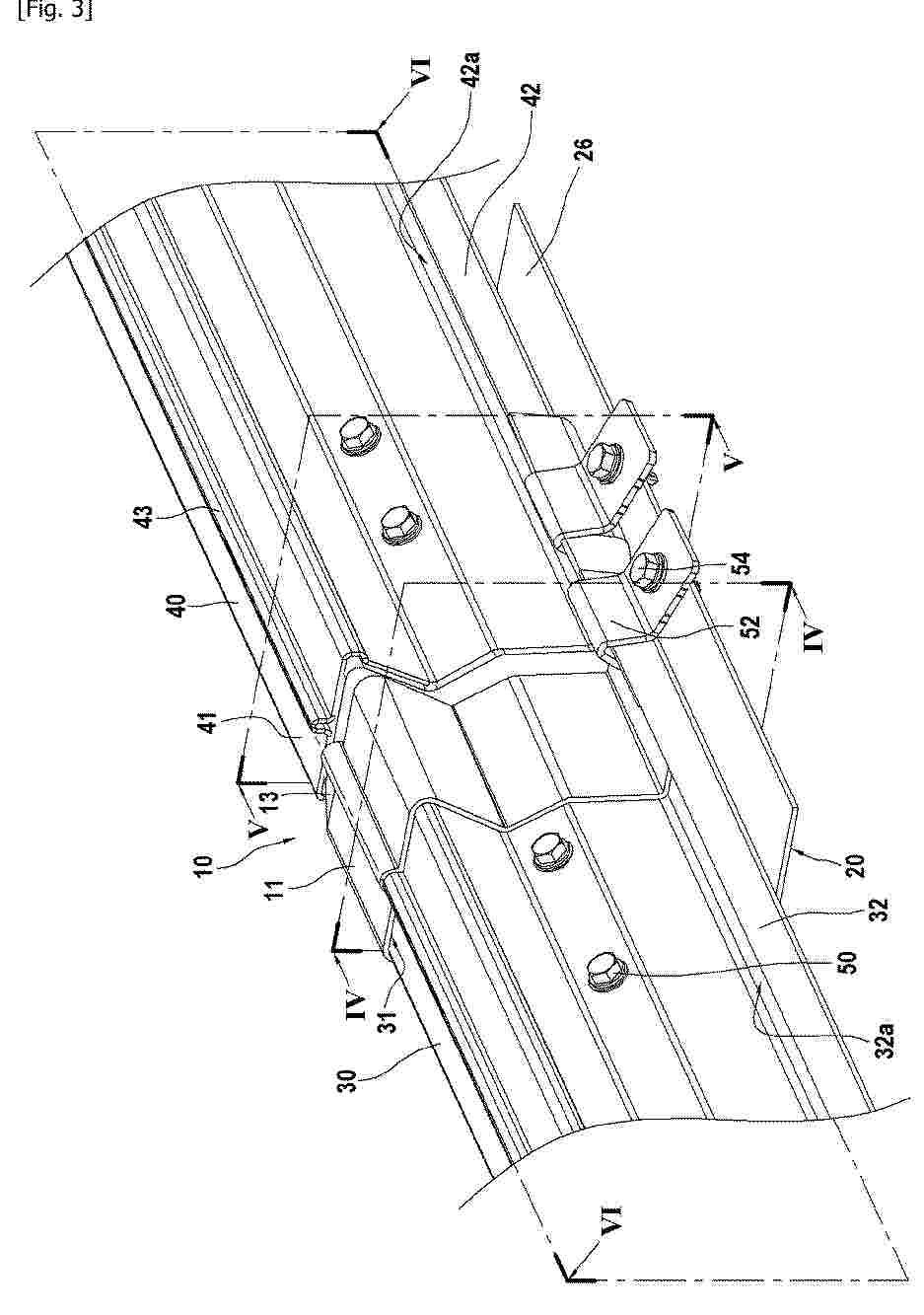
Resumen de: EP4810735A1
Assemblage pour le maintien bout à bout d'un premier profilé (30) par rapport à un deuxième profilé (40), comprenant un joint (10) en matériau élastomère, le joint (10) ayant une première extrémité (11) configurée pour épouser un bout (31) du premier profilé (30) et une deuxième extrémité (12) configurée pour épouser un bout (41) du deuxième profilé (40), et une éclisse (20) plus rigide que le joint et configurée pour se fixer au premier profilé (30) et au deuxième profilé (40) tout en maintenant le joint (10).
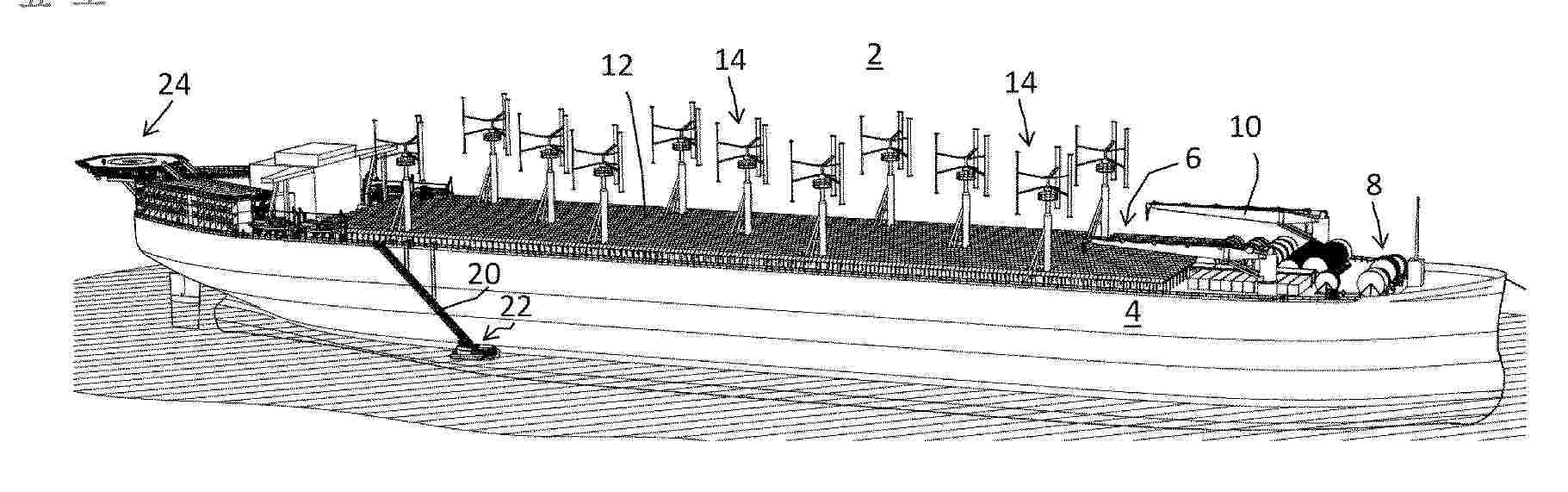
Resumen de: NL2036267B1
0001 A factory for producing an elongated tension member is provided. The factory comprises at least one apparatus for producing the elongated tension member. The at least one apparatus comprises: a feeder, a processing device and at least one end fitting device. The feeder is arranged to provide input material. The input material comprises: at least one load bearing yarn and/or at least one load bearing wire and/or load bearing fibres. The processing device is arranged to wind and/or twist and/or bundle the input material provided by the feeder. The at least one end fitting device is arranged to provide the elongated tension member with a proximal end fitting and a distal end fitting. The factory further comprises a buoyant body arranged to support said at least one apparatus for producing the elongated tension member. Fig. 1
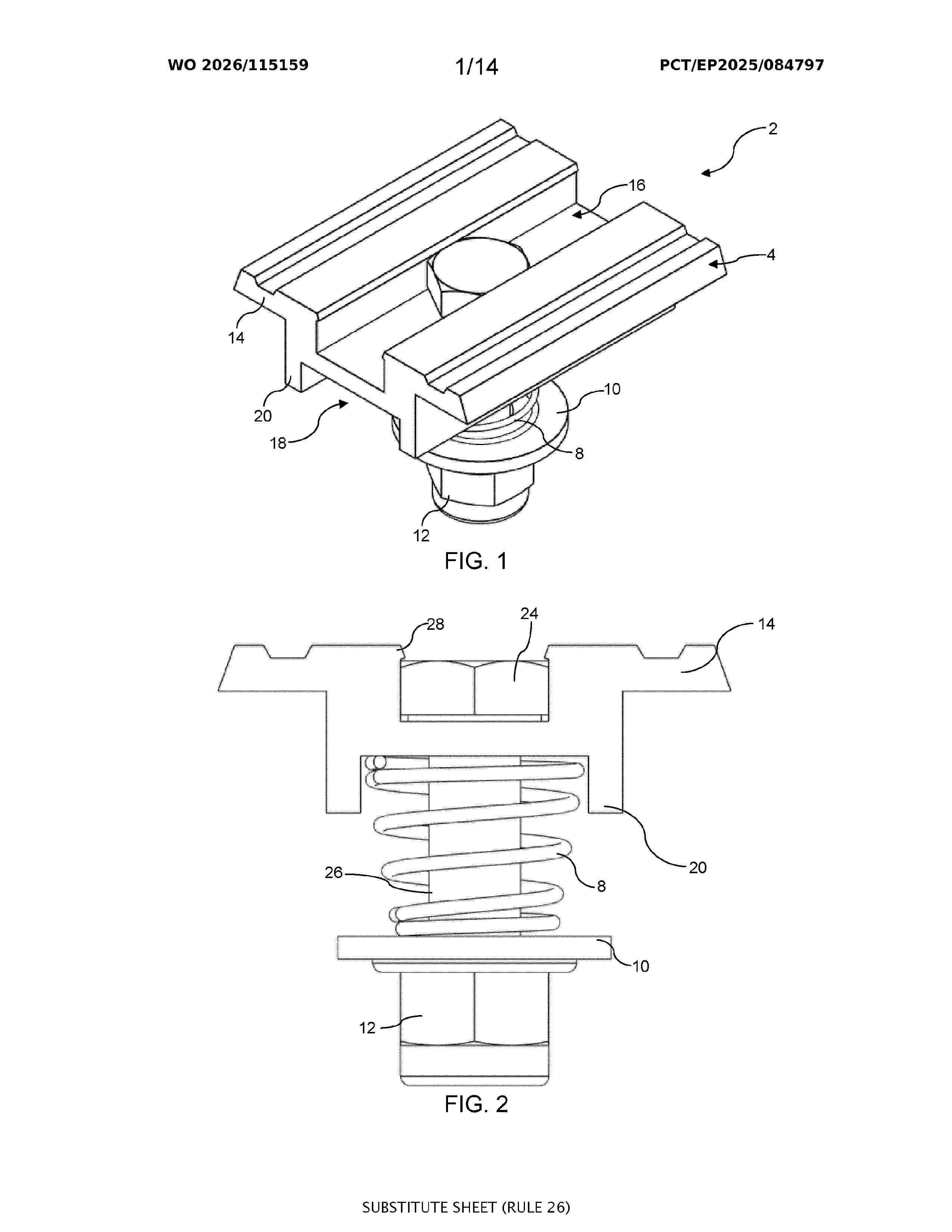
Resumen de: GB2704950A
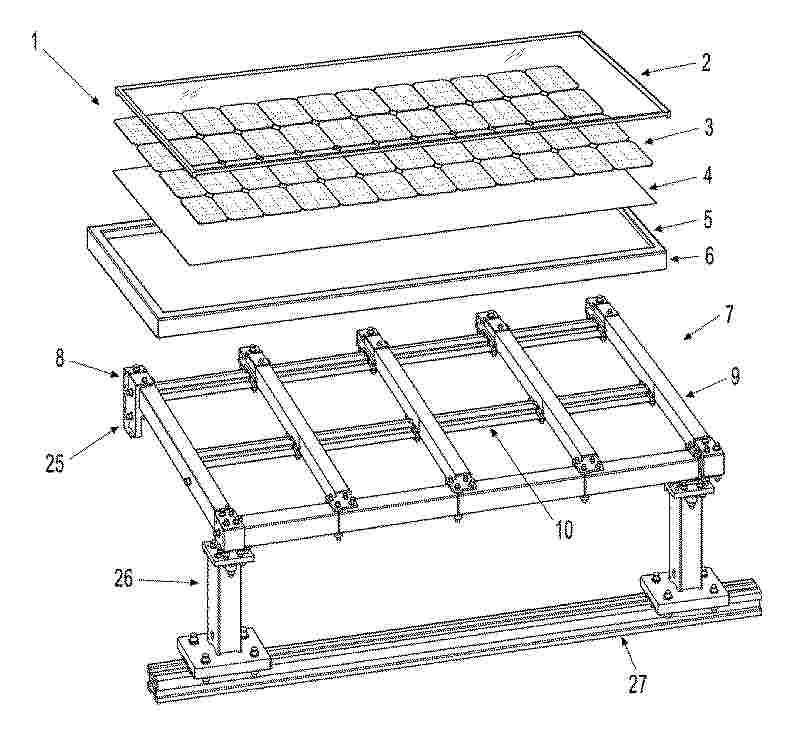
A solar panel clamp 2 comprises a clamping component 4 having at least one flange 14 for clamping a solar panel against a rail. A threaded shaft 26 (see figure 2) extends from the clamping component 4. A nut 12 is disposed on the threaded shaft. A spring 8 biases the clamping component 4 away from the nut 12. The nut 12 can be screwed along the threaded shaft 26 so as to draw the clamping component 4 towards the nut 12, thereby compressing the spring 8. There is also disclosed a solar panel mounting system, a solar panel system and a method of installing a solar panel system which use the clamp. Figure 1 to accompany the abstract
Resumen de: GB2704904A
A support assembly 700 for a solar panel 702 is disclosed comprising a support 701 configured to hold a solar panel 702, including a rotational axis 720 about which the panel 702 is rotatable. The assembly 700 includes a weight distribution structure with a plurality of shape memory alloy (SMA) portions 706 configured to expand and contract in response to heat from a moving heat source. This adjustment modifies the weight distribution of the structure. The weight distribution structure is integrated with the support 701 to dynamically shift the weight distribution in relation to the rotational axis, thereby rotating the support to track the heat source. Figure 1
Resumen de: TR2025002569U4
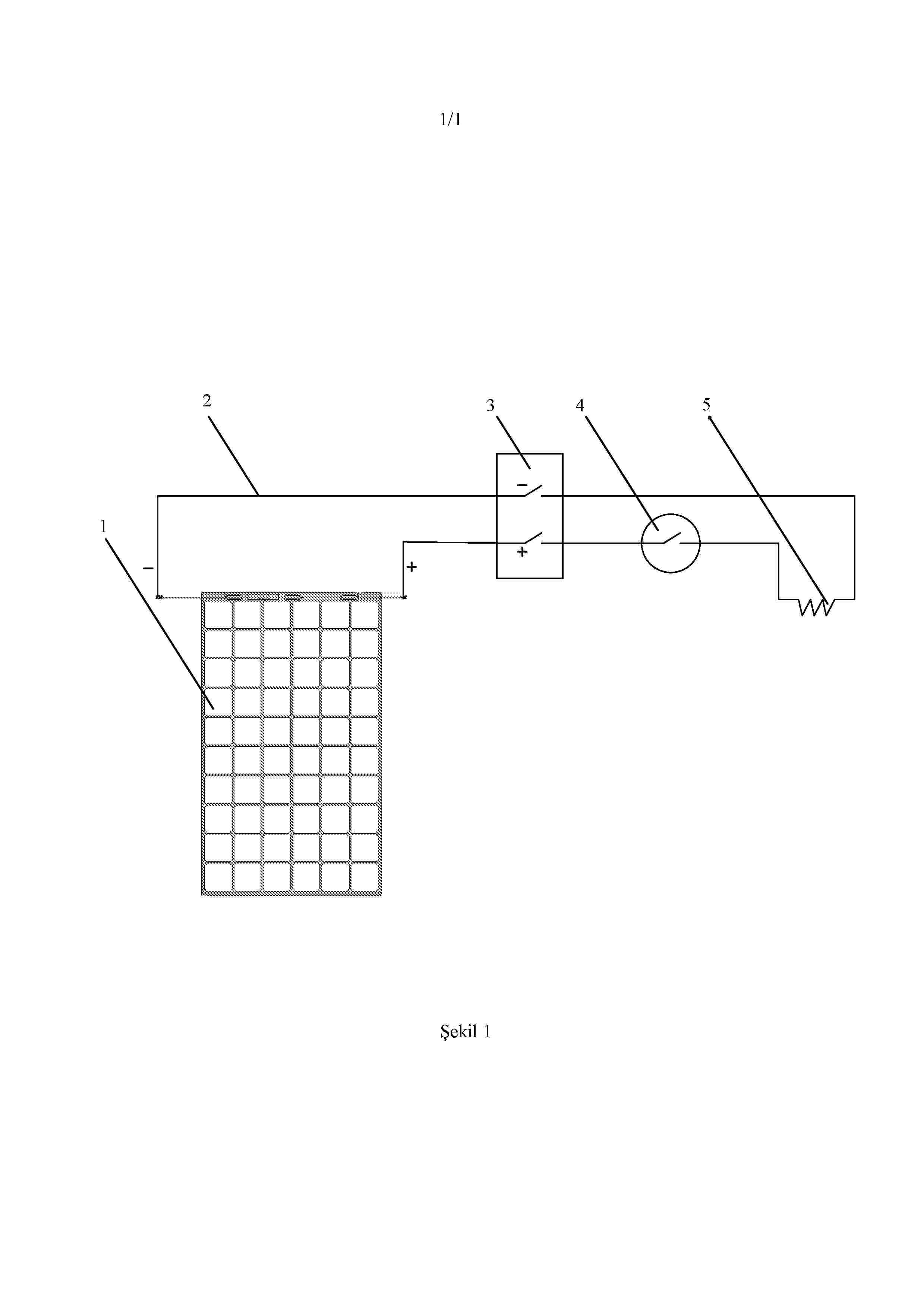
Güneş panellerinin (1) güneş ışınlarından ürettiği yenilebilir DC elektriği iletken kablo (2) ile aşırı akım sigortasından (3) ve ısı kontrol termostat dan (4) geçirilip rezistansa (5) seri halde bağlanır. Böylece güneş enerjisinden emniyetli ve kontrollü bir ısı enerjisi elde edilmiştir.
Resumen de: US20260276213A1
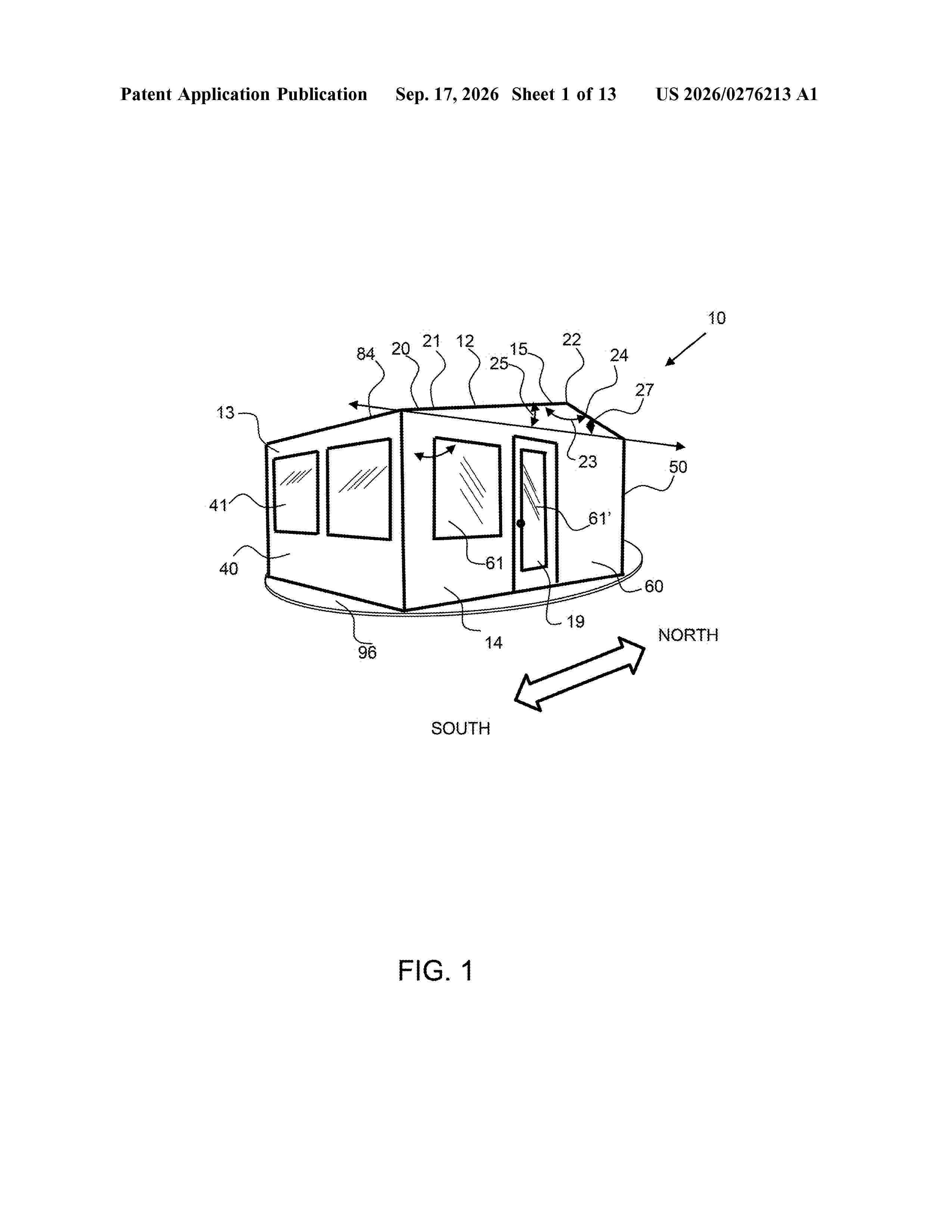
A greenhouse, for cold weather climates, is configured with a gable that is offset toward the north wall and therefore the south extension of the roof, from the gable to the south wall is longer than the north extension. A greater amount of light can enter through this south extension and the inside surface of the north wall is configured with a reflective surface to allow light to be more uniformly distributed around the plants. The north wall may have no widows and may be thermally insulated to prevent the greenhouse from getting too cold during the night. A ground to air heat transfer (GAHT) system may be configured to produce a flow of greenhouse air under the greenhouse for heat transfer, to moderate the temperature of the greenhouse. A thermal medium may flow to a thermal reservoir for heat exchange with the conduits of the GAHT system.
Resumen de: DE102025109524A1
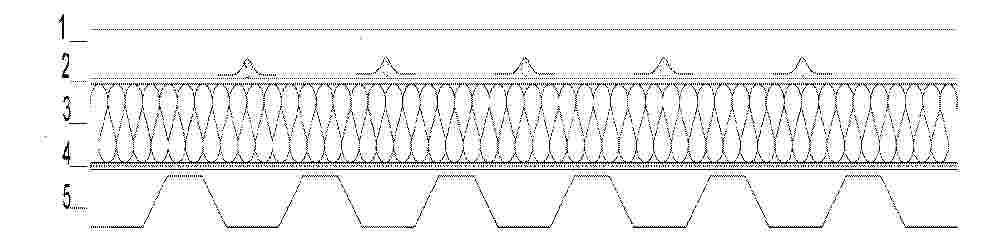
Die vorliegende Erfindung betrifft ein innovatives Dachsystem, das mehrere Funktionen wie Regenwasserrückhaltung, Energiegewinnung und den Schutz vor den Folgen des Klimawandels vereint. Es integriert die Eigenschaften von Gründächern, Cool Roofs und Solardachtechnologien mit fortschrittlichen Energiegewinnungskomponenten, um eine multifunktionale Lösung für urbane Herausforderungen bereitzustellen. Das System adressiert die steigenden Anforderungen an nachhaltige Gebäudetechnologien in urbanen Räumen, indem es Synergien zwischen verschiedenen Technologien schafft.
Resumen de: EP4807258A1
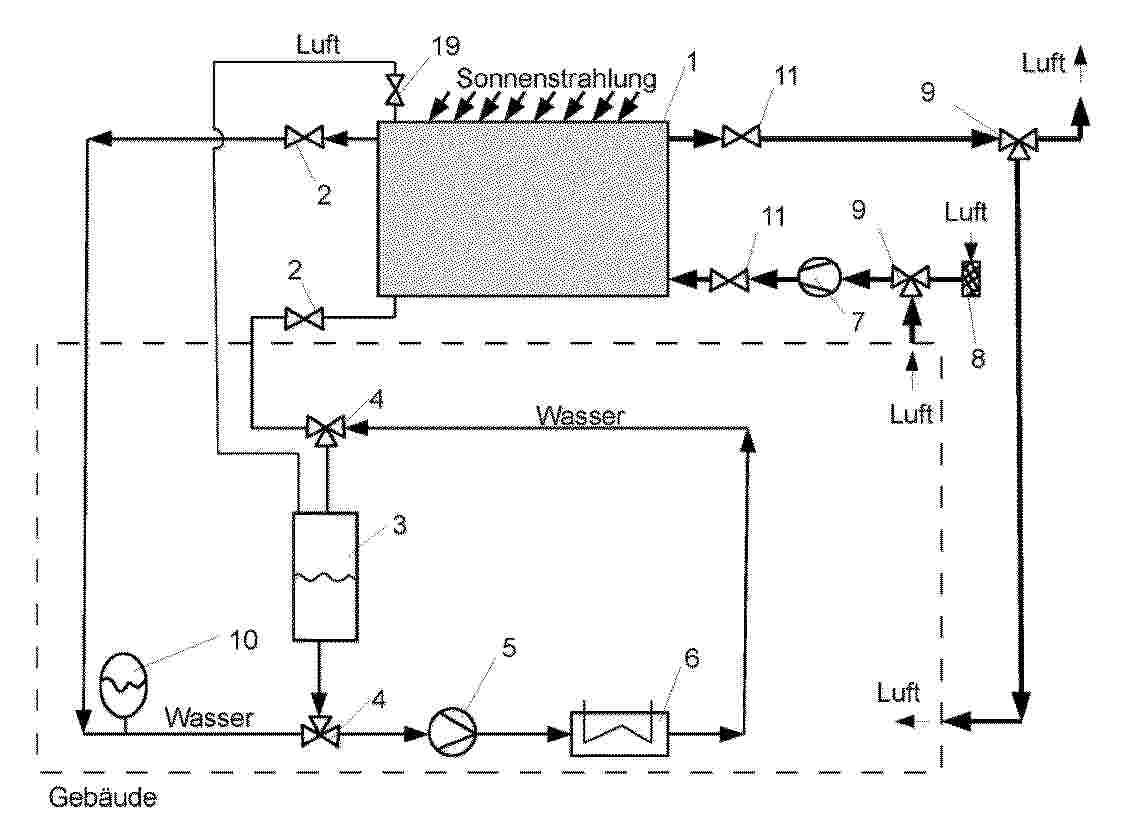
Die solarthermische Anlage mit einem Solarkollektor (1),mindestens einem Wärmeträgermedium, welches Kanäle des Solarkollektors (1) durchströmt, und mit einem mit dem Solarkollektor (1) zum Kreislauf verbundenen Wärmetauscher (6), wobei ein erster Kreislauf mit einem flüssigen Wärmeträgermedium, insbesondere Wasser mit oder ohne Zusätzen, und ein zweiter Kreislauf mit einem gasförmigen Wärmeträgermedium, insbesondere Luft, vorgesehen sind, und wobei der Betrieb der Anlage in Abhängigkeit vom Wärmebedarf und von der Verfügbarkeit der Solarenergie von dem einen Kreislauf auf den anderen Kreislauf umschaltbar ist, ist dadurch gekennzeichnet, dass der erste und der zweite Kreislauf miteinander verbunden sind und Ventile (11) oder Hochpunkte (14) aufweisen, dass beide Kreisläufe an dieselben Kanäle des Solarkollektors (1) angeschlossen sind und dass bei druckloser Anlagenauslegung die Hochpunkte (14) so angeordnet sind sowie dass bei druckbeaufschlagter Anlagenauslegung die Ventile (11) so steuerbar sind, dass im Betrieb durch dieselben Kanäle des Solarkollektors (1) entweder das flüssige oder das gasförmige Wärmeträgermedium strömt.
Resumen de: KR20260136881A
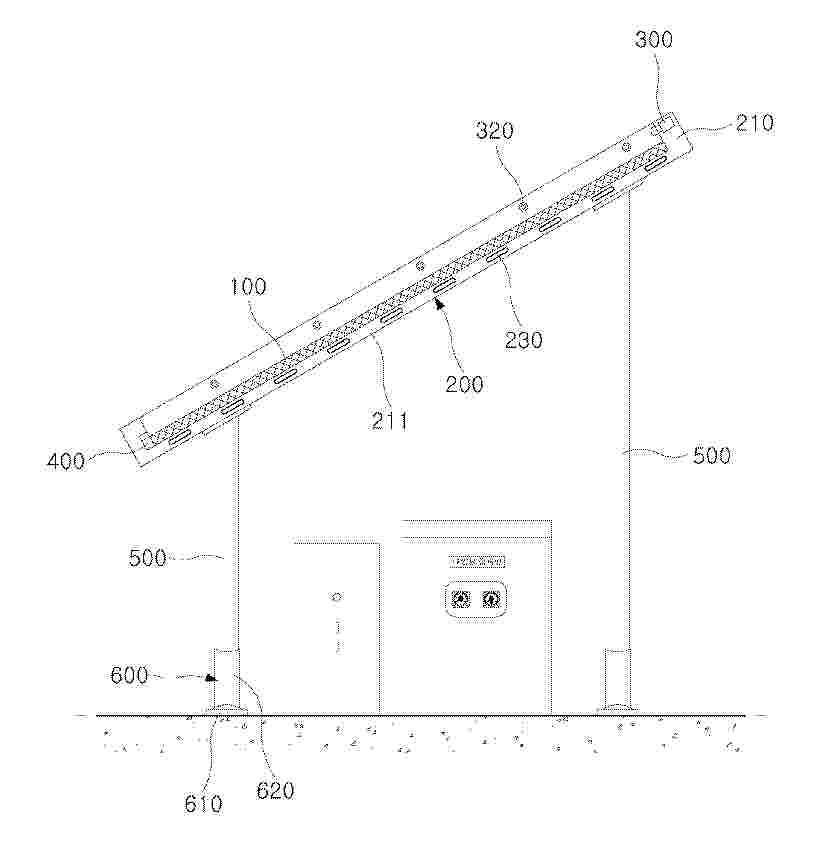
본 발명은 태양광 모듈이 고정되는 프레임을 2중 유로 구조로 형성하여 태양광 모듈이 과열되면 냉매 공급부와 냉매 분사부를 통해 냉매를 각각 공급하므로 냉각효율을 극대화하여 과열을 효과적으로 방지하는 과열 방지가 가능한 태양광 설치 시스템에 관한 것이다.
Resumen de: WO2025061428A1
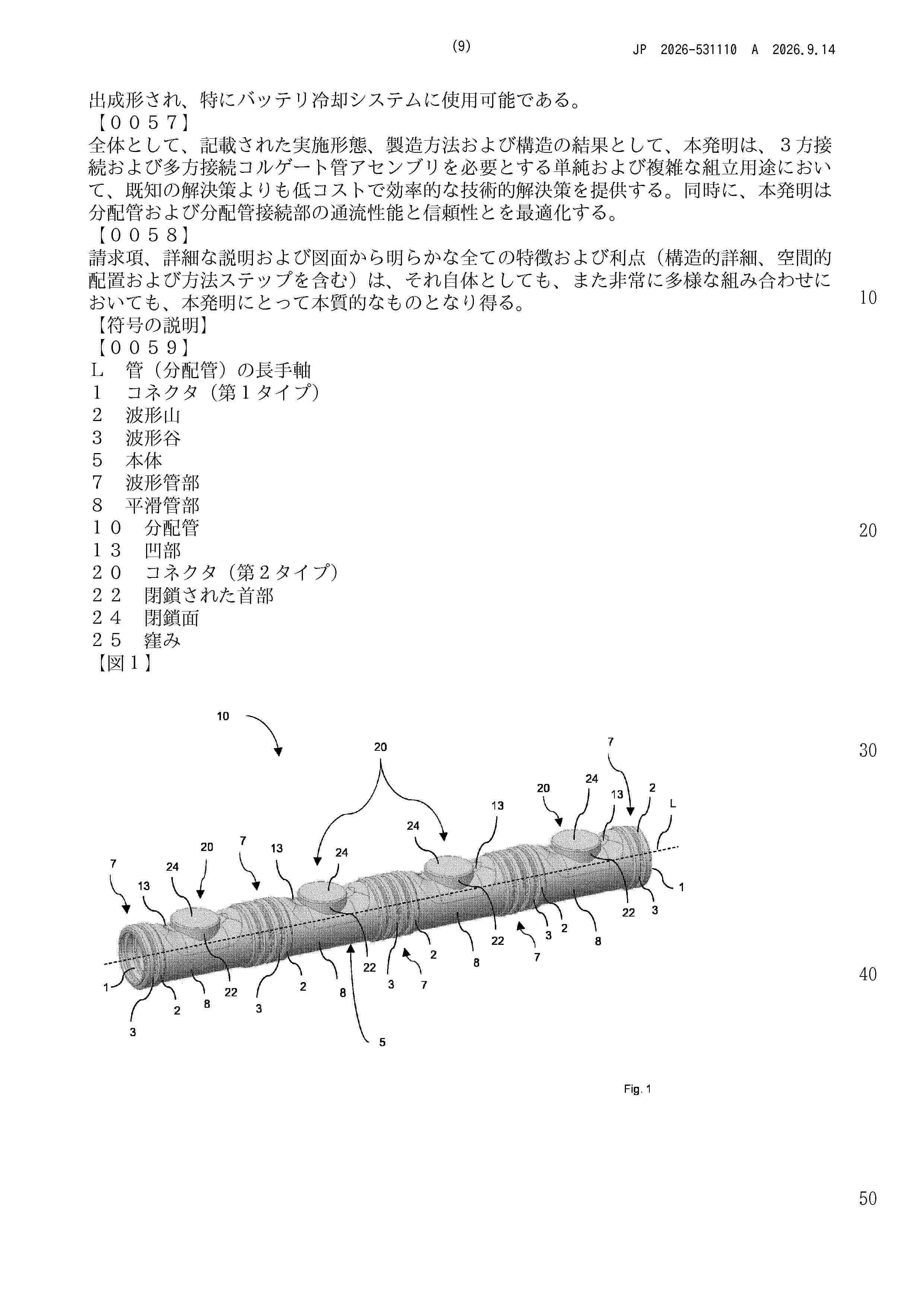
The invention relates to a distributor pipe (10) for conducting and distributing fluids in battery cooling systems, with a main body (5) which extends along a pipe longitudinal axis (L), is configured at least in portions as a corrugated pipe, and has corrugated pipe portions (7), wherein the corrugated pipe portions (7) of the main body (5) have circumferentially running corrugation troughs (3) and corrugation peaks (2) which alternate along the pipe longitudinal axis (L). It is provided according to the invention that the distributor pipe (10) comprises at least one connector (1) of a first type and a plurality of connectors (20) of a second type, wherein the distributor pipe (10) is manufactured from the same material as and in one part with the connectors of the first and second type (1, 20) in one manufacturing operation.
Resumen de: WO2026182960A1
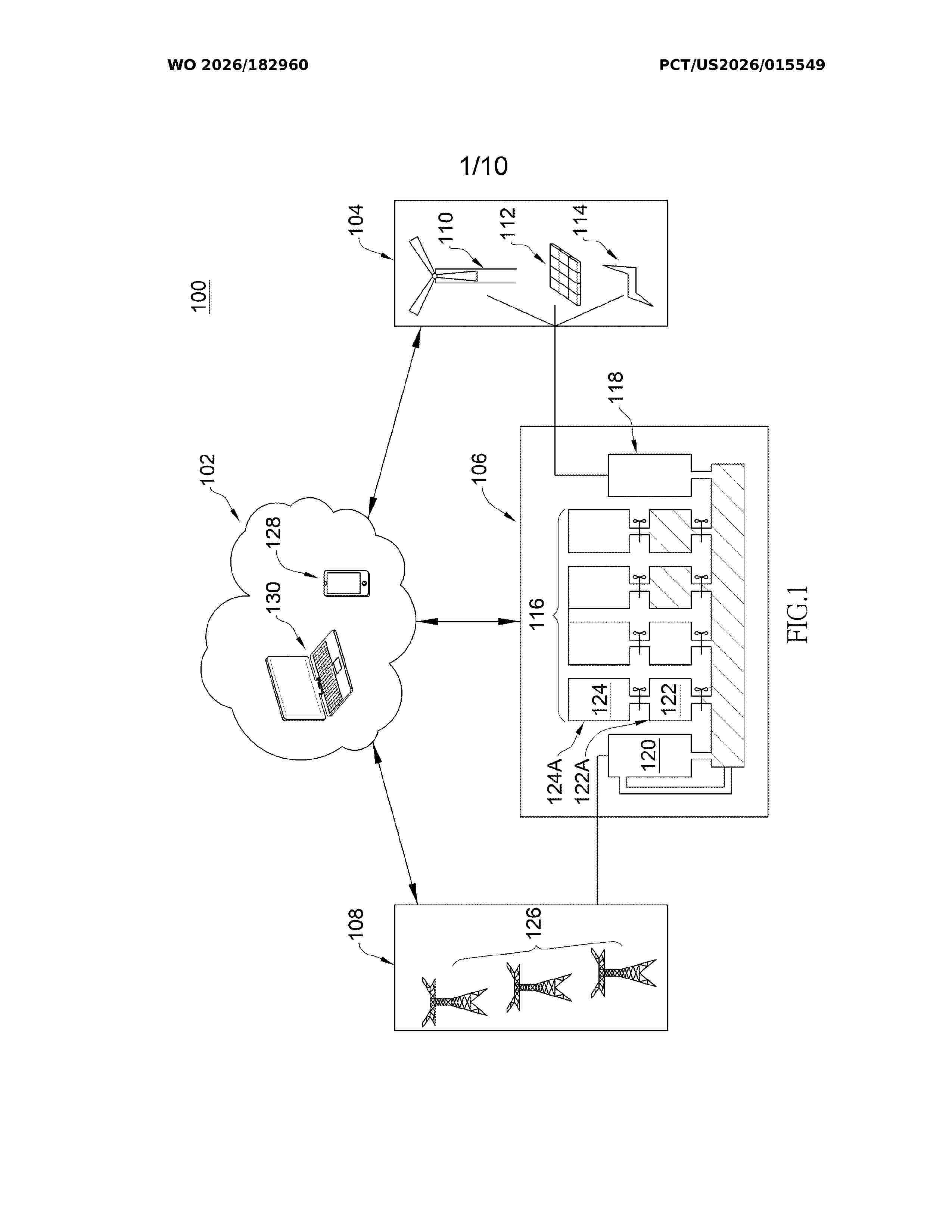
A virtual power plant system including a network of sense and control devices communicatively coupled with a virtual power plant control center that receives data about distributed power generating facilities, power storage apparatuses, power transmission nodes and/or power consumption entities from the devices and optimizes the process of energy generation, storage, re-generation, transmission and/or consumption throughout the network based on the received data.
Resumen de: MA70688A1
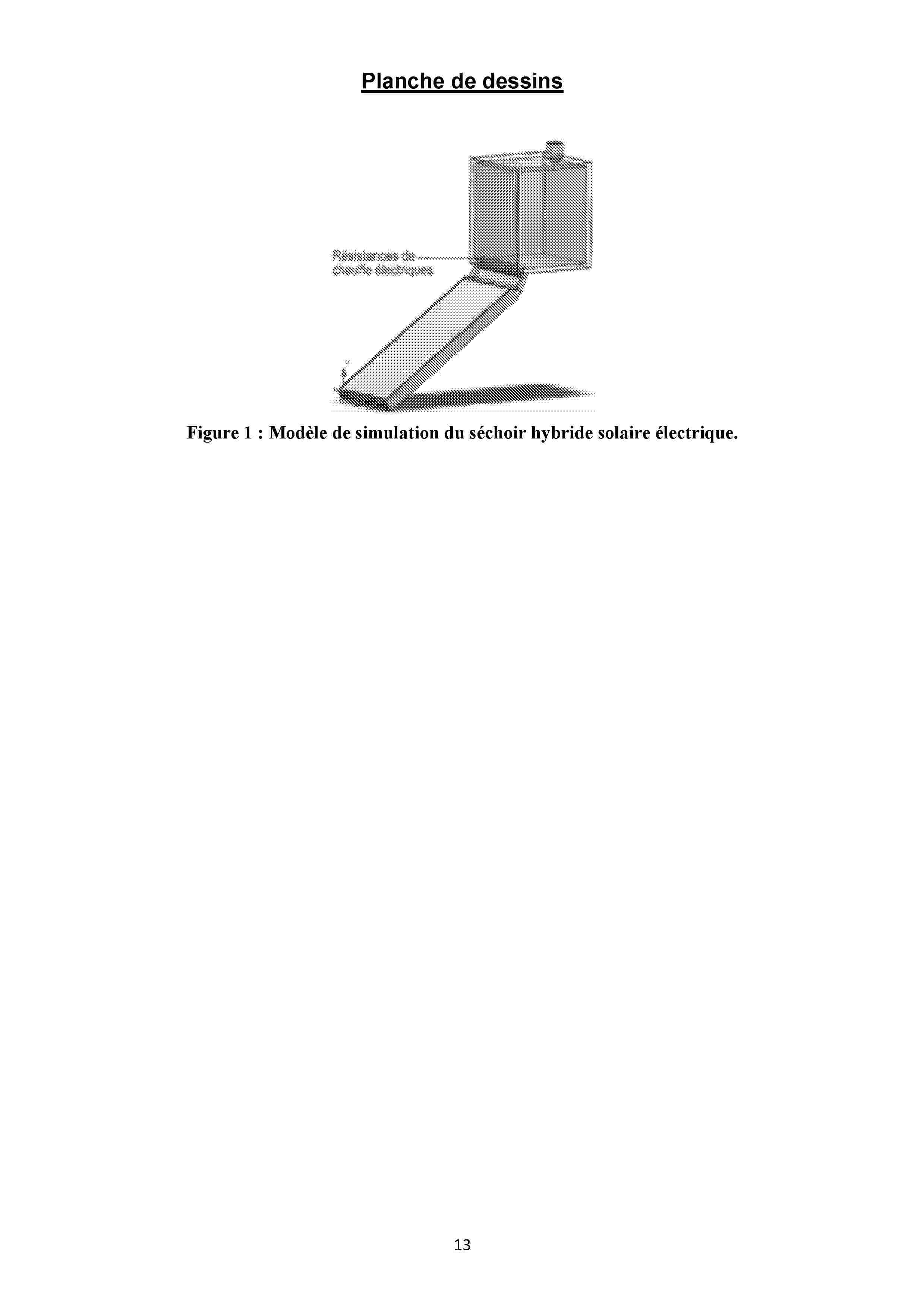
The hybrid solar dryer has been designed for continuous use under optimum energy consumption conditions, with control of temperature, humidity and air flow. The dryer enables efficient drying while preserving product quality. The operating temperature range varies from ambient to 300°C. The solar collector is powered both by solar radiation and by the combustion of drying air below the absorber. At its outlet, the collector is equipped with electric resistors with power ranging from 1 to 6 kW. The dryer is equipped with an on-board controller that monitors and controls temperature, humidity and drying air flow. The controller is linked to the temperature, humidity and airflow sensor, as well as to weather data for precise regulation of the drying process.
Resumen de: AU2025218561A1
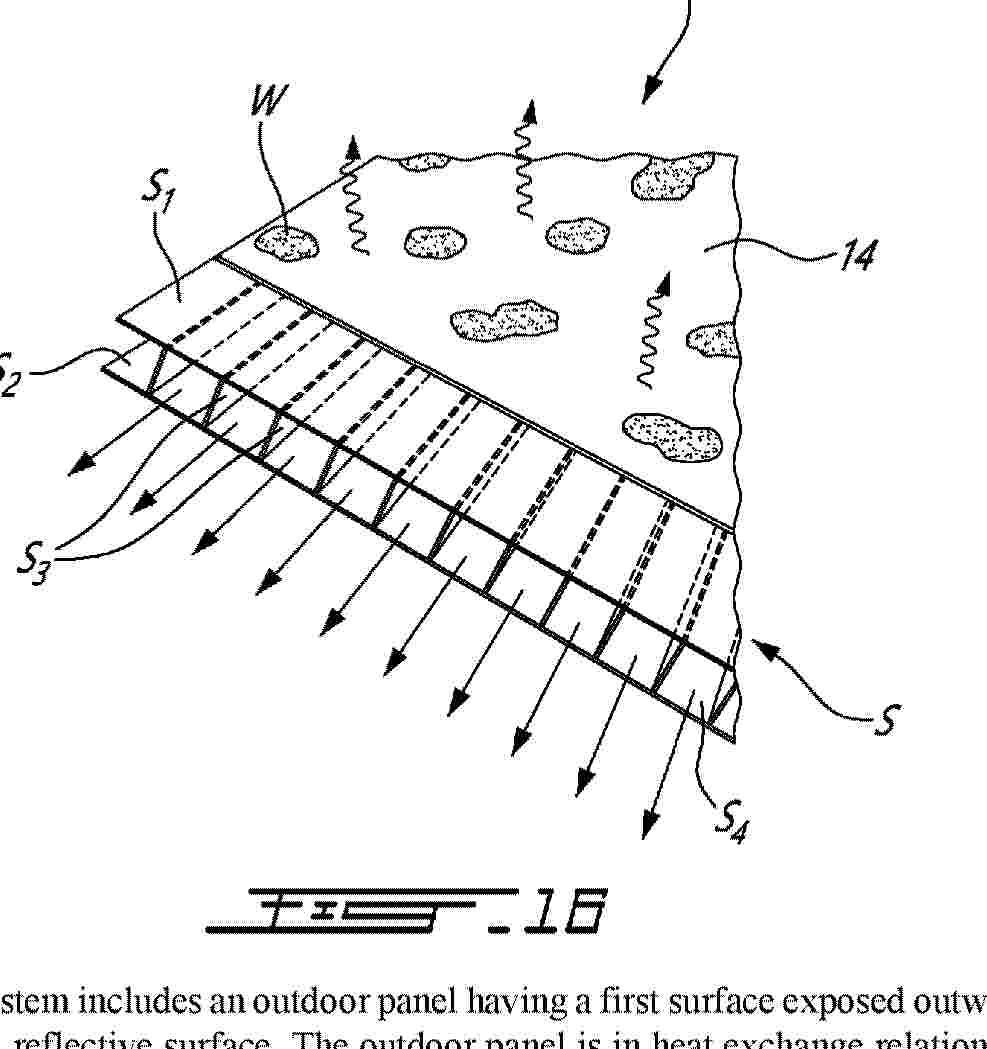
A thermal energy system includes an outdoor panel having a first surface exposed outwardly to an outdoor environment. The first surface is an emissive and reflective surface. The outdoor panel is in heat exchange relationship with an air passage adapted to be connected to a ventilation system of a building or process. A selective layer can be applied onto a second surface of the panel opposite to the first surface thereof. A system may be provided to pivot the panel from a first position in which the emissive surface faces the outdoor environment and a second position in which the selective surface faces the outdoor environment. The panel can be perforated and depression can be formed in the emissive surface to collect water between the perforations when the thermal panel is used in a cooling mode. The emissive and reflective side of the panel can be oriented to redirect solar radiations towards a solar collector to improve the performance thereof.
Resumen de: AU2025221149A1
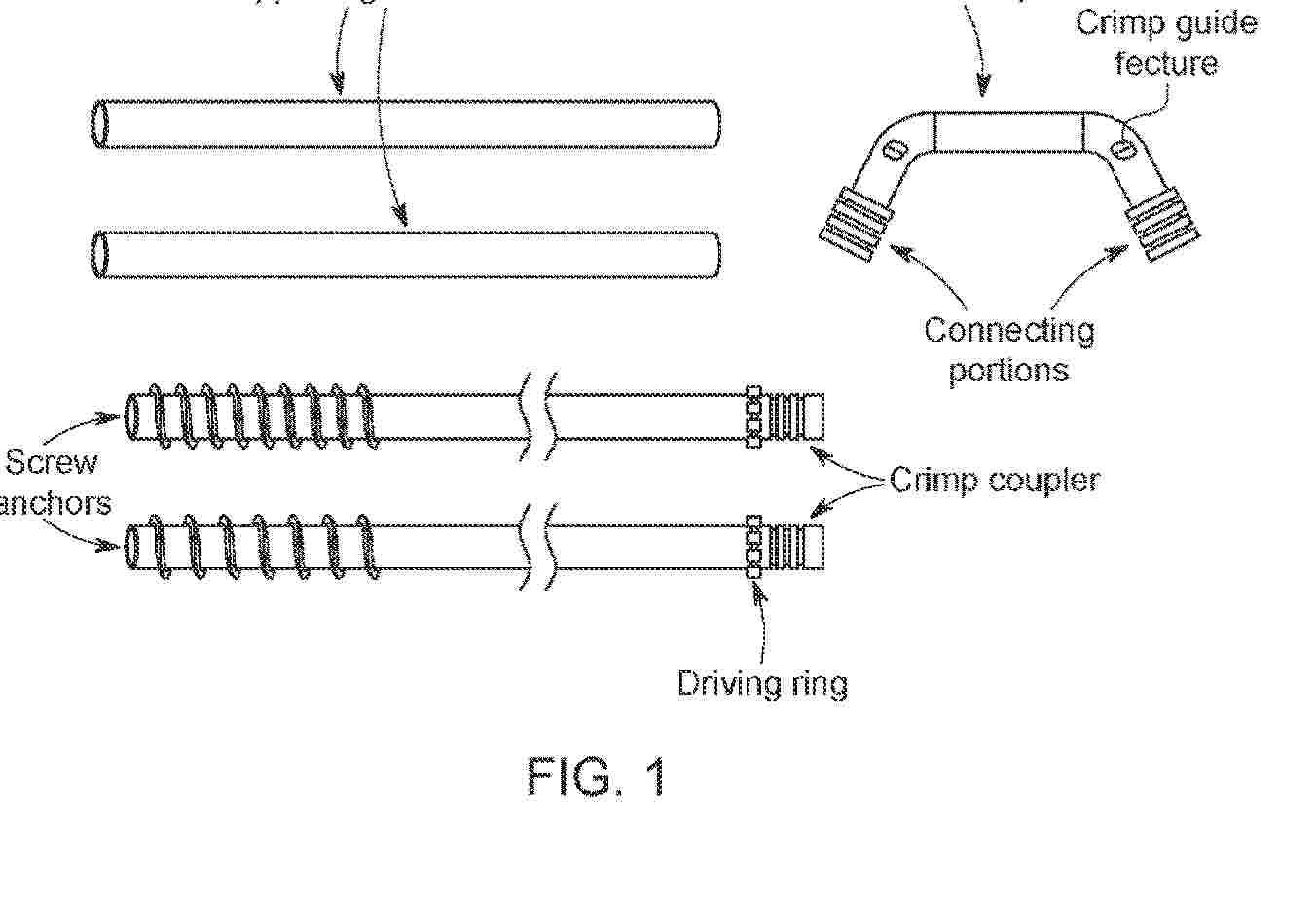
A method of embedding a threaded foundation component in ground with a layer of reactive soil with a combined drilling and driving machine includes: with an automated controller executing a control program, controlling the machine to begin an automated embedment operation to drive a threaded foundation component into a reactive soil; with the automated controller, controlling the machine to decouple a feed rate of the component from a rotary speed rate of the component to cause sheering of the soil around the foundation component by threads of the foundation component; and with the automated controller, controlling the machine to recouple the feed rate of the component to rotary speed rate of the component to reduce sheering of the soil around the foundation component by the threads of the foundation component until a target embedment depth for the foundation component is reached.
Resumen de: EP4797283A1
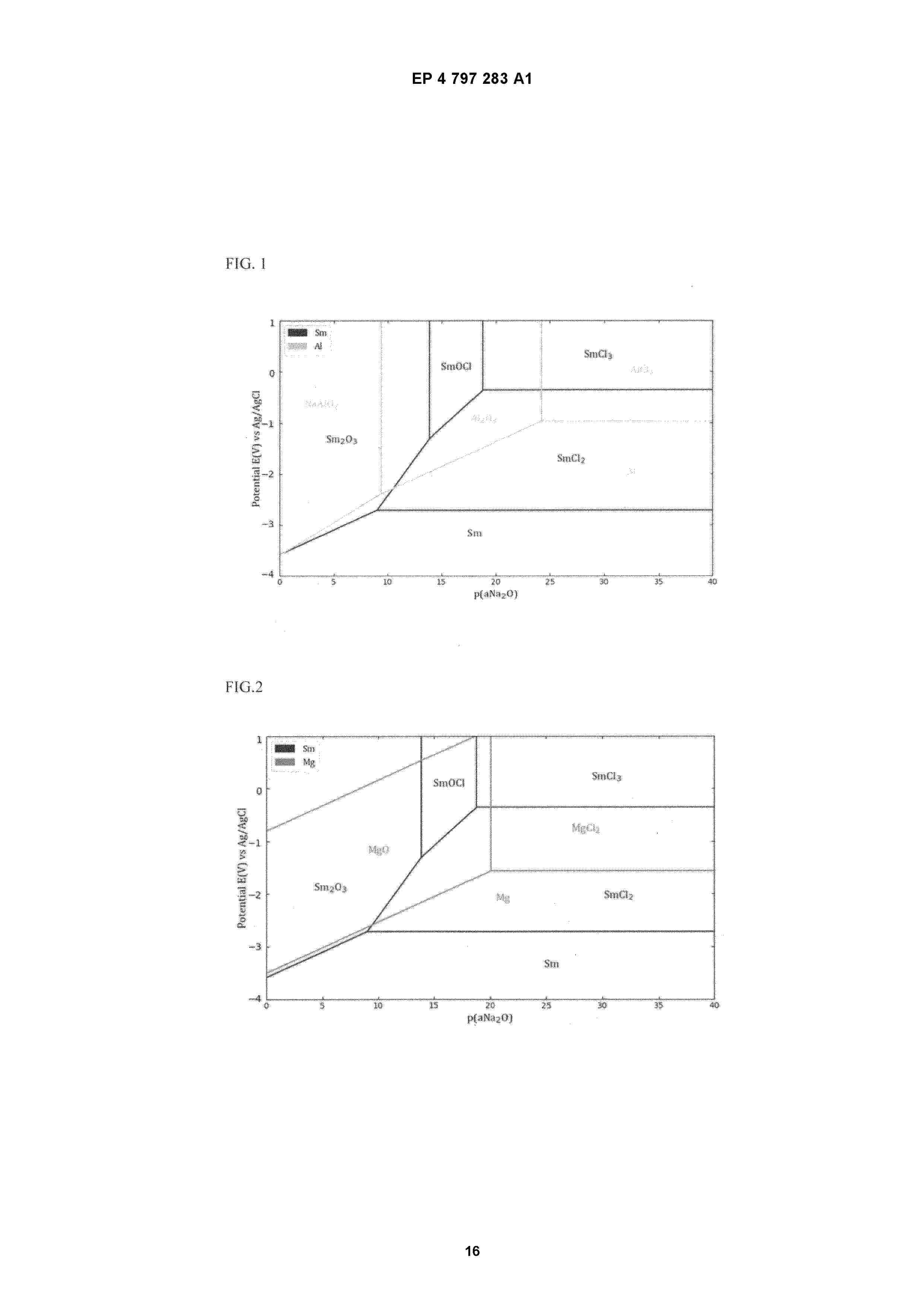
La présente invention concerne un mélange m(C) comprenant un mélange de sels de chlorures fondus, que l'on peut par exemple utiliser dans le domaine de l'énergie comme le nucléaire et/ou le solaire. La présente invention concerne en outre des procédés de préparation d'un mélange comprenant un mélange de sels de chlorures fondus et un dispositif comprenant un élément configuré pour contenir ou faire circuler le mélange m(C) selon la présente invention, ou le mélange obtenable ou obtenu selon les procédés de la présente invention, l'élément ayant une paroi comprenant un ou plusieurs métaux parmi Fe, Ni et Cr en contact avec ledit mélange.
Resumen de: TR2026012464A2
Buluş, fotovoltaik paneller üzerinde çevresel koşullar nedeniyle oluşan kar ve buz yükünün, panel taşıyıcı konstrüksiyonunun tamamını hareket ettirmeye gerek kalmaksızın kontrollü mekanik fleksiyon hareketleri ile uzaklaştırılmasını sağlayan esnek taşıyıcı alt iskelet sistemine ilişkindir. Buluş kapsamında, fotovoltaik panel (2) altında konumlandırılan esnek taşıyıcı alt iskelet (7), merkez esneme platformu (11), esnek fleksiyon bölgesi (12) ve fleksiyon dalgası oluşturucu mekanizma (13) aracılığıyla kontrollü elastik deformasyon oluşturulmakta ve bu deformasyon panel boyunca yönlendirilmiş mekanik fleksiyon dalgalarına dönüştürülmektedir. Oluşturulan mekanik fleksiyon dalgaları sayesinde panel yüzeyindeki kar ve buz tabakasının panel yüzeyine olan yapışma kuvveti azaltılarak kar ve buz yükü panel yüzeyinden uzaklaştırılmaktadır. Böylece sistem, panel taşıyıcı konstrüksiyonunun tamamını hareket ettirmeksizin, farklı çevresel çalışma koşullarında güvenilir, kontrollü ve tekrarlanabilir mekanik kar ve buz temizleme işlemini gerçekleştirmektedir.
Resumen de: TR2026011731U5
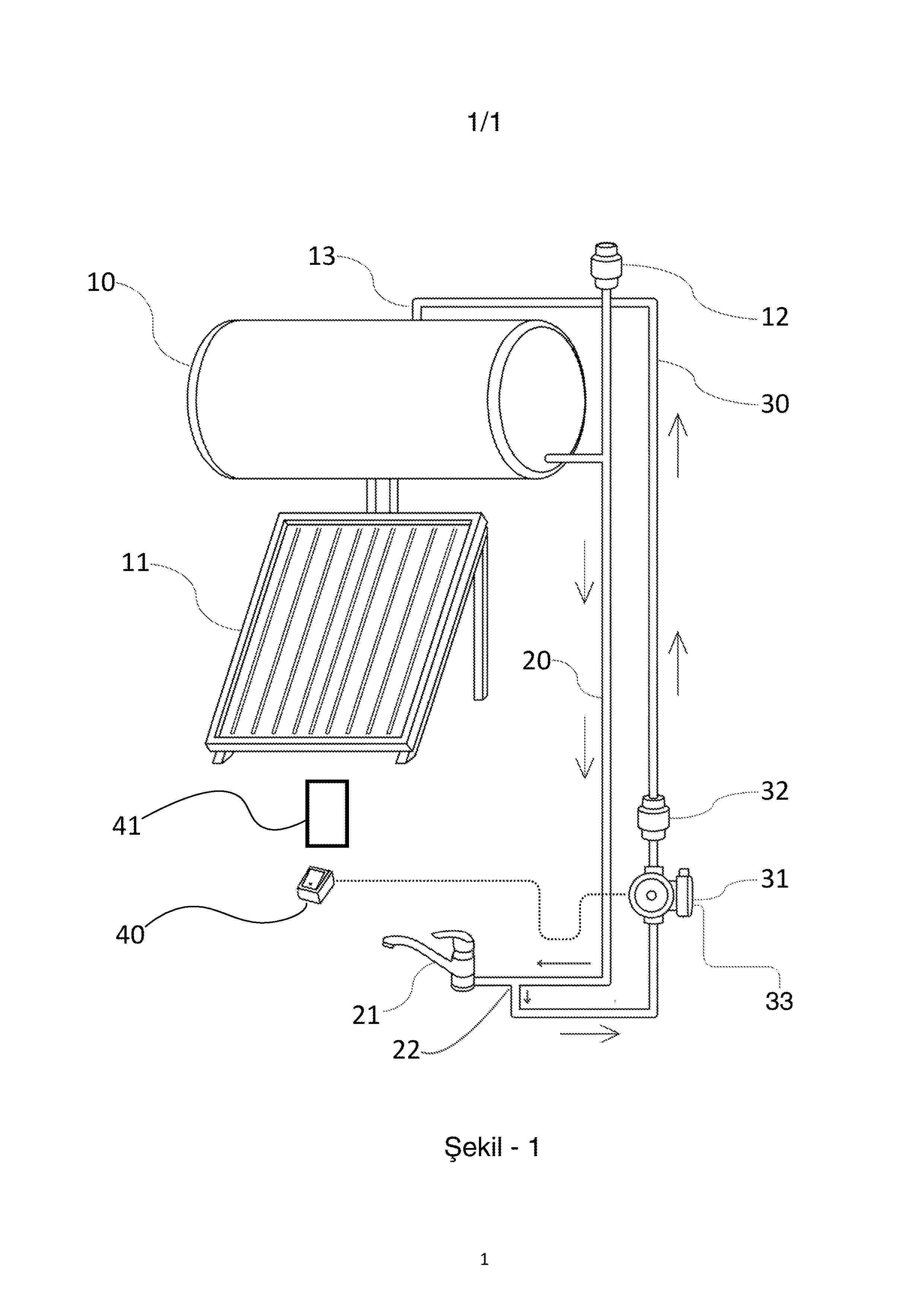
Buluş, çatı üstü güneş enerjili su ısıtma sistemlerinde, özellikle çok katlı yapılarda sıcak su deposu ile kullanım noktası arasında kalan sıcak su dağıtım boru hattı içerisinde bekleyerek soğuyan suyun kullanım sırasında dışarı akıtılmasını önlemeye yönelik geri dönüşlü su tasarruf sistemi olup; -çatı üstünde konumlandırılmış en az bir sıcak su deposu (10) ve bahsedilen sıcak su deposuna (10) bağlı en az bir ısıtma paneli (11), -söz konusu sıcak su kullanım armatürünün (21) gerisinde sıcak su dağıtım boru hattına (20) bağlanan en az bir T bağlantı elemanı (22), -söz konusu T bağlantı elemanından (22) başlayarak çatıdaki sıcak su deposuna (10) doğru uzanan ayrı bir geri dönüş hattı (30), -sıcak su dağıtım boru hattı (20) içinde bekleyen soğumuş suyu T bağlantı elemanı (22) üzerinden alarak geri dönüş hattı (30) boyunca sıcak su deposuna (10) geri gönderen en az bir sirkülasyon pompası (31), -geri dönüş hattı (30) üzerinde ters yönlü akışı önleyen en az bir çek valf (32), -sıcak su dağıtım boru hattı (20) üst bölgesinde yer alan ve bahsedilen sıcak su dağıtım boru hattı (20) içerisinde biriken havayı dışarı tahliye eden en az bir hava tahliye valfi (12) ve -bahsedilen elektrik anahtarı (40) vasıtasıyla devreye giren, sirkülasyon pompasının (31) çalışma süresini sınırlandırarak zamanlama kontrolü sağlayan, bununla birlikte sirkül
Resumen de: TR2026011522U5
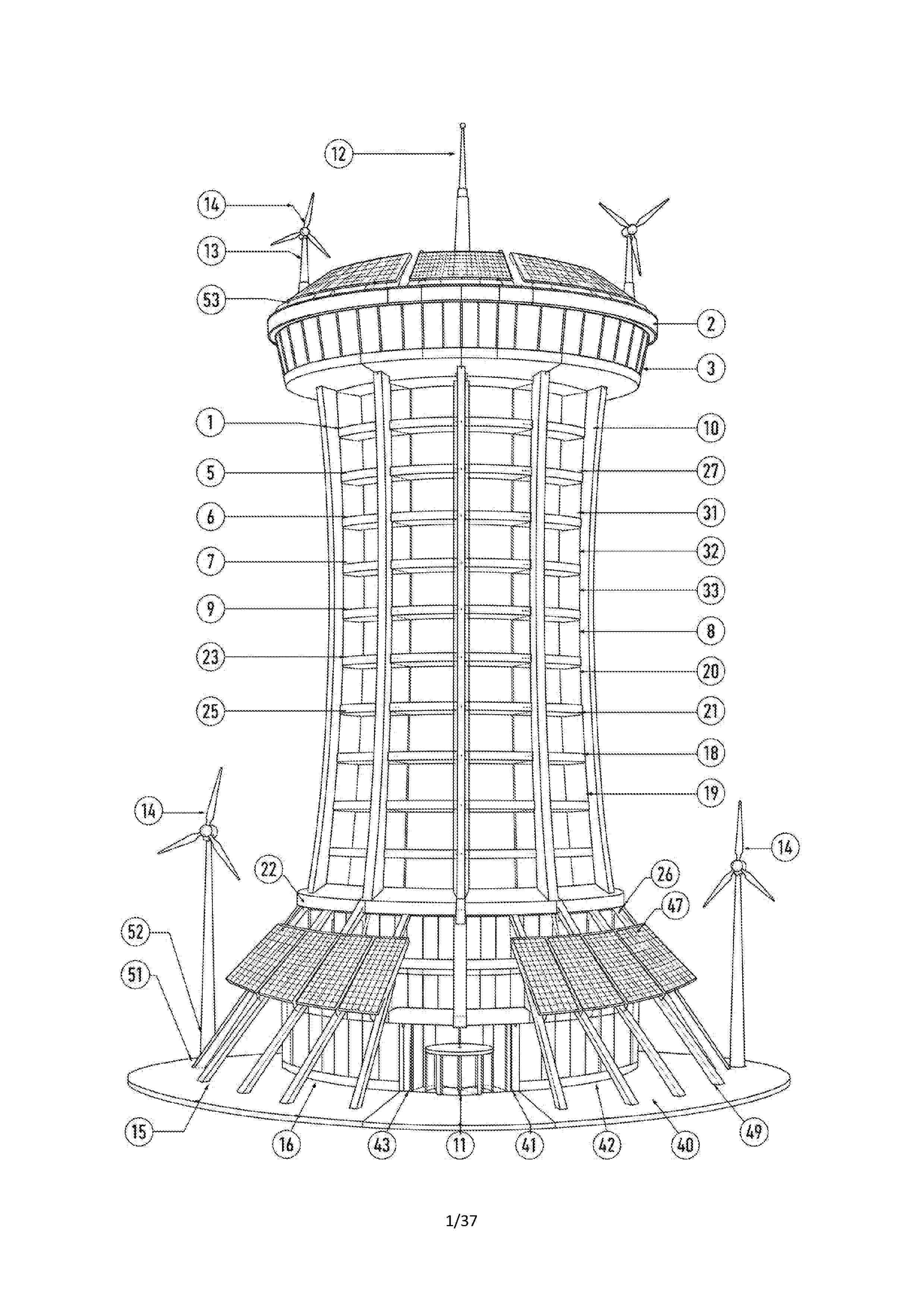
Buluş, yenilenebilir enerji destekli, su geri kazanımlı, akıllı kontrollü modüler bir dikey hidroponik tarım yapısına ilişkindir. Buluş; hidroponik üretim katları (1), merkezi teknik çekirdek (7), modüler taşıyıcı sistem, yağmur suyu toplama ve su geri kazanım sistemi, su arıtma sistemi, fotovoltaik güneş panelleri, mikro rüzgâr türbinleri, enerji depolama sistemi, sensör ağı, iklimlendirme sistemi, merkezi otomasyon sistemi ve üst gözlem ve kontrol katından (2) oluşmaktadır. Yapıda hidroponik üretimde kullanılan besin çözeltisi ile yağmur suyu kontrollü olarak toplanmakta, arıtılmakta ve yeniden kullanılarak su tüketimi azaltılmaktadır. Yenilenebilir enerji kaynaklarından üretilen elektrik enerjisi enerji depolama sisteminde depolanmakta ve akıllı enerji yönetim sistemi tarafından yapı içerisindeki üretim, iklimlendirme, aydınlatma ve teknik ekipmanlara dağıtılmaktadır. Sensör ve otomasyon sistemi; pH, elektriksel iletkenlik, sıcaklık, nem, karbondioksit, su seviyesi ve enerji parametrelerini gerçek zamanlı izleyerek üretim süreçlerini otomatik olarak yönetmektedir. Modüler taşıyıcı yapı sayesinde sistem farklı kapasite ihtiyaçlarına göre genişletilebilmekte olup; sürdürülebilir tarımsal üretim, enerji verimliliği, su tasarrufu ve kontrollü çevre koşullarında kesintisiz üretim sağlayan bütünleşik bir dikey hidroponik tarım yapısı sunmaktadır.
Resumen de: TR2026010399A2
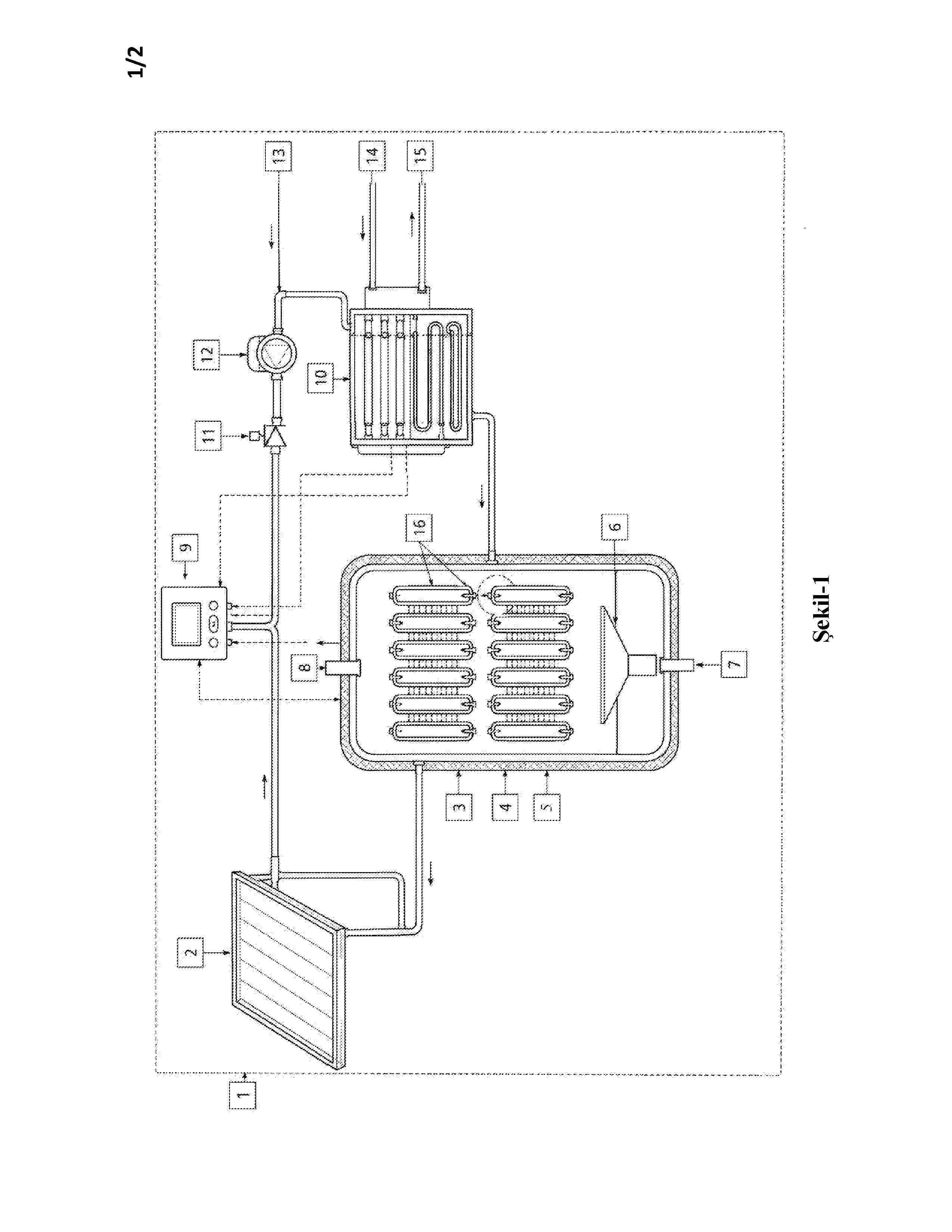
Bu buluş, konut tipi sıcak su sistemleri, merkezi sıcak su sistemleri, apartman ve site tipi sıcak su sistemleri, otel ve pansiyon sıcak su sistemleri, hastane ve sağlık tesisi sıcak su sistemleri, yurt ve toplu yaşam alanı sıcak su sistemleri, ticari bina sıcak su sistemleri, endüstriyel proses sıcak su sistemleri, güneş destekli ısıtma sistemleri, kullanım suyu ön ısıtma sistemleri ve enerji depolamalı güneş enerjisi uygulamalarında kullanılabilen faz değiştiren malzeme kapsüllü güneş enerjili ısıtma kazanı içeren ısıtma sistemi ile ilgili olup, özelliği; güneş enerjisini ısı enerjisine dönüştüren en az bir güneş kollektörü (2), taban bölgesinde soğuk su girişi (7) ve üst bölgesinde sıcak su çıkışı (8) bulunan, yalıtım paneli (4) ve PU köpük (5) ile yalıtılmış bir ısıtma kazanı (3), söz konusu ısıtma kazanı (3) içerisinde konumlandırılmış, faz değiştiren malzeme içeren ve her biri dış kabuk gövde (17), grafit (18), esnek diyafram (19) ve/veya dış kabuk gövde (17) üzerinde oluşturulmuş kanatçıklar (20) ihtiva eden çoklu sayıda faz değiştiren kapsüller (16), söz konusu faz değiştiren kapsüller (16) içerisinde iki veya daha fazla farklı erime sıcaklığına sahip erime noktası kademeleri (21), güneş kollektörü (2) devresi ile ısıtma kazanı (3) ve/veya faz değiştiren kapsüller (16) arasında ısı transferi gerçekleştiren, dağıtıcı borular (14) ve serpa
Resumen de: WO2026170287A1
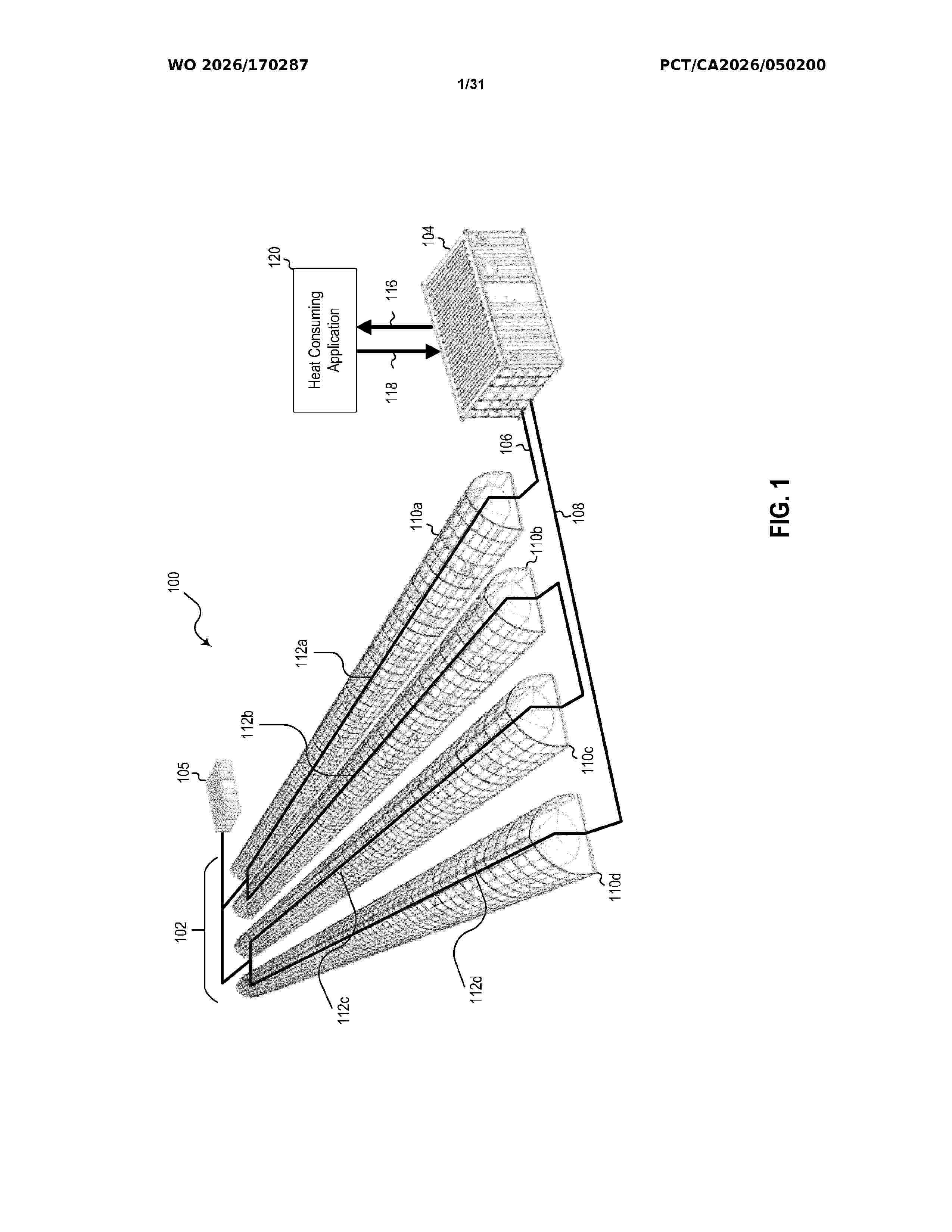
Disclosed embodiments include control systems for operating solar collector systems that generate thermal energy for heat consuming applications. The control systems coordinate thermal energy transfer between a solar collector array, a buffer tank, and a thermal storage subsystem. When the solar collector array is receiving solar energy, the control systems operate a solar collector loop to transfer thermal energy to the buffer tank and application loop to transfer thermal energy from the buffer tank to the heat consuming application. The control systems also operate a thermal energy storage loop to transfer thermal energy to/from the buffer tank and a thermal storage subsystem. The control systems manage the thermal storage subsystem as an integrated resource that operates with the buffer tank to provide consistent thermal energy delivery to the heat consuming application, including during periods of reduced solar availability.
Resumen de: EP4793559A1
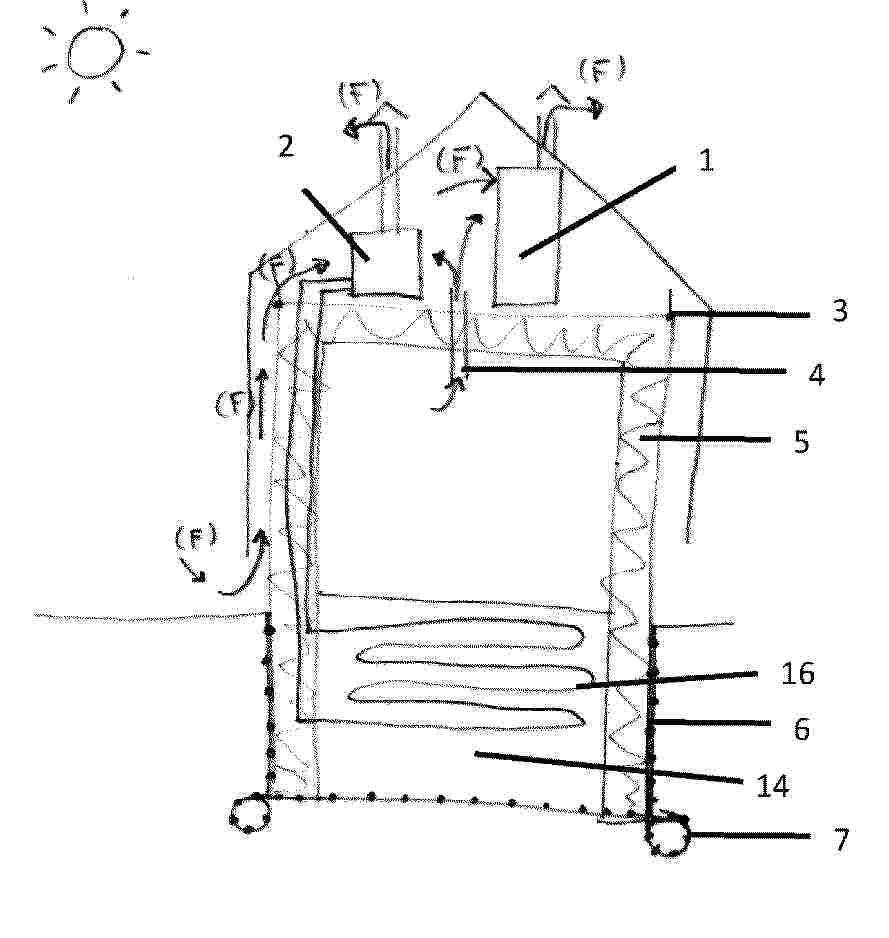
The present description refers to a system for energy collection and storage and building heating.In the text, a system for energy collection and storage and building heating is described that comprises at least one heat-receiving outer layer of the building that comprises a hollow layer, at least one heat exchanger that receives the air from the outer layer of the building, piping for heat exchange with the soil, side walls surrounding said soil volume; and at least one controller associated with at least one temperature sensor configured for actuating the system.
Nº publicación: FR3172098A1 14/08/2026
Solicitante:
DALE GROUP [FR]
DALE GROUP
Resumen de: FR3172098A1
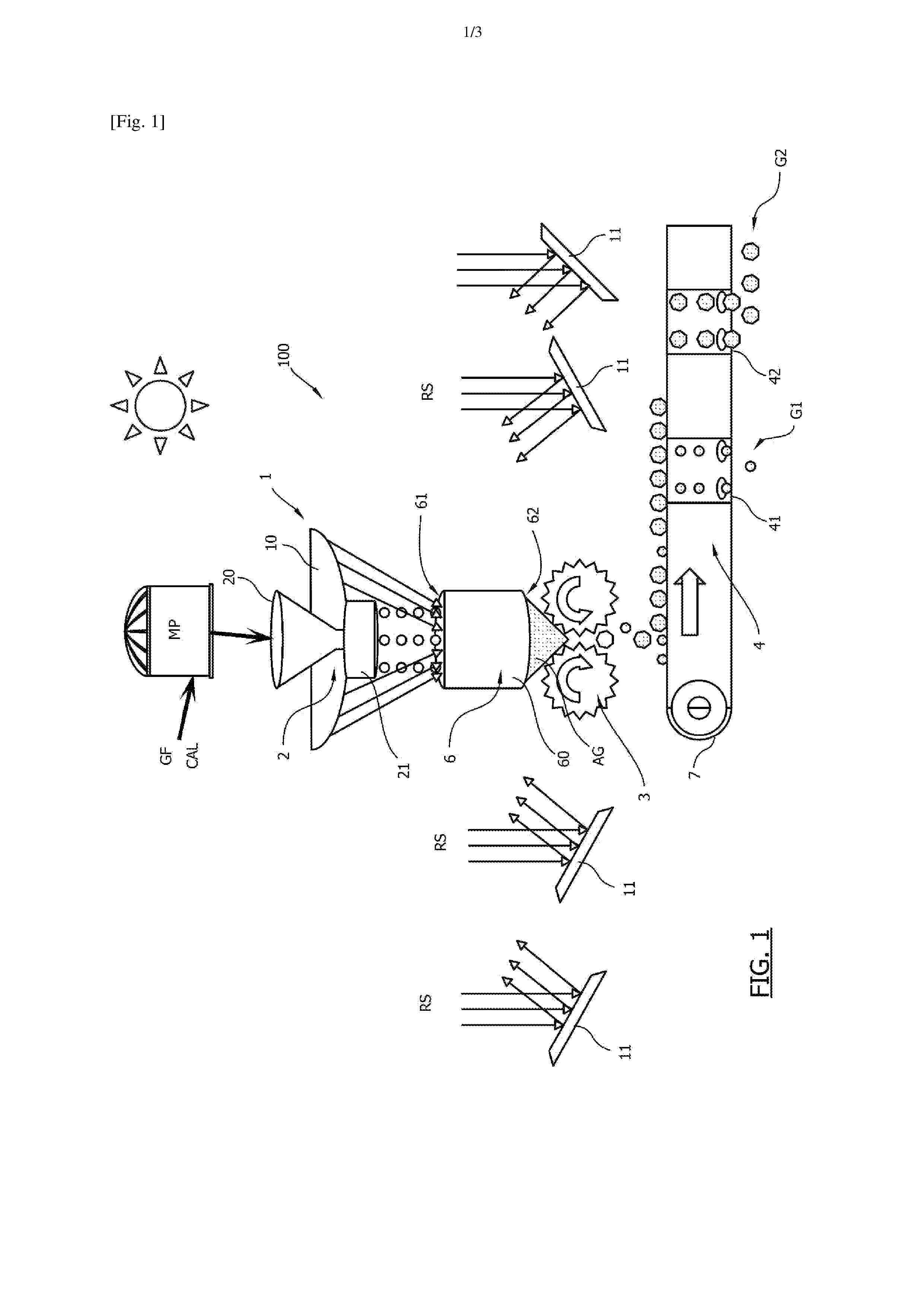
Une installation (100) pour la production de granulats (G1, G2) pour la fabrication de béton à partir d’une matière première (MP) comprenant des grains fins (GF) ayant une granulométrie inférieure à 2mm, les grains fins (GF) étant issus du sable sous forme de sable fin et/ou de sable rond, l’installation (100) comprenant un dispositif de fusion (1) configuré pour fusionner la matière première (MP) à partir d’énergie solaire de manière à former un agrégat (AG), un dispositif de broyage (3) configuré pour broyer l’agrégat (AG) de manière à former des granulats (G1, G2) et une enceinte de fusion (6) comprenant une ouverture supérieure (61) pour le remplissage de la matière première (MP) et une ouverture inférieure (62) pour évacuer l’agrégat (AG), le dispositif de fusion (1) étant configuré pour chauffer la matière première (MP) dans l’enceinte de fusion (6) via son ouverture supérieure (61). Figure de l’abrégé : Figure 1
 BOPI
BOPI
 Sede Electrónica