Si deseas distinguir tus productos, servicios o ambos de los de otra empresa, es posible que necesites una marca o nombre comercial. Descubre qué son, en qué consiste su procedimiento de registro y qué implica.

Información sobre los plazos de presentación de solicitudes de transformación de marcas de la Unión Europea en marca nacional española. Más información


Si tienes un nuevo dispositivo, producto o procedimiento que resuelva un problema técnico o tenga una ventaja práctica, existen distintas formas de protegerlo en España y en otros países. Descubre cómo hacerlo.

¿Tu innovación reside en la estética, la ornamentación o la apariencia de tu producto? Protégela mediante un diseño industrial. Descubre qué derechos confiere el registro y cómo realizar la tramitación.

Las indicaciones geográficas protegen el nombre de un producto originario de una zona geográfica, a la cual le debe una determinada calidad, reputación u otra característica. Descubre qué son, en qué consiste su procedimiento de registro y qué beneficios conceden.

Las patentes publicadas en todo el mundo son una valiosa fuente de información científica, técnica y comercial.

Si eres emprendedor/a o una empresa y quieres potenciar y mejorar la rentabilidad de tu negocio protegiendo de forma adecuada los activos intangibles de tu organización, en este espacio encontrarás lo necesario.


 52
resultados
52
resultados
 Última actualización
13/10/2026 [07:45:00]
Última actualización
13/10/2026 [07:45:00]


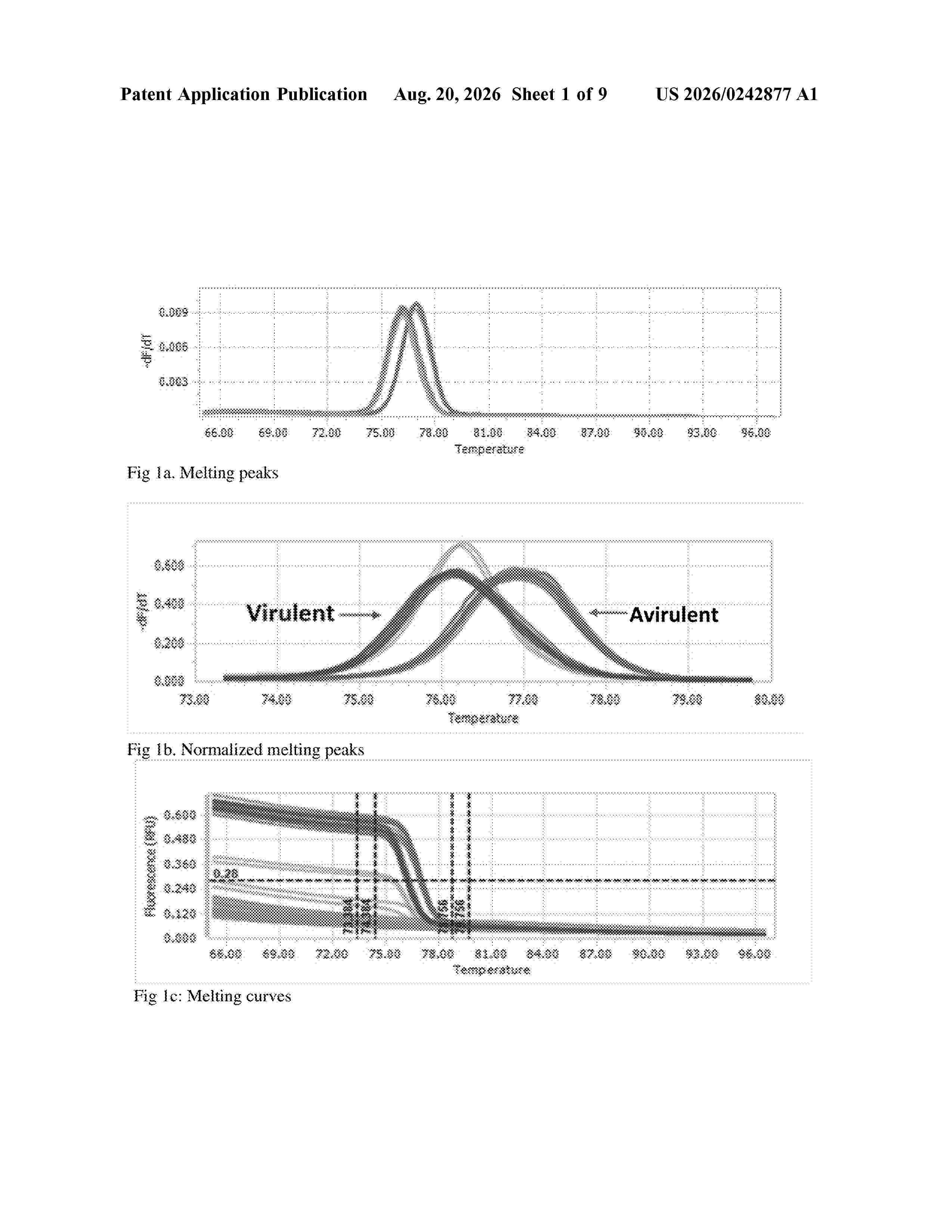
Resumen de: US20260242877A1
Disclosed herein are methods for detecting virulent Shiga toxin-producing E. coli (STEC) strains O26, O103, O121, and O111 in a biological sample comprising the steps of: (i) enriching the bacterial concentration of the biological sample to result in an enriched sample; (ii) isolating DNA from said enriched biological sample; and (iii) detecting virulent strain in said isolated DNA sample via real-time PCR and a melt curve assay. Also disclosed are primers for said assay, as well as kits comprising said primers.

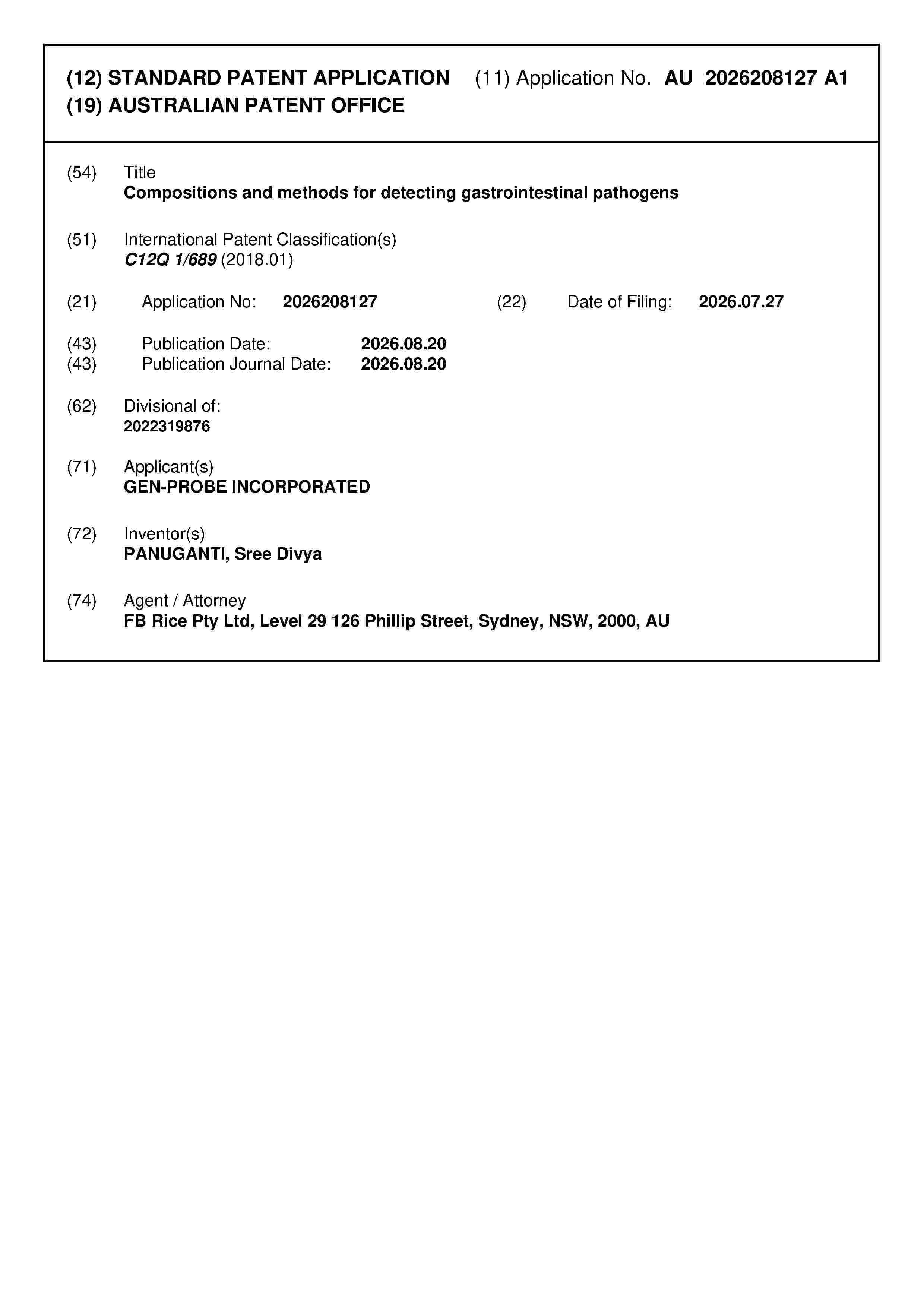
Resumen de: AU2026208127A1
Compositions, methods, kits, and uses are provided for detecting the presence of Salmonella, Shigella, Campylobacter, and Shigatoxigenic Escherichia coli (STEC) in samples. In some embodiments, the compositions, methods, kits, and uses comprise one or more oligonucleotides or the use of one or more oligonucleotides. ul u l
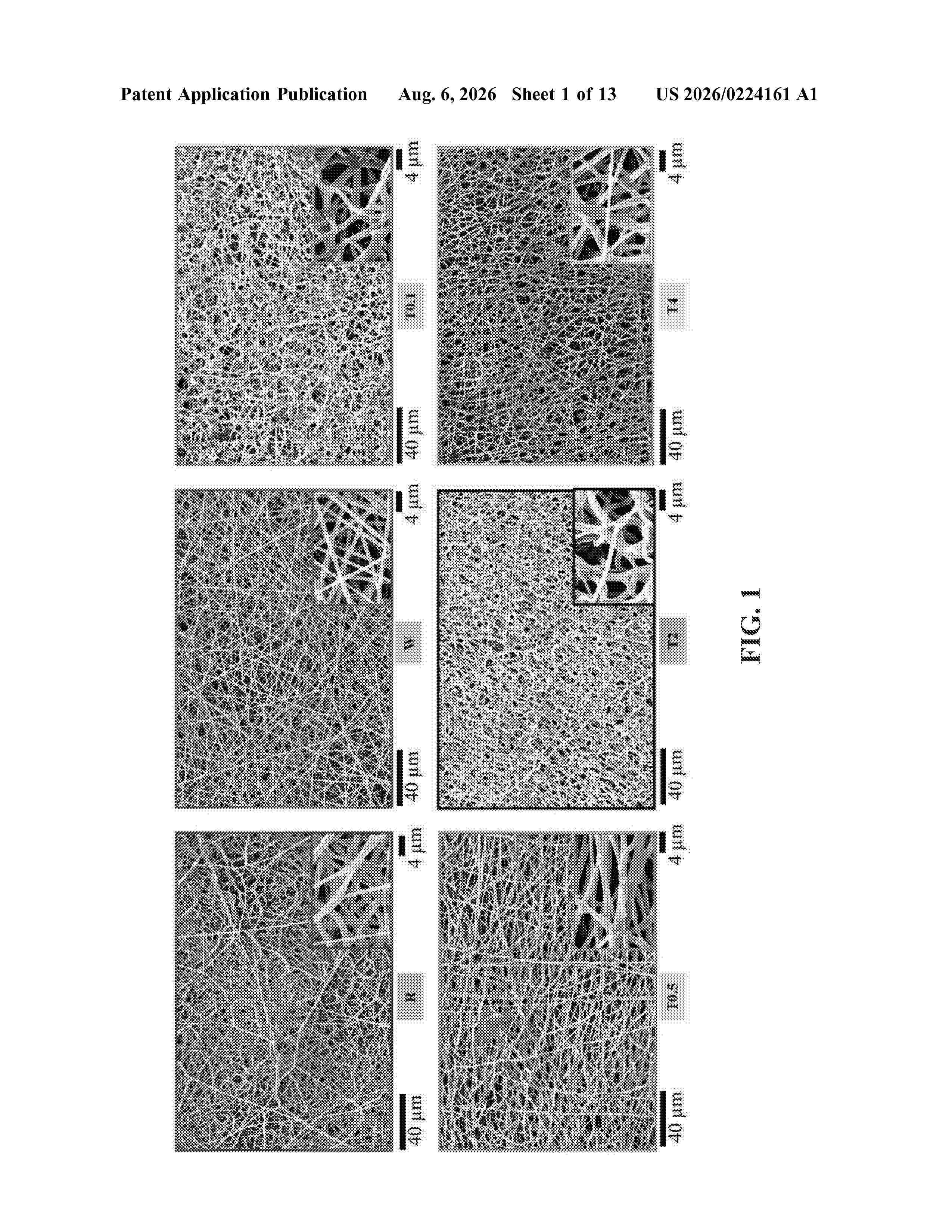
Resumen de: US20260224161A1
0000 A biosensor for real-time monitoring of a wound can provide valuable data regarding the presence of bacteria. A nanofibrous biosensor is provided for monitoring wound status at the point of care. The colorimetric biosensor changes color in response to low levels of bacteria and fungi, making it visible to unaided and untrained eyes. A colorimetric probe is a hemicyanine dye that changes color from yellow to green in the presence of lipase. Dye is incorporated into a shell composition of core-shell nanofibers made of polyurethane and polyvinylpyrrolidone. As a means of increasing the biosensor's sensitivity, the alignment of nanofibers is controlled and a surfactant added to the shell (e.g., Tween 80). Alignment of nanofiber enables better localization, and Tween 80 increases lipase activity, which facilitates near immediate color changes above critical levels of Staphylococcus aureus, Pseudomonas aeruginosa, Candida albicans, and Candida aureus. All ESKAPEE bacteria are detected within 2 hours.
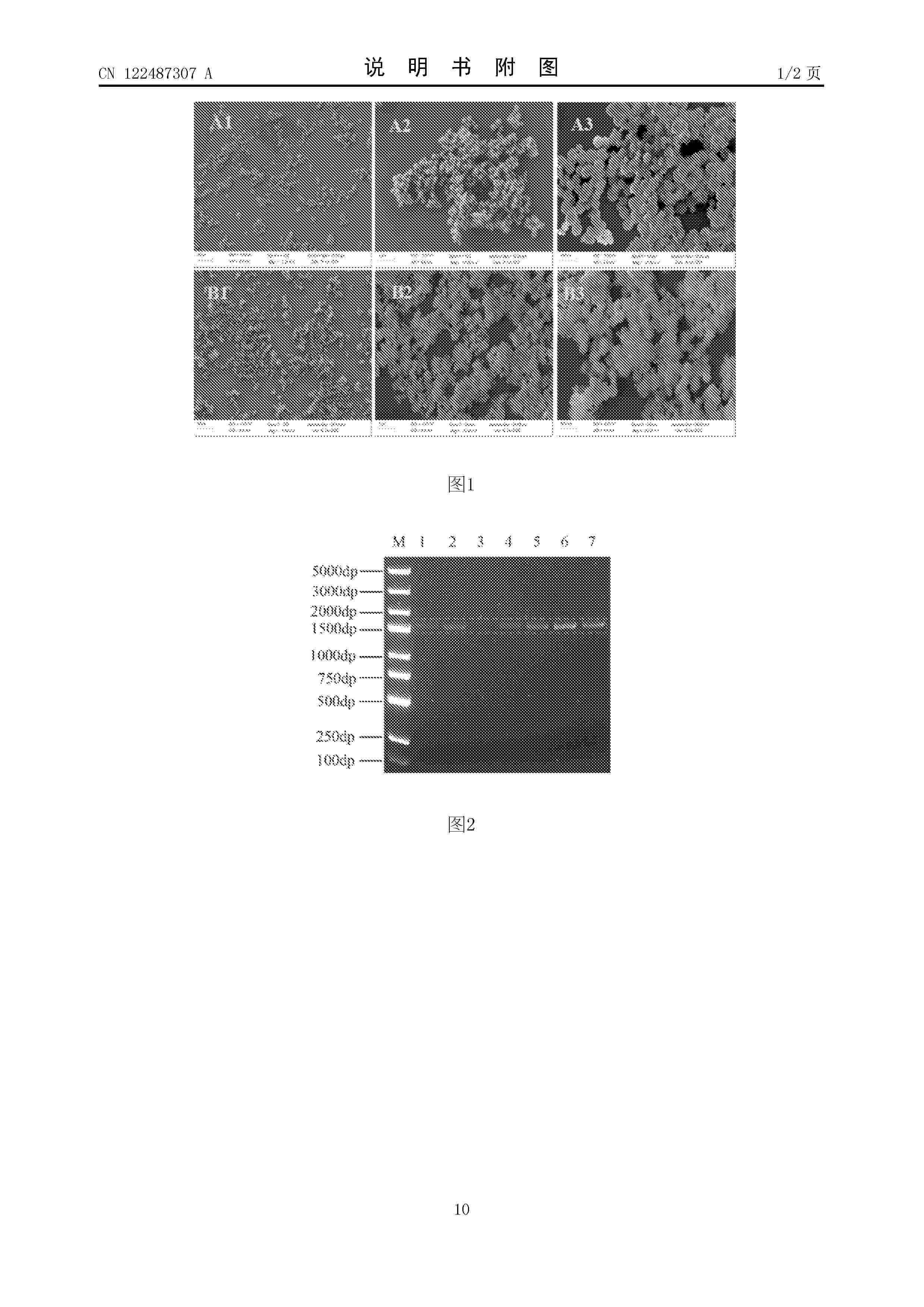
Resumen de: CN122487307A
The invention discloses a probe composition and application thereof in detection of pseudomonas aeruginosa, and belongs to the technical field of biological detection. The probe composition comprises a magnetic nanoprobe and a metal organic framework probe, and the magnetic nanoprobe is a covalent conjugate of magnetic beads and amino antibiotics; the preparation raw materials of the metal organic framework probe comprise a fluorescent hairpin probe and a metal organic framework material, and the metal organic framework material is a coordination polymer modified by an amino-containing polymer. The probe composition integrates enrichment and separation of nucleic acid of the pseudomonas aeruginosa, recognition and detection, can effectively overcome the defects of long time consumption, insufficient sensitivity, poor field applicability and the like of a traditional method, and realizes high-sensitivity, high-specificity and rapid detection of the pseudomonas aeruginosa.
Resumen de: CN122484335A
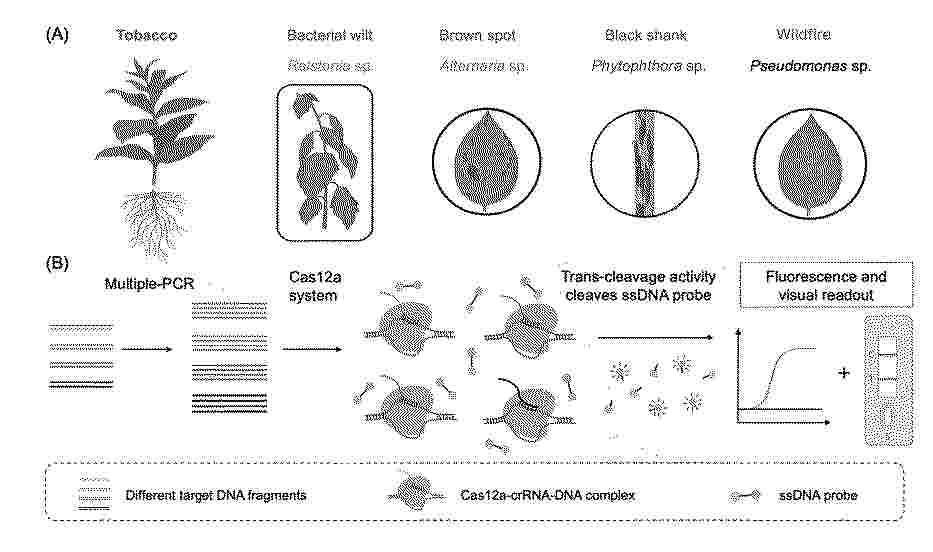
The invention provides a primer combination, a kit and a method for rapidly detecting main pathogens of tobacco. The nucleotide sequences of the primers in the primer combination are as shown in SEQ ID NO. 1-8. The kit comprises the primer combination. According to the present invention, based on the multiple PCR-Cas12a detection principle, the trans-cleavage of the fluorophore-quenching group or the fluorophore-biotin probe is triggered, such that the simultaneous identification of the four main tobacco pathogens such as Pseudomonas sp. Pathogen, Phytophthora sp. Pathogen, Ralstania sp. Pathogen and Alternania sp. Pathogen causing tobacco bacterial wilt, black shank, brown spot, wildfire disease and other diseases can be achieved, and the multiple PCR-Cas12a detection method can be used for the simultaneous identification of the four main tobacco pathogens such as the Pseudomonas sp. Pathogen, the Phytophthora sp. Pathogen, the Ralstania sp. Pathogen and the Alternania sp. Pathogen. Therefore, the primer combination, the kit and the method for rapidly detecting the main pathogens of the tobacco, which are provided by the invention, have relatively strong matrix interference resistance, provide a sensitive and stable technical means for synchronous detection of the pathogens of the tobacco, and are applied to early diagnosis, rapid screening and effective prevention and control of tobacco diseases; powerful support can be provided for early diagnosis and accurate prevention a
Resumen de: CN122483780A
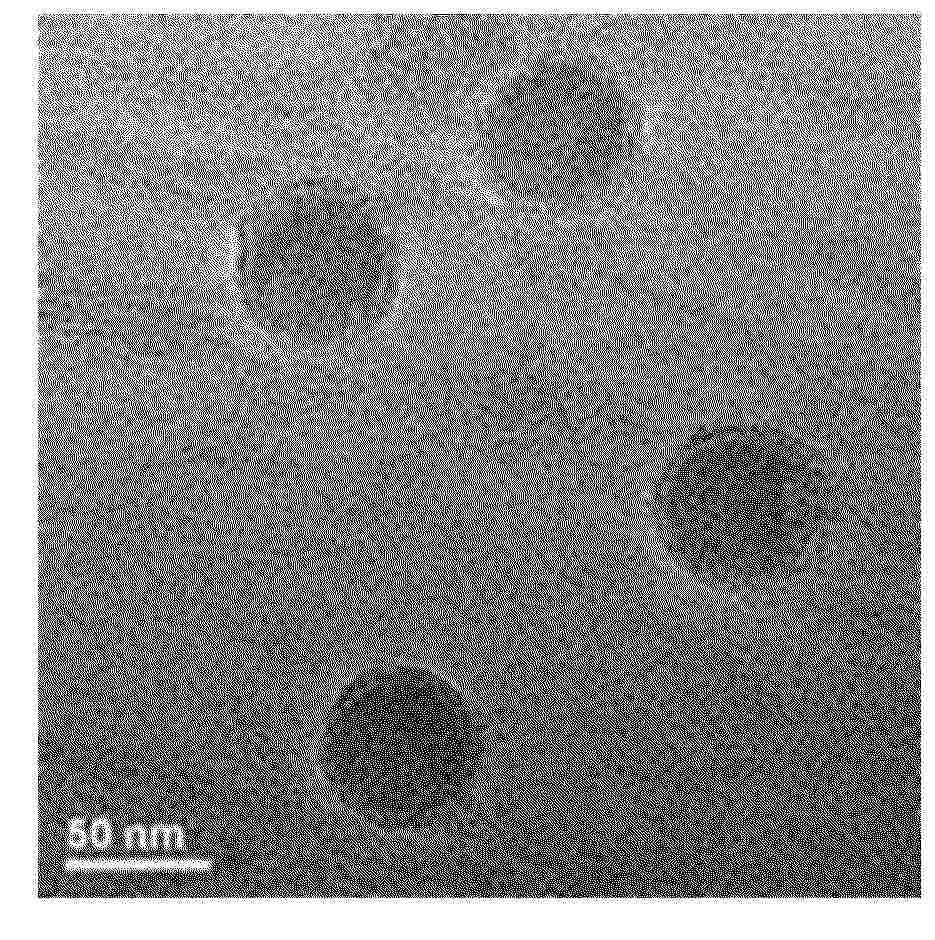
The invention discloses a pathogenic bacterium detection probe as well as a preparation method and application thereof. The pathogenic bacterium detection probe comprises a bacterial extracellular vesicle and a fluorescent nano-material coupled to the surface of the bacterial extracellular vesicle, the fluorescent nano material comprises fluorescent quantum dots. The probe depends on specific binding of host receptor related components reserved on the surface of extracellular vesicles and progeny bacteriophages to form a fluorescence labeling complex, rapid quantitative detection is achieved through nanoflow analysis, and the probe has the advantages of being high in detection speed and sensitivity, capable of distinguishing viable bacteria from dead bacteria and the like and has a good application prospect. The kit can be used for rapid screening and early diagnosis of clinical pathogenic bacteria.
Resumen de: CN122483904A
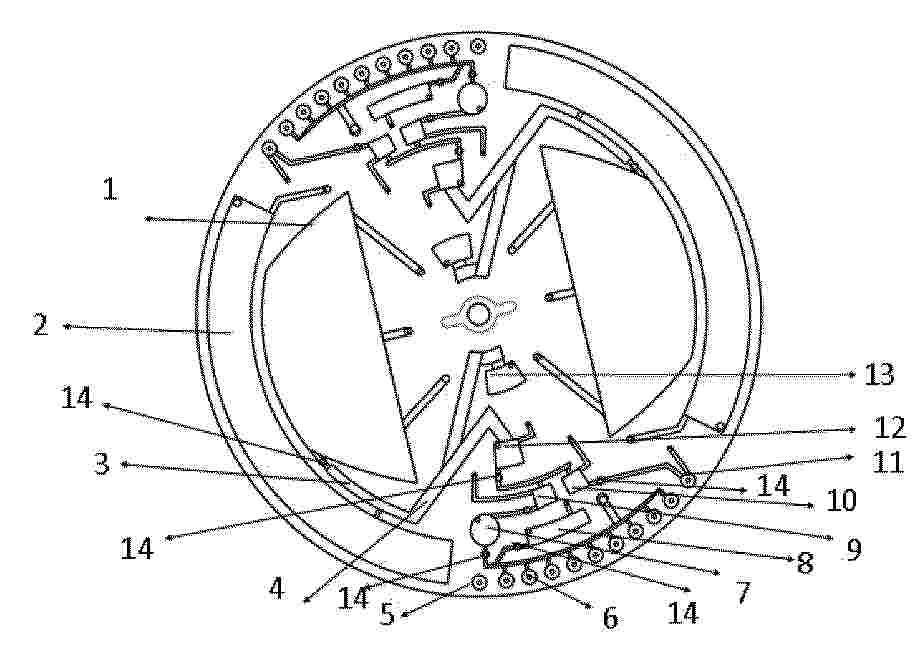
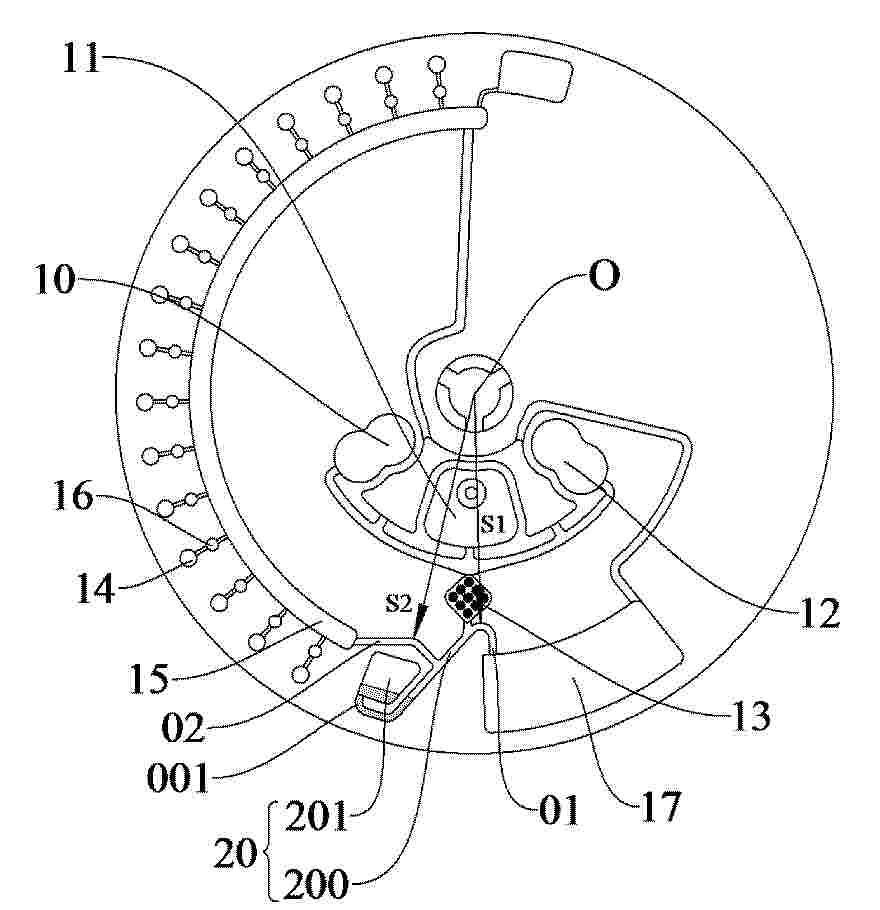
The invention relates to the technical field of biological detection, in particular to a culture-free rapid detection method and device for pathogenic bacteria based on a fluidic chip-SERS (Surface Enhanced Raman Scattering), the device comprises a capture probe which is a magnetic bead-polypeptide probe formed by modifying a polypeptide probe on the surface of a maleimide magnetic bead through a sulfydryl-maleimide covalent bond; the centrifugal micro-fluidic chip is integrated with an enrichment module, an identification module and a drug sensitivity module which are connected through a micro-fluidic channel; and the detection unit is used for surface enhanced Raman spectrum detection. The method comprises the following steps: enriching pathogenic bacteria in the chip by using the capture probe; distributing the enriched bacteria to an identification module and a drug sensitivity module; the strains are rapidly identified through SERS; and a drug sensitive test is completed by detecting metabolic change through SERS. Specific capture, microfluidic automation and SERS rapid detection technology are deeply integrated, rapid enrichment and identification of pathogenic bacteria and integrated detection of parallel drug sensitivity are achieved, and the method has the advantages of being high in detection speed, high in sensitivity, full in process automation and the like.
Resumen de: US20260218268A1
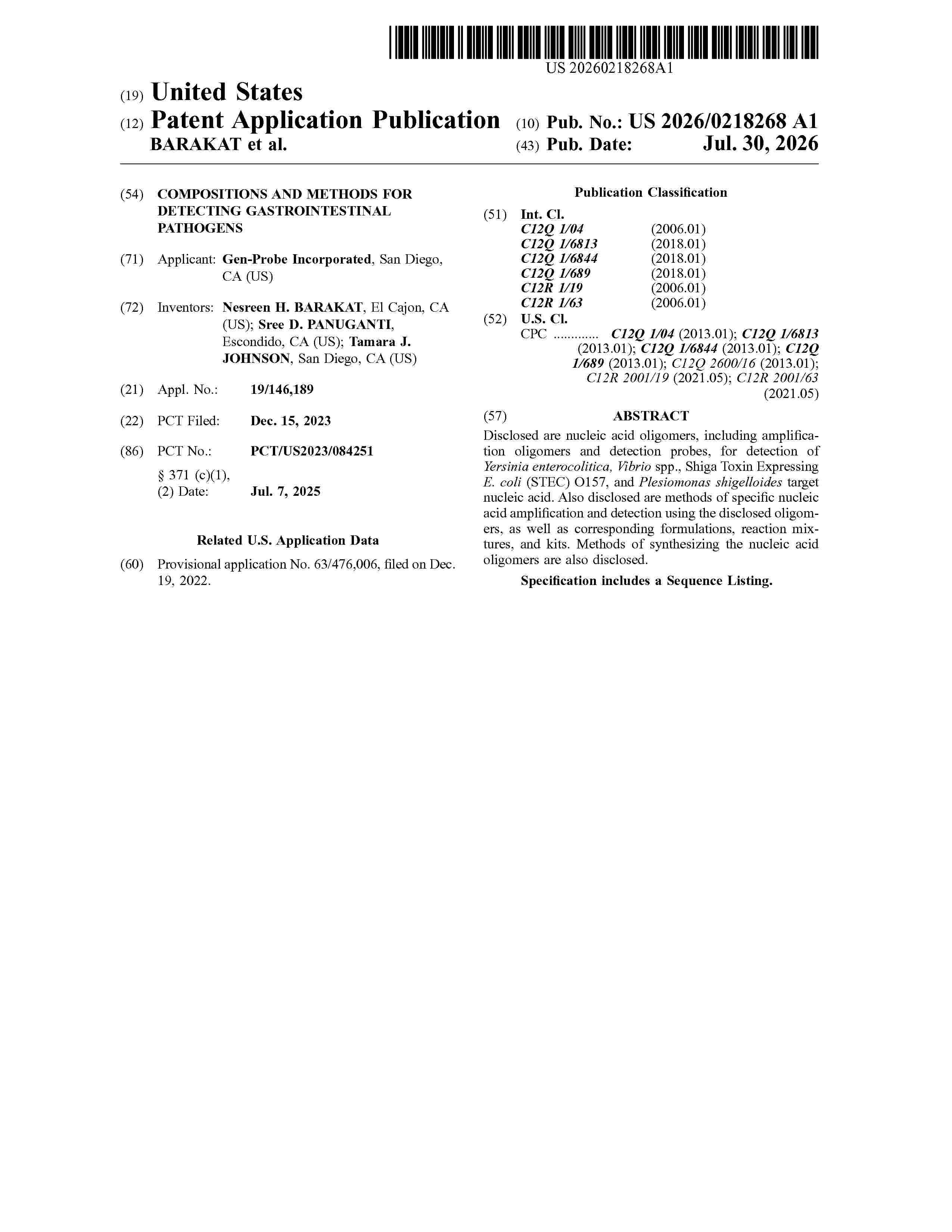
Disclosed are nucleic acid oligomers, including amplification oligomers and detection probes, for detection of Yersinia enterocolitica, Vibrio spp., Shiga Toxin Expressing E. coli (STEC) O157, and Plesiomonas shigelloides target nucleic acid. Also disclosed are methods of specific nucleic acid amplification and detection using the disclosed oligomers, as well as corresponding formulations, reaction mixtures, and kits. Methods of synthesizing the nucleic acid oligomers are also disclosed.
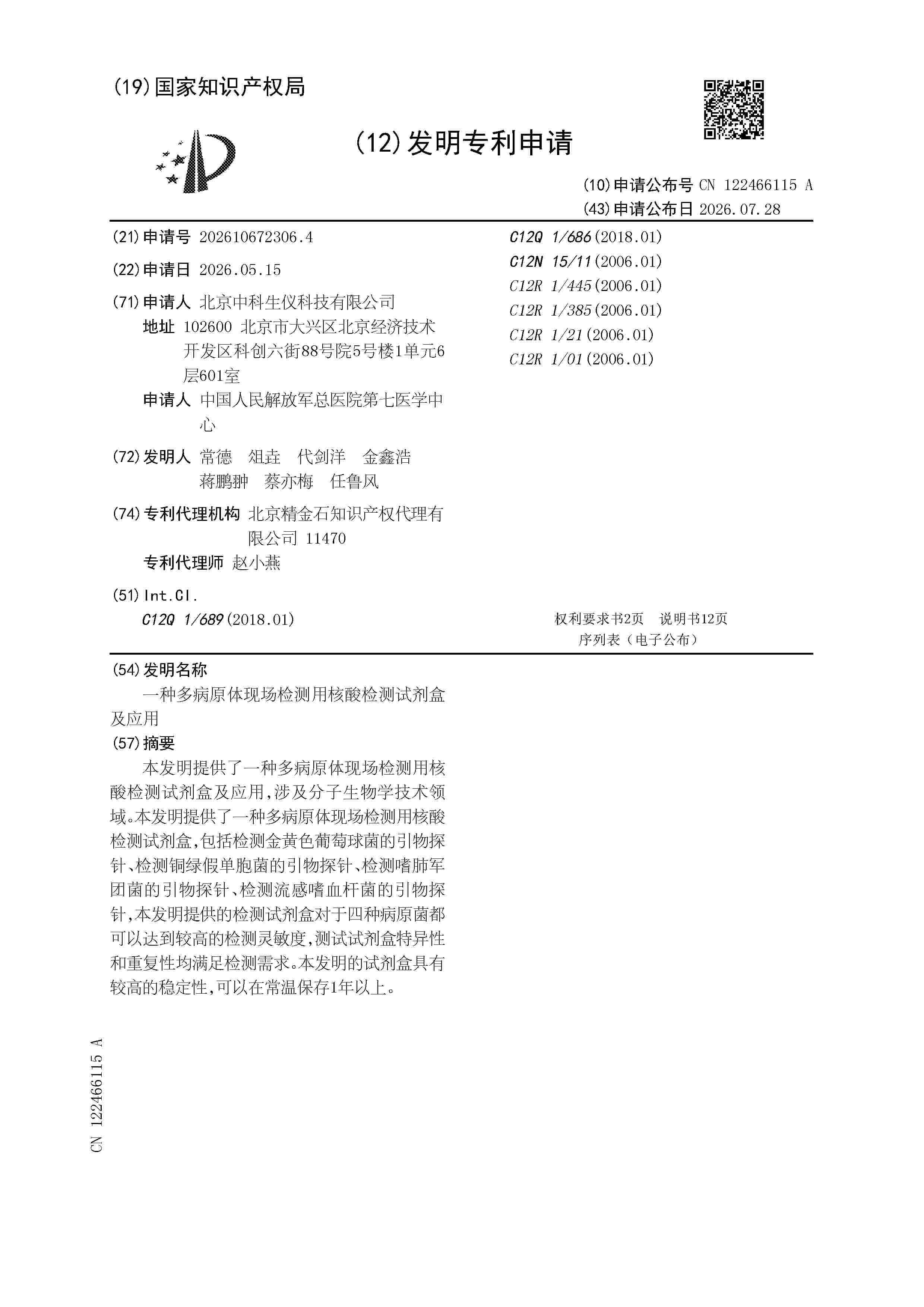
Resumen de: CN122466115A
The invention provides a nucleic acid detection kit for on-site detection of multiple pathogens and application, and relates to the technical field of molecular biology. The invention provides a nucleic acid detection kit for on-site detection of multiple pathogens, which comprises a primer probe for detecting staphylococcus aureus, a primer probe for detecting pseudomonas aeruginosa, a primer probe for detecting legionella pneumophila and a primer probe for detecting haemophilus influenzae, the detection kit provided by the invention can achieve relatively high detection sensitivity to four pathogenic bacteria, and the specificity and repeatability of the detection kit both meet the detection requirements. The kit disclosed by the invention has relatively high stability and can be stored for more than one year at normal temperature.
Resumen de: CN122466117A
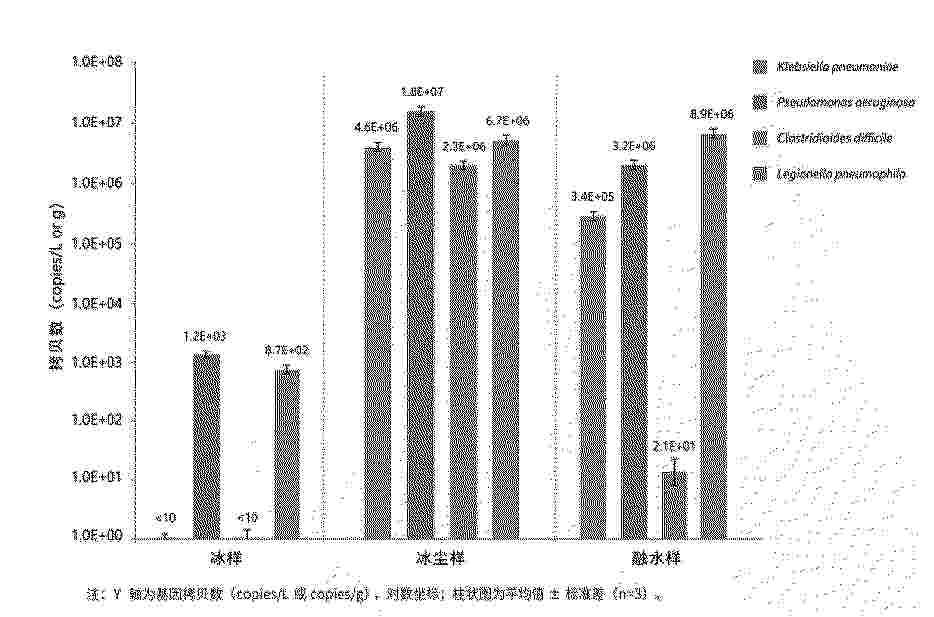
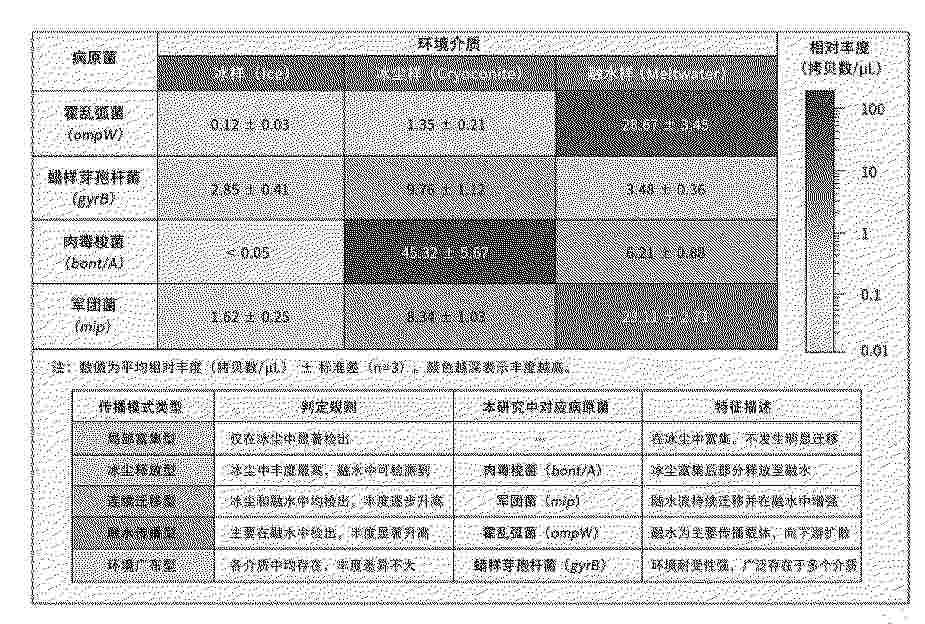
The invention relates to a specific primer combination for detecting human exposed potential pathogenic bacteria in a glacier environment. The specific primer combination comprises a Klebsiella pneumoniae primer Seq1, a Pseudomonas aeruginosa primer Seq4, a Clostridium difficile primer Seq7 and a Legionella pneumophila primer Seq10, wherein the target gene of the Klebsiella pneumoniae primer Seq1 is wzc, the target gene of the Pseudomonas aeruginosa primer Seq4 is sigX, the target gene of the Clostridium difficile primer Seq7 is tcdB, and the target gene of the Legionella pneumophila primer Seq10 is mip. The method has the characteristics of high specificity and multiple targets, and can be effectively used for detection and risk identification of potential pathogenic bacteria in glacier environment samples.
Resumen de: CN122464966A
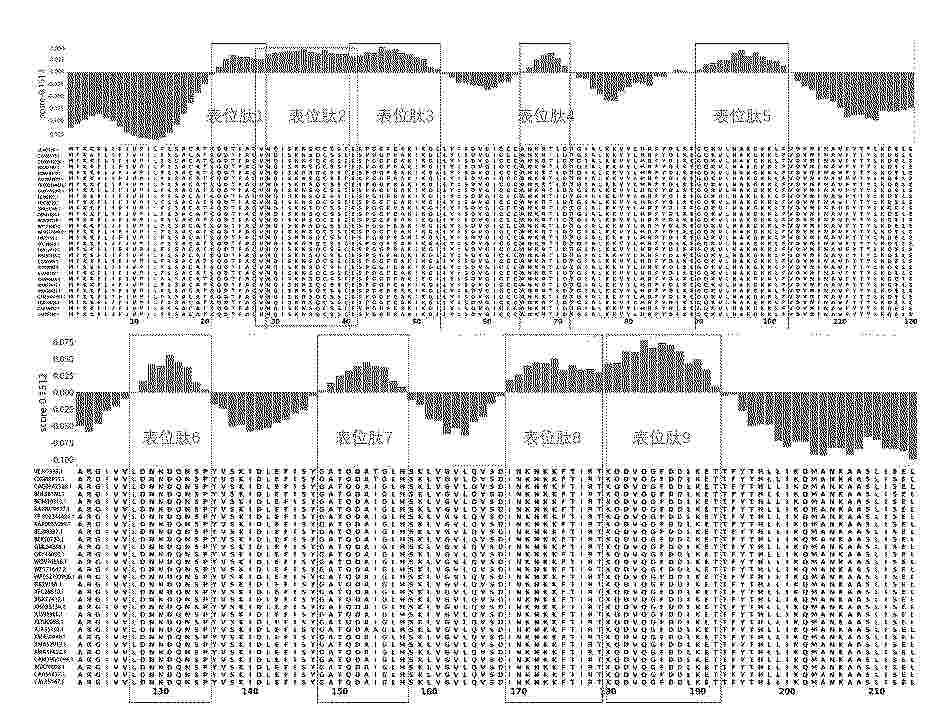
The invention discloses a B cell conservative epitope peptide of a campylobacter jejuni MapA protein and application of the B cell conservative epitope peptide in detection. According to the invention, an LP9 coding gene is inserted into a Peg pilus operon gene, and is introduced into an S9H inert vector bacterium, so that a recombinant strain capable of functionally exhibiting and expressing an LP9 epitope on the surface of a thallus is obtained. The recombinant strain can specifically recognize and combine with an antibody generated by campylobacter jejuni infection or immunization, and has no cross reaction with healthy serum and other positive serum of enteropathogenic bacteria. The LP9 epitope directly mediated antibody agglutination detection system constructed on the basis of the recombinant strain can detect a specific antibody 3 days after a mouse is infected with campylobacter jejuni, is rapid and convenient, and is expected to become a technology and platform for campylobacter jejuni infection diagnosis, on-site screening and monitoring.
Resumen de: CN122466101A
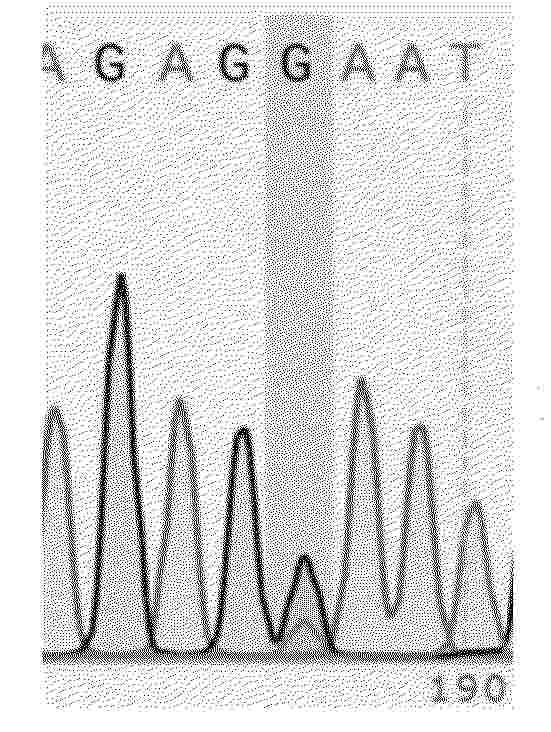
The invention discloses application of an SNP (Single Nucleotide Polymorphism) site in a 3 'UTR (Untranslated Region) region of a GRIA1 gene in sheep anti-diarrhea molecular breeding as well as a detection primer and a detection method of the SNP site, belongs to the technical field of livestock molecular breeding, and discloses a single nucleotide polymorphism site NC019462.1: g.62655964Cgt located in the 3' UTR region of the GRIA1 gene of sheep for the first time; and G. The site can regulate and control the gene expression by influencing the binding capacity of oar-miR-30a-3p and the GRIA1 gene, so that the gene expression is associated with the F17 escherichia coli infection resistance of sheep. The invention also provides a specific primer pair for detecting the SNP site and a PCR (Polymerase Chain Reaction) detection method. By utilizing the invention, individuals with strong disease resistance can be screened by detecting the genotype of the site of the sheep, a key molecular marker and a practical technical scheme are provided for molecular assisted breeding of F17 escherichia coli diarrhea resistance of the sheep, and the occurrence risk of diarrhea diseases in the breeding industry can be reduced from the heredity essence.
Resumen de: CN122445827A
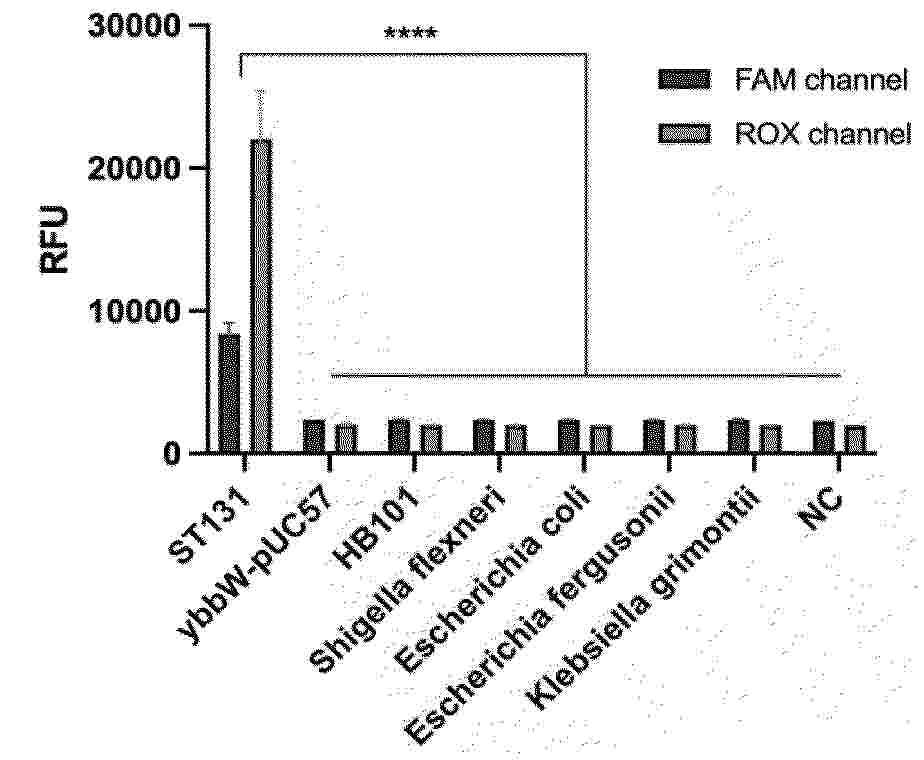
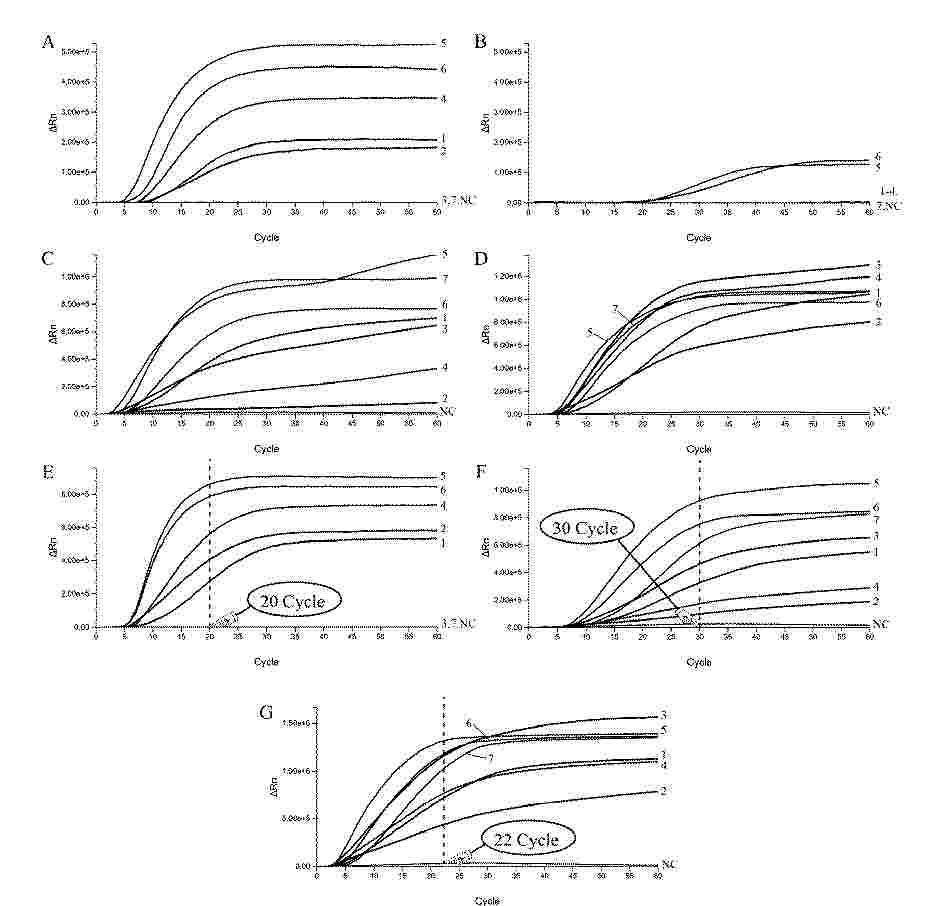
The invention discloses a rapid detection kit for third-generation cephalosporin-resistant escherichia coli ST131 and application of the rapid detection kit, and belongs to the field of molecular biology. The invention combines an RPA isothermal amplification technology and a Cas12a/Cas13a detection technology, provides a rapid detection method for a specific fimH30 adhesin allele and a blaCTX-M drug-resistant gene of an escherichia coli ST131 pathogenic strain in a clinical sample, and realizes specific, convenient and accurate detection of pathogenic and drug-resistant escherichia coli ST131. Under the condition of constant temperature, the detection can be completed in only one hour, the sensitivity is similar to that of a qPCR method, meanwhile, the method has extremely high accuracy and convenience, complex equipment and professional operators are not needed, and on-site instant detection can be completed only through one constant temperature instrument and portable fluorescence detection equipment.
Resumen de: CN122445830A
The invention relates to an oligonucleotide primer probe composition for detecting vegetable leaf spot pathogen pseudomonas syringae based on an ERA fluorescence method or an ERA test strip method, and a detection method using the composition. The method can be used for simply, quickly, specifically, sensitively and visually identifying various pathogenic variants of the vegetable leaf spot disease pathogen pseudomonas syringae in a broad-spectrum manner, is simple and convenient to operate and short in reaction time, does not need complex temperature control equipment, and can be widely applied to on-site quick screening and disease diagnosis of the pseudomonas syringae in vegetable samples.
Resumen de: CN122445651A
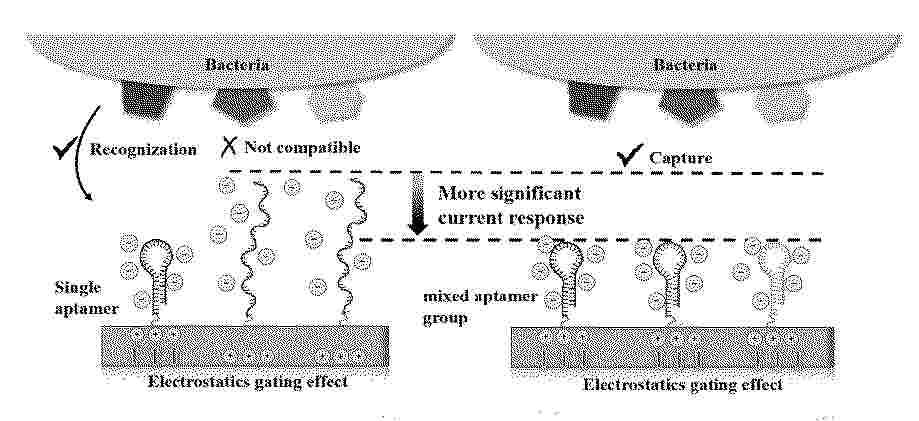
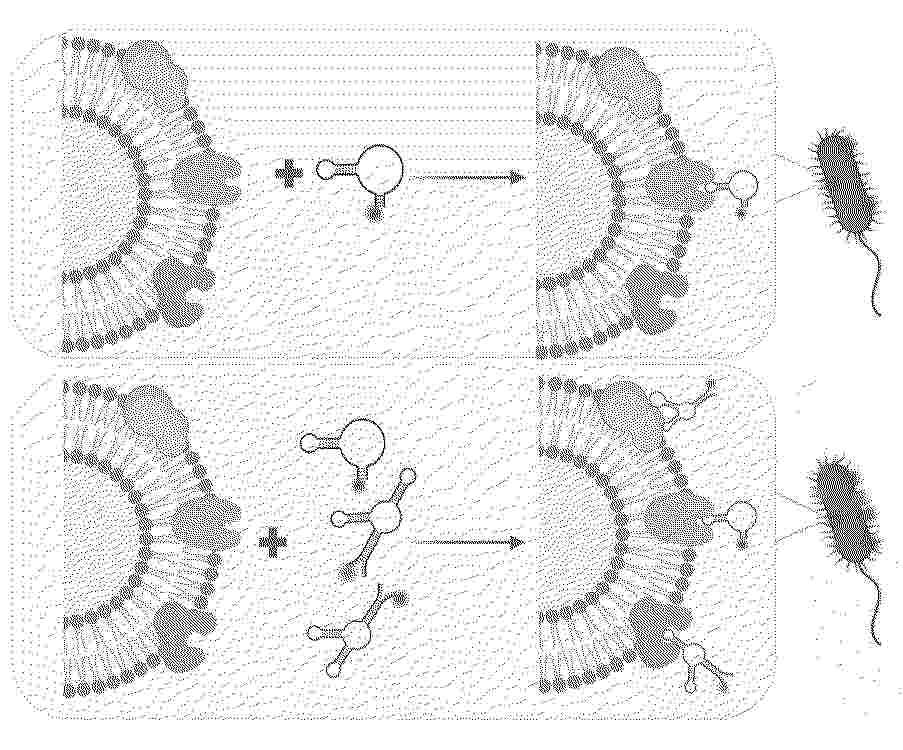
The invention discloses a nucleic acid aptamer combination for detecting escherichia coli O157 and a biosensor of the nucleic acid aptamer combination. The nucleic acid aptamer combination for detecting the escherichia coli O157 is composed of nucleic acid aptamers shown in SEQ ID NO: 1-3, the nucleic acid aptamer combination has multiple recognition sites and can perform multi-molecule joint detection on bacterial cells to be detected through the synergistic effect, and the affinity and specificity of the aptamers to target substances are improved; when being applied to a biosensor for detection and used as an important recognition element, the Escherichia coli O157 sensor realizes high-sensitivity detection on Escherichia coli O157 in a biosensing platform, the accuracy reaches 100%, the capturing efficiency on viable bacteria cells is effectively improved, and the sensitivity of the sensor and the detection accuracy are further improved. Meanwhile, the invention provides a method for specifically detecting Escherichia coli O157 by the nucleic acid aptamer combined functionalized biosensor, and more methods and means are provided for detection of food-borne bacteria.
Resumen de: CN122445650A
The invention discloses a listeria monocytogenes nucleic acid aptamer combination with high affinity and specificity and application of the listeria monocytogenes nucleic acid aptamer combination. The nucleic acid aptamer combination obtained by research contains three specific aptamers, and the combination has multiple recognition sites and can synergistically act on specific detection of Listeria monocytogenes, so that the affinity and sensitivity of the aptamers to target substances are effectively improved; the nucleic acid aptamer is further used for preparing a biosensor, and the nucleic acid aptamer combination is modified on the sensor, so that the capturing efficiency of viable bacteria cells can be effectively improved, and the sensitivity and the detection accuracy are further improved. The optimized nucleic acid aptamer combination has high affinity and specificity and is used as an important recognition element to realize high-sensitivity detection on the listeria monocytogenes in a CNT-FET sensing platform, and the accuracy reaches 100%; and the method can also be combined with other sensing platforms to show superiority and huge potential in the aspect of efficiently diagnosing the food-borne bacteria.
Resumen de: CN122445825A
The invention relates to the technical field of microfluidics, in particular to a kit for rapidly detecting 15 respiratory tract pathogens and a use method of the kit. Comprising a plurality of reaction cavities, and primer groups corresponding to 15 respiratory tract pathogens are arranged in the reaction cavities respectively; the primer group comprises mycoplasma pneumoniae, acinetobacter baumannii, pseudomonas aeruginosa, klebsiella pneumoniae, stenotrophomonas maltophilia, haemophilus influenzae, streptococcus pneumoniae, escherichia coli, legionella pneumophila, burkholderia, staphylococcus aureus, corynebacterium striatum, aspergillus and pneumocystis yarrowii. The inner primer, the outer primer and the loop primer are used for PCR amplification of candida albicans. According to the invention, 15 respiratory tract pathogens can be detected at the same time through one-time sample adding, liquid reagents are prevented from being added into a plurality of detection tubes, and the manual operation intensity and the possible mismatching risk are reduced.
Resumen de: CN122445823A
The invention relates to the technical field of microbiological detection, in particular to a primer probe composition and a kit for simultaneously detecting salmonella and acinetobacter baumannii and application of the primer probe composition and the kit, the primer probe composition comprises a primer pair and a probe for detecting salmonella and a primer pair and a probe for detecting acinetobacter baumannii; the nucleotide sequence of the primer pair for detecting the salmonella comprises a sequence as shown in SEQ ID NO.1-2, and the nucleotide sequence of the probe for detecting the salmonella comprises a sequence as shown in SEQ ID NO.3; the nucleotide sequence of the primer pair for detecting the acinetobacter baumannii comprises a sequence as shown in SEQ ID NO.4-5, and the nucleotide sequence of the probe for detecting the acinetobacter baumannii comprises a sequence as shown in SEQ ID NO.6. The invention further discloses a kit for detecting the acinetobacter baumannii. According to the invention, salmonella and acinetobacter baumannii can be quantitatively detected rapidly, sensitively and simultaneously in a single reaction system in a non-interfering manner, and the kit has important application value for clinical rapid screening, hospital infection control and food safety risk monitoring.
Resumen de: CN122428049A
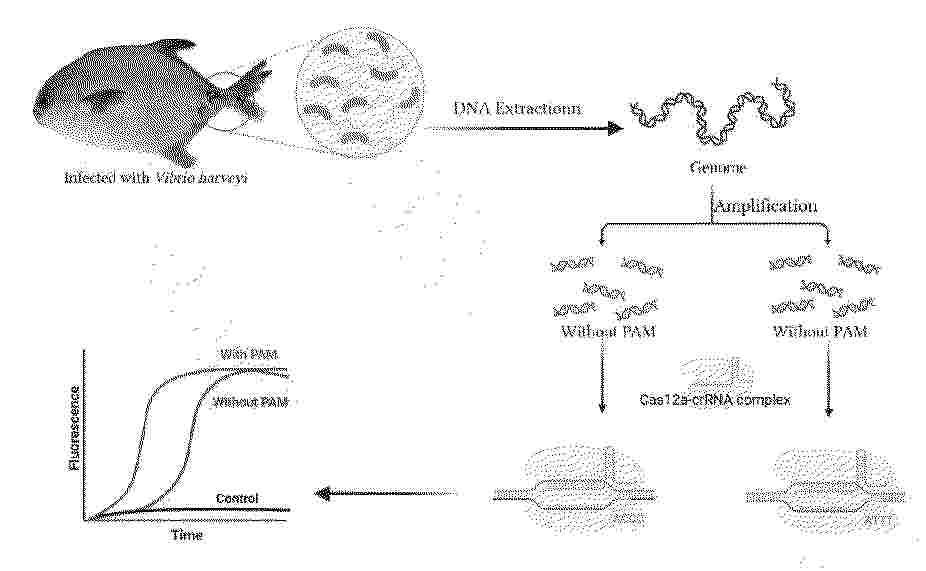
The invention relates to the technical field of microbial molecular diagnosis, in particular to a detection platform capable of activating Cas12a trans-cleavage activity without a PAM sequence and application of the detection platform in rapid detection of aquatic pathogenic bacteria vibrio harveyi. According to the invention, the PAM dependence limitation is broken through, the efficient activation of Cas12a under the condition of no PAM sequence is realized by optimizing dsDNA target positioning and crRNA spacer region composition, the dsDNA does not need to be converted into ssDNA, and the target selection range of a CRISPR-Cas12a detection system is expanded. According to the method, the detection process is simplified, pretreatment steps such as thermal denaturation and enzymolysis are omitted, reagent types and operation links are reduced, the sample pollution risk is reduced, meanwhile, the total detection time consumption is shortened, and the method is more suitable for on-site rapid detection. The method is high in clinical application value, in clinical sample detection of trachinotus ovatus infection, the detection result of a PFCD platform is completely consistent with that of qPCR (existing molecular diagnosis'gold standard '), infected individuals can be accurately recognized, and reliable technical support is provided for early diagnosis, prevention and control of aquaculture diseases.
Resumen de: CN122405853A
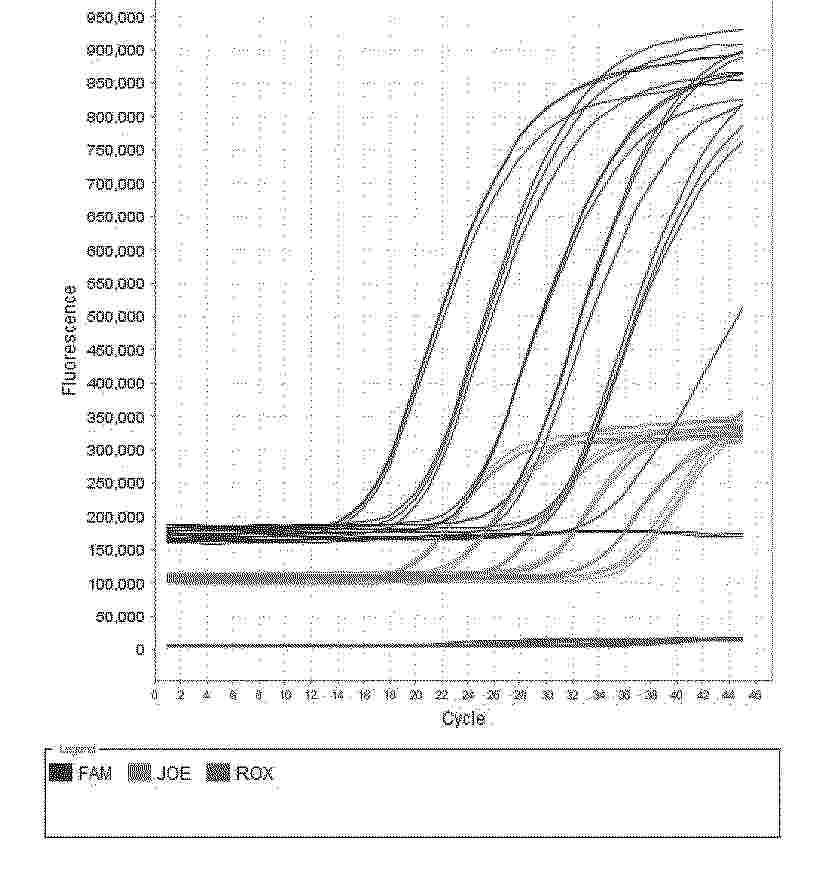
The invention belongs to the technical field of biological detection, and discloses a quadruple PCR (Polymerase Chain Reaction) detection kit and method for detecting four bovine-derived respiratory tract pathogenic bacteria. The kit and the method comprise a primer pair for detecting pasteurella multocida with nucleotide sequences shown as SEQ ID NO.1 and SEQ ID NO.2, a primer pair for detecting mannheimia haemolytica with nucleotide sequences shown as SEQ ID NO.3 and SEQ ID NO.4, and a primer pair for detecting mannheimia haemolytica with nucleotide sequences shown as SEQ ID NO.3 and SEQ ID NO.4, the nucleotide sequences of the primer pair are as shown in SEQ ID NO.5 and SEQ ID NO.6, and the primer pair is used for detecting klebsiella pneumoniae; the nucleotide sequences of the primer pair are as shown in SEQ ID NO.7 and SEQ ID NO.8, and the primer pair is used for detecting mycoplasma bovis. The quadruple PCR detection kit and the quadruple PCR detection method provided by the invention can amplify DNAs of four pathogens including Pm, Mh, Kp and MB in the same reaction system, and have the characteristics of high detection efficiency, high sensitivity and strong specificity.
Resumen de: CN122405789A
The invention belongs to the technical field of biological detection, and particularly relates to a detection system for food-borne pathogenic bacteria and application of the detection system. The detection system for the food-borne pathogenic bacteria comprises a composite response material, hyaluronic acid hydrogel containing L-ascorbic acid-2-trisodium phosphate and bacteriophage, the composite response material is prepared from ZIF-90 nano particles, hyaluronidase and alkaline phosphatase, wherein the hyaluronidase and the alkaline phosphatase are encapsulated in the ZIF-90 nano particles. According to the invention, a dual-mode paper-based visual detection system based on combination of phage specific recognition and a ZIF-90 response release mechanism is constructed, and high-specificity detection of target pathogenic bacteria is realized. Compared with a nucleic acid amplification or immunological method which has the defect that live bacteria and dead bacteria are difficult to distinguish, the method provided by the invention only generates signal response to the live bacteria which can be infected by the bacteriophage, so that the authenticity and the reliability of a detection result are remarkably improved.
Resumen de: CN122405852A
The invention relates to a specific primer combination for detecting glacier melt water transmission related pathogenic microorganisms. The specific primer combination comprises a vibrio cholerae primer Seq1 with a target gene of ompW, a bacillus cereus primer Seq4 with a target gene of gyrB, a clostridium botulinum primer Seq7 with a target gene of bond/A, and a legionella pneumophila primer Seq10 with a target gene of mip. The method is high in sensitivity and good in environmental applicability, not only can realize joint detection of spreading related pathogenic microorganisms in the glacier environment, but also can be used for analyzing migration and diffusion paths in different environmental media, and provides technical support for glacier melt water spreading process and downstream biological safety risk assessment.
Resumen de: CN122409630A
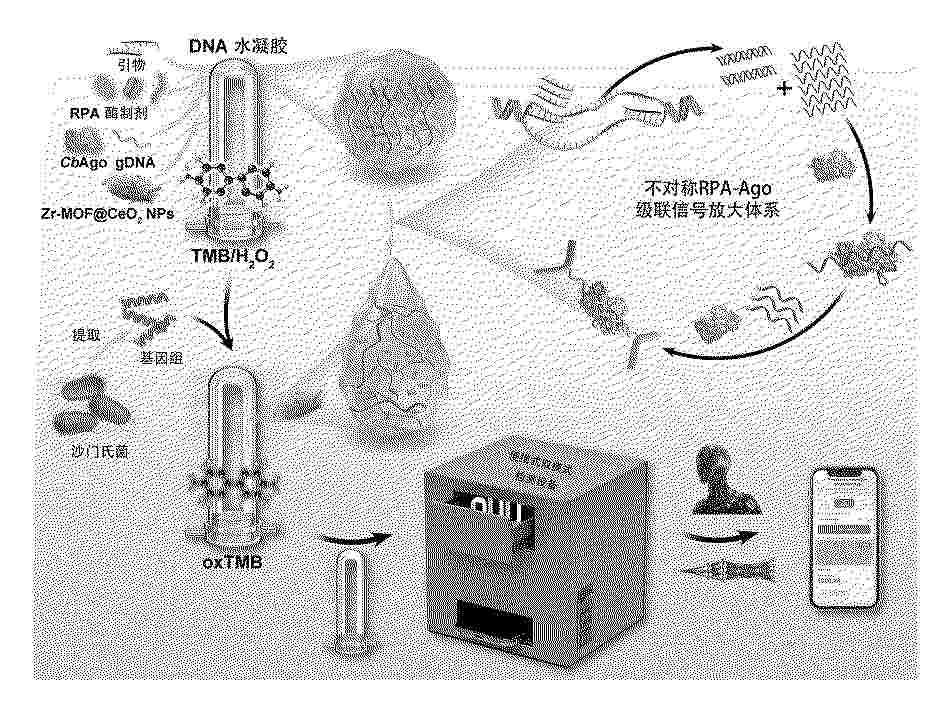
The invention discloses a salmonella dual-mode detection method based on medium-temperature Argonaute driving, and belongs to the technical field of food safety detection. According to the method, the functionalized DNA hydrogel internally packaged with an asymmetric RPA system, a CbAgo system and nano-enzyme is constructed, cascade signal amplification, DNA hydrogel phase change and nano-enzyme signal output links are integrated, and rapid detection of salmonella is realized under the assistance of gravity. The invention also independently develops portable detection equipment and an intelligent application program, realizes automatic image acquisition and analysis, has the advantages of high sensitivity, strong specificity and simplicity and convenience in operation, and is suitable for on-site rapid detection of food safety.
Resumen de: CN122405862A
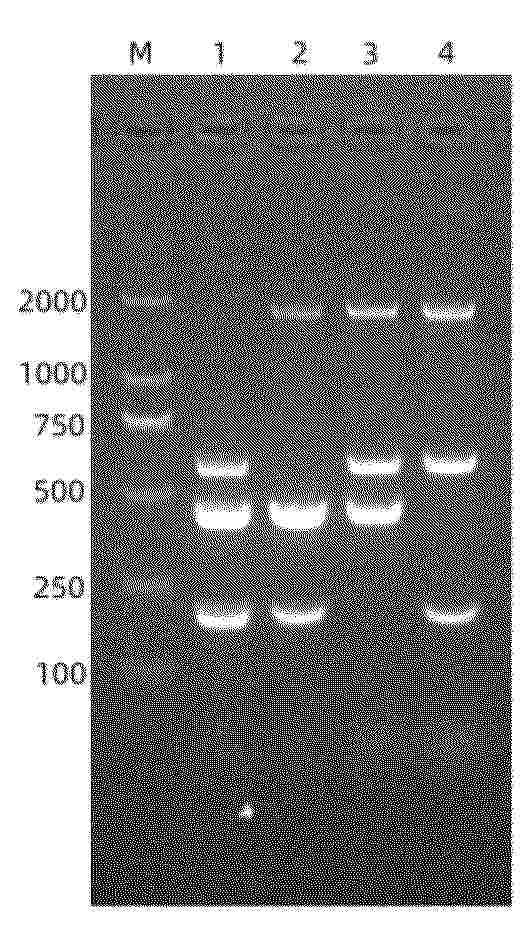
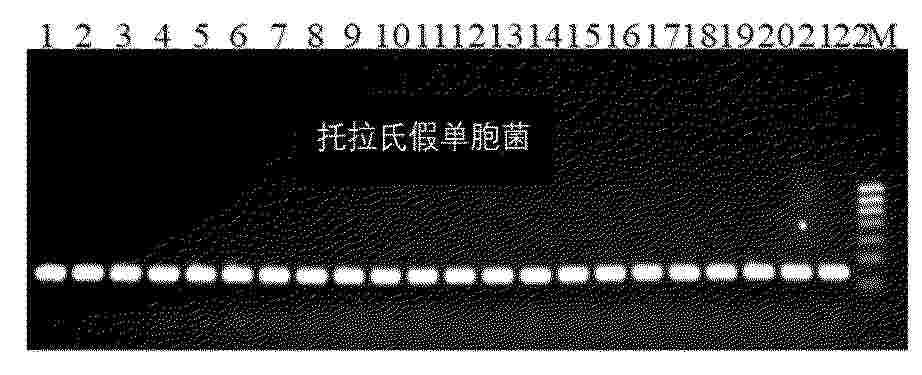
The invention provides a primer for detecting Pseudomonas tolaasi, the primer comprises a forward primer and a reverse primer, the nucleotide sequence of the forward primer is as shown in SEQ ID No: 1, and the nucleotide sequence of the reverse primer is as shown in SEQ ID No: 2. The method for detecting the Pseudomonas tolaasi comprises the following steps: extracting genome DNA (Deoxyribonucleic Acid) of a sample to be detected, taking the DNA as a template, carrying out PCR (Polymerase Chain Reaction) amplification by utilizing the forward primer and the reverse primer, carrying out agarose gel electrophoresis detection on a PCR amplification product, and judging whether the sample to be detected contains the Pseudomonas tolaasi or not. The invention also provides an application of the primer for detecting the Pseudomonas tolaasi, and the primer is used for preparing a kit for detecting the Pseudomonas tolaasi, and the application of the primer for detecting the Pseudomonas tolaasi is used for detecting the Pseudomonas tolaasi. The primer for detecting Pseudomonas tolaasi, which is designed by the invention, has the advantages of strong specificity, no need of isolated culture and biochemical identification, short detection period, high efficiency, good universality and wide application prospect in allusion to a specific gene of Pseudomonas tolaasi.
Nº publicación: CN122405858A 17/07/2026
Solicitante:
CHINA ACAD OF QUALITY INSPECTION & TESTING SCIENCES
\u4E2D\u56FD\u8D28\u91CF\u68C0\u9A8C\u68C0\u6D4B\u79D1\u5B66\u7814\u7A76\u9662
Resumen de: CN122405858A
The invention relates to an oligonucleotide primer probe composition for detecting food-borne pathogenic pseudomonas bacteria (pseudomonas alcaligenes and pseudomonas buchneri) based on an ERA fluorescence method or an ERA test strip method, and a detection method using the composition. The pseudomonas alcaligenes or pseudomonas buchneri in the sample can be rapidly, specifically and sensitively detected, and the method is easy and convenient to operate, short in reaction time and free of complex temperature control equipment, and can be widely applied to rapid screening, pollution monitoring and risk early warning of food-borne pathogenic pseudomonas in various food samples such as milk and dairy products.
 BOPI
BOPI
 Sede Electrónica