Si deseas distinguir tus productos, servicios o ambos de los de otra empresa, es posible que necesites una marca o nombre comercial. Descubre qué son, en qué consiste su procedimiento de registro y qué implica.

Información sobre los plazos de presentación de solicitudes de transformación de marcas de la Unión Europea en marca nacional española. Más información


Si tienes un nuevo dispositivo, producto o procedimiento que resuelva un problema técnico o tenga una ventaja práctica, existen distintas formas de protegerlo en España y en otros países. Descubre cómo hacerlo.

¿Tu innovación reside en la estética, la ornamentación o la apariencia de tu producto? Protégela mediante un diseño industrial. Descubre qué derechos confiere el registro y cómo realizar la tramitación.

Las indicaciones geográficas protegen el nombre de un producto originario de una zona geográfica, a la cual le debe una determinada calidad, reputación u otra característica. Descubre qué son, en qué consiste su procedimiento de registro y qué beneficios conceden.

Las patentes publicadas en todo el mundo son una valiosa fuente de información científica, técnica y comercial.

Si eres emprendedor/a o una empresa y quieres potenciar y mejorar la rentabilidad de tu negocio protegiendo de forma adecuada los activos intangibles de tu organización, en este espacio encontrarás lo necesario.


 52
resultados
52
resultados
 Última actualización
13/10/2026 [07:45:00]
Última actualización
13/10/2026 [07:45:00]


 Resultados 25 a 50 de 52

Resumen de: CN122404548A
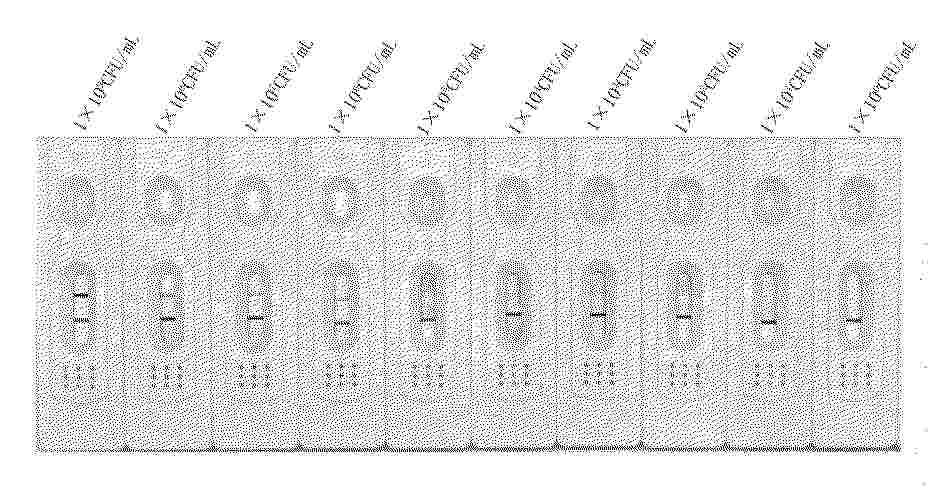
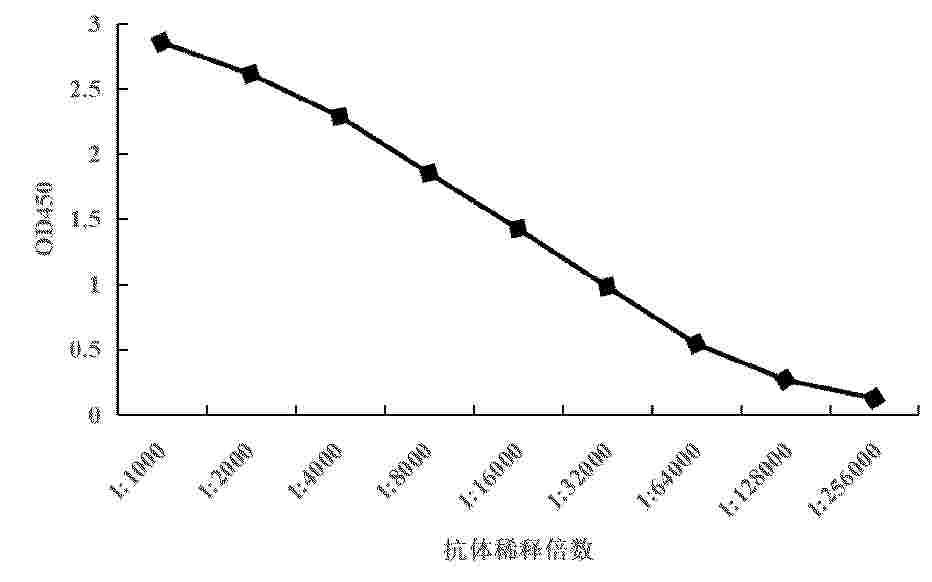
The invention discloses a monoclonal antibody for detecting surface protein SapA of campylobacter fetus and application of the monoclonal antibody. The monoclonal antibodies are named as 4F6 and 7B3 respectively, and amino acid sequences of variable regions of heavy chains and light chains of the two antibodies are disclosed. The monoclonal antibody prepared by the invention can specifically recognize the surface protein SapA of the campylobacter fetus, has better specificity, and does not have cross reaction with non-campylobacter such as standard escherichia coli, salmonella, listeria, klebsiella pneumoniae, staphylococcus aureus, streptococcus and the like; no cross reaction with campylobacter jejuni, campylobacter colon and other campylobacter is generated; the test strip prepared by combining the monoclonal antibody and colloidal gold can realize on-site rapid detection of the campylobacter fetus, the detection limit is low, the sensitivity is high, and an immunological method capable of specifically detecting the campylobacter fetus is successfully developed.

Resumen de: CN122382222A
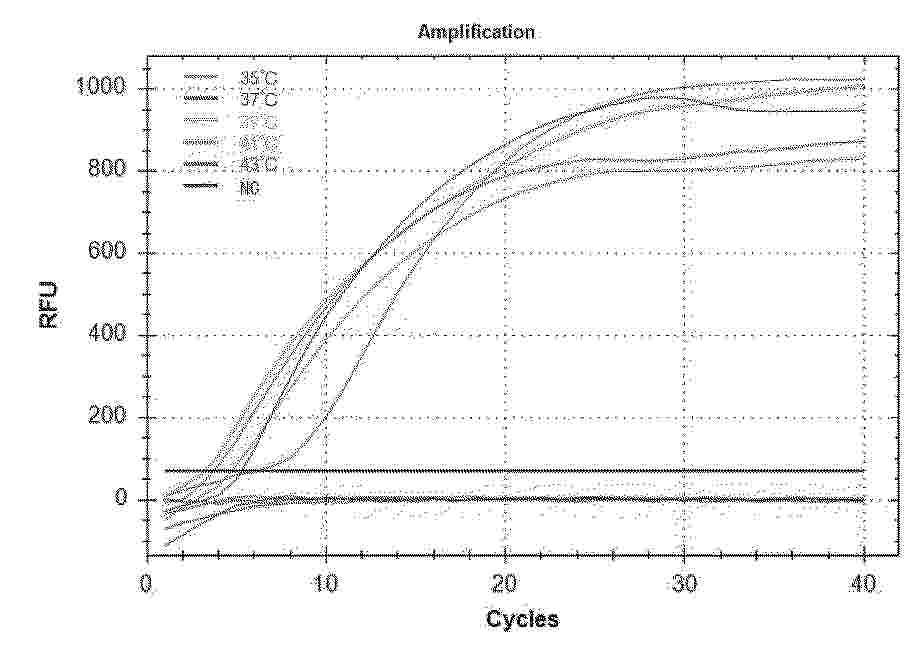
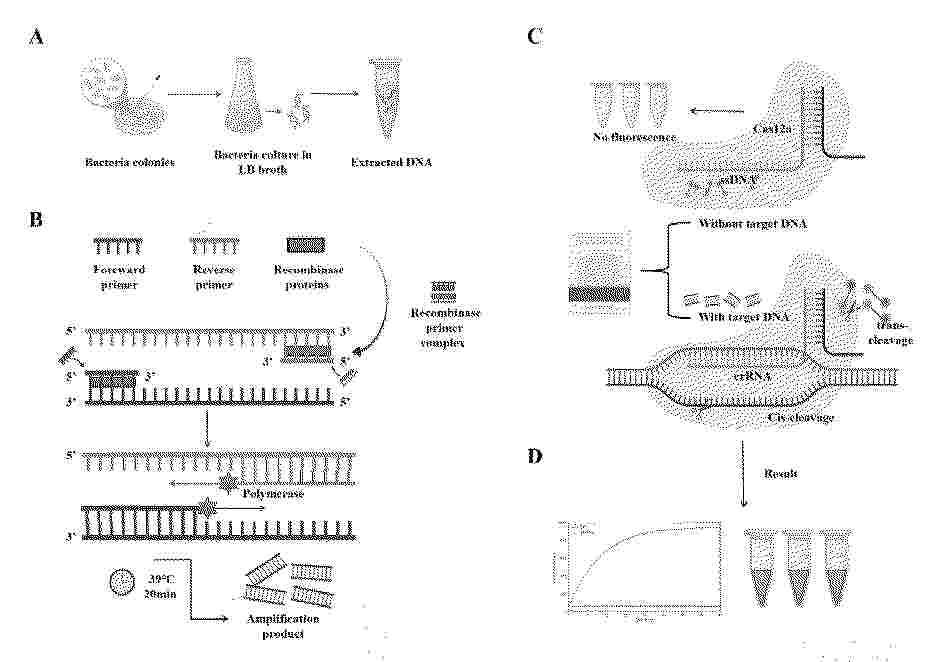
The invention discloses a method for rapidly detecting streptococcus suis or/and salmonella based on an RAA-EXO technology and application of the method. According to the method, specific RAA primers and EXO probes are designed and screened aiming at streptococcus suis recN genes and salmonella invA genes, the sequences of the specific RAA primers and the EXO probes are shown as SEQ ID NO.3, 5 and 10 and SEQ ID NO.14, 15 and 20 respectively, a single or double RAA-EXO detection system for the streptococcus suis and the salmonella is established, detection can be completed within 20 minutes under the condition of the constant temperature of 39-41 DEG C, and the detection sensitivity is high. And no cross reaction with common bacteria such as escherichia coli, staphylococcus aureus and the like exists. Results can be visually judged through a fluorescence curve or a blue light instrument, an effective tool is provided for rapid, sensitive and on-site detection of streptococcus suis and salmonella, and the kit has important application value in the fields of food safety and epidemic disease prevention and control.
Resumen de: CN122382225A
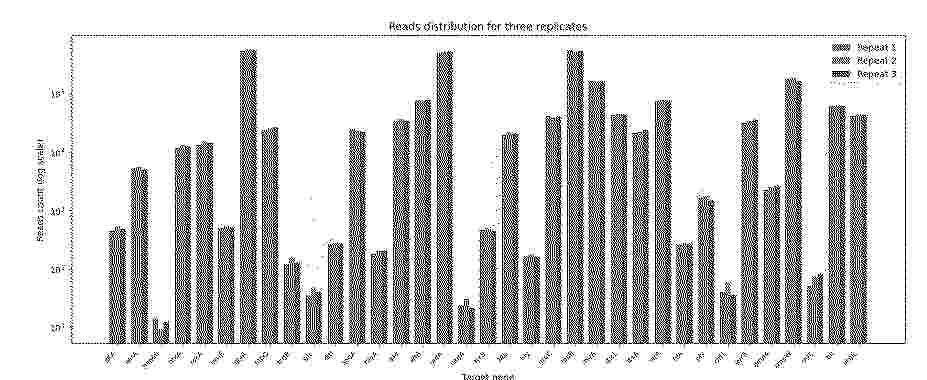
The invention discloses a super-multiplex PCR (polymerase chain reaction) primer combination capable of simultaneously detecting 35 pathogenic bacteria and fecal indicator bacteria and application of the super-multiplex PCR primer combination. The super-multiplex PCR primer combination comprises 35 pairs of target specific primers, and nucleotide sequences of the 35 pairs of target specific primers are shown as SEQ ID NO.1-70. The method for detecting 35 pathogenic bacteria and fecal indicator bacteria comprises the following steps: extracting DNA of a sample to be detected to obtain a DNA mixture of a target sample; carrying out ultra-multiplex PCR amplification on the target sample DNA mixture to obtain a target amplification product, and carrying out high-throughput sequencing to obtain a target amplification product sequencing result; and detecting and judging the to-be-detected sample. According to the method, generation of dimers among the primers and nonspecific amplification are effectively reduced, homogenized amplification of 35 targets in a single reaction system is realized, and the method can be applied to the fields of food-borne pathogenic bacterium detection, public health emergency detection and the like.
Resumen de: CN122385882A
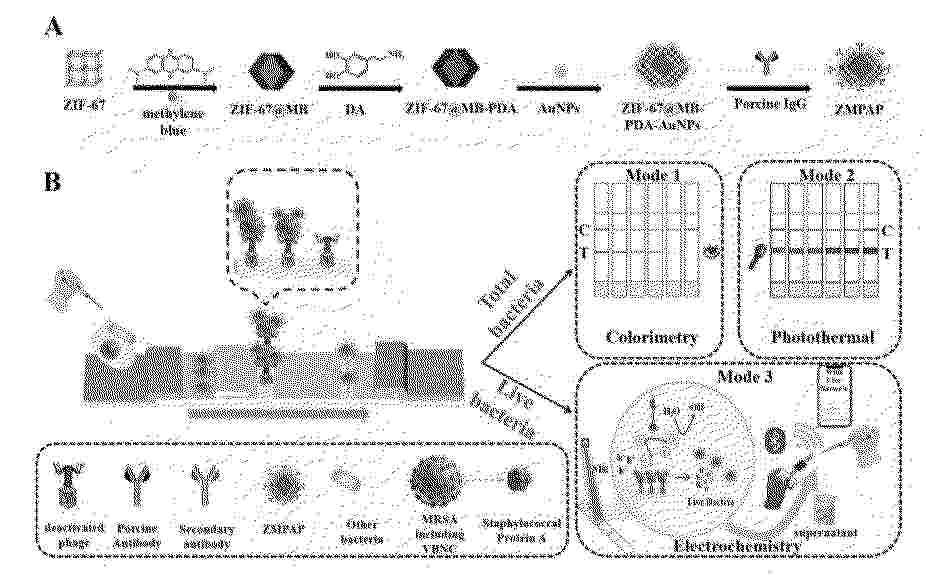
The invention provides a composite probe and a test strip for detecting food-borne pathogenic bacteria and application of the composite probe and the test strip, and belongs to the technical field of food-borne pathogenic bacteria detection. The composite probe comprises a bacteriophage functional capture probe and a ZMPAP signal composite probe; the bacteriophage functional capture probe contains a specific inactivated bacteriophage aiming at the food-borne pathogenic bacteria; the ZMPAP signal composite probe is prepared from a ZIF-67 metal organic framework material, methylene blue, polydopamine, gold nanoparticles and porcine immune globulin G. Compared with a single signal detection technology, the method disclosed by the invention has visual qualitative and accurate quantitative capabilities, is strong in specificity and good in repeatability, and provides a core technical support for on-site rapid prevention and control of the food-borne pathogenic bacteria.
Resumen de: CN122382221A
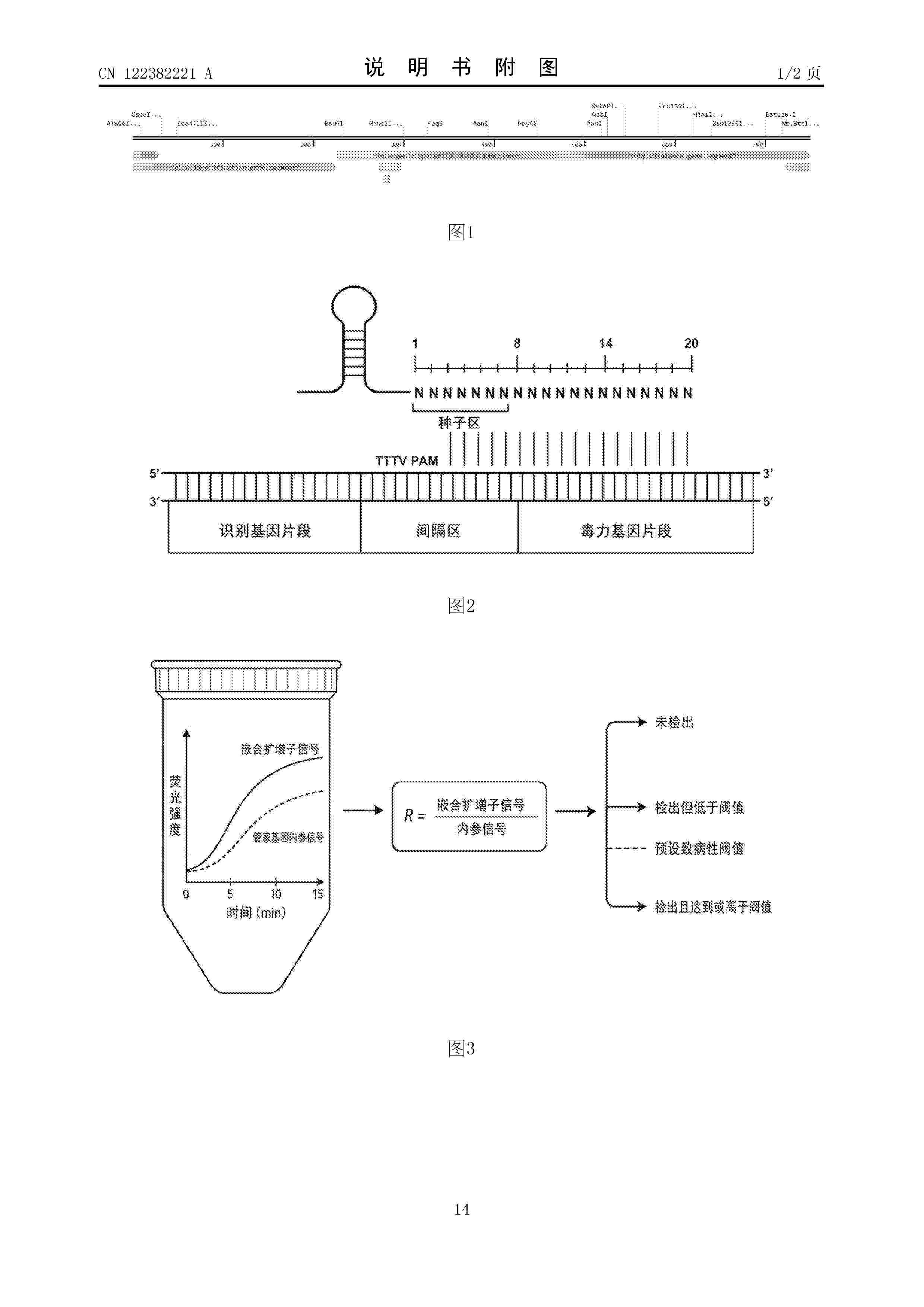
The invention relates to the technical field of nucleic acid detection, in particular to a food-borne pathogenic bacterium rapid detection method based on CRISPR-Cas12a. According to the method, after genome DNA is extracted from a food sample, bridging primers of an upstream primer combination identification gene segment and a downstream primer combination virulence gene segment are provided, the two segments are located on the same continuous DNA molecule at the interval of 50-1500 bp, and the two segments are located on the same continuous DNA molecule; amplifying for 20-40 minutes at the constant temperature of 37 DEG C, and amplifying to obtain a chimeric amplicon only when the two segments are linked to the same molecule; and activating Cas12a trans-cleavage activity by combining crRNA of a guide sequence spanning a junction site with a chimeric amplicon, cleaving a single-stranded DNA reporter probe and detecting a signal. In the single-tube constant-temperature reaction, ligase is not needed, the linkage state of the gene and the virulence gene is directly confirmed and identified, the detection limit is 10-100 CFU/mL, and the time consumed in the whole process is less than 60 minutes.
Resumen de: CN122382226A
The invention discloses a salmonella detection system based on RPA-CRISPRCas12a and application of the salmonella detection system. The detection system comprises an RPA (recombinase polymerase amplification) primer pair, a probe, crRNA (ribonucleic acid) and LbCas12a protein, the sequences of the RPA amplification primer pair are as shown in SEQ ID NO. 1 and SEQ ID NO. 2; the sequence of the probe is as shown in SEQ ID NO.7; and the sequence of the crRNA is as shown in SEQ ID NO. 8. The RPA-CRISPR/Cas12a visual detection system has the advantages of high sensitivity, strong specificity, simplicity and convenience in operation, rapidness in detection and the like, the lowest detection limit of salmonella reaches 1 fg/mu L, and stable and repeatable fluorescence signals and visual results can still be generated under the concentration. The system effectively overcomes the defects of a traditional detection method, is suitable for on-site rapid screening and risk early warning of salmonella in a food chain, provides technical support for food safety supervision, and also provides a reference technical scheme for rapid detection of other food-borne pathogenic bacteria.
Resumen de: CN122385571A
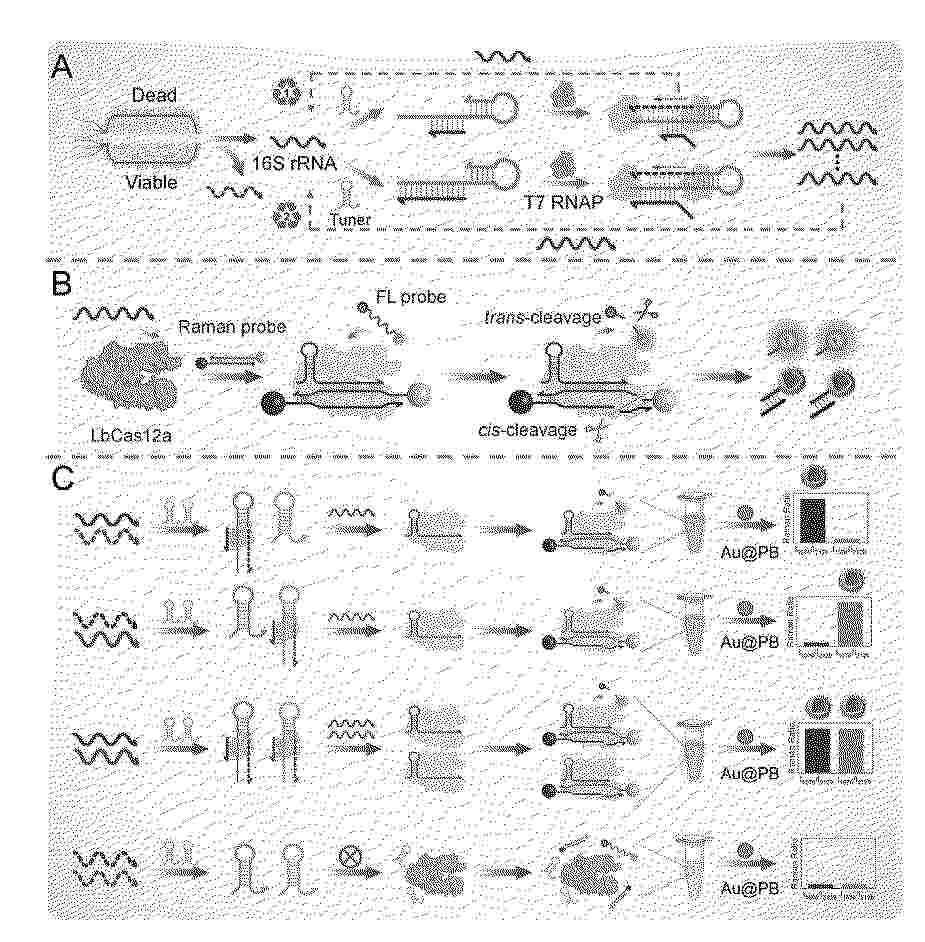
The invention discloses a single-tube multiple Raman/visual detection method and kit for pathogenic bacteria based on Cas12a and an in-situ crRNA synthesis strategy, and belongs to the technical field of food safety detection. By designing single-molecule allosteric hairpin DNA containing a target recognition region, a T7 promoter and a crRNA template, 16S rRNA of specific response target bacteria, hairpin structure recombination and crRNA in-situ synthesis are started, and cis-and trans-cleavage of Cas12a is guided, so that rapid visual detection of the total bacteria amount and SERS identification and quantitative detection of different pathogenic bacteria targets are realized. The method solves the problem of insufficient qualitative accuracy and quantitative sensitivity caused by the interference of a biological matrix in the existing rapid detection method of the pathogenic bacteria, overcomes the dependence of a CRISPR/Cas12a method on a target PAM site, and greatly widens the detection range of the nucleic acid target of the food-borne pathogenic bacteria. The Raman/visual dual-mode detection system adapts to a field rapid detection scene, the detection limit is as low as the single cell level, the specificity and reproducibility are excellent, and the Raman/visual dual-mode detection system can be used for scenes such as food safety control and live pathogenic bacterium diagnosis.
Resumen de: CN122356274A
The invention relates to the field of biological medicine, in particular to an O45 Escherichia coli detection antibody and an application method thereof. The antibody is a monoclonal antibody or an antigen binding fragment thereof, and comprises a heavy chain CDR sequence as shown in SEQ ID NO: 1-3 and a light chain CDR sequence as shown in SEQ ID NO: 4-6. The invention also provides a nucleic acid molecule for coding the antibody, an expression vector, a host cell and a preparation method thereof. Specific identification results show that the antibody is specifically combined with O45 Escherichia coli, has no cross reaction with O157, O26, O103, O111, O121, O145 and other Escherichia coli serotypes and O55 related serotypes, and also has no cross reaction with common food-borne pathogenic bacteria. The detection limit of an indirect ELISA detection method established based on the antibody to O45 Escherichia coli can reach 1 * 10 < 2 > CFU/mL, and the whole detection process can be completed within 24 hours. The monoclonal antibody provided by the invention can be applied to preparation of detection kits, detection test paper and other products, and is suitable for rapid screening of O45 Escherichia coli in import and export food.
Resumen de: EP4772522A2
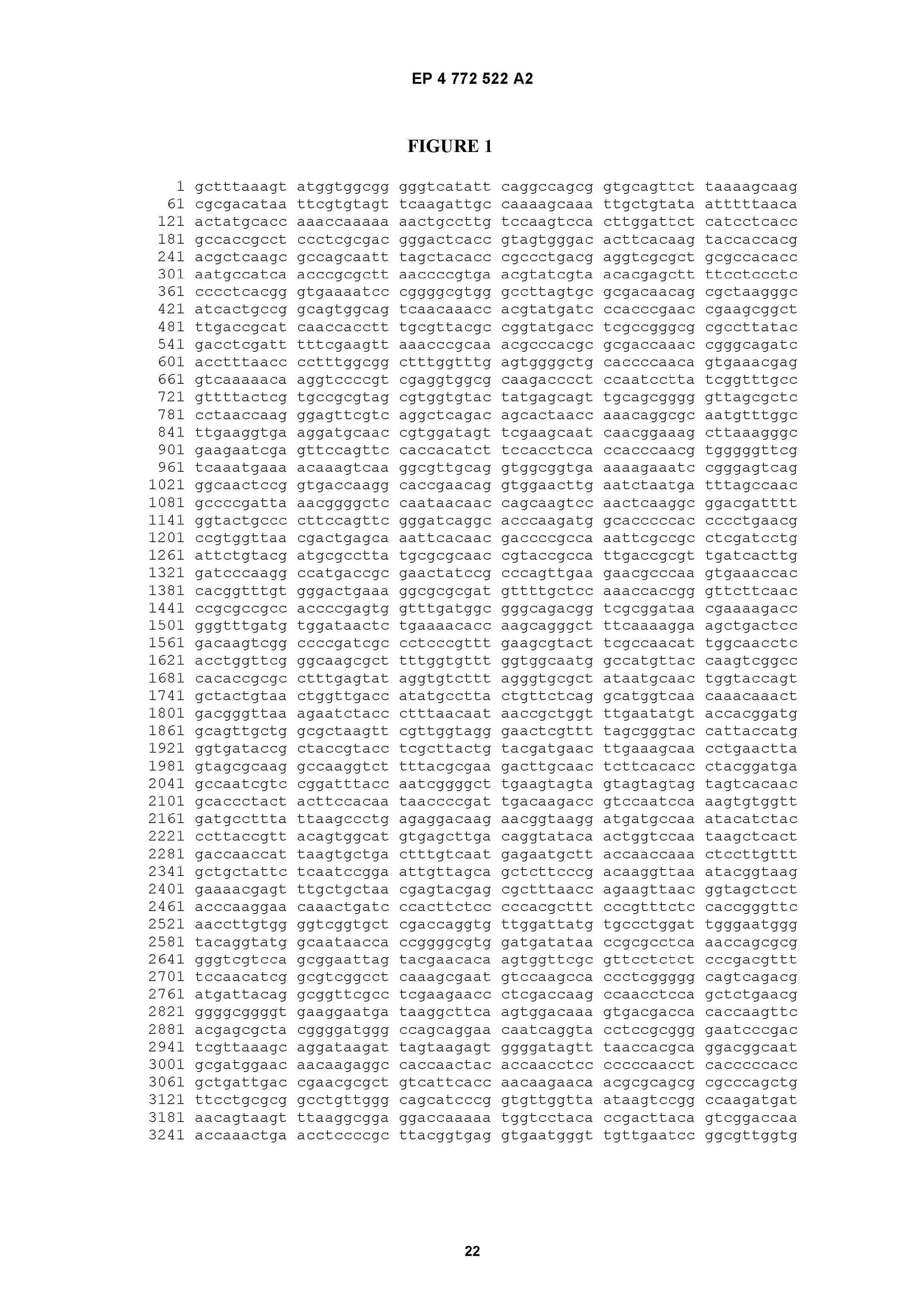
Disclosed herein are methods and compositions for detecting one or more pathogens that cause atypical pneumonia. Detectable pathogens include Mycoplasma pneumoniae, Chlamydophila pneumoniae, and Legionella pneumophila.
Resumen de: CN122344612A
The invention provides a fluorescent rapid detection reagent and application thereof, and belongs to the technical field of bacterial detection. The rapid fluorescent detection reagent provided by the invention comprises a bacterium specific aptamer, an initiation chain and hairpin structures H1, H2 and H3. By establishing a fluorescent specific amplification detection system with strong specificity and high sensitivity, a fluorescent signal amplification marker aiming at staphylococcus aureus and pseudomonas aeruginosa susceptible to rodents and a handheld visual detection technology of the fluorescent signal amplification marker are developed, and the fluorescent signal amplification marker and the handheld visual detection technology are prepared into a detection reagent, so that rapid and sensitive detection of target bacteria is realized, and the detection efficiency is improved. The method has important significance on screening detection and quality control of pathogenic microorganisms of experimental animals.
Resumen de: CN122326781A
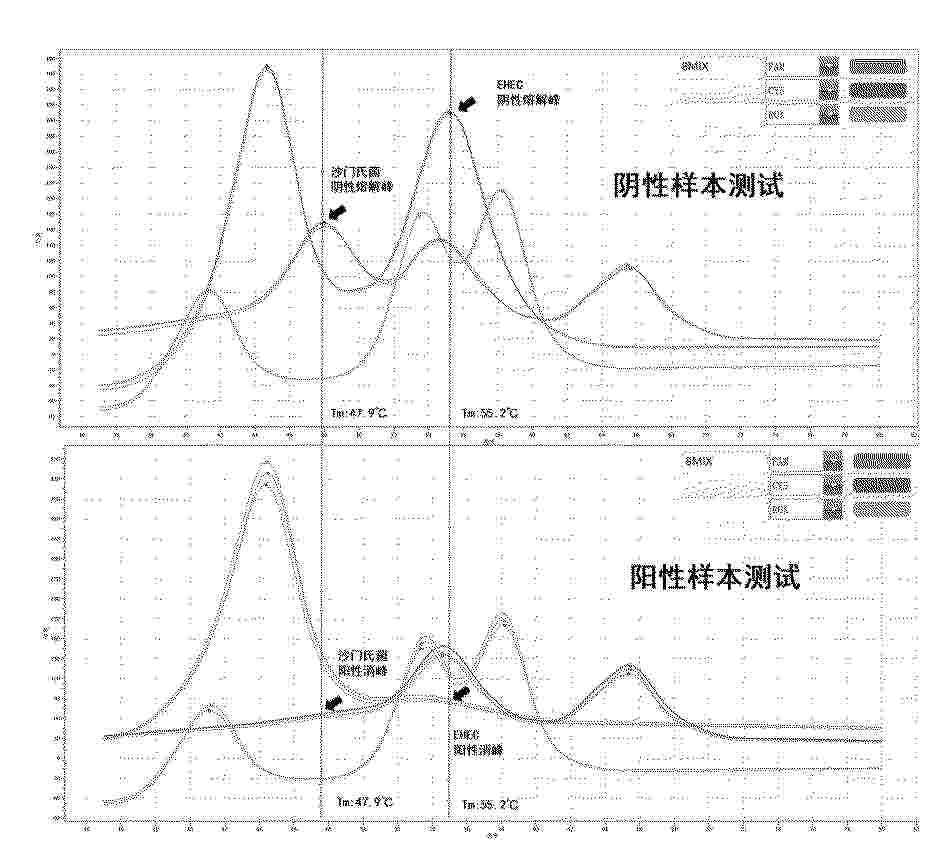
The invention relates to the field of gene detection, in particular to a food-borne pathogenic bacterium single-tube multiple detection sequence combination based on an asymmetric ratio and melting curve, a kit, a detection method and application. The invention provides a sequence combination for detecting food-borne pathogenic bacteria. The sequence combination comprises a forward primer, a reverse primer, a specific probe and a reverse partial complementary melting curve probe. The invention further provides a kit for detecting the food-borne pathogenic bacteria, the problems of system competitive inhibition and cross mismatch under a complex genetic background are solved by adjusting an asymmetric ratio, and a detection method for detecting type 5 diarrheagenic Escherichia coli, salmonella, listeria monocytogenes and staphylococcus aureus through a single tube is constructed. The method does not need to add a complex hardware channel or expensive detection equipment, has the advantages of high detection flux, strong specificity and low instrument cost, and is suitable for application and popularization of low-resource grass-roots institutions, customs and first-line food safety supervision.
Resumen de: CN122303457A
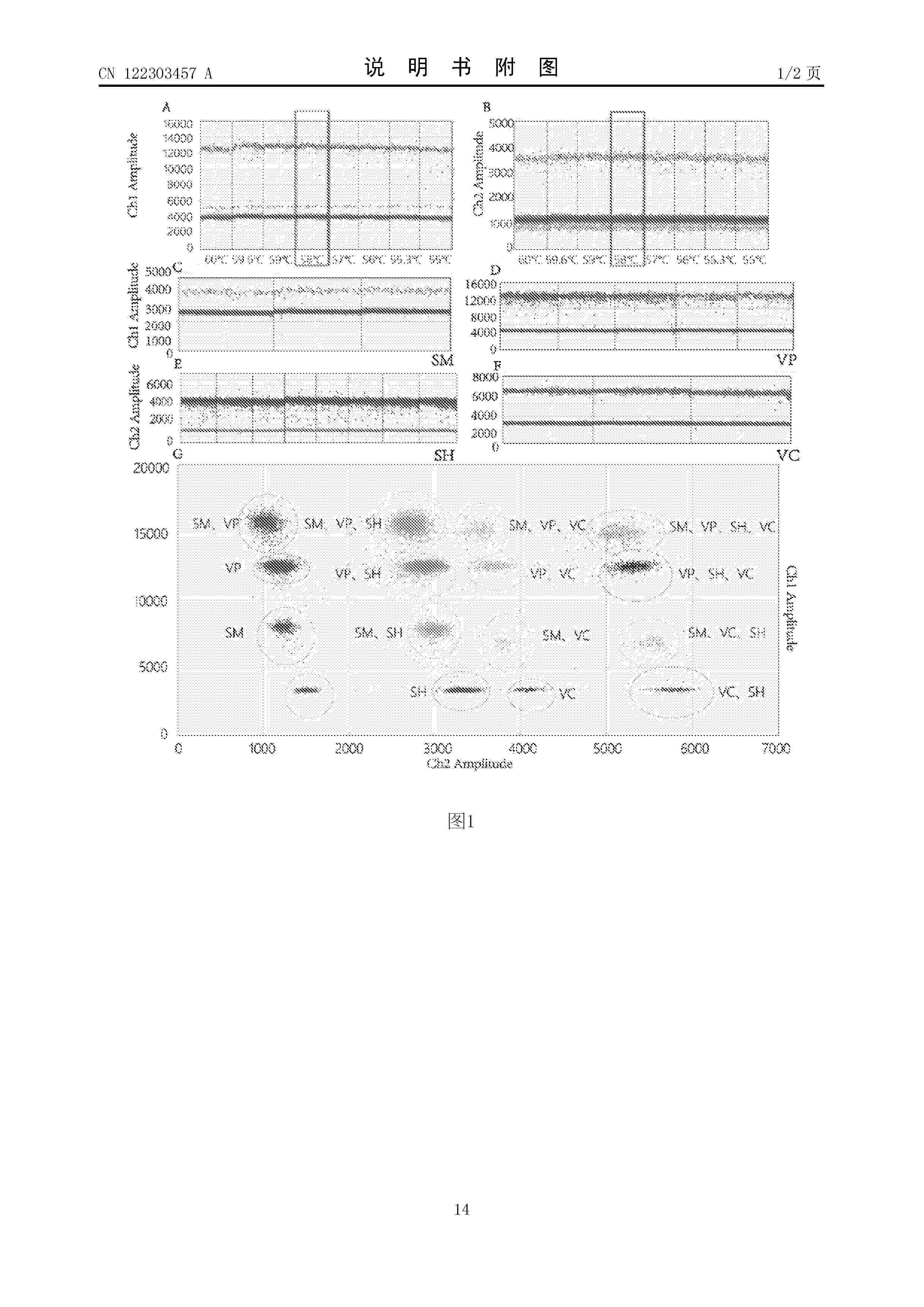
The invention discloses a double-channel quadruple ddPCR detection method and kit for simultaneously detecting diarrhea bacteria in sewage based on a proportional fluorescent probe strategy. Compared with the traditional quadruple detection method with four different fluorescence channels, the quadruple ddPCR detection method disclosed by the invention realizes quadruple detection only through the concentration difference of the probes in the two fluorescence channels. Sewage is used as a key interface between excrement and the environment, is an important place for pathogen storage and transmission, and is also a sentry for early warning. According to the double-channel quadruple ddPCR method established by the invention, salmonella spp. SM, shigella spp. SH, vibrio parahaemolyticus VP and vibrio cholerae VC in the sewage can be simultaneously detected, a sewage monitoring technical method is perfected, potential epidemic situation risks can be captured before disease outbreak, and public health prevention and control measures can be taken in time.
Resumen de: CN122303462A
The invention provides a primer/probe composition for simultaneously detecting shigella and salmonella, a kit and application, and belongs to the technical field of gene detection. The invention comprises a primer/probe set for detecting shigella and a primer/probe set for detecting salmonella. The invention has the advantages of high detection sensitivity, strong specificity, high dual synchronous detection efficiency, good repeatability, good stability and low pollution risk, and is especially suitable for low-load sample detection and rapid screening of monkey group samples.
Resumen de: CN122303454A
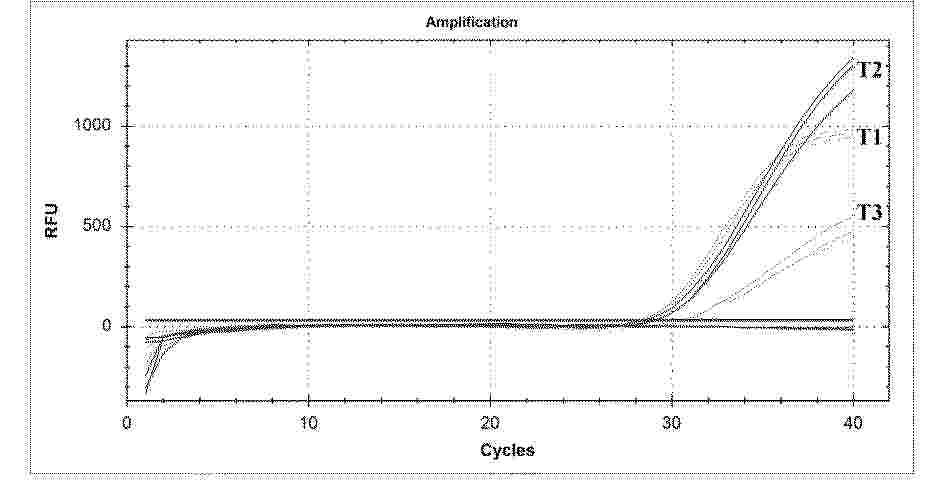
The invention discloses a detection method and application of F17 escherichia coli, fimbriae virulence gene ctg04543 or ctg04549 of the F17 escherichia coli is taken as a target, a fluorescent quantitative probe is designed according to a nucleotide sequence, genome DNA of the F17 escherichia coli is taken as a template, the fimbriae virulence gene ctg04543 or ctg04549 of the F17 escherichia coli is detected through fluorescent quantitative PCR, and the F17 escherichia coli in a sample can be quantitatively detected according to a fitted standard curve. The F17 Escherichia coli detection method provided by the invention has the characteristics of simplicity, rapidness, quantitation, high sensitivity and high specificity, can realize quantitative detection of F17 Escherichia coli within 2-3 hours, can meet the detection requirements under various conditions of laboratory research, animal pathogen diagnosis and the like, and has wide application prospects and extremely high market implementation possibility.
Resumen de: CN122283128A
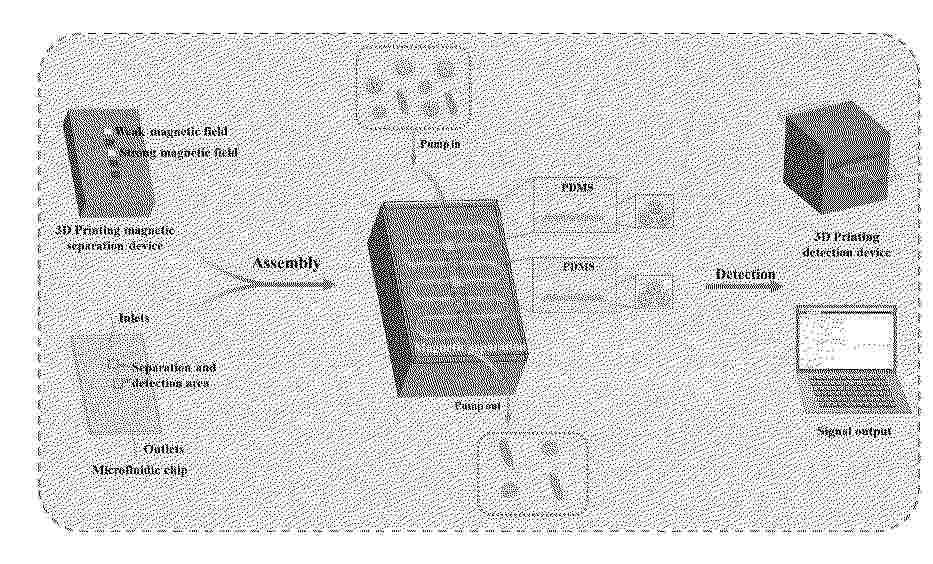
The invention relates to a method for detecting pathogenic bacteria based on magnetic coding and a microfluidic separation system, and belongs to the technical field of microbiological analysis and detection. The core of the spatial separation system based on magnetic coding comprises a single-channel micro-fluidic chip, a 3D printing magnetic separation module, a fluorescence-ultraviolet dual-mode detection light source and a fluorescence-ultraviolet dual-mode probe. According to the micro-fluidic device, fluid dynamic behaviors and magnetic field gradient distribution in the channel can be accurately regulated and controlled, so that the magnetic nanospheres are efficiently controlled and separated, and the accuracy of multi-target analysis is further enhanced; meanwhile, due to directional enrichment of the magnetically labeled particles in the microchannel, a tedious sample concentration step can be directly omitted, the total analysis time is remarkably shortened, and after an optical or electrochemical sensor is combined, rapid real-time detection of target molecules can be achieved.
Resumen de: CN122278469A
The invention discloses a high-sensitivity rapid fluorescent probe free of metal toxicity, a preparation method and application of the high-sensitivity rapid fluorescent probe in food pathogenic bacterium detection, and belongs to the technical field of food detection. The probe is composed of an organic fluorescent molecule graphene composite main body, an organic-inorganic hybrid dopant and a specific recognition molecule, the doping agent is carboxylated cellulose and silicon dioxide nanoparticles, and the mass ratio of the doping agent to the composite main body is 1: (6-10); the specific recognition molecule adopts a pathogenic bacterium aptamer and is grafted on the surface of the probe through spray coating. The probe triggers fluorescence response by means of specific binding of the aptamer and target pathogenic bacteria, detection can be completed within 5 min, the sensitivity is larger than or equal to 90%, and the specificity is larger than or equal to 98%; the probe does not contain metal components, is free of poison and environmental risks, and is suitable for on-site rapid detection of food and living detection of livestock and poultry; meanwhile, the preparation cost is reduced by 90%, the single sample detection cost is reduced by 40%, and the application prospect is good.
Resumen de: CN122279066A
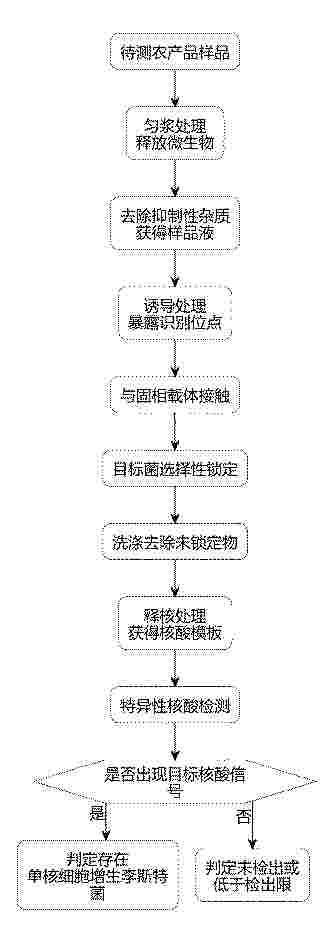
The invention relates to a method for trace enrichment and detection of Listeria monocytogenes in agricultural products, which comprises the following steps: homogenizing an agricultural product sample to be detected and removing inhibitory impurities to obtain a sample solution; carrying out induction treatment on the sample liquid to expose a recognition site of the listeria monocytogenes; contacting the sample liquid subjected to the induction treatment with a solid-phase carrier with listeria monocytogenes recognition molecules fixed on the surface, so that the target bacteria are selectively locked on the surface of the solid-phase carrier, and washing to remove unlocked substances; performing core release treatment on the target bacteria locked on the surface of the solid-phase carrier to obtain a nucleic acid template; performing specific nucleic acid detection on the nucleic acid template for the listeria monocytogenes, and judging whether the listeria monocytogenes exists in the sample to be detected or not according to a detection result. The method can reduce the adverse effect of a complex agricultural product matrix on subsequent recognition and nucleic acid detection, and improve the sensitivity and accuracy of trace target bacterium detection in a complex sample.
Resumen de: CN122282714A
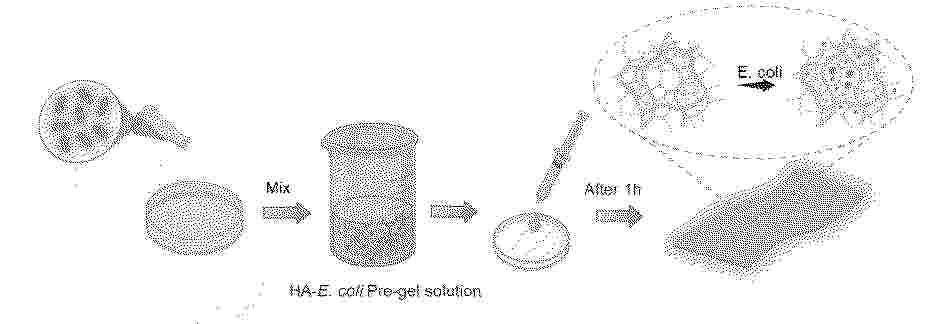
The invention discloses an embedded whole-cell biosensor, a preparation method of the embedded whole-cell biosensor and application of the embedded whole-cell biosensor in machine learning assisted mercury ion detection, and belongs to the technical field of sensor materials and detection. According to the sensor, escherichia coli (E. coli) for expressing green fluorescent protein (GFP) is encapsulated in a polyacrylamide/hyaluronic acid (PAAM/HA) hydrogel matrix, so that the sensor can realize high-selectivity and high-sensitivity detection on mercury ions, can effectively eliminate interference of competitive metal ions, can realize complete regeneration through EDTA-2Na treatment, and can be used for detecting mercury ions in a high-sensitivity manner. The device can be repeatedly used under the condition that the performance is not lost; stable fluorescence response as long as three weeks can be maintained; excellent biocompatibility and biodegradability are achieved, and the risk of secondary pollution is reduced to the maximum extent; and rapid on-site analysis is facilitated.
Resumen de: CN122278855A
The invention discloses sgRNA (small guide RNA), an RPA (recombinase polymerase amplification) primer pair and application of the sgRNA and the RPA primer pair in campylobacter coli detection. The sgRNA contains a target sequence of which the nucleotide sequence is as shown in SEQ ID NO.1 or SEQ ID NO.2. The lowest detection limit of the detection method is 100 CFU/mL, the specificity is high, the detection operation is simple, the detection method is not limited by site equipment and professional ability of operators, the application range is wide, the detection method can be used for rapidly detecting campylobacter colons in actual excrement samples, and the detection result is accurate.
Resumen de: CN122256540A
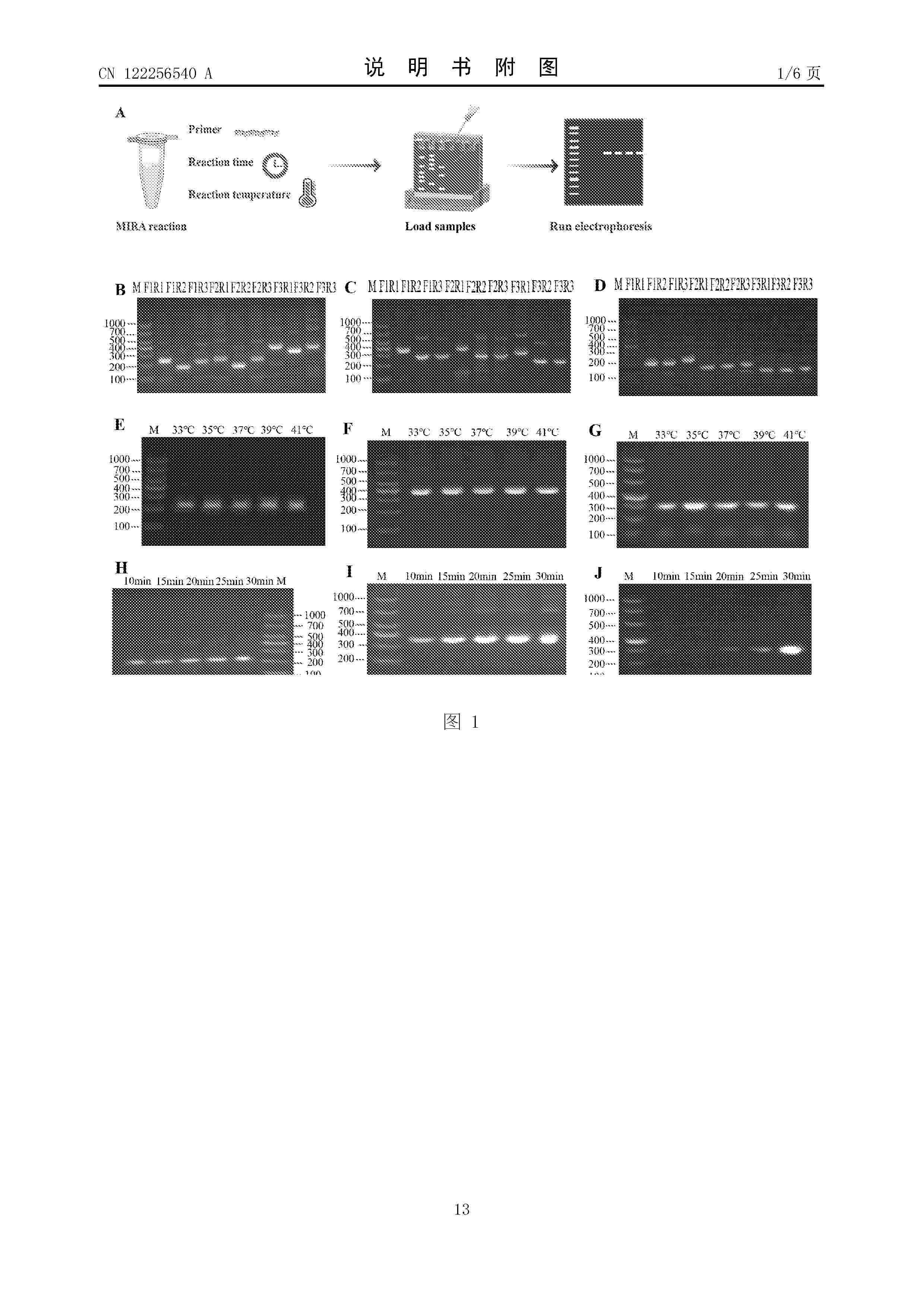
The invention provides a molecular diagnosis method combining a multi-enzyme isothermal rapid amplification (MIRA) technology and a CRISPR-Cas12a nucleic acid detection technology, and particularly relates to application of the molecular diagnosis method in rapid, sensitive and specific detection of common pathogenic bacteria infected by a central nervous system (CNS). By combining a multi-enzyme isothermal rapid amplification technology with a CRISPR-Cas12a nucleic acid detection system, rapid, sensitive and specific detection of nucleic acid of common pathogenic bacteria of the central nervous system is realized under a constant temperature condition, so that a new technical means is provided for early diagnosis of central nervous system infection.
Resumen de: CN122256541A
The invention provides a kit for detecting common pathogenic bacteria of otitis media based on a multi-enzyme constant-temperature rapid nucleic acid amplification technology. The kit comprises a first primer pair for detecting streptococcus pneumoniae, a second primer pair for detecting haemophilus influenzae, a third primer pair for detecting moraxella catarrhalis, a fluorescent probe combination and a colloidal gold probe combination, the nucleotide sequences of the first primer pair are respectively SEQ ID NO: 2 and SEQ ID NO: 4, the nucleotide sequences of the second primer pair are respectively SEQ ID NO: 9 and SEQ ID NO: 10, and the nucleotide sequences of the third primer pair are respectively SEQ ID NO: 13 and SEQ ID NO: 18. According to the triple multienzyme constant-temperature rapid synchronous detection kit and the detection method, high sensitivity, high specificity and operation convenience are achieved, and the clinical bedside rapid diagnosis requirement is met.
Resumen de: CN122235342A
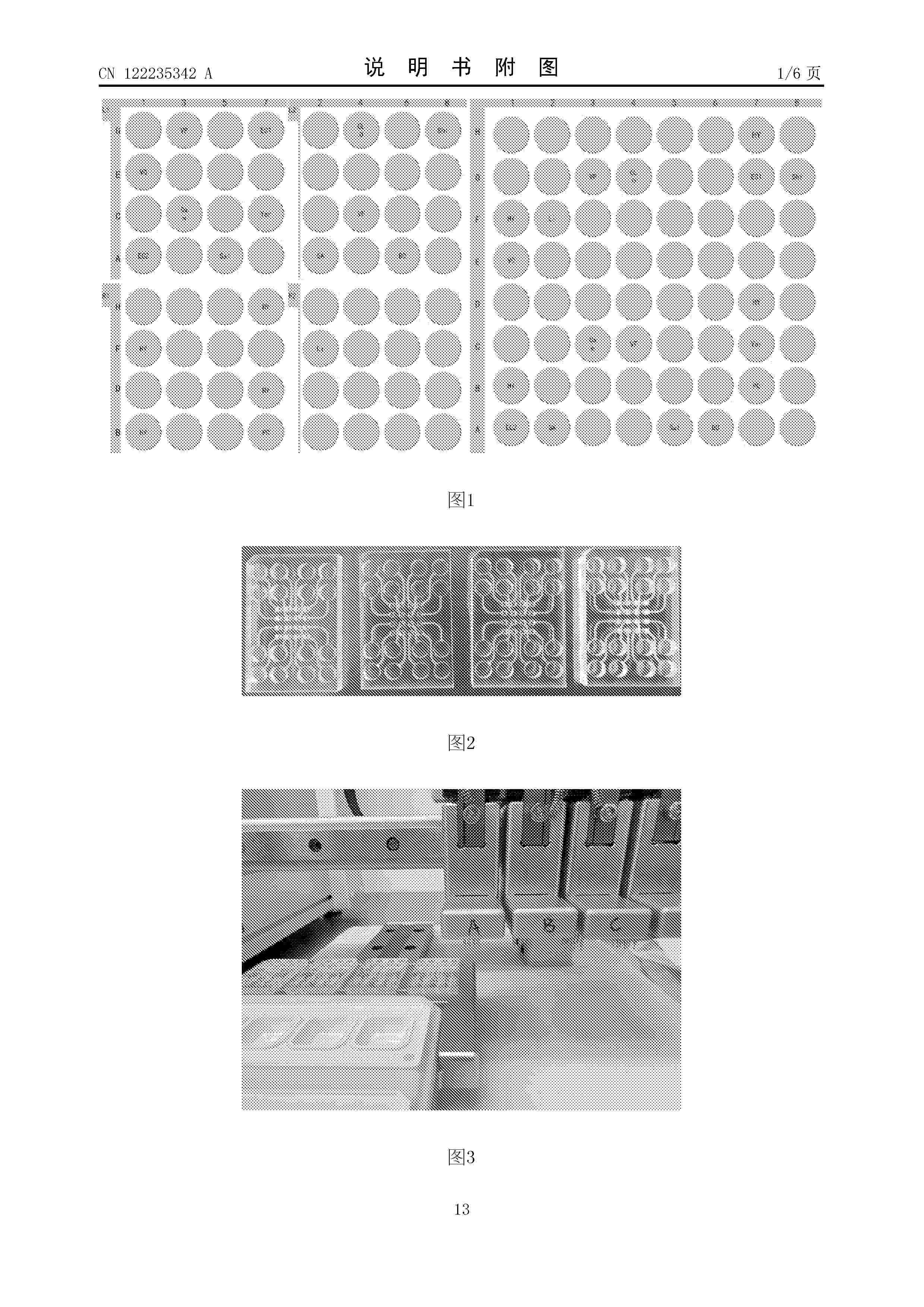
The invention relates to the technical field of biological detection, and particularly discloses a gene chip for simultaneously detecting 12 food-borne pathogenic bacteria and application thereof, the gene chip comprises a polyvinyl chloride solid-phase carrier, and a specific probe, a positive control probe and a hybridization control probe which are fixed on the surface of the polyvinyl chloride solid-phase carrier. The gene chip can be used for simultaneously detecting salmonella, escherichia coli O157: H7, staphylococcus aureus, listeria monocytogenes, bacillus cereus, vibrio parahaemolyticus, vibrio cholerae, vibrio fluvialis, shigella flexneri, campylobacter jejuni, clostridium perfringens and yersinia enterocolitica. The gene chip disclosed by the invention is arranged by adopting a preset dot matrix, and detection is realized through sample total DNA extraction, multiple PCR amplification and biotin labeling, chip hybridization, washing, sealing, enzyme labeling, color development and scanning interpretation; the method can realize synchronous detection of 12 target bacteria, and has good specificity, repeatability and application value.
Resumen de: US20260168026A1
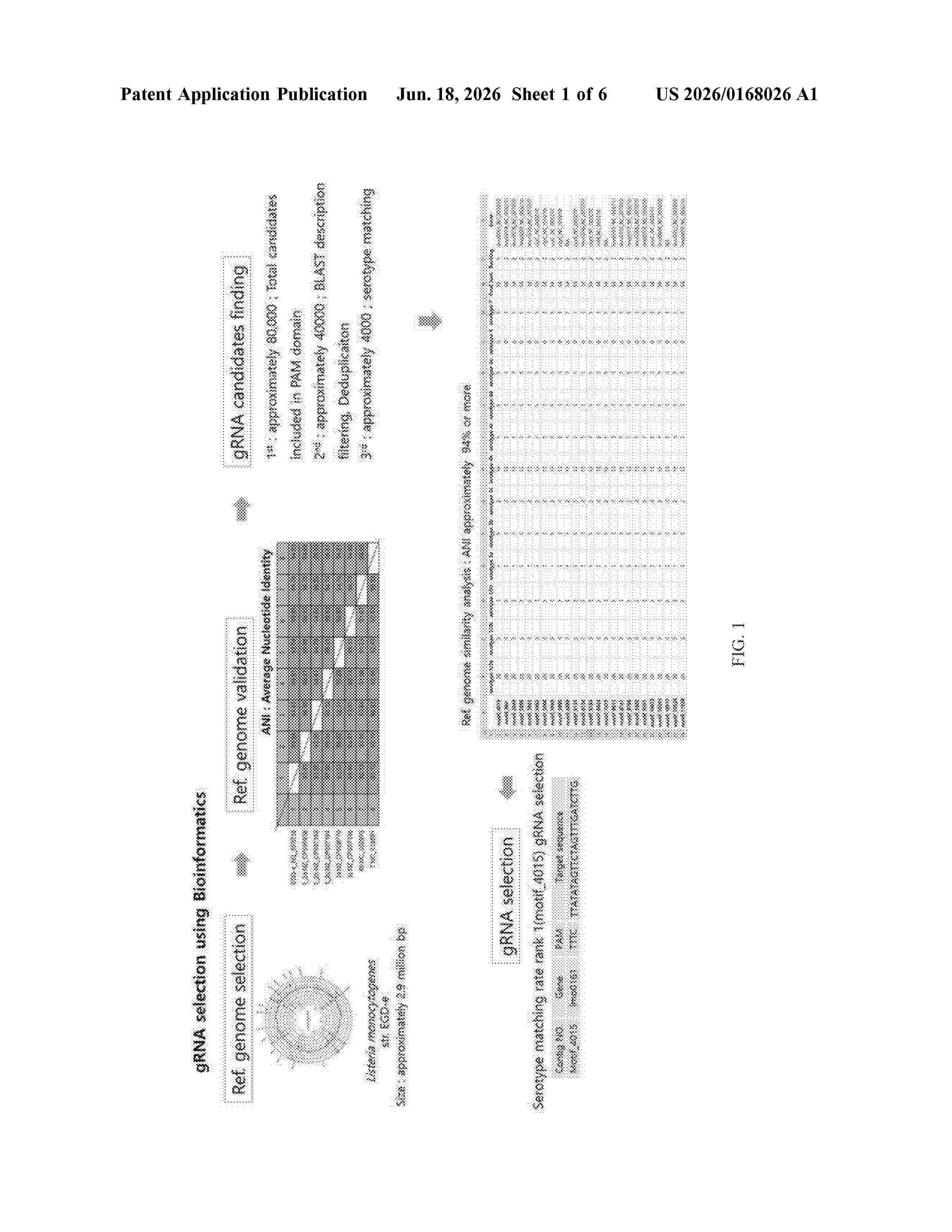
The present invention relates to a CRISPR-Cas-based composition for detection of Listeria monocytogenes and a Listeria monocytogenes detection method using same and, more specifically, to a composition for detection of Listeria monocytogenes, comprising a primer pair capable of specifically amplifying Listeria monocytogenes by isothermal amplification, a guide RNA, and a CRISPR-Cas protein, and a detection method using same.
Resumen de: CN122214517A
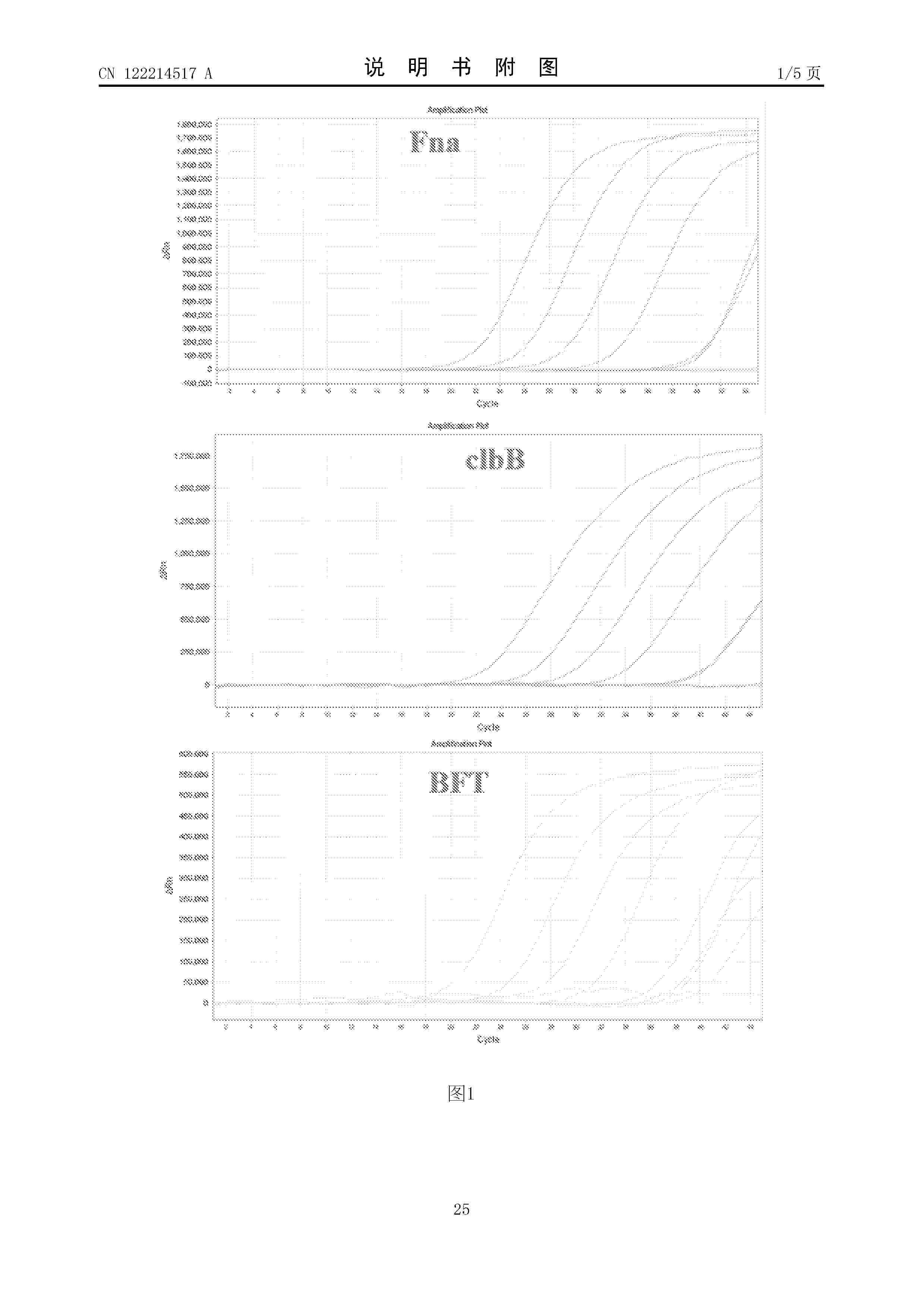
The invention relates to a triple multiple fluorescence detection kit based on a synergistic pathogenic mechanism of enteropathogenic bacteria and application of the triple multiple fluorescence detection kit. The kit comprises a sample treatment solution, targeted capture magnetic beads, an eluent, a multiple PCR premixed solution, a primer probe mixed solution, a positive reference substance, a negative reference substance and an exogenous internal standard, the sequences of the primer probes are as shown in SEQ ID NO. 1-9. The invention also provides a method for detecting enterotoxin-producing bacteroides fragilis, escherichia coli carrying pks gene island and fusobacterium nucleatum in excrement by using the kit, and a method for assisting in evaluating the risk of colorectal cancer. The triple multiple fluorescence detection kit breaks through the technical bottleneck of synchronous and accurate detection of high and low abundance targets in multiple fluorescence PCR, ensures the detection sensitivity of low abundance key targets BFT gene and clbB gene, significantly reduces the false negative risk, and provides a more comprehensive molecular basis for early warning and risk stratification.
Nº publicación: CN122211684A 16/06/2026
Solicitante:
FOOD INSPECTION CENTER OF SHENZHEN CIQ FICS
\u6DF1\u5733\u6D77\u5173\u98DF\u54C1\u68C0\u9A8C\u68C0\u75AB\u6280\u672F\u4E2D\u5FC3
Resumen de: CN122211684A
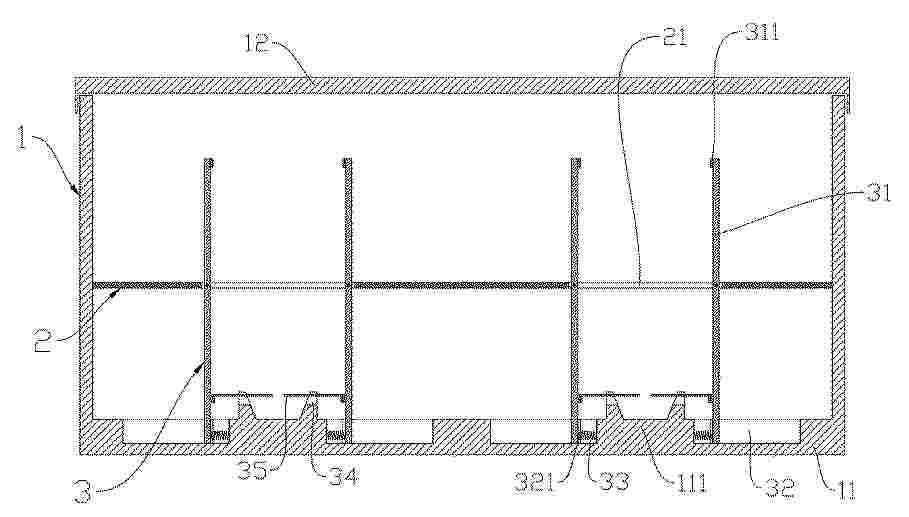
The invention belongs to the technical field of food safety detection, and discloses a self-locking kit for nucleic acid detection of food-borne escherichia coli O157 and an operation method of the self-locking kit. The self-locking kit comprises a self-locking unit consisting of a clamping arm, a guide rail, an elastic element and a lock catch, when the reagent tube is not put in, the lock catch limits the clamping arm, and when the reagent tube is put in, the guide rail and the elastic element are matched with the clamping arm, so that when the buckle end of the lock catch is separated from the limiting groove, the elastic element extends to push the lower end of the clamping arm to slide outwards, and the clamping arm is clamped in the limiting groove. And the upper ends of the clamping arms are driven to fold inwards to clamp the reagent tube. The self-locking unit utilizes a lever linkage principle and a spring energy storage release mechanism to solve the contradiction between fixing and taking and placing convenience of the reagent tube.
 BOPI
BOPI
 Sede Electrónica