Si deseas distinguir tus productos, servicios o ambos de los de otra empresa, es posible que necesites una marca o nombre comercial. Descubre qué son, en qué consiste su procedimiento de registro y qué implica.

Información sobre los plazos de presentación de solicitudes de transformación de marcas de la Unión Europea en marca nacional española. Más información


Si tienes un nuevo dispositivo, producto o procedimiento que resuelva un problema técnico o tenga una ventaja práctica, existen distintas formas de protegerlo en España y en otros países. Descubre cómo hacerlo.

¿Tu innovación reside en la estética, la ornamentación o la apariencia de tu producto? Protégela mediante un diseño industrial. Descubre qué derechos confiere el registro y cómo realizar la tramitación.

Las indicaciones geográficas protegen el nombre de un producto originario de una zona geográfica, a la cual le debe una determinada calidad, reputación u otra característica. Descubre qué son, en qué consiste su procedimiento de registro y qué beneficios conceden.

Las patentes publicadas en todo el mundo son una valiosa fuente de información científica, técnica y comercial.

Si eres emprendedor/a o una empresa y quieres potenciar y mejorar la rentabilidad de tu negocio protegiendo de forma adecuada los activos intangibles de tu organización, en este espacio encontrarás lo necesario.


 84
resultados
84
resultados
 Última actualización
19/10/2026 [09:38:00]
Última actualización
19/10/2026 [09:38:00]


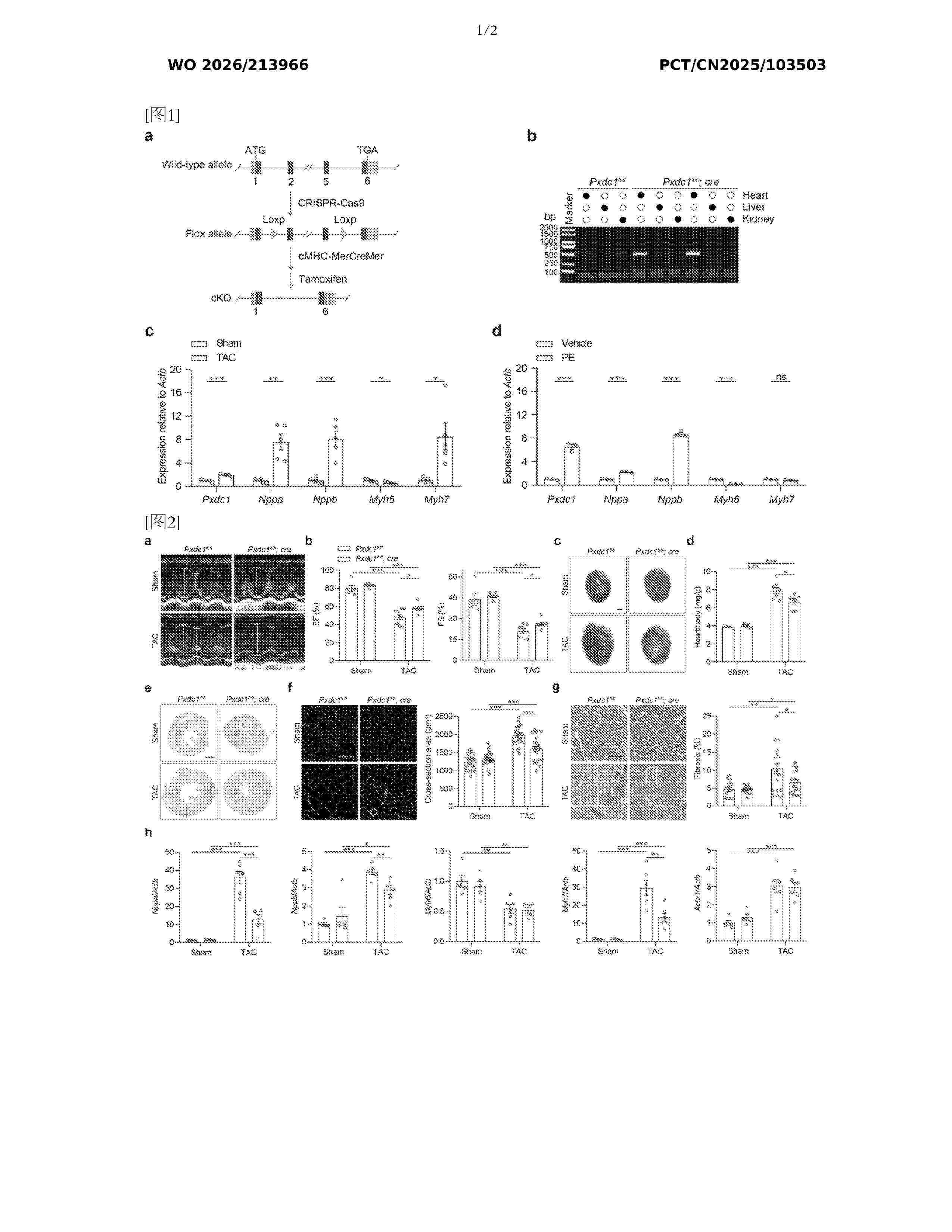
Resumen de: WO2026213966A1
The present invention relates to a use of PXDC1 in the preparation of a product for treating cardiac hypertrophy. The efficacy of inhibiting PXDC1 expression in treating cardiac hypertrophy and controlling the occurrence and progression of the cardiac hypertrophy has been demonstrated. Provided are a novel drug target and strategy for the treatment of cardiac hypertrophy, which can reduce the expression of cardiac hypertrophy biomarkers, decrease cardiomyocyte size, improve the ejection fraction and fractional shortening of the heart, lower the heart weight-to-body weight ratio, and mitigate the degree of cardiac fibrosis. In addition, the mechanism of action of PXDC1 in cardiac hypertrophy has been elucidated, deepening the understanding of the pathogenesis of the disease, and laying an important foundation for further exploration of cell biological and molecular biological processes related to cardiac hypertrophy.

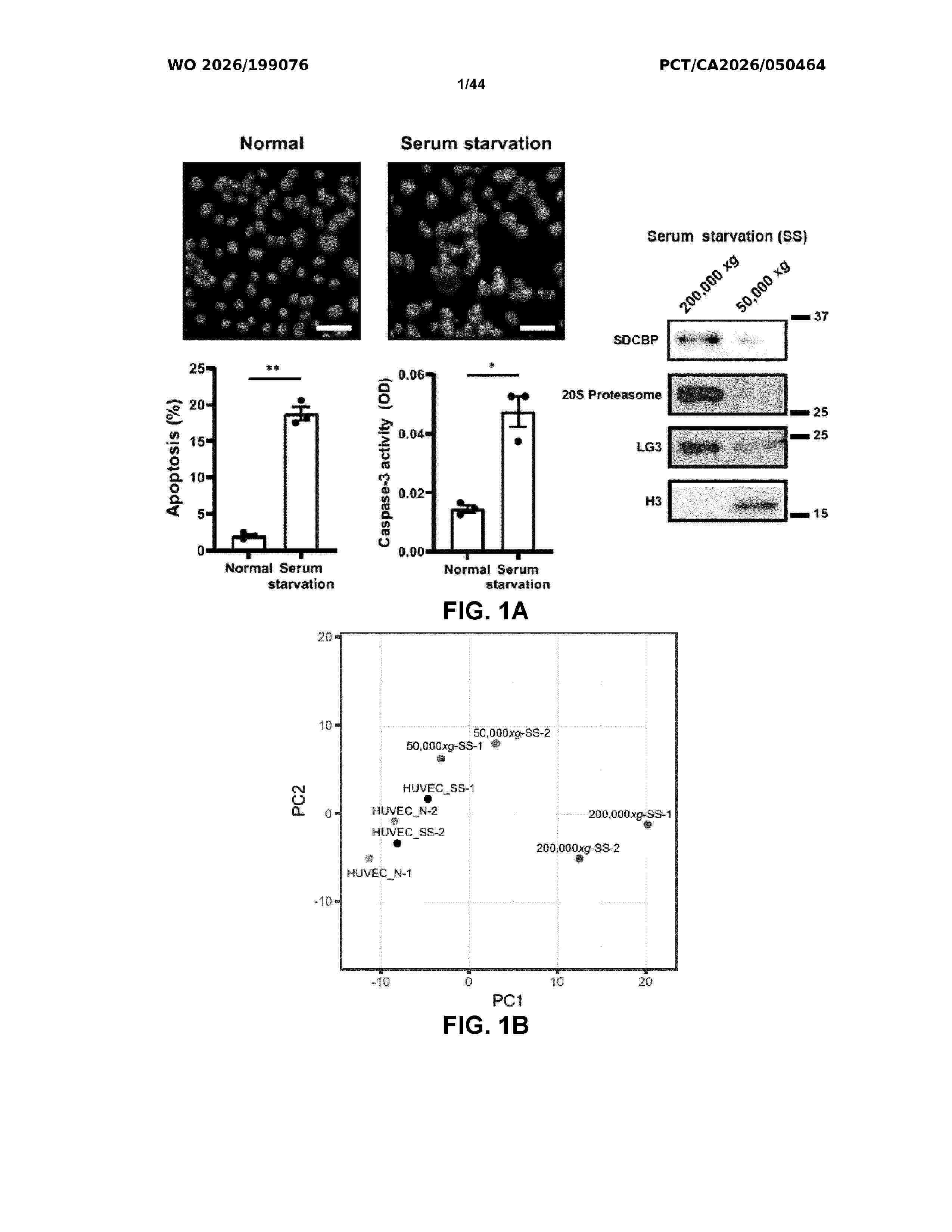
Resumen de: WO2026199076A1
Microvascular dysfunction has a wide array of clinical presentations, ranging from ischemic heart disease to renal failure, stroke, blindness, pulmonary arterial hypertension, and dementia. Unfortunately, the lack of clinically reliable biomarkers of microvascular injury or dysfunction is a major roadblock for assessing and preventing microvascular rarefaction in patients. Also, currently, there are no medications that can effectively treat and prevent microvascular diseases. The present application discloses methods for treating a microvascular disease and/or dysfunction in a subject based on the administration of miR-423-5p, let-7b-5p, let- 7a-5p, miR-30a-3p and/or let-7c-5p miRNA or RNA interfering agent mimicking one or more of these miRNAs. The present application discloses methods for assessing the risk of suffering from a microvascular disease or dysfunction by measuring the levels of at least one of miR-423-5p, let-7b-5p, let-7a-5p, miR-30a-3p and/or let-7c-5p miRNA in a sample.
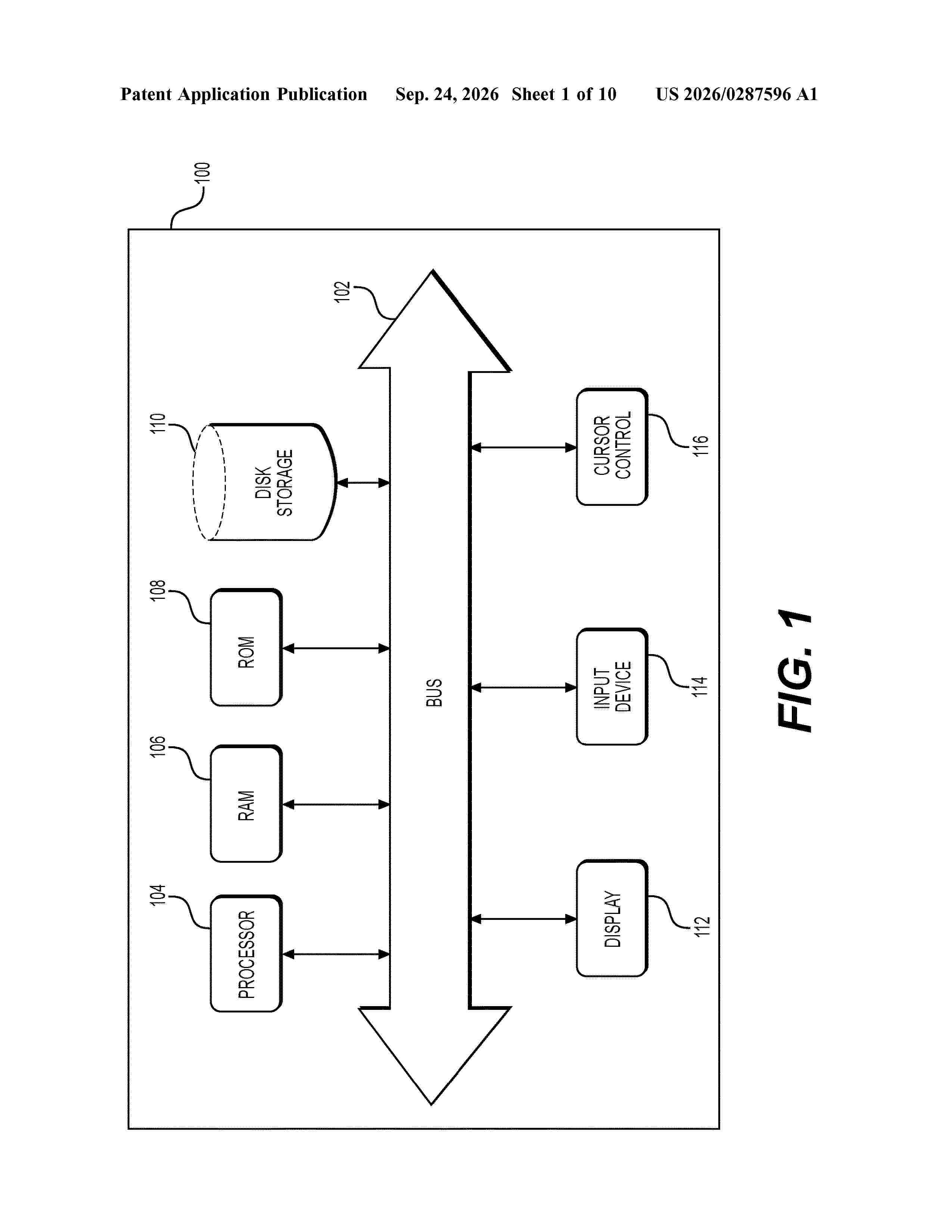
Resumen de: US20260287596A1
Methods and compositions disclosed herein generally relate to methods of identifying, validating, and measuring clinically relevant, quantifiable biomarkers of diagnostic and therapeutic responses for blood, vascular, cardiac, and respiratory tract dysfunction, particularly as those responses relate to septic shock in pediatric patients. Certain aspects of the invention relate to identifying one or more biomarkers associated with septic shock in pediatric patients in combination with one or more endothelial-derived biomarkers, receiving a dataset comprising biomarker concentrations, wherein the dataset is from a sample obtained from a pediatric patient having at least one indication of septic shock, then determining whether the biomarker concentrations of each of the at least one biomarkers are greater than one or more pre-determined cut-off biomarker concentration, wherein the level of said biomarker correlates with a predicted outcome.
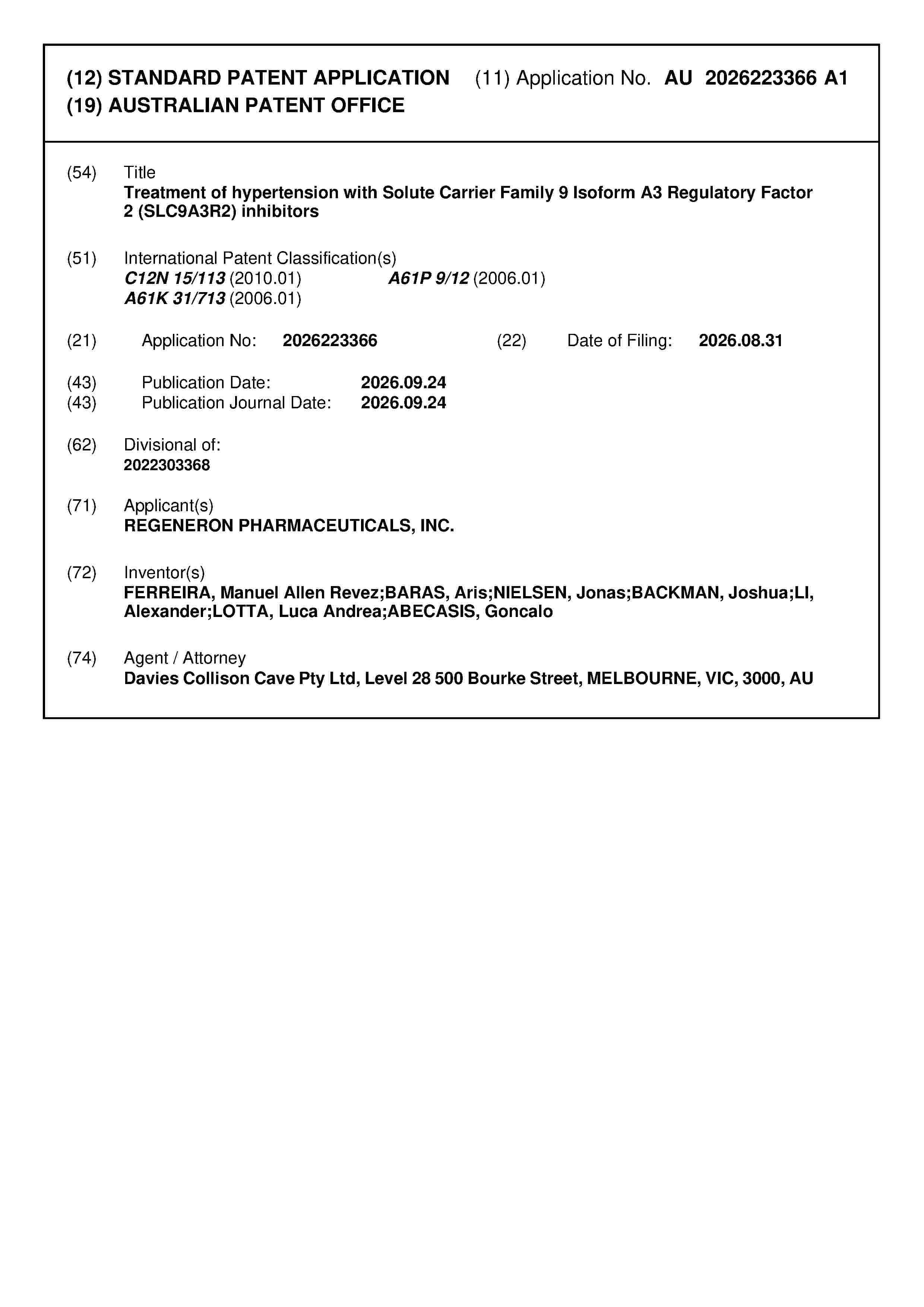
Resumen de: AU2026223366A1
% % $* $ + ($ + % $* $ ( $ + % $!, - % ./%0$ - 1!#,.02 % Abstract ug b s t r a c t u g
Resumen de: WO2026194092A1
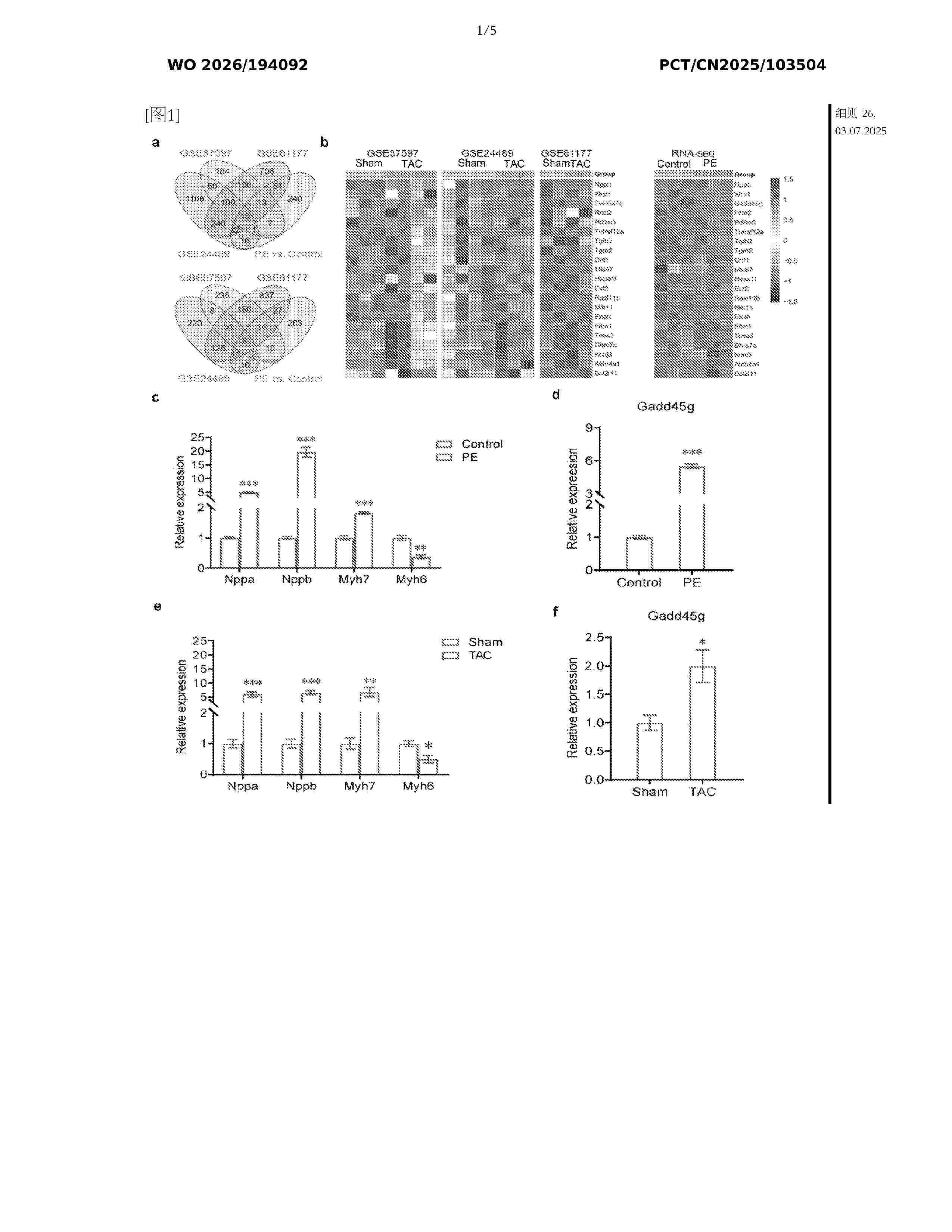
Provided is a use of Gadd45g as a biomarker for cardiac hypertrophy. Provided is a use of a substance capable of reducing the activity and/or expression level of Gadd45g in peripheral blood and/or myocardial tissue. Further provided is a use of a substance targeting Gadd45g in the preparation of products. Provided is a use of mice having reduced Gadd45g activity and/or expression level in the preparation and/or screening of drugs. Provided is a kit for detecting Gadd45g.
Resumen de: US20260265829A1
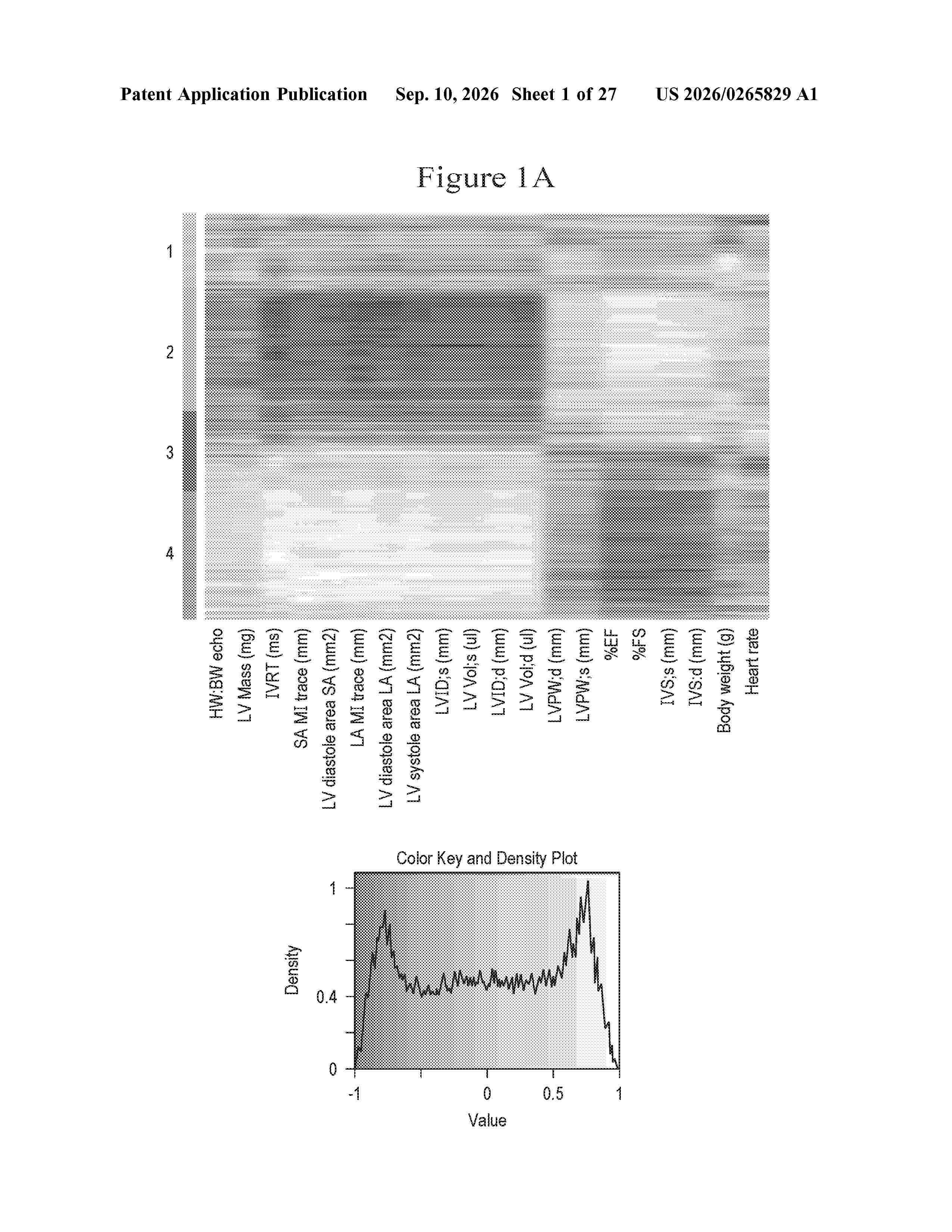
Provided herein are lncRNAs and methods for diagnosing cardiac pathologies in a subject. Also provided are methods for treating a cardiac pathology in a subject comprising administering to said subject an effective amount of a modulator of one or more lncRNAs.
Resumen de: WO2025093713A1
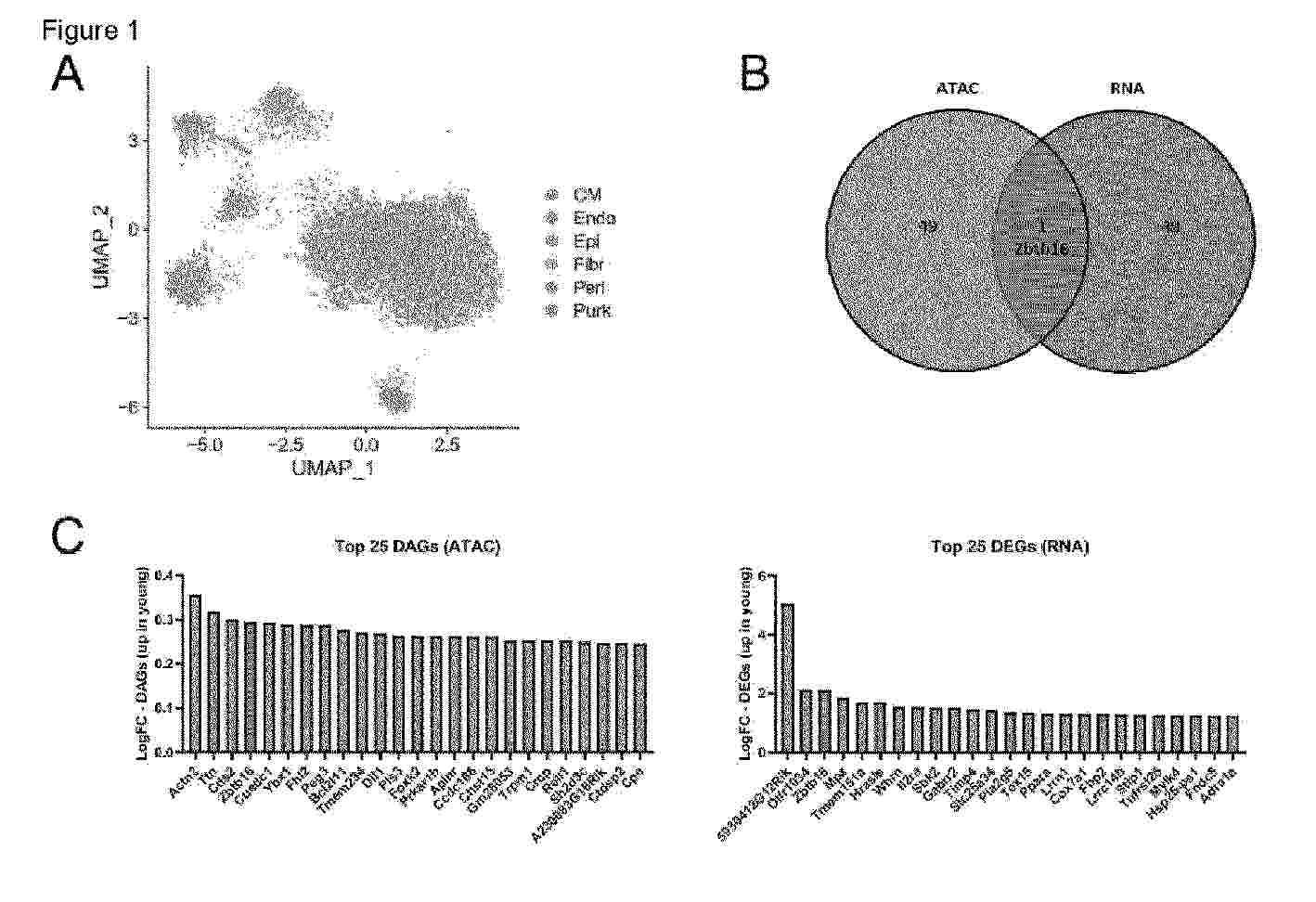
The present invention relates to a method for identifying a compound that increases the expression, amount and/or biological activity of the gene ZBTB16 in a cell of a subject, in particular a cardiac cell. Further provided are pharmaceutical compositions comprising compounds that increase the expression, amount and/or biological activity of the gene ZBTB 16 in a cell of a subject for use in medicine, in particular for use in the prevention or treatment of cardiovascular pathologies in a subject, in particular age-induced diastolic dysfunctions. Further provided are diagnostic methods, and kits.
Resumen de: WO2025088286A1
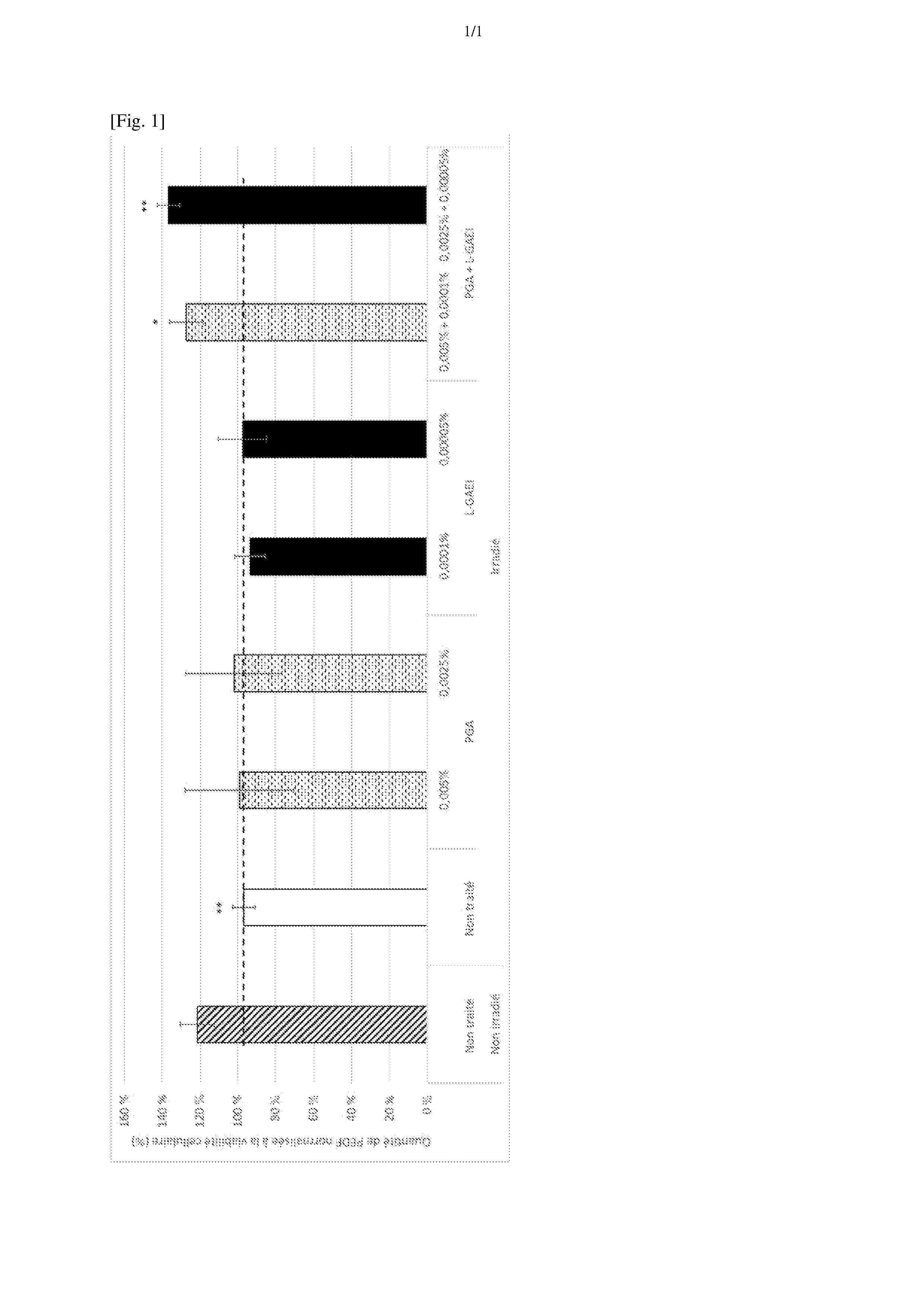
The invention relates to a cosmetic composition, advantageously an ecobiological cosmetic composition, comprising: - polyglutamic acid or a salt thereof; and - at least one peptide derivative represented by general formula (I), in which: - R1 represents a hydrogen atom, an acyl radical or an acyloxy radical; and - R2 represents the side chain of an α-amino acid selected from the group consisting of: tryptophan, glutamic acid, arginine, cysteine, methionine, histidine and tyrosine. The invention also relates to the use of the cosmetic composition for combatting skin redness and/or skin ageing; to the use thereof for preventing and/or combatting cutaneous hypervascularisation and/or skin inflammation and/or rosacea; and to a method for selecting compounds suitable for preventing and/or combatting these conditions.
Resumen de: CN122648563A
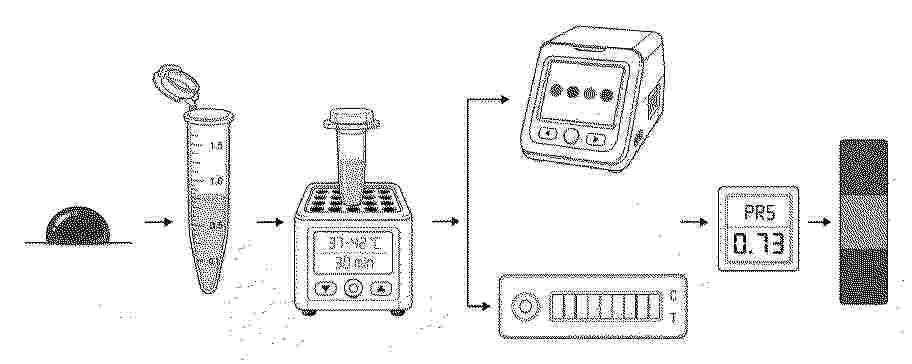
The invention relates to the technical field of molecular diagnosis and genotyping, in particular to a VTE high-risk individual recognition multiple isothermal amplification detection method and a VTE high-risk individual recognition multiple isothermal amplification detection kit, and the method comprises the following steps: constructing a 4-7 SNP site detection panel comprising SERPINC1 antithrombin defect variation, PROC protein C defect hot spot (p.Arg189Trp) and at least one SNP site in MTHFR, PAI-1, FGG and ABO; designing an allele-specific forward primer pair, a universal reverse primer and a tetrahydrofuran-containing site probe of a 3'terminal plus a reciprocal second or third artificial mismatch double-mismatch anchoring framework for each SNP site, wherein the allele-specific forward primer pair and the universal reverse primer pair are arranged on the 3 'terminal plus the reciprocal second or third artificial mismatch double-mismatch anchoring framework; and the Chinese population queue OR value weighted scoring model is adopted to output a risk layering result, so that the method is rapid in detection, multiple in single tube, small in sample consumption and optional in zero instrument, and is suitable for rapid screening of the genetic risk of the Chinese population primary medical venous thromboembolism.
Resumen de: CN122648415A
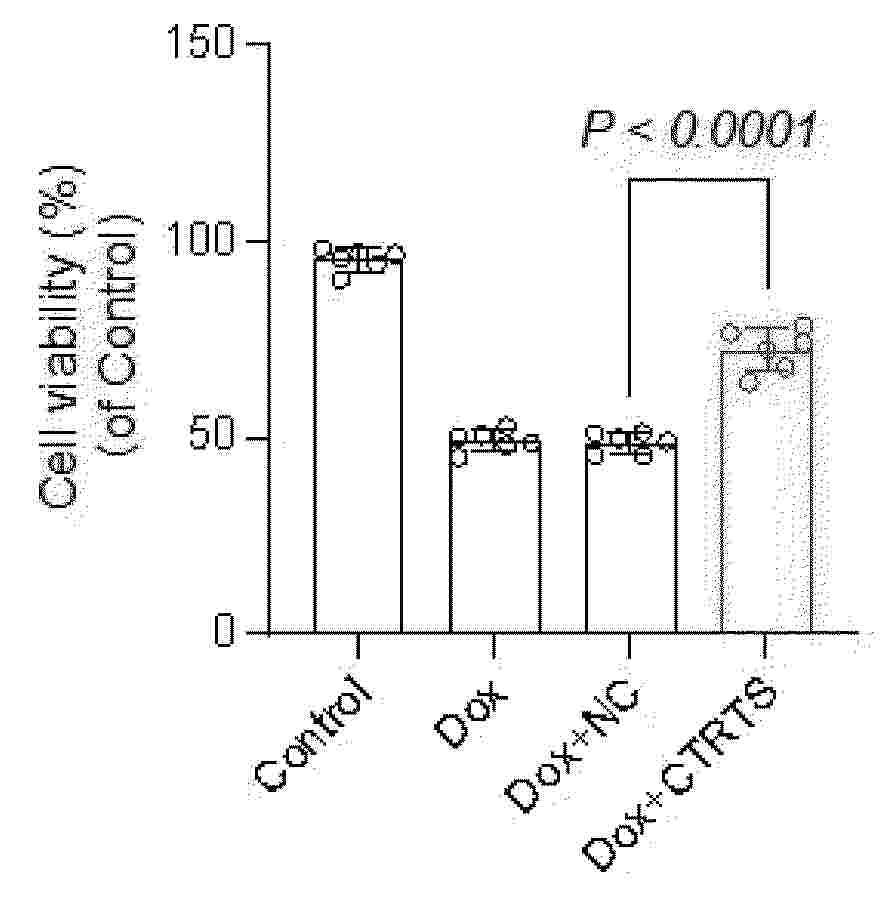
The invention belongs to the field of gene drugs, and particularly relates to CTRTS, a simulant and application of the CTRTS and the simulant. The nucleotide sequence of the CTRTS is as shown in SEQ ID NO. 1. The CTRTS simulant is CTRTS Agomir, and the nucleotide sequence of the CTRTS simulant is shown as SEQ ID NO. 2. Researches find that when doxorubicin induces cardiotoxicity, the expression level of CTRTS is reduced; overexpression of CTRTS can significantly inhibit adriamycin-induced cardiotoxicity, and plays an important role in myocardial cell death regulation and control. Existing drugs are limited in treatment effect, so that CTRTS plays an important role in myocardial cell death regulation and control and can participate in treatment of regulating and controlling the myocardial cell death process and regulating and controlling doxorubicin induced cardiotoxicity, and therefore the clinical prognosis effect of CTRTS is achieved.
Resumen de: WO2025085784A1
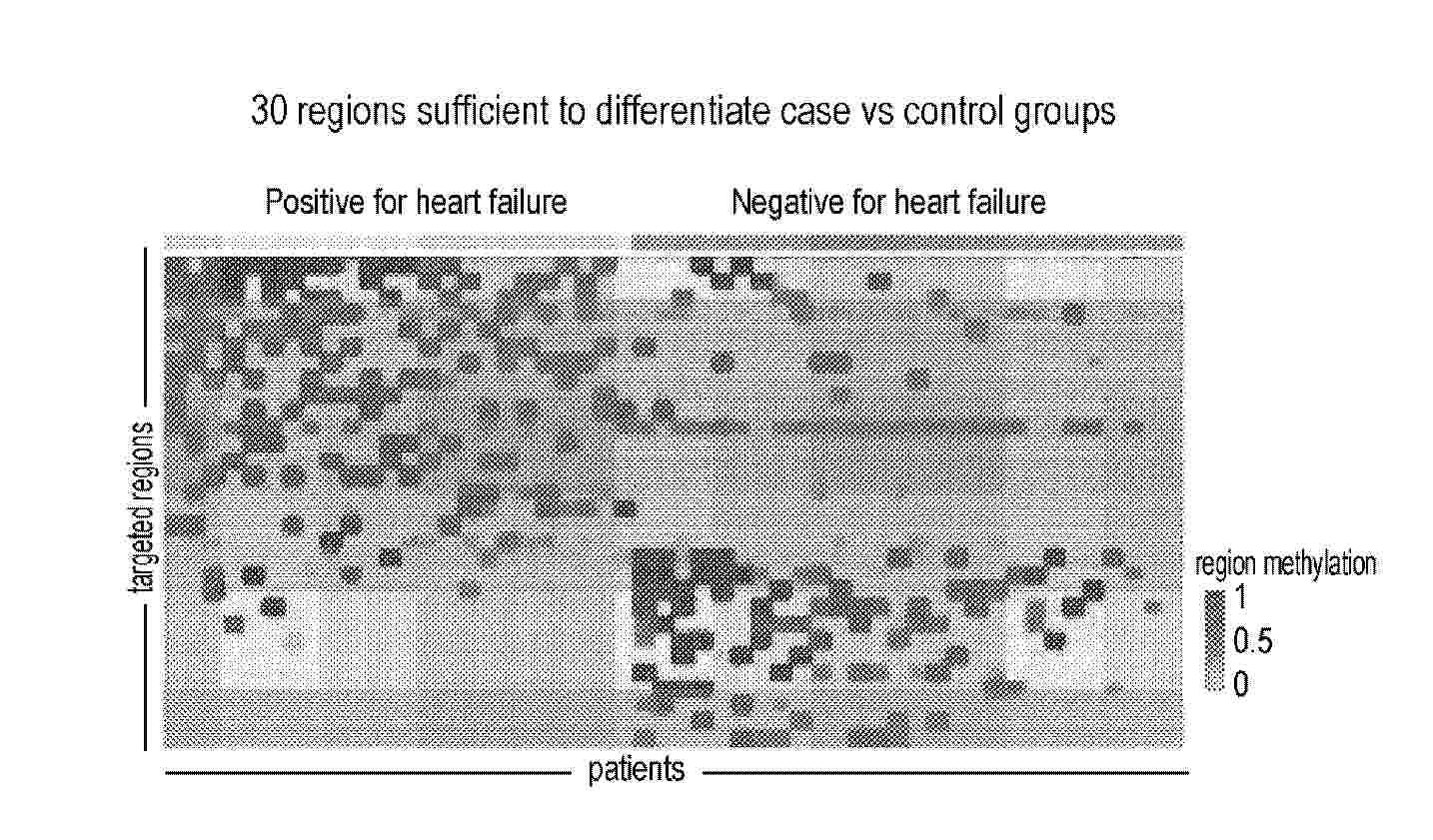
Disclosed herein are methods, compositions, and devices for use in diagnosis and treatment of disease, including cardiovascular disease, and such disease and dysfunction as related to cancer therapy administration. The methods include sequencing a panel of regions in cell-free nucleic acid molecules and detecting one or more biomarkers that are indicative of a cardiovascular disease and dysfunction.
Resumen de: CN122624626A
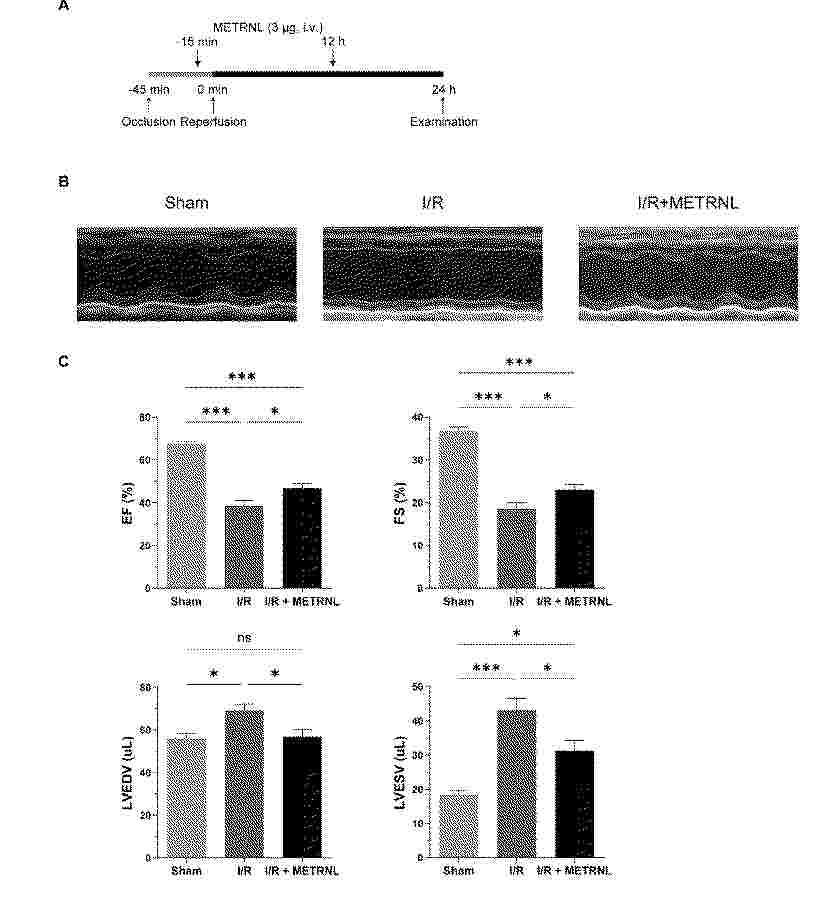
The invention relates to the technical field of molecular biology and biological medicine, and particularly discloses application of Metrnl as a myocardial infarction first-aid medicine. According to the application disclosed by the invention, after myocardial ischemia/reperfusion modeling is carried out on a mouse, metrnl protein is injected into caudal veins for treatment, and the metrnl protein treatment can be used for improving the cardiac functions of the first day, the second day and the third day after myocardial ischemia/reperfusion, improving the myocardial infarction area of the first day and increasing the death rate of the mouse within 7 days. It is shown that Metrnl can be used as a myocardial infarction first-aid medicine and has important significance in myocardial infarction disease treatment.
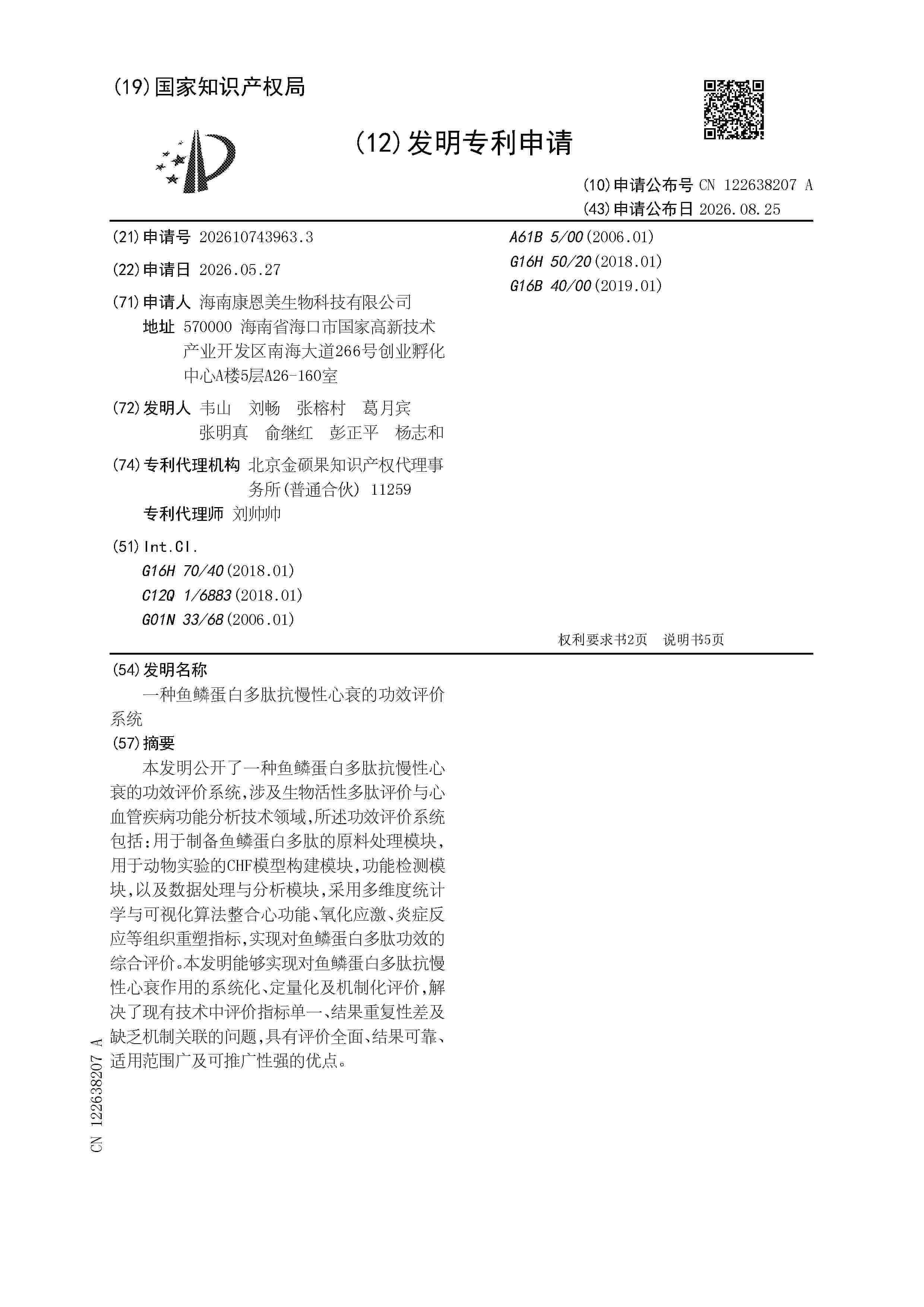
Resumen de: CN122638207A
The invention discloses an anti-chronic heart failure efficacy evaluation system for fish scale protein polypeptides, and relates to the technical field of bioactive polypeptide evaluation and cardiovascular disease function analys.The efficacy evaluation system comprises a raw material processing module used for preparing the fish scale protein polypeptides, a CHF model building module used for animal experiments and a function detection module, and the data processing and analysis module is used for integrating tissue remodeling indexes such as cardiac function, oxidative stress and inflammatory response by adopting multi-dimensional statistics and a visualization algorithm so as to realize comprehensive evaluation on the efficacy of the fish scale protein polypeptide. The method can realize systematic, quantitative and mechanical evaluation of the chronic heart failure resistance of the fish scale protein polypeptide, solves the problems of single evaluation index, poor result repeatability and lack of mechanism association in the prior art, and has the advantages of comprehensive evaluation, reliable result, wide application range and high generalizability.
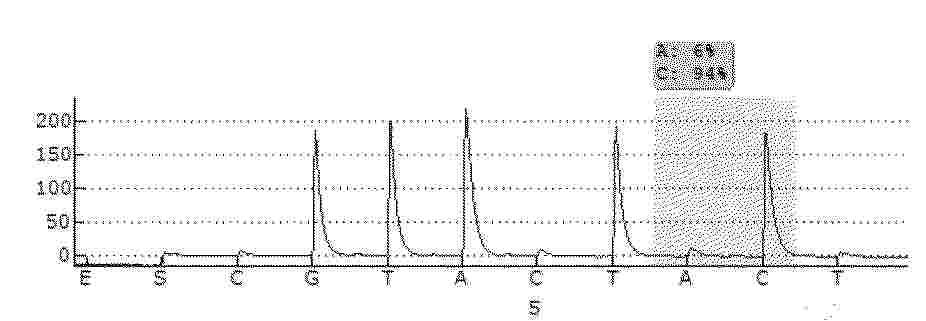
Resumen de: CN122629196A
The invention belongs to the technical field of in-vitro nucleic acid detection, and discloses a pyrosequencing primer pair and a kit for detecting ACE genotyping, the kit comprises a specific amplification primer group (SEQ ID NO.1-3) and a specific sequencing primer (SEQ ID NO.4), the 5'end of the amplification primer is subjected to biotin labeling, and the kit is matched with blank control and multiple positive control. Based on a pyrosequencing technology, by optimizing primer design and a reaction system, accurate typing of the ACE I/D gene is achieved, and the problems that in the prior art, typing is difficult, misjudgment is prone to occurring, operation is tedious, and the detection period is long are solved. The method has the advantages of high detection sensitivity, strong specificity, realization of the parallel detection of 16-96 samples within 1 hour by only 30 minutes on a single machine, intuitive and accurate result and perfect quality control, is suitable for clinical large-scale sample detection, and has a wide application prospect in hypertension medication guidance and cardiovascular disease risk assessment.
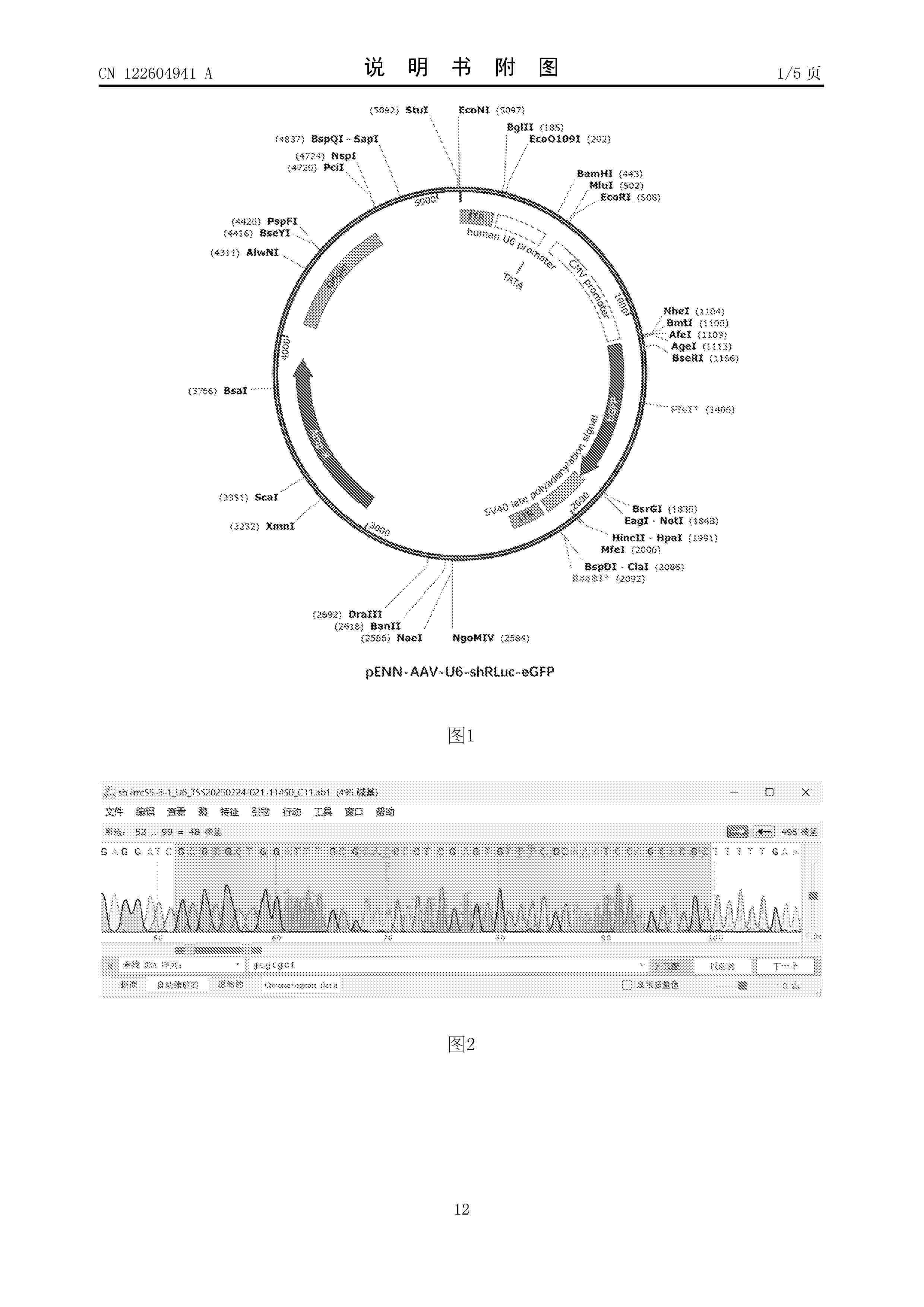
Resumen de: CN122604941A
The invention provides application of an Lrrc55 inhibitor in preparation of a medicine for preventing and treating myocardial ischemia reperfusion injury, and belongs to the technical field of biological medicine. The invention provides application of an Lrrc55 inhibitor in preparation of a medicine for preventing and treating myocardial ischemia reperfusion injury. The invention discloses the participation of Lrrc55 in the pathological process of myocardial ischemia-reperfusion injury for the first time through an in-vivo function intervention mode, and proves that targeted down-regulation of Lrrc55 expression can generate a protection effect on myocardial injury. Experimental results show that after the Lrrc55 is knocked down or inhibited, the apoptosis and necrosis level of myocardial cells after myocardial ischemia reperfusion can be effectively reduced, myocardial interstitial collagen deposition can be relieved, the cardiac fibrosis process can be relieved, and the left ventricular systolic function can be improved on the whole level, so that the Lrrc55 has an inhibiting effect on adverse myocardial remodeling. The invention provides a novel molecular target and a novel gene therapy strategy for prevention and treatment of myocardial ischemia reperfusion injury.
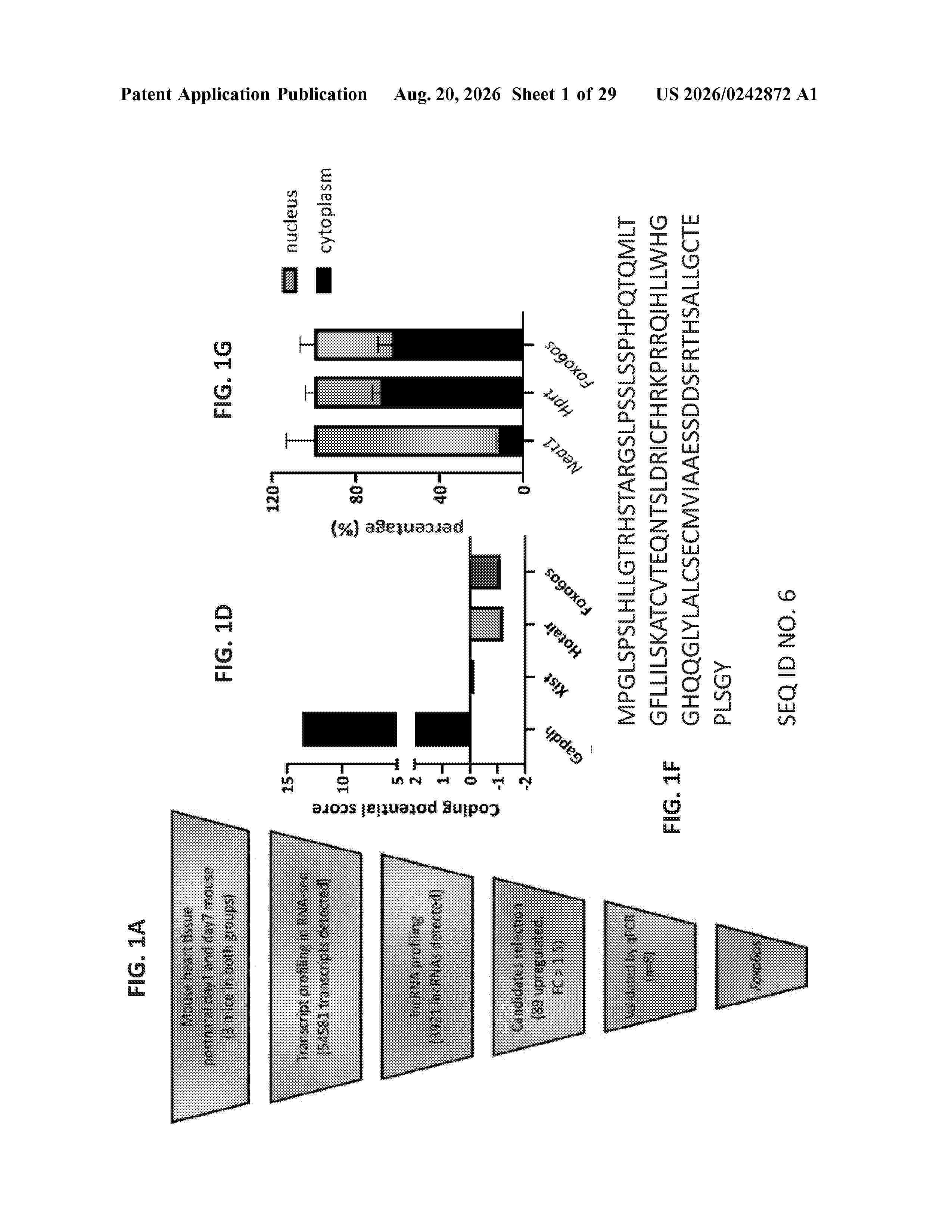
Resumen de: US20260242872A1
0000 The present invention relates to a long non-coding RNA as a therapeutic target in cardiac disorders.
Resumen de: CN122588230A
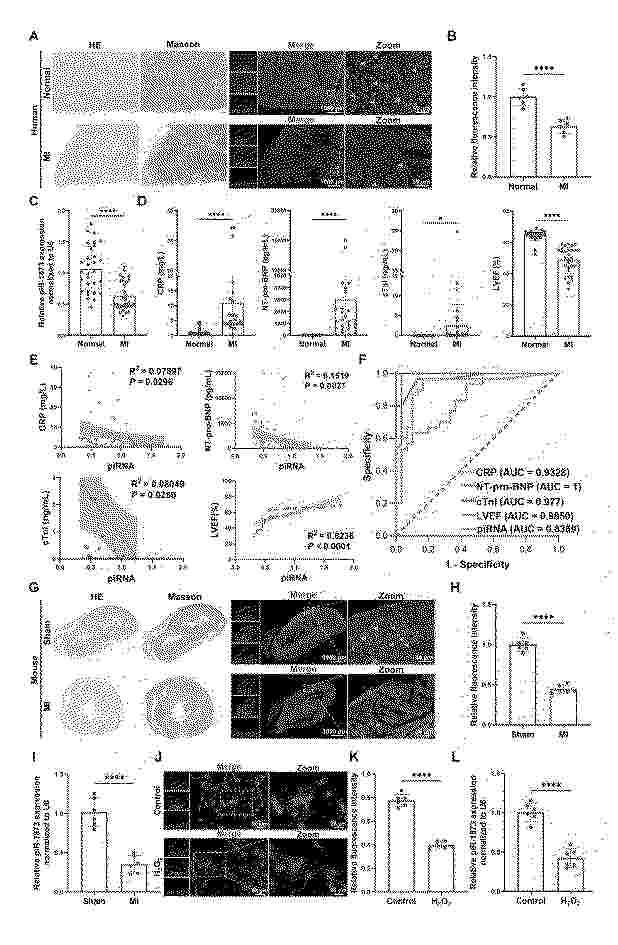
The invention discloses an application of piR-1873 in preparation of a myocardial infarction diagnosis product or a myocardial infarction treatment drug, the piR-1873 in the invention is significantly down-regulated in MI patients, MI animal models and H2O2-induced myocardial cells, subject working characteristic (ROC) curve analysis shows that the piR-1873 has high sensitivity and specificity and further has potential early diagnosis value, and in addition, the piR-1873 can be applied to diagnosis of myocardial infarction and treatment of myocardial infarction. The piR-1873 can negatively regulate USP2 and inhibit RIP1/RIP3/MLKL mediated necrotic apoptosis, so that myocardial cells are prevented from being damaged, and a new accurate intervention strategy is provided for treatment of myocardial infarction.
Resumen de: CN122564109A
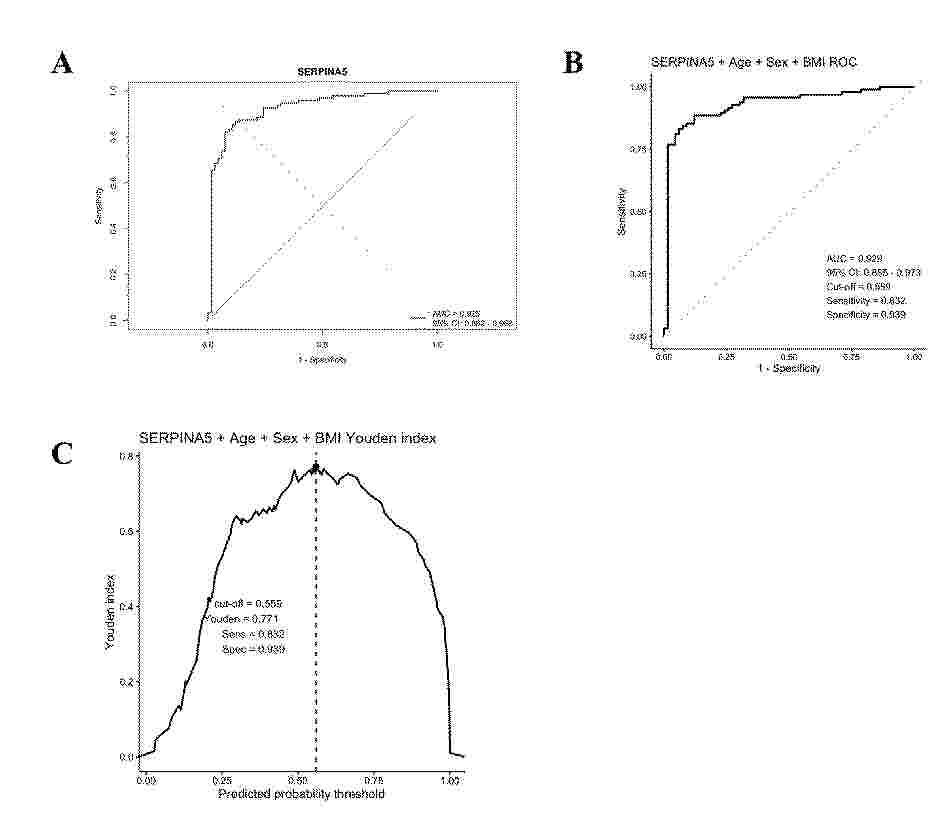
The invention relates to the technical field of biological medicine, in particular to application of SERPINA5-based PASC related cardiovascular system symptom risk assessment. The invention provides a risk assessment system taking SERPINA5 as a core molecular marker, and the system can provide objective and quantifiable molecular level reference basis for risk assessment of PASC-related cardiovascular system symptoms under the condition that sufficient explanation is difficult to provide by a conventional detection means.
Resumen de: CN122564105A
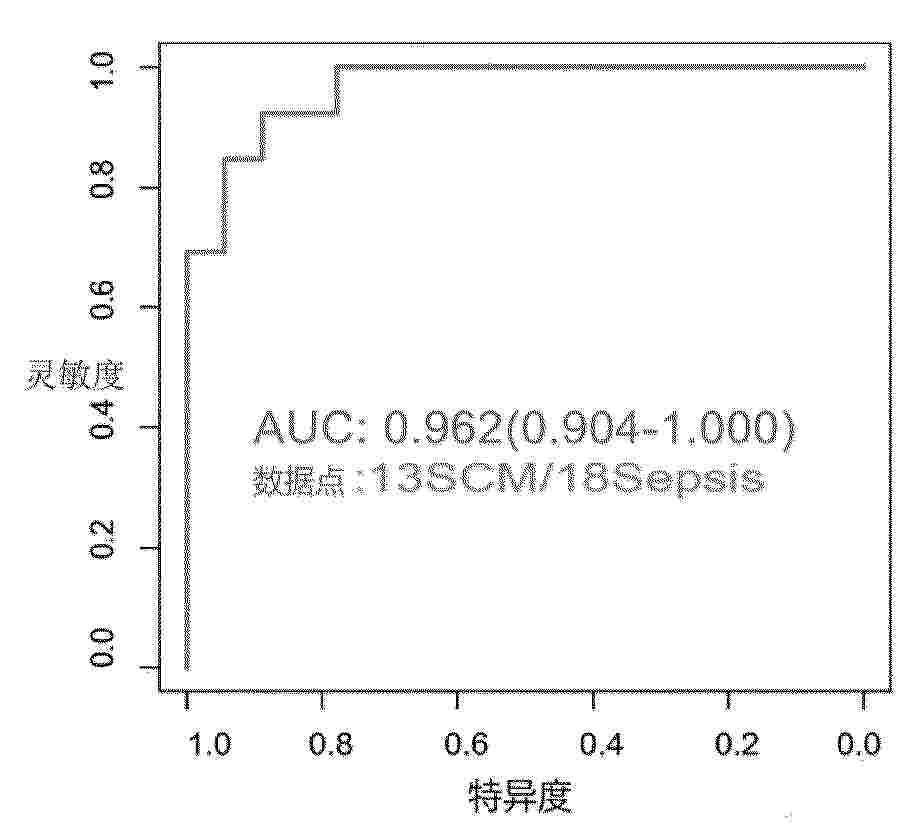
The invention relates to the technical field of biological medicine, and discloses a biomarker and a model for diagnosing sepsis cardiomyopathy and a construction method, and the biomarker comprises MAP2K5, ANKRD17, PLCL2, UBE2V2, BAHD1 and KCP. The biomarker provided by the invention can effectively diagnose and differentiate the pyocardiomyopathy, the diagnosis and differential diagnosis are carried out according to the biomarker, the biomarker has the advantages of safety, noninvasive property, easiness in obtaining samples, high accuracy, convenience in operation and the like, and accurate judgment is provided for the diagnosis and differential diagnosis of the pyocardiomyopathy.
Resumen de: CN122564099A
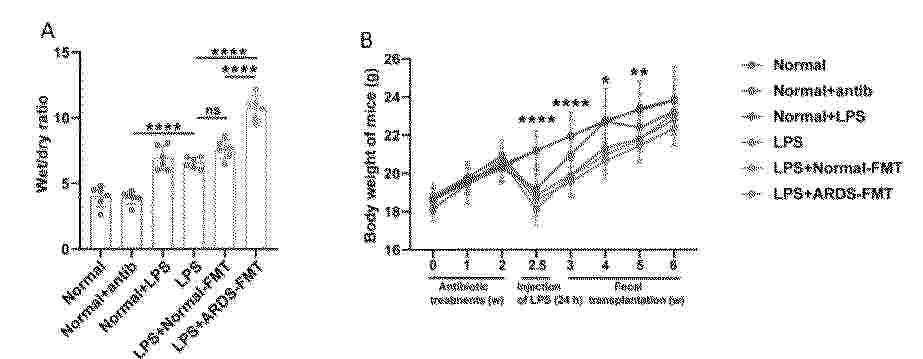
The invention belongs to the field of biological medicine, and relates to application of intestinal bacteroides bacteria and metabolites thereof in risk assessment of ARDS or lung injury. The invention provides an application of a reagent for detecting the level of 3-(3-hydroxyphenyl) propionic acid sulfate and/or a reagent for detecting the abundance of Bacteroides massiliensis in preparation of a kit for risk assessment of ARDS or lung injury. The invention discloses a mechanism that the intestinal microorganism Bacteroides massiliensis and the metabolite 3-(3-hydroxyphenyl) propionic acid sulfate thereof activate a VEGF (Vascular Endothelial Growth Factor) signal channel through targeting KDR, inhibit apoptosis of macrophages and promote migration of the macrophages so as to aggravate lung injury for the first time. Based on this mechanism, the present invention provides biomarkers for ARDS diagnosis.
Resumen de: CN122557583A
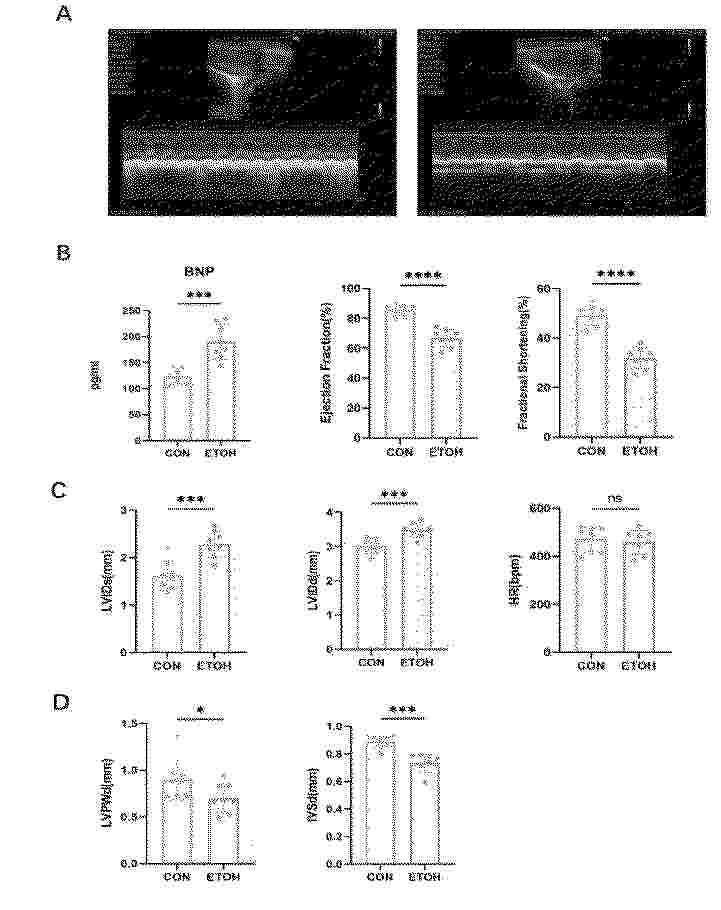
The invention discloses an application of tRNA-Ser-GCT in preparation of a product for treating alcoholic cardiomyopathy, the tRNA-Ser-GCT shows high expression in the alcoholic cardiomyopathy, and a myocardial immune inflammatory response and cell damage are mediated by regulating a PI3k-Akt signal channel; in-vivo experiments show that inhibition of tRNA-Ser-GCT can effectively relieve myocarditis and cardiac function impairment induced by alcohol, and a novel molecular target is provided for treatment of ACM.
Resumen de: US20260235604A1
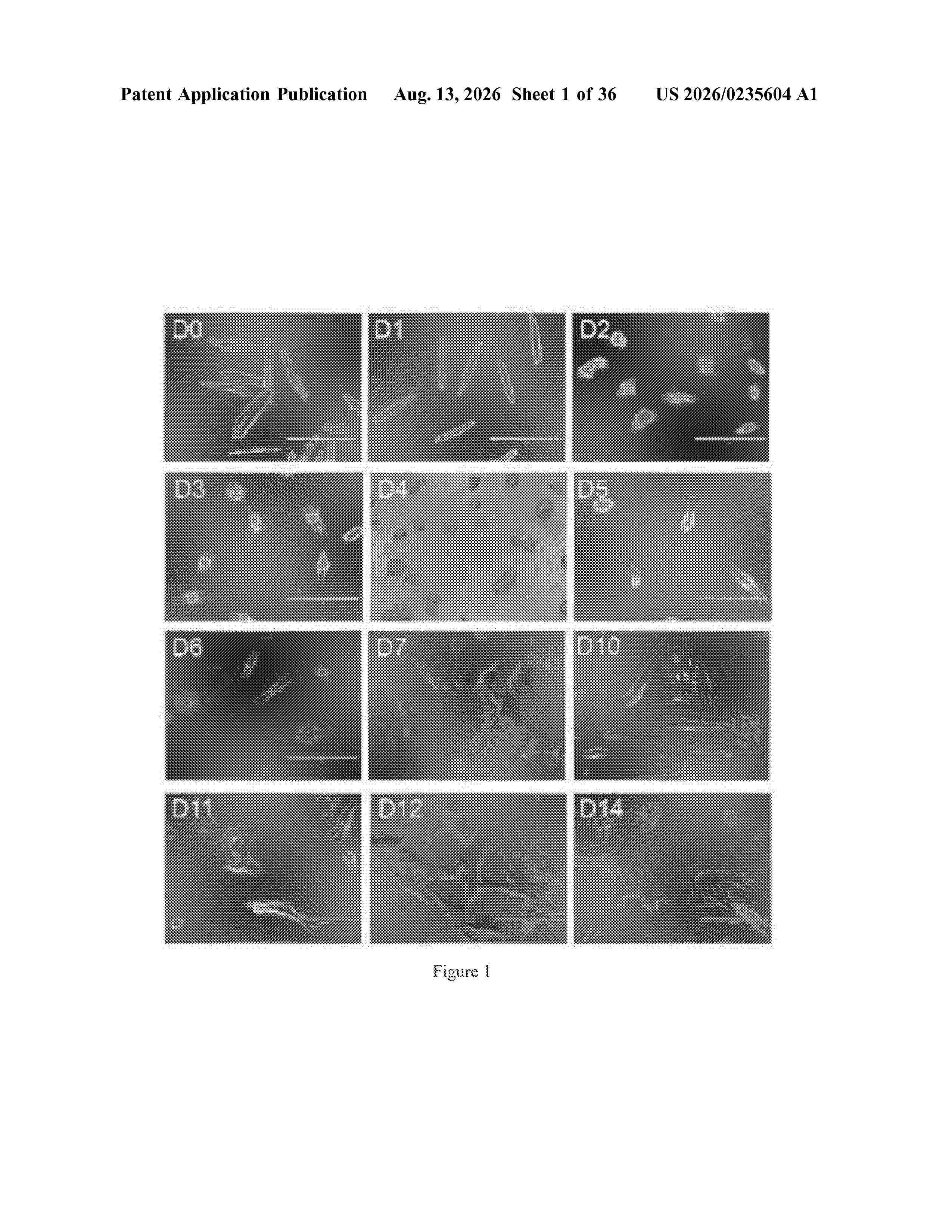
The present invention relates to the Asparagine Synthetase (Asns) gene and the role it plays in cardiomyocyte dedifferentiation and cardiac regeneration. More particularly, the invention is directed to the detection of ASNS expression as a diagnostic marker for cardiomyocyte dedifferentiation and cardiac regeneration; therapeutic up- and downregulation of ASNS expression to augment dedifferentiation-regeneration or suppress dedifferentiation-regeneration; and methods of screening for ASNS inhibitors, activators and regulators of cardiomyocyte dedifferentiation activity. Also disclosed are vectors, probes, therapeutics and kits.
Resumen de: WO2026170058A1
Methods, kits, and computer-implemented systems are provided for diagnosing, predicting, or treating atherosclerosis or progression thereof in a subject.
Resumen de: WO2026167636A2
The present invention provides methods, systems, platforms, kits and computer- implemented processes for predicting, diagnosing, classifying, profiling diabetes, prediabetes (or intermediate hyperglycemia) and diabetes-related cardiometabolic disorders and complications in a subject, and for performing precision treatment selection and clinical decision-making. In some embodiments, the invention comprises individual modules, wherein each module generates outputs comprising one or more of disease risk stratification, subtype classification, complication risk prediction, pharmacogenomic predictions, and treatment recommendations. In certain embodiments, the invention further provides an integrated, multi-method, multi-functional system, platform, kit or computer-implemented method wherein two or more of the individual modules are integrated to generate individualized health data for personalized management, selection for participation in clinical trials and generation of real-world evidence to complement clinical trial evidence for evaluation of safety, tolerability, clinical effectiveness and cost-effectiveness of interventions. Other example embodiments are described herein.
Nº publicación: KR20260122752A 12/08/2026
Solicitante:
사회복지법인삼성생명공익재단성균관대학교산학협력단
Resumen de: KR20260122752A
본 발명은 요독성 심근병증 진단용 신규 바이오마커 및 이의 용도에 관한 것으로, 요독성 심근병증 진단용 신규 바이오마커를 발굴함으로써 요독성 심근병증을 조기에 진단하고 적합한 치료법을 제공하여 환자의 예후 개선, 의료비 절감 등에 기여할 수 있다.
 BOPI
BOPI
 Sede Electrónica