Si deseas distinguir tus productos, servicios o ambos de los de otra empresa, es posible que necesites una marca o nombre comercial. Descubre qué son, en qué consiste su procedimiento de registro y qué implica.

Información sobre los plazos de presentación de solicitudes de transformación de marcas de la Unión Europea en marca nacional española. Más información


Si tienes un nuevo dispositivo, producto o procedimiento que resuelva un problema técnico o tenga una ventaja práctica, existen distintas formas de protegerlo en España y en otros países. Descubre cómo hacerlo.

¿Tu innovación reside en la estética, la ornamentación o la apariencia de tu producto? Protégela mediante un diseño industrial. Descubre qué derechos confiere el registro y cómo realizar la tramitación.

Las indicaciones geográficas protegen el nombre de un producto originario de una zona geográfica, a la cual le debe una determinada calidad, reputación u otra característica. Descubre qué son, en qué consiste su procedimiento de registro y qué beneficios conceden.

Las patentes publicadas en todo el mundo son una valiosa fuente de información científica, técnica y comercial.

Si eres emprendedor/a o una empresa y quieres potenciar y mejorar la rentabilidad de tu negocio protegiendo de forma adecuada los activos intangibles de tu organización, en este espacio encontrarás lo necesario.


 56
resultados
56
resultados
 Última actualización
15/09/2026 [06:46:00]
Última actualización
15/09/2026 [06:46:00]


Resumen de: FR3172711A1
La présente invention a principalement pour objet un procédé de génération d’un produit de fermentation, une composition comprenant ledit produit de fermentation ou une fraction de ce produit, et l’utilisation de cette composition pour la stimulation de la croissance des plantes et/ou pour la stimulation du taux de mycorhization de celles-ci.

Resumen de: US20260265682A1
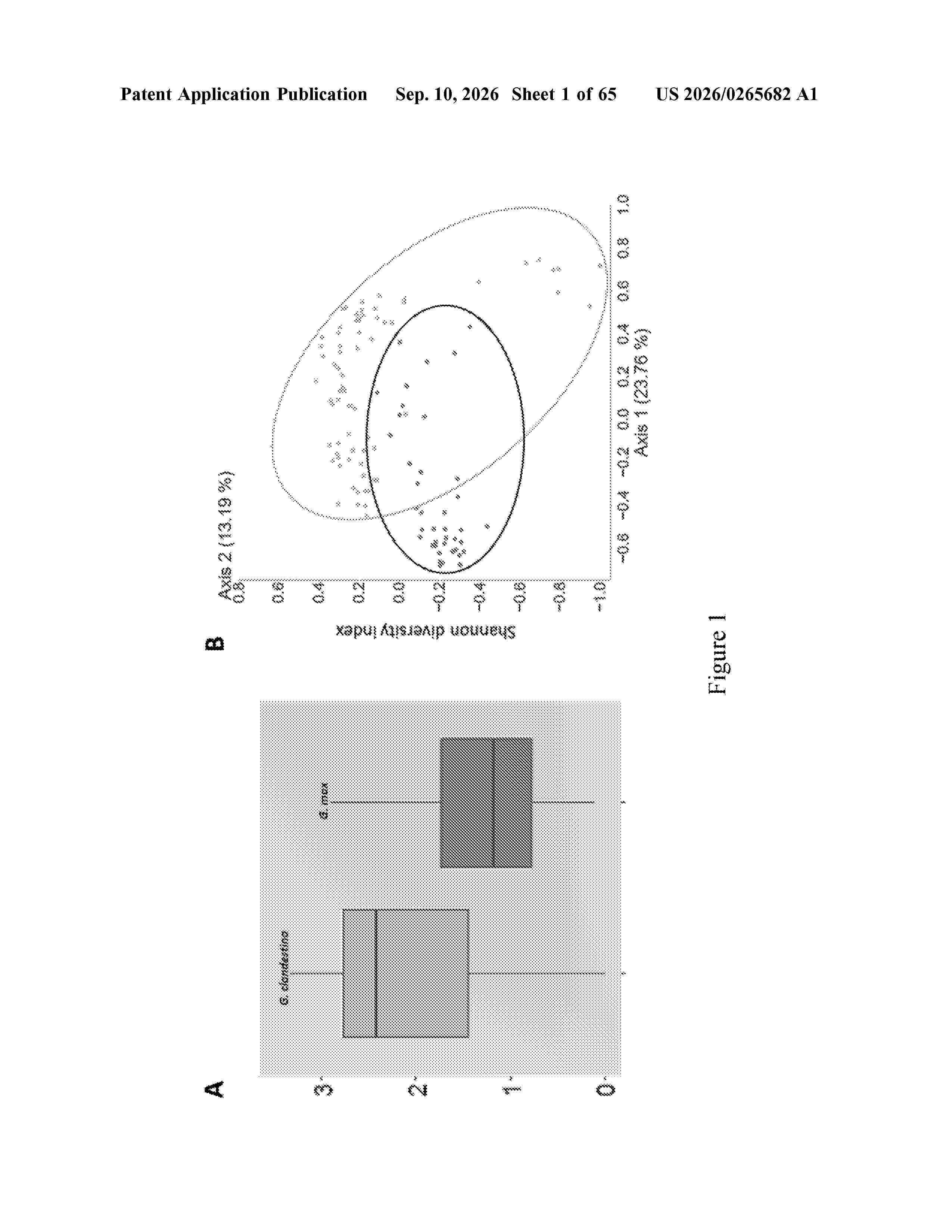
The present invention relates to plant growth promoting endophytes, preferably of plants of the Glycine genus, particularly plant growth promoting Curtobacterium sp. endophytes. The present invention also relates to seeds, plants, and parts thereof infected with such endophytes; and related methods, including methods for conferring plant growth promotion to plants and for selecting plant growth promoting endophytes.
Resumen de: WO2026187852A1
A composition having at least one isomeric alkatrienyl ester in an amount effective to attract moths of the genus Conopomorpha, e.g., male cocoa pod borer Conopomorpha cramerella, and processes for preparation thereof. A method of attracting, monitoring, or controlling moths of the genus Conopomorpha or male cocoa pod borer Conopomorpha cramerella by treating an object or area with an effective amount of the composition, or exposing the moths of the genus Conopomorpha or cocoa pod borer Conopomorpha cramerella to an effective amount of the composition. A trap configured for capturing moths of the genus Conopomorpha, the trap having a lure with the composition on the surface thereof or impregnated therein. A substrate having the composition on a surface or impregnated therein.
Resumen de: WO2026183645A1
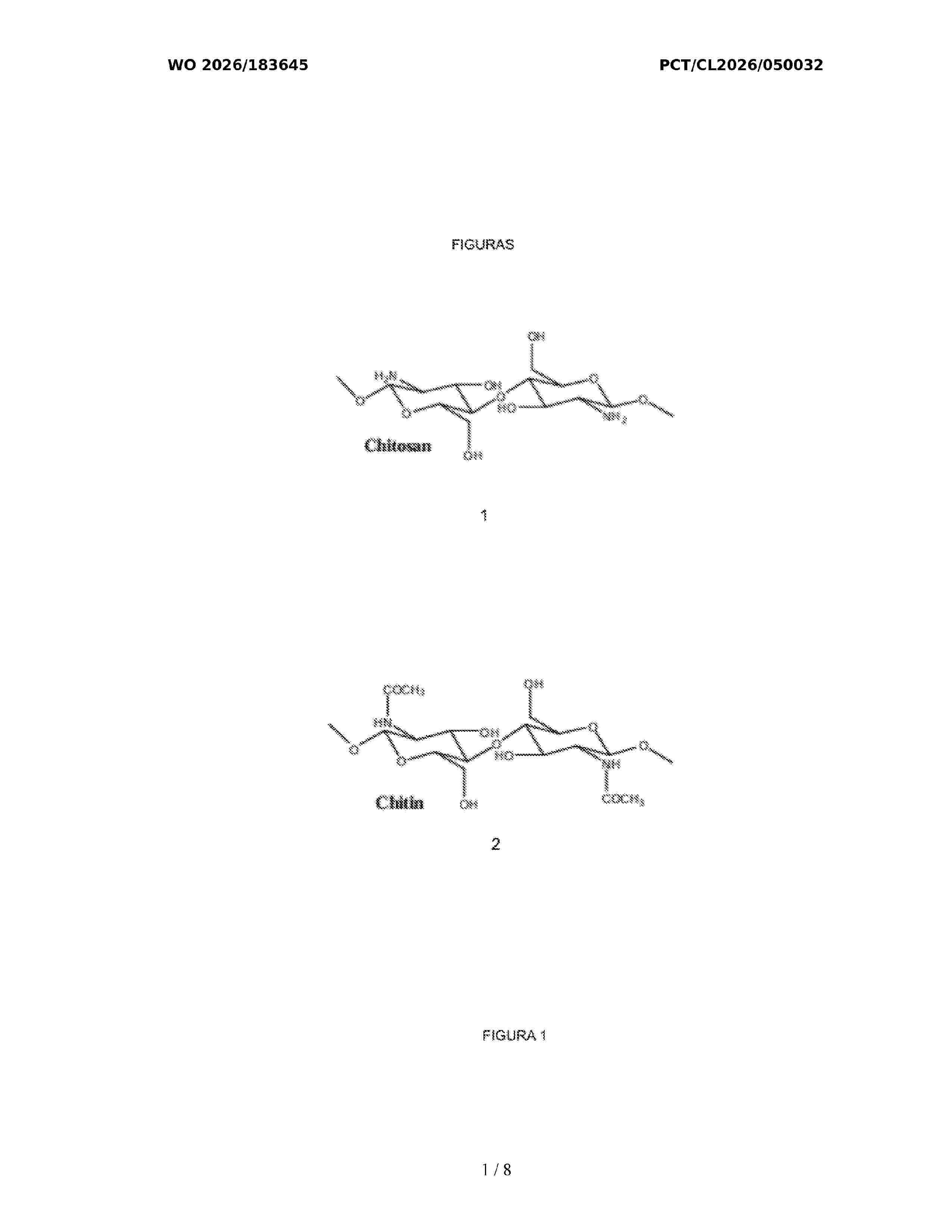
The present invention relates to a nanocomposite comprising polyphenolic extracts obtained from green walnut husk which are encapsulated in chitosan for use as a controlled-release agricultural biocide. The antioxidant polyphenolic compounds extracted from green walnut husk have antibacterial, antifungal, antioxidant and anti-inflammatory properties, but are highly unstable, their properties being reduced by exposure to temperature, oxygen and solar radiation. Therefore, these compounds must be encapsulated in a natural biopolymer to maintain their properties. In order to obtain this product, enzymatic extraction of the green walnut husk is carried out in an aqueous medium, thereby obtaining polyphenolic extracts that are sequentially filtered through a bag filter, tangential microfiltration and tangential ultrafiltration, thus making it possible to obtain an extract free of pathogenic microorganisms. Said polyphenolic extracts are subsequently encapsulated by ultrasound-assisted coagulation, flocculation, sedimentation and concentration techniques.
Resumen de: WO2026185477A2
The present invention relates to isolated fungal strains, associated compositions and methods of use thereof. More specifically, the present invention concerns fungal strains of the genus Trichoderma, compositions comprising those fungal strains and their utility in improving the growth, health and/or yield of plants, particularly agricultural plants. The fungal strains and compositions provided herein are capable of improving traits of agricultural importance in a host plant inoculated with said strain or composition. The fungal strains and compositions are also capable of reducing the incidence of, or increasing the resistance to, plant pathogens. Also provided are methods of treating seeds and/or plant parts with the Trichoderma strains to impart improved characteristics to plants, particularly agricultural plants, and plants and/or plant parts treated with said fungal strains and compositions.
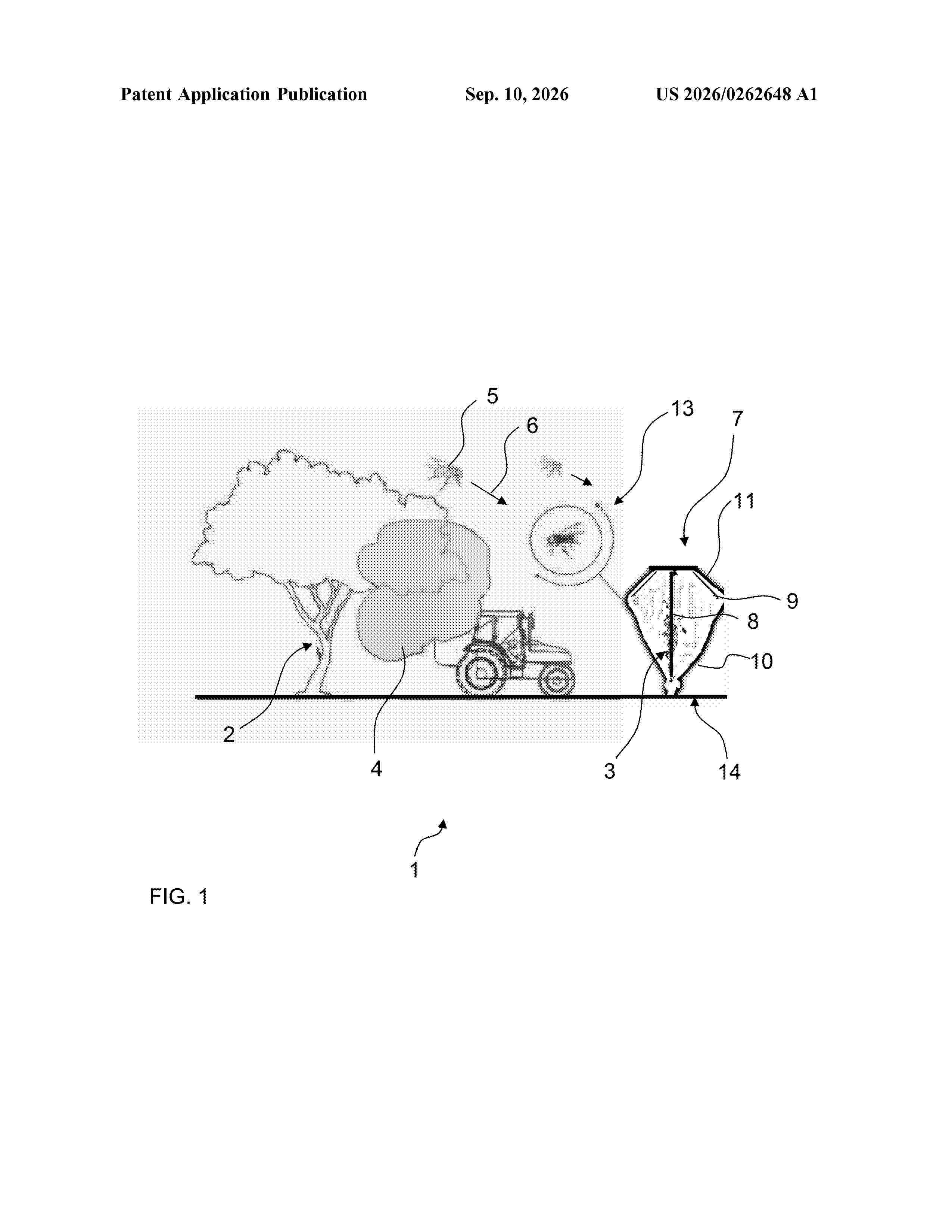
Resumen de: US20260262648A1
In a plantation, such as a fruit farm, ACP are pushed away from adult trees by chemical repellents and pulled towards young trees by insect attractants, disposed on protective mesh material that also carries insecticide, which kills the insects upon contact. Due to this push-pull effect, not only the covered young trees are protected but also the adult trees.
Resumen de: US20260262645A1
The present disclosure provides a composition comprising Veratridine, Cevadine, N,N-dimethyloctanamide, and N,N-dimethyldecanamide.
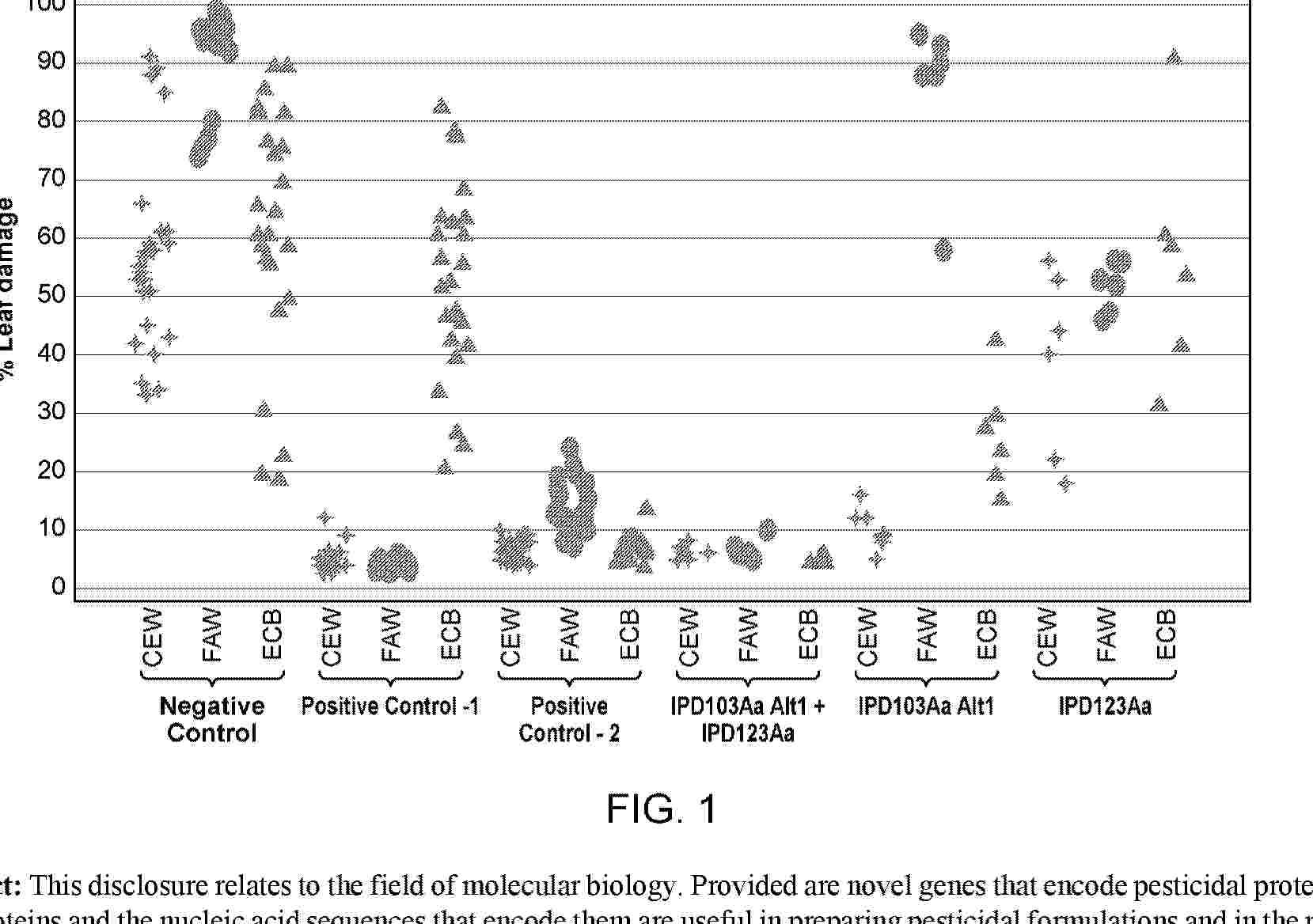
Resumen de: AU2025253253A1
This disclosure relates to the field of molecular biology. Provided are novel genes that encode pesticidal proteins. These pesticidal proteins and the nucleic acid sequences that encode them are useful in preparing pesticidal formulations and in the production of transgenic pest-resistant plants. Methods to create or alter pesticidal proteins are provided for altered or enhanced pesticidal activity. Also provided are methods for controlling, inhibiting growth, or killing insect pests using pesticidal proteins.
Resumen de: US20260262654A1
Described are bacterial compositions and uses thereof for controlling, suppressing and/or preventing an infection from Clavibacter michiganensis subsp. michiganensis (Cmm) in tomato. The bacterial compositions comprise an aqueous mixture of living Bacillus subtilis and living Bacillus pumilus. The bacterial compositions can be combined with existing herbicides, insecticides, fungicides, bactericides, and nutrient, including but not limited copper-containing compounds. Combination with a copper fungicide such as Kocide™ provides a synergistic efficacy.
Resumen de: AU2026220250A1
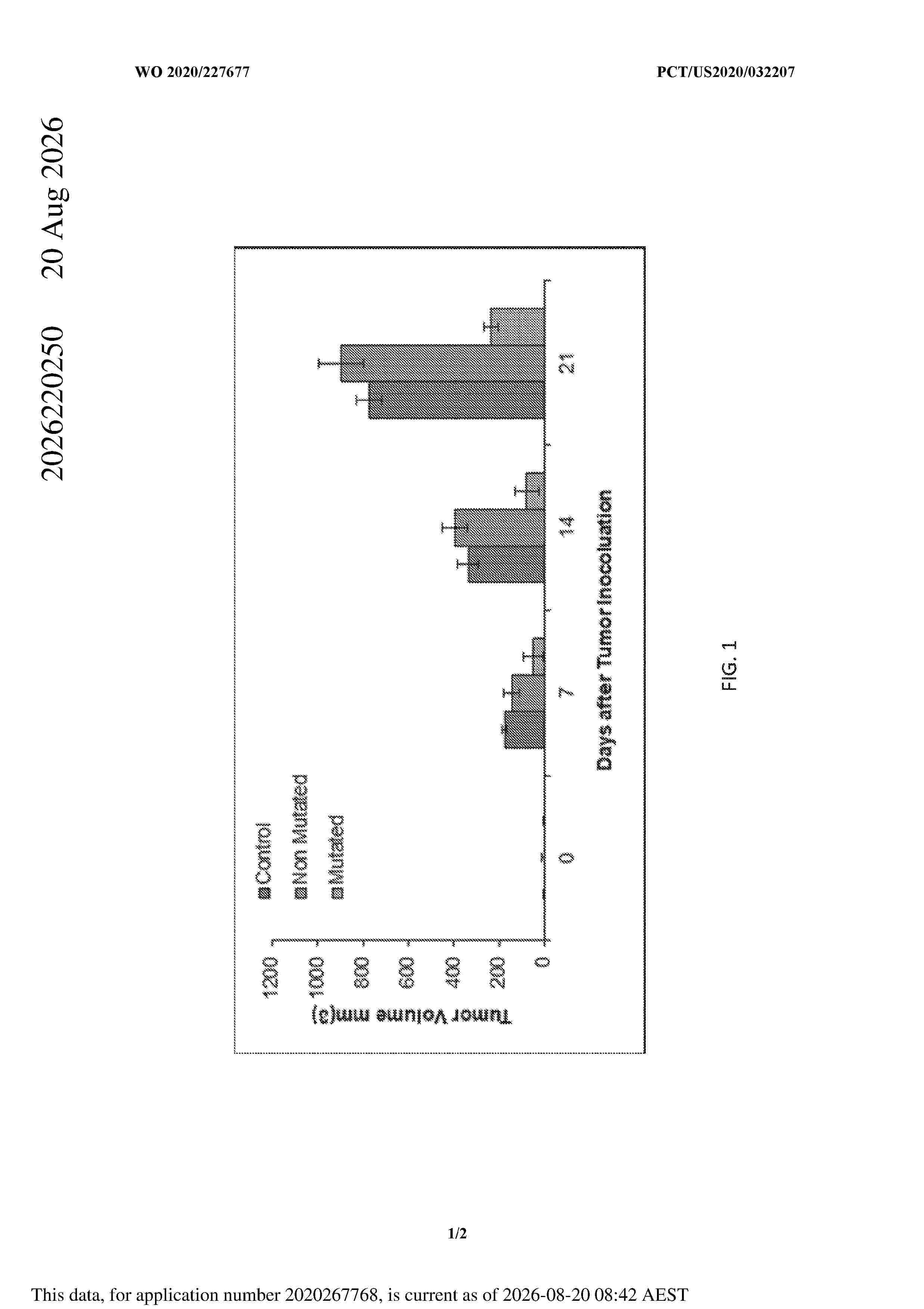
0063 The disclosure includes embodiments for utilizing fibroblasts derived from cancer patients and generating “de novo” tumor specific cancer cells and cancer stem cells. The cells may be used as a source of one or more patient-specific antigens for generating one or more personalized tumor vaccines. ug u g
Resumen de: AU2026214070A1
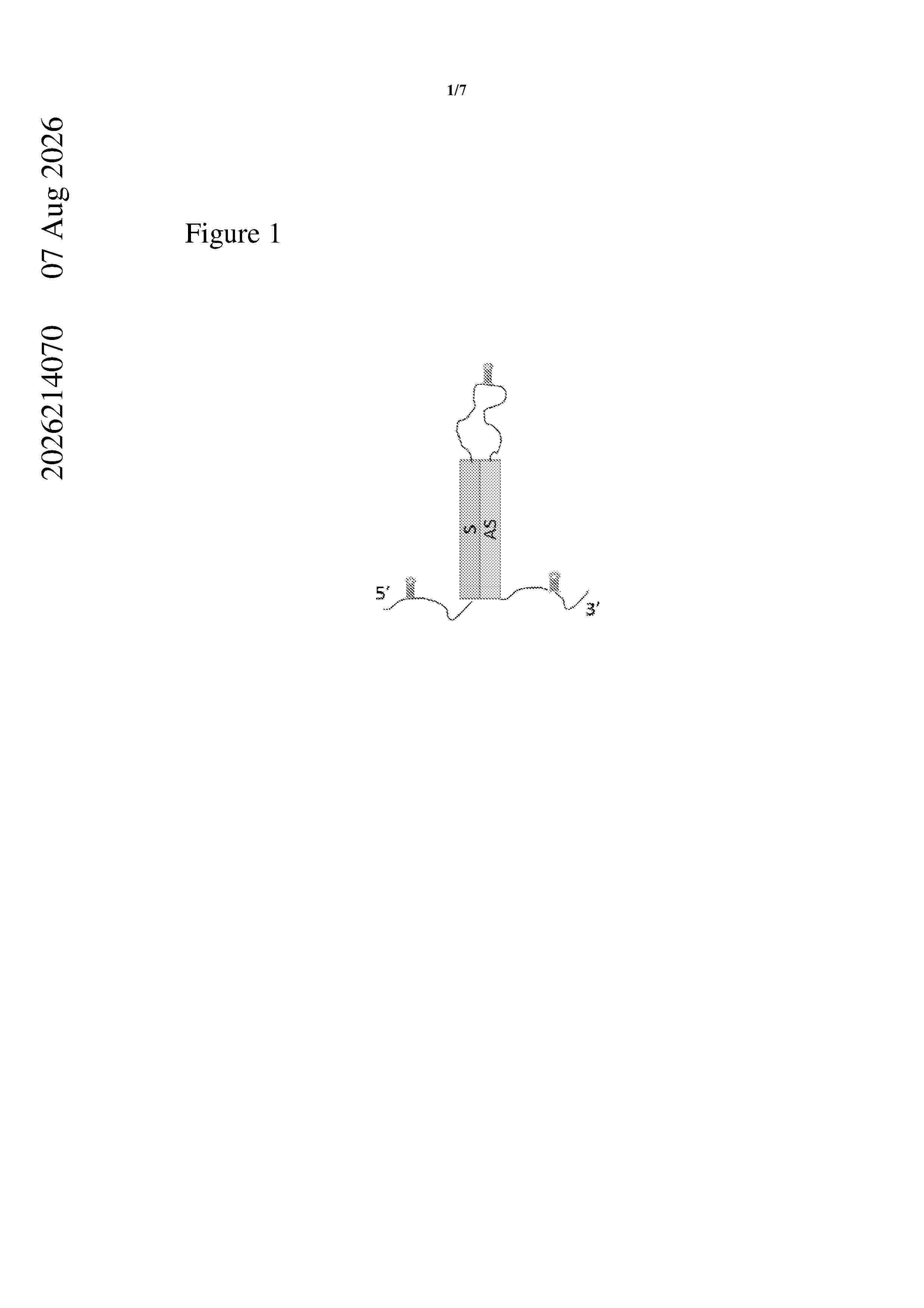
Methods and materials for improved delivery of dsRNA are presented. In particular, methods for controlling an insect pest by stably delivering large quantities of dsRNA to the insect pest are provided. Compositions comprising a bacterium containing a large quantity of dsRNA targeting an insect gene in which the dsRNA exhibits increased stability and activity are also provided. 5' in ug u g
Resumen de: US20260262655A1
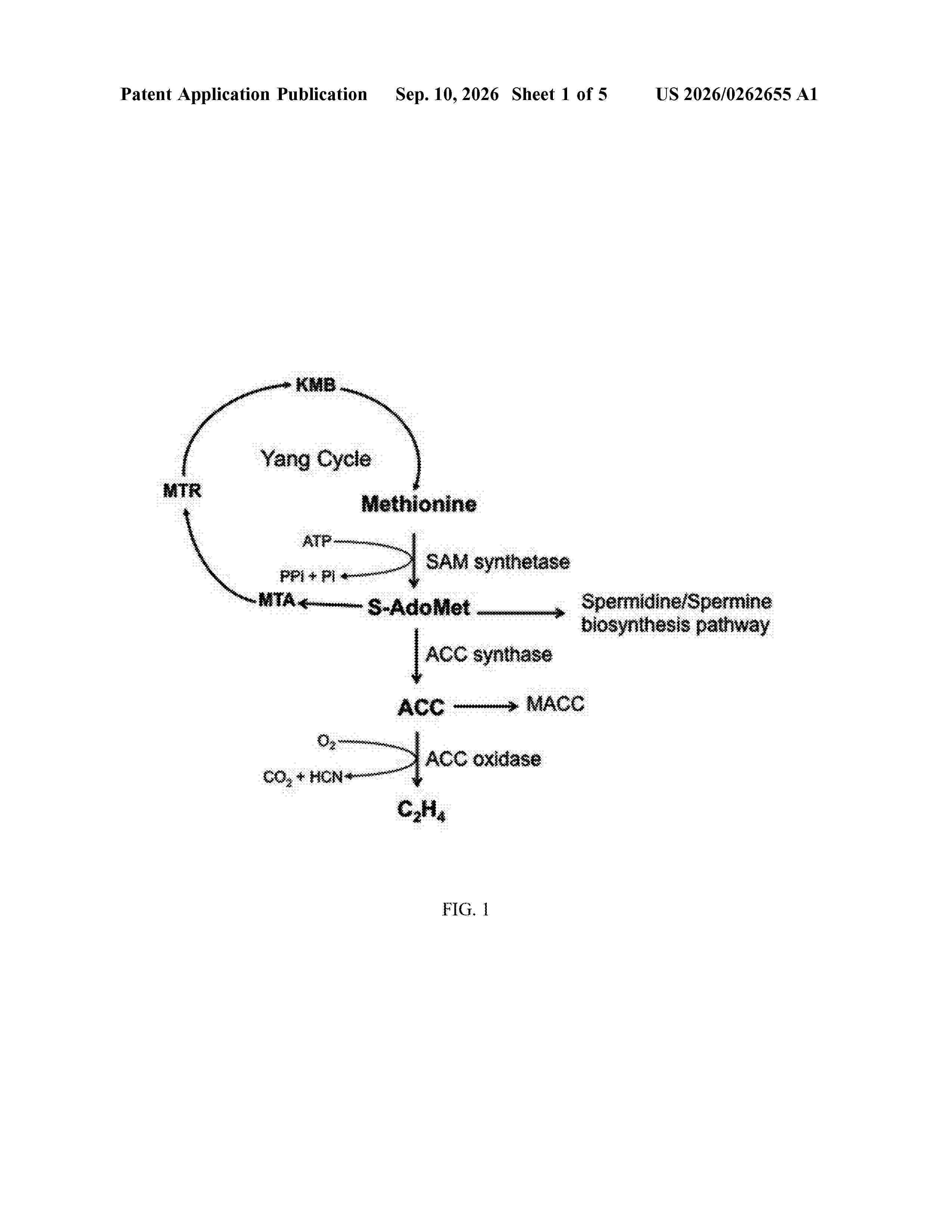
The present disclosure relates to compositions comprising an ethylene biosynthesis inhibitor and an ethylene receptor blocker in herbicidally effective amounts that can be employed in agricultural applications where the ethylene biosynthesis inhibitors are biological inhibitors such as bacterial Pseudomonas fluorescens strain D7, while the ethylene receptor blockers are chemical compounds such as 1-Methylcyclopropene (1-MCP).
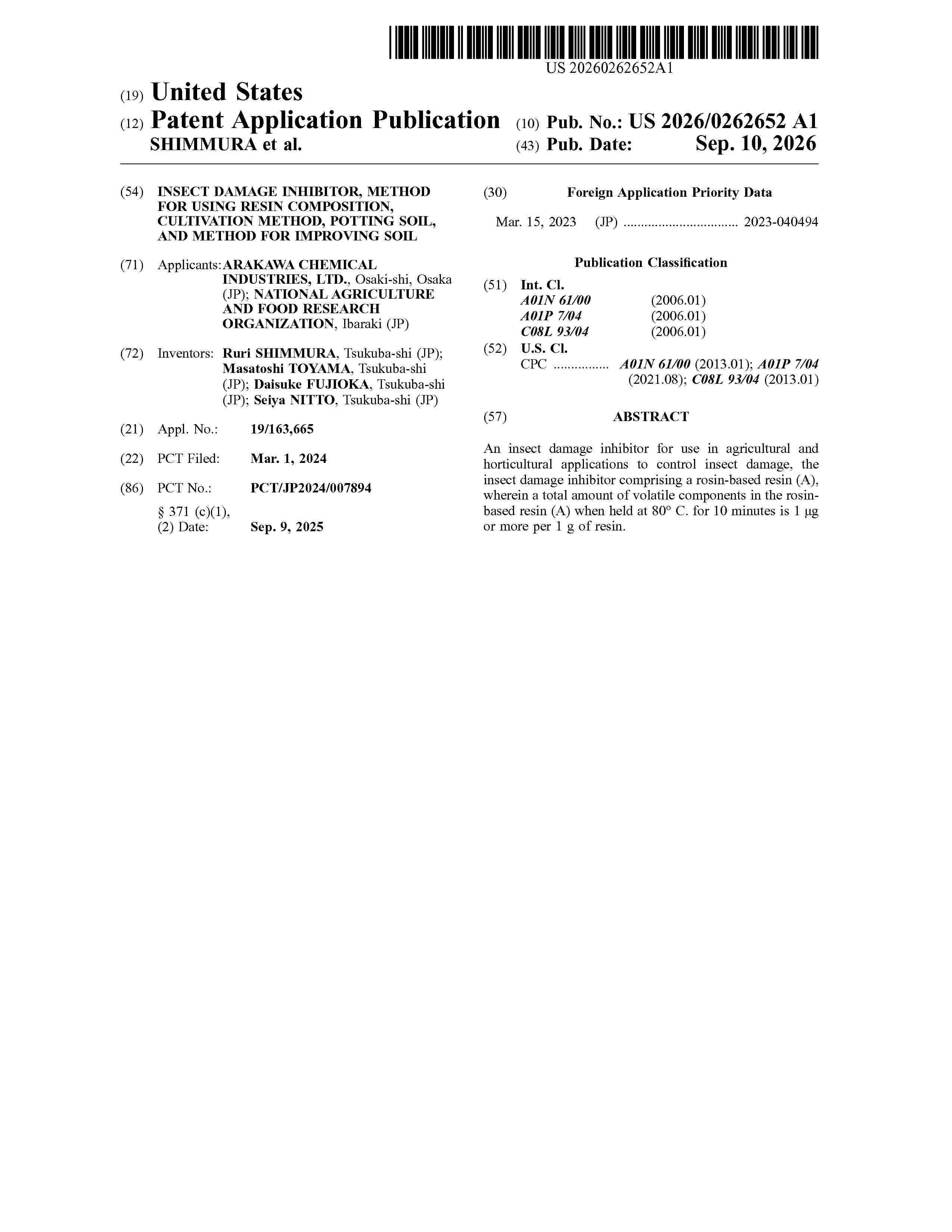
Resumen de: US20260262652A1
An insect damage inhibitor for use in agricultural and horticultural applications to control insect damage, the insect damage inhibitor comprising a rosin-based resin (A), wherein a total amount of volatile components in the rosin-based resin (A) when held at 80° C. for 10 minutes is 1 μg or more per 1 g of resin.
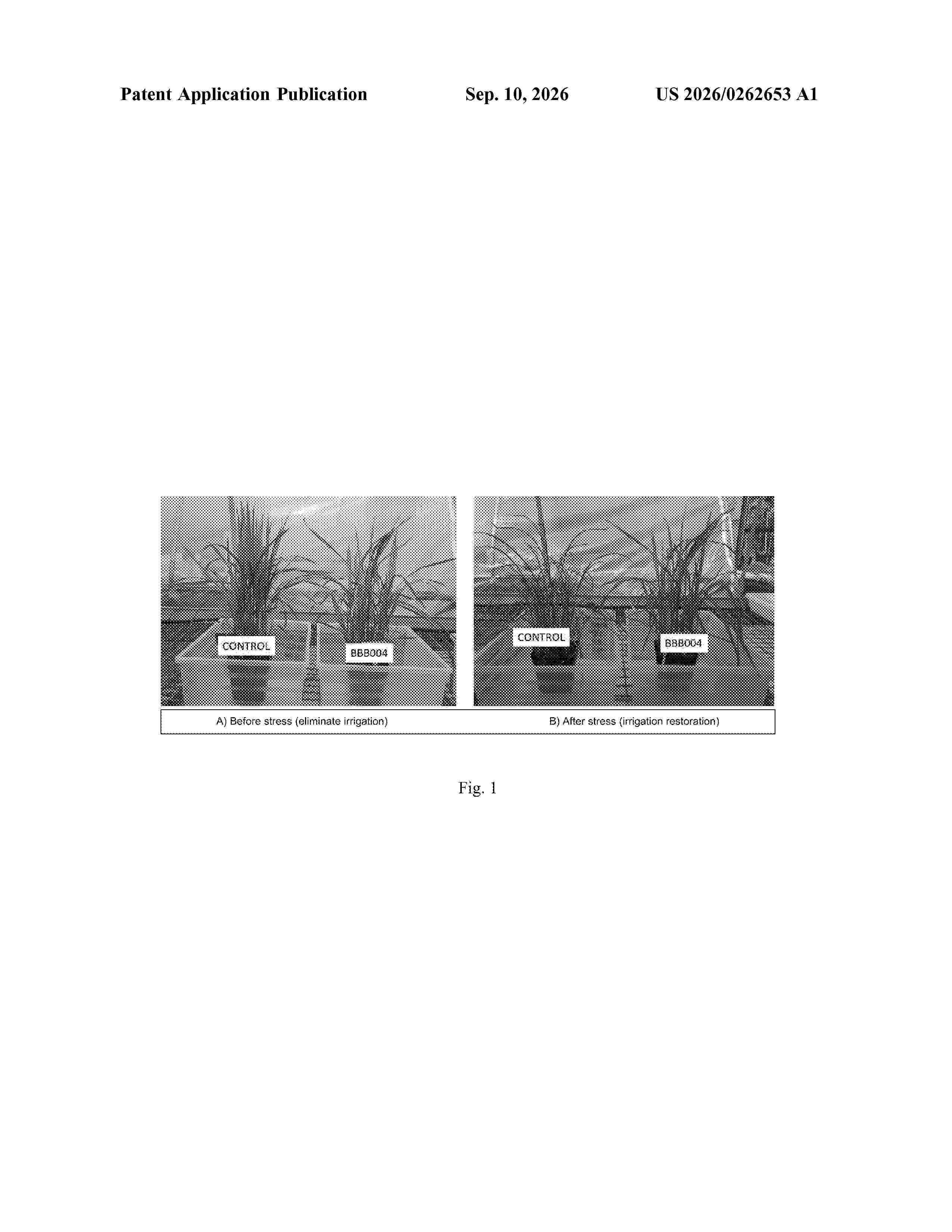
Resumen de: US20260262653A1
Bacterial strain Peribacillus aracenensis (CECT 30655), microorganism from the group of Gram+bacteria, Peribacillus genus, stimulant of the adaptive metabolism of plants against water stress, improver of plant production and nutrition, and improver of polyphenol content. This strain, isolated from the rhizosphere of Pinus pinaster, on nutrient agar (PCA), has been characterized from a morphological, biochemical and genetic point of view by total sequencing of its genome, identifying it as a new species. It can be used to increase production in conditions of water stress, due to its ability to increase CO2 fixation and transpiration, optimizing energy capture through photosynthesis and reducing oxidative stress; as a biofertilizer, due to its ability to improve nutrient absorption both in the presence and absence of water stress; and to improve the quality of fruits, due to its ability to increase antioxidant polyphenols in plant species of pharmacological and food interest.
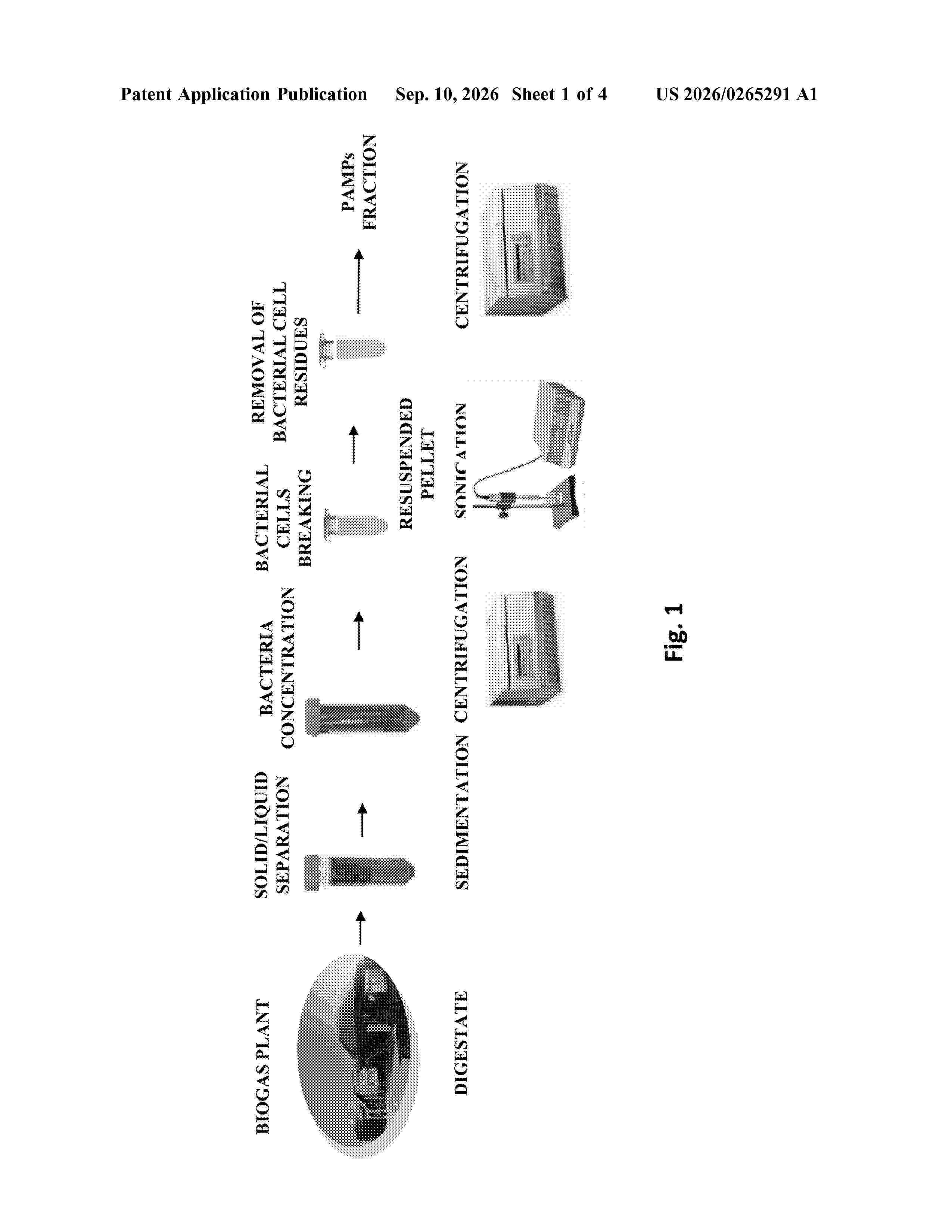
Resumen de: US20260265291A1
A process is described for the valorisation of the microbial fraction contained in the waste material from biogas plants following anaerobic digestion of olive pomace, thanks to which an extract enriched in proteins and peptides of microbial origin is obtained for use as a plant protection product in agricultural production.
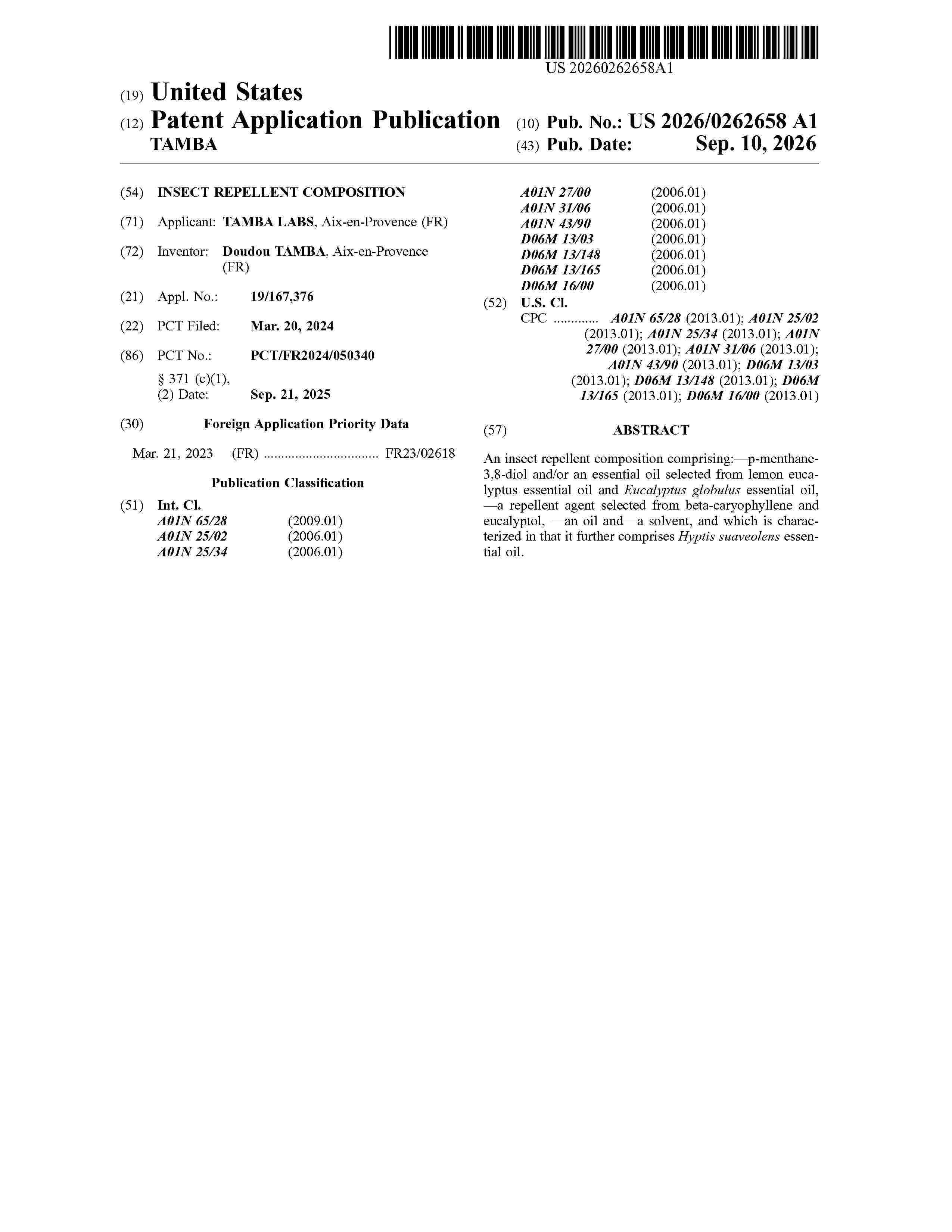
Resumen de: US20260262658A1
An insect repellent composition comprising:—p-menthane-3,8-diol and/or an essential oil selected from lemon eucalyptus essential oil and Eucalyptus globulus essential oil, —a repellent agent selected from beta-caryophyllene and eucalyptol, —an oil and—a solvent, and which is characterized in that it further comprises Hyptis suaveolens essential oil.
Resumen de: US20260262657A1
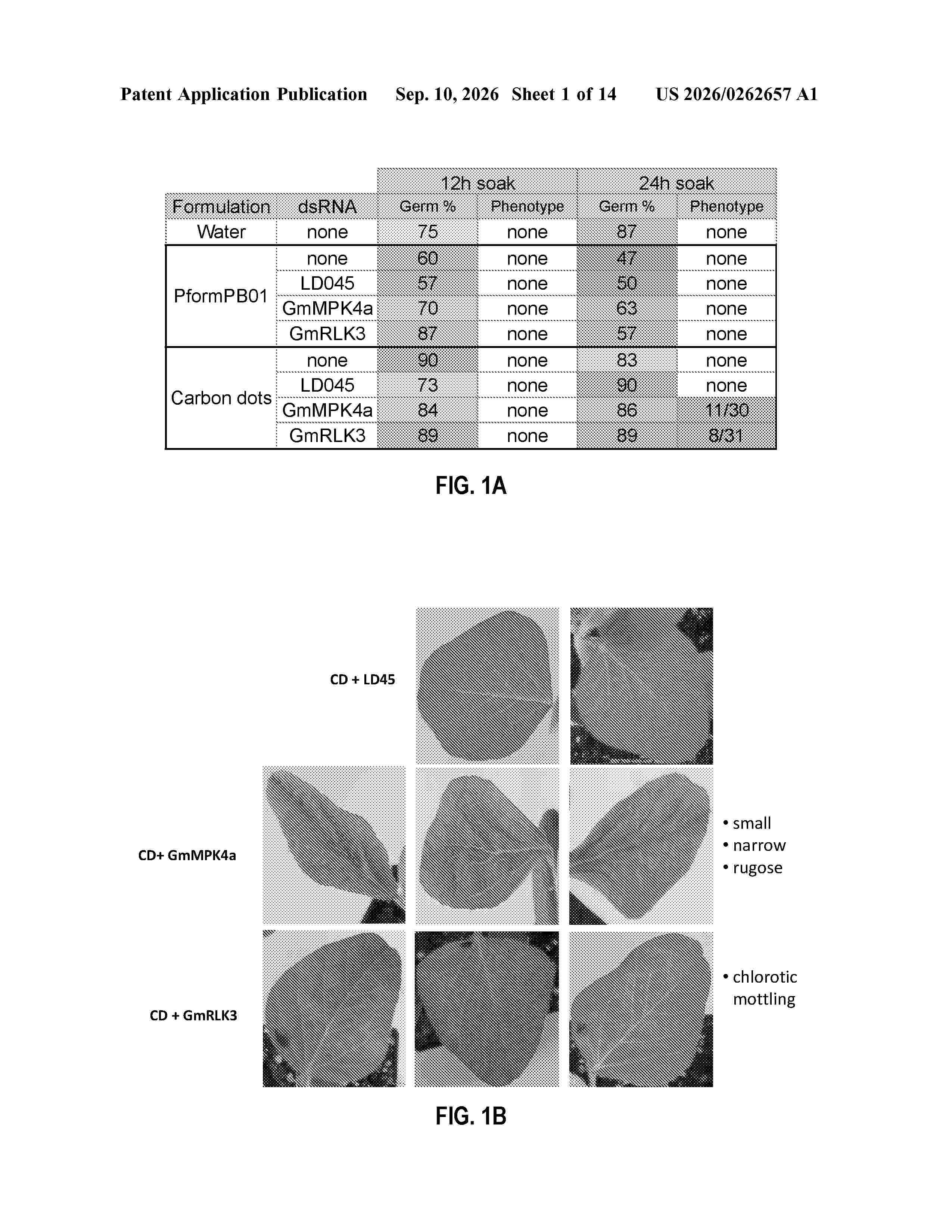
Provided herein are compositions of RNAi molecules for targeting a plant gene involved in suppression of a systemic or localized protective response pathway for controlling pathogens (e.g., a fungal pathogen belonging to the genus Fusarium or Phytophthora’) and associated methods of using same.
Resumen de: KR102638024B1
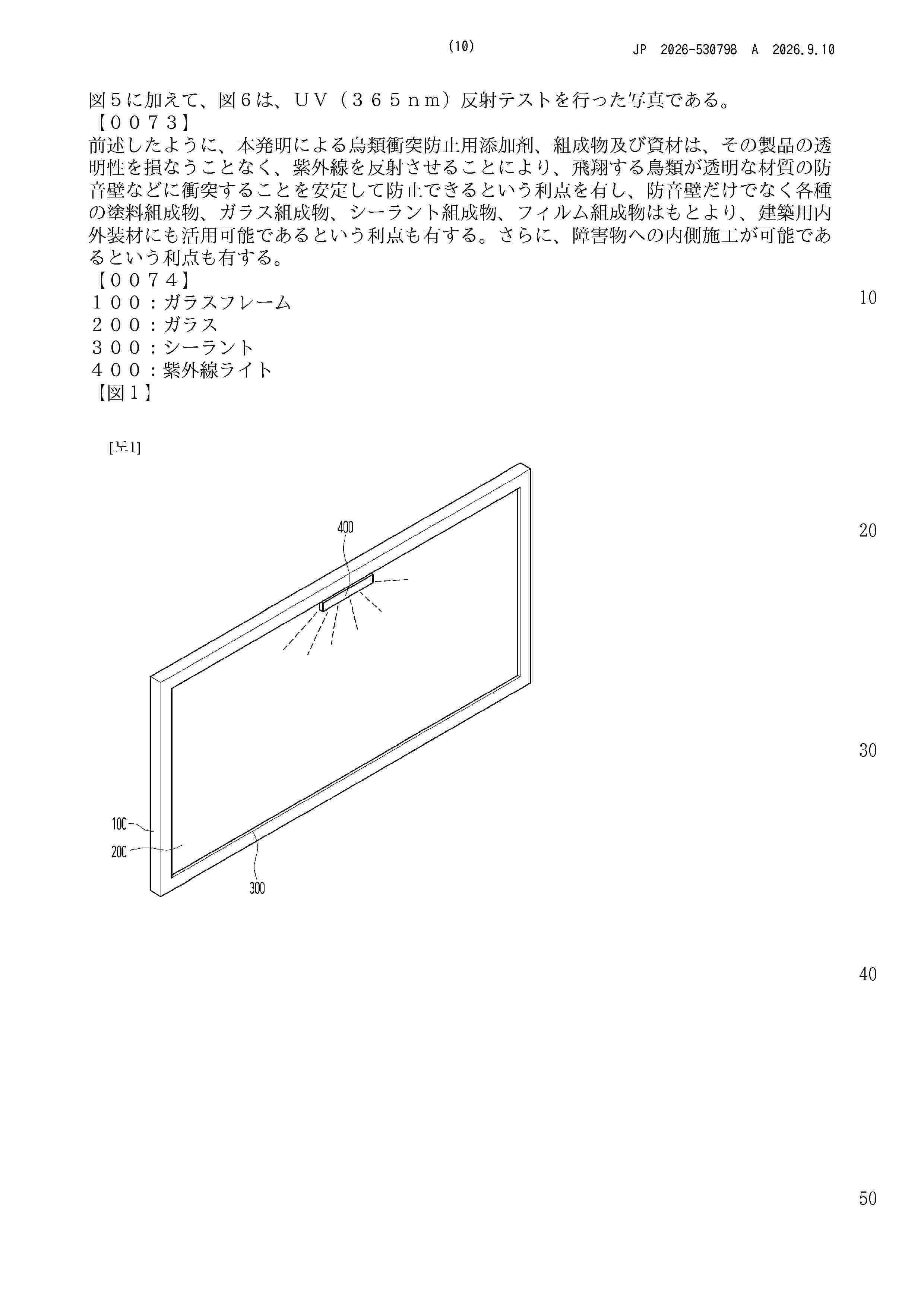
The present invention relates to an additive for preventing bird collision, and a composition and materials for preventing bird collision using the same. More specifically, various compositions and materials for preventing bird collision comprise an extract extracted from animal urine, wherein the extract has a function of reflecting ultraviolet rays. According to the additive for preventing the bird collision, the composition for preventing the bird collision, using the same, and the material for preventing the bird collision of the present invention, it is possible to stably prevent flying birds from colliding with a transparent soundproof wall, an aircraft, or the like by reflecting ultraviolet rays to be recognized as an obstacle to the flying birds.
Resumen de: US20260262638A1
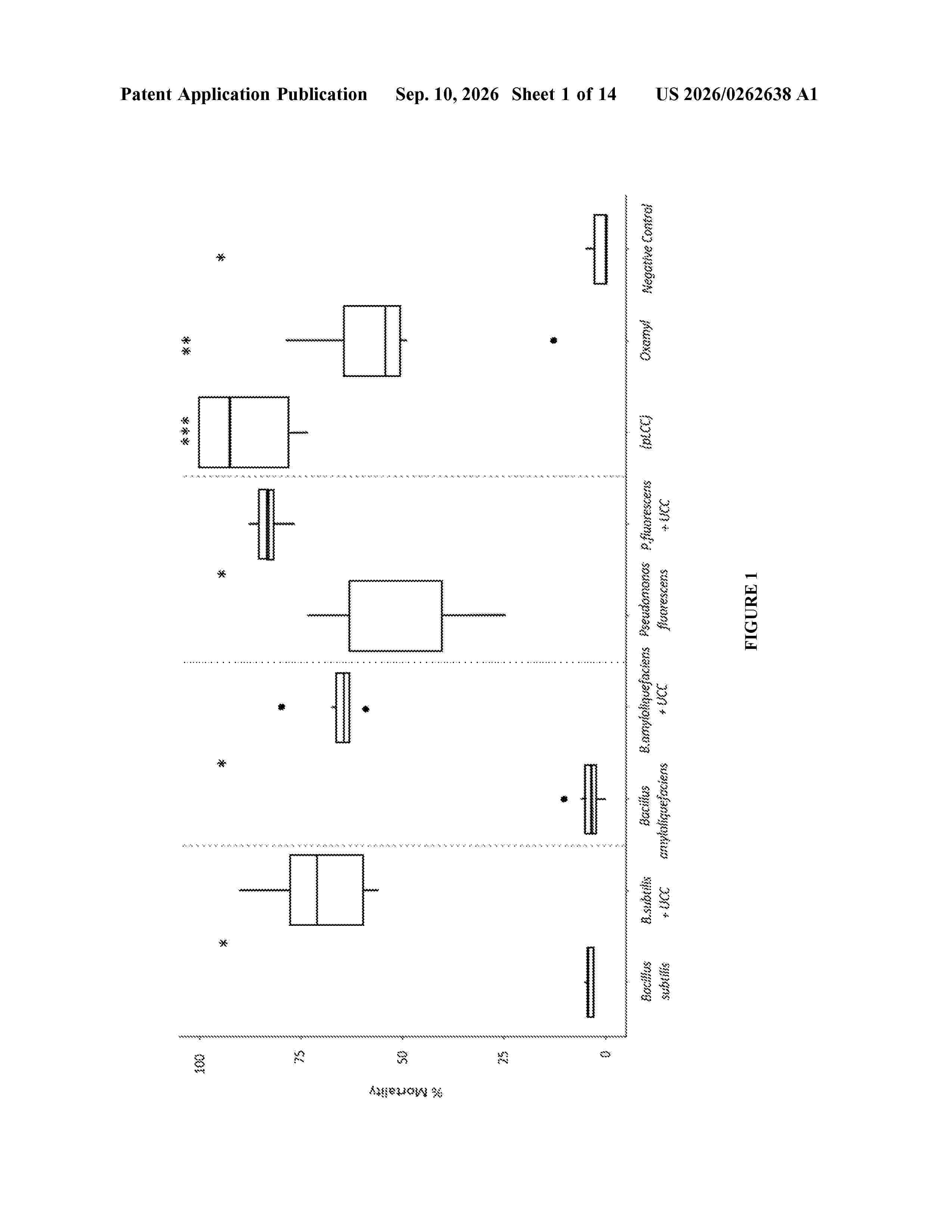
An agricultural carrier compositions that may be loaded with at least one antipathogenic agent and/or at least one biocontrol agent and/or fertilizer agent and/or biostimulant agent and/or an elicitor agent and/or a plant growth regulator and/or an insect repellant; and methods of manufacturing the compositions. The agricultural composition may include a (C2-C26) alkyl lactate and/or derivate thereof, a (C2-C22) alcohol, a humectant; and a non-ionic and/or anionic surfactant. The agricultural composition may additionally include a binder, therein provided an agricultural carrier composition; and may further be loaded with at least one antipathogenic agent and/or at least one biocontrol agent and/or fertilizer agent and/or biostimulant agent and/or an elicitor agent and/or a plant growth regulator and/or an insect repellant.
Resumen de: US20260265343A1
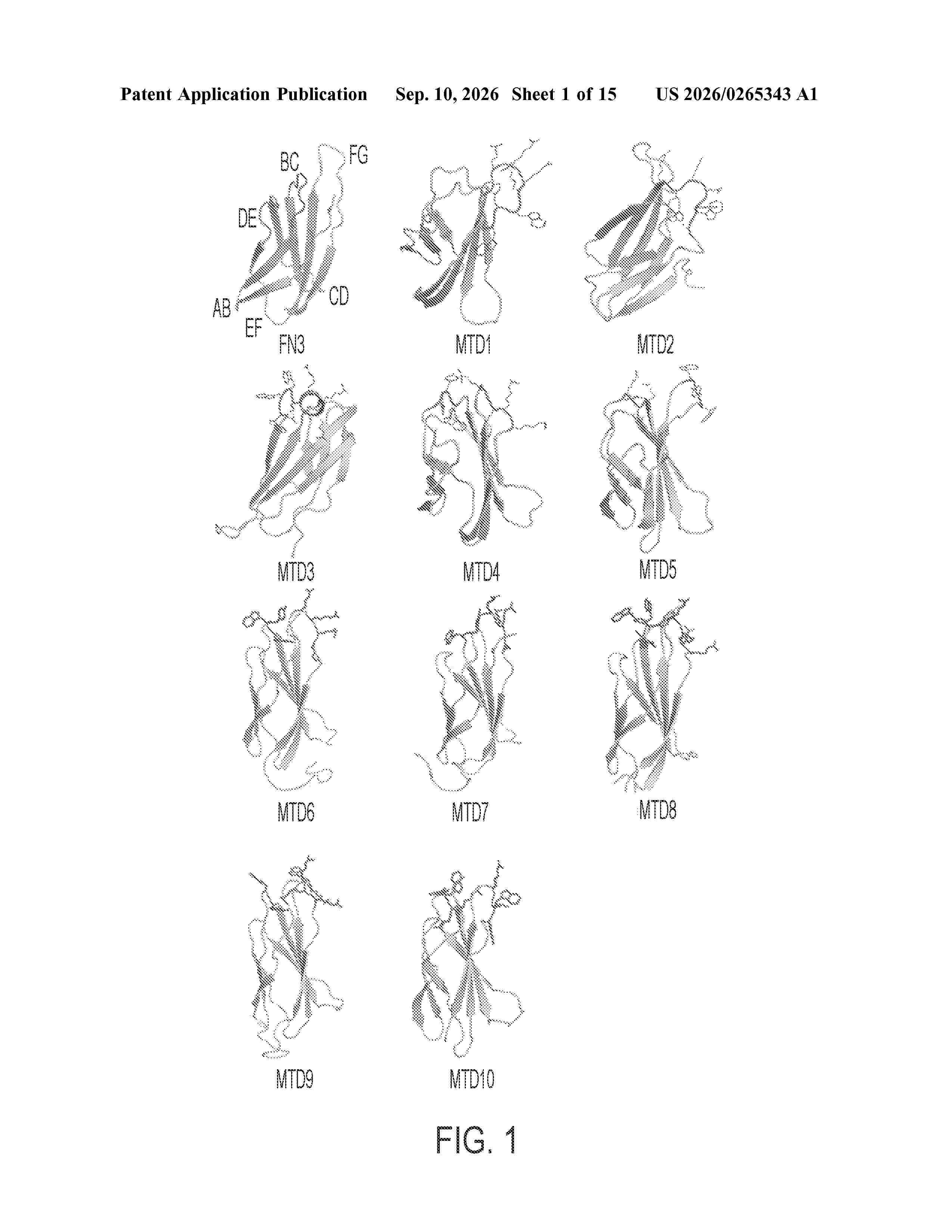
Described are peptides comprising a membrane translocation domain having one or more cell penetrating peptide motifs, where at least one cell penetrating peptide motif is from 3 to 10 amino acid residues in length and has at least three arginine and/or lysine residues; or where at least one cell penetrating peptide motif is from 3 to 10 amino acid residues in length and has at least two arginine and/or lysine residues and at least one other cell penetrating peptide motif is from 2 to 8 amino acid residues in length and has at least two hydrophobic residues. Compositions comprising a cargo motif bound to the disclosed peptides are also disclosed. Also disclosed are methods of delivering a cargo moiety into a cell comprising contacting the cell with the peptide as disclosed herein.
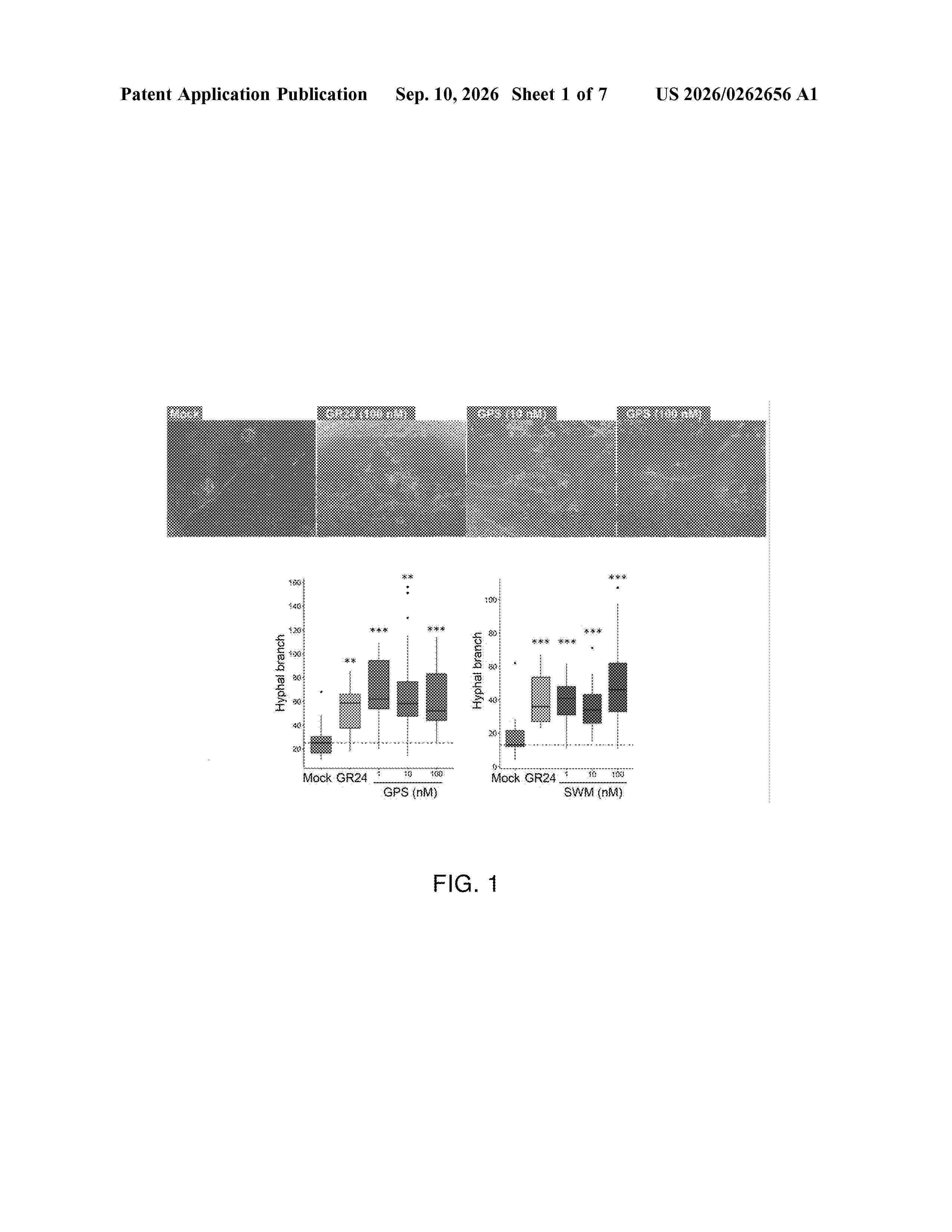
Resumen de: US20260262656A1
A composition and method that can act on an arbuscular mycorrhizal fungus to promote colonization of the arbuscular mycorrhizal fungus in a plant and to facilitate its symbiosis with the plant are provided. Provided is a composition for promoting colonization of an arbuscular mycorrhizal fungus, the composition comprising as an active component a secoiridoid glycoside, iridoid glycoside, or a glycoside in which a 3,4-dihydropyran ring skeleton forms at position 2 an O-glycosidic bond to a glucopyranose, or dried remains or an extract of a Gentianaceae plant. A method for improving soil by adding the composition to the soil is also provided.
Resumen de: EP4802892A1
The present disclosure belongs to the technical field of microorganisms, and in particular relates to a nano-coated growth-promoting bacterial agent and a composite growth-promoting bacterial agent, preparation methods and use thereof. The nano-coated growth-promoting bacterial agent includes a growth-promoting bacterial agent and a nano-coating formed by self-assembly of a plant-derived polyphenol and a soluble multivalent metal ion on the surface of the growth-promoting bacterial agent. The key to the present disclosure is to employ the plant-derived polyphenol and the soluble multivalent metal ion to self-assemble on the surface of the growth-promoting bacterial agent to form a nano-coating. Based on the interaction of the growth-promoting bacterial agent with the phyllosphere, the leaf face adhesion performance of the growth-promoting bacterial agent is significantly enhanced, the loss rate of the growth-promoting bacterial agent under rainfall erosion is effectively reduced, and the survival rate and colonization of the growth-promoting bacterial agent in the phyllosphere are enhanced.
Resumen de: EP4549575A1
0001 The present invention relates to novel antimicrobial peptides for use as a viable and sustainable alternative to fungicides currently used in agriculture against infection by oomycetes infection, and related methods for protecting crops.
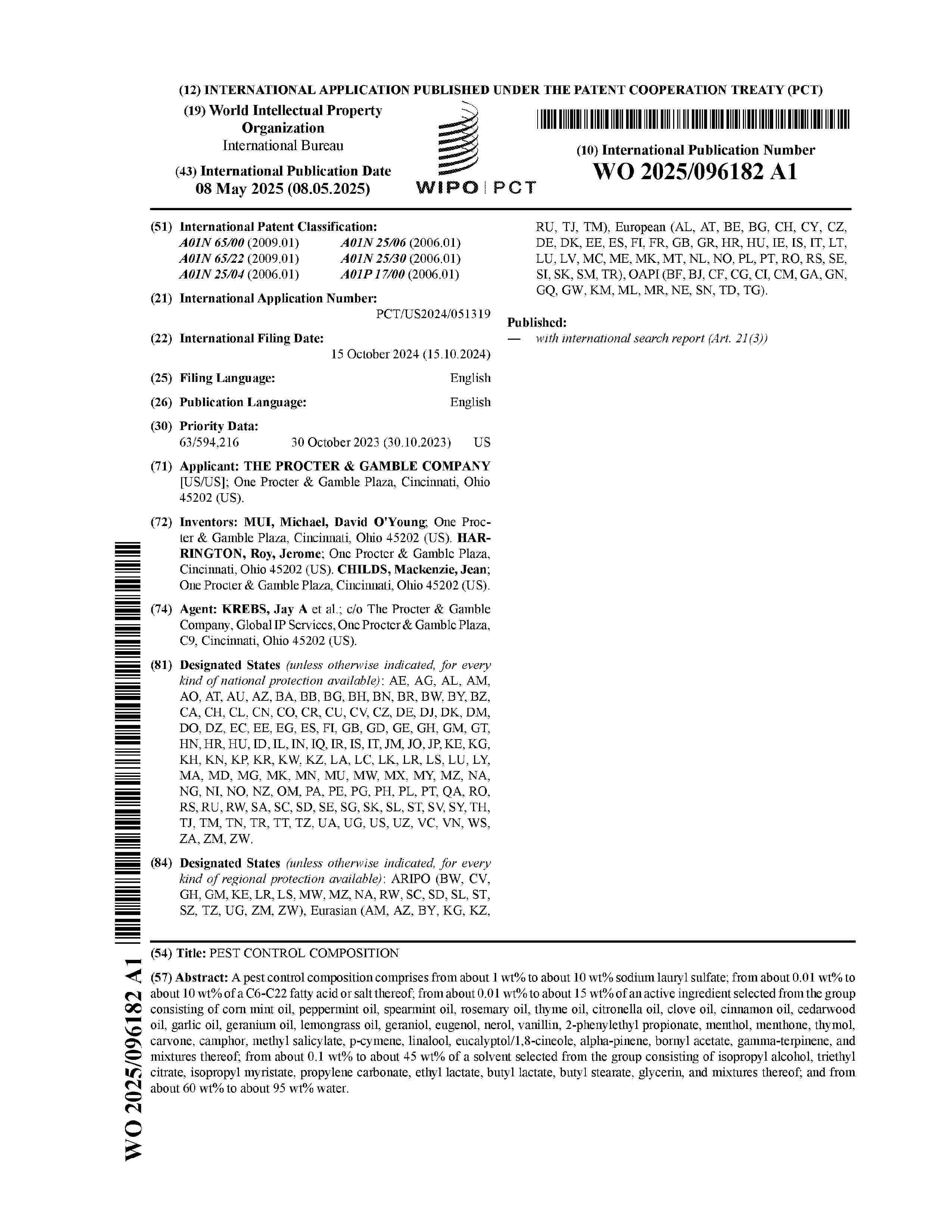
Resumen de: WO2025096182A1
A pest control composition comprises from about 1 wt% to about 10 wt% sodium lauryl sulfate; from about 0.01 wt% to about 10 wt% of a C6-C22 fatty acid or salt thereof; from about 0.01 wt% to about 15 wt% of an active ingredient selected from the group consisting of corn mint oil, peppermint oil, spearmint oil, rosemary oil, thyme oil, citronella oil, clove oil, cinnamon oil, cedarwood oil, garlic oil, geranium oil, lemongrass oil, geraniol, eugenol, nerol, vanillin, 2-phenylethyl propionate, menthol, menthone, thymol, carvone, camphor, methyl salicylate, p-cymene, linalool, eucalyptol/1,8-cineole, alpha-pinene, bornyl acetate, gamma-terpinene, and mixtures thereof; from about 0.1 wt% to about 45 wt% of a solvent selected from the group consisting of isopropyl alcohol, triethyl citrate, isopropyl myristate, propylene carbonate, ethyl lactate, butyl lactate, butyl stearate, glycerin, and mixtures thereof; and from about 60 wt% to about 95 wt% water.
Nº publicación: EP4801272A1 09/09/2026
Solicitante:
SYNGENTA CROP PROTECTION AG [CH]
Syngenta Crop Protection AG
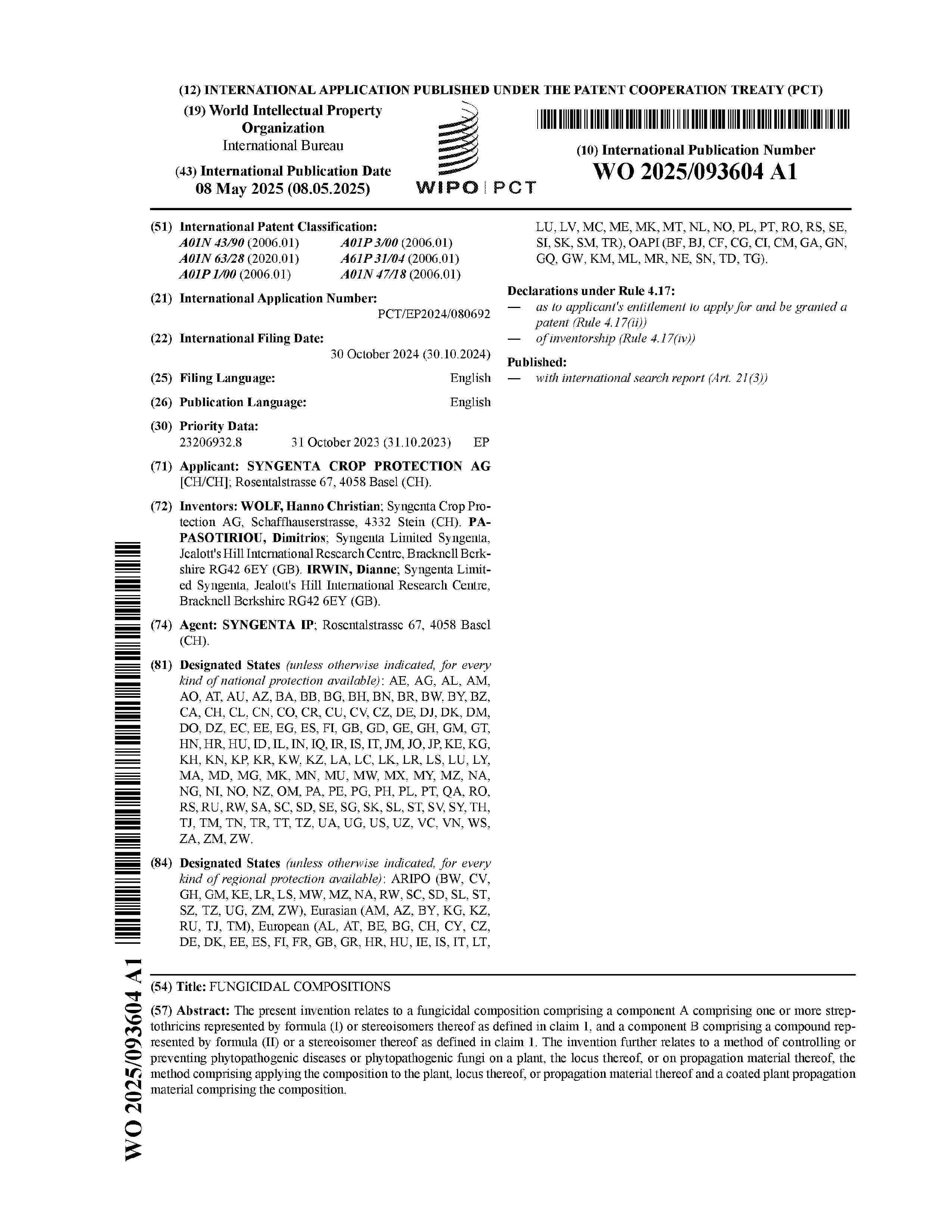
Resumen de: WO2025093604A1
The present invention relates to a fungicidal composition comprising a component A comprising one or more streptothricins represented by formula (I) or stereoisomers thereof as defined in claim 1, and a component B comprising a compound represented by formula (II) or a stereoisomer thereof as defined in claim 1. The invention further relates to a method of controlling or preventing phytopathogenic diseases or phytopathogenic fungi on a plant, the locus thereof, or on propagation material thereof, the method comprising applying the composition to the plant, locus thereof, or propagation material thereof and a coated plant propagation material comprising the composition.
 BOPI
BOPI
 Sede Electrónica