Si deseas distinguir tus productos, servicios o ambos de los de otra empresa, es posible que necesites una marca o nombre comercial. Descubre qué son, en qué consiste su procedimiento de registro y qué implica.

Información sobre los plazos de presentación de solicitudes de transformación de marcas de la Unión Europea en marca nacional española. Más información


Si tienes un nuevo dispositivo, producto o procedimiento que resuelva un problema técnico o tenga una ventaja práctica, existen distintas formas de protegerlo en España y en otros países. Descubre cómo hacerlo.

¿Tu innovación reside en la estética, la ornamentación o la apariencia de tu producto? Protégela mediante un diseño industrial. Descubre qué derechos confiere el registro y cómo realizar la tramitación.

Las indicaciones geográficas protegen el nombre de un producto originario de una zona geográfica, a la cual le debe una determinada calidad, reputación u otra característica. Descubre qué son, en qué consiste su procedimiento de registro y qué beneficios conceden.

Las patentes publicadas en todo el mundo son una valiosa fuente de información científica, técnica y comercial.

Si eres emprendedor/a o una empresa y quieres potenciar y mejorar la rentabilidad de tu negocio protegiendo de forma adecuada los activos intangibles de tu organización, en este espacio encontrarás lo necesario.


 48
resultados
48
resultados
 Última actualización
24/08/2026 [06:46:00]
Última actualización
24/08/2026 [06:46:00]


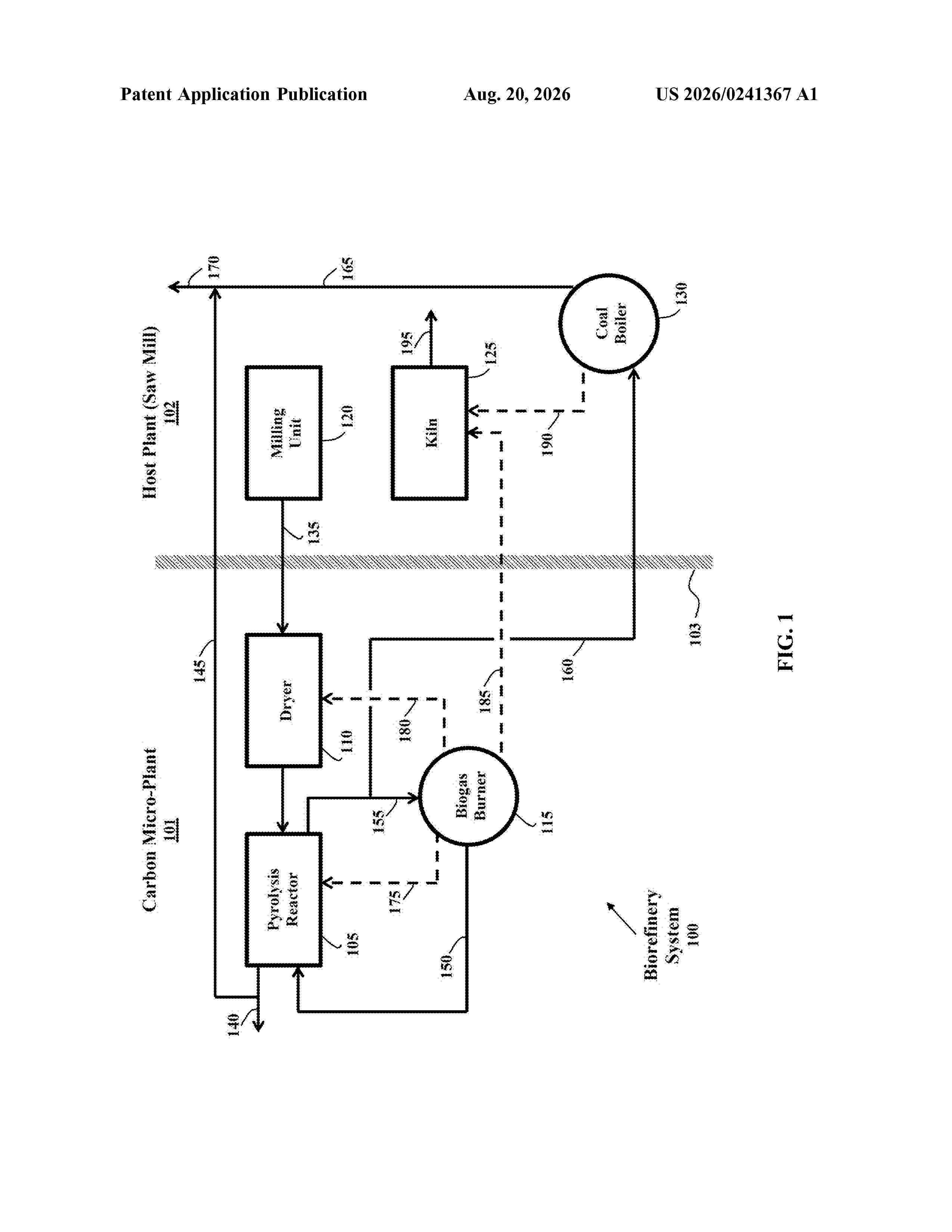
Resumen de: US20260241367A1
The present disclosure provides biorefining systems for co-producing activated carbon along with primary products. A host plant converts a feedstock comprising biomass into primary products and carbon-containing co-products; a modular reactor system pyrolyzes and activates the co-products, to generate activated carbon and pyrolysis off-gas; and an oxidation unit oxidizes the pyrolysis off-gas, generating CO2, H2O, and energy. The energy is recycled and utilized in the host plant, and the CO2 and H2O may be recycled to the reactor system as an activation agent. The host plant may be a saw mill, a pulp and paper plant, a corn wet or dry mill, a sugar production facility, or a food or beverage plant, for example. In some embodiments, the activated carbon is utilized at the host plant to purify one or more primary products, to purify water, to treat a liquid waste stream, and/or to treat a vapor waste stream.

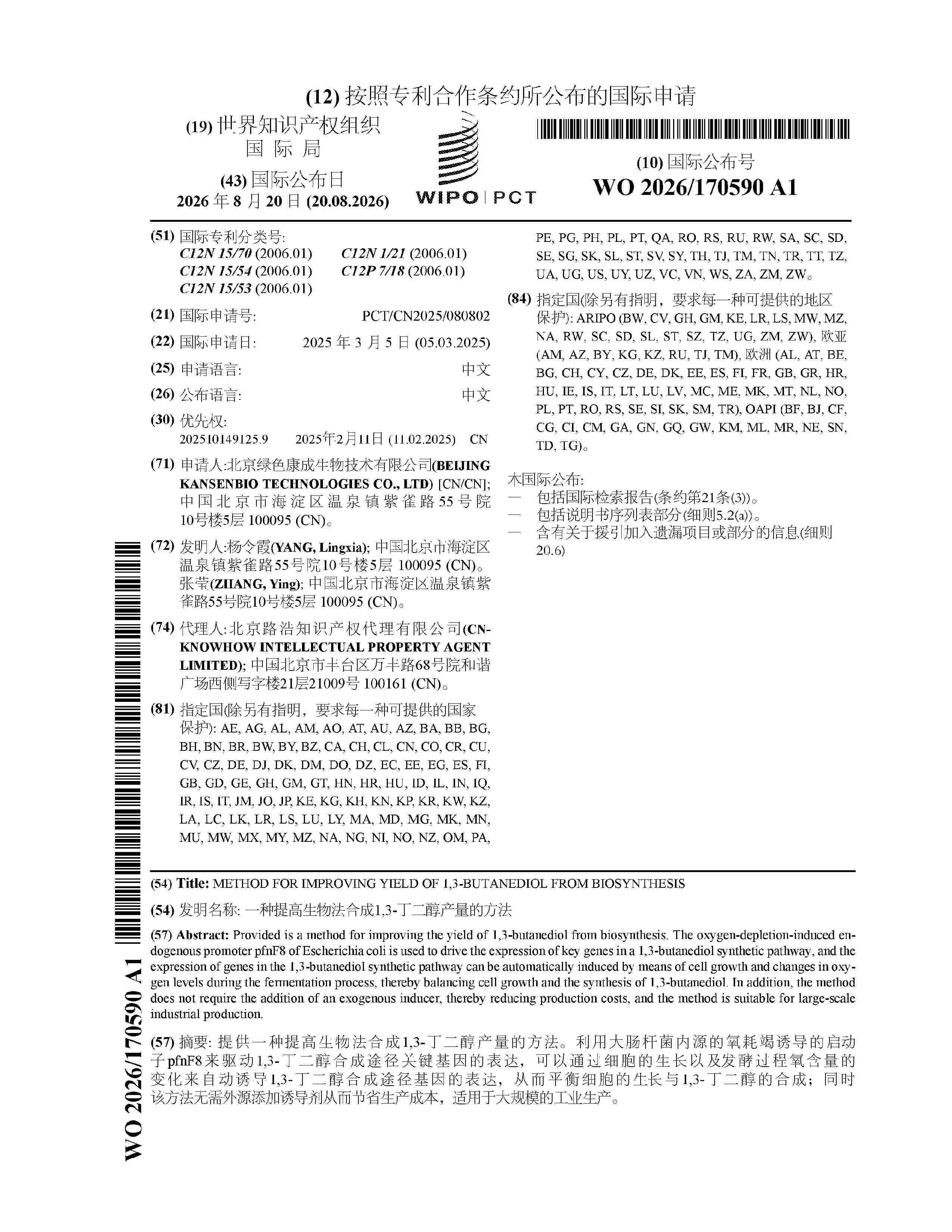
Resumen de: WO2026170590A1
Provided is a method for improving the yield of 1,3-butanediol from biosynthesis. The oxygen-depletion-induced endogenous promoter pfnF8 of Escherichia coli is used to drive the expression of key genes in a 1,3-butanediol synthetic pathway, and the expression of genes in the 1,3-butanediol synthetic pathway can be automatically induced by means of cell growth and changes in oxygen levels during the fermentation process, thereby balancing cell growth and the synthesis of 1,3-butanediol. In addition, the method does not require the addition of an exogenous inducer, thereby reducing production costs, and the method is suitable for large-scale industrial production.
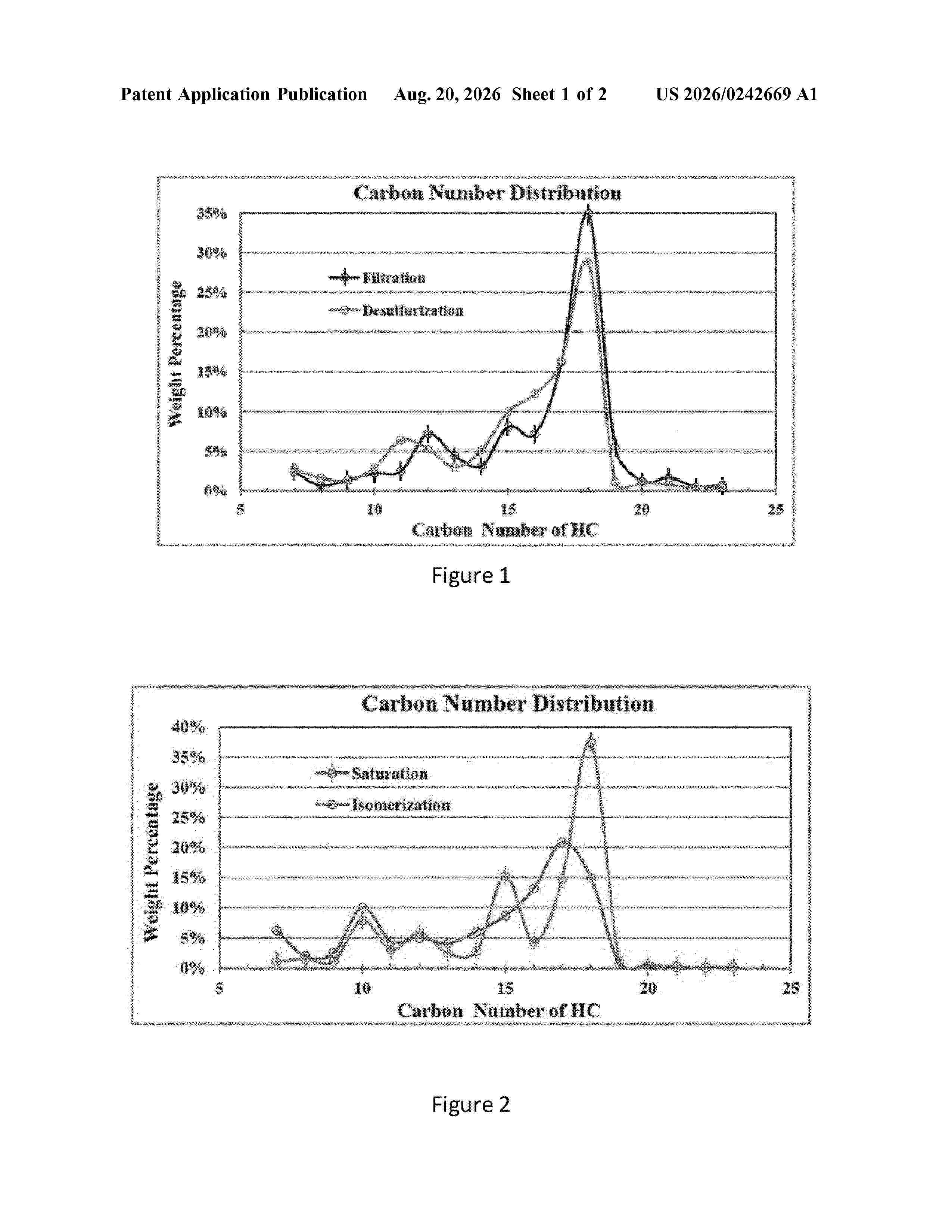
Resumen de: US20260242669A1
0000 The present invention relates to a process and system for forming a hydrocarbon feedstock from a biomass material, and the hydrocarbon feedstock formed therefrom. The present invention also relates to a process and system for forming a bio-derived diesel fuel from a hydrocarbon feedstock, and the bio-derived diesel fuel formed therefrom, as well as intermediate treated hydrocarbon feedstocks formed during the process.
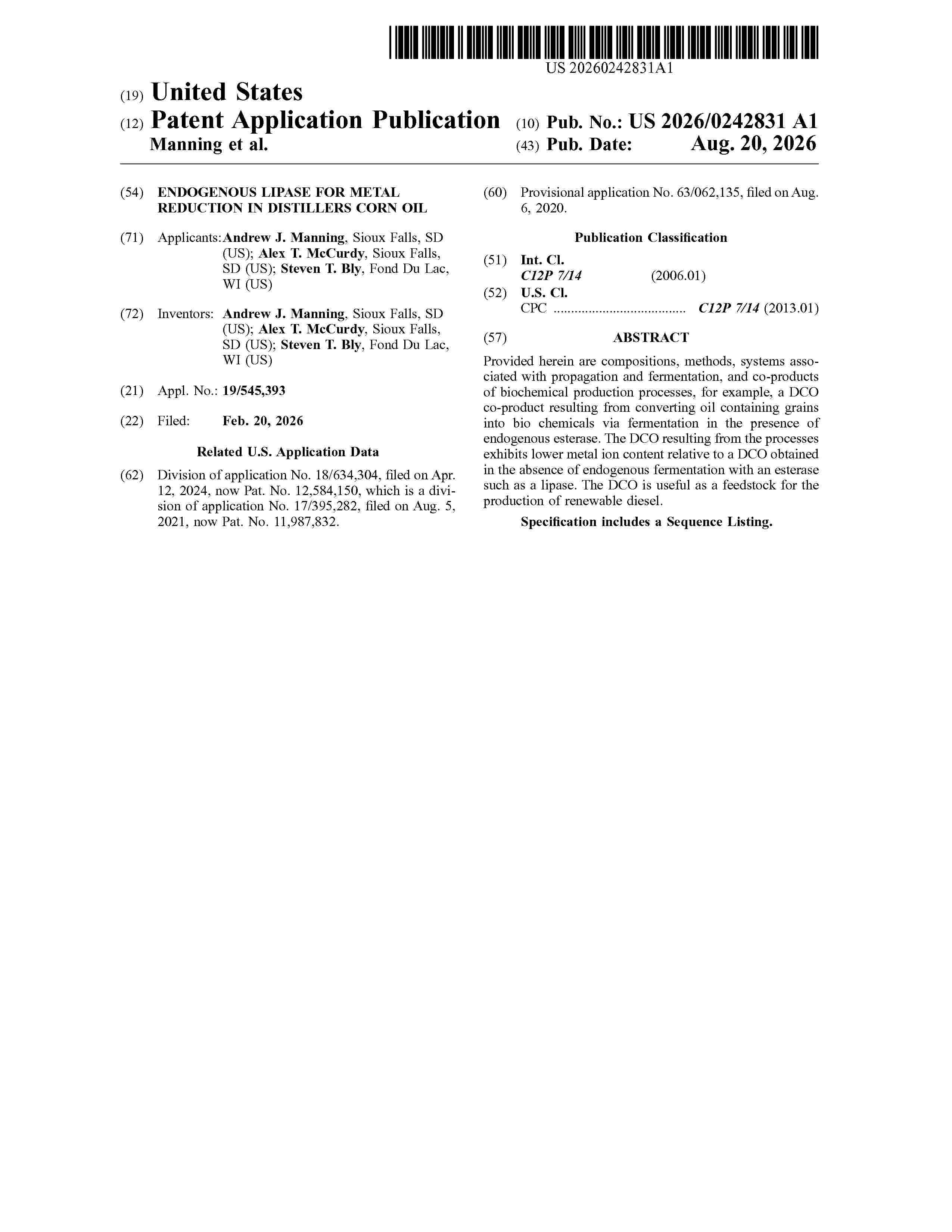
Resumen de: US20260242831A1
0000 Provided herein are compositions, methods, systems associated with propagation and fermentation, and co-products of biochemical production processes, for example, a DCO co-product resulting from converting oil containing grains into bio chemicals via fermentation in the presence of endogenous esterase. The DCO resulting from the processes exhibits lower metal ion content relative to a DCO obtained in the absence of endogenous fermentation with an esterase such as a lipase. The DCO is useful as a feedstock for the production of renewable diesel.
Resumen de: GB2634563A
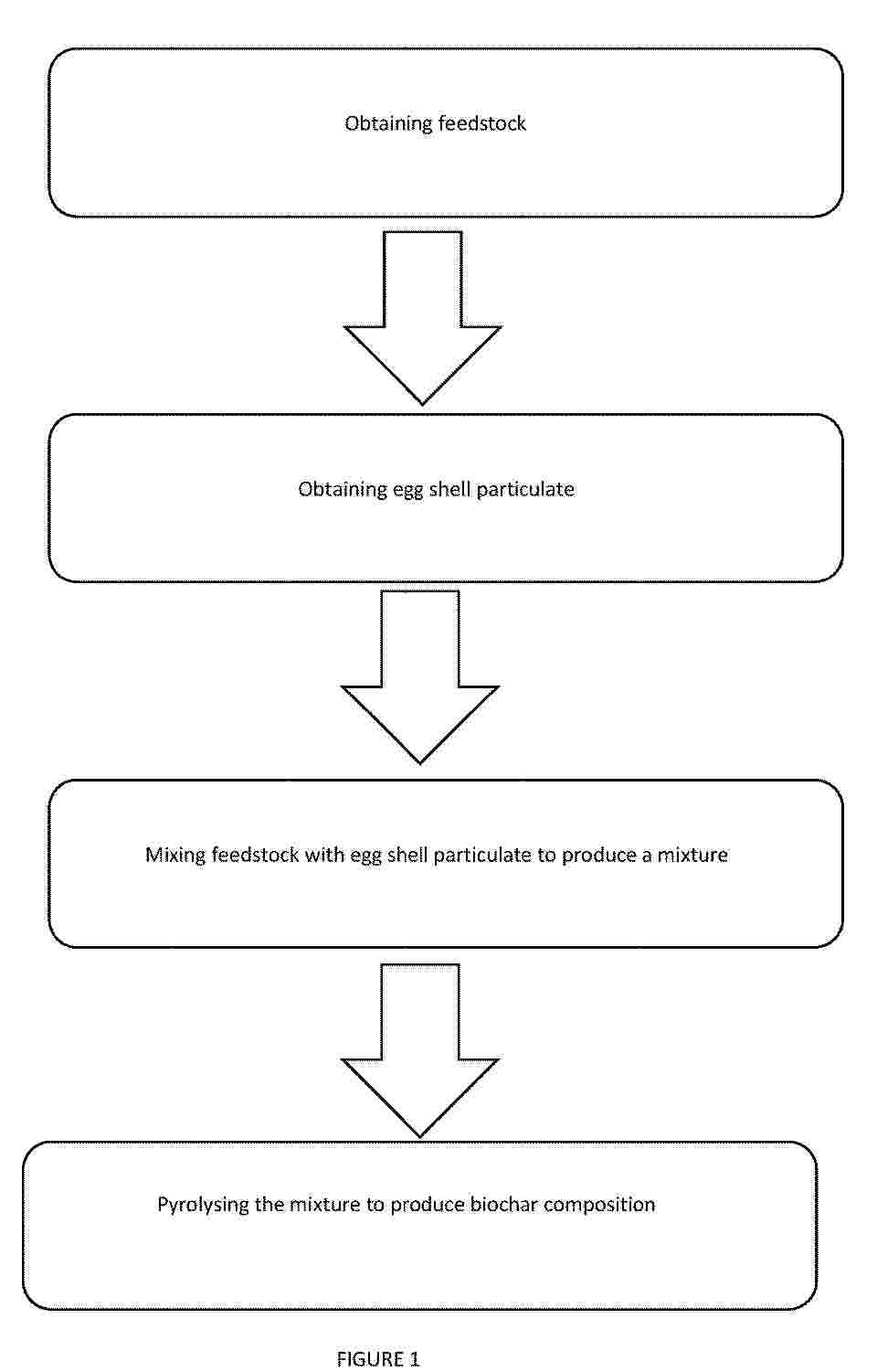
A biochar composition formed from the pyrolysis of a mixture comprising: feedstock (e.g., 50 wt.%); and egg shell particulate (e.g. 50 wt.%) free from egg-membrane. The egg shell particulate may be hen eggshell particulate, and may comprise powdered, ground, crushed or milled eggshell with a maximum particle size of 2 mm. Also disclosed a functionalised biochar composition, in which the described biochar composition has been exposed to ozone. Also disclosed a method for producing a biochar composition comprising: obtaining a mixture comprising feedstock, and eggshell particulate free from egg membrane; and pyrolyzing the mixture. The method may further comprise exposing the mixture to ozone treatment to provide a functionalised biochar composition. Also disclosed use of a biochar composition to absorb phosphate from a liquid (e.g., wastewater, river, lake, or well water); and/or to absorb phosphate from animal waste. Also disclosed a fertiliser additive comprising a biochar composition; and a fertiliser comprising the additive.
Resumen de: EE01691U1
The subject of the invention is a method for producing disc-shaped firewood, according to which roundwood is positioned at a felling site in a suitable position and cross-cut with a chainsaw into thin discs. The sawn discs are loaded onto a transport vehicle, transported to a drying and storage location, and placed for drying. The thickness of the discs is selected within the range of 2–15 cm. The discs are dried either stacked or heaped loosely in a manner that enables air circulation between the discs.
Resumen de: US20260234675A1
Described are compositions and methods relating to modified yeast with disrupted RSF2 or TDA9 genes. The yeast produces a decreased amount of acetate compared to otherwise identical parental cells. Such yeast is particularly useful for large-scale ethanol production from starch substrates where acetate is an undesirable end product.
Resumen de: US20260234474A1
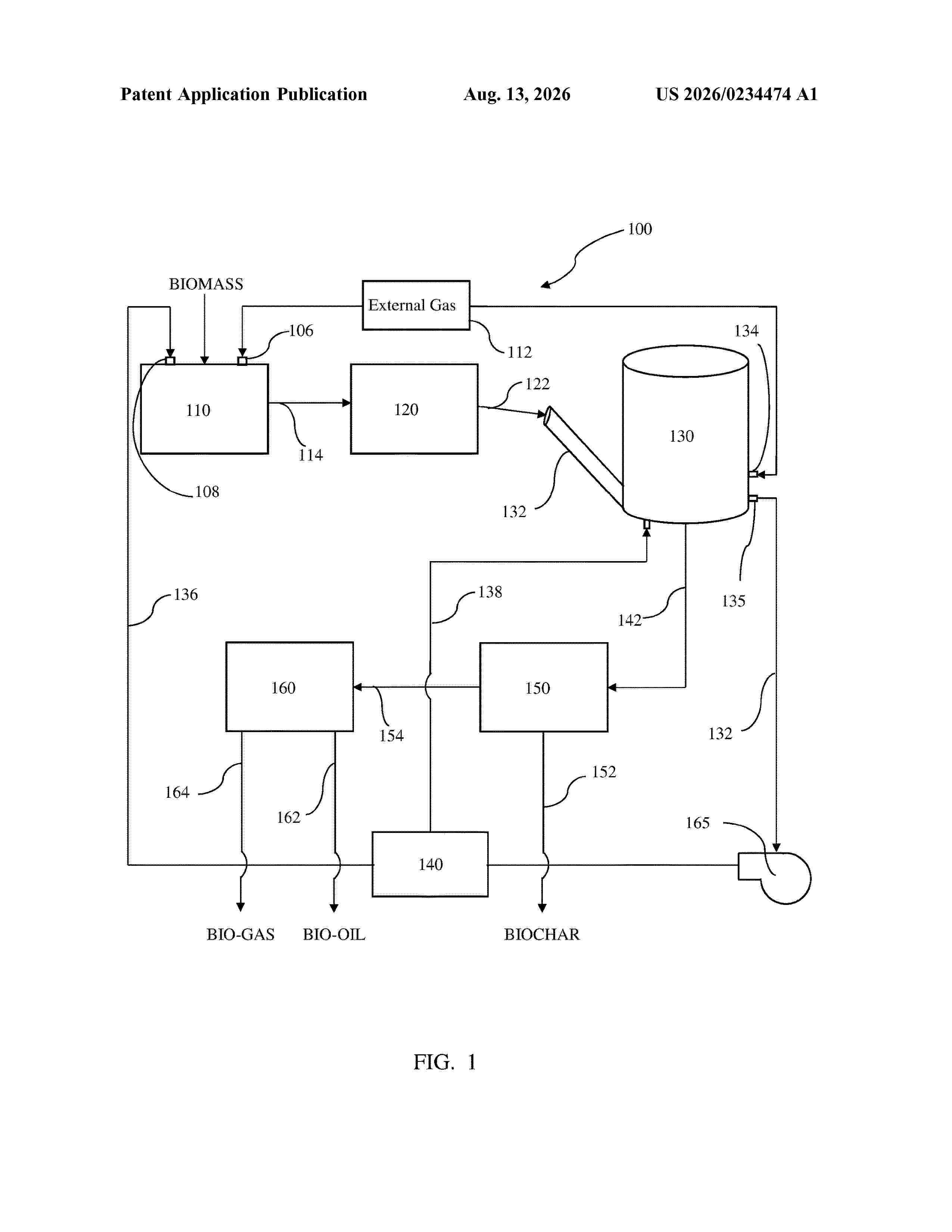
0000 The present specification generally relates to an improved pyrolysis process for the production and processing of biomass into a biochar material. In particular, the disclosure pertains to the use of a continuous external source of gas thereby enhancing safety, increasing process control, providing greater flexibility in the types of feedstocks that can be processed, and an increased yield of the desired products.
Resumen de: US20260234485A1
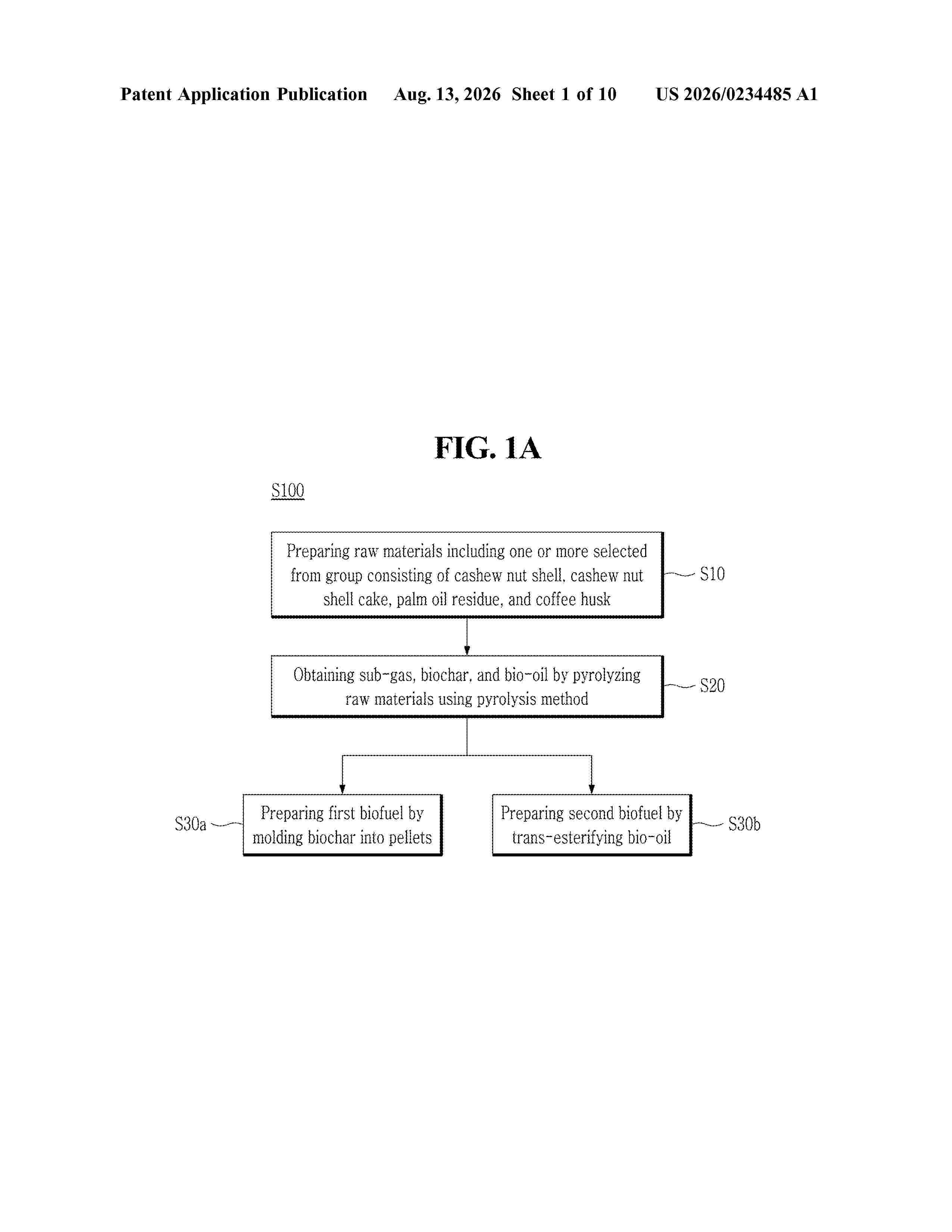
Provided is a method for preparing biofuel that is economical and has effects on both carbon reduction and resource recycling. According to one aspect, provided is the method for preparing biofuel, the method including (S1) preparing raw materials containing one or more selected from the group consisting of a cashew nut shell, a cashew nut shell cake, a vegetable oil residue, and a husk; and (S2) obtaining sub-gas, biochar, and bio-oil by pyrolyzing the raw materials using a pyrolysis method.
Resumen de: US20260234545A1
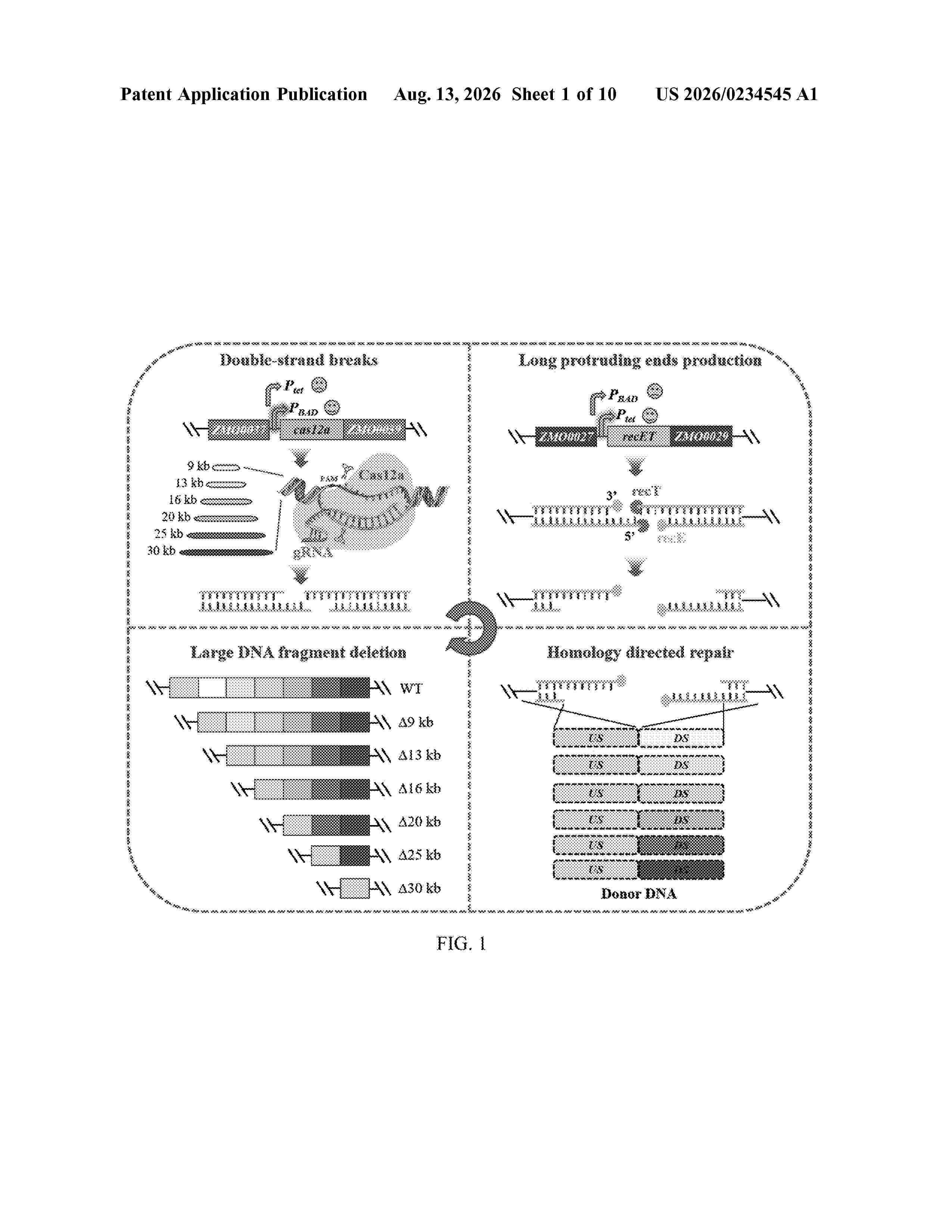
This disclosure belongs to the field of genetic engineering technology, and in particular relates to a Zymomonas mobilis chassis cell, a construction method therefor and use thereof. The chassis cell uses a recombinant Zymomonas mobilis strain with the Cas12a gene integrated into a genome as a starting strain, and integrates the RecET gene into a genome of the recombinant Zymomonas mobilis strain to obtain a chassis cell with improved efficiency of large-fragment gene editing. The present disclosure provides an efficient editing method for directional editing of large fragments of the Zymomonas mobilis genome, which is suitable for the construction of chassis cells requiring frequent gene editing, and greatly reduces the time of gene editing of chassis cells; moreover, the genome of the chassis cell is greatly simplified, which improves the biosynthesis efficiency of biological components and pathways and demonstrates good industrial application value.
Resumen de: US20260234476A1
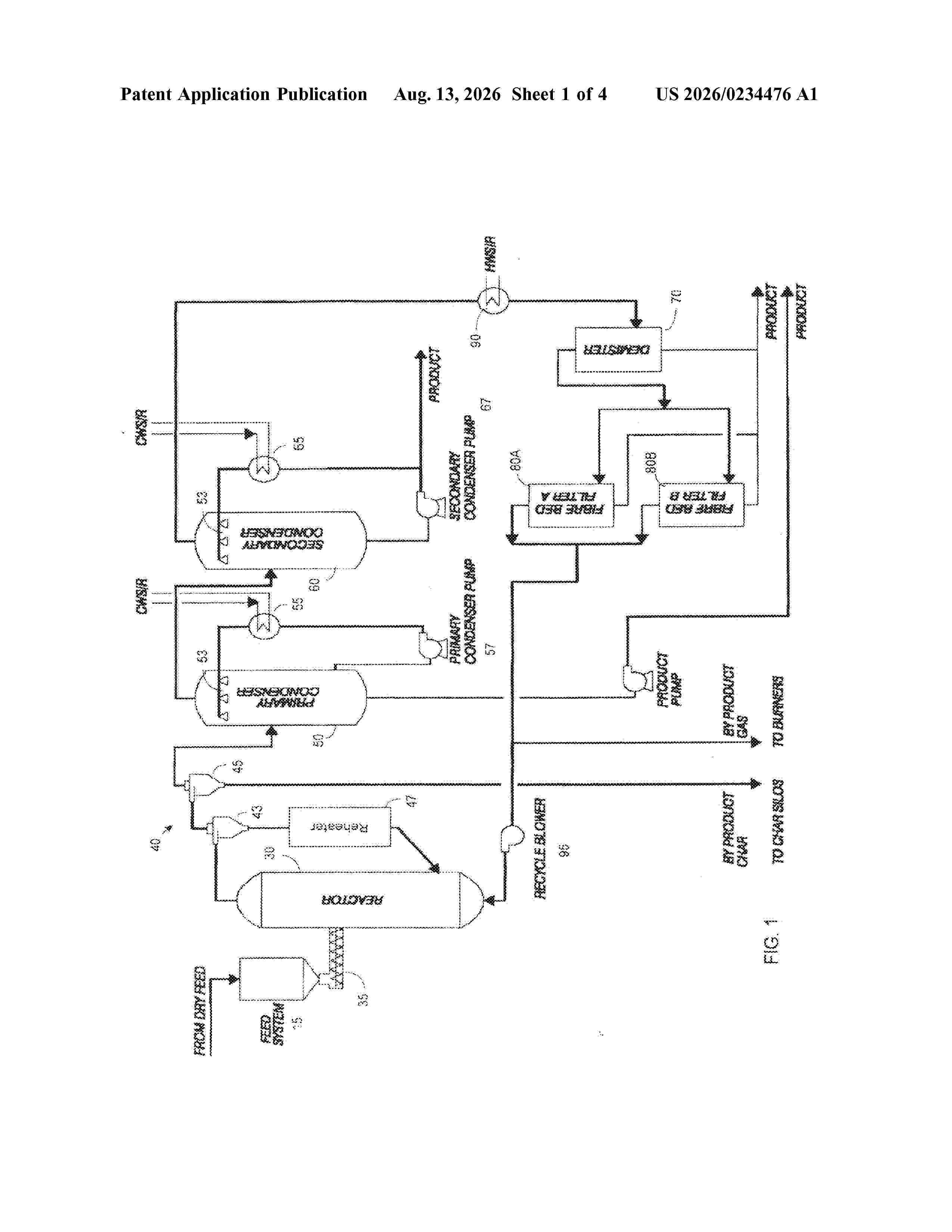
The present invent provides improved rapid thermal conversion processes for efficiently converting wood, other biomass materials, and other carbonaceous feedstock (including hydrocarbons) into high yields of valuable liquid product, e.g., bio-oil, on a large scale production. In an embodiment, biomass material, e.g., wood, is feed to a conversion system where the biomass material is mixed with an upward stream of hot heat carriers, e.g., sand, that thermally convert the biomass into a hot vapor stream. The hot vapor stream is rapidly quenched with quench media in one or more condensing chambers located downstream of the conversion system. The rapid quenching condenses the vapor stream into liquid product, which is collected from the condensing chambers as a valuable liquid product. In one embodiment, the liquid product itself is used as the quench media.
Resumen de: WO2025073011A1
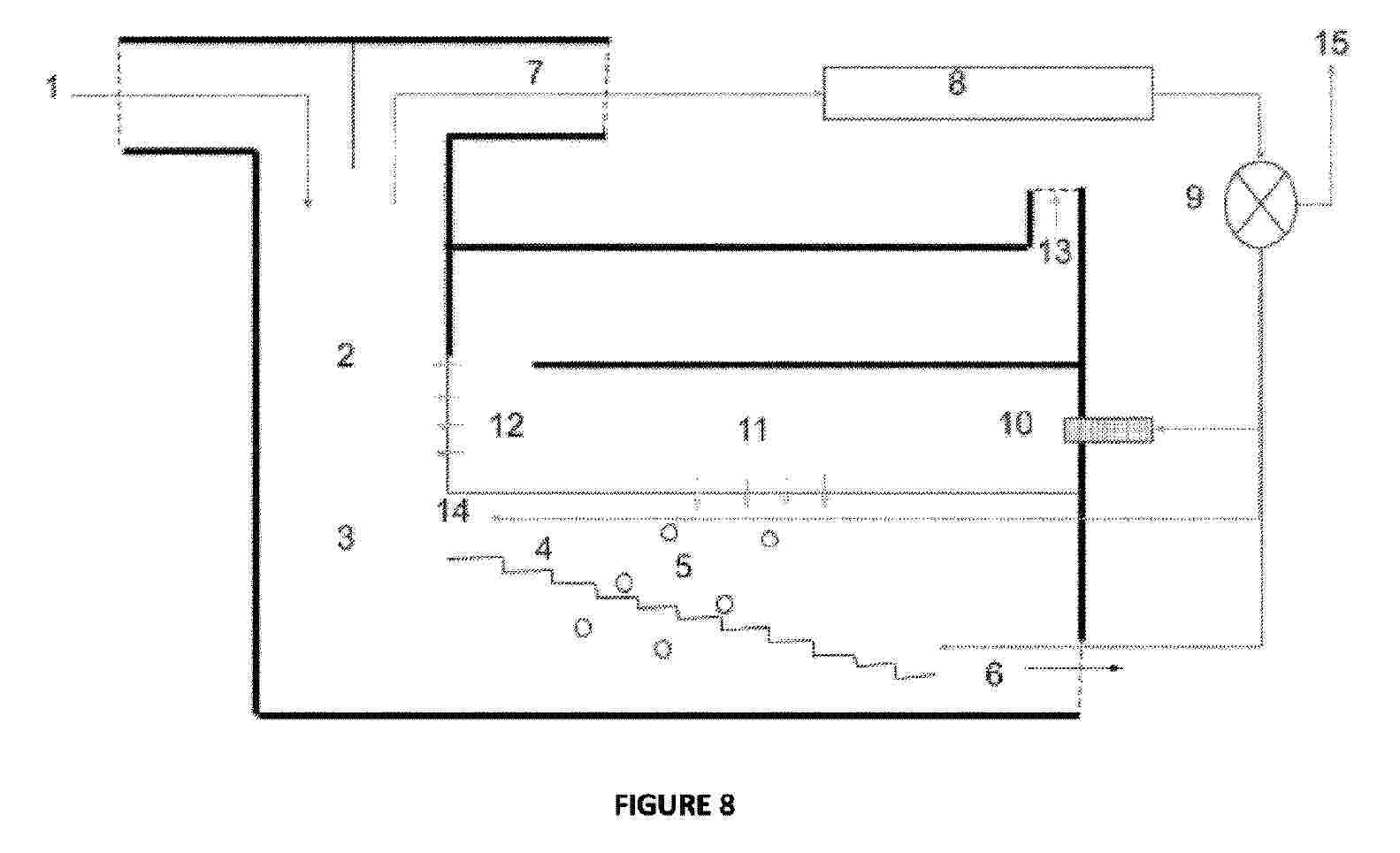
A pyrolysis system using three different sections combined in series, of a vertical drying and gas scrubbing section, 2, a transitional section 3, and an extended horizontal high temperature reactor zone 4 based on top of a step grate furnace. The system is to efficiently convert various biomass materials into high Fixed Carbon material, clean syngas and valuable condensates by controlling feed down the vertical drying & gas scrubbing section in a packed bed-counter flow heat exchange arrangement where residence time and gas volume can be controlled through 3 feeding rate, 5 air injection, 6 & 14 recirculating gas injection. Radiant heat at 12 provides additional energy for drying the wet feed material.
Resumen de: WO2025074069A1
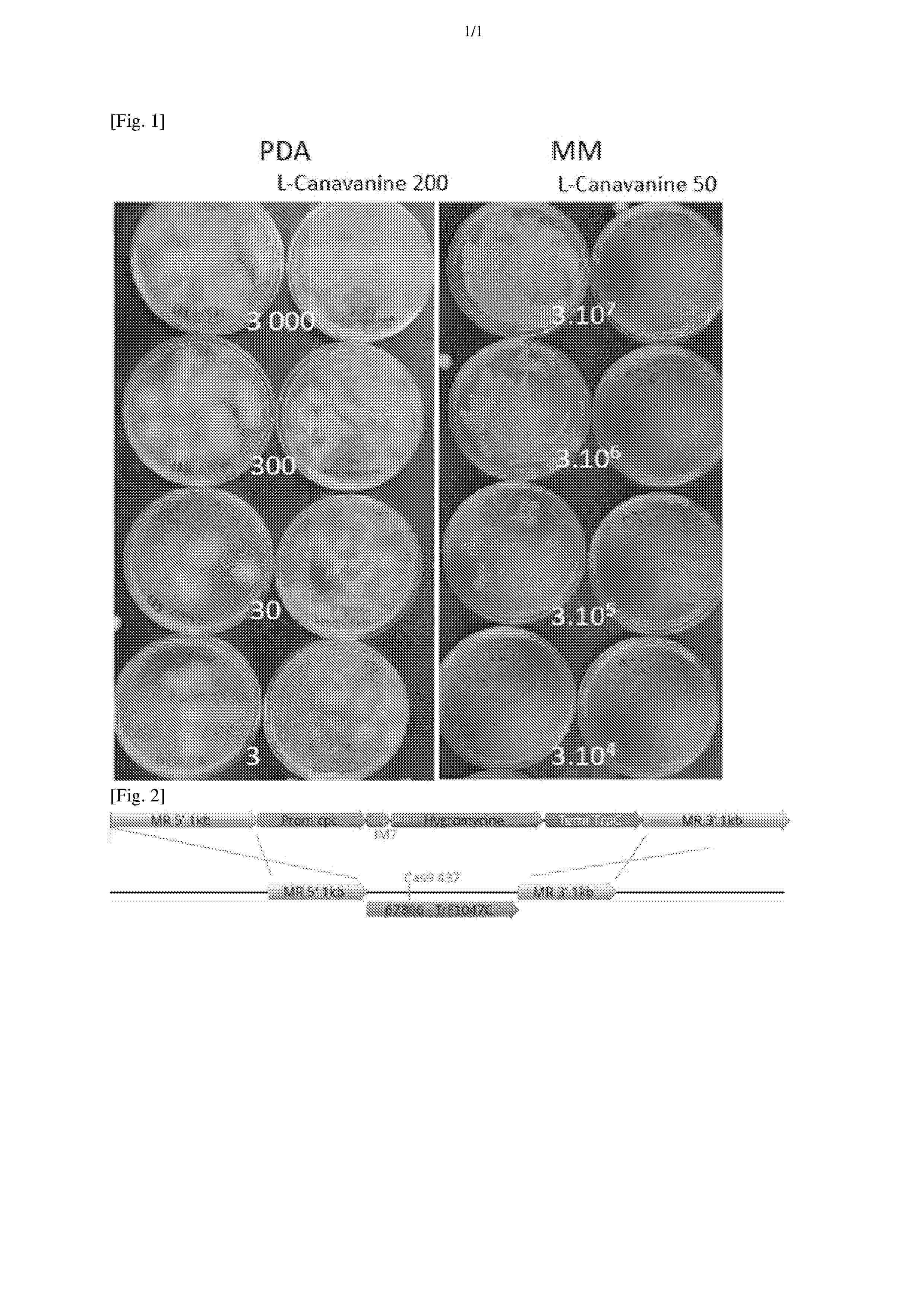
The present invention relates to a strain of filamentous fungus belonging to the division Ascomycetes, excluding a fungus belonging to the class Saccharomycetes, in which a gene coding for an arginine permease (CAN1), or a variant or an orthologous gene, has been knocked out. The invention also relates to the various uses of the strain and to the genetic modification method allowing a strain according to the invention to be obtained. The invention also relates to the use of L-canavanine as a selectable marker for transformants in which a gene coding for an arginine permease (CAN1), or a variant or an orthologous gene, has been knocked out.
Resumen de: US2025108408A1
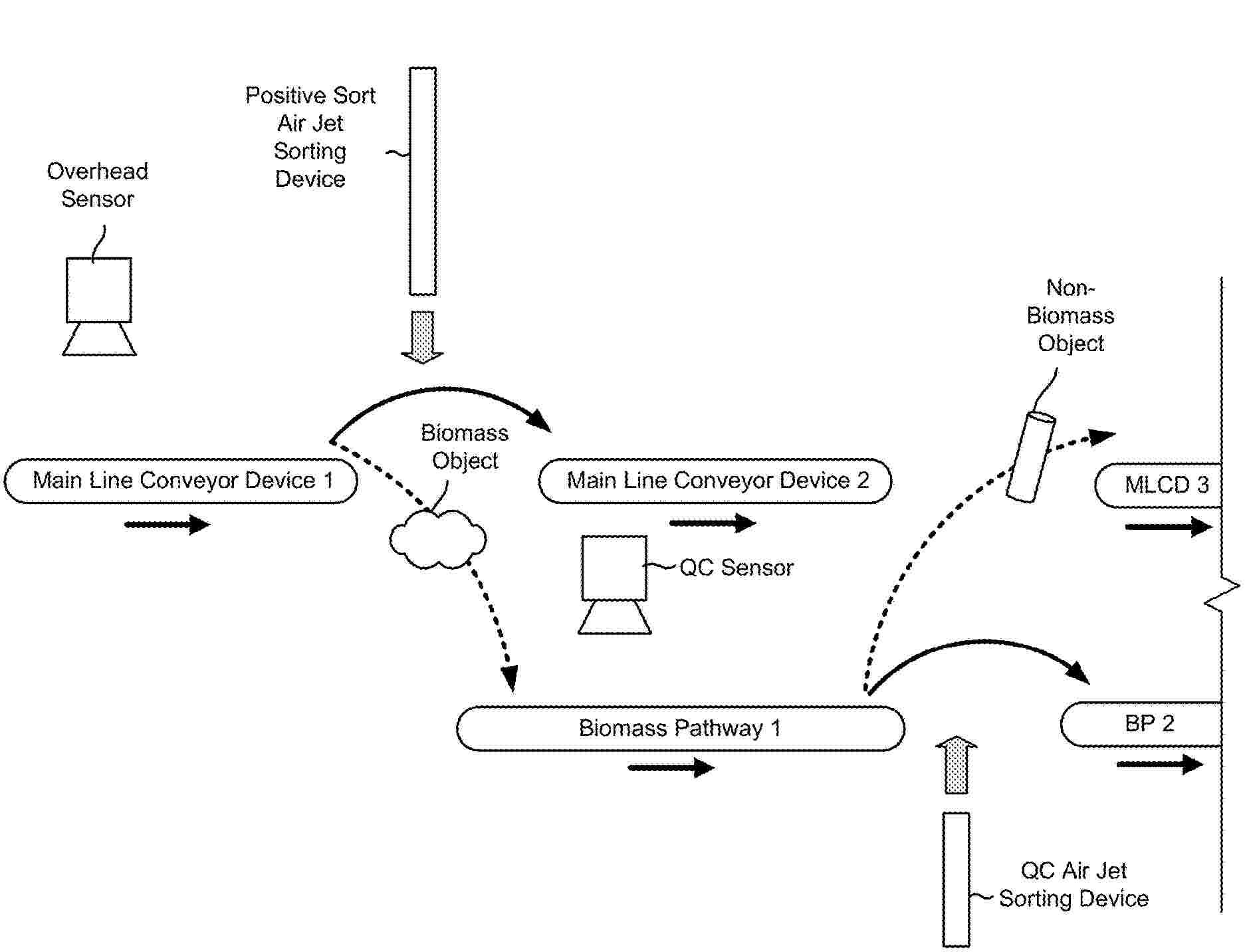
Sorting biogenic material from a stream of heterogeneous materials is disclosed, including: detecting biogenic material within an input stream of heterogeneous material; sorting the biogenic material based at least in part on a desired biochar formulation; and tracking a composition of a sorted mixture of biogenic material.
Resumen de: US2025109346A1
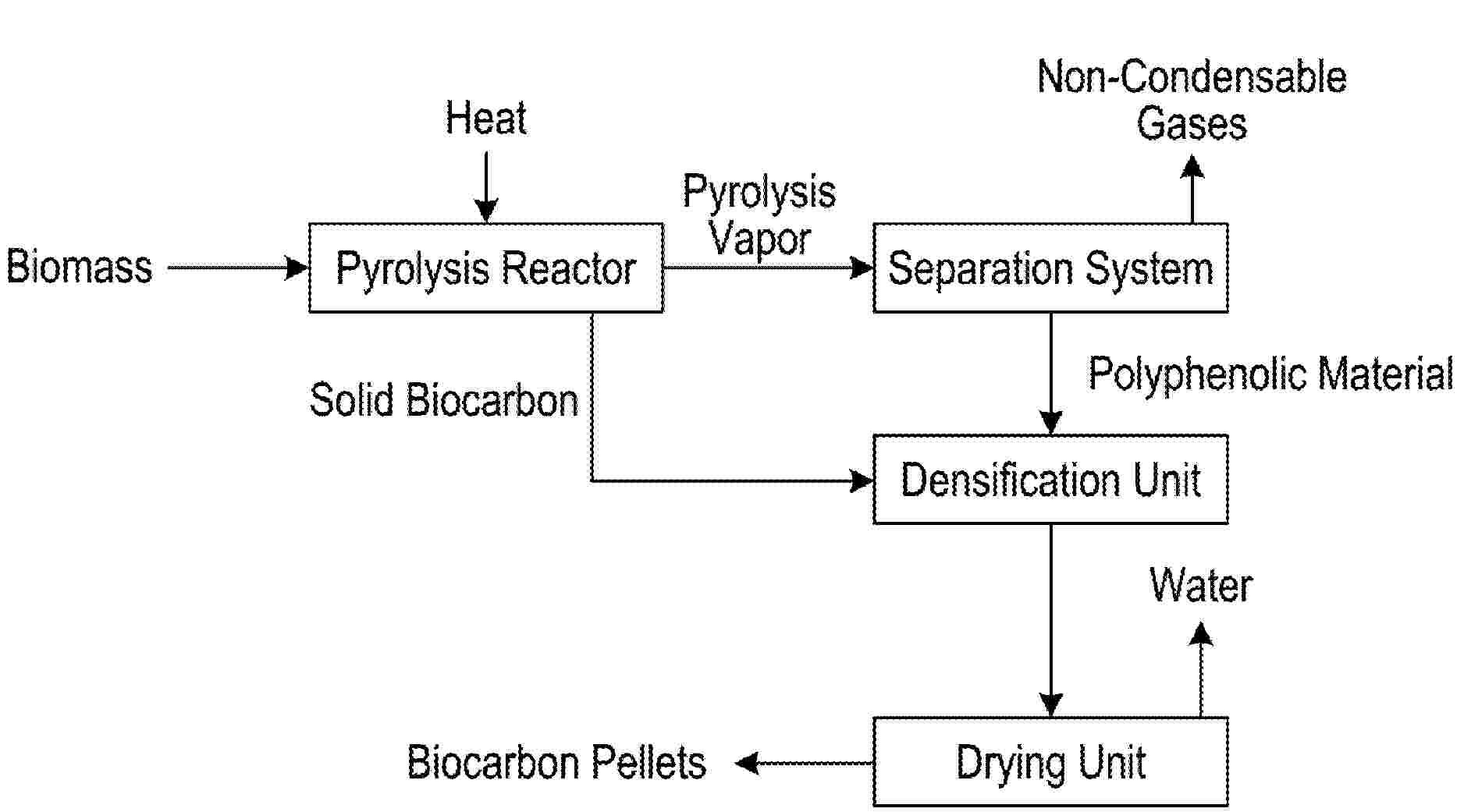
Water-resistant, high-durability, and high-density biocarbon pellets are described. In some variations, a process for producing biocarbon pellets comprises: pyrolyzing a biomass-containing feedstock in a pyrolysis reactor, thereby generating a solid biocarbon-containing material and a pyrolysis vapor; introducing the pyrolysis vapor to a separation system configured to recover a pyrolysis condensate in liquid form separated from non-condensable gases; capturing pyrolysis condensate as a polyphenolic material; contacting the solid biocarbon-containing material with the polyphenolic material, thereby generating an intermediate mixture; introducing the intermediate mixture to a densification unit, thereby generating a biocarbon pellet precursor; and at least partially drying the biocarbon pellet precursor, thereby generating biocarbon pellets characterized by a 24-hour water uptake of about 20 wt % or less, measured at 25° C. and 1 bar. The biocarbon pellets can be stockpiled outside, which is logistically convenient at manufacturing sites, such as industrial metal-making plants that feed the biocarbon pellets into the process.
Resumen de: WO2025118046A1
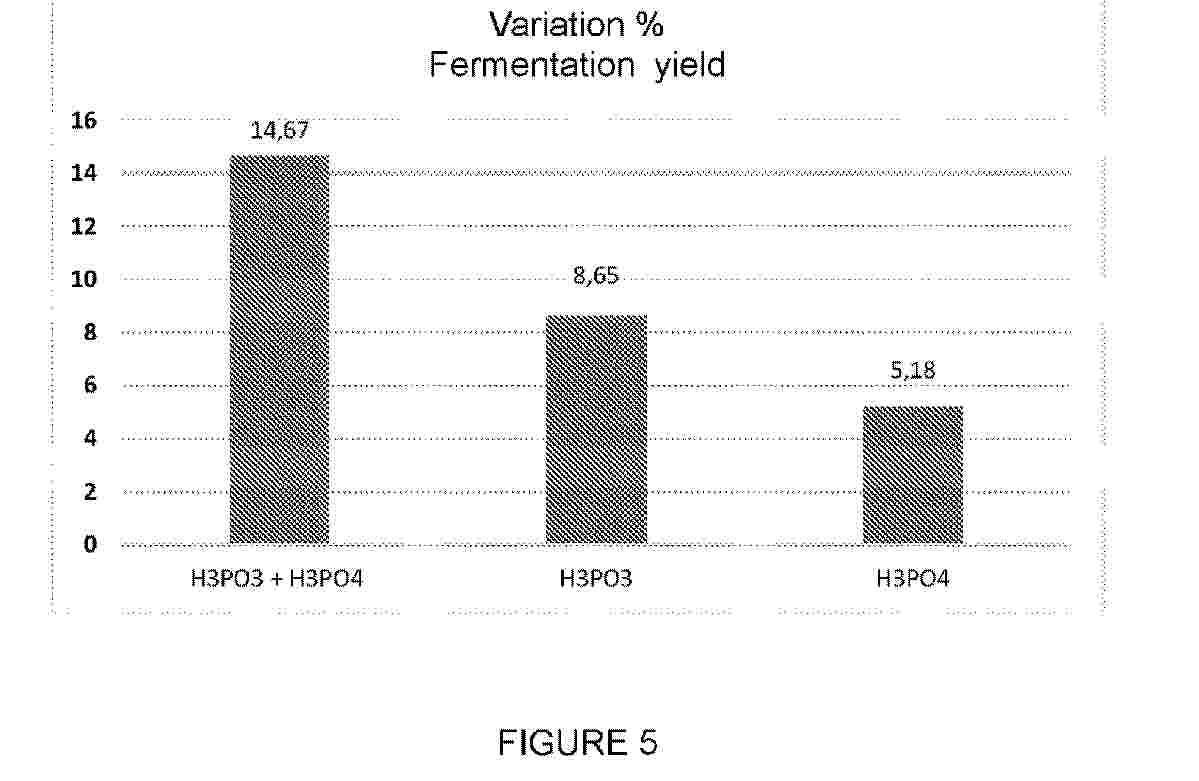
The present invention refers to a phosphorous-based composition to be used in ethanol/alcohol production, specifically used in the fermentation step, more particularly, such composition is suitable for improving the yeast metabolism in a fermentation process, thereby, increasing the ethanol yield production, without resulting in increased costs or modifications in the production process. A method for applying said composition in an ethanol process and the use of the composition are also described.
Resumen de: US20260226497A1
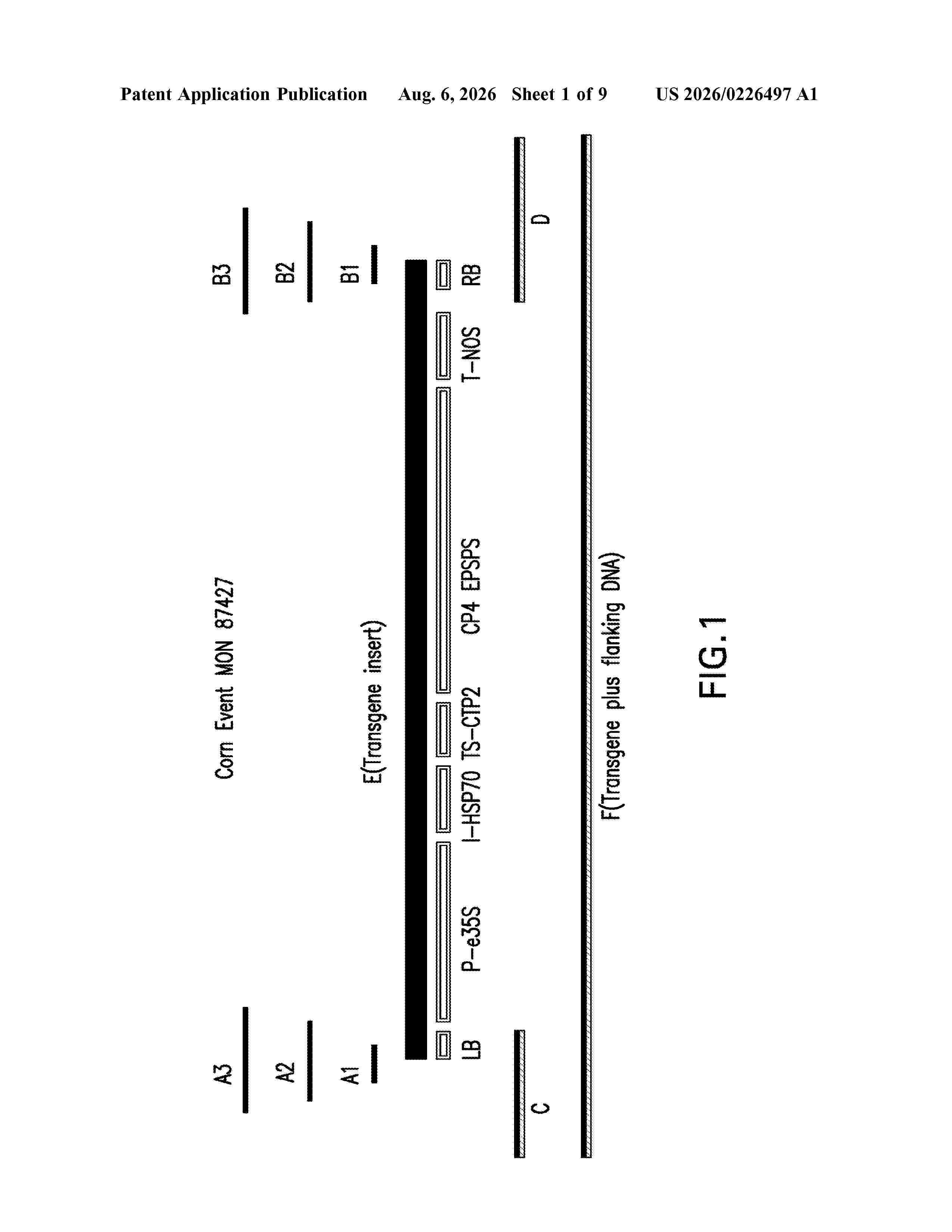
0000 The invention provides transgenic maize event MON 87427 and plants, plant cells, seeds, plant parts, and commodity products derived from event MON 87427. The invention also provides nucleotides specific for transgenic maize event MON 87427 and plants, plant cells, seeds, plant parts, and commodity products comprising nucleotides specific for transgenic maize event MON 87427. The invention also provides methods related to transgenic maize event MON 87427 and to the Roundup® Hybridization System (RHS). The invention also provides a Relative Development Scale useful for monitoring and determining reproductive development in maize that reconciles developmental differences across various maize varieties. This is useful for determining the optimal timing of a treatment regimen in which tassel development stage is an important factor, including various methods in making hybrid seed.
Resumen de: US20260226396A1
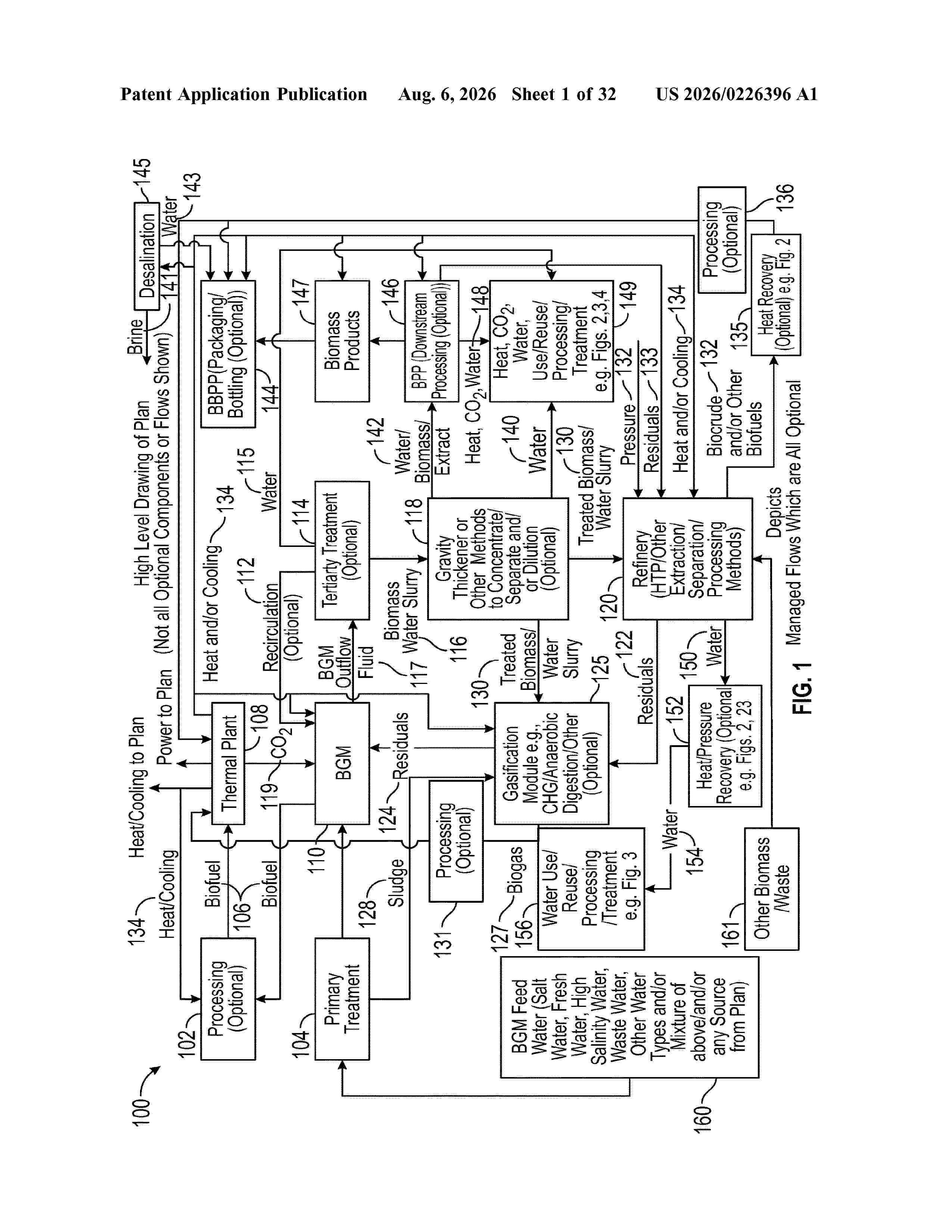
0000 A system comprising a collocated thermal plant, water source, CO<2 >source and biomass growth module is disclosed. A method of improving the environment by utilizing the system is disclosed.
Resumen de: US20260226442A1
0000 The present invention relates to variants of a parent alpha-amylase having an improved wash performance when compared to the parent alpha-amylase. The present invention also relates to polynucleotides encoding the variants, nucleic acid constructs, vectors, and host cells comprising the polynucleotides, and method of producing the variants of the present invention.
Resumen de: US20260226395A1
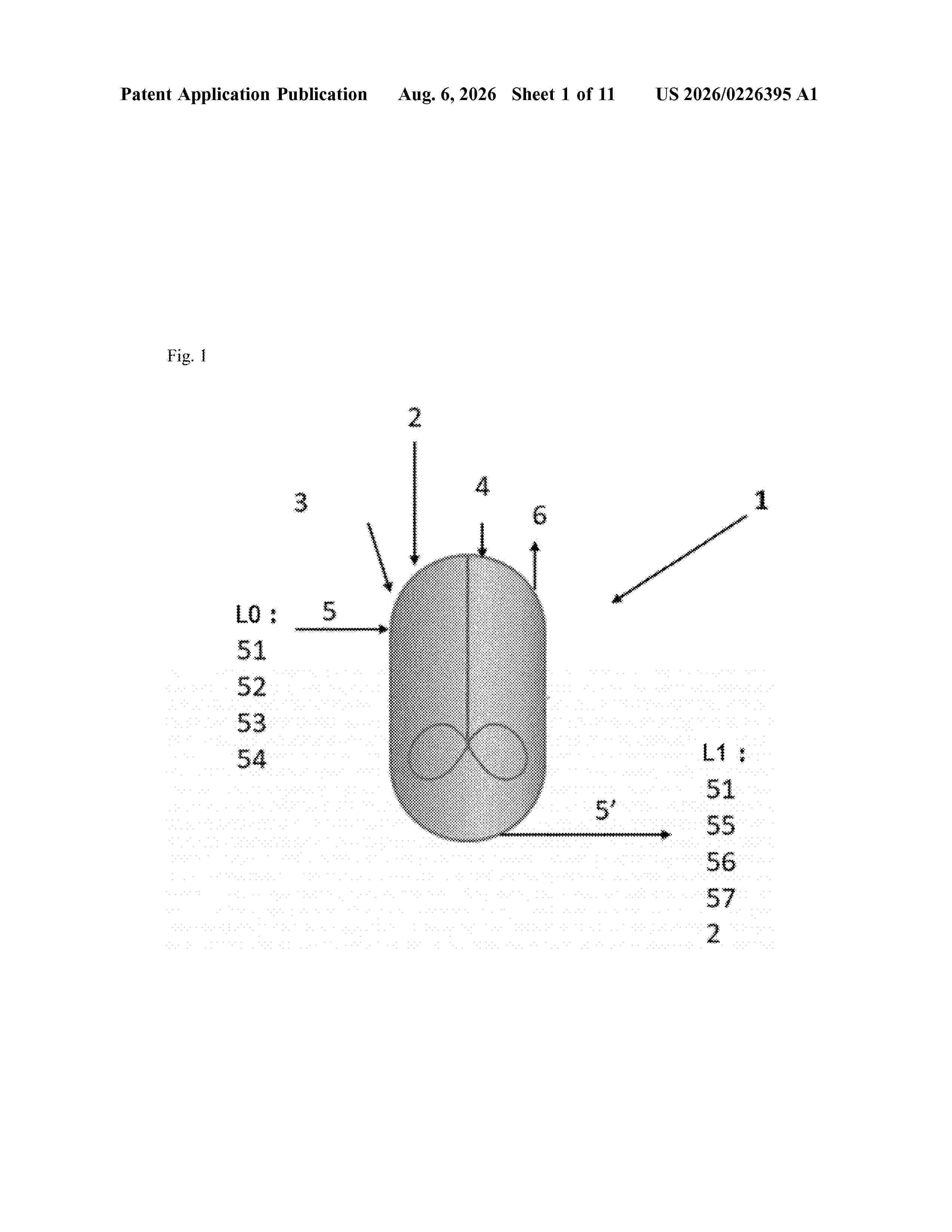
0000 A process for the treatment of a lignocellulosic biomass comprises: a) a stage of pretreatment (2) of biomass, in order to obtain a pretreated biomass (3), b) a first stage of solid/liquid separation of all or part (3a ) of the pretreated biomass (3) into a first solid fraction (7) and a first liquid fraction (6) comprising a mixture of sugars, c) a stage of enzymatic hydrolysis (14) of the first solid fraction (7) of pretreated biomass, in order to obtain a hydrolysate (15) in the form of sugar(s), d) a stage of purification (24) of said first liquid fraction by bringing said first liquid fraction (6) into contact with microorganisms consuming only the C6 sugars, in order to obtain a purified liquid fraction (26), e) a second stage e) of solid/liquid separation (27) of the purified liquid fraction (26).
Resumen de: US20260226512A1
The provided is a method for improving the rate of glucose, xylose and arabinose utilization in Saccharomyces cerevisiae, comprising the following steps: using Saccharomyces cerevisiae with the ability to convert xylose and/or arabinose into ethanol, lactic acid, butanedioic acid, farnesene or isobutanol as a chassis cell to make the following mode of modifications in its genome: A. a mutation in the TRK1 gene for the potassium ion intracellular transporter protein, resulting in an increase in intracellular potassium ion/sodium ion ratio in Saccharomyces cerevisiae, and/or B. a mutation in the PUF2 gene for mRNA-binding protein or PUF2 gene knockout, resulting in PUF2 inactivation, deletion, reduced function, or down-regulated mRNA translation strength. The recombinant Saccharomyces cerevisiae constructed can utilize the cellulase hydrolysate comprising glucose, xylose and/or arabinose to produce ethanol, lactic acid, butanedioic acid, farnesene or isobutanol by fermentation, and has broad application prospects.
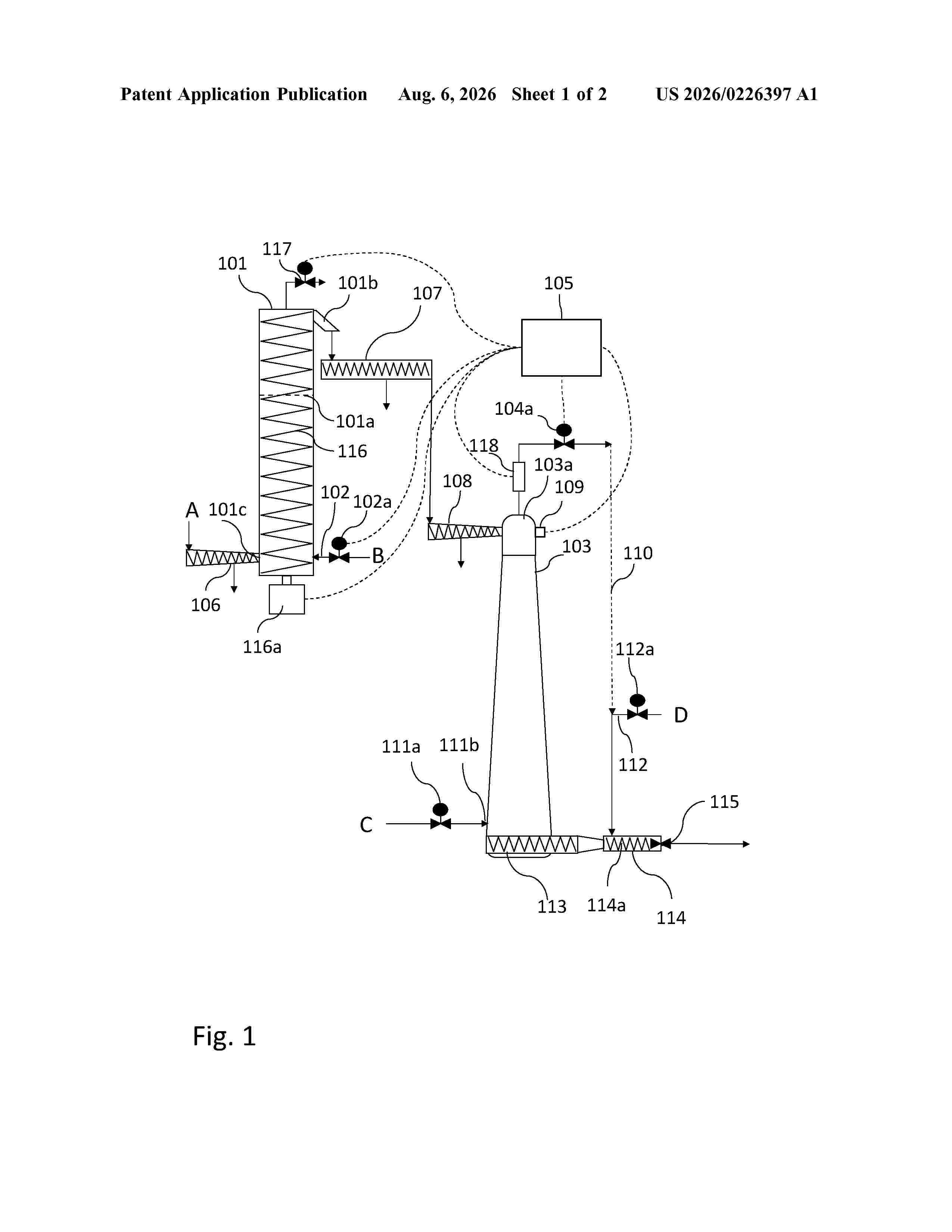
Resumen de: US20260226397A1
0000 Method for treating biomass material, comprising impregnating (201) the biomass material with sulfur dioxide and/or sulfurous acid in an impregnation reactor, subjecting the biomass material to hydrothermal treatment (202) in a pretreatment reactor, and determining (204) a flow, or a parameter indicative of a flow, of gases vented off from an upper portion of the pretreatment reactor The method further comprises controlling (205a , 205b ) the impregnating based on the flow of gases, or the parameter indicative of the flow of gases. A corresponding system is also provided.
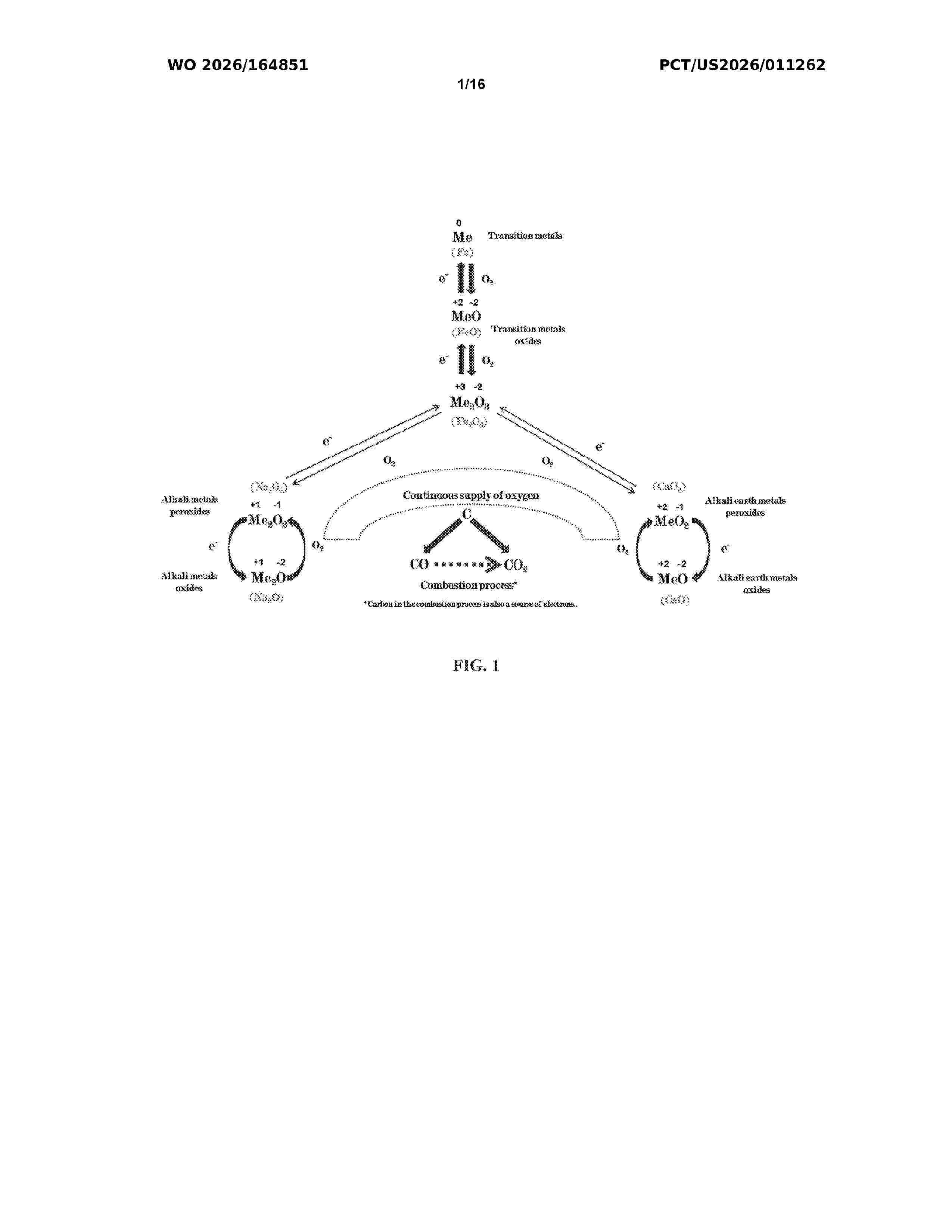
Resumen de: WO2026164851A1
A fuel additive having one or more industrial and/or mining waste components, the one or more industrial waste components including one or more components generated by alumina and/or shale oil production. Also described are methods of making and methods of using the fuel additive.
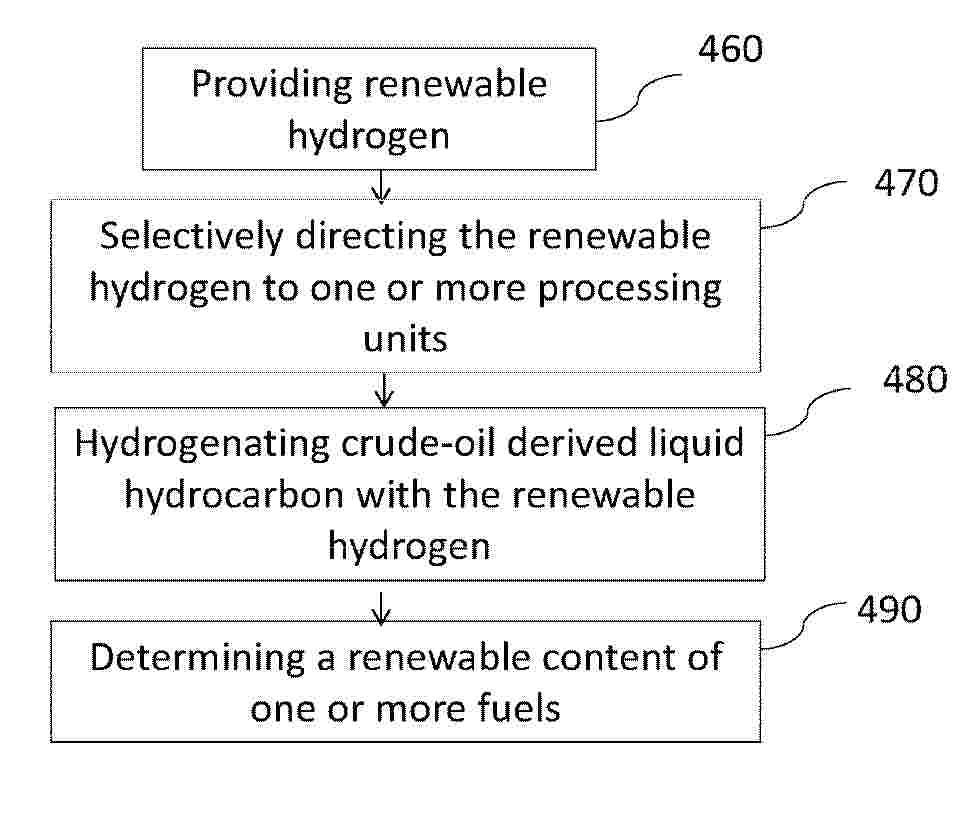
Resumen de: EP4786413A1
A method of producing a fuel having a determined amount of renewable content is provided. The method includes supplying renewable hydrogen to a hydroprocessing unit and hydrogenating crude oil derived liquid hydrocarbons within the hydroprocessing unit using the renewable hydrogen. The renewable content of the hydrogenated product is determined by measuring an amount of hydrogen, carbon, or a combination thereof in the crude oil derived liquid hydrocarbon feed introduced into the hydroprocessing unit and by measuring an amount of hydrogen, carbon, or a combination thereof in the hydrocarbon produced by the hydroprocessing unit. A difference between the relative amounts of carbon and hydrogen in the feed and in the product is used to determine the renewable content.
Nº publicación: EP4786576A1 05/08/2026
Solicitante:
VIB VZW [BE]
UNIV LEUVEN KATH [BE]
LESAFFRE & CIE [FR]
VIB VZW
Katholieke Universiteit Leuven
Lesaffre et Compagnie
Resumen de: EP4786576A1
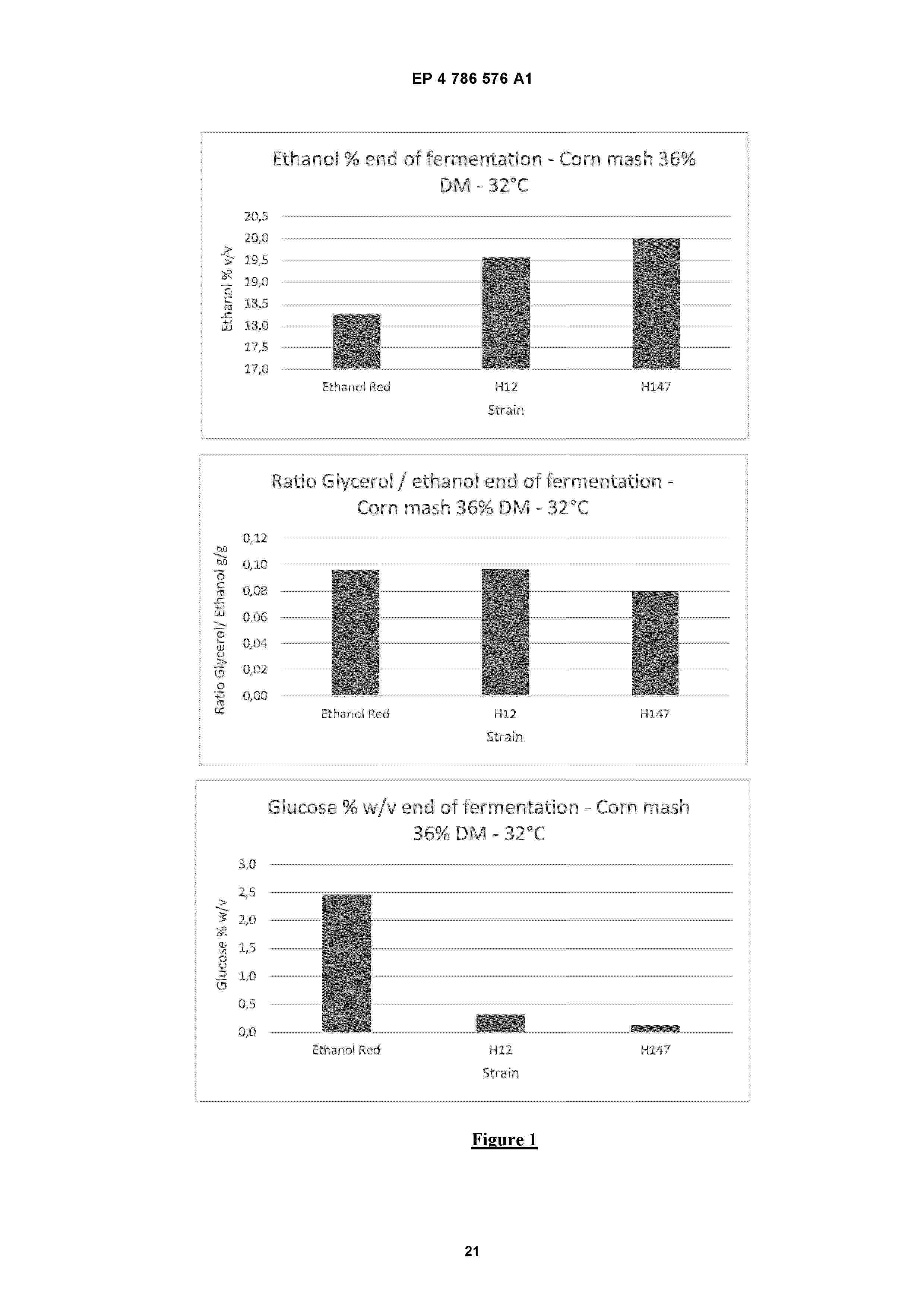
The present invention relates to a fermenting organism which is a Saccharomyces cerevisiae strain selected from:a. Saccharomyces cerevisiae strain H147, which was deposited on December 20, 2024 at the CNCM under Number I-6168; andb. Saccharomyces cerevisiae strain H12, which was deposited on December 20, 2024 at the CNCM under Number I-6167,Or a derivative thereof.
 BOPI
BOPI
 Sede Electrónica