Si deseas distinguir tus productos, servicios o ambos de los de otra empresa, es posible que necesites una marca o nombre comercial. Descubre qué son, en qué consiste su procedimiento de registro y qué implica.

Información sobre los plazos de presentación de solicitudes de transformación de marcas de la Unión Europea en marca nacional española. Más información


Si tienes un nuevo dispositivo, producto o procedimiento que resuelva un problema técnico o tenga una ventaja práctica, existen distintas formas de protegerlo en España y en otros países. Descubre cómo hacerlo.

¿Tu innovación reside en la estética, la ornamentación o la apariencia de tu producto? Protégela mediante un diseño industrial. Descubre qué derechos confiere el registro y cómo realizar la tramitación.

Las indicaciones geográficas protegen el nombre de un producto originario de una zona geográfica, a la cual le debe una determinada calidad, reputación u otra característica. Descubre qué son, en qué consiste su procedimiento de registro y qué beneficios conceden.

Las patentes publicadas en todo el mundo son una valiosa fuente de información científica, técnica y comercial.

Si eres emprendedor/a o una empresa y quieres potenciar y mejorar la rentabilidad de tu negocio protegiendo de forma adecuada los activos intangibles de tu organización, en este espacio encontrarás lo necesario.


 56
resultados
56
resultados
 Última actualización
23/10/2026 [06:46:00]
Última actualización
23/10/2026 [06:46:00]


Resumen de: EP4825945A1
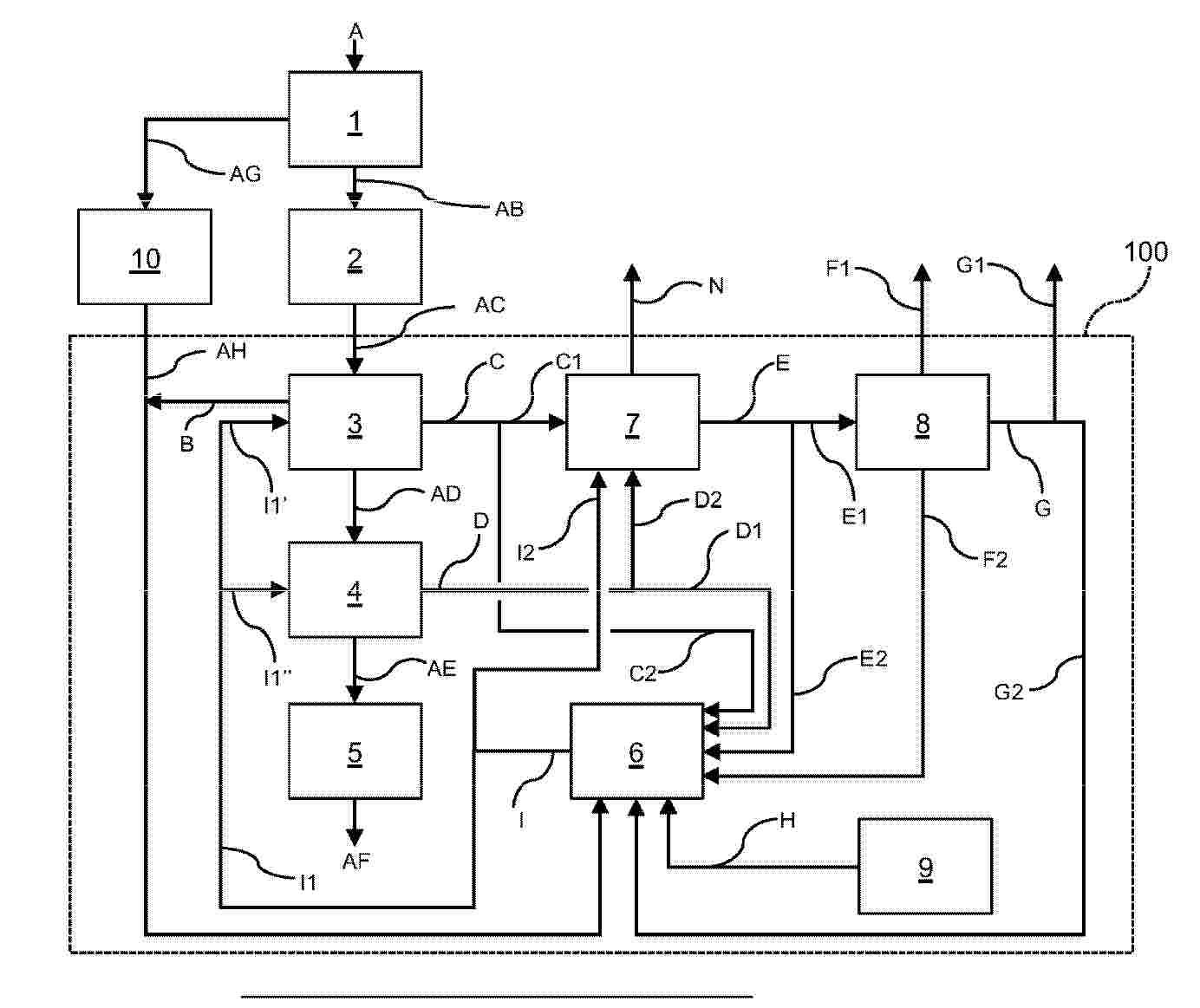
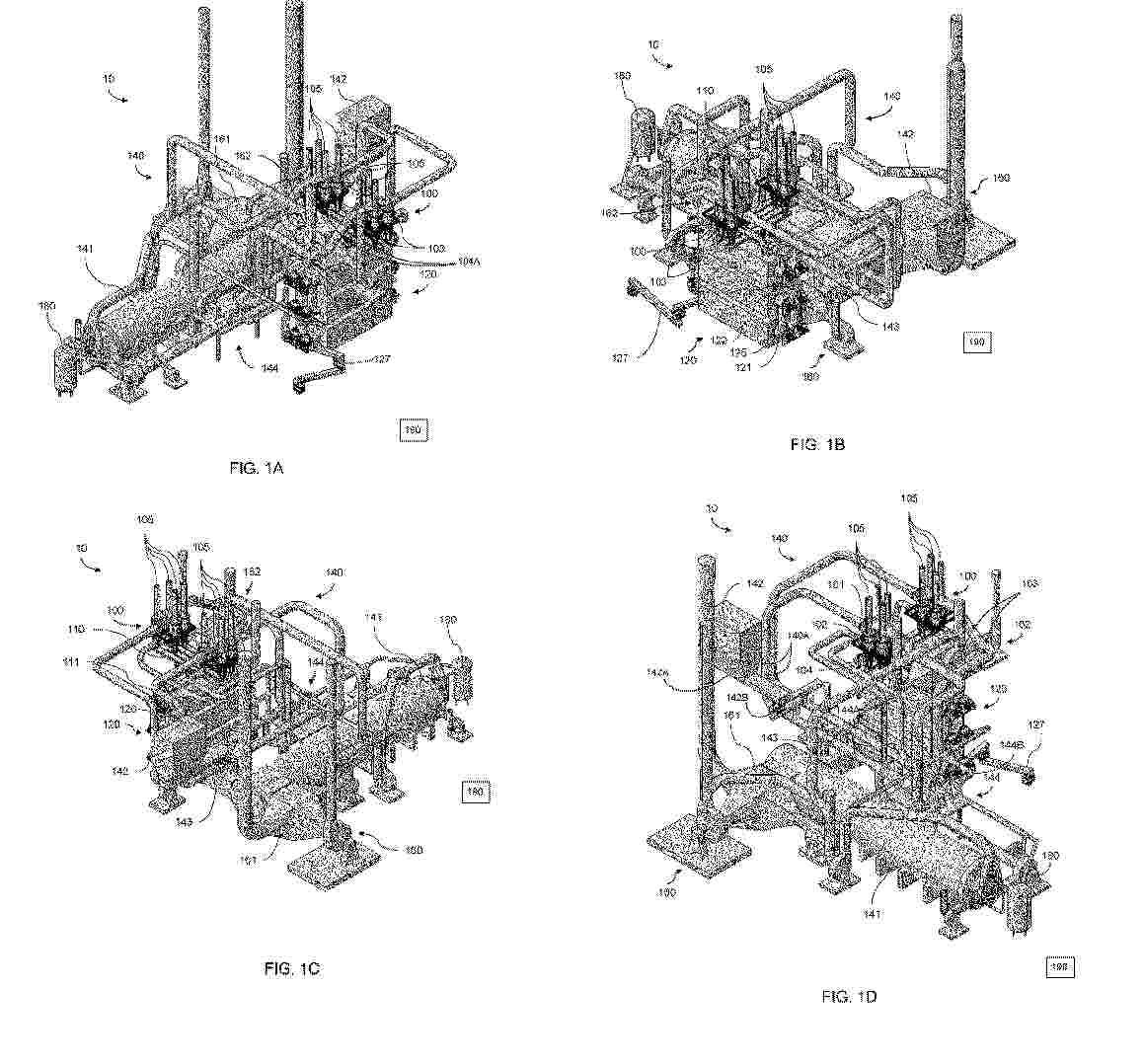
0001 The invention relates to a method and an apparatus for the continuous and energy-efficient coproduction of biogenic products comprising at least two of the group of charcoal, carbon dioxide and organic volatiles suitable for use in the metallurgical industry and agricultural applications, for use as fuel and feedstock in the production of fuels and chemicals, and for injection into geological structures for carbon storage. The method involves the carbonization of biomass, preferably cellulose- and lignin-containing material and the combustion of at least a part of the thereby produced gases, whereby exclusively produced oxygen is used for the combustion. The invention further relates to the production of said biogenic products according to said method to be used in metallurgical industry, to be used in agriculture, to be used as fuels and to be used as feedstock to produce fuels and chemicals, and/or to be injected in geological structures, whereby said products effectively meet the quality and sustainability criteria set by the industries using said products.

Resumen de: WO2025128568A1
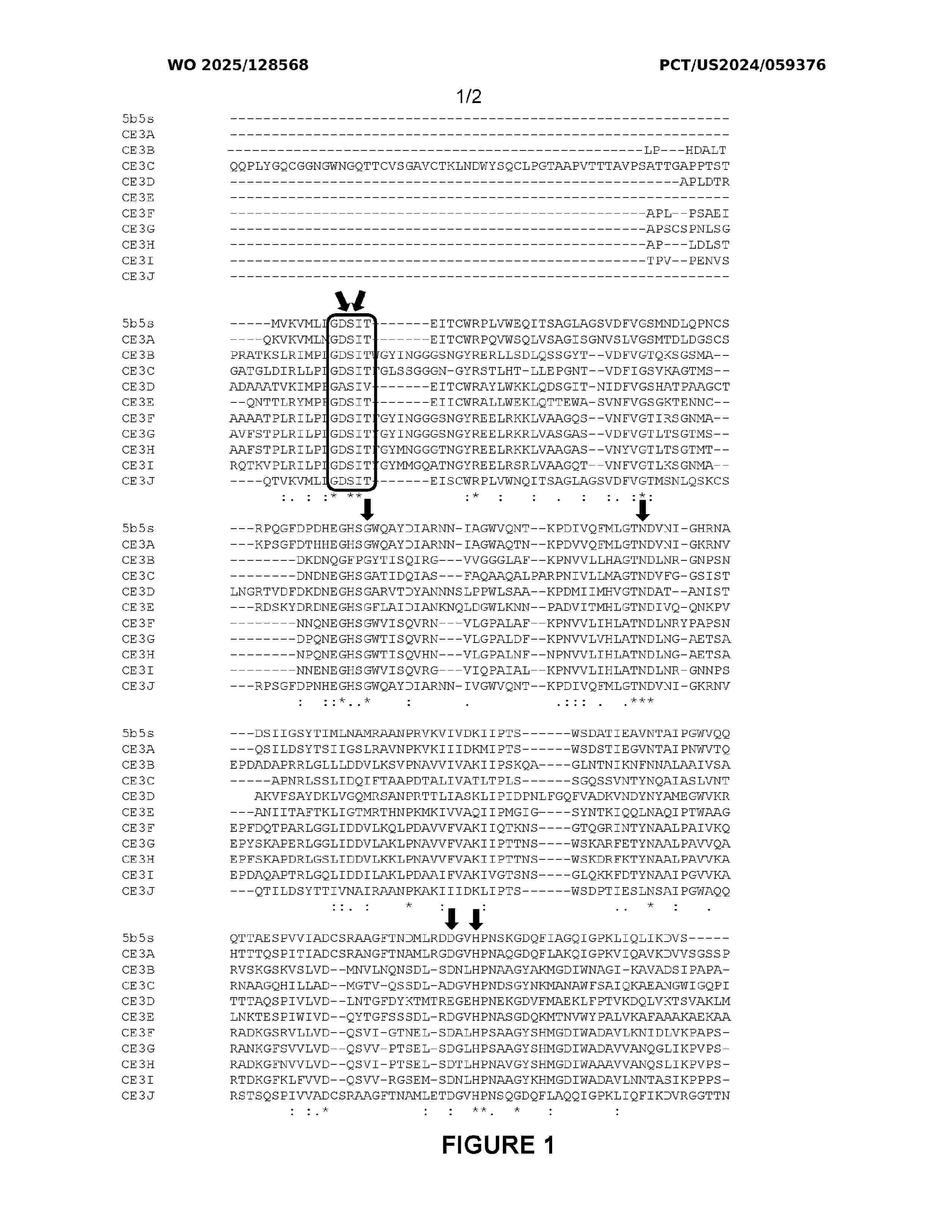
The invention also relates to compositions comprising a GH43 arabinofuranosidase, a GH51 arabinofuranosidase, a GH5 xylanase, a GH3 beta-xylosidase, a GH30 xylanase, and optionally a CE3 acetyl xylan esterase, and use of the compositions for solubilizing hemicellulosic fiber and increasing release of monomeric arabinose and/or xylose.
Resumen de: EP4826137A1
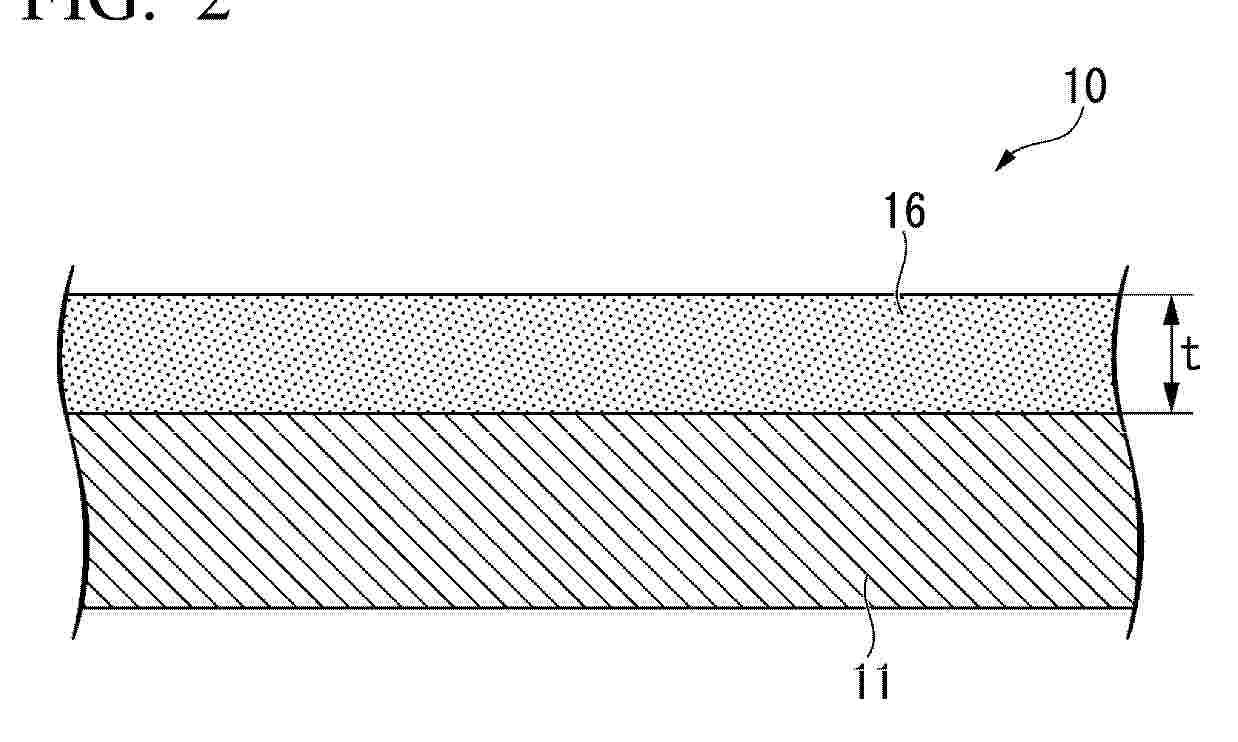
A porous Cu member includes a member main body (11) that is formed of Cu or a Cu alloy and has a porous structure, and a nano-Cu structure layer (16) that is formed on at least a part of a surface of the member main body (11), in which the member main body (11) has a porosity in a range of 38% or greater and 95% or less and a thickness in a range of 0.1 mm or greater and 1.0 mm or less, and the nano-Cu structure layer (16) is formed as a layer by laminating Cu particles having an average length of 20 µm to 1 nm on the surface.
Resumen de: US20260316042A1
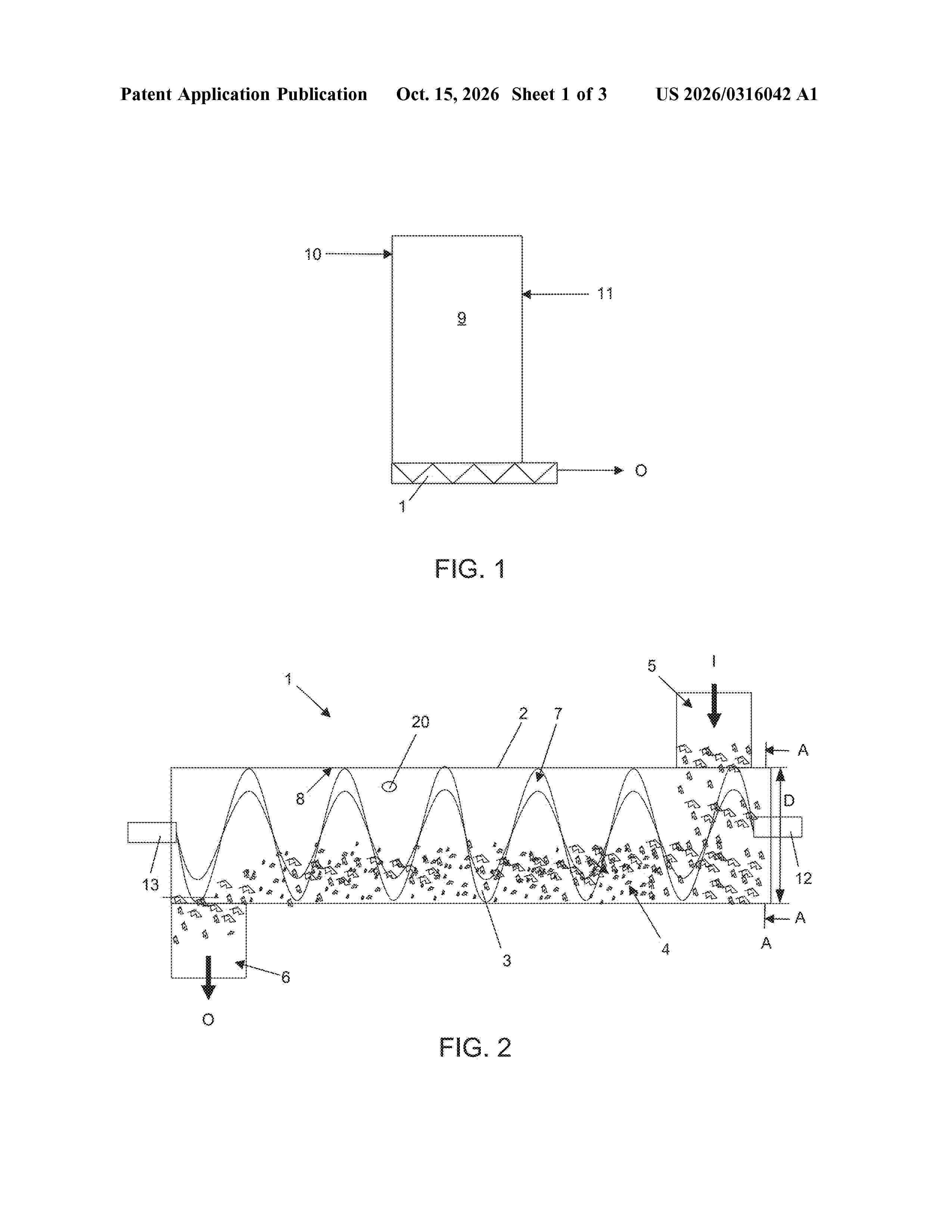
0000 A conveyor for pretreated biomass, wherein the conveyor incudes a cylindrical shell having an inlet for receiving the pretreated biomass and an outlet whereat the pretreated biomass passes out of the cylindrical shell. The conveyer further includes at least one shaftless spiral rotatably positioned in the cylindrical shell to move the pretreated biomass out of the cylindrical shell. A temperature inside the cylindrical shell is from 120 °C to 250 °C. Also a system, use, and a method is disclosed.
Resumen de: US20260317630A1
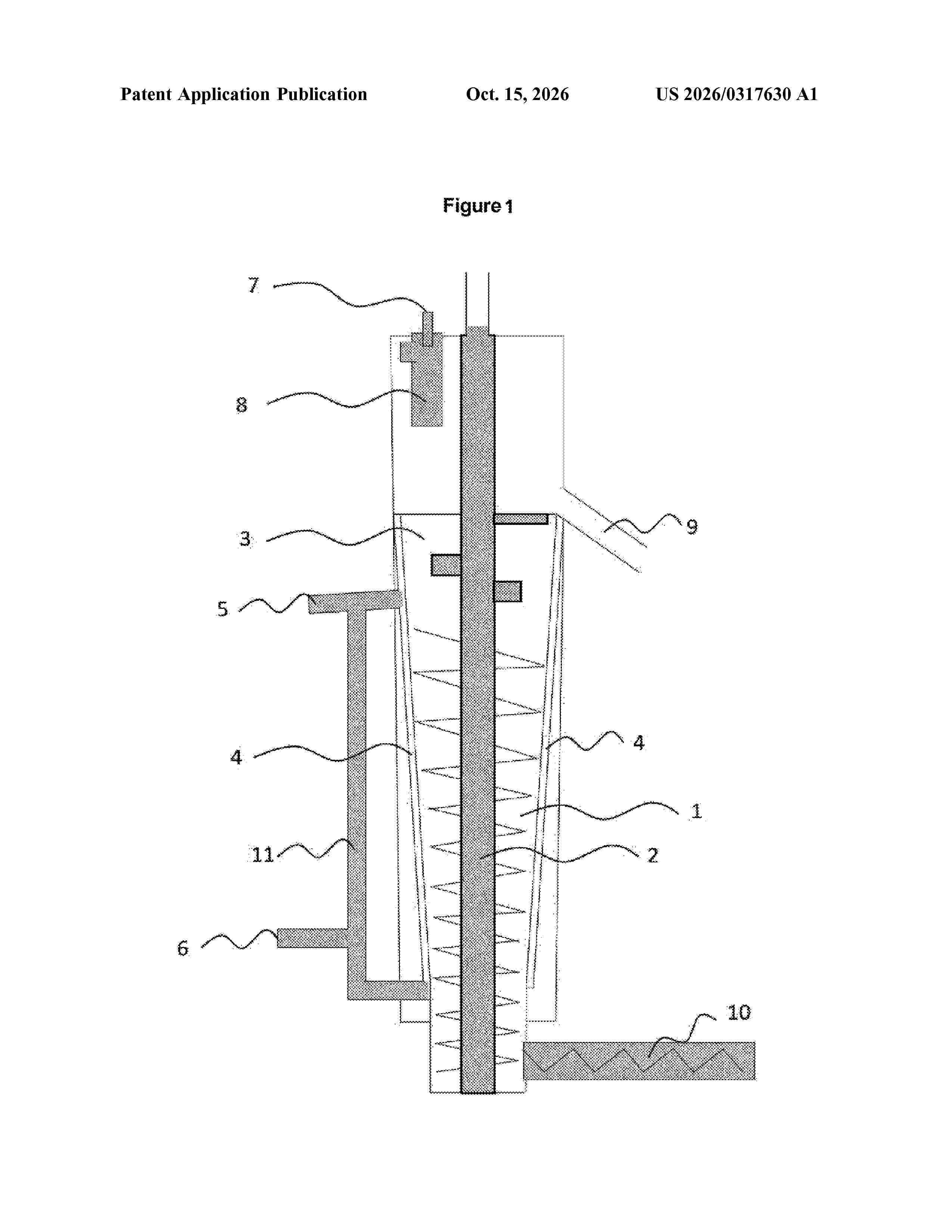
The invention relates to a method and a device for providing pyrolysis oil and pyrolysis gas.
Resumen de: US20260317932A1
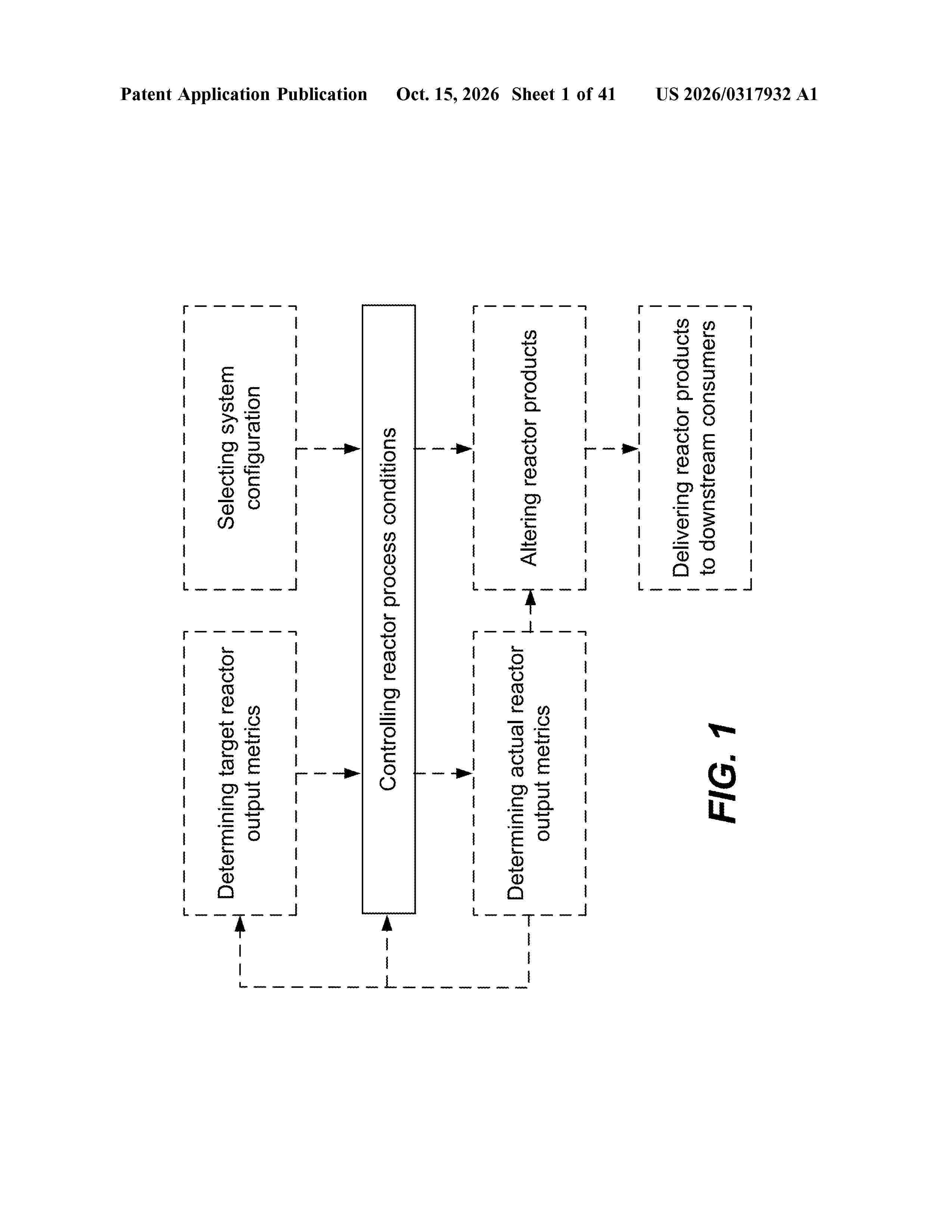
A system optionally including a carbon oxide reactor. A method for carbon oxide reactor control, optionally including selecting carbon oxide reactor aspects based on a desired output composition, running a carbon oxide reactor under controlled process conditions to produce a desired output composition, and/or altering the process conditions to alter the output composition.
Resumen de: WO2025122763A1
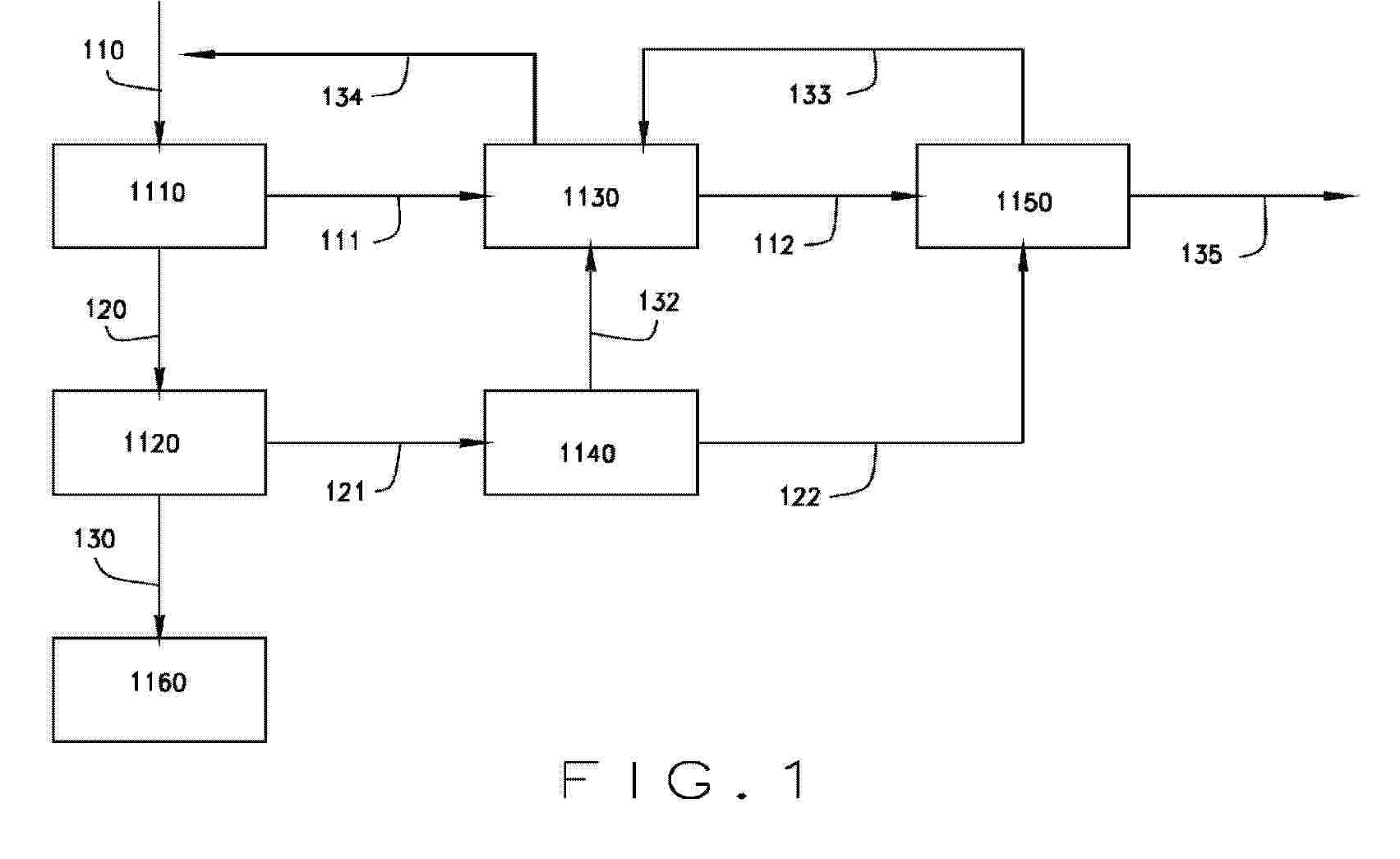
Disclosed herein are processes for separating liquefied grains prior to a fermentation. The described processes enable separation of insoluble biomass solids from soluble carbohydrates to yield at least one biomass solids fraction and at least one carbohydrates-rich fraction. The process involves an initial dilution step where liquefied grains are combined with either water or a recycled soluble matter stream, the latter comprising an aqueous solution of residual carbohydrates recovered from a first bioprocessing stage. The diluted liquid mash undergoes a first fractionation stage involving mechanical processing, yielding two distinct streams: a first retentate stream containing insoluble biomass solids and residual carbohydrates, and a permeate stream containing dissolved carbohydrates. The first retentate stream is then mechanically processed in a first bioprocessing stage, resulting in two outputs: a processed first retentate stream containing the insoluble biomass solids, and the recycled soluble matter stream containing residual carbohydrates. The process culminates in the collection of dissolved carbohydrates and insoluble biomass solids, which constitute the carbohydrates-rich fraction and biomass solids fraction, respectively. These processes provide efficient separation of grain components to yield extremely clean fermentation medium for ethanol and useful biomass solid products untainted by fermentation processes.
Resumen de: WO2025118046A1
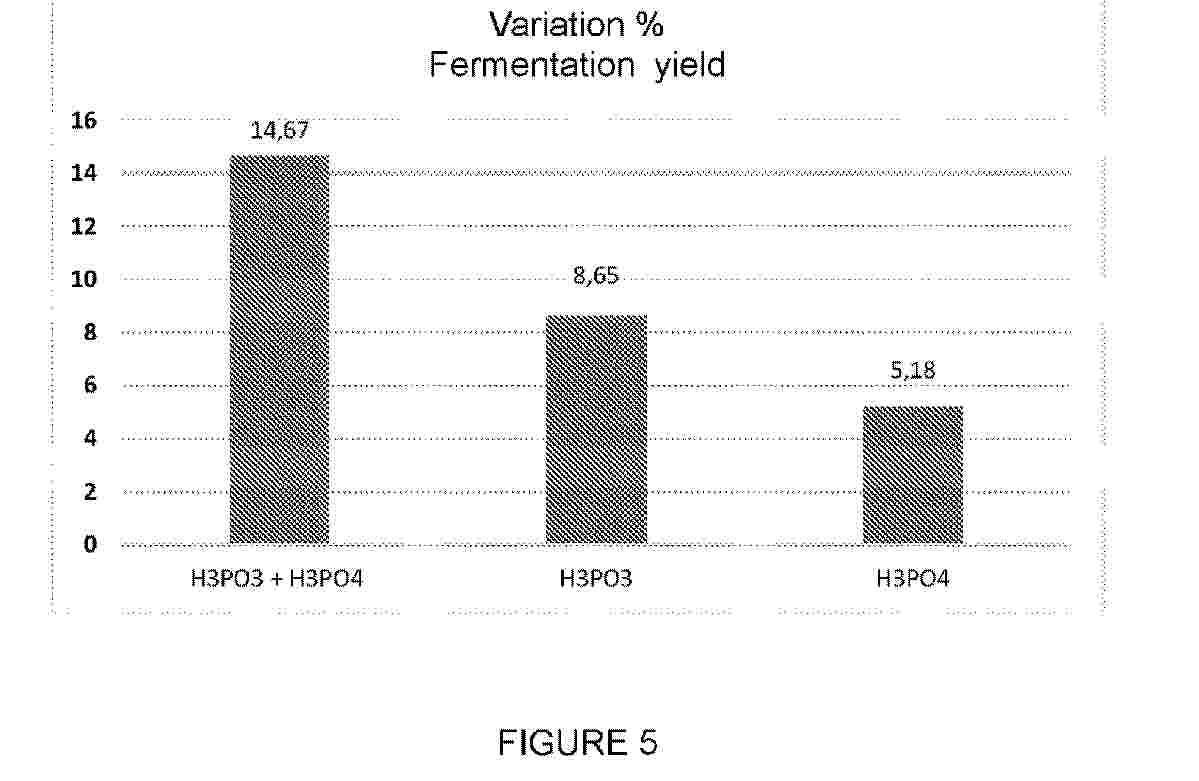
The present invention refers to a phosphorous-based composition to be used in ethanol/alcohol production, specifically used in the fermentation step, more particularly, such composition is suitable for improving the yeast metabolism in a fermentation process, thereby, increasing the ethanol yield production, without resulting in increased costs or modifications in the production process. A method for applying said composition in an ethanol process and the use of the composition are also described.
Resumen de: WO2025122608A1
A fuel pellet is disclosed. The fuel pellet comprises a plant fiber and a lignin modifying enzyme exogenous to the plant fiber. In some embodiments, the plant fiber is a Tracheophytes plant fiber. In some embodiments, the plant fiber is a monocot plant fiber. In some embodiments, the plant fiber is a Poaceae plant fiber. In some embodiments, the plant fiber is a Saccharum plant fiber. In some embodiments, the plant fiber is sugarcane bagasse plant fiber. In some embodiments, the pellet does not contain a binding agent. In embodiments without a binding agent, the fuel pellet is held together by lignin, which is present in the plant fiber and modified to hold the plant fibers together. In some embodiments, the lignin modifying enzyme is a lignase. In some other embodiments the lignin modifying enzyme is a laccase. The disclosure further provides a method of making a fuel pellet.
Resumen de: US20260308558A1
Xylanase variants; polynucleotides encoding the variants; nucleic acid constructs, vectors, and host cells comprising the polynucleotides; compositions comprising the xylanase variants and methods of using the variants.
Resumen de: US20260308469A1
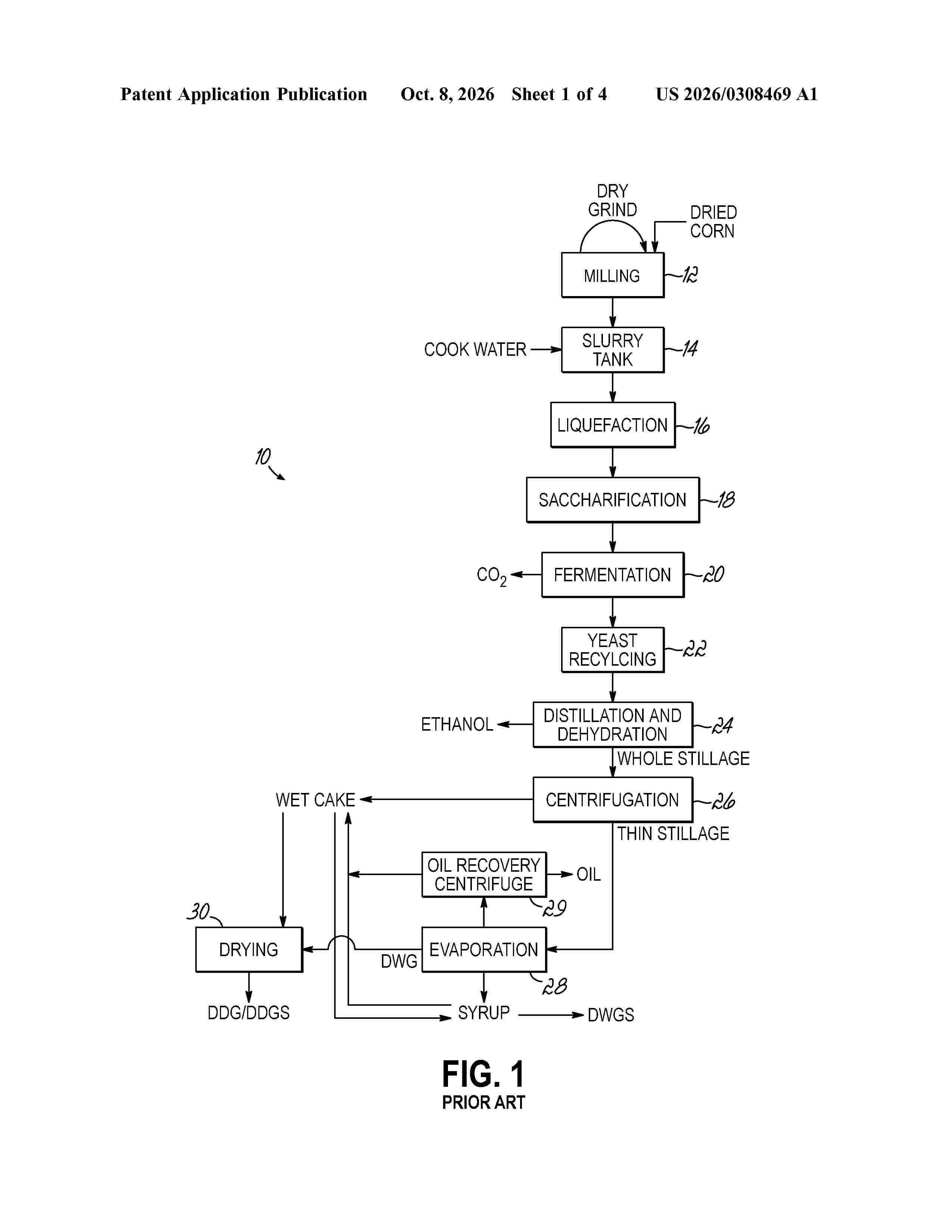
Improved dry grind systems and methods with front end germ separation for producing one or more sugar (or carbohydrate) streams for biochemical production, such as alcohol. Corn germ, for example, can contain high concentrations of oil and ash, and other impurities that can have negative impacts to unit operations in a dry grind plant. Front end germ separation from a corn flour slurry can provide desirable improvements to dry grind systems and methods. The separated germ/germ fragments can be further subjected to additional processing separate and apart from the further processing of the stream from which the germ was removed, which can produce a more desirable sugar (or carbohydrate) stream due to the reduced amount of undesirable, unfermentable components (e.g., reduced amount of germ) and which may be subjected to liquefaction and eventually fermentation (or other process(es)) such as for biochemical production.
Resumen de: US20260308643A1
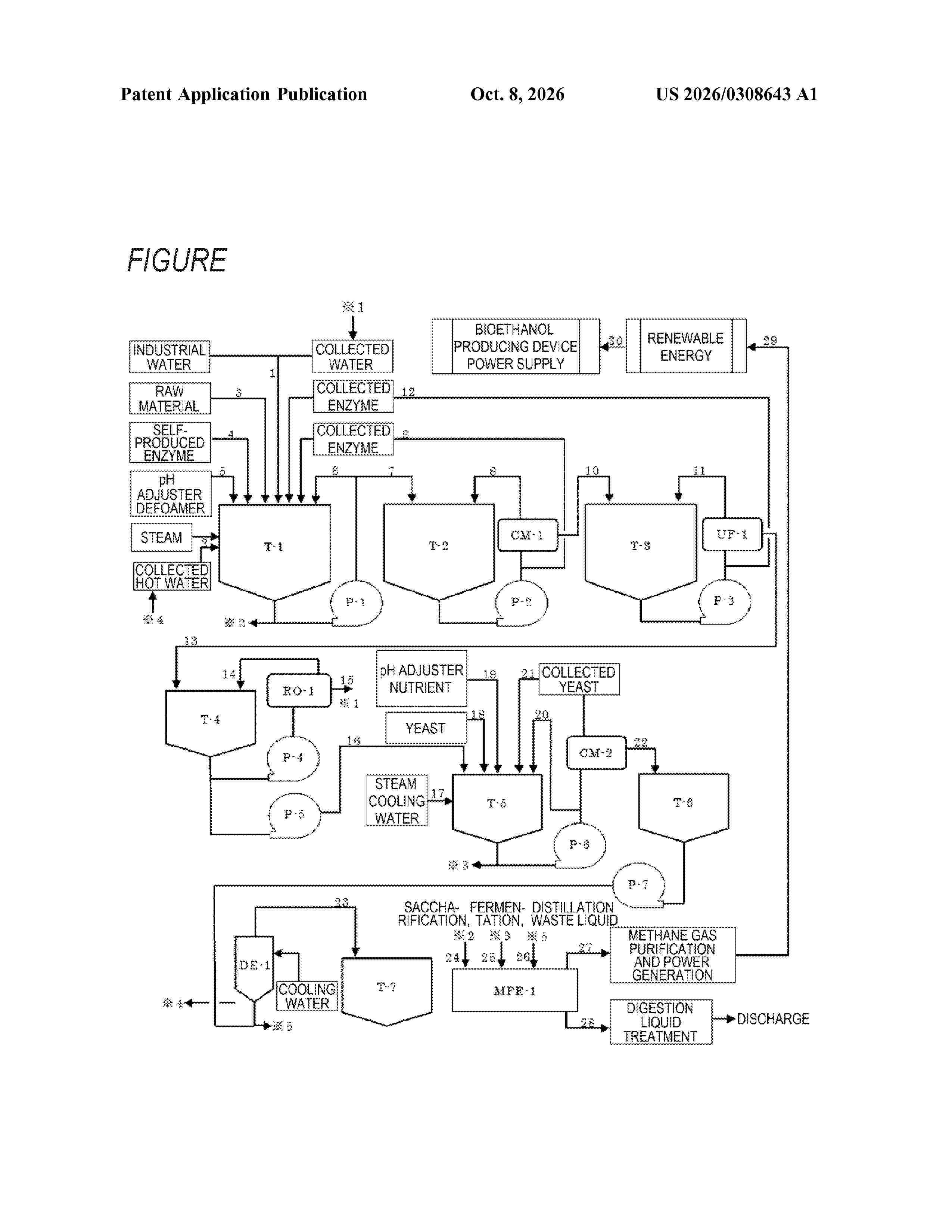
A method for producing second-generation bioethanol with a reduced production cost. The method for producing bioethanol, which is a method for producing bioethanol from cellulose, includes: in order, a saccharification step of adding an enzyme to the cellulose for saccharification to obtain a sugar liquid; a step of obtaining a concentrated sugar liquid by concentrating the obtained sugar liquid; a fermentation step of adding yeast to the concentrated sugar liquid for fermentation to obtain hydrous bioethanol; and a concentration step of concentrating the hydrous bioethanol to obtain bioethanol. The method further includes at least one of a step of collecting the enzyme using a ceramic membrane after the saccharification step and a step of collecting unreacted yeast using a ceramic membrane after the fermentation step, and/or in the step of obtaining the concentrated sugar liquid, the sugar liquid is concentrated using a protein-supported polyamide RO membrane.
Resumen de: US20260308465A1
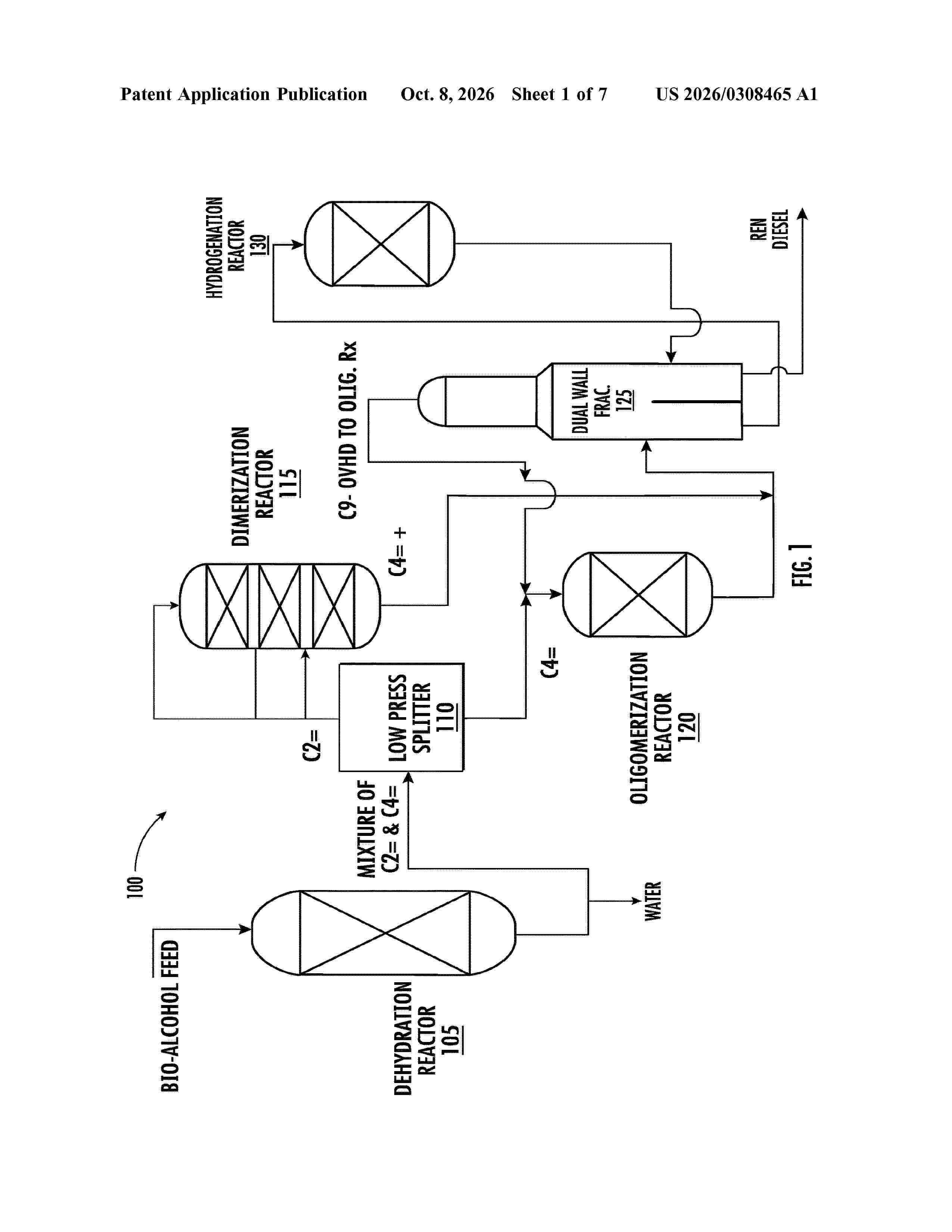
0000 Methods, apparatuses, and systems for the conversion of bioalcohol to renewable diesel fuel are disclosed. In an example embodiment, a method includes providing a first bio-alcohol feed stream comprising a first bio-alcohol to a first dehydration reactor and providing a second bio-alcohol feed stream comprising a second bio-alcohol to a second dehydration reactor; dehydrating, in parallel, at least a portion of the first bio-alcohol feed stream to a first alkene process stream in the first dehydration reactor and at least a portion of the second bio-alcohol feed stream to a second alkene process stream in the second dehydration reactor; providing the first alkene process stream to an oligomerization reactor and oligomerizing at least a portion of the first alkene process stream to produce a first olefin process stream; providing the second alkene process stream from the second dehydration reactor to a dimerization reactor and dimerizing at least a portion of the second alkene process stream to produce a second olefin process stream; providing the first and second olefin process streams to a distillation apparatus and separating, via distillation, lighter olefins from longer carbon chain olefins; and hydrogenating at least a portion of the longer carbon chain olefins.
Resumen de: US20260308644A1
The invention relates to a method for treating waste material. The method comprises the steps of: a. converting the waste material into a slurry, e.g., by adding water; b. adding enzymes to the slurry and allowing the enzymes to extract sugars from the slurry by enzyme saccharification; c. separating the liquid content of the slurry from the solid waste content to give a liquid; d. converting the liquid to an ethanol-water mixture; and e. concentrating or separating the ethanol-water mixture to give ethanol. An apparatus for treating waste material according to the method is also provided.
Resumen de: EP4818292A2
A method for producing lignin pellets is disclosed. The lignin pellets comprise lignin in an amount of 90 - 99.99 weight-% based on the total weight of the lignin pellets. The method comprises providing a lignin powder; mixing an additive with the lignin powder to provide a mixed lignin powder, subjecting the mixed lignin powder to a pelletizing treatment to provide lignin pellets, wherein the lignin pellets have a diameter of 2.5 - 8 mm. Further is disclosed a lignin pellet, a product, and the use of the lignin pellet.
Resumen de: US20260297429A1
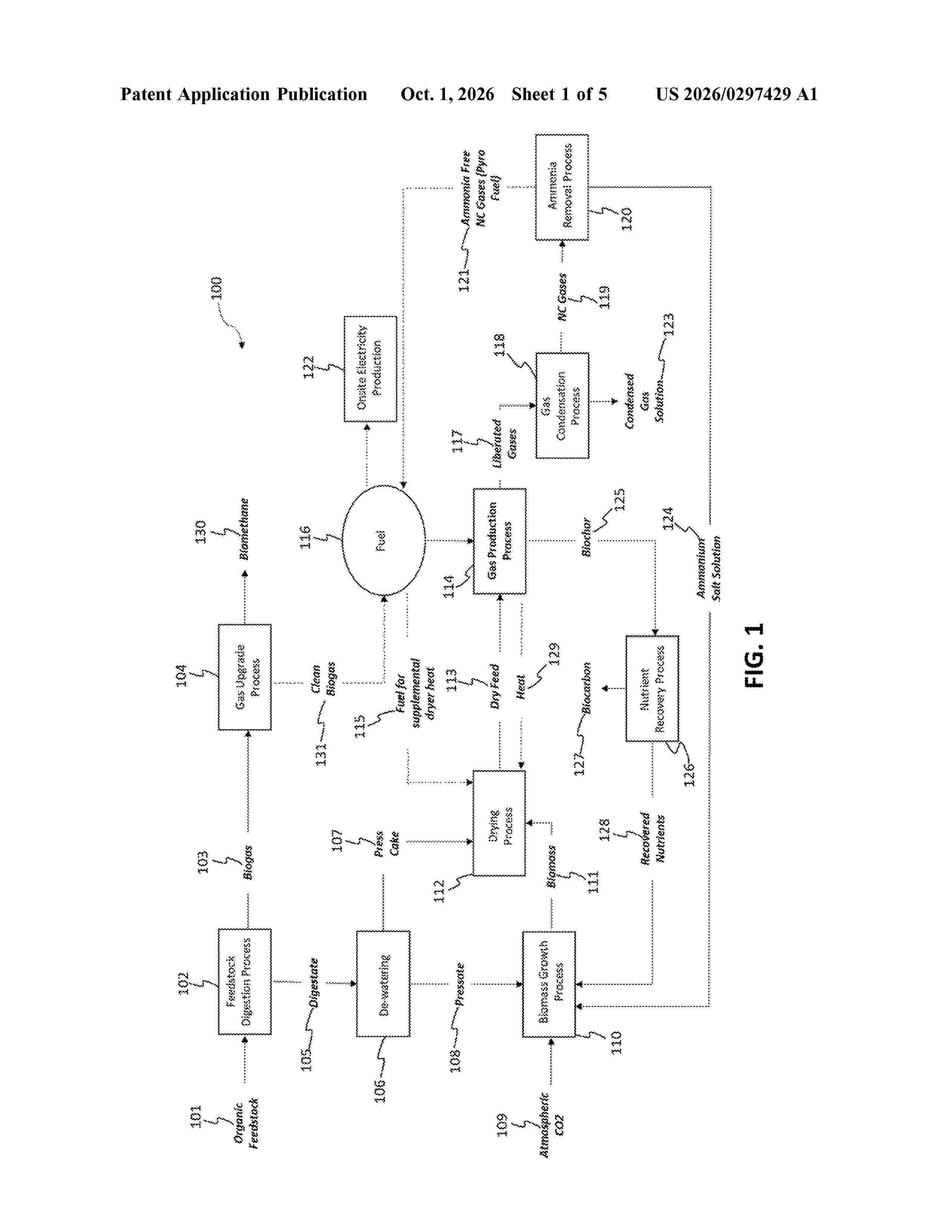
0000 Described are technologies including processes and system for generation of renewable fuel from nutrient-laden organic waste. The processes described in this specification include processes to convert biomass into a gas using an anoxic gas production process. This output gas can be converted into renewable energy fuels via multiple chemical and/or biological processes.
Resumen de: US20260297446A1
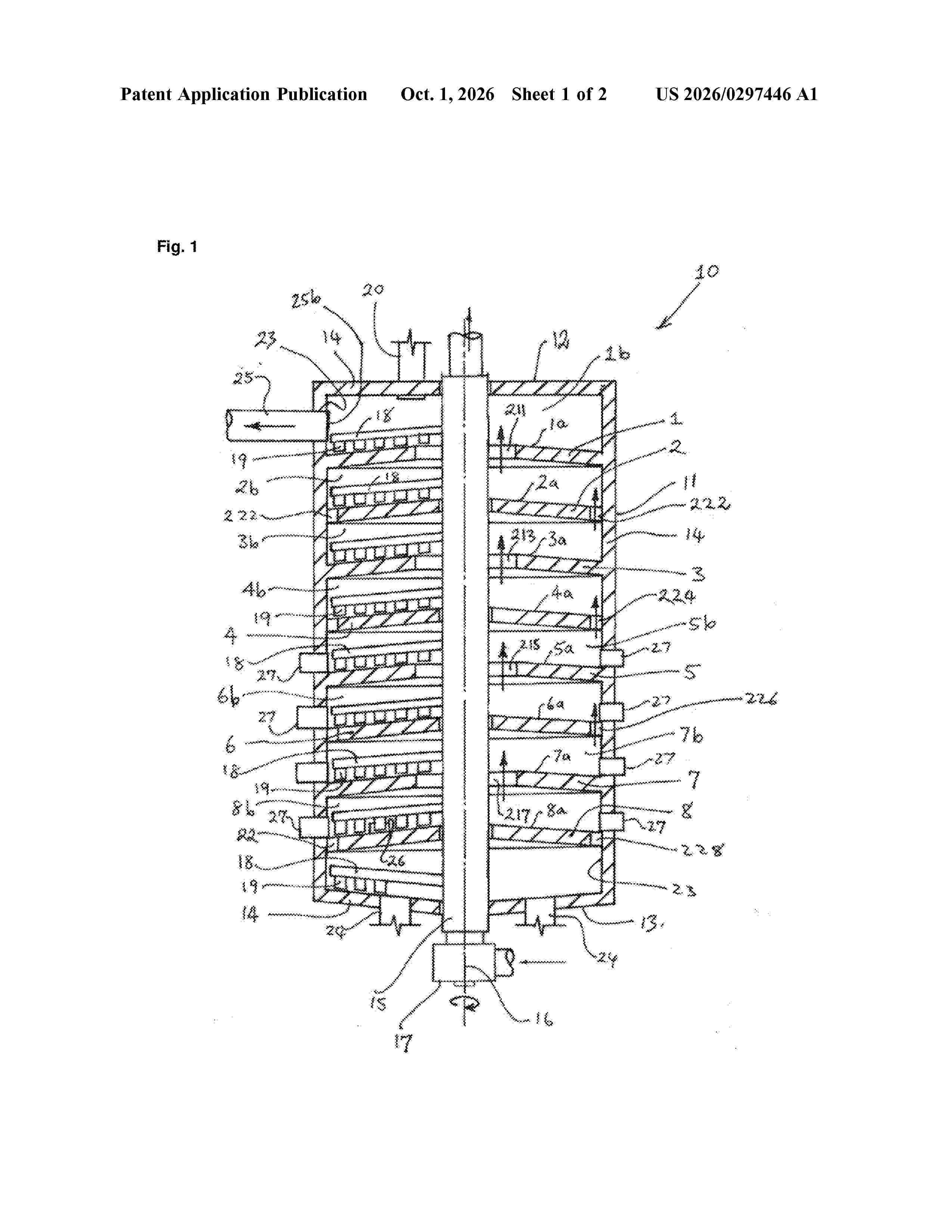
0000 The invention relates to a device for the treatment of a feedstock, comprising a furnace (301) with an enclosure comprising an inlet (316) and an outlet (304) for the feedstock and an inlet (317) and an outlet (318) for a gas. The device comprises a feedstock recovery system (306) comprising a recovery line (305) connected to the enclosure at the feedstock outlet (304) and comprising a sampling and/or analysis means (319). It comprises two lines in parallel downstream of the sampling and/or analysis means (319), one of the lines being a line leading to a storage tank (308) and another line being a line leading to a port (303) for reintroducing the feedstock into the furnace (301). 0000 The invention also relates to a drying or torrefaction process and to an installation for producing hydrocarbons using the drying or torrefaction device.
Resumen de: US20260297637A1
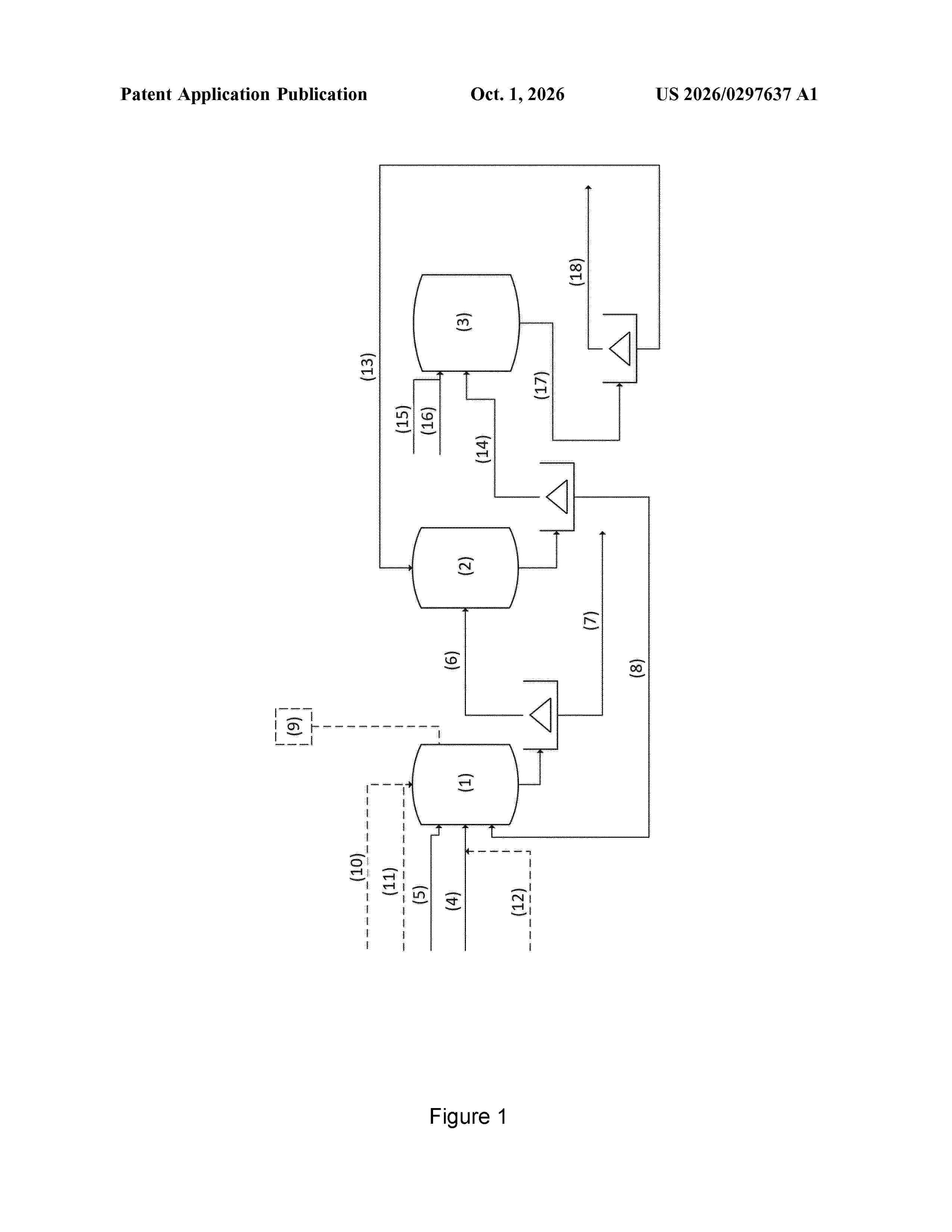
A process for enzymatic esterification of free fatty acids. In particular, the present invention relates to a pretreatment process for conversion of free fatty acids in oils and fats as feedstock for base-catalyzed transesterification to produce biodiesel.
Resumen de: US20260297630A1
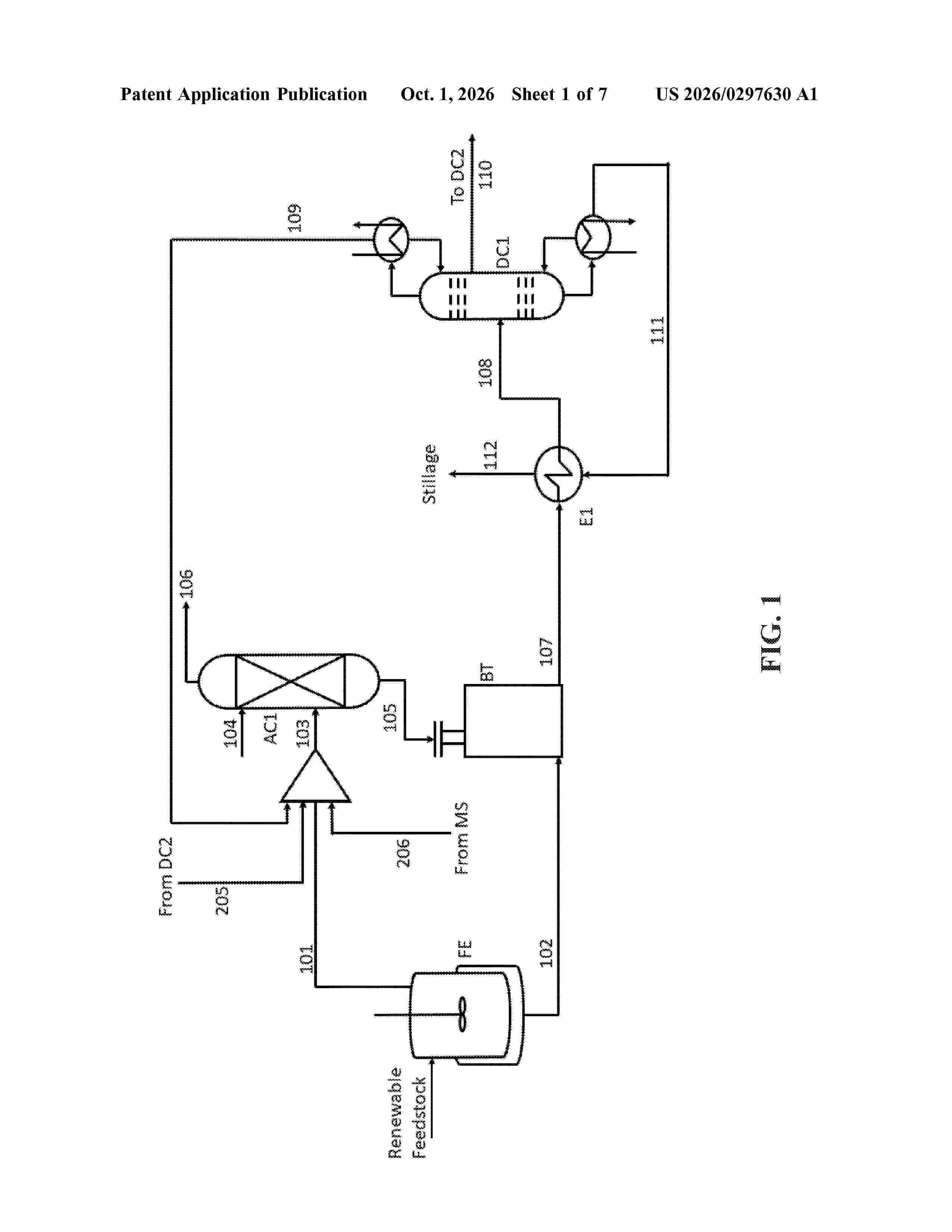
0000 The disclosure provides a process for the production of ethanol and one or more low boiling compound from a fermentable carbon source. The ethanol and the low boiling compound(s) are produced using an ethanol-producing yeast modified to further produce the one or more low boiling point compounds. In one embodiment, the low boiling compound(s) are acetone, 1-propanol, and/or 2-propanol. Additionally, the disclosure provides a process for the isolation ad purification of the one or more low boiling compounds from ethanol.
Resumen de: WO2026202207A1
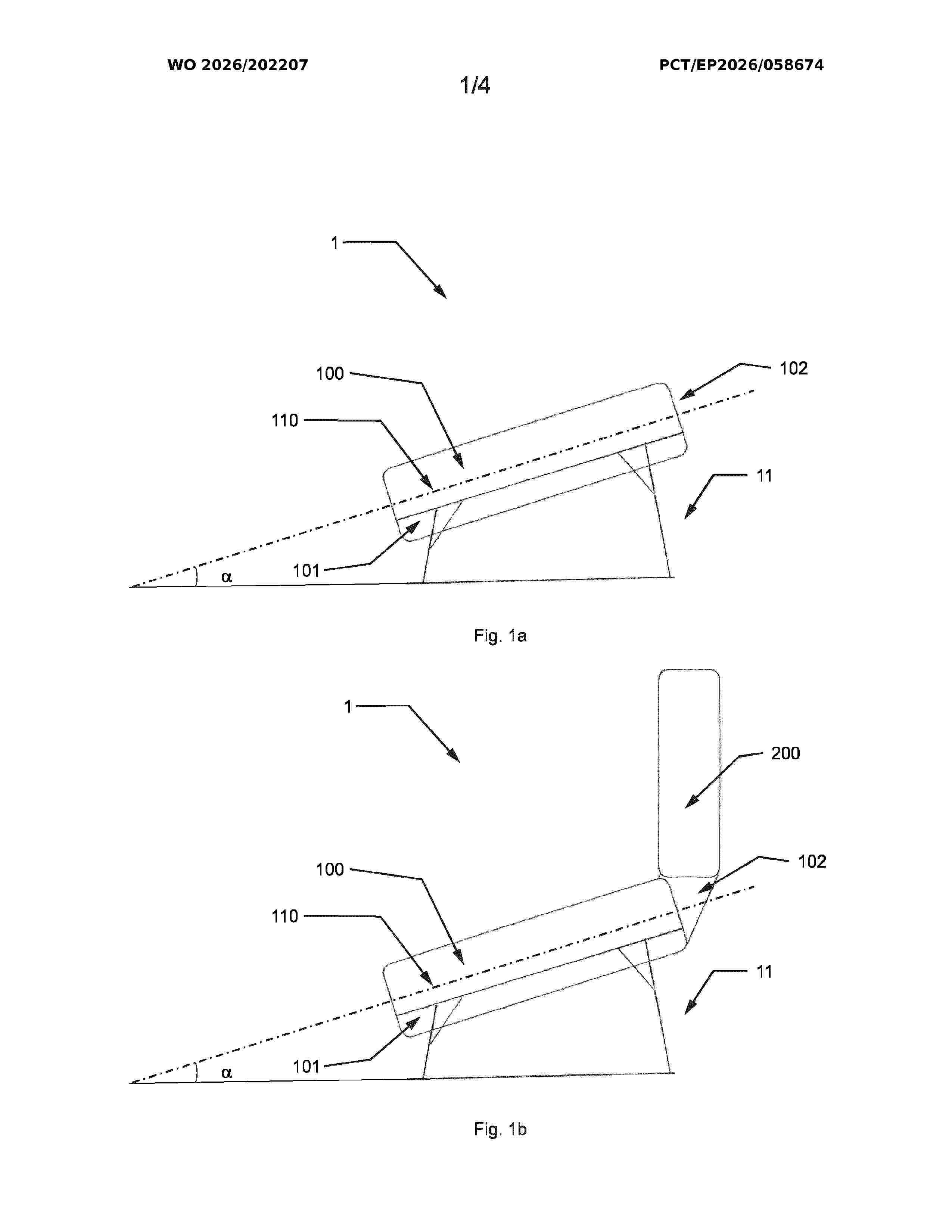
A mobile reactor (1) to convert a batch of biomass into biochar in a batch process. The mobile reactor (1) comprises a pyrolysis chamber (100) for receiving the biomass. A longitudinal axis of the pyrolysis chamber (110) extends from a first end of the pyrolysis chamber (101) to a second end of the pyrolysis chamber (102). In the intended use of the reactor (1), when placed on a ground, the pyrolysis chamber (100) is aligned in such a way that the longitudinal axis of the pyrolysis chamber (110) forms a target angle (a) of 20°-50° to the horizontal, wherein the first end of the pyrolysis chamber (101) is the lowerlying end of the pyrolysis chamber (100).
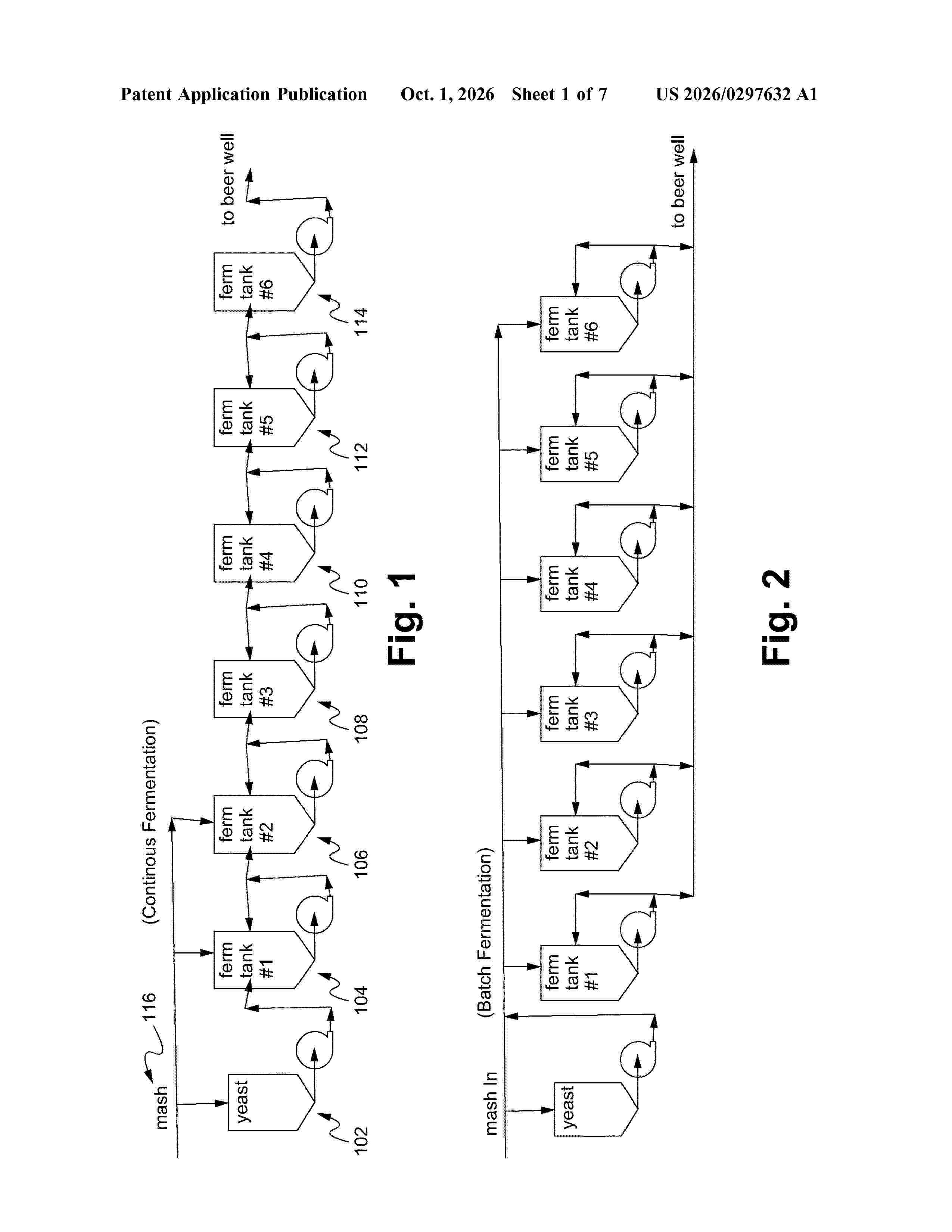
Resumen de: US20260297632A1
Methods of and system for growing and maintaining an optimized/ideal active yeast solution in the yeast tank and fermenter tank during the fermentation filling cycle are provided. A new yeast stage tank is used between the yeast tank and the fermenter tank allowing yeast to rapidly produce a huge amount of active young yeast cells for a fermenter during the filling period. A measurable and useful controlling factor, %DT/%Yeast by weight ratio (or “food” to yeast ratio), is used (e.g., %DT=glucose), which offers information on the health status of the yeast. The controlling factor is used to control the status of the yeast throughout the entire process.
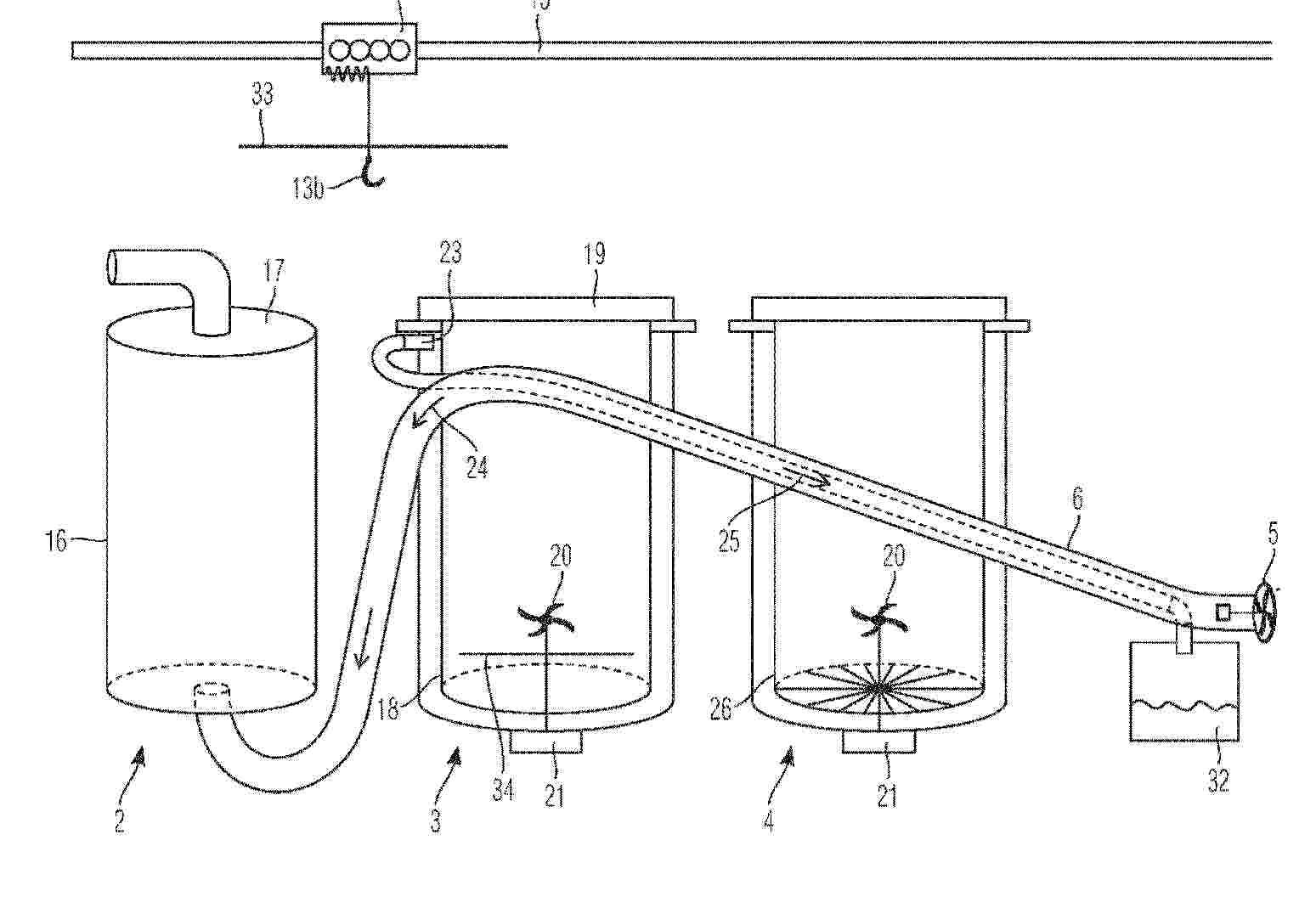
Resumen de: AU2024433554A1
The present invention relates to a pyrolysis plant for batchwise production of biochar by pyrolysis of biomass. The invention further relates to a method of batchwise production of biochar by pyrolysis of biomass using the pyrolysis plant according to the invention. The pyrolysis plant serves for batchwise (discontinuous) production of biochar by pyrolysis of biomass, in particular of plant material, wherein the pyrolysis plant has: - at least one carrier insert for accommodating the biomass, - a drying device (2) for drying the biomass, - a pyrolysis device (3) for the pyrolysis of the biomass dried in the drying device (2) to obtain biochar with exclusion of oxygen or with a low level of oxygen supply, - a conveying device for supplying drying air to the drying device (2), - a heat exchanger (6) for heating the drying air conveyed by the conveying device by means of waste heat from the pyrolysis device (3).
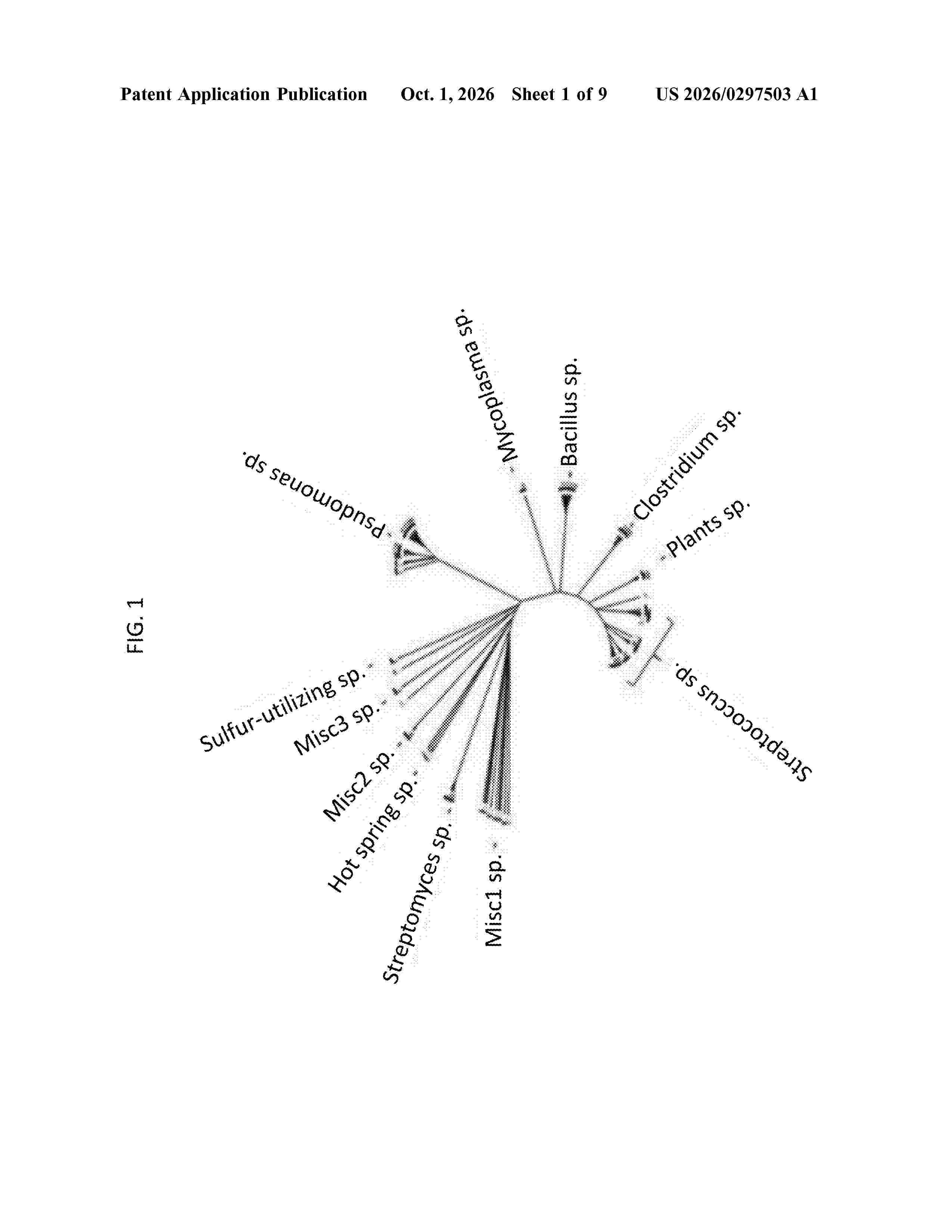
Resumen de: US20260297503A1
0000 Disclosed herein are genetically engineered yeast cells capable of producing ethanol. The genetically engineered yeast cells comprise an exogenous polynucleotide sequence encoding a glyceraldehyde-3-phosphate dehydrogenase (gapN) enzyme at least 60%, at least 70%, at least 80%, at least 85%, at least 90%, at least 95%, at least 97%, at least 99%, or 100% identical to at least one of SEQ ID NOs: 28, 32, 48, 52, 64, 68, 80, 92, and 96.
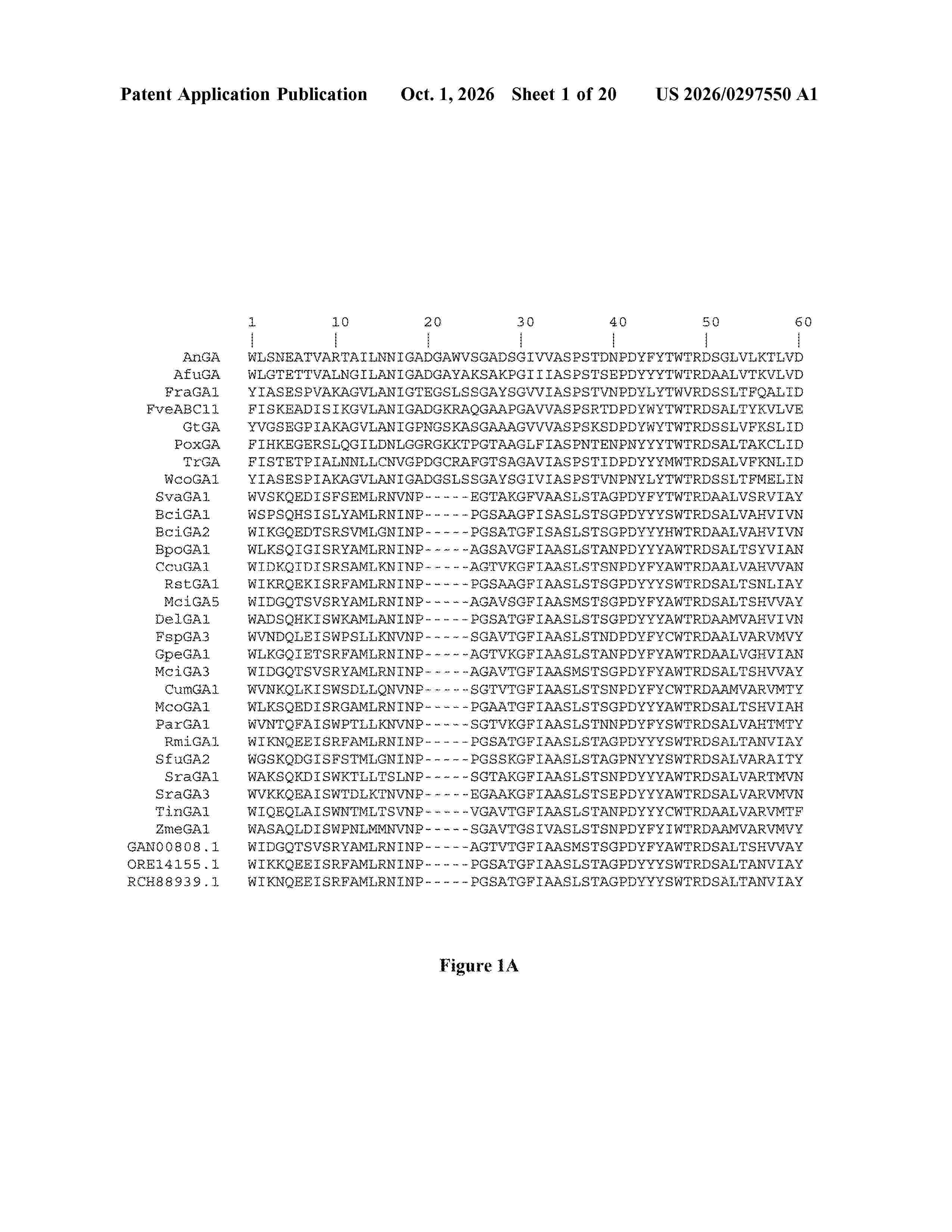
Resumen de: US20260297550A1
Described are a recombinant host cell, a composition comprising a glucoamylase and methods of saccharifying the starch substrate using the glucoamylase. Moreover, the disclosure also relates to a process of producing fermentation products and a method for increasing starch digestibility in an animal as well as a method of producing a fermented beverage.
Nº publicación: EP4812433A1 30/09/2026
Solicitante:
AIREX ENERGIE INC [CA]
Airex Energie Inc.
Resumen de: WO2025107081A1
An apparatus for carbonizing biomass may have: at least one dehumidifying unit configured for receiving biomass, for exposing the biomass to drying gases to reduce a moisture content in the biomass and for outputting dehumidified biomass; at least one carbonization unit having an inlet configured for receiving the dehumidified biomass, an outlet configured for outletting biomass with an increase carbon content, at least one feed screw unit configured for displacing the biomass from the inlet to the outlet, and at least one chamber surrounding at least part of an exterior surface of the feed screw unit, the chamber being in heat exchange relation with the exterior surface and configured for heating the exterior surface of the feed screw unit, the feed screw unit being sealed from the inlet to the outlet; and a pneumatic drying circuit configured for directing biomass in the dehumidifying unit using a flow of drying gases, the pneumatic drying circuit including a drying gas source configured for producing the drying gases.
 BOPI
BOPI
 Sede Electrónica