Si deseas distinguir tus productos, servicios o ambos de los de otra empresa, es posible que necesites una marca o nombre comercial. Descubre qué son, en qué consiste su procedimiento de registro y qué implica.

Información sobre los plazos de presentación de solicitudes de transformación de marcas de la Unión Europea en marca nacional española. Más información


Si tienes un nuevo dispositivo, producto o procedimiento que resuelva un problema técnico o tenga una ventaja práctica, existen distintas formas de protegerlo en España y en otros países. Descubre cómo hacerlo.

¿Tu innovación reside en la estética, la ornamentación o la apariencia de tu producto? Protégela mediante un diseño industrial. Descubre qué derechos confiere el registro y cómo realizar la tramitación.

Las indicaciones geográficas protegen el nombre de un producto originario de una zona geográfica, a la cual le debe una determinada calidad, reputación u otra característica. Descubre qué son, en qué consiste su procedimiento de registro y qué beneficios conceden.

Las patentes publicadas en todo el mundo son una valiosa fuente de información científica, técnica y comercial.

Si eres emprendedor/a o una empresa y quieres potenciar y mejorar la rentabilidad de tu negocio protegiendo de forma adecuada los activos intangibles de tu organización, en este espacio encontrarás lo necesario.


 71
resultados
71
resultados
 Última actualización
22/10/2026 [11:44:00]
Última actualización
22/10/2026 [11:44:00]


Resumen de: US20260318915A1
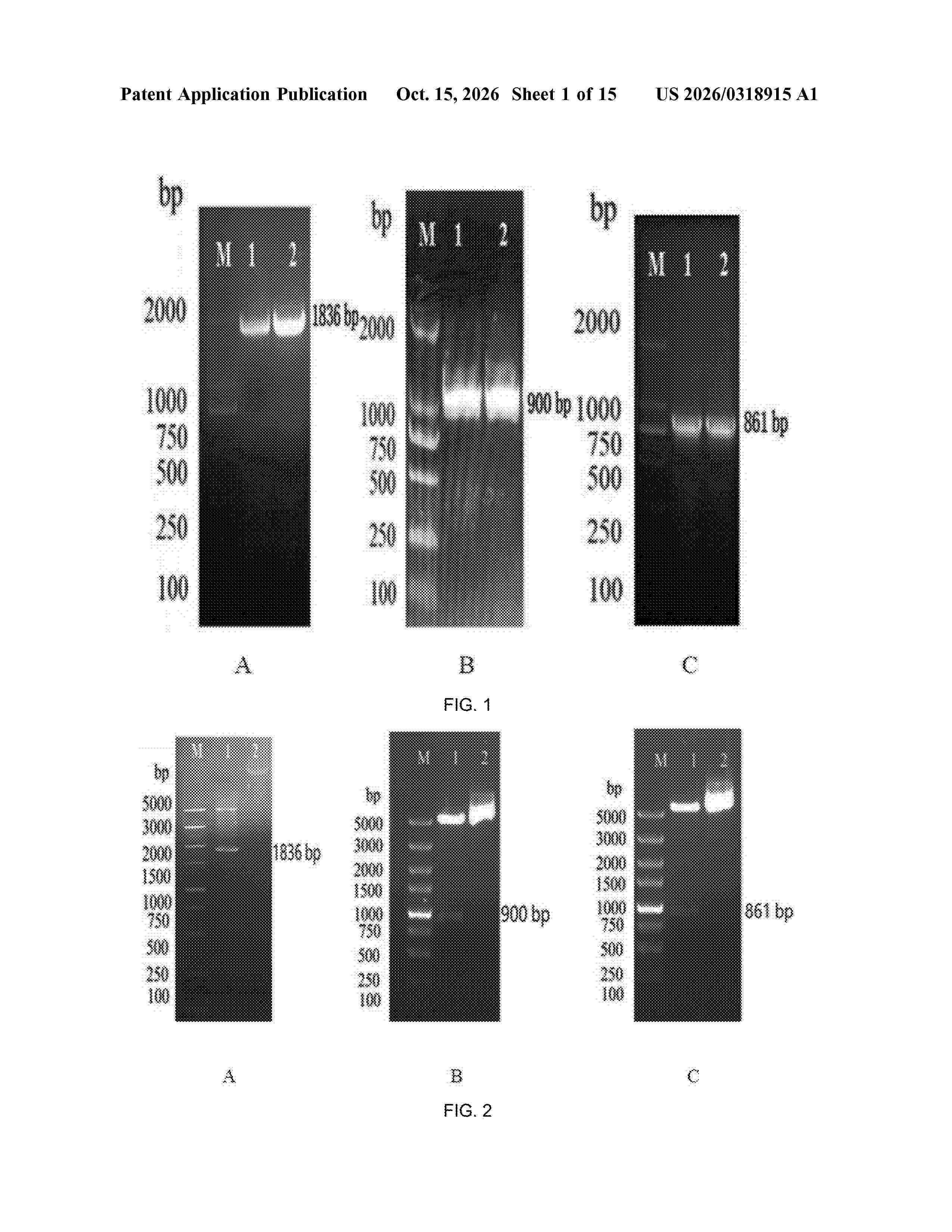
The present disclosure discloses an indirect ELISA kit for detecting whether hosts are infected with Listeria monocytogenes and/or Listeria ivanovii. The coated antigens are the recombinant Listeria monocytogenes surface protein ActA, the outer membrane protein SmcL shared by serotype 4 h of Listeria monocytogenes and Listeria ivanovii, and the unique outer membrane protein I-inIH of Listeria ivanovii. An indirect ELISA method for each of these three antigens is established. By combining these three methods, the levels of ActA, SmcL and I-inIH antibodies in serum samples can be effectively monitored to detect listeriosis caused by Listeria monocytogenes and/or Listeria ivanovii. With high sensitivity, specificity, and stability, the kit provides an effective method for epidemiologic investigation and diagnosis of listeriosis.

Resumen de: MX2026010686A
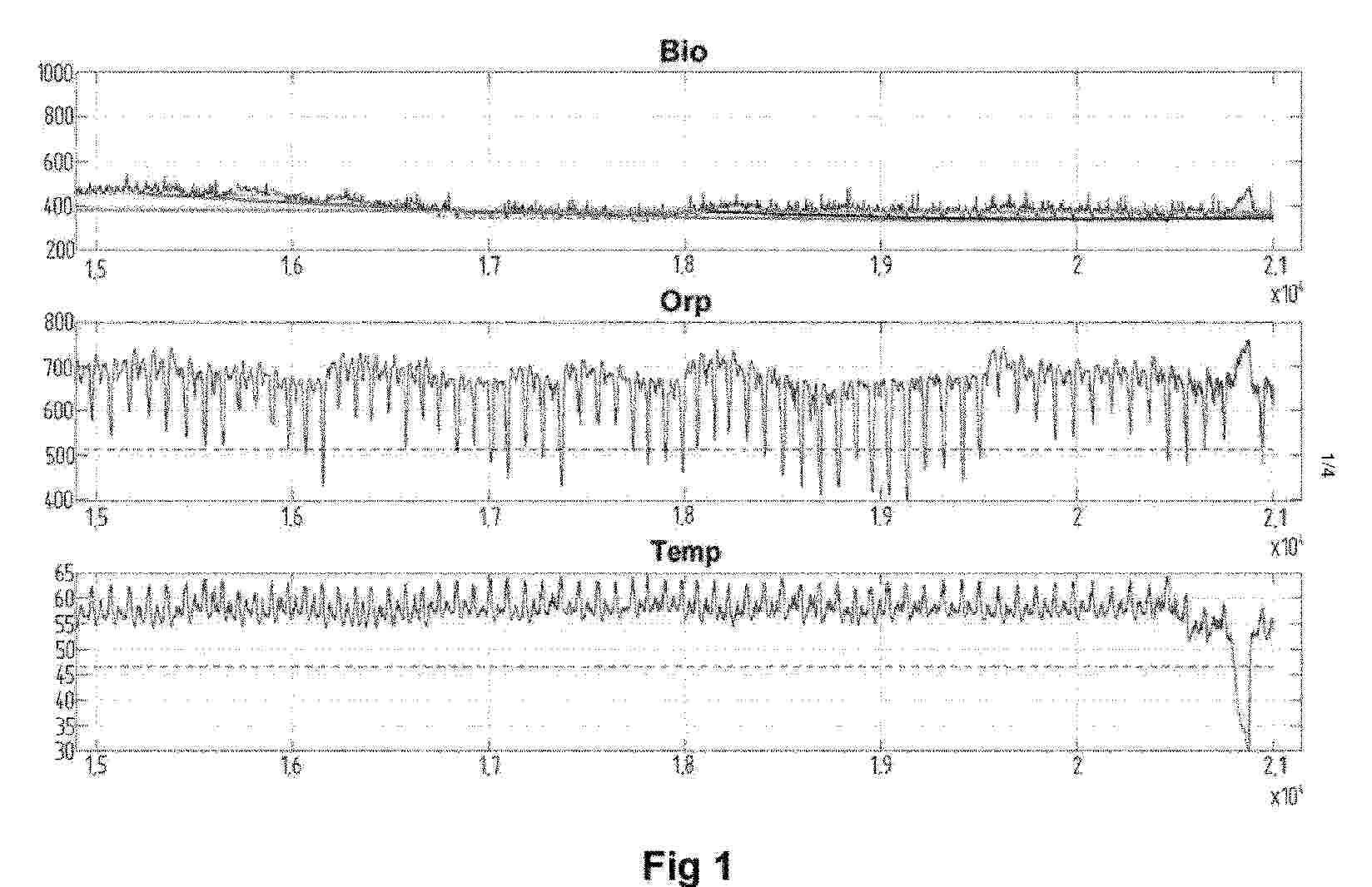
The present invention relates to a method for determining the risk index for growth of Legionella in water systems of a building, said risk index being expressed as a numerical value, said method comprising the following steps: I) measurement of at least two values corresponding to variables selected from the group comprising physical, physicochemical and biological characteristics of said water system, each of said values corresponding to a risk value; and II) calculation of the overall risk index from the risk values by means of weighted composition using automated means; characterized in that: the method comprises measuring bioactivity in the water system by means of at least one biosensor installed in said water system, and determining by automated means the difference between an expected bioactivity value and the one actually measured; and in that, in the calculation of the risk index in step II, said difference is used as one of said measured risk values from step I to determine the risk index.
Resumen de: CN122652024A
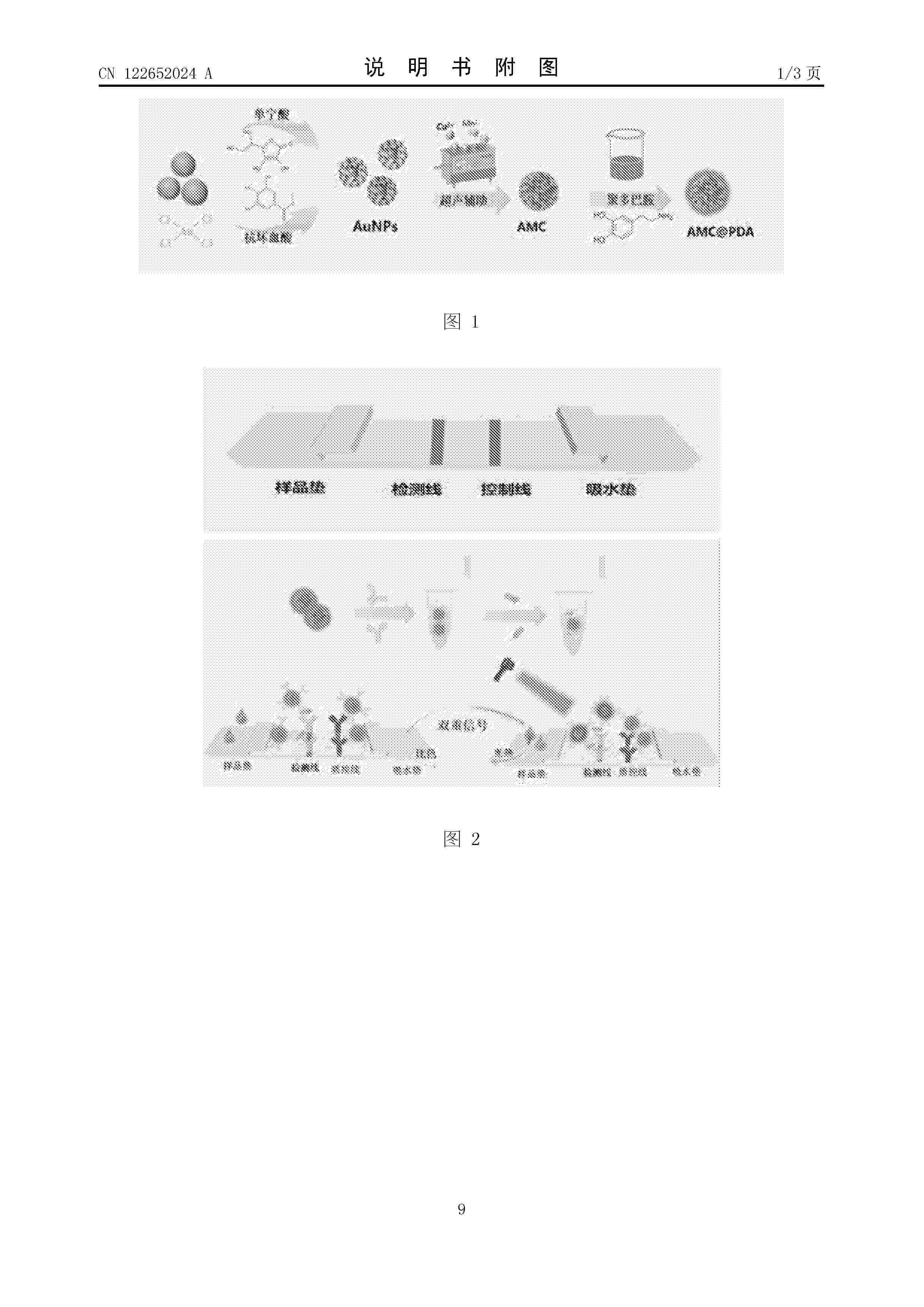
The invention discloses a biological probe, a test strip for detecting escherichia coli O157: H7 (Escherichia coli O157: H7) and application of the biological probe and the test strip. The preparation method comprises the following steps: synthesizing a gold-based nano-alloy by ultrasonic-assisted metal ions, coating the alloy with a polydopamine coating by adopting a mussel chemical strategy, and finally, by taking AuMnCu (at) PDA as a signal tracer and utilizing black strips enriched by natural mussels and polyatomic tuning enhanced plasmon elements, not only is the traditional first colorimetric intensity enhanced, but also the detection sensitivity is improved. And a second photo-thermal signal is introduced, so that the detection sensitivity is greatly enhanced. Compared with the traditional nanogold, the sensitivity under colorimetric and photo-thermal signals is respectively improved by 100 times and 1000 times, and meanwhile, the nanogold has excellent stability and dispersity, and is more beneficial to construction of sensitive and accurate double-peak ICA (independent component analysis). According to the work, a new way is opened up for signal enhancement and performance improvement of immunochromatography determination through a simple, convenient and green mussel chemical strategy, and a wide prospect is provided for improving analysis performance and expanding the practical application of ICA.
Resumen de: CN122631741A
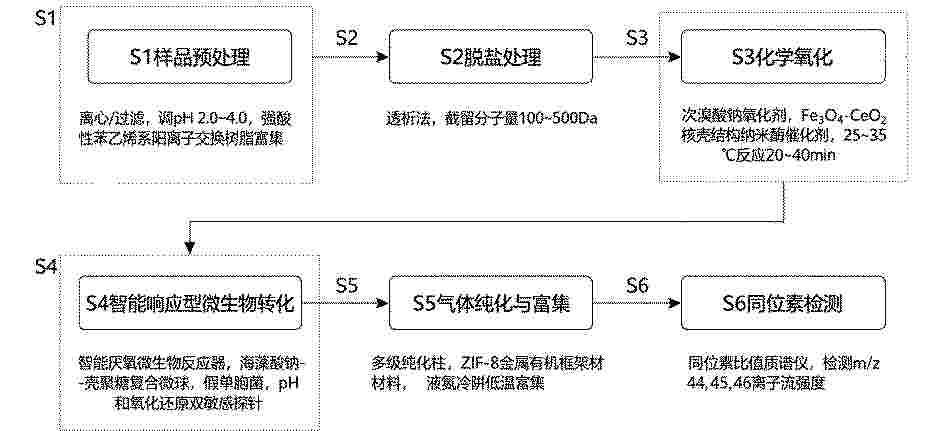
The invention discloses a high-safety ammonium nitrogen 15N detection method, and relates to the technical field of stable isotope analysis. The method comprises the following steps: enriching ammonium nitrogen in a sample through cation exchange resin, dialyzing and desalting, and catalyzing sodium hypobromite by Fe3O4-CeO2 core-shell structure nano-enzyme to quantitatively oxidize NH4 < + > into NO2 <->; then in an intelligent anaerobic microorganism reactor, NO2 <-> is directionally converted into N2O gas by utilizing immobilized pseudomonas embedded with double sensitive probes, and the reactor monitors the pH in the microspheres and the electron transfer activity of microorganisms in real time and automatically regulates and controls the pH and the electron transfer activity of the microorganisms; generated N2O is subjected to MOF material purification and low-temperature enrichment, and is introduced into an isotope ratio mass spectrometer to determine the abundance of 15N. The method avoids the use of highly toxic products, is high in safety, good in selectivity and high in sensitivity, and is suitable for accurate detection of ammonium nitrogen 15N in environmental samples.
Resumen de: CN122625233A
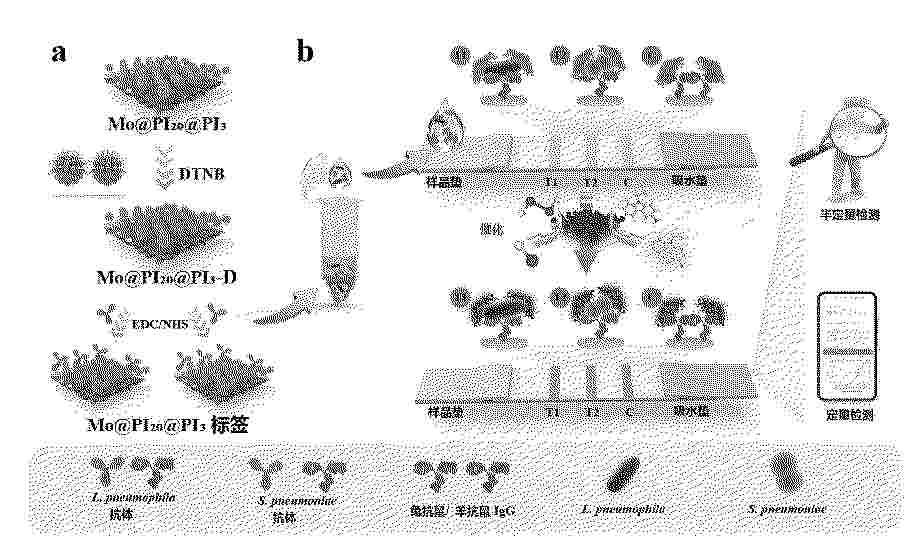
The invention discloses a digital image quantitative dual-mode detection system and method based on cascade enhanced nano-enzyme, the system comprises a probe prepared from a film-shaped nano-enzyme material, an immunochromatography test strip and an automatic signal analysis system, the nano-enzyme material takes a molybdenum disulfide nanosheet as a substrate; through electrostatic self-assembly mediated by polyethyleneimine, large-particle-size platinum-iridium alloy particles and small-particle-size platinum-iridium alloy particles are loaded in sequence, and a high-density catalytic activity site array is formed. The probe is formed by coupling a specific antibody on the surface of a nano-enzyme material. Based on inherent light absorption and peroxidase-like activity of the probe, a physical developing-catalysis enhanced dual-mode detection strategy is established, and naked eye preliminary screening of high-concentration samples and ultra-sensitive quantitative detection of low-concentration samples are realized; in combination with a self-adaptive cross peak colorimetric quantitative algorithm, individual visual perception differences are effectively eliminated, and on-site rapid quantitative screening of community-acquired pneumonia pathogens such as streptococcus pneumonia and legionella pneumophila can be realized.
Resumen de: CN122629218A
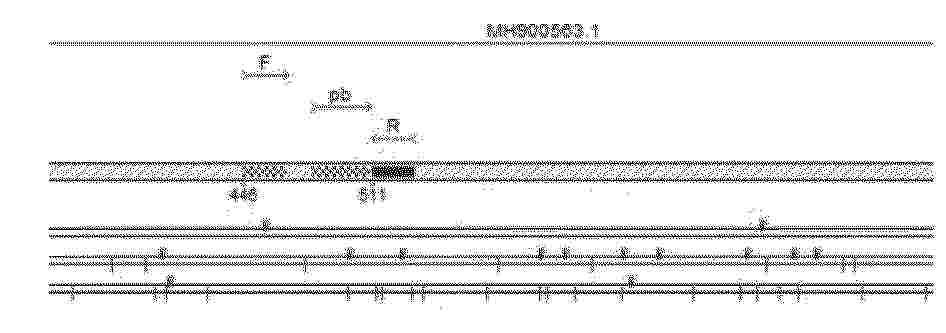
The invention relates to the technical field of pathogen detection, in particular to a fluorescent PCR (polymerase chain reaction) amplification primer probe group and a detection kit capable of detecting clostridium perfringens, the primer probe group comprises a primer pair and a probe, the primer pair comprises an upstream primer as shown in SEQ ID NO.1 and a downstream primer as shown in SEQ ID NO.2, and the sequence of the probe is as shown in SEQ ID NO.3. The kit is sensitive, convenient, high in specificity, high in sensitivity and good in reliability, whether a sample contains the clostridium perfringens or not can be judged only through one-time detection, large-batch sample analysis can be carried out at the same time, powerful technical support is provided for monitoring and prevention and control of the clostridium perfringens, and the kit is suitable for popularization and application. The invention has important clinical practical value and good application prospect.
Resumen de: CN122631595A
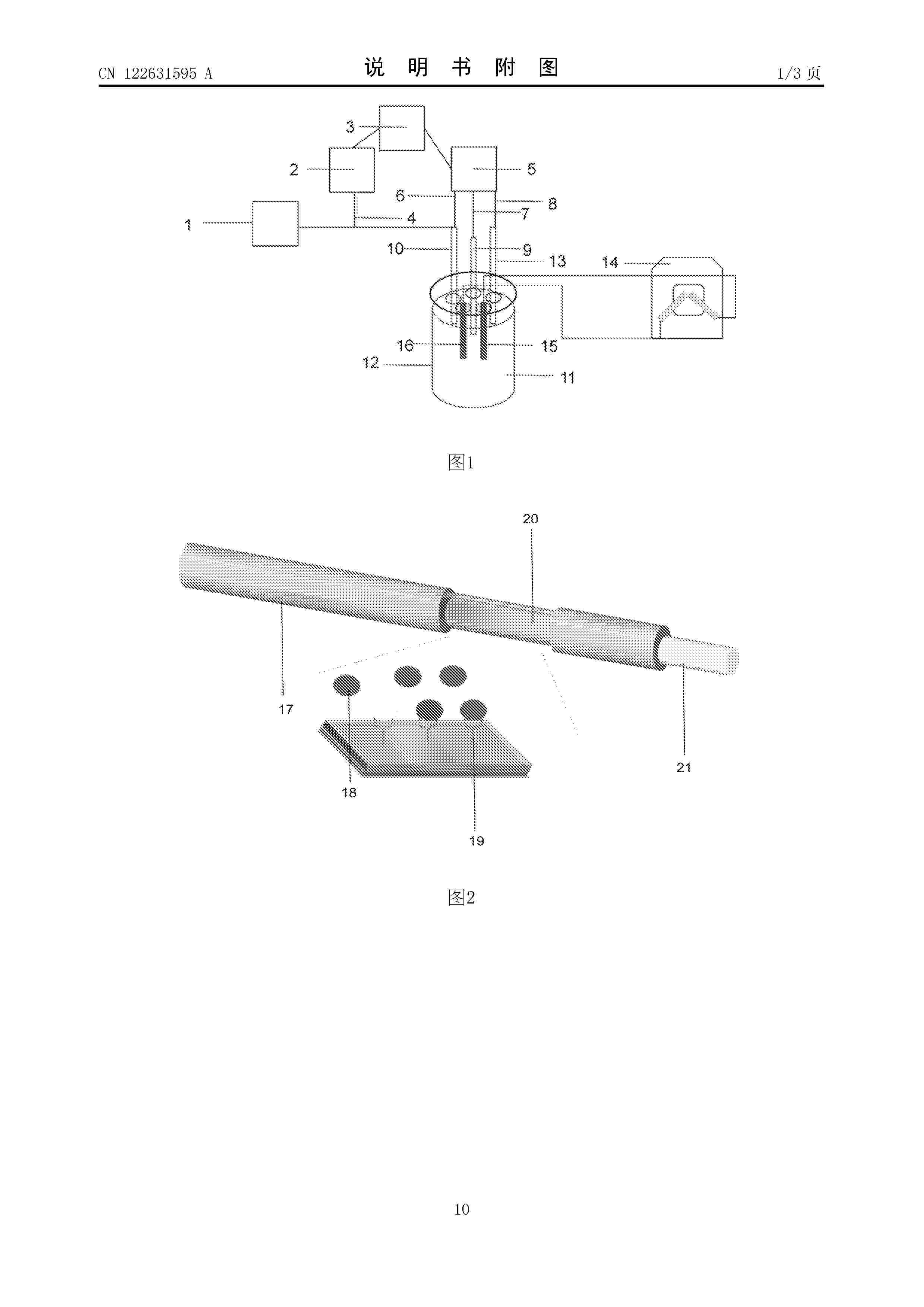
The invention belongs to the technical field of biosensing and optical fiber detection, and discloses a photoelectric combined optical fiber real-time in-situ detection system for monitoring the adsorption process of Escherichia coli (E. coli DH5alpha). An existing escherichia coli detection technology depends on complex sample pretreatment, time consumption exceeds 24 hours, single optical fiber SPR or electrochemical detection has false positive and insufficient sensitivity, and core pain points in the bacterial adsorption dynamic process cannot be captured. The optical fiber SPR probe with the surface modified dopamine polymer film, the LPS specific aptamer and the Escherichia coli shape molecular imprinting cavity dual recognition layer serves as a working electrode, SPR resonance wavelength shift and electrochemical current signals are synchronously collected, and cross validation of multi-dimensional detection results is achieved. The system can be implanted into complex detection systems such as water samples, food homogenate and the like in situ without marking, is strong in anti-interference performance and high in detection specificity, can track the full-period dynamic process of escherichia coli adsorption-desorption in real time, and can be widely applied to scenes such as food-borne pathogenic bacterium on-site rapid screening, bacterium interface adsorption mechanism research, water environment microbial pollution monitoring and the like.
Resumen de: CN122629066A
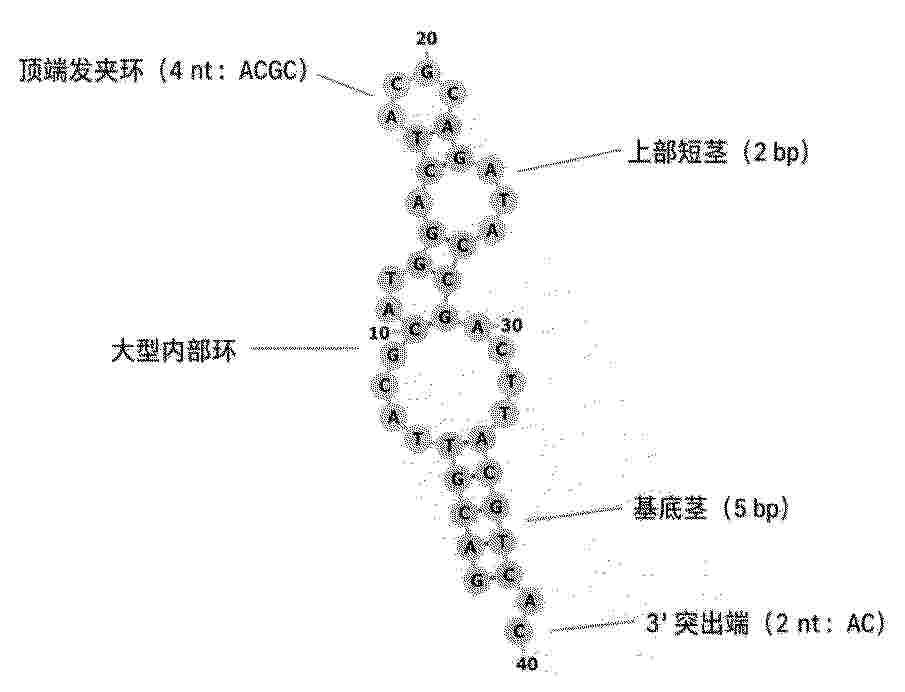
The invention discloses an aptamer specifically combined with Escherichia coli, a biosensor, a kit and application, and belongs to the technical field of biotechnology and in vitro diagnosis. The aptamer comprises a core sequence as shown in SEQ ID NO. 1; wherein a core binding motif as shown in SEQ ID NO.3 is contained, and a complete sequence is as shown in SEQ ID NO.2. The aptamer screened on the basis of the living whole-cell SELEX technology has high affinity and strong specificity to escherichia coli, and the capture efficiency of escherichia coli in a complex sample is remarkably improved.
Resumen de: CN122612907A
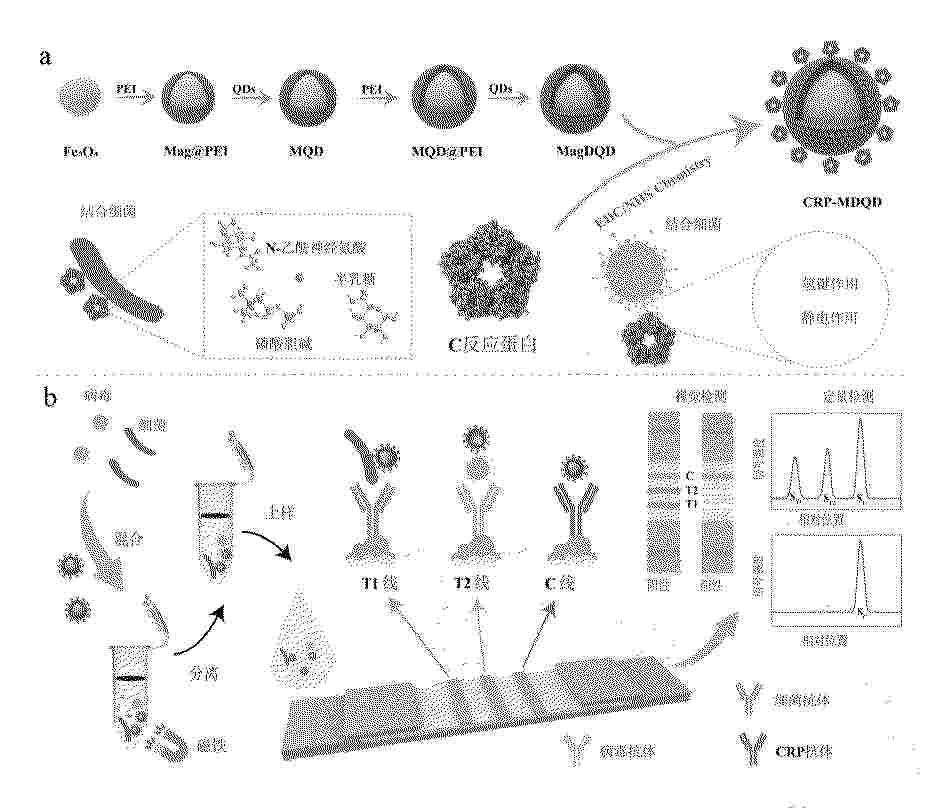
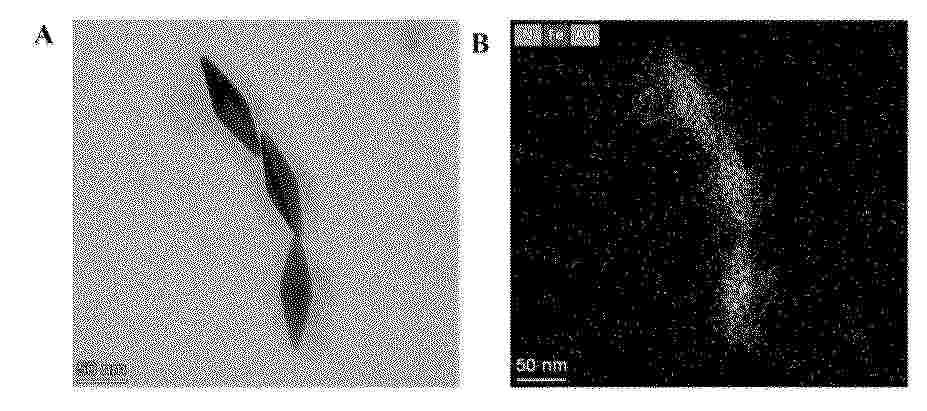
The invention discloses preparation of a C-reactive protein functionalized broad-spectrum pathogen capture magnetic bead and application of the C-reactive protein functionalized broad-spectrum pathogen capture magnetic bead in bacterium-virus co-infection immunochromatography detection, and the C-reactive protein functionalized broad-spectrum pathogen capture magnetic bead is constructed by continuously coating two layers of compact CdSe/ZnS-COOH quantum dots on the surface of Fe3O4 based on a composite marker (CRP-MDQD) through a layer-by-layer self-assembly strategy. The invention also discloses an application value of the gene in synchronous enrichment and detection of pseudomonas aeruginosa and SARS-CoV-2 NP in LFIA. And the CRP-MDQD LFIA platform is used for realizing the antibody-free synchronous enrichment detection of the pseudomonas aeruginosa and the SARS-CoV-2 NP. The biosensor has excellent matrix tolerance, the inherent limitation of traditional multiple detection is broken through through the antibody non-dependent design of the biosensor, and a reform bedside solution is provided for rapid triage of virus-bacterium mixed infection in a resource limited environment.
Resumen de: CN122612924A
The invention belongs to the technical field of detection of pathogenic bacteria, and particularly relates to an SERS (Surface Enhanced Raman Scattering) probe, a kit and a detection method for detecting salmonella. The SERS probe is composed of a gold nano bipyramid core, a Prussian blue shell layer coated with the gold nano bipyramid and a salmonella typhimurium monoclonal antibody coupled to the surface of the probe, can be combined with a phage modified amination magnetic bead capture technology, is used for salmonella typhimurium detection, and collects SERS signals near 2151 cm <-1 > under the excitation of 785 nm. Results show that the detection limit of the probe and the detection method for salmonella typhimurium is 1 CFU/mL, and the probe and the detection method have good specificity and can avoid background interference and interference of other pathogenic bacteria.
Resumen de: CN122609734A
The invention discloses a primer group and a kit for simultaneously detecting clostridium perfringens, clostridium noverovii, clostridium septicum and clostridium gangrene and application, and belongs to the technical field of molecular biological detection. The primer comprises a Primer F1, a Primer R1, a Primer F2, a Primer R2, a Primer F3, a Primer R3, a Primer F4 and a Primer R4, and the nucleotide sequences of the Primer F1, the Primer R1, the Primer F2, the Primer R2, the Primer F3, the Primer R3, the Primer F4 and the Primer R4 are respectively shown as SEQ ID NO. 1 to SEQ ID NO. 8. The primer and the kit have the advantages of specificity, sensitivity, rapidness, good repeatability and the like.
Resumen de: US20260242877A1
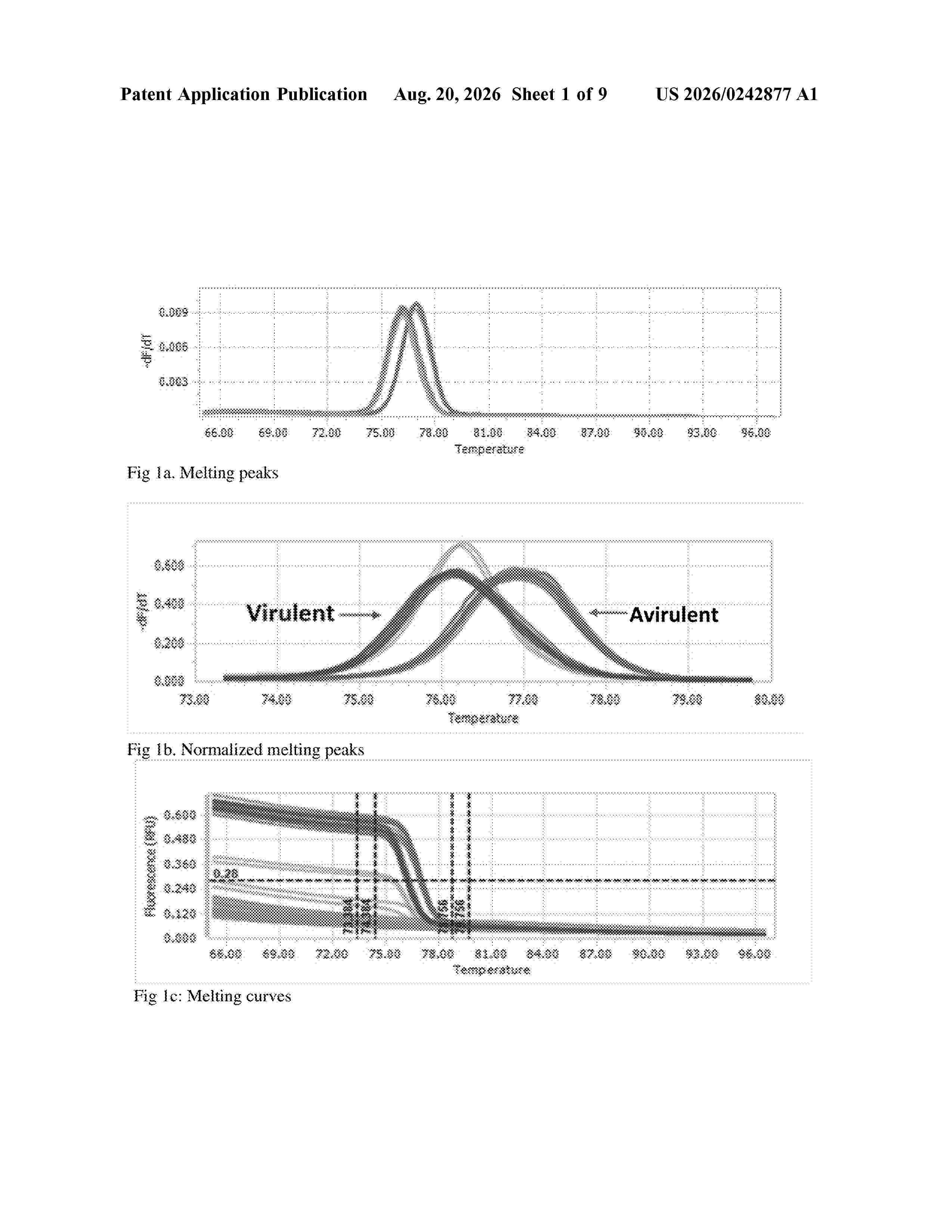
Disclosed herein are methods for detecting virulent Shiga toxin-producing E. coli (STEC) strains O26, O103, O121, and O111 in a biological sample comprising the steps of: (i) enriching the bacterial concentration of the biological sample to result in an enriched sample; (ii) isolating DNA from said enriched biological sample; and (iii) detecting virulent strain in said isolated DNA sample via real-time PCR and a melt curve assay. Also disclosed are primers for said assay, as well as kits comprising said primers.
Resumen de: AU2026208127A1
Compositions, methods, kits, and uses are provided for detecting the presence of Salmonella, Shigella, Campylobacter, and Shigatoxigenic Escherichia coli (STEC) in samples. In some embodiments, the compositions, methods, kits, and uses comprise one or more oligonucleotides or the use of one or more oligonucleotides. ul u l
Resumen de: CN122598171A
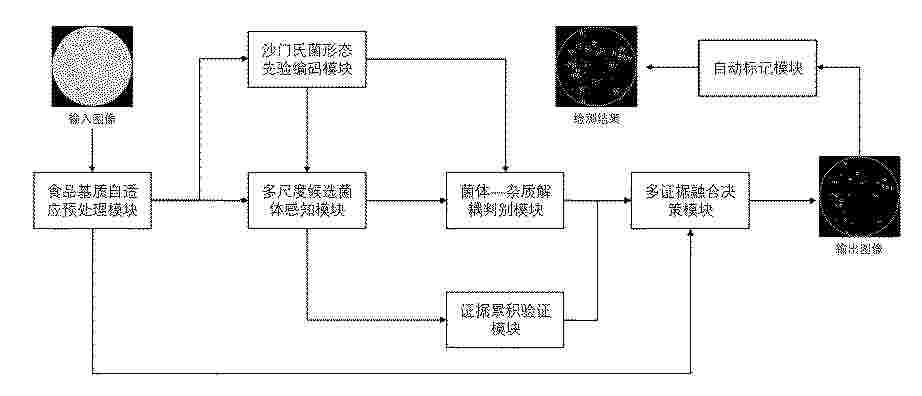
The invention provides a method and a system for rapidly detecting salmonella in food based on machine learning, and relates to the field of computer vision. The method specifically comprises the following steps: acquiring a food microscopic image, and constructing a microscopic input image; a microscopic input image is input into a self-adaptive preprocessing module, and preprocessing features are obtained after background separation, contrast and edge enhancement and denoising; extracting prior information of the preprocessing features through candidate connected domains, adding the prior information with the preprocessing features, performing coding, and performing alignment, multi-branch convolution and enhancement function joint analysis to obtain multi-scale features; constructing a thallus-impurity decoupling discrimination module to realize differential decoupling discrimination of the target and the impurities to obtain discrimination characteristics; and constructing an evidence accumulation module to jointly count multi-scale features, and performing threshold segmentation after multi-evidence fusion enhancement to output a result. According to the method, complex food matrix background interference can be effectively inhibited, the morphological expression of salmonella is enhanced, and the accuracy and stability of detection in a complex scene are improved.
Resumen de: CN122588261A
The invention discloses a liquid chip nucleic acid detection kit and a detection method for simultaneously detecting 10 kinds of experimental animal respiratory tract pathogenic bacteria. The 10 pathogenic bacteria comprise mouse cecum rodent bacillus, rodent pneumophila, corynebacterium murine, mycoplasma lung, bacillus bronchus, pasteurella multocida, streptococcus pneumoniae, beta hemolytic streptococcus, streptococcus candida and pneumocystis caramei. Primers are designed for specific target genes of various pathogenic bacteria, the 5'end of an upstream primer is connected with a TAG sequence, and the 5 'end of a downstream primer is labeled with biotin; after multiple PCR amplification, a product is hybridized with MagPlex-TAG microspheres with corresponding numbers, and a liquid phase chip system is used for detecting fluorescence signals. The method disclosed by the invention can be used for simultaneously detecting the 10 pathogenic bacteria in the same reaction system, has the advantages of high throughput, high sensitivity, high specificity, good repeatability and the like, and provides an efficient monitoring tool for quality control of experimental animal microorganisms.
Resumen de: CN122564146A
The invention discloses a loop-mediated isothermal amplification primer group for detecting pseudomonas aeruginosa, a kit, a method and application. The primer group comprises an outer primer pair, an inner primer pair and a loop primer pair, wherein the nucleotide sequences of the outer primer pair are as shown in SEQ ID NO: 1 and SEQ ID NO: 2, the nucleotide sequences of the inner primer pair are as shown in SEQ ID NO: 3 and SEQ ID NO: 4, and the nucleotide sequences of the loop primer pair are as shown in SEQ ID NO: 5 and SEQ ID NO: 6. When the primer group is used for detecting pseudomonas aeruginosa, the sensitivity is high, the specificity is strong, a clinical sample detection result is consistent with that of a traditional separation culture method, and the accuracy is good. The detection method based on the primer group is easy and convenient to operate, rapid in reaction and suitable for daily pathogenic bacteria quality control of laboratory mice, and a convenient and reliable technical means is provided for laboratory animal microorganism monitoring.
Resumen de: CN122564140A
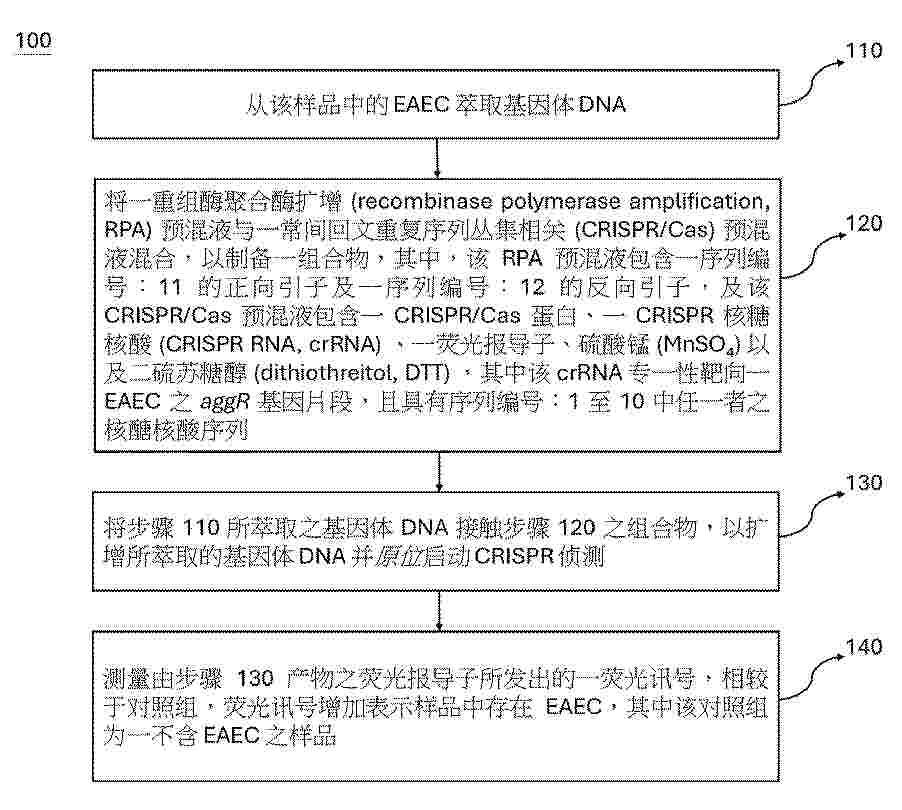
Disclosed herein is a method for detecting Enterocoagulant E. coli (EAEC) in a sample. The method comprises: (i) extracting genomic DNA from EAEC in a sample; (ii) mixing a recombinase polymerase amplification (RPA) premix solution containing a forward primer and a reverse primer with a CRISPR/Cas premix solution containing an ordinary palindromic repeat cluster associated (CRISPR/Cas) protein, a CRISPR ribonucleic acid (crRNA), a fluorescent reporter, MnSO4 and dithiothreitol (DTT) to prepare a composition, wherein the crRNA specifically targets an aggR gene segment of EAEC; (iii) contacting the genomic DNA extracted in step (i) with the composition of step (ii) to amplify the extracted genomic DNA and initiate CRISPR detection in situ; and (iv) measuring a fluorescence signal emitted by the fluorescence reporter of the product of step (iii), where an increase in the fluorescence signal indicates the presence of EAEC in the sample compared to a control group, where the control group is a sample that does not contain EAEC.
Resumen de: CN122545614A
The invention discloses a method for detecting food-borne pathogenic bacteria based on microfluidics and silver deposition, which comprises the following steps: capturing target pathogenic bacteria by using bacteriophage functionalized magnetic bead specificity, oxidizing bacterial surface polysaccharide by sodium periodate to generate aldehyde group, inducing in-situ reduction of Ag < + > in a silver-ammonia solution into silver simple substance, loading the silver simple substance on the bacterial surface, and detecting the food-borne pathogenic bacteria by using a micro-fluidic chip to obtain the food-borne pathogenic bacteria based on microfluidics and silver deposition. The oxidation peak current is detected by combining Ag/AgCl anodic stripping voltammetry, so that the quantitative detection of the pathogenic bacteria is realized. According to the method, in-situ silver deposition is induced by utilizing bacterial surface polysaccharide to realize signal amplification, a large amount of elemental silver can be deposited on the surface of a single bacterium, the solid Ag/AgCl anodic stripping voltammetry is high in signal-to-noise ratio and high in detection sensitivity, a good linear relation is formed between a current signal and logarithmic concentration of pathogenic bacteria in a wide concentration range, and the detection time is less than or equal to 1 hour; moreover, the kit is portable, and is suitable for on-site rapid detection in the scenes of food production
Resumen de: CN122541559A
The invention discloses a monoclonal antibody for detecting flagellin FlaA of campylobacter and application of the monoclonal antibody. Three monoclonal antibodies aiming at specific epitopes of the antigen are screened and prepared by taking a campylobacter flagellin FlaA as a detection target and are respectively named as 17G5, 18C2 and 20G7, and amino acid sequences of variable regions of heavy chains and light chains of the monoclonal antibodies are disclosed; the monoclonal antibody is strong in specificity and high in titer. Experiments prove that the rapid detection immunochromatography test strip for campylobacter constructed based on the monoclonal antibody is high in sensitivity and good in specificity, can identify campylobacter jejuni, campylobacter fetus, campylobacter colon and other campylobacter, and does not generate positive reaction with other non-campylobacter; the test strip is simple to operate, clear and distinguishable in result and suitable for rapid real-time detection of campylobacter.
Resumen de: CN122542661A
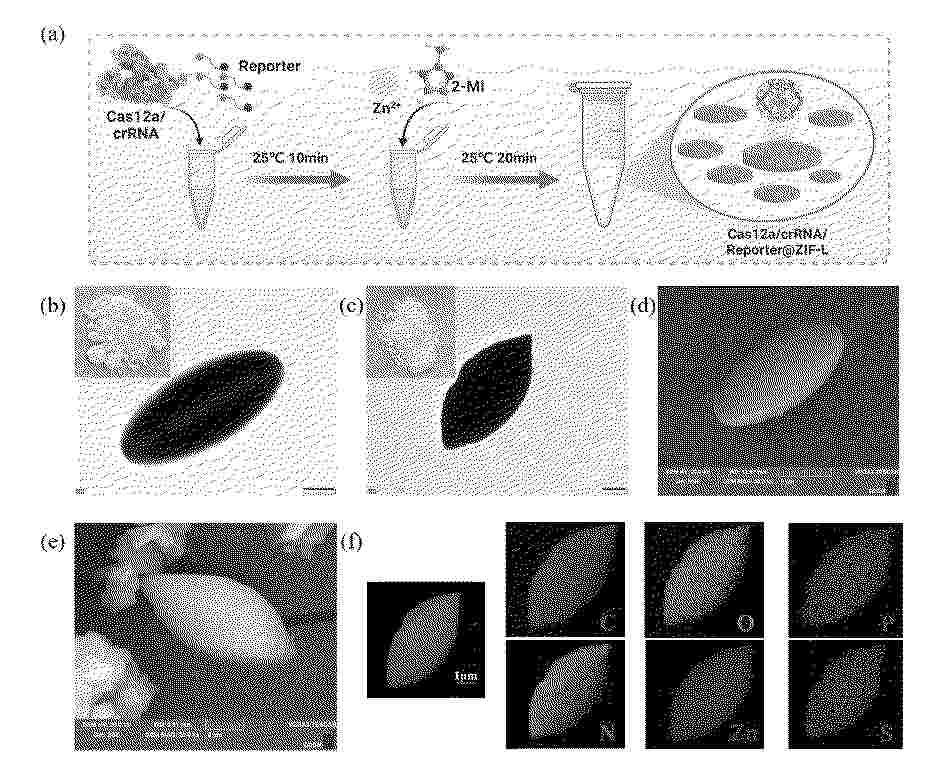
The invention discloses a biosensor based on a metal organic framework ZIF-L loaded CRISPR/Cas12a and application of the biosensor in salmonella detection, and belongs to the technical field of food safety detection. According to the method, leaf-shaped ZIF-L is selected as a carrier, Cas12a protein, crRNA and fluorescence reporter are fixed on pore channels and surfaces of MOFs through in-situ synthesis, and a stable CRISPR-ZIF-L composite sensing platform is constructed. During detection, sample DNA (Deoxyribose Nucleic Acid) subjected to simple lysis or nucleic acid extraction is mixed with the compound for incubation, and after the target sequence is combined, the cleavage activity of Cas12a can be activated, the reporter can be cut off, and a fluorescence signal is released, so that the salmonella in food and environmental samples can be rapidly and sensitively detected. The method is short in reaction time (less than or equal to 1 h), low in detection limit (10-100 CFU/mL), good in stability and portability, suitable for on-site monitoring of supply chain links of food such as meat, aquatic products and dairy products, and significant to guarantee of food quality and public health safety.
Resumen de: CN122520812A
The invention belongs to the technical field of polypeptides, and particularly relates to a polypeptide antigen based on avian clostridium perfringens and an indirect ELISA antibody detection reagent, and the amino acid sequence of fusion protein polypeptide serving as the antigen is SEQ ID NO: 1. The fusion protein polypeptide has good immunoreactogenicity, and the prepared indirect ELISA detection reagent can effectively detect the dynamic change trend of the antibody level within 24 weeks after subunit vaccine immunization, so that a reliable technical means is provided for detection and monitoring of the antibody titer in the vaccine clinical application process; the important technical support is provided for the prevention and control of the clostridium perfringens disease of the poultry.
Resumen de: CN122521876A
The invention discloses a primer probe combination for analyzing and detecting clostridium perfringens by using asymmetric PCR (Polymerase Chain Reaction) in combination with a melting curve and a detection method of the clostridium perfringens, and belongs to the technical field of pathogenic microorganism detection. The invention discloses a primer probe combination for analyzing and detecting clostridium perfringens by using asymmetric PCR (Polymerase Chain Reaction) in combination with a melting curve. The sequence of the primer probe combination is as shown in SEQ ID NO.1-3. The asymmetric PCR and the probe melting curve are combined to generate a synergistic effect, the asymmetric PCR provides a high-quality single-chain template for analysis of the probe melting curve, and the problem of low hybridization efficiency caused by rapid double-chain renaturation in the symmetric PCR is solved; a single-chain product generated by asymmetric PCR is fully utilized in probe melting curve analysis, and high-specificity and high-sensitivity detection is realized.
Resumen de: CN122525123A
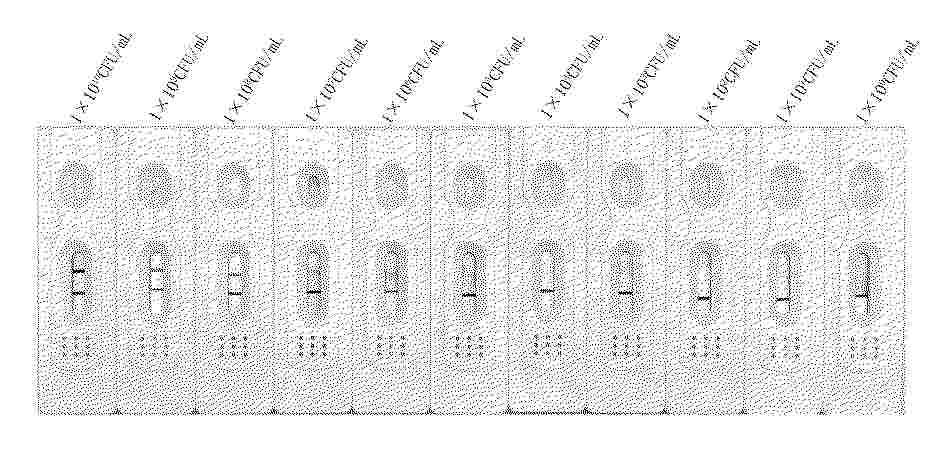
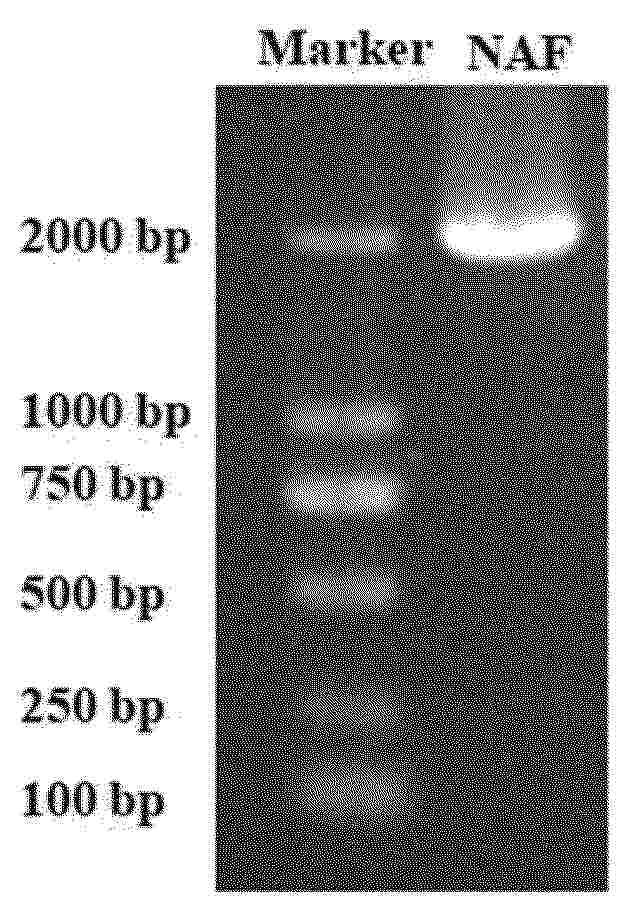
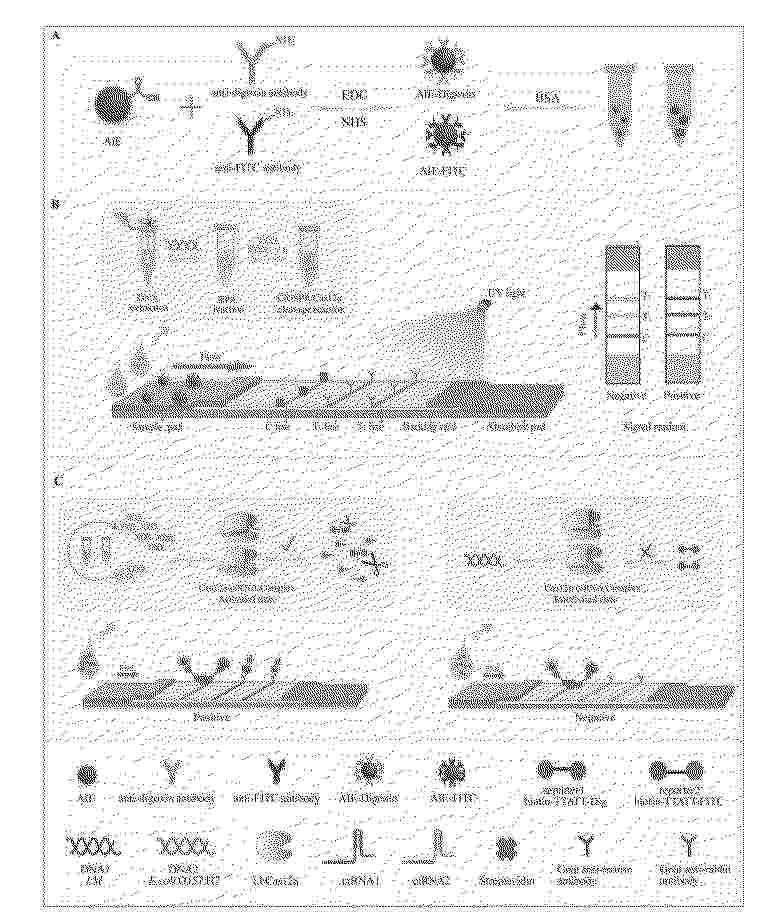
The invention discloses a double-probe system, a test strip and a detection method for simultaneously detecting Listeria monocytogenes and Escherichia coli O157: H7, the constructed double-probe system comprises an AIENPs-FAM fluorescent nanoprobe and an AIENPs-digoxin fluorescent nanoprobe, the invention further discloses an immunochromatographic test strip corresponding to the double-probe system, and the invention further discloses a constructed RPA-CRISPR-LFCS method based on AIENPs, which can be used for simultaneously detecting Listeria monocytogenes and Escherichia coli O157: H7. High-sensitivity screening of the listeria monocytogenes LM and the escherichia coli O157: H7 can be achieved at the same time, the detection limit of the LM is 29 fg/mu L (223 CFU/mL), and the detection limit of the escherichia coli O157: H7 is 25.1 fg/mu L (195 CFU/mL).
Resumen de: CN122520725A
The invention discloses a salmonella specific antigen fragment, a gene, a kit and application of the salmonella specific antigen fragment in detection of a salmonella antibody in chicken serum. The amino acid sequence of the salmonella specific antigen PagN fragment is as shown in SEQ ID NO. 1. The serological diagnostic value of the salmonella specific antigen PagN fragment in salmonella chicken flocks infection is disclosed for the first time, the salmonella specific antigen PagN fragment is used as a coating antigen of indirect ELISA, and a salmonella antibody indirect ELISA detection method is established. The PagN fragment of the outer membrane protein of the salmonella can specifically recognize a salmonella antibody, can avoid detection obstacles caused by serotype difference, can rapidly lock salmonella infection, and is suitable for clinical scenes needing rapid preliminary screening. The method can be used for detecting salmonella antibodies in chicken flocks, and provides powerful technical support for epidemiological investigation of salmonella and precise prevention and control of salmonella infection.
Nº publicación: CN122524763A 07/08/2026
Solicitante:
TECH CENTER OF URUMQI CUSTOMS DISTRICT P R CHINA
\u4E4C\u9C81\u6728\u9F50\u6D77\u5173\u6280\u672F\u4E2D\u5FC3
Resumen de: CN122524763A
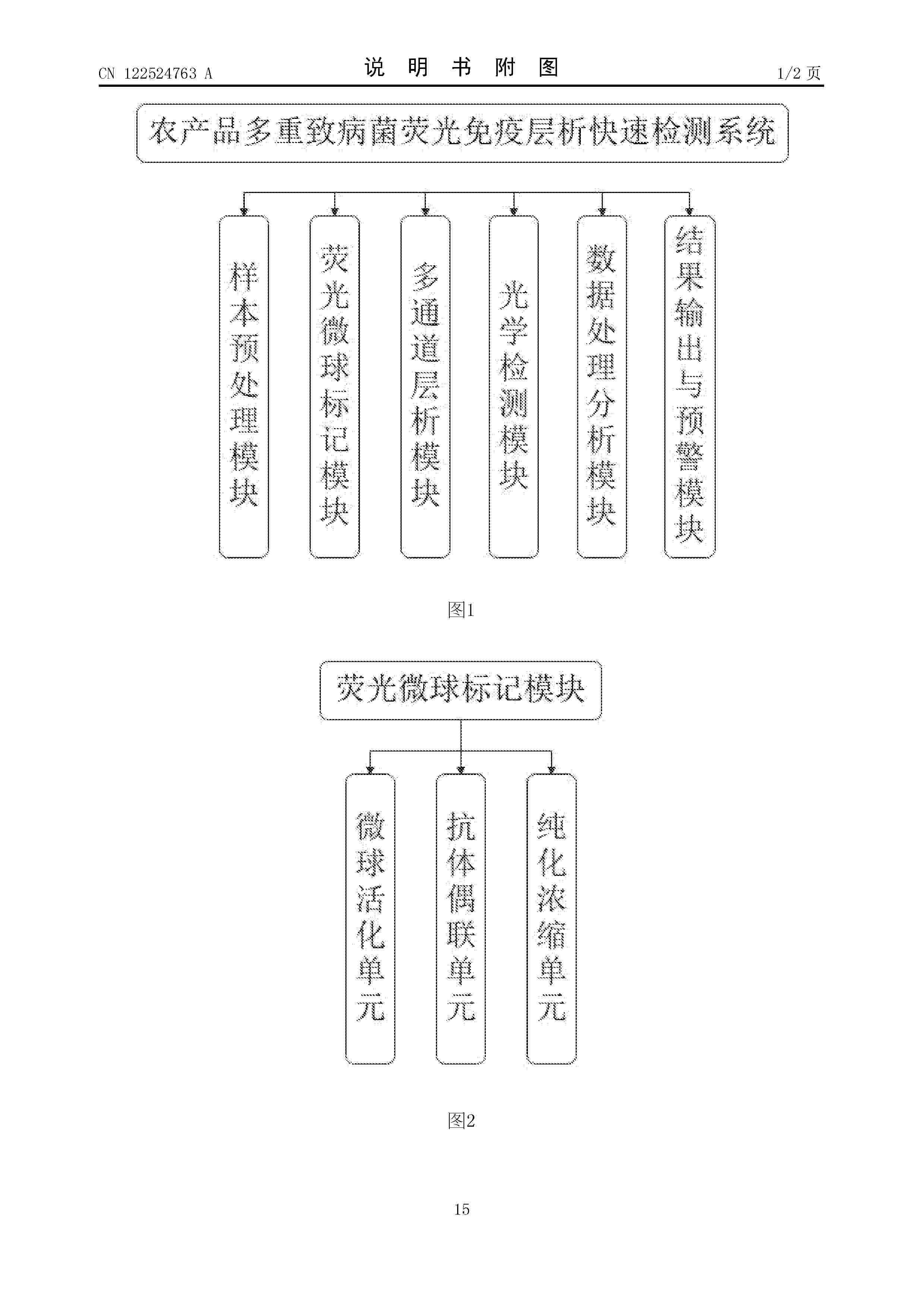
The invention relates to the technical field of fluorescence immunochromatography, and discloses an agricultural product multiple pathogenic bacterium fluorescence immunochromatography rapid detection system, which comprises a sample pretreatment module, a fluorescent microsphere labeling module, a multi-channel chromatography module, an optical detection module, a data processing analysis module and a result output and early warning module, dark current correction and gain adjustment are performed on acquired signals through a signal amplification unit in the optical detection module, and the chromatographic film is monitored by using the multispectral imaging unit, so that whether excitation light intensity attenuation and wave band drifting occur at a fluorescence signal acquisition position of the chromatographic film or not can be detected in real time; the accuracy of fluorescence immunochromatography rapid detection of multiple pathogenic bacteria of agricultural products is ensured, and the reading error of fluorescence signals is reduced.
 BOPI
BOPI
 Sede Electrónica