Si deseas distinguir tus productos, servicios o ambos de los de otra empresa, es posible que necesites una marca o nombre comercial. Descubre qué son, en qué consiste su procedimiento de registro y qué implica.

Información sobre los plazos de presentación de solicitudes de transformación de marcas de la Unión Europea en marca nacional española. Más información


Si tienes un nuevo dispositivo, producto o procedimiento que resuelva un problema técnico o tenga una ventaja práctica, existen distintas formas de protegerlo en España y en otros países. Descubre cómo hacerlo.

¿Tu innovación reside en la estética, la ornamentación o la apariencia de tu producto? Protégela mediante un diseño industrial. Descubre qué derechos confiere el registro y cómo realizar la tramitación.

Las indicaciones geográficas protegen el nombre de un producto originario de una zona geográfica, a la cual le debe una determinada calidad, reputación u otra característica. Descubre qué son, en qué consiste su procedimiento de registro y qué beneficios conceden.

Las patentes publicadas en todo el mundo son una valiosa fuente de información científica, técnica y comercial.

Si eres emprendedor/a o una empresa y quieres potenciar y mejorar la rentabilidad de tu negocio protegiendo de forma adecuada los activos intangibles de tu organización, en este espacio encontrarás lo necesario.


 311
resultados
311
resultados
 Última actualización
01/07/2026 [13:59:00]
Última actualización
01/07/2026 [13:59:00]


 Resultados 225 a 250 de 311

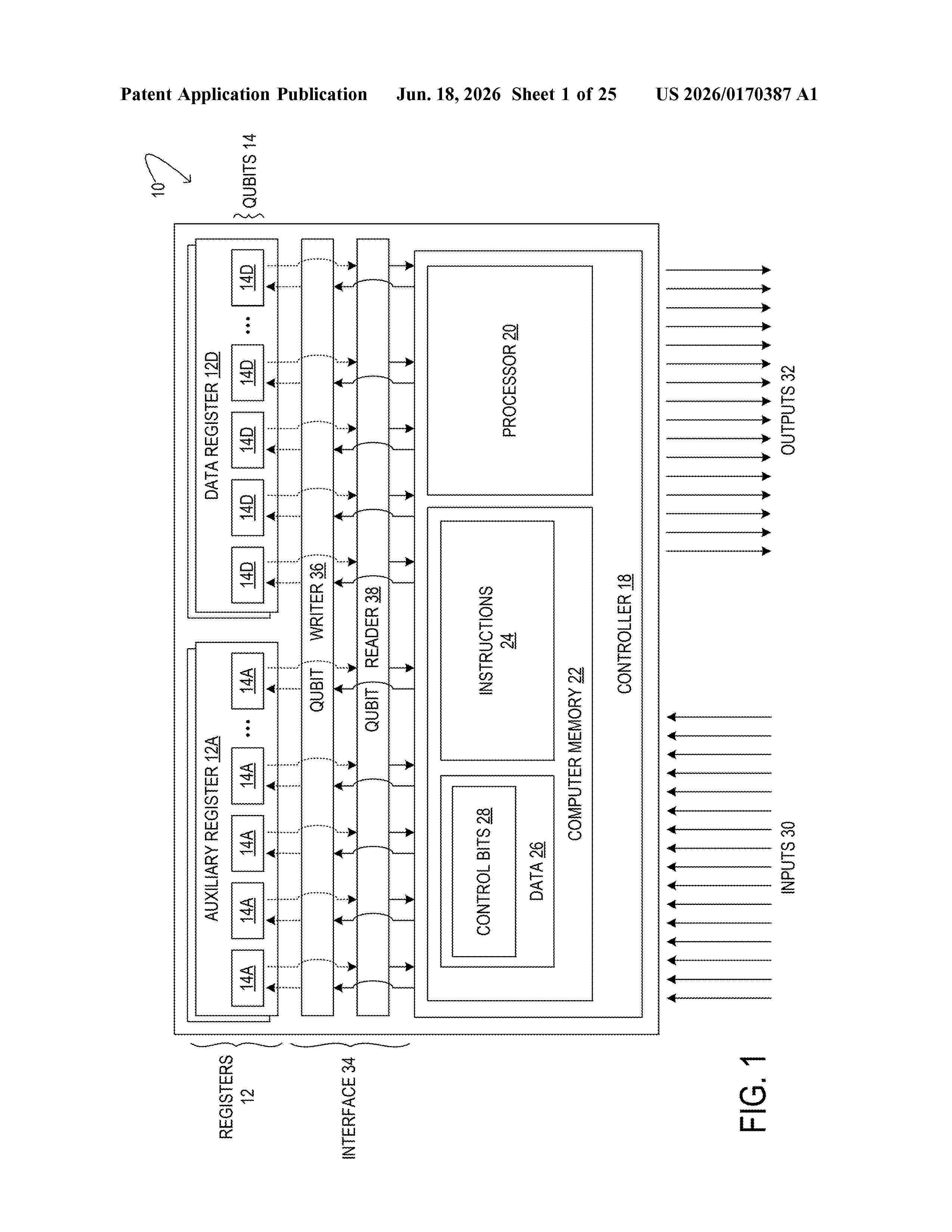
Resumen de: US20260170387A1
A quantum computing device is provided. The quantum computing device is configured to perform quantum error correction using a tesseract subsystem code in which two encoded logical qubits of a 16, 6, 4 tesseract code are used as gauge qubits.

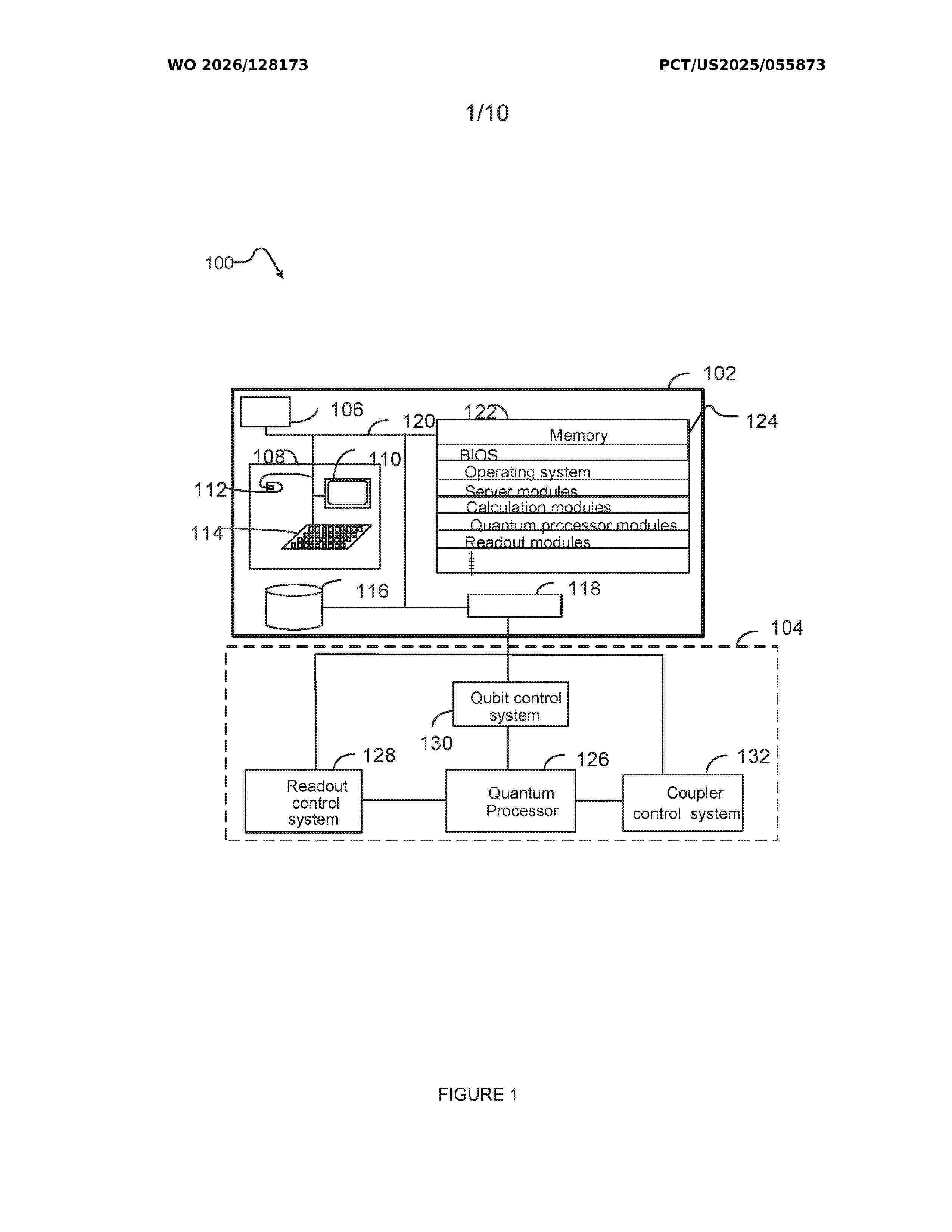
Resumen de: WO2026128173A2
Measurement qubits in surface code are used to measure X and Z parities. If one measurement qubit is not available, other measurement qubits are able to perform the missing parity measurements, subject to the connectivity of the processor. Additional couplers may be added between data qubits and other measurement qubits to allow for the missing parity measurements during a surface code cycle. The additional couplers are tunable and can be activated when needed to perform the parity measurements. A processor may comprise fewer measurements qubits and additional couplers so that data qubits are always coupled with measurement qubits, so that one measurement qubit may be used for multiple parity measurements. The additional couplers are tunable and are activated when needed to perform the parity measurements and deactivated otherwise during the surface code cycle.
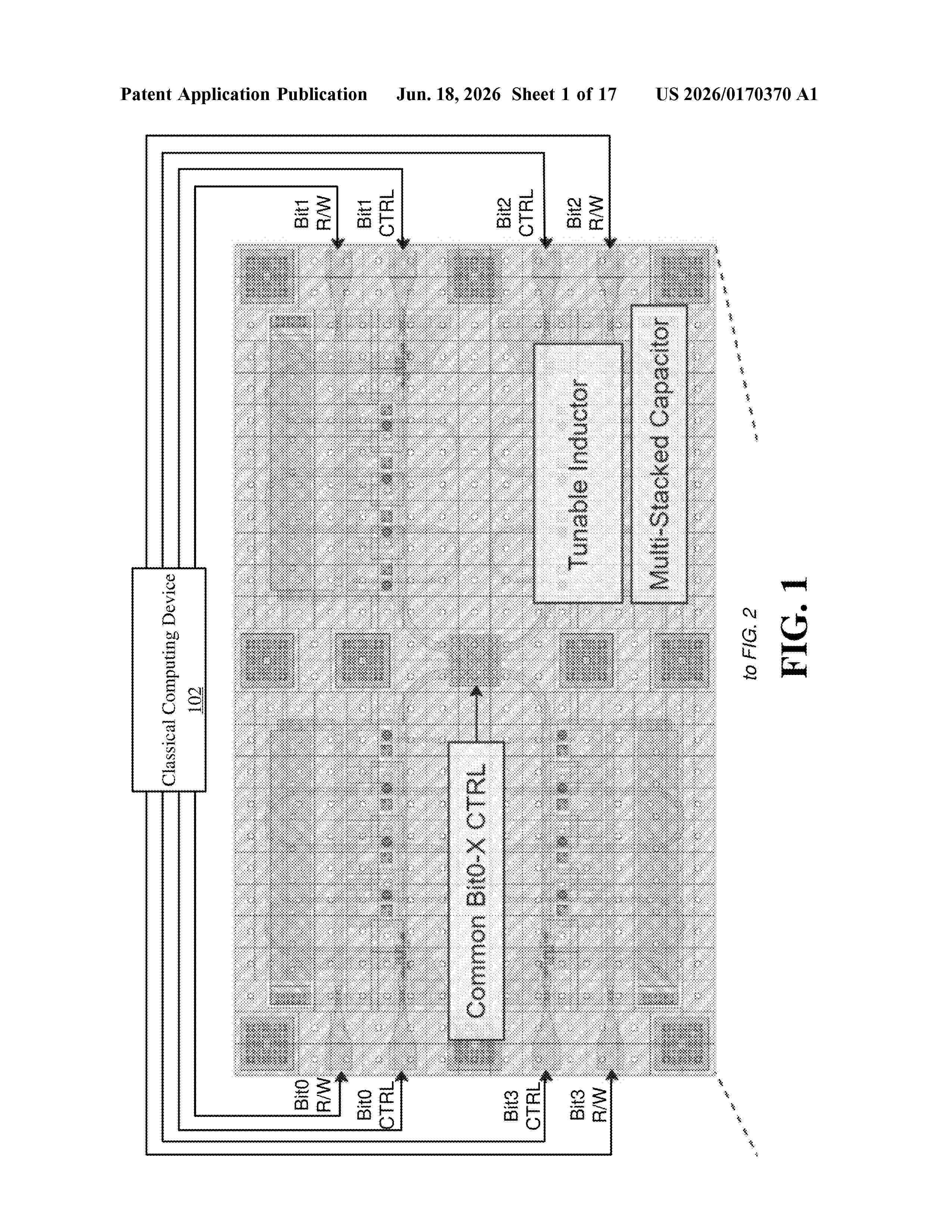
Resumen de: US20260170370A1
The technology described herein is directed towards a quantum memory device comprising an array of independently addressable quantum memory cells for writing, storing and reading quantum bits (qubits) of information, based on variable coupling between tunable interface resonators and quantum storage cavities. Tuning the resonators of one quantum memory cell to the same frequency facilitates the energy exchange of qubit information, thereby transferring quantum information to or from the quantum storage cavity for a write operation or a read operation, respectively; detuning stores the quantum information in the quantum storage cavity by preventing transfer. One implementation uses rf-SQUIDs for tuning the tunable interface resonator. This facilitates fast frequency adjustments to tune and detune the tunable resonator, enabling the quantum state read/write operations. Different length resonator inductors for the quantum storage cavities in an array result in different resonance frequencies. The quantum storage cavities also can have tunable resonators.
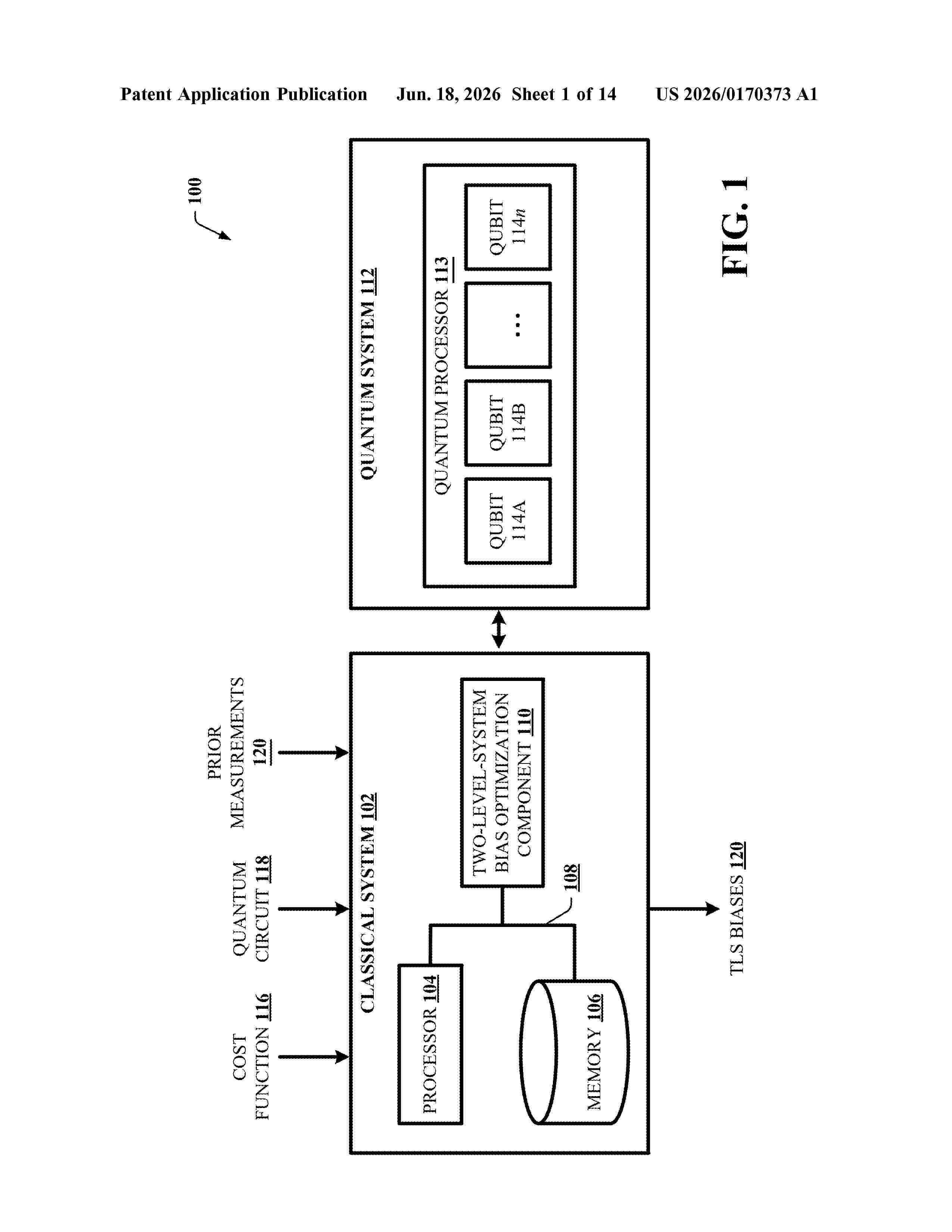
Resumen de: US20260170373A1
0000 One or more systems, devices, computer program products and/or computer-implemented methods of use provided herein relate to optimizing performance of TLS biases. For example, a system can comprise a memory that can store computer executable components and a processor that can execute the computer executable components stored in the memory. The computer executable components can comprise a measurement component that can obtain a reference dataset of measurements. The computer executable components can further comprise a training component that can determine, from the reference dataset of measurements, a set of parameters and a set of hyperparameters of a machine learning model. The computer executable components can further comprise a prediction component that can predict, via the machine learning model configured with the set of parameters and the set of hyperparameters, a set of TLS biases of a quantum system that minimizes a cost function based on prior measurements.
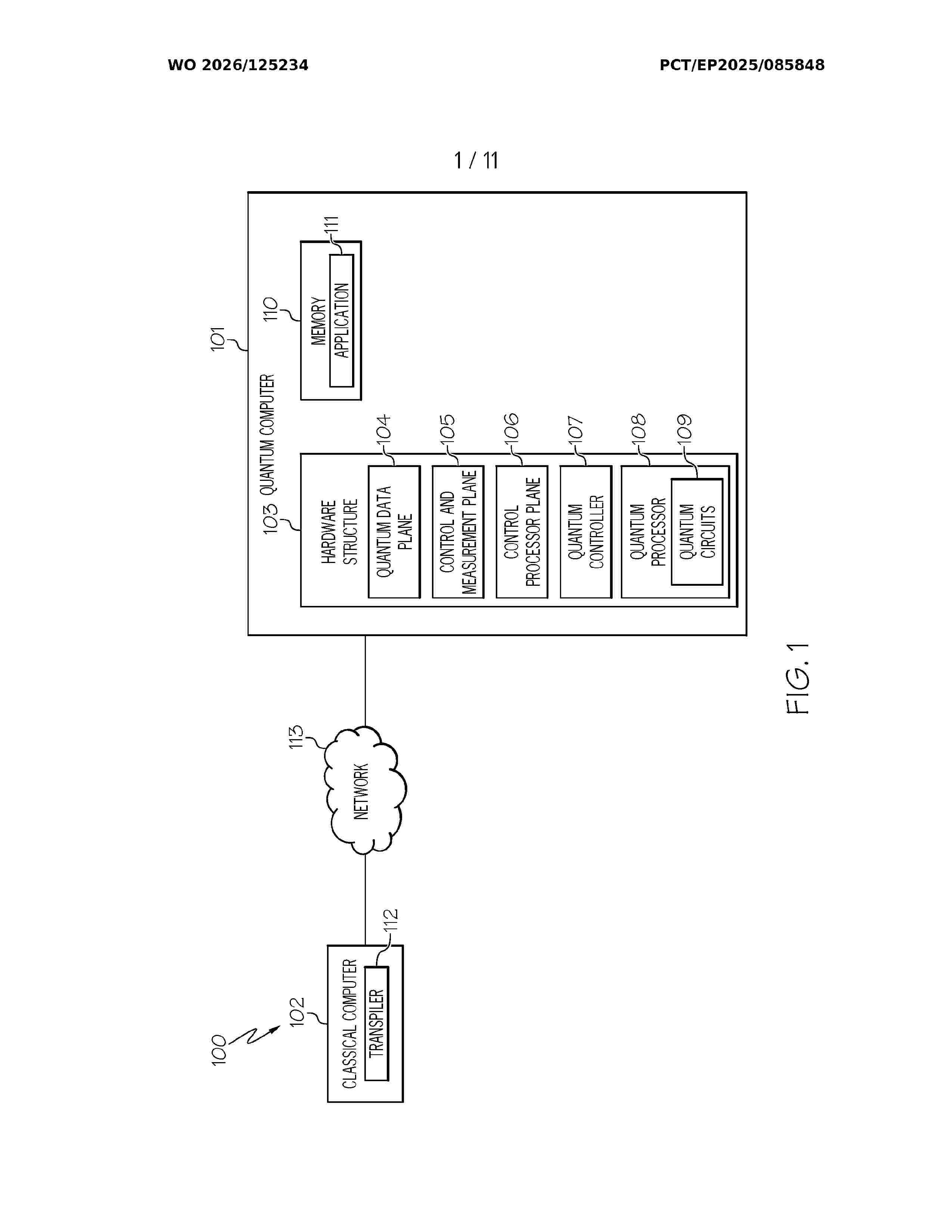
Resumen de: WO2026125234A1
A method, computer program product, and system for routing quantum circuits. A structure of a quantum circuit to route is encoded in an environment using a reinforcement learning agent. A noise of a built routed quantum circuit is encoded in a cost function, such as by measuring the noise in the layer(s) of gates of the built routed quantum circuit. The structure of a quantum circuit refers to the sequence of quantum gates applied to qubits. A cost function refers to a mathematical function that measures how well the predictions of the machine learning model align with the actual target values. Quantum circuit routing is then performed using a trained machine learning model based on the structure of the quantum circuit and minimizing the cost function, which reduces the gate count and noise since the structure facilitates the routing task and noise minimization as encoded in the cost function.
Resumen de: AU2024460621A1
Error-corrected quantum computation using transversal gates and correlated decoding is provided. A first and second logical qubit is encoded into physical qubits according to a quantum error correcting code. Based on the quantum error correcting code, a bipartite decoding graph is constructed corresponding to the first and the second logical qubits, the bipartite decoding graph comprising a plurality of detector nodes and a plurality of error nodes, each error node corresponding to an error mechanism. A transversal gate is applied to the first and the second logical qubits. Syndrome measurement of the first and the second logical qubits is performed. For each of the plurality of detector nodes affected by the corresponding error mechanism of one of the plurality of error nodes, an edge is generated on the bipartite decoding graph therebetween. A physical error configuration is determined from the bipartite decoding graph.
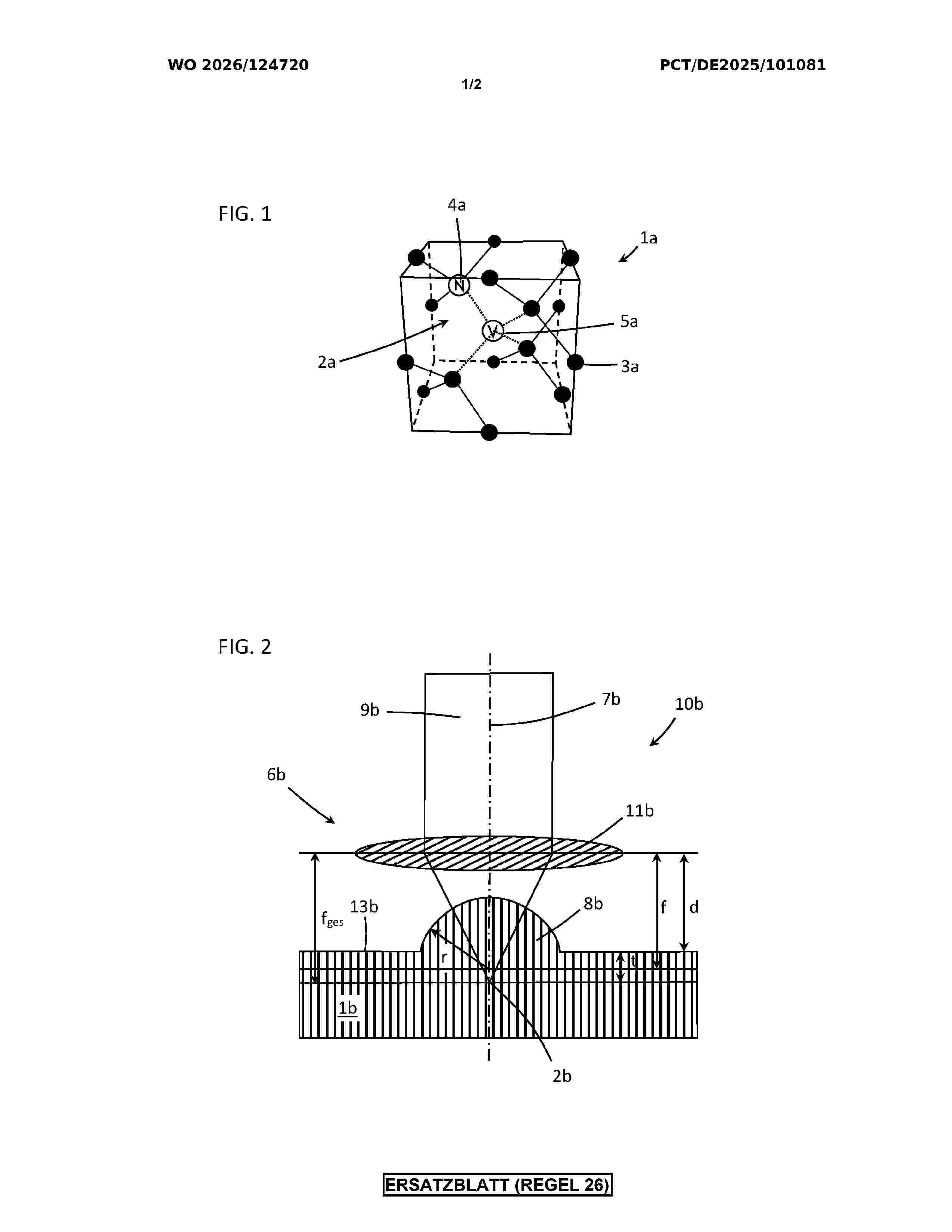
Resumen de: WO2026124720A1
The invention relates to a method for producing individual spin quantum bits (spin qubits) in crystals, such as silicon carbide (SiC) or diamond. The aim of the invention is to significantly improve the coupling efficiency of light emitted by colour centres and to enable a substantially more precise, simpler and more scalable production of spin qubits with integrated optics. Furthermore, in the production method claimed here, the production of miniaturised coupling-out optics with the generation of the colour centre in directly successive process steps is to be made possible, which does not require a relative adjustment between the colour centre and the optics. According to the invention, said aim is achieved by the features of claim 1.
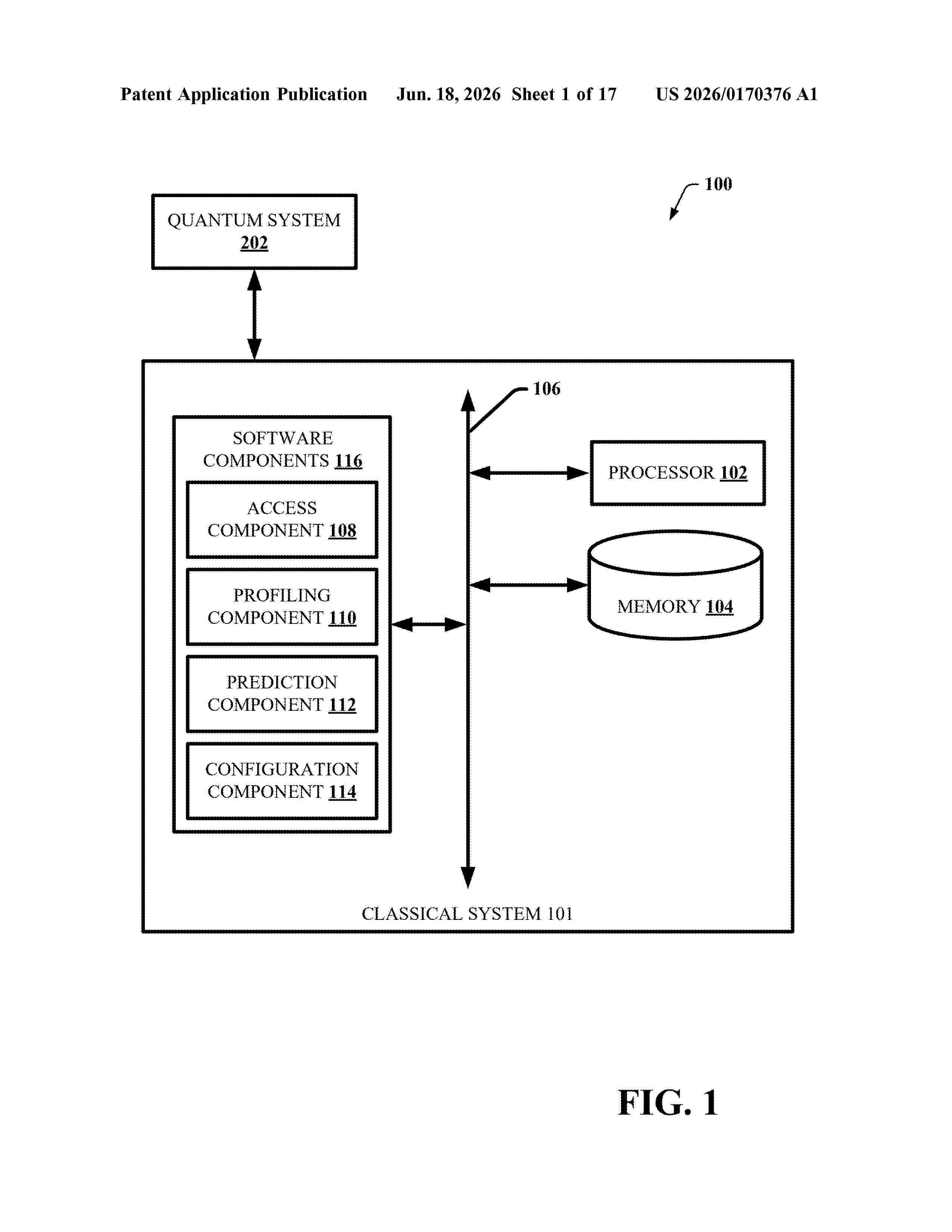
Resumen de: US20260170376A1
0000 One or more systems, devices, computer program products and/or computer-implemented methods of use provided herein relate to predictive profiling of quantum environments. The system can comprise a memory that can store computer-executable components. The system can further comprise a processor, operably coupled to the memory, that executes at least one of the computer executable components that can generate a profiling prediction of a quantum environment based on a profiling matrix using a hybrid time series model, wherein the profiling prediction predicts resource consumption of the quantum environment for a portion of an execution in the quantum environment using a hybrid time series model. In various embodiments, the at least one of the computer executable components can further allocate resources between classical components and quantum components of the quantum environment for the portion of the execution based on the profiling prediction.
Resumen de: WO2026125886A1
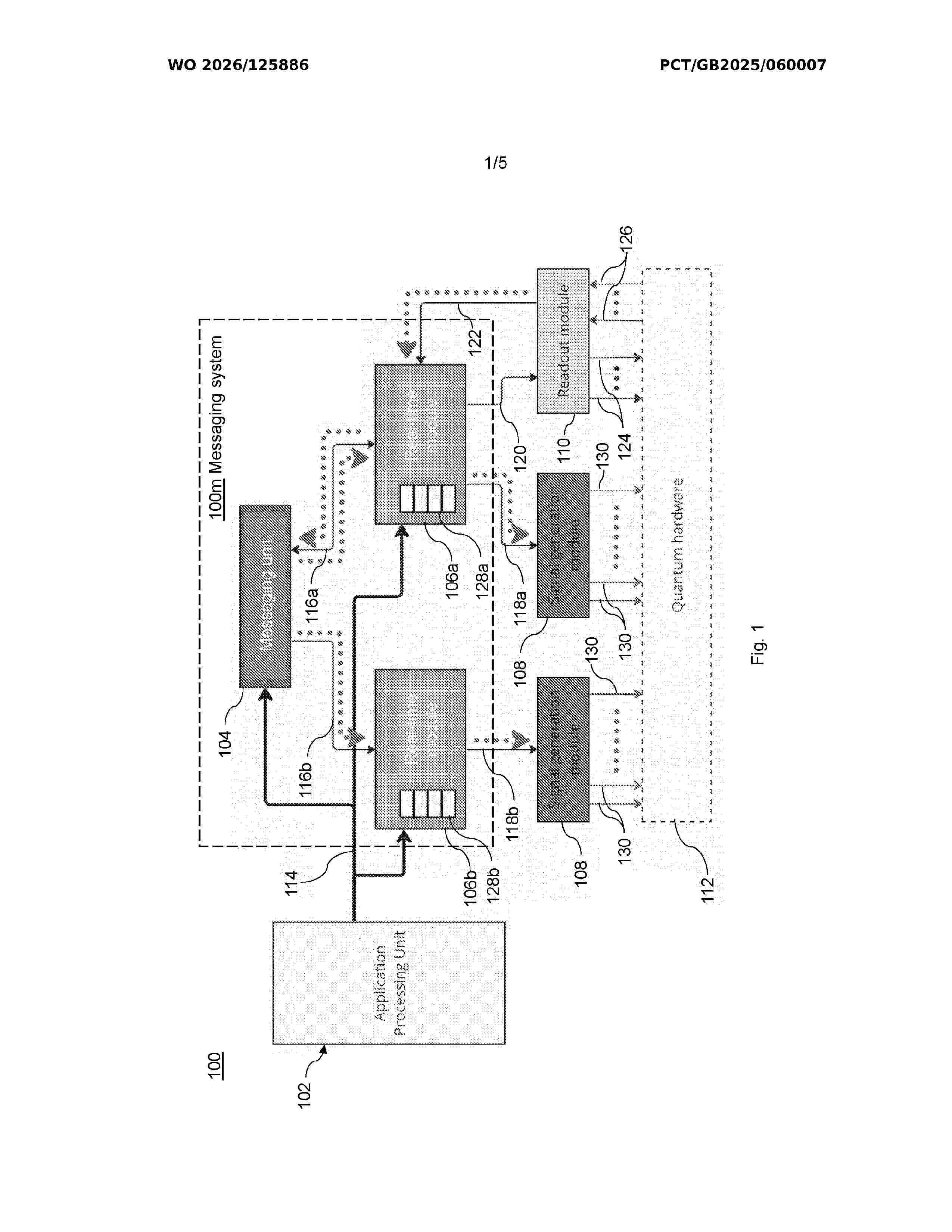
Disclosed herein is a messaging system in a real-time system adapted for communicating with a plurality of quantum devices, e.g. of quantum computing system, and methods performed by the messaging system. The messaging system comprises: one or more aggregator nodes, and a plurality of real-time units for coupling to the quantum devices as respective leaf nodes. The messaging system is communicatively coupled to notify a target node of a status of each leaf node in a subset of the leaf nodes. Each aggregator node is configured to: receive respective notifications from a corresponding one or more child nodes, each notification indicating a status of one or more leaf nodes of the subset of the leaf nodes associated with the notification; responsive to receipt of the respective notifications from the corresponding one or more child nodes, generate an aggregated notification; and transmit the aggregated notification to a corresponding grandparent node.
Resumen de: US20260170374A1
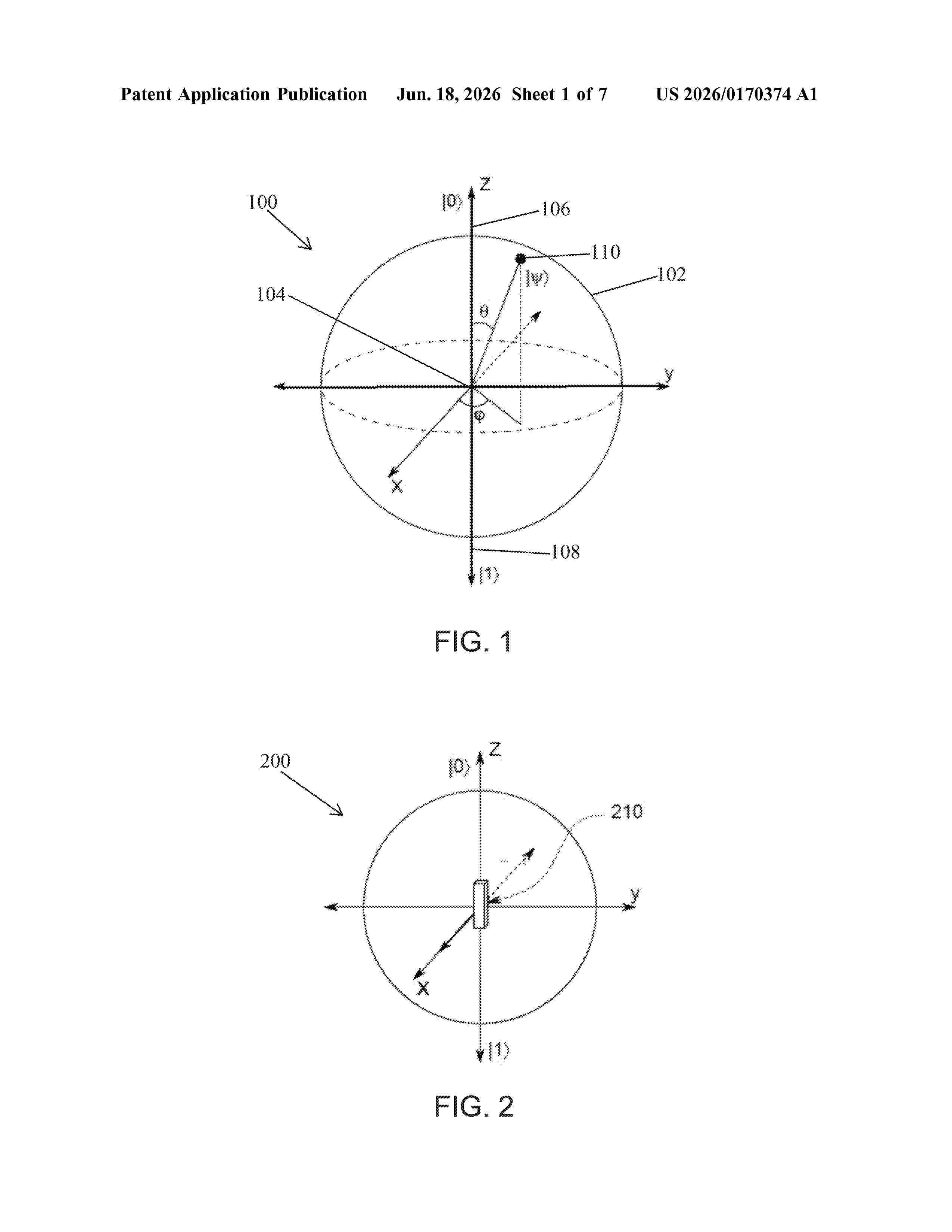
0000 A quantum state visualization device includes one or more spheres with one or more sensors within each of the one or more spheres. A classical computing machine determines movement of each of the one or more spheres and converts said movement into a spherical rotation of each of the one or more spheres. The spherical rotation is implemented into a quantum circuit.
Resumen de: US20260170379A1
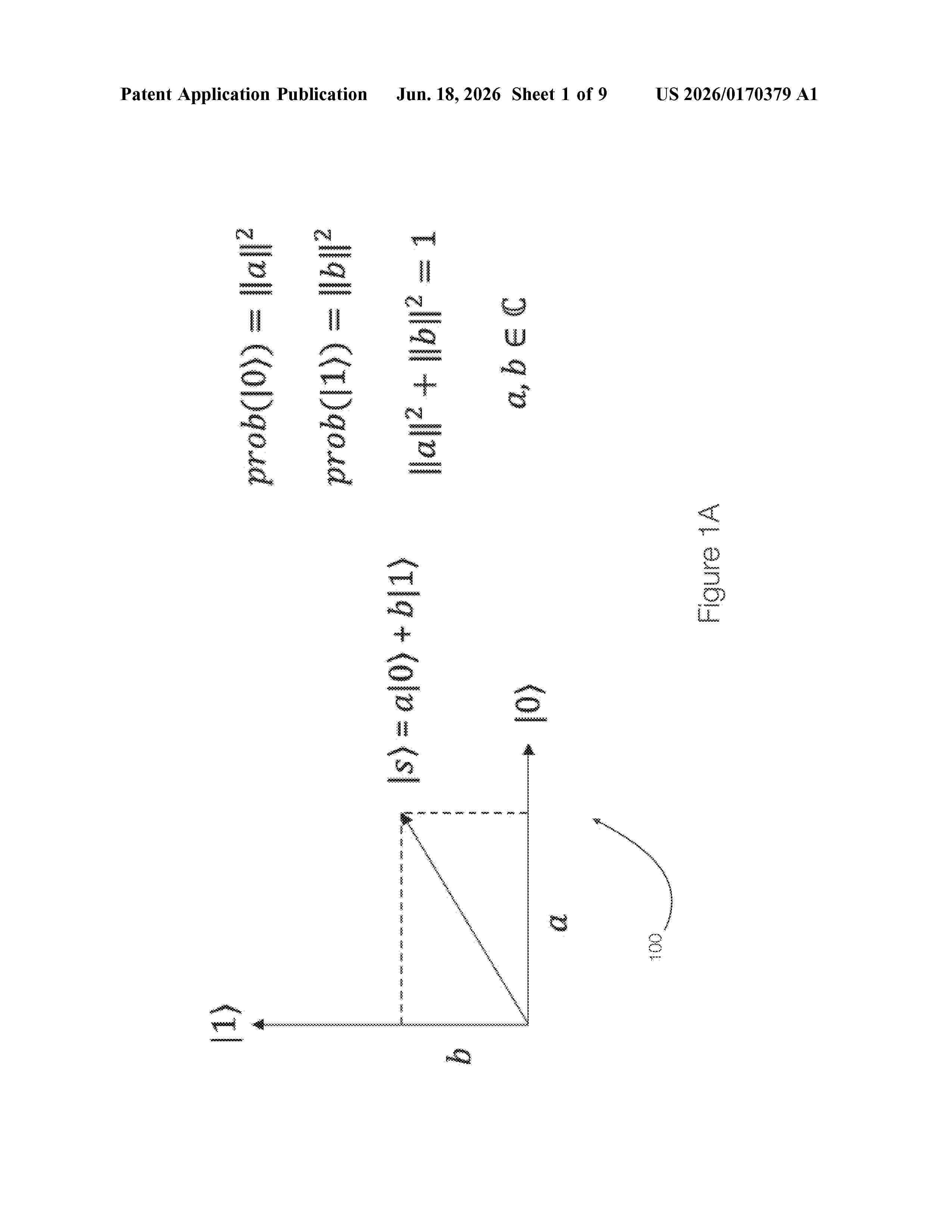
0000 Re-creating quantum circuits using auxiliary or spare qubits to improve performance of a quantum computing system is disclosed. In one example, separable qubits are replicated to auxiliary qubits and the quantum circuit is recreated to include the auxiliary qubits. Executing the quantum circuit allows additional information regarding at least qubits of interest to be acquired by measuring the auxiliary qubits along a different axis than the original qubits. Because the original and auxiliary qubits have the same state due to the replication, measuring along a different access provides addition information. This improves the performance of the quantum computing system and may reduce the number of shots otherwise required.
Resumen de: US20260170388A1
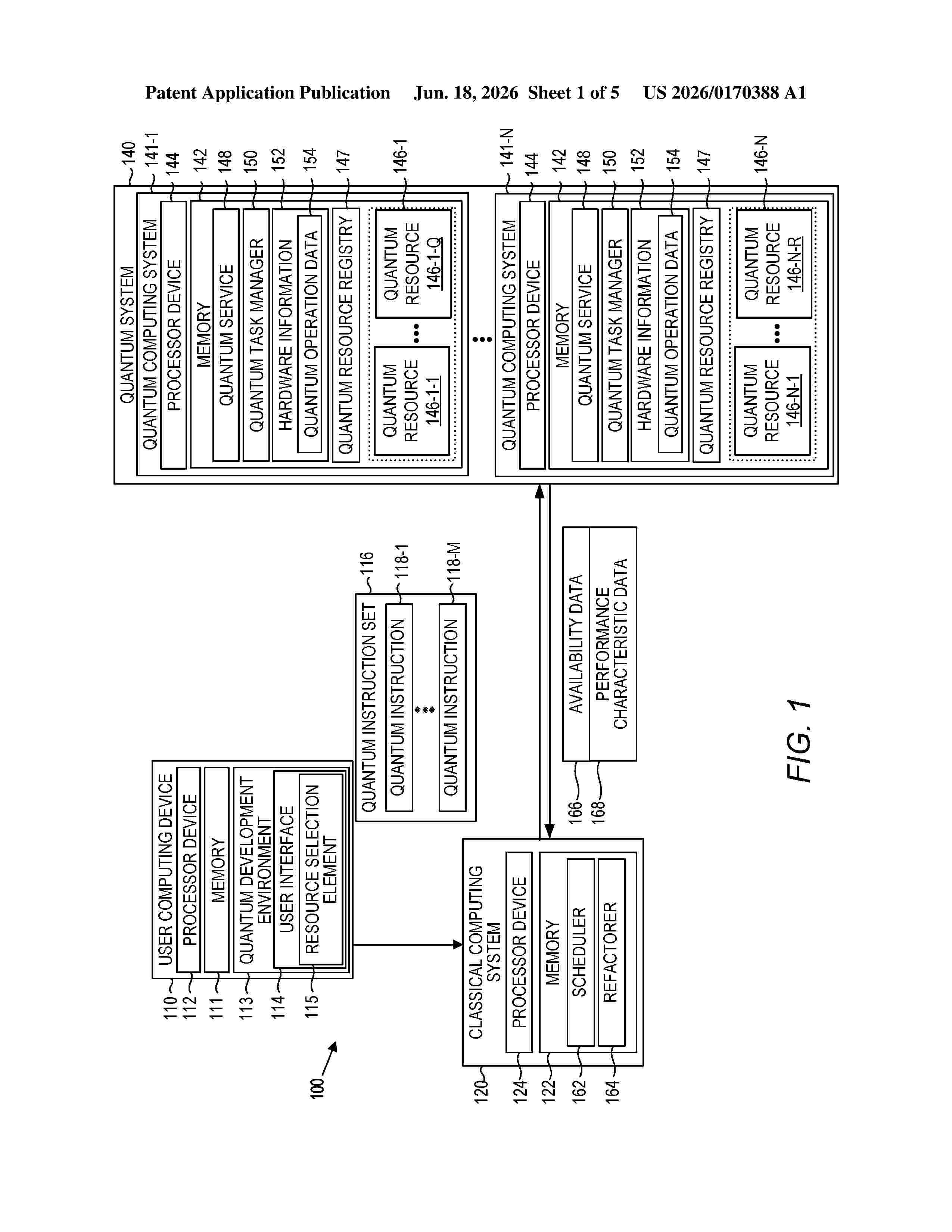
0000 A computing system (e.g., a quantum computing system) can: obtain a quantum instruction set comprising a plurality of quantum operation instructions; identify a first quantum resource allocation instruction in the quantum instruction set, the first quantum resource allocation instruction instructing a first quantum computing system to allocate a first quantum resource to implement the plurality of quantum operation instructions; determine an unavailability condition of the first quantum resource at the first quantum computing system; based on the unavailability condition, determine an attribute constraint based on a performance characteristic associated with the plurality of quantum operation instructions; identify a second quantum resource that satisfies the attribute constraint to allocate to implement the plurality of quantum operation instructions; and modify the quantum instruction set based on the second quantum resource.
Resumen de: US20260172053A1
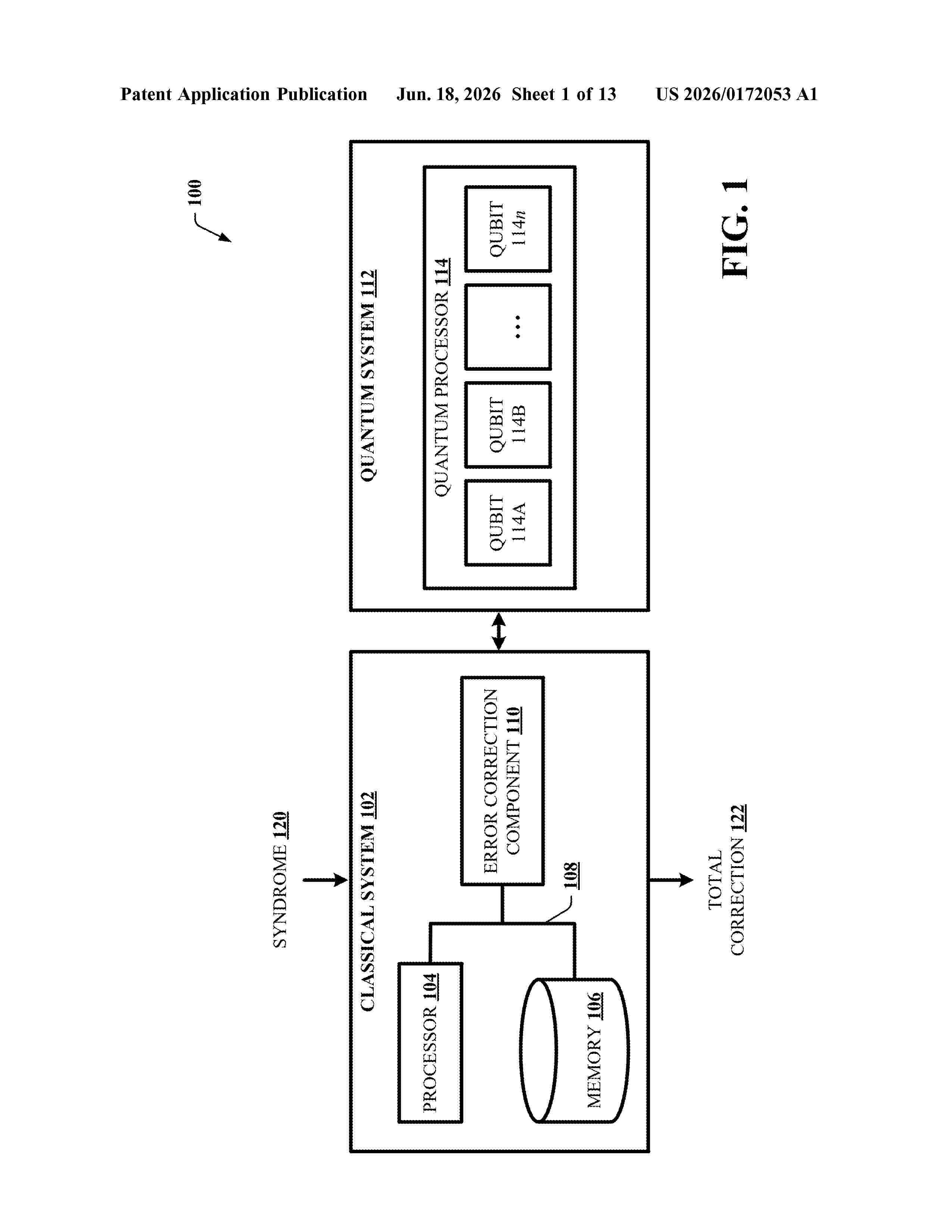
0000 One or more systems, devices, computer program products and/or computer-implemented methods of use provided herein relate to decoding quantum low-density parity check (qLDPC) codes. For example, a system can comprise a memory that can store computer executable components and a processor that can execute the computer executable components stored in the memory. The computer executable components can comprise an error correction component that corrects, via a decoder, qubit errors for qLDPC code, wherein correcting qubit errors for the qLDPC code via the decoder can comprise: obtaining a set of local defect networks in a syndrome by matching defects on symmetries of the qLDPC code, wherein the symmetries comprise a subset of checks of the qLDPC code such that each qubit error creates an even number of defects; and locally correcting one or more of the set of local defect networks.
Resumen de: WO2026124767A1
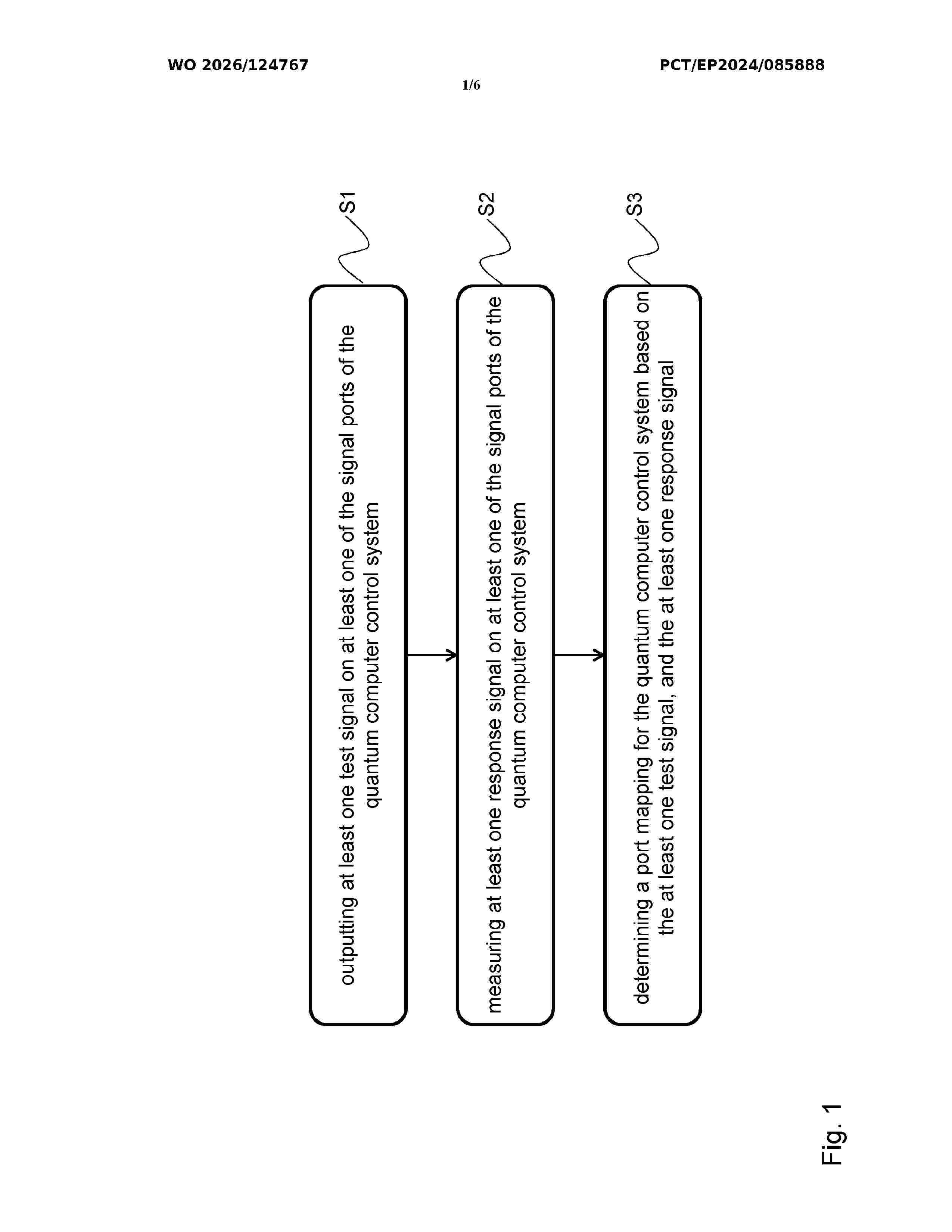
The present disclosure provides a computer implemented method for mapping signal ports in a quantum computer control system comprising a plurality of signal ports, the method comprising outputting at least one test signal on at least one of the signal ports of the quantum computer control system, measuring at least one response signal on at least one of the signal ports of the quantum computer control system, and determining a port mapping for the quantum computer control system based on the at least one test signal, and the at least one response signal. Further, the present disclosure provides a respective quantum computer control system and a respective quantum computer.
Resumen de: WO2026128666A1
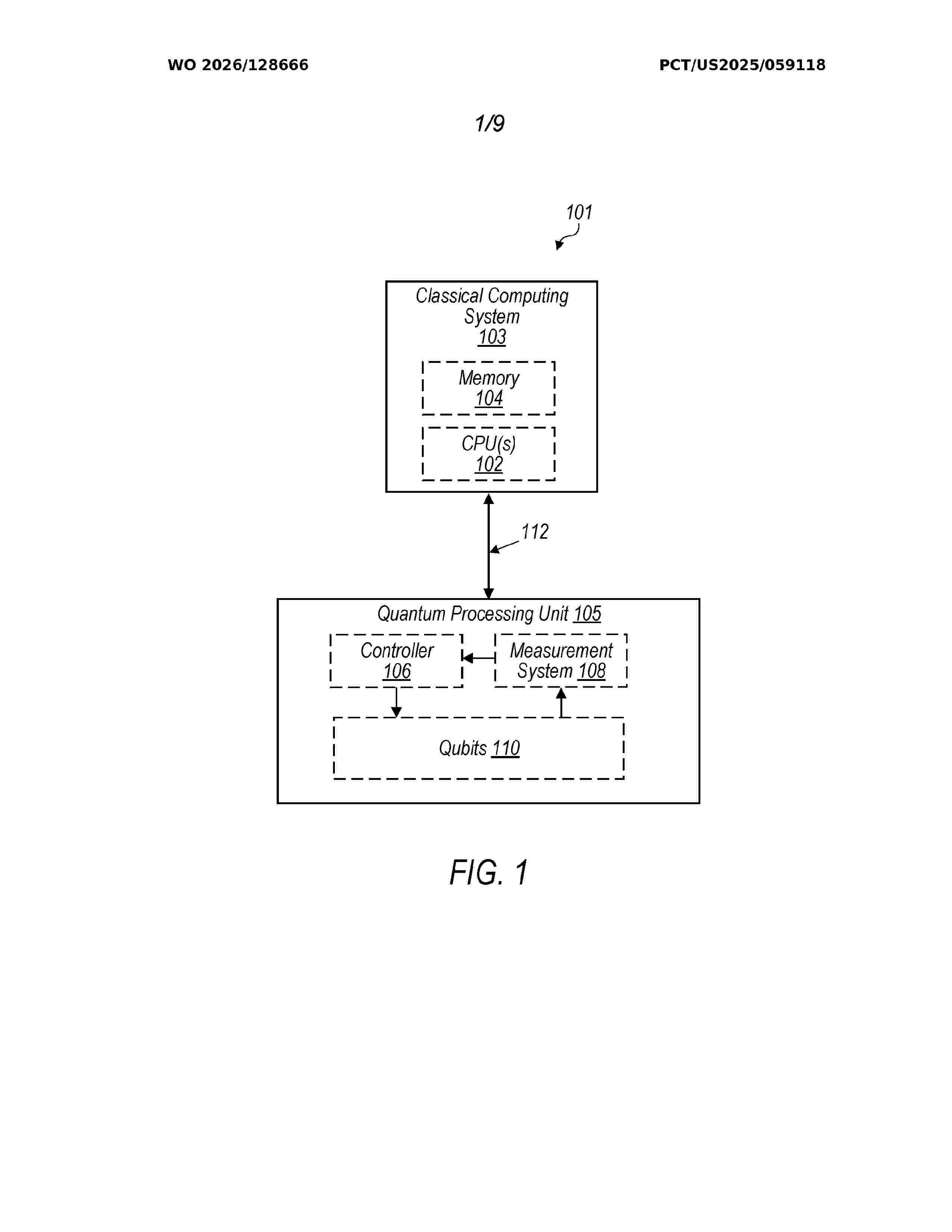
Systems, methods, and quantum circuits for estimating an expectation value of an observable of a physical quantum system. An outer quantum phase register, an inner quantum register, and a state simulation register are received. The state simulation register is prepared in a reference eigenstate of a Hermitian operator. The inner quantum register includes an inner phase register, a Hermitian operator register, and an observable operator register. A first unitary operation is performed that extracts phase information related to a reference eigenvalue of a first operator corresponding to the observable. A window function is applied to the inner phase register. The outer quantum phase register is measured to obtain classical measurement results that are used to determine the expectation value of the observable for the reference eigenstate.
Resumen de: AU2024398450A1
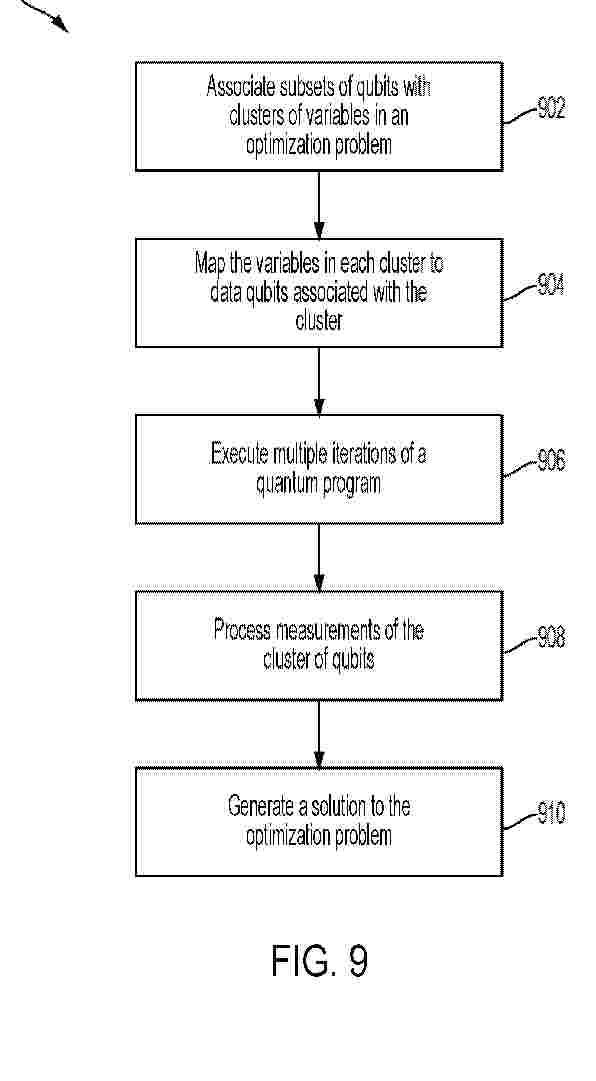
In a general aspect, hardware-efficient encoding schemes for optimization problems are presented. In some cases, a quantum computing method includes associating subsets of qubits including data qubits and label qubits with clusters of variables in an optimization problem; and mapping the variables in each cluster to the data qubits associated with the cluster, such that multiple variables are mapped to each of the data qubits. During mapping basis states of the label qubits associated with the cluster are identified; the cluster is divided into groups of variables, each group of variables being associated with a respective one of the basis states; and for each group of variables, each variable in the group is mapped to a respective one of the data qubits associated with the cluster. The method further includes causing a quantum processing unit to execute multiple iterations of a quantum program and generating a solution to the optimization problem based on processed measurements.
Resumen de: US20260171383A1
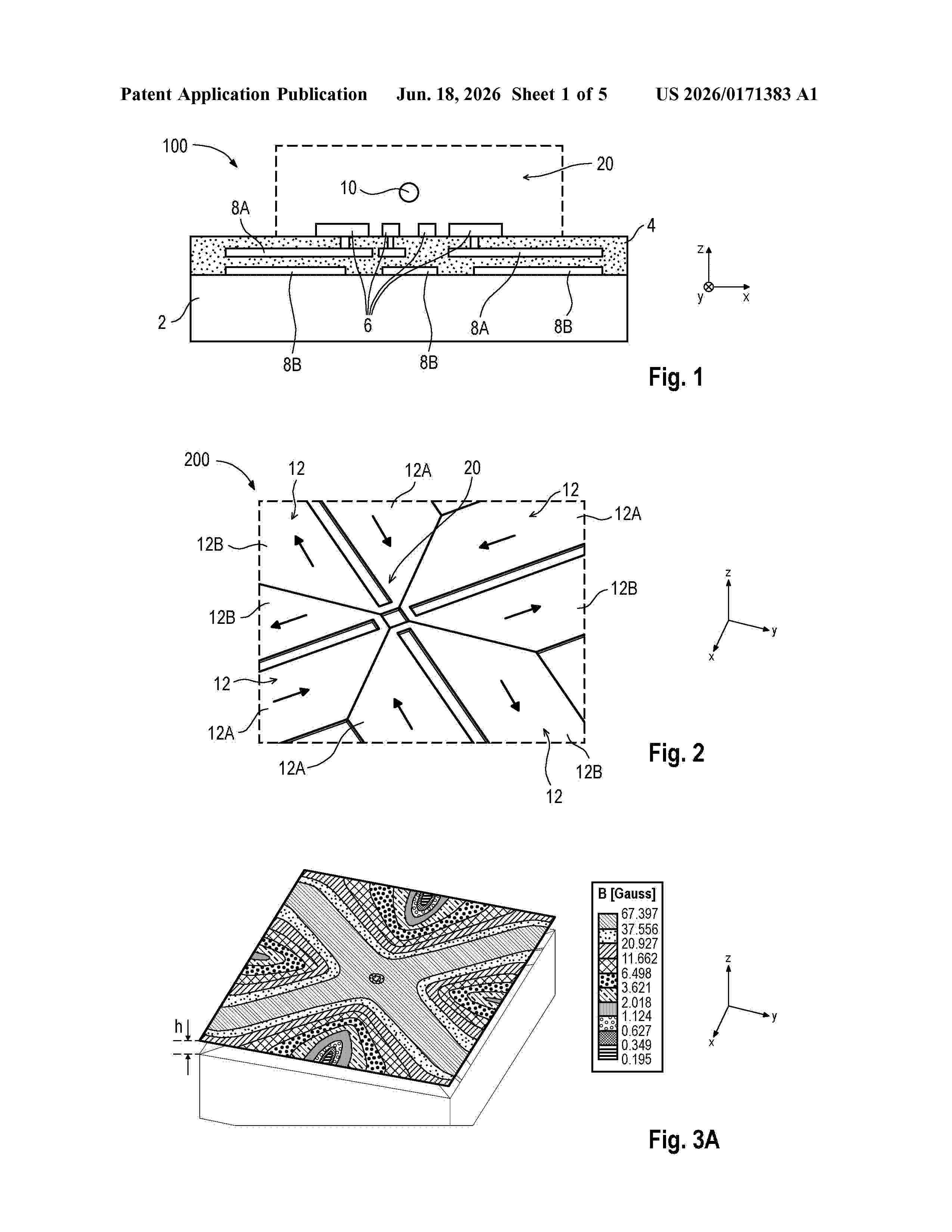
0000 A device for controlling trapped atoms includes a structured electrode layer. The structured electrode layer forms multiple electrodes of an atom trap configured to trap atoms in a processing zone above the structured electrode layer. The device further includes at least four wires arranged in one or more metal layers beneath the structured electrode layer. The wires surround the processing zone and each of the wires includes a first portion configured to carry an electrical current in a direction towards the processing zone and a second portion configured to carry the electrical current in a direction away from the processing zone.
Resumen de: US20260170383A1
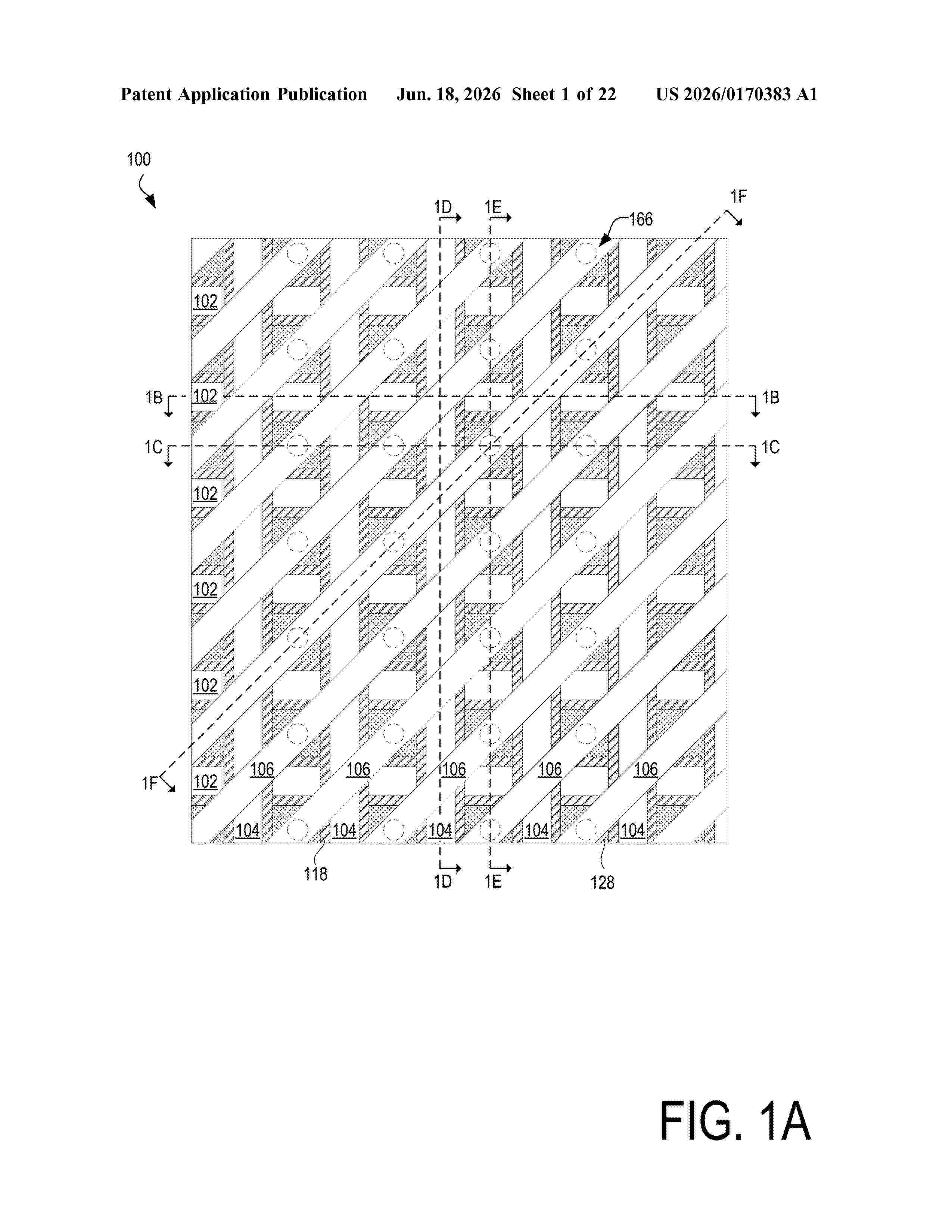
0000 Technologies for various approaches to photonic qubit control and readout are disclosed. In an illustrative embodiment, optical fiber carries optical pulses to a quantum processor. The optical pulses are directed to photodiodes. One photodiode has its anode coupled to a qubit gate, and one photodiode has its cathode coupled to the qubit gate. An optical pulse on the photodiode whose anode is coupled to the qubit gate add charges to the qubit gate, increasing the voltage on the qubit gate. An optical pulse on the photodiode whose cathode is coupled to the qubit gate removes charges from the qubit gate, decreasing the voltage. Additionally or alternatively, an output from a single-electron transistor coupled to a qubit can be used to drive a modulator. The modulator can modulate an optical signal, which can be measured to determine the state of the qubit.
Resumen de: US20260170384A1
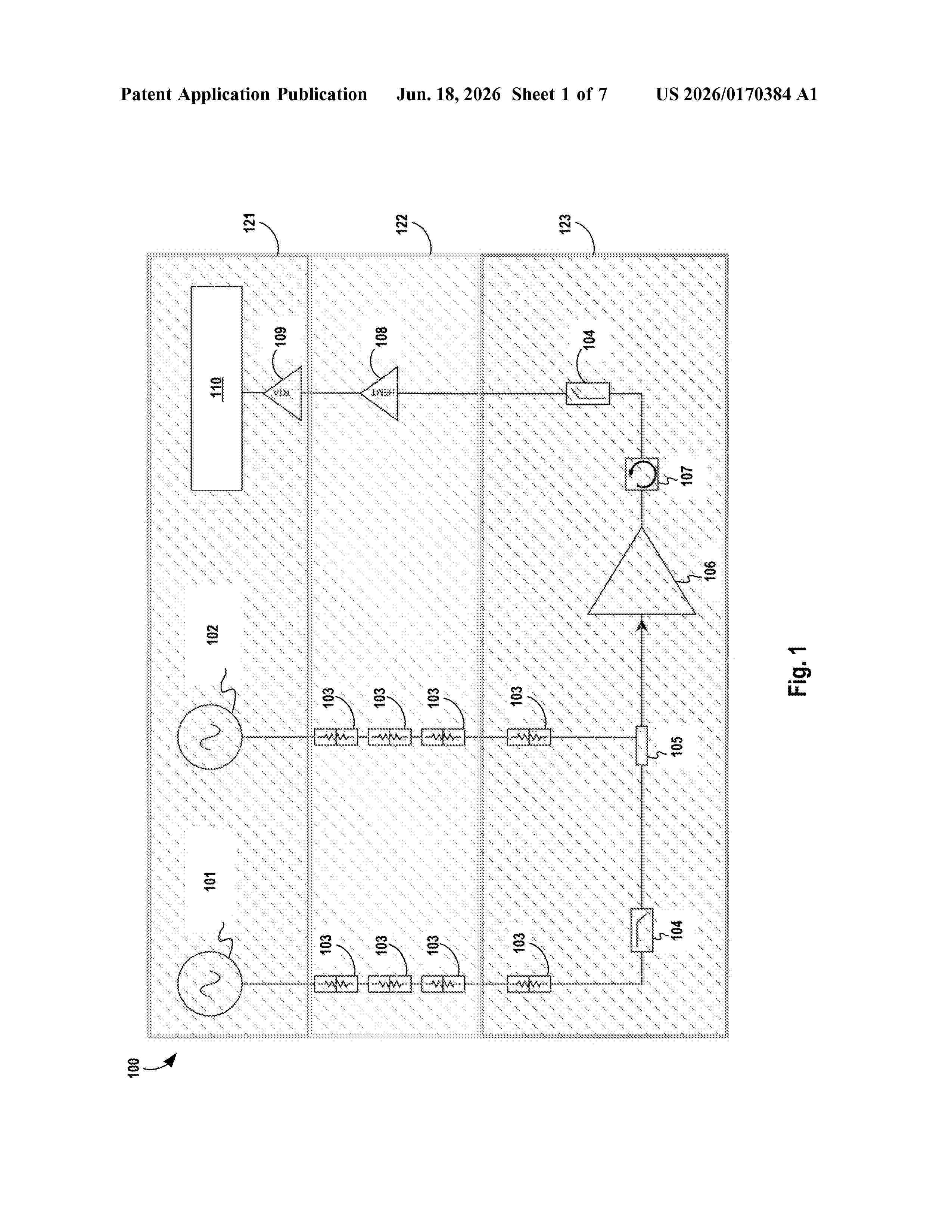
An apparatus, system, and method for verifying entangled states in superconducting parametric amplifiers. In some embodiments, a method for verifying entanglement states of a superconducting parametric amplifier, the steps comprising: receiving a two-mode squeezed state from a superconducting parametric amplifier; performing a state tomography on the two-mode squeezed state, wherein the state tomography yields “N” two-dimensional vectors; estimating a plurality of quantum states with a likelihood function comprising probability distribution of the “N” two-dimensional vectors, wherein the plurality of quantum states are expressed as a linear combination of harmonic oscillator basis functions; determining amplitudes of the plurality of quantum states as a maximum of the likelihood function; and identifying when an entropy measurement for each of the plurality of quantum states is significantly different from zero as an indication that two degrees of freedom are entangled.
Resumen de: WO2026125883A1
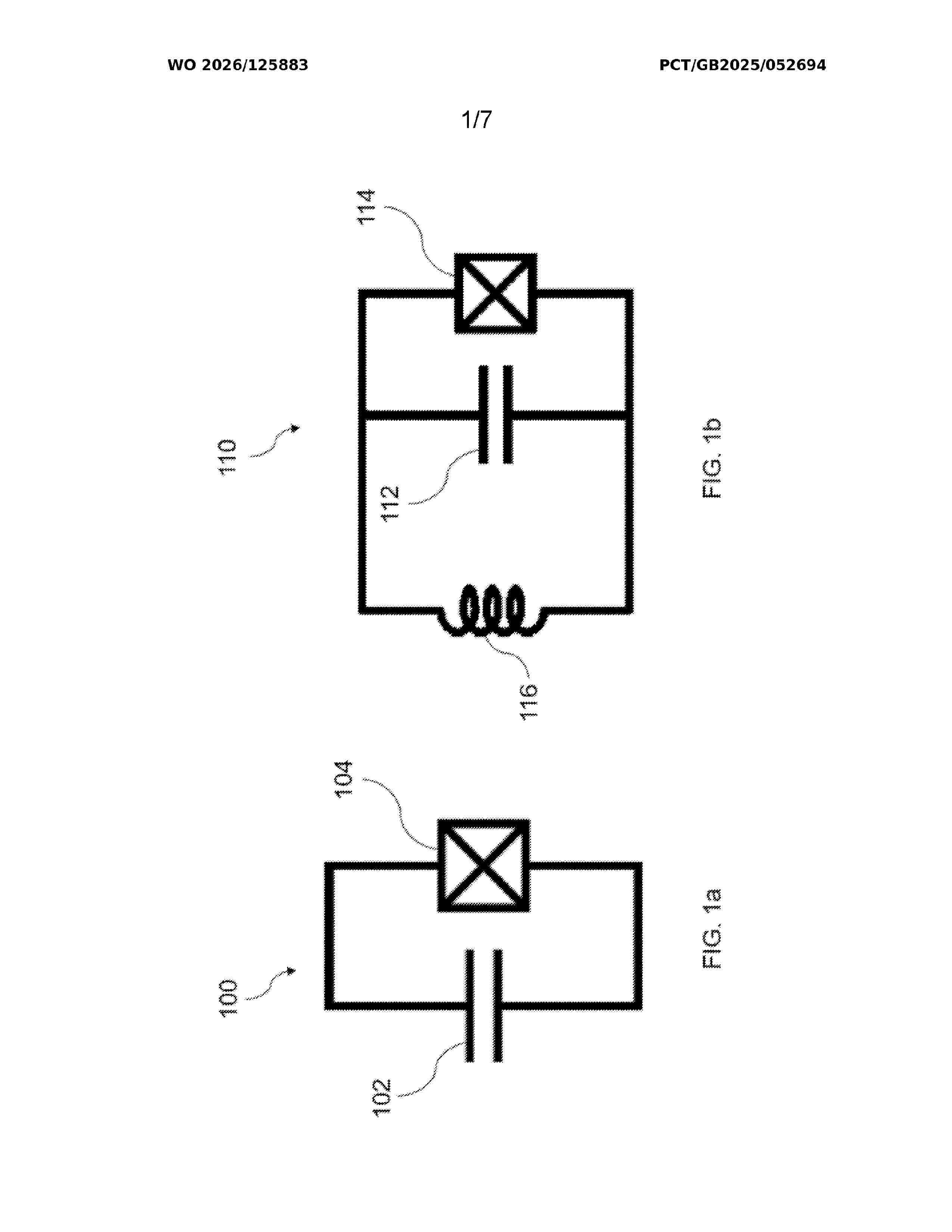
A method of tuning a circuit portion of a quantum information processing circuit, the circuit portion including a first qubit (210) coupled to a second qubit (200). The first qubit includes a first Josephson junction (212) and an inductive circuit element (216), and the second qubit includes a second Josephson junction (202). The method includes measuring the anharmonicity of the first qubit and the anharmonicity of the second qubit; followed by annealing the circuit portion to change the anharmonicity of the first qubit. The annealing causes the anharmonicity of the first qubit to approach the same magnitude as and opposite sign to the anharmonicity of the second qubit.
Resumen de: US20260172239A1
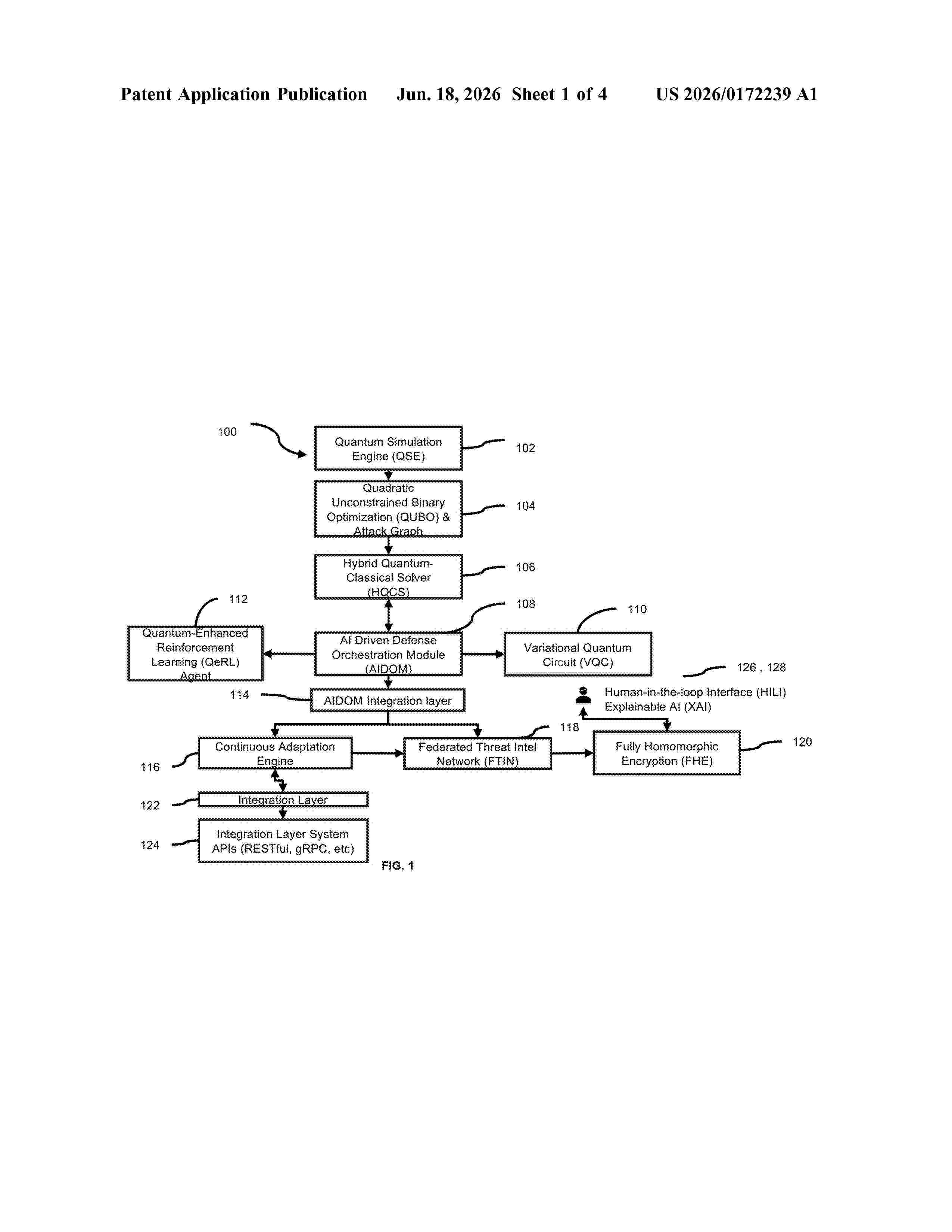
0000 A quantum-powered artificial intelligence platform for proactive cyber defense is disclosed. The platform simulates and defends against all possible attack paths in real time using quantum computing and AI, enables global, privacy-preserving threat intelligence sharing, and autonomously orchestrates defense measures. The invention shifts cyber defense from a reactive to a proactive model, providing near-impenetrable protection against sophisticated and coordinated cyber threats.
Resumen de: US20260172008A1
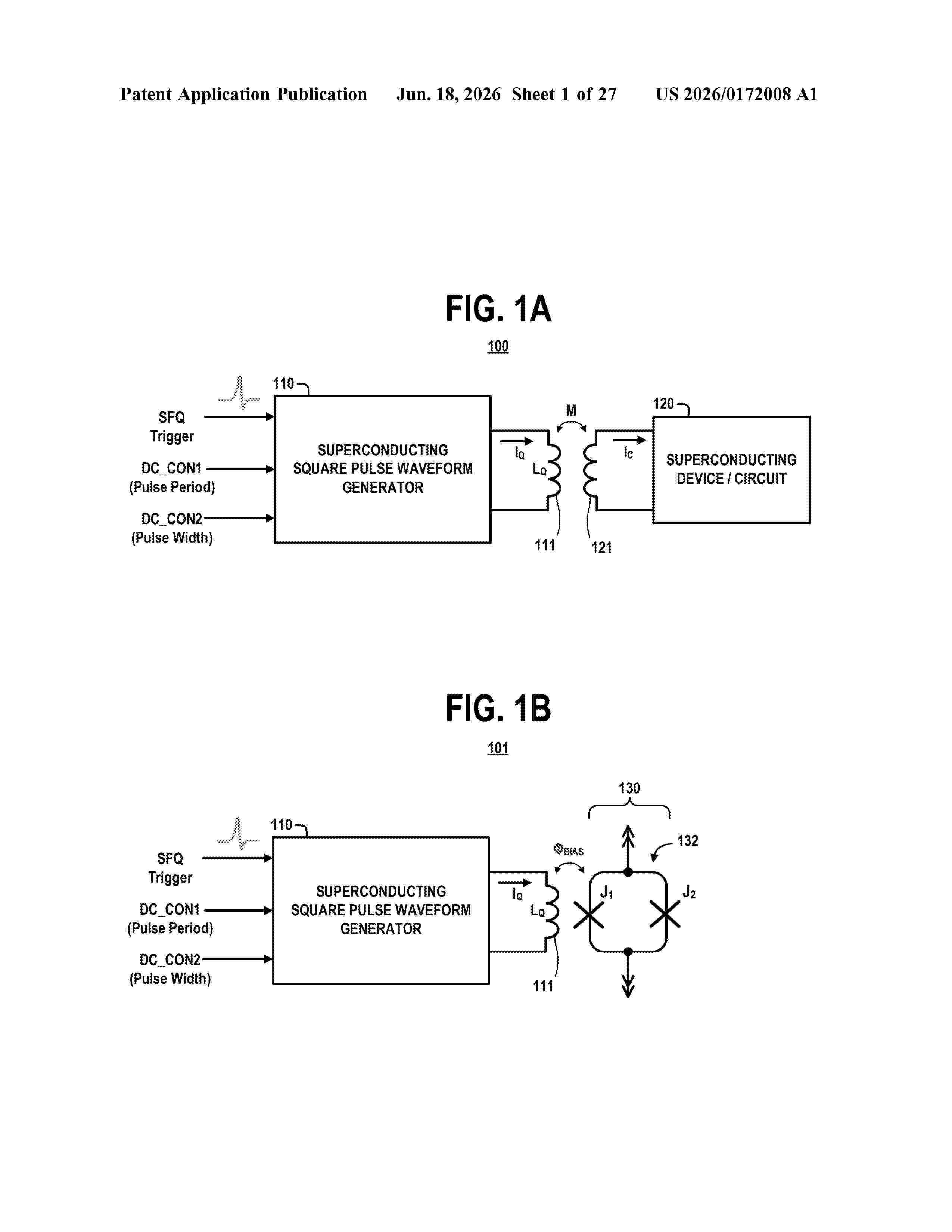
0000 A device comprises a superconducting square pulse waveform generator which comprises a self-oscillating circuit that is configured to generate a continuous sequence of square current pulses in response to a single flux quantum (SFQ) pulse applied to an input port of the superconducting square pulse waveform generator. The self-oscillating circuit is responsive to a first direct current (DC) control signal to tune a pulse period of the continuous sequence of square current pulses, and responsive to a second DC control signal to tune a pulse width of the square current pulses.
Resumen de: AU2024398970A1
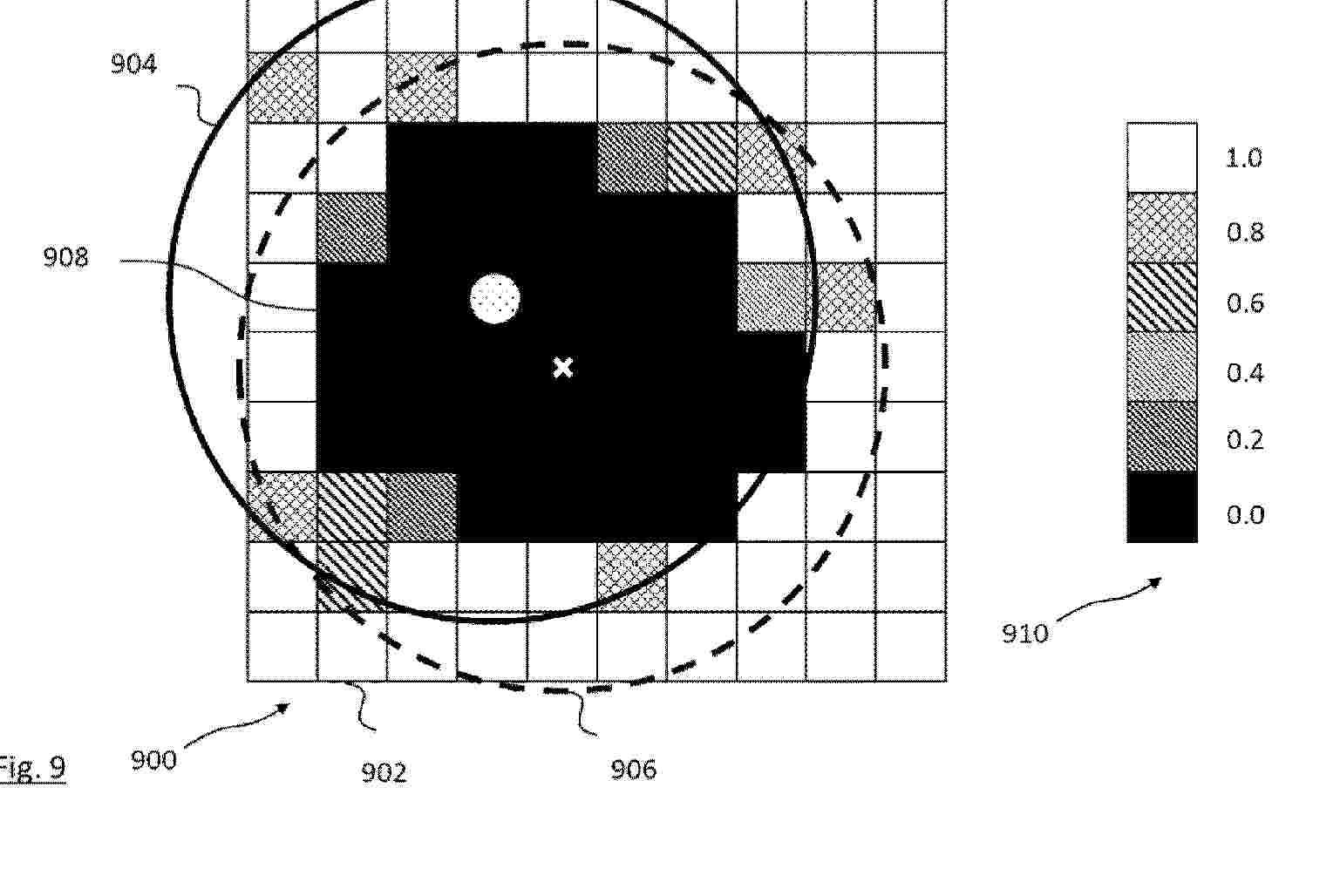
The present disclosure pertains to matter-light interaction methods and systems using optical tweezers. There is provided a method for interacting electromagnetic radiation with a matter particle. The method comprises generating a region of first electromagnetic radiation, where the first electromagnetic radiation is centred about a first wavelength. The method further comprises trapping the matter particle in the region, where one or more resonant frequencies for ejecting the matter particle from the region are associated with the region and matter particle. The method further comprises directing second electromagnetic radiation to overlap the region, where the second electromagnetic radiation is centred about a second wavelength, and repeatedly varying the intensity of the second electromagnetic radiation at one or more of the said resonant frequencies.
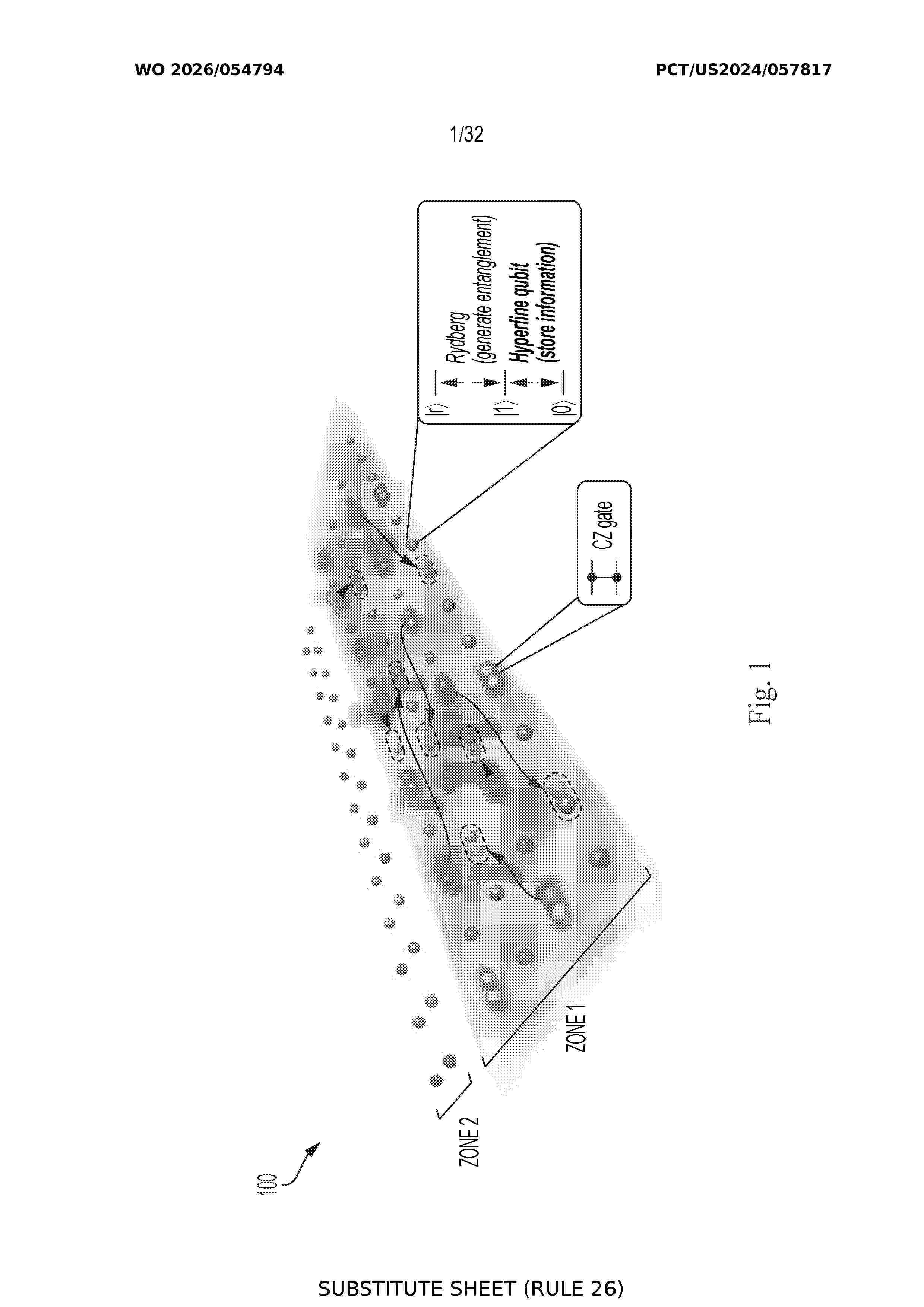
Resumen de: WO2026128590A1
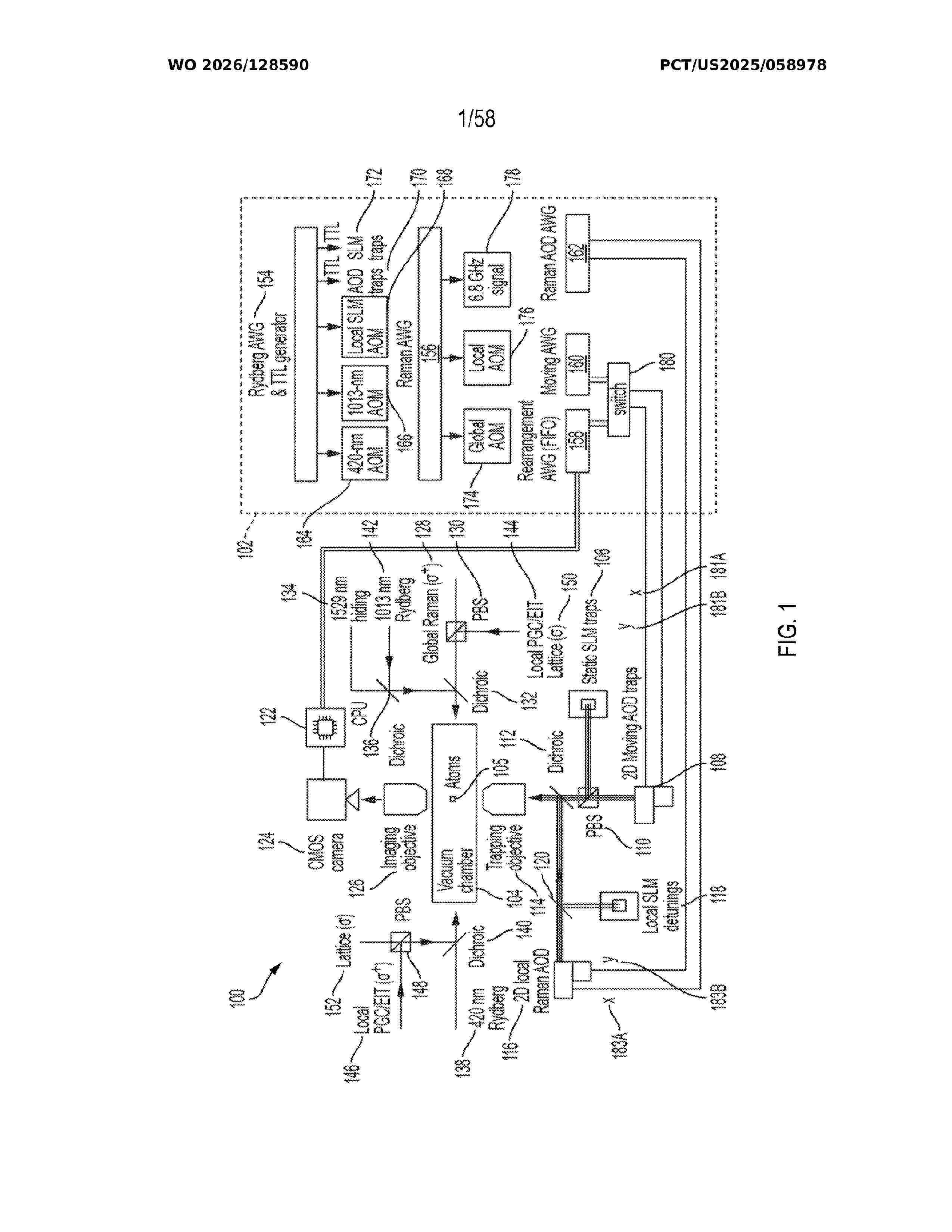
Provided herein are techniques for developing fault-tolerant quantum computation (FTQC) systems by leveraging quantum error correction (QEC) strategies in a neutral atom quantum information processing system. Techniques describe herein leverage error correction methods to correct errors and replenish lost qubits during operation of the quantum computer. To implement such error correction strategies, the quantum information processing system described herein uses a combination of various syndrome extraction (SE) methods and selective-state readout (SSR). These SE methods enable high-fidelity quantum computing with reduced computational overhead.
Nº publicación: US20260172051A1 18/06/2026
Solicitante:
INT BUSINESS MACHINES CORPORATION [US]
International Business Machines Corporation
Resumen de: US20260172051A1
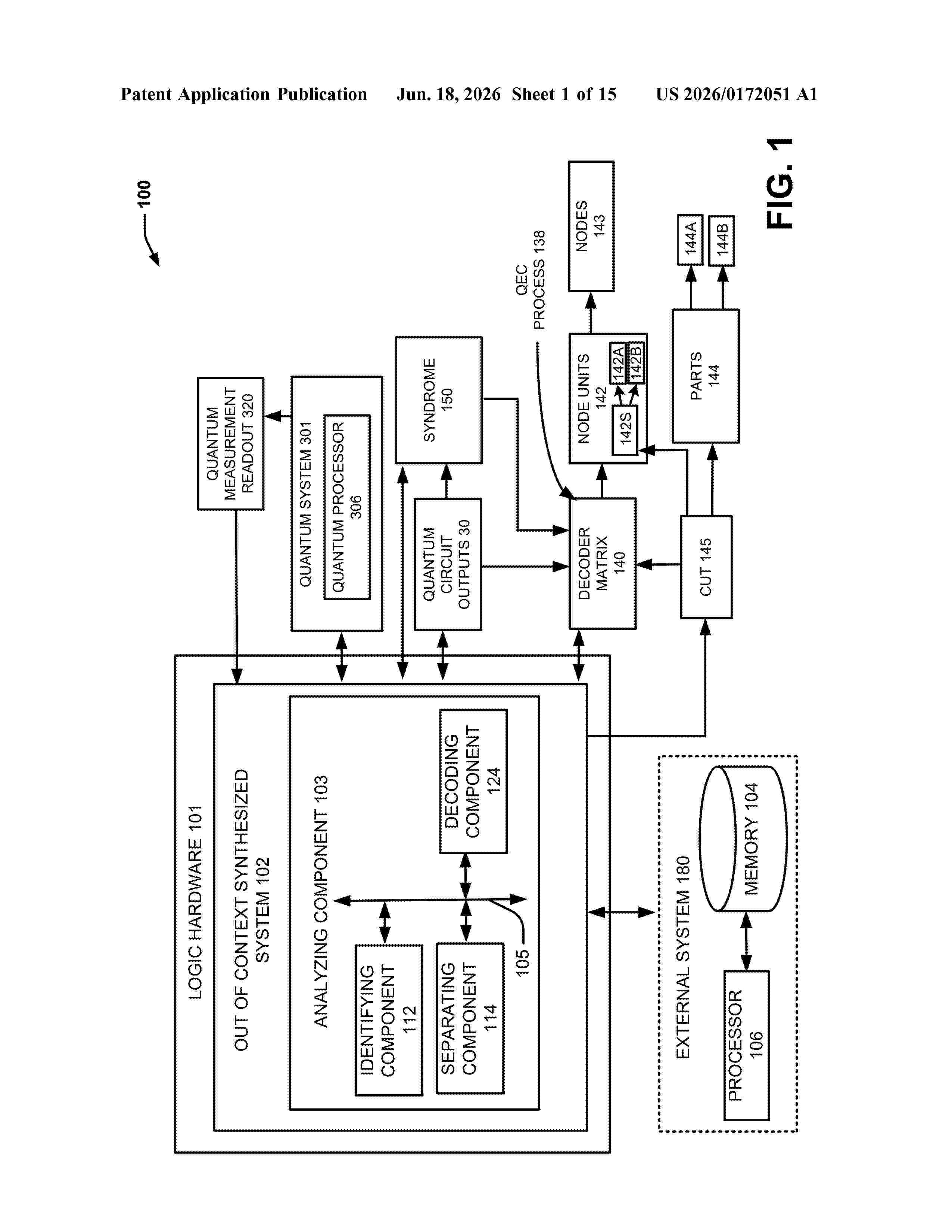
A system comprises a separating component that separates a decoder matrix, representing node units of a quantum error correction process, into a first part and a second part, by executing a cut through a selected node unit, of the node units, and a decoding component that decodes a syndrome, of the quantum error correction process, by directing evaluation of the syndrome by the first part independent from evaluation of the syndrome by the second part.
 BOPI
BOPI
 Sede Electrónica