Si deseas distinguir tus productos, servicios o ambos de los de otra empresa, es posible que necesites una marca o nombre comercial. Descubre qué son, en qué consiste su procedimiento de registro y qué implica.

Información sobre los plazos de presentación de solicitudes de transformación de marcas de la Unión Europea en marca nacional española. Más información


Si tienes un nuevo dispositivo, producto o procedimiento que resuelva un problema técnico o tenga una ventaja práctica, existen distintas formas de protegerlo en España y en otros países. Descubre cómo hacerlo.

¿Tu innovación reside en la estética, la ornamentación o la apariencia de tu producto? Protégela mediante un diseño industrial. Descubre qué derechos confiere el registro y cómo realizar la tramitación.

Las indicaciones geográficas protegen el nombre de un producto originario de una zona geográfica, a la cual le debe una determinada calidad, reputación u otra característica. Descubre qué son, en qué consiste su procedimiento de registro y qué beneficios conceden.

Las patentes publicadas en todo el mundo son una valiosa fuente de información científica, técnica y comercial.

Si eres emprendedor/a o una empresa y quieres potenciar y mejorar la rentabilidad de tu negocio protegiendo de forma adecuada los activos intangibles de tu organización, en este espacio encontrarás lo necesario.


 60
resultados
60
resultados
 Última actualización
22/10/2026 [11:16:00]
Última actualización
22/10/2026 [11:16:00]


 Resultados 50 a 60 de 60
Resumen de: CN122844983A
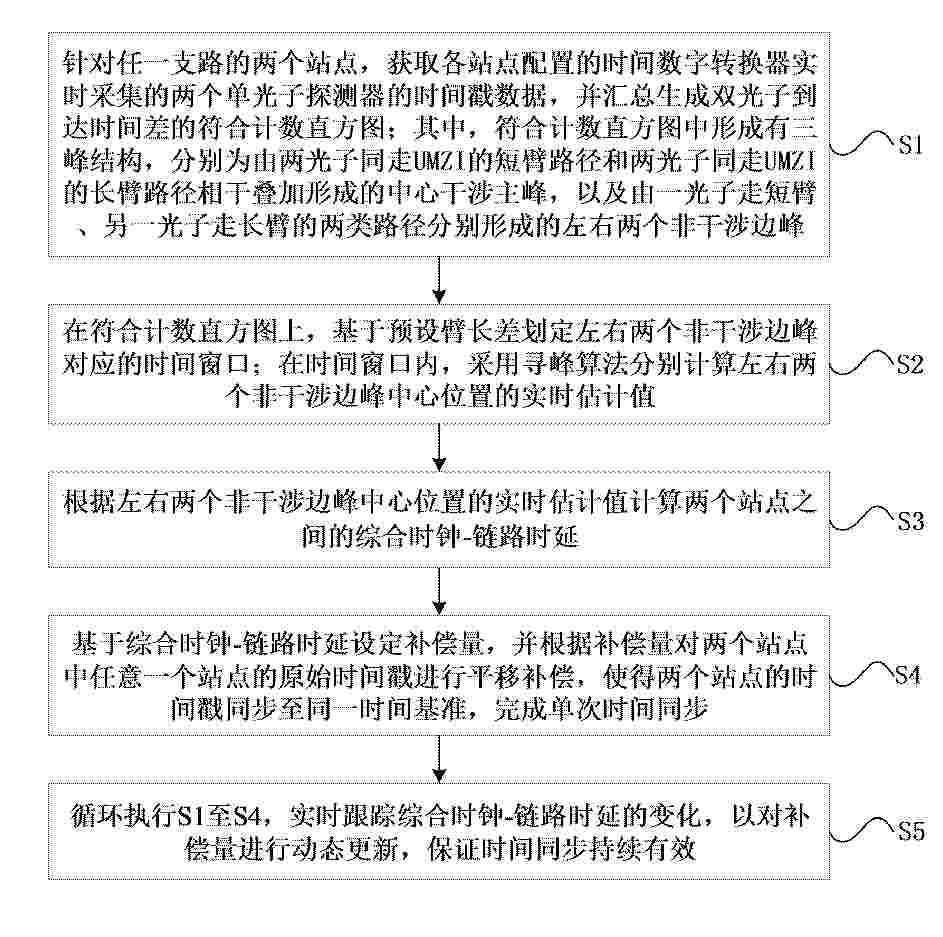
本发明公开了一种用于纠缠分发网络的自参考时间同步方法及系统,涉及量子通信技术领域;该方法包括:针对网络中配对形成Franson干涉测量支路的两个站点,获取两个单光子探测器的实时时间戳数据,汇总生成双光子到达时间差的符合计数直方图;基于预设臂长差时延划定左右边峰对应的时间窗口,计算左右边峰中心位置的实时估计值和两个站点之间的综合时钟‑链路时延;基于综合时钟‑链路时延对任意一个站点的原始时间戳进行平移补偿,完成单次时间同步;循环执行上述流程,实时跟踪综合时钟‑链路时延的变化,保证时间同步持续有效。该方法在不引入经典噪声、不额外占用光纤信道资源的条件下,实现了量子纠缠分发网络的高精度时间同步。

Resumen de: CN122824370A
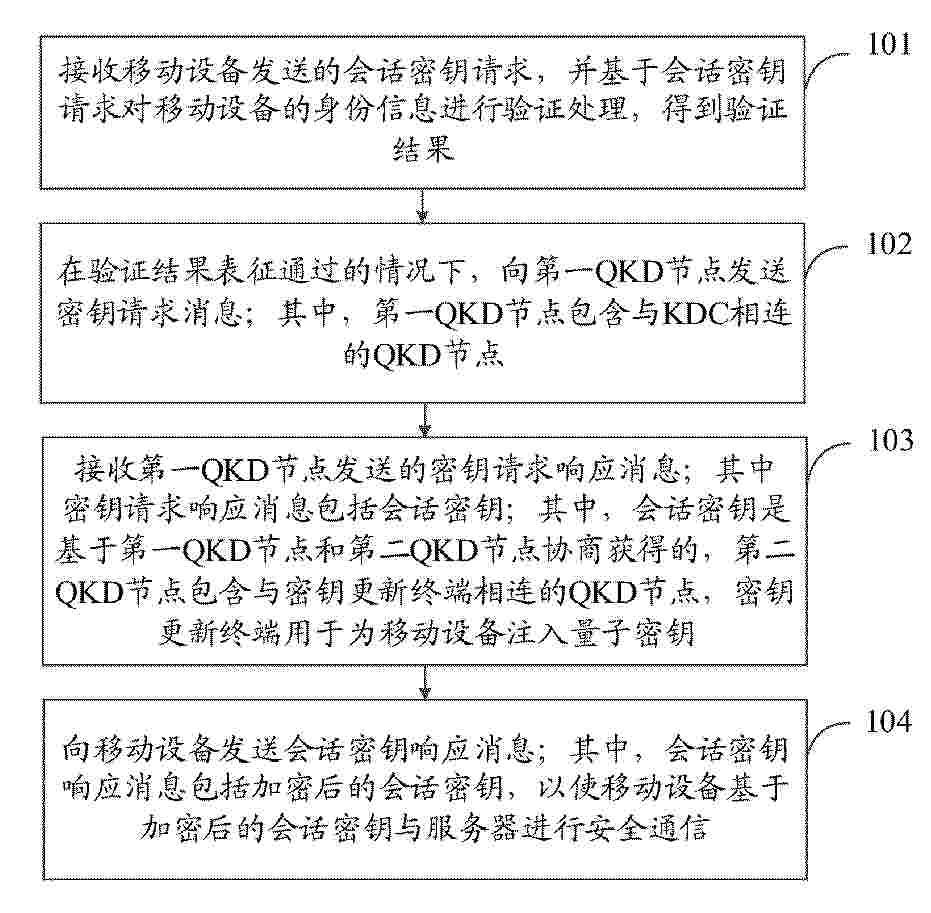
本申请实施例提供了一种量子密钥传递方法、相关设备、存储介质及计算机程序产品,该方法应用于密钥分发中心(Key Distribution Center,KDC),该方法包括:KDC接收移动设备发送的会话密钥请求,并基于会话密钥请求对移动设备的身份信息进行验证处理,得到验证结果;在验证结果表征通过的情况下,向第一量子密钥分发(Quantum Key Distribution,QKD)节点发送密钥请求消息;其中,第一QKD节点包含与KDC相连的QKD节点;接收第一QKD节点发送的密钥请求响应消息;其中,密钥请求响应消息包括会话密钥;向移动设备发送会话密钥响应消息;其中,会话密钥响应消息包括加密后的会话密钥,以使移动设备基于加密后的会话密钥与服务器进行安全通信。
Resumen de: CN122824383A
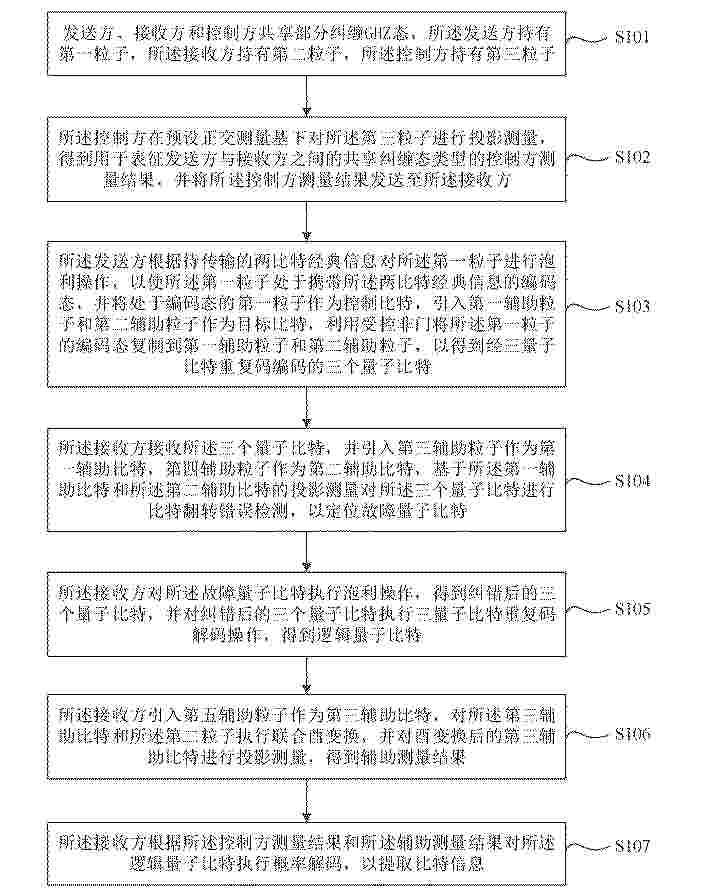
本申请是关于一种基于辅助粒子和部分纠缠态的概率受控密集编码纠错方法,该方法包括:通信三方共享部分纠缠GHZ态;控制方对第三粒子进行投影测量,得到控制方测量结果;发送方根据两比特经典信息对第一粒子进行泡利操作,利用受控非门将第一粒子的编码态复制到第一辅助粒子和第二辅助粒子,得到三个量子比特;接收方对三个量子比特进行错误检测,并对纠错后的三个量子比特执行解码操作,得到逻辑量子比特;对第三辅助比特和第二粒子执行联合酉变换,并对酉变换后的第三辅助比特进行投影测量,得到辅助测量结果;根据控制方测量结果和辅助测量结果对逻辑量子比特执行概率解码,以提取比特信息。本申请实现了部分纠缠态下的比特信息提取。
Resumen de: CN122824387A
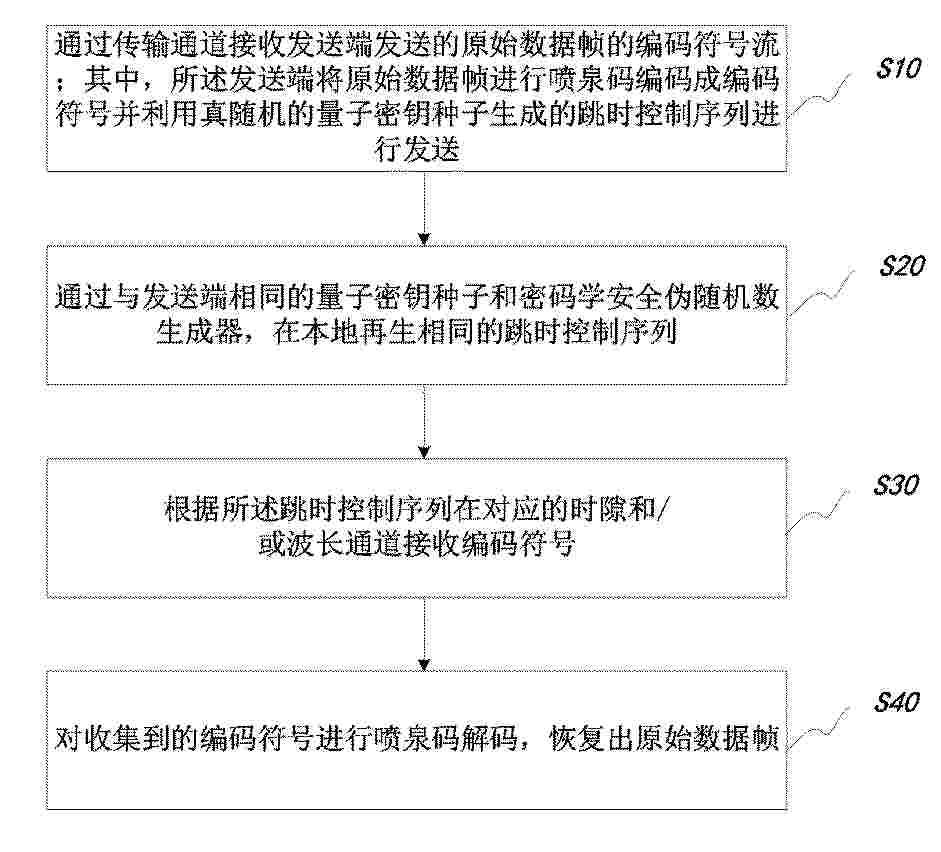
本申请涉及一种基于量子密钥种子的数据传输方法、通信系统及存储介质,所述方法包括:发送端将原始数据帧进行喷泉码编码成编码符号并利用真随机的量子密钥种子生成的跳时控制序列进行发送至接收端,接收端通过传输通道接收编码符号流,通过与发送端相同的量子密钥种子和密码学安全伪随机数生成器,在本地再生相同的跳时控制序列;根据跳时控制序列在对应的时隙和/或波长通道接收编码符号;对收集到的编码符号进行喷泉码解码,恢复出原始数据帧;该技术方案,避免了量子密钥速率与数据速率的“剪刀差”缺陷,满足实时通信需求,并且量子密钥种子驱动的跳时图案生成,使得安全性同时建立在量子随机性和时间不确定性两个维度上,提升了数据通信的安全性。
Resumen de: US20260291620A1
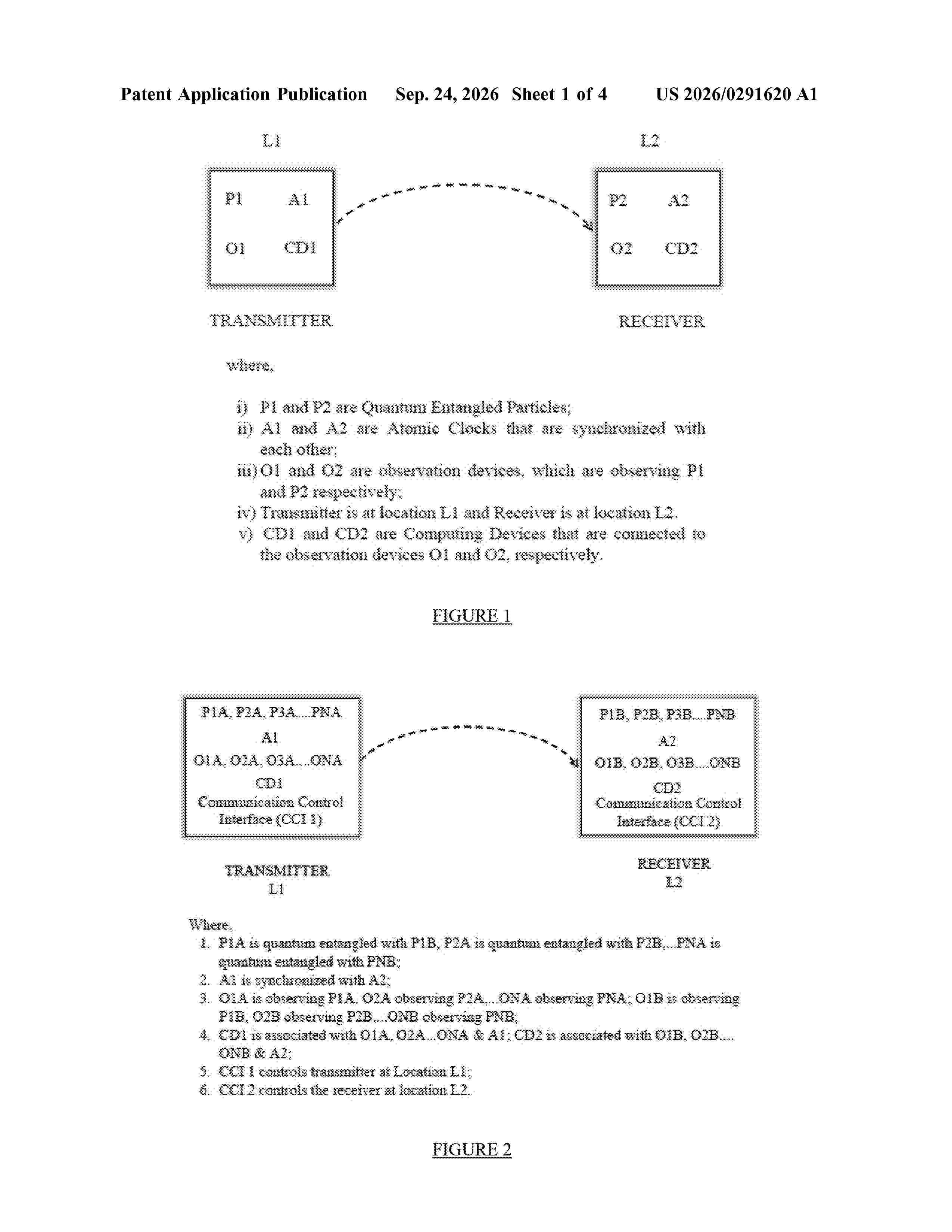
The present invention describes a system and technique that utilizes Quantum Entanglement to enable completely secure communication that occurs at a speed faster than light. Based on this invention, the entanglement of particles can be exploited to transmit information instantaneously, i.e. at a speed faster than light, across large distances, with no scope of any unwanted interference or illegal intervention of any nature whatsoever.
Resumen de: US20260287687A1
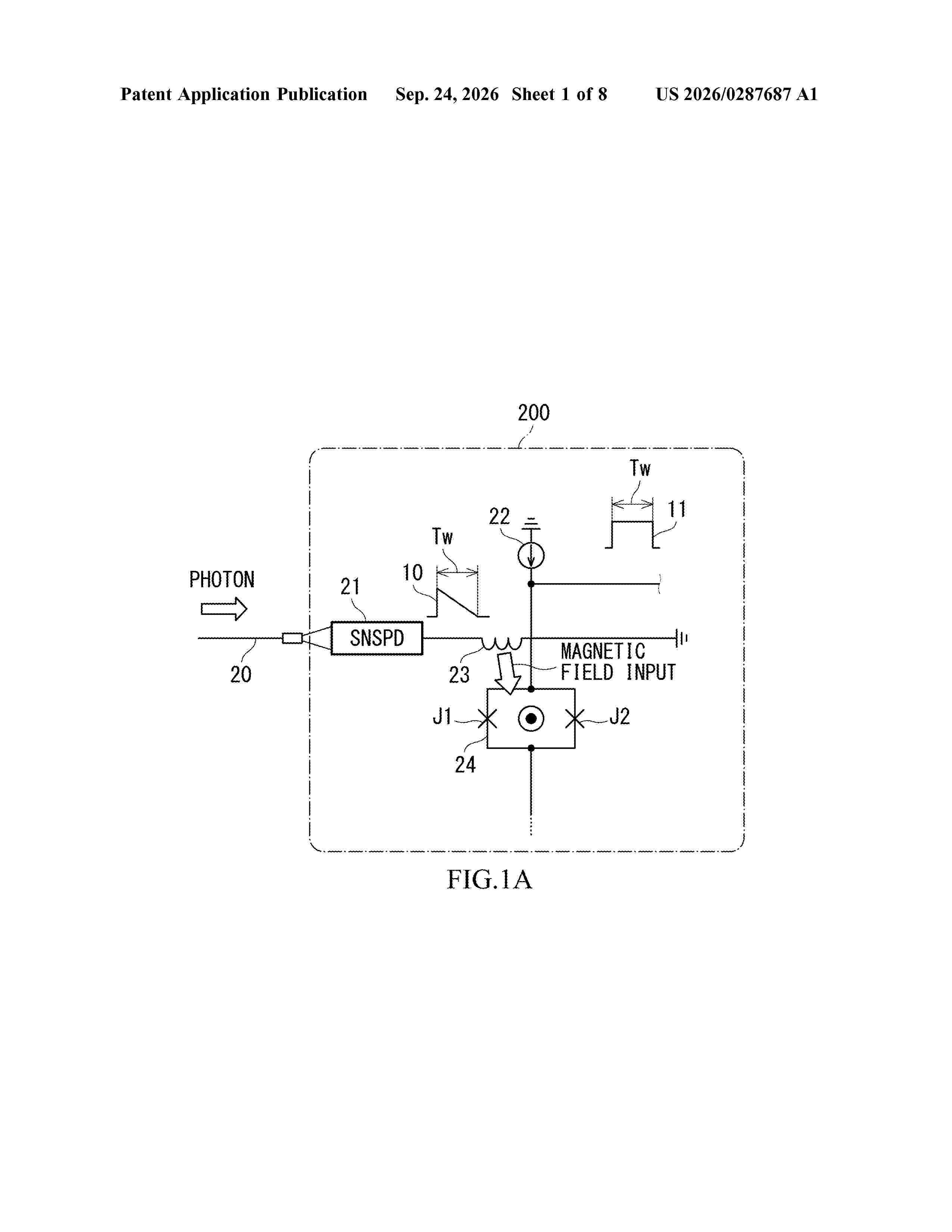
0000 A signal processing circuit includes: a first transmission line through which a pulse signal is transmitted; a SQUID including two magnetic field receivers that are magnetically coupled to the first transmission line in response to transmission of the pulse signal through the first transmission line; a second transmission line connected to a current source and the SQUID; and a delay circuit, disposed in the first transmission line to delay the pulse signal, located between respective parts of the first transmission line that are magnetically coupled to each magnetic field receiver. The delay time set for the pulse signal is shorter than the sum of the rise time and the fall time of the pulse signal. Magnetic fields input to the two magnetic field receivers are oriented in opposite directions such that a voltage signal transmitted through the second transmission line has a pulse width equal to the delay time.
Resumen de: WO2026194019A1
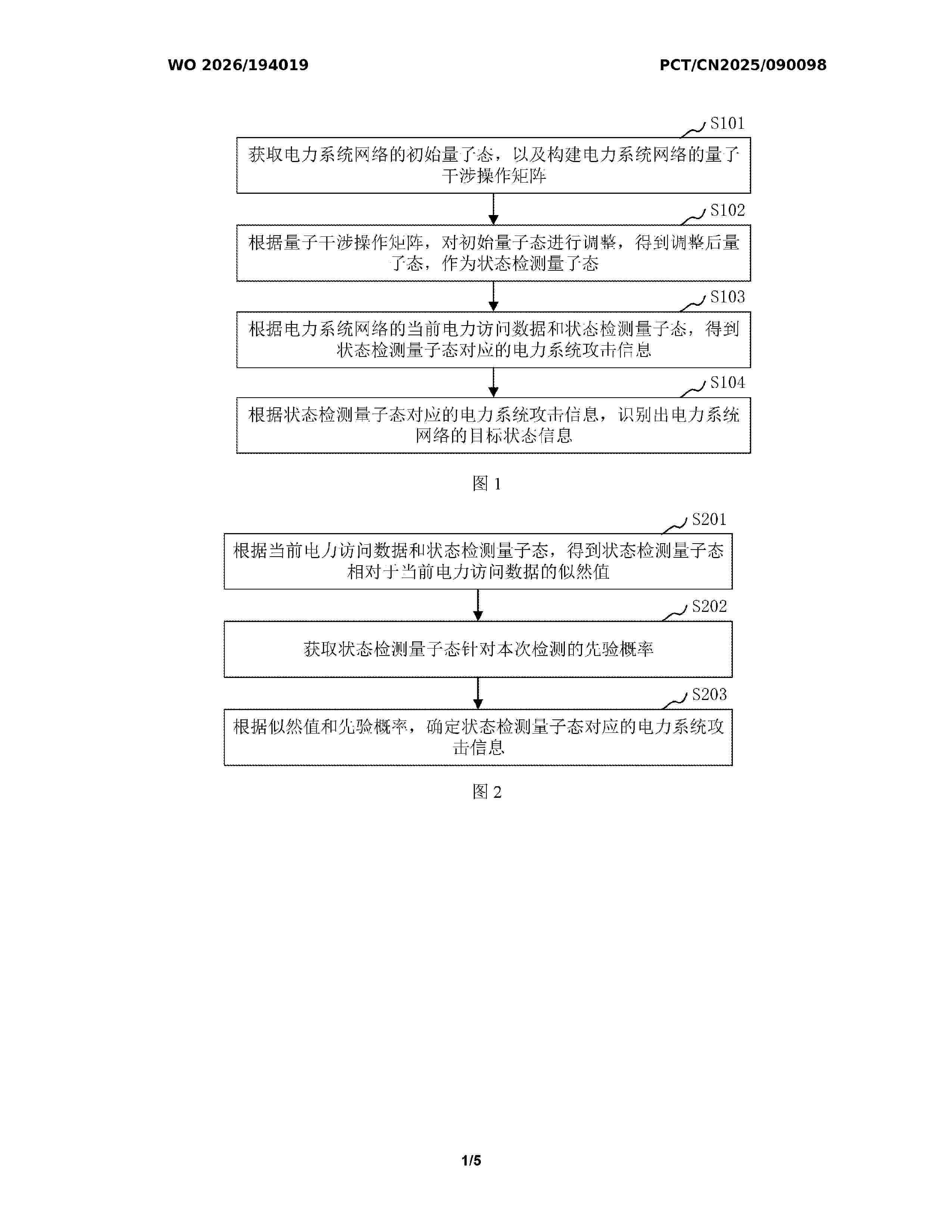
The present application relates to a power system network attack detection method and apparatus based on quantum decision information, a computer device, a computer-readable storage medium, and a computer program product. The method comprises: acquiring an initial quantum state of a power system network, and constructing a quantum interference operation matrix of the power system network (S101); on the basis of the quantum interference operation matrix, adjusting the initial quantum state to obtain an adjusted quantum state as a state detection quantum state (S102), the state detection quantum state comprising a normal-state quantum state and an attack-state quantum state; on the basis of current power access data of the power system network and the state detection quantum state, obtaining power system attack information corresponding to the state detection quantum state (S103); and on the basis of the power system attack information corresponding to the state detection quantum state, identifying target state information of the power system network, the target state information comprising normal-state information or attack-state information (S104).
Resumen de: DE102025111233A1
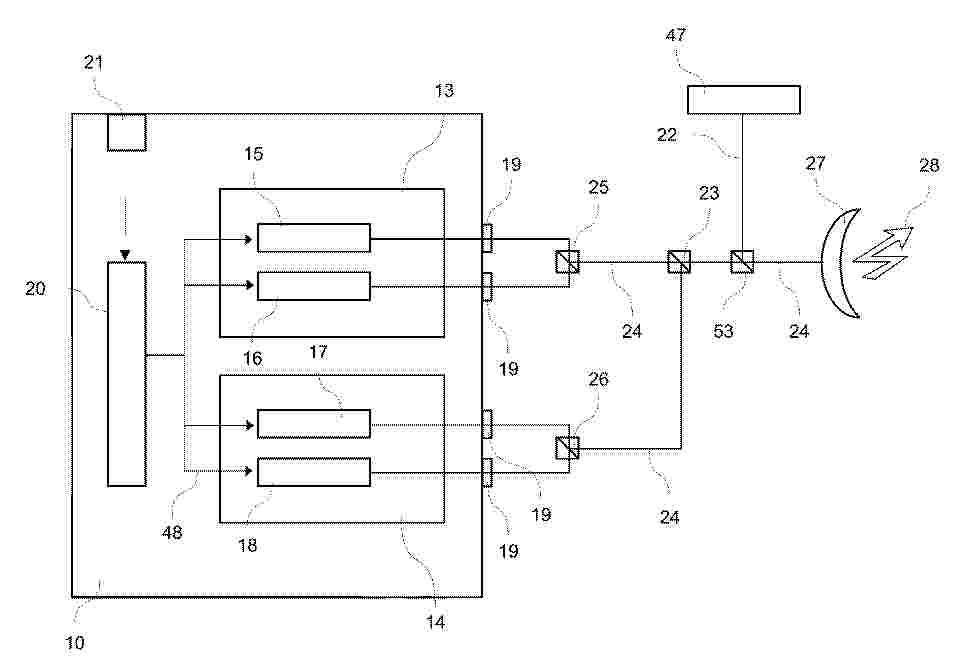
Die Erfindung schafft ein System und ein Verfahren zur Zeit- und Polarisationssynchronisierung von optischen Signalen zur Quantenkommunikation, das besonders sicher, zuverlässig sowie effizient ist. Das wird dadurch erreicht, dass ein System zur gleichzeitigen Zeit- und Polarisationssynchronisierung von optischen Signalen zur Quantenkommunikation einer Sendeeinheit (10) und einer Empfängereinheit (11) aufweist. Die Sendeeinheit (10) weist zwei oder drei, vorzugsweise vier, Laser (15 - 18) auf, durch welche die polarisierten Synchronsignale (24) mit mindestens zwei unterschiedlichen Frequenzanteilen erzeugbar sind. Außerdem weist das System einen Transmitter (27) zum Senden der Synchronsignale (24) auf, wobei die einen Receiver (29) aufweisende Empfangseinheit (11) einen Polarisations-Manipulator (31) zur Polarisationsänderung der empfangenen Signale und mindestens drei Module, nämlich Modul 1 (34), Modul 2 (35) und Modul 3 (36), zur Messung einer Polarisation und einer Zeitbasis der empfangenen Synchronsignale (24) aufweist. Zusammen mit den Synchronsignalen (24) ist ein externes Informationssignal (22) von der Sendeeinheit (10) versendbar und von der Empfängereinheit (11) empfangbar.
Resumen de: EP4811022A1
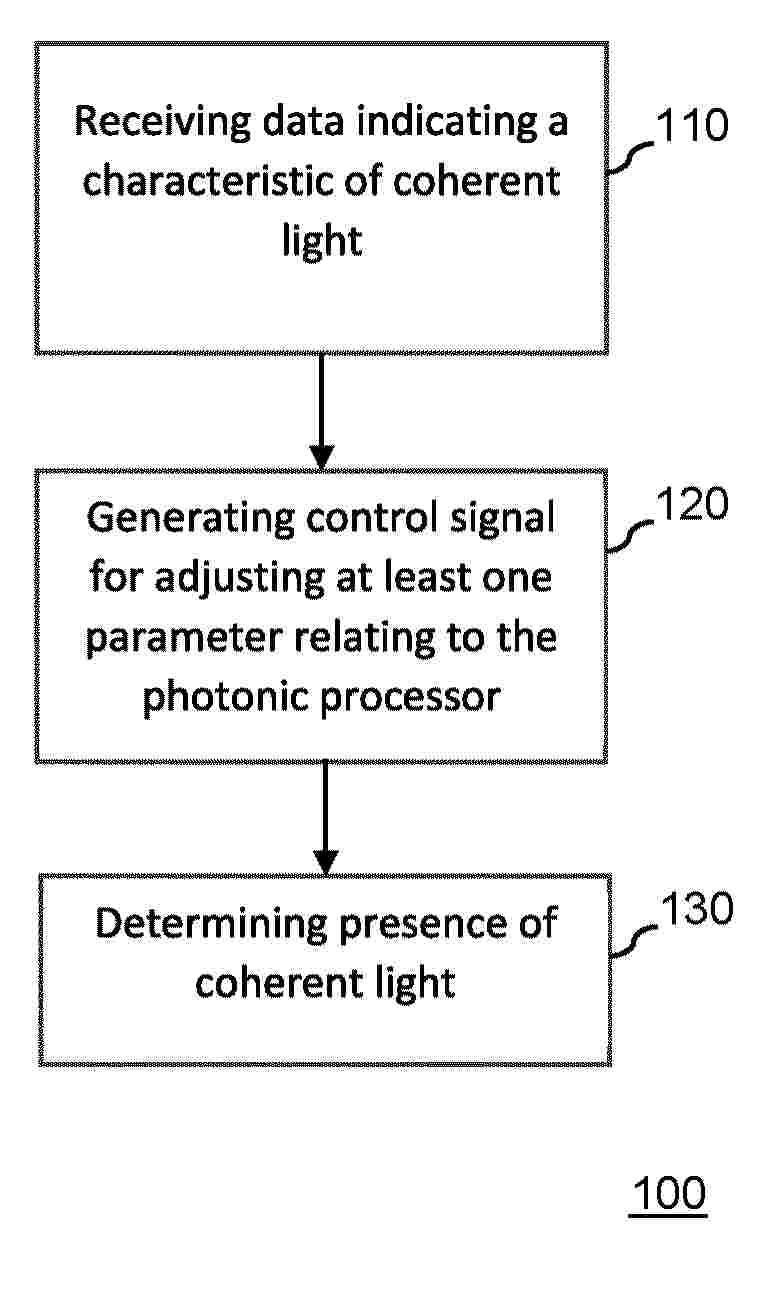
Provided is a method for detecting presence of coherent light using a photonic processor. The method includes receiving data indicating, for an output of the photonic processor, a characteristic of the coherent light, the coherent light entering the photonic processor at at least two inputs. The method further includes generating a control signal for adjusting at least one parameter relating to the photonic processor such that the coherent light of the at least two inputs interferes in a way to increase the characteristic at the output. The method further includes determining the presence of the coherent light based on an analysis of the increased characteristic at the output.
Nº publicación: EP4809663A1 23/09/2026
Solicitante:
PHOTONIC INC [CA]
Photonic Inc.
Resumen de: WO2025125990A1
Methods and apparatus for generating quantum entanglement detect success of entanglement attempts by monitoring output signals from one or more detectors for heralding patterns indicating that a pair of quantum systems is in an entangled quantum state. In response to detecting a heralding pattern that indicates a successful entanglement attempt a low latency signal is output on one or more signal lines; and a higher latency message is transmitted by a messaging interface. The higher latency message contains information that identifies the pair of quantum systems entangled by the successful entanglement attempt. The pair of quantum systems may be inhibited from participating in further entanglement attempts while further entanglement attempts are performed on other pairs of quantum systems.
 BOPI
BOPI
 Sede Electrónica