Si deseas distinguir tus productos, servicios o ambos de los de otra empresa, es posible que necesites una marca o nombre comercial. Descubre qué son, en qué consiste su procedimiento de registro y qué implica.

Información sobre los plazos de presentación de solicitudes de transformación de marcas de la Unión Europea en marca nacional española. Más información


Si tienes un nuevo dispositivo, producto o procedimiento que resuelva un problema técnico o tenga una ventaja práctica, existen distintas formas de protegerlo en España y en otros países. Descubre cómo hacerlo.

¿Tu innovación reside en la estética, la ornamentación o la apariencia de tu producto? Protégela mediante un diseño industrial. Descubre qué derechos confiere el registro y cómo realizar la tramitación.

Las indicaciones geográficas protegen el nombre de un producto originario de una zona geográfica, a la cual le debe una determinada calidad, reputación u otra característica. Descubre qué son, en qué consiste su procedimiento de registro y qué beneficios conceden.

Las patentes publicadas en todo el mundo son una valiosa fuente de información científica, técnica y comercial.

Si eres emprendedor/a o una empresa y quieres potenciar y mejorar la rentabilidad de tu negocio protegiendo de forma adecuada los activos intangibles de tu organización, en este espacio encontrarás lo necesario.


 499
resultados
499
resultados
 Última actualización
24/10/2026 [06:54:00]
Última actualización
24/10/2026 [06:54:00]


 Resultados 125 a 150 de 499

Resumen de: CN122950528A
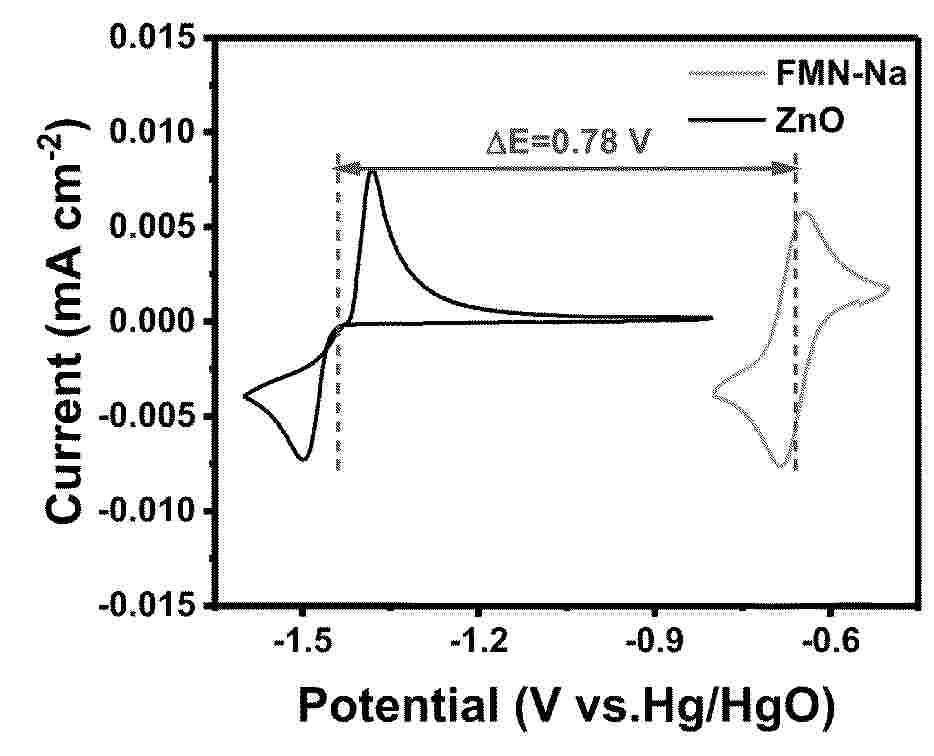
本发明公开了一种应用于锌基液流电池的电位响应双功能添加剂、负极电解液及电池运行方法,属于锌基液流电池技术领域。本发明的应用于锌基液流电池的电位响应双功能添加剂为核黄素‑5′‑磷酸钠(FMN),添加于碱性锌基液流电池的负极电解液中。本发明将FMN用作负极电解液添加剂。FMN随充放电电位可逆切换氧化还原态:充电时形成的还原态FMN与锌酸根再配位并调控锌沉积,放电时形成的氧化态FMN将失活锌氧化为可溶性锌酸根,从而减少失活锌形成并促进已形成失活锌重新进入电池循环,提高高面容量下的循环稳定性。

Resumen de: CN122939441A
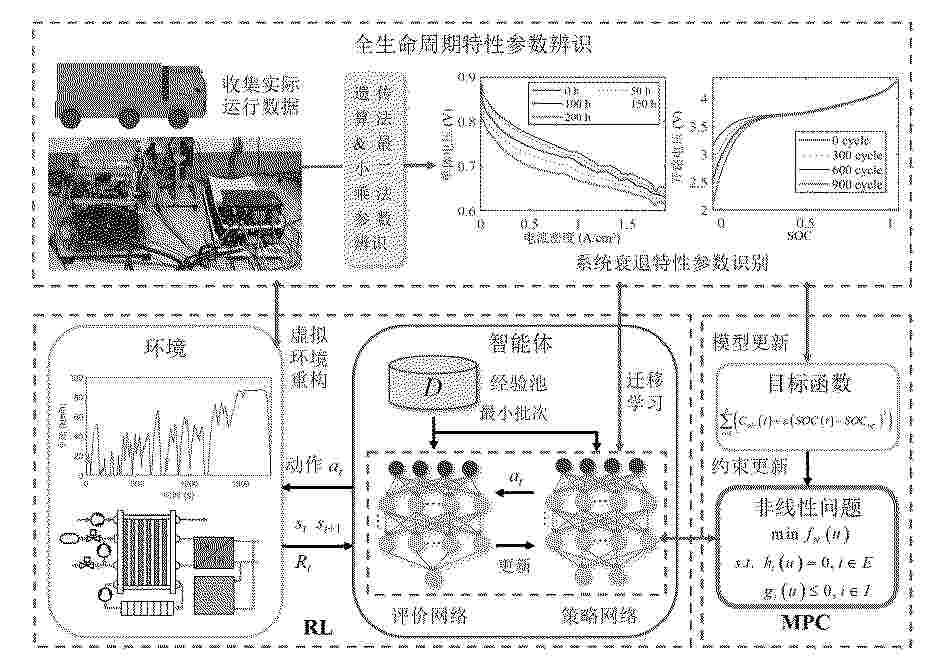
本发明公开了面向全生命周期燃料电池重卡自调节能量管理方法及系统,涉及燃料电池能量管理技术领域,方法包括:构建并训练综合性能量管理模型,通过系统特性辨识模块拟合全生命周期效率曲线与开路电压特性曲线,经强化学习决策模块采用近端策略优化算法离线训练并迁移得到迁移近端策略网络,再由滚动优化修正模块以非线性模型预测控制进行约束优化,生成能量控制指令;最终实时采集车辆运行数据输入模型,实现燃料电池与动力电池间功率分配的自适应调节。本发明通过构建包括系统特性辨识、强化学习决策和滚动优化修正的综合性能量管理模型,实现全生命周期内燃料电池与动力电池功率分配的自适应调节。
Resumen de: CN122950524A
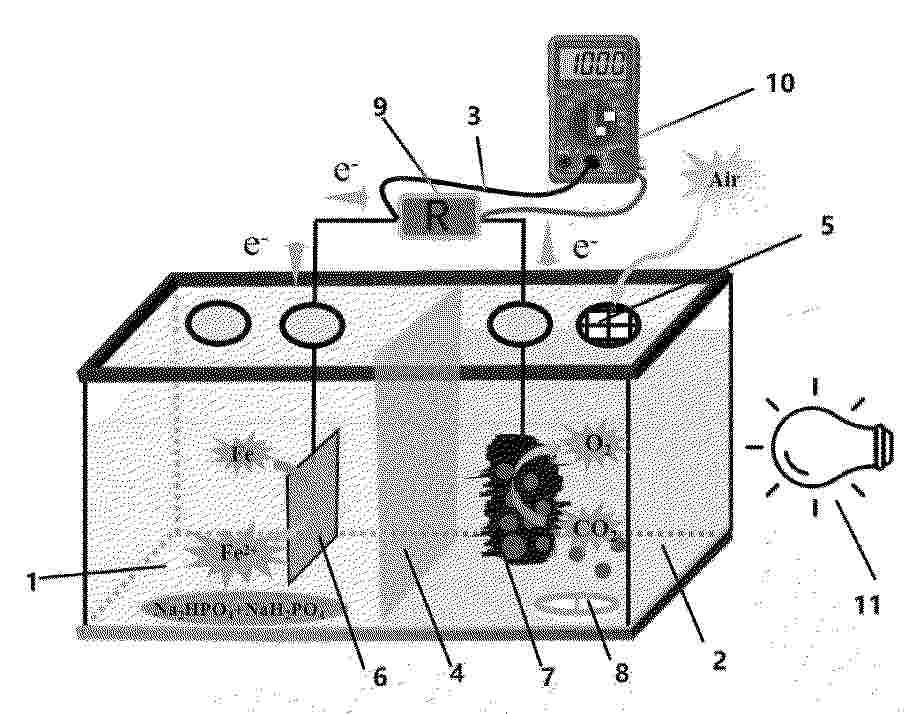
本发明公开了一种集成蓝铁石回收、产电及藻资源回收的双室铁藻燃料电池,属于燃料电池资源回收和微藻生物技术领域。本发明通过采用质子交换膜将电池分隔为相互独立的阳极室与阴极室,阳极室内置铁阳极及含磷废水,阴极室内置阴极电极及微藻溶液。本发明无需在阴极负载贵金属催化剂,微藻仅依靠空气带入阴极室的二氧化碳即可生存,亦无需在阳极接种功能细菌进行挂膜,在室温条件下即可实现运行,不仅可将化学能转化为电能,更能定向在阳极回收蓝铁石,兼具环境友好、启动快速及资源定向回收的优势,为磷资源回收与绿色产电融合提供了新方案,具有重要的推广应用价值。
Resumen de: CN122950530A
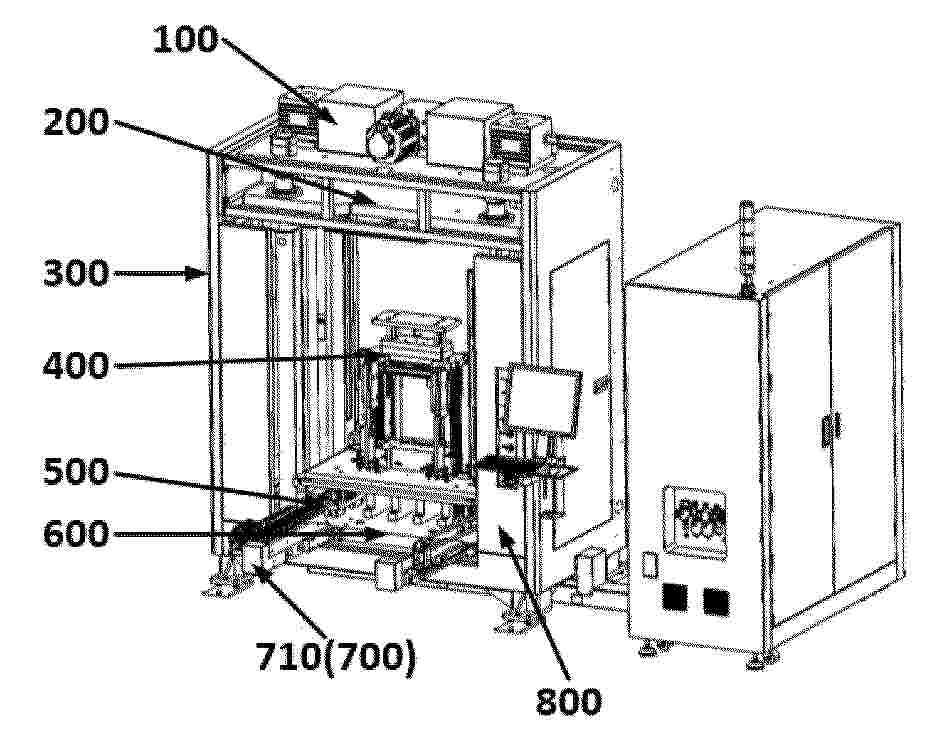
本发明涉及一种燃料电池双丝杆进出式压机,燃料电池双丝杆进出式压机包括:机架系统;进出平台系统,其设置于所述机架系统的前部,用于承载治具并实现治具及电堆的进出输送;双丝杆驱动系统;压板系统,其与所述双丝杆驱动系统连接,用于对电堆施加压力;顶升机构,其设置于所述进出平台系统的上方,用于在进料完成后托举或放下治具;独立垫板系统,其固定设置于压机工作位,用于在压装时直接承载治具并独立承受压装反力。本发明消除了机架弹性变形对压装精度的影响,同时无需为提高机架刚度而大幅增加设备截面尺寸,实现了设备轻量化和成本降低。
Resumen de: CN122950527A
本发明公开了一种低钒掺杂钛基液流电池负极电解液及其制备方法和液流电池,属于液流电池技术领域。本发明以硫酸水溶液为基底溶剂,以钛离子为主电活性组分,采用低钒掺杂改性,辅以络合复合稳定体系,提供了一种低钒掺杂钛基液流电池负极电解液及其制备方法和液流电池,其控制钛离子摩尔浓度0.5~0.8mol/L,钒离子掺杂摩尔浓度0.15~0.35mol/L,且钒钛摩尔比为0.2~0.4:1,加入氨基三亚甲基膦酸与葡萄糖酸钠的复合稳定剂,同步抑制钛水解与低价离子氧化,大幅减少钒用量,提升了钛基负极电解液的输出电位、电化学动力学性能与循环寿命。
Resumen de: CN122950503A
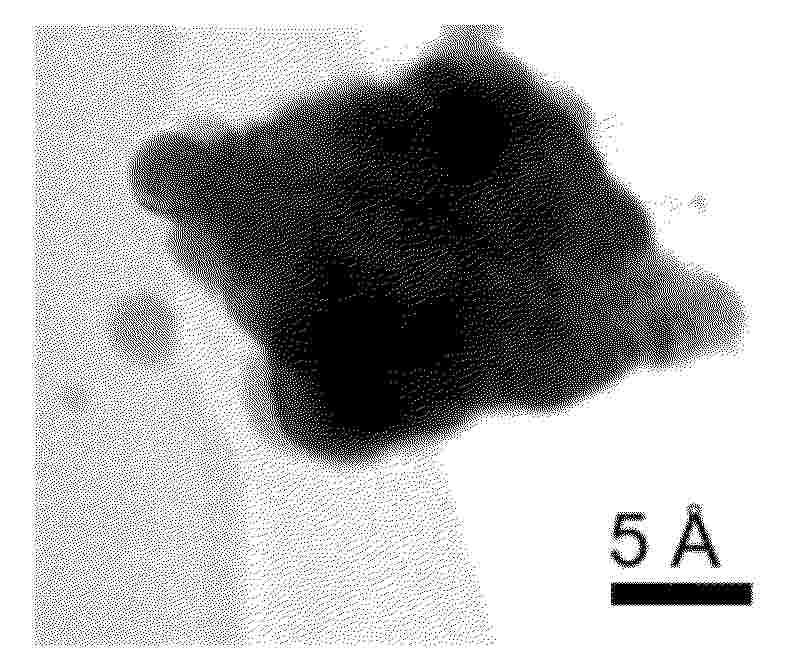
一种基于火焰喷雾热解技术的负极侧沉积析氢抑制团簇的钒电池改性电极、制备方法及应用,属于钒电池电极材料改性技术领域。本发明采用火焰喷雾热解技术在碳基电极负极侧沉积尺寸为1nm~5nm的亚纳米团簇,利用团簇的尺寸效应和电子结构调控,实现析氢反应的有效抑制,同时保持对V3+/V2+反应的高催化活性。本发明电极表面负载物呈均匀分散的团簇状,在碳基底上实现亚纳米尺度团簇的可控制备,实现了团簇的高效、连续化制备,工艺简单、能耗低、易于规模化,同时实现了氢吸附自由能的优化调控,为不同应用场景提供定制化解决方案。
Resumen de: WO2025170516A1
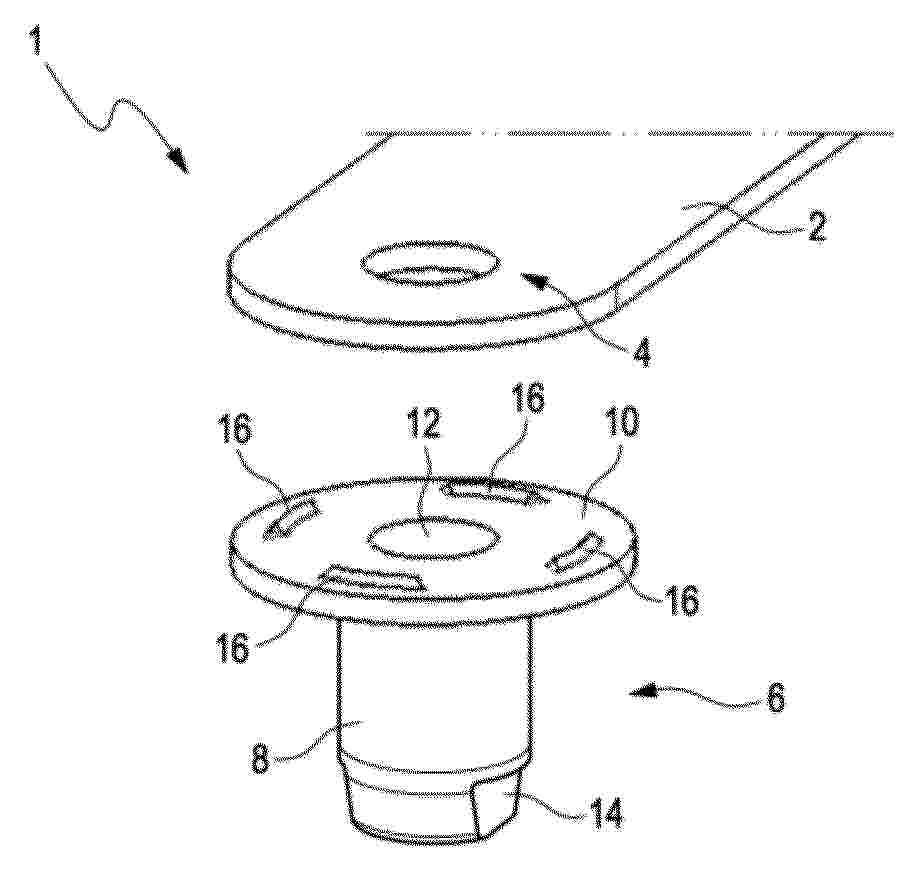
A clamping band (1) for maintaining a compression of an electrical stack assembly, particularly fuel cell stack assembly, comprising at least an elongated band element (2) having a first end (4) and a second end, and at least one fastening element (6), wherein the at least one fastening element (6) includes at least one bolt portion (8) configured to be attachable to a part of the electrical stack assembly (2), wherein the fastening element (6) comprises at least one marker (14) that marks a position and/or an orientation of the fastening element (6).
Resumen de: WO2025160627A1
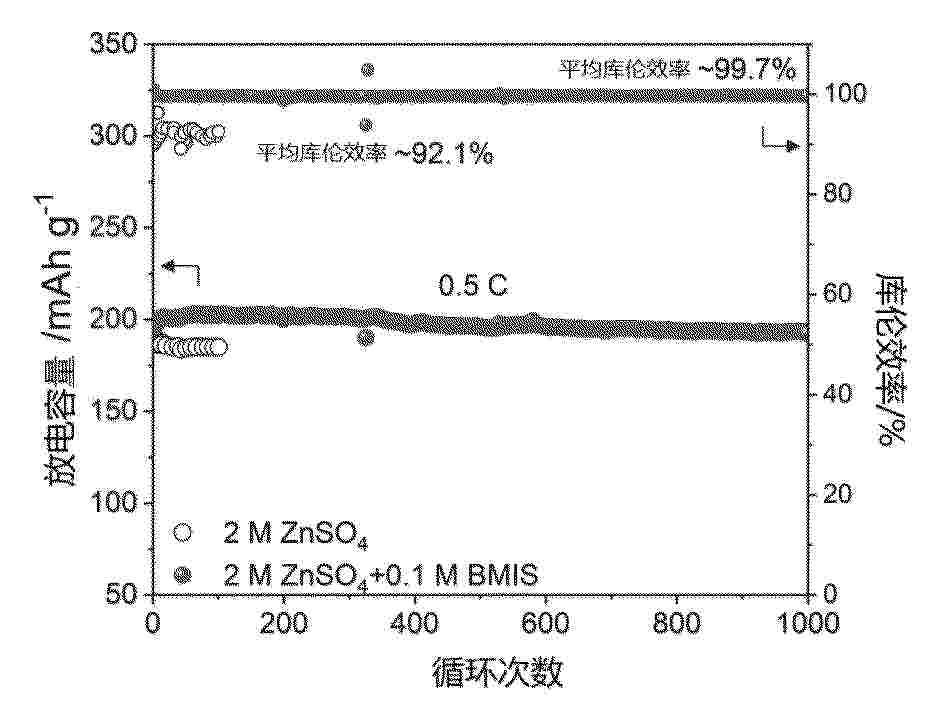
The disclosure relates to an ionic liquid additive that is useful in an electrolyte solution for an electrochemical device. The ionic liquid additive is capable of interacting with polyiodide and/or polybromide species to mitigate shuttle effect for the electrochemical device and stabilise the positive electrode and the negative electrode of the electrochemical device.
Resumen de: WO2025202152A1
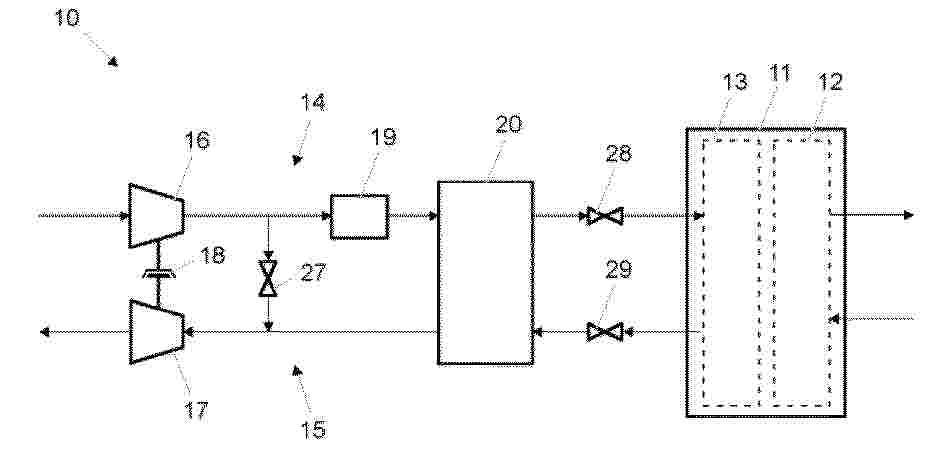
According to the invention, the technology disclosed here relates to a fuel cell system (10) having a fuel cell (11) with an anode (12) and a cathode (13), a cathode inlet path (14) for conducting cathode gas into the cathode (13), a cathode outlet path (15) for conducting process gas from the cathode (13) into the surroundings of the fuel cell system (10), wherein a compressor (16) for compressing the cathode gas is arranged in the cathode inlet path (14), wherein a turbine (17) which can be driven by process gas is arranged in the cathode outlet path (15), and an overload clutch (18) for overload-controlled torque transmission is arranged between the compressor (16) and the turbine (17). The technology according to the invention also relates to a vehicle (100) having the fuel cell system (10).
Resumen de: WO2025205748A1
The present invention addresses the problem of providing a conductive porous base material having high water repellency without containing fluorine. The present invention is a conductive porous base material containing carbon fibers, wherein a resin containing nanocarbon aggregates is supported on the carbon fibers, the sliding angle is 2° to 60° inclusive, and the mass ratio F/C of the fluorine content to the carbon content is 0.01 or less.
Resumen de: WO2025198250A1
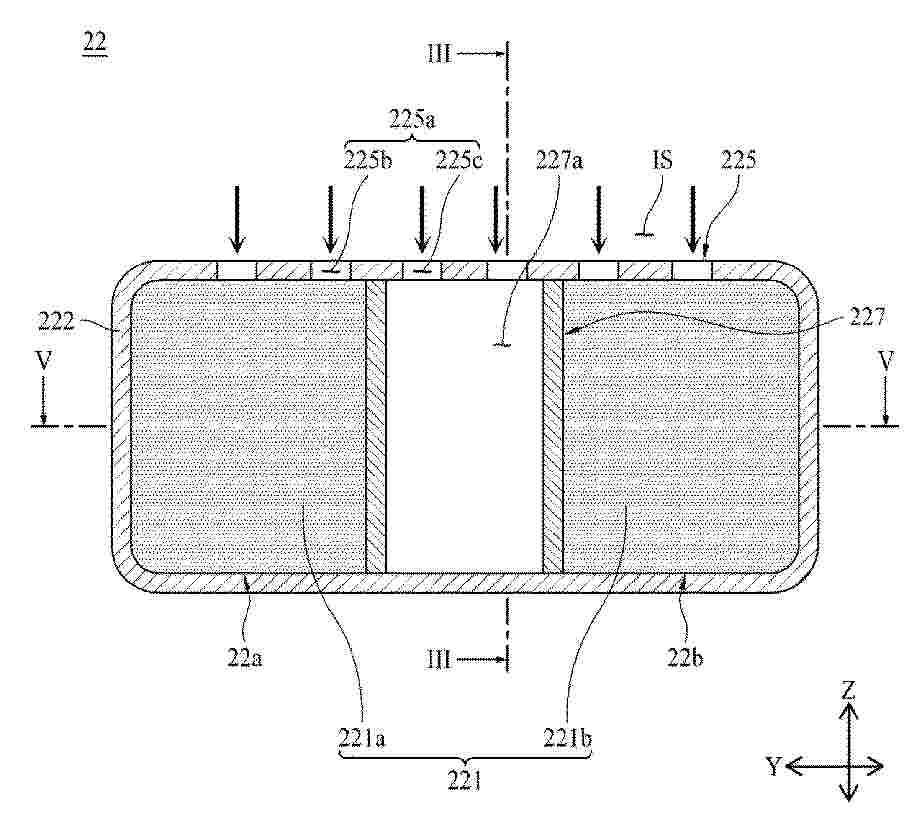
The present invention relates to a humidifier for a fuel cell, the humidifier comprising: a humidification module; a first cap coupled to one end of the humidification module; and a second cap coupled to the other end of the humidification module, wherein the humidification module includes a mid-case, at least one cartridge, and a partition part dividing the interior of the mid-case into an inflow space and an outflow space, the cartridge includes an inner case, a compartment part, and a plurality of hollow fiber membrane bundles received in each of multiple sub-cartridges, and the compartment part includes differential pressure reduction holes in communication with the inflow space and the outflow space.
Resumen de: WO2025189395A1
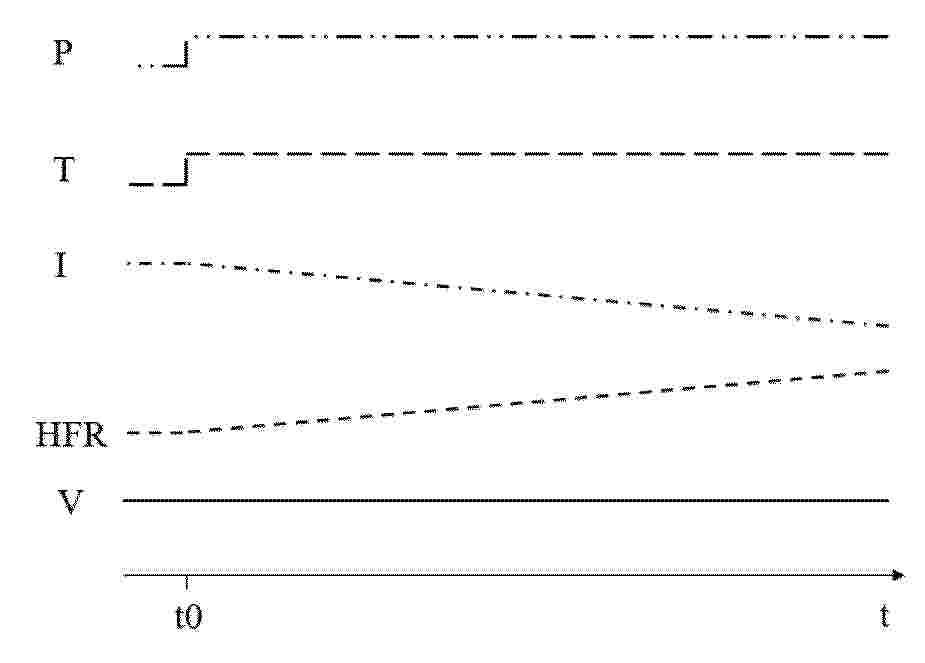
The present disclosure relates to a shutdown control method for a fuel cell, wherein the shutdown control method at least comprises the following steps: after obtaining a shutdown instruction for the fuel cell, purging the fuel cell with a purge gas; applying a test current to the fuel cell, detecting an output voltage of the fuel cell, and calculating a high-frequency resistance of the fuel cell based on the test current and the output voltage; adjusting the test current by gradually decreasing it in such a manner that the output voltage is maintained within a preset voltage range, wherein the preset voltage range has a maximum value less than or equal to a voltage threshold; stopping purging when the high-frequency resistance reaches a resistance target value, and finishing shutdown of the fuel cell. As a result, less water is generated through the gradually reduced applied test current during the purging process. The disclosure further relates to a corresponding computer program product, readable medium, a shutdown control device and a fuel cell system. The duration of the shutdown purging process can be shortened and performance degradation of the fuel cell caused by high output voltage can be reliably avoided.
Resumen de: CN122950760A
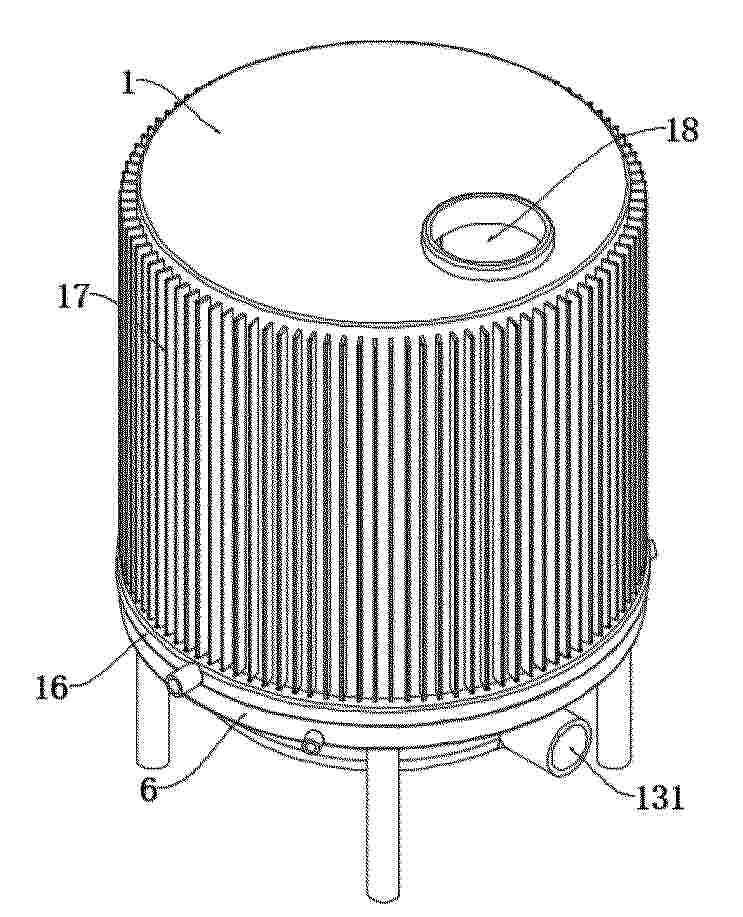
本发明公开了一种铝空气电池电解液循环过滤与热管理集成装置,包括竖向设置的过滤筒,其内部设置有锥形过滤套,所述过滤筒的外壁上设有多条螺旋冷却通道,所述过滤筒的中心设有中空安装轴,所述中空安装轴内部形成冷却液回水通道,所述中空安装轴上固定设置有多个隔板,所述隔板将所述锥形过滤套内侧的原液侧分隔为多个腔室,所述中空安装轴的外部转动套设有驱动套轴,所述驱动套轴上固定设置有转动板,所述转动板与所述隔板交错布置,所述过滤筒的底部位于所述锥形过滤套的正下方下沉延伸有排液腔,所述排液腔底部设置有容积调节机构,所述排液腔的侧面设有排液口,所述过滤筒的底部还设置有排渣机构。
Resumen de: CN122915194A
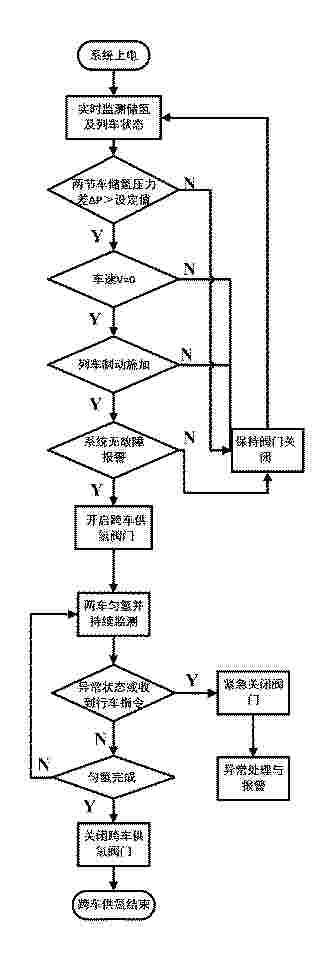
本发明涉及氢能轨道交通车载供氢系统技术领域,本发明提供一种适用于氢能列车的跨车供氢装置及方法,所述氢能列车为多车厢编组结构,各车厢分别独立配置车载储氢系统与燃料电池供氢支路,所述跨车供氢装置安装于相邻两节车厢之间,本发明实现了整车氢能高效利用与续航提升,通过智能化的跨车压力均衡,有效解决了各车储氢量不均衡问题,避免了因单车氢耗尽导致的提前续航终止,使整车储氢容量得到最大化利用,显著提升了氢能高速列车的续航里程和运行经济性。
Resumen de: CN122930945A
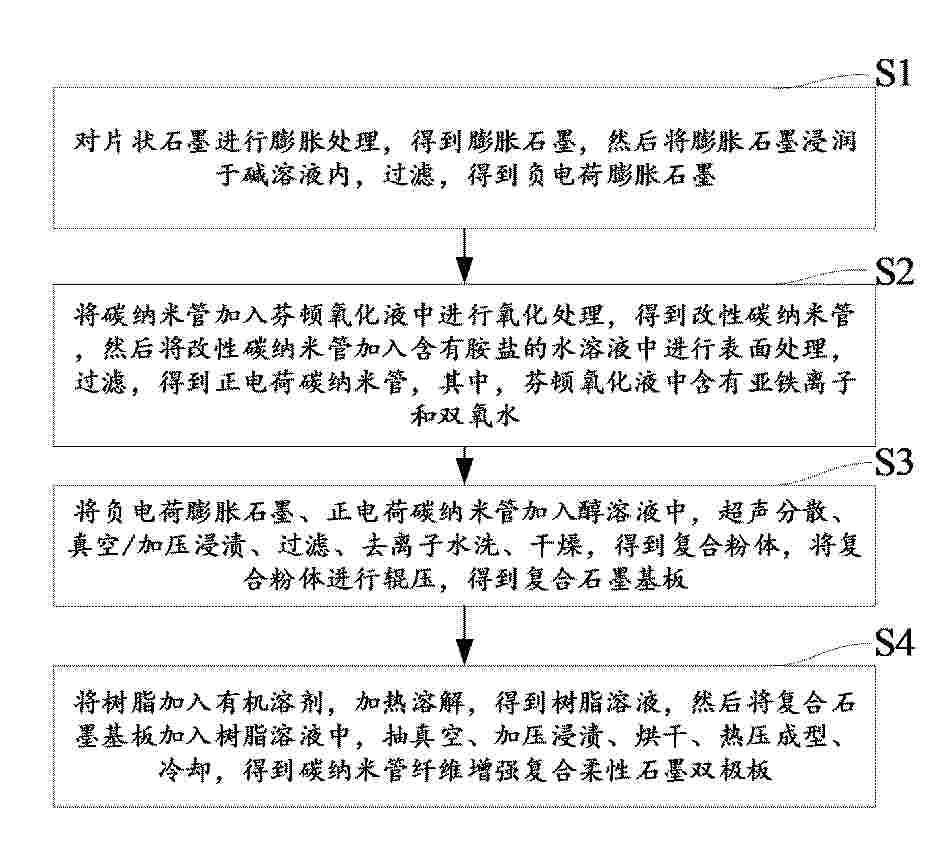
本申请属于燃料电池极板技术领域,公开了一种碳纳米管增强复合柔性石墨极板及其制备方法,该制备方法包括:碱溶液浸润使膨胀石墨表面含氧官能团发生离子化,形成带负电的膨胀石墨;芬顿氧化处理使碳纳米管表面引入羧基、羟基等含氧官能团,并通过胺盐吸附使碳纳米管携带正电;将负电膨胀石墨、正电碳纳米管加入醇溶液中使用真空/加压浸渍的方式得到复合粉体,再将复合粉体进行辊压,得到复合石墨基板;复合石墨基板浸入树脂溶液后经抽真空和加压浸渍的液相浸渍方式渗入石墨基体内部。通过上述方法制得的复合柔性石墨极板,能够有效提升内部碳纳米管以及树脂的分散性,进而提升复合柔性石墨极板的电性能以及力学性能。
Resumen de: CN122930955A
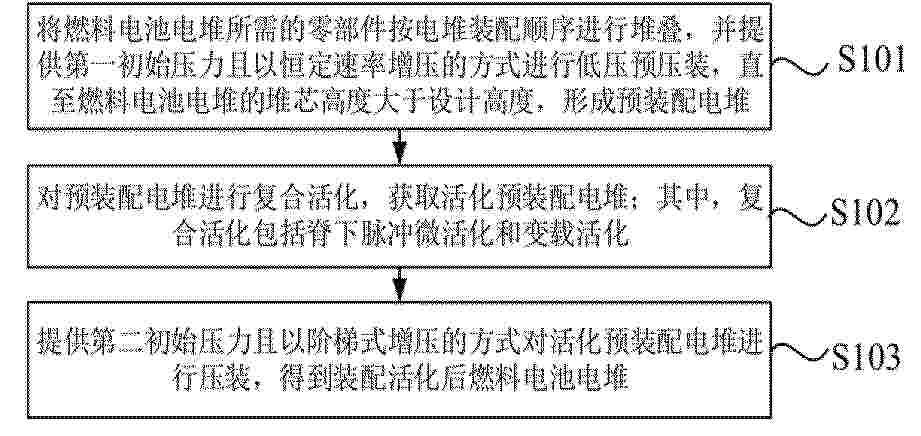
本发明公开了一种装配活化后燃料电池电堆及其装配活化方法、燃料电池。将燃料电池电堆所需的零部件按电堆装配顺序进行堆叠,并提供第一初始压力且以恒定速率增压的方式进行低压预压装,直至燃料电池电堆的堆芯高度大于设计高度,形成预装配电堆;对预装配电堆进行复合活化,获取活化预装配电堆;其中,复合活化包括脊下脉冲微活化和变载活化;提供第二初始压力且以阶梯式增压的方式对活化预装配电堆进行压装,得到装配活化后燃料电池电堆。通过低压预压装为脊下区域保留充分活化空间,避免过度压实,通过复合活化实现全域活化与脊下微区靶向强化同步完成,以及通过低应力梯度压装以膜区域结构安全为上限,缓慢均匀加载,提升界面稳定性。
Resumen de: CN122930964A
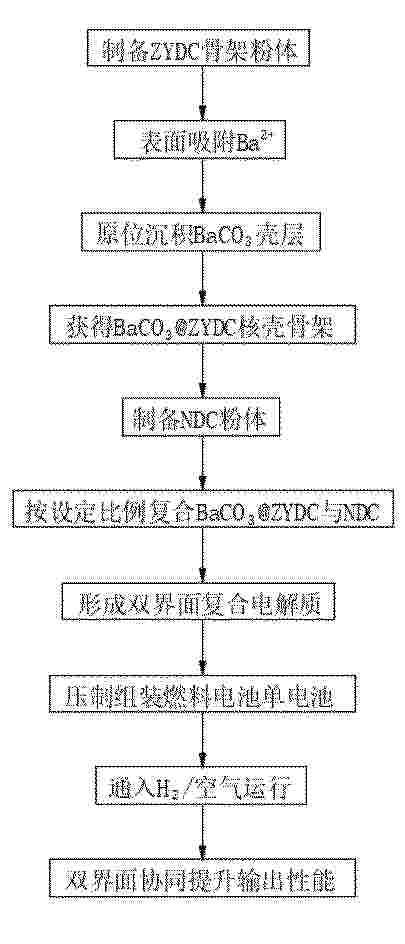
本发明涉及燃料电池复合电解质设计与界面调控技术领域,具体为一种基于核壳限域非等效双界面的低温燃料电池复合电解质及其制备方法,包括如下步骤:S1、制备锆钇共掺氧化铈骨架材料,获得具有氧离子传导能力的第一无机离子骨架粉体;S2、在所述第一无机离子骨架粉体表面原位限域沉积碳酸钡壳层,获得碳酸钡包覆的核壳结构骨架粉体,以形成碳酸钡/锆钇共掺氧化铈第一界面;S3、制备钕掺杂氧化铈第二氧化铈相粉体;S4、将所述核壳结构骨架粉体与所述第二氧化铈相粉体按预设比例复合,形成同时具有碳酸钡/锆钇共掺氧化铈第一界面和碳酸钡/钕掺杂氧化铈第二界面的非等效双界面复合电解质。本发明通过核壳限域处理,显著降低碳酸盐相随机分布带来的界面不稳定性,非等效双界面结构有利于形成连续或准连续的界面传输通道,提高低温条件下的离子迁移效率;同时,双界面作用有助于改善电荷选择性,降低电子贯通风险,使复合电解质的离子传输、界面动力学和电子阻隔能力同步改善,从而降低总阻抗并提升低温燃料电池输出性能。
Resumen de: CN122930933A
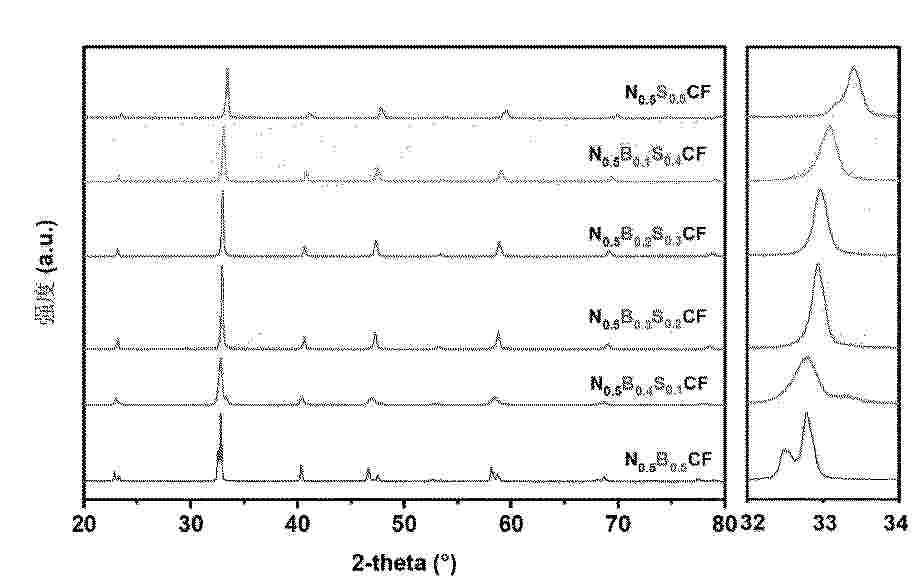
本发明涉及固体氧化物电池技术领域,公开了一种固体氧化物电池的空气电极材料及其制备和应用,所述空气电极材料的化学式为Nd0.5Ba0.5‑xSrxCo0.8Fe0.2O3‑δ,其中,0.1≤x≤0.5,δ为氧空位含量。其制备方法包括将相应金属硝酸盐溶于去离子水中,加入乙二胺四乙酸、柠檬酸和氨水,调节pH值并加热形成凝胶,再经干燥和煅烧制得。所述空气电极材料可用于质子陶瓷燃料电池和氧离子导体型可逆固体氧化物电池,具有较低的极化阻抗、较高的输出性能及良好的运行稳定性。
Resumen de: CN122932475A
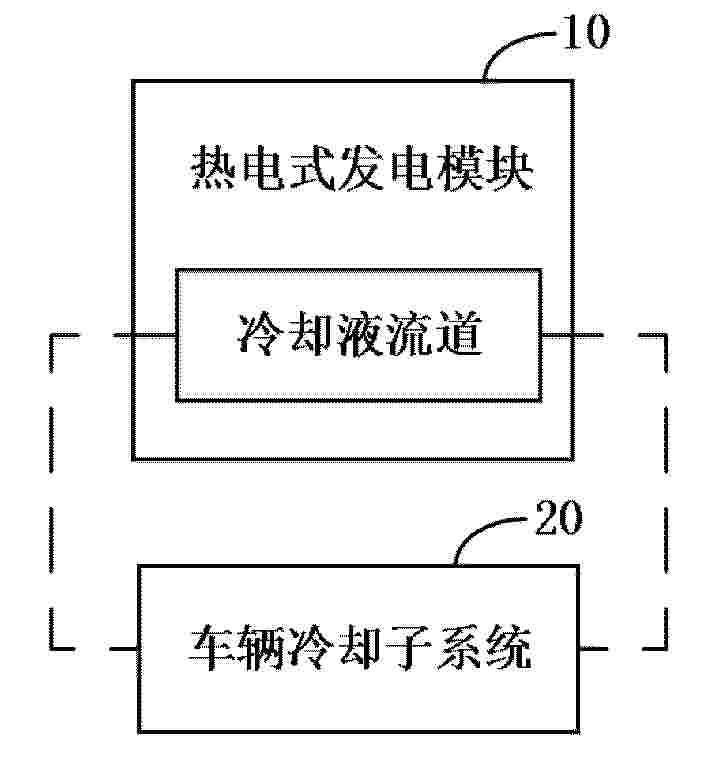
本申请公开了一种冷却液循环系统、控制方法及车辆热管理系统,所述系统,包括:热电式发电模块的冷却液流道和车辆冷却子系统,车辆冷却子系统的冷却液入口与冷却液流道的冷却液出口相连,车辆冷却子系统的冷却液出口与冷却液流道的冷却液入口相连,冷却液在热电式发电模块和车辆冷却子系统之间的形成循环回路,以使热电式发电模块利用液氢和冷却液之间的温度差进行发电。由此,该系统能够将热电式发电模块产生的冷能分配给车辆冷却子系统,以对热电式发电模块发电后的冷却液进行余冷重复利用,从而将液氢冷能从单一发电用途拓展为整车多系统共享资源,提高了冷能利用率。
Resumen de: CN122917365A
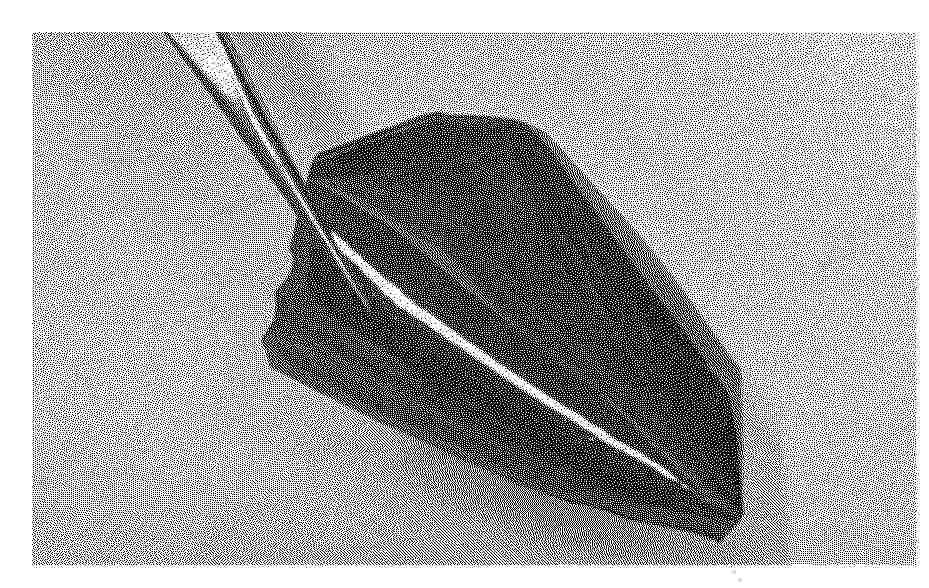
本发明涉及功能薄膜制备技术领域,更具体的说是涉及一种共价有机框架自支撑膜及其制备方法和应用。其制备方法包括以下步骤:(1)将共价有机框架前驱体单体分别溶于催化剂中,混合超声分散至澄清透明,配制成浆料;(2)在通风橱内,控制排风强度为30~40 m/s,并辅助人工排风,将浆料倾倒于预热的容器中,然后逐步升高温度至70~90℃后移走加热源,静置冷却到室温,形成连续均一的自支撑薄膜;(3)经剥离、洗涤、干燥后,即得。本发明通过耦合调控浆料分散状态、缩合反应速率与溶剂挥发速率三者之间的动态匹配关系,实现反应动力学与传质动力学的同步匹配,从而获得结构连续完整、表面平整光滑、厚度均一的COF自支撑薄膜。
Resumen de: CN122930946A
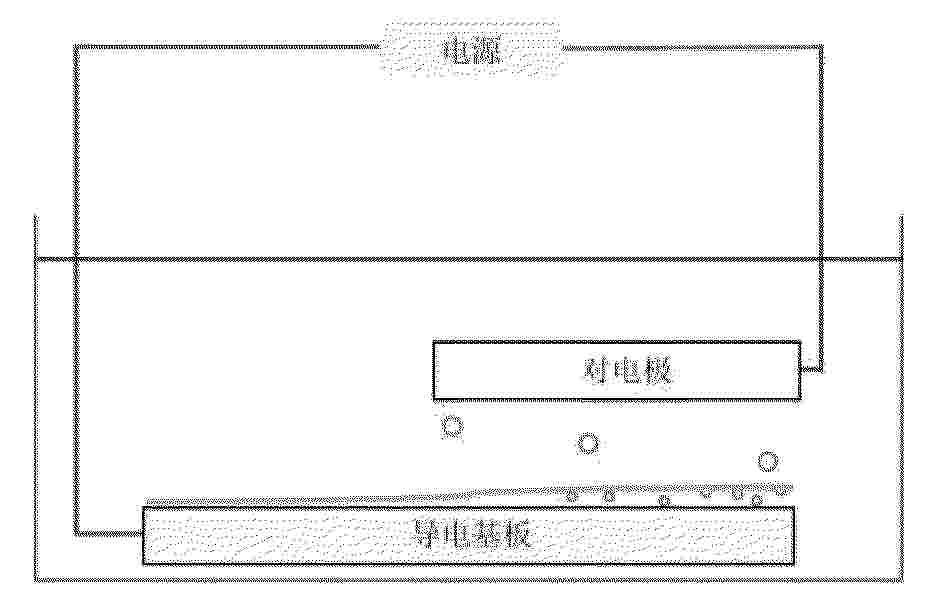
本发明涉及液流电池隔膜领域,具体为一种利用电解技术无损伤揭取液流电池用隔膜的方法:首先将液流电池隔膜制备在导电基底表面,待制膜过程结束后,将基底连同液流电池隔膜放入酸性或碱性溶液中电解。该过程会使基底与膜之间生成小气泡,显著减小膜与基底之间的附着力,或是将基底完全电解腐蚀,无损伤取下液流电池隔膜。本发明工艺简单,有效避免了取膜过程对膜结构的损伤,降低了膜的残次品率。制备的隔膜具有较好的离子选择性、机械性能以及较好的导电性,使液流电池具有较好的电池性能,为液流电池隔膜的发展提供新思路。
Resumen de: CN122930961A
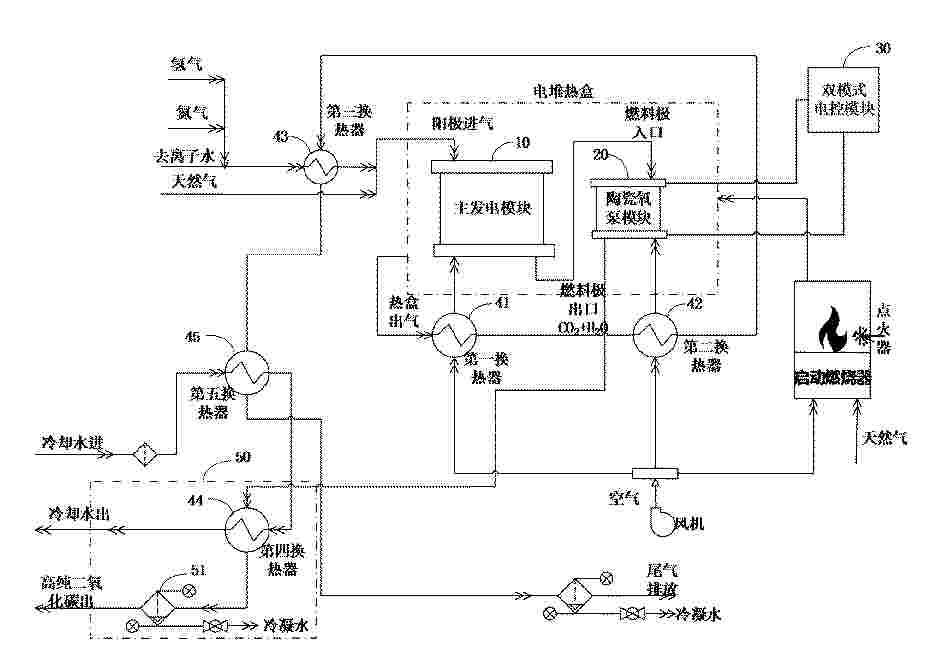
本发明公开了一种高浓度二氧化碳协产型固体氧化物燃料电池发电系统,包括:主发电模块用于将接收到的碳氢化合物燃料与空气进行原电池反应;陶瓷氧泵模块,陶瓷氧泵模块内部设有致密固体电解质层,用于物理隔离空气极侧的气体,仅允许氧离子跨膜传输;双模式电控模块,双模式电控模块电连接于陶瓷氧泵模块的正负极之间,双模式电控模块配置为向陶瓷氧泵模块施加恒定直流偏置电压,使陶瓷氧泵模块自适应运行于发电区段与电解泵氧区段;热管理模块用于对进入主发电模块的新鲜燃料、空气以及进入陶瓷氧泵模块的空气进行预热;二氧化碳富集模块配置为通过冷凝除水输出高浓度二氧化碳气体。
Resumen de: CN122932065A
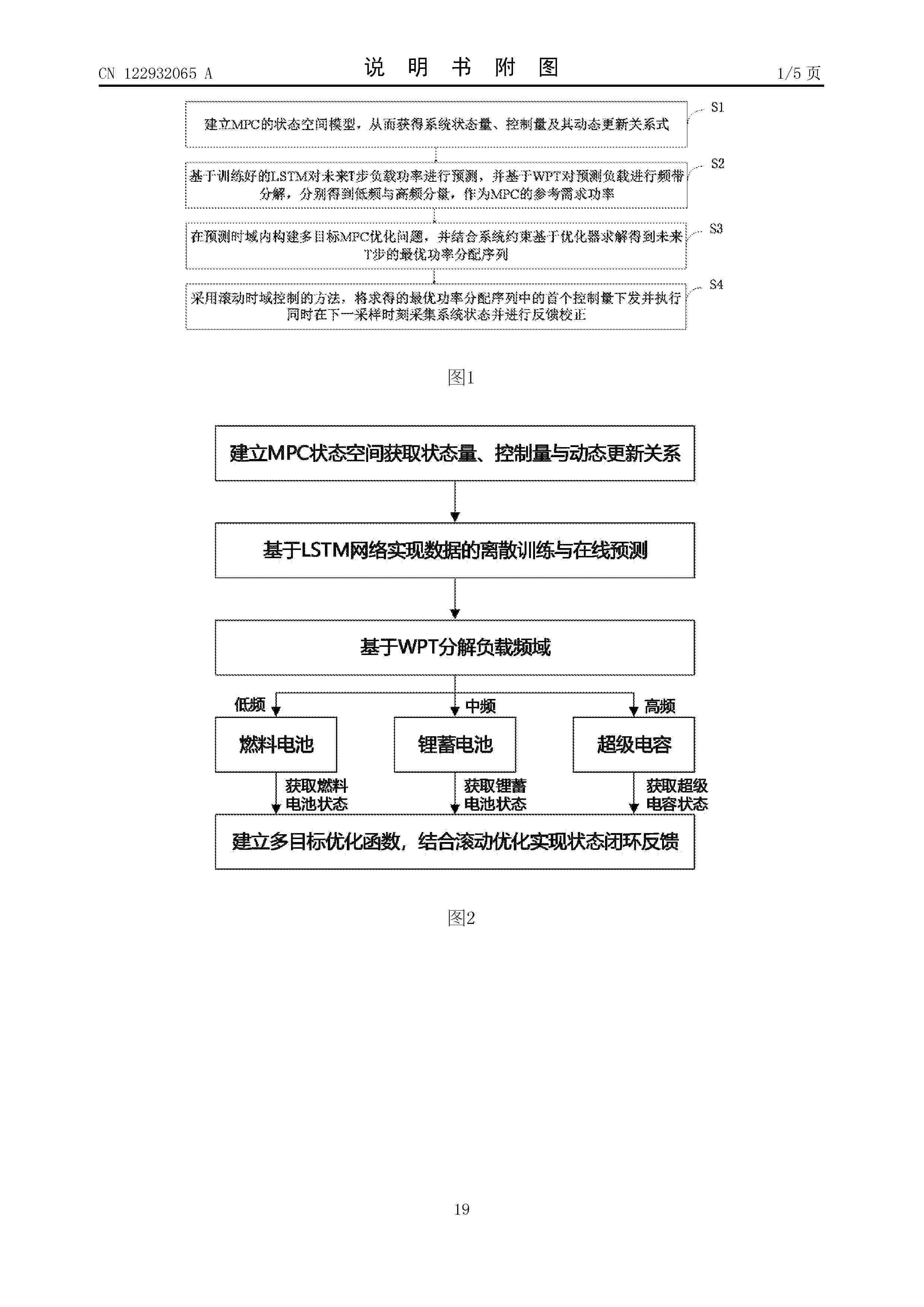
本发明公开了一种燃料电池动力系统的多源在线能量管理策略方法,属于燃料电池技术领域;本发明利用LSTM对负载功率数据进行深度学习,实现未来多步负载的准确预测,并结合频率分解技术将预测负载信号准确拆分为低频和高频分量,为后续能量分配提供了数据支持,从而有效降低了因负载变化带来的风险。本发明基于MPC的实时滚动优化控制模块,在约束条件下在线求解最优功率分配,确保各储能装置在不同负载频段下得到最优响应状态,使系统在复杂、时变的工作环境中能够保持优化控制策略,显著提升了系统的动态响应性能和鲁棒性,实现了实时动态优化与自适应控制。
Resumen de: US20260312077A1
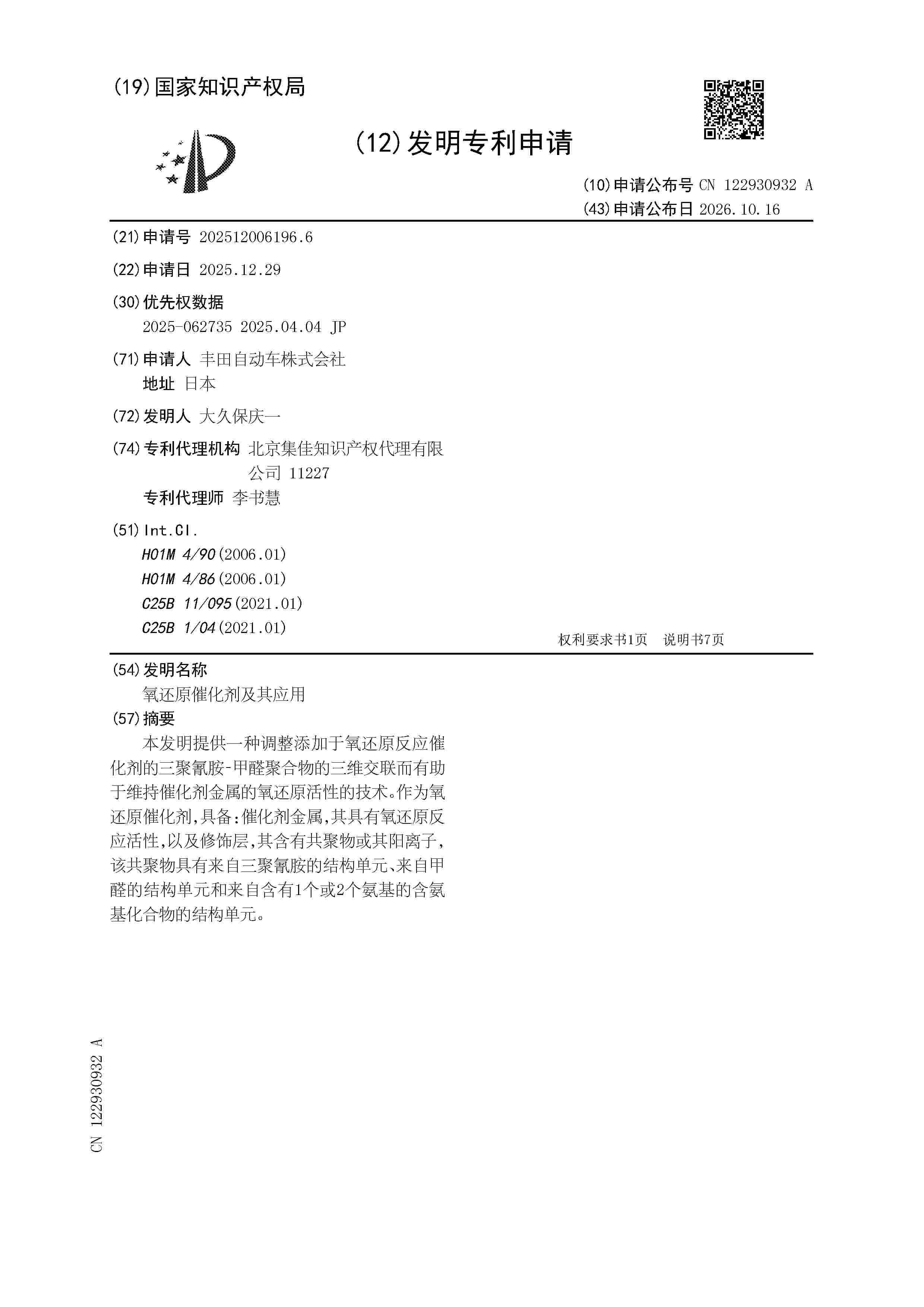
0000 An oxygen reduction catalyst may include a catalyst metal having oxygen reduction reaction activity: and a modified layer including a copolymer or a cation thereof. The copolymer may include a structural unit derived from melamine, a structural unit derived from formaldehyde, and a structural unit derived from an amino group-containing compound having one or two amino groups.
Nº publicación: CN122930930A 16/10/2026
Solicitante:
通用汽车环球科技运作有限责任公司
Resumen de: US20260312106A1
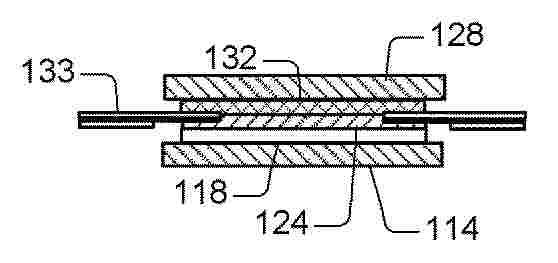
0000 A method for manufacturing a membrane electrode assembly includes a) patch coating a plurality of anode electrode layers spaced from one another on a first gas diffusion layer; b) patch coating a plurality of cathode electrode layers spaced from one another on a second gas diffusion layer; c) cutting a continuous membrane into a plurality of membrane layers; d) stacking the plurality of membrane layers onto one of: the plurality of cathode electrode layers; and the plurality of anode electrode layers; and e) laminating the plurality of cathode and anode electrode layers, the plurality of membrane layers, and a plurality of gasket layers between the first and second gas diffusion layers, respectively. Opposing outer edges of the plurality of membrane layers and the plurality of cathode and anode electrode layers are located inwardly from opposing outer edges of the first gas diffusion layer and the second gas diffusion layer.
 BOPI
BOPI
 Sede Electrónica