Si deseas distinguir tus productos, servicios o ambos de los de otra empresa, es posible que necesites una marca o nombre comercial. Descubre qué son, en qué consiste su procedimiento de registro y qué implica.

Información sobre los plazos de presentación de solicitudes de transformación de marcas de la Unión Europea en marca nacional española. Más información


Si tienes un nuevo dispositivo, producto o procedimiento que resuelva un problema técnico o tenga una ventaja práctica, existen distintas formas de protegerlo en España y en otros países. Descubre cómo hacerlo.

¿Tu innovación reside en la estética, la ornamentación o la apariencia de tu producto? Protégela mediante un diseño industrial. Descubre qué derechos confiere el registro y cómo realizar la tramitación.

Las indicaciones geográficas protegen el nombre de un producto originario de una zona geográfica, a la cual le debe una determinada calidad, reputación u otra característica. Descubre qué son, en qué consiste su procedimiento de registro y qué beneficios conceden.

Las patentes publicadas en todo el mundo son una valiosa fuente de información científica, técnica y comercial.

Si eres emprendedor/a o una empresa y quieres potenciar y mejorar la rentabilidad de tu negocio protegiendo de forma adecuada los activos intangibles de tu organización, en este espacio encontrarás lo necesario.


 151
resultados
151
resultados
 Última actualización
08/10/2026 [06:47:00]
Última actualización
08/10/2026 [06:47:00]


 Resultados 50 a 75 de 151

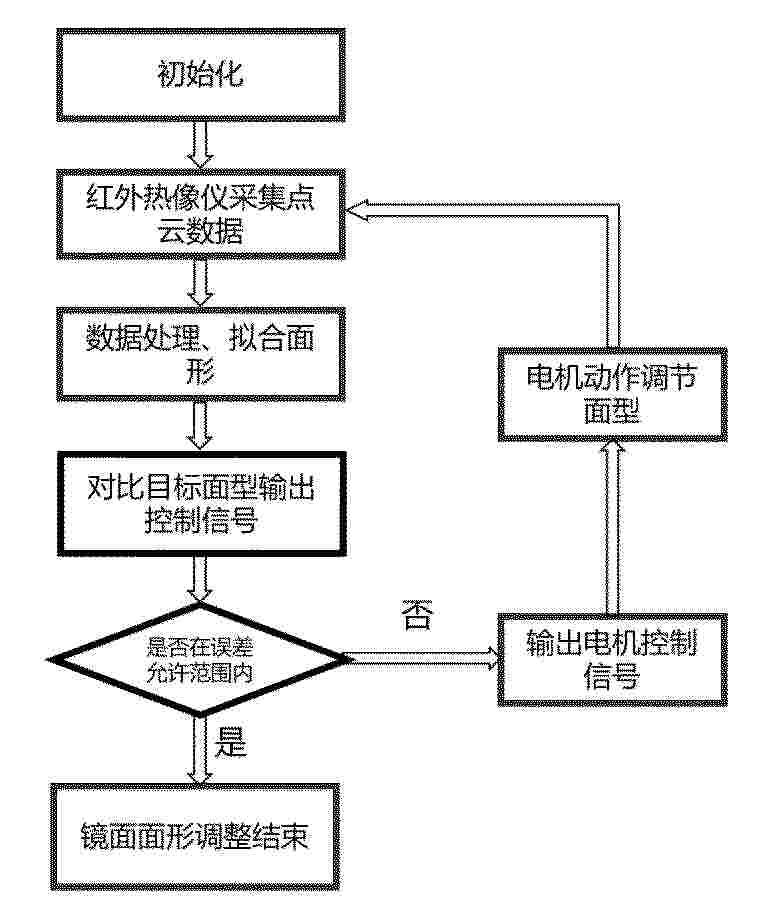
Resumen de: CN122729556A
本发明公开了一种太阳能反射镜面形调整系统及其方法。所述系统包括太阳能反射镜、支撑结构、雷达成像仪、计算机、电机。所述支撑结构位置可调,用于承载太阳能反射镜。红外成像仪采集反射镜点云数据并传输至计算机,计算机拟合软件输出反射镜面形,对比目标面形数据,输出差值,通过电机调整面形,直至调整面形至误差允许范围内,太阳能反射镜面形调整结束。本发明通过调整支撑结构与动态参考计算,实现对目标面形的快速、高精度面形校准,无需外部光源,适用于多种类型反射镜。

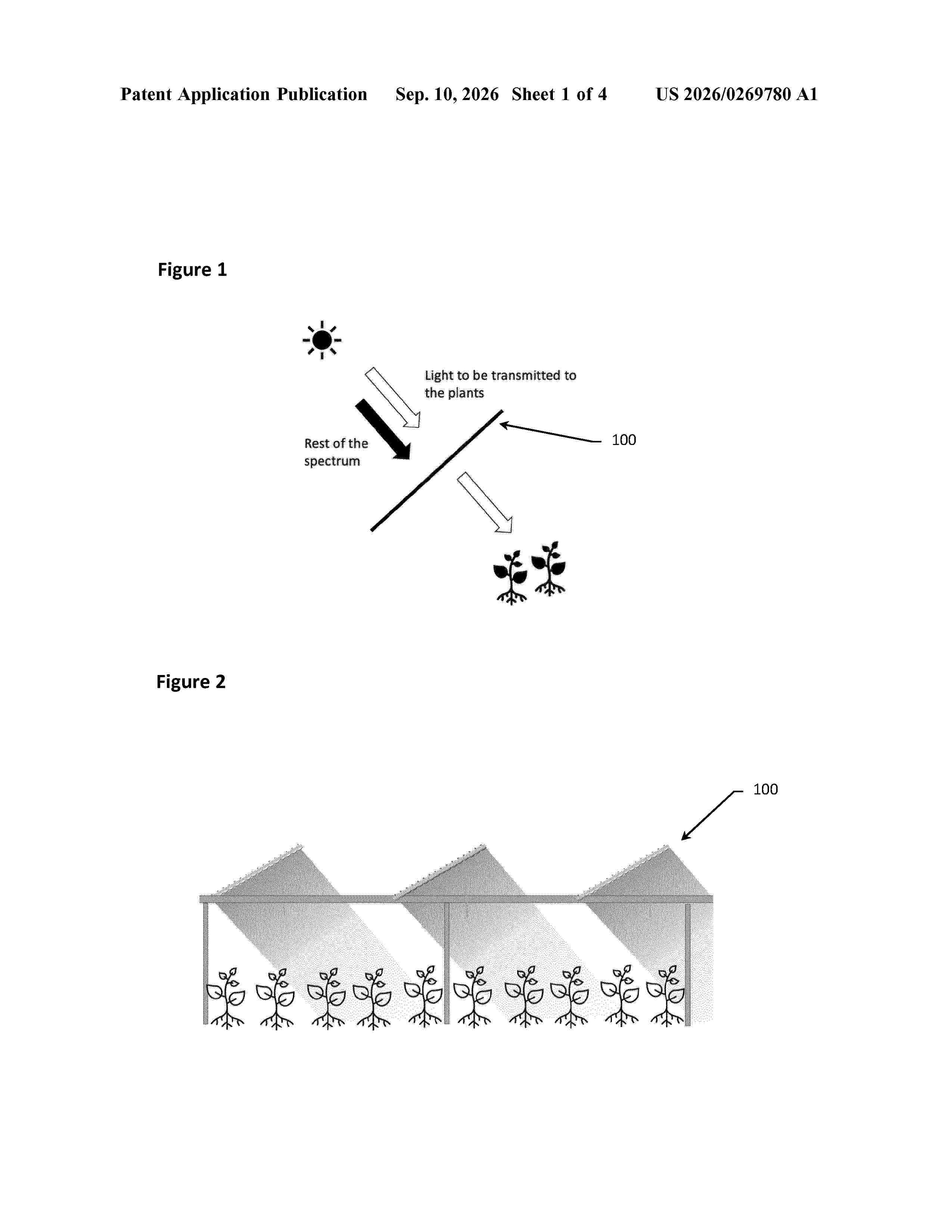
Resumen de: US20260269780A1
The present invention relates to Energy generation panel comprising at least two energy generation modules, each energy generation modules comprising a first surface presenting an energy harvesting device, a second surface, a reflecting surface, and a holding structure connecting the first and second surfaces together so as to present a volume in between, wherein the reflecting surface is configured to filter an incident sunlight thereby letting a first portion of said sunlight pass through it and reflecting a second portion of said sunlight, characterized in that said reflecting surface presents a plurality of reflecting regions differently oriented with respect to each other and each being configured to homogeneously reflect said second portion of incident light on a collecting surface of said energy harvesting device.
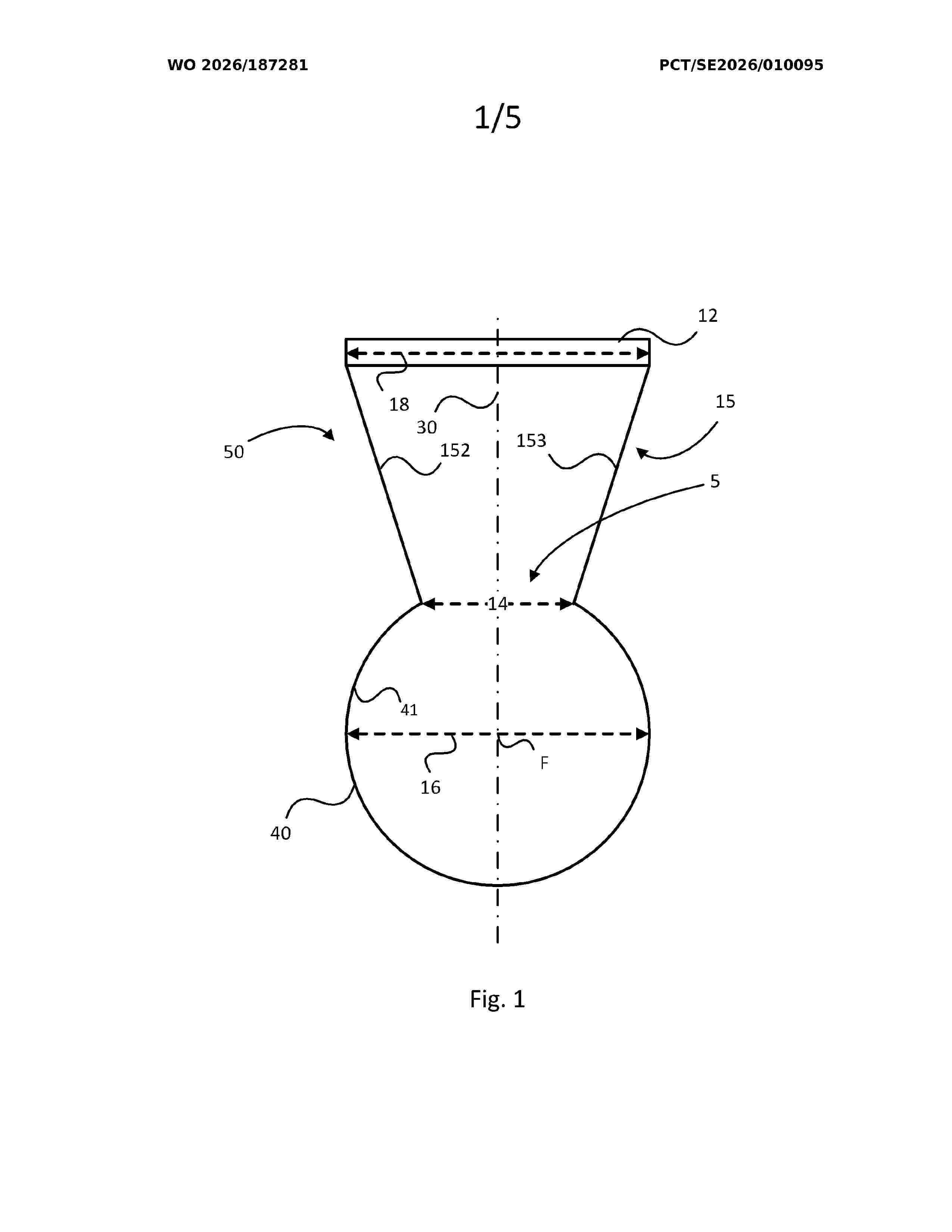
Resumen de: WO2026187281A1
The disclosure relates to a sunlight receiver (50), comprising: an elongated receiving chamber (40) comprising a first reflecting wall (41) for reflecting sunlight radiation towards a central position (F) of the receiving chamber (40), wherein the first reflecting wall (41) has a semi-circular shape perpendicular to the elongated extension with an elongated opening (5) for receiving radiation into the chamber (40); and an elongated concentrator (15), comprising a second reflecting wall (152) and a third reflecting wall (153) arranged at the opening (5) of the receiving chamber (40) for directing sunlight radiation towards the receiving chamber (40). The disclosure further relates to a sunlight collecting device (10).
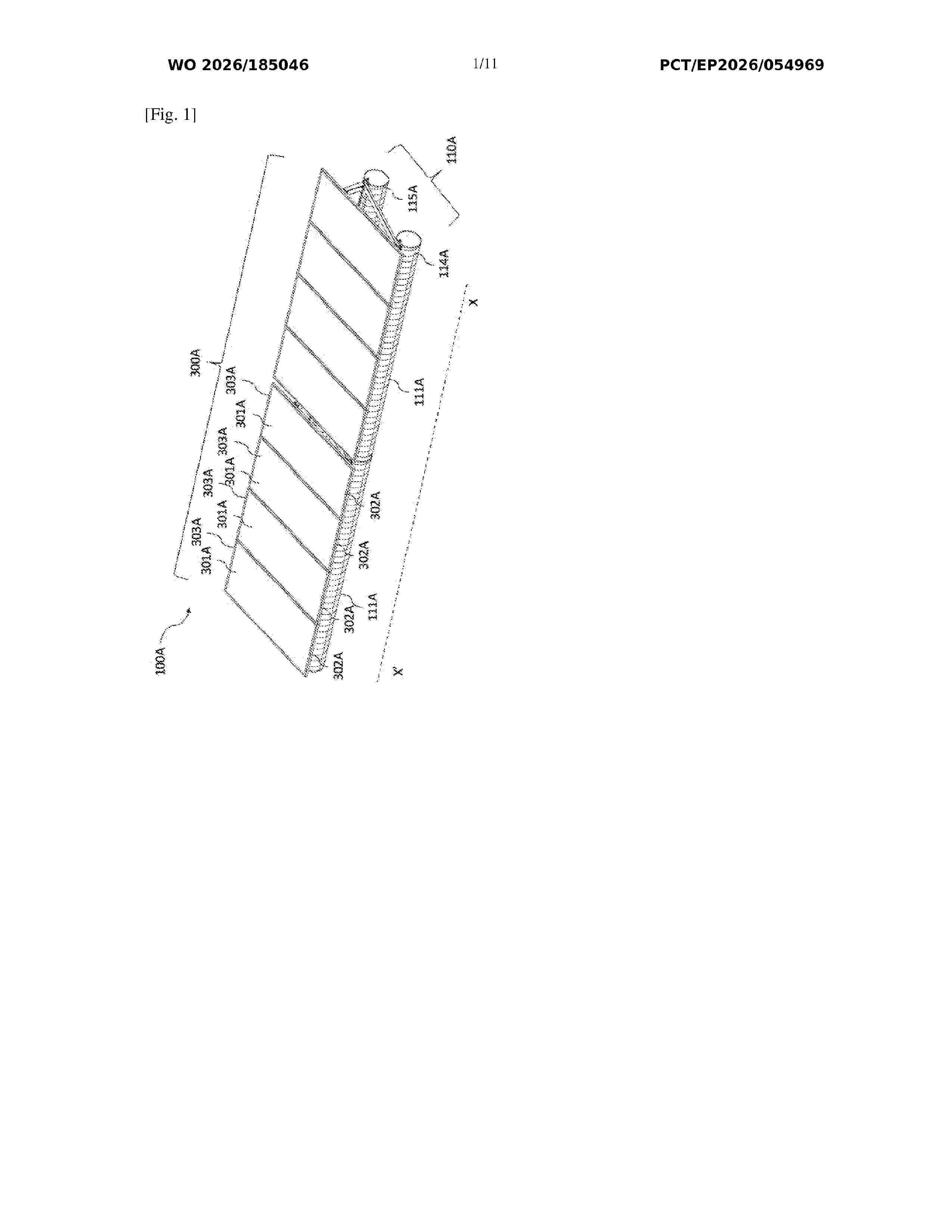
Resumen de: WO2026185046A1
The invention relates to a floating photovoltaic system comprising: - a pair of rows of hollow cylindrical floats, each float (111A) comprising a plurality of attachment supports arranged and aligned on an outer surface; - a series of photovoltaic panels 300A, each panel of the series being attached, via at least one of its sides, to two of the attachment supports of two floats (111A) of one and the other of the two rows of a pair of rows among the at least one pair of rows of floats; the photovoltaic system being characterised in that a profiled portion is arranged, via one of its faces referred to as the contact face, against an inner surface of each float (111A) and such that the attachment supports of each float (111A) are aligned in the elongation direction and mechanically connected to the profiled portion.
Resumen de: US20260269772A1
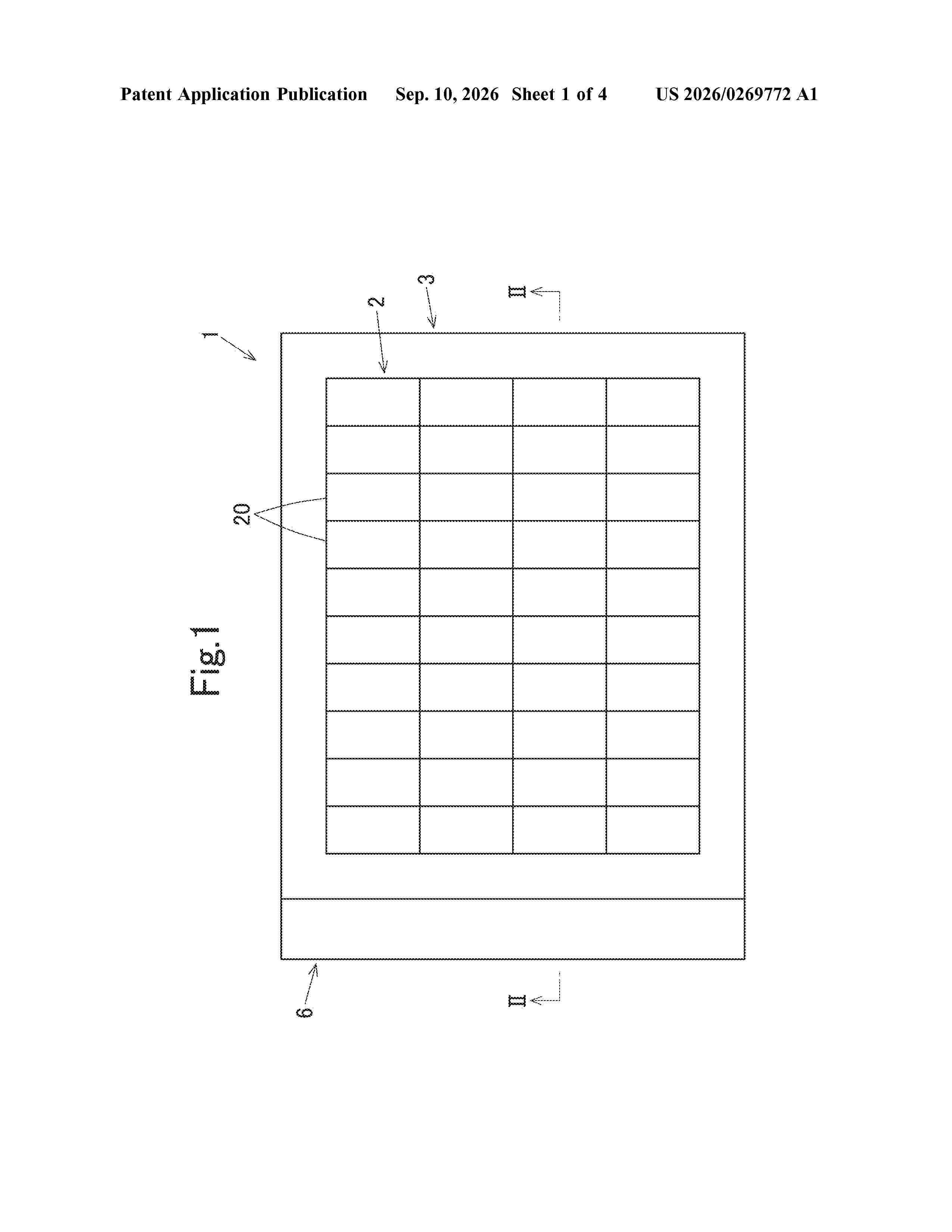
Provided is an installation structure for a solar cell module, in which a distance L between an interrupting object and a light-receiving surface end part of a solar cell closest to the interrupting object satisfies two formulas below. A height of the interrupting object is defined as D; a start time for calculation is defined as a and an end time as b; and a sun altitude (in degrees) at a time i of a date k is defined as hk,i and a solar azimuth angle (in degrees) as φk,i. An azimuth angle (in degrees) at which the installation surface faces is defined as Rφ, and an inclination angle (in degrees) of a light-receiving surface of the solar cell module is defined as Rθ. A date of the summer solstice is represented by k=1, and a date of the winter solstice is represented by k=2Lk=Db-a∫ab-coshk,isinϕk,icosRθsinRϕ-coshk,icosϕk,icosRθcosRϕ+sinhk,isinRθcoshk,isinϕk,isinRθsinRϕ+coshk,icosϕk,isinRθcosRϕ+sinhk,icosRθdiL1≤L≤L2.
Resumen de: DE102025108948A1
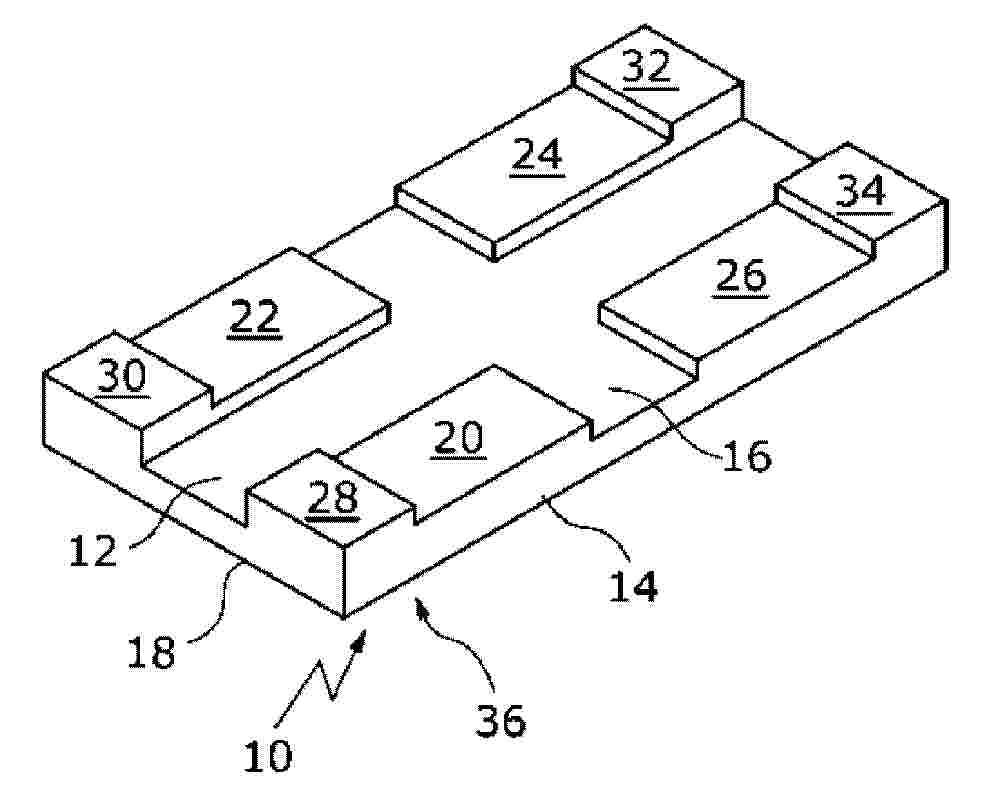
Die Erfindung betrifft ein Bautenschutzelement (10; 100; 300) mit zumindest einer ersten nutartigen Ausnehmung (12, 16) zur Aufnahme eines Tragelementabschnitts (214; 414) eines ein Solarmodul (210) tragenden Tragelements (212; 412), sowie mit Lastaufnahmeflächen (20, 22, 24, 26) zur Abstützung von Montagegewichten (216; 416). Die Erfindung betrifft zudem eine Solarmodulanordnung.
Resumen de: US20260269771A1
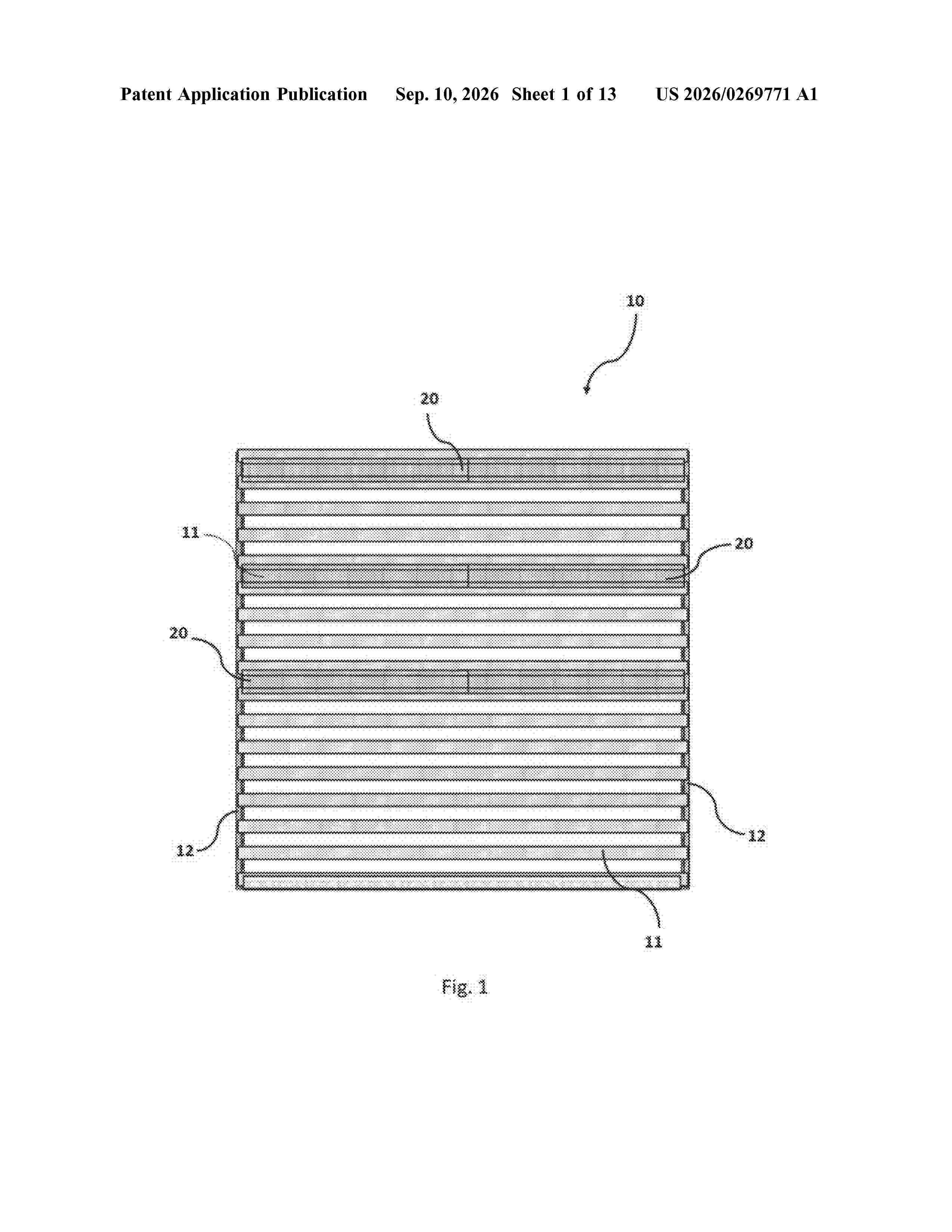
The subject-matter of the present invention is a modular photovoltaic roofing system comprising: plurality of modular roof panels (40) integrated with photovoltaic modules (50); an at least one longitudinal channel profile (20) for routing electrical cables (K); an at least one longitudinal side profile (30) for mounting electric or electronic devices. The subject-matter of the invention is also a solar roof equipped with the modular photovoltaic roofing system and a method of its installation.
Resumen de: WO2025093841A1
The present disclosure relates to a floating modular assembly (1) comprising at least two floating devices (D1, D2, D3) and a connecting system, configured to mechanically connect the at least two floating devices, the connecting system comprising - a first coupling element (E1), rigidly attached to and projecting laterally from a first floating device (D1) - a second coupling element (E2), rigidly attached to and projecting laterally from the second floating device (D2) - a removable locking system, configured to connect the first coupling element to the second coupling element.
Resumen de: CN122717015A
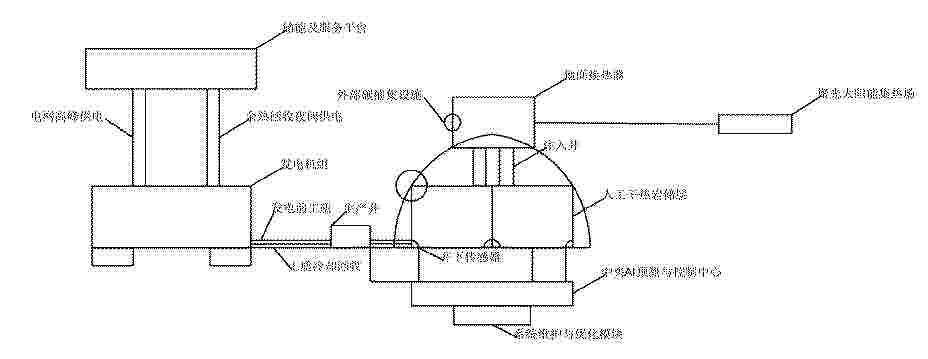
本发明提供了一种沙漠地壳人工干热岩热电联产与长期储能系统,包括人工干热岩储层建造、太阳能‑地热耦合储热、热电联合生产、电力外送与并网四大环节。首先,利用AI在沙漠选址,通过模块化钻井构建人工干热岩储层。储能阶段,聚光太阳能加热工质并注入地下,与岩体换热实现长期储能。调用时,抽取高温工质发电,余热回收后循环使用。电能经高压直流并网,支持电网调峰。系统具备标准化复制能力,可扩展为分布式储能服务平台,实现清洁能源高效利用。
Resumen de: CN122701086A
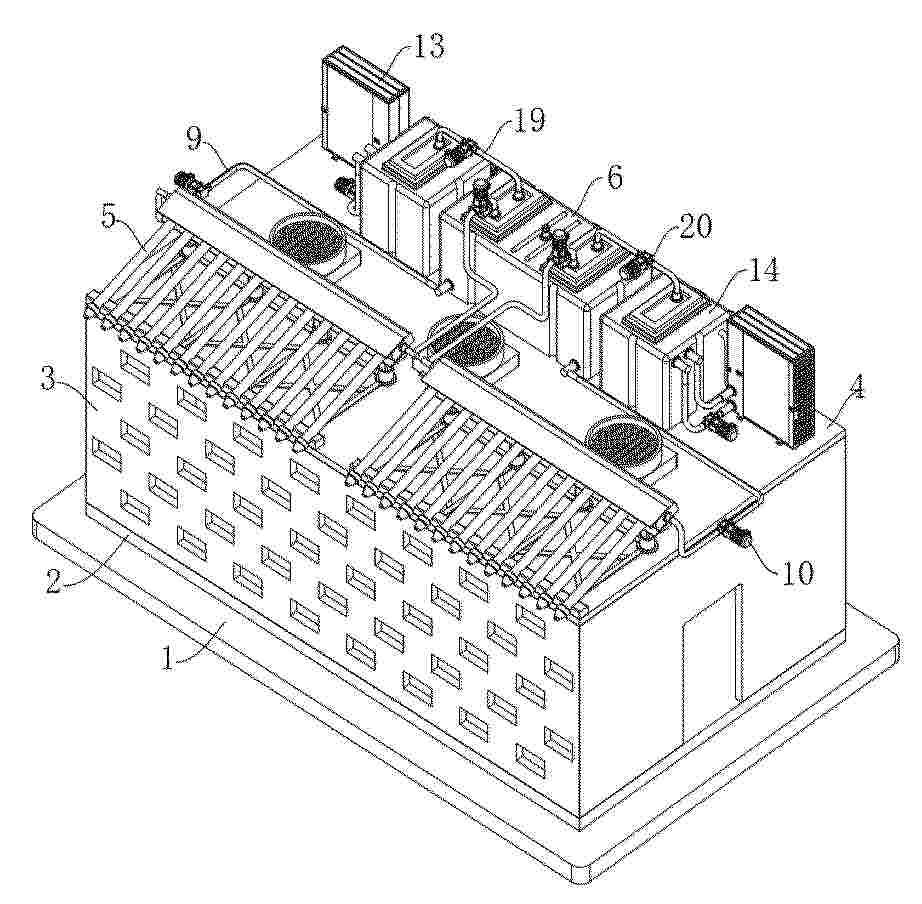
本发明涉及沙果干小苹果干制备技术领域,尤其涉及一种纯天然零添加沙果干小苹果干的制备装置及加工方法,包括底板,所述底板的顶面固定安装有导热板,所述导热板的顶面固定安装有镂空花墙,所述镂空花墙的顶端固定安装有顶板,所述顶板的前端顶面固定安装有太阳能加热机构,所述顶板的后端顶面固定安装有热泵加热机构。该纯天然零添加沙果干小苹果干的制备装置及加工方法,采用太阳能-热泵联合加热与自适应智能控温控湿一体化结构,通过太阳能集热器、空气能热泵、蛇形导热管与PLC中央控制器协同工作,可根据镂空花墙内部温湿度及水箱水温自动调节各水泵、热泵与排风机构运行状态,大幅提升热能利用率与干燥稳定性。
Resumen de: CN122708430A
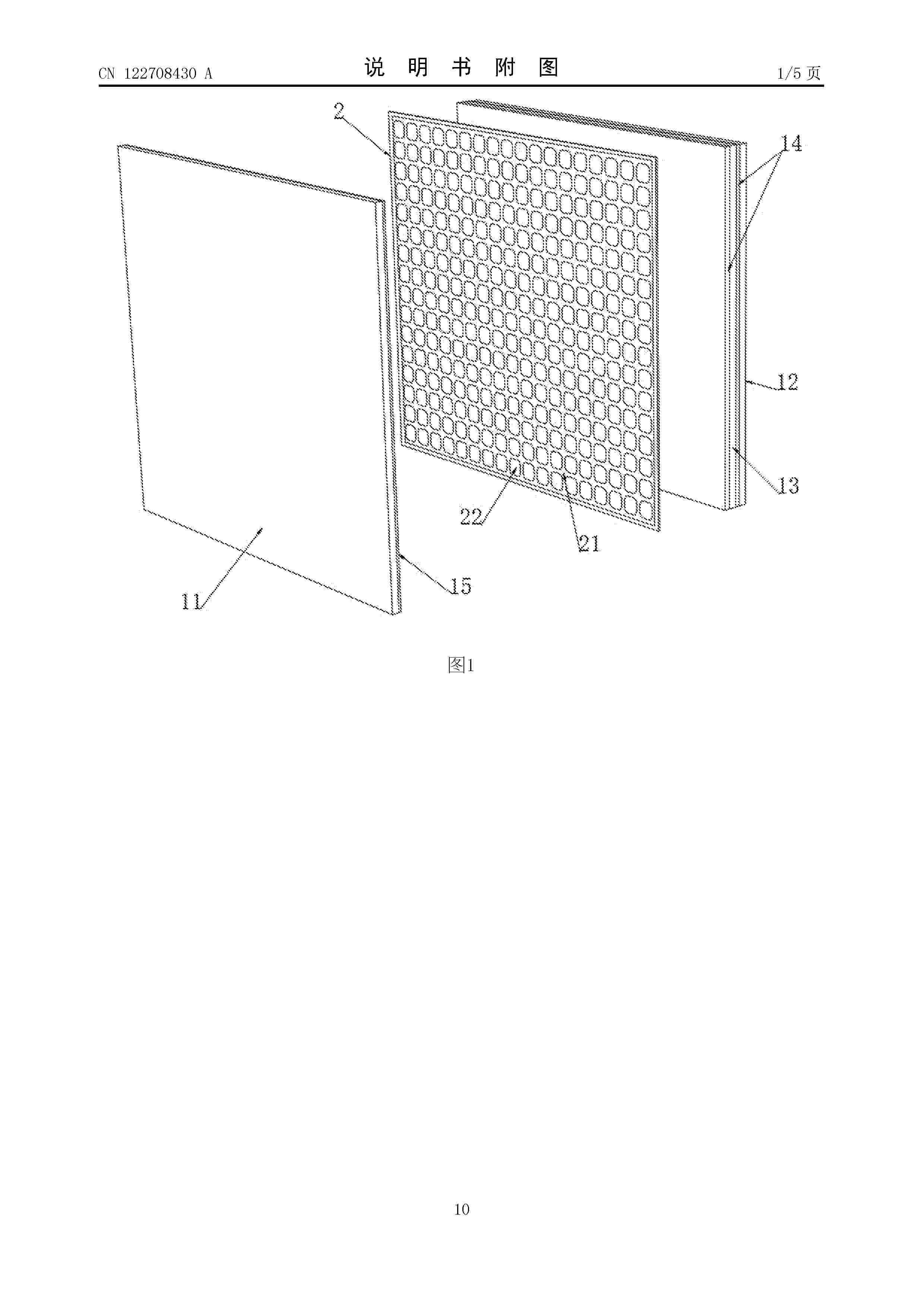
本发明公开了应用于太阳能光热和光伏领域的一种带有电加热化霜功能的复合玻璃反射镜组件,通过将电加热层分割为多个独立加热单元,结合冰霜检测与温度传感单元实现覆霜区域精准定位与分区梯度加热,避免全区域无差别加热的能耗浪费;同时在强加热区与非加热区之间设置功率线性递减的过渡加热区,配合相邻单元间填充的绝缘导热层形成被动热桥,双重缓解温度突变,有效降低局部热应力,避免反射镜因温差过大而损坏;此外,电加热层可选择设置于反射层与光伏电池之间或反射层与内浮法玻璃之间之间两种位置,分别兼顾化霜效率与电池保护,配合储能单元实现自供电或由外供电化霜及冗余安全设计,显著提升反射镜在寒冷环境下的适应性与可靠性。
Resumen de: CN122707931A
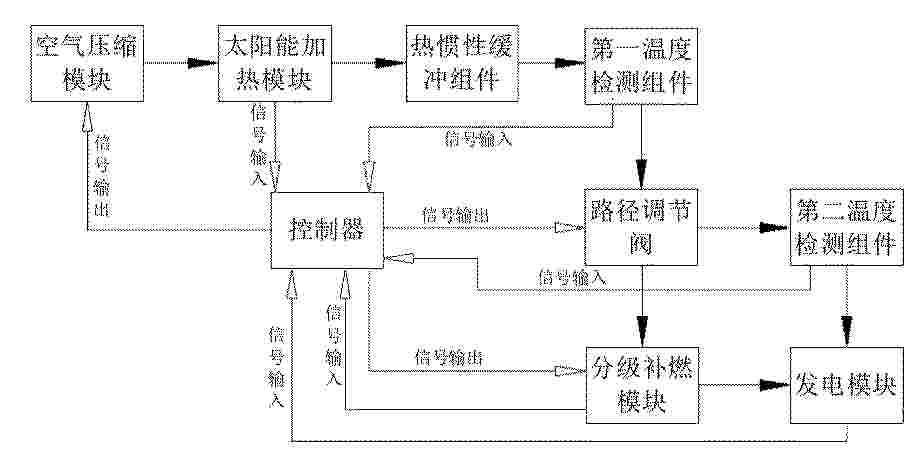
本发明提供一种自适应温控的太阳能与燃气轮机联合运行装置及方法,属于分布式能源技术领域,其可至少部分解决现有的燃烧室频繁启停、模式切换无缓冲环节、补燃环节多为单级燃烧且无全工况的自适应调控逻辑的问题,本发明包括控制器,配合路径调节阀与检测组件模块所检测的温度数据、负荷数据与辐照数据,实现双温度阈值、辐照阈值与负荷阈值联动的路径自适应切换,依托热惯性缓冲组件抑制太阳能辐照瞬时波动干扰,有效避免装置路径的频繁启停切换,同时采用分级双路补燃结构,结合辐照‑补燃功率匹配逻辑完成全工况精准温控,稳定燃气轮机入口工质温度,提升系统运行平稳性,降低设备故障率,兼顾清洁能源利用率与发电模块发电能效。
Resumen de: CN122716882A
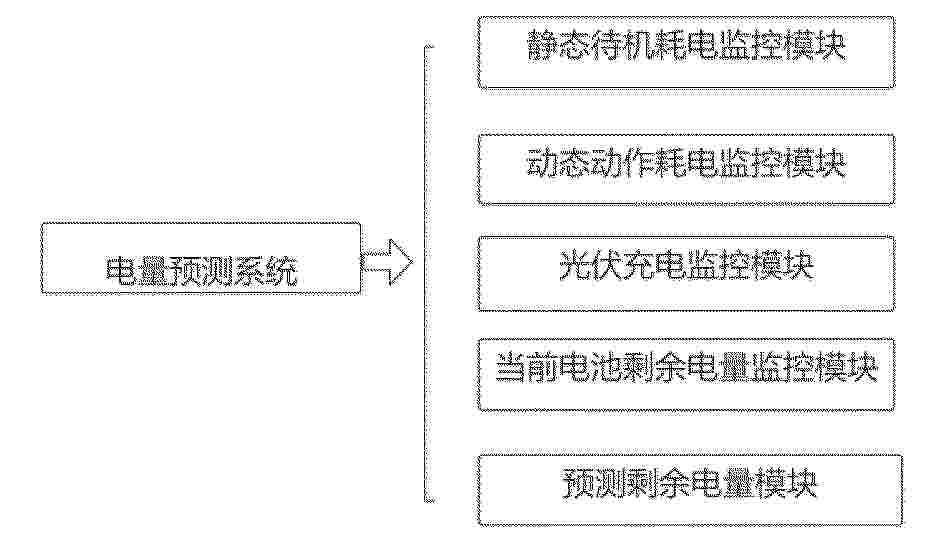
本申请属于定日镜电量监控技术领域,具体涉及一种塔式光热镜场自供电定日镜多尺度电量预测系统,包括静态待机耗电监控模块、动态动作耗电监控模块、光伏充电监控模块、电池剩余电量监控模块、剩余电量预测模块;其优点在于,设计融合多源气象的多尺度耗电/充电预测模型,结合未来N天逐时气象数据(光照、降雨、风速、温度),实现电池电量的精准动态预测。
Resumen de: CN122708433A
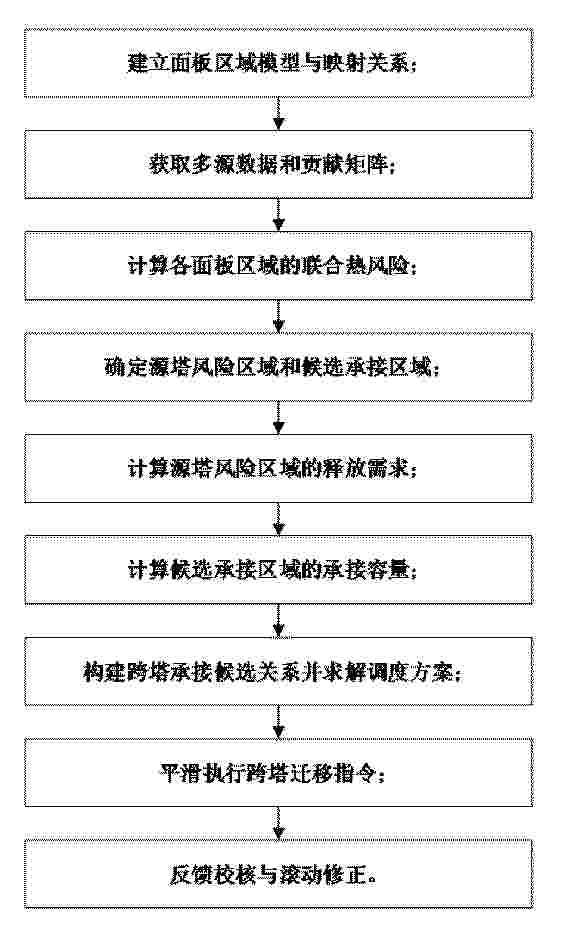
本发明公开了一种基于联合热风险的三塔一机光热镜场跨塔承接调度方法,属于塔式太阳能光热发电技术领域。该方法将三座吸热器分别划分为若干面板区域,实时获取各区域的能流密度、红外温度、温升速率、历史热累积和熔盐运行状态,计算联合热风险;当某一区域风险超过阈值时,将其确定为源塔风险区域并计算释放功率需求,同时计算其他低风险区域的承接容量;基于镜场子组贡献矩阵、切换代价和熔盐热需求构建跨塔承接候选关系,求解镜场子组迁移方案;分阶段平滑执行迁移指令,并根据执行后数据反馈修正。本发明能全面评价热风险,在保证吸热器安全的前提下减少弃光,降低热冲击,适应三塔一机耦合运行,便于工程部署。
Resumen de: CN122708432A
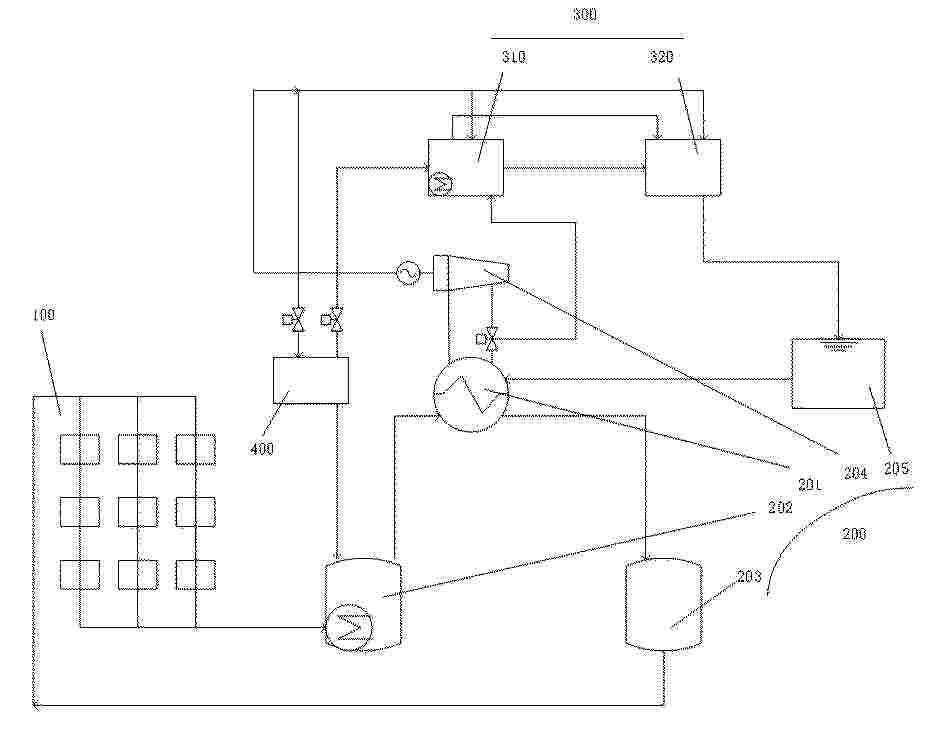
本发明属于太阳能制氢技术领域,涉及一种线性菲涅尔集热场光热制氢系统及仿真方法。本发明通过设置冷熔盐储罐、热熔盐储罐以及由供能模块和换热器构成的完整熔盐循环回路,实现了太阳能热能的有效存储和缓冲。当太阳辐照充足时,多余的热能以高温熔盐形式储存于热熔盐储罐中;当太阳辐照不足时,热熔盐储罐释放热量,确保制氢过程连续稳定运行。通过将制氢模块分别与汽轮发电机和储电模块电连接,构建了“发电—储电—用电”协同供电架构。正常工况下,制氢模块由汽轮发电机直接供电;当汽轮发电机发电量不足时,储电模块自动补充供电,确保制氢模块在各种工况下均能获得稳定、连续的电力供应。
Resumen de: CN122708429A
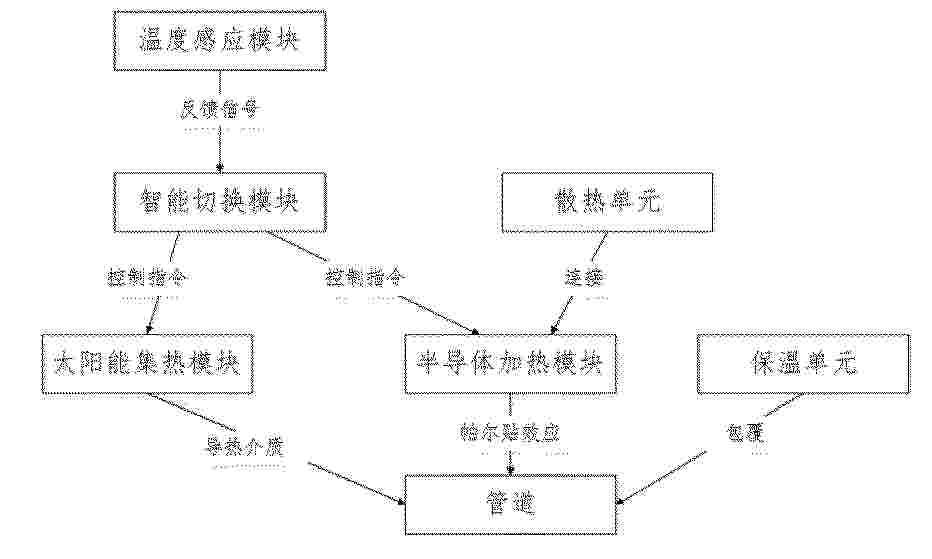
本发明提供了一种用于管道加热的太阳能‑半导体复合供热装置系统及其运行方法。所述复合供热装置系统包括太阳能集热模块、半导体加热模块、智能切换模块、温度感应模块、保温单元和散热单元;所述太阳能集热模块和半导体加热模块分别独立地与管道相连接;且所述智能切换模块用于控制所述太阳能集热模块和半导体加热模块的独立运行或协同运行;所述温度感应模块用于监控管道温度并反馈至所述智能切换模块;所述保温单元设置于管道的外壁;所述散热单元与所述半导体加热模块相连接。本发明提供的装置系统结合智能控制与高效保温设计,解决现有技术中能耗高、依赖传统能源、温度波动大等问题。
Resumen de: CN122707717A
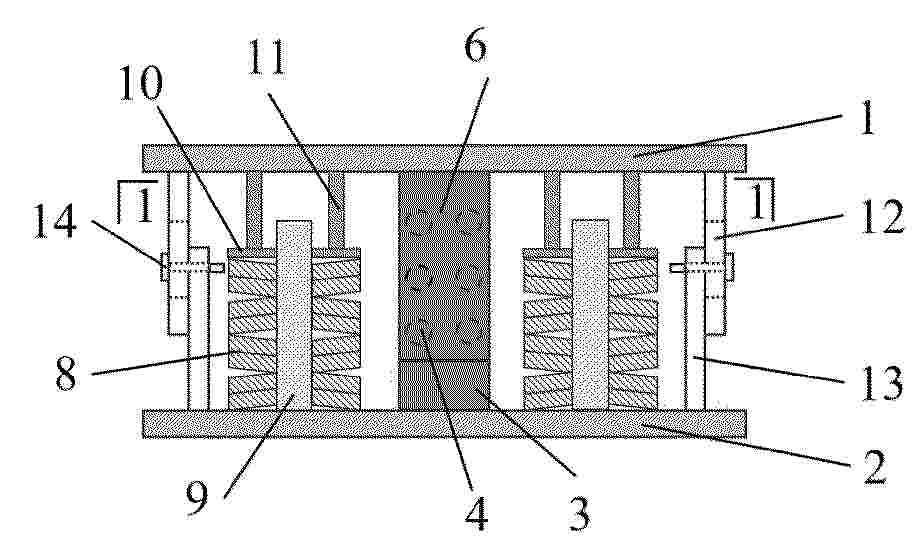
本发明涉及高耸结构消能减震技术领域,尤其涉及一种用于吸热塔的竖向隔震支座、方法及太阳能吸热塔。竖向隔震支座包括连接单元、耗能单元和隔震单元;所述连接单元包括上连接板和下连接板,所述上连接板和下连接板相互平行且具有设定间隔,所述上连接板与所述吸热器连接,所述下连接板与所述混凝土筒体连接;所述耗能单元包括钢棒阻尼器,所述钢棒阻尼器水平布置,且钢棒阻尼器的两端分别与所述上连接板和下连接板连接;所述隔震单元位于所述耗能单元的两侧,隔震单元包括碟簧组,所述碟簧组呈水平摞合在所述上连接板和下连接板之间。通过本发明的竖向隔震支座实现了更可靠、更易于维护的竖向隔震效果。
Resumen de: CN122681371A
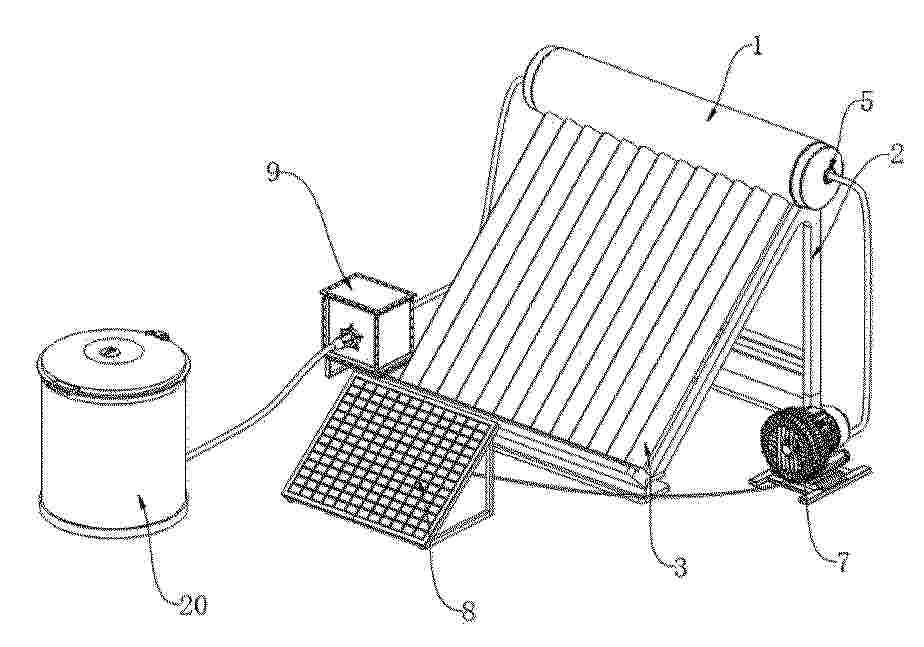
本发明涉及食品加工设备技术领域,公开了一种家庭用真空管式太阳能蓄热烤馕装置,包括集热单元,包括支撑架以及安装于支撑架上的空气联集管和多个集热管,所述空气联集管的两端分别设有冷风口和热风口;动力传输单元,包括光伏板和与所述光伏板电连接的风机,所述风机的出风端与所述冷风口连通;防逆温自锁换热单元,包括三通阀盒,所述三通阀盒设有进气口、出气口和泄压阀口,所述进气口与所述热风口连通,所述三通阀盒内部设有风门和双金属片热敏锁扣。通过设置由保温层与蓄热内胆层构成的同轴嵌套结构,并在两者之间配置带有螺旋金属导流挡板的环形换热流道,实现了气食隔离的间接辐射烘烤。
Resumen de: WO2025169570A1
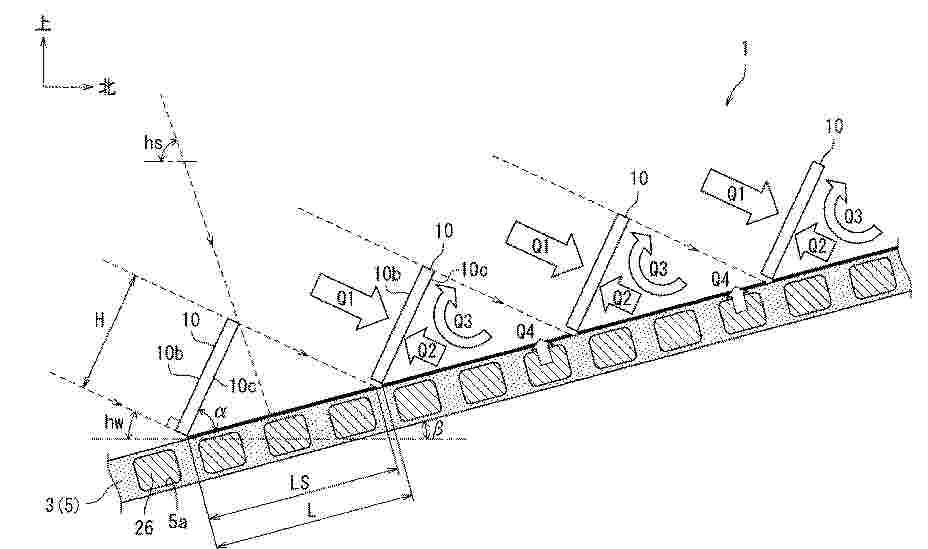
A solar heat collection system 1 comprises a plurality of solar heat collection members 10 installed on an installation object 5 constituting a building 2. Each solar heat collection member 10 has a hollow part 10a, a light-receiving surface 10b, a facing surface 10c, and a non-heat-insulating part 10d for performing convection heat transfer with ambient air. Each solar heat collection member 10 is installed on the installation object 5 in an installation orientation in which the facing surface 10c is inclined with respect to the installation object 5 so as to form a space together with the installation object 5. The plurality of solar heat collection members 10 are arranged with a prescribed installation interval L therebetween.
Resumen de: CN122688749A
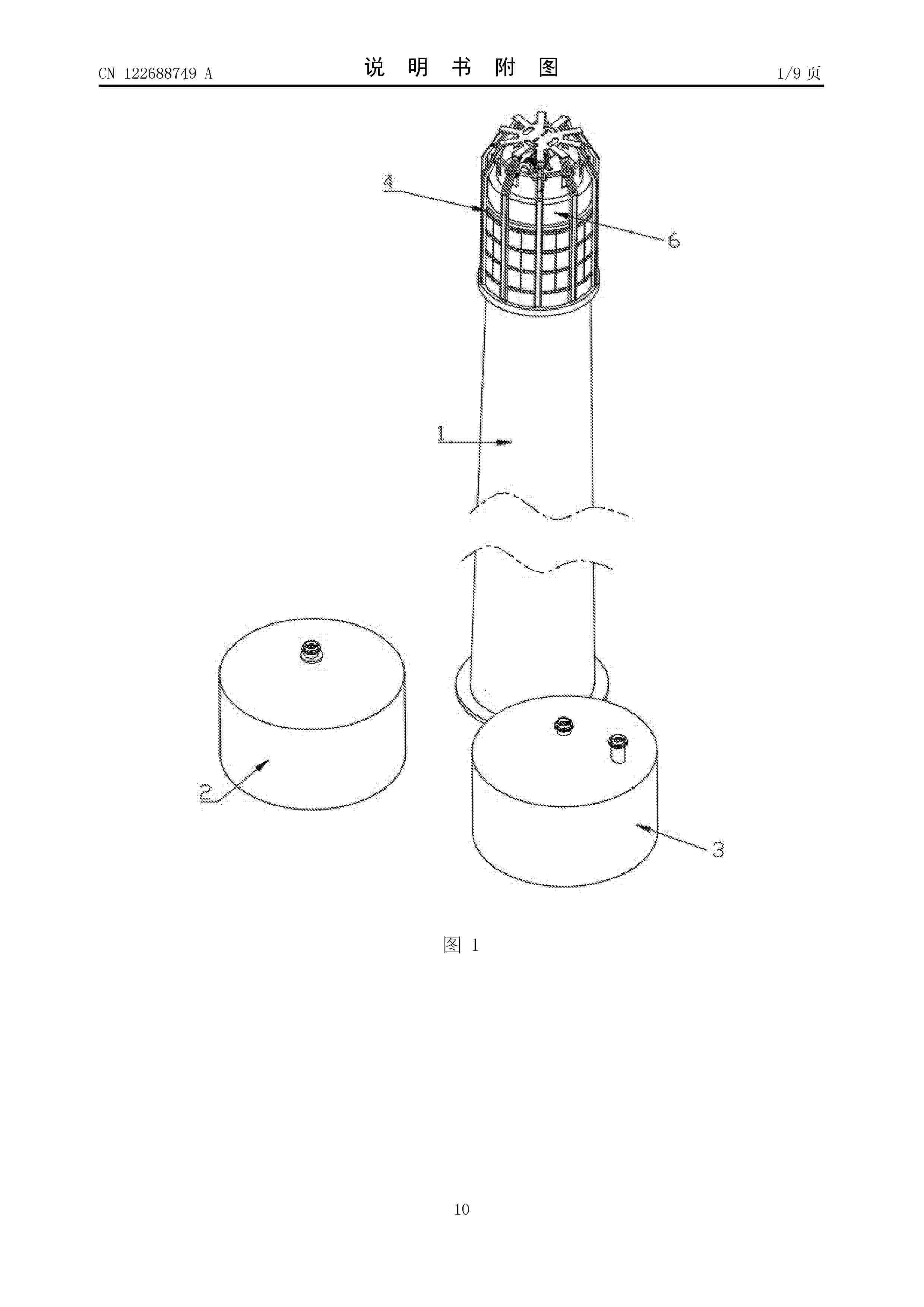
本发明公开了一种熔盐储罐及其基于太阳能发电的储能系统,属于太阳能光热储热技术领域,包括高温熔盐罐和低温熔盐罐,还包括多级缓速布盐机构;多级缓速布盐机构与高温熔盐罐和低温熔盐罐连接;所述多级缓速布盐机构包括缓冲组件和分流组件。通过上述方式,降低高温熔盐的流动速度,并降低高温熔盐下落时对罐体底部的冲击力,提升罐体的使用寿命;并且,分流组件还会将高温熔盐进行分流,并均匀的分散至高温熔盐罐的内部,避免熔盐在罐体中固定位置集中排放,确保高温熔盐罐中的熔盐温度分布更加平均,从而提升后续换热效率。
Resumen de: CN122693441A
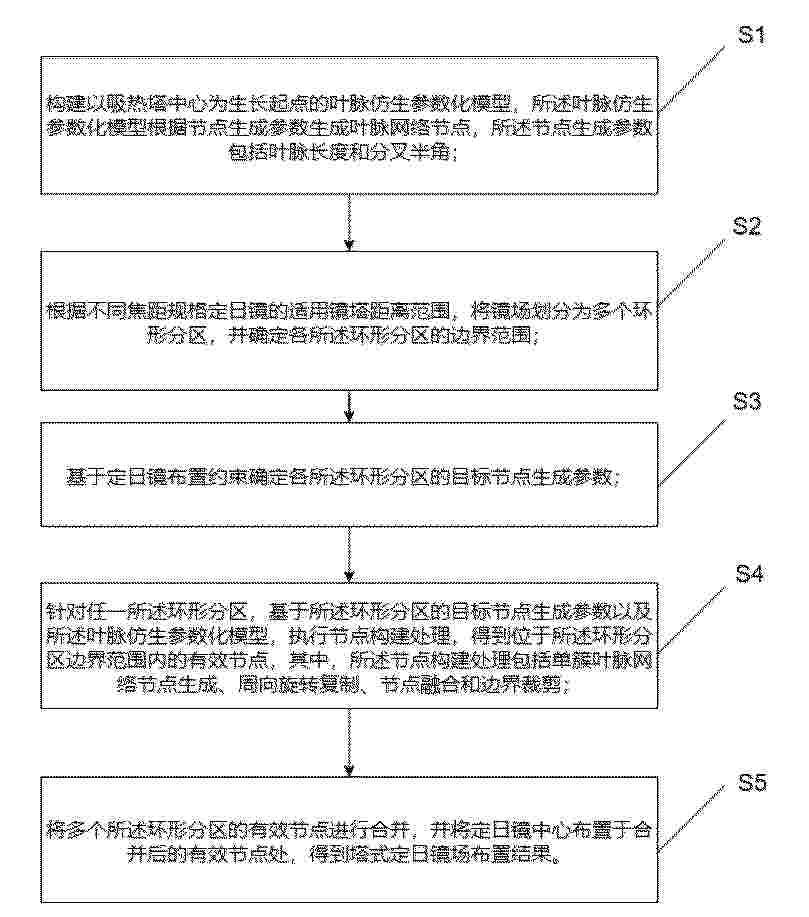
本申请涉及定日镜场布置技术领域,提供一种基于叶脉仿生的塔式定日镜场布置方法及系统,该方法以吸热塔中心为生长起点构建叶脉仿生参数化模型,以叶脉长度和分叉半角作为节点生成参数生成叶脉网络节点;根据不同焦距规格定日镜的适用镜塔距离范围划分多个环形分区,基于定日镜布置约束确定目标节点生成参数;针对各环形分区生成单簇叶脉网络节点,将其围绕吸热塔中心旋转复制形成周向布置节点,对相邻扇区边界附近满足融合条件的节点进行融合,按照各环形分区边界对节点进行裁剪得到有效节点;合并各环形分区有效节点,布置定日镜。该方法能够提高镜场布置过程的参数化和自动化程度,适用于单塔塔式定日镜场的参数化设计与优化布置。
Resumen de: CN122688569A
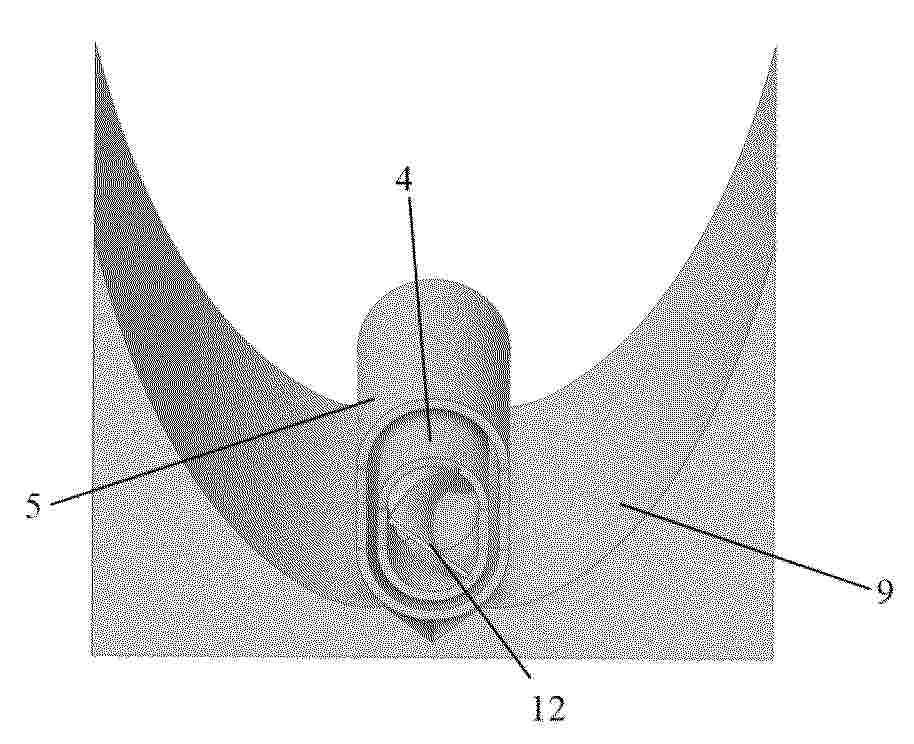
本发明公开了一种内置偏移布置扭曲带的复合抛物面太阳能集热器,涉及光热利用技术领域,包括:复合抛物面聚光器,复合抛物面聚光器中心部分开设有聚光器V型槽,聚光器V型槽上方固定设置有外玻璃管,外玻璃管内部套设有内玻璃管,外玻璃管和内玻璃管之间间隙为真空状态,内玻璃管内部嵌设有扭曲带,扭曲带的轴线与内玻璃管的轴线平行,扭曲带相对于内玻璃管偏心设置;内玻璃管一端有集热工质输入,内玻璃管的另一端将集热工质输出。本发明通过偏移式扭曲带结构结合CuO纳米流体的协同耦合设计,有效强化管内流体扰动与对流换热能力,大幅降低系统不可逆熵产与能量品质损耗,拓宽集热器高效过渡流运行区间,显著提升集热效率与碳减排性能。
Resumen de: CN122697996A
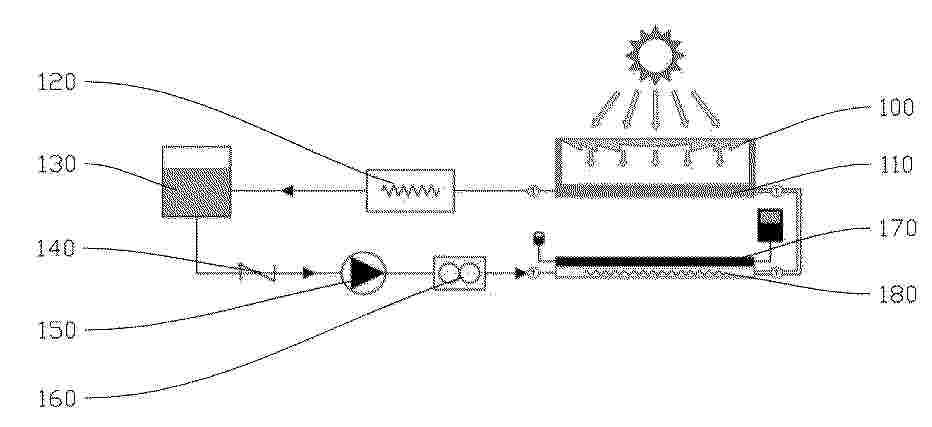
本发明公开了一种基于相变纳米乳液的双流道光热系统及其发电方法,其中基于相变纳米乳液的双流道光热系统包括:光谱处理单元,包括透镜组件以及滤光通道组件,透镜组件设置在滤光通道组件的上方,滤光通道组件内设置有光热工质,光热工质在滤光通道组件内循环流动;光伏单元,包括光伏板组件和换热器组件,光伏板组件的受光面朝向滤光通道组件,光伏板组件设置在光谱处理单元的下方,换热器组件贴合设置于光伏板组件的背面,换热器组件内部流通有光热工质;循环单元,用于将滤光通道组件与换热器组件流体导通,使光热工质在滤光通道组件与换热器组件之间形成循环回路。有效降低光伏组件工作温度,提升光电转换效率。
Resumen de: CN122685156A
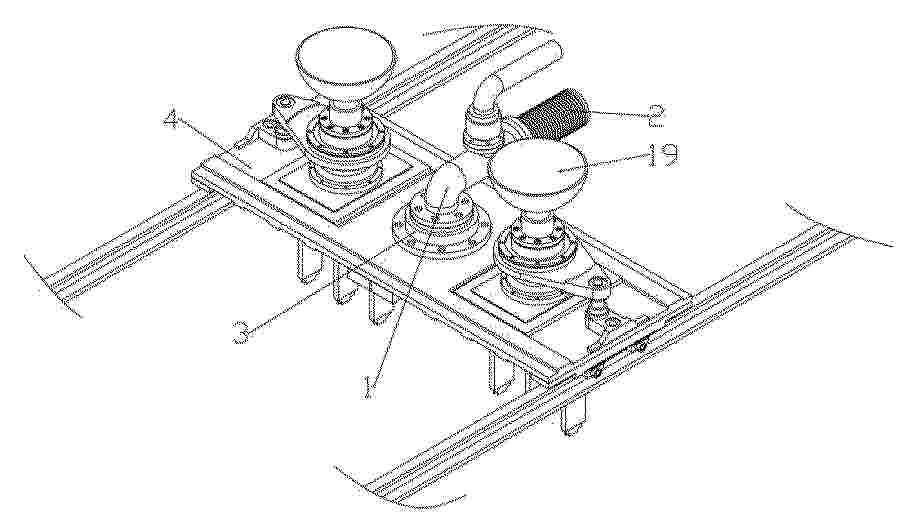
本发明属于水污染治理除臭技术领域,具体是指一种水污染治理用环保除臭设备,包括除臭管、伸缩管、固定法兰、顶铺式集气机构和集热型释放机构,所述除臭管连通设于伸缩管的一侧,所述固定法兰设于除臭管远离伸缩管的一端,所述顶铺式集气机构包括覆盖组件、导热组件和控湿组件,所述覆盖组件设于固定法兰底壁,所述导热组件设于覆盖组件上壁,所述控湿组件设于除臭管上。本发明提供的一种水污染治理用环保除臭设备,可使底泥中因长期囤积而形成的溶解态恶臭物质得以释放,缓解底泥持续厌氧产臭问题,同时可利用太阳能实现自然蒸发加湿,降低喷淋用水量与运行电耗。
Nº publicación: CN122688568A 04/09/2026
Solicitante:
中广核光热技术(北京)有限公司中广核太阳能开发有限公司
Resumen de: CN122688568A
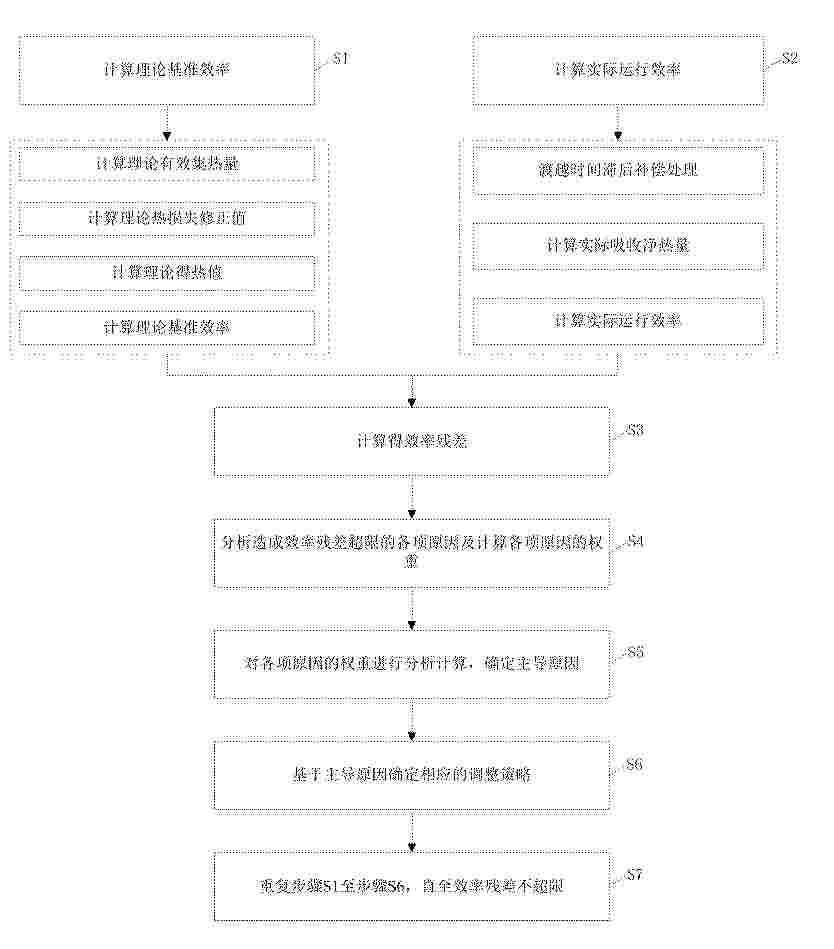
本发明涉及一种熔盐槽式集热回路热效率实时监测方法和系统,包括:基于动态理论模型实时计算与当前运行工况对应的理论基准效率;获取集热回路的实时测量数据,并基于实时测量数据计算实际运行效率;根据理论基准效率和实际运行效率进行计算,获得效率残差;对效率残差进行超限判定,并分析造成效率残差超限的各项原因及计算各项原因的权重;对各项原因的权重进行分析计算,确定主导原因;基于主导原因确定相应的调整策略;重复上步骤,直至效率残差不超限。本发明可以实现熔盐集热回路运行状态从被动监测向主动自愈的技术跨越,可以满足熔盐集热回路在复杂运行工况下对效率精确监测、多维诊断与安全自愈的工程实际需求。
 BOPI
BOPI
 Sede Electrónica