Si deseas distinguir tus productos, servicios o ambos de los de otra empresa, es posible que necesites una marca o nombre comercial. Descubre qué son, en qué consiste su procedimiento de registro y qué implica.

Información sobre los plazos de presentación de solicitudes de transformación de marcas de la Unión Europea en marca nacional española. Más información


Si tienes un nuevo dispositivo, producto o procedimiento que resuelva un problema técnico o tenga una ventaja práctica, existen distintas formas de protegerlo en España y en otros países. Descubre cómo hacerlo.

¿Tu innovación reside en la estética, la ornamentación o la apariencia de tu producto? Protégela mediante un diseño industrial. Descubre qué derechos confiere el registro y cómo realizar la tramitación.

Las indicaciones geográficas protegen el nombre de un producto originario de una zona geográfica, a la cual le debe una determinada calidad, reputación u otra característica. Descubre qué son, en qué consiste su procedimiento de registro y qué beneficios conceden.

Las patentes publicadas en todo el mundo son una valiosa fuente de información científica, técnica y comercial.

Si eres emprendedor/a o una empresa y quieres potenciar y mejorar la rentabilidad de tu negocio protegiendo de forma adecuada los activos intangibles de tu organización, en este espacio encontrarás lo necesario.


 322
resultados
322
resultados
 Última actualización
25/08/2026 [07:57:00]
Última actualización
25/08/2026 [07:57:00]


Resumen de: KR20160146760A
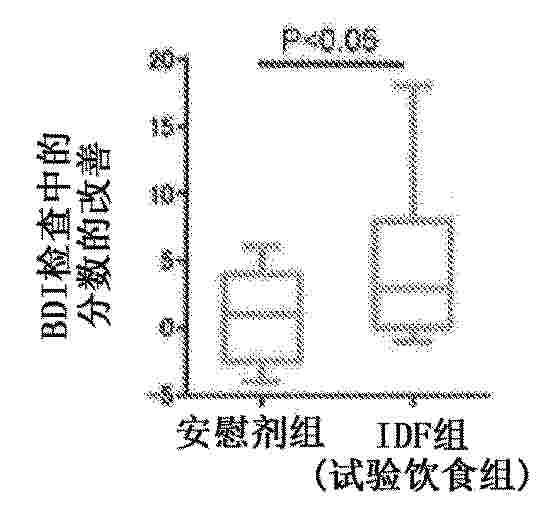
0001 An anti-aging agent derived from a natural product is provided. At least one selected from the group consisting of imidazolidine peptides and metabolites thereof. The present invention also provides an agent for improving neuropsychological function comprising at least one selected from the group consisting of imidazocidepeptides and metabolites thereof as an active ingredient. The present invention is also directed to an agent for modulating the expression of a transporter, such as SLC23A2, containing at least one selected from the group consisting of imidadocidepeptides and metabolites thereof, an imidazocidepeptide and a metabolite thereof An agent for controlling the concentration of cytokine such as IP-10 containing at least one in blood, an expression analysis method for detecting improvement or deformation of neuropsychological function, a kit for detecting improvement or deformation of neuropsychological function .

Resumen de: AU2026210844A1
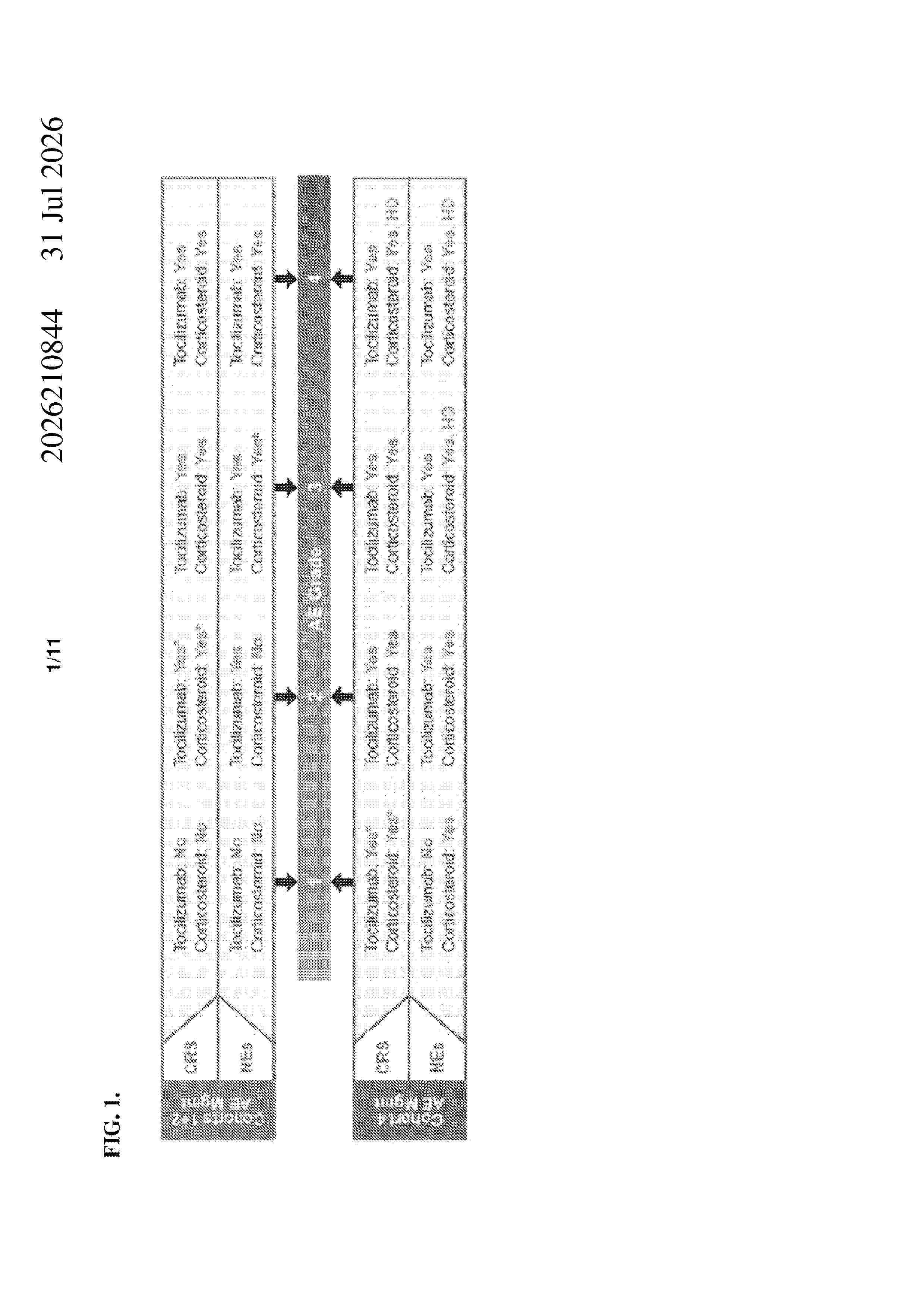
The disclosure relates to methods of diagnosis and prognosis, compositions for immunotherapies, methods of improving said compositions, and immunotherapies using the same (e.g., T cells, non- T cells, TCR-based therapies, CAR-based therapies, bispecific T-cell engagers (BiTEs), and/or immune checkpoint blockade). ul u l
Resumen de: US20260243757A1
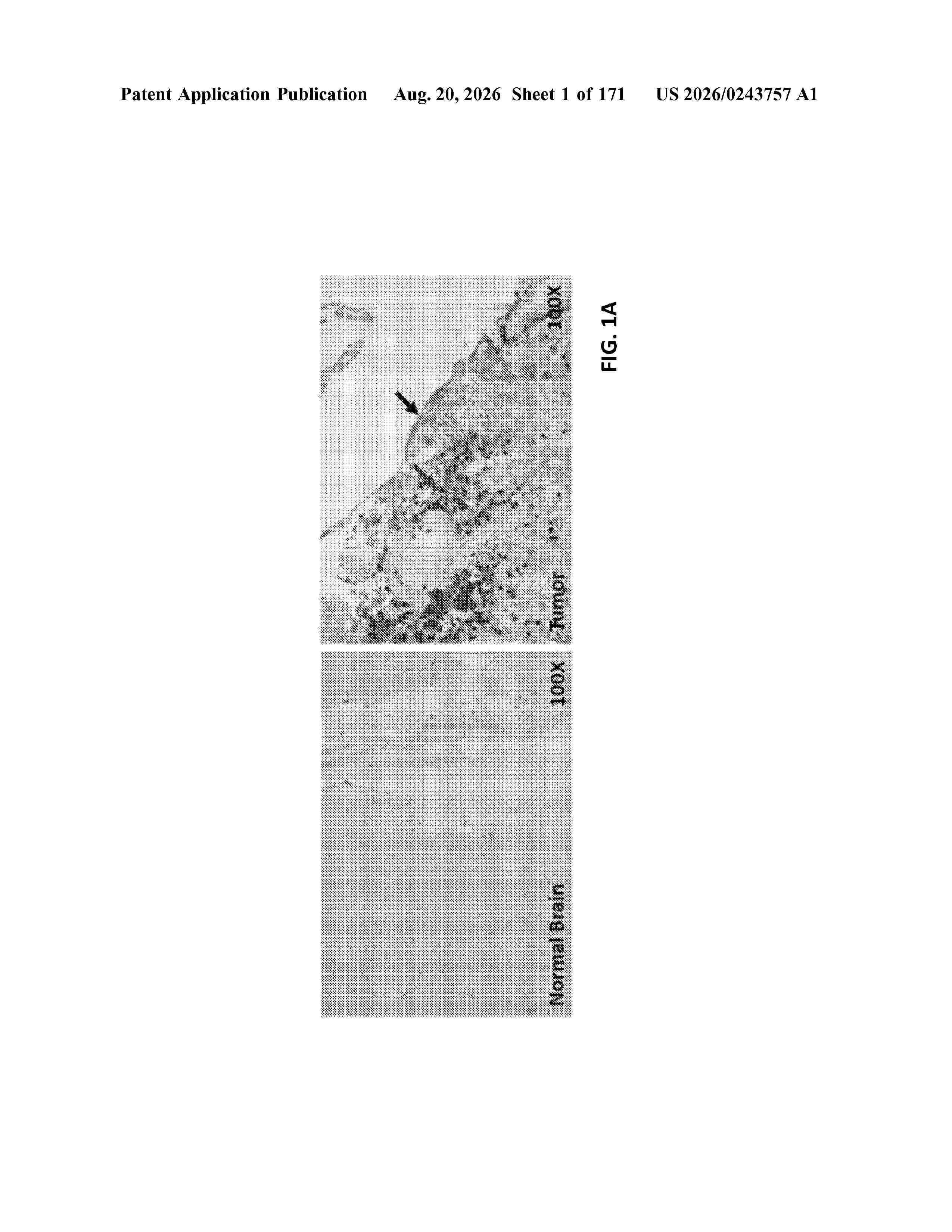
0000 There is provided a composition comprising a secretome obtained by culturing an immune progenitor cell in the presence of an agent that activates the immune cell progenitor to an activated immune cell. Also provided is a composition for use in tissue regeneration, a method of generating a macrophage-derived secretome, a method of screening a drug and a method of culturing a proliferative cell.
Resumen de: US20260243781A1
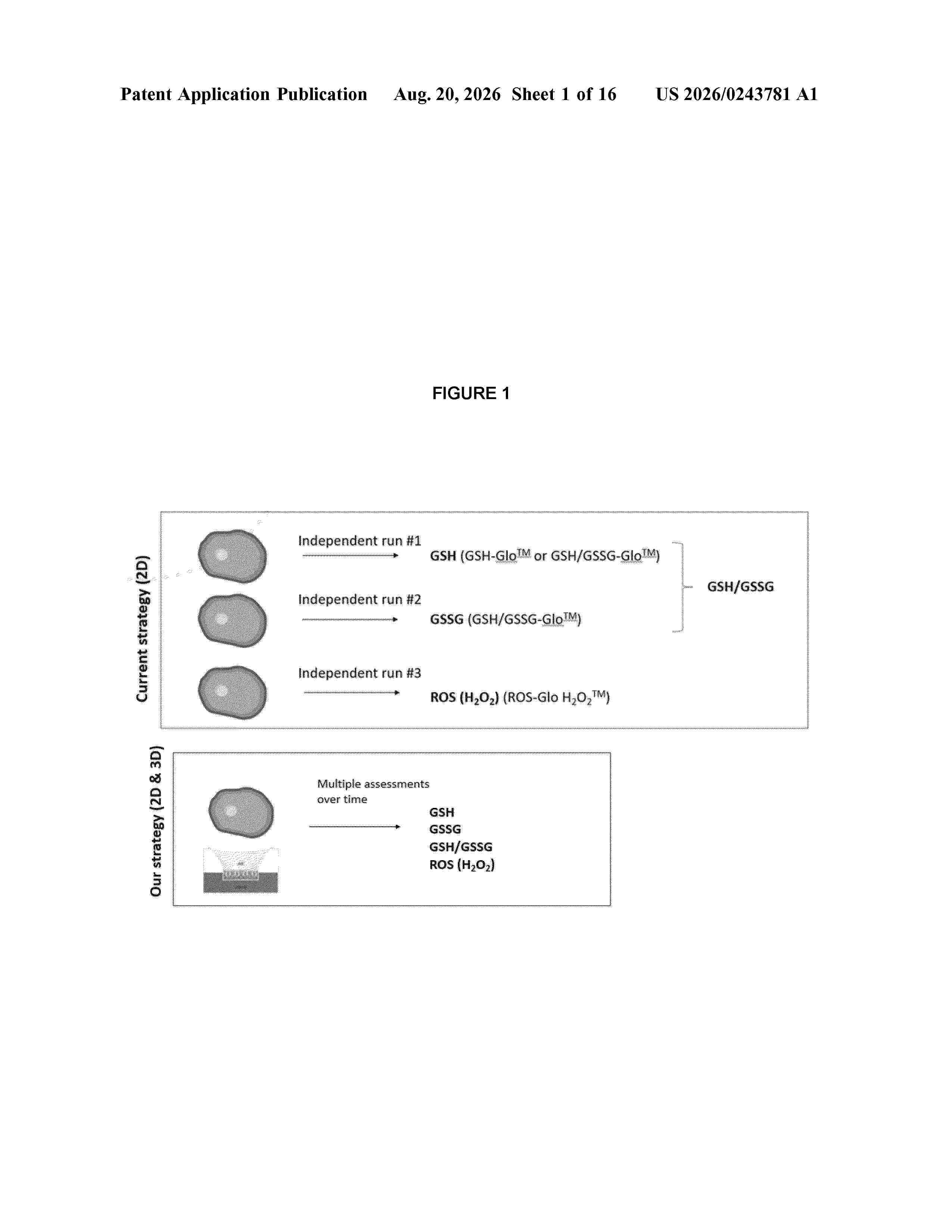
A method of measuring oxidative stress in a cell or tissue sample, the method including the steps of: (i) treating the cell or tissue sample in a medium; (ii) collecting a portion of the medium; (iii) measuring amounts of glutathione in the cell or tissue sample; and (iv) measuring amounts of reactive oxygen species (ROS) in the media portion collected in step (ii), step (iii) being carried out immediately after steps (i) and (ii), and step (iv) being carried out simultaneously with step (iii) or within 6 hours of step (iii) including assay time if the collected media portion is stored at about 0-8° C. until step (iv) is carried out.
Resumen de: US20260243777A1
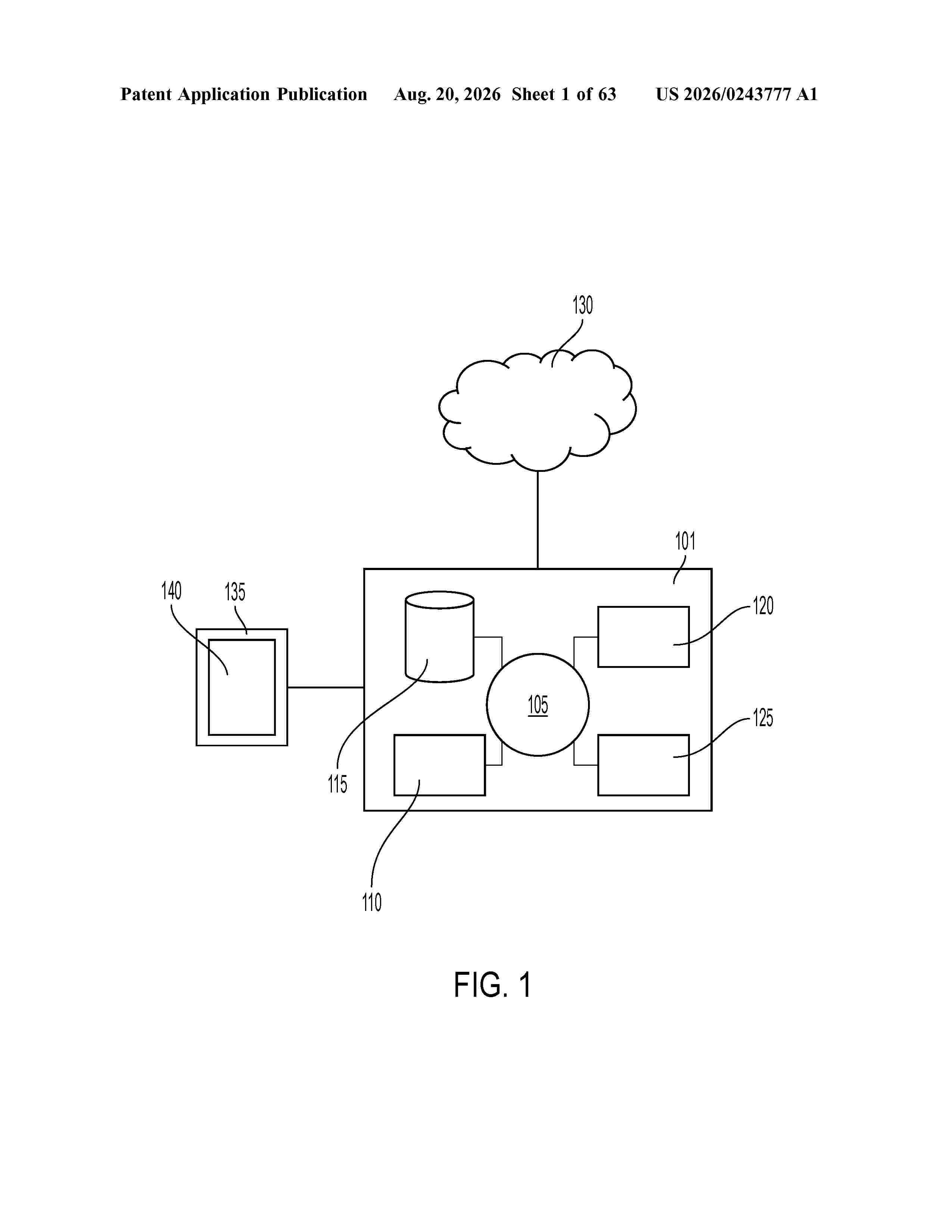
0000 The present disclosure provides a range of compositions and methods for enriching subsets of complex biological samples. Aspects of the present disclosure provide peptide-functionalized particles comprising affinities for subsets of biomolecules from complex biological samples. The present disclosure further provides methods for utilizing functionalized particles to fractionate and analyze complex biological samples.
Resumen de: US20260242441A1
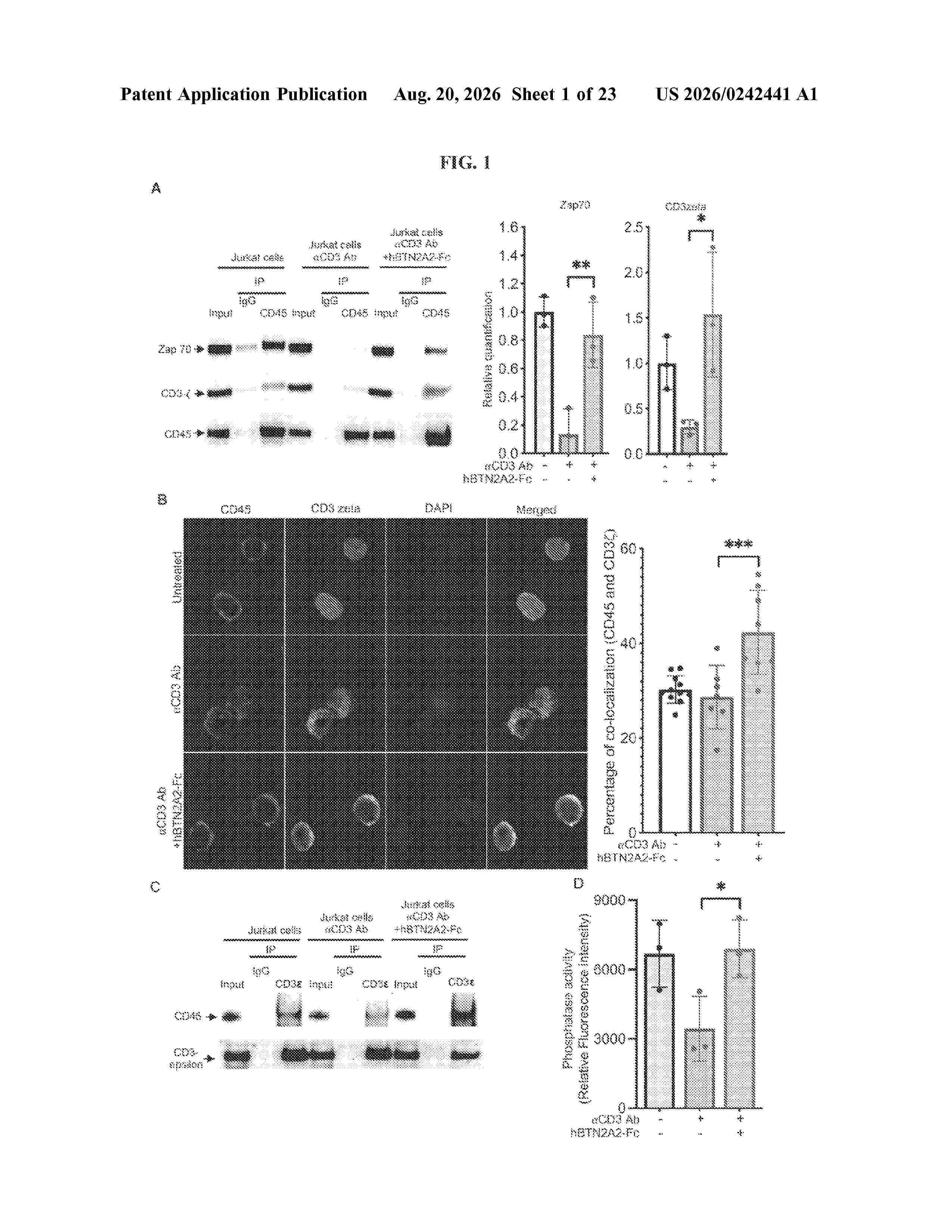
Described herein are methods of reducing CD3-dependent T cell signaling in a subject in need thereof. Also described are method of increasing T-regulatory (Treg) cells, or decreasing T-helper 17 (Th17) cells. These methods involve administering butyrophilin A2 (BTN2A2), a BTN2A2 fragment thereof, a BTN2A2-related isoform, or a BTN2A2-related isoform fragment, or a conjugate or fusion polypeptide comprising any of the foregoing to the subject. These methods are beneficial for patients with autoimmune disorders and inflammatory disorders such as allergy, asthma, glomerulonephritis, inflammatory bowel disease, rheumatoid arthritis, an autoimmune or inflammatory neurological disease, antibody mediated transplant rejection, infantile cholestasis, haemophagocytic lymphohistiocytosis, erythrocytic haemophagocytosis, malnutrition, systemic lupus erythematosus (lupus), psoriasis, myasthenia gravis or HIV. Further described are fusion proteins having BTN2A2 and an Fc domain.
Resumen de: US20260243762A1
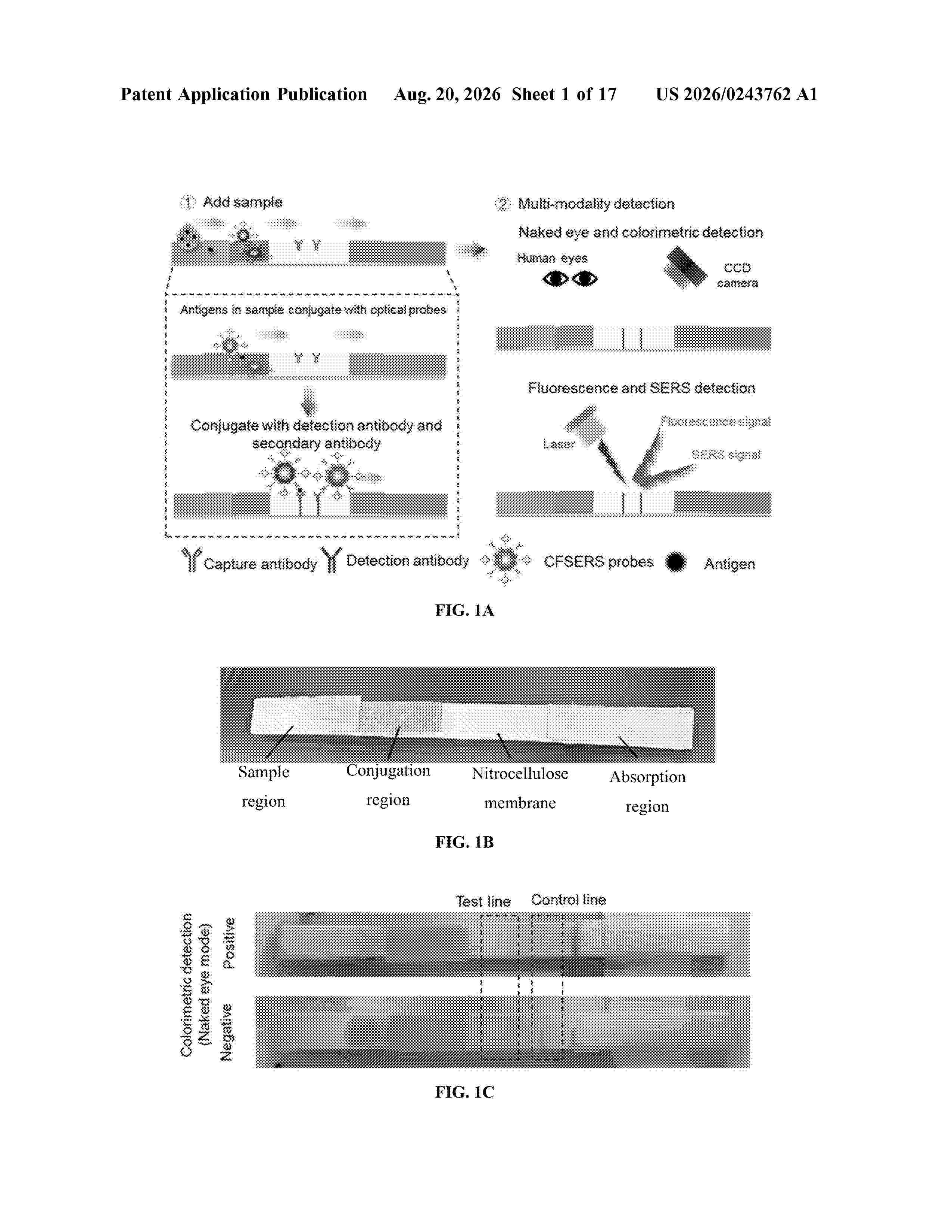
0000 A multimodal lateral flow assay (LFA) system for non-invasive biomarker monitoring is provided. The system includes a multimodal LFA strip having a sample-loading region for receiving a biological sample, a conjugate region containing triple-mode probes, and a membrane zone with immobilized capture and secondary antibodies that form respective test and control lines upon binding the probes. The triple-mode probes generate colorimetric, fluorescence, and surface-enhanced Raman scattering (SERS) signals. A laser-emitting module illuminates the membrane zone to excite fluorescence and SERS responses, which are detected by one or more optical detection devices. A processor performs multimodal signal mapping by analyzing fluorescence and SERS outputs to determine the quantitative concentration of the biomarker in the sample. The system enables sensitive, quantitative, and non-invasive detection of biomarkers across multiple optical modalities.
Resumen de: US20260240820A1
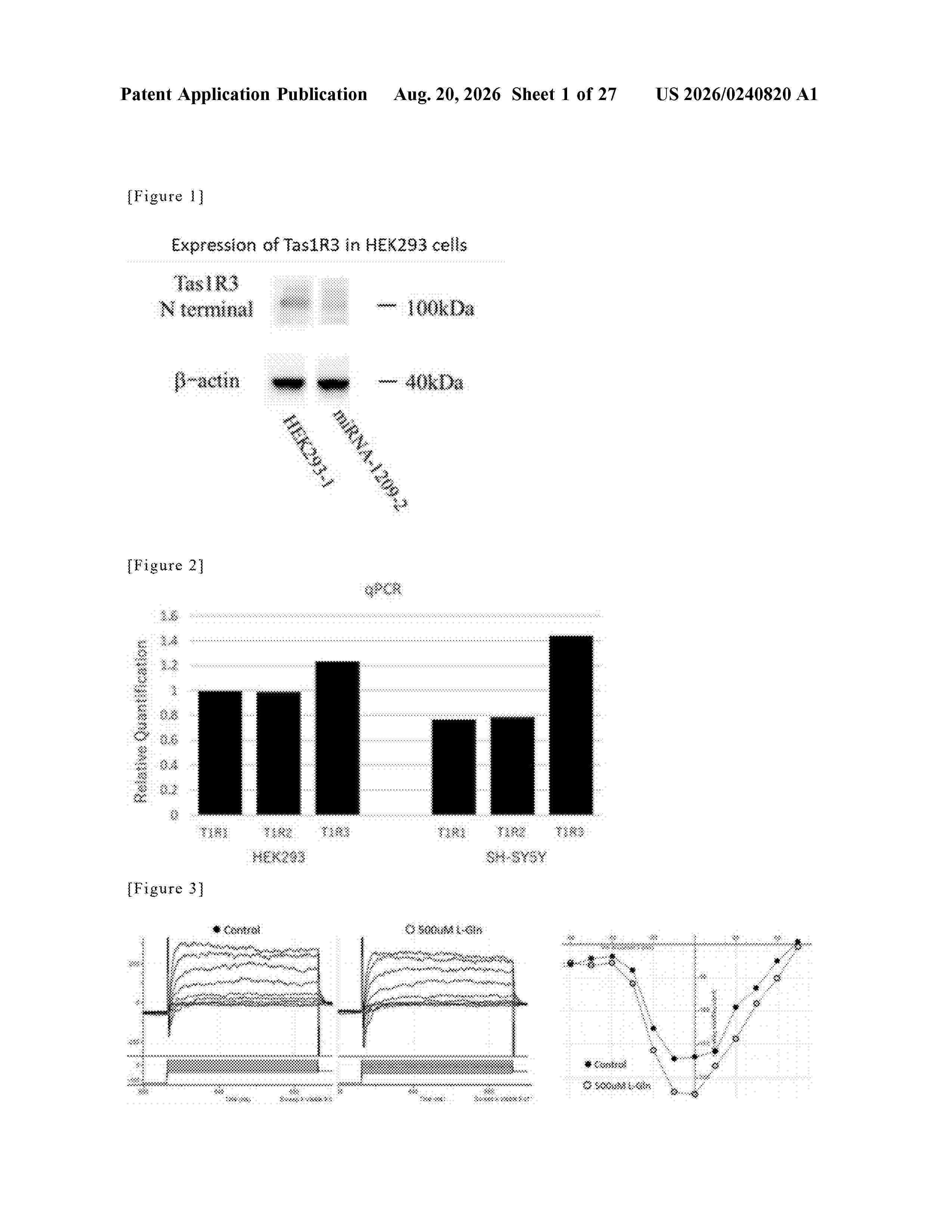
The present invention pertains to a method for controlling a membrane potential-dependent ion channel (VGSC or the like) through a type I taste receptor present in a nerve cell or the like. In the present invention, it has been found that an Aβ peptide, or a sweet amino acid or an umami substance specifically binds to a type I taste receptor on the surface of a nerve cell to exert an agonist-like or antagonist-like action, thereby amplifying or suppressing a VGSC active current.Moreover, with the binding of an Aβ peptide or the like to a type I taste receptor, the amplification of a VGSC active current occurs, the overactivity of nerve cells causing epileptiform attack occurs, and a large number of substances, which can effectively suppress the amplification of the VGSC active current, among ligand substances that specifically bind to the type I taste receptor, can be found.The present invention provides: a type I taste receptor-specific ligand substance that can control the amplification or suppression of a VGSC active current; and a pharmaceutical composition for preventing or treating various neurodegenerative diseases, such as Alzheimer's disease (AD), due to the amplification of a VGSC active current caused by the binding of an Aβ peptide or the like to a type I taste receptor. Moreover, a method for using, as a target receptor, a type I taste receptor present in a nerve cell or the like to screen a ligand substance for controlling a VGSC or the like in the cell is al
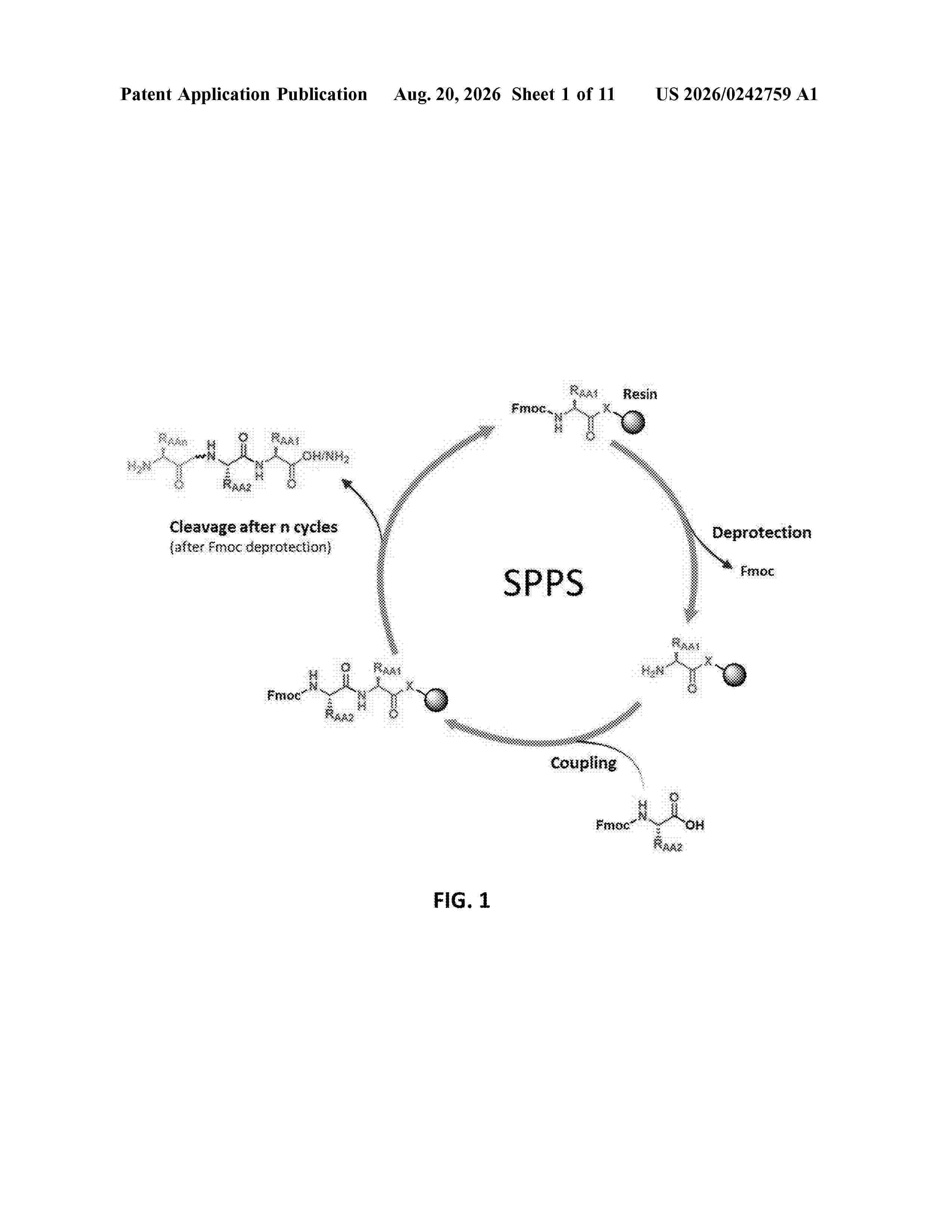
Resumen de: US20260242759A1
0000 The present invention relates to G protein peptidomimetics, in particular Gprotein peptidomimetics, capable of stabilizing a GPCR, in particular a G
protein-coupled receptor, in an active conformational state. The G protein peptidomimetics are derived from the α<5 >helix of Gα
protein or mini-G
protein, in particular they arise from modifications of peptides comprising or consisting of the amino acid sequence set forth in SEQ ID NO:13 or SEQ ID NO:14. The invention further provides complexes of the G protein peptidomimetics and a GPCR, fusion polypeptides of a GPCR and the G protein peptidomimetics and compositions comprising the same. Further disclosed herein are uses of the G protein peptidomimetics, complexes, fusion polypeptides and compositions for determining the structure of a GPCR conformer, for screening for compounds capable of specifically binding to a GPCR conformer and as allosteric modulator of a GPCR and as a biosensor.
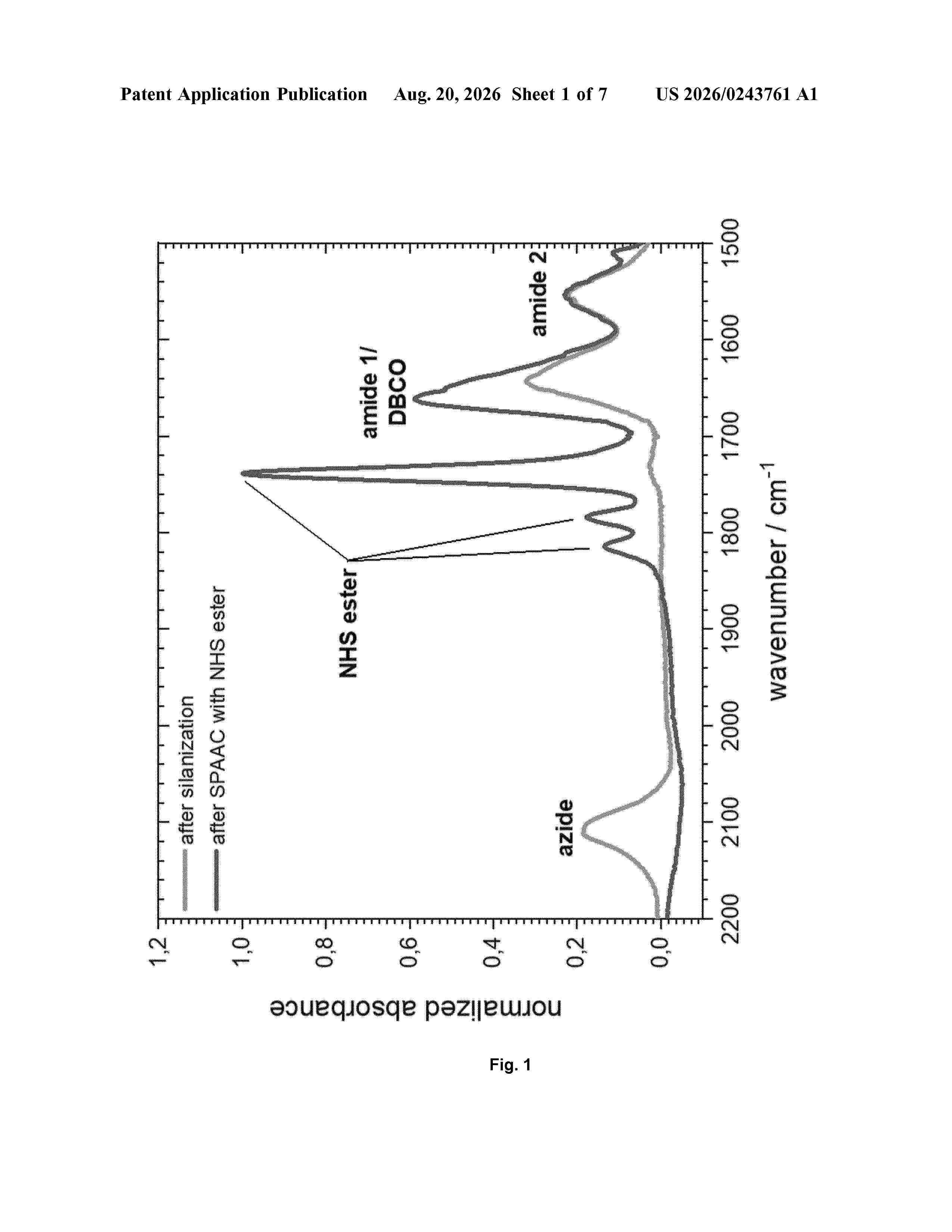
Resumen de: US20260243761A1
The present invention provides a molecular probe functionalized element comprising a solid base element, a first layer comprising a linker A, a second layer comprising a peptide compound, a third layer comprising a linker B, and a fourth layer comprising a molecular probe, wherein the peptide compound is covalently bound to the solid base element via linker A and the molecular probe is covalently bound to the peptide compound via linker B. The present invention also provides a process for preparing the molecular probe functionalized element and a device comprising the molecular probe functionalized element such as an optical biosensor. Further, the present invention provides a method for detecting a biomarker comprising a) bringing into contact the molecular probe functionalized element with a sample suspected to comprise a target analyte; b) detecting the biomarker based on an interaction between the molecular probe and the target analyte. The present invention also provides a use of the molecular probe functionalized element or of the device for one or more of: a companion diagnostic test; diagnosing Alzheimer's disease, Parkinson's disease, amyotrophic lateral sclerosis, Diabetes, Huntington, Prion disease, or a tumor in a patient; monitoring of therapy of patients with Alzheimer's disease, Parkinson's disease, amyotrophic lateral sclerosis, Diabetes, Huntington, Prion disease, or a tumor; and screening of drugs for the treatment of Alzheimer's disease, Parkinson's disease
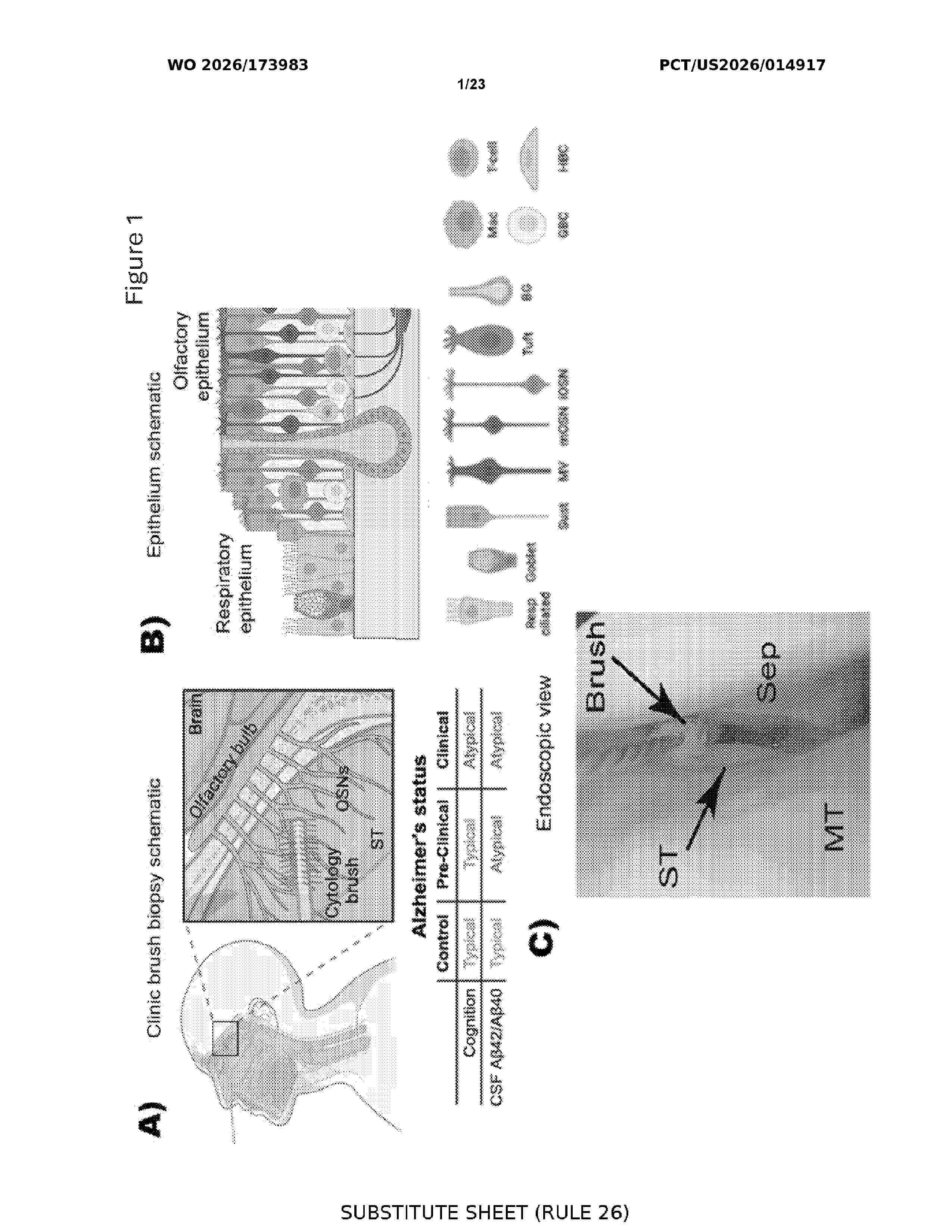
Resumen de: WO2026173983A1
The present invention provides methods and biomarkers useful for detecting, diagnosing and treating Alzheimer's Disease. The biomarkers for diagnoses may be used to develop treatment plans for subjects. The methods may be used to diagnose a subject prior to clinical onset of symptoms and may allow for early treatment which may slow progression of the disease.
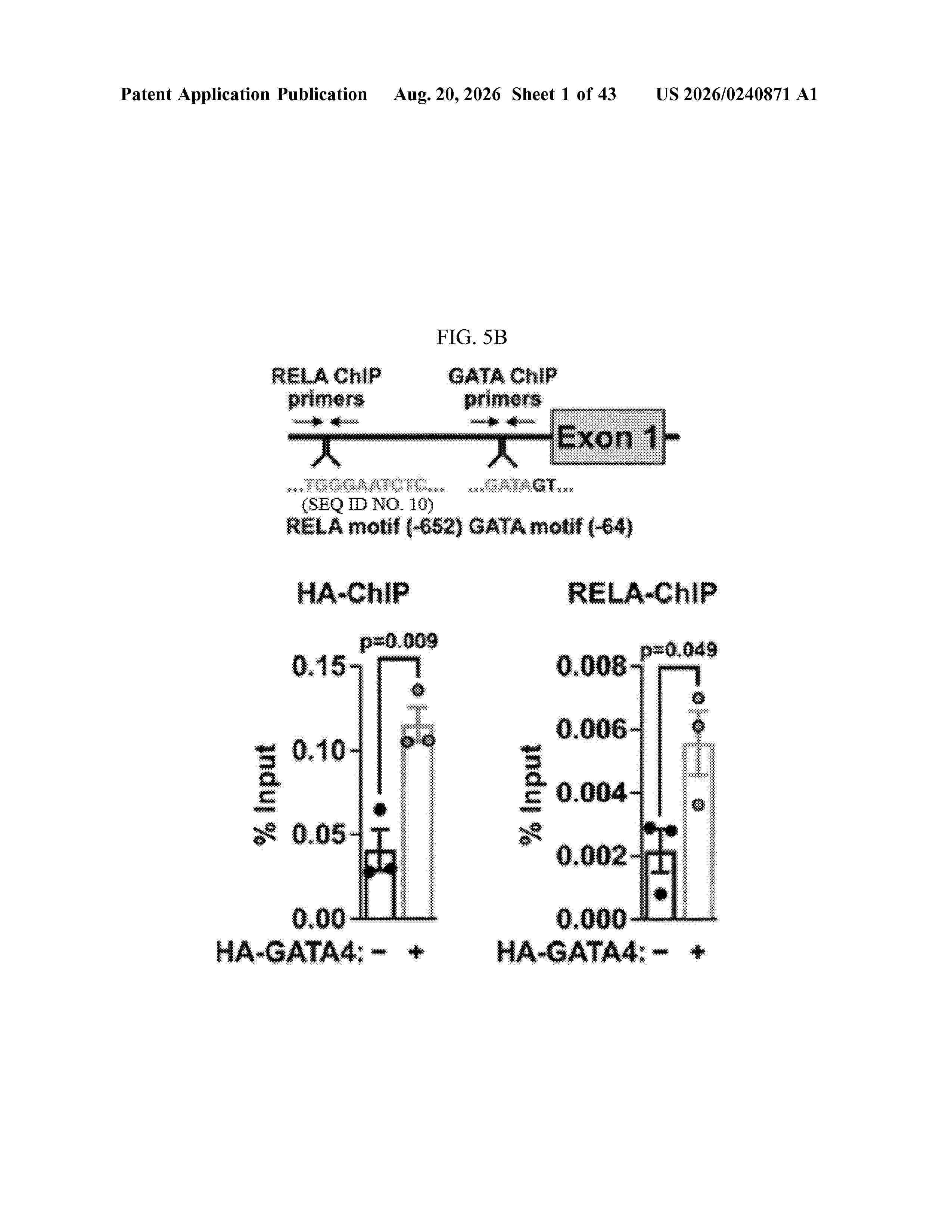
Resumen de: US20260240871A1
A composition includes a lysosomal ABCA1 inhibitor. The composition inhibits the transport of cellular ABCA1 to lysosomes or suppresses ABCA1 within lysosomes, by including the lysosomal ABCA1 inhibitor, thereby inhibiting lysosomal cholesterol accumulation and the production of senescence-associated secretory phenotype (SASP) factors. Therefore, the composition can be used for inhibit age-related inflammation, and prevent, improve or treat age-related musculoskeletal disorders.
Resumen de: US20260241002A1
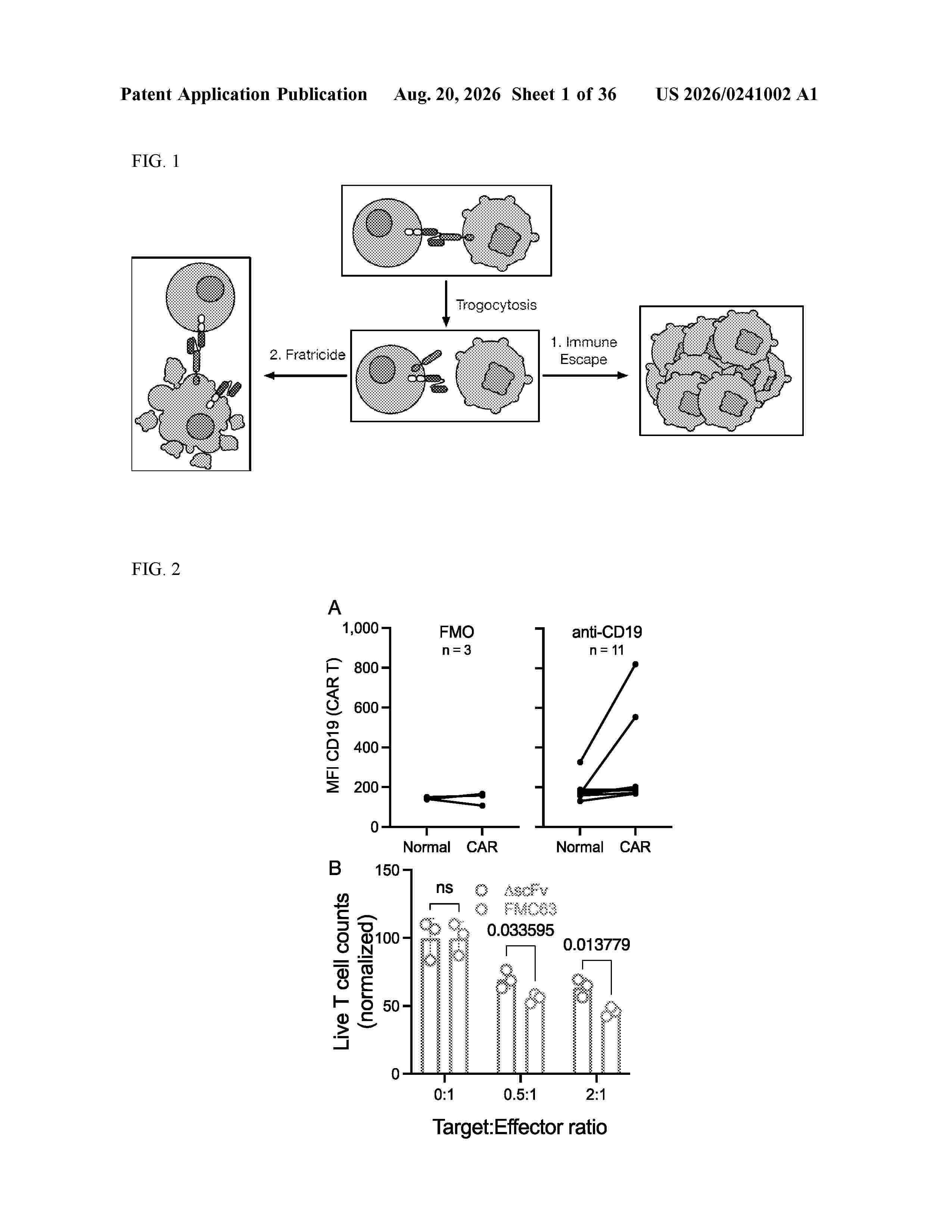
Populations of CAR T cells that exhibit reduced trogocytosis are disclosed, as well as methods for making such cells and methods of using such cells in the treatment of cancer. A reduction in trogocytosis is achieved by inhibiting Cathepsin B in the CAR T cells and/or inducing ubiquitylation of cancer antigens taken up by the CAR T cells.
Resumen de: US20260242753A1
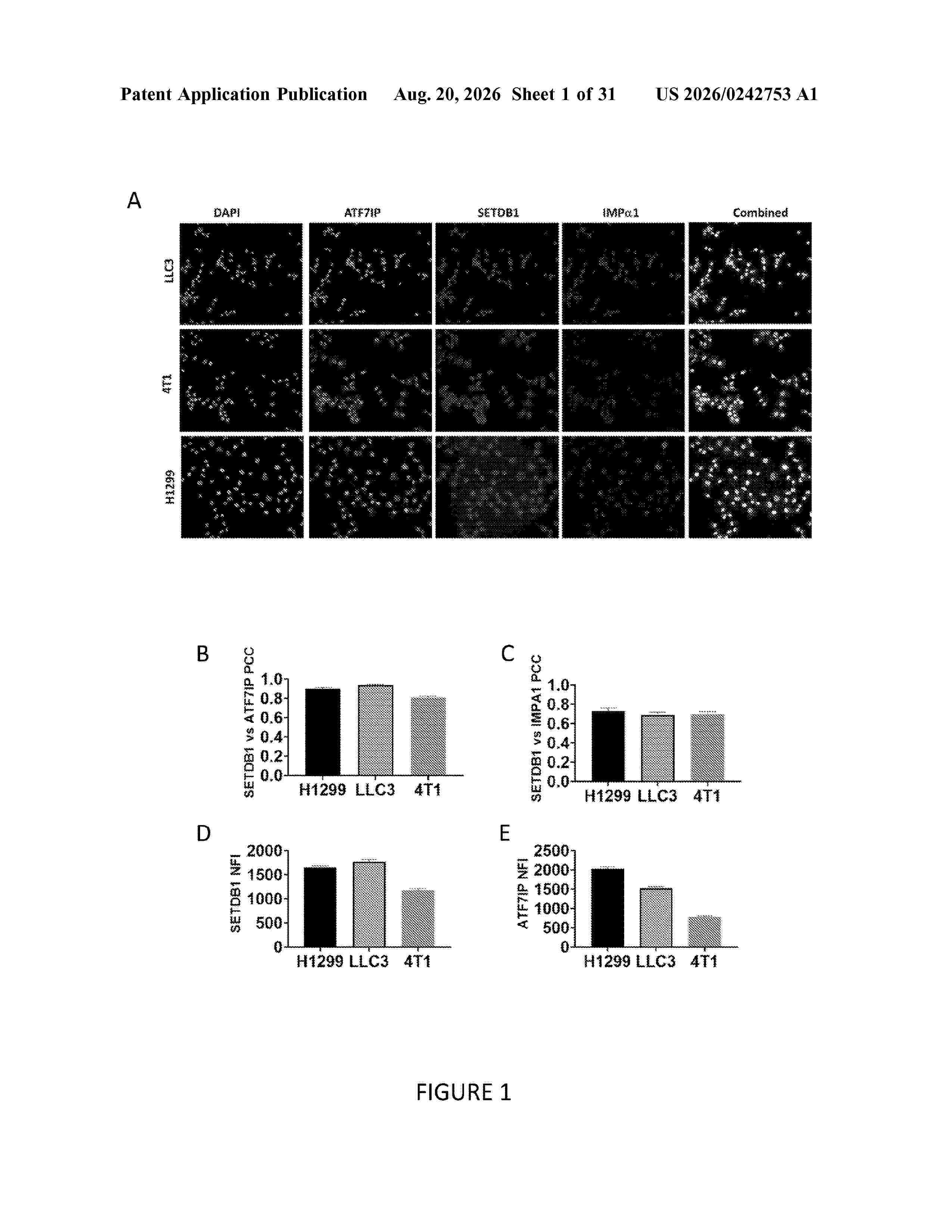
The present invention relates to novel therapeutic compositions and methods for treating cancer. In particular, the use of proteinaceous inhibitors, including novel bicyclic peptide inhibitors, for use in treating cancer.
Resumen de: WO2025080894A1
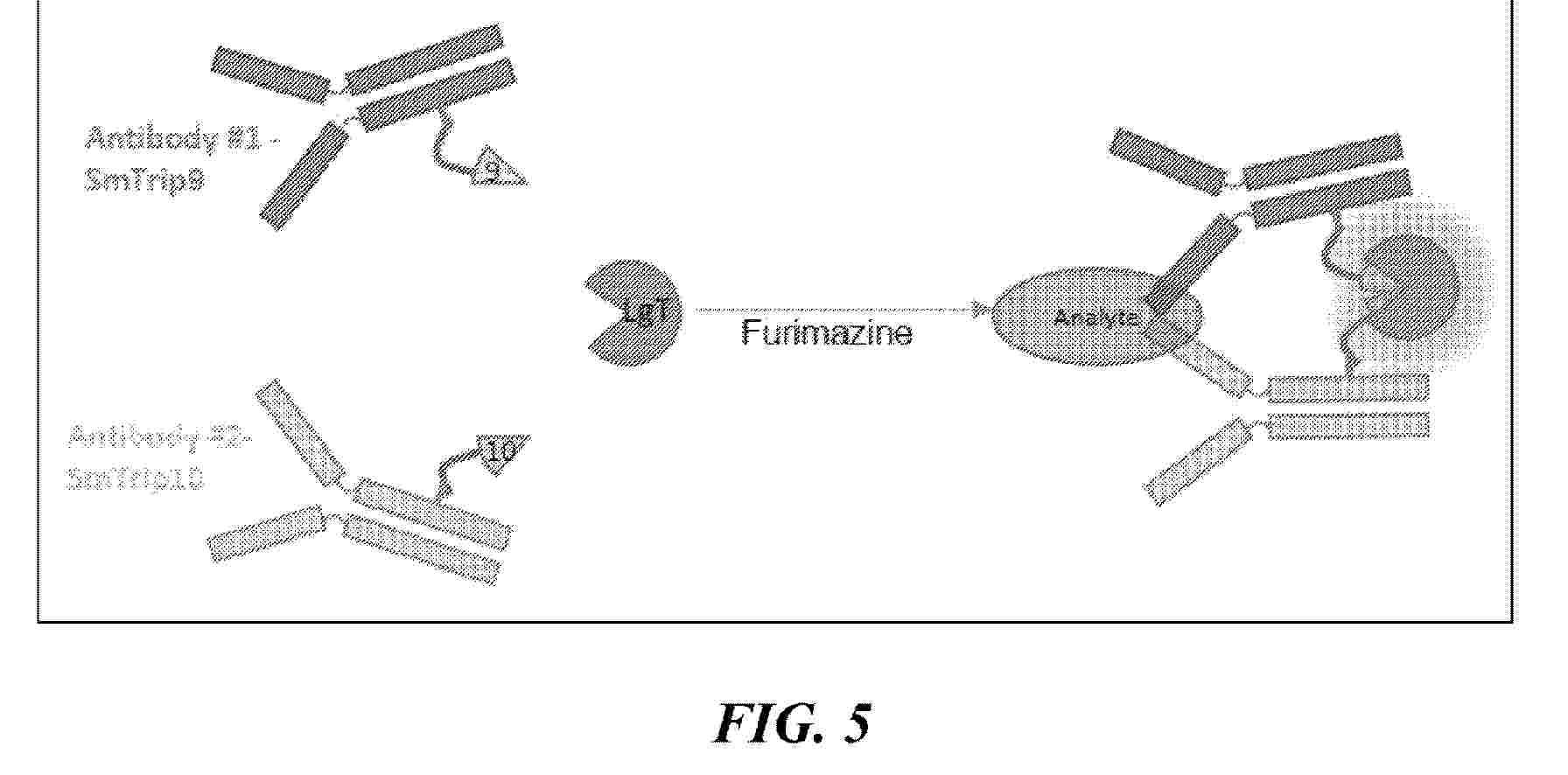
In one aspect, the present disclosure provides a method of detecting a presence or absence of a biomarker for a disease in the sample, wherein the biomarker comprises: a) a complex of physiologically active target macromolecules or a fragment or portion thereof and target macromolecules that are not physiologically active; b) a conformation of the physiologically active macromolecules or fragment thereof when the physiologically active target macromolecules or the fragment or portion thereof is a complex with a non- physiologically active target macromolecule; c) the conformation of physiologically active target macromolecules or a portion or fragment thereof in a PAT-Tau complex; d) the conformation of non-physiologically active target macromolecules or a portion or fragment thereof in a PAT-Tau complex; or e) a combination of a), b), c), d) and/or e).
Resumen de: EP4793283A1
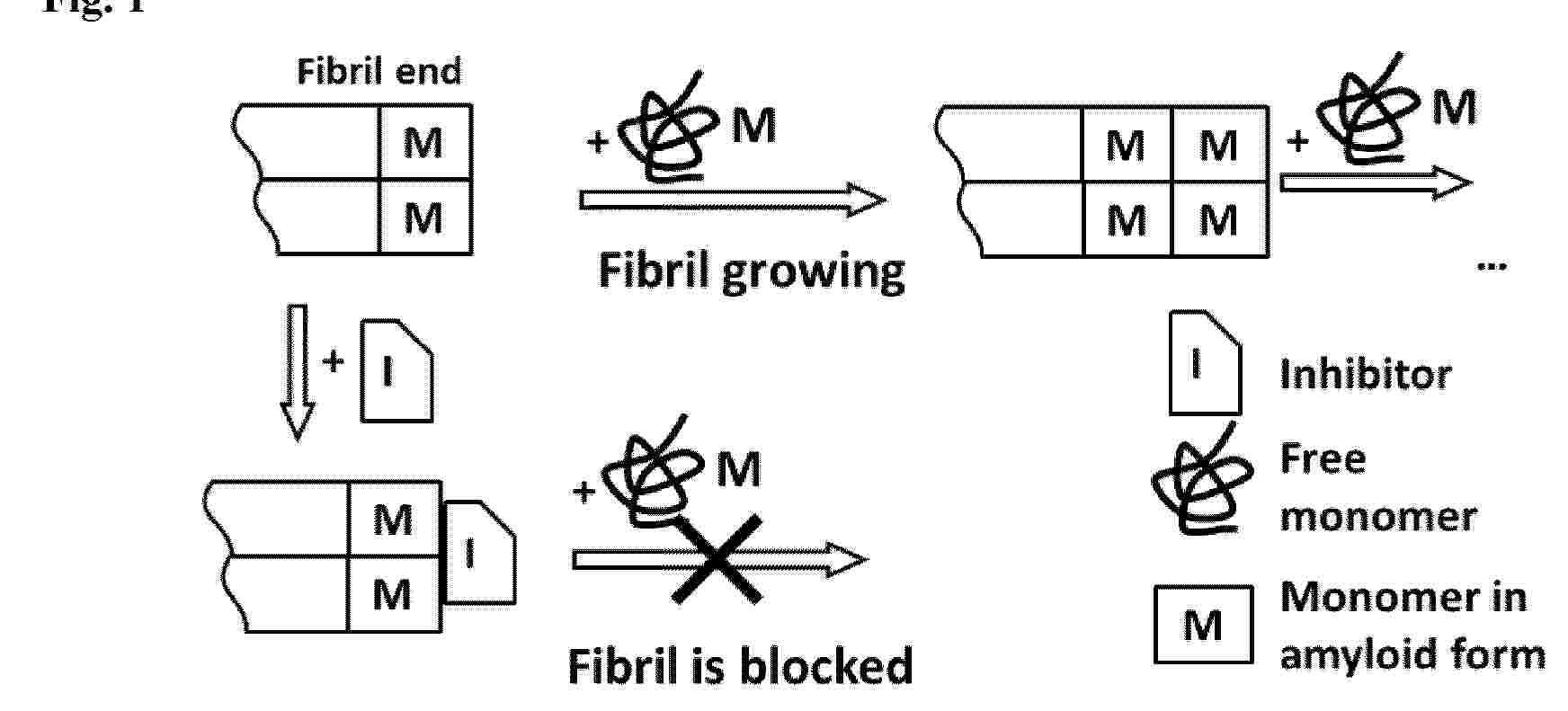
The present invention belongs the field of biomedicine, namely, treating and preventing Parkinson's and Alzheimer's diseases. These diseases are characterized by the presence of amyloid fibrils that drive the pathology progression in the brains of affected individuals. The invention discloses peptides that block ends of amyloid fibrils and stop their growth.
Resumen de: WO2025076635A1
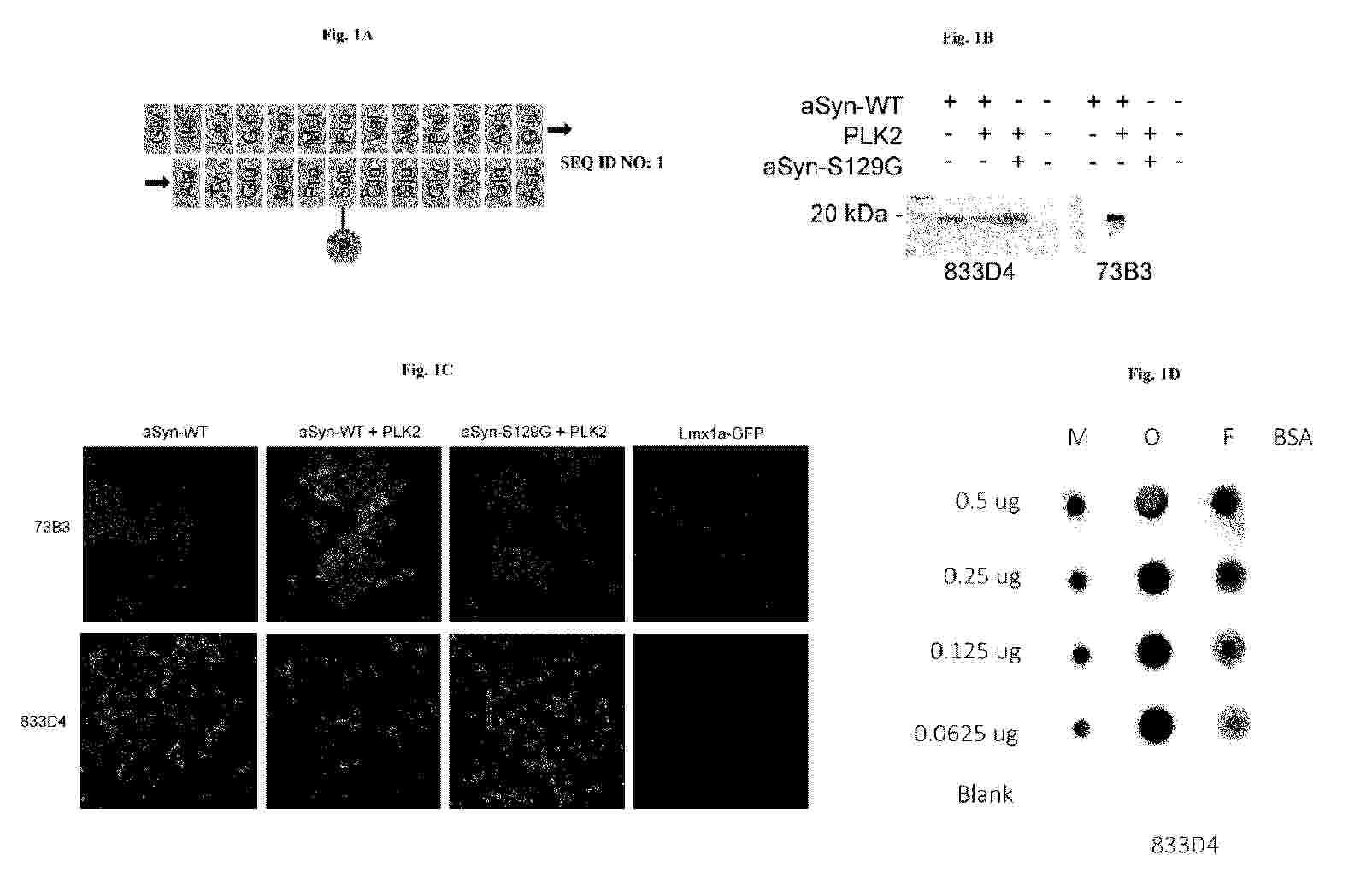
Described herein are anti-alpha-synuclein antibodies. More specifically, described herein are antibodies specific to serine 129 phosphorylated alpha-synuclein. Further described herein is the use of the anti alpha-synuclein antibodies for the treatment or diagnosis of a synucleinopathy. Further described are kits and compositions comprising the anti alpha-synuclein antibodies detecting alpha-synuclein in a sample.
Resumen de: WO2021195768A1
An aqueous stabilizing composition for preserving a bodily fluid at ambient temperature is provided. The aqueous stabilizing composition comprises: a sugar selected from a monosaccharide, a disaccharide, or a combination thereof; a buffering agent; a C1-C6 alkanol; boric acid, a salt of boric acid, or a combination thereof; and a chelating agent; wherein the composition has a pH of from 4.5 to 5.2. A method for preserving a bodily fluid using the aqueous stabilizing composition is also provided, the method comprising: a) obtaining a sample of the bodily fluid; b) contacting the bodily fluid with the aqueous stabilizing composition to form a mixture; c) mixing the mixture of (b) to form a homogeneous mixture; and d) storing the homogeneous mixture at ambient temperature.
Resumen de: US20260235515A1
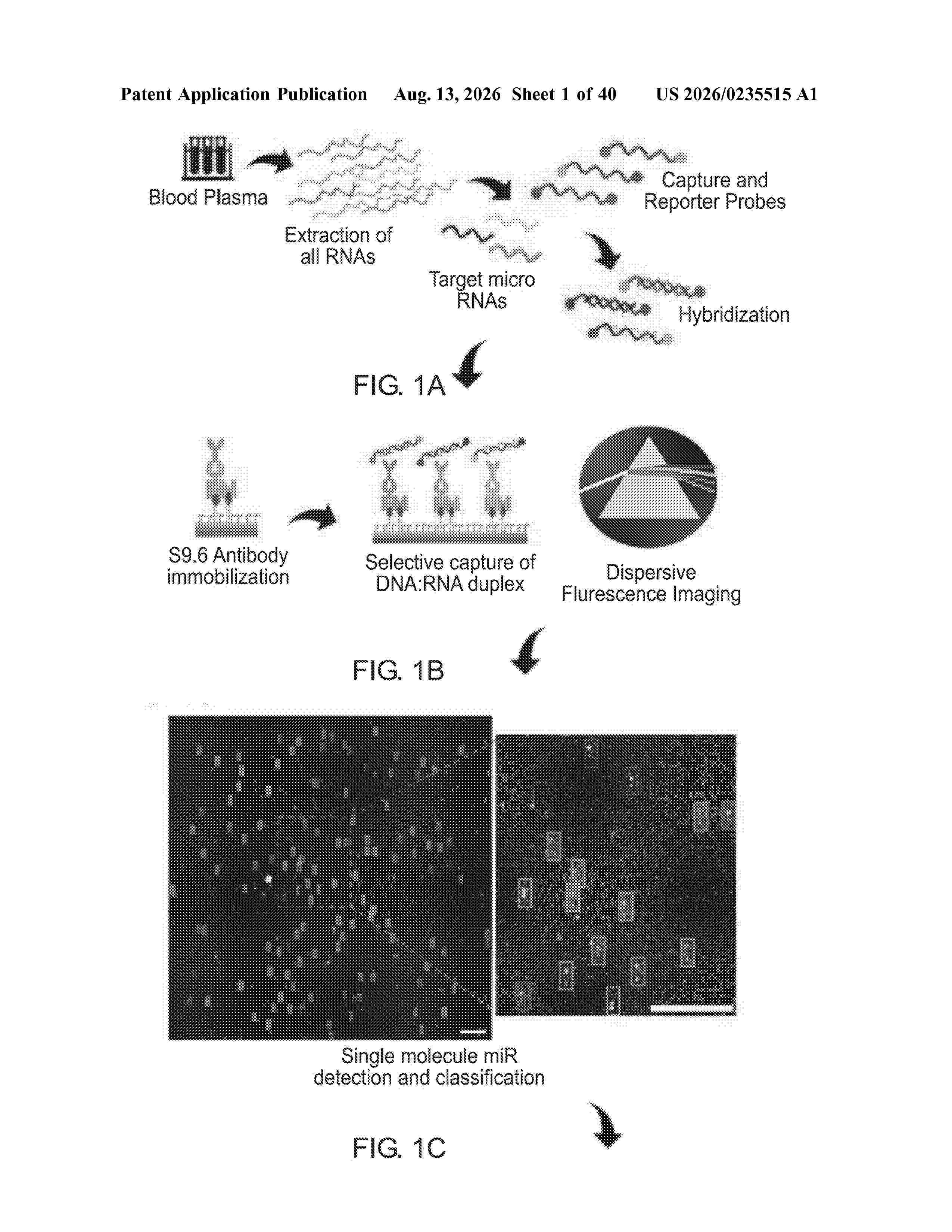
Identification of molecular species in a sample based unique fluorescent labeling, light dispersion, and image processing. The molecular species identification methods can be used for diagnosing diseases.
Resumen de: US20260235612A1
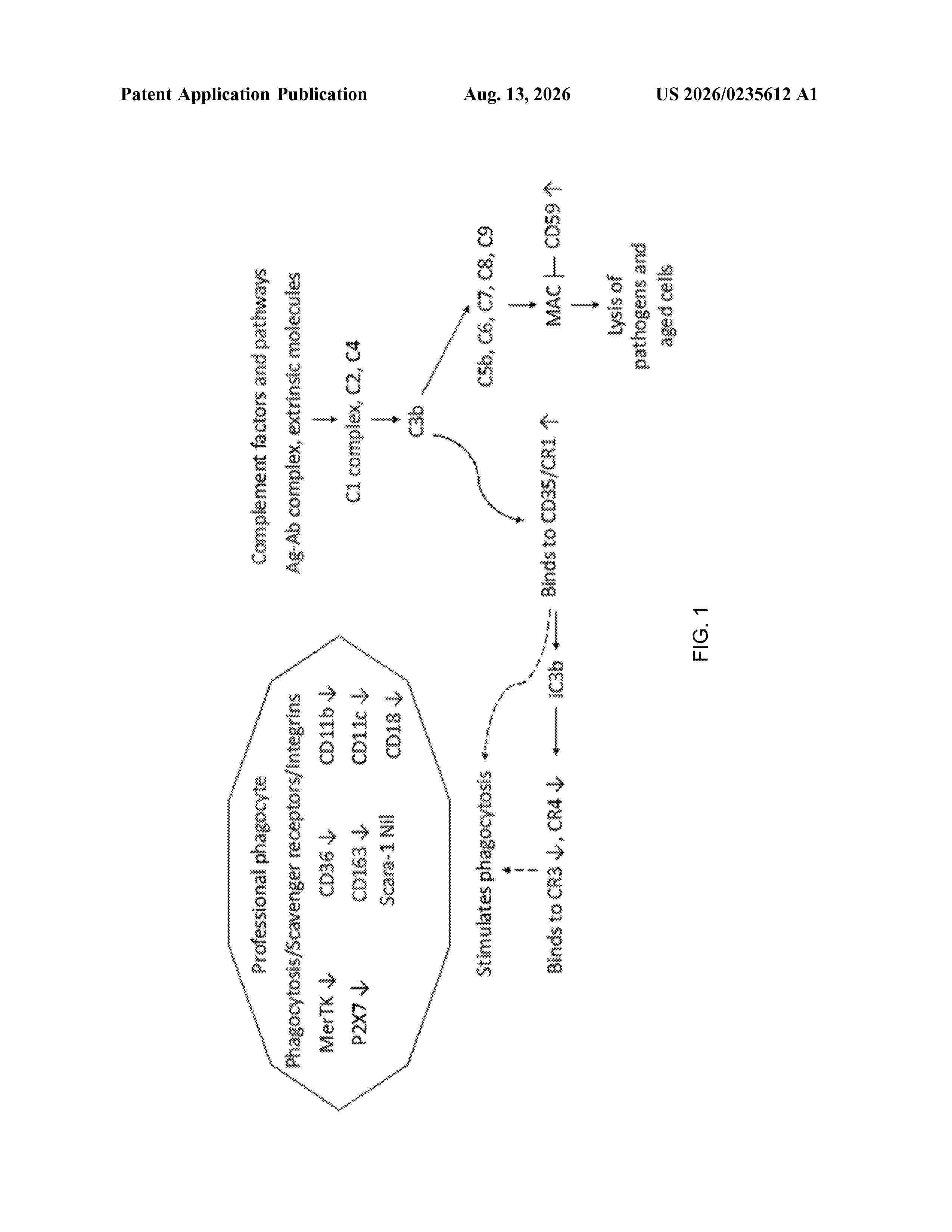
0000 Compositions and kits for diagnosing and prognosing Alzheimer's Disease (AD) in a human patient include a binding agent such as a monoclonal antibody for a biomarker conjugated to a detectable moiety such as a fluorophore, wherein the biomarker is chosen from CD163, CD91, CD59, MerTK and other phagocytosis-related molecules. Further compositions and kits employ panels of fluorophore-conjugated monoclonal antibodies for biomarkers including scavenger receptors. Methods for determining the relative expression of biomarkers, diagnosing AD, and determining the efficacy of AD therapeutic candidates such as phagocytosis-promoting agents and scavenger receptor agonists also appear.
Resumen de: US20260234206A1
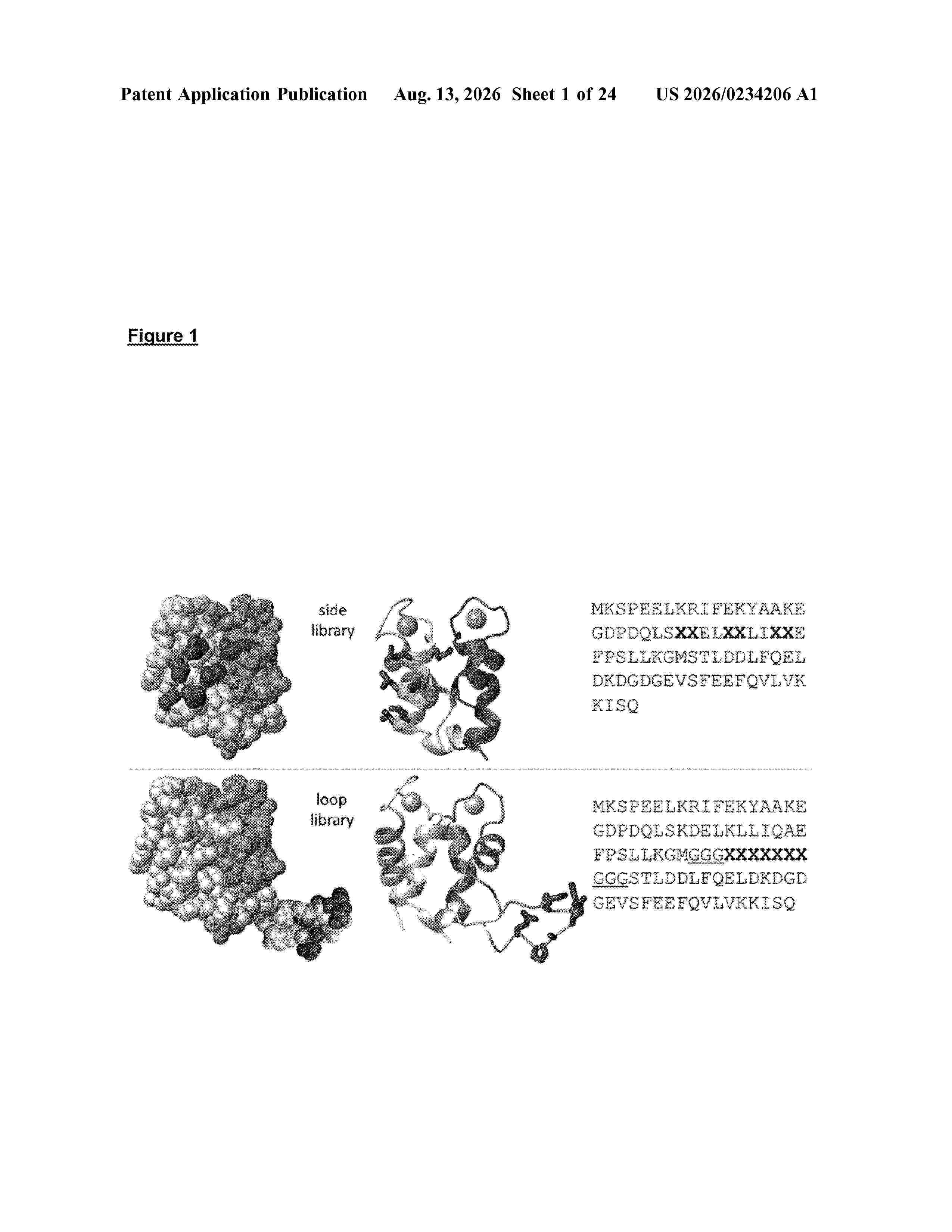
0000 The present invention relates to proteins and protein libraries particularly for use in methods of screening to identify novel binding partners including diagnostic and therapeutic molecules.
Resumen de: US20260232812A1
0000 The present disclosure relates to a novel class of bifunctional molecules that are useful in a targeted or selective degradation of a protein.
Resumen de: US20260235626A1
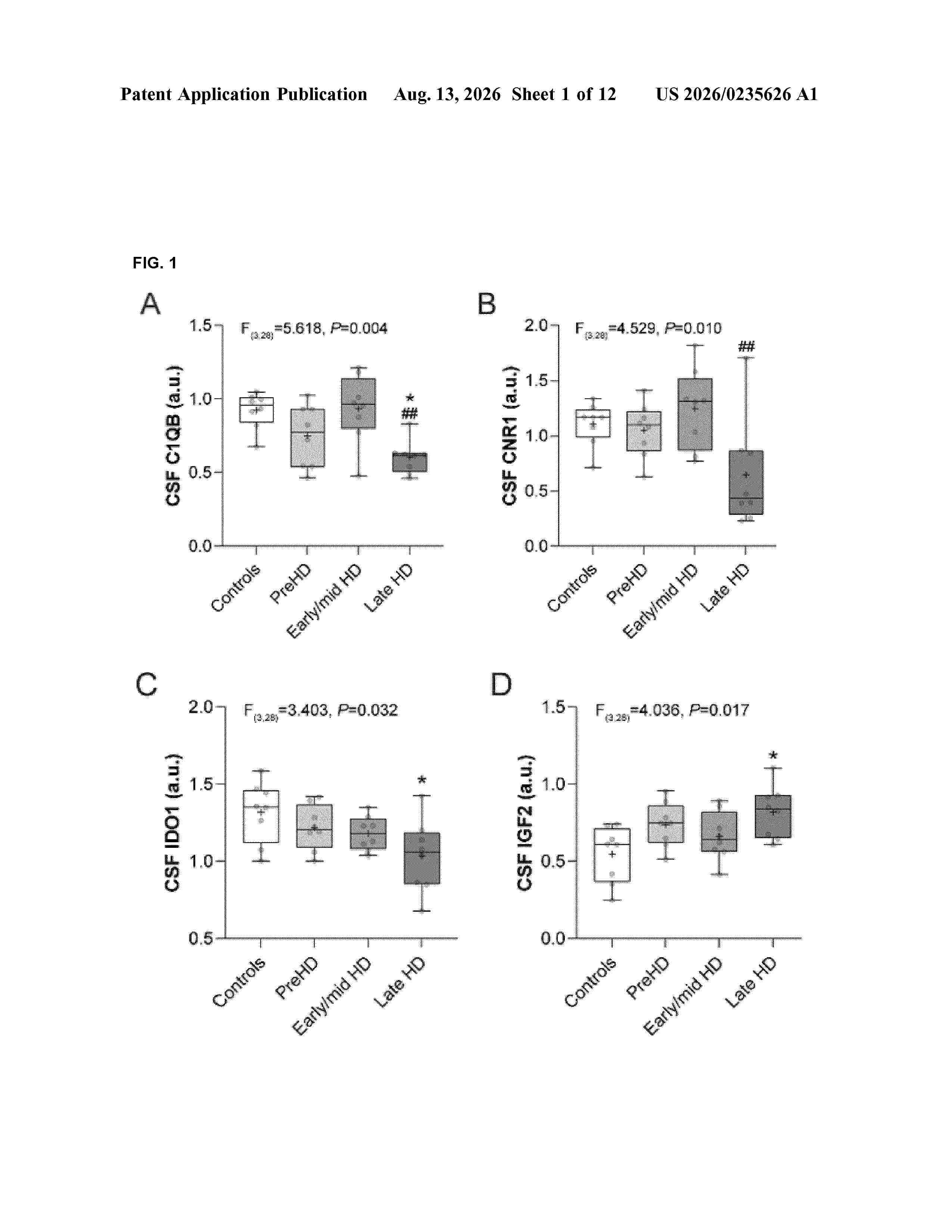
The present invention relates to biomarker-based analyses for the stratification of Huntington Disease (HD) in a subject. The invention further relates to protein biomarkers (and particular combinations) and their use in monitoring biochemical changes in HD patients indicative of the stage, severity, progression, or age-of-onset of disease; guidance for the design of clinical trials; for selecting a therapeutic regimen and monitoring response to treatment. The invention further comprises methods for the detection of HD biomarkers in cerebrospinal fluid (CSF) and other biofluids in patients with HD or at risk of developing HD.
Resumen de: US20260235627A1
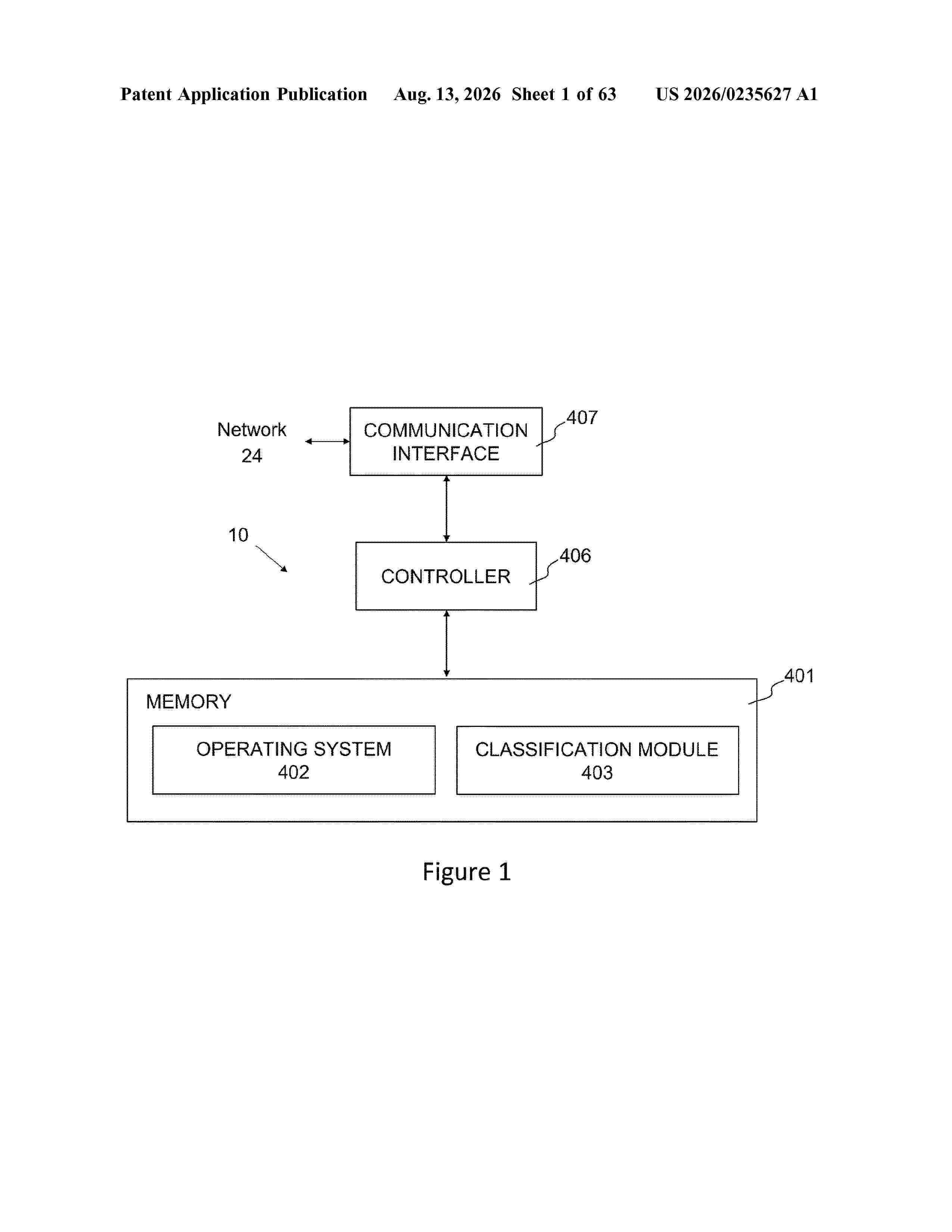
The invention relates to methods of screening for the presence of proteopathies, to methods of diagnosing proteopathies, to methods of differentially diagnosing proteopathies, to methods of assessing the severity, stage and/or prognosis of proteopathies, and to methods for monitoring the progression of proteopathies. The invention also relates to methods for determining the efficacy of therapeutic interventions for proteopathies.
Nº publicación: US20260234264A1 13/08/2026
Solicitante:
JANSSEN PHARMACEUTICA NV [BE]
JANSSEN PHARMACEUTICA NV
Resumen de: US20260234264A1
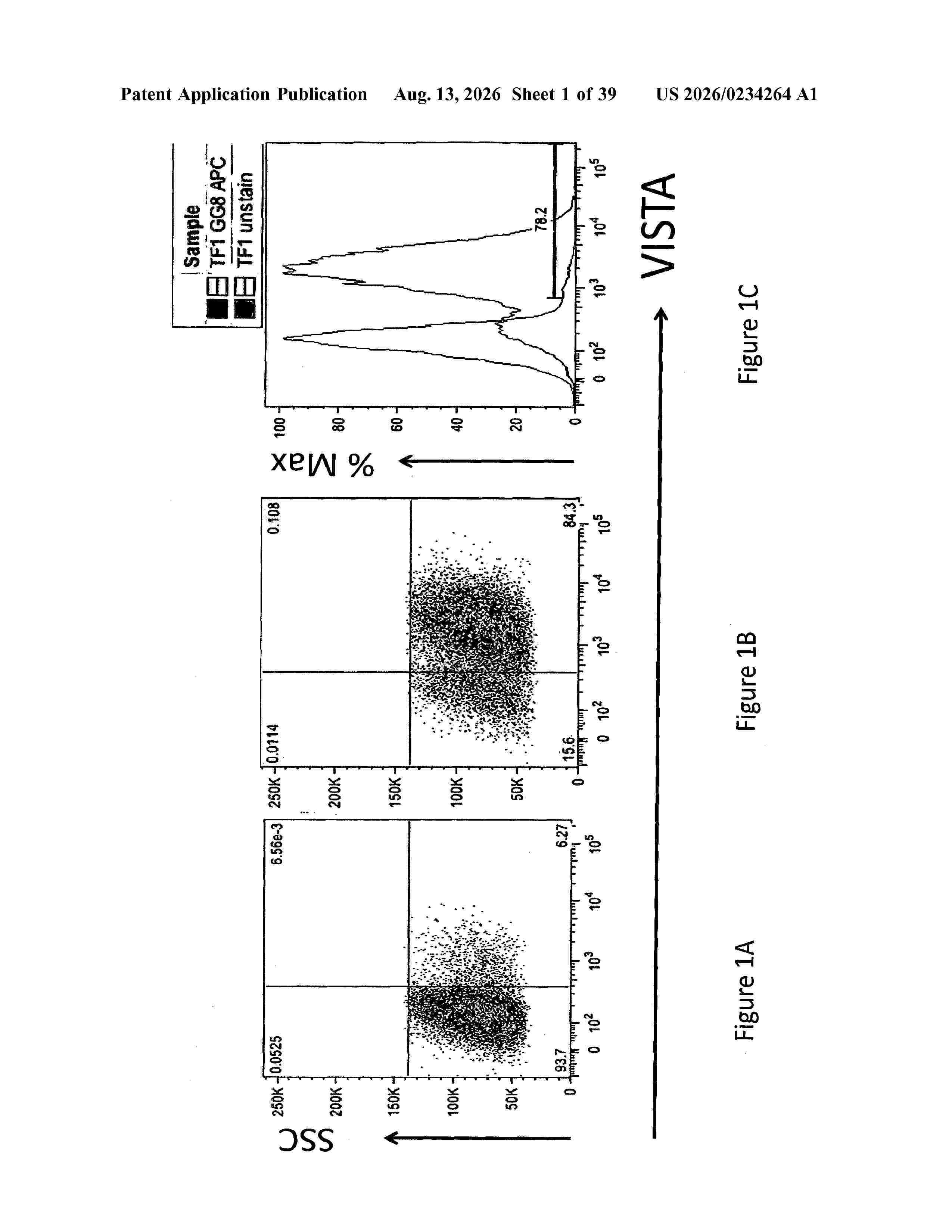
The present invention relates to novel antibodies and fragments that bind to a V-domain Ig Suppressor of T cell Activation (VISTA), and methods of making and using same. Methods of use include methods of treatment of cancer, including leukemias, lymphomas, solid tumors and melanomas.
 BOPI
BOPI
 Sede Electrónica