Si deseas distinguir tus productos, servicios o ambos de los de otra empresa, es posible que necesites una marca o nombre comercial. Descubre qué son, en qué consiste su procedimiento de registro y qué implica.

Información sobre los plazos de presentación de solicitudes de transformación de marcas de la Unión Europea en marca nacional española. Más información


Si tienes un nuevo dispositivo, producto o procedimiento que resuelva un problema técnico o tenga una ventaja práctica, existen distintas formas de protegerlo en España y en otros países. Descubre cómo hacerlo.

¿Tu innovación reside en la estética, la ornamentación o la apariencia de tu producto? Protégela mediante un diseño industrial. Descubre qué derechos confiere el registro y cómo realizar la tramitación.

Las indicaciones geográficas protegen el nombre de un producto originario de una zona geográfica, a la cual le debe una determinada calidad, reputación u otra característica. Descubre qué son, en qué consiste su procedimiento de registro y qué beneficios conceden.

Las patentes publicadas en todo el mundo son una valiosa fuente de información científica, técnica y comercial.

Si eres emprendedor/a o una empresa y quieres potenciar y mejorar la rentabilidad de tu negocio protegiendo de forma adecuada los activos intangibles de tu organización, en este espacio encontrarás lo necesario.


 322
resultados
322
resultados
 Última actualización
25/08/2026 [07:57:00]
Última actualización
25/08/2026 [07:57:00]


 Resultados 25 a 50 de 322

Resumen de: US20260232624A1
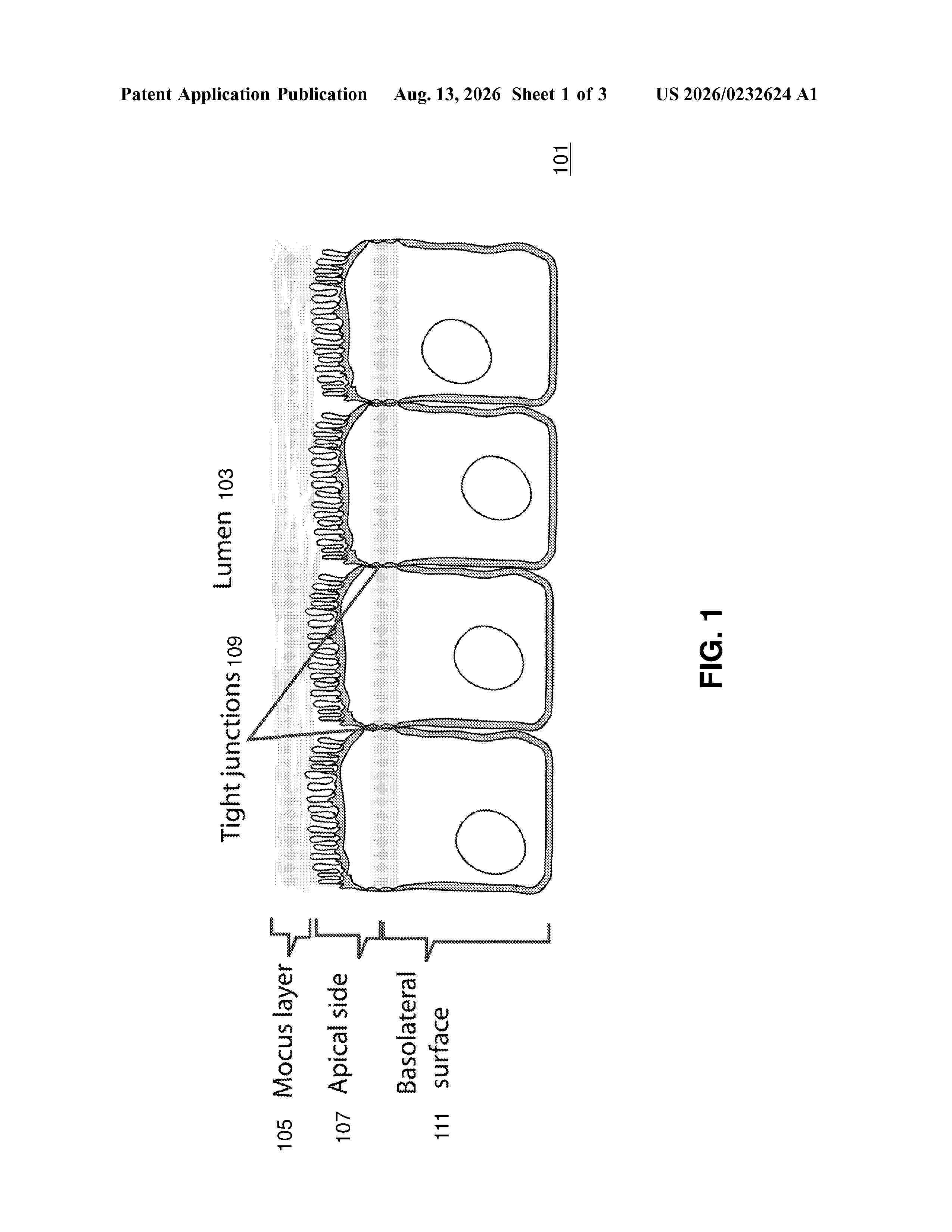
0000 A method is for modulating tight junction (TJ) integrity in a subject. The method includes (a) assessing TJ integrity in the subject by quantifying at least one biomarker of TJ integrity in the subject; (b) administering to the subject a first composition containing (i) at least one polyphenol, and (ii) a second substance which is not a polyphenol and which upregulates CAMP gene expression in the subject; (c) reassessing TJ integrity in the subject by quantifying at least one biomarker of TJ integrity in the subject; and (d) repeating steps (b) and (c) until the value of said at least one biomarker is within a target range.

Resumen de: JP2026130617A
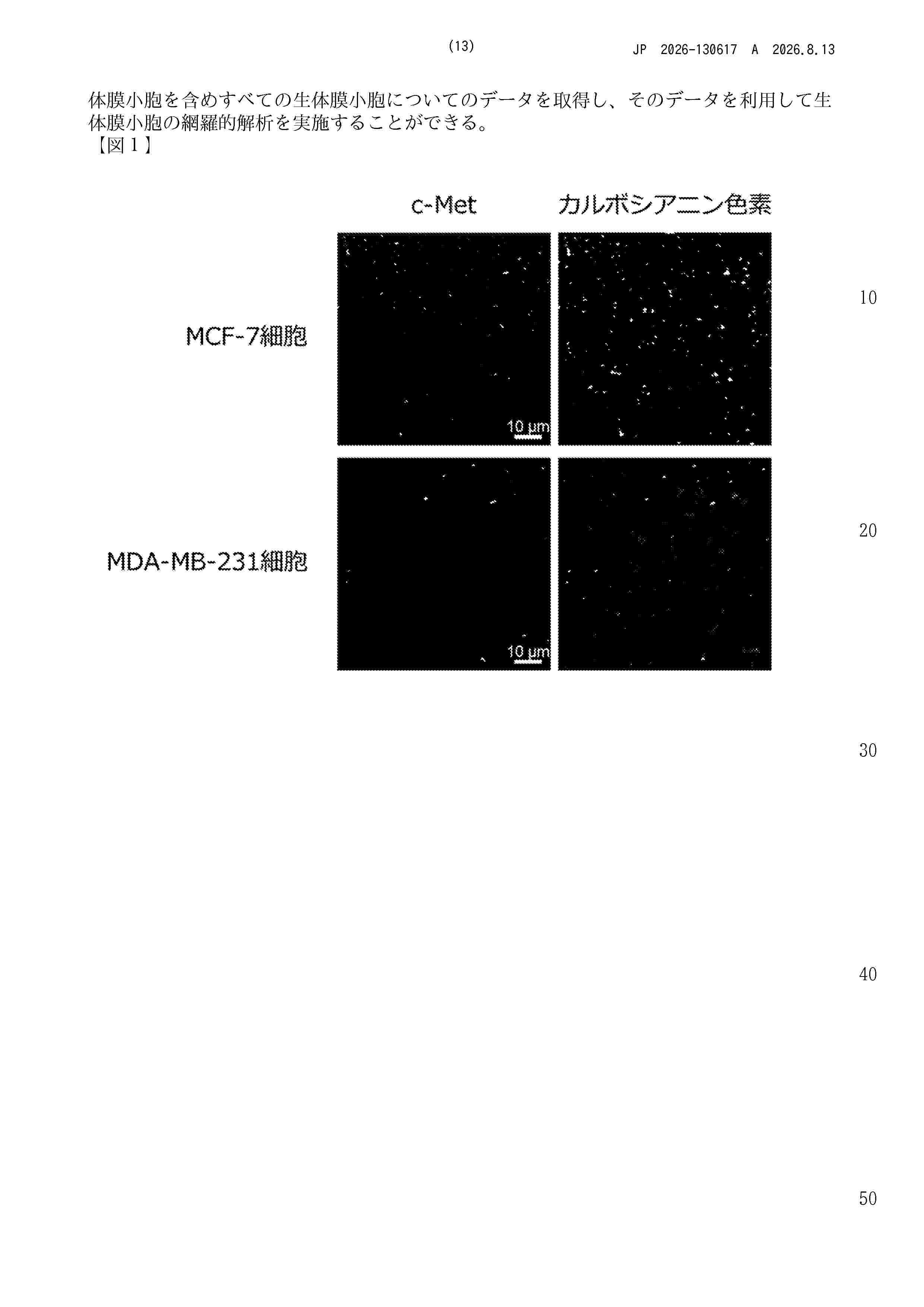
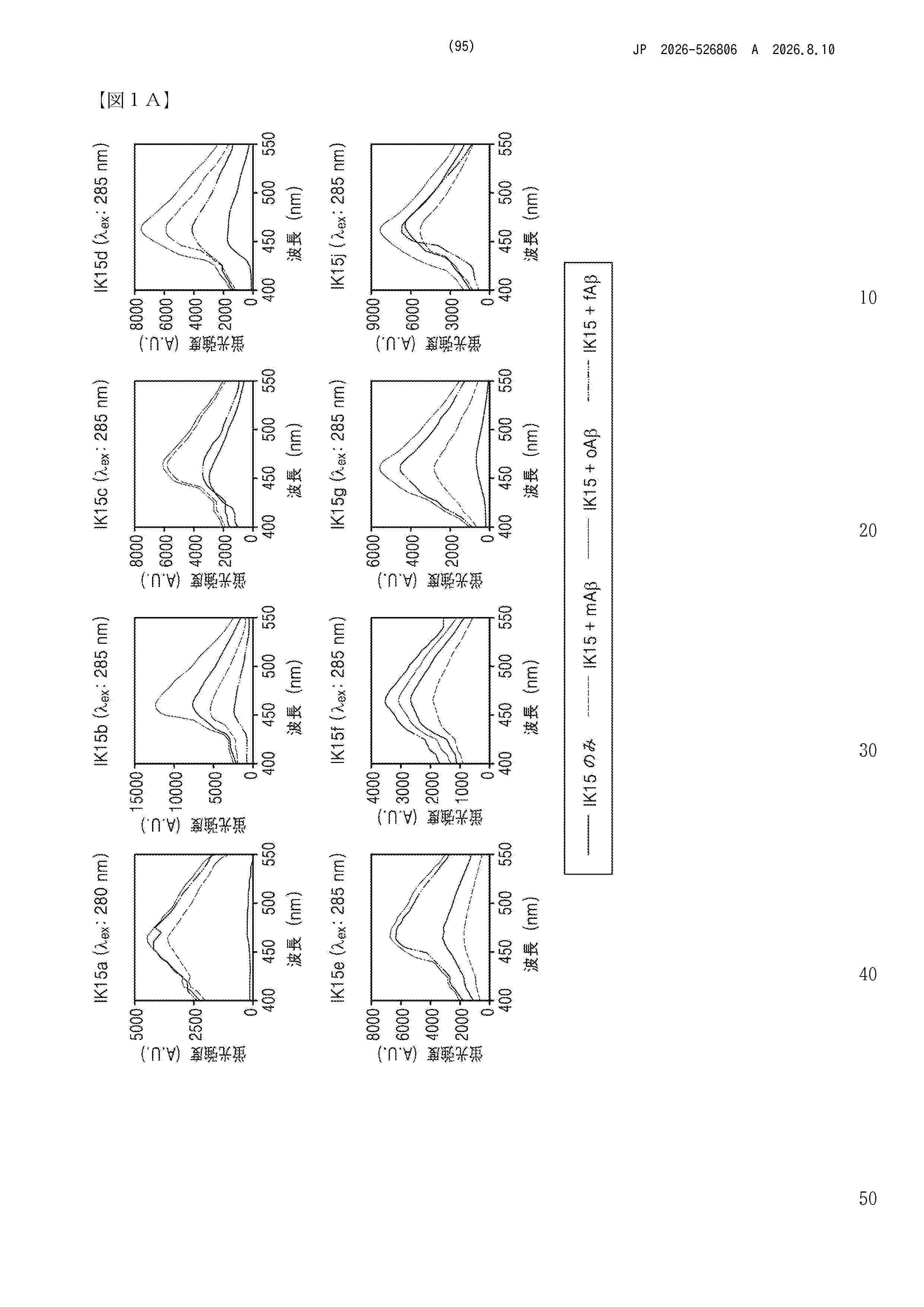
0001 【課題】 本発明は、生体膜小胞についての従来の解析方法では十分に解析できなかった生体膜小胞の機能を詳細に解析することを目的に、生体膜小胞を網羅的に解析することを課題とする。 【解決手段】 本発明は、生体膜小胞についての解析を行う際、分離または精製を行っていない生体膜小胞を解析対象とすることにより、従来法においては解析データを取得できていなかった生体膜小胞を含めすべての生体膜小胞についてのデータを取得し、そのデータを利用して生体膜小胞の網羅的解析を可能にすることを明らかにし、前記課題を解決した。 【選択図】 なし
Resumen de: US20260234229A1
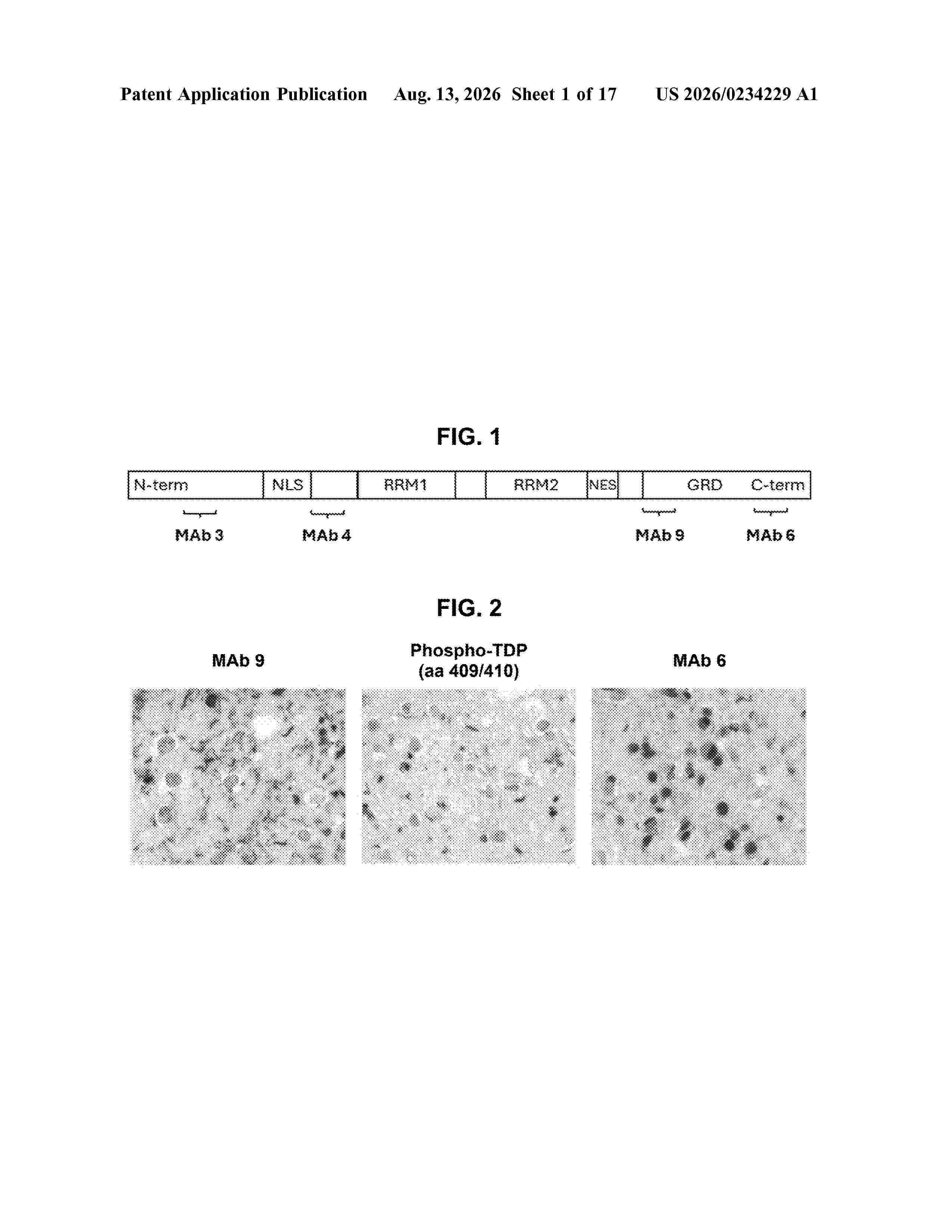
Disclosed herein are antibodies or antigen-binding fragments thereof and compositions comprising the same. Also disclosed are methods of detecting TAR DNA-binding protein 43 (TDP-43) in a biological sample, diagnosing a neurodegenerative disease in a subject, and selecting whether to enroll a subject in a clinical trial for frontotemporal lobar degeneration with TDP-43 inclusions (FTLD-TDP) using the antibodies or antigen-binding fragments thereof described herein. In addition, disclosed herein are immunoassay kits for selectively detecting TDP-43 in a biological sample.
Resumen de: US20260235629A1
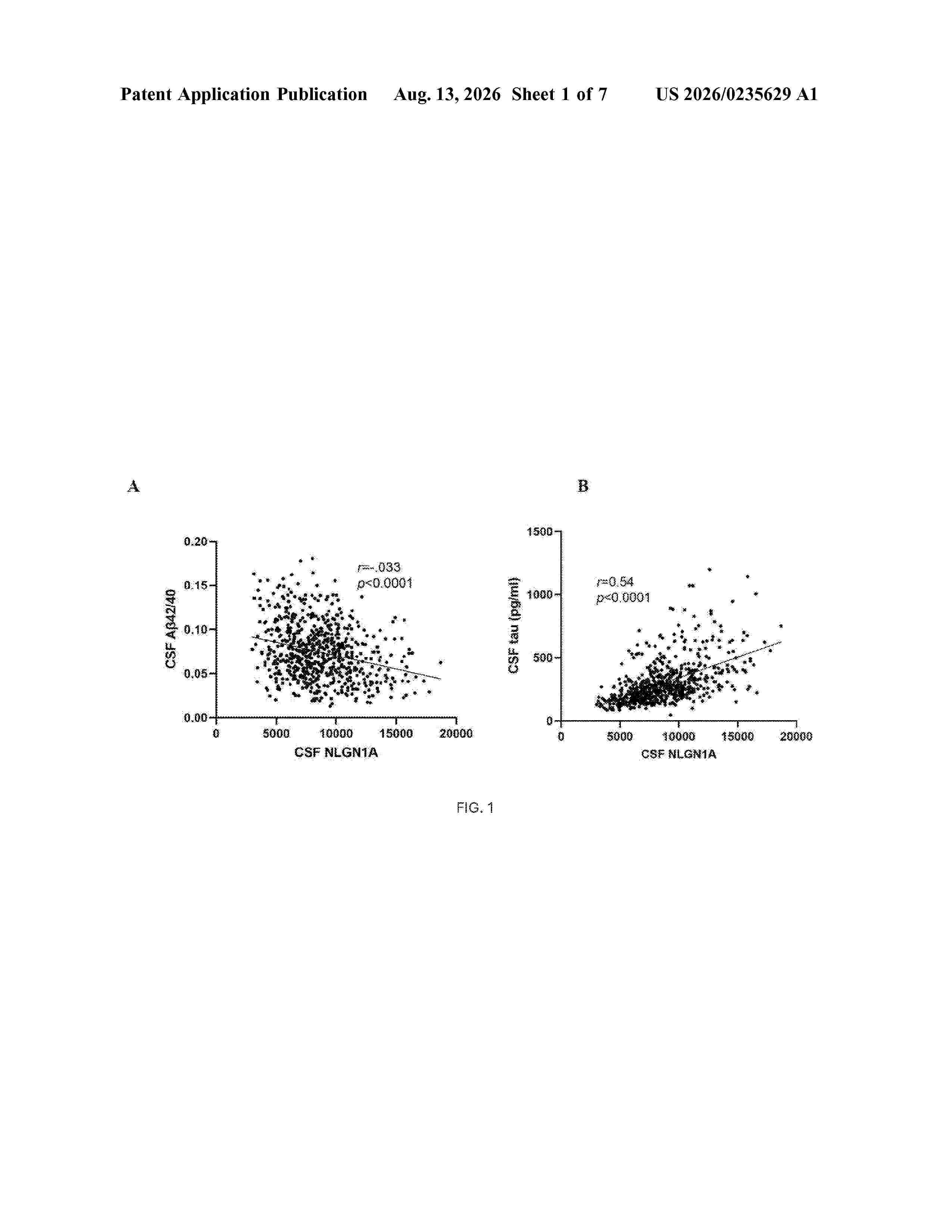
0000 Disclosed are methods, compositions, and computer-implemented systems for diagnosing, staging, and monitoring neurological and neurovascular disorders, including Alzheimer's disease, vascular dementia, traumatic brain and spinal-cord injury, stroke, demyelinating disease, and central nervous system vasculitis. The invention involves measuring levels of endothelial and blood-brain-barrier-associated biomarkers—comprising claudins 1-34 (including claudin-14 and claudin-23), endothelins (ET-1 to ET-3), ESAM, ESM1 (Endocan), neuropilins (NRP1 and NRP2), ZIC1, FOXP2, and neuroligins (NLGN 1-4 and subtypes)—in biological samples such as cerebrospinal fluid, plasma, serum, or other biofluids. Altered biomarker patterns indicate endothelial activation, barrier dysfunction, or neurovascular signaling imbalance associated with disease progression or therapeutic response. Also provided are analytical kits containing capture reagents, calibration standards, and a non-transitory computer-readable medium configured to integrate biomarker data, as well as machine-learning models trained to generate diagnostic, prognostic, or vascular-safety indices supporting individualized management of neurodegenerative and neurovascular conditions.
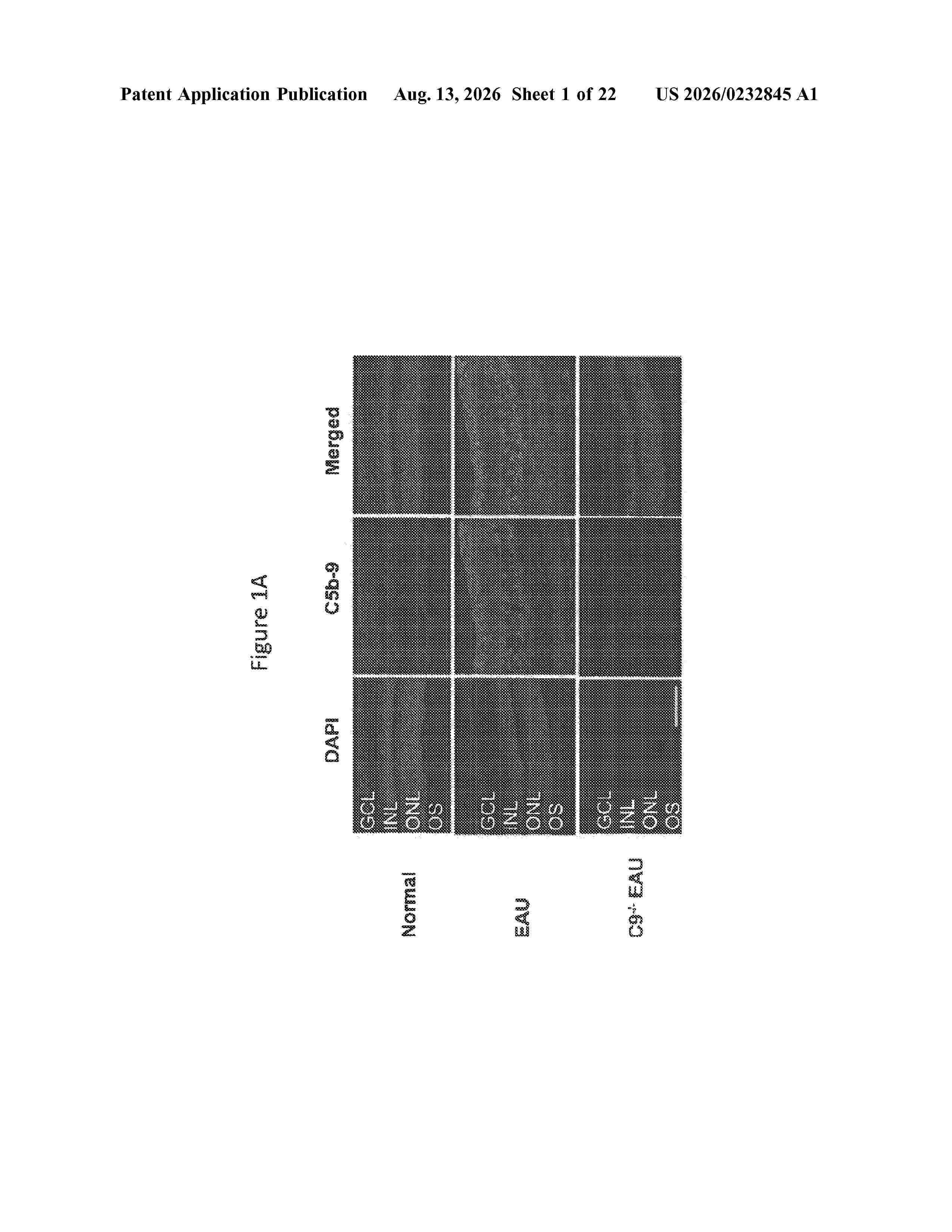
Resumen de: US20260232845A1
Methods and kits are provided for inhibiting inflammasome activation in cells of a subject or an inflammation-affected eye in a subject by administering to the subject a composition including a nucleotide sequence encoding a membrane independent CD59 protein operably linked to a promoter for expression and secretion of the membrane independent CD59 protein in the cells or the inflammation-affected eye, the composition inhibiting inflammasome activation.
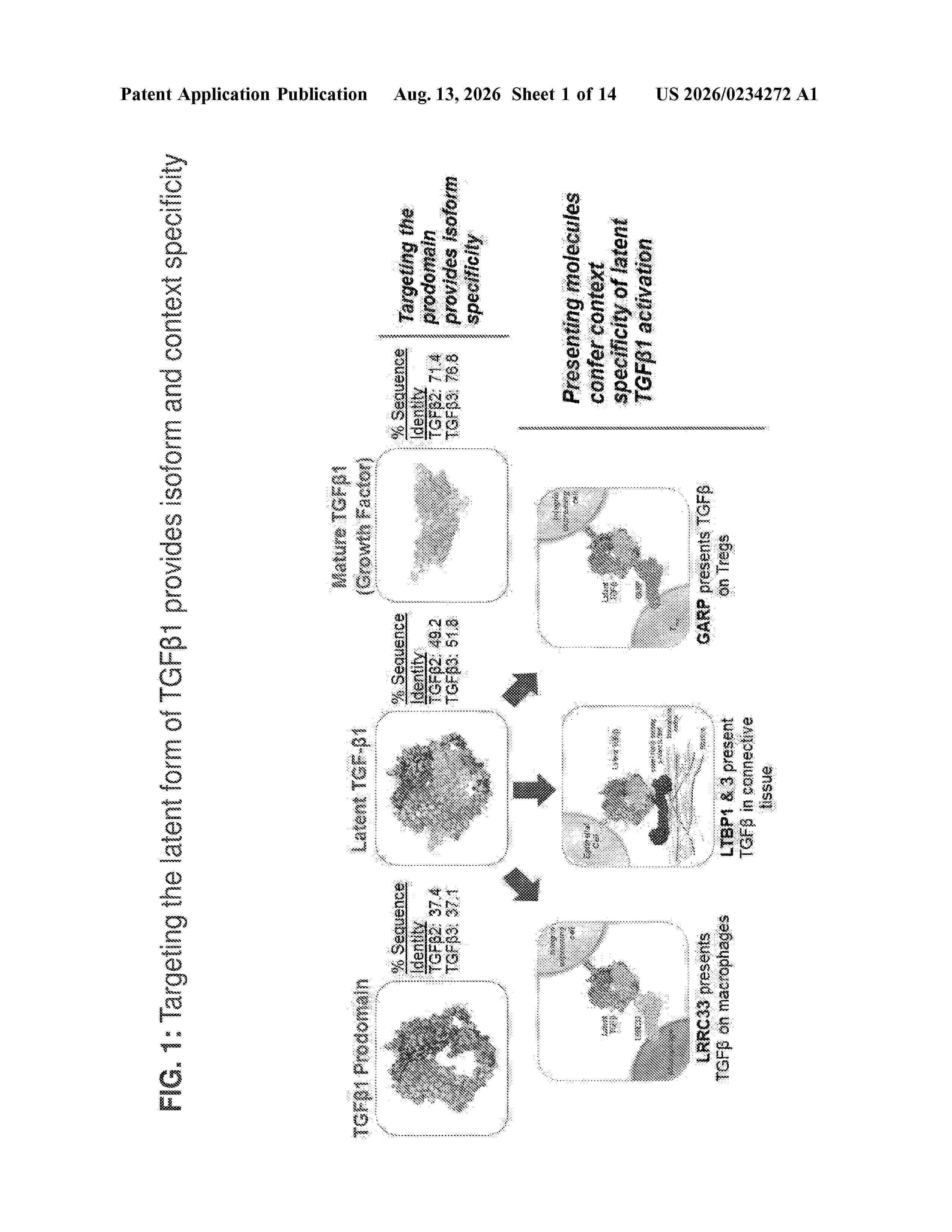
Resumen de: US20260234272A1
Disclosed herein are inhibitors, such as antibodies, and antigen binding portions thereof, that selectively bind complexes of LTBP1-TGFβ1 and/or LTBP3-TGFβ1. The application also provides methods of use of these inhibitors for, for example, inhibiting TGFβ1 activation, and treating subjects suffering from TGFβ1-related disorders, such as fibrotic conditions. Methods of selecting a context-dependent or context-independent isoform-specific TGFβ1 inhibitor for a subject in need thereof are also provided.
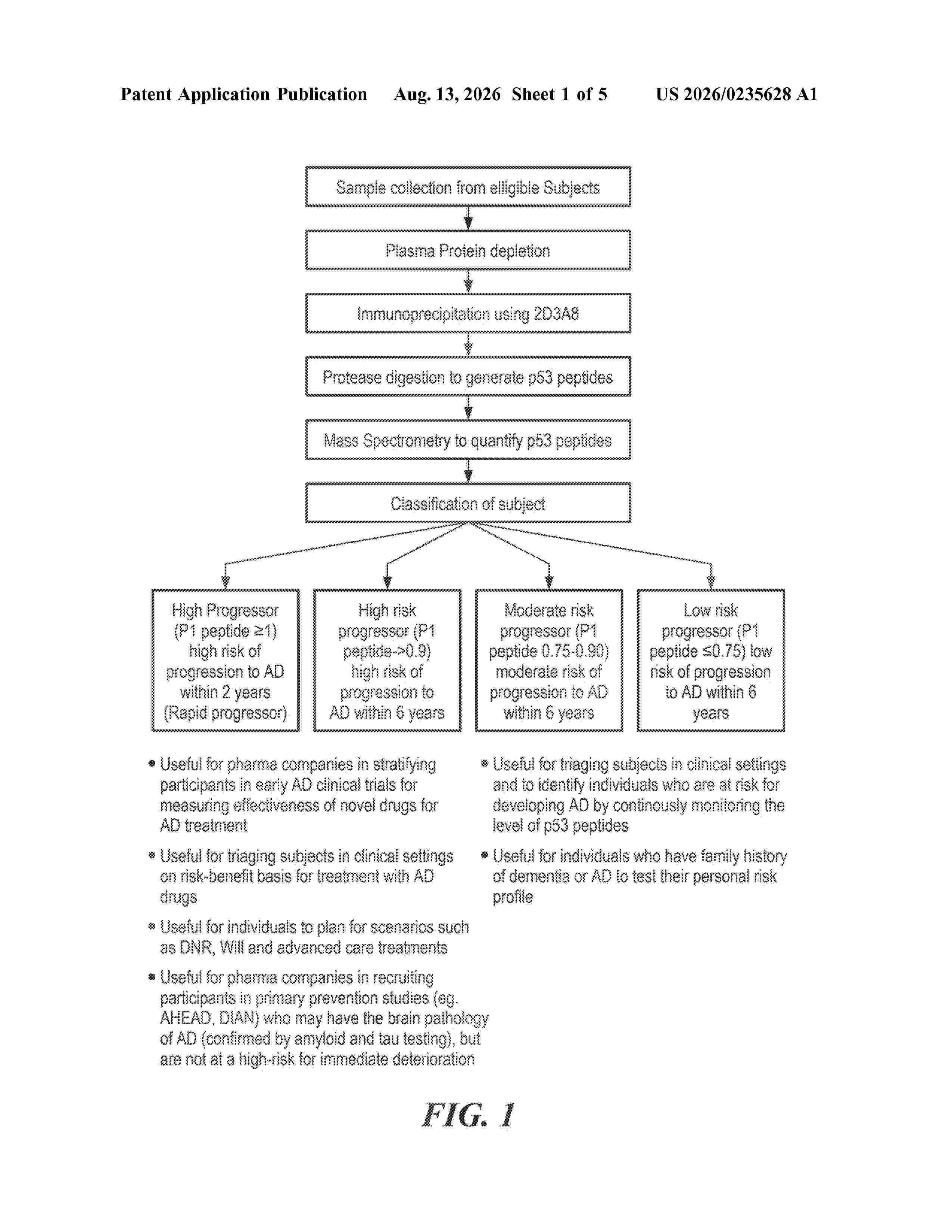
Resumen de: US20260235628A1
0000 U-p53 peptide P1 is useful in the determination of the rate of progression of Alzheimer's disease (AD). By quantitating the level of U-p53 peptides in a subject's biological sample, the rate of progression of Alzheimer's disease at the pre-clinical and prodromal stages of the disease in a subject can be determined.
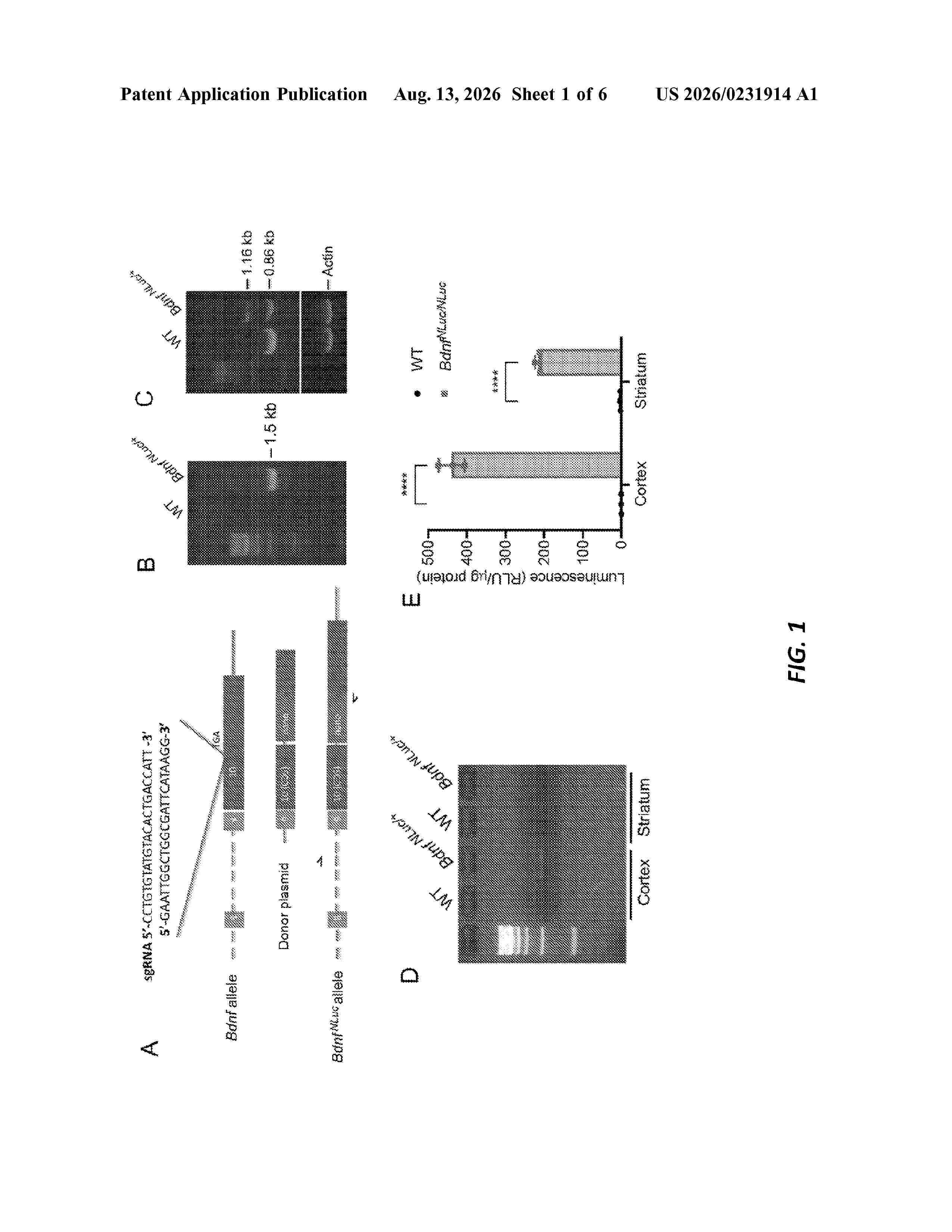
Resumen de: US20260231914A1
Described are transgenic rodents that express a brain-derived neurotrophic factor-nano luciferase fusion protein (BD-NF-NLuc) and methods of making the BDNF-NLuc rodents. Also described are methods involving these rodents and/or cell populations derived from these rodents to screen BDNF-modulating molecules.
Resumen de: TW202142690A
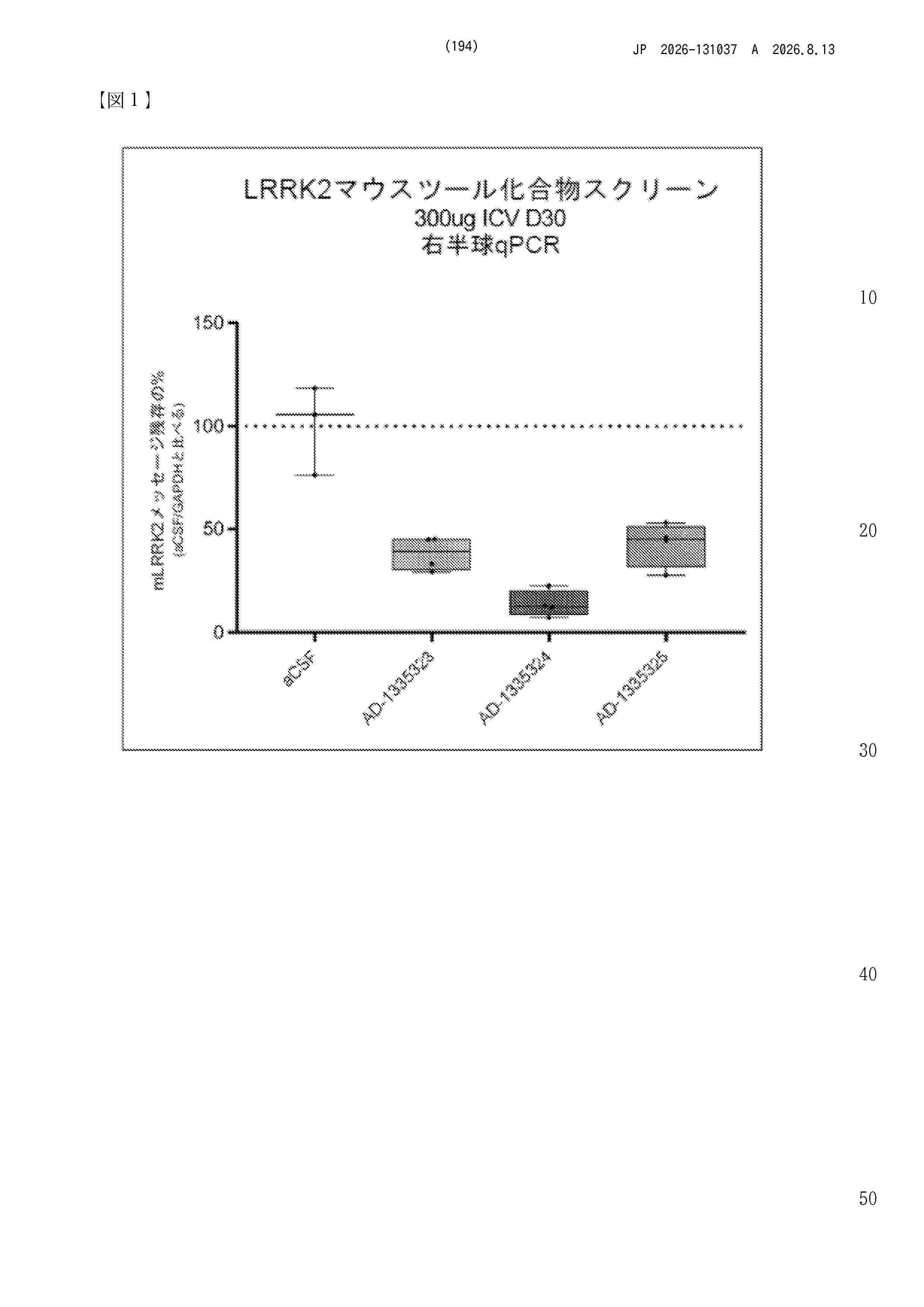
The disclosure relates to double stranded ribonucleic acid (dsRNAi) agents and compositions targeting a leucine-rich repeat kinase 2 (LRRK2) gene, as well as methods of inhibiting expression of a LRRK2 gene and methods of treating subjects having a LRRK2-associated disease or disorder, e.g., Parkinson's disease, using such dsRNAi agents and compositions.
Resumen de: US20260234551A1
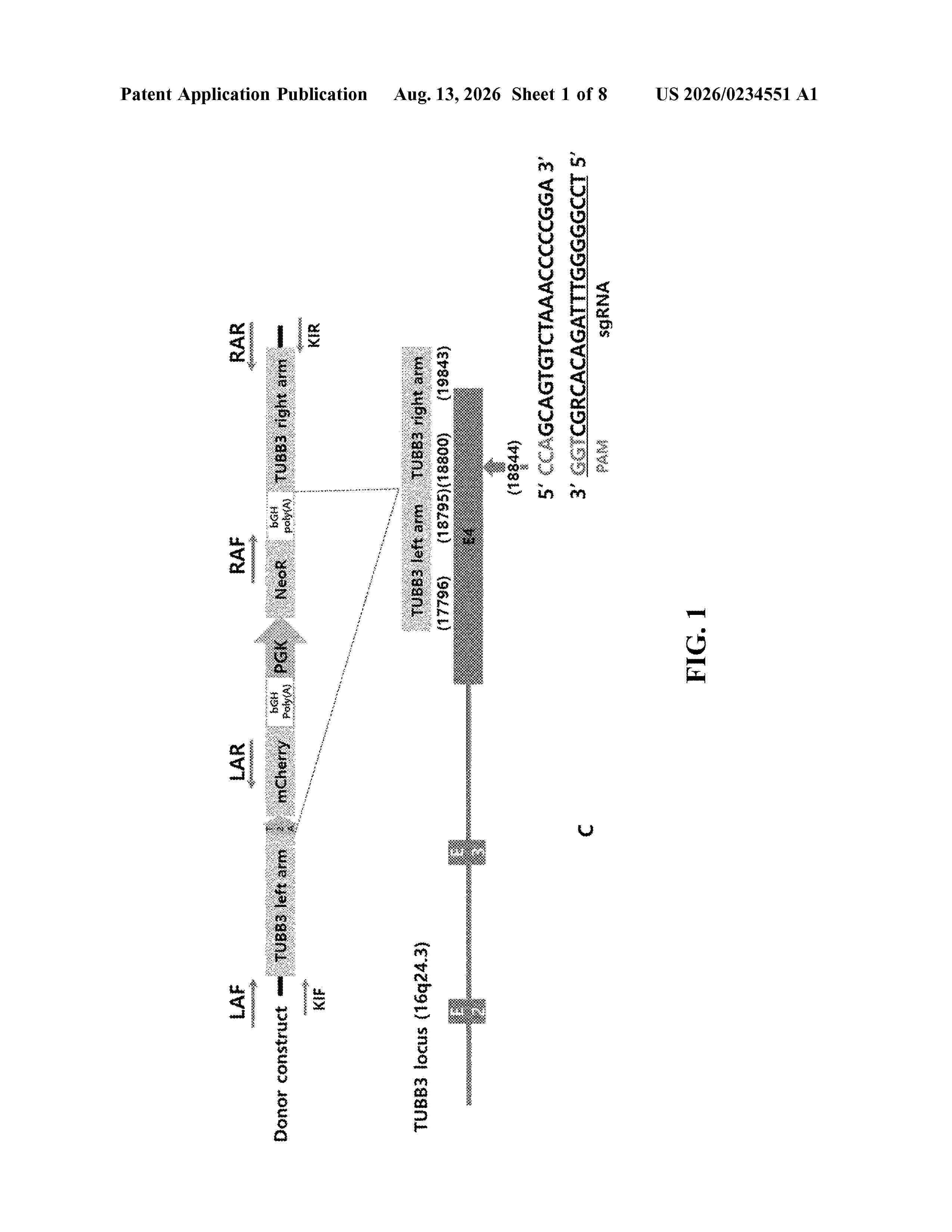
0000 Provided is a genetically engineered human pluripotent stem cell line in which an insertion sequence including a nucleotide sequence of a fluorescent reporter gene is inserted following a stop codon of the TUBB3 gene, whereby the TUBB3 gene and the fluorescent reporter gene are co-expressed. Genetic manipulation is made to express the fluorescent reporter gene in response to the expression of the TUBB3 gene, a neural cell marker, so that when the cell line is differentiated into neural cells, the fluorescent signal is observed, thereby allowing for monitoring the differentiation process.
Resumen de: EP4790418A1
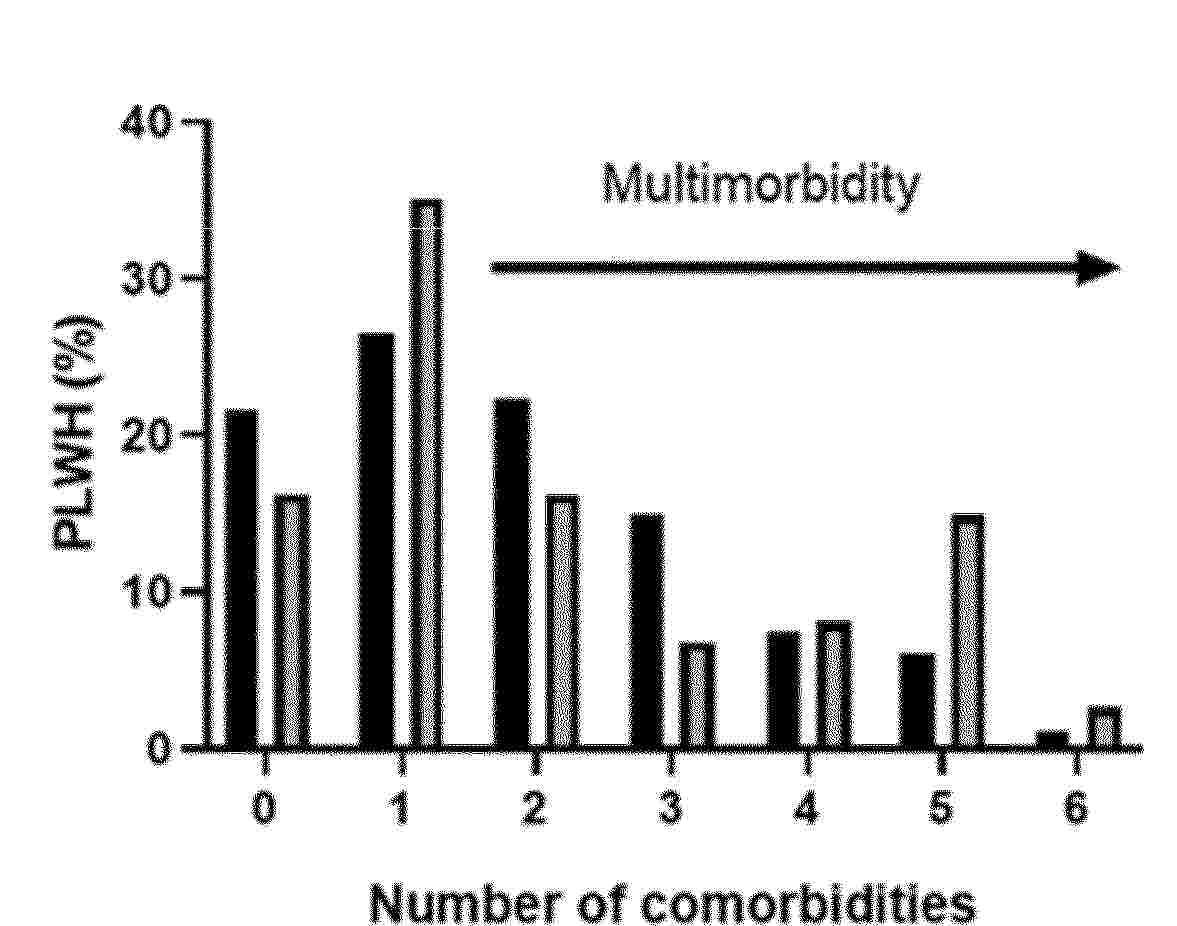
0001 The present invention refers to the diagnosis, prognosis, monitoring and/or treatment of comorbidities in people living with human immunodeficiency virus (HIV) (PLWH).
Resumen de: WO2021247009A1
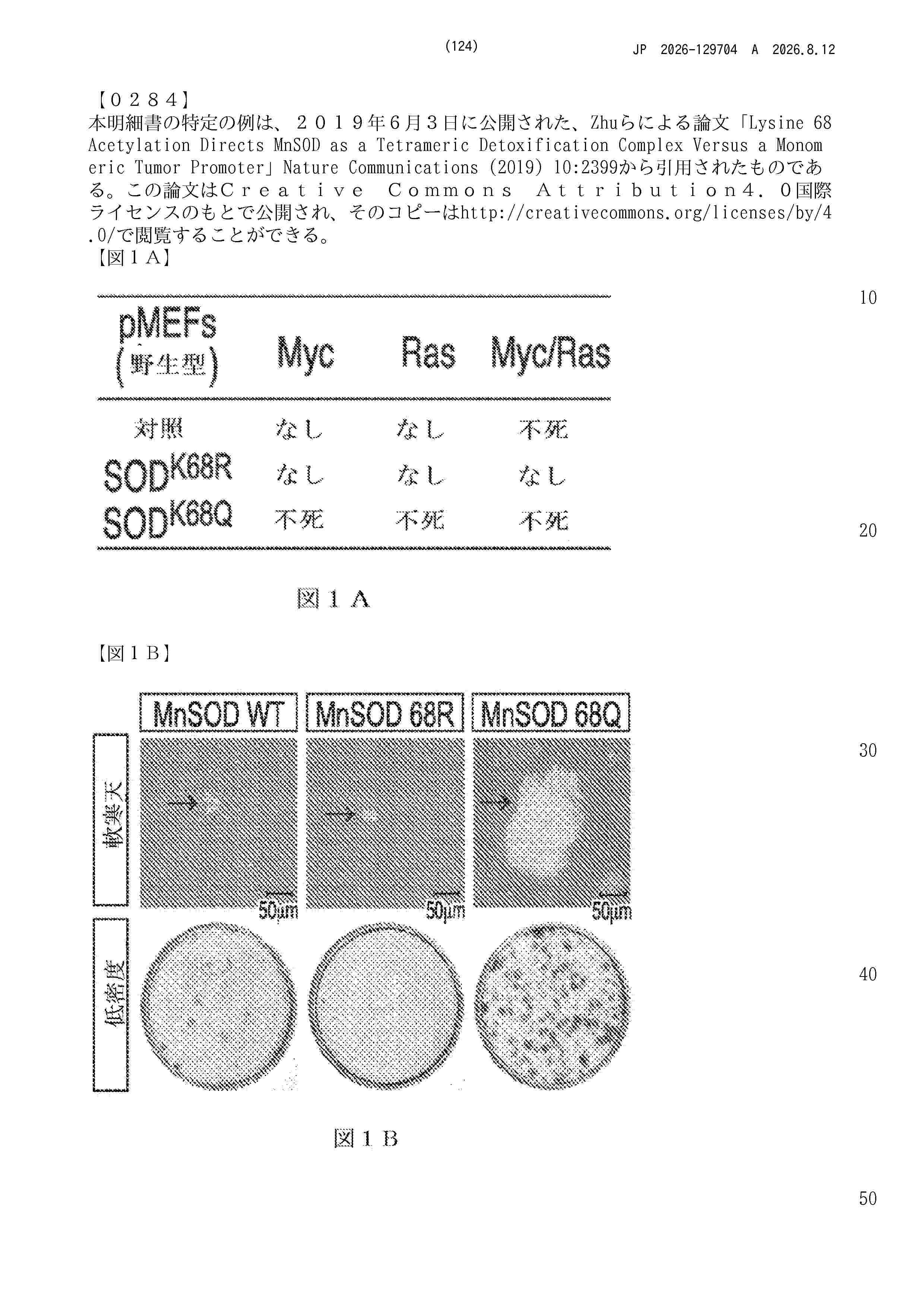
A method of treating a cancer in a mammalian subject with a tumor signature characterized by any one or more of (i) a level of sirtuin (SIRT3) protein that is below a first predetermined threshold level, (ii) a level of manganese superoxide dismutase acetylated at the lysine 68 residue (AcK68) that exceeds a second predetermined threshold level, and (iii) expression levels of hypoxia-inducible factor 2α (HIF2α) that exceed a third predetermined threshold level indicative of lineage plasticity for stemness, the method comprising administering to the mammalian subject a therapeutically effective amount of a pentaaza macrocyclic ring complex corresponding to the Formula (I) below, optionally with administration of a further anti-cancer therapeutic agent.
Resumen de: EP4790416A2
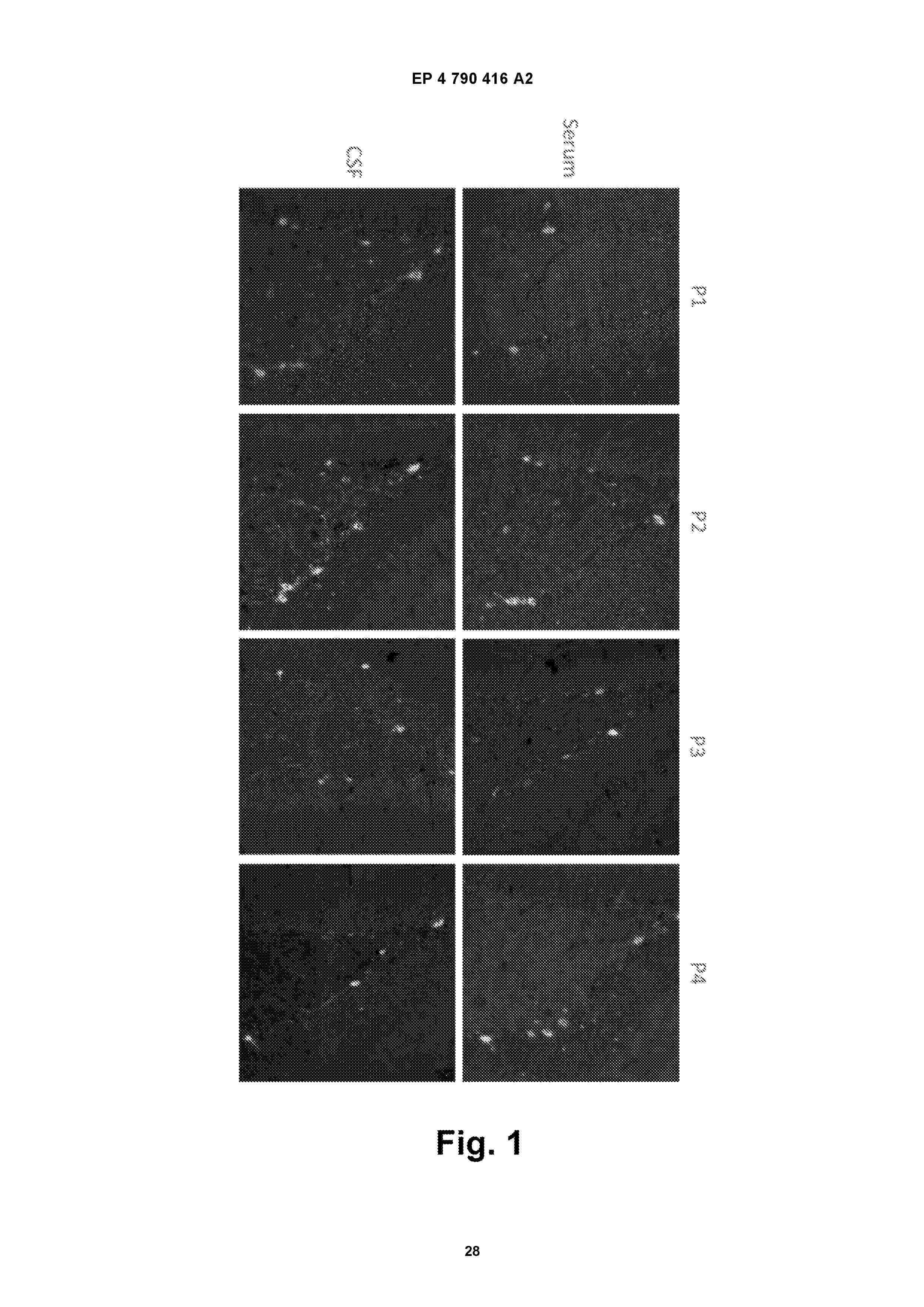
0001 The present invention relates to a method comprising the step detecting in a sample an antibody binding specifically to NECAB1, an antibody binding specifically to NECAB1, a carrier such as a diagnostically useful carrier with a solid phase with an immobilized polypeptide comprising an antigen or at least one epitope thereof or a variant of the antigen or epitope thereof, wherein the antigen is NECAB1, and a use of the antibody for diagnosing an autoimmune disease or a cancer.
Resumen de: AU2012262122A1
The invention relates to methods of assessing a patient's risk of developing Progressive multifocal leukoencephalopathy (PML).
Resumen de: WO2025058005A1
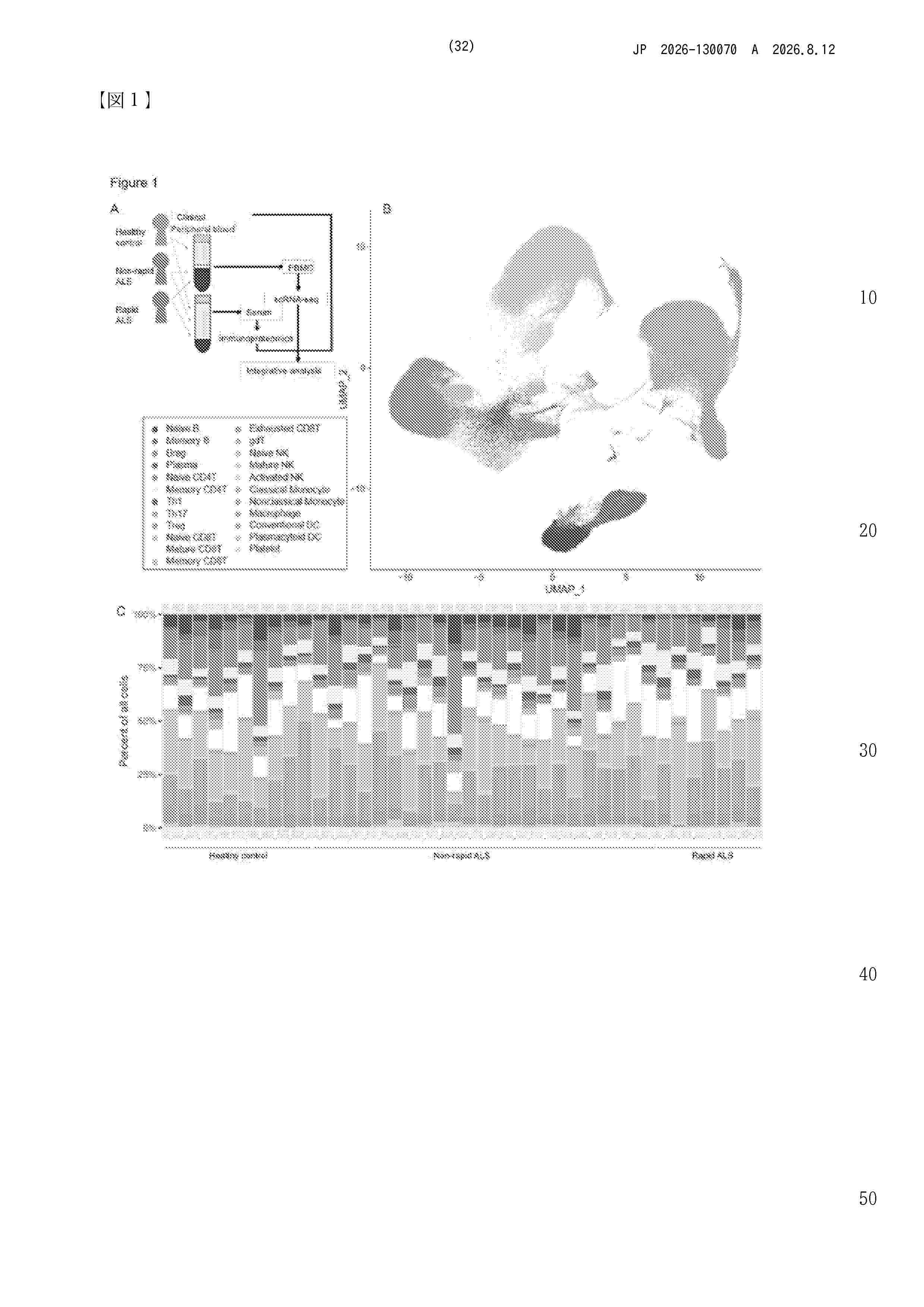
Provided is a biomarker for use in the determination or diagnosis of a progression rate of amyotrophic lateral sclerosis (ALS) or a possibility of being affected by ALS and/or the selection or prediction of a therapeutic drug for ALS. There is discovered a biomarker selected from the group consisting of IL-17A, KLRD1, KRT19, NCF2, TFF2, YTHDF3, Th17, a regulatory T cell (Treg), mature CD8T, naive CD8T, exhausted CD8T, a Classical monocyte, memory CD4T, Th17/Treg, mature CD8T/naive CD8T, and mature CD8T/exhausted CD8T.
Resumen de: WO2018094116A1
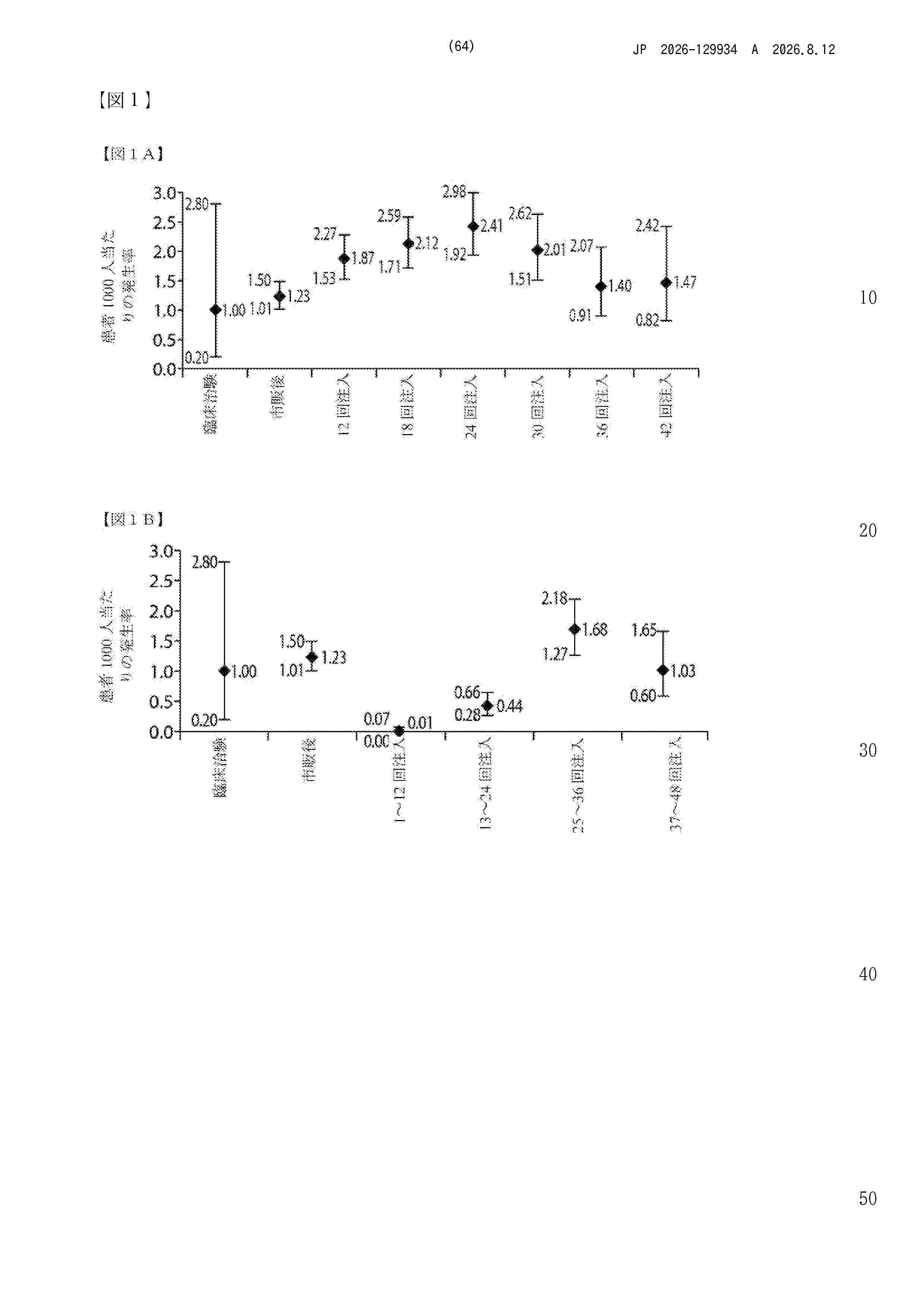
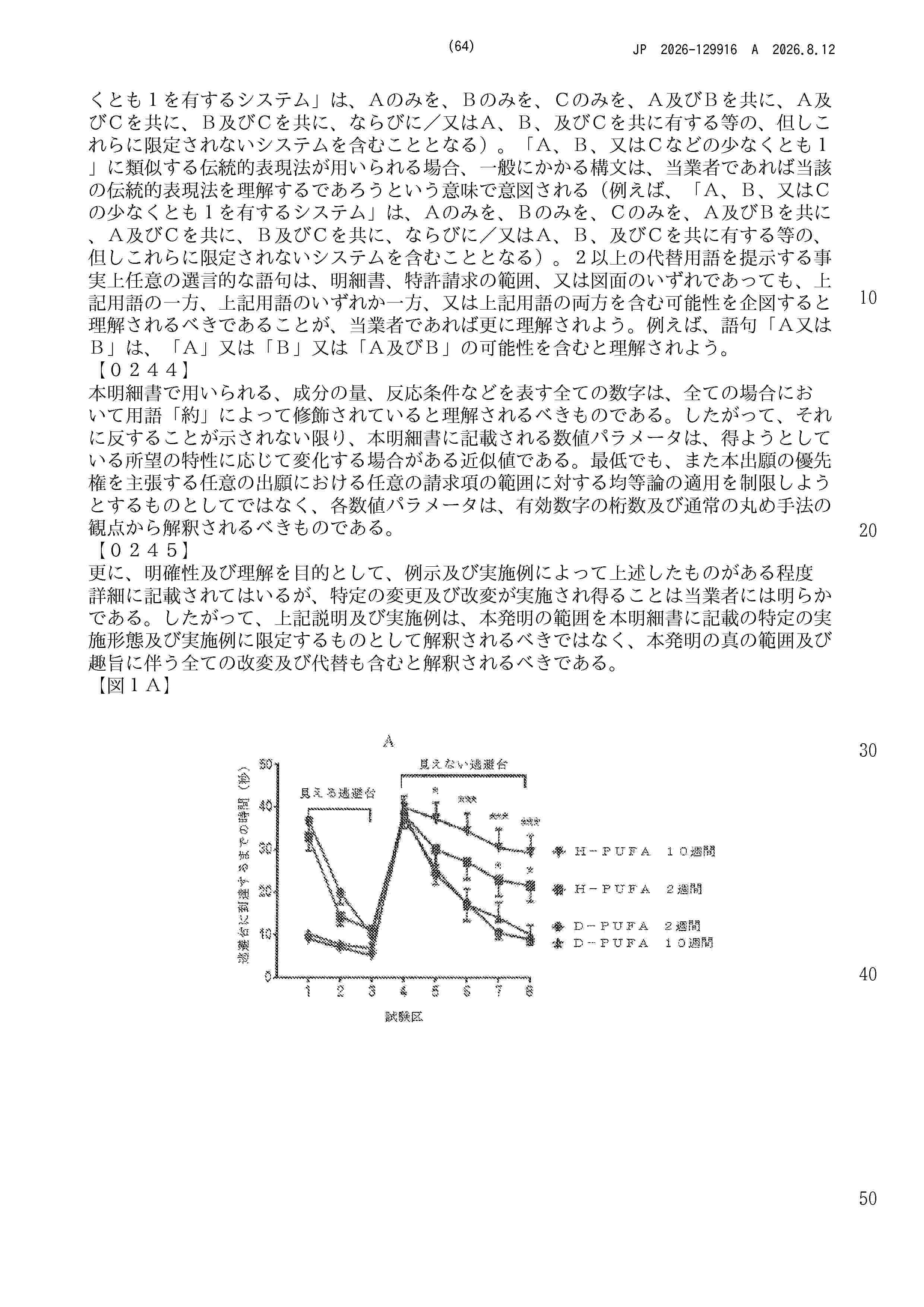
Methods are provided of identifying a subject having impaired aldehyde dehydrogenase activity; and administering to the subject a compound comprising an isotopicaliy-modified polyunsaturated fatty acid, an isotopicaliy-modified polyunsaturated fatty acid ester, an isotopicaliy-modified polyunsaturated fatty acid thioester, an isotopicaliy-modified polyunsaturated fatty acid amide, a polyunsaturated fatty acid mimetic, or an isotopicaliy-modified polyunsaturated fatty acid pro-drug, the compound having an isotopic modification that reduces oxidation of the compound, thereby reducing production in the subject of substrate for aldehyde dehydrogenase. Some aspects provide coadministering an isotopicaliy-modified polyunsaturated fatty acid and an oxylipin.
Resumen de: WO2021236836A2
Methods of detecting a condition comprising neoangiogenesis, ischemia, or both, or risk thereof in a subject. Methods of inhibiting, ameliorating, delaying the onset of, reducing the likelihood of, treating, or preventing a condition comprising perfusion shortage (such as neoangiogenesis, ischemia, or both) in a subject in need thereof are described. Kits are described.
Resumen de: WO2021202793A2
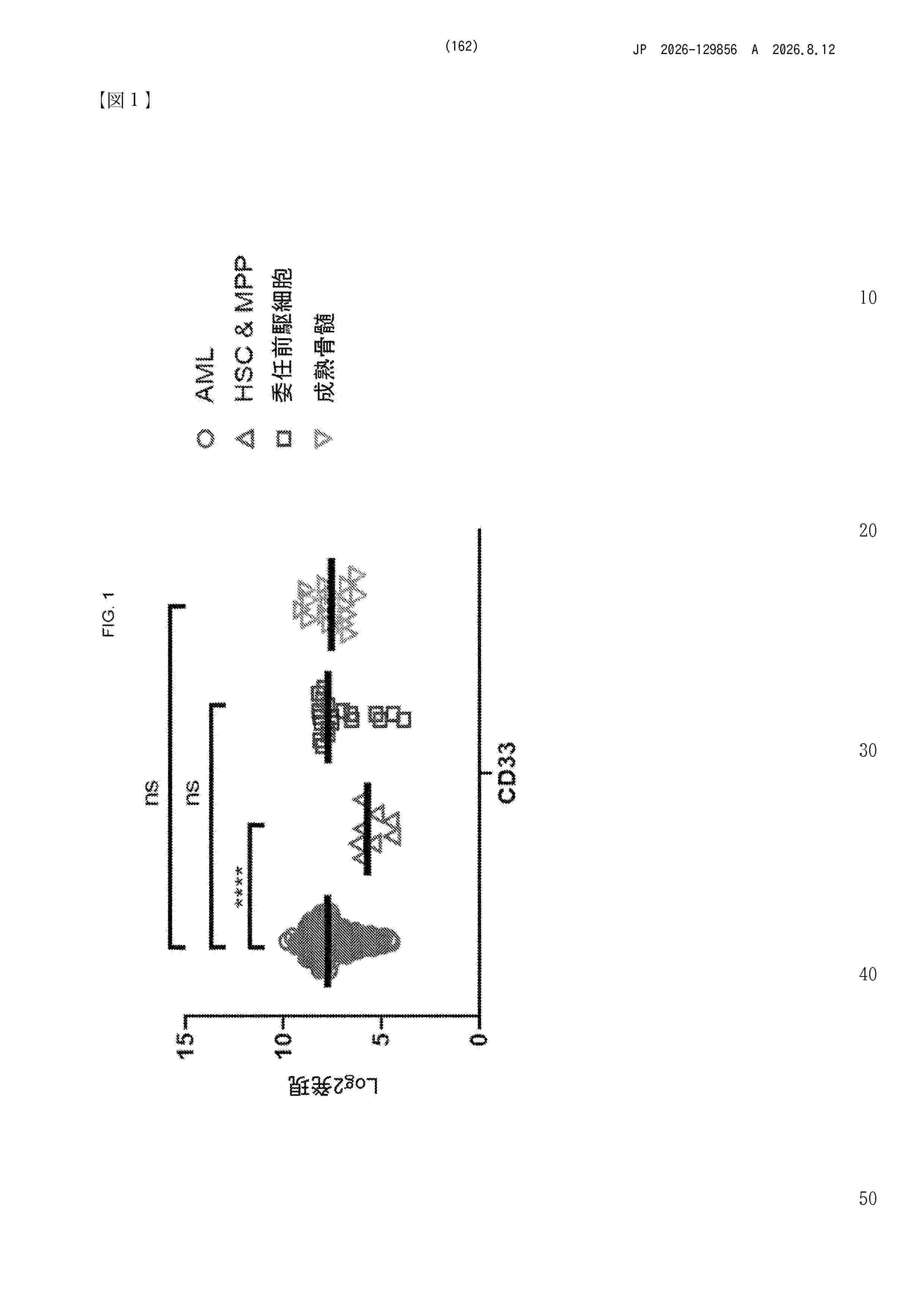
Chimeric antigen receptors (CARs) with binding domains derived from a novel suite of CD33-binding antibodies are described. The CARs include optimized short and intermediate spacer regions. The current disclosure also provides methods of cell expansion/activation processes utilizing IL-2, IL-7, IL-15, and/or IL-21 that improve cellular proliferation and cell lysis of the CARs as described.
Resumen de: WO2025026908A1
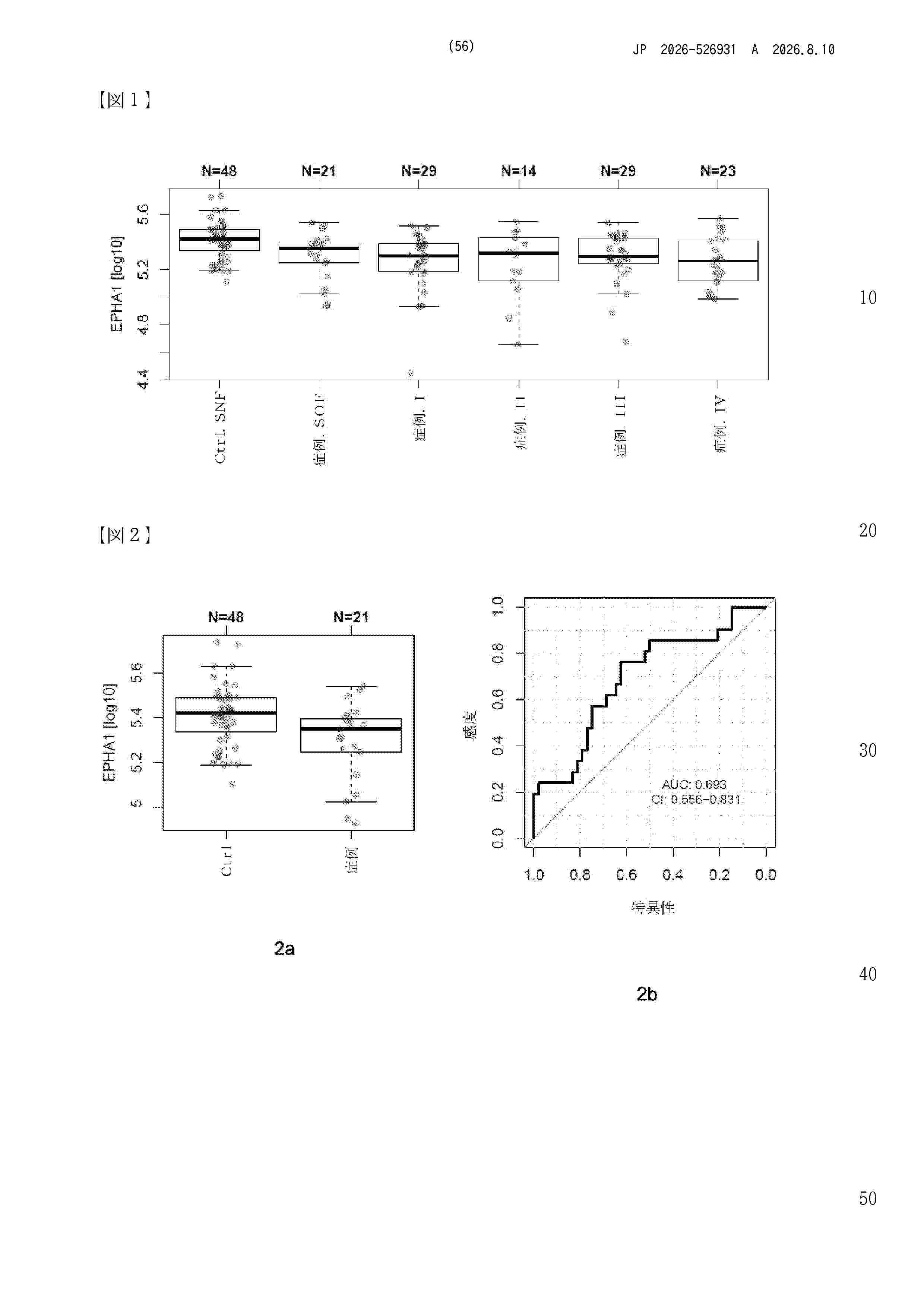
The present invention relates to methods of diagnosing whether a subject has endometriosis, uterine/pelvic pathology and/or endometriosis and/or uterine/pelvic pathology associated neuropathic pain, to methods of determining the therapeutic effect of a treatment regimen for endometriosis, uterine/pelvic pathology and/or endometriosis and/or uterine/pelvic pathology associated neuropathic pain, and methods of monitoring endometriosis, uterine/pelvic pathology and/or endometriosis and/or uterine/pelvic pathology associated neuropathic pain progression in a subject, by determining the amount or concentration of EphA1 in a sample of the subject, and comparing the determined level to a reference value.
Resumen de: WO2025017127A1
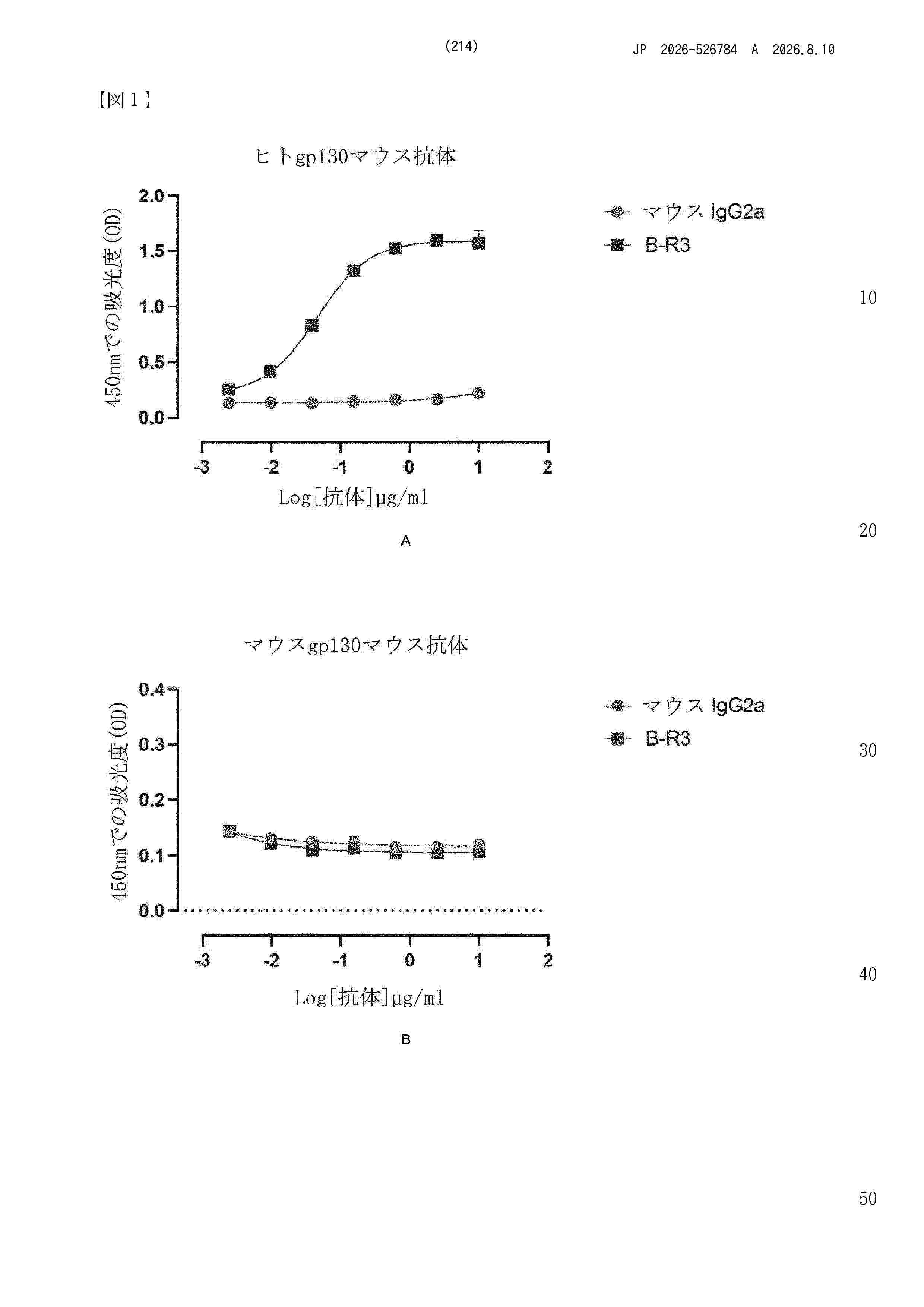
Gp130 antigen-binding antibodies are disclosed which inhibit IL-6, IL-11, OSM, LIF, CNTF, CT-1 mediated signal and bind to the cytokine binding region. Also disclosed are nucleic acids and expression vectors encoding, compositions comprising, humanised antibodies and therapeutic methods using, the Gp130 antigen-binding antibodies.
Resumen de: WO2025249975A1
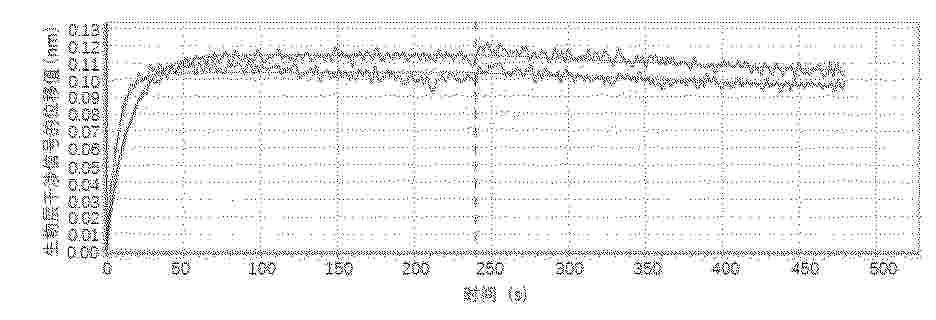
The present invention relates to a novel compound for detecting amyloid-beta and a method for diagnosing degenerative brain disease using same, the compound represented by chemical formula 1 or a salt thereof, according to the present invention, being capable of specifically binding to amyloid-beta. The compound or a salt thereof has high selectivity and thus may detect amyloid-beta in plasma with high sensitivity despite interference in the detection due to the presence of other proteins in plasma, and may be utilized for diagnosing degenerative brain disease or screening a therapeutic agent for degenerative brain disease.
Resumen de: CN122520771A
0001 本发明公开了一种抗β‑淀粉样前体蛋白的抗体及其相关产品和应用,所述抗体可特异性结合β‑淀粉样前体蛋白,具有高亲和力和特异性,所述相关产品包括包含所述抗体的检测试剂盒、检测试剂,可用于β‑淀粉样前体蛋白的检测或β‑淀粉样前体蛋白相关疾病(如:阿尔茨海默病、轻度认知障碍、淀粉样变性相关神经退行性疾病)的诊断或辅助诊断,为临床诊疗提供可靠的分子检测依据。
Resumen de: CN122525107A
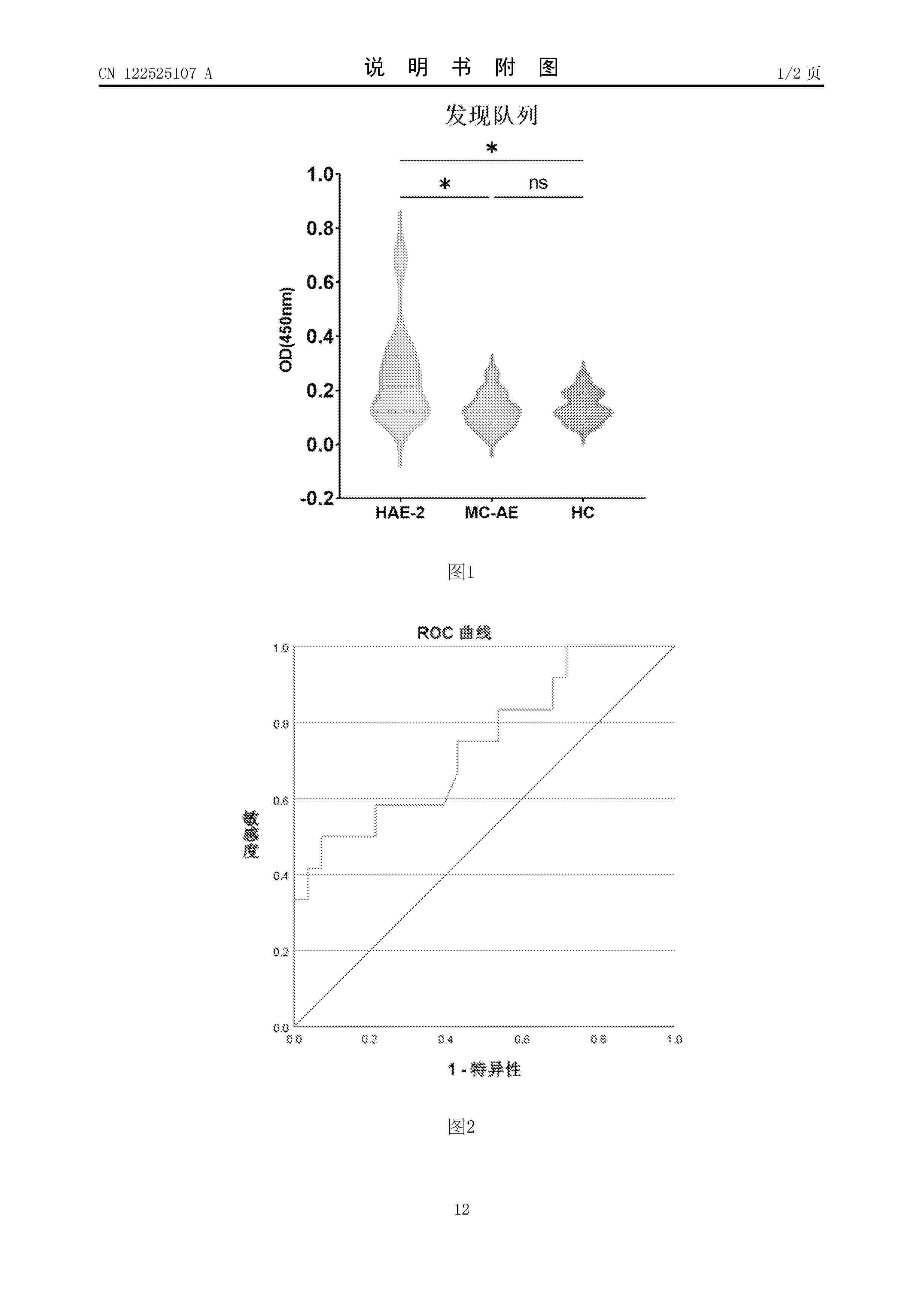
0001 本发明涉及生物标志物技术领域,尤其涉及C1酯酶抑制剂的岩藻糖含量检测试剂在制备2型遗传性血管水肿诊断产品中的应用。本发明发现C1酯酶抑制剂的岩藻糖基化水平与2型遗传性血管水肿具有显著相关性,可用于诊断2型遗传性血管水肿;经ROC曲线验证,C1酯酶抑制剂的岩藻糖基化水平对于2型遗传性血管水肿具有较好的诊断性能,且具有检测方便、所需时间短等优势,可单独或与其他标志物组合用于2型遗传性血管水肿诊断,在2型遗传性血管水肿诊断中具有较好的应用前景。
Resumen de: WO2024192404A1
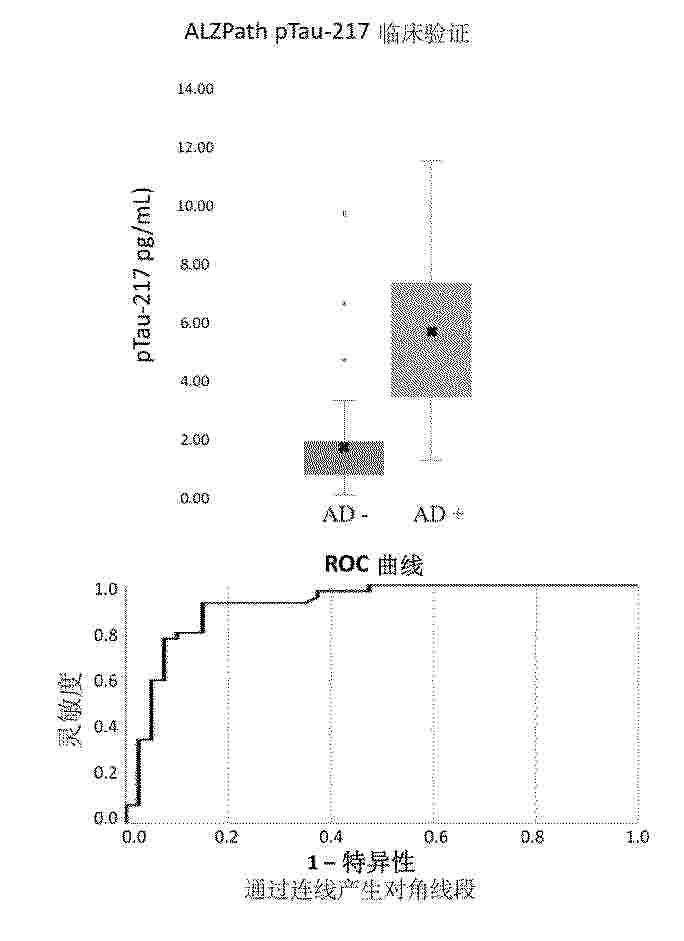
Provided herein are compositions and methods relating to improved assays for establishing a condition of a neurodegenerative disease and providing treatment. Further provided herein are compositions and methods comprising improved antibodies for assays including immunoassays used for diagnosing Alzheimer's disease and providing treatment.
Nº publicación: CN122525111A 07/08/2026
Solicitante:
重庆医科大学
Resumen de: CN122525111A
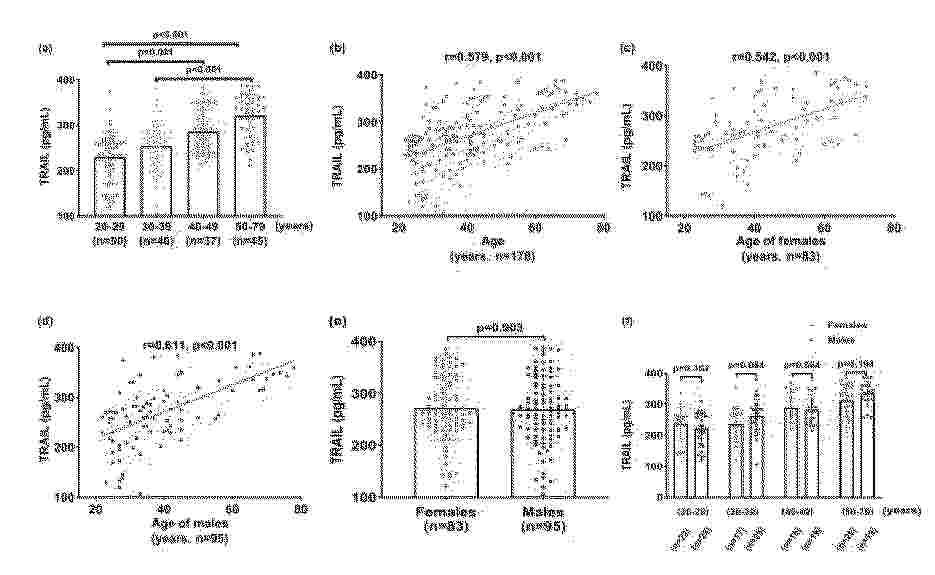
0001 本发明公开了一种血浆TRAIL水平检测在阿尔茨海默病检测中的应用,涉及生物医学检测技术领域;一种检测人血浆中肿瘤坏死因子相关凋亡诱导配体浓度的物质在制备用于辅助评估受试者阿尔茨海默病相关认知状态的试剂中的应用;所述应用包括:将受试者的血浆TRAIL浓度检测值与预设的参考值范围或诊断阈值进行比较,其中,当所述血浆TRAIL浓度高于用于区分AD与认知功能正常状态的第一诊断阈值时,为辅助判断所述受试者更可能处于AD状态而非CU状态提供信息。本发明基于血浆样本进行检测,仅需常规静脉采血,避免了腰椎穿刺的侵入性风险和PET成像的放射性暴露及高额费用。所使用的酶联免疫吸附测定等技术成熟、操作相对标准化。
 BOPI
BOPI
 Sede Electrónica