Si deseas distinguir tus productos, servicios o ambos de los de otra empresa, es posible que necesites una marca o nombre comercial. Descubre qué son, en qué consiste su procedimiento de registro y qué implica.

Información sobre los plazos de presentación de solicitudes de transformación de marcas de la Unión Europea en marca nacional española. Más información


Si tienes un nuevo dispositivo, producto o procedimiento que resuelva un problema técnico o tenga una ventaja práctica, existen distintas formas de protegerlo en España y en otros países. Descubre cómo hacerlo.

¿Tu innovación reside en la estética, la ornamentación o la apariencia de tu producto? Protégela mediante un diseño industrial. Descubre qué derechos confiere el registro y cómo realizar la tramitación.

Las indicaciones geográficas protegen el nombre de un producto originario de una zona geográfica, a la cual le debe una determinada calidad, reputación u otra característica. Descubre qué son, en qué consiste su procedimiento de registro y qué beneficios conceden.

Las patentes publicadas en todo el mundo son una valiosa fuente de información científica, técnica y comercial.

Si eres emprendedor/a o una empresa y quieres potenciar y mejorar la rentabilidad de tu negocio protegiendo de forma adecuada los activos intangibles de tu organización, en este espacio encontrarás lo necesario.


 322
resultados
322
resultados
 Última actualización
25/08/2026 [07:57:00]
Última actualización
25/08/2026 [07:57:00]


 Resultados 150 a 175 de 322

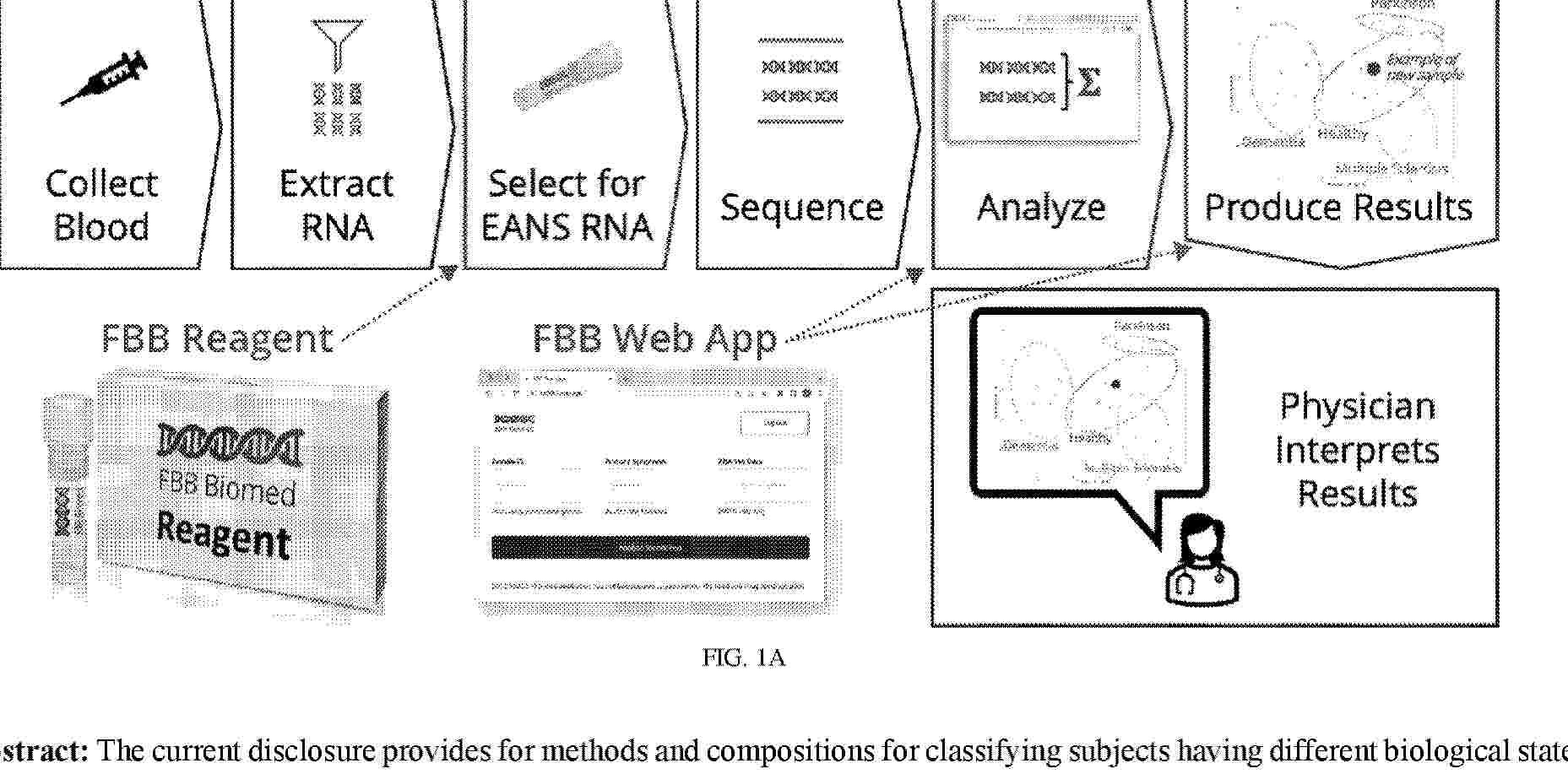
Resumen de: AU2024399715A1
The current disclosure provides for methods and compositions for classifying subjects having different biological states. The disclosure describes a method comprising: filtering sequence data obtained from a sample from a subject based on long non-coding RNA (lncRNA) and/or pseudogene RNA (pgRNA), and/or the reference genome; determining a biological state classification of the subject by providing the filtered sequence data to one or more machine learning classifiers as input, wherein the one or more machine learning classifiers is trained to output biological state classifications based on filtered sequence data of a training data set.

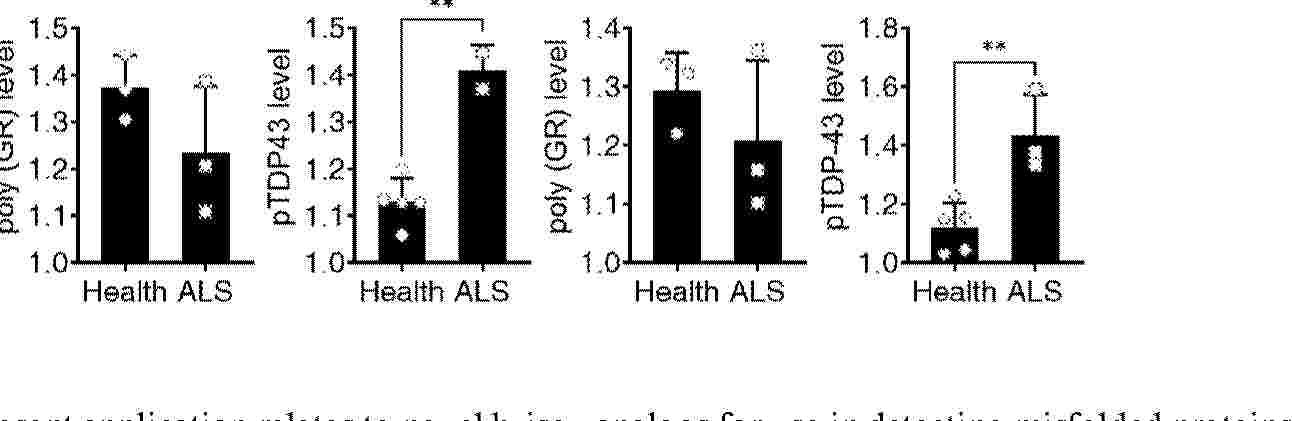
Resumen de: AU2024401251A1
The present application relates to novel b-isox analogs for use in detecting misfolded proteins associated with neurodegenerative diseases, such as ALS, PD, AD, FTLD, and LATE. The present inventors identified and modified a specific site on the b-isox molecule, which significantly enhances detection capabilities. This modification also allows for the selection of analogs that either exhibit low background interference or alter cellular targets, based on the alteration of a functional group at critical site.
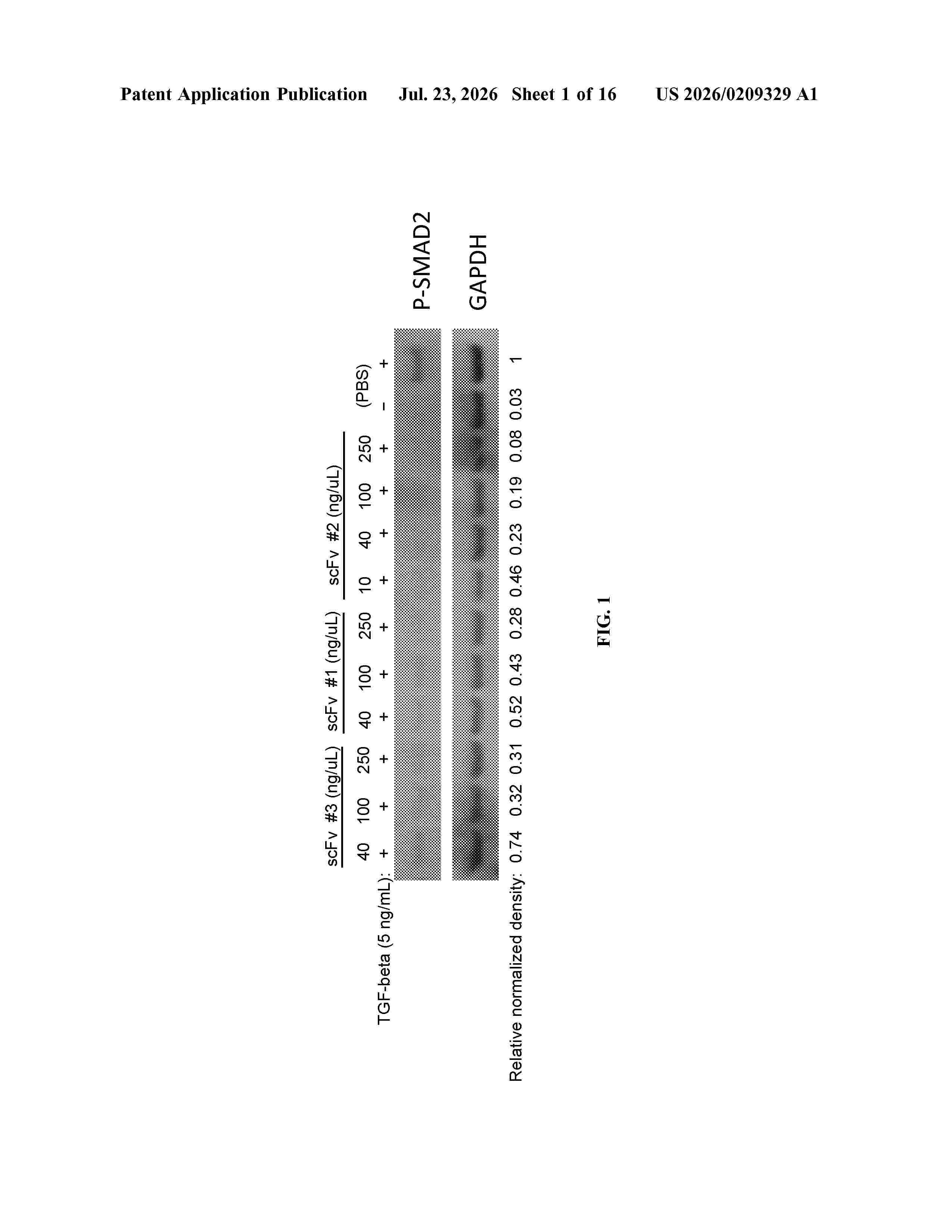
Resumen de: US20260209329A1
Aspects of the disclosure relate to polypeptides comprising a signal peptide, an antigen-binding domain that specifically binds TGF-β, a peptide spacer, a transmembrane domain, and an endodomain. When expressed in a cell, the polypeptides are capable of not only neutralizing the TGF-β but also specifically triggering T-cell activation in the presence of TGF-β. T-cell activation spurs the immune cell to produce immunostimulatory cytokines and proliferate, thus turning TGF-β from an immunosuppressive signal to an activating stimulus.
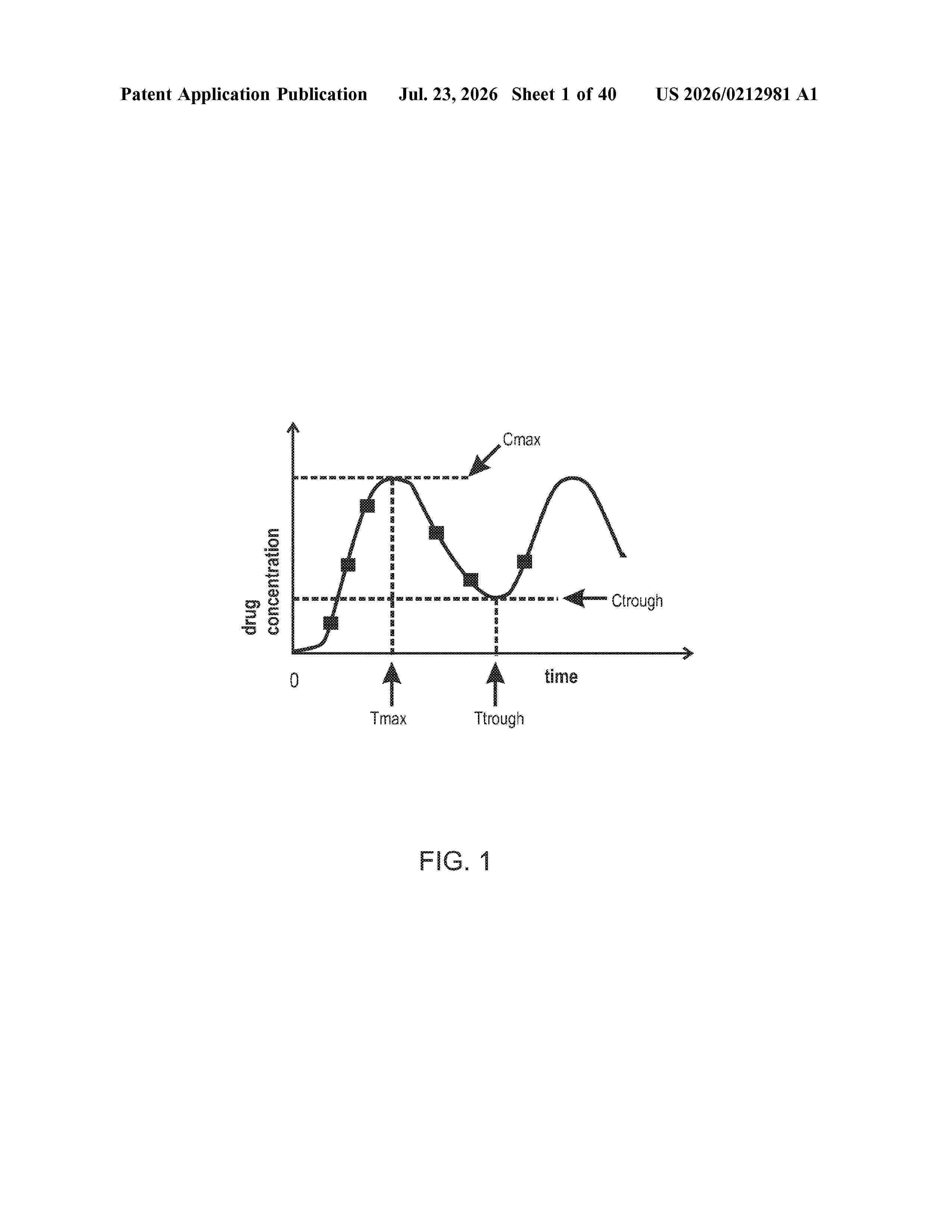
Resumen de: US20260212981A1
0000 Provided is a computer-implemented method for predicting a pharmacokinetic feature for a drug administered to a subject, such as maximum concentration or time to maximum concentration. The method includes: contacting a fluid of the subject with an electrochemical aptamer-based sensor capable of detecting the drug, receiving a series of output values of the electrochemical aptamer-based sensor over a period of time, and using the series of output values to predict the pharmacokinetic feature.
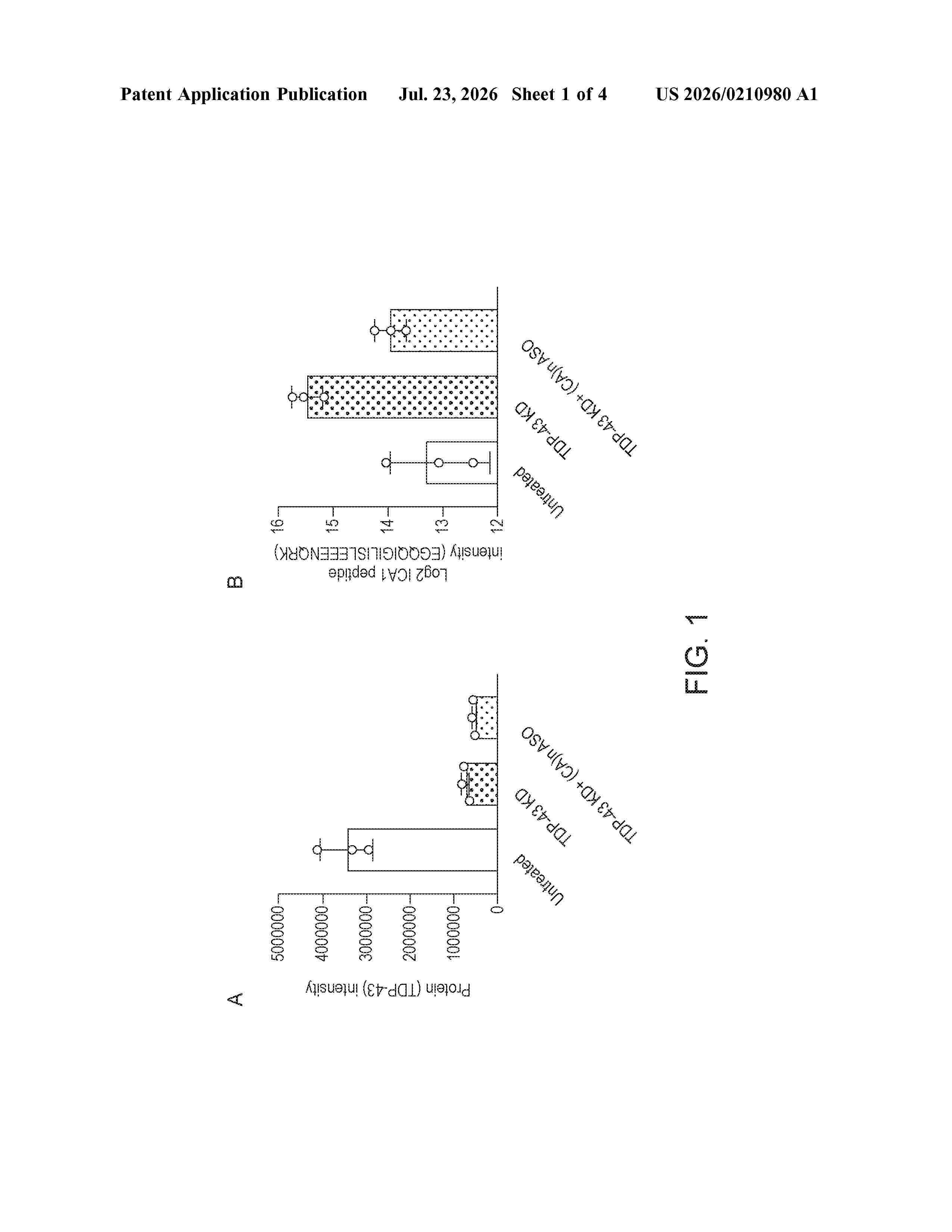
Resumen de: US20260210980A1
The present invention relates to a splice variant of an ICA1 protein that acts as a biomarker for a TDP-43 pathology. In particular, the present invention relates to methods for identifying a splice variant of ICA1 comprising a cryptic peptide sequence, and to related methods of identifying a TDP-43 pathology and/or reduced TDP-43 function in a subject.
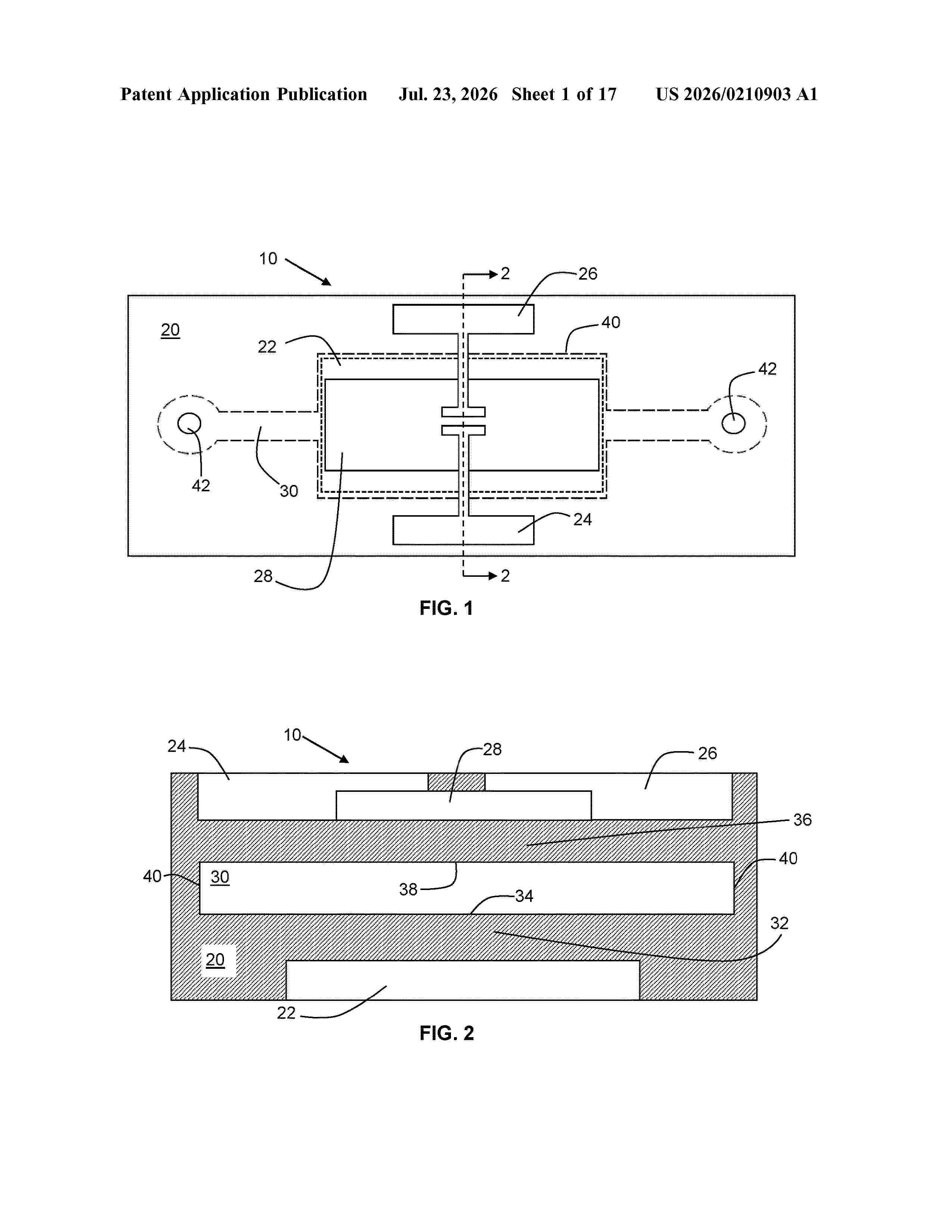
Resumen de: US20260210903A1
0000 An organic electrolyte-gated field effect transistor biosensor contains a microfluidic channel structure formed from a dielectric thermoplastic material. A biorecognition entity immobilized within the microfluidic channel allows the biosensor to detect the presence or concentration of an analyte in an electrolyte fluid placed within the channel. The dielectric material separates the microfluidic channel from the gate electrode and from the semiconductor material connecting the drain and source electrodes, and protects the gate electrode and the semiconductor material from direct contact with the electrolyte fluid in the microfluidic channel, to provide the biosensor with a high capacitance. Methods of fabricating the biosensor by monolithic 3D printing are also provided.
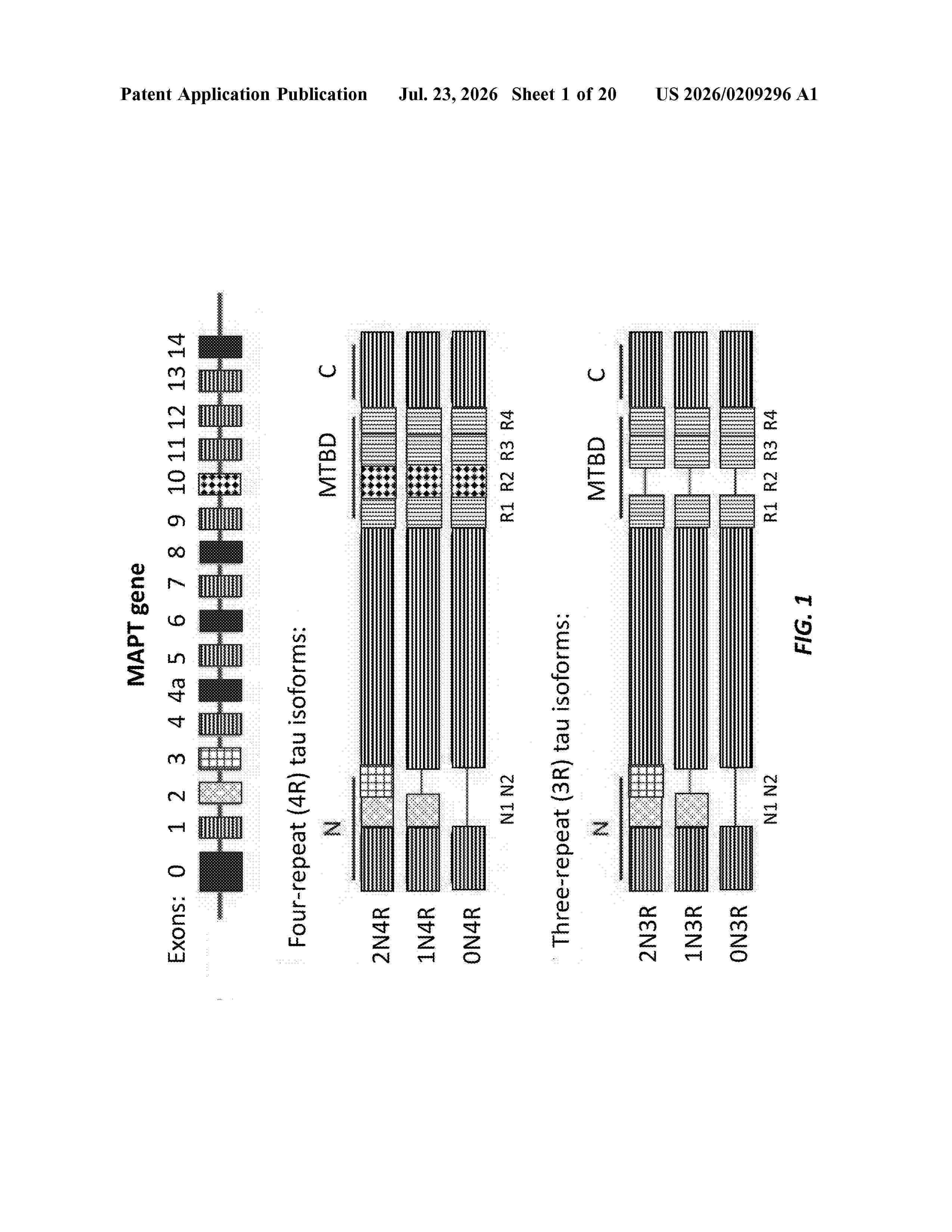
Resumen de: US20260209296A1
Tau reporter compositions, tau reporter cells, and tau reporter animals are provided that comprise a four-repeat (4R) tau isoform linked to a first reporter protein and a three-repeat (3R) tau isoform linked to a second reporter protein that is different from the first reporter protein. Methods are provided for making such tau reporter cells and tau reporter animals and for using such tau reporter cells and tau reporter animals for assessing the activity of tau-targeting reagents.
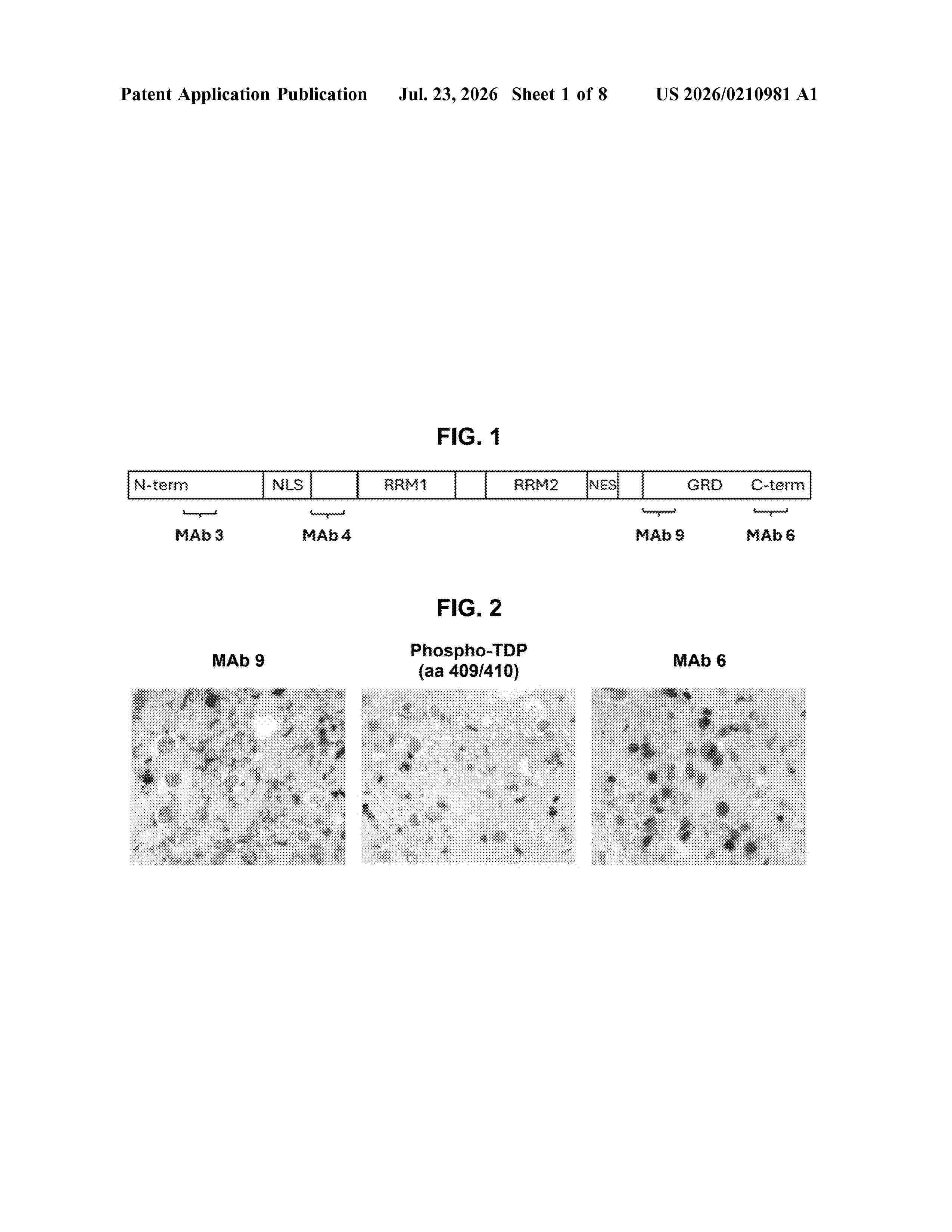
Resumen de: US20260210981A1
Disclosed herein are antibodies or antigen-binding fragments thereof and compositions comprising the same. Also disclosed are methods of detecting TAR DNA-binding protein 43 (TDP-43) in a biological sample, diagnosing a neurodegenerative disease in a subject, and selecting whether to enroll a subject in a clinical trial for frontotemporal lobar degeneration with TDP-43 inclusions (FTLD-TDP) using the antibodies or antigen-binding fragments thereof described herein. In addition, disclosed herein are immunoassay kits for selectively detecting TDP-43 in a biological sample.
Resumen de: US20260209322A1
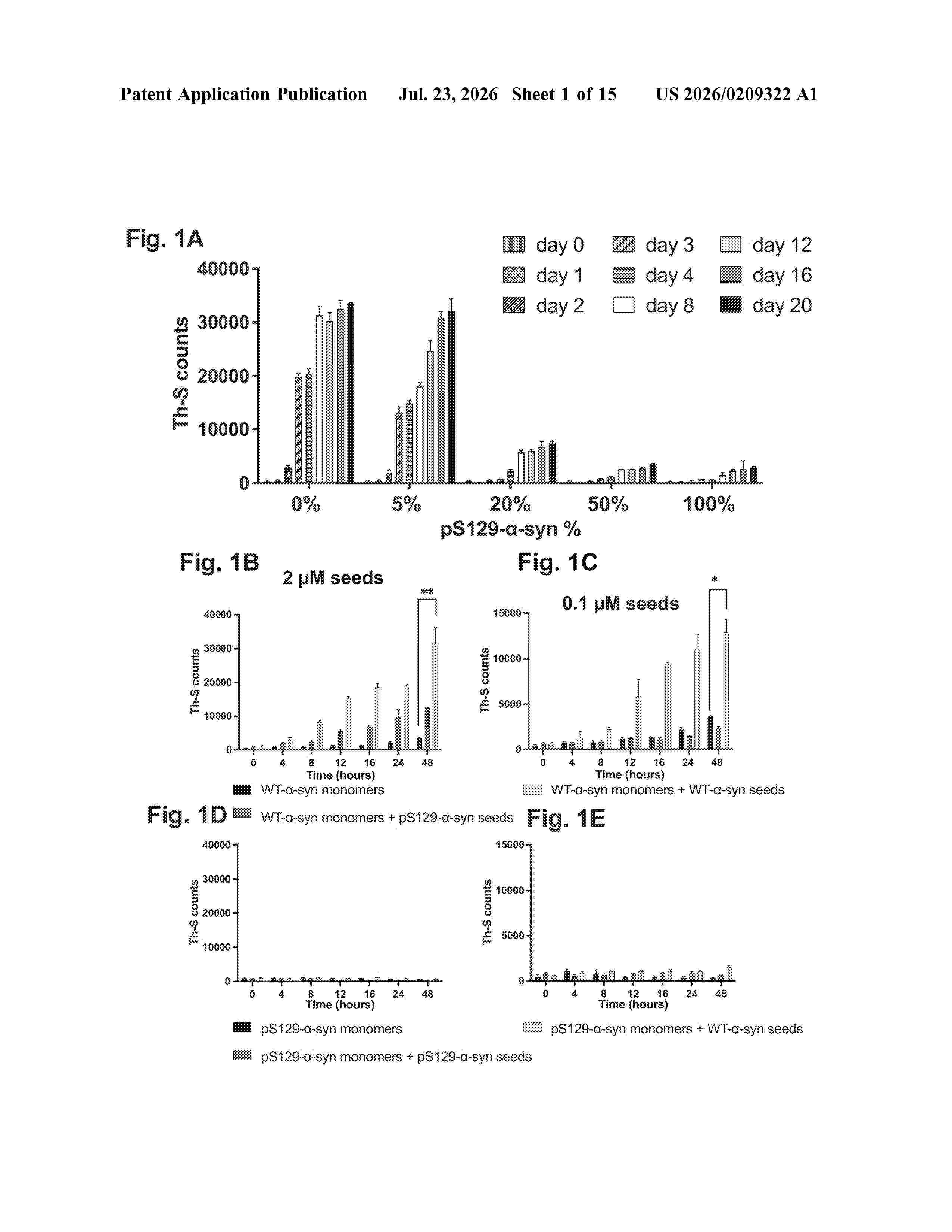
0000 The present specification provides a monoclonal antibody that specifically binds aggregated, non-phosphorylated α-synuclein and a hybridoma producing it. Also disclosed are methods of generating antibodies that specifically binds aggregated, non-phosphorylated α-synuclein and uses thereof. Uses of anti-α-synuclein antibody in detection and diagnostic assays, and for prophylaxis or therapy of α-synuclein-associated neurodegenerative diseases, are also disclosed.
Resumen de: US20260210943A1
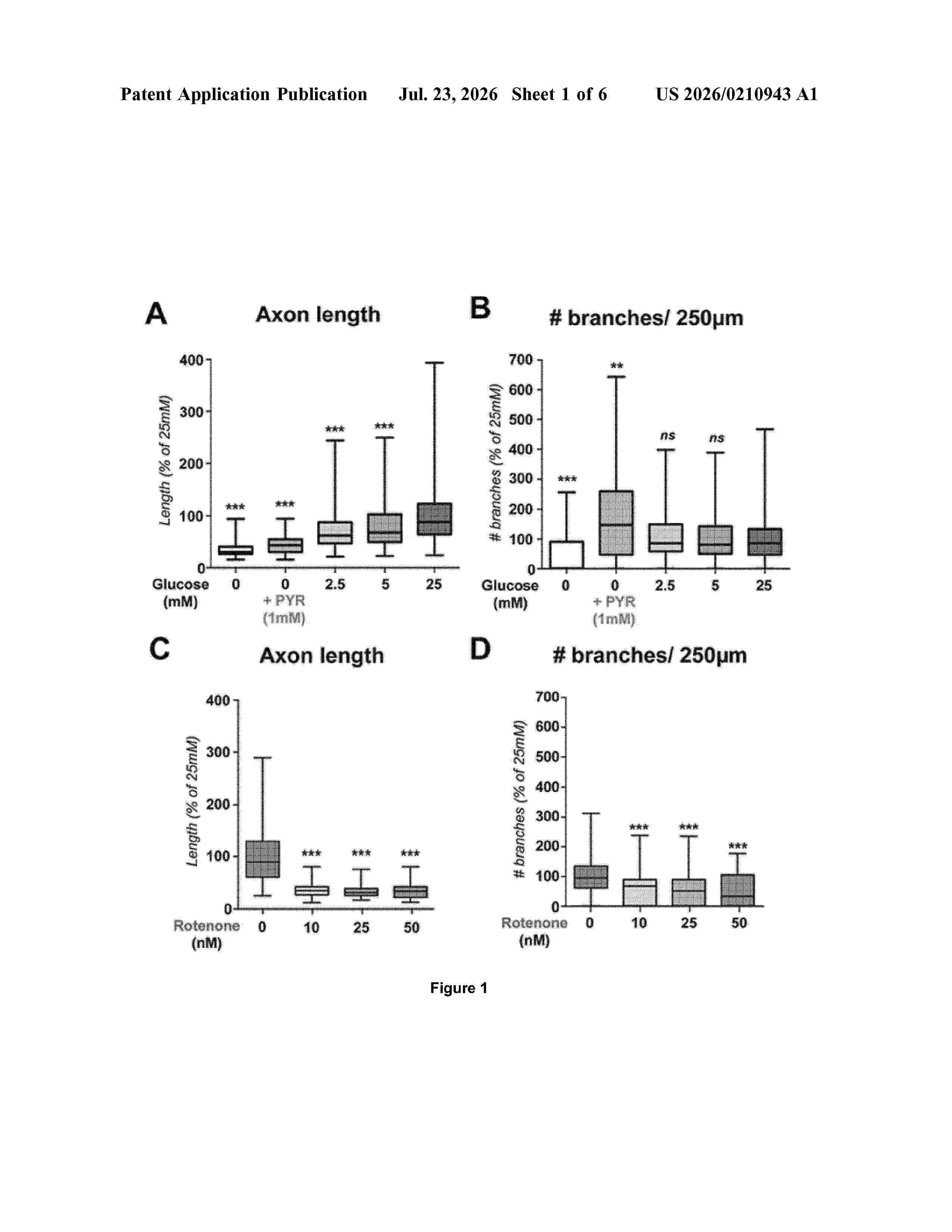
Using primary mouse neuronal cultures and mouse models, the present inventors have highlighted the role of a new effector, BRAWNIN, in neuronal metabolic balance and cortical axon branching. The present inventors have shown that BRAWNIN expression is necessary and sufficient for cortical axon branching. The present inventors have particularly demonstrated that BRAWNIN expression allows completely restoring impaired axon branching phenotypes in an impaired axon development mouse model. The present invention therefore pertains to a BRAWNIN agonist for use in the treatment of axonal metabolic disorders. The present invention further pertains to screening methods for the identification of novel therapeutic compounds based on BRAWNIN expression in a cellular model.
Resumen de: US20260209323A1
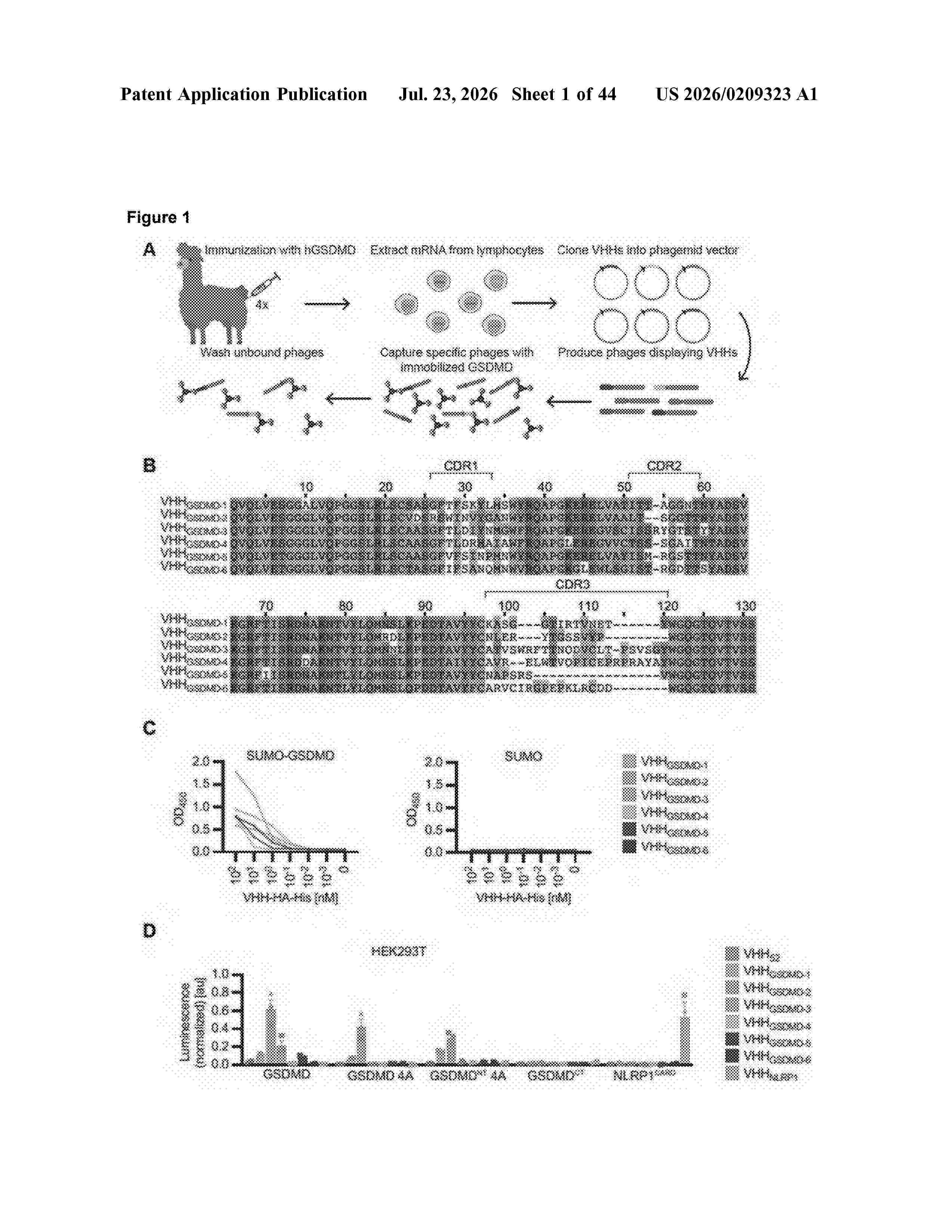
The present invention is concerned with single-domain antibodies directed against gasdermin D (GSDMD). The single-domain antibodies can be used in medical applications, preferably for preventing and/or treating an inflammatory disease or condition in a subject, and/or for determining the presence or absence of GSDMD oligomers in a sample obtained from a subject.
Resumen de: US20260210976A1
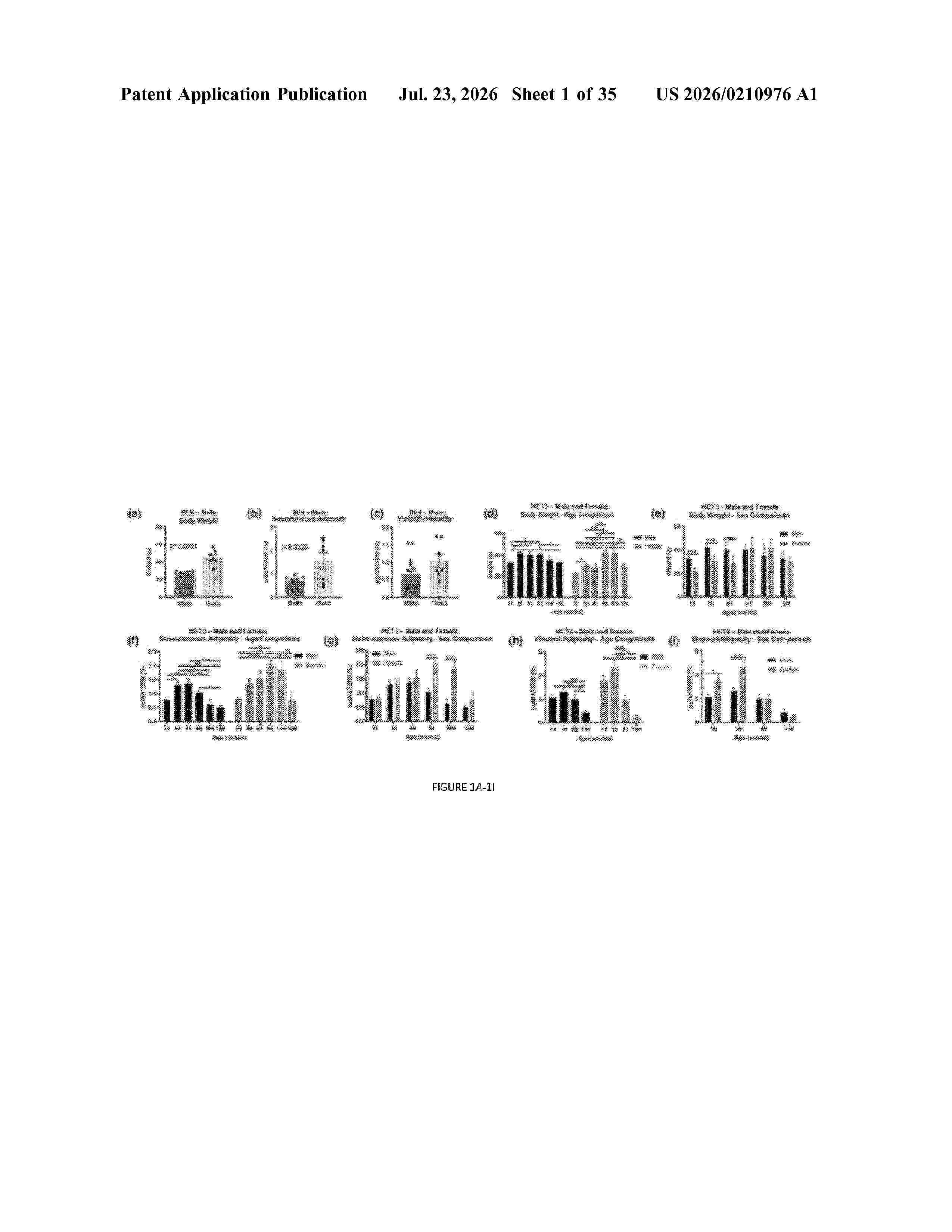
Disclosed herein is a kit to detect and determine post-synaptic density protein-95 (PSD-95) levels in subjects with peripheral neuropathy. Also disclosed herein, is a method of treating or preventing neuropathy in a subject. The method comprises detecting PSD-95 levels in a sample from the subject, using the kit disclosed herein and when the PSD-95 level differs from a control, the subject is treated for neuropathy.
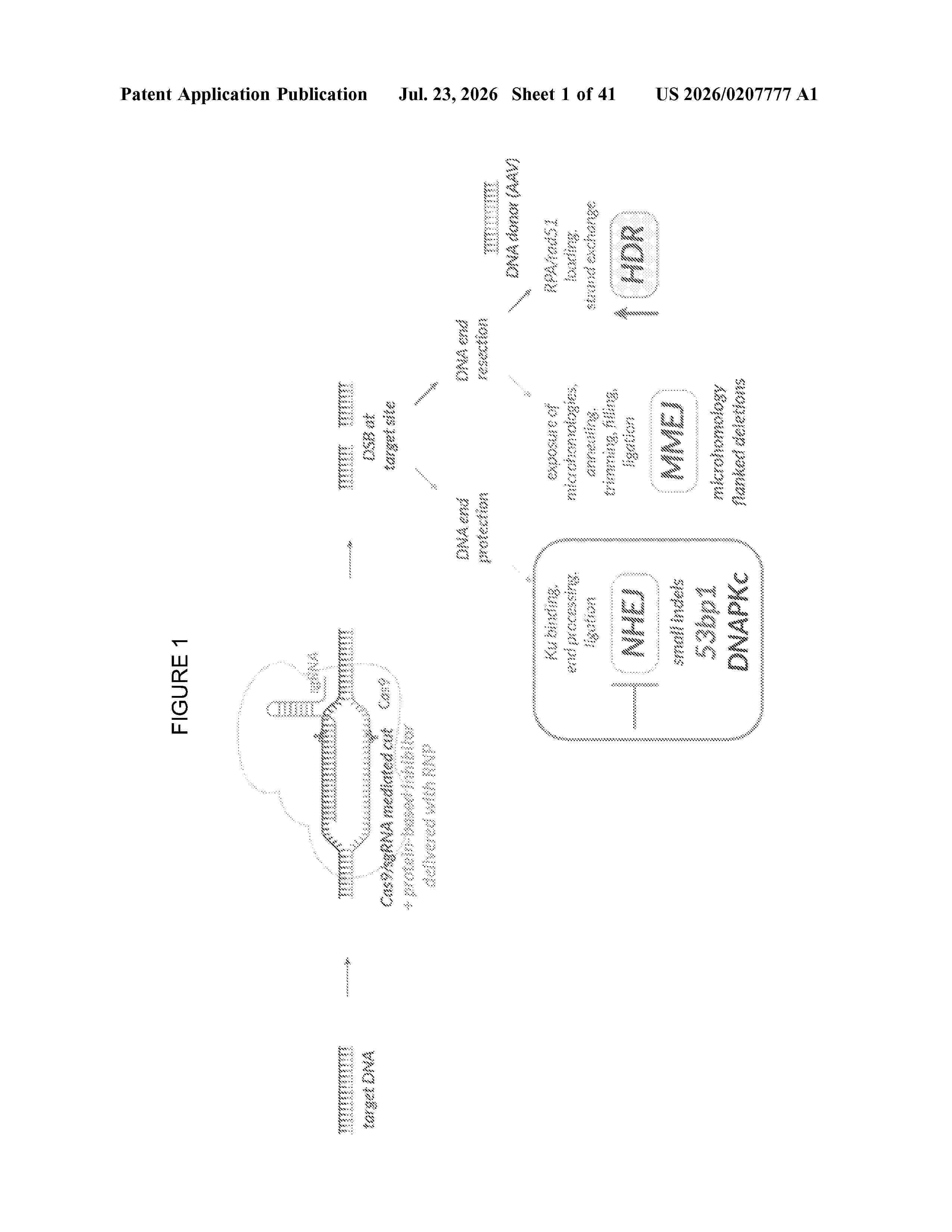
Resumen de: US20260207777A1
0000 Compositions and methods are provided for enhancing homology-directed repair in gene-editing applications using improved inhibitors of 53BP1.
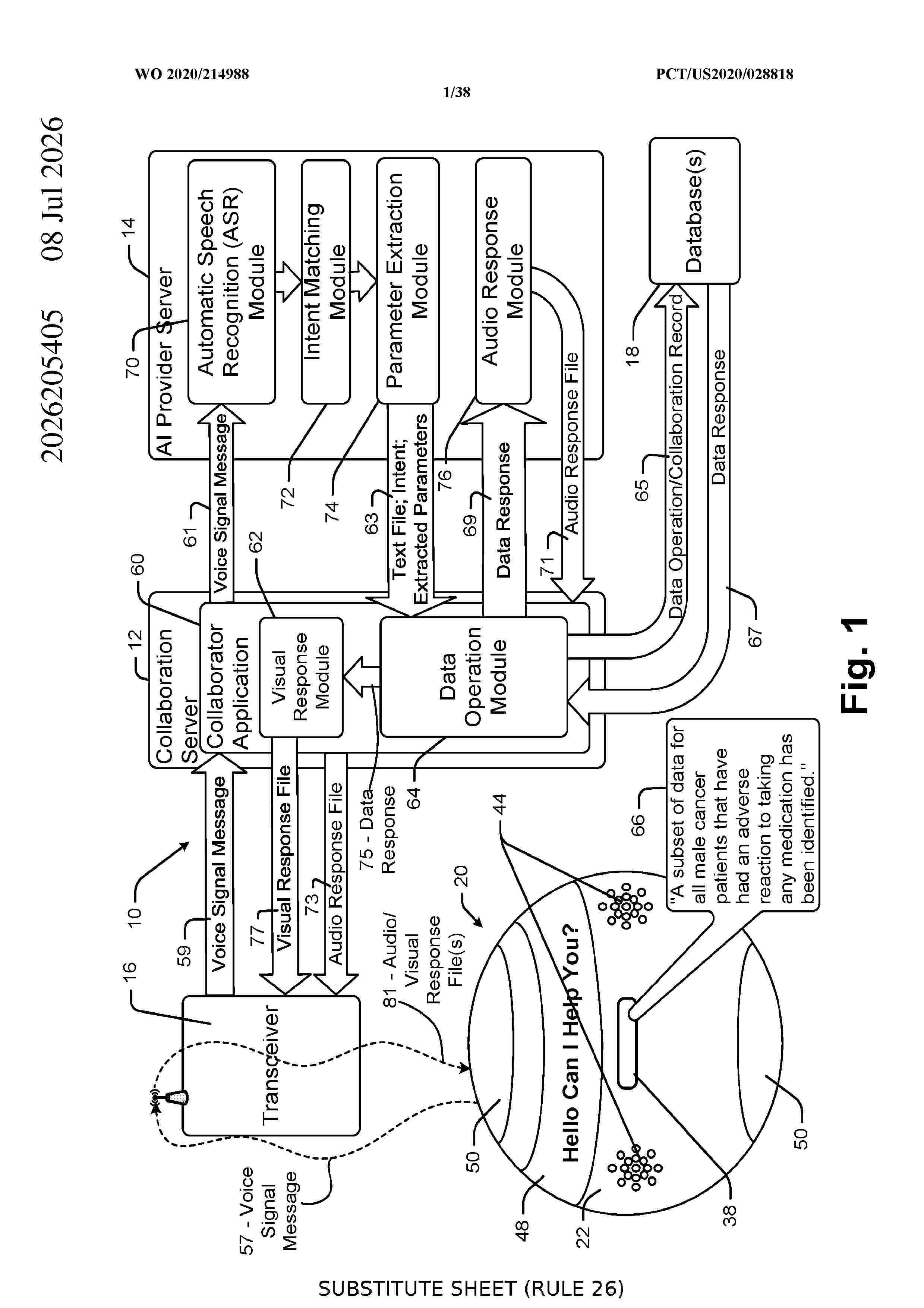
Resumen de: AU2026205405A1
A method for operating a virtual assistant, the method comprising: at an electronic device: initiating a virtual assistant operable to connect a user with one or more repositories of health information; identifying, by the virtual assistant, the user based on one or more user-specific features; associating a subset of the health information with the user based on the identification of the user, at least a portion of the subset of the health information relating to a particular subject; responsive to receiving a user input via the virtual assistant: accessing, by the virtual assistant, the one or more repositories of information; identifying one or more documents within the one or more repositories as being relevant to the user input; extracting partial response data from the one or more documents; processing, by the virtual assistant, the partial response data in view of the user input to generate a complete response to the user input; and providing the complete response for broadcasting via an output device associated with the electronic device, wherein the steps of identifying one or more documents within the one or more repositories as being relevant to the user input and extracting partial response data from the one or more documents include: identifying at least one parameter in the user input; identifying at least one intent associated with the user input, the at least one intent selected from a pool of intents identified from a plurality of intents based on the at leas
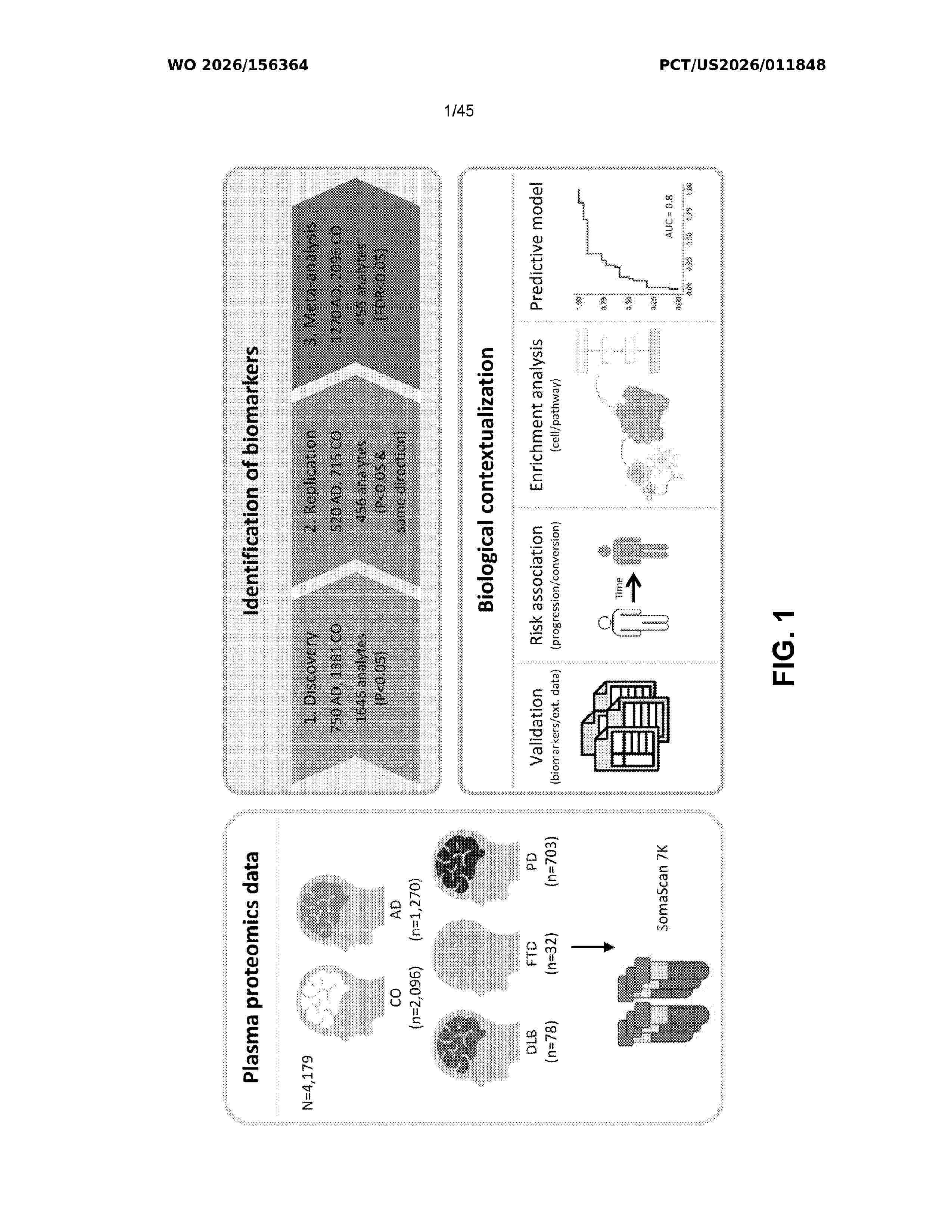
Resumen de: WO2026156364A1
Provided herein is the identification of target proteins for determination of clinical aspects of Alzheimer's disease in a subject. Further provided are methods for diagnosing Alzheimer's disease, determining the progression or rate of memory decline of Alzheimer's disease, and predicting amyloid-tau status, brain amyloidosis status, and plasma p-tau217 status of a subject, using predictor value comparison to thresholds. Also provided are methods of selecting a subject for inclusion in a clinical trial, methods for treating the subject in need thereof, and kits providing the same.
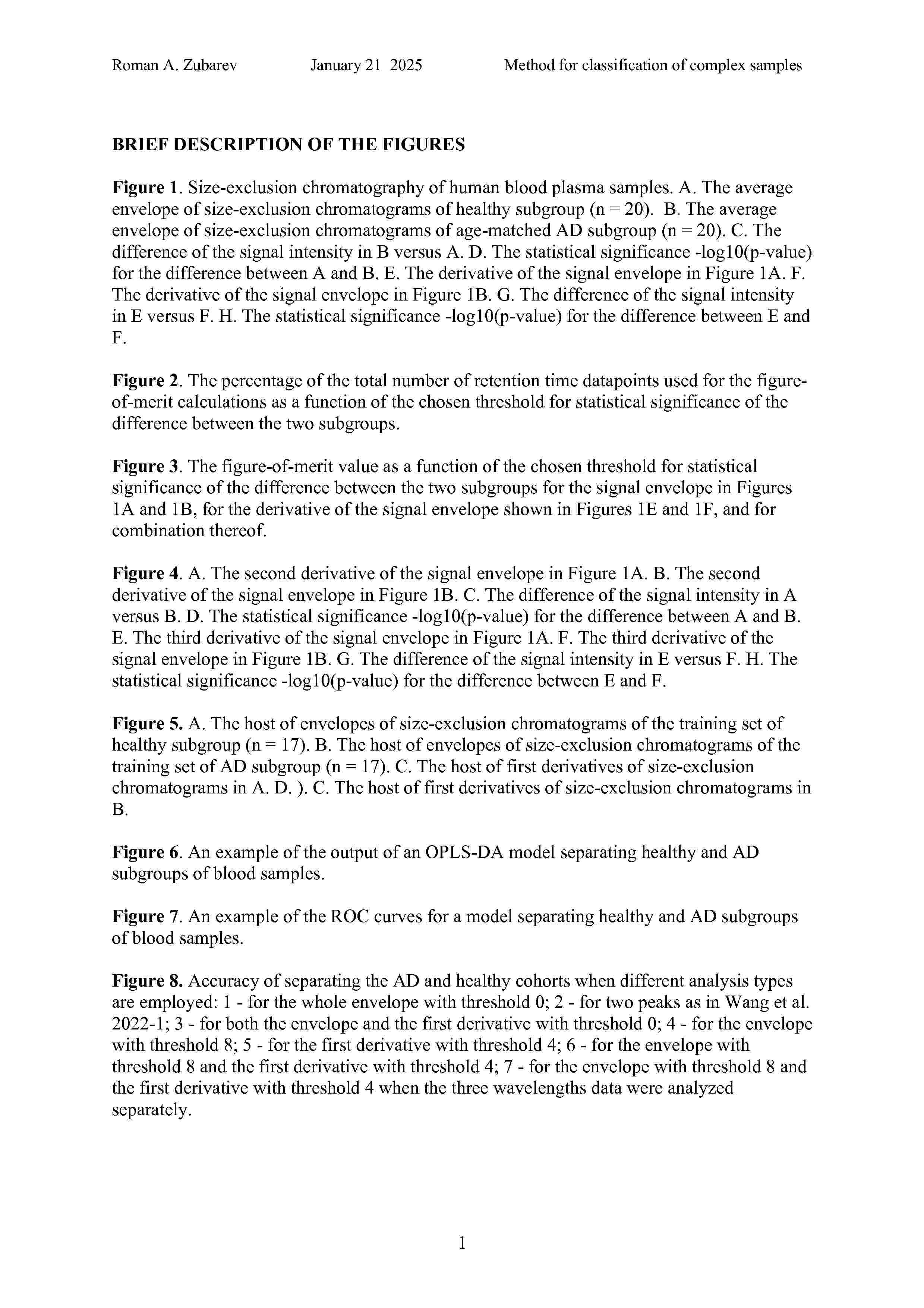
Resumen de: SE2530023A1
0001 Abstract This invention relates to analytical chemistry, and can be used in life sciences, including medicine. It provides a method for classifying a given complex sample into prespecified subgroups. The sample is composed of a mixture of compounds and it is analyzed by a technique with resolving power insufficient for separating individual compounds. As an example, the method can be used for assessing by blood sample analysis the risk of its donor for developing or fast progression of a neurological disease caused by protein aggregation. The invention is also suitable for assessing the quality of human blood plasma stored in blood storage facilities and suitability of that plasma for transfusion or further storage.
Resumen de: EP4779306A1
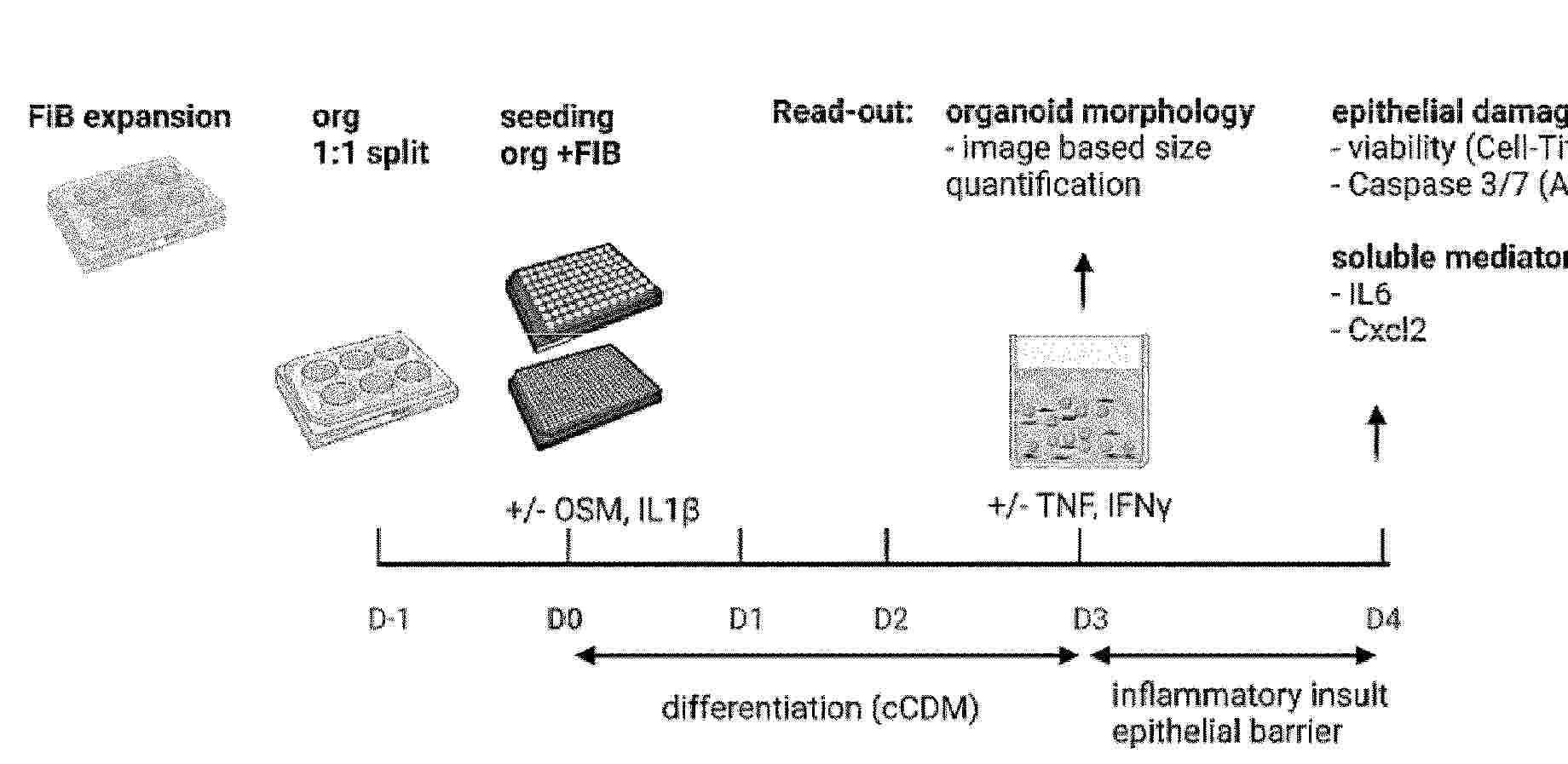
0001 The present invention relates to organoid co-cultures and their use in the investigation of diseases. The co-culture comprises at least one organoid, at least one stromal cell, and at least one immune cell. The presence or absence of the at least one change in the co-culture is determined e.g. in response to a proinflammatory stimulus.
Resumen de: WO2024229161A1
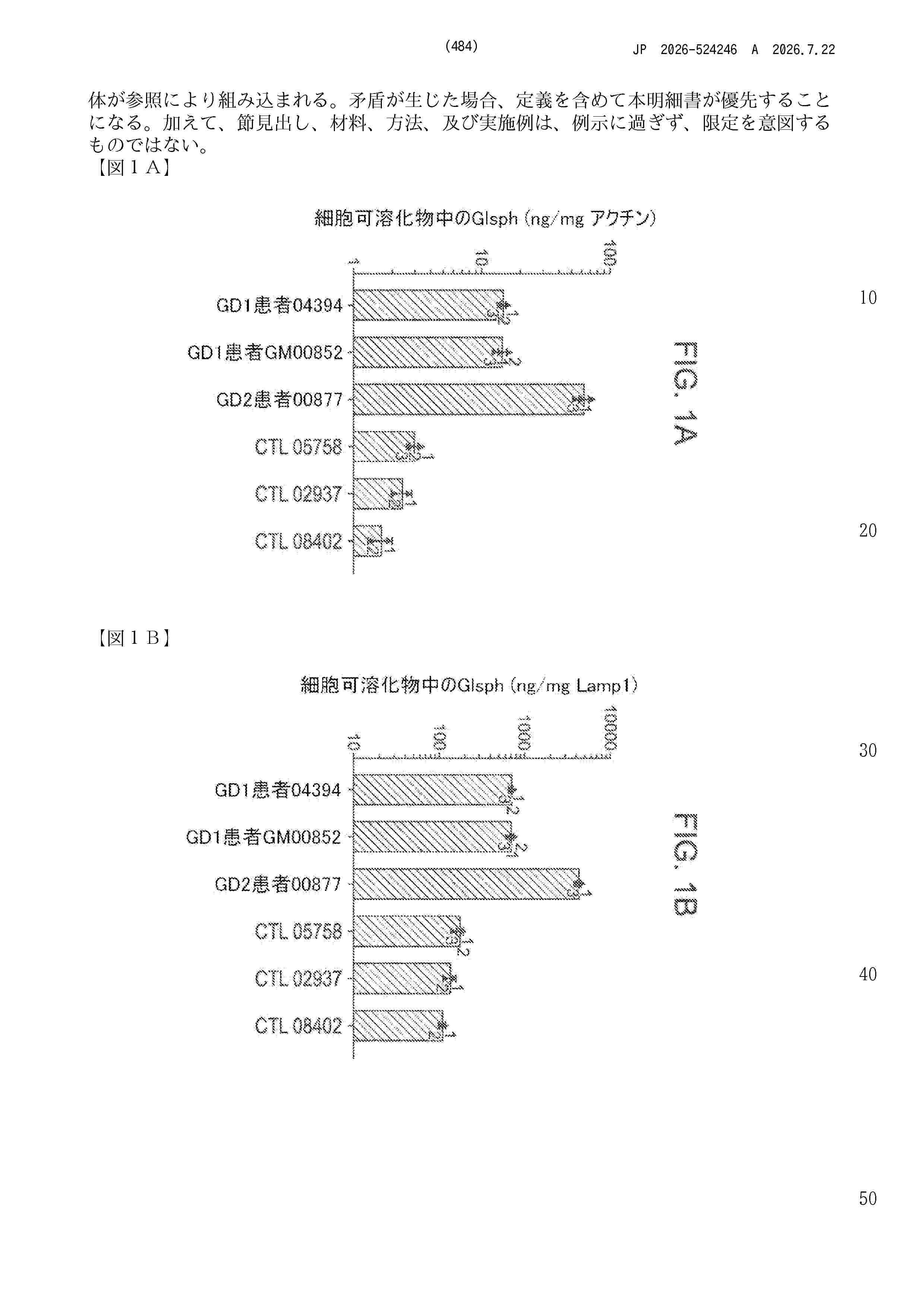
The disclosure relates to compositions and methods for, inter alia, altering, e.g., enhancing, the level of GBA1 protein via delivery using an adeno-associated viral (AAV) capsid variant. The compositions and methods of the present disclosure are useful, inter alia, in the treatment of subjects who have, have been diagnosed with, or are at risk of having a GBA1-related disorder, e.g., Parkinson's Disease (PD), Gaucher Disease (GD), Parkinson's Disease Dementia (PDD), Dementia with Lewy Bodies (DLB), or Lewy Body Dementia (LBD).
Resumen de: WO2025004009A1
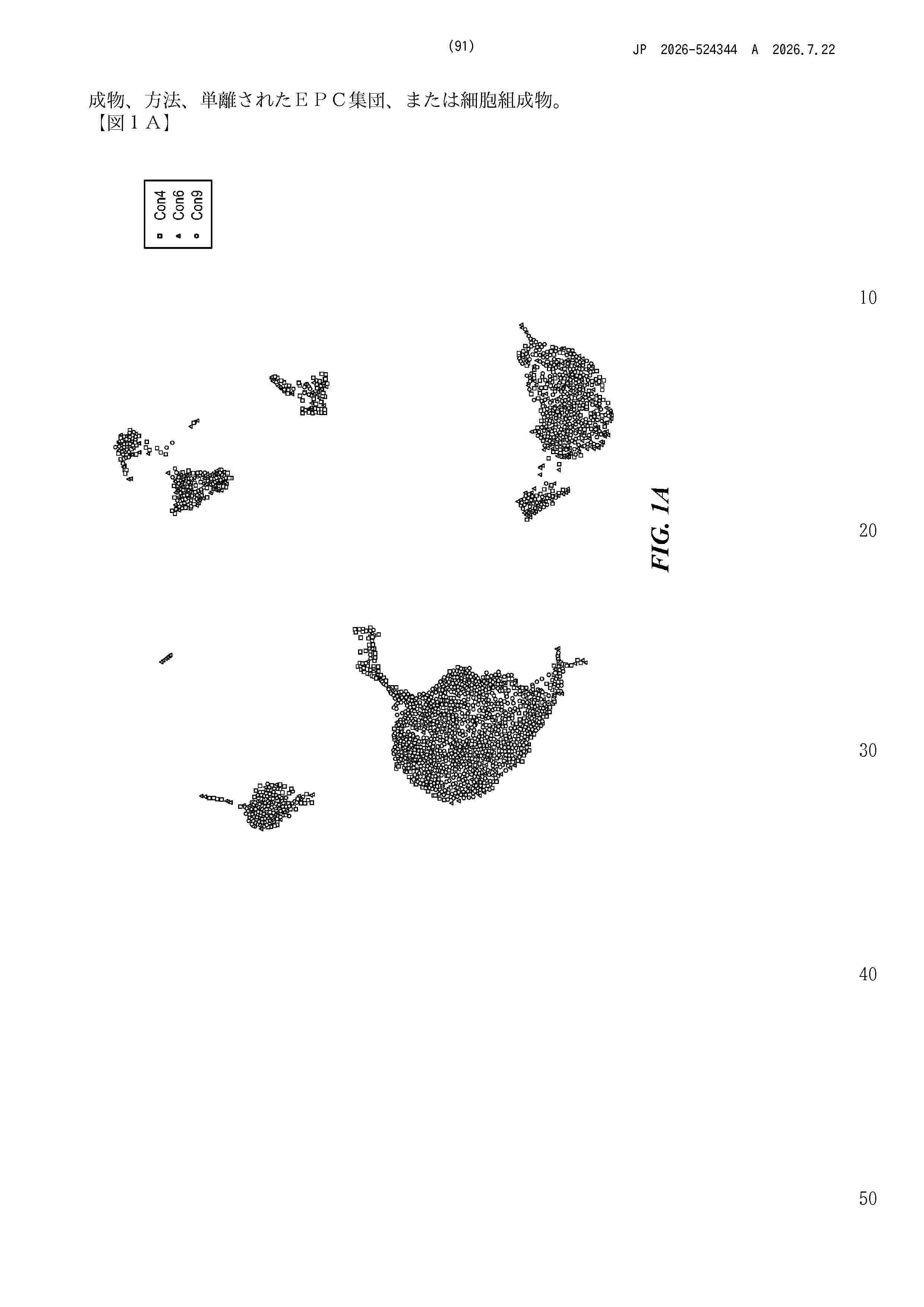
The present technology comprises isolated endothelial progenitor cell (EPC) populations comprising PROCR+/- PDGFRA+/- EPCs and mesenchymal stem cell (MSC) populations, and methods of making and use thereof in treating hypoxic-ischemic encephalopathy (HIE) or brain injury in a subject.
Resumen de: CN108291916A
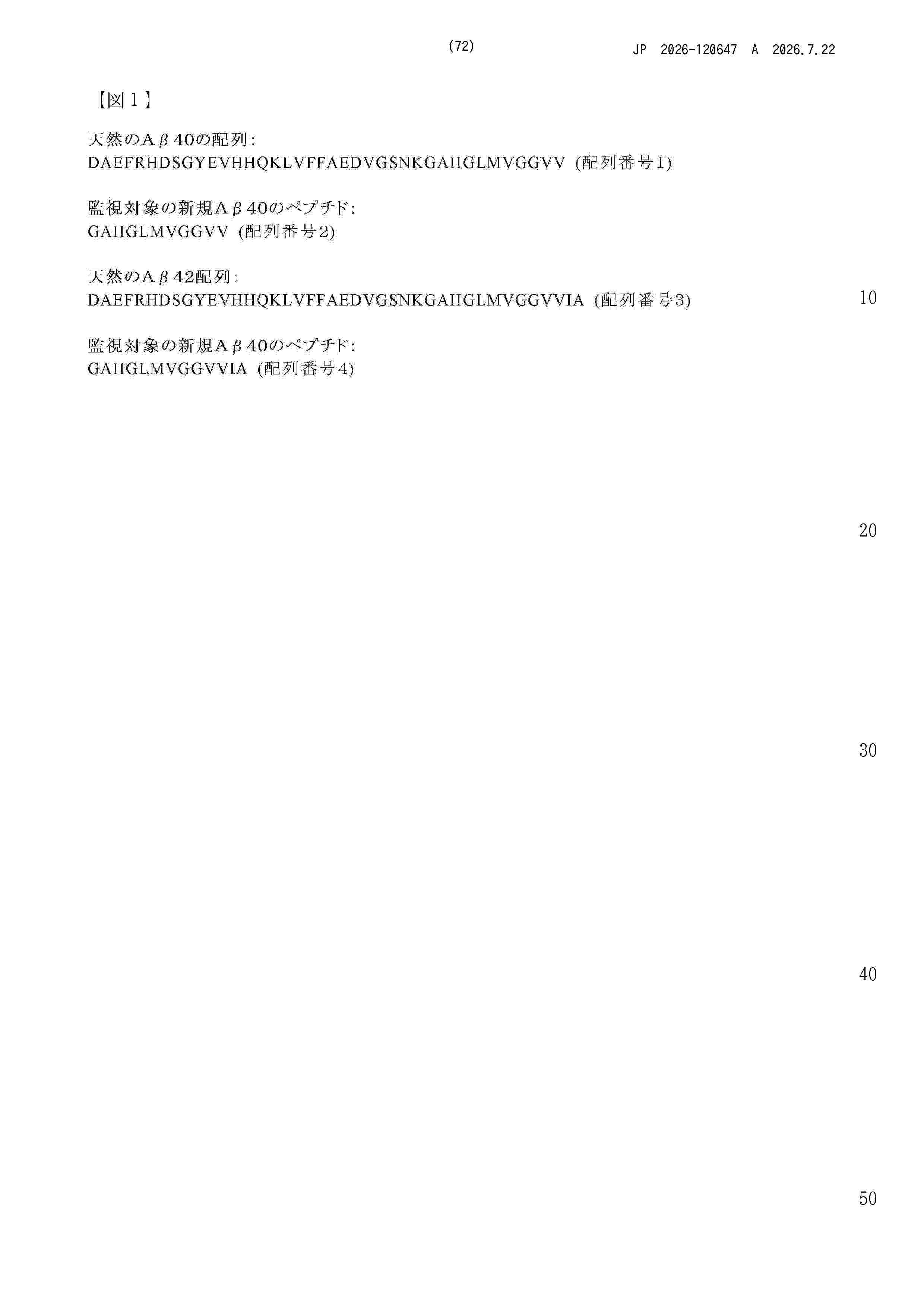
Provided are methods for the detection or quantization of amyloid beta. In a particular aspect, provided herein are methods for detecting amyloid beta or fragments thereof by mass spectrometry. In another aspect, provided herein are methods for determining the ratio of amyloid beta 42 (Abeta42) to amyloid beta 40 (Abeta40). In another aspect, provided herein are methods for diagnosis or prognosis of Alzheimer's disease or dementia.
Resumen de: WO2025120010A1
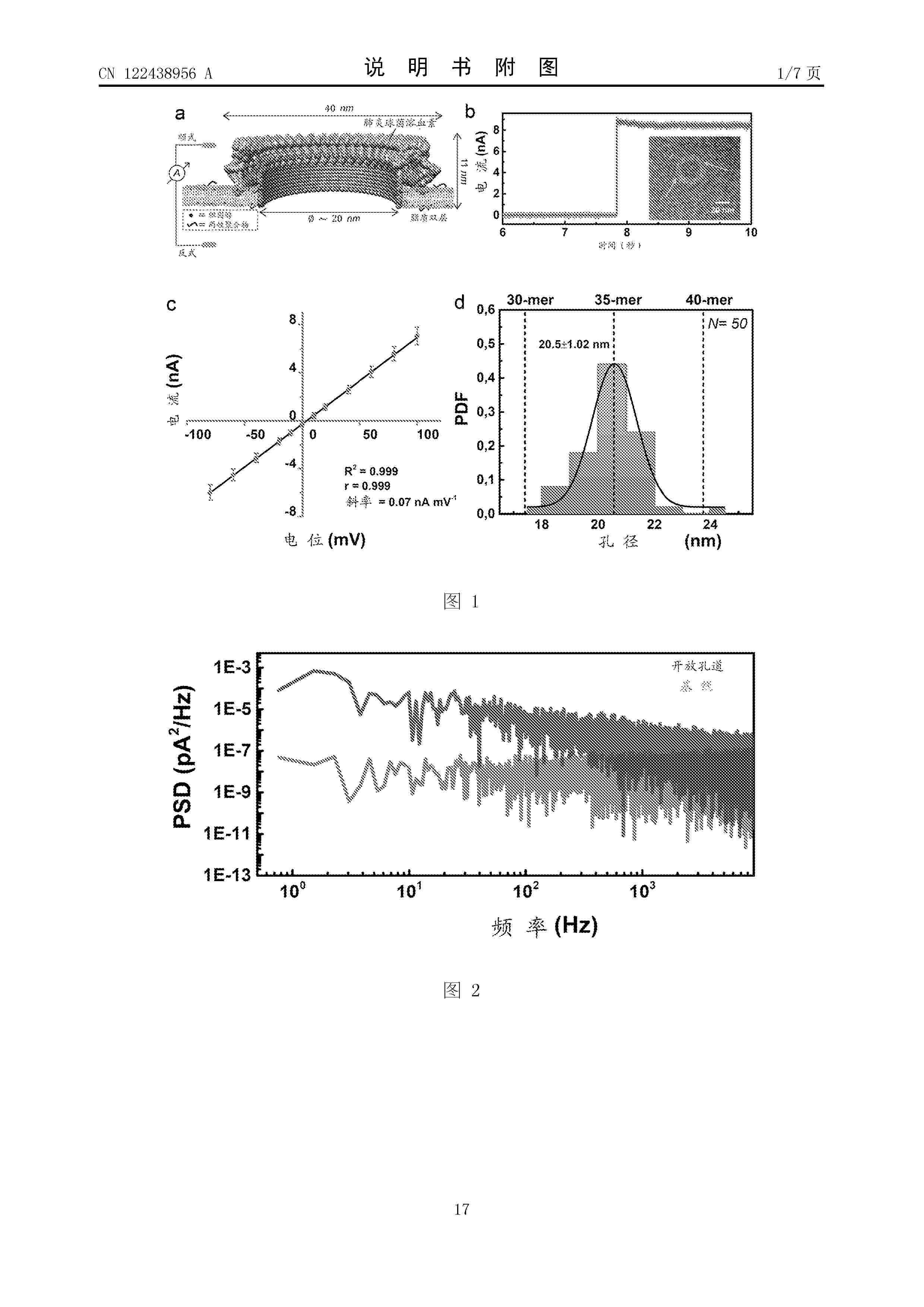
The invention relates to a nanopore-based sensing device. In one aspect of the invention, a nanopore-based sensing device comprises at least one membrane, wherein the membrane is arranged in a way that it separates two compartments within the device, both of which are accessible by an electrode, the membrane comprising at least one nanopore comprising pneumolysin (PLY) monomers.
Resumen de: CN122427282A
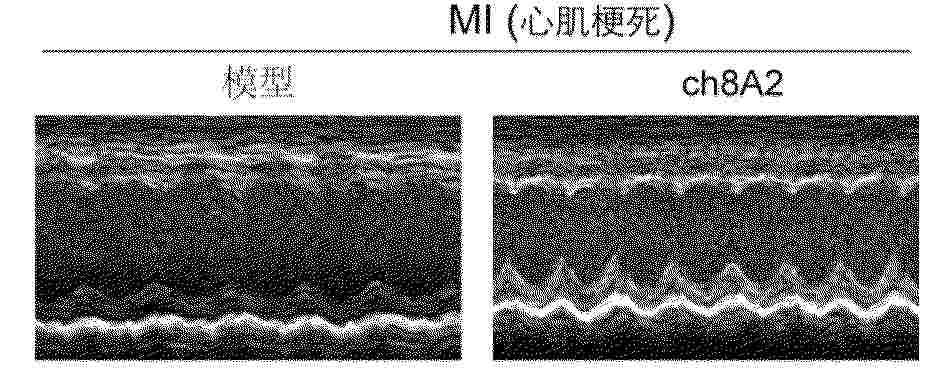
本发明公开了一种靶向Gal3的抗体及其应用。所述抗体包括轻链可变区和重链可变区,其中,所述重链可变区包含氨基酸序列分别如SEQ ID NO:6、SEQ ID NO:7和SEQ ID NO:8所示的HCDR1、HCDR2和HCDR3;和/或,所述轻链可变区包含氨基酸序列分别如SEQ ID NO:10、SEQ ID NO:11和SEQ ID NO:12所示的LCDR1、LCDR2和LCDR3。本发明提供的抗体能对抑制TGF‑β/Gal3诱导的小鼠胚胎成纤维细胞NIH3T3纤维化过程,可显著改善博莱霉素诱导的小鼠呼吸功能损伤,可有效恢复阿霉素、心肌梗死和糖尿病心肌病诱导的心衰小鼠的心脏收缩功能、逆转心室异常重构进程和逆转心脏病理组织改变。
Resumen de: WO2026153209A1
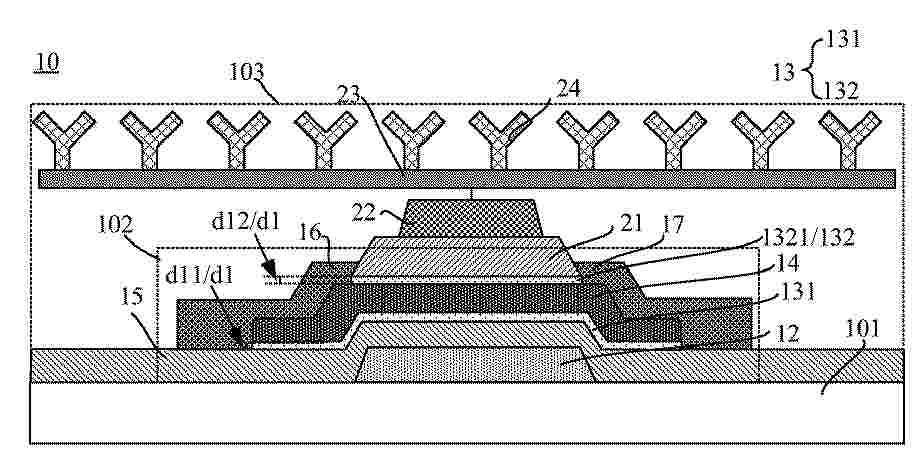
A biosensing element. The biosensing element comprises: a substrate, and a thin film transistor and a reaction chamber which are located on one side of the substrate. The thin film transistor comprises: a gate, a gate insulating layer, an active layer, a source and a drain which are stacked. The thin film transistor is located in the reaction chamber, and antibodies are provided in the reaction chamber. The thin film transistor further comprises a protective layer including at least one of a first protective layer and a second protective layer, wherein the first protective layer is located between the gate insulating layer and the active layer, the second protective layer comprises a first portion that is located on the side of the part of the active layer exposed by the source and the drain away from the substrate, and a water contact angle of a material of the protective layer is greater than that of a material of the gate insulating layer.
Resumen de: WO2025059015A1
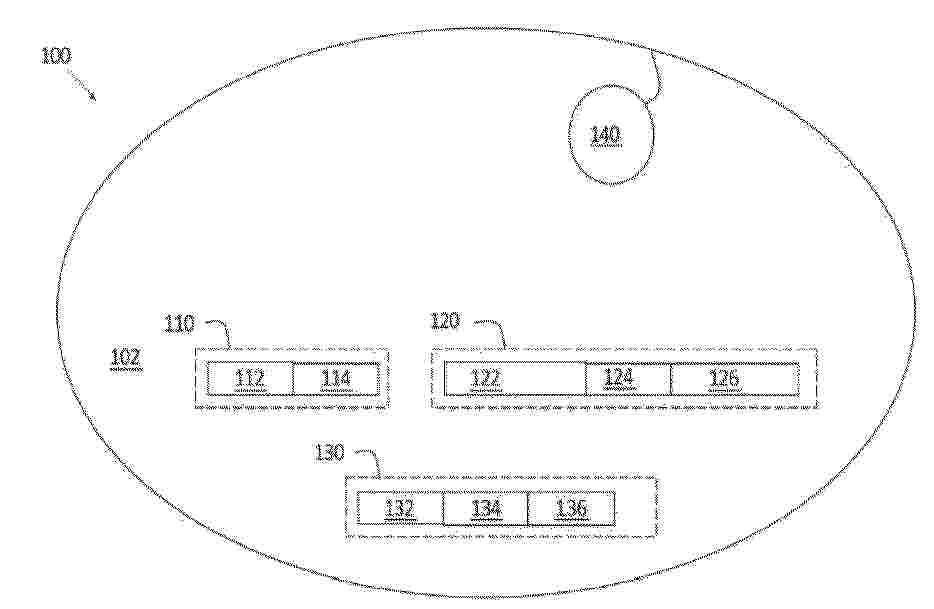
Described herein is a system comprising a eukaryotic cell, wherein the eukaryotic cell comprises: a plasma membrane polypeptide coupled to a transcription factor by a linker, wherein the linker comprises a protease cleavable site; and a plasma membrane anchored protease; wherein the plasma membrane anchored protease is capable of cleaving the linker. The system can further include a reporter construct, wherein the transcription factor can bind to a promoter of the reporter construct to indicate an ability of the plasma membrane polypeptide to traffic to the plasma membrane.
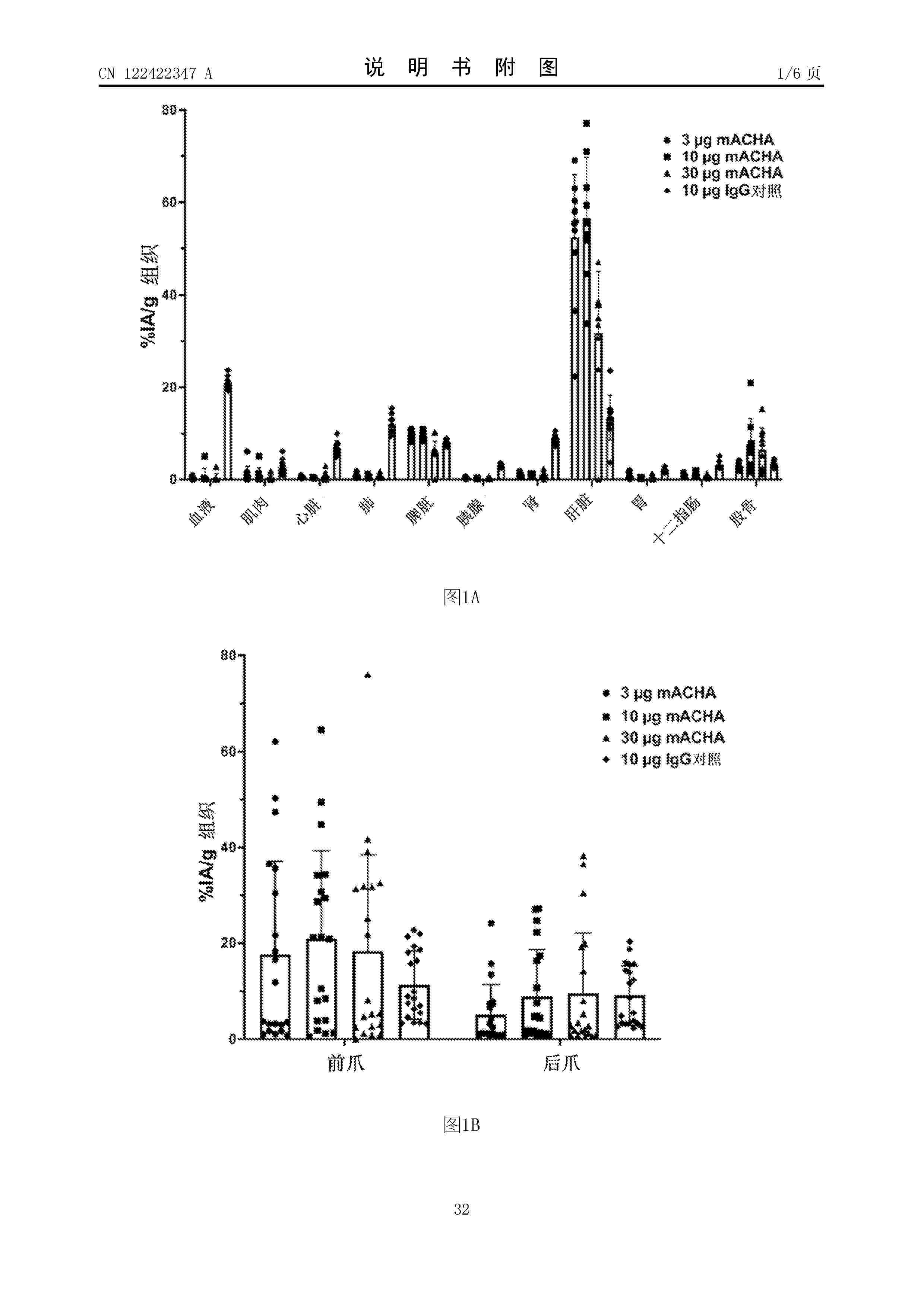
Nº publicación: CN122422347A 17/07/2026
Solicitante:
奇特里尔私人有限公司
Resumen de: WO2025120152A1
The present invention relates to antibodies or binding fragments thereof for use in methods of identifying or diagnosing diseases associated with extracellular trap formation or release from cells, such as Neutrophil Extracellular Trap (NET)-associated pathologies or Eosinophil Extracellular Trap (EET) -associated pathologies.
 BOPI
BOPI
 Sede Electrónica