Si deseas distinguir tus productos, servicios o ambos de los de otra empresa, es posible que necesites una marca o nombre comercial. Descubre qué son, en qué consiste su procedimiento de registro y qué implica.

Información sobre los plazos de presentación de solicitudes de transformación de marcas de la Unión Europea en marca nacional española. Más información


Si tienes un nuevo dispositivo, producto o procedimiento que resuelva un problema técnico o tenga una ventaja práctica, existen distintas formas de protegerlo en España y en otros países. Descubre cómo hacerlo.

¿Tu innovación reside en la estética, la ornamentación o la apariencia de tu producto? Protégela mediante un diseño industrial. Descubre qué derechos confiere el registro y cómo realizar la tramitación.

Las indicaciones geográficas protegen el nombre de un producto originario de una zona geográfica, a la cual le debe una determinada calidad, reputación u otra característica. Descubre qué son, en qué consiste su procedimiento de registro y qué beneficios conceden.

Las patentes publicadas en todo el mundo son una valiosa fuente de información científica, técnica y comercial.

Si eres emprendedor/a o una empresa y quieres potenciar y mejorar la rentabilidad de tu negocio protegiendo de forma adecuada los activos intangibles de tu organización, en este espacio encontrarás lo necesario.


 322
resultados
322
resultados
 Última actualización
25/08/2026 [07:57:00]
Última actualización
25/08/2026 [07:57:00]


 Resultados 125 a 150 de 322

Resumen de: AU2024292030A1
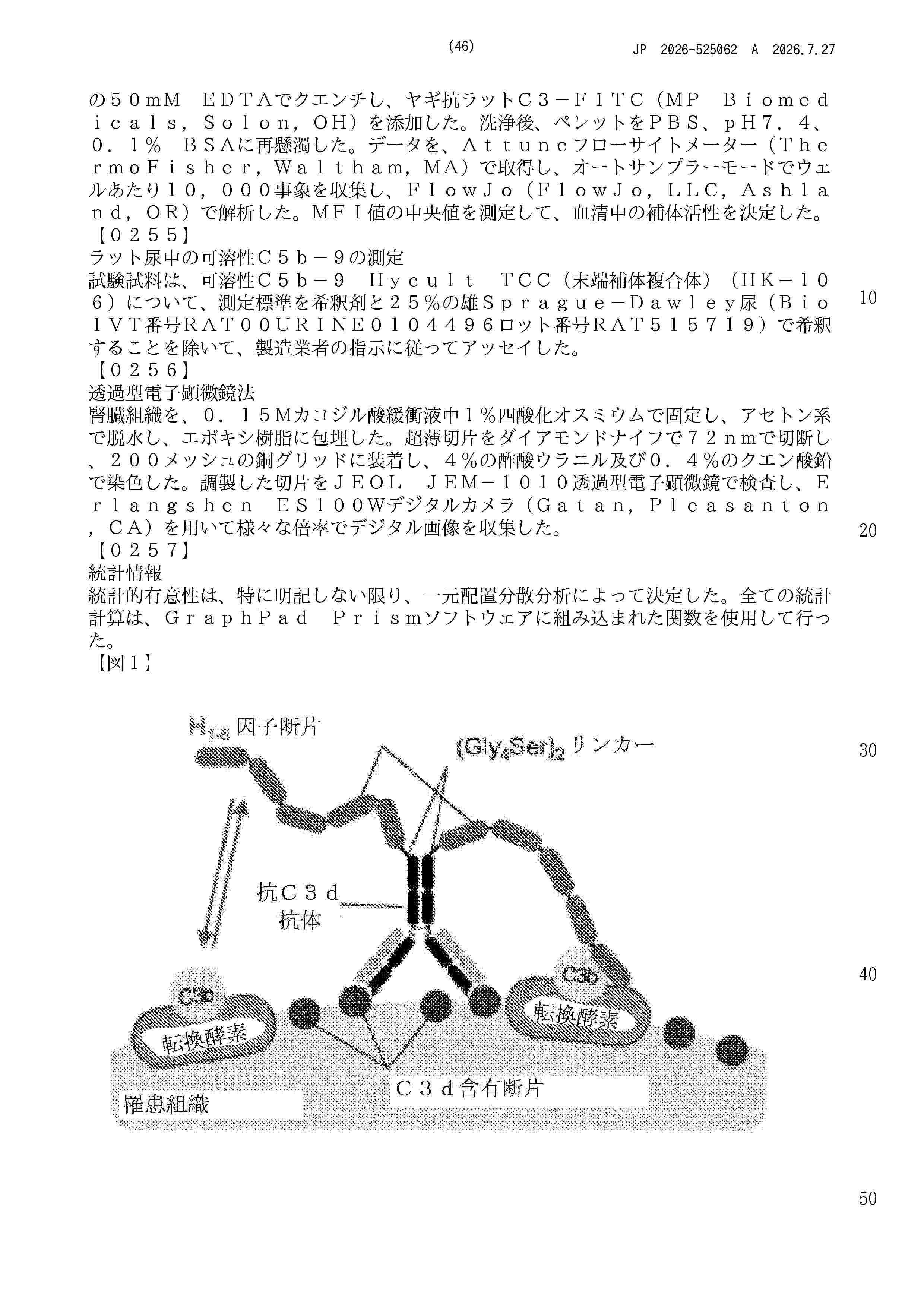
Provided is the use of urinary C5b-9 (uC5b-9) as a highly accurate and superior biomarker well correlated with complement activity in local tissues affected by complement-mediated diseases (e.g., those with a kidney damage component). The biomarker is useful, for example, in treating and/or monitoring such complement-mediated diseases, using complement inhibitors targeted to such local tissues affected by the diseases, without systemic complement inhibition.

Resumen de: MX2026000543A
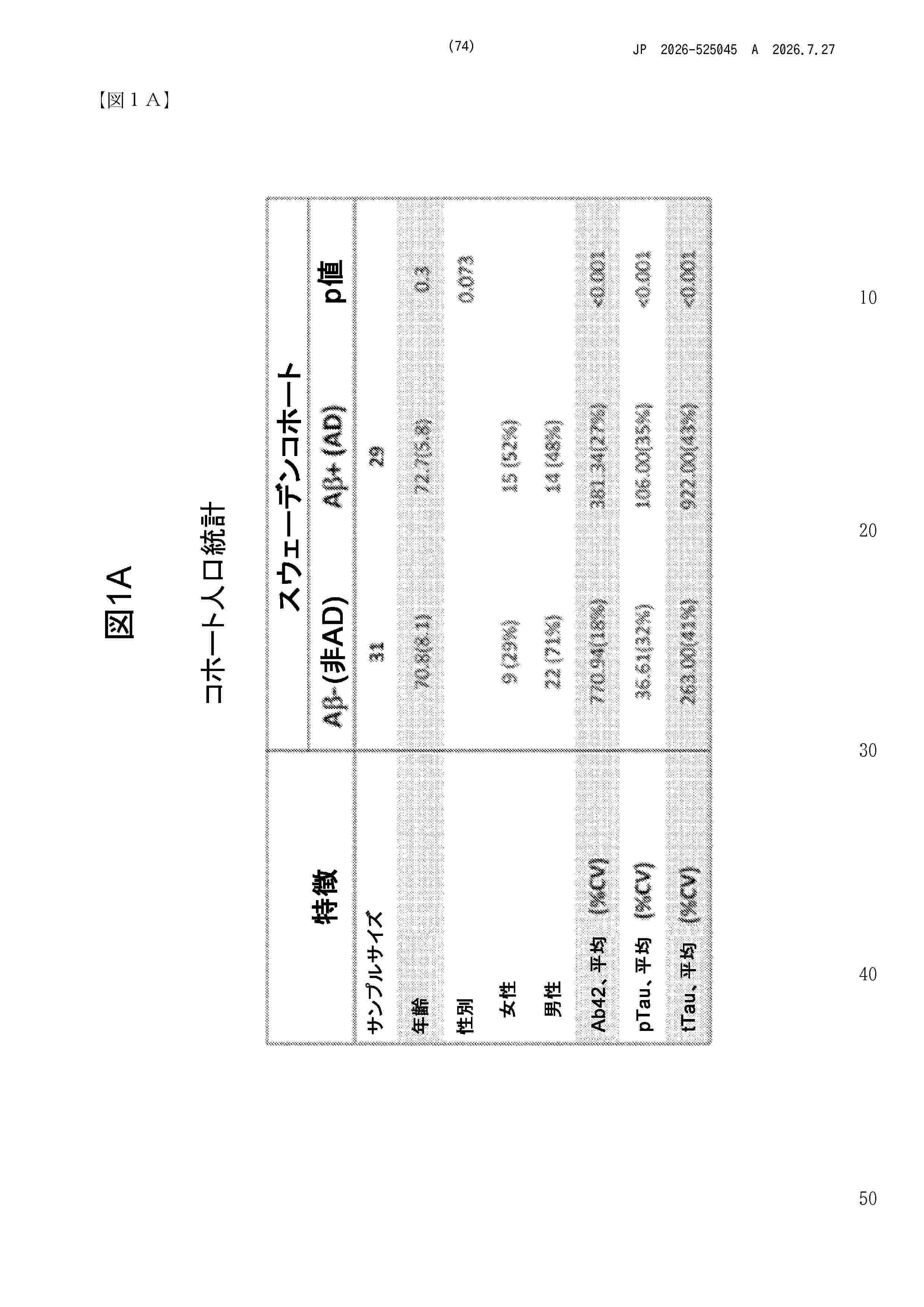
Disclosed herein are methods of diagnosing, selecting, monitoring, and treating subjects with Alzheimer's disease (AD) or suspected of having AD, based on presence of antimicrobial peptides (AMPs) at levels that differ from those in control individuals.
Resumen de: CA3137909A1
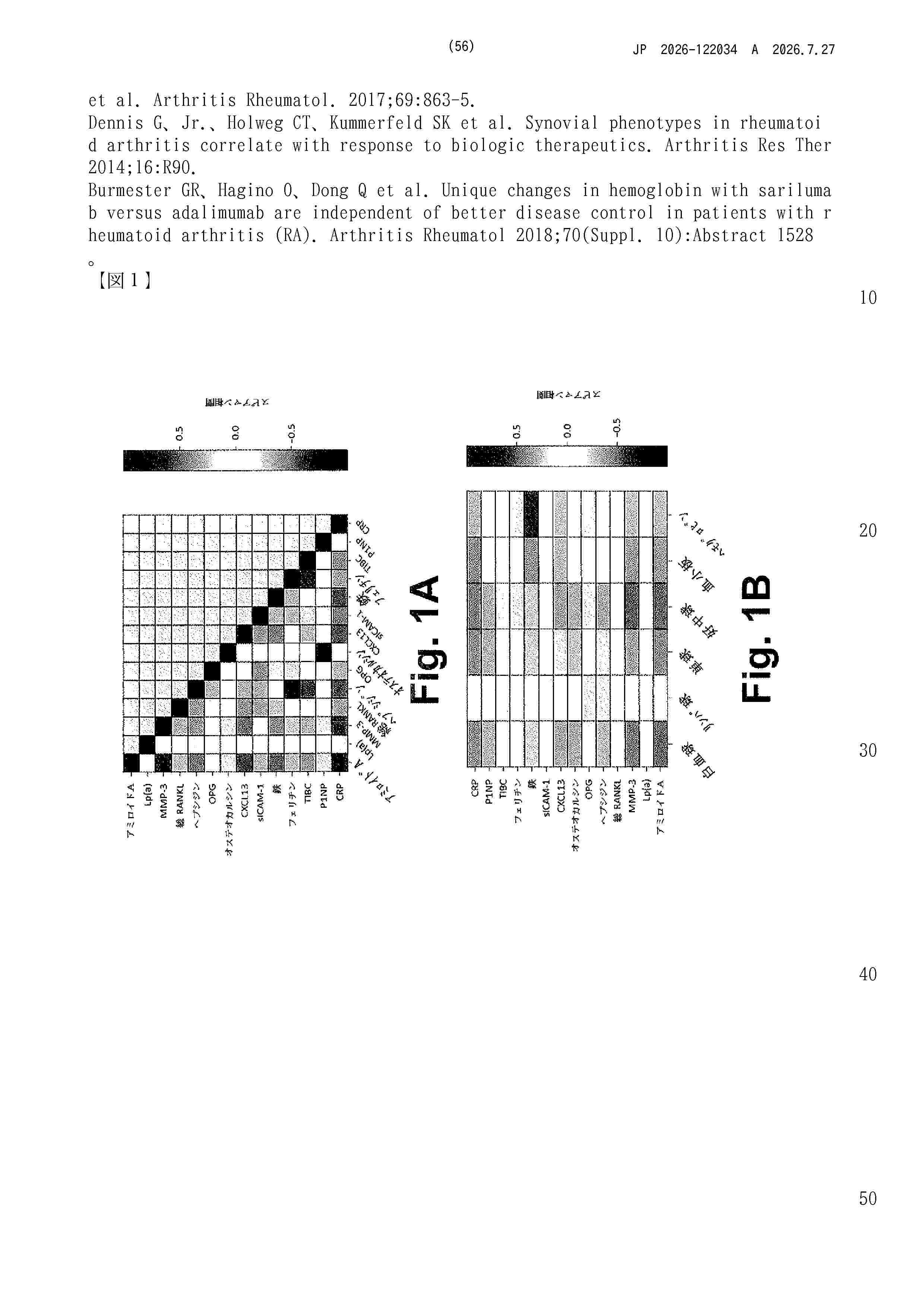
0001 The present disclosure relates to the use of an anti-IL6 receptor antibody for treating rheumatoid arthritis in subjects with serum concentrations of certain biomarkers. 0002 La présente invention concerne l'utilisation d'un anticorps anti-récepteur d'IL6 pour traiter la polyarthrite rhumatoïde chez des sujets présentant des concentrations sériques de certains biomarqueurs.
Resumen de: CN122449140A
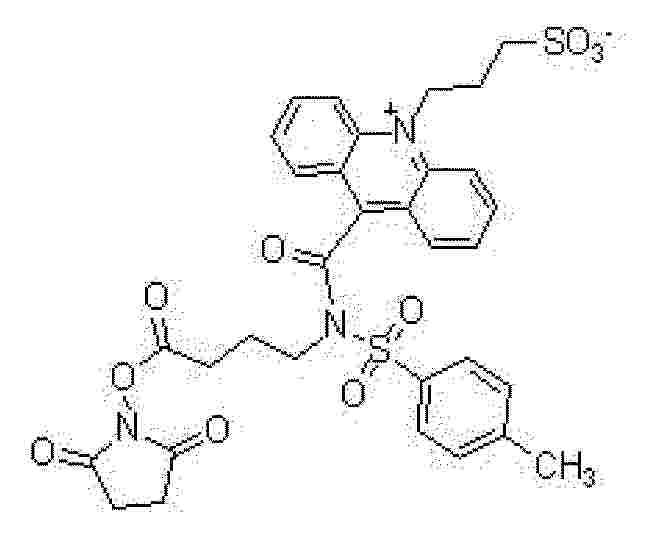
本发明公开了一种吖啶酯标记复合物,包括本体,标记于本体上的标记基团,所述本体为抗体,所述标记基团为吖啶酯类基团。一种吖啶酯标记复合物制备方法,包括以下步骤:吸取标记缓冲液至离心管中;吸取待标记的抗体至离心管中并混匀,生成第一混合溶液;加入吖啶酯溶液并混匀,在25℃下避光反应2小时,生成第二反应溶液;加入终止缓冲液并混匀,在25℃下避光反应30分钟,生成第三反应溶液;对第三反应溶液进行脱盐纯化,生成第四混合溶液;将第四混合溶液用0.22μm滤膜进行过滤,生成吖啶酯标记复合物。本发明的制备方法,吖啶酯与抗体的标记效率更高,反应性更强;非特异性吸附更低,灵敏度更高,重复性和稳定性更好,且标记方法简单快速易重复。
Resumen de: CN122445789A
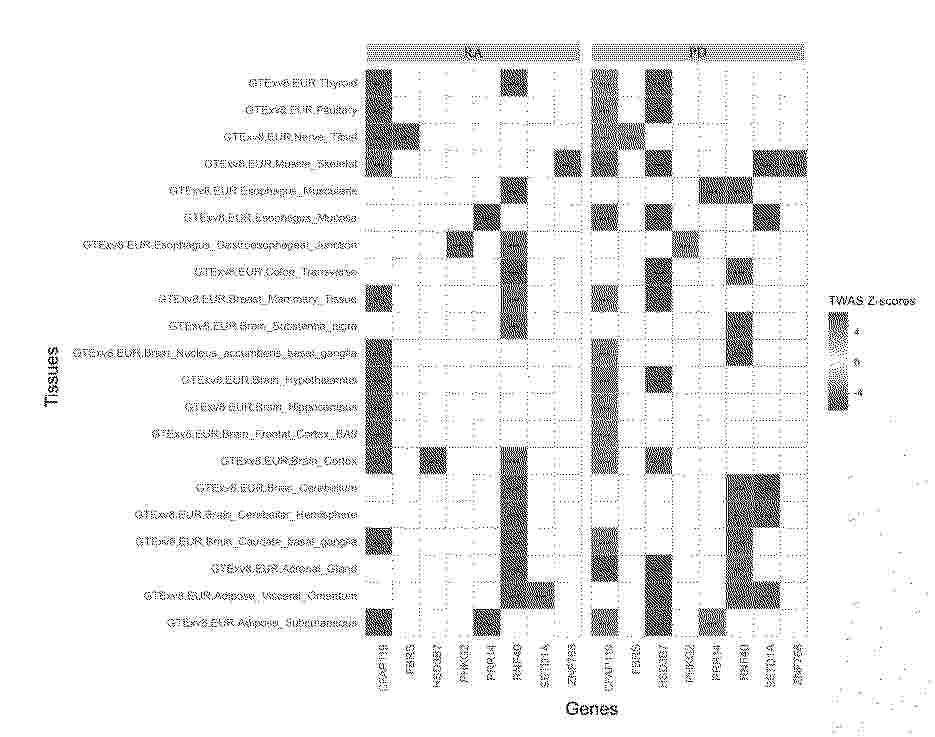
0001 一种试剂盒及RNF40在制备检测类风湿关节炎相关帕金森病产品中的应用,该试剂盒包含用于特异性检测RNF40基因或蛋白表达水平的检测组分。本发明基于大规模人群队列分析、孟德尔随机化研究、多组织转录组筛选及动物共病模型体内功能验证,首次发现RNF40在类风湿关节炎与帕金森病关联轴上呈现双向介导特征,类风湿关节炎患者外周血等样本中RNF40表达水平显著低于参考值时,其发生帕金森病的风险增高。该试剂盒通过体外无创检测实现类风湿关节炎患者帕金森病风险的分层评估,还可通过连续监测RNF40表达变化进行动态预警,具有操作简便、适于大规模筛查的特点,为临床早期干预和精准管理提供了可靠工具。
Resumen de: CN122444868A
0001 本发明具体涉及一种靶向焦谷氨酸Aβ的单域抗体及其制备方法和应用,所述单域抗体的氨基酸序列SEQ ID NO.1或SEQ ID NO.2或SEQ ID NO.3或SEQ ID NO.4或SEQ ID NO.5或SEQ ID NO.6 或SEQ ID NO.7或SEQ ID NO.8所示;以条纹斑竹鲨作为免疫对象,采用PE‑Aβ为抗原进行免疫,提取免疫鲨鱼外周血细胞的总RNA,逆转录为cDNA,以cDNA为模板进行扩增,与噬菌粒载体构建重组噬菌粒载体,转入感受态细胞中,扩大培养,筛选阳性克隆,得到所述单域抗体。本发明提供的单域抗体,能够特异性识别PEAβ,具有良好的结合活性,且分子量小,解决了目前尚未有靶向PEAβ的鲨鱼纳米抗体的技术问题,为后续研究该抗体在PEAβ的检测中的应用奠定了重要基础,具有开发检测PEAβ的试剂或治疗PEAβ相关疾病的药物的应用前景。
Resumen de: KR20260115290A
0001a 본 발명은 구리 이온 탐지 및 전달을 위한 탄소 나노입자에 관한 것으로 구체적으로는 황이 탄소와 섞여 있어 구리 이온을 탐지할 수 있고, 구리 이온을 내부에 포집하고 있어 생체 내로 구리 이온을 전달할 수 있는 나노입자에 관한 것이다.
Resumen de: CN122440826A
本发明公开了一种C/EBPβ和/或CXCL10作为靶点在脓毒症相关脑病的诊断与治疗中的应用,涉及生物医学领域。本发明首次揭示了一条在脓毒症相关脑病中驱动神经炎症与认知损伤的新信号通路:转录因子C/EBPβ通过直接结合并激活CXCL10的转录,进而诱导小胶质细胞发生NLRP3炎性小体介导的焦亡。焦亡的小胶质细胞释放大量炎症因子,导致神经元突触损伤与凋亡,最终引发认知功能障碍。基于此,本发明提出了将C/EBPβ和CXCL10作为治疗SAE的药物靶点(如开发其抑制剂或中和抗体)以及作为辅助诊断SAE的生物标志物的全新用途,为SAE的防治提供了新的策略和工具。
Resumen de: CN122444867A
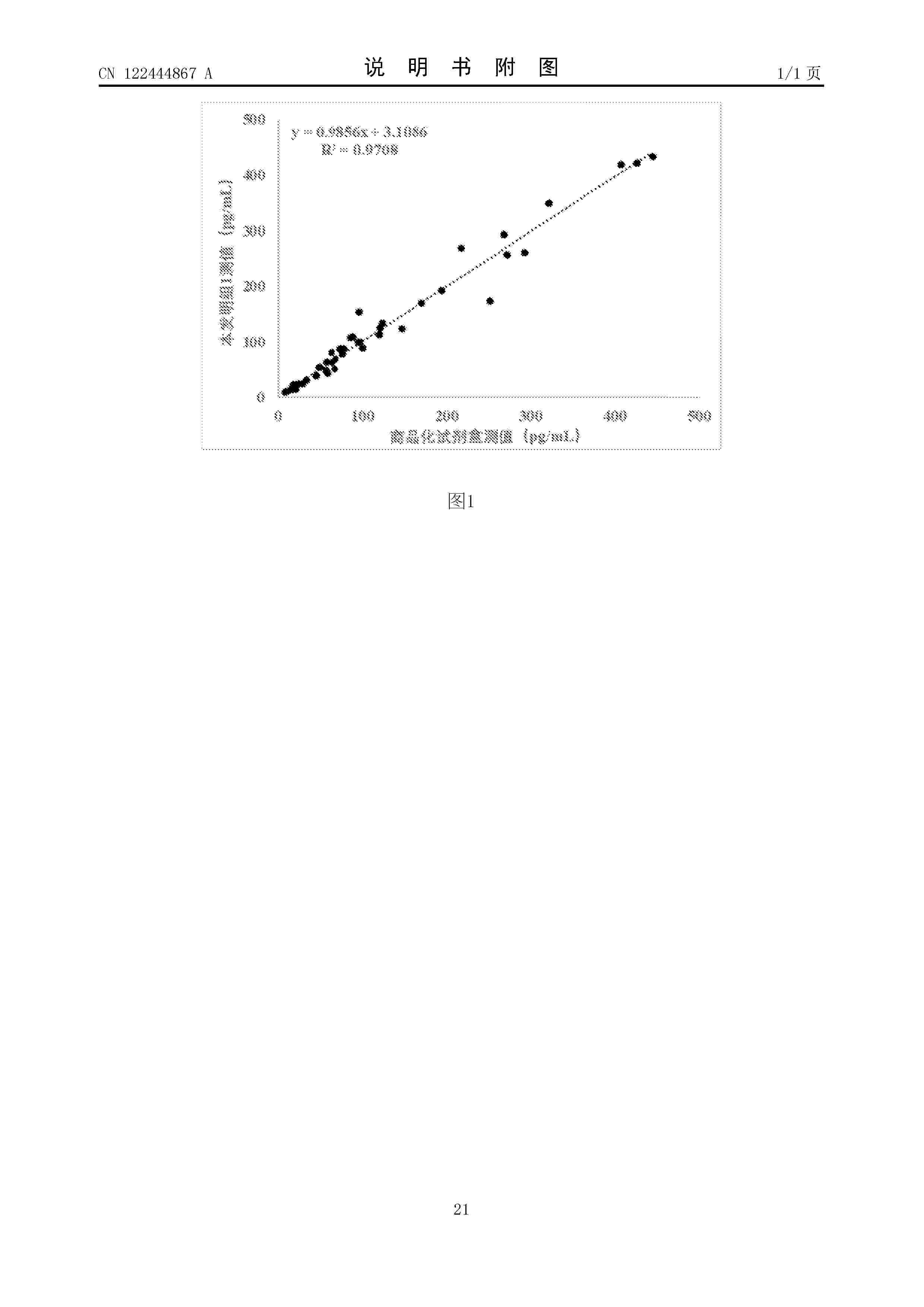
本发明公开了检测神经丝轻链蛋白的抗体及其应用,具体涉及检测神经丝轻链蛋白的抗体和试剂盒,基于该抗体及试剂盒能够准确的检测神经丝轻链蛋白的存在。
Resumen de: WO2021127549A1
Disclosed herein are methods for making a transcriptome-wide expression profile of a biological sample and identifying biomarkers that can be used to diagnose, monitor the onset, monitor the progression, and assess the recovery of a disease in a subject. The biomarkers can also be used to establish and evaluate treatment regimens.
Resumen de: AU2025226972A1
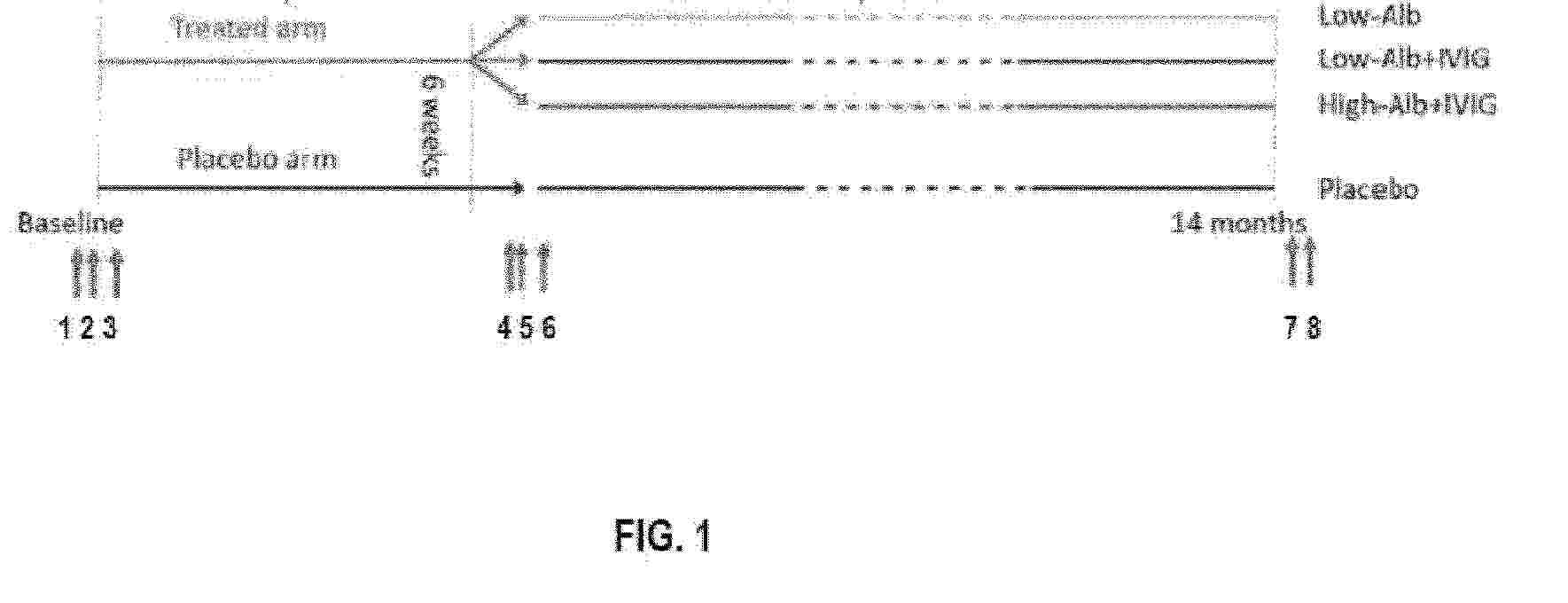
The invention pertains to treating a cognitive impairment, for example, an aging-associated cognitive impairment. In certain aspects, a sample obtained from a subject is assayed for the ratio between the levels of any two proteins selected from: DLL1, SMOC1, CD59, TSTD1, STAT3, POLD4, PARP11, LEFTY2, UNC5B, C5, C5.C6, ASH2L, INHBB, RSP3, VAV3, SIRT3 and SERPINB8. A subject may be having or suspected of having a cognitive impairment. The cognitive impairment can be caused by a neurodegenerative disease, such as Alzheimer's disease. A subject may be identified as likely or not likely to respond positively to the plasma exchange therapy based on the ratio between the levels of measured proteins. In certain aspects, methods for treating a cognitive impairment in the subject comprise administering a plasma exchange therapy comprising a full and/or low volume plasma exchange. Also provided are kits suitable for performing such methods.
Resumen de: US20260209718A1
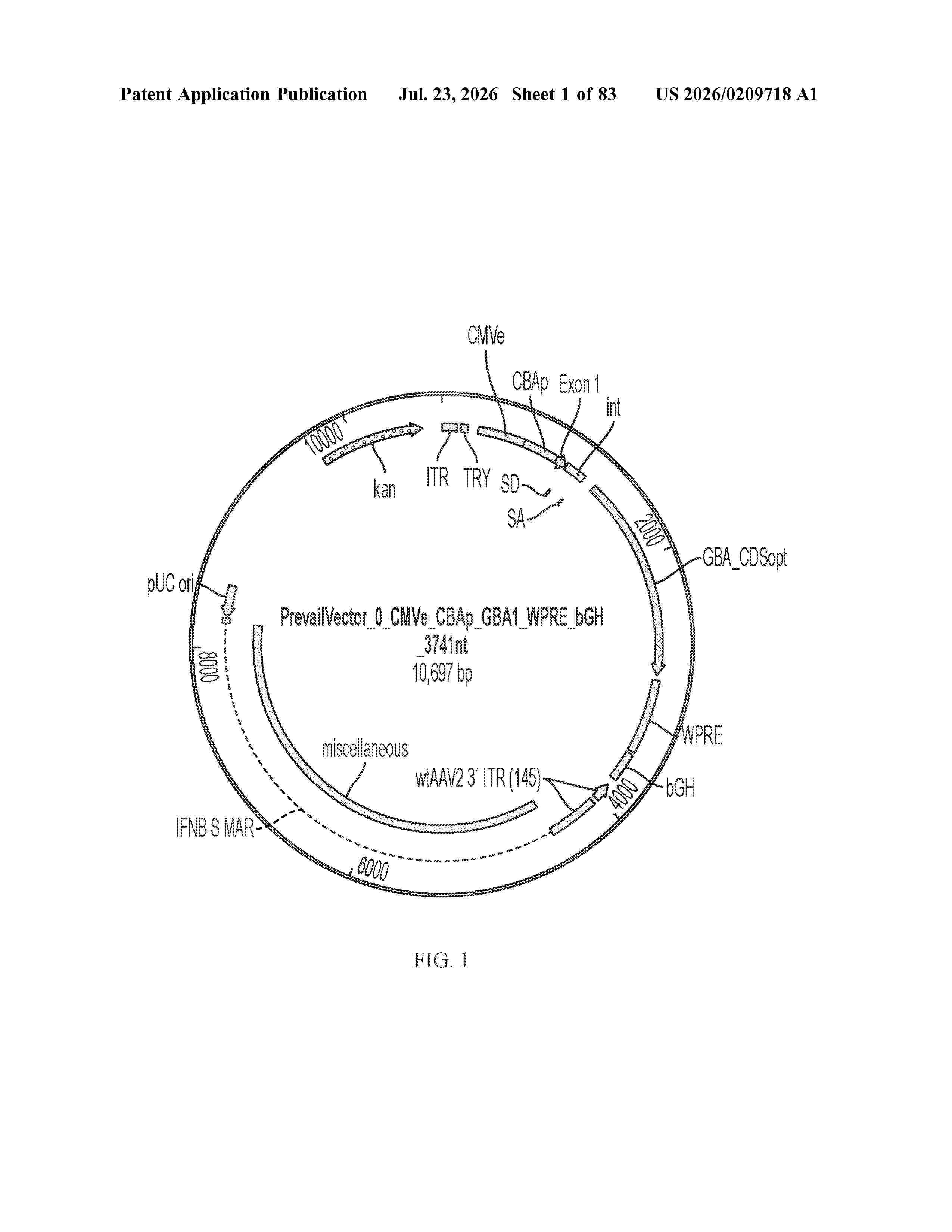
0000 The disclosure relates to compositions and methods for treatment of diseases associated with aberrant lysosomal function, such as fronto-temporal dementia (FTD). The disclosure also provides expression constructs comprising a transgene encoding progranulin or a portion thereof. The disclosure provides methods of treating FTD by administering such expression constructs to a subject in need thereof.
Resumen de: WO2026155314A1
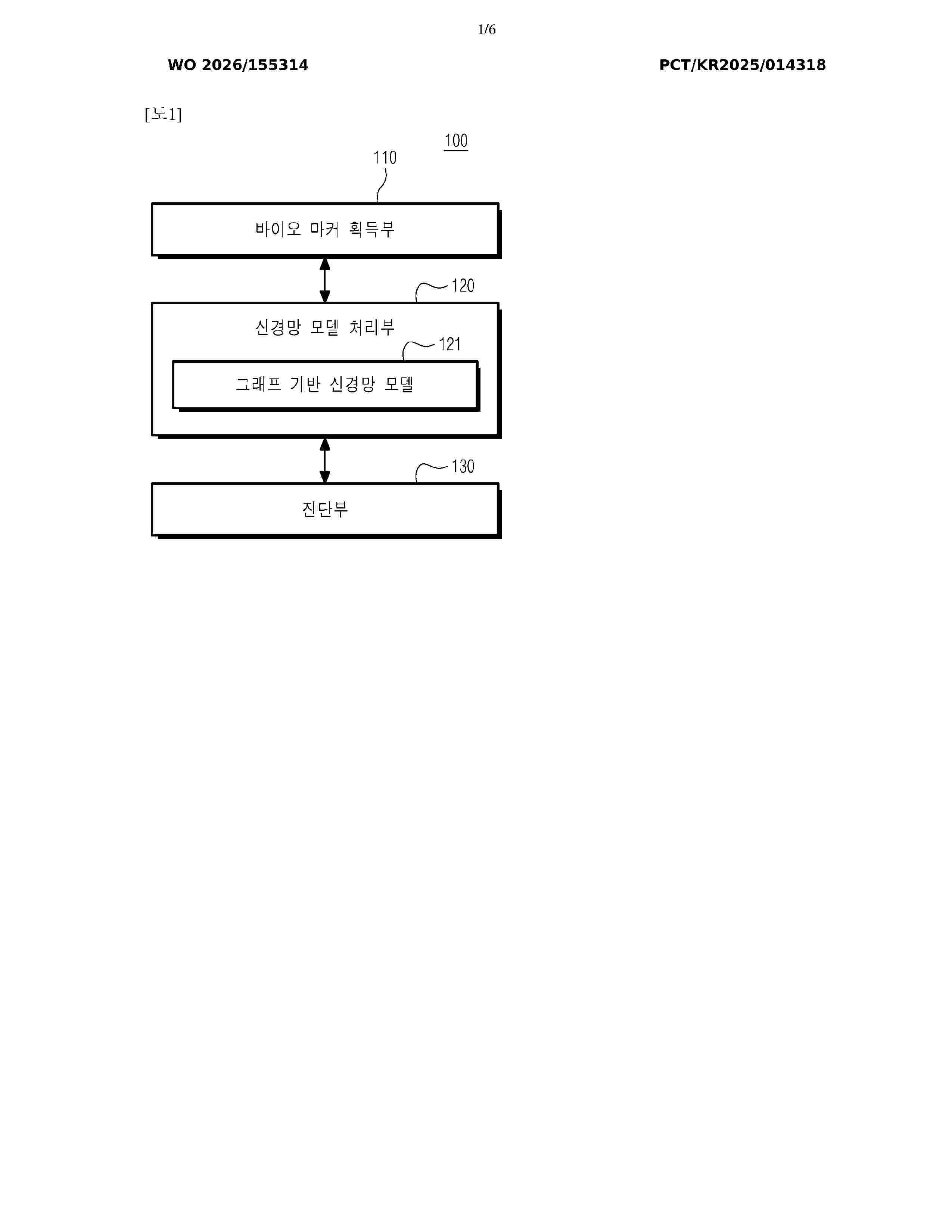
A dementia subtype diagnosis apparatus according to an embodiment of the present invention comprises: a data acquisition unit for collecting first protein data for effective protein candidates from a blood sample; a data processing unit for generating second protein data from the first protein data on the basis of an artificial intelligence analysis module, and generating combined protein data by combining the first protein data and the second protein data; and a diagnosis unit for determining a dementia subtype by using the combined protein data.
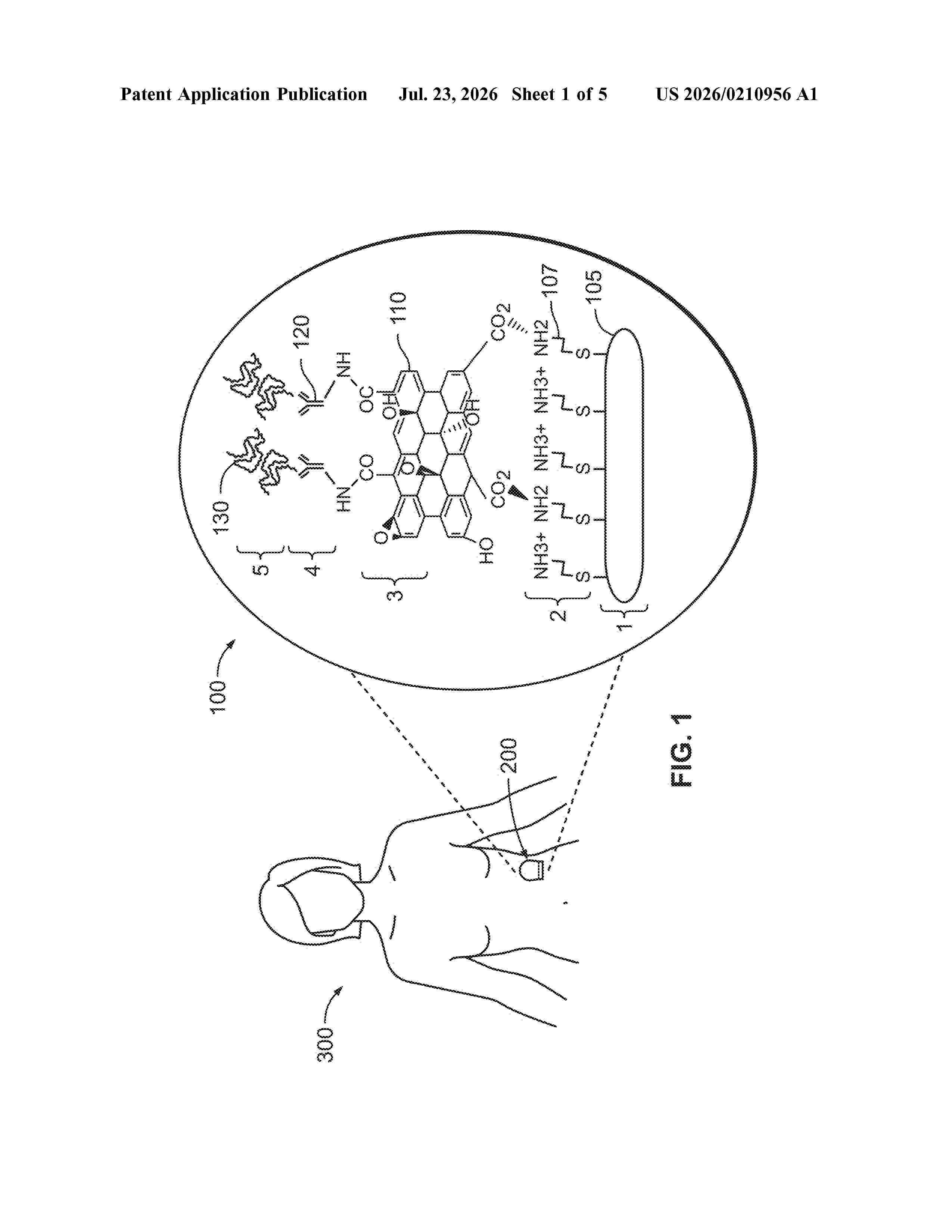
Resumen de: US20260210956A1
0000 Herein disclosed is configuring a layered receptor with at least one layer comprising graphene oxide and an biomarker binding layer configured to bind with a targeted biomarker, connecting a working electrode comprising carbon nanotubes (CNT) and a reference electrode to the layered receptor, and detecting events comprising the targeted biomarker binding layer with the biomarker binding layer, by measuring changes in impedance to a plurality of frequencies of an alternating current voltage signal applied through a patient's body fluid between the working electrode and the reference electrode. The layered receptor may further comprise a plurality of self-assembled layers, comprising, in sequence, a layer abutting the CNT and comprising a polymer and metal nanoparticles, a layer comprising an organosulfur, the graphene oxide layer and the biomarker binding layer. The biomarker binding layer may comprise Syn-211, LB509 or 5G4. The targeted biomarker may be alpha-synuclein. An implementation may report biomarker concentrations in real-time based on detected binding events.
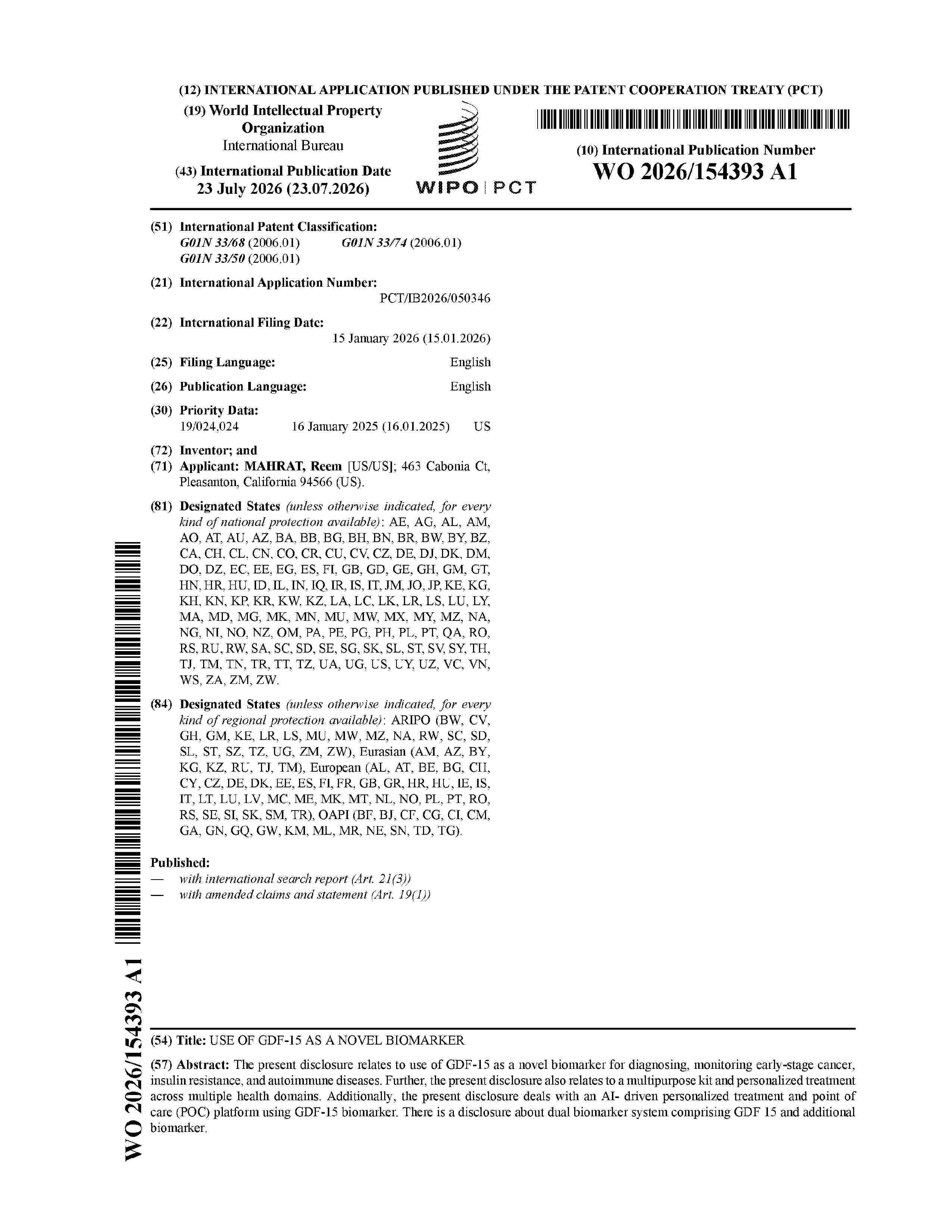
Resumen de: WO2026154393A1
The present disclosure relates to use of GDF-15 as a novel biomarker for diagnosing, monitoring early-stage cancer, insulin resistance, and autoimmune diseases. Further, the present disclosure also relates to a multipurpose kit and personalized treatment across multiple health domains. Additionally, the present disclosure deals with an AI- driven personalized treatment and point of care (POC) platform using GDF-15 biomarker. There is a disclosure about dual biomarker system comprising GDF 15 and additional biomarker.
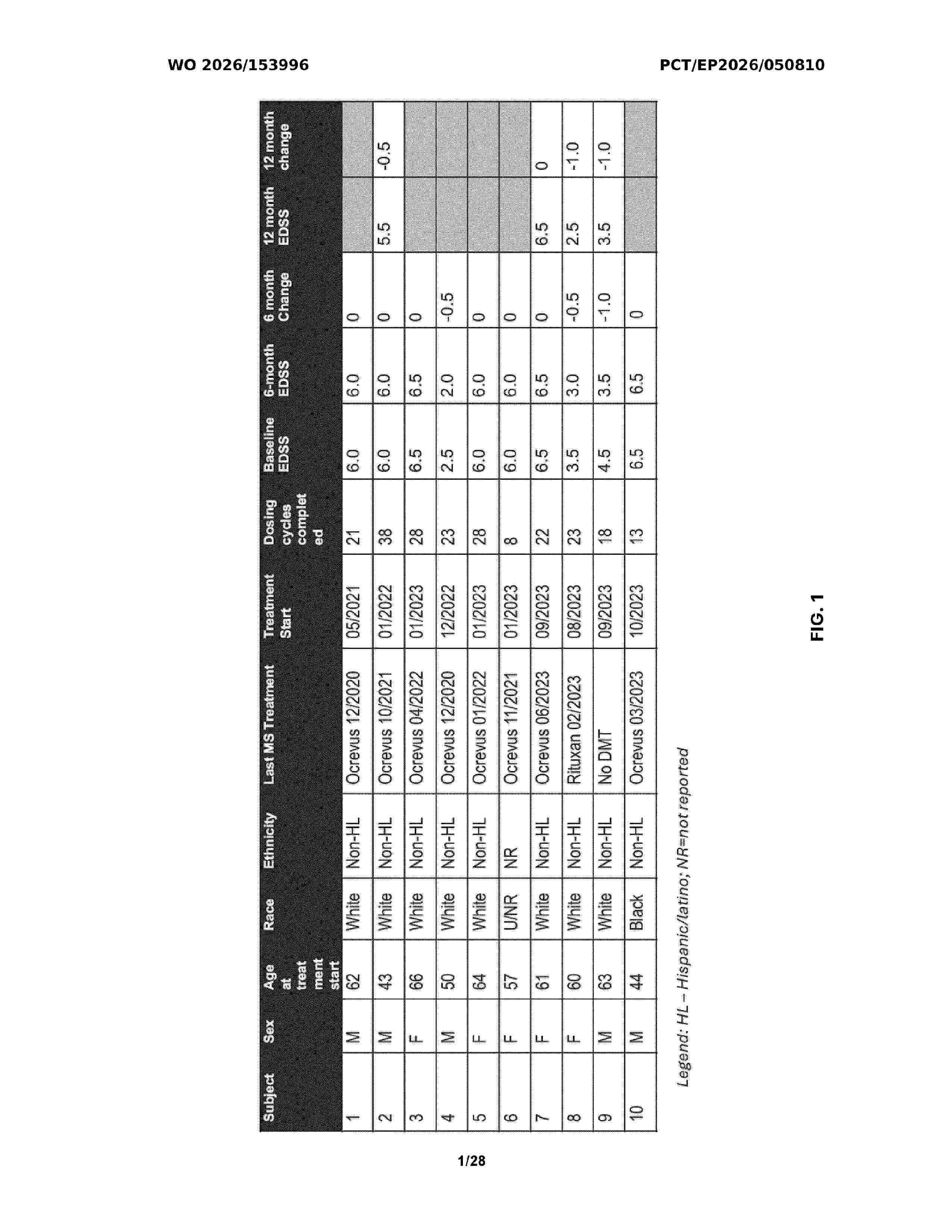
Resumen de: WO2026153996A1
The present disclosure provides methods of diagnosing and treating multiple sclerosis (MS) using an anti-CD3 antibody, and methods of monitoring progression of MS and/or treatment.
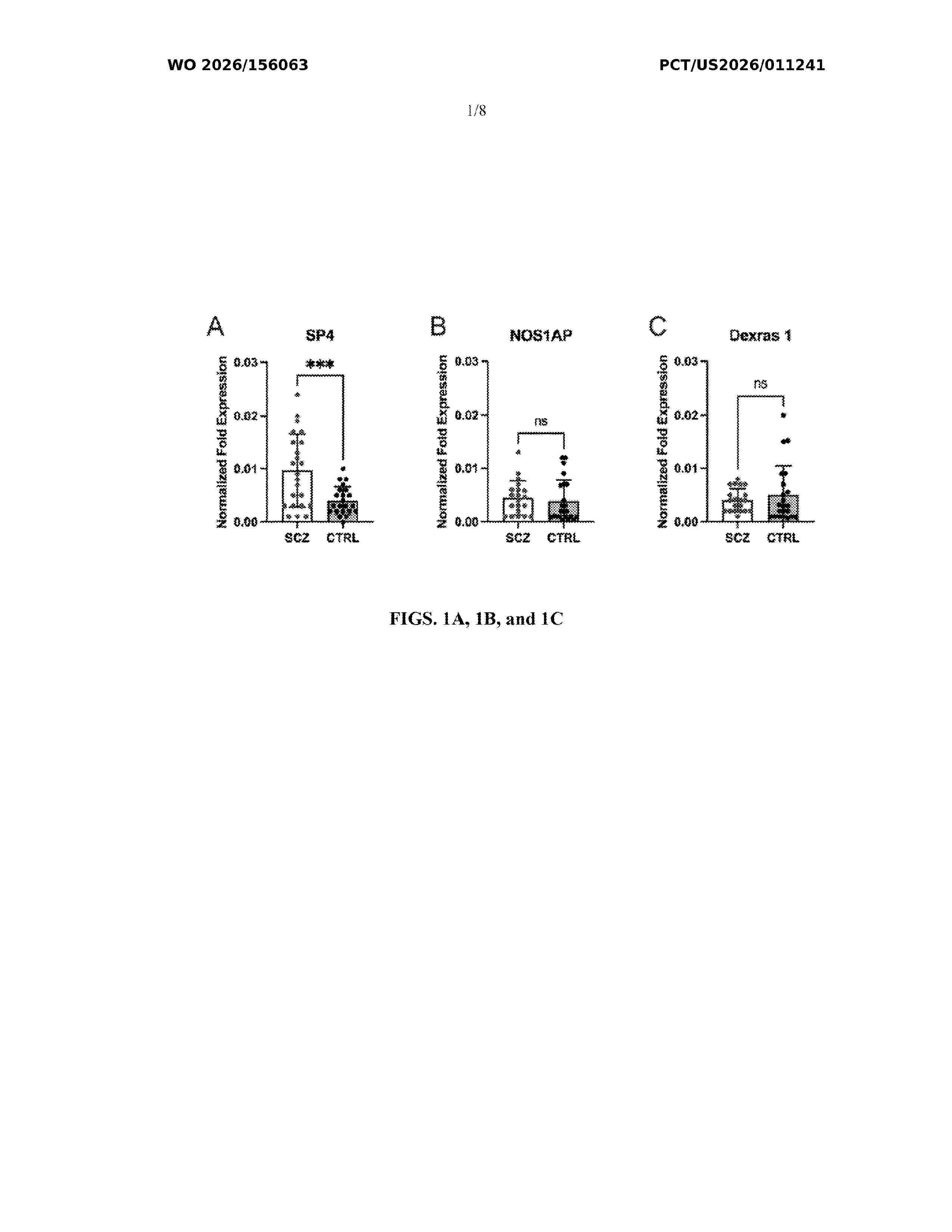
Resumen de: WO2026156063A1
Provided are methods for diagnosing and treating schizophrenia based on the presence of biomarkers for schizophrenia. The biomarkers can comprise specificity protein 4 (SP4) mRNA and heat shock protein 60 (HSP60) protein.
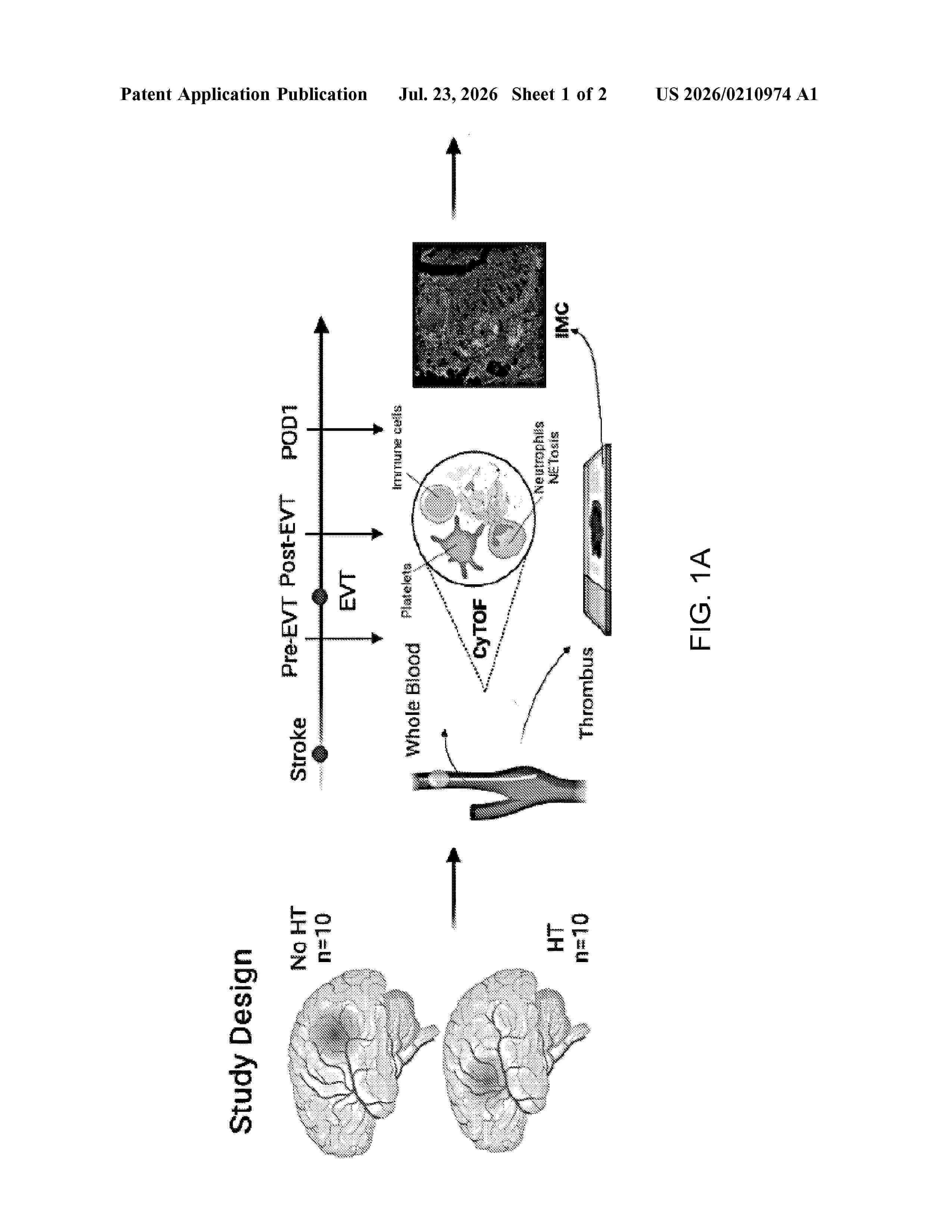
Resumen de: US20260210974A1
Methods are provided for classification, diagnosis, prognosis, theranosis, and/or prediction of an outcome following endovascular treatment (EVT) in an individual suffering from an acute ischemic stroke with respect to development of hemorrhagic transformation (HT). The data and integrated model provided herein demonstrates a pre-operative assessment of single-cell biomarkers for accurate prediction of HT following EVT in individuals suffering from acute ischemic strokes. The integrated model incorporates “immune features” such as activation of signaling proteins and/or the frequency of specific cell subset(s). The analysis and prediction of HT is used to guide therapeutic approaches to EVT and the post-treatment care. Specifically, the level of certain features (e.g. elevated prpS6 in memory Th1 CD4+T cells, elevated pCREB in naïve Th1 CD4+T cells and increased frequency of non-classical monocytes) demonstrate an increased likelihood of HT occurring following EVT.
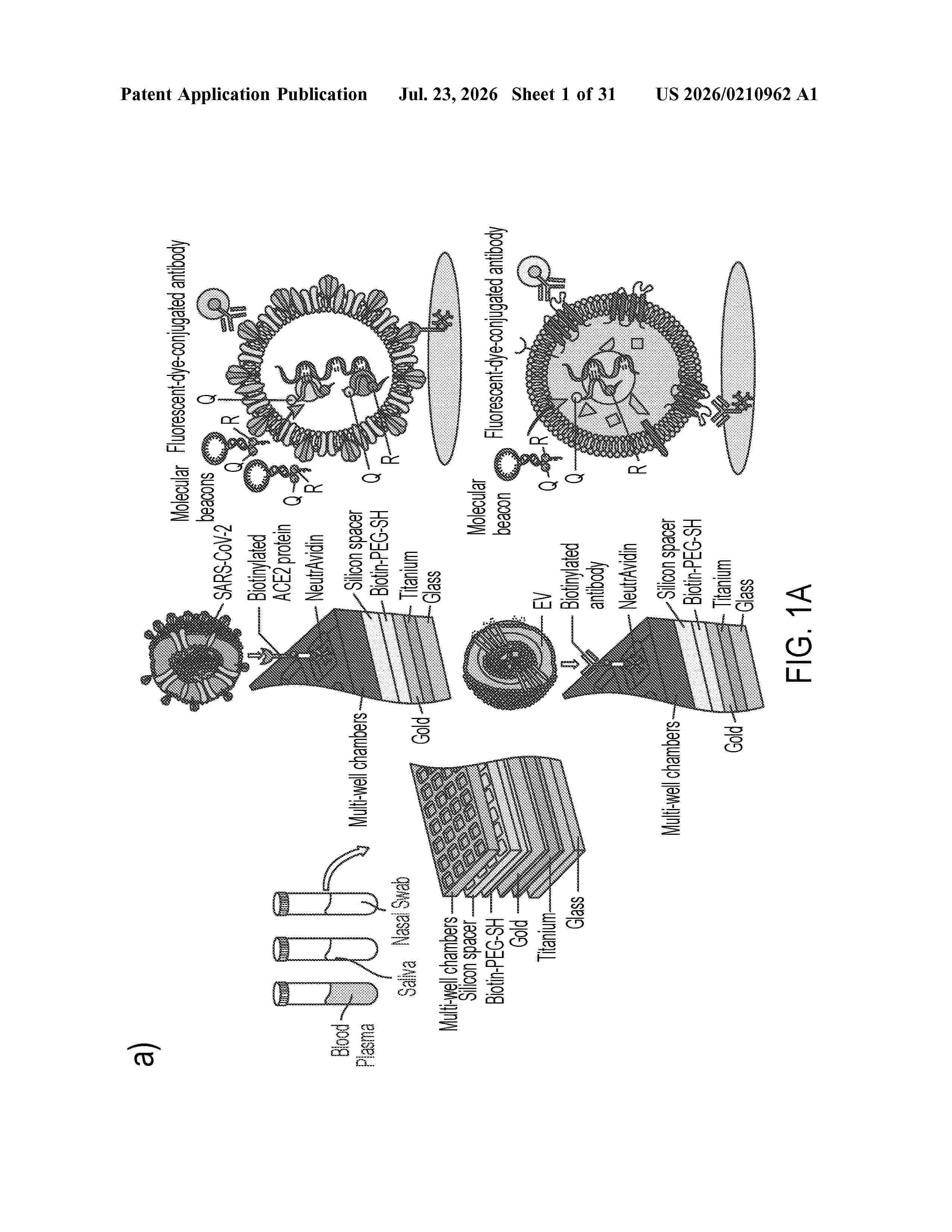
Resumen de: US20260210962A1
0000 Disclosed herein are methods for detecting and treating viral infections. Disclosed is a method of detecting a virus, comprising obtaining a biological sample; capturing a plurality of membranous particles from the biological sample; measuring antigens and nucleic acid levels in the membranous particles or single virions from the biological sample; and measuring an amount of a viral RNA; wherein a virus is detected when the viral protein level or the amount of viral RNA is increased in comparison to a control sample.
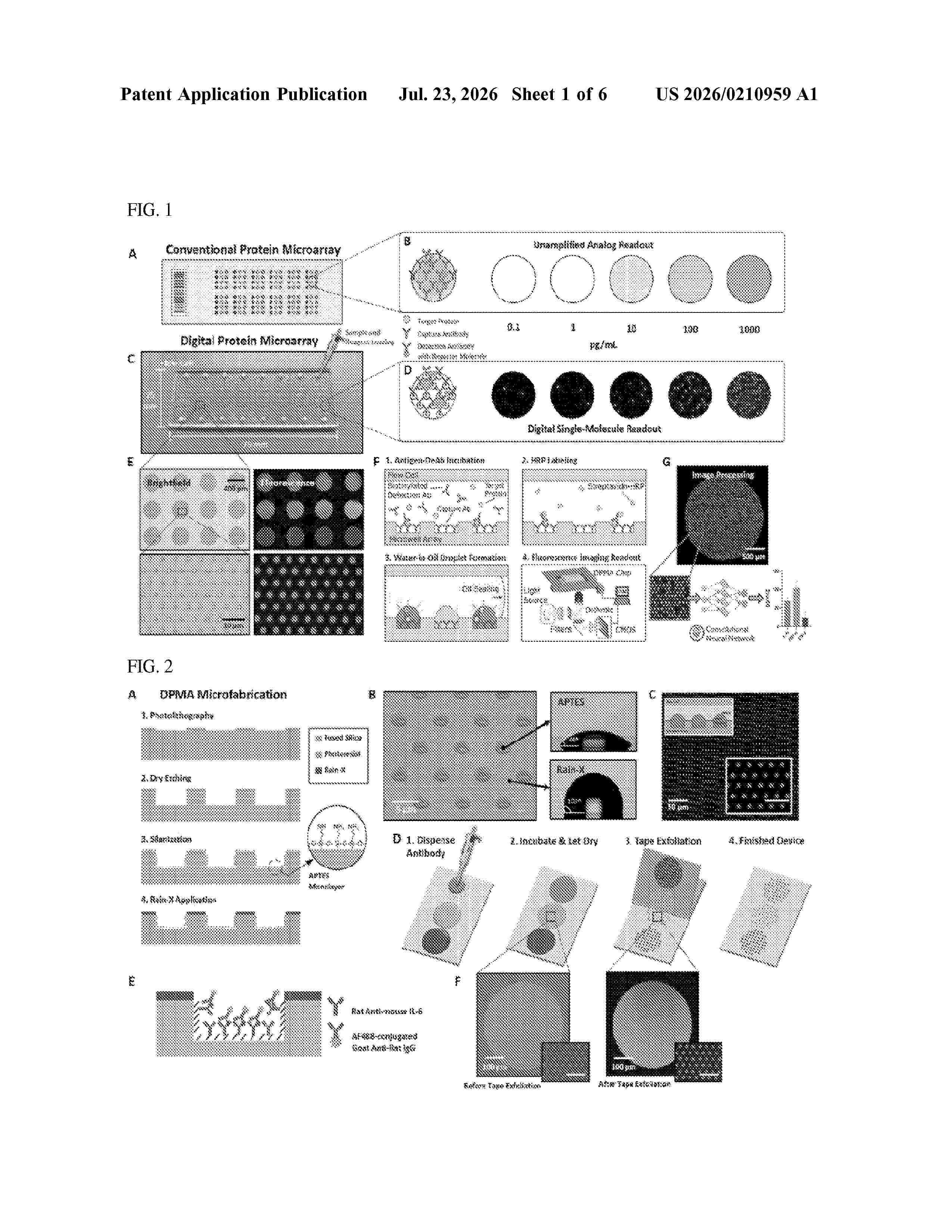
Resumen de: US20260210959A1
The present disclosure relates to high density microarrays, methods of manufacturing the arrays, and uses thereof. In particular, the present disclosure provides high density microarrays of biological molecules that allow for specific and sensitive biological assays.
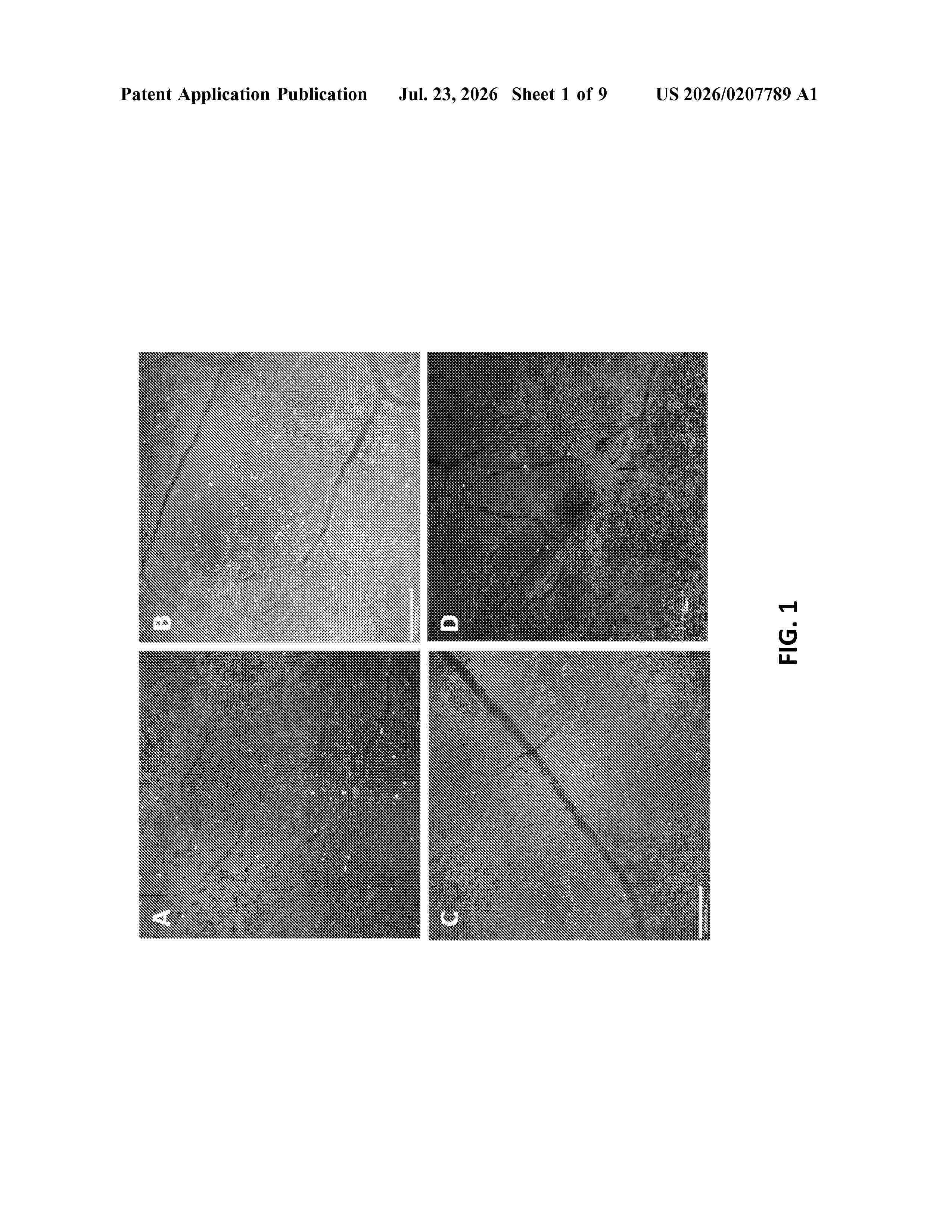
Resumen de: US20260207789A1
0000 The present disclosure relates generally to compositions and methods for determining whether a patient suffers from a traumatic brain injury (TBI) by detecting the presence of an amyloid beta protein in an eye of the patient. Also provided are compositions and methods for preparing a patient for diagnosis and treatment of traumatic brain injury (TB).
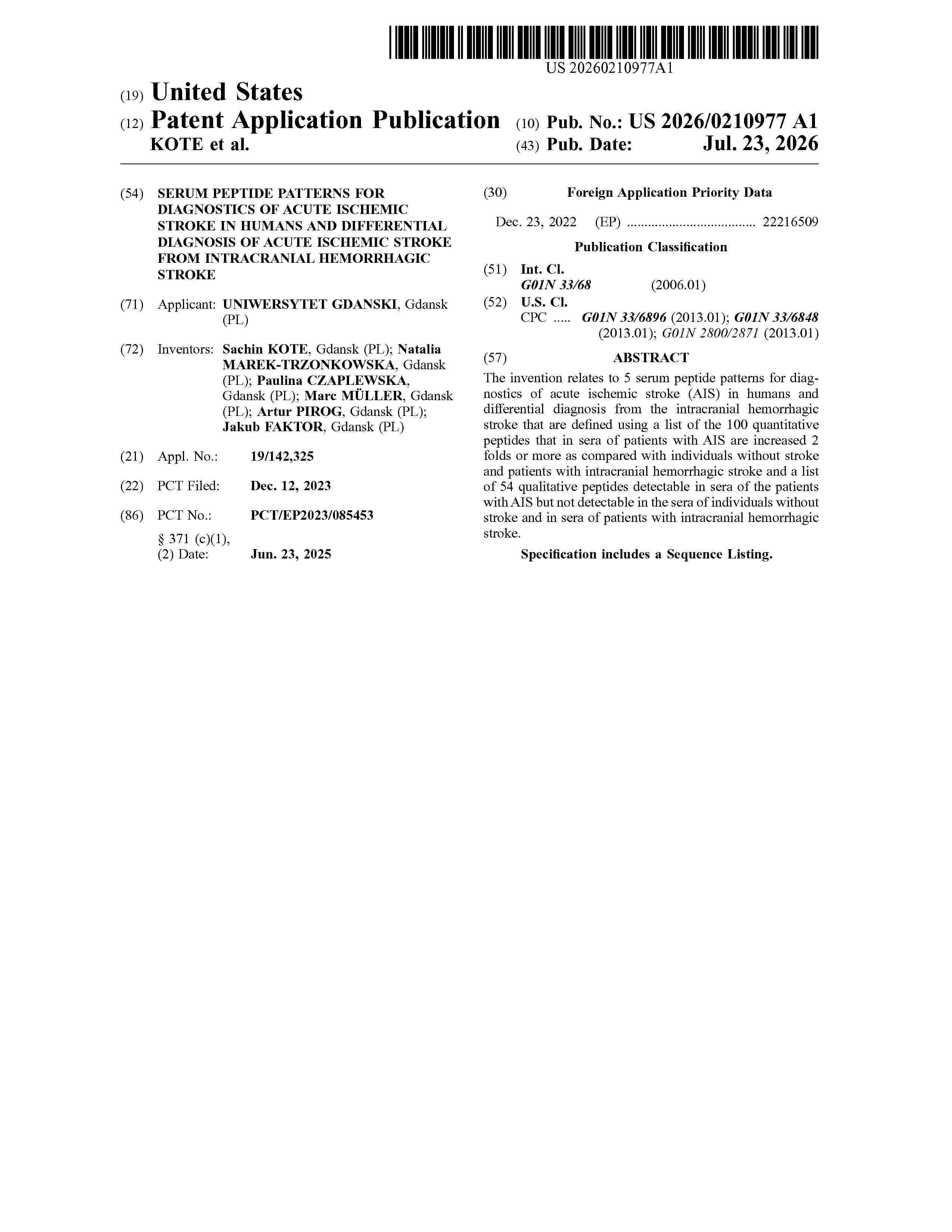
Resumen de: US20260210977A1
The invention relates to 5 serum peptide patterns for diagnostics of acute ischemic stroke (AIS) in humans and differential diagnosis from the intracranial hemorrhagic stroke that are defined using a list of the 100 quantitative peptides that in sera of patients with AIS are increased 2 folds or more as compared with individuals without stroke and patients with intracranial hemorrhagic stroke and a list of 54 qualitative peptides detectable in sera of the patients with AIS but not detectable in the sera of individuals without stroke and in sera of patients with intracranial hemorrhagic stroke.
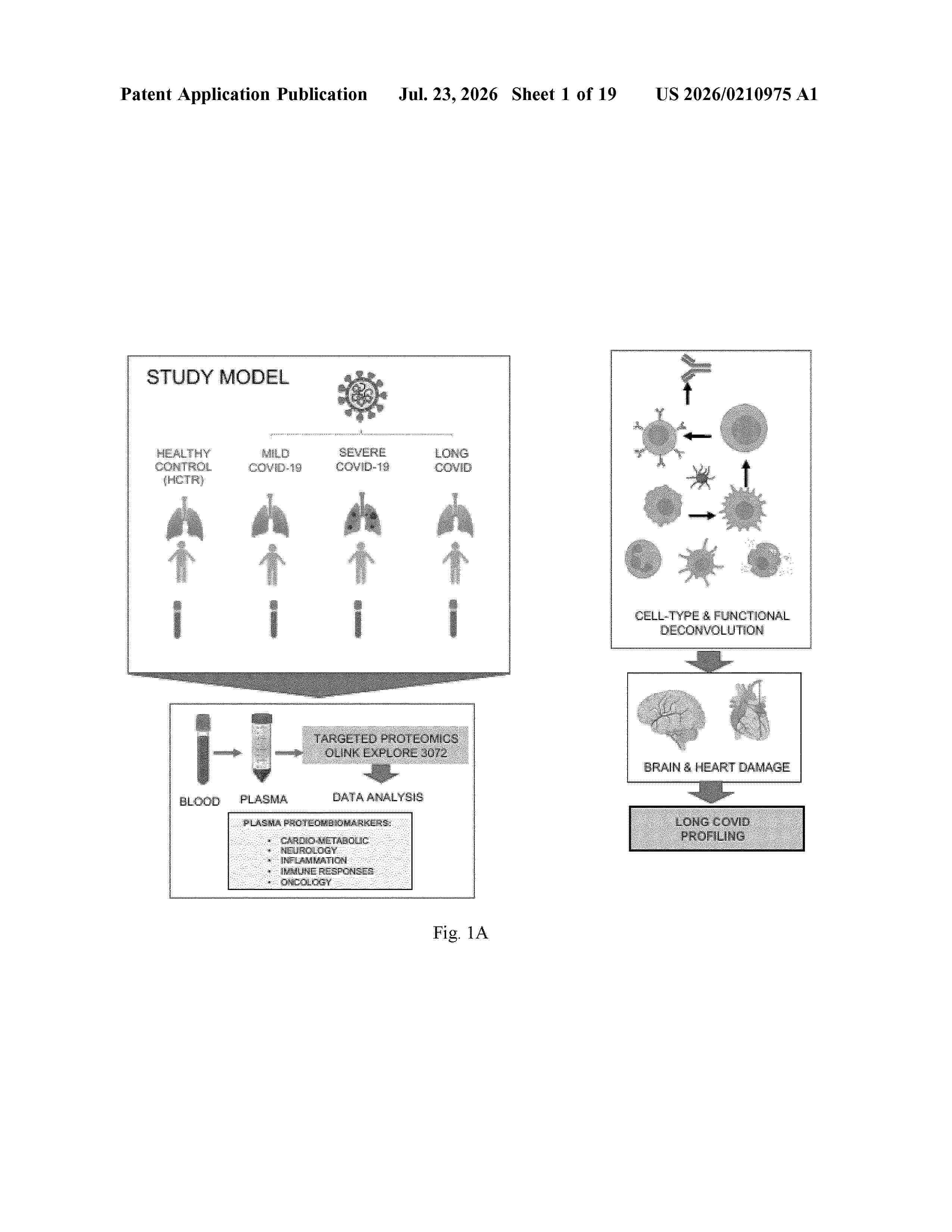
Resumen de: US20260210975A1
0000 A method of determining a risk of developing a neurological disorder in a Long-COVID patient comprising: (a) testing levels of at least one marker associated with a neurologic disorder in a sample taken from the Long-COVID patient, and (b) making a determination that the Long-COVID patient is at risk of developing said neurological disorder when the levels of said at least one marker is increased in the Long-COVID patient compared to healthy control reference levels of said marker. Also a method of determining a risk of developing a cardiometabolic injury in a Long-COVID patient when the levels of expression of a marker associated to a cardiometabolic injury is different in the Long-COVID patient than the levels of said marker in a healthy control. Also methods of treating Long-COVID with a drug effective to mediate the HIF signaling pathway.
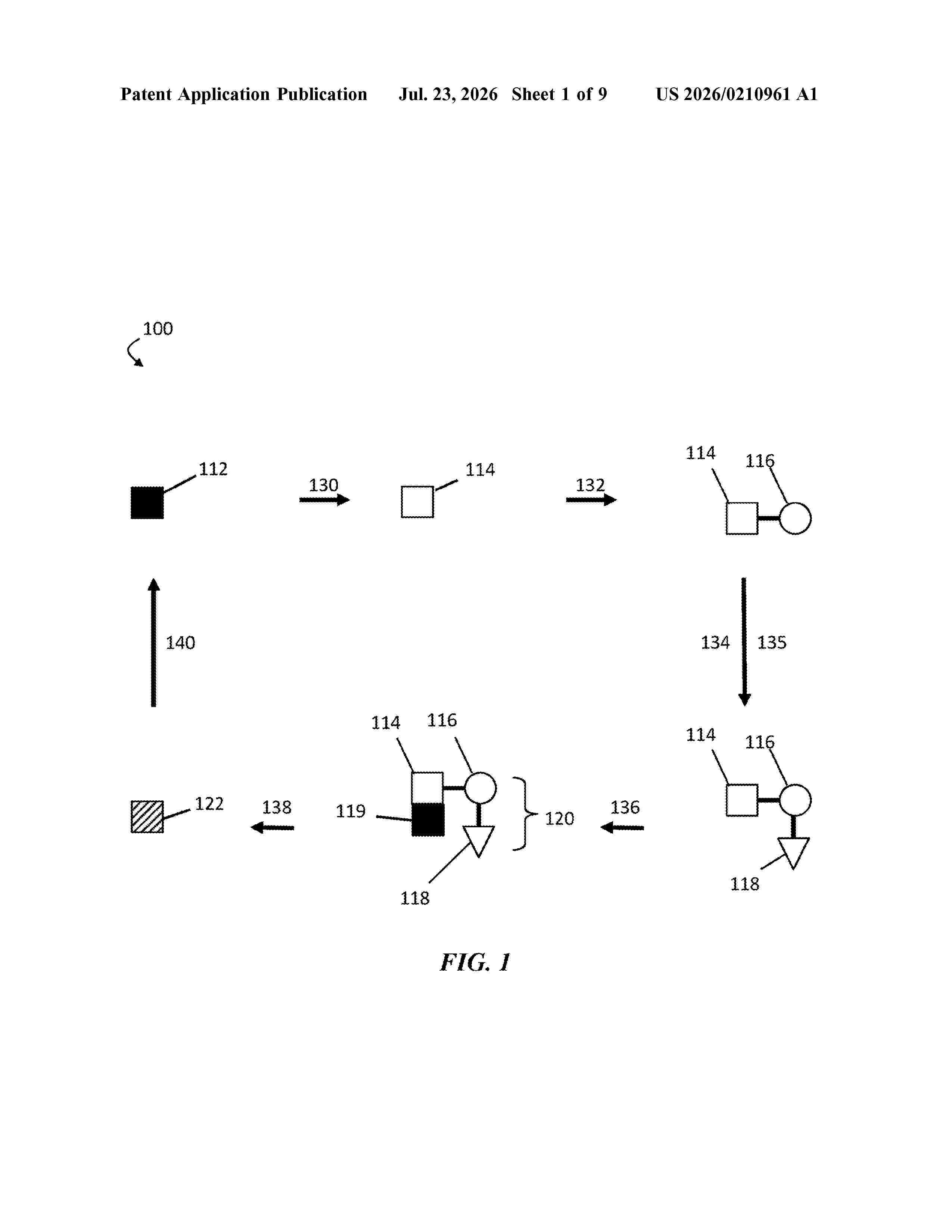
Resumen de: US20260210961A1
0000 System and methods for identifying agents (e.g., proteins, peptides) that modulate G-protein coupled receptors (GPCRs) are generally described. For some embodiments, the agent is a nanobody that modulates the GPCR and may either act as an agonist (e.g., activate) or antagonist (e.g., deactivate) to the GPCR.
Nº publicación: US20260210948A1 23/07/2026
Solicitante:
PURDUE RES FOUNDATION [US]
Purdue Research Foundation
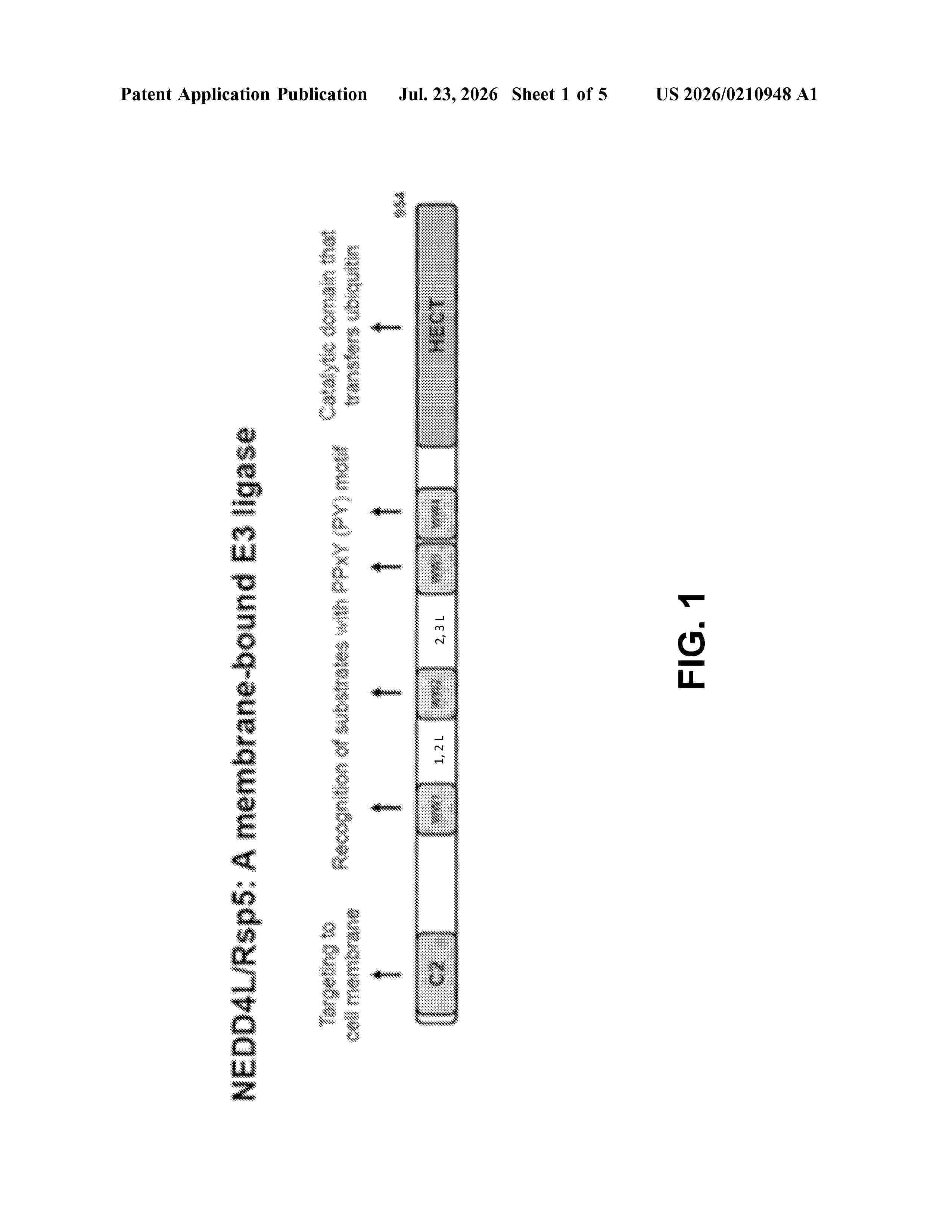
Resumen de: US20260210948A1
0000 A method of identifying a ligand, which is a ligand for a target protein of interest, and which interacts with a homologous to E6AP C-terminus (HECT)-type E3 ligase; a composition comprising (a) a fluorescently labeled peptide comprising a PPxY motif, an E1 ubiquitin (Ub)-activating enzyme, an E2 Ub-conjugating enzyme, a HECT-type E3 ligase, Ub, adenosine triphosphate (ATP), and a reaction buffer or (b) a fluorescently labeled peptide comprising a PPxY motif, a Ub-charged E2 Ub-conjugating enzyme, a HECT-type E3 ligase, ATP, and a reaction buffer; and a composition comprising a ligand identified in accordance with the above method or a pharmaceutically acceptable salt thereof.
 BOPI
BOPI
 Sede Electrónica