Si deseas distinguir tus productos, servicios o ambos de los de otra empresa, es posible que necesites una marca o nombre comercial. Descubre qué son, en qué consiste su procedimiento de registro y qué implica.

Información sobre los plazos de presentación de solicitudes de transformación de marcas de la Unión Europea en marca nacional española. Más información


Si tienes un nuevo dispositivo, producto o procedimiento que resuelva un problema técnico o tenga una ventaja práctica, existen distintas formas de protegerlo en España y en otros países. Descubre cómo hacerlo.

¿Tu innovación reside en la estética, la ornamentación o la apariencia de tu producto? Protégela mediante un diseño industrial. Descubre qué derechos confiere el registro y cómo realizar la tramitación.

Las indicaciones geográficas protegen el nombre de un producto originario de una zona geográfica, a la cual le debe una determinada calidad, reputación u otra característica. Descubre qué son, en qué consiste su procedimiento de registro y qué beneficios conceden.

Las patentes publicadas en todo el mundo son una valiosa fuente de información científica, técnica y comercial.

Si eres emprendedor/a o una empresa y quieres potenciar y mejorar la rentabilidad de tu negocio protegiendo de forma adecuada los activos intangibles de tu organización, en este espacio encontrarás lo necesario.


 322
resultados
322
resultados
 Última actualización
25/08/2026 [07:57:00]
Última actualización
25/08/2026 [07:57:00]


 Resultados 100 a 125 de 322

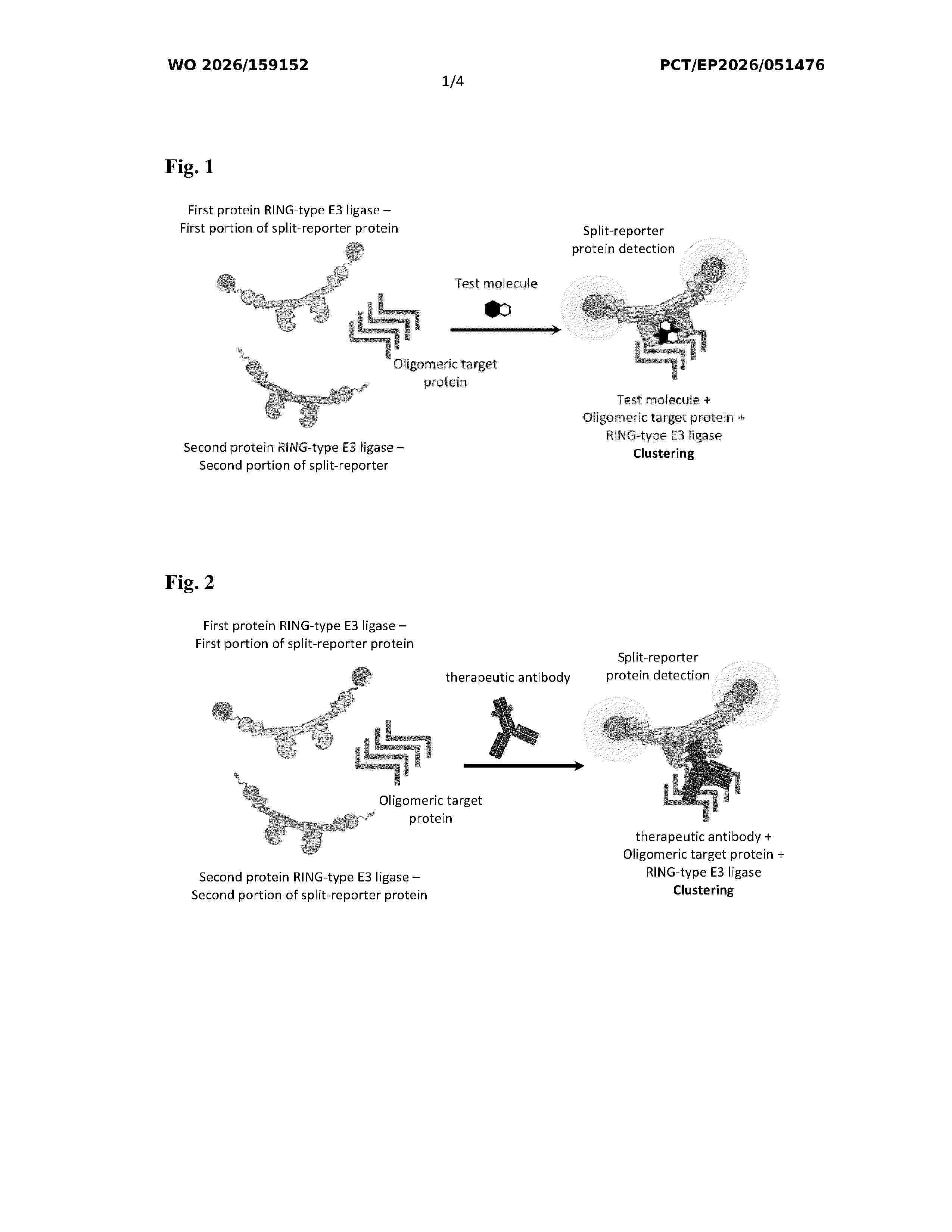
Resumen de: WO2026159152A1
The present invention relates to a method for identifying test molecules capable of binding an oligomeric target protein and a RING-type E3 ligase in the presence of a fusion protein, and a cell expressing said fusion protein.

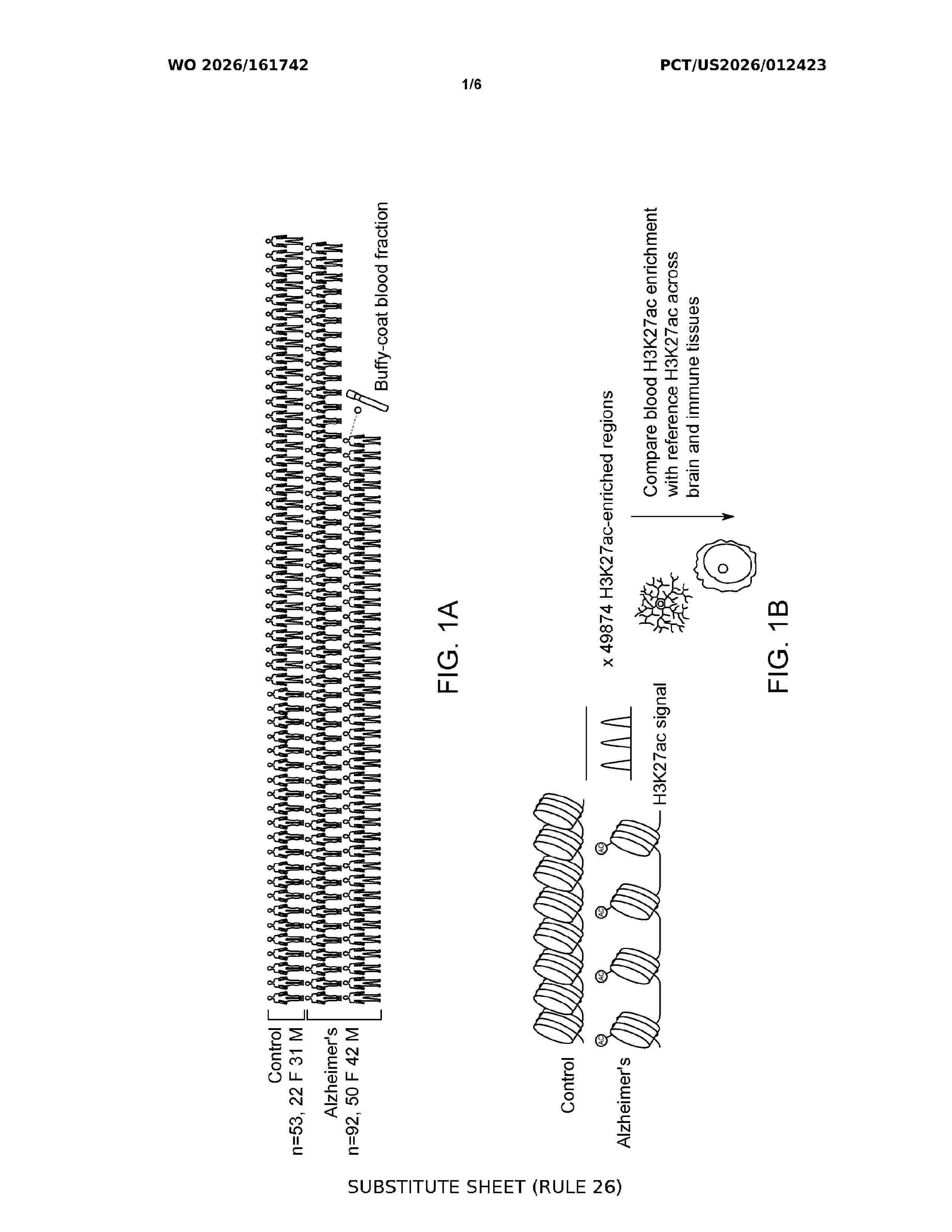
Resumen de: WO2026161742A1
Methods and materials for identifying mammals (e.g., humans) as having, or being likely to have or to develop, Alzheimer's disease are provided herein. In some cases, methods and materials for stratifying mammals with Alzheimer's disease are provided herein.
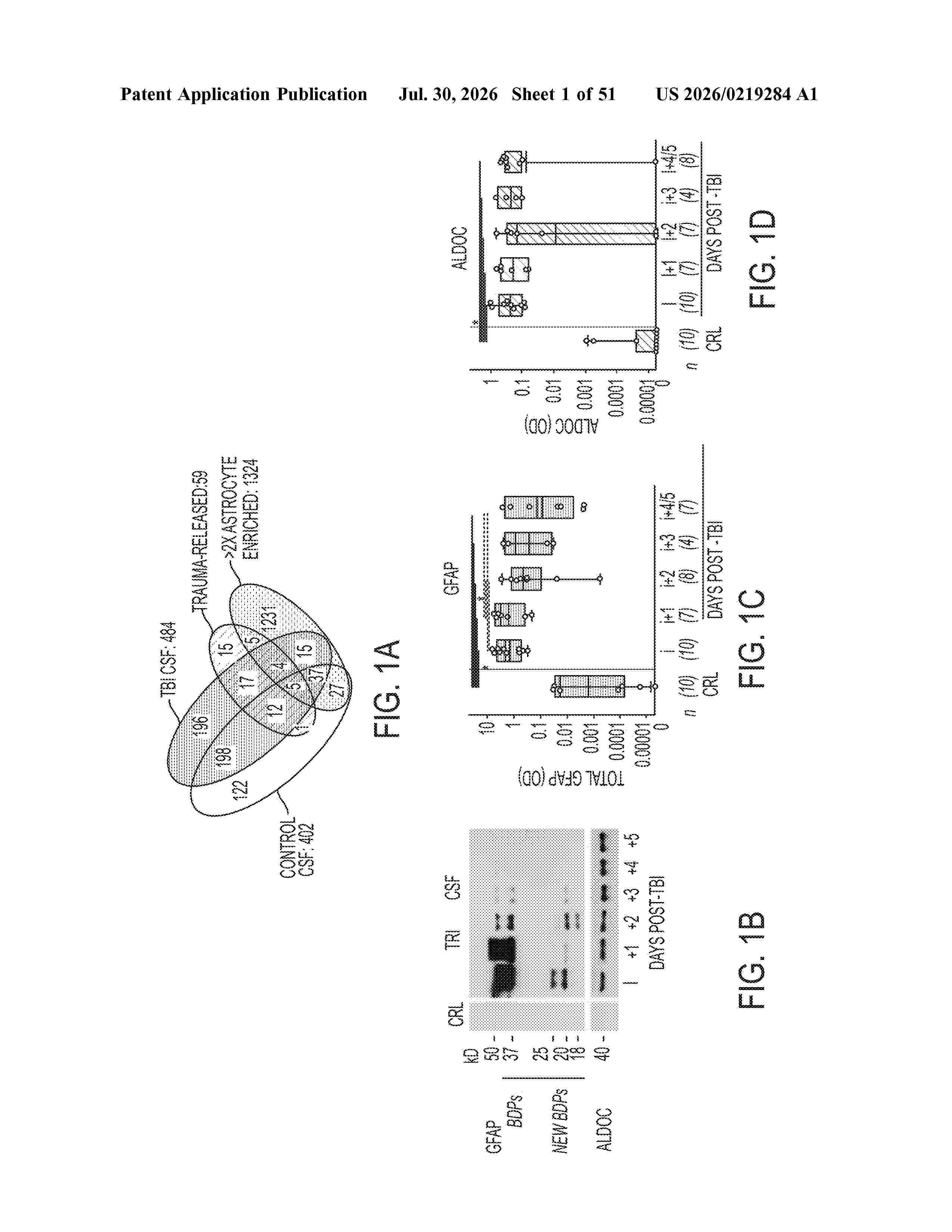
Resumen de: US20260219284A1
Methods, compositions and kits useful in the detection, assessment, diagnosis, prognosis and/or treatment of brain injuries, especially mild traumatic brain injury (mTBI) or concussion, are based upon detection of changes in levels of certain protein biomarkers in a subject undergoing testing, or upon detection of changes in levels of certain protein biomarkers in conjunction with neuroimaging analyses to detect changes in vascular or blood brain barrier (BBB) permeability in the brain, or to detect damage to fiber tracts in the brain, in which changes in biomarker levels correlate with detection of changes in BBB permeability or in brain fiber tract or white matter damage in a subject with brain injury such as mTBI or concussion.
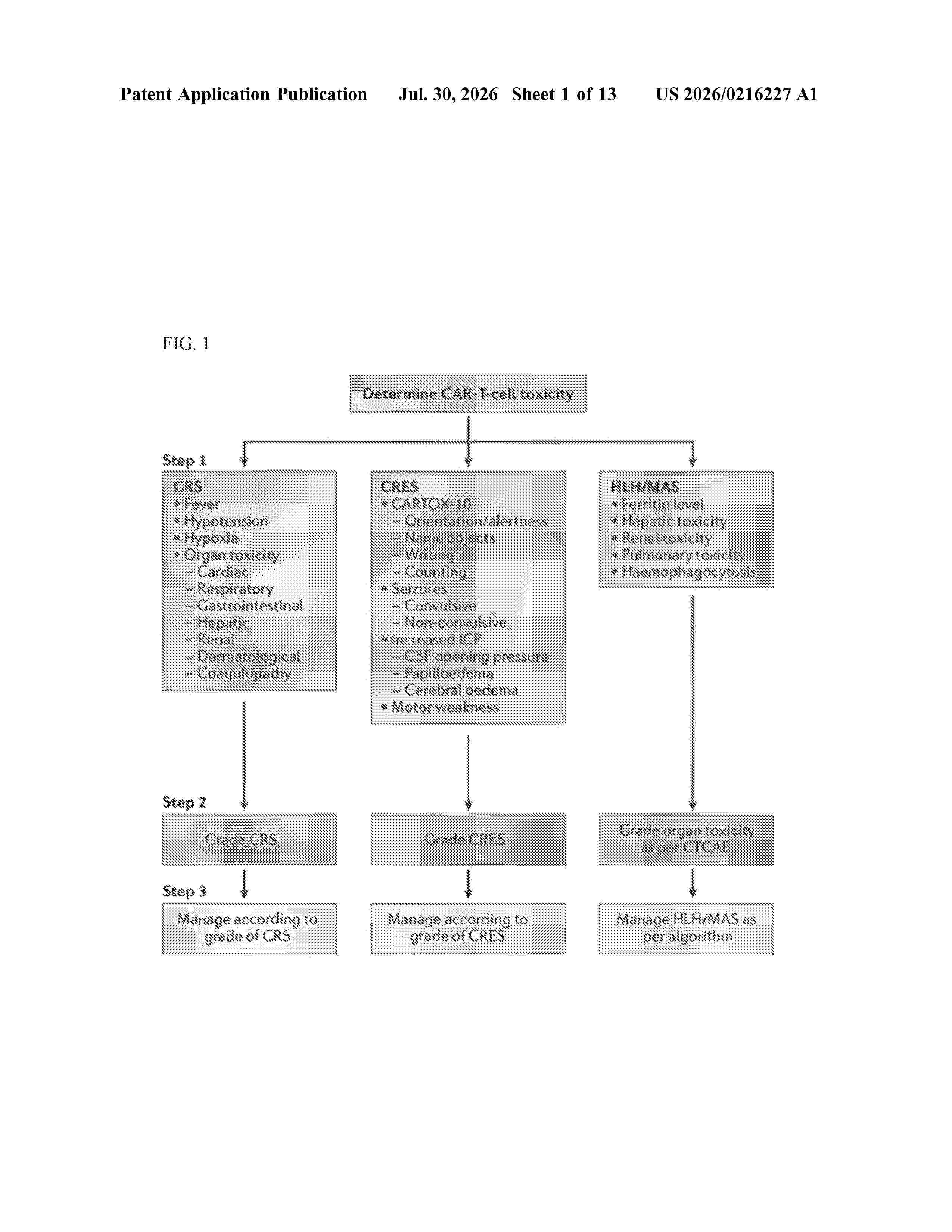
Resumen de: US20260216227A1
The present disclosure provides method of preventing, lessening the effects, or treating cytokine release syndrome (CRS) or related disorders, and/or neurotoxicity associated with immunotherapy comprising administering defibrotide. The defibrotide can be administered after the immunotherapy begins or be administered prophylactically before immunotherapy begins or before the patient develops CRS and/or neurotoxicity.
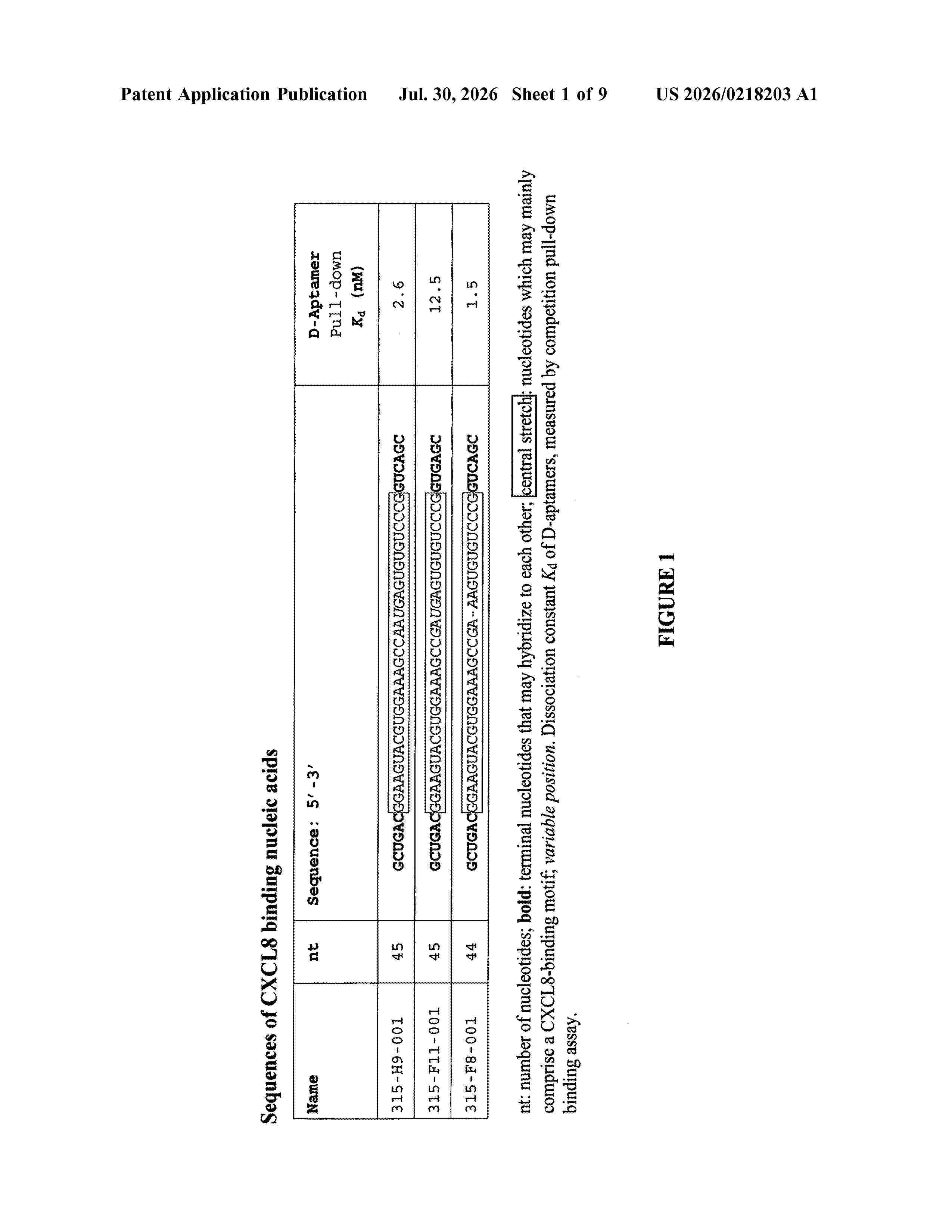
Resumen de: US20260218203A1
The present invention is related to an L-nucleic acid molecule capable of binding to human CXCL8, wherein the L-nucleic acid molecule comprises a central stretch of nucleotides, wherein the central stretch of nucleotides comprises a nucleotide sequence of 5′-GG A AGU ACGUGGA AAGCCRA(Xu)RAGUGUGUCCCG-3′ SEQ. ID. NO: 27, wherein Xu is U or absent.
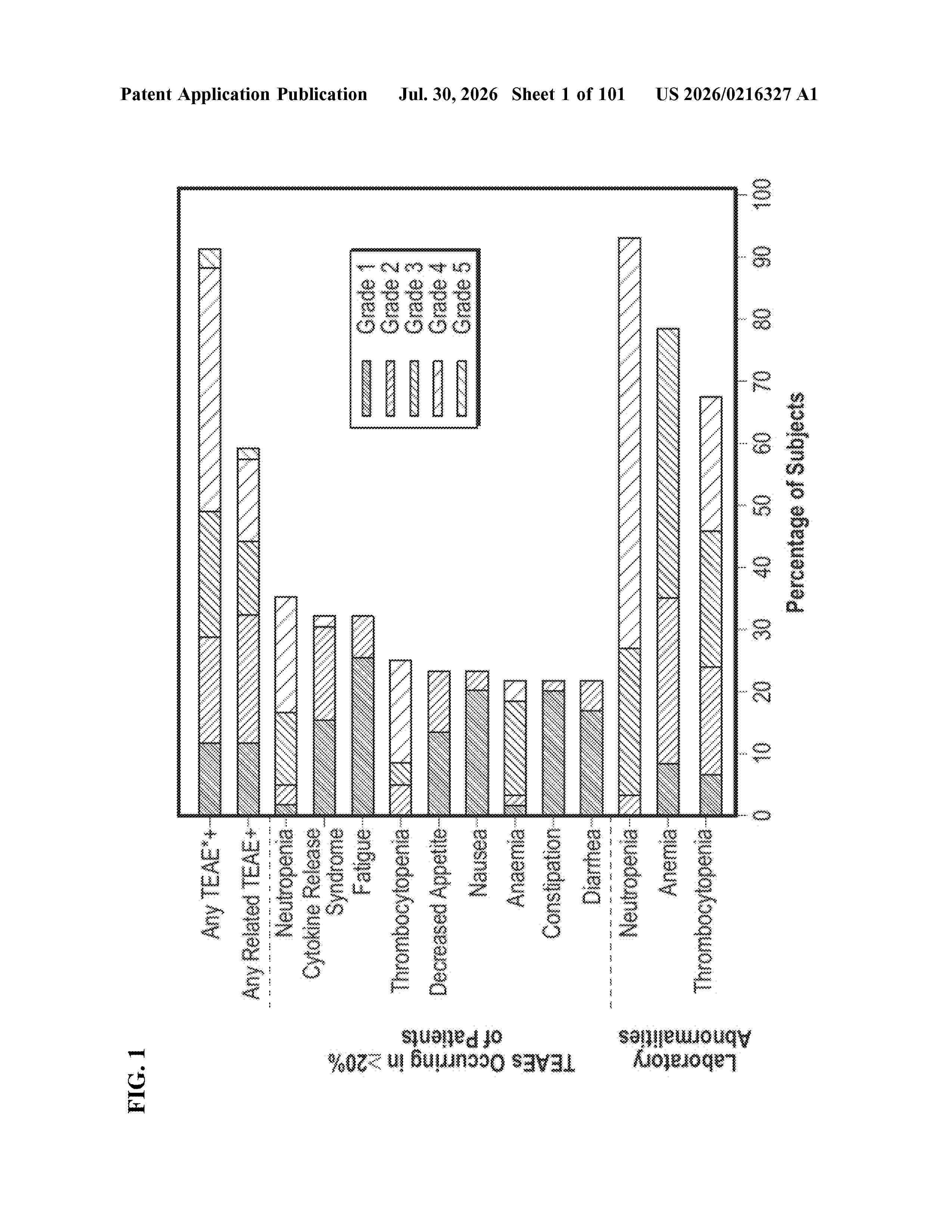
Resumen de: US20260216327A1
0000 Provided are adoptive cell therapy involving the administration of doses of cells for treating subjects with disease and conditions such as certain B cell malignancies, and related methods, compositions, uses and articles of manufacture. The cells generally express recombinant receptors such as chimeric antigen receptors (CARs). In some embodiments, the disease or condition is a large B cell lymphoma, such as a diffuse large B-cell lymphoma (DLBCL). Also provided are methods of assessing the risk of developing a toxicity related to a cell therapy, and methods of identifying subjects and methods of treating subjects based on the assessment of risks.
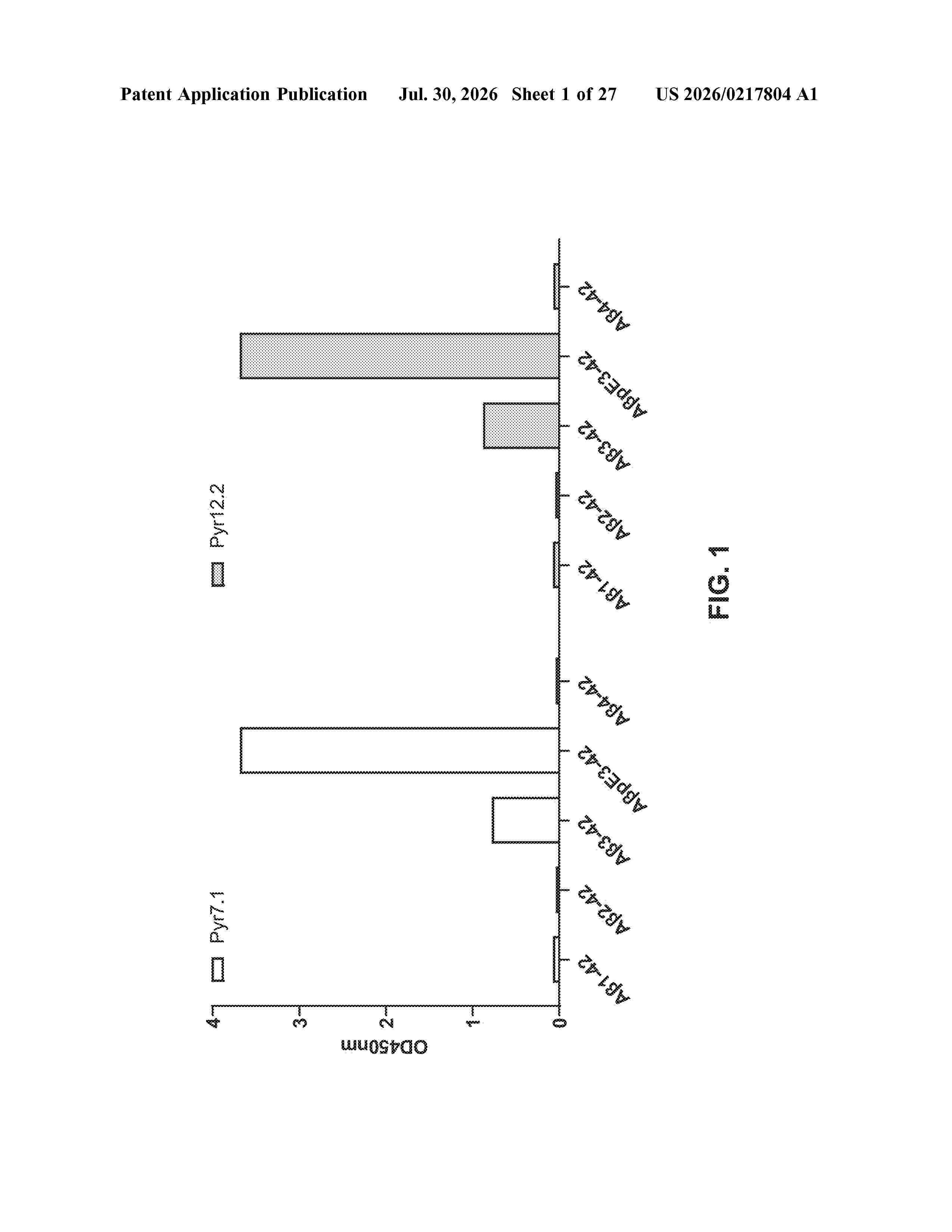
Resumen de: US20260217804A1
Disclosed is an antibody or antigen-binding fragment thereof, which binds to AβpE3, i.e. to an N-terminally truncated and pyroglutamate-modified form of amyloid beta (Aβ), and therapeutic and diagnostic uses thereof.
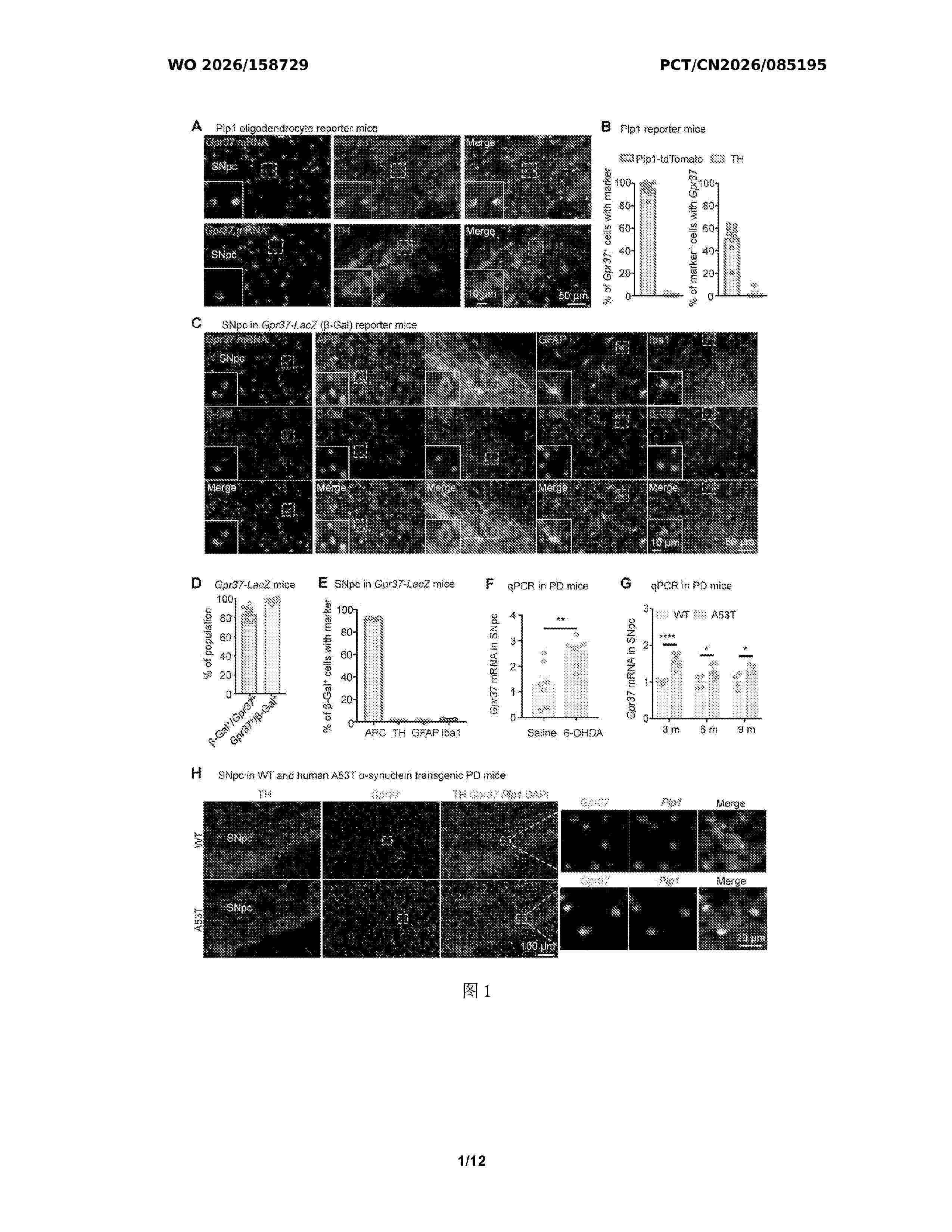
Resumen de: WO2026158729A2
Provided in the present application are a pathogenic factor of neurodegenerative diseases and the use thereof. The pathogenic factor of neurodegenerative diseases is a PSAP-GPR37-IL-6 signaling axis. The present application specifies for the first time the action mechanism of the PSAP-GPR37-IL-6 signaling axis as a pathogenic factor of neurodegenerative diseases (especially Parkinson's disease), and reveals that oligodendrocytes regulate the molecular pathway of neuroinflammation and neurodegenerative changes via the signaling axis, thus filling the research gap in the prior art regarding the participation of oligodendrocytes in the pathogenesis of PD.
Resumen de: US20260217667A1
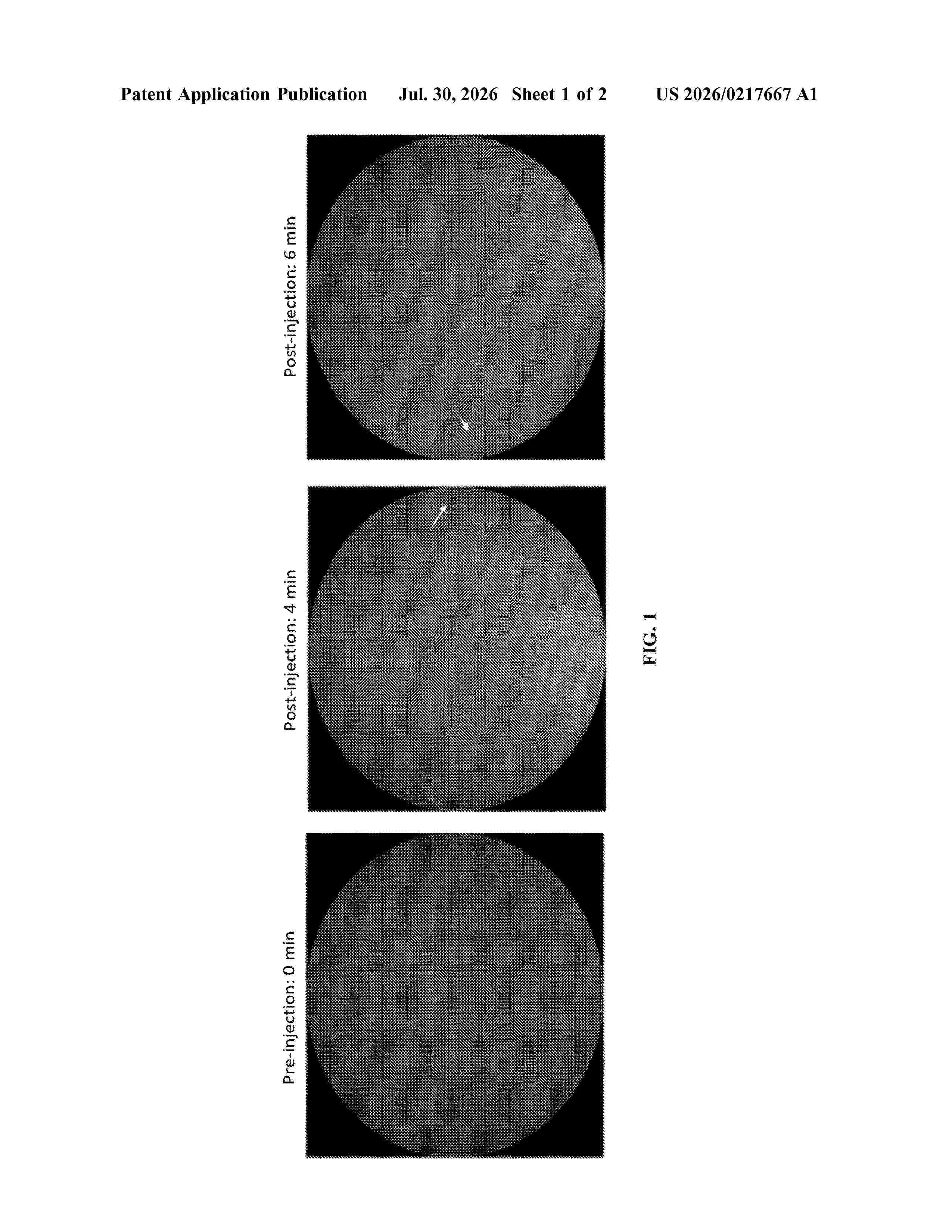
Provided herein is the design and synthesis of novel molecular rotor fluorophores useful for detection of amyloid or amyloid like proteins. The fluorophores are designed to exhibit enhanced fluorescence emission upon associating with amyloid or amyloid like proteins as compared to unbound compound. Also disclosed herein are the methods for treating of diseases associated with an amyloid or amyloid like proteins.
Resumen de: US20260217758A1
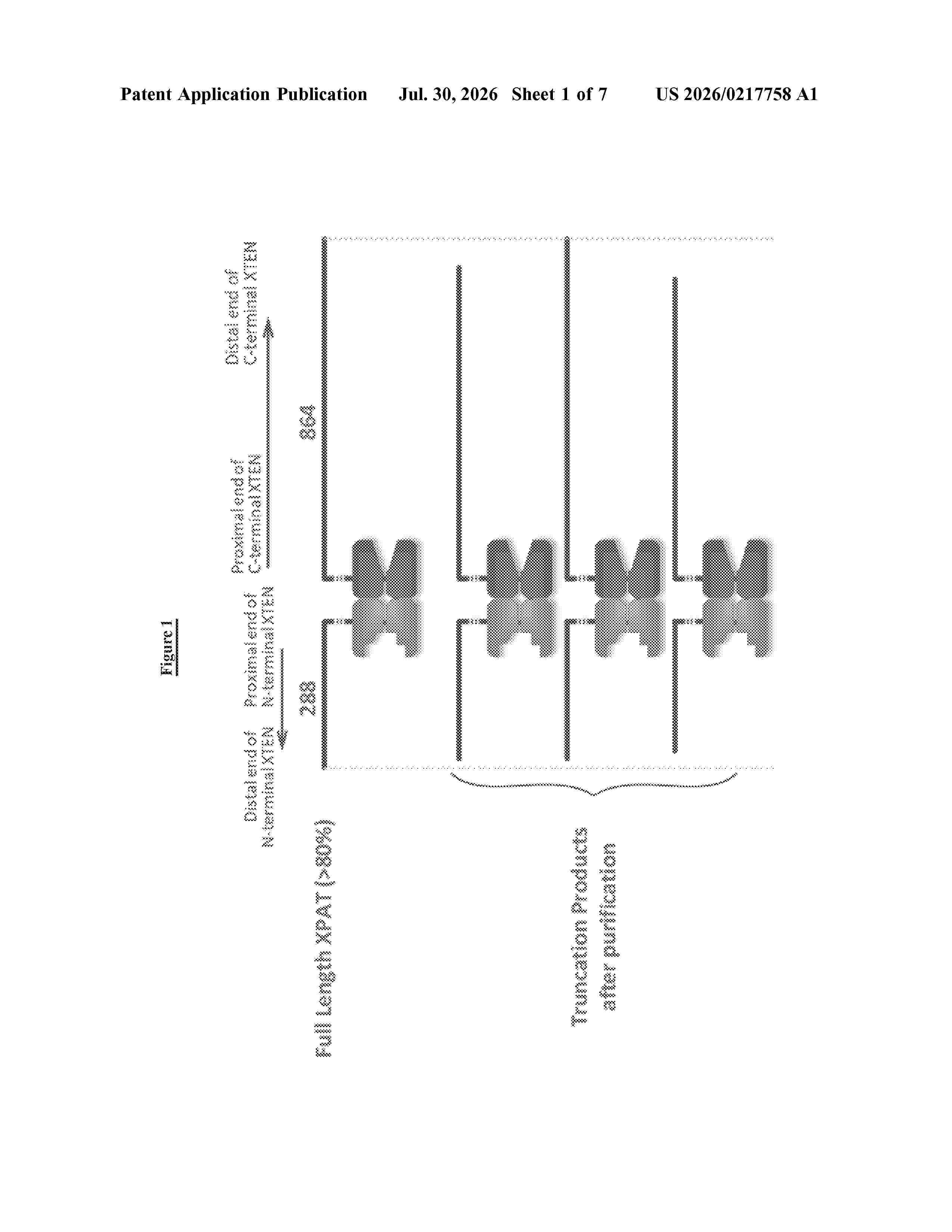
0000 Disclosed herein are polypeptides comprising an extended recombinant polypeptide (XTEN) comprised of a plurality of overlapping sequence motifs and one or more barcode fragments releasable upon protease digestion and detectable from all other proteolytically releasable fragments. Certain embodiments of these polypeptides further comprise a biologically active polypeptide, wherein advantageous embodiments thereof comprise a releasable segment capable of proteolytic cleavage that cleaves the linkage between the XTEN polypeptide and the biologically active polypeptide. Methods of making and methods of using said polypeptides are also disclosed.
Resumen de: US20260219283A1
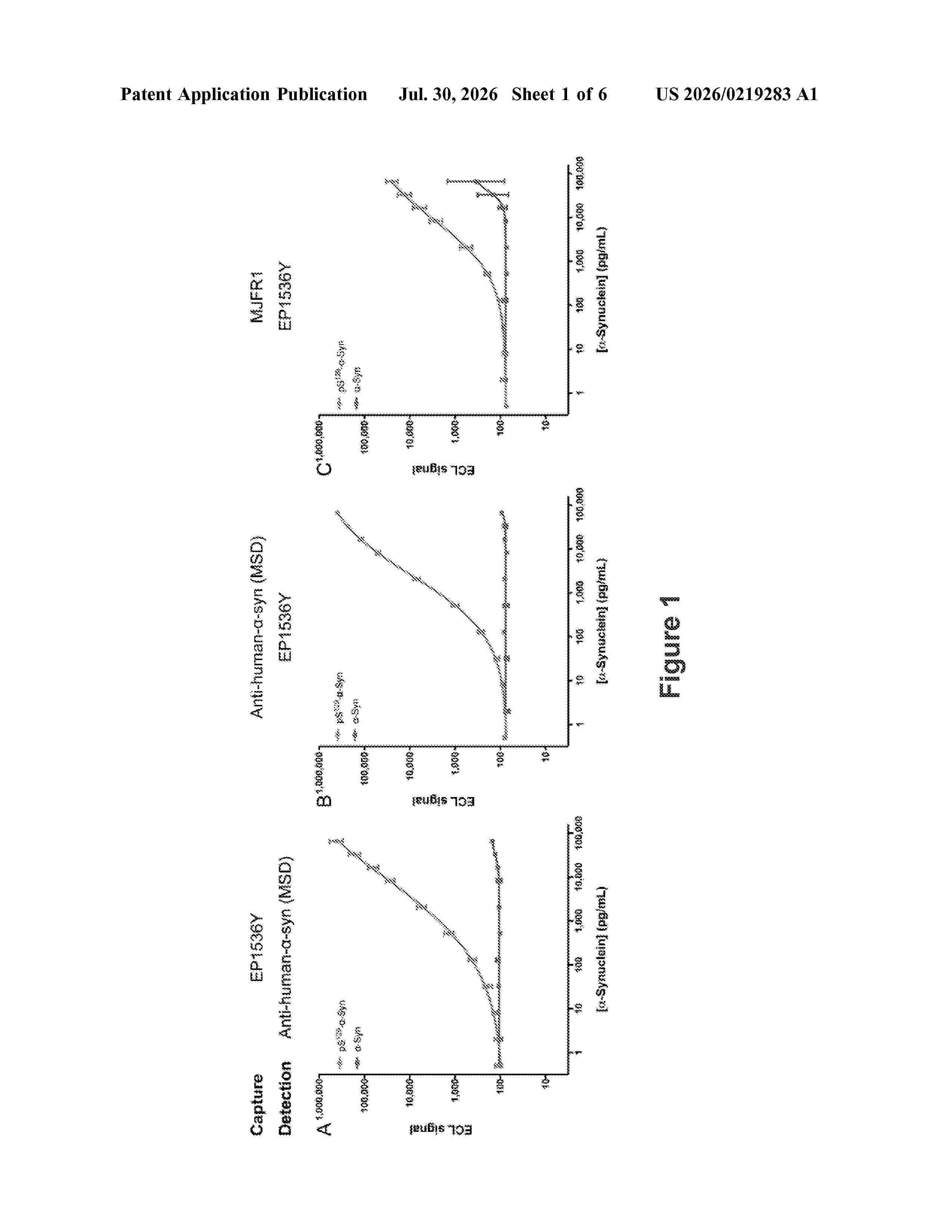
0000 Synucleinopathies are a group of neurodegenerative diseases including Parkinson's disease (PD), dementia with Lewy bodies (DLB), and multiple system atrophy (MSA). These diseases are characterized by the aggregation and deposition of α-synuclein (α-syn) in Lewy bodies (LBs) in PD and DLB or as glial cytoplasmic inclusions in MSA. In healthy brains, only ~4% of α-syn is phosphorylated at Ser129 (pS129-α-syn), whereas >90% pS129-α-syn may be found in LBs. Embodiments of the invention include a duplex assay for both total α-synuclein and pS129-α-synuclein, which allows measuring both analytes in the same sample, leading to substantial saving in sample volume. The assays can be widely used in methods for detecting pS129-α-syn in biomedical studies including when only a limited volume of sample is available and high sensitivity is required, offering new opportunities for diagnostic biomarkers, monitoring disease progression, and quantifying outcome measures in clinical trials.
Resumen de: US20260217847A1
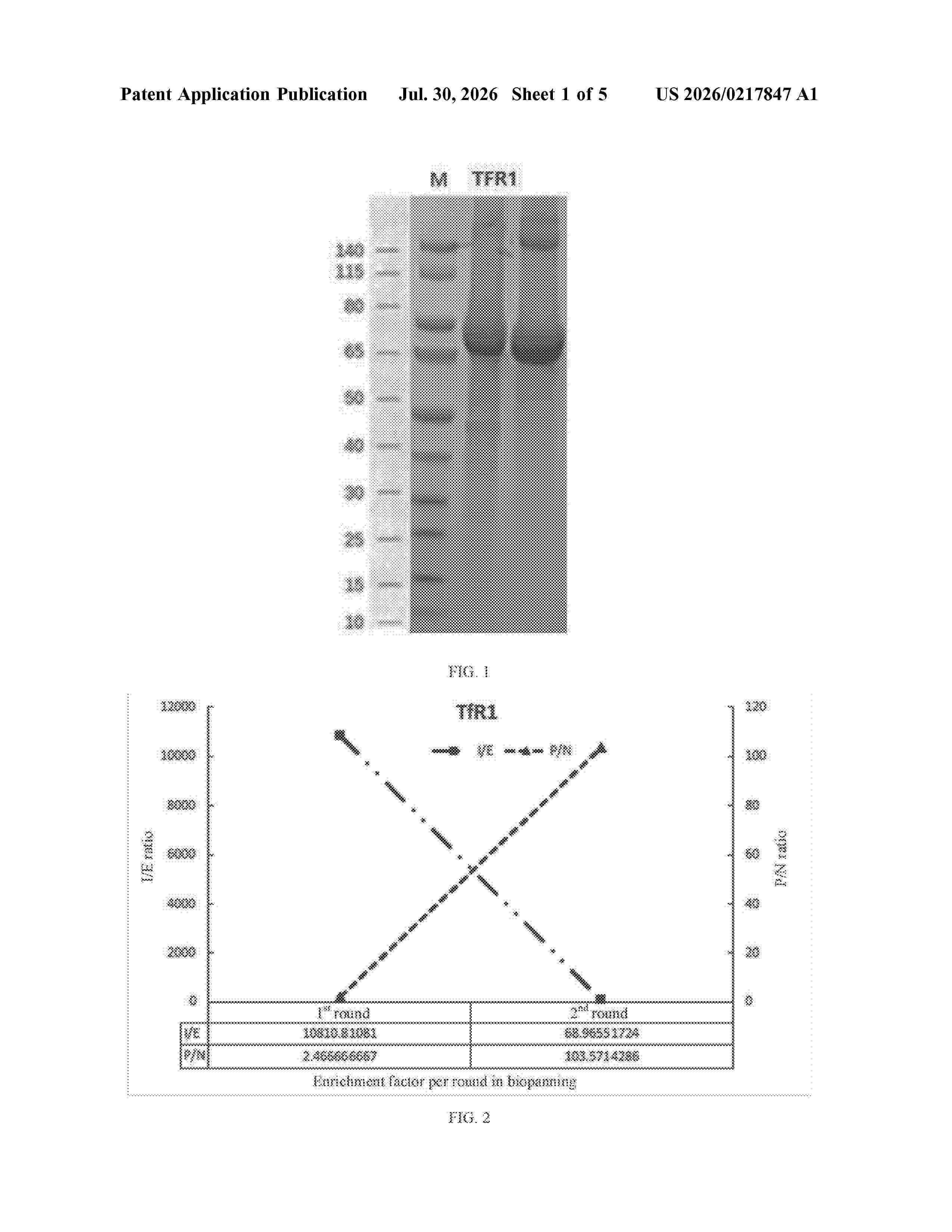
The present invention provides an anti-TfR1 single-domain antibody and a use thereof. The single-domain antibody includes a heavy chain variable region, wherein the heavy chain variable region includes a heavy chain CDR1 as shown in any one of SEQ ID NO: 53-SEQ ID NO: 60, a heavy chain CDR2 as shown in any one of SEQ ID NO: 61-SEQ ID NO: 72, and a heavy chain CDR3 as shown in any one of SEQ ID NO: 73-SEQ ID NO: 82.
Resumen de: US20260219265A1
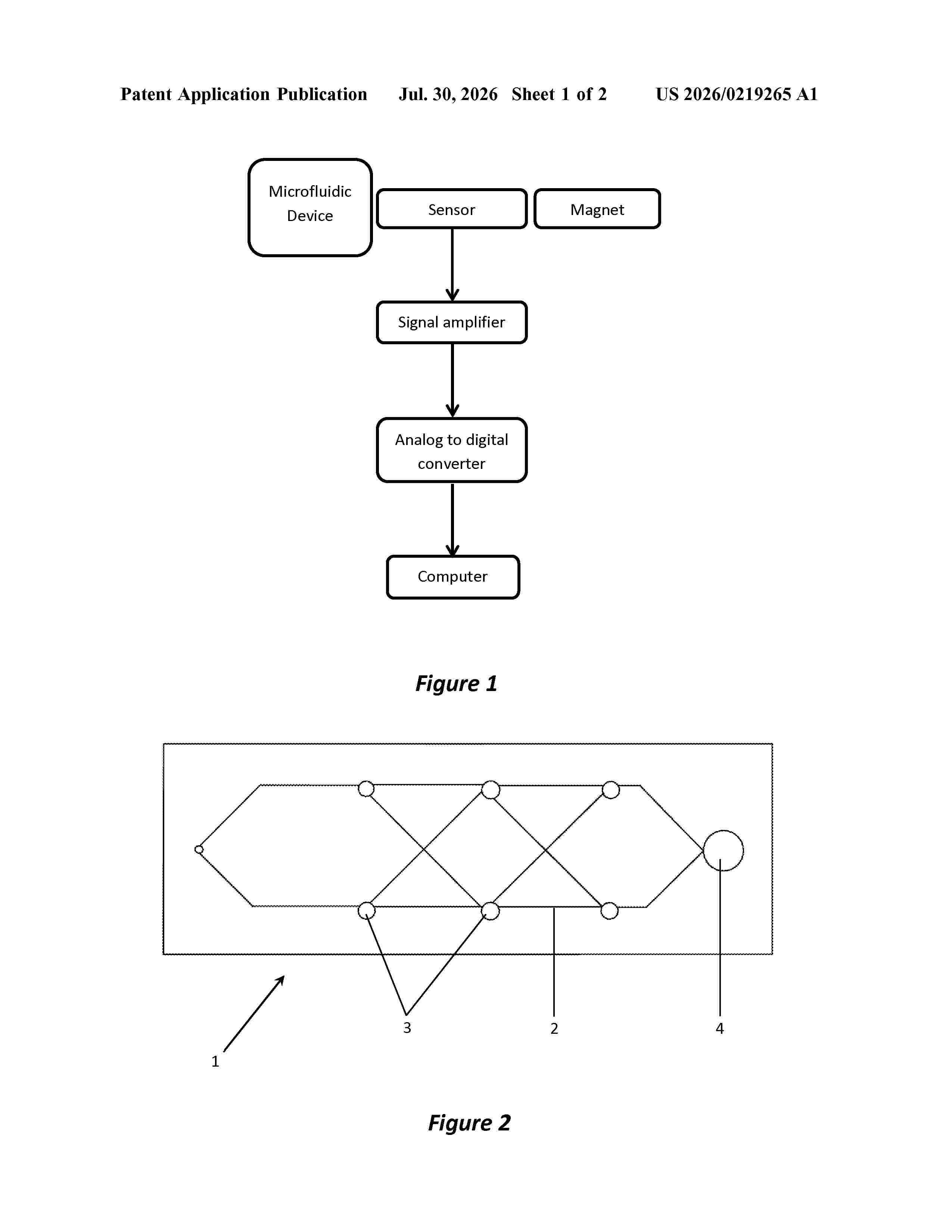
0000 Described is a method and device for detecting an analyte in a sample, comprising bringing a sample comprising a target analyte into contact with magnetisable particles, the particles being coated with binding molecules complementary to the target analyte, resulting in bound and unbound binder complexes, positioning the magnetisable particles, comprising both bound and unbound binder complexes, in proximity to a magnetic field sensor, changing the magnetic field sufficient to release at least a portion of the magnetisable particles, comprising both bound and unbound binder complexes, from their proximity to the magnetic field sensor, and measuring changes in a magnetic signal detected from the net movement, being either translational or rotational movement, of the magnetisable particles relative to the magnetic sensor.
Resumen de: US20260219277A1
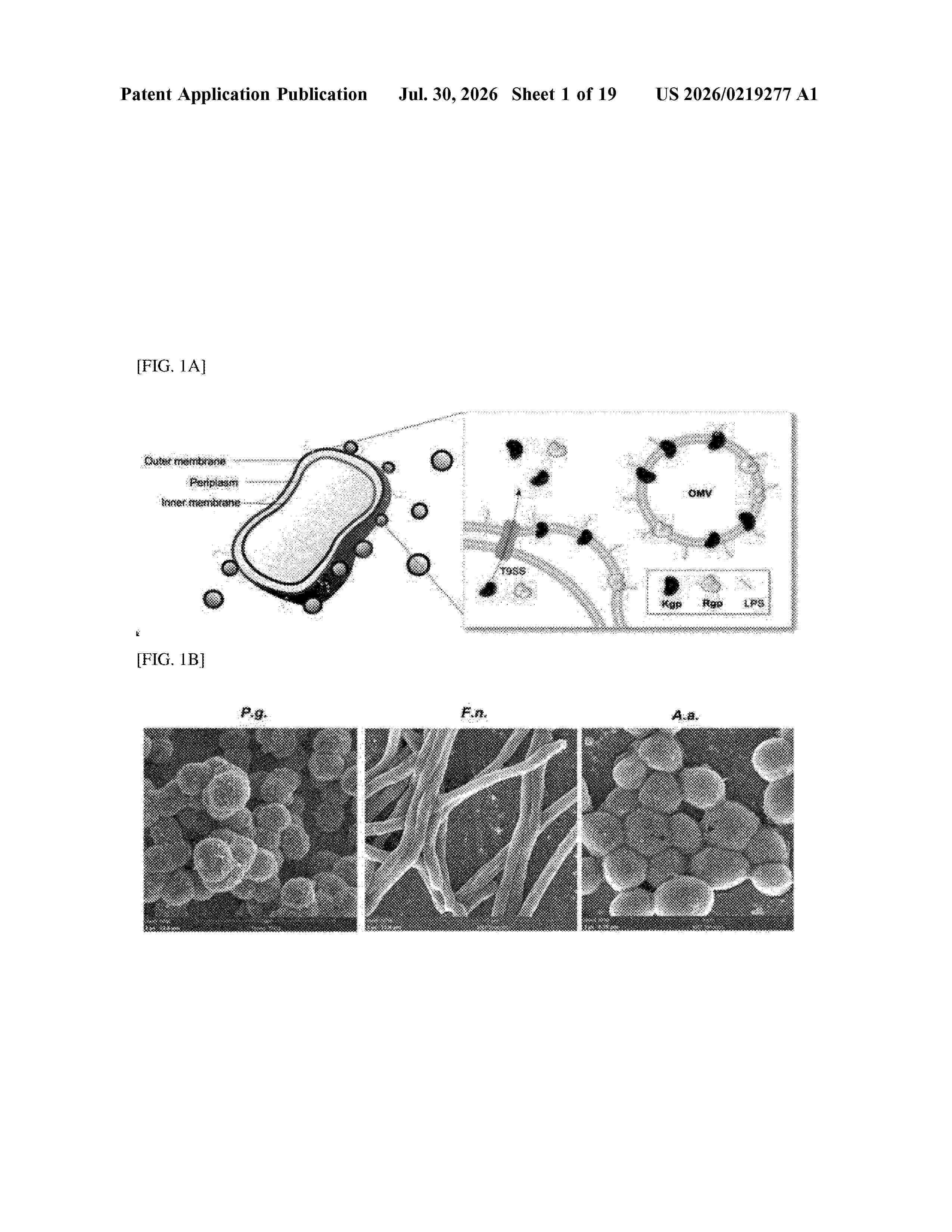
The present invention relates to a fluorescent compound represented by Chemical Formula 1 or a pharmaceutically acceptable salt thereof; and a composition for detecting gingipain, composition for diagnosing Porphyromonas gingivalis (P. gingivalis) infection or antibacterial composition against P. gingivalis using the same:
Resumen de: WO2025024816A1
The invention is directed to (6aS)-6-methyl-5,6,6a,7-tetrahydro-4Hdibenzode,gquinoline-10,11-diol for the treatment of diseases mediated by protein expressions and gene regulations, as well as the use of personalized medicine approach.
Resumen de: US20260215689A1
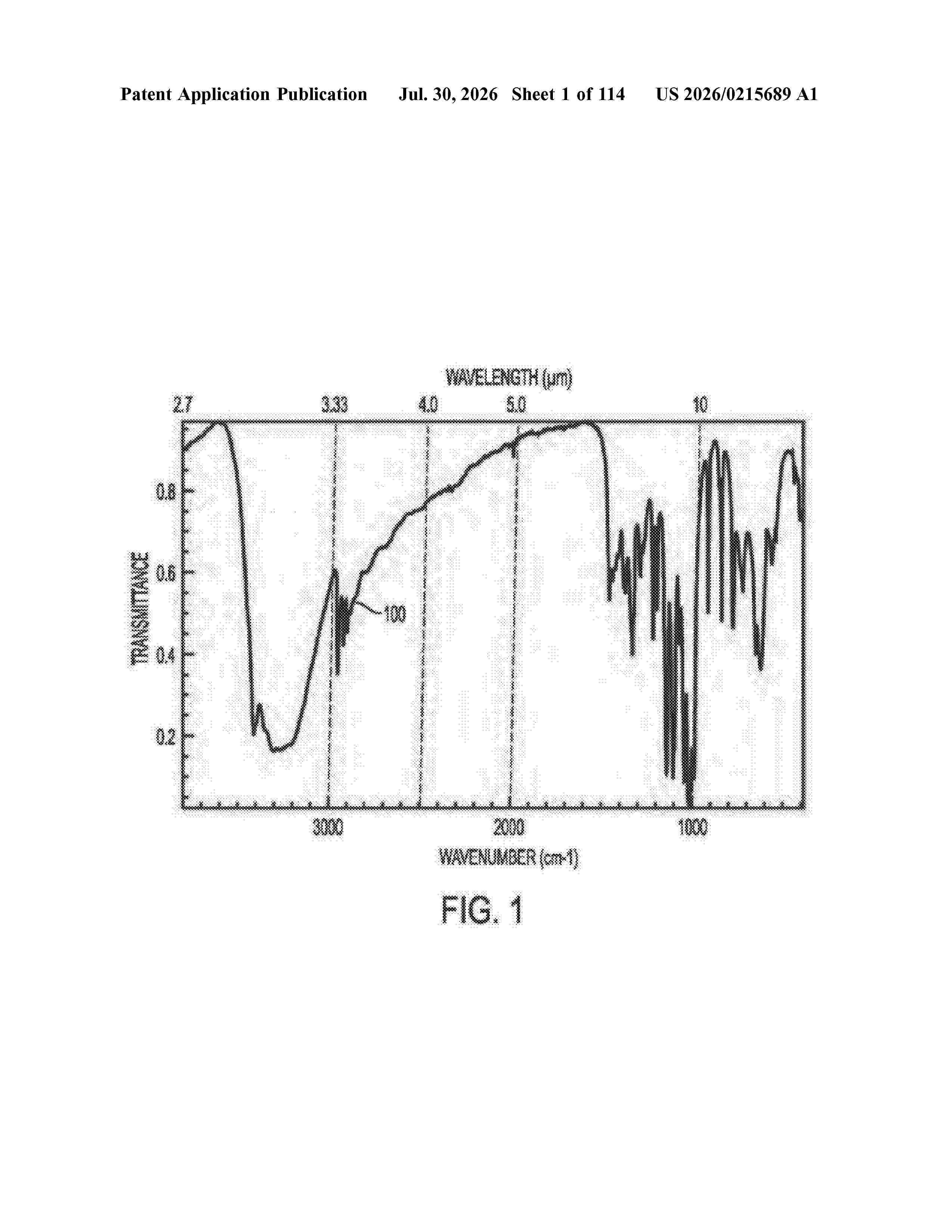
0000 Smart glasses have an outward side and an inward side facing a user. A light source is attached to the outward side emits a light beam. One or more cameras are attached to the outward side to capture images or videos. The smart glasses include a processor, speakers, and one or more microphones that receive voice control or interactions. The smart glasses are coupled to a non-transitory computer readable medium and a smart phone or a tablet. The smart glasses interact with a multi-modal generative artificial intelligence assistant including a transformer with self-attention and position encoding layers that performs computer vision and natural language processing. The glasses may also have displays, touch sensors, memory, machine learning and gesture analysis, and the ability to recognize an object. The glasses may also be coupled to a wearable device with contact-based sensors.
Resumen de: WO2017184873A2
Provided herein are compositions and methods related to the production and detection of a histone H1.0 protein dimethylated at lysine residue 180 (K180) (H1.0K180me2 protein) or a histone H1.0 peptide dimethylated at a lysine residue corresponding to K180 (H1.0K180me2 peptides). The H1.0K180me2 protein and H1.0K180me2 peptides are useful for applications including, but not limited to, molecular diagnostics of DNA damage, genotoxic stress, radiation exposure, and Alzheimer's disease, therapeutics, monitoring of therapeutic regimens, patient stratification, and drug screening. Also provided herein are antibodies specific for the H1.0K180me2 protein and H1.0K180me2 peptides.
Resumen de: WO2025064229A1
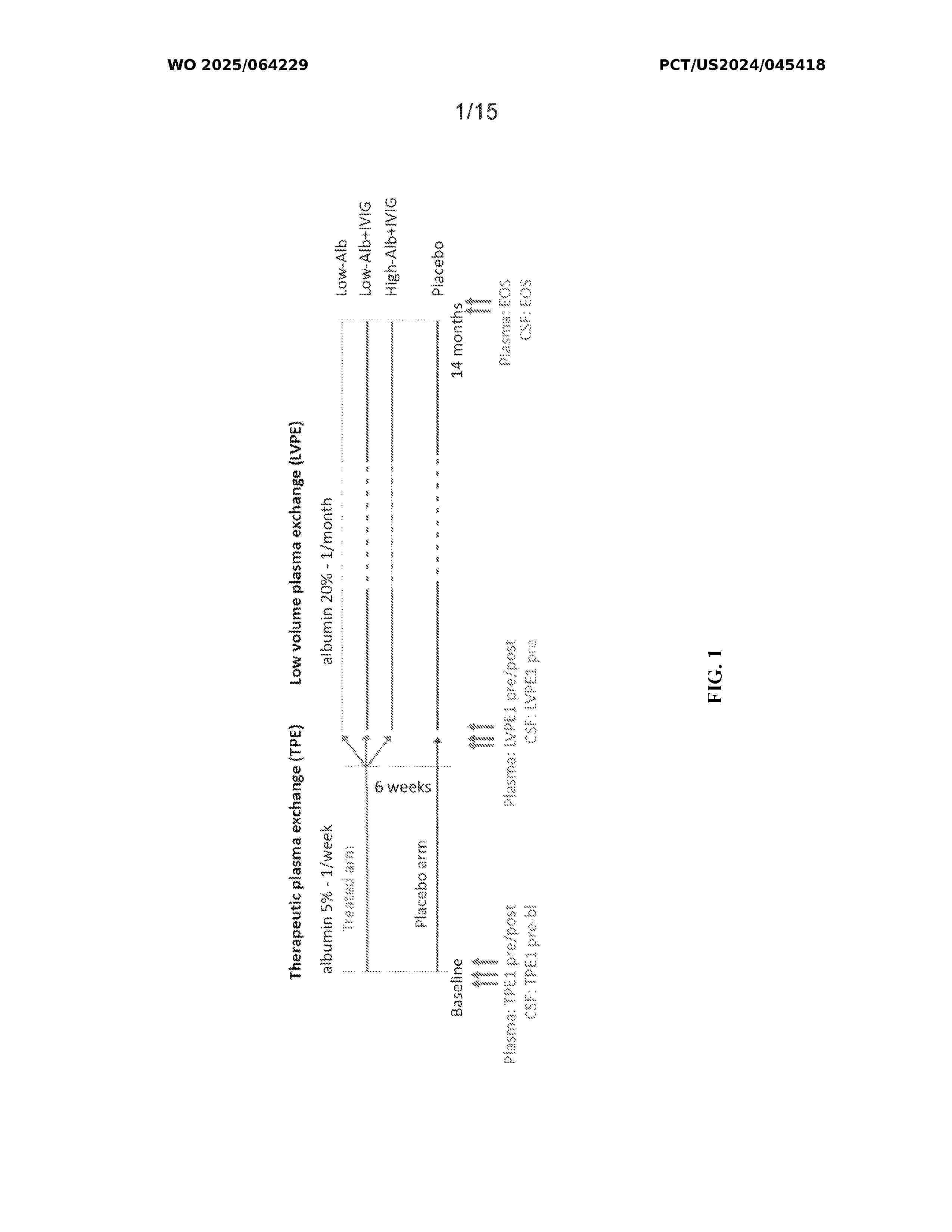
The disclosure pertains to treating a cognitive impairment, for example, an aging-associated cognitive impairment. In certain aspects, the disclosure describes methods of assaying a sample obtained from a subject having or suspected of having a cognitive impairment for one or more proteins selected from: DLL1, VNN2, VAV3, and SUMF1. In certain embodiments, the cognitive impairment is caused by a neurodegenerative disease, such as Alzheimer's disease. The methods further comprise identifying a subject as likely or not likely to respond positively to the plasma exchange therapy. In even further aspects, the disclosure describes methods for treating a cognitive impairment in the subject by a plasma exchange therapy, wherein based on the specific protein expression data, the subject is identified as likely or not likely to respond positively to the plasma exchange therapy. The plasma exchange therapy can be full and/or low volume plasma exchange. Also provided are kits suitable for performing the methods disclosed herein.
Resumen de: EP4781999A1
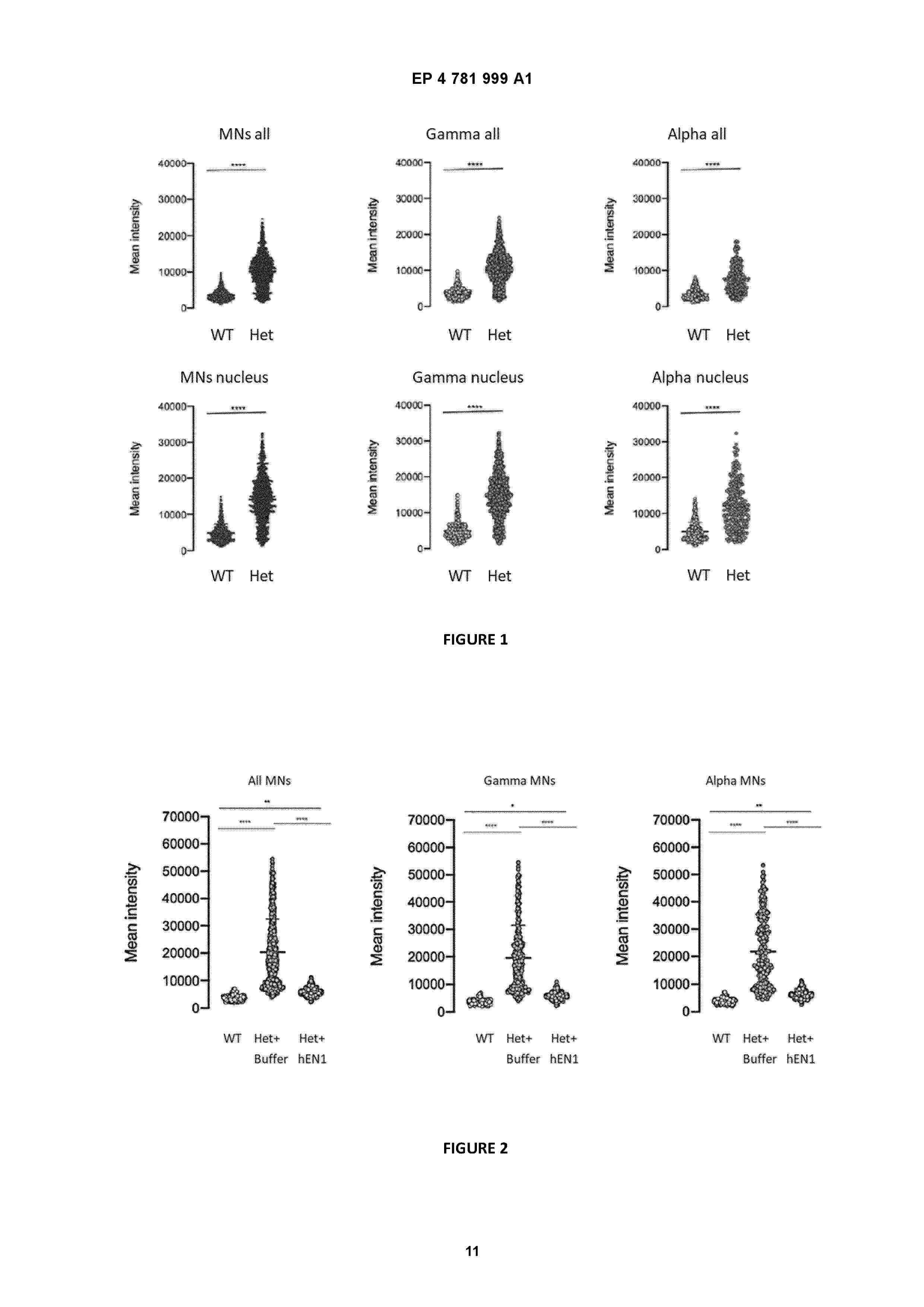
0001 The present invention relates to Engrailed protein, a nucleic acid encoding Engrailed protein and compositions comprising the same for use in treating or preventing diseases associated with accumulation of TDP-43 in the cell, particularly in the cell cytoplasm. Also provided herein are in vitro methods of selecting a subject for such therapy by detecting cellular accumulation of TDP-43, particularly cellular cytoplasmic accumulation, in a biological sample of the subject. Also provided herein are in vitro methods of following a subject treated with such therapy by measuring cellular accumulation, particularly cellular cytoplasmic accumulation, of TDP-43 in a biological sample of the treated subject.
Resumen de: WO2025006602A1
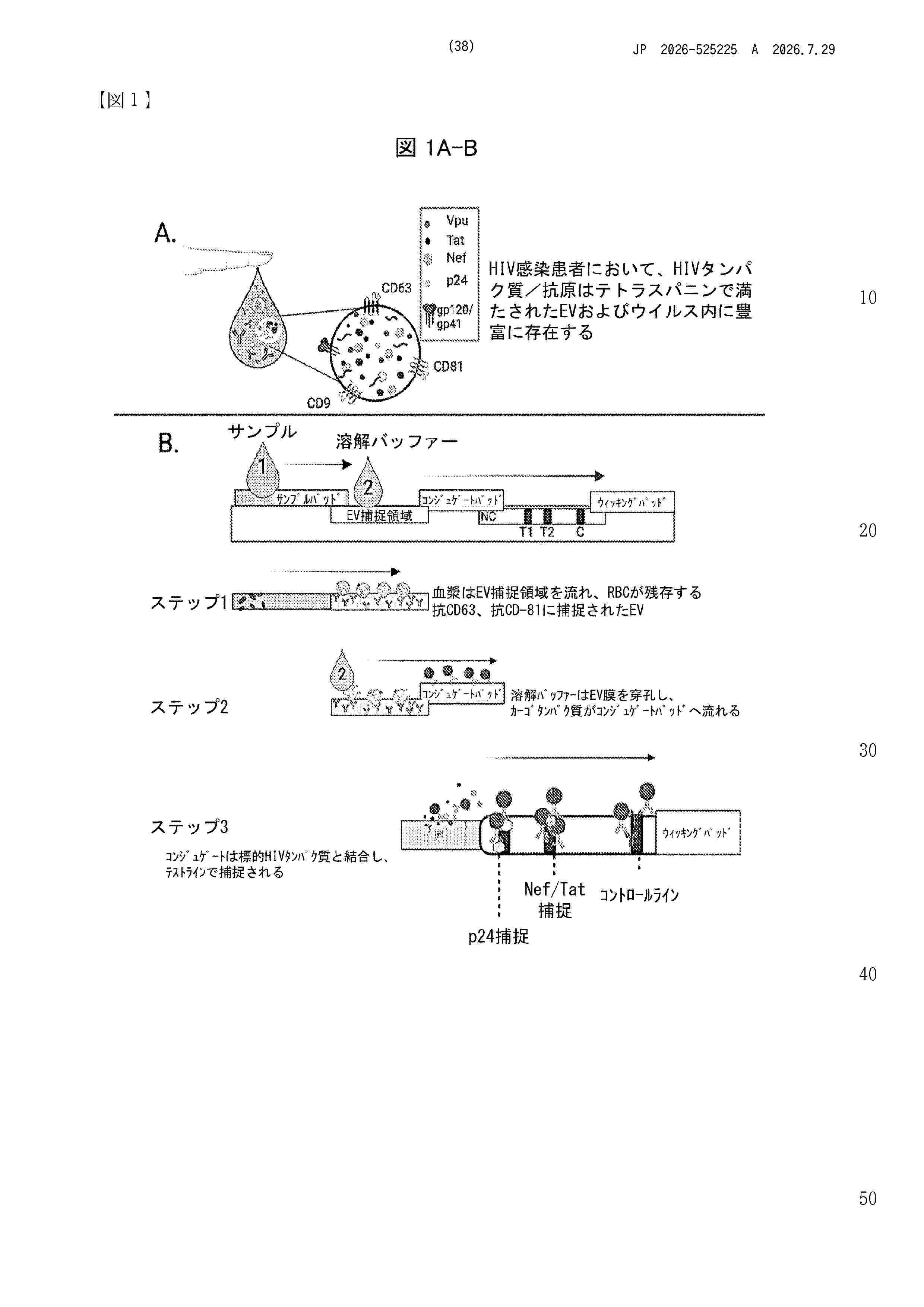
Provided herein are compositions and methods for detecting analytes in exosomes. In particular, the present invention relates to the capture and lysis of exosomes and detection of analytes in the exosomes using an immunoassay.
Resumen de: CN122466090A
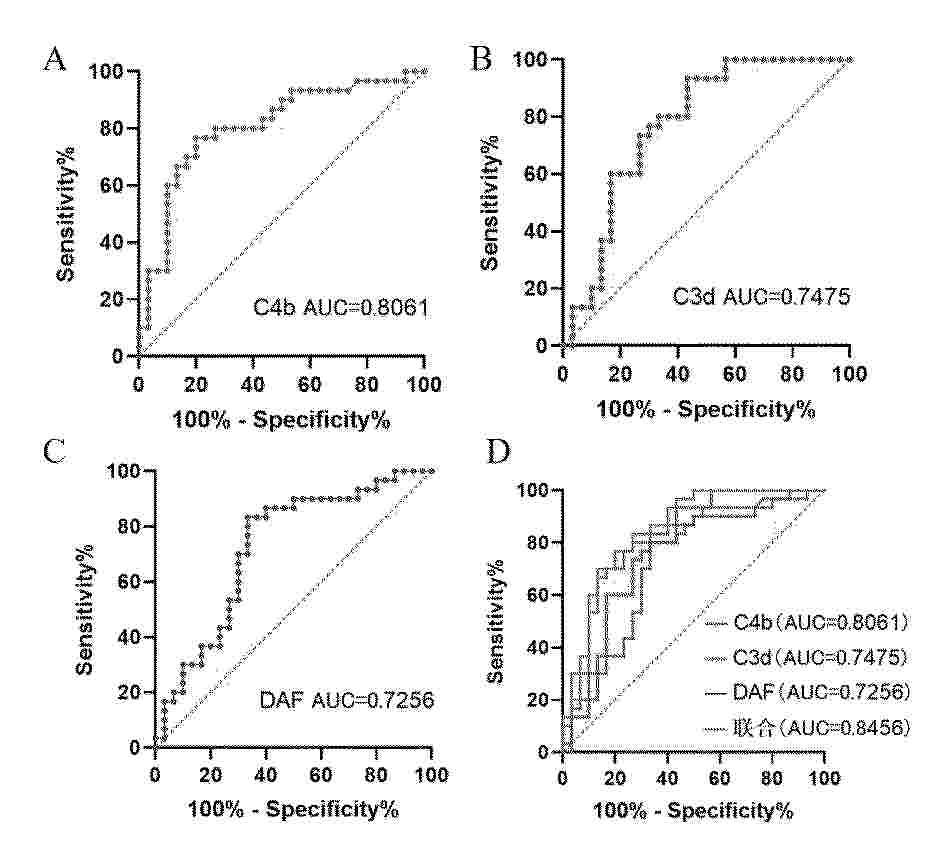
本发明公开了用于诊断认知障碍的标志物。本申请首次发现外泌体中C4b、C3d和DAF这三个标志物联合检测可显著提升认知障碍的诊断效能,能更全面、动态地反映认知障碍早期神经炎症驱动的病理过程,克服传统标志物的不足,为实现更高的早期诊断敏感性与特异性提供全新策略。
Resumen de: CN122468955A
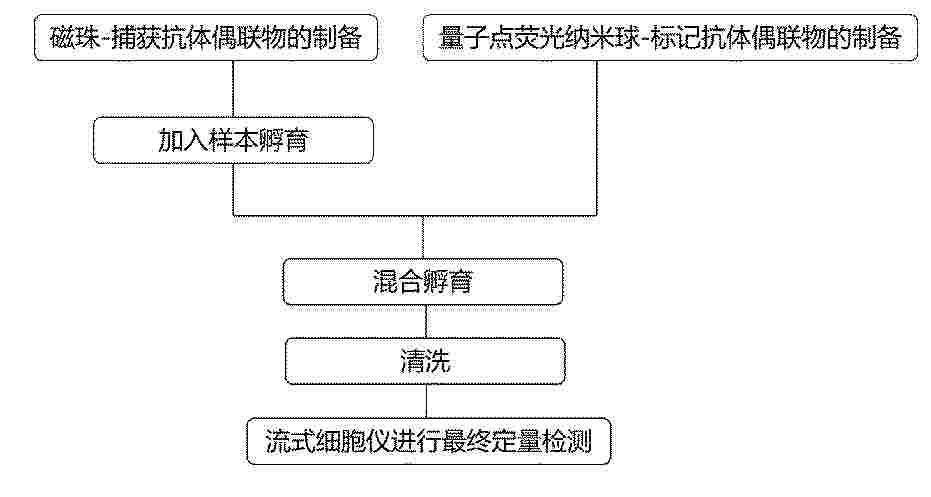
0001 本发明公开一种基于量子点荧光纳米球标记的单分子免疫检测法(QD‑based SMIA),属于生物检测技术领域。本发明所述检测方法用于体液中低浓度生物标志物的超灵敏检测,突破现有检测技术的灵敏度瓶颈,为疾病的早期筛查、病情监测及疗效评估提供一种简单、经济、可靠的检测手段。本发明使用的量子点荧光纳米球是包埋荧光量子点的单分散聚合物纳米球,可保护量子点在使用过程中不受外界因素干扰并放大荧光检测信号,明显提高检测灵敏度。本发明选用流式细胞仪作为检测手段,可以对量子点荧光纳米球进行绝对计数,实现生物标志物分子的单分子检测和多指标联合检测,提高检测结果的特异性,并降低检测成本。
Resumen de: CN122465035A
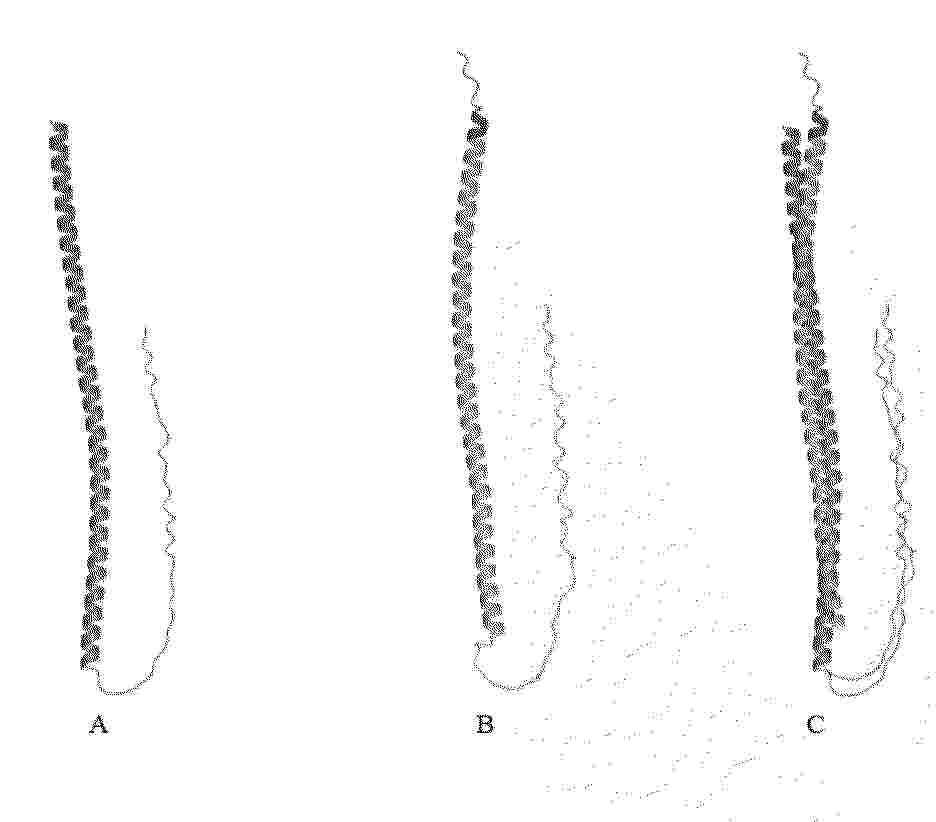
0001 本发明属于分子诊断与蛋白质工程技术领域,公开了一种低自聚集倾向的重组α‑突触核蛋白及其在制备神经退行性疾病α‑syn‑RT‑QuIC检测系统中的应用,该重组α‑突触核蛋白由含α‑突触核蛋白和插入野生型α‑突触核蛋白第1位氨基酸M位点之后、氨基酸序列如SEQ ID NO:1所示的多肽组成。本发明旨在克服现有野生型α‑突触核蛋白单体在α‑syn‑RT‑QuIC检测中因自发聚集而产生高背景噪声、导致假阳性及检测特异性下降的缺陷。检测时,该重组α‑突触核蛋白可显著降低非特异性聚集信号,提高对病理性α‑突触核蛋白种子活性的检测灵敏度和特异性,从而为神经退行性疾病的早期诊断和生物标志物检测提供更可靠的工具。
Resumen de: CN122465005A
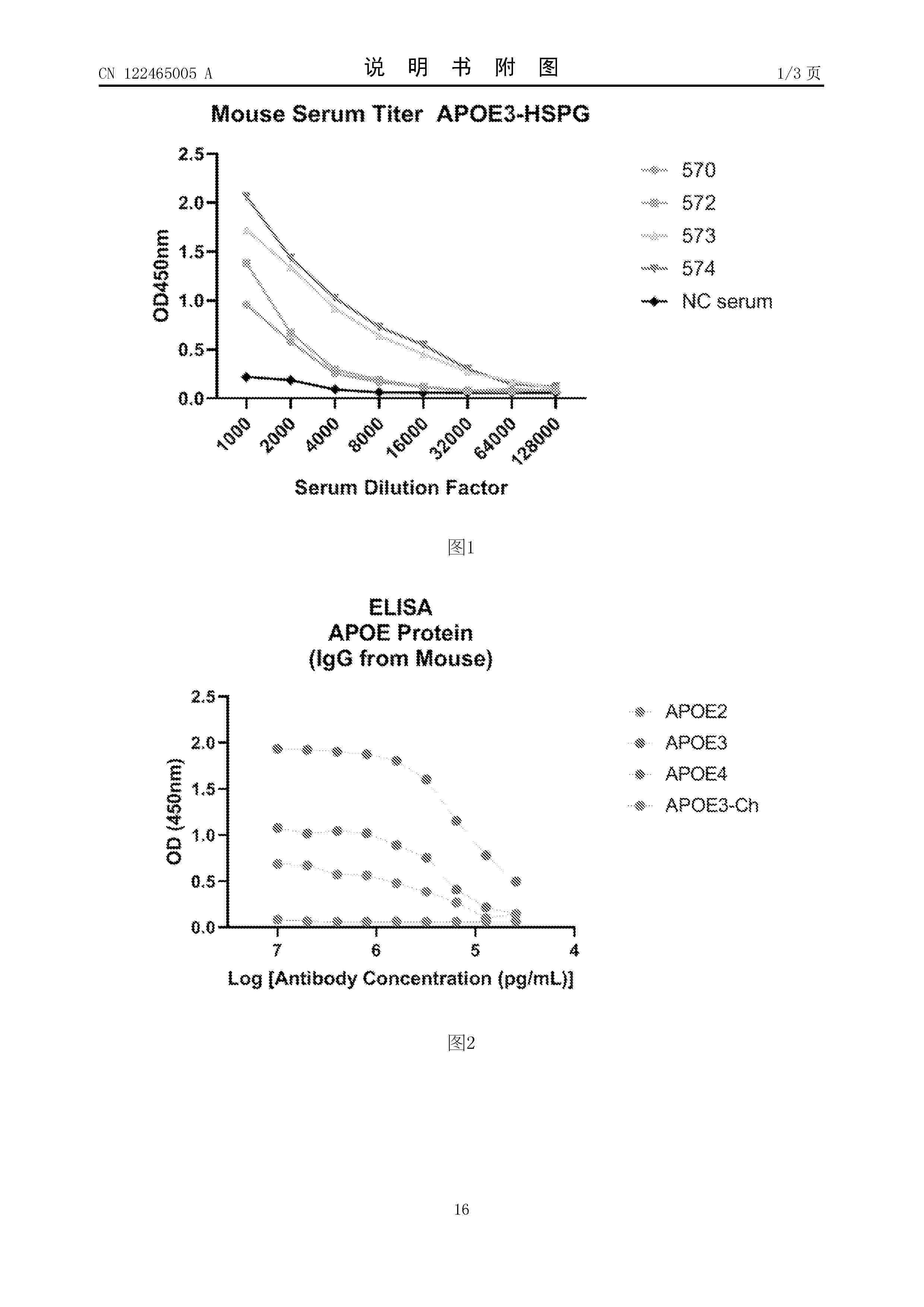
本申请涉及生物医药的技术领域,具体涉及一种靶向APOE蛋白HSPG结合区的单克隆抗体或其抗原结合片段、及其应用。该单克隆抗体或其抗原结合片段包括重链可变区和轻链可变区;重链可变区包括重链互补决定区CDRH1(SEQ ID NO:3)、CDRH2(SEQ ID NO:4)以及CDRH3(SEQ ID NO:5);轻链可变区包括轻链互补决定区CDRL1(SEQ ID NO:6)、CDRL2(SEQ ID NO:7)以及CDRL3(SEQ ID NO:8)。本申请的单克隆抗体通过特异性阻断APOE与HSPG的病理性相互作用,为阿尔茨海默病等神经退行性疾病提供了一种全新的治疗策略。
Nº publicación: CN122465007A 28/07/2026
Solicitante:
吉林大学
Resumen de: CN122465007A
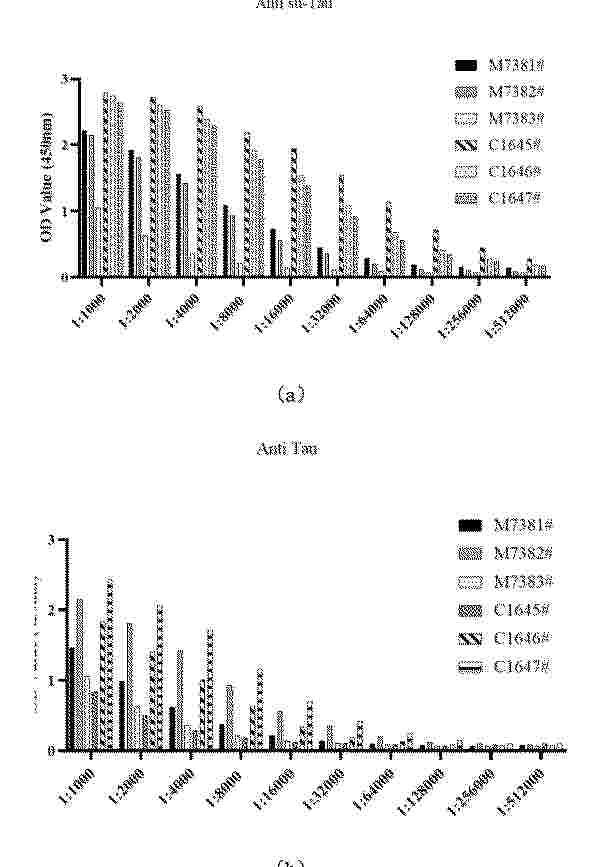
0001 本发明适用于生物医药技术领域,提供了一种琥珀酰化Tau单克隆抗体、制备方法和用途,所述抗体的重链可变区互补决定区CDR1、CDR2、CDR3的氨基酸序列分别如SEQ ID NO:1、2、3所示;所述抗体的轻链可变区互补决定区CDR1、CDR2、CDR3的氨基酸序列分别如SEQ ID NO:9、10、11所示。本发明提供一种单克隆抗体,该抗体能够高度特异性地结合su‑Tau,且不与未修饰的Tau或其他琥珀酰化修饰的相关肽段发生交叉反应,以该单克隆抗体为基础,采用独特的重复表位夹心法,可实现对琥珀酰化修饰Tau的高特异性、高灵敏度与高准确度检测。
 BOPI
BOPI
 Sede Electrónica