Si deseas distinguir tus productos, servicios o ambos de los de otra empresa, es posible que necesites una marca o nombre comercial. Descubre qué son, en qué consiste su procedimiento de registro y qué implica.

Información sobre los plazos de presentación de solicitudes de transformación de marcas de la Unión Europea en marca nacional española. Más información


Si tienes un nuevo dispositivo, producto o procedimiento que resuelva un problema técnico o tenga una ventaja práctica, existen distintas formas de protegerlo en España y en otros países. Descubre cómo hacerlo.

¿Tu innovación reside en la estética, la ornamentación o la apariencia de tu producto? Protégela mediante un diseño industrial. Descubre qué derechos confiere el registro y cómo realizar la tramitación.

Las indicaciones geográficas protegen el nombre de un producto originario de una zona geográfica, a la cual le debe una determinada calidad, reputación u otra característica. Descubre qué son, en qué consiste su procedimiento de registro y qué beneficios conceden.

Las patentes publicadas en todo el mundo son una valiosa fuente de información científica, técnica y comercial.

Si eres emprendedor/a o una empresa y quieres potenciar y mejorar la rentabilidad de tu negocio protegiendo de forma adecuada los activos intangibles de tu organización, en este espacio encontrarás lo necesario.


 345
resultados
 Última actualización
04/11/2026 [08:50:00]


 Resultados 75 a 100 de 345

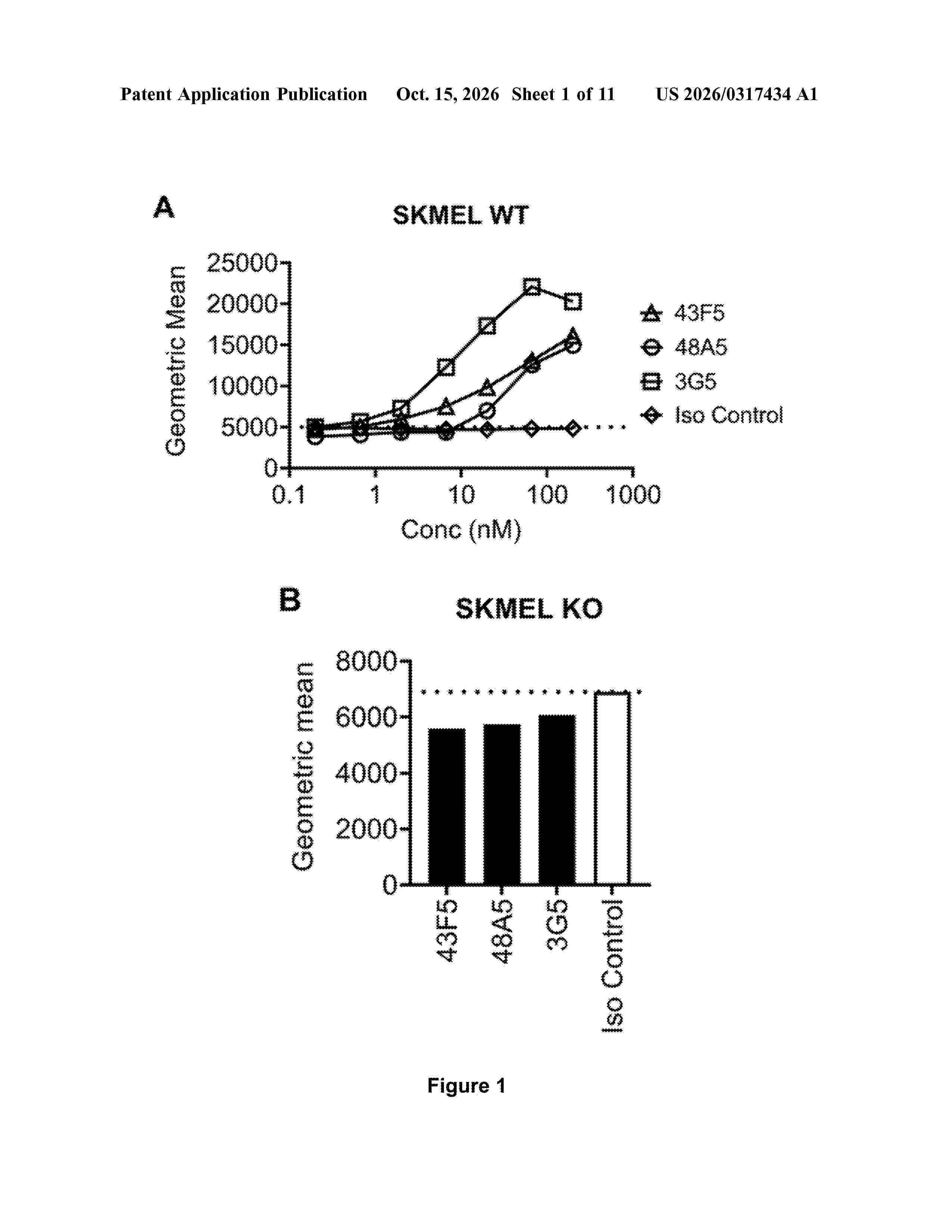
Resumen de: US20260317434A1
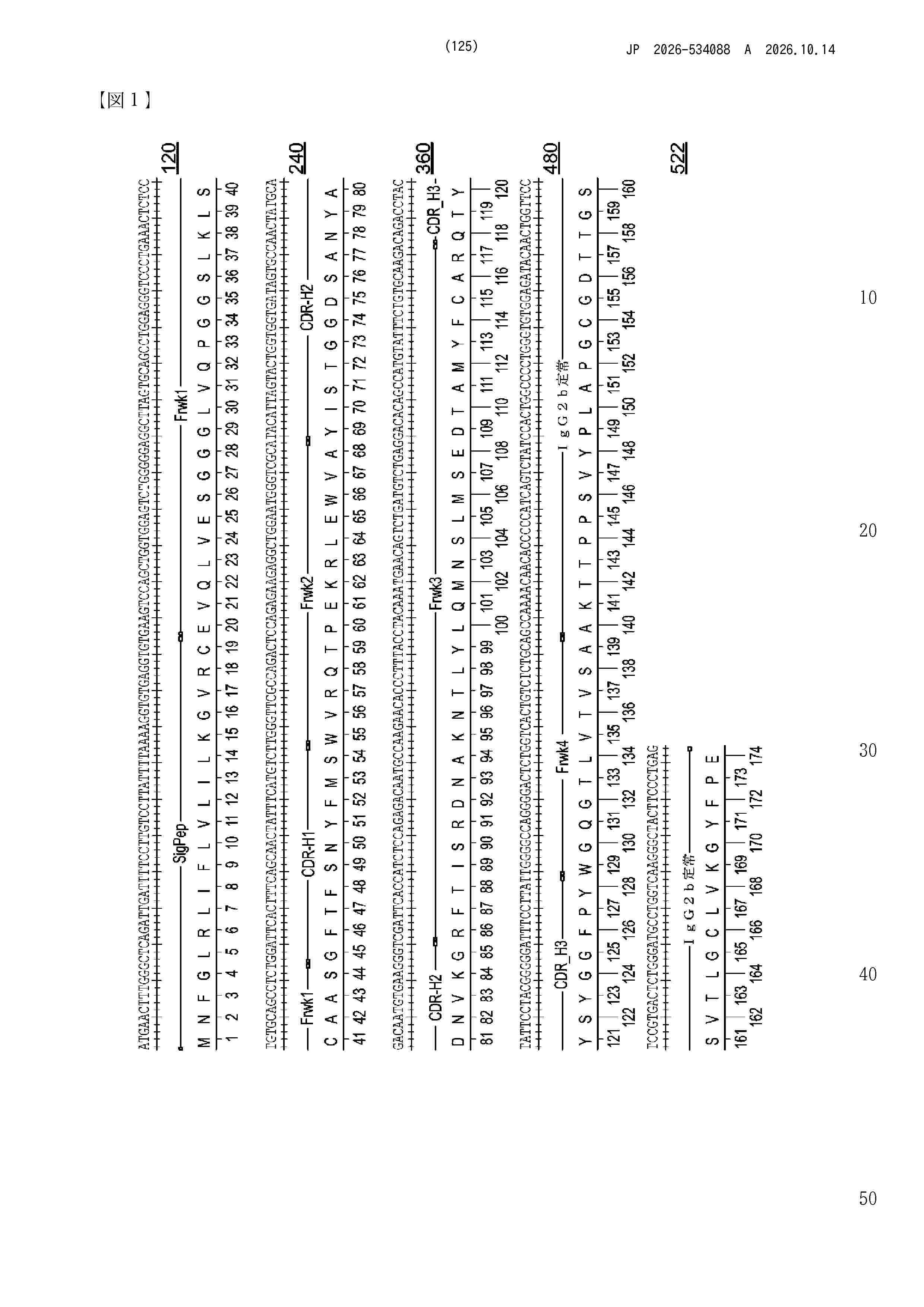
The present invention relates to antibodies or antigen-binding fragments thereof with binding specificity for interleukin-1 receptor accessory protein (IL1RAP). Furthermore, it relates to a polynucleotide encoding said antibodies, a vector comprising said polynucleotide and a recombinant host cell comprising said polynucleotide or said vector. Further, it relates to a method for producing said antibodies or antigen-binding fragments. Further, it relates to a composition comprising said antibodies or antigen-binding fragments, said polynucleotide, said vector and/or said host cell. Further, it relates to said antibodies or antigen-binding fragments, said polynucleotide, said vector, said host cell and/or said composition for use in medicine and/or for use in the prevention and/or treatment and/or alleviation and/or detection and/or diagnosis of a disease or disorder susceptible to treatment with an inhibitor of IL-1α, IL-1β, IL-33, IL-36α, IL-36β and/or IL-36γ signaling, optionally wherein the disease or disorder is associated with cells expressing IL1RAP.

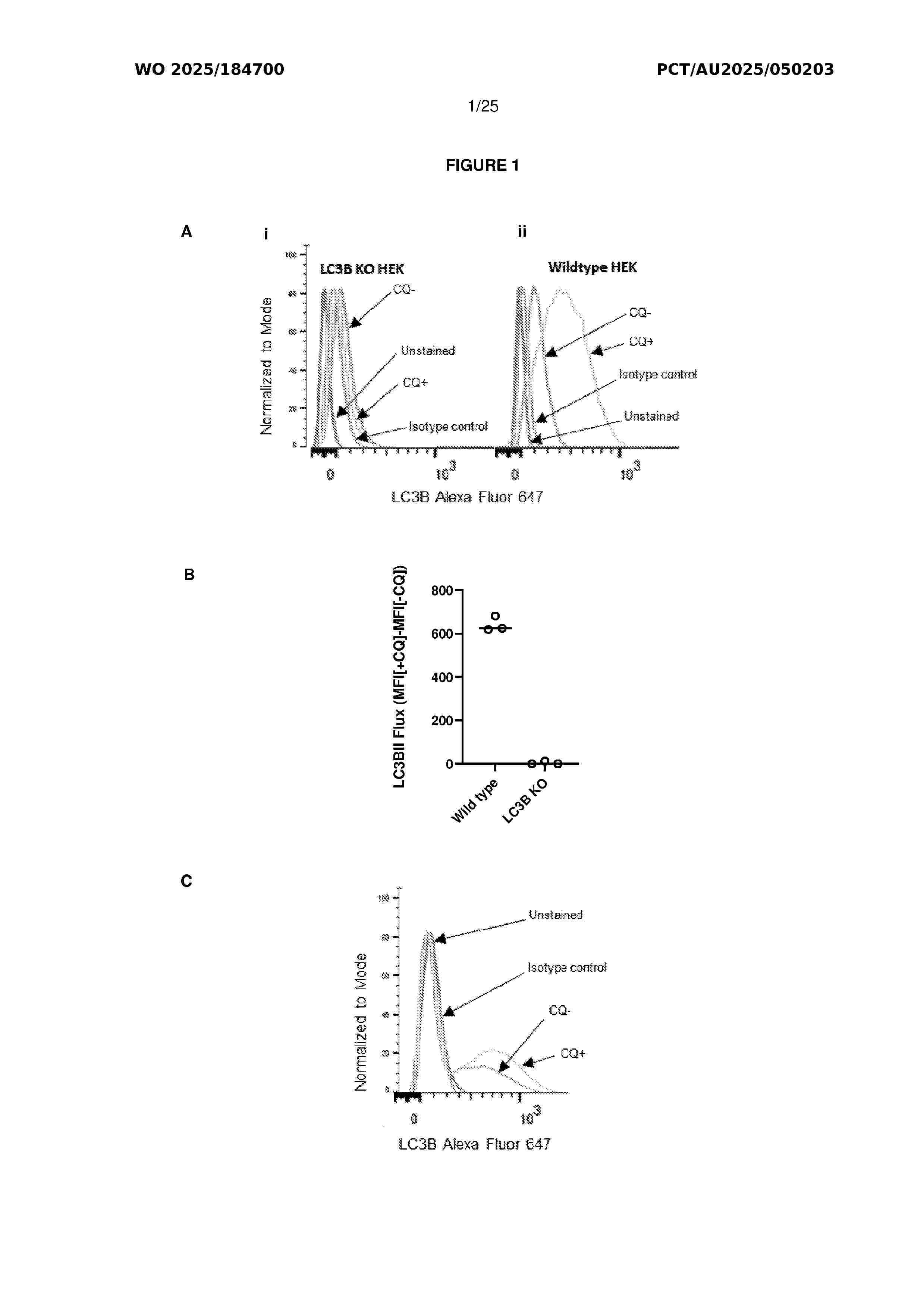
Resumen de: AU2025232447A1
The present invention relates to methods and products for assessing autophagic flux, and more specifically provides a biochemical functional measure used to quantify autophagic flux in sub-populations of blood cells. The present invention also provides lysosomal system markers for use in the methods described herein, systems for assessing autophagic flux, methods of identifying markers indicative of autophagic flux, and methods of treating subjects found to be suffering from, or susceptible to, a disease, condition or state associated with autophagic flux dysfunction using the methods described herein.
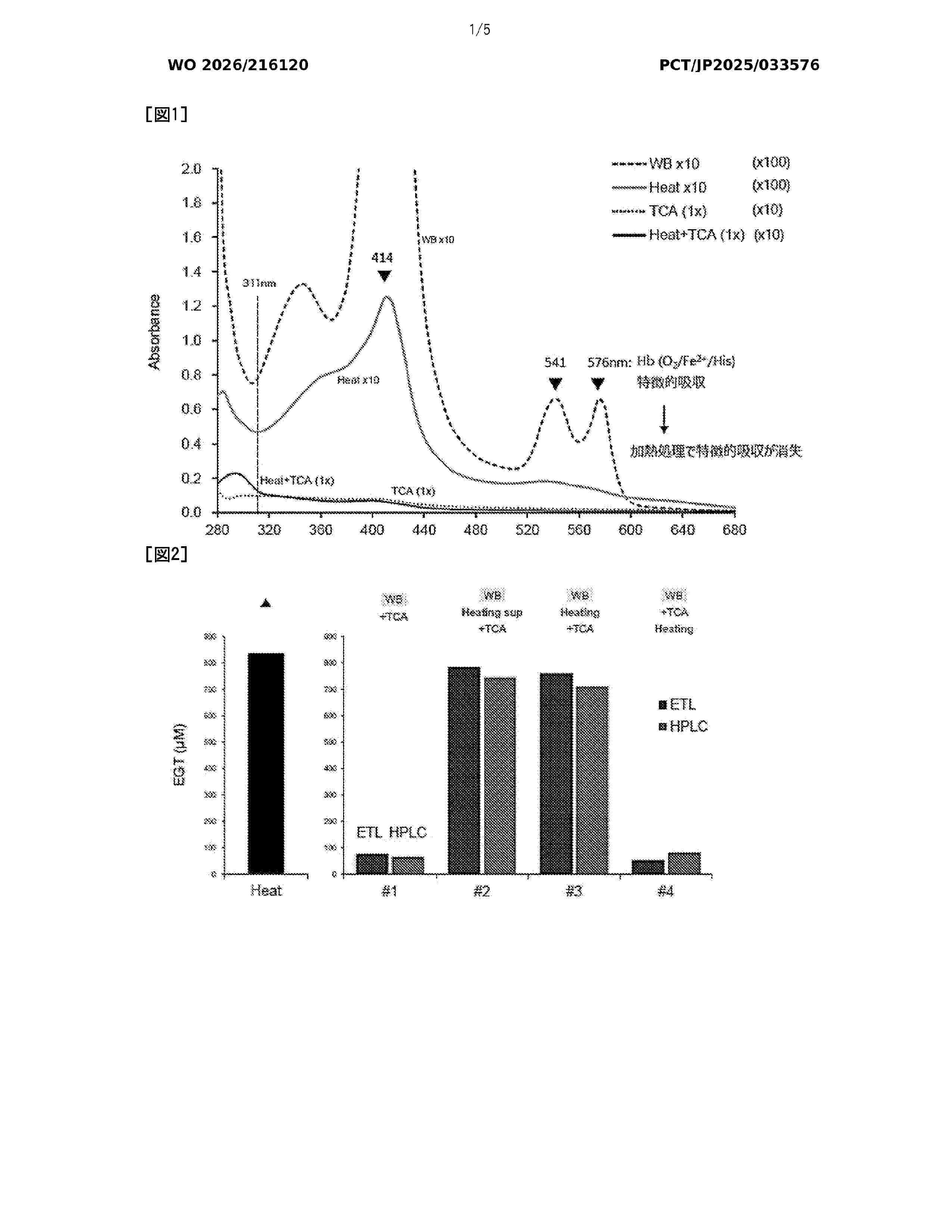
Resumen de: WO2026216120A1
The present disclosure can provide a simple and accurate method for quantifying ergothioneine in a sample containing globin protein. The present disclosure provides a method for quantifying ergothioneine in a collected sample, the method including: (A) a step for heating the sample; (B) a step for mixing the heated sample with trichloroacetic acid; and (C) a step for subjecting the sample obtained in step (B) to a quantification operation.
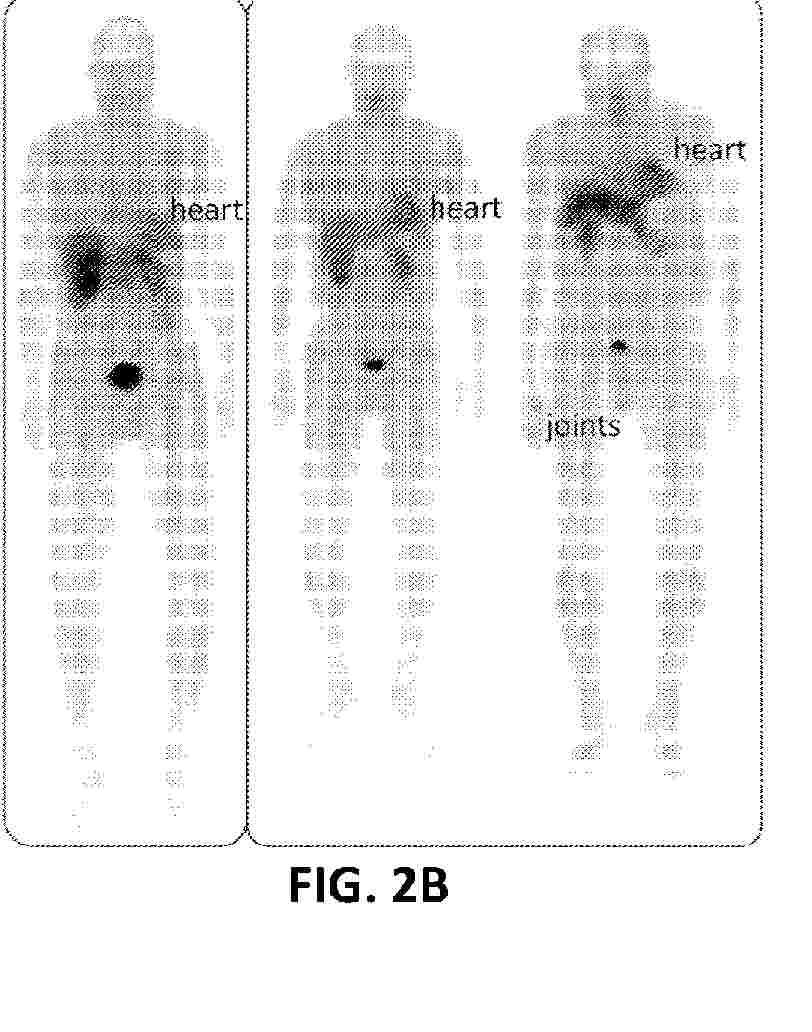
Resumen de: AU2025249144A1
The present disclosure relates in some aspects to methods of labeling a detection reagent and uses thereof for detecting and diagnosing types of amyloid-related diseases. Also provided herein are methods of treatment comprising selecting a treatment based upon a particular type of amyloid disease.
Resumen de: US20260318925A1
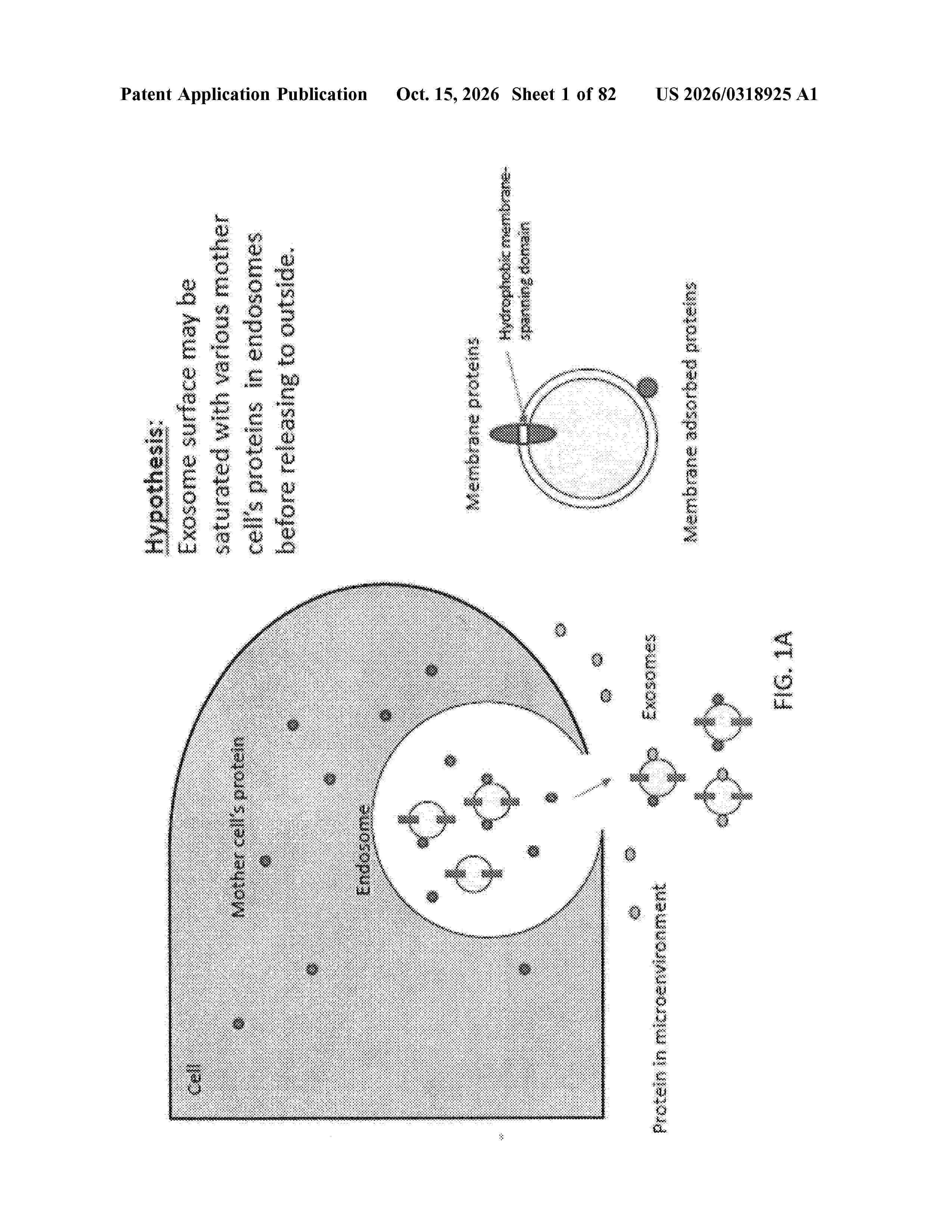
Methods are disclosed that comprise providing a biological sample comprising extracellular vesicles, wherein the biological sample further comprises at least one extracellular vesicle biomarker and at least one cytosolic protein, cytokine, or secreted disease biomarker; contacting a solid support comprising capture agents associated therewith with the biological sample under conditions wherein the capture agents selectively bind to the at least one extracellular biomarker on the vesicles, thereby capturing said vesicles having the at least one extracellular vesicle biomarker on the solid support; separating the solid support from the biological sample; detecting a level of the at least one cytosolic protein, cytokine or secreted disease biomarker on the vesicles captured on the solid support using a detection agent that selectively binds to the at least one cytosolic protein, cytokine or secreted disease biomarker, wherein the vesicles are not lysed or permeabilized; detecting a level of the at least one extracellular vesicle biomarker on the vesicles; and determining a level of risk or presence of a neurological disorder or neurodegenerative disease based on the level of the at least one cytosolic protein, cytokine, or secreted disease biomarker in relation to the level of the at least one extracellular vesicle biomarker.
Resumen de: US20260321424A1
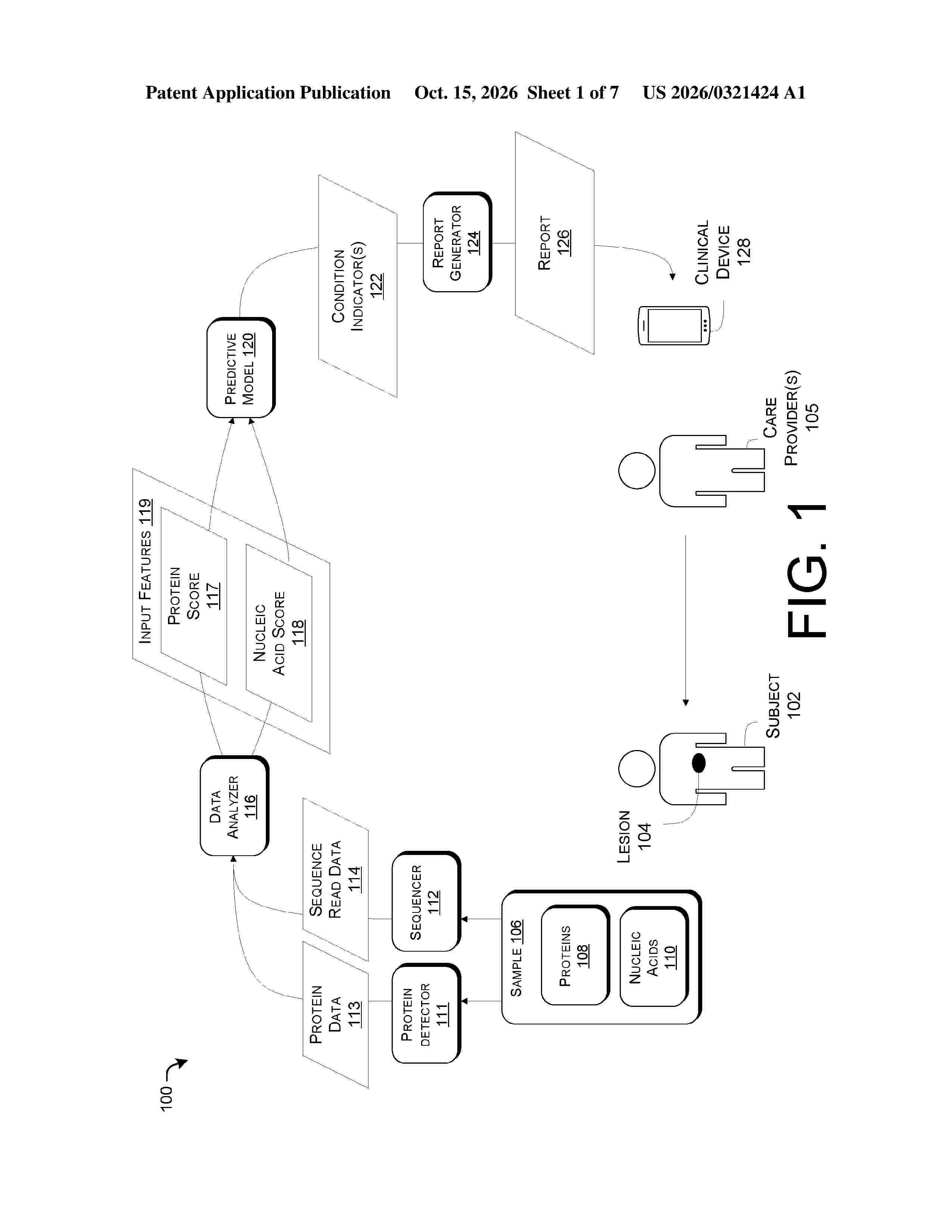
Techniques for identifying a health-related condition based on a protein-based analysis, and optionally based on a nucleic acid sequencing-based analysis are described. In an example method, protein data of a sample obtained from the subject is identified. The sequence read data is indicative of proteins in the sample. The example method further comprises determining a protein score based on the protein data, and determining, based on the protein score, whether to determine a genomic score indicative of sequences of nucleic acid molecules in the sample. In the example method, input features are generated based on the protein score and/or the genomic score and classifying, using a classifier, the health-related condition of the subject based on the input features.
Resumen de: WO2026217989A1
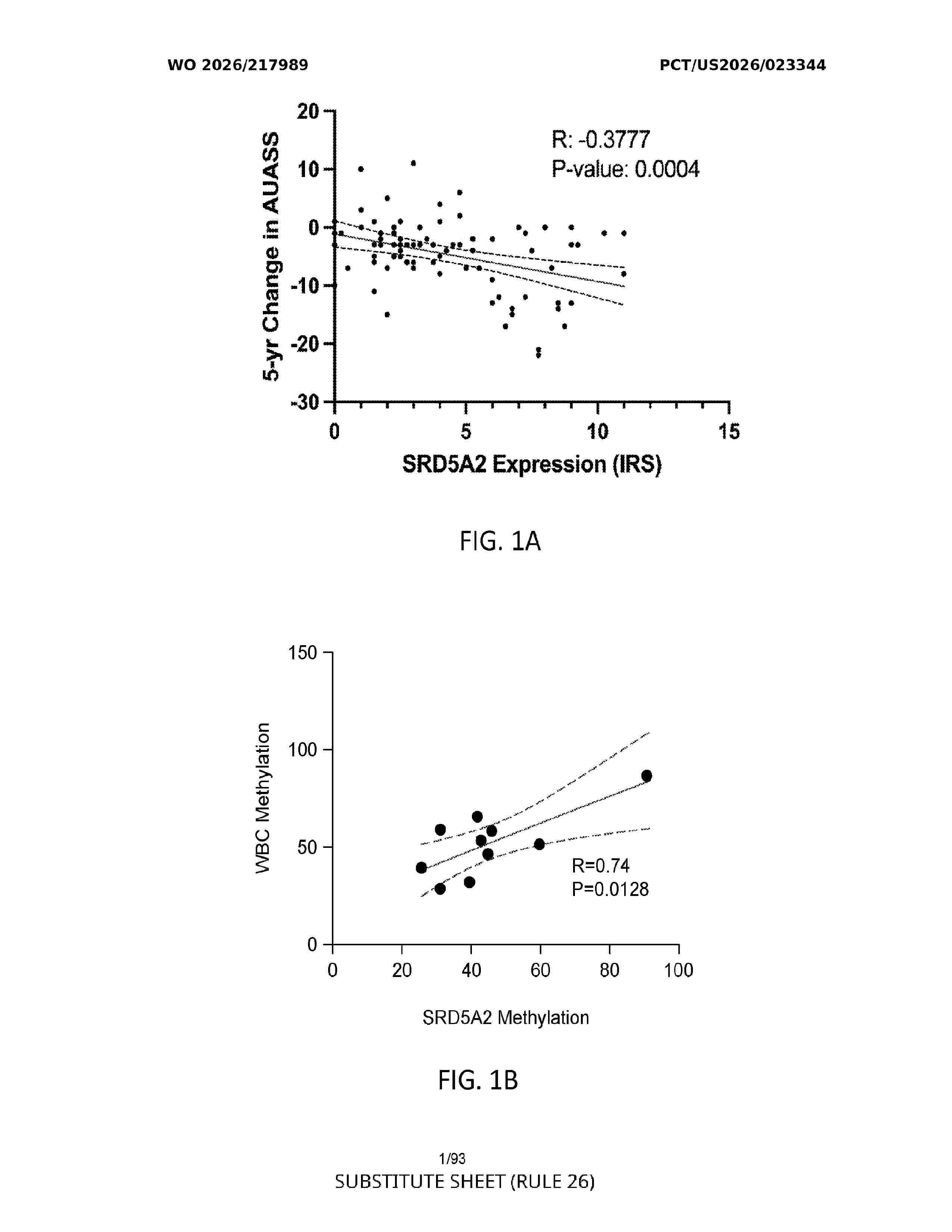
Provided herein are methods of treating a subject having benign prostatic hyperplasia that include, for example, identifying a subject having a white blood cell that has an elevated level of methylation of SRD5A2 as compared to a reference level; and administering to the identified subject a first therapy such as a combination therapy comprising a therapeutically effective amount of a 5-alpha reductase inhibitor and a stroma-niched signaling therapeutic.
Resumen de: US20260318911A1
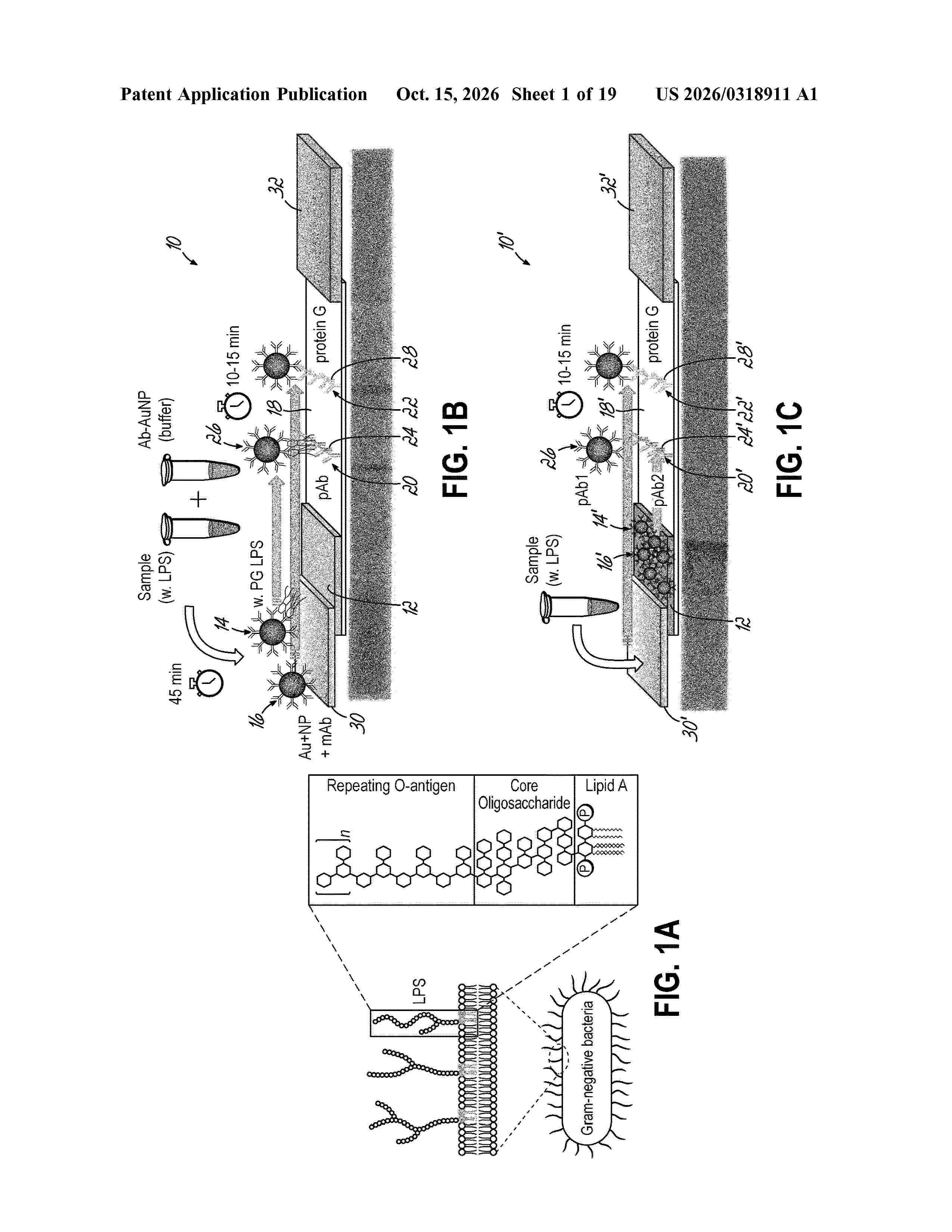
0000 A lateral flow assay device for detecting the presence of, or quantifying an amount or concentration of, analyte in a sample. The device includes (1) a conjugate region including a binding reagent coupled to a signal-generating particle, wherein the binding reagent comprises a first antibody configured to bind lipopolysaccharide, and wherein the binding reagent is mobile relative to the device, and (2) an analytical membrane in fluid communication with the conjugate region, the analytical membrane comprising a test region and a control region. The test region includes an immobilized capture reagent configured to capture a complex including the analyte and the binding reagent, wherein the immobilized capture reagent is a second antibody. The control region includes a control component configured to capture the binding reagent coupled to the signal-generating particle.
Resumen de: WO2026218003A2
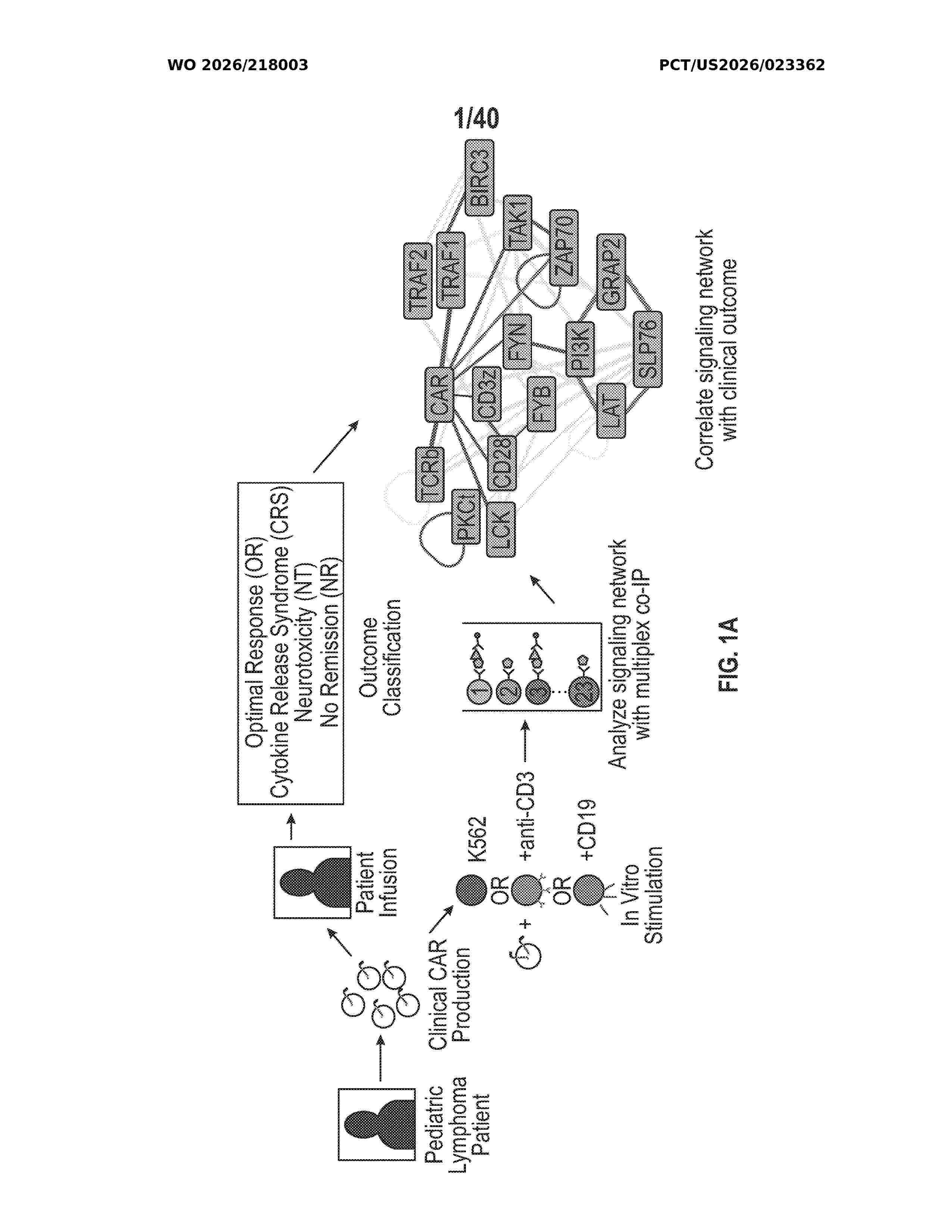
Provided are methods and compositions related to toxicity associated with administration of cell therapy for the treatment of diseases or conditions, e.g., cancer, including methods for use in predicting and treating toxicity. In some embodiments, the toxicity is a neurotoxicity or cytokine release syndrome (CRS), such as severe neurotoxicity or severe CRS. The methods generally involve determining a biosignature comprising of a differential modulation of one or more protein-interactions in a CAR-T cell to be administered relative to a reference standard. In some embodiments, the methods further involve administering an agent or therapy for treating, ameliorating, preventing, delaying and/or attenuating the development of the toxicity, such as neurotoxicity or CRS, such as severe neurotoxicity or severe CRS.
Resumen de: WO2026217919A1
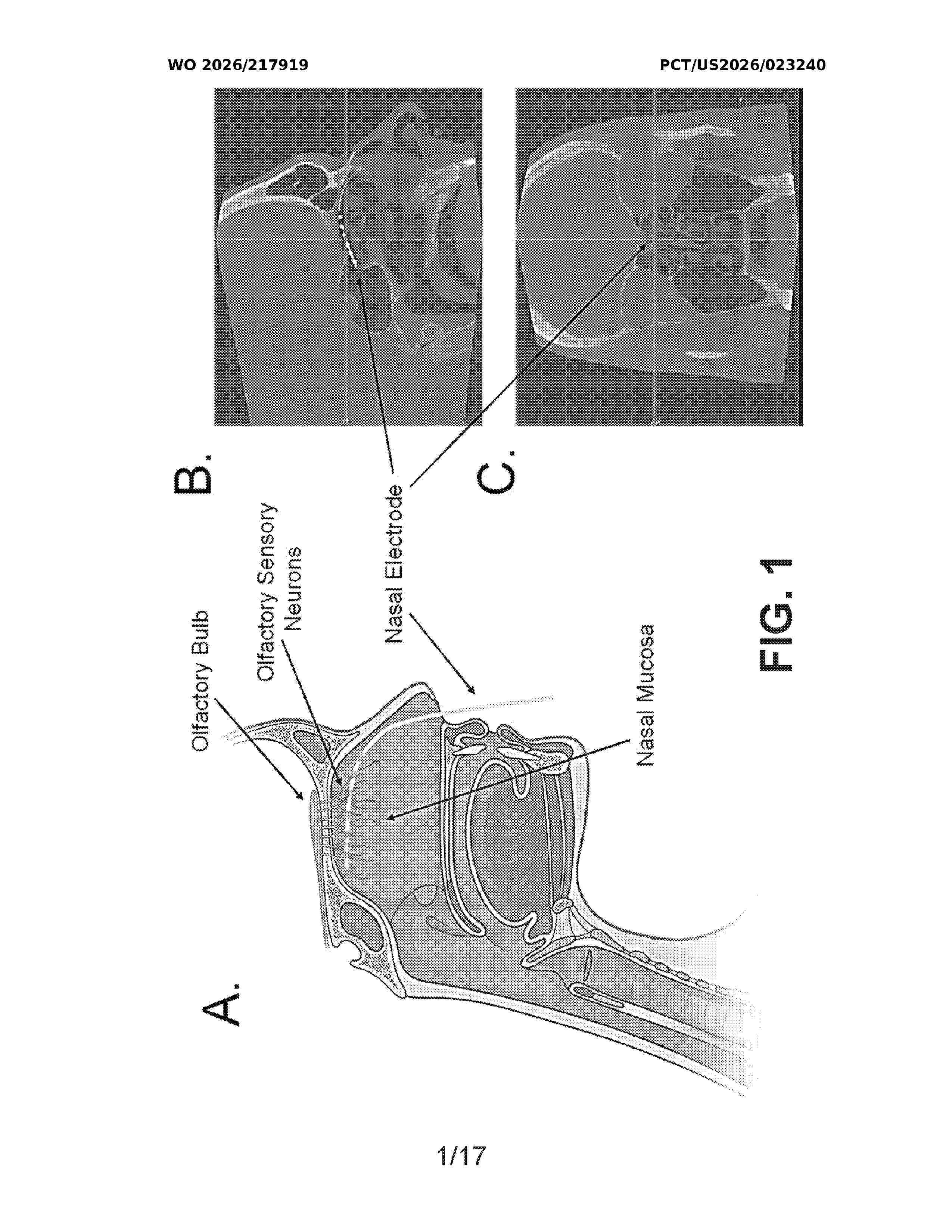
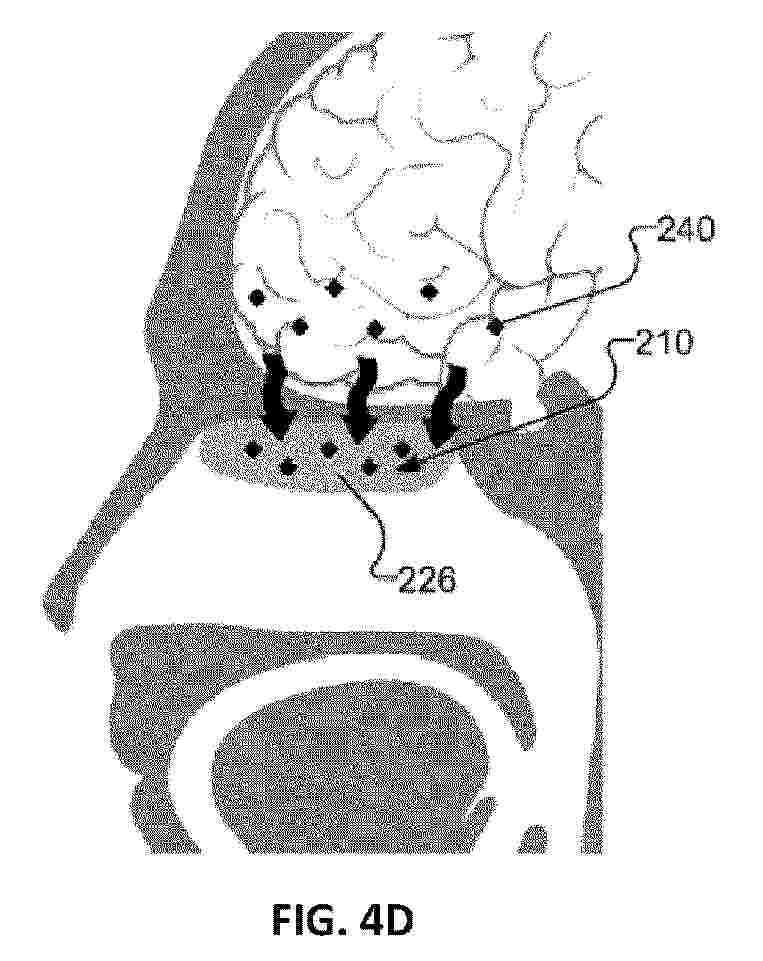
Various examples are provided related to monitoring at least one chemical analyte, biological analyte, or combinations thereof in the nasal cavity. In one example, a process includes receiving an output signal from an electrochemical sensor, applying a trained machine learning model or algorithm to the output signal to detect a presence of at least one analyte in the nasal cavity, and determining, in response to the detected presence, an identity or amount of the analyte. In another example, a process includes receiving an output signal from an electrode implanted in the nasal cavity, applying a trained machine learning model or algorithm to the output signal to determine a neurochemical analyte. The information can be displayed to indicate a corresponding neurochemical level in the nasal cavity of a subject.
Resumen de: US20260317833A1
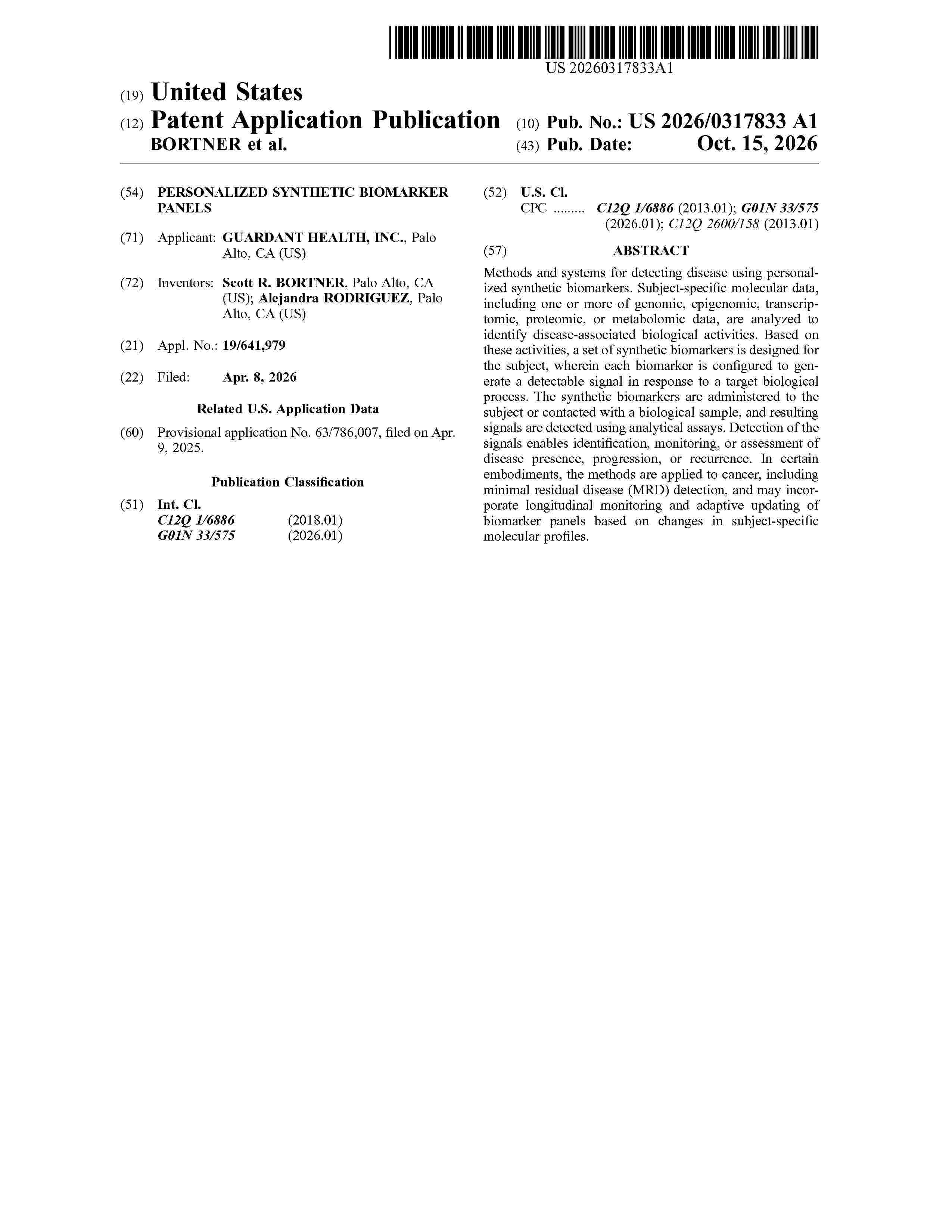
Methods and systems for detecting disease using personalized synthetic biomarkers. Subject-specific molecular data, including one or more of genomic, epigenomic, transcriptomic, proteomic, or metabolomic data, are analyzed to identify disease-associated biological activities. Based on these activities, a set of synthetic biomarkers is designed for the subject, wherein each biomarker is configured to generate a detectable signal in response to a target biological process. The synthetic biomarkers are administered to the subject or contacted with a biological sample, and resulting signals are detected using analytical assays. Detection of the signals enables identification, monitoring, or assessment of disease presence, progression, or recurrence. In certain embodiments, the methods are applied to cancer, including minimal residual disease (MRD) detection, and may incorporate longitudinal monitoring and adaptive updating of biomarker panels based on changes in subject-specific molecular profiles.
Resumen de: US20250257142A1
0000 The invention provides novel anti-IL-31RA proteins, antibodies and IL-31RA binding fragments thereof, which inhibit association of IL-31 with IL-31 receptor and are suitable for administration to a human or canine subject. The invention provides novel compositions and methods of treating, alleviating the symptoms of, or preventing, allergic/inflammatory diseases, lung diseases, cardiovascular diseases, cancers, metabolic diseases, neurological diseases, and infectious diseases, comprising administering an effective amount of an anti-IL-31RA protein, antibody, or fragment thereof. The methods and compositions are used to treat or prevent IL-31-related disorders.
Resumen de: EP4821941A1
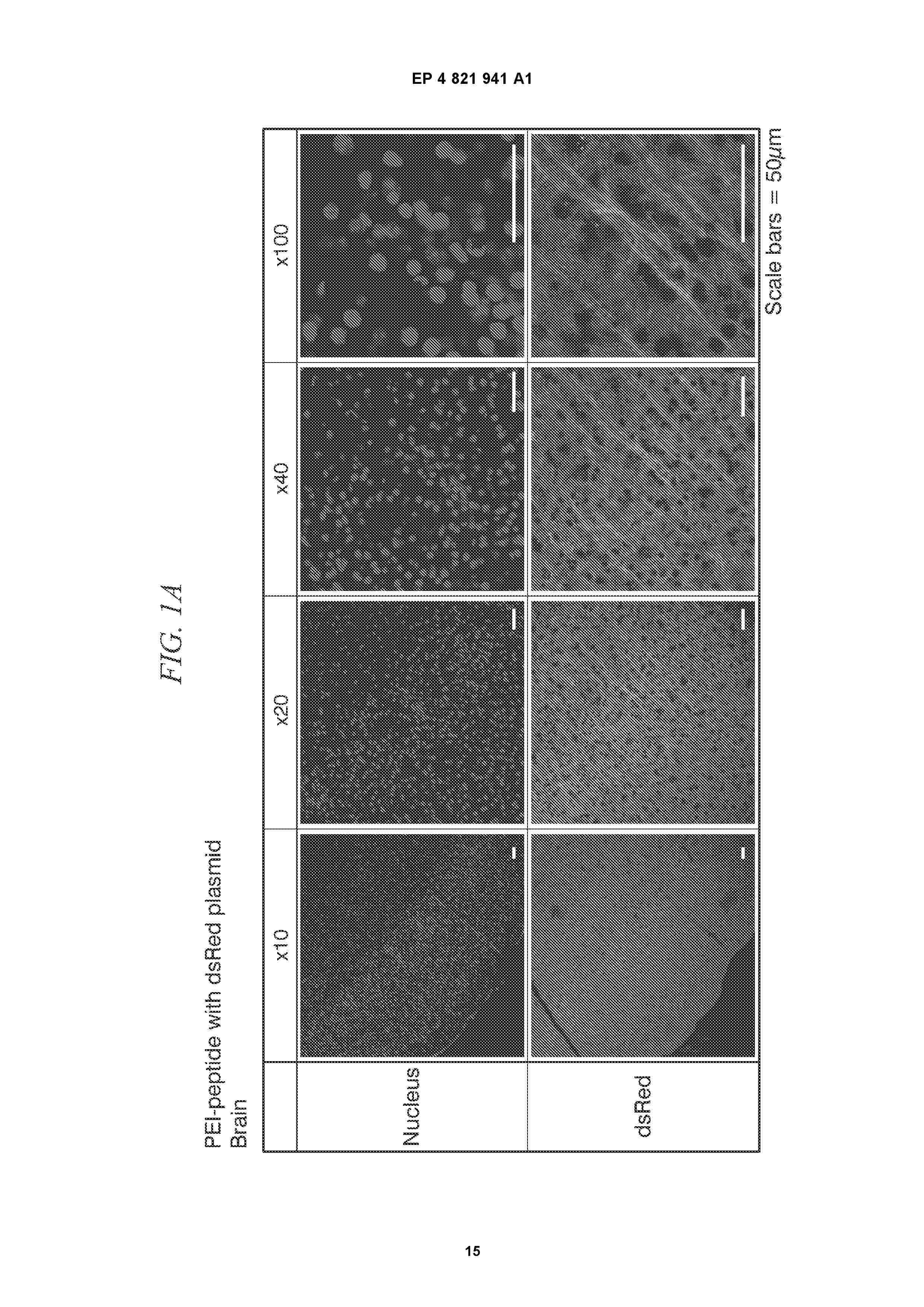
The present invention provides a cerebrum-targeting peptide including an amino acid sequence represented by SEQ ID NO: 1, and a method for screening a peptide that binds to a target cell in a non-human organism, comprising contacting a peptide library consisting of 7-amino acid peptides with a target cell to recover a group of peptides that bind to the target cell to obtain a peptide population that binds to the target cell, and selecting, from the peptide population, a peptide consisting of an amino acid sequence that is identical to a portion of a protein expressed in the non-human organism and that is also identical to a portion of a protein constituting a virus, as a peptide that binds to the target cell.
Resumen de: WO2025118073A1
The present disclosure describes formulations, methods, and devices for biomarker sampling and therapeutic delivery using magnetic formulations. When combined with the application of external magnetic fields, magnetic formulations move within the nasal cavity. Magnetic formulations provide benefits including the ability to: target or steer placement of the formulations via a magnetic field, enhance mixing of the formulation via a magnetic field, enhance biological material collection via antibody-coated magnetic beads, or enhance sample retrieval via a magnetic-tipped inserter. Example biological materials for collection include proteins, enzymes, neural stem cells, and other biomarkers.
Resumen de: EP4822355A2
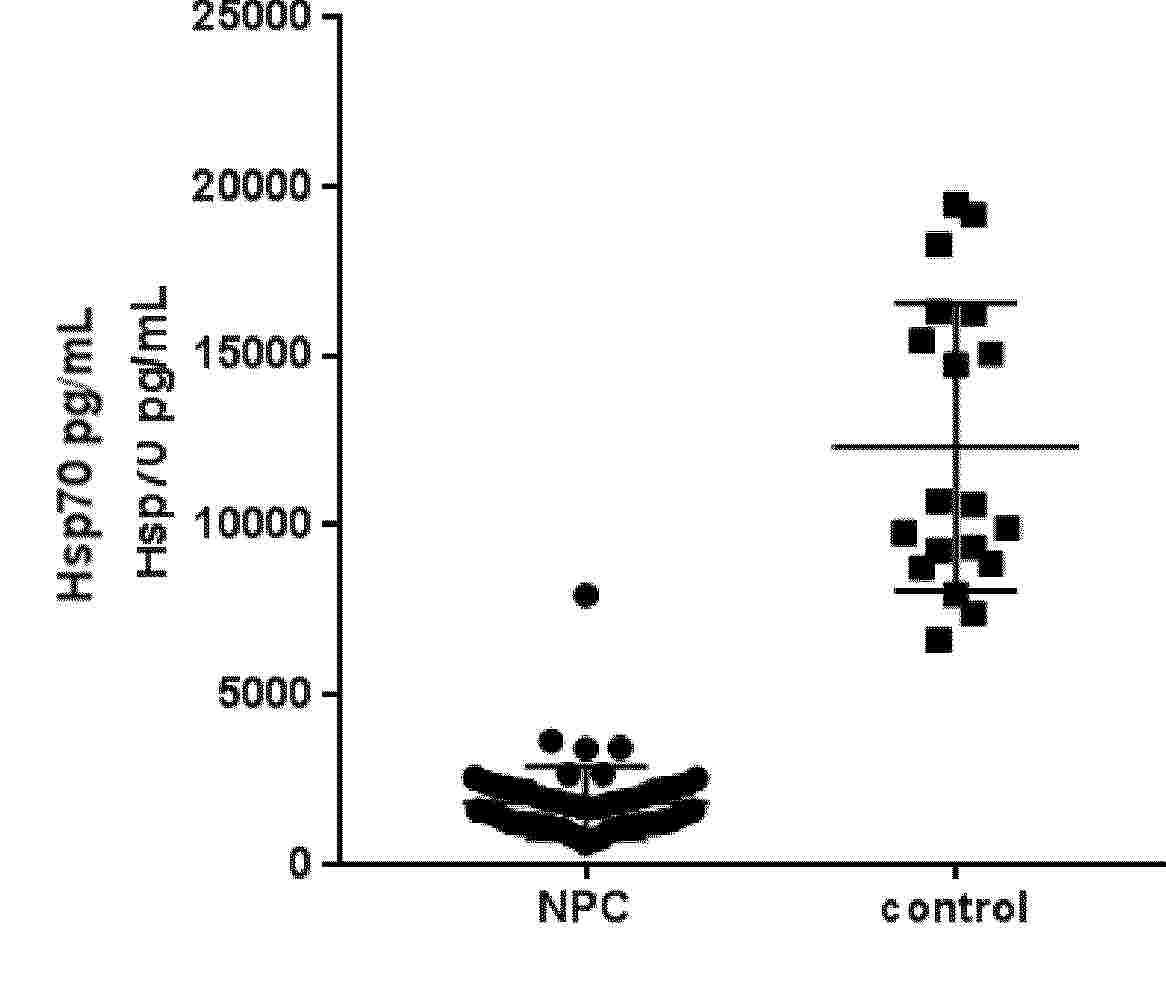
0001 Disclosed herein are methods based on the identification of reduced Hsp70 levels in PBMC samples serving as a biomarker for diseases presenting with a reduced level of Hsp70, such as lysosomal storage diseases, neurodegenerative diseases and muscular diseases.
Resumen de: MX2026003211A
The present disclosure provides cell-penetrating agents comprising a cell internalization module and an antibody or antigen binding antibody fragment thereof that specifically binds to human TDP-43 and methods of using these cell-penetrating agents to treat patients with TDP-43-related diseases, including Amyotrophic Lateral Sclerosis (ALS).
Resumen de: WO2025059487A2
The present disclosure provides cell penetrating agents comprising a cell internalization module and an antibody or antigen binding antibody fragment thereof that specifically binds to human beta amyloid and methods of using these cell penetrating agents to treat patients with beta amyloid related diseases, including Inclusion-body myositis (IBM).
Resumen de: MX2026002775A
The present disclosure relates in some aspects to methods and compositions for detecting an amyloid-related disease in an individual.
Resumen de: WO2025064229A1
The disclosure pertains to treating a cognitive impairment, for example, an aging-associated cognitive impairment. In certain aspects, the disclosure describes methods of assaying a sample obtained from a subject having or suspected of having a cognitive impairment for one or more proteins selected from: DLL1, VNN2, VAV3, and SUMF1. In certain embodiments, the cognitive impairment is caused by a neurodegenerative disease, such as Alzheimer's disease. The methods further comprise identifying a subject as likely or not likely to respond positively to the plasma exchange therapy. In even further aspects, the disclosure describes methods for treating a cognitive impairment in the subject by a plasma exchange therapy, wherein based on the specific protein expression data, the subject is identified as likely or not likely to respond positively to the plasma exchange therapy. The plasma exchange therapy can be full and/or low volume plasma exchange. Also provided are kits suitable for performing the methods disclosed herein.
Resumen de: CN122901444A
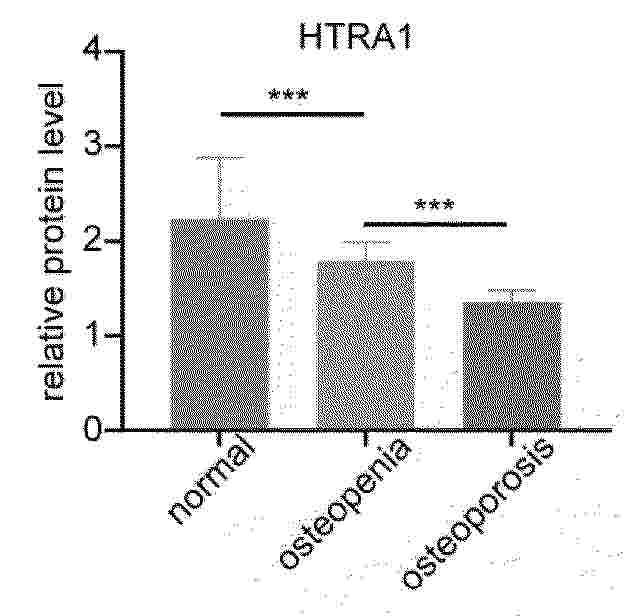
本发明属于生物医药技术领域,具体涉及一种用于诊断骨质疏松症的标志物HTRA1及其应用,其中,所述标志物为HTRA1,其在骨质疏松症患者中的表达量低。本发明通过定量检测HTRA1的水平,可以在病程早期准确识别骨质疏松症,显著提高诊断的灵敏度和特异性。这有助于医生及时采取干预措施,延缓疾病进展,减少骨折等严重并发症的发生。本发明的实施将促进对骨质疏松症分子机制的理解,HTRA1作为一种新的诊断标志物,其表达水平的变化与骨质疏松症的发病机制密切相关,在本发明公开内容的基础上有望揭示HTRA1在骨质疏松症中的角色,为疾病的治疗提供新的思路。
Resumen de: KR20260149128A
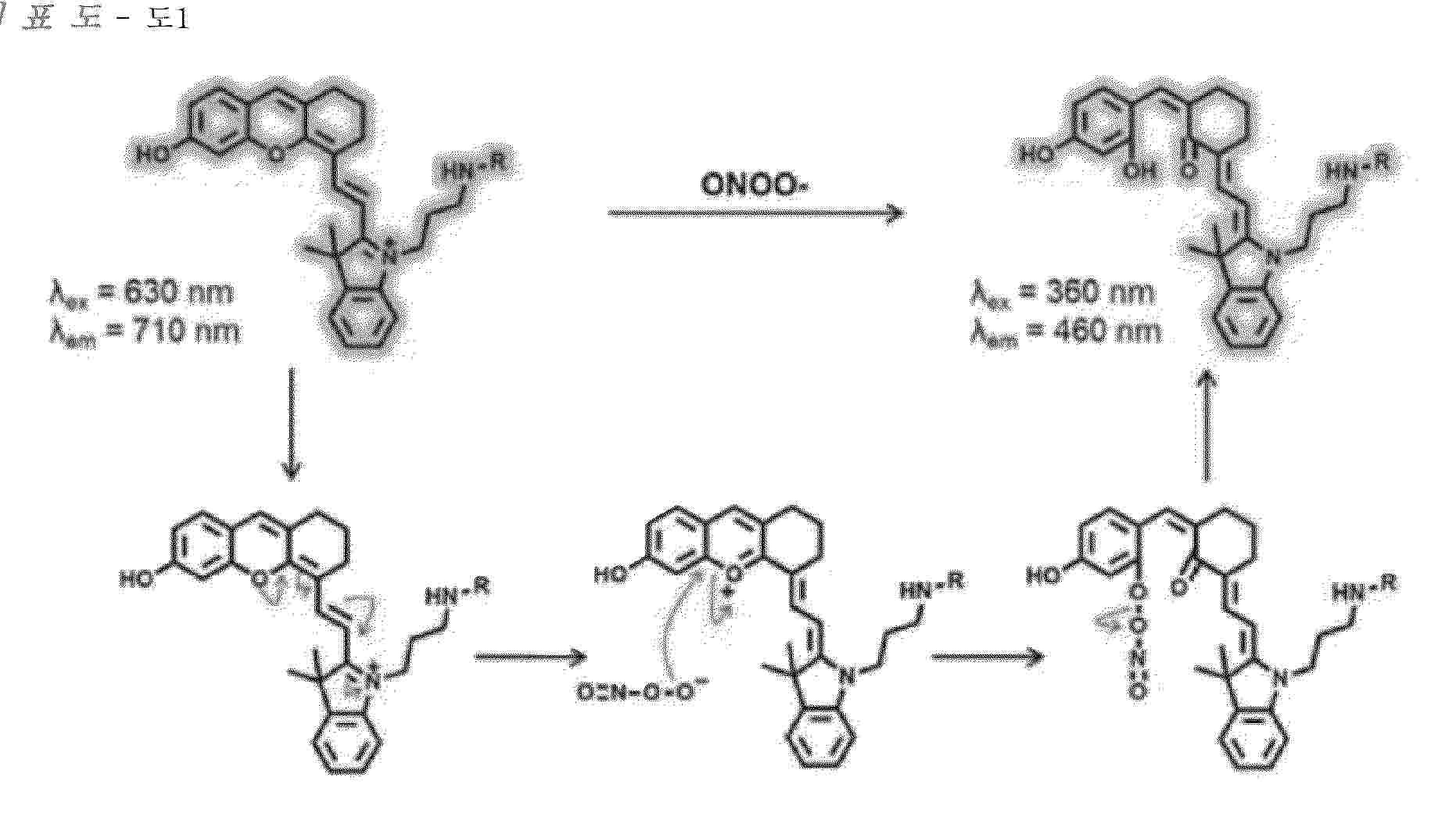
0001a 본 발명은 과산화질산염 검출용 헤미시아닌 기반 형광 프로브 및 이의 제조 방법에 관한 것이다. 본 발명의 헤미시아닌 기반 형광 프로브는 화학식 1로 표시되는 화합물을 포함하며, 생체 내 과산화질산염(ONOO, Supattributes={}; value=-, )에 선택적으로 활성화되어 형광이 적색에서 청색 방향으로 변화하는 비율 분석 형광(ratiometric fluorophores) 특성을 나타내는 것을 특징으로 한다.
Resumen de: WO2025197838A1
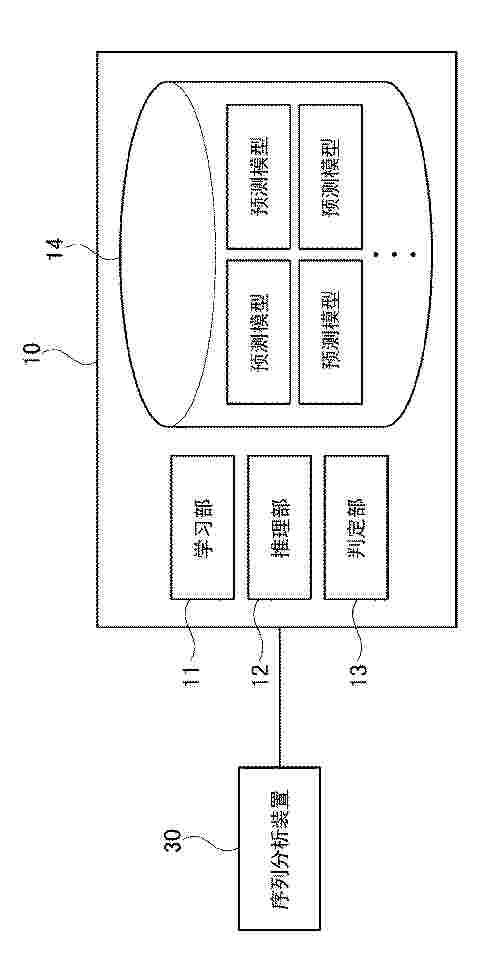
The present invention assesses the risk of a neurodegenerative disease, and a precursor disorder for the neurodegenerative disease, using a saliva sample. An assessment device 10 comprises an inference unit 12 that inputs data of the saliva microbiome composition of a subject to each of a plurality of prediction models and obtains an inference result from each of the plurality of prediction models, and an assessment unit 13 that combines the plurality of inference results to assess the disease state of the subject. Each of the plurality of prediction models is machine-learned so as to stratify the disease state of the subject when inputting the data of the saliva microbiome composition of the subject using, as teacher data, the data of the saliva microbiome composition and the disease state of a neurodegenerative disease or a precursor disorder of the neurodegenerative disease. Each of the plurality of prediction models infers mutually different combinations of disease states.
Resumen de: CN122901451A
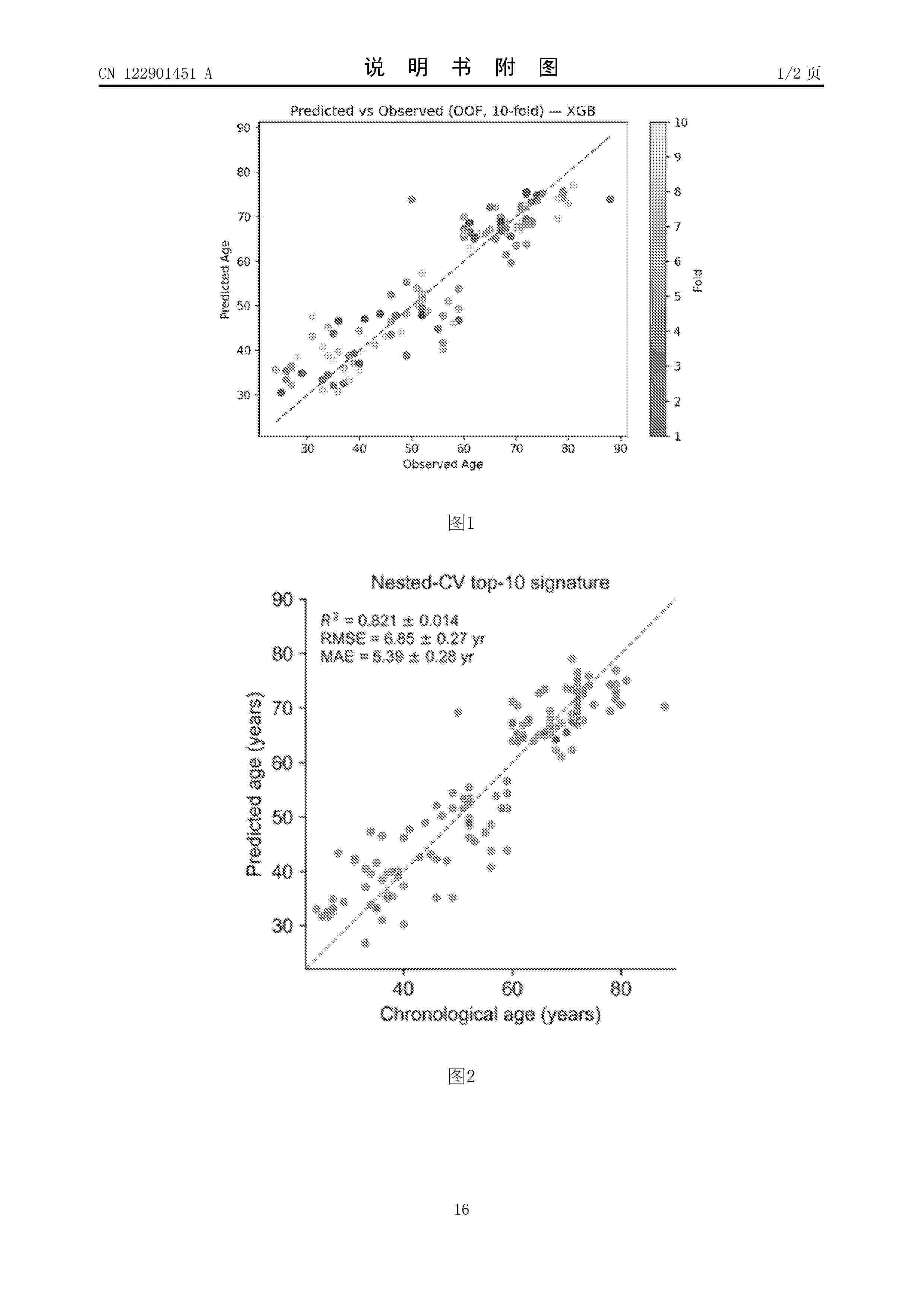
0001 本申请涉及用于年龄预测的蛋白标志物组合及其应用。本申请还涉及检测蛋白标志物组合的试剂的用途以及用于年龄预测和衰老评估的方法,其中所述蛋白标志物组合(1)包含人血清白蛋白、凝血酶原、嗜中性粒细胞防御素1、维生素D结合蛋白、胰岛素样生长因子1、胰岛素样生长因子2、胰岛素样生长因子结合蛋白5、丝甘蛋白聚糖、前胶原C‑内肽酶增强子1和纤溶酶原;或者(2)包含人血清白蛋白的翻译后修饰,所述翻译后修饰包括人血清白蛋白的半胱氨酸氧化还原状态、甲硫氨酸氧化、赖氨酸糖化和C端完整性。本申请还涉及通过评估人血清白蛋白的翻译后修饰来识别50至60岁中年衰老转折期的方法。
Resumen de: CN122901442A
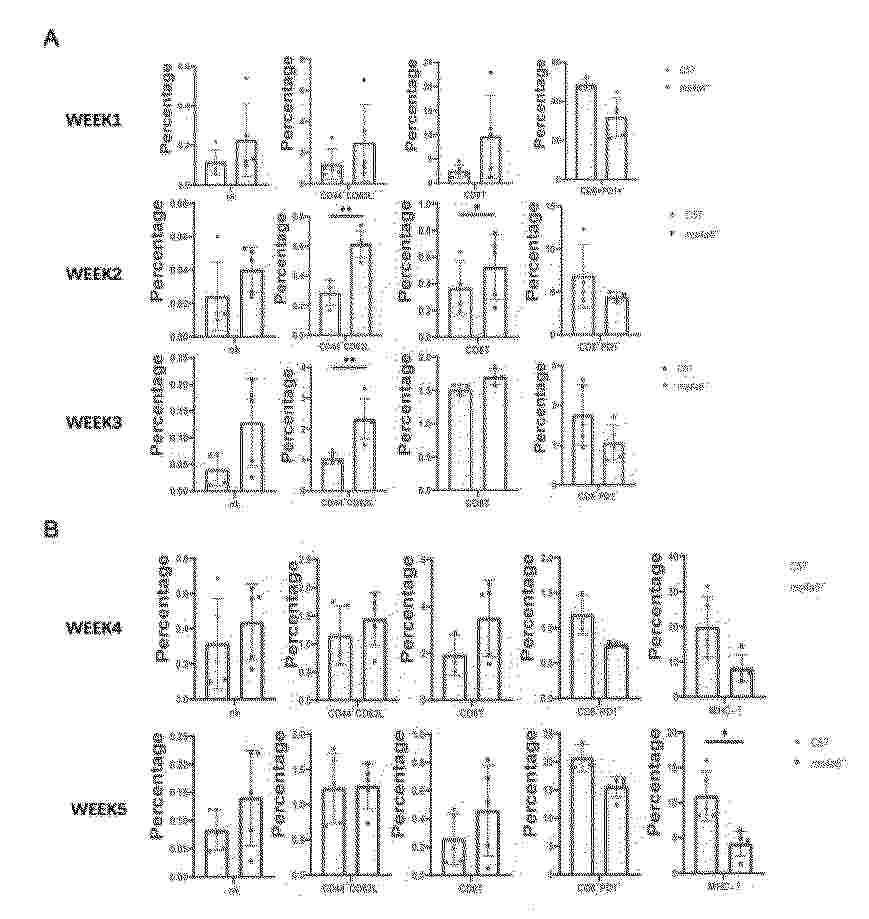
0001 本发明公开MS4A6A抑制剂在制备治疗卵巢癌药物中的应用,属于卵巢癌治疗领域;本发明提出了基于MS4A6A‑MHC‑I‑TCR轴的全新机制,通过抑制MS4A6A来下调巨噬细胞表面的MHC‑I类分子表达。避免了CD8<+>T细胞因受到持续、过度的抗原刺激而进入功能耗竭状态。结果显示,治疗后T细胞表面的耗竭标志物显著减少,效应T细胞和NK细胞在肿瘤组织的浸润密度大幅提升,成功将免疫沙漠型肿瘤转化为对免疫治疗敏感的热肿瘤。
Nº publicación: CN122901445A 13/10/2026
Solicitante:
陕西脉元生物科技有限公司
Resumen de: CN122901445A
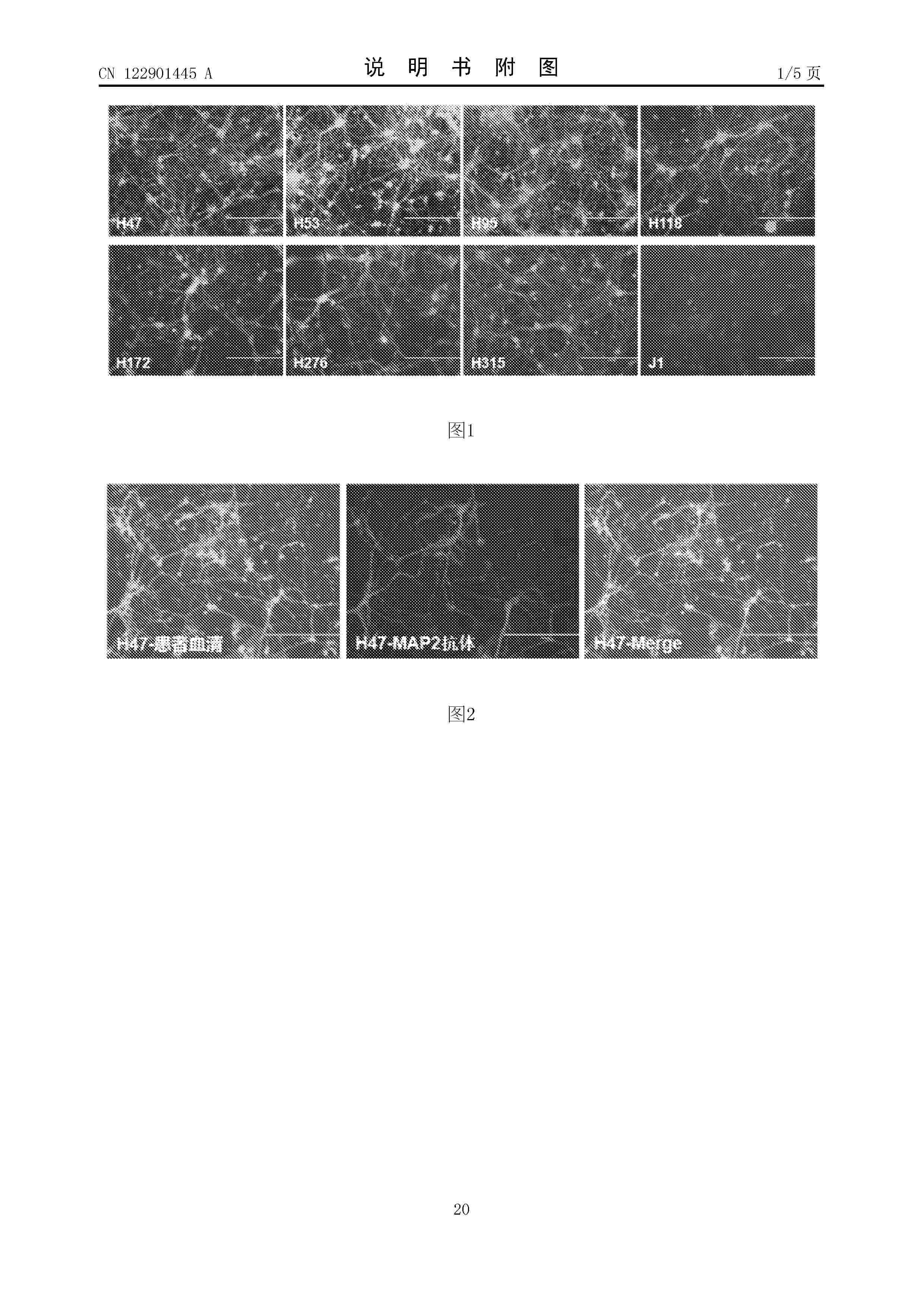
0001 本发明公开了一种检测抗AP2A1自身抗体的试剂在辅助诊断神经系统自身免疫性疾病中的应用、试剂盒,属于蛋白诊断试剂制备技术领域。包括:检测抗AP2A1自身抗体的试剂在制备诊辅助断神经系统自身免疫性疾病的产品中的应用。本发明首次揭示了抗AP2A1自身抗体与神经系统自身免疫性疾病密切相关,能够区分神经系统自身免疫性疾病和其它自身免疫性疾病,尤其是区分自身免疫性脑炎和其他自身免疫性疾病,实现了神经系统自身免疫性疾病的辅助诊断,提高了诊断的准确性。
 BOPI
 Sede Electrónica