Si deseas distinguir tus productos, servicios o ambos de los de otra empresa, es posible que necesites una marca o nombre comercial. Descubre qué son, en qué consiste su procedimiento de registro y qué implica.

Información sobre los plazos de presentación de solicitudes de transformación de marcas de la Unión Europea en marca nacional española. Más información


Si tienes un nuevo dispositivo, producto o procedimiento que resuelva un problema técnico o tenga una ventaja práctica, existen distintas formas de protegerlo en España y en otros países. Descubre cómo hacerlo.

¿Tu innovación reside en la estética, la ornamentación o la apariencia de tu producto? Protégela mediante un diseño industrial. Descubre qué derechos confiere el registro y cómo realizar la tramitación.

Las indicaciones geográficas protegen el nombre de un producto originario de una zona geográfica, a la cual le debe una determinada calidad, reputación u otra característica. Descubre qué son, en qué consiste su procedimiento de registro y qué beneficios conceden.

Las patentes publicadas en todo el mundo son una valiosa fuente de información científica, técnica y comercial.

Si eres emprendedor/a o una empresa y quieres potenciar y mejorar la rentabilidad de tu negocio protegiendo de forma adecuada los activos intangibles de tu organización, en este espacio encontrarás lo necesario.


 322
resultados
322
resultados
 Última actualización
25/08/2026 [07:57:00]
Última actualización
25/08/2026 [07:57:00]


 Resultados 200 a 225 de 322

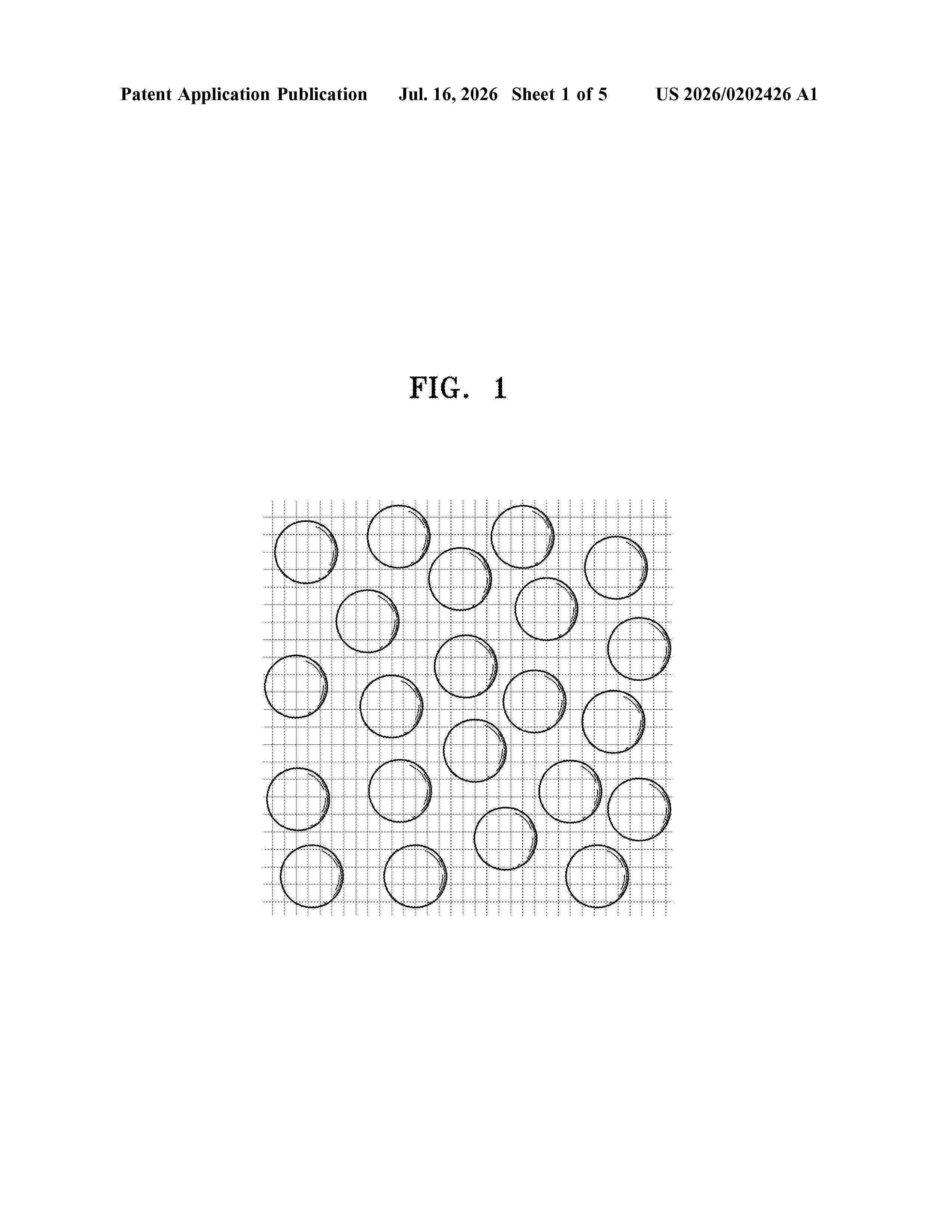
Resumen de: US20260202426A1
0000 The present disclosure relates to a method of detecting a molecule associated with the diagnosis of a disease through movement of the molecules after fluorescent labeling or by using dynamic X-rays. A method of detecting a molecule associated with the diagnosis of a disease through movement of the molecules after fluorescent labeling or labeling with a crystalline plane, according to an aspect, enables large-scale imaging and Z-axis imaging, and thus can be effectively used in the field of diagnosis.

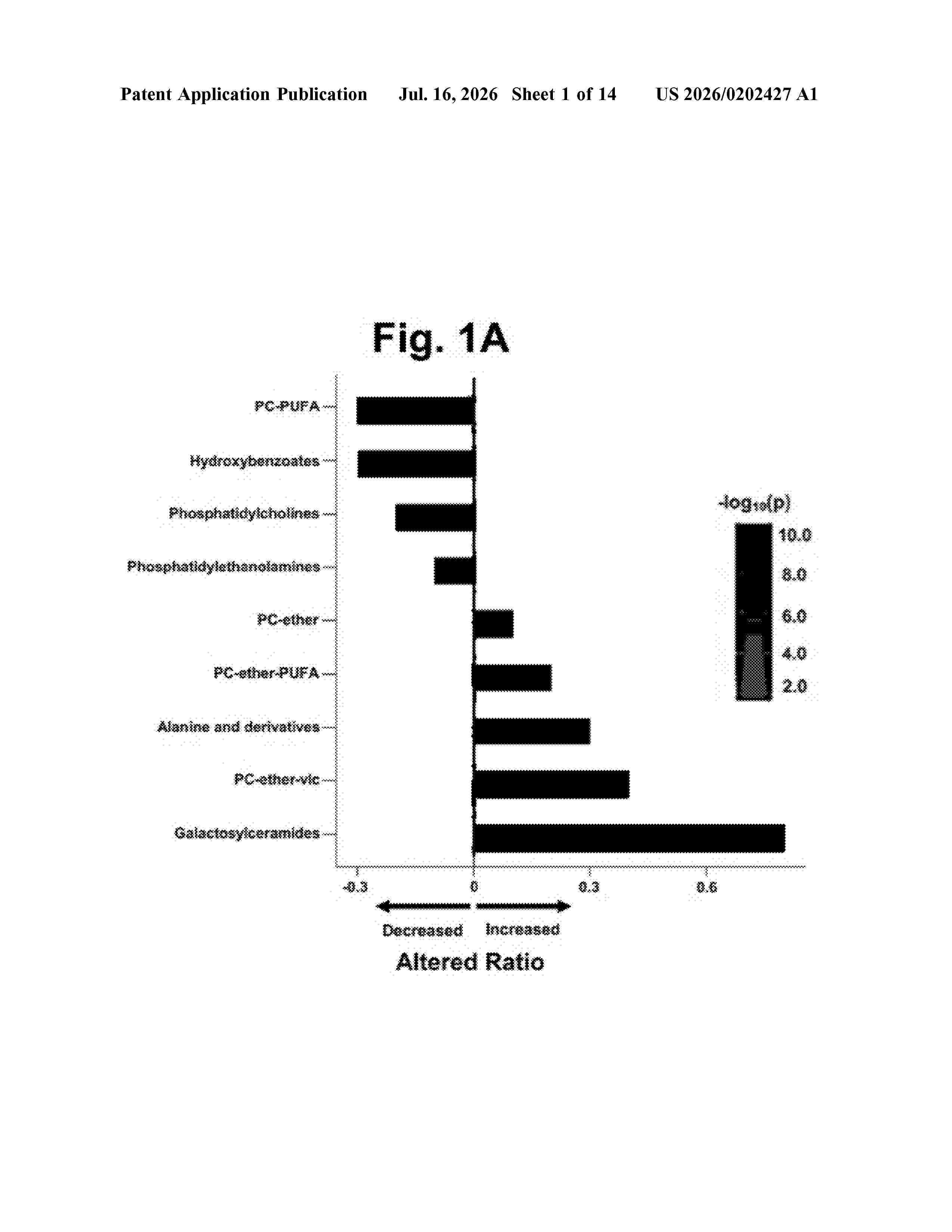
Resumen de: US20260202427A1
0000 Described is use of biomarkers found in maternal mid-gestation (MMG) and cord blood (CB) plasma for early identification of children with autism spectrum disorder (ASD) or at risk for ASD. Using these biomarkers, newborns and infants with ASD or at high risk of ASD can be identified and interventions for ASD, which have been shown to be effective early in life, can be provided to a child as young as a newborn.
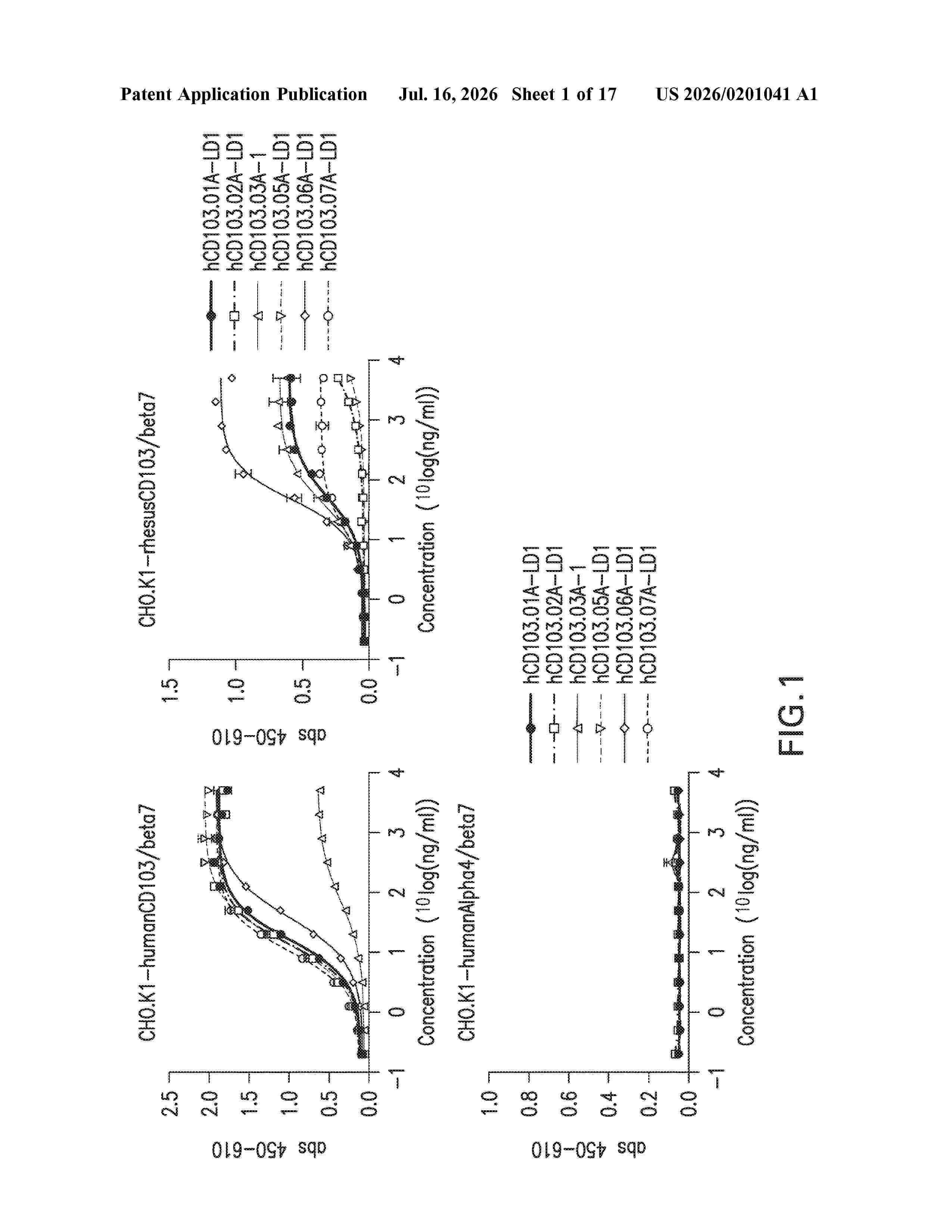
Resumen de: US20260201041A1
0000 The present invention relates to anti-CD103 antibodies, as well as use of these antibodies in diagnosis, prognosis, monitoring, and treatment of diseases.
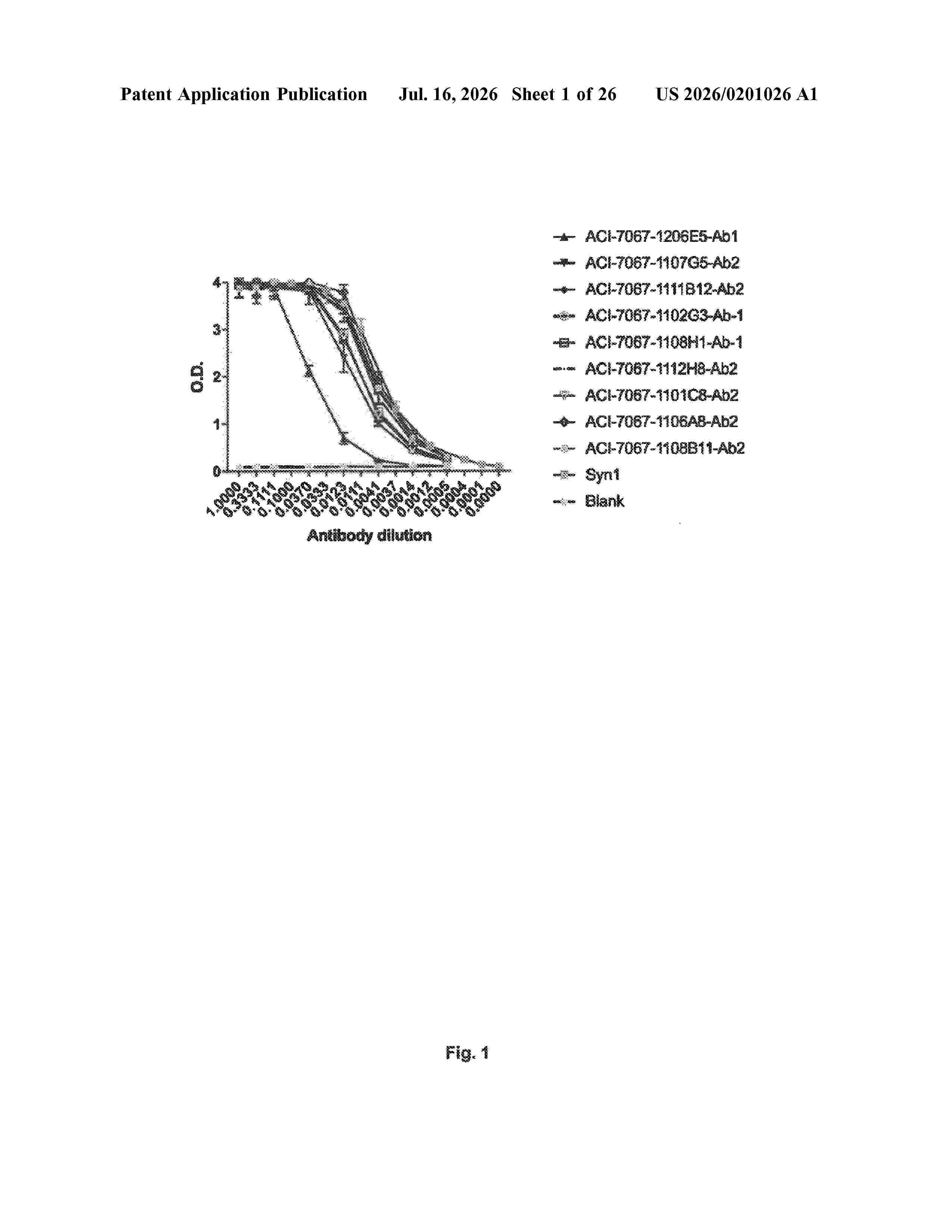
Resumen de: US20260201026A1
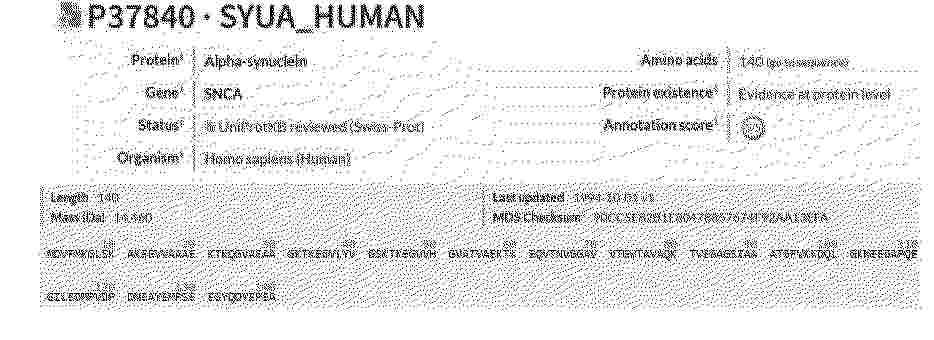
0000 The present invention relates to novel molecules that can be employed for the prevention, alleviation, treatment and/or diagnosis of diseases, disorders and abnormalities associated with alpha-synuclein (α-synuclein, A-synuclein, aSynuclein, A-syn, α-syn, aSyn, a-syn) aggregates, including, but not limited to, Lewy bodies and/or Lewy neurites, such as Parkinson's disease, Multiple System Atrophy, Lewy Body dementia (LBD; dementia with Lewy bodies (DLB) (“pure” Lewy body dementia), Parkinson's disease dementia (PDD)) or Diffuse Lewy Body Disease. The invention relates to alpha-synuclein binding molecules, in particular to alpha-synuclein antibodies or an antigen-binding fragment or a derivative thereof and uses thereof. The present molecules can also be used for determining a predisposition to such a disorder, disease or abnormality, monitoring residual disorder, disease or abnormality, or predicting the responsiveness of a patient who is suffering from such a disorder, disease or abnormality to treatment with a certain medicament.
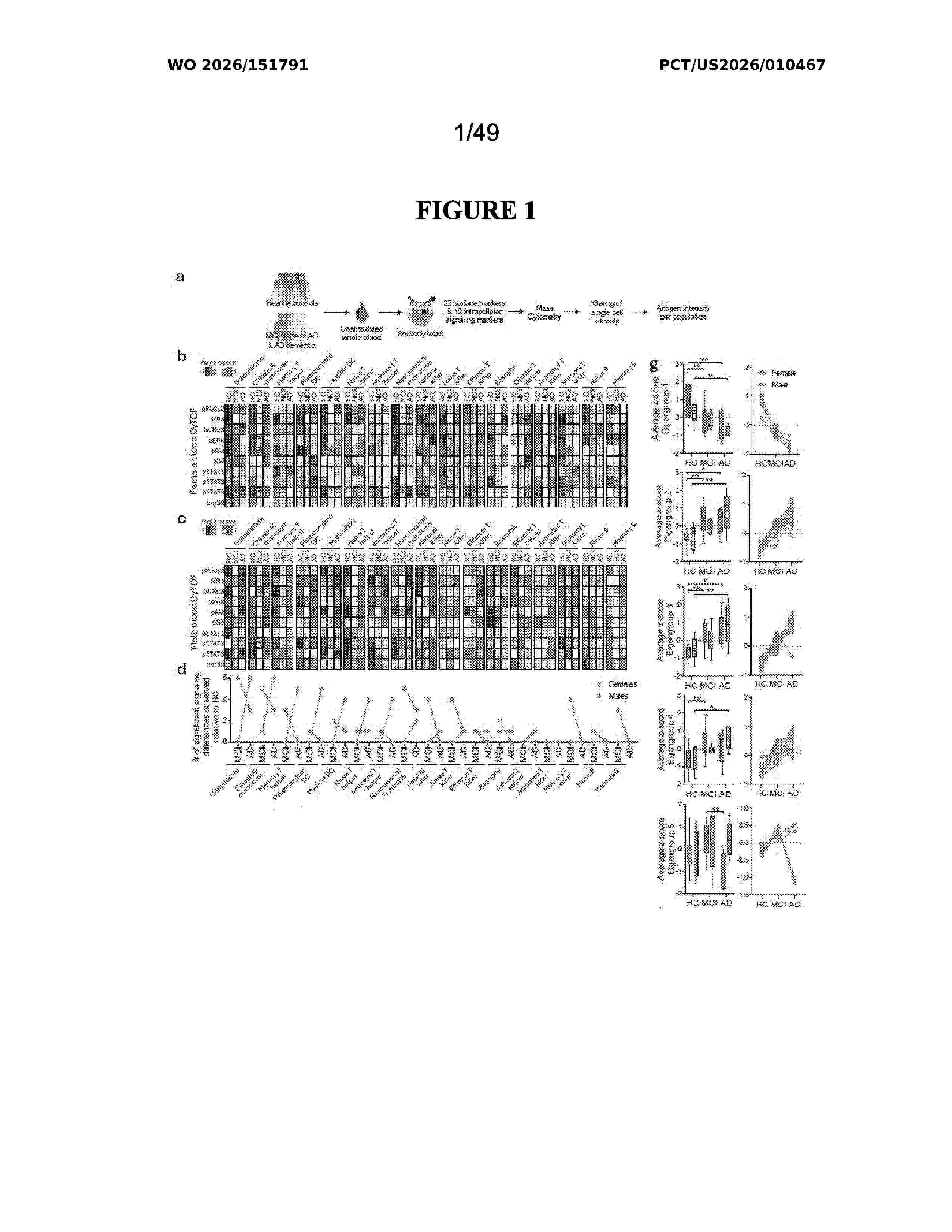
Resumen de: WO2026151791A1
Provided herein are systems, kits, and methods for cell type-antigen marker (CTA marker) detection in cell samples (e.g., blood or CSF) from those suspected of having pre-clinical AD (Pre-AD) or mild cognitive impairment (MCI) or dementia from Alzheimer's Disease. In certain embodiments, such CTA marker detection is quantitative, gender specific, employs at least two gender-specific CTA markers in Figure 7C, and/or employs a mass cytometer (e.g., where mass-labeled antigen binding agents are mixed with the cell-sample). In some embodiments, at least some of the CTA markers are: i) unhealthy CTA markers which are generally upregulated in subjects with Pre-AD or MCI or dementia from Alzheimer's disease, and/or ii) healthy CTA markers which are generally down regulated in subjects with Pre-AD or MCI or Alzheimer's disease. In particular embodiments, the unhealthy CTA markers, and any healthy CTA markers employed, are used for determining a subject's risk of having or developing Pre-AD or MCI or dementia from Alzheimer's disease (e.g., by generating a score).
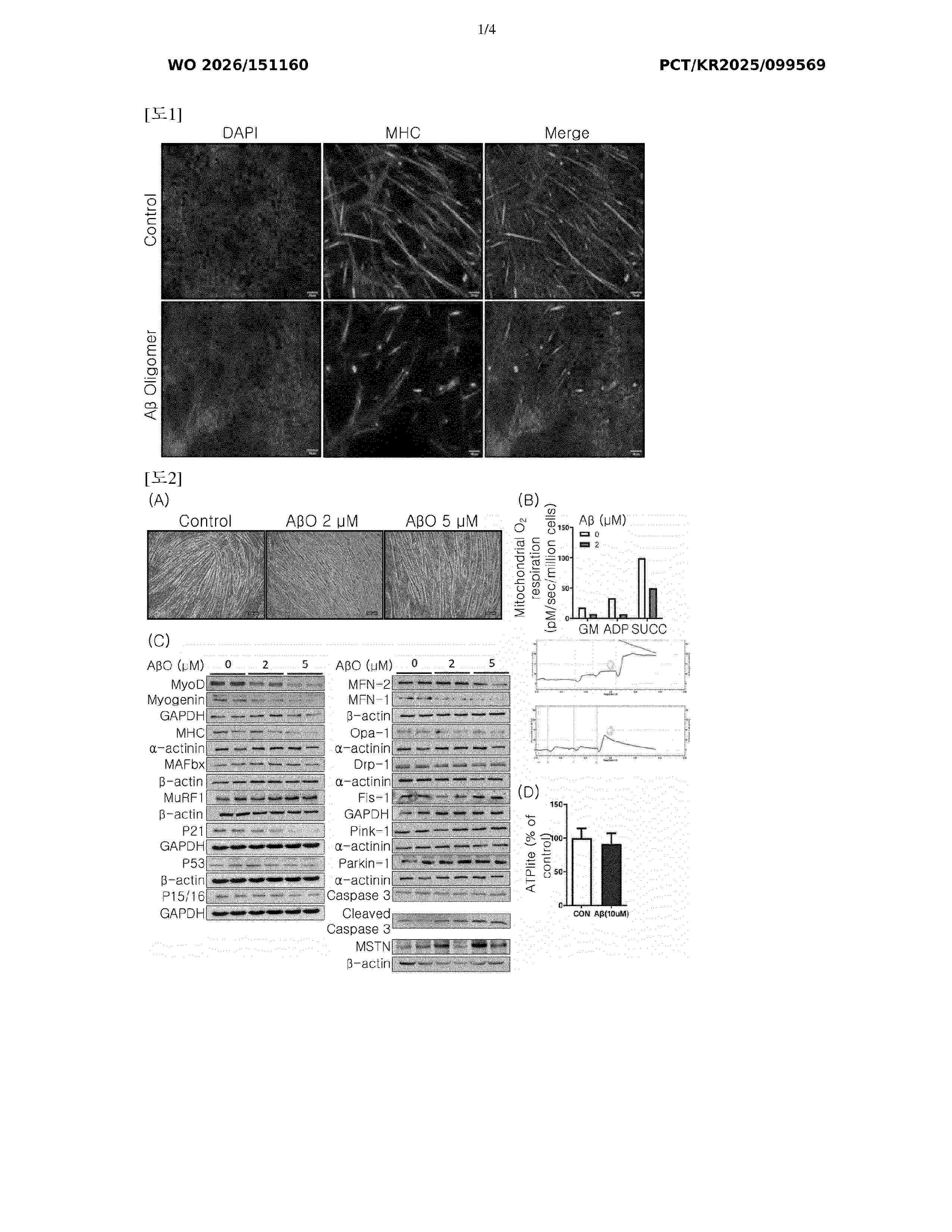
Resumen de: WO2026151160A1
The present invention relates to a biomarker composition for diagnosing sarcopenia caused by aging or Alzheimer's dementia, comprising BACE1, β-amyloid, β-amyloid oligomer, water-soluble amyloid precursor protein-β, or a combination thereof, and to a use thereof. Specifically, the present invention relates to a composition for diagnosing sarcopenia caused by aging or Alzheimer's dementia, comprising, as an active ingredient, an agent for measuring the level of at least one protein or mRNA selected from the group consisting of BACE1, β-amyloid, β-amyloid oligomer, and water-soluble amyloid precursor protein-β, to a kit for diagnosing sarcopenia using the composition, and to a method for providing information for diagnosing sarcopenia.
Resumen de: KR20260111211A
본 발명은 포크헤드 박스 단백질 J1(Forkhead box protein J1) 돌연변이 및 CR6-상호작용 인자 1(CR6-interacting factor 1, Crif1) 결손 돌연변이를 포함하는 Foxj1-creERT2Crif1-/- 유전자 변형 정상압 수두증 동물 모델에 관한 것으로, 구체적으로는 뇌압의 증가없이 뇌실 확장의 특징을 가져 고령화에 의한 정상압 수두증의 연구 및 치료제 스크리닝에 이용할 수 있다.
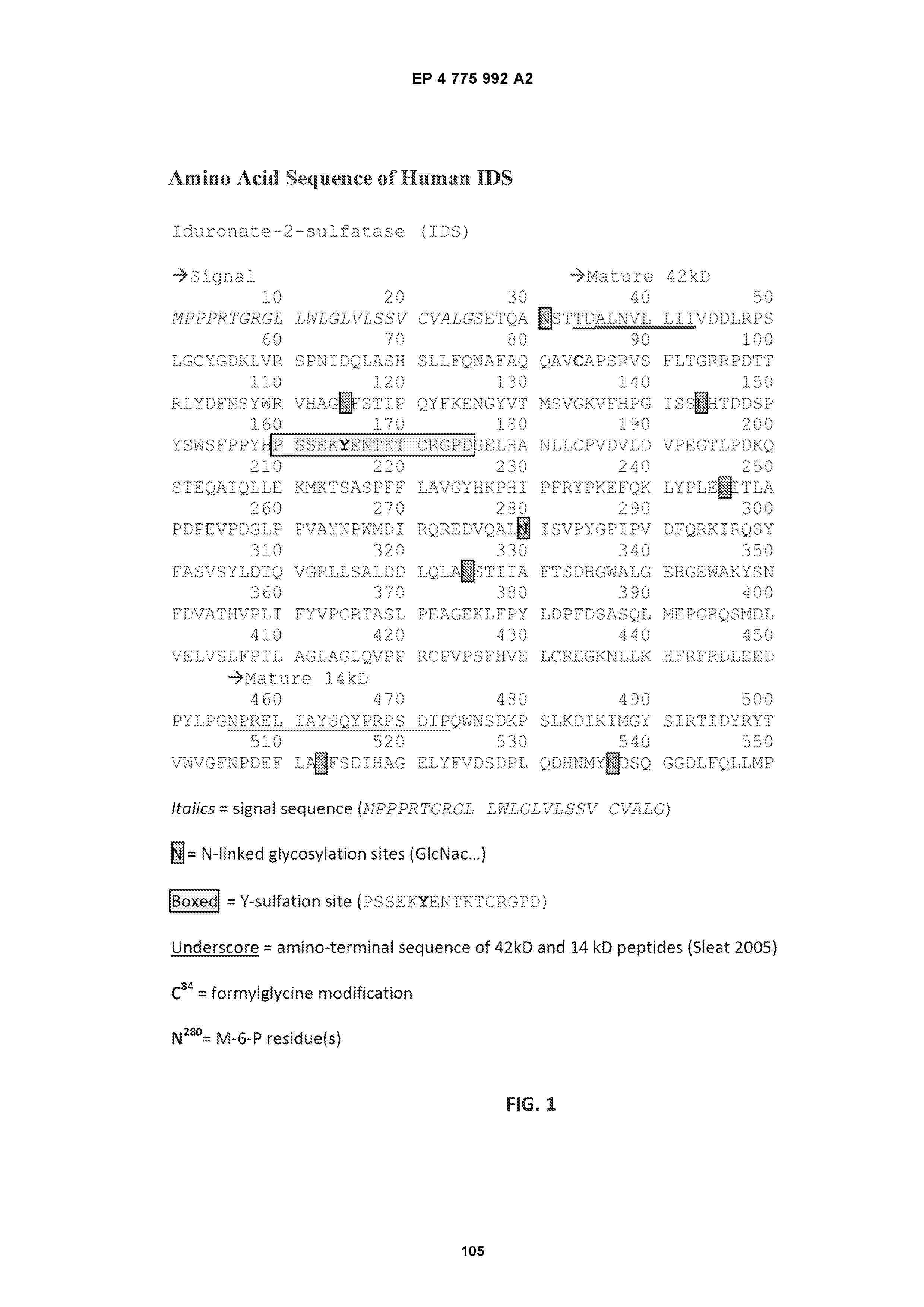
Resumen de: EP4775992A2
Compositions and methods are described for the delivery of recombinant human iduronate-2-sulfatase (IDS) produced by human neuronal or glial cells to the cerebrospinal fluid of the central nervous system (CNS) of a human subject diagnosed with mucopolysaccharidosis II (MPS II).
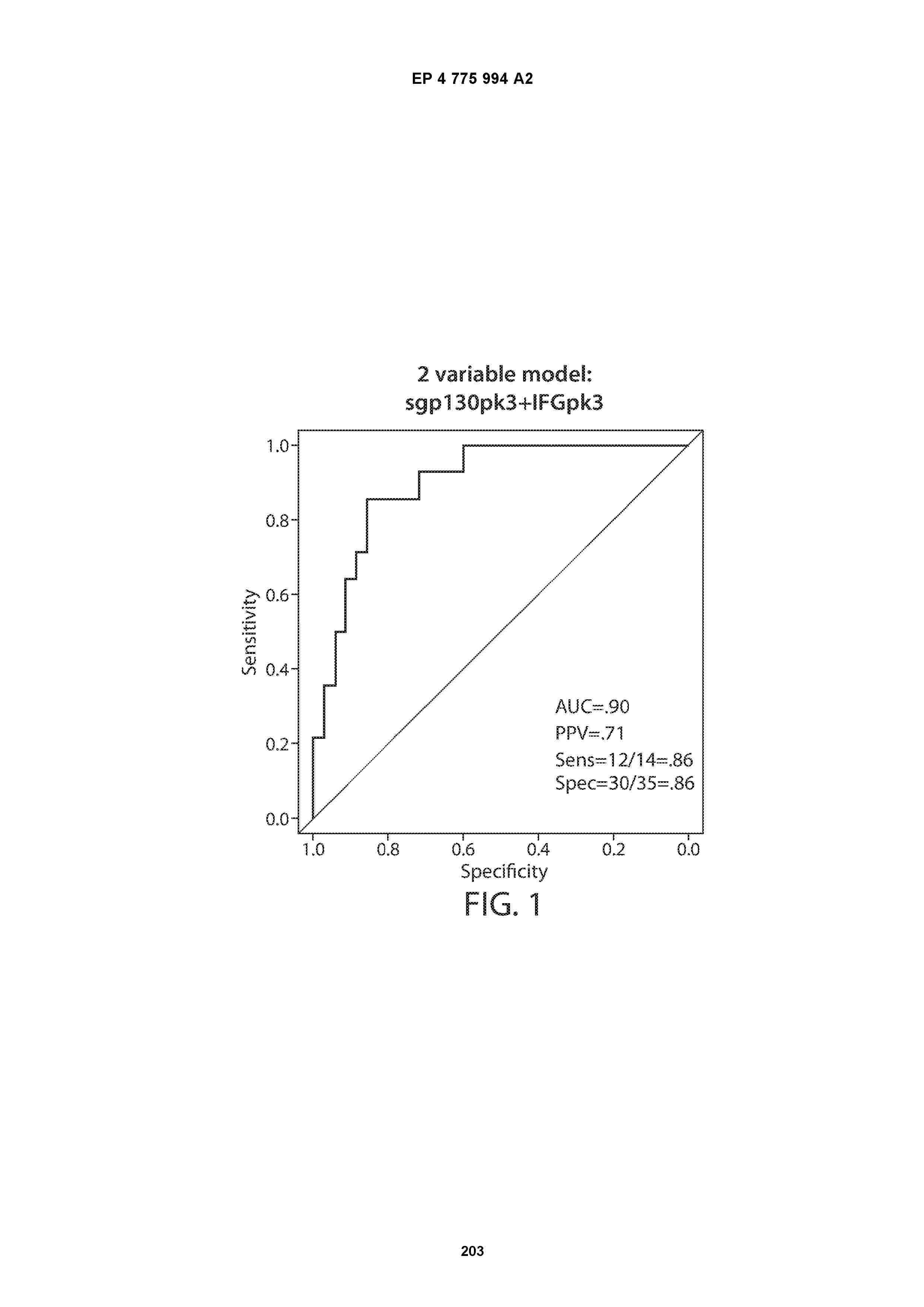
Resumen de: EP4775994A2
The present disclosure relates to the identification and use of biomarkers (e.g., analytes, analyte profiles, or markers (e.g., gene expression and/or protein expression profiles)) with clinical relevance to cytokine release syndrome (CRS).
Resumen de: WO2025106313A1
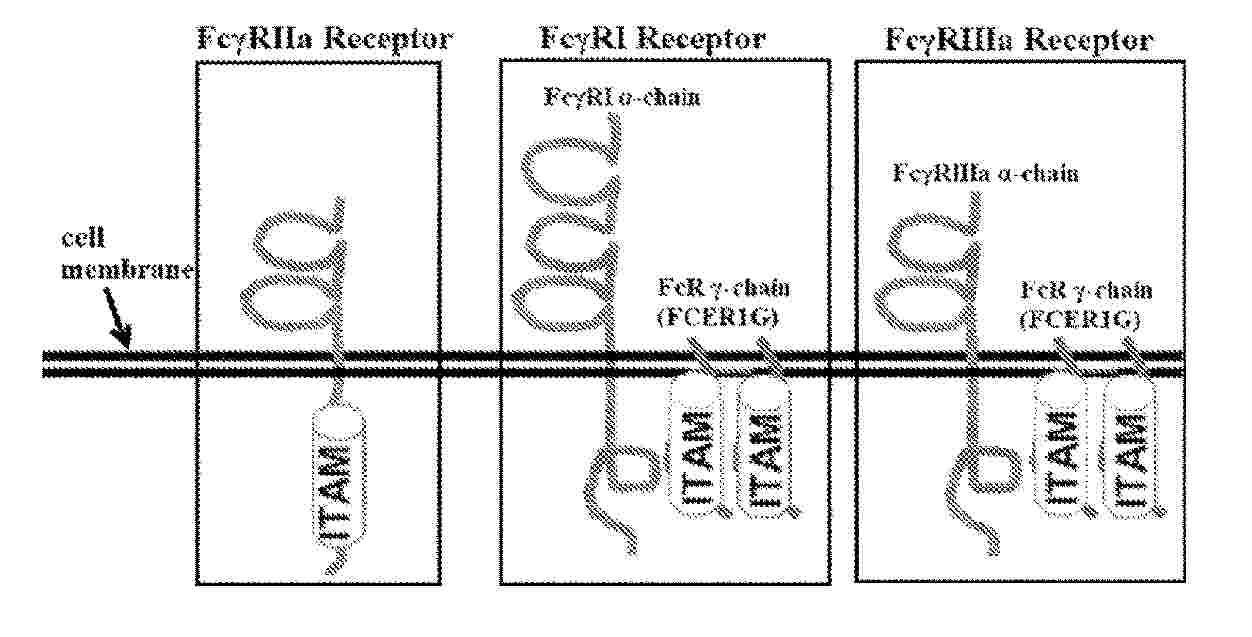
The present disclosure is related to compositions and methods for analyzing IgG antibody activity or activation of Fcγ receptors by certain antibodies. Also disclosed are transformed cells expressing human Fcγ receptors useful in methods for analyzing IgG antibody bioactivity.
Resumen de: EP4775995A2
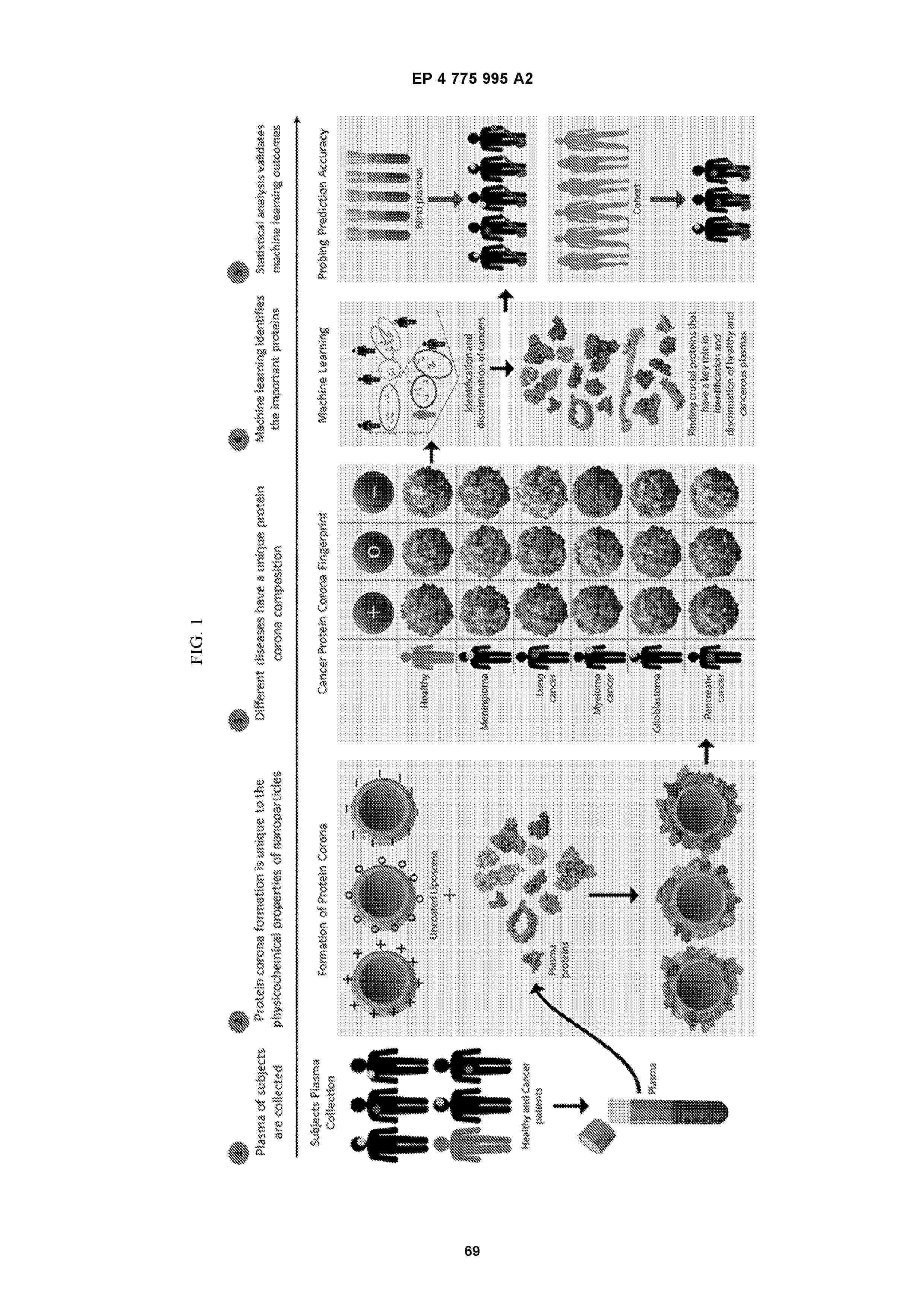
0001 The present disclosure provides sensor arrays for detecting biomolecules and methods of use. In some embodiments, the sensor arrays are capable of determining a disease state in a subject.
Resumen de: CN122385715A
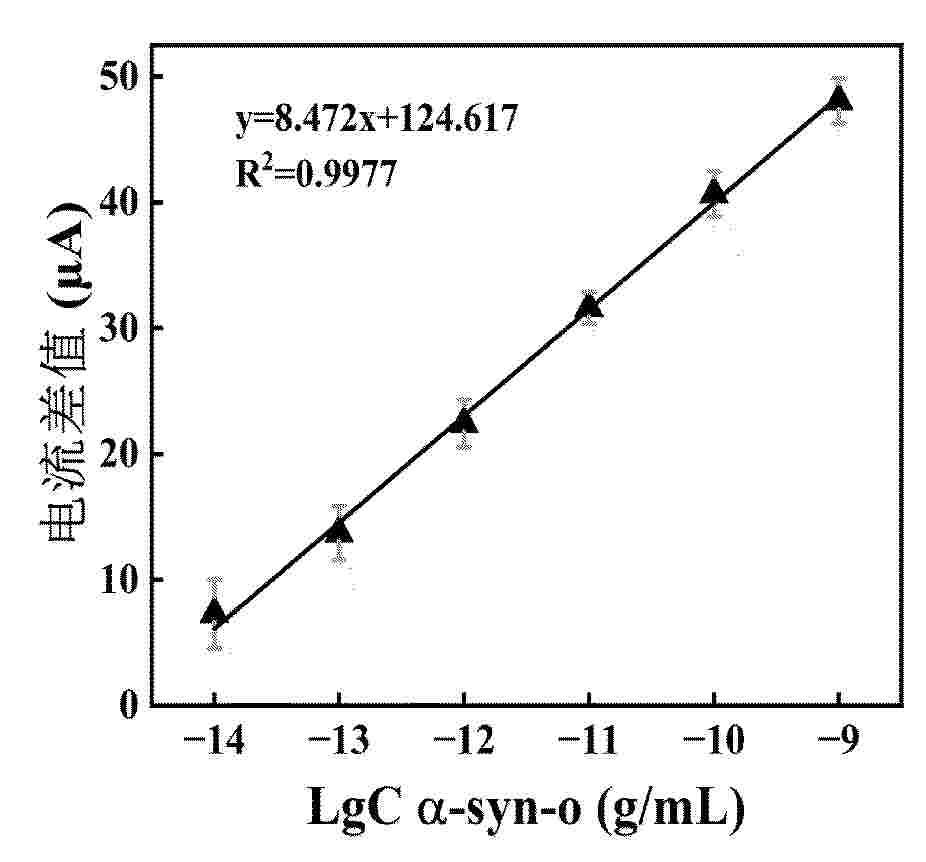
本发明公开了一种可以实现α‑突触核蛋白寡聚体(α‑syn‑o)痕量检测的电化学适配体传感器、其制备方法及其应用。该传感器的制备方法包括:将氢氧化钇、还原氧化石墨烯和多壁碳纳米管(Y(OH)3+rGO+MWCNTs)三元纳米复合材料悬浮液滴涂于玻碳电极表面形成纳米复合底层;在所述纳米复合底层上滴加α‑syn‑o特异性适配体溶液并孵育,得到适配体层;然后在适配体层上滴加牛血清白蛋白(BSA)溶液孵育,封闭非特异性结合位点,得到所述电化学适配体传感器。根据试验确定,本发明构建的传感器的线性范围在1.0×10‑9 g/mL~1.0×10‑14 g/mL,检测限可以低至9.9×10‑15 g/mL。
Resumen de: CN113614540A
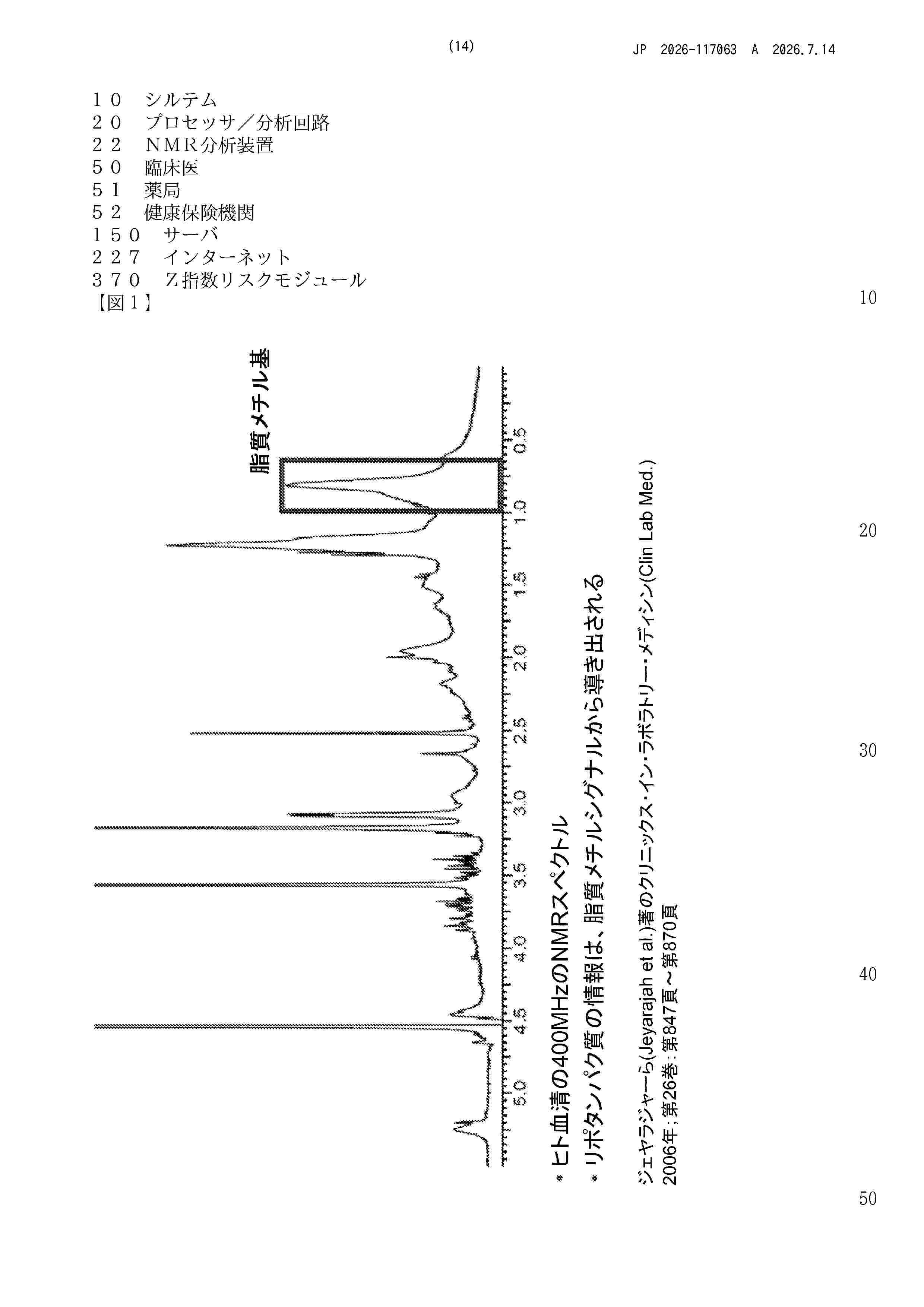
Described herein are methods for the determination of patient mortality from alcoholic hepatitis in biosamples by NMR spectroscopy and more specifically for the determination of a Z index score based on lipoprotein constituent LP-Z in blood plasma and serum.
Resumen de: WO2020023899A1
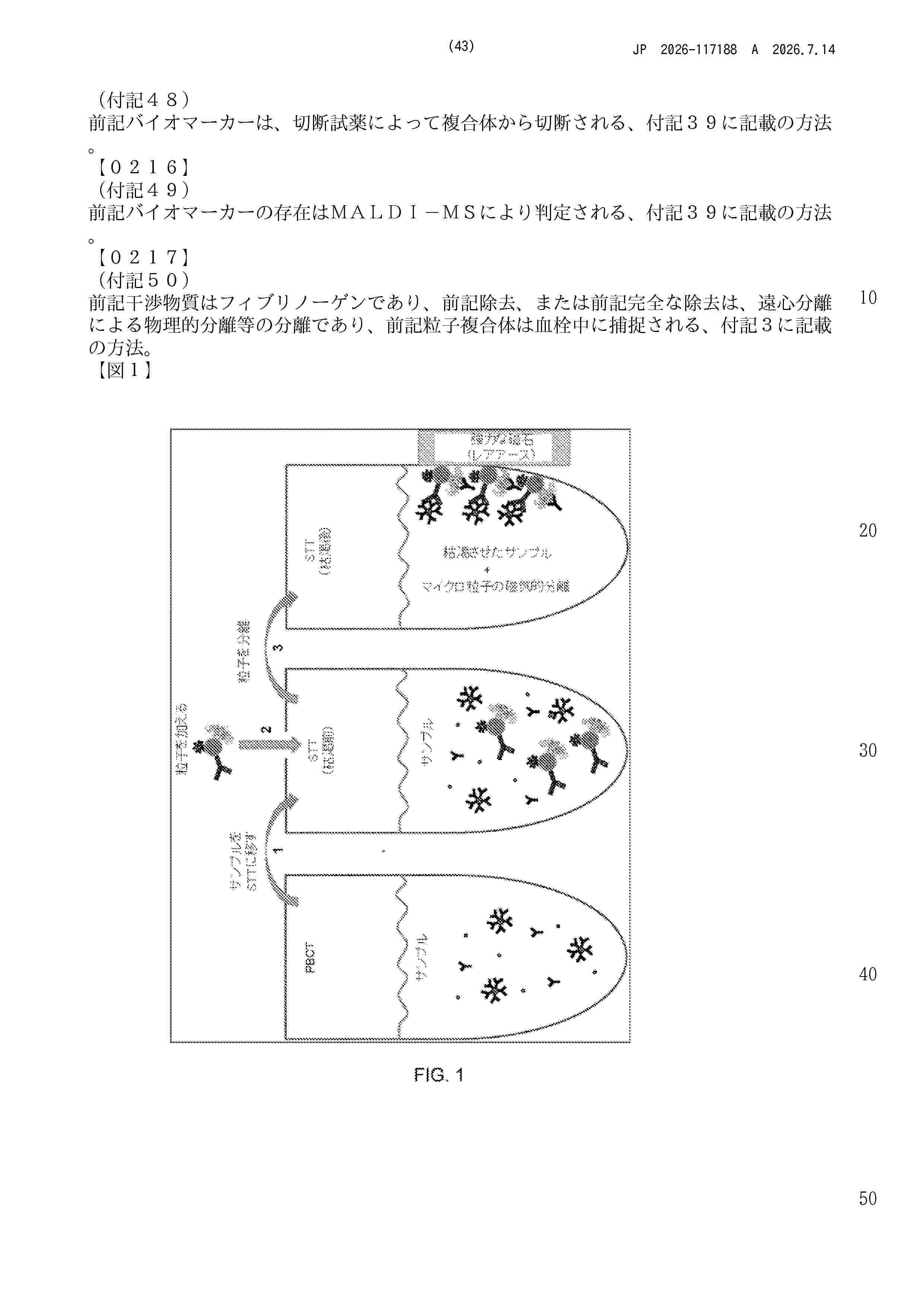
The present invention is directed to methods for using particles (e.g, microparticulate, nanoparticulate; magnetic, non-magnetic) comprising surfaces comprising capture moieties as described herein, to remove an interference as described herein, or enrich biomarkers, prior to a diagnostic test.
Resumen de: CN122385873A
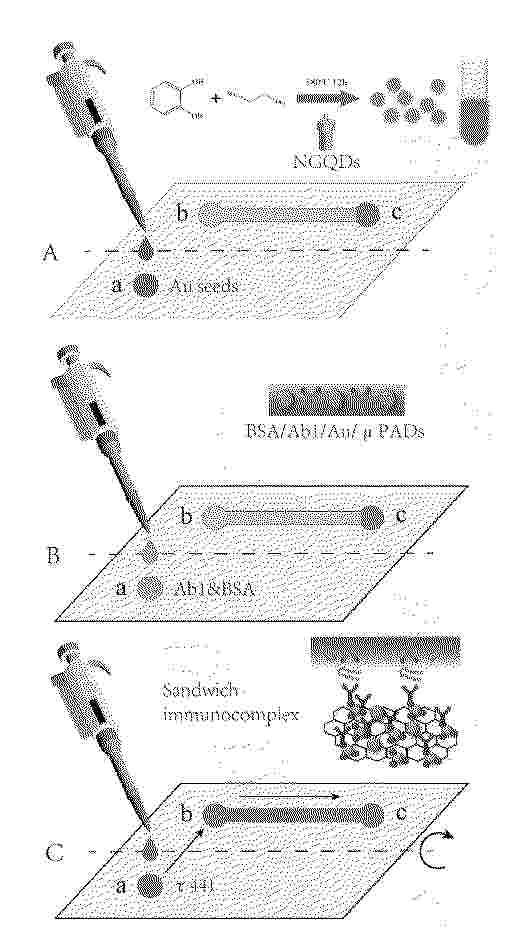
本发明公开了一种基于Au@CeO2纳米棒类磷酸酶活性的内滤效应纸基荧光免疫传感器及其制备方法和应用,属于生物传感器与疾病检测技术领域。针对人血清中Tau‑441蛋白浓度低、现有检测方法成本高、天然酶稳定性差的问题,本发明以金修饰的纸基微流控通道(Au‑μPADs)为检测平台,固定Tau‑441的捕获抗体Ab1;以Au@CeO2纳米复合材料为信号探针标记检测抗体Ab2,利用其类碱性磷酸酶活性催化底物对硝基苯磷酸酯(pNPP)水解生成对硝基苯酚(PNP),通过内滤效应淬灭氮掺杂石墨烯量子点(NGQDs)的荧光,实现Tau‑441的定量检测。本发明将CeO2类碱性磷酸酶活性应用于免疫检测,传感器特异性强、稳定性好,为阿尔茨海默病的早期筛查提供了低成本、便携的新方案。
Resumen de: CN122385898A
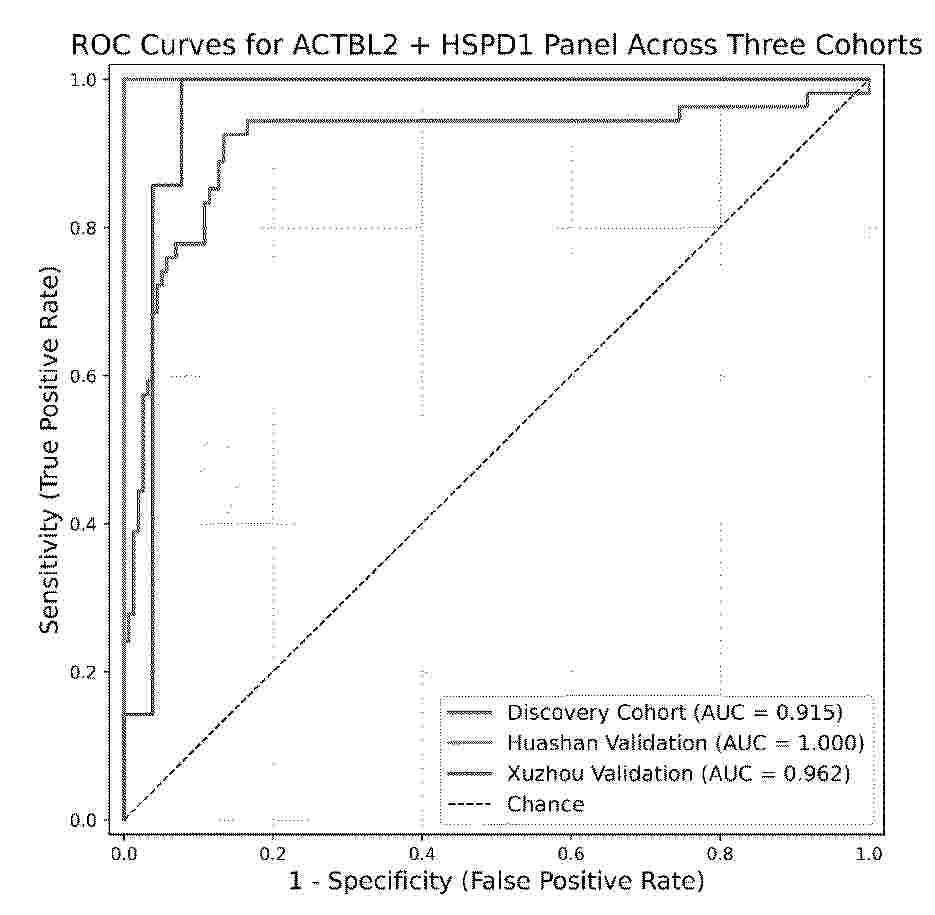
0001 本发明提供了一种蛋白标志物在制备诊断帕金森或预测帕金森风险的产品中的应用。其中,蛋白标志物包括ACTBL2。解决了现有技术中诊断或预测帕金森风险的产品效果差的问题,适用于帕金森诊断产品应用领域。
Resumen de: CN122382191A
0001 本发明公开了一种用于HIV相关神经认知损伤(HAND)早期诊断的分子标志物组合,包括核心标志物和辅助标志物;所述核心标志物包括TNFRSF9、MDGA1和NBL1,所述辅助标志物包括CRTAM、BMP‑4、EDA2R、CCL25、SLAMF1和CD6中的一种或多种。该分子标志物组合具有以下优势:(1)基于差异表达数据推导明确的相对比例,解决物质组合物的核心保护需求;(2)特异性强,准确度高,精确的比例关系可精准区分病理阶段;(3)标志物组合与神经认知功能显著相关,能准确反映HAND早期分子机制;(4)检测便捷,无需侵入性操作,受试者耐受性好。通过该分子标志物组合可实现ANI与PWND、HC的精准区分,解决现有量表诊断主观性强、耗时、无法识别亚临床损伤的缺陷,为HAND的早期干预提供关键技术支持。
Resumen de: EP3859331A1
0001 The present invention relates to methods for assigning a phenotypic signature of cells in a liquid biological sample obtained from a mammal, to an innate immune response group using multivariate classification algorithms. Furthermore, the present invention relates to a method for identifying whether a mammal suffers from an inflammation-related disease or is at risk of suffering from an inflammation-related disease using the phenotypic signature. Moreover, the present invention relates to a method for stratifying a mammal suffering from an inflammation-related disease for a treatment against said inflammation-related disease. In addition, the present invention relates to a method for monitoring the progression of an inflammation-related disease in a mammal during a treatment of said mammal. Also, the present invention relates to a method for identifying a compound and/or environmental condition that induces or represses the innate immune response of cells obtained from a mammal. Furthermore, the present invention relates to a use of said phenotypic signature for diagnostic and/or drug de-risking applications.
Resumen de: WO2025008357A1
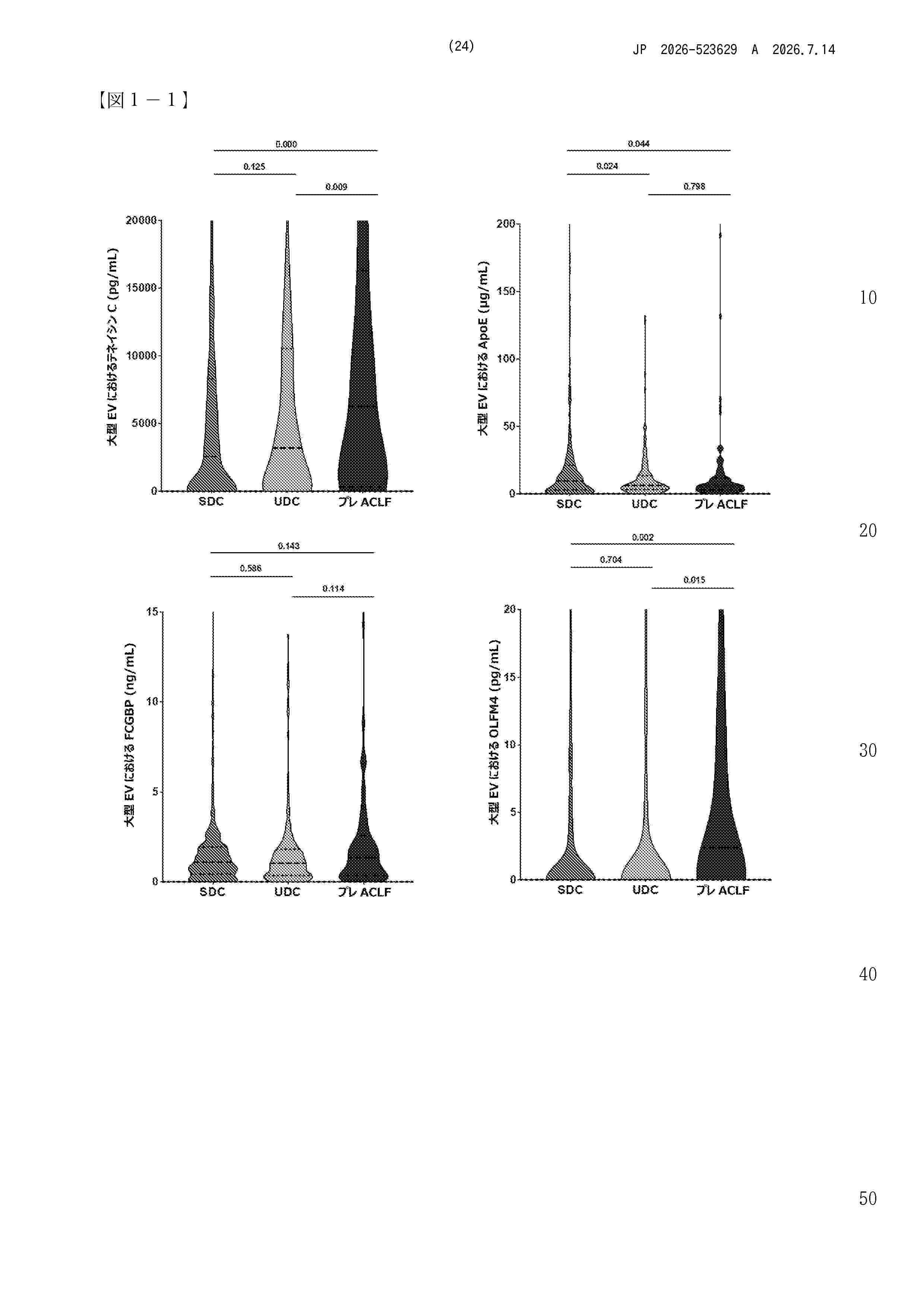
Acute decompensation (AD) of cirrhosis is defined by the acute development of ascites, gastrointestinal haemorrhage, hepatic encephalopathy or infection. The PREDICT study distinguishes three different phenotypic sub-types in patients with AD but without ACLF according to hospital readmission and development of ACLF: stable decompensated cirrhosis, unstable decompensated cirrhosis and pre-ACLF group. Predicting the phenotypes in patients with AD would thus be useful, since mortality rates vary considerably between the three phenotypes. This will allow us a better management of patients with AD. Now the inventors used proteomics analysis of proteins carried by plasma lEVs to identify novel EV protein biomarkers having higher concentrations in the plasma of patients who will develop organ failure than in those who will not (Tenascin C and 0LFM4 lEVs). Moreover, the inventors identified 2 plasma lEVs (FCGBP and Tenascin C) predicting survival in PREDICT. Tenascin C was the most robust one since also predicting survival in ACLARA. Accordingly, the present invention relates to large extracellular vesicles as biomarkers for predicting organ failures and survival time of patients suffering from an acute decompensation of cirrhosis.
Resumen de: WO2025005697A1
The present invention relates to a composition for diagnosing Parkinson's disease, comprising an agent for detecting a protein consisting of a combination of GLUT3 and any one or more selected from the group consisting of USP14, α-synuclein, and AIMP2, or a gene encoding the protein. The composition for diagnosing Parkinson's disease and a diagnostic kit comprising the composition, of the present invention, can be used to perform detection or diagnosis by distinguishing Parkinson's disease patient groups through a simple blood test. Furthermore, by primarily applying same to patients showing prodromal symptoms of Parkinson's disease, such as olfactory dysfunction, sleep disorders, and constipation, the composition and the diagnostic kit can be used as a preliminary test to determine whether to perform neurological examinations and brain imaging tests at large hospitals. Also, the composition and the diagnostic kit can be used as a means for quantifying the effect of treating Parkinson's disease.
Resumen de: WO2024254151A2
Disclosed herein are methods for detecting the presence of at least one misfolded form of human Superoxide Dismutase 1 (SOD1) in a biological sample obtained from a human subject. In some aspects, the subject is suspected of having, or has, one or more neurodegenerative diseases, such as, for example, Amyotrophic Lateral Sclerosis, Parkinson's disease, or Alzheimer's disease.
Resumen de: WO2024254190A2
The invention relates to psychoactive medicines including methylone, 2C-B, MBDB, their respective salts, metabolites, isomers, enantiomers, solvates, isotopologues and isotopomers, polymorphs, prodrugs and analogs (2C-series and cathinones); their preparation, formulations, intermediates, routes of administration, dosing and schedule for medical uses for psychiatric and neurological conditions and disorders.
Resumen de: WO2021211935A1
The invention provides methods for enriching extracellular vesicles (EVs), including exosomes, from biological fluid samples from subjects, and optionally further testing the EVs for the presence of specific biomarkers.
Resumen de: WO2021165465A1
The present invention relates to a method for assessing atrial fibrillation in a subject, said method comprising the steps of determining the amount of BMP10 in a sample from the subject, and comparing the amount of BMP10 to a reference amount, whereby atrial fibrillation is to be assessed. Moreover, the present invention relates to a method for diagnosing heart failure based on the determination of BMP10 in a sample from a subject. Further, the present invention relates to a method for predicting the risk of a subject of hospitalization due to heart failure based on the determination of a BMP10-type peptide in a sample from a subject. The present invention further pertains to antibodies which bind to one or more BMP10-type peptides such as NT-proBMP10.
Nº publicación: CN122385273A 14/07/2026
Solicitante:
中国计量科学研究院
Resumen de: CN122385273A
0001 本发明涉及生物计量与体外诊断标准化技术领域,具体涉及α‑突触核蛋白溶液标准物质的制备及定值方法,包括以下步骤:将编码α‑突触核蛋白的基因克隆至原核表达载体中进行重组表达,经亲和层析和离子交换层析纯化得到纯度≥99%的蛋白原料;将蛋白原料稀释分装保存得到溶液标准物质;采用基于氨基酸分析的同位素稀释质谱法对标准物质进行定值,通过测定水解后稳定氨基酸与同位素标记氨基酸的峰面积比计算质量浓度值,量值通过氨基酸一级标准物质溯源至国际单位制;对标准物质进行均匀性检验和稳定性考察,解决了α‑突触核蛋白检测领域缺乏具有计量溯源性标准物质的问题,获得的标准物质可用于不同体外诊断平台间的量值传递和检测结果标准化。
 BOPI
BOPI
 Sede Electrónica