Si deseas distinguir tus productos, servicios o ambos de los de otra empresa, es posible que necesites una marca o nombre comercial. Descubre qué son, en qué consiste su procedimiento de registro y qué implica.

Información sobre los plazos de presentación de solicitudes de transformación de marcas de la Unión Europea en marca nacional española. Más información


Si tienes un nuevo dispositivo, producto o procedimiento que resuelva un problema técnico o tenga una ventaja práctica, existen distintas formas de protegerlo en España y en otros países. Descubre cómo hacerlo.

¿Tu innovación reside en la estética, la ornamentación o la apariencia de tu producto? Protégela mediante un diseño industrial. Descubre qué derechos confiere el registro y cómo realizar la tramitación.

Las indicaciones geográficas protegen el nombre de un producto originario de una zona geográfica, a la cual le debe una determinada calidad, reputación u otra característica. Descubre qué son, en qué consiste su procedimiento de registro y qué beneficios conceden.

Las patentes publicadas en todo el mundo son una valiosa fuente de información científica, técnica y comercial.

Si eres emprendedor/a o una empresa y quieres potenciar y mejorar la rentabilidad de tu negocio protegiendo de forma adecuada los activos intangibles de tu organización, en este espacio encontrarás lo necesario.


 1601
resultados
1601
resultados
 Última actualización
20/03/2026 [07:15:00]
Última actualización
20/03/2026 [07:15:00]


 Resultados 1300 a 1325 de 1601

Resumen de: US20260066424A1
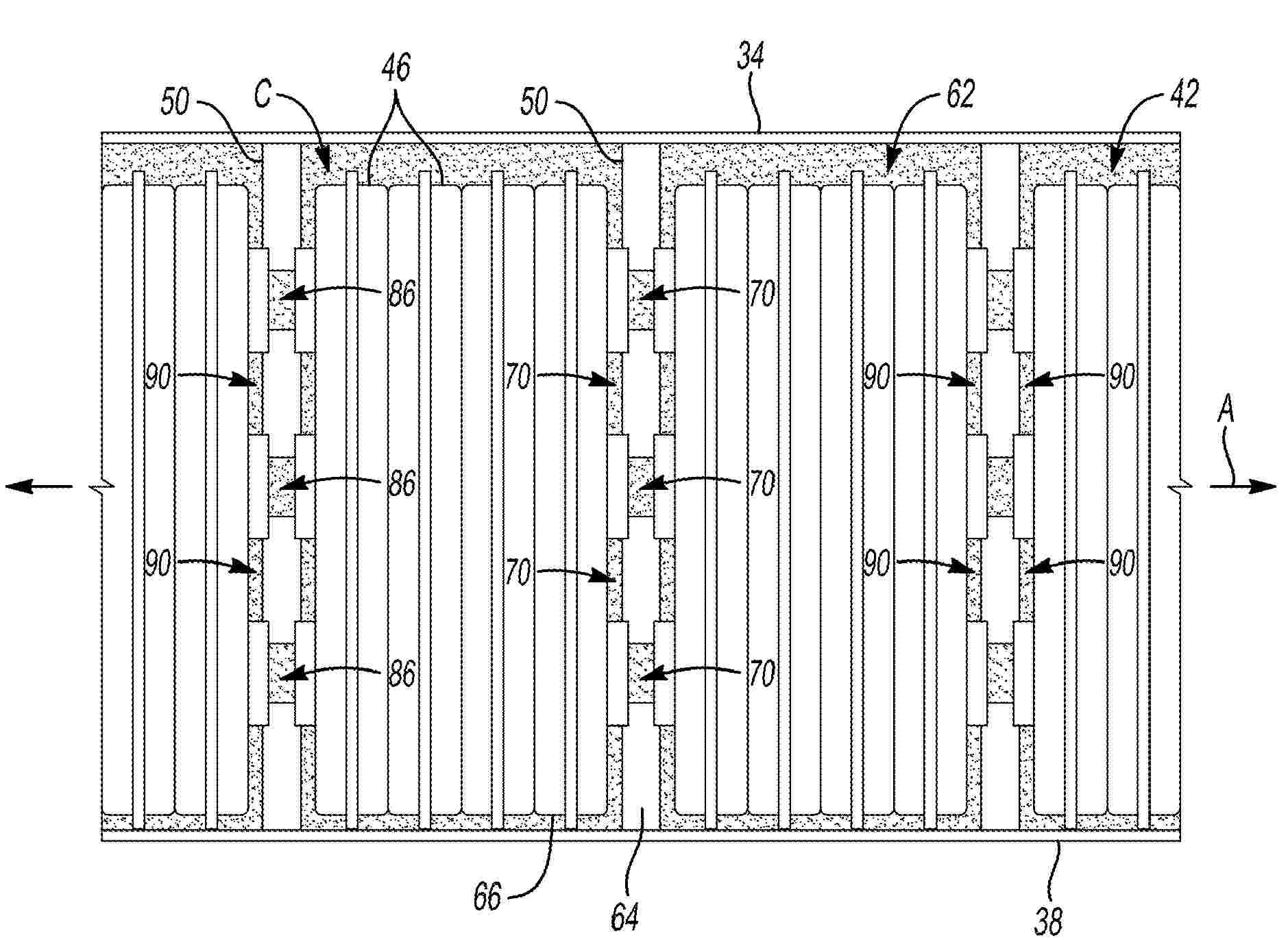
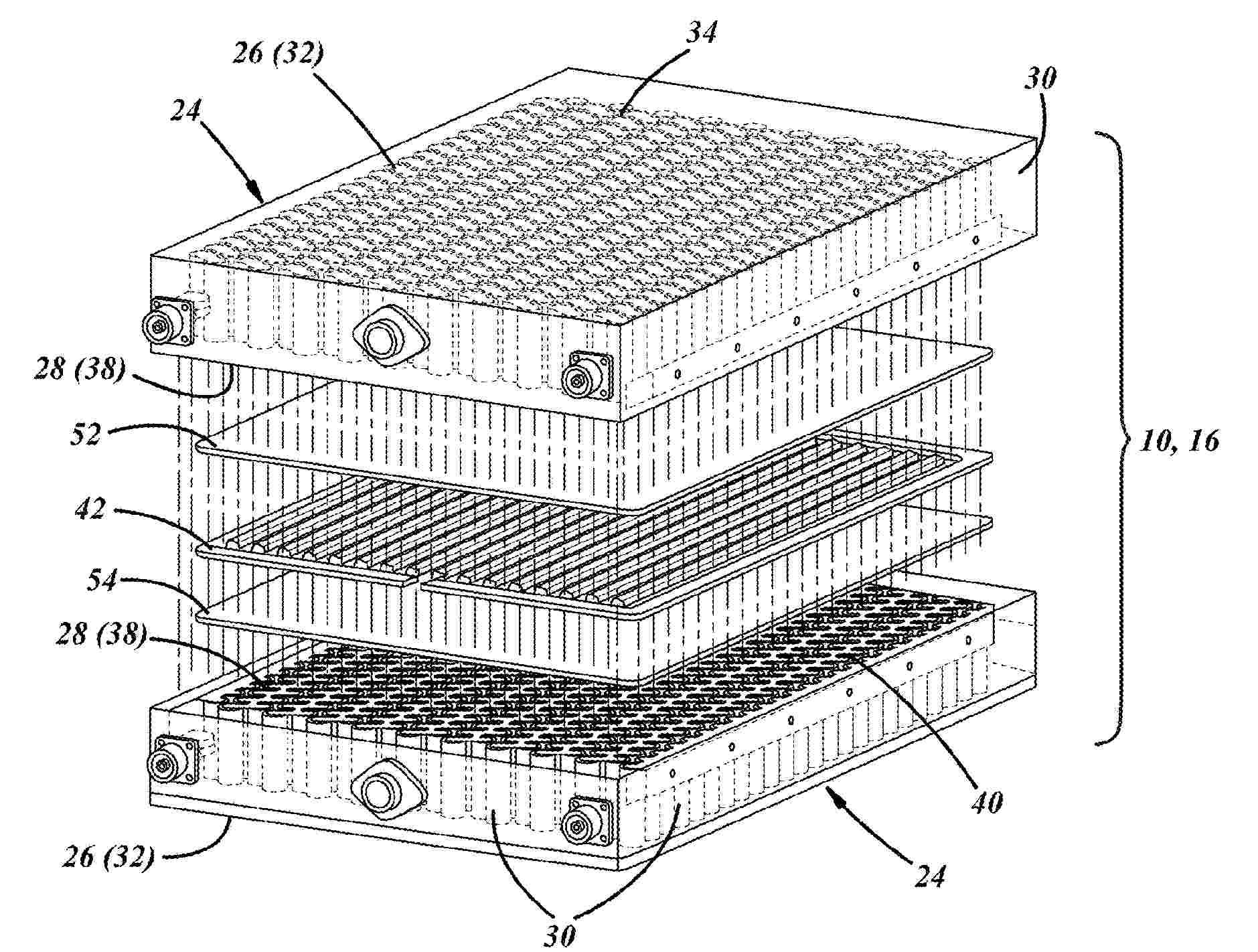
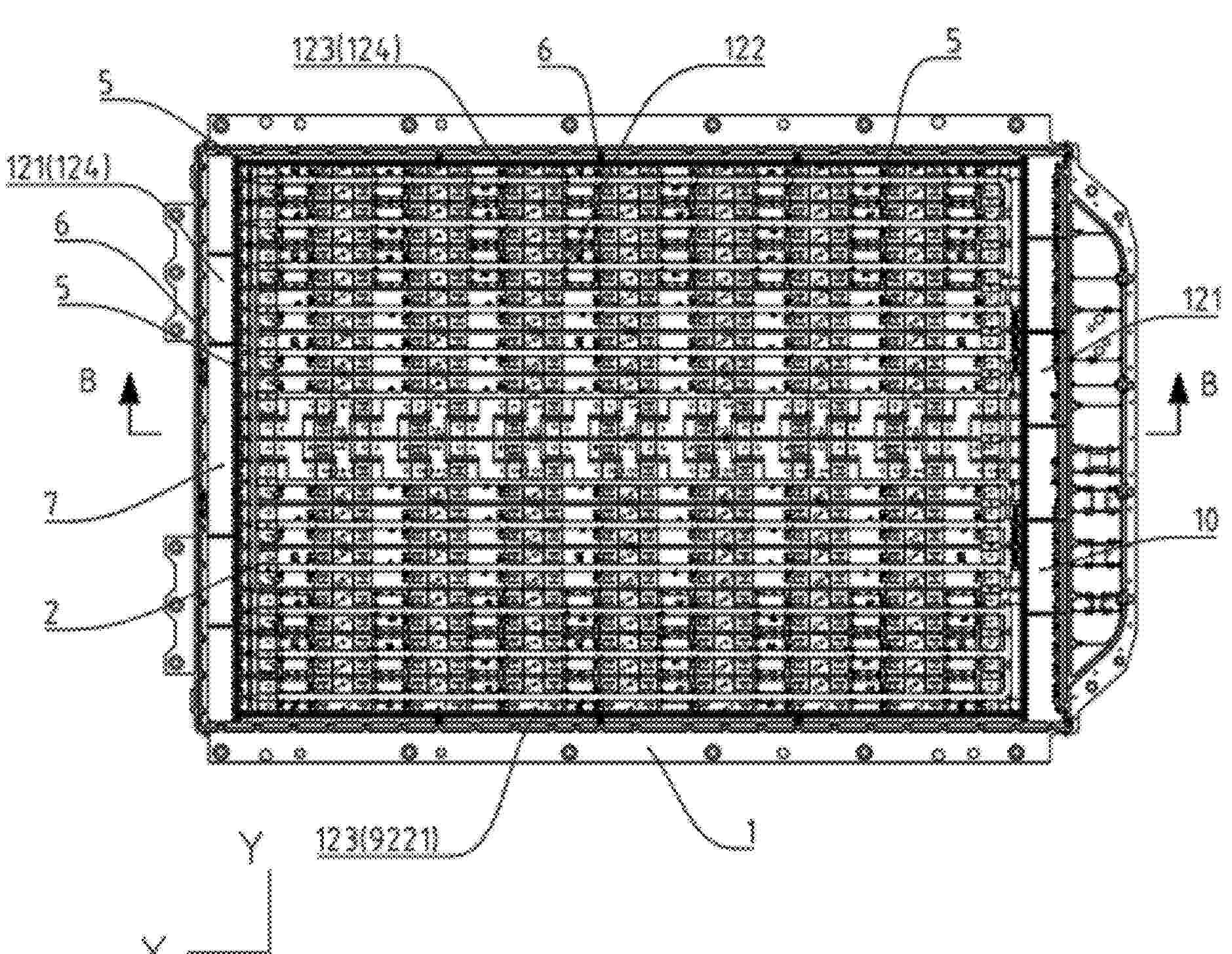
A traction battery pack assembly includes a cell stack within an interior of an enclosure. The cell stack has a plurality of battery cells disposed along a cell stack axis and at least one thermal barrier disposed along the cell stack axis. The at least one thermal barrier has a plurality of more compressible pieces secured to a plurality of less compressible pieces to establish at least one channel that is configured to communicate a liquid coolant though the cell stack.

Resumen de: US20260066440A1
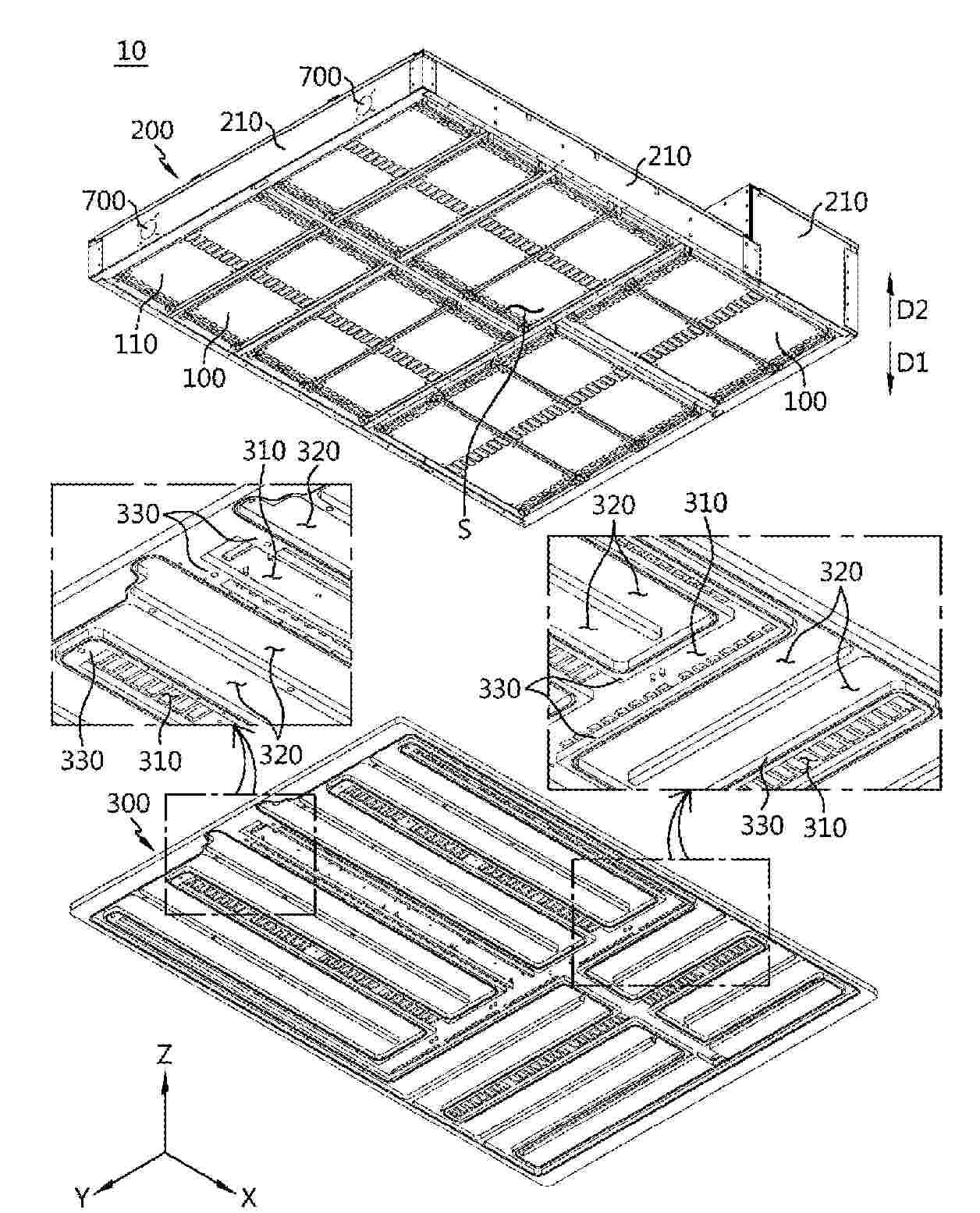
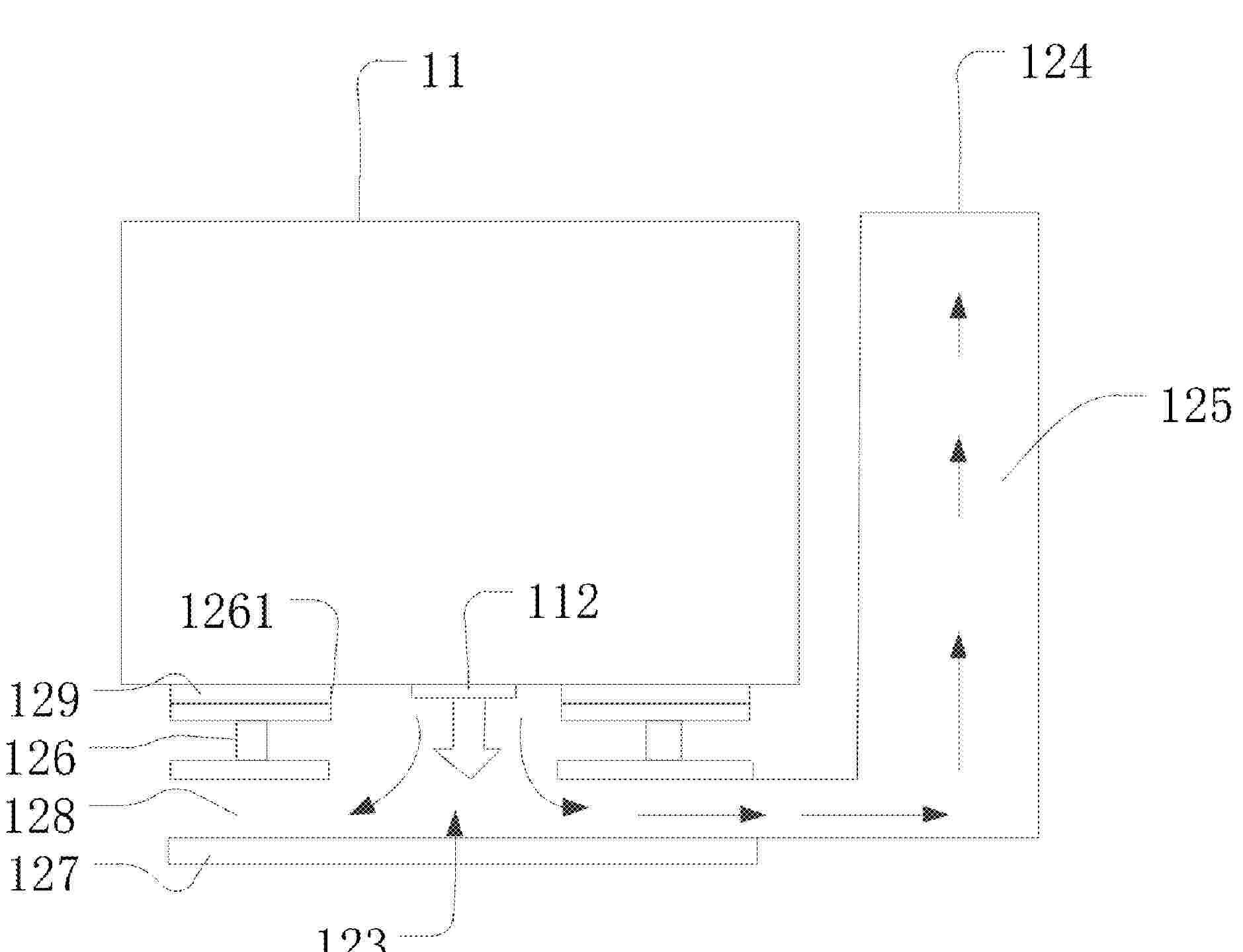
A battery pack according to the present disclosure includes: at least one battery assembly including a plurality of battery cells and having a vent hole on a first direction side; a pack case in which an accommodation space configured to accommodate the battery assembly is formed; and a cooling and venting member disposed on the first direction side of the battery assembly. The cooling and venting member includes a venting unit configured to allow vent gas discharged from the vent hole to flow therethrough, and a cooling unit configured to cool the battery assembly.
Resumen de: US20260066425A1
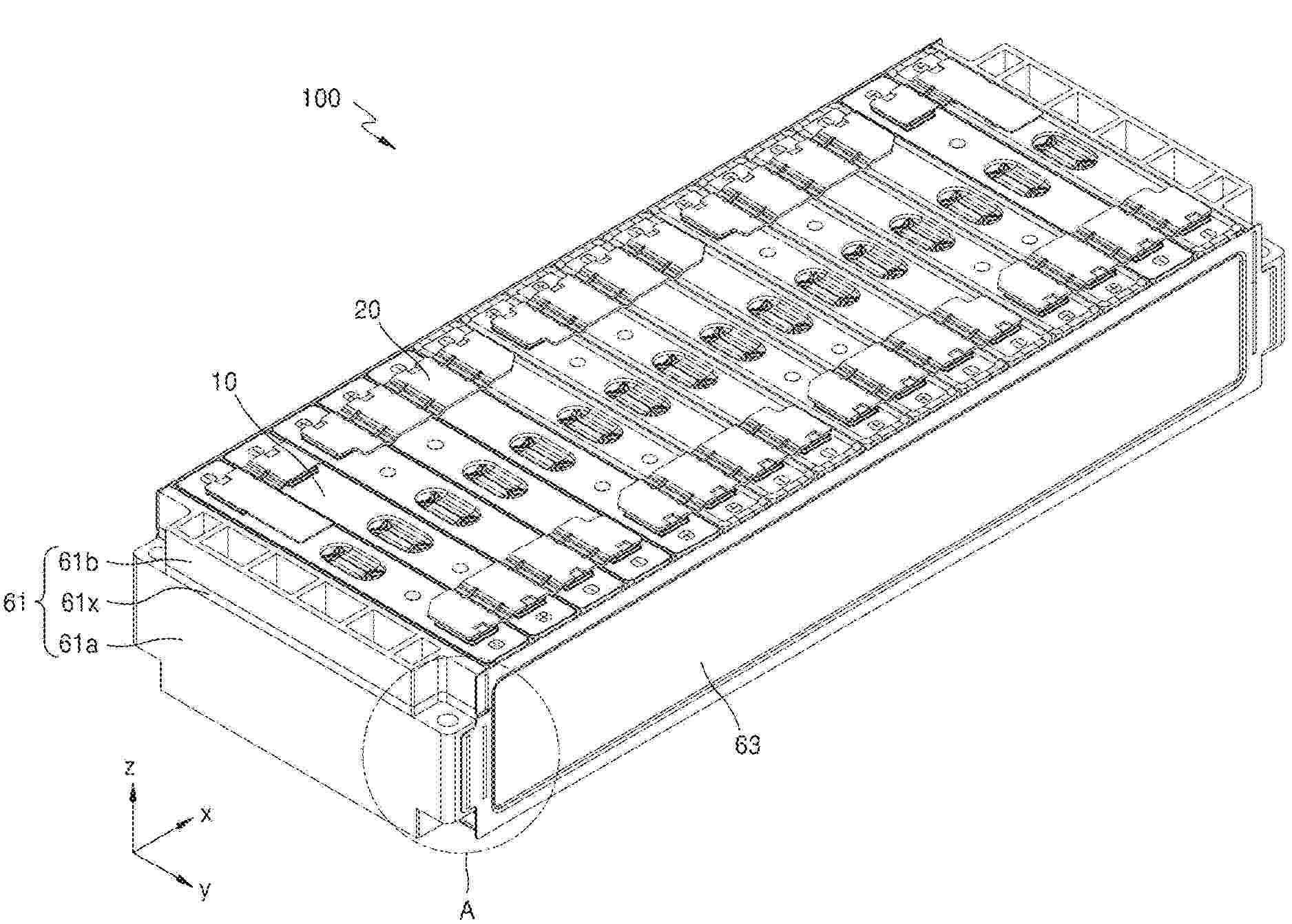
A battery module includes battery cells arranged in a first direction such that main surfaces of the battery cells are adjacent to each other, a pair of end plates at outermost sides of the battery cells, and a pair of side plates coupled to the pair of end plates and covering side surfaces of the battery cells. Each of the end plates includes a first elastic portion extending across the end plates in a second direction substantially perpendicular to the first direction, and each of the side plates includes a groove overlapping the first elastic portion in the second direction and extending in the first direction.
Resumen de: US20260066431A1
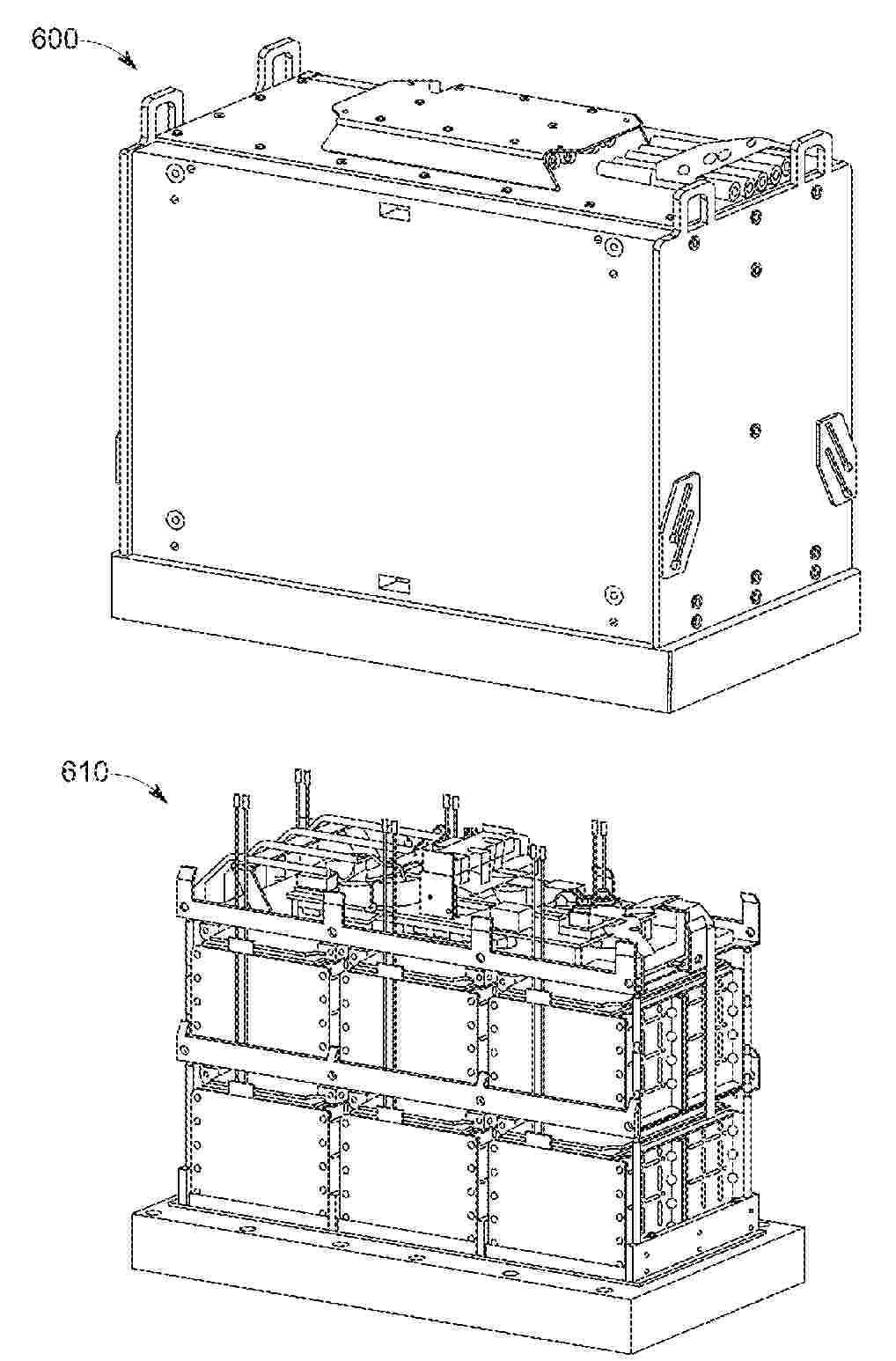
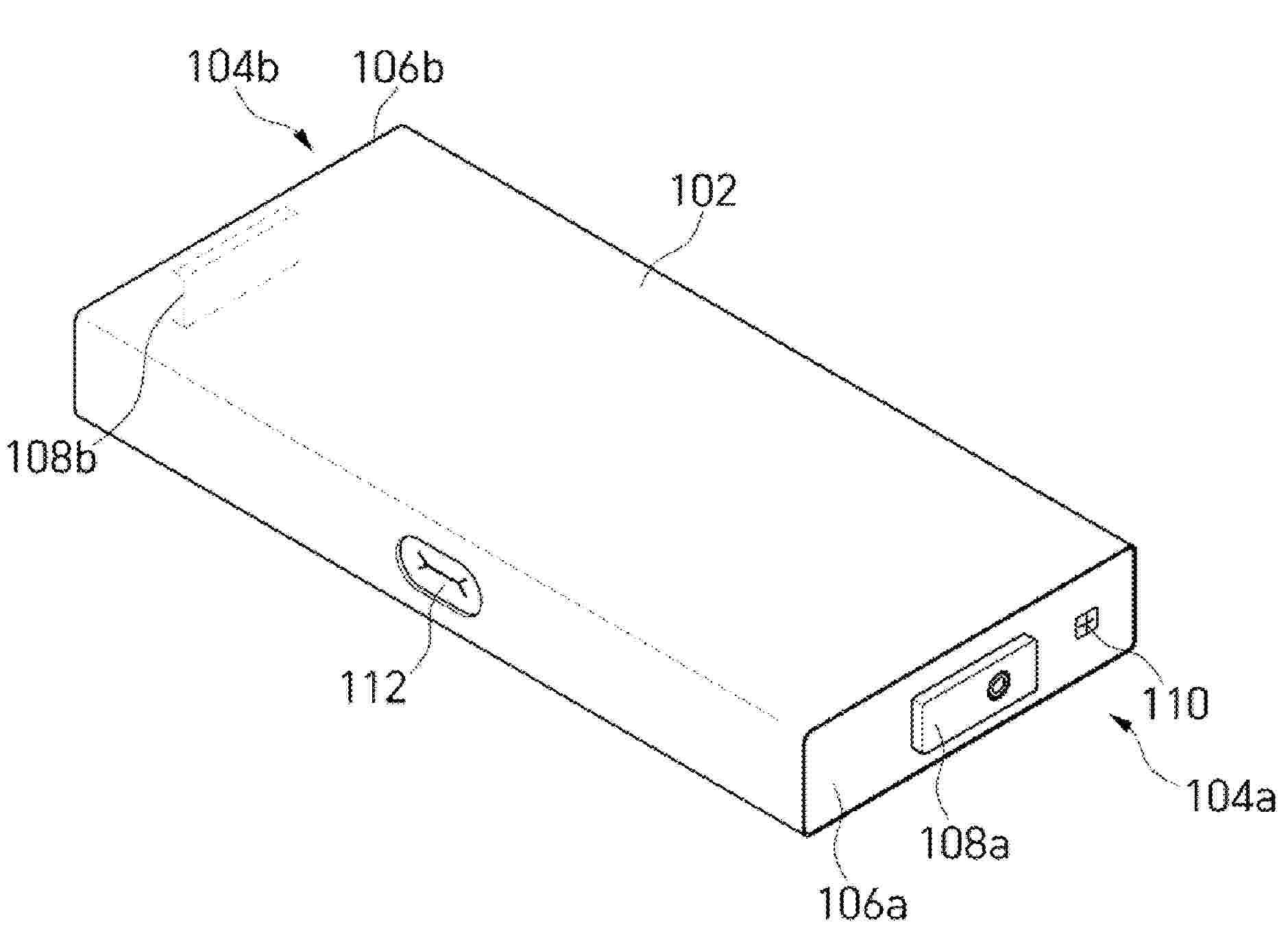
An industrial battery design including a sealed enclosure that can be used in material handling vehicle applications. The enclosure for the industrial battery includes a first piece of bent sheet metal and a second piece of bent sheet metal that is bolted to the first piece of bent sheet metal. The enclosure further includes a metal base plate and a lid assembly that includes a gasket.
Resumen de: US20260066417A1
An electric vehicle (EV) battery configuration is employable for use in numerous EV applications such as racing and recreational marine applications, automotive applications, and aerospace applications, among many other possibilities. In an implementation, the EV battery configuration has—as its main components—a metal frame, a first non-metal casing, a second non-metal casing, and a cooling plate. The first non-metal casing serves to support a multitude of first battery cells, and the second non-metal casing serves to support a multitude of second battery cells. The cooling plate has a location that is generally in-between the first non-metal casing and the second non-metal casing.
Resumen de: US20260066501A1
A secondary battery temperature evaluation apparatus, including a case having an opening in at least one end of the case, an electrode assembly being accommodated in the case, a temperature detector attached to the electrode assembly accommodated in the case, the temperature detector detecting a temperature and outputting a temperature detection signal, and a wire connected to the temperature detector, the wire being exposed after passing from inside to outside of the case and through which the temperature detection signal is transmitted outside of the case.
Resumen de: US20260066290A1
A positive electrode active material is provide, the positive electrode active material including a first positive electrode active material including a lithium iron phosphate-based compound; and a second positive electrode active material including lithium nickel-based composite oxide; wherein the second positive electrode active material is included in an amount of about 1 wt % to about 15 wt % based on 100 wt % of the first positive electrode active material and second positive electrode active material. The positive electrode active material, the positive electrode including the same, and the rechargeable lithium battery according to some example embodiments may achieve high capacity and excellent or suitable stability.
Resumen de: US20260066268A1
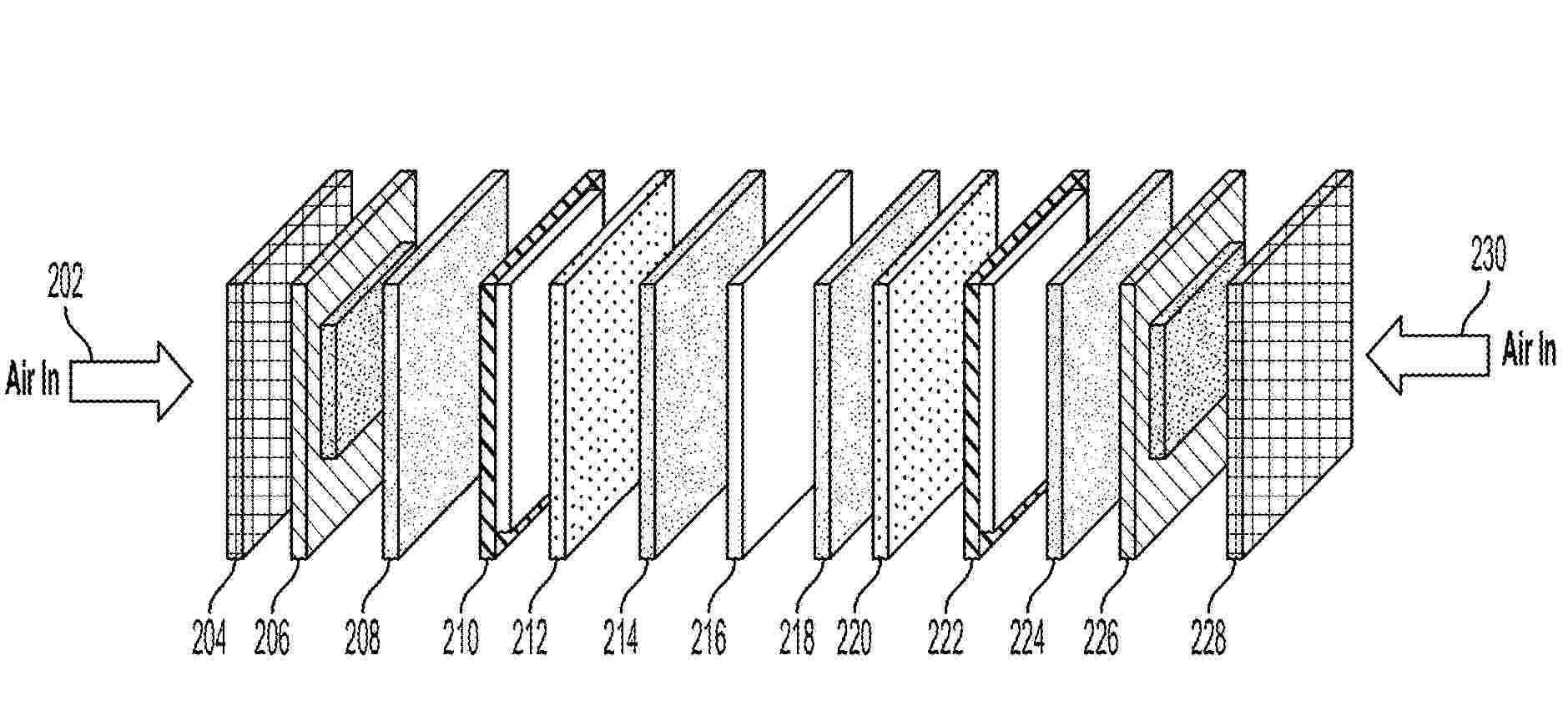
A mixed metal air battery comprises an anode containing at least two metals, which enables the battery to utilize a wide range of metal combinations. The cathode is composed of hydrogen, oxygen, or a mixture of both, allowing for the battery. An electrolyte, in the form of a saturated alkali hydroxide solution, is used to facilitate the flow of ions between the anode and cathode. The electrolyte is in fluid communication with both the anode and cathode, ensuring efficient energy transfer. The battery's design enables it to utilize its anode and cathode materials to generate power, making it a promising alternative to traditional batteries. The combination of metals, gases, and electrolytes creates a unique and efficient energy storage system.
Resumen de: US20260066279A1
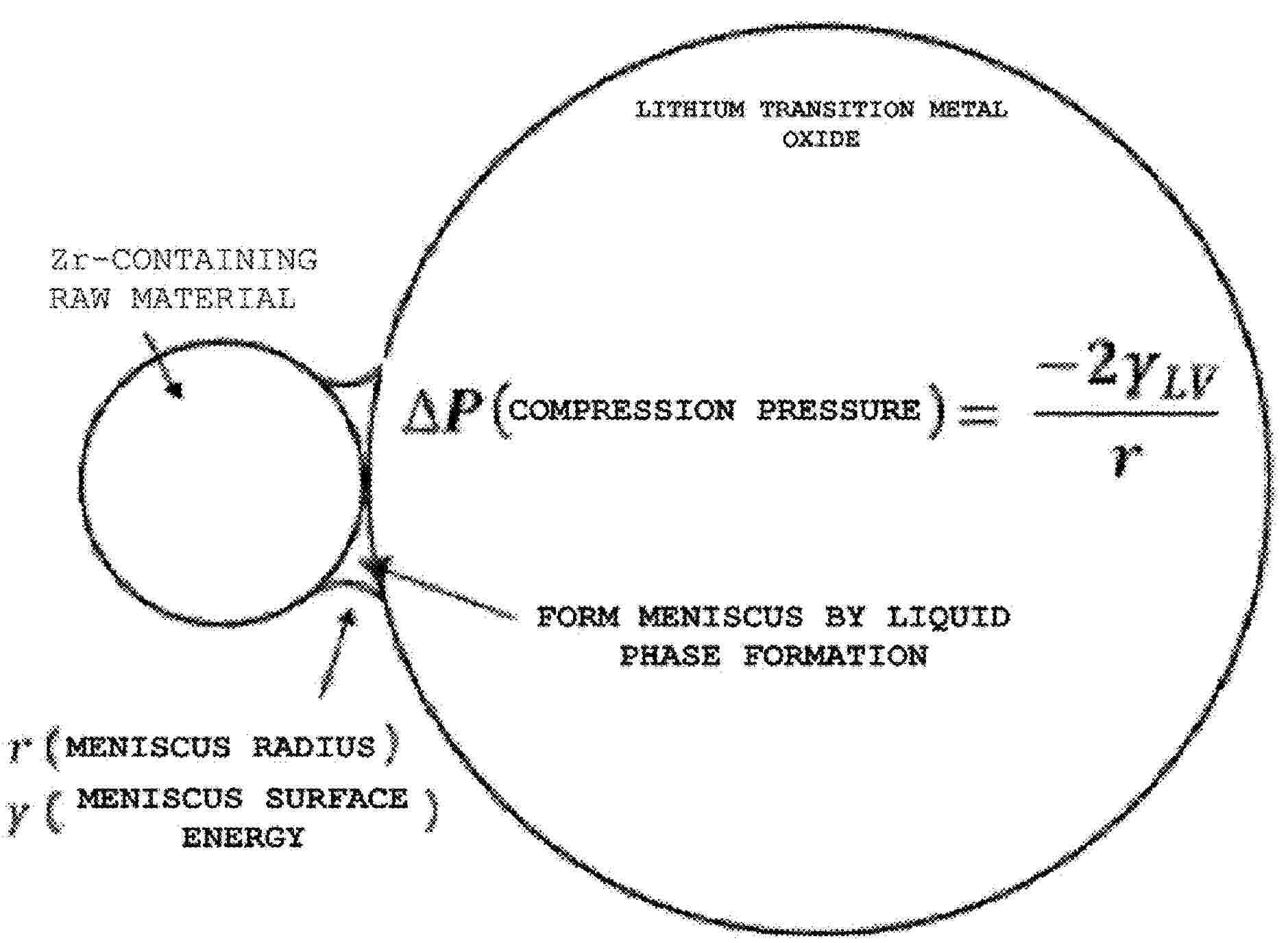
A positive electrode active material contains a lithium transition metal oxide in the form of a secondary particle in which primary particles are aggregated, wherein a zirconium-containing coating film is formed on the surface of the lithium transition metal oxide secondary particle and at the interface between the primary particles present inside the secondary particle. A method of making the positive electrode active material is also provided.
Resumen de: US20260066270A1
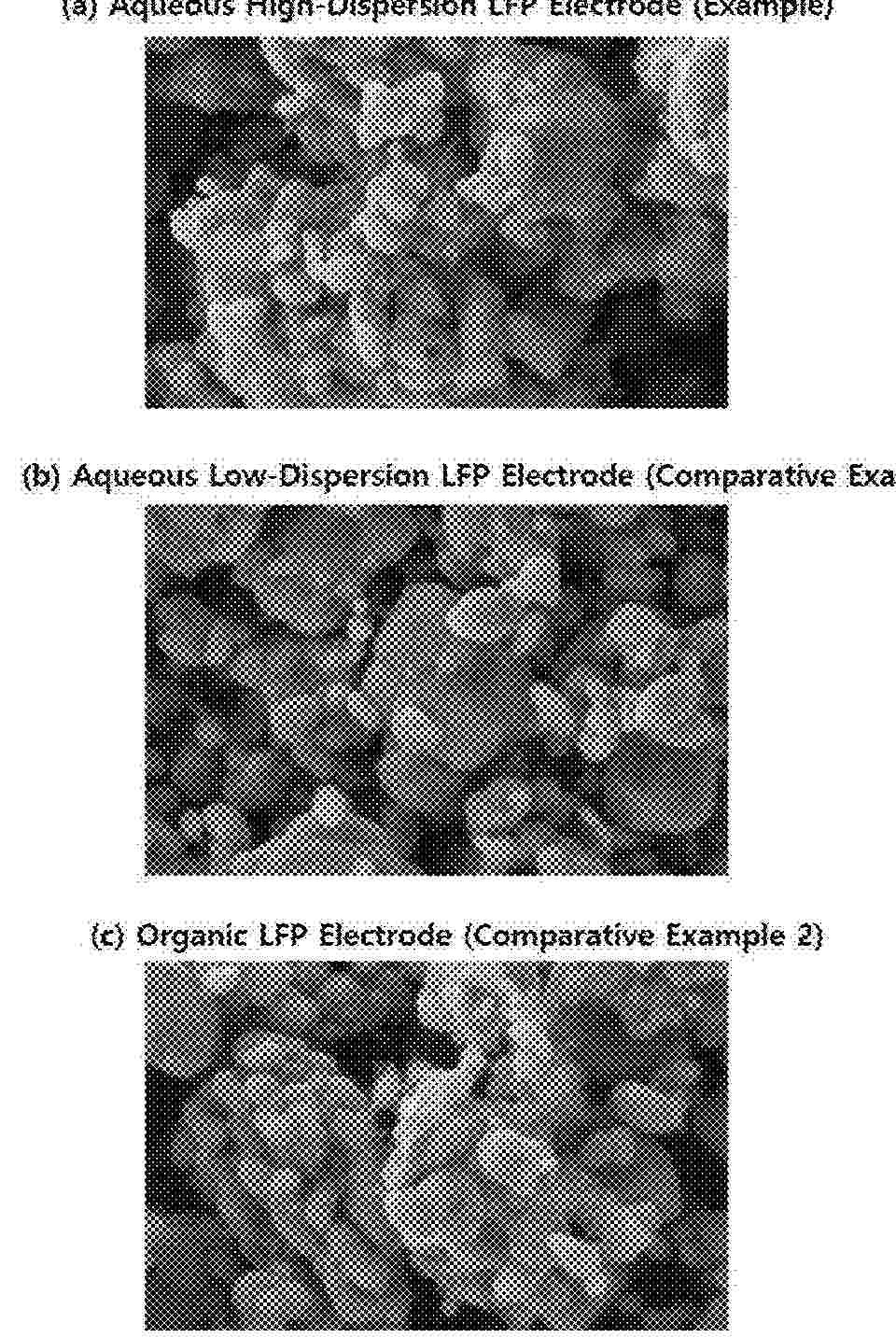
A method for preparing an aqueous cathode slurry composition, specifically including: (a) performing a first mixing step by mixing a binder and an aqueous solvent; and (b) mixing lithium iron phosphate (LiFePO4) as the cathode active material and a conductive agent into the mixture from step (a), followed by performing a second mixing step using at least one process selected from the group consisting of high rotation energy dispersion mixing, compression pressure mixing, and rotation shear mixing.
Resumen de: US20260066277A1
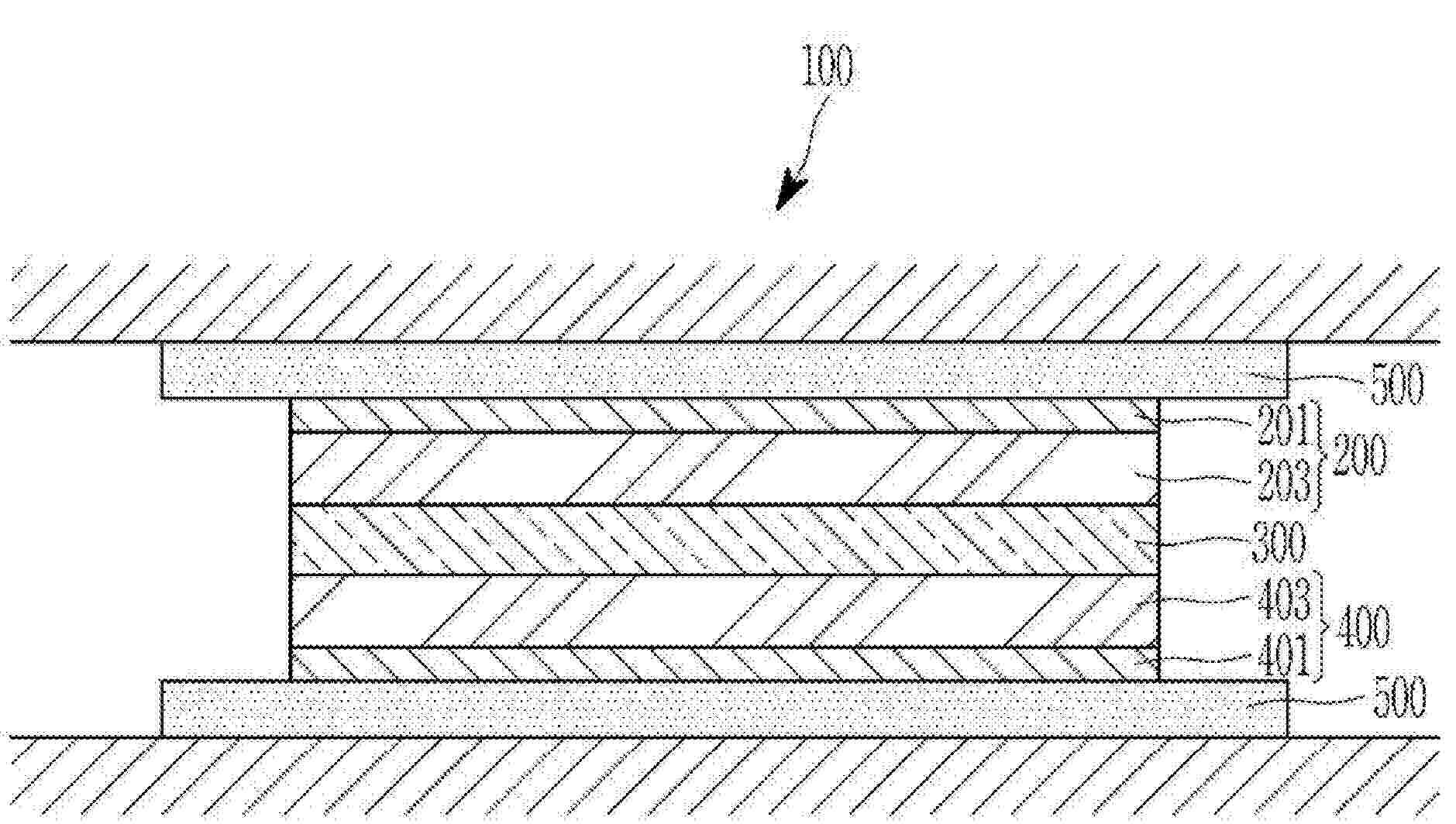
A composite positive electrode active material for an all-solid-state battery, a positive electrode including the composite positive electrode active material, and an all-solid-state battery. The composite positive electrode active material for includes a positive electrode active material core and a coating layer on the core, wherein the coating layer includes an amorphous solid electrolyte represented by Chemical Formula 1:wherein in Chemical Formula 1, X is F, Cl, Br, I, O, OH, PF6, BF4, S, N, P, ClO4, or CO3;m and n satisfy 1≤m≤2 and 1≤n≤2, respectively; anda and b each satisfy 0.01≤a≤1 and 0.01≤b≤1.
Resumen de: US20260066344A1
Disclosed is a polymer electrolyte, including: a polymer substrate; and a copolymer, wherein the polymer substrate includes a support material, and the copolymer contains cyano groups, ester groups, and sulfonic acid groups. In the present disclosure, the polymer substrate serves as a support material to provide a mechanical strength, and the function of the copolymer is to form a stable interface with positive electrodes and negative electrodes. Furthermore, the copolymer contains cyano groups, ester groups, and sulfonic acid groups, all of which are polar groups that enable improvement of the mechanical properties of the electrolyte, while having high a reduction resistance and an oxidation resistance, enabling formation of a stable SEI film with the negative electrodes and a stable CEI film with the positive electrodes, which may enable the prepared secondary battery to have a high energy density and to be able to operate cycles in the long term.
Resumen de: US20260066301A1
A battery cell includes A anode electrodes, C cathode electrodes, and S separators where C, A and S are integers greater than one. The C cathode electrodes each include a cathode current collector and a cathode active material layer arranged on the cathode current collector. The cathode active material layer comprises a cathode active material, a conductive filler, and a binder including a fibrillating binder and a co-polymer including polyacrylonitrile (PAN) and polyacrylic acid (PAA).
Resumen de: US20260066347A1
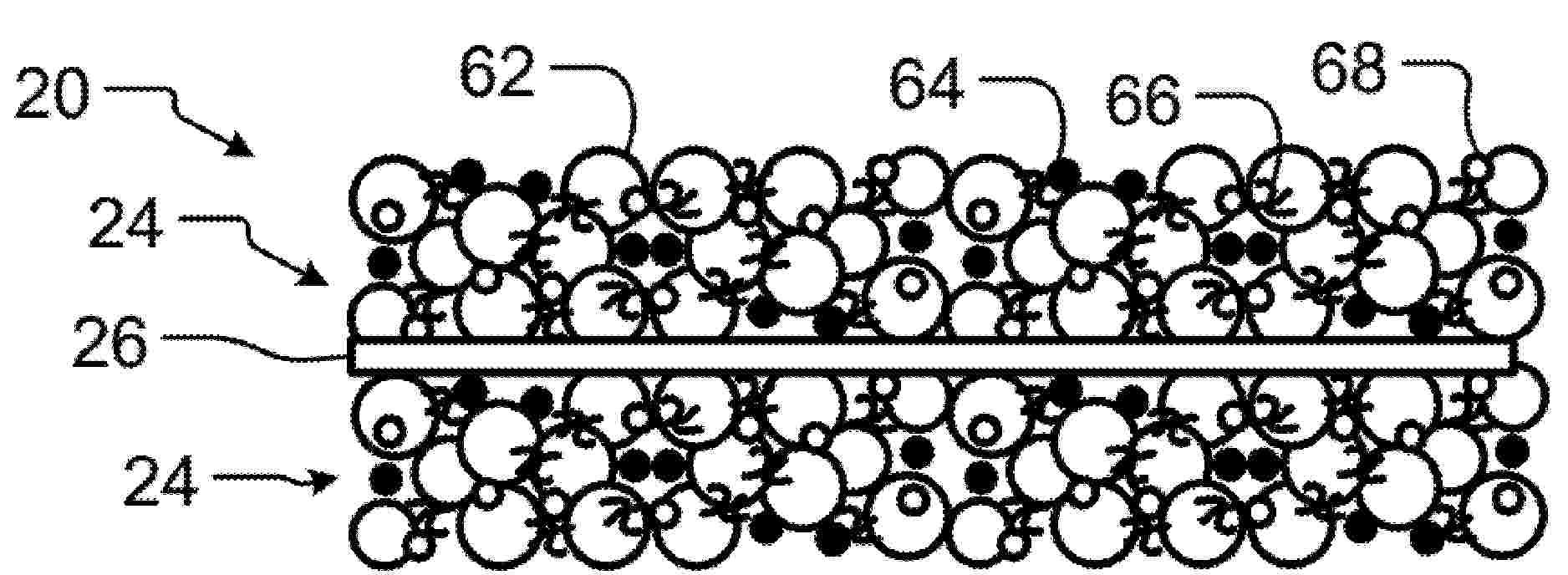
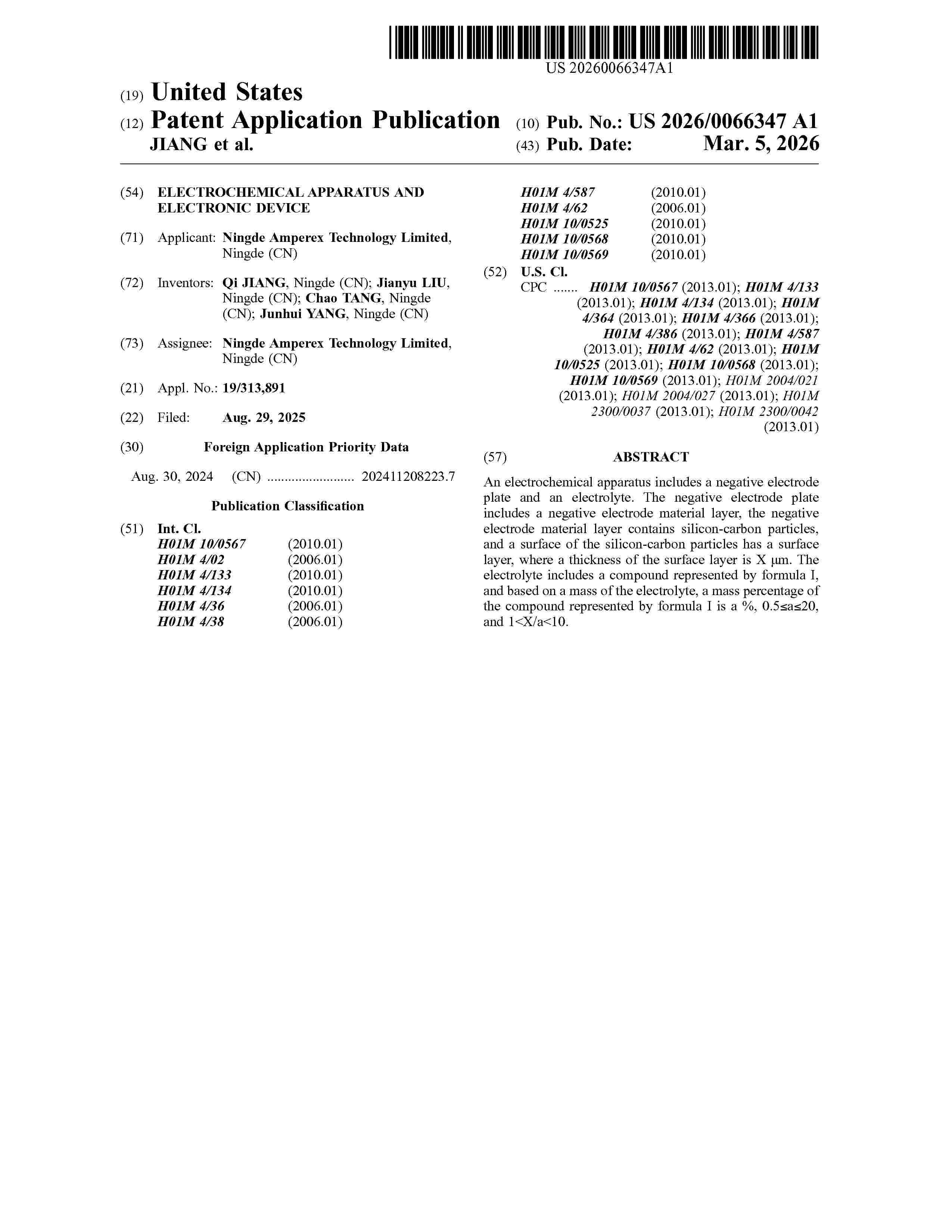
An electrochemical apparatus includes a negative electrode plate and an electrolyte. The negative electrode plate includes a negative electrode material layer, the negative electrode material layer contains silicon-carbon particles, and a surface of the silicon-carbon particles has a surface layer, where a thickness of the surface layer is X μm. The electrolyte includes a compound represented by formula I, and based on a mass of the electrolyte, a mass percentage of the compound represented by formula I is a %, 0.5≤a≤20, and 1
Resumen de: US20260066447A1
The present application provides a battery and an electric apparatus, the battery includes a cell and a support member, the support member is provided with a configuration compartment and an exhaust compartment, the cell is disposed in the configuration compartment, the cell includes a housing, an electrode, and a valve member, the valve member is disposed on a side of the housing facing the exhaust compartment and is in communication with the exhaust compartment in an open state, and the electrode is disposed on a side of the housing facing away from the valve member.
Resumen de: US20260066438A1
A method for potting the battery pack includes filling the accommodating chamber with a foam adhesive for a plurality of times prior to installation of the cover to form a pre-potted structure formed by at least one filling of the foam adhesive and a post-potted structure formed by at least one filling of the foam adhesive, in which the battery assembly is connected to the cover through the post-potted structure. A battery pack includes a case having an accommodating chamber with an opening, a battery assembly located in the accommodating chamber, a cover closing the opening, a pre-potted structure formed by foam adhesive and located in the accommodating chamber, and a post-potted structure formed by foam adhesive and located in the accommodating chamber. The battery assembly is connected to the cover through the post-potted structure.
Resumen de: WO2026044770A1
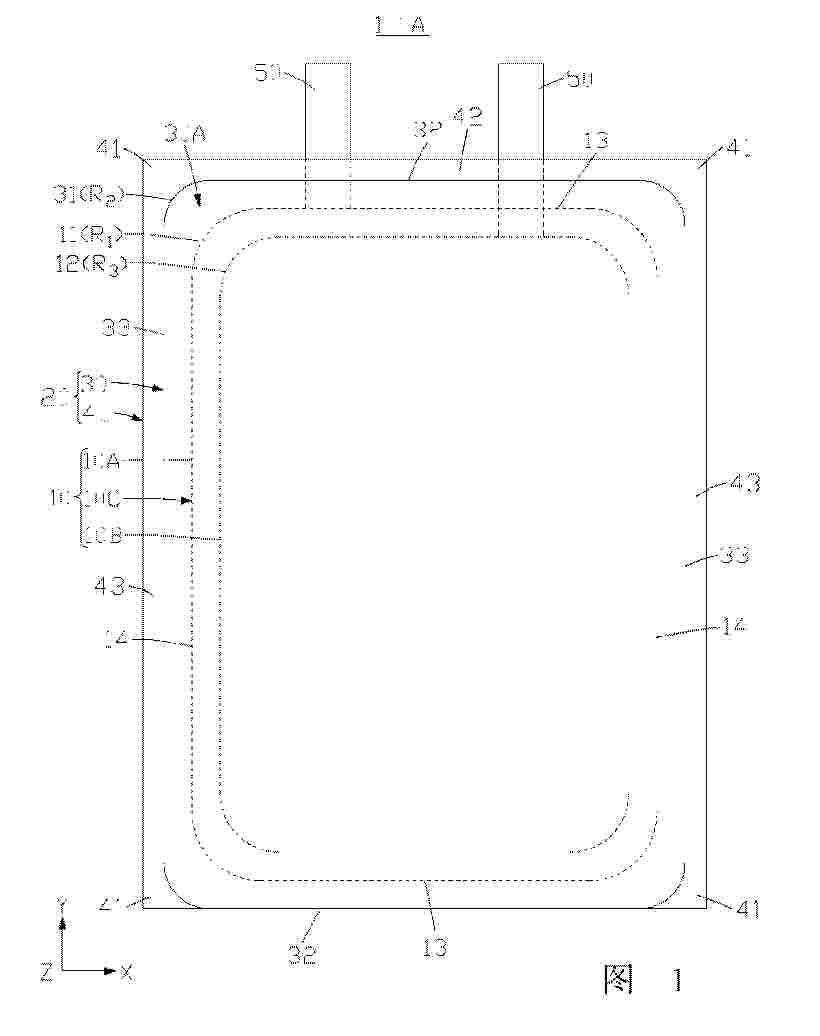
A battery and a terminal device. The battery cell comprises an electrode assembly and a packaging pouch. At least one corner of the electrode assembly is provided with a first arc, and when viewed in a first direction, the radius of the first arc is R1. The packaging pouch comprises a main body portion, and the electrode assembly is provided in the main body portion. The corner of the main body portion adjacent to the first arc is provided with a second arc, and the second arc is spaced apart from the first arc. When viewed in the first direction, the radius of the second arc is R2, wherein R2<R1. The first direction is the thickness direction of the battery cell. The second arc and the first arc are spaced apart, and R2<R1, so that the first arc is blunter than the second arc, thereby facilitating the formation of a buffer space between the second arc and the first arc. When the electrode assembly expands during cycling, the buffer space can reduce the risk of contact and interference between the first arc and the second arc, thereby reducing the risk of deformation of or damage to the battery cell caused by the corner of the electrode assembly being pressed by the packaging pouch, improving the safety performance of the battery cell.
Resumen de: WO2026044498A1
A battery pack and an electric device. The battery pack comprises: a case, wherein a first chamber and a second chamber separated by a heat conducting wall are formed in the case, and the first chamber is used for accommodating a heat conducting liquid; a heat conducting assembly arranged in the second chamber, wherein a plurality of first cell holes are formed inside the heat conducting assembly, and the heat conducting assembly is in thermally conductive connection with the wall of the second chamber; and a battery assembly comprising a plurality of cells, wherein each cell is arranged in the corresponding first cell hole and is in thermally conductive connection with the hole wall of the corresponding first cell hole, such that the cell can exchange heat with the heat conducting liquid. A closed case structure is used, and the heat conducting liquid and the heat conducting assembly in the case are used to exchange heat with the cells, such that heat generated by the cells is dissipated to the outside by means of the heat conducting liquid and the case. The battery pack does not need to be provided with a special external circulation system, thereby avoiding the risk of liquid leakage of tubes, reducing energy consumption, involving low costs, and achieving a high protection level.
Resumen de: WO2026044505A1
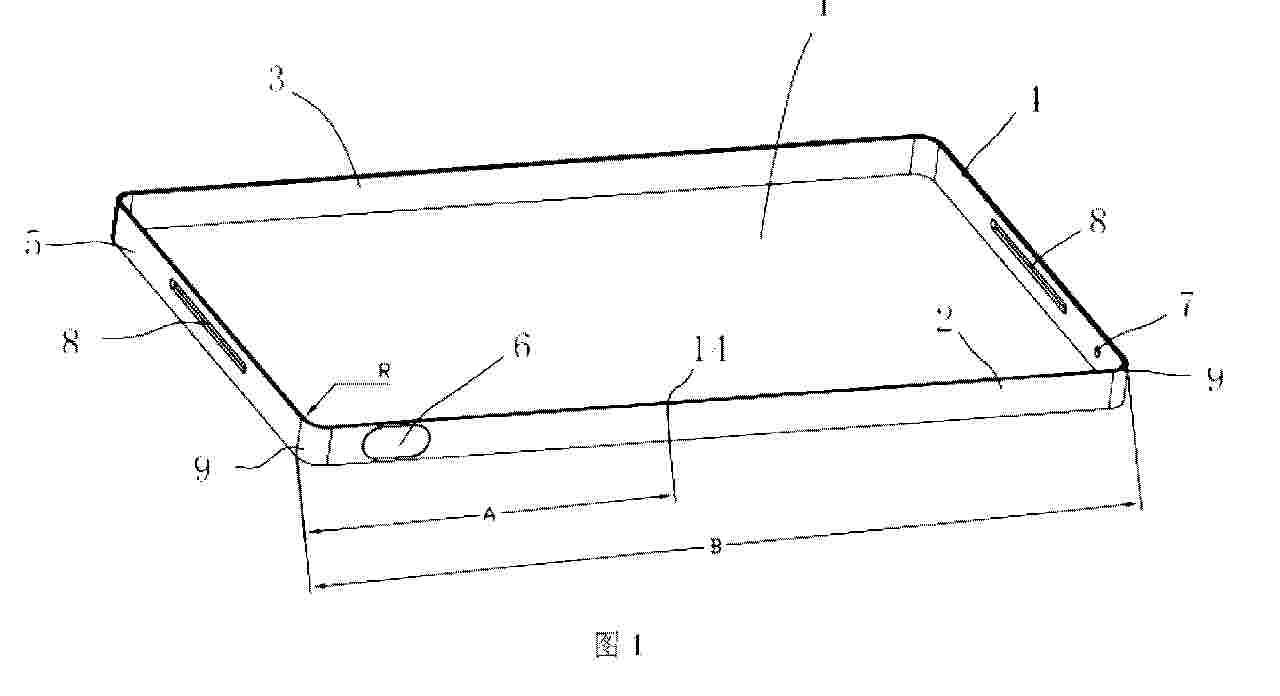
The present application relates to the technical field of batteries, and particularly relates to a battery cell frame, a battery cell frame processing process and a battery. The battery cell frame is formed by means of bending a profile to form in the central region thereof an accommodating space where a battery cell is fixed, and the battery cell frame comprises a first frame and a second frame parallel to each other in a horizontal direction, and a third frame and a fourth frame parallel to each other in a vertical direction, wherein the first frame is higher than the second frame in the vertical direction; an explosion-proof valve hole, a liquid injection hole and electrode-post mounting holes are provided at intervals in the first frame, the second frame and the third frame of the battery cell frame; bent corners are formed at bent positions of the profile; the head and tail ends of the profile are welded and fixed together to form a weld joint; the distance between the weld joint and each of the explosion-proof valve hole, the liquid injection hole and the electrode-post mounting holes is greater than or equal to 2 mm; the distance between the weld joint of the profile and the closest bent corner is defined as A, the length of the weld joint located on the frame of the battery cell frame is defined as B, the radius of the bent corners is defined as R, and the parameters satisfy 1.2R≤A≤0.5B. The present application can reduce the production cost of the battery.
Resumen de: US20260066471A1
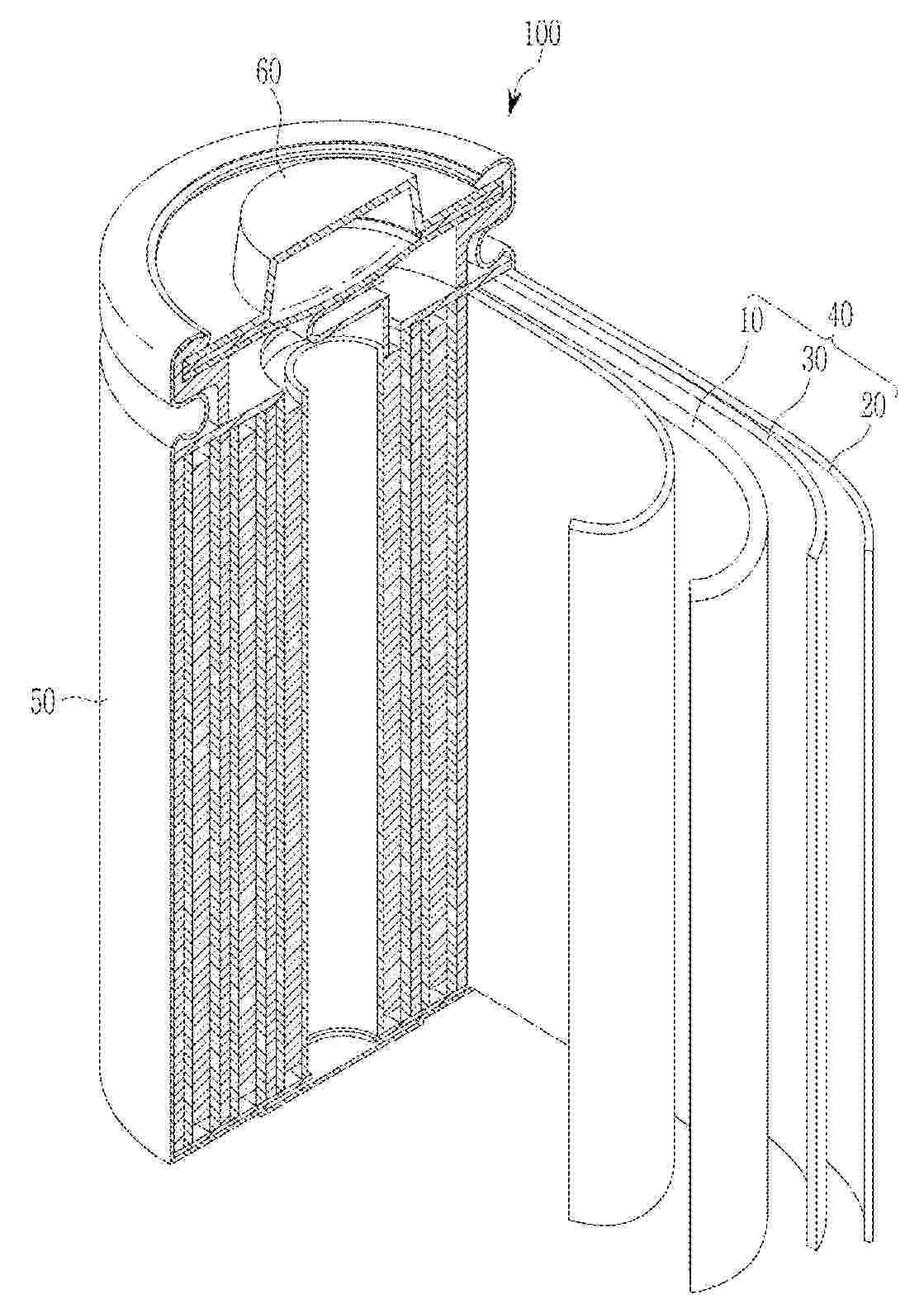
The present disclosure relates to an electrode assembly, and a technical problem to be addressed includes providing an electrode assembly with improved impregnation. The present disclosure describes an electrode assembly that includes a first electrode and a second electrode, and a separator between the first electrode and the second electrode. The electrodes and the separator are stacked in one direction, and the separator includes one or more holes formed in the stacking direction of the separator.
Resumen de: US20260066464A1
A battery substrate for separating a positive electrode and a negative electrode from each other in a rechargeable battery includes a porous substrate having a first surface and a second surface opposing each other and a first coating layer and a second coating layer respectively disposed on the first and second surfaces of the porous substrate. Each of the first and second coating layers contains heat-resistant organic particles, an organic heat-resistant binder, and an organic adhesive binder. The heat-resistant organic particles have a core/shell structure.
Resumen de: US20260066454A1
The present disclosure relates to a battery box having a structure that provides fire safety and enables multi-layer stacking. The battery box according to the present disclosure includes a first enclosure configured to accommodate a plurality of battery modules therein, a deflagration panel configured to rupture to allow flammable to be discharged from the first enclosure, when the flammable gas is generated in the first enclosure and pressure inside the first enclosure increases to a value greater than or equal to a threshold pressure, a first duct which has a lower end connected to the deflagration panel and an upper end connected to an exhaust port spaced a distance apart from the battery box and which guides the flammable gas discharged from the deflagration panel to the exhaust port, and a stacking support positioned on the first enclosure and configured to support a second enclosure stacked on the first enclosure.
Resumen de: US20260066451A1
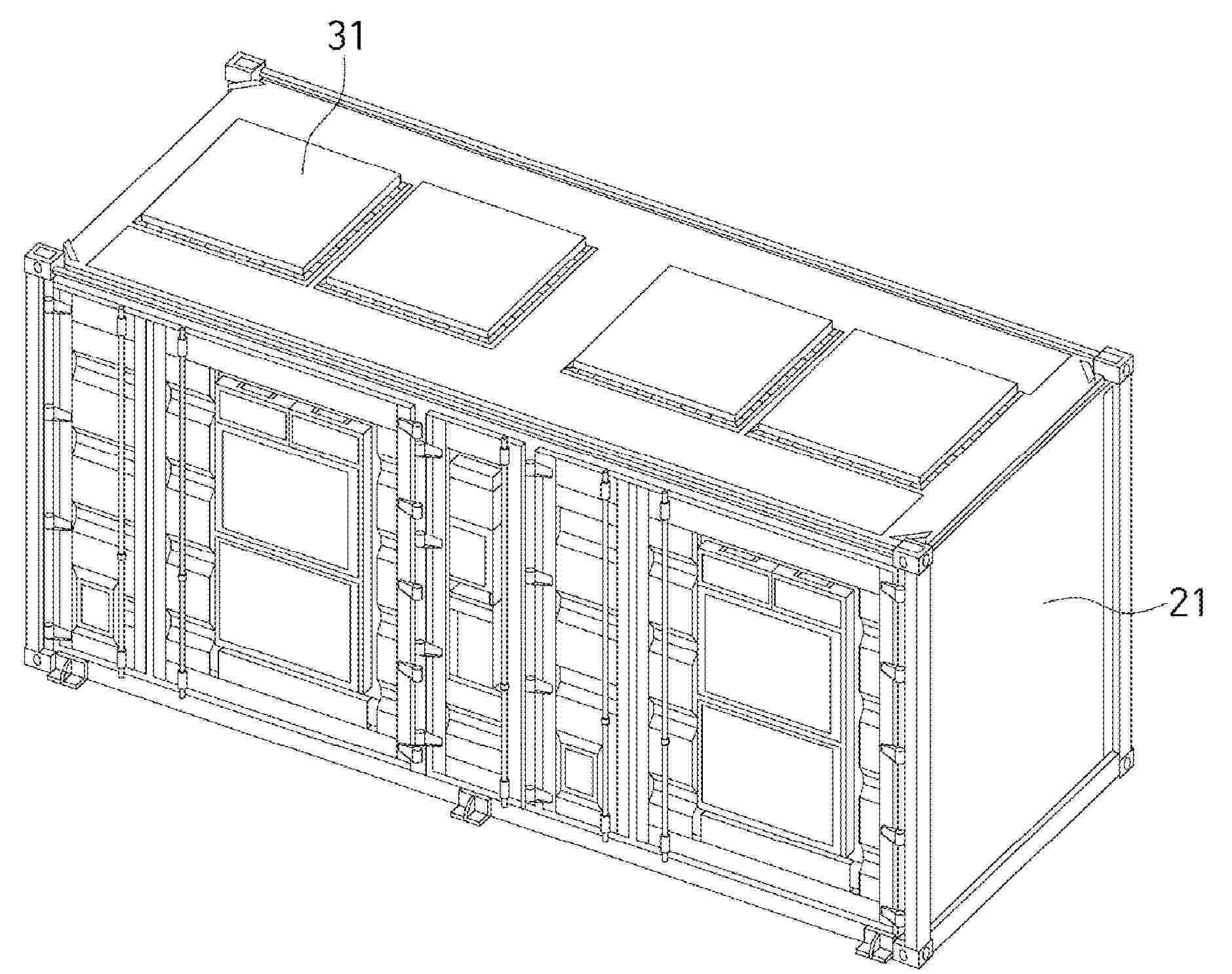
An energy storage system (ESS) includes a container to accommodate a plurality of battery modules, and an explosion-proof panel arranged on one surface of the container to seal the container. The explosion-proof panel includes a gas tank to release inert gas into the container when a pressure inside the container is lower than a pressure outside the container.
Resumen de: US20260066475A1
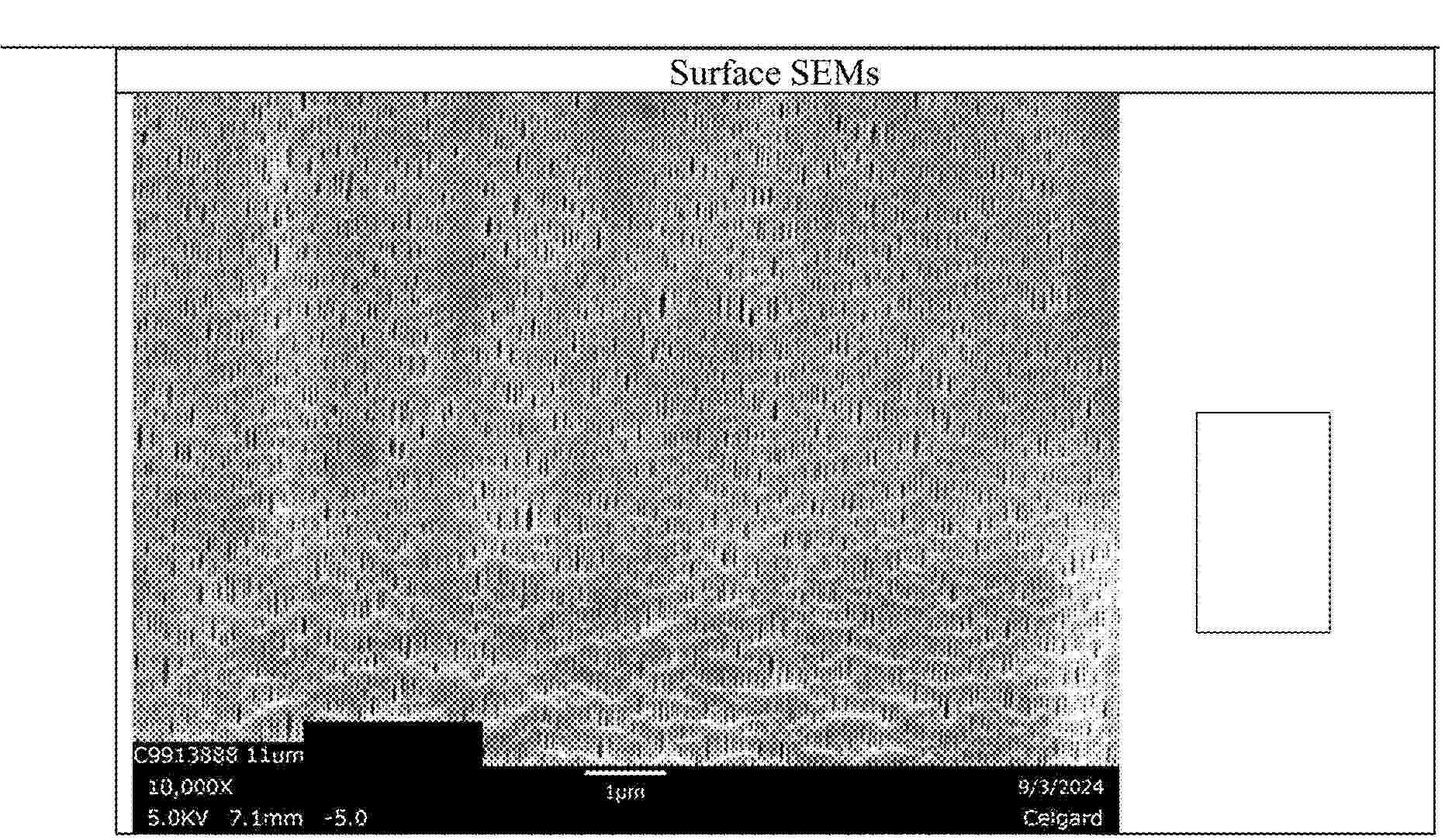
An improved strength microporous membrane is described herein. The microporous membrane may be useful as a battery separator, separator membrane, base film, or membrane with a variety of uses thereof. The improved microporous membranes described herein may be dry process polyolefin membranes and may be used as battery separators or as a component of a composite or battery separator. The battery separators or composites may be used in energy storage devices including primary batteries, secondary batteries, fuel cells, capacitors, or super capacitors.
Nº publicación: US20260066260A1 05/03/2026
Solicitante:
LG ELECTRONICS INC [KR]
LG ELECTRONICS INC
Resumen de: US20260066260A1
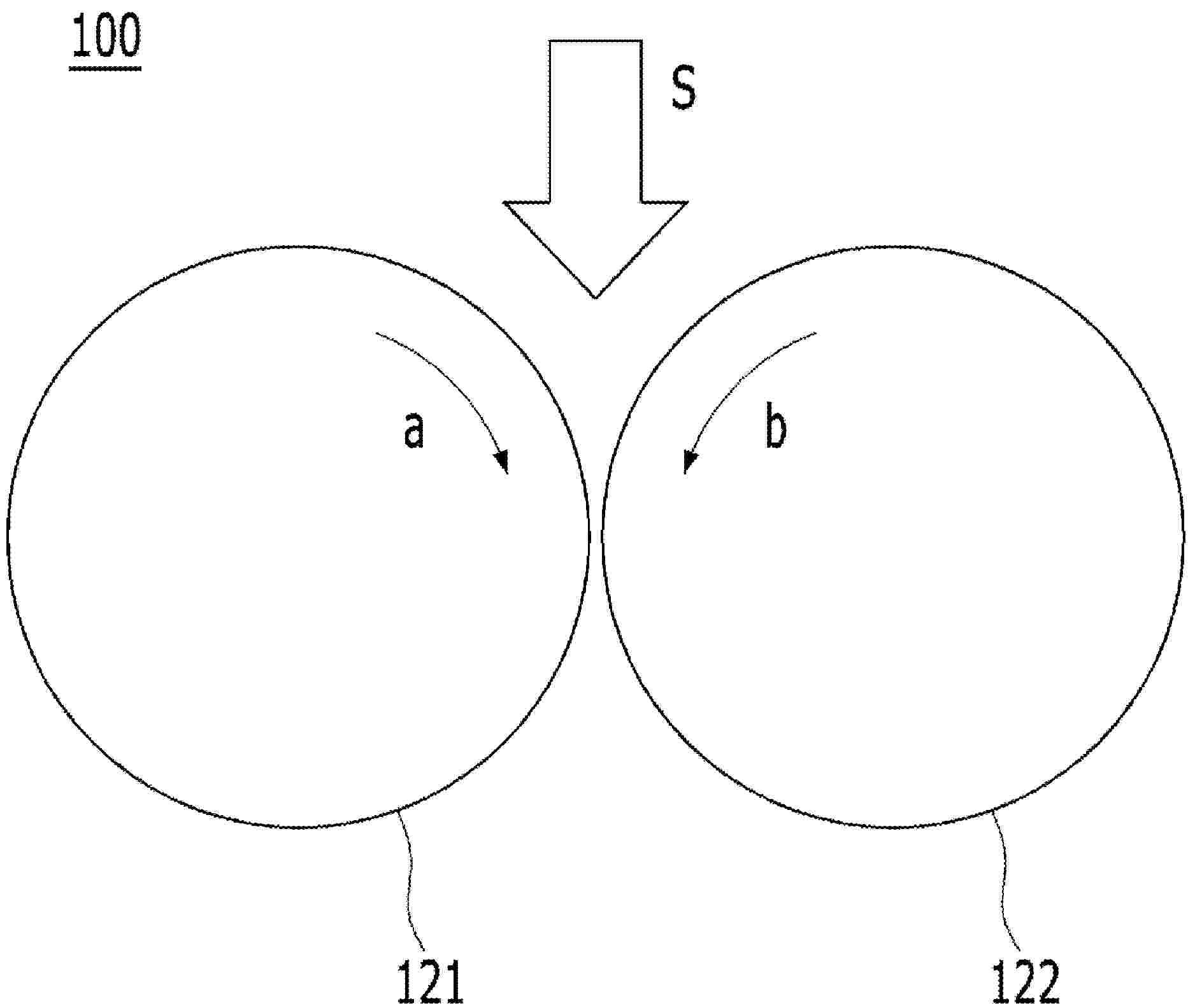
According to embodiments, provided is an electronic device comprising: a first roller; a second roller arranged to face the first roller; and a drive unit that rotatably drives the first roller at a first speed and rotatably drives the second roller at a second speed to form, into a film, a mixture being input between the first roller and the second roller.
 BOPI
BOPI
 Sede Electrónica