Si deseas distinguir tus productos, servicios o ambos de los de otra empresa, es posible que necesites una marca o nombre comercial. Descubre qué son, en qué consiste su procedimiento de registro y qué implica.

Información sobre los plazos de presentación de solicitudes de transformación de marcas de la Unión Europea en marca nacional española. Más información


Si tienes un nuevo dispositivo, producto o procedimiento que resuelva un problema técnico o tenga una ventaja práctica, existen distintas formas de protegerlo en España y en otros países. Descubre cómo hacerlo.

¿Tu innovación reside en la estética, la ornamentación o la apariencia de tu producto? Protégela mediante un diseño industrial. Descubre qué derechos confiere el registro y cómo realizar la tramitación.

Las indicaciones geográficas protegen el nombre de un producto originario de una zona geográfica, a la cual le debe una determinada calidad, reputación u otra característica. Descubre qué son, en qué consiste su procedimiento de registro y qué beneficios conceden.

Las patentes publicadas en todo el mundo son una valiosa fuente de información científica, técnica y comercial.

Si eres emprendedor/a o una empresa y quieres potenciar y mejorar la rentabilidad de tu negocio protegiendo de forma adecuada los activos intangibles de tu organización, en este espacio encontrarás lo necesario.


 1601
resultados
1601
resultados
 Última actualización
20/03/2026 [07:15:00]
Última actualización
20/03/2026 [07:15:00]


 Resultados 1400 a 1425 de 1601

Resumen de: WO2026048233A1
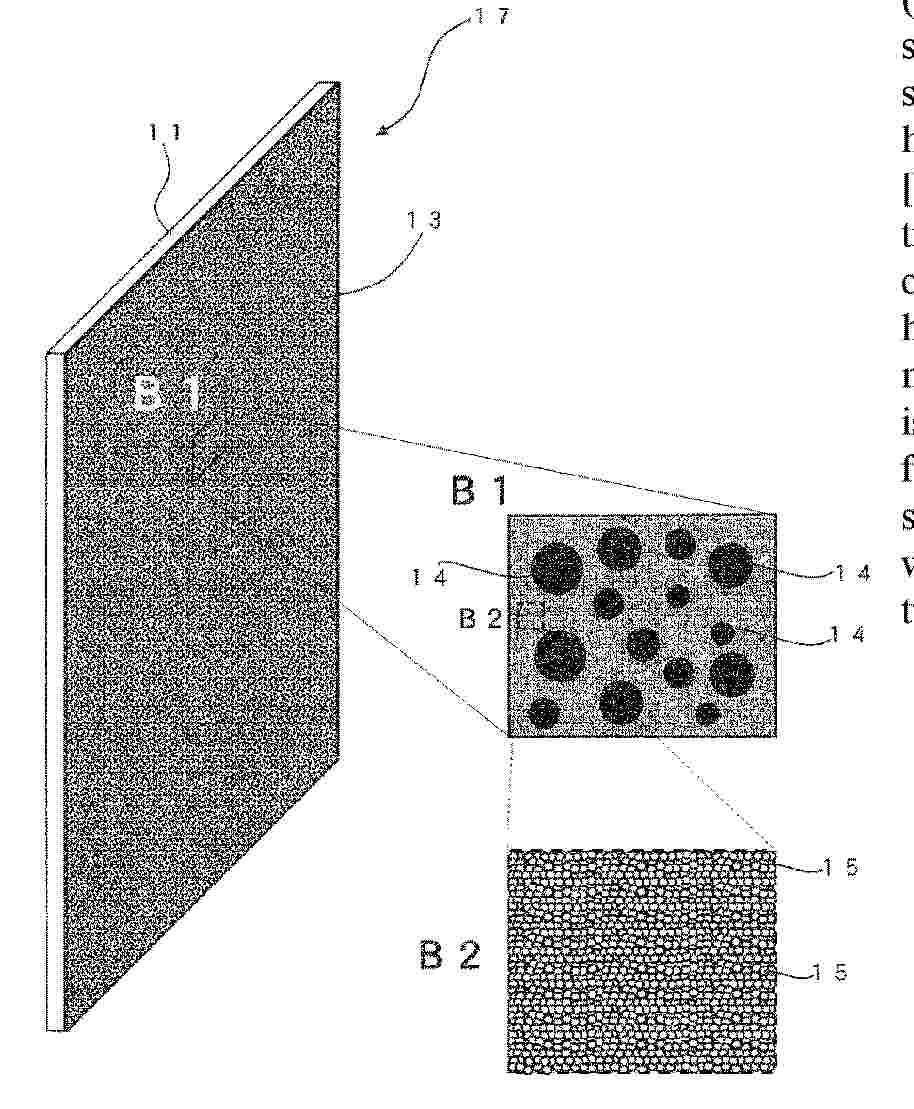
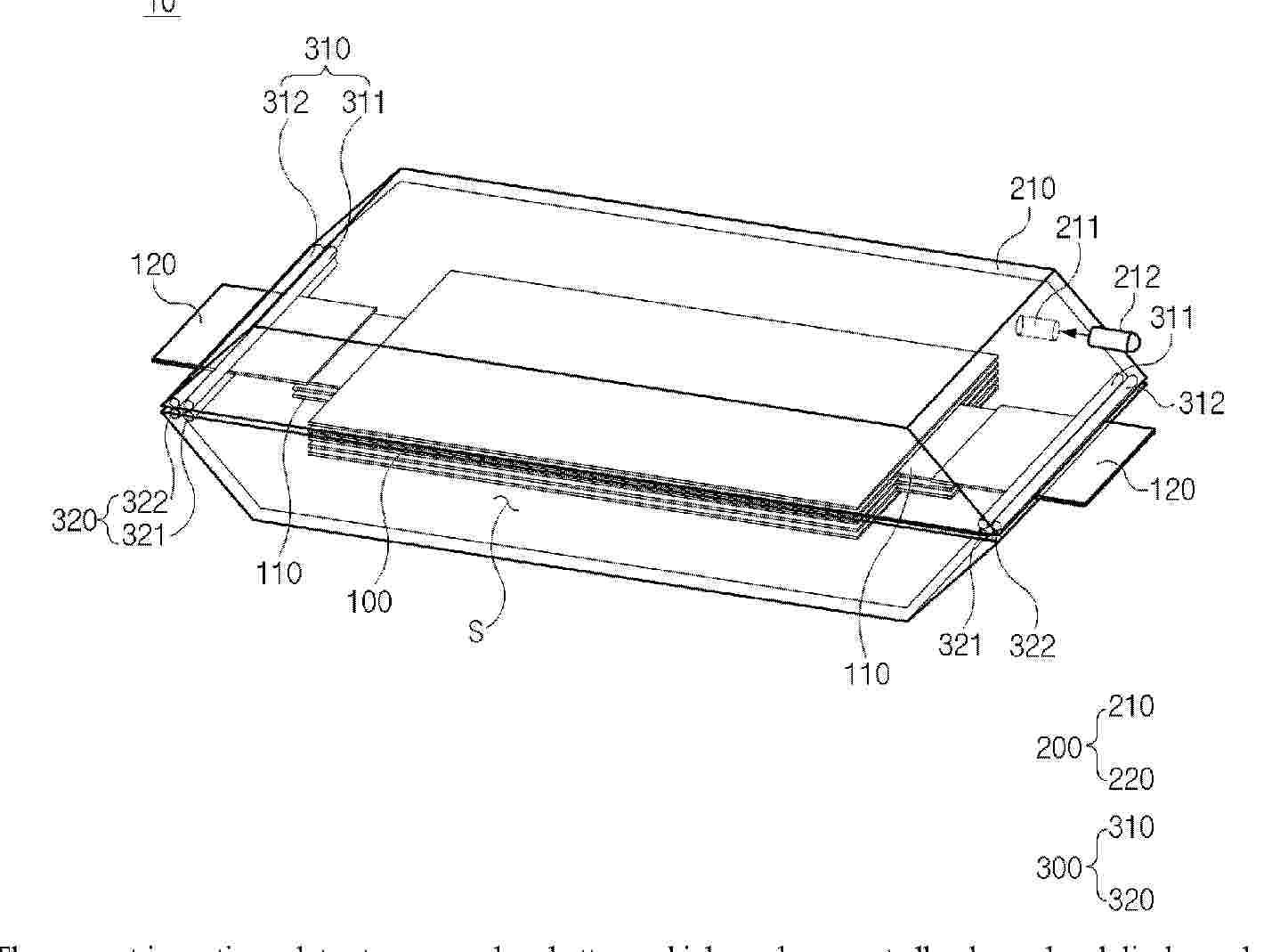
Problem Provided are: a fire-spread prevention sheet capable of achieving elastic deformation that efficiently absorbs expansion of a heat source while achieving reflection of heat from the heat source; and a battery comprising the same. Solution The present invention relates to: a fire-spread prevention sheet that is interposed between heat sources and is capable of preventing the spread of fire between the heat sources, and has a laminate structure having a plurality of layers, wherein a metal-film-equipped rubber sheet 17, in which a metal film 13 is provided on at least one surface in the thickness direction of a first rubber sheet 11, is provided inside the fire-spread prevention sheet in the thickness direction, and the metal film 13 is a film in which metal particles 15 are deposited; a method for manufacturing the fire-spread prevention sheet; and a battery.

Resumen de: WO2026048112A1
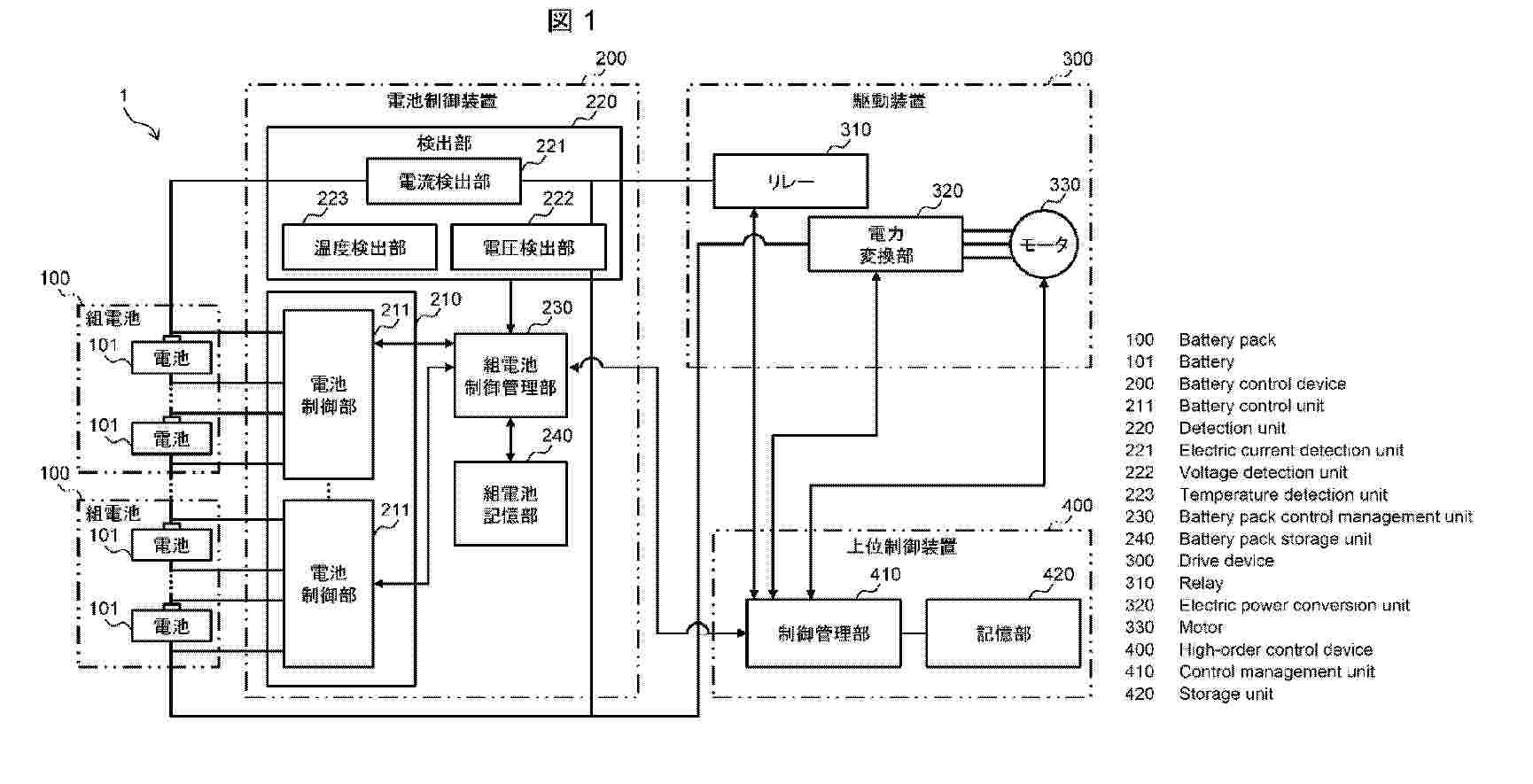
As shown in fig. 2, a battery pack control management unit 230 of a battery control device 200 of a battery 101 realizes: a service life model 2302 for deriving temporal deterioration of a service life prediction parameter that pertains to the battery and predicting the SOHQ of the battery on the basis of the temporal deterioration; an assessment unit 2306 for assessing whether it is necessary to change performance suppression of the battery so that the predicted service life of the battery falls within a required service life; and a setting unit 2308 for determining an adjustment parameter for the performance suppression of the battery on the basis of an assessment result from the assessment unit. The setting unit 2308 sets a suppression level on the basis of the difference between a predicted value of the SOHQ and a target value therefor.
Resumen de: WO2026048106A1
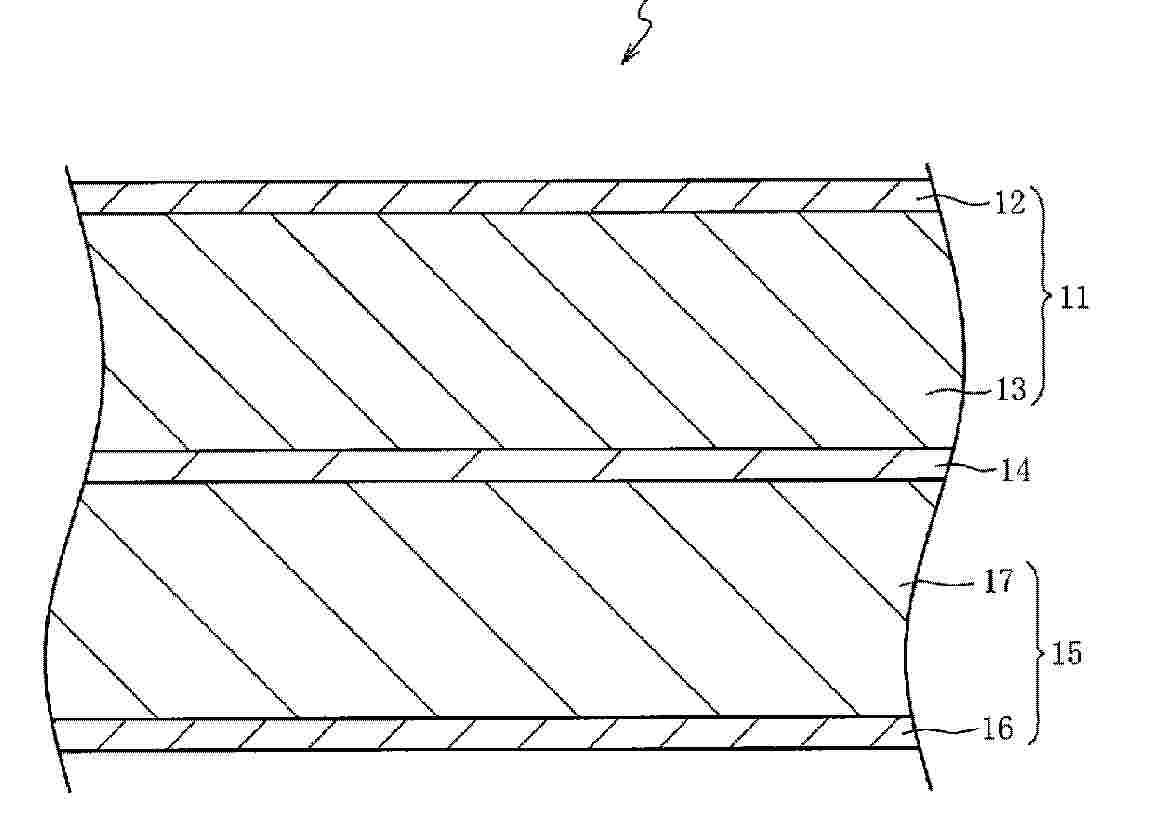
Provided are: a powder with which it is possible to reduce peeling at the interface of a sheet (14), and a corresponding sheet and secondary battery (10) The powder contains solid electrolyte particles (18), and the angularity of a cross-sectional contour (19) of the particles is 300-1600. The particles more preferably have a Vickers hardness of 80 HV or more. This sheet contains said powder. This secondary battery includes, in order, a positive electrode (11), an electrolyte layer (14), and a negative electrode (15). The negative electrode includes an active material layer (17) comprising lithium metal. The electrolyte layer includes said sheet.
Resumen de: WO2026048098A1
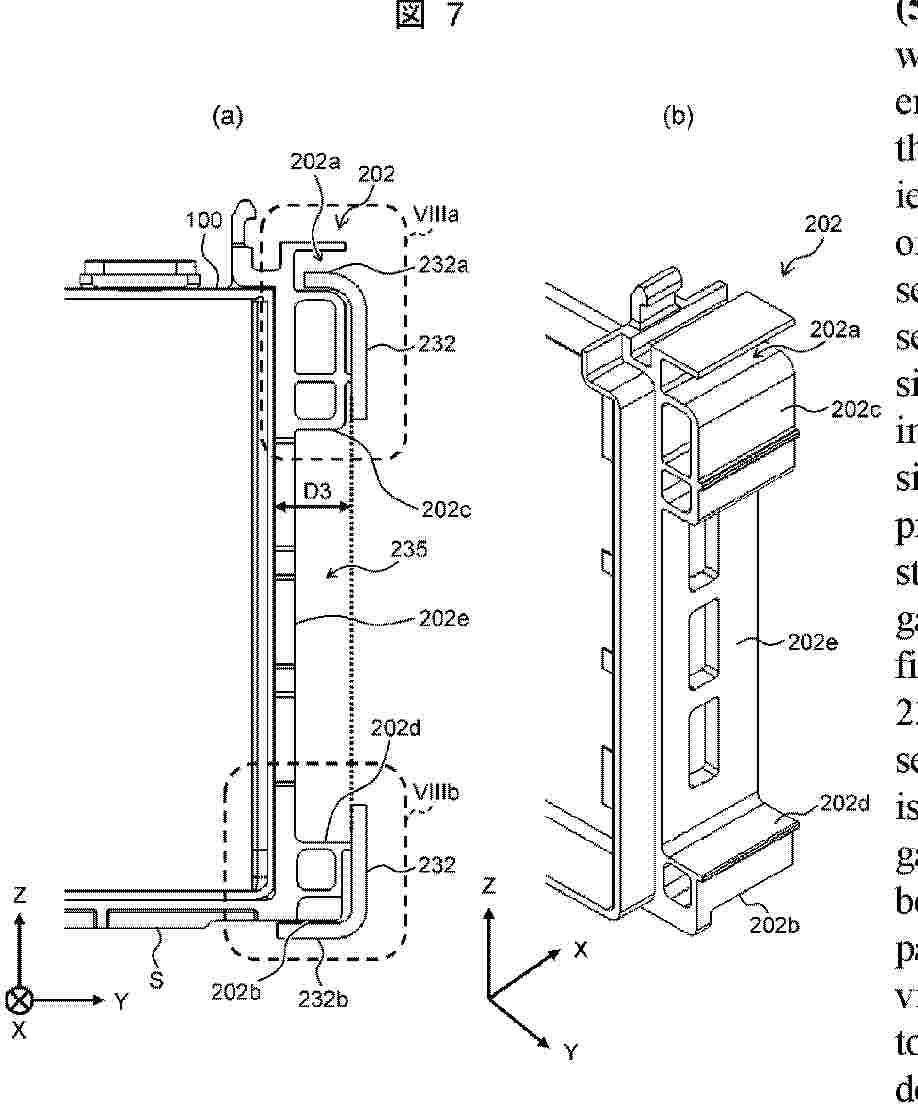
A battery pack comprises: a battery group in which batteries 100 and cell spacers 202 are alternately stacked; end members arranged on the side surfaces of the battery group that are positioned at both stacking-direction ends of the batteries 100; and second side plates 232 arranged on the side surfaces of the battery group that extend along the stacking direction, the second side plates 232 engaging with the cell spacers 202. The second side plates 232 each include a first protrusion 232a positioned on the side of the battery pack distant from a mounting surface S, and a second protrusion 232b positioned on the side of the battery pack near the mounting surface S, as a set of protrusions that bend from the side surfaces extending along the stacking direction in the direction of the batteries 100 and engage with the cell spacers 202. The cell spacers 202 each have a first engagement part 202a that engages with the first protrusion 232a, and a second engagement part 202b that engages with the second protrusion 232b. The ratio of a first interval (D1) that is the interval between the first protrusion 232a and the first engagement part 202a to a second interval (D2) that is the interval between the second protrusion 232b and the second engagement part 202b is within the range of 0.5-2.0. There is thereby provided a battery pack in which, even when vibration is applied to the battery pack, the side plates are unlikely to come off, and deformation is unlikely to occur.
Resumen de: WO2026049431A1
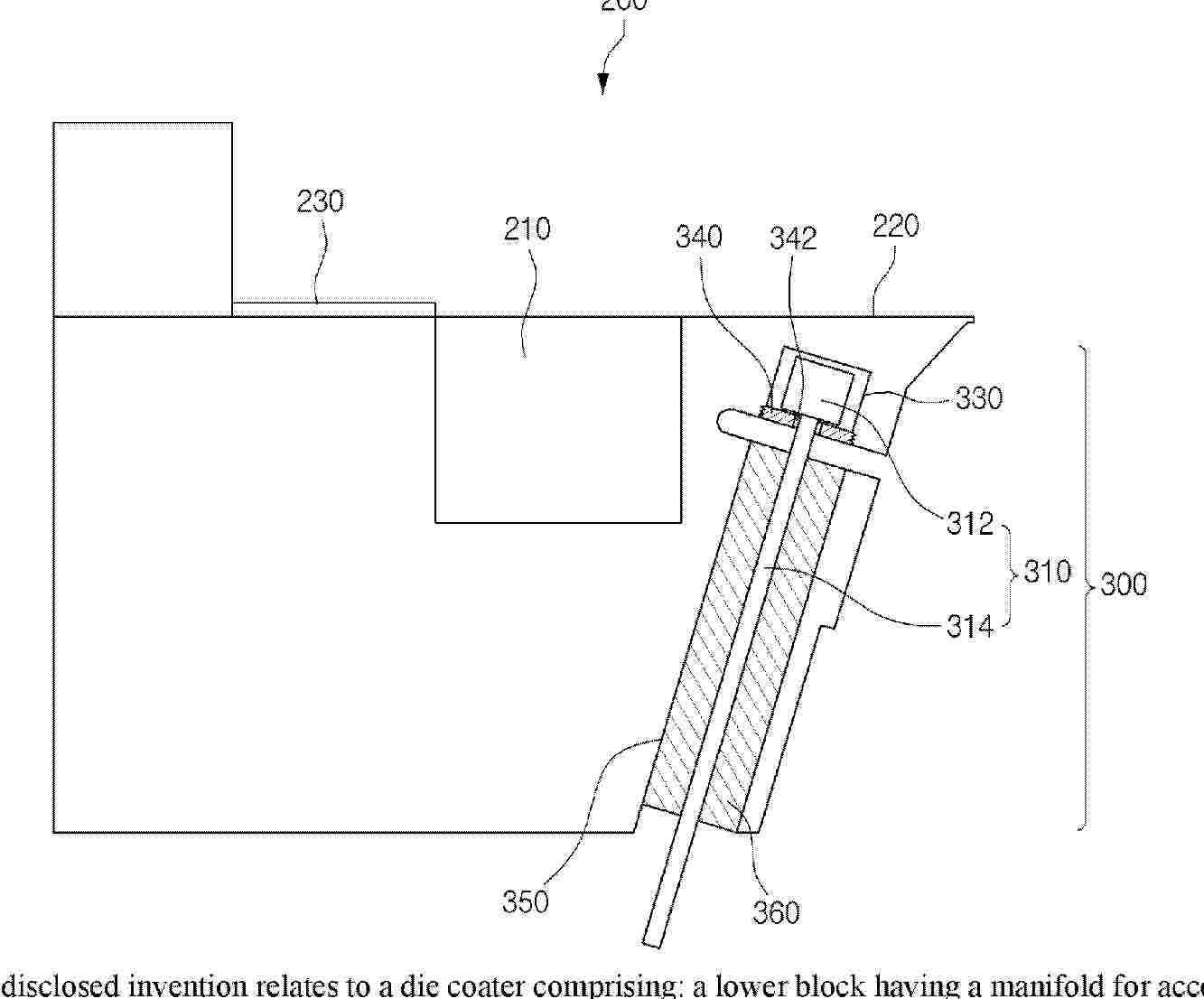
The disclosed invention relates to a die coater comprising: a lower block having a manifold for accommodating slurry; and an upper block coupled to the lower block, wherein a slit is formed along a TD side on the front surfaces of the lower block and the upper block, and a land part is provided between the manifold and the slit. The die coater comprises: a slot formed along the TD side below the land part of the lower block; and a plurality of lip varying mechanisms in which a solenoid extends from the bottom surface of the lower block and passes through the slot to perform a push operation of pushing the land part and a pull operation of pulling the land part.
Resumen de: WO2026049414A1
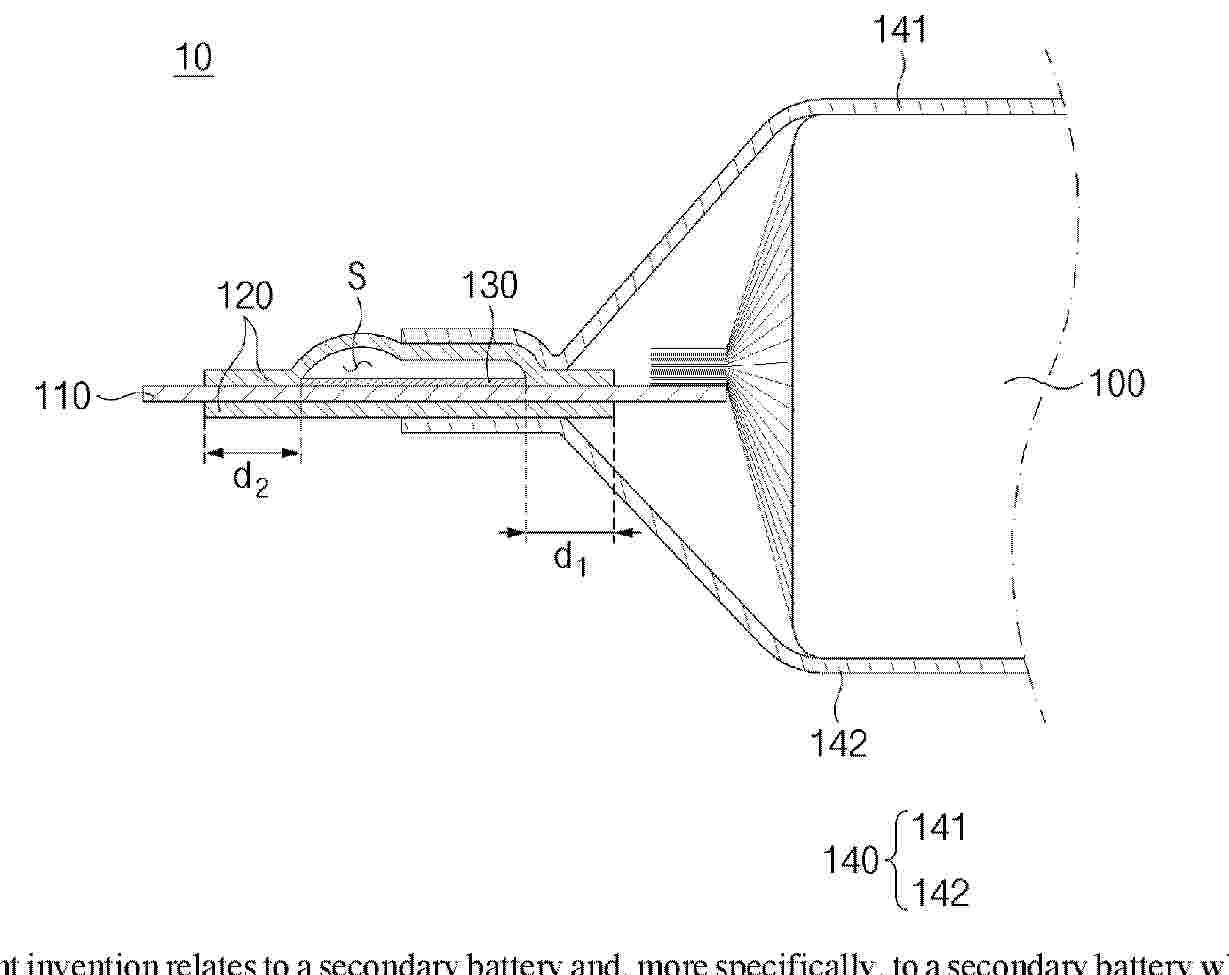
The present invention relates to a secondary battery and, more specifically, to a secondary battery which can be repeatedly charged and discharged. A secondary battery according to an embodiment of the present invention comprises: an electrode assembly comprising electrodes and a separator; a housing accommodating the electrode assembly; an electrode lead connected to the electrode assembly and protruding to the outside of the housing; a lead film covering at least a part of the electrode lead such that the electrode lead is insulated from the housing; and a gas discharge guide portion provided between the electrode lead and the lead film and forming a gas discharge path through which gas inside the housing is discharged to the outside when the internal pressure of the housing increases, wherein a gap between one end of the lead film adjacent to the electrode assembly and the gas discharge guide portion may be narrower than a gap between the other end of the lead film and the gas discharge guide portion.
Resumen de: WO2026049403A1
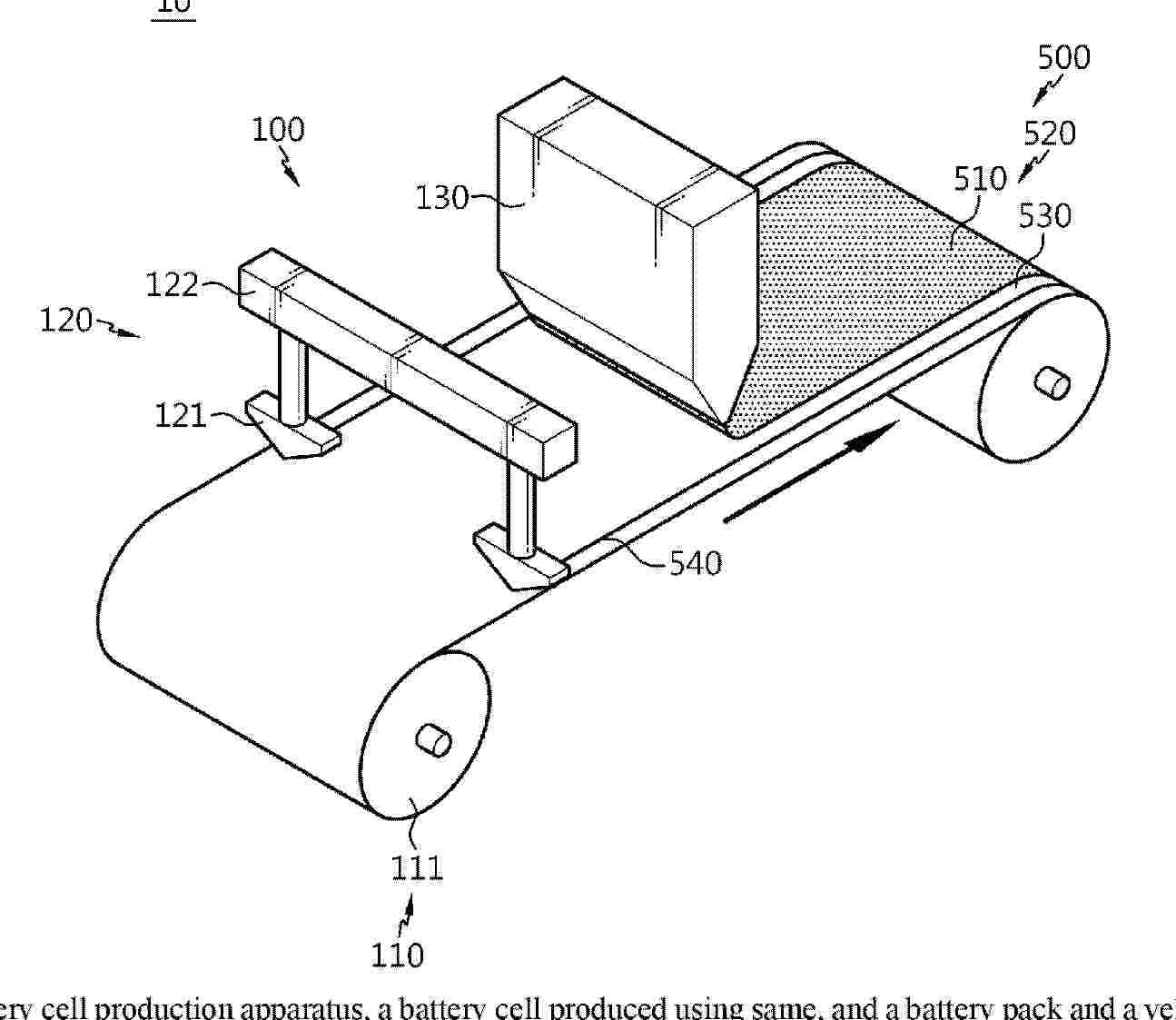
A battery cell production apparatus, a battery cell produced using same, and a battery pack and a vehicle comprising the battery cell are disclosed. The battery cell production apparatus. according to one embodiment of the present invention, which produces a battery cell by using an electrode foil on which a coating layer is formed, comprises: an electrode generation member for generating an electrode foil; a winding member for winding, in the form of a jelly roll, an electrode generated using the electrode generation member; and a folding member for folding the electrode.
Resumen de: WO2026049402A1
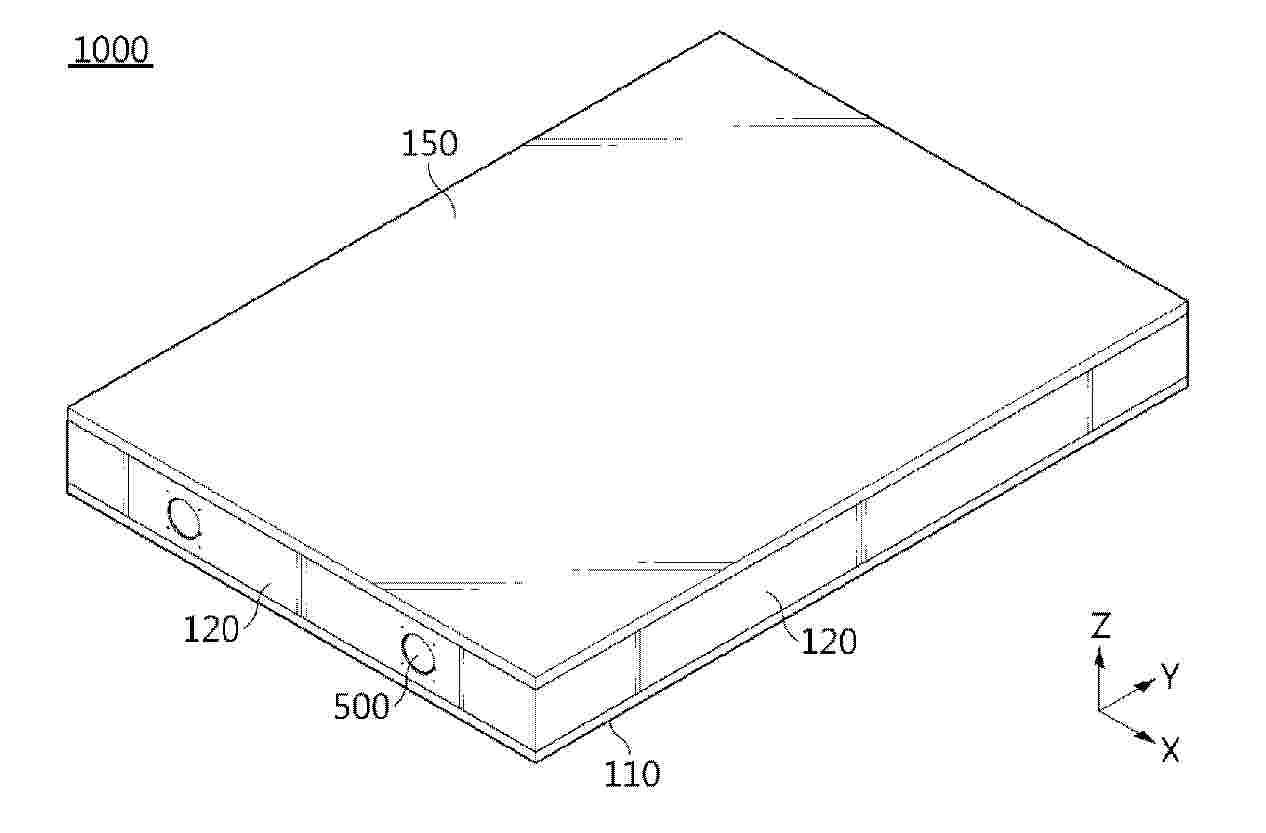
A battery pack is disclosed. A battery pack according to an embodiment of the present invention may comprise: a case providing a space therein and having a pack cover; a battery stack located inside the case and having a plurality of battery cells; a top cover located between the battery stack and the pack cover; and a heat insulating cover having a top part coupled to the upper surface of the top cover and a first side part covering one side of the battery stack.
Resumen de: WO2026049488A1
The present invention provides a secondary battery module comprising a secondary battery stack having stacked therein a plurality of secondary batteries each having two long sides and two short sides connecting both ends of the long sides, respectively, the secondary battery module comprising a foam pad inserted between adjacent secondary batteries in the secondary battery stack, wherein the foam pad includes: a body made of a flexible material and having an accommodation part which is a sealed space formed therein; and a working fluid injected into the accommodation part, the deformation of the accommodation part occurs by the pressure acting on the secondary batteries and the flow of the working fluid occurs in the accommodation part.
Resumen de: WO2026048779A1
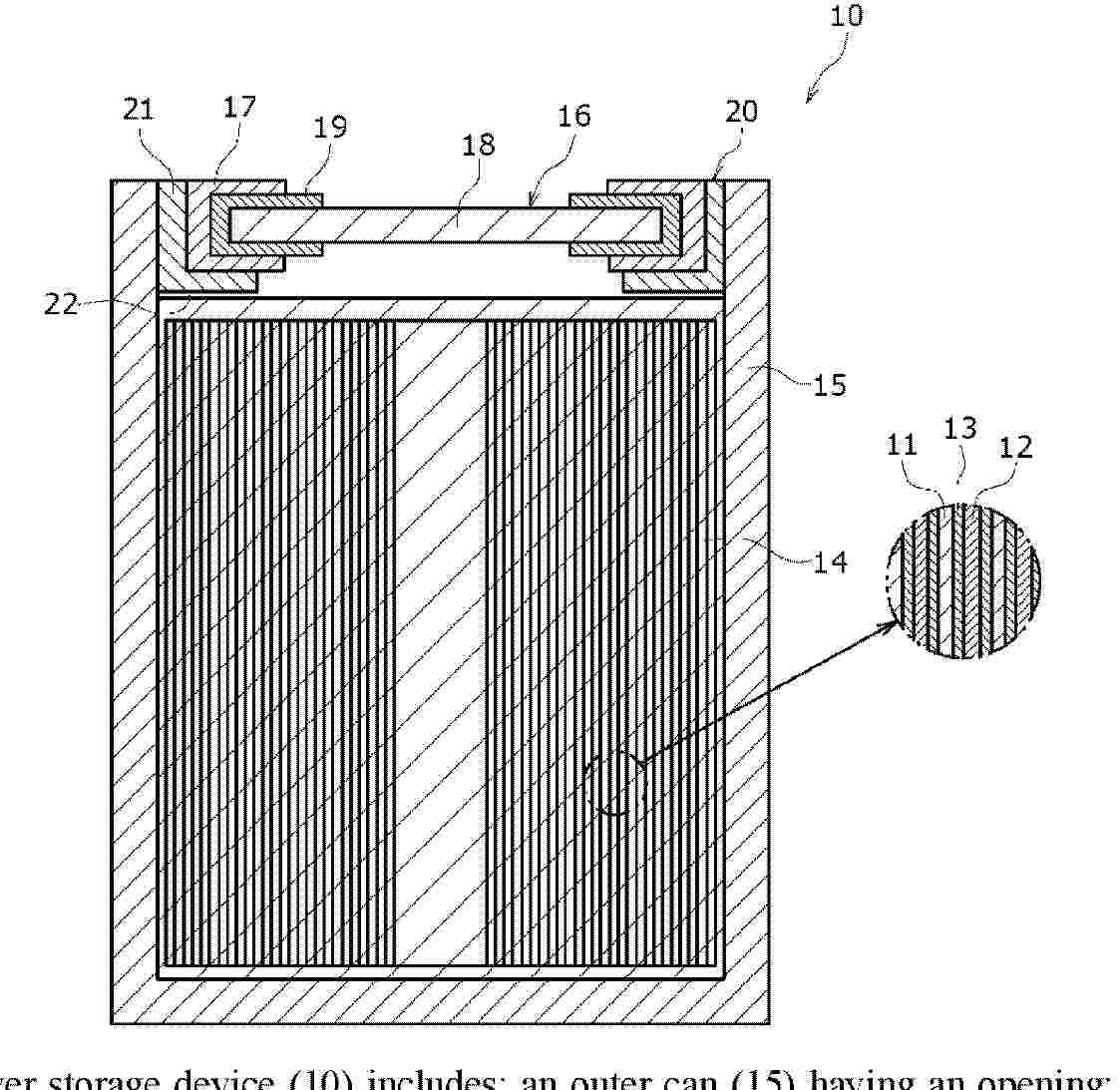
This power storage device (10) includes: an outer can (15) having an opening; an electrode body (14) which is accommodated in the outer can (15) together with an electrolyte and in which a positive electrode plate (11) and a negative electrode plate (12) are wound with a separator (13) interposed therebetween; and a sealing body (16) which closes the opening of the outer can (15). A shielding member (20) is provided between the outer can (15) and the sealing body (16). The outer can (15), the shielding member (20), and the sealing body (16) are joined. The shielding member (20) has an eaves part (21) positioned between the sealing body (16) and the electrode body (14) and extending radially toward the inside of the outer can (15).
Resumen de: WO2026048773A1
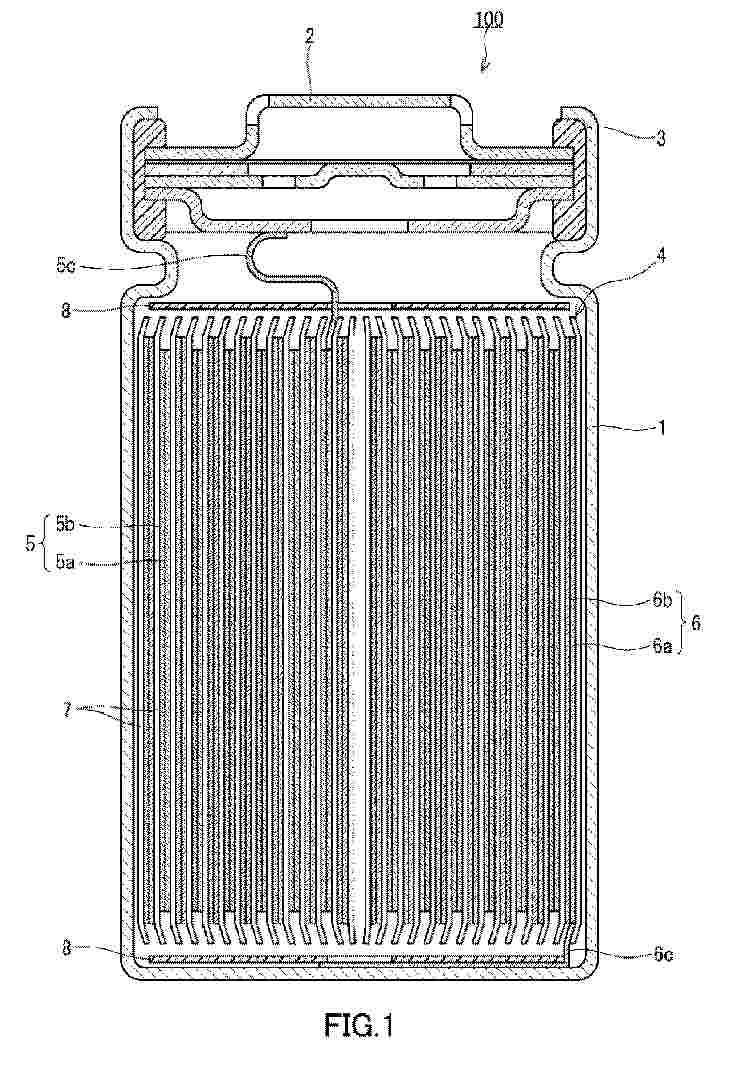
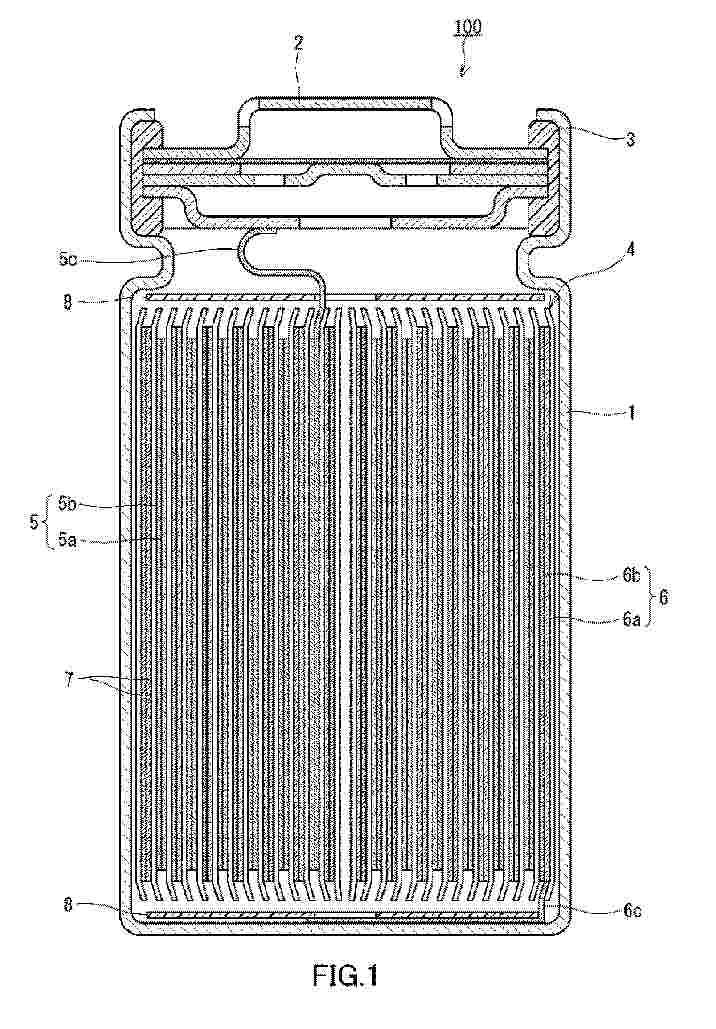
A nonaqueous electrolytic solution according to the present disclosure comprises a nonaqueous solvent, an electrolyte dissolved in the nonaqueous solvent, and particles that are insoluble in the nonaqueous solvent, the particles containing an alkali metal salt represented by formula (1), wherein M is an alkali metal and n is an integer of 1 or more. A secondary battery 100 according to the present disclosure comprises a positive electrode 5, a negative electrode 6, and the nonaqueous electrolytic solution according to the present disclosure. (1) CnH2n+1COOM
Resumen de: WO2026048772A1
A nonaqueous electrolytic solution according to the present disclosure comprises a nonaqueous solvent, an electrolyte dissolved in the nonaqueous solvent, and particles that are insoluble in the nonaqueous solvent, the particles containing an alkali metal carbonate represented by formula (1), wherein M is an alkali metal. A secondary battery 100 according to the present disclosure comprises a positive electrode 5, a negative electrode 6, and the nonaqueous electrolytic solution according to the present disclosure. (1) M2CO3
Resumen de: WO2026045104A1
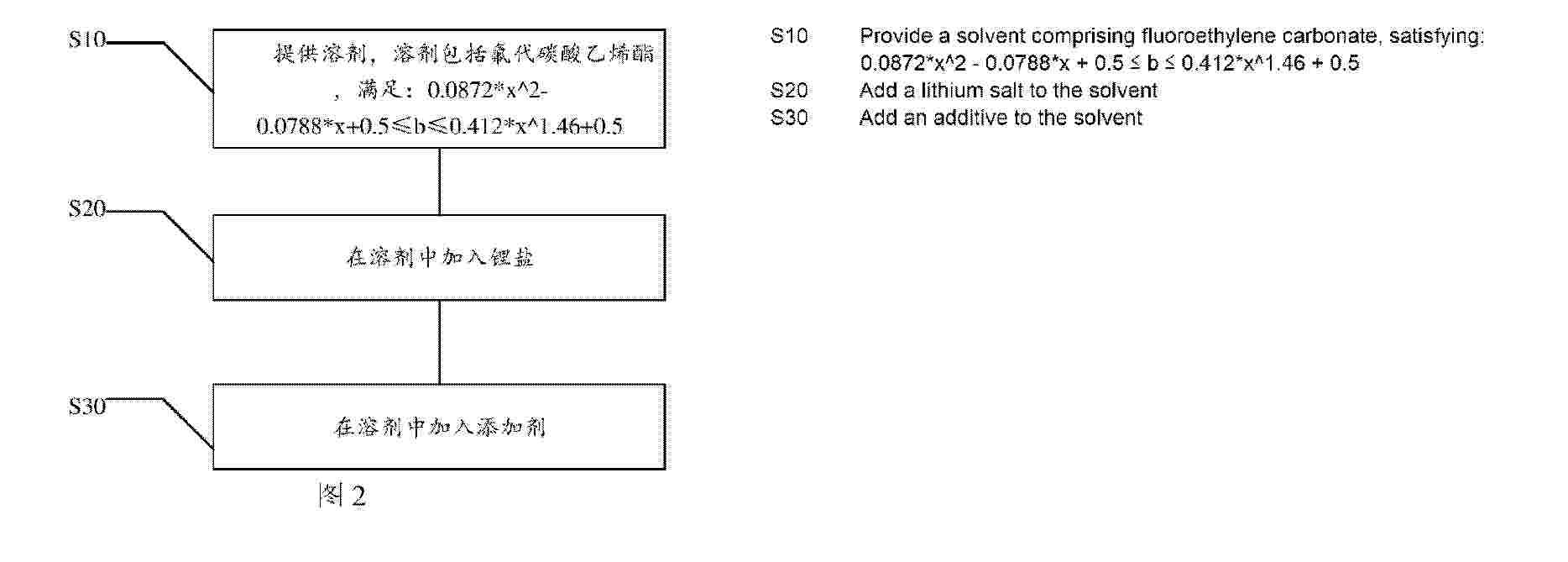
A battery, a battery apparatus, and an electrical device. An electrolyte is used for the battery. The battery comprises an electrolyte and a negative electrode. The electrolyte comprises fluoroethylene carbonate. The negative electrode comprises a negative electrode active material. The negative electrode active material comprises silicon. The weight percentage of silicon in the negative electrode active material is x wt%, and the weight percentage of fluoroethylene carbonate in the electrolyte is b wt%, satisfying: 0.0872*x^2 - 0.0788*x + 0.5 ≤ b ≤ 0.412*x^1.46 + 0.5. By controlling the weight percentage b wt% of fluoroethylene carbonate in the electrolyte after formation and the weight percentage x wt% of silicon in the negative electrode to satisfy the above relationship, the battery can achieve a balance between energy density, cycling performance, and high-temperature storage performance.
Resumen de: WO2026045105A1
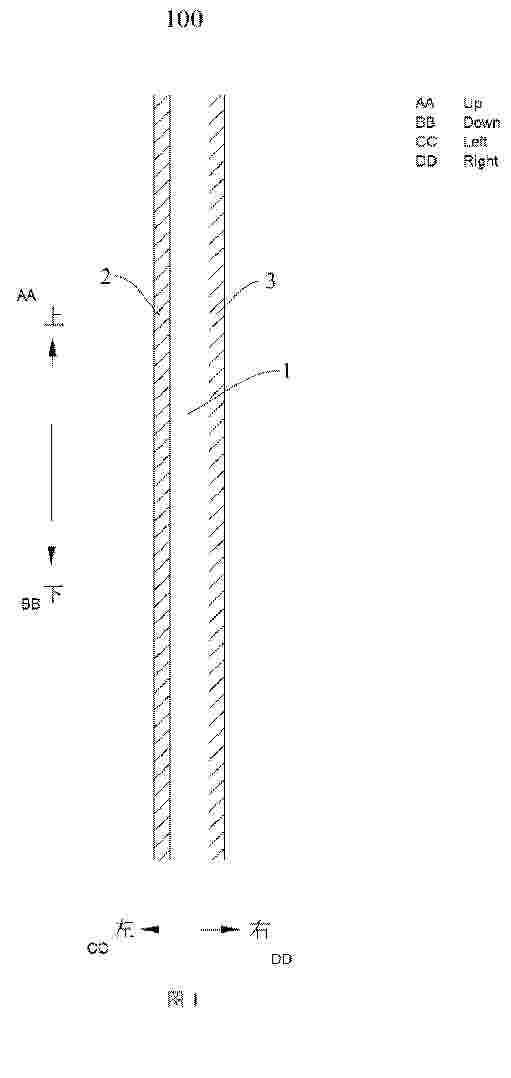
An electrical device (1000), comprising a battery (400). The battery (400) comprises an electrode sheet (200) or an electrode core (300). The electrode core (300) comprises the electrode sheet (200). The electrode sheet (200) comprises a current collector (100). The current collector (100) comprises a support layer (1), a first conductive layer (2), and a second conductive layer (3). The support layer (1) comprises a main body and a conductive material. The support layer (1) is obtained by mixing and forming the main body and the conductive material. The resistance of the support layer (1) is R1, where R1 satisfies: 1 Ω ≤ R1 ≤ 1000 GΩ.
Resumen de: WO2026045112A1
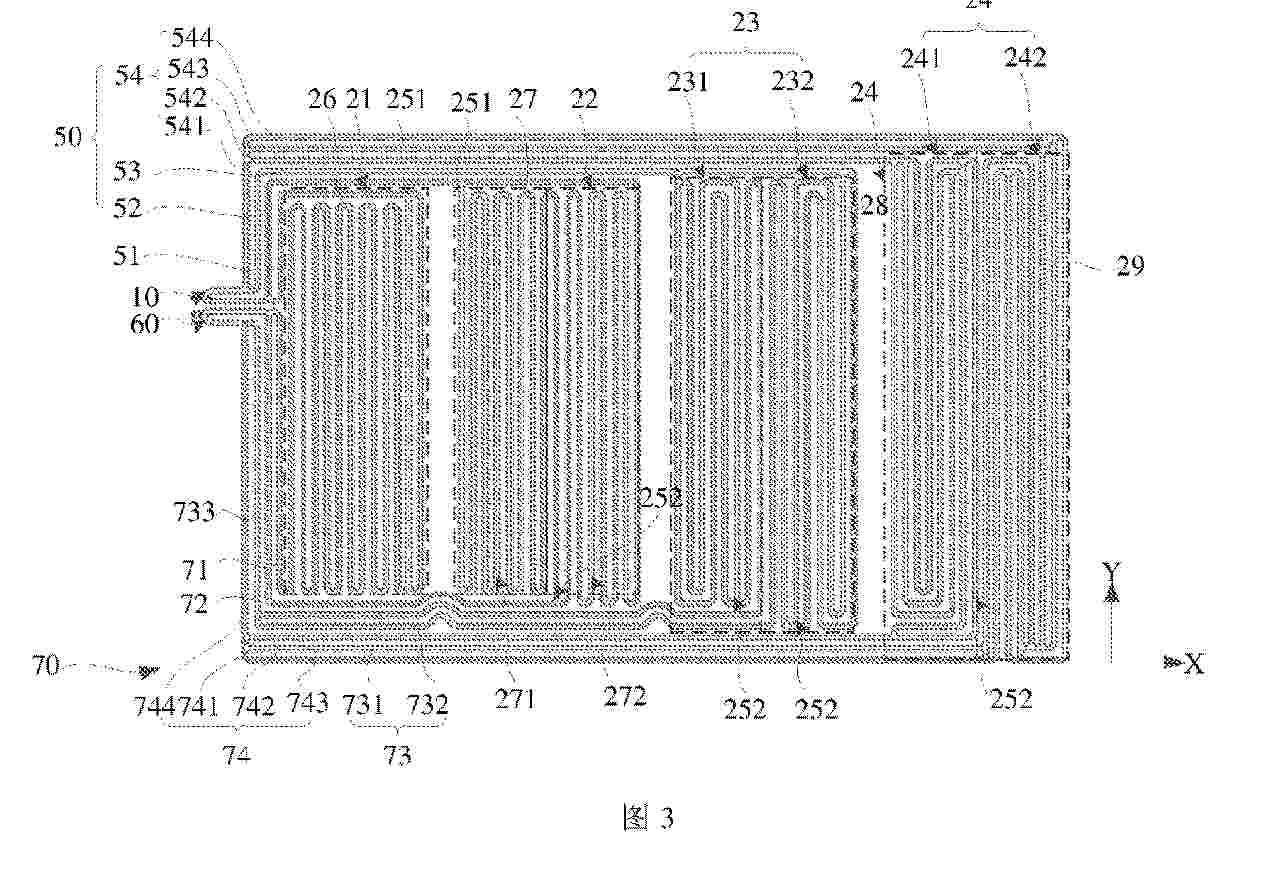
Embodiments of the present disclosure provide a heat exchange apparatus, a battery pack, and an electric device. The heat exchange apparatus comprises a liquid inlet and a plurality of cooling areas, wherein the plurality of cooling areas are sequentially arranged in a first direction, and each cooling area is provided with a flow channel; in the first direction, the liquid inlet is located on one side of the plurality of cooling areas, and is separately communicated with liquid inlet ends of the cooling areas; in the first direction, flow channels of the cooling areas among the plurality of cooling areas other than the cooling area closest to the liquid inlet are each provided with at least one diversion node; and in the first direction and in a direction moving away from the liquid inlet, the number of diversion nodes in the plurality of cooling areas tends to increase.
Resumen de: WO2026045087A1
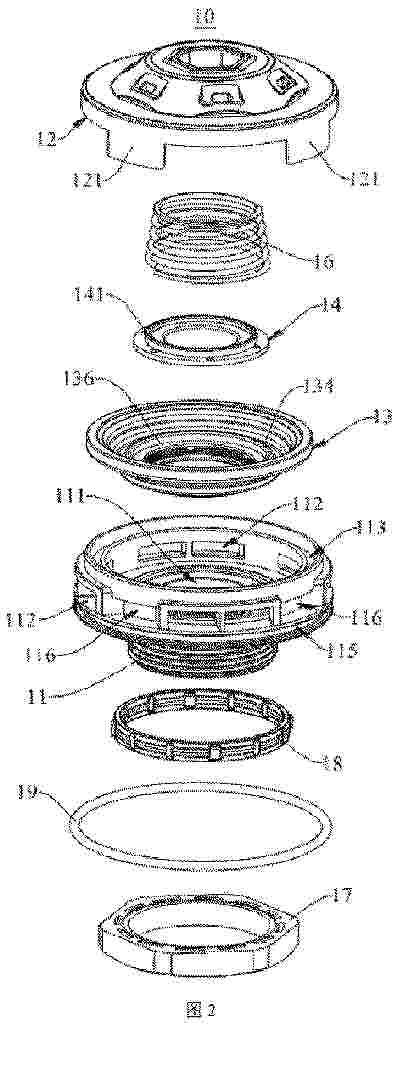
A battery apparatus comprises: a case, an explosion-proof valve and at least one battery cell assembly. The explosion-proof valve comprises: a valve body defining a pressure relief channel and a pressure relief port; a valve cover mounted on the valve body; a sealing membrane mounted on the valve body, configured to isolate the pressure relief channel from the pressure relief port, and having a sealing section for sealing the valve body; a piston arranged in the valve body and facing the pressure relief channel, the sealing section being clamped between the piston and the valve body; and an elastic member abutting against the valve cover and configured to pressing the sealing section towards the valve body by pressing the piston. With the structure, the one-way ventilation function of the explosion-proof valve is realized, the sealing performance of the explosion-proof valve in a natural state is optimized, the frequency and the total amount of gas exchange between the interior of the case and the outside are reduced, condensed water generated inside the case is reduced, and the reliability of the battery apparatus is improved.
Resumen de: WO2026049182A1
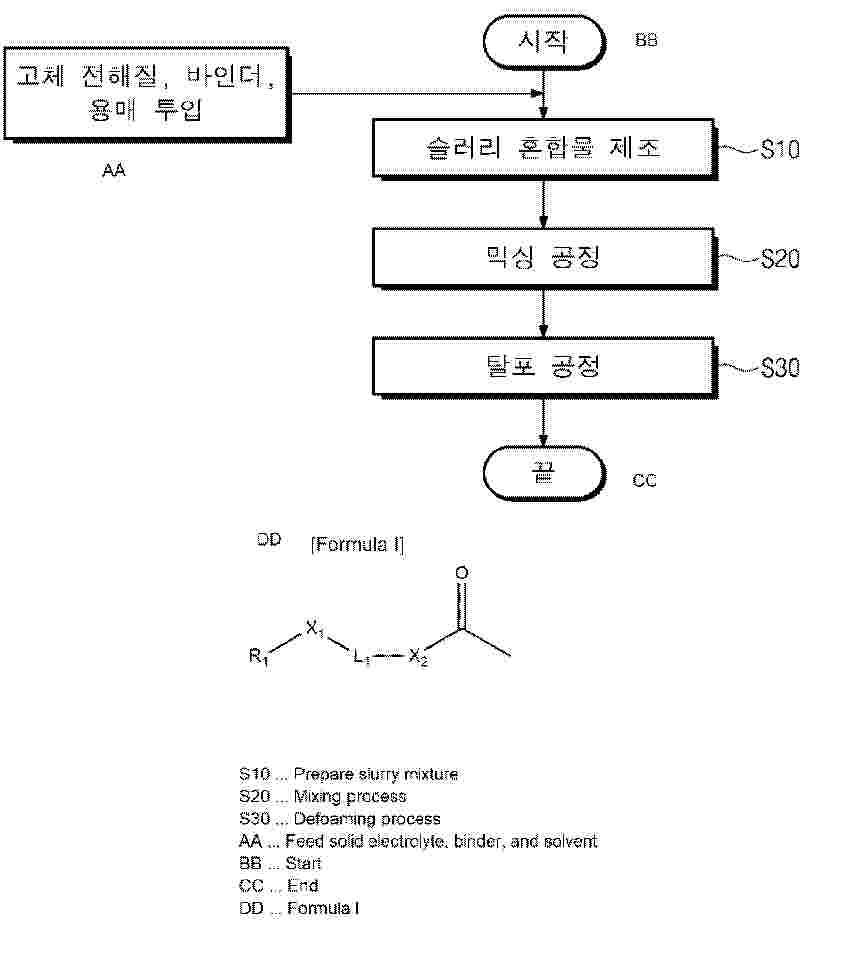
A solid electrolyte slurry according to a concept of the present invention comprises a compound represented by formula 1.
Resumen de: WO2026049283A1
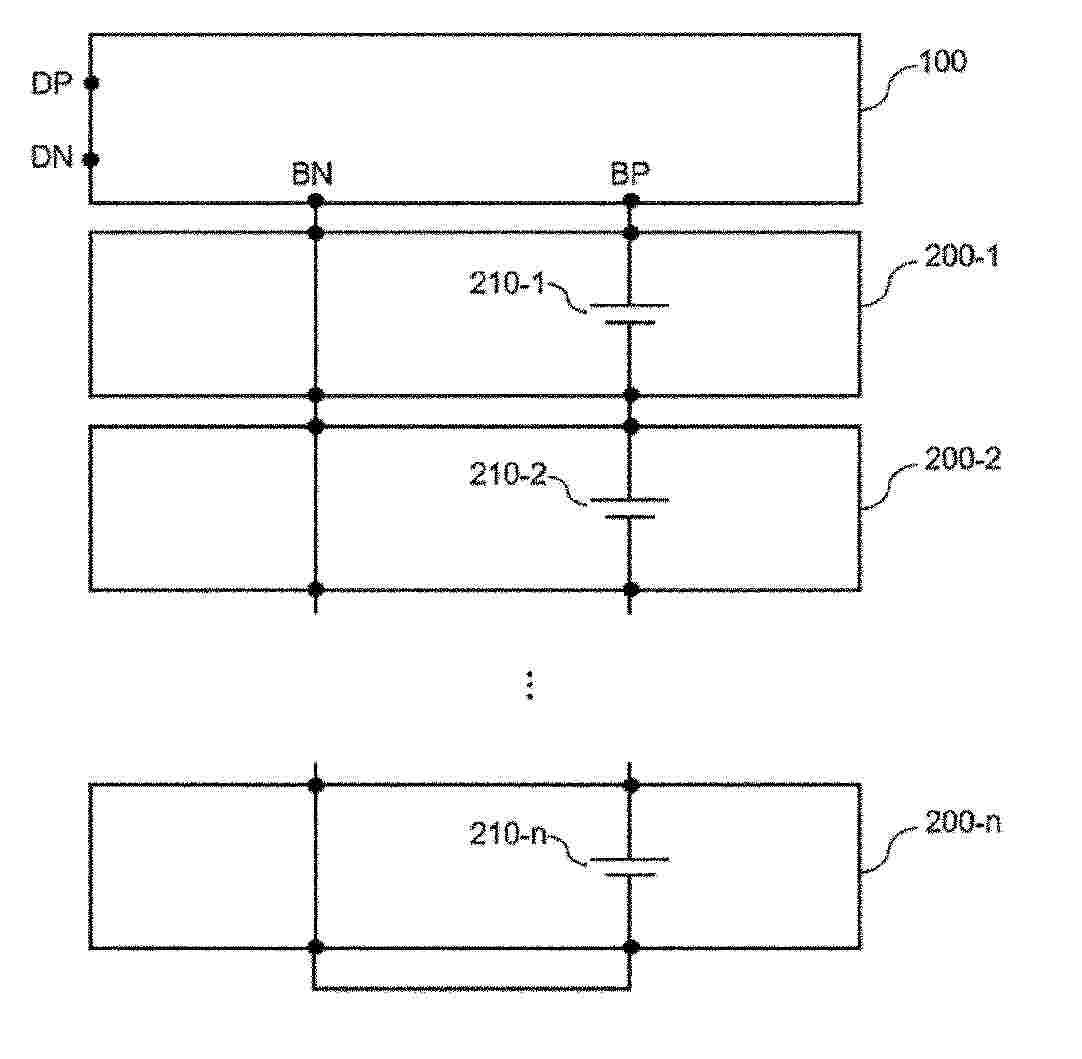
A battery system according to an embodiment of the present invention may comprise: a battery; a circuit breaker disposed on a charging/discharging line of the battery; and a battery management device for managing the battery and controlling the operation of the circuit breaker. Here, the battery management device may comprise: a control unit; a power supply unit which receives power from the battery through a first power supply line and supplies power to the control unit; and a power maintenance unit which receives power from the battery through a second power supply line and supplies temporary power to the power supply unit in a state in which the circuit breaker is open.
Resumen de: WO2026049282A1
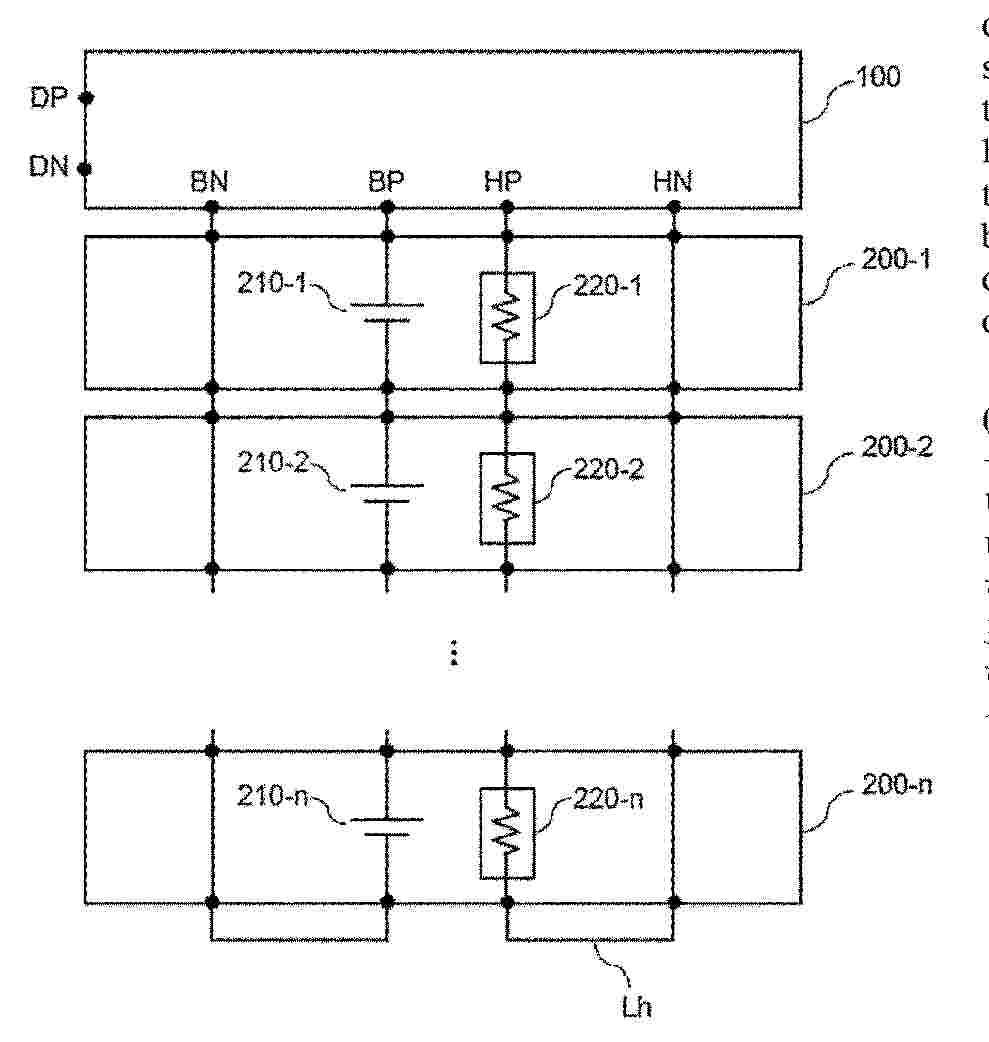
A battery system according to an embodiment of the present invention may comprise: a plurality of battery assemblies; a plurality of heaters that correspond to respective battery assemblies and are arranged to be connected in series on a heater driving path; and a battery management device for monitoring and managing the battery assemblies and the heaters. The battery management device may control a heater driving switch disposed on the heater driving path so as to turn the heaters on or off simultaneously.
Resumen de: WO2026049314A1
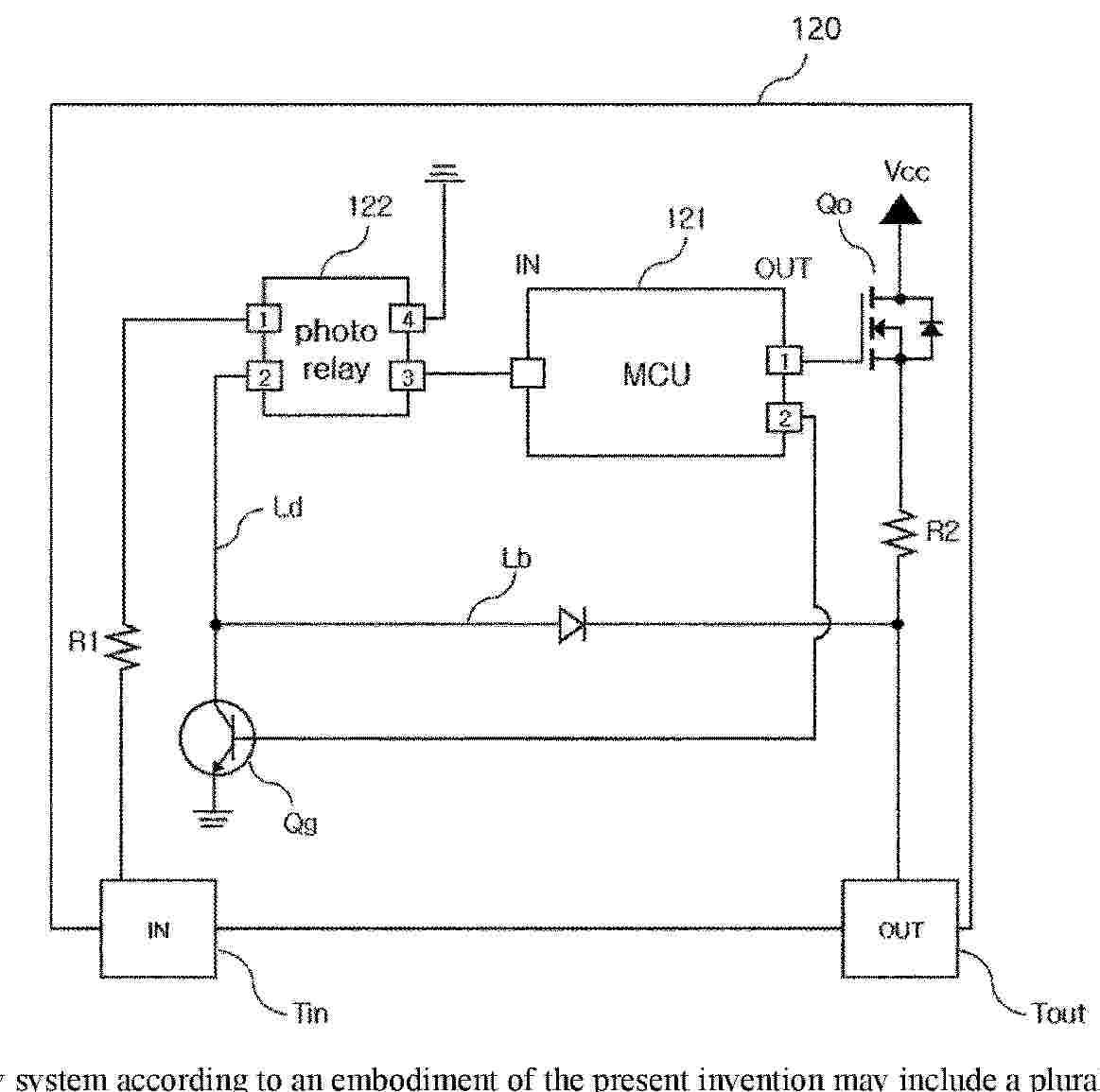
A battery system according to an embodiment of the present invention may include a plurality of battery management systems (BMSs) connected in a daisy chain manner. Here, each of the BMSs may include: a control unit; and a photo relay that transmits a control signal for identifier (ID) allocation, which is input from a signal input terminal, to the control unit in an optical transmission manner. In addition, when the control unit receives the control signal from the photo relay, the control unit may allocate its own ID according to a predefined ID allocation protocol, and transmit the control signal to a signal input terminal of a next BMS through a signal output terminal.
Resumen de: WO2026049269A1
The present invention relates to a secondary battery which can be repeatedly charged and discharged, and a method for manufacturing the secondary battery. The secondary battery according to an embodiment of the present invention includes: an electrode assembly; a case accommodating the electrode assembly; an electrode lead connected to electrode tabs of the electrode assembly and partially protruding outside the case; and elastic bodies coupled to the case to press one side and the other side of the electrode lead.
Resumen de: WO2026045631A1
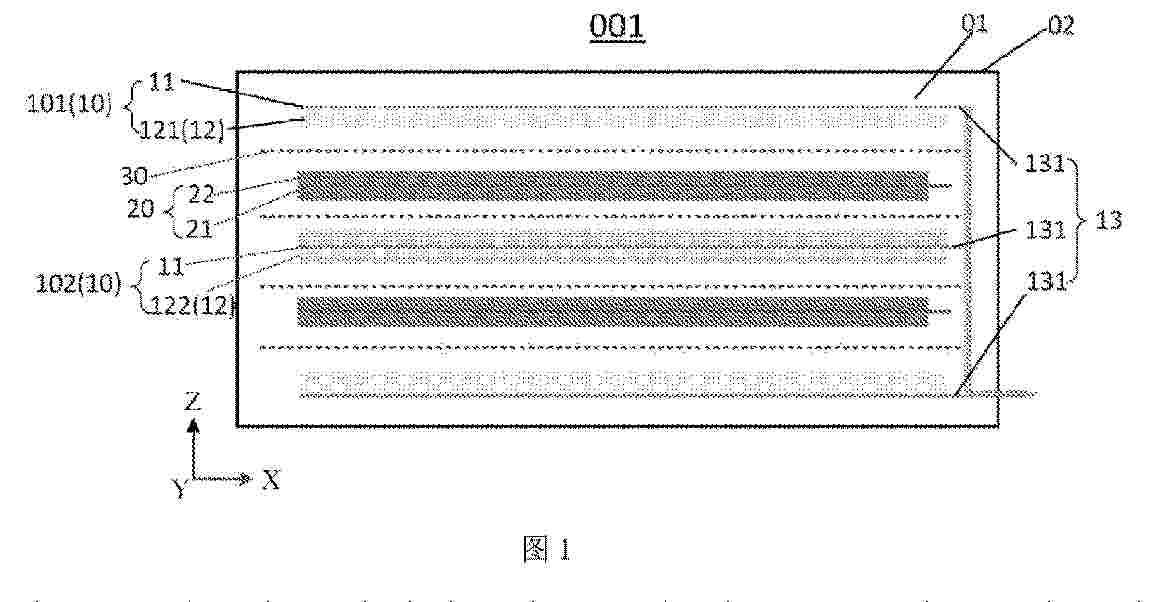
A secondary battery and an electronic device. The secondary battery comprises an electrode assembly. The electrode assembly comprises first electrode sheets, second electrode sheets, and a separator. The first electrode sheets comprise two outer first electrode sheets and an inner first electrode sheet, and the two outer first electrode sheets are respectively located on the outermost two sides of the electrode assembly. Each first electrode sheet comprises a first current collector and a first active material layer, and the first current collector comprises a first surface and a second surface. At least one outer first electrode sheet is a single-sided first electrode sheet, and the first active material layer provided on the second surface of the single-sided first electrode sheet is a first material layer. The first active material layer is provided on each of the first surface and the second surface of the inner first electrode sheet, and the first active material layer provided on each of the first surface and the second surface of the inner first electrode sheet is a second material layer. The electrical conductivity of the single-sided first electrode sheet is a S/cm, the electrical conductivity of the inner first electrode sheet is b S/cm, and a≤b. By means of the above arrangement, the risk of black spots and lithium plating on the outer electrode sheets of the electrode assembly is reduced.
Resumen de: WO2026045638A1
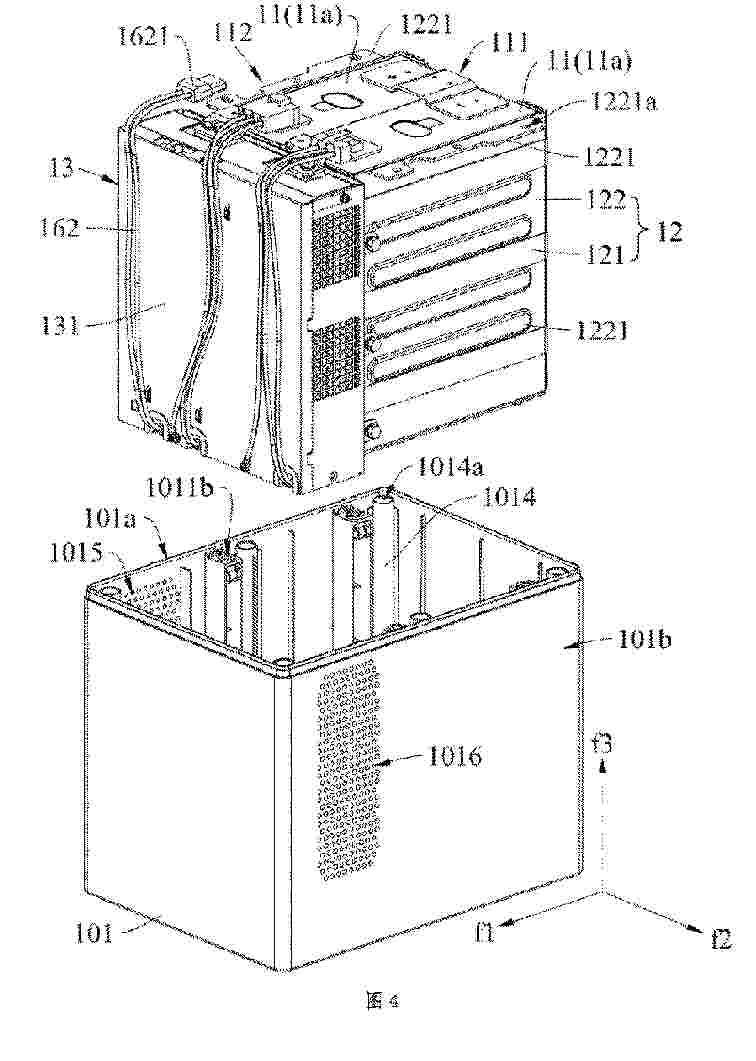
The present application discloses a portable energy storage apparatus and an energy storage system. The portable energy storage apparatus comprises a housing assembly, an energy storage unit, a fixing assembly and a control assembly. The housing assembly comprises a bottom housing and a top cover which are separately arranged. The energy storage unit is arranged inside the bottom housing and is of a cuboid structure. The energy storage unit has two small surface sides opposite to each other and two large surface sides opposite to each other. The fixing assembly and the control assembly are both arranged inside the bottom housing. The fixing assembly is at least partially arranged on the two large surface sides of the energy storage unit and clamps and fixes the energy storage unit. The fixing assembly is provided with a plurality of first positioning portions. The plurality of first positioning portions are detachably connected to the bottom housing. The control assembly is located on one small surface side of the energy storage unit and is electrically connected to the energy storage unit. The control assembly comprises a box body. The box body is provided with a plurality of first fixing portions. A plurality of second fixing portions protrude from the surfaces of the fixing assembly facing away from the large surface sides of the energy storage unit. The second fixing portions are detachably connected to the first fixing portions, so that the control assembly can be locked
Resumen de: WO2026045457A1
A battery cell and a manufacturing method therefor, and an electric device. The battery cell comprises a positive electrode sheet; the positive electrode sheet comprises a first metal oxide and a second metal oxide; the chemical formula of the first metal oxide satisfies Lia1M1Oc1, 0.2≤a1≤8.2, 1.8≤c1≤6.2, and M1 comprises one or more of V, Nb, Cr, Mo, Fe, Co, or Sn; the chemical formula of the second metal oxide satisfies Lia2Ni1-bM2 bOc2, 0≤a2≤2.2, 0≤b≤1, 0.8≤c2≤2.2, and M2 comprises one or more of Cu, Mg, Zn, Mn, Al, Zr, or Ti; and the ratio of the number of primary particles of the first metal oxide having a particle size of 5 μm-15 μm to a total number of all primary particles of the first metal oxide is 40%-90%. The present invention can reduce gas production in a battery cell and lower the risk of lithium precipitation.
Nº publicación: WO2026048749A1 05/03/2026
Solicitante:
PANASONIC ENERGY CO LTD [JP]
\u30D1\u30CA\u30BD\u30CB\u30C3\u30AF\u30A8\u30CA\u30B8\u30FC\u682A\u5F0F\u4F1A\u793E
Resumen de: WO2026048749A1
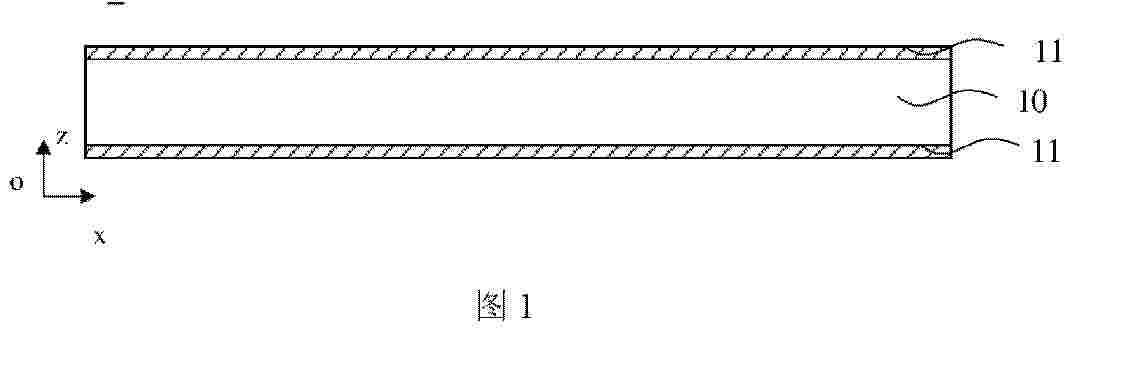
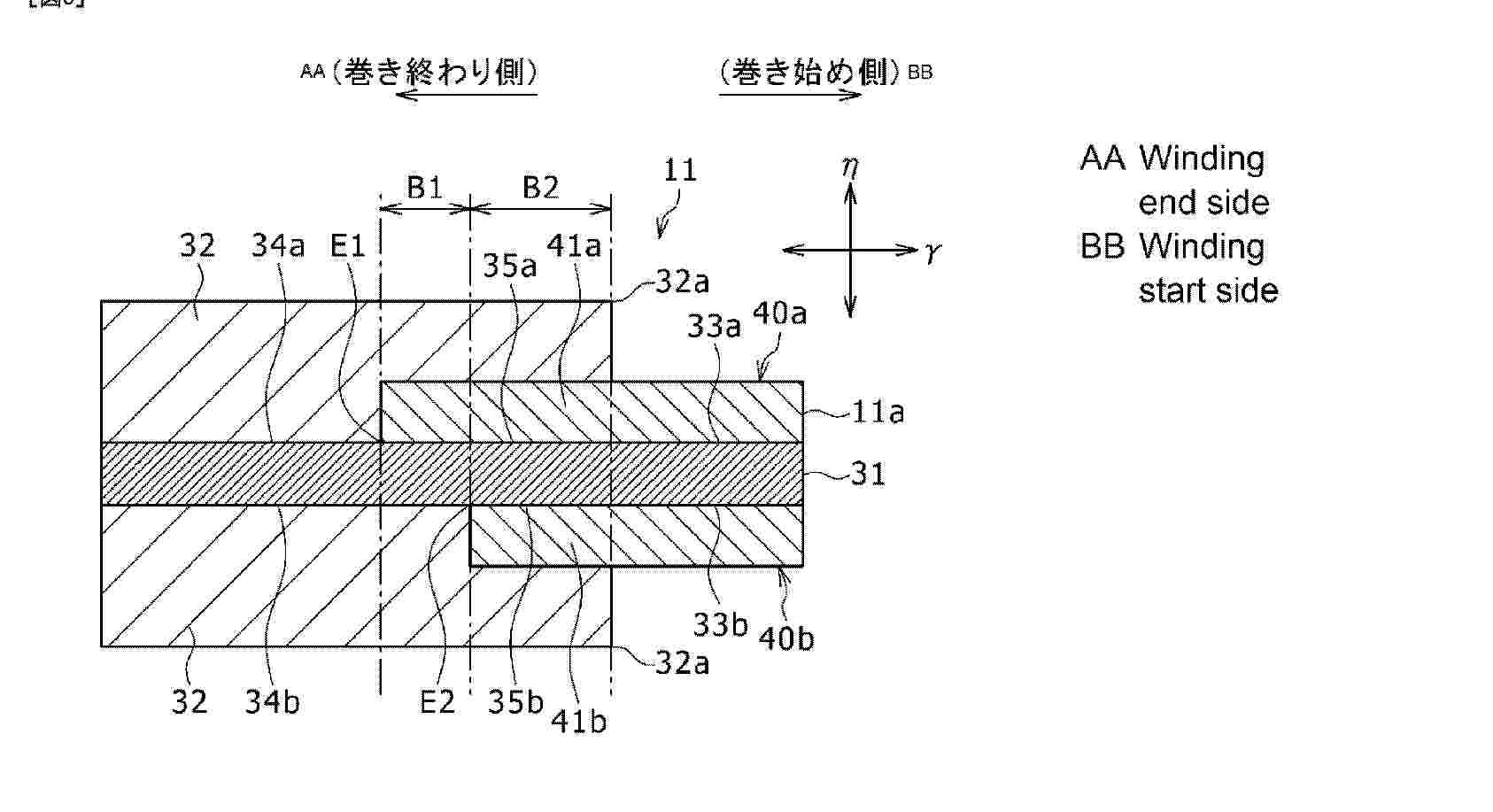
This nonaqueous-electrolyte secondary battery comprises an electrode body in which a positive electrode (11) and a negative electrode are arranged with a separator interposed therebetween. The positive electrode (11) and/or the negative electrode comprises mixture layers (32) disposed on both surfaces of an electrode core (31) and protective layers (40a, 40b) disposed on both surfaces of the electrode core (31). At least some part of each of mixture-layer non- formation portions (33a, 33b) disposed on both surfaces of the electrode core is covered with the protective layer. On each thickness-direction side of the electrode core, some part of the protective layer is disposed between the electrode core (31) and the mixture layer (32). On both surfaces of the electrode core, the positions (E1, E2) of the boundaries between the mixture-layer formation portions (34a, 34b), in which the mixture layers are directly formed on the electrode core (31), and protective-layer formation portions (35a, 35b), in which the protective layers are formed, are arranged so as not to coincide with each other along the thickness direction.
 BOPI
BOPI
 Sede Electrónica