Si deseas distinguir tus productos, servicios o ambos de los de otra empresa, es posible que necesites una marca o nombre comercial. Descubre qué son, en qué consiste su procedimiento de registro y qué implica.

Información sobre los plazos de presentación de solicitudes de transformación de marcas de la Unión Europea en marca nacional española. Más información


Si tienes un nuevo dispositivo, producto o procedimiento que resuelva un problema técnico o tenga una ventaja práctica, existen distintas formas de protegerlo en España y en otros países. Descubre cómo hacerlo.

¿Tu innovación reside en la estética, la ornamentación o la apariencia de tu producto? Protégela mediante un diseño industrial. Descubre qué derechos confiere el registro y cómo realizar la tramitación.

Las indicaciones geográficas protegen el nombre de un producto originario de una zona geográfica, a la cual le debe una determinada calidad, reputación u otra característica. Descubre qué son, en qué consiste su procedimiento de registro y qué beneficios conceden.

Las patentes publicadas en todo el mundo son una valiosa fuente de información científica, técnica y comercial.

Si eres emprendedor/a o una empresa y quieres potenciar y mejorar la rentabilidad de tu negocio protegiendo de forma adecuada los activos intangibles de tu organización, en este espacio encontrarás lo necesario.


 221
resultados
221
resultados
 Última actualización
24/10/2026 [07:05:00]
Última actualización
24/10/2026 [07:05:00]


 Resultados 75 a 100 de 221

Resumen de: CN122911923A
本发明公开一种尼达尼布‑HSA‑PEG纳米制剂的制备方法,包括以下步骤:称取尼达尼布溶于二甲基亚砜(DMSO)中得到尼达尼布‑DMSO溶液,另取人血清白蛋白(HSA)和聚乙二醇(PEG)溶于去离子水中,搅拌至完全溶解得到HSA‑PEG水溶液;在冰浴和超声条件下,将尼达尼布‑DMSO溶液以0.2‑0.8ml/min的速度缓慢滴加到HSA‑PEG水溶液中,继续室温搅拌2‑3h得到混合液;将混合液装入透析袋中透析除去游离药物和DMSO得到尼达尼布‑HSA‑PEG纳米制剂。本方法制备的尼达尼布‑HSA‑PEG纳米制剂及其在CNV治疗药物中的应用能够实现效果最优化。

Resumen de: CN122911925A
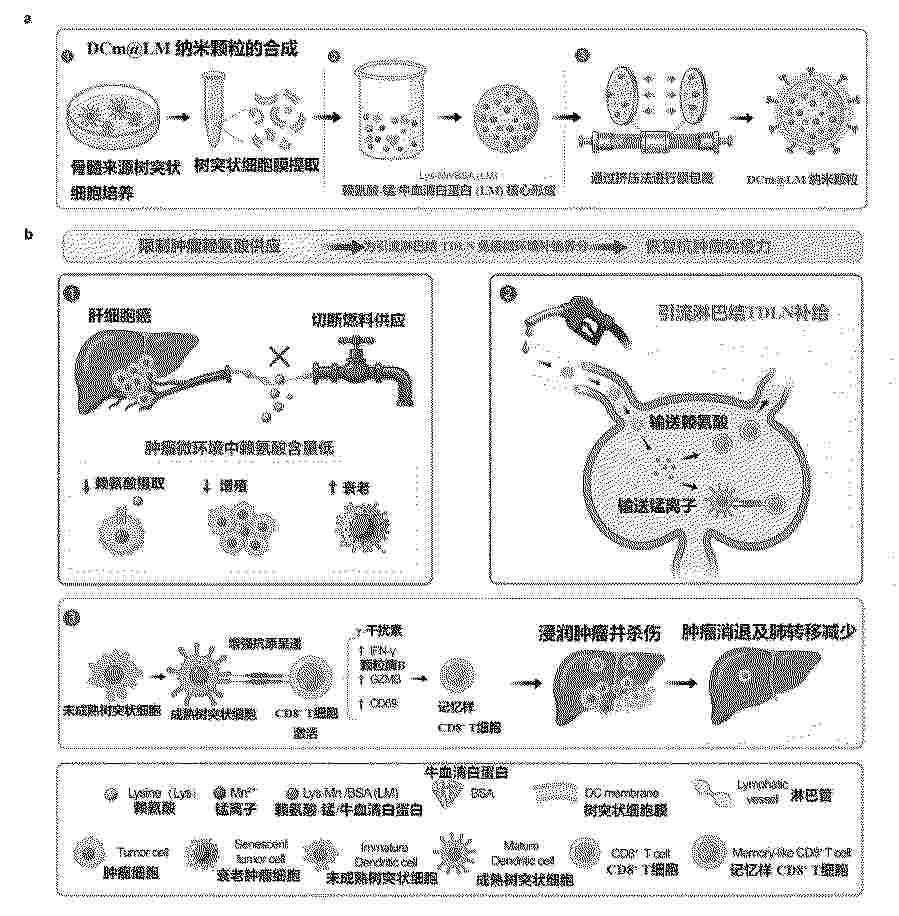
本发明涉及一种基于树突状细胞膜的纳米制剂,该基于树突状细胞膜的纳米制剂包括:赖氨酸‑锰复合纳米核心,以及淋巴结靶向仿生外壳,用于所述纳米制剂肿瘤引流淋巴结的靶向以及免疫细胞相互作用;所述核心由L‑赖氨酸或其可药用盐/衍生物与二价锰盐通过配位、自组装、离子作用、沉淀或其组合形成;所述淋巴结靶向仿生外壳为包覆在所述核心外表面的树突状细胞膜和/或树突状细胞膜囊泡和/或保留树突状细胞膜关键蛋白的膜衍生物,该制剂兼具营养底物递送与免疫激活功能,并具备肿瘤引流淋巴结靶向能力。
Resumen de: CN122917985A
本发明属于生物医药及免疫治疗技术领域,具体涉及一种薄荷(Mentha)来源外泌体样纳米囊泡(Mint‑ELNVs)及其制备方法和作为载体和佐剂负载肿瘤抗原的纳米疫苗的应用,及其在制备预防或治疗肿瘤(特别是胶质母细胞瘤)的药物中的应用。制备方法,以新鲜薄荷叶为原料洗涤榨汁后依次进行低速离心和高速离心,收集上清液过滤,滤液再经超速离心,收集沉淀纯化即获得高纯度、高产率薄荷来源外泌体样纳米囊泡(Mint‑ELNVs)。该Mint‑ELNVs可作为天然佐剂和靶向载体。本发明的Ag@Mint‑ELNVs能够被树突状细胞(DC)高效摄取,并通过激活MAPK信号通路、下调淋巴内皮细胞紧密连接蛋白(ZO‑1,Occludin,Claudin‑5)及激活CCR7‑CCL21趋化轴,显著促进DC细胞的成熟、迁移及淋巴结归巢,从而诱导强烈的抗原特异性免疫反应。
Resumen de: WO2025184767A1
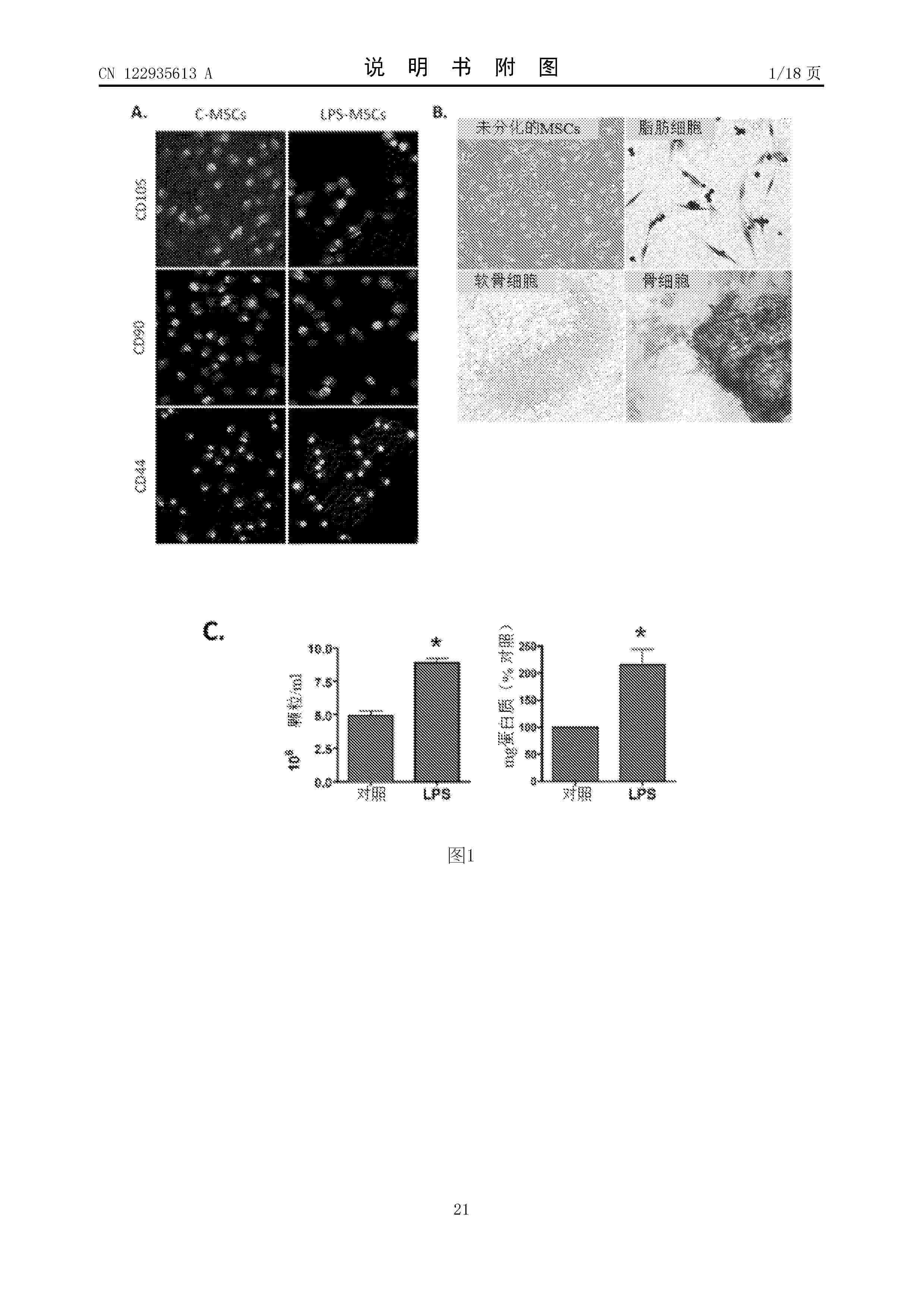
A composition that includes a stem cell and a coated iron oxide nanoparticle. The coated iron oxide nanoparticle, being present in the cytoplasm of the stem cell, contains a superparamagnetic iron oxide core that is coated with one or more biocompatible polymers, each of which has a polyethylene glycol group, a silane group, and a linker covalently linking the polyethylene glycol group and the silane group. Also provided is a method for treating an inflammatory disorder in which stem cells are cultured in the presence of coated iron oxide nanoparticles and the cultured stem cells are administered to a subject suffering from an inflammatory disorder. Further disclosed is a method for tracking stem cells in vivo by labeling stem cells with coated iron oxide nanoparticles, administering the labeled stem cell to an individual, and obtaining one or more T2 weighted magnetic resonance images of the individual to track the stem cells.
Resumen de: WO2025181030A1
The invention refers to therapeutical combinations or compositions comprising at least two miRNAs selected from the group consisting of miR-297, miR-93, and miRlet-7b, and their use in preventing and/or treating inflammatory lung diseases such as acute respiratory distress syndrome.
Resumen de: WO2024122718A1
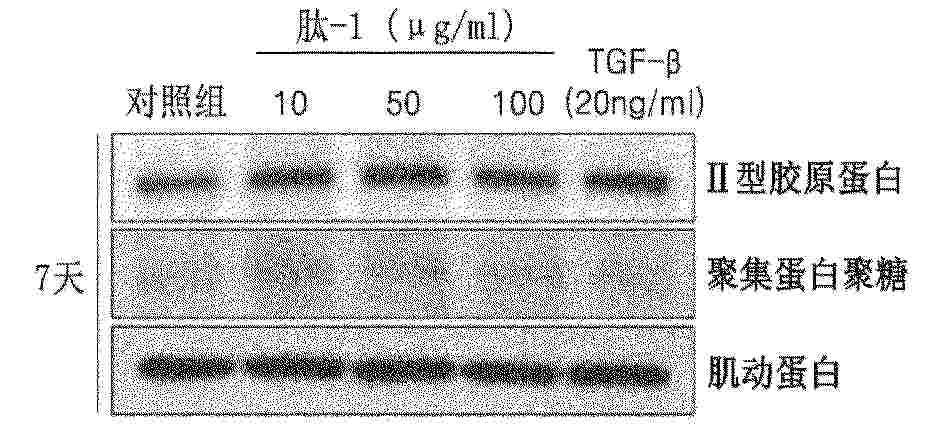
The present application relates to a peptide having a cartilage regeneration effect and uses thereof, and provides a peptide consisting of an amino acid sequence represented by SEQ ID NO: 1 or Glu (E)-Asp (D)-Asp (D), a composition for cartilage regeneration comprising the peptide, and a pharmaceutical composition for preventing or treating cartilage diseases, comprising the composition for cartilage regeneration as an active ingredient.
Resumen de: WO2025147604A1
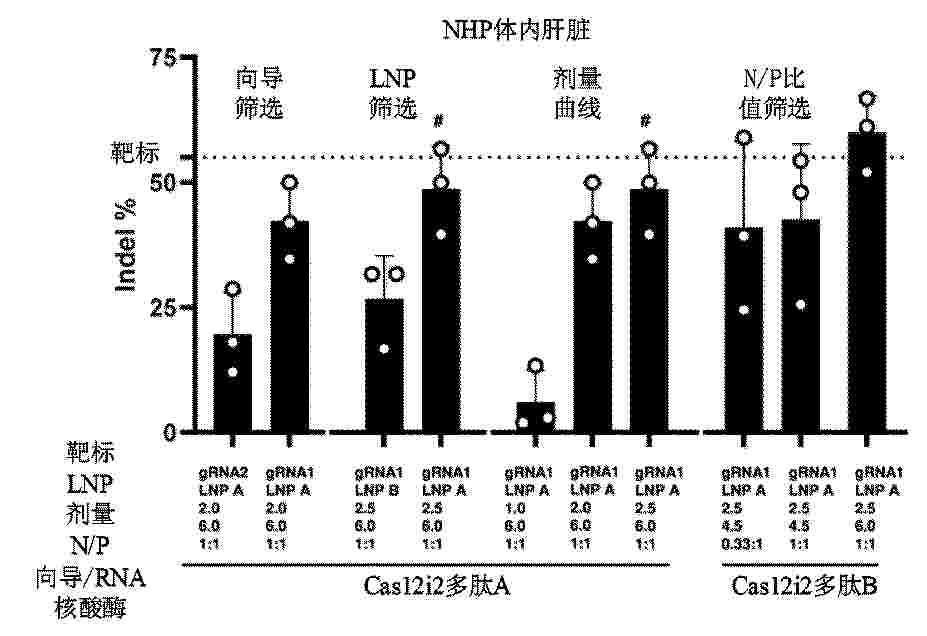
A composition for genetic editing of a hydroxyacid oxidase 1 (HAO1) gene, comprising: (a) a messenger RNA (mRNA) encoding a Cas12i2 polypeptide, (b) a guide RNA (gRNA) targeting the HAO1 gene; and (c) lipid excipients, which optionally form lipid nanoparticles. Also provided herein are methods for genetic modification of the HAO1 gene in host cells with the composition provided herein.
Resumen de: WO2025076082A1
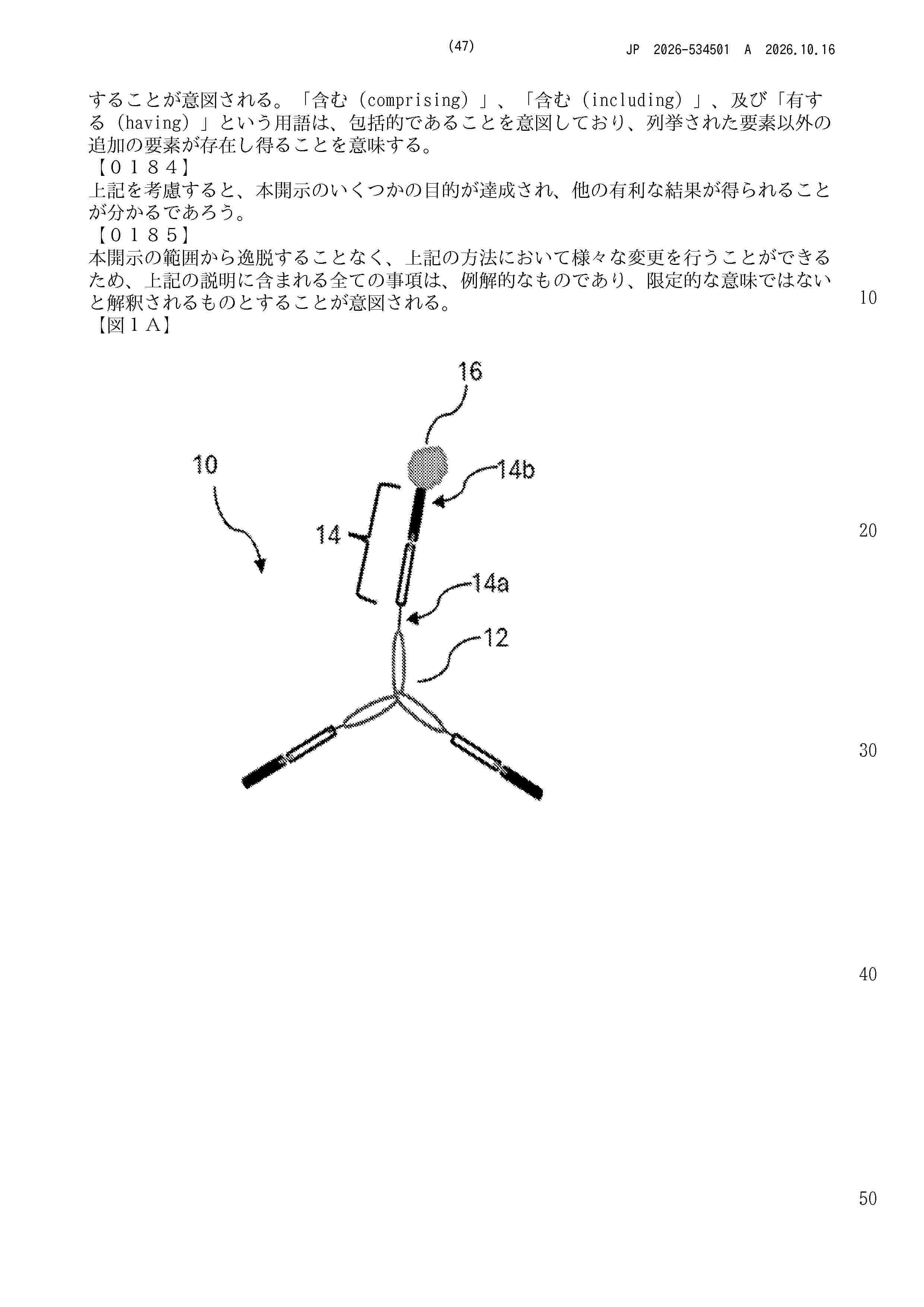
The present disclosure describes peptide nanosponges comprising a plurality of self-assembled peptide building blocks. The plurality of self-assembled peptide building blocks comprises a first peptide building block comprising: a branched polymeric core comprising at least three arms; a first block co-peptide covalently linked to one of said arms, wherein said first block co-peptide comprises a first peptide block and a second peptide block which is different from the first peptide block; a lipid-based capping moiety covalently attached to the first block co-peptide; and a therapeutically active compound covalently attached via a cleavable linkage to the first block co-peptide. Advantageously, the block co-peptide is covalently attached to the core such that it is resistant to enzymatic cleavage from the core.
Resumen de: WO2025067389A1
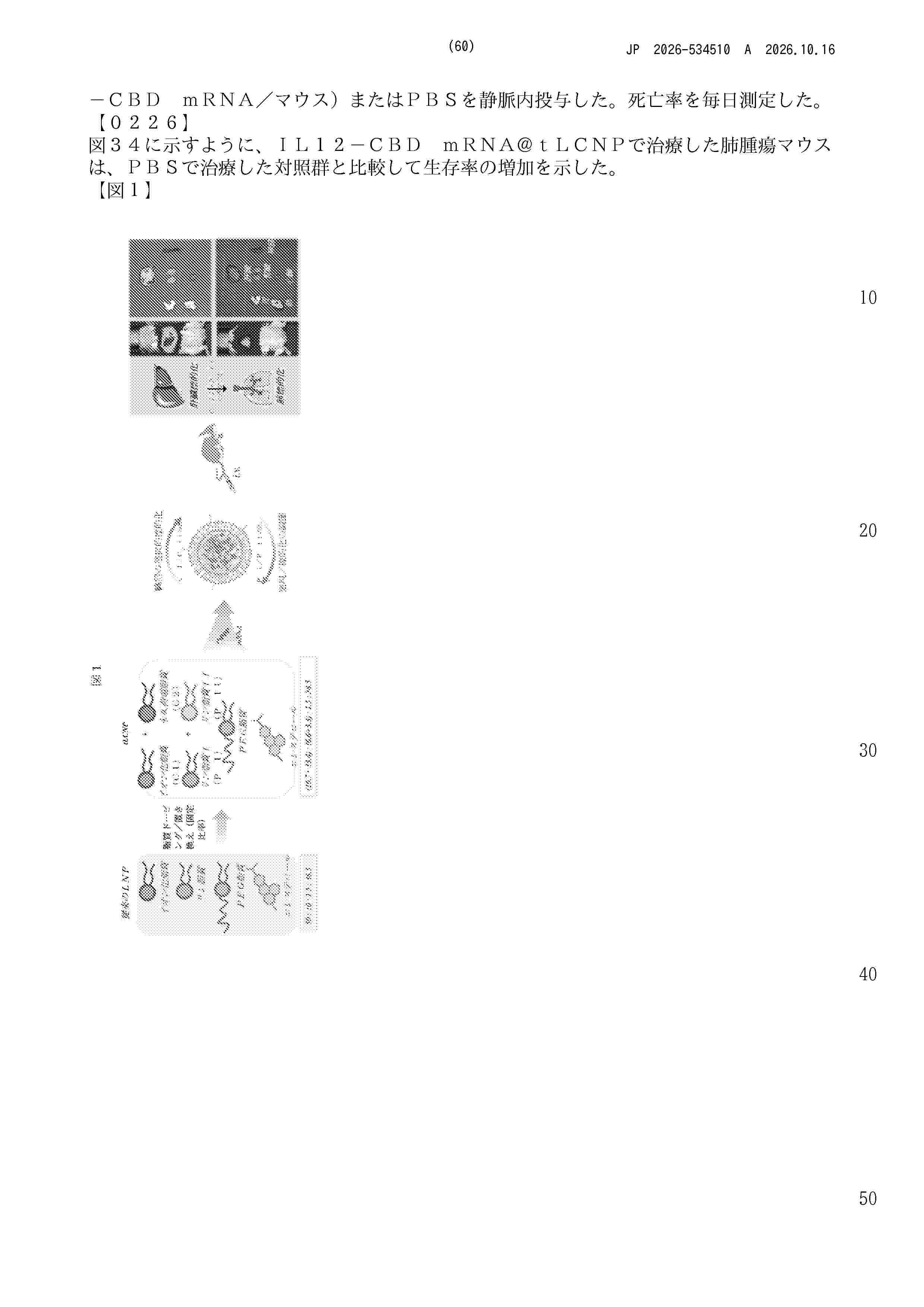
A drug delivery system composing nanoparticles, in particular lipid nanoparticles ( LNPs ), and messenger RNA ( mRNA ), as well as methods for lung-targeted delivery of the nanoparticles.
Resumen de: CN122912108A
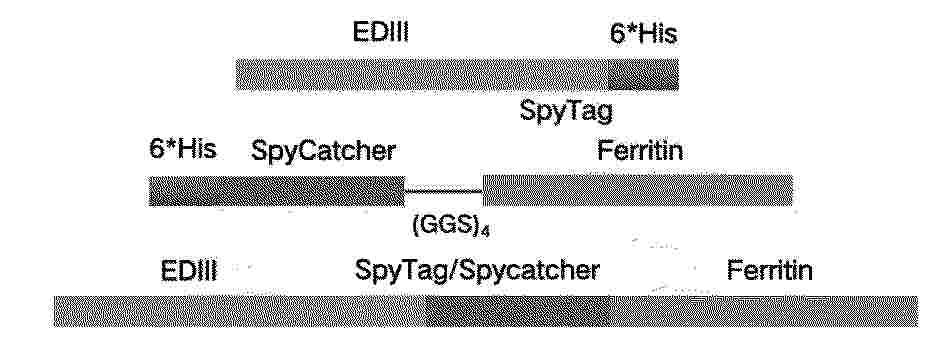
本发明中公开了一种坦布苏病毒EDIII自组装纳米颗粒及其制备方法和应用。本发明通过“分子胶水”SpyCatcher/SpyTag实现鸭坦布苏病毒EDIII与Ferritin NP的高效偶联,制得EDIII‑Ferritin NP。EDIII‑Ferritin NP免疫雏鸭后能激发强大的特异性体液免疫反应和细胞免疫反应,提供了更强的免疫保护效力,可有效减轻病毒感染后造成的组织损伤并强效抑制雏鸭体内病毒的复制,且其生产工艺简单、易操作,偶联产物稳定。因此,本发明制备的EDIII‑Ferritin NP可用于坦布苏病毒活疫苗的制备中,并实现工业化生产应用。
Resumen de: US2023020016A1
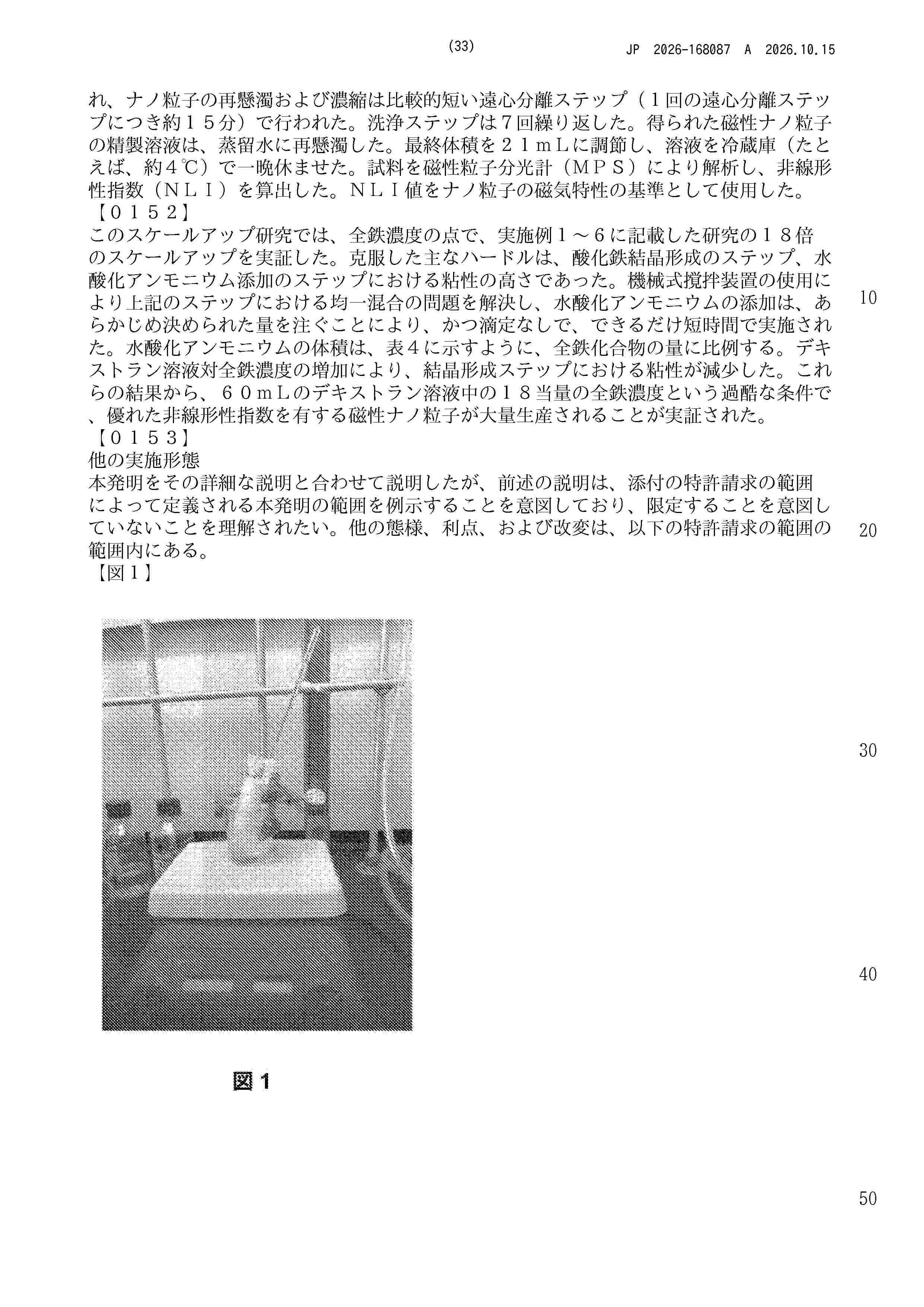
The present disclosure presents nanoparticle compositions for use in the treatment, prevention, or imaging of a disease (e.g., cancer), methods of treating, preventing, or imaging a disease in a subject in need thereof with the nanoparticle compositions, and methods of preparing the nanoparticle compositions of the disclosure. The nanoparticle compositions can include a magnetic nanoparticle ferric chloride, ferrous chloride, or a combination thereof, and a dextran coating functionalized with one or more amine groups.
Resumen de: US20260315409A1
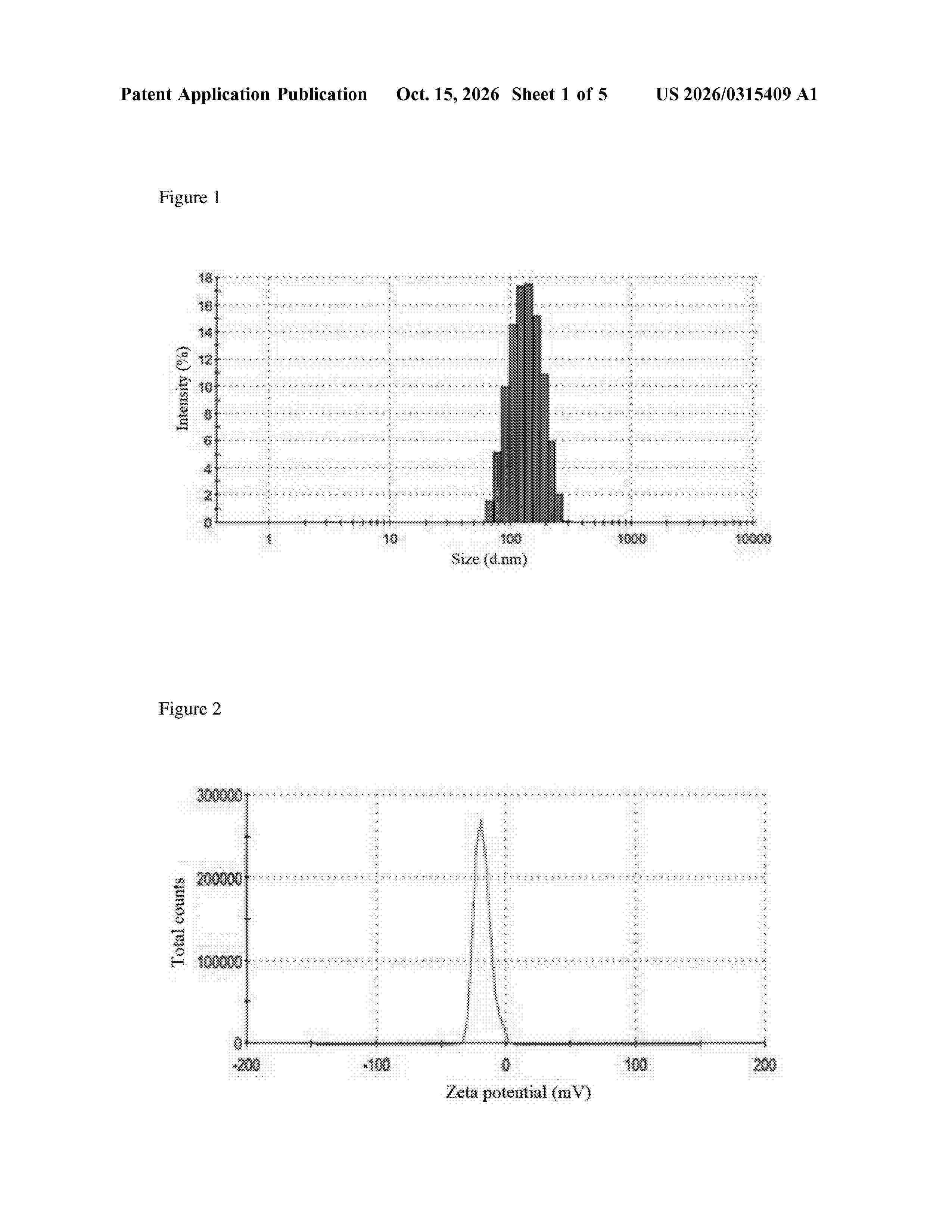
The application refers to a pharmaceutical composition, containing elemene, a protein carrier, and oil for injection, having improved safety and stability.
Resumen de: WO2020023594A1
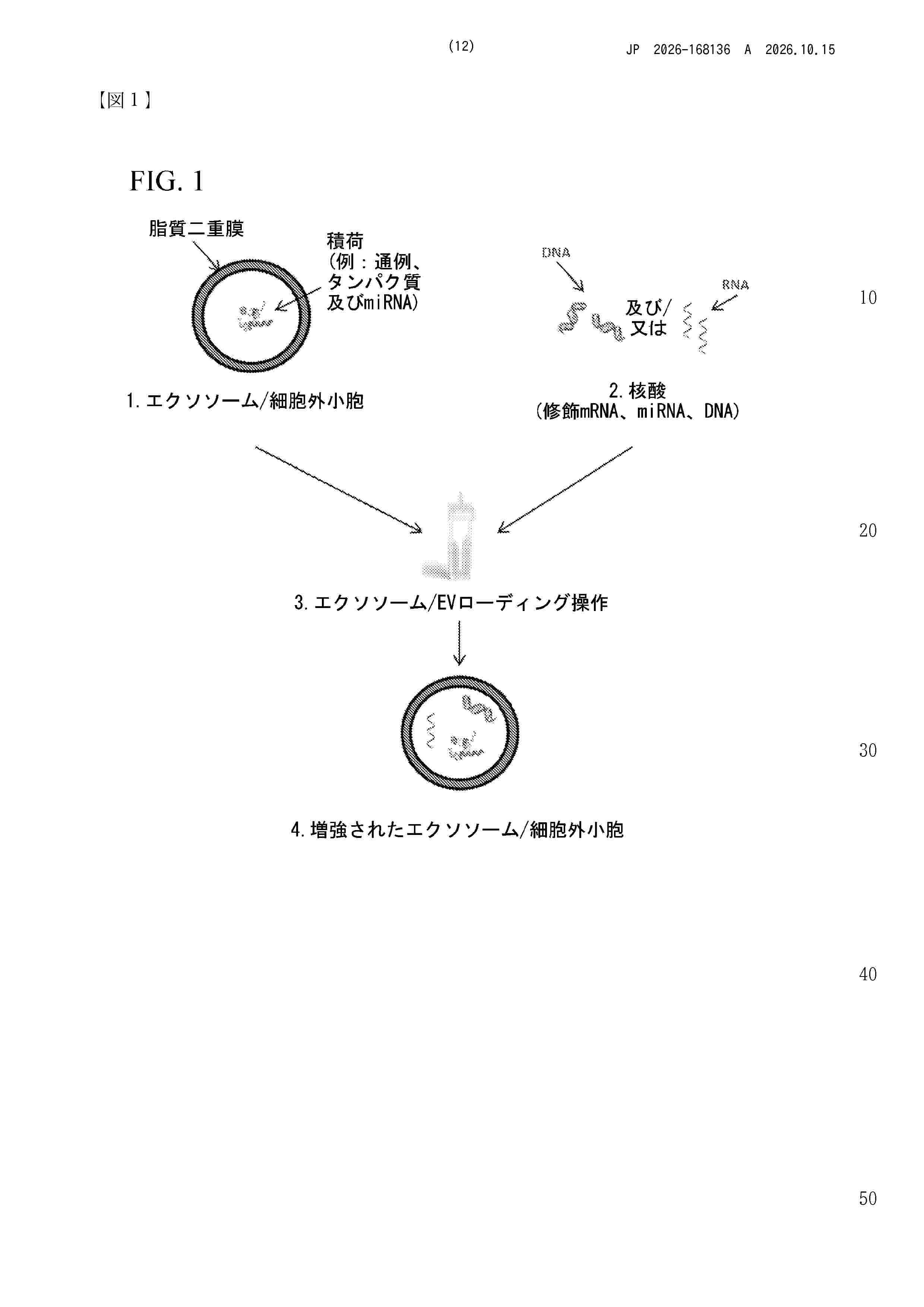
An extracellular vesicle includes an exogenous therapeutic component. The exogenous therapeutic component can include a therapeutic polypeptide, a polynucleotide that encodes a therapeutic polypeptide, a therapeutic nucleic acid, or a therapeutic agent. In some embodiments, the extracellular vesicle includes an exosome or purified exosome product (PEP).
Resumen de: US20260315575A1
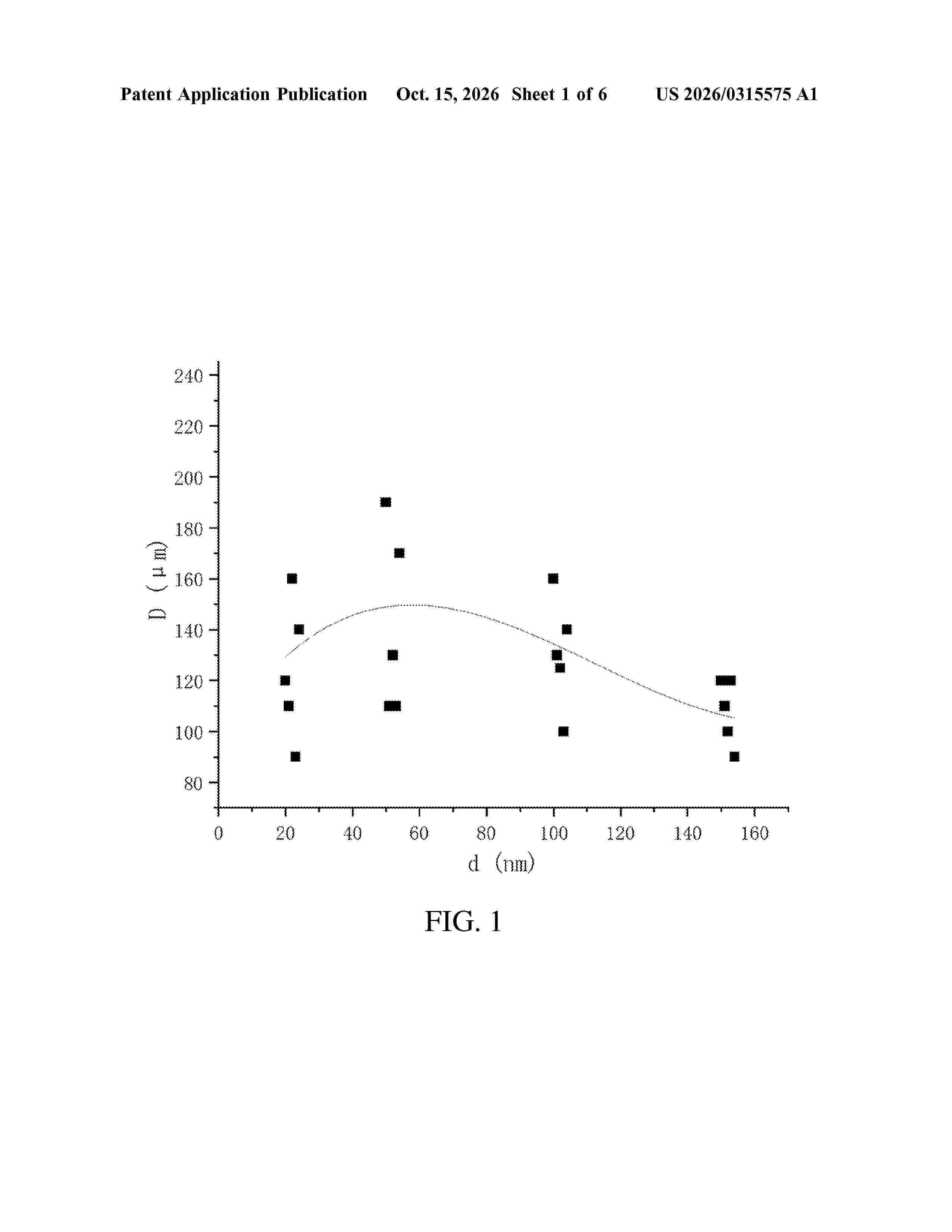
0000 Provided is a tyrosinase-based transdermal delivery system for treating vitiligo, having a core-shell structure, a core being tyrosinase, and a shell being a polymer shell. Double bonds are introduced into tyrosinase, and the surface of protein is coated with a polymer protection layer through in-situ polymerization to protect the activity of the tyrosinase, and promote the transdermal delivery of the tyrosinase. Tyrosinase nanogel can be controlled to be delivered to melanocytes deep in skin and hair follicles in a targeted manner by regulating and controlling polymerization conditions of the polymer shell to promote in-situ synthesis of melanin. The system can also load active small molecules with an anti-inflammatory function at a center of the tyrosinase, and the small molecules are released after being delivered to an inflammatory area of vitiligo in a targeted manner along with the tyrosinase nanogel, thereby relieving inflammation, and protecting the melanocytes from being damaged.
Resumen de: WO2019157282A1
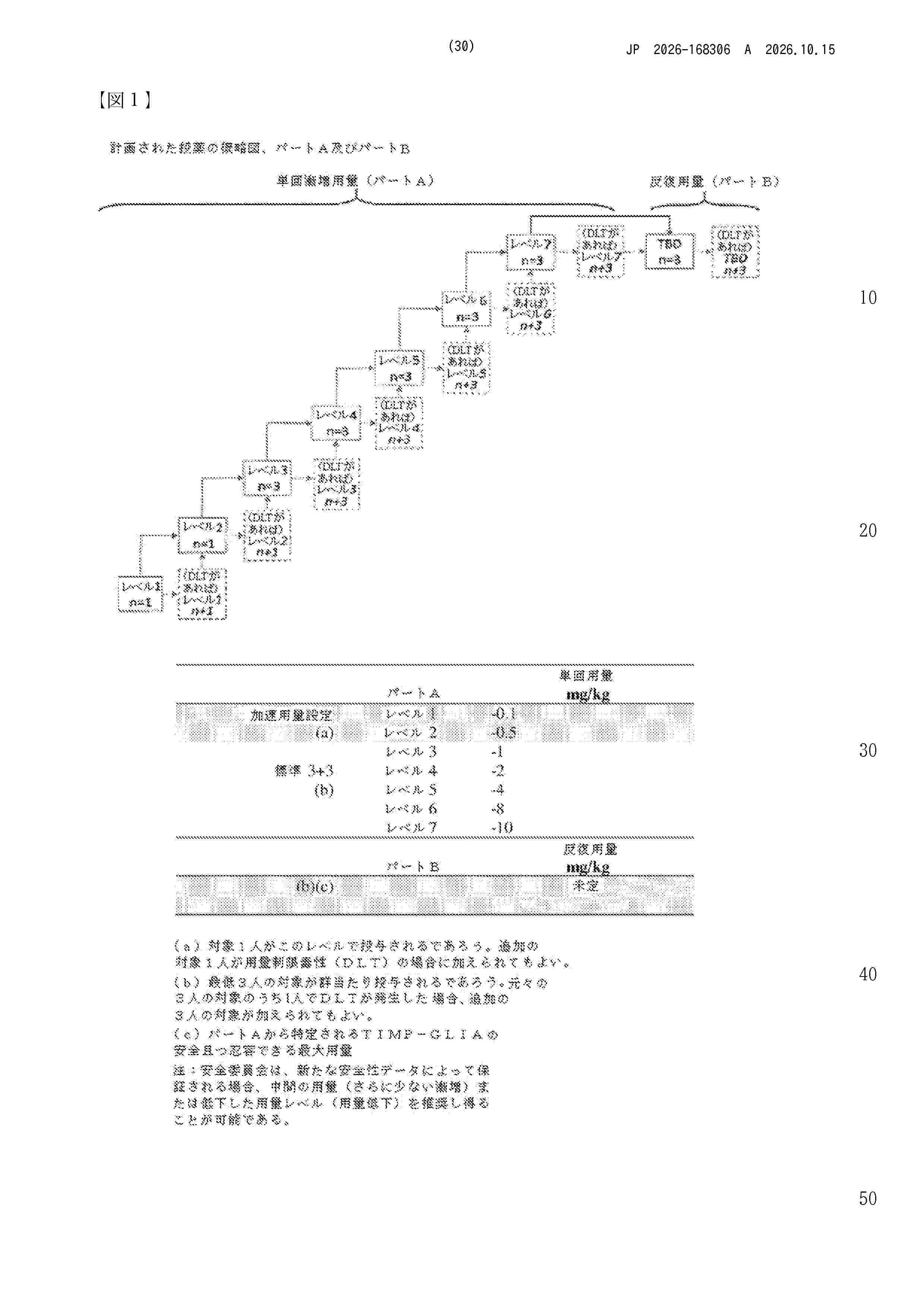
The present disclosure relates to methods for treating Celiac Disease using tolerizing immune modifying particles that encapsulate antigenic material from the gliadin protein or other related proteins.
Resumen de: AU2026242118A1
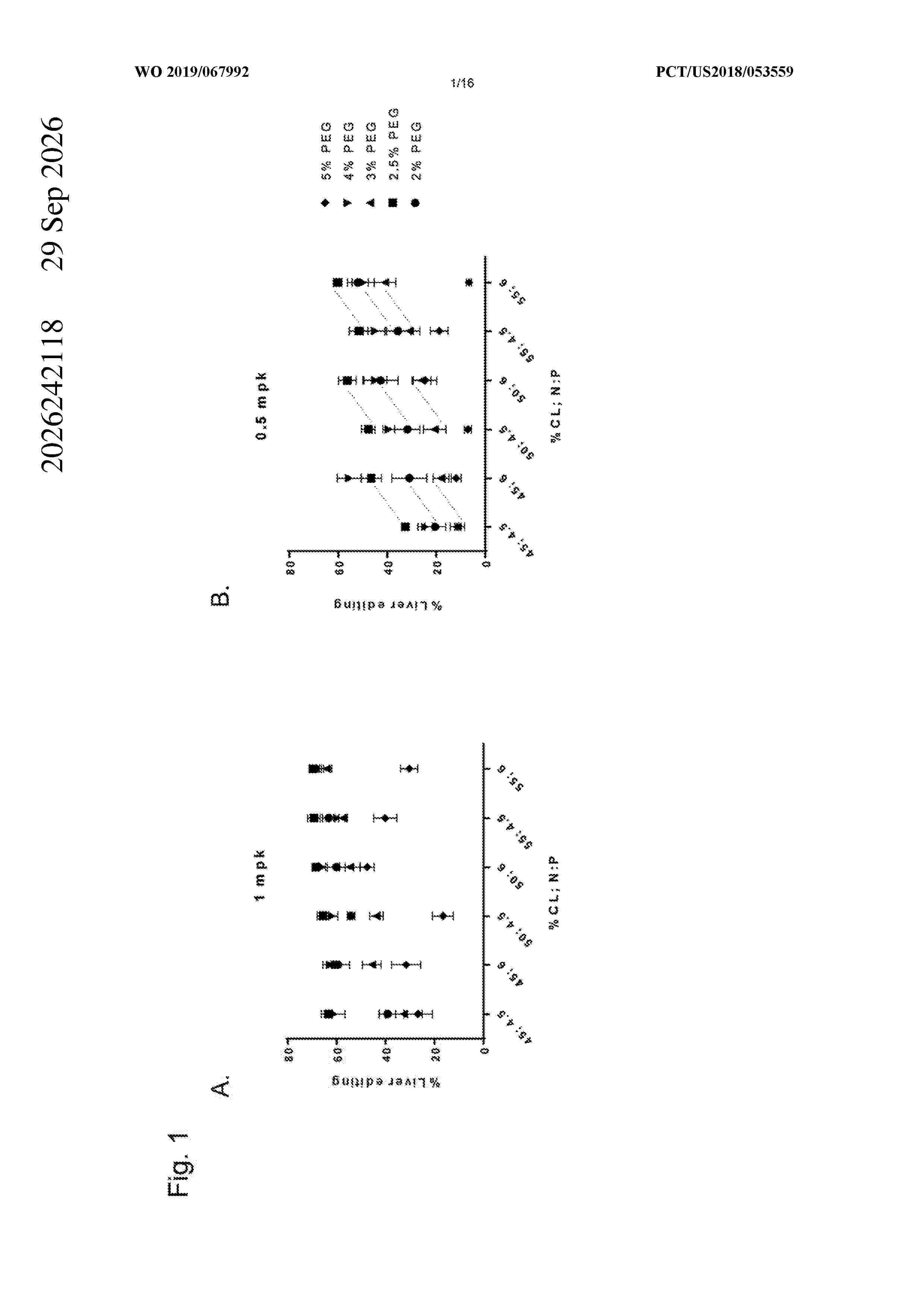
(12) INTERNATIONAL APPLICATION PUBLISHED UNDER THE PATENT COOPERATION TREATY (PCT) (19) World Intellectual Property Organization International Bureau (10) International Publication Number (43) International Publication Date WO 2019/067992 A1 04 April 2019 (04.04.2019) WIPO|PCT (51) International Patent Classification: Published: C12N 15/113 (2010.01) A61K 9/127 (2006.01) with international search report (Art. 21(3)) C12N 15/88 (2006.01) A61K 31/7088 (2006.01) before the expiration of the time limit for amending the C12N 9/22 (2006.01) claims and to be republished in the event of receipt of (21) International Application Number: amendments (Rule 48.2(h)) PCT/US2018/053559 (22) International Filing Date: 28 September 2018 (28.09.2018) (25) Filing Language: English (26) Publication Language: English (30) Priority Data: 62/566,240 29 September 2017 (29.09.2017) US (71) Applicant: INTELLIA THERAPEUTICS, INC. US/US; 40 Erie Street, Cambridge, MA 02139 (US). (72) Inventors: WOOD, Kristy, M.; 34 Earle Road, Welles- ley, MA 02481 (US). GARDNER, Noah, Paul; 41 Mc- Clellan Road, Sutton, MA 01590 (US). SHAH, Ruchi, Rudraprasad; 90 Riverpath Drive, Apartment 19, Fram- ingham, MA 01701 (US). SCULLY, Stephen, S.; 91 Slade Street, Belmont, MA 02478 (US). MAJZOUB, Ramsey; 1 Longfellow Place, #716, Boston, MA 02114 (US). (74) Agent: BENCIVENGA, Nicholas, E.; Finnegan, Hender- son, Farabow, Garrett & Dunner, LLP, 901 New York Av- enue, NW, Washington, DC 20001 (US). (81) Designated States (unle
Resumen de: US2021299234A1
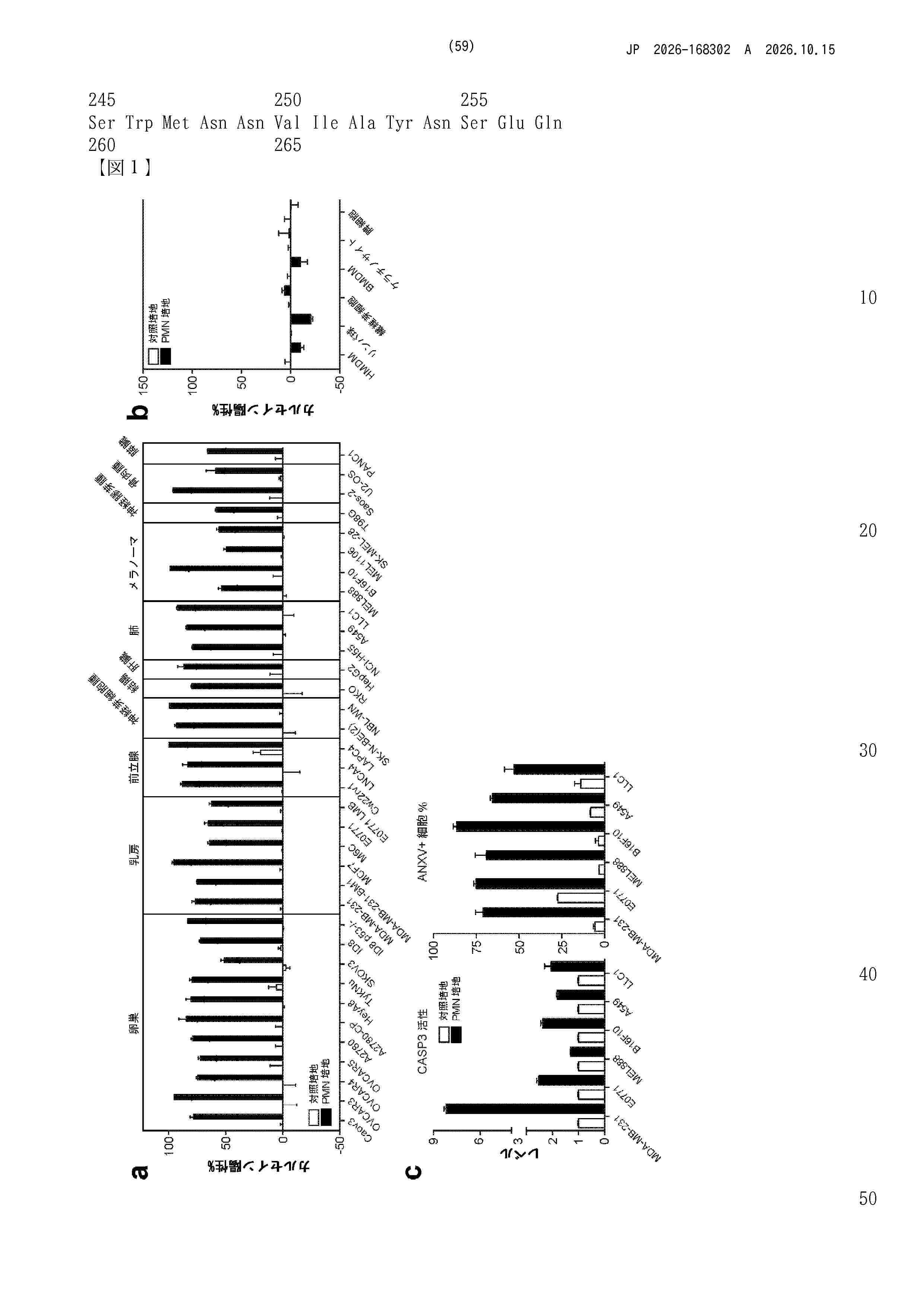
0001 Embodiments are directed to: (i) neutrophil secreted factors that have the capacity to kill a broad range of cancer cells without affecting the viability of non-cancer cells. Two neutrophil killing factors have been identified by the inventors: (1) eosinophil cationic protein (ECP) and (2) neutrophil elastase (ELANE); or (ii) therapeutic compositions that include CD95 degrading polypeptide components and methods of treating cancer with the same.
Resumen de: US20260315516A1
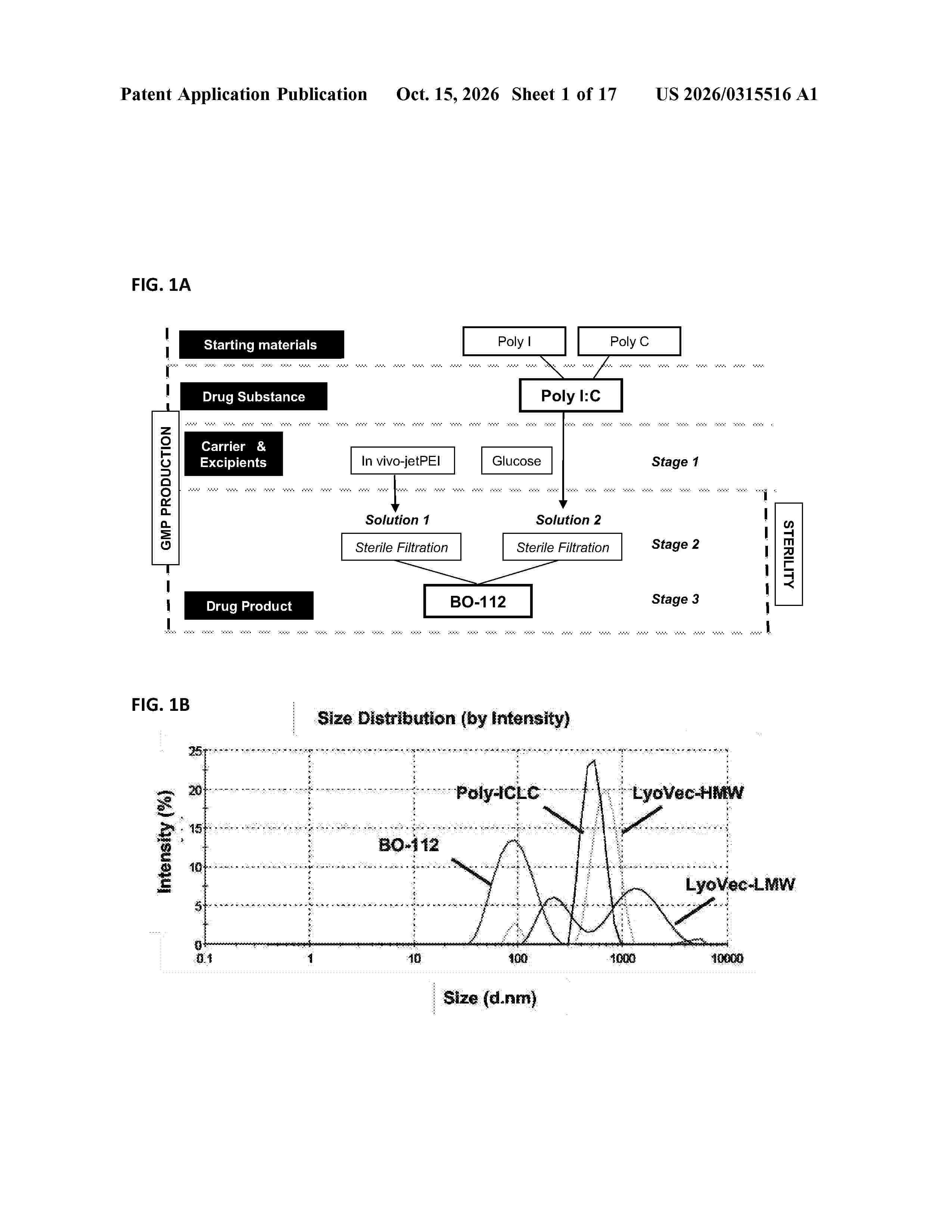
0000 The present invention relates to methods for producing aqueous compositions comprising particles including complexes of polyinosinic-polycytidylic acid poly(I:C) and a water-soluble, linear polyalkyleneimine having defined molecular weight and polydispersity characteristics. In certain embodiments, the poly(I:C) has a selected distribution of double-stranded RNA lengths. The particles can be formed at a nitrogen-to-phosphorus molar ratio within a specified range to control particle formation. The disclosed methods generally comprise separately providing aqueous solutions of the poly(I:C) and the polyalkyleneimine and combining the respective solutions in a mixing chamber under controlled flow and mixing conditions to generate particles typically having a submicron size distribution and a defined z-average diameter as measured by dynamic light scattering according to established standards. In some embodiments, excipients such as sugars are included in the compositions and filtration and/or centrifugation steps are employed to further control particle size, polydispersity and stability.
Resumen de: US20260315595A1
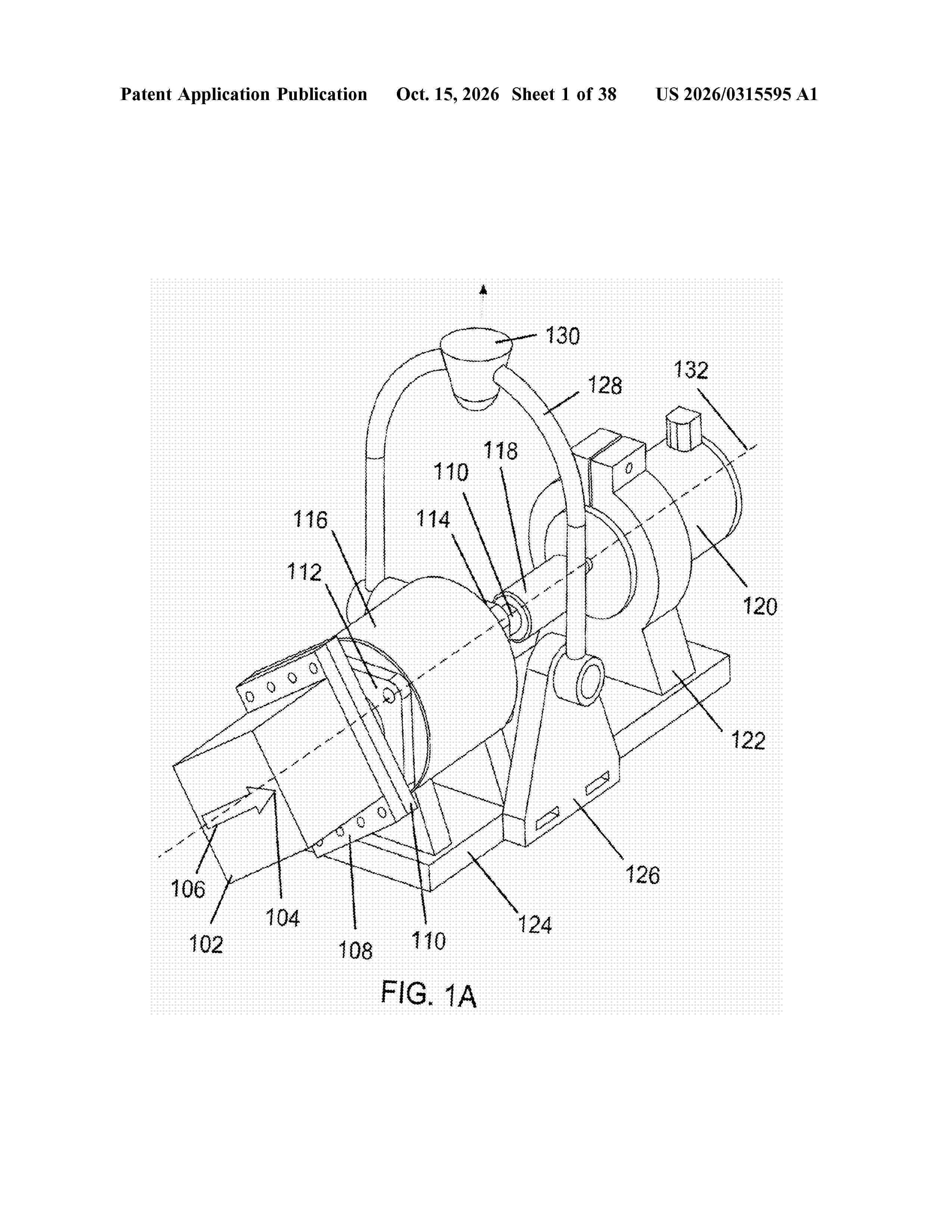
A system for the physical manipulation of free magnetic rotors in a circulatory system using a remotely placed magnetic field-generating stator is provided. In one embodiment, the invention relates to the control of magnetic particles in a fluid medium using permanent magnet-based or electromagnetic field-generating stator sources. Such a system can be useful for increasing the diffusion of therapeutic agents in a fluid medium, such as a human circulatory system, which can result in substantial clearance of fluid obstructions, such as vascular occlusions, in a circulatory system resulting in increased blood flow. Examples of vascular occlusions targeted by the system include, but are not limited to, atherosclerotic plaques, including fibrous caps, fatty buildup, coronary occlusions, arterial stenosis, restenosis, vein thrombi, arterial thrombi, cerebral thrombi, embolisms, hemorrhages, other blood clots, and very small vessels.
Resumen de: US20260315437A1
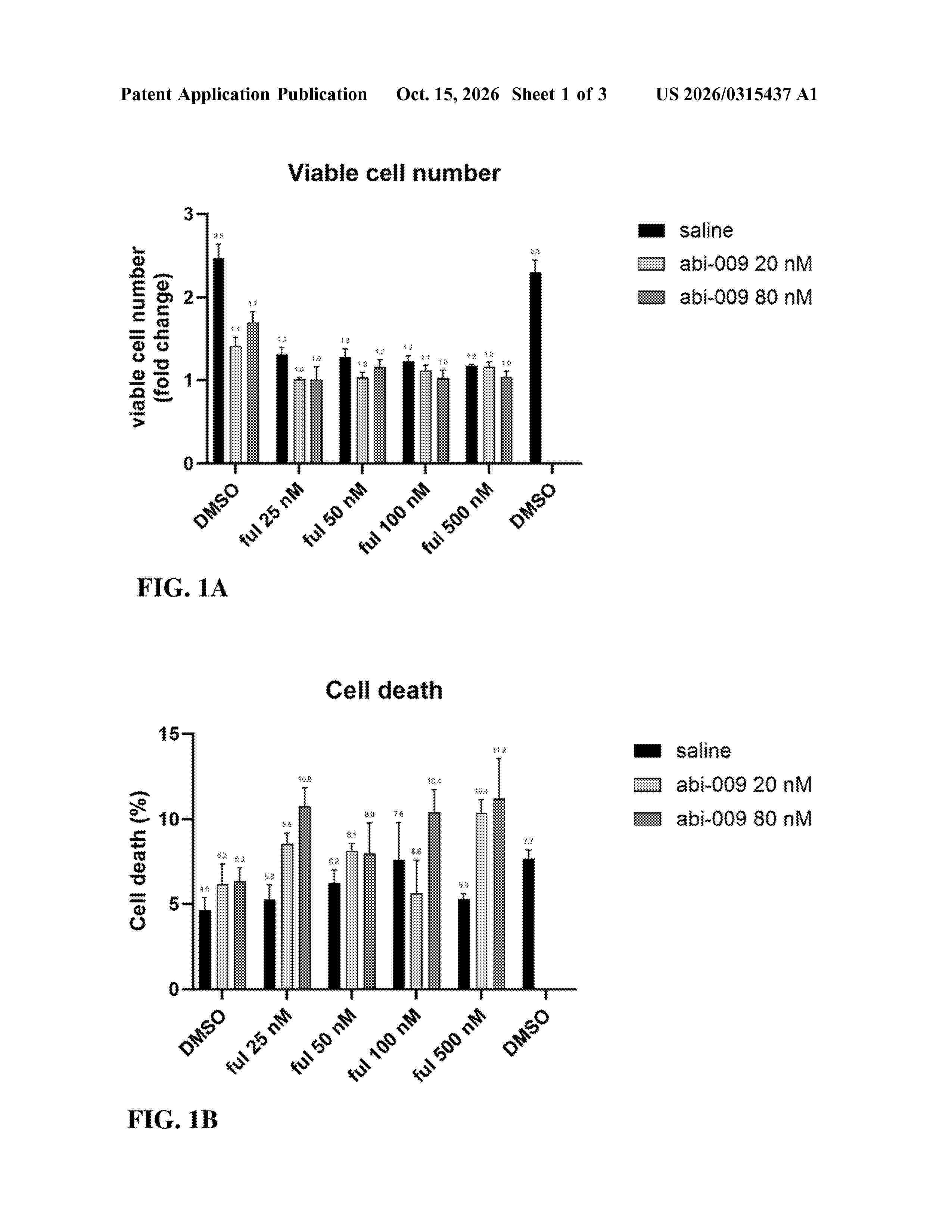
0000 The present application, in certain aspects, pertains to methods and compositions for the treatment of a hormone-dependent cancer (such as an endometrial cancer (e.g., endometrioid endometrial cancer) or hormone-receptor positive breast cancer), using a composition comprising nanoparticles comprising sirolimus and an albumin in combination with an estrogen suppressor (such as letrozole or fulvestrant).
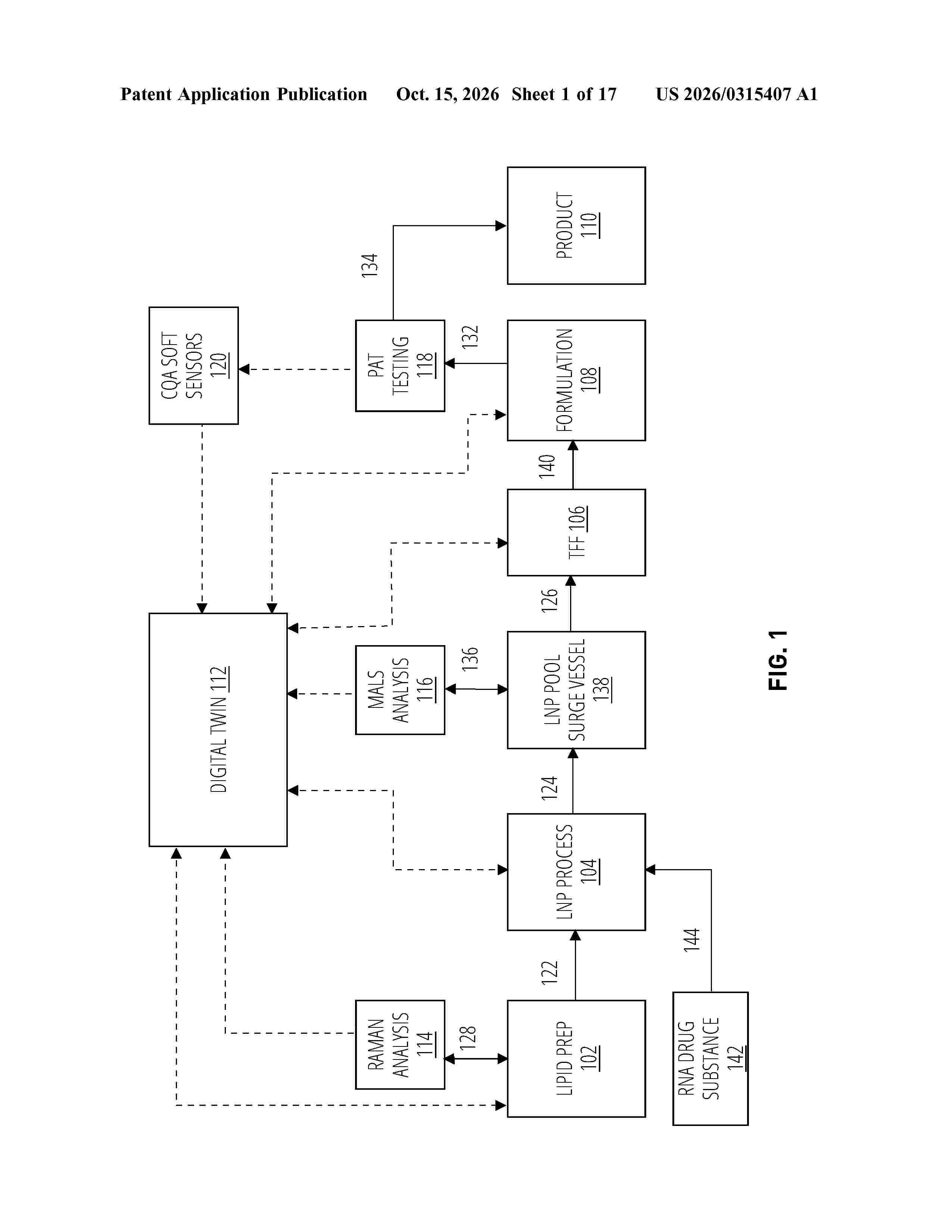
Resumen de: US20260315407A1
The present invention provides apparatus, systems, and methods for continuous manufacturing of RNA.
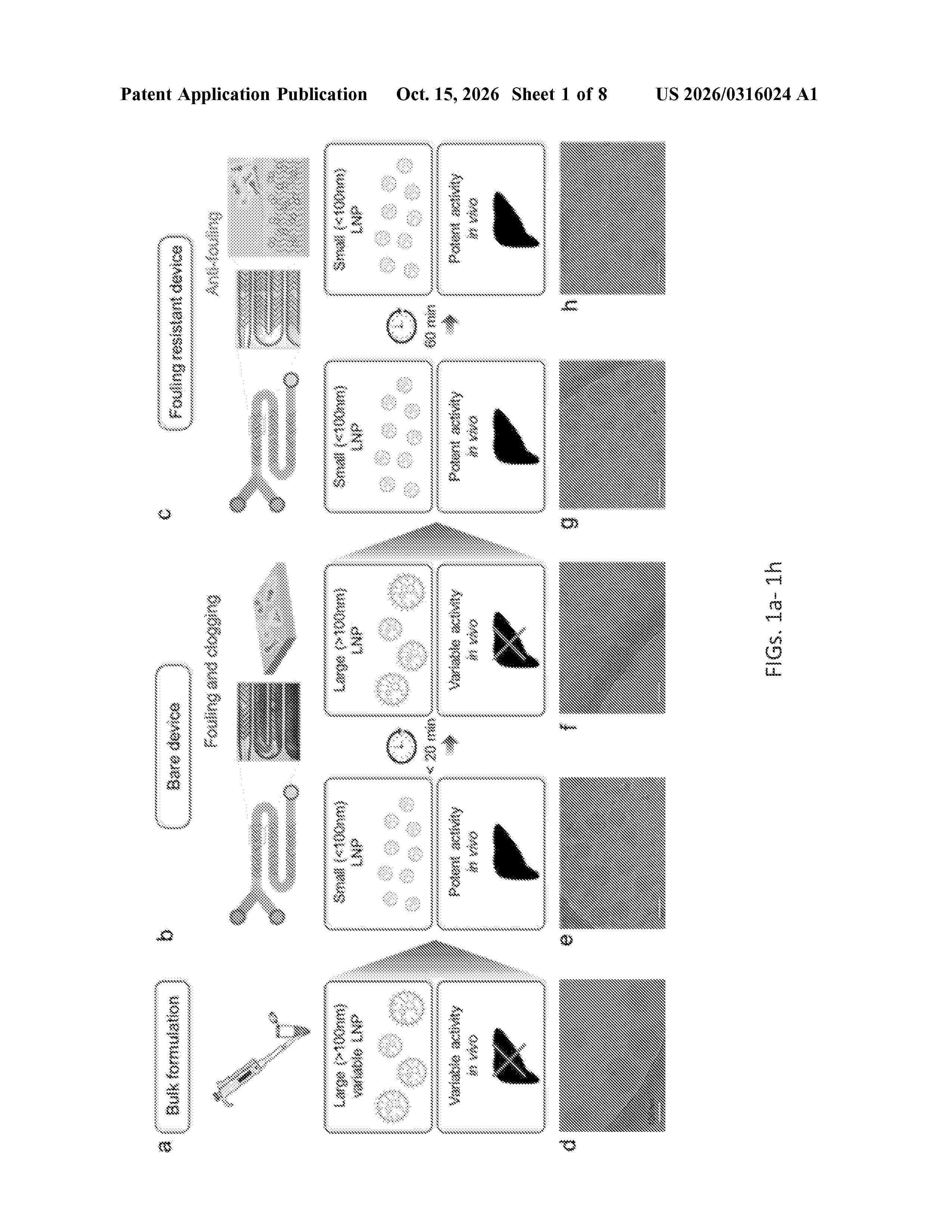
Resumen de: US20260316024A1
A microfluidic component, comprising: at least one microchannel configured to communicate a fluid flow therein, the at least one microchannel comprising at least one surface having a tethered liquid perfluorocarbon (TLP) coating disposed thereon, the at least one microchannel optionally having a cross-sectional dimension in the range of from about 10 μm to about 1000 μm. A method, comprising operating a system to formulate lipid nanoparticles, the system comprising a microfluidic component according to the present disclosure.
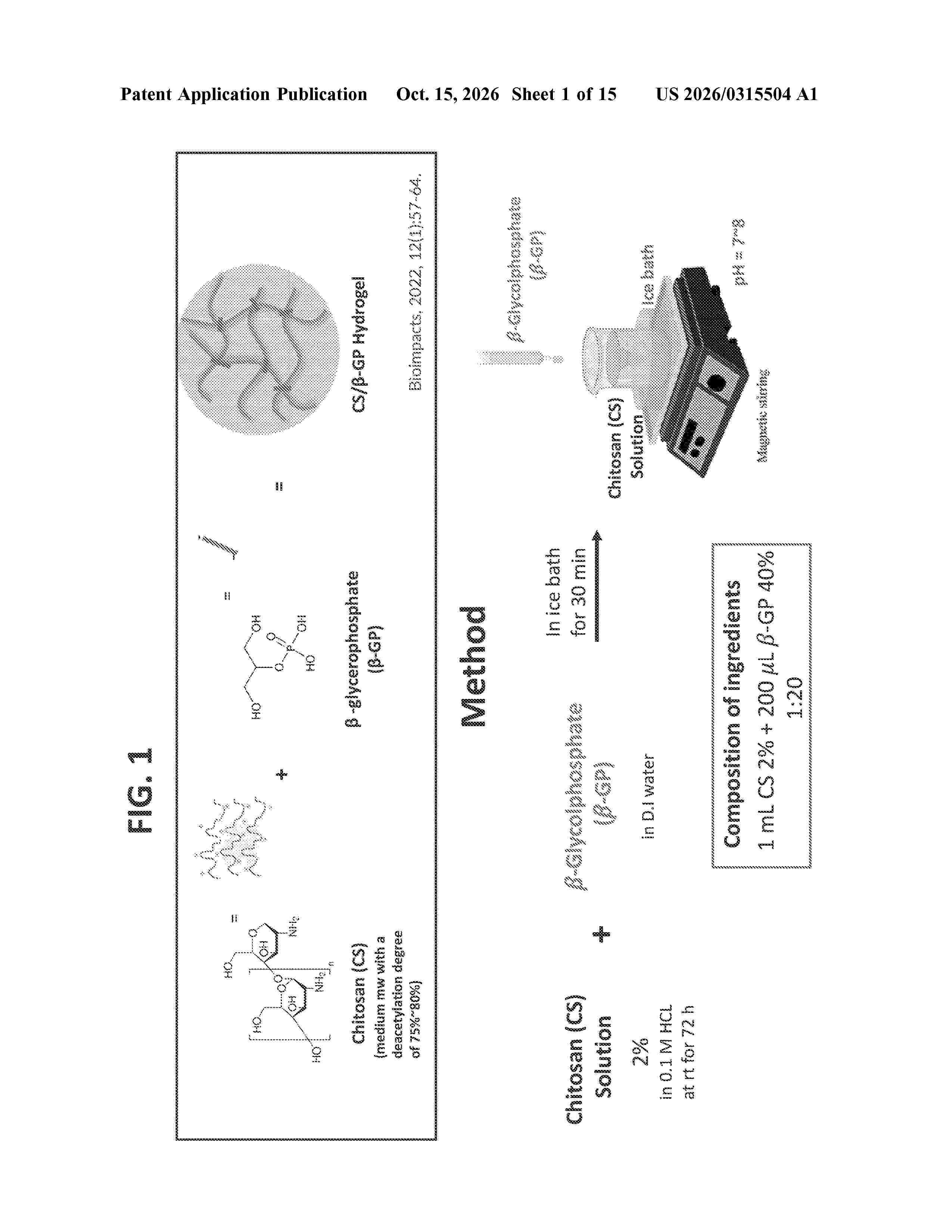
Resumen de: US20260315504A1
0000 Compositions including a collagen glycosaminoglycan scaffold and a phosphate reservoir material are described. The compositions are useful in methods for promoting osteogenesis and attenuating bone resorption.
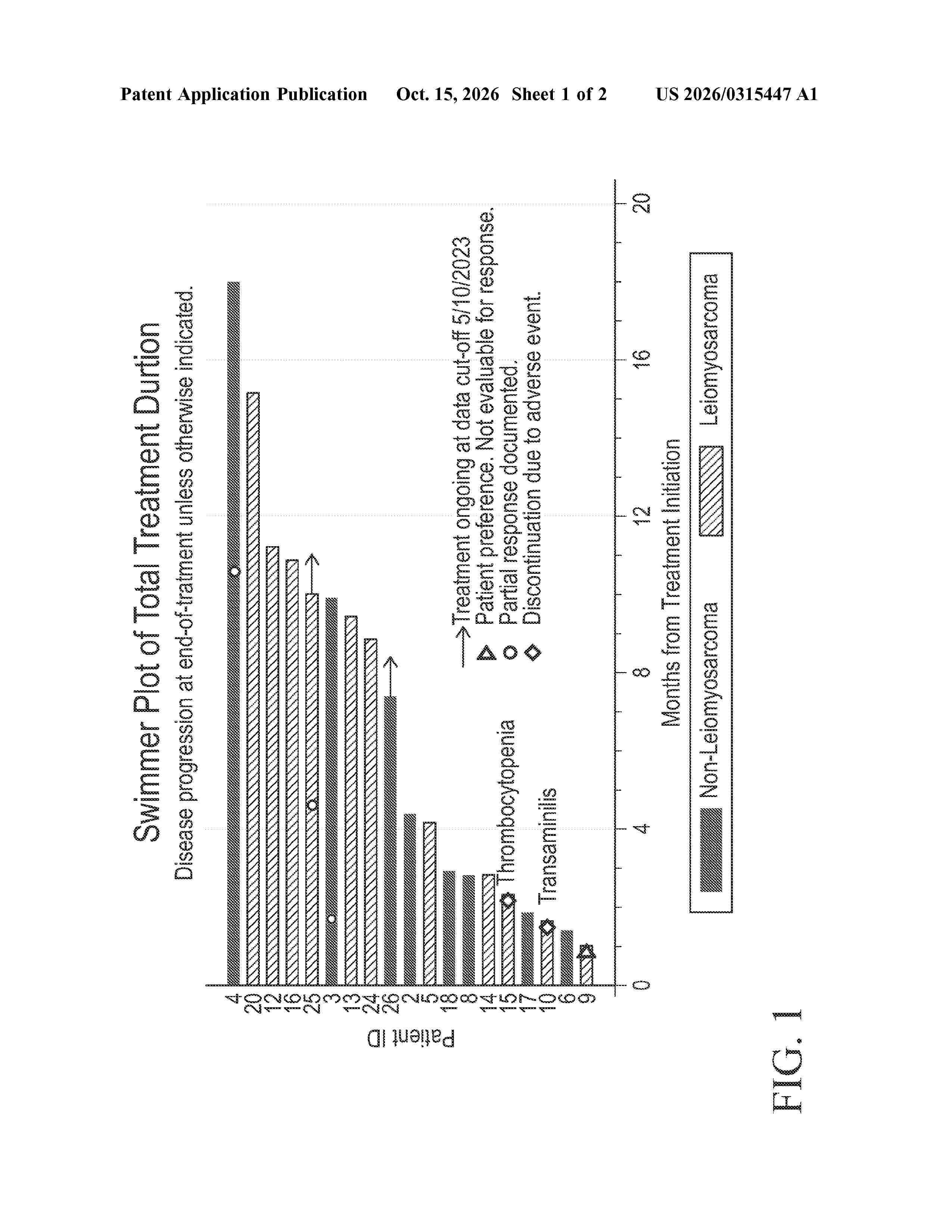
Resumen de: US20260315447A1
The present invention relates to methods and kits for the treatment of breast cancer based on hormone receptor status of progesterone receptor and estrogen receptor comprising the administration of a taxane alone, in combination with at least one other and other therapeutic agents, as well as other treatment modalities useful in the treatment of breast cancer. In particular, the invention relates to the use of nanoparticles comprising paclitaxel and albumin (such as Abraxane®) either alone or in combination with other chemotherapeutic agents or radiation, which may be used for the treatment of breast cancer which does not express estrogen receptor and/or progesterone receptor.
Nº publicación: WO2026216654A1 15/10/2026
Solicitante:
JBKLAB CO LTD [KR]
\uC8FC\uC2DD\uD68C\uC0AC \uC81C\uC774\uBE44\uCF00\uC774\uB7A9
Resumen de: WO2026216654A1
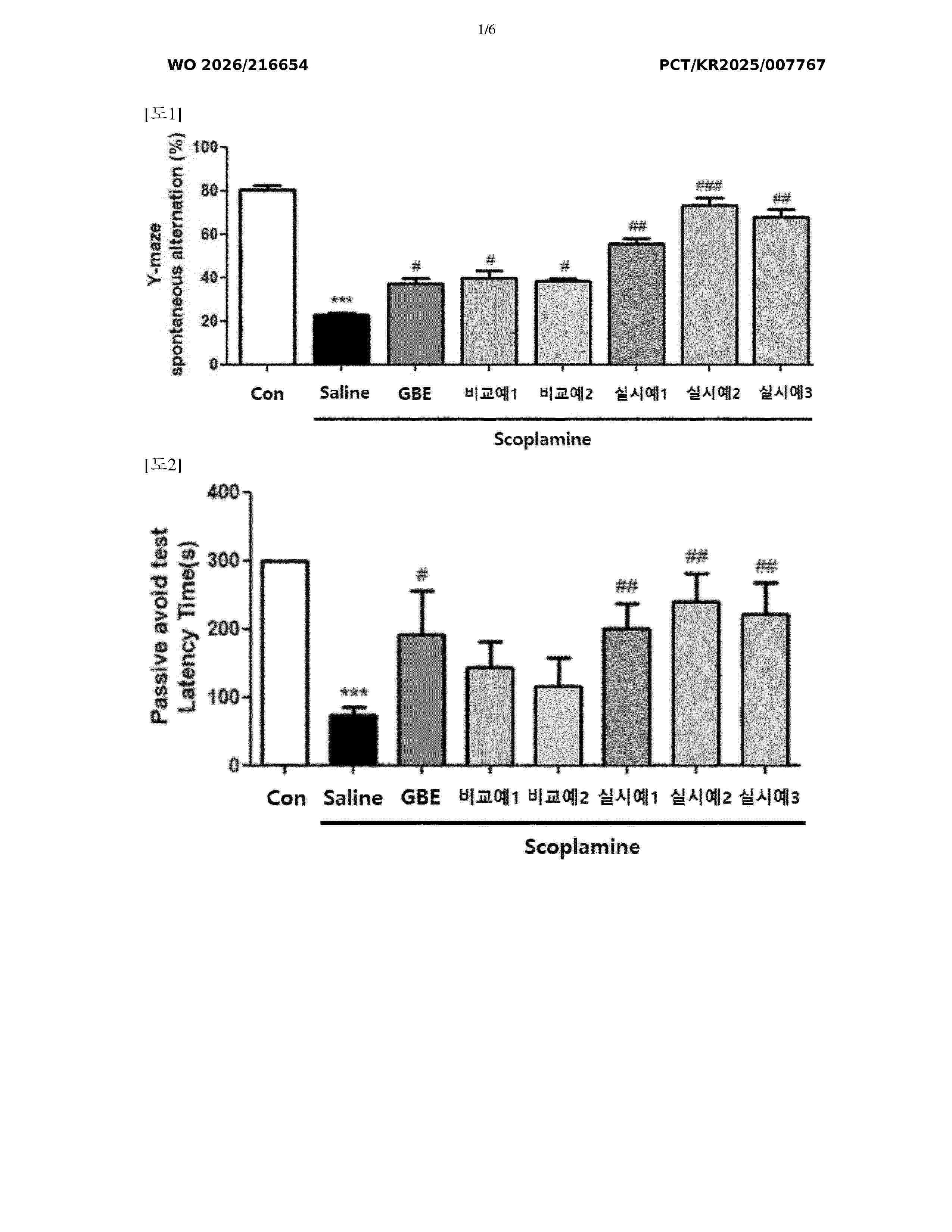
The present invention relates to a pharmaceutical composition for preventing or treating cognitive disorder, comprising an aronia bioactive fraction and alginic acid as active ingredients. The pharmaceutical composition is a mixture of an aronia bioactive fraction (ABF) and low-molecular-weight alginic acid (LAA) in a certain weight ratio, and improves memory and spatial perception, and thus can be effectively used in developing compositions for preventing or ameliorating cognitive function.
 BOPI
BOPI
 Sede Electrónica