Si deseas distinguir tus productos, servicios o ambos de los de otra empresa, es posible que necesites una marca o nombre comercial. Descubre qué son, en qué consiste su procedimiento de registro y qué implica.

Información sobre los plazos de presentación de solicitudes de transformación de marcas de la Unión Europea en marca nacional española. Más información


Si tienes un nuevo dispositivo, producto o procedimiento que resuelva un problema técnico o tenga una ventaja práctica, existen distintas formas de protegerlo en España y en otros países. Descubre cómo hacerlo.

¿Tu innovación reside en la estética, la ornamentación o la apariencia de tu producto? Protégela mediante un diseño industrial. Descubre qué derechos confiere el registro y cómo realizar la tramitación.

Las indicaciones geográficas protegen el nombre de un producto originario de una zona geográfica, a la cual le debe una determinada calidad, reputación u otra característica. Descubre qué son, en qué consiste su procedimiento de registro y qué beneficios conceden.

Las patentes publicadas en todo el mundo son una valiosa fuente de información científica, técnica y comercial.

Si eres emprendedor/a o una empresa y quieres potenciar y mejorar la rentabilidad de tu negocio protegiendo de forma adecuada los activos intangibles de tu organización, en este espacio encontrarás lo necesario.


 277
resultados
277
resultados
 Última actualización
19/08/2026 [06:59:00]
Última actualización
19/08/2026 [06:59:00]


 Resultados 200 a 225 de 277

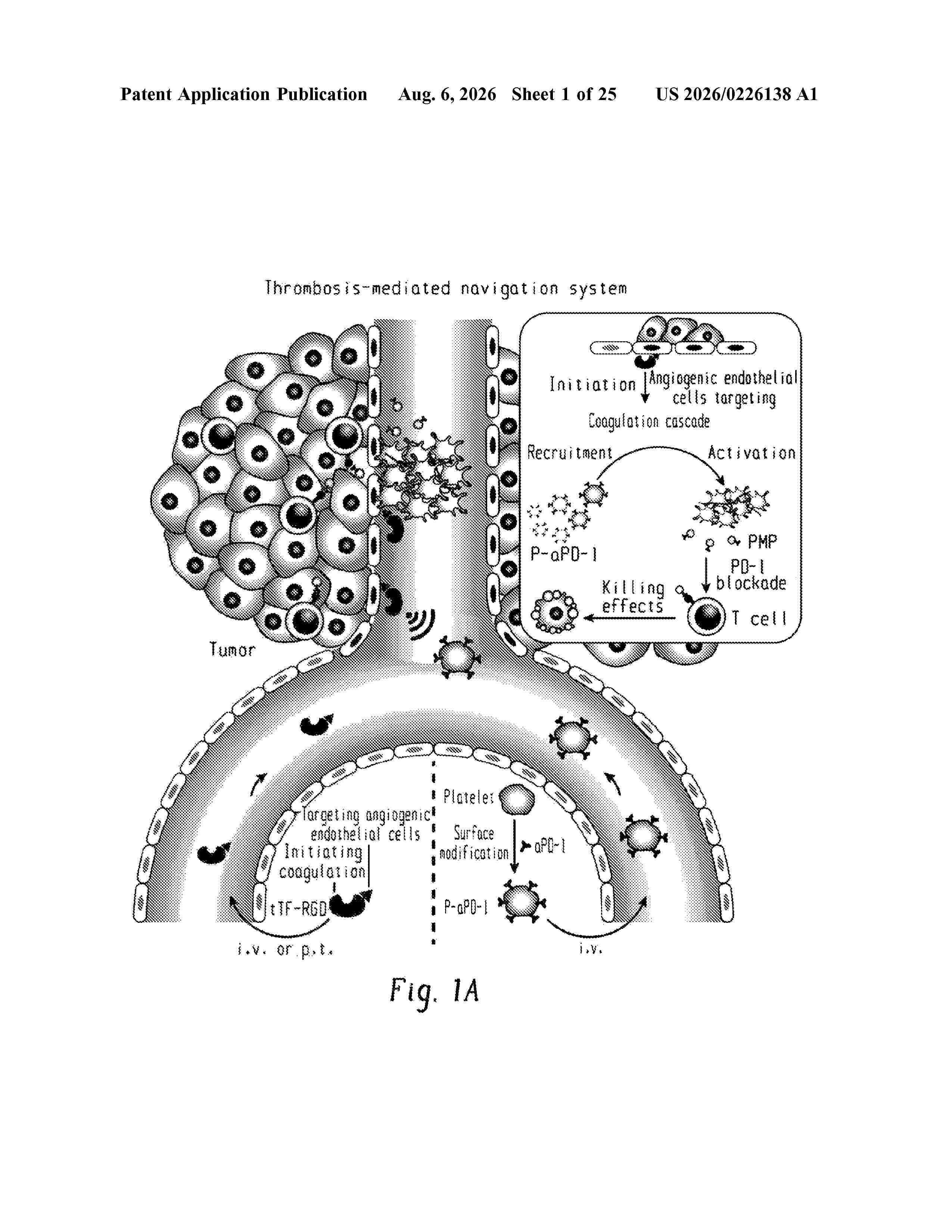
Resumen de: US20260226138A1
0000 Described herein is a method of treating a human patient with a solid tumor, the method including administering to the human patient an effective amount of a fusion polypeptide comprising a tissue factor fragment and a covalently linked tumor vessel endothelial cell binding peptide, wherein the effective amount activates coagulation at the solid tumor site; waiting for a period of time; and administering to the human patient an effective amount of a composition comprising a platelet cell or a platelet membrane. The platelet cell includes a covalently linked immune checkpoint inhibitor, and the platelet membrane coats a chemotherapeutic agent nanoparticle.

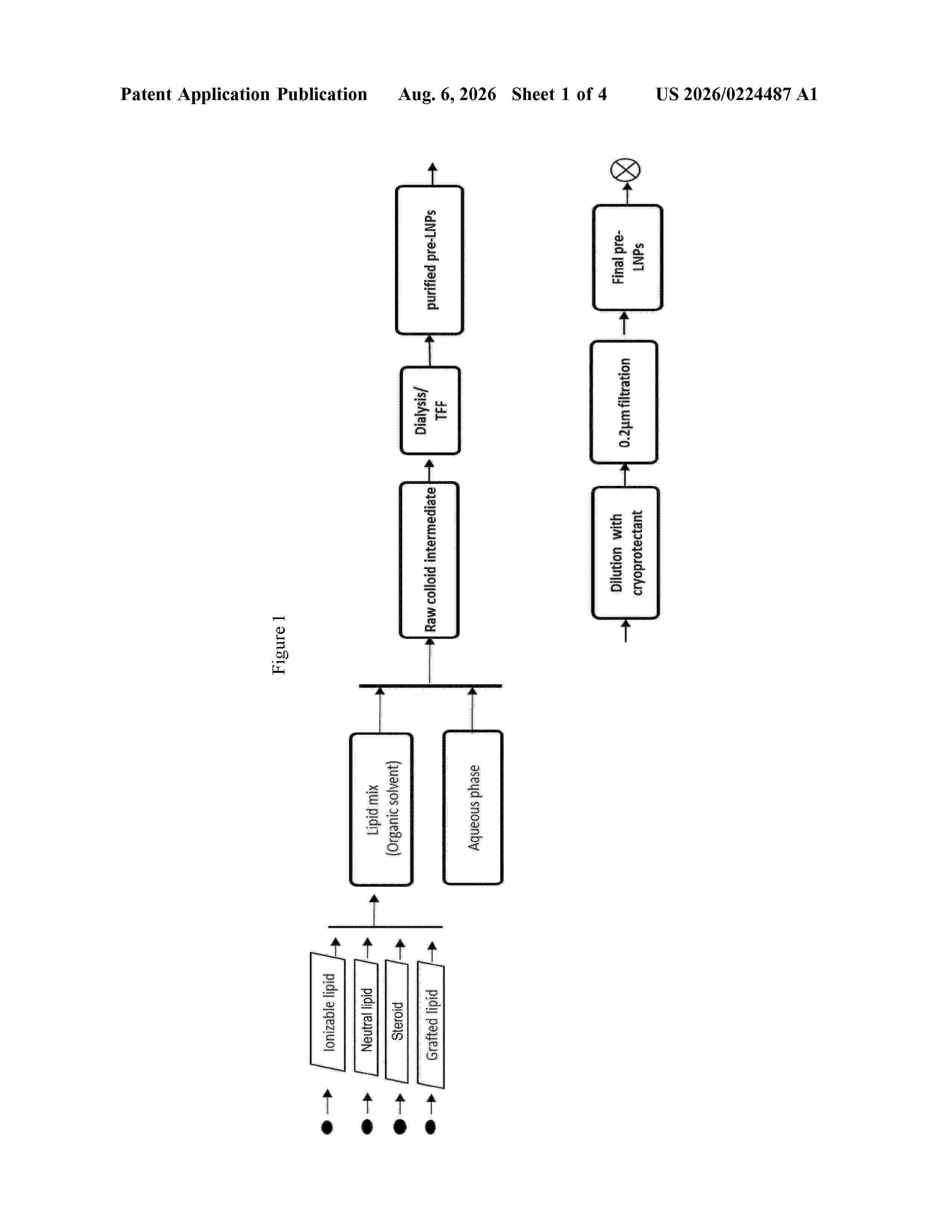
Resumen de: US20260224487A1
An aqueous dispersion having an aqueous mobile phase and a dispersed phase, wherein: the dispersed phase comprises a lipid mixture including a cationically ionizable lipid; and the aqueous mobile phase comprises a buffer solution having a pH from about 6.5 to about 8; wherein the aqueous dispersion is substantially free of inorganic cations, organic solvents and nucleic acids, is described. Methods of preparing the aqueous dispersion, nucleic acid-lipid particles and methods of preparing them using the aqueous dispersion, and their use in medicine are disclosed.
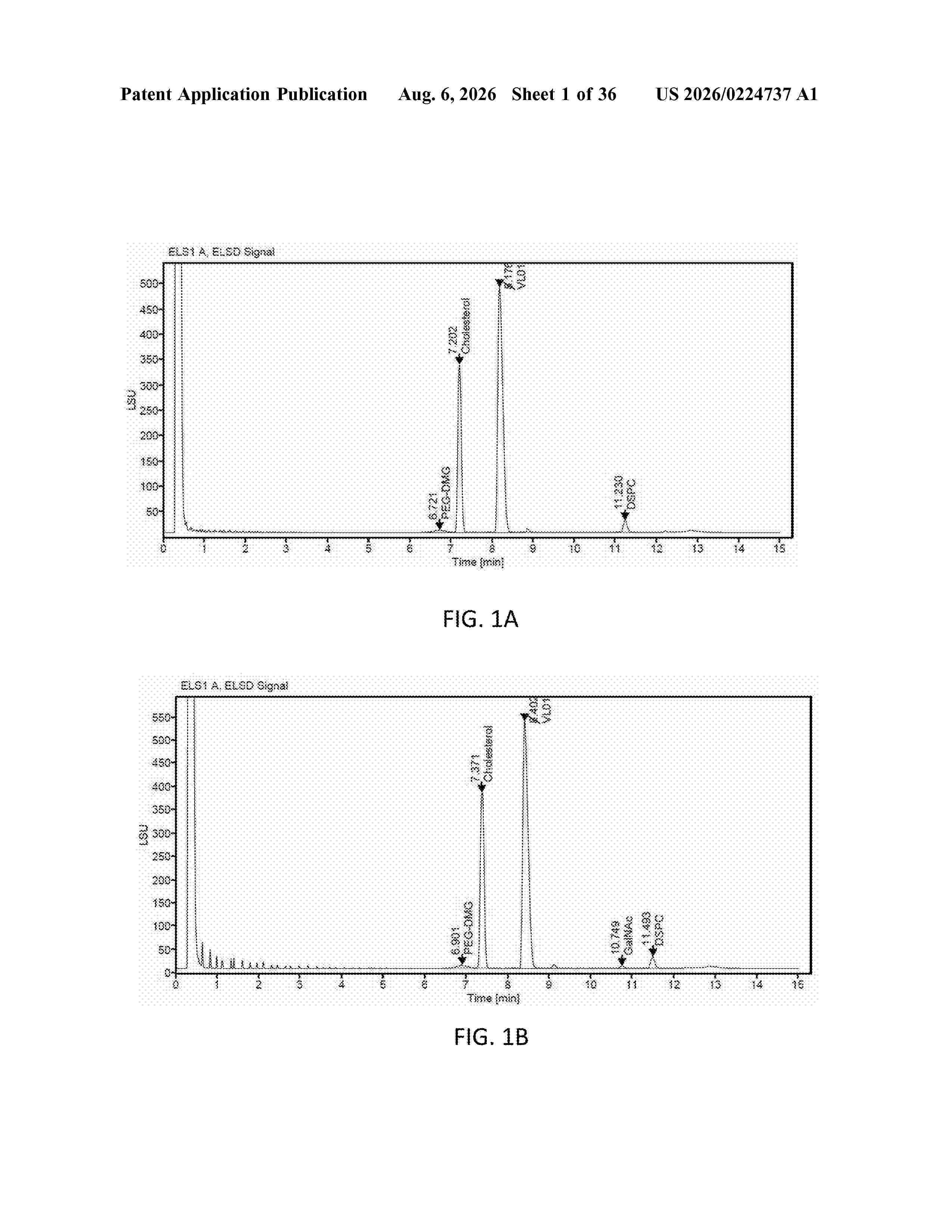
Resumen de: US20260224737A1
0000 Provided herein are compositions, methods of making the same, and methods for targeted delivery of therapeutic agents for modifying expression and function of target genes, e.g. proteins involved in lipid and cholesterol metabolism such as PCSK9.
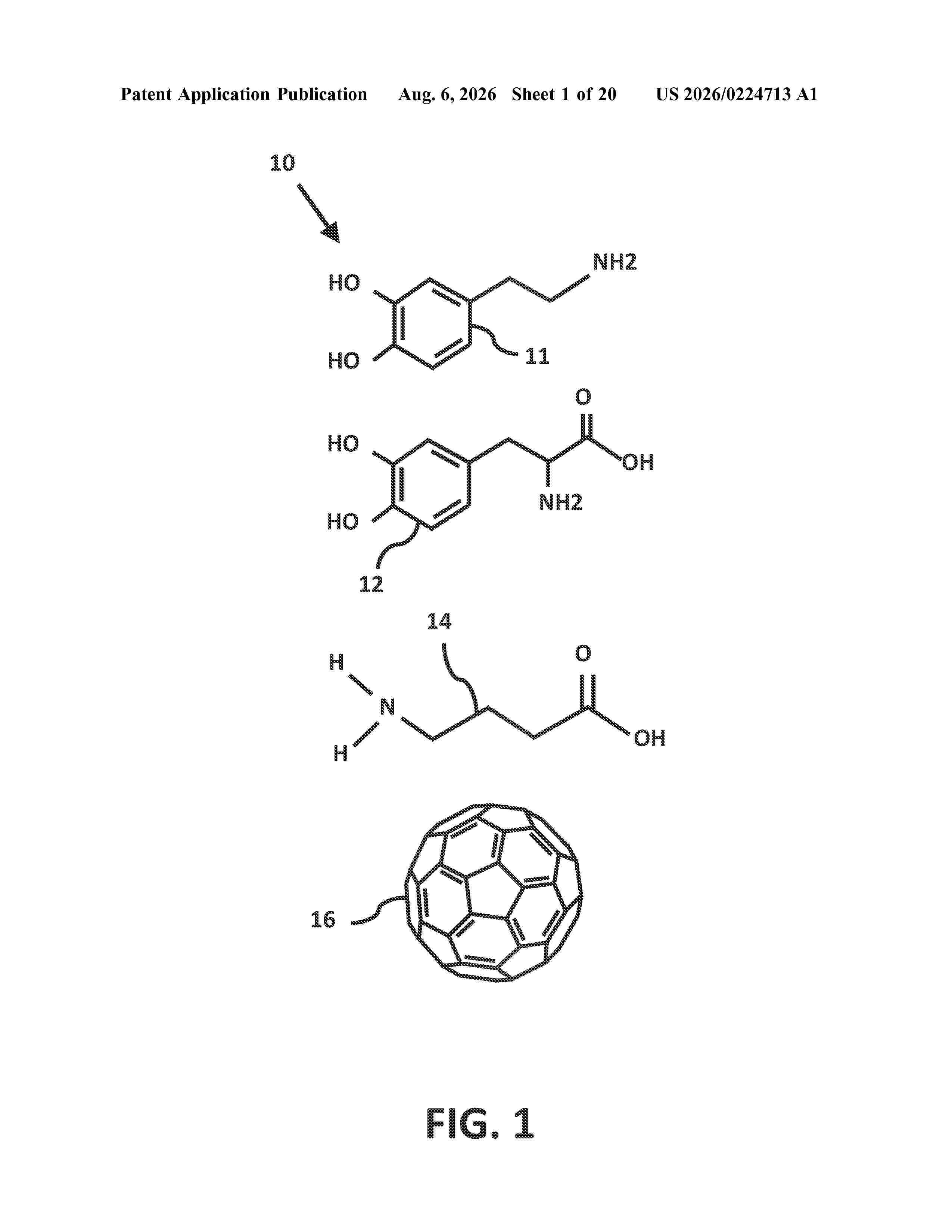
Resumen de: US20260224713A1
0000 A novel dual neurotransmitter nanoparticle composition is provided to store and transport protons and cations into neural cell membranes and to disassemble salt-bridge stabilized toxic protein plaques. These properties function to mitigate cognitive deficits in neurological diseases such as Parkinson's disease and Alzheimer's disease, as well as to reduce the severity of Inflammatory Bowel Syndrome, and aging related reactive oxygen species damage by promoting the sequestration and termination of free radicals and reactive oxygen species. The composition comprises C60 bonded to one or more gamma amino butyric acid molecules and one or more molecules of either levodopa or dopamine. The composition can be produced at low temperatures through reactive shear milling. This composition therapeutically improves and prophylactically preserves cognitive performance, memory, and mental acuity on aging to promote mental performance and health-span improvement.
Resumen de: AU2026206098A1
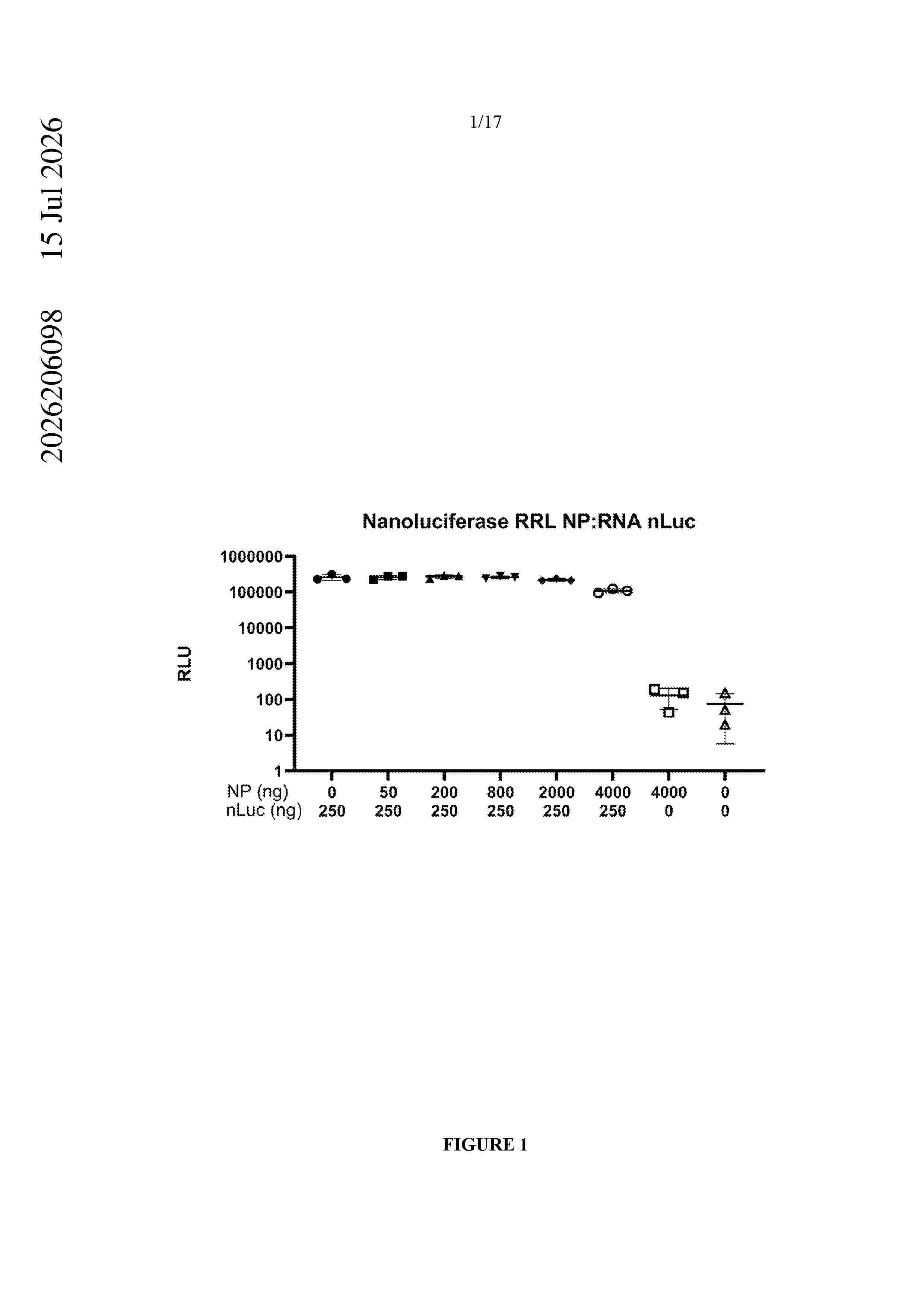
The present disclosure relates to lipid nanoparticles for delivery of RNA, the lipid nanoparticle comprising therein a nucleic acid-binding protein or peptide (e.g., a RNA-binding protein or peptide) bound to the RNA, and uses thereof. ul u l
Resumen de: CN117042780A
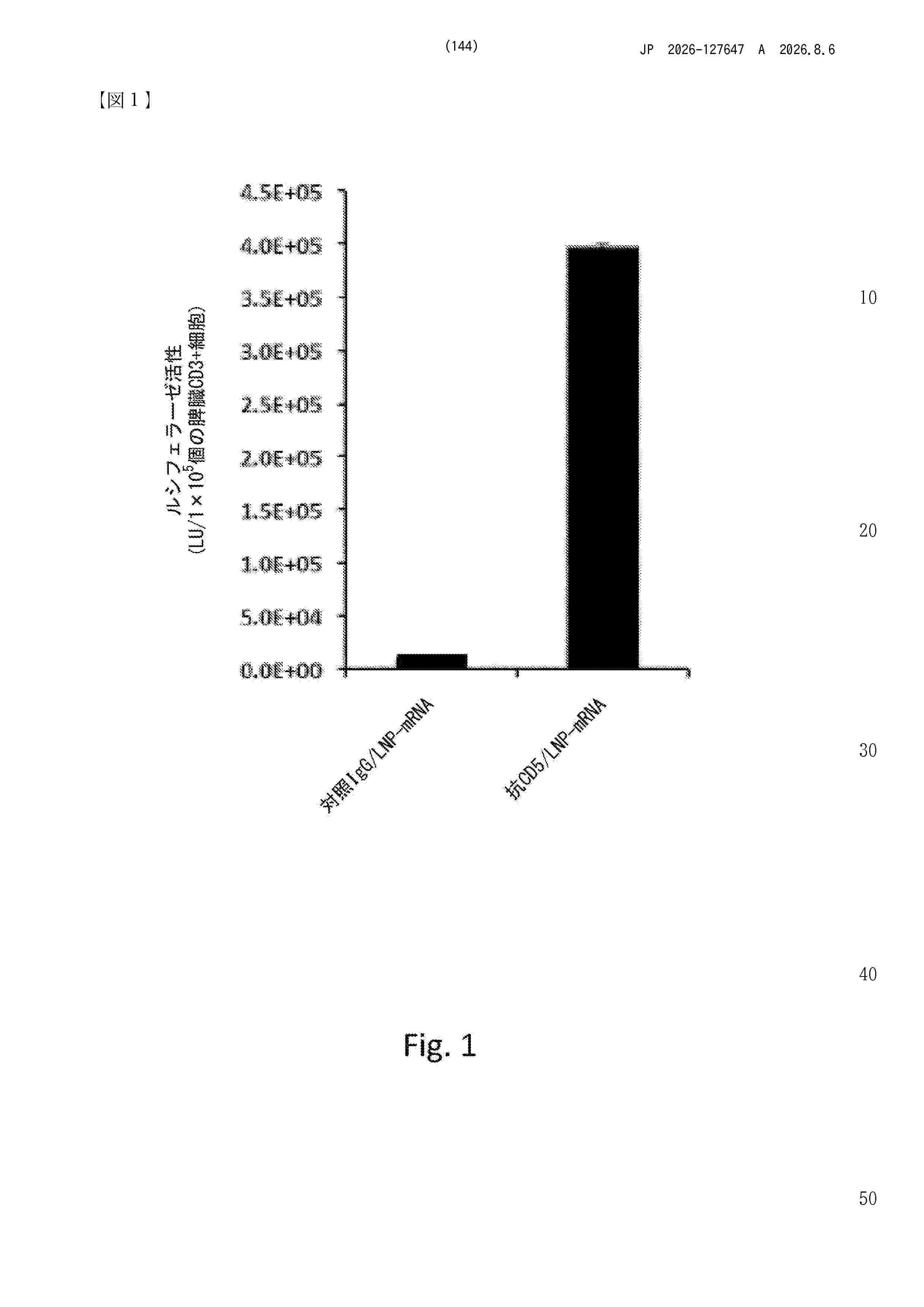
The present invention relates to compositions comprising a delivery vehicle conjugated to a T cell targeting domain wherein the delivery vehicle comprises at least one agent, and wherein the targeting domain specifically binds to a T cell antigen. The invention also relates to methods of treating or preventing diseases and disorders, including cancer, infectious diseases and immunological disorders, using the described compositions.
Resumen de: US20260224629A1
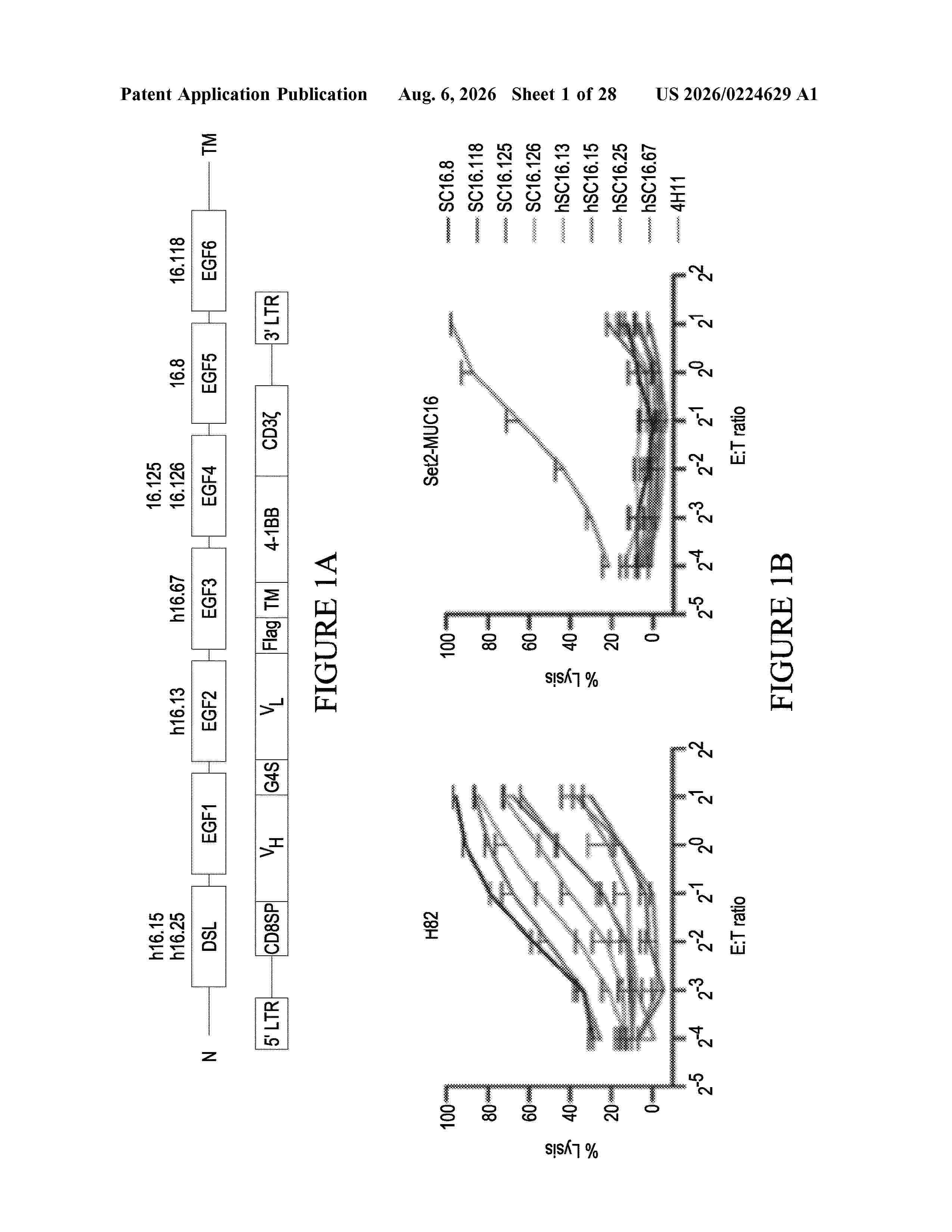
0000 The presently disclosed subject matter provides for antigen-recognizing receptors that specifically target DLL3 and cells comprising such DLL3-targeted antigen-recognizing receptors. The presently disclosed subject matter further provides uses of the DLL3-targeted antigen-recognizing receptors for treatment.
Resumen de: US20260224754A1
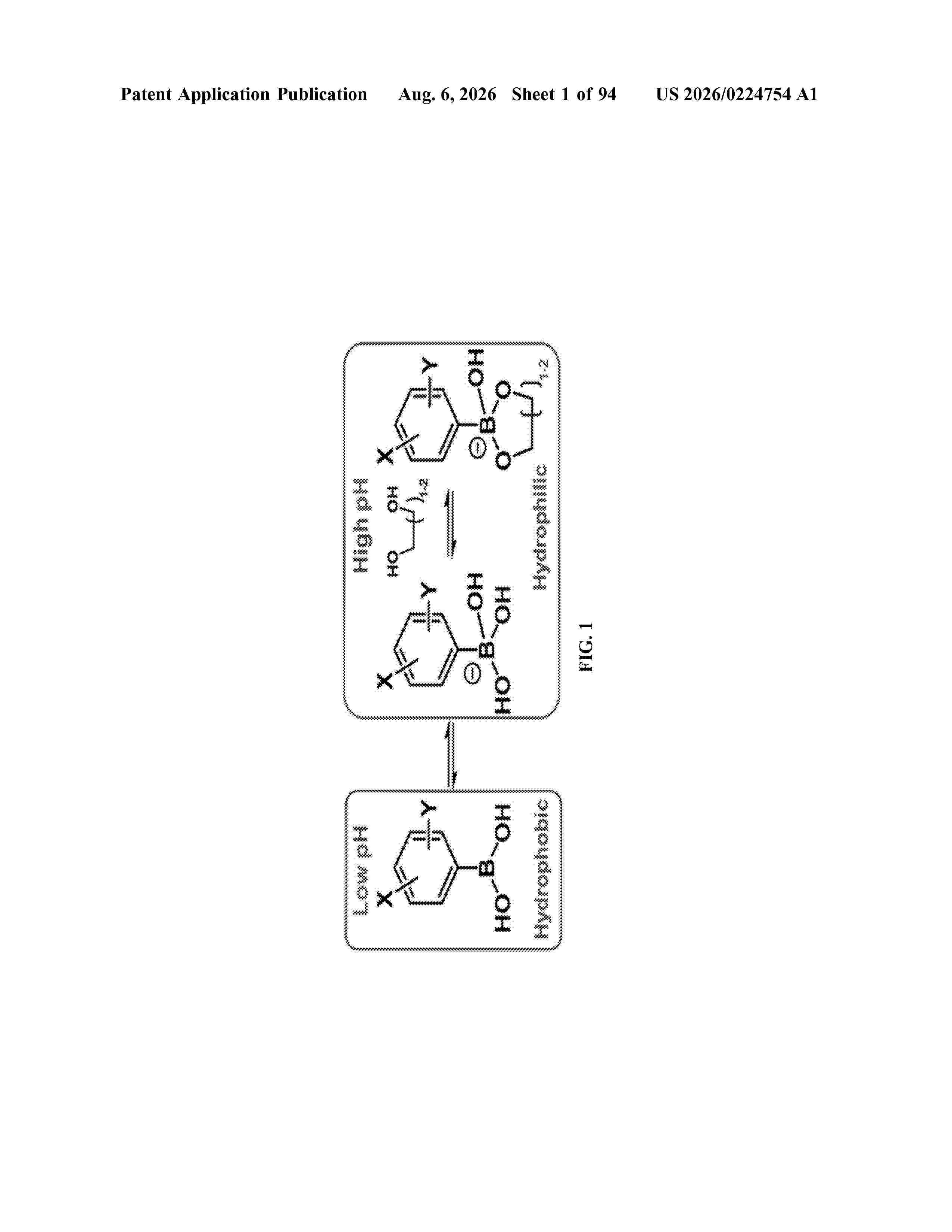
The disclosure concerns oral formulations that enable delivery of therapeutic agents that are sensitive to stomach pH and/or have reduced ability to be absorbed. In one aspect, the oral formulation comprises: (a) phenyl boric acid (PBA)-functionalized chitosan grafted with branched polyethyleneimine (PEI) and (b) a therapeutic agent, wherein the therapeutic agent is encapsulated by the PBA-functionalized chitosan grafted with a branched PEI. In other aspects, the oral formulation comprises: (a) chitosan grafted with branched polyethyleneimine (PEI), (b) a therapeutic agent, wherein the therapeutic agent is encapsulated by the chitosan grafted with a branched PEI, and optionally (c) a eukaryotic cell membrane fragment. The disclosure also concerns methods of making and administering such oral formulations.
Resumen de: CN115516090A
The present invention generally relates to modified tRNA-based effector molecules having non-naturally occurring and methods related thereto.
Resumen de: US20260225997A1
The disclosure provides ionizable amine lipids and salts thereof (e.g., pharmaceutically acceptable salts thereof) useful for the delivery of biologically active agents, for example delivering biologically active agents to cells to prepare engineered cells. The ionizable amine lipids disclosed herein are useful as ionizable lipids in the formulation of lipid nanoparticle-based compositions.
Resumen de: AU2026205528A1
This disclosure provides compositions and methods for stimulating the innate immune response in a subject with agents capable of stimulating an innate immune response in a subject upon administration to the subject (e.g., damage-associated molecular patterns (DAMPs) and pathogen-associated molecular patterns (PAMPs)). In particular, the present invention is 5 directed to compositions of DAMPs/PAMPs and metals ions, as well as systems and methods utilizing such nanoparticles (e.g., in diagnostic and/or therapeutic settings). ul u l
Resumen de: US20260224704A1
The invention provides an artificially synthesized single sphingosine lipid and use of delivering a nucleic acid thereof. More particularly, the invention provides Use or method for delivering a nucleic acid to a cell or a subject using a compound of Formula (I), a stereoisomer or a pharmaceutical acceptable salt thereof, or a combination comprising a compound of Formula (I), a stereoisomer or a pharmaceutical acceptable salt thereof,
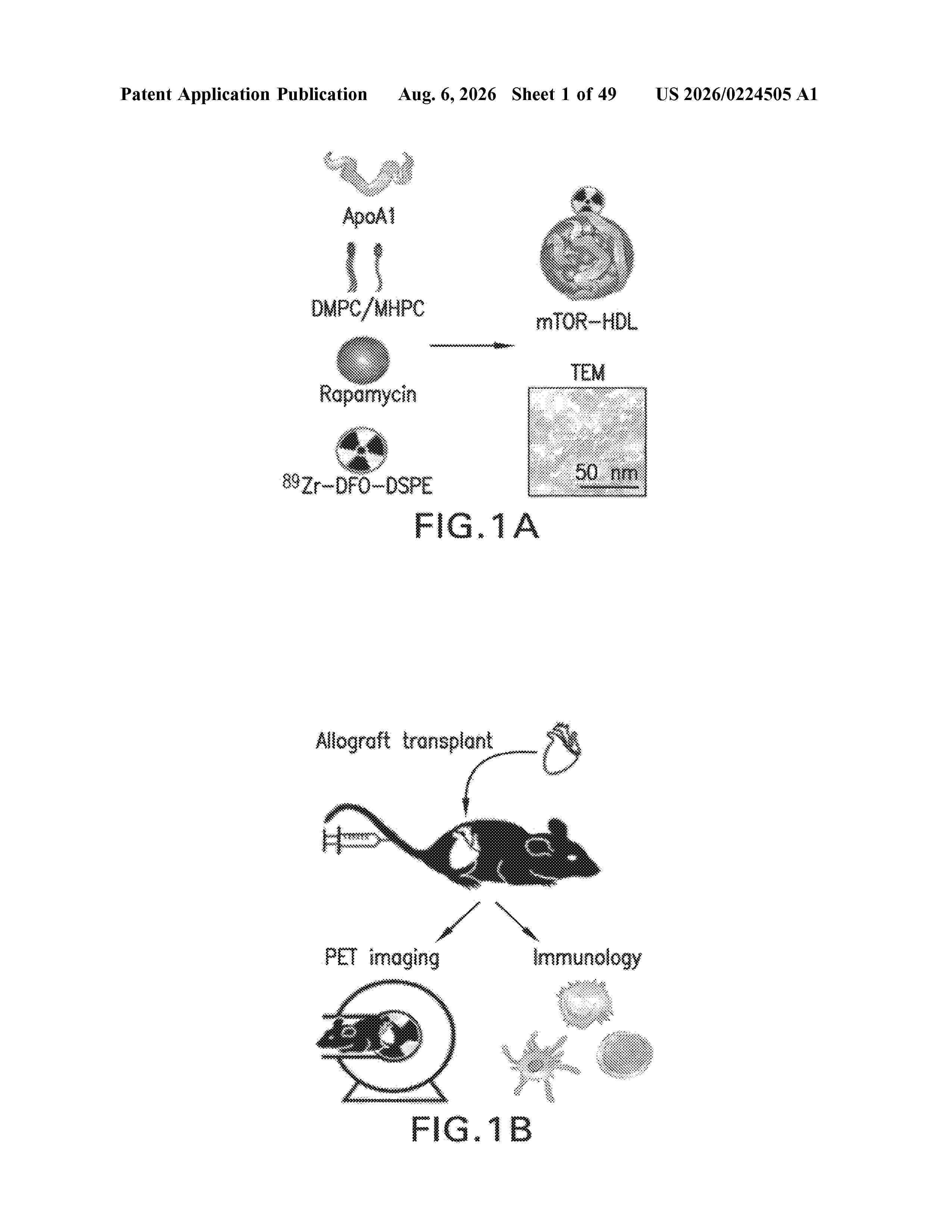
Resumen de: US20260224505A1
Methods and compositions for inducing long-term tolerance by hybrid nanoparticles are provided. Compositions and formulations comprising hybrid nanoparticles with inherent affinity for innate immune cells are provided.
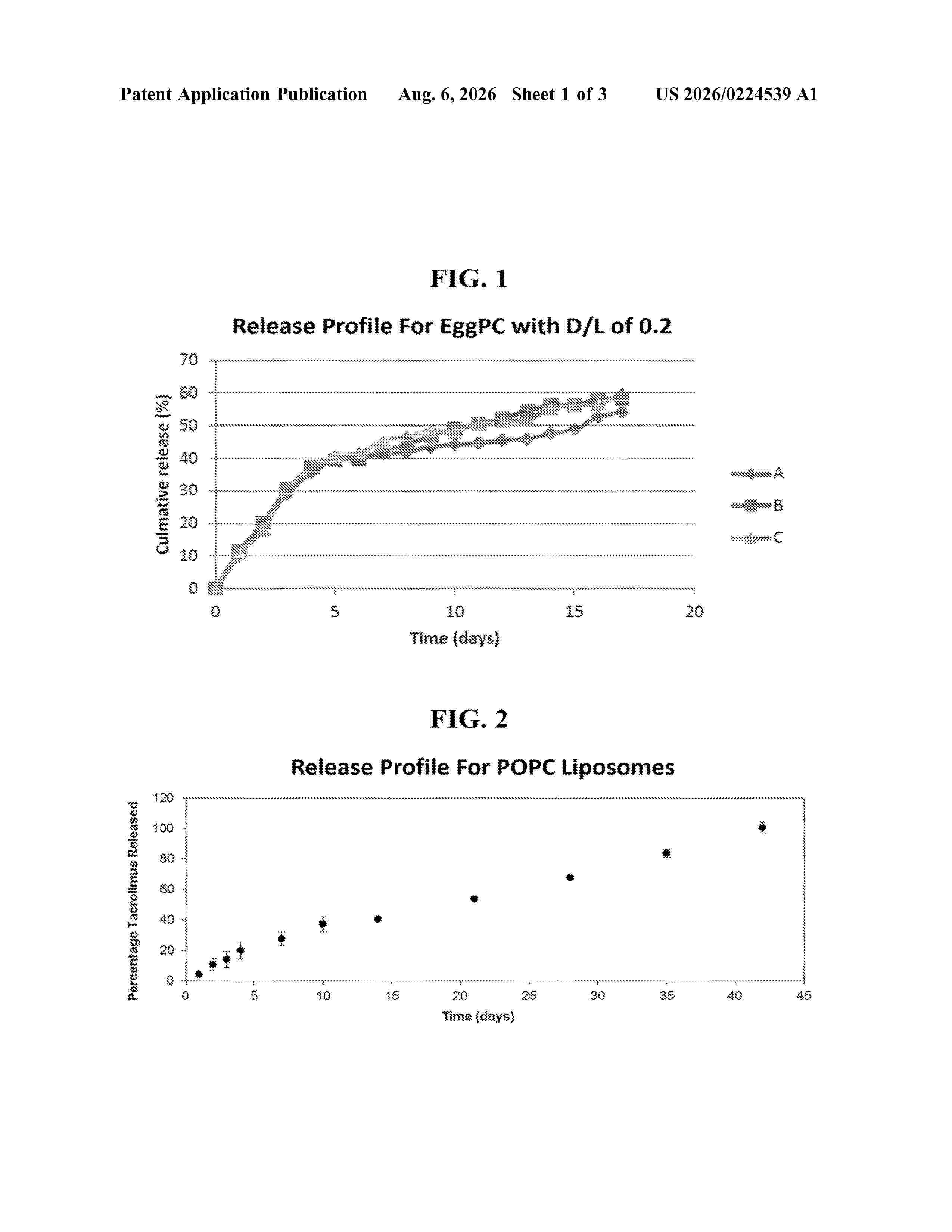
Resumen de: US20260224539A1
0000 According to the present disclosure, the use of a nanoliposome in the manufacture of a medicament for the prophylaxis and/or treatment of anterior segment ocular diseases is provided. The nanoliposome comprises a plurality of unsaturated and/or saturated lipids forming at least one lipid bilayer encapsulating a hydrophobic drug comprising tacrolimus, wherein the hydrophobic drug and the plurality of unsaturated and/or saturated lipids have a weight ratio of up to 0.2. The present disclosure also provides for such a nanoliposome and a method of preventing and/or treating anterior segment ocular diseases based on the nanoliposomes.
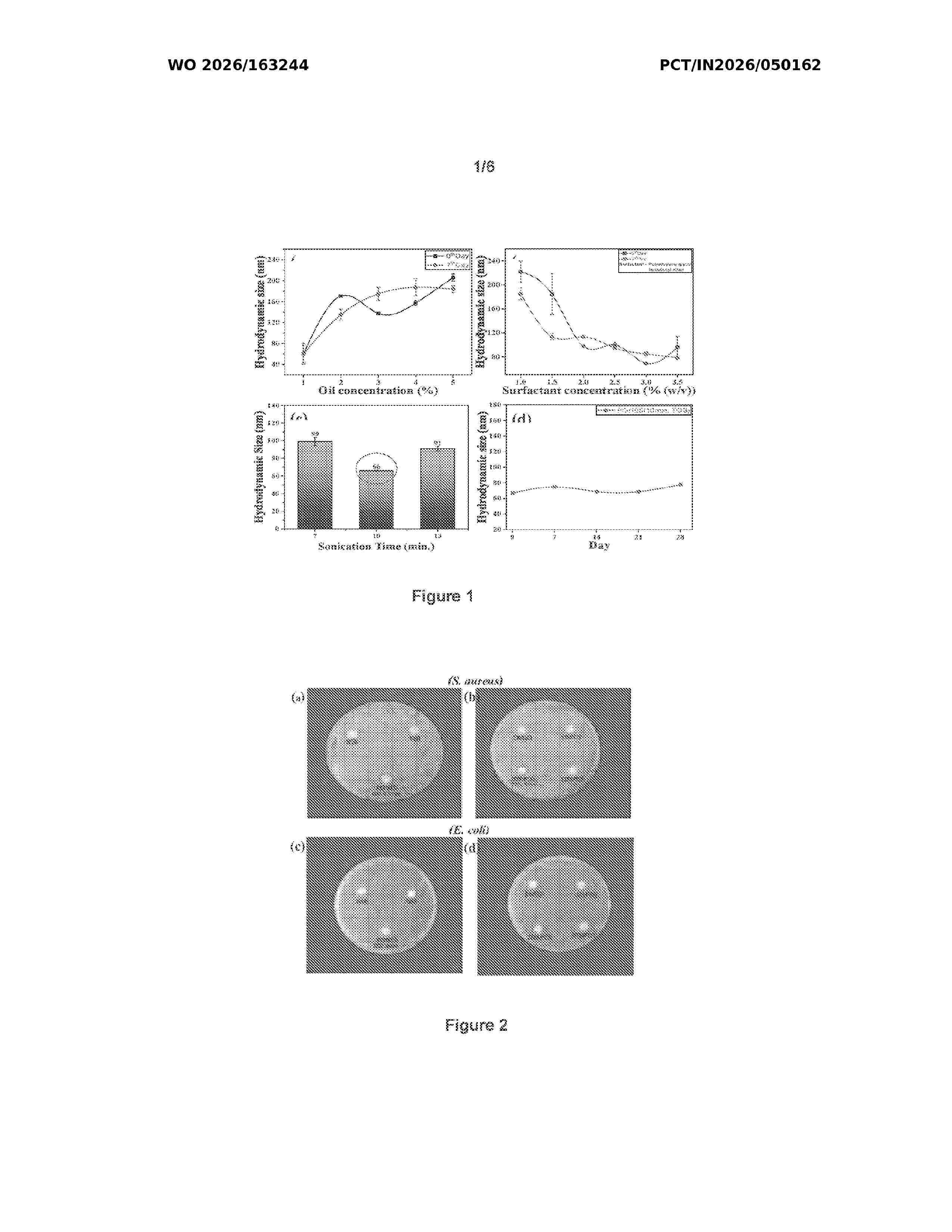
Resumen de: WO2026163244A1
This invention presents a novel antibacterial formulation composed of peppermint oil nanoemulsion as an active ingredient and cellulose nanocrystal as base material. Peppermint oil, enriched with various antibacterial compounds, is transformed into a nanoemulsion to enhance its antibacterial properties and stability. The peppermint oil nanoemulsion demonstrated superior antibacterial activity against Staphylococcus aureus and Escherichia coli, with MIC values of 18.22 µL/mL and 35.25 µL/mL, respectively. Cellulose nanocrystals function as a carrier and thickener, providing a stable matrix for the antibacterial agent. This unique combination results in a formulation with improved antibacterial efficacy. This innovative approach holds promise for addressing bacterial infections which can be used for various topical medication and cosmeceutics industry.
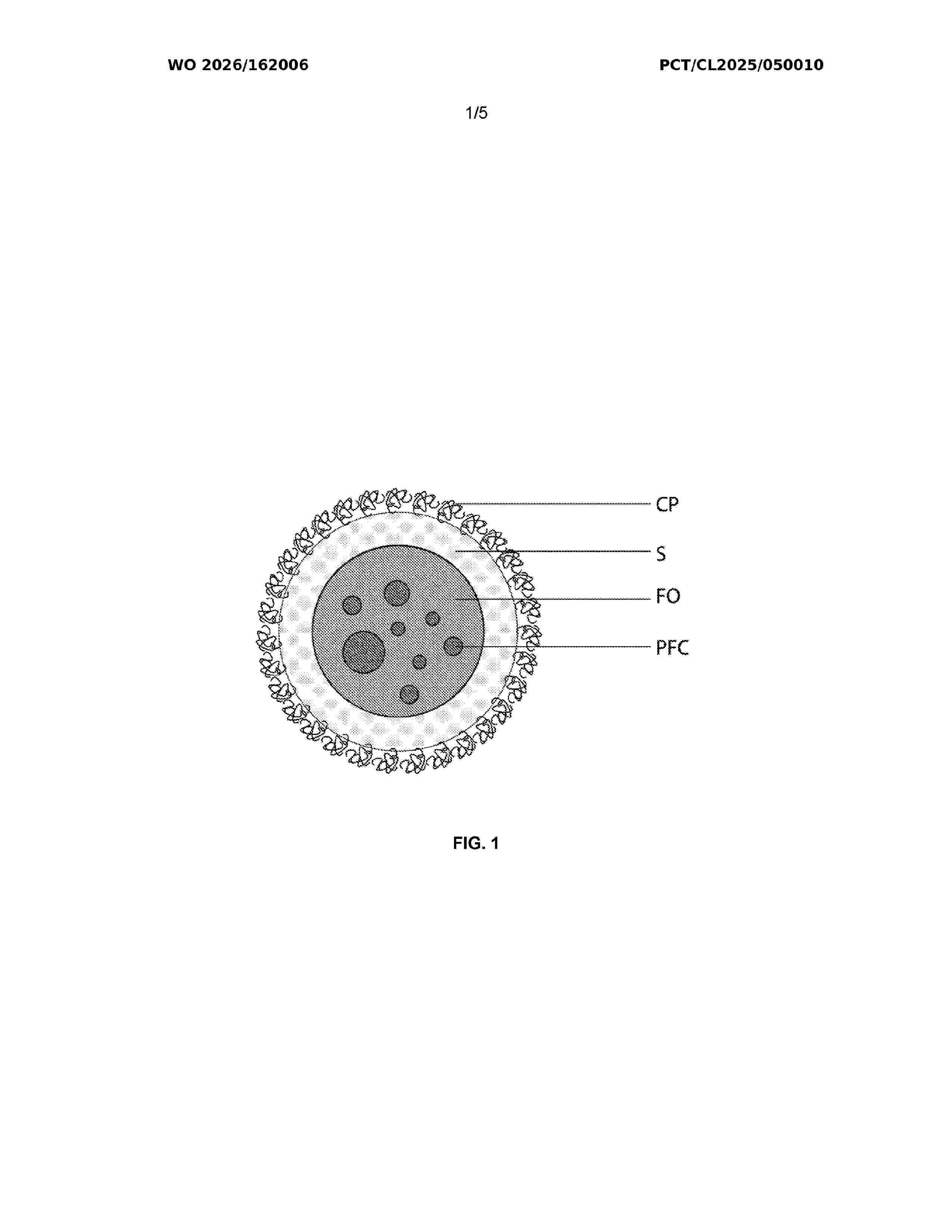
Resumen de: WO2026162006A1
The invention relates to a nanosystem for the transport and release of vital gases, comprising a nanocapsule with a negative zeta potential and formed by an outer polymer selected from hyaluronic acid or modified derivatives thereof, a surfactant, an oil core, and a gas-carrying molecule belonging to the perfluorocarbon family.
Resumen de: WO2026165530A1
The present disclosure provides hydrophilic polymer lipids and transfer vehicle compositions including the same. Incorporation of the lipids of this disclosure into a transfer vehicle can provide for one or more desirable properties, including low immune response and/or immunogenicity, fast-shedding of the lipid from the transfer vehicle, and/or degradability of the lipid, e.g., via ester hydrolysis or cleavage.
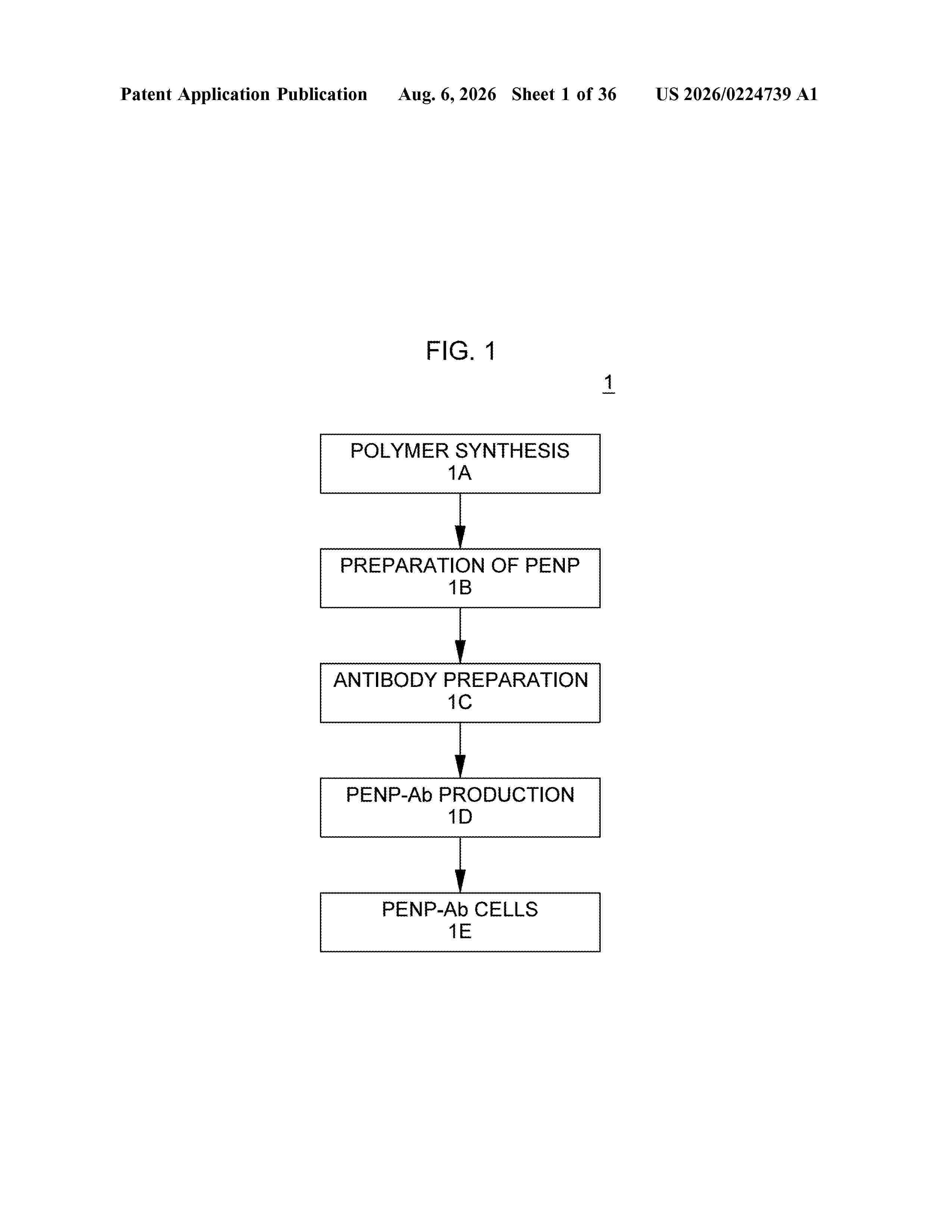
Resumen de: US20260224739A1
Generally, a polymer nanomaterial encapsulation system useful in the production of polymer encapsulated nanoparticles comprised of a hydrophobic nanoparticle encapsulated in the hydrophobic region of the polymer with the external hydrophilic region of the polymer ensuring water-solubility and affording a functional group which can be utilized for the production of nanoparticle conjugates. Specifically, particular embodiments include a polymer nanoparticle structure including quantum dots having narrow spectral emission with emission peaks separated by about 20 nm in the visible spectrum of about 380 nm to about 700 nm and emission peaks separated by about 50 nm in the visible spectrum of about 700 nm to about 1000 nm for the production of antibody conjugates useful in the capture and analysis of cellular targets by spectral flow cytometery.
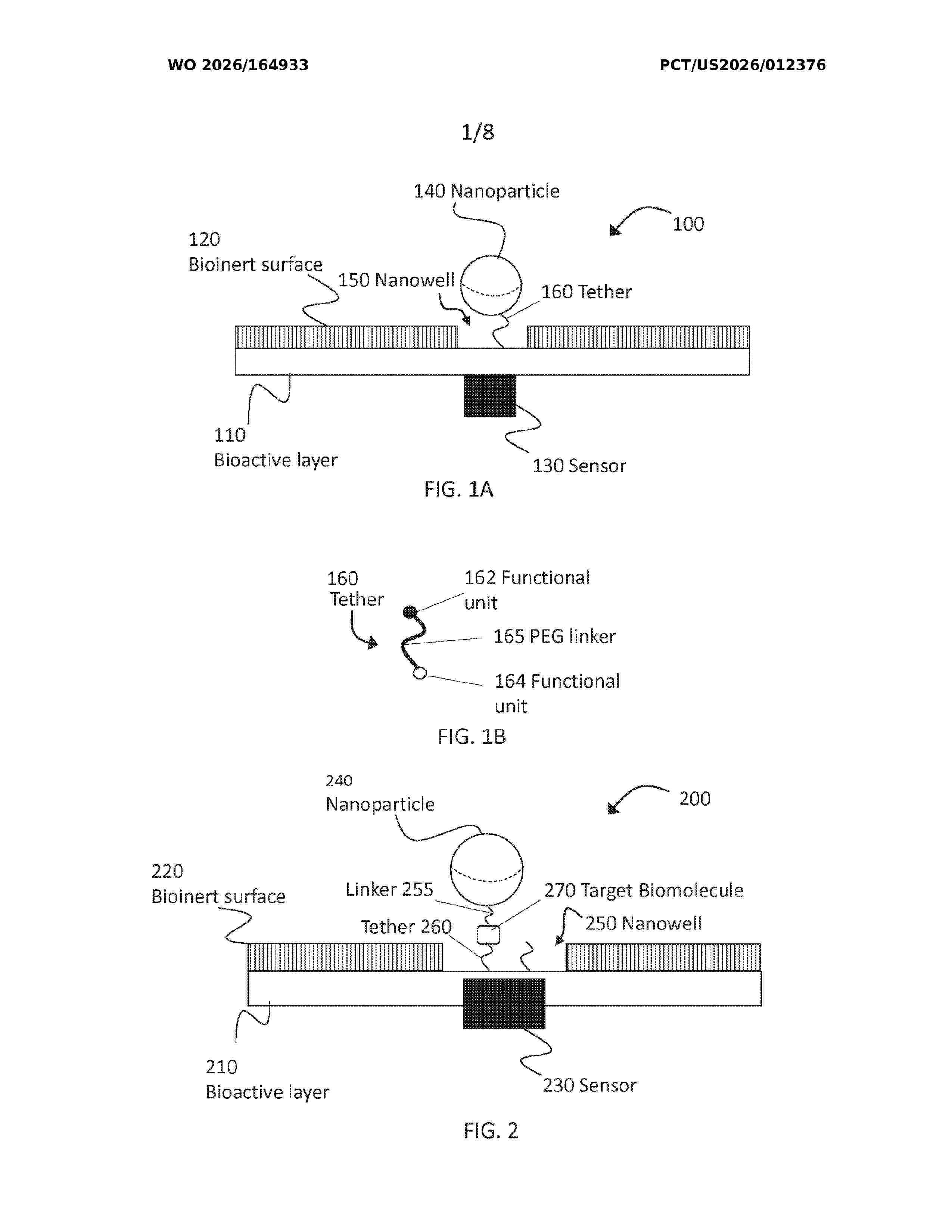
Resumen de: WO2026164933A1
A device for sensing biomolecules, the device including a first layer having a first surface energy configured for binding with particular types of complexes of tethers, target biomolecules, and magnetic nanoparticles. A second layer is positioned on the first layer, the second layer having a second surface energy substantially inert to the tethers, target biomolecules, and magnetic nanoparticles of the complexes. One or more nanowells are formed within the second layer, each exposing a surface of the first layer, the nanowells configured to selectively bind the particular types of complexes with the exposed surfaces of the first layer. One or more magnetic sensors are arranged from beneath the exposed surface of each of the nanowells, the magnetic sensors configured to respectively detect the presence of the target biomolecules through detection of the magnetic nanoparticles within the complexes.
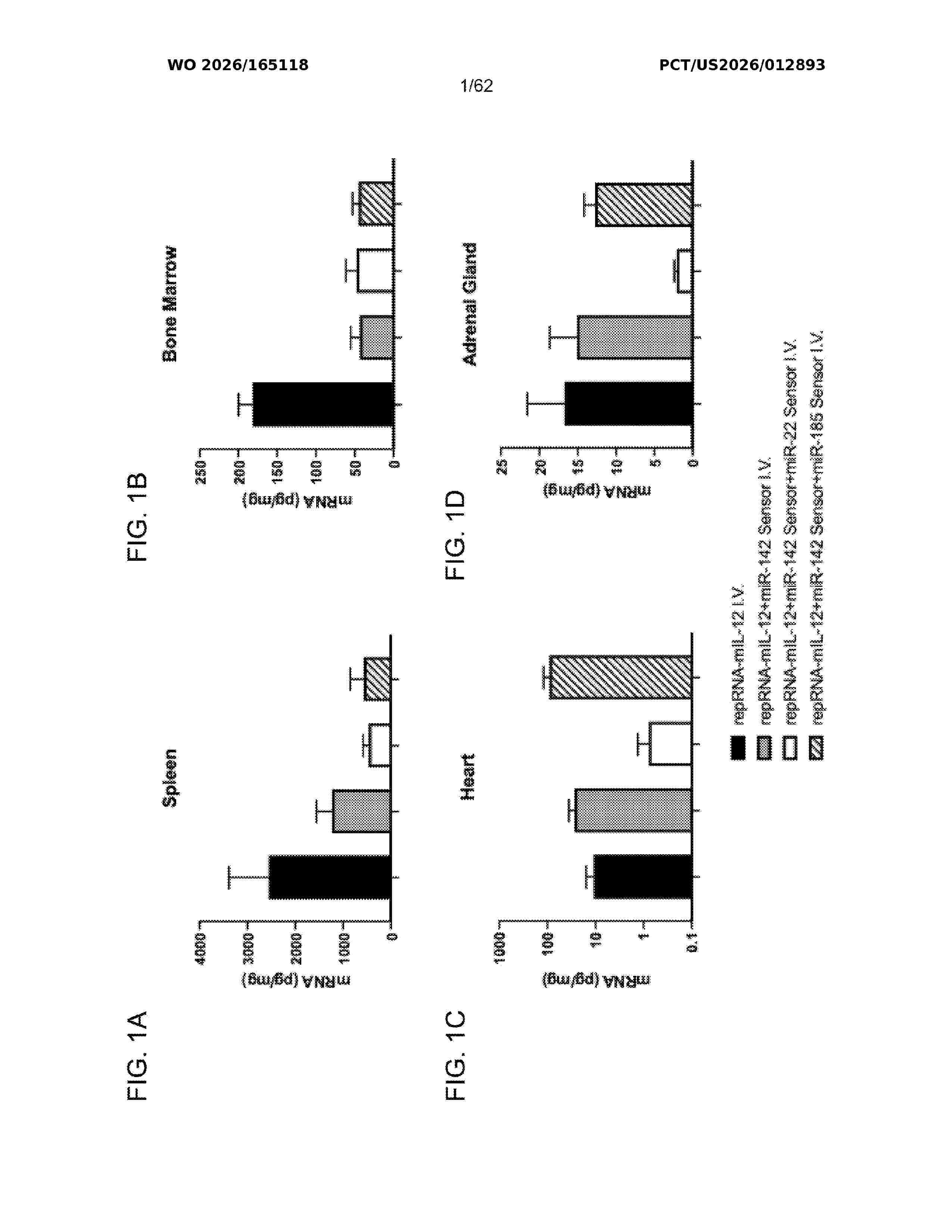
Resumen de: WO2026165118A1
The present disclosure relates to polynucleotides comprising (a) a first region encoding a payload and (b) a second region comprising a sensor that is capable of recognizing a marker in a cell that expresses the marker ("detargeting cell"), wherein the marker is miR-22-3p or miR-185-5p ("detargeting sensor"). In some aspects, the recognition of the marker by the sensor in the cell results in reduced expression of the payload as compared to a reference cell (e.g., cell that does not express the marker or cell that expresses the marker at a low level). Also provided herein are replicons, nanoparticles, synthetic circuits, circular RNA, pharmaceutical compositions comprising such polynucleotides. Methods of using the polynucleotides, replicons, nanoparticles, synthetic circuits, circular RNA, and pharmaceutical compositions are also provided.
Resumen de: WO2026162712A1
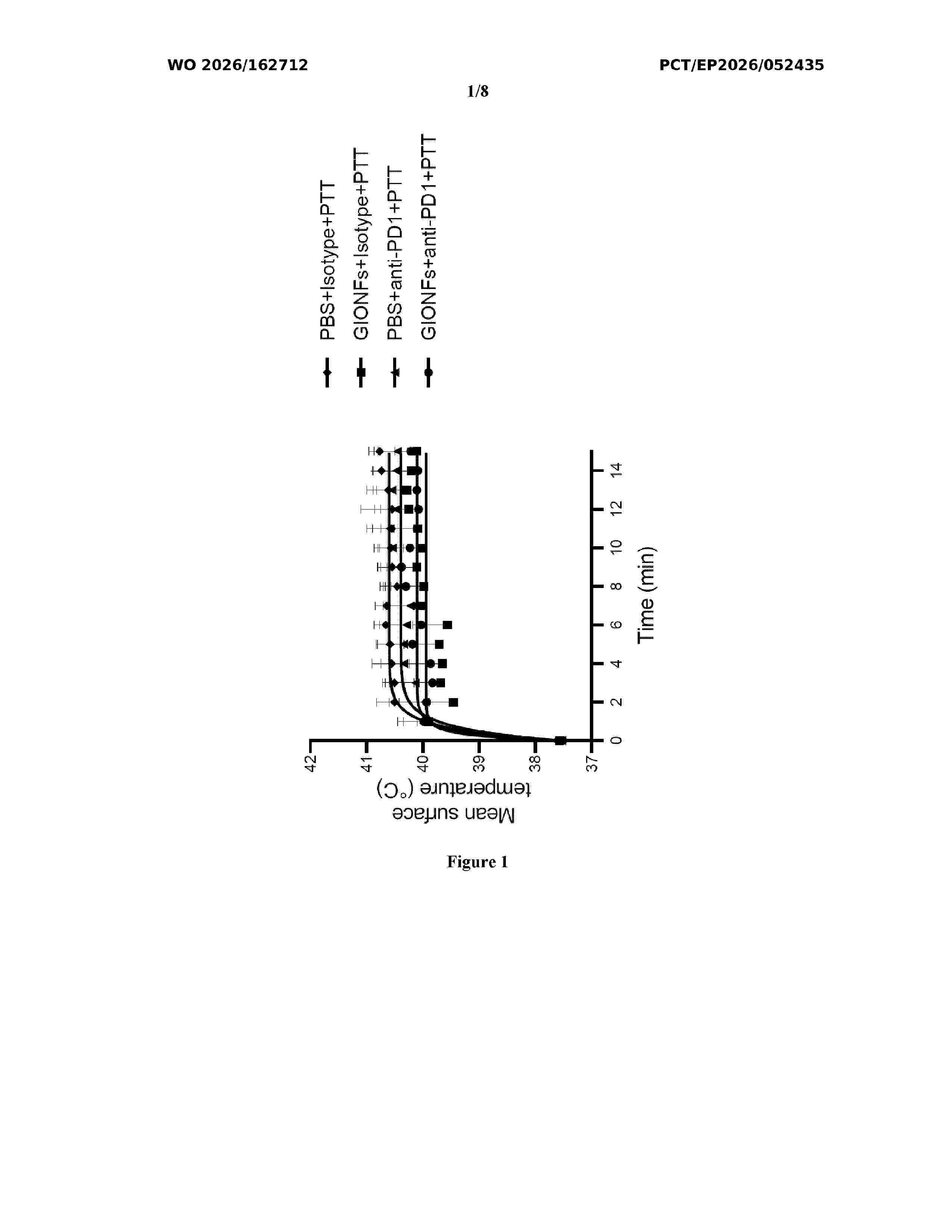
Immunotherapy has transformed cancer treatment but often struggles with solid tumors due to immune resistance from the tumor microenvironment (TME). In fibrotic cancers like cholangiocarcinoma (CCA), the extracellular matrix (ECM) and cancer-associated fibroblasts (CAFs) create a dense stroma that blocks immune cell infiltration and promotes immunosuppression. Now the inventors showed that combining thermal-induced therapy, in particular photothermal therapy (PTT) with gold-decorated iron oxide nanoflowers (GIONFs) can reshape the TME by reducing ECM stiffness and aiding immune cell infiltration. This, along with PD-1 blockade, activates T cells and decreases the immunosuppressive CAF subset. In preclinical models, this combination enhanced anti-tumor immune responses and improved tumor control. The inventors also showed that combining GIONFs mediated PTT with CAR-T cell immunotherapy targeting EGFR also represents an effective strategy for enhancing the treatment of cholangiocarcinoma (CCA). Hence, the present invention relates to methods for treating solid cancers combining low thermal-induced therapy and immunotherapy.
Resumen de: WO2026163167A1
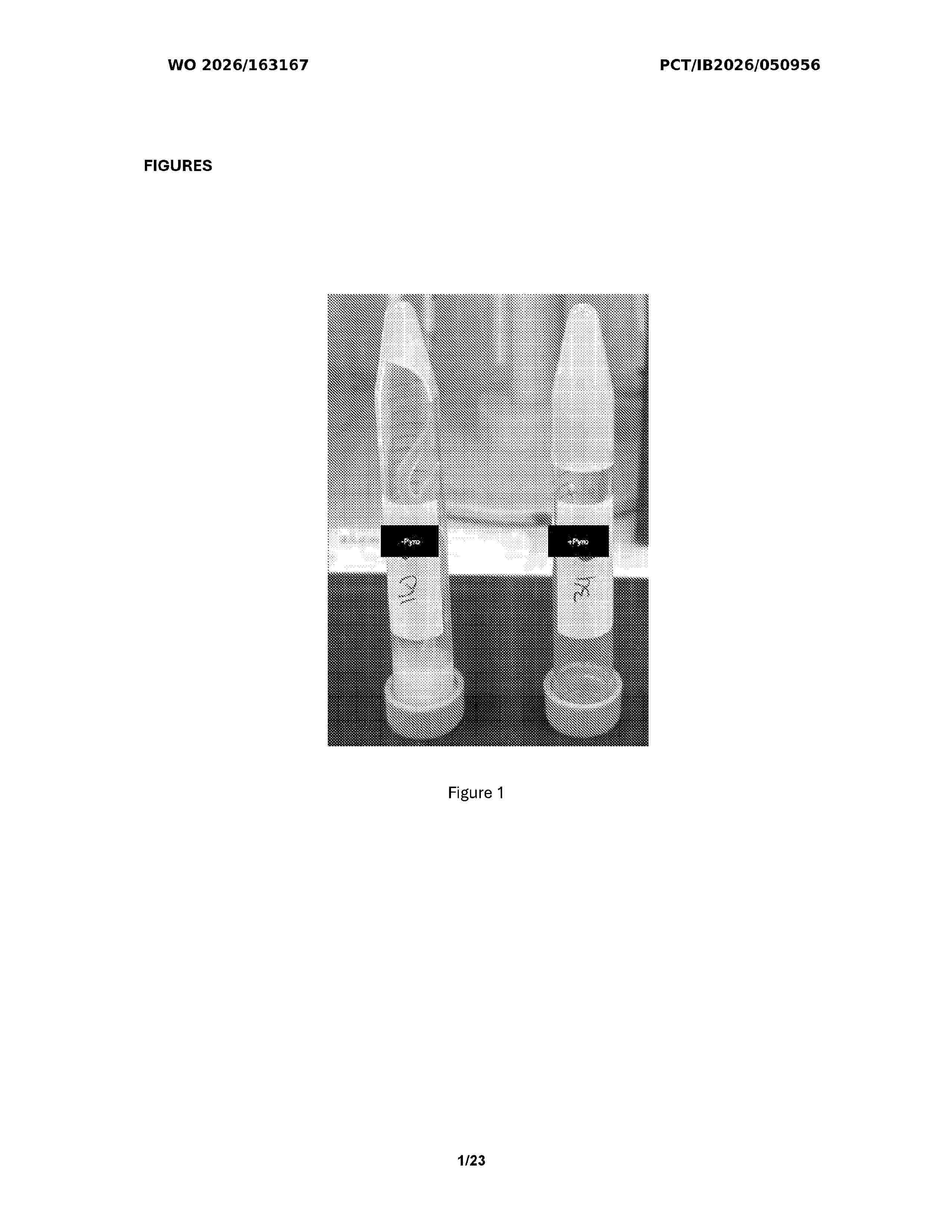
The current invention discloses inorganic magnesium phosphate-based hydrogel systems for use as topical antimicrobial and wound-healing applications. More specifically the inventions discloses two-dimensional (2D) magnesium phosphate (MgP) nanosheet hydrogels stabilized using pyrophosphate ions, with optional incorporation of antimicrobial metal dopants.
Resumen de: WO2026164004A1
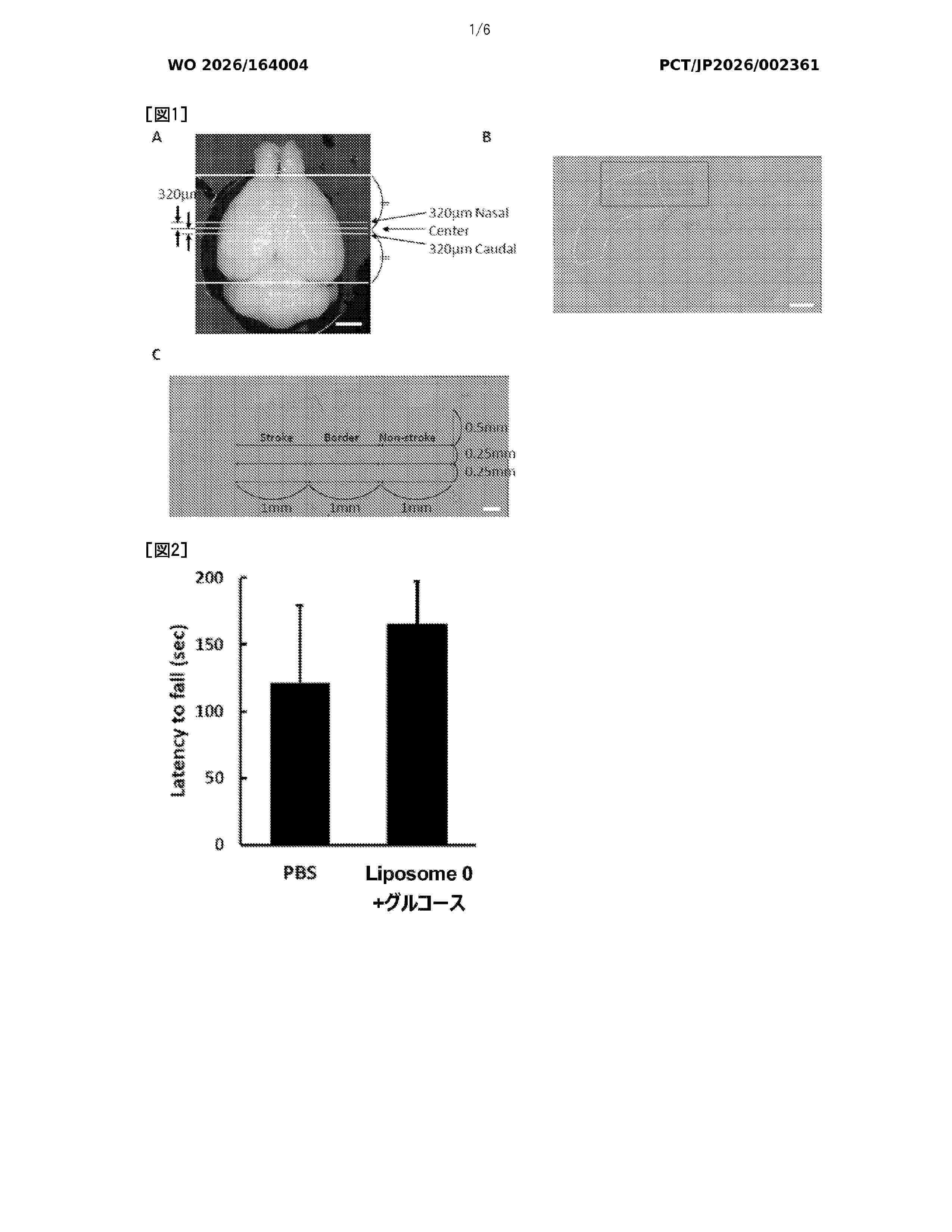
Provided is a blood vessel activator for anti-aging, specifically a blood vessel activator for treating and/or preventing aging-related ischemic diseases which has a blood vessel activating effect, a blood vessel protecting effect, a blood flow improving effect, and a motor function improving effect and can be produced by an industrial method. The blood vessel activator has liposomes that are delivered to the site where cerebral ischemia occurs and a contralateral hemisphere part of the site. Glucose is encapsulated in each of the liposomes, and the lipid composition of the liposomes includes dipalmitoylphosphatidylcholine (DPPC), dihexadecyl hydrogen phosphate (DCP), dipalmitoylphosphatidylethanolamine (DPPE), ganglioside GM3, and cholesterol. The surface of each of the liposomes is modified with sialyl Lewis X, the diameter of each of the liposomes is 80-200 nm, and the surface of each of the liposomes is anionic.
Resumen de: WO2026165049A2
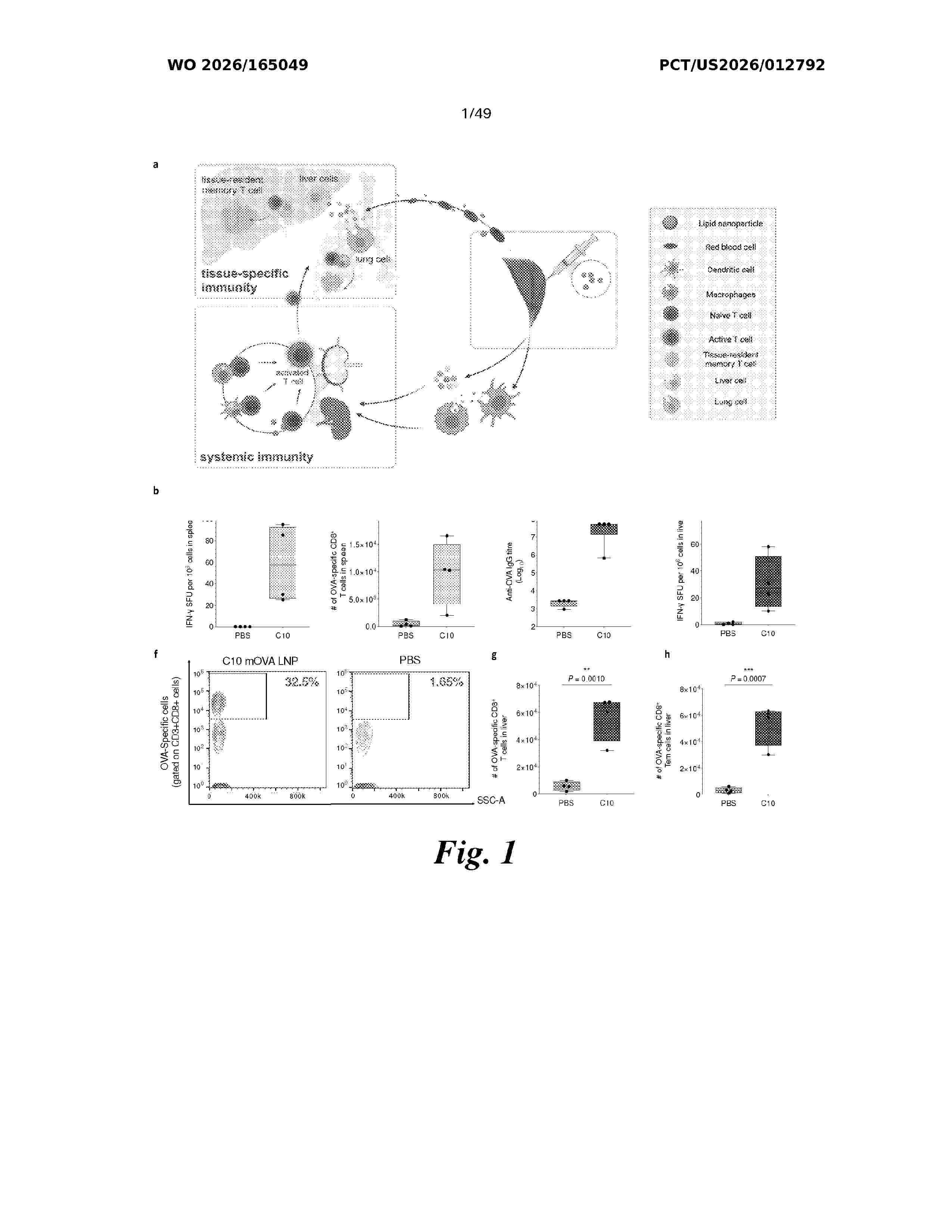
Lipid nanoparticles comprising an ionizable lipid, a PEGylated lipid, a helper phospholipid, a sterol, and a nucleic acid, the composition of which can be tailored to preferentially localize and transfect cells in specific organs, such as the liver.
Nº publicación: US20260224525A1 06/08/2026
Solicitante:
UNIV OF HOUSTON SYSTEM [US]
University of Houston System
Resumen de: US20260224525A1
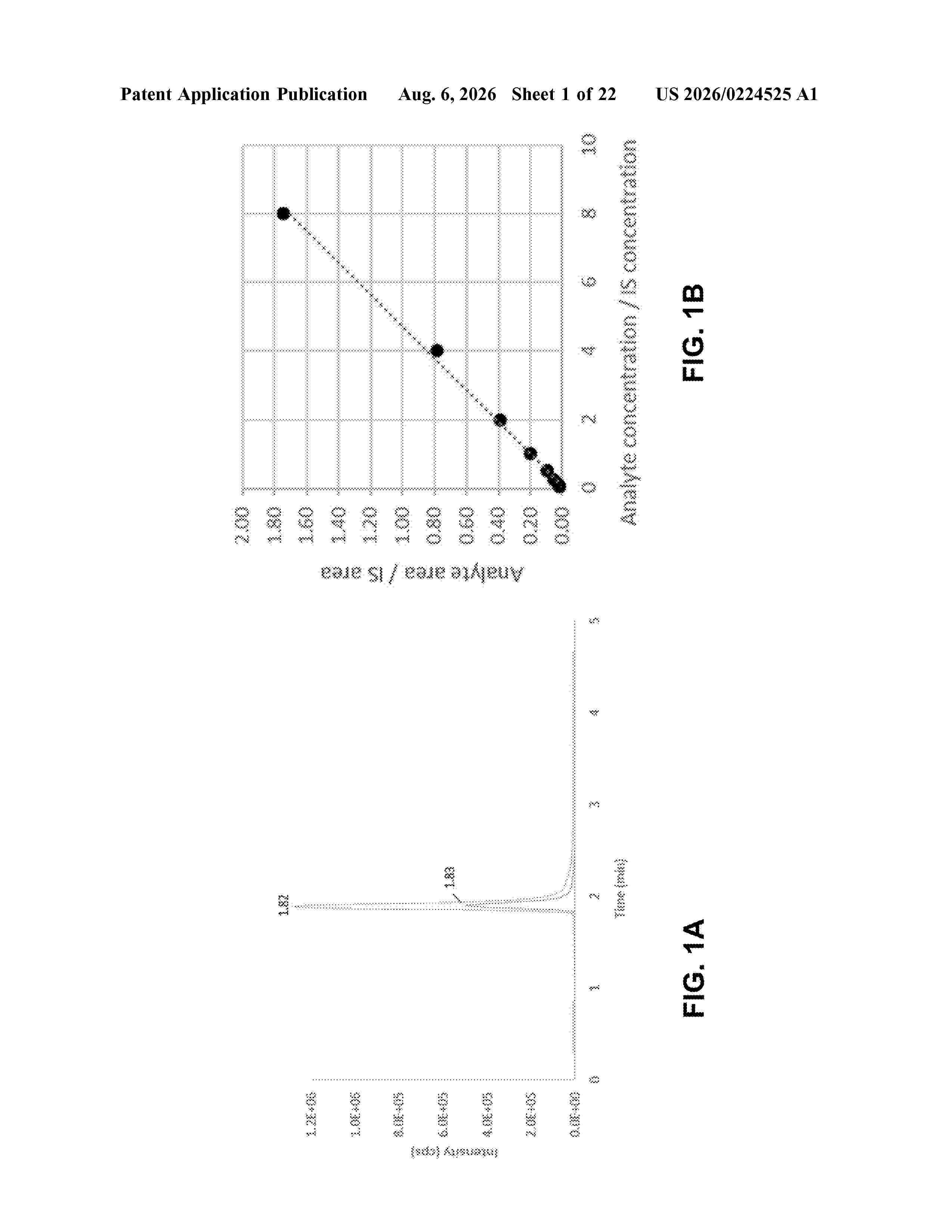
0000 Provided herein are compositions containing zileuton formulated for parenteral administration and/or extended use. Methods of prevention and treatment are directed to subjects who may benefit from extended use of zileuton to provide renal protective effects.
 BOPI
BOPI
 Sede Electrónica