Si deseas distinguir tus productos, servicios o ambos de los de otra empresa, es posible que necesites una marca o nombre comercial. Descubre qué son, en qué consiste su procedimiento de registro y qué implica.

Información sobre los plazos de presentación de solicitudes de transformación de marcas de la Unión Europea en marca nacional española. Más información


Si tienes un nuevo dispositivo, producto o procedimiento que resuelva un problema técnico o tenga una ventaja práctica, existen distintas formas de protegerlo en España y en otros países. Descubre cómo hacerlo.

¿Tu innovación reside en la estética, la ornamentación o la apariencia de tu producto? Protégela mediante un diseño industrial. Descubre qué derechos confiere el registro y cómo realizar la tramitación.

Las indicaciones geográficas protegen el nombre de un producto originario de una zona geográfica, a la cual le debe una determinada calidad, reputación u otra característica. Descubre qué son, en qué consiste su procedimiento de registro y qué beneficios conceden.

Las patentes publicadas en todo el mundo son una valiosa fuente de información científica, técnica y comercial.

Si eres emprendedor/a o una empresa y quieres potenciar y mejorar la rentabilidad de tu negocio protegiendo de forma adecuada los activos intangibles de tu organización, en este espacio encontrarás lo necesario.


 200
resultados
200
resultados
 Última actualización
25/10/2026 [06:52:00]
Última actualización
25/10/2026 [06:52:00]


 Resultados 175 a 200 de 200
Resumen de: GB2705380A
A nanoparticle composition for delivery of an active ingredient is provided, wherein the composition comprises an organic acid, biopolymer, and at least one active ingredient. The organic acid comprises one or more selected from lactic acid, citric acid, acetic acid, linoleic acid, gluconic acid, glucuronic acid, formic acid and butanoic acid, preferably lactic acid. The biopolymer comprises one or more from the group consisting of lignin, chitin, chitosan, cellulose, starch, hemicellulose, amylose, actin, fibrin, collagen, fibroin, and keratin. The preferred biopolymer is a co-polymer of lignin and chitosan. The active ingredient may be a pharmaceutical, agrochemical, phytochemical, cosmetic, food constituent, or a dietary supplement. A method of preparing biodegradable nanoparticles comprising a co-polymer of lignin-chitosan is provided. A method for delivery of the at least one active ingredient by providing the nanoparticles comprising the biopolymer, organic acid and active ingredient is provided. A worked example of nanoparticles comprising lignin-chitosan cross-linked using lactic acid and encapsulating a flavonoid (morin, naringenin, catechin, quercetin, epigallocatechin) is disclosed. Fig: None

Resumen de: EP4821915A1
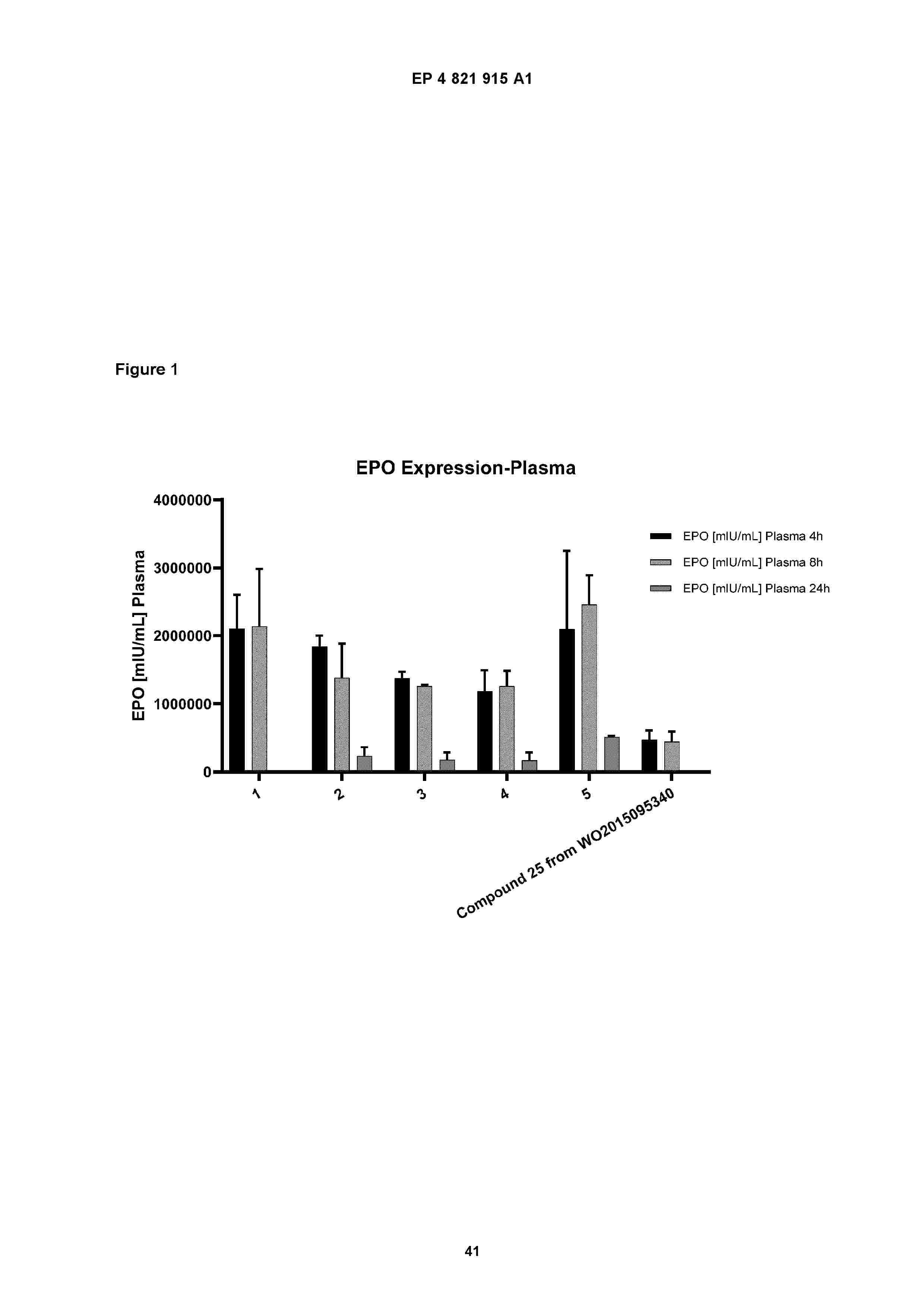
0001 Disclosed herein are ionizable lipids defined as compounds of Formula (I or pharmaceutically acceptable salts thereof. Also disclosed are lipid nanoparticles comprising a compound of Formula or a pharmaceutically acceptable salt thereof; pharmaceutical compositions comprising a plurality of lipid nanoparticles comprising a compound of Formula (I), as well as methods for delivering a nucleic acid segment comprising administering a plurality of lipid nanoparticles comprising a compound of Formula (I) or a pharmaceutically acceptable salt thereof, and a nucleic acid segment.
Resumen de: EP4821490A1
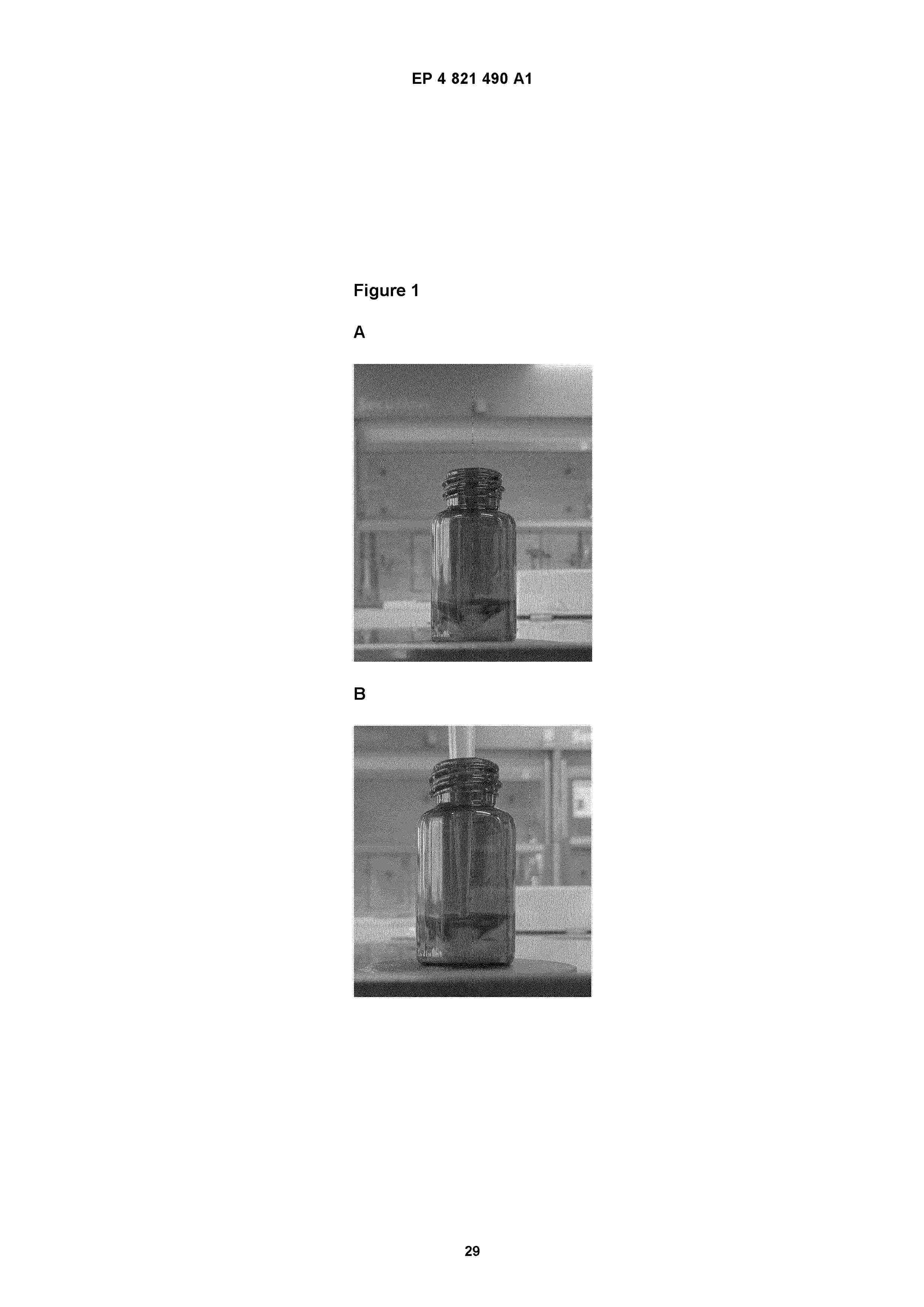
0001 The present invention refers to the medical field. Particularly, it refers to a chitosan-based nanocapsule system for use in the prophylactic treatment of an infection caused by a respiratory pathogen, preferably the influenza virus, wherein the nanocapsule system is administered intranasally.
Resumen de: CN122894333A
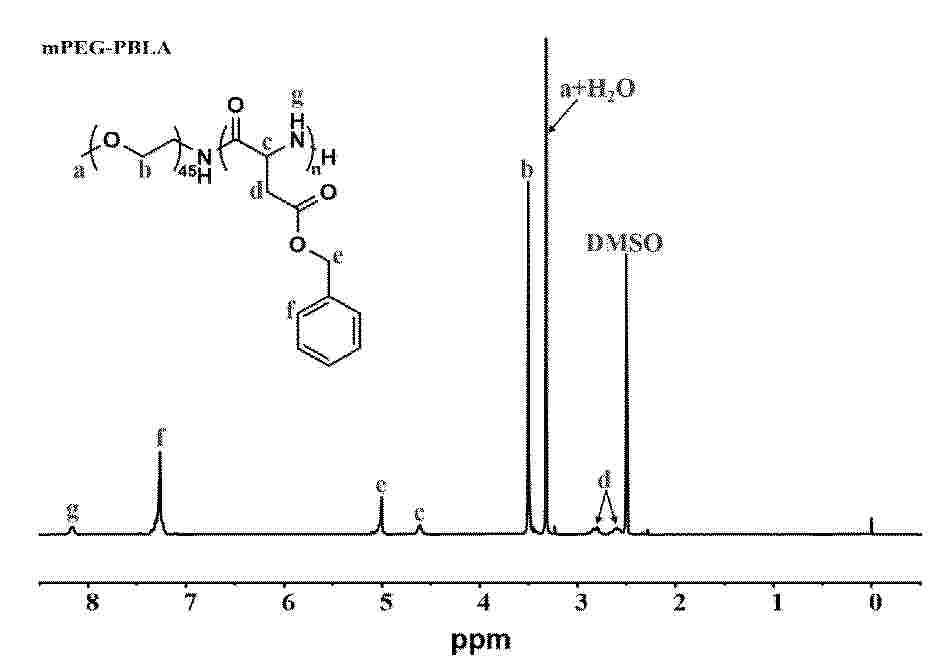
本发明属于生物医药与纳米医学技术领域,具体涉及一种pH响应凋亡膜仿生纳米药物的制备方法和应用。本发明所述纳米药物由装载AS1517499的mPEG‑PAsp聚合物内核以及锚定紫杉醇负载型聚合物DSPE‑PEG‑PTX的凋亡细胞膜外壳构成。所述纳米药物在肿瘤组织中积累后,其中的pH敏感键响应TME微酸环境断裂并释放PTX。释放的PTX阻断癌细胞的有丝分裂,从而诱导肿瘤细胞凋亡。凋亡细胞膜表面的磷脂酰丝氨酸向巨噬细胞暴露“吃我”信号,剩下的胶束表面的电荷由负变正,促进剩下胶束被巨噬细胞靶向摄取并将AS1517499从溶酶体中释放出来,使M2‑TAMs重新极化为M1型,激活抗肿瘤免疫反应。
Resumen de: CN122894513A
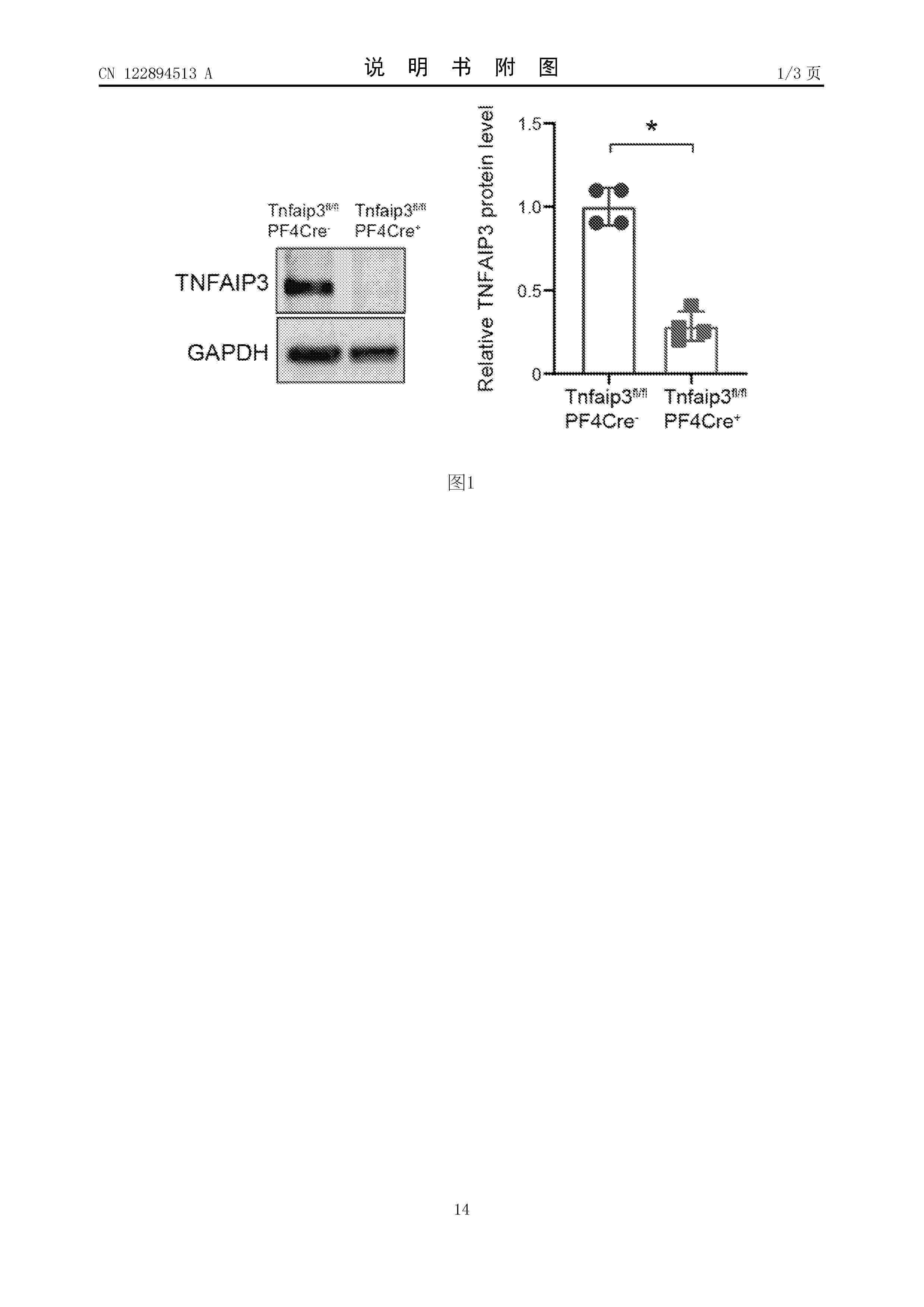
本公开属于生物医药技术领域,尤其是涉及Tnfaip3作为靶点在预防和/或治疗脓毒症性凝血病中的应用。本公开首次发现巨核细胞和/或血小板特异性缺失Tnfaip3能够改善脓毒症诱导的血小板减少、凝血功能障碍、微血栓形成及器官损伤,为脓毒症性凝血病提供了新的分子靶点。本公开所制备的cRGD修饰的载siTnfaip3脂质纳米颗粒能够特异性降低血小板中TNFAIP3的表达,改善脓毒症状态下的血小板减少、凝血功能障碍,减轻肝、肺组织中的微血栓形成和器官损伤。
Resumen de: CN122894331A
本发明属于生物医药技术领域,公开了一种纳米颗粒及其在制备治疗炎症性肠病药物中的应用。纳米颗粒采用了如下制备方法:将免疫调节剂和HDAC11抑制剂分别溶解于乙醇中;将两种溶液混合得到第一混合液;将第一混合液滴入去离子水中得到第二混合液;通过透析去除乙醇得到SLA纳米颗粒水分散体;取芽孢杆菌属孢子,通过破碎和离心分离纯化孢子外壁碎片得到涂层纳米颗粒;将SLA纳米颗粒和涂层纳米颗粒混合孵育,使涂层纳米颗粒包被于SLA纳米颗粒表面形成CSLA纳米颗粒。本发明协同增效作用好,结肠靶向递送效率高,免疫调节效果好,黏膜屏障修复效果好,能进行PANoptosis与NETs双重抑制,体内安全性好。
Resumen de: CN122894317A
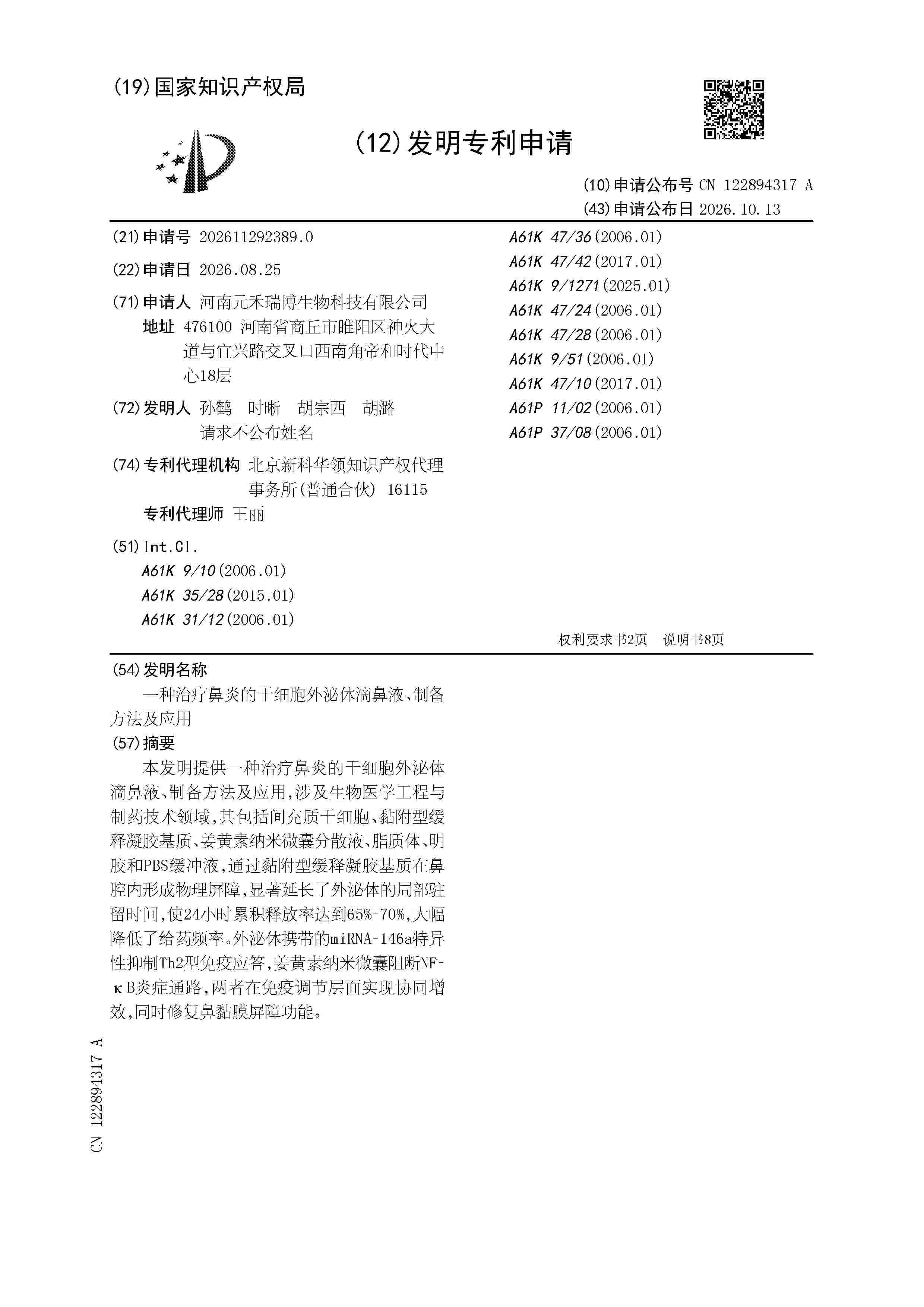
本发明提供一种治疗鼻炎的干细胞外泌体滴鼻液、制备方法及应用,涉及生物医学工程与制药技术领域,其包括间充质干细胞、黏附型缓释凝胶基质、姜黄素纳米微囊分散液、脂质体、明胶和PBS缓冲液,通过黏附型缓释凝胶基质在鼻腔内形成物理屏障,显著延长了外泌体的局部驻留时间,使24小时累积释放率达到65%‑70%,大幅降低了给药频率。外泌体携带的miRNA‑146a特异性抑制Th2型免疫应答,姜黄素纳米微囊阻断NF‑κB炎症通路,两者在免疫调节层面实现协同增效,同时修复鼻黏膜屏障功能。
Resumen de: CN122894304A
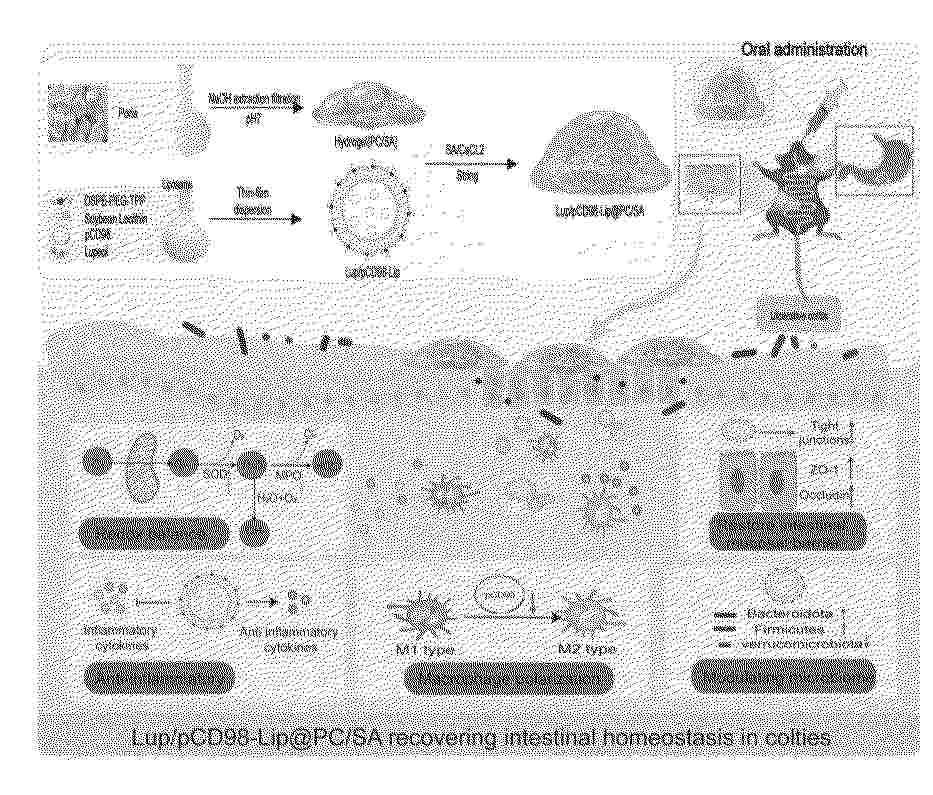
本发明涉及靶向药物递送系统技术领域,尤其涉及一种结肠微环境响应的口服级联纳米递送系统及其制备方法和应用。级联纳米递送系统由核心载药阳离子脂质体和包覆在核心外围的天然多糖复合水凝胶外壳组成;核心载药阳离子脂质体以胆固醇、大豆卵磷脂、TPP‑DSPE‑PEG2000、DOTAP 以及羽扇豆醇为脂质双分子层基质,并通过静电自组装包载靶向调控 SLC3A2基因的 pCD98 质粒。本发明在结肠特异性环境下快速响应降解,释放核心载药脂质体,在分子与蛋白层面实现了对促炎轴的颠覆性阻断及对物理屏障蛋白的超表达重构,更能强效扭转巨噬细胞的炎症极化状态,并可宏观重构肠道微生态。
Resumen de: CN122894328A
本发明提供了一种装载肉毒毒素活性片段的外泌体药物及其制备方法和应用,涉及生物医药技术领域。本发明药物由神经细胞瘤外泌体包裹能抑制神经肌肉过度收缩、减少动态皱纹产生的肉毒毒素轻链蛋白制备而成。可借助外泌体的靶向递送特性,将肉毒毒素轻链蛋白高效递送至皮肤真皮层神经细胞,一方面通过肉毒毒素作用减少因肌肉运动引发的动态皱纹,另一方面外泌体携带的生物活性物质能协同促进皮肤细胞增殖、胶原合成及弹性纤维修复。利用超声法制备该联合药物,给药后可显著减少皮肤皱纹数量、降低皱纹深度,提升皮肤紧致度与弹性;同时还能有效提高皮肤生长因子蛋白标志物表达,促进胶原蛋白再生,对皮肤屏障功能修复及维持也有积极作用。
Resumen de: CN122894327A
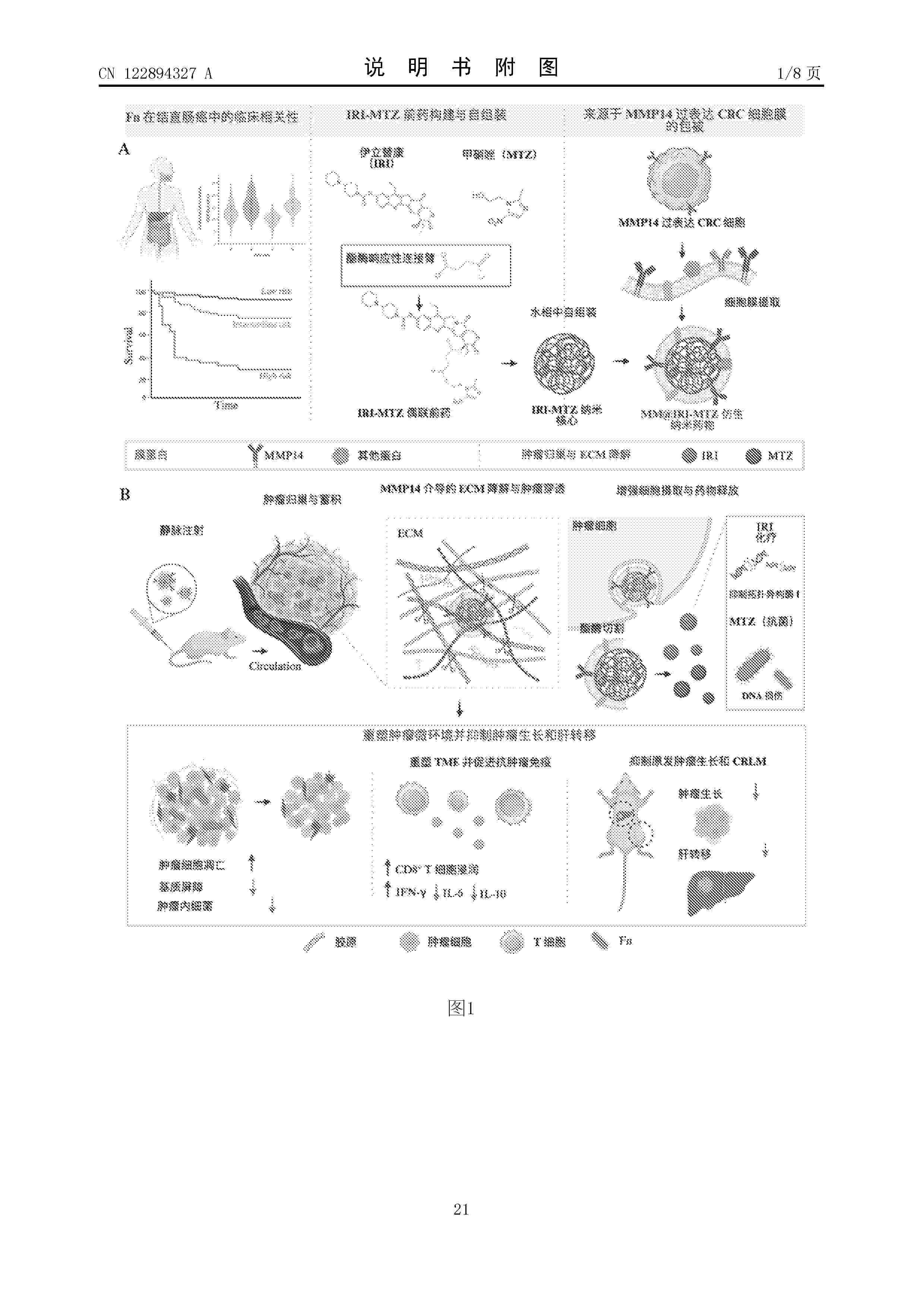
本发明公开了一种仿生纳米药物及其在抗菌和抗肿瘤中的应用。仿生纳米药物为MM@IRI‑MTZ,是采用过表达MMP14蛋白的结直肠癌细胞的细胞膜包覆伊立替康‑甲硝唑得到的。MM@IRI‑MTZ在体外表现出抗肿瘤活性和持续抗菌活性,在体内可以抑制皮下结直肠癌生长并降低肿瘤内具核梭杆菌负荷,进而抑制结直肠癌肝转移。由此可见,MM@IRI‑MTZ可以用于预防和/或治疗结直肠癌及结直肠癌肝转移。本发明具有重要的应用前景。
Resumen de: WO2025180480A1
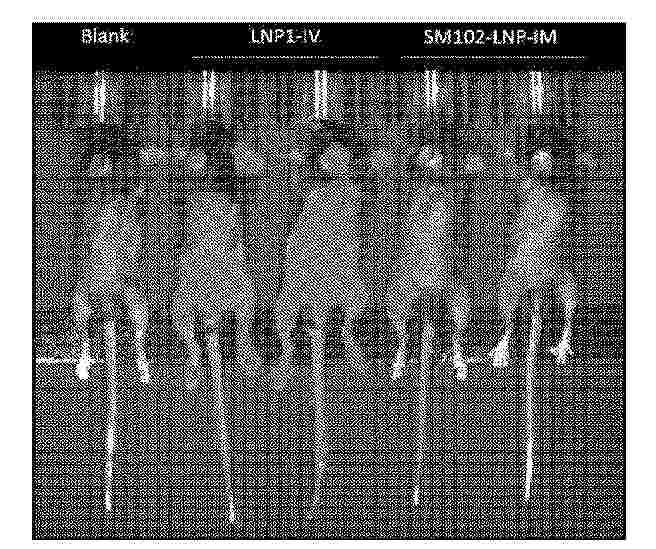
The present invention relates to a lipid nanoparticle, comprising an ionizable lipid, a structural lipid, a phospholipid, and a polymer conjugated lipid. The lipid nanoparticle can achieve the enrichment and delivery of drugs in muscles. The present invention further provides a preparation method for the lipid nanoparticle, a pharmaceutical composition of the lipid nanoparticle, and use of the lipid nanoparticle and the pharmaceutical composition in delivery of nucleic acids.
Resumen de: WO2025190968A1
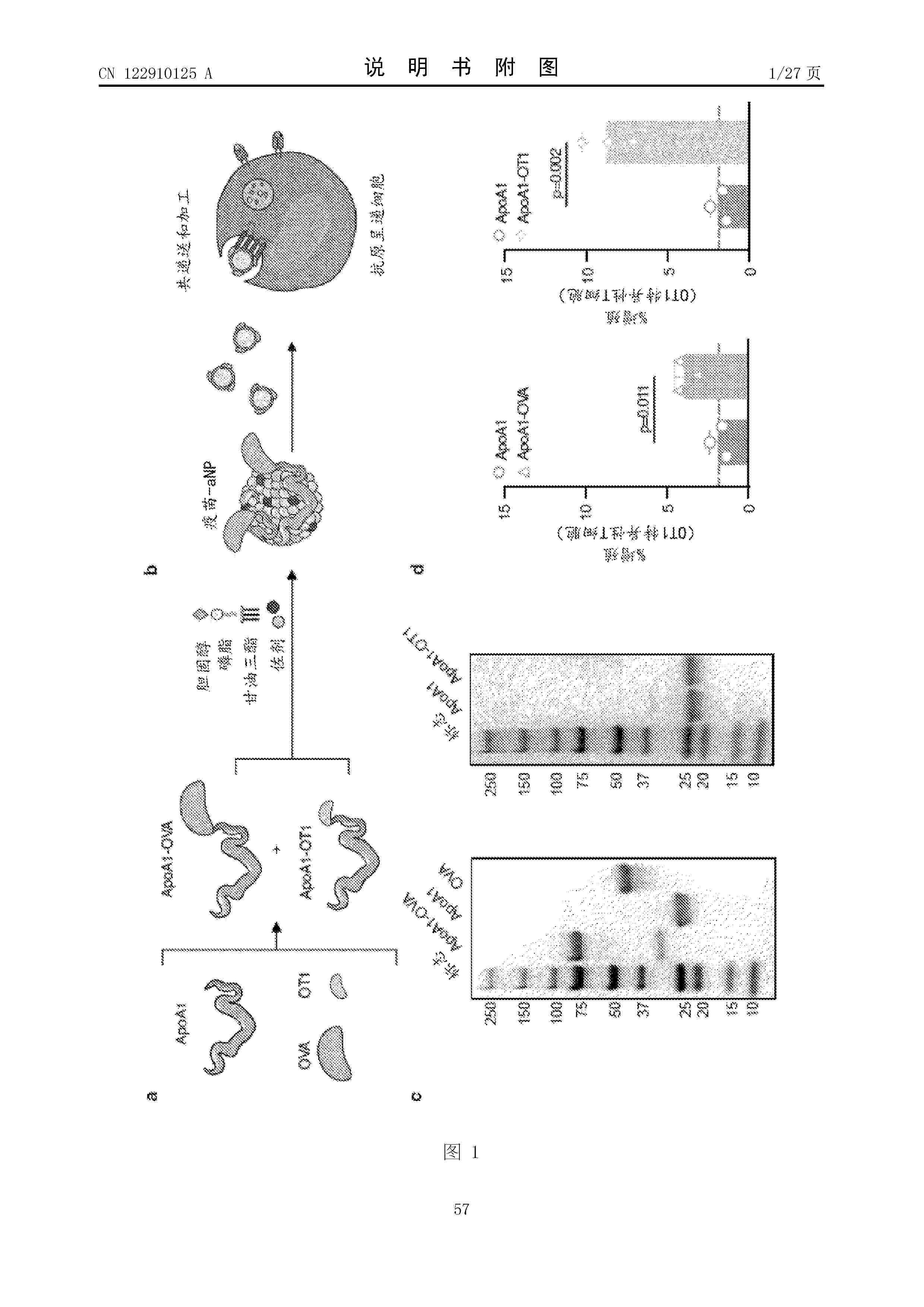
The invention concerns novel apolipoprotein lipid nanoparticles.
Resumen de: CN122894329A
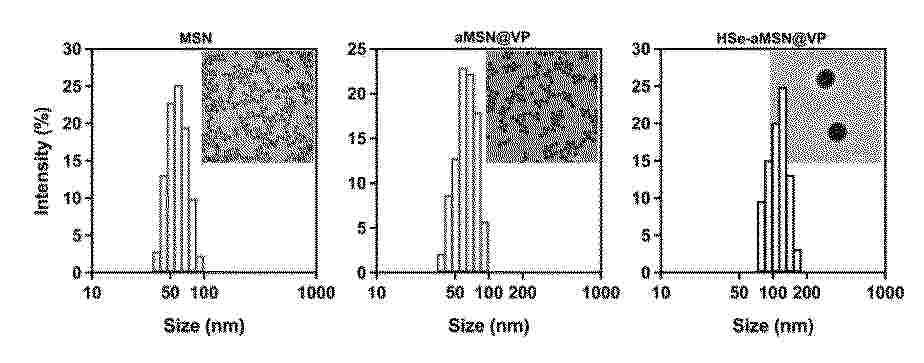
本发明提供一种成纤维样滑膜细胞靶向氧化还原响应性纳米递送系统及其制备方法与应用。所述纳米递送系统以介孔二氧化硅纳米颗粒为载体,经氨基功能化后负载维替泊芬,形成载药内核aMSN@VP,并在其表面包覆由透明质酸、二硒键和靶向肽HAP‑1构成的HA‑SeSe‑HAP‑1功能层,形成最终产物HSe‑aMSN@VP。该制备方法包括载体合成、氨基化、载药及表面包覆等步骤。所述递送系统粒径均一、形貌规整,具备氧化还原响应性药物释放特性,可被RA‑FLSs特异性摄取并抑制其炎症因子分泌,在炎症关节部位有效富集并显著改善关节炎症状,为类风湿关节炎的靶向治疗提供了一种新技术方案。
Resumen de: CN122897911A
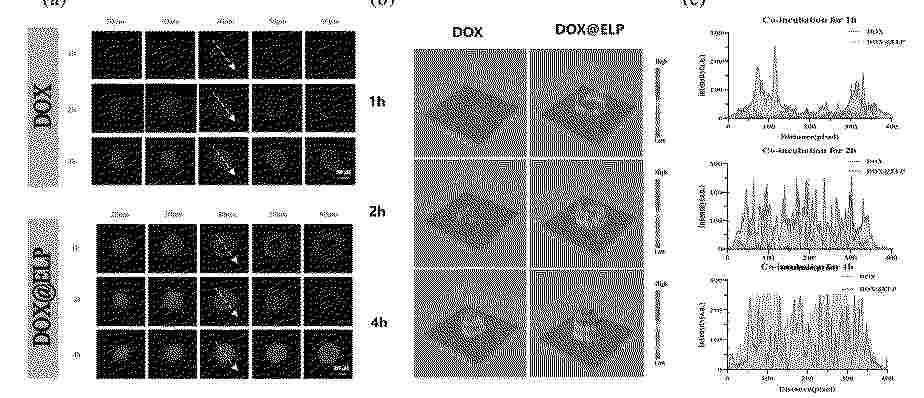
本发明涉及生物材料领域,具体公开了一种温度敏感性类弹性蛋白凝聚体及其制备方法与应用,所述温度敏感性类弹性蛋白凝聚体(ELP)的基因序列如SEQ ID NO:1所示。该ELP具有温敏性,在室温下溶解,ELP分子呈分散状态,当温度升高到生理温度时,ELP分子疏水段在温度触发下发生去溶剂化,由伸展链转变为聚集态,自发组装形成疏水性胶束核心,从而形成凝聚体。亲水段则保持水合伸展状态,在核心外围构成亲水壳层,维持体系水溶性。该相变所构建的疏水微环境可通过非共价疏水相互作用实现药物的高效物理包载于胶束内核中。利用本发明的ELP包载抗肿瘤药物阿霉素制备载药凝聚体相比游离的阿霉素,具有更好的抗肿瘤效果。
Resumen de: CN122894332A
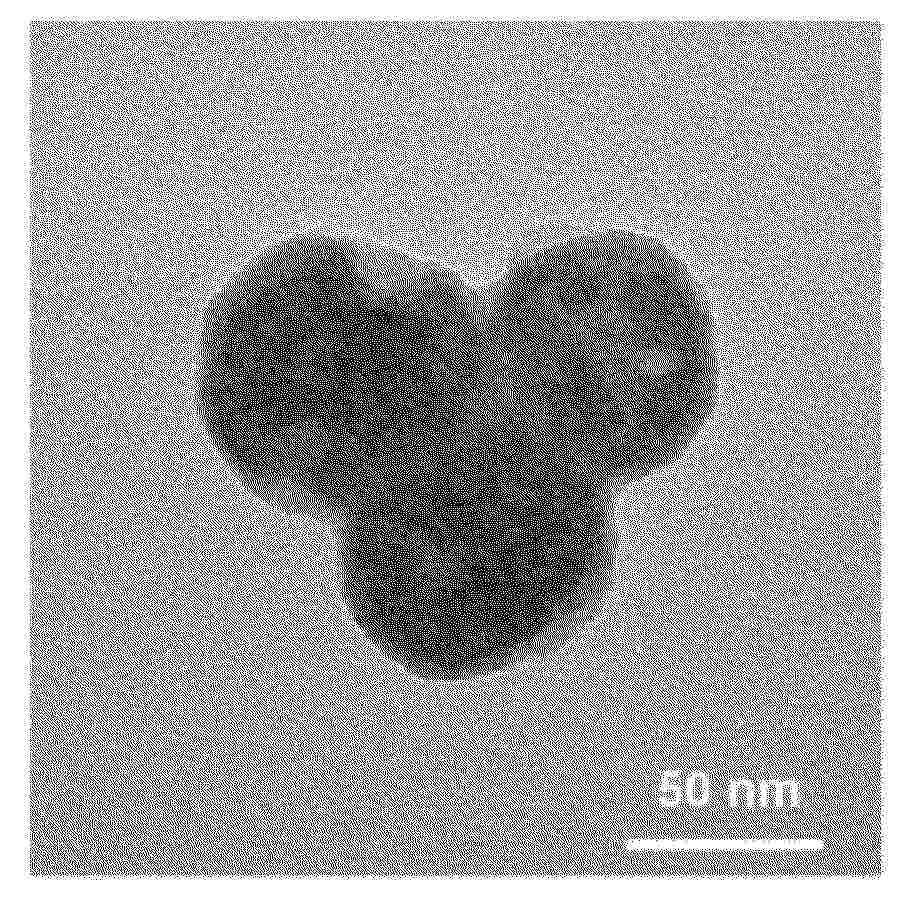
本发明提供一种近红外驱动的血小板膜仿生纳米马达及其应用,属于纳米生物医药技术领域。该纳米马达采用如下方法制备:以十六烷基三甲基溴化铵为模板剂,经乳液法结合煅烧处理,制备核壳介孔二氧化硅;在核壳介孔二氧化硅表面负载铂纳米颗粒,再经氨基化改性,得到氨基化核壳介孔二氧化硅;在氨基化核壳介孔二氧化硅的介孔孔道中共负载BNN6和抗凝肽,包覆血小板膜后制得纳米马达。本发明纳米马达的近红外光触发模式具有非侵入性、组织穿透性与时空可控性,在无外源性化学燃料条件下实现自主运动,主动穿透致密纤维蛋白网络,将溶栓与抗凝治疗作用严格限定于血栓部位,血栓溶解效率高,同时可有效防止血栓再形成,显著降低系统性出血风险。
Resumen de: CN122894494A
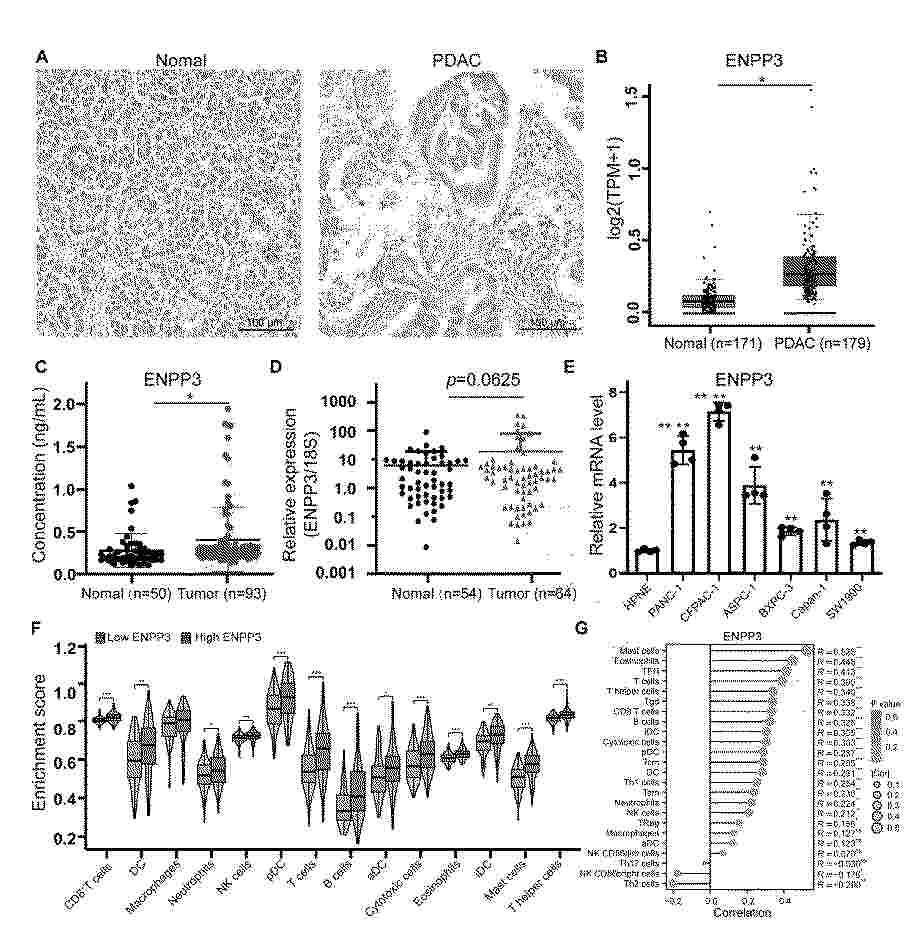
本发明公开了一种靶向ENPP3的mRNA疫苗及其在胰腺癌免疫治疗中的应用,属于肿瘤免疫治疗技术领域,本发明首次将ENPP3作为mRNA疫苗靶点,所述mRNA经密码子优化并通过脂质纳米颗粒递送,可有效诱导T细胞、树突状细胞免疫应答,促进巨噬细胞M1型极化,降低免疫抑制性细胞水平,显著改善胰腺癌免疫抑制微环境,抑制肿瘤生长。体内实验证实,该疫苗抗肿瘤效果显著、生物安全性高,可单独或联合免疫检查点抑制剂用于胰腺导管腺癌治疗,为胰腺癌免疫治疗提供了全新策略。
Resumen de: CN122894334A
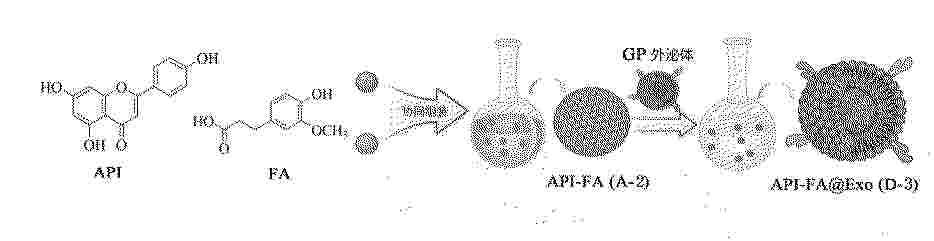
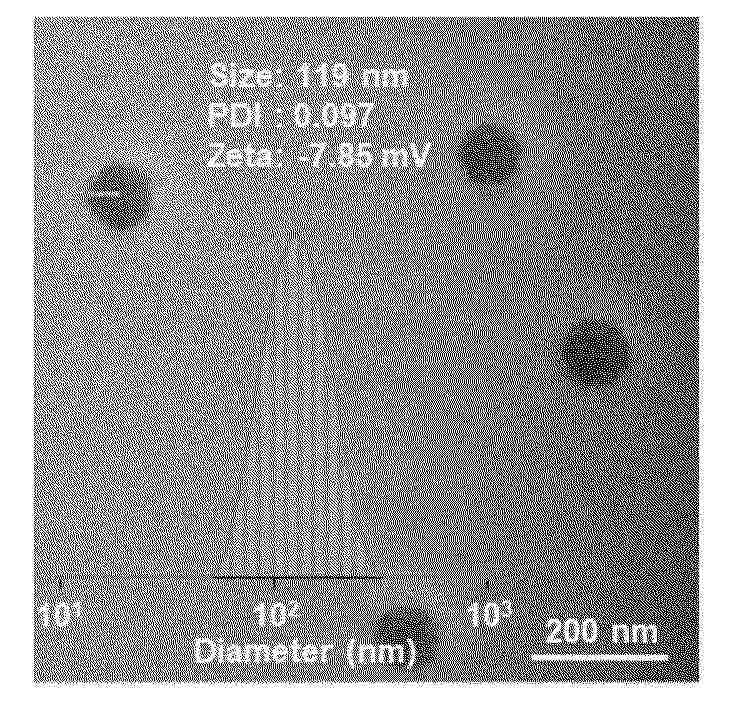
本发明提供了一种芹菜素组装纳米颗粒、制备方法及其在抗光老化产品中的应用,涉及纳米递送技术领域,包括将芹菜素和阿魏酸按1:1.2~1.2:1的摩尔比共组装,形成二元共组装纳米颗粒;将二元共组装纳米颗粒和外泌体直接混合,超声处理得芹菜素组装纳米颗粒。在24h体外透皮实验中皮肤透过率和皮肤滞留量较API分别提高了约232%和207%,较二元共组装纳米颗粒分别提高了约23%和25%,具备高皮肤渗透性,高经皮生物利用度及毛囊靶向性,能促进API在皮肤内的持续释放,为光老化治疗发挥长效作用。解决了现有技术中芹菜素水溶性极低、皮肤渗透性差、经皮生物利用度低及光老化靶向性不足导致临床转化受到制约的技术问题。
Resumen de: WO2018052053A1
The present invention pertains to a therapeutic agent for ophthalmic diseases which comprises a vascular endothelial growth factor (VEGF) receptor inhibitor or an epidermal growth factor (EGF) receptor inhibitor in the form of nanoparticles tending to be retained in a posterior ocular tissue when systemically administered.
Resumen de: CN122897775A
本发明公开了一种支链型阳离子脂质化合物及其制备方法与应用,该支链型阳离子脂质化合物具有以下几个结构特点以:一、可电离的叔胺头部保证高效核酸递送能力;二、带醚键支链结构促进mRNA递送时形成锥形结构并提高内体逃逸能力;三、功能性连接键连接饱和或不饱和尾链,提高mRNA包封效率以及递送安全性。综上,本发明的多氨基脒基阳离子脂质分子兼具高递送效率、良好的细胞生物相容性以及优异的储存稳定性的特点,为核酸药物递送提供了更多选择,对核酸药物的发展和应用具有重要的意义。
Resumen de: CN122894330A
本申请涉及纳米生物医药与肿瘤治疗技术领域,具体涉及一种阳离子铂前药脂质纳米颗粒及制备方法和应用、药物组合。该阳离子铂前药脂质纳米颗粒包括阳离子四价铂前药以及脂肪链修饰的还原响应两亲性高分子。通过将传统二价铂药物转化为结构稳定的四价铂前药,能够有效提高铂类药物在生理环境中的稳定性,减少药物在血液循环过程中的非特异性活化和提前释放,提升抗肿瘤效果;同时,通过采用脂肪链修饰及还原响应的两亲性高分子对其进行封装,有效提高了疏水性铂前药的水分散性和体内稳定性,延长药物循环时间,降低正常组织暴露,从而减轻传统铂类药物引起的肾毒性、神经毒性及骨髓抑制等非特异性毒副作用,提高药物治疗安全性。
Resumen de: CN122894454A
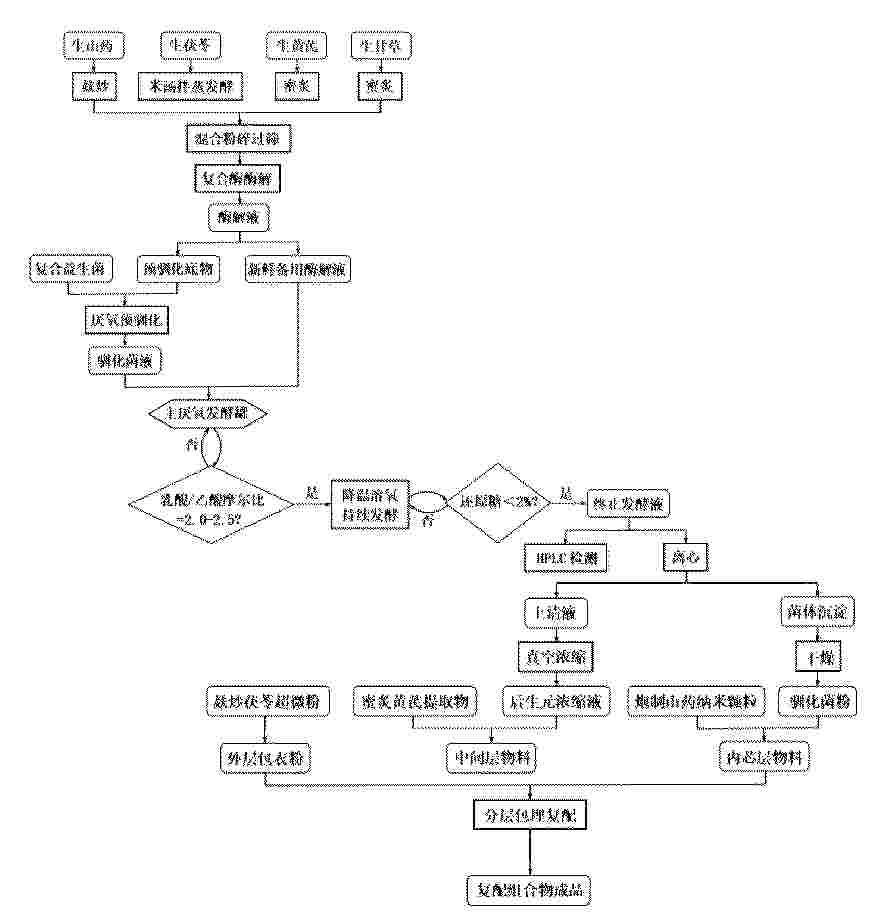
本发明公开一种复合益生菌与药食同源原料复配组合物及其制备方法。该复配组合物包括预驯化复合益生菌、炮制药食同源原料及后生元浓缩液。其制备方法包括:山药麸炒、茯苓发酵炮制、黄芪和甘草蜜炙得炮制药食同源原料;经酶解得酶解液;复合益生菌在酶解液中厌氧预驯化得驯化菌液;驯化菌液接种于新鲜酶解液中厌氧发酵,实时监测乳酸与乙酸摩尔比,达2.0至2.5时降温并通入微量氧气继续发酵,还原糖含量小于2%时终止;分离发酵上清和菌体,上清浓缩得后生元浓缩液,菌体干燥得驯化菌粉;将驯化菌粉、后生元浓缩液与炮制药食同源原料加工物分层包埋复配,得复配组合物。本发明可用于制备修复肠屏障功能的药物或保健食品。
Resumen de: CN122894518A
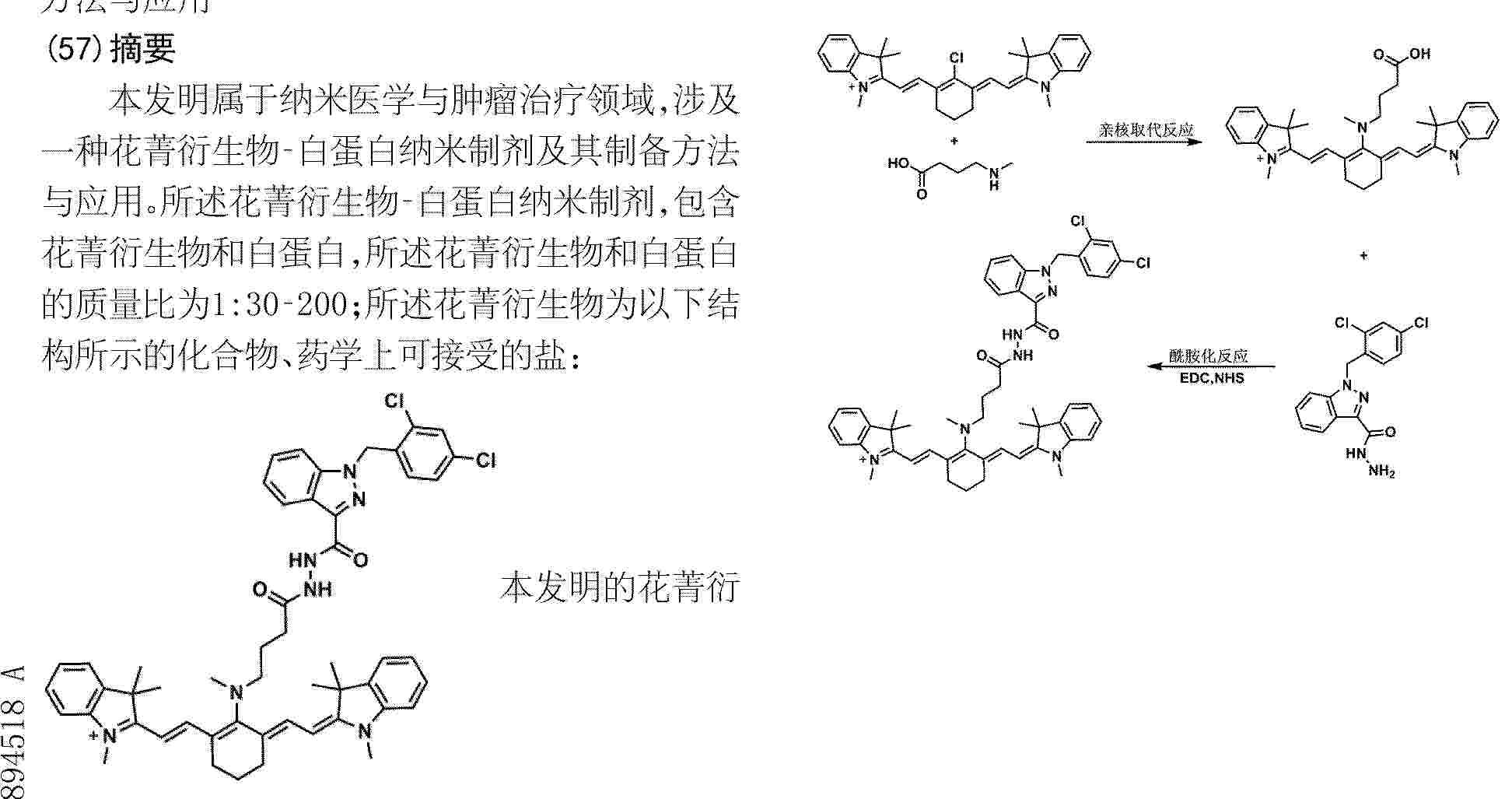
本发明属于纳米医学与肿瘤治疗领域,涉及一种花菁衍生物‑白蛋白纳米制剂及其制备方法与应用。所述花菁衍生物‑白蛋白纳米制剂,包含花菁衍生物和白蛋白,所述花菁衍生物和白蛋白的质量比为1:30‑200;所述花菁衍生物为以下结构所示的化合物、药学上可接受的盐:本发明的花菁衍生物‑白蛋白纳米制剂能够协同下调CD47、IDO1与GDF‑15等免疫逃逸/免疫抑制相关关键分子,实现对多通路免疫抑制网络的综合解除,从而降低耐受与复发风险。
Resumen de: PL451747A1
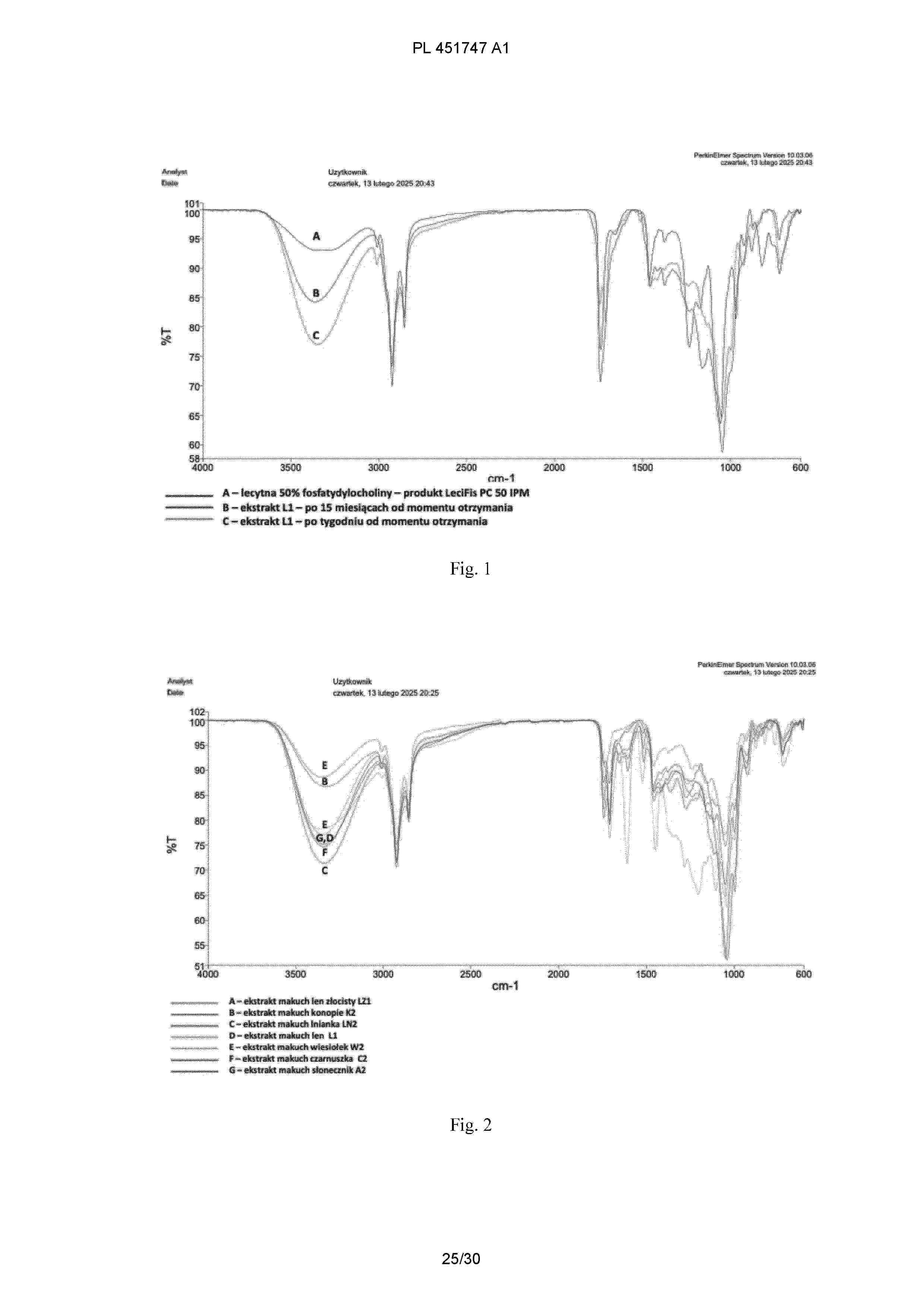
Przedmiotem zgłoszenia jest sposób wytwarzania wodno-etanolowych nanonośników - etosomów z roślin oleistych, z zastosowaniem wody i etanolu, które charakteryzuje się tym, że etosomy wytwarza się w dwóch etapach, gdzie pierwszym jest bezpośrednia, jednoetapowa ekstrakcja rozpuszczalnikowa na gorąco, w której ekstrakt otrzymuje się przy zastosowaniu wyłącznie wodnego roztworu etanolu i zmielonego materiału roślinnego w postaci makuchu, a drugi etap polega na tym, że wkrapla się ekstrakt wyłącznie do wody. W pierwszym etapie makuchy z roślin oleistych poddaje się suszeniu w temperaturze nie wyższej niż 70°C przez okres od 5 do 24 godzin do uzyskania produktu o zawartości suchej masy w zakresie wilgotności od 92% do 95% wagowych. Następnie poddaje się makuchy rozdrabnianiu przez czas od 5 do 20 minut w procesie mielenia. Makuch podczas mielenia ma temperaturę nie wyższą od 70°C. Tak uzyskany makuch dodaje się w temperaturze pokojowej do wodnego roztworu etanolu o zawartości w zakresie 90% - 100% wagowych etanolu w udziale wagowym od 1:1 do 1:9 makuch: roztwór wodny etanolu. Następnie miesza się (makuch z roztworem etanolu) z szybkością 100 - 400 obr./min jednocześnie podgrzewając do temperatury w zakresie od 40°C do 70°C. Następnie utrzymuje się taką stabilną temperaturę przez czas od 30 do 120 min, po czym po ekstrakcji rozdziela się przesącz od cząstek makuchu uzyskując ekstrakt z makuchu. W drugim etapie wkrapla się ekst
Resumen de: WO2025172641A1
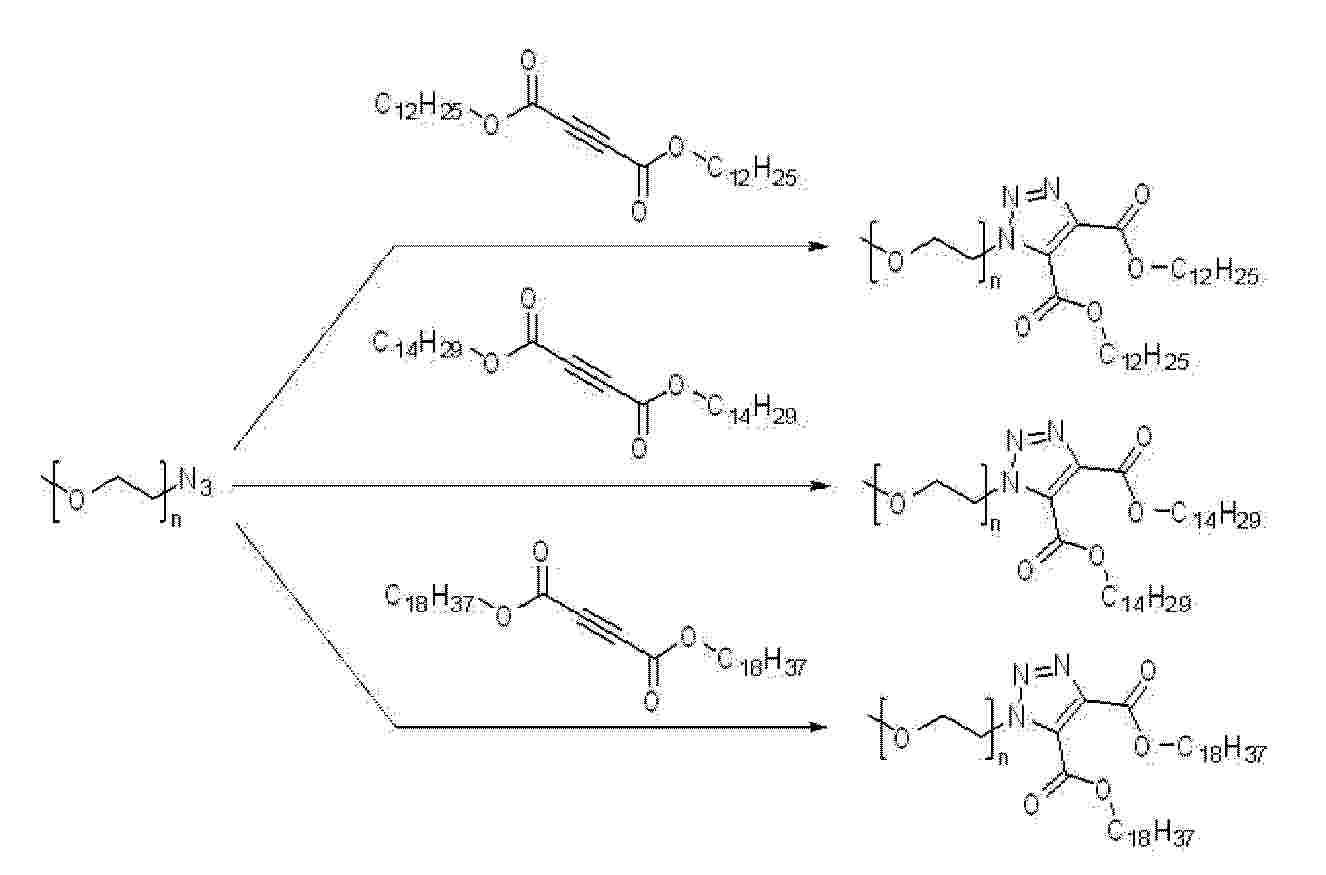
According to an example aspect of the present invention, there is provided a lipopolymer comprising at least one lipid-like moiety, connected to at least one polymer moiety via a triazole moiety, as well as a method for preparing said lipopolymer via an uncatalyzed reaction of a compound comprising an alkyne moiety with a compound comprising an azide moiety, and a use of the lipopolymers in a drug delivery system.
Nº publicación: KR20260148236A 12/10/2026
Solicitante:
성균관대학교산학협력단엠브릭스주식회사
Resumen de: WO2026212425A1
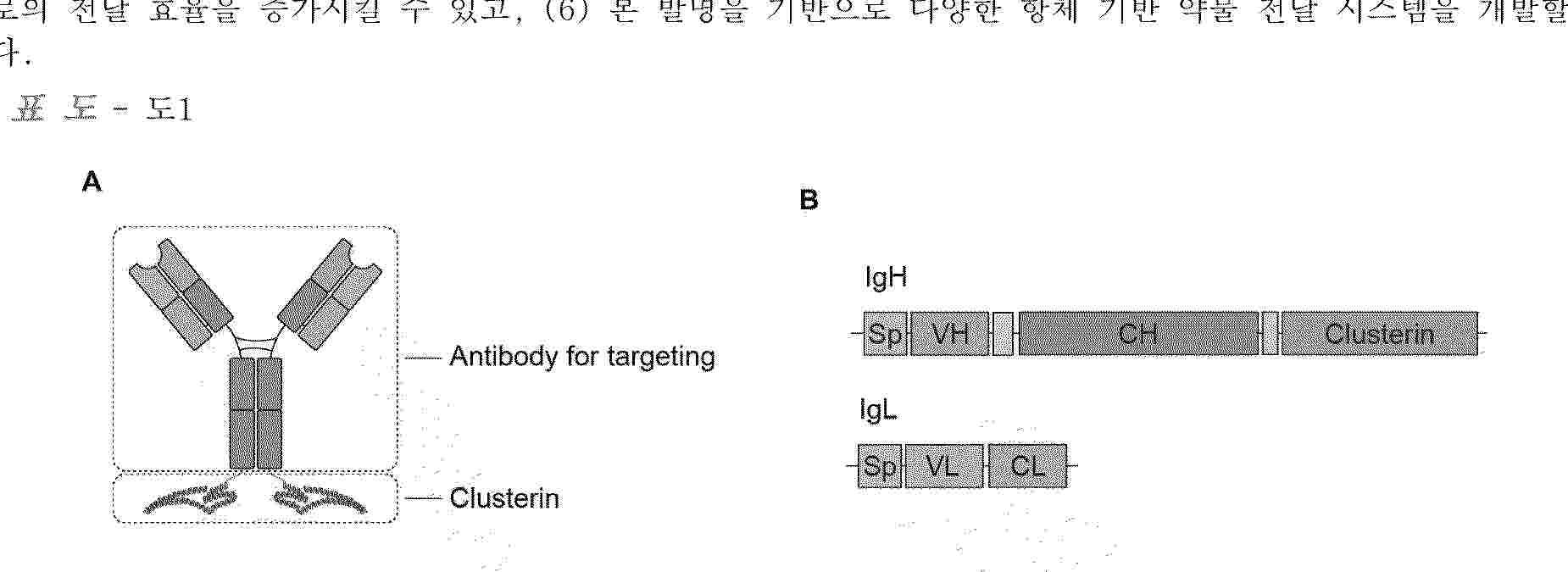
The present invention relates to lipid nanoparticles conjugated with a clusterin-fused antibody, in which: (1) the antibody can be stably attached to the surface of the lipid nanoparticles using clusterin; (2) continuous target binding of the antibody can be induced by preventing substitution by serum proteins through clusterin-antibody binding; (3) an antibody-nanoparticle complex can be prepared without chemical modification by using the high lipid affinity of clusterin; (4) antibody structural modification that occurs in conventional chemical covalent conjugation methods can be prevented; (5) the efficiency of delivery to target cells and tissues can be increased through the antibody-nanoparticle complex using clusterin; and (6) various antibody-based drug delivery systems can be developed based on the present invention.
 BOPI
BOPI
 Sede Electrónica