Si deseas distinguir tus productos, servicios o ambos de los de otra empresa, es posible que necesites una marca o nombre comercial. Descubre qué son, en qué consiste su procedimiento de registro y qué implica.

Información sobre los plazos de presentación de solicitudes de transformación de marcas de la Unión Europea en marca nacional española. Más información


Si tienes un nuevo dispositivo, producto o procedimiento que resuelva un problema técnico o tenga una ventaja práctica, existen distintas formas de protegerlo en España y en otros países. Descubre cómo hacerlo.

¿Tu innovación reside en la estética, la ornamentación o la apariencia de tu producto? Protégela mediante un diseño industrial. Descubre qué derechos confiere el registro y cómo realizar la tramitación.

Las indicaciones geográficas protegen el nombre de un producto originario de una zona geográfica, a la cual le debe una determinada calidad, reputación u otra característica. Descubre qué son, en qué consiste su procedimiento de registro y qué beneficios conceden.

Las patentes publicadas en todo el mundo son una valiosa fuente de información científica, técnica y comercial.

Si eres emprendedor/a o una empresa y quieres potenciar y mejorar la rentabilidad de tu negocio protegiendo de forma adecuada los activos intangibles de tu organización, en este espacio encontrarás lo necesario.


 221
resultados
221
resultados
 Última actualización
24/10/2026 [07:05:00]
Última actualización
24/10/2026 [07:05:00]


 Resultados 150 a 175 de 221

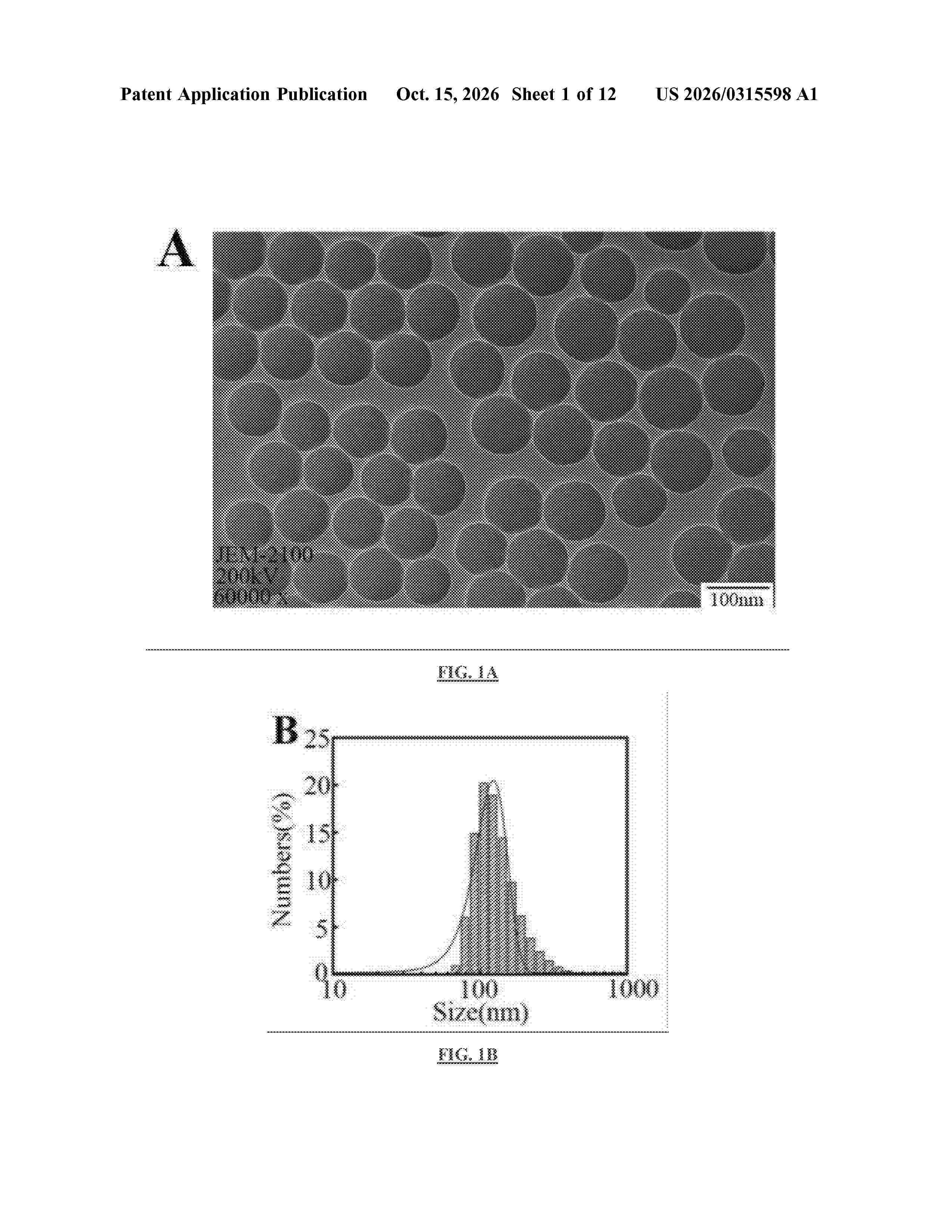
Resumen de: US20260315598A1
0000 The present disclosure provides a photosensitizer chlorin e6 (Ce6)-loaded nanoparticle targeting mitochondria of a breast cancer cell, and a preparation method and use thereof, and belongs to the field of pharmaceutical preparations. In the present disclosure, the nanoparticle uses a hollow mesoporous silica nanoparticle (HMSN) as a carrier, a hollow position of the carrier is loaded with a photosensitizer Ce6, the carrier is externally encapsulated with a red blood cell membrane (RBCM), and the carrier after encapsulating the RBCM is modified with a Pt nanocluster on one side as well as an aptamer LXL-1 and 1-carboxypropyltriphenylphosphine bromide (TPP) on the other side.

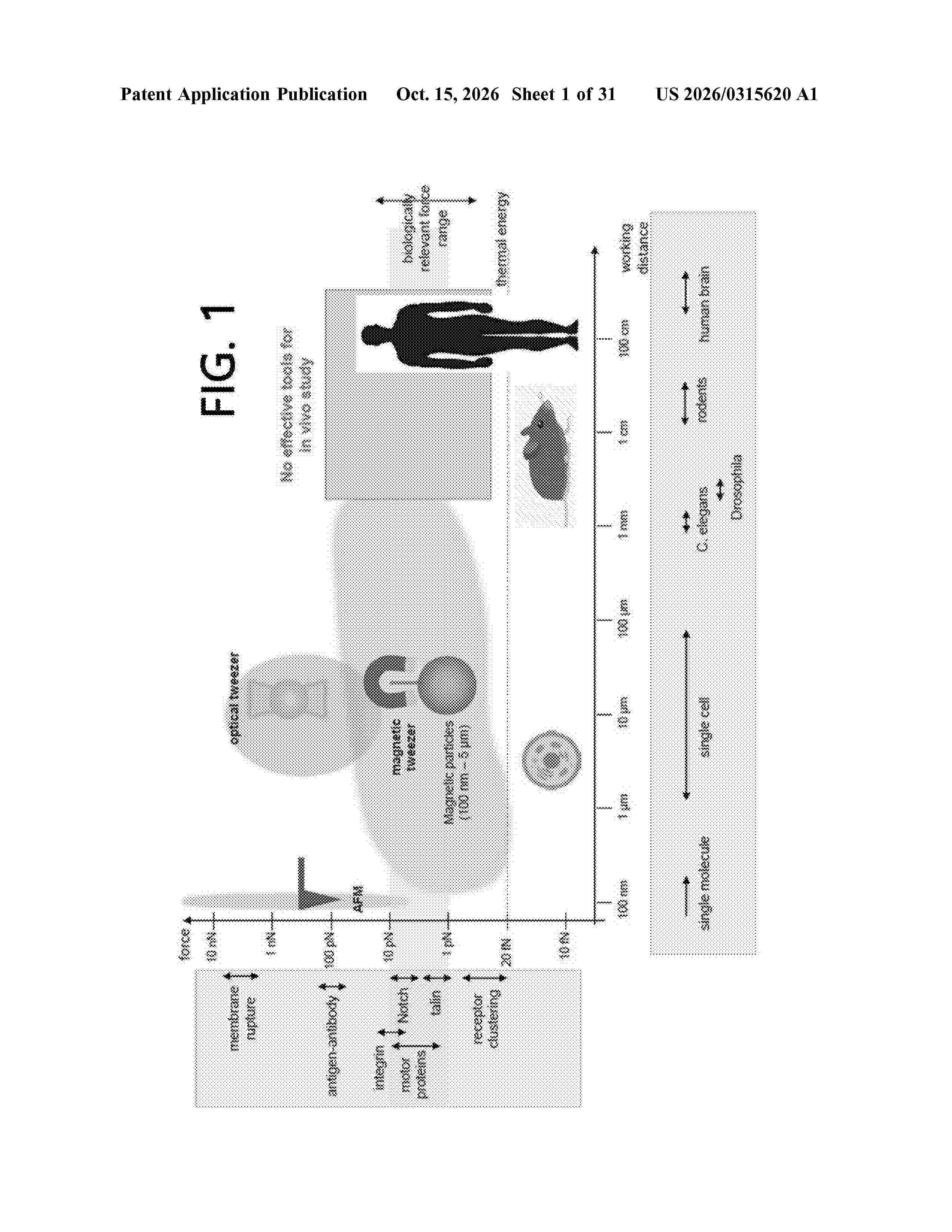
Resumen de: US20260315620A1
A Magnetic Torquer (m-Torquer) conjugate-based drug is disclosed. The m-Torquer conjugate, containing: (a) a magnetic nanoparticle that generates rotational force upon application of a controlled rotating magnetic field, wherein the working distance from the rotating magnetic field generator is at least 1 cm, preferably at least 2 cm, 10 cm, more preferably at least 20 cm, 30 cm, and most preferably at least 60 cm or 70 cm; (b) a binding moiety that binds to a drug target protein present in the biological lipid membrane; and (c) a linker or a direct attachment between the magnetic nanoparticle and the binding moiety, wherein, when the m-Torquer conjugate binds to the drug target protein, the rotational force generated by the magnetic nanoparticle upon application of a controlled rotating magnetic field is transmitted to the drug target protein, inducing a conformational change in the drug target protein.
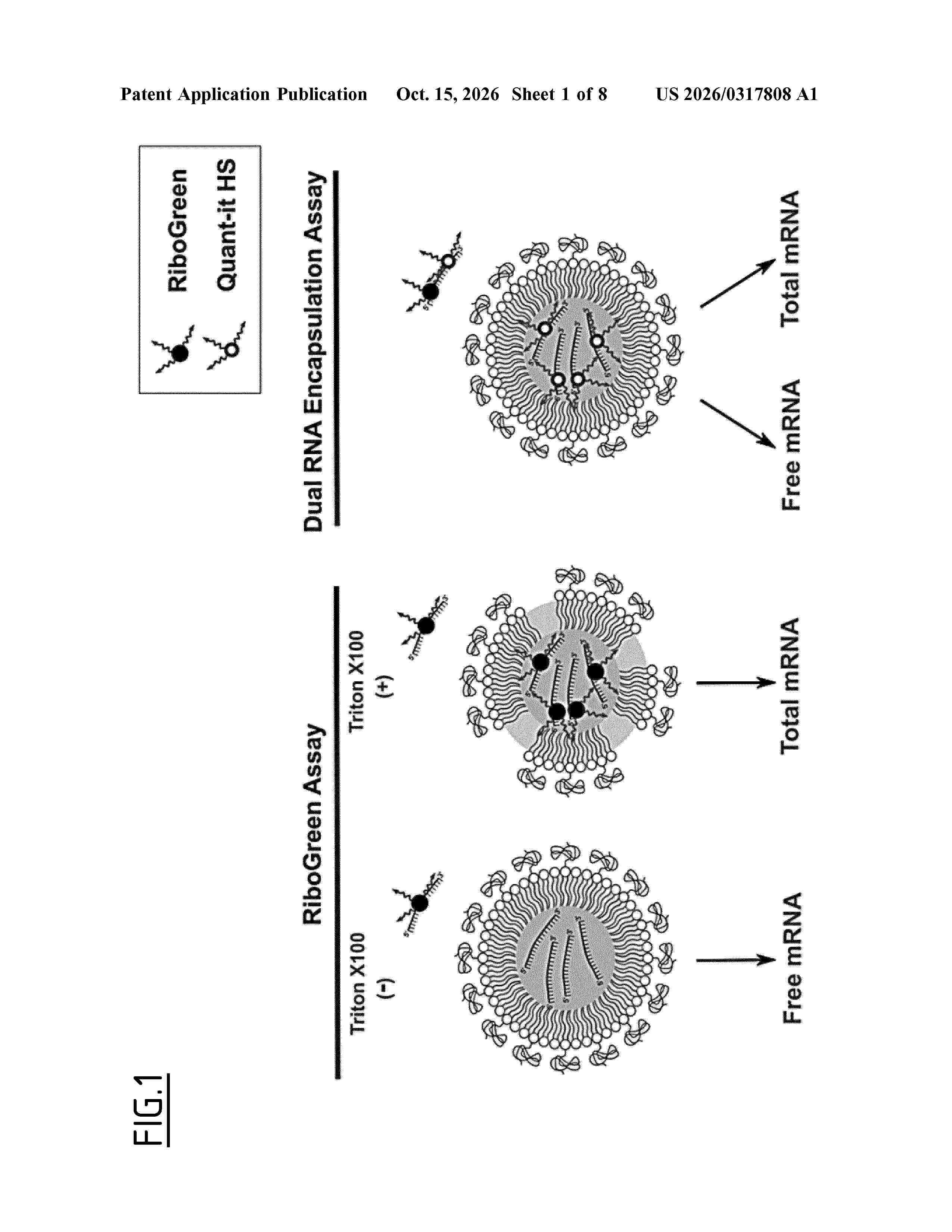
Resumen de: US20260317808A1
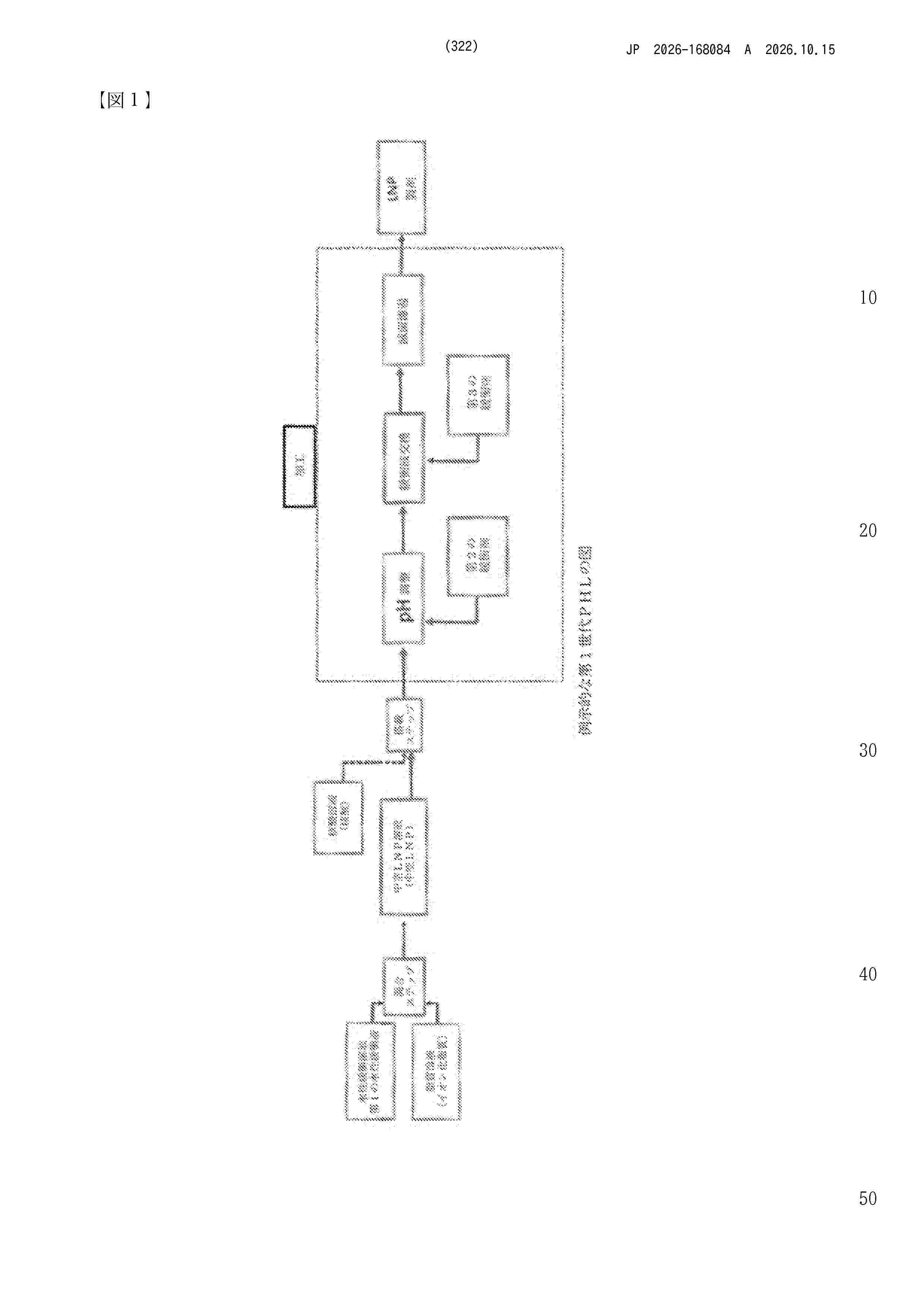
0000 The present invention relates to methods of determining the efficiency of RNA encapsulation in lipid nanoparticles (LNPs). In some embodiments, methods according to the present invention comprise a step a) of contacting a sample comprising RNA encapsulated in LNPs with a first fluorophore and a second fluorophore, thereby forming fluorophore-RNA complexes, and a step b) of detecting the fluorescence signals of the complexed first and second fluorophore, wherein the first fluorophore permeates the LNPs and wherein the second fluorophore does not permeate the LNPs.
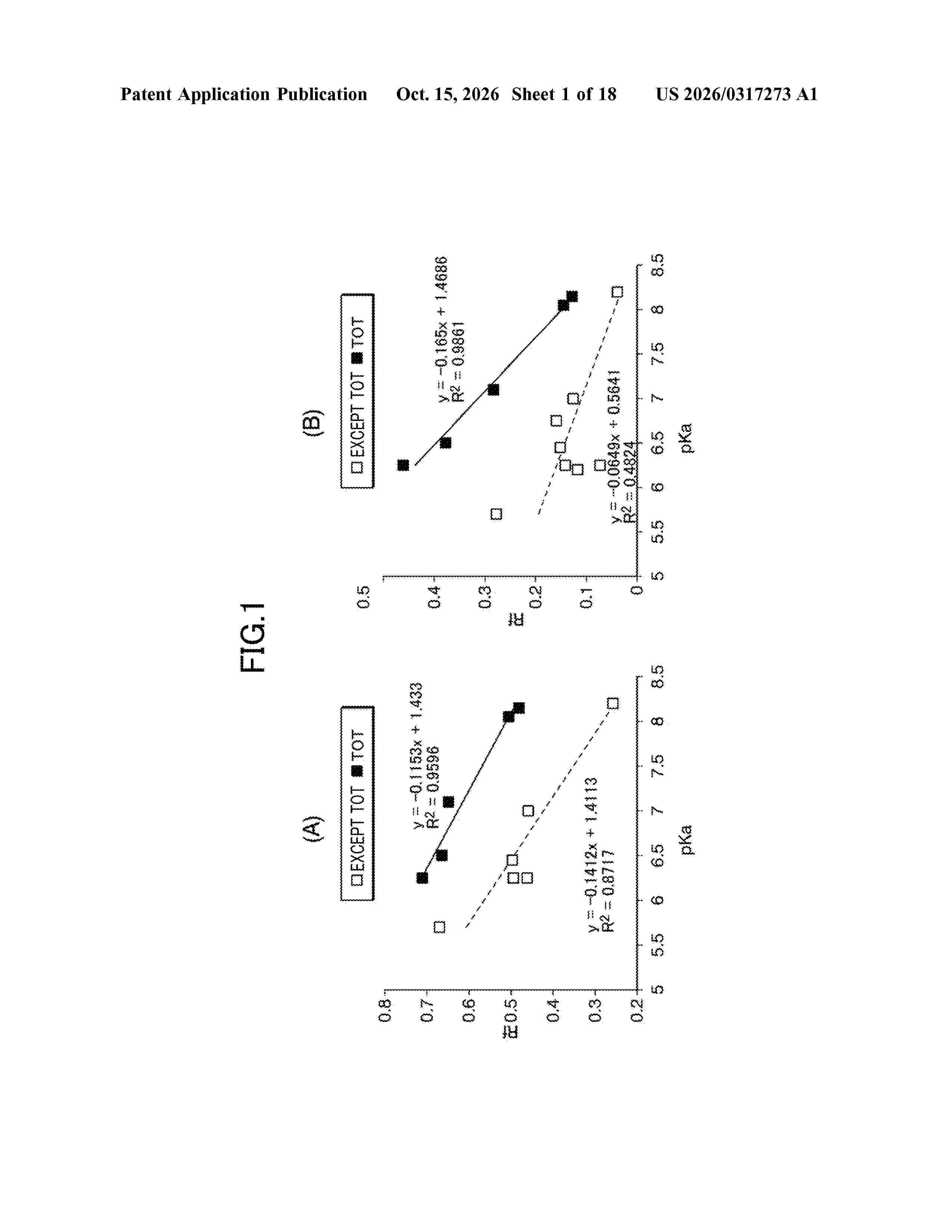
Resumen de: US20260317273A1
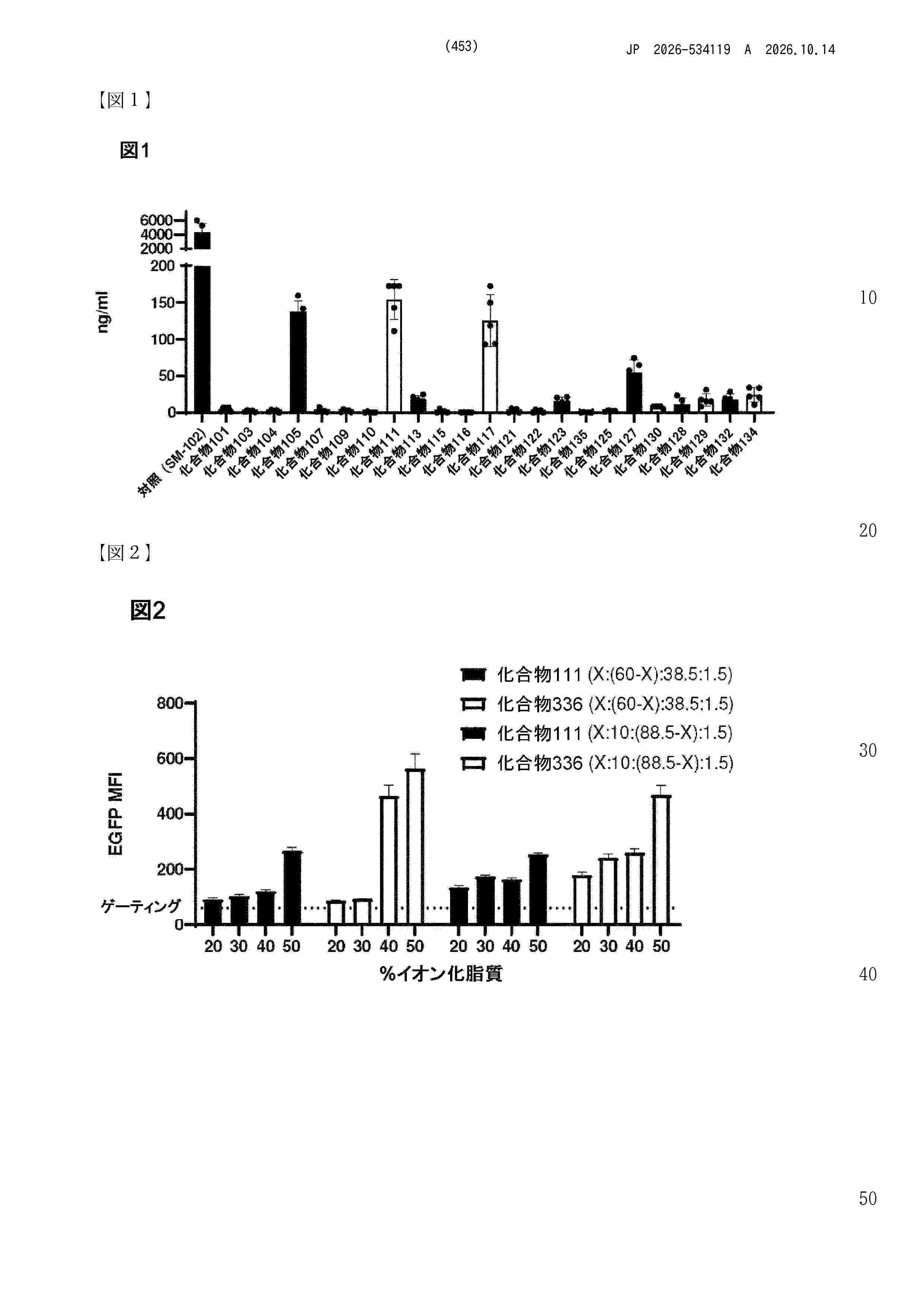
The present invention addresses the problem of providing, without using relatively expensive starting materials, a more conveniently synthesizable pH-sensitive cationic lipid and a lipid nanoparticle that contains this pH-sensitive cationic lipid. The present invention is a pH-sensitive cationic lipid represented by general formula (I). R1 is a C1-22 hydrocarbon group; the three R1 groups in one molecule may be the same as or different from each other; Z1 is a C1-6 alkylene group or a single bond; X is —N(R2)(R3) or is a 5- to 7-membered nonaromatic heterocyclic group (with the proviso that this group is bonded to Z1 via a carbon atom); and R2 and R3 are each independently a hydrogen atom or a C1-4 hydrocarbon group, or R2 and R3 may be bonded to each other to form a 5- to 7-membered nonaromatic heterocycle.
Resumen de: WO2023146356A1
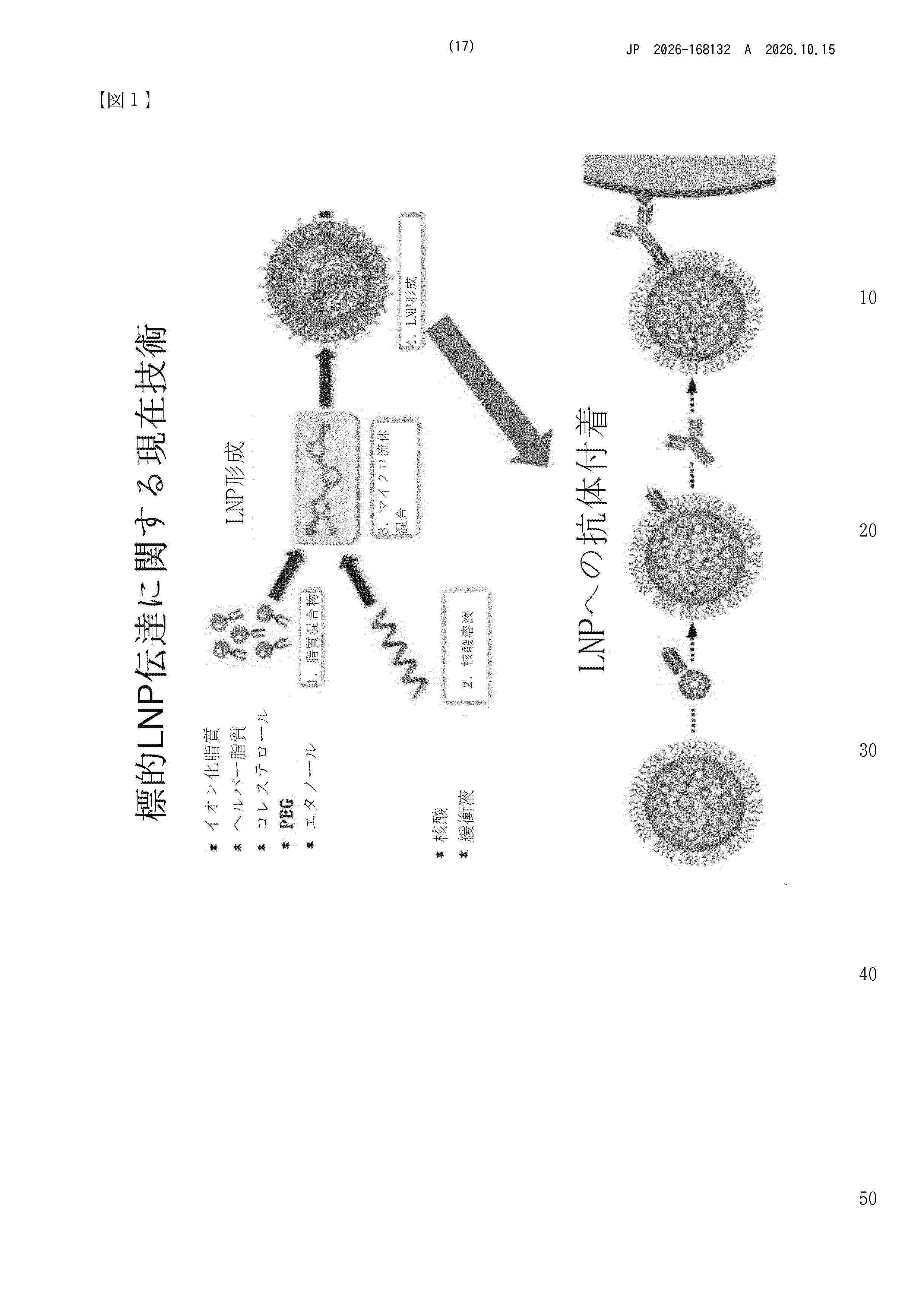
The present invention relates to an antibody-bound lipid nanoparticle comprising an antibody bound to a membrane scaffold protein, and more specifically relates to an antibody-bound lipid nanoparticle which comprises a lipid, and an antibody bound to a membrane scaffold protein, and which can be easily produced and has an excellent specific targeting ability.
Resumen de: WO2022221616A1
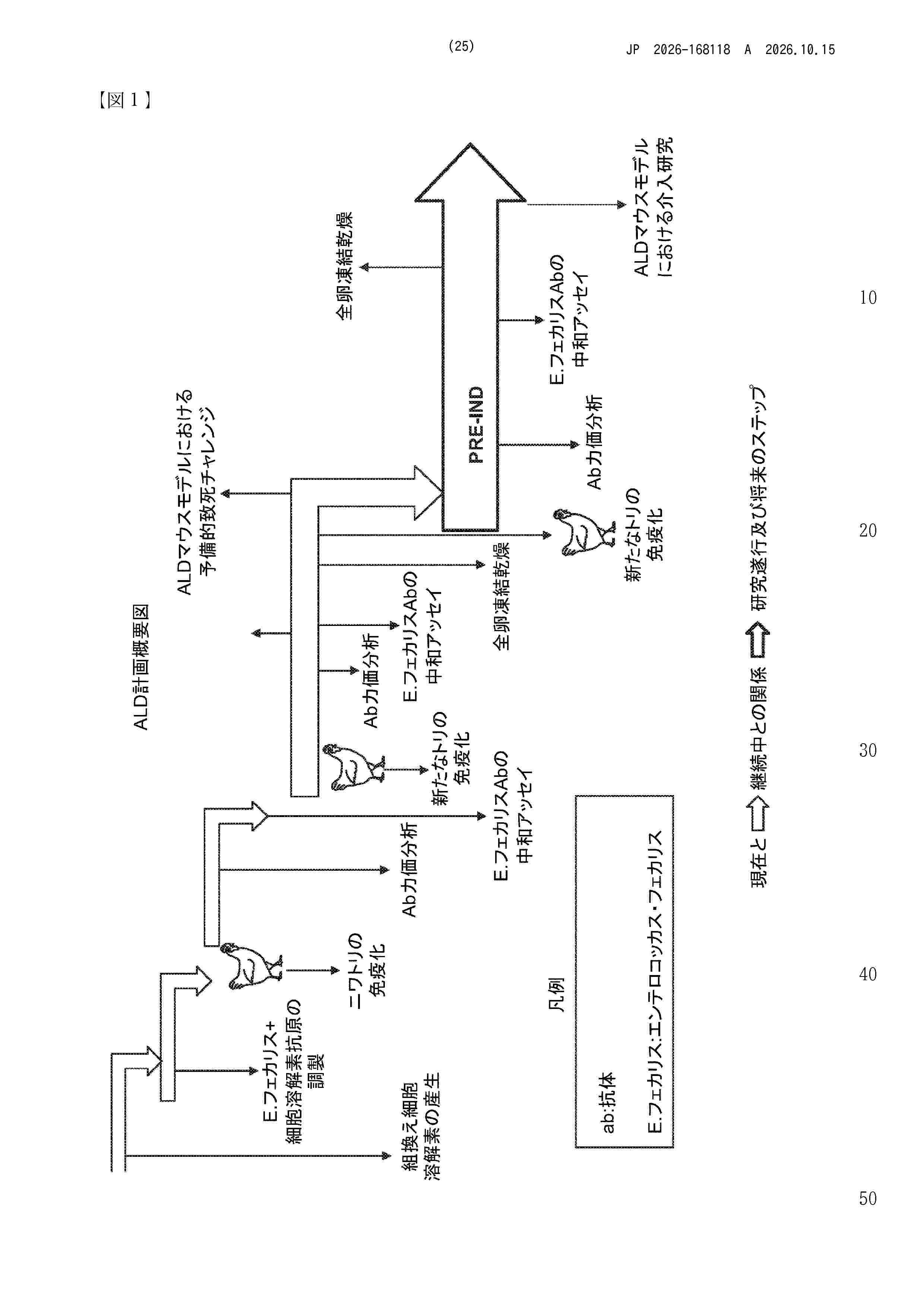
In one aspect, the present disclosure is directed to a method for preventing or treating alcoholic liver disease or grafi-versus-host disease in a subject in need thereof, comprising administering to the subject a therapeutically effective amount of a hyperimmimized egg product obtained from an egg- producing animal, thereby preventing or treating the alcoholic liver disease or the graft-versus-host disease in the subject, wherein the hyperimmunized egg product comprises a therapeutically effective amount of one or more antibodies to an antigen selected from the group consisting of Enterococcus faecaUs, Enterococcus faecalis eytolysin toxin, and Enterococcus faecium. The present disclosure is also directed to hyperimmunized eggs and egg products produced by an animal that has been hyperimmunized with an antigen selected from the group consisting of Enterococcus faecalis. isolated Enterococcus faecal is eytolysin toxin, and Enterococcus faecium. Methods of preparing the hyperimmunized eggs and egg products are also disclosed.
Resumen de: WO2022155524A1
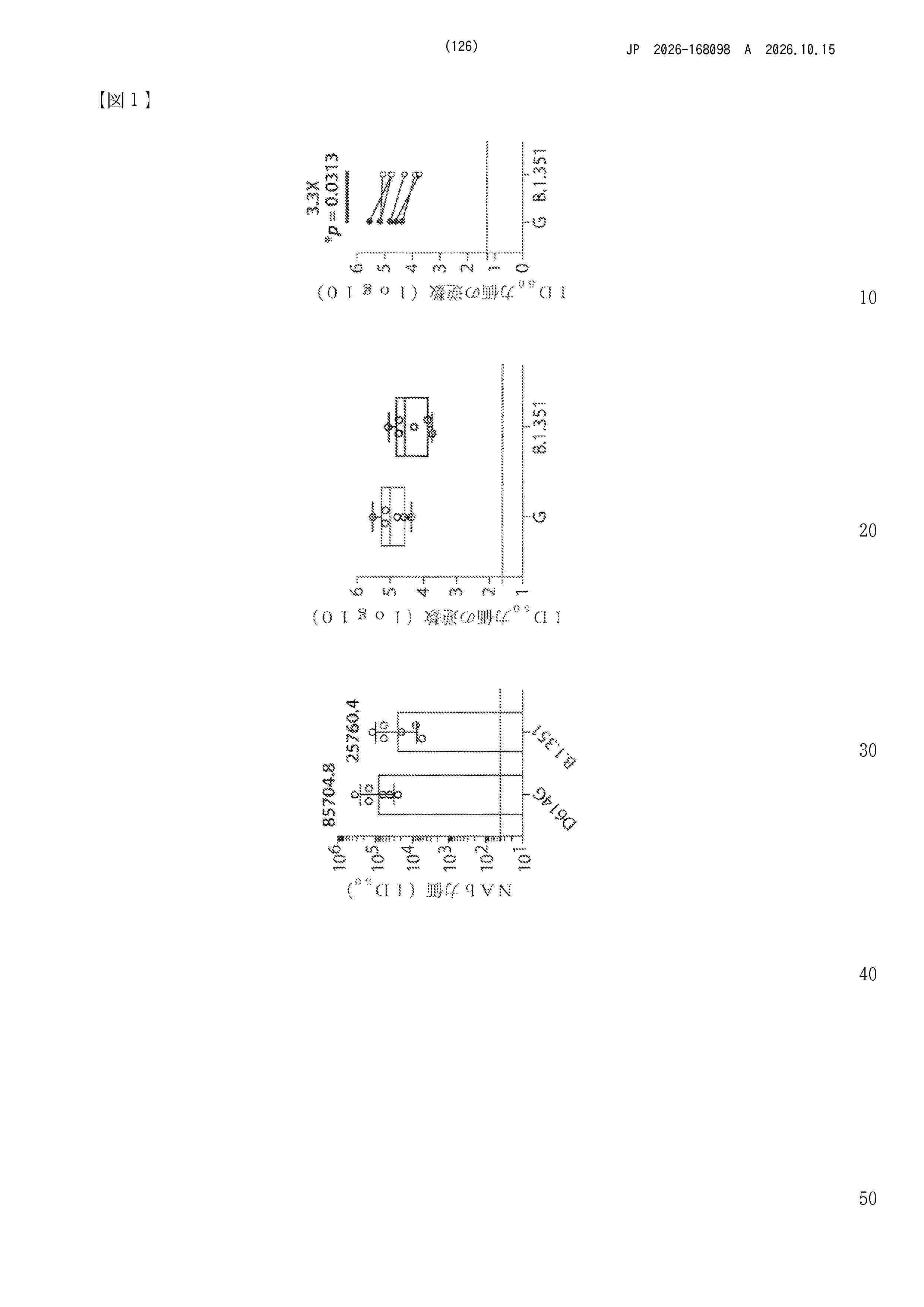
The disclosure provides coronavirus mRNA vaccines, including vaccines directed against one or more variant strains of SARS-CoV-2, as well as methods of using the vaccines.
Resumen de: MX2023001461A
The present disclosure provides LNPs comprising payload molecules, e.g., mRNA therapeutics, for the treatment of diseases or disorders, which would benefit from delivery of payload molecules to airway cells.
Resumen de: AU2026238128A1
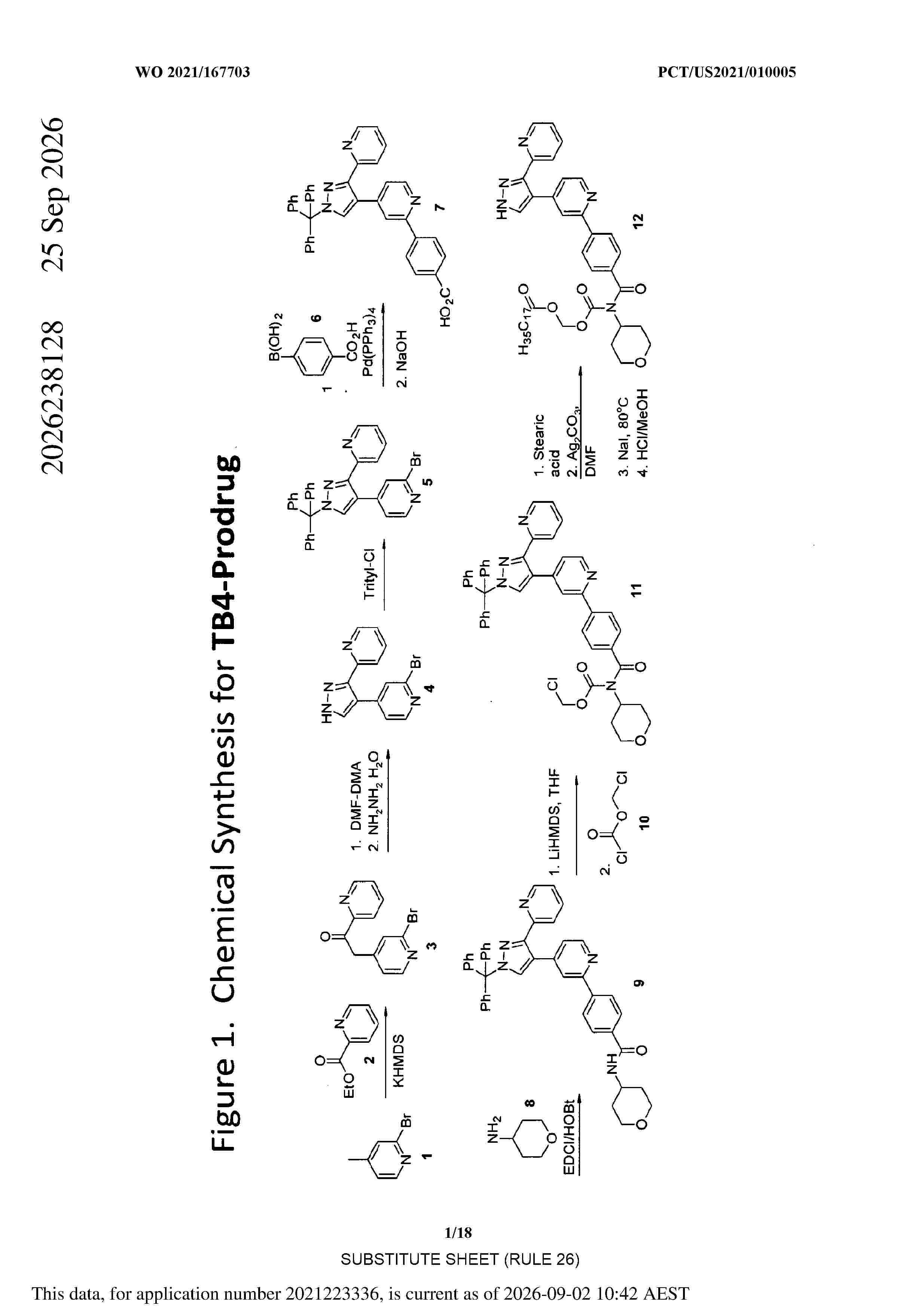
Formulated and/or co-formulated liposomes (LNP) and solid-lipid nanoparticles (SLNP) comprising TB Prodrugs and methods of making the LNPs and SLNPs are disclosed herein. The TB prodrug compositions comprise a drug moiety, a lipid moiety, and linkage unit that inhibit ALK5. The TB Prodrugs can be formulated and/or co-formulated into a liposome or solid-lipid nanoparticle to provide a method of treating cancer, immunological disorders, and other disease by utilizing a targeted drug delivery vehicle. ep e p
Resumen de: GB2705380A
A nanoparticle composition for delivery of an active ingredient is provided, wherein the composition comprises an organic acid, biopolymer, and at least one active ingredient. The organic acid comprises one or more selected from lactic acid, citric acid, acetic acid, linoleic acid, gluconic acid, glucuronic acid, formic acid and butanoic acid, preferably lactic acid. The biopolymer comprises one or more from the group consisting of lignin, chitin, chitosan, cellulose, starch, hemicellulose, amylose, actin, fibrin, collagen, fibroin, and keratin. The preferred biopolymer is a co-polymer of lignin and chitosan. The active ingredient may be a pharmaceutical, agrochemical, phytochemical, cosmetic, food constituent, or a dietary supplement. A method of preparing biodegradable nanoparticles comprising a co-polymer of lignin-chitosan is provided. A method for delivery of the at least one active ingredient by providing the nanoparticles comprising the biopolymer, organic acid and active ingredient is provided. A worked example of nanoparticles comprising lignin-chitosan cross-linked using lactic acid and encapsulating a flavonoid (morin, naringenin, catechin, quercetin, epigallocatechin) is disclosed. Fig: None
Resumen de: US20250090651A1
0000 Provided herein are recombinant polypeptides comprising an engineered ectodomain of a Respiratory Syncytial Virus (RSV) fusion (F) protein, wherein the ectodomain comprises an engineered C-terminal alpha-helical segment and/or amino acid substitutions that stabilize the F protein in a prefusion conformation. The disclosure also provides a two-component protein nanostructure comprising first trimeric component and second pentameric component. Provided herein are a composition for use in vaccinating, generating an immune response, or treating or preventing RSV disease.
Resumen de: EP4821494A1
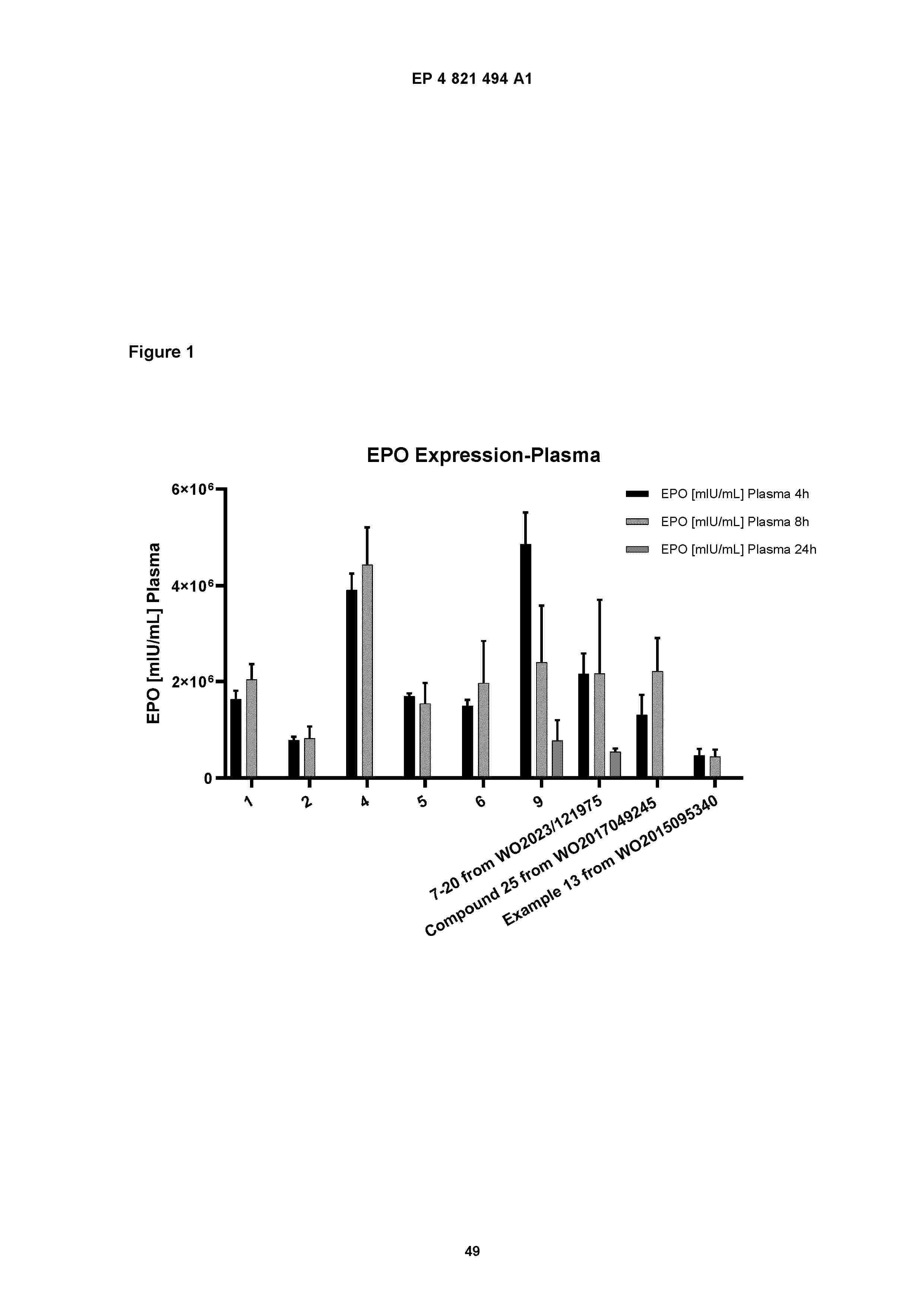
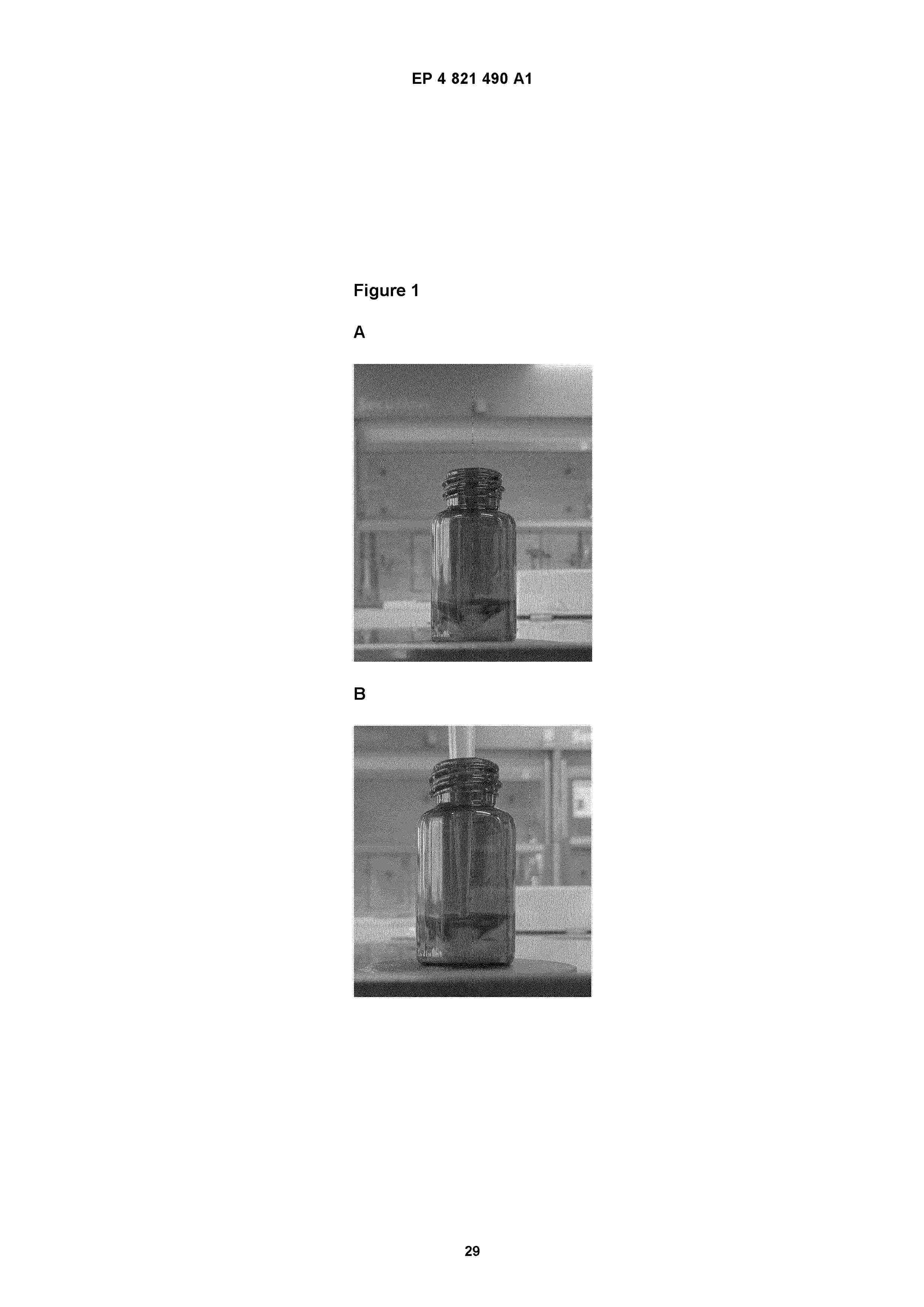
Disclosed herein are ionizable lipids defined as compounds of Formula (I or pharmaceutically acceptable salts thereof. Also disclosed are lipid nanoparticles comprising a compound of Formula or a pharmaceutically acceptable salt thereof; pharmaceutical compositions comprising a plurality of lipid nanoparticles comprising a compound of Formula (I), as well as methods for delivering a nucleic acid segment comprising administering a plurality of lipid nanoparticles comprising a compound of Formula (I) or a pharmaceutically acceptable salt thereof, and a nucleic acid segment.
Resumen de: EP4821490A1
0001 The present invention refers to the medical field. Particularly, it refers to a chitosan-based nanocapsule system for use in the prophylactic treatment of an infection caused by a respiratory pathogen, preferably the influenza virus, wherein the nanocapsule system is administered intranasally.
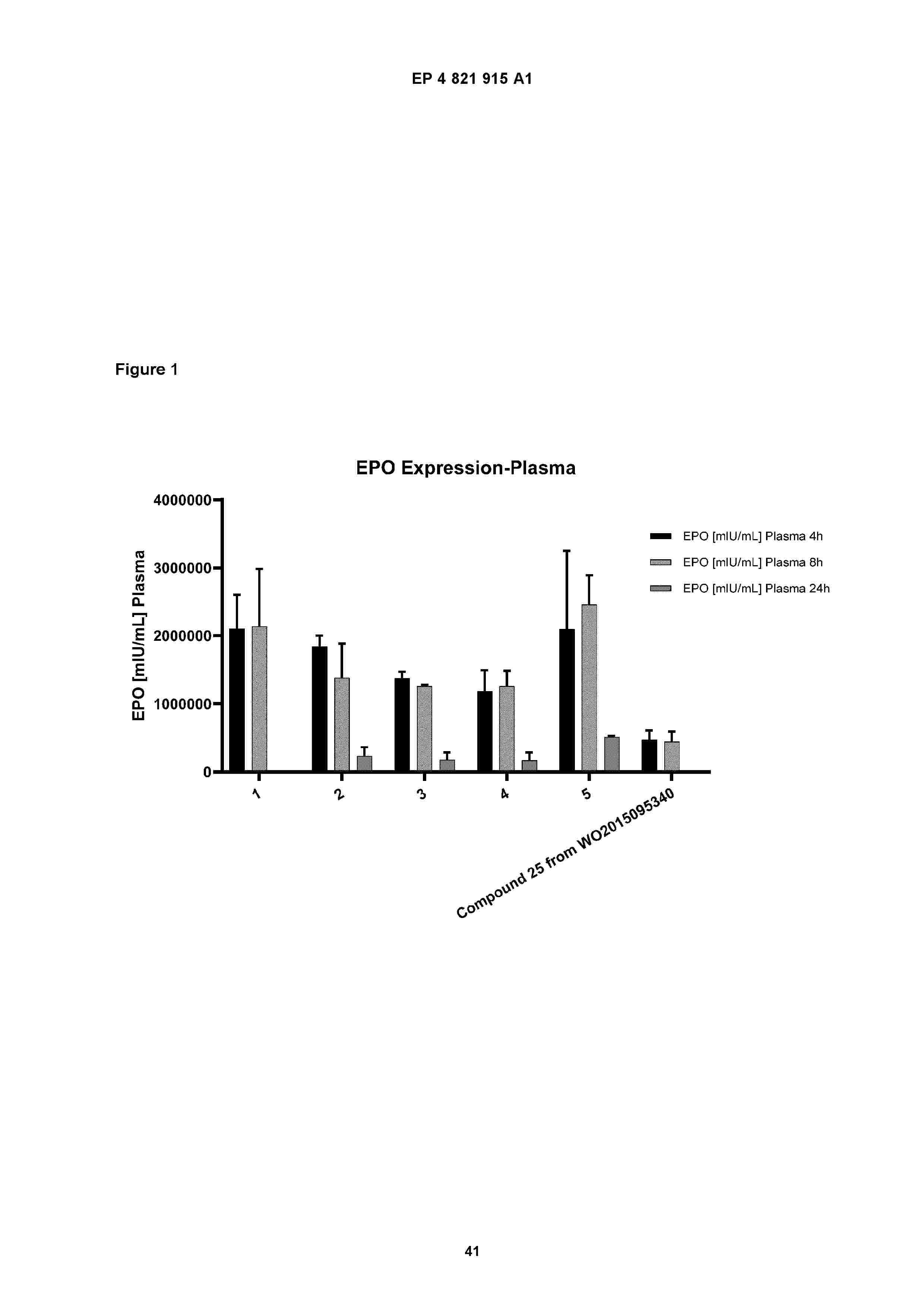
Resumen de: EP4821915A1
0001 Disclosed herein are ionizable lipids defined as compounds of Formula (I or pharmaceutically acceptable salts thereof. Also disclosed are lipid nanoparticles comprising a compound of Formula or a pharmaceutically acceptable salt thereof; pharmaceutical compositions comprising a plurality of lipid nanoparticles comprising a compound of Formula (I), as well as methods for delivering a nucleic acid segment comprising administering a plurality of lipid nanoparticles comprising a compound of Formula (I) or a pharmaceutically acceptable salt thereof, and a nucleic acid segment.
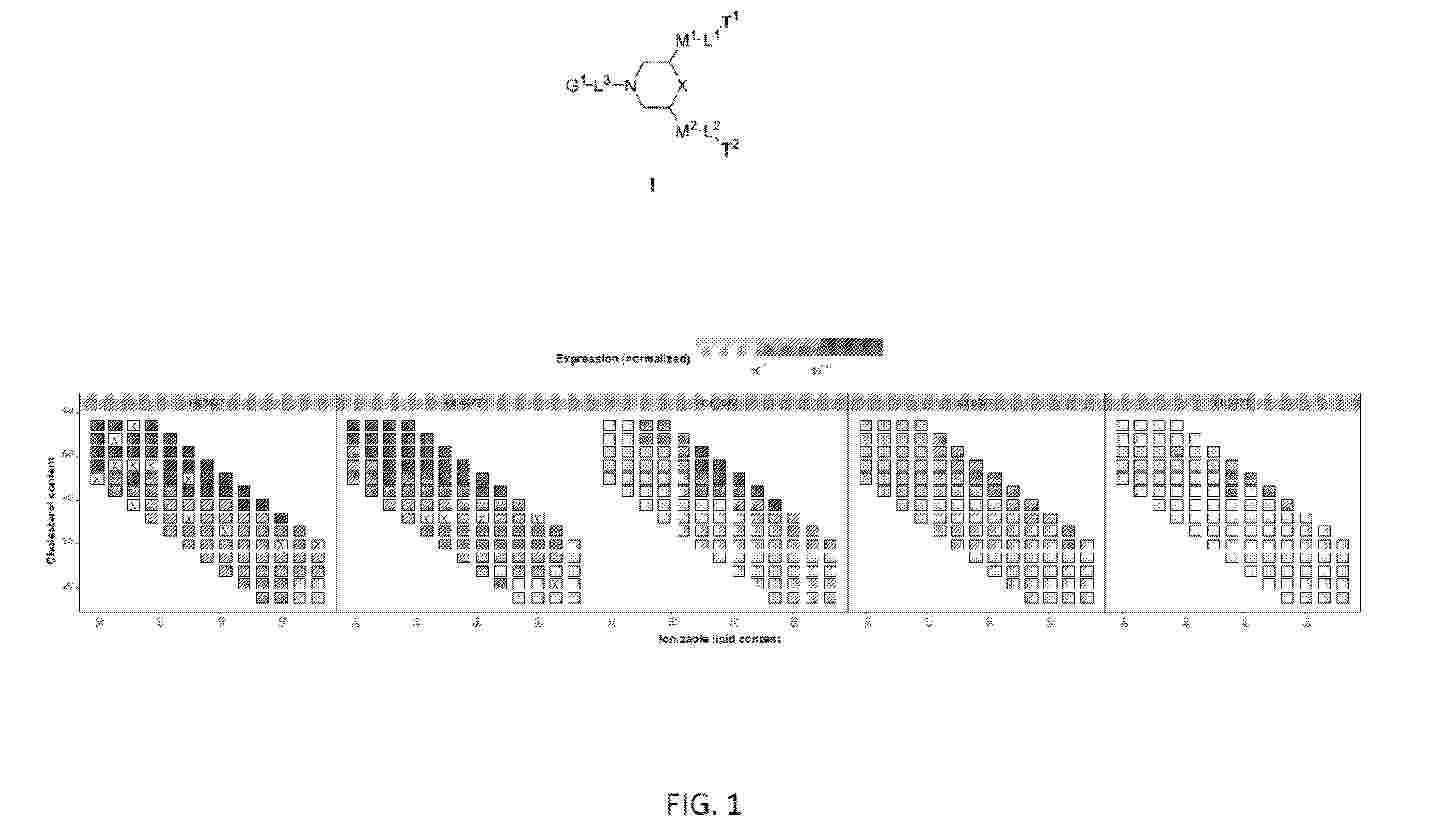
Resumen de: WO2025134066A1
The present disclosure provides, among other things, a compound of formula I, I or a pharmaceutically acceptable salt thereof, where G1, M1, M2, L1, L2, L3, T1, T2, and X are as defined in classes and subclasses herein, both singly and in combination; and uses thereof.
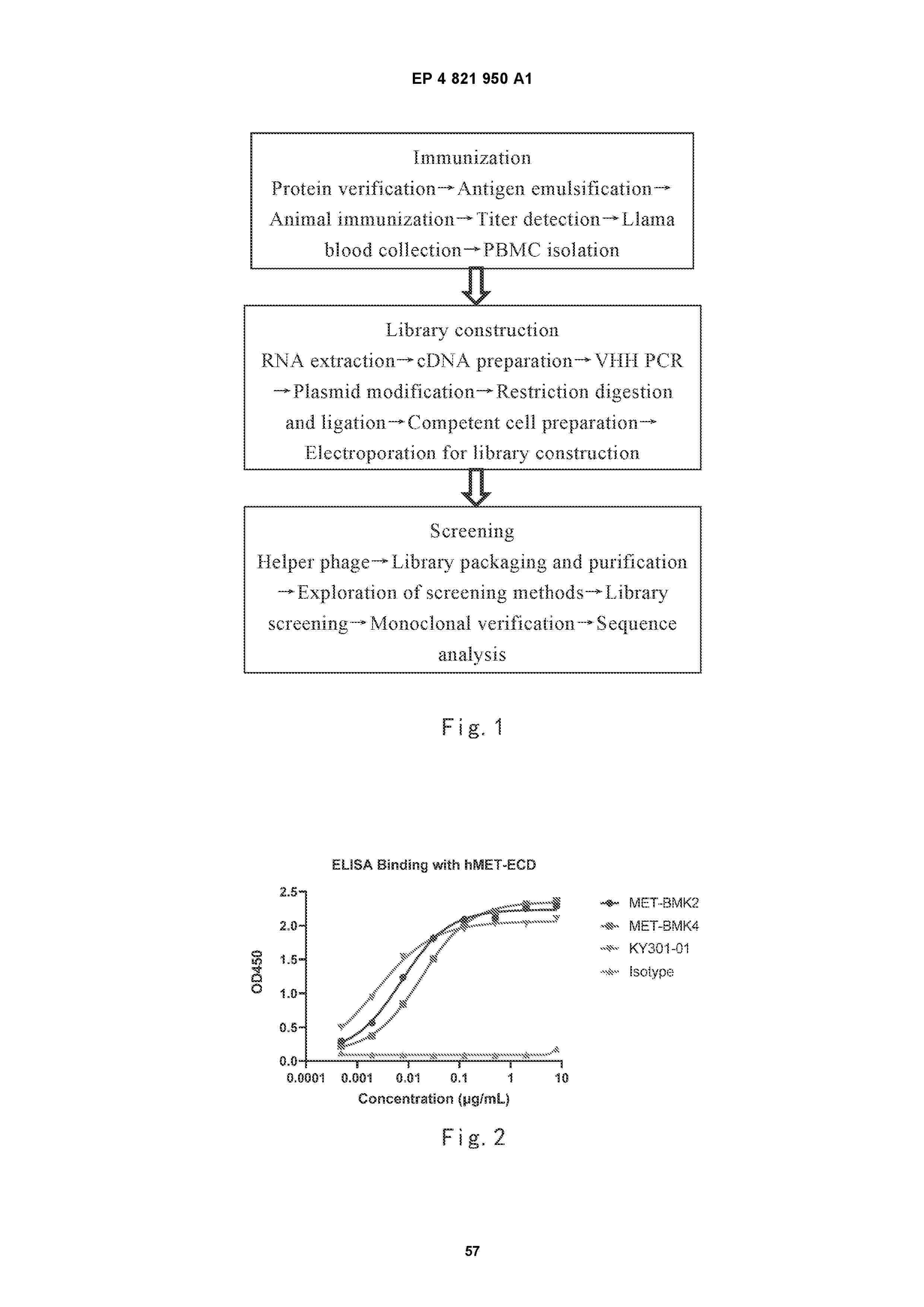
Resumen de: EP4821950A1
0001 Provided is an anti-MET nanobody and an anti-EGFR nanobody, and a bispecific antibody comprising the two nanobodies. Also provided is a drug conjugate constructed on the basis of the nanobodies and the bispecific nanobody.
Resumen de: EP4821491A1
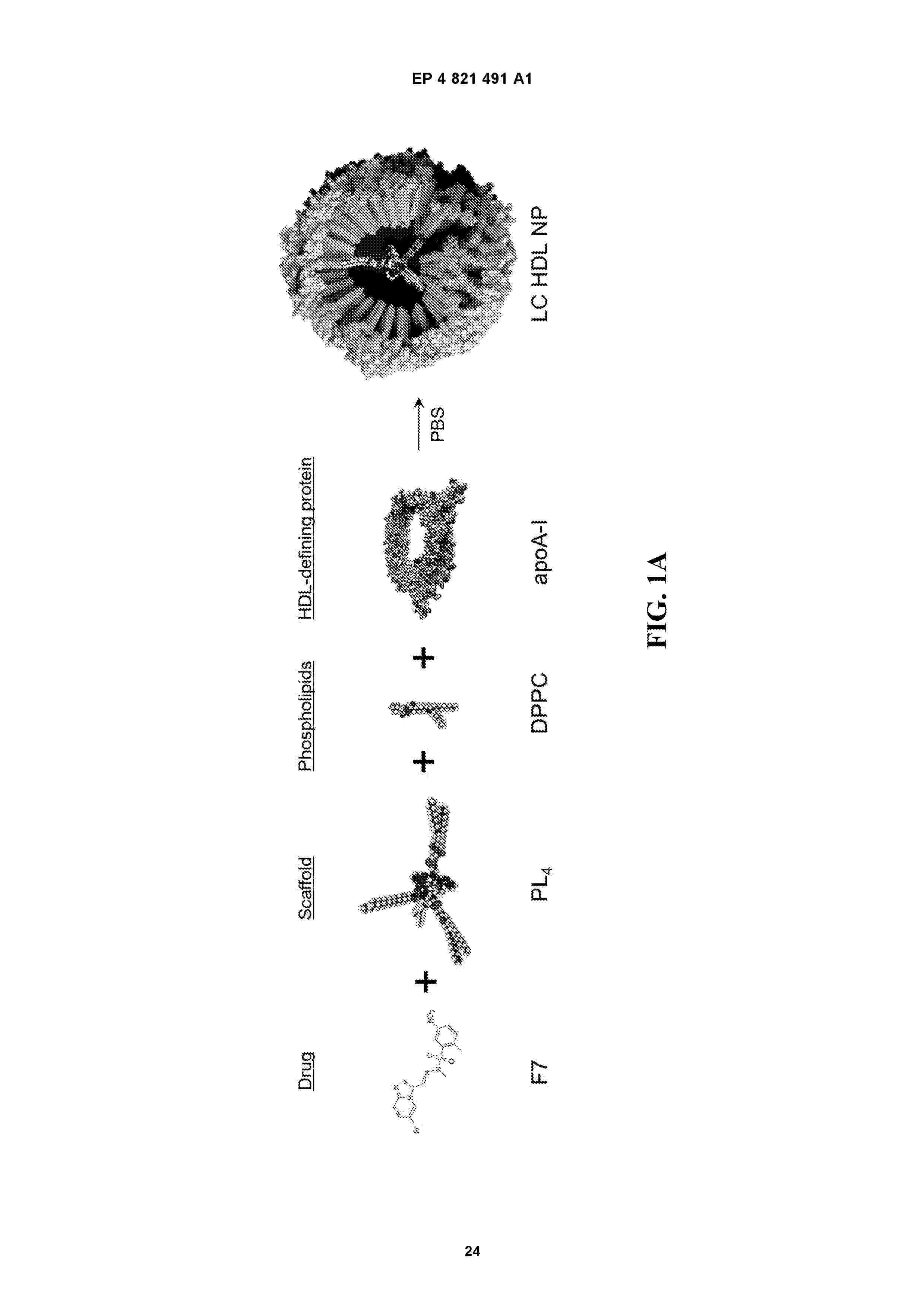
Disclosed herein are high-density lipoprotein-like nanoparticles (HDL-NP) having a soft material core (e.g., a lipid-conjugated inorganic core) associated with hydrophobic therapeutic agents. In some embodiments, the HDL-NPs are targeted to scavenger receptor type B1 (SR-B1). In some embodiments, the hydrophobic therapeutic agents are chemotherapeutic agents. Also disclosed herein are methods for treating disorders such as cancer with the HDL-NPs.
Resumen de: WO2025120230A1
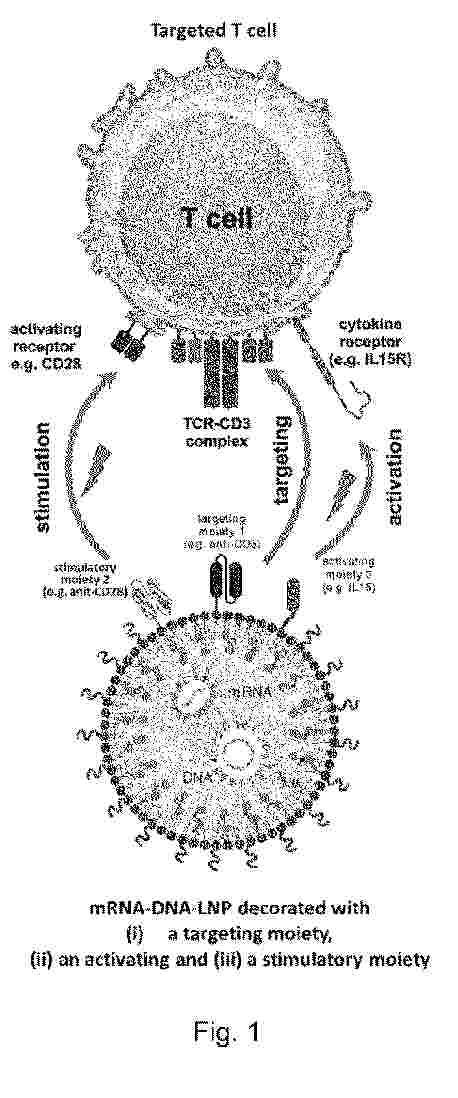
The present invention relates to a lipid nanoparticle (LNP) suitable for transfecting a leukocyte, which nanoparticle comprises an mRNA encoding for a transposase enzyme, and a DNA encoding for an antigen receptor.
Resumen de: EP4822025A1
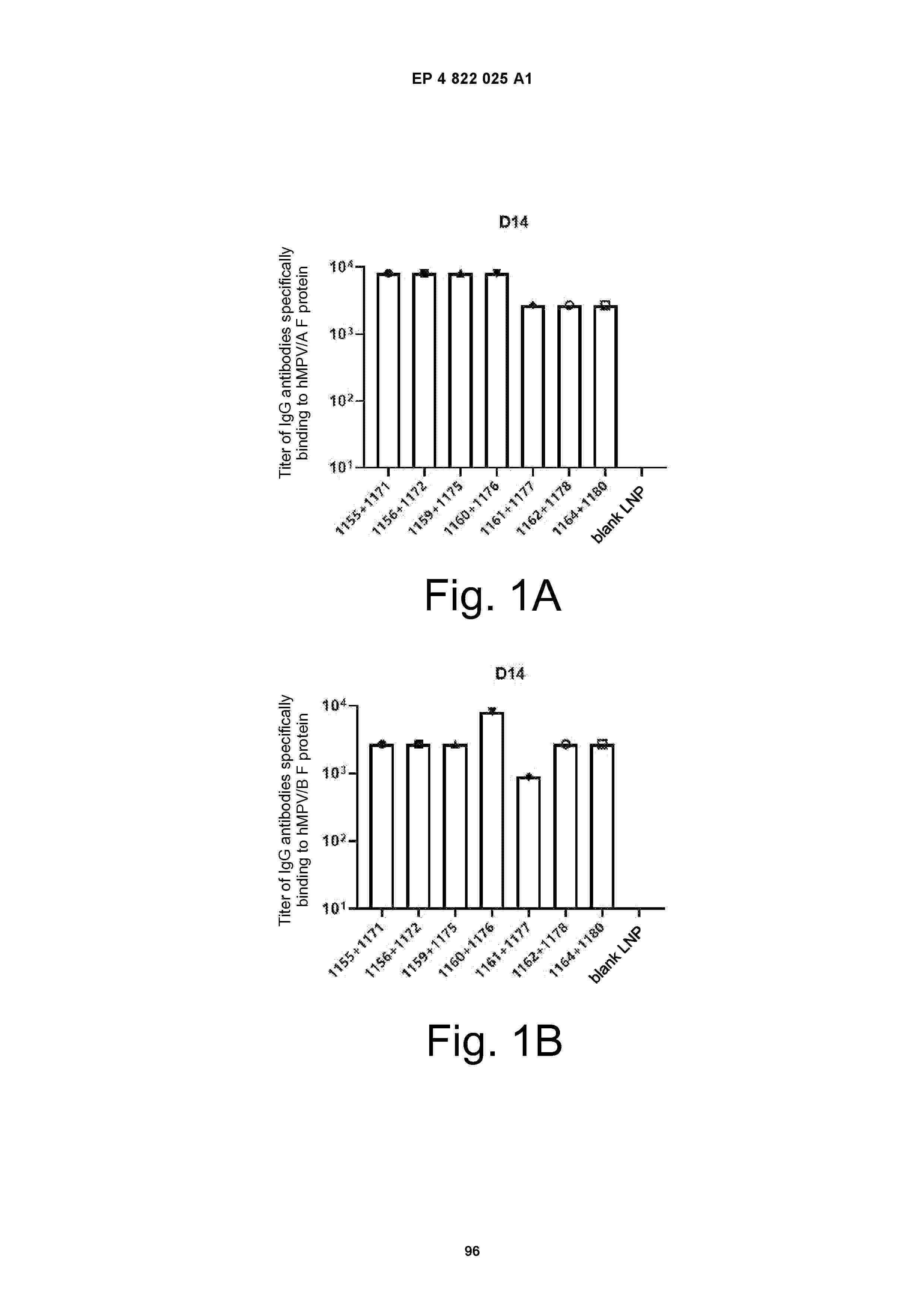
The present invention relates to a metapneumovirus (MPV) vaccine, wherein the nucleic acid comprises a polynucleotide encoding a mutant of an MPV F protein, and the mutant comprises disulfide bond mutations relative to a wild-type MPV F protein.
Resumen de: WO2025116748A1
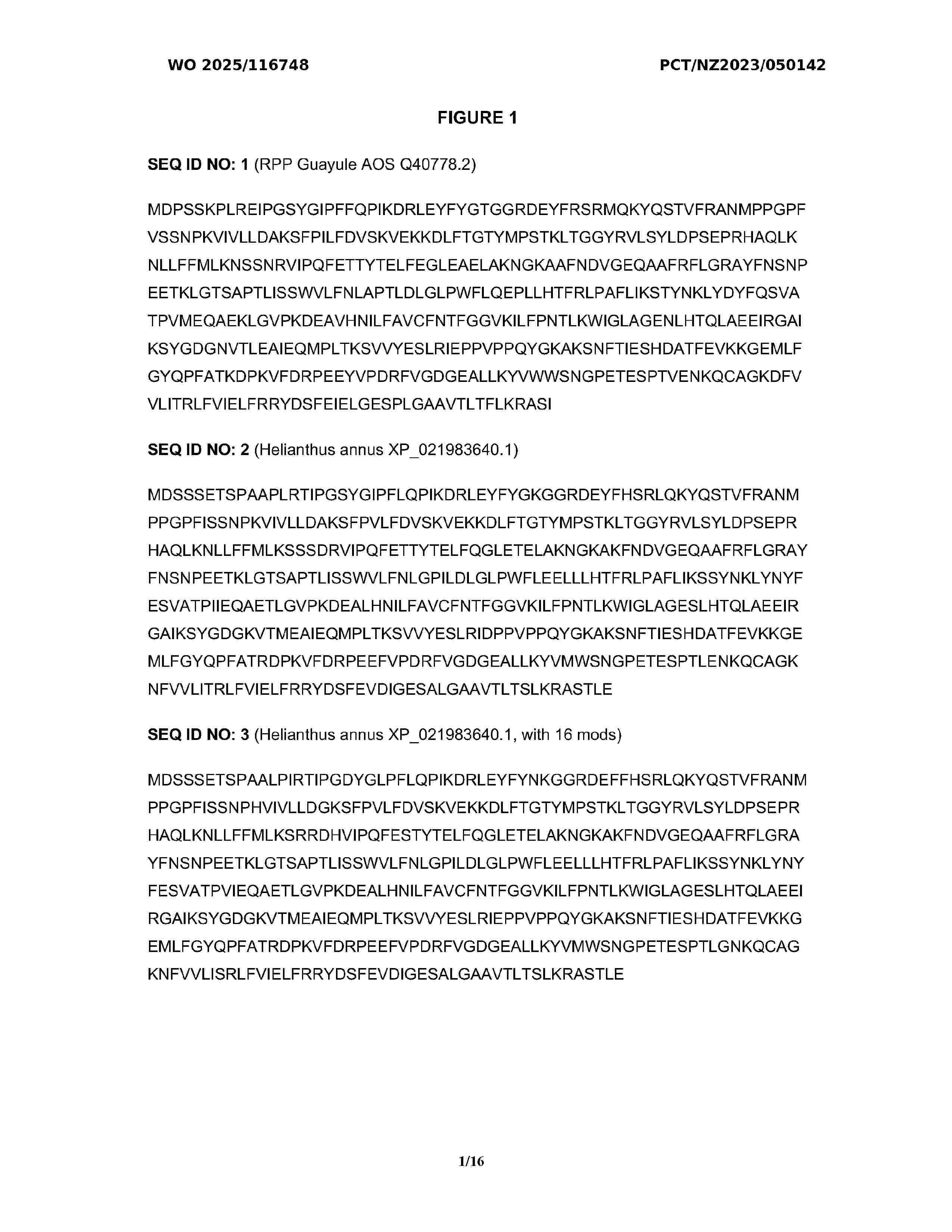
The present disclosure is concerned with compositions comprising monodisperse assemblies of allene oxide synthase (AOS), and in particular compositions and assembles comprising AOS enzymes and polysorbate surfactants. Such compositions have improved enzymatic activity that are particularly useful for remediating biological conditions of oxidative stress.
Resumen de: WO2025064475A2
Disclosed are lipidoid compounds having the structure of formula (X) or formula (I): wherein the groups are as defined in the application. Also disclosed are nanoparticle compositions comprising a lipidoid of the invention that are capable of delivering a therapeutic agent. The application also discloses pharmaceutical compositions comprising a lipidoid composition of the invention.
Resumen de: CN122458969A
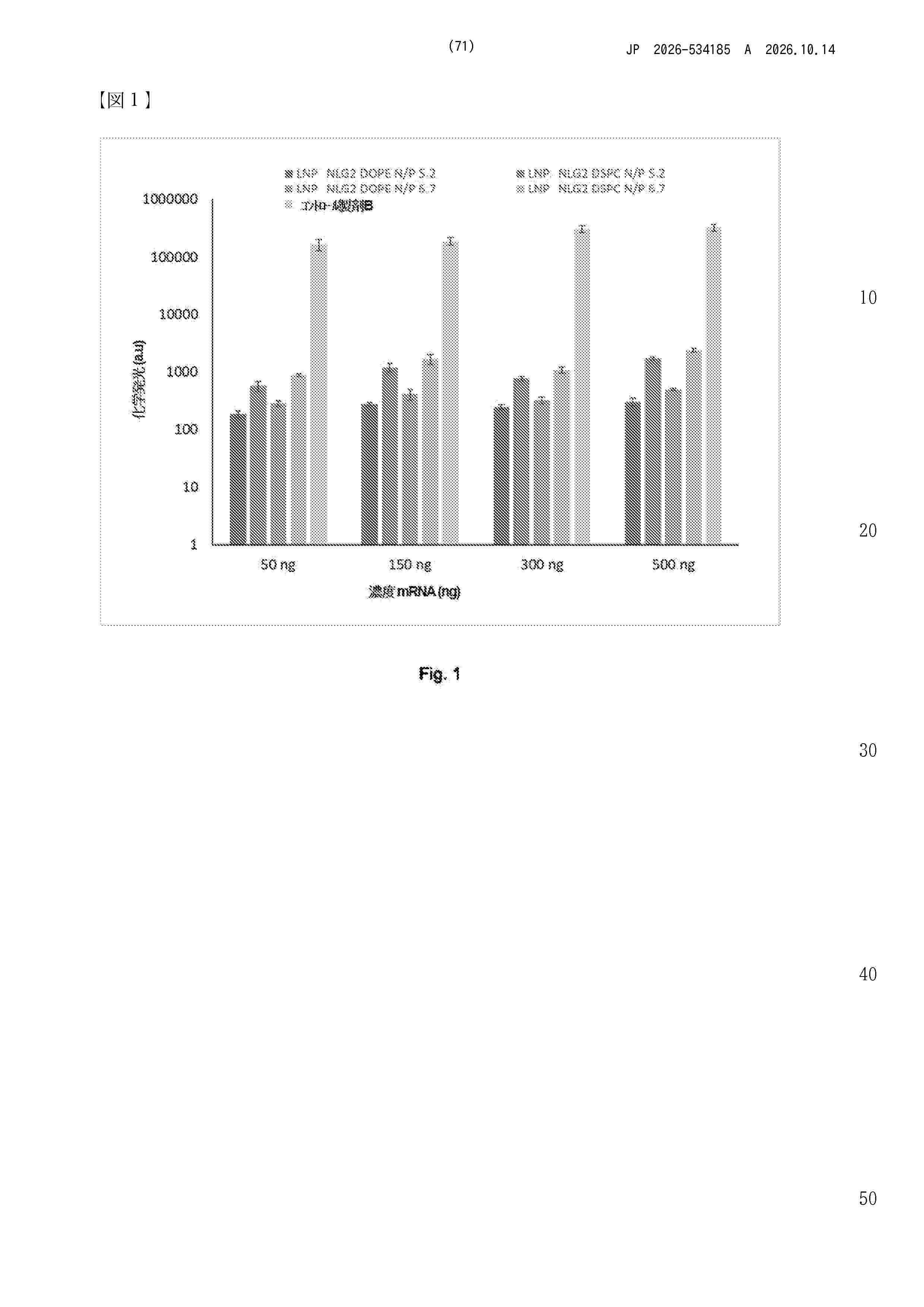
The present invention relates to compositions, in particular to lipid nanoparticles comprising at least one lipid comprising oligoglycerol. The composition is particularly suitable for delivering RNA.
Resumen de: WO2025064825A1
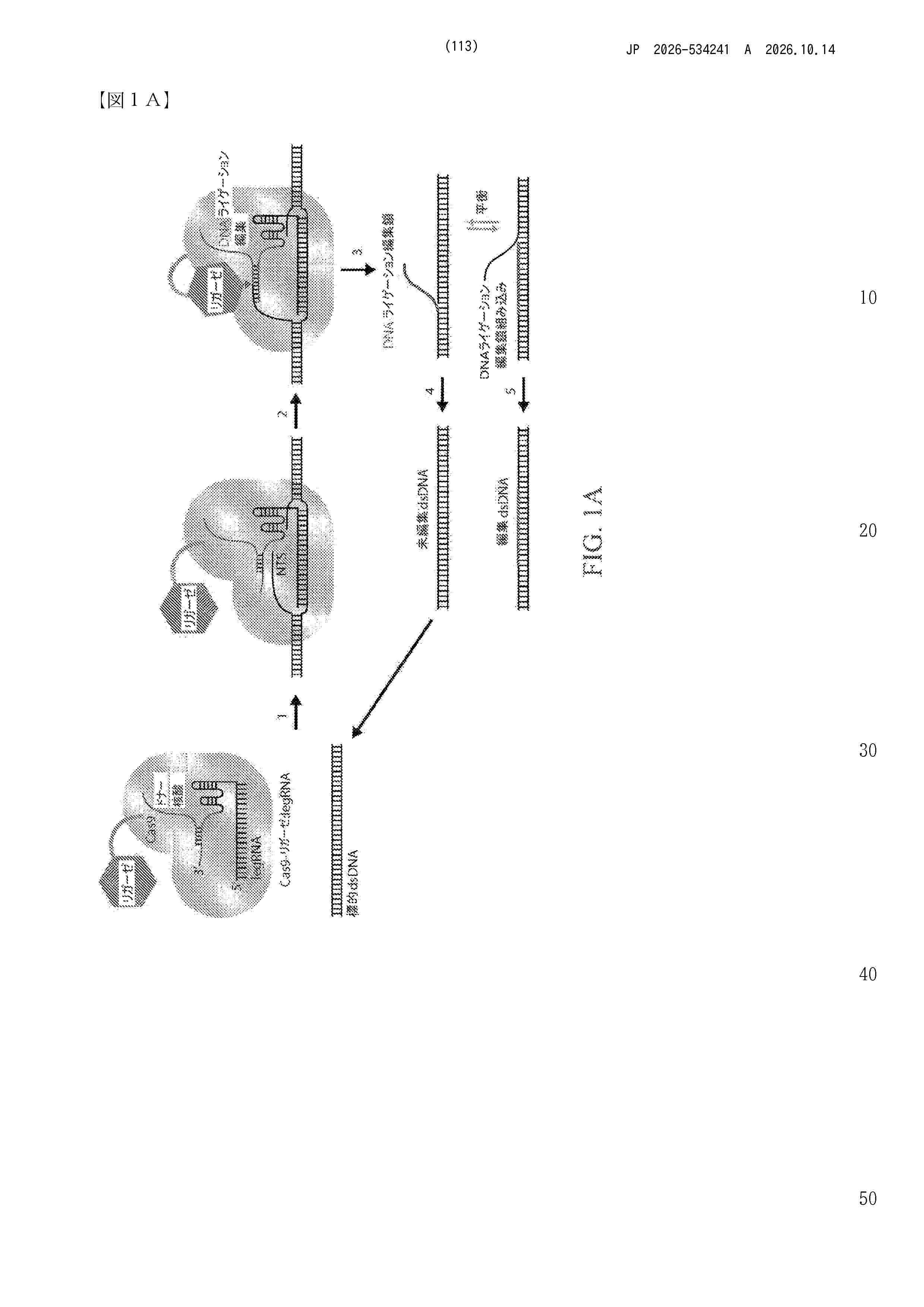
DNA ligase compositions, guide polynucleotides, donor nucleic acids, systems, methods, and uses thereof are provided. Methods of modifying a target nucleic acid and genetically modifying a cell are described. The methods can be used for biotechnology applications, therapeutic treatments and for generating cell therapies for the treatment of various diseases and conditions. Also included are scaffolds and kits comprising the compositions and systems described herein.
Resumen de: WO2025059599A1
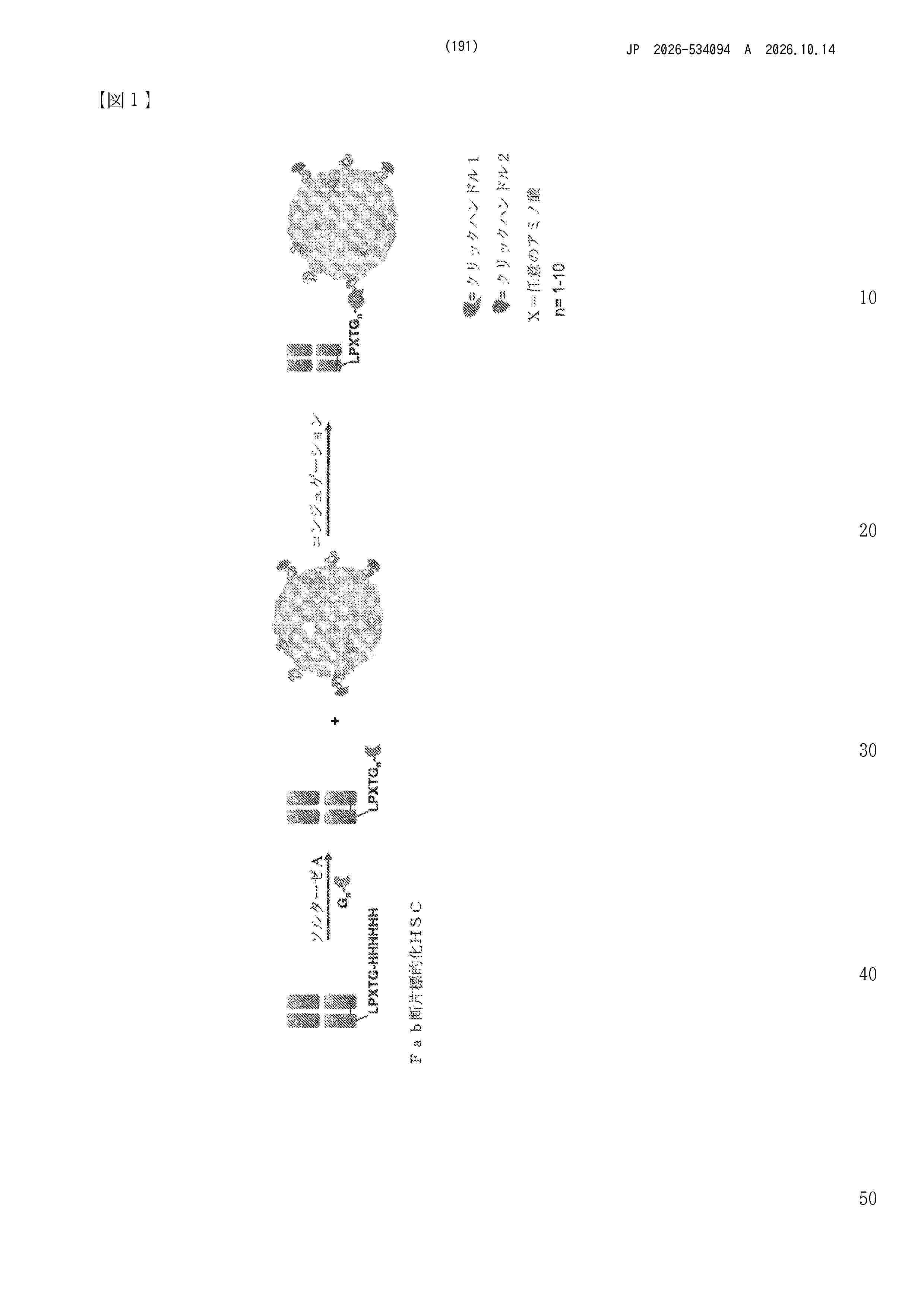
The disclosure provides ionizable lipids for constructing lipid nanoparticles. The disclosure further provides conjugates comprising a targeting moiety and a lipid nanoparticle (LNP) encapsulating a therapeutic agent (e.g., payload) for delivery to immune cells, hematopoietic stem cells (HSCs), or liver cells. The conjugates can be delivered to cells ex vivo or formulated in a pharmaceutical composition to be directly administered to a subject in need thereof (e.g., via in vivo administration).
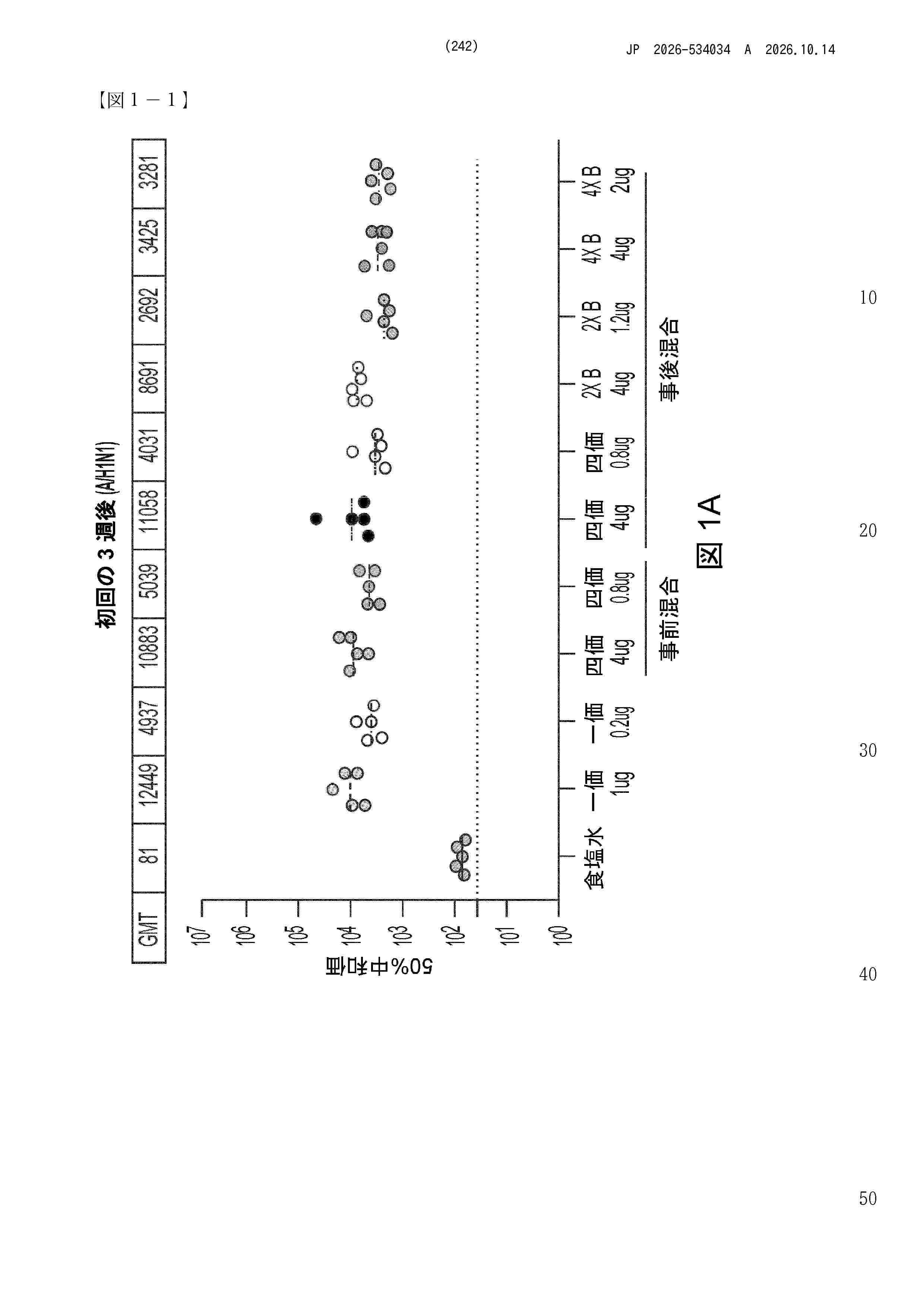
Nº publicación: JP2026534034A 14/10/2026
Solicitante:
ファイザー・インク
Resumen de: MX2026002816A
The invention relates to compositions and methods for the preparation, manufacture and therapeutic use ribonucleic acid vaccines comprising polynucleotide molecules encoding one or more influenza antigens, such as hemagglutinin antigens.
 BOPI
BOPI
 Sede Electrónica