Si deseas distinguir tus productos, servicios o ambos de los de otra empresa, es posible que necesites una marca o nombre comercial. Descubre qué son, en qué consiste su procedimiento de registro y qué implica.

Información sobre los plazos de presentación de solicitudes de transformación de marcas de la Unión Europea en marca nacional española. Más información


Si tienes un nuevo dispositivo, producto o procedimiento que resuelva un problema técnico o tenga una ventaja práctica, existen distintas formas de protegerlo en España y en otros países. Descubre cómo hacerlo.

¿Tu innovación reside en la estética, la ornamentación o la apariencia de tu producto? Protégela mediante un diseño industrial. Descubre qué derechos confiere el registro y cómo realizar la tramitación.

Las indicaciones geográficas protegen el nombre de un producto originario de una zona geográfica, a la cual le debe una determinada calidad, reputación u otra característica. Descubre qué son, en qué consiste su procedimiento de registro y qué beneficios conceden.

Las patentes publicadas en todo el mundo son una valiosa fuente de información científica, técnica y comercial.

Si eres emprendedor/a o una empresa y quieres potenciar y mejorar la rentabilidad de tu negocio protegiendo de forma adecuada los activos intangibles de tu organización, en este espacio encontrarás lo necesario.


 59
resultados
59
resultados
 Última actualización
13/09/2026 [06:45:00]
Última actualización
13/09/2026 [06:45:00]


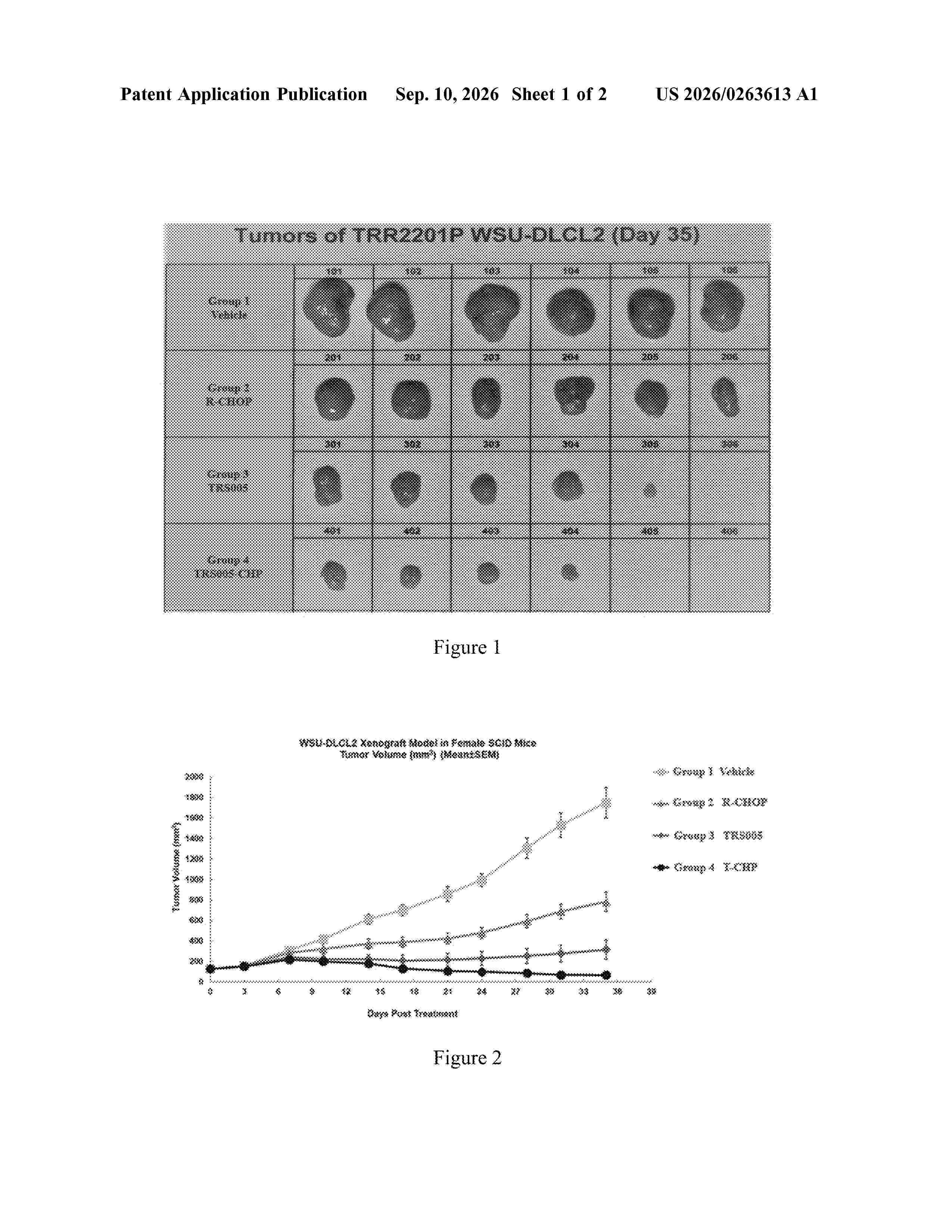
Resumen de: US20260263613A1
The present disclosure discloses a use of a drug combination containing an anti-CD20 antibody drug conjugate (ADC) in the preparation of a drug for treating Non-Hodgkin Lymphoma (NHL). The drug combination includes the anti-CD20 ADC and at least one therapeutic agent. The drug combination therapy has better efficacy than the existing clinical first-line standard therapy. Additionally, it offers several advantages, including fewer types of drugs, shorter infusion time, lower safety risks, and better economic accessibility.

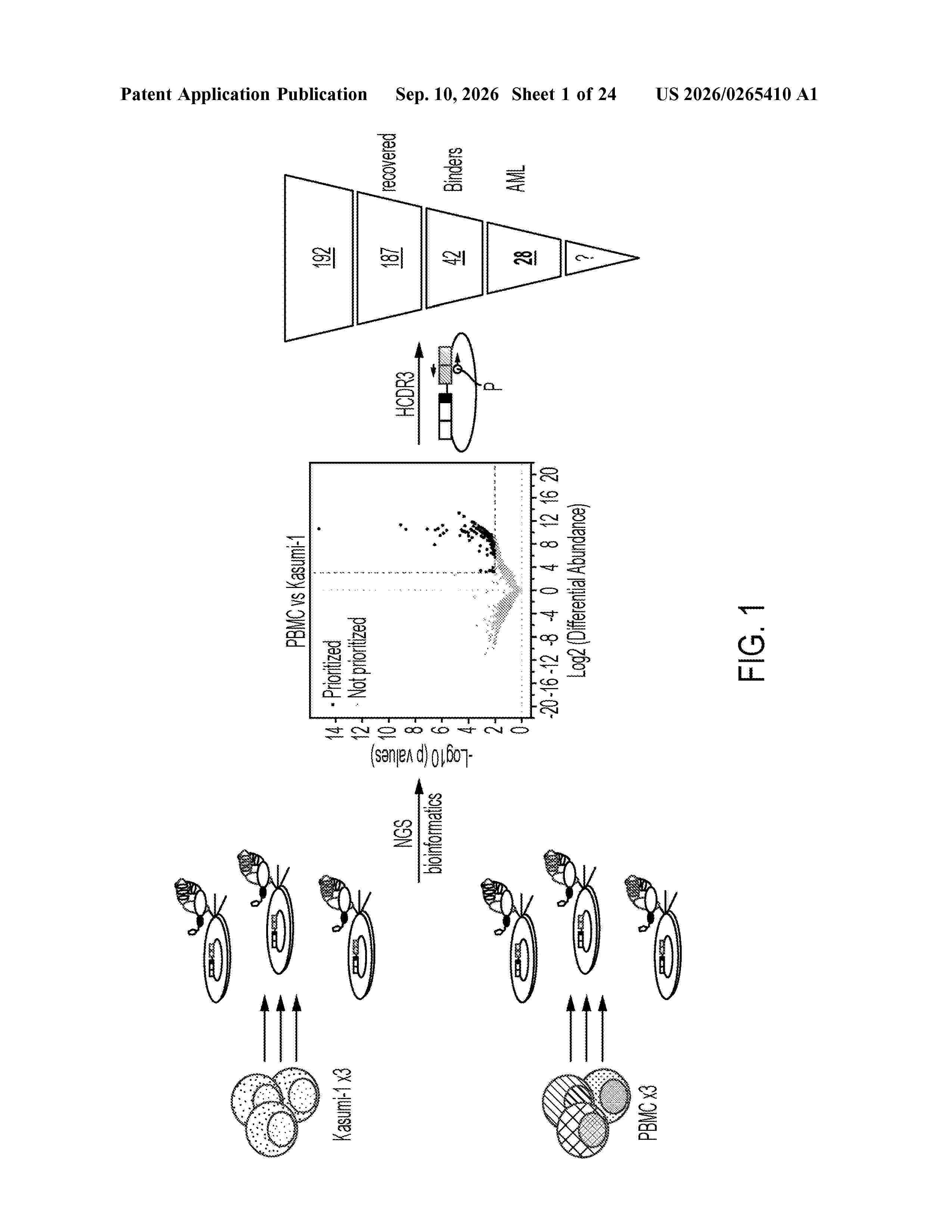
Resumen de: US20260265410A1
The invention provides antibodies, antibody fragments or antigen-binding fragments, as well as related antibody drug conjugates (ADCs) and chimeric antigen receptors (CARs), that specifically recognize an acute myeloid leukemia (AML) cell surface antigen selected from PTPRG, Nectin-1, and endoglin. Also provided in the invention are methods of using such antibodies in various diagnostic and therapeutic applications for hematologic malignancies including acute myeloid leukemia (AML).
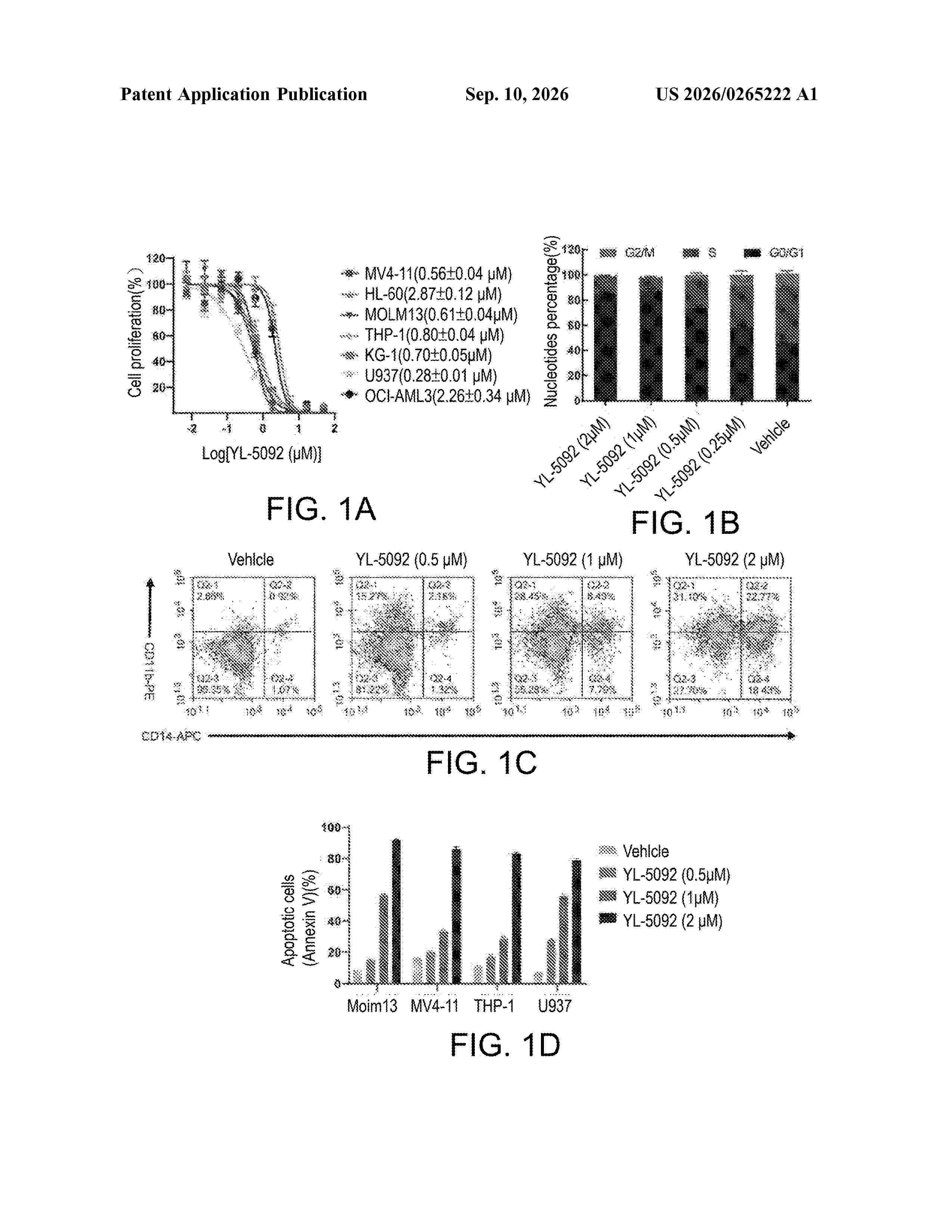
Resumen de: US20260265222A1
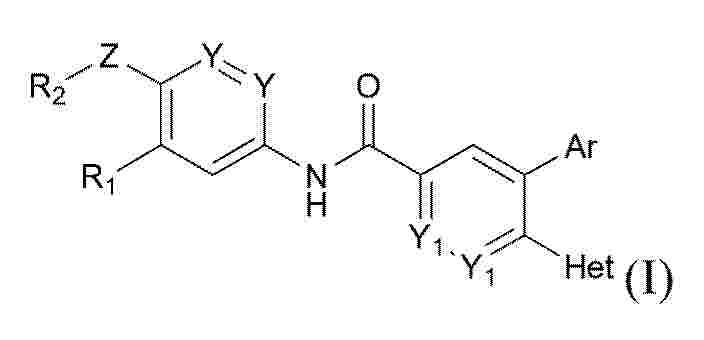
The present invention relates to the field of chemical medicines. Disclosed are a 1H-pyrrole-2-amide derivative and a use thereof. In order to obtain a specific inhibitor for an m6A-modified RNA reader protein YTHDC1 of AML, the present invention provides a 1H-pyrrole-2-amide derivative as shown in formula I, wherein said derivative has high inhibitory activity against YTHDC1. In-vitro experiments prove that said derivative can effectively inhibit the proliferation of acute myeloid leukemia cells, significantly arrest a cell cycle of the acute myeloid leukemia cells in the G0/G1 phase, and induce differentiation and apoptosis of the acute myeloid leukemia cells. A compound and a salt thereof or a pharmaceutical composition of the 1H-pyrrole-2-amide derivative of the present invention provide new options for anti-tumor drug development targeting YTHDC1 in the art, and have good application prospects.
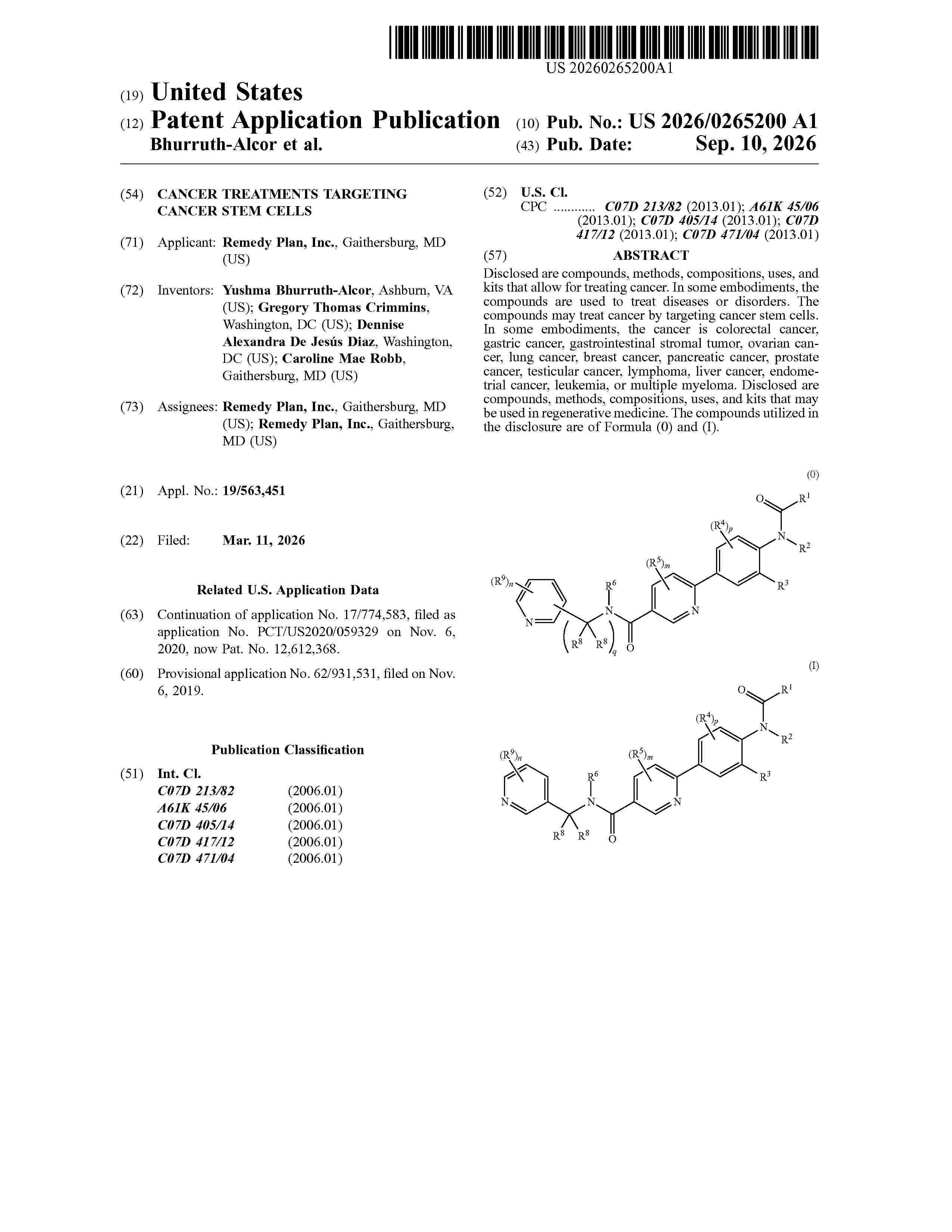
Resumen de: US20260265200A1
Disclosed are compounds, methods, compositions, uses, and kits that allow for treating cancer. In some embodiments, the compounds are used to treat diseases or disorders. The compounds may treat cancer by targeting cancer stem cells. In some embodiments, the cancer is colorectal cancer, gastric cancer, gastrointestinal stromal tumor, ovarian cancer, lung cancer, breast cancer, pancreatic cancer, prostate cancer, testicular cancer, lymphoma, liver cancer, endometrial cancer, leukemia, or multiple myeloma. Disclosed are compounds, methods, compositions, uses, and kits that may be used in regenerative medicine. The compounds utilized in the disclosure are of Formula (0) and (I).
Resumen de: US20260265390A1
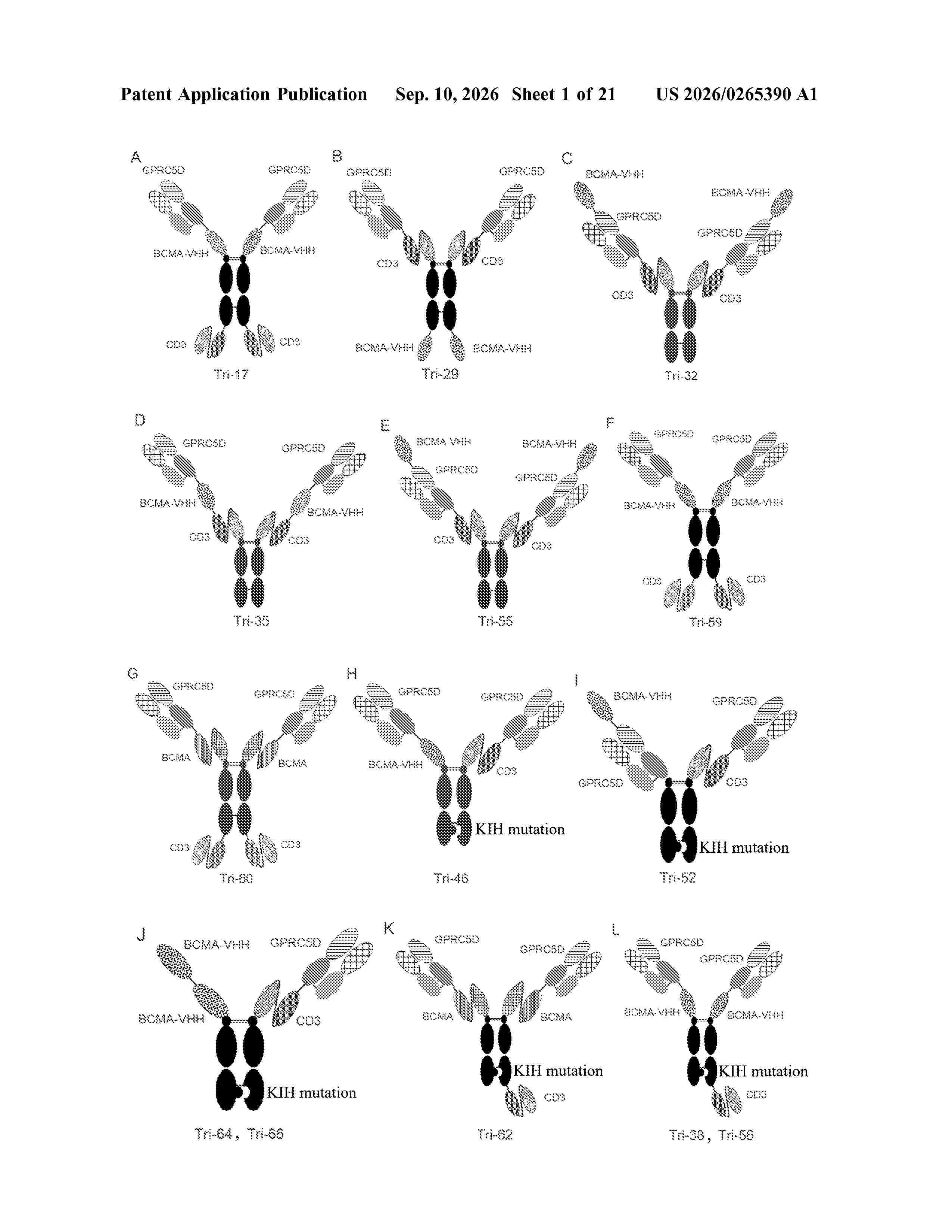
The present application relates to a multi-specific binding molecule targeting BCMA, GPRC5D and a T cell receptor. In particular, the present application discloses a multi-specific antibody against BCMA, GPRC5D and CD3, which can bind to a tumor surface antigen while activating T cells, thereby promoting the specific killing of tumor cells, in particular BCMA-positive or GPRC5D-positive multiple myeloma, by T cells. The present application further provides a preparation method for and the application of the multi-specific binding molecule.
Resumen de: US20260263522A1
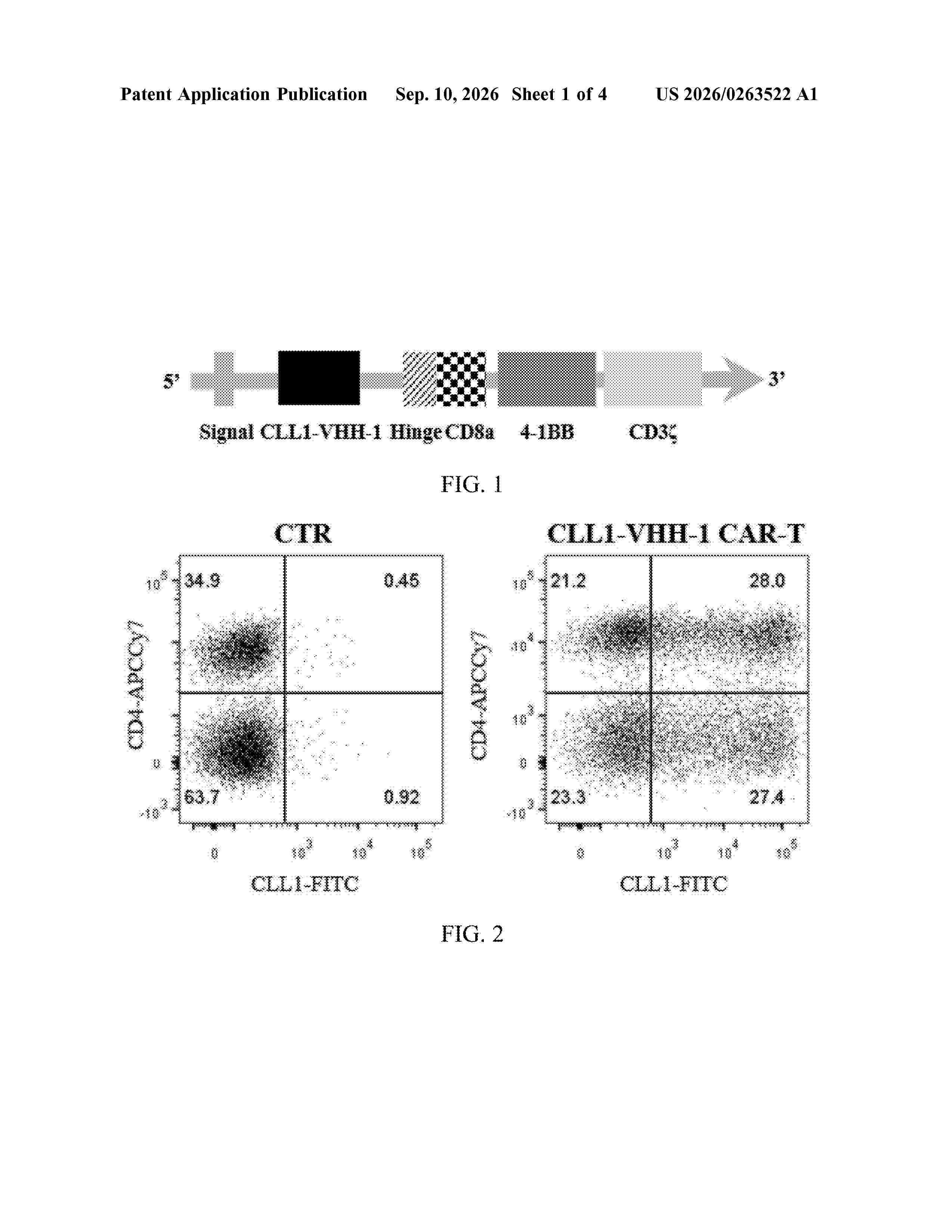
A CLL1-CAR-T cell contains a chimeric antigen receptor, which includes a single-domain antibody, a hinge region, a transmembrane region, and an intracellular signaling region. The amino acid sequence of the single-domain antibody corresponds to positions 22-150 of SEQ ID NO: 1. The CLL1-VHH-1 CAR-T cells can effectively secrete the T-cell-specific effector molecule IFN-γ, specifically and efficiently kill CLL1+ target cells, and exhibit favorable in vivo anti-tumor activity. They not only significantly inhibit the proliferation of tumor cells in mice but also markedly prolong the survival time of mice. The CLL1-VHH-1 CAR-T cells demonstrate excellent anti-tumor capabilities and can be used for immunotherapy of diseases related to the CLL1 target, such as acute myeloid leukemia, presenting broad prospects for clinical applications.
Resumen de: US20260265404A1
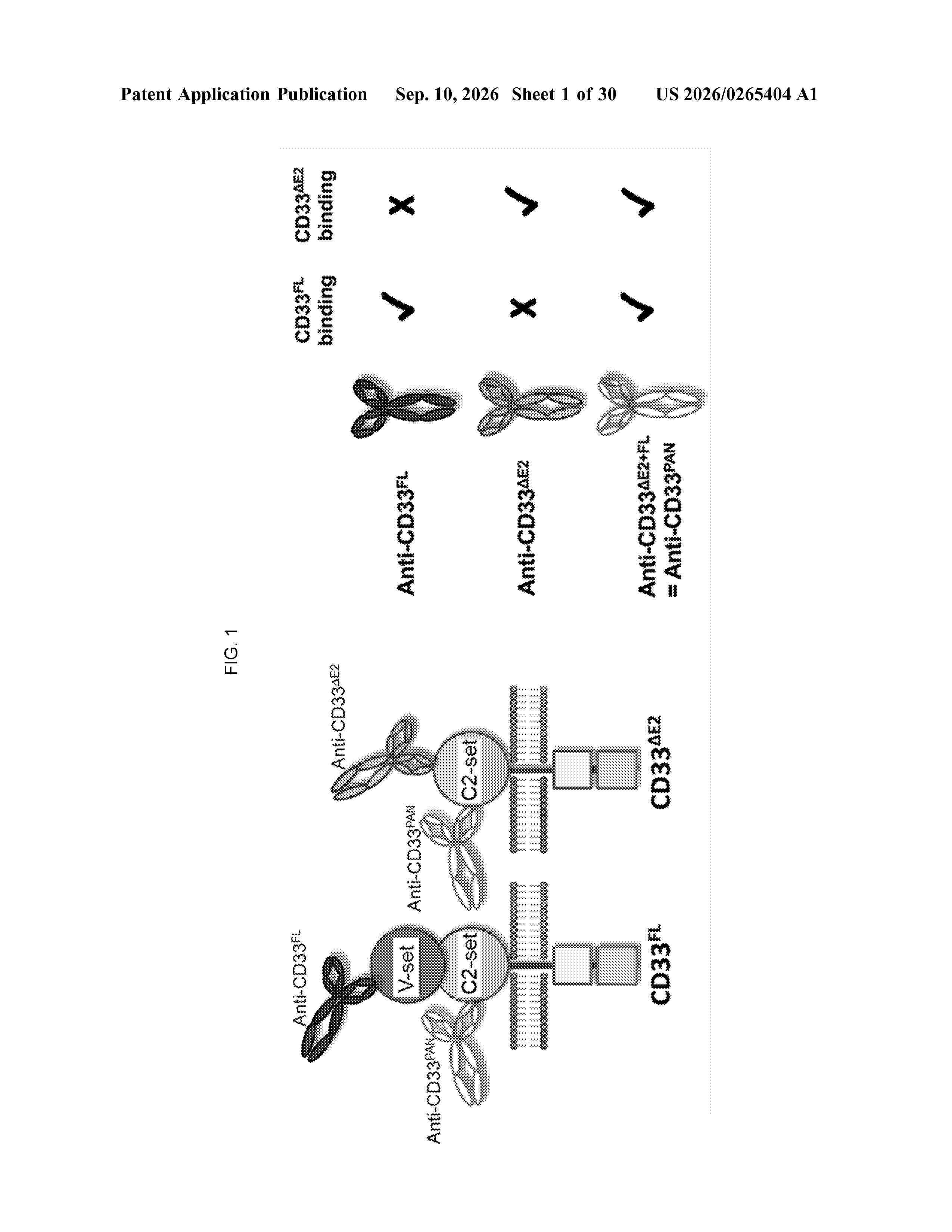
A suite of novel human anti-CD33 antibodies is described. The provided antibodies are pan-binders, binding the C2-set Ig-like domain in the presence or absence of the V-set Ig-like domain of CD33 or are V-set binders, binding the V-set Ig-like domain of CD33. The antibodies provide novel therapeutic and diagnostic tools against CD33-related disorders, such as acute myeloid leukemia (AML).
Resumen de: WO2025094107A1
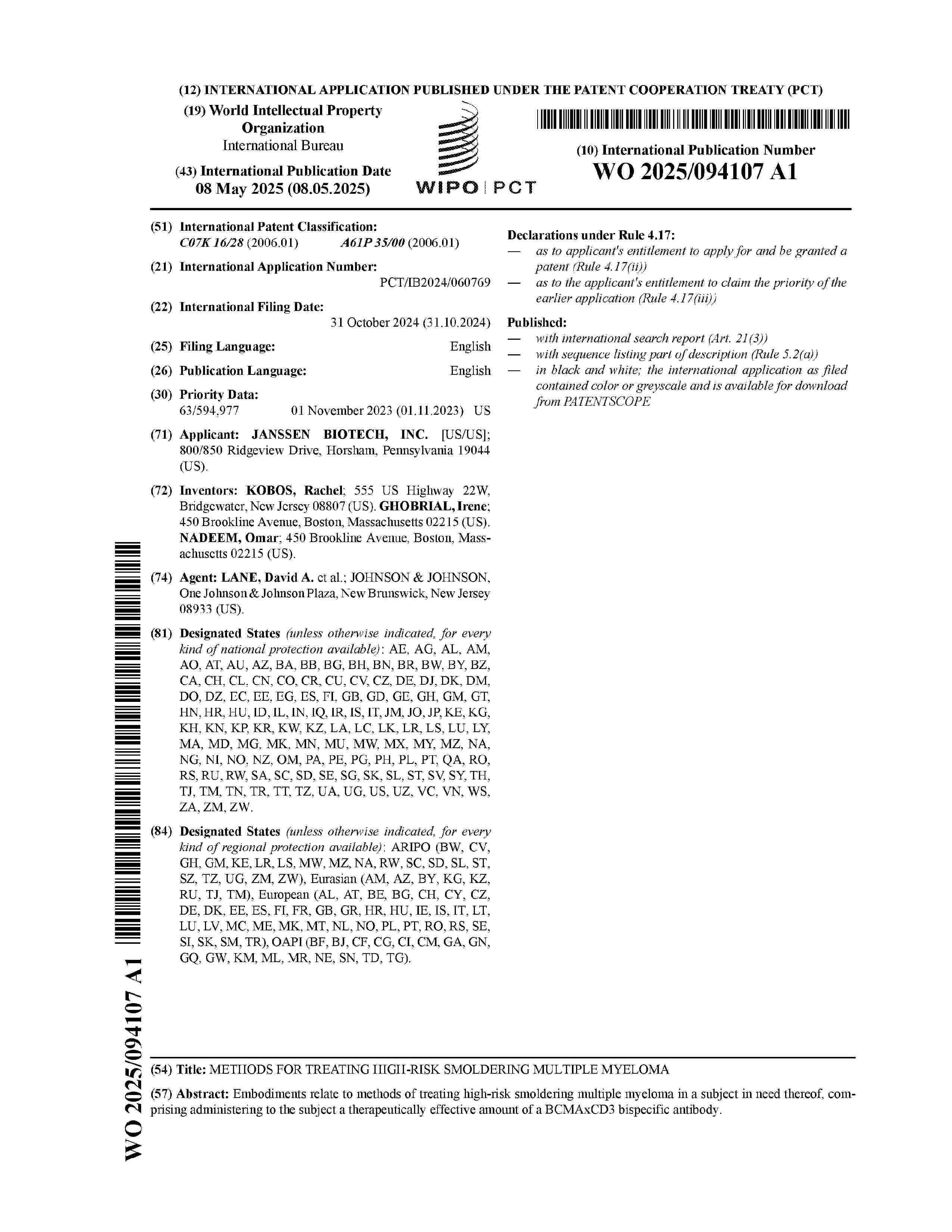
Embodiments relate to methods of treating high-risk smoldering multiple myeloma in a subject in need thereof, comprising administering to the subject a therapeutically effective amount of a BCMAxCD3 bispecific antibody.
Resumen de: WO2025094085A1
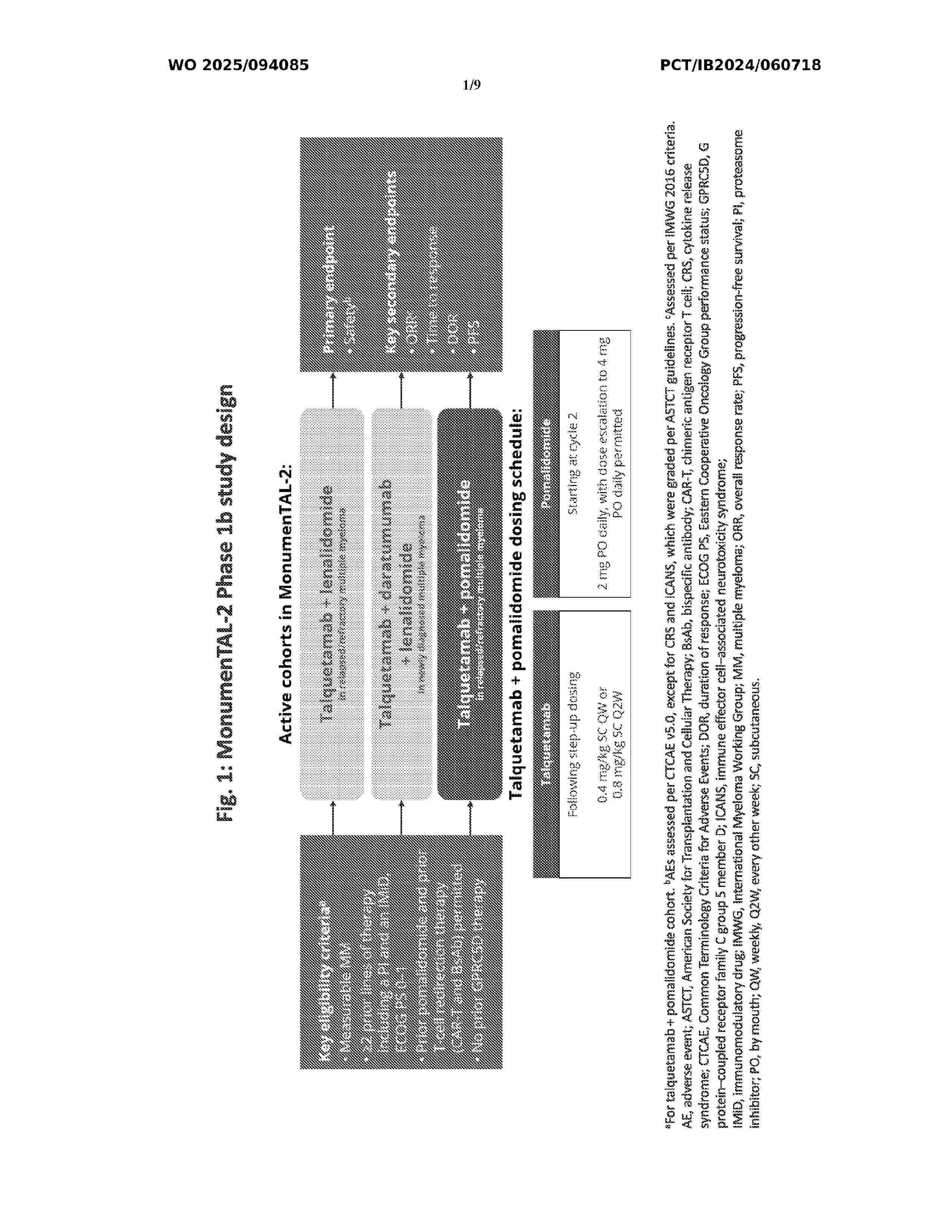
Embodiments of the present invention relate to methods of treating multiple myeloma in a subject in need thereof by administering therapeutically effective combination regimens comprising a GPRC5DxCD3 bispecific antibody and one or more of pomalidomide, daratumumab or lenalidomide.
Resumen de: WO2025096844A2
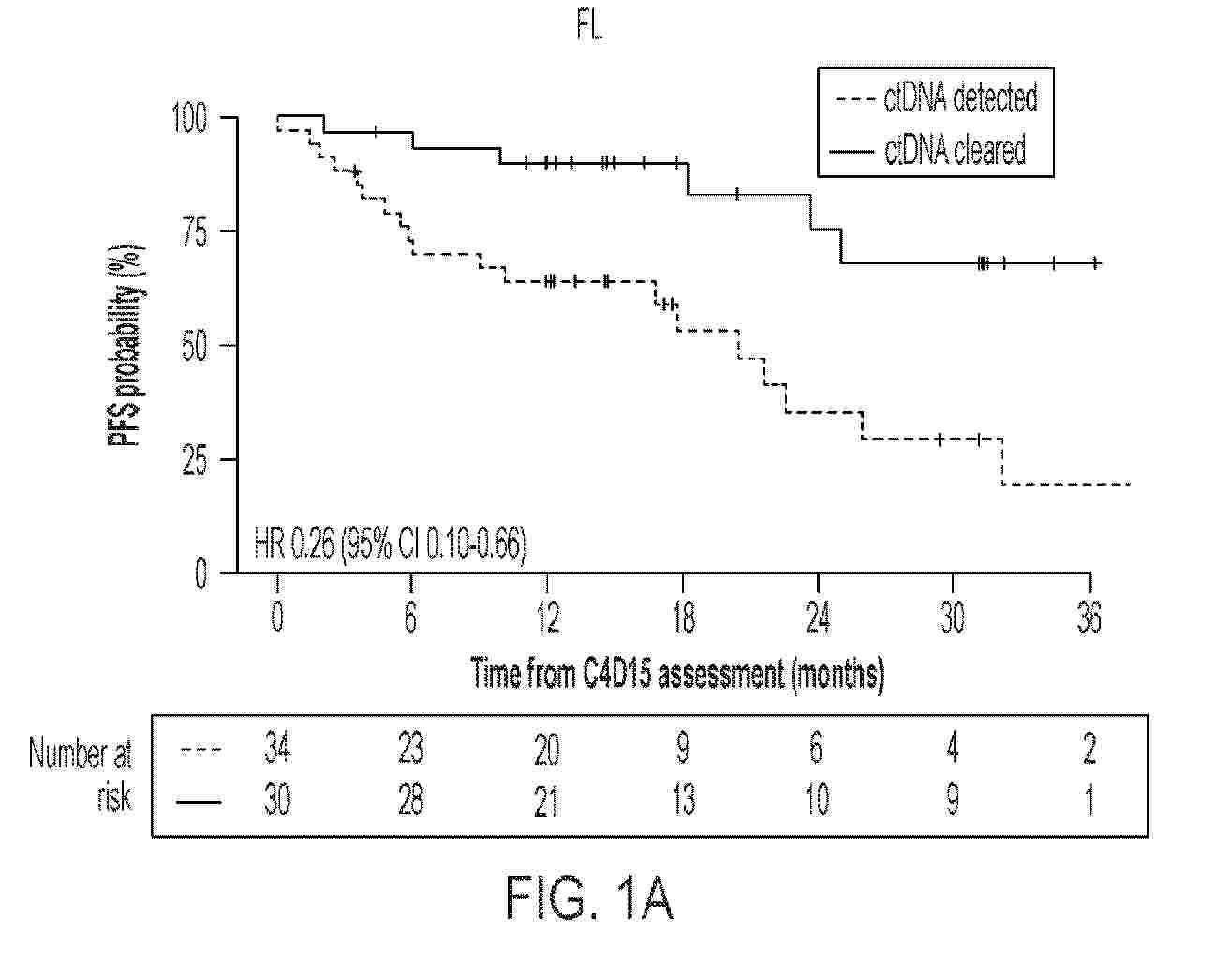
The present disclosure provides methods of treating lymphoma comprising administering a bispecific CD20xCD3 antibody to a patient in need thereof, wherein the patient is selected on the basis of exhibiting a modified level of circulating tumor (ct) DNA. In certain embodiments, the present disclosure provides methods of identifying a patient with lymphoma who is likely to respond favorably to therapy comprising a bispecific CD20xCD3 antibody.
Resumen de: WO2025097146A1
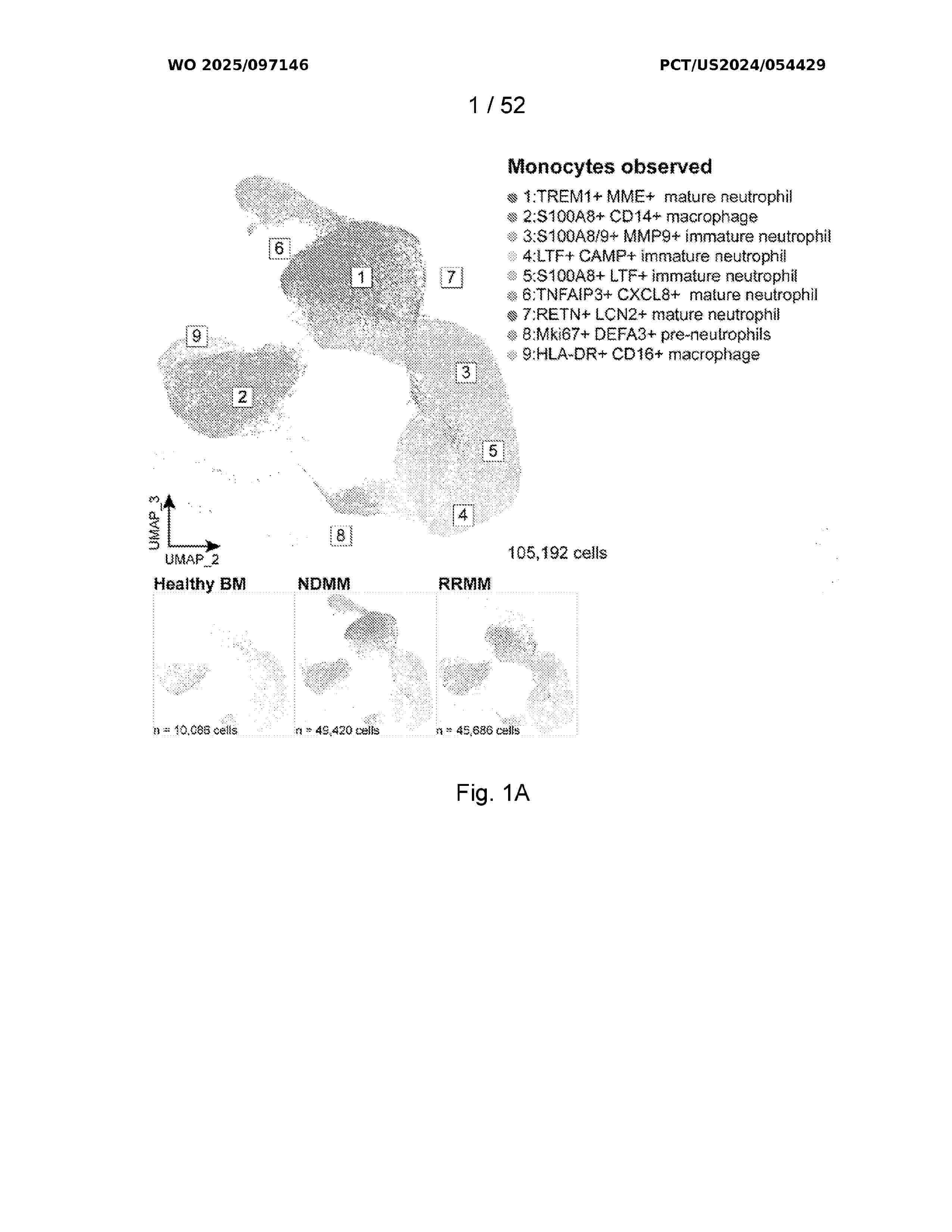
Provided are methods for treating an individual diagnosed with multiple myeloma (MM) by administering to the individual a therapeutically effective amount of a C-X-C motif chemokine receptor 2 (CXCR2) inhibitor to thereby inhibit progression of the MM. Combining CXCR2 blockade with standard of care agents has a synergistic anti-MM effect. Also provided are characterizations of MM patient neutrophils with identification of markers that reveal distinct subsets of neutrophils found in bone marrow and focal lesions of MM patients.
Resumen de: EP4803153A2
The present invention relates to methods of treatment of acute myeloid leukemia with anti-CD38 antibodies.
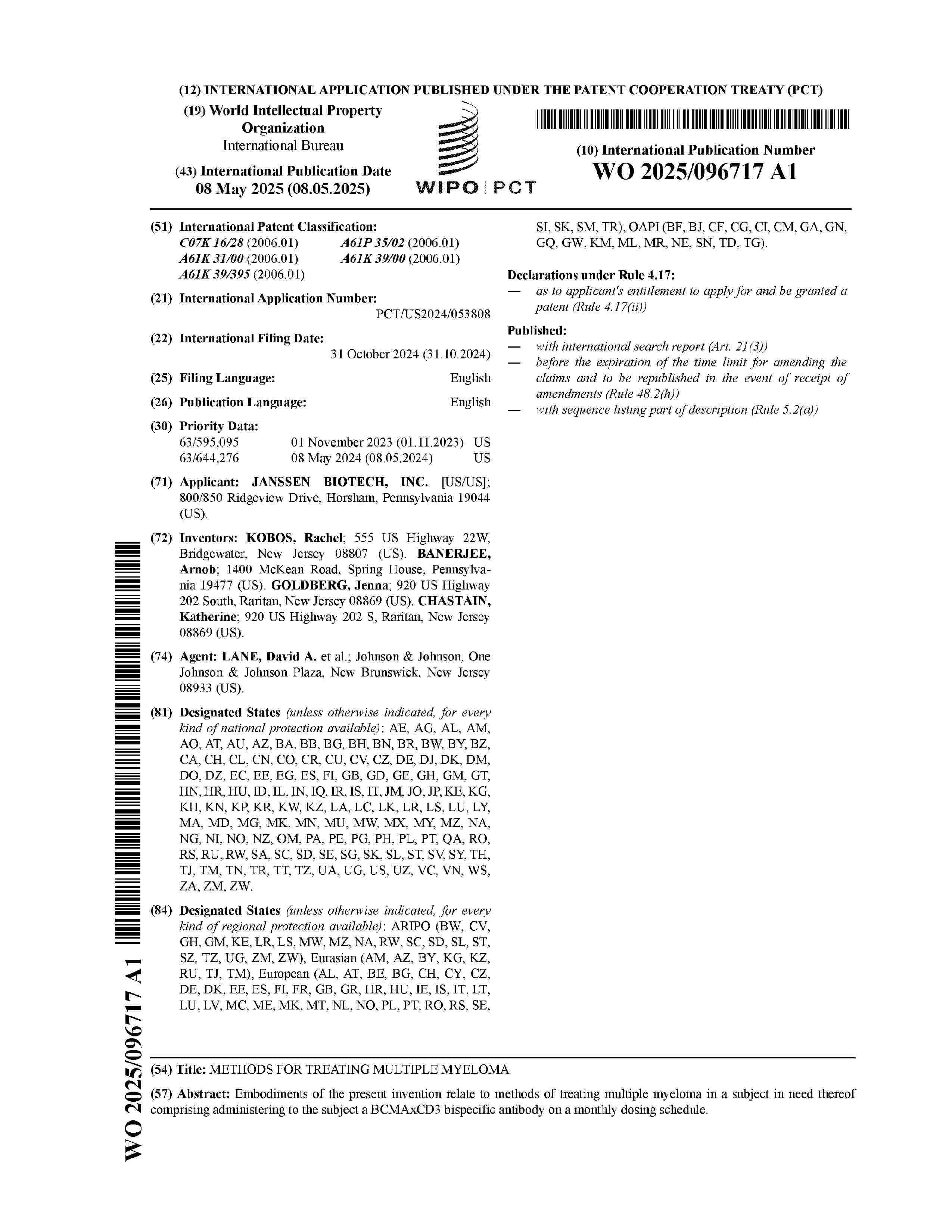
Resumen de: WO2025096717A1
Embodiments of the present invention relate to methods of treating multiple myeloma in a subject in need thereof comprising administering to the subject a BCMAxCD3 bispecific antibody on a monthly dosing schedule.
Resumen de: EP4803080A1
Provided is a method for treating chronic-phase and/or accelerated-phase and/or blast-phase chronic myelogenous leukemia and/or acute lymphoblastic leukemia in a subject by administering to the subject a compound of formula (I) or a pharmaceutically acceptable salt, crystal form, solvate or hydrate thereof. Also provided is a use of the compound of formula (I) or the pharmaceutically acceptable salt, crystal form, solvate or hydrate thereof in combination with an ATP-competitive BCR-ABL1 inhibitor.
Resumen de: WO2025096692A2
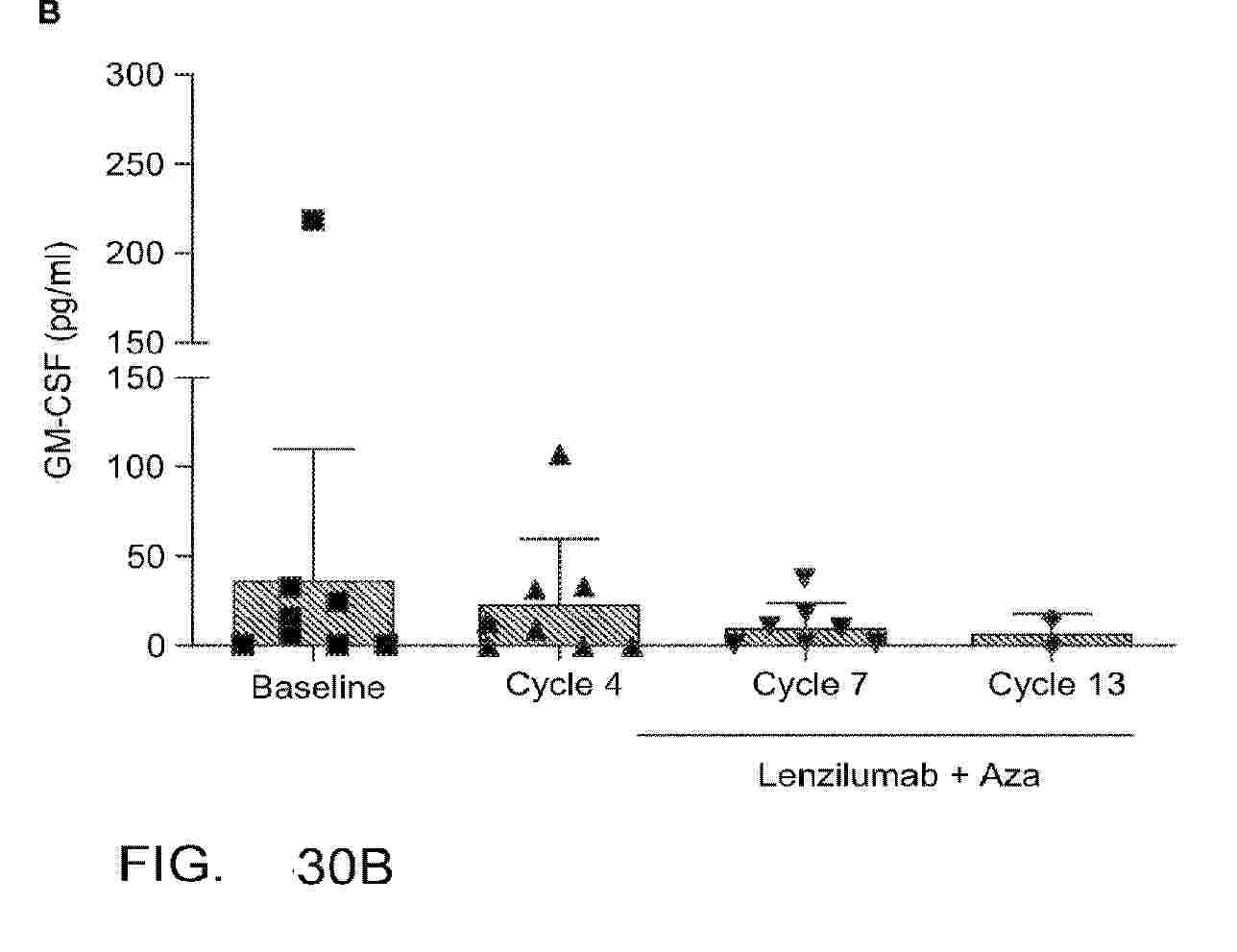
Provided herein are methods for treating a subject having chronic myelomonocytic leukemia (CMML), the method comprising: (a) identifying a RAS pathway mutation in tumor cells of the subject, wherein the RAS pathway mutation is a NRAS, KRAS, PTPN-11 and/or CBL mutation; (b) identifying a dominant CBL mutation of CBL variant allele frequency of from <5% to >10%; and (c) administering to the subject identified in step (a) a therapeutically effective amount of an anti-hGM-CSF antibody. Also provided herein are methods for treating a subject having chronic myelomonocytic leukemia (CMML), the method comprising: (a) identifying a RAS pathway mutation in tumor cells of the subject, wherein the RAS pathway mutation is a NRAS, KRAS, PTPN-11 and/or CBL mutation; (b) identifying a dominant CBL mutation of CBL variant allele frequency of from <5% to >10%; and (c) administering to the subject identified in step (a) a therapeutically effective amount of an anti-hGM-CSF antibody lenzilumab and a therapeutically effective amount of a second therapeutic agent. The subject may have a RAS pathway mutation or a RAS pathway mutation and at least one TET2 mutation identified in the tumor cells, an increased percentage of CD116 and CD131 in CD34+ stem and progenitor cells in the subject compared to a healthy subject and/or an increased percentage of CD14+ cells in the subject compared to a healthy subject. A therapeutically effective amount of a hypomethylating agent or hydroxyurea may be further ad
Resumen de: WO2025093666A1
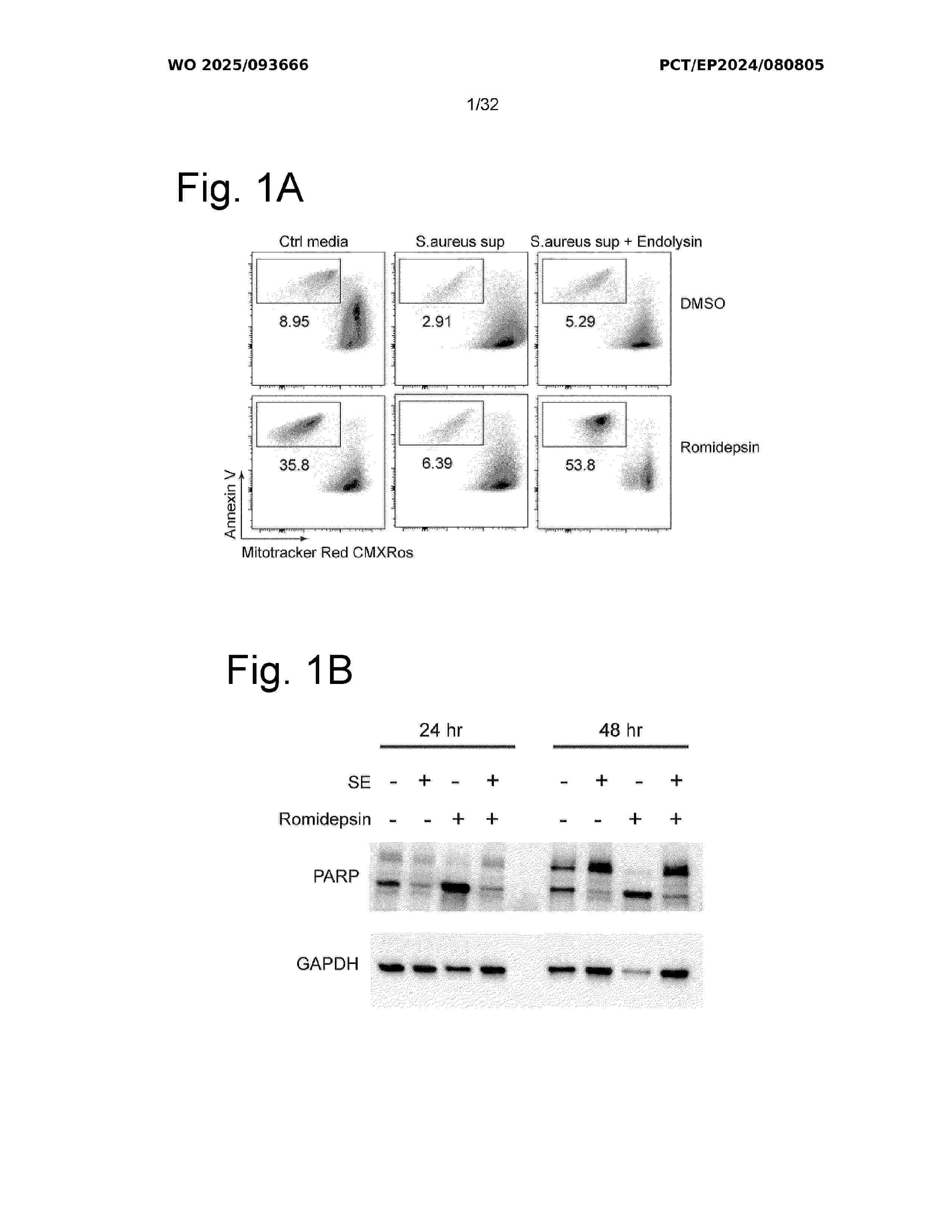
The invention relates to the field of medicine, more specifically to treatment of lymphoma.
Resumen de: US20260256912A1
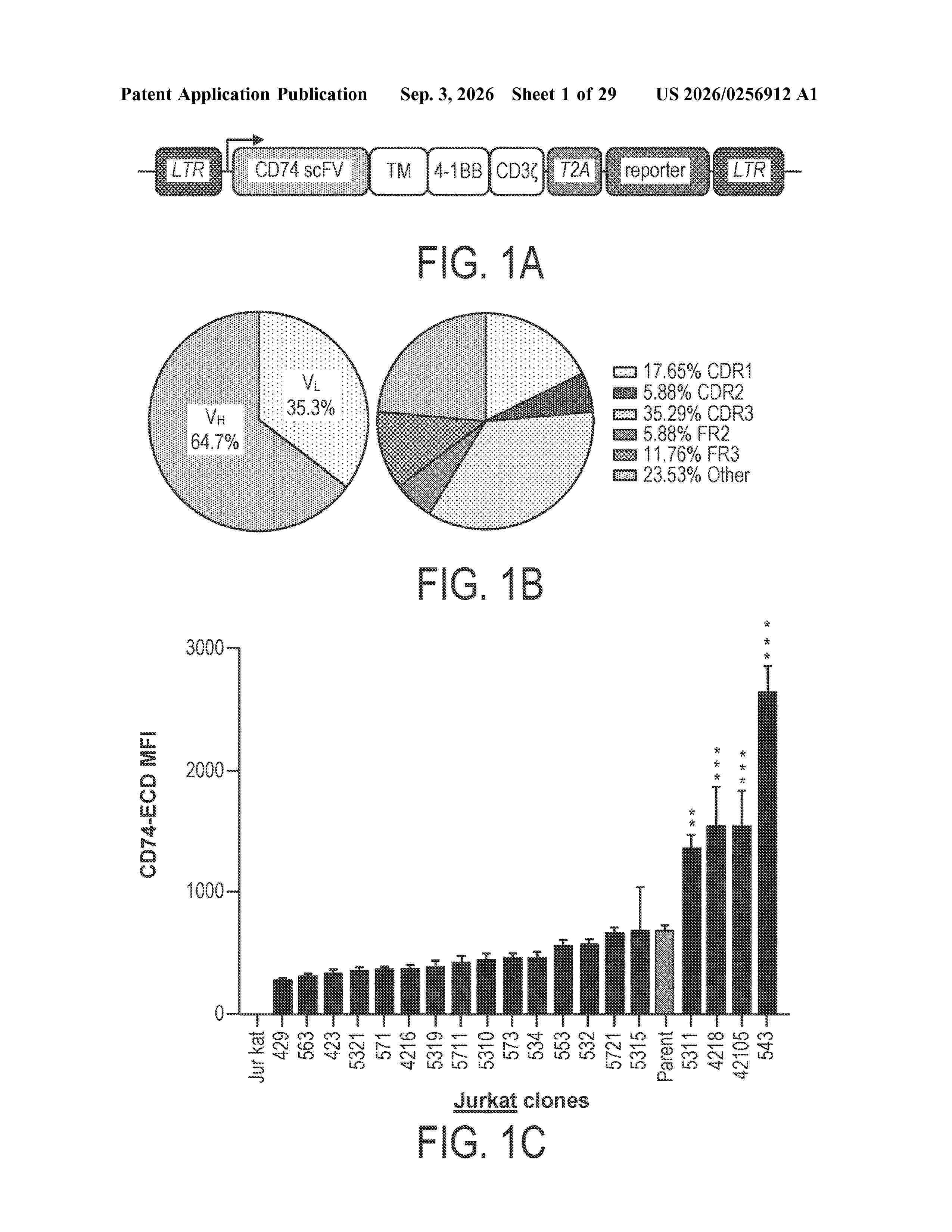
0000 The present disclosure provides for a chimeric antigen receptor (CAR) polypeptide comprising a CD74 antigen binding domain, a transmembrane domain, an intracellular signaling domain, and a co-stimulatory signaling region. Further provided herein is an isolated nucleic acid encoding the recombinant polypeptide as disclosed herein, a vector comprising the isolated nucleic acid, and a cell comprising the vector. Also provided herein is a method of treating lymphoma in a subject in need thereof, the method comprising administering to the subject a therapeutically effective amount of the chimeric antigen receptor polypeptide as disclosed herein. Further described herein is a method of reducing tumor activity in a subject with lymphoma, the method comprising administering to the subject a therapeutically effective amount of the chimeric antigen receptor polypeptide as described herein.
Resumen de: WO2026183500A1
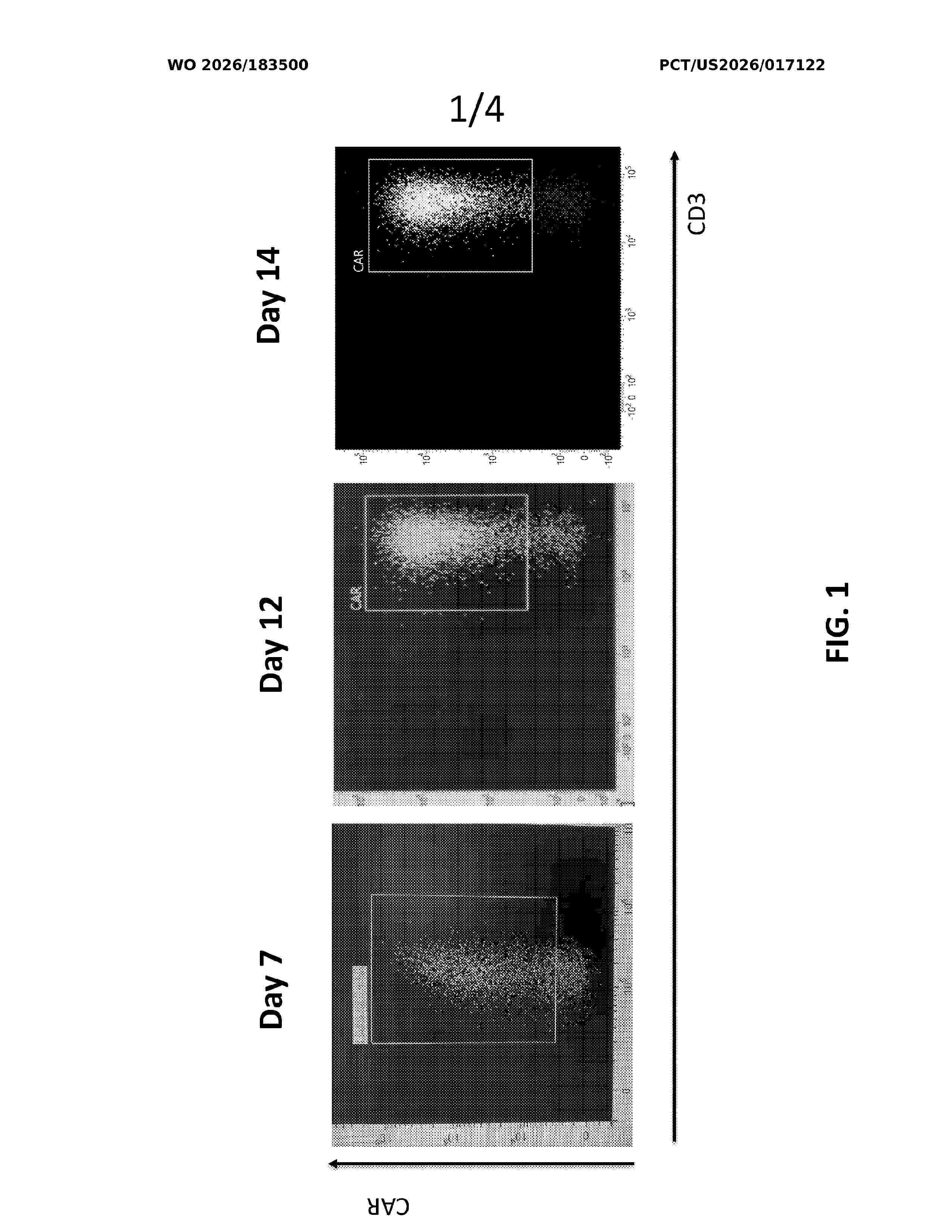
Provided herein are methods for treatment of acute myeloid leukemia (AML) in a subject comprising administration of a composition comprising engineered immune cells. The engineered immune cells can comprise a first nucleotide sequence encoding an anti-CD7 protein expression blocker and a second nucleotide sequence encoding an anti-CD7 chimeric antigen receptor (CAR). The subject described herein may have previously been administered one or more prior lines of therapy before the administration of the engineered immune cells.
Resumen de: WO2026182544A1
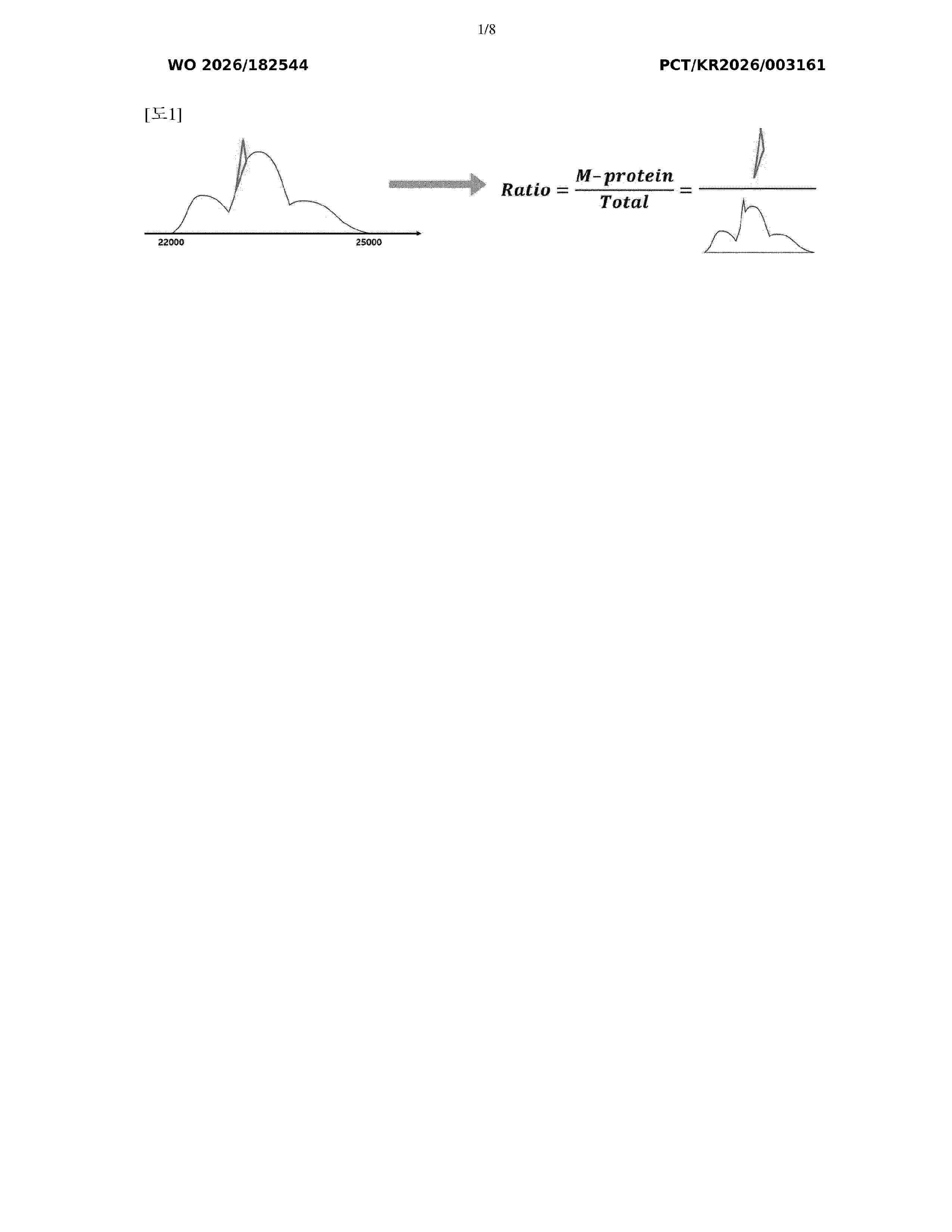
The present invention relates to a method for measuring the concentration of a monoclonal protein in a biological sample, and a method for diagnosing plasma cell disorders using same. The present invention can provide a quantification result with significantly improved accuracy and reproducibility compared to the prior art quantifying M-protein by mass spectrometry, by estimating an M-protein peak ratio on the basis of a region connecting a monoclonal peak on a polyclonal light chain spectrum and tangential skim points located on respective sides thereof. Therefore, even a trace amount of monoclonal protein can be detected with high reliability by non-invasive mass spectrometry using a body fluid sample, and thus early plasma cell disorders that have not yet progressed to multiple myeloma can also be diagnosed, whereby the present invention can be usefully employed to early establish a treatment strategy and improve the survival rate of patients through same.
Resumen de: WO2026182903A1
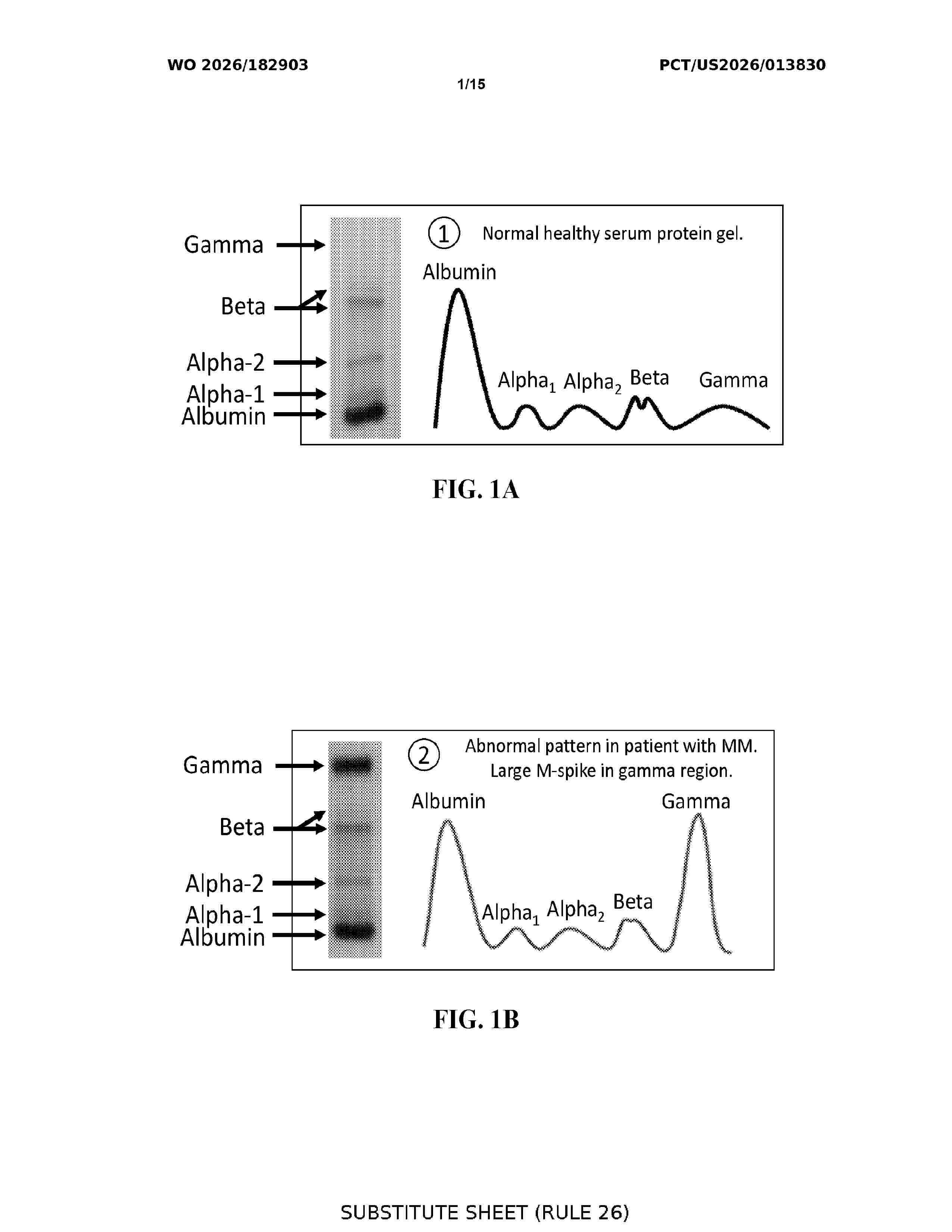
This document provides methods and materials for treating cancer. For example, this document provides methods and materials for using one or more oncolytic viruses (e.g., a vesicular stomatitis virus, such as VSV-IFNβ-NIS) and one or more anti-cancer agents (e.g., an immune checkpoint inhibitor such as a PD1 inhibitor, and/or a proteosome inhibitor such as bortezomib) to treat cancer (e.g., multiple myeloma such as relapsed refractory multiple myeloma) within a mammal (e.g., a human).
Resumen de: AU2026210737A1
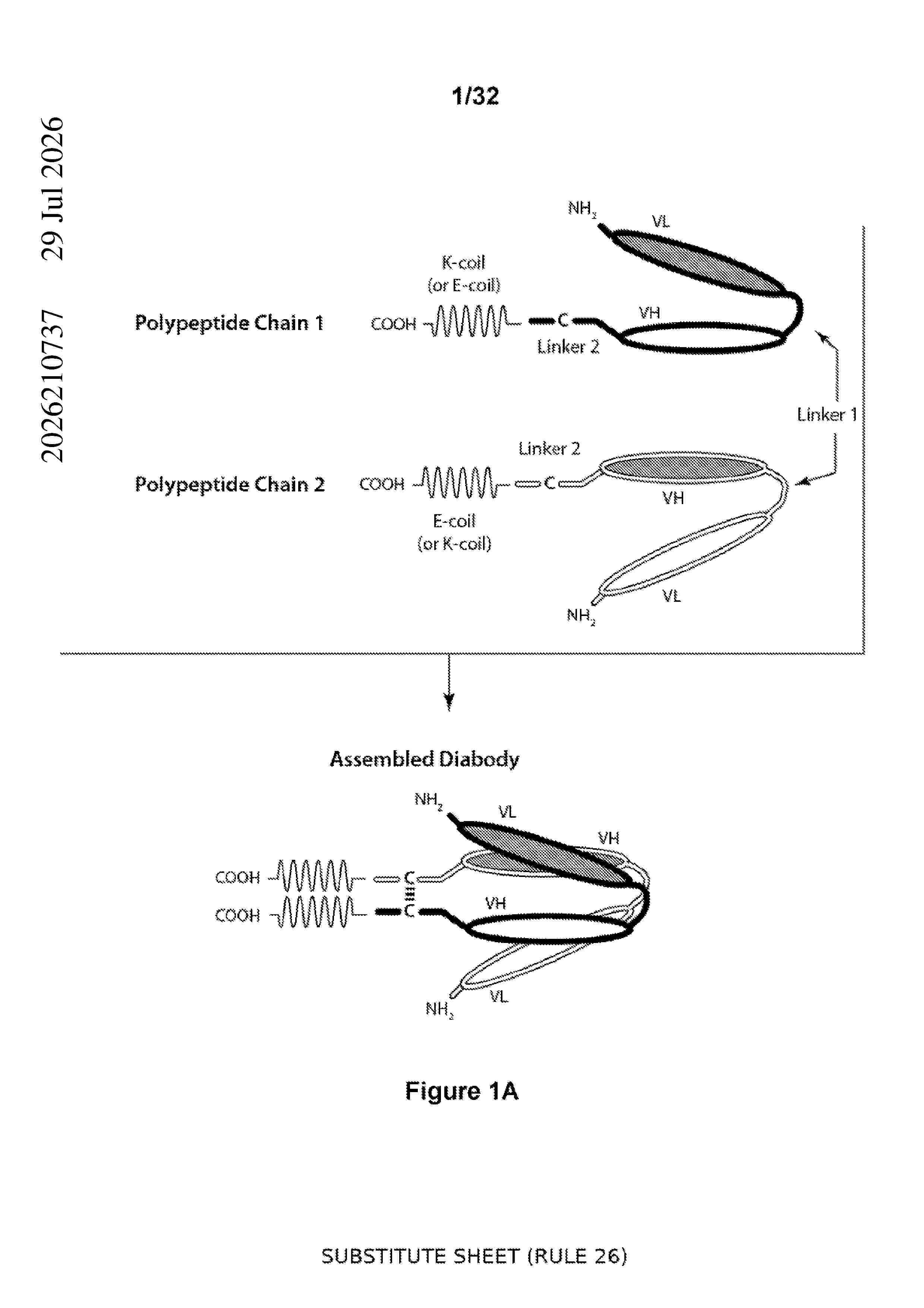
: The present invention is directed to a method of treating a hematologic malignancy such as acute myeloid leukemia (AML) or myelodysplastic syndrome (MDS), including hematologic malignancies that are refractive to chemotherapeutic and/or hypomethylating agents. The method concerns administering a CD123 x CD3 bispecific binding molecule to a patient in an amount effective to stimulate the killing of cells of said hematologic malignancy in said patient. The present invention is additionally directed to the embodiment of such method in which a cellular sample from the patient evidences an expression of one or more target genes that is increased relative to a baseline level of expression of such genes, for example, a baseline level of expression of such genes in a reference population of individuals who are suffering from the hematologic malignancy, or with respect to the level of expression of a reference gene. : ul : u l
Resumen de: AU2026210780A1
Abstract Provided are methods for treatment and uses involving the administration of doses of engineered T cells for treating subjects with disease and conditions such as certain B cell malignancies, and related methods, compositions, uses and articles of manufacture. The engineered cells generally express recombinant receptors such as chimeric antigen receptors (CARs). In some embodiments, the disease or condition is acute lymphoblastic leukemia (ALL) or non-Hodgkin lymphoma (NHL). In some embodiments, the subject is within a particular range of age, such as subjects that are 25 years or less of age, such as pediatric subjects. Abstract ul b s t r a c t u l
Resumen de: US20260258146A1
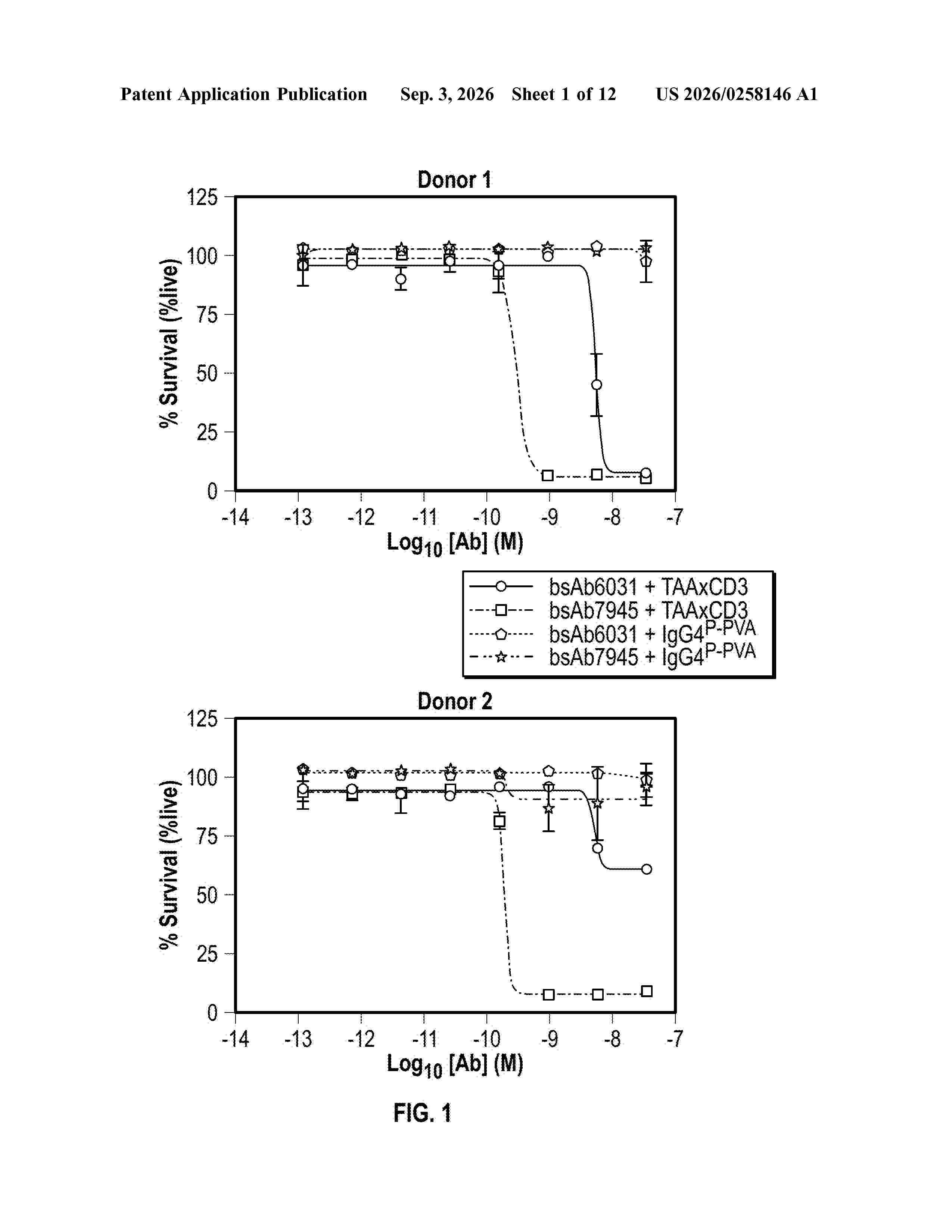
0000 CD38 is expressed on malignant plasma cells. CD28 is a costimulatory molecule required for T-cell activation and survival. Provided herein are novel anti-CD38 antibodies, anti-CD28 antibodies, and bispecific antibodies (bsAbs) that bind to both CD38 and CD28 and act as costimulatory agents to activate T cells via binding CD80 and/or CD86. In certain embodiments, the bispecific antigen-binding molecules of the present invention are capable of inhibiting the growth of tumors expressing CD38. The bispecific antigen-binding molecules of the invention are useful for the treatment of diseases and disorders in which an upregulated or induced CD38-targeted immune response is desired and/or therapeutically beneficial. For example, the bispecific antibodies of the invention are useful for the treatment of various cancers, including multiple myeloma, lymphoma, and leukemia.
Resumen de: US20260257987A1
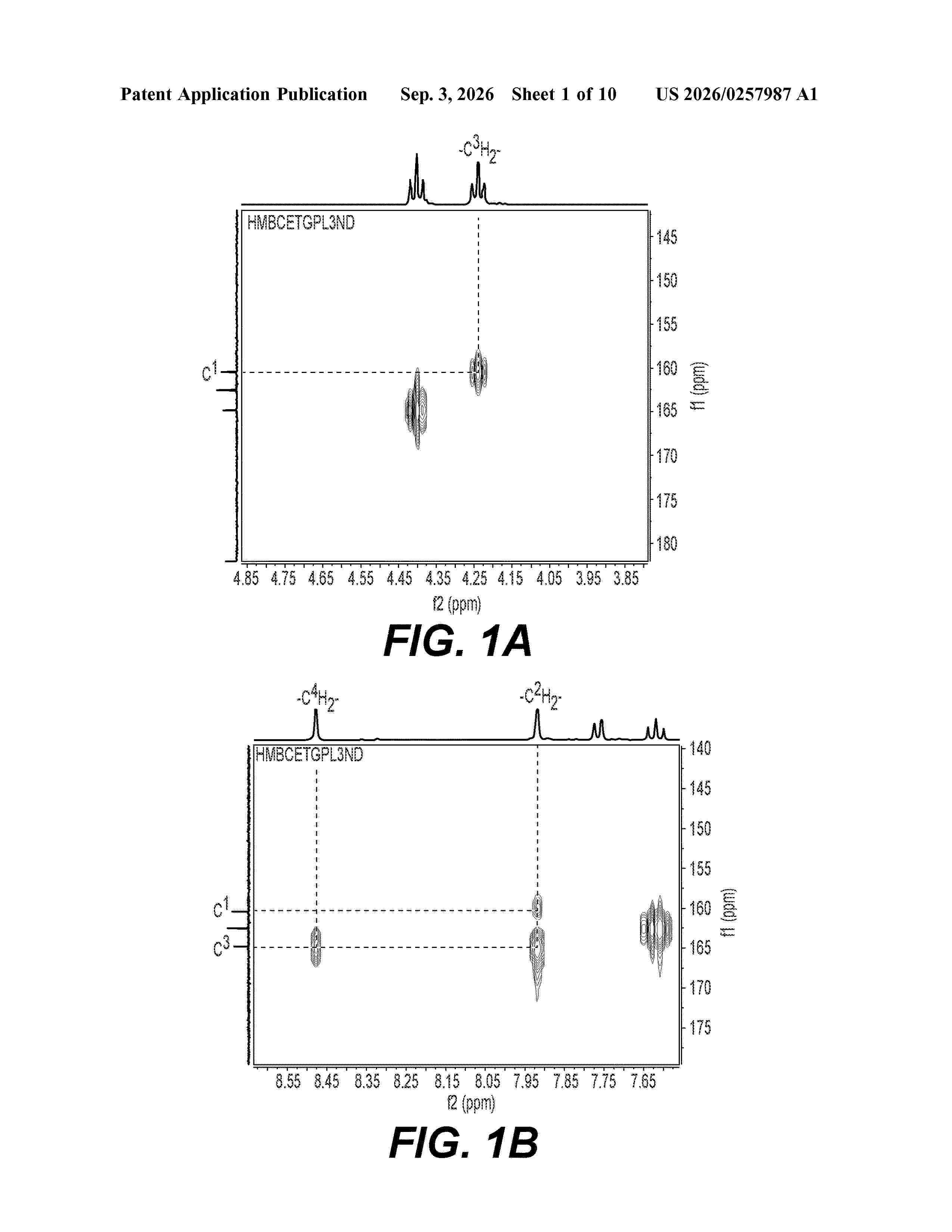
0000 Anthraquinone analogs that have anticancer properties are disclosed. Pharmaceutical formulations in forms suitable for the delivery of the compounds to a subject in need thereof are disclosed. Methods of using the compounds for treating or ameliorating one or more symptoms associated with a cancer, such as leukemia, in a subject are also disclosed. The methods include (i) administering to the subject the pharmaceutical formulation containing one or more compounds, for one or more times. The compounds can induce apoptosis in cancer cells, such as leukemia cells harboring WT-p53 (e.g., EU-1 leukemia cells), MCF7 cells, RS4;11 cells, and/or HeLa cells, by downregulating MDM2 and upregulating p53 in these cancer cells.
Nº publicación: EP4798195A2 02/09/2026
Solicitante:
INST NAT SANTE RECH MED [FR]
CENTRE NAT RECH SCIENT [FR]
UNIV PARIS CITE [FR]
UNIV DUKE [US]
UNIV MONTPELLIER [FR]
ENSCM [FR]
Institut National de la Sant\u00E9 et de la Recherche M\u00E9dicale
Centre National de la Recherche Scientifique
Universit\u00E9 Paris Cit\u00E9
Duke University
Universit\u00E9 de Montpellier
Ecole Nationale Sup\u00E9rieure de Chimie de Montpellier
Resumen de: WO2025087879A2
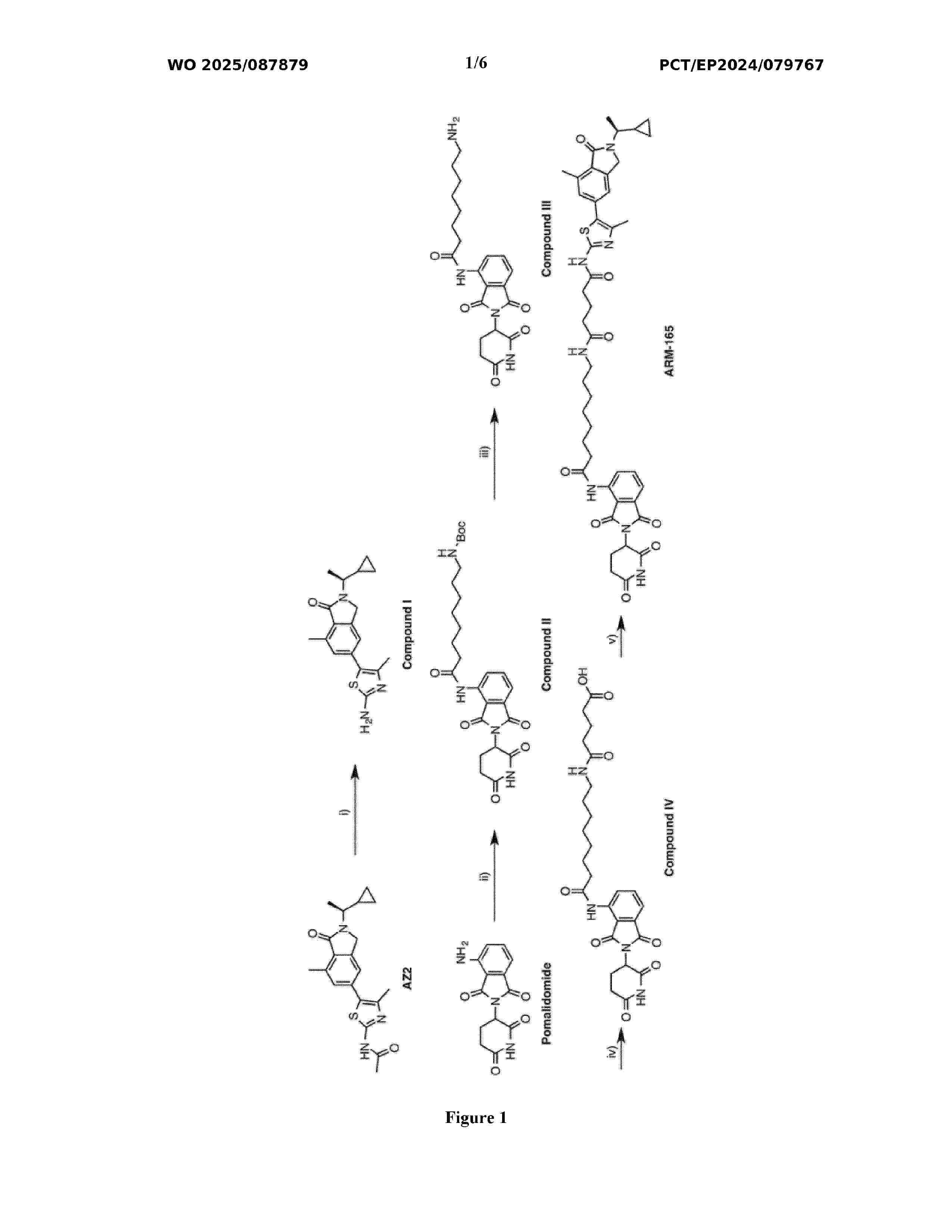
Dose-limiting toxicity poses a major limitation to the clinical utility of targeted cancer therapies, often arising from target engagement in non-malignant tissues. This obstacle can be minimized by targeting cancer dependencies driven by proteins with tissue- and/or tumor-restricted expression. Here, the inventors show that in acute myeloid leukemia (AML), suppression of the myeloid-restricted PIK3CG/p110γ-PIK3R5/p101 axis blocks AKT signaling, compromises cell fitness, and sensitizes to established AML therapies. Importantly, the inventors find that existing small molecule inhibitors against PIK3CG are insufficient to achieve a sustained longterm anti-leukemic effect. To address this concern, the inventors developed a proteolysis- targeting chimera (PROTAC) heterobifunctional molecule that specifically degrades PIK3CG and potently suppresses AML progression alone and in combination with venetoclax in human AML cell lines, primary AML patient samples, and syngeneic mouse models.
 BOPI
BOPI
 Sede Electrónica