Si deseas distinguir tus productos, servicios o ambos de los de otra empresa, es posible que necesites una marca o nombre comercial. Descubre qué son, en qué consiste su procedimiento de registro y qué implica.

Información sobre los plazos de presentación de solicitudes de transformación de marcas de la Unión Europea en marca nacional española. Más información


Si tienes un nuevo dispositivo, producto o procedimiento que resuelva un problema técnico o tenga una ventaja práctica, existen distintas formas de protegerlo en España y en otros países. Descubre cómo hacerlo.

¿Tu innovación reside en la estética, la ornamentación o la apariencia de tu producto? Protégela mediante un diseño industrial. Descubre qué derechos confiere el registro y cómo realizar la tramitación.

Las indicaciones geográficas protegen el nombre de un producto originario de una zona geográfica, a la cual le debe una determinada calidad, reputación u otra característica. Descubre qué son, en qué consiste su procedimiento de registro y qué beneficios conceden.

Las patentes publicadas en todo el mundo son una valiosa fuente de información científica, técnica y comercial.

Si eres emprendedor/a o una empresa y quieres potenciar y mejorar la rentabilidad de tu negocio protegiendo de forma adecuada los activos intangibles de tu organización, en este espacio encontrarás lo necesario.


 174
resultados
174
resultados
 Última actualización
15/09/2026 [09:14:00]
Última actualización
15/09/2026 [09:14:00]


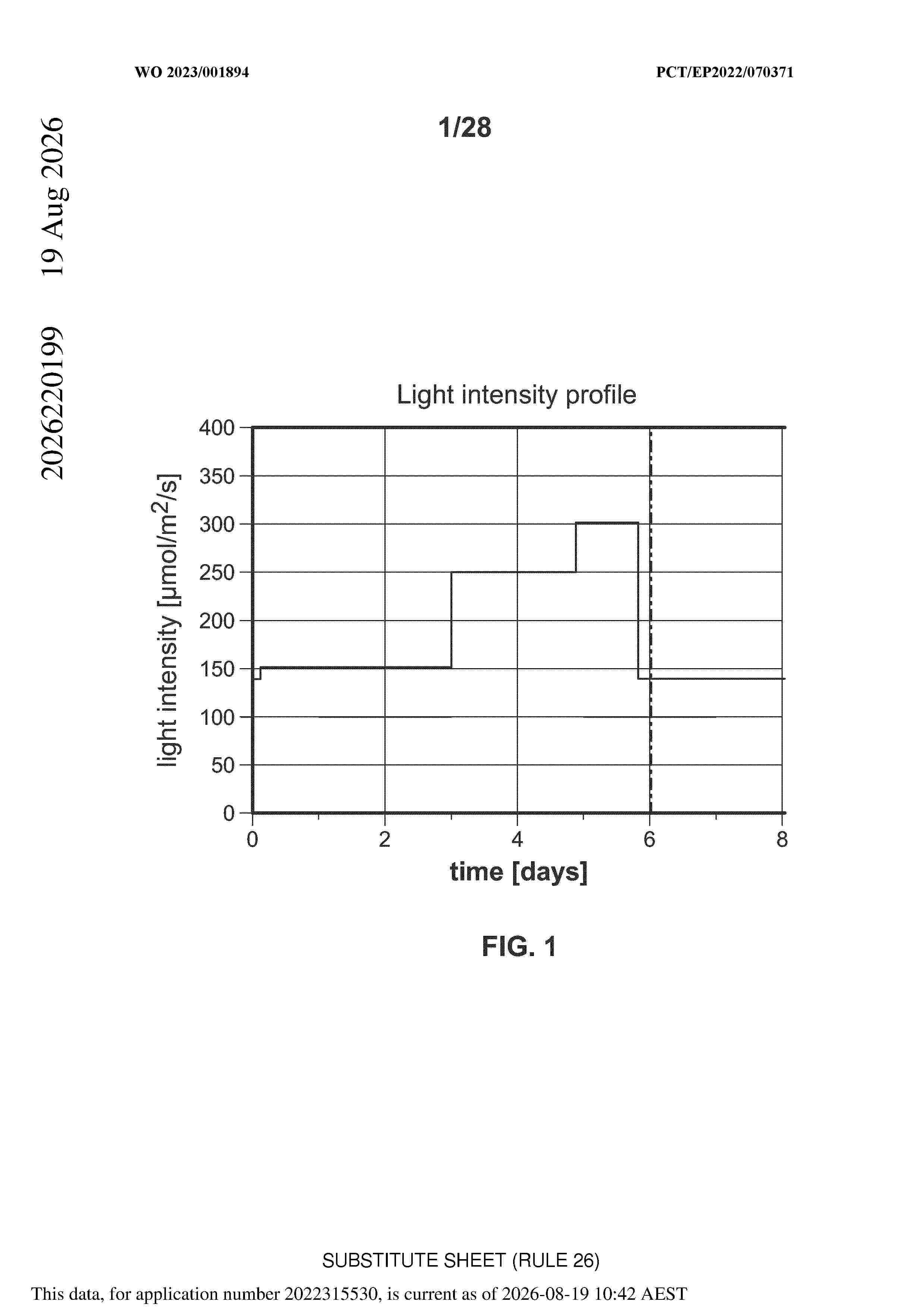
Resumen de: AU2026220199A1
Abstract Provided are compositions containing extracellular vesicles from microalgae (MEVs) that are exogenously loaded with bioactive cargo or other cargo of interest, such as for therapeutic, industrial, diagnostic, and cosmetic uses. The MEVs have a variety of applications as therapeutics, including as vaccines, as anti-cancer therapeutics, as diagnostics, and other such uses Abstract

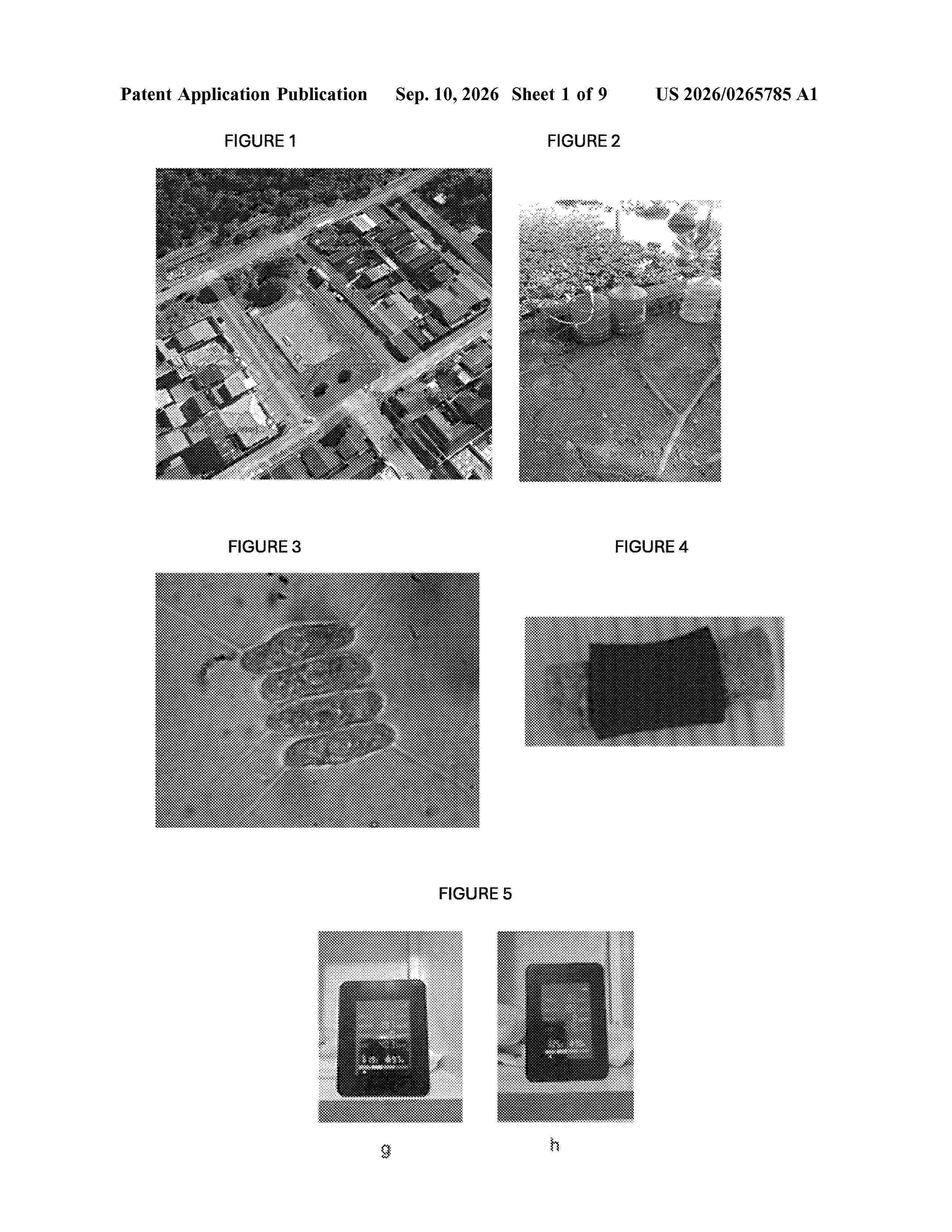
Resumen de: US20260265785A1
The present invention deals with a need in the field of sustainability and involves a sustainable alternative for the improvement of air quality, and with an emphasis on the capture of carbon dioxide and carbon monoxide using aquatic organisms, microalgae and cyan bacteria.
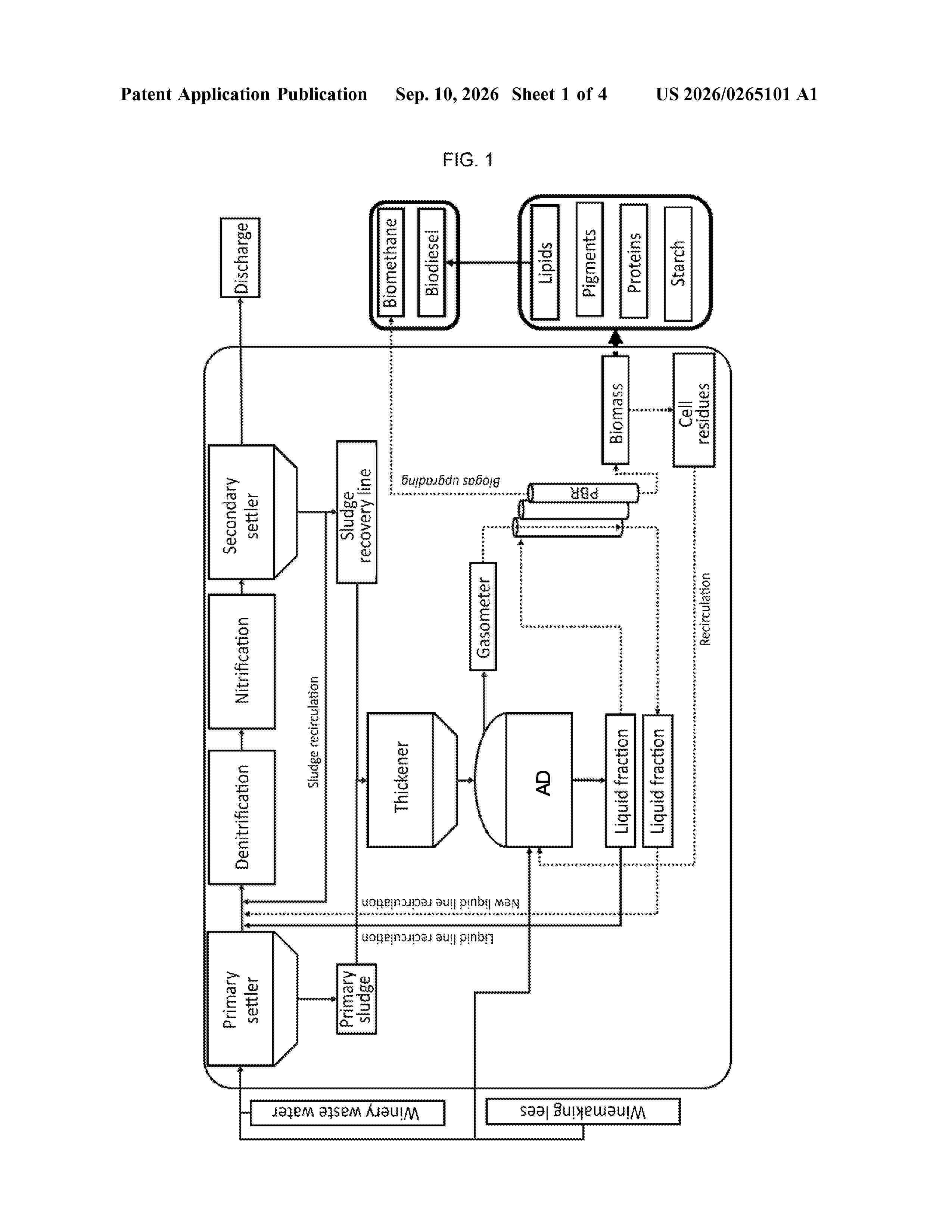
Resumen de: US20260265101A1
The present invention discloses a process mode of microalgal cultivation in semi-continuous on wine wastewater with no need to recirculate the microalgal biomass in the reactor, without dilution and sterilisation of the effluent applied as a growth medium. The process was experimentally carried out by semi-continuously applying, without recirculation of the biomass, the cultivation of Chlorella vulgaris on the digestate from the anaerobic co-digestion of winemaking lees and waste activated sludge. The integrated anaerobic digestion-microalgae treatment process is advantageous from a circular economy perspective as it leads to the exploitation of grape processing chain waste, eliminating the economic burden on producers and involving: i) the phyto-depuration of the effluent, ii) the production of bio-methane and iii) the production of biomass containing high value-added by-products (lipids, proteins and starch) that can be used to produce biodiesel, animal feed, nutraceuticals/pharmaceuticals and for producing bioplastics.
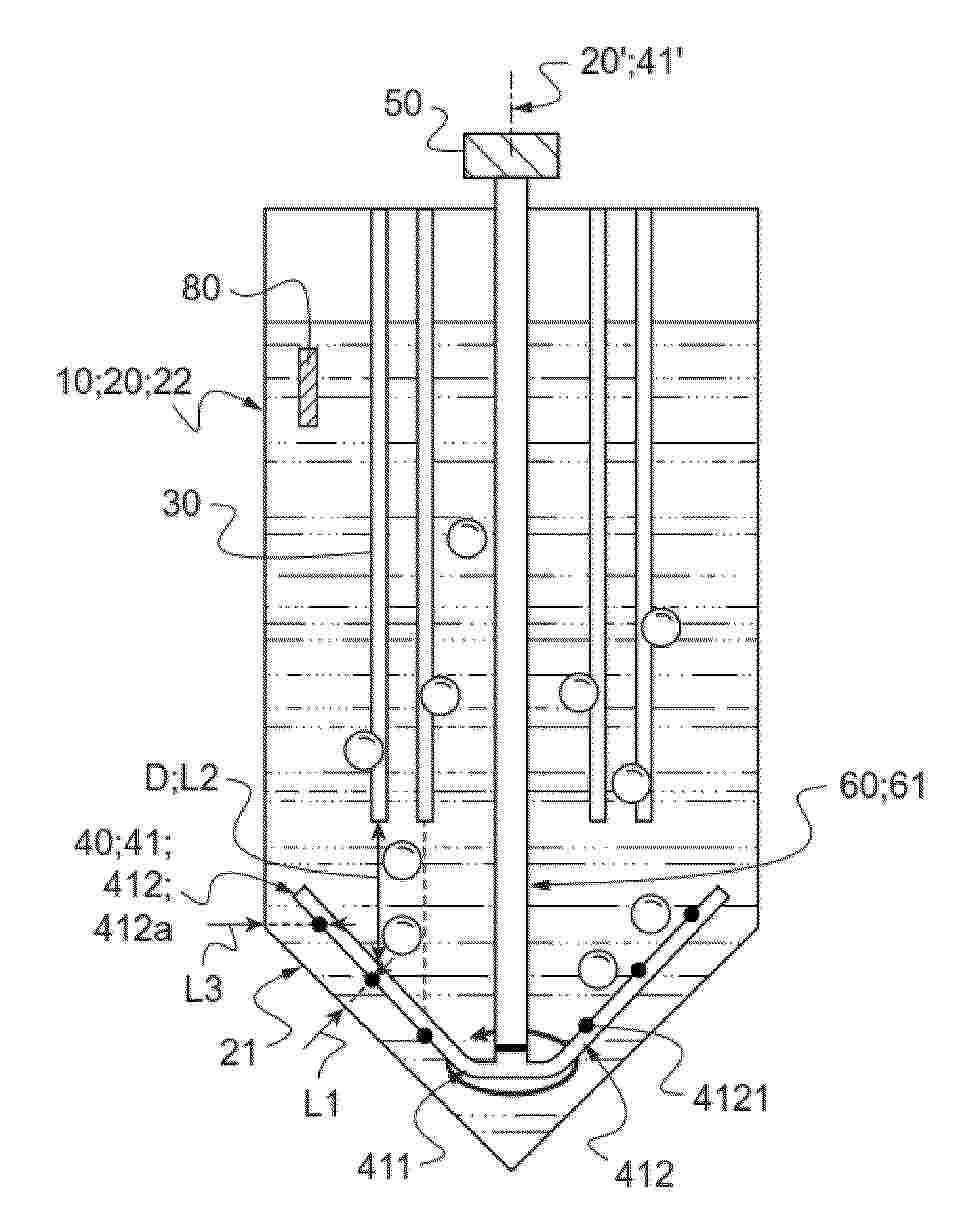
Resumen de: EP4803603A1
La présente invention concerne un photobioréacteur (10) comprenant une cuve de culture (20) adaptée à recevoir une culture de microalgues.La cuve de culture (20) est équipée de moyens d'agitation (40), immergés, comprenant un rotor (41).Ce rotor (41) comprend un moyeu (411) qui est destiné à être raccordé à une alimentation (50) en flux d'air et qui est prolongé par au moins un bras radial tubulaire (412) sur lequel sont répartis des orifices de bullage (4121) pour la libération dudit flux d'air.Et au moins une partie de la longueur dudit au moins un bras radial tubulaire (412) épouse ladite paroi de fond (21) de sorte qu'une première cote en distance (L1) entre l'un au moins desdits orifices de bullage (4121) et ladite paroi de fond (21) est égale ou inférieure à 50 mm, de préférence de 5 mm à 20 mm.
Resumen de: EP4803075A1
0001 Provided are compositions and drug delivery systems containing extracellular vesicles from microalgae (MEVs) that are loaded with bioactive cargo. The MEVs are formulated and administered by a variety of routes of administration and have a variety of applications as therapeutics, including as vaccines, as anti-cancer therapeutics, as therapeutics for psychiatric diseases, disorders, and conditions as diagnostics, and other such uses.
Resumen de: WO2026181093A1
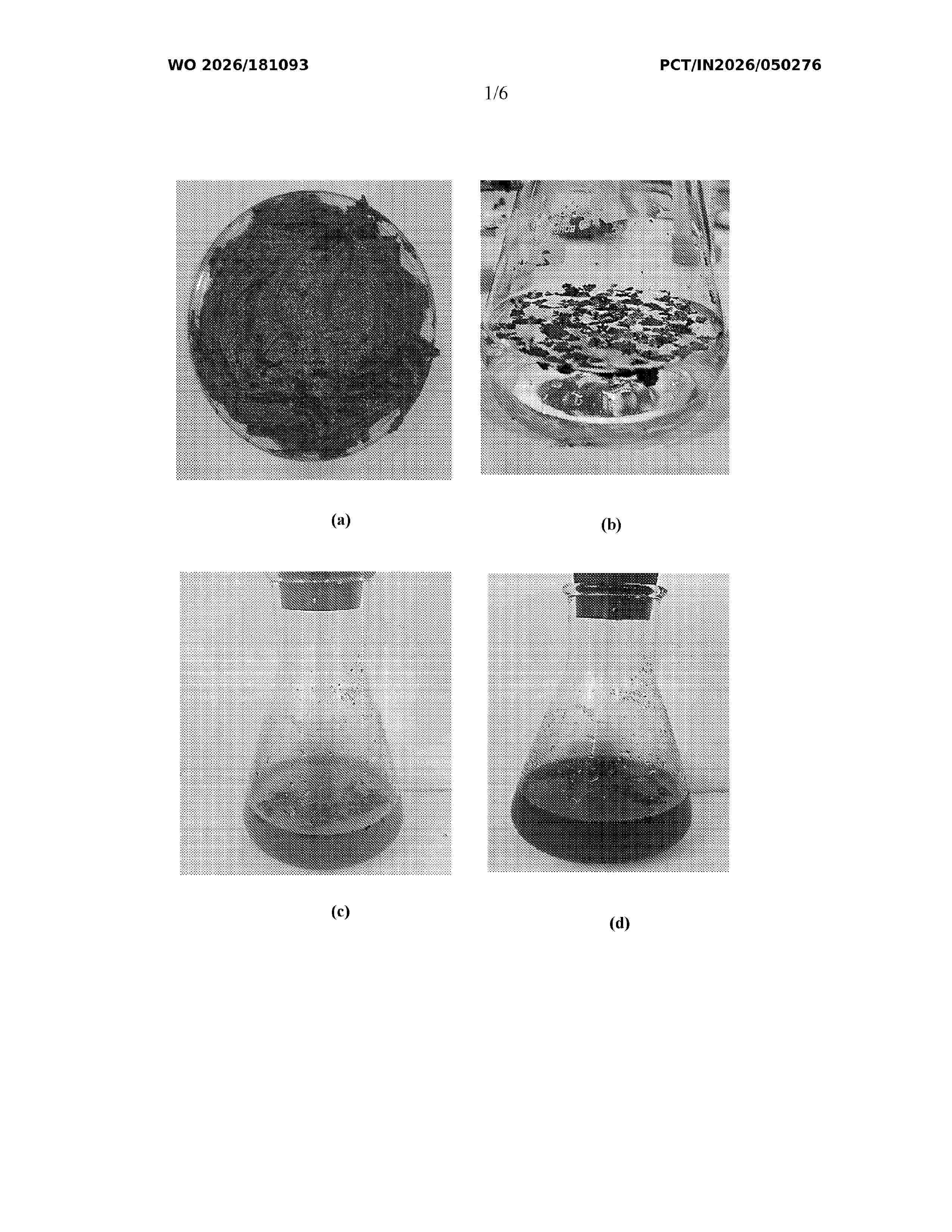
Components of oily sludge contaminate the environment, disrupt the endocrine system, and are carcinogenic. Proper and complete treatment of the oily sludge followed by its safe disposal is essential to minimize environmental impact and protect human health. Existing treatment methods for oily sludge include incineration, landfilling, pyrolysis, and supercritical water oxidation; however, these techniques are energy-intensive, costly, and pose higher risks of environmental pollution. The present invention discloses a novel process for oily sludge degradation using a mild hydrothermal-assisted microalgae-based phycoremediation strategy. The method achieves 70– 75% degradation of long-chain aromatic and aliphatic hydrocarbons within 4–6 weeks. The degradation efficiency may further increase when the treatment period exceeds 6 weeks. Compared with conventional energy-intensive technologies for oil sludge treatment, the proposed method is more economical, environmentally sustainable, and suitable for long-term scale-up, with added potential for revenue generation.
Resumen de: WO2026177421A1
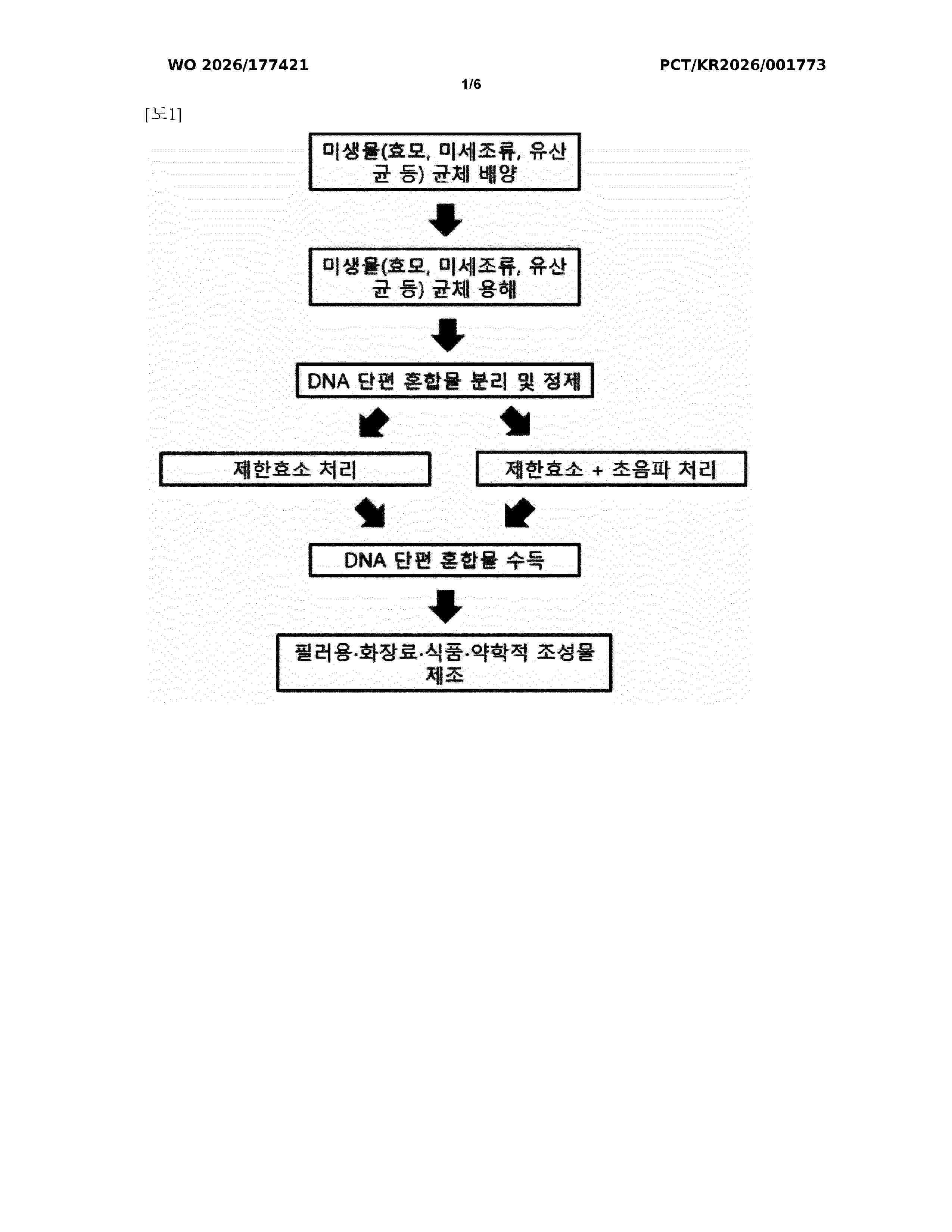
The present invention relates to: a method for preparing a highly functional DNA fragment mixture derived from microorganisms (yeast, microalgae, lactic acid bacteria, and the like); and a functional composition comprising a DNA fragment mixture prepared thereby. Specifically, the present invention relates to the preparation of a DNA fragment mixture having a uniform size within a certain range by using a specific restriction enzyme in microorganisms (yeast, microalgae, lactic acid bacteria, and the like). According to the present invention, a functional composition may be provided, which comprises the DNA fragment mixture as a main ingredient, and exhibits excellent effects in filling an interstitial scaffold, improving skin condition, regenerating tissue, healing wounds, moisturizing, promoting ECM synthesis, inhibiting cellular senescence, forming new blood vessels, alleviating inflammation, relieving pain, treating dermatitis such as atopy, inhibiting hair loss, promoting hair growth, and promoting stem cell activity.
Resumen de: KR20260129263A
본 발명은 미세조류를 이용한 퍼플루오로옥탄산의 제거 방법에 관한 것이다. 본 발명자들은 미세조류를 이용하여 친환경적으로 퍼플루오로옥탄산(perfluorooctanoic acid, PFOA)을 제거하고 오염된 미세조류를 바이오매스로 활용하기 위한 방법을 개발하고자 예의 연구 노력하였다. 본 발명의 S. quadricauda을 이용한 퍼플루오로옥탄산(PFOA)의 제거방법 및 바이오디젤 생산 방법을 이용하는 경우, PFOA를 효과적으로 제거하고 기존 PFOA 제거 방식이 갖던 한계점을 극복할 수 있으며, PFOA 제거 후 오염된 S. quadricauda을 이용하여 바이오디젤 생산 효율을 증진시킬 수 있으므로 산업상 활용 가치가 높다고 판단된다.
Resumen de: WO2026173382A1
The present disclosure relates to a method for producing biomass, which enables economical production of microalgae biomass having a high solid content and low viscosity.
Resumen de: WO2026173381A1
The present disclosure relates to a method for producing a biomass, and a biomass having high solid content can be economically produced thereby.
Resumen de: US20260234544A1
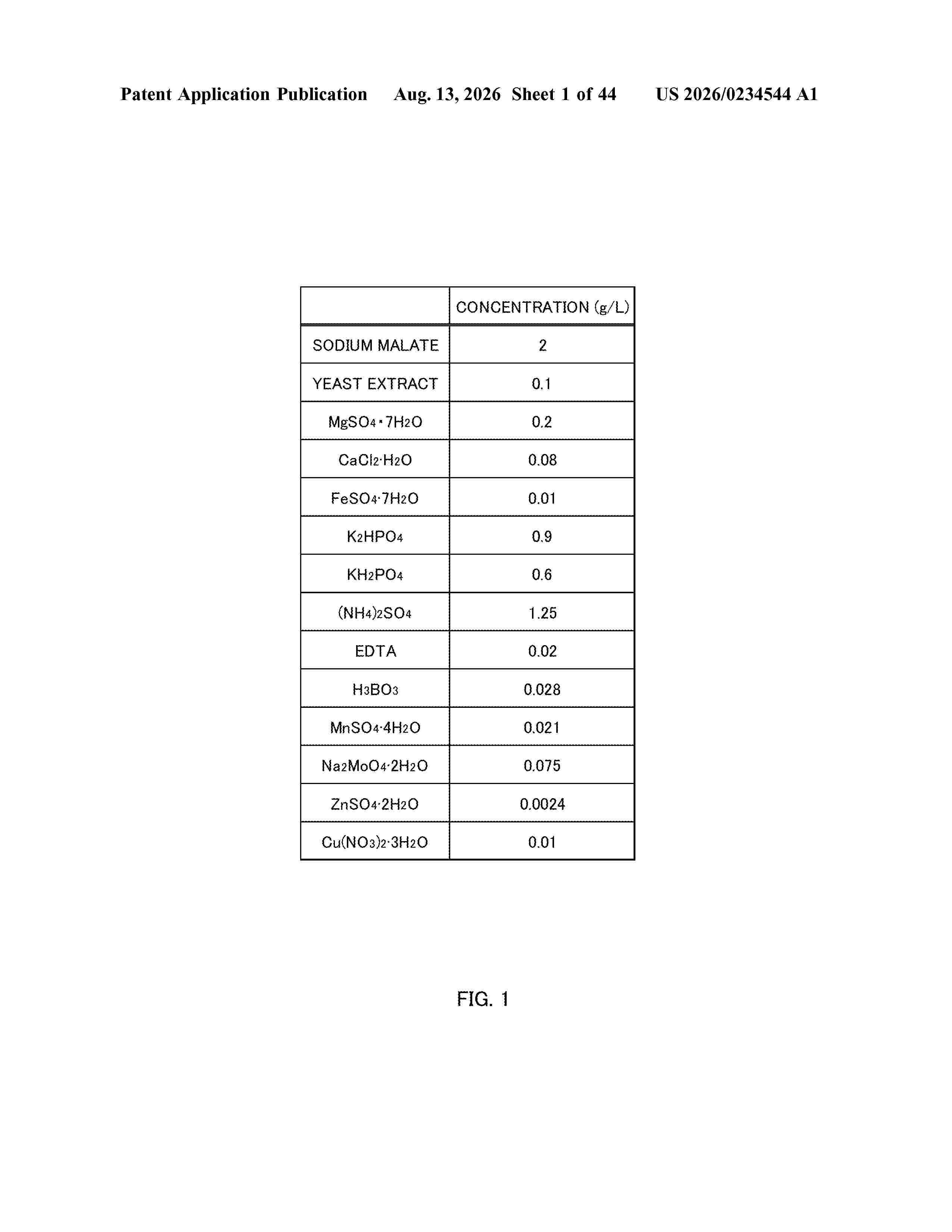
This microorganism belongs to the genus Rhodococcus, Xanthobacter, Ancylobacter, Shewanella, or Aeromonas. Said microorganism may be Rhodococcus cerastii belonging to the genus Rhodococcus, Xanthobacter flavus belonging to the genus Xanthobacter, or Ancylobacter rudongensis belonging to the genus Ancylobacter. Said microorganism may be for promoting the growth of cyanobacterium, green algae, glaucophyte algae, or Euglena algae. Said microorganism may be for promoting the growth of organisms belonging to the phylum Cyanobacteria, Ochrophyta, Euglena, Cryptophyta, Haptophyta, Cercozoa, Glaucophyta, Rhodophyta, Chlorophyta, or Streptophyta.
Resumen de: EP4790131A1
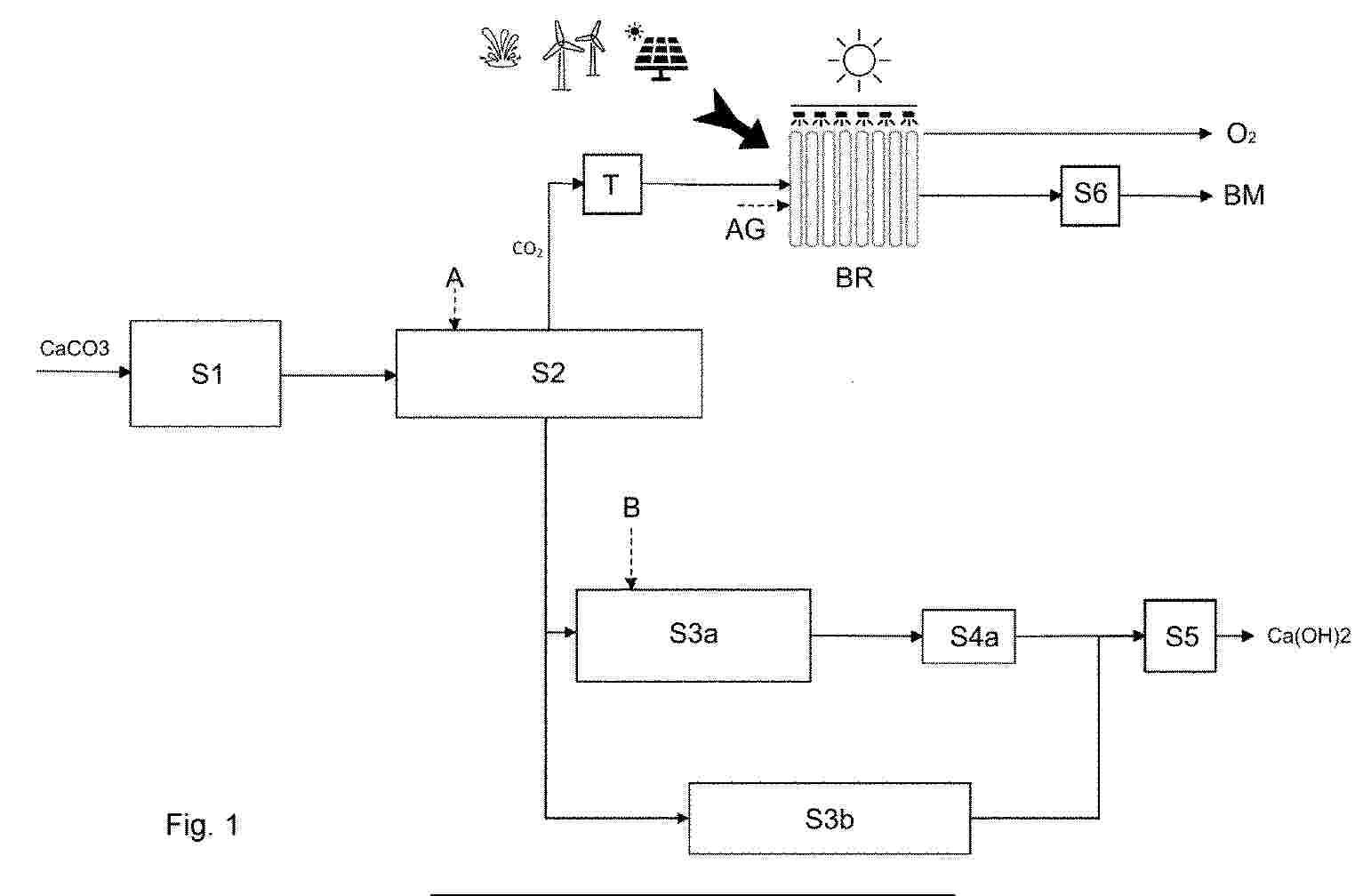
A process for producing calcium hydroxide, comprising:reacting calcium carbonate with an acid in an aqueous solution at a temperature of 10-50°C to produce a calcium ion solution and carbon dioxide,separating the carbon dioxide from the calcium ion solution,treating the calcium ion solution to form calcium hydroxide,directing the separated carbon dioxide to a photobioreactor containing microalgae, andgrowing the microalgae in the photobioreactor using the carbon dioxide through photosynthesis.
Resumen de: EP4790127A1
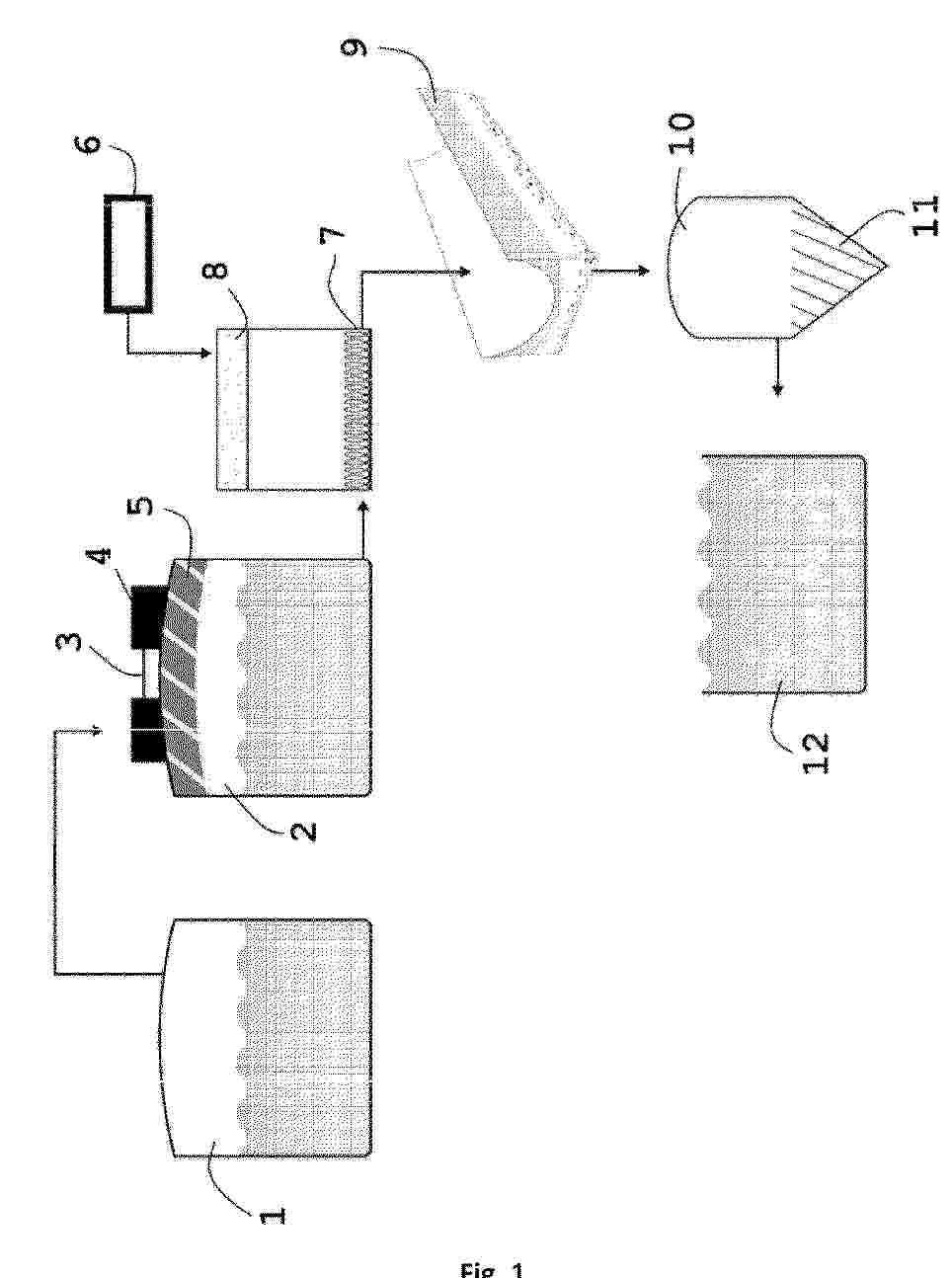
A system and method are provided for processing an industrial effluent and cultivating microalgae. The system comprises a primary tank, a screening unit with a motor-driven cleaning mechanism, a flocculation tank supplied with a chemical flocculant, a sand filter, an acidification unit with pH control, a solid-liquid separation unit, an anaerobic digestion unit, and a microalga cultivation unit. The effluent is screened, flocculated, filtered, acidified to a pH from 4.2 to 5.2, preferably 4.45 to 4.75, and subjected to solid-liquid separation to remove precipitated proteins and destabilised colloidal material, thereby producing a clarified effluent. The clarified effluent is anaerobically digested at a defined organic loading rate to generate biogas and a liquid digestate. At least a portion of the digestate and/or carbon dioxide derived from the biogas is used for microalga cultivation. The system enables stable anaerobic digestion without membrane-based pretreatment and provides a conditioned stream suitable for downstream microalga growth.
Resumen de: US20260226398A1
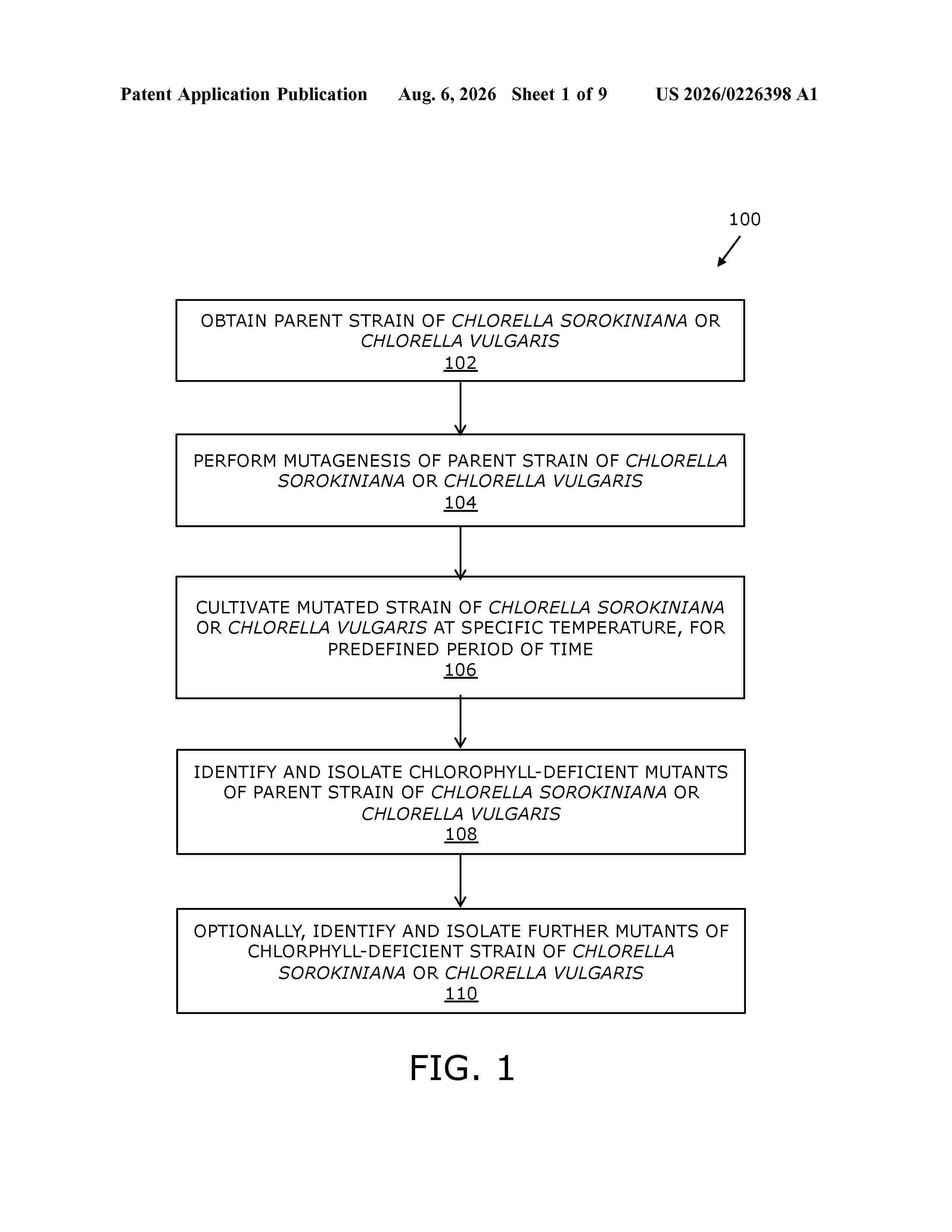
The invention relates to an algae biomass having particular values within a defined colour space. The invention further relates to a strain of Chlorella microalgae having a genetic mutation in genes encoding for specific subunits of magnesium chelatase, preferably magnesium chelatase subunit, and also relates to a method of producing a strain of Chlorella microalgae having such mutations.
Resumen de: WO2026163125A1
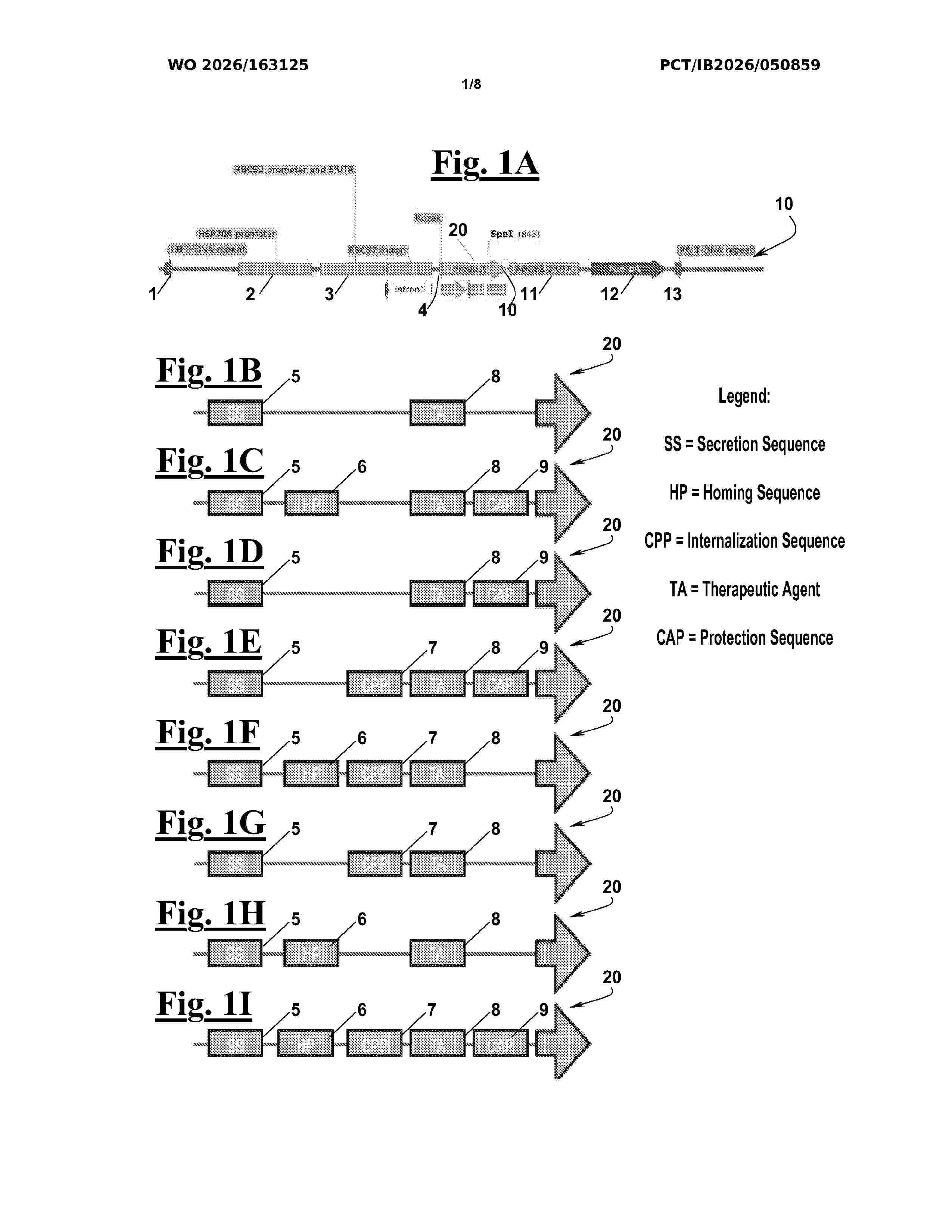
The present invention relates to a symbiotic therapeutic technique based on a genetically modified eukaryotic microalga (51), preferably photosynthetic, such as for example Chlamydomonas reinhardtii, in which an expression cassette (10) codifying a biologically active peptide and/or protein comprises a secretion coding module (5) of a therapeutic agent to allow the biologically active peptide/protein to be released so that it can cross the cell wall of the microalga (51), to be secreted outside of it and enter directly into the circulation in a subject (53) in which said genetically modified eukaryotic microalga (51) has been subcutaneously or intradermally injected. The microalga can be of a type that naturally: a) lacks flagella; or b) has flagella, in which case a prior genetic modification prevents the formation or inactivates the flagella, so that the microalga remains immobilised at a subject injection site (53). The expression cassette (10) can further comprise at least one further coding module selected from: a homing module (6), for targeting the peptide/protein to a predetermined tissue and/or cell population of the subject (53); a penetrating module (7) for inducing internalisation of the protein within a cell of said subject (53) through the cell membrane or by induced endocytosis; a protection module (9). The invention also relates to a subcutaneously or intradermally injectable composition containing said microalgae, and to a kit for preparing said composition.
Resumen de: US20260223795A1
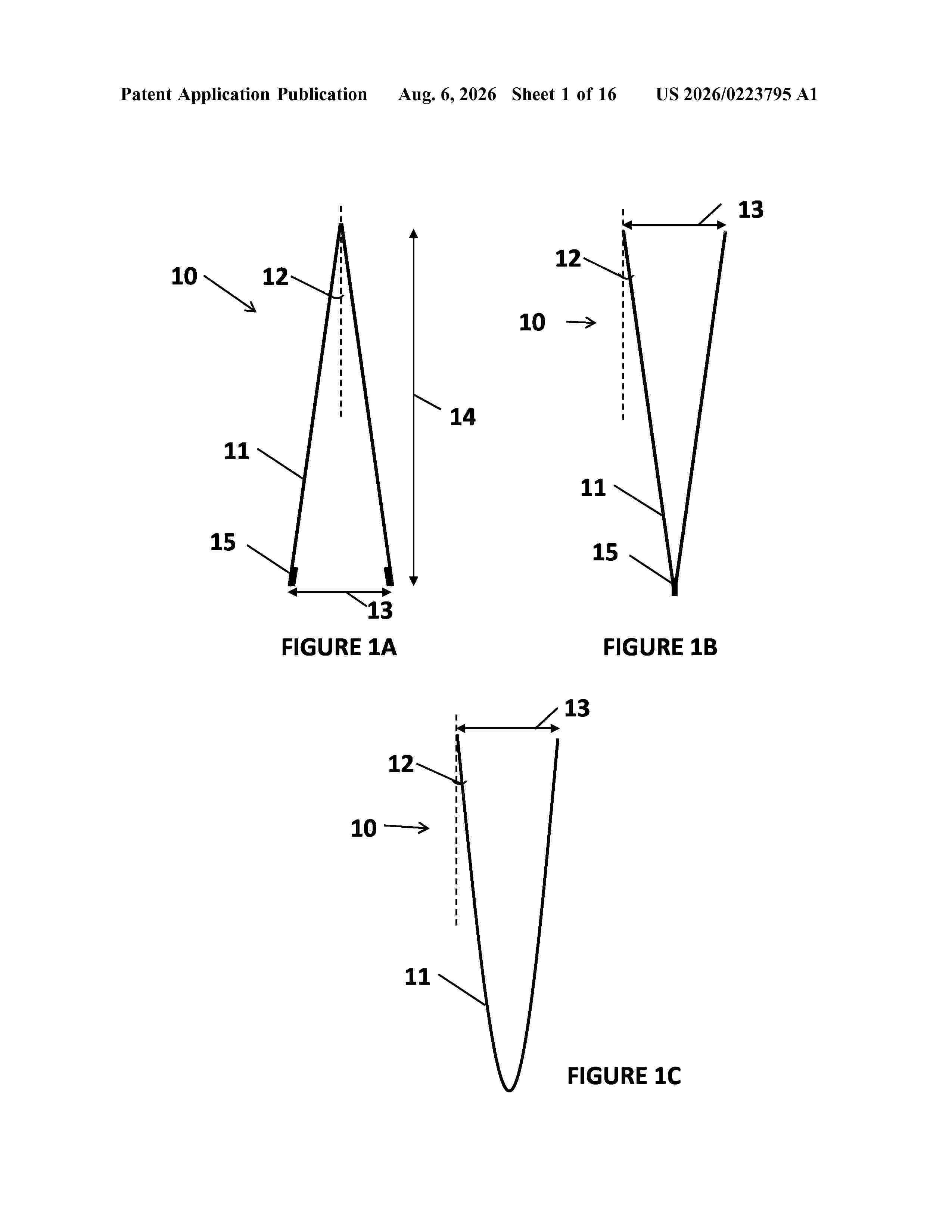
0000 Microalgae are grown in a biofilm on carriers. In some examples, the carriers are surfaces with a small angle to the vertical. Optionally, the carriers may have surfaces on both sides of a vertical plane (e.g., an inverted V) or surrounding a vertical axis (e.g., a cone). In some examples, the carriers include two or more sheets of a porous material such as a fabric, screen or mesh. In some examples a surface of the carrier is flexible. In some examples, the carriers provide a specific surface area for algae growth greater than 7 m<2>/m<2>.
Resumen de: EP4785810A1
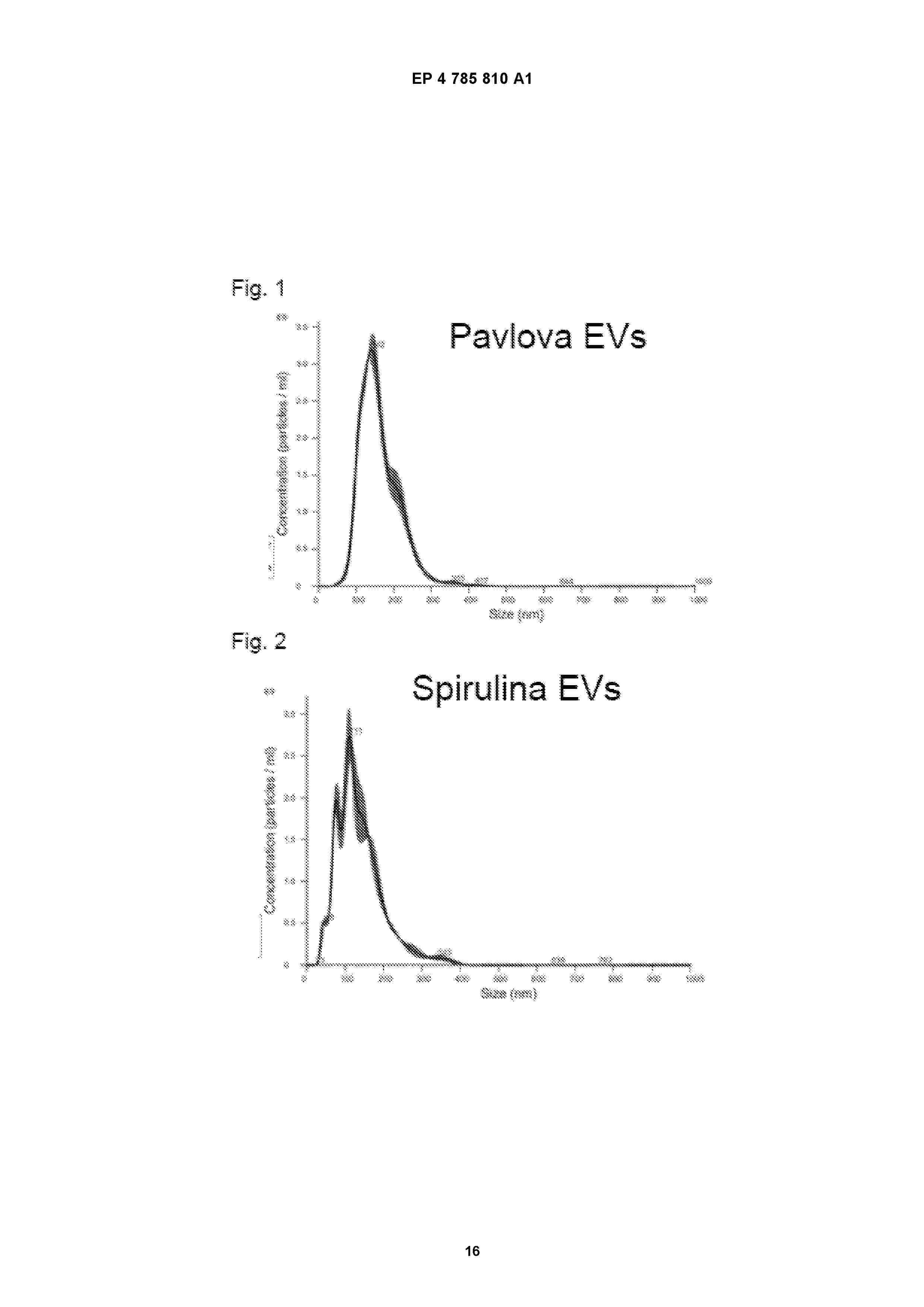
0001 An object of the present invention is to provide a formulation effective for maintaining or increasing hair fibrous structural proteins. Provided are a composition for maintaining or increasing fibrous structural proteins, a composition for maintaining or increasing skin elasticity, a composition for improving hair quality, and a composition for promoting production of collagen, elastin, or hyaluronic acid, which contain a culture supernatant and/or extracellular vesicles of a microalga.
Resumen de: KR20260118887A
본 발명은 미세조류 배양기의 배양 수조에 물을 공급하여 충진하는 물 공급 단계와, 상기 배양 수조로 오존을 공급하는 오존 공급 단계와, 상기 배양 수조에 과초산을 공급하는 과초산 공급 단계와, 상기 배양 수조의 내부에 형성된 상기 물과 오존 및 과초산을 포함하는 복합 세척액에 공기 기포를 공급하는 배양 수조 세척 단계와, 상기 배양 수조에 오존 중화제를 공급하는 오존 중화제 공급 단계 및 상기 배양 수조에 수용되어 있는 세척 혼합물을 필터링하는 세척 혼합물 필터링 단계를 포함하는 미세조류 배양기 세척 방법을 개시한다.
Resumen de: US20260218421A1
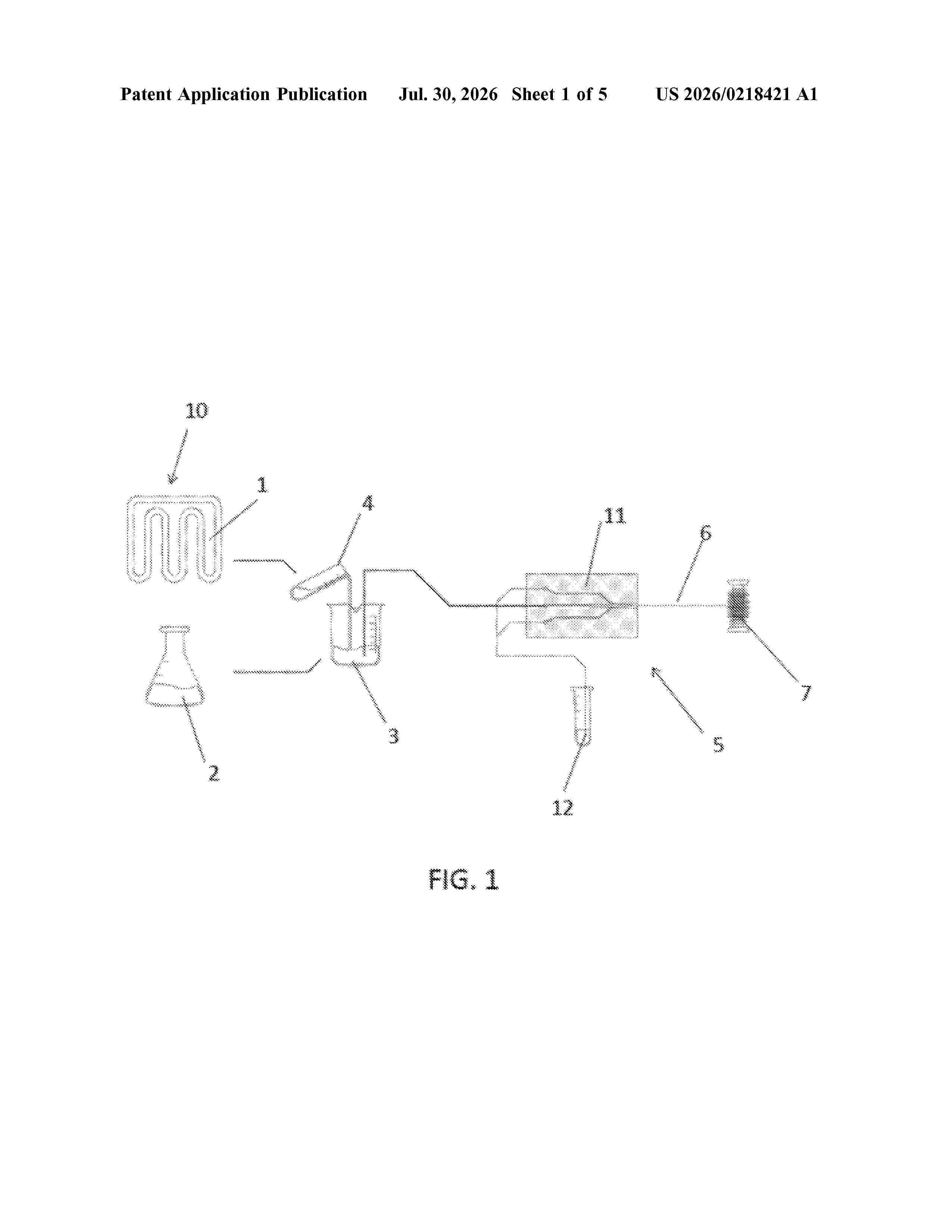
0000 A process is described for preparing a microfibre with living microalgae inside, including the steps of: preparing and mixing micro-algae and a biomaterial in a nutritional medium; and micro-fluidic spinning of the micro-algae mixture and the biomaterial which is polymerized; wherein the micro-fluidic spinning is carried out in a micro-fluidic spinning chip, provided with a spinning die having a “grooves” section, so as to obtain a grooved section.
Resumen de: US20260218259A1
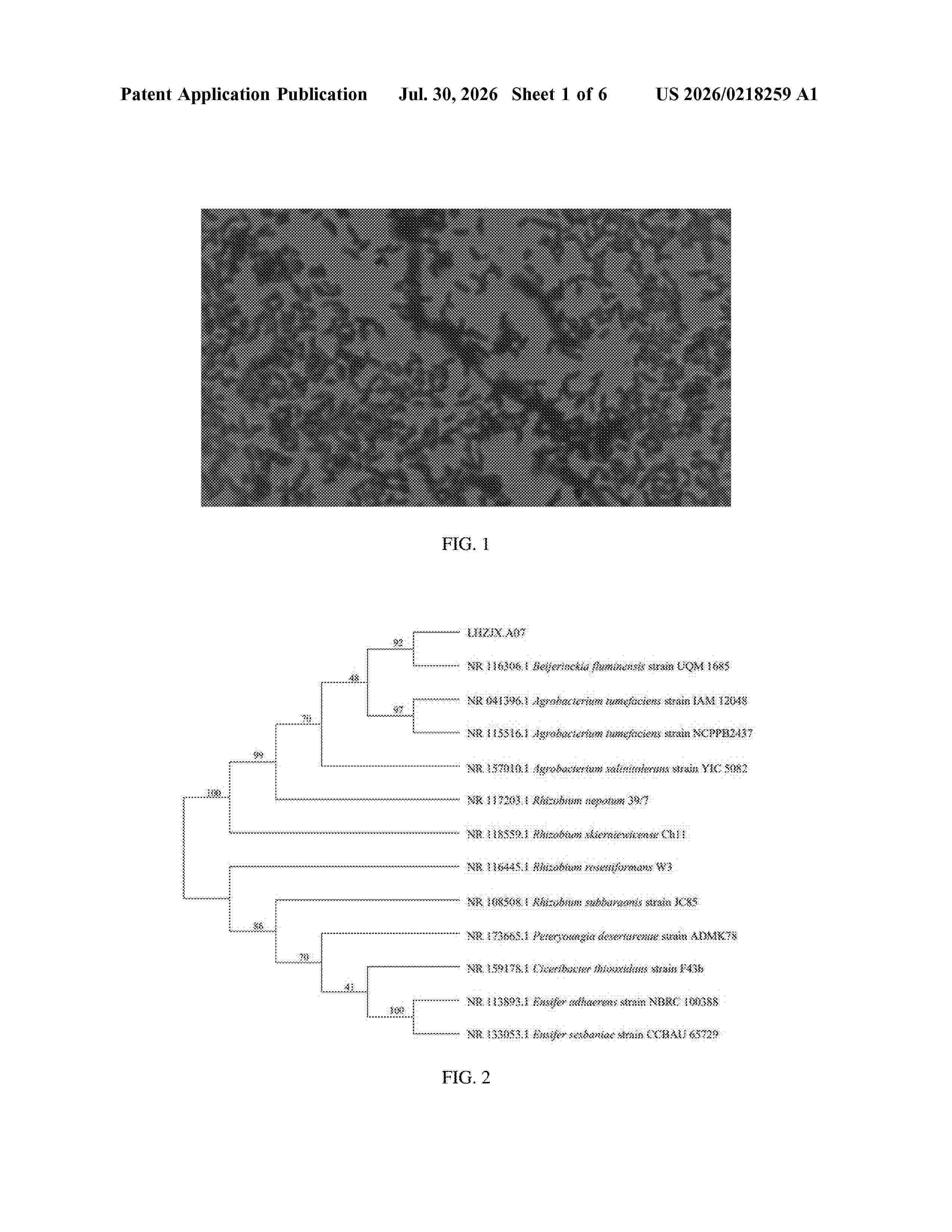
0000 Provided are a biological flocculant, a preparation method therefor and use thereof in control of Cyanobacteria. The biological flocculant includes cationic hydroxyethyl cellulose and an extracellular polysaccharide. The extracellular polysaccharide is produced by fermentation of Agrobacterium sp. LHZJX.A07 that is taxonomically named. A method for preparing the extracellular polysaccharide includes screening Agrobacterium from a soil enrichment culture dilution spread plate, purifying and inoculating the Agrobacterium into a culture medium for culture, performing fermentation to obtain a extracellular polysaccharide crude solution, and performing concentration, purification and drying to obtain the extracellular polysaccharide.
Resumen de: US20260218211A1
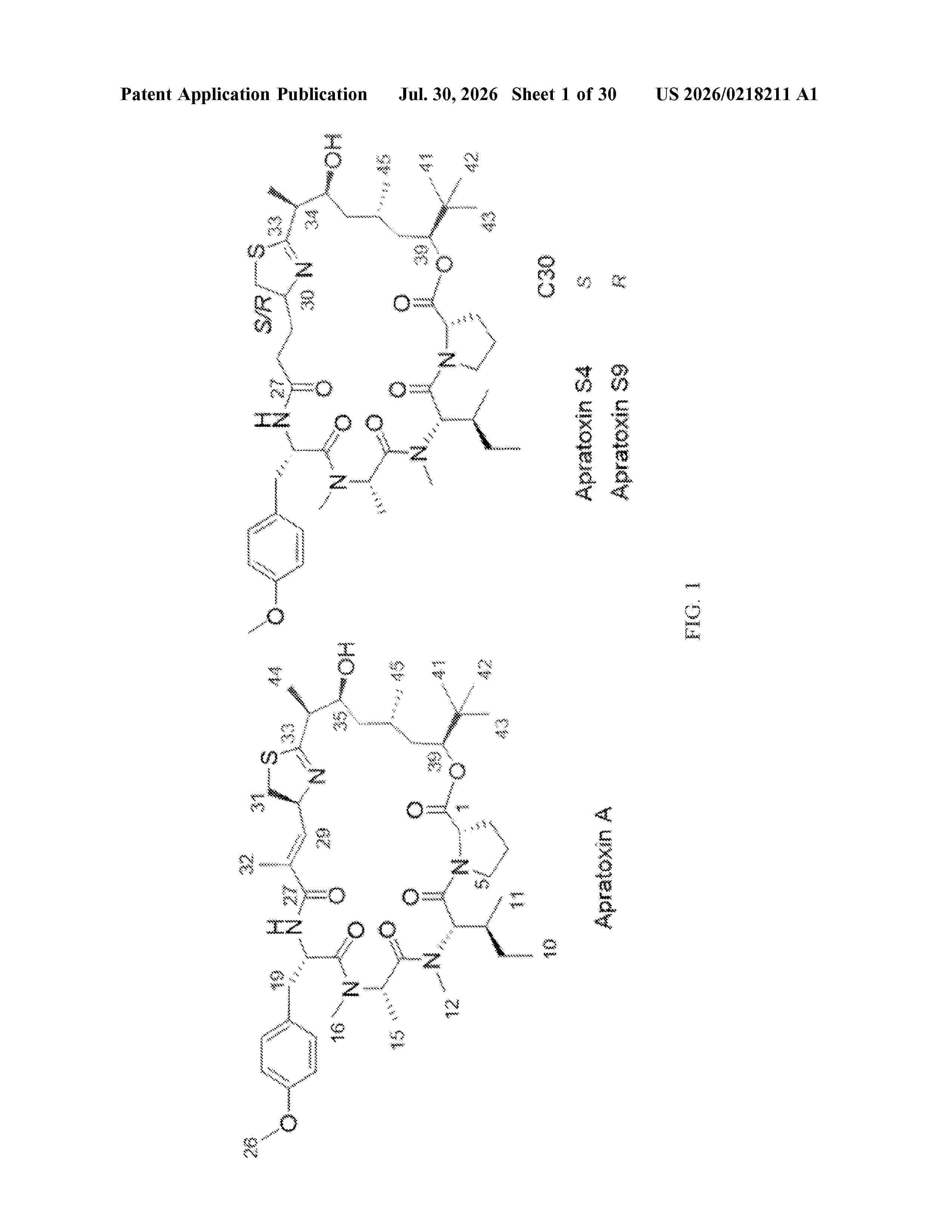
0000 The present disclosure relates to recombinant cyanobacterial cells for the production of a chemical compound of interest. In particular, the present disclosure relates to genetic modifications that introduce one or more heterologous polyketide synthases (PKS) into a cyanobacterial cell. These cells can further comprise nucleic acid constructs that provide the cyanobacterial cells with the capability of producing chemicals of interest or compounds of interest, including Compound (I).
Resumen de: CN122465700A
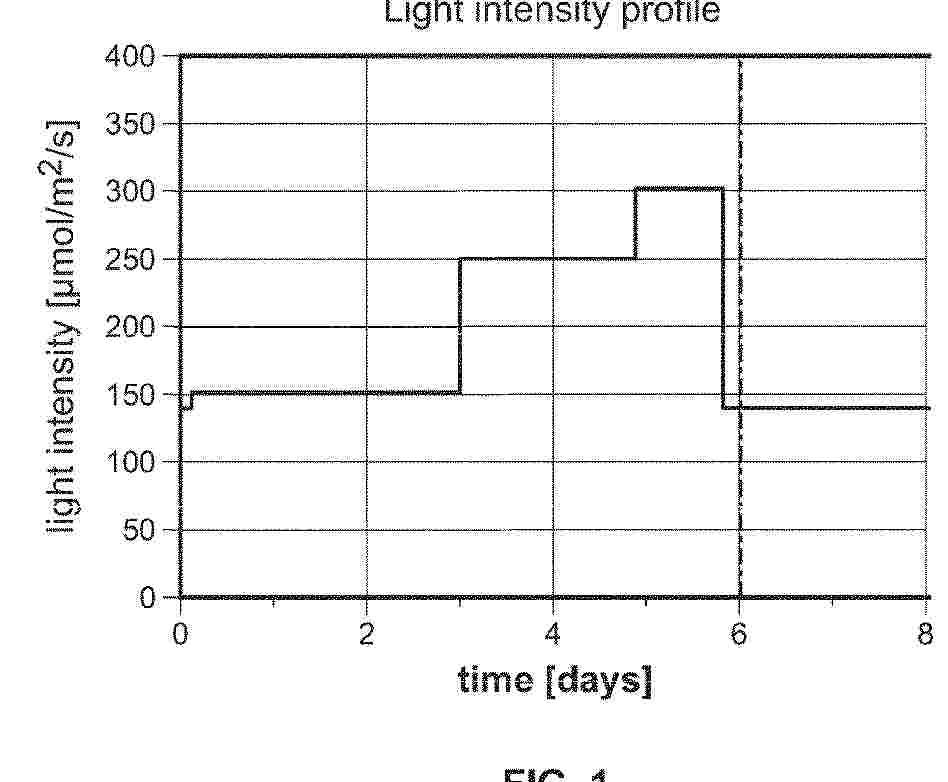
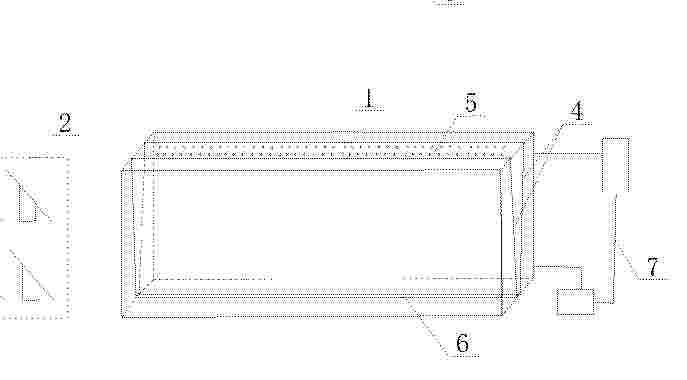
An internal light distribution photobioreactor belongs to the technical field of microalgae large-scale culture related equipment, and comprises: a culture device, which is provided with a culture chamber for microalgae culture, and is of a thermal insulation structure and adjustable in culture temperature; the light gathering system is used for gathering sunlight and can provide redundant illumination for the culture device, and the light gathering ratio of the light gathering system is adjustable. According to the invention, the modular structure design of structures such as a light distribution device, a reflection system and a light condensation system can be realized. The light distribution device is innovatively arranged in the culture device, so that light distribution in the culture device can be realized, heat exchange can be realized in the culture device, and the temperature of a culture solution in the culture device can be quickly and directly adjusted. The reactor solves the problem of high difficulty in temperature adjustment and illumination intensity adjustment of the reactor in the prior art.
Resumen de: CN122439766A
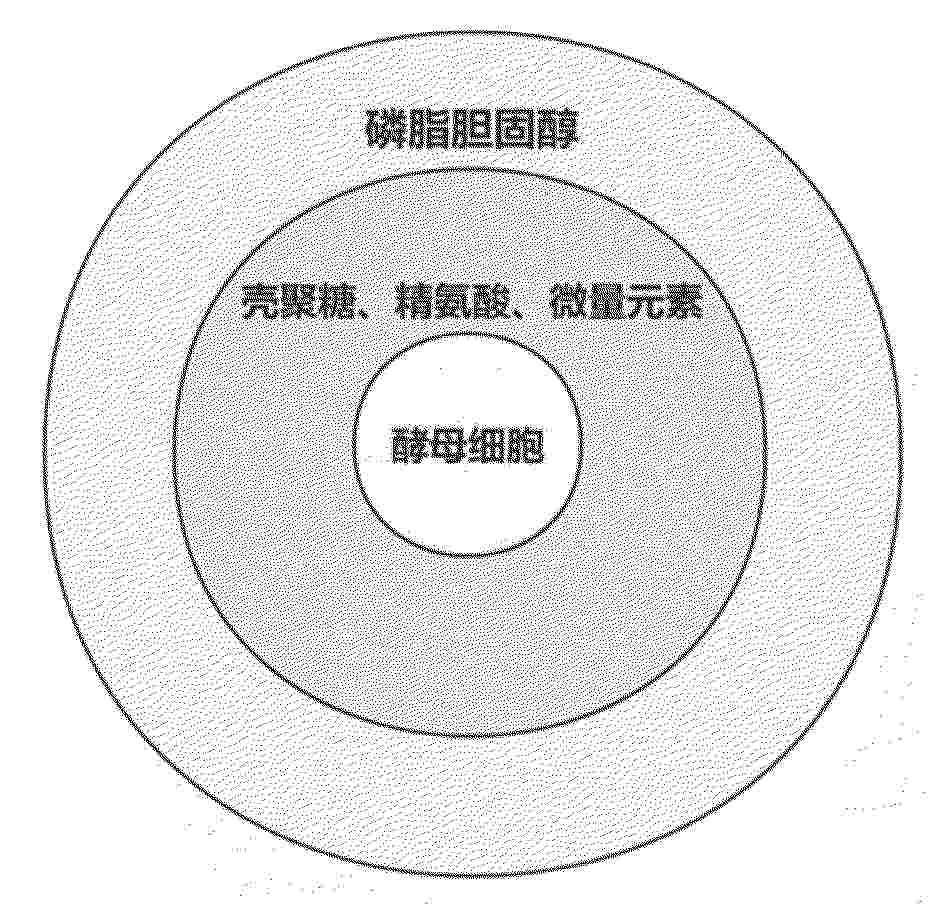
The invention relates to the technical field of microorganisms, and discloses a yeast microorganism as well as a preparation method and application thereof. The yeast microorganism comprises inactivated saccharomycetes, arginine, chitosan, trace elements and an emulsified coating layer, the emulsified coating layer coats the surface modified arginine, the chitosan and the saccharomycetes adsorbing the trace elements, and the emulsified coating layer comprises cholesterol and phospholipid. After the surfaces of the yeast microorganisms are treated by adopting chitosan and arginine, the surface potential of the yeast microorganisms is positive, trace elements can be effectively adsorbed, the yeast microorganisms are coated by phospholipid cholesterol, the average density of the yeast microorganisms is smaller than that of untreated yeast microorganisms, the suspension property of the yeast microorganisms in water can be remarkably improved, and the yeast microorganisms can be more effectively ingested and utilized by cladocerans; bad water is reduced, the dilemma that existing cladocerans culture highly depends on microalgae as bait is improved, and a basis is provided for cladocerans industrial culture.
Resumen de: CN122444346A
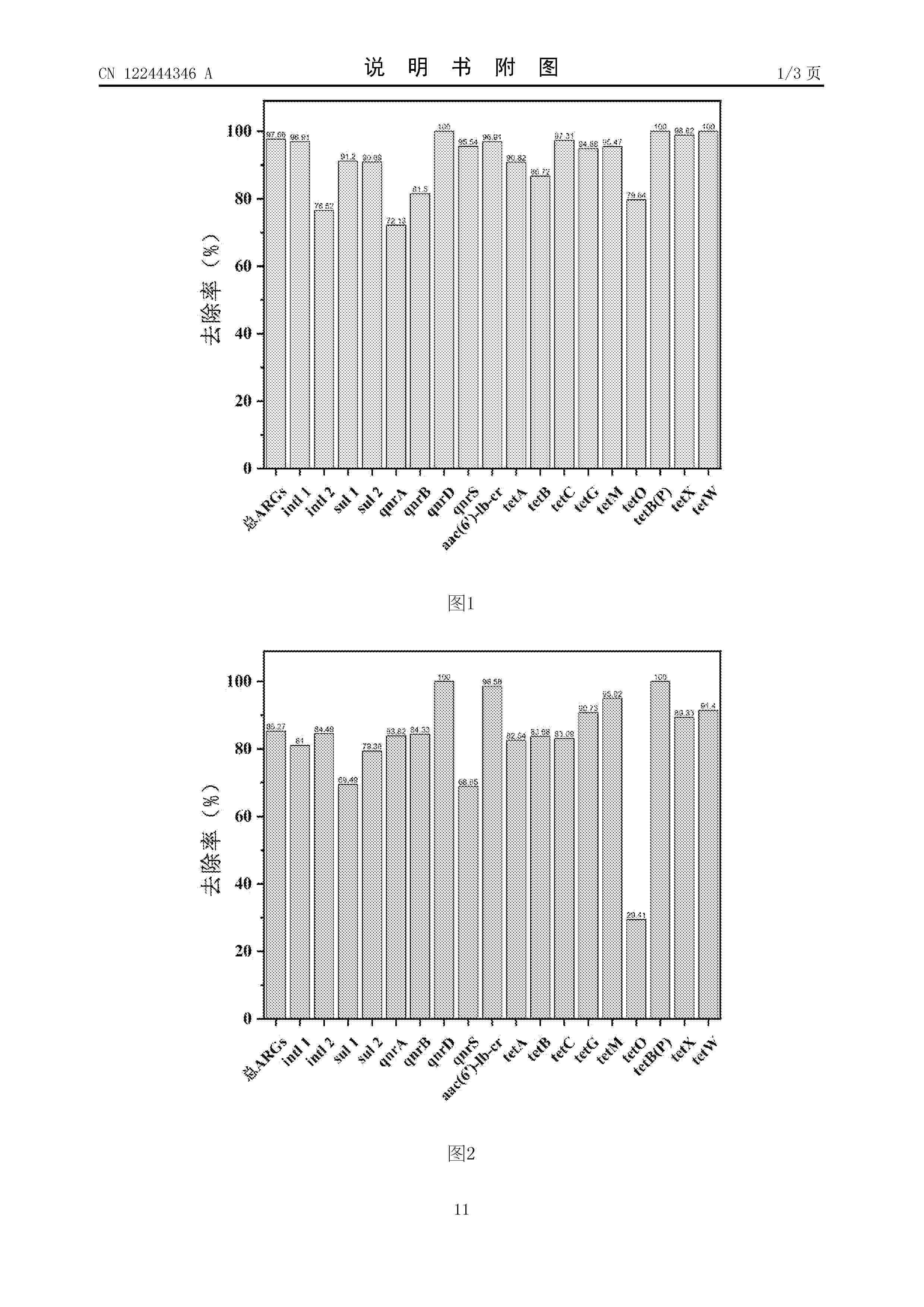
The invention belongs to the technical field of environmental protection, and discloses an application of a microbial inoculum in treatment of sewage containing resistance genes or preparation of a product for treatment of sewage containing resistance genes, the microbial inoculum comprises seawater microalgae and fungal hyphae, the resistance genes comprise at least one of integron resistance genes, sulfonamides resistance genes, fluoroquinolones resistance genes and tetracycline resistance genes, and the salinity of the sewage is 1%-4%. According to the method for treating the sewage containing the resistance genes, the ARGs in the sewage can be effectively removed, the good removal effect on integron ARGs, sulfonamides ARGs, fluoroquinolones ARGs and tetracyclines ARGs in the sewage is achieved, and the total ARGs abundance removal rate reaches 97.66%. The method for treating the sewage containing the resistance genes is green, pollution-free and low in operation cost; operation is simple and a treatment period is short.
Nº publicación: CN224551486U 24/07/2026
Solicitante:
TONGWEI AGRICULTURAL DEV CO LTD
FOZHAO HAINAN TECH CO LTD
\u901A\u5A01\u519C\u4E1A\u53D1\u5C55\u6709\u9650\u516C\u53F8
\u4F5B\u7167\uFF08\u6D77\u5357\uFF09\u79D1\u6280\u6709\u9650\u516C\u53F8
Resumen de: CN224551486U
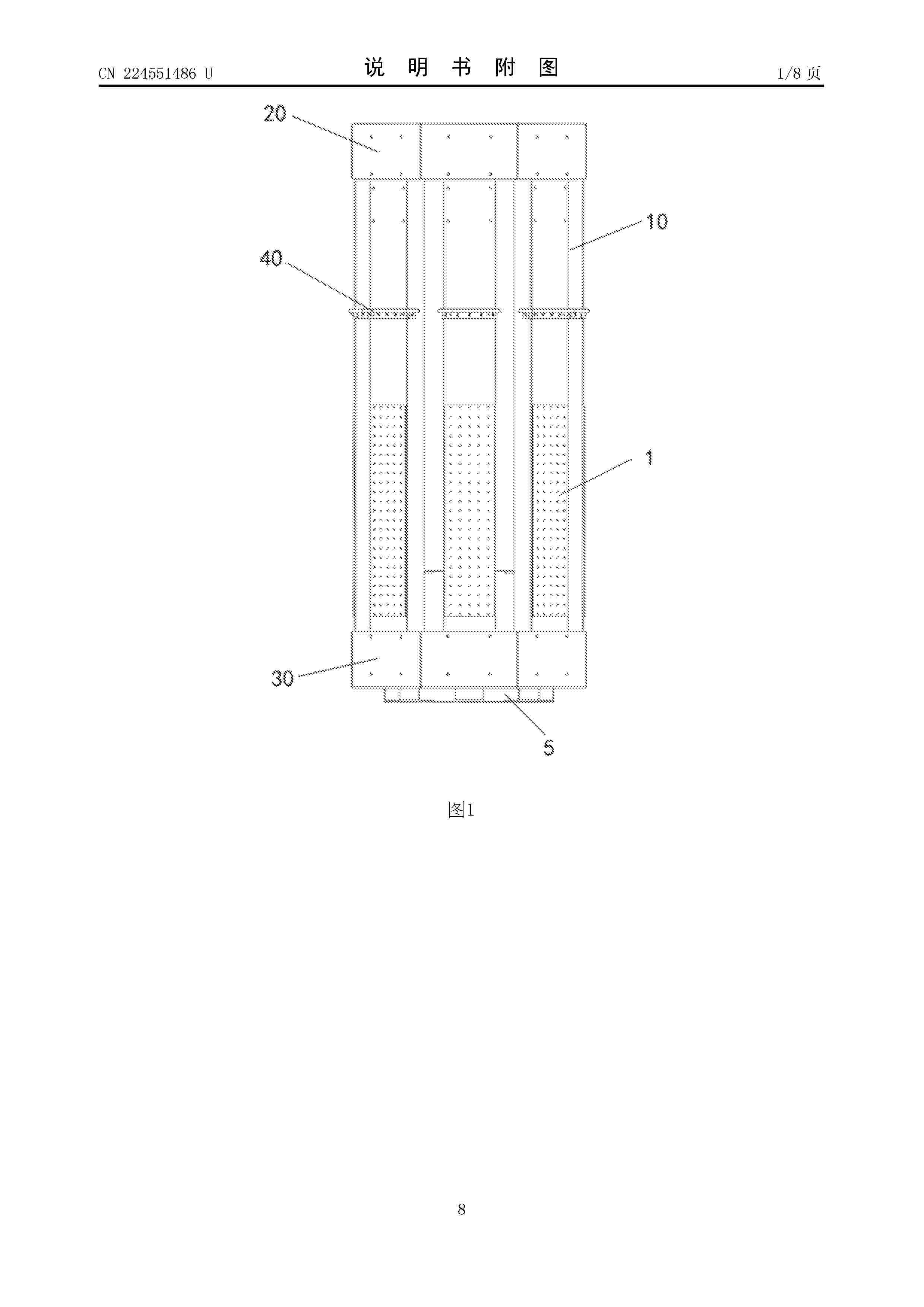
The utility model discloses a microalgae lamp and a culture device, and belongs to the technical field of microalgae culture, a light source plate is directly arranged on a heat dissipation plate, heat generated by the light source plate is directly transferred to the heat dissipation plate, and the heat dissipation area is increased due to the arrangement of heat dissipation strips, so that the heat dissipation effect is good, and the heat dissipation efficiency is high. According to the utility model, the light source plate is directly arranged on the heat dissipation plate without components such as a sealing structure and a lens, so that the manufacturing difficulty is reduced, the number of the components is reduced, the structure is simple, the light rays emitted by the lamp beads on the light source plate can directly irradiate the culture, the damage of the components such as the lens is avoided, the loss of light energy is greatly reduced, and the energy is saved. In addition, the first connecting piece is connected with one end of the heat dissipation plate, and the second connecting piece is connected with the other end of the heat dissipation plate, so that the light source mechanisms are integrated into a whole, installation and carrying are convenient, the structure is simple, and installation is easy.
 BOPI
BOPI
 Sede Electrónica