Si deseas distinguir tus productos, servicios o ambos de los de otra empresa, es posible que necesites una marca o nombre comercial. Descubre qué son, en qué consiste su procedimiento de registro y qué implica.

Información sobre los plazos de presentación de solicitudes de transformación de marcas de la Unión Europea en marca nacional española. Más información


Si tienes un nuevo dispositivo, producto o procedimiento que resuelva un problema técnico o tenga una ventaja práctica, existen distintas formas de protegerlo en España y en otros países. Descubre cómo hacerlo.

¿Tu innovación reside en la estética, la ornamentación o la apariencia de tu producto? Protégela mediante un diseño industrial. Descubre qué derechos confiere el registro y cómo realizar la tramitación.

Las indicaciones geográficas protegen el nombre de un producto originario de una zona geográfica, a la cual le debe una determinada calidad, reputación u otra característica. Descubre qué son, en qué consiste su procedimiento de registro y qué beneficios conceden.

Las patentes publicadas en todo el mundo son una valiosa fuente de información científica, técnica y comercial.

Si eres emprendedor/a o una empresa y quieres potenciar y mejorar la rentabilidad de tu negocio protegiendo de forma adecuada los activos intangibles de tu organización, en este espacio encontrarás lo necesario.


 188
resultados
188
resultados
 Última actualización
25/08/2026 [08:00:00]
Última actualización
25/08/2026 [08:00:00]


 Resultados 75 a 100 de 188

Resumen de: CN122207547A
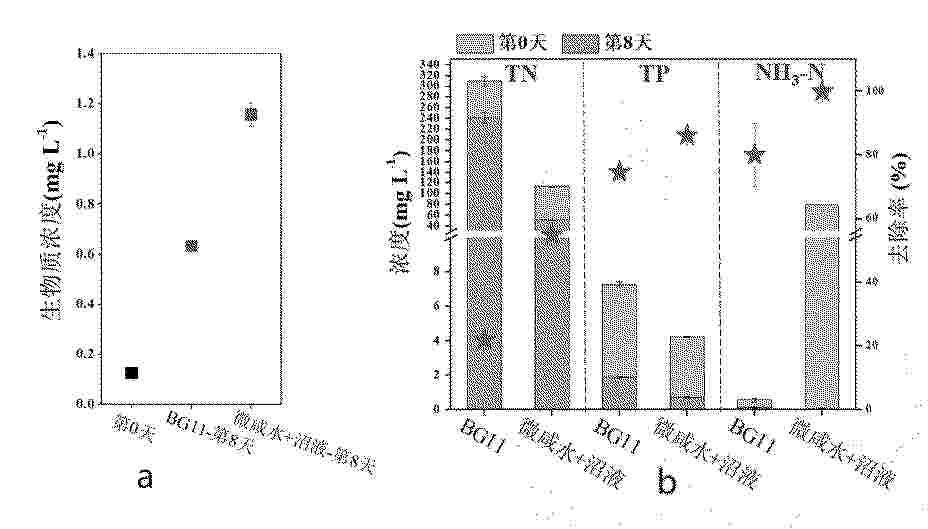
The invention discloses a microalgae biological fertilizer for enhancing disease resistance of wheat as well as a preparation method and application thereof, belongs to the technical field of biological fertilizers, and aims to solve the problems of low efficiency, environmental pollution and the like in the aspect of prevention and treatment of wheat root rot at present. The microalgae biological fertilizer is prepared from chlorella pyrenoidosa cultured by coupling cow dung fermentation biogas slurry with brackish water. The preparation method comprises the following steps: culturing chlorella pyrenoidosa in a biogas slurry coupled brackish water culture medium, mixing the obtained chlorella or chlorella powder with distilled water, and carrying out grinding, ultrasonic treatment and other simple treatment modes to obtain the microalgae biological fertilizer, so that the preparation method is simple and easy to operate, and the production cost of the microalgae biological fertilizer is effectively reduced. The microalgae biological fertilizer can provide various effective active components with stress resistance for crops, the stress resistance of the crops is enhanced, the vacancy of the microalgae biological fertilizer in the research direction of the disease resistance of the wheat root rot is made up, and the microalgae biological fertilizer has the advantages of environmental protection, sustainable utilization and the like.

Resumen de: CN122214234A
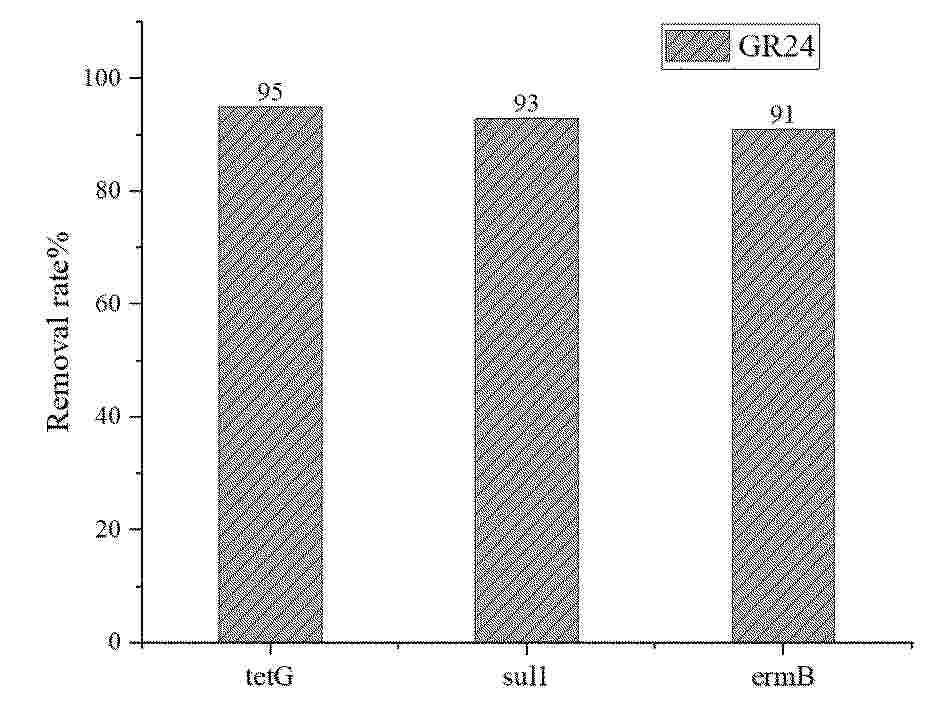
The invention belongs to the technical field of water pollution treatment, and particularly relates to a three-phase phycomycete symbiont based on plant hormone combination and a construction method and application thereof. The three-phase phycomycete symbiont disclosed by the invention consists of dominant microalgae (chlorella), functional bacteria (S395-2) and functional fungi (helicosporium), and is obtained through combined regulation and control of plant hormones GA3 and GR24; the constructed three-phase phycomycete symbiont is high in balling stability and strong in heavy metal and residual antibiotic stress resistance, the content of extracellular polymeric substances (EPS) can be remarkably increased, the adsorption fixation and reduction effect on multiple ARGs such as sulfonamides, tetracyclines and macrolides in swine wastewater can be enhanced, the total reduction rate of the ARGs can reach 90% or above, and the total reduction rate of the ARGs can reach 90% or above. The symbiont can be subsequently developed into feed or food, the risk of secondary pollution is avoided, good practicability and economical efficiency are achieved, and an efficient and stable technical scheme is provided for pollution treatment of the pig raising wastewater ARGs.
Resumen de: CN122214462A
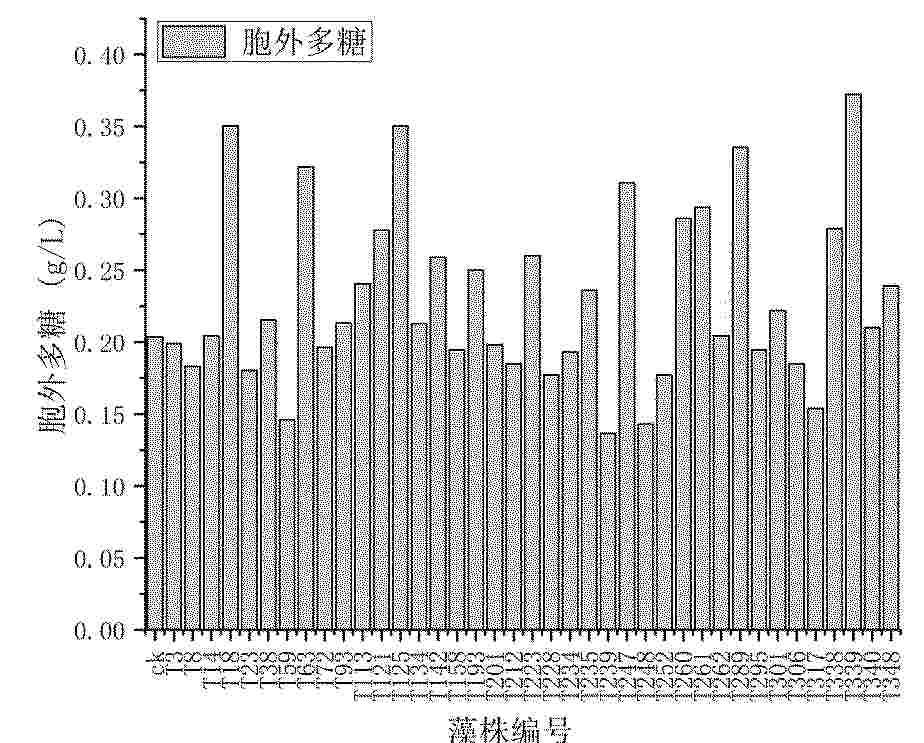
The invention belongs to the technical field of algae strain breeding. The invention discloses a breeding method of a high-yield exopolysaccharide nannochloropsis algal strain. According to the breeding method, a nannochloropsis algal strain is taken as an object, an algal solution in a logarithmic phase is subjected to ARTP mutagenesis treatment, the mutagenesis fatality rate is controlled to be not lower than 90%, a mixed solution of glycerol and a BG-11 culture medium is taken as a protective solution to resuspend the algal body, and screening is performed after dark culture. By taking the standard that the yield of the extracellular polysaccharide is not lower than 20% before mutagenesis, the extracellular polysaccharide nannochloropsis algal strain with high yield and genetic stability is obtained by combining two-step screening of plate primary screening and fermentation secondary screening. According to the method, ARTP mutagenesis and directional screening are combined, the obtaining rate of high-yield extracellular polysaccharide algal strains can be effectively increased, the bred algal strains are stable in character, and the method is suitable for fermentation production of microalgae extracellular polysaccharide.
Resumen de: CN122212371A
The invention discloses an application of Platymonas subcordiformis in removal of phosphorus nutritive salts in mariculture wastewater, the Platymonas subcordiformis is Platymonas sp.CCMA-317, is preserved in the China Center for Type Culture Collection on January 20, 2026, and has a preservation number of CCTCC NO: M2026173, and the preservation number of the Platymonas subcordiformis is CCTCC NO: M2026173. The application adopts any one of the following culture modes: carrying out semi-continuous culture by taking the pretreated industrial mariculture wastewater as a substrate; or carrying out batch culture by taking open in-situ mariculture water as a substrate; or constructing a phycomycete symbiotic system with a halomarinobacter strain for culturing. The whole process does not need to domesticate algae species in advance, the pretreatment steps are simple (only conventional bolting-silk filtration, gravity settling, commercially available disinfectants and antichlor are adopted), the culture conditions are mild and easy to control, the technical threshold and the operation cost are remarkably reduced, and the method is suitable for industrial production. The defects of secondary pollution of a traditional chemical method, difficulty in domestication of a biological method and low batch culture efficiency of the existing microalgae are overcome, and the method conforms to green sustainable development and circular economy concepts and has a good industrial popularization
Resumen de: CN122212309A
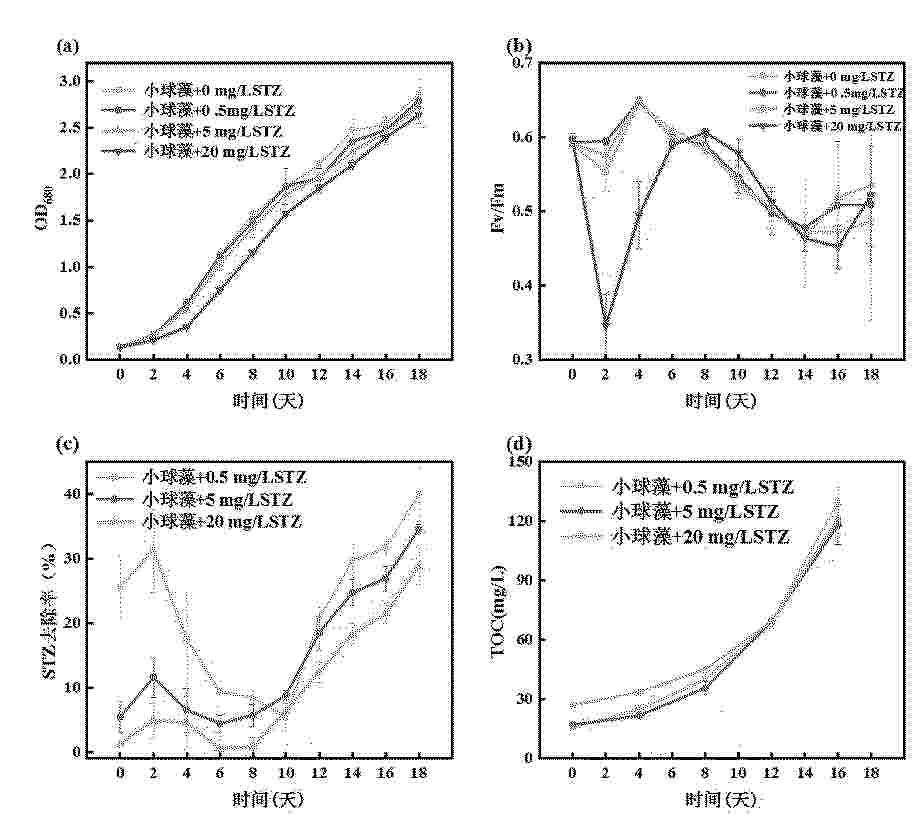
The invention discloses a method for enhancing antibiotic photodegradation through bacterial transformation of microalgae extracellular dissolved organic matters, which comprises the following steps: (1) culturing microalgae in a culture medium, centrifugally collecting the supernatant of the culture solution, and filtering and sterilizing to obtain the microalgae extracellular dissolved organic matters (DOM); (2) inoculating bacteria into the microalgae extracellular soluble organic matter obtained in the step (1) for culturing, enabling the bacteria to metabolize and convert the microalgae extracellular soluble organic matter (DOM), centrifuging a culture solution after the culture is finished, and filtering to remove bacteria, so as to obtain the bacteria converted microalgae extracellular soluble organic matter; and (3) adding the bacterial transformed microalgae extracellular soluble organic matter obtained in the step (2) into antibiotic-containing wastewater, and enhancing the photodegradation of antibiotics under an illumination condition. According to the method, the photosensitive activity of algae-derived DOM can be improved through bacterial transformation, indirect light degradation of antibiotics is promoted under the illumination condition, and the drug resistance risk can be reduced.
Resumen de: CN224362747U
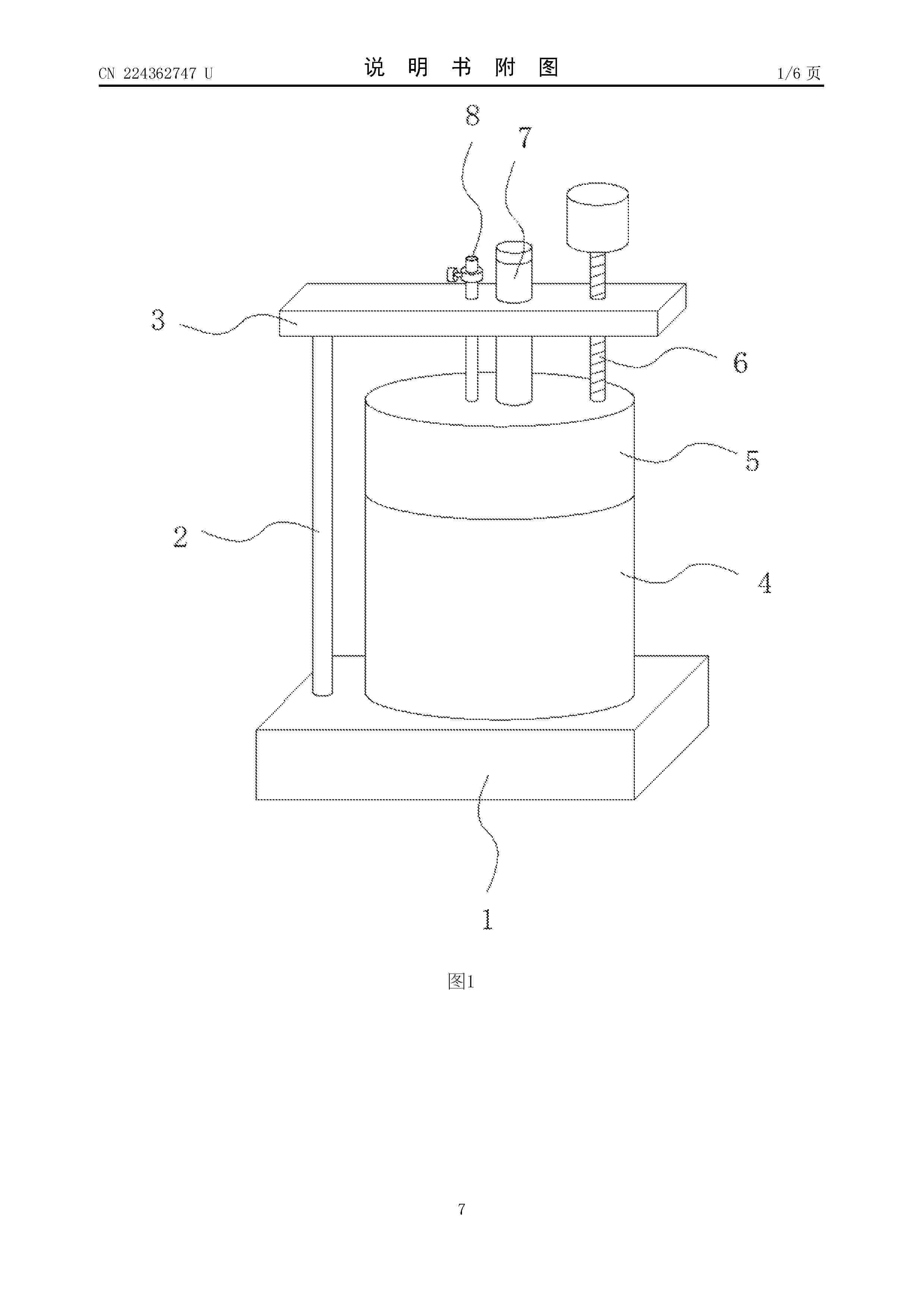
The utility model provides a culture device for ocean microalgae, which comprises a base, a fixed cylinder and an adjusting mechanism arranged at the top of the base, the adjusting mechanism comprises a fixed rod, a cross rod and an upper cover, and the upper cover is movably arranged below one end of the cross rod through an adjusting screw arranged at the top end of the upper cover. Through rotation and descending adjustment of the upper cover, the culture bottle can be conveniently extruded and fixed, the stability of the culture bottle can be improved, and the culture bottle and the marine microalgae can be conveniently placed in the fixed cylinder and the upper cover to be cultured without illumination; light supplementing lamps are uniformly arranged on the inner wall, corresponding to the fixed cylinder, of the periphery of the culture bottle, and the culture bottle can be rotated and shaken through a servo motor, a tray and a rotating ring, so that the marine microalgae are fully irradiated and are in contact with carbon dioxide, and photosynthesis of the marine microalgae is facilitated; and through rising and moving adjustment of the upper cover, the culture bottle can be taken out to conveniently obtain the marine microalgae, so that the practicability of the device can be improved.
Resumen de: CN122182633A
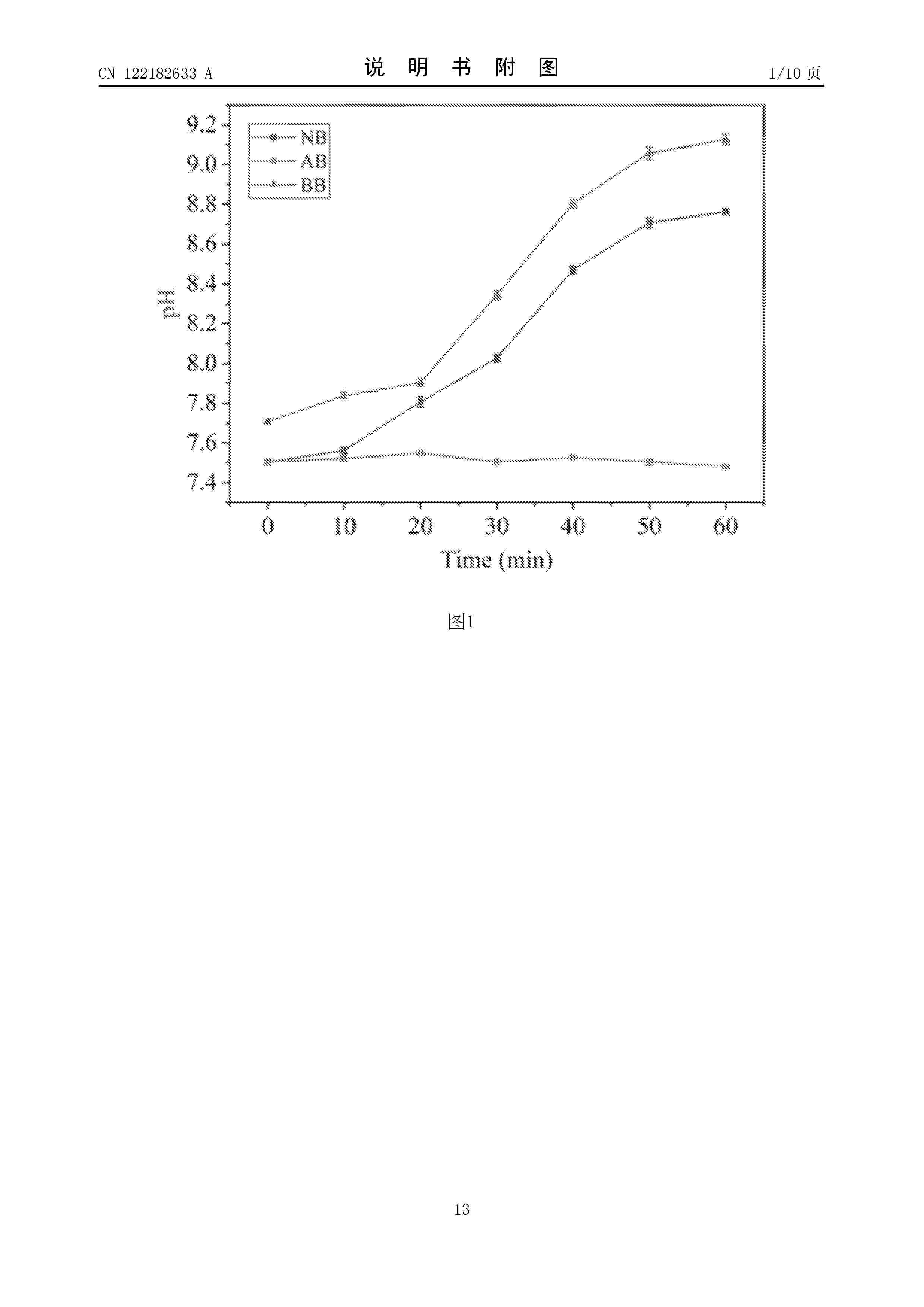
The invention belongs to the technical field of functionalization of natural products, and particularly relates to an extraction process of a pico-chlorococcus active extract for resisting bacteria and candida albicans. In order to overcome the defects of high microalgae harvesting energy consumption, low active ingredient extraction rate, narrow extract antibacterial spectrum and the like, the method comprises the following steps: firstly, harvesting microalgae by adopting a pretreatment method of combining alkaline environment-assisted electric flocculation harvesting with low-temperature centrifugal dewatering; and extracting the bacteriostatic active components of the microalgae by adopting an ultrasonic wall breaking-enzymolysis impurity removal synergistic algae powder extraction pretreatment strategy and a composite extraction strategy of ethanol and alkali co-extraction-precipitation-freeze-drying preservation. The extracted pico-chlorococcus active extract has efficient inhibitory activity on gram negative/positive bacteria and Candida albicans, not only overcomes the defect of weak antifungal effect of the traditional natural bacteriostatic agent, but also realizes green and efficient preparation of the natural bacteriostatic agent.
Resumen de: CN122190208A
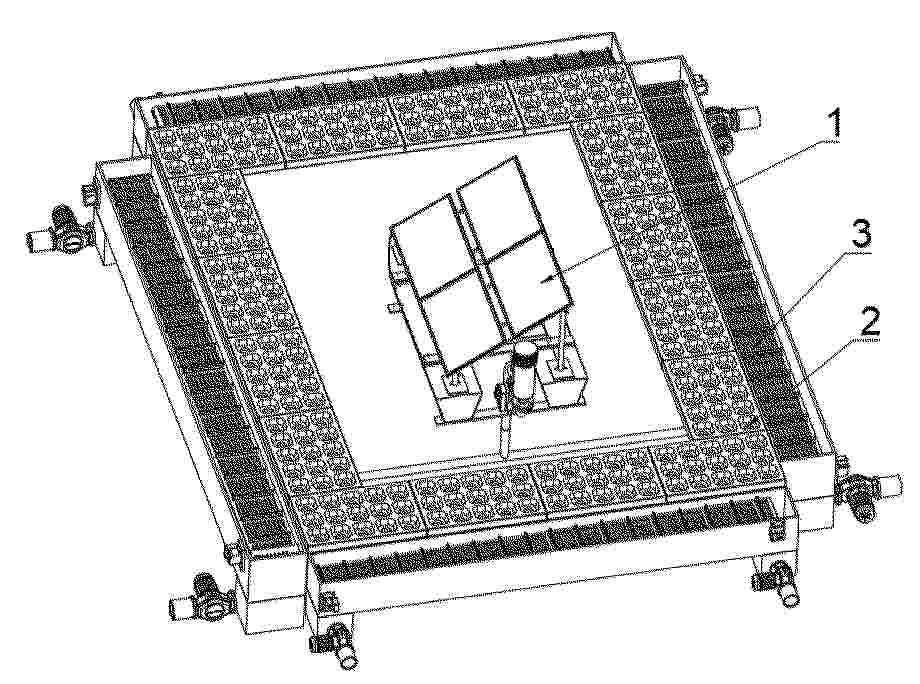
The invention discloses a novel cyanobacteria bloom in-situ treatment system, and relates to the technical field of cyanobacteria treatment, the novel cyanobacteria bloom in-situ treatment system comprises a pontoon, an ecological floating island and an intercepting and fishing device, the pontoon is fixedly provided with a solar photovoltaic panel, a storage battery, an aeration device and a water circulation device, and the intercepting and fishing device comprises an intercepting groove and a conveyor belt; a lifting part is arranged on the top of the intercepting groove in the circumferential direction and is controlled by a lifting device to ascend and descend; a water collecting cavity and a blue-green algae cavity are formed in the two ends of the bottom of the intercepting groove correspondingly, and the conveying belt conveys materials from one side of the water collecting cavity to one side of the blue-green algae cavity and is used for separating blue-green algae and water. By arranging the liftable intercepting and fishing device, the ecological floating island, the aeration device and the water circulation device, blue-green algae can be quickly fished and reduced, dissolved oxygen can be improved, water body exchange can be enhanced, nutritive salt can be continuously absorbed, illumination can be shielded, full-period treatment of emergency in an outbreak period and stability maintenance in a non-outbreak period is achieved, and the method is suitable for large
Resumen de: CN122188795A
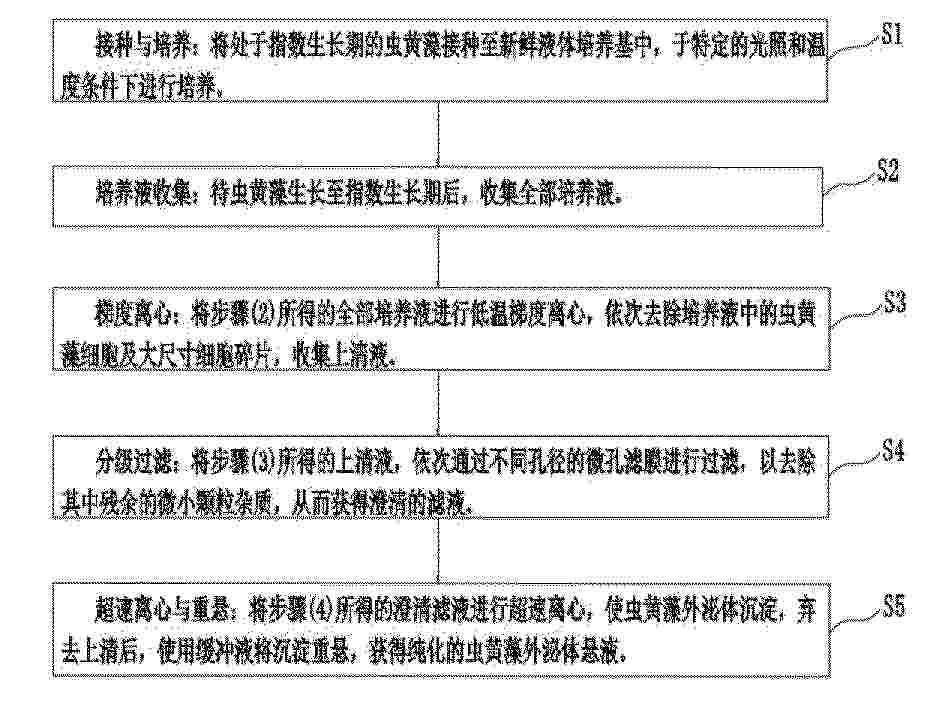
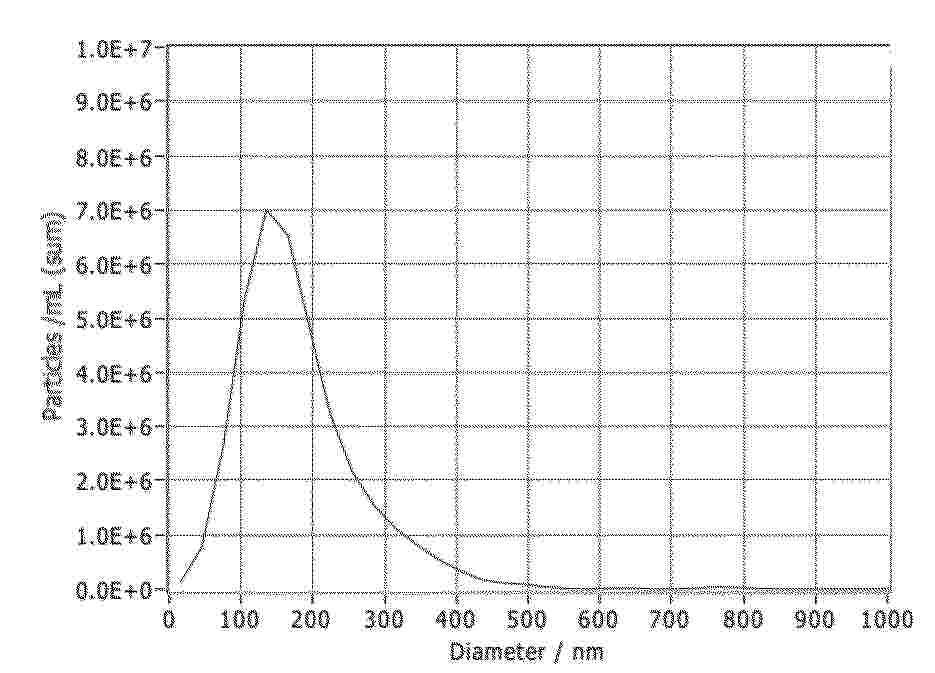
The invention discloses a zooxanthellae exosome and an extraction method thereof, and belongs to the technical field of marine microalgae biology. The exosome is extracted from a zooxanthellae culture solution, is a nano-scale vesicle with a phospholipid bilayer membrane structure, has a complete form, has a particle size of 40-200 nm and an average particle size of 172.3 nm, and has a protein content of 7.06-17.64 mu g/mL in a PBS resuspension. The extraction method comprises the following steps: culturing zooxanthellae to an exponential growth phase in an L1 culture medium under optimized temperature and light conditions, and collecting a culture solution; removing cells and large fragments through low-temperature gradient centrifugation; filtering through 0.45 mu m and 0.22 mu m filter membranes in sequence to remove tiny impurities; finally, ultracentrifugation and precipitation are carried out, PBS resuspension is carried out, and purified exosome suspension is obtained, so that the problem that research on coral whitening at present focuses on physiological and cell changes of zooxanthellae is solved, and the effects of ensuring that the obtained exosome product has long-term stability, continuously meeting preset quality standards and ensuring the reliability of research results are achieved.
Resumen de: CN122181653A
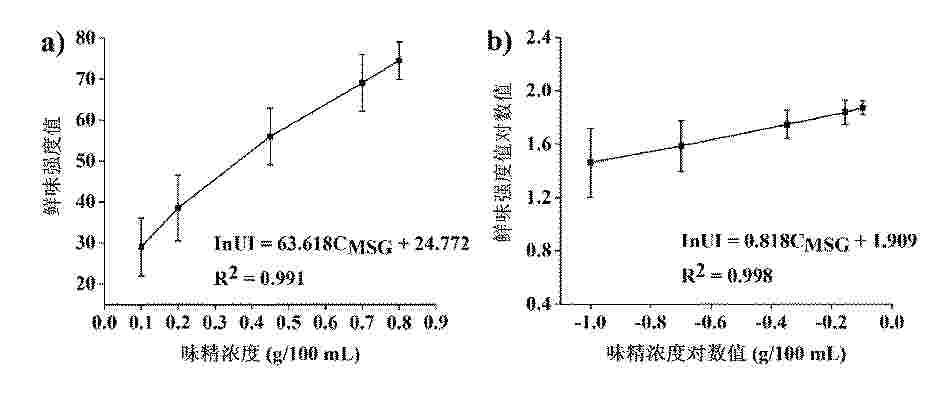
The invention belongs to the technical field of food flavor regulation and control, and particularly relates to a method for improving taste quality of edible microalgae by utilizing sweetness-reducing essence (2-4-methoxyphenoxy sodium propionate). The method comprises the following steps: preparing an aqueous phase suspension with a mass fraction of 0.5-10% (on a dry basis) from fresh edible microalgae fronds or dry powder, wherein a continuous phase is pure water, a microalgae culture medium, fruit juice, vegetable juice or a compound thereof; adding 100-250 ppm of sweetness-reducing essence into the microalgae suspension, and stirring or homogenizing to make the system uniform; and seasoning, compounding, sterilizing, drying, tabletting or packaging to obtain a liquid beverage, a solid beverage or a tablet candy product. According to the method disclosed by the invention, the umami strength of the edible microalgae product can be within a human body taste pleasure range, the sour taste, the salty taste and the bitter taste are not obviously influenced, the flavor balance and the palatability of the microalgae food can be improved, and a feasible technical path is provided for industrial development of the microalgae food.
Resumen de: CN224350673U
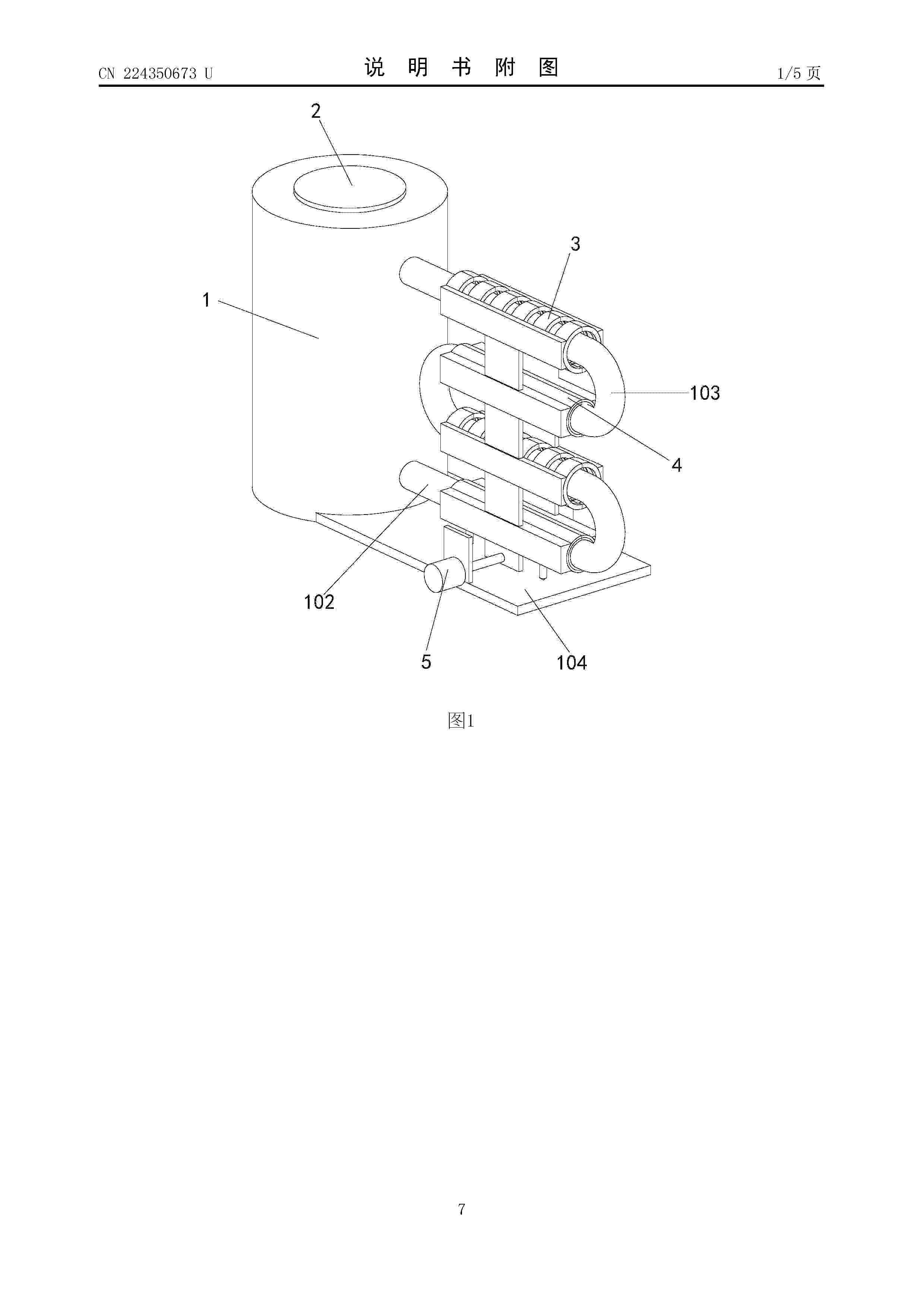
The utility model discloses a multilayer sleeve type microalgae carbon sequestration energy production photoreactor device, which relates to the field of microalgae carbon sequestration, and comprises a hollow sleeve type reactor and a driving assembly, two LED lamp tubes are arranged at the hollow position of the hollow sleeve type reactor, a bottom plate is integrally fixed at the bottom of the outer wall of the hollow sleeve type reactor, and the driving assembly is arranged at the bottom of the hollow sleeve type reactor. Four fluid pipes are arranged on the outer wall of one side of the hollow sleeve reactor, the tail end of each fluid pipe is communicated through a U-shaped connecting pipe, two sets of illumination pieces and two sets of shielding pieces are distributed on the outer walls of the four fluid pipes in a staggered mode, each set of illumination piece is composed of twelve arc-shaped plates, and every two arc-shaped plates are matched to form a complete circular ring. According to the microalgae carbon sequestration device, the fixed light source is adopted, the problem that the moving speed of a lamp belt is not matched with the flowing speed of microalgae is solved, light-dark alternation and uniform illumination distribution can be accurately controlled, the photosynthesis efficiency of the microalgae is improved, and the carbon sequestration efficiency of the microalgae is improved.
Resumen de: CN224350643U
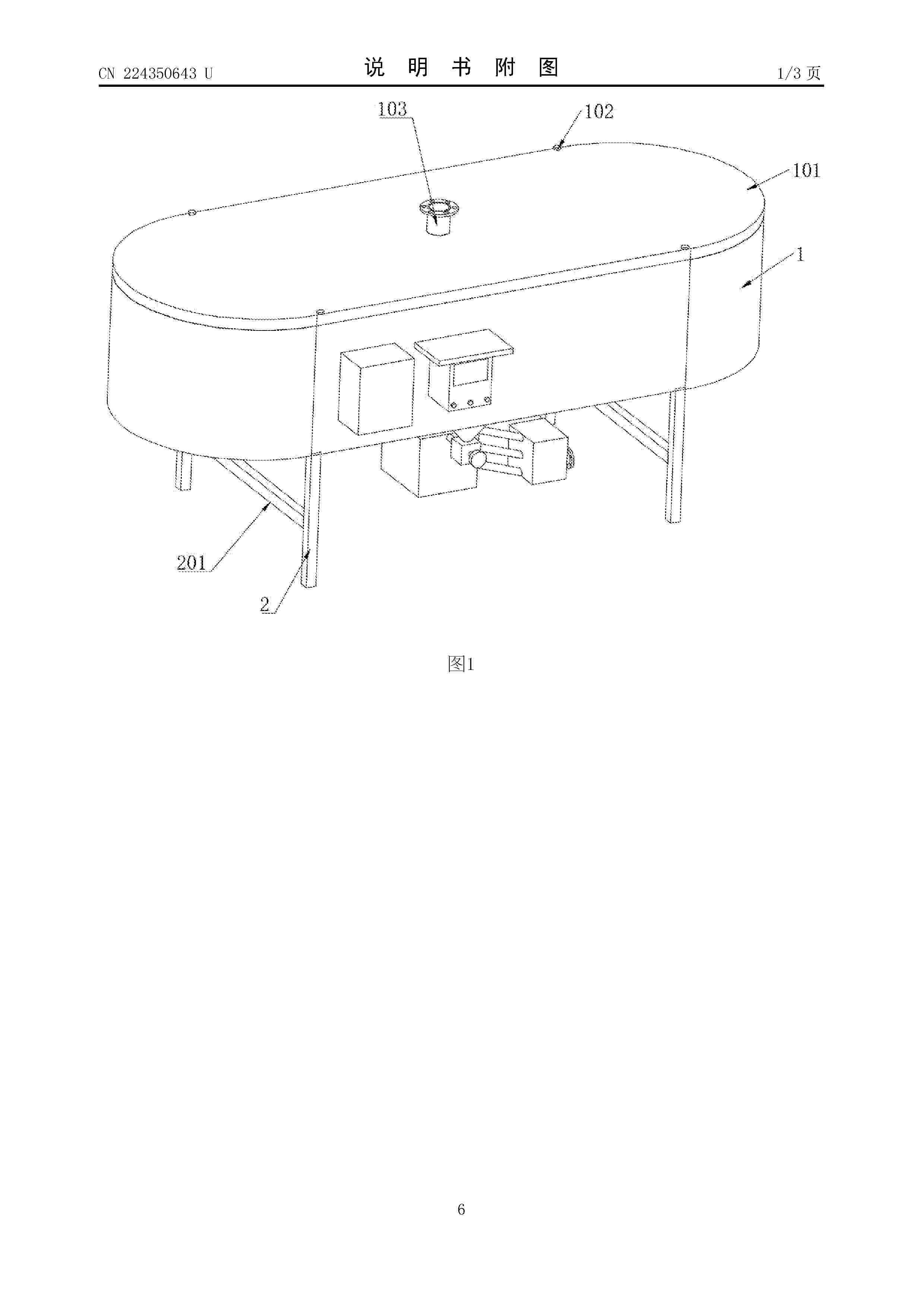
The utility model relates to the technical field of microalgae culture, and discloses a raceway pond microalgae culture device which comprises a raceway pond microalgae culture pond, two sets of conical temporary storage shells are fixedly installed at the bottom of the raceway pond microalgae culture pond, and one-way valves are arranged at the bottoms of the two sets of conical temporary storage shells. According to the raceway pond type microalgae culture device, liquid enters the interior of the transfer box through a connecting pipe on the side face of a one-way valve under the action of a conical temporary storage shell which is designed to be conical, and culture liquid and microalgae in the transfer box can be rapidly discharged into a conveying shell through three sets of 45-degree discharging inclined pipes on the side face of the transfer box; the conveying shell is in butt joint with an external container through an external pipe to rapidly conduct discharging and transferring, rapid discharging of the raceway pond type microalgae cultivation device can be achieved in the whole operation process, residual liquid is little, pumping of a water pump is not needed in the operation process, and compared with the prior art, the scheme is more practical in design, convenient to operate and low in cost. And the required energy consumption and cost are reduced.
Resumen de: CN122187240A
The invention discloses a three-stage strengthening method for continuous anaerobic acid production of cyanobacteria mud. The method comprises the following steps: adding blue-green algae mud and anaerobic inoculation sludge into a continuous stirred tank reactor, and starting under the conditions of 35 DEG C, 120 r/min and pH 10; after starting is completed, continuous flow stable operation is conducted in the modes of HRT 10 d, feeding substrate concentration 10 g VS/L and daily equal-volume feeding and discharging; after the system reaches a steady state, adding a cellulose degradation microbial inoculum which is washed by a buffer solution, is obtained by enriching and domesticating anaerobic sludge by taking sodium carboxymethyl cellulose as a restrictive substrate and is 10% (v/v) of the working volume of the reactor into the reactor, adding 0.4 g/g TS rhamnolipid according to the total solid of the blue algae mud, continuing continuous flow operation, and carrying out continuous flow treatment on the blue algae mud; fermentation liquor rich in volatile fatty acid is obtained. The method is suitable for continuous anaerobic acid production of the cyanobacteria mud.
Resumen de: CN122188773A
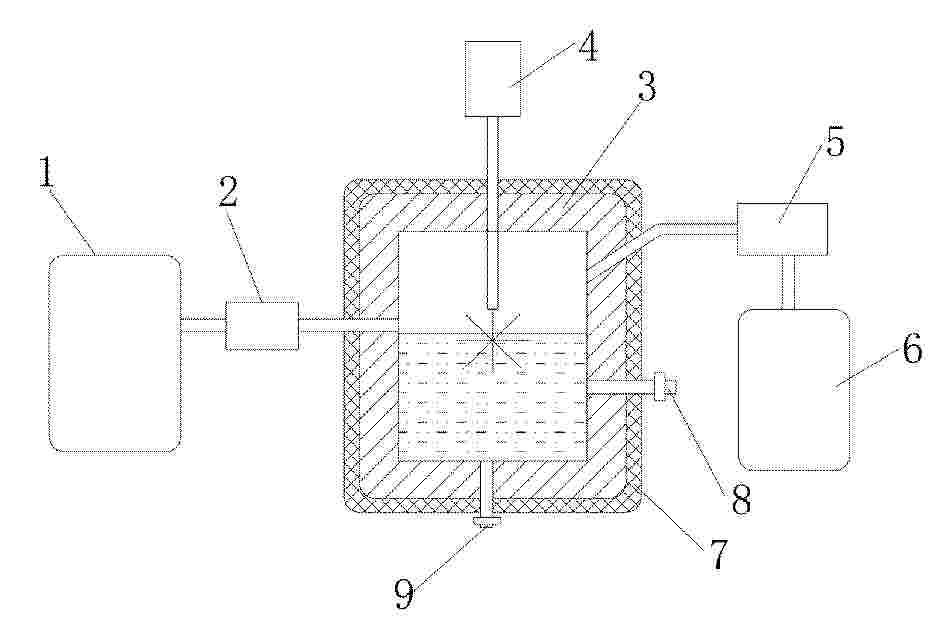
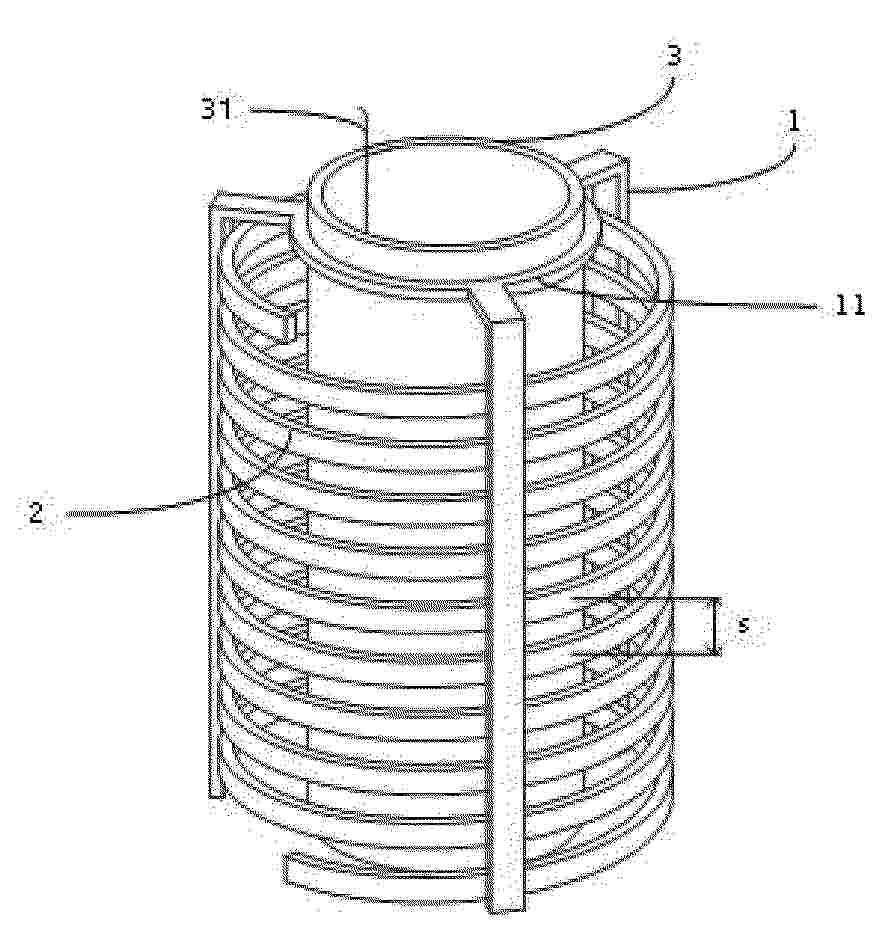
The invention discloses a photobioreactor with a brush-shaped carrier and application of the photobioreactor in high-density culture of chlorella pyrenoidosa, and relates to the field of microalgae culture. The photobioreactor comprises a support, a reactor, a lamp strip and a brush-shaped carrier, the reactor is arranged on the support and made of a transparent material, and an aeration disc is arranged at the bottom in the reactor; the lamp strip is arranged on the bracket and spirally surrounds the periphery of the reactor; the brush-shaped carrier is arranged in the reactor, the brush-shaped carrier comprises a supporting rod and a plurality of bristle units distributed in the length direction of the supporting rod, and each bristle unit is formed by bristles which are densely distributed inside and sparsely distributed outside. The brush-shaped carrier is of a three-dimensional structure, and high-density culture of the microalgae is facilitated; and each bristle unit is formed by bristles which are densely distributed inside and sparsely distributed outside, so that the shielding effect of the carrier on light rays is reduced.
Resumen de: CN122188877A
The invention belongs to the technical field of microorganisms, and particularly relates to rose semi-photosynthetic bacteria as well as strain fermentation liquor and application thereof. The invention discloses a rose semi-photosynthetic bacterium which is preserved in the China General Microbiological Culture Collection Center (CGMCC), and the preservation number is CGMCC No.30684. The rose semi-photosynthetic bacteria can lyse algae in a direct contact manner, and has an efficient algae lysing effect on microcystis aeruginosa. The invention also discloses a fermentation broth prepared according to the rose-colored semi-photosynthetic bacteria, and the rose-colored semi-photosynthetic bacteria and the strain fermentation broth thereof can be used as a microbial algicide, and have good application prospects in the prevention and treatment of cyanobacterial bloom.
Resumen de: US20260159554A1
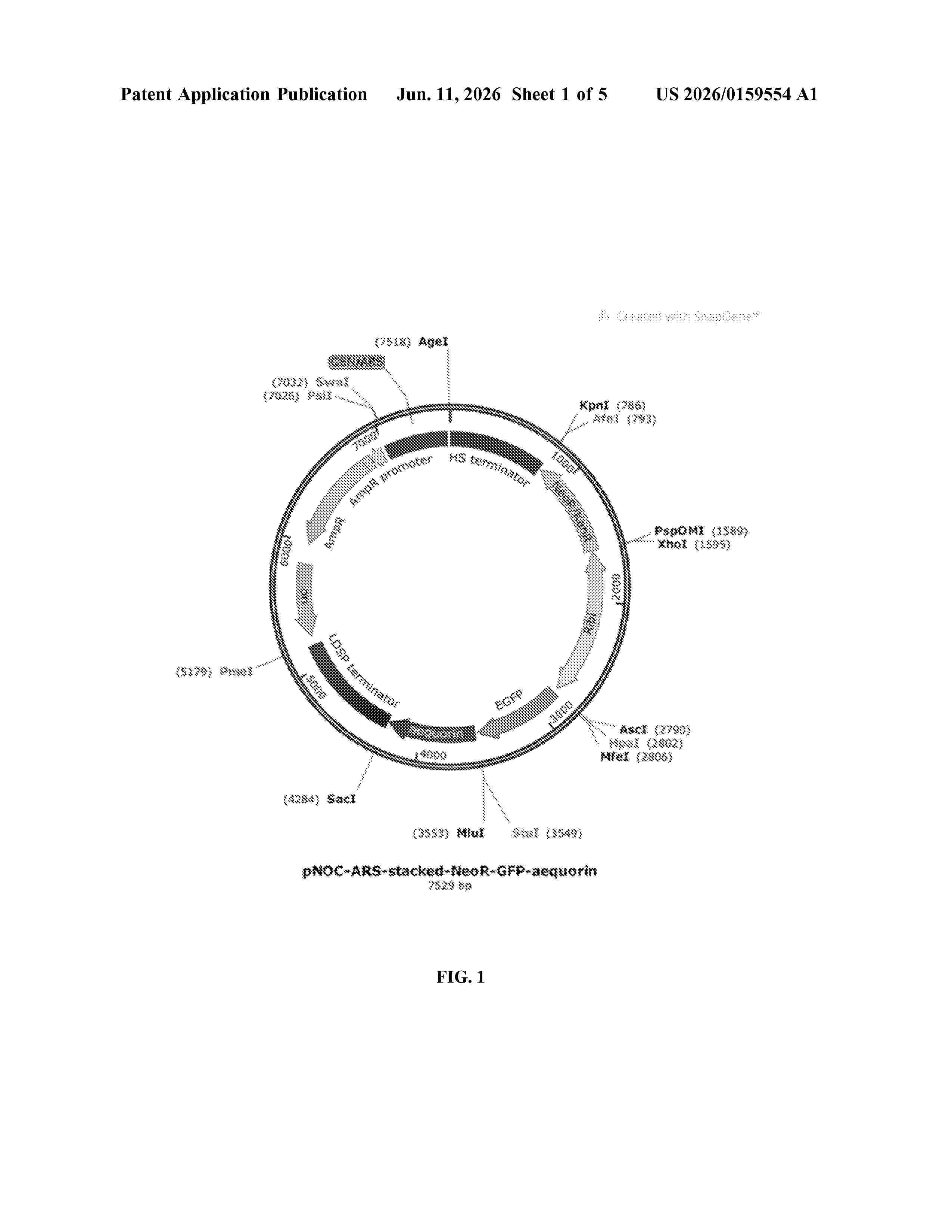
The present disclosure provides recombinant polynucleotide comprising a heterologous regulatory element operably linked to a first nucleic acid sequence encoding a cyanobacterial bicarbonate transporter protein. The disclosure also provides expression vectors comprising the recombinant polynucleotides as well as eukaryotic algae and methods of utilizing the eukaryotic algae for improved carbon removal and biomass production.
Resumen de: WO2026120119A1
The present invention relates to the cosmetic use of a crude oily extract of the microalga Porphyridium cruentum or of an oily ingredient comprising same, for preventing the appearance and/or reducing the visibility of wrinkles and/or fine lines, in particular expression lines, and/or for smoothing the skin, and/or for improving sleep quality and/or reducing stress. The invention also relates to a cosmetic composition comprising the oily ingredient, and to a cosmetic care method comprising the topical application of the oily ingredient or the cosmetic composition comprising same.
Resumen de: US20260159860A1
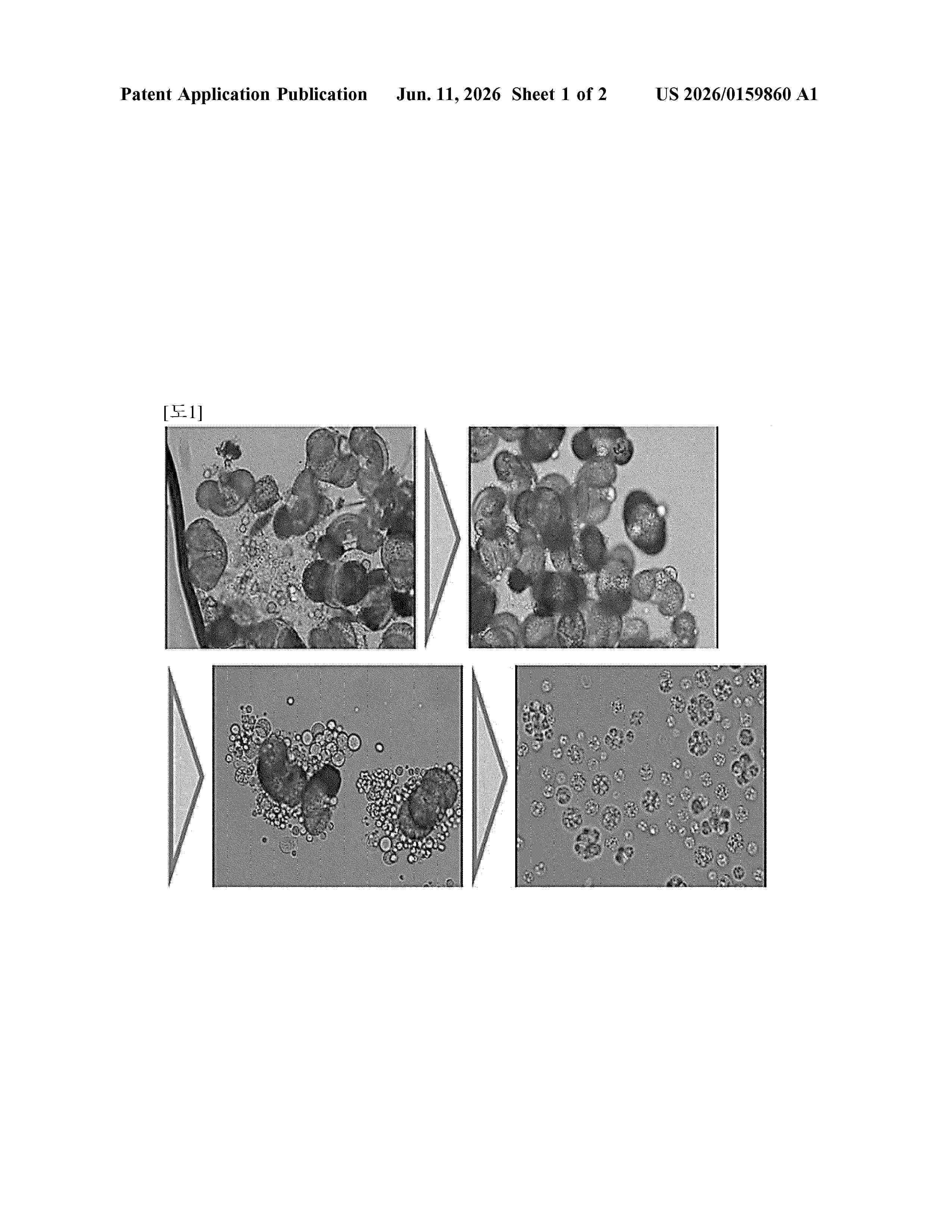
0000 The present application relates to a novel strain of Schizochytrium sp. with easy intracellular oil extraction and a method for producing oil containing omega3 using same. The novel microalgae of Schizochytrium sp. according to the present invention has a high content of fat in biomass, specially a high content of unsaturated fatty acids such as docosahexaenoic acid and eicosapentaenoic acid, and thus it is very easy to extract biomass produced by itself or by cultivation and fermentation and fat components including unsaturated fatty acids from the biomass. Accordingly, the microalgae, and dried biomass and bio-oil prepared therefrom can be helpfully used as a composition for feed or a composition for food.
Resumen de: EP4755865A1
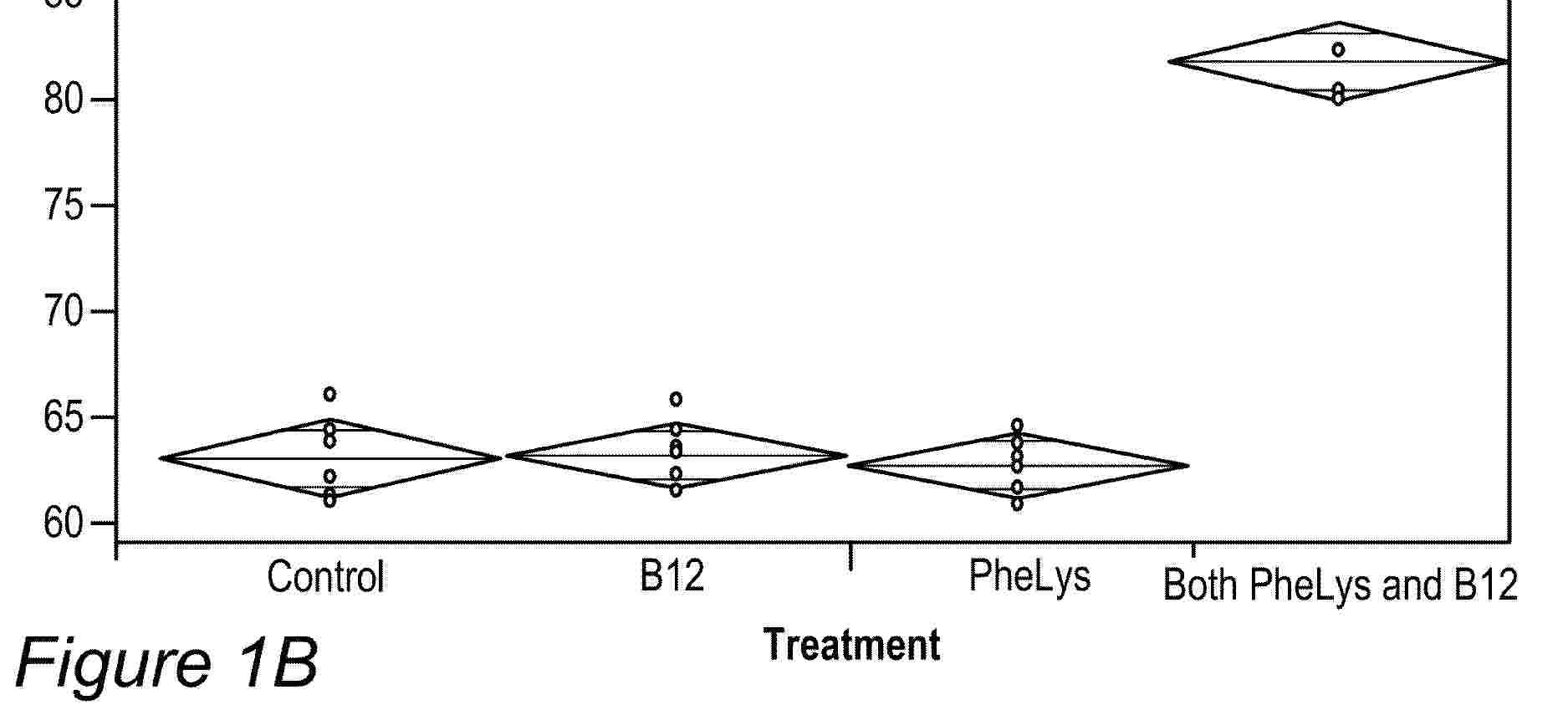
0001 Biostimulant compositions and methods for enhancing soil organic carbon are provided. A mixture of bioavailable B12 and amino acids phenylalanine (Phe) and lysine (Lys) - was found to enhance soil organic carbon and crop growth due to synergistic effects between the bioavailable B12 and the PheLys. The bioavailable B12 and the PheLys may be derived from various sources, including, e.g., cyanobacteria (e.g., spirulina - Arthrospira platensis) or green algae (e.g., Nannochloropsis spp.) cultivated under photosynthetically controlled conditions to yield upregulated bioactive compounds such as bioavailable B12 and amino acids. One or more sources may be used to provide the bioavailable B12, Phe and Lys, and algal cultivation may be integrated with additional industries to yield synergistic biostimulation effects.
Resumen de: CN122168416A
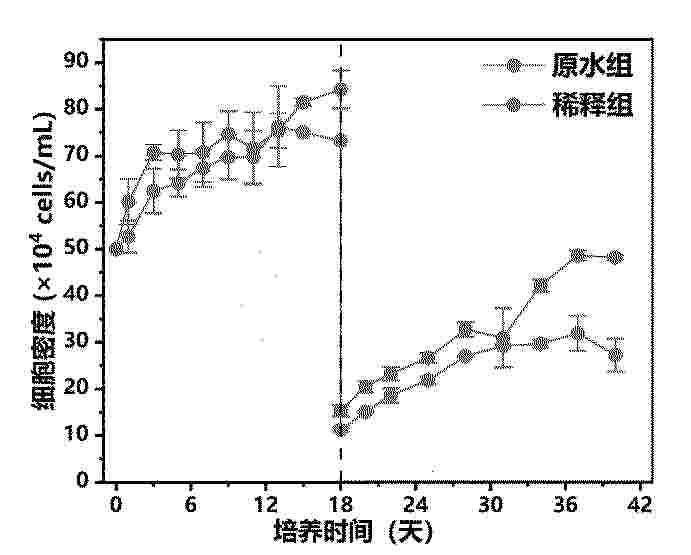
The invention discloses a stable stress-resistant microbial community structure and a construction method and application thereof, and the construction method comprises the following steps: taking green algae and protozoa in a logarithmic phase and an algae liquid containing microcystis, adding nutrients and trace elements, and carrying out co-culture to make the green algae become dominant species; the co-culture solution is diluted and then subjected to semi-continuous flow operation in a photobioreactor, water is periodically changed, nutrients and trace elements are periodically supplemented, meanwhile, a photosynthesis accelerant is added, the microalgae biomass is continuously increased, and the green alga advantage is maintained; and in the culture process, when the proportion of free green algae is greater than 60% or the community is impacted, adding a green algae group aggregating agent to form a green algae group. The invention also discloses the microbial community constructed by the method and application of the microbial community in sewage treatment or water body remediation. The problems that microalgae are easily polluted by microorganisms in the open system culture process, the culture system is unstable, and the impact resistance of the system is weak are solved.
Resumen de: CN122167608A
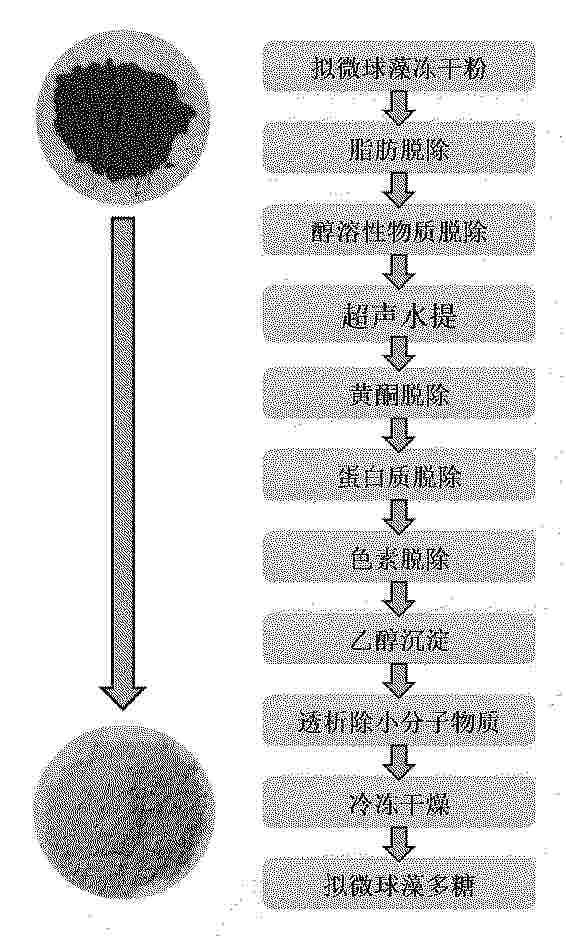
The invention discloses an extraction method and application of microalgae polysaccharide. The method comprises the steps of fat removal, alcohol-soluble molecule removal, ultrasonic water extraction, flavone removal, protein removal, pigment removal, ethanol precipitation, small molecular substance removal and freeze drying. According to the method, directional step-by-step impurity removal and ultrasonic water extraction are combined, so that efficient separation of polysaccharide and impurities is realized. The optimal ultrasonic extraction process is optimized and determined through a response surface method, the ultrasonic extraction power is fixed to be 100 W, the ultrasonic extraction temperature is 49 DEG C, the extraction time is 61 min, the material-liquid ratio is 1: 20 g/mL, extraction is carried out for three times, and the polysaccharide yield reaches 1.45% under the conditions. The obtained nannochloropsis sp. Polysaccharide has remarkable antioxidant activity and has a good scavenging effect on DPPH free radicals, hydroxyl free radicals and ABTS free radicals, and the total reducing power is enhanced in a dose-dependent mode. The extraction process is simple and controllable, and the obtained polysaccharide is high in purity and good in activity and can be used as a natural antioxidant to be applied to the fields of functional food, health care products and cosmetics.
Resumen de: CN224337547U
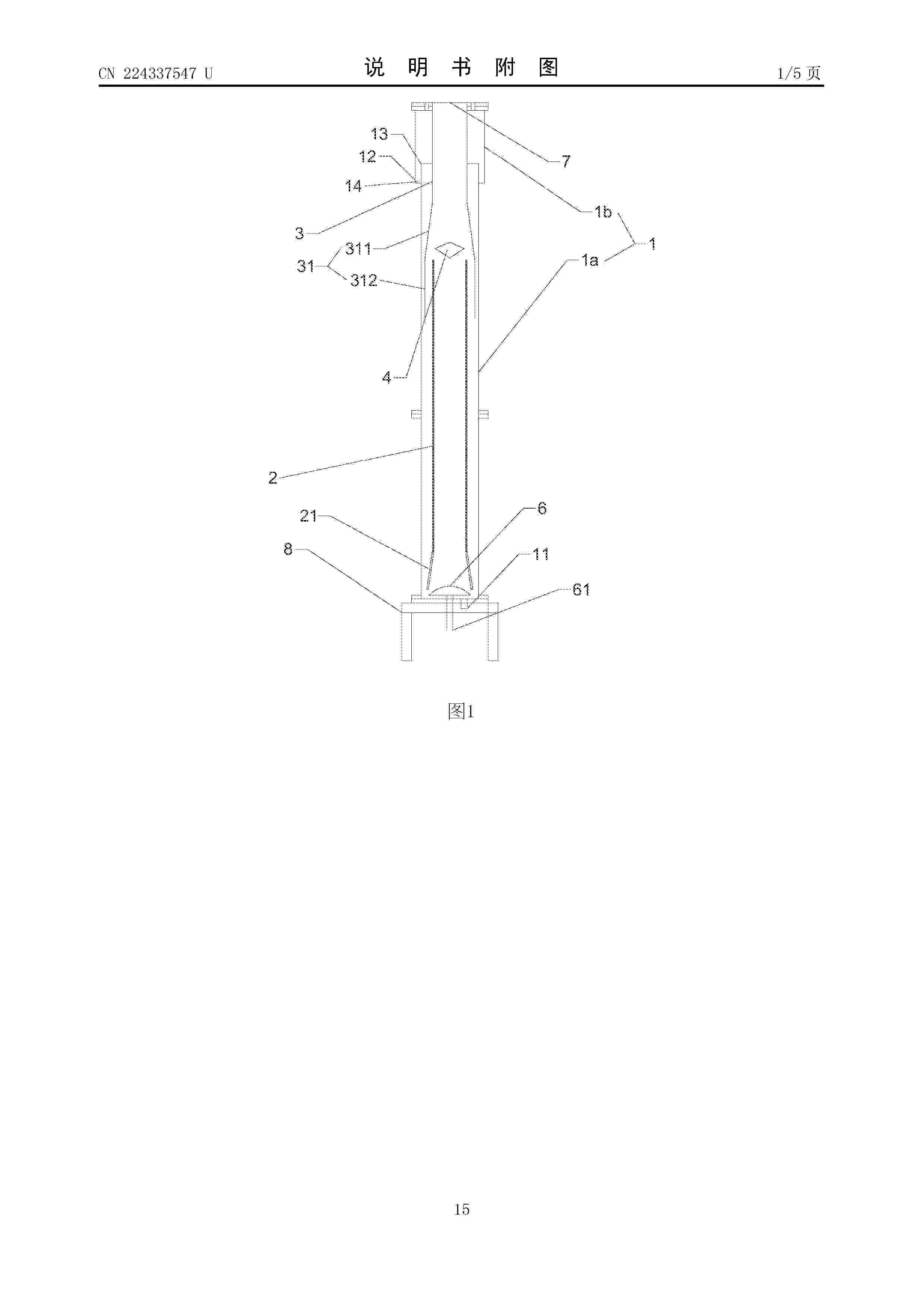
The utility model provides a microalgae particle culture device and system for carbon capture, the microalgae particle culture device for carbon capture comprises a tank body, a first guide cylinder and a second guide cylinder, the tank body is provided with a bottom water inlet pipe and an upper overflow port, the first guide cylinder is coaxially arranged in the middle of the tank body, and the second guide cylinder is coaxially arranged in the middle of the tank body; the bottom of the water inlet pipe is opposite to the water inlet pipe and forms an overflow gap with the bottom of the tank body, and a flow guide component positioned below the overflow port is arranged above the top and forms an overflow gap with the top; the top of the second guide cylinder is fixed with the top wall of the tank body, the bottom of the second guide cylinder sleeves the periphery of the first guide cylinder, and overflowing gaps are formed among the second guide cylinder, the inner wall of the tank body and the first guide cylinder; and a lighting assembly is arranged in at least one of the tank body, the first guide cylinder or the second guide cylinder. According to the application, efficient particle culture, convenient harvesting and carbon sequestration are realized by constructing a stable backflow channel, inducing particle deposition, promoting microalgae suspension flow and particle aggregation, providing directional light supplement by the lighting assembly, improving the photosy
Resumen de: CN122166932A
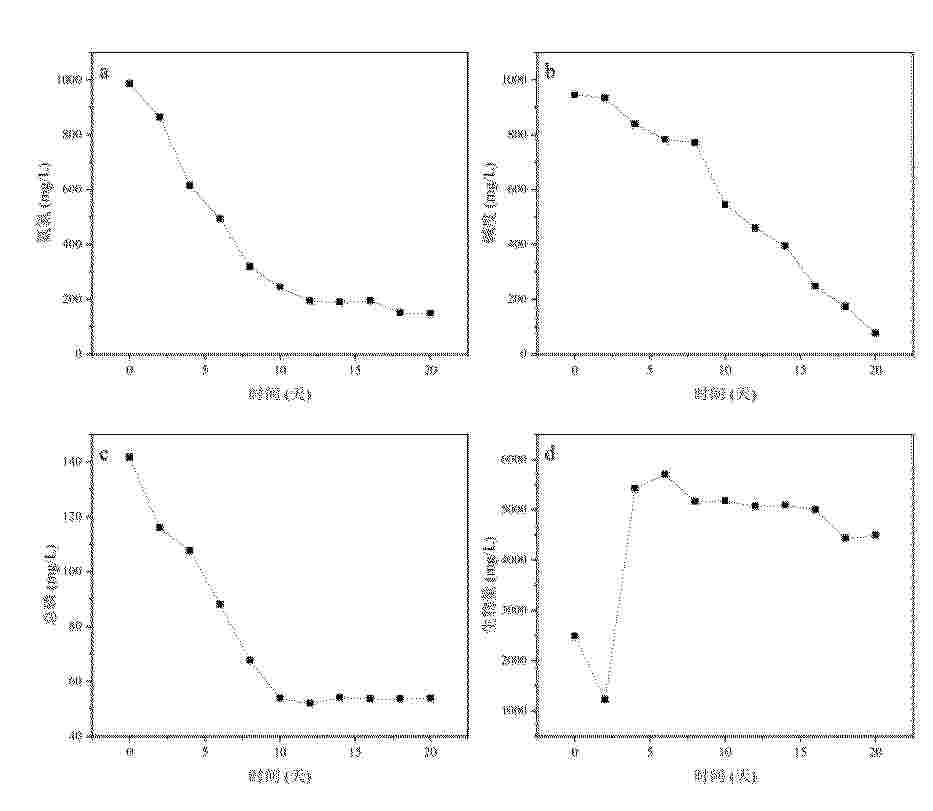
The invention relates to the technical field of resources and environments, in particular to a method for treating high-ammonia-nitrogen wastewater through a phycomycete mixed system and application. By regulating nutrition and operation parameters, a functional community with microalgae as a dominant and bacteria and cyanobacteria as a cooperative unit is constructed and maintained, and the relative abundance of the microalgae, the bacteria and the cyanobacteria is in a preset optimization interval. Microalgae such as nostoc and chlorella are mutualistic, bacteria such as flavobacterium and the microalgae are in an antagonistic relationship, and a positive and negative feedback mechanism maintains community balance and system robustness. The three functions complement each other, microalgae dominates CD-ROM nitrogen and phosphorus removal, cyanobacteria provide nitrogen fixation and stable support, functional bacteria participate in organic matter degradation and nitrogen circulation, and synergistic metabolism is realized through material exchange. Microbial ecology analysis proves that a stable community structure and an internal interaction mechanism are the core of efficiently and stably reducing ammonia nitrogen. The technology is accurate in regulation and control, stable in operation, environment-friendly and economical, and can be widely applied to treatment of various ammonia nitrogen polluted water bodies.
Resumen de: CN122163665A
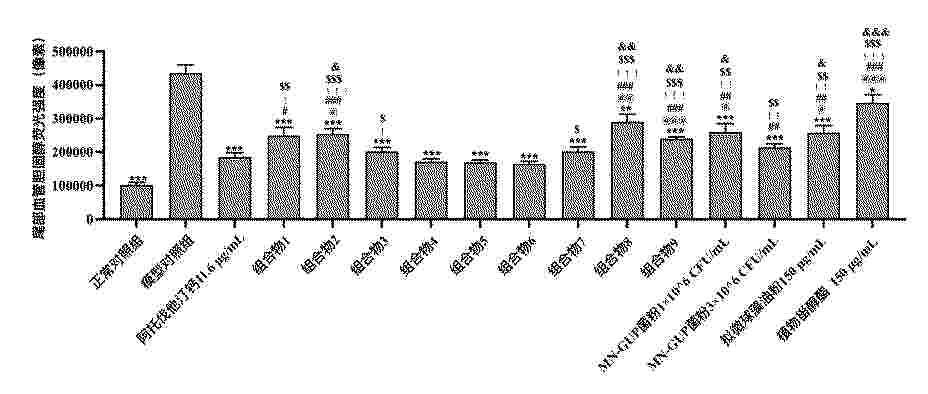
The invention relates to the technical field of functional products, in particular to a composition for assisting in reducing blood fat and application of the composition. The invention provides a composition. The composition is prepared from bifidobacterium animalis subsp. Lactis MN-Gup, microalgae oil and phytosterol ester. The composition can effectively reduce triglyceride and total cholesterol levels at the same time, especially can significantly reduce low-density lipoprotein cholesterol and increase the content of high-density lipoprotein cholesterol, shows significant advantages compared with each single component, and has good application prospects. The traditional Chinese medicine composition has a remarkable blood fat reduction assisting effect, has good safety and industrialization feasibility, provides a basis for development of blood fat reduction assisting products, and provides a new intervention scheme for blood fat health management.
Nº publicación: CN122168418A 09/06/2026
Solicitante:
TIANJIN UNIV OF SCIENCE & TECHNOLOGY
\u5929\u6D25\u79D1\u6280\u5927\u5B66
Resumen de: CN122168418A
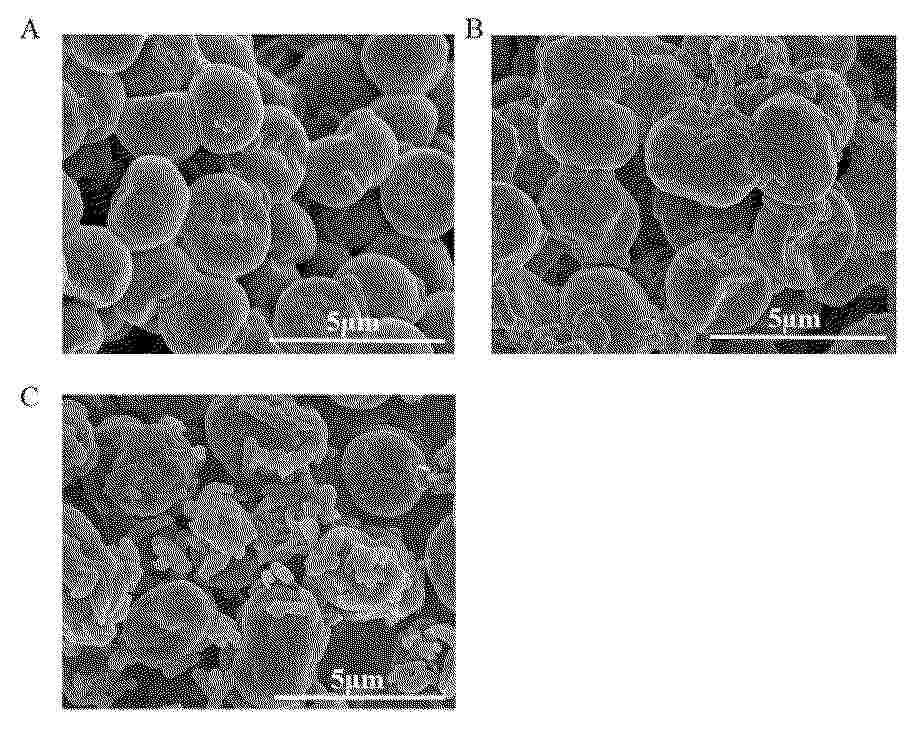
The invention discloses a method for separating and preparing chlorella exovesicles. The method specifically comprises the following steps: firstly, carrying out induced culture on chlorella which is conventionally cultured to the early stage of a logarithmic phase in a nitrogen-limited culture medium; the preparation method comprises the following steps: preparing a culture solution, concentrating the culture solution through a tangential flow filtration system, carrying out iodixanol density gradient centrifugation on the concentrated solution, and collecting components in a density interval of 1.10-1.12 g/mL after centrifugation to obtain a chlorella external vesicle product. According to the method, membrane lipid regulation is carried out on early-stage induction culture of chlorella, and TFF concentration and density gradient centrifugation are combined, so that centralized and accurate collection of the outer vesicles of chlorella is realized, impurity interference is basically eliminated, the recovery rate reaches 60% or above, the purity reaches 2.56 * 10 < 10 > parts/mu g, and an efficient, controllable and large-scale scheme is provided for industrial separation and preparation of the outer vesicles of microalgae.
 BOPI
BOPI
 Sede Electrónica