Si deseas distinguir tus productos, servicios o ambos de los de otra empresa, es posible que necesites una marca o nombre comercial. Descubre qué son, en qué consiste su procedimiento de registro y qué implica.

Información sobre los plazos de presentación de solicitudes de transformación de marcas de la Unión Europea en marca nacional española. Más información


Si tienes un nuevo dispositivo, producto o procedimiento que resuelva un problema técnico o tenga una ventaja práctica, existen distintas formas de protegerlo en España y en otros países. Descubre cómo hacerlo.

¿Tu innovación reside en la estética, la ornamentación o la apariencia de tu producto? Protégela mediante un diseño industrial. Descubre qué derechos confiere el registro y cómo realizar la tramitación.

Las indicaciones geográficas protegen el nombre de un producto originario de una zona geográfica, a la cual le debe una determinada calidad, reputación u otra característica. Descubre qué son, en qué consiste su procedimiento de registro y qué beneficios conceden.

Las patentes publicadas en todo el mundo son una valiosa fuente de información científica, técnica y comercial.

Si eres emprendedor/a o una empresa y quieres potenciar y mejorar la rentabilidad de tu negocio protegiendo de forma adecuada los activos intangibles de tu organización, en este espacio encontrarás lo necesario.


 57
resultados
57
resultados
 Última actualización
17/10/2026 [07:05:00]
Última actualización
17/10/2026 [07:05:00]


 Resultados 25 a 50 de 57

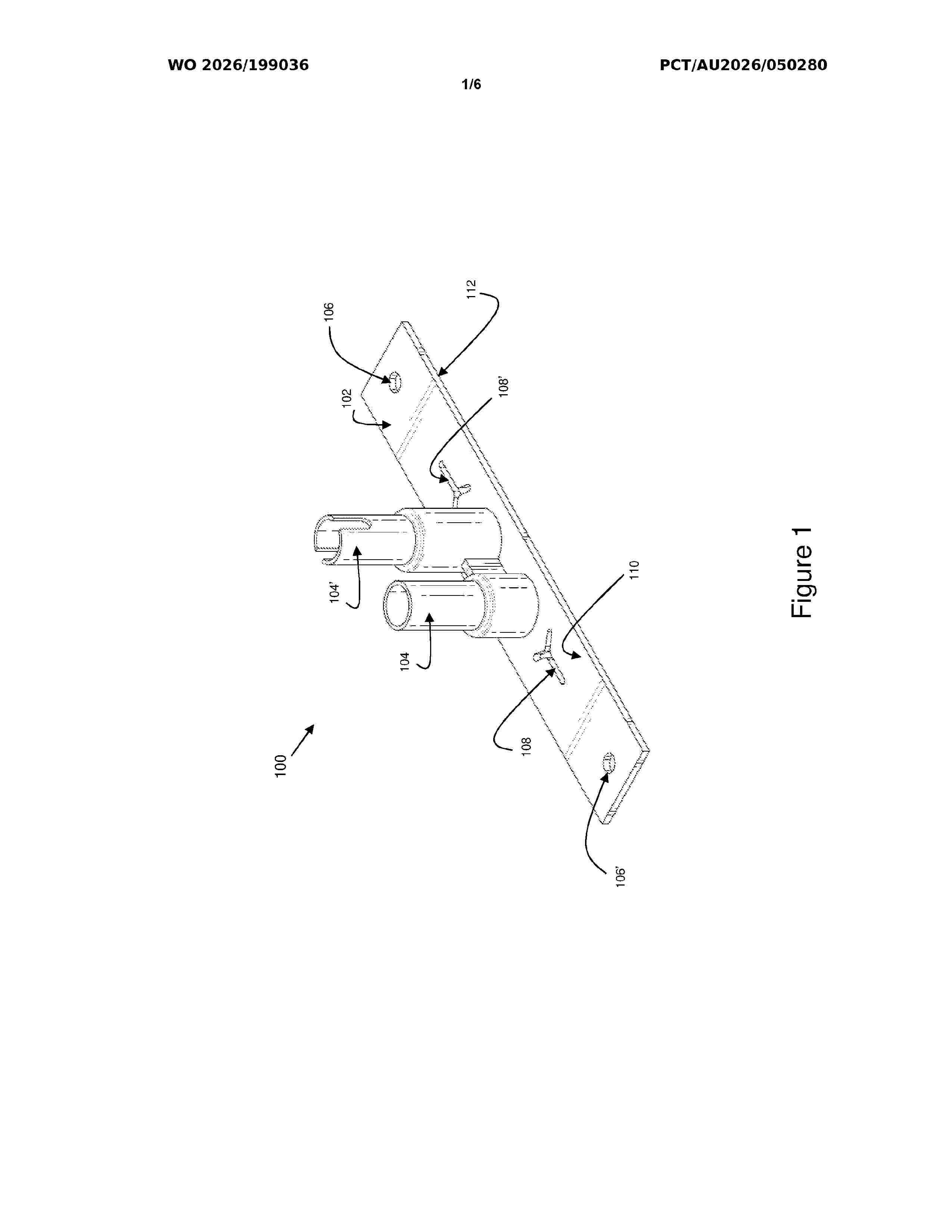
Resumen de: WO2026199036A1
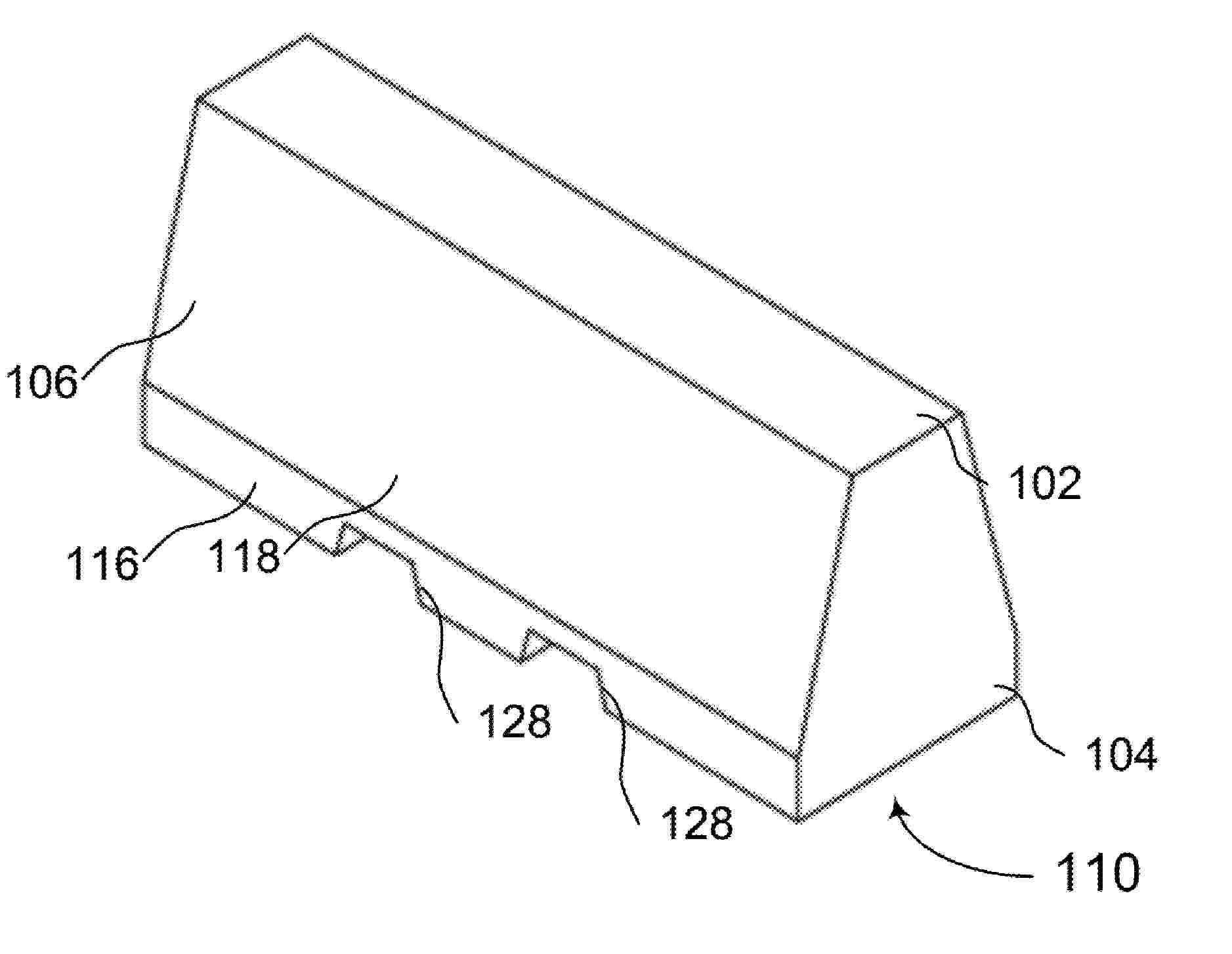
The present invention provides a temporary fence support for supporting one or more partitions or fence portions. The temporary fence support comprising a base unit, a coupling structure, attached to the base unit, for receiving one or more partitions or fence portions to be supported, and one or more openings formed in the base unit, wherein the one or more openings are configured to receive one or more fastening elements.

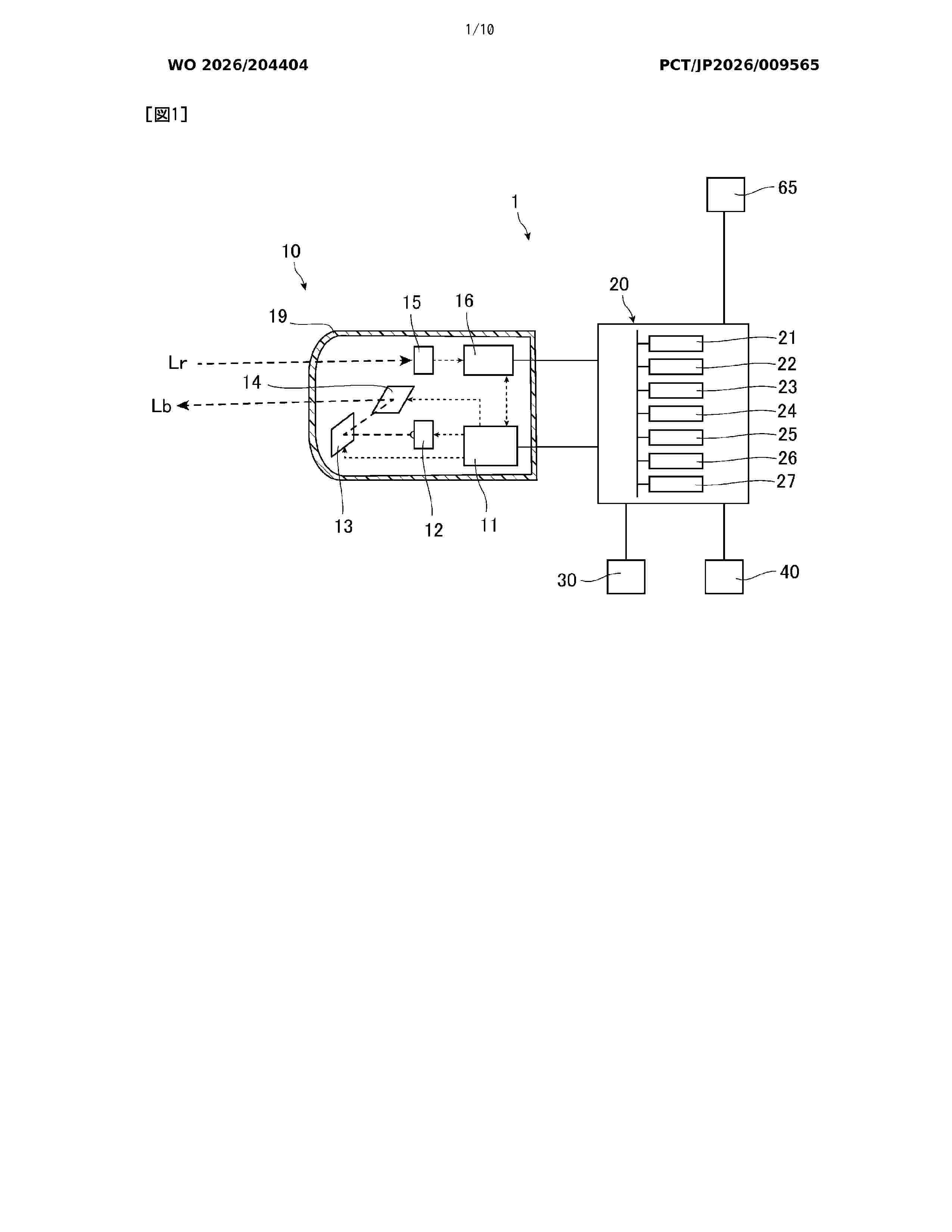
Resumen de: WO2026204404A1
This control device (20), which receives an input of point cloud data output from a LiDAR device (10) that measures a detection region (DR) including a first road (61), includes: a frame setting unit (21) that sets three or more frames (71-77) arranged along the extension direction of the first road (61) on the first road (61); a partition unit (22) that partitions the inside of the frames (71-77) into a plurality of cells (C); and an output unit (27) that outputs a predetermined signal when frames in a predetermined state in which the amount of cells (C) in which points indicating a predetermined height or more in the point cloud data are located is equal to or greater than a threshold value are adjacent to each other.
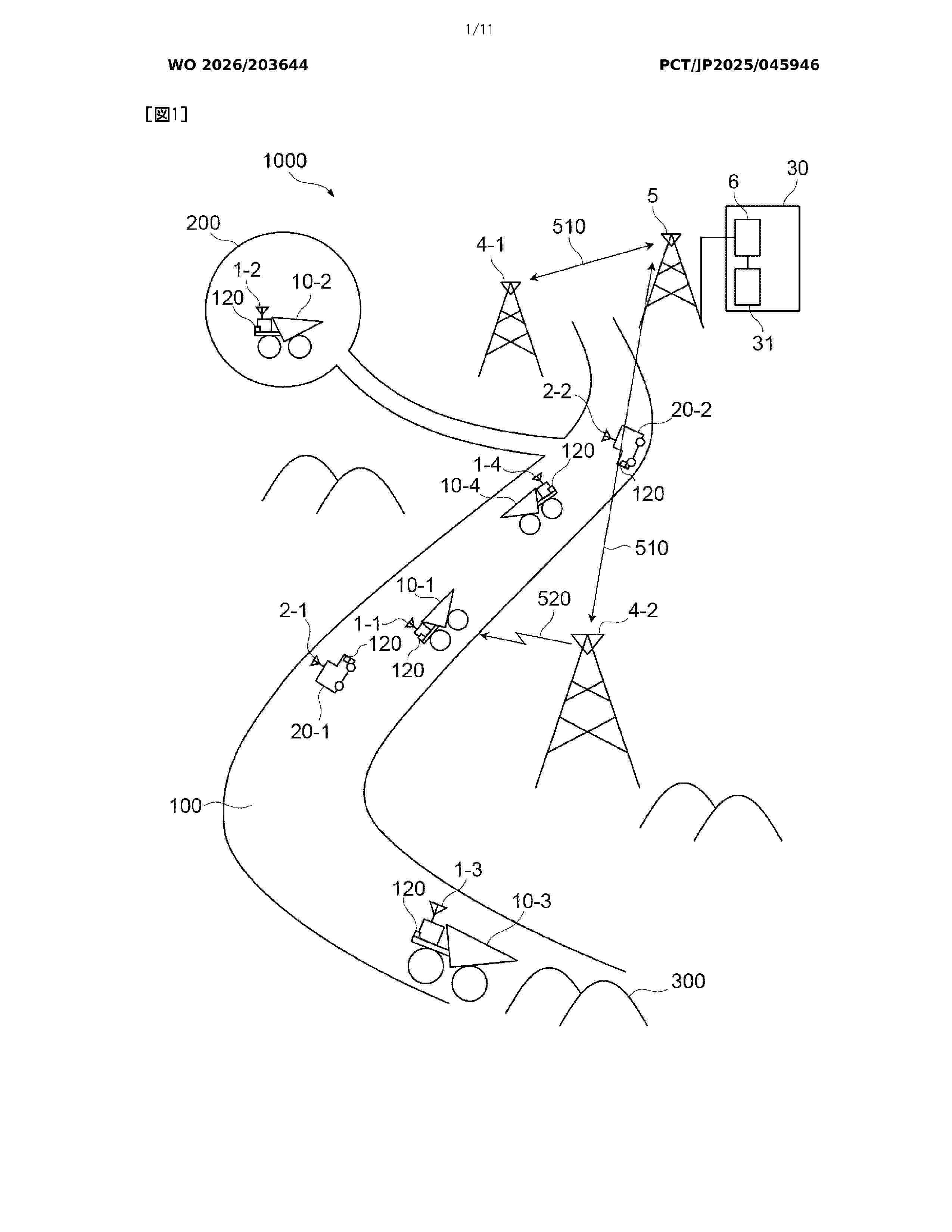
Resumen de: WO2026203644A1
In order to reduce network load, thereby improving productivity, a vehicle control system according to the present invention is provided with: wireless terminals that are installed in a plurality of vehicles individually and that are capable of communicating with a base station; and a control server device that communicates with the wireless terminals via the base station. The control server device is provided with: a vehicle position monitoring unit that calculates and monitors the positions of the plurality of vehicles on the basis of position information of the plurality of vehicles, the position information being transmitted from the wireless terminals via the base station by using a first communication link; an area information recording unit having recorded therein information concerning a prescribed area in which the vehicles may stop; and a transmission/reception control unit that, when it is determined that at least one of the plurality of vehicles for which calculation has been performed by the vehicle position monitoring unit is stopped in the prescribed area recorded in the area information recording unit, transmits and receives environment information around the plurality of vehicles and vehicle body state information of the plurality of vehicles to and from a wireless terminal of the at least one vehicle stopped in the prescribed area by using a second communication link.
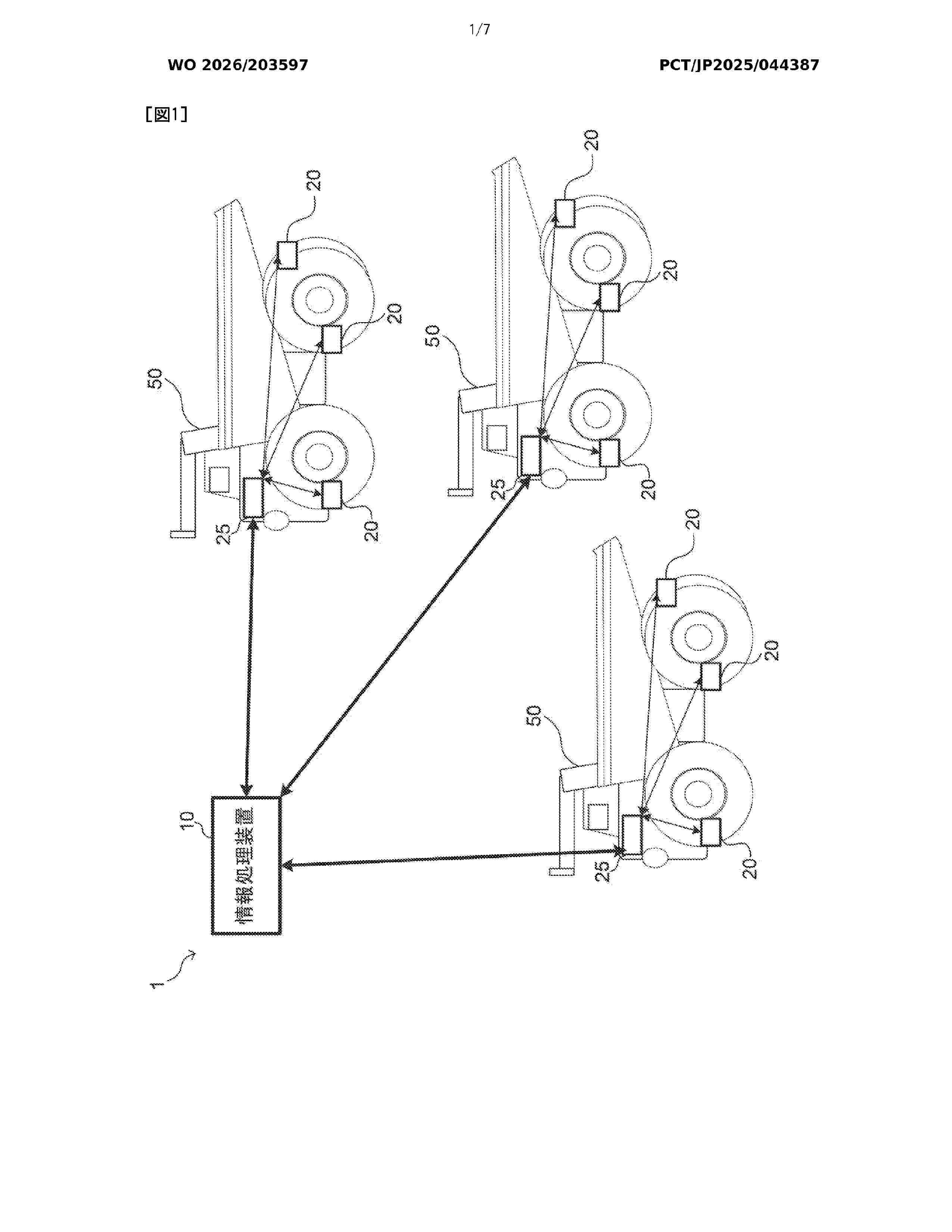
Resumen de: WO2026203597A1
This information processing device comprises a processor. The processor acquires tire-related information including internal pressure values of a plurality of tires on a vehicle, and estimates that the vehicle has ridden over an obstacle on the basis of fluctuations in the internal pressure values of one tire and another tire among the internal pressure values of the plurality of tires included in the tire-related information.
Resumen de: EP4814918A1
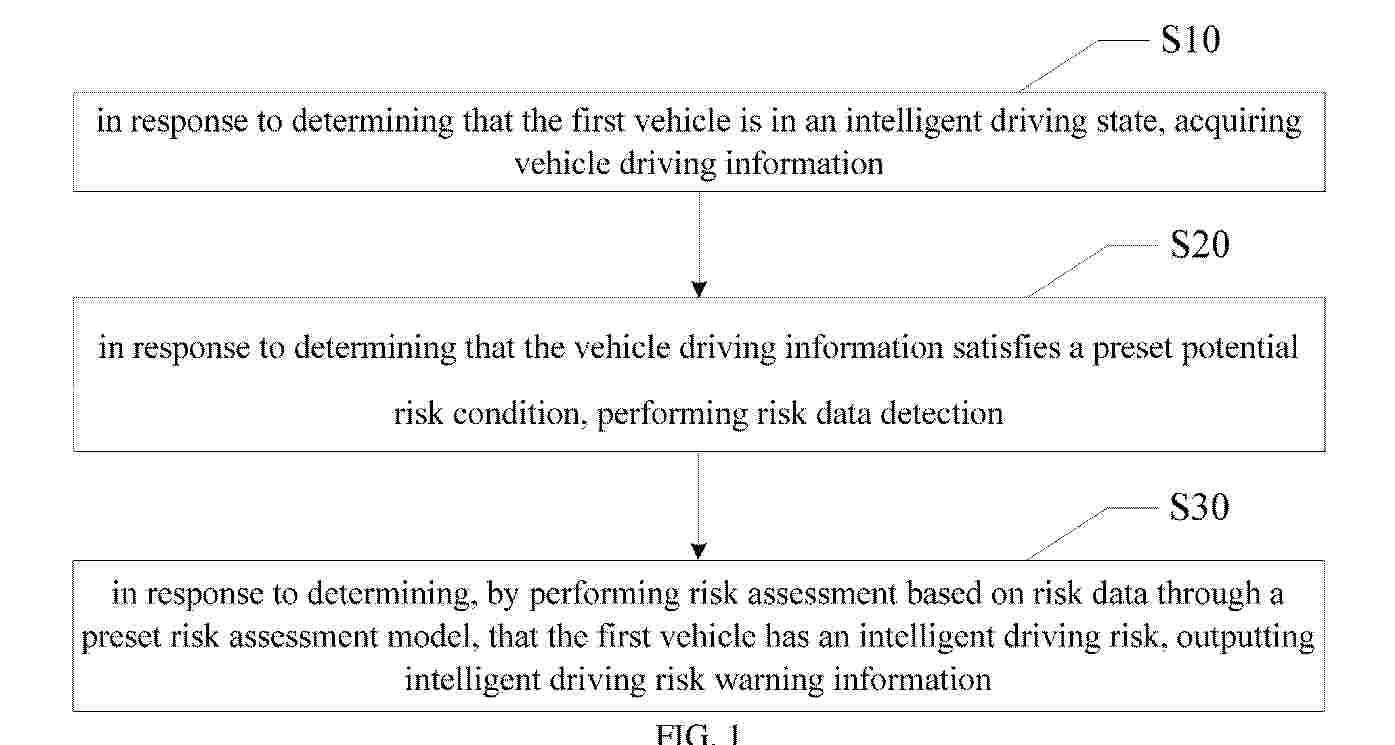
An intelligent driving risk warning method, an apparatus, an electronic device, and a storage medium. The intelligent driving risk warning method is applied to a first vehicle and includes: in response to determining that the first vehicle is in an intelligent driving state, acquiring vehicle driving information (S10); in response to determining that the vehicle driving information satisfies a preset potential risk condition, performing risk data detection (S20); and in response to determining, by performing risk assessment based on risk data through a preset risk assessment model, that the first vehicle has an intelligent driving risk, outputting intelligent driving risk warning information (S30).
Resumen de: WO2023232769A1
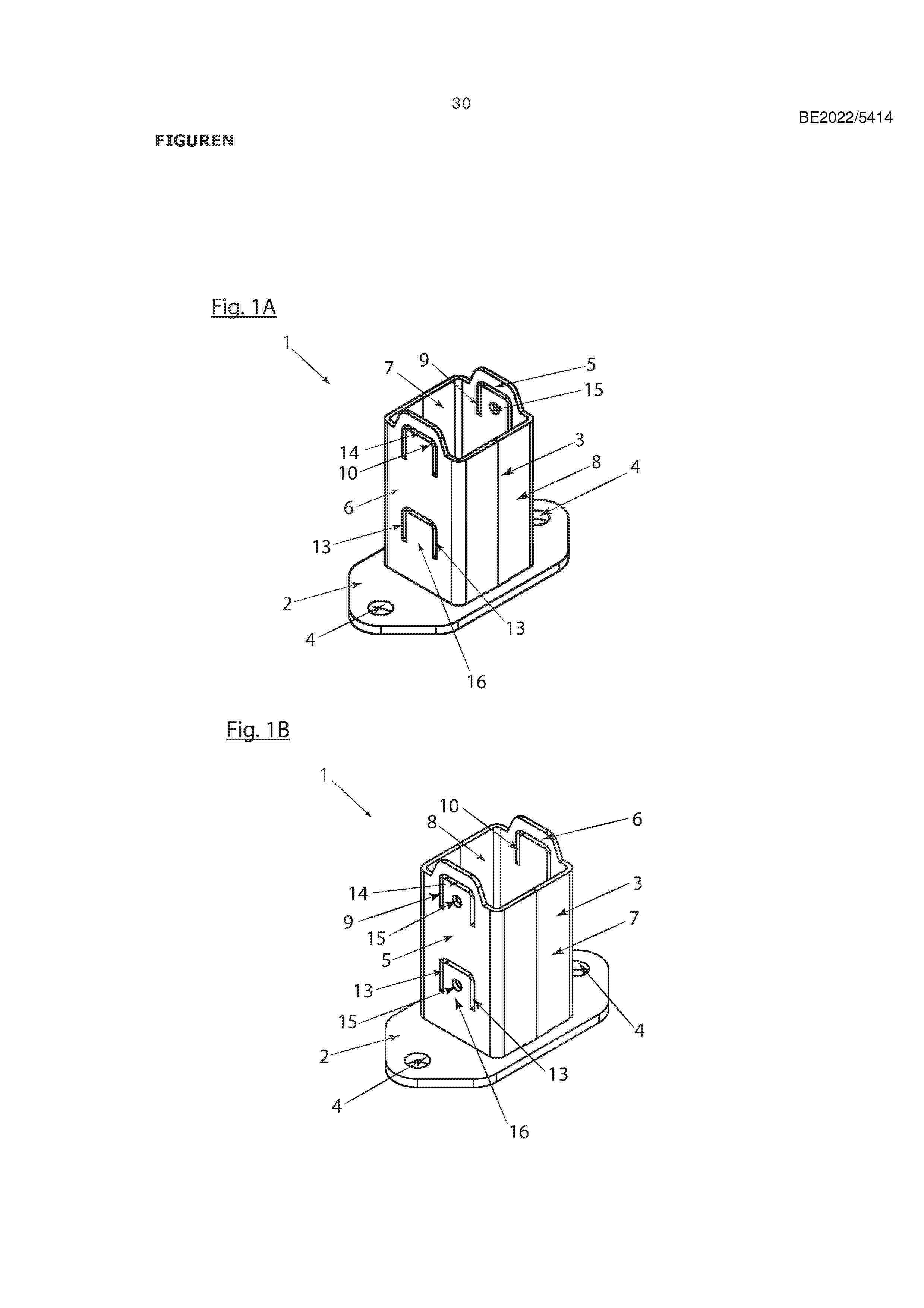
The current invention relates to a base member for attaching an upwardly extending post to a surface, comprising a bottom plate and a hollow connection profile, wherein the connection profile comprises at least a first pair of cuts, wherein a cut forms a pliable lip, wherein the pliable lip extends in a direction transverse to the bottom plate, wherein a first cut is comprised in a first side and a second cut in a second side of the connection profile, opposite said first side, wherein both cuts are at a same distance from the bottom plate, wherein both pliable lips formed by the cuts are oriented in a same direction, wherein said first pair comprises a bolt, and wherein said bolt is placed in a threaded hole in the pliable lip formed by the first cut. The invention also relates to a method and a use.
Resumen de: WO2026195439A1
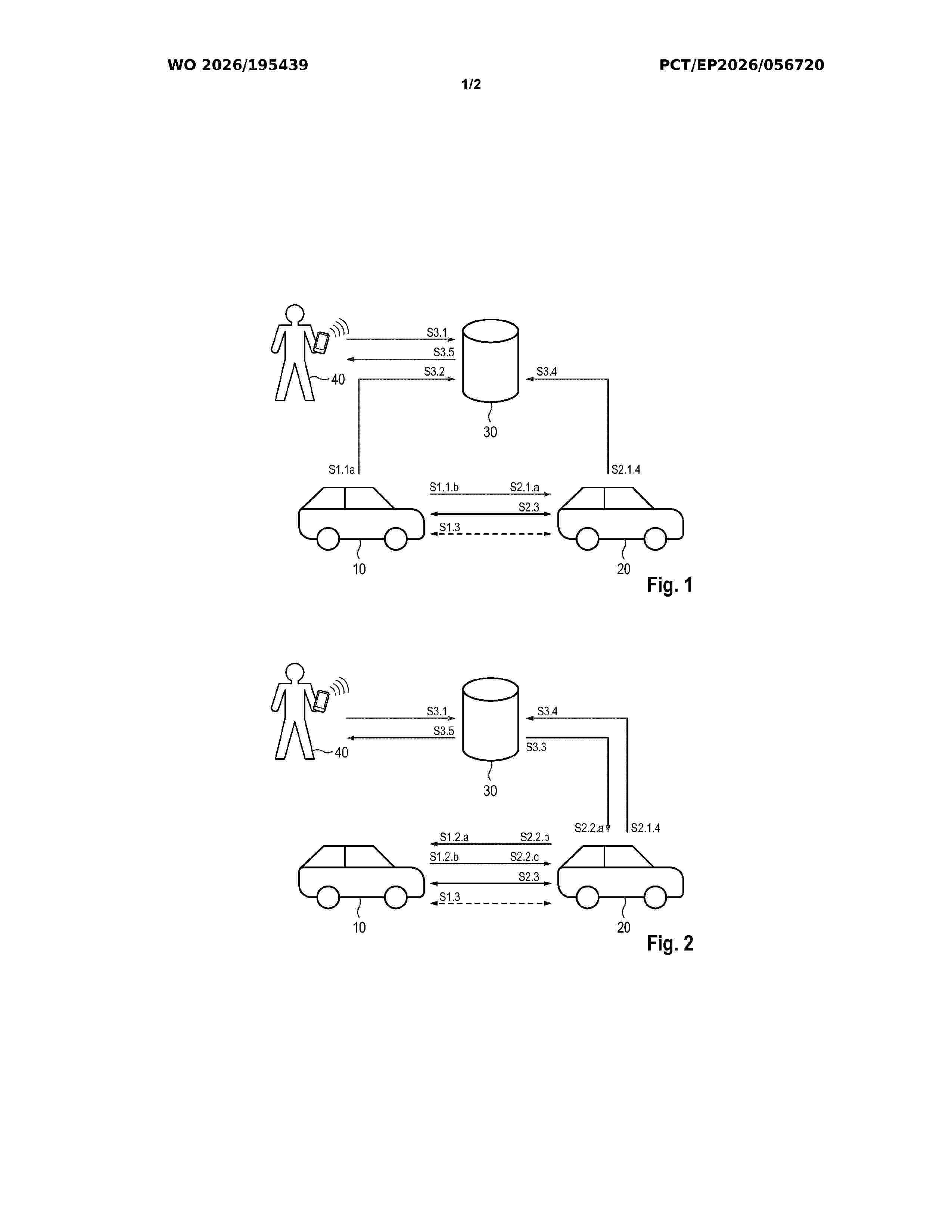
The invention relates to a method for a first vehicle (10), to a method for a second vehicle (20), to a method for a reporting point (30) of a vehicle manufacturer, and to a vehicle that can be a first and/or a second vehicle (10, 20). The methods aim to find a first vehicle (10) again, which cannot be found and is in particular stolen, with the aid of at least one second vehicle (20) and the reporting point (30), wherein the search is carried out with the aid of UWB communication and/or BLE communication.
Resumen de: WO2026198400A1
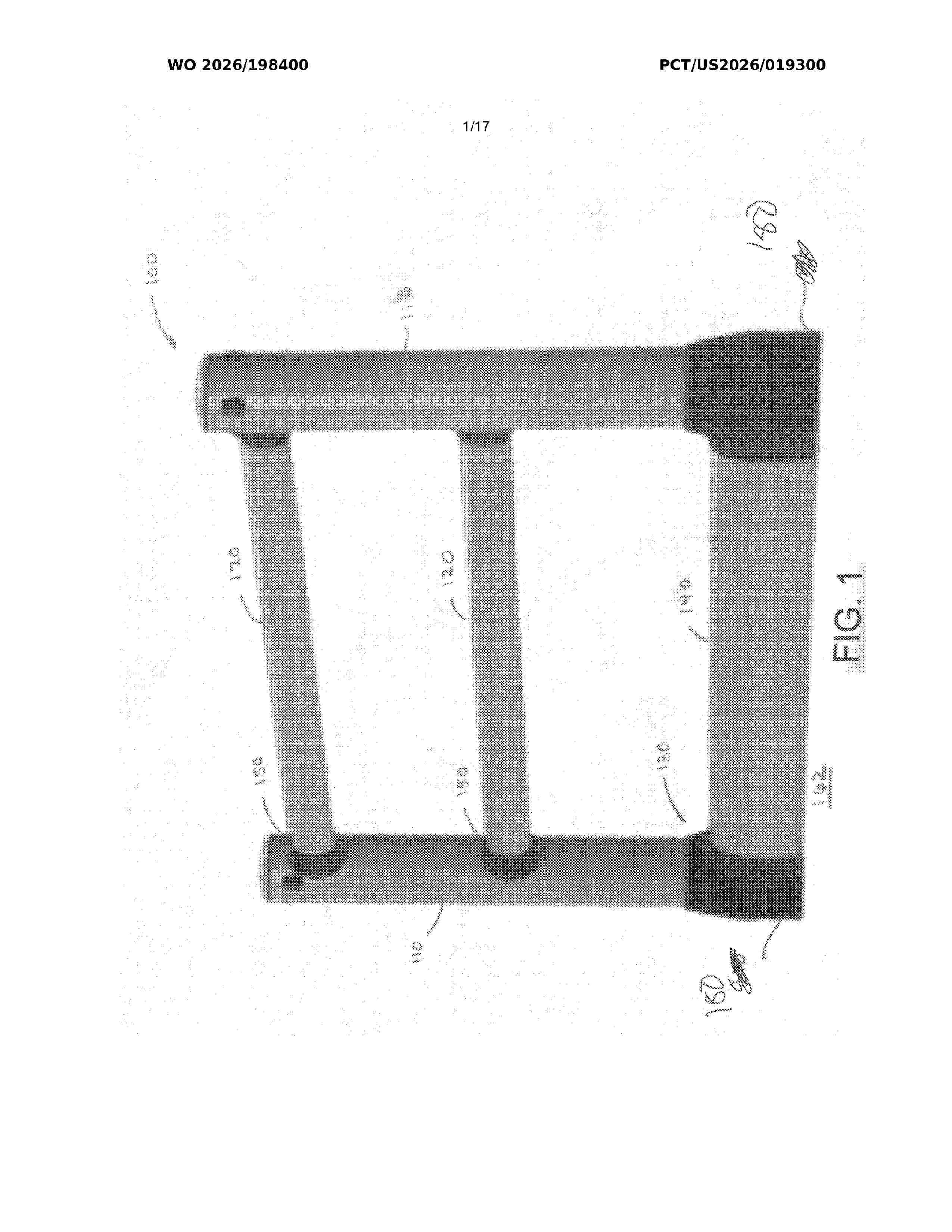
A coupler for mechanically coupling an elongate rail to an upright post includes a polymer housing, a base configured to be attached to the upright post, an internal support extending through the polymer housing from the base and configured to extend into the elongate rail, and a cavity defined by the internal support and the polymer housing, the cavity configured to receive an end of the elongate rail. The coupler further includes a first set of openings in the internal support configured to receive one or more fasteners for attaching the elongate rail to the coupler, and a second set of openings in the base configured to receive the one or more fasteners for attaching the coupler to the upright post. Each of the one or more fasteners is received in an opening in the first set of openings in the internal support and a corresponding opening in the second set of openings to attach the coupler to the upright post, such that the one or more fasteners are concealed by the elongate rail, the internal support, and the coupler housing.
Resumen de: WO2026196125A1
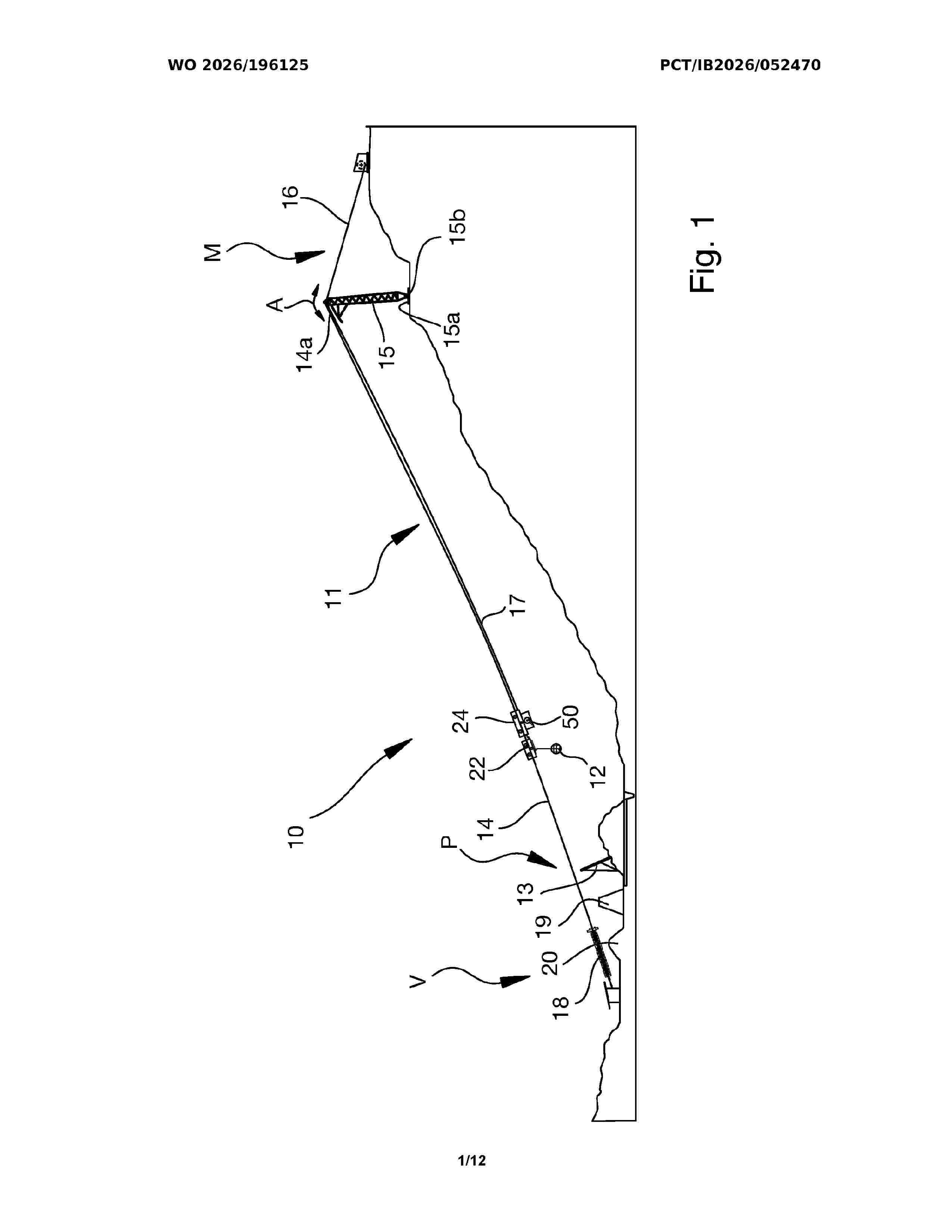
An installation for carrying out dynamic resistance tests on protection works to be used in the geotechnical sector comprises a ropeway which extends from an upstream zone to a downstream zone. A protection work to be tested is installed in an impact zone near the downstream zone. There is movably provided on the ropeway a launching carriage for accompanying the test block during a free descent motion from a predefined starting position along the development of the ropeway as far as a predetermined release position of the block which is located near the impact zone. The installation further comprises a pulling carriage which is arranged on the ropeway and which is connected to a winch system in order to recover it in an upstream direction. The pulling carriage is provided with a coupling for the launching carriage in order to also pull it in an upstream direction as far as the starting position. A disengaging system is provided to disengage on command the coupling of the pulling carriage with respect to the launching carriage and thereby to release the launching carriage in order to allow its free descent motion so as to accompany the test block.
Resumen de: WO2026193832A1
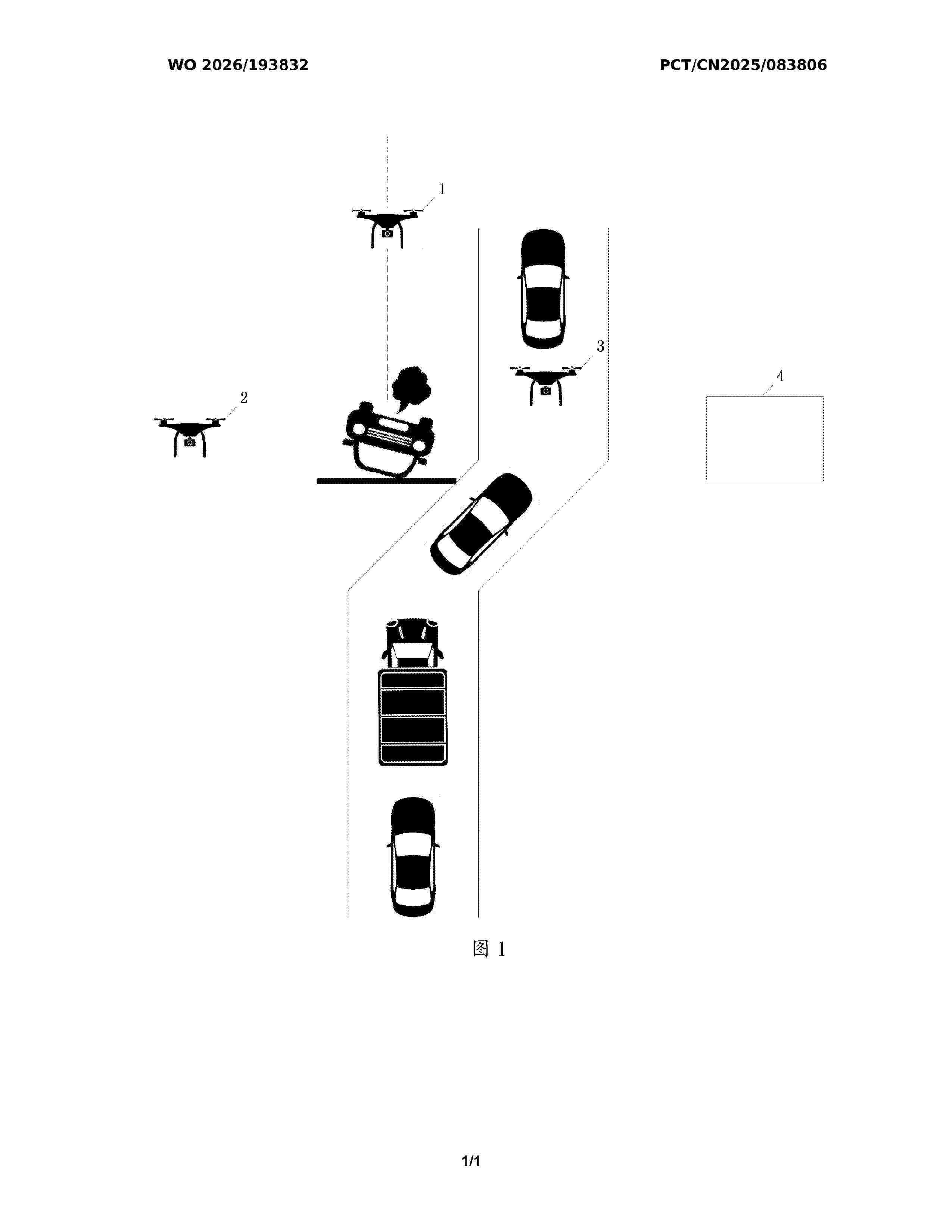
Disclosed in the present application are a multi-unmanned-aerial-vehicle forensic system based on vehicle avoidance at an accident scene. The system involves: a first unmanned aerial vehicle hovering directly above the central position of an accident scene to acquire a top-view image of the accident scene; a second unmanned aerial vehicle hovering directly above traffic flow at the accident scene to acquire traffic flow information of the accident scene; a control center generating a first modeling circling path on the basis of the top-view image and further performing real-time vehicle avoidance correction; a third unmanned aerial vehicle accordingly acquiring both a modeling depth image and a mid-range forensic image of the accident scene; the control center then performing three-dimensional modeling on the basis of the modeling depth image and generating a first forensic circling path, and further performing real-time vehicle avoidance correction; the third unmanned aerial vehicle accordingly acquiring both a forensic depth image and a close-range forensic image of the accident scene; and the control center generating a comprehensive forensic image library by means of performing image correlation on the images. The present application enables real-time vehicle avoidance during a forensic process of unmanned aerial vehicles, thereby improving the safety of forensics of the unmanned aerial vehicles.
Resumen de: WO2026196376A1
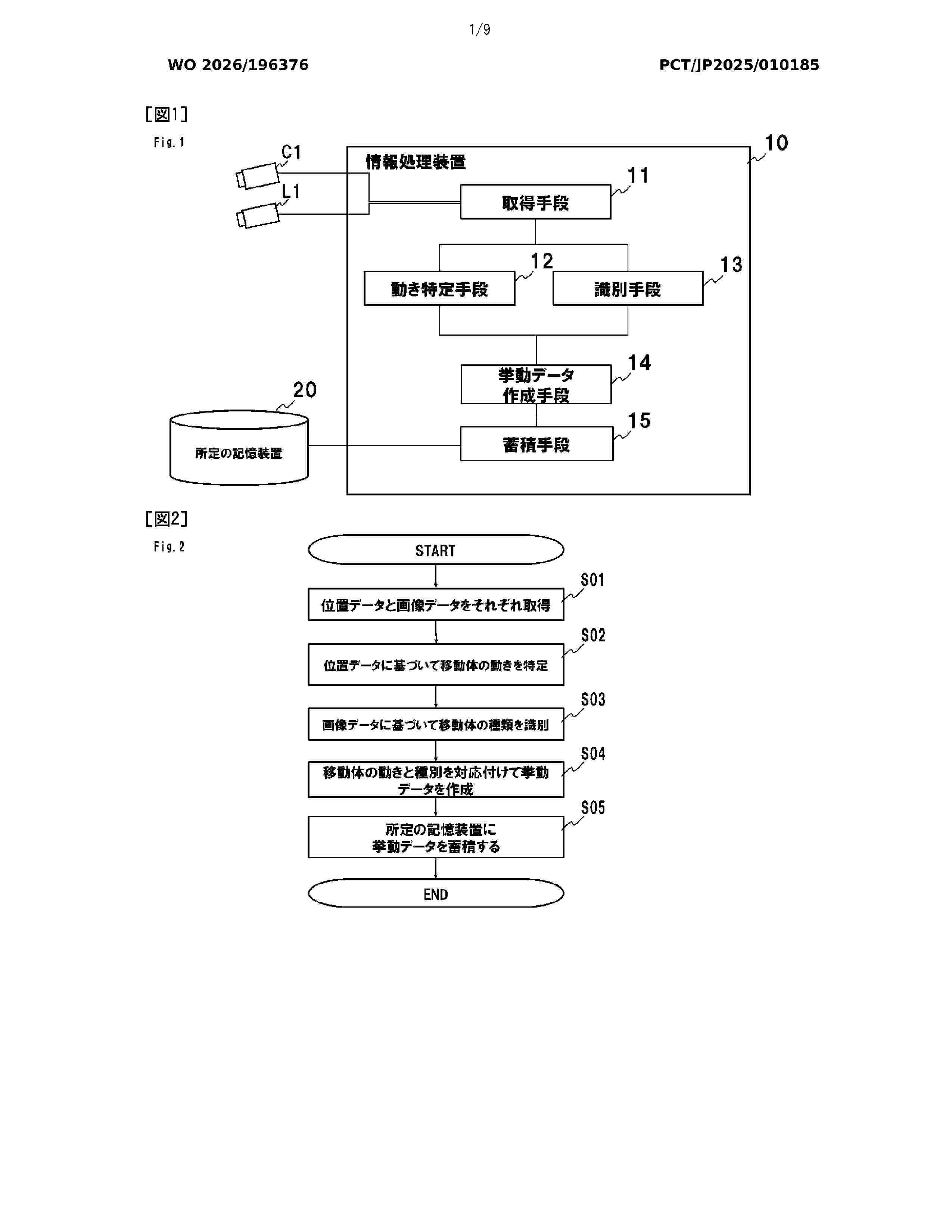
Provided are an information processing device, an information processing method, and a recording medium that are able to contribute to expansion of means for ascertaining actions of movable bodies of new categories. The information processing device comprises: an acquisition means for acquiring position data of movable bodies measured by a measurement device installed in a prescribed area of a road, and image data captured by an image-capturing device installed in the prescribed area; a position determining means for determining the movement of the movable bodies in the prescribed area on the basis of the position data; an identifying means for identifying the type of each of the movable bodies on the basis of the image data; a behavior data creation means for creating behavior data for each type of the movable bodies by associating the movable bodies of which the movement has been determined by the position determining means with the movable bodies of which the types have been identified by the identifying means; and an accumulation means for accumulating, in a prescribed storage device, the behavior data for each type of the movable bodies in the prescribed area.
Resumen de: WO2026198741A1
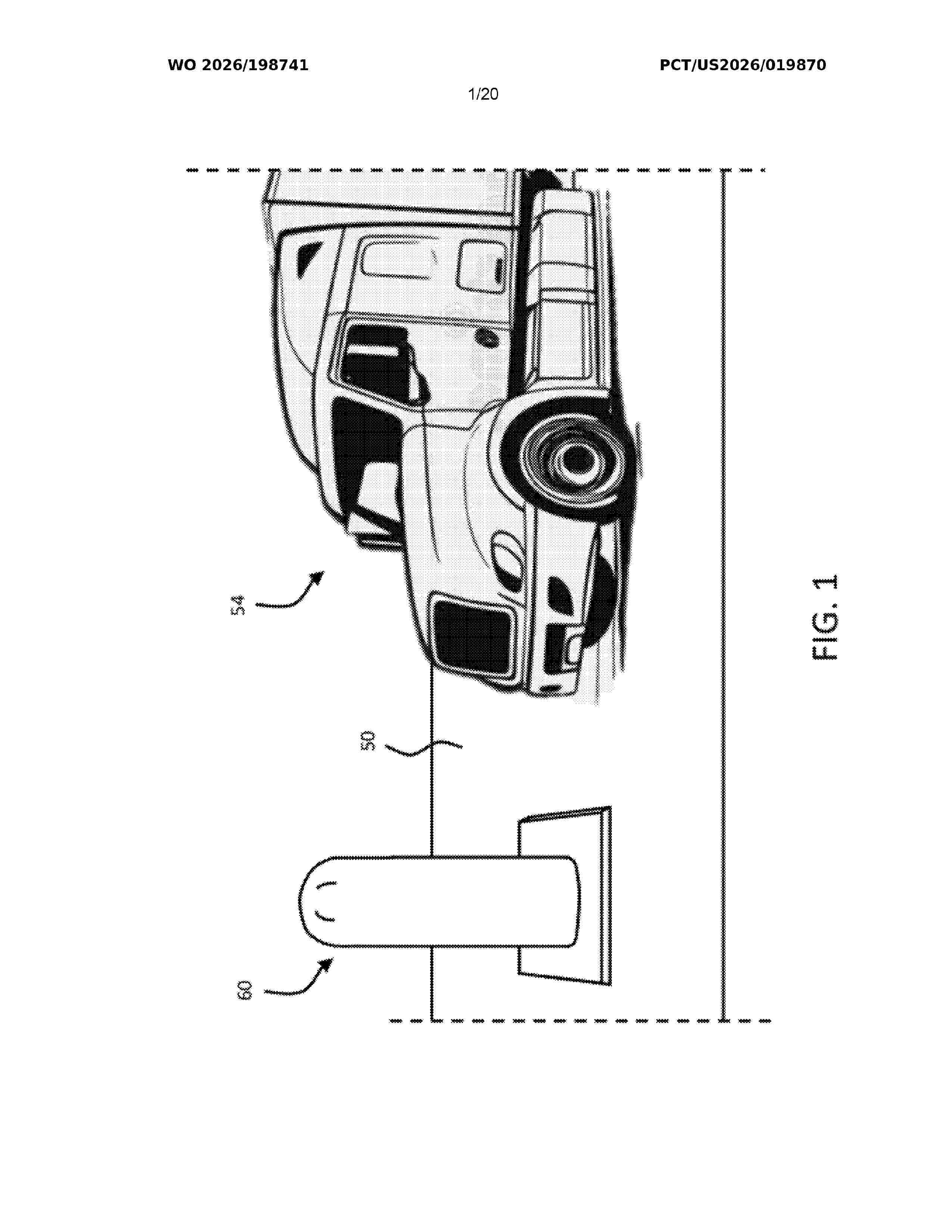
A barrier system having a removable bollard configured to impede or completely stop a moving object upon impact. The barrier system includes a receptacle embedded in the ground. The receptacle is configured to receive and secure the bollard in an upright orientation. The receptacle extends a substantial portion of the height of the bollard, such as at least 40% or at least 50% of the height. The bollard includes a hook portion that is configured to snag onto the object during a collision. The bollard and the receptacle include interlocking features that prevent the bollard from being pulled out of the receptacle along a direct path. Further, the bollard and receptacle include reinforcement plates that strengthen the bollard during an impact.
Resumen de: WO2026195178A1
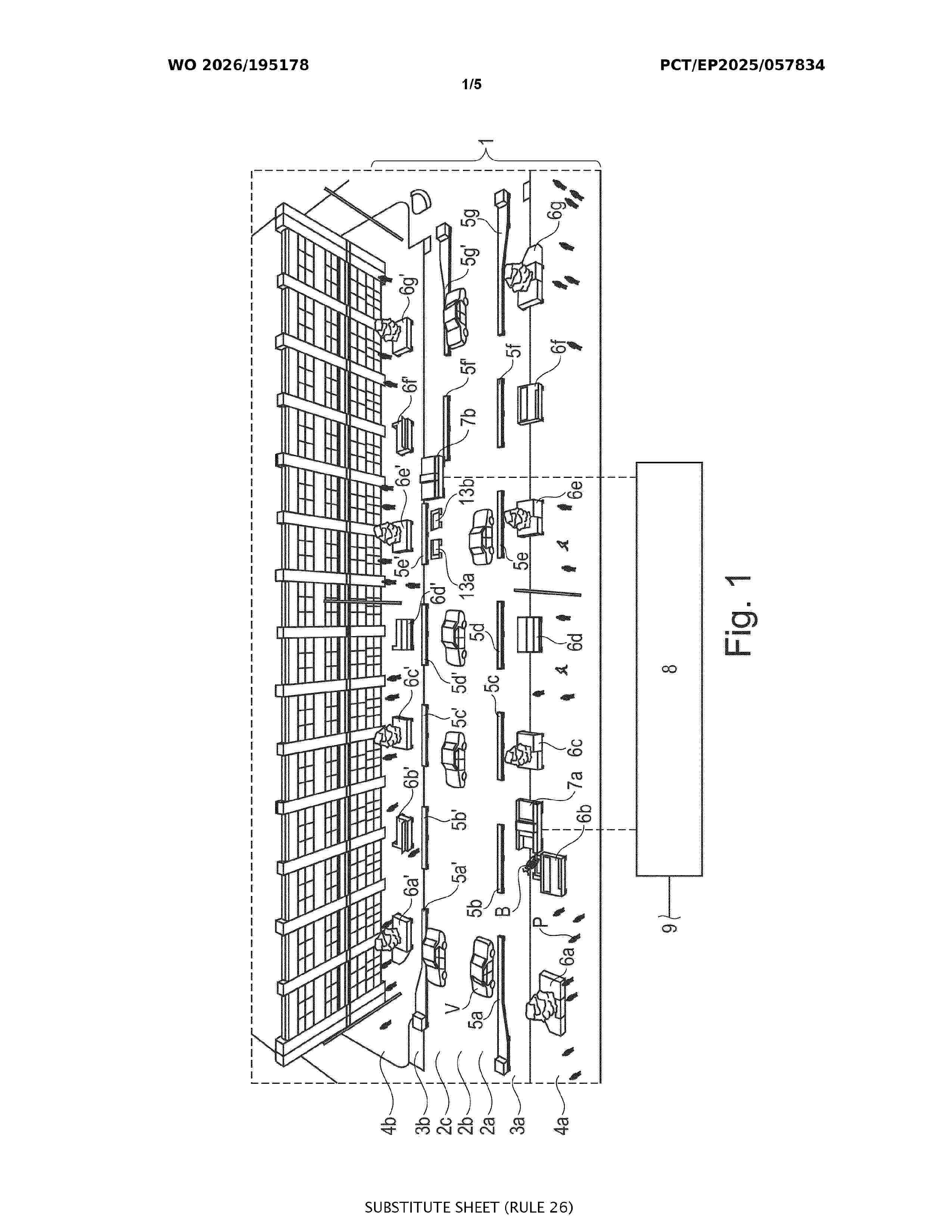
The present invention relates to a dynamic curbside management system and method for a flexible real-time adaptation of a road space to different traffic situations or desired policies, comprising a road segment (1) with at least one first lane (2a, 2b, 2c), at least one second lane (3a, 3b) and at least one third lane (4a, 4b) of different types, wherein at least one first movable passive barrier module (5a-5g; 5a'-5g') is disposed between the at least one first lane (2a, 2b, 2c) and the at least one second lane (3a, 3b), and at least one second movable passive barrier module (6a-6g; 6a'-6g') is disposed between the at least one second lane (3a, 3b) and the at least one third lane (4a, 4b), wherein at least one active adaptation robot (7a, 7b) is provided for moving the movable passive barrier modules (5a-5g; 5a'-5g'; 6a-6g; 6a'-6g') at least in the transverse traffic direction of the road segment (1) in order to adapt the 10 width and/or number of at least one of the lanes (2a, 2b, 2c; 3a, 3b; 4a, 4b) to a new traffic situation or desired policy, at least one control unit (8) with a traffic situation or policy input interface (9) integrated in or connected to the at least one active adaptation robot (7a, 7b) to cause each active adaptation robot (7a, 7b) to coordinatively move the movable passive barrier modules (5a-5g; 5a'-5g'; 6a-6g; 6a'-6g') for adapting the arrangement of the movable passive barrier modules (5a-5g; 5a'-5g'; 6a-6g; 6a'-6g') to the new traffic situation o
Resumen de: WO2026196429A1
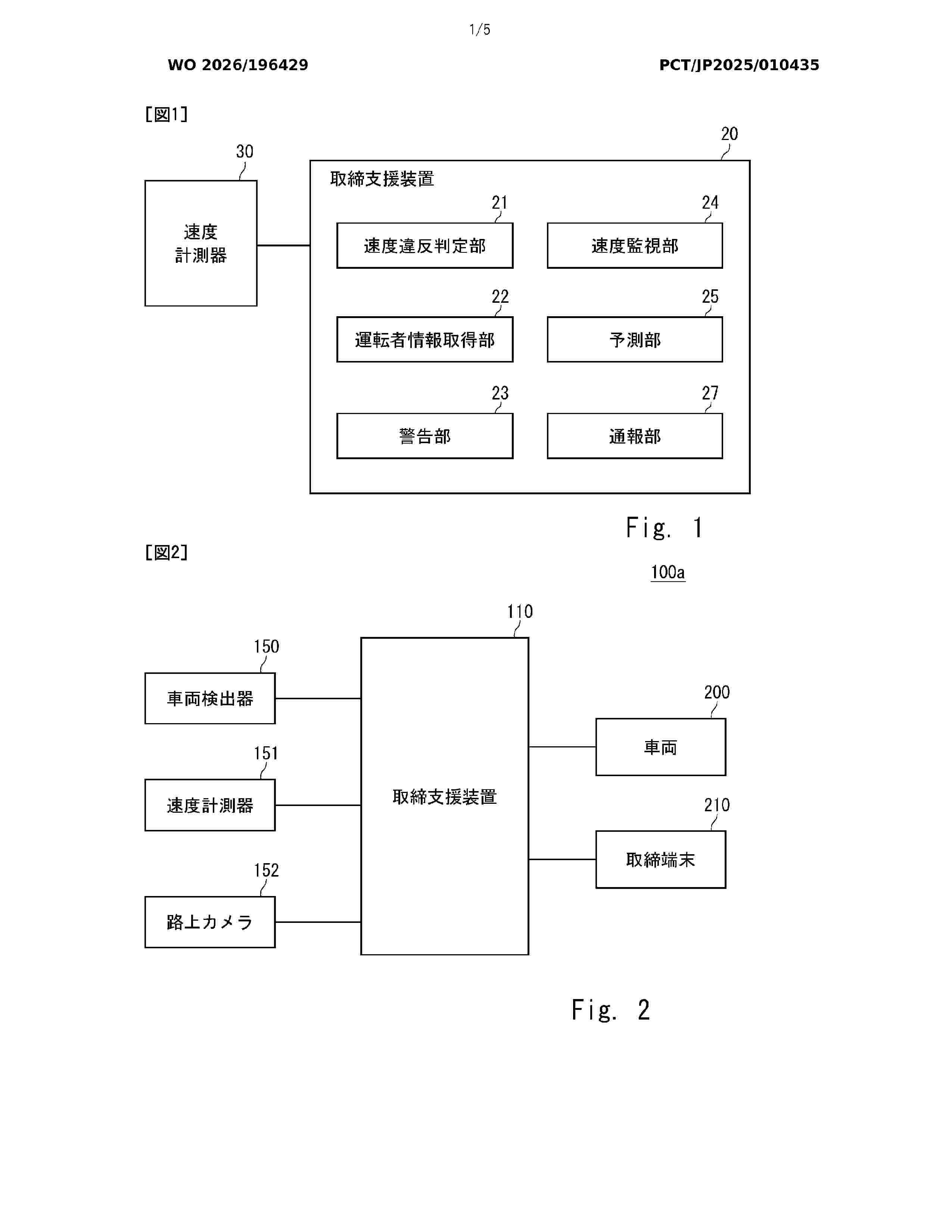
The present invention makes it possible to support speeding enforcement while curbing excessive enforcement. This enforcement support device comprises: a speeding determination unit that determines whether a traveling vehicle is speeding; a driver information acquisition unit that acquires information about a driver of the vehicle determined to be speeding; a warning unit that warns the vehicle for overspeeding; a prediction unit that predicts a travel path of the vehicle; a speed monitoring unit that monitors the traveling speed of the vehicle after the vehicle is warned for the overspeeding; and a reporting unit that reports the information about the driver and the predicted travel path to the relevant authorities if the monitored traveling speed of the vehicle exceeds a prescribed speed.
Resumen de: WO2026193584A1
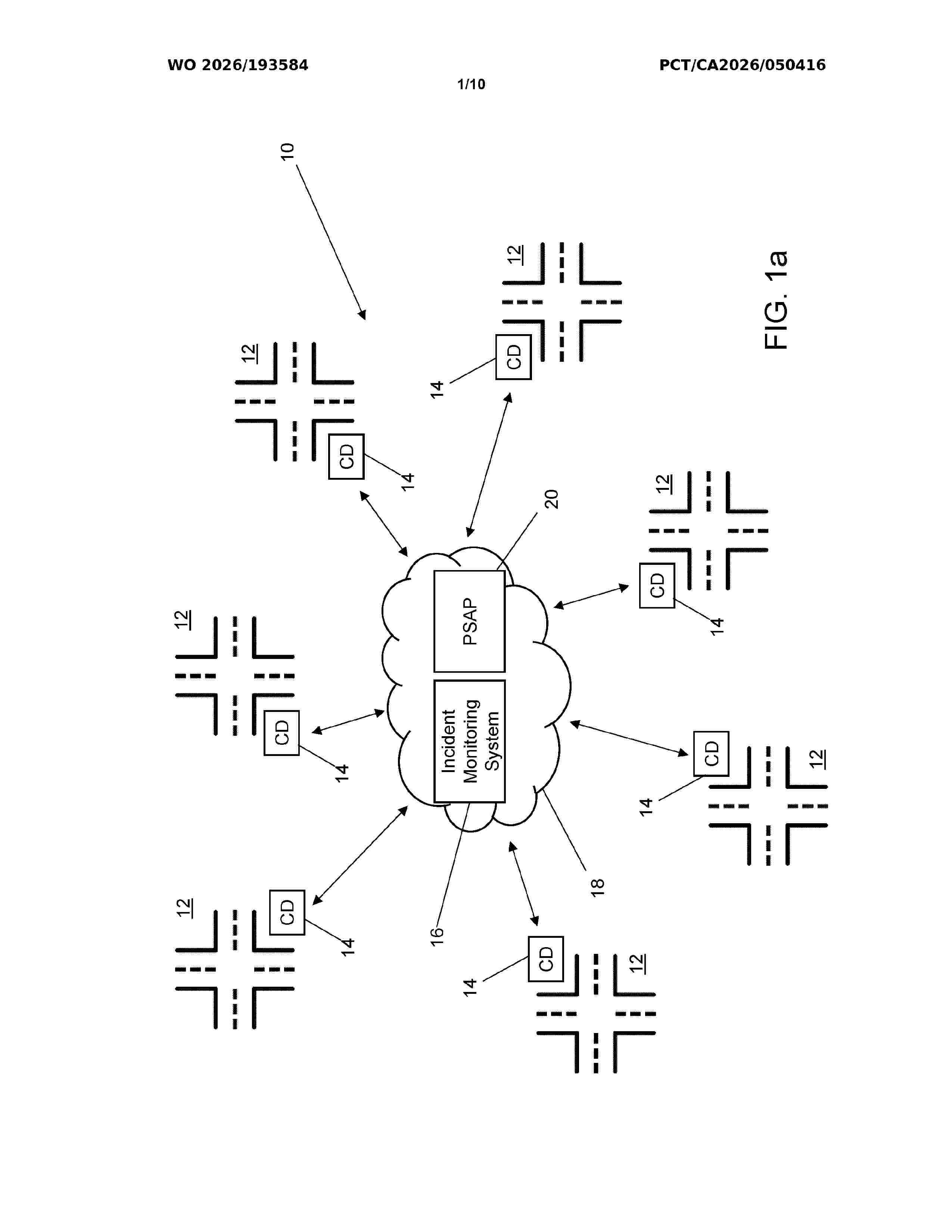
System and method of incident detection at monitored traffic areas. The method includes detecting one or more events using data acquired by one or more sensors at a monitored area and using the sensor data to identify an incident associated with an event. The method also includes generating a notification associated with the incident and using the notification to establish communication with an emergency service.
Resumen de: WO2025104333A1
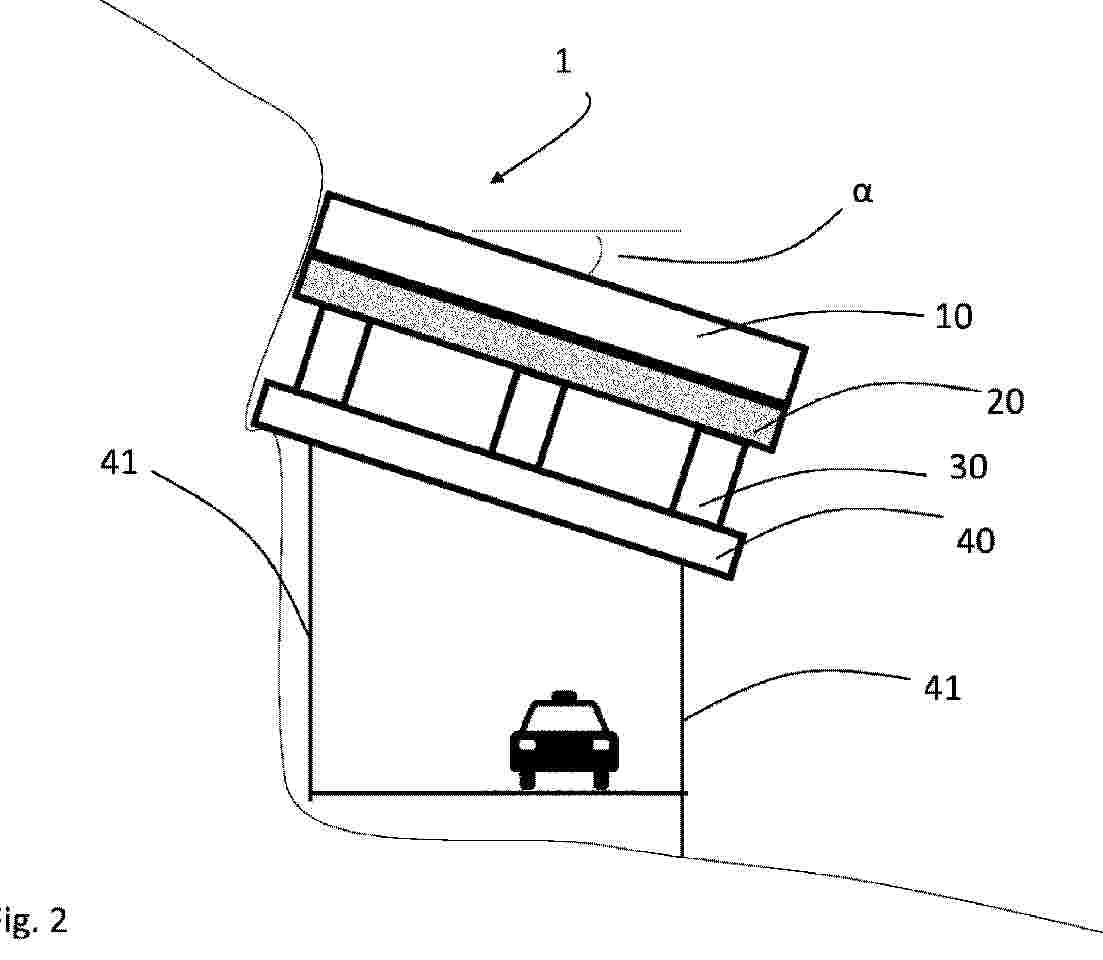
Rockfall protection system (1) that provides protection of an underlying support structure (40,41) from experiencing a load exceeding a predefined design load, wherein the protection system (1) comprises a combination of an impact energy absorbing layer (10), a force distribution layer (20) and one or more energy absorbing components (30), wherein the impact energy absorbing layer (10) is supported by the force distribution layer (20), the force distribution layer (20) is resting on the one or more energy absorbing components (30), the one or more energy absorbing components (30) is resting on the support structure (40); wherein the force distribution layer (20) is a stiff planar deck structure; wherein the impact energy absorbing layer (10) comprises tubes (12) with plastic deformation properties, wherein the tubes extend parallel to the planar deck structure; and wherein the one or more energy absorbing components (30) are designed to absorb energy by deformation, such that the combination of the impact energy absorbing layer (10), the force distribution layer (20) and the one or more energy absorbing components (30) provides the protection.
Resumen de: EP4811869A1
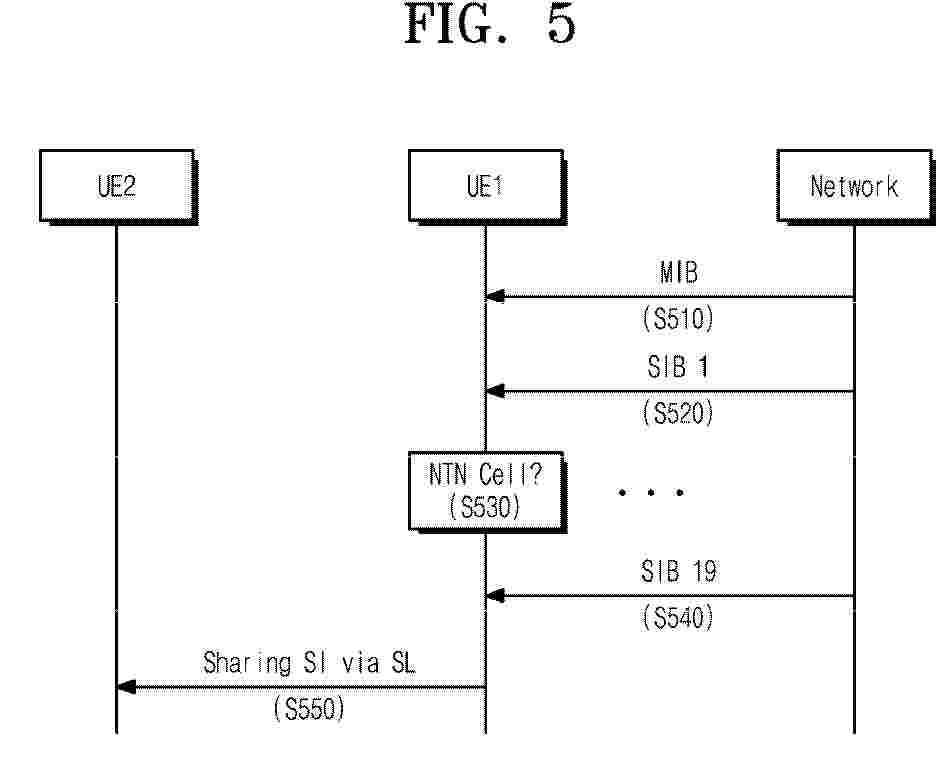
The present document relates to a method for sharing system information (SI) via a sidelink, and a device therefor. To this end, a method by which a first user equipment (UE) communicates with a network comprises the steps in which the first user equipment: receives a master information block (MIB) among system information (SI) from a specific cell of the network; receives system information block (SIB) 1 on the basis of the MIB information; and transmits the SI to a second user equipment via a sidelink when it is confirmed that the specific cell is a non-terrestrial network (NTN) cell through the information about SIB 1.
Resumen de: WO2025104515A1
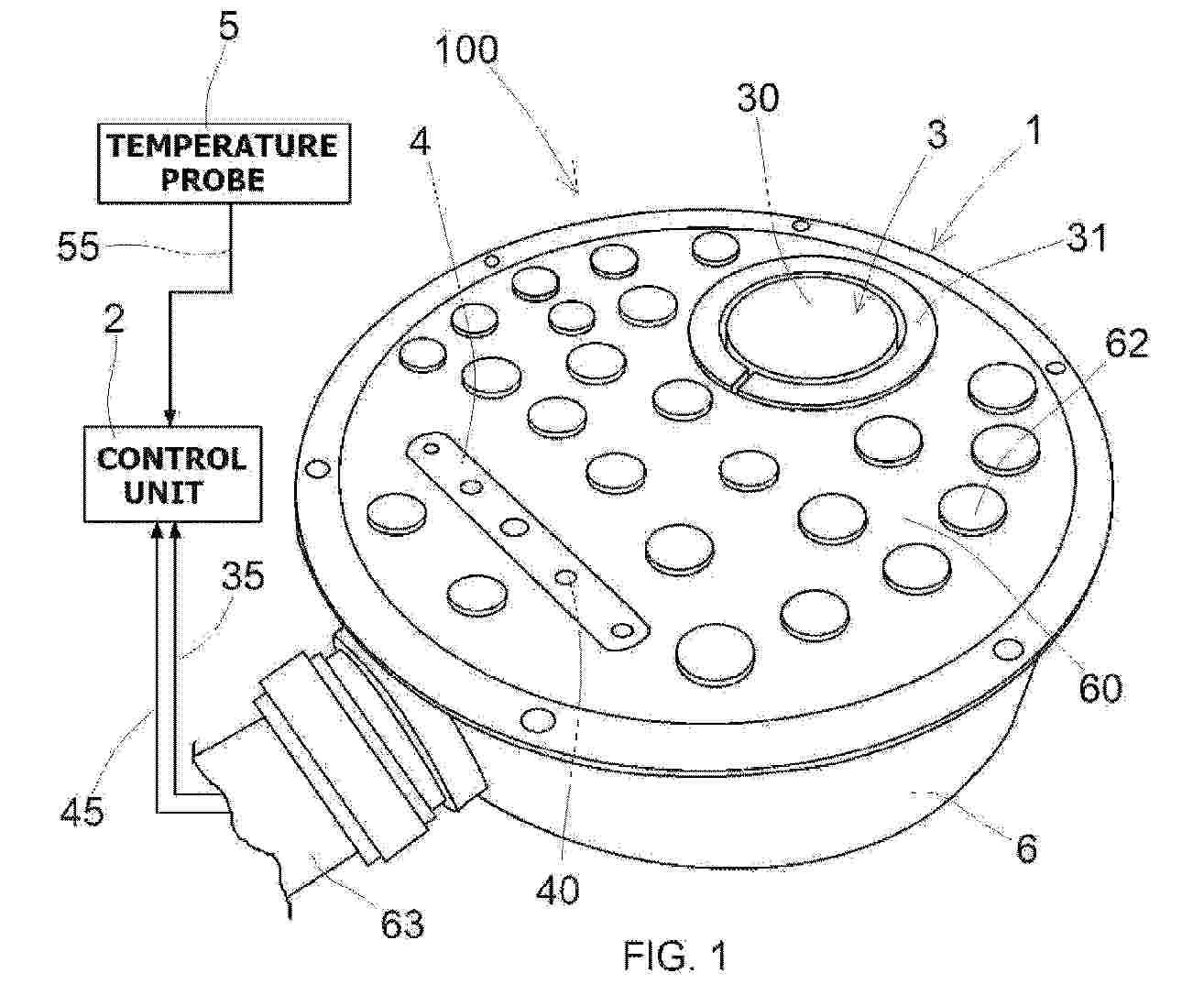
A road sensor assembly (100) comprises: a road sensor (1) suitable for being installed in the road surface, a control unit (2) suitable for being connected on the roadside, and temperature probes (5) arranged in the road surface to detect the temperature of the road surface; the road sensor (1) comprises a box (6) that contains a resin body (60), a capacitance probe (3) and a conductivity probe (4).
Resumen de: US20250347065A1
0000 A sustainable barrier including a waste material and a binder is provided. The binder is mixed with the waste material and configured to bind the waste material into the sustainable barrier. The binder includes a catalyst configured to enable the binder to bind the waste material into the sustainable barrier. The sustainable barrier has a maximum load rating of at least 25,000 pounds.
Resumen de: EP4811070A1
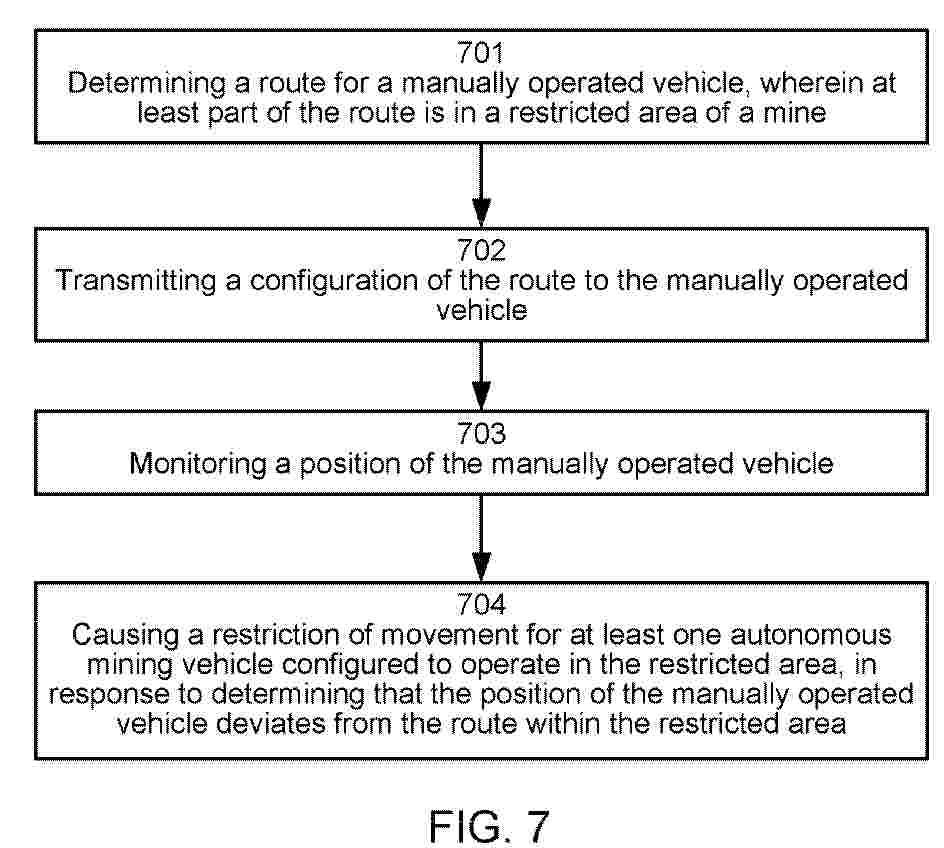
0001 An apparatus comprises: at least one processor; and at least one memory including computer program code, the at least one memory and the computer program code configured to, with the at least one processor, cause the apparatus at least to: determine a route for a manually operated vehicle, wherein at least part of the route is in a restricted area of a mine; transmit a configuration of the route to the manually operated vehicle; monitor a position of the manually operated vehicle; and cause a restriction of movement for at least one autonomous mining vehicle configured to operate in the restricted area, in response to determining that the position of the manually operated vehicle deviates from the route within the restricted area.
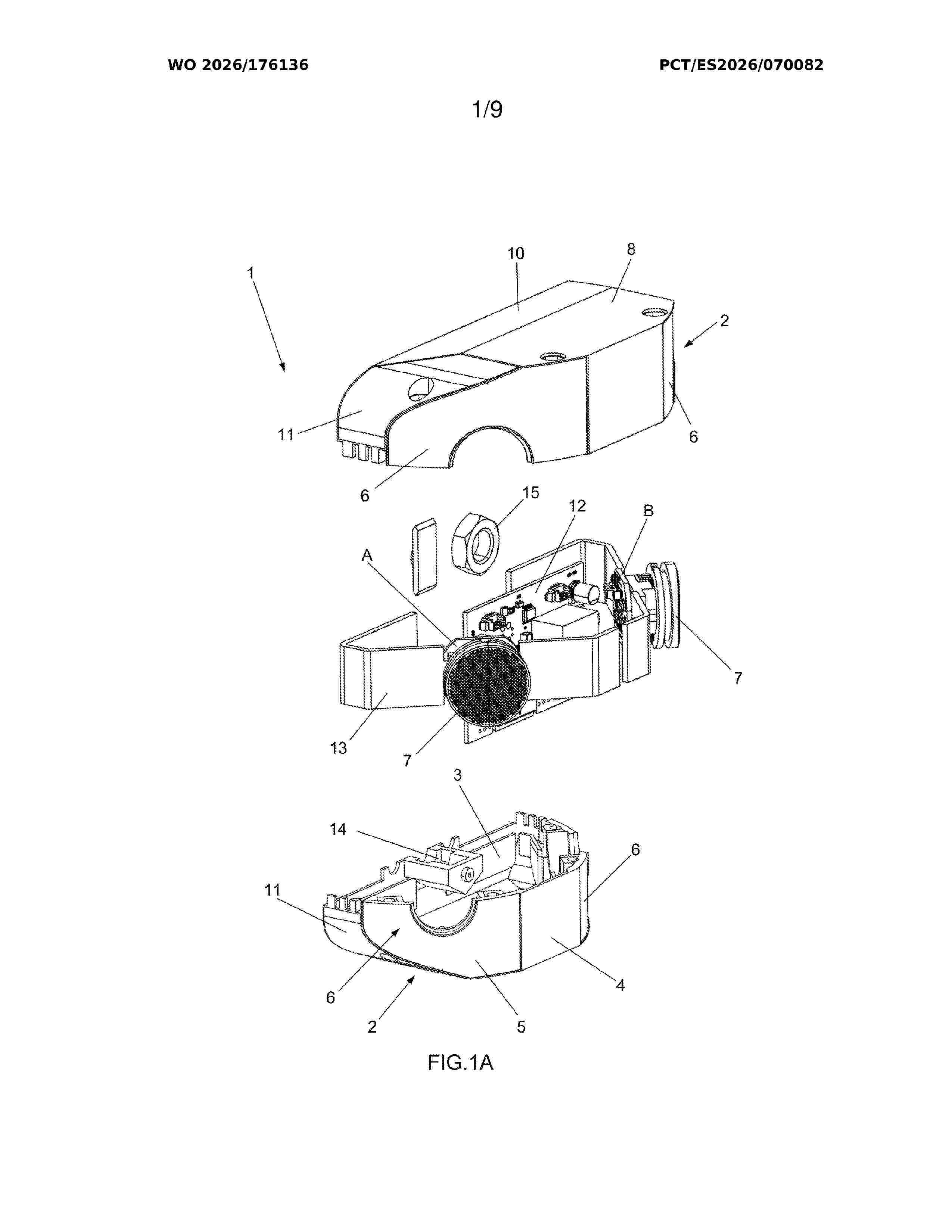
Resumen de: WO2026176136A1
The invention relates to a smart variable signage device for vehicle restraint systems that comprises a case (2) containing at least one circuit board (12). The case (2) comprises at least one rear surface (3) designed to be attached to a restraint barrier, and an opposite front surface (4) from which two oblique surfaces (5) extend, at least one of the oblique surfaces (5) comprising a passive safety element (6) and at least one active safety element (7). The passive safety element (6) is a reflective element and the active safety element (7) is selected from a light transmitter, a sensor or a camera.
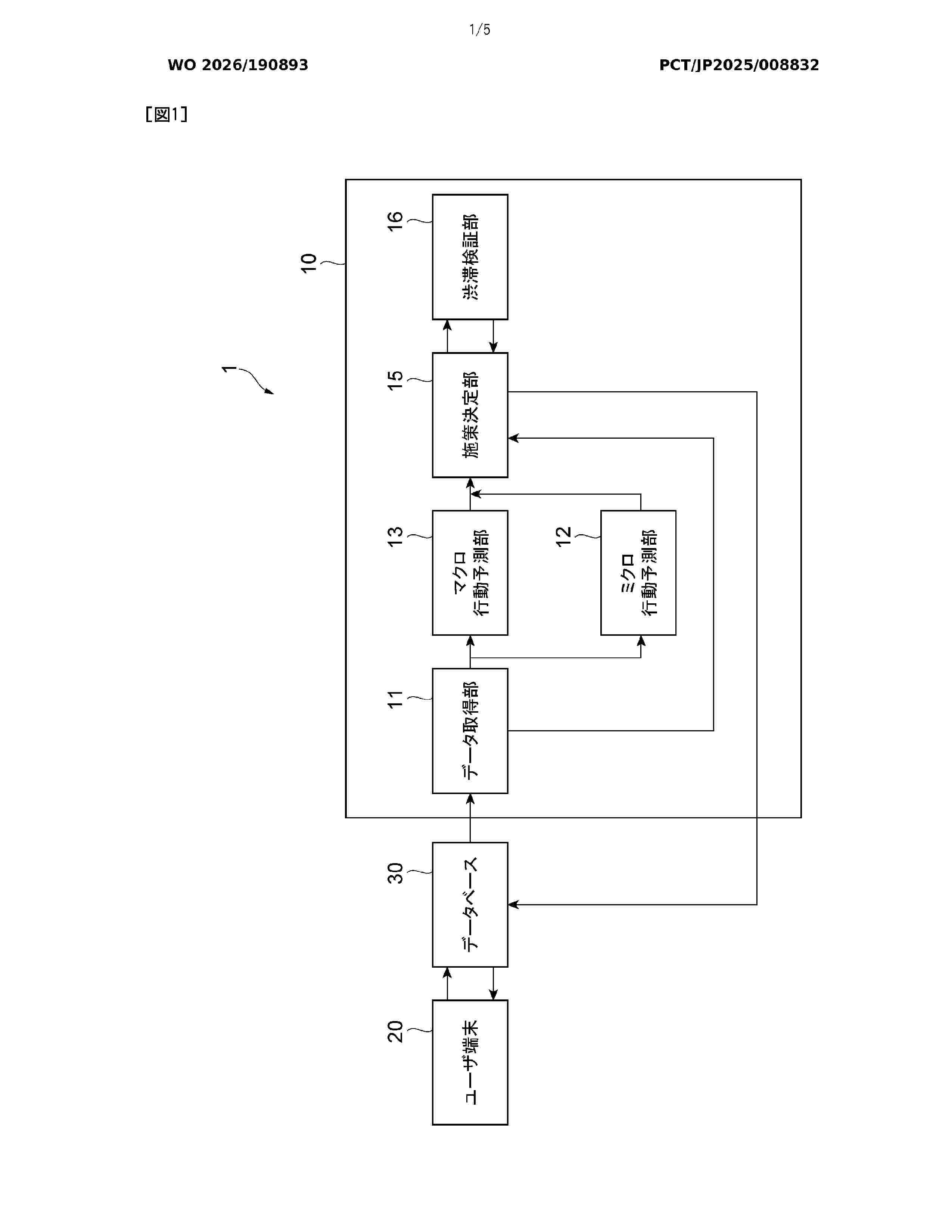
Resumen de: WO2026190893A1
A device according to one exemplary embodiment of the present invention comprises: a first action prediction unit that acquires first action data which is obtained by predicting an action of each of a plurality of users on the basis of positional information; a second action prediction unit that acquires second action data which is obtained by predicting a macroscopic flow of people including the plurality of users on the basis of the positional information; and a measure determination unit that sets a measure for each of the users, acquires a total sum of travel times of the macroscopic flow of people on the basis of corrected data obtained by correcting the second action data by using reflected data in which the measures have been reflected in the first action data of the respective users, and determines a measure for each of the plurality of users so that an evaluation function including the total sum of travel times is minimized.
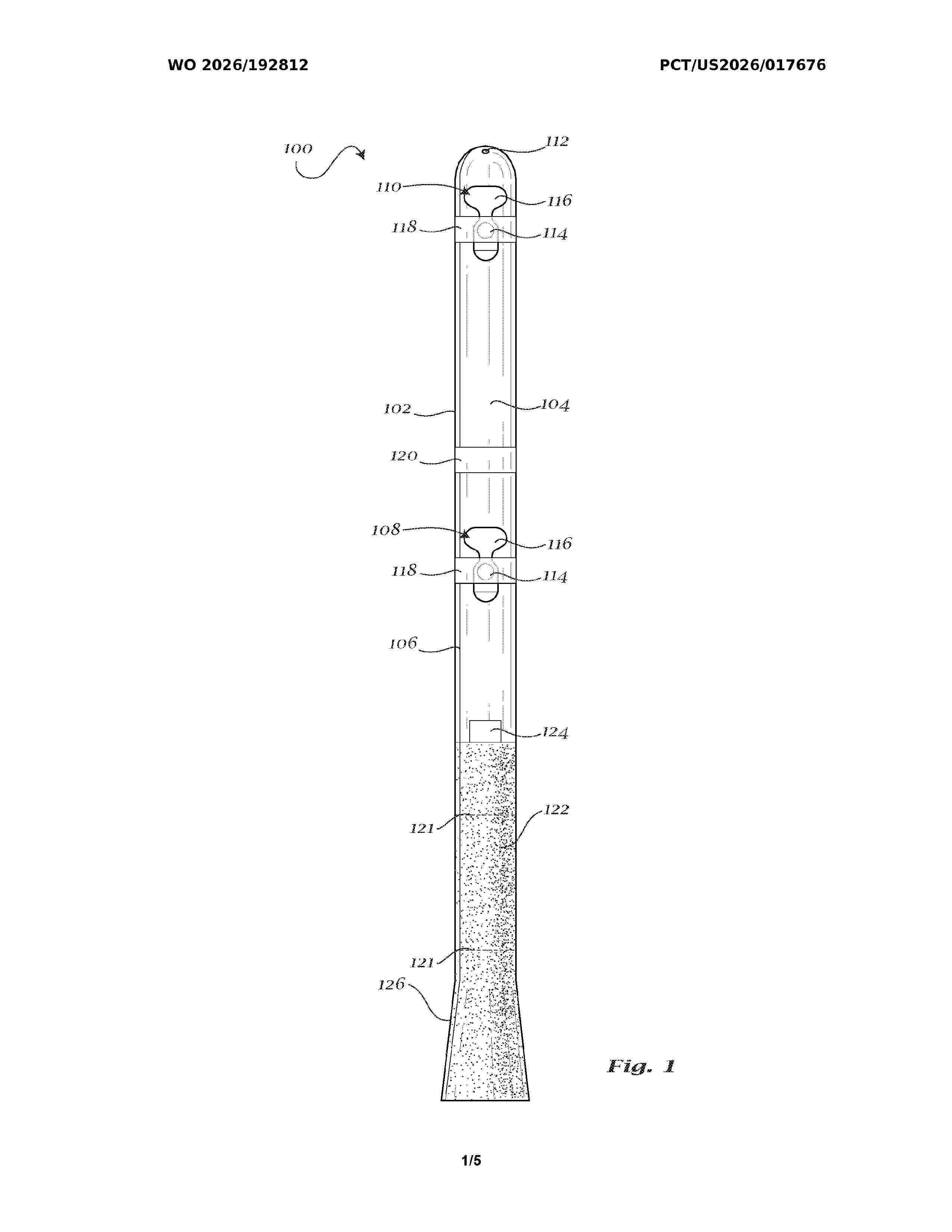
Resumen de: WO2026192812A1
An inflatable and flexible delineator post. The delineator post may include an elongated body enclosing an interior chamber, a retention cone configured to retain a first portion of the delineator post within a granular medium, one or more valves disposed on the elongated body and in communication with the interior chamber, an edge guard configured to enclose a second portion of the elongated body, a fold mark configured to fold the inflatable and flexible delineator post, and a fastening band configured to retain the folded inflatable and flexible delineator post.
Nº publicación: WO2026191085A1 17/09/2026
Solicitante:
NEC CORP [JP]
\u65E5\u672C\u96FB\u6C17\u682A\u5F0F\u4F1A\u793E
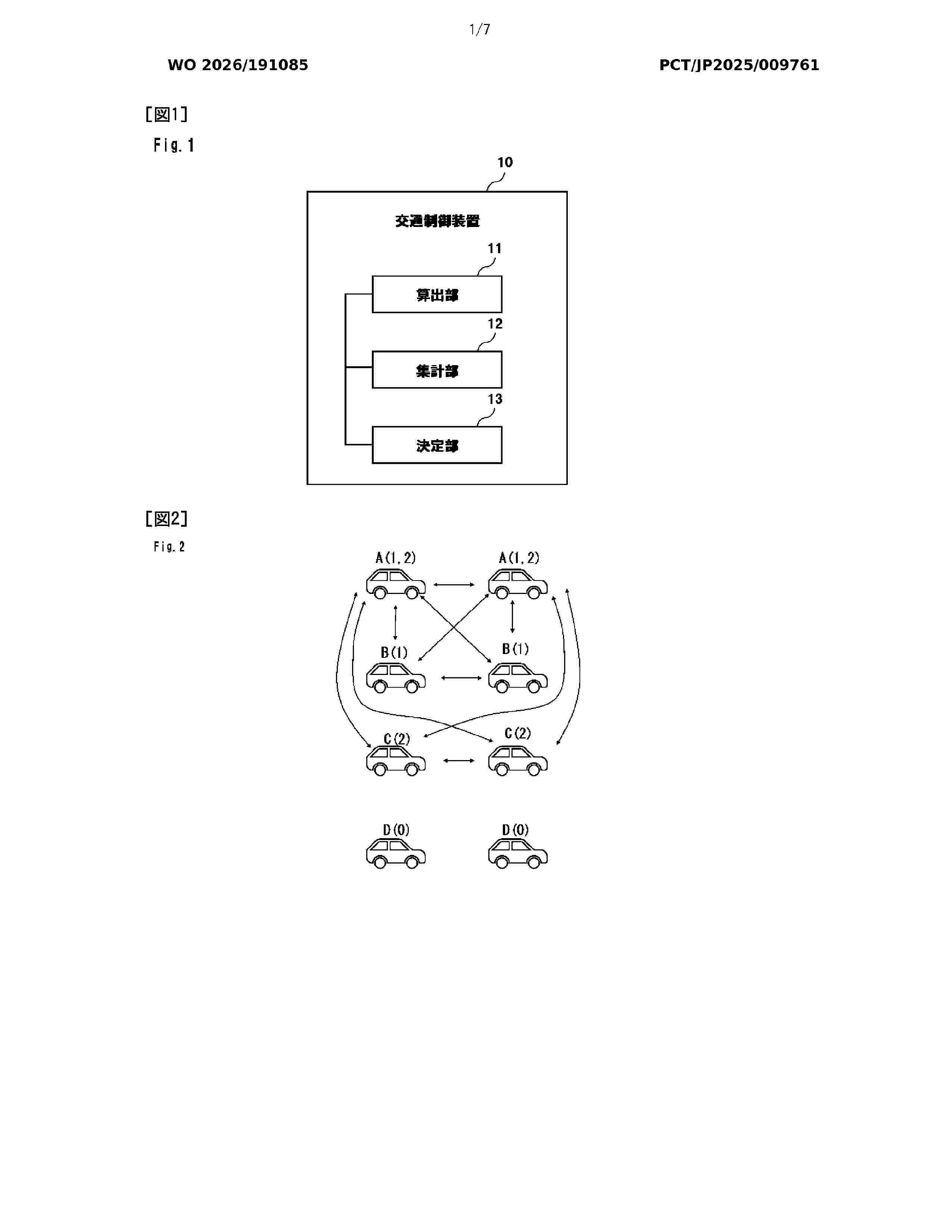
Resumen de: WO2026191085A1
Provided are a traffic control device, a traffic control system, a traffic control method, and a recording medium that enable traffic control according to functions loaded on a vehicle. This traffic control device comprises: a calculation means for calculating, for each vehicle type determined on the basis of functions loaded on the vehicle, a maximum traffic volume which is the number of vehicles that can pass through a road per prescribed time period; an aggregation means for aggregating, for each vehicle type, a scheduled number of arriving vehicles which is the number of vehicles scheduled to arrive at an entry point of the road per prescribed time period; and a determination means for determining, for each vehicle type, whether or not to allow entry to the road, on the basis of the maximum traffic volume and the scheduled number of arriving vehicles.
 BOPI
BOPI
 Sede Electrónica