Si deseas distinguir tus productos, servicios o ambos de los de otra empresa, es posible que necesites una marca o nombre comercial. Descubre qué son, en qué consiste su procedimiento de registro y qué implica.

Información sobre los plazos de presentación de solicitudes de transformación de marcas de la Unión Europea en marca nacional española. Más información


Si tienes un nuevo dispositivo, producto o procedimiento que resuelva un problema técnico o tenga una ventaja práctica, existen distintas formas de protegerlo en España y en otros países. Descubre cómo hacerlo.

¿Tu innovación reside en la estética, la ornamentación o la apariencia de tu producto? Protégela mediante un diseño industrial. Descubre qué derechos confiere el registro y cómo realizar la tramitación.

Las indicaciones geográficas protegen el nombre de un producto originario de una zona geográfica, a la cual le debe una determinada calidad, reputación u otra característica. Descubre qué son, en qué consiste su procedimiento de registro y qué beneficios conceden.

Las patentes publicadas en todo el mundo son una valiosa fuente de información científica, técnica y comercial.

Si eres emprendedor/a o una empresa y quieres potenciar y mejorar la rentabilidad de tu negocio protegiendo de forma adecuada los activos intangibles de tu organización, en este espacio encontrarás lo necesario.


 132
resultados
132
resultados
 Última actualización
14/07/2026 [08:27:00]
Última actualización
14/07/2026 [08:27:00]


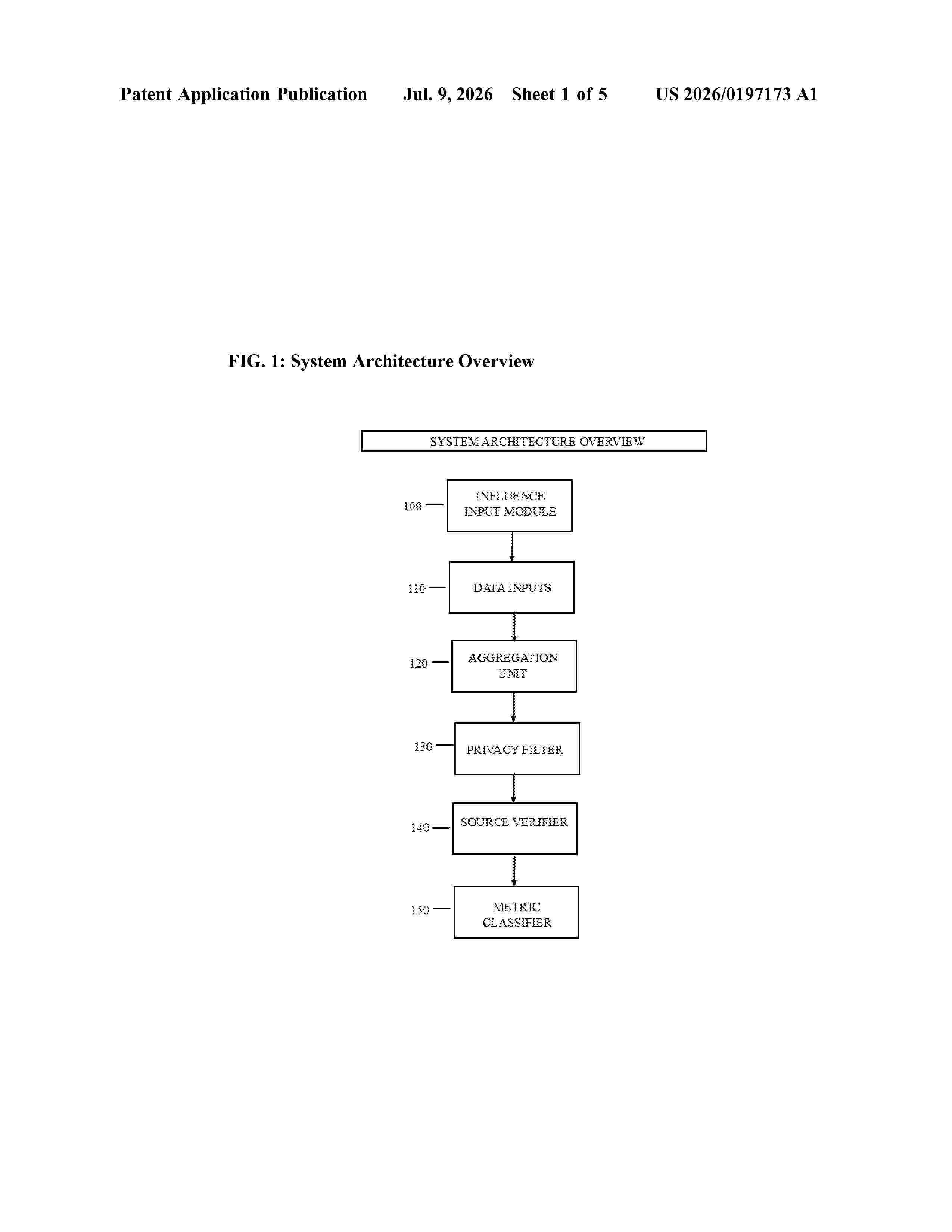
Resumen de: US20260197173A1
The Zero-Knowledge Influence Verifier validates hierarchical influence by aggregating multi-source influence metrics, stacking them hierarchically to compute cumulative trust scores, verifying authenticity using zero-knowledge proofs, auditing outcomes for compliance, and outputting validated results via a secure interface. It includes an influence input module for data ingestion, a stacking processor for layered scoring, a verification engine for cryptographic validation, an audit logger for compliance records, and an output interface for secure delivery. The method ingests metrics, stacks hierarchically, verifies influence, audits results, and delivers outputs for applications like reputation management and blockchain governance. This invention addresses fragmented influence validation by enabling secure, privacy-preserving trust across distributed networks, ensuring GDPR compliance and interoperability.

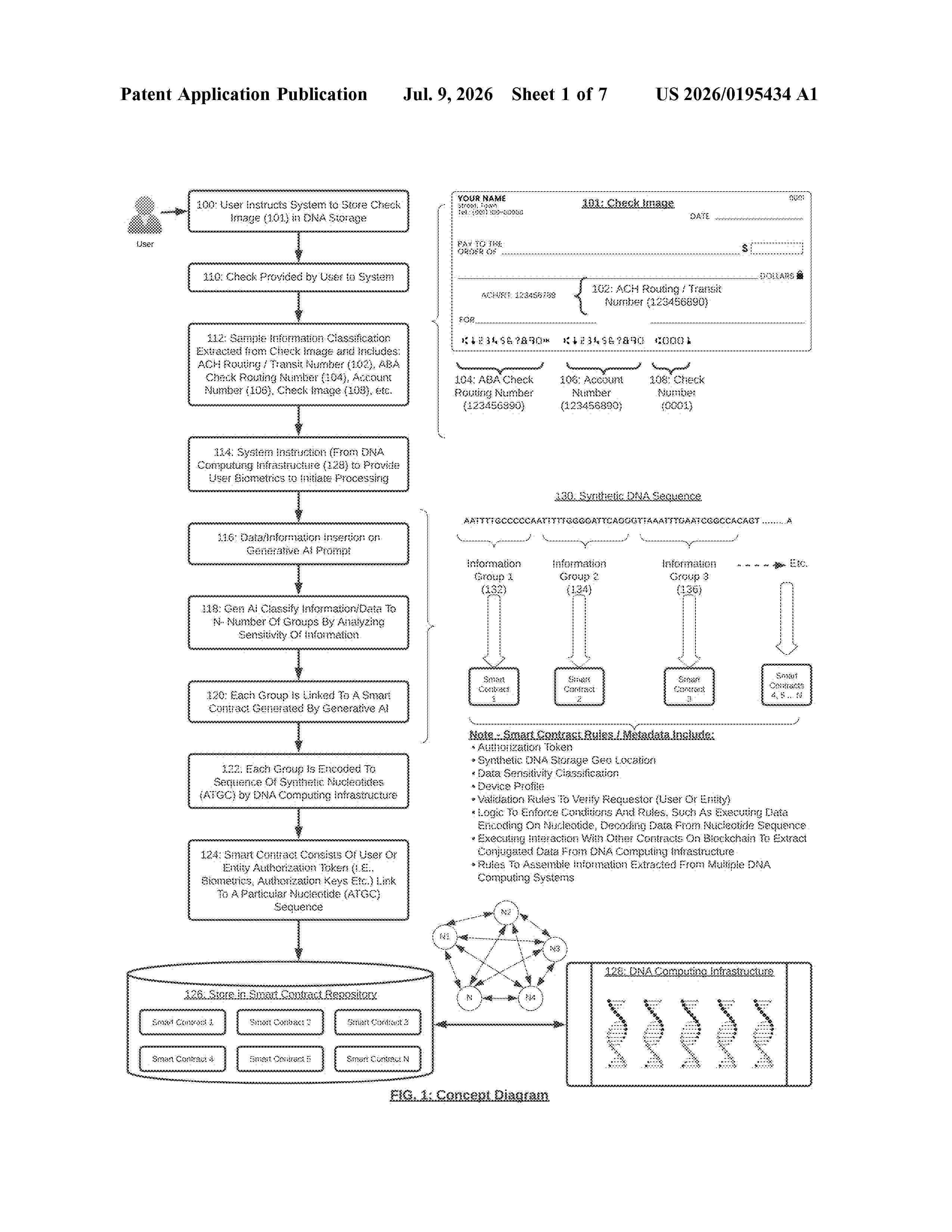
Resumen de: US20260195434A1
0000 Systems and methods orchestrate synthetic DNA computing as a service (DNAaaS) to enable secure and controlled data storage and retrieval by leveraging generative AI and blockchain-based smart contracts. The system analyzes digital information using generative AI to classify data based on sensitivity, generating dynamic smart contracts that define encryption protocols, storage locations, and access entitlements. Digital data is encoded into synthetic DNA sequences using an intelligent encoding engine and securely stored across distributed DNA computing infrastructures. Retrieval requests trigger corresponding smart contracts to validate user identity, aggregate DNA-encoded data from multiple locations, and decode it back into its original form. Biometric validation, device-specific authentication, and anomaly detection ensure data integrity, security, and access control. The blockchain-based ledger provides transparency, immutability, and verification of all operations. This invention facilitates scalable, efficient, and secure management of sensitive data in synthetic DNA storage environments while maintaining strict compliance with security and entitlement rules.
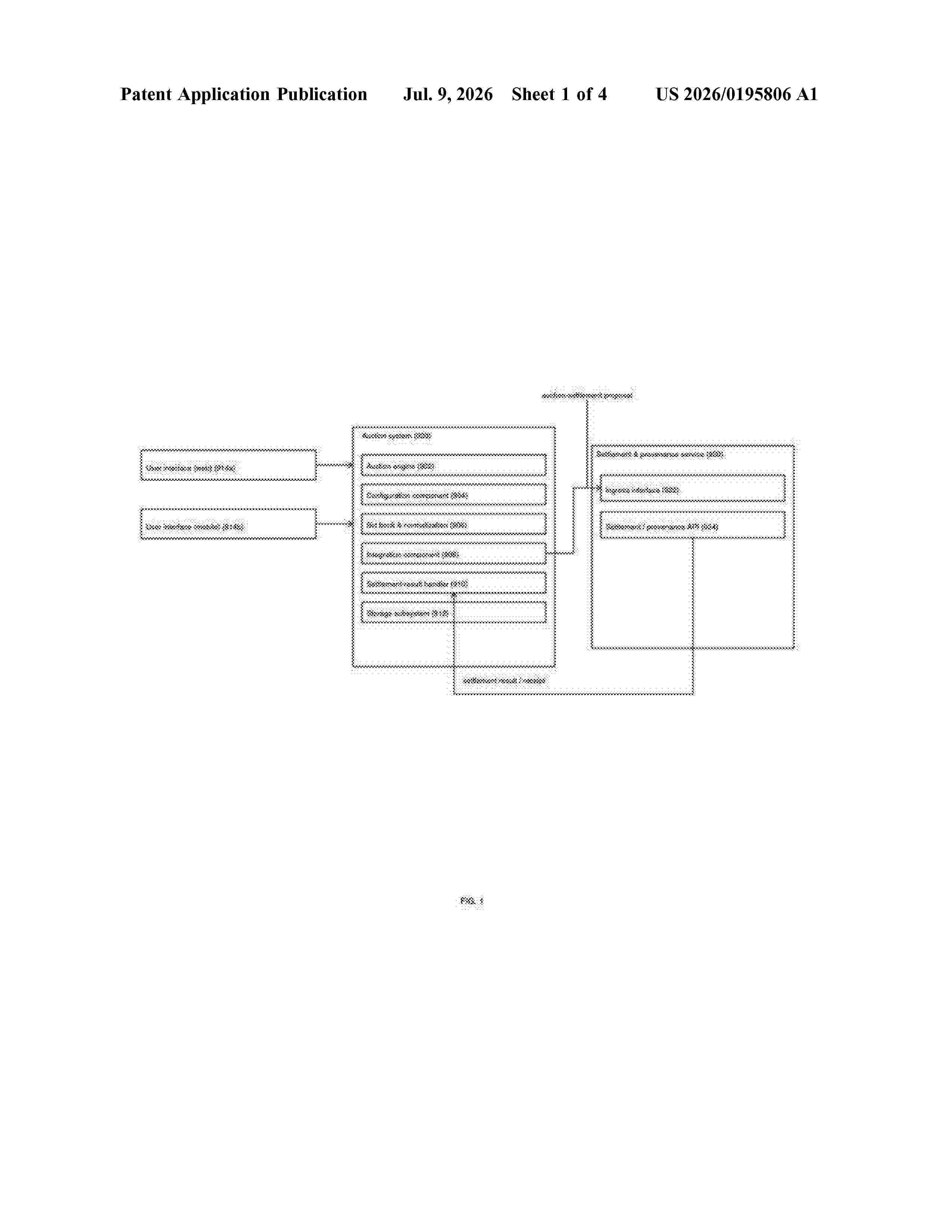
Resumen de: US20260195806A1
A live multi-cryptocurrency cross-chain auction system is disclosed that integrates with a witness-bonded settlement and provenance service. An auction engine manages listings and real-time bidding across multiple currencies and blockchain networks, and upon auction close, generates a structured auction-settlement proposal referencing a winning bid, asset identifier, and chain endpoints. The proposal is submitted to the settlement and provenance service, which classifies the transaction into a policy tier, selects bonded witnesses, coordinates digitally signed attestations, selects a settlement route, and verifies settlement evidence. The auction system receives a settlement result including a settlement status, settlement receipt identifier, and coverage metadata, and updates auction records and user interfaces to reflect the settlement outcome and associated provenance reference. The architecture supports digital assets, non-fungible tokens, and physical collectibles linked to digital identifiers and enables programmable coverage, unified cross-chain settlement handling, and durable provenance for auction outcomes.
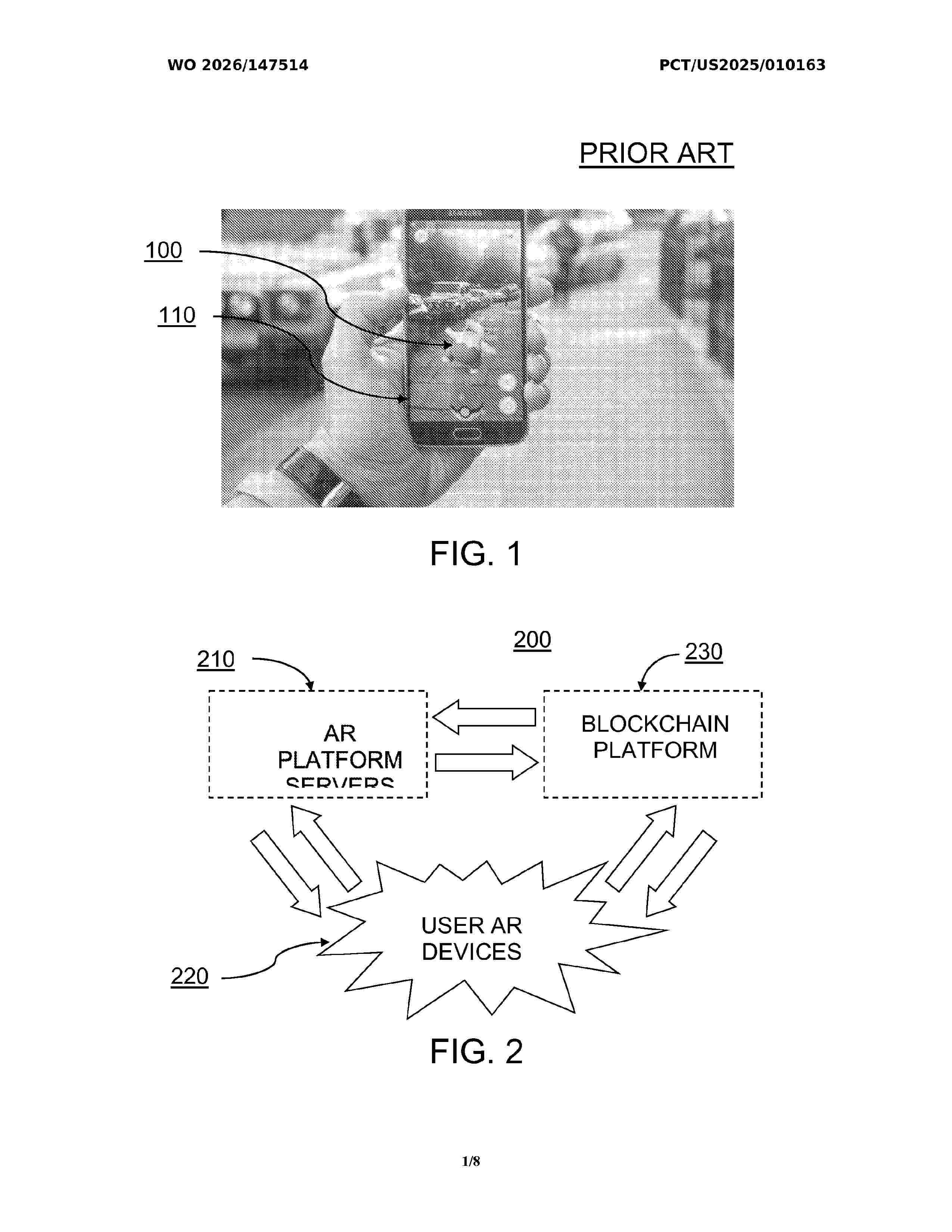
Resumen de: WO2026147514A1
An augmented reality (AR) platform is provided that includes geofence-based permissions to display and view virtual AR objects to users, including NFTs and other digital media, via a distributed application (AR app) provided to AR devices (e.g. smartphones). The AR platform includes a server provided in wireless communication with the AR devices, and optionally a blockchain server to handle NFT-based features. Users may purchase rights to display virtual objects within certain geofences, and such rights can be categorized into layer categories that can restrict object placement/viewing to certain users. Virtual objects can be placed at particular locations or anchored to a physical object for viewing in AR. The AR app can provide map views to indicate the location of virtual objects. NFTs can be geo-tagged to provide location-based owner benefits. A variety of location-specific rewards and information can be offered to users through the AR platform.
Resumen de: US20260197183A1
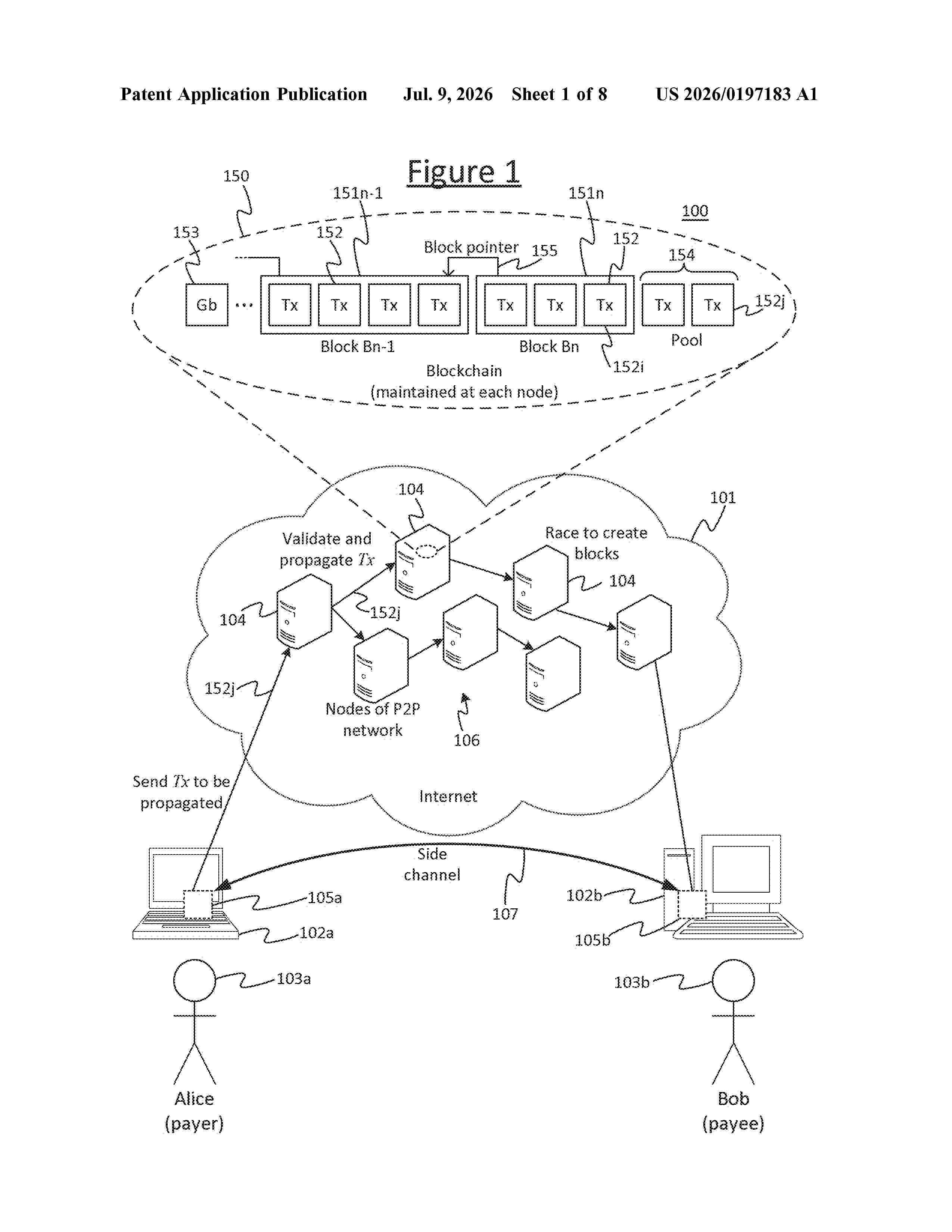
0000 A method performed by a first party, the method comprising: receiving, from a second party, information of a first blockchain transaction, the first blockchain transaction comprising an input and an output, wherein the input of the first blockchain transaction comprises a signature of the second party and wherein the output of the first blockchain transaction is locked to a public key of the first party; performing an action comprising at least one of: receiving authorisation of access to a product or service; issuing authorisation of access to a product or service; providing a product or service; receiving a product or service; in response to performing the action, providing, as part of a first input of a second blockchain transaction, a signature of the first party to unlock the output of the first blockchain transaction
Resumen de: US20260195833A1
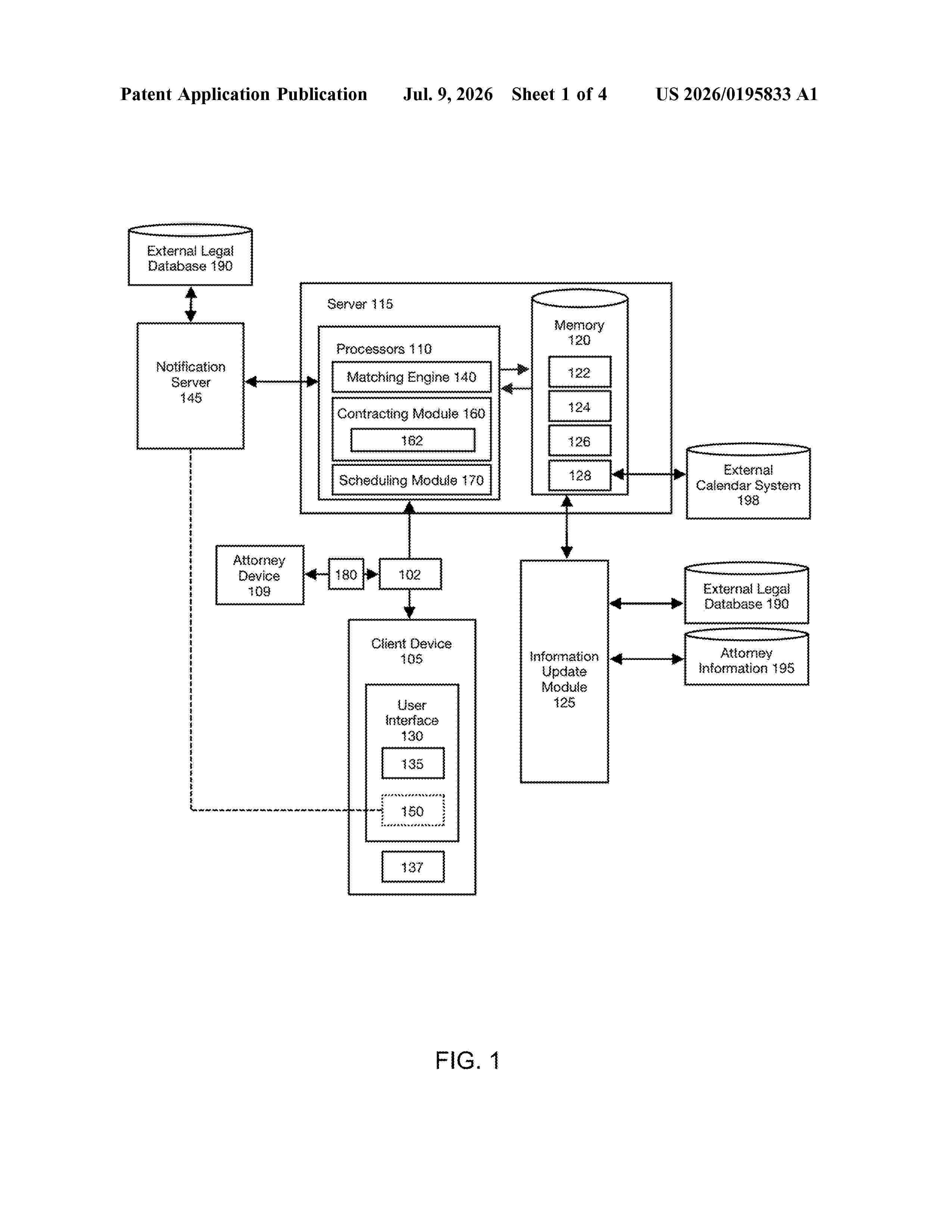
0000 The present invention relates to a system and method for facilitating legal services through an online marketplace platform. The system comprises one or more processors and a memory storing instructions to provide a user interface for clients to access a legal information library, select attorneys based on experience and budget, and submit offers for legal services. Natural language processing and machine learning algorithms analyze case information to determine a pool of relevant attorneys. The system generates a virtual contract between the client and selected attorney, schedules appointments, and utilizes encrypted databases and blockchain technology to ensure security, privacy, and integrity of transactions. The invention streamlines the client-attorney matching process, empowers informed decision-making, and ensures fair pricing for legal services.
Resumen de: US20260195816A1
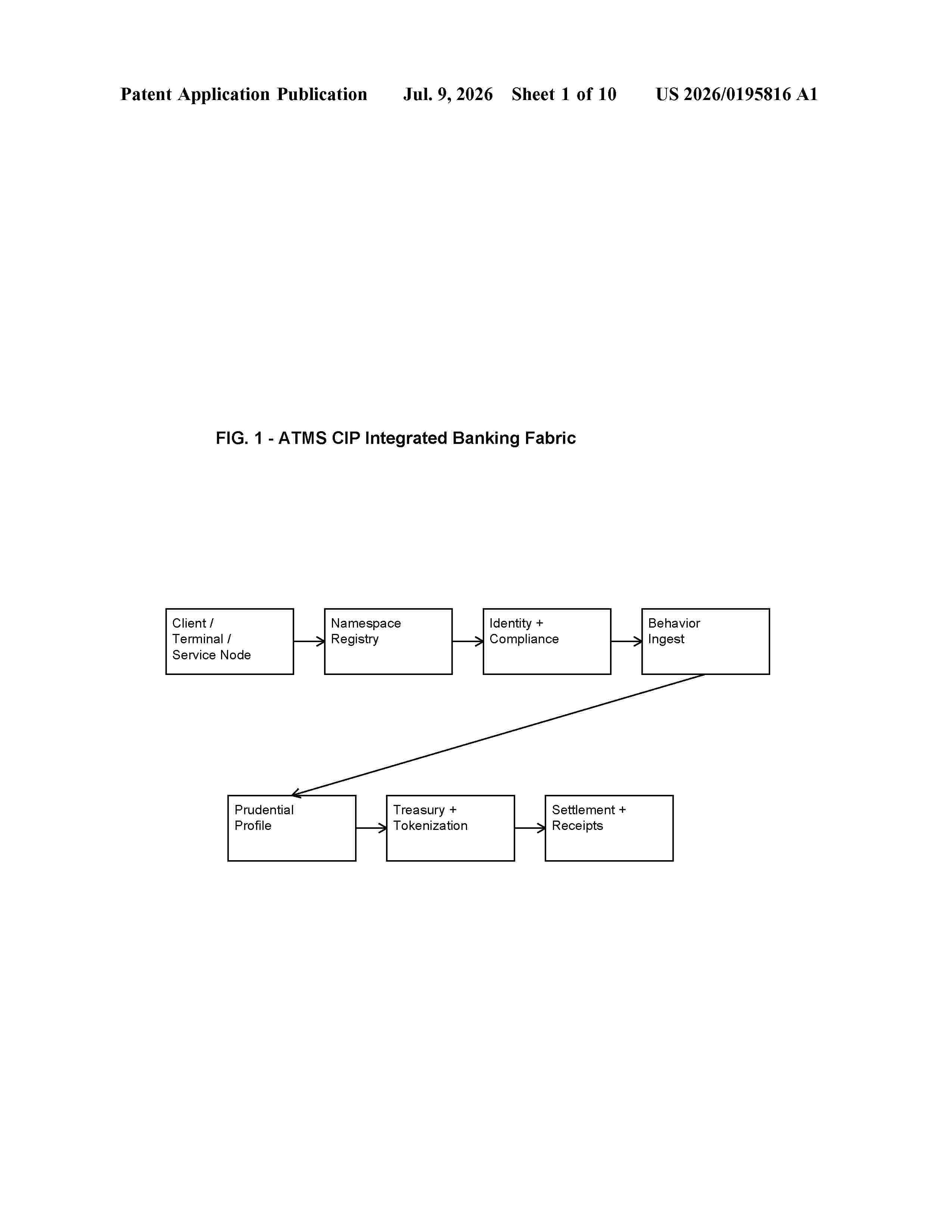
A computer-implemented ATMS platform processes domain-resolved banking events using signed node manifests, decentralized identity proofs, digital financial passports, behavior evidence, and signed prudential profiles. A namespace registry links domains or subdomains to executable endpoints, vault controls, and profile identifiers. An identity-anchor module verifies subject credentials or compliance proofs, and a prudential profile engine derives credit, issuance, reserve, or liquidation outcomes from verified activity, collateral state, and treasury state. A transaction authorization and issuance engine updates token, reserve, vault, or loan state when permitted, and a route selector chooses a blockchain, cross-chain, layer-2, or hybrid settlement rail. A settlement coordinator performs linked state updates and a receipt generator anchors decision, issuance, and settlement receipts by a common digest, enabling auditable banking, lending, self-minting vaults, tokenized-asset collateralization, co-ownership allocation, and sector-node deployment.
Resumen de: AU2024287138A1
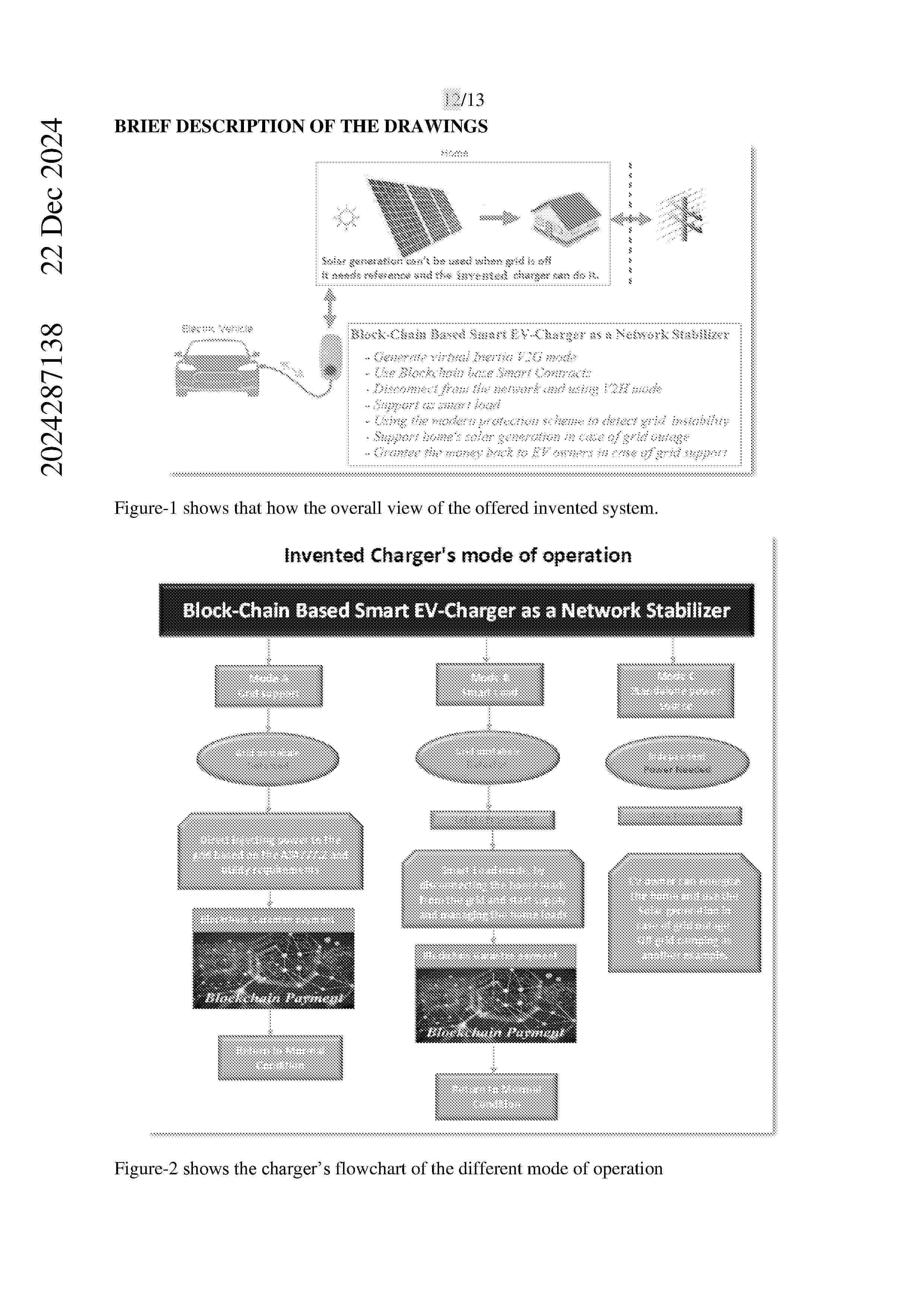
Abstract A bidirectional electric vehicle (EV) charger that incorporates blockchain, smart load, and network stabiliser functionalities. The charger can both charge EVs and discharge energy back to the grid during unstable periods. The invention uses measurement of voltage and frequency to detect disturbances, fast home load management for smart load shedding (i.e. adjusting energy consumption based on grid conditions to enhance grid stability), and blockchain technology for secure energy trading between EV owners and grid operators. BRIEF DESCRIPTION OF THE DRAWINGS Figure-1 shows that how the overall view of the offered invented system. Figure-2 shows the charger’s flowchart of the different mode of operation BRIEF DESCRIPTION OF THE DRAWINGS Home Solar generation can't be used when grid is off It needs reference and the invented charger can do it. Electric Vehicle Block-Chain Based Smart EV-Charger as a Network Stabilizer - Generate virtual Inertia V2G mode - Use Blockchain base Smart Contracts - Disconnect from the network and using V2H mode - Support as smart load - Using the modern protection scheme to detect grid instability - Support home's solar generation in case of grid outage - Grantee the money back to EV owners in case of grid support Figure-1 shows that how the overall view of the offered invented system. Invented Charger's mode of operation Block-Chain Based Smart EV-Charger as a Network Stabilizer Mode A Mode Mode C Grid support Smart Load Standalone power
Resumen de: US20260195370A1
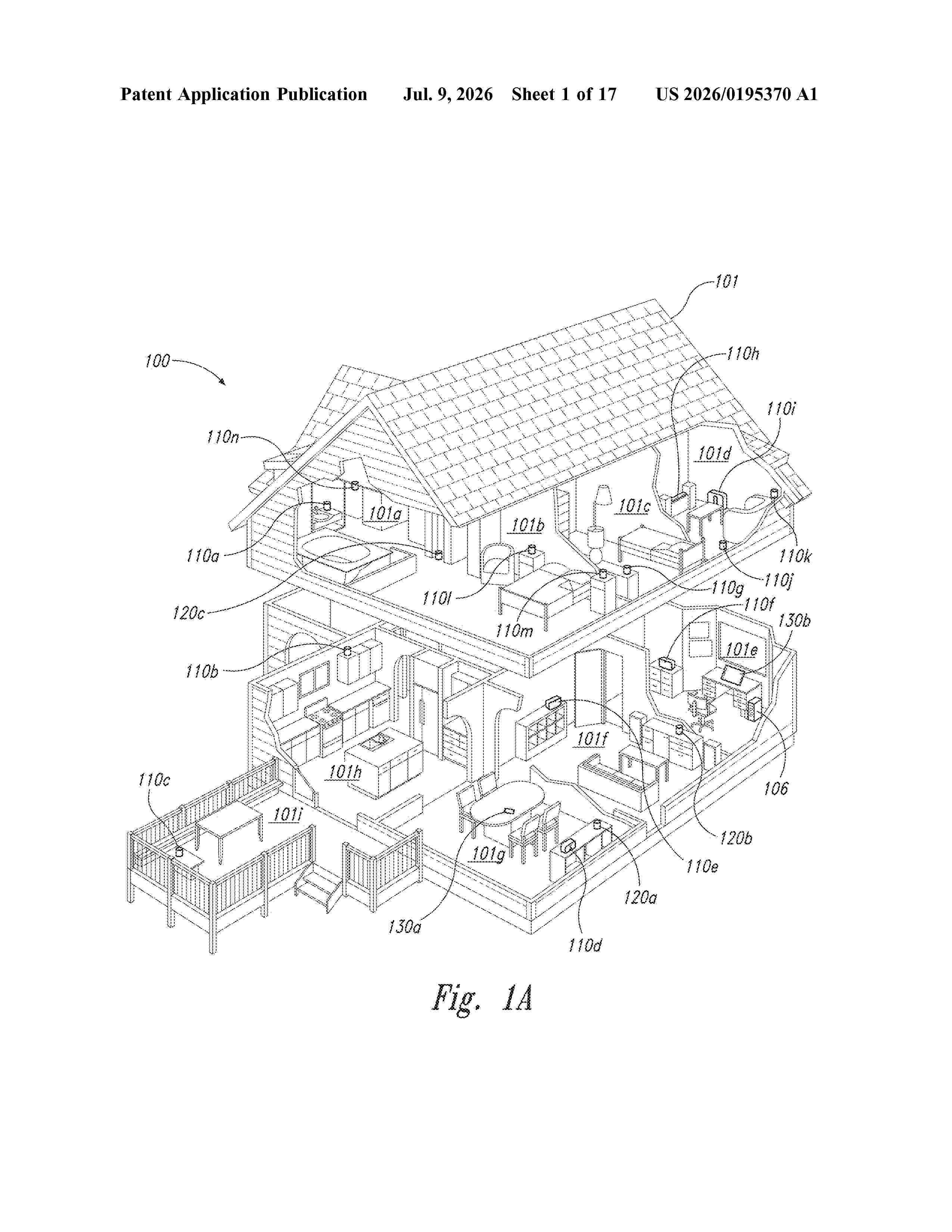
Distributed media content history and preferences can be stored and maintained by media playback systems including one or more blockchain-capable playback devices. Content record sets, such as content experience record sets and content network record sets, can be stored via distributed ledgers and updated at least in part based on media consumption events performed or detected by playback devices, service providers, or other participants. Such distributed data can also be accessed to facilitate playback of media content for particular users, devices, households, or environments.
Resumen de: WO2026145384A1
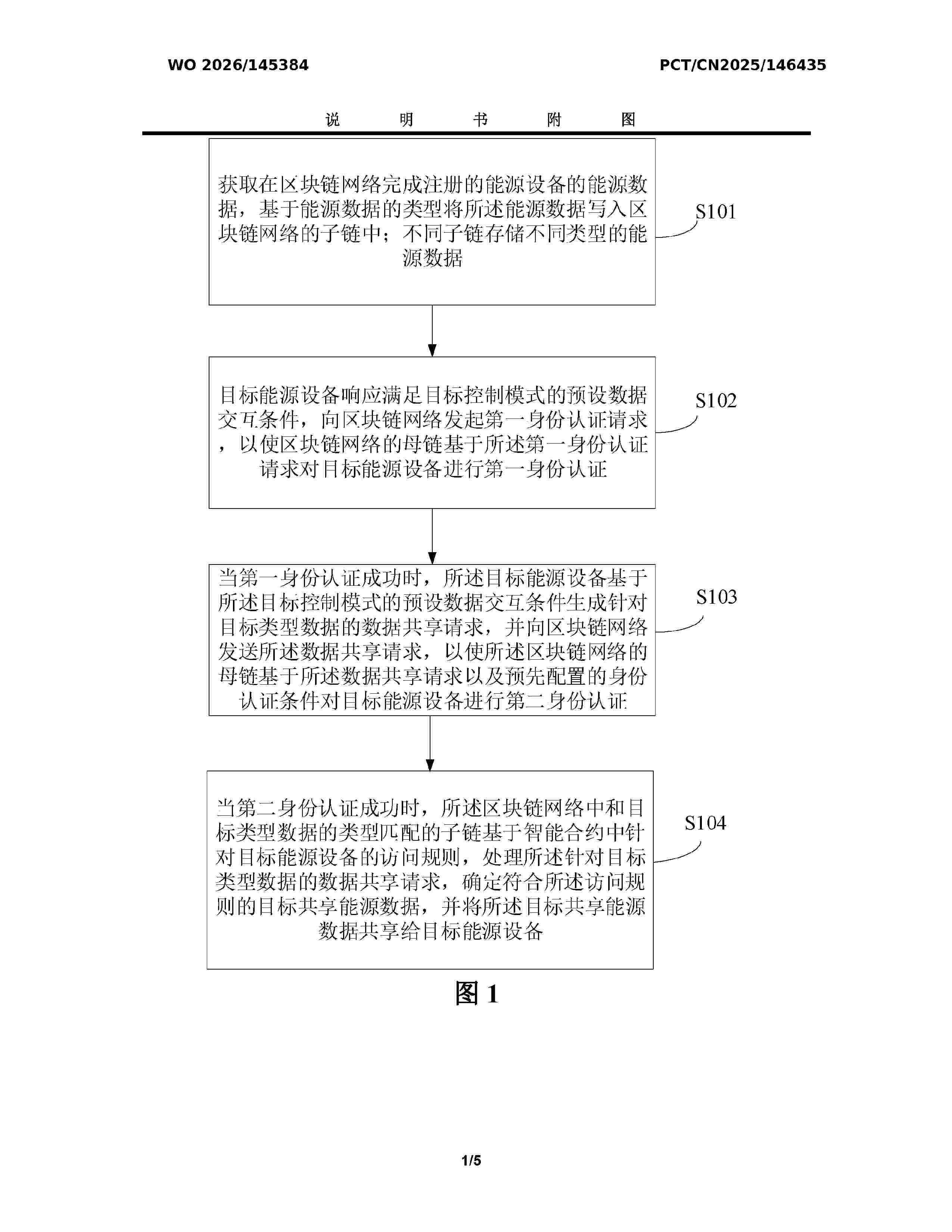
Provided in the present application is a blockchain-based data communication method for energy devices, the method comprising: acquiring energy data of energy devices which have registered in a blockchain network, and, on the basis of the types of the energy data, writing the energy data into child chains of the blockchain network; in response to meeting a preset data interaction condition of a target control mode, a target energy device initiating a first identity authentication request to the blockchain network, so as to perform first identity authentication; upon successful authentication, and on the basis of the preset data interaction condition of the target control mode, generating a data sharing request for data of a target type, and performing second identity authentication; and, upon successful authentication, a child chain in the blockchain network that matches the type of the data of the target type processing the data sharing request for the data of the target type on the basis of a smart contract, so as to determine target sharable energy data meeting an access rule, and share same with the target energy device, thereby safely and efficiently implementing energy data interaction between home energy devices.
Resumen de: US20260195814A1
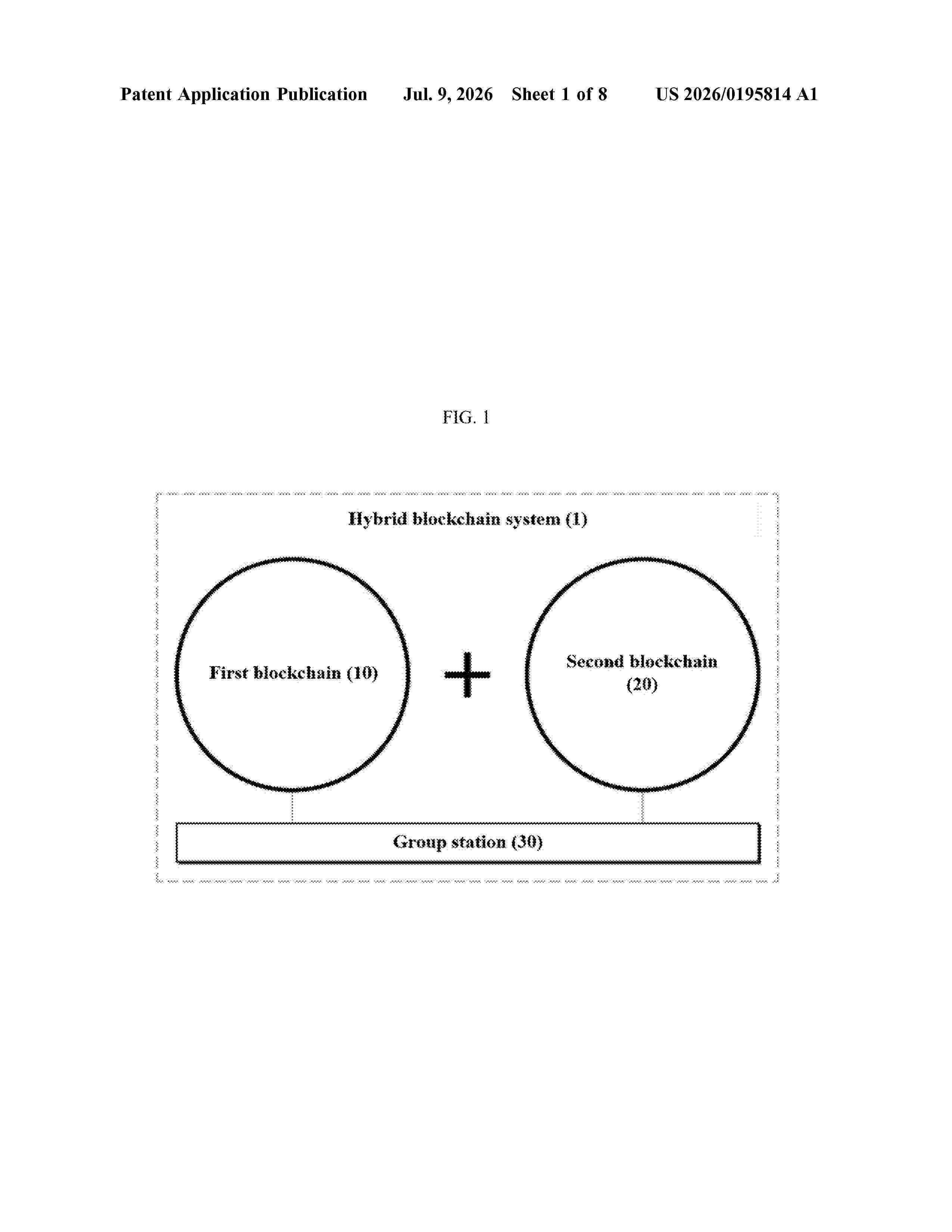
A blockchain system showing a transaction status in real time is provided. The system comprises: a stable blockchain that issues and manages a stable coin having a fixed exchange rate with a predetermined real currency; and a scanning server that provides issuance information of the stable coin.
Resumen de: WO2026146741A1
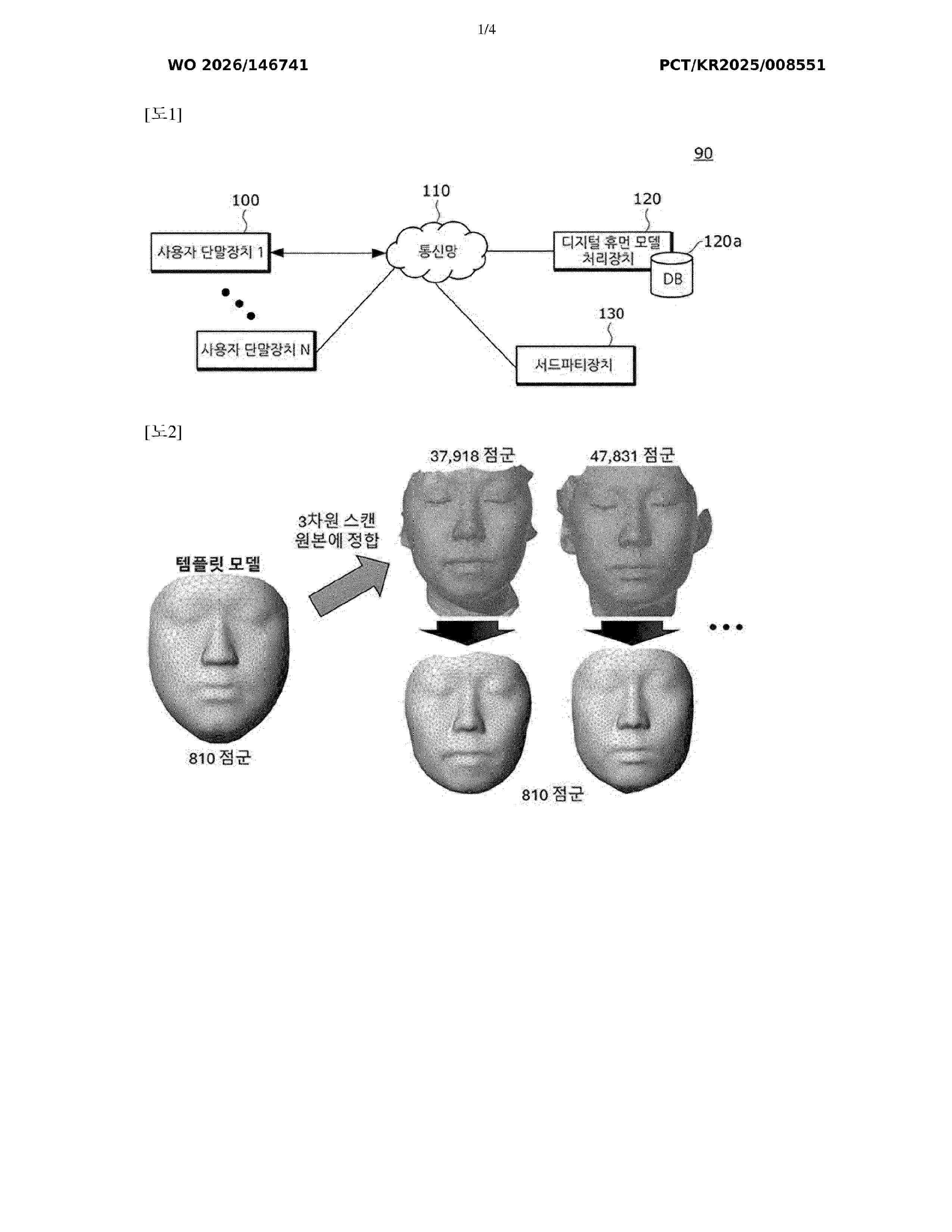
The present invention relates to a digital human model utilization device taking data security into account, and a driving method therefor. The digital human model utilization device taking data security into account, according to one embodiment of the present invention, may comprise: a storage unit for storing body scan data obtained by three-dimensionally (3D) scanning the body of a user; and a control unit which uses the stored 3D body scan data to generate a 3D digital human model formed so as to enable utilizing each of body parts, and which manages a utilization history on the basis of a blockchain when the generated 3D digital human model is utilized.
Resumen de: AU2025231413A1
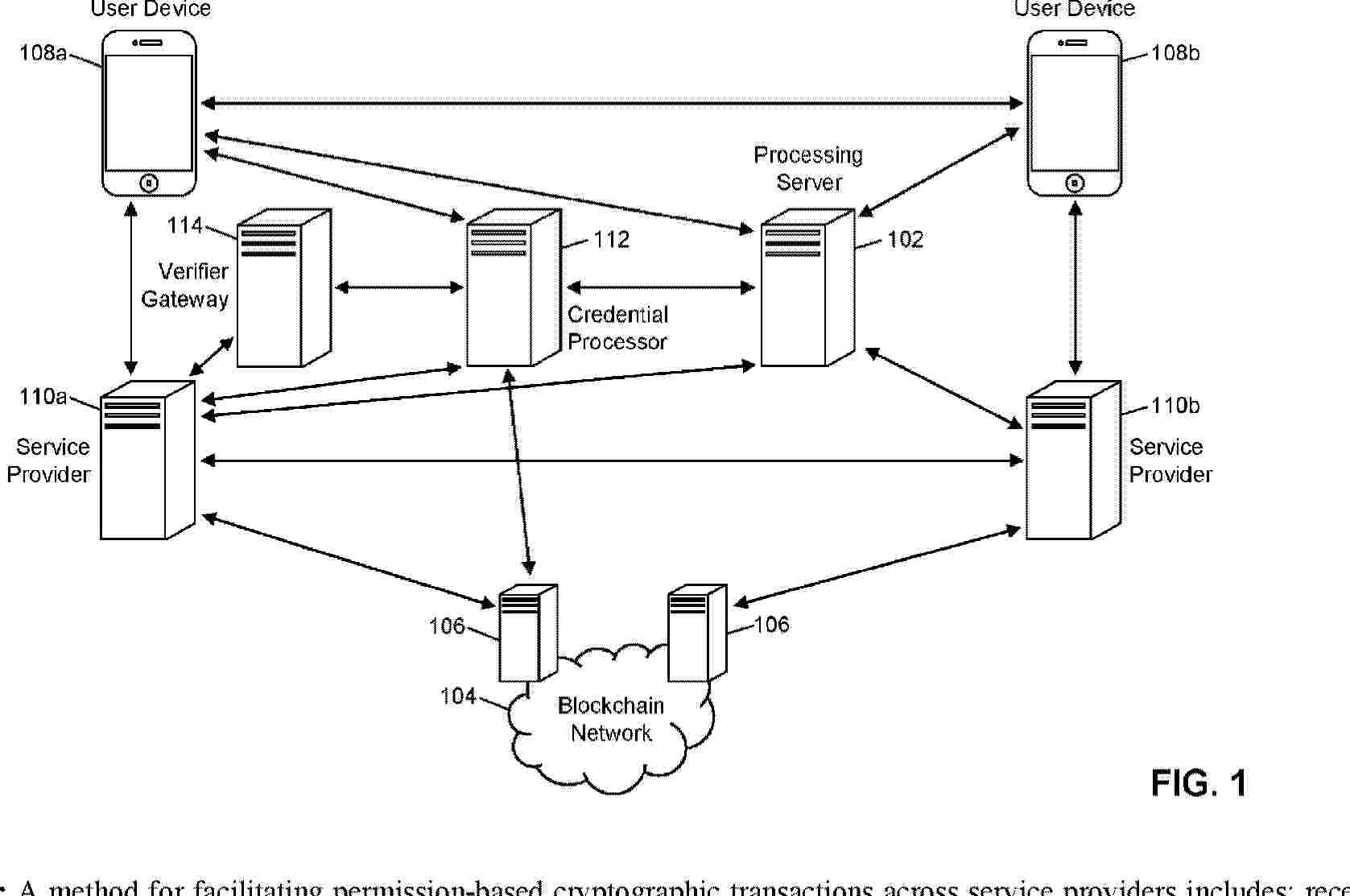
A method for facilitating permission-based cryptographic transactions across service providers includes: receiving a request including permission data and an identification value from a first computing system, the identification value being associated with a first blockchain wallet for a blockchain associated with a blockchain network; generating (1) a permission token based on the permission data and (2) an alias, the permission token including verified identity data points; transmitting the generated alias to the first computing system in response to the request; receiving a token request from a second computing system, the token request including the alias; and transmitting the generated permission token identification value to the second computing system in response to the token request.
Resumen de: WO2026143624A1
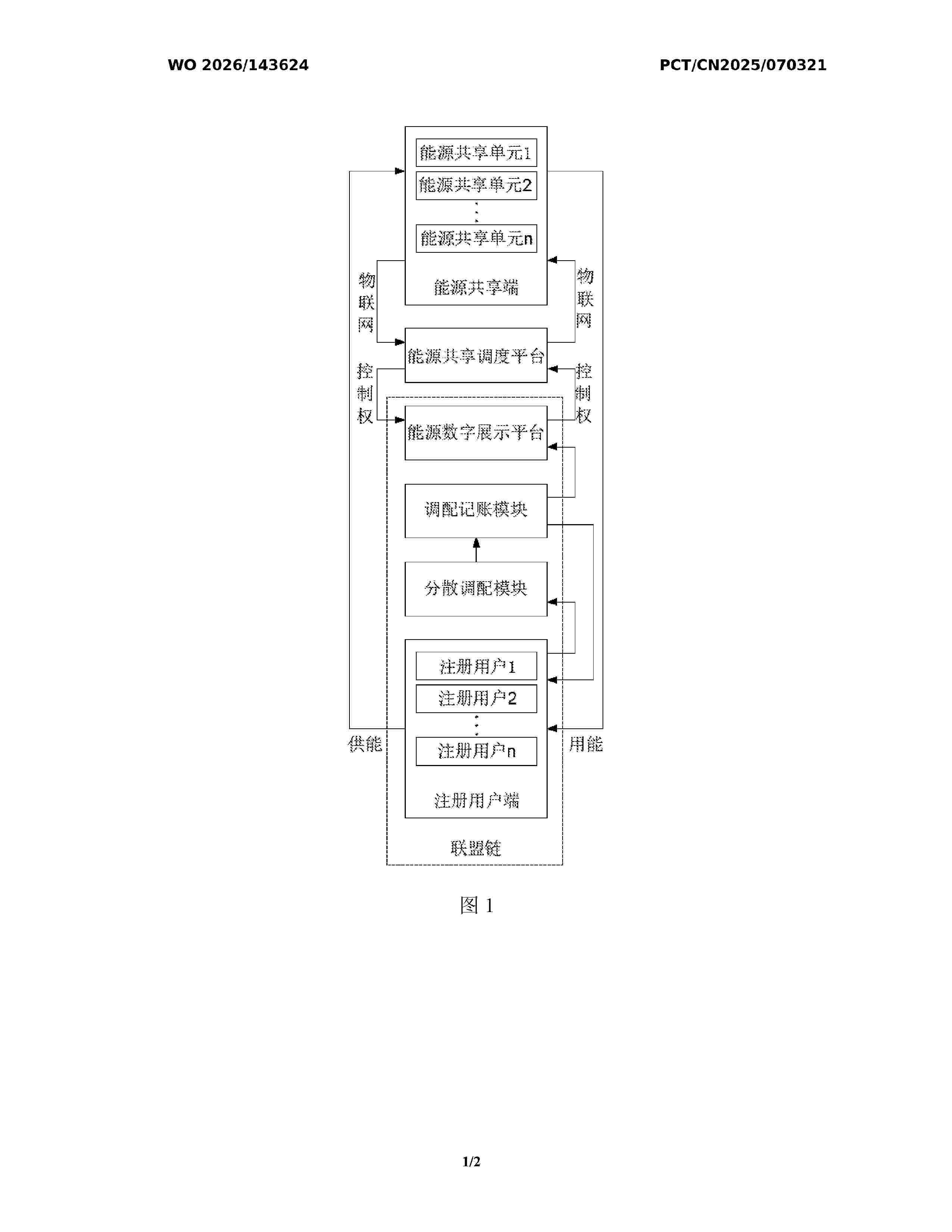
An energy decentralized allocation system and method. The system comprises: an energy sharing end, provided with a plurality of energy sharing units that communicate with an energy sharing scheduling platform by means of the Internet of Things; the energy sharing scheduling platform, which grants registered users control authority over the energy sharing units; an energy digital display platform, which visualizes energy supply requests and energy consumption requests of the registered users, and publicly displays allocation among the registered users; a decentralized allocation module, which provides an allocation environment for the registered users; an allocation accounting module, which records the allocation; and a registered user end, which is provided with a plurality of registered users and provides a registration and login environment. The energy digital display platform, the registered user end, the decentralized allocation module, and the allocation accounting module join a consortium blockchain as nodes for data encryption. Reasonable energy scheduling is performed for different user entities and different energy supply units, thereby improving energy utilization efficiency.
Resumen de: US20260195464A1
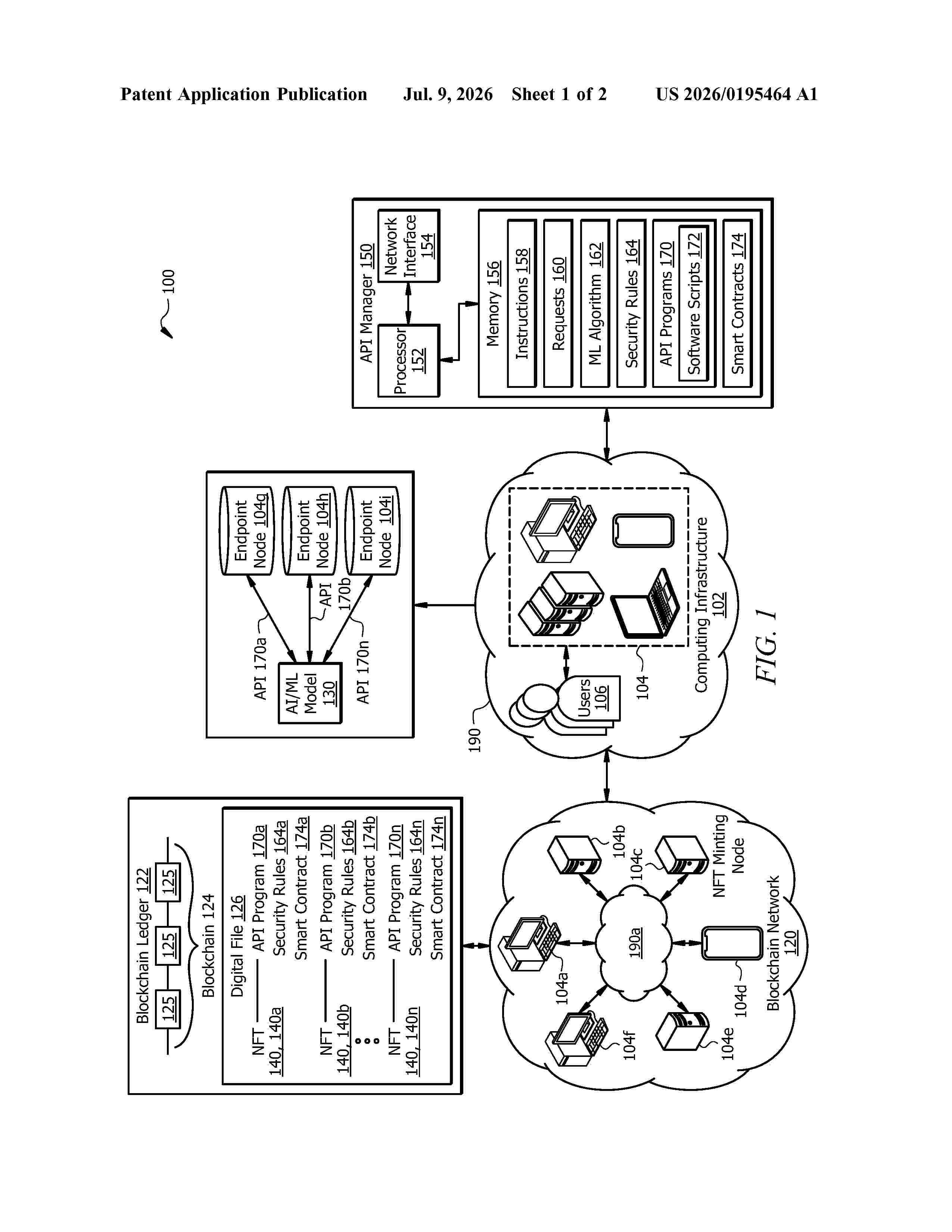
0000 A system comprises a blockchain network, a memory storing one or more security rules defining usage of an application programming interface (API) program, and a processor coupled to the blockchain network and the memory. The processor is configured to receive a request identifying an endpoint storage and to generate an API program configured to extract data from the endpoint storage. The processor obtains the one or more security rules and causes the blockchain network to generate a non-fungible token (NFT) that uniquely identifies the API program and stores the security rules. The NFT is stored on the blockchain network. Upon receiving a request from a machine-learning model to use the API program, the processor accesses and allocates the NFT to the machine-learning model, thereby allowing extraction of data from the endpoint storage.
Resumen de: WO2026146097A1
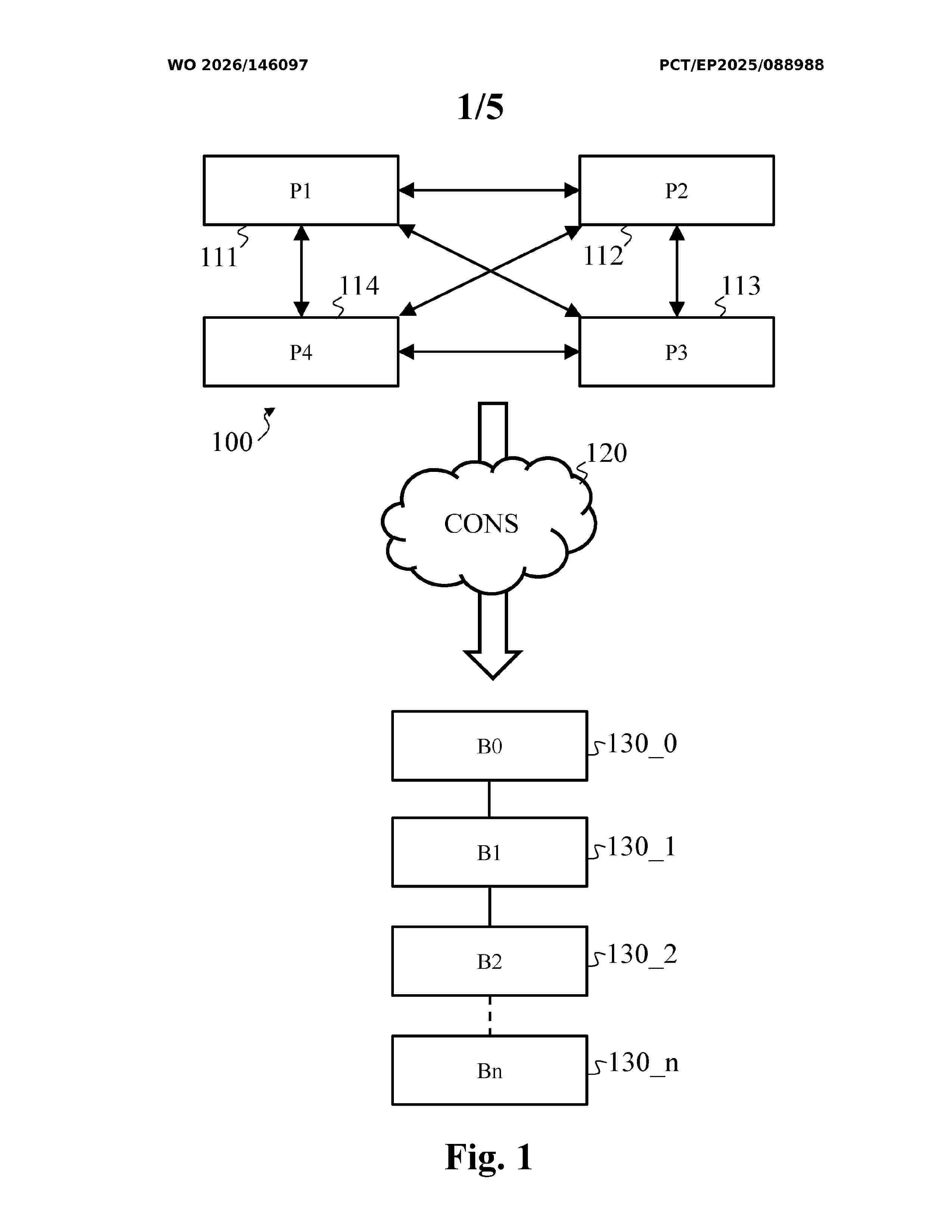
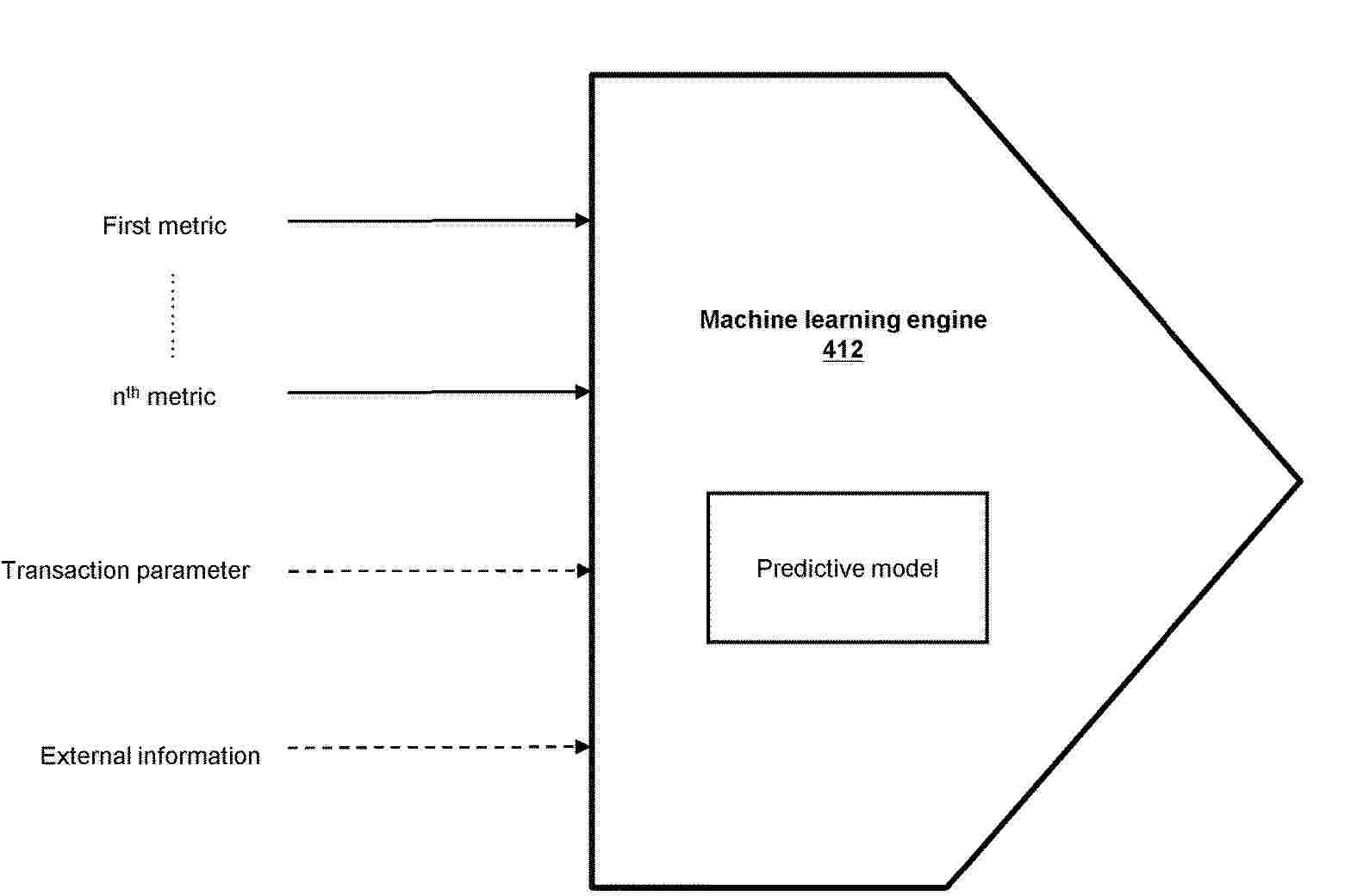
The collected information is distributed (306) between input data and output data with a view to training (308) a machine learning model in order to obtain predictions identifying which peers are most likely to transmit missing blocks and at what time. The machine learning model thus trained enables each peer to determine a scheduling of demands made by said peer on the other peers in the consensus process for the elaboration of the blockchain, according to the predictions obtained. The consensus process is therefore more efficient.
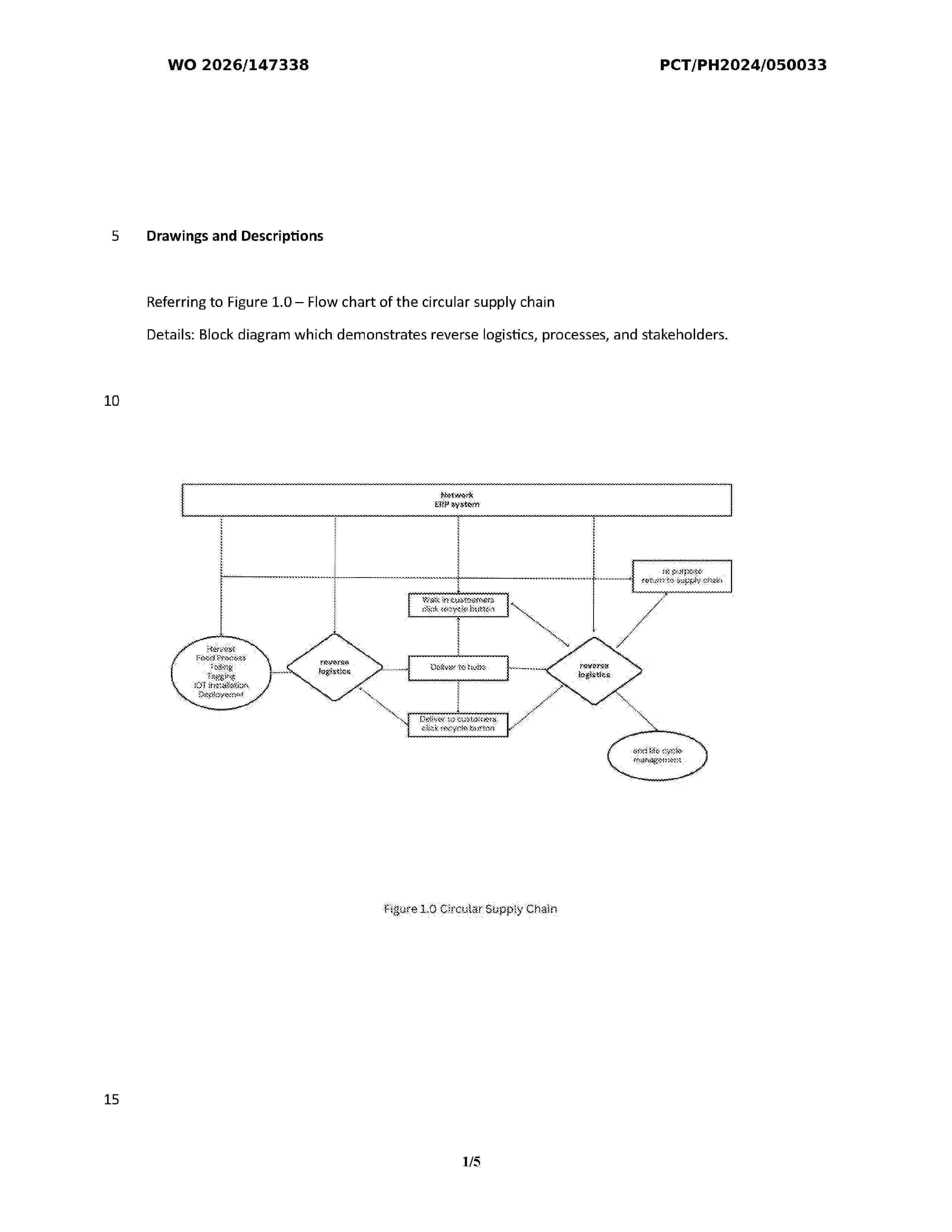
Resumen de: WO2026147338A1
This invention relates to a circular supply chain system utilizing IoT-enabled traceable containers and an integrated reverse logistics asset tracking system, specifically designed for delivery and recovery operations conducted by electric vehicles (EVs). The system aims to optimize resource utilization, reduce waste, and enhance sustainability by ensuring real-time monitoring, efficient transportation, and return of containers within the supply chain. At the core of this invention are IoT-enabled smart containers, equipped with sensors to track and monitor key metrics such as location, condition, temperature, and handling parameters throughout their transit lifecycle. These containers are linked to an asset tracker mobile application that allows stakeholders across the supply chain to have real-time visibility and predictive management of the containers. In the reverse logistics framework, used or empty containers are returned to distribution points or the origin for reuse or recycling, facilitated by electric vehicles. This closed-loop process minimizes the need for single-use packaging, reducing both material waste and carbon emissions. The integration of electric vehicles (EVs) in the logistics operations further supports net-zero emission goals by eliminating the need for traditional fuel-powered transportation. The asset tracker mobile application provides end-to-end management of the containers and the EV fleet, incorporating blockchain technology to ensure the transpa
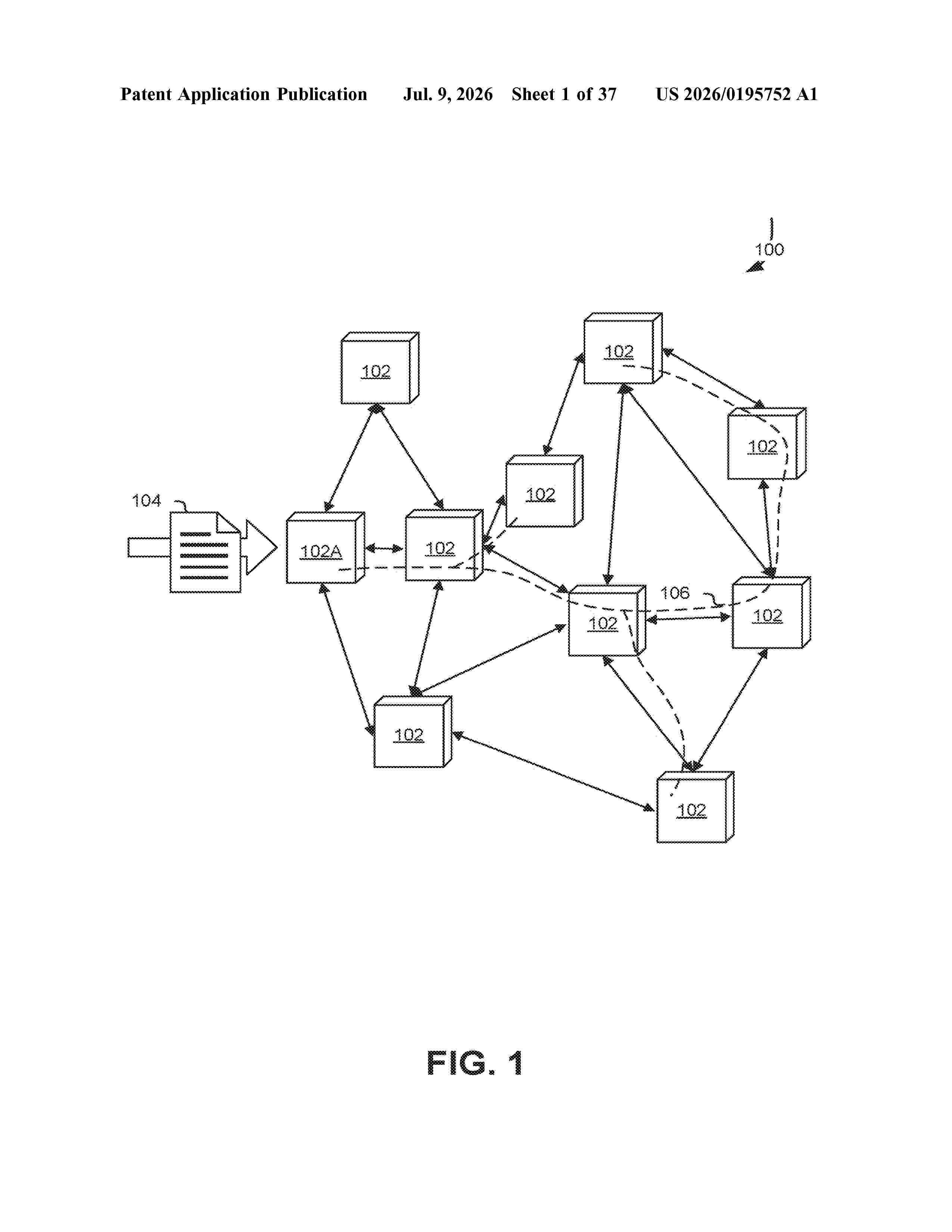
Resumen de: US20260195752A1
Trustless deterministic state machines can be implemented using a blockchain infrastructure and state machines can run concurrently over more than one blockchain transaction. The transactions can be done in a Bitcoin blockchain ledger. An unlocking transaction constraint that constrains an unlocking transaction to include a transaction input that references a previous transaction output is determined. A redeemable transaction is created to include a transaction output that includes an amount and a transaction locking script that includes the unlocking transaction constraint, with unlocking the amount being contingent upon execution of at least one unlocking script of the unlocking transaction satisfying the unlocking transaction constraint. The redeemable transaction is caused to be validated at a node of a blockchain network.
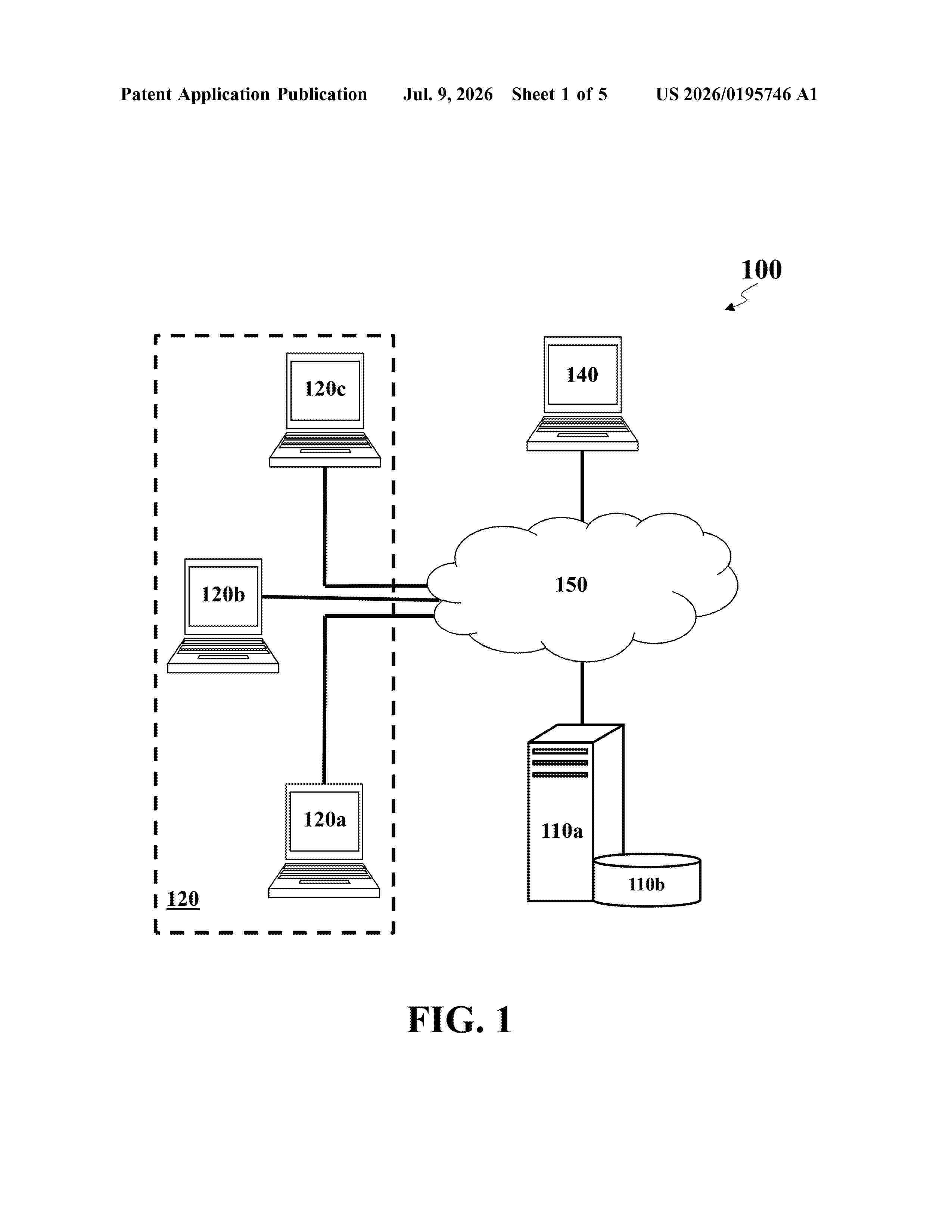
Resumen de: US20260195746A1
0000 A computer-implemented method comprising receiving a transaction request from a first node within the plurality of nodes, the transaction request corresponding to a pending transaction between the first node and a second node; identifying a distributed ledger associated with the pending transaction, the distributed ledger including a first record having a hierarchy file indicating a hierarchy among the first node, the second node, and the third node; identifying a second record having an executable file to approve the transaction request received from the first node; executing the executable file, wherein the executable file is configured to retrieve data from a data source associated with the third node and analyze data to approve or deny the transaction request; and appending a third record comprising the set of transaction attributes to the distributed ledger.
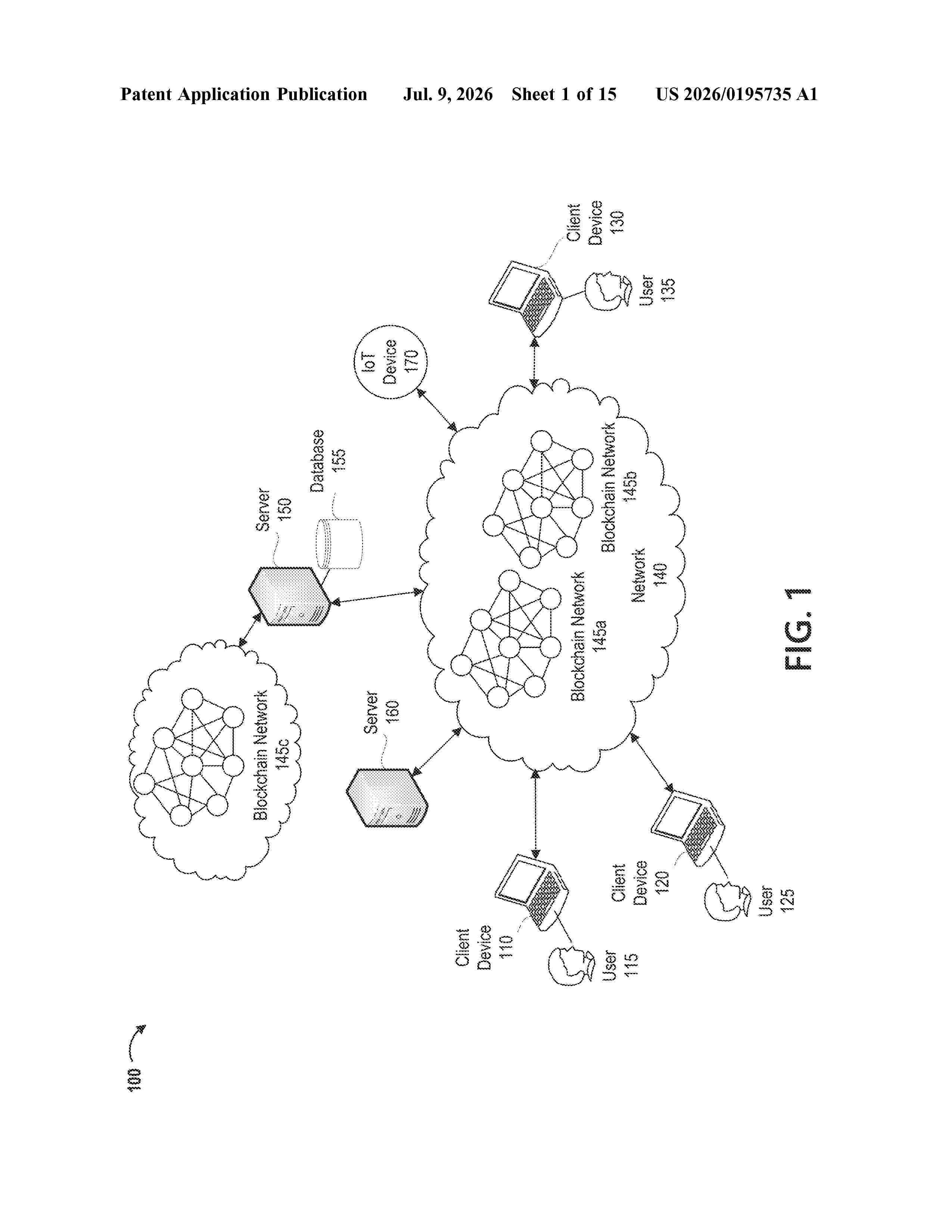
Resumen de: US20260195735A1
Methods and systems for digital hot wallet protection are provided. A payment channel is established via a Layer-2 network of a cryptocurrency blockchain for transferring a cryptocurrency balance from a first digital wallet of a service provider to a second digital wallet of a trusted entity over a plurality of commitment transactions. A transaction receipt for each commitment transaction is transmitted to the trusted entity via a secure communication channel previously established between the service provider and the trusted entity outside of the Layer-2 network. A transaction log of the service provider is modified so that it no longer represents the current transaction state of the payment channel. Responsive to detecting a breach of the first wallet, a transaction is broadcast to a Layer-1 network of the blockchain for transferring the total cryptocurrency balance from the first wallet to the second wallet.
Resumen de: US20260195996A1
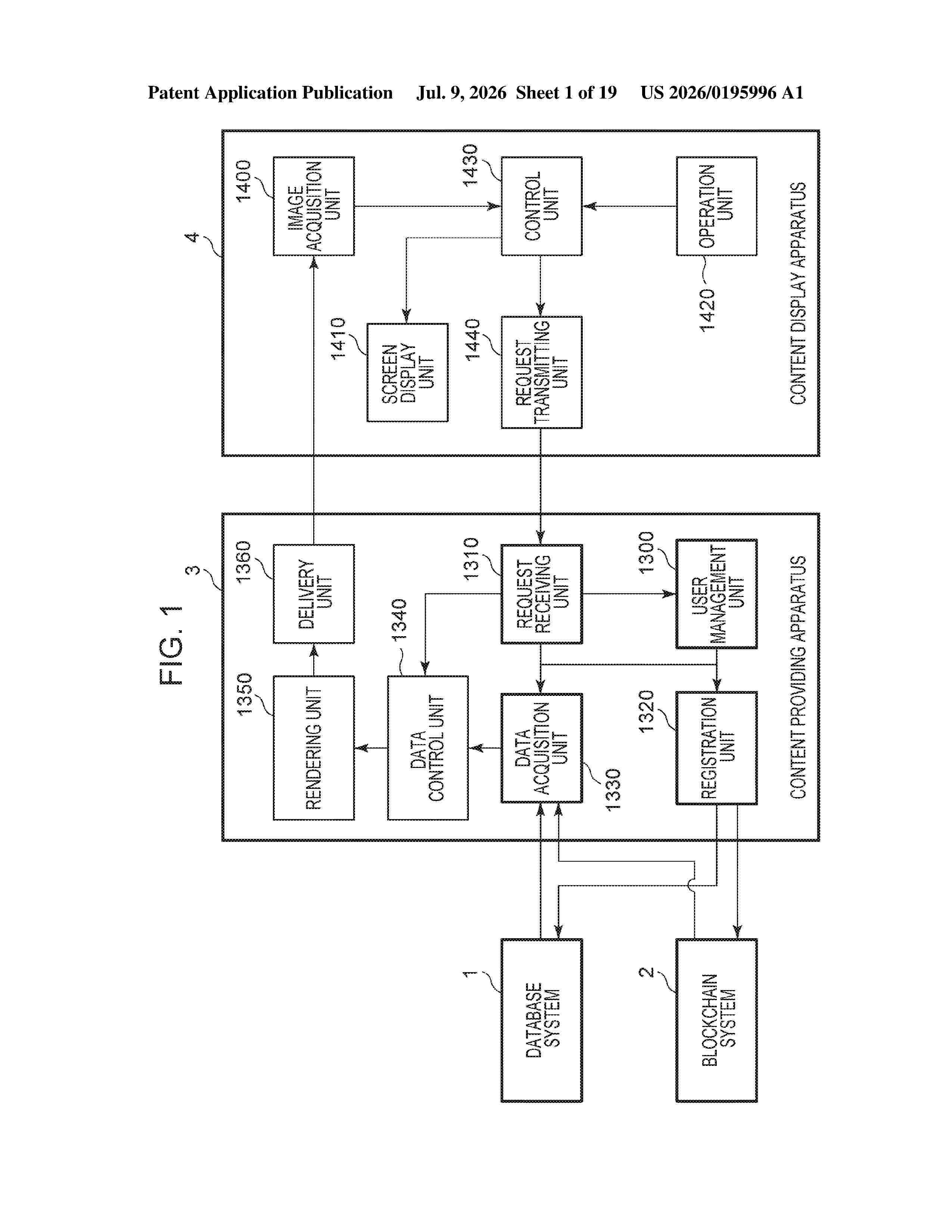
An image processing apparatus includes a first output unit configured to output, regarding multiple material data recorded on a blockchain and generated based on images captured by multiple image capturing apparatuses, the multiple material data including one or more material data owned by a first user who is a current owner and one or more material data owned by a second user who is a current owner, information indicating the material data owned by the first user who is the current owner, a second acquisition unit configured to acquire information indicating the material data selected by the first user, and a second output unit configured to output a virtual viewpoint image that is formed based on the material data corresponding to the information acquired by the second acquisition unit and indicating the material data.
Resumen de: EP4773544A1
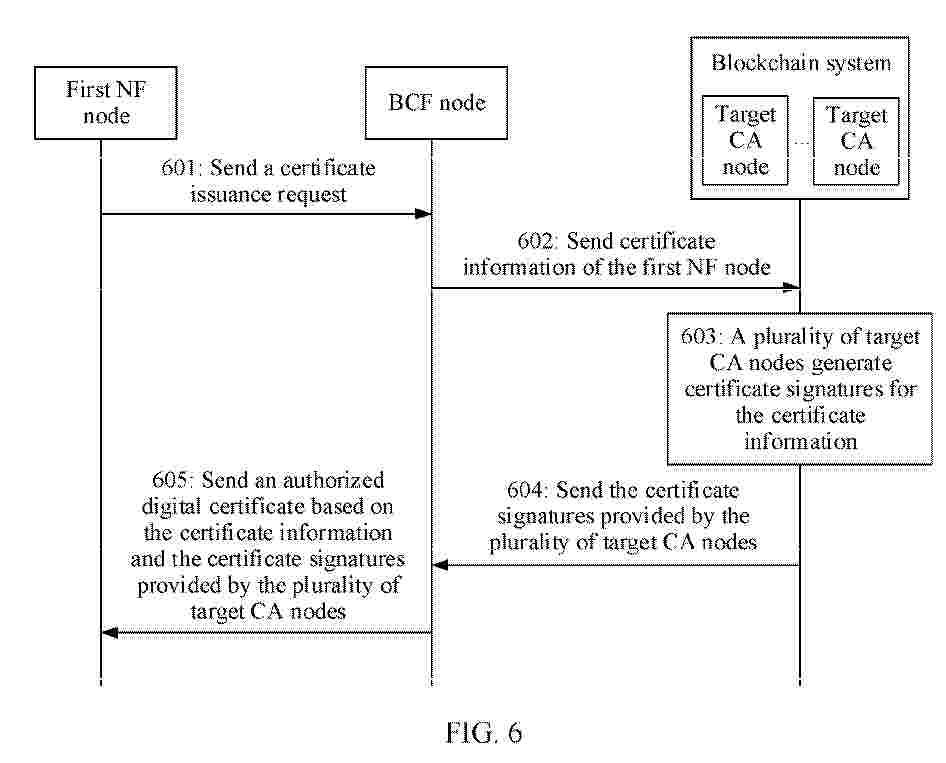
0001 Embodiments of this application disclose a digital certificate management method and apparatus, a computer device, and a storage medium, and belong to the field of network security technologies. In this application, a BCF node may send certificate information of a first NF node to a plurality of target CA nodes in different network domains in a blockchain system based on CA node indication information in a certificate issuance request of the first NF node, the plurality of target CA nodes jointly provide certificate signatures for the certificate information of the first NF node, and then the BCF node sends an authorized digital certificate to the first NF node based on the signatures, thereby implementing decentralized cross-domain certificate issuance.
Resumen de: US2024086912A1
Platform and method for collecting and analyzing transactions performed on digital token pools managed by a blockchain. The platform collects transaction data related to transactions performed on the digital token pools managed by the blockchain. The transaction data related to each transaction are collected from N geographically distributed nodes belonging to the blockchain, the transaction data being stored in data blocks at the N nodes. A validation algorithm is used to determine validated transaction data based on the collected transaction data, comprising comparing for each transaction the transaction data collected from the N nodes and determining the validated transaction data for the transaction based at least on a result of the comparison. The validated transaction data are processed to calculate a value of at least one metric based on the validated transaction data. The transaction data may be related to transactions performed on digital token pools managed by several blockchains.
Resumen de: EP4773545A2
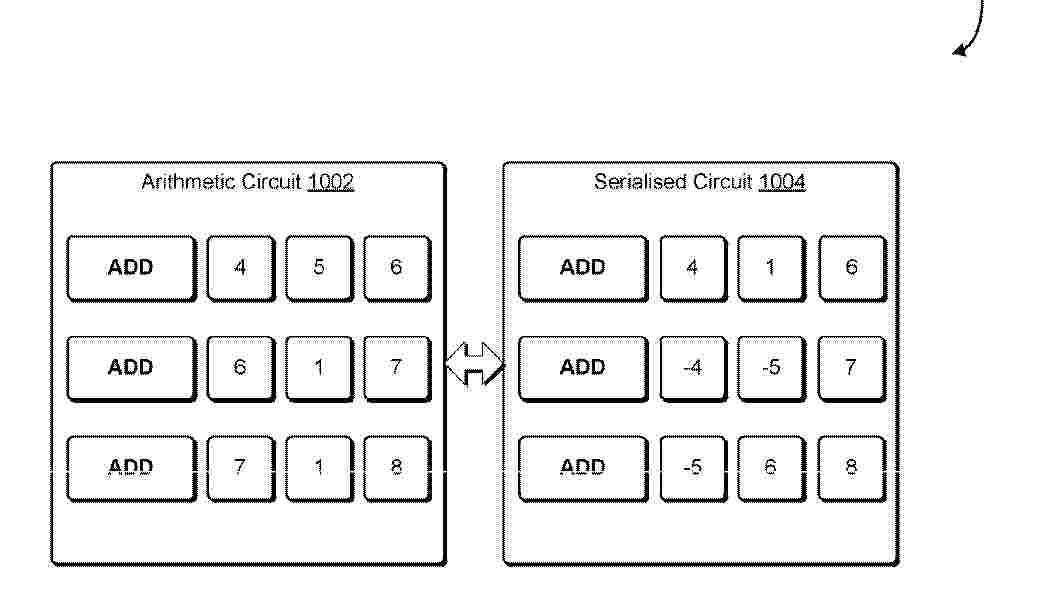
0001 Techniques described herein may be utilised to implement methods and systems for lossless compression and serialisation of arithmetic circuits to a bit stream using compression techniques such as the arithmetic coding. An arithmetic circuit representing a smart contract may be compressed using arithmetic coding, thereby generating a compressed arithmetic circuit that can be stored or broadcast to a blockchain network using less computational resources (e.g., data storage resources) than would otherwise be needed to store the arithmetic circuit. The arithmetic circuit can be efficiently compressed using entropy coding based on the frequency of elements in the data structure, such as the arithmetic operator types. Instructions for de-serialisation and de-compression can also be embedded in the bit stream, and can be used (e.g., by another computer system) to reconstruct the original circuit in a lossless manner.
Nº publicación: US20260187629A1 02/07/2026
Solicitante:
COINBASE INC [US]
Coinbase, Inc.
Resumen de: US20260187629A1
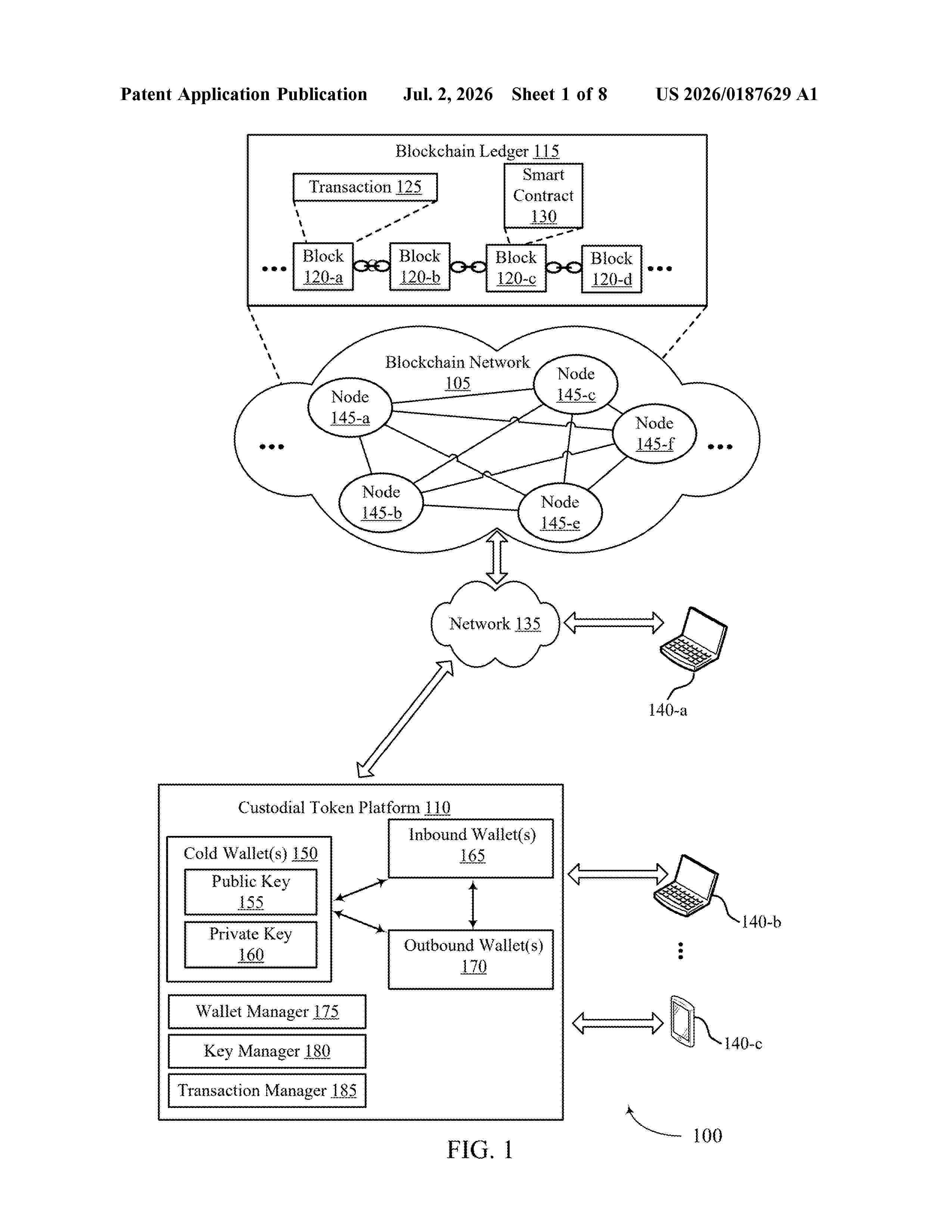
0000 Methods, systems, and devices for data management are described. The described techniques may enable a user of a custodial token platform to select a button on a user interface of a client application to initiate a blockchain transaction to transfer an amount of crypto token to a destination address associated with a merchant of the client application. For example, in response to selection of the button, the client application may request one or more services to generate one or more calls that may cause the transfer of the crypto token. The client application may provide one or more calls to a blockchain address application. The custodial token platform may output the one or more calls to cause transfer of the crypto tokens.
 BOPI
BOPI
 Sede Electrónica