Si deseas distinguir tus productos, servicios o ambos de los de otra empresa, es posible que necesites una marca o nombre comercial. Descubre qué son, en qué consiste su procedimiento de registro y qué implica.

Información sobre los plazos de presentación de solicitudes de transformación de marcas de la Unión Europea en marca nacional española. Más información


Si tienes un nuevo dispositivo, producto o procedimiento que resuelva un problema técnico o tenga una ventaja práctica, existen distintas formas de protegerlo en España y en otros países. Descubre cómo hacerlo.

¿Tu innovación reside en la estética, la ornamentación o la apariencia de tu producto? Protégela mediante un diseño industrial. Descubre qué derechos confiere el registro y cómo realizar la tramitación.

Las indicaciones geográficas protegen el nombre de un producto originario de una zona geográfica, a la cual le debe una determinada calidad, reputación u otra característica. Descubre qué son, en qué consiste su procedimiento de registro y qué beneficios conceden.

Las patentes publicadas en todo el mundo son una valiosa fuente de información científica, técnica y comercial.

Si eres emprendedor/a o una empresa y quieres potenciar y mejorar la rentabilidad de tu negocio protegiendo de forma adecuada los activos intangibles de tu organización, en este espacio encontrarás lo necesario.


 175
resultados
175
resultados
 Última actualización
23/10/2026 [07:08:00]
Última actualización
23/10/2026 [07:08:00]


 Resultados 75 a 100 de 175

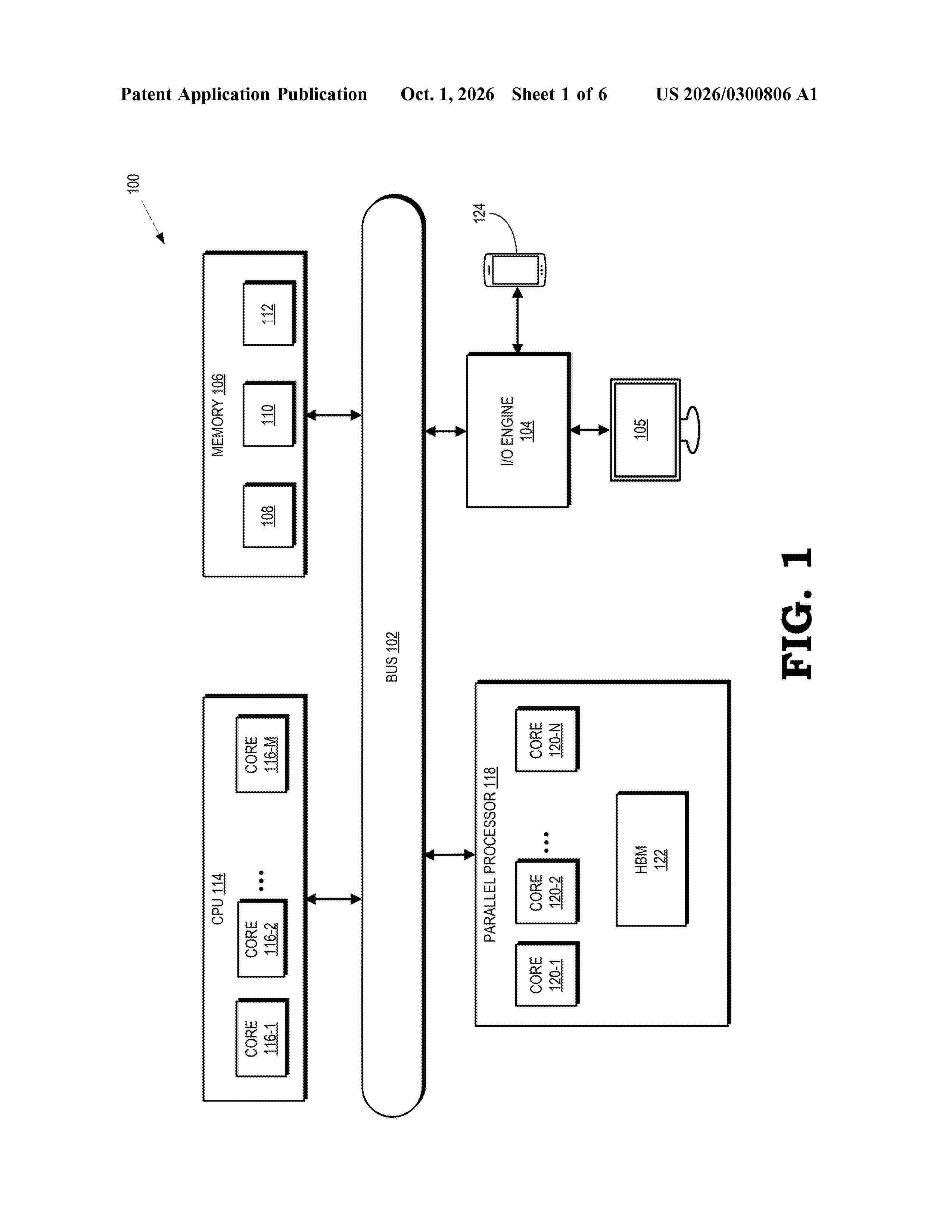
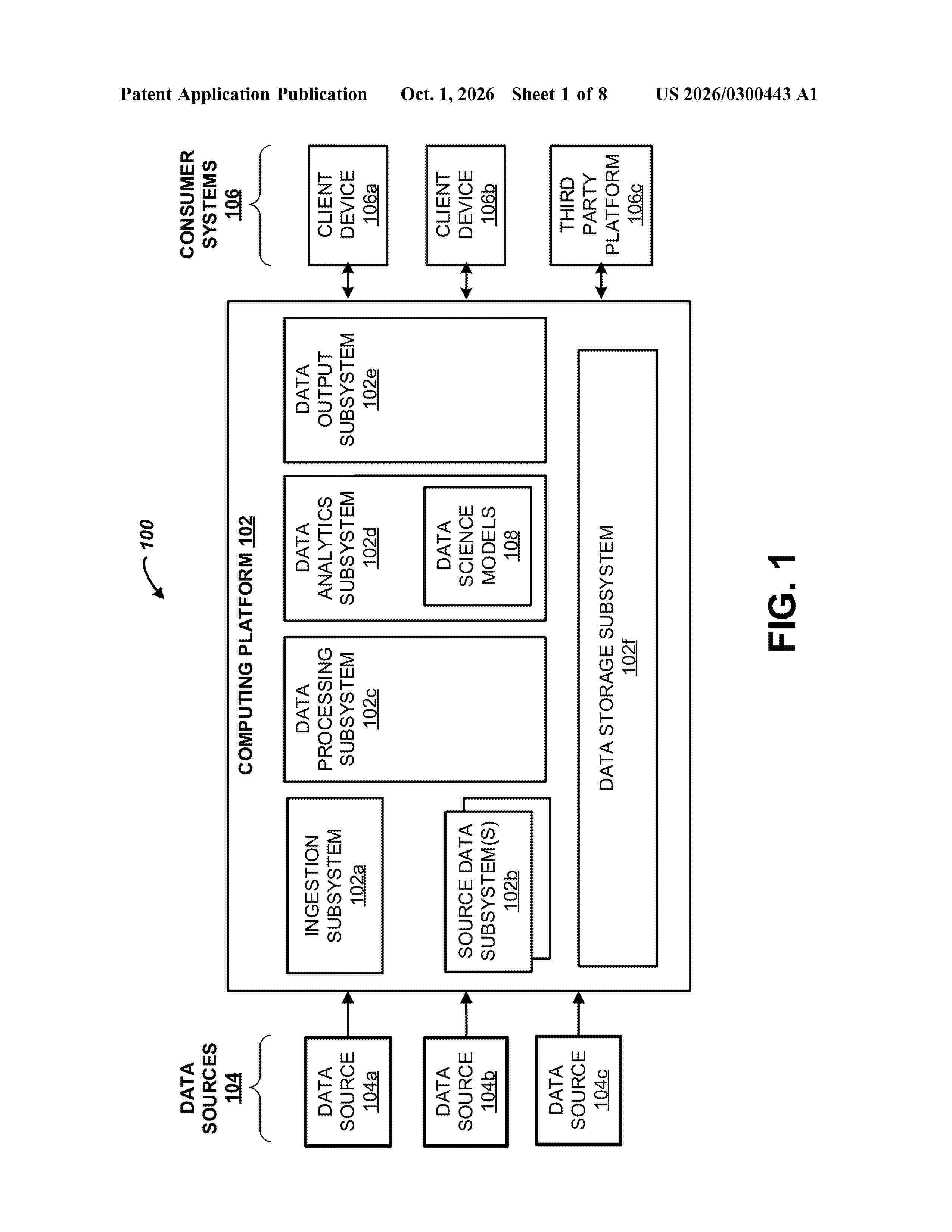
Resumen de: US20260300806A1
0000 A processing unit compares a first graph that represents a machine learning (ML) model and a second graph that represents a previously quantized ML model generated by quantizing a previous version of the ML model. Based on the comparison, a processing unit selectively reuses a first subset of quantization parameters from the previously quantized ML model and re-quantizes a second portion of the version of the ML model to form a second subset of the quantization parameters. The first subset is formed by quantizing a first portion of the previous version of the ML model. The processing unit combines the first subset and the second subset to form an updated quantized ML model. In some cases, the version of the ML model has a floating-point representation, and the previously quantized ML model is generated by quantizing a previous version of the ML model to form a fixed point representation.

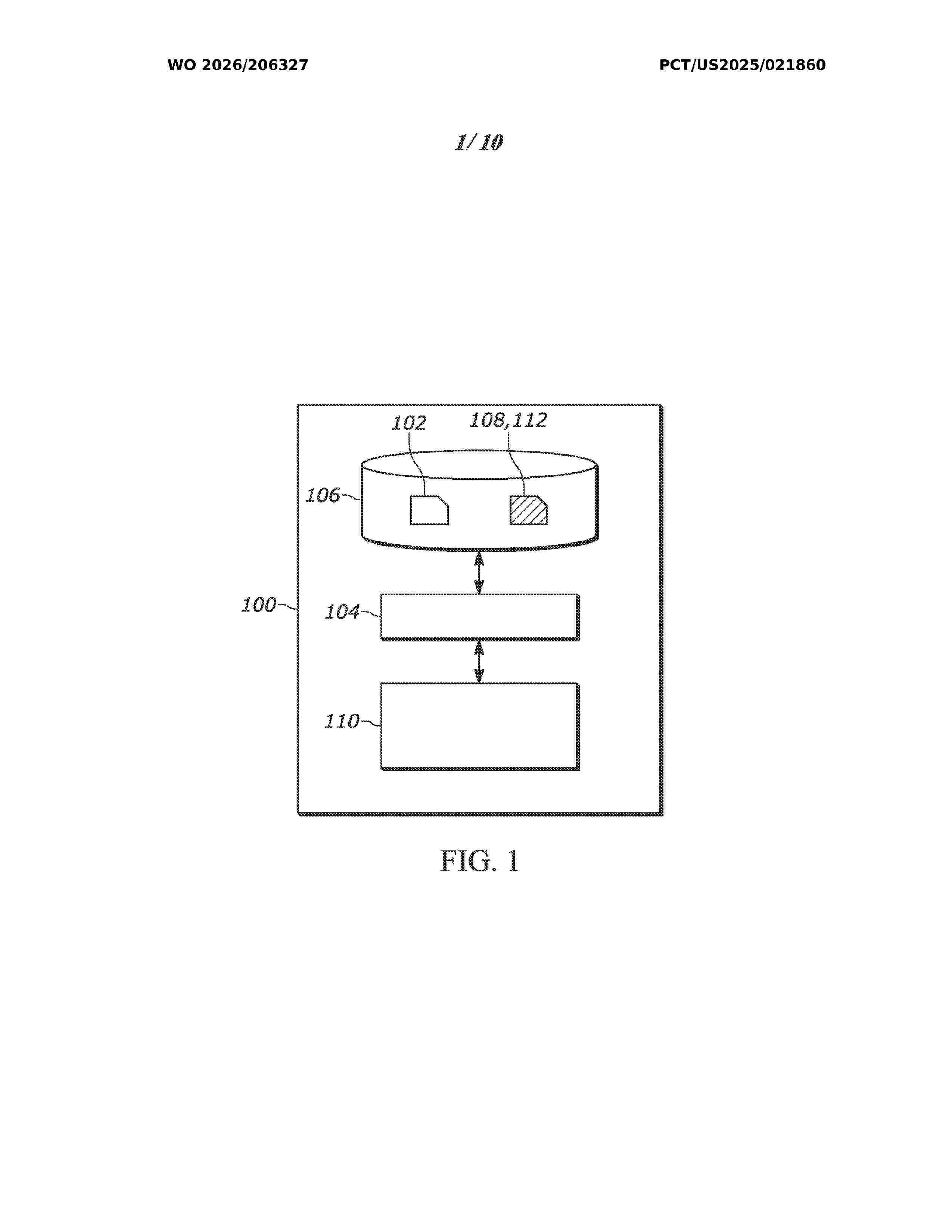
Resumen de: WO2026206327A1
A federated learning system and method for training neural networks addresses the challenge of efficiently merging locally trained models while maintaining data privacy. The system includes a server and multiple clients, where the server dispatches machine learning models to clients for local training. The server decomposes updated model weights into common and sparse components using robust principal component analysis (RPCA), applying distinct scaling factors to enhance model accuracy and convergence speed. This approach can be particularly advantageous in scenarios where data privacy is of significant importance, such as in smart devices and medical applications. The method iteratively refines the global model by leveraging client-specific variations and shared patterns, ensuring that client-specific data is not transferred to a central server.
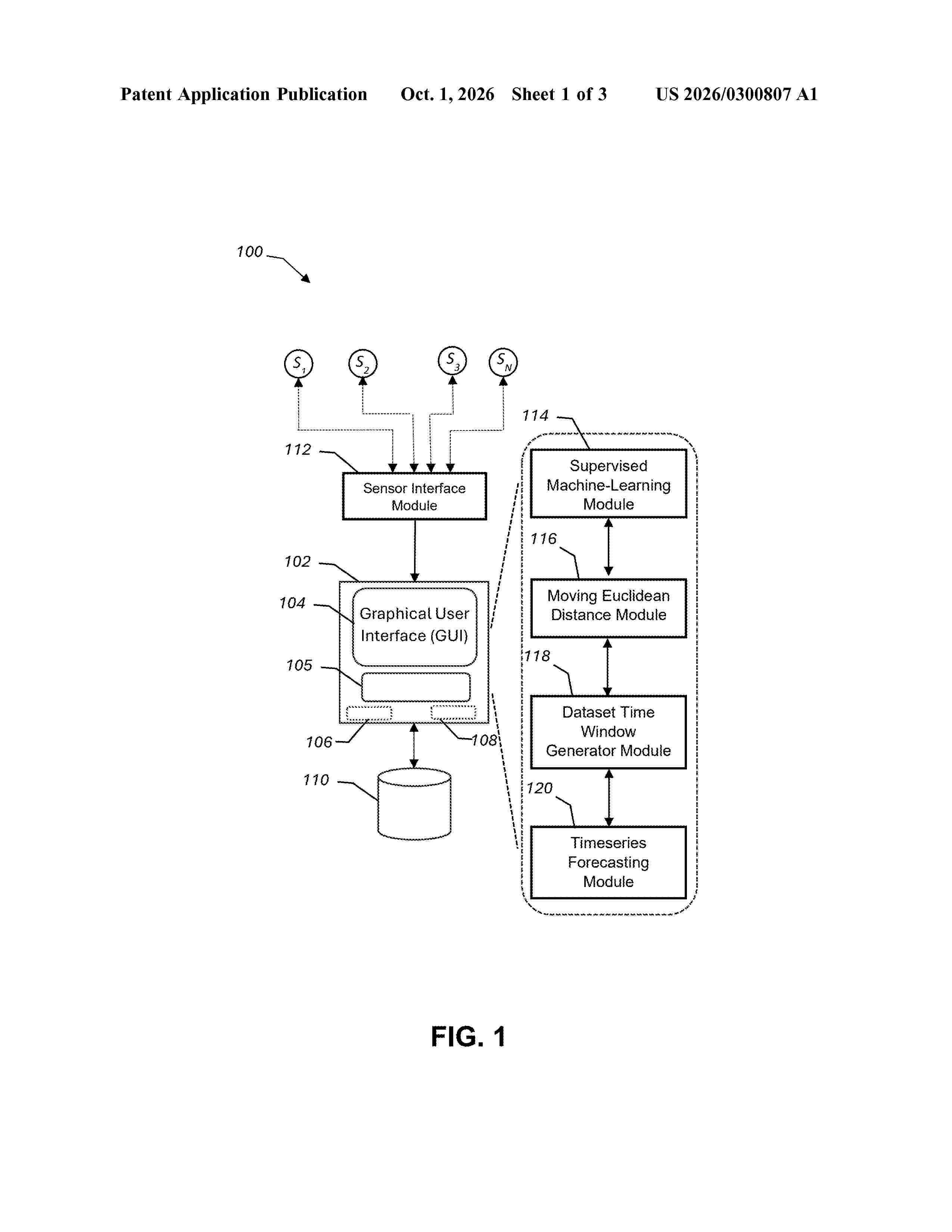
Resumen de: US20260300807A1
0000 Presented are self-learning systems for anomaly detection in timeseries datasets utilizing Euclidean geometry modeling and methods of operating such systems. A method of analyzing datasets to detect anomalies includes a system controller receiving a timeseries dataset containing a sequence of data values recorded within a select time period, and determining a window length defining a number of the sequential data values assigned to each data window. The controller assigns a respective subsequence of the data values to each data window in a series of data windows, and generates a distance value matrix with matrix cells that contain Euclidean distances between respective pairs of the data windows. The controller generates a shortest distance (SD) matrix containing SD values that each defines a shortest distance between each data window and every other data window. The SD array is analyzed to determine if any SD value is irregular and thereby indicates an anomaly.
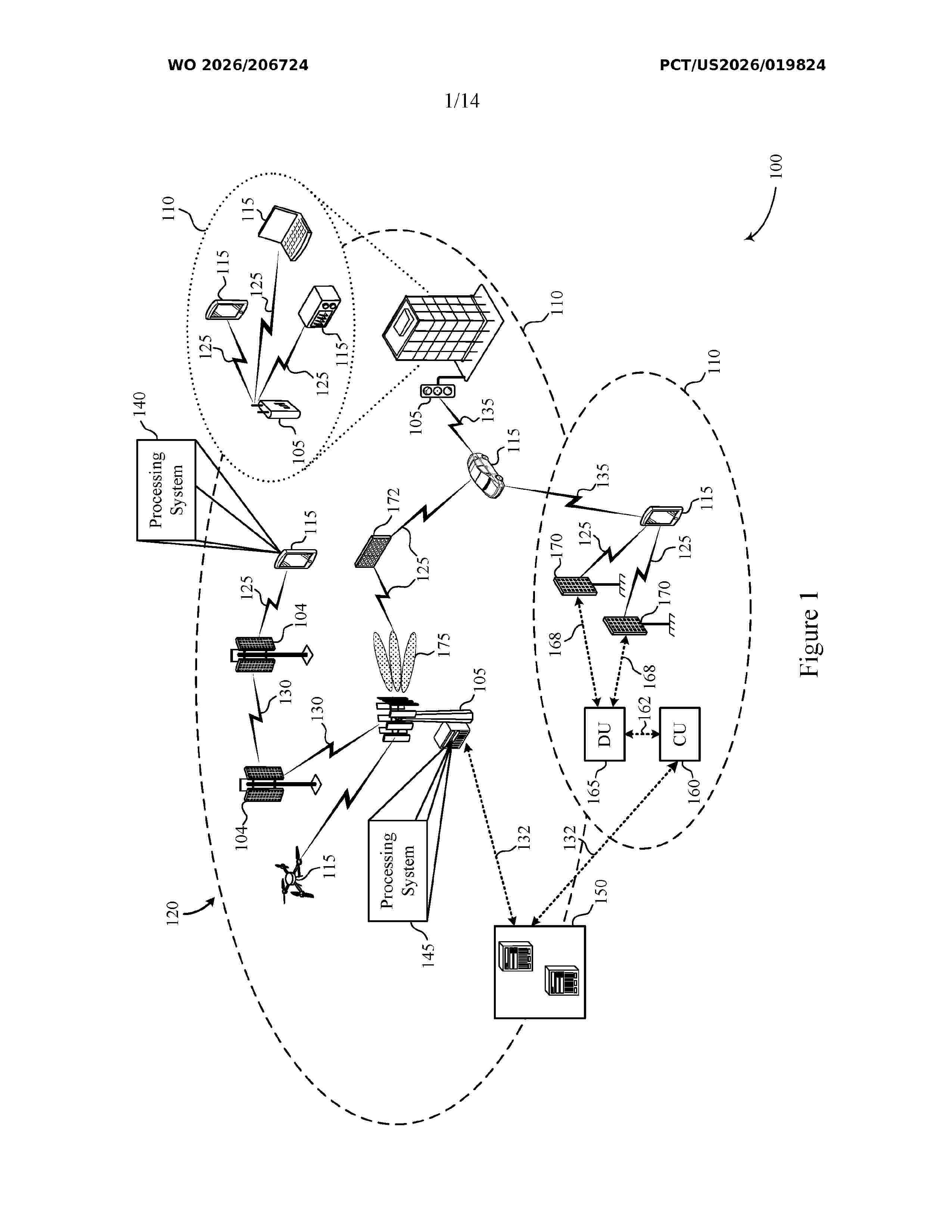
Resumen de: WO2026206724A1
Some examples of the techniques described herein may relate to data collection for training one or more artificial intelligence or machine learning (AI/ML) models to predict one or more measurements or measurement events. For example, signaling may be utilized for data collection for AI/ML model training. A trained AI/ML model may be utilized for beam management, channel state information (CSI) measurement prediction, CSI feedback prediction for a two-sided model, positioning enhancements, radio resource management (RRM) measurement prediction, or measurement event prediction, among other examples. Some approaches to RRM measurement prediction may include cell-level measurement prediction or beam-level measurement prediction. A user equipment (UE) may be configured by a source gNB with a set of cells to measure, a set of beams on each cell to measure, a set of cells for measurement prediction, or a set of beams on each cell for measurement prediction.
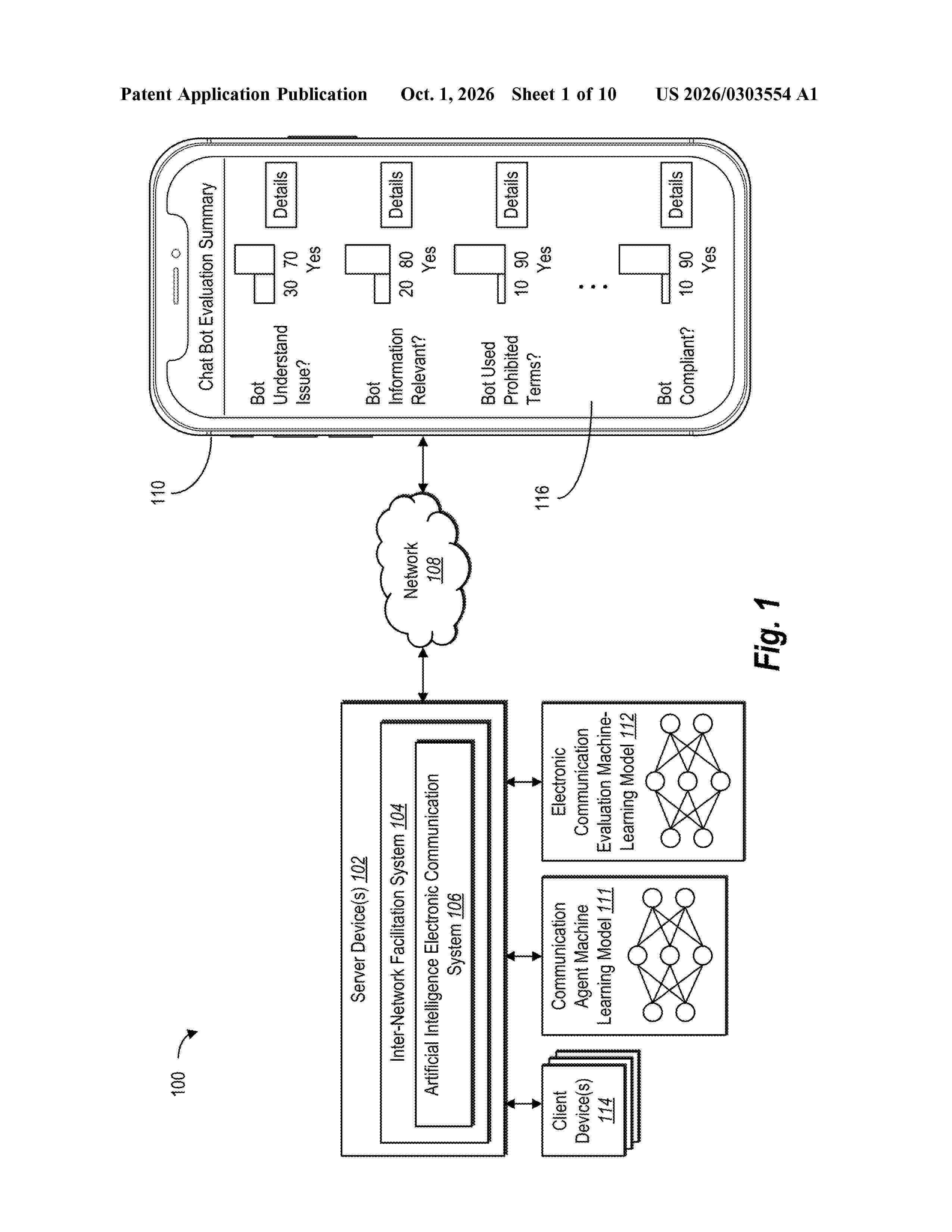
Resumen de: US20260303554A1
The disclosure describes embodiments of systems, methods, and non-transitory computer readable storage media that utilize machine learning to evaluate an electronic communication interaction between an artificial intelligence communication bot and a user. For example, the disclosed systems can utilize a configurable machine learning model that enables easy addition, deletion, or editing of evaluation prompts that guide the machine learning model in evaluating the electronic communication interaction from the AI communications bot. In particular, the disclosed systems can utilize the evaluation prompts with an electronic communication transcript from the AI communications bot to generate communication analysis objects that represent statistics and/or data on the behavior and/or operation of the AI communications bot. In addition, the disclosed systems can utilize the evaluation prompts with an electronic communication transcript from the AI communications bot to trigger digital actions determined from the electronic communication interaction.
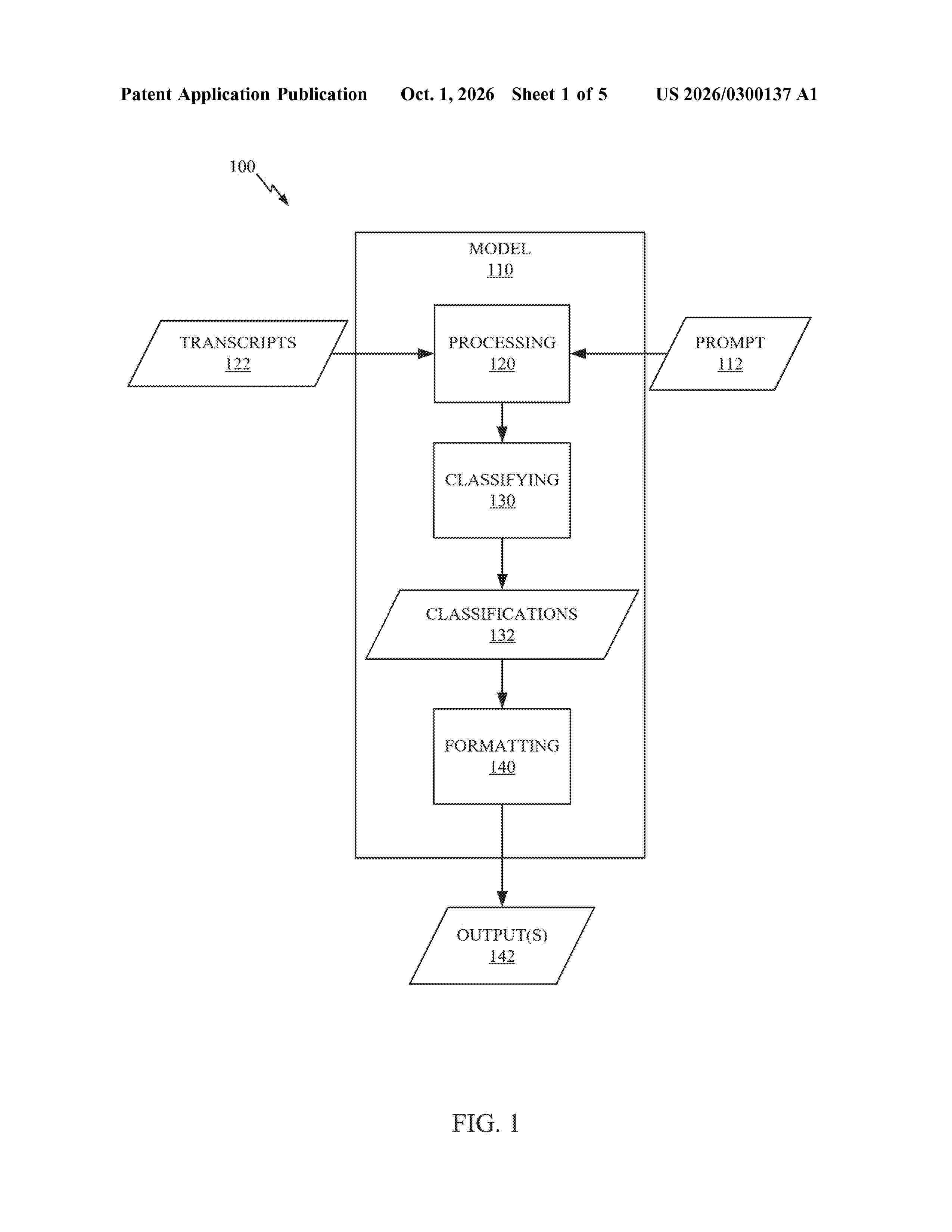
Resumen de: US20260300137A1
0000 Aspects of the present disclosure relate to automated bug identification using machine learning models. Embodiments include instructing a machine learning model, via a prompt, to generate an output according to instructions in the prompt. Embodiments include providing the machine learning model, via the prompt, one or more transcripts, wherein each transcript is associated with a set of user communication data. Embodiments include instructing the machine learning model, via the prompt, to parse the one or more transcripts and create a classification for each given transcript of the one or more transcripts based on one or more attributes of the given transcript. Embodiments include instructing the machine learning model, via the prompt, to provide the classification for each given transcript as the output in a structured object format. Embodiments include receiving the output from the machine learning model in response to the prompt and performing an action based on the output.
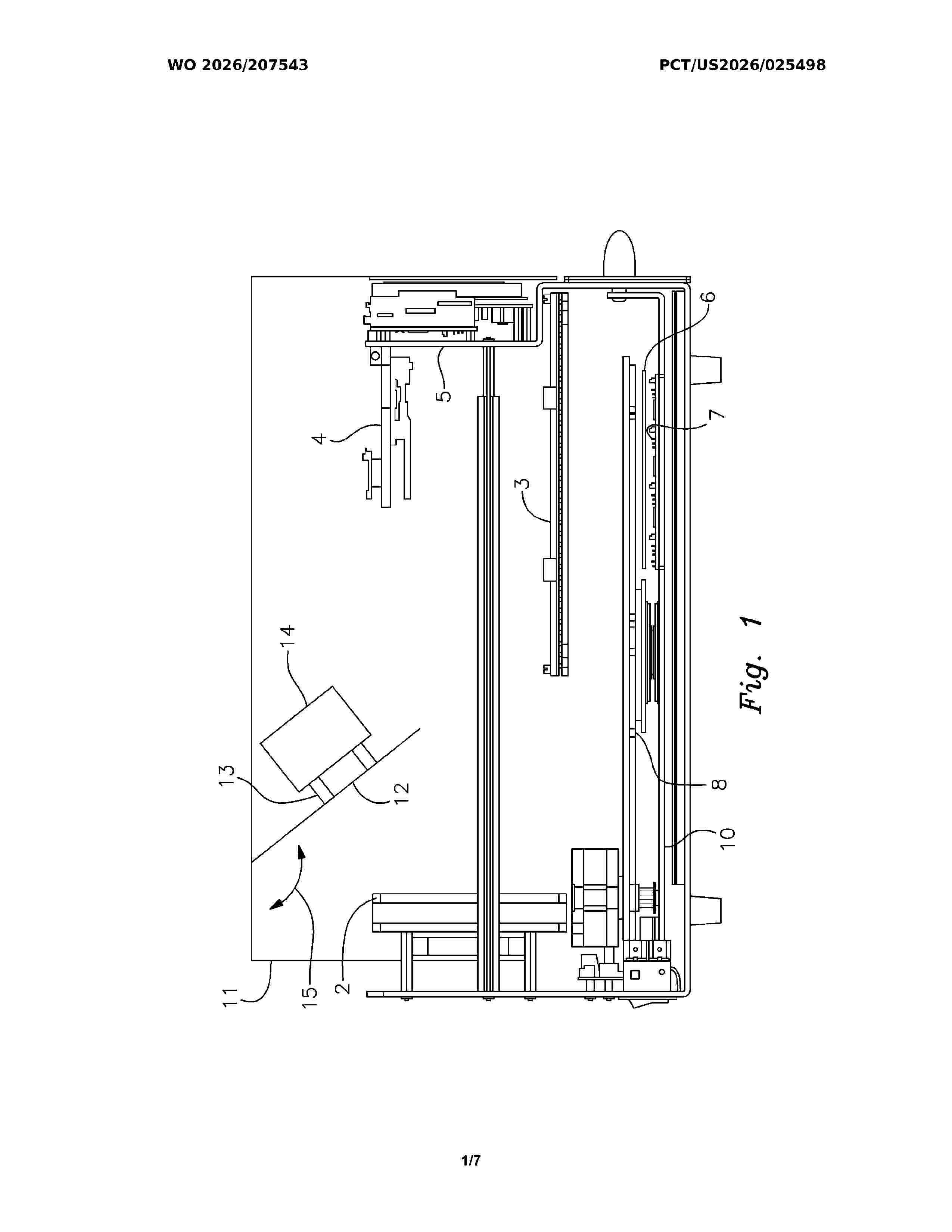
Resumen de: WO2026207543A1
A self-driving laboratory system and associated methods for autonomous scientific experimentation are disclosed. The system integrates automated laboratory instrumentation, multi-modal sensors, and artificial intelligence models to design, execute, and iteratively optimize biological or chemical experiments. A computing platform receives research objectives, generates experimental protocols, and controls laboratory instruments to perform experimental procedures. Experimental data are collected from imaging systems, analytical instruments, and environmental sensors and are integrated using machine learning and sensor fusion techniques to estimate experimental state. Optimization algorithms, including probabilistic and multi-objective models, analyze the data to generate modified experimental protocols that improve experimental outcomes. The system may dynamically adjust environmental parameters and measurement strategies during experimentation and may share learning across distributed laboratory sites. Digital twin models may simulate laboratory workflows to guide experimental planning. The disclosed platform enables efficient exploration of complex experimental parameter spaces while improving reproducibility, resource utilization, and discovery in automated laboratory environments.
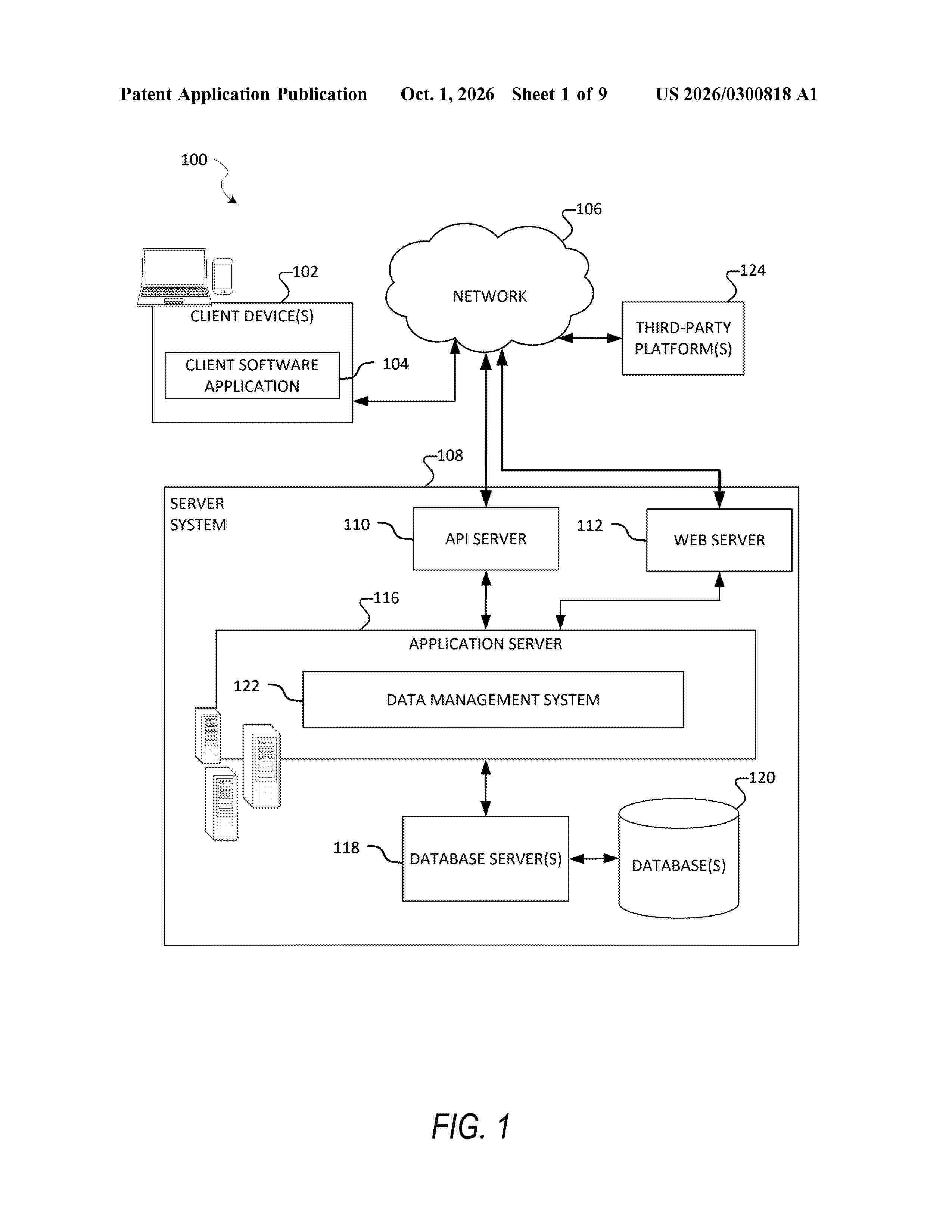
Resumen de: US20260300818A1
0000 Example embodiments are directed to a system that facilitates machine learning model inference simulation. A model inference simulation request is received. A model specification is identified based on the model inference simulation request. A job workflow is generated based on the model specification and the model inference simulation request. A model inference simulation result is generated using a machine learning model associated with the model specification. The model inference simulation result is then caused to be displayed on a user interface.
Resumen de: US20260300781A1
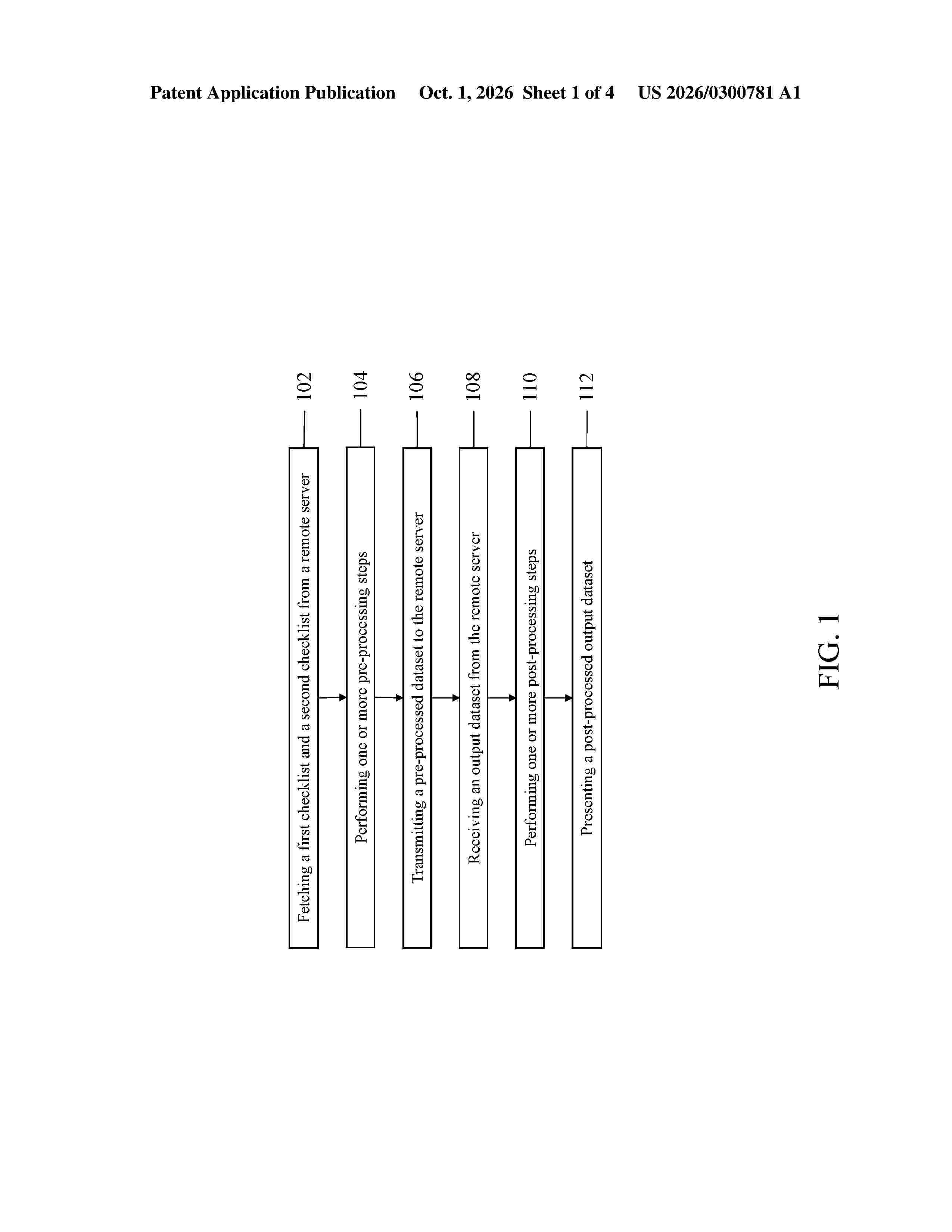
0000 Systems, methods, and computer program products for distributed generation of inferences using hosted machine learning models are disclosed. A method may comprise fetching, from a remote server, a first checklist comprising one or more pre-processing steps and a second checklist comprising one or more post-processing steps; performing the one or more pre-processing steps at a client on an input dataset to generate a pre-processed input dataset; transmitting, from the client to the remote server, the pre-processed input dataset to be processed by the machine learning model; receiving, at the client from the remote server, an output dataset; performing the one or more post-processing steps at the client on the output dataset to generate a post-processed output dataset; and presenting the post-processed output dataset via a client computing platform at the client..
Resumen de: US20260300816A1
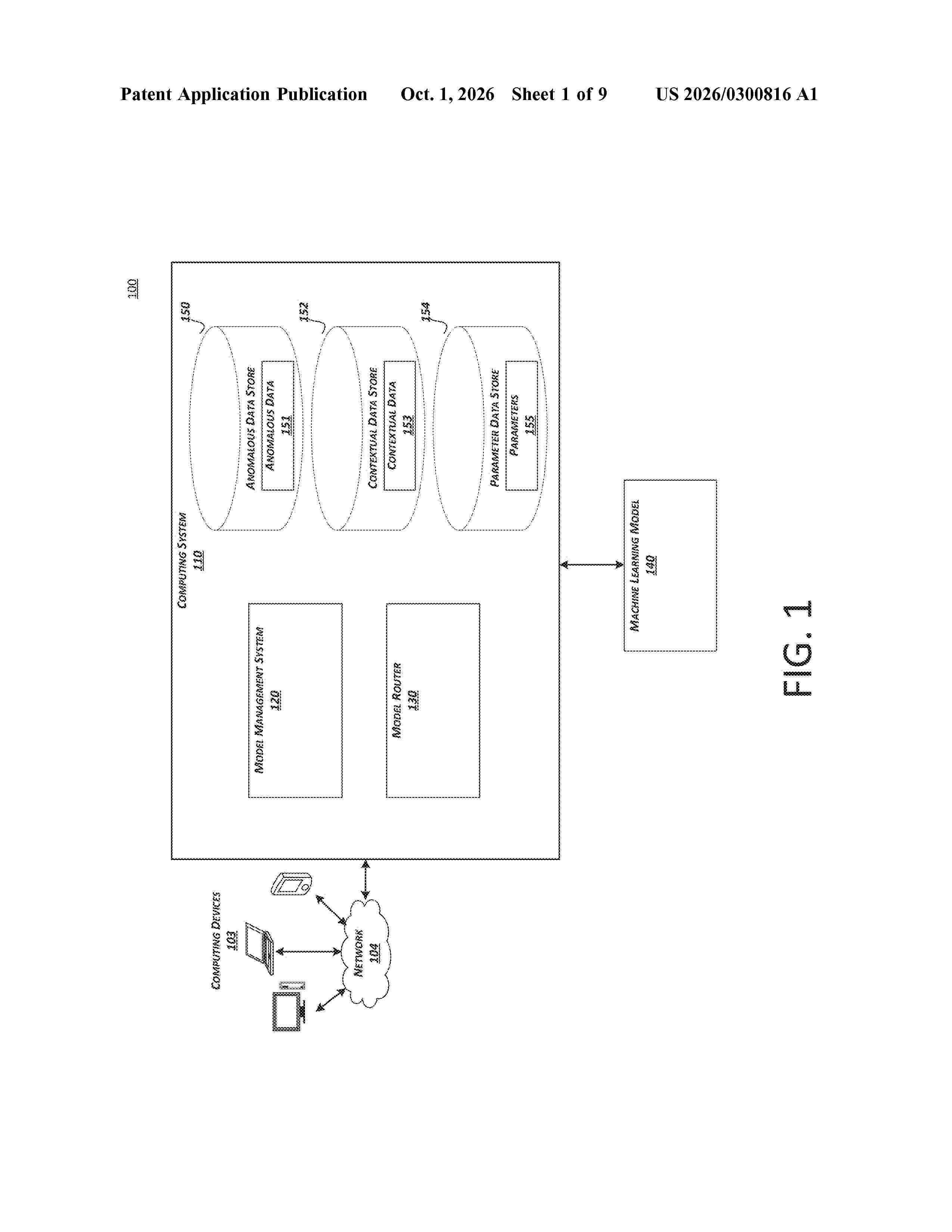
Systems and methods are provided to dynamically adjust contextual data of a machine learning model during an inference process of the machine learning model. A system can identify one or more tokens generated by the machine learning model. The machine learning model may, during an inference process, generate the one or more tokens based on first contextual data. The system can determine that the one or more tokens satisfy one or more first parameters. The system can obtain second contextual data associated with the one or more tokens based on determining that the one or more tokens satisfy the one or more first parameters and can provide the second contextual data to the machine learning model. The machine learning model may generate an output based on the second contextual data and at least a portion of the first contextual data.
Resumen de: US20260300817A1
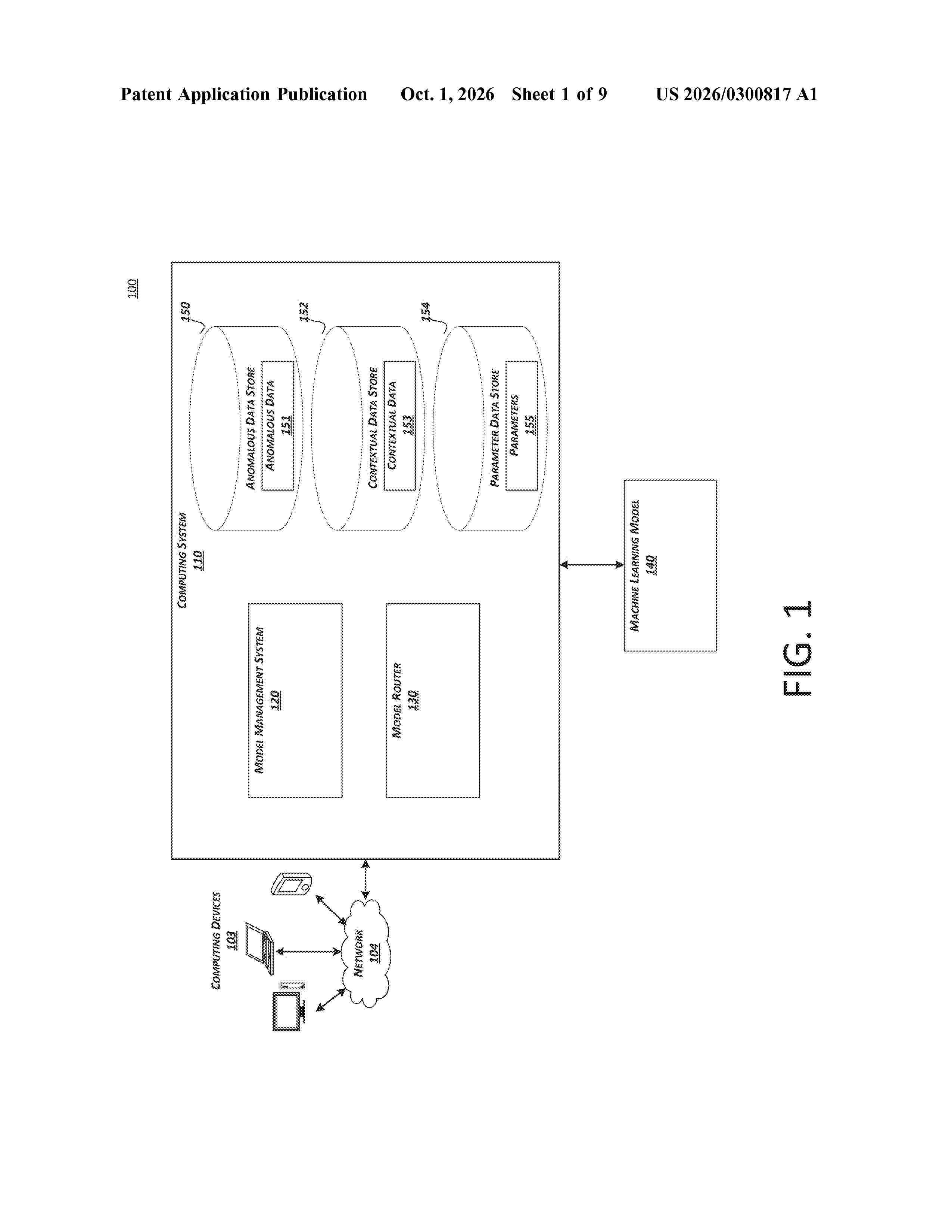
Systems and methods are provided to detect anomalous data obtained from and/or to be routed to a machine learning model. A system can identify a first embedding generated by a machine learning model. The system can obtain a first set of data associated with the machine learning model and can compare the first embedding generated by the machine learning model with the first set of data. Based on comparing the first embedding generated by the machine learning model with the first set of data, the system can determine a manner of processing a second set of data (e.g., an input to and/or an output of the machine learning model). The system can process the second set of data according to the manner of processing the second set of data.
Resumen de: US20260300011A1
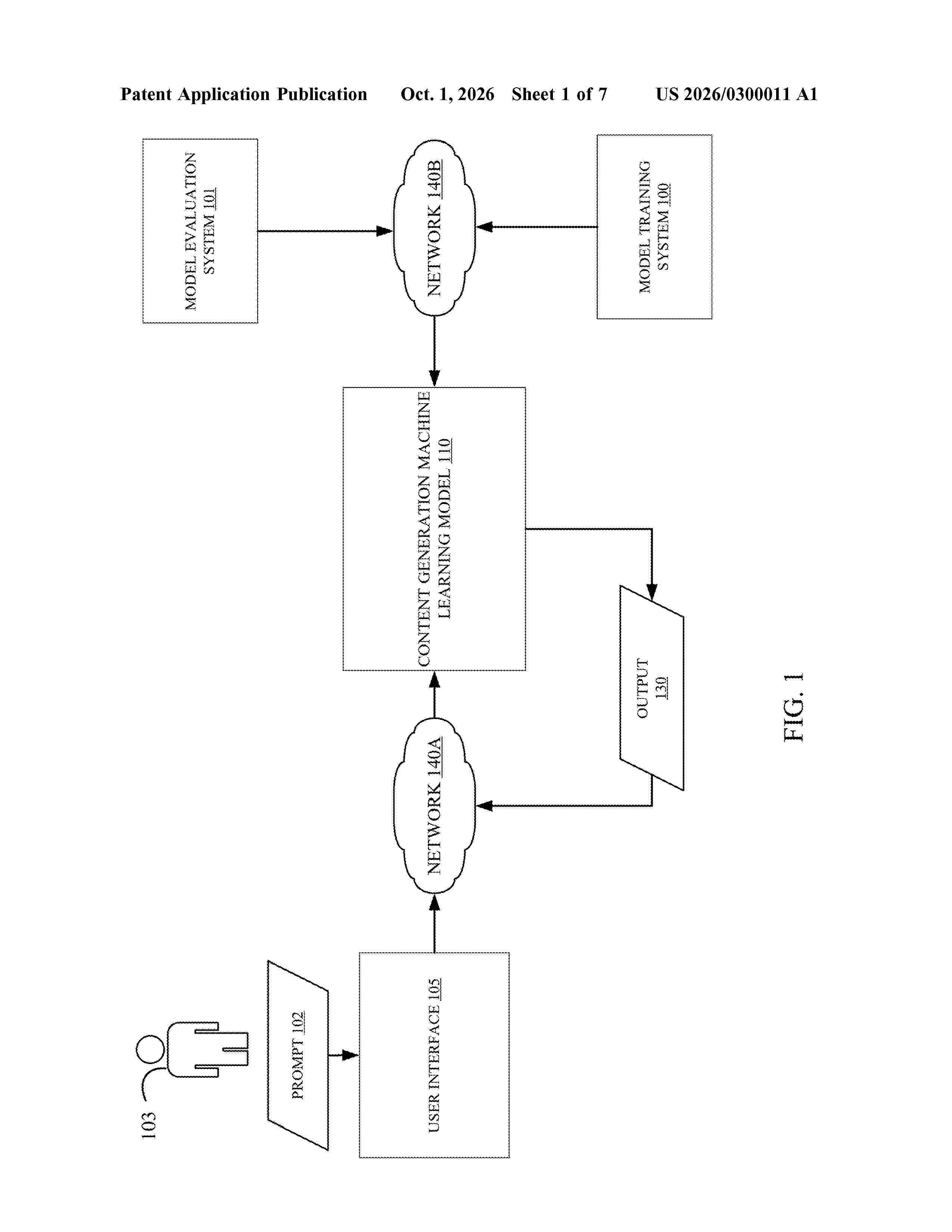
0000 Aspects of the present disclosure relate to machine learning based automated content generation systems. Certain embodiments relate to a specific training data generation and supervised learning process for training a content generation model. In some embodiments, training data for a content generation machine learning model may be generated by routing training prompts to generative models that are optimized for a particular prompt type. The optimized models, which may each be optimized for a different type of prompt, may be used to generate ground truth outputs for each of the training prompts. The ground truth outputs and the training prompts may then be used as training data for training the content generation machine learning model. Thus, the training of each of the optimized models may be transferred to the content generation machine learning model.
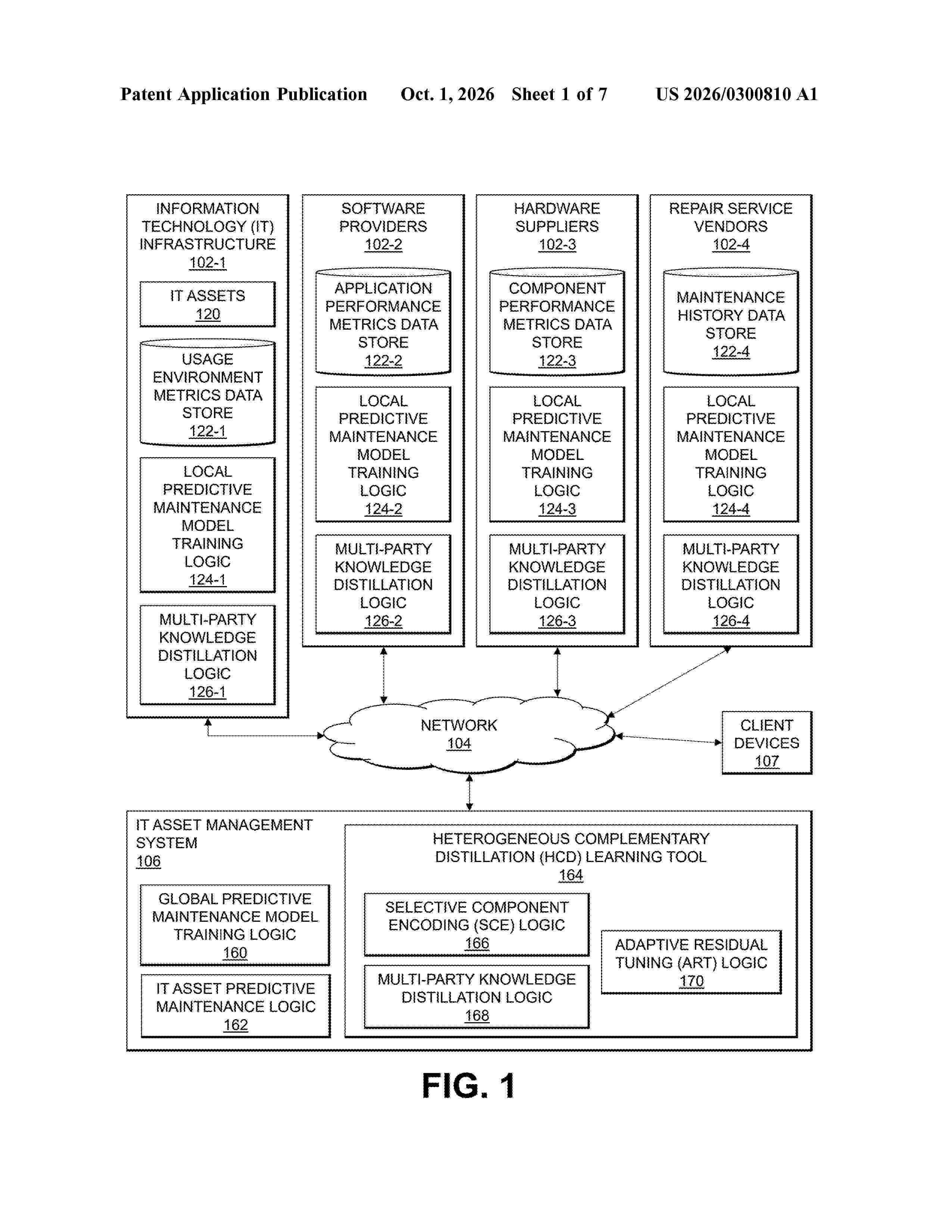
Resumen de: US20260300810A1
0000 An apparatus comprises at least one processing device configured to maintain, by a first entity, a first machine learning model associated with a label distribution of classifications for features characterizing operation of information technology assets running in an information technology infrastructure. The at least one processing device is also configured to generate residual labels characterizing portions of the label distribution not captured by the first machine learning model, to provide the residual labels to additional entities, and to receive from the additional entities partial predictions characterizing predicted classifications for the residual labels based on subsets of the features characterizing the operation of the information technology assets locally available at the additional entities. The at least one processing device is further configured to update one or more parameters of the first machine learning model based at least in part on an aggregation of the partial predictions received from the additional entities.
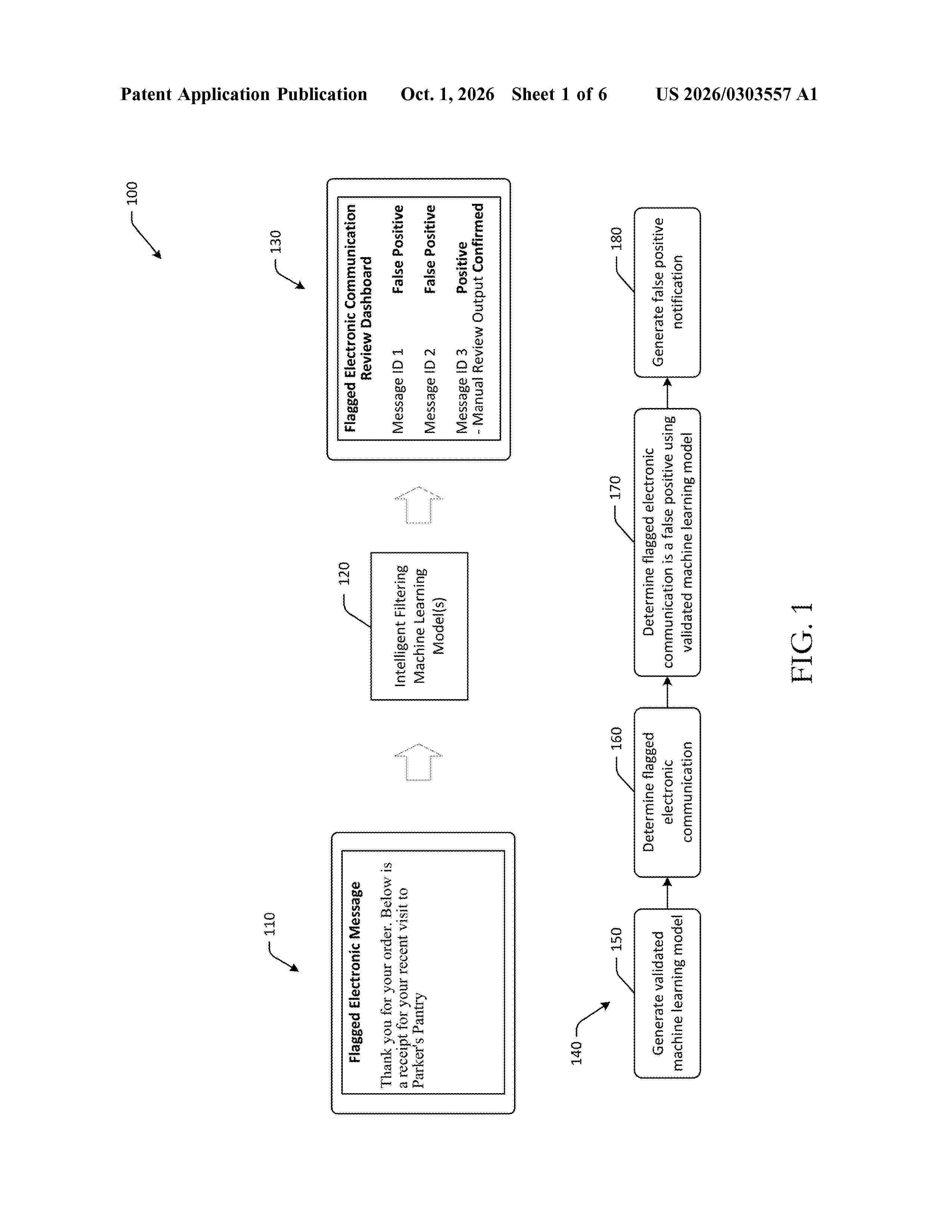
Resumen de: US20260303557A1
Systems, methods, and computer-readable media are disclosed for systems and methods for intelligent filtering of flagged electronic communications using machine learning. Example methods include determining a first flagged electronic communication using a first machine learning model, where the first flagged electronic communication is flagged due to presence of a phrase, determining, using a second machine learning model, a first false positive score of the first electronic communication, and determining that the first false positive score is less than or equal to a first threshold. The method may include generating a manual review notification for the first flagged electronic communication, determining a manual review output signal associated with the first flagged electronic communication, and causing the second machine learning model to be retrained based at least in part on the manual review output signal.
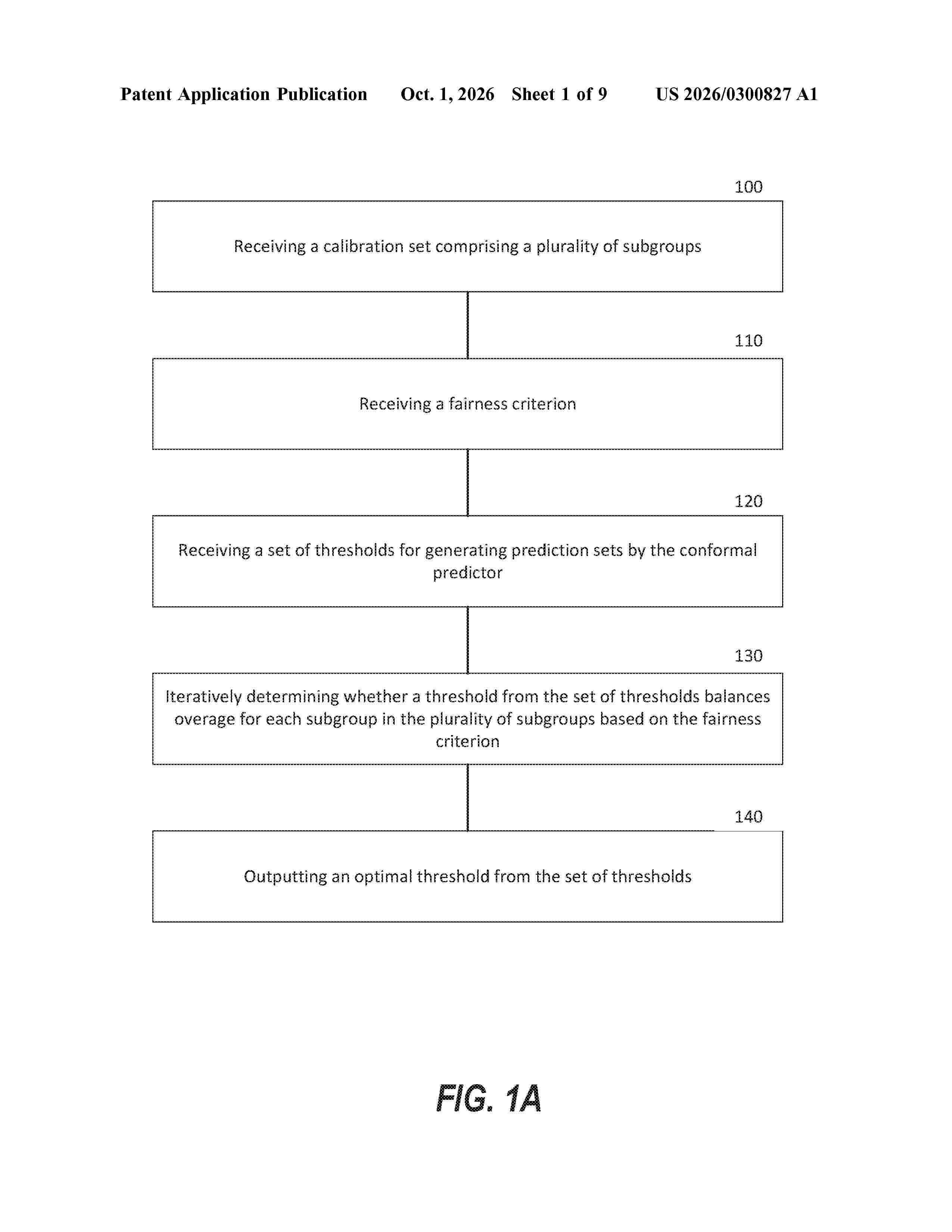
Resumen de: US20260300827A1
0000 An example computer-implemented method of improving fairness of a conformal predictor associated with a machine learning model includes receiving a calibration set including a plurality of subgroups; receiving a fairness criterion; receiving a set of thresholds for generating prediction sets by the conformal predictor; iteratively determining whether a threshold from the set of thresholds balances coverage for each subgroup in the plurality of subgroups based on the fairness criterion; and outputting an optimal threshold from the set of thresholds;
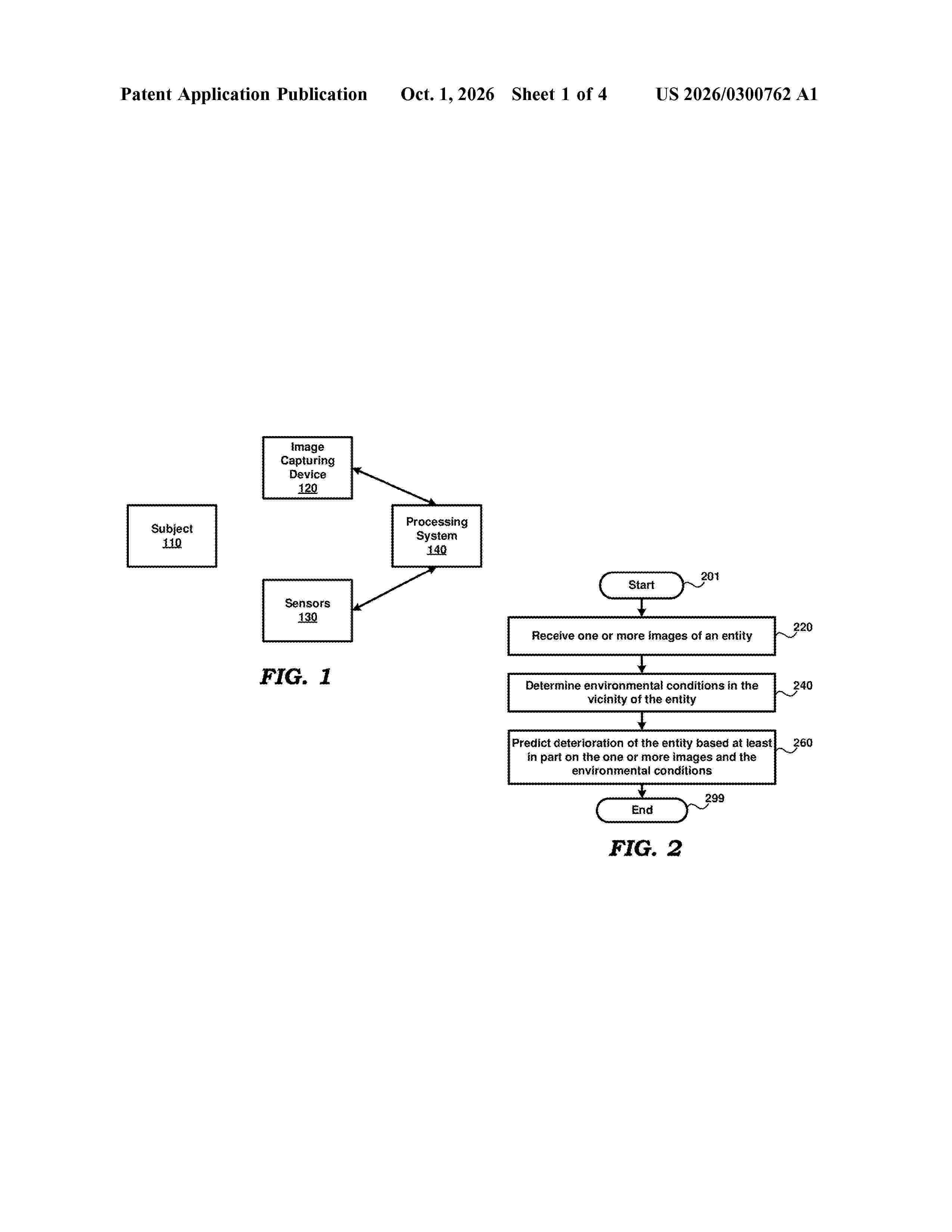
Resumen de: US20260300762A1
An aspect of the present disclosure provides for prediction of deterioration of entities. In an embodiment, one or more images of an entity are received, environmental conditions in the vicinity of the entity are determined, and deterioration of the entity is predicted, based at least in part, on the one or more images of the entity and the environmental conditions, using one or more machine learning models. The one or more images of the entity indicate a first state of the entity, the deterioration includes change in the state of the entity from the first state to a second state, and the prediction includes estimation of the time required for the state of the entity to change from the first state to the second state. The one or more machine learning models include a multimodal regression model, whose outputs include the estimated time and a level of deterioration.
Resumen de: US20260300443A1
A computing platform installed with executable software for producing a fairer version of a machine learning (ML) model that is configured to output a predicted value for a numerical variable, where the computing platform is programmed to (i) initialize a subpopulation-dependent fairer version of the ML model, (ii) train a subpopulation-independent projection of the subpopulation-dependent fairer ML model, (iii) evaluate multiple candidate instances of a subpopulation-independent fairer version of the ML model comprising a linear combination of (a) an unadjusted predicted value for the numerical variable that is output by the ML model and (b) a fairness-adjusted predicted value for the numerical variable that is output by the subpopulation-independent projection, and (iv) based on evaluating the multiple candidate instances of the subpopulation-independent fairer ML model, select a given candidate instance of the subpopulation-independent fairer ML model that is thereafter deployed.
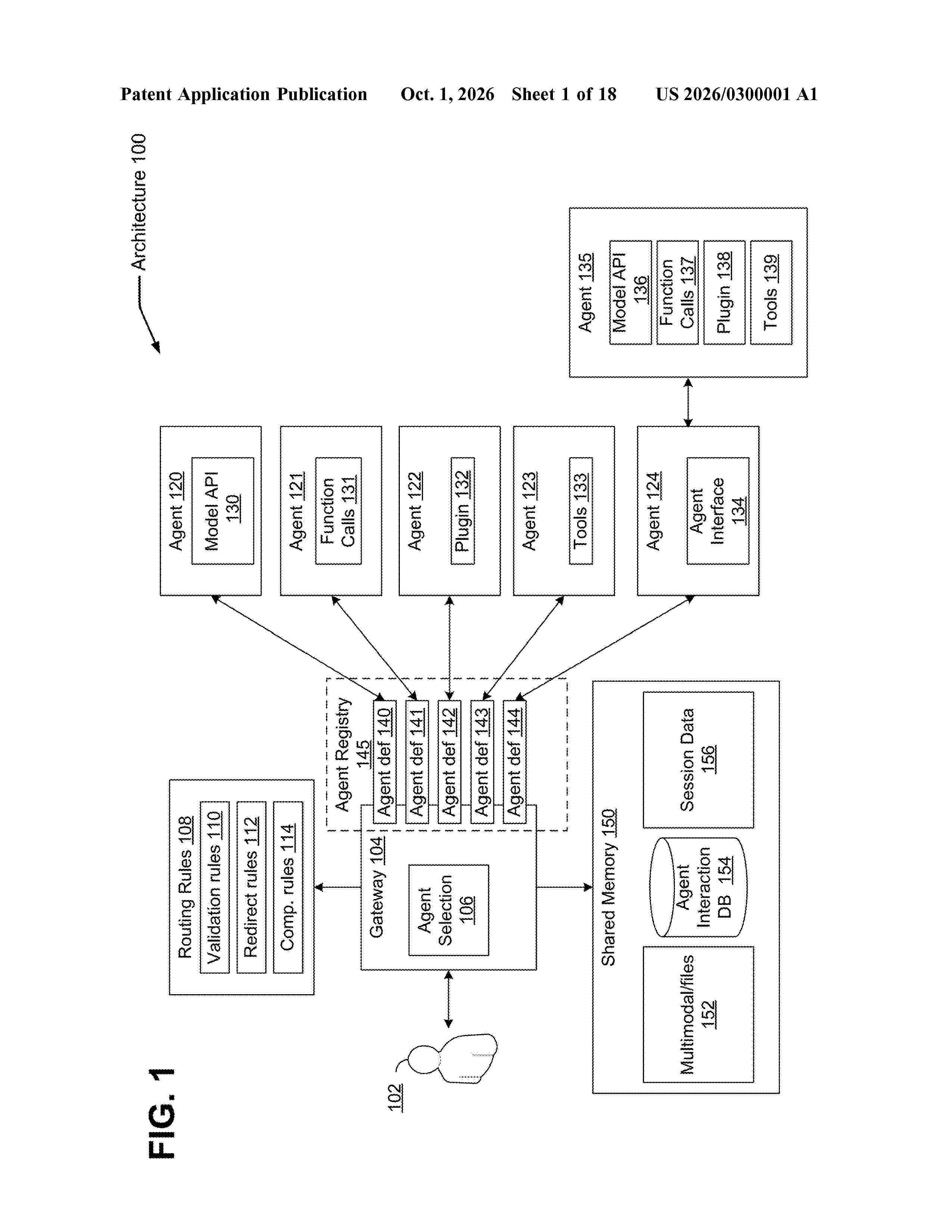
Resumen de: US20260300001A1
0000 This document relates to facilitating interactions between a user and multiple agents, such as agents that provide different generative machine learning capabilities. In certain disclosed implementations, user input is received and two or more agents are selected to perform a particular task for the user. Then, interactions with the agents are coordinated on behalf of the user based on agent definitions of the selected agents. A result of the particular task is received and provided to the user. For instance, the user input can be received via a chat interface that allows the user to conduct a single chat session that involves the particular task being performed by multiple agents, thus giving the user the appearance of interacting with a single agent.
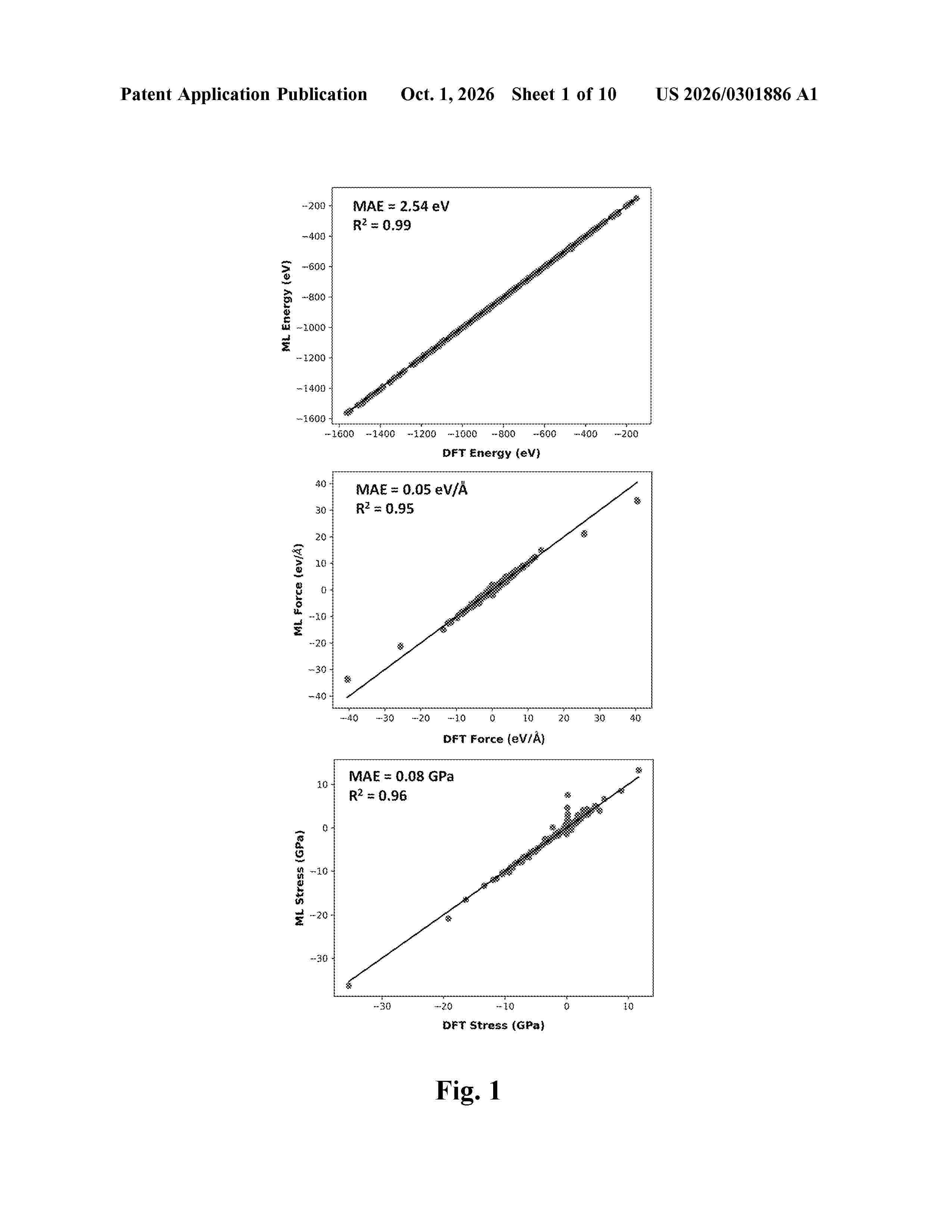
Resumen de: US20260301886A1
This disclosure is directed to machine learning-based methods for modelling energies, forces, and stress tensors of organic molecular crystals. Methods for training a machine learning (ML) potential for analysis of crystal surface energies and crystal morphologies, and workflows using such ML potentials for predicting a surface energy and a crystal morphology and for modelling crystal structure relaxation of an organic molecular crystal are disclosed.
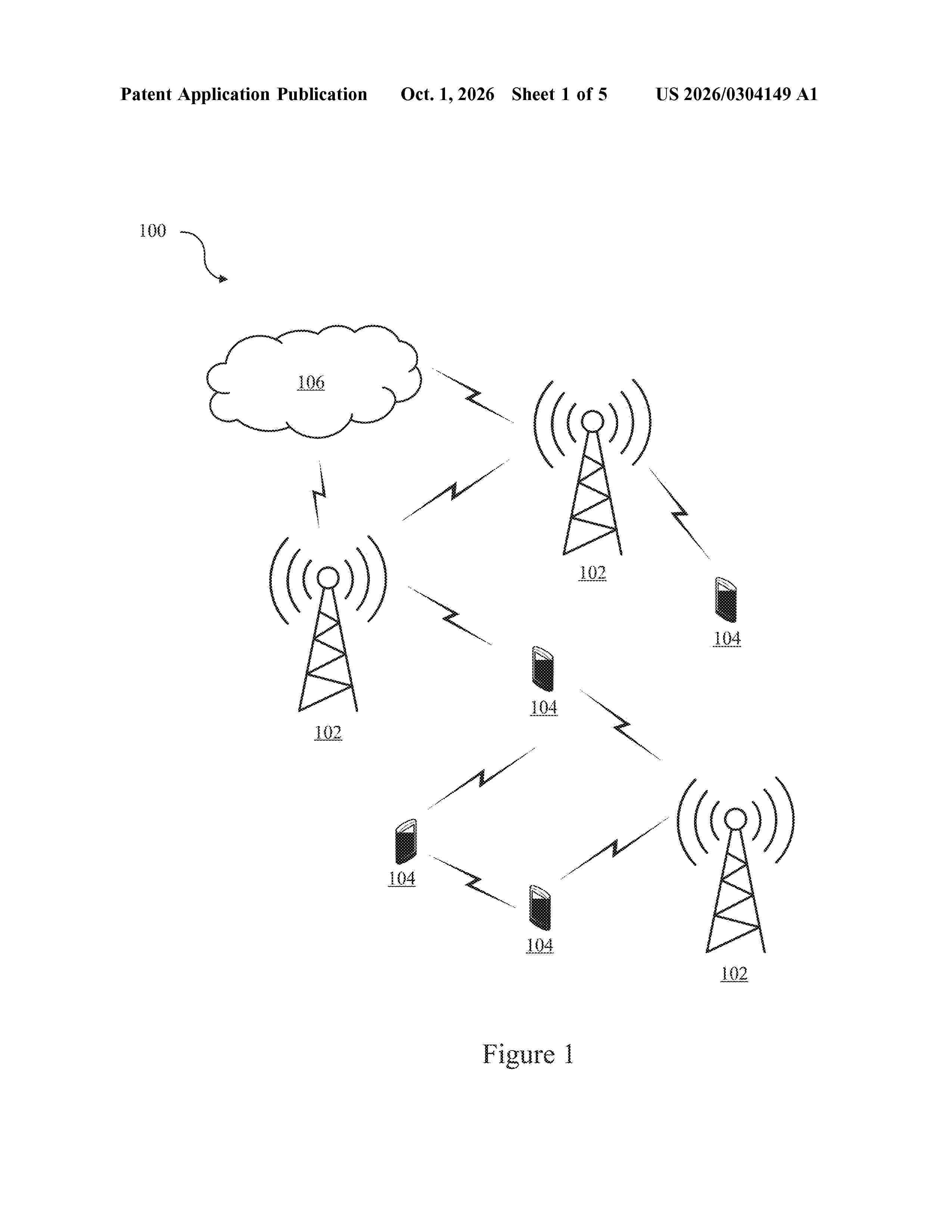
Resumen de: US20260304149A1
0000 Various aspects of the present disclosure relate to a node for wireless communication, comprising: at least one memory; and at least one processor coupled with the at least one memory and operable to cause the node to: obtain a machine learning (ML) model comprising of a set of model parameters; obtain a set of data samples for inputting to the ML model; determine a maximum change to the set of model parameters that is permitted without performance of the ML model degrading beyond a tolerance threshold value; quantize, based on the determined maximum change, the set of model parameters to generate quantized model parameters; and transmit the quantized model parameters to a further node.
Resumen de: WO2026207217A1
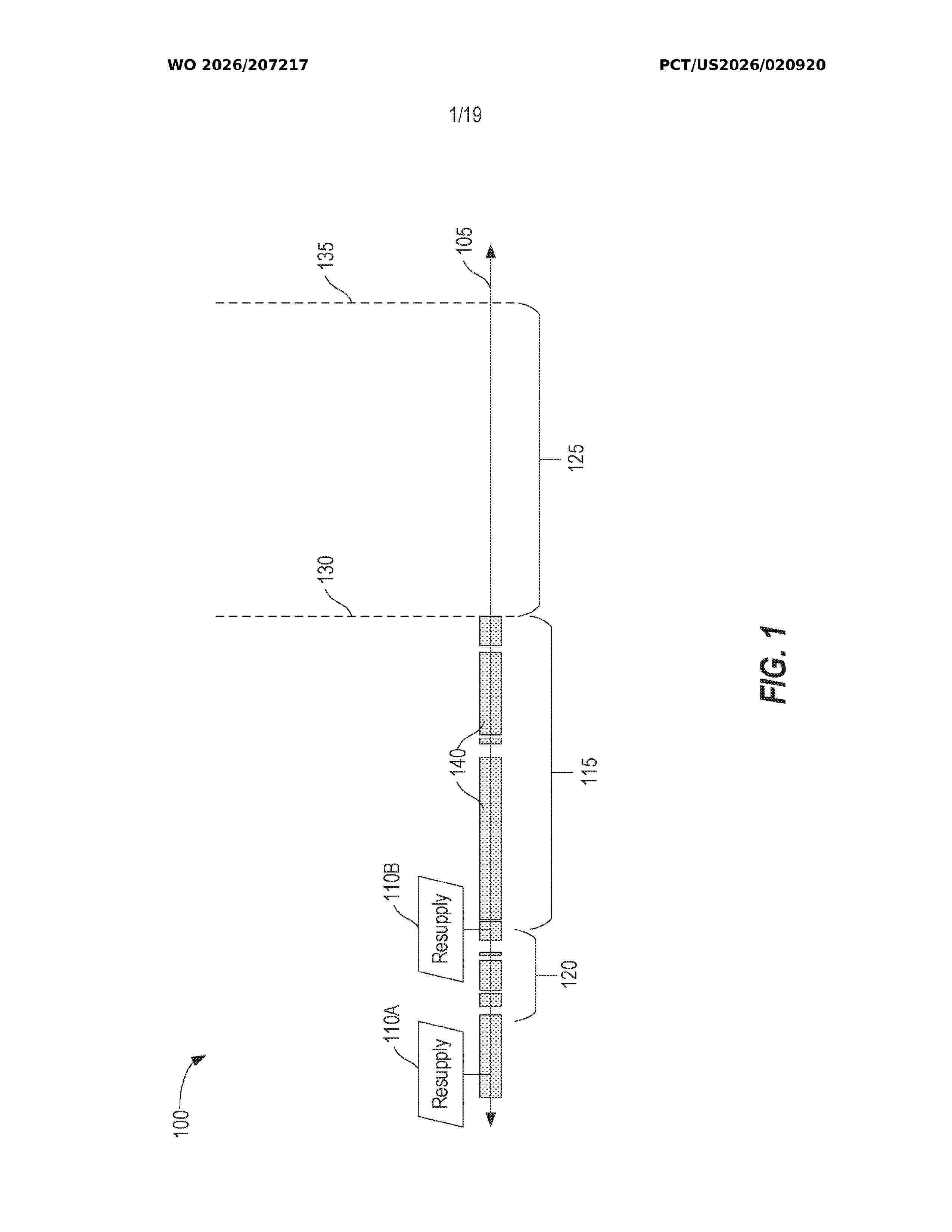
Techniques for improved machine learning are provided. Resupply history for a plurality of users of respiratory therapy is accessed. It is determined that a first user of the plurality of users is approaching resupply attrition based on the resupply history. In response to determining that the first user is approaching resupply attrition, therapy data, for the first user, associated with the respiratory therapy is collected, and an attrition prediction for the first user is generated based on processing the therapy data using a machine learning model. An intervention is facilitated for the first user based on the attrition prediction.
Resumen de: WO2026202853A1
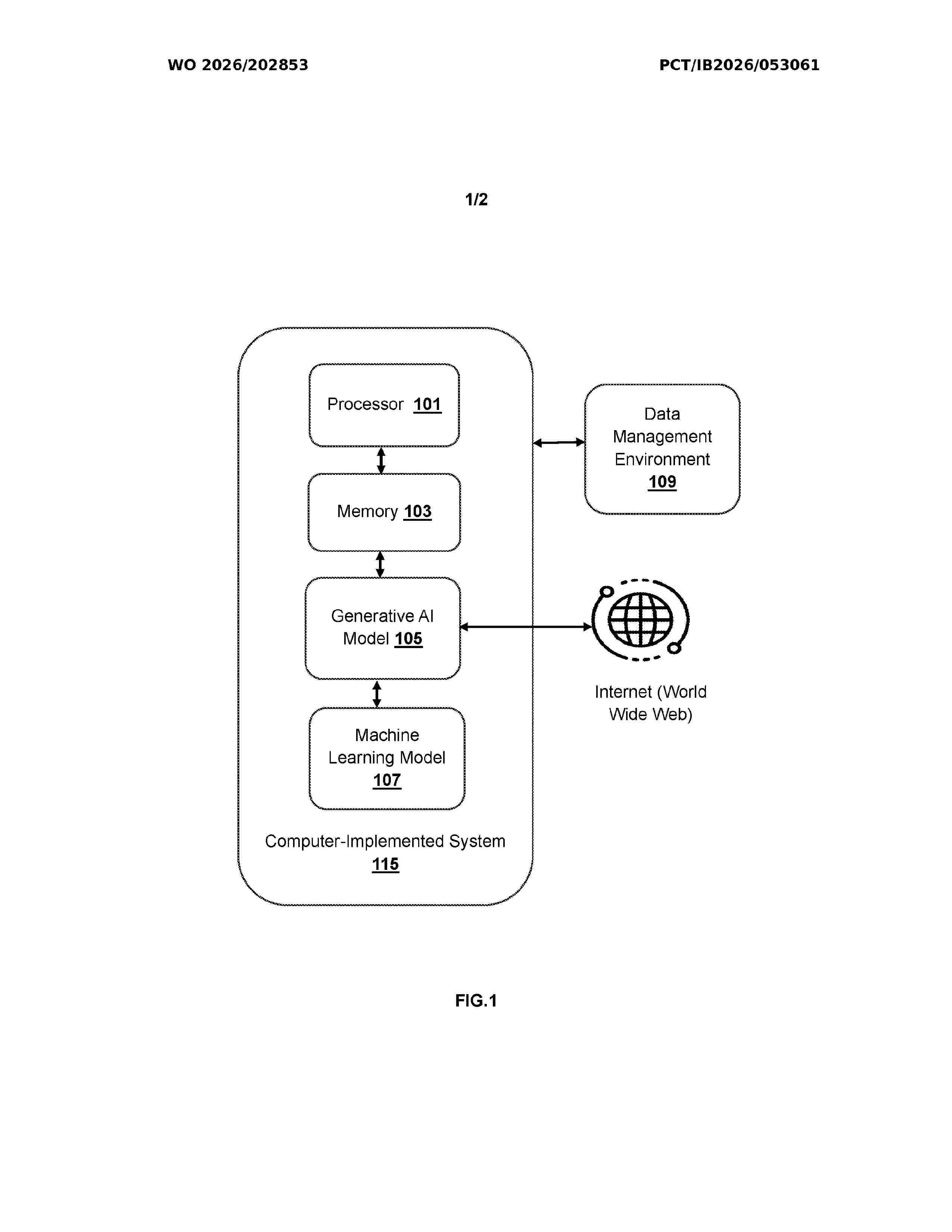
The system and method envisaged by the present disclosure collect information related to cybersecurity-related vulnerabilities corresponding to a data management environment, and generate datasets for training predetermined machine learning models to identify the possibility of occurrence of corresponding cybersecurity attacks on the data management environment. An artificial intelligence (AI) model stores information indicative of cybersecurity-related vulnerabilities embodied in the data management environment. The AI model identifies cybersecurity-related factors that influence each of the cybersecurity-related vulnerabilities, applies a pre-defined set of statistics to the cybersecurity-related factors, and determines the severity of the cybersecurity-related factors based on the set of statistics. Subsequently, the AI model generates training vectors whose elements include an indication of whether the data management environment is vulnerable to cybersecurity attacks, considering the cybersecurity-related factors and their severity. A training dataset comprising the training vectors is also created to train the machine learning models.
Resumen de: WO2026206640A1
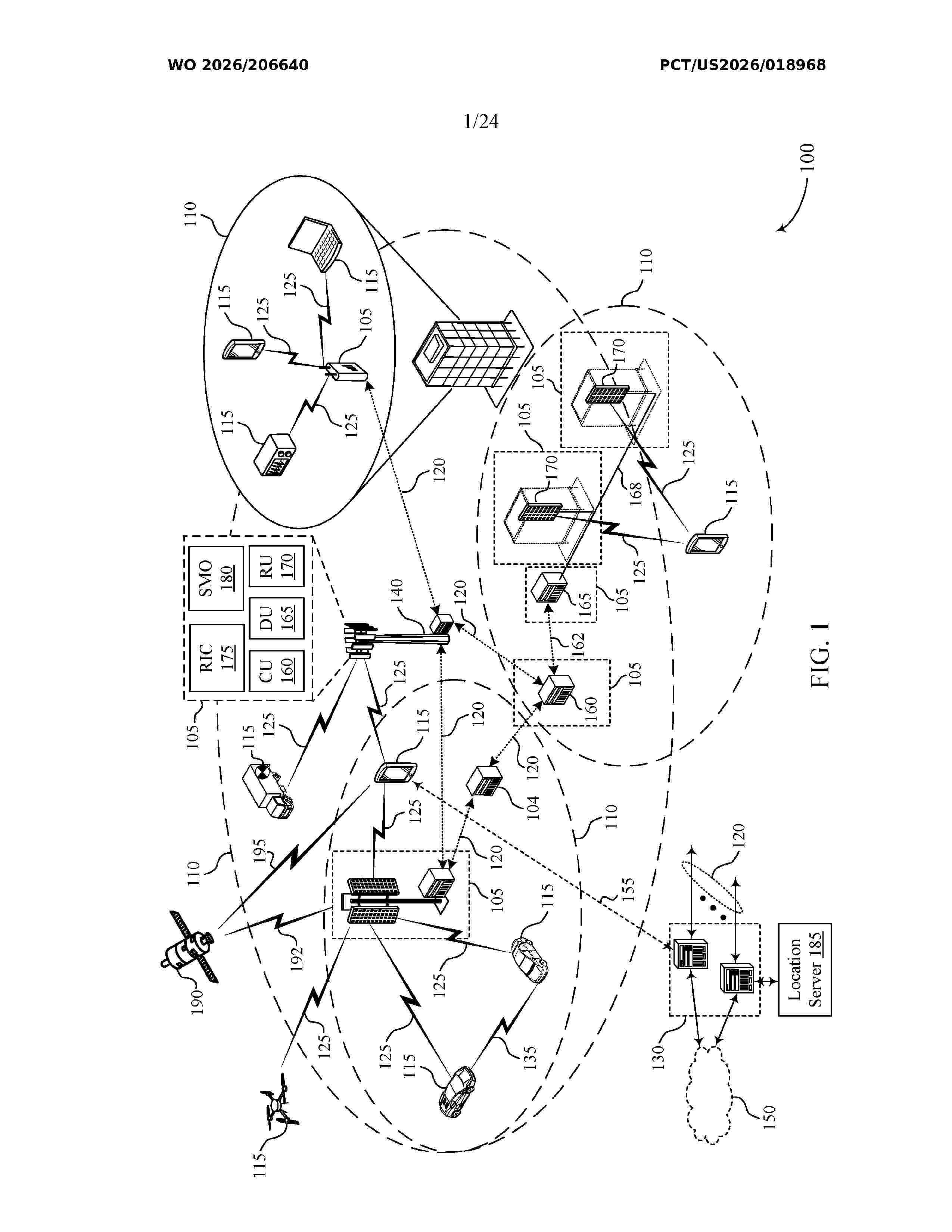
Some wireless communications systems may perform one or more positioning procedures based on one or more artificial intelligence or machine learning (AI/ML) models. Some positioning applications may be sensitive to position estimate errors. The term "integrity" or variations thereof may refer to a value or measure of confidence (e.g., trust) or probability relative to an accuracy of a position. Some examples of the techniques described herein may provide approaches for determining integrity information for positioning procedures that are based on one or more AI/ML models. For instance, some AI/ML models may not be deterministic or may respond differently when input data includes different ranges of errors. Accordingly, integrity information may be determined differently for AI/ML models than for linear positioning models. In some approaches, a dataset with established error bounds may be utilized to determine integrity information corresponding to a positioning procedure.
Resumen de: US20260298786A1
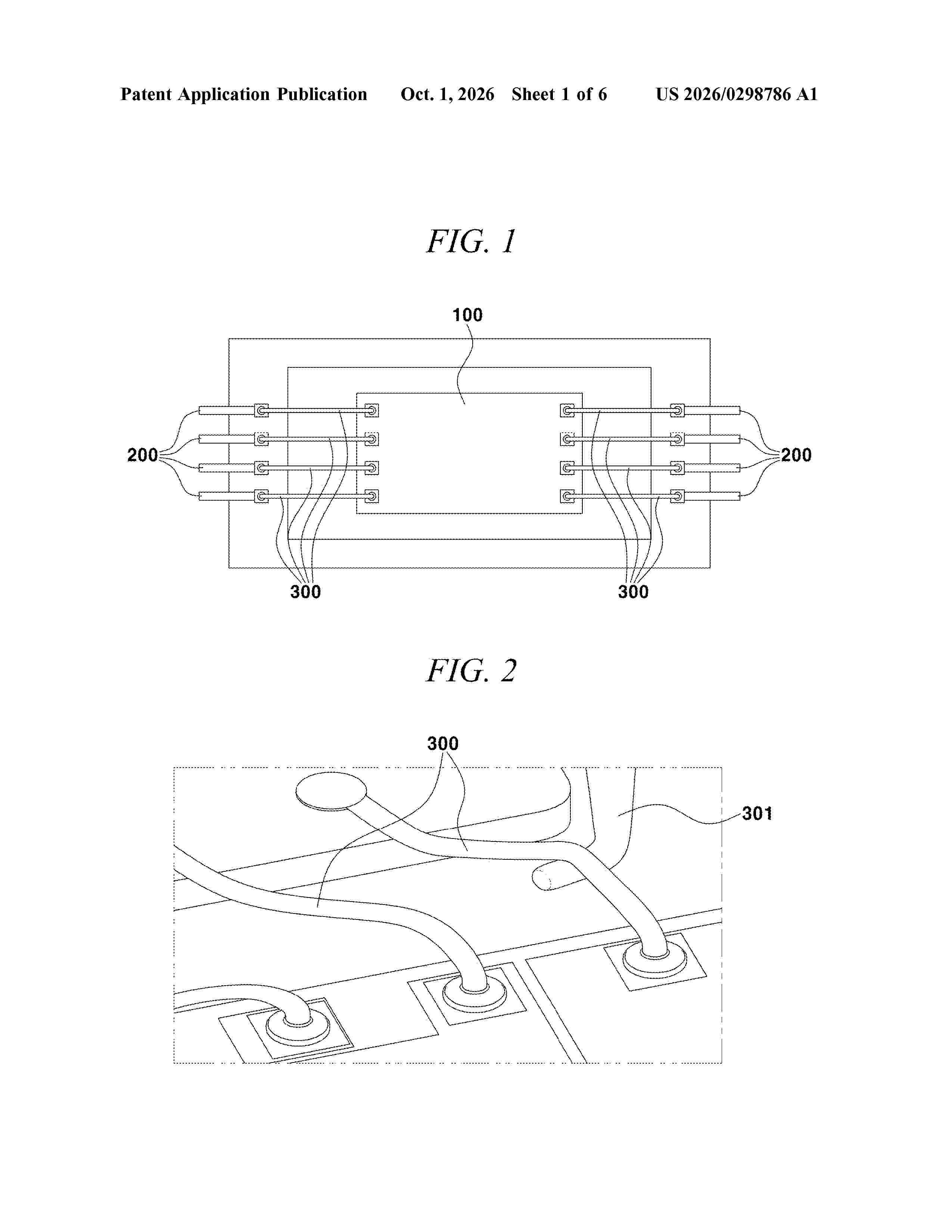
0000 A method of testing the tensile strength of a bonding wire included in a semiconductor package is disclosed. The method of testing a tensile strength of a bonding wire included in a disclosed semiconductor package includes: collecting data related to the tensile strength of the bonding wire; consolidating the collected data into a unified database; generating a machine learning model using the unified database, the model configured to determine a tensile strength value of the bonding wire; receiving a tensile strength parameter associated with the bonding wire; predicting a tensile strength value corresponding to the tensile strength parameter using the machine learning model; and determining whether the bonding wire is abnormal based on the predicted strength value.
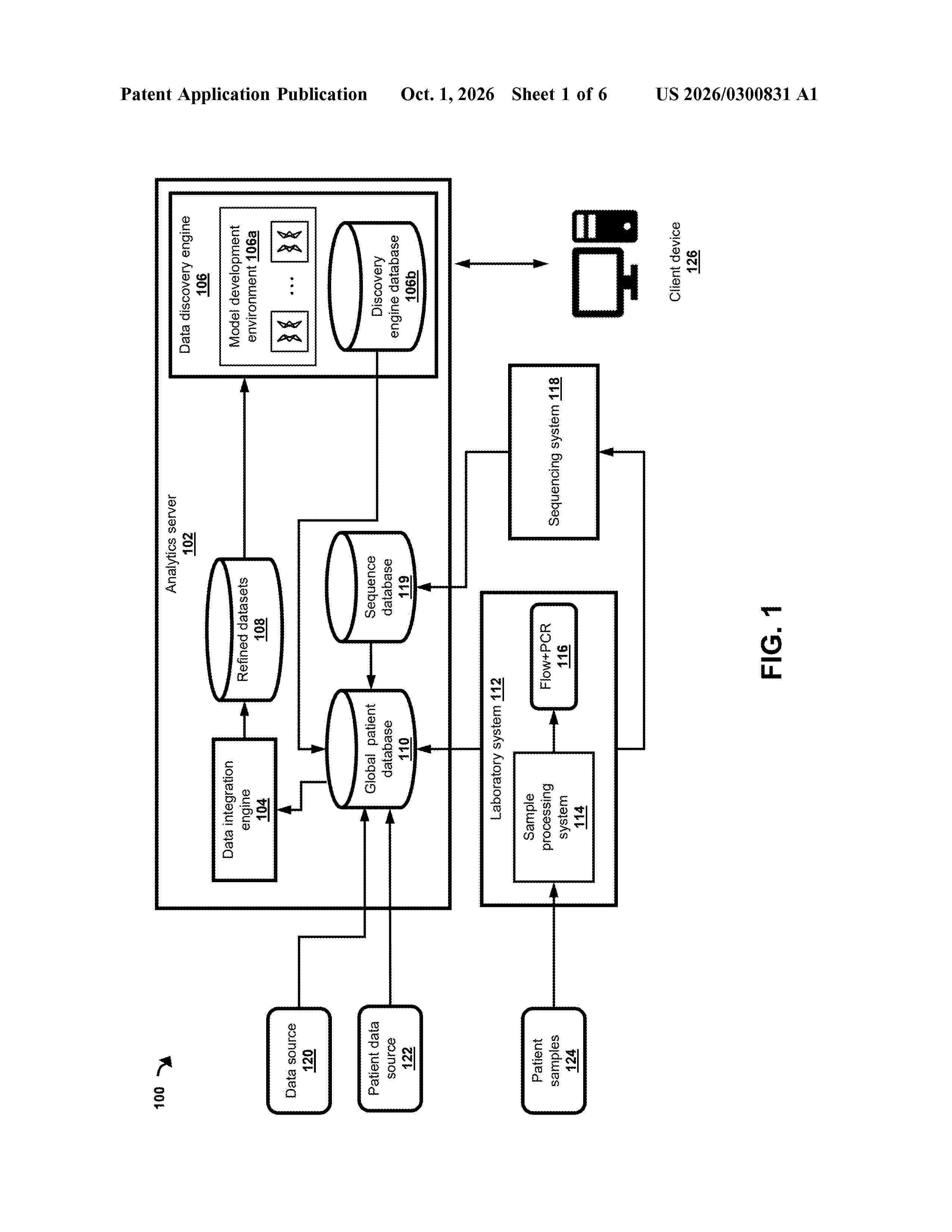
Nº publicación: US20260300831A1 01/10/2026
Solicitante:
AML JV LLC [US]
AML JV, LLC
Resumen de: US20260300831A1
Described herein are systems and methods that related to techniques for iterative machine learning model optimization through adaptive parameter adjustment. In an example, a system can be configured to obtain input data that includes at least one user input specifying a type of endpoint. Based on the input data, the system can identify features from a set of features to use in evaluating multiple models, with each feature corresponding to diagnostic criteria used to represent aspects of treatment profiles maintained in a database. The system can train and evaluate performance of each of the models and generate a user interface to display performance metrics for the models. In some examples, this user interface can be provided to a device that generated the input data to show the performance metrics for the models.
 BOPI
BOPI
 Sede Electrónica