Si deseas distinguir tus productos, servicios o ambos de los de otra empresa, es posible que necesites una marca o nombre comercial. Descubre qué son, en qué consiste su procedimiento de registro y qué implica.

Información sobre los plazos de presentación de solicitudes de transformación de marcas de la Unión Europea en marca nacional española. Más información


Si tienes un nuevo dispositivo, producto o procedimiento que resuelva un problema técnico o tenga una ventaja práctica, existen distintas formas de protegerlo en España y en otros países. Descubre cómo hacerlo.

¿Tu innovación reside en la estética, la ornamentación o la apariencia de tu producto? Protégela mediante un diseño industrial. Descubre qué derechos confiere el registro y cómo realizar la tramitación.

Las indicaciones geográficas protegen el nombre de un producto originario de una zona geográfica, a la cual le debe una determinada calidad, reputación u otra característica. Descubre qué son, en qué consiste su procedimiento de registro y qué beneficios conceden.

Las patentes publicadas en todo el mundo son una valiosa fuente de información científica, técnica y comercial.

Si eres emprendedor/a o una empresa y quieres potenciar y mejorar la rentabilidad de tu negocio protegiendo de forma adecuada los activos intangibles de tu organización, en este espacio encontrarás lo necesario.


 336
resultados
336
resultados
 Última actualización
15/09/2026 [08:51:00]
Última actualización
15/09/2026 [08:51:00]


 Resultados 25 a 50 de 336

Resumen de: US20260265562A1
A quantum dot dispersion, a quantum dot ink composition, a cured film, a color filter, and a display device comprising the same are disclosed. By incorporating quantum dots into a ligand layer containing a compound represented by Formula 1, which has an aromatic hydrocarbon group at one end and a thiol group at the other end, the quantum dot ink composition can achieve excellent refractivity, thermal stability, and photostability, and can exhibit a low viscosity suitable for excellent inkjet processability to provide high-quality displays with further improved optical properties.

Resumen de: US20260264054A1
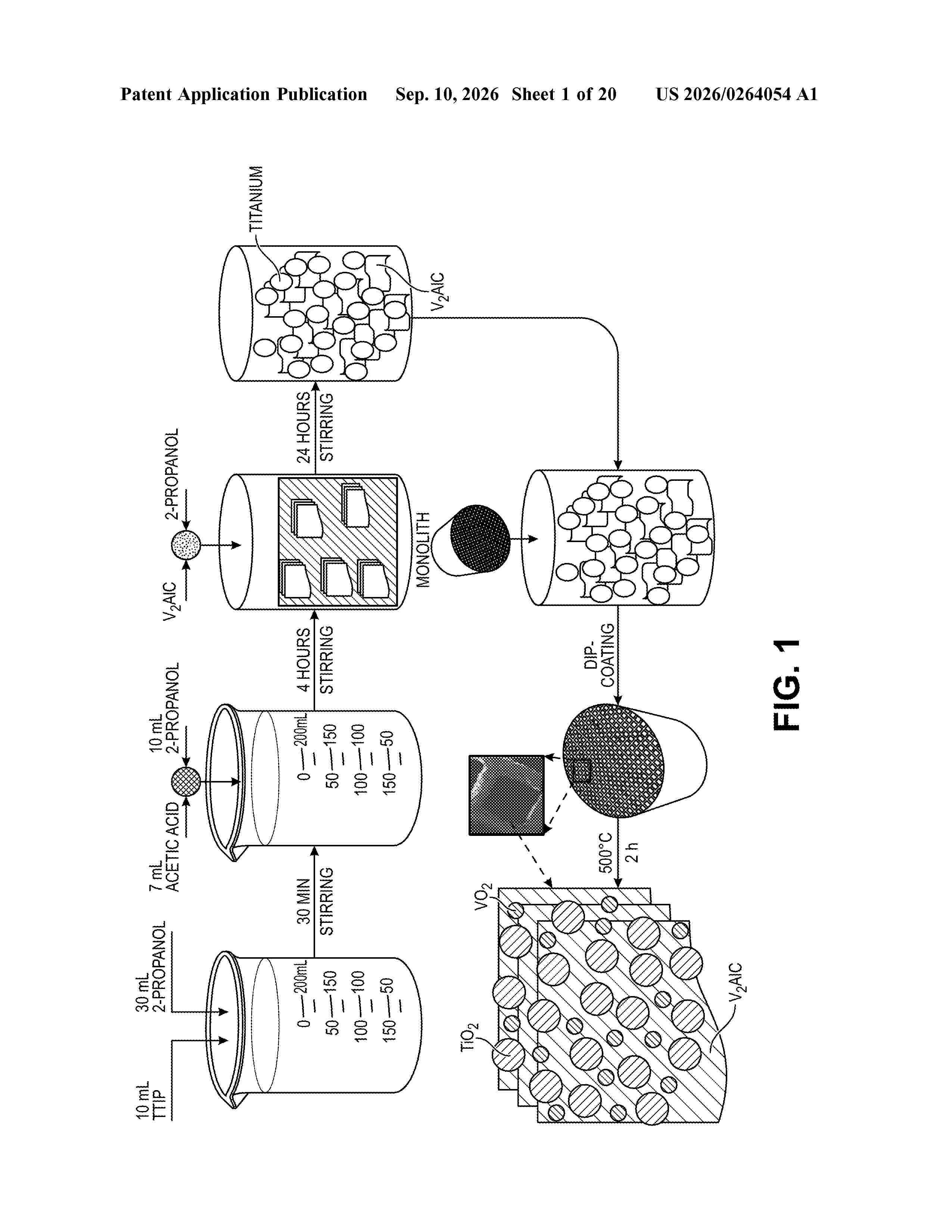
A composite photocatalyst, comprising V2AlC@V2O5/TiO2 heterojunction. The composite can be either supported or unsupported. Additionally, a process for producing this composite, particularly V2AlC@V2O5/TiO2, involves the steps of mixing a titanium precursor and an alcohol solvent, and stirring to obtain a first solution; mixing an acid with an alcohol solvent, and stirring to form a second solution; mixing the second solution and the first solution, and stirring to obtain a third solution; dispersing V2AlC in the alcohol solvent; adding the dispersed V2AlC to the third solution to get a suspension, and stirring the suspension for a predetermined period; drying the suspension to obtain a dried product; grinding the dried product into fine powder; and calcining the ground product to obtain the composite. The composite photocatalyst can also be used in a CO2 reduction process, wherein the photocatalyst is irradiated in a photoreactor system.
Resumen de: EP4804756A1
0001 Disclosed herein are integrated circuit (IC) structures with nanoribbon transistors and C-clamp source and/or drain (S/D) contacts, and related methods and devices. In one aspect, an example IC structure may include a transistor having a channel portion in a nanoribbon, and a conductive contact to a region of the transistor, where the region is one of a source region or a drain region of the transistor and where, in a cross-sectional side view of the IC structure, the conductive contact has a C-shape.
Resumen de: WO2025096319A1
Polymer composites containing carbon nanotubes may be produced without de-agglomerating the carbon nanotubes prior to blending the carbon nanotubes with a polymer matrix. The polymer composites may comprise a polymer matrix comprising at least one polymer, and a plurality of carbon nanotubes dispersed in the polymer matrix, in which the carbon nanotubes comprise a plurality of carbon nanotube bundles that have not been de-agglomerated prior to dispersal in the polymer matrix. The carbon nanotubes may be produced by a floating catalyst chemical vapor deposition process. The polymer matrix may be a polyolefin matrix comprising at least one polyolefin.
Resumen de: EP4804755A1
Disclosed herein is a fabrication method that allows forming backside source and/or drain (S/D) contacts that are self-aligned to corresponding S/D regions of a transistor, and related integrated circuit (IC) structures and devices. In one aspect, a resulting IC structure may include a transistor and a nanoribbon comprising a semiconductor material. A channel portion of the transistor includes a portion of the semiconductor material of the nanoribbon and has a front side and a back side. A first conductive contact is at the front side of the channel portion and is in conductive contact with a first S/D region of the transistor. A second conductive contact is at the back side of the channel portion and is in conductive contact with a second S/D region of the transistor. Furthermore, the second conductive contact is self-aligned to the second S/D region of the transistor.
Resumen de: CN122704892A
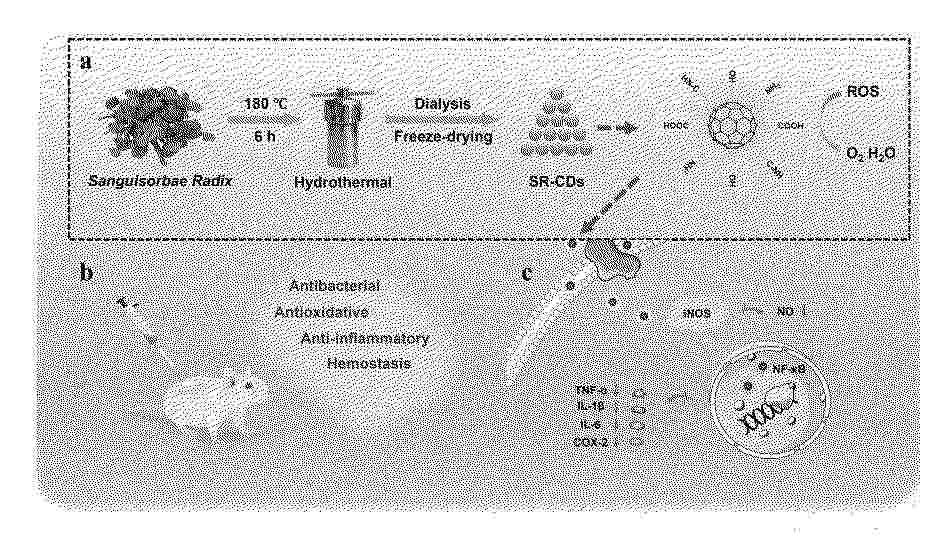
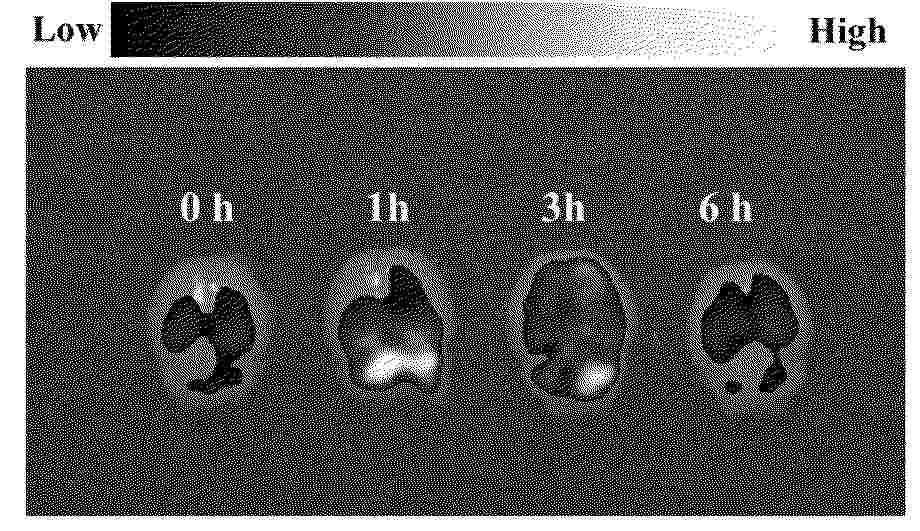
本发明提供了一种多功能地榆碳点、制备及其在伤口愈合药物中的应用,包括以下步骤:(1)将地榆干粉与纯化水按质量体积比1 g:45‑55 mL混合,超声处理25—35分钟,得到混合溶液;(2)将所述混合溶液转移至高压反应釜中,在170‑190℃下反应5.5—6.5小时;(3)反应结束后冷却至室温,以4500‑5500 rpm离心8—12分钟,保留含碳点的上清液;(4)将所述上清液用0.22 μm微孔滤膜过滤,得到深棕色碳点溶液;(5)将所述碳点溶液冷冻干燥,得到黑褐色粉末,即为地榆碳点。该地榆碳点具有包括止血、抗菌活性、抗炎作用和清除ROS在内的多种功能。
Resumen de: WO2025038489A2
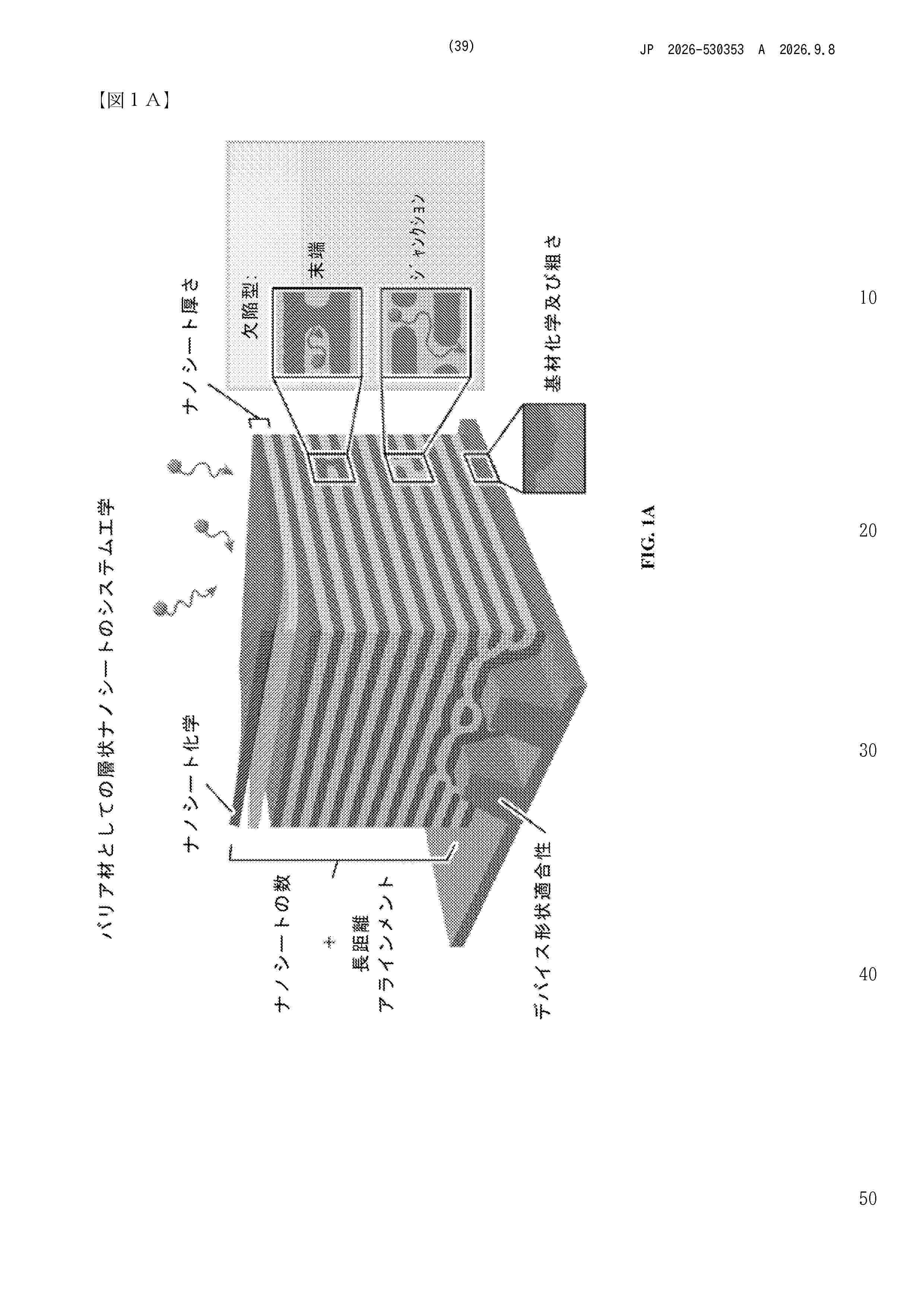
Nanocomposite materials comprising nanoparticles, small molecules, and block copolymer (BCP)-based supramolecules are provided. The nanoparticles, small molecules, and BCP-based supramolecules self-assemble into a plurality of nanosheets that form the multilayer nanocomposite material. The nanoparticle, small molecule, and BCP-based supramolecule can be ZrO2, 3-pentadecylphenol (PDP), polystyrene-block-poly(4-vinyl pyridine)(PDP)1, respectively. Methods for producing the nanocomposite materials by contacting the nanoparticles, small molecules, and BCP-based supramolecules with a solvent and drying to remove the solvent to allow self-assembly are also provided. The nanocomposite materials provided herein can be used as barrier materials against volatile organic compounds, water, oxygen, or electron, and can be used as coating and packaging materials on various substrates, or as optical materials.
Resumen de: CN122702984A
本发明属于纳米复合材料制备技术领域,具体公开一种微波等离子体原位制备石墨烯‑铜纳米团簇复合材料的方法及其产品,解决现有制备中团聚、纯度低、工艺繁琐等问题。该方法通过将可溶性铜盐溶液雾化为气溶胶,与载气、乙炔混合通入微波等离子体反应腔,一步完成铜盐还原、CuNCs形成及石墨烯包覆,初级产物经管式炉热处理得目标复合材料。本发明一步合成、进料优越,产物分散均匀、结构可控、高效环保,提升了工业化应用价值。
Resumen de: CN122707172A
本发明公开了一种碳纳米纤维基CoCuMn合金复合析氧电催化剂及其制备方法与应用,属于电催化材料技术领域。所述电催化剂包括碳纳米纤维骨架、原位生长于所述碳纳米纤维骨架表面的碳纳米管,以及负载于或嵌入所述碳纳米纤维结构中的CoCuMn合金纳米颗粒;所述碳纳米纤维与碳纳米管相互连接形成层级导电网络。所述制备方法包括将聚丙烯腈与钴盐、铜盐和锰盐配制成纺丝液,经静电纺丝、预氧化和氨气/氩气混合气氛热处理,使碳纳米纤维骨架形成、金属组分还原合金化以及碳纳米管原位生长同步完成。所得复合电催化剂具有连续的电子传输通道、弥散分布的多元合金活性组分和良好的结构稳定性,可用于碱性电解水析氧反应。
Resumen de: CN122704992A
本发明属于纳米复合材料制备技术领域,公开了一种碳纳米管包覆高熵金属氧化物复合材料及其制备方法。该方法包括:将铁前驱体、钴前驱体、镍前驱体、锰前驱体和铜前驱体溶解于乙醇中,得到前驱体溶液;在40~50kPa低压条件下,向燃烧区通入甲烷和含微量硫化氢的空气,点燃后形成低压预混燃烧火焰,控制燃烧火焰区温度为800~900℃;将前驱体液导入燃烧区中,使五种金属元素原位转化形成高熵金属氧化物,并同时使甲烷裂解生长为碳纳米管,碳纳米管包覆于高熵金属氧化物表面,从而得到碳纳米管包覆高熵金属氧化物复合材料。本发明在单一低压燃烧场中同步实现高熵金属氧化物形成和碳纳米管原位生长,无需后煅烧,界面结合紧密。
Resumen de: CN122706345A
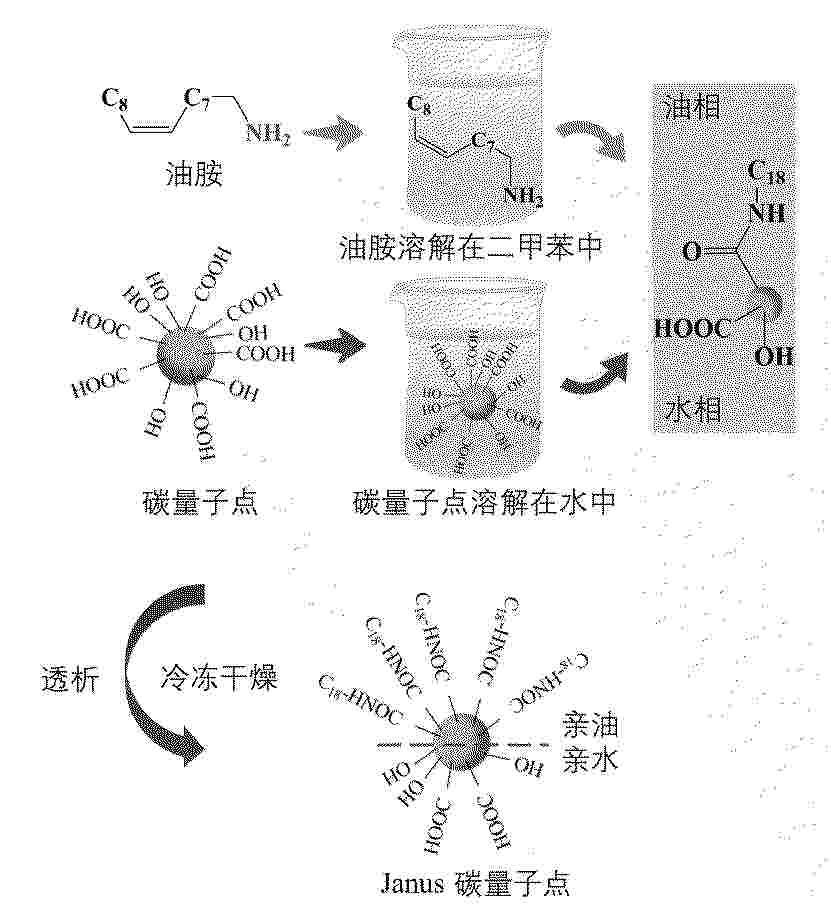
本发明属于碳纳米材料制备技术领域,公开了一种Janus碳量子点及其制备方法和应用。本发明首先以抗坏血酸为主要碳源,以柠檬酸为辅助碳源,通过油浴法制备表面富含羧基的碳量子点;然后将碳量子点水溶液与长链烷胺有机溶液混合,采用超声波细胞破碎仪处理,在超声过程中同时发生酰胺化反应,形成Pickering乳液;最后经透析、冻干纯化,得到具有Janus结构的双亲性碳量子点。本发明无需使用羧基活化剂,超声处理时间短,反应条件温和,制备效率高;所得产物具有明确的Janus结构和pH响应性,能够根据不同pH值调控乳液类型和稳定性,具有良好的应用前景。
Resumen de: CN122704898A
本申请公开一种酱香型白酒丢糟基褶皱层状多孔碳材料的制备方法,包括如下步骤:S1、原料预处理:将酱香型白酒丢糟经干燥、粉碎、筛分、除杂、均质后得到粒径为60~200目、含水率≤10%、灰分≤15%的标准化酒糟粉末;S2、水热模板化处理:将标准化酒糟粉末与醋酸钙按质量比1:0.5~1:3混合,加入离子水中配成固液比1:5~1:15的悬浮液,于150~220℃水热反应釜中反应4~12 h,得到醋酸钙模板化酒糟前驱体;S3、将所述前驱体置于管式炉中,在惰性保护气氛下以2~10℃/min升温速率升温至600~900℃,保温1~4 h,自然冷却至室温得到炭化产物;S4、将所述炭化产物经酸洗洗涤至中性、干燥后即可。本申请以醋酸钙为绿色模板剂与协同活化剂,替代传统强碱,实现无强碱、低腐蚀、环保友好的制备工艺。
Resumen de: EP4803483A1
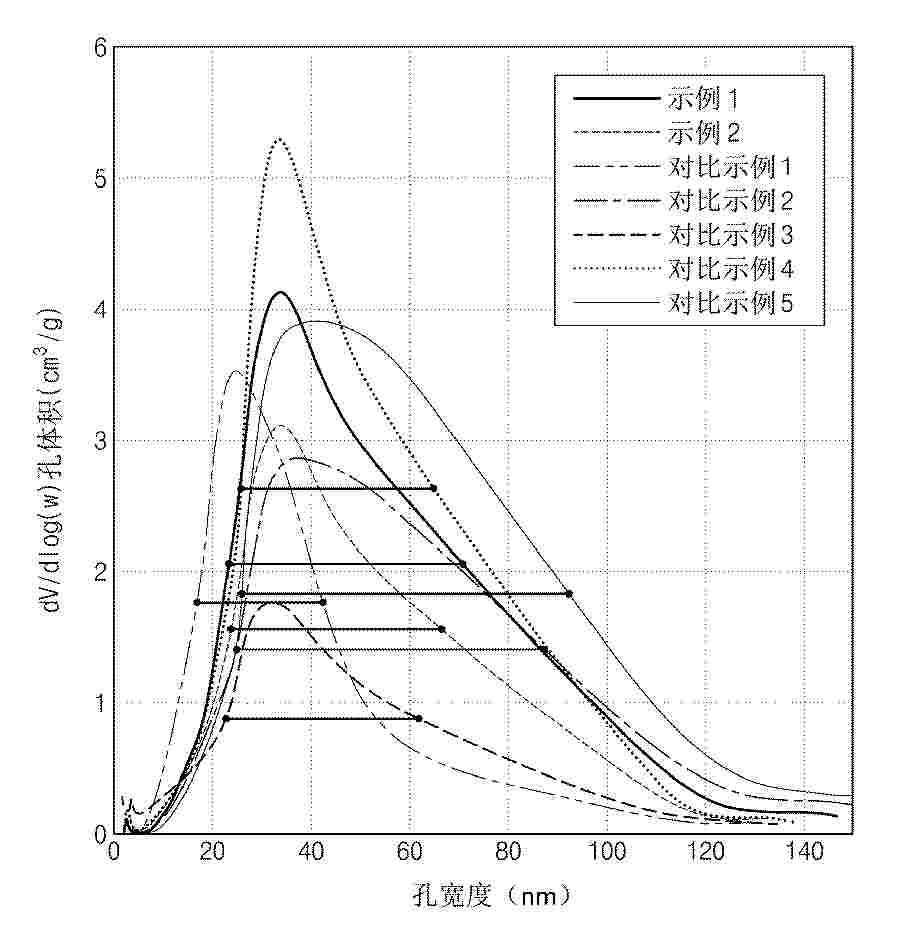
The present disclosure relates to a carbon nanotube, a conductive material dispersion including the carbon nanotube, and a method for manufacturing an electrode for a rechargeable lithium battery using the carbon nanotube. The carbon nanotube has a mesopore diameter distribution in the range of about 1.7 nm to about 300 nm as measured by a Barrett-Joyner-Halenda (BJH) method. A peak top mesopore diameter A in the distribution satisfies 30 nm ≤ A ≤ 40 nm, a full width at half maximum (FWHM) of the distribution is in the range of about 40 nm to about 55 nm; and a specific surface area of about 500 m2/g or less as measured by a Brunauer-Emmett-Teller (BET) method.
Resumen de: CN122704980A
本发明属于功能纳米材料领域,公开了一种具有使役稳定性的铯钨青铜纳米复合材料及其遮阳应用。该材料由铯钨青铜与碳材料通过溶剂热或者机械辅助的方式复合制备而成,通过碳材料在铯钨青铜颗粒表面的均匀负载,显著提升材料作为节能窗使用条件下的稳定性。铯钨青铜纳米复合材料与PVB复合制备的透明隔热薄膜,在550 nm可见光透过率为70%时,近红外区(780‑2500 nm)阻隔率可达95%以上,320 nm紫外光阻隔率在99.5%以上,具有优异的透明隔热性能。经“双85”条件测试(85℃,85%RH),铯钨青铜复合薄膜在加速老化30天后近红外屏蔽性能仅衰减1.4%,表现出优异的耐湿热稳定性。本发明制备条件温和,操作简便快捷,易于工业化生产,在透明隔热窗等领域具有极大的应用潜力。
Resumen de: CN122704896A
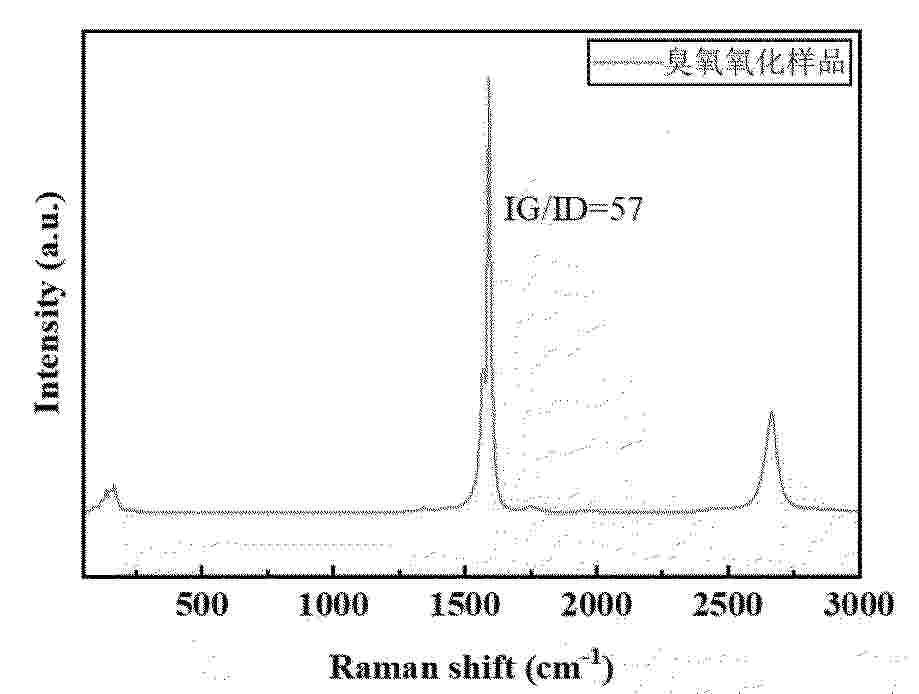
本发明涉及碳纳米管制备技术领域,公开了一种臭氧调控铁基催化剂价态可控制备手性可调单壁碳纳米管的方法,该方法包括步骤:将铁基催化剂前驱体溶解于碳源中,形成前驱体溶液;使用臭氧对前驱体溶液进行氧化处理,获得改性前驱体溶液;向改性前驱体溶液中加入结构调控剂,混合均匀得到复合催化前驱体;将复合催化前驱体引入化学气相沉积反应装置中,在保护性气氛和反应温度下进行催化裂解反应,生长得到金属型单壁碳纳米管。本发明通过臭氧的强氧化性调控铁离子价态,将低价铁离子氧化为高价铁离子,优先催化金属型单壁碳纳米管的成核与生长;结合结构调控剂的协同作用,实现活性位点均匀分布,碳源裂解速率匹配,提高金属型选择性及石墨化程度。
Resumen de: CN122704891A
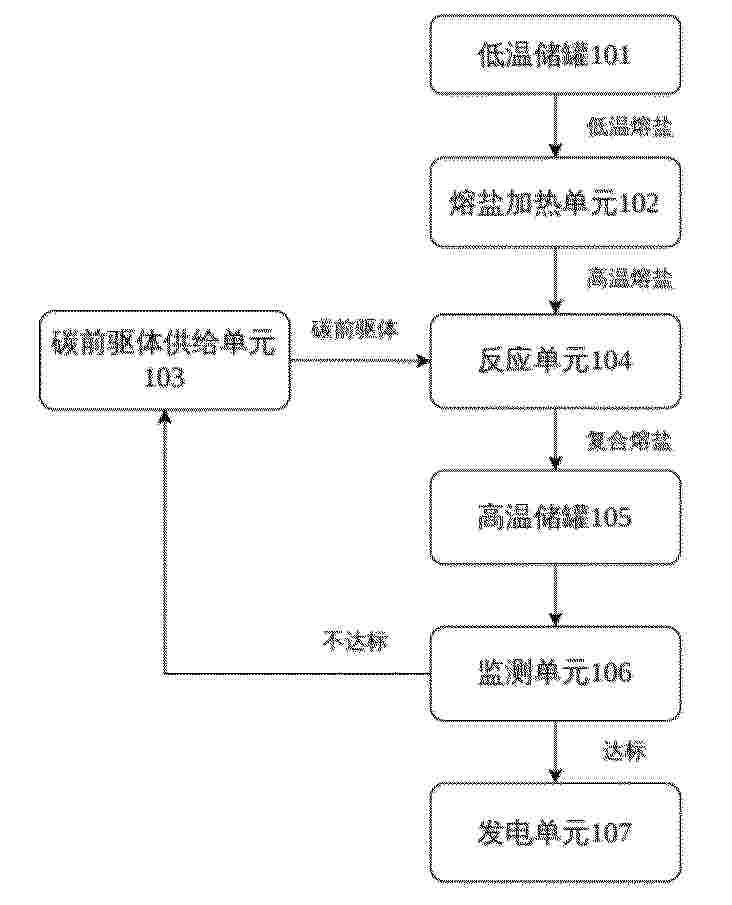
本申请公开了一种用于光热储能电站的碳纳米材料原位合成系统及方法,涉及光热储能与碳纳米材料制备的技术领域,该系统包括熔盐储热单元,用于储存熔盐;熔盐加热单元,用于利用太阳能将低温熔盐加热为高温熔盐;碳前驱体供给单元,用于向高温熔盐中引入碳前驱体;反应单元,用于使高温熔盐与碳前驱体发生反应,原位生成含有碳纳米材料的复合熔盐;监测单元,用于实时监测所述复合熔盐的性能参数;发电单元,用于利用达标后的复合熔盐的热量产生电能;本申请系统在真实光热电站熔盐环境中原位合成碳纳米材料,显著提高熔盐热导率和比热容,提升储热与发电效率,以连续化、自动化运行满足百兆瓦级电站大规模应用需求。
Resumen de: CN122704899A
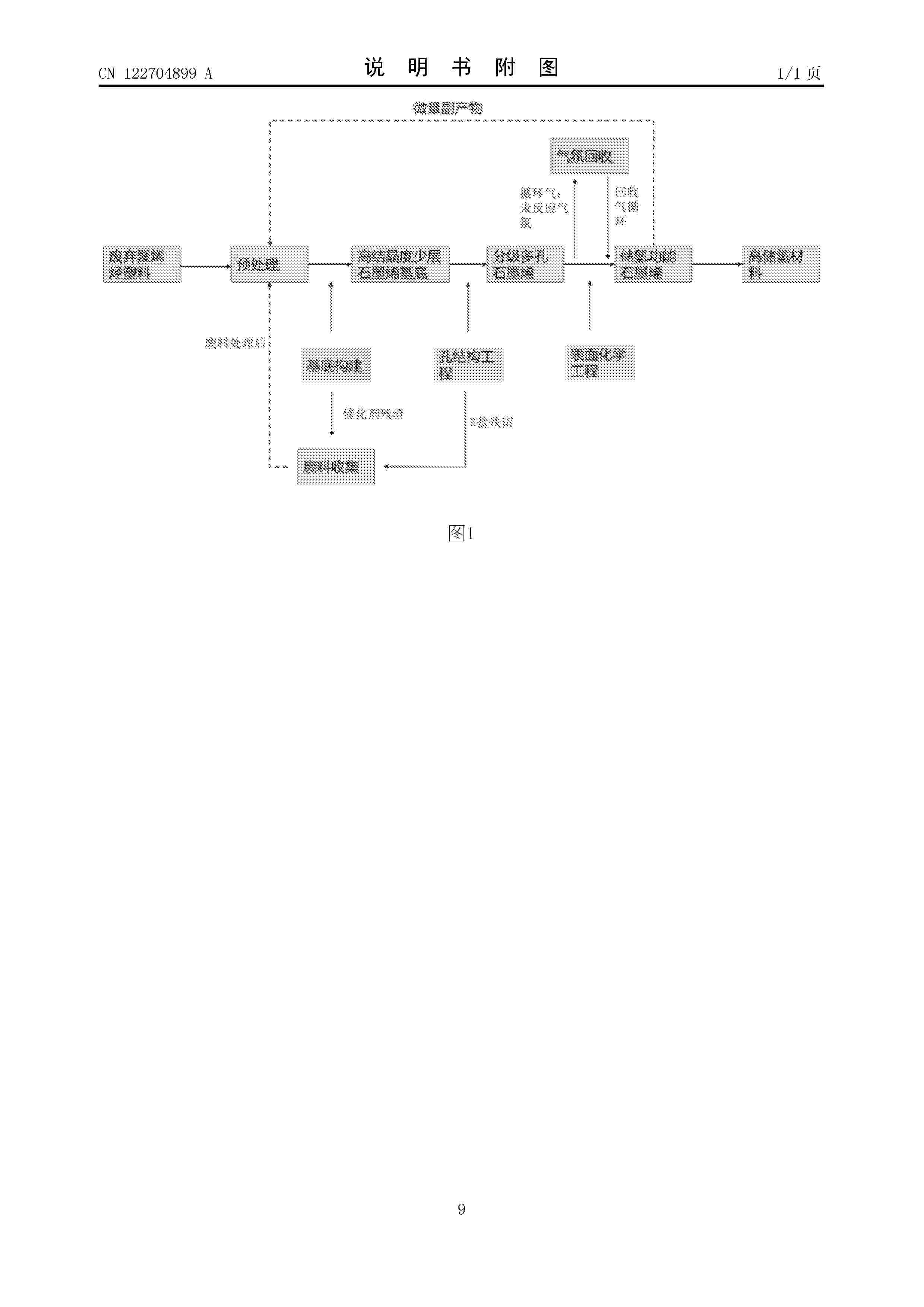
本发明公开了一种从废弃塑料制备高性能储氢功能化石墨烯的方法及其产品。所述方法的核心在于三步协同:(1)以镍为催化剂,通过“溶解‑析出”机制将废弃聚烯烃塑料催化转化为高结晶度、少层石墨烯基底;(2)对该石墨烯基底进行KOH活化造孔,构建以0.7‑1.1nm微孔为主的分级孔道;(3)在含N/B/P气氛中600‑800℃掺杂,引入>2at% 杂原子活性位点。三步工艺存在 “基底支撑孔结构、孔道承载掺杂位点、位点强化储氢吸附”的依存关系,缺一不可,使产物在77K、20bar下储氢容量>5wt%,远超常规多孔碳(2‑3wt%)。该方法制备的石墨烯材料兼具高比表面积、优异导电性和结构稳定性,在低温及温和条件下均展现出卓越的储氢性能,为实现废塑料高值化利用和高效储氢材料开发提供了全新的技术路径。
Resumen de: CN122704893A
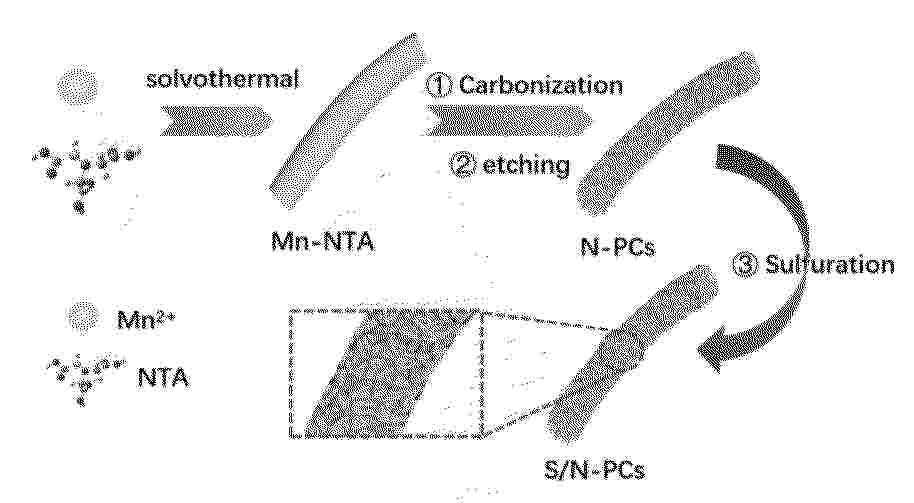
本发明提供了一种硫氮共掺杂多孔碳负极材料及其制备方法与应用。该材料采用分步掺杂协同模板造孔,先以含氮有机配体与锰盐经溶剂热反应制得Mn‑NTA纳米线前驱体,经惰性气氛碳化、酸刻蚀去除原位生成的氧化锰模板,获得具有连通多级孔结构的氮掺杂多孔碳;再与硫源混合进行二次煅烧,实现硫原子高效掺杂,并定向诱导石墨氮向高活性吡啶氮与吡咯氮转化。所得材料扩大了碳层间距,提升了比表面积与赝电容活性位点密度,用于钾离子电池负极时,表现出高可逆容量、优异倍率性能与超长循环稳定性,且制备工艺简单可控、易于规模化生产。
Resumen de: CN122706344A
本发明属于化学和纳米材料科学领域,具体涉及一种多酚‑氨基酸荧光碳量子点及其制备方法和应用。该多酚‑氨基酸荧光碳量子点的制备方法包括:将多酚、氨基酸和碱性溶液混合后,加热进行反应获得多酚‑氨基酸荧光碳量子点。该多酚‑氨基酸荧光碳量子点具有优异的抗炎活性,可以显著减少LPS(脂多糖)以及刀豆蛋白A(ConA)刺激的Raw264.7细胞的NO浓度。此外,该多酚‑氨基酸荧光碳量子点还具有优异的跨血脑屏障功效。
Resumen de: CN122682444A
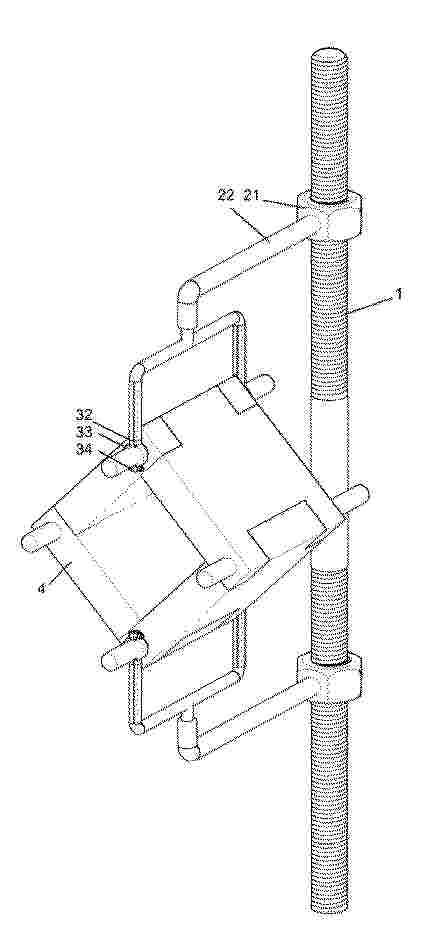
本发明提供一种剪纸结构石墨烯基材料制备设备及方法,涉及石墨烯基材料微纳米结构加工领域,设备包括双向连接螺杆、配套螺母组件、可更换夹具以及3D打印可拉伸套筒;方法基于上述设备,依次经过氧等离子体处理、PMMA支撑层旋涂固化、PDMS基底制备、光敏粘结、铜箔刻蚀、清洗干燥、套筒套装与力学剪切、PMMA溶解、捞取转移及AFM表征步骤,通过可控力学剪切在石墨烯基材料上引入纳米级可控裂纹,形成剪纸结构。本发明摒弃光刻、离子束刻蚀等高成本微纳加工工艺,设备结构简单、夹持稳定、受力均匀、操作便捷,可实现剪纸结构石墨烯基材料的大面积、低成本、规模化制备,裂纹形貌、密度与尺寸精准可控,产品一致性高。
Resumen de: CN122696687A
本发明公开了一种碳纳米管材料、电极及电池,属于电池材料技术领域。该碳纳米管材料包括单壁碳纳米管材料以及分布于单壁碳纳米管材料中的纳米颗粒物;纳米颗粒物的平均粒径小于10nm,纳米颗粒物的粒径分布宽度小于1.0;纳米颗粒物包括催化剂元素和惰性组分,惰性组分包括第一元素,第一元素不同于催化剂元素。上述惰性组分可抑制催化剂颗粒奥斯特瓦尔德熟化,抑制大颗粒催化剂生成,提高催化剂活性,进而使生成的碳纳米管材料结构缺陷少,纯度高。该碳纳米管材料可进一步用于制备电极以及电池。
Resumen de: CN122685052A
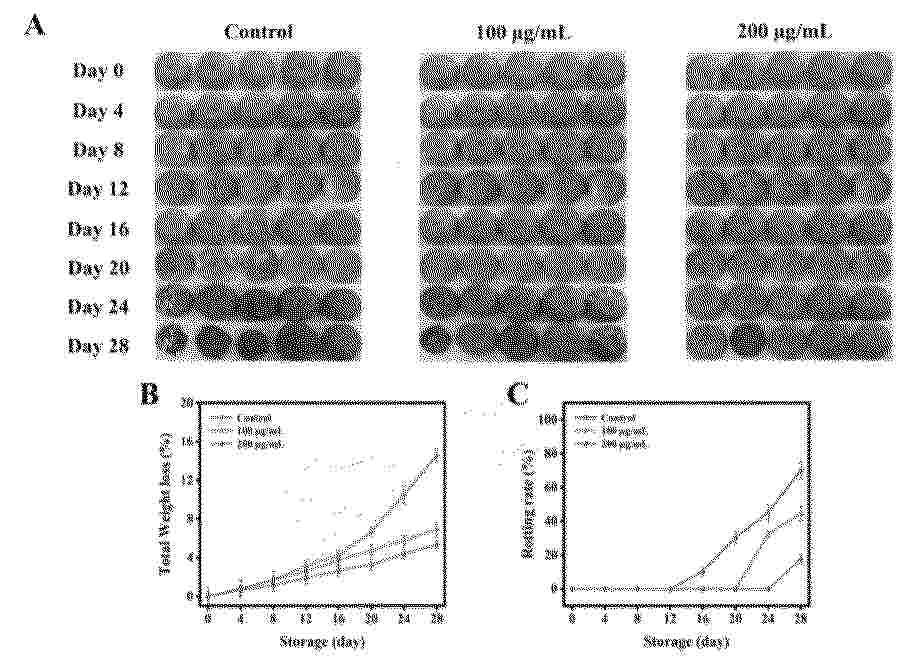
本发明提供了一种锌掺杂的EGCG碳点,所述碳点是以表没食子儿茶素没食子酸酯为碳源、锌离子为掺杂元素,通过水热碳化法制备得到的纳米颗粒。本发明还提供了一种锌掺杂的EGCG碳点,包括如下步骤:将EGCG和锌盐按质量比(0.2~1):(0.05~0.5)加入超纯水中,超声分散均匀;将混合溶液转移至反应釜中,于160~220℃下水热反应2~6小时;反应结束后,将产物进行纯化处理,得到所述锌掺杂的EGCG碳点。基于所述锌掺杂的EGCG碳点,本发明还提供一种锌掺杂的EGCG碳点在制备抗菌剂或食品保鲜剂中的应用。本发明的锌掺杂的EGCG碳点,表现出显著增强的广谱抗菌和抗真菌活性,以及优异的生物相容性和果蔬保鲜效果。
Resumen de: CN122681777A
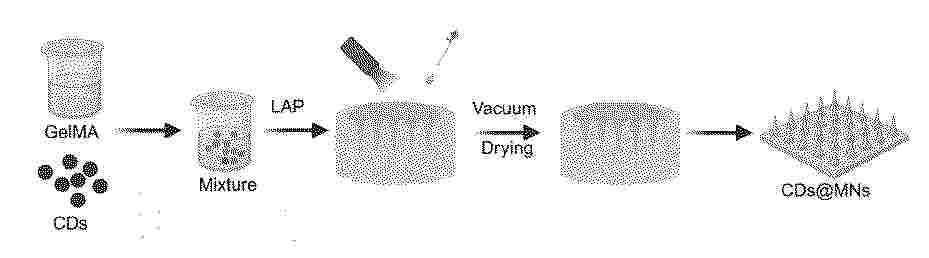
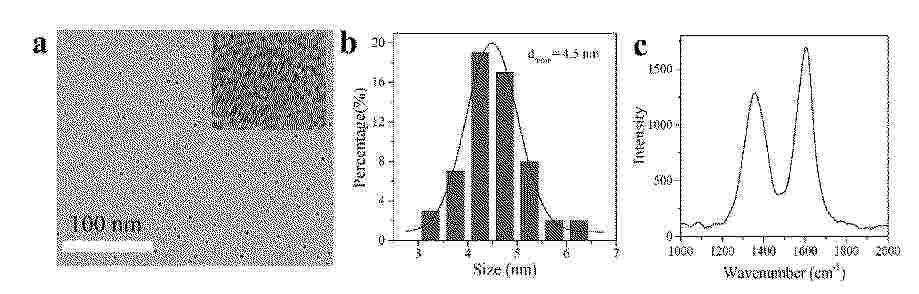
本发明涉及一种用于治疗糖尿病感染创面的负载碳点水凝胶微针及其制备方法,首先制备功能化碳点QP‑CD‑2,随后基于所述QP‑CD‑2配置微针前驱液并进行光交联得到QP‑CD‑2@MNs。本发明制备的负载碳点水凝胶微针不仅具有高效的抗菌、抗氧化和抗炎活性,还具有重塑局部免疫微环境并促进创面快速且高质量再生的能力,具有良好的应用前景。
Resumen de: CN122685053A
本发明属于维生素检测技术领域,更具体的说是涉及一种用于维生素B12检测的纳米材料的制备方法。本发明以3,4‑二氨基苯甲酸为唯一前驱体原料,经水热反应后,纯化,得到橙色荧光碳点粉末(用于维生素B12检测的纳米材料)。本发明以3,4‑二氨基苯甲酸为唯一前驱体,提高了氮元素在前驱体中的含量,通过水热法制备出了橙色荧光碳点(O‑CDs),实现了碳点荧光发射波长的红移,该O‑CDs基于高效的内滤作用,实现O‑CDs对维生素B12的定量检测,进一步丰富了碳点的荧光分析检测体系。
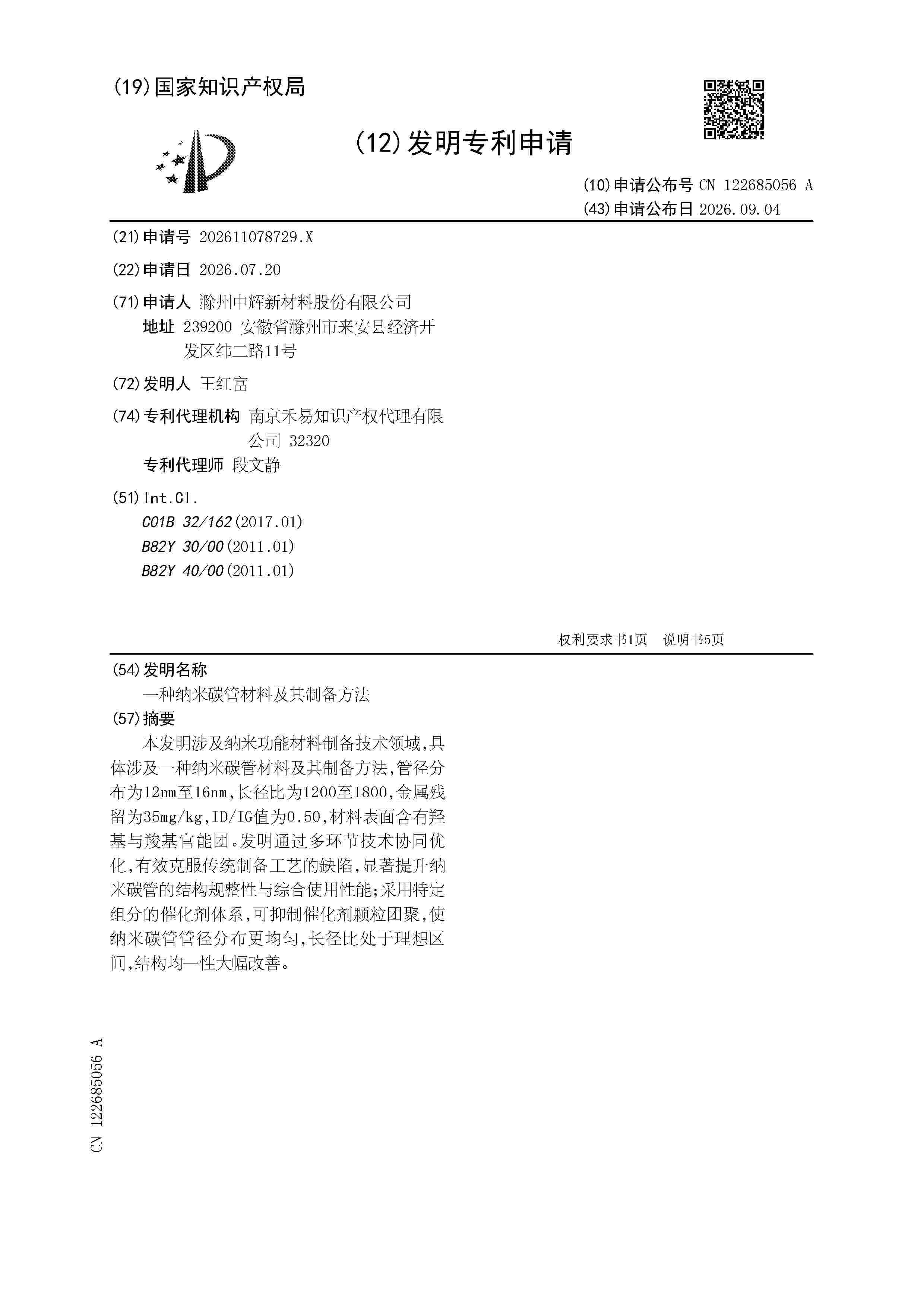
Nº publicación: CN122685056A 04/09/2026
Solicitante:
滁州中辉新材料股份有限公司
Resumen de: CN122685056A
本发明涉及纳米功能材料制备技术领域,具体涉及一种纳米碳管材料及其制备方法,管径分布为12nm至16nm,长径比为1200至1800,金属残留为35mg/kg,ID/IG值为0.50,材料表面含有羟基与羧基官能团。发明通过多环节技术协同优化,有效克服传统制备工艺的缺陷,显著提升纳米碳管的结构规整性与综合使用性能;采用特定组分的催化剂体系,可抑制催化剂颗粒团聚,使纳米碳管管径分布更均匀,长径比处于理想区间,结构均一性大幅改善。
 BOPI
BOPI
 Sede Electrónica