Si deseas distinguir tus productos, servicios o ambos de los de otra empresa, es posible que necesites una marca o nombre comercial. Descubre qué son, en qué consiste su procedimiento de registro y qué implica.

Información sobre los plazos de presentación de solicitudes de transformación de marcas de la Unión Europea en marca nacional española. Más información


Si tienes un nuevo dispositivo, producto o procedimiento que resuelva un problema técnico o tenga una ventaja práctica, existen distintas formas de protegerlo en España y en otros países. Descubre cómo hacerlo.

¿Tu innovación reside en la estética, la ornamentación o la apariencia de tu producto? Protégela mediante un diseño industrial. Descubre qué derechos confiere el registro y cómo realizar la tramitación.

Las indicaciones geográficas protegen el nombre de un producto originario de una zona geográfica, a la cual le debe una determinada calidad, reputación u otra característica. Descubre qué son, en qué consiste su procedimiento de registro y qué beneficios conceden.

Las patentes publicadas en todo el mundo son una valiosa fuente de información científica, técnica y comercial.

Si eres emprendedor/a o una empresa y quieres potenciar y mejorar la rentabilidad de tu negocio protegiendo de forma adecuada los activos intangibles de tu organización, en este espacio encontrarás lo necesario.


 336
resultados
336
resultados
 Última actualización
15/09/2026 [08:51:00]
Última actualización
15/09/2026 [08:51:00]


 Resultados 150 a 175 de 336

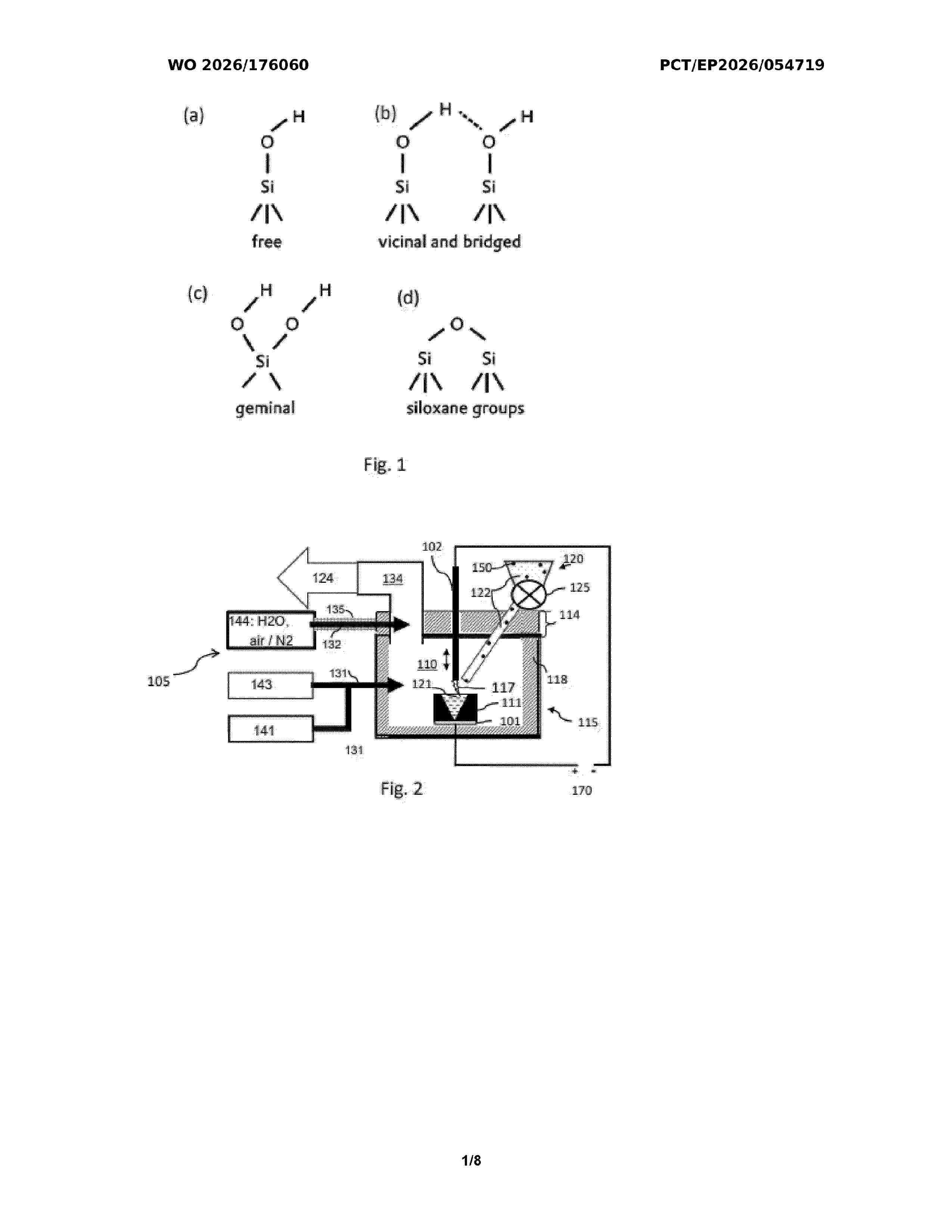
Resumen de: WO2026176060A1
A method and system is disclosed for producing electric arc silica comprising the following method steps: providing (301) a plasma reactor configured to generate at least one electric arc by establishing an electric field between the at least two electrodes; receiving (302) a feedstock comprising silica, preferably quartz, in the plasma reactor; introducing gas (303) between the at least two electrodes through a first gas inlet; feeding (305) between the electrodes through a powder feeder a silica containing powder, preferably quartz, comprising a chloride as additive; and quenching (306) oxidic silica compounds to produce electric arc silica. Further the present invention refers to electric arc silica (124) produced according to the above mentioned method steps as well as a system comprising a plasma reactor configured to perform above mentioned method.

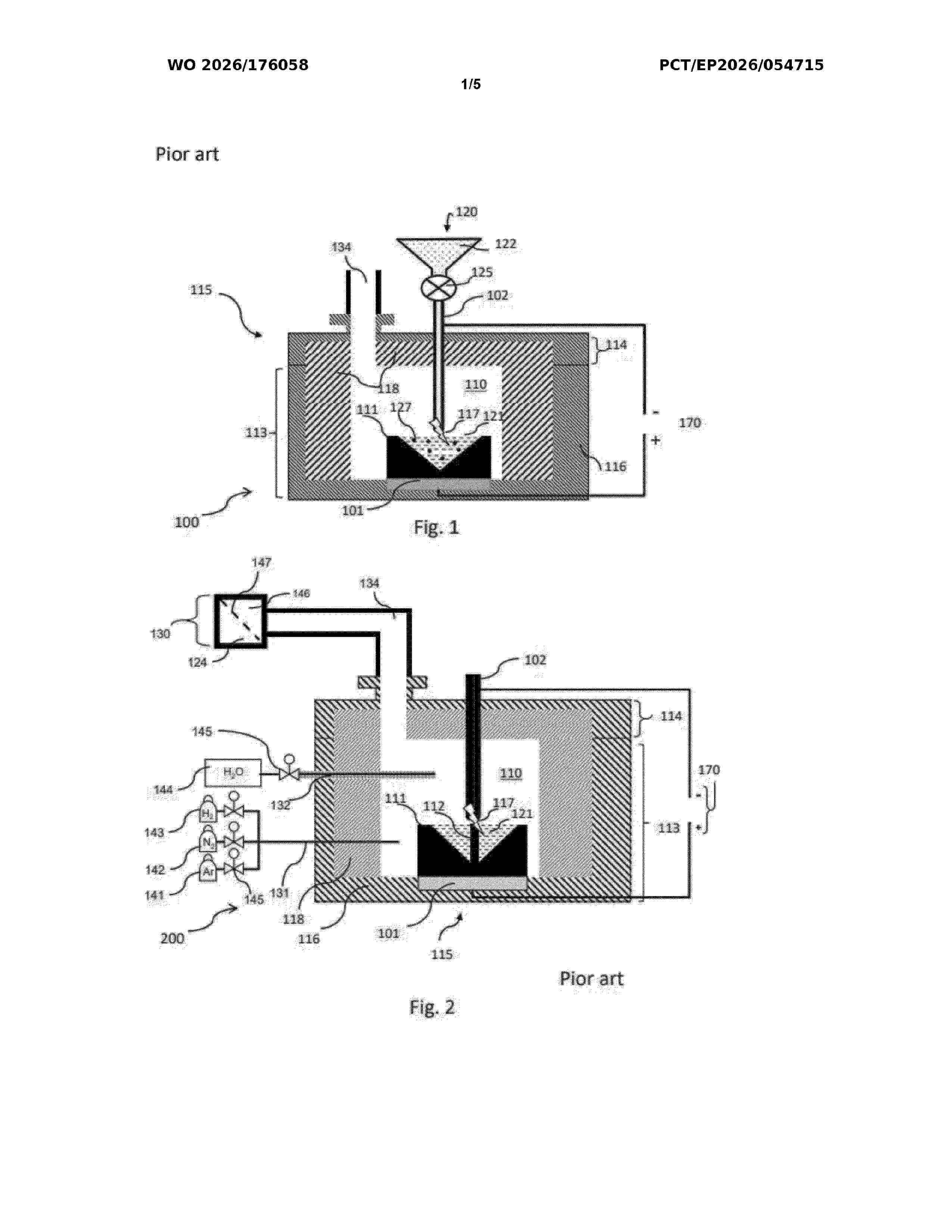
Resumen de: WO2026176058A1
The present invention refers to a method of operating a plasma reactor to produce fumed silica comprising the following method steps: providing a plasma reactor (400, 500, 600, 700, 800) comprising a first heat source with at least two electrodes (101, 102) configured to generate at least one electric arc (117) or a plasma jet (175) by establishing an electric field between the at least two electrodes (101, 102); receiving a feedstock (121) comprising silica, preferably quartz, by a crucible of the plasma reactor (100, 105); preheating the feedstock to generate an electrically conductive melt of the feedstock by providing a second heat source arranged in at least a portion of the crucible and/or arranged outside of the crucible. Further the present invention relates to a plasma reactor for generating an electric arc or a plasma jet for the production of fumed silica the plasma reactor comprising a first heat source, a crucible configured and a second heat source arranged in at least a portion of the crucible and/or arranged outside of the crucible in order to preheat the feedstock in the crucible.
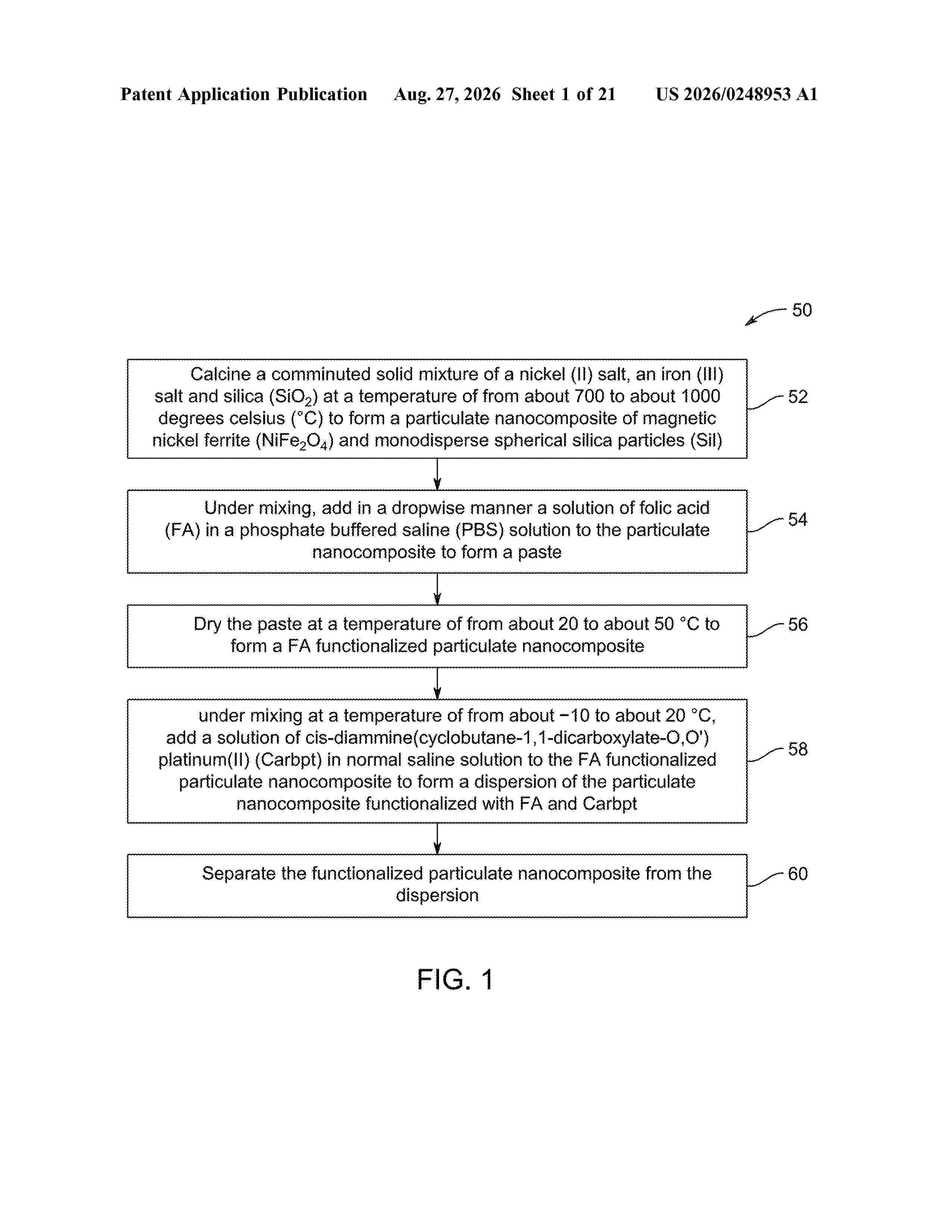
Resumen de: US20260248953A1
0000 A method of treating cancer cells to achieve apoptosis including contacting the cancer cells with a porous particulate nanocomposite in an amount sufficient to kill the cancer cells. The porous particulate nanocomposite contains a magnetic nickel ferrite (NiFe<2>O<4>) having an inverse spinel crystal structure; and, monodisperse spherical silica (Sil) particles onto which the magnetic NiFe<2>O<4 >is dispersed. The nanocomposite is functionalized with cis-diammine (cyclobutane-1,1-dicarboxylate-O,O′)platinum(II) (carboplatin or Carbpt) and folic acid (FA). The cancer cells are cells of colon cancer, colorectal cancer and/or cervical cancer.
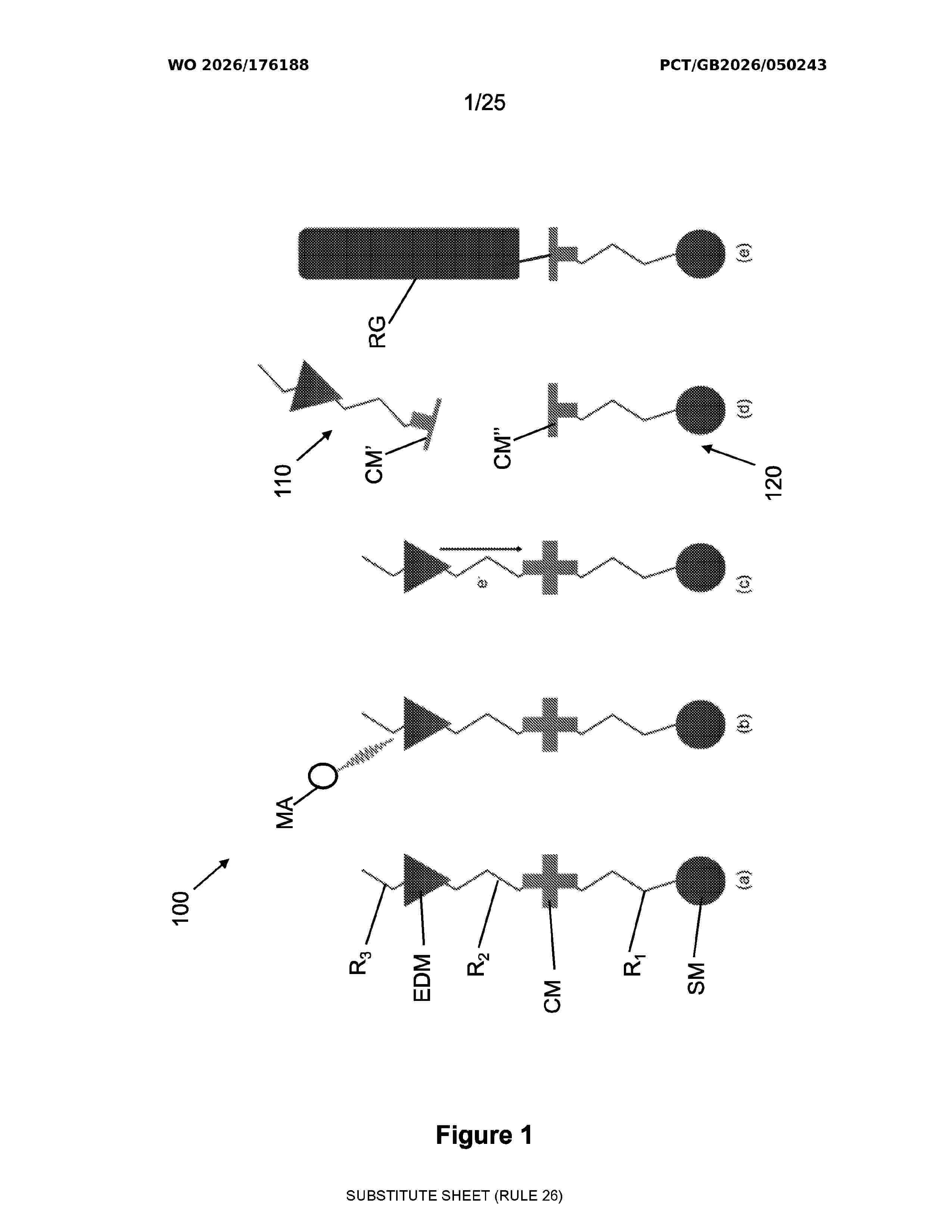
Resumen de: WO2026176188A1
A method of performing atom lithography, the method comprises: forming a self-assembled monolayer comprising a plurality of SAM molecules by exposing a substrate surface to a plurality of SAM precursors, wherein the plurality of SAM precursors comprise a backbone having: a surface attachment moiety (SM) at or proximate to an end of the backbone and configured to attach the SAM precursor to a substrate when forming a self-assembled monolayer; a cleavage moiety (CM); and an electron directing moiety (EDM) comprising a dipole; and directing a source of metastable atoms (100) at the self-assembled monolayer (Figure 1b), transferring energy from the metastable atoms to the self-assembled monolayer (Figure 1c) to break a bond within the cleavage moiety of at least one of said one or more SAM molecules such that part of the one or more SAM molecules is removed to provide a modified self-assembled monolayer (Figure 1d), wherein the modified self-assembled monolayer comprises one or more broken SAM molecules attached to the substrate surface, and wherein preferably one of the following conditions may be satisfied, either wherein the cleavage moiety (CM) comprises the electron directing moiety (EDM) or wherein the electron directing moiety (EDM) and the cleavage moiety (CM) are distinct.
Resumen de: US20260251968A1
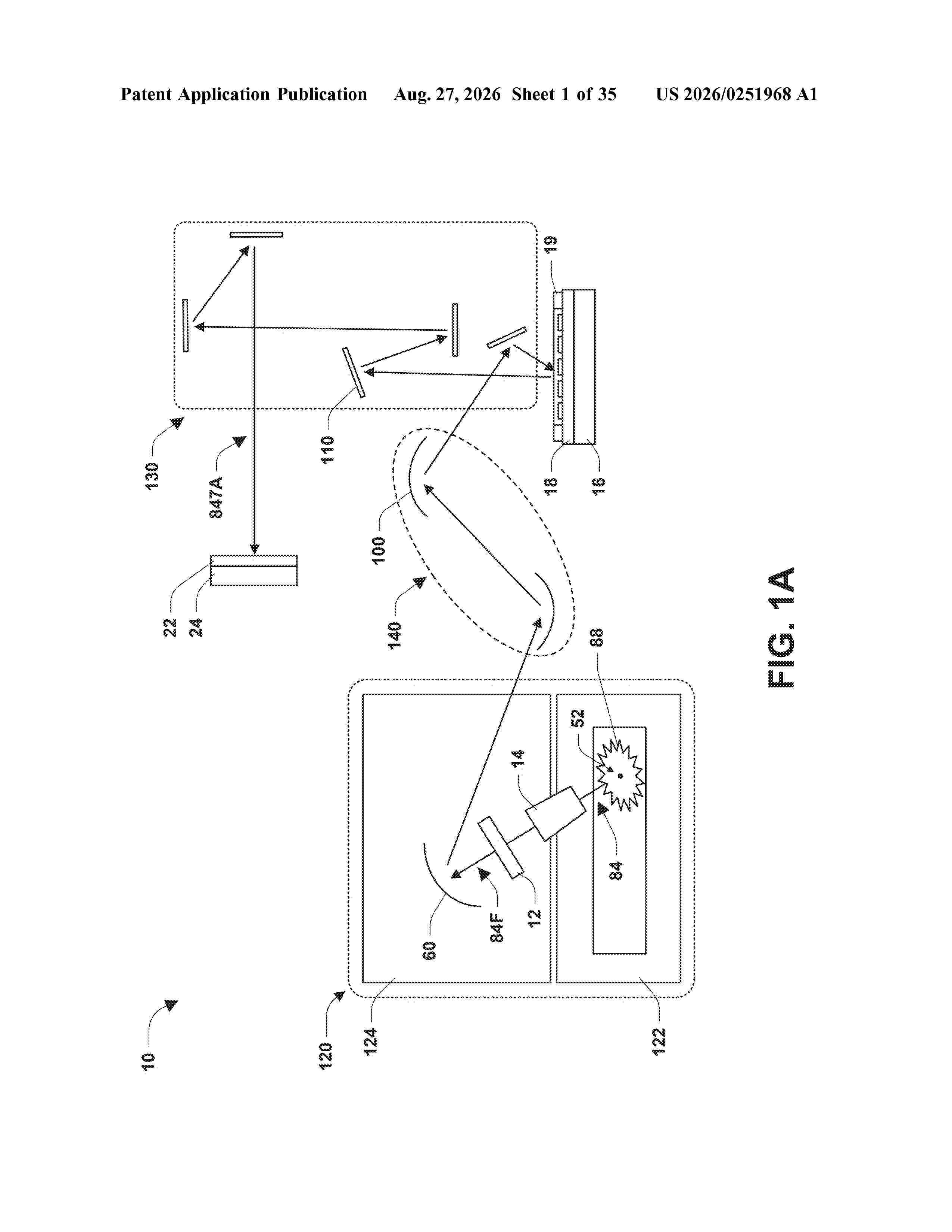
0000 A method is provided. The method includes: generating light by a plasma of a light source of a semiconductor processing tool; generating patterned light by a mask assembly, the patterned light including the light reflected by a pattern of the mask assembly; during generating the patterned light, protecting the mask assembly by a pellicle assembly including a pellicle membrane, the pellicle membrane including a nanotube-based scaffold structure having nanotubes bound together by a capping layer; and performing a semiconductor process on a semiconductor wafer by the patterned light.
Resumen de: EP4793037A1
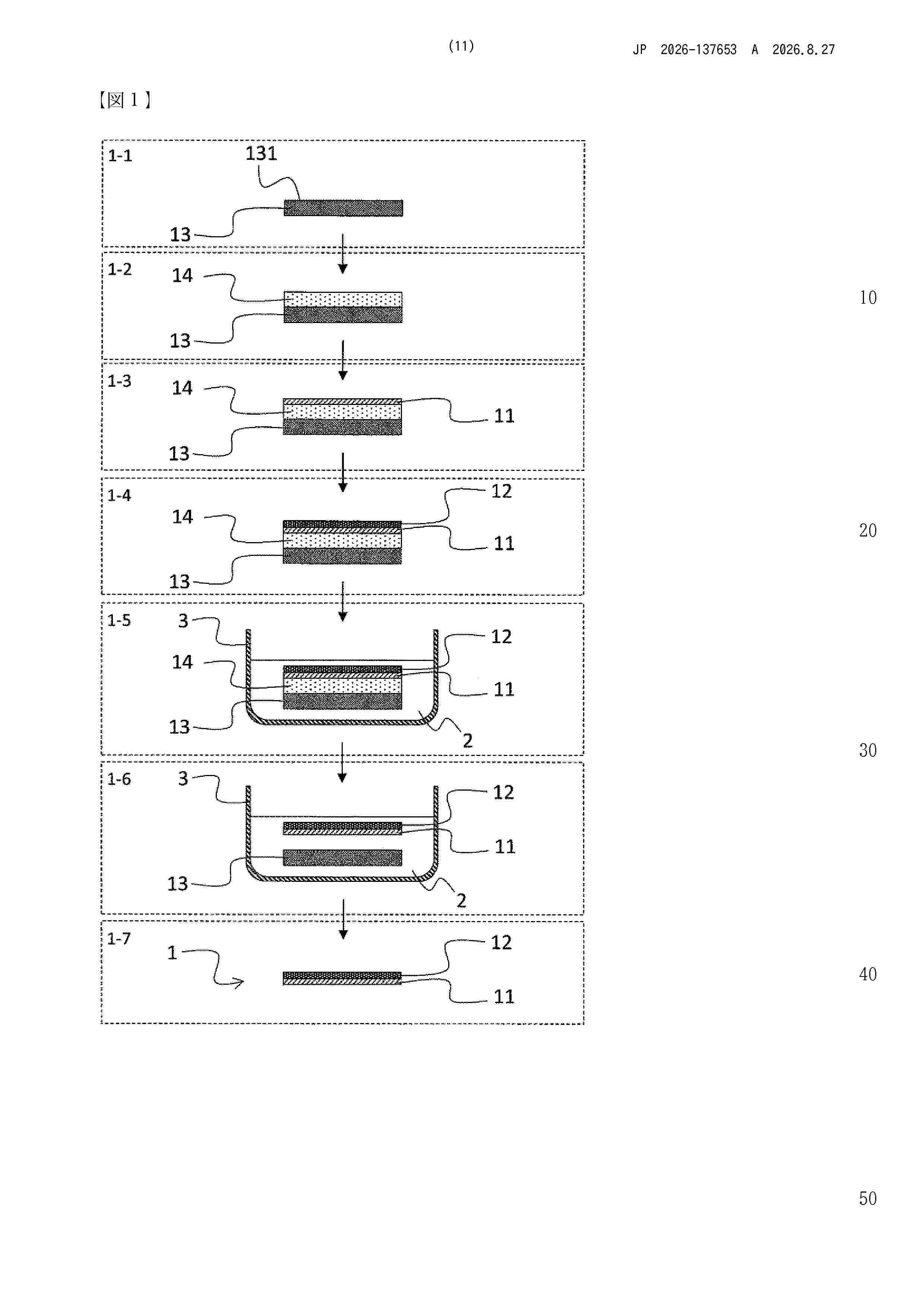
The disclosure relates to a method for producing a structure (1) comprising a metal-containing layer (11) bonded to a first carbon allotrope layer (12). The method comprises providing a substrate (13), coating the substrate (13) with polymer to obtain a polymer layer (14), depositing metal-containing material on the polymer layer (14) to obtain a metal-containing layer (11), bonding a first carbon allotrope layer (12) to the metal-containing layer (11), and dissolving the polymer layer (14) using a solvent (2) for releasing the substrate (13) from the metal-containing layer (11).
Resumen de: US20260251641A1
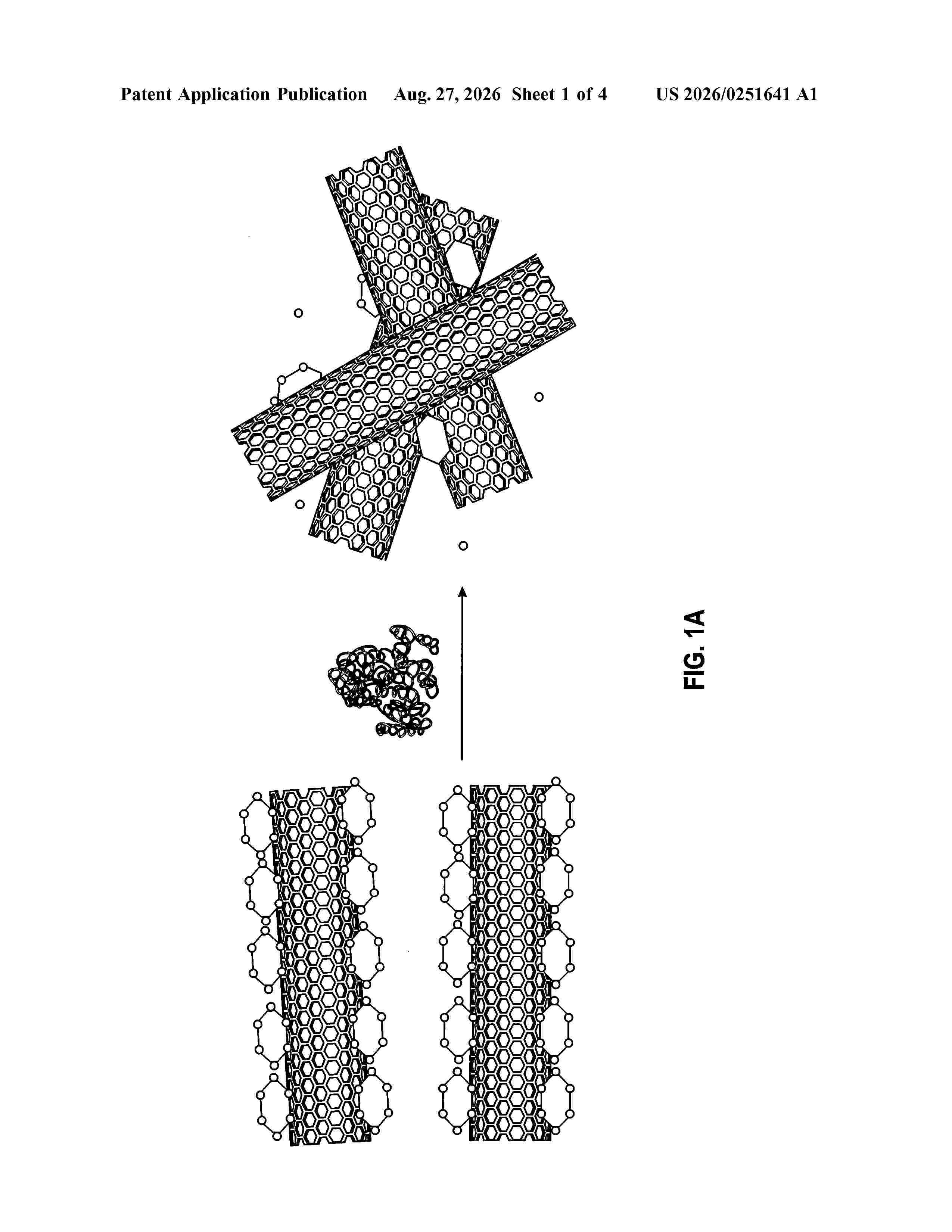
Various embodiments disclosed relate to a sensor assembly probe for determining enzymatic activity. The sensor assembly probe includes an aqueous medium including one or more fluorescent hydrophobic semi-conductive nanoparticles dispersed therein. The assembly further includes an ionic polymer coating at least a portion of a surface of the one or more fluorescent hydrophobic semi-conductive nanoparticles. The assembly further includes a substrate for an enzyme, the substrate disposed between at least two of the one or more fluorescent hydrophobic semi-conductive nanoparticles, the substrate including at least ionic group.
Resumen de: WO2026174646A1
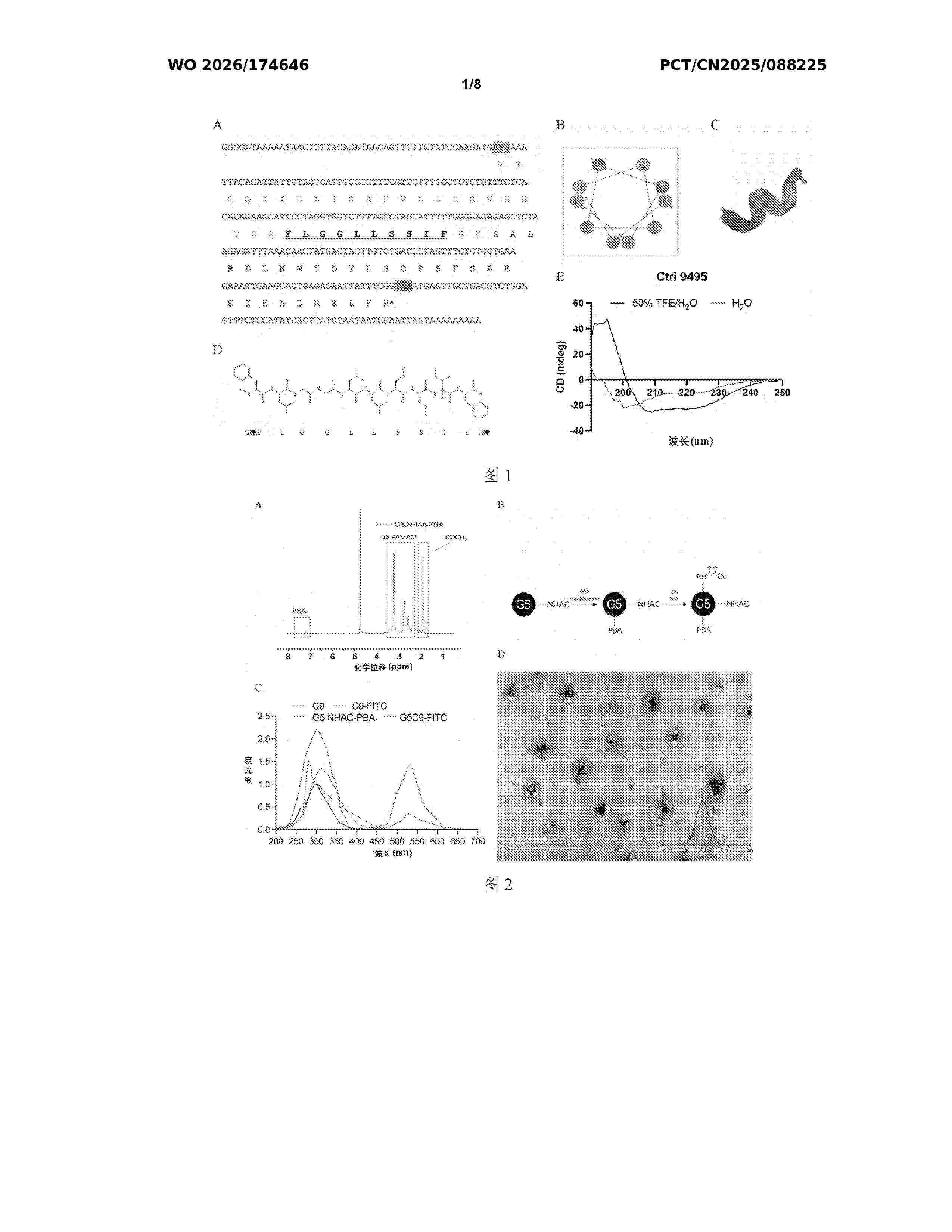
Provided are a new venom polypeptide-dendrimer complex, and a preparation method therefor and the use thereof. Specifically, provided is a scorpion venom polypeptide, wherein the amino acid sequence of the scorpion venom polypeptide is FLGGLLSSIF. A new scorpion venom polypeptide (designated as C9) is isolated and identified. Moreover, a new polypeptide-polyamidoamine dendrimer complex G5C9 (i.e., nanoparticles) having a glioblastoma (GBM)-targeting effect is constructed. Compared with polypeptide C9, G5C9 exhibits significantly improved cellular uptake efficiency. G5C9 can enter cells via endocytosis and targets lysosomes, and inhibits lysosomal function and mTORC1, thereby promoting nuclear translocation of TFEB and further inducing autophagic cell death. Therefore, G5C9 provides a new targeted anti-GBM approach both in vitro and in vivo.
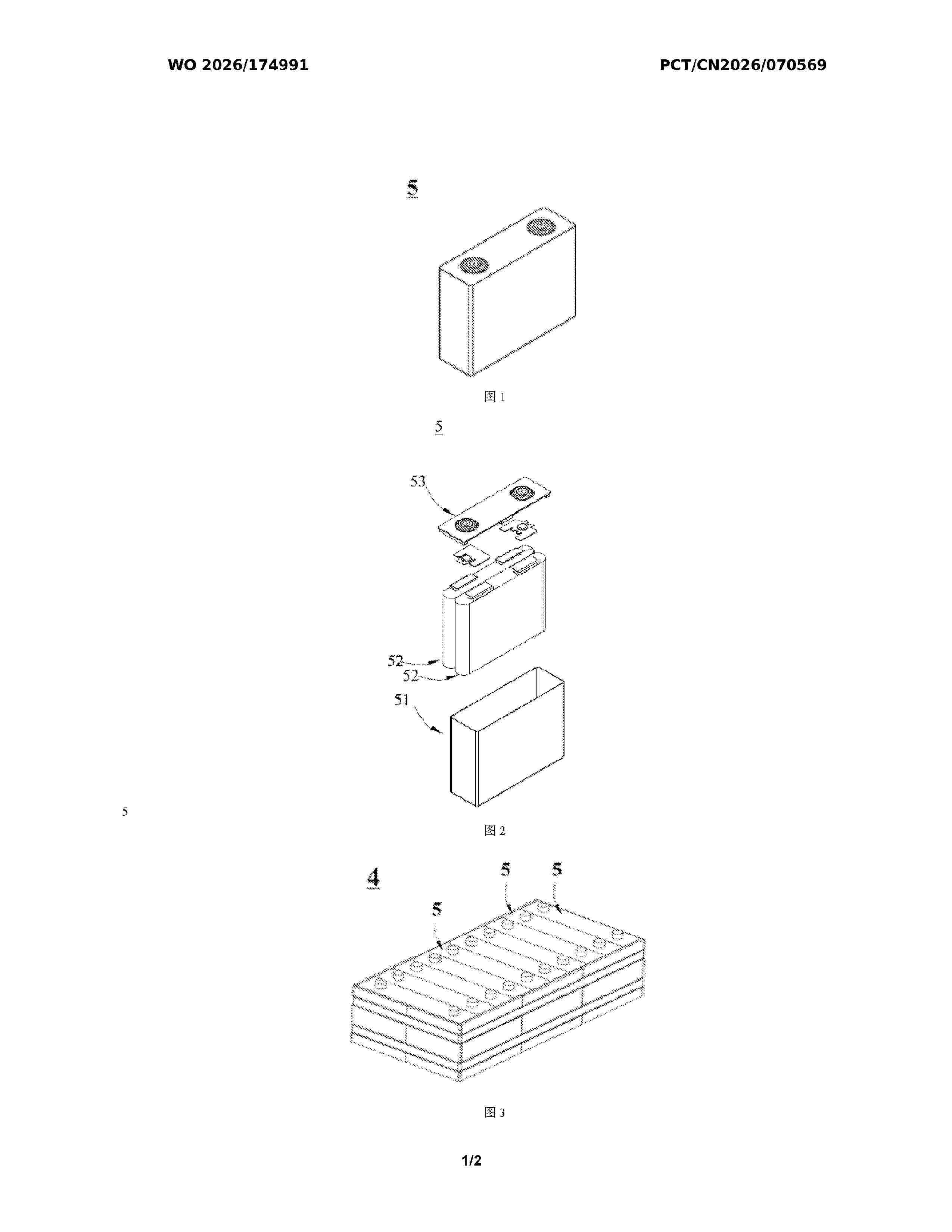
Resumen de: WO2026174991A1
A lithium secondary battery, a positive electrode active material and a preparation method therefor, and an electric device. The positive electrode active material comprises an active substance LimAxFe1-yGyP1-zDzO4-nEn, wherein A includes one or more elements of Zn, Al, Na, K, and Mg; G includes one or more elements of Cu, Mn, Cr, Zn, Pb, Ca, Co, Ni, Sr, Nb, V, and Ti; D includes one or more elements of B, S, Si, and N; E includes one or more elements of S, F, Cl, and Br; m=0.5-1.15; x=0-0.1; y=0-0.5; z=0-0.5; and n=0-0.5. The surfaces of active material particles are each coated with a carbonaceous material layer. The ratio of the thickness of the carbonaceous material layer to the diameter of primary particles of the positive electrode active material ranges from 1/500 to 1/100.
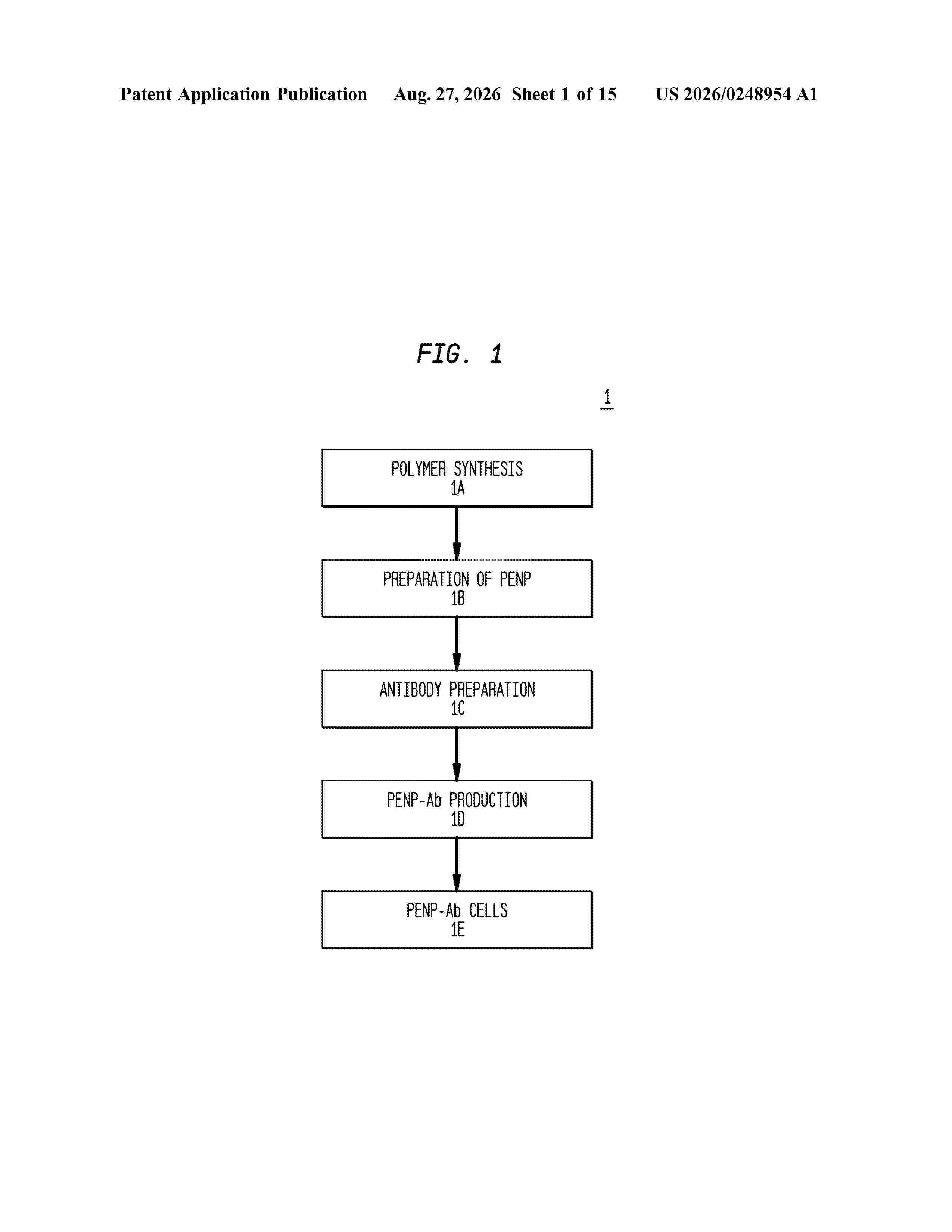
Resumen de: US20260248954A1
Generally, a polymer nanomaterial encapsulation system useful in the production of polymer encapsulated nanoparticles comprised of a hydrophobic nanoparticle encapsulated in the hydrophobic region of the polymer with the external hydrophilic region of the polymer ensuring water-solubility and affording a functional group which can be utilized for the production of nanoparticle conjugates. Specifically, particular embodiments include a polymer nanoparticle structure including one or more of: a quantum dot and/or a superparamagnetic iron oxide nanoparticle and/or an upconverting nanoparticle, encapsulated in polystyrene-b-polyethylene glycol amine for the production of antibody conjugates useful in the capture of cellular targets.
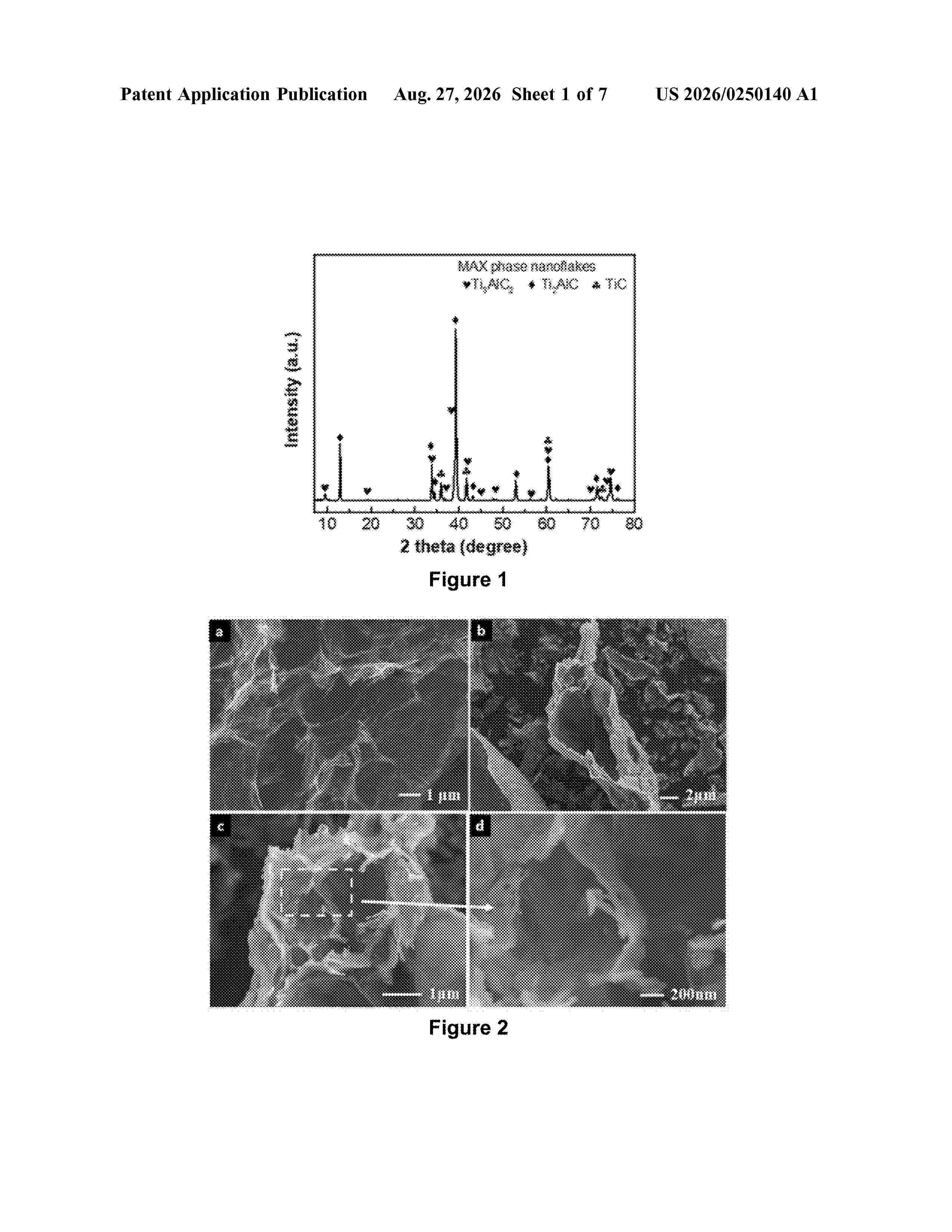
Resumen de: US20260250140A1
0000 A structured MAX-phase particle having the elementary formula M
Resumen de: US20260255694A1
There is provided an antistatic coating agent that is excellent in antistatic performance, hydrophilicity, and durability such as wear resistance and that makes it possible to form a coat layer having high visible light transmittance on a surface of a substrate made of glass easily at normal temperature, and an antistatic glass substrate using this antistatic coating agent. The antistatic coating agent is a normal-temperature-hardenable antistatic coating agent containing tin oxide (SnO2), silica (SiO2), tungsten oxide (WO3), a single-walled carbon nanotube, and a liquid medium. The antistatic glass substate includes a substrate made of glass and a coat layer being a hardened layer provided on a surface of the substrate, the hardened layer formed from the antistatic coating agent.
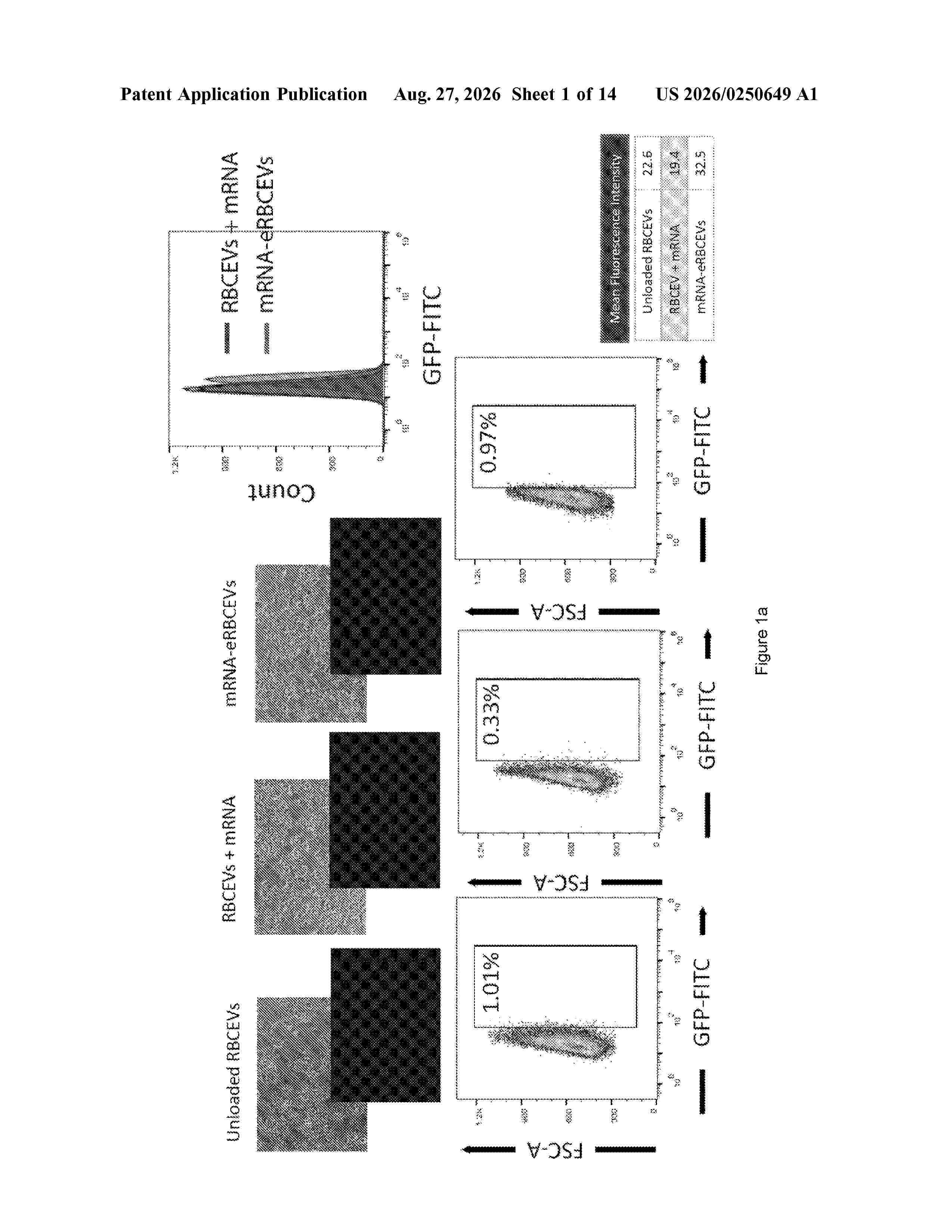
Resumen de: US20260250649A1
An extracellular vesicle loaded with a nucleic acid cargo and method for preparing the loaded vesicle is disclosed.
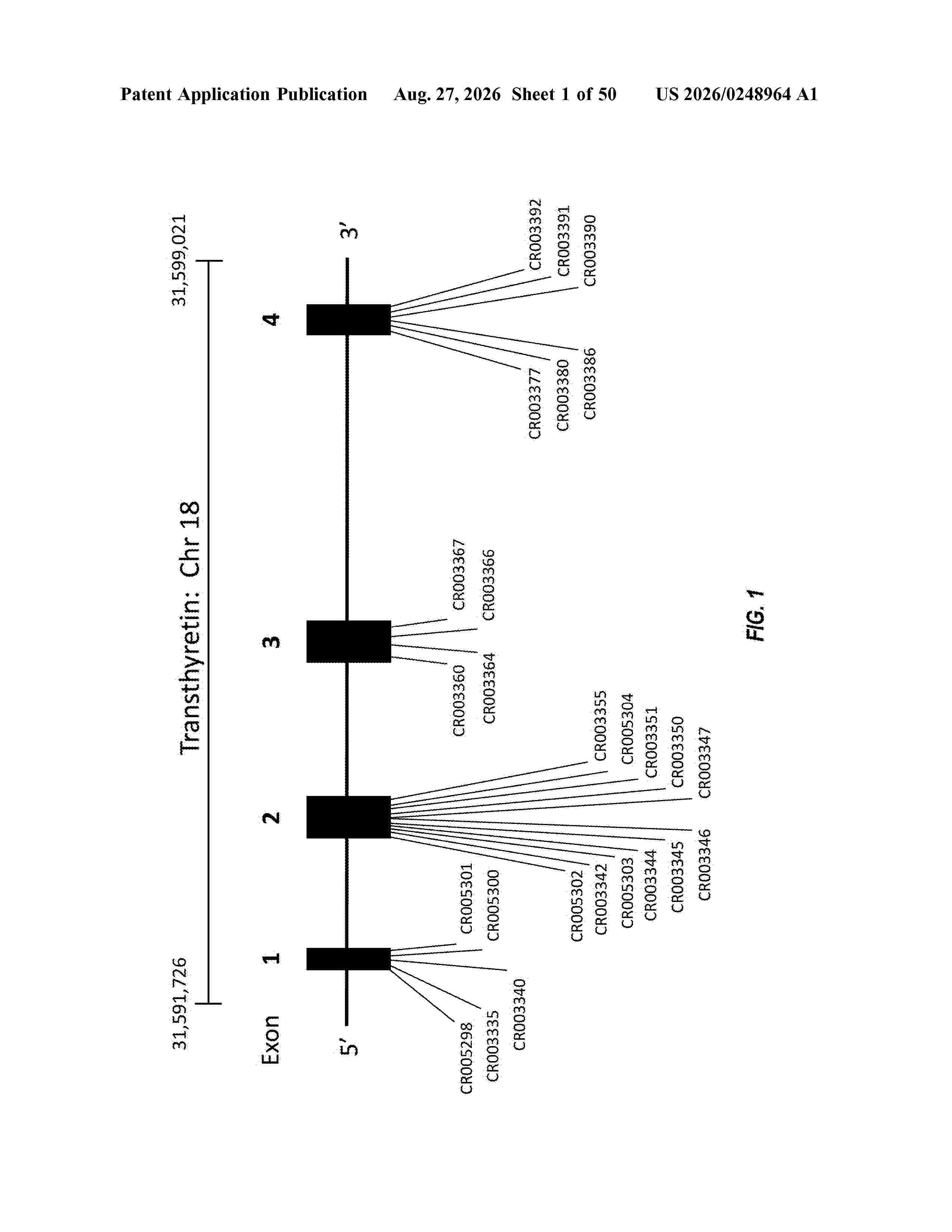
Resumen de: US20260248964A1
0000 Compositions and methods for editing, e.g., introducing double-stranded breaks, within the TTR gene in combination with administration of a corticosteroid are provided. Compositions and methods for treating subjects having amyloidosis associated with transthyretin (ATTR), in which a guide RNA and a corticosteroid are administered, are provided.
Resumen de: KR20260129532A
본 발명은 탄소 나노튜브, 분산제 및 용매를 포함하는 탄소 나노튜브 분산액의 제조방법을 제공한다. 본 발명의 일 구체예에 따른 탄소 나노튜브 분산액의 제조방법은 분산 공정을 추가로 포함하여 입도의 편차 없이 요변성 지수를 낮추어 탄소 나노튜브 분산액의 이송 조건 편차에 따른 이송량 차이를 개선할 수 있다.
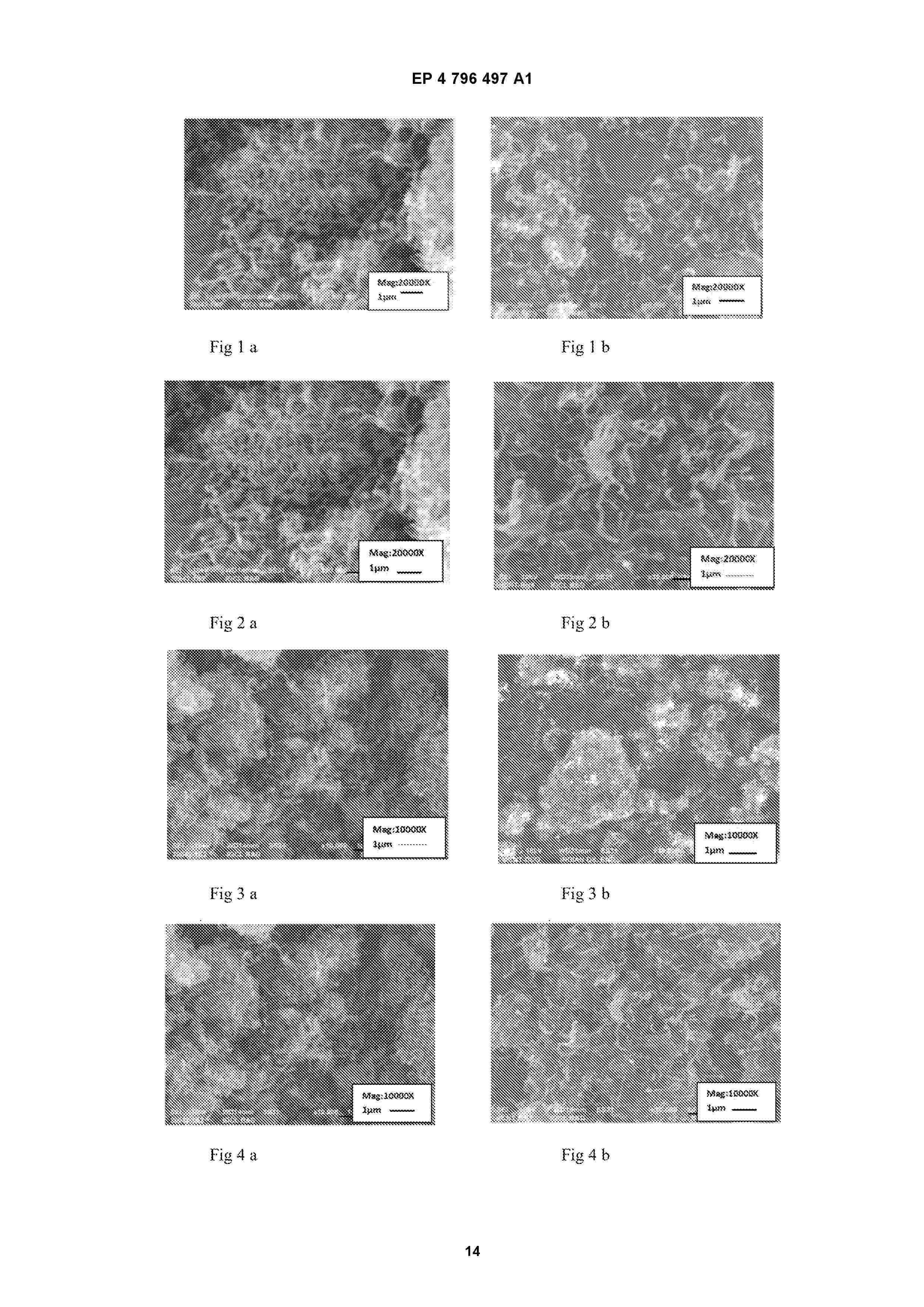
Resumen de: EP4796497A1
0001 The present invention discloses a process for preparation of de-agglomerated carbon nanotubes (CNTs) in powder form. The present invention also discloses a process of preparing negative grid/electrode of a lead acid cell coated with de-agglomerated carbon nanotubes and a lead acid cell comprising negative electrode coated with de-agglomerated carbon nanotubes. The deagglomerated CNTs also can be employed as conductive, thermal and mechanical additive in various other applications such as Li-ion electrodes, polymer composites, concrete admixtures, conductive inks, conductive paints etc.
Resumen de: CN122638499A
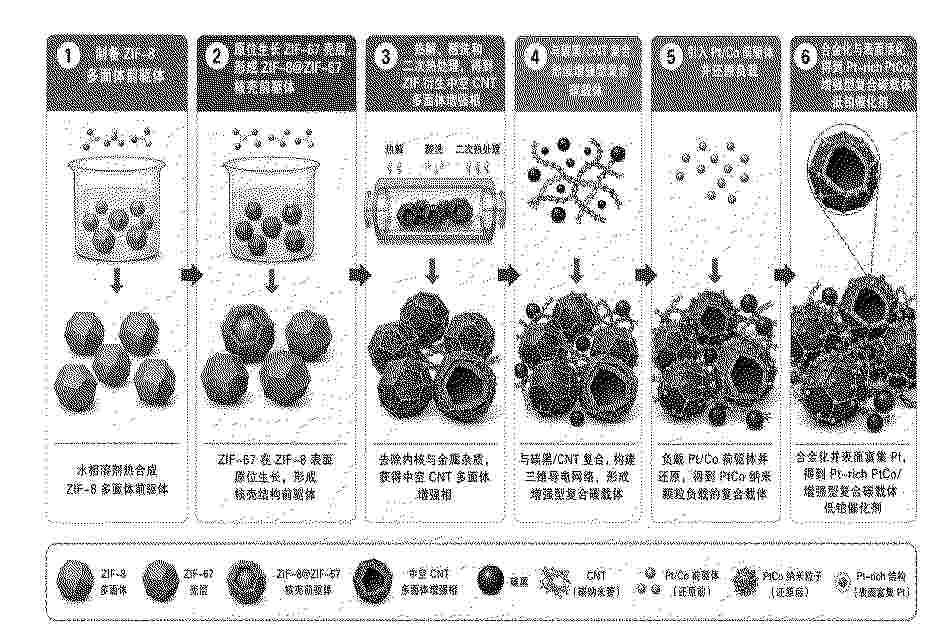
0001 本发明涉及燃料电池氧还原催化剂技术领域,更具体地说,是一种复合碳载体PtCo氧还原催化剂及其制备方法和应用,PtCo氧还原催化剂包括:复合碳载体;分散于复合碳载体中的ZIF‑8@ZIF‑67衍生中空CNT多面体增强相;以及负载于复合碳载体和/或ZIF‑8@ZIF‑67衍生中空CNT多面体增强相表面的PtCo合金纳米颗粒。将ZIF衍生中空CNT多面体由传统主载体转变为功能增强相,利用其多孔结构、N掺杂位点和Co‑N
Resumen de: TW202511452A
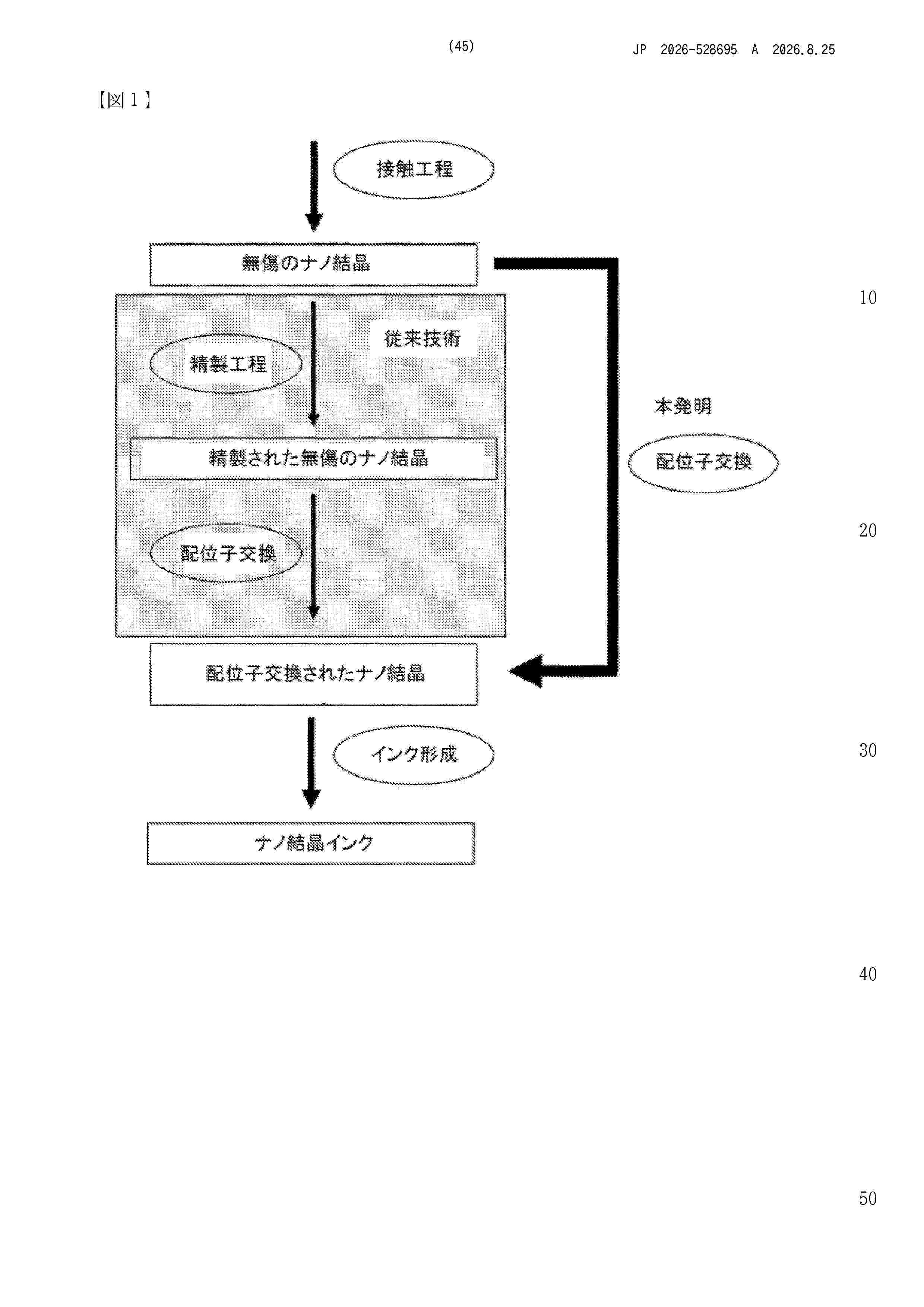
The present invention provides a method for producing a nanocrystal composition comprising an inorganic ligand via a one-pot synthesis. The present invention also provides nanocrystals comprising novel inorganic ligands and the use of these nanocrystals. The present invention further provides the use of the novel inorganic ligands in the preparation of nanocrystals.
Resumen de: CN122638471A
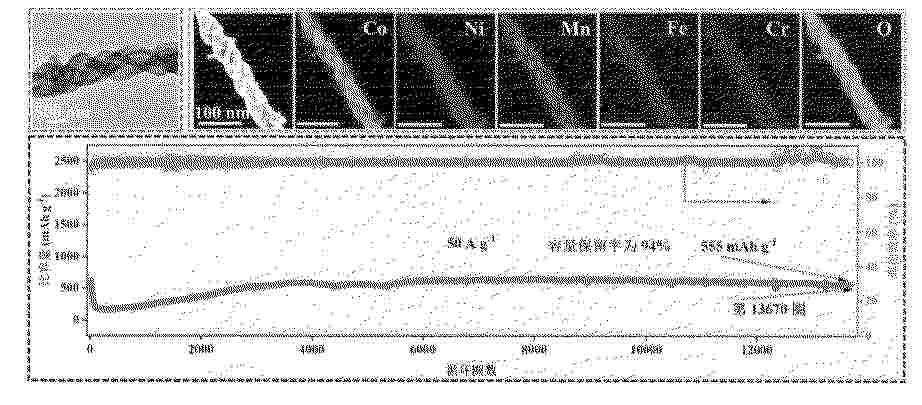
0001 本发明公开了一种具有螺旋形貌的尖晶石型高熵氧化物负极材料及其制备方法和应用。该负极材料的化学组成为(CrMnFeCoNi)<3>O<4>,晶体结构为尖晶石型;其微观形貌为螺旋结构,由纳米颗粒沿特定周期方向螺旋卷曲形成螺旋棒单元,多组螺旋棒单元组装成型,具有三维多级开放孔隙结构与弯曲型离子传输通道。所述螺旋结构的螺距为50~200nm,纳米颗粒粒径为5~20nm,三维多级开放孔隙的孔径为5~100nm。制备方法包括:将钴盐、镍盐、锰盐、铁盐和铬盐溶解于乙醇中,加入水杨酸和十六胺,经水热反应得到螺旋形貌前驱体,再经煅烧得到所述负极材料。该负极材料用于锂离子电池负极极片,能够有效缓解充放电过程中的体积膨胀,提高锂离子扩散动力学性能,在超大电流密度50A g<‑1>下循环13670圈,可逆容量为555mAhg<‑1>,容量保留率94%,表现出良好的倍率性能和循环稳定性,适用于动力、储能锂离子电池。
Resumen de: CN122629526A
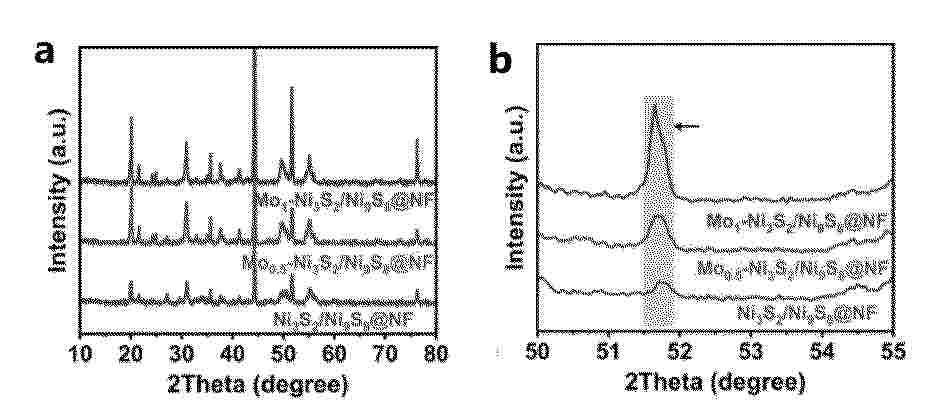
0001 本发明公开了一种Mo调控的泡沫镍自支撑双相异质结催化剂及其制备方法及其在电解水制氢中的应用。本发明采用一步水热法,以泡沫镍为导电基底,以六水硝酸镍、二水钼酸钠和硫脲分别作为Ni源、Mo源和S源,在泡沫镍表面原位生长得到Mo调控的Ni<3>S<2>/Ni<9>S<8>双相异质结催化剂。该催化剂具有均匀的纳米片状结构,Ni<3>S<2>和Ni<9>S<8>之间形成丰富的异质界面,可有效暴露活性位点并促进界面电荷传输;同时,Mo元素的引入能够调控镍基硫化物的电子结构,优化反应中间体吸附行为,并促进析氧过程中高活性NiOOH物种的生成。该催化剂表现出优异的双功能电催化性能,同时具备优异析氧反应和析氢反应活性及稳定性。
Resumen de: CN122628755A
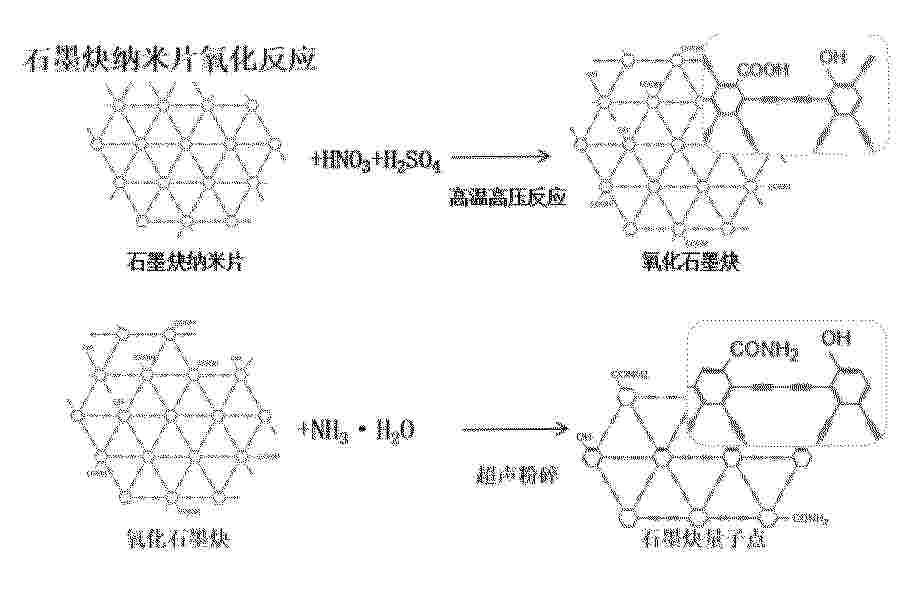
本发明公开了一种酰胺基功能化石墨炔量子点在制备二维钙钛矿太阳能电池中的应用,属于光伏器件技术领域。所述酰胺基功能化石墨炔量子点同时含有酰胺基和羟基;所述酰胺基功能化石墨炔量子点的粒径为1~4nm;所述酰胺基功能化石墨炔量子点通过掺入二维钙钛矿光吸收层中来制备得到二维钙钛矿太阳能电池。本发明通过构建一种兼具结构调控与功能化修饰的纳米材料,实现对钙钛矿光吸收层晶体生长取向、载流子传输行为以及薄膜稳定性的协同优化,从而显著提升光伏器件的整体性能。
Resumen de: CN122629522A
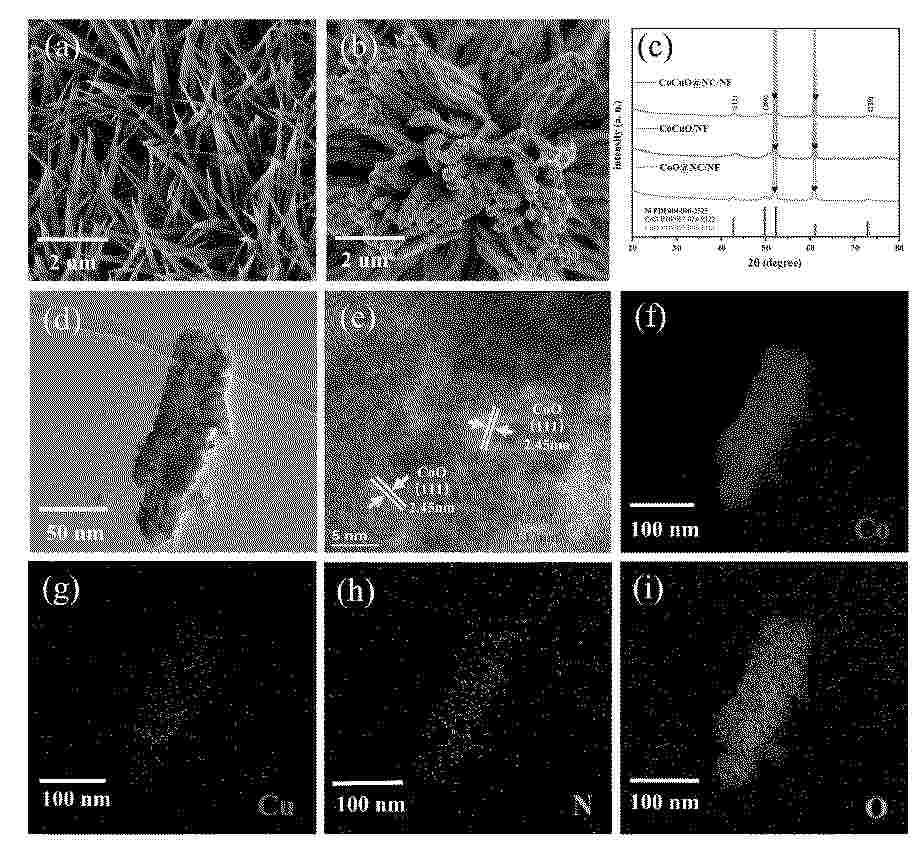
本发明涉及一种MOF修饰的钴基双金属催化剂及其制备方法,所述制备方法通过水热自生长的方式在泡沫镍上原位生长Co、M双金属纳米线(M=Cu、Fe、Mn、Ni),再经低温退火、MOF生长、低温退火的方式构建得到所述催化剂;以CoCuO@NC/NF为例,Co、Cu双金属氧化物与NC结构形成了均匀的异质结构,增大了电极材料与电解液的固液两相接触面积以及电化学氧化还原反应中的电荷转移过程,本发明所述催化剂晶格氧占比提高9%,增加反应活性位点;本发明还涉及CoCuO@NC/NF催化剂作为工作电极在催化HMF转化为FDCA中的应用,在1.40V下HMF转化率99.9%、FDCA产率96.1%和法拉第效率96.3%;FDCA的法拉第效率在连续6次循环中仍然保持在95%以上,本发明为高效MOF基双金属催化剂的理性设计提供理论指导。
Resumen de: CN122624519A
0001 本发明属于生物医药技术领域,具体涉及一种具有肝纤维化防治一体化功能的纳米硒复合物及其制备与应用。所述制备方法为:将牛血清白蛋白与亚硒酸钠混合,在谷胱甘肽还原作用下生成单质硒,经透析超滤得BSA‑Se,随后在Tris‑HCl缓冲液中与盐酸多巴胺避光反应,得到纳米药物BSA‑Se@PDA(BSP)。该合成方法工艺简单、操作便捷、可重复性好;BSP稳定性高、生物相容性好,能有效清除活性氧,抑制肝星状细胞活化,从而显著缓解肝纤维化;同时,在纤维化前阶段的酒精性肝损伤中也表现出良好的保护作用,实现了对肝纤维化“源头干预”与“病理过程调控”的双重治疗功效,为酒精性肝病及肝纤维化的治疗提供了全新的纳米制剂和干预策略。
Resumen de: CN122638494A
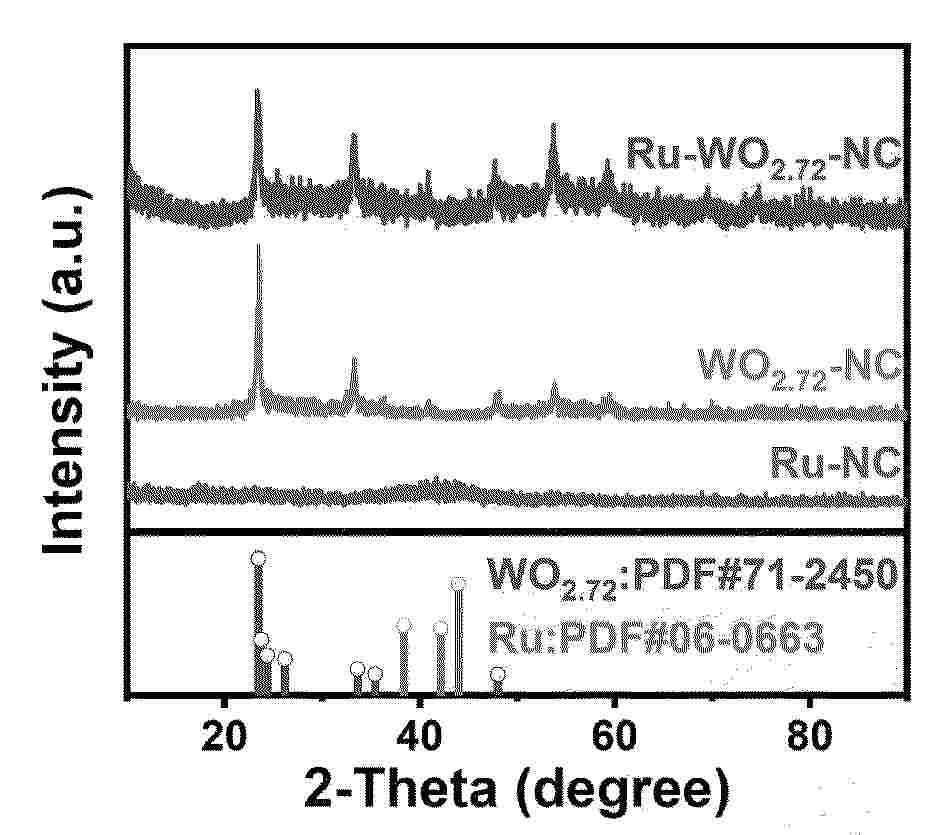
0001 本发明涉及一种Ru‑W<18>O<49>‑NC异质复合材料电催化剂及其制备方法与应用。所述Ru‑WO<2.72>‑NC异质复合材料电催化剂包括:N掺杂C基底NC,以及负载于所述基底上的Ru纳米团簇和WO<2.72>纳米团簇结合形成的Ru‑WO<2.72>异质结。
Nº publicación: KR20260128789A 25/08/2026
Solicitante:
INDUSTRY UNIV COOPERATION OF USW [KR]
\uC218\uC6D0\uB300\uD559\uAD50\uC0B0\uD559\uD611\uB825\uB2E8
Resumen de: KR20260128789A
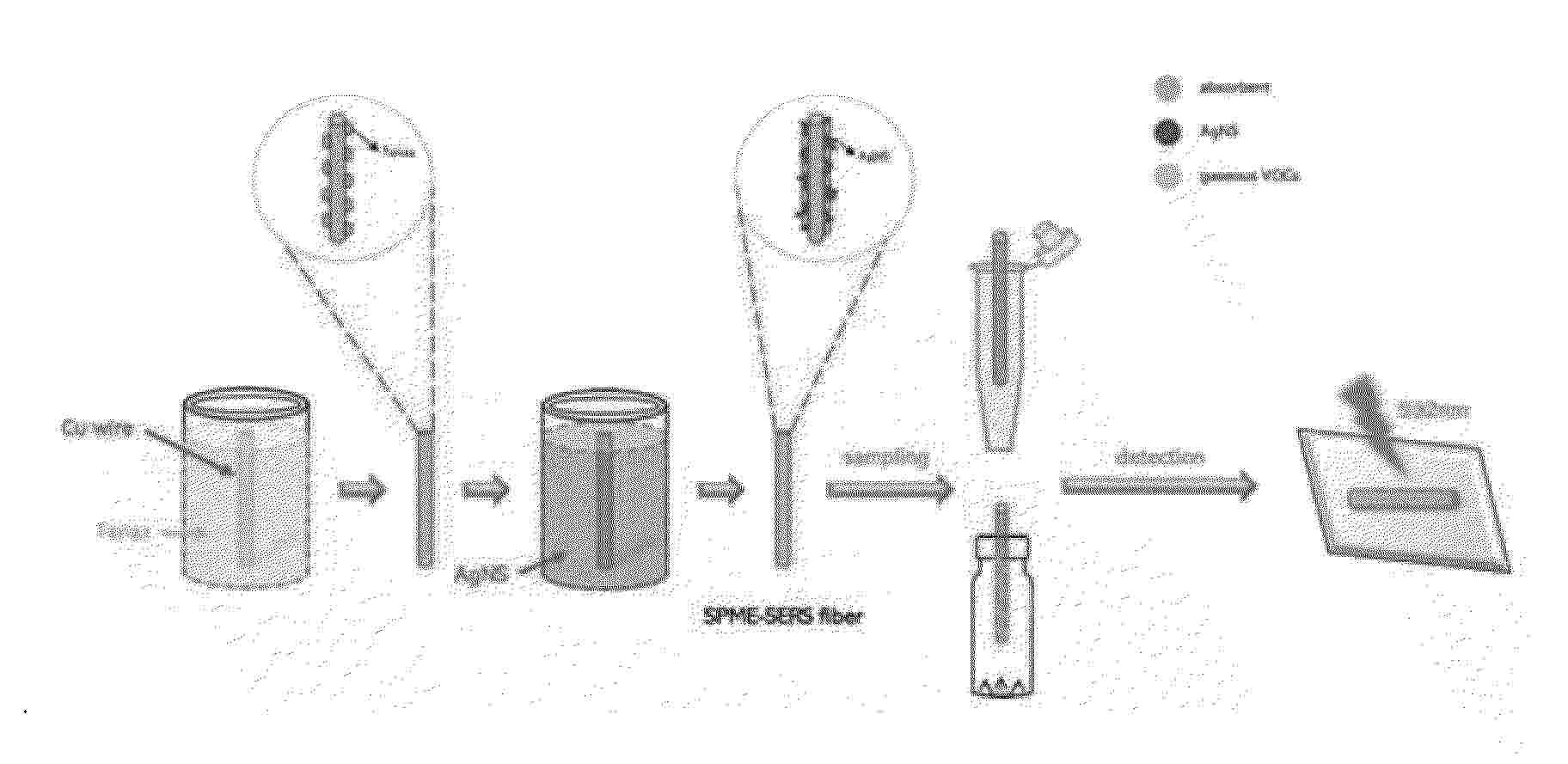
0001a 본 발명은 고체상 미세추출 표면 증강 라만 산란용 검출 섬유 및 이의 제조방법에 관한 것이다. 본 발명에 따른 고체상 미세추출 표면 증강 라만 산란용 검출 섬유는 액상 물질뿐만 아니라 기체상 물질도 효율적으로 감지할 수 있고, 표적 물질을 선택적으로 식별할 수 있으면서 내구성 및 검출 성능이 우수하다. 또한, 본 발명에 따른 고체상 미세추출 표면 증강 라만 산란용 검출 섬유의 제조 방법은 본 발명의 검출 섬유를 효율적으로 제조할 수 있고, 표적 물질 감지와 관련된 물질들의 코팅 효율이 높으며, 공정이 간단하여 제조 시간이 줄일 수 있으면서 제조 비용이 절감된다. 나아가, 본 발명에 따른 고체상 미세추출 표면 증강 라만 산란용 장치 및 표면 증강 라만 산란 검출 방법은 복수 개의 표적 물질을 가질 수 있고, 여러 물질 중 표적 물질을 선택적으로 검출할 수 있으며, 표적 물질의 검출이 매우 우수하다. 특히, 기체상 표적 물질의 검출 효율이 극대화되어 있으며, 복수 개의 표적 물질을 선택적, 효과적으로 검출할 수 있음에 따라, 분석 비용 및 분석 시간을 줄일 수 있다.
 BOPI
BOPI
 Sede Electrónica