Si deseas distinguir tus productos, servicios o ambos de los de otra empresa, es posible que necesites una marca o nombre comercial. Descubre qué son, en qué consiste su procedimiento de registro y qué implica.

Información sobre los plazos de presentación de solicitudes de transformación de marcas de la Unión Europea en marca nacional española. Más información


Si tienes un nuevo dispositivo, producto o procedimiento que resuelva un problema técnico o tenga una ventaja práctica, existen distintas formas de protegerlo en España y en otros países. Descubre cómo hacerlo.

¿Tu innovación reside en la estética, la ornamentación o la apariencia de tu producto? Protégela mediante un diseño industrial. Descubre qué derechos confiere el registro y cómo realizar la tramitación.

Las indicaciones geográficas protegen el nombre de un producto originario de una zona geográfica, a la cual le debe una determinada calidad, reputación u otra característica. Descubre qué son, en qué consiste su procedimiento de registro y qué beneficios conceden.

Las patentes publicadas en todo el mundo son una valiosa fuente de información científica, técnica y comercial.

Si eres emprendedor/a o una empresa y quieres potenciar y mejorar la rentabilidad de tu negocio protegiendo de forma adecuada los activos intangibles de tu organización, en este espacio encontrarás lo necesario.


 105
resultados
105
resultados
 Última actualización
15/09/2026 [08:14:00]
Última actualización
15/09/2026 [08:14:00]


 Resultados 75 a 100 de 105

Resumen de: US20260216253A1
The covid-19 coronavirus has killed more than 5,129,829 people, globally, out of about 255,098,687 infected. About 10 million persons died from cancer in 2020, with 19.3 new cases diagnosed. About 409,000 persons died of malaria in 2019. And none of these diseases made the WHO's list of top 5 deadly diseases of 2019. Modern medicine has made tremendous progress in the prevention and treatment of disease, but the crashing of the covid-19 coronavirus and the extremely high burden of the top deadly diseases point to the urgency of radical and totally disrupting inventions in medicine. Indeed, to effectively overcome the current burden of deadly diseases we need an agile platform with exponentially better efficacy and predictability. The world is in dire need of a new medicine platform that totally and radically disrupts the current healthcare systems and the traditional ways of preventing and treating disease. The present invention does that.The present invention uses transformed microbes, targeted to one or more mucosal surface, to prevent and treat just about any disease of importance. The current means of disease prevention relies on vaccines. As we have seen from countless failures and booster shots, vaccines have extreme limitations and increasingly fewer following. Firstly, vaccine development is unpredictable, lengthy and costly. An important lesson of the covid-19 pandemic is that waiting for several months or years to develop a vaccine, while a disease ravages the popul

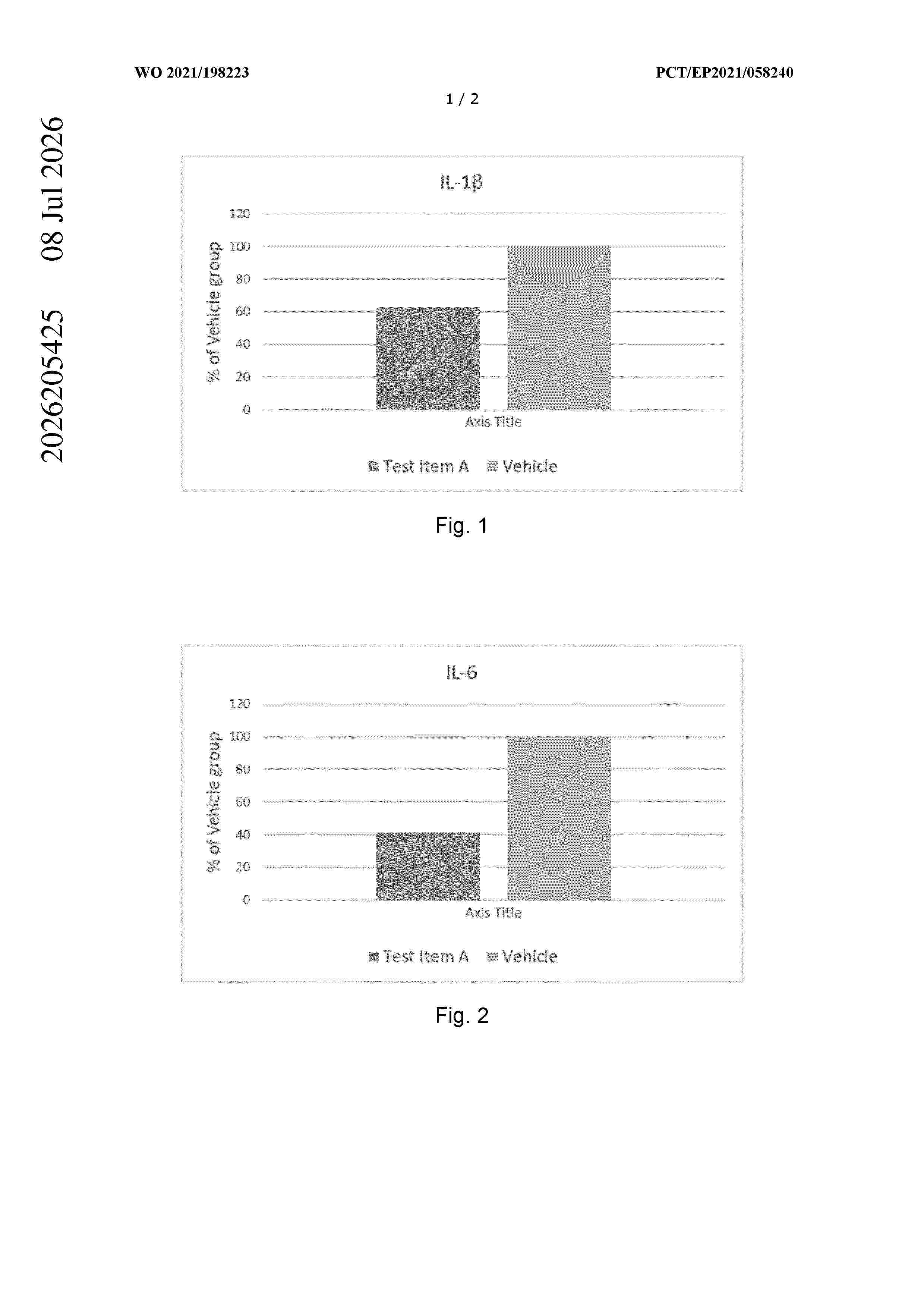
Resumen de: AU2026205425A1
Abstract Provided is a composition comprising a phenyl pyrrole aminoguanidine derivative for use in a method of treating viral disorders and diseases, including symptomatic viral disorders and diseases, including symptomatic COVID-19. 5 Abstract ul b s t r a c t u l
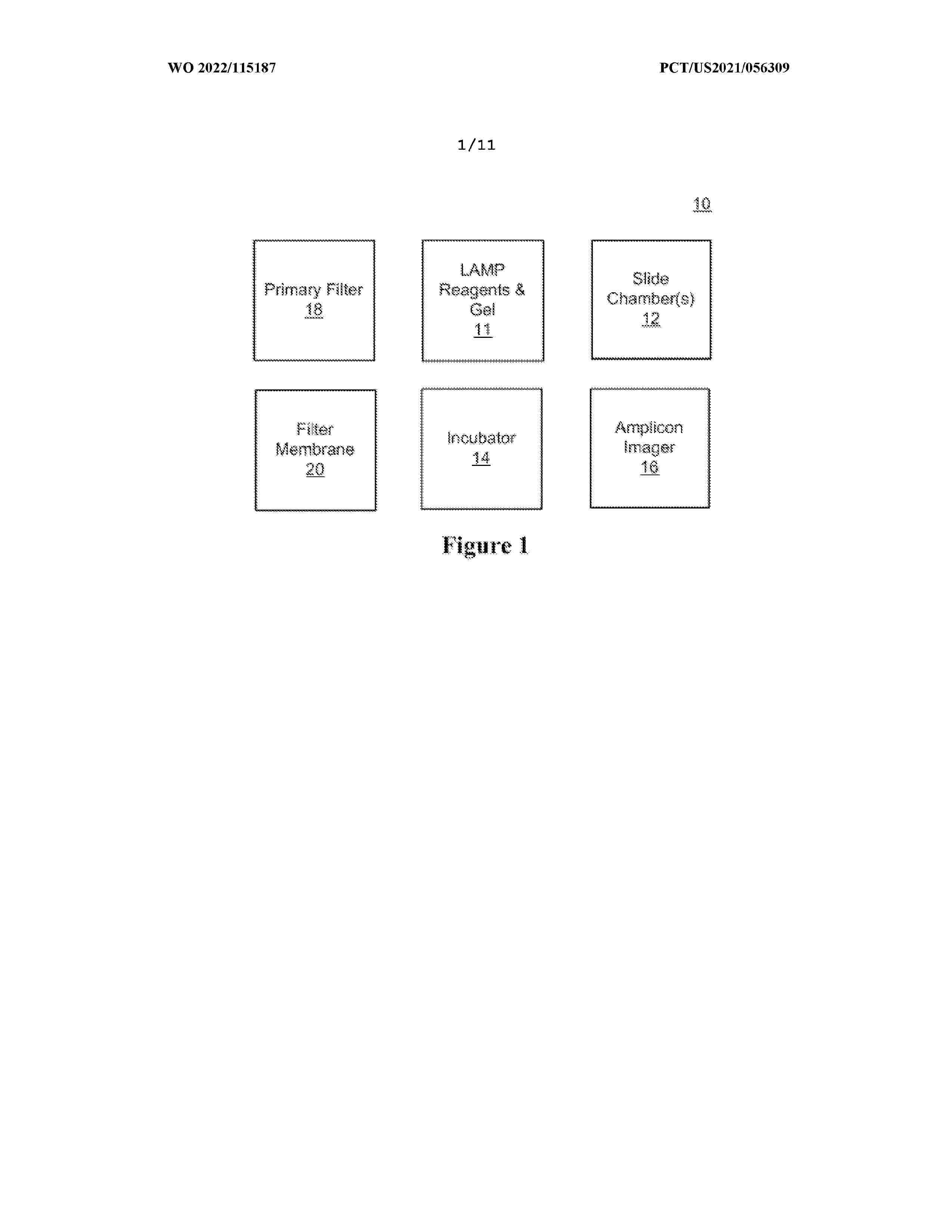
Resumen de: ZA202304107B
Disclosed herein is a membrane-based, in-gel loop-mediated isothermal amplification (LAMP) system, kit and method for detection of a target microorganism in a sample suspected of containing the microorganism. LAMP reagents, a lysing agent and a hydrogel are placed together on a filter membrane loaded with a pre-filtered sample. The hydrogel polymerizes over a short time to immobilize any target DNA/RNA particles on the membrane. The system may include a compact, portable device that integrates heat incubation and fluorescence illumination, and also a cloud-based smartphone image analysis application for quantitative results interpretation. If target DNA/RNA are present in the sample, fluorescent amplicons are produced as a result of LAMP reaction. The target microorganisms are detected by visually detecting the presence or absence of the amplicons. The method may be employed for rapid and inexpensive point-of-use (POU) absolute quantification of SARS-CoV-2 in environmental water or wastewater samples with high sensitivity.
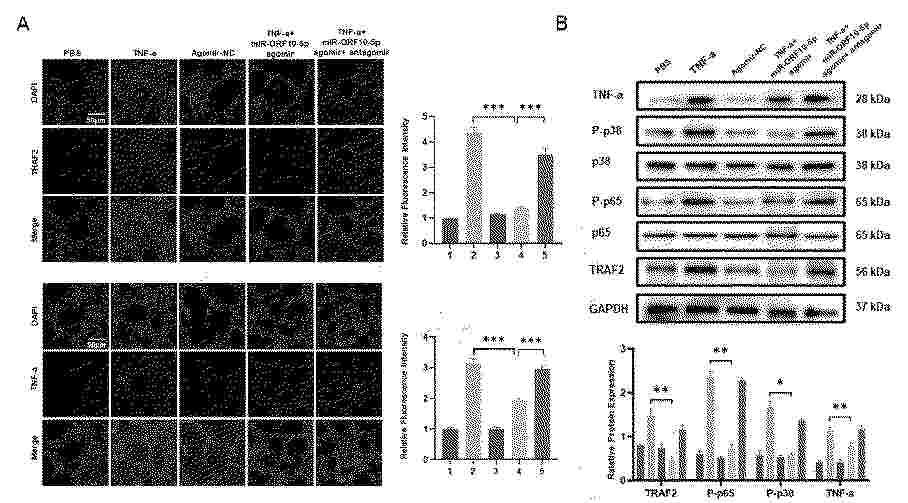
Resumen de: CN122461462A
The invention relates to the technical field of biological medicines, and provides application of miRNA miR-ORF10-5p in regulation and treatment of lung inflammation after new crown infection. The invention discloses an SARS-CoV-2 (Sarcaboside-CoV-2) coded miRNA (micro Ribonucleic Acid) miR-ORF10-5p and application of the SARS-CoV-2 coded miRNA The miR-ORF10-5p is found to be remarkably highly expressed in a throat swab sample of a severe patient suffering from new coronal infection pneumonia, and can be used as a marker for predicting the severity of an illness state. According to the application disclosed by the invention, the fact that miR-ORF10-5p as a key target participates in immune regulation and control of the new crown infected lung is determined for the first time, a new target and a new thought are provided for developing medicines for preventing and treating new crown infected pneumonia related lung injury, inflammation imbalance and subsequent lung inflammation injury, and the application has important clinical transformation value.
Resumen de: CN122466089A
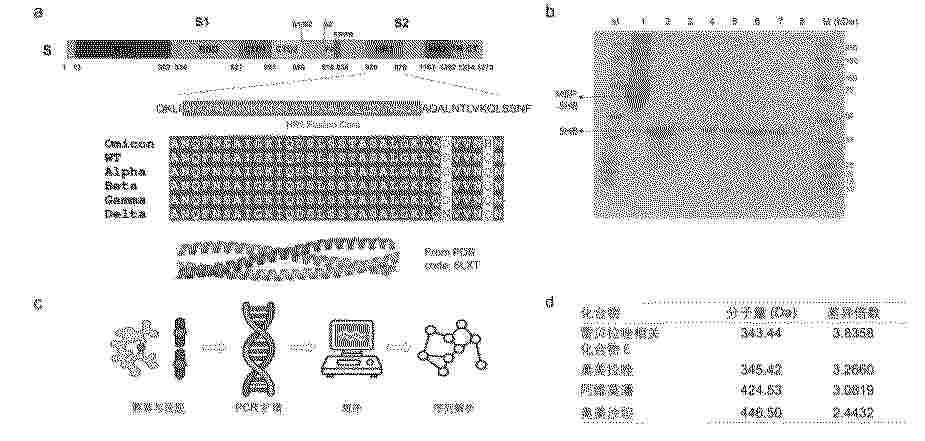
The invention provides a method for screening a targeted coronavirus HR1 structural domain inhibitor and application of an obtained compound, and relates to the technical field of bioengineering. The method specifically comprises the following steps: providing a target containing a coronavirus spike protein HR1 structural domain or a fusion protein thereof; contacting the target with a DNA coding compound library; dNA coding compounds combined with the targets are separated, irrelevant control targets are screened, and non-specifically combined compounds are removed; and decoding the DNA tag of the separated DNA coding compound, and determining a corresponding compound structure. According to the present invention, by using the DNA coding library technology, the small molecule ligand capable of targeting the SARS-CoV-2 spike protein conservative HR1 structural domain can be successfully and rapidly identified from the super-large scale compound library, such that the lead compound discovery efficiency aiming at the flat protein-protein interaction interface can be significantly improved, and the bottlenecks of long period and low success rate of the traditional screening method can be overcome.
Resumen de: US12695826B1
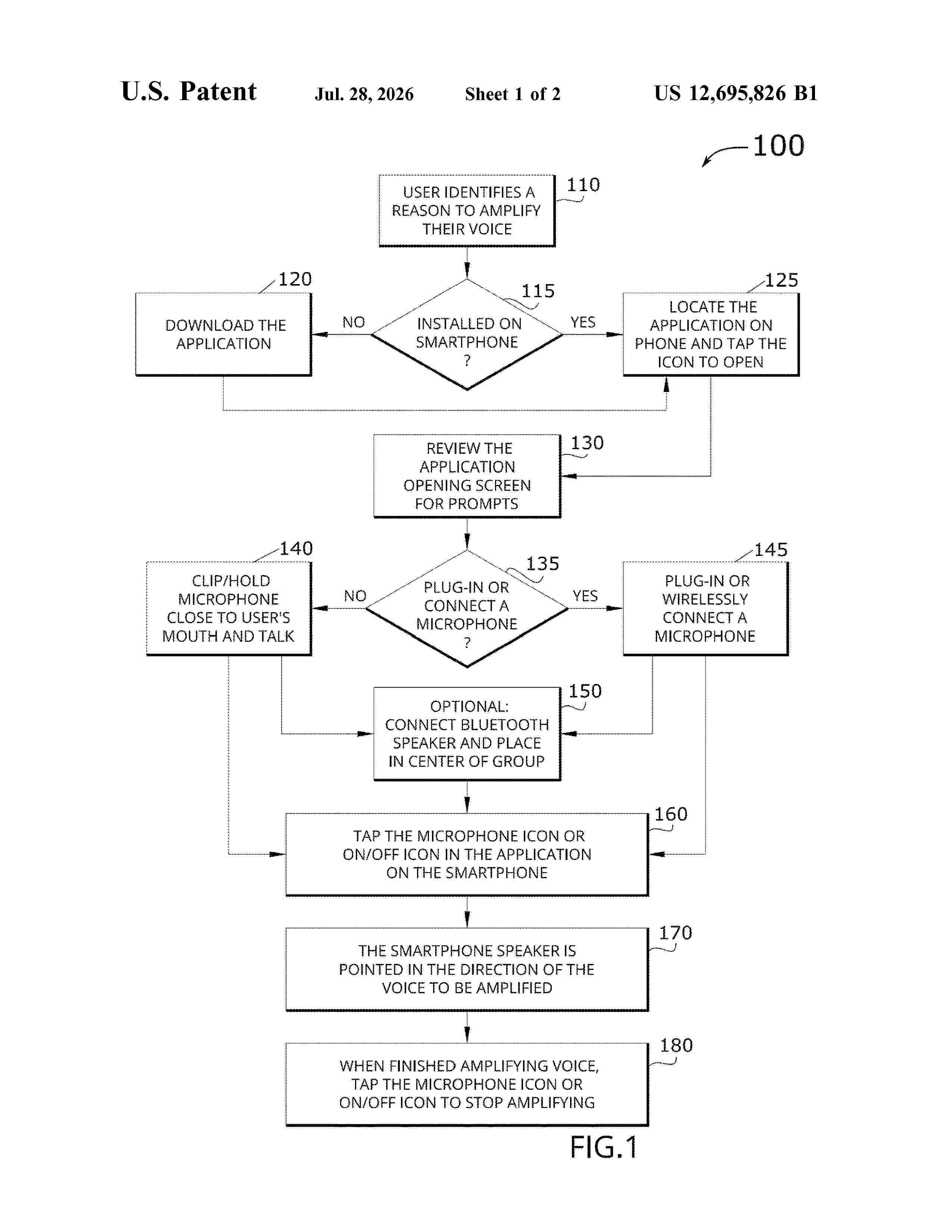
A voice amplifier that amplifies volume of a human voice from a microphone through a mobile device by utilizing a speaker that is communicably connected to the mobile device is disclosed. The voice amplifier is designed for a mobile device, such as a smart phone or a tablet computing device. The voice amplifier purely amplifies the voice from a wired or non-wired microphone through a phone operating system and hardware components and other modules of the mobile device, such as by utilizing the phone speaker and/or an optional wireless or wired speaker. Essentially through a voice amplifier mobile app, a voice can be amplified simply with the touch of one icon. The concept is for people wearing masks due to COVID-19 and future other viruses, and/or dusty, toxic, or otherwise unhealthy air environments where masks are needed, to continue to wear their mask but be able to communicate clearly.
Resumen de: CN122444632A
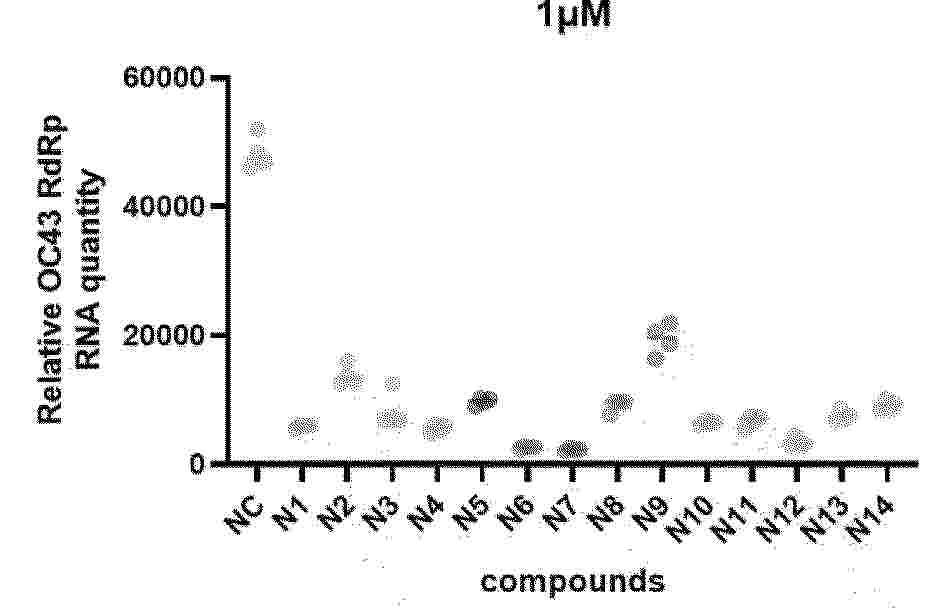
The invention discloses an acylthiourea AATacs compound and application of the acylthiourea AATacs compound in resisting coronavirus, and relates to the technical field of coronavirus treatment drugs. Aiming at different kinds of coronaviruses, the acylthiourea AATacs compound provided by the invention can play a role in inhibiting the coronaviruses and also can play a role in degrading activity; the compound can be developed as a novel anti-coronavirus drug, and has a wide application prospect.
Resumen de: CN122459327A
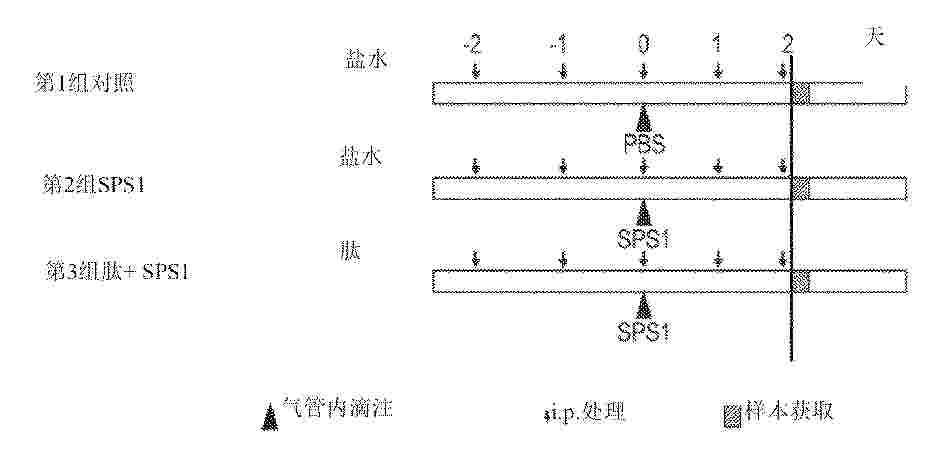
Disclosed herein are small anti-inflammatory peptides for blocking NF-kappa B. The peptides and compositions comprising the peptides may be administered to inhibit cytokine production and/or inhibit lung inflammation in an individual in need thereof. Particular embodiments include administration to an individual suffering from coronavirus disease 2019 (COVID-19).
Resumen de: CN122449118A
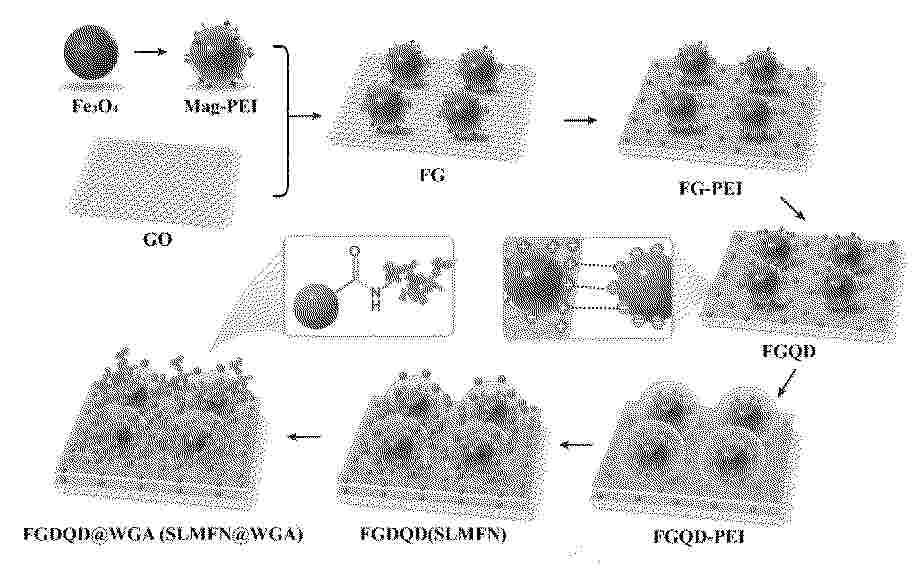
The invention discloses a magnetic fluorescence immunochromatography detection system and detection method for broad-spectrum capture of virus nucleoprotein based on lectin, and a magnetic fluorescence nanoprobe of which the surface is modified with wheat germ lectin is used as a general capture tag to replace a traditional specific capture antibody tag. And a non-paired heterologous sandwich detection mode of'lectin-virus nucleoprotein-specific antibody 'is constructed by combining an immunochromatography test strip pre-coated with the specific antibody. The invention discloses a mechanism that the WGA is combined with specific conserved sites of SARS-CoV-2, influenza A and influenza B virus nucleoproteins through non-covalent bonds, and the combination sites are independent of glycosyl recognition sites of the WGA, so that the WGA has the capability of resisting high glycosylation protein interference. According to the method, matrix interference is removed by utilizing a magnetic enrichment technology, and ultra-sensitive detection of various respiratory virus nucleoproteins is realized by combining high fluorescence intensity of quantum dots. The method is suitable for on-site rapid screening of complex clinical samples and environmental samples.
Resumen de: US20260207714A1
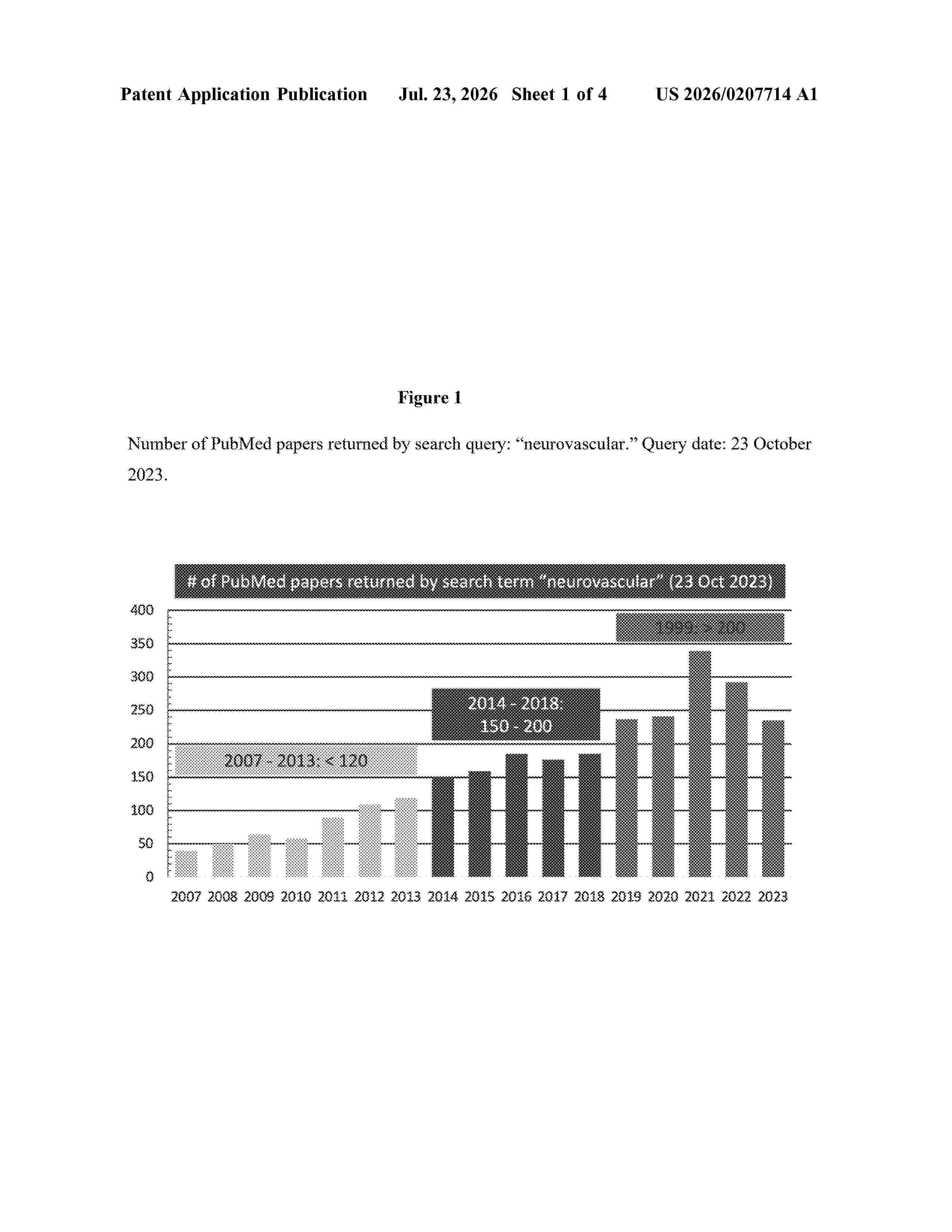
0000 Safe, effective, disease-modifying treatments—and especially, optimized treatments—for Alzheimer's and many other CNS, cardiovascular, metabolic and other disorders remain elusive. This is in part due to many CNS, cardiovascular, metabolic. and other disorders having underlying components on both sides of the blood-brain barrier—e.g., having CNS components as well as cardiovascular and/or metabolic and/or other non-CNS components. Respective examples in CNS, cardiovascular, metabolic and other domains include Alzheimer's disease, heart failure, diabetes and COVID-19. This is in and of itself a challenge, as most drugs (~98% of small molecules; a greater portion of larger molecules such as antibodies and peptides) do not cross the blood brain barrier appreciably, and even when they do, the chances of them having a partition coefficient that optimizes dosing in compartments on both sides of the blood brain barrier is vanishingly low. This invention addresses that challenge with a novel, bicameral, CNS+ (i.e., two-compartment, where one compartment is on the neuronal/glial side of the blood-brain barrier and one compartment is not) approach. This bicameral, CNS+ approach involves parallel 1) Intranasal, direct-to-brain delivery of drugs addressing the CNS component of a CNS, cardiovascular or metabolic disorder 2) Delivery (oral, injection or otherwise) of a cardiovascular &/or metabolic &/or other agent to the central compartment (i.e., blood and well-perfused org
Resumen de: US20260207540A1
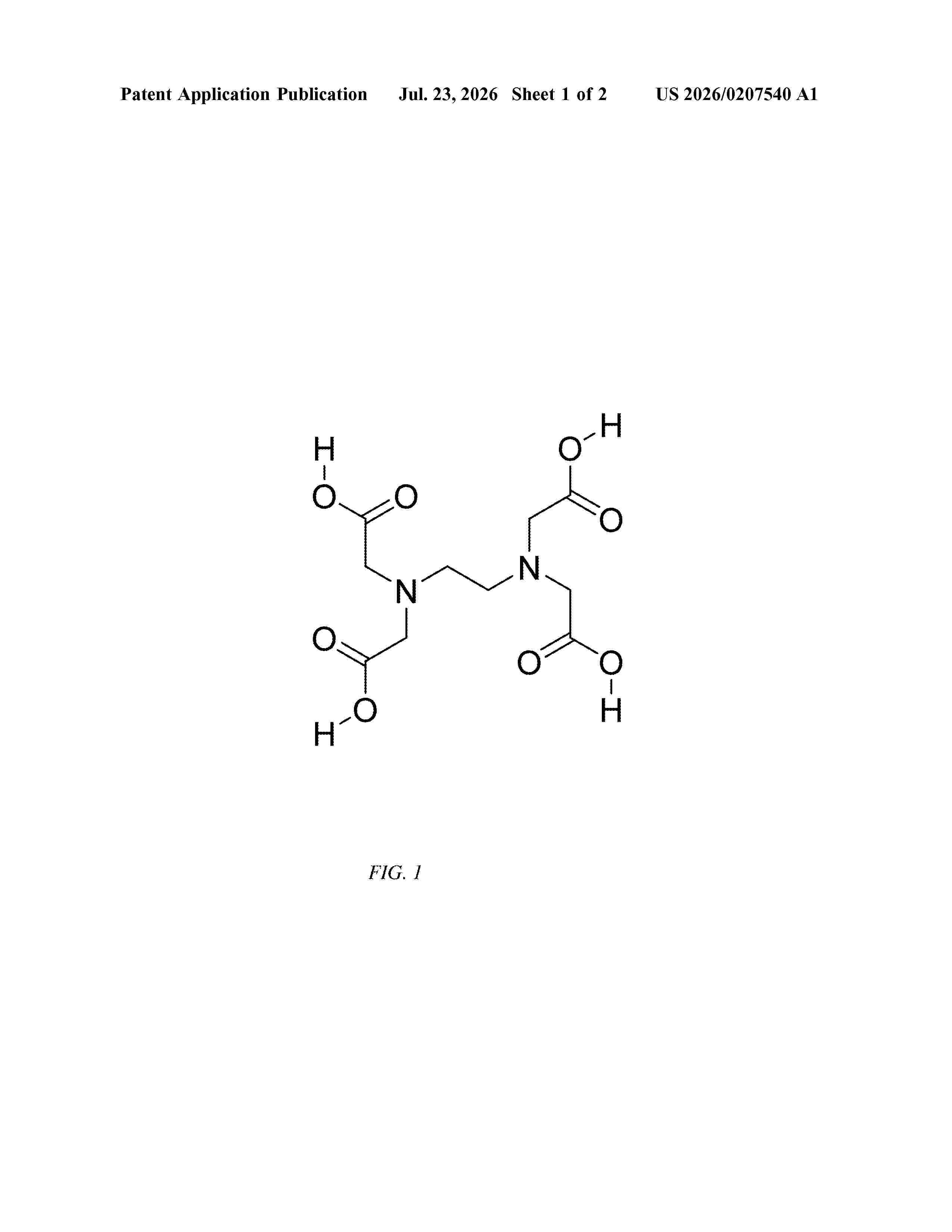
0000 Pharmaceutical compositions comprising at least one calcium chelating agent such as disodium ethylenediamine tetraacetate (Na2EDTA) as an active pharmaceutical ingredient, are described that are useful for treating an infection by single stranded RNA virus, such as SARS-COV-2, are described. Development of the compositions was assisted by using a novel drug discovery method which utilizes the characterization of a common molecular mechanism in a cohort of an unforeseen clinical co-morbidly patterns identified as outliers. Reverse engineering of the outlier cohort yielded unrecognized calcium requirements for infection by SARS-CoV-2 provided a common molecular mechanism in the outlier group that enabled formulation of the new pharmaceutical compositions.
Resumen de: US20260209778A1
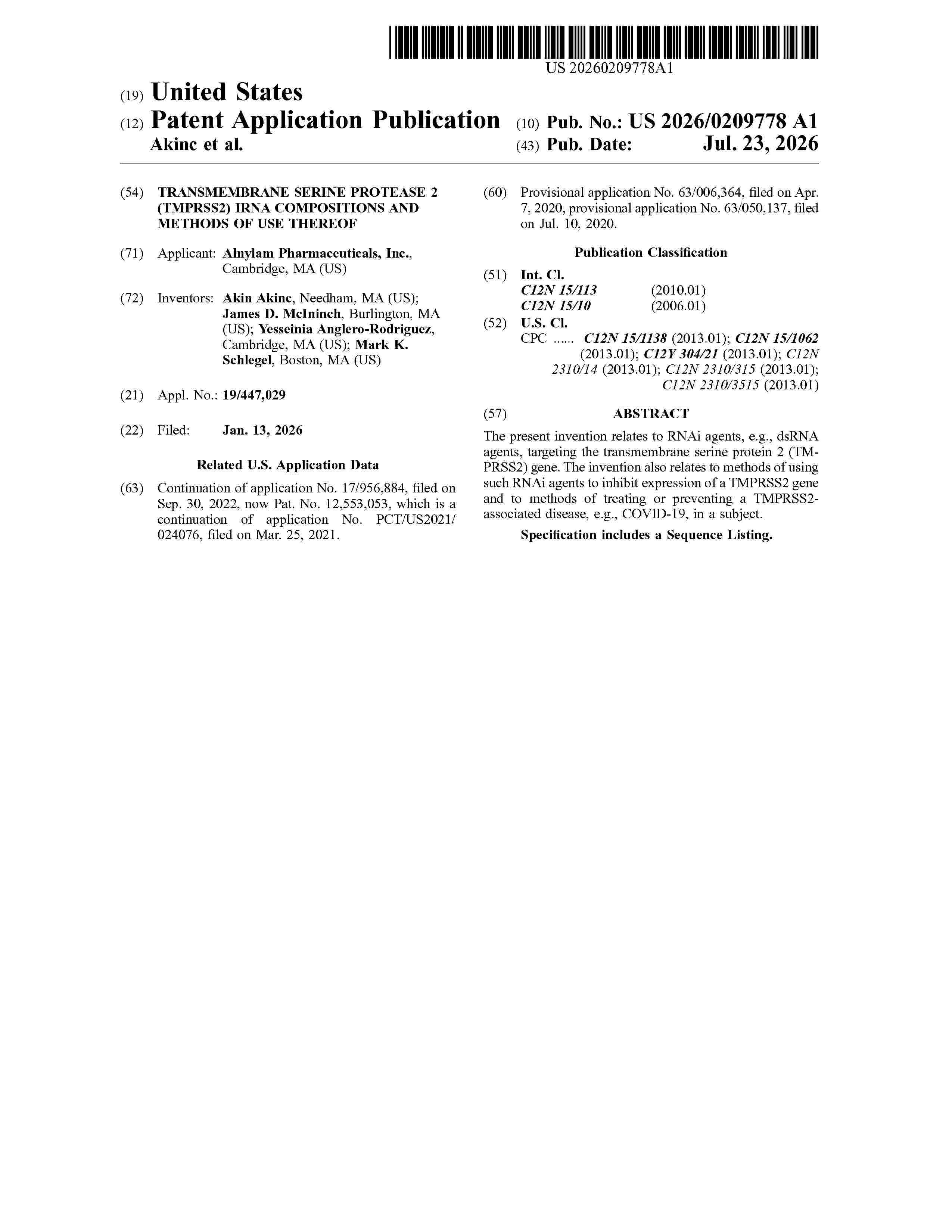
0000 The present invention relates to RNAi agents, e.g., dsRNA agents, targeting the transmembrane serine protein 2 (TMPRSS2) gene. The invention also relates to methods of using such RNAi agents to inhibit expression of a TMPRSS2 gene and to methods of treating or preventing a TMPRSS2-associated disease, e.g., COVID-19, in a subject.
Resumen de: WO2026152199A1
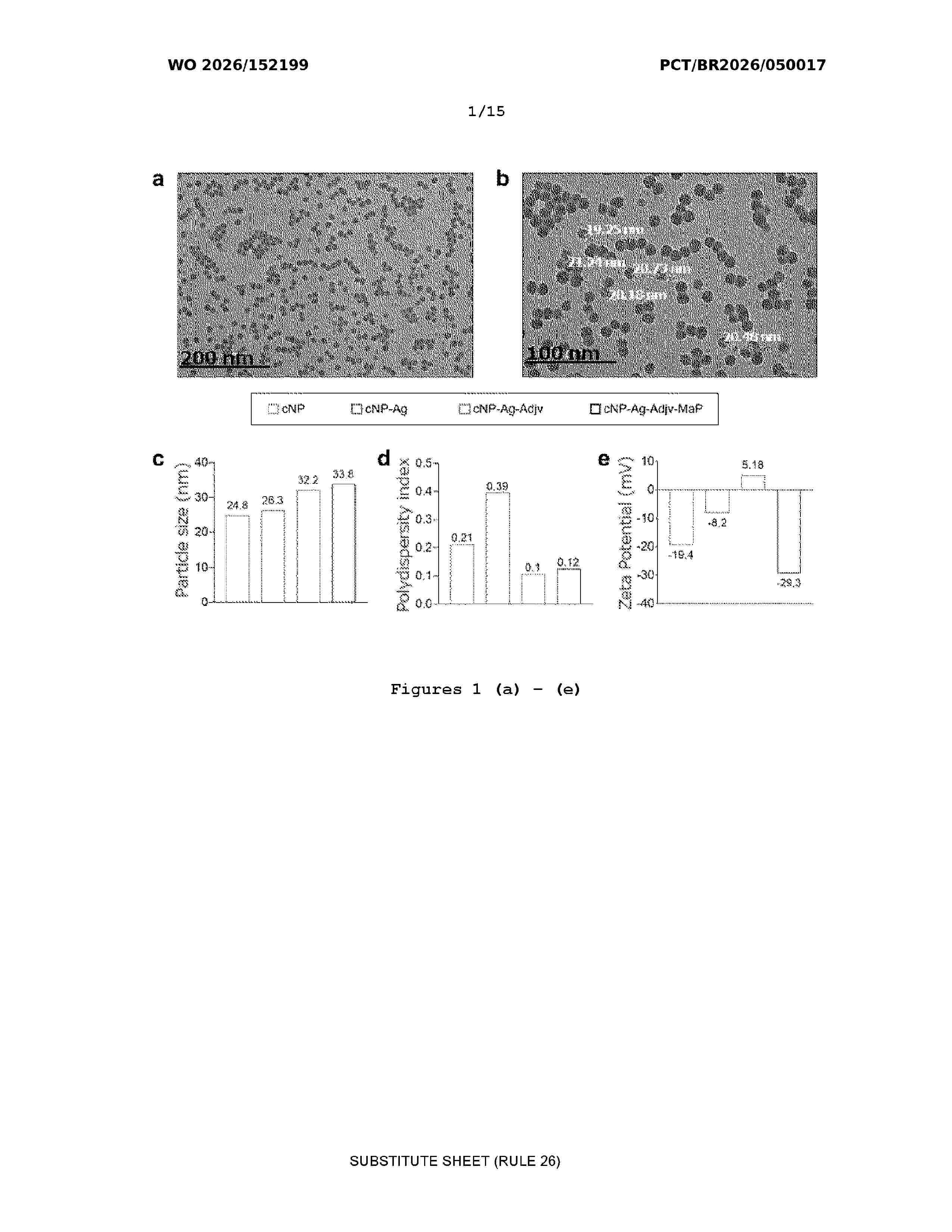
The present invention refers to a novel immunization platform/system and formulation comprising the targets of neutralizing antibodies against respiratory pathogens in the presence or absence of synthetic peptides containing multiple T-cell epitopes from respiratory pathogens, particularly the receptor binding domain (RBD) of the SARS-CoV-2 Spike protein and T cell epitopes of SARS- CoV-2, wherein the immunization platform/system consists of carrier nanoparticles coated with a mucoadhesive polymer (MaP), selected as a delivery vehicle.
Resumen de: WO2026154387A1
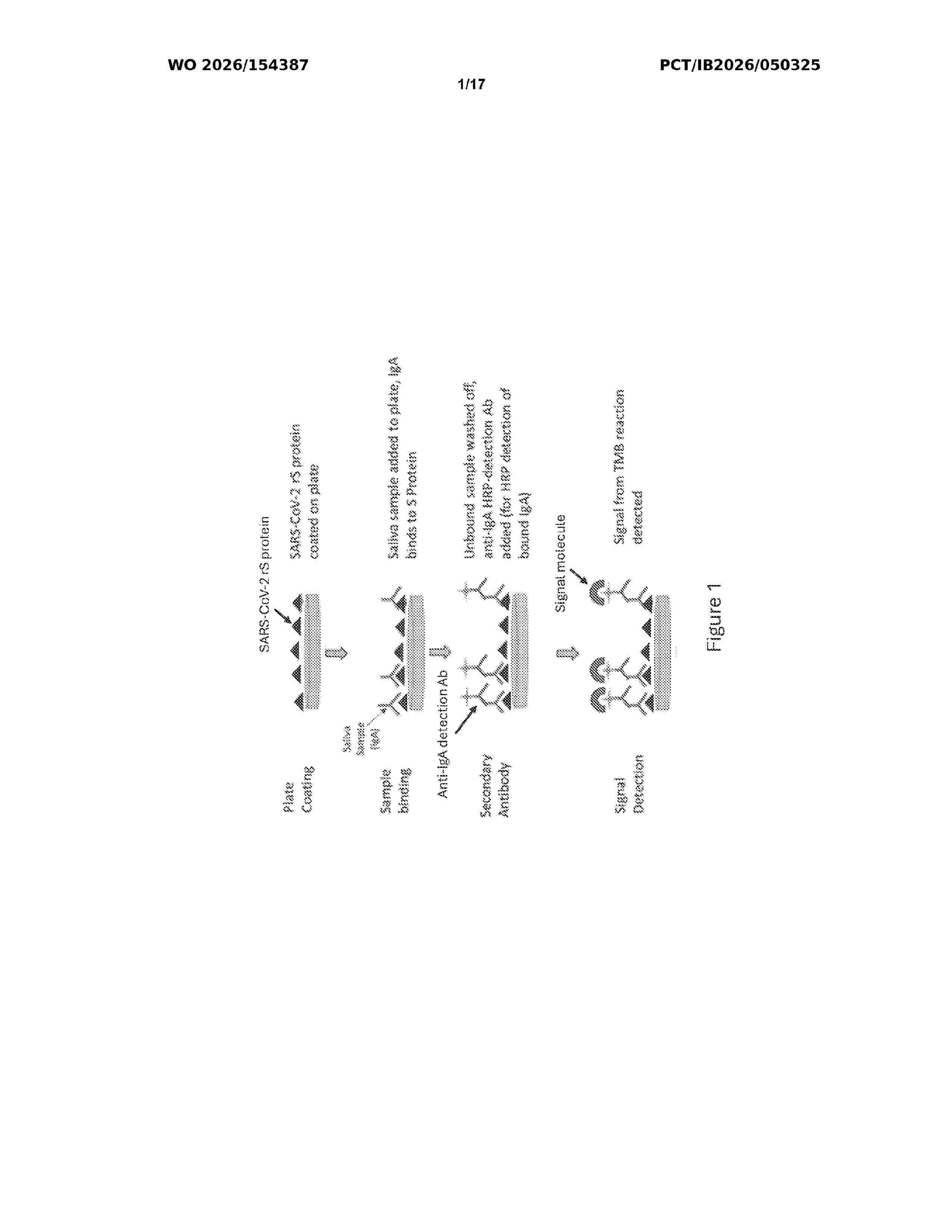
Disclosed are methods for detecting if a biological sample (e.g., saliva, serum, blood, plasma) contains IgA antibodies against SARS-CoV-2 S glycoproteins. The method includes contacting a biological sample with a SARS-CoV-2 S glycoprotein-coated surface, contacting the surface with a secondary antibody, and detecting the secondary antibody, where if a secondary antibody is detected, the sample contains IgA antibodies against the SARS-CoV-2 S glycoprotein. Assay substrates and kits for performing such methods are also disclosed.
Resumen de: US20260207541A1
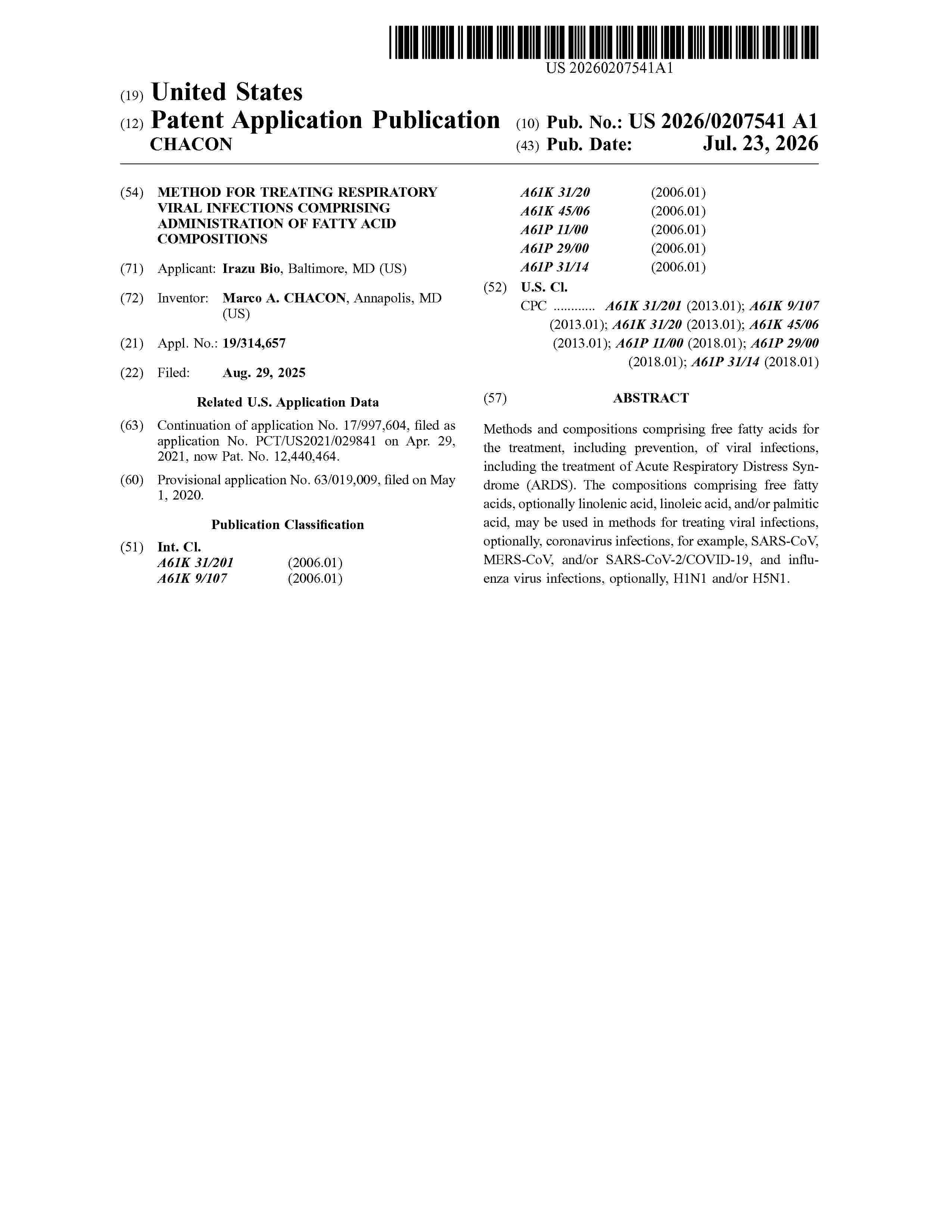
0000 Methods and compositions comprising free fatty acids for the treatment, including prevention, of viral infections, including the treatment of Acute Respiratory Distress Syndrome (ARDS). The compositions comprising free fatty acids, optionally linolenic acid, linoleic acid, and/or palmitic acid, may be used in methods for treating viral infections, optionally, coronavirus infections, for example, SARS-CoV, MERS-CoV, and/or SARS-CoV-2/COVID-19, and influenza virus infections, optionally, H1N1 and/or H5N1.
Resumen de: US20260209831A1
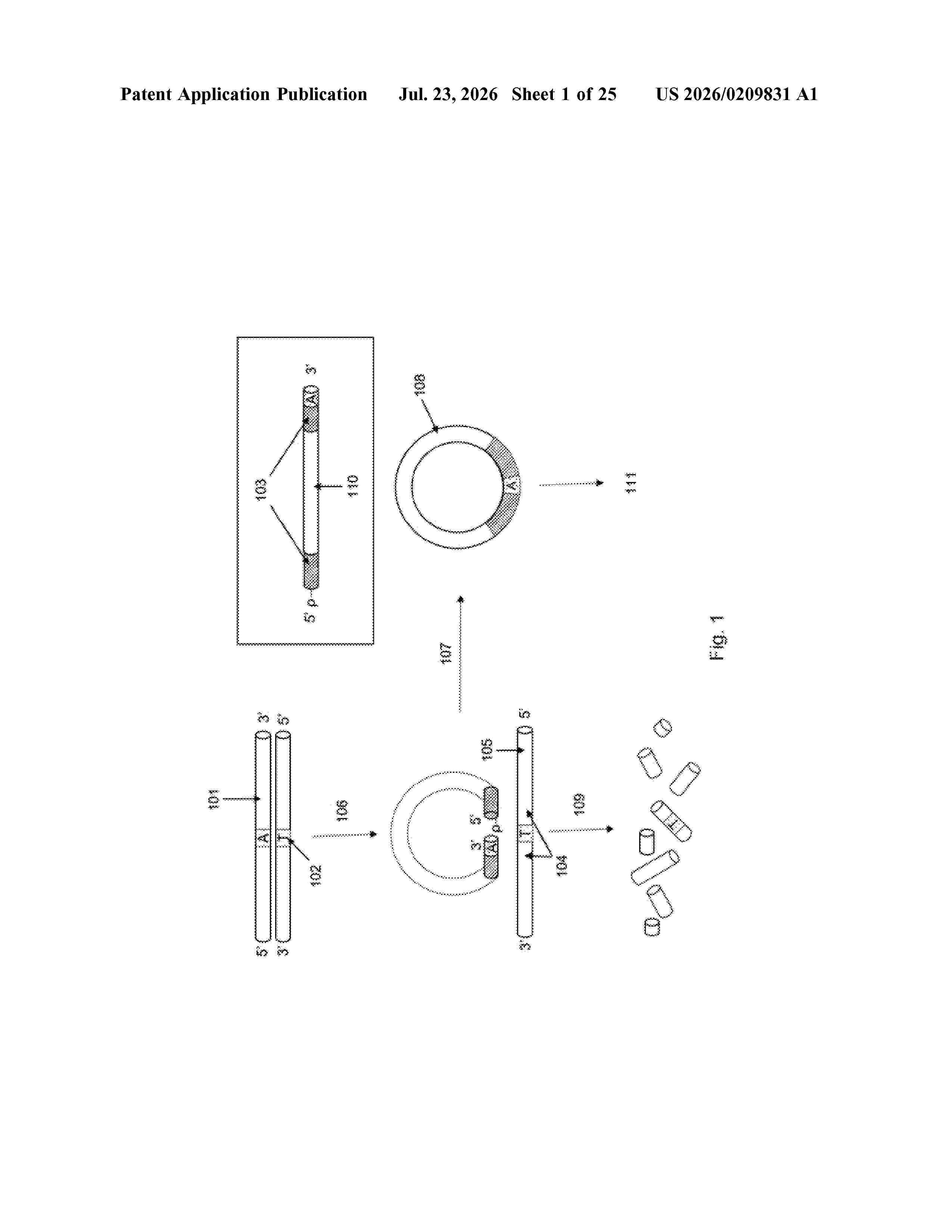
Methods and systems for detecting the presence of a target nucleic acid sequence in one or more samples of a plurality of samples are described. The methods may comprise the use of linear barcoded nucleic acid probes that, upon hybridization to a target nucleic acid sequence, may be ligated to circularize the probe molecule, amplified, and sequenced. The use of a probe-specific barcode integrated into the nucleic acid probe molecule, and sample-specific barcodes that may be incorporated into the nucleic acid probe molecule or added during the amplification step, enable large-scale multiplexed assay and sample processing.
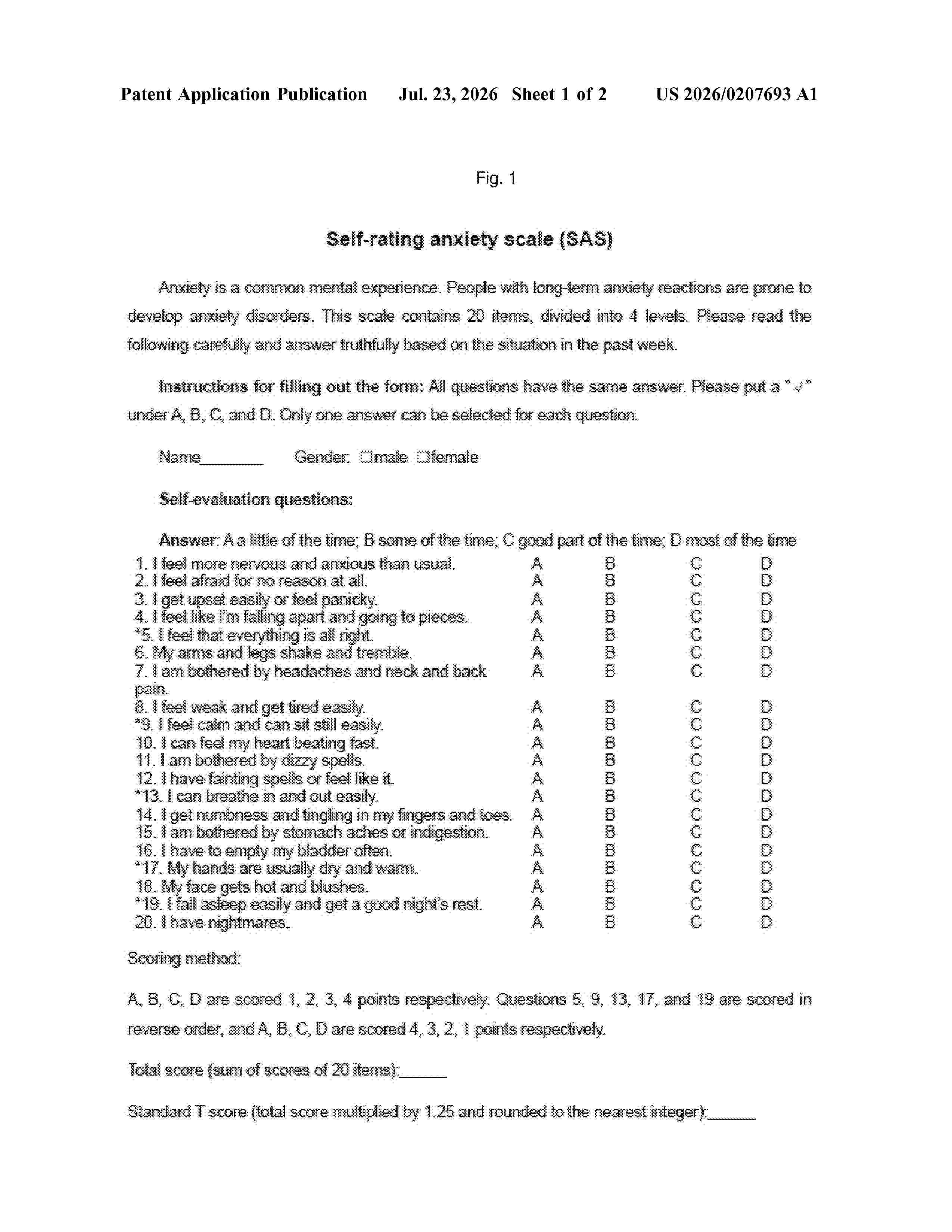
Resumen de: US20260207693A1
0000 An application of Shenling Baizhu in the preparation of a medicine for treating neuropsychiatric symptoms of recovered COVID-19 patients.
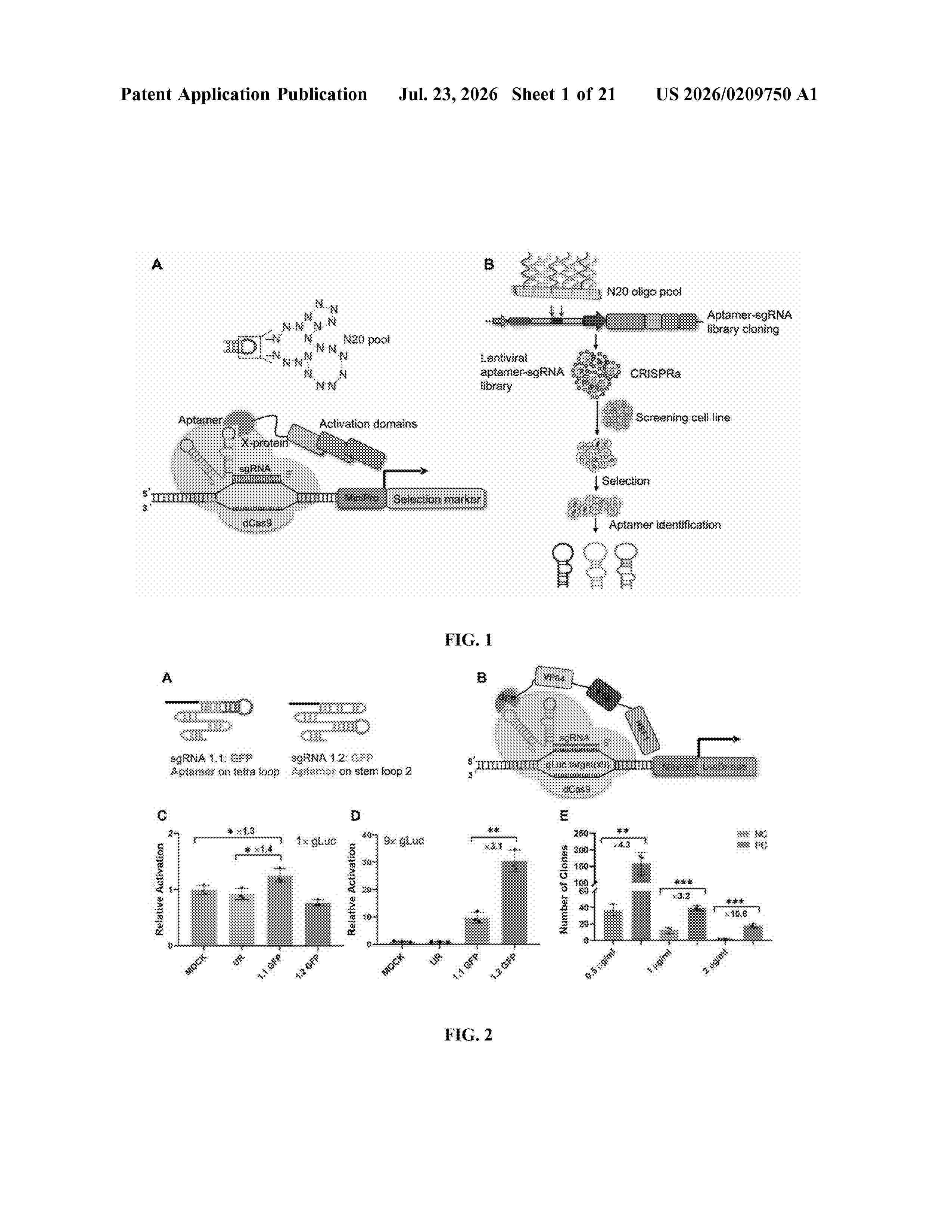
Resumen de: US20260209750A1
Disclosed is a CRISPR/Cas based system for screening an RNA aptamer against a target protein, comprising: (i) a guide RNA comprising a recognition sequence and a nucleic acid aptamer random library having a predetermined length; (ii) a target sequence complementary to the recognition sequence of the guide RNA; (iii) a selection marker located downstream of the target sequence and comprising a basal promoter and a selection marker gene; (iv) a fusion protein comprising the target protein and a transcriptional activation module, wherein a binding of the target protein to an RNA aptamer of the nucleic acid aptamer random library results in recruitment of the transcriptional activation module to the selection marker; (v) a dCas protein specifically recognizing the target sequence under the guidance of the guide RNA; and (vi) a screening cell. Also disclosed is a method for screening an RNA aptamer against a target protein using the system provided herein and RNA aptamers against S1 protein of SARS-CoV-2 virus and applications thereof.
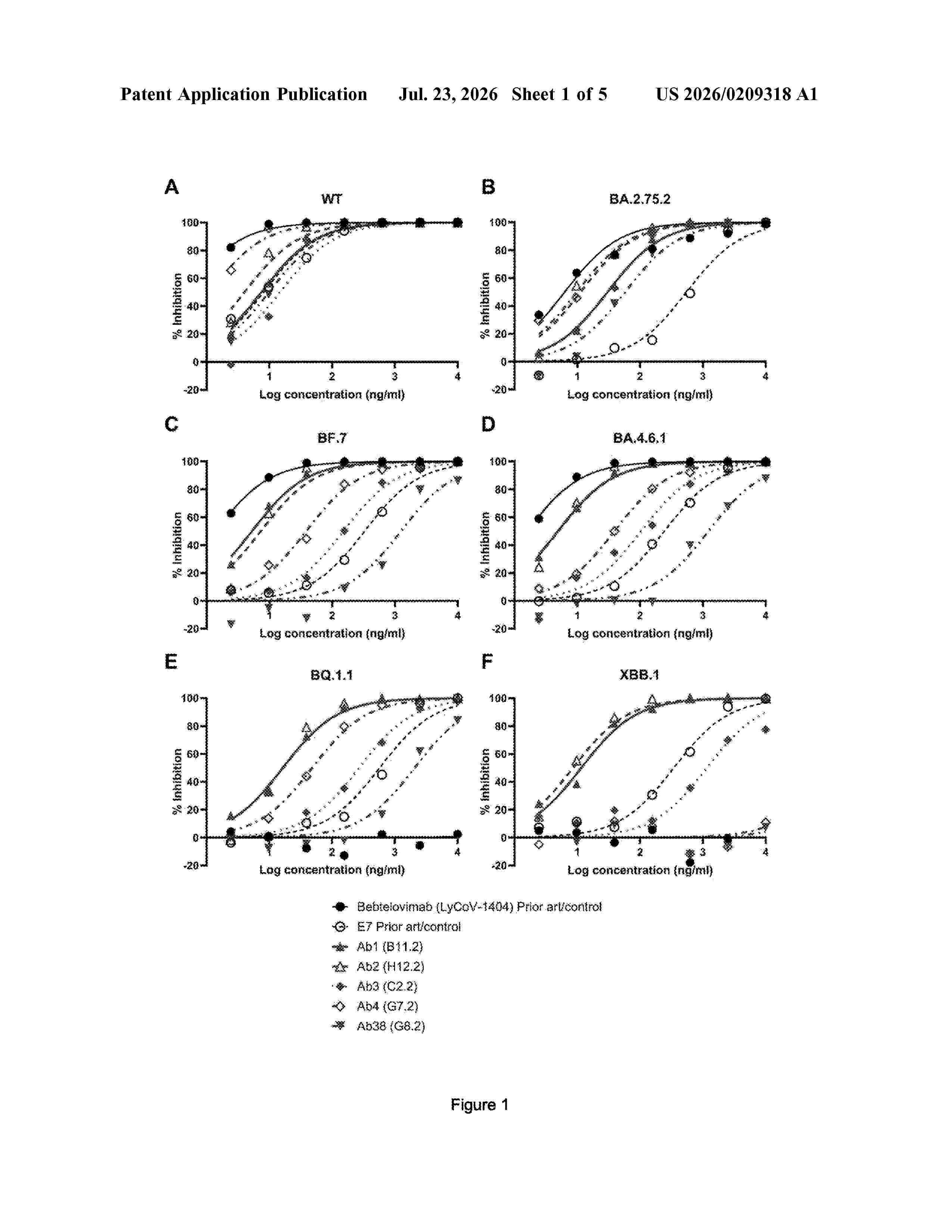
Resumen de: US20260209318A1
SARS-CoV-2 spike protein-binding molecules are disclosed. Also disclosed are nucleic acids and expression vectors encoding, compositions comprising, and methods using, the SARS-CoV-2 spike protein-binding molecules.
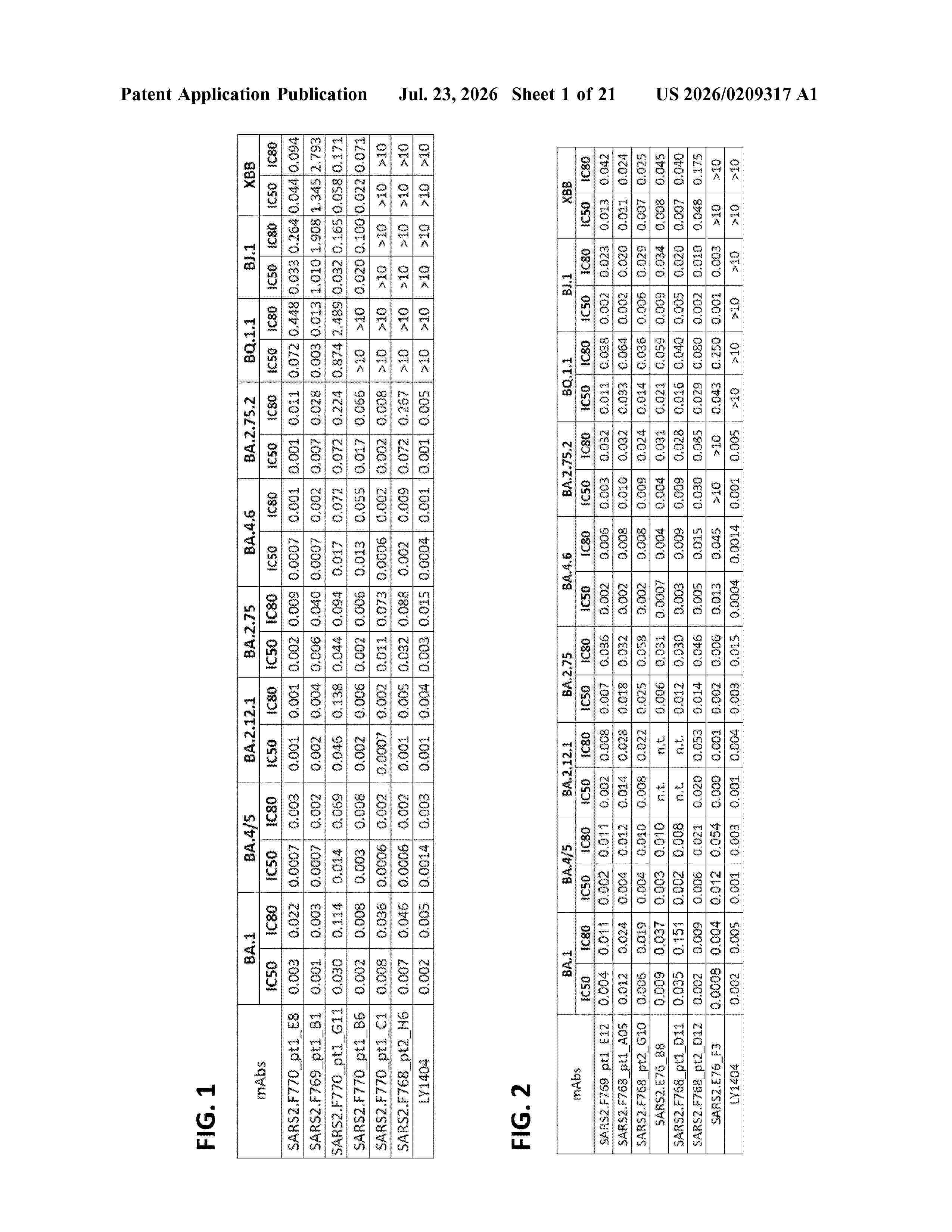
Resumen de: US20260209317A1
Disclosed are monoclonal antibodies, antigen binding fragments, and multi-specific antibodies that specifically bind a coronavirus spike protein, such as SARS-CoV-2. Also disclosed is the use of these antibodies and multi-specific antibodies for inhibiting a coronavirus infection, such as a SARS-CoV-2 infection. In addition, disclosed are methods for detecting a coronavirus, such as SARS-CoV-2, in a biological sample, using the disclosed antibodies and multi-specific antibodies. In some aspects, the antibodies bind a BA.4 or BA.5 variant. In other aspects, the antibodies bind BQ1.1 and/or XBV.
Resumen de: US20260209180A1
0000 The present invention provides a compound of Formula I wherein R<1>, R<2>, R<3>, R<4>, R<5>, R<6>, R<7>, and subscripts X and n are as described herein and pharmaceutical compositions comprising one or more said compounds, and methods for using said compounds for the treatment, inhibition, or amelioration of one or more disease states that could benefit from inhibition of a coronavirus, including SARS-CoV, MERS-CoV and SARS-CoV-2. The compounds of this invention could further be used in combination with other therapeutically effective agents, including but not limited to, other drugs useful for the treatment of coronavirus infection. The invention furthermore relates to processes for preparing compounds of Formula I, and pharmaceutical compositions which comprise compounds of Formula I and pharmaceutically acceptable salts thereof.
0000
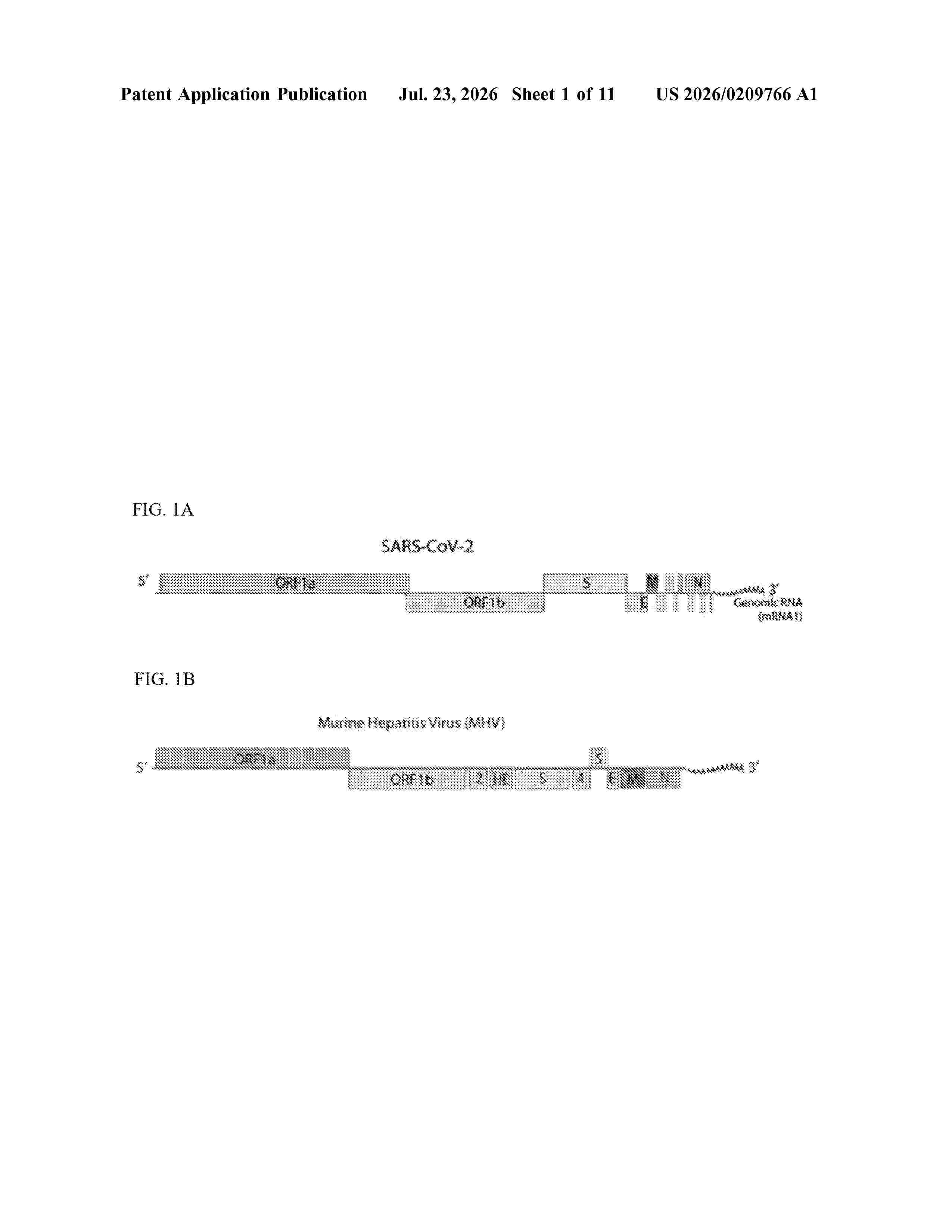
Resumen de: US20260209766A1
0000 The present disclosure provides compositions and methods for treating and detecting coronavirus infection, and in particular, provides compositions and methods for treating and detecting SARS-CoV-2 infection. The present disclosure also relates to the production of compositions for treating and detecting coronavirus infection, and in particular, to the production of compositions for treating and detecting SARS-CoV-2 infection.
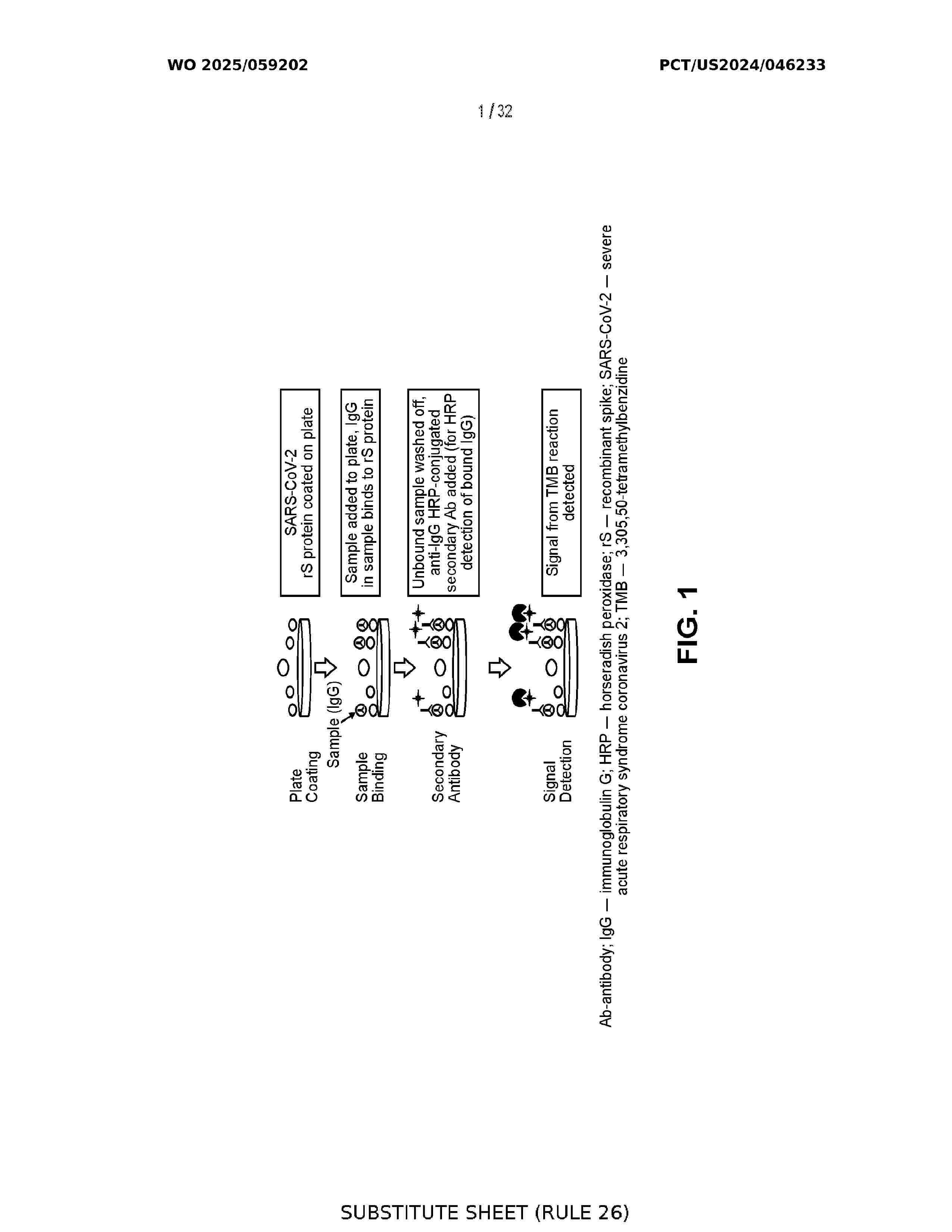
Resumen de: WO2025059202A1
Disclosed are methods for detecting if a biological sample (e.g., serum, blood, plasma) contains antibodies against SARS-CoV-2 S glycoproteins comprising: (i) providing a surface coated with a SARS-CoV-2 S glycoprotein; (ii) exposing the surface to the biological sample; (iii) exposing the surface to a secondary antibody; and (iv) detecting the secondary antibody that is bound to the surface; wherein the biological sample contains antibodies that bind to the SARS-CoV-2 S glycoprotein if secondary antibody is detected.
Resumen de: WO2025076406A1
The synthesis and characterization of a series of derivatives and analogs based on the 9-aminoacridine scaffold shared by antimalarial drugs quinacrine and pyronaridine are described. Also described is the structure-activity relationship of these compounds against severe acute respiratory syndrome coronavirus 2 (SARS-CoV-2), the virus that causes the coronavirus disease of 2019 (COVID-19). Several compounds displayed potent in vitro activity, with 50% inhibitory concentrations below 1 micromolar.
Nº publicación: KR20260114053A 22/07/2026
Solicitante:
UIF UNIV INDUSTRY FOUNDATION YONSEI UNIV [KR]
\uC5F0\uC138\uB300\uD559\uAD50 \uC0B0\uD559\uD611\uB825\uB2E8
Resumen de: US20260201021A1
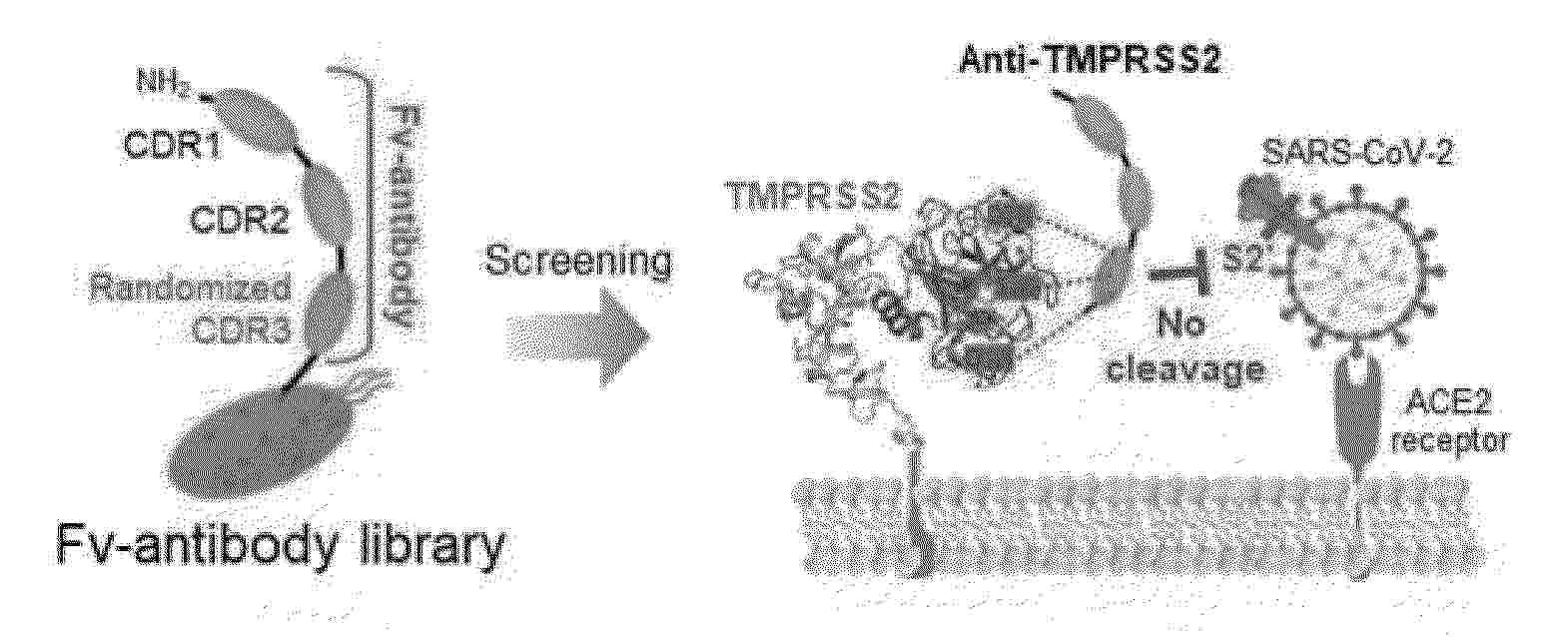
0000 Disclosed is a Fv-antibody having a specific binding ability to a cleavage site of a SARS-COV-2 spike protein by TMPRSS2. The Fv-antibody includes a peptide sequence of DPPPPAVAADV or CRDLLGVVRDF.
 BOPI
BOPI
 Sede Electrónica