Si deseas distinguir tus productos, servicios o ambos de los de otra empresa, es posible que necesites una marca o nombre comercial. Descubre qué son, en qué consiste su procedimiento de registro y qué implica.

Información sobre los plazos de presentación de solicitudes de transformación de marcas de la Unión Europea en marca nacional española. Más información


Si tienes un nuevo dispositivo, producto o procedimiento que resuelva un problema técnico o tenga una ventaja práctica, existen distintas formas de protegerlo en España y en otros países. Descubre cómo hacerlo.

¿Tu innovación reside en la estética, la ornamentación o la apariencia de tu producto? Protégela mediante un diseño industrial. Descubre qué derechos confiere el registro y cómo realizar la tramitación.

Las indicaciones geográficas protegen el nombre de un producto originario de una zona geográfica, a la cual le debe una determinada calidad, reputación u otra característica. Descubre qué son, en qué consiste su procedimiento de registro y qué beneficios conceden.

Las patentes publicadas en todo el mundo son una valiosa fuente de información científica, técnica y comercial.

Si eres emprendedor/a o una empresa y quieres potenciar y mejorar la rentabilidad de tu negocio protegiendo de forma adecuada los activos intangibles de tu organización, en este espacio encontrarás lo necesario.


 394
resultados
394
resultados
 Última actualización
15/09/2026 [08:46:00]
Última actualización
15/09/2026 [08:46:00]


Resumen de: AU2023203532A1
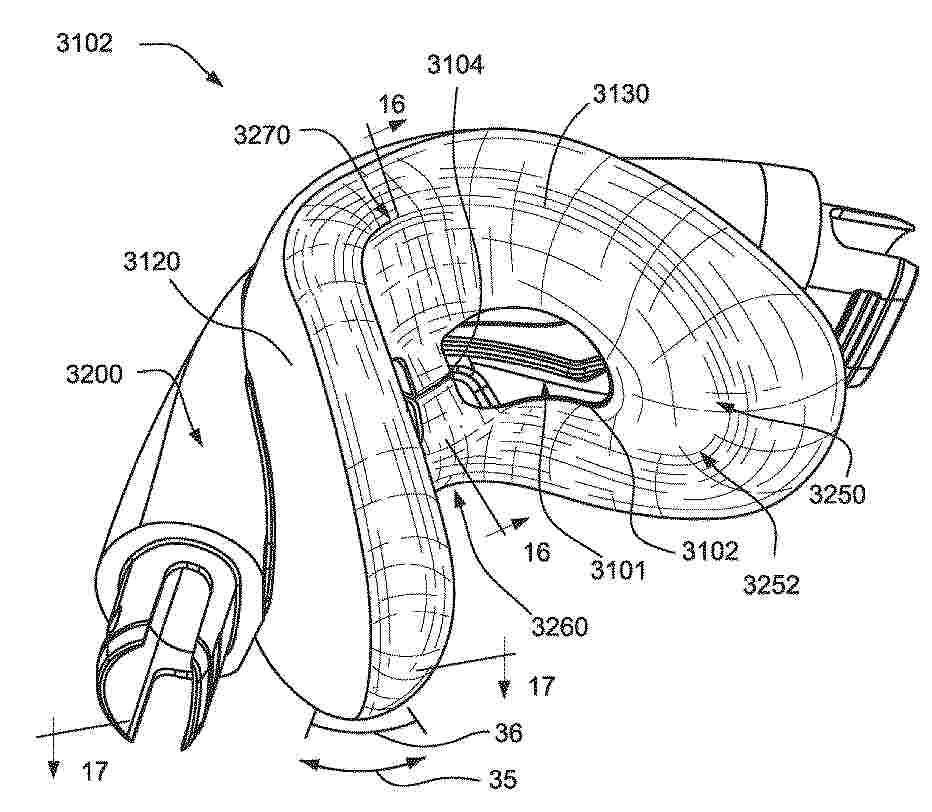
A patient interface including a seal-forming structure with a textile membrane that has at least one hole such that the flow of air at a therapeutic pressure is delivered to at least an entrance to the patient's nares and/or an entrance to the patient's mouth. The seal-forming structure is constructed and arranged to maintain the therapeutic pressure in a cavity of a plenum chamber throughout the patient's respiratory cycle, in use. The textile membrane includes a first portion that is held in a relaxed state and a second portion that is held in a taut state. The taut state of the second portion is configured to allow the seal-forming structure to include a three-dimensional shape that has multiple curvatures.

Resumen de: CN122722906A
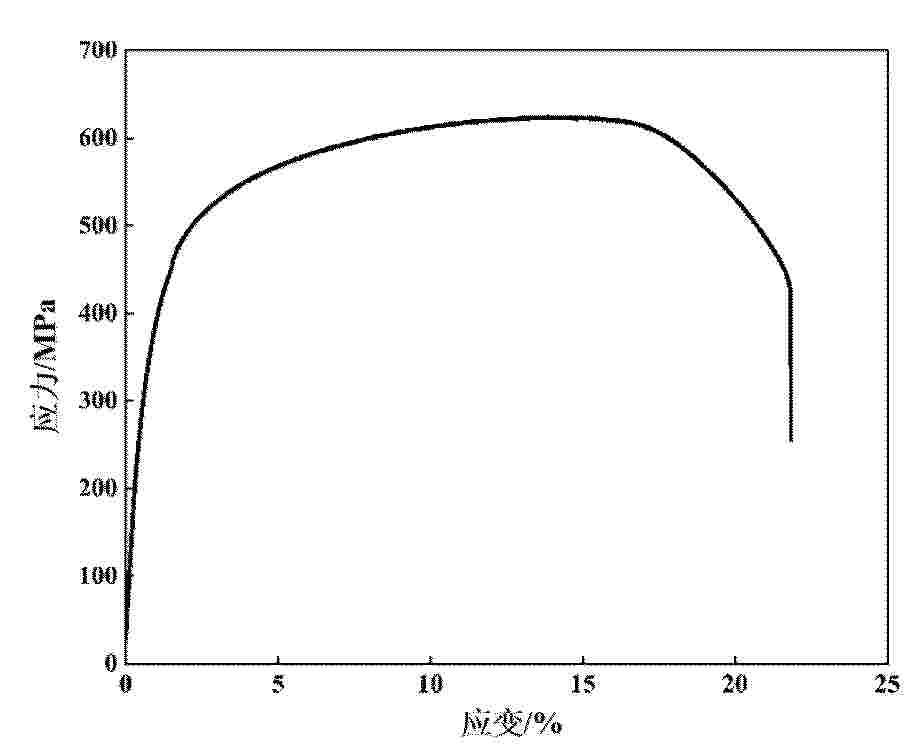
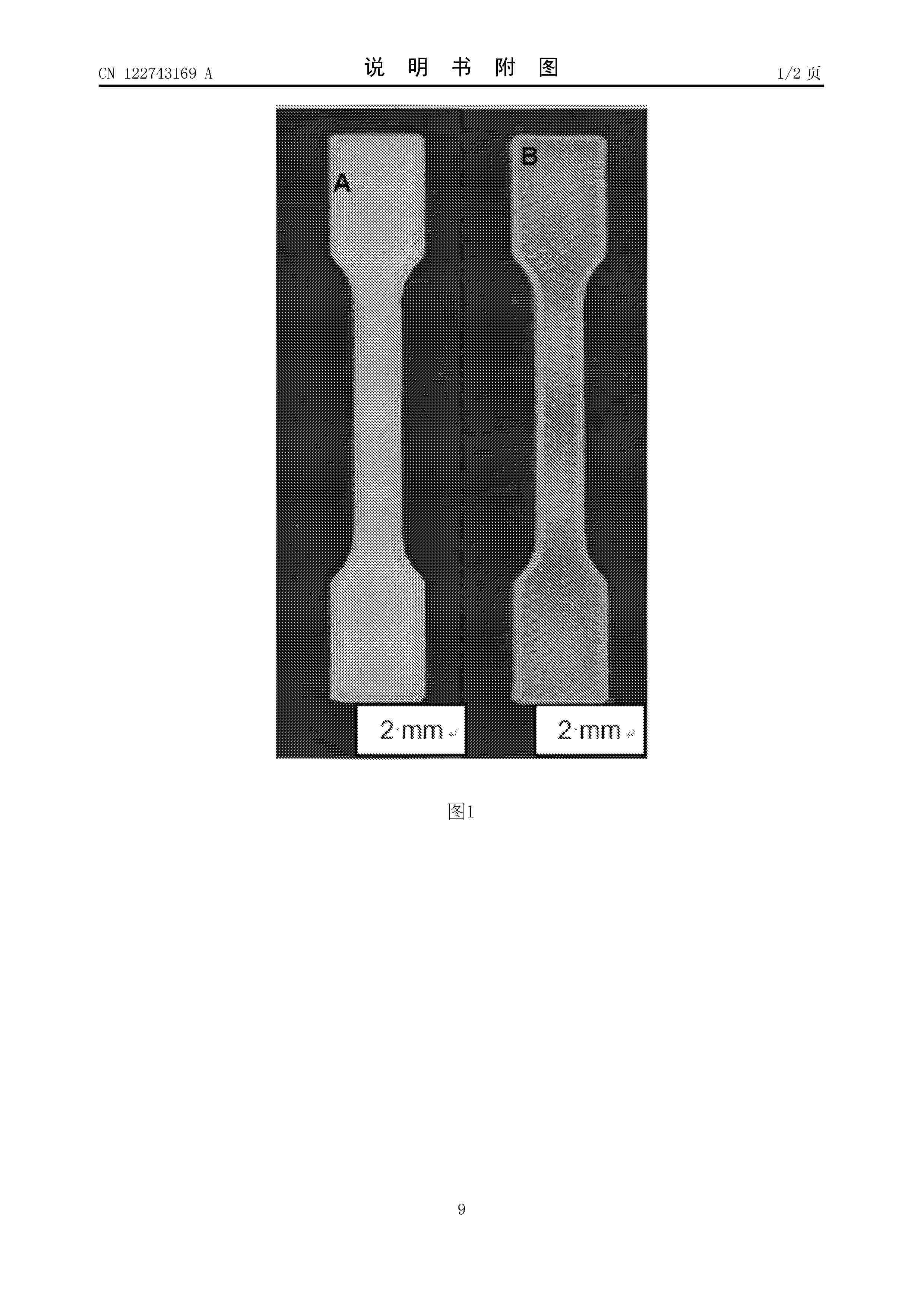
本发明公开了一种Ti‑30Ta合金选区激光熔化成型性能调控方法,该方法包括以下步骤:一、采用优化的棋盘打印策略对气雾化的Ti‑30Ta预合金粉末进行选区激光熔化成型,调控打印参数,并在逐层打印过程中进行层间旋转,得到打印件;二、采用高压氩气清洗,在惰性保护气体中进行梯度升温去应力退火;三、进行表面原位微纳化处理,构筑分级微纳结构并形成富钽表层,得到Ti‑30Ta合金。本发明的方法通过采用优化的棋盘打印策略进行选区激光熔化成型,结合梯度去应力退火工艺和表面原位微纳化处理,得到兼具高成型致密度、优良生物力学匹配性与高效促成骨性能的高性能Ti‑30Ta合金,适用于生物医用领域。
Resumen de: WO2025172063A1
The present invention refers to a polymer obtainable by reacting lactide, optionally glycolide, and an alcohol having the molecular formula C5H12O5, in the presence of at least one catalyst. Furthermore, the present invention refers to a composition comprising at least one polymer according to the present invention and at least one flow agent. In addition, the present invention pertains to a SLS 3D printing method comprising the steps a) providing a powder of the at least one polymer according to the invention or a composition according to the invention, b) heating the powder or the composition of step a) in a chamber, c) sintering by applying laser. Furthermore, the present invention pertains to a 3D printing method of a freeformer, according to an injection molding process, providing pellets of the polymer according to the invention or a powder of the polymer according to the invention. Finally, the present invention refers to an article comprising or consisting of the polymer according to the present invention, optionally obtained by one of the methods of the present invention.
Resumen de: US20250186713A1
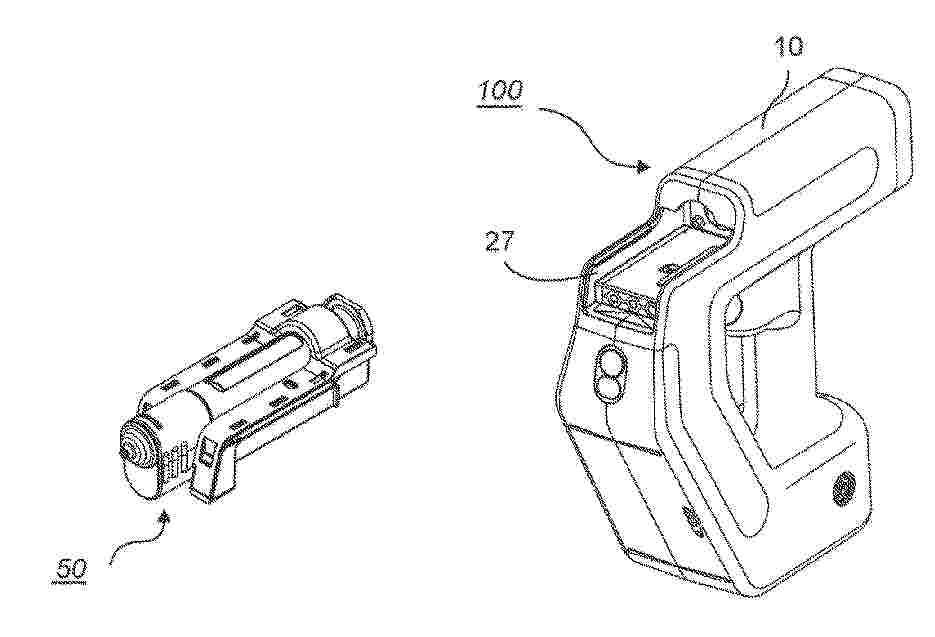
A disposable fluid delivery system for an electrostatic applicator. The system includes a nozzle cap including a distal end including a delivery outlet and an open proximal end. A nozzle housing can be included with a proximal inlet end and an open distal end connected to the open proximal end of the nozzle cap. A conductive insert is at least partially positioned between the open distal end and the proximal inlet end and includes a portion of a flow pathway formed at least partially between the nozzle cap, the nozzle housing, and the conductive insert. A high voltage connector is extended at least partially through the nozzle housing and electrically connected to the conductive insert and configured to be in electrical communication with a high voltage module and electrostatically charge fluid contents within the flow pathway.
Resumen de: CN122721175A
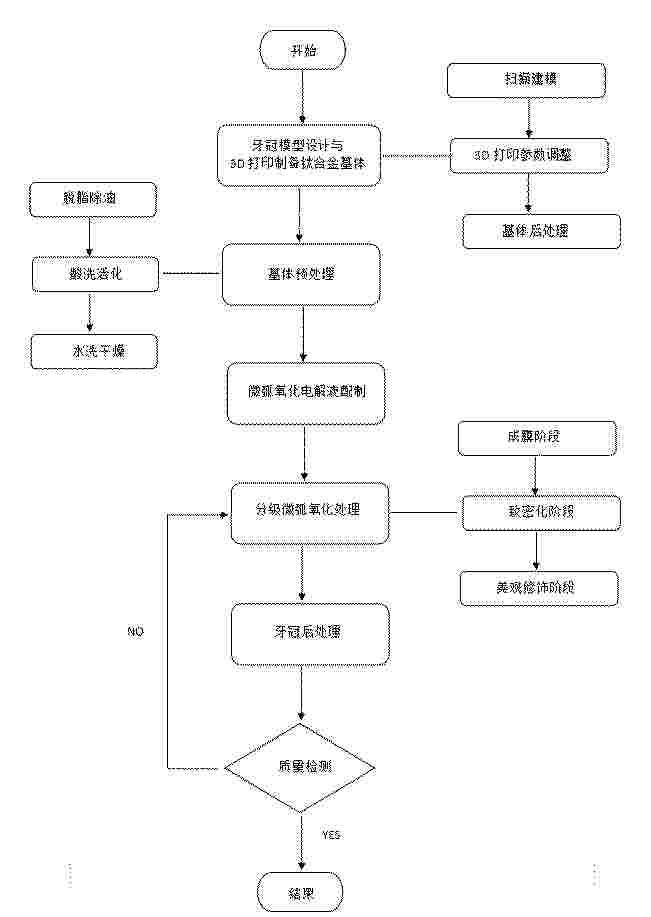
本发明涉及一种3D打印钛合金基陶瓷牙冠的微弧氧化制备方法和产品,属于牙科修复体制备。本发明公开了一种3D打印钛合金基陶瓷牙冠的微弧氧化制备方法和制备得到的3D打印钛合金基陶瓷牙冠,旨在解决现有复合牙冠陶瓷层易脱落、性能不均、生物相容性不足、制备工艺繁琐等技术问题,通过3D打印精准制备钛合金牙冠基体,结合分级微弧氧化工艺,在基体表面原位生成均匀、致密、结合力强的陶瓷膜层,形成“内部钛合金、外部陶瓷”的复合结构,兼顾钛合金的高强度、韧性和生物相容性,以及陶瓷的美观性、耐磨损性和耐腐蚀性,简化制备工序,提升牙冠的适配性和使用寿命,满足牙科临床修复需求。
Resumen de: CN122721650A
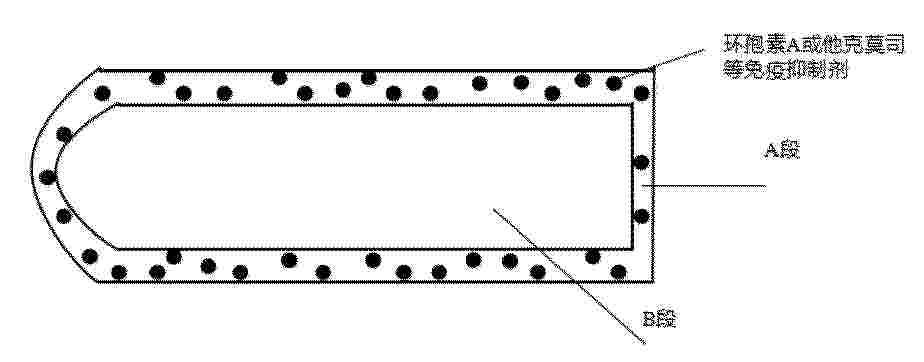
本发明公开了一种Janus结构泪道栓塞及其制备方法和应用,具体涉及一种具有异质结构的泪道栓塞。该栓塞采用Janus不对称设计:其A段由PLGA与透明质酸复合形成可降解亲水多孔支架,负载环孢素A等药物,负责短期泪液调节与抗炎治疗;B段则由PDMS构成不可降解疏水弹性体,提供长期物理封闭。两段通过同轴3D打印技术一体化成型,实现界面牢固融合。本发明解决了现有泪道栓塞存在的功能单一性、时效性不可调和个体适配性差等技术难题,实现了短期药物递送与长期泪道阻塞的时序协同。同时,3D打印工艺支持根据患者泪点解剖结构进行个性化定制,有效克服了现有栓塞易移位、药物功能缺失及个体不适配等问题,为干眼症,尤其是炎症性干眼提供了创新性治疗方案。
Resumen de: CN122721178A
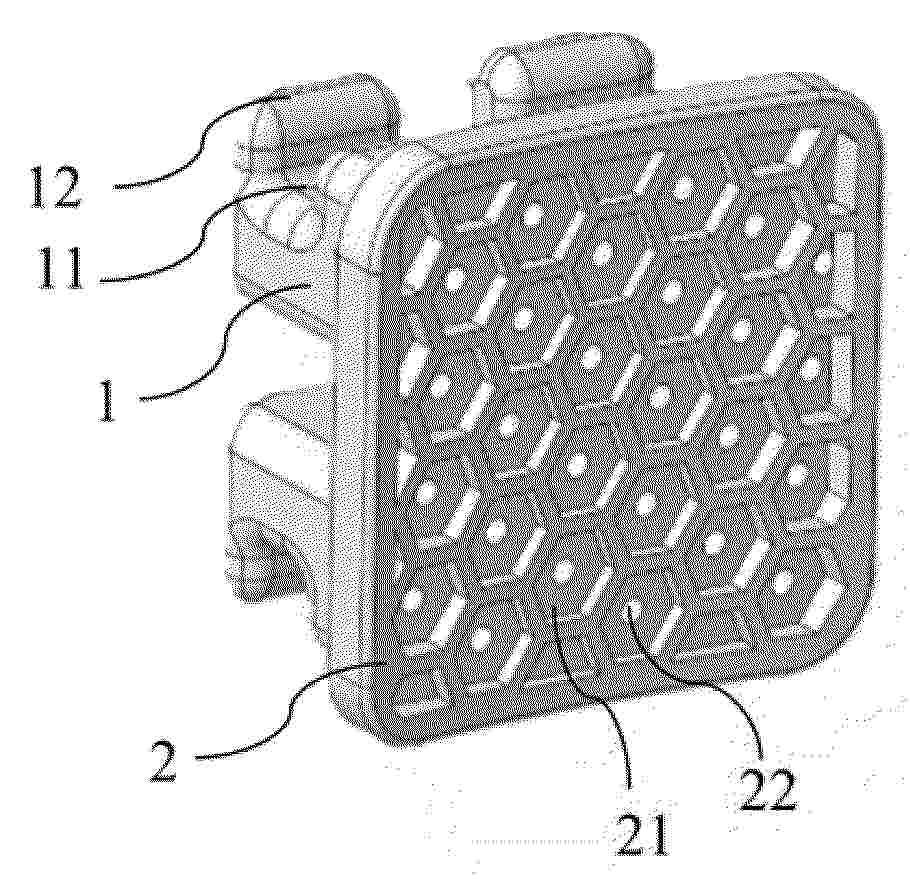
本申请涉及一种3D打印树脂复合陶瓷正畸托槽及其制备方法,所述3D打印树脂复合陶瓷正畸托槽包括托槽本体以及设置于所述托槽本体底部的网状底板,且所述托槽本体与所述网状底板采用树脂复合陶瓷材料通过3D打印一体成型;所述网状底板的曲率与目标牙齿表面的曲率相同;所述网状底板包括由相互连接的子网格形成的网格结构,所述子网格中开设有网孔;本申请所述3D打印树脂复合陶瓷正畸适配不同患者牙面曲率,实现了托槽与患者牙面的全贴合,兼顾了托槽的美学与力学性能,粘接强度和矫治精度显著提高,还通过数字化设计与云端协同,实现了椅旁快速制造,大幅缩短了诊疗周期。
Resumen de: US20260267399A1
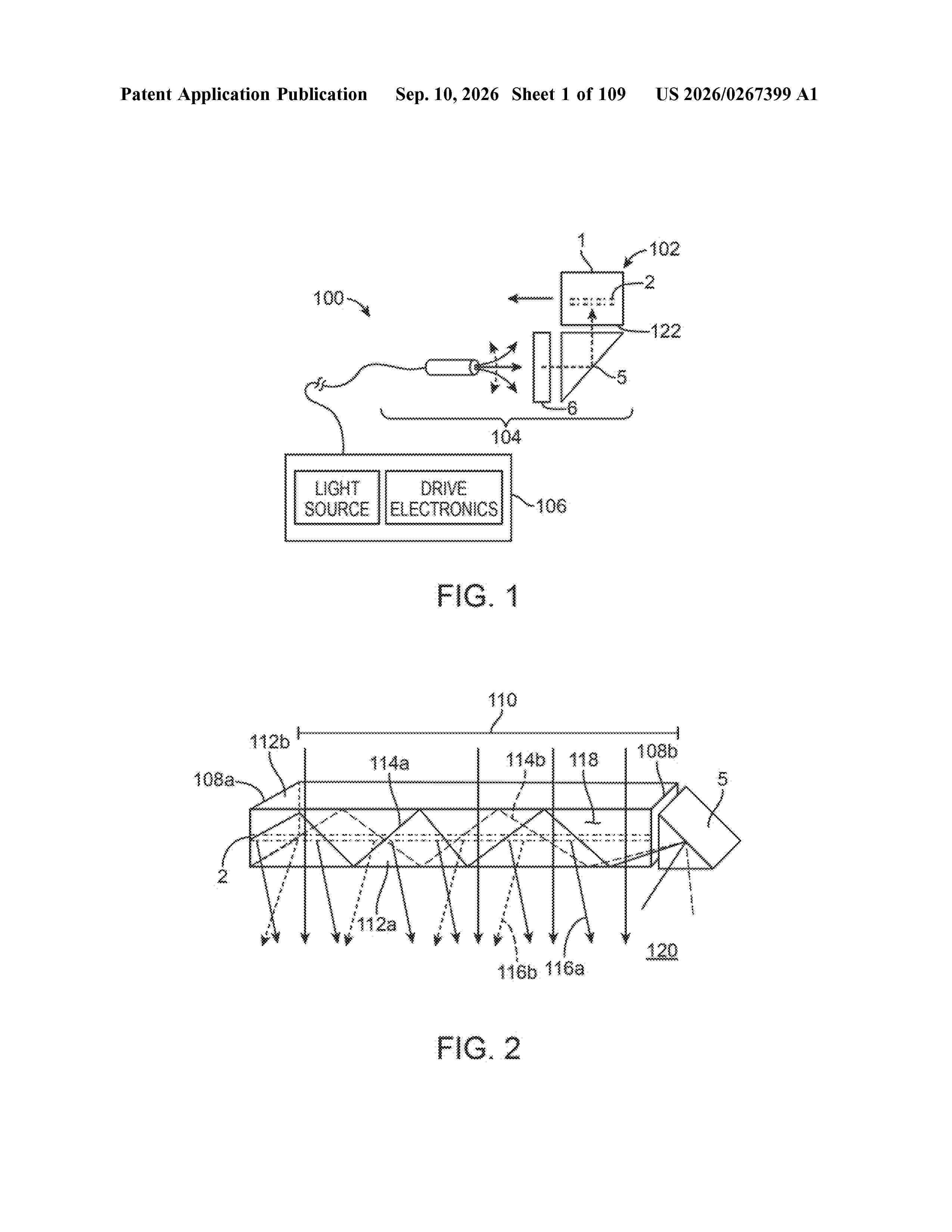
A waveguide apparatus includes a planar waveguide and at least one optical diffraction element (DOE) that provides a plurality of optical paths between an exterior and interior of the planar waveguide. A phase profile of the DOE may combine a linear diffraction grating with a circular lens, to shape a wave front and produce beams with desired focus. Waveguide apparati may be assembled to create multiple focal planes. The DOE may have a low diffraction efficiency, and planar waveguides may be transparent when viewed normally, allowing passage of light from an ambient environment (e.g., real world) useful in AR systems. Light may be returned for temporally sequentially passes through the planar waveguide. The DOE(s) may be fixed or may have dynamically adjustable characteristics. An optical coupler system may couple images to the waveguide apparatus from a projector, for instance a biaxially scanning cantilevered optical fiber tip.
Resumen de: US20260269058A1
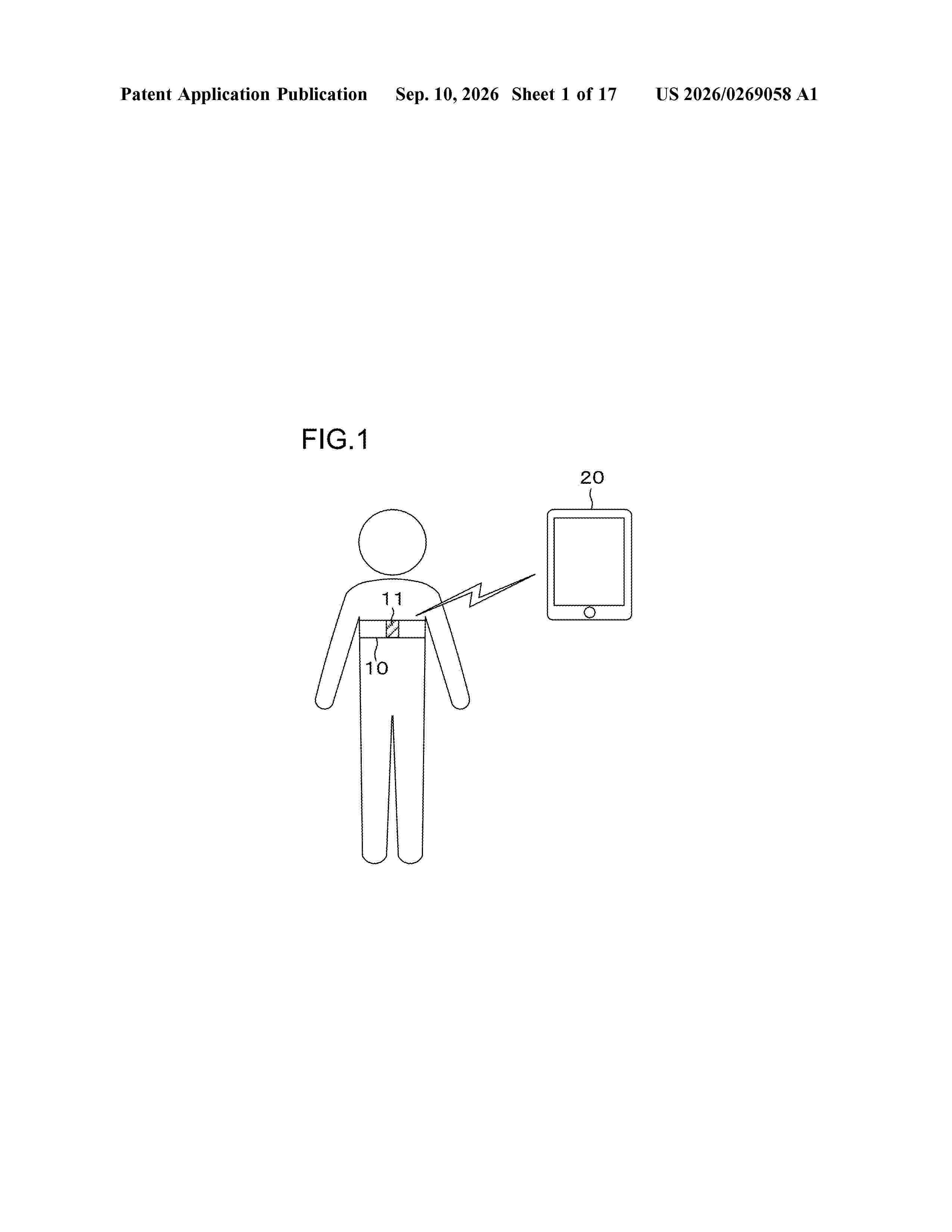
0000 Provided are a program and the like capable of accurately evaluating the activity intensity of physical activity. A computer acquires acceleration data detected by an acceleration sensor attached to a subject in exercise. In addition, the computer counts the frequency of each acceleration based on the acquired acceleration data, and generates a frequency distribution for each acceleration. 0000 Then, the computer specifies a mixed normal distribution model that expresses a frequency distribution for each acceleration generated.
Resumen de: US20260263694A1
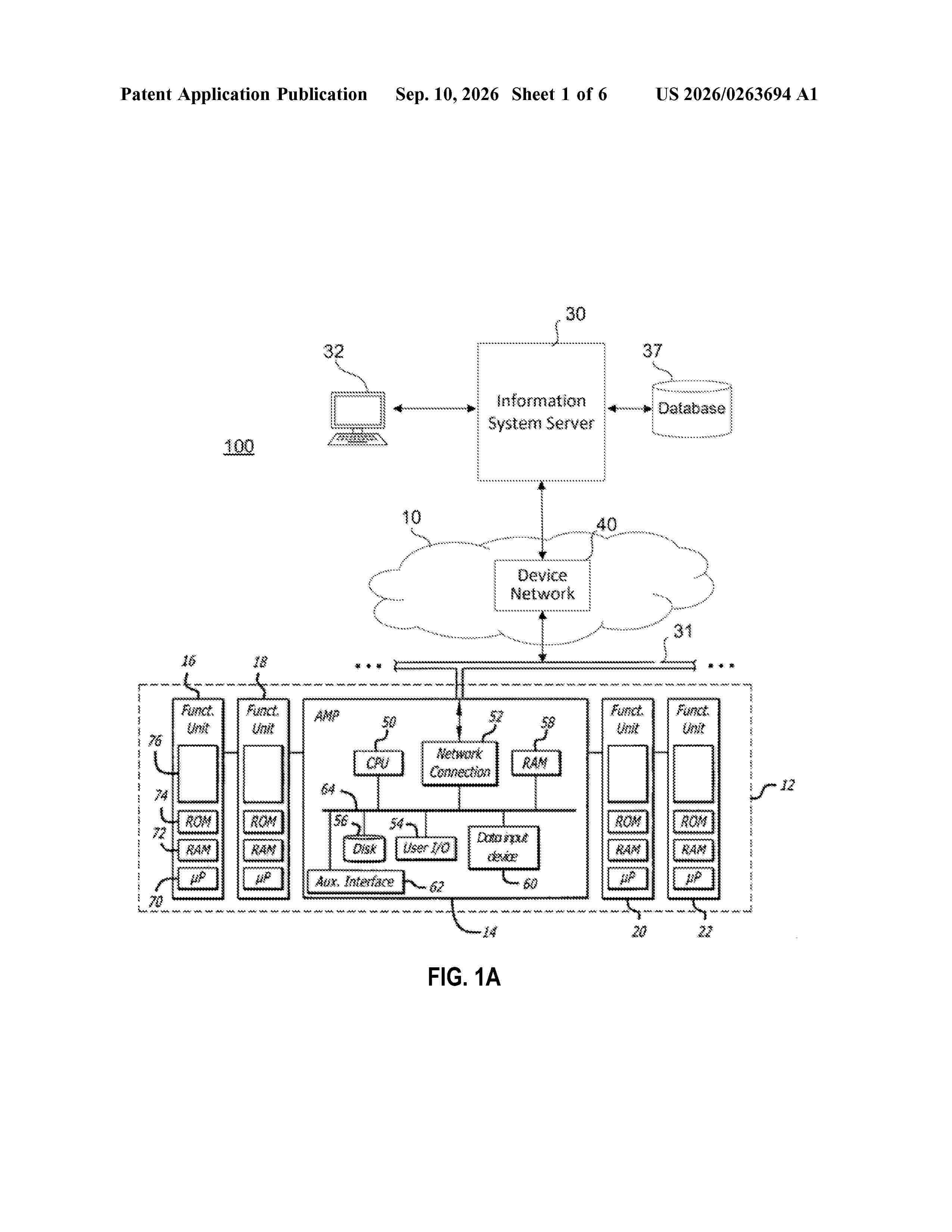
0000 An external infusion control device operably connects to an infusion device and one or more sensors, and is configured to control the infusion device based on sensor data provided by the sensors and user input provided at the control device. The control device provides a user interface to a display and, on receiving a therapy selected by a user, confirms the sensors for the therapy are operably connected to the control device and that the control device is operably connected to an infusion device that may be controlled by the sensor data. One or more algorithms are obtained, for example by way of being downloaded from a server, to control the infusion device based on the sensor data, and performance of the selected therapy is facilitated by the control device based on sensor data received from the one or more sensor devices.
Resumen de: US20260262997A1
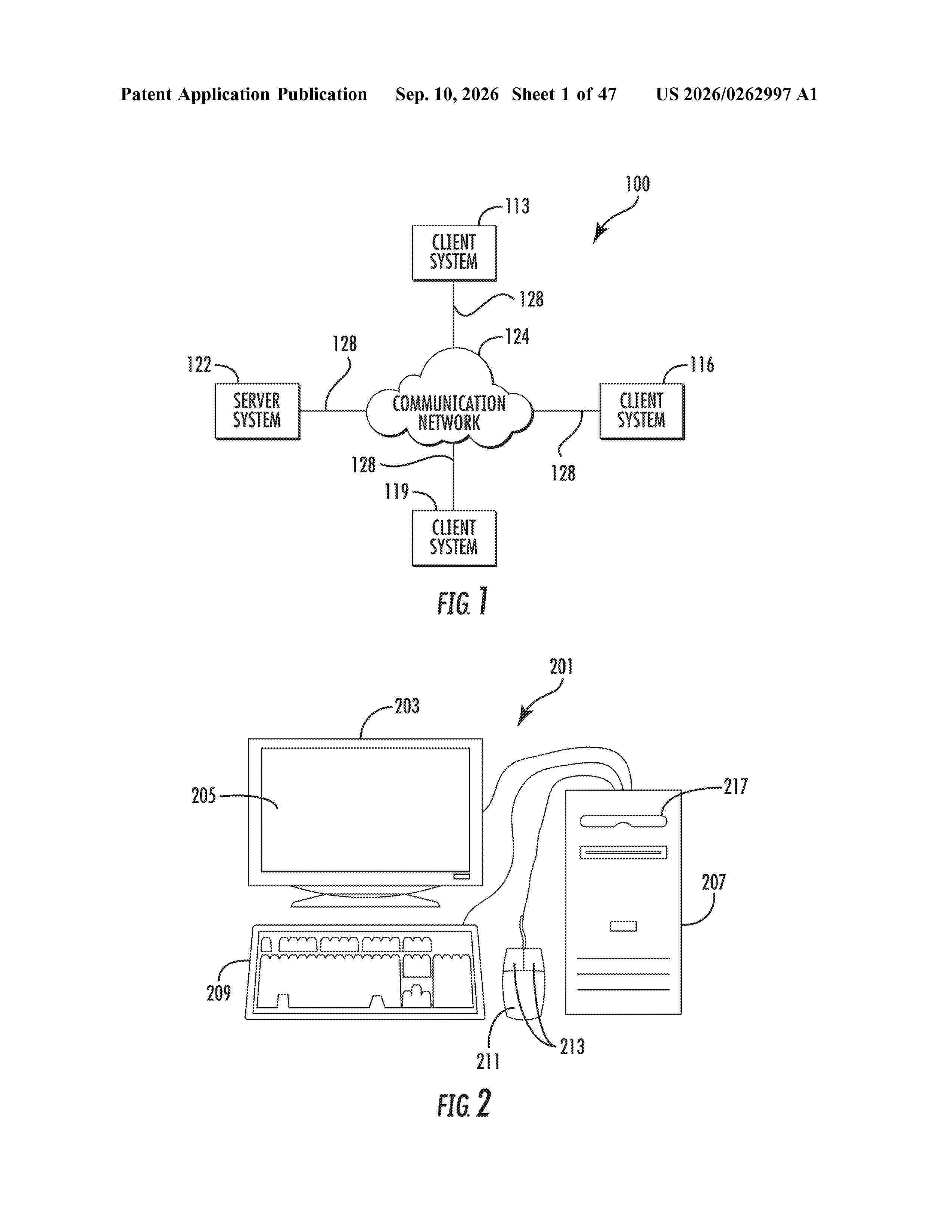
0000 Scanning a person's skin allows one to more easily find products that match their skin tone. Cosmetic products are organized or classified using a three-dimensional skin tone color space. A skin scan determines a person's skin tone in the same skin tone color space. This allows customers to determine which products are appropriate for their skin tone that they can purchase form a retailer. A scanning device is used to scan one or more locations of a person's skin to obtain a skin tone identifier. For example, two different locations of a person's face can be scanned, such as the forehead and cheek. There may be an additional third scan. The scan determines a skin tone result in the skin tone color space.
Resumen de: US20260263163A1
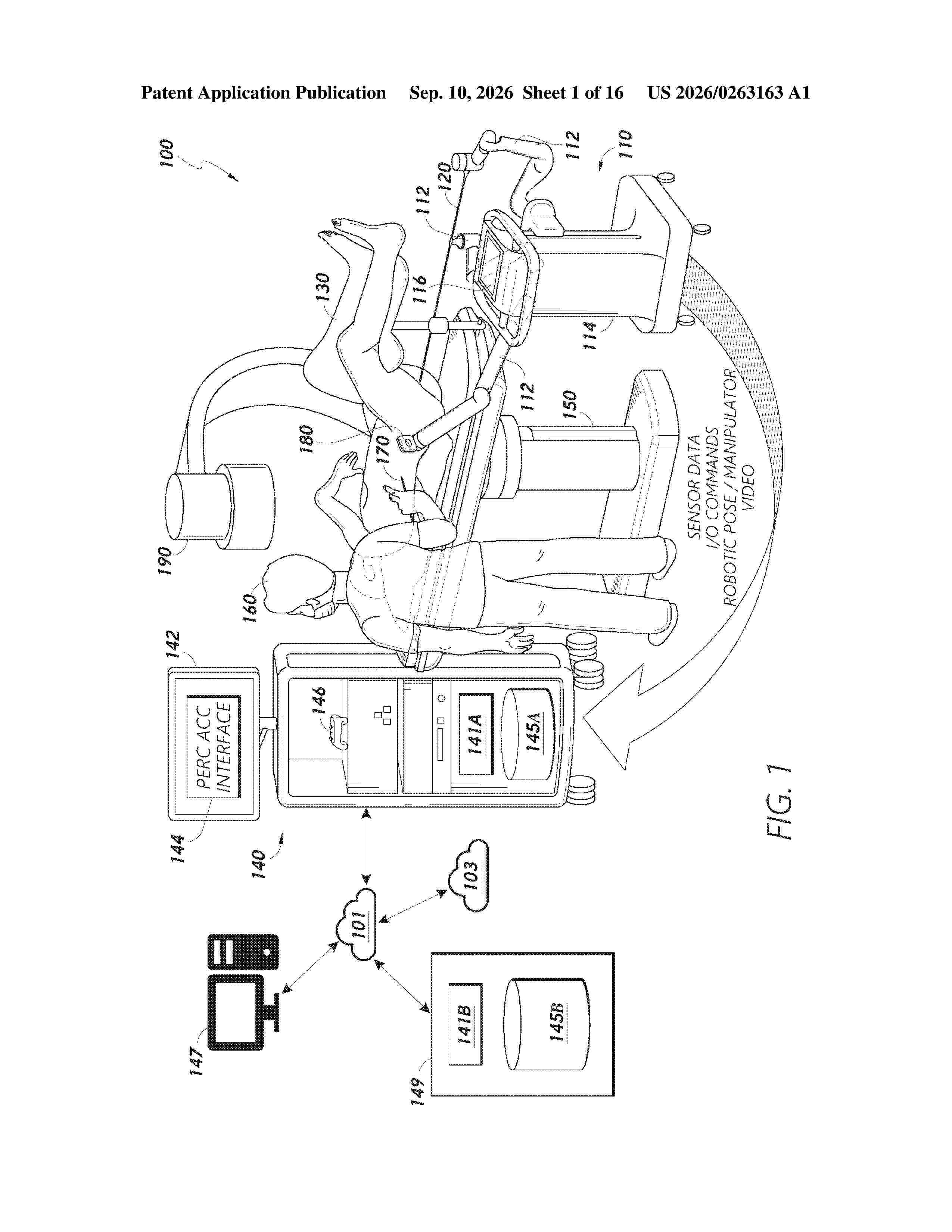
0000 Techniques for segmenting a percutaneous medical procedure based on one or more determinable phases. The techniques may include obtaining a first set of features over a first time period. The first set of features may be derived from instrument telemetry data corresponding to an endoluminal scope instrument. The technique may also include obtaining a second set of features over the first time period. The second set of features may be derived from instrument telemetry data corresponding to a percutaneous needle instrument. Based on the first set of features and the second set of features, the techniques may classify at least a portion of the first time period as a first phase of the percutaneous medical procedure.
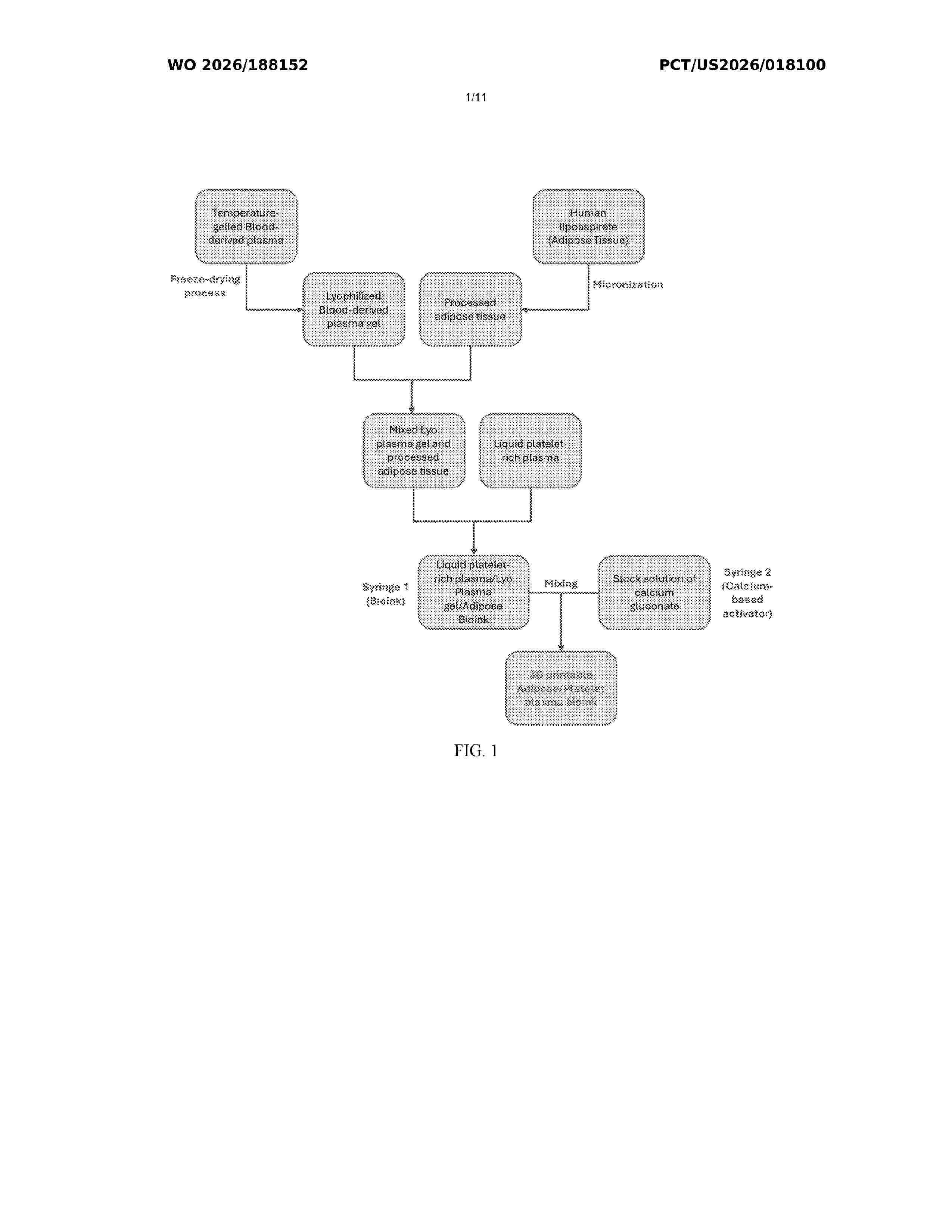
Resumen de: WO2026188152A1
The present disclosure generally relates to bioink compositions and methods thereof. Other aspects of the disclosure relate to articles produced using a 3D printer and one or more bioinks disclosed herein. Additional aspects of the disclosure further provide for methods of 3D printing a tissue graft using one or more of the bioinks disclosed herein. The bioink-derived tissue grafts may be used to enhance wound healing and/or tissue regeneration of non-healing wounds.
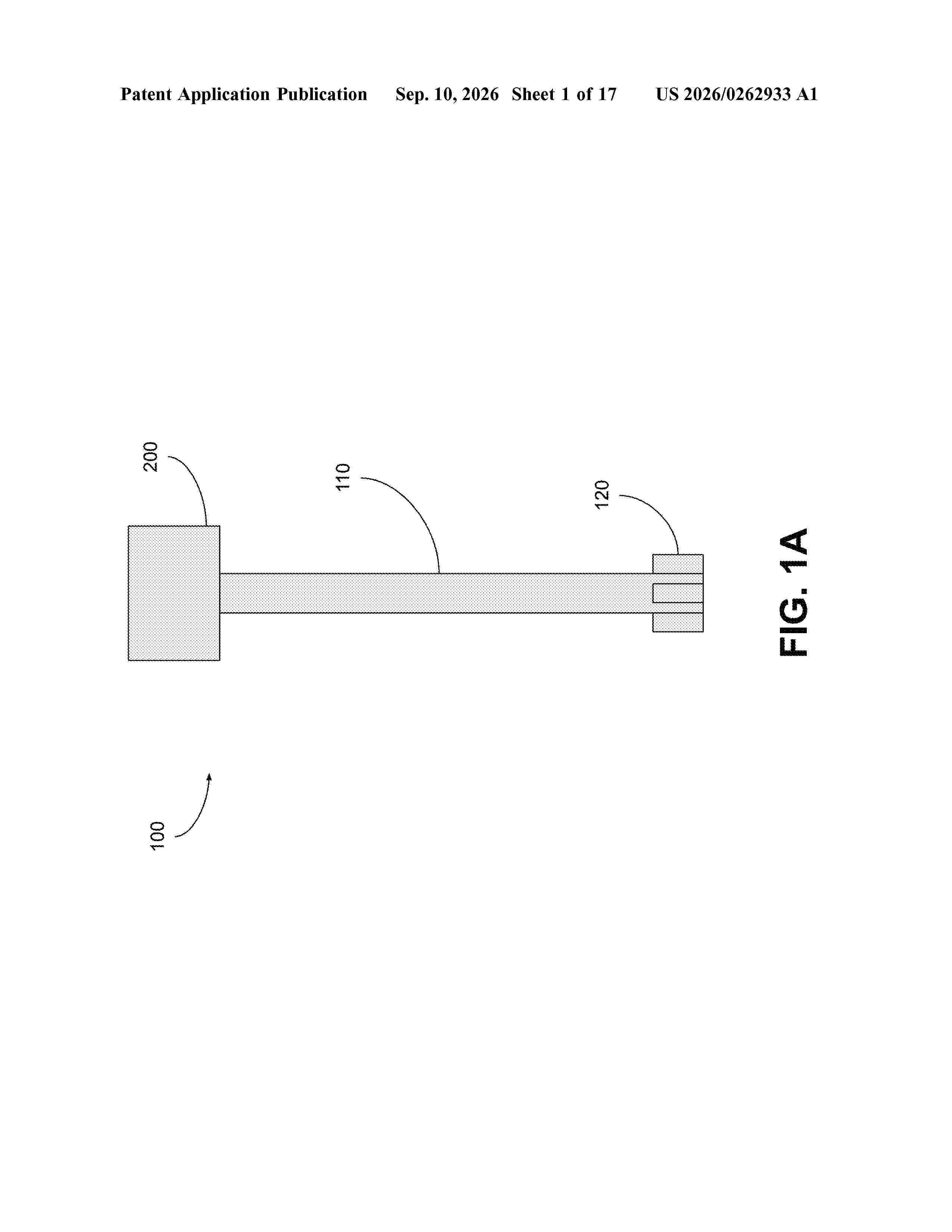
Resumen de: US20260262933A1
A system for generating a multi-angle visualization of tissue of a patient. The system includes a medical device having one or more imaging devices disposed at the distal end for measuring a continuous stream of 2D quantitative visual data. The system further includes a computing device configured to accept the one or more continuous streams of 2D quantitative visual data from the one or more imaging devices, generate a depth map, backproject the depth map into 3D object space, resulting in a 3D point cloud, define a virtual camera position relative to the 3D point cloud, generate, based on the 3D point cloud and the virtual camera position, the multi-angle visualization of the tissue, and display the multi-angle visualization of the tissue.
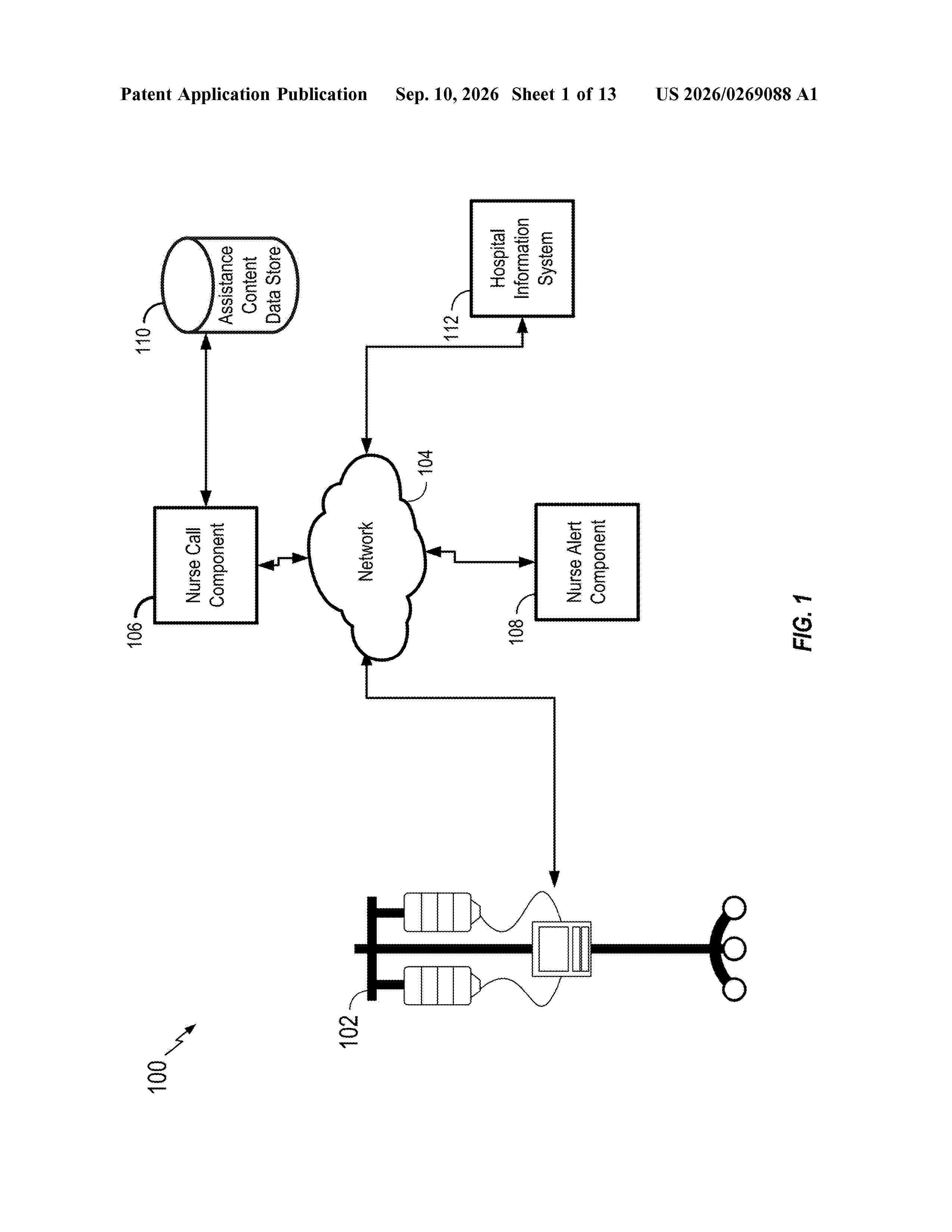
Resumen de: US20260269088A1
0000 Certain aspects of the disclosure provide a method of patient-nurse communication via an infusion pump system. In some examples, the method includes associating the infusion pump controller with the patient; receiving, on the infusion pump controller, user input corresponding to a nurse assistance call; and sending, to a nurse call system, information corresponding to the nurse assistance call.
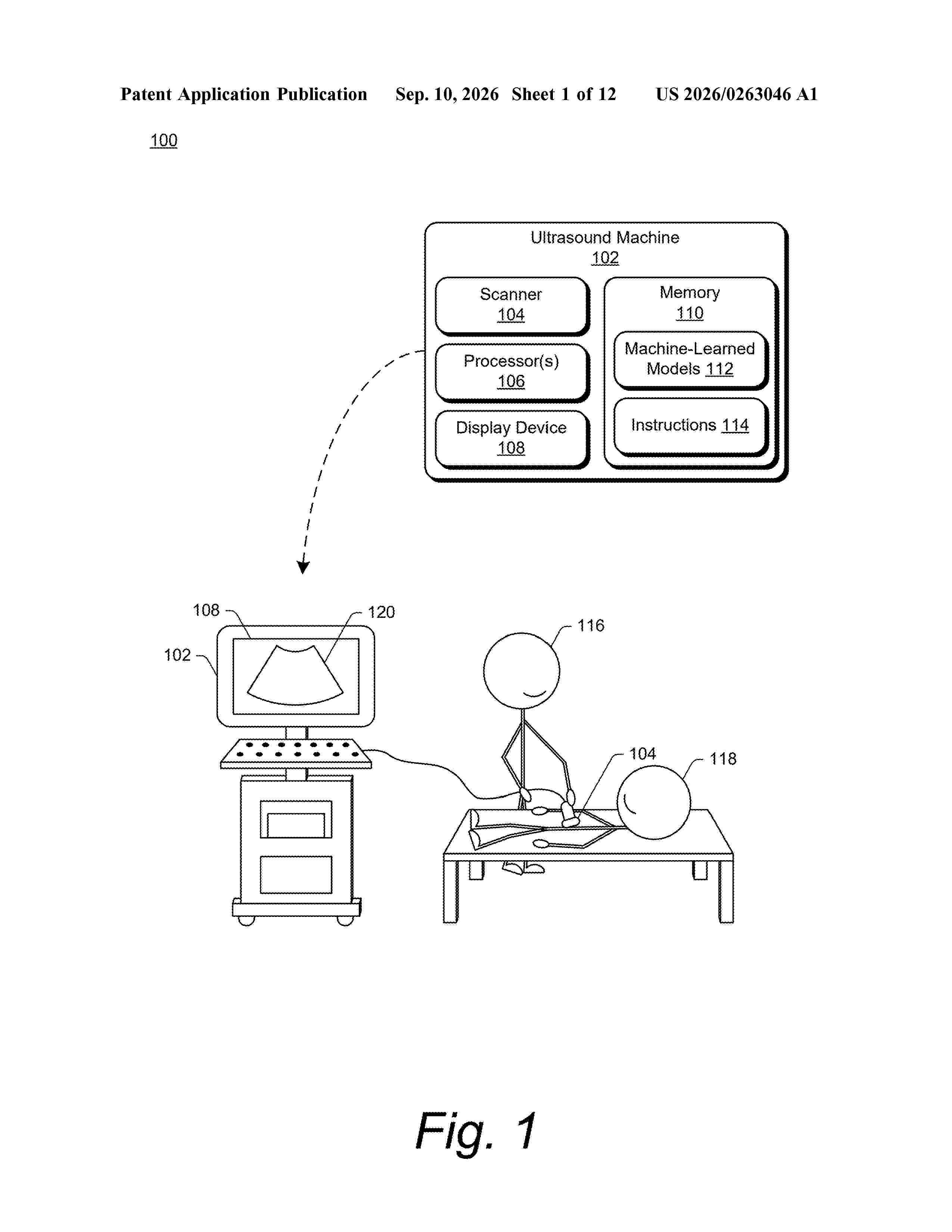
Resumen de: US20260263046A1
0000 Systems, devices, and methods for ultrasound-based elastography through shear-wave measurement are described. In some implementations, an ultrasound system generates ultrasound data from an ultrasound scan of an anatomy, such as a bodily structure of an organism. The system generates one or more push pulses to induce one or more corresponding shear waves in the anatomy being scanned. The one or more shear waves are scanned by the system, producing shear wave ultrasound data, which is used by the system to determine one or more features of the anatomy being scanned (speed-of-sound, elasticity of the anatomy, etc.). According to some embodiments, the one or more features of the anatomy are further based on the ultrasound data.
Resumen de: DE102025112252B3
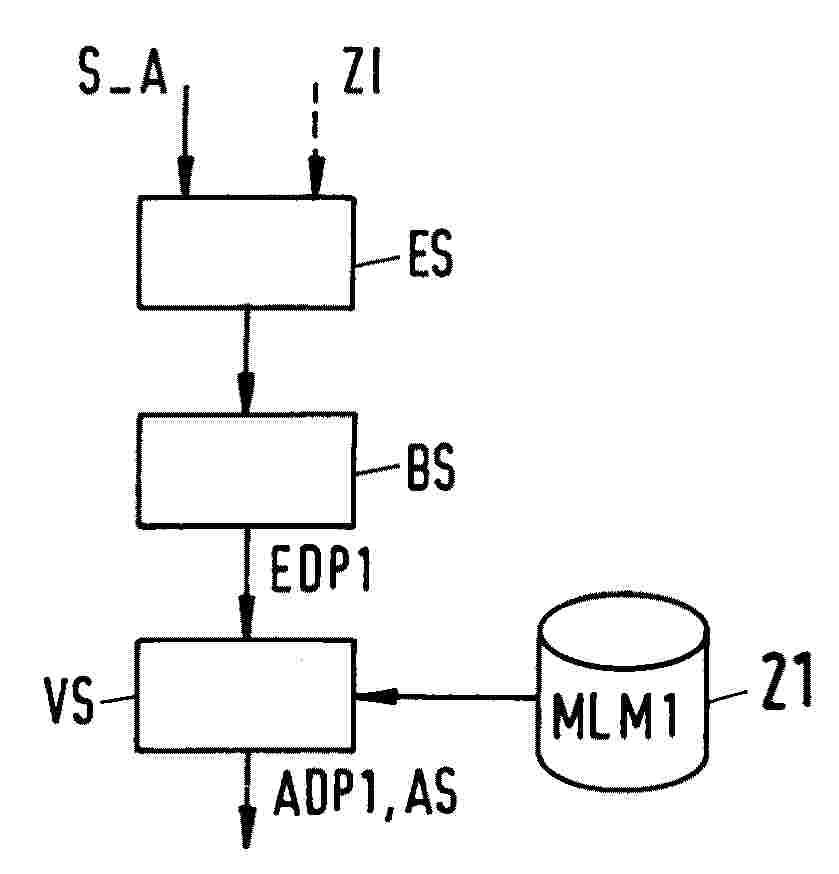
Die Erfindung betrifft ein Verfahren zum Betreiben eines medizinischen Visualisierungssystems, wobei das medizinische Visualisierungssystem (1) mindestens eine Bilderfassungseinrichtung (6), mindestens eine Auswerteeinrichtung (8) und mindestens eine Informationsausgabeeinrichtung umfasst, umfassend die Schritte:• Empfangen (ES) mindestens eines Bildsignals (S_A), das eine Bildsequenz mit mindestens einem Abbild repräsentiert, welches durch die mindestens eine Bilderfassungseinrichtung (6) von einem Untersuchungsbereich (2) erzeugt wurde,• Bereitstellen (BS) von mindestens einem Eingabedatenpunkt (EDP1) für die Verarbeitung durch mindestens ein erstes maschinell erlerntes Modell (MLM1), wobei der Eingabedatenpunkt (EDP1) zumindest in Abhängigkeit des Bildsignals (S_A) bereitgestellt wird,• Verarbeiten (VS) des mindestens einen Eingabedatenpunkts (EDP1) mit der Auswerteeinrichtung (8) durch mindestens das erste maschinell erlernte Modell (MLM1) zur Erzeugung eines Ausgangssignals (AS), welches Informationen über mögliche bildsignalspezifische Messaufgaben (MA1,..., MAn) umfasst, wobei eine bildsignalspezifische Messaufgabe (MA1,..., MAn) die Bestimmung mindestens einer dimensionellen Größe eines abgebildeten Elements bezeichnet,Ansteuern der mindestens einen Informationsausgabeeinrichtung in Abhängigkeit des Ausgangssignals (AS), sowie ein medizinisches Visualisierungssystem (1).
Resumen de: WO2026187753A1
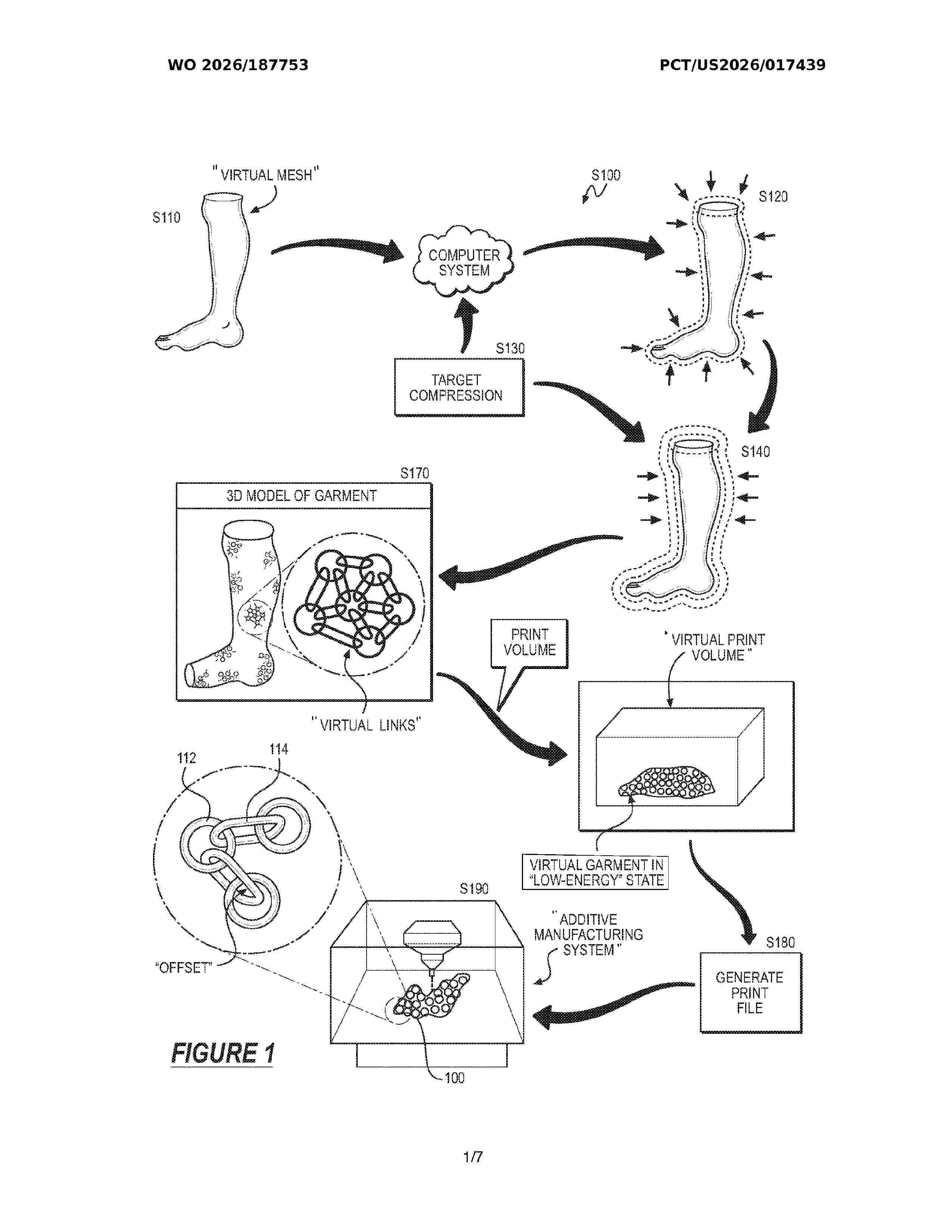
One variation of a method includes: accessing a virtual mesh representing a body part; calculating a center line of the virtual mesh; radially downscaling the virtual mesh, radially about the center line, according to a target radial compression for a compression garment; projecting a primary rotation axis of a joint, represented in the virtual mesh, onto the virtual mesh; and calculating a neutral plane corresponding to minimal axial displacement of soft tissue proximal a joint during articulation of the joint. This variation of the method also includes generating a three-dimensional model of the compression garment including: virtual compression links that cooperate to achieve the target radial compression proximal the joint and exhibit a first longitudinal compliance based on proximity to the primary rotation axis and the neutral plane; and virtual connector links that link pairs of adjacent virtual compression links.
Resumen de: US20260265841A1
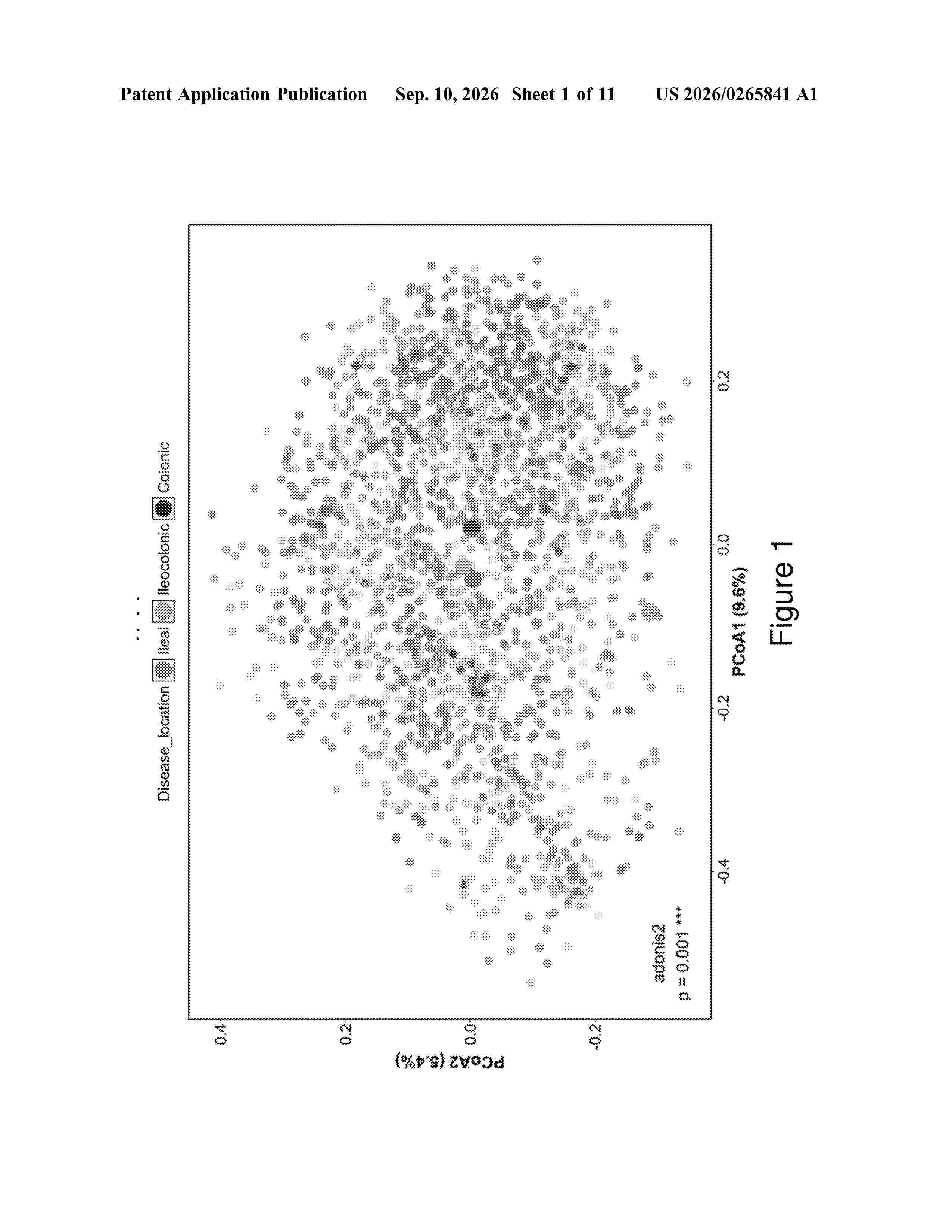
0000 In some embodiments, provided is a method for identifying a stool sample with an altered microbiome associated with IBD with disease above TI comprising the steps of: a) determining the relative abundance of a set of bacterial species in the stool sample; b) comparing the relative abundance of each bacterial species in the set of bacterial species from the individual with the relative abundance of each bacterial species in the set of bacterial species in a reference data set to generate a risk score; and c) determining the stool sample as having an altered microbiome associated with IBD with disease above the TI if the risk score is higher than a cutoff value. Other embodiments are described herein. In some embodiments, provided methods, kits, products and uses of compositions provide a cost-effective, non-invasive method to support clinical decision making, and hence to help improve disease management regarding disease above TI.
Resumen de: US20260263837A1
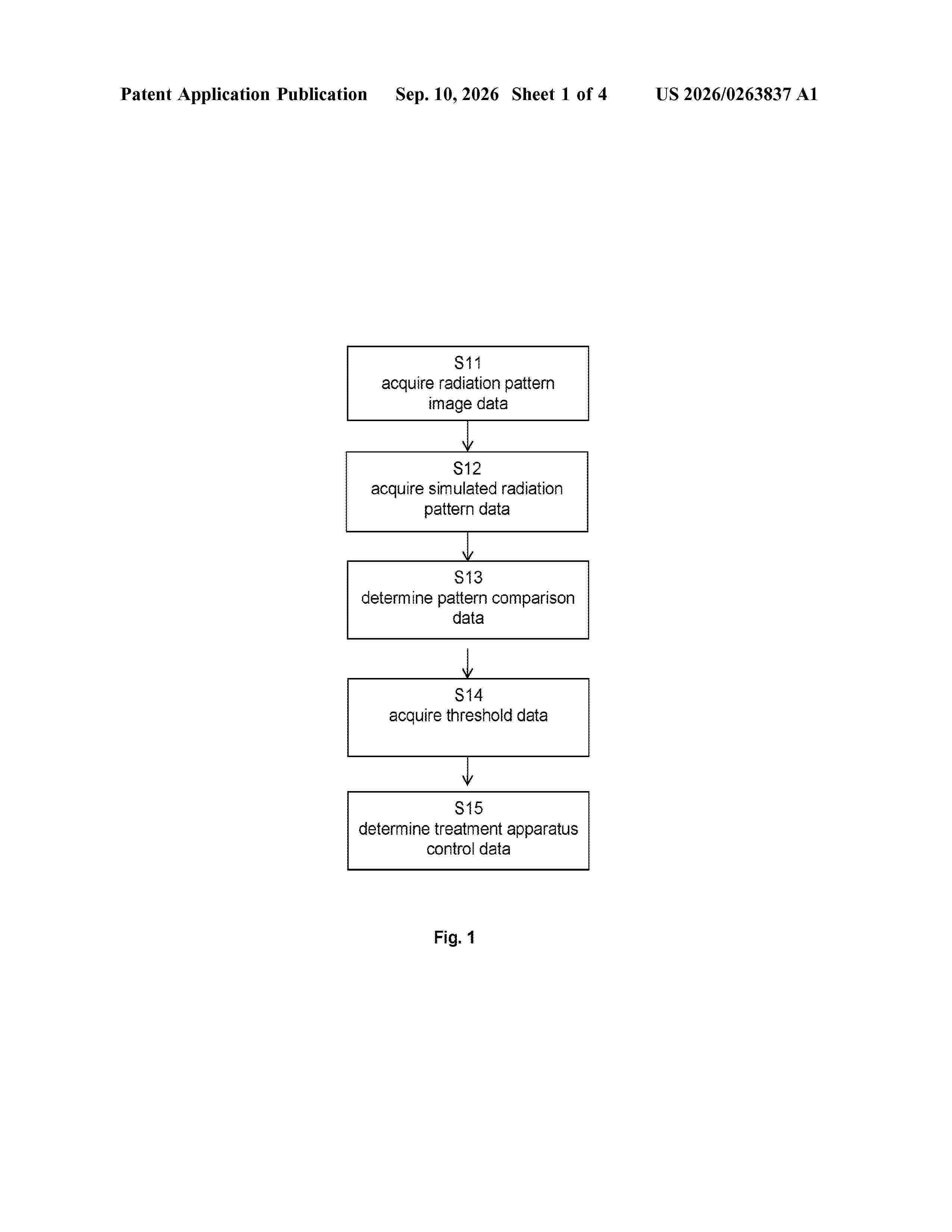
Disclosed is a computer-implemented method of determining control data for controlling a radiation treatment apparatus. The disclosed method encompasses, in one aspect, acquisition of a Cherenkov radiation image from a body surface of a patient and comparing it to a simulated Cherenkov radiation pattern such as for example with regard to its position relative to an anatomical body part which is designated to be irradiated with treatment radiation. The result of the comparison is used to control a radiation treatment apparatus, such as for example to switch the beam off if the comparison indicates that the position of the detected Cherenkov radiation relative to the anatomical body part is not according to plan.
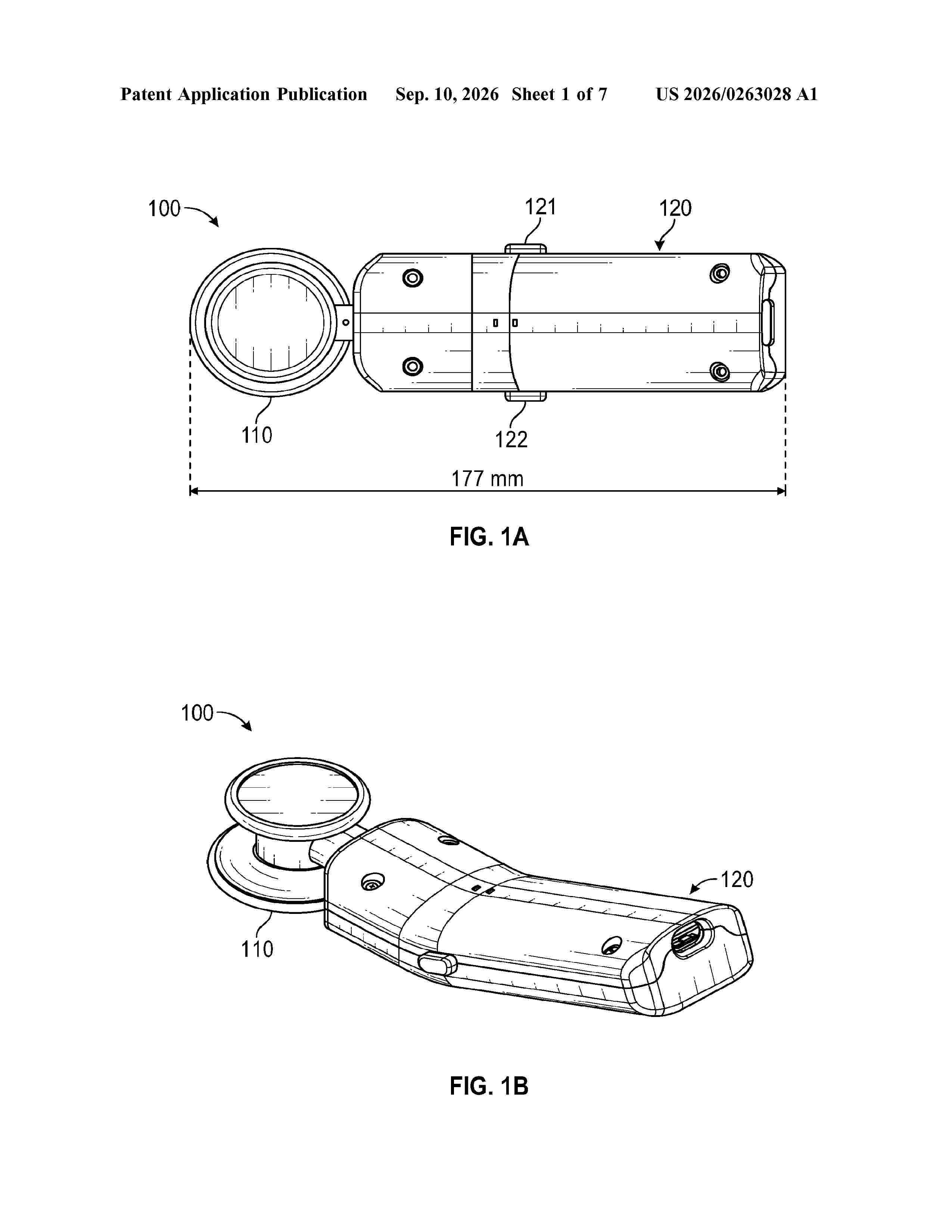
Resumen de: US20260263028A1
A digital stethoscope, including a chest piece enclosing a diaphragm; a first microphone configured to acquire a digital auscultation audio signal through the diaphragm and a second microphone configured to acquire an ambient audio signal; and a housing coupled to the chest piece and enclosing processing circuitry, wherein the processing circuitry is configured to generate and output an active noise cancelation signal based on the ambient audio signal, apply a gain to the digital auscultation audio signal, apply a digital filter to the digital auscultation audio signal, and stream the digital auscultation audio signal to external processing circuitry while acquiring the digital auscultation audio signal, and wherein the external processing circuitry is configured to extract a feature of the digital auscultation audio signal and classify the digital auscultation audio signal as including a Still's murmur based on the extracted feature.
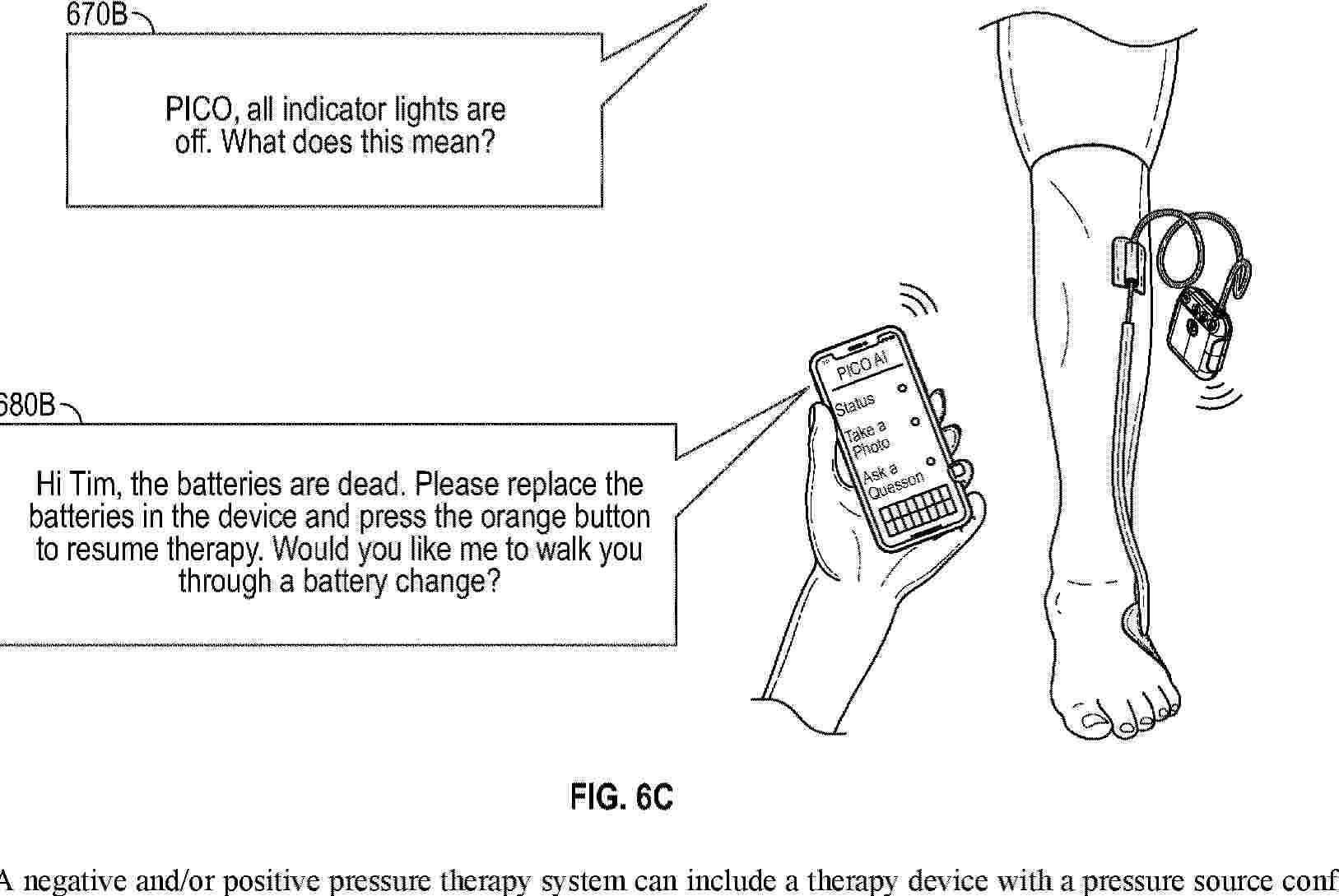
Resumen de: AU2025239707A1
A negative and/or positive pressure therapy system can include a therapy device with a pressure source configured to provide a pressure therapy to a wound site covered by a wound dressing and a controller configured to control operation of the pressure source. The system can include a storage medium storing executable instructions that, when executed by one or more processors, cause the one or more processors to receive a natural language query associated with provision of the pressure therapy, the natural language query being issued by a user of the therapy device, using one or more machine learning models trained solely with data provided by a manufacturer of the therapy device, process the natural language query and determine a response, and provide the response to one or more of the user or the controller.
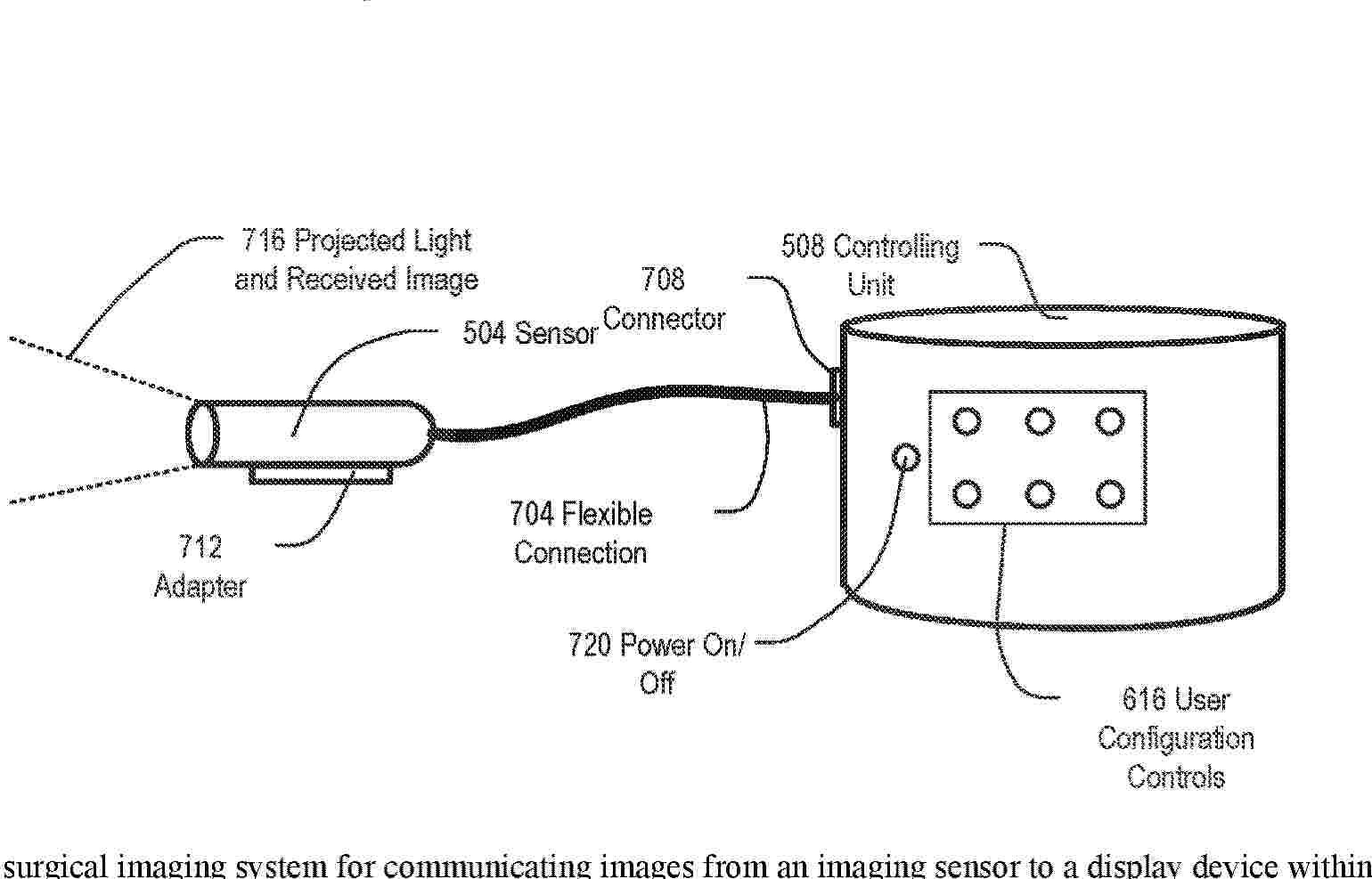
Resumen de: AU2025240472A1
A surgical imaging system for communicating images from an imaging sensor to a display device within an operating room has a video controlling unit configured to receive the images from the imaging sensor. The video controlling unit is sterile or sterilizable sufficient for use in the sterile field of an operating room. The video controlling unit is configured to atraumatically rest on the patient during the procedure.
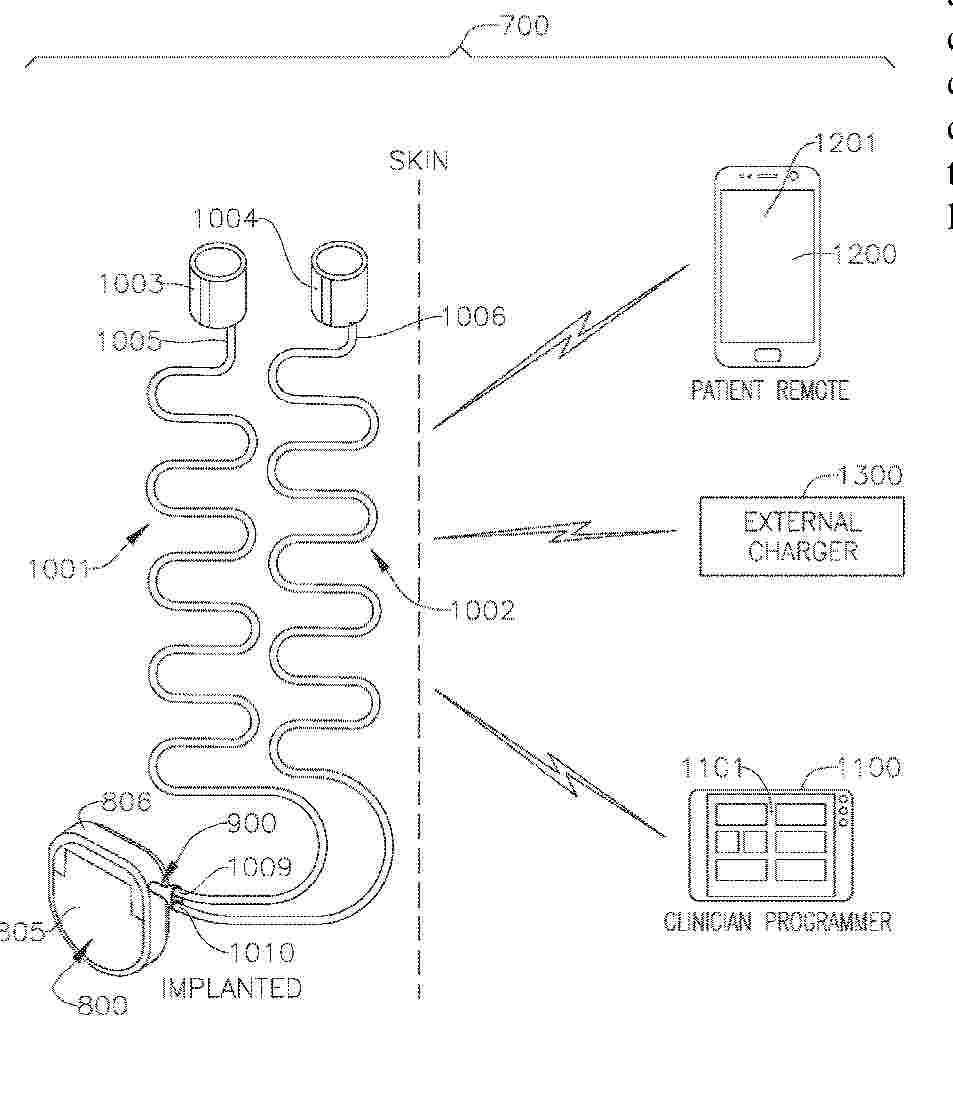
Resumen de: AU2025243979A1
A lead splitter adapter for an implantable pulse generator includes a plug portion configured to plug into a receptacle of an implantable pulse generator. The plug portion includes electrical contacts, and at least two of the electrical contacts, a first electrical contact from within the first lead receptacle and a second electrical contact from the second lead receptacle, which first and second electrical contacts are shunted by an electrical connection that includes at least one of a resistor, capacitor or inductor.
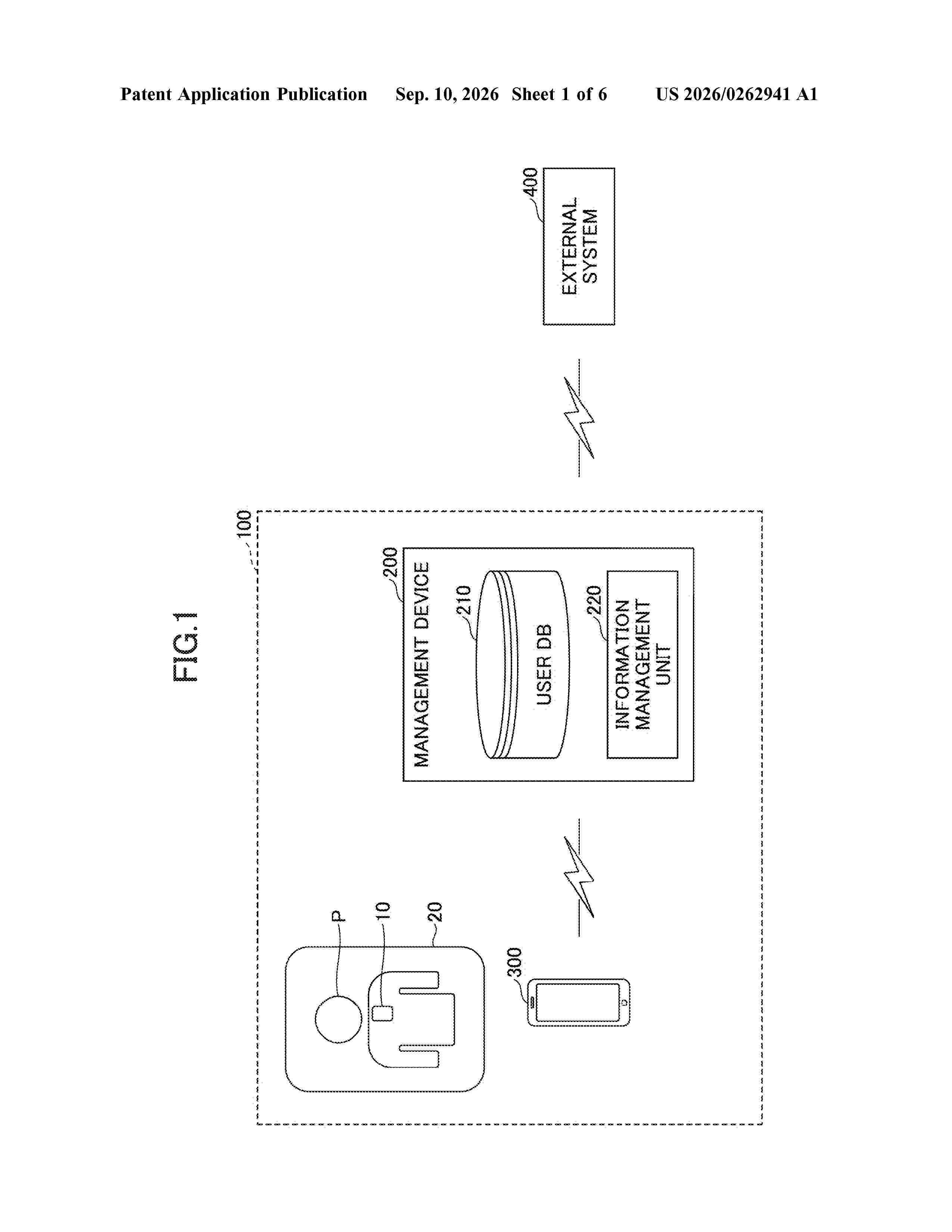
Nº publicación: US20260262941A1 10/09/2026
Solicitante:
NITTO DENKO CORP [JP]
NITTO DENKO CORPORATION
Resumen de: US20260262941A1
0000 A management system includes a device configured to be attached to a human body and a management device, wherein the management device includes an acquisition unit configured to acquire image data including an image of the device attached to the human body and an image indicating a physical characteristic of the human body, an extraction unit configured to extract, from the image data, authentication information identifying the human body and information acquired from the device, and a storage control unit configured to store the information acquired from the device in association with the authentication information in a storage unit.
 BOPI
BOPI
 Sede Electrónica