Si deseas distinguir tus productos, servicios o ambos de los de otra empresa, es posible que necesites una marca o nombre comercial. Descubre qué son, en qué consiste su procedimiento de registro y qué implica.

Información sobre los plazos de presentación de solicitudes de transformación de marcas de la Unión Europea en marca nacional española. Más información


Si tienes un nuevo dispositivo, producto o procedimiento que resuelva un problema técnico o tenga una ventaja práctica, existen distintas formas de protegerlo en España y en otros países. Descubre cómo hacerlo.

¿Tu innovación reside en la estética, la ornamentación o la apariencia de tu producto? Protégela mediante un diseño industrial. Descubre qué derechos confiere el registro y cómo realizar la tramitación.

Las indicaciones geográficas protegen el nombre de un producto originario de una zona geográfica, a la cual le debe una determinada calidad, reputación u otra característica. Descubre qué son, en qué consiste su procedimiento de registro y qué beneficios conceden.

Las patentes publicadas en todo el mundo son una valiosa fuente de información científica, técnica y comercial.

Si eres emprendedor/a o una empresa y quieres potenciar y mejorar la rentabilidad de tu negocio protegiendo de forma adecuada los activos intangibles de tu organización, en este espacio encontrarás lo necesario.


 402
resultados
402
resultados
 Última actualización
27/08/2026 [09:07:00]
Última actualización
27/08/2026 [09:07:00]


 Resultados 225 a 250 de 402

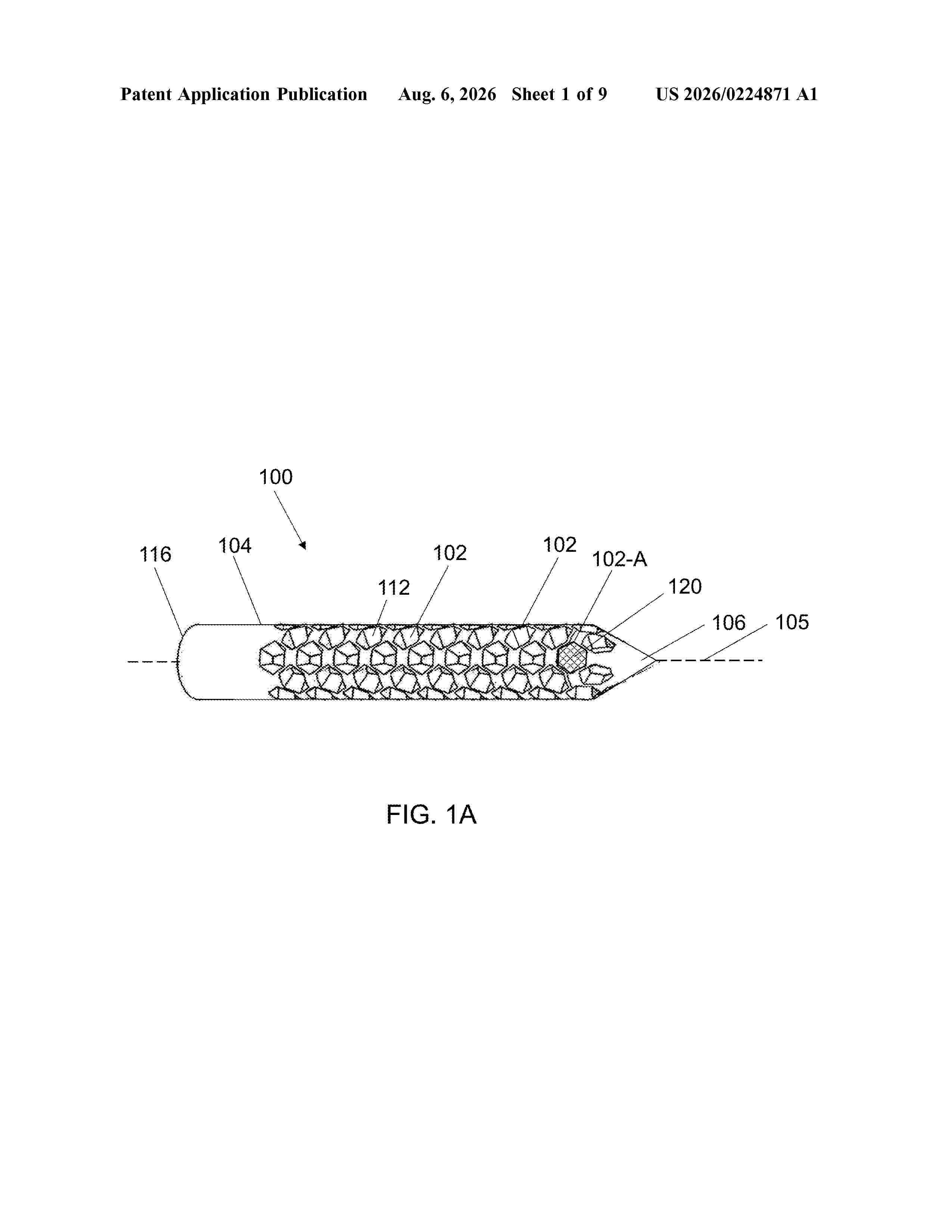
Resumen de: US20260224871A1
0000 A drug delivery device includes at least one tissue penetrating member configured to embed into tissue, the at least one tissue penetrating member including: a plurality of cavities, and at least one payload comprising at least one active pharmaceutical ingredient (API), the at least one payload loaded into the plurality of cavities so that the at least one API can be absorbed into the tissue when the at least one tissue penetrating member is embedded in the tissue, wherein a ratio of a surface area of the plurality of cavities to a volume of the plurality of cavities is at least 0.5:1

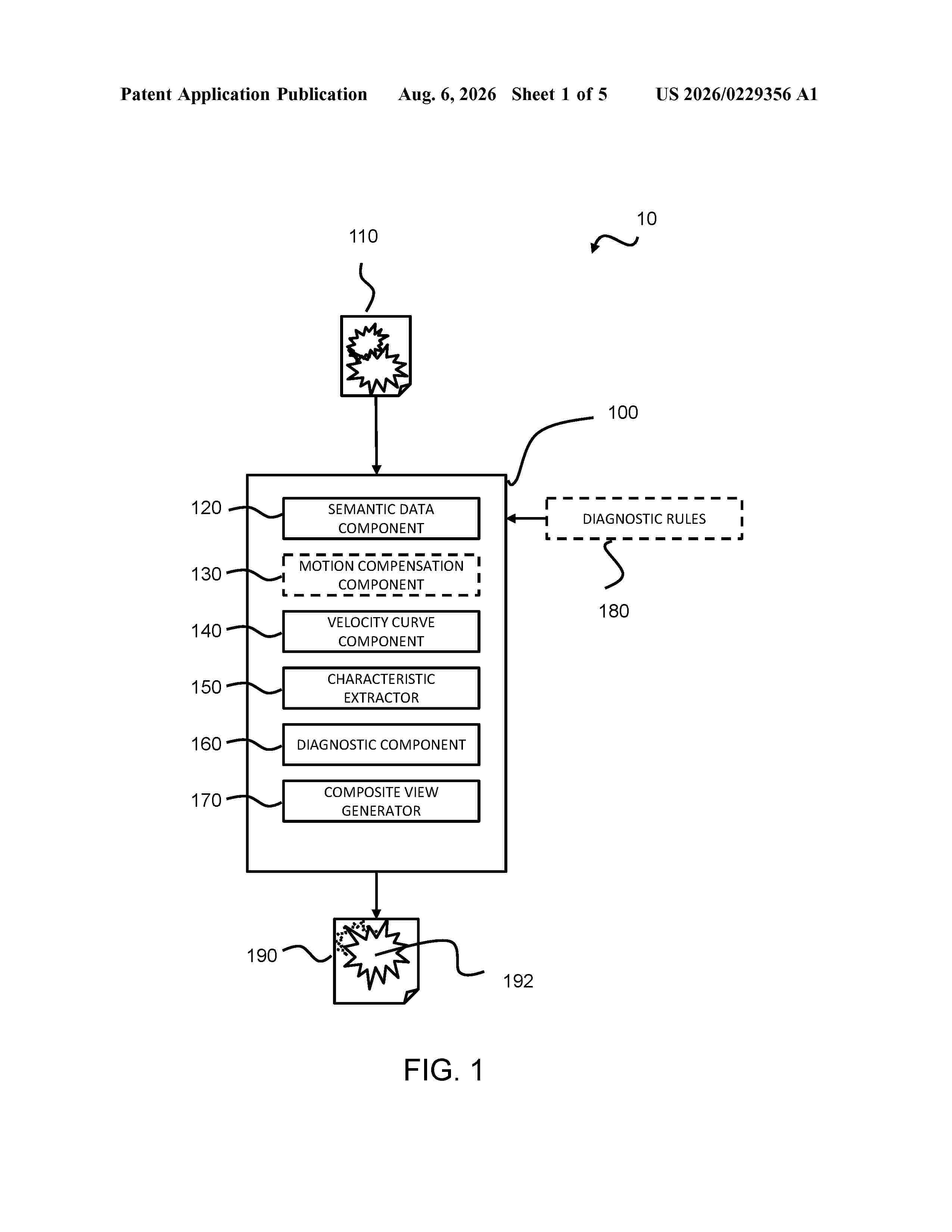
Resumen de: US20260229356A1
0000 Presented are concepts for vascular diagnosis that comprise generating a composite view of a field of view of the patients anatomy, the composite view comprising diagnostic data. More particularly, the method includes obtaining angiogram data of a patient's vascular system, processing the angiogram data to generate a semantic angiogram data; processing the semantic angiogram data to determine one or more velocity curves according to one or more locations; determining one or more characteristic from the one or more velocity curves according to the one or more locations; generating diagnostic data corresponding to the one or more locations; and generating a composite view comprising the diagnostic data.
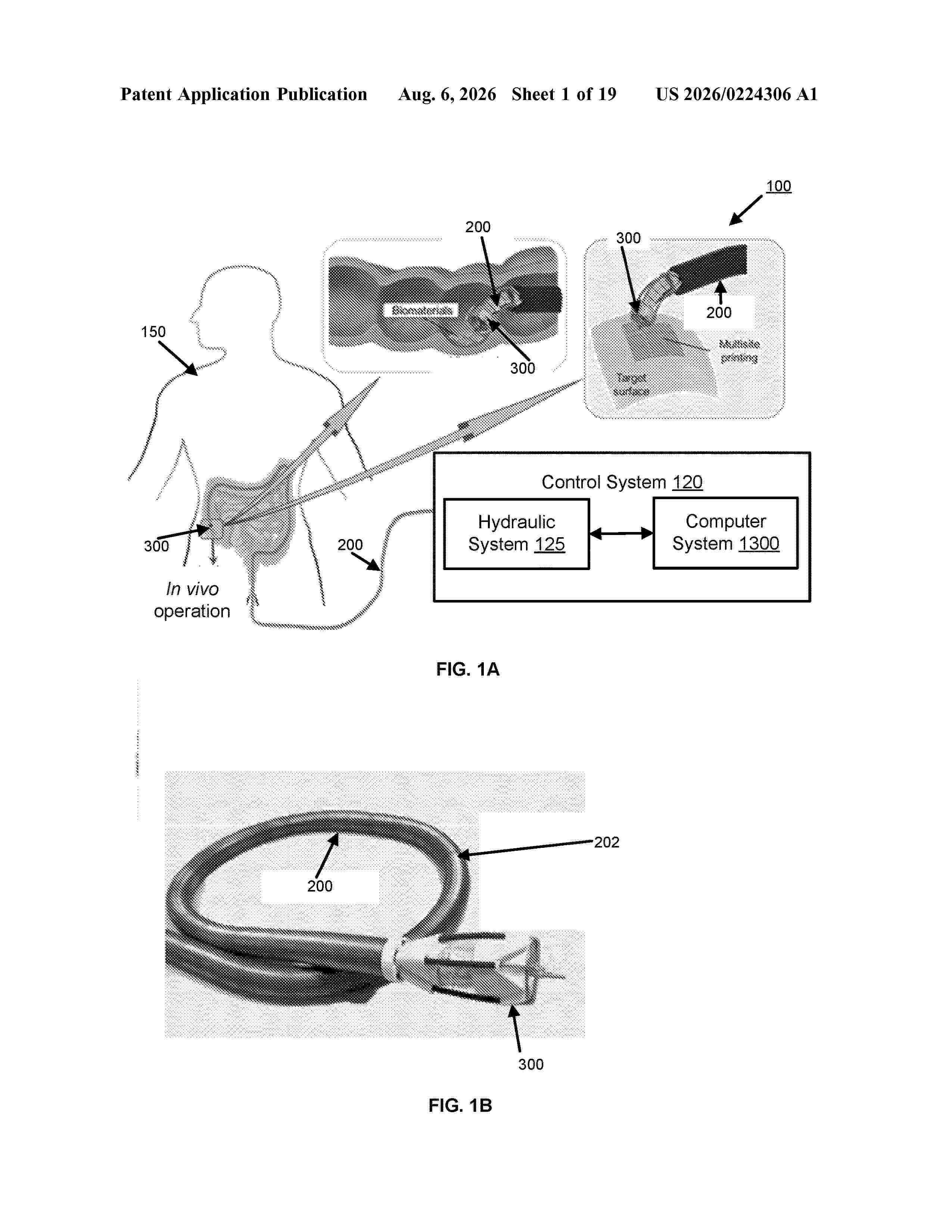
Resumen de: US20260224306A1
0000 An apparatus comprises a soft robotic arm and a three-dimensional (3D) bioprinter. The soft robotic arm has actuators for controlling movements of a distal end of the soft robotic arm. The 3D bioprinter is attached to the distal end of the soft robotic arm, and has a print nozzle and soft microtubule artificial muscles (SMAMs) for controlling movements of the print nozzle.
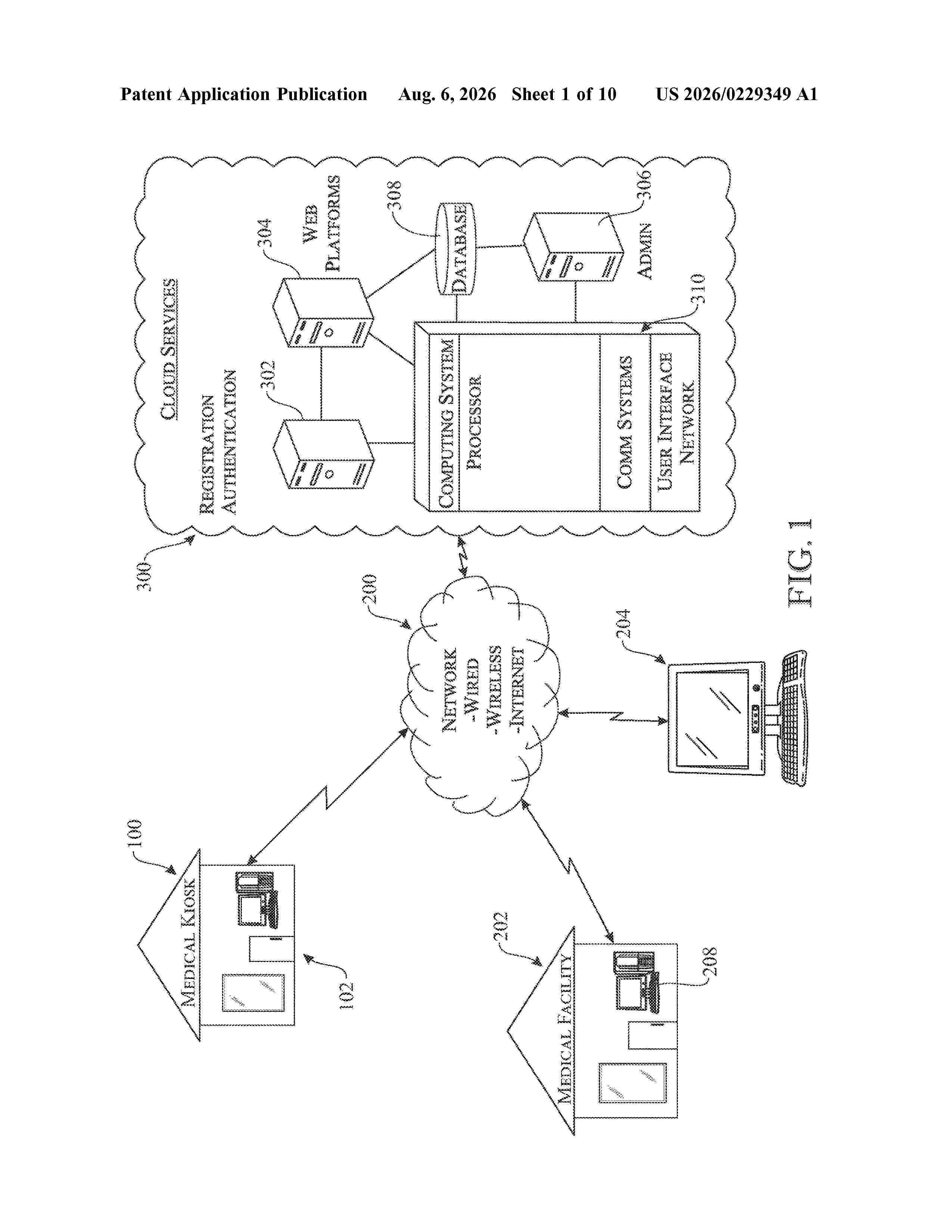
Resumen de: US20260229349A1
Systems and other embodiments are disclosed herein. In one embodiment, a method includes transmitting, using a networking device and a processor at a patient station, an input to trigger a medical session with a remote device associated with a healthcare professional. The method also includes activating, by a privacy system, a privacy feature on a glass of the patient station that prevents viewing an interior and locks the patient station after an activation of the medical session. The method also includes acquiring, by a camera device at the patient station, health data from a patient within the patient station, and the camera device detects an eye level of the patient and automatically adjusts with the eye level upon activating the privacy feature. The method also includes sanitizing by a cleaning system automatically the interior using an ultra-violet sanitation device upon the medical session ending.
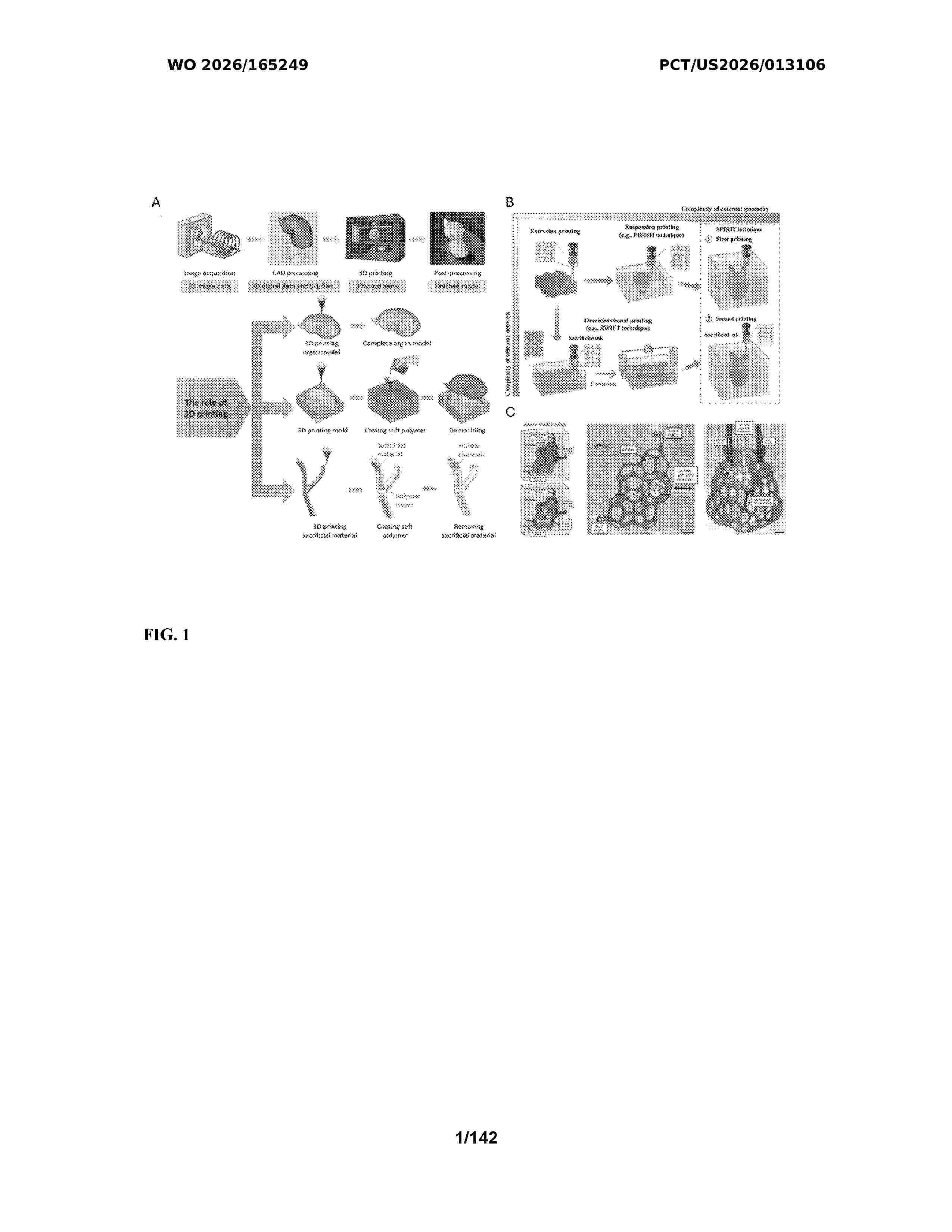
Resumen de: WO2026165249A1
Methods of producing lymphatic endothelial cells (LECs) are described, along with compositions which include the LECs, such as organoids and 3D organ-specific tissues.
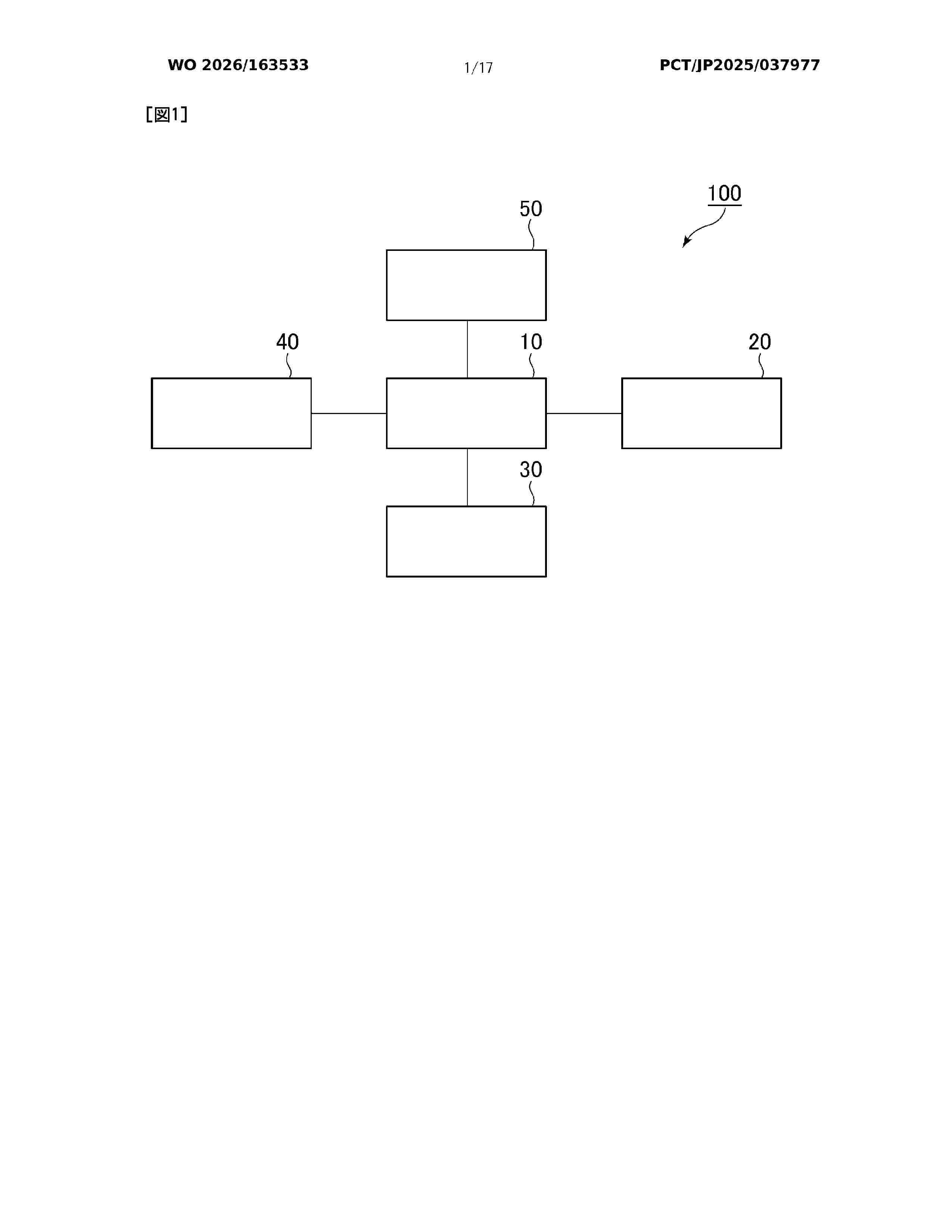
Resumen de: WO2026163533A1
Provided is a device manufacturing method comprising: a scanning step for using a three-dimensional scanner to scan a body site before and after a change; and a device model generation step for generating a device model, which is a three-dimensional model of a device to be mounted on the body site, on the basis of a body model, which is a three-dimensional model pertaining to scan data acquired through the scanning.
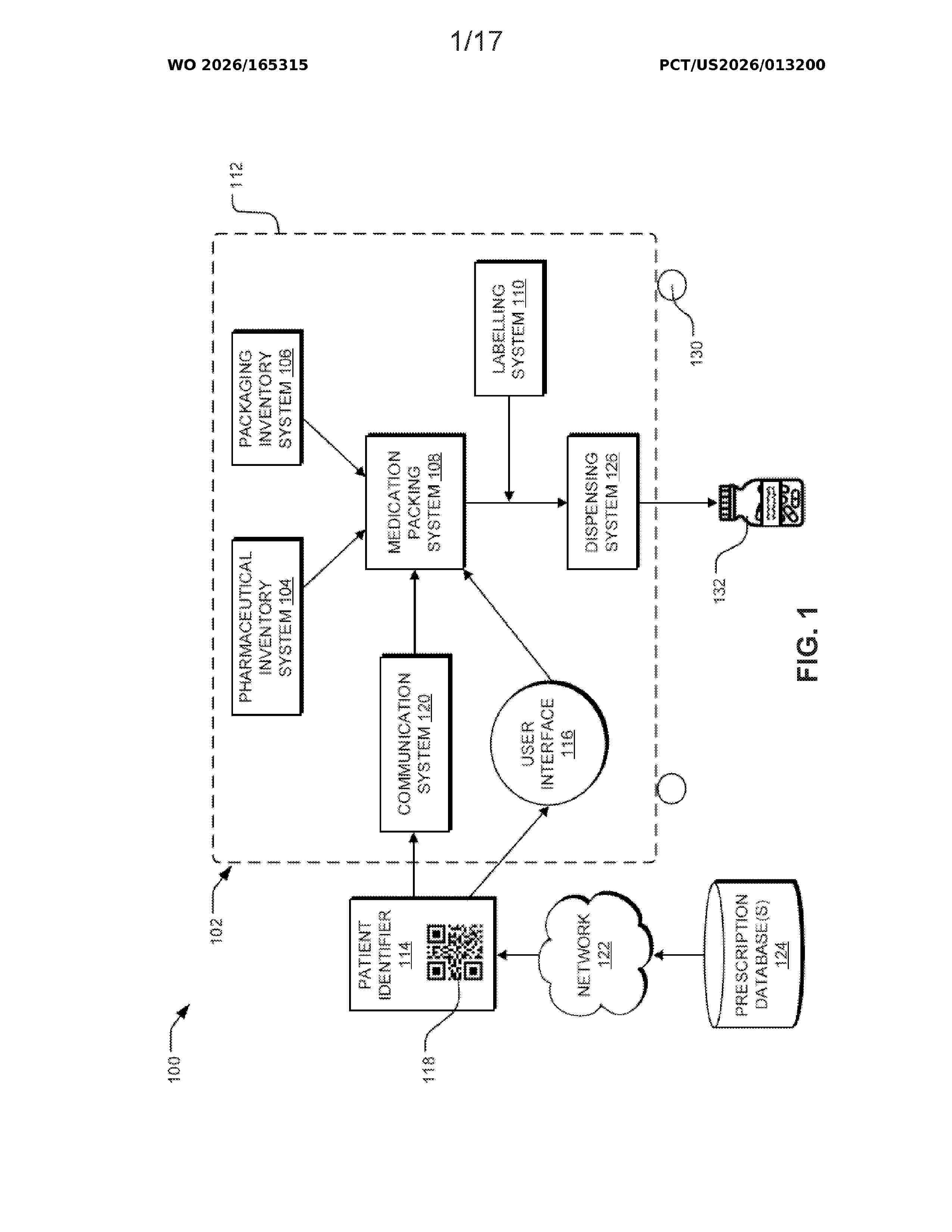
Resumen de: WO2026165315A1
Systems, methods, and devices disclosed herein include a medication dispensing device for distributing a prescription medication to a user. The medication dispensing device includes a pharmaceutical inventory system; a packaging inventory system; and a medication packing system. The medication packing system receives one or more empty capsules from the packaging inventory system, fills the one or more empty capsules with a quantified pharmaceutical received from the pharmaceutical inventory system, resulting in one or more filled capsules, and fills an empty container received from the packaging inventory system with the filled capsules, resulting in a filled container. Moreover, a user interface is operable to receive a patient identifier (e.g., QR code) from a user, and the quantified pharmaceutical and the personalized label are based on the patient identifier received at the user interface. The medication dispensing device can combine multiple different prescriptions into a single poly-pill for the patient. Also provided are polypill formulations generated by the medication dispensing devise and methods of use thereof.
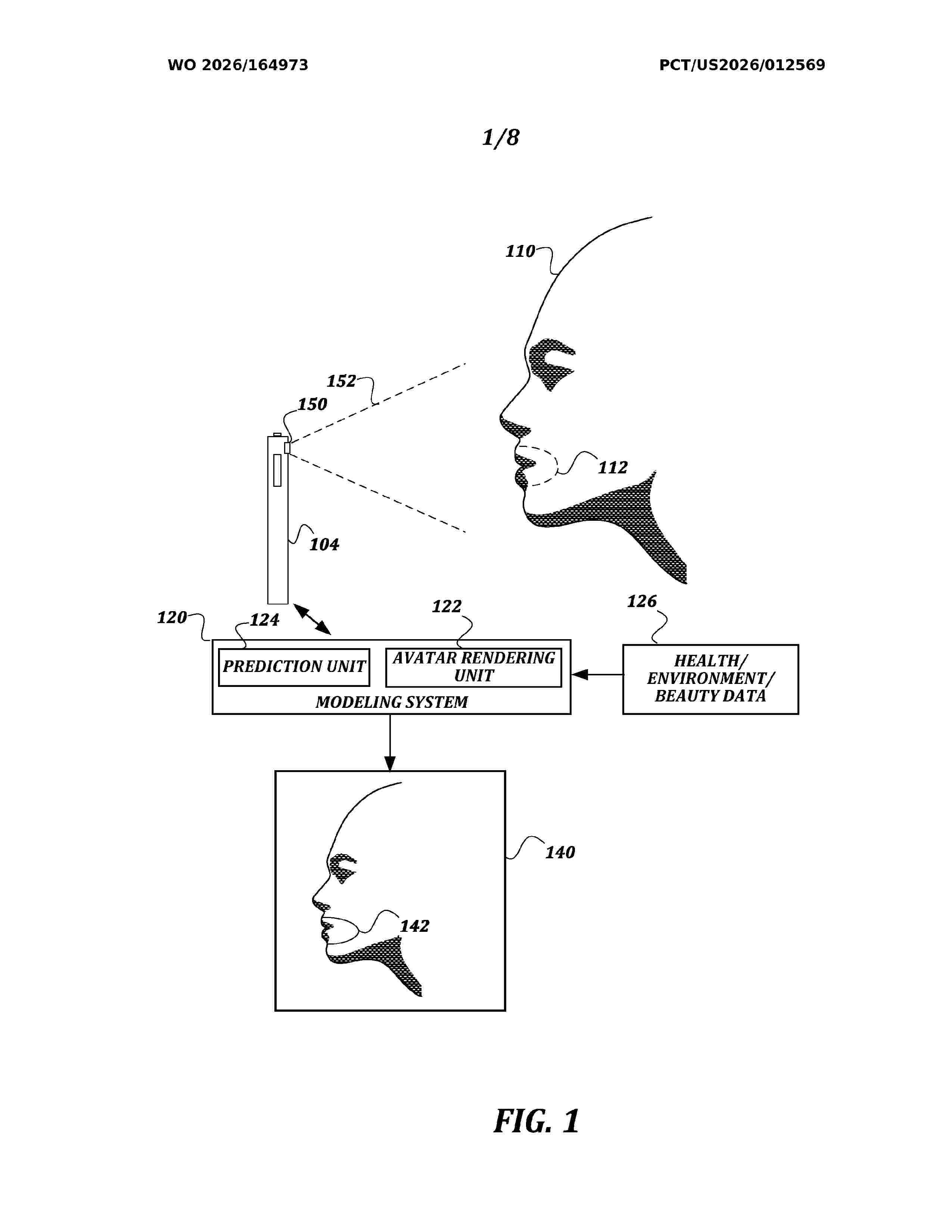
Resumen de: WO2026164973A1
A computer system receives input health and beauty data and exposome values (e.g., a sleep value, a pollution value, a UV exposure value, a chemical exposure value, or a combination thereof) for a user; generates a predictive visualization of a skin, scalp, or hair condition based on the exposome values and health and beauty data; and outputs the predictive visualization in the form of one or more renderings of the condition on a 3D avatar. The computer system may receive at least some of the health and beauty data or exposome values from a wearable device of the user. A recommendation engine of the computer system may generate a product or care routine recommendation based on the based on the exposome values and the health and beauty data of the user, and the predictive visualization may be further based on the product or care routine recommendation.
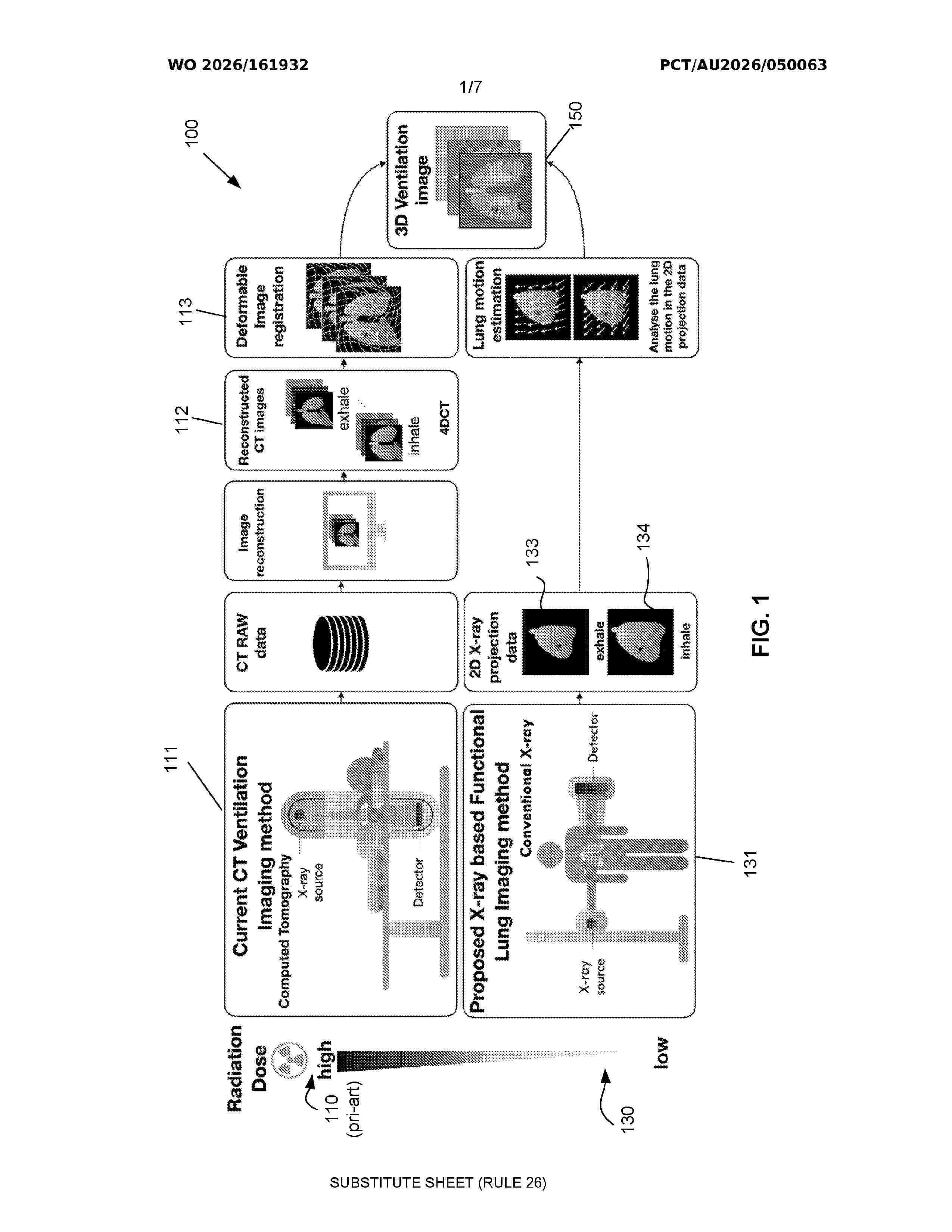
Resumen de: WO2026161932A1
A method of motion compensation and ventilation imaging of an anatomical object in determining three-dimensional deformation vector fields from two-dimensional image projections. The method includes providing a plurality of two-dimensional x-ray image projections of the object at a plurality of angles when the object is in each of a plurality of states, estimating the motion in the two-dimensional projection data, reconstructing two-dimensional deformation vector field vectors between the object states without reconstructing the object and generating a ventilation image by reconstructing the three-dimensional deformation vector fields.
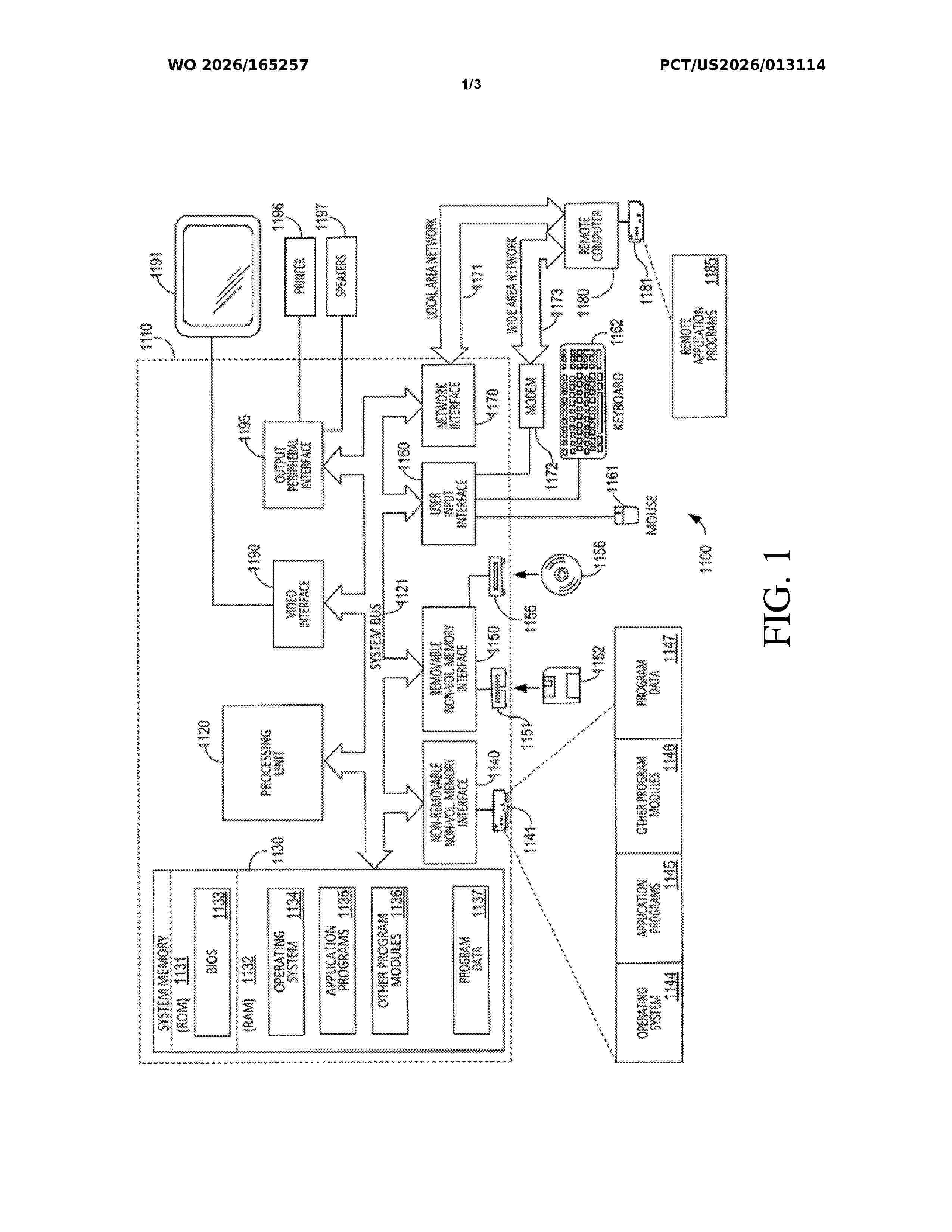
Resumen de: WO2026165257A1
The present disclosure generally relates to an integrated wearable system for real-time neck posture monitoring and/or athletic training. The system may comprise a wearable article. The wearable article may comprise one or more sensors and one or more visual and/or auditory and/or haptic indicators in wireless and/or electrical communication with the one more sensors. The one or more sensors may be configured to provide a three-dimensional initial position and a three-dimensional secondary position relative to the wearable article. Upon reaching a threshold difference along at least one axis between the secondary position and the initial position, at least one sensor may send a signal to the one or more visual and/or auditory and/or haptic indicators, thereby generating a visual and/or auditory and/or haptic signal to indicate to the subject to change position.
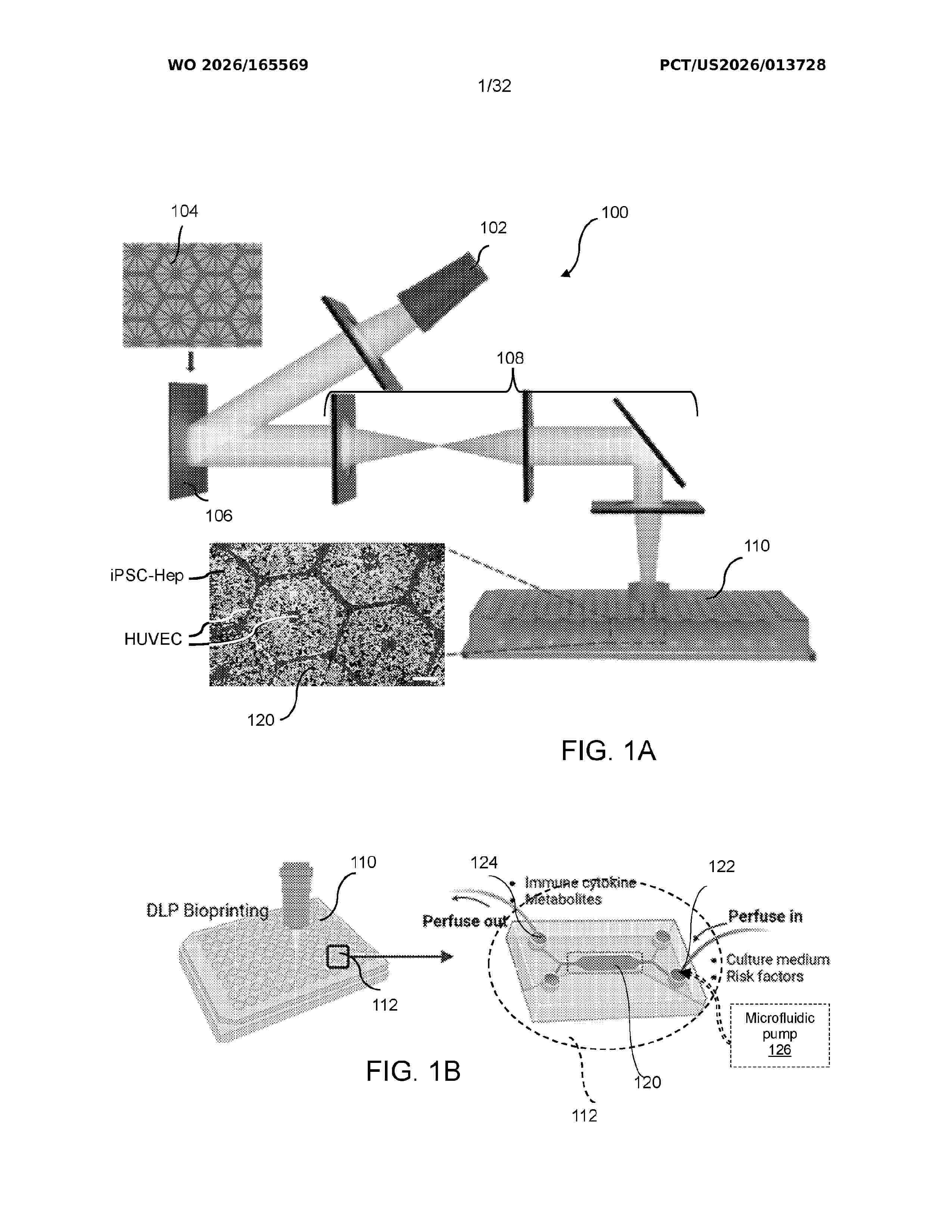
Resumen de: WO2026165569A1
3D bioprinting technology is used to reconstruct a multicellular liver acinus through precise positioning of multiple human iPSC-derived cell types, including immune cells, in a configuration that mimics the physiological cell-cell interactions in a native liver microenvironment. The liver model recapitulates hepatic organization by spatially positioning endothelial and parenchymal compartments in physiologically relevant arrangements, enabling paracrine signaling, enhanced nutrient exchange, and stable cell-cell/matrix interactions. When integrated with a dynamic microfluidic perfusion system, the liver model supports matrix remodeling, delivers physiological shear stress, and sustains a well-oxygenated microenvironment.
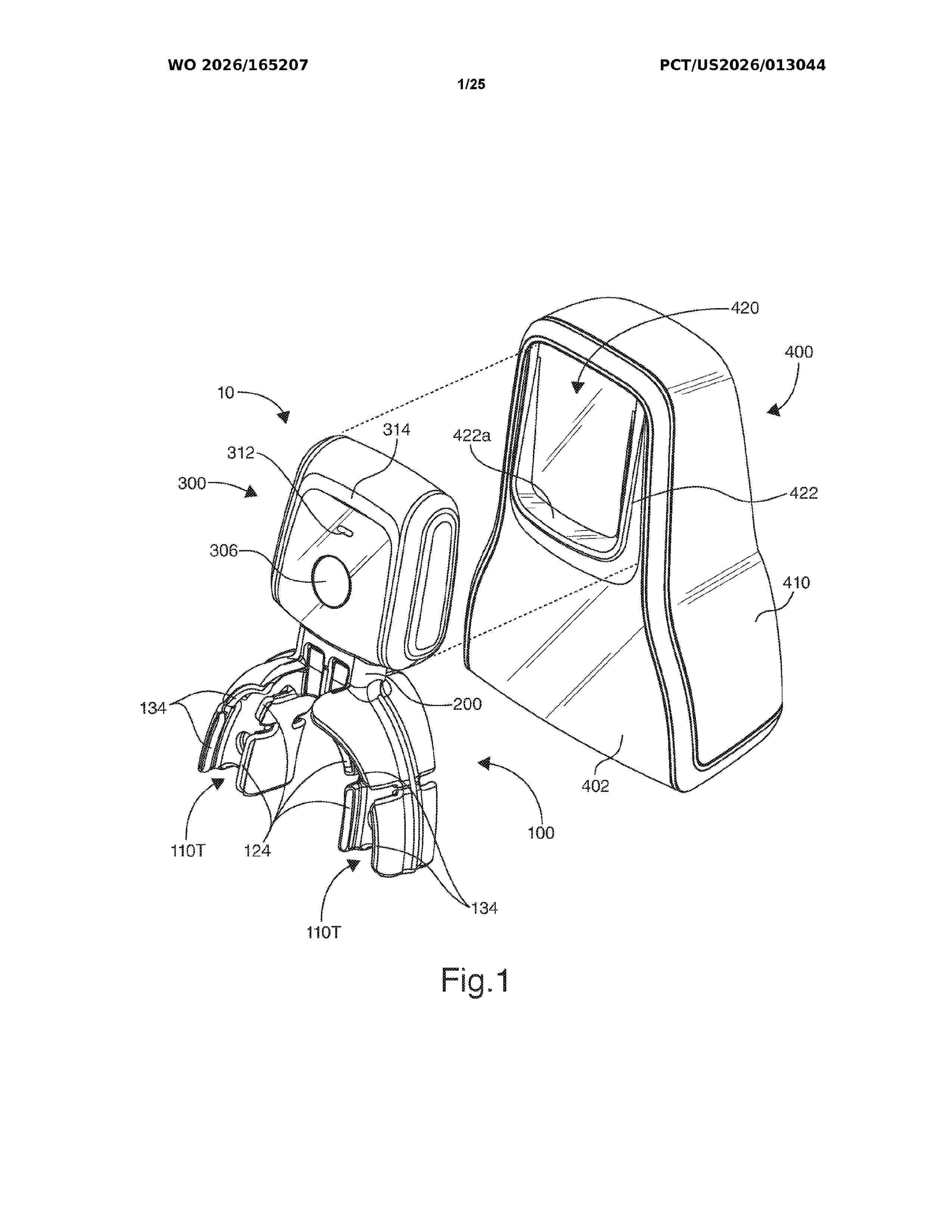
Resumen de: WO2026165207A1
An apparatus and method are used to deliver an electrical current to, through or across gingival tissues of a mouth in order to achieve a number of therapeutic, prophylactic, cosmetic, and or regenerative benefits. These benefits include killing or modifying oral microbes, increasing oral vasodilation, reducing oral biofilm, improving oral blood circulation, reversing oral bone resorption, promoting oral osteogenesis, treating gum recession, and fostering gingival regeneration. Other benefits include the treatment of gingivitis, periodontitis, and oral malodor, and other systemic diseases correlated with oral pathogens. Use of systems and methods according to the present invention may effectively tighten epithelial contact with one or more teeth (e.g., by the junctional epithelium and/or the sulcular epithelium) and/or cause a tightening of the oral epithelium, thereby improving an appearance of a human smile.
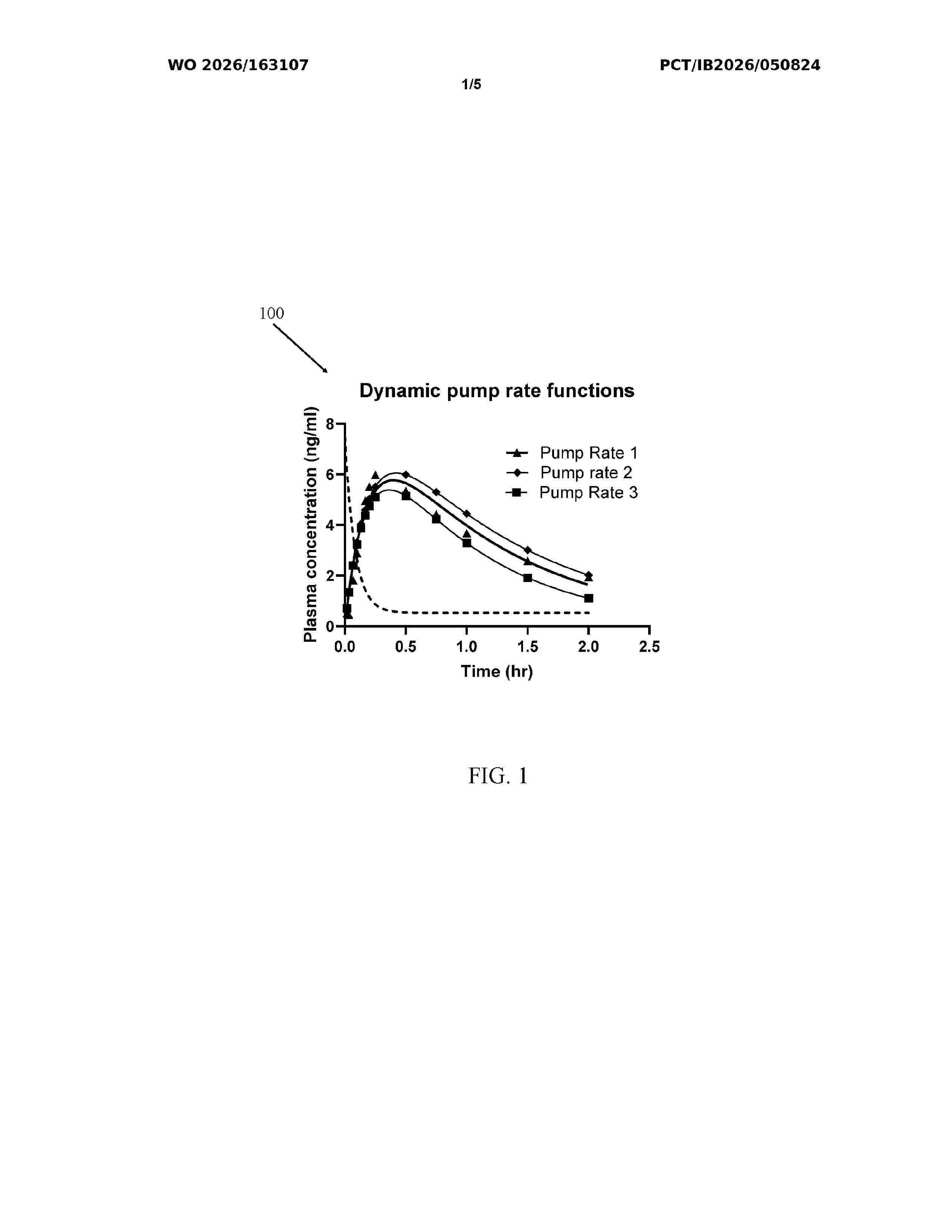
Resumen de: WO2026163107A1
Disclosed herein is a system for administering a substance to a patient, the system comprising a reservoir for storing the substance, an administration apparatus configured to administer the substance to the patient, a pump for directing the substance from the reservoir to the delivery mechanism, a controller configured to operate the pump, a communication unit configured to communicate with at least one server, at least one processor configured to receive data associated with patient characteristics, calculate a substance administration dose according to the data, determine a preferred substance administration process, and operate the pump to administer the substance to the patient.
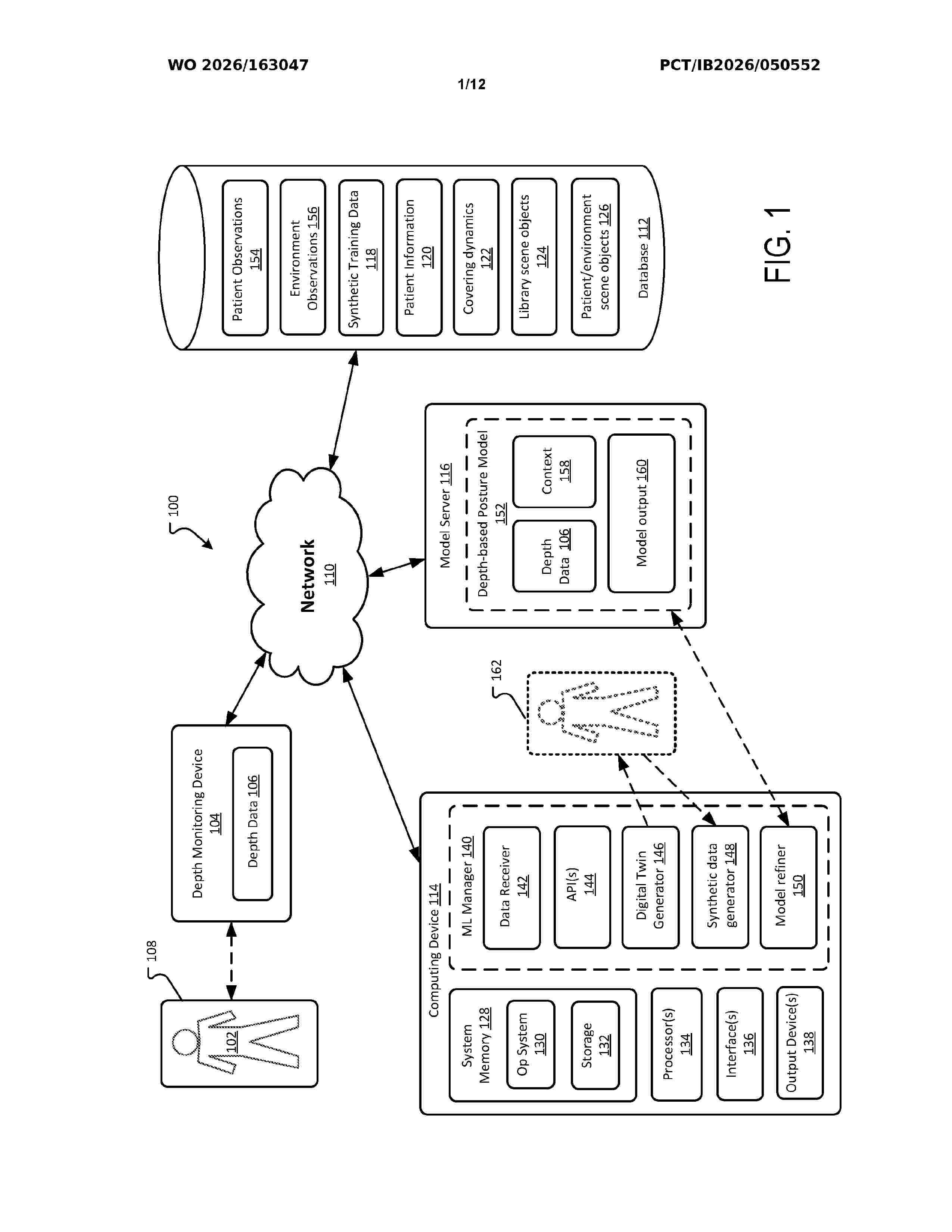
Resumen de: WO2026163047A1
Traditionally, synthetic training data is unavailable or minimally available for training one or more machine-learning (ML) models for non-contact monitoring of a specific patient. To address this issue, a digital twin of the specific patient is generated within a virtual environment representative of a physical environment. In aspects, both the digital twin and the virtual environment can be altered in multiple ways to generate synthetic training data, which can be used to train and/or update one or more ML models for the specific patient. Based on depth data captured by a depth camera, the one or more ML models may recognize a posture, presence, and/or movement of the specific patient in the physical environment.
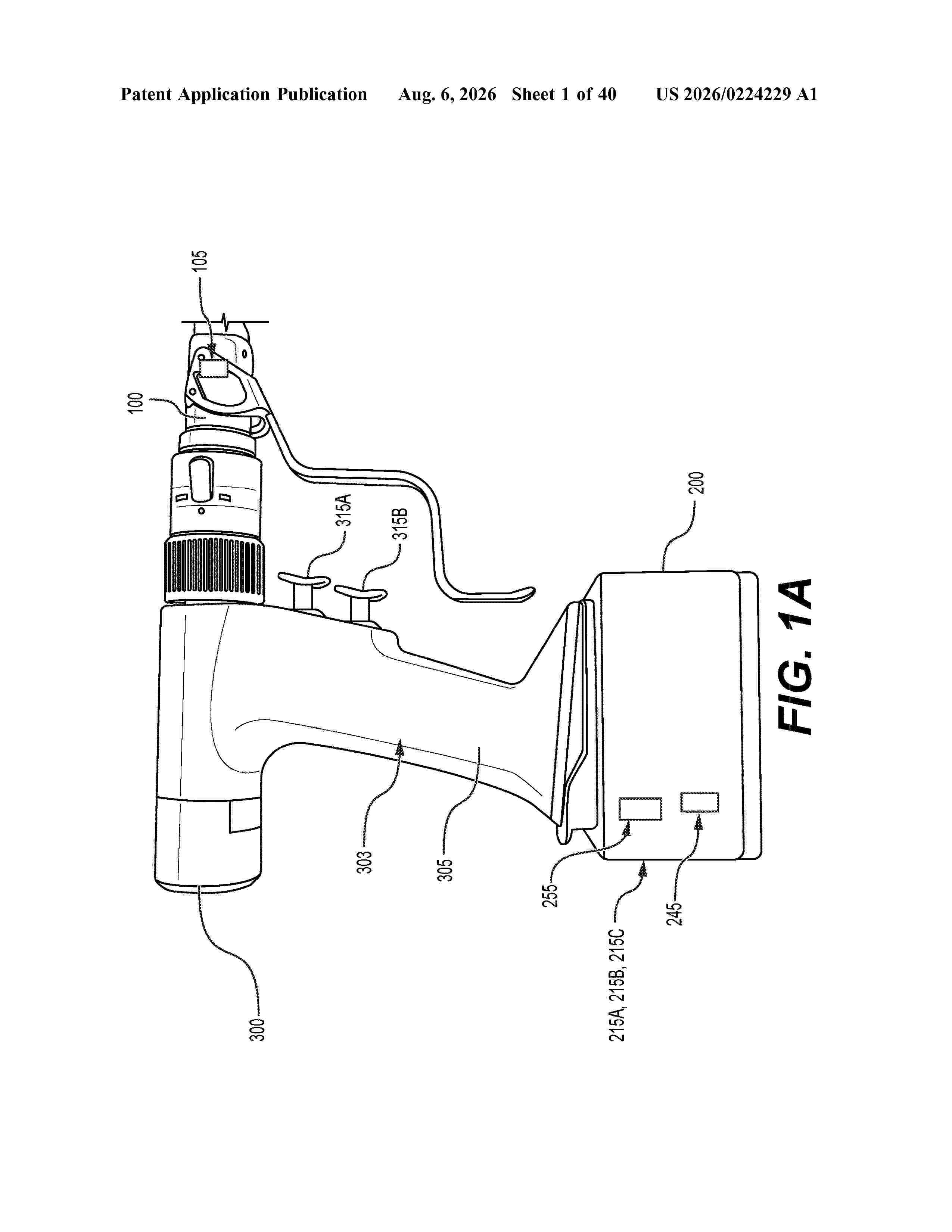
Resumen de: US20260224229A1
An improved smart hand-held power tool system is disclosed herein. The smart hand-held power tool system includes a handpiece including a tool head for performing an operation. The smart hand-held power tool system includes a smart power supply housing connectable to the handpiece controlling at least one parameter setting associated with the operation of the handpiece. The smart power supply housing includes a power supply enclosed within the smart power supply housing. The smart power supply housing includes at least one button disposed on a wall of the smart power supply housing and configured to toggle between different sensitivity levels or potentials of the at least one parameter setting. The smart power supply housing includes a first plurality of visual indicators that are each configured to be selectively switched between a first state and a second state and collectively indicative of the first parameter setting.
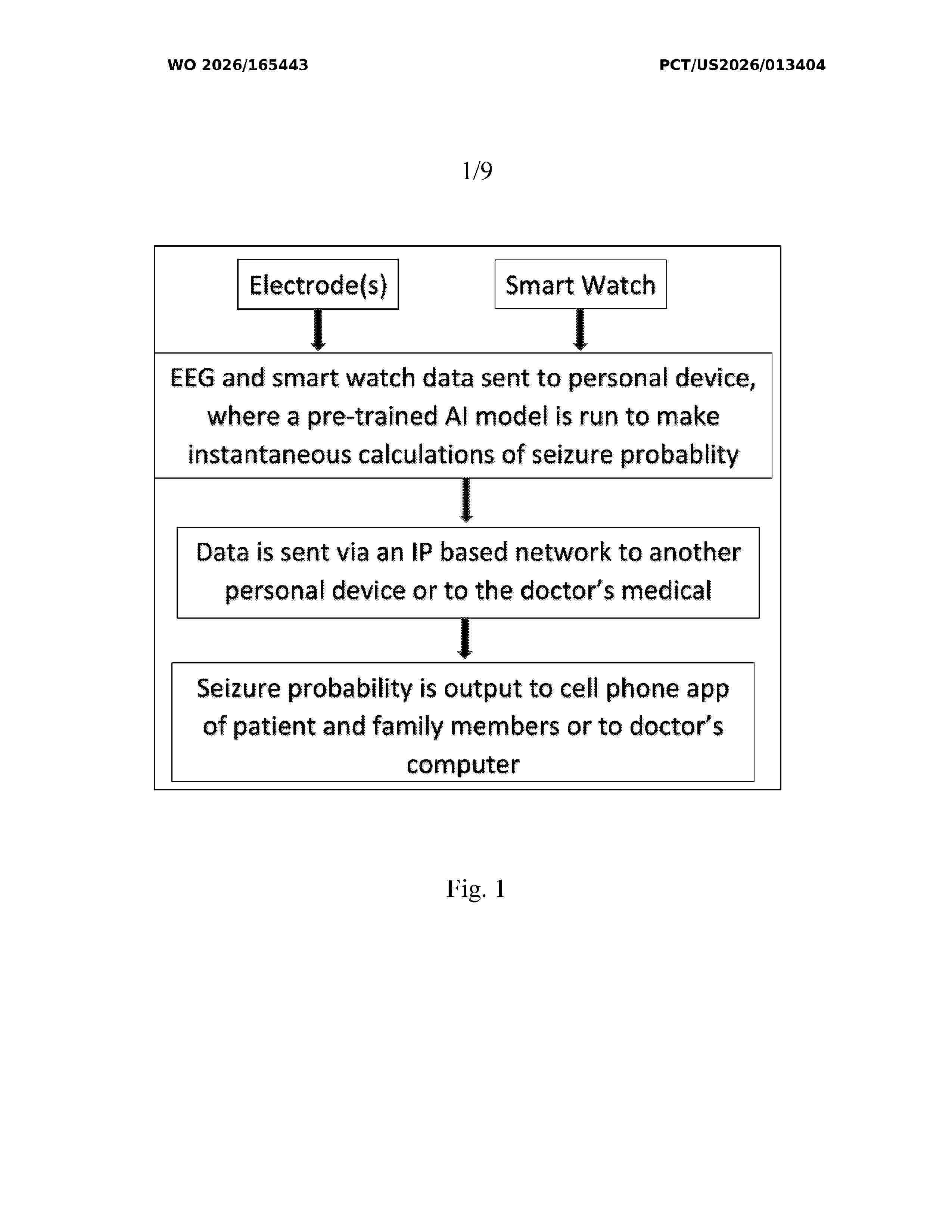
Resumen de: WO2026165443A1
A neurological monitoring system comprises a head-worn electroencephalography (EEG) device with multiple electrodes that acquire EEG signals from a subject, and a processor configured to generate detection outputs indicating neurological events or states and to produce forecasts of future neurological event probabilities using machine-learning models. A coordination module maintains subject-specific longitudinal data during real-world use and automatically transitions between detection-only and forecasting models based on confidence criteria, reverting to detection-only operation when those criteria are no longer met. The system may incorporate auxiliary sensors, user-actuated event markers for model updating, and heterogeneous model ensembles with subject-specific weights updated during deployment. The head-worn device features a scalable multi-channel acquisition architecture that supports tiered sampling, channel-quality-based priority assignment, and selective transmission of raw data. Methods and computer-readable media for adaptive neurological monitoring are also provided.
Resumen de: WO2026165019A1
Aspects of the present systems and methods for generating instructions for phases of procedures. During the procedure, an endoscope or other instrumentation device can use sensors to capture images of the interior of a subject as a dataset. A computing system can provide the images to the dataset to a machine learning (ML) model to identify a respective phase of the procedure and generate instructions for a subsequent phase of the procedure or the subsequent sub-phase of the procedure. The instructions can identify actions for the surgeons to take and the surgical equipment needed for preparation. The instructions can be displayed on a screen within the operating room to provide guidance for the surgeon.
Resumen de: US20260224189A1
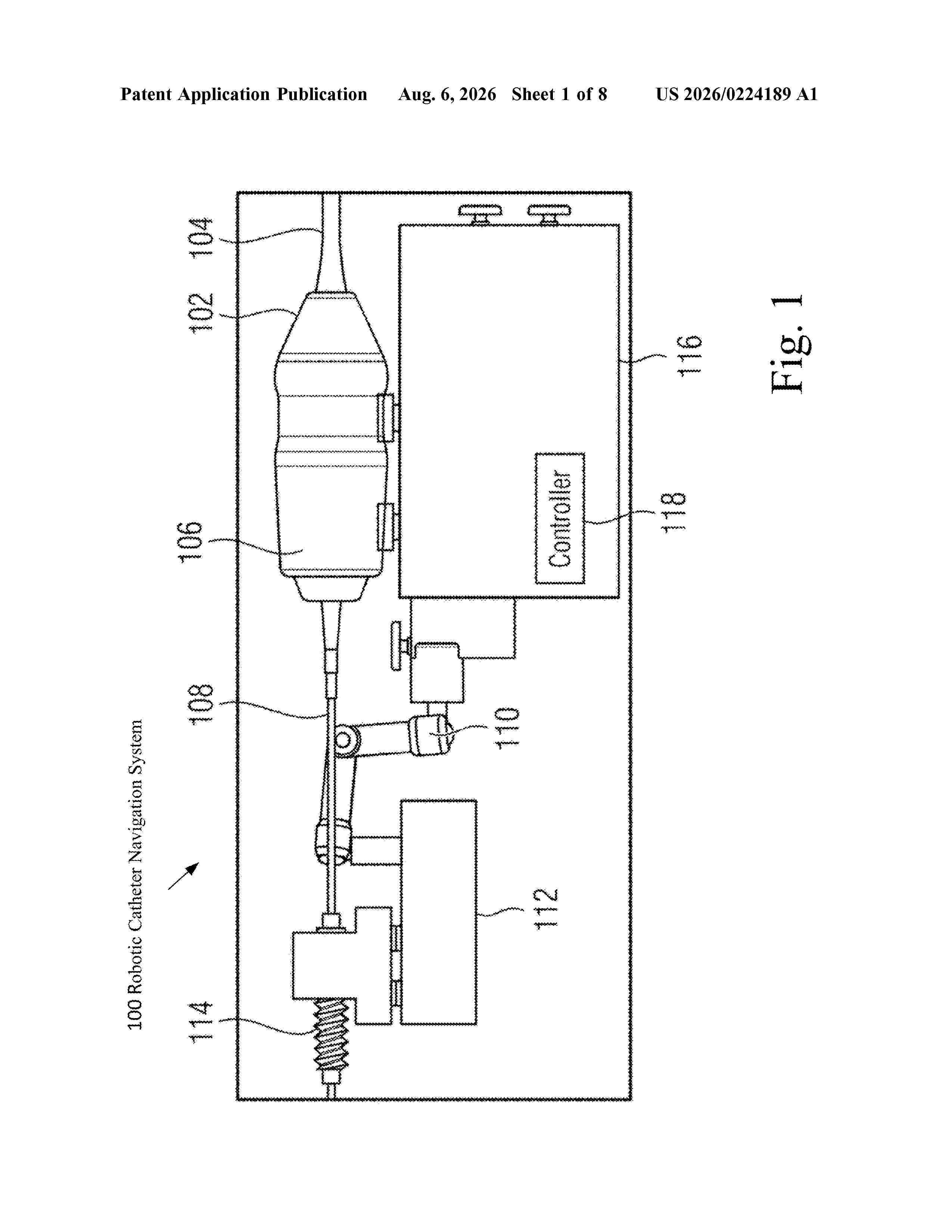
Systems and methods for generating an automated overview of the left atrial anatomy for use in live anatomical mapping during a procedure. A robotic drive is used to steer a catheter under ICE image guidance without additional positioning mechanisms. The robotic drive is controlled by an AI based agent, for example that has been trained using deep reinforcement learning (DRL).
Resumen de: US20260224912A1
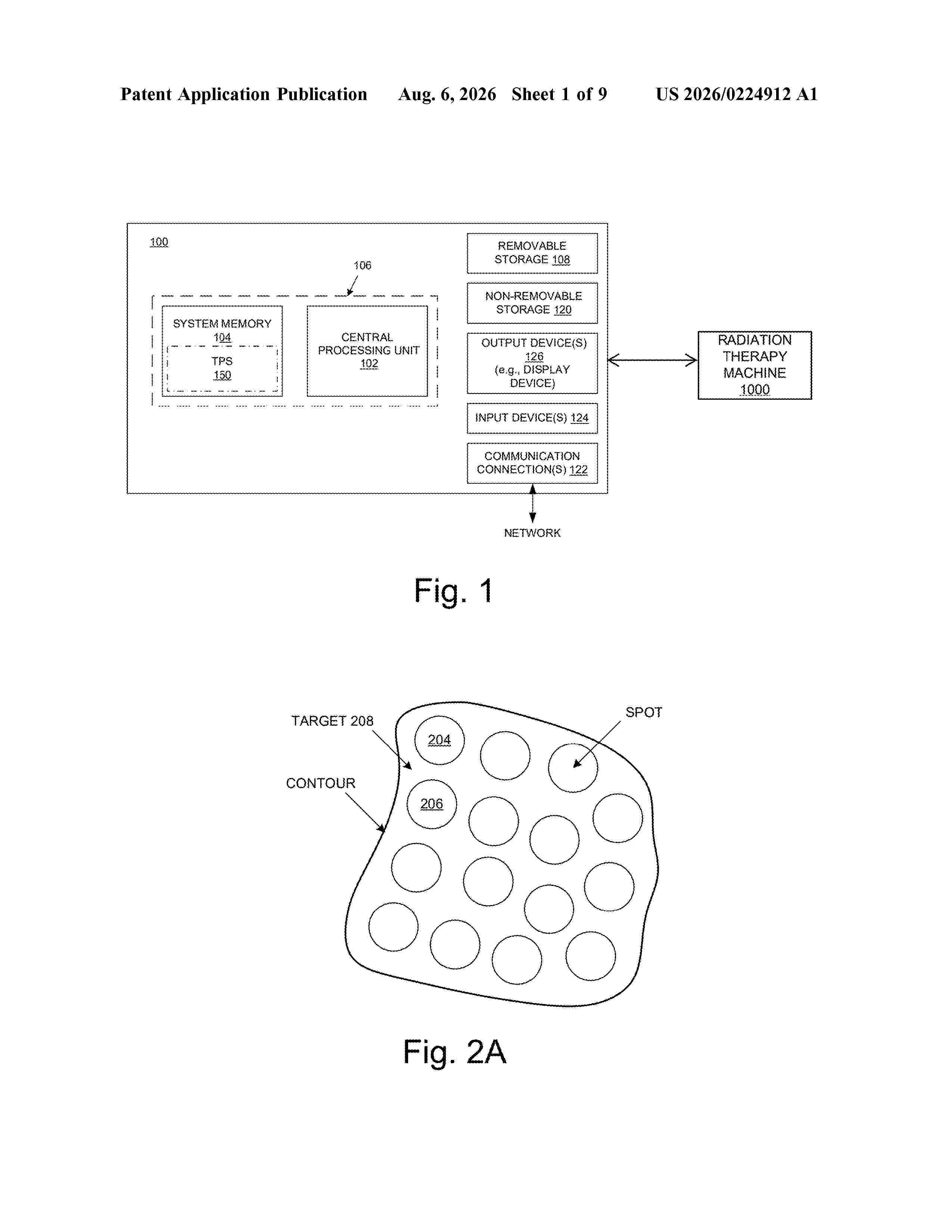
A system for planning a radiation therapy treatment to be performed by a radiation therapy machine includes at least one processor and a memory storing computer executable instructions. The at least one processor is configured to execute the computer executable instructions to cause the system to generate a radiation therapy treatment plan prescribing a plurality of energy layers associated with a plurality of spots in a treatment target. The radiation therapy treatment plan is based on a plurality of minimum monitor unit values, each of which is for a respective energy layer among the plurality of energy layers. Each of the plurality of minimum monitor unit values is based on machine parameters for the radiation therapy machine and/or based on a minimum monitor unit objective function for the radiation therapy machine.
Resumen de: US20260229364A1
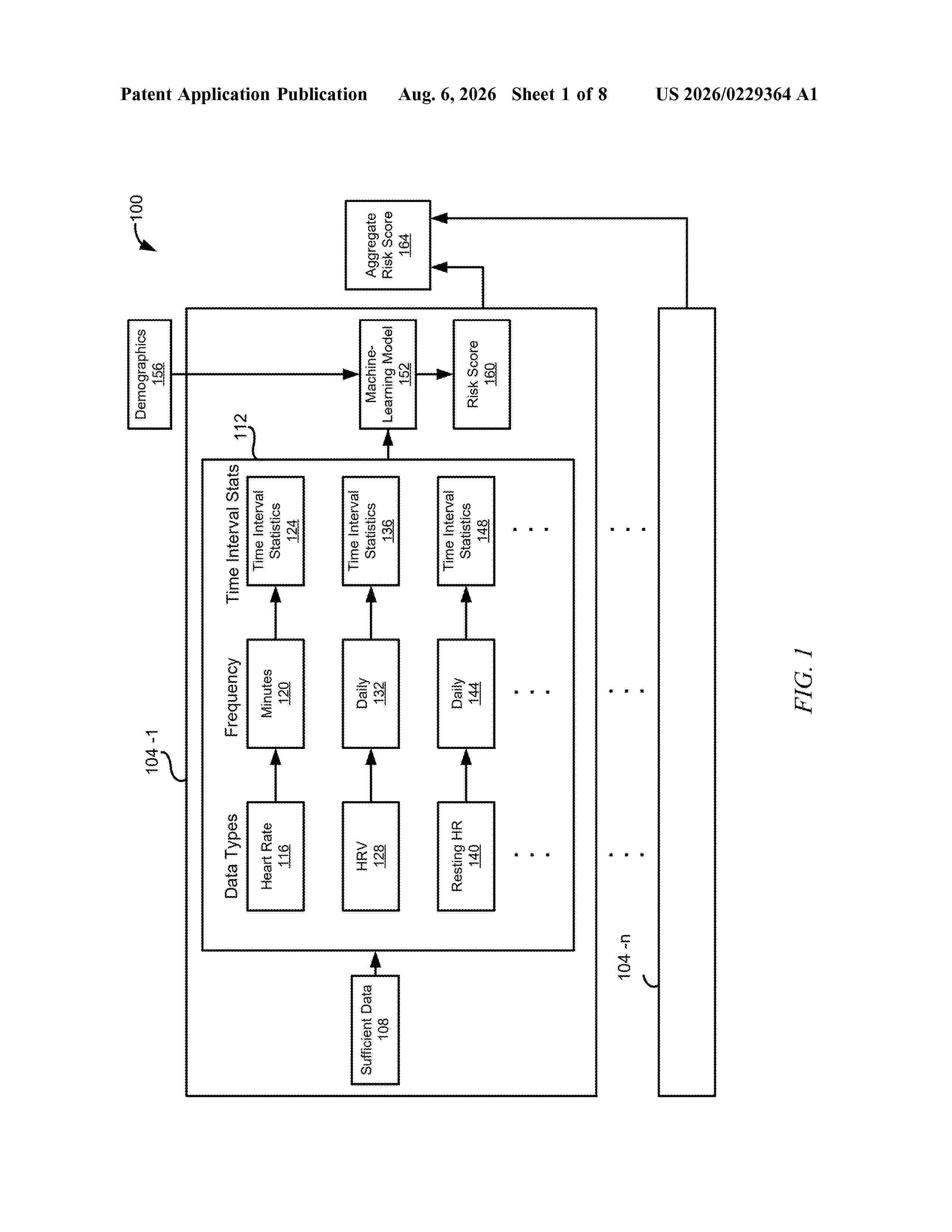
Aspects of the present disclosure include methods for assessing metabolic risk. In one example, a device may receive a set of heartbeats over a time interval. A set of time interval statistics for the time interval may be generated by generating values for each of a set of heartbeat data types based on a subset of the set of heartbeats and corresponding to a portion of the time interval and generating a time interval statistic based on values of a heartbeat data type. The set of time interval statistics may be processed using a machine-learning model to generate a risk score for the time interval. The device may determine that the risk score is greater than a predetermined threshold, and in response, output an indication of a health risk that is associated with a user of the device.
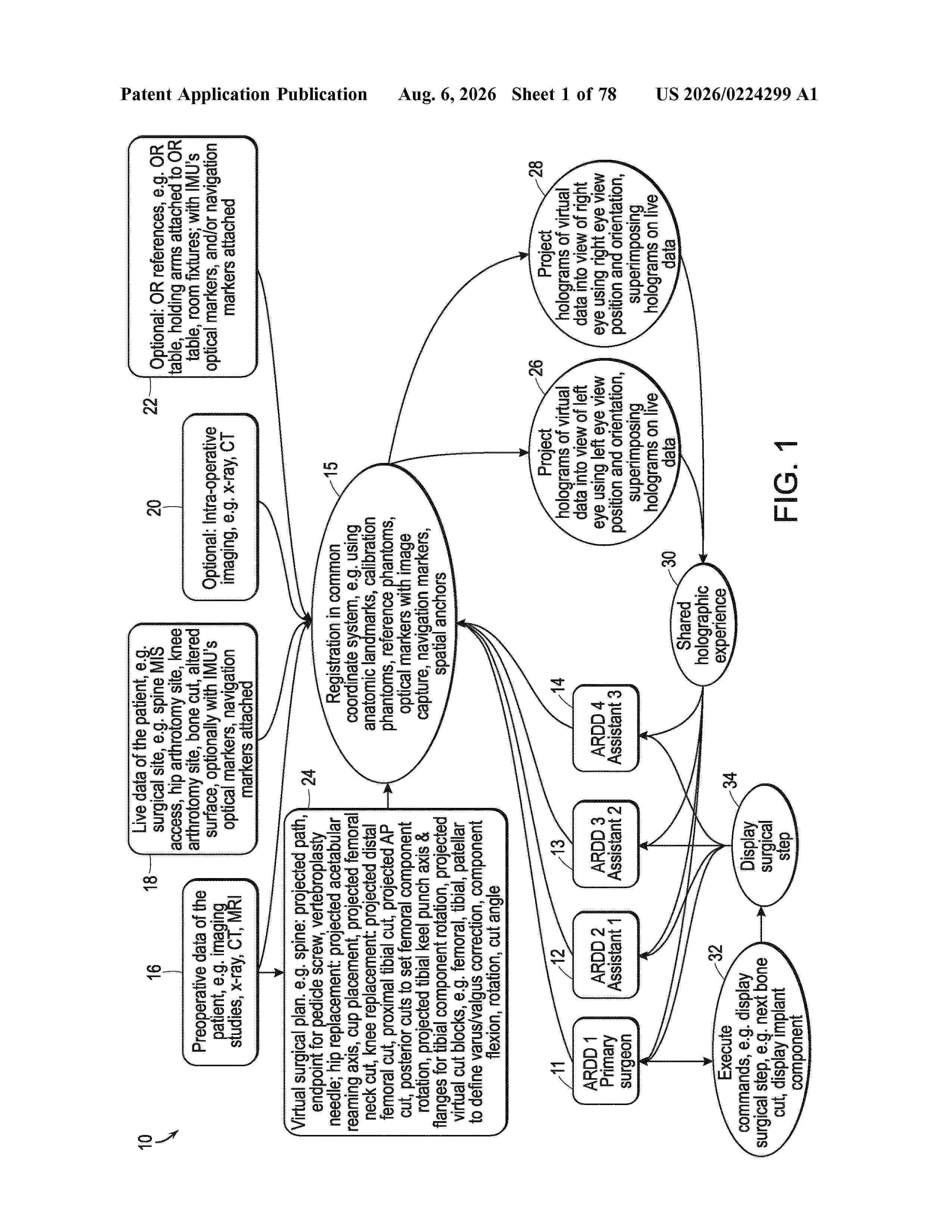
Resumen de: US20260224299A1
Aspects of the present disclosure relate to systems, devices and methods for performing a surgical step or surgical procedure using a microscope or endoscope with virtual display(s) by an augmented reality display device (ARDD). A computer processor can be configured to adjust or select the focal plane and/or focal point of the display of the virtual data by the ARDD based on a focal plane of the microscope or endoscope. The depth of field of the virtual display can be adjusted to overlap with the depth of field of the microscope or endoscope. The field of view of the ARDD can be larger than that of the microscope or endoscope and the ARDD can be configured to display target tissues that extend outside the field of view projection of the microscope or endoscope.
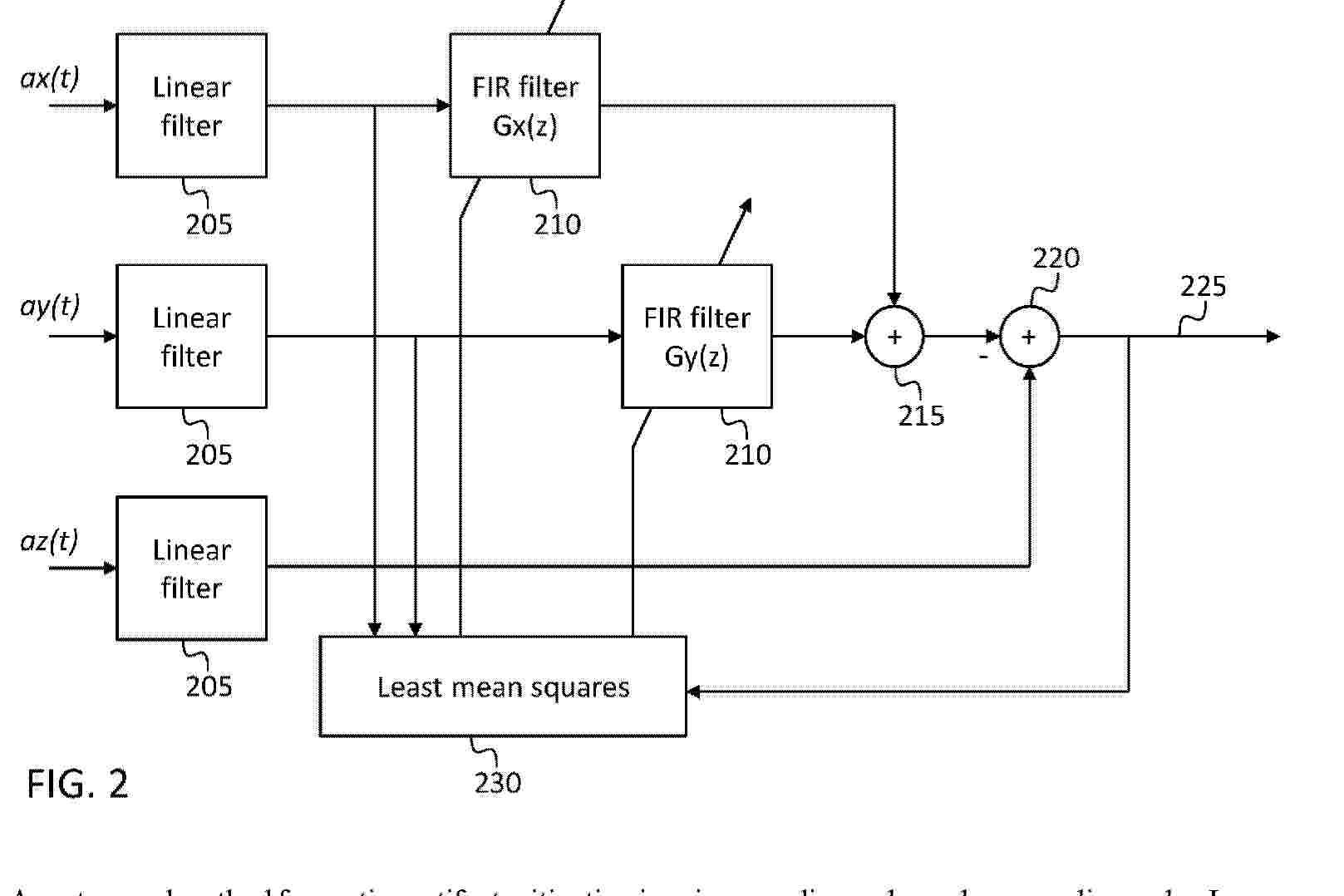
Resumen de: AU2025215982A1
A system and method for motion artifact mitigation in seismocardiography and gyrocardiography. In some embodiments, a method includes: obtaining a first measured motion signal from a subject, the first measured motion signal being measured along a first direction; obtaining a second measured motion signal from the subject, the second measured motion signal being measured along a second direction different from the first direction; and generating a first calculated cardiac motion signal, the generating including combining the first measured motion signal and the second measured motion signal.
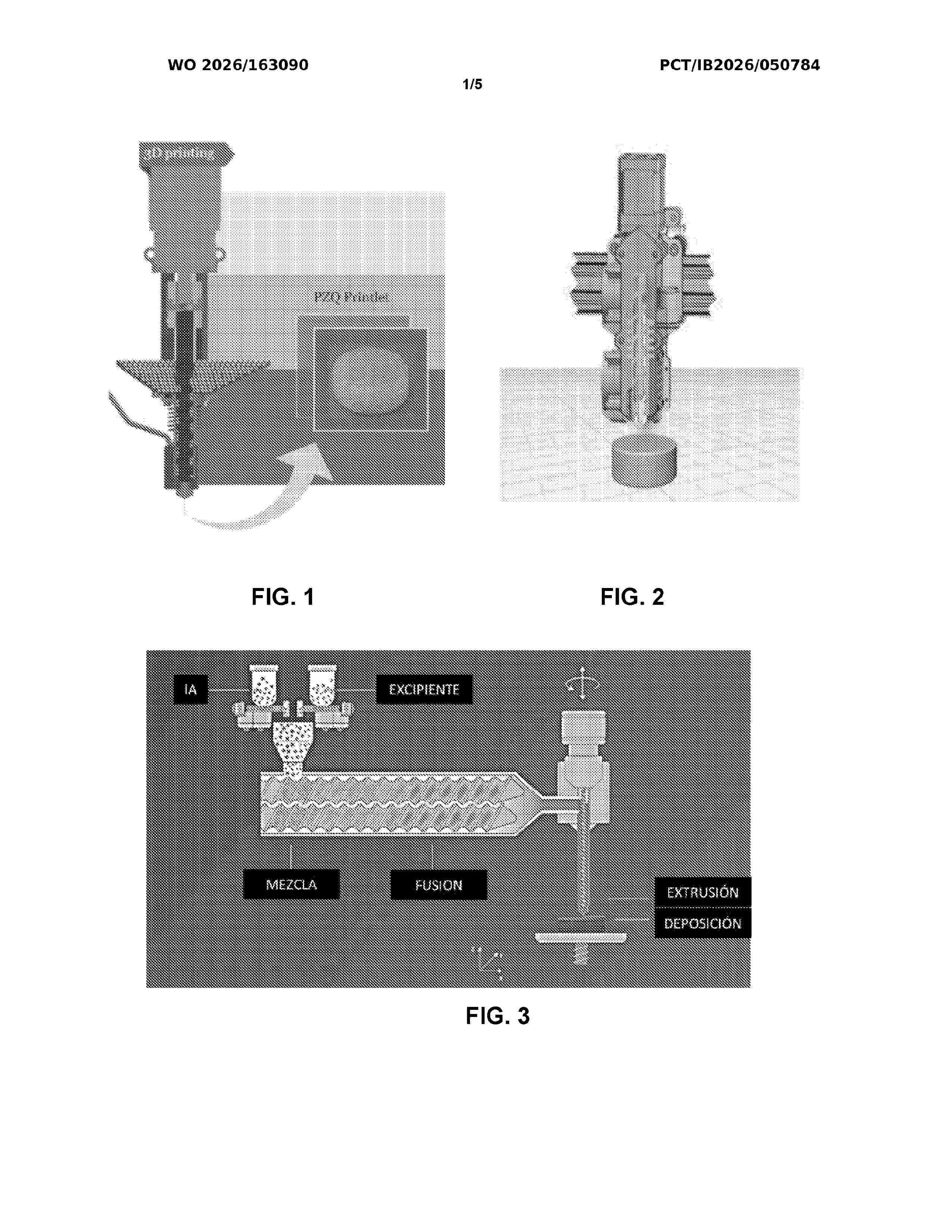
Resumen de: WO2026163090A2
The present invention relates to a cartridge, system and method for the automated and customised production of medicines, supplements, cosmetics and/or functional foods, wherein it includes a processing/formulating apparatus to operate the hoppers and refill the cartridges with specific quantities and in an ordered logical sequence according to pre-established parameters, an extruder apparatus to operate the cartridges loaded with the already formulated ink and extrude it precisely to obtain the final pharmaceutical form, a data processing unit: computer or computer system that controls the entire mixing, formulation and extrusion process, and a database: data storage that stores information on raw materials, formulations and method parameters.
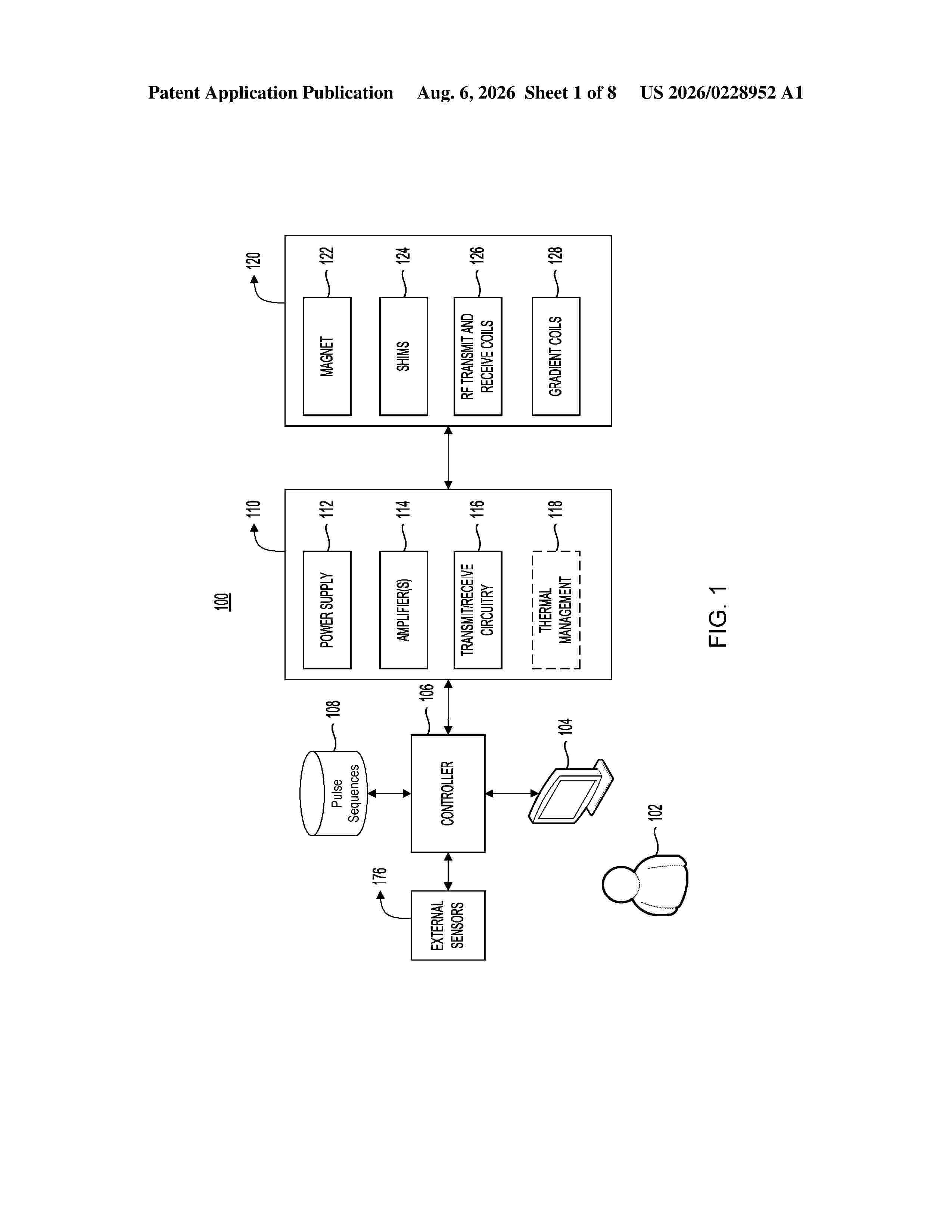
Resumen de: US20260228952A1
Systems and methods for low-field multi-directional diffusion-weighted magnetic resonance imaging process are provided. One or more output images are generated based on multi-directional image reconstructions. Motion may be quantified based on signal variation. Certain data may be rejected based on the quantified motion. Image reconstructions may exclude data based on the quantified motion.
Nº publicación: US20260224284A1 06/08/2026
Solicitante:
OSSTEM IMPLANT CO LTD [KR]
OSSTEM IMPLANT CO., LTD.
Resumen de: US20260224284A1
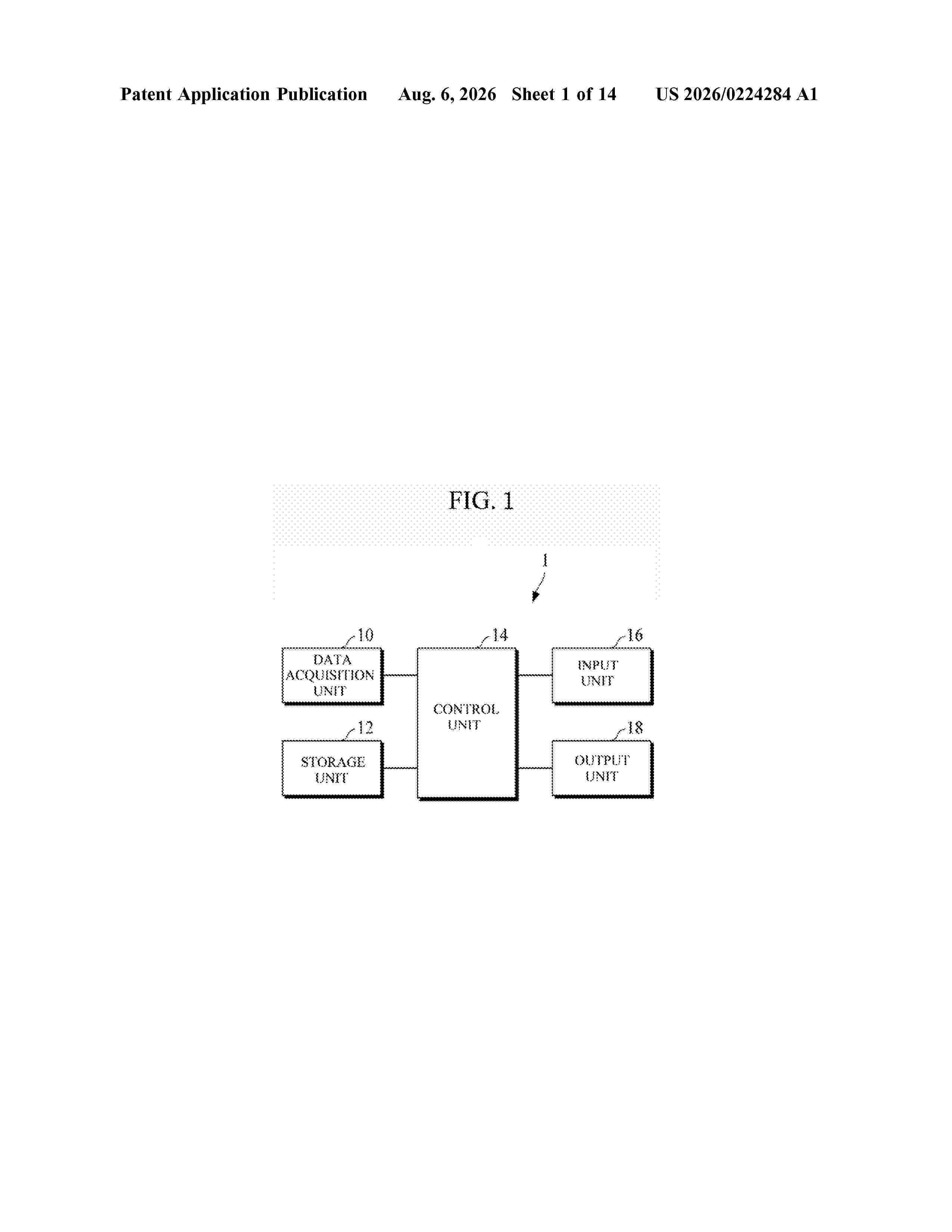
Disclosed are a method for providing an implant implantation position and a device therefor. The method for providing an implant implantation position and the device therefor according to an embodiment match, by photographing an oral cavity of a patient, surgery data including a radiopaque tool and a surgical guide and surgery data of the patient, which has been used for a surgery planning process, so as to identify whether an actual surgery guide is accurately fastened within the oral cavity of the patient, and provide an expected implantation position of the implant based on the identification so as to identify a deviation from the planned implant.
 BOPI
BOPI
 Sede Electrónica