Si deseas distinguir tus productos, servicios o ambos de los de otra empresa, es posible que necesites una marca o nombre comercial. Descubre qué son, en qué consiste su procedimiento de registro y qué implica.

Información sobre los plazos de presentación de solicitudes de transformación de marcas de la Unión Europea en marca nacional española. Más información


Si tienes un nuevo dispositivo, producto o procedimiento que resuelva un problema técnico o tenga una ventaja práctica, existen distintas formas de protegerlo en España y en otros países. Descubre cómo hacerlo.

¿Tu innovación reside en la estética, la ornamentación o la apariencia de tu producto? Protégela mediante un diseño industrial. Descubre qué derechos confiere el registro y cómo realizar la tramitación.

Las indicaciones geográficas protegen el nombre de un producto originario de una zona geográfica, a la cual le debe una determinada calidad, reputación u otra característica. Descubre qué son, en qué consiste su procedimiento de registro y qué beneficios conceden.

Las patentes publicadas en todo el mundo son una valiosa fuente de información científica, técnica y comercial.

Si eres emprendedor/a o una empresa y quieres potenciar y mejorar la rentabilidad de tu negocio protegiendo de forma adecuada los activos intangibles de tu organización, en este espacio encontrarás lo necesario.


 402
resultados
402
resultados
 Última actualización
27/08/2026 [09:07:00]
Última actualización
27/08/2026 [09:07:00]


 Resultados 250 a 275 de 402

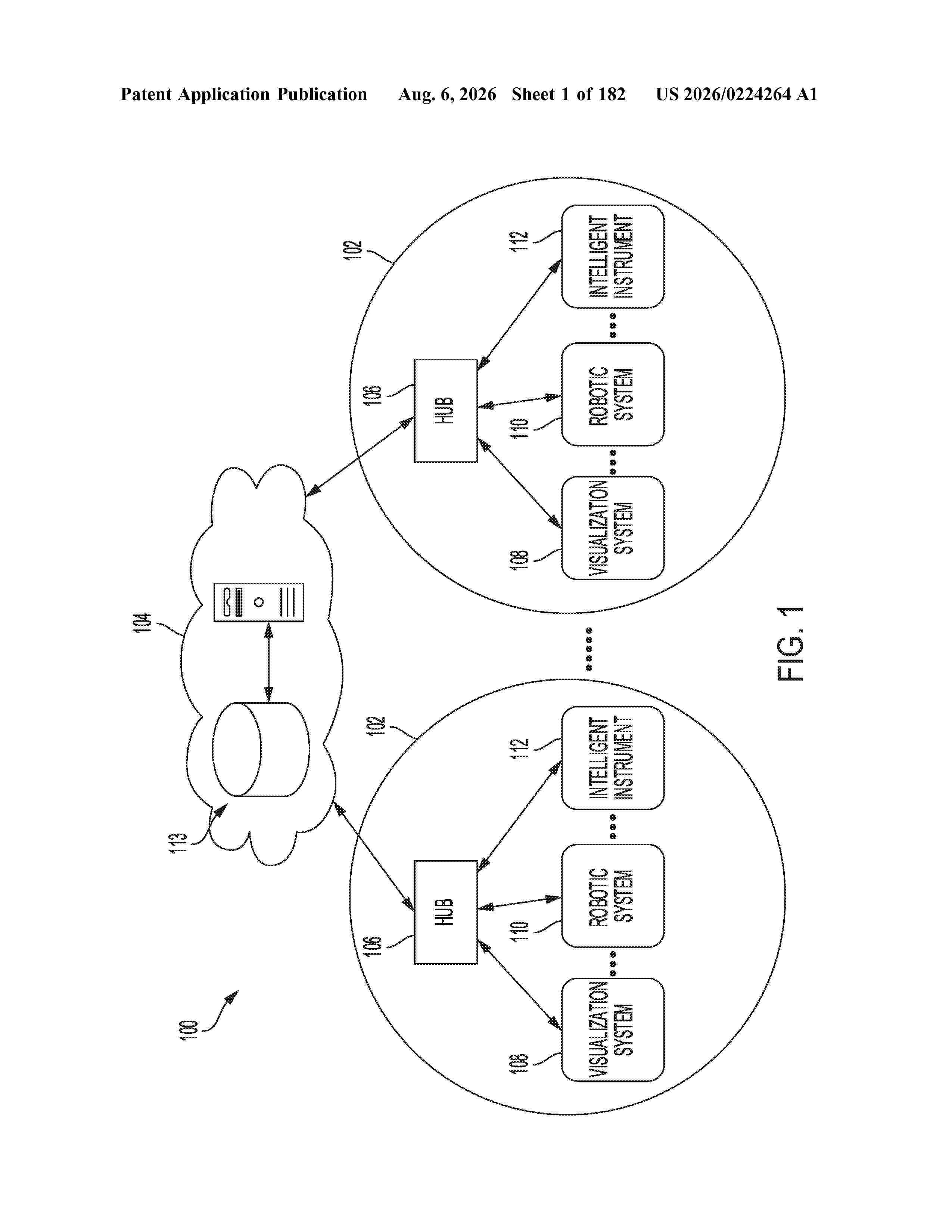
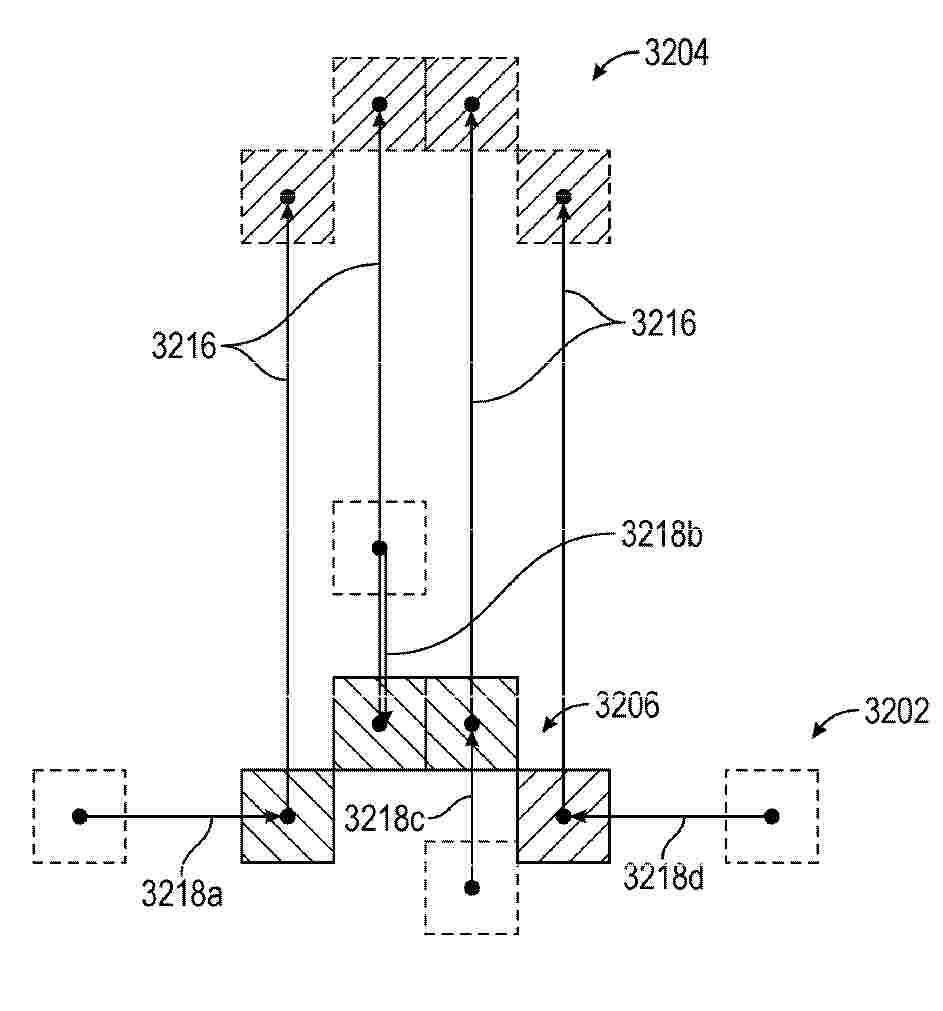
Resumen de: US20260224264A1
0000 A modular surgical system is disclosed that includes a control module configured to generate a start signal and a surgical module arrangeable in a stack configuration with the control module. The surgical module comprises a timing module configured to receive the start signal and initiate a timer based on receiving the start signal and a delay circuit configured to receive the start signal and transmit a delayed signal to the timing module based on receiving the start signal. The delayed signal is configured to finalize the timer at an elapsed time.

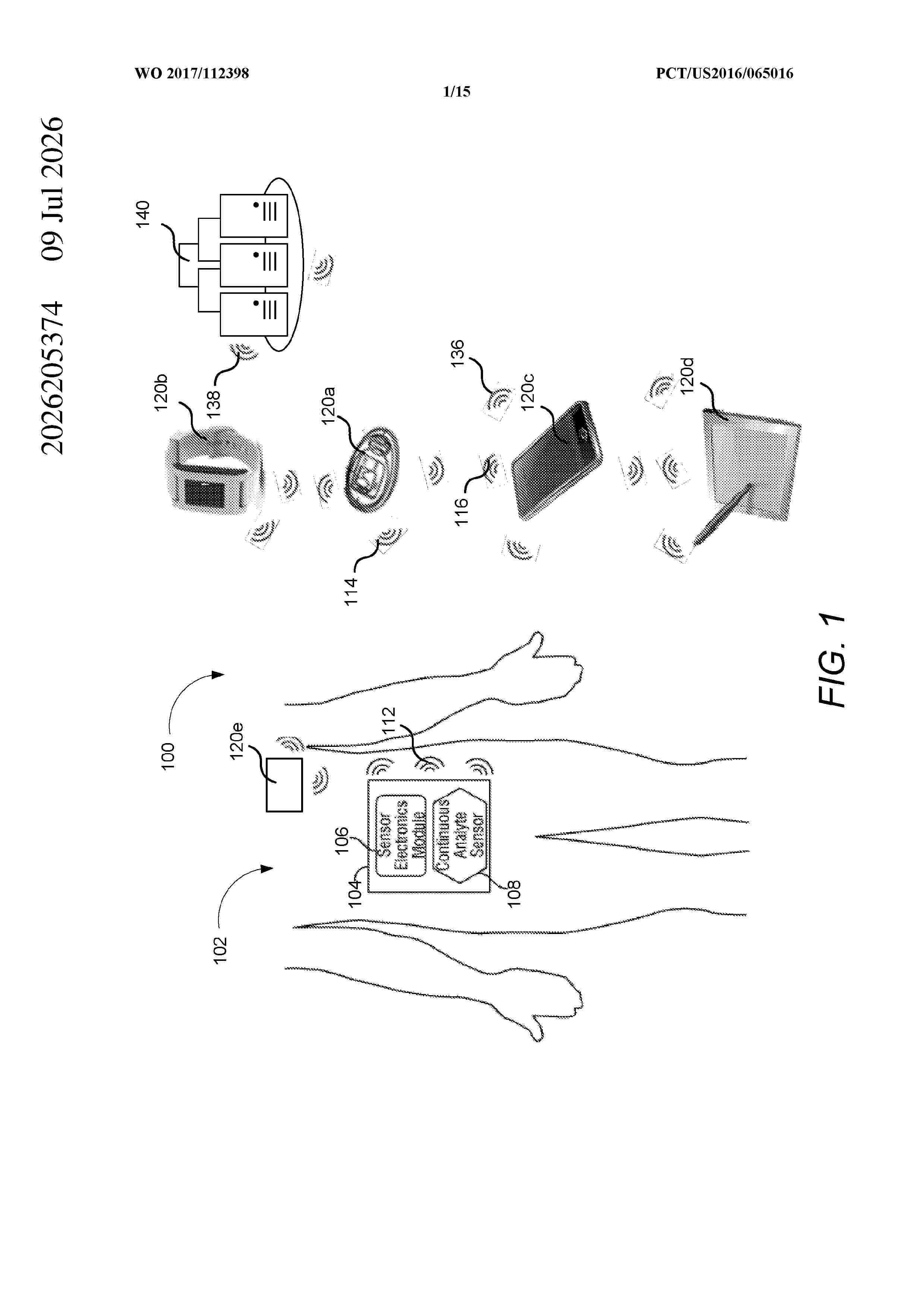
Resumen de: AU2026205374A1
Disclosed are devices, systems and methods for power management in an electronics unit of a sensor device, e.g., such as in a continuous analyte sensor system. In some example embodiments, there is provided a method that includes monitoring, by a controller of a sensor electronics module, counts associated with signals received from a sensor device for a first period of time. The method also includes comparing a number of received counts with one or more benchmarked count thresholds, and determining whether to initiate an operational mode of the sensor electronics module based on the comparison. Related systems, methods, and articles of manufacture are also described. manufacture are also described. ul u l m a n u f a c t u r e a r e a l s o d e s c r i b e d
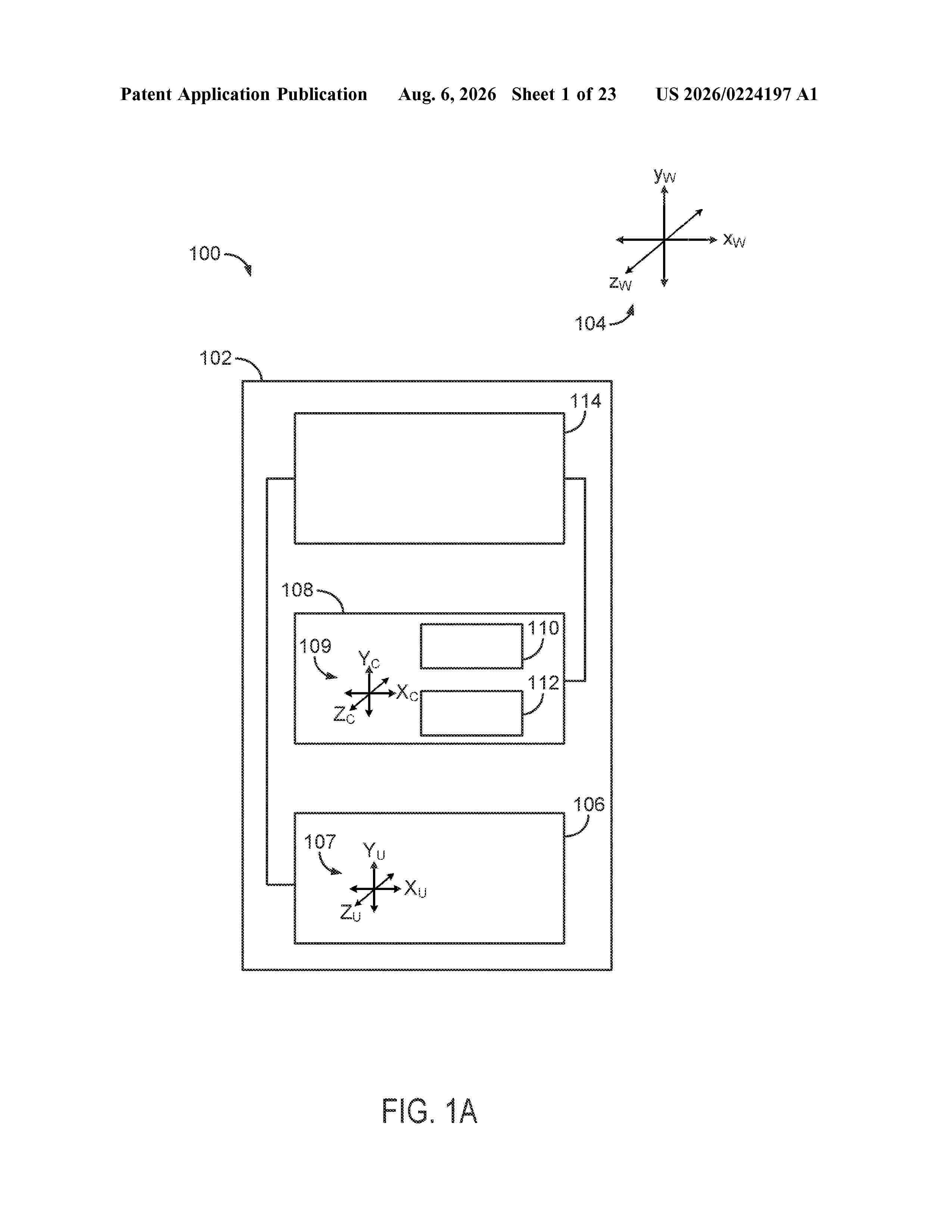
Resumen de: US20260224197A1
0000 An apparatus and method for integrated ultrasound and photoacoustic imaging (USPAI) and visual odometry (VO) three-dimensional (3D) USPA imaging reconstruction is described. The apparatus is configured for freehand scanning. A processor is configured to synchronize the imaging scans acquired by the USPA probe and odometer data from the at least one optical sensor and inertial measurement unit (IMU) of the visual odometer, whereby the data from their respective components is timestamped. Alignment and smoothing steps enable accurate 3D reconstruction of the two-dimensional UPSA imaging scans from the linear translational motion of the USPA probe.
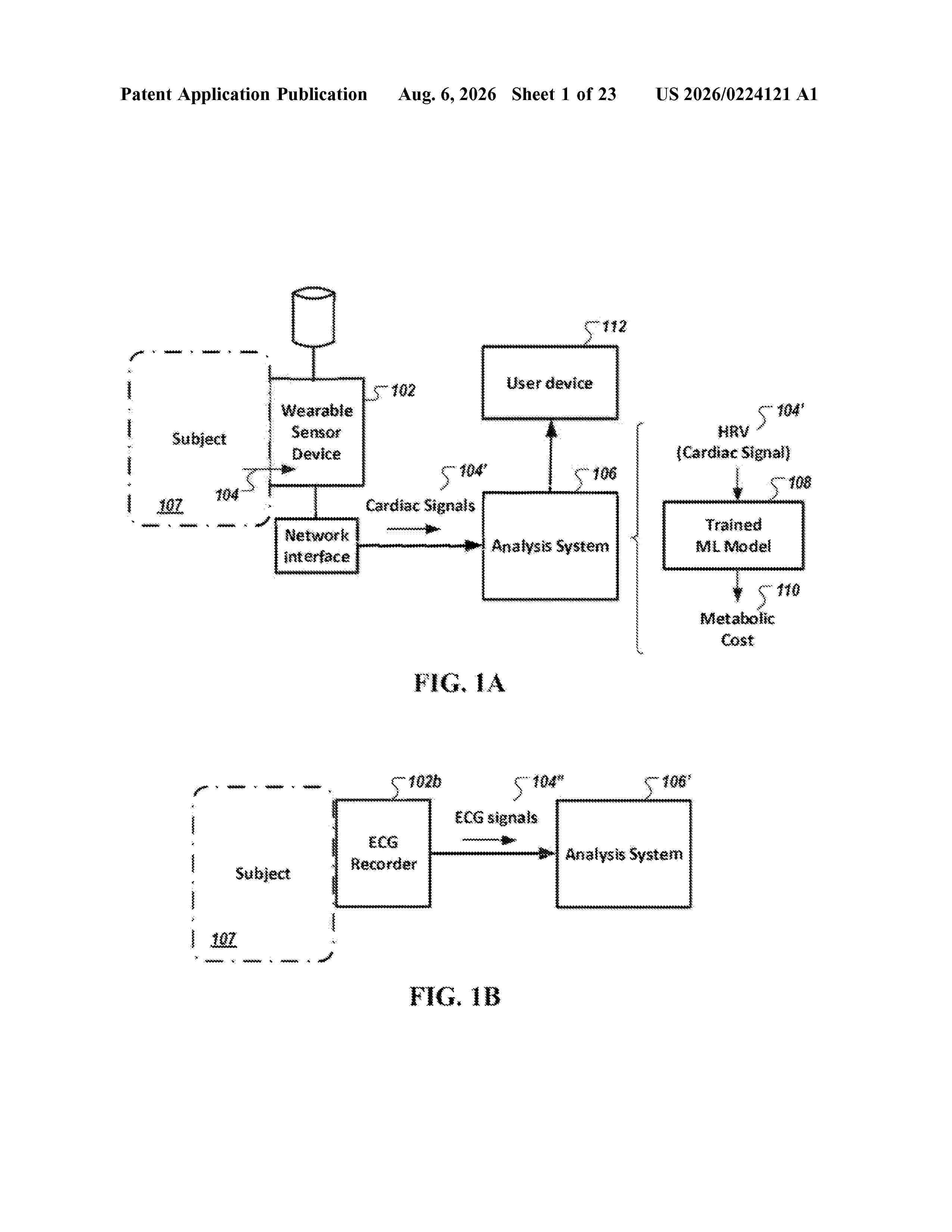
Resumen de: US20260224121A1
An exemplary system and method are provided that can determine a measure of metabolic cost from heart rate variability data acquired from cardiac signals using a trained machine learning model. The exemplary system and method can employ cardiac signals acquired via ECG equipment or from wearable sensor device.
Resumen de: US20260224697A1
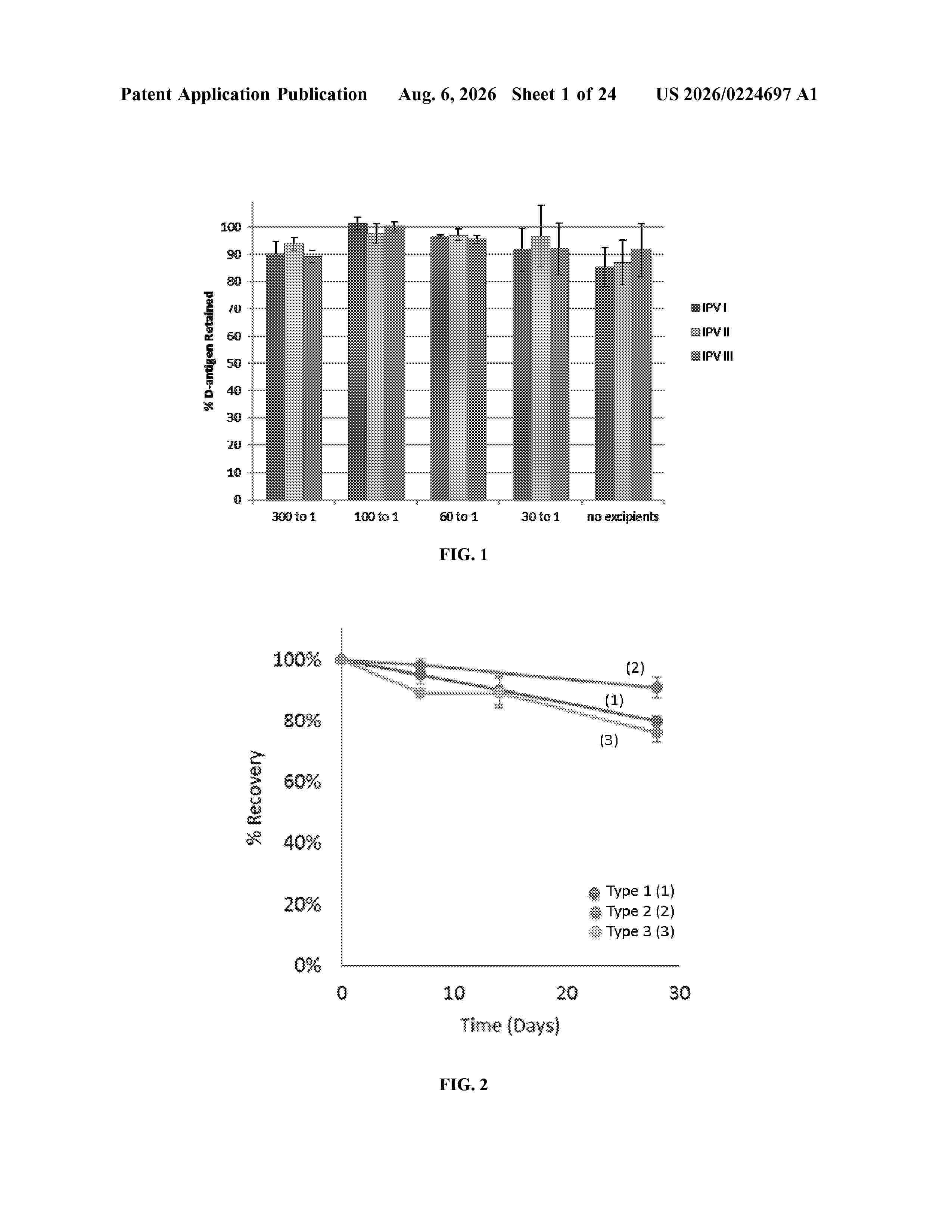
0000 Emulsion-based and micromolded (“MM”) or three dimensional printed (“3DP”) polymeric formulations for single injection of antigen, preferably releasing at two or more time periods, have been developed. Formulations are preferably formed of biocompatible, biodegradable polymers. Discrete regions encapsulating antigen, alone or in combination with other antigens, adjuvants, stabilizers, and release modifiers, are present in the formulations. Antigen is preferably present in excipient at the time of administration, or on the surface of the formulation, for immediate release, and incorporated within the formulation for release at ten to 45 days after initial release of antigen, optionally at ten to 90 day intervals for release of antigen in one or more additional time periods. Antigen may be stabilized through the use of stabilizing agents such as trehalose glass. In a preferred embodiment for immunization against polio, antigen is released at the time of administration, and two, four and six months thereafter.
Resumen de: US20260223821A1
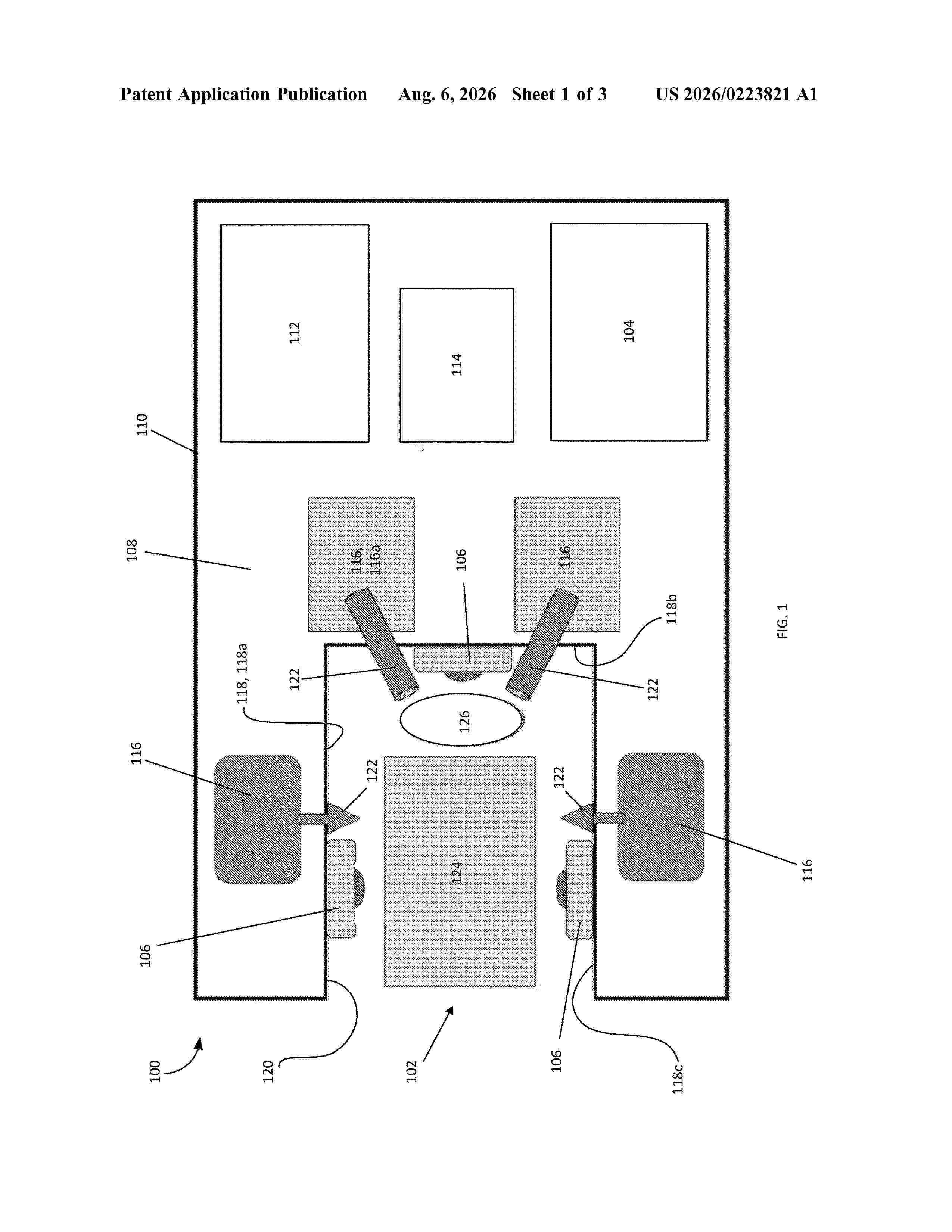
0000 An administration apparatus is disclosed. The administration apparatus according to the present disclosure can include one or more imaging devices, a computer configured to receive image data from the one or more imaging devices, a floorplate operatively coupled to the computer, and one or more reservoirs each coupled to a respective administration device configured to administer one or more attractants and/or substances when directed by the computer. The computer can be configured to identify whether the image data shows a target subject or a non-target subject. If the computer identifies a target subject the apparatus can administer a substance, and if the computer identifies a non-target subject the apparatus can provide a deterrent such that the non-target subject is discouraged from remaining near the apparatus.
Resumen de: US2019175821A1
A pump for administering an agent to a patient includes a housing, a motor, a gearbox, a sensor, and a controller. The motor may be coupled to housing. The gearbox is operatively connected to said motor. The sensor senses a rotation of said motor. The controller acts to control operation of said motor and monitor the quantity of said agent delivered to said patient. The pump also includes a pump assembly such that the pump is configured such that the pump assembly may be interchangeable from a syringe pump assembly and a peristaltic pump assembly.
Resumen de: US20260229316A1
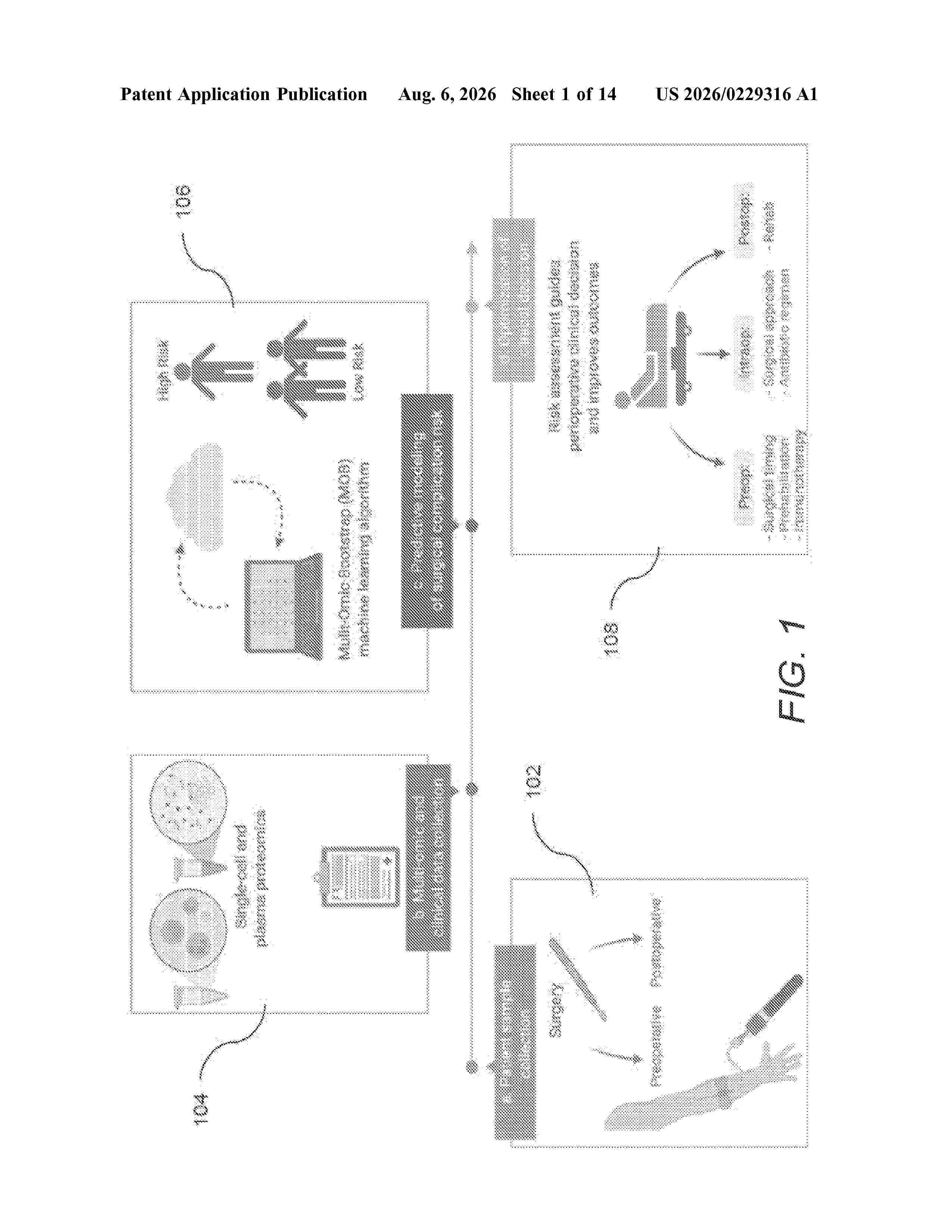
Embodiments herein describe systems and methods to generate a risk score for an individual to develop postoperative neurocognitive disorder (POND). Various embodiments obtain multi-omics data from an individual, such as genomics, transcriptomics, and proteomics. In certain embodiments, a machine learning algorithm is used to generate the risk score based on the multi-omics data. In further embodiments, clinical data is further used in the determination of the risk score.
Resumen de: JP2023156032A
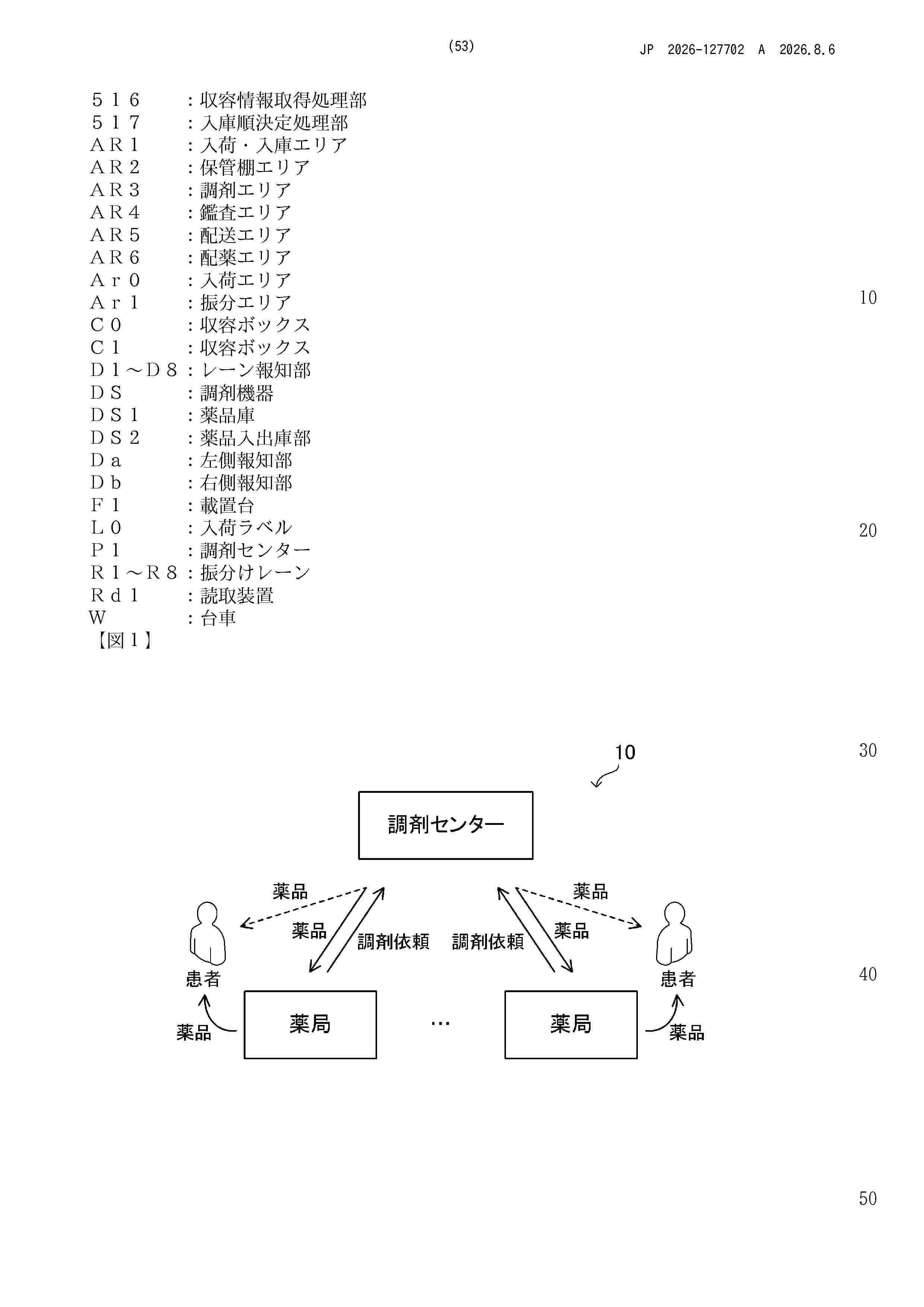
To provide a medicine warehousing system, a medicine distribution device, a medicine warehousing method and a medicine warehousing program which can reduce a load of the warehousing work of medicines in a pharmaceutical preparation facility.SOLUTION: In a medicine warehousing system, a first specific processing unit specifies a distribution destination corresponding to a medicine shown by medicine identification information acquired by a first acquisition processing unit in the plurality of distribution destinations, a second acquisition processing unit acquires distribution destination identification information with which the distribution destination can be identified, a third acquisition processing unit acquires storage unit identification information with which a storage unit storing the medicine can be identified, and a registration processing unit associates the medicine identification information of the medicine corresponding to the distribution destination shown by the distribution destination identification information acquired by the second acquisition processing unit with the storage unit identification information acquired by the third acquisition processing unit and registers them.SELECTED DRAWING: Figure 25
Resumen de: US20260224172A1
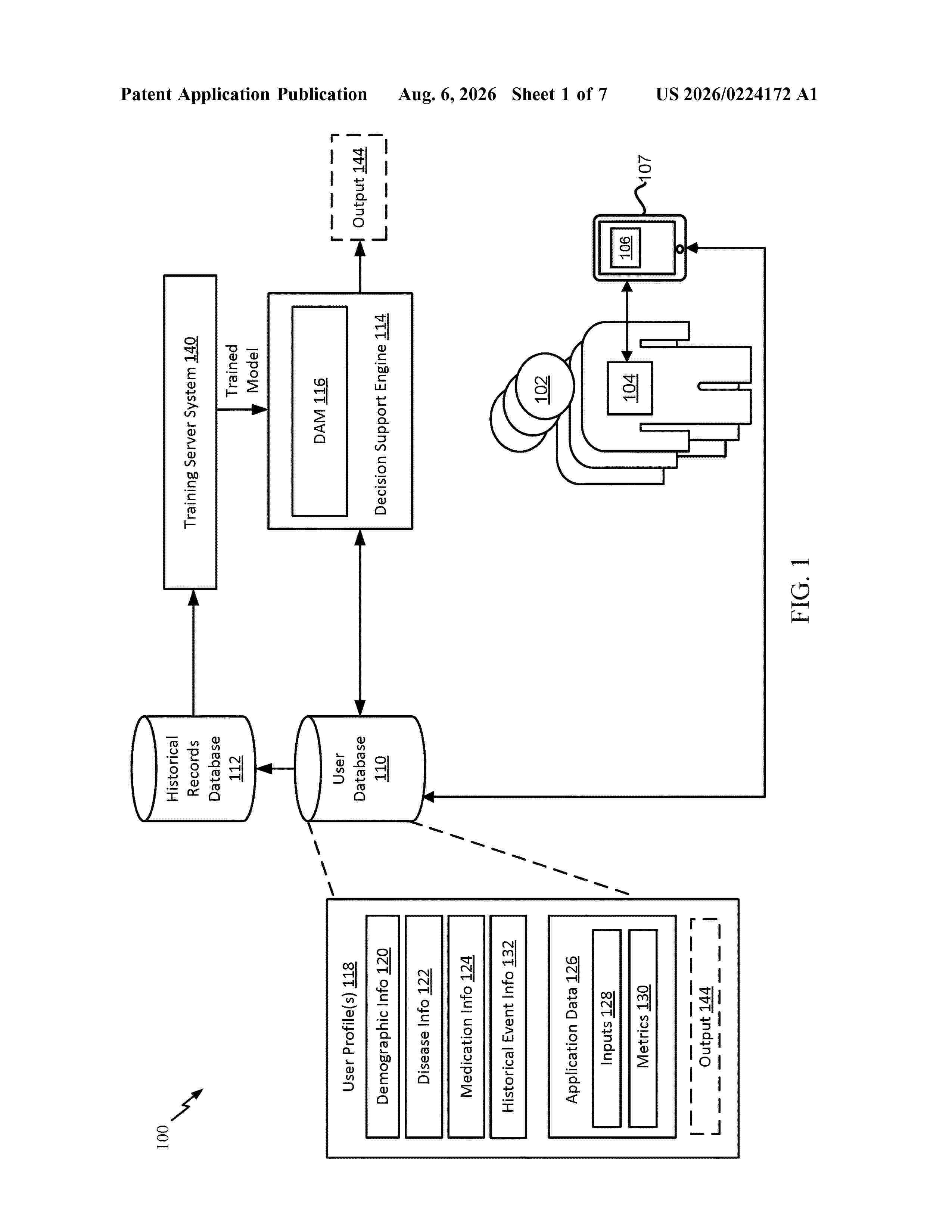
Certain aspects of the present disclosure relate to methods and systems for predicting glycemic events in a patient induced as a result of physical activity. In certain aspects, a method includes monitoring a plurality of analytes of the patient continuously during a time period to obtain analyte data, the plurality of analytes including at least glucose and lactate. The method further includes processing the analyte data from the time period to determine an intensity level of physical activity engaged by the patient during the time period. The method further includes generating a glycemic event prediction using at least the analyte data for the plurality of analytes and the determination of physical activity intensity. The method further includes generating one or more recommendations for treatment for the patient based, at least in part, on the glycemic event prediction.
Resumen de: US20260228888A1
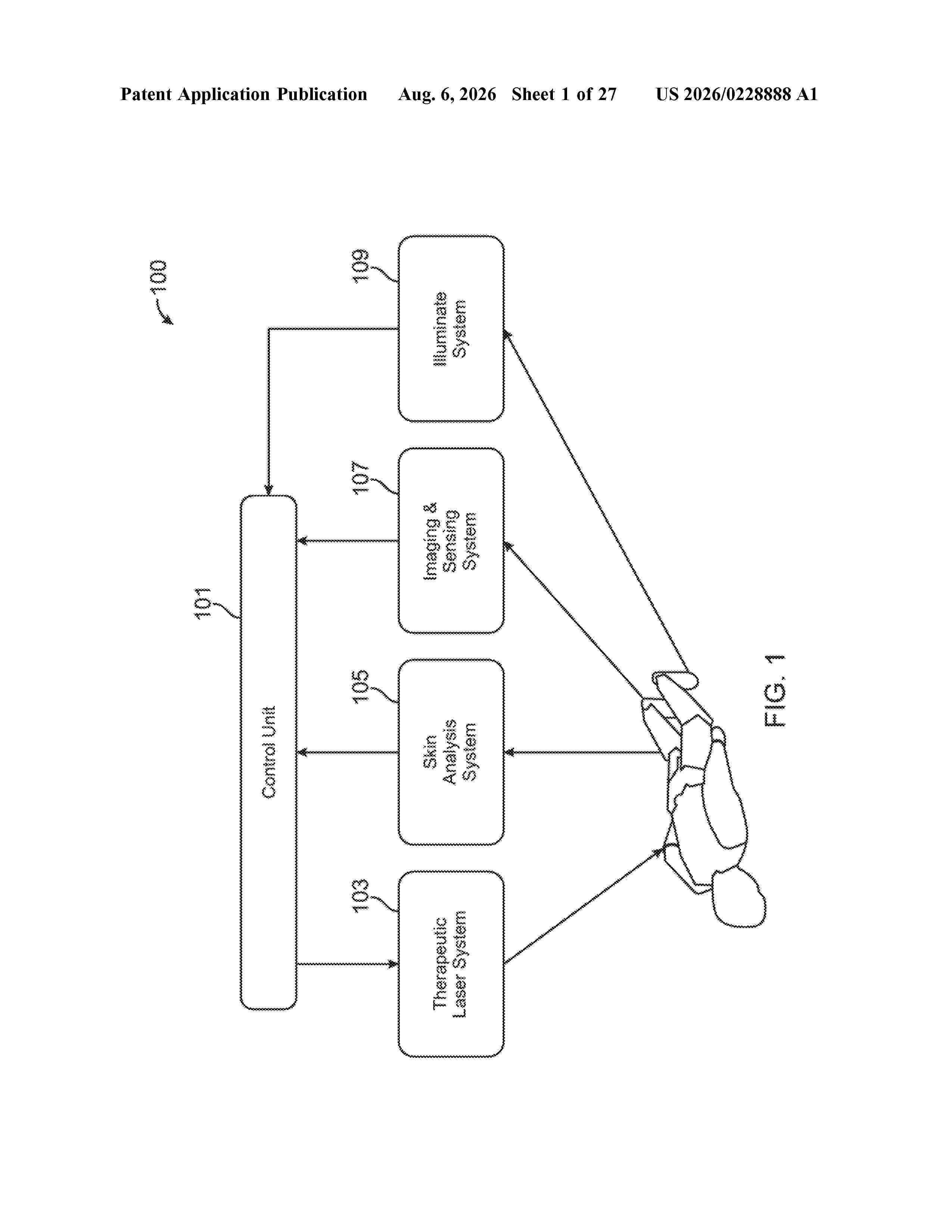
A skin imaging and diagnostic method and apparatus comprising, a frame, configured to circumscribe a target tissue on the skin of a patient. An electro-optics unit of the apparatus comprising: an illuminator assembly comprising illuminating elements, configured to provide illumination light on the target tissue; an imaging optics assembly; and an image sensor assembly, comprising an image sensor, wherein the imaging optics assembly is configured to collect backscattered said illumination light from the target tissue and focus the collected backscattered illumination light on the image sensor; and the image sensor is disposed to consequently sense an image of the target tissue. A controller configured to activate illuminating elements and to capture each image from the image sensor.
Resumen de: WO2022245593A1
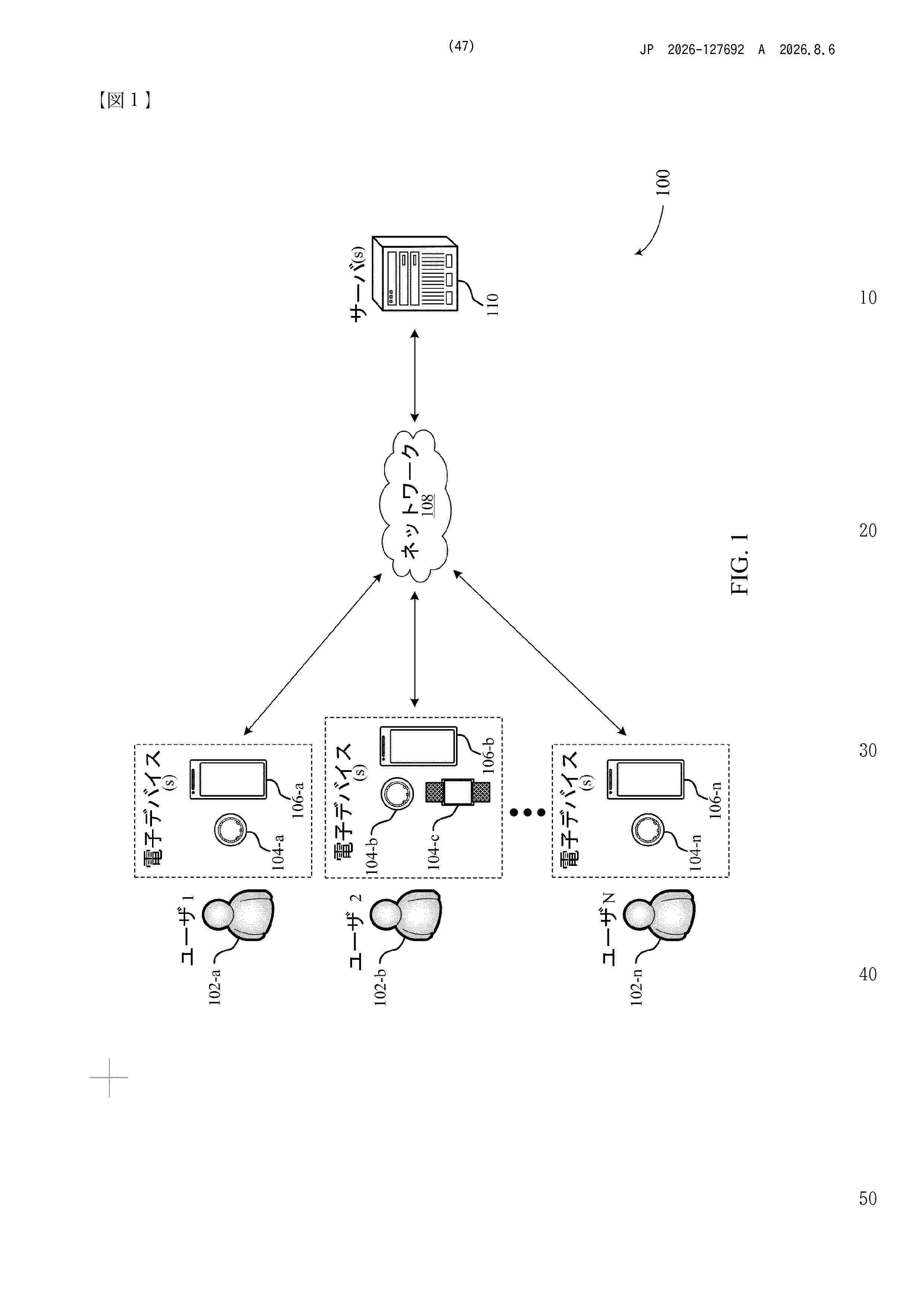
Methods, systems, and devices for sleep staging algorithms are described. A system may receive physiological data associated with a user from a wearable ring device, where the physiological data is collected via the wearable ring device throughout a time interval. The system may input the physiological data into a machine learning classifier, and classify the physiological data, using the machine learning classifier, into at least one sleep stage of a set of sleep stages for at least a portion of the time interval. The system may subsequently cause a graphical user interface (GUI) of a user device to display an indication of the at least one sleep stage of the set of sleep stages based on classifying the physiological data.
Resumen de: US20260224130A1
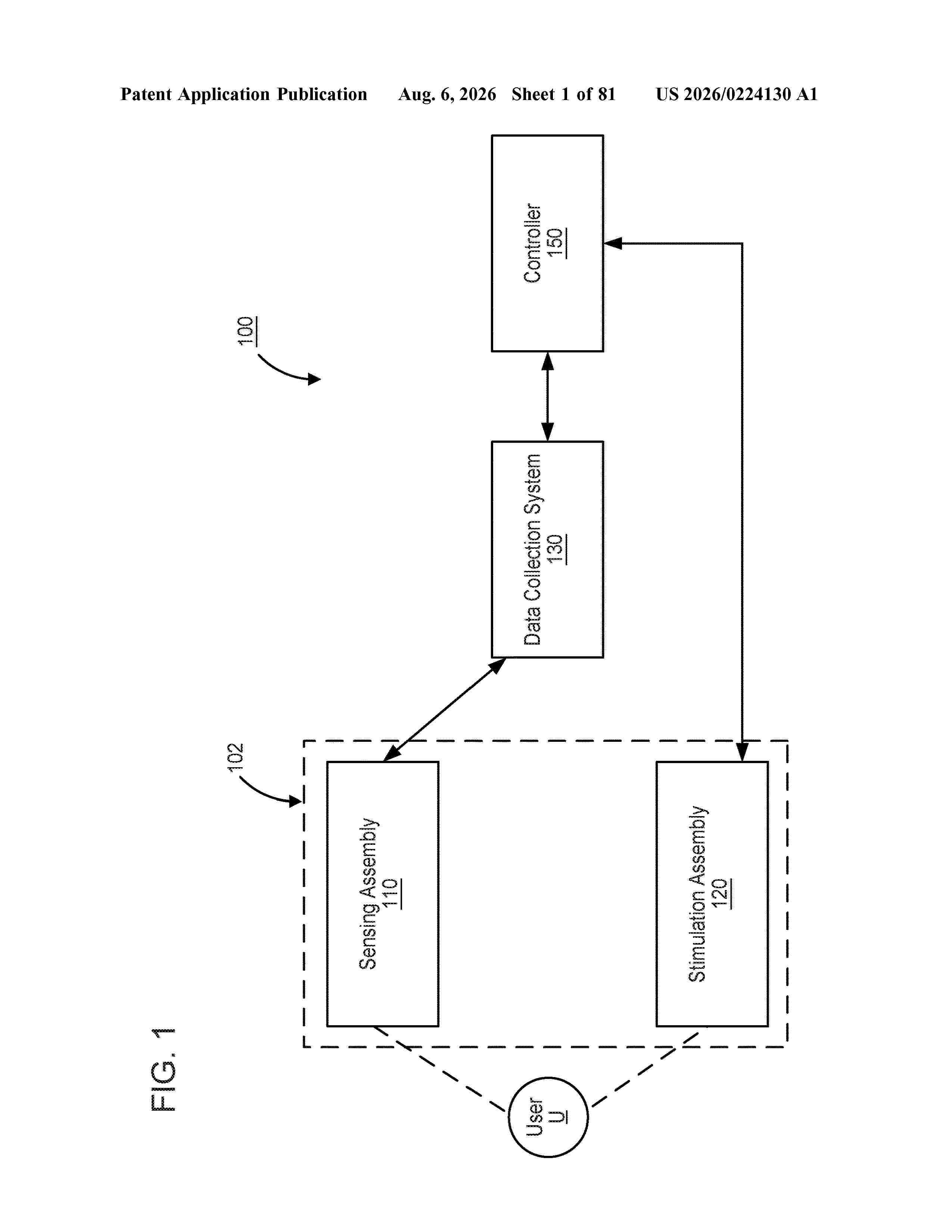
0000 A system includes a sensing assembly configured to be disposed on a mastoid of a user. The sensing assembly includes a housing, a first sensor disposed in the housing and configured to measure a first phybrata signal from the user, and a second sensor disposed in the housing and configured to measure a second phybrata signal from the user, the second phybrata signal different from the first phybrata signal. A controller is in communication with the sensing assembly. The controller is configured to: receive a first phybrata data from the sensing assembly, the first phybrata data including information obtained from the first phybrata signal and the second phybrata signal. The controller is configured to determine a phybrata parameter associated with the user based on the first phybrata data, and determine a phybrata signature associated with the user based on the phybrata parameter.
Resumen de: US20260224289A1
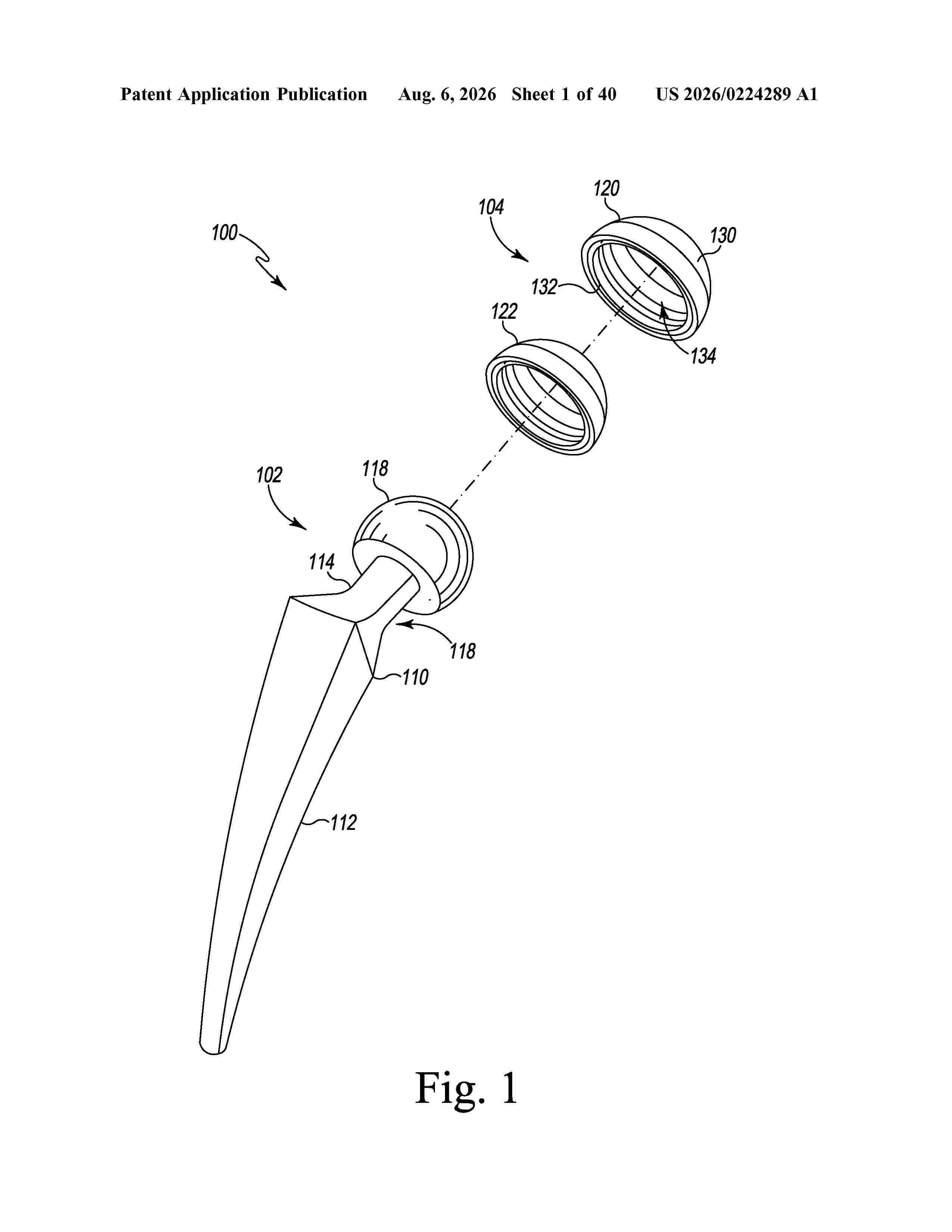
0000 An apparatus, system, and method for determining a position of a hip prosthesis in a bone of a patient includes determining a set of contact points between a femoral head of a femoral prosthesis and a cup liner of an acetabular cup to be implanted into a patient based on a mechanics model. The mechanics model is indicative of mechanical motion of a hip exhibited during performance of a set of ADL or at corresponding functional positions of the patient. In some embodiments, a mathematical model may be generated based on a plurality of sets of contact points determined using the mechanics model and subsequently used to determine a resultant set of contact points.
Resumen de: US20260229342A1
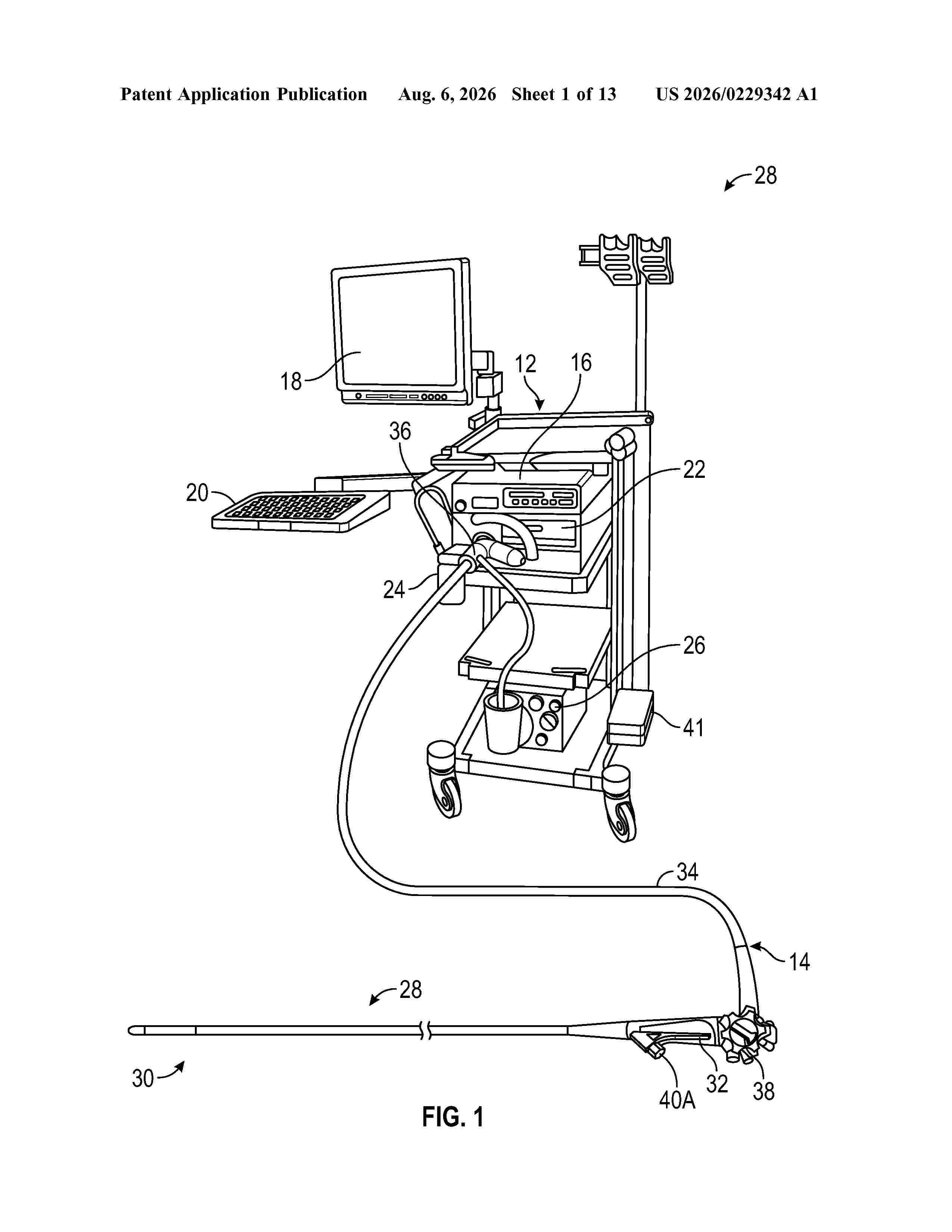
A method for automatic annotation of individual frames of procedural videos can include receiving, with processing circuitry of a controller, a video stream captured by an endoscopic camera during an endoscopic procedure. The video stream can include a first timestamp. The method can also include, receiving an audio recording captured during the endoscopic procedure. The audio recording can include a second timestamp. The method can also include, receiving a transcribed text from the audio recording. The transcribed text can also the second timestamp. The method can also include, annotating the video stream with the transcribed text by corresponding the transcribed audio and the video stream when the first timestamp and the second timestamp agree.
Resumen de: US20260224610A1
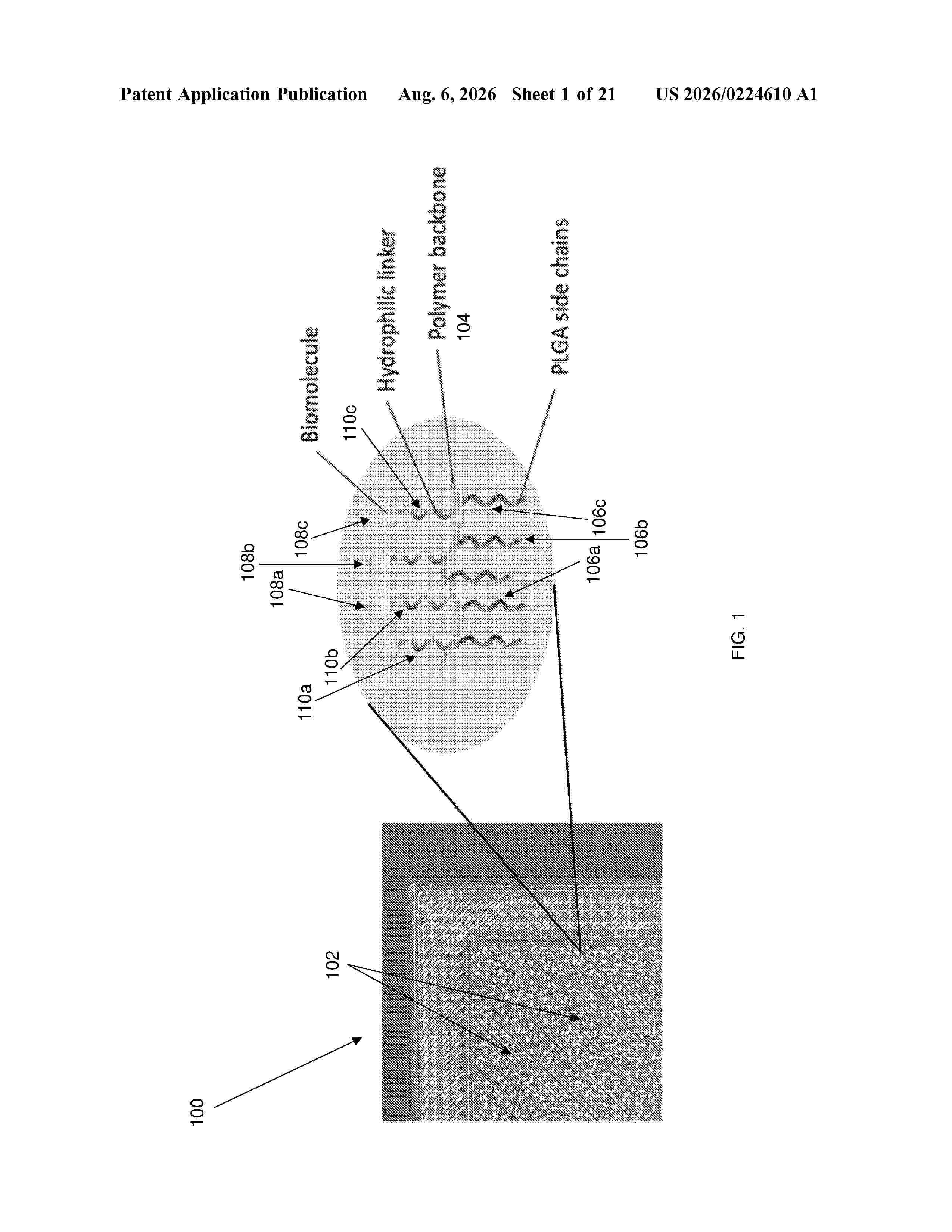
0000 There is provided a regenerative material for treatment of wounds, the material comprising: (i) a base poly(lactic-co-glycolic acid) (PLGA); (ii) a bioactive poly(lactic-co-glycolic acid) (PLGA) copolymer; and (iii) pores patterned on said material. Also provided are a medical device comprising said regenerative material, medical uses of said regenerative material, and a method of preparing said regenerative material.
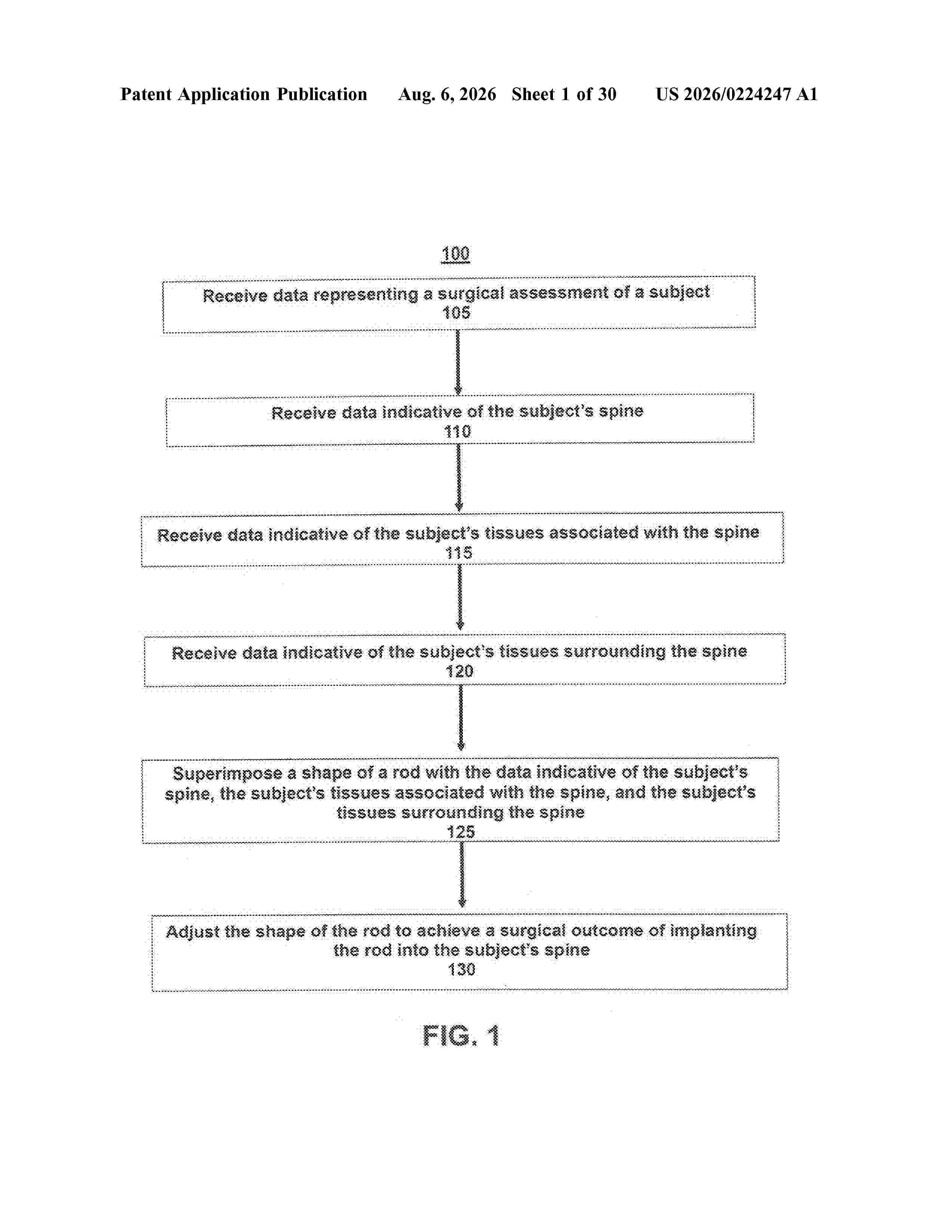
Resumen de: US20260224247A1
0000 Machine learning techniques are disclosed for making of spinal fixation rods and other custom orthopedic implants with preferred, long-term surgical outcomes, each implant with a shape predicted by multiple layers of trained convoluted neural networks, mainly for use in a spinal surgery on a subject's spine. The rods provide predictable long-term outcomes for the patients. The rods include a curvature that is matched to the features of matching a unique curvature of the subject's spine; matching a preferred outcome from a large data set of improved patients; and matching a machine learning algorithm for two or more tulip head screw position markings on the rod operative to ensure an execution of a surgical plan following the rod's established contour. The implants can be configured in a kit ready for use by a surgeon in a surgical procedure.
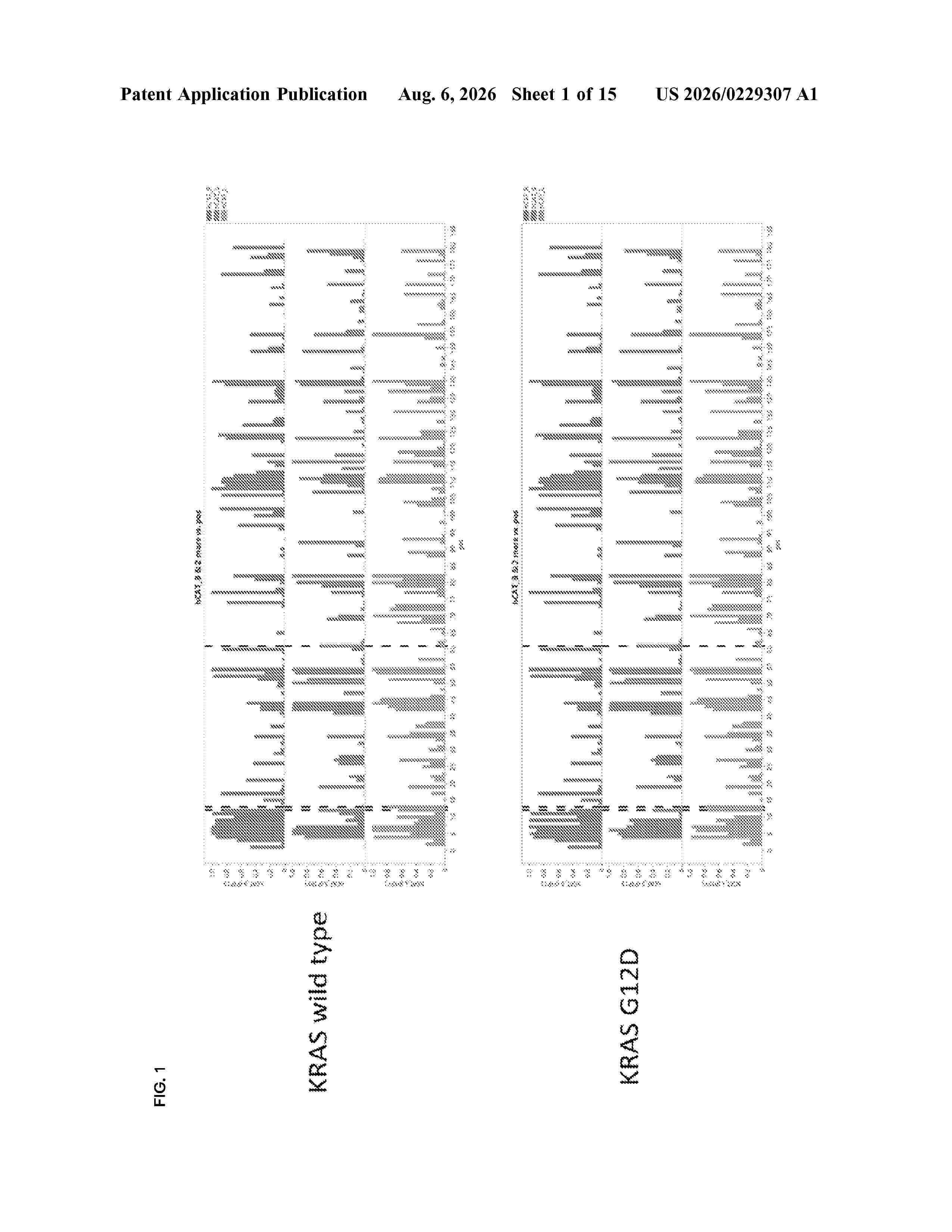
Resumen de: US20260229307A1
0000 The present invention relates to methods for treating, by administration of a cathepsin inhibitor, a subject who is affected by a tumor comprising a specific tumor mutation in a peptide that is cleaved with high frequency by a cathepsin and in which such cleavage prevents the presentation of a neoantigen thereby enabling immune evasion and tumor progression.
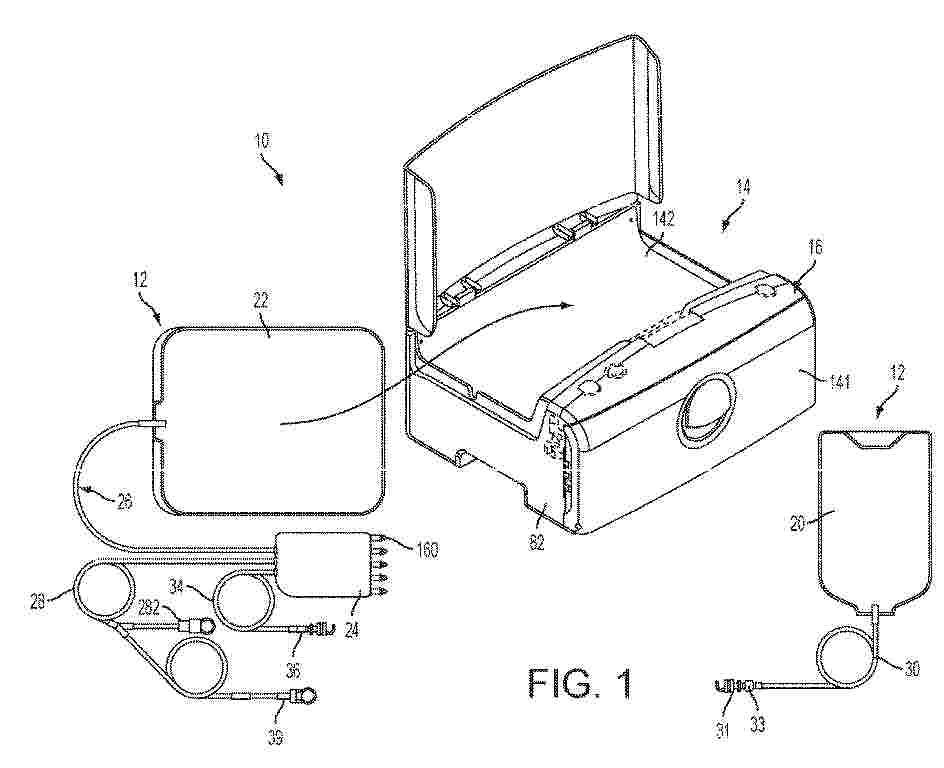
Resumen de: EP4785972A2
0001 A system for use with a fluid handing set having a first fluid handling set portion and a second fluid handling set portion, is disclosed. The system comprises a pumping cassette included in the first fluid handling set portion having a first pump chamber; a pressure distribution assembly having a control surface against which the pumping cassette is held, and including at least one pressure transducer configured to output data indicative of the pressure of the first pump chamber; a high pressure source coupled to the second fluid handling set portion; and a controller configured to receive the data, and generate a failsafe command signal upon determination that the data indicates a pressure rise greater than a predetermined threshold when a fluid flow path between the first pump chamber and the high pressure source is open.
Resumen de: EP4787386A2
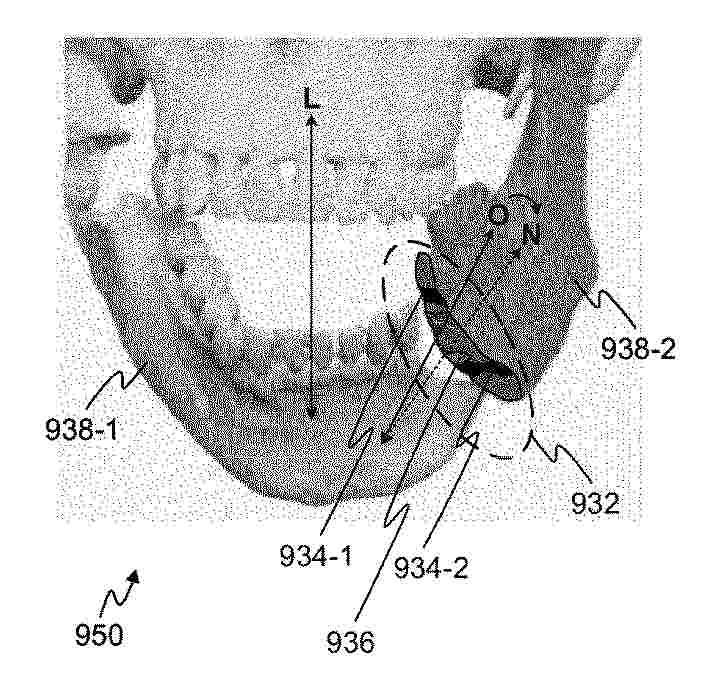
Devices, systems, and methods for orthodontic treatment planning and orthodontic treatment are disclosed herein. Various embodiments of the present technology, for example, are directed to a method of obtaining data characterizing movements of a patient's teeth from original positions to desired, final positions. In some embodiments, the method can include identifying one or more components of the movements, evaluating the movements, and/or modifying the movements. A method in accordance with several embodiments of the present technology can comprise obtaining an orthodontic treatment plan, which can include one or more suggested interventions to accomplish the tooth movements, a design of such intervention(s), and/or other useful information regarding the orthodontic treatment. In some embodiments, a method of the present technology comprises evaluating an orthodontic treatment during and/or after implementation of the treatment, which can include obtaining data characterizing current positions of the patient's teeth. Based on the evaluation, the method can include obtaining another orthodontic treatment plan and movement data characterizing movements of a patient's teeth from their current positions to desired, final positions.
Resumen de: EP4787302A2
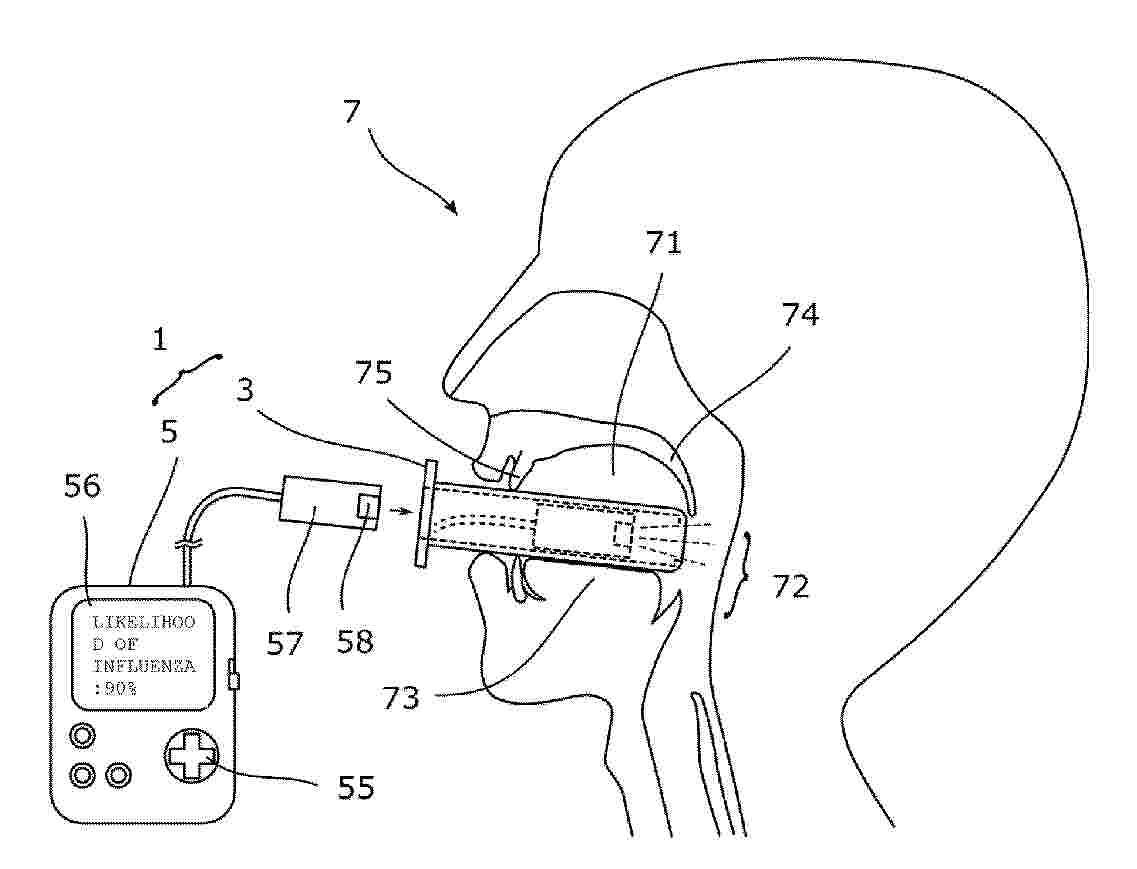
0001 The present invention provides an intraoral imaging apparatus, a medical apparatus, and a program capable of providing auxiliary data for determination regarding the diseases having differences in intraoral findings. The present invention relates to an intraoral imaging apparatus including: an imaging device that acquires an intraoral image; a light source that emits light to a subject of the imaging device; a storage apparatus that stores an algorithm for performing determination of a specific disease; and an arithmetic apparatus, in which the arithmetic apparatus executes: a determination process of determining a possibility of the predetermined disease based on the image and the algorithm; and an output process of outputting a result of the determination process.
Resumen de: EP4785862A1
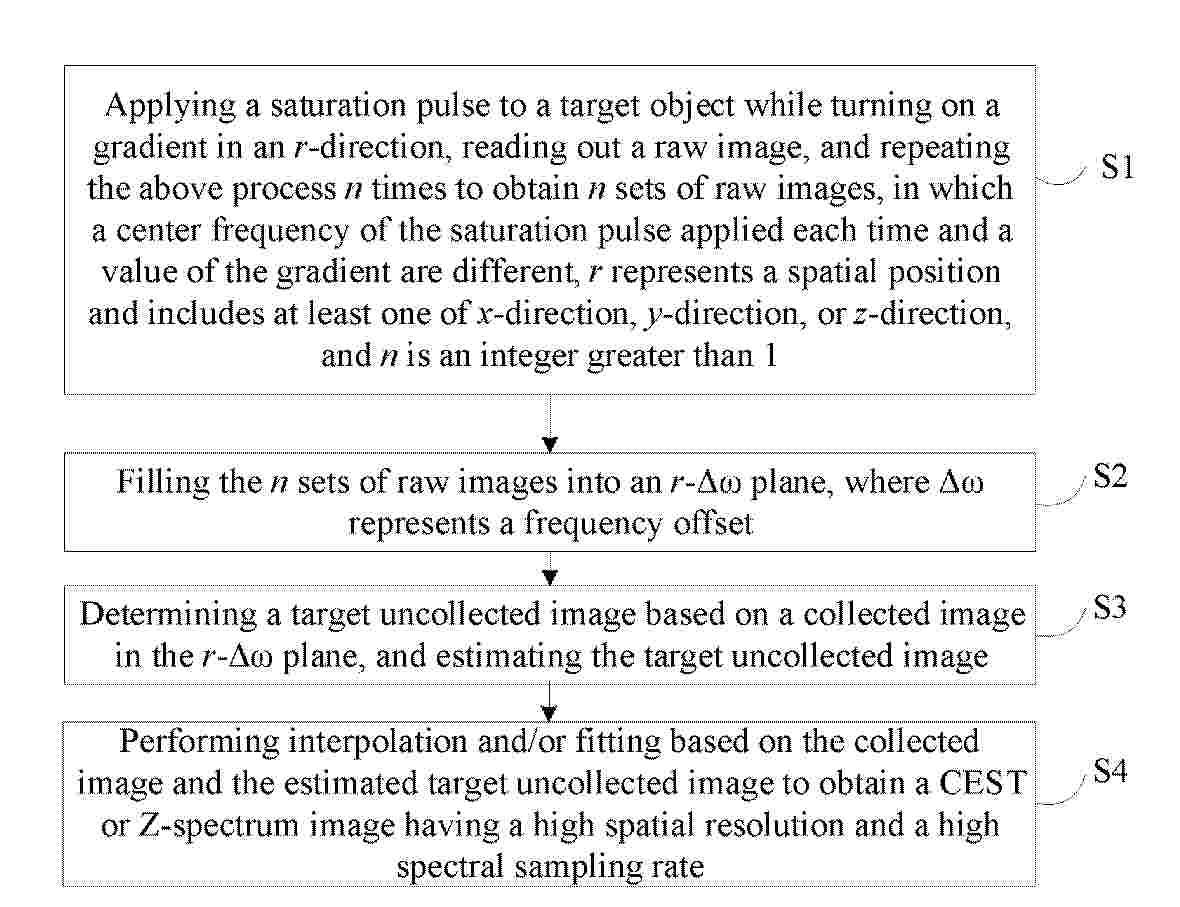
Provided are a variable saturation gradient-based three-dimensional Chemical Exchange Saturation Transfer (CEST) or Z-spectrum magnetic resonance imaging method and an electronic device. The method includes: applying a saturation pulse to a target object while turning on a gradient in an r-direction, reading out a raw image, and repeating the above process n times to obtain n sets of raw images; filling the n sets of raw images into an r-Δω plane; determining a target uncollected image based on a collected image in the r-Δω plane, and estimating the target uncollected image; and performing interpolation and/or fitting based on the collected image and the estimated target uncollected image to obtain a CEST or Z-spectrum image having a high spatial resolution and a high spectral sampling rate.
Resumen de: EP4785899A2
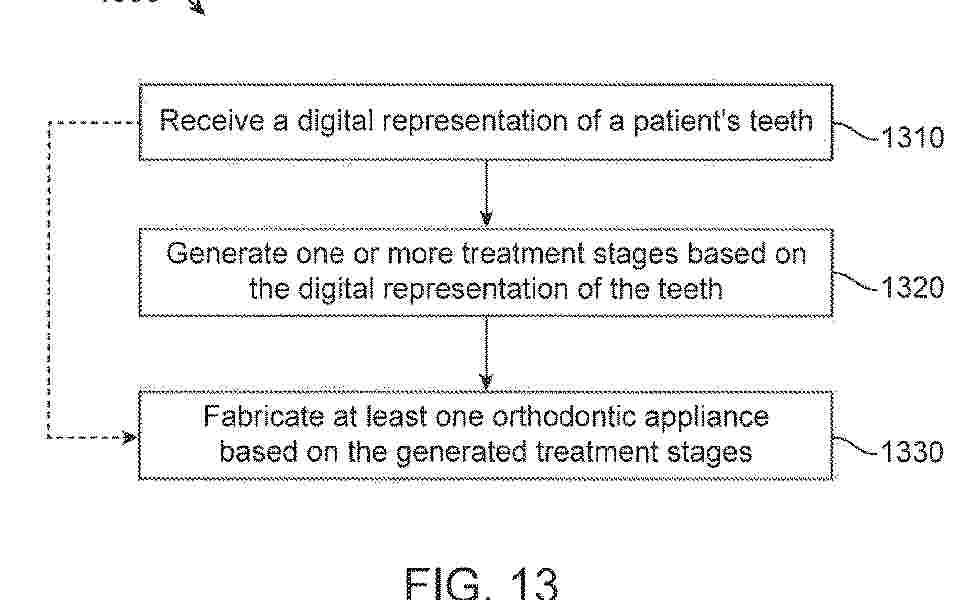
0001 A method for fabricating an orthodontic appliance for repositioning a patient's teeth is disclosed. The method comprises receiving a digital representation of a patient's teeth, generating one or more treatment stages based on the digital representation, wherein the one or more treatment stages are configured to move one or more of the patient's teeth from an initial arrangement to a target arrangement; determining an appliance geometry for an orthodontic appliance based on the one or more treatment stages, wherein the orthodontic appliance comprises a shell comprising a plurality of teeth-receiving cavities; fabricating the shell from a first material using an additive manufacturing technique; and forming a layer on the shell from a second material.
Resumen de: CA3296045A1
Embodiments for generating patient-specific implants for anatomical structures of patients are disclosed. One embodiment includes a method that includes receiving image data of an anatomical structure of a patient, where the image data indicates a fracture site associated with the anatomical structure; receiving manipulation data associated with manipulation of one or more parameters associated with the fracture site in a virtual reality environment; visualizing a three-dimensional (3D) model of the anatomical structure based on the image data, the one or more parameters, and the manipulation data, where the 3D model is visualized in a 3D space; generating a set of instructions for a printer based on the 3D model, and controlling the printer for generating a 3D printed model of the anatomical structure based on the set of instructions. The 3D printed model is configured to receive an implant, such that the implant is contoured to match the fracture site.
Nº publicación: EP4784055A1 05/08/2026
Solicitante:
OSSTEC LTD [GB]
Osstec Limited
Resumen de: GB2633839A
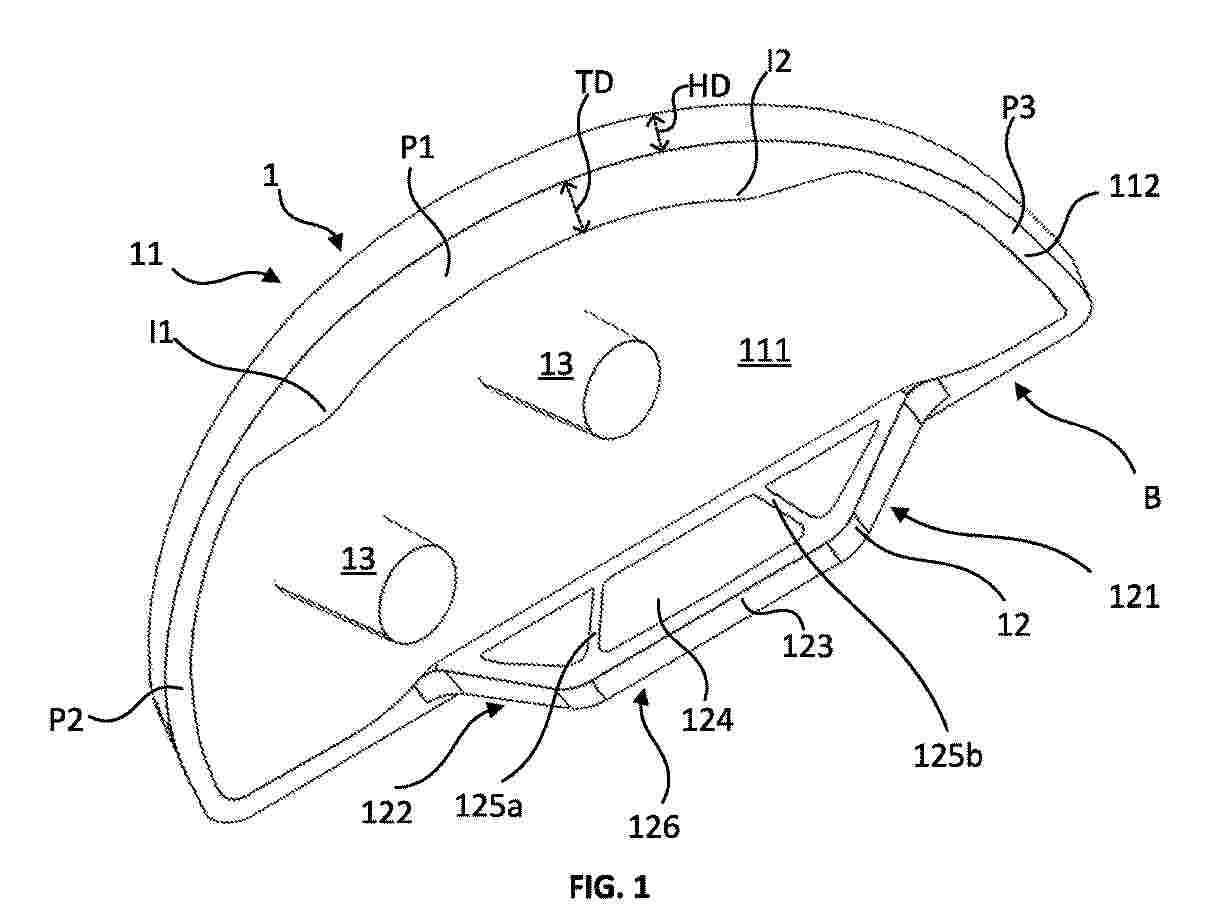
A tibial component 1 for an orthopaedic implant for knee arthroplasty comprises a plate portion 11 and a keel 12. The plate portion comprises a bone interfacing side B. The keel extends from the bone interfacing side of the plate portion and has a posterior side 121, an anterior side 122 opposite the posterior side, and an inferior side 126 extending between the posterior and anterior sides. The keel further comprises a central portion 124 which is a porous structure and a non-porous keel peripheral rim 123 that extends around a perimeter of, and is connected to, the central portion. A posterior part of the peripheral rim provides the posterior side of the keel, an anterior part of the peripheral rim provides the anterior side of the keel, and an interior part of the peripheral rim provides the interior side of the keel. Also disclosed is a kit of parts comprising the tibial component and a surgical cutting tool.
 BOPI
BOPI
 Sede Electrónica